
BirdNote Daily
1,282 episodes — Page 18 of 26
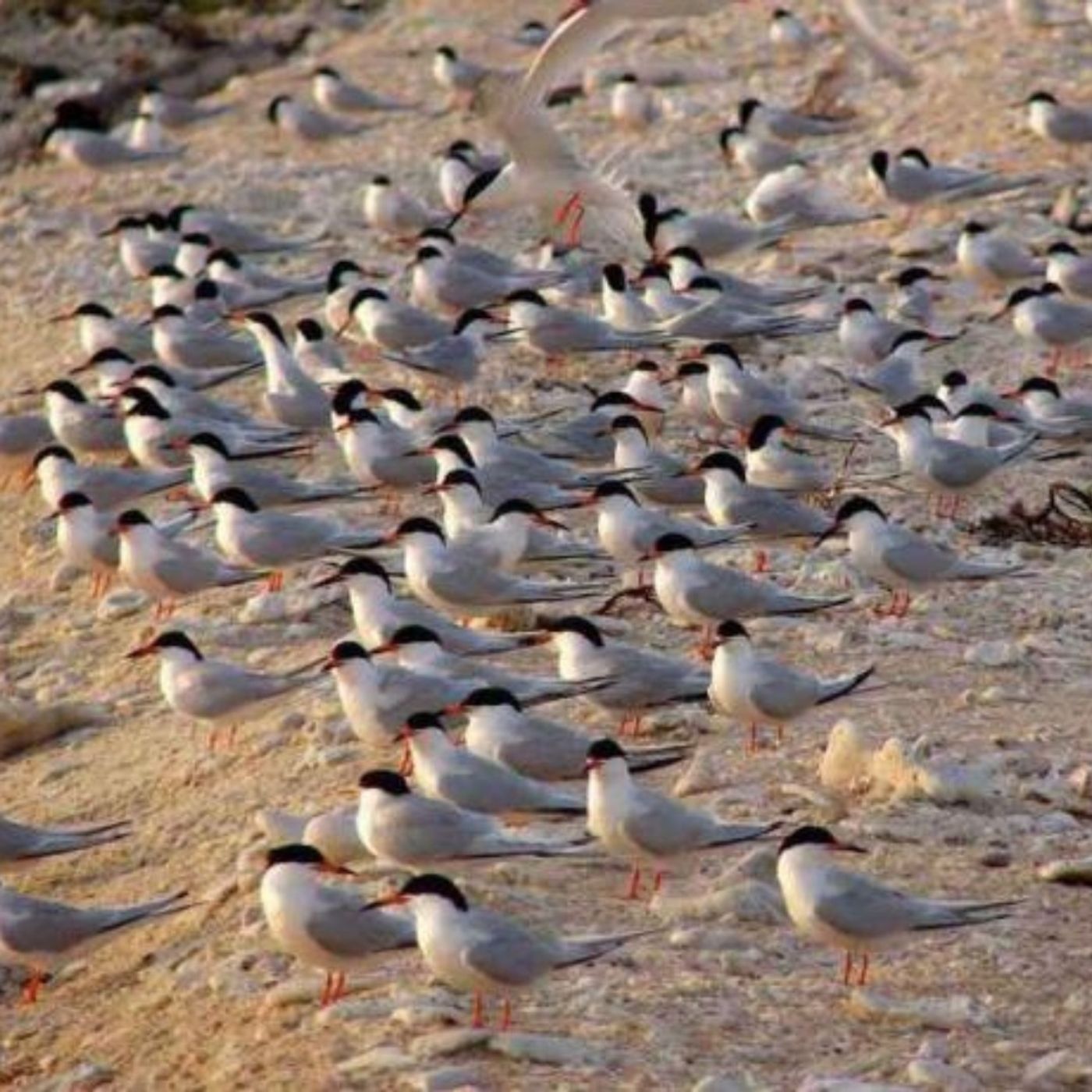
Have You Ever Seen a Pink Gull?
Some gulls and terns may show a glowing pink color, similar to that of flamingos and spoonbills. This pink color comes from pigments in the birds' food called carotenoids. These gulls and terns are able to convert these naturally occurring pigments to hues that may enhance their success at attracting a mate.More info and transcript at BirdNote.org. Want more BirdNote? Subscribe to our weekly newsletter. Sign up for BirdNote+ to get ad-free listening and other perks. BirdNote is a nonprofit. Your tax-deductible gift makes these shows possible. Hosted by Simplecast, an AdsWizz company. See pcm.adswizz.com for information about our collection and use of personal data for advertising.
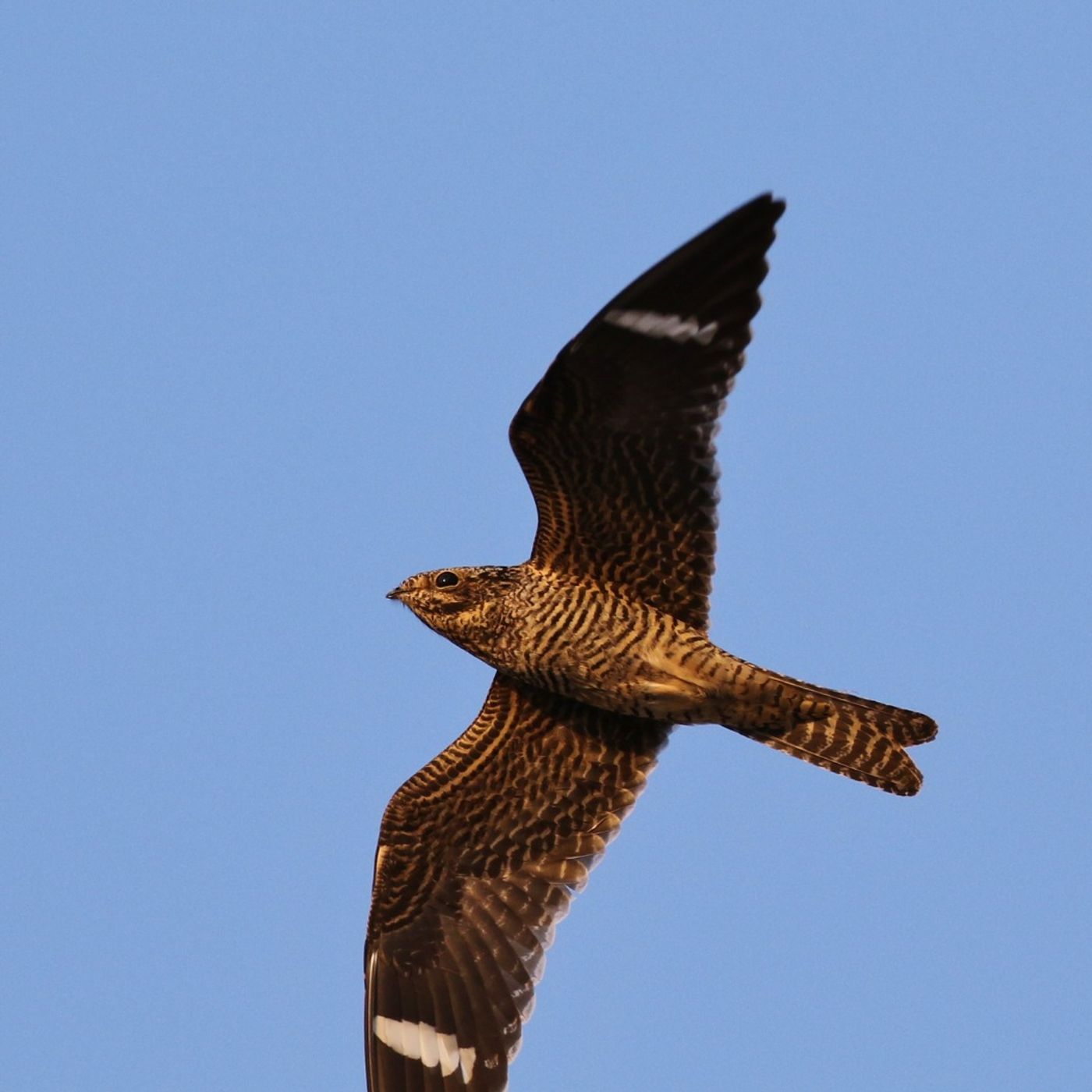
Common Nighthawks at the Ballgame
An evening baseball game isn’t the only thing illuminated by the bright stadium lights. High in the air, countless flying insects are drawn to them. And those insects are a perfect snack for the game’s avian attendees! Common Nighthawks swoop with their wide mouths open to hoover up the flying insects under the lights, performing aerial stunts over the athletes on the ground.More info and transcript at BirdNote.org. Want more BirdNote? Subscribe to our weekly newsletter. Sign up for BirdNote+ to get ad-free listening and other perks. BirdNote is a nonprofit. Your tax-deductible gift makes these shows possible. Hosted by Simplecast, an AdsWizz company. See pcm.adswizz.com for information about our collection and use of personal data for advertising.
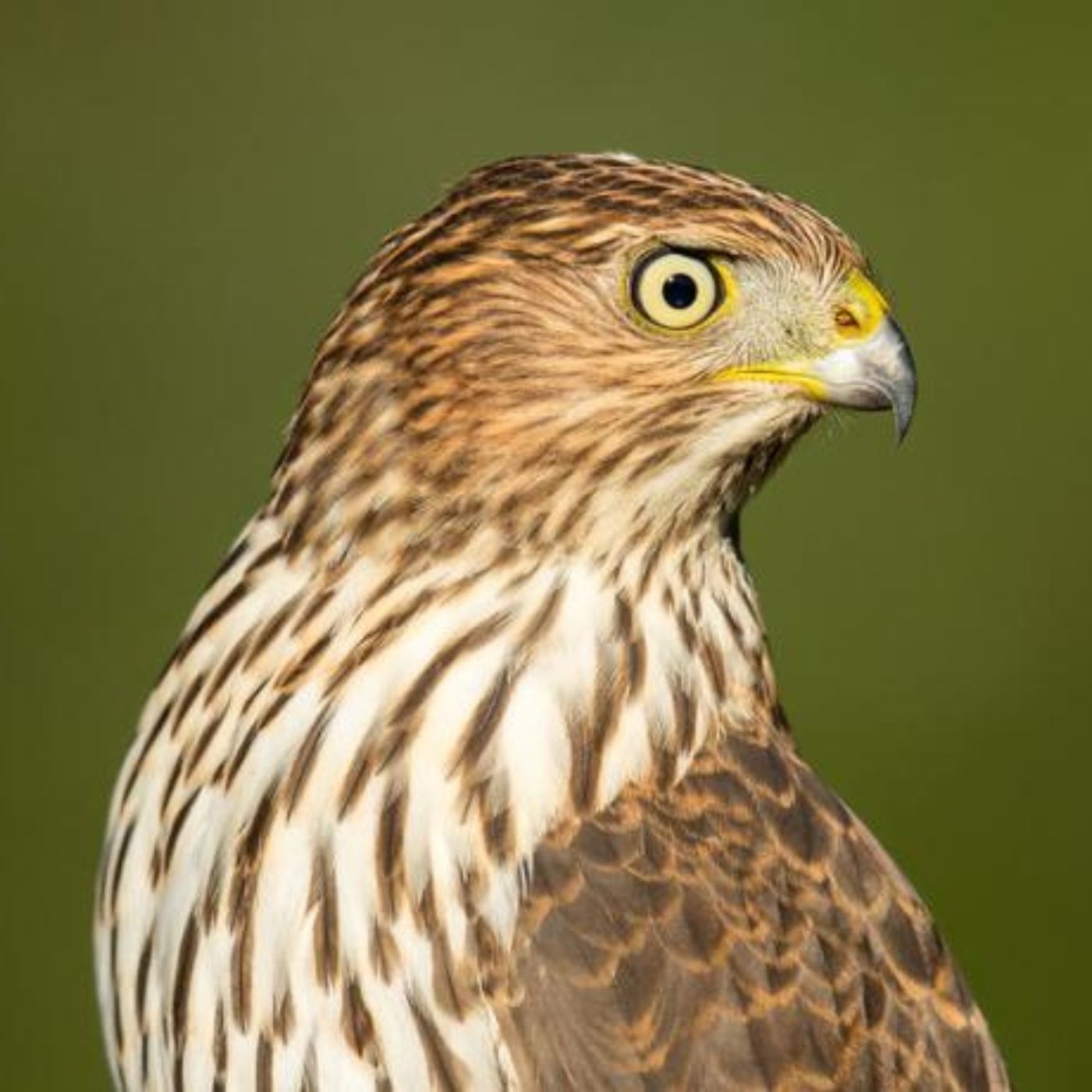
City Hawks Versus Country Hawks
Resident Cooper’s Hawks that nest in the urban areas of Albuquerque, New Mexico, are thriving as the populations of doves, their prey, have exploded. The easy prey gives the urban birds a competitive advantage over hawks in more natural habitats, where prey is less concentrated. The soaring numbers of urban Cooper's Hawks could help preserve the genetic diversity of the species far into the future.More info and transcript at BirdNote.org. Want more BirdNote? Subscribe to our weekly newsletter. Sign up for BirdNote+ to get ad-free listening and other perks. BirdNote is a nonprofit. Your tax-deductible gift makes these shows possible. Hosted by Simplecast, an AdsWizz company. See pcm.adswizz.com for information about our collection and use of personal data for advertising.
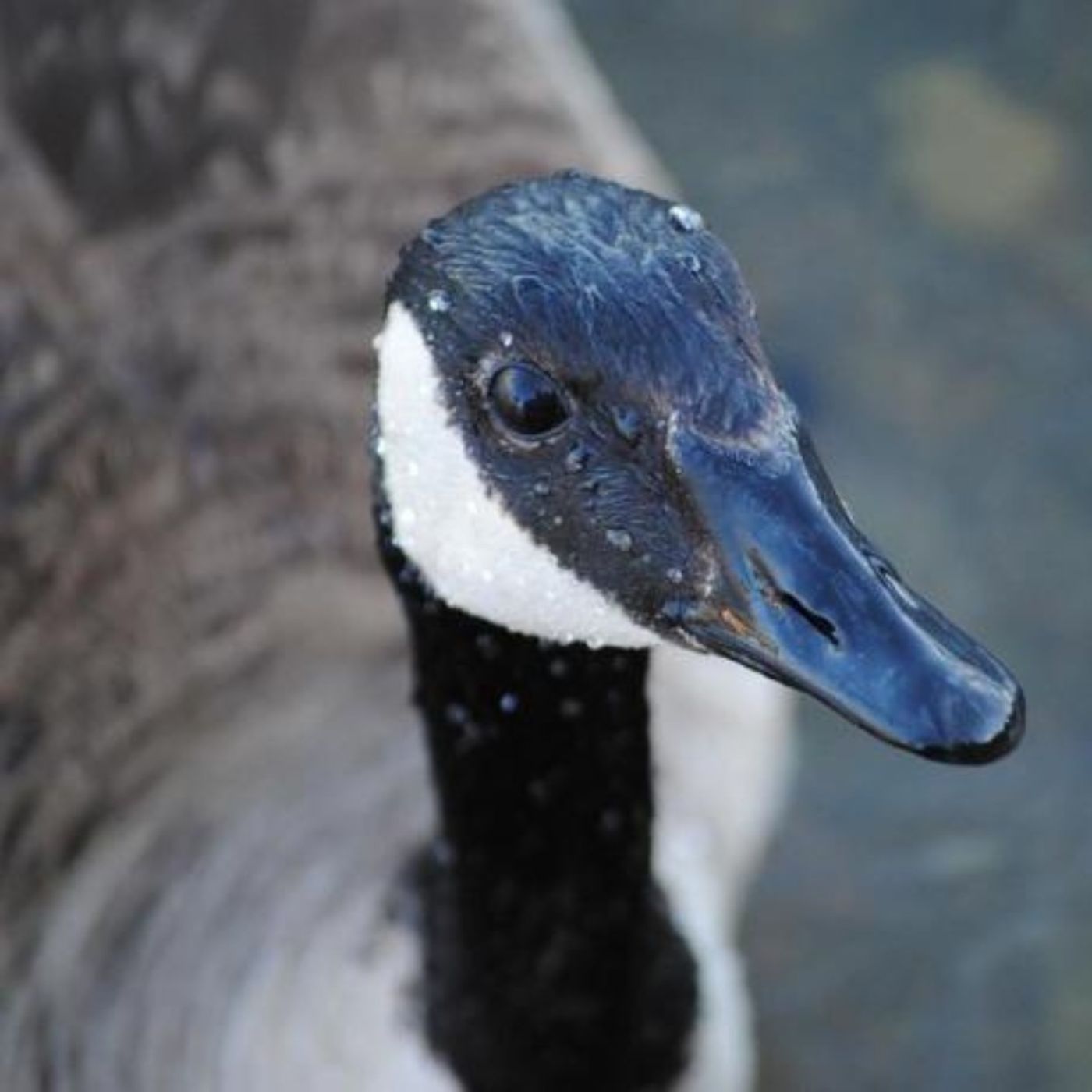
Surviving Hail Storms
As it began to hail, Marlon Inniss saw several Canada Geese doing something odd. Rather than trying to shield their heads, the geese pointed their bills skyward, directly into the path of the hail. The geese were pointing the smallest surface area of their sensitive bills, the narrow tip, into the hail — minimizing the impact. Inniss’s video of the behavior helped reaffirm an observation made by naturalist Aldo Leopold one hundred years before of Northern Pintails adopting the same stance.More info and transcript at BirdNote.org. Want more BirdNote? Subscribe to our weekly newsletter. Sign up for BirdNote+ to get ad-free listening and other perks. BirdNote is a nonprofit. Your tax-deductible gift makes these shows possible. Hosted by Simplecast, an AdsWizz company. See pcm.adswizz.com for information about our collection and use of personal data for advertising.
Setting the Thermostat with Birds in Mind
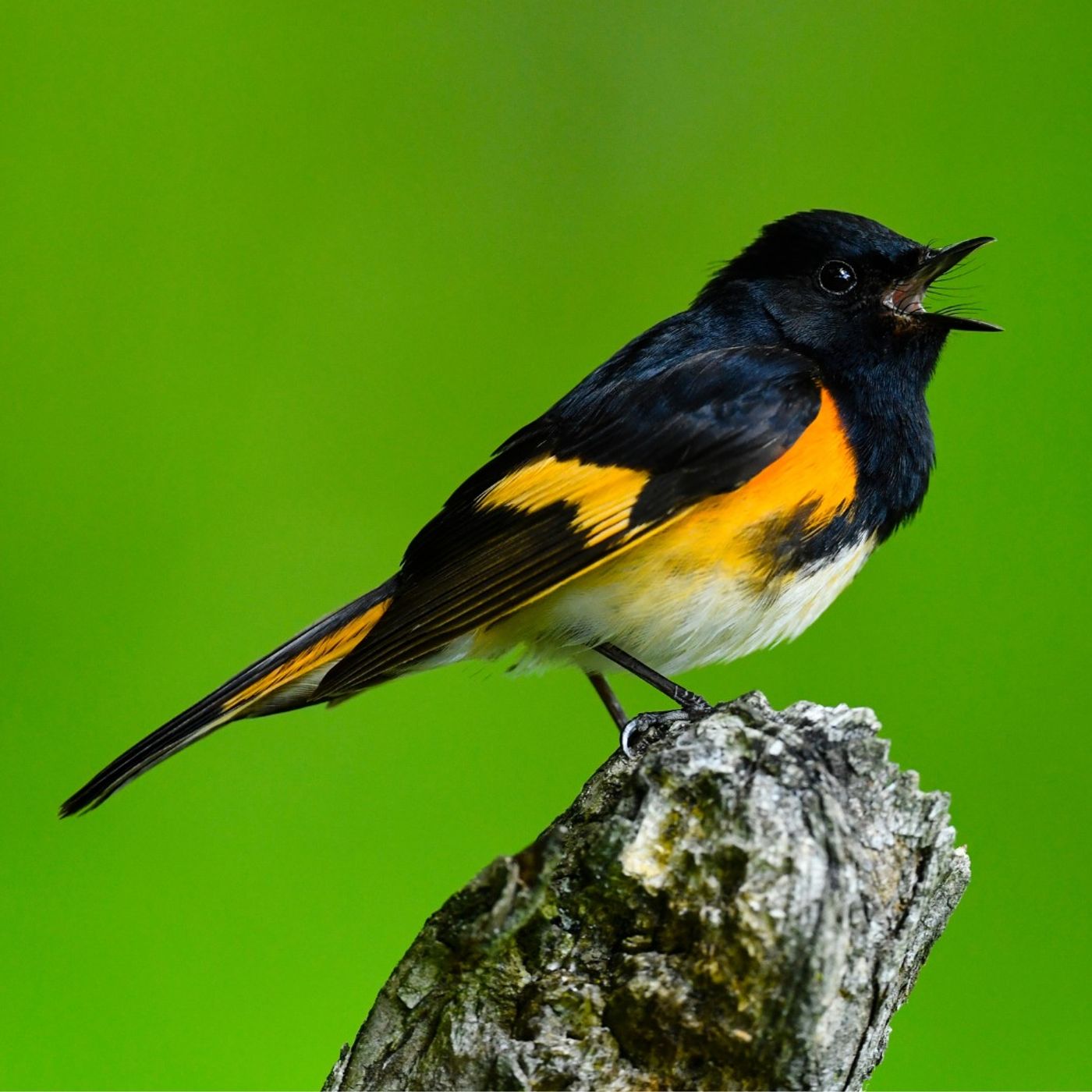
If you’ve already done things around the home with birds in mind, consider one more action that might be less obvious. Turning the thermostat down a degree or two in the colder months and up a degree in the warmer months might seem more about personal preference or energy bills than birds. But climate change is a grave threat to birds, putting two-thirds of North American bird species at risk of extinction. So anything that decreases carbon emissions is a step towards a better future for birds — not to mention people.More info and transcript at BirdNote.org. Want more BirdNote? Subscribe to our weekly newsletter. Sign up for BirdNote+ to get ad-free listening and other perks. BirdNote is a nonprofit. Your tax-deductible gift makes these shows possible. Hosted by Simplecast, an AdsWizz company. See pcm.adswizz.com for information about our collection and use of personal data for advertising.
Three Brown Thrushes
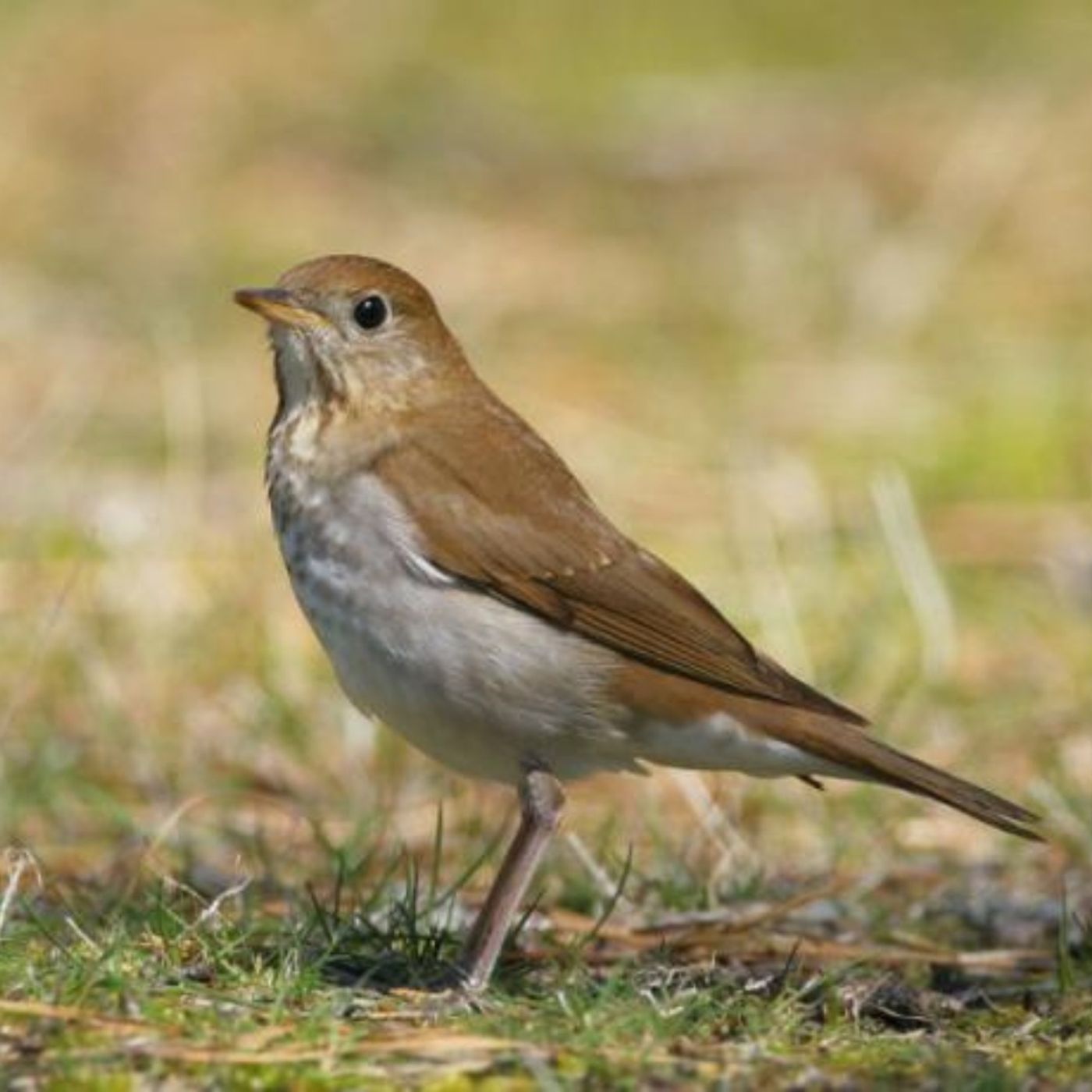
The Swainson's Thrush, the Hermit Thrush, and this Veery are small, brown birds, but their songs clearly distinguish them. The Swainson's Thrush announces its presence in early spring with subtle, limpid "whit" or "wink" sounds. Many rate it among the finest singers. A Veery's phrases tend downward in pitch. The Hermit Thrush sings ethereal, paired phrases, long flute-like notes backed by complex, reedy phrases.More info and transcript at BirdNote.org. Want more BirdNote? Subscribe to our weekly newsletter. Sign up for BirdNote+ to get ad-free listening and other perks. BirdNote is a nonprofit. Your tax-deductible gift makes these shows possible. Hosted by Simplecast, an AdsWizz company. See pcm.adswizz.com for information about our collection and use of personal data for advertising.
David Shepard’s Aloha Shirts
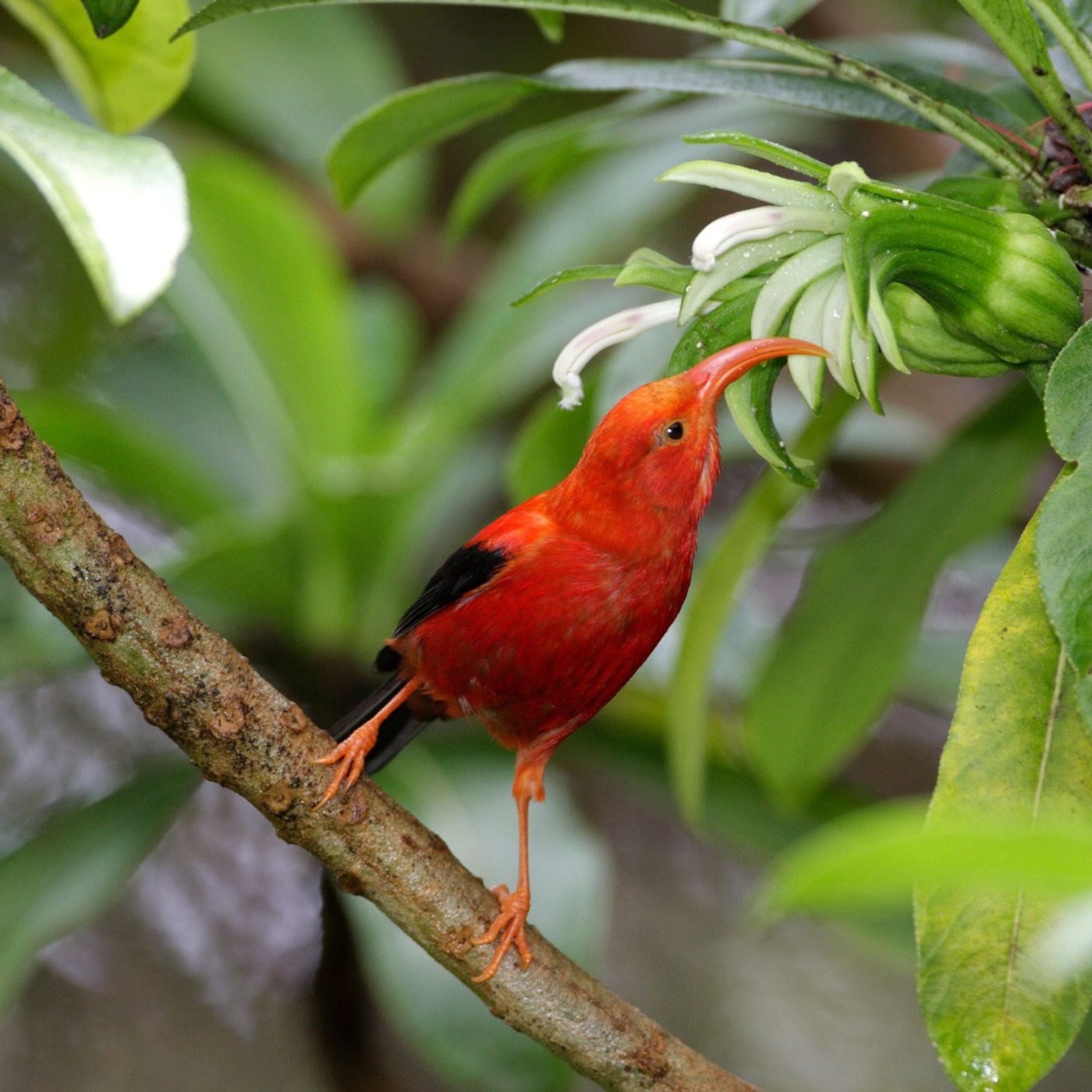
After David Shephard moved to Hawai‘i to study botany, he realized that the “main character” of the islands is birds — many plants have co-evolved with birds due to their central role in Hawaiian ecosystems. He now designs Aloha Shirts that feature the native plants and wildlife of Hawai‘i, including the ‘i‘iwi, a bird that has cultural significance for Hawaiians.More info and transcript at BirdNote.org. Want more BirdNote? Subscribe to our weekly newsletter. Sign up for BirdNote+ to get ad-free listening and other perks. BirdNote is a nonprofit. Your tax-deductible gift makes these shows possible. Hosted by Simplecast, an AdsWizz company. See pcm.adswizz.com for information about our collection and use of personal data for advertising.
Indigo Bunting - Bird of the Ecotone
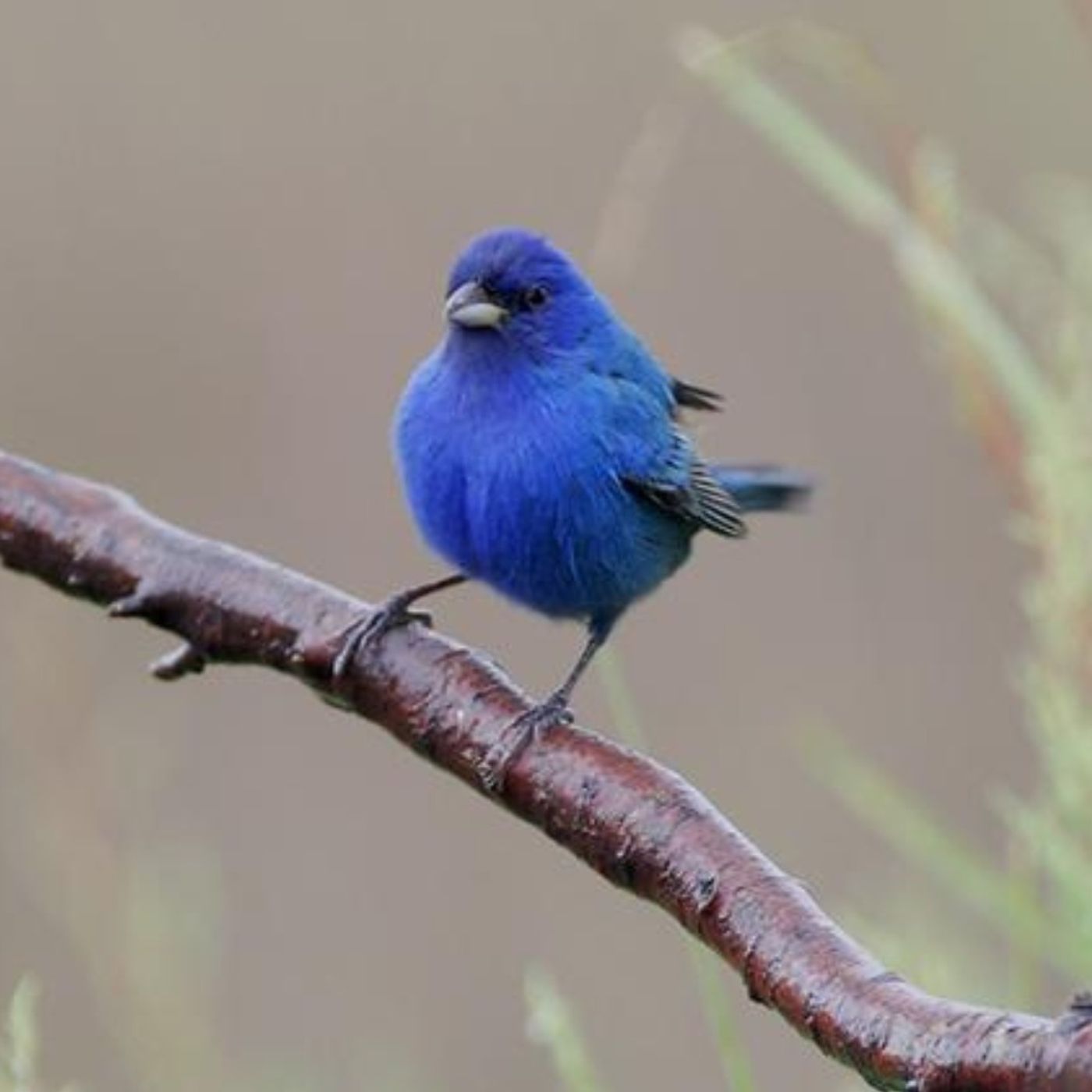
Many birds – like this Indigo Bunting – can be found in ecotones, the borders between two habitats. Indigo Buntings breed in the ecotone between forest and meadow. They are common at Muscatatuck National Wildlife Refuge in Indiana, where grassland and forest are interspersed to produce superb wildlife habitat.More info and transcript at BirdNote.org. Want more BirdNote? Subscribe to our weekly newsletter. Sign up for BirdNote+ to get ad-free listening and other perks. BirdNote is a nonprofit. Your tax-deductible gift makes these shows possible. Hosted by Simplecast, an AdsWizz company. See pcm.adswizz.com for information about our collection and use of personal data for advertising.
Emily Raboteau on New York City's Bird Murals
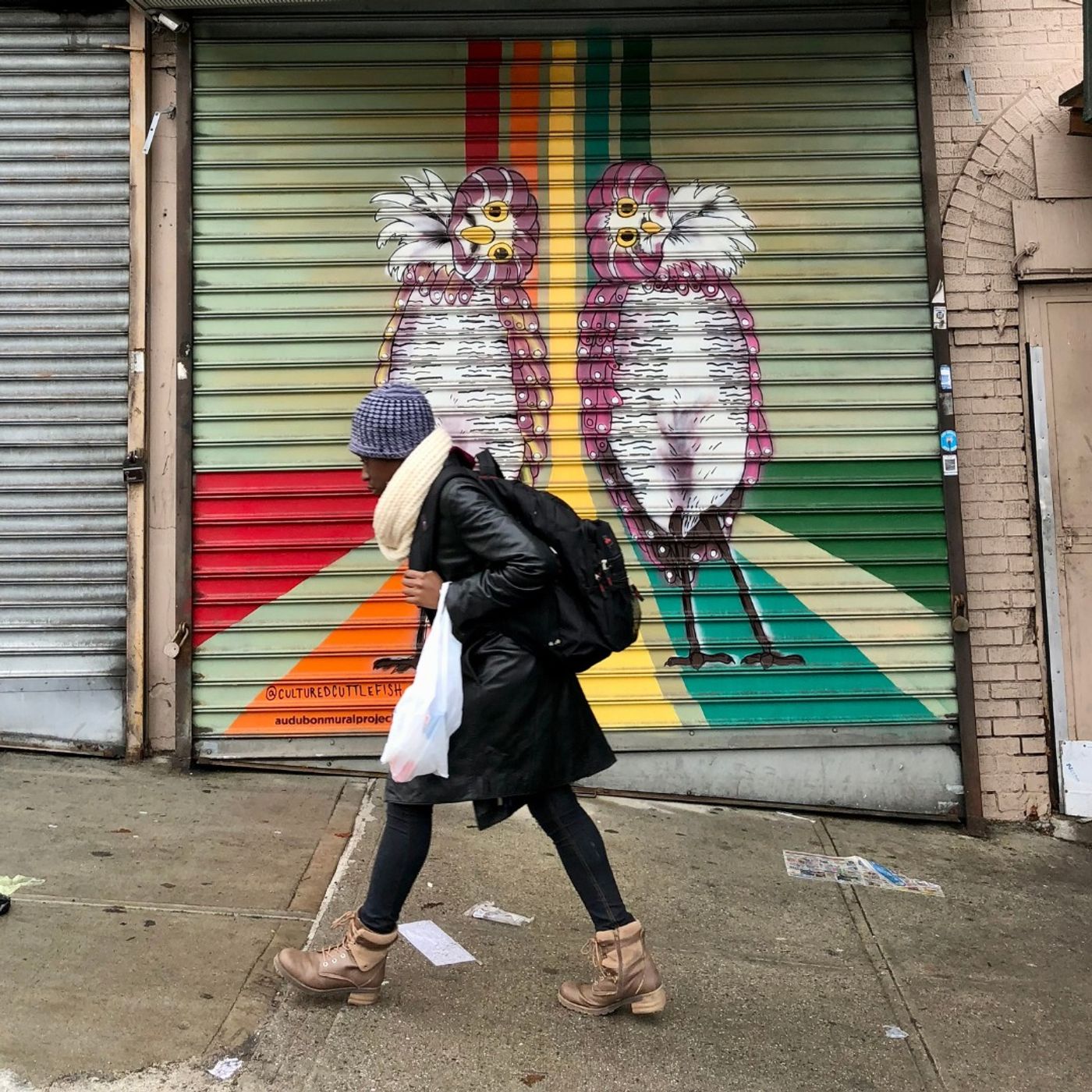
Emily Raboteau’s book, Lessons for Survival, begins with a painting of two Burrowing Owls on the security gate of a local business in West Harlem, near where she teaches. Intrigued, she found more bird murals nearby, later learning that they are part of a collaborative effort between the National Audubon Society and artists to highlight bird species at risk of extinction due to climate change. Emily decided to seek out all the murals and photograph them before they disappear – because like birds, street art is ephemeral.More info and transcript at BirdNote.org. Want more BirdNote? Subscribe to our weekly newsletter. Sign up for BirdNote+ to get ad-free listening and other perks. BirdNote is a nonprofit. Your tax-deductible gift makes these shows possible. Hosted by Simplecast, an AdsWizz company. See pcm.adswizz.com for information about our collection and use of personal data for advertising.

Migrations: Tiny Bird, Epic Journey
In the spring, Rufous Hummingbirds journey from Mexico to the northwest U.S., some as far north as Alaska! That’s almost 1,000 miles one way for a bird measuring just under four inches beak to tail, making this the longest migration of any bird relative to body length. Not long after arriving, they bulk up on nectar and bugs for the scenic return trip over the Rocky Mountains.More info and transcript at BirdNote.org. Want more BirdNote? Subscribe to our weekly newsletter. Sign up for BirdNote+ to get ad-free listening and other perks. BirdNote is a nonprofit. Your tax-deductible gift makes these shows possible. Hosted by Simplecast, an AdsWizz company. See pcm.adswizz.com for information about our collection and use of personal data for advertising.
The African American Heritage Water Trail
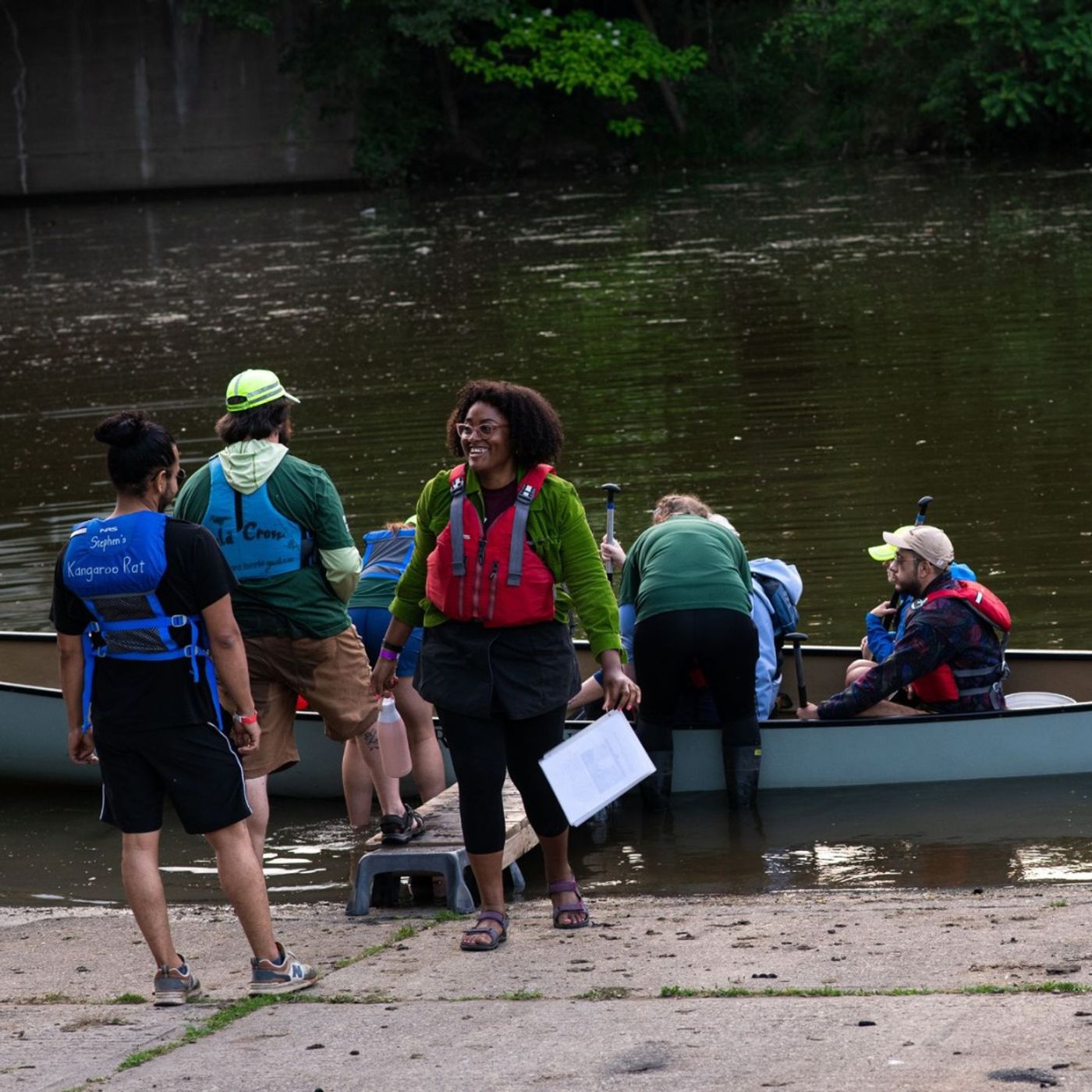
In this episode, Lillian Holden — a Chicago-based environmental educator — introduces us to the African American Heritage Water Trail, a 7-mile stretch along the Little Calumet River and the Cal-Sag Channel that flows through the south side of Chicago. Highlighting over 180 years of African American history, the Water Trail includes historical sites linked to the Underground Railroad, the Tuskegee Airmen, and the environmental justice movement. It also features ecological richness and abundant wildlife, including many species of birds.More info and transcript at BirdNote.org. Want more BirdNote? Subscribe to our weekly newsletter. Sign up for BirdNote+ to get ad-free listening and other perks. BirdNote is a nonprofit. Your tax-deductible gift makes these shows possible. Hosted by Simplecast, an AdsWizz company. See pcm.adswizz.com for information about our collection and use of personal data for advertising.
Deja Perkins on Gaps in Bird Observations
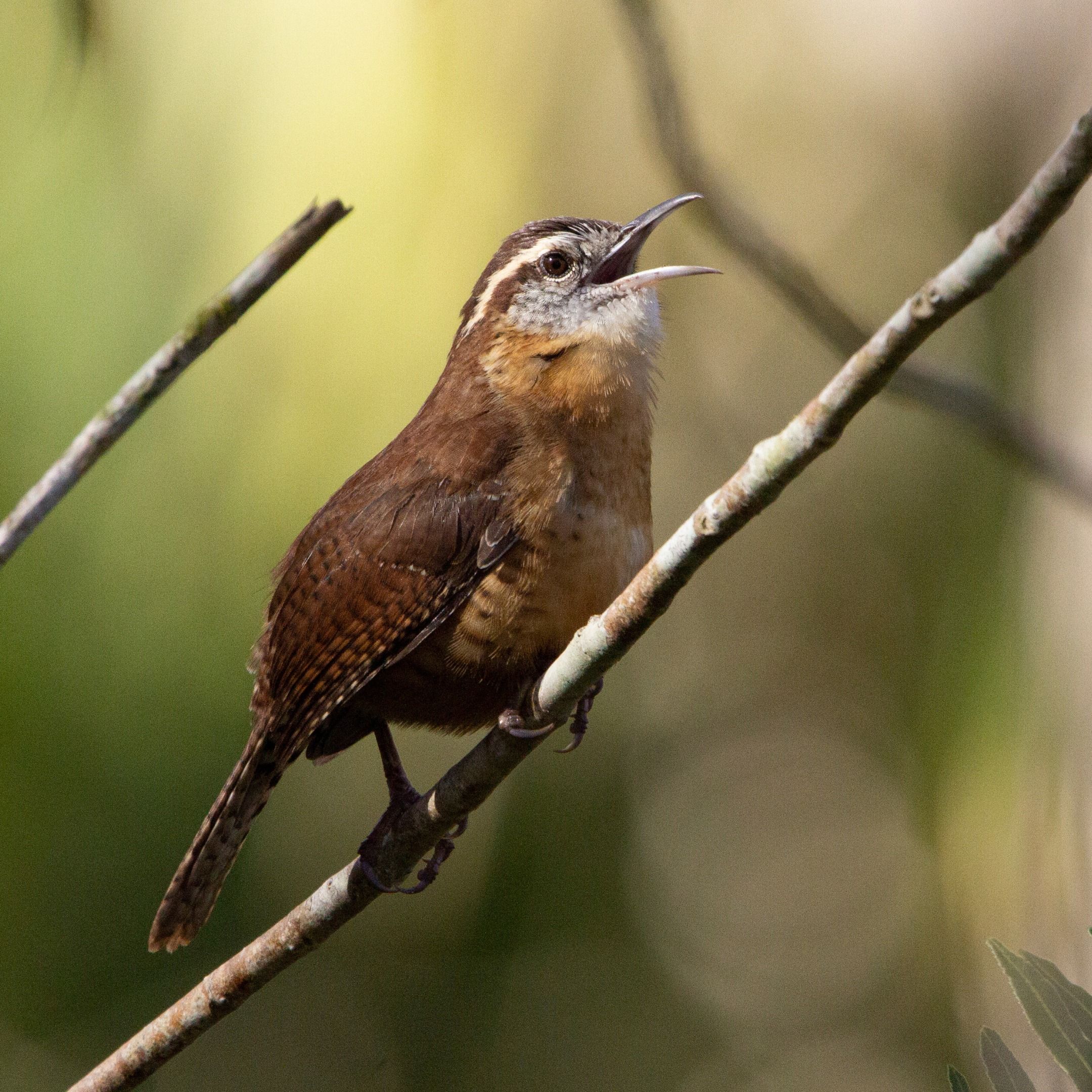
For her PhD, Deja Perkins is studying datasets generated by the public, also known as participatory science projects. These projects include eBird, a site where anyone can upload bird observations. And they’re essential to conservation efforts. But Deja says that not every area is well represented in eBird, because right now the participants are predominantly white and affluent, leading to a gap in what we know about the diversity of birds in many low-income and minority areas. Involving a wide variety of people in reporting bird observations where they live could help close the data gaps and reveal where to put new green spaces for both birds and people.More info and transcript at BirdNote.org. Want more BirdNote? Subscribe to our weekly newsletter. Sign up for BirdNote+ to get ad-free listening and other perks. BirdNote is a nonprofit. Your tax-deductible gift makes these shows possible. Hosted by Simplecast, an AdsWizz company. See pcm.adswizz.com for information about our collection and use of personal data for advertising.
Spark Bird: Dara Wilson and the Blue-gray Tanager
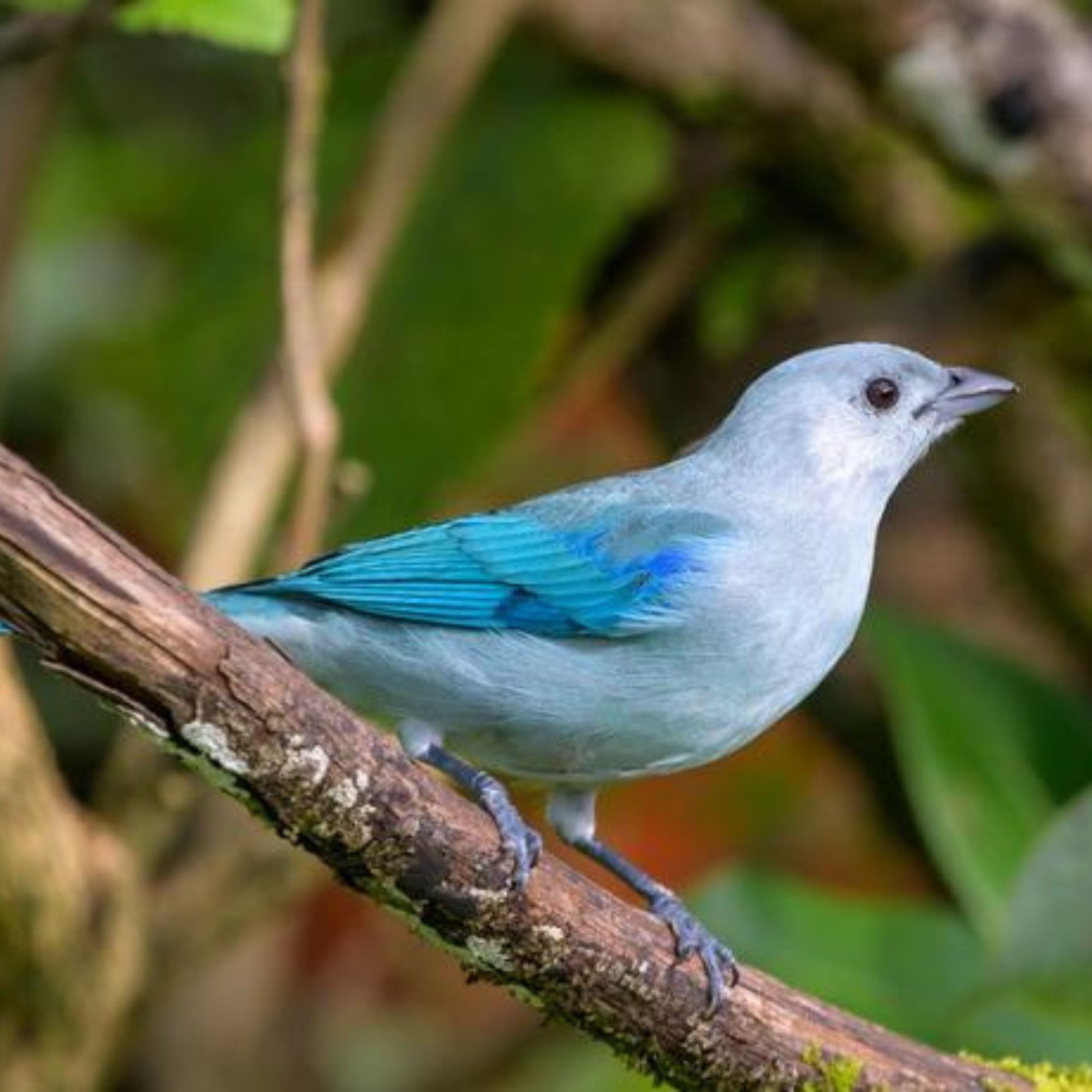
While Dara Wilson was working at the Smithsonian’s National Zoo in D.C., she introduced visitors to the Amazonia exhibit. She would describe the song of a bird she’d never had the chance to see in the wild, the Blue-gray Tanager. But when Dara moved to Panama, she heard the song that she knew by heart already. Encountering the Blue-gray Tanager in its natural habitat inspired her to keep learning about birds — and to share that knowledge with others as an educator. Dara helps organize Black Birders Week. Find out how you can participate here.More info and transcript at BirdNote.org. Want more BirdNote? Subscribe to our weekly newsletter. Sign up for BirdNote+ to get ad-free listening and other perks. BirdNote is a nonprofit. Your tax-deductible gift makes these shows possible. Hosted by Simplecast, an AdsWizz company. See pcm.adswizz.com for information about our collection and use of personal data for advertising.
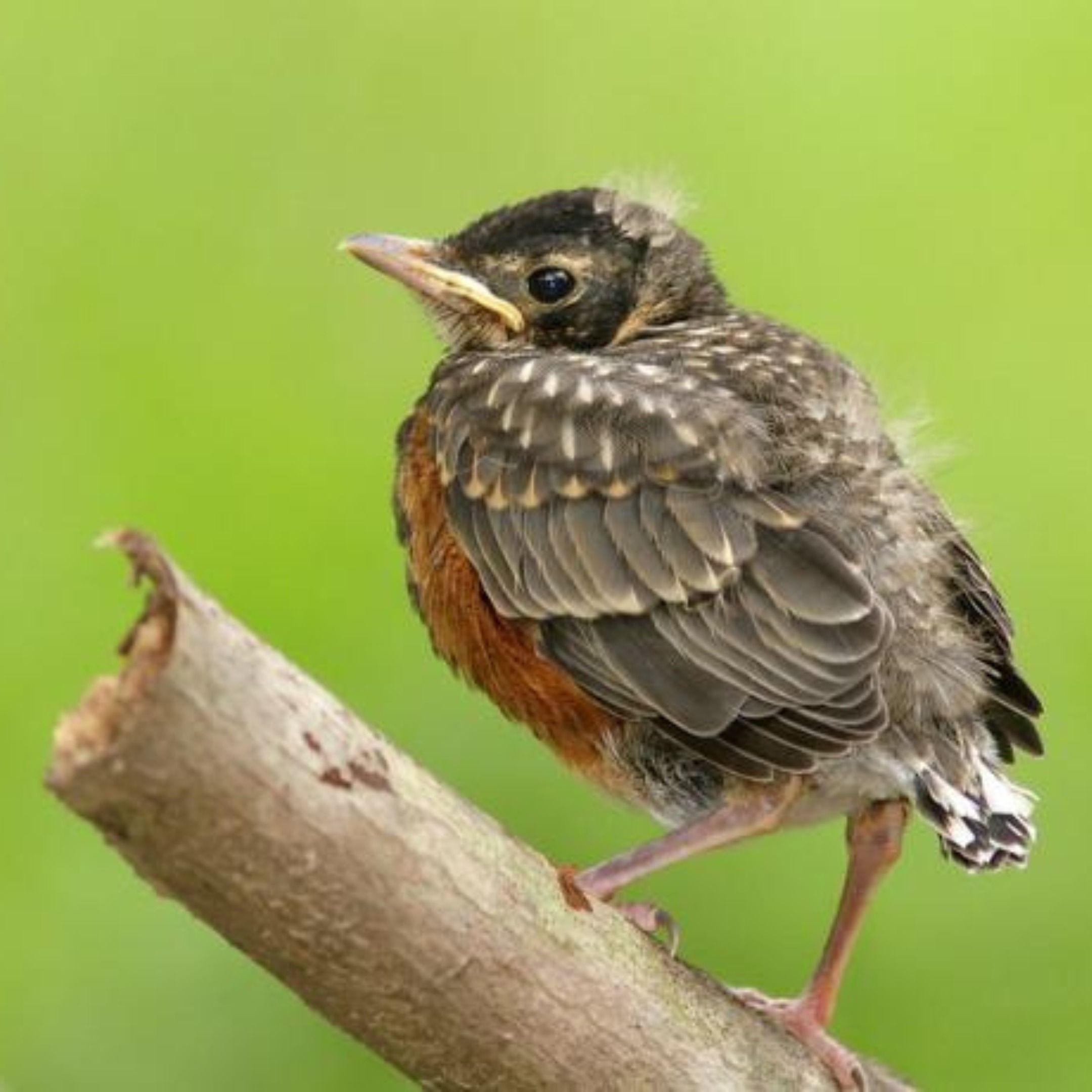
The Robin Rescue
When Adé Ben-Salahuddin stopped to help a trapped young bird on his way home from work, he found an unexpected source of help: an older Black woman walking by who had just the skills for the problem at hand.More info and transcript at BirdNote.org. Want more BirdNote? Subscribe to our weekly newsletter. Sign up for BirdNote+ to get ad-free listening and other perks. BirdNote is a nonprofit. Your tax-deductible gift makes these shows possible. Hosted by Simplecast, an AdsWizz company. See pcm.adswizz.com for information about our collection and use of personal data for advertising.
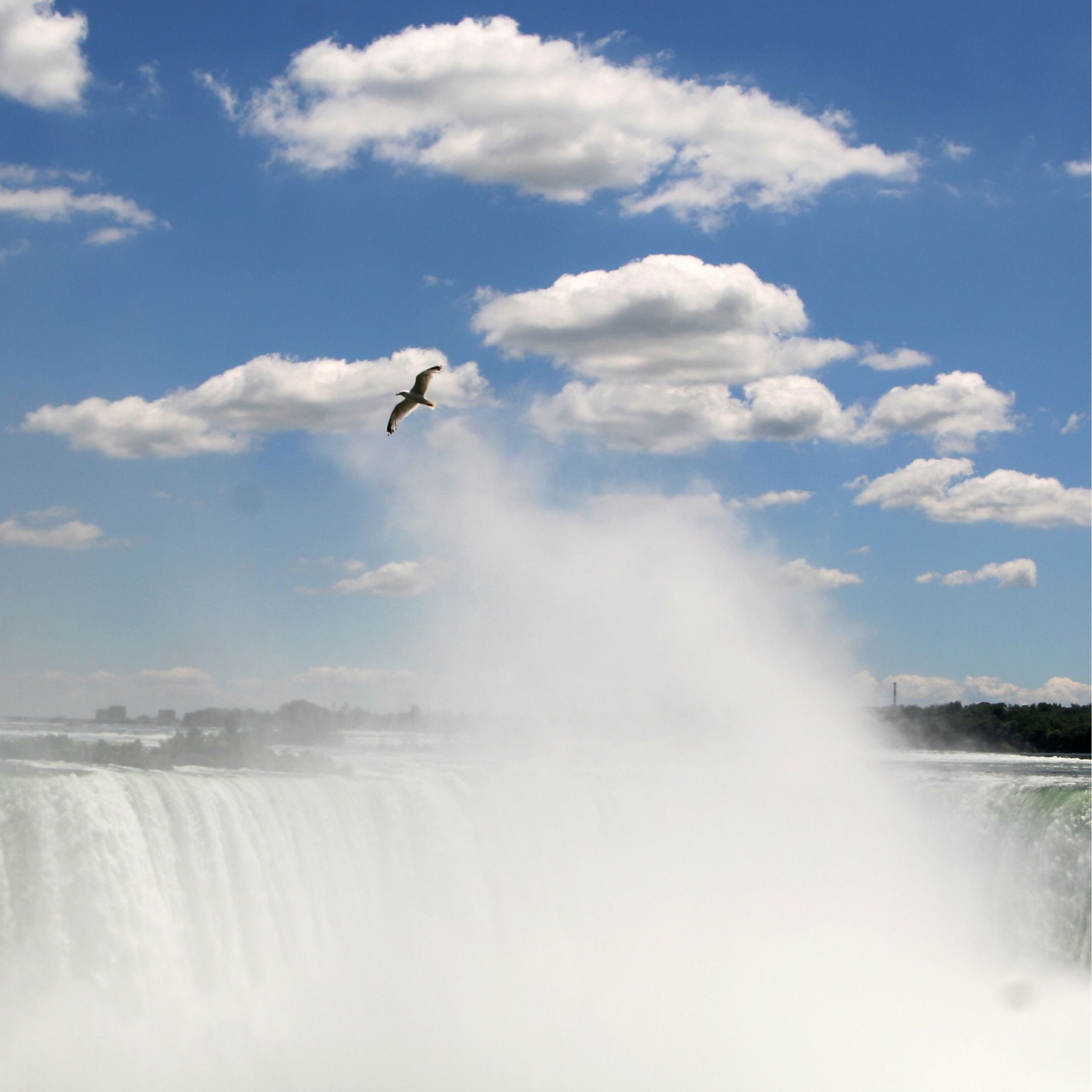
What the Niagara River Means to Birds and People
This episode narrated by Marcus Rosten explores the history and the birdlife of the Niagara River Corridor. Just downstream from the falls, Long-tailed Ducks and Bonaparte’s Gulls call out near the site where the Haudenosaunee and other Native American groups would portage around the falls. Niagara’s churning rapids prevent ice from forming, making it a year-round fishing spot for half the world’s species of gulls. The rapids were also the final hurdle for Freedom Seekers on the Underground Railroad journeying to Canada.More info and transcript at BirdNote.org. Want more BirdNote? Subscribe to our weekly newsletter. Sign up for BirdNote+ to get ad-free listening and other perks. BirdNote is a nonprofit. Your tax-deductible gift makes these shows possible. Hosted by Simplecast, an AdsWizz company. See pcm.adswizz.com for information about our collection and use of personal data for advertising.
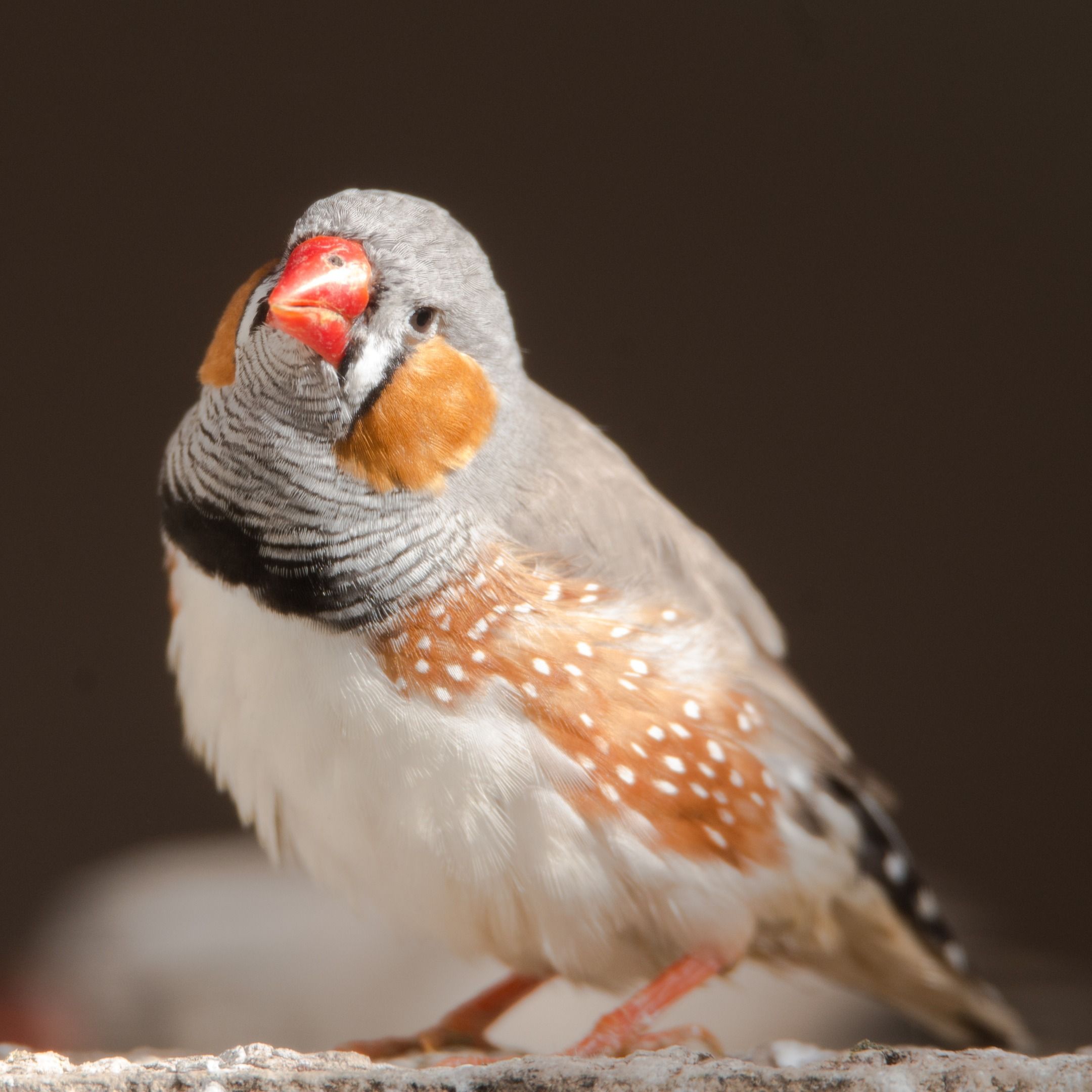
If Someone Calls You 'Birdbrain,' Say Thanks
In this episode, neuroscientist Lola Neal explores how birds are used as models to understand many neural processes, as they have cognitive abilities comparable to those of the cleverest mammals. Studying vocal learning and imitation in songbirds like Zebra Finches has helped researchers explore how language is acquired, an important topic in human infant development and beyond.More info and transcript at BirdNote.org. Want more BirdNote? Subscribe to our weekly newsletter. Sign up for BirdNote+ to get ad-free listening and other perks. BirdNote is a nonprofit. Your tax-deductible gift makes these shows possible. Hosted by Simplecast, an AdsWizz company. See pcm.adswizz.com for information about our collection and use of personal data for advertising.

Introducing Black Birders Week 2024
In this episode, Nicole Jackson and Emma Brittain announce the fifth year of Black Birders Week, a week-long celebration with events and activities that highlight the achievements and contributions of Black birders, amplify their experiences in nature, and raise awareness about the importance of diversity in birding and conservation. Stay tuned to BirdNote Daily for a week of shows produced by Black Birders Week organizers and learn how to participate in the week’s events.More info and transcript at BirdNote.org. Want more BirdNote? Subscribe to our weekly newsletter. Sign up for BirdNote+ to get ad-free listening and other perks. BirdNote is a nonprofit. Your tax-deductible gift makes these shows possible. Hosted by Simplecast, an AdsWizz company. See pcm.adswizz.com for information about our collection and use of personal data for advertising.
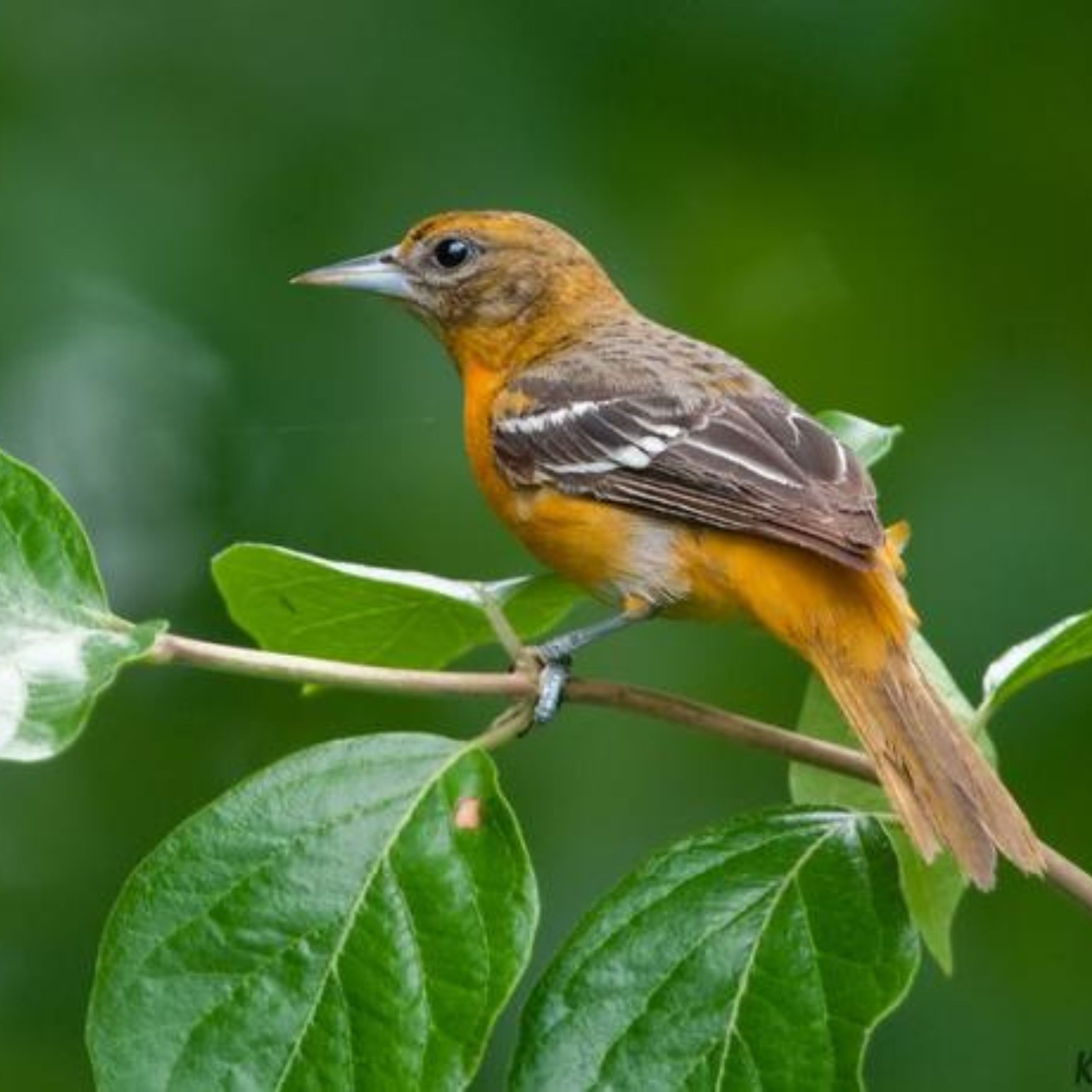
Celebrating Female Bird DayEducating people on female bird ID.
In 2019, several co-workers at the National Audubon Society formed a team for the World Series of Birding that focused on identifying female birds. Called the Galbatrosses, they sought to highlight how female birds have been understudied and unfairly written off as quieter and less interesting. Since then, the Galbatrosses have led events about IDing female birds and held the first Female Bird Day over Memorial Day weekend in 2020. Learn how to participate in this year’s Female Bird Day here.More info and transcript at BirdNote.org. Want more BirdNote? Subscribe to our weekly newsletter. Sign up for BirdNote+ to get ad-free listening and other perks. BirdNote is a nonprofit. Your tax-deductible gift makes these shows possible. Hosted by Simplecast, an AdsWizz company. See pcm.adswizz.com for information about our collection and use of personal data for advertising.
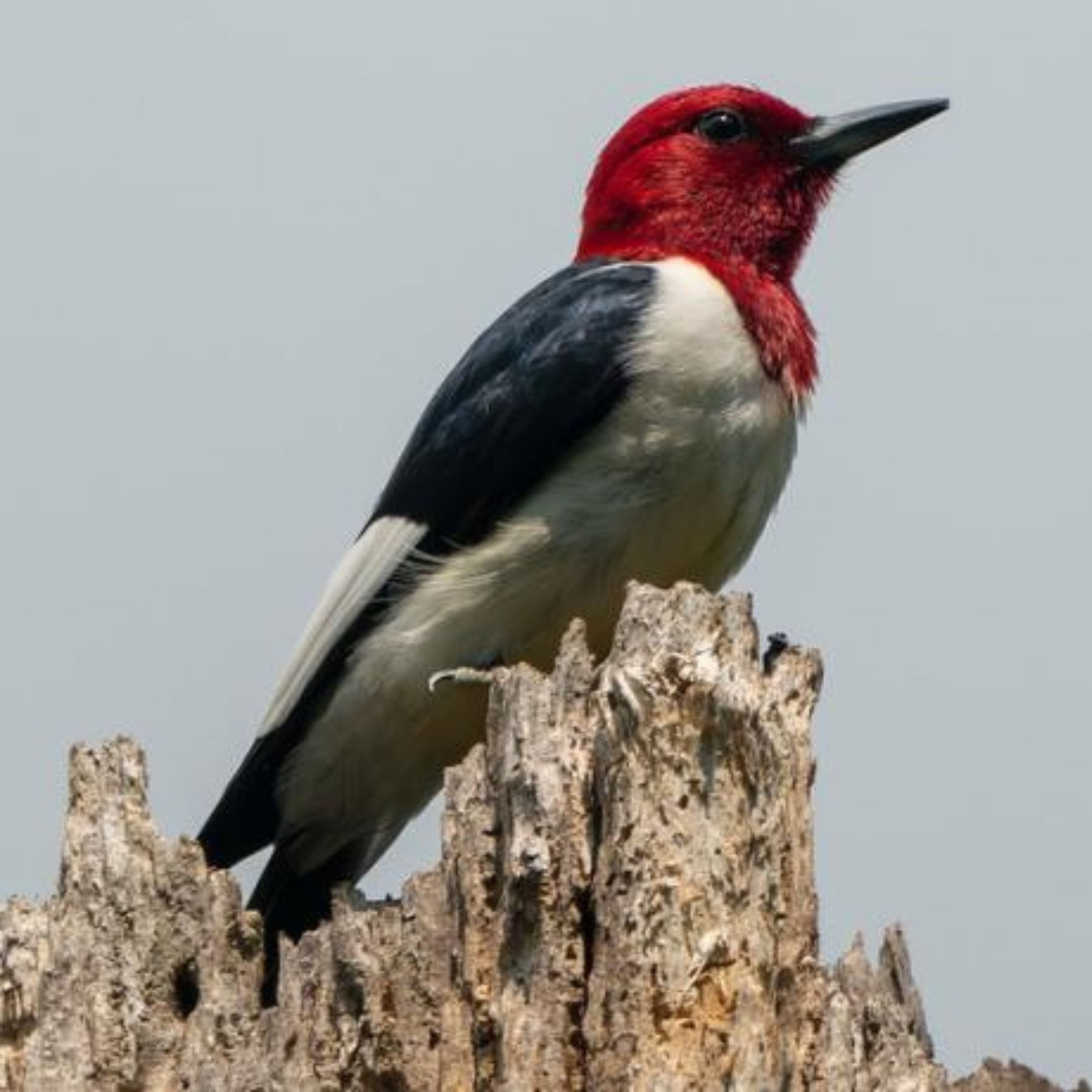
Saving Snags for Red-headed Woodpeckers
Red-headed Woodpeckers excavate cavities in large, dead trees called snags. Yet, over much of the Red-head's range, snags are frequently cut down as unsightly, or because they make good firewood. There are ways we can help the Red-headed Woodpecker -- and many other woodpeckers, too. The key is to leave snags intact. If you must cut down a tree on your property, consider leaving the lower trunk as a snag. It's like a wildlife condominium!In the meantime, consider creating a nestbox for a woodpecker. Find a link to instructions here!More info and transcript at BirdNote.org. Want more BirdNote? Subscribe to our weekly newsletter. Sign up for BirdNote+ to get ad-free listening and other perks. BirdNote is a nonprofit. Your tax-deductible gift makes these shows possible. Hosted by Simplecast, an AdsWizz company. See pcm.adswizz.com for information about our collection and use of personal data for advertising.
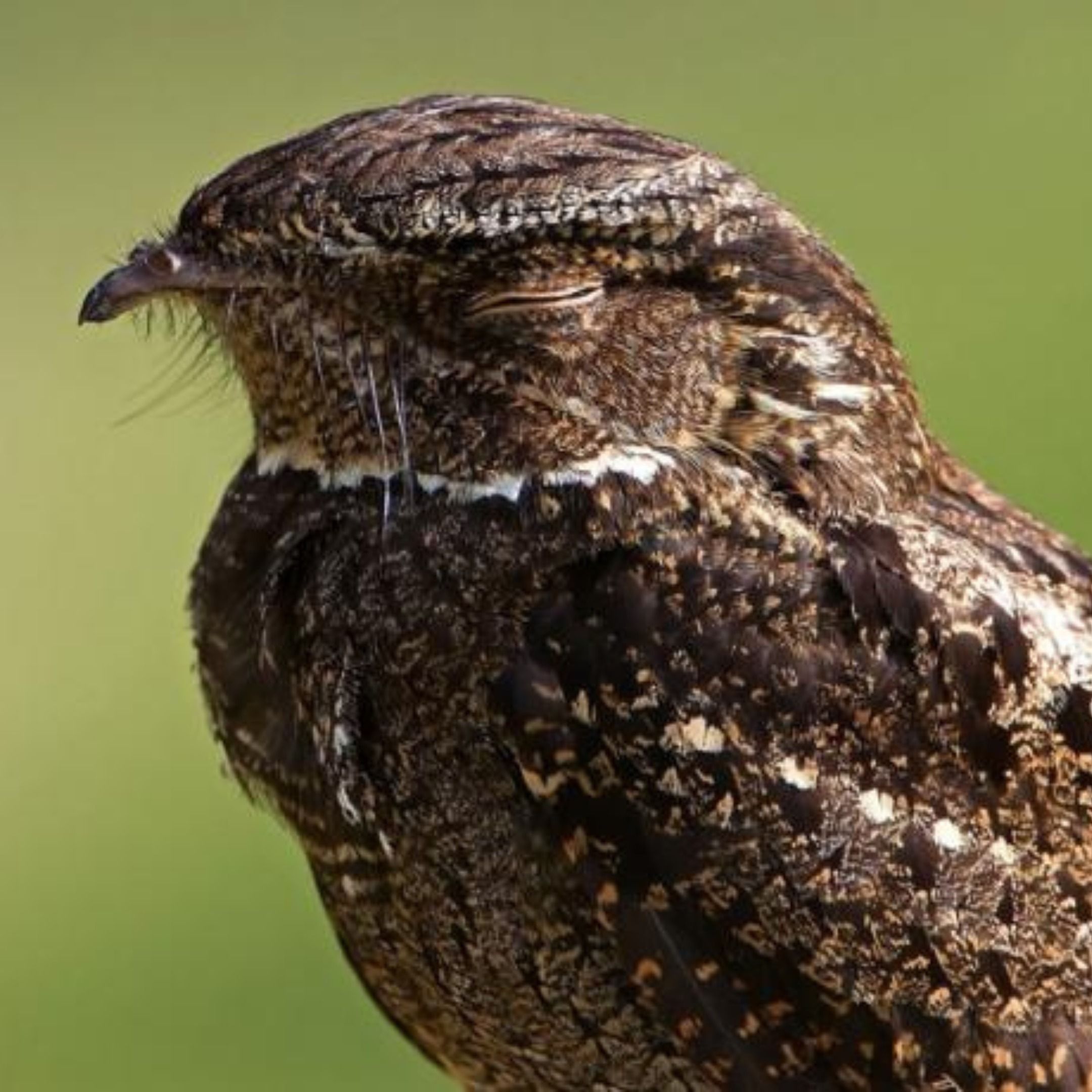
Night Voices – Nightjars
As darkness descends on a May evening, the voices of many birds go quiet. But for some birds, especially those known as nightjars, the music is just beginning! An Eastern Whip-poor-will shouts out its name. The call of a Common Poorwill echoes across a canyon. A Common Pauraque calls from the thorn scrub. A Buff-collared Nightjar repeats its Spanish nickname, Tucuchillo. And a Chuck-will’s-widow like this one calls from a woodland.More info and transcript at BirdNote.org. Want more BirdNote? Subscribe to our weekly newsletter. Sign up for BirdNote+ to get ad-free listening and other perks. BirdNote is a nonprofit. Your tax-deductible gift makes these shows possible. Hosted by Simplecast, an AdsWizz company. See pcm.adswizz.com for information about our collection and use of personal data for advertising.

BirdNoir: The Catbird That Wasn't
In this episode of BirdNoir, Private Eye Michael Stein gives a word of advice to Ollie, an up-and-coming gumshoe. Ollie thinks he has heard his first Gray Catbird, a species that yowls like a cat, but he didn’t lay eyes on the bird making the noise. Things aren’t always what they seem when you’re a bird detective, so the private eye advises Ollie to hang tough, be patient, and see if the bird making the noise might reappear later in the day.More info and transcript at BirdNote.org. Want more BirdNote? Subscribe to our weekly newsletter. Sign up for BirdNote+ to get ad-free listening and other perks. BirdNote is a nonprofit. Your tax-deductible gift makes these shows possible. Hosted by Simplecast, an AdsWizz company. See pcm.adswizz.com for information about our collection and use of personal data for advertising.

From Egg-laying to Hatching and Beyond
Waterfowl like this Muscovy duckling spend up to 30 days in the egg, so they’re able to walk, swim, and feed themselves as soon as they hatch. We call these chicks precocial. By contrast, the chicks of most songbirds spend less time maturing in the egg. They must continue to develop in the nest before heading out on their own. We call these hatchlings altricial since they depend on their parents to care for them.More info and transcript at BirdNote.org. Want more BirdNote? Subscribe to our weekly newsletter. Sign up for BirdNote+ to get ad-free listening and other perks. BirdNote is a nonprofit. Your tax-deductible gift makes these shows possible. Hosted by Simplecast, an AdsWizz company. See pcm.adswizz.com for information about our collection and use of personal data for advertising.

Singing Under Streetlights
Some birds have always called nocturnally, but other species are relative newcomers to the nighttime music scene, specifically in urban areas. Birds such as American Robins often sing well into the night. Scientists are studying what environmental cues might lead to this behavior. While artificial light could be a factor, recent studies suggest that some birds may be avoiding daytime city noise by singing nocturnally.More info and transcript at BirdNote.org. Want more BirdNote? Subscribe to our weekly newsletter. Sign up for BirdNote+ to get ad-free listening and other perks. BirdNote is a nonprofit. Your tax-deductible gift makes these shows possible. Hosted by Simplecast, an AdsWizz company. See pcm.adswizz.com for information about our collection and use of personal data for advertising.

Seabirds Drink Salt Water
Seabirds have no problem drinking sea water. The salt they take in is absorbed and moves through their blood stream into a pair of salt glands above their eyes. The densely salty fluid is excreted from the nostrils and runs down grooves in the bill. As the drop gets larger, the bird shakes its head to send the salt back to the ocean. A seabird's skull has a pair of grooves for the salt glands right over the eyes.More info and transcript at BirdNote.org. Want more BirdNote? Subscribe to our weekly newsletter. Sign up for BirdNote+ to get ad-free listening and other perks. BirdNote is a nonprofit. Your tax-deductible gift makes these shows possible. Hosted by Simplecast, an AdsWizz company. See pcm.adswizz.com for information about our collection and use of personal data for advertising.

Habitat Defined
When you think of habitat, think of home. For a jay that lives in the forest, the forest is its habitat – where it finds food, water, shelter, and the company of other jays. Or it might live in your back yard or the bank parking lot down the street. Some birds live in different habitats at different times of year. Many sandpipers summer on the Arctic tundra, but during the rest of the year, they live on coastal tide flats.More info and transcript at BirdNote.org. Want more BirdNote? Subscribe to our weekly newsletter. Sign up for BirdNote+ to get ad-free listening and other perks. BirdNote is a nonprofit. Your tax-deductible gift makes these shows possible. Hosted by Simplecast, an AdsWizz company. See pcm.adswizz.com for information about our collection and use of personal data for advertising.

The Noisy Willet
Unlike many shorebirds, Willets breed inland. When nesting is done, they migrate south to both Atlantic and Pacific coastlines in the U.S. and Central and South America. What they all have in common, wherever they have bred and wherever they spend the winters, is an unmistakable voice, combining the insistent petulance of a hungry chipmunk with the lyrical rhythms of a whip-poor-will.More info and transcript at BirdNote.org. Want more BirdNote? Subscribe to our weekly newsletter. Sign up for BirdNote+ to get ad-free listening and other perks. BirdNote is a nonprofit. Your tax-deductible gift makes these shows possible. Hosted by Simplecast, an AdsWizz company. See pcm.adswizz.com for information about our collection and use of personal data for advertising.
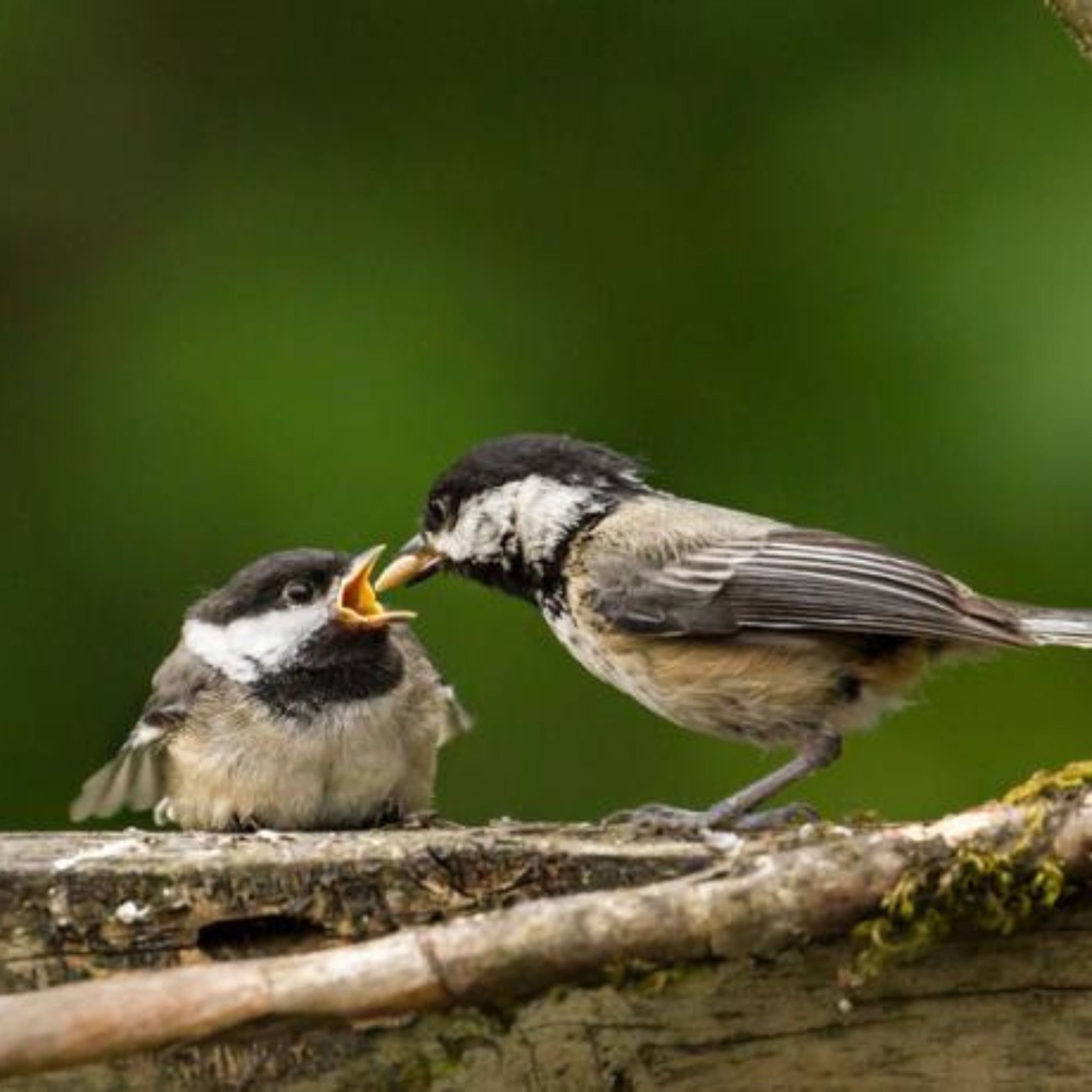
Toddlers – Fledgling Chickadees
Sometimes in spring or summer, you might see a fledgling songbird. Like a toddler, it’s unsteady, awkward, and learning the ropes. And you might wonder if the young bird has left the nest too soon. (In the case of this Black-capped Chickadee, just 16 days after hatching) But a nest full of begging young can be a target for a predator. So there’s an adaptive advantage for nestlings to exit the nest as soon as they are able, even if they’re not quite ready to fend for themselves.More info and transcript at BirdNote.org. Want more BirdNote? Subscribe to our weekly newsletter. Sign up for BirdNote+ to get ad-free listening and other perks. BirdNote is a nonprofit. Your tax-deductible gift makes these shows possible. Hosted by Simplecast, an AdsWizz company. See pcm.adswizz.com for information about our collection and use of personal data for advertising.

Preventing Birds from Striking Windows
When migratory birds fly through populated areas at night, buildings with lights on can cause them to become disoriented. And birds don’t see clear glass windows as an obstacle. Instead, they often see the reflection of trees and shrubs and think they’re flying to safety. Every year, up to a billion birds die when they collide with buildings, including many low-rise buildings and houses. Fortunately, there’s a lot that can be done to prevent birds from striking windows.More info and transcript at BirdNote.org. Want more BirdNote? Subscribe to our weekly newsletter. Sign up for BirdNote+ to get ad-free listening and other perks. BirdNote is a nonprofit. Your tax-deductible gift makes these shows possible. Hosted by Simplecast, an AdsWizz company. See pcm.adswizz.com for information about our collection and use of personal data for advertising.

The Link Between Whales, Seabirds, and a Tiny Fish
In shallow waters off the coast of Massachusetts, ocean predators come from far and wide to hunt. Humpback whales join Great Shearwaters and many other seabirds in pursuing sand lance, a tiny fish that these top predators rely on for sustenance. But sand lance are vulnerable to climate change — putting the rest of the ecosystem, including seabirds, at risk.More info and transcript at BirdNote.org. Want more BirdNote? Subscribe to our weekly newsletter. Sign up for BirdNote+ to get ad-free listening and other perks. BirdNote is a nonprofit. Your tax-deductible gift makes these shows possible. Hosted by Simplecast, an AdsWizz company. See pcm.adswizz.com for information about our collection and use of personal data for advertising.
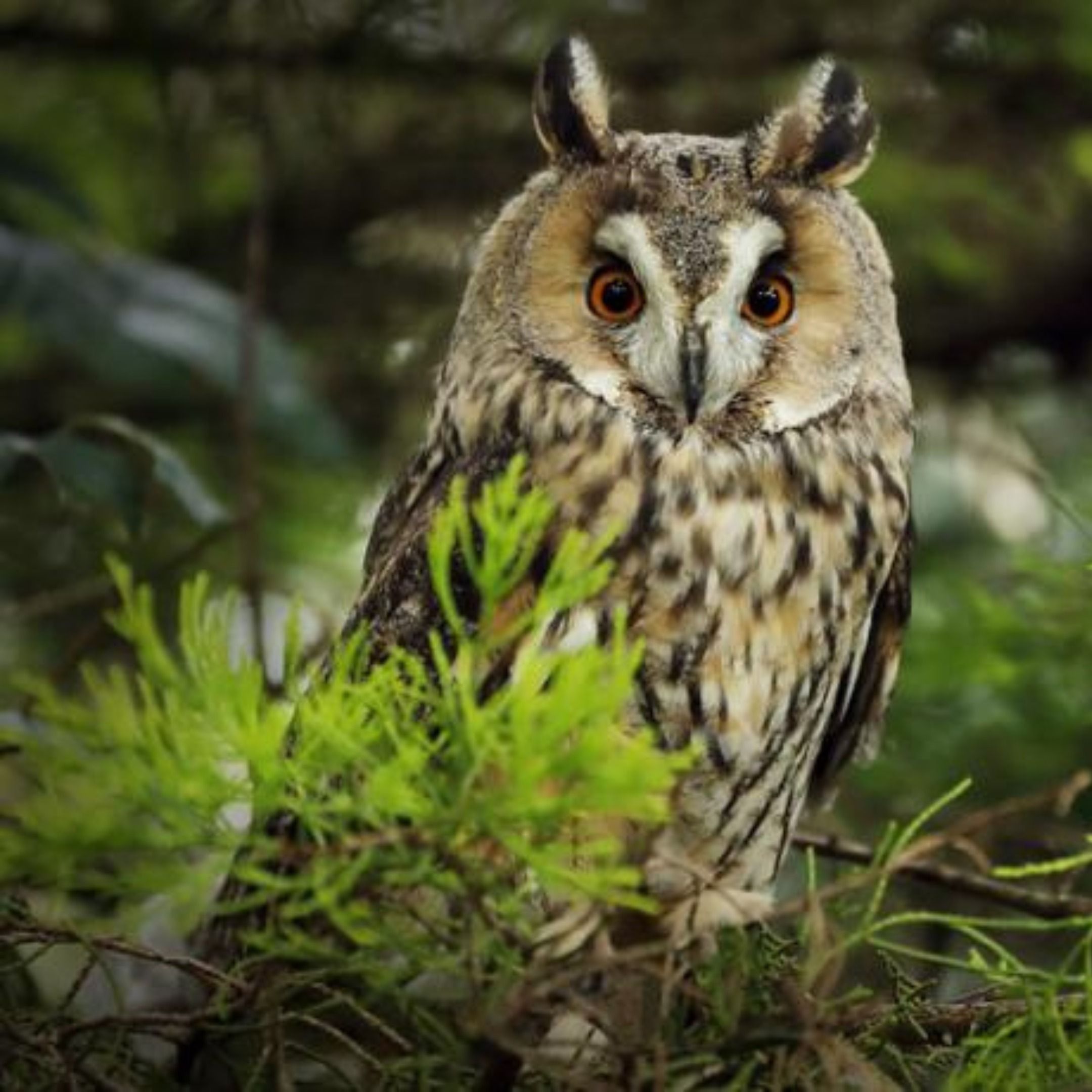
Long-eared Owls Fly at Night
Nocturnal Long-eared Owls tuck up in dense stands of trees across North America and temperate Europe and Asia. They may form communal roosts up to a hundred in number in the winter. After dark, their low-pitched hoots carry for half a mile, as they cruise low over fields, listening intently for their rodent prey. In order to help boost dwindling numbers, wildlife advocates suggest preserving open, fallow fields.More info and transcript at BirdNote.org. Want more BirdNote? Subscribe to our weekly newsletter. Sign up for BirdNote+ to get ad-free listening and other perks. BirdNote is a nonprofit. Your tax-deductible gift makes these shows possible. Hosted by Simplecast, an AdsWizz company. See pcm.adswizz.com for information about our collection and use of personal data for advertising.
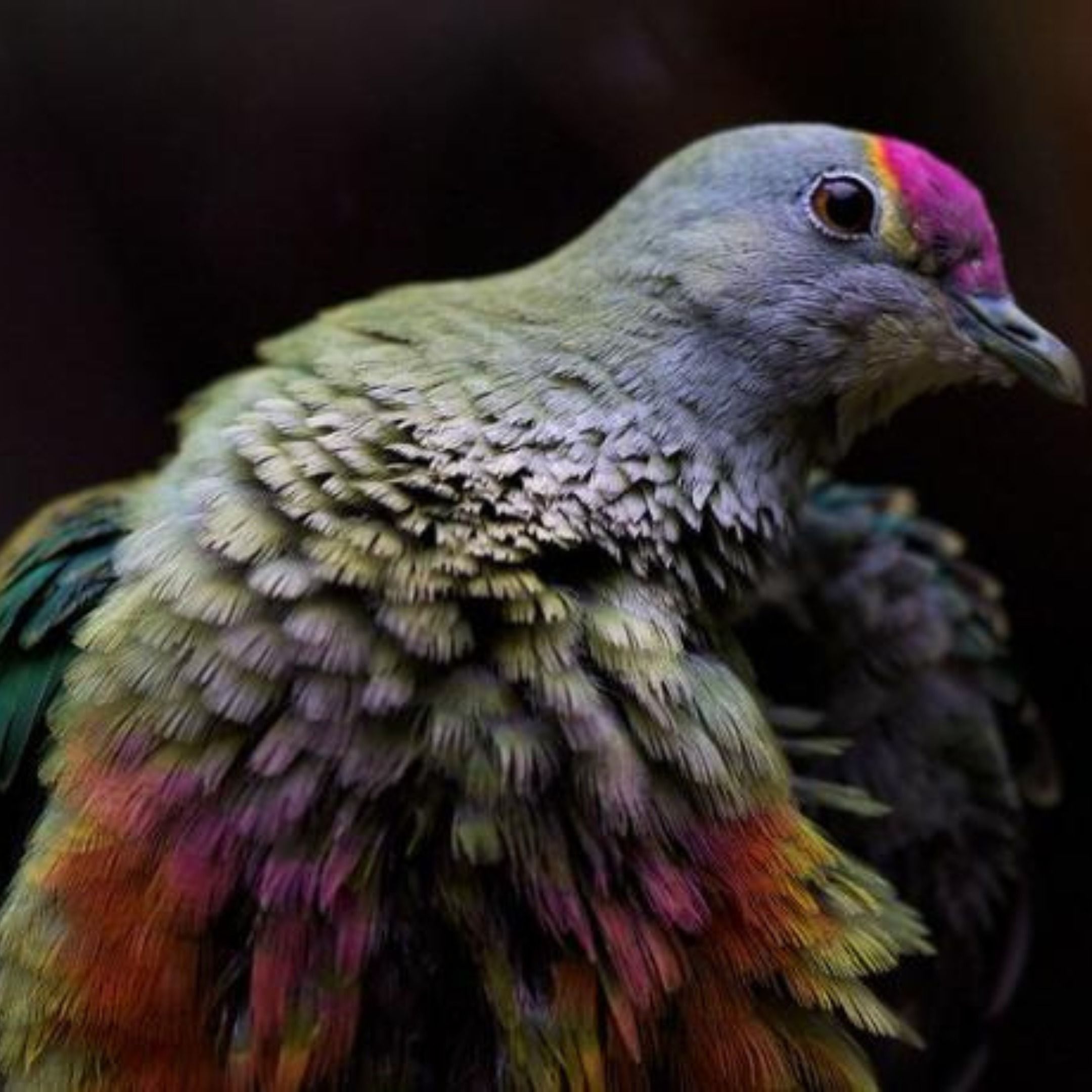
Fancy Fruit-doves in the South Pacific
Fruit-doves are forest-dwelling doves of the South Pacific found on island groups like the Philippines and New Guinea. There are 54 species of fruit-doves, most about the size of a Mourning Dove or smaller, and they do indeed eat fruit. The combinations of bold colors in fruit-doves are unmatched by any other group of birds.More info and transcript at BirdNote.org. Want more BirdNote? Subscribe to our weekly newsletter. Sign up for BirdNote+ to get ad-free listening and other perks. BirdNote is a nonprofit. Your tax-deductible gift makes these shows possible. Hosted by Simplecast, an AdsWizz company. See pcm.adswizz.com for information about our collection and use of personal data for advertising.
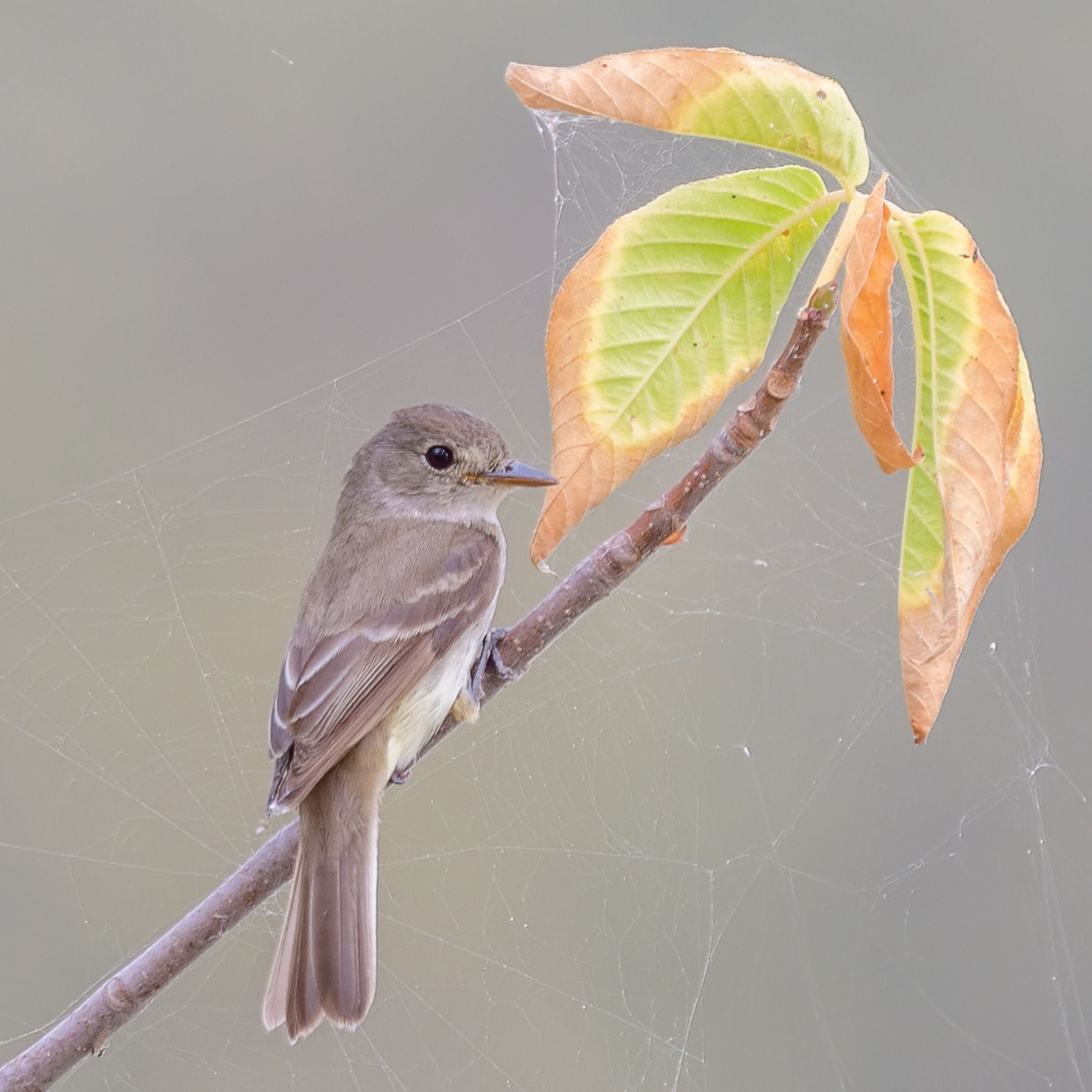
On World Migratory Bird Day, Think of Insects
Today is World Migratory Bird Day, which recognizes the incredible journeys birds make, the challenges they face, and how we can help them on their way. This year, the focus is on a part of bird migration that is often overlooked: insects. Tiny insects provide food for birds’ big journey north and sustain birds on the breeding grounds. Many insect populations have greatly declined, but people can help by reducing pesticide use, buying organically-grown products, and gardening with native plants beloved by insects and birds alike.More info and transcript at BirdNote.org. Want more BirdNote? Subscribe to our weekly newsletter. Sign up for BirdNote+ to get ad-free listening and other perks. BirdNote is a nonprofit. Your tax-deductible gift makes these shows possible. Hosted by Simplecast, an AdsWizz company. See pcm.adswizz.com for information about our collection and use of personal data for advertising.

Helping BirdNote Continue Its Journey
When you provide places for migratory birds to rest and refuel, you’re helping them complete their long journeys and reach their destination safely. In a similar way, BirdNote also relies on your generosity. As an independent nonprofit, we depend on support from listeners like you to keep us going. This week, we’re asking you to make a donation of any amount to help us continue sharing the joy and wonder of birds with people everywhere.More info and transcript at BirdNote.org. Want more BirdNote? Subscribe to our weekly newsletter. Sign up for BirdNote+ to get ad-free listening and other perks. BirdNote is a nonprofit. Your tax-deductible gift makes these shows possible. Hosted by Simplecast, an AdsWizz company. See pcm.adswizz.com for information about our collection and use of personal data for advertising.

Keeping Our Eyes on the Details
Every BirdNote episode starts with a solid grounding in research. When we play a bird sound for you, first we make sure you're hearing the right species. But not just that — we bear in mind the distinction between songs and calls, and we make sure the recording comes from an appropriate location. By making a donation of any amount to BirdNote, you’re helping advance the public's understanding of science and conservation for some of Earth’s most marvelous creatures.More info and transcript at BirdNote.org. Want more BirdNote? Subscribe to our weekly newsletter. Sign up for BirdNote+ to get ad-free listening and other perks. BirdNote is a nonprofit. Your tax-deductible gift makes these shows possible. Hosted by Simplecast, an AdsWizz company. See pcm.adswizz.com for information about our collection and use of personal data for advertising.

Where Do Our Stories Come From?
BirdNote shows begin in many ways: a great listener question, witnessing a cool bird behavior, or a new scientific discovery. But there’s one common theme: curiosity. BirdNote begins with enthusiasm to learn more. In this episode, BirdNote’s managing producer Conor Gearin shares how one show idea came from seeing a Great Blue Heron far from water. By donating to BirdNote, you’re supporting the storytelling and bird facts you depend on, bringing more of the sound-rich stories you love.More info and transcript at BirdNote.org. Want more BirdNote? Subscribe to our weekly newsletter. Sign up for BirdNote+ to get ad-free listening and other perks. BirdNote is a nonprofit. Your tax-deductible gift makes these shows possible. Hosted by Simplecast, an AdsWizz company. See pcm.adswizz.com for information about our collection and use of personal data for advertising.

BirdNote Helps You Get to Know Your Neighborhood
Whether you know your neighborhood inside-out or you just moved and are getting to know the area, BirdNote adds another dimension to how you understand the place you live — by understanding the birds. Our hope is that by spreading knowledge about birds, BirdNote is helping you become more connected to your local ecosystems. A gift of any amount right now helps us continue to accomplish this goal.More info and transcript at BirdNote.org. Want more BirdNote? Subscribe to our weekly newsletter. Sign up for BirdNote+ to get ad-free listening and other perks. BirdNote is a nonprofit. Your tax-deductible gift makes these shows possible. Hosted by Simplecast, an AdsWizz company. See pcm.adswizz.com for information about our collection and use of personal data for advertising.

Sharing BirdNote with the Next Generation
When a new generation of birds hatches, they copy the songs they hear from nearby adults. A young bird’s first attempts aren’t perfect. But like any young musician, they improve with practice. Here at BirdNote, we’ve heard from many listeners who say they enjoy listening to the show with children or grandchildren. Educators use our shows in classrooms as a teaching tool. Help support BirdNote’s mission to inspire the next generation of bird-lovers by making a donation now.More info and transcript at BirdNote.org. Want more BirdNote? Subscribe to our weekly newsletter. Sign up for BirdNote+ to get ad-free listening and other perks. BirdNote is a nonprofit. Your tax-deductible gift makes these shows possible. Hosted by Simplecast, an AdsWizz company. See pcm.adswizz.com for information about our collection and use of personal data for advertising.

Swallow-tailed Kite
A bird of prey in the American Southeast takes grace to an utterly new level. It's the Swallow-tailed Kite. A sleek raptor with a deeply forked tail, the Swallow-tailed Kite almost never flaps its wings. The bird makes sudden tight turns, upside-down moves, and quick backward dives, all by pivoting and moving its tail. Kites snatch insects out of the air and take lizards and snakes off leaves with their talons. Then they transfer prey from their talons to their hooked beaks, all while on the wing.More info and transcript at BirdNote.org. Want more BirdNote? Subscribe to our weekly newsletter. Sign up for BirdNote+ to get ad-free listening and other perks. BirdNote is a nonprofit. Your tax-deductible gift makes these shows possible. Hosted by Simplecast, an AdsWizz company. See pcm.adswizz.com for information about our collection and use of personal data for advertising.
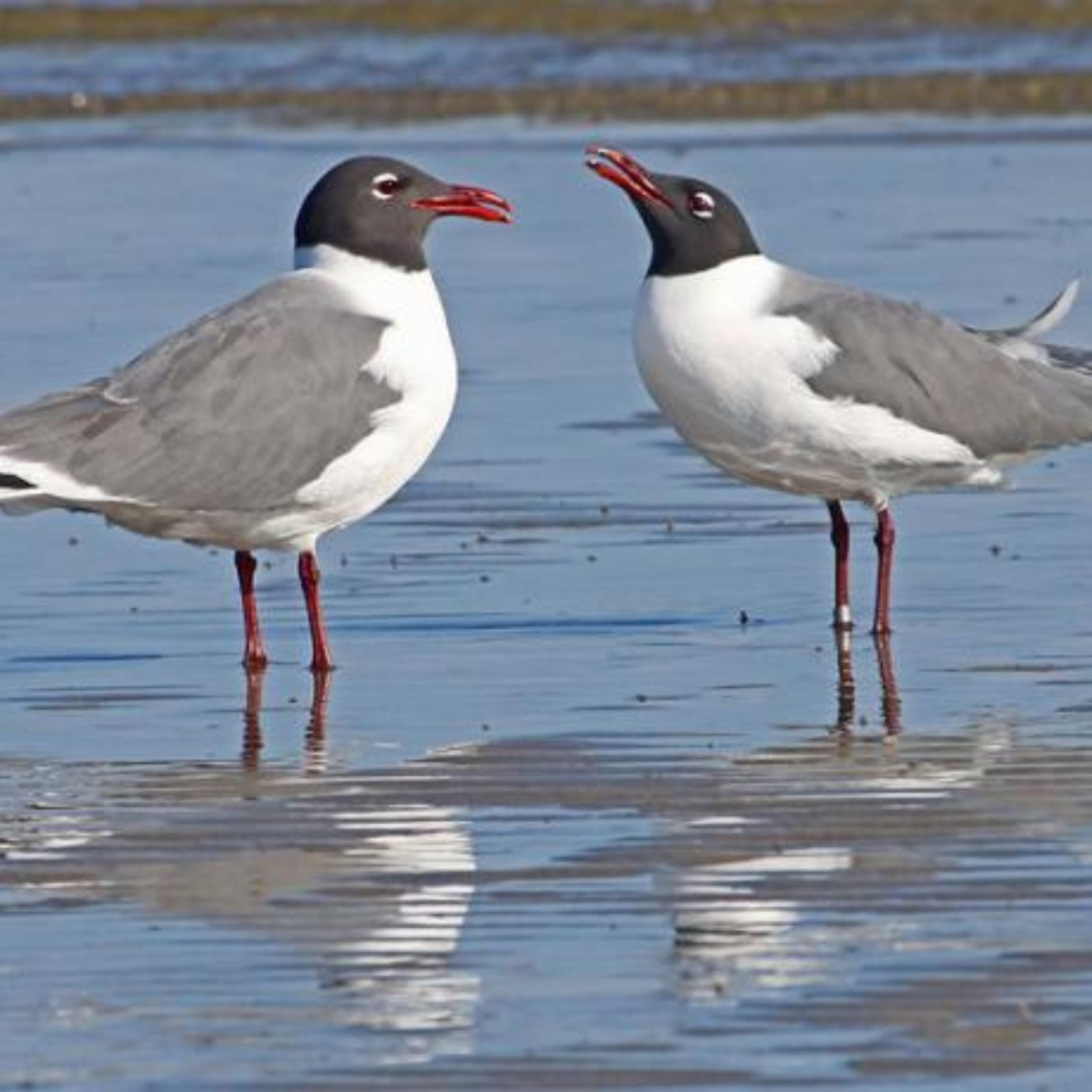
Gulls or 'Seagulls'?
Gulls seem so much a part of the sea that we often just call them "seagulls," a colloquial title for these graceful, ubiquitous creatures. Twenty-two species breed in North America. The Pacific coast is home to the aptly named Western Gulls. The familiar Ring-billed Gull nests all across the northern states and Canadian provinces. Herring Gulls breed along the Great Lakes and Northeast waterways, while these Laughing Gulls nest all along the Atlantic and Gulf coasts.More info and transcript at BirdNote.org. Want more BirdNote? Subscribe to our weekly newsletter. Sign up for BirdNote+ to get ad-free listening and other perks. BirdNote is a nonprofit. Your tax-deductible gift makes these shows possible. Hosted by Simplecast, an AdsWizz company. See pcm.adswizz.com for information about our collection and use of personal data for advertising.
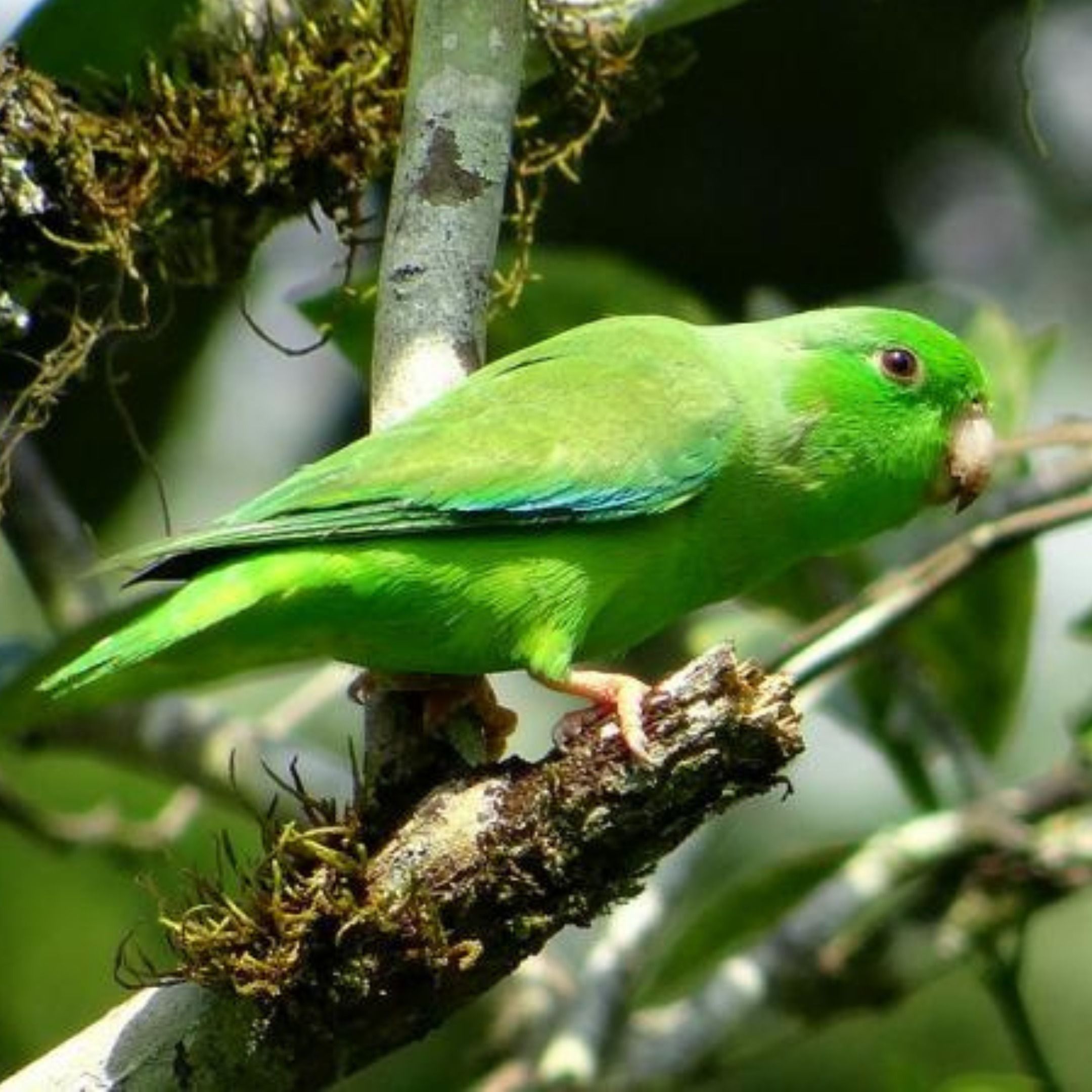
Do Parrots Name Their Chicks?
Parrots are among the smartest of birds. But are they clever enough to know each other by name? Research conducted by ornithologist Karl Berg suggests the answer might be yes. Berg’s studies of Green-rumped Parrotlets — such as the one pictured here — indicate that every parrot in a family flock has a distinct vocal signature learned from its parents. When others in the flock hear it, they know precisely who’s calling.More info and transcript at BirdNote.org. Want more BirdNote? Subscribe to our weekly newsletter. Sign up for BirdNote+ to get ad-free listening and other perks. BirdNote is a nonprofit. Your tax-deductible gift makes these shows possible. Hosted by Simplecast, an AdsWizz company. See pcm.adswizz.com for information about our collection and use of personal data for advertising.
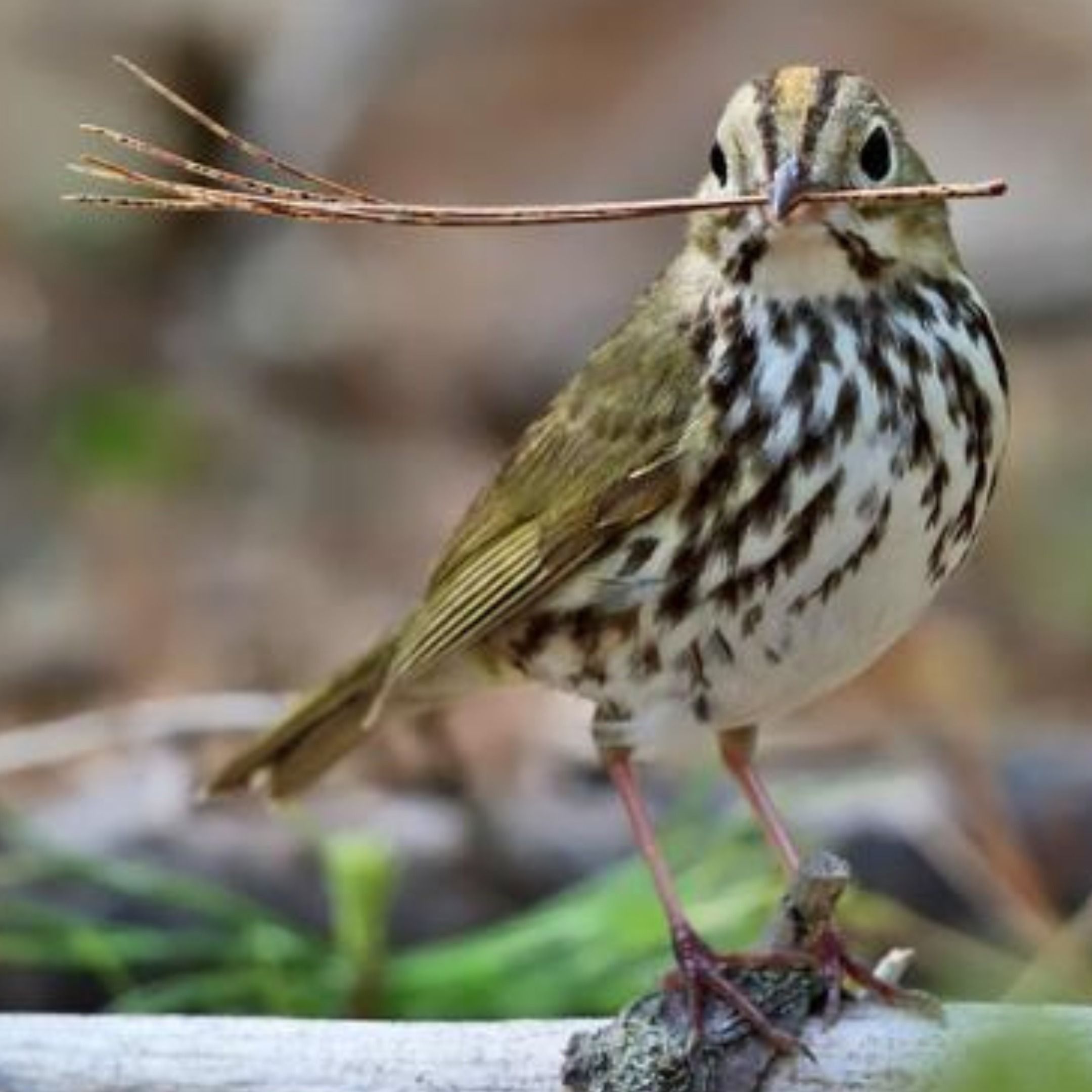
Spring Birds Arrive in the Eastern Forest
May in an Eastern hardwood forest, and the chorus of spring birdsong is nearing its peak. The Carolina Wren, a year-round resident, has been singing since the end of winter. The resounding notes of this Ovenbird let us know it has returned safely from Belize, after a long flight across the Gulf of Mexico. A Chestnut-sided Warbler joins in, having returned from winter in Costa Rica, to the same patch of woods in which it nested last year. By late May, the last of the migrants has arrived from the tropics.More info and transcript at BirdNote.org. Want more BirdNote? Subscribe to our weekly newsletter. Sign up for BirdNote+ to get ad-free listening and other perks. BirdNote is a nonprofit. Your tax-deductible gift makes these shows possible. Hosted by Simplecast, an AdsWizz company. See pcm.adswizz.com for information about our collection and use of personal data for advertising.

Craig Santos Perez and the Last Safe Habitat
Poet Craig Santos Perez grew up on the island of Guam, and later moved to Hawai‘i where his children were born. Both are places that once flourished with unique and diverse bird life, but because of invasive species and climate change, have seen so much loss and extinction. In this episode, he shares poetry that explores his relationship with lost and endangered wildlife and that reflects on the future his daughter will inherit.More info and transcript at BirdNote.org. Want more BirdNote? Subscribe to our weekly newsletter. Sign up for BirdNote+ to get ad-free listening and other perks. BirdNote is a nonprofit. Your tax-deductible gift makes these shows possible. Hosted by Simplecast, an AdsWizz company. See pcm.adswizz.com for information about our collection and use of personal data for advertising.

BirdNoir: The Wild Tom Turkey
In this episode of BirdNoir, the private eye gets a call from H. Jon Benjamin about unusual Wild Turkey behavior. A male turkey (known as a “tom”) won’t leave his car alone. He keeps tapping his beak on the car. Then the turkey starts circling the house and looking in all the windows. The private eye reveals how things look from the turkey’s perspective, which points the way to a possible solution.More info and transcript at BirdNote.org. Want more BirdNote? Subscribe to our weekly newsletter. Sign up for BirdNote+ to get ad-free listening and other perks. BirdNote is a nonprofit. Your tax-deductible gift makes these shows possible. Hosted by Simplecast, an AdsWizz company. See pcm.adswizz.com for information about our collection and use of personal data for advertising.

Birding 101: Finding Birds Any Time of Day
Morning is a great time for birding – that’s the peak of singing and foraging activity for many species. But it’s not the only time to experience birds. Some species, such as American Robins, sing for much of the day. Daytime predators such as hawks and cormorants are active in the middle of the day. Some birds such as Common Nighthawks sweep the sky for insects at dusks. And owls come awake at night.More info and transcript at BirdNote.org. Want more BirdNote? Subscribe to our weekly newsletter. Sign up for BirdNote+ to get ad-free listening and other perks. BirdNote is a nonprofit. Your tax-deductible gift makes these shows possible. Hosted by Simplecast, an AdsWizz company. See pcm.adswizz.com for information about our collection and use of personal data for advertising.
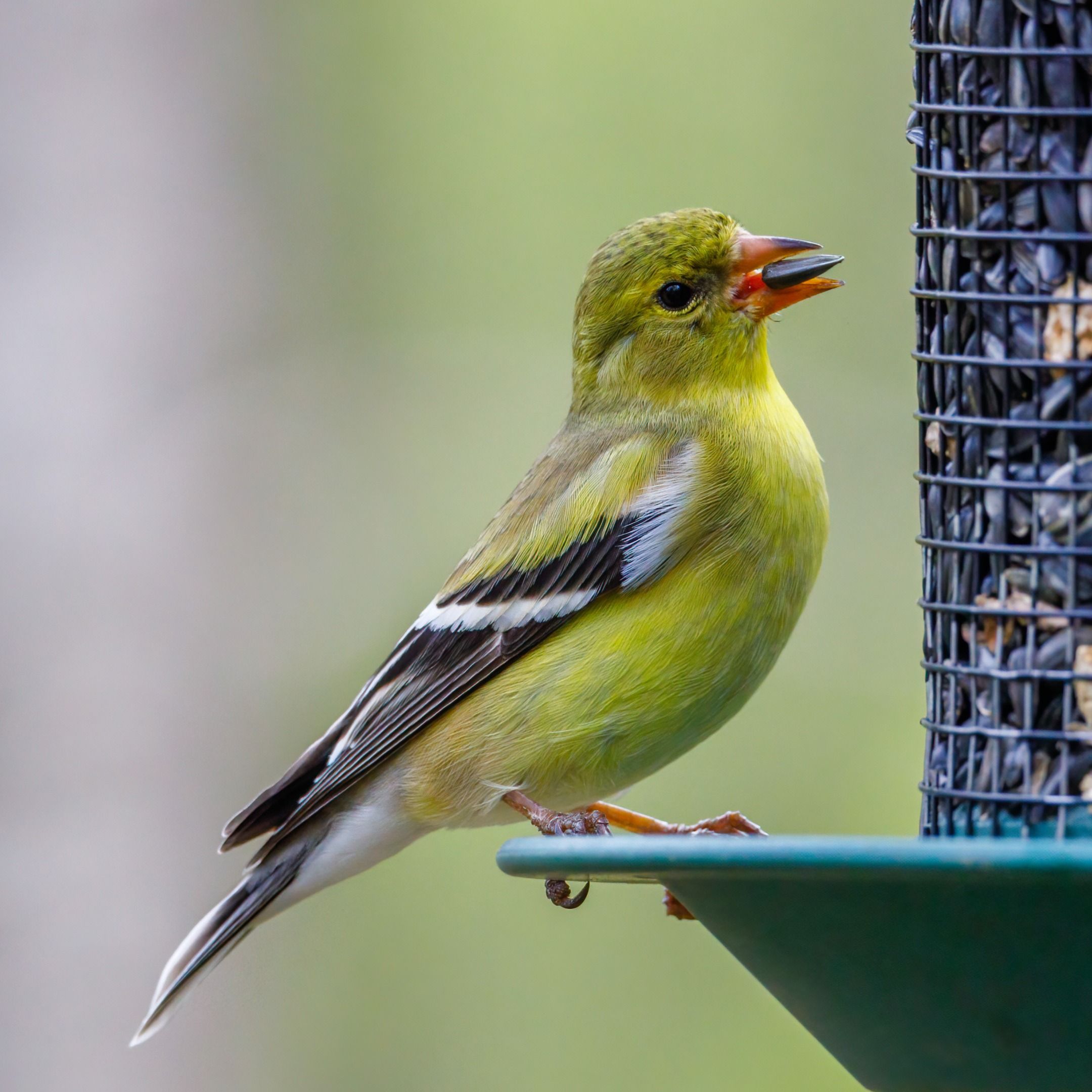
Beak Meets Seed
Birds like finches, chickadees and Northern Cardinals love sunflower seeds, but each species uses a different strategy to extract the meat. When a finch plucks a sunflower seed from the feeder, it uses its tongue to maneuver the seed lengthwise into a groove on its beak. As it closes its beak, a slight back and forth action slices open the hull, and a small sideways movement husks the seed, while the tongue may help extract the kernel. But chickadees lack the heavy duty, seed-slicing beak of a finch. Instead, they hammer and chip the hull open with the tip of the bill to extract the goods.More info and transcript at BirdNote.org. Want more BirdNote? Subscribe to our weekly newsletter. Sign up for BirdNote+ to get ad-free listening and other perks. BirdNote is a nonprofit. Your tax-deductible gift makes these shows possible. Hosted by Simplecast, an AdsWizz company. See pcm.adswizz.com for information about our collection and use of personal data for advertising.

Unlikely Places to Go Birding
Birding is often best in the least likely places. At sewage treatment plants, watch for ducks and gulls - and raptors keeping watch over them all. Another place might be your local landfill or dump. The Brownsville, Texas dump was, for years, the only place in the US you could find this Tamaulipas Crow. For a more sedate birding adventure, visit a cemetery. Especially in rural areas and in the Midwest, cemeteries are often repositories of native plants, and thus magnets for migratory birds, which find food – and cover – in those green oases.More info and transcript at BirdNote.org. Want more BirdNote? Subscribe to our weekly newsletter. Sign up for BirdNote+ to get ad-free listening and other perks. BirdNote is a nonprofit. Your tax-deductible gift makes these shows possible. Hosted by Simplecast, an AdsWizz company. See pcm.adswizz.com for information about our collection and use of personal data for advertising.
Claire Wahmanholm: You Can Always Hear the Highway
Poet Claire Wahmanholm's work focuses on nature and the environment. As she was walking around a nature preserve north of Chicago, Claire was listening for birds but realized there was something else she was hearing: the ever-present hum of a nearby highway. “When you're trying deliberately to hear something else you really notice it,” she says. That experience inspired a poem, “You Can Always Hear the Highway.”More info and transcript at BirdNote.org. Want more BirdNote? Subscribe to our weekly newsletter. Sign up for BirdNote+ to get ad-free listening and other perks. BirdNote is a nonprofit. Your tax-deductible gift makes these shows possible. Hosted by Simplecast, an AdsWizz company. See pcm.adswizz.com for information about our collection and use of personal data for advertising.

Cactus Wren Nest Orientation
Cactus Wrens, which may nest several times between March and September, carefully orient their nests in tune with the season. These bulky twig structures have a side entrance that curves toward the inner chamber. When building a nest for the hot months, the wren faces the opening to receive the afternoon breeze. By contrast, a Cactus Wren building a nest in early March orients the entrance away from the cold winds of that season, keeping the chicks snug and warm.More info and transcript at BirdNote.org. Want more BirdNote? Subscribe to our weekly newsletter. Sign up for BirdNote+ to get ad-free listening and other perks. BirdNote is a nonprofit. Your tax-deductible gift makes these shows possible. Hosted by Simplecast, an AdsWizz company. See pcm.adswizz.com for information about our collection and use of personal data for advertising.

Green-winged Teal by the Millions
Green-winged Teal are North America's smallest dabbling duck, at just over a foot long and weighing less than a pound. The male has a cinnamon brown head with a band of green behind the eye. Both males and females have a green bar on the wing that gleams like an emerald when the sun strikes it. During courtship, up to 25 males may court a single female at once.More info and transcript at BirdNote.org. Want more BirdNote? Subscribe to our weekly newsletter. Sign up for BirdNote+ to get ad-free listening and other perks. BirdNote is a nonprofit. Your tax-deductible gift makes these shows possible. Hosted by Simplecast, an AdsWizz company. See pcm.adswizz.com for information about our collection and use of personal data for advertising.
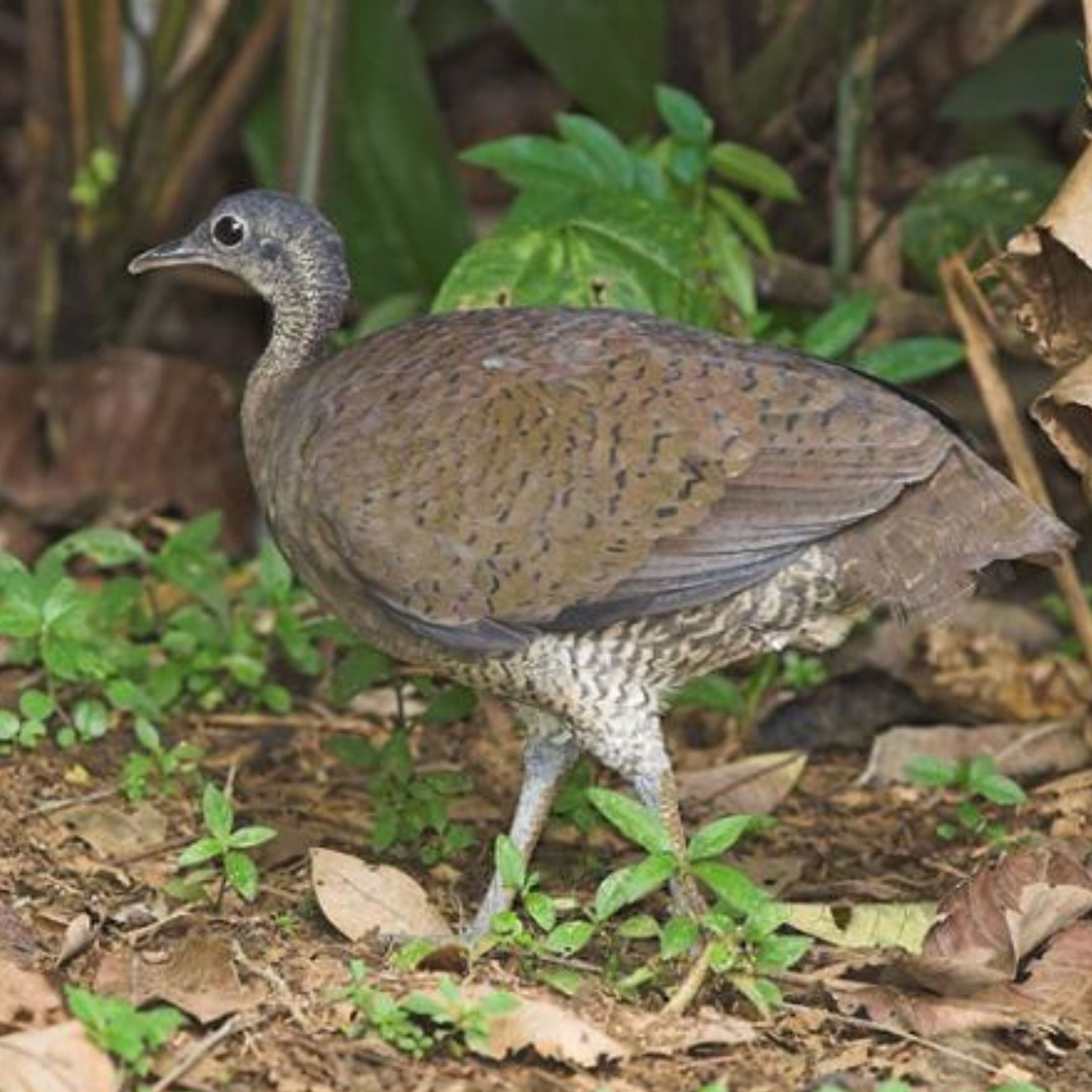
Great Tinamou, Eerie Voice in the Jungle
The eerie sound of the Great Tinamou can be heard in the lowland jungle throughout much of Central and South America. Secretive — and almost impossible to see — Great Tinamous call early and late in the day. And their voices carry a long distance.More info and transcript at BirdNote.org. Want more BirdNote? Subscribe to our weekly newsletter. Sign up for BirdNote+ to get ad-free listening and other perks. BirdNote is a nonprofit. Your tax-deductible gift makes these shows possible. Hosted by Simplecast, an AdsWizz company. See pcm.adswizz.com for information about our collection and use of personal data for advertising.