
BirdNote Daily
1,283 episodes — Page 15 of 26

Common Mergansers Pushed by the Ice
Around this time of year, Common Mergansers cross the U.S.-Canadian border on their way to wintering grounds in the Lower 48. But how do they know when to go? Ducks are well insulated against frigid winter temperatures, but mergansers can find their fishy prey only by diving below the surface of open water. So they’re doing just fine, resting and feeding in southern Canada, until a thin veneer of ice forms on their lake, signaling the time has arrived to head south!More info and transcript at BirdNote.org. Want more BirdNote? Subscribe to our weekly newsletter. Sign up for BirdNote+ to get ad-free listening and other perks. BirdNote is a nonprofit. Your tax-deductible gift makes these shows possible. Hosted by Simplecast, an AdsWizz company. See pcm.adswizz.com for information about our collection and use of personal data for advertising.
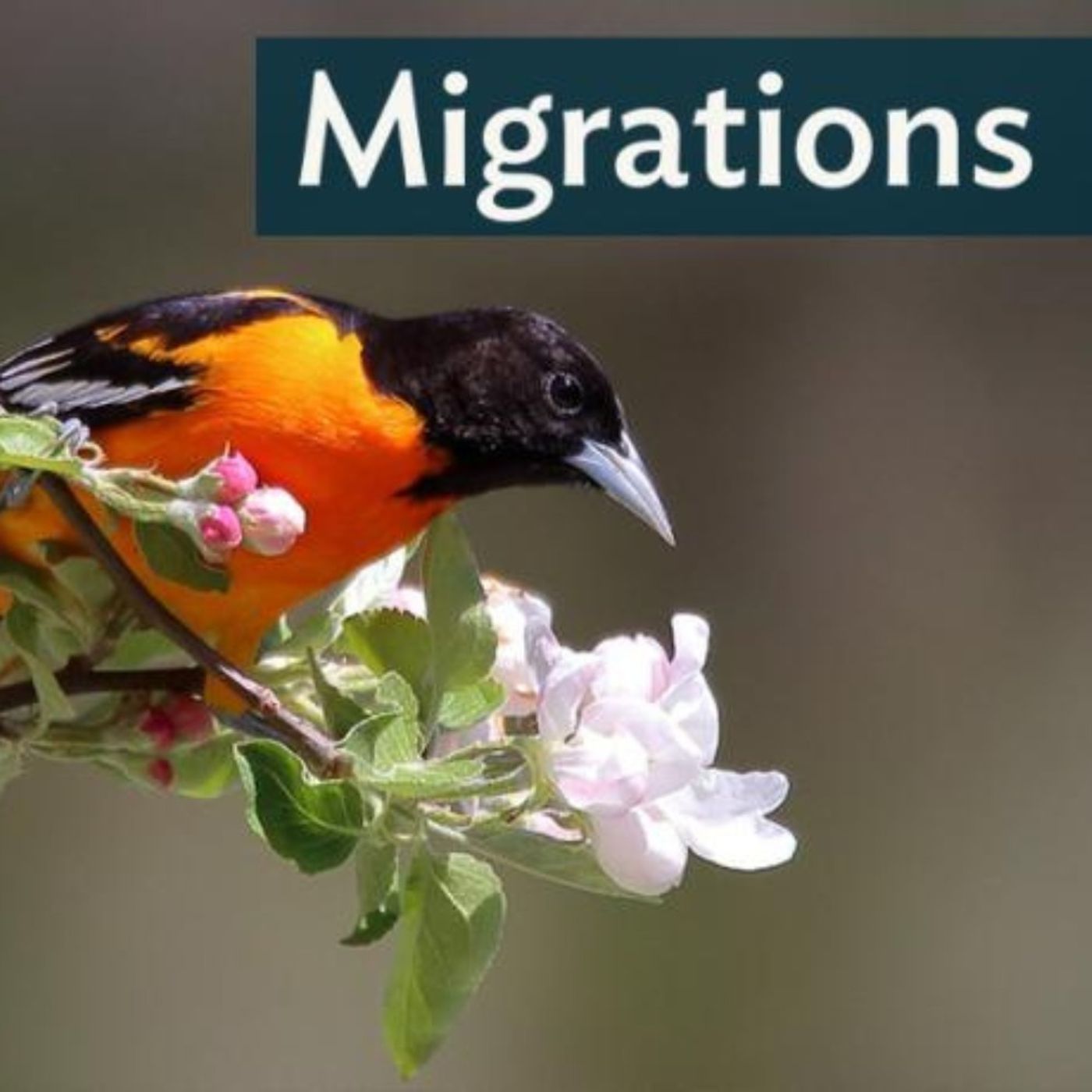
Migrations: Which Came First, North- or South-bound Migration?
Every year, hundreds of bird species migrate between North and South America. Some species likely evolved from ancestors that moved north in search of new breeding habitats: the “southern home” hypothesis. But others may have extended their winter ranges south: the “northern home” hypothesis. Many birds have likely gained and lost the ability to migrate multiple times over the course of evolution. And it’s still happening today.More info and transcript at BirdNote.org. Want more BirdNote? Subscribe to our weekly newsletter. Sign up for BirdNote+ to get ad-free listening and other perks. BirdNote is a nonprofit. Your tax-deductible gift makes these shows possible. Hosted by Simplecast, an AdsWizz company. See pcm.adswizz.com for information about our collection and use of personal data for advertising.

The Fight for a Bird-Friendly Chicago
Window collisions kill nearly one billion birds every year in the U.S., with many fatalities occurring during spring and fall migration. Judy Pollock, president of the Chicago Bird Alliance, says this problem has a solution: using bird-safe glass or applying a tight grid of decals to existing windows to make them easier for birds to see.Though many building owners are reluctant to make these much needed changes, Judy and her collaborators are advocating for a city-wide ordinance that would require new construction and major renovations in Chicago to use bird-safe glass. Learn more about Bird-Friendly Chicago in our latest episode of Bring Birds Back.More info and transcript at BirdNote.org. Want more BirdNote? Subscribe to our weekly newsletter. Sign up for BirdNote+ to get ad-free listening and other perks. BirdNote is a nonprofit. Your tax-deductible gift makes these shows possible. Hosted by Simplecast, an AdsWizz company. See pcm.adswizz.com for information about our collection and use of personal data for advertising.

Mating Strategy of the Saltmarsh Sparrow
In the tidal marshes of the East Coast, the Saltmarsh Sparrow has a breeding strategy described by scientists as featuring an “obligate, promiscuous, and bond-free relationship between males and females.” That means both sexes copulate with multiple individuals, without a lasting relationship. The female is singularly responsible for nesting and hatching and drives off males that approach while she is raising her young.More info and transcript at BirdNote.org. Want more BirdNote? Subscribe to our weekly newsletter. Sign up for BirdNote+ to get ad-free listening and other perks. BirdNote is a nonprofit. Your tax-deductible gift makes these shows possible. Hosted by Simplecast, an AdsWizz company. See pcm.adswizz.com for information about our collection and use of personal data for advertising.

Spark Bird: Kenn Kaufman
As a young child, Kenn Kaufman ventured into his neighborhood in search of the tigers, bears, and dinosaurs, but quickly found that Indiana doesn’t have those. So he set his sights on the next best thing: figuring out which birds were in his family’s yard. Though he’s now a world renowned birder and field guide author, he says his progress was slow. Today’s novice birders have access to mobile apps and websites that put photos, bird calls, and range maps at your fingertips. But whatever tools you choose, Kenn says there’s no substitute for getting outside and experiencing the birds for yourself.More info and transcript at BirdNote.org. Want more BirdNote? Subscribe to our weekly newsletter. Sign up for BirdNote+ to get ad-free listening and other perks. BirdNote is a nonprofit. Your tax-deductible gift makes these shows possible. Hosted by Simplecast, an AdsWizz company. See pcm.adswizz.com for information about our collection and use of personal data for advertising.

Sam ‘Ohu Gon on Protecting the ‘I‘iwi
Because of invasive species and climate change, many of the native birds of Hawai‘i are endangered or have gone extinct. Sam ‘Ohu Gon, Senior Scientist and Cultural Advisor for the Nature Conservancy of Hawai'i, says the bright red bird called the ‘i‘iwi holds a special place in native Hawaiian culture. The bird’s feathers appear as the red color in traditional Hawaiian featherwork. Preserving the bird means preserving the strong cultural relationship with the species.More info and transcript at BirdNote.org. Want more BirdNote? Subscribe to our weekly newsletter. Sign up for BirdNote+ to get ad-free listening and other perks. BirdNote is a nonprofit. Your tax-deductible gift makes these shows possible. Hosted by Simplecast, an AdsWizz company. See pcm.adswizz.com for information about our collection and use of personal data for advertising.

Chickadee Brains Are Bigger in the Cold
As the colder months arrive, birds that remain in northern climates face the harsh realities of staying warm and finding food. Some birds approach the food problem by storing it in advance — a behavior called caching. Chickadees, nuthatches, jays, and some woodpeckers are known to cache large supplies of seeds in many places. But what enables birds such as this Black-capped Chickadee to find the seeds they’ve stored? They amplify spatial memory.More info and transcript at BirdNote.org. Want more BirdNote? Subscribe to our weekly newsletter. Sign up for BirdNote+ to get ad-free listening and other perks. BirdNote is a nonprofit. Your tax-deductible gift makes these shows possible. Hosted by Simplecast, an AdsWizz company. See pcm.adswizz.com for information about our collection and use of personal data for advertising.

Chorus Line in the Sky
A flock of small shorebirds, like Western Sandpipers, twists and turns, glittering in the sky. When threatened by a falcon, these birds take to the air, flying so close together that it's hard for a predator to capture one. A bird at one edge turns toward the middle, and a wave sweeps across the entire flock in less than a second.More info and transcript at BirdNote.org. Want more BirdNote? Subscribe to our weekly newsletter. Sign up for BirdNote+ to get ad-free listening and other perks. BirdNote is a nonprofit. Your tax-deductible gift makes these shows possible. Hosted by Simplecast, an AdsWizz company. See pcm.adswizz.com for information about our collection and use of personal data for advertising.

American Wigeon
The American Wigeon is a grazer. Its bill is narrow, with a pointed tip like that of a goose. When feeding on water plants, a wigeon grabs a leaf and rips it off with its strong bill, rather than using the straining apparatus typical of dabbling ducks. Take a field trip with your local Audubon and see if you can spot a wigeon.More info and transcript at BirdNote.org. Want more BirdNote? Subscribe to our weekly newsletter. Sign up for BirdNote+ to get ad-free listening and other perks. BirdNote is a nonprofit. Your tax-deductible gift makes these shows possible. Hosted by Simplecast, an AdsWizz company. See pcm.adswizz.com for information about our collection and use of personal data for advertising.

Songbirds Teach Each Other Tricks
In the UK for years, milk came in bottles with foil caps. Great Tits, a common songbird, learned how to peck through the foil. The skill spread. But how? Researchers trained Great Tits in different ways of opening a box and re-released them. Knowledge of how to open the box spread rapidly, with most birds copying the trained bird in their group. In a follow-up study, the researchers made one method of opening the box more effective. Many birds quickly switched to the better method, suggesting the tits can stand up to peer pressure if they see there’s a better way of doing things.More info and transcript at BirdNote.org. Want more BirdNote? Subscribe to our weekly newsletter. Sign up for BirdNote+ to get ad-free listening and other perks. BirdNote is a nonprofit. Your tax-deductible gift makes these shows possible. Hosted by Simplecast, an AdsWizz company. See pcm.adswizz.com for information about our collection and use of personal data for advertising.

Birds in the Winter Garden
Put your winter garden to work as a haven for birds. Leaves and brush left to compost provide foraging and roosting places, smother this year’s weeds, and feed next spring’s plant growth. Watch for juncos and towhees in the leaf litter and wrens in the brush. Maybe even a Song Sparrow! With a little planning, your garden can be a haven for birds year round.More info and transcript at BirdNote.org. Want more BirdNote? Subscribe to our weekly newsletter. Sign up for BirdNote+ to get ad-free listening and other perks. BirdNote is a nonprofit. Your tax-deductible gift makes these shows possible. Hosted by Simplecast, an AdsWizz company. See pcm.adswizz.com for information about our collection and use of personal data for advertising.

Spark Bird: Chidi Paige and the Yellow Warbler
When Chidi Paige moved from Nigeria to the U.S., she began running a youth STEM program and had to teach lessons on bird identification. She was in for a challenge: she had to learn the local bird species quickly. On a birding trip, she spotted a Yellow Warbler in a pine tree. The beautiful warbler got Chidi hooked on birding. She has designed several games to make learning bird identification fun for kids.More info and transcript at BirdNote.org. Want more BirdNote? Subscribe to our weekly newsletter. Sign up for BirdNote+ to get ad-free listening and other perks. BirdNote is a nonprofit. Your tax-deductible gift makes these shows possible. Hosted by Simplecast, an AdsWizz company. See pcm.adswizz.com for information about our collection and use of personal data for advertising.

The Peacock's Tail: More Than Meets the Eye
When a male Indian Peafowl unfurls its magnificently-colored tail and shakes it, it creates an ultra low frequency sound that we humans can’t hear. But it seems to get the special attention of female birds, called peahens.More info and transcript at BirdNote.org. Want more BirdNote? Subscribe to our weekly newsletter. Sign up for BirdNote+ to get ad-free listening and other perks. BirdNote is a nonprofit. Your tax-deductible gift makes these shows possible. Hosted by Simplecast, an AdsWizz company. See pcm.adswizz.com for information about our collection and use of personal data for advertising.

The Bustard and the Bee-eater
The massive Kori Bustard struts across the savannahs of Eastern and Southern Africa. Its crested head sits on top of a long neck and stilted legs. And this winged giant has a colorful companion. A small bird called the Carmine Bee-eater perches on the bustard’s back. The Kori Bustard and the Carmine Bee-eater have a symbiotic relationship where at least one of them benefits. While the bustard searches for lizards, rodents, and other prey, it kicks up smaller insects that the bee-eater snatches up.More info and transcript at BirdNote.org. Want more BirdNote? Subscribe to our weekly newsletter. Sign up for BirdNote+ to get ad-free listening and other perks. BirdNote is a nonprofit. Your tax-deductible gift makes these shows possible. Hosted by Simplecast, an AdsWizz company. See pcm.adswizz.com for information about our collection and use of personal data for advertising.

Meadowlarks and Grasslands
The clear, whistled music of the Eastern Meadowlark (seen here) is the unmistakable anthem of eastern North America's farmlands and open country. The Western Meadowlark and its sweet, liquid notes epitomize the natural expanses of the American West. Sadly, birds of such grassy habitats are among the fastest declining species in North America. Learn more about these birds and efforts to conserve their habitats. The meadowlarks' best hope lies in the conservation of farmland and grassland. Learn more about the Conservation Reserve Program.More info and transcript at BirdNote.org. Want more BirdNote? Subscribe to our weekly newsletter. Sign up for BirdNote+ to get ad-free listening and other perks. BirdNote is a nonprofit. Your tax-deductible gift makes these shows possible. Hosted by Simplecast, an AdsWizz company. See pcm.adswizz.com for information about our collection and use of personal data for advertising.

Hear White-throated Sparrows Learning to Sing
The White-throated Sparrow’s melancholy whistle is hauntingly beautiful. But when you hear an adult sparrow performing, just know that the bird wasn’t always an expert singer. In the fall, listen for White-throated Sparrows rehearsing their song. Inexperienced young birds sometimes begin with disorganized jumbles of notes known as sub-songs. As winter deepens, the first-year birds begin to get the syllables of their songs down, but they might sound shaky and off-key. But by summer, hopefully, all the new adult birds will be virtuosos.More info and transcript at BirdNote.org. Want more BirdNote? Subscribe to our weekly newsletter. Sign up for BirdNote+ to get ad-free listening and other perks. BirdNote is a nonprofit. Your tax-deductible gift makes these shows possible. Hosted by Simplecast, an AdsWizz company. See pcm.adswizz.com for information about our collection and use of personal data for advertising.

Flyin' in the Rain
Most birds are mostly waterproof. Their feathers, aided by oil from preen glands, keep them pretty watertight. So why do birds avoid flying during rainstorms? It may have more to do with the air than with the water. Rainstorms tend to occur when atmospheric pressure is low. Air in a low-pressure system is less dense. But it’s dense air that gives birds the aerodynamic lift they need to take wing. Falling rain and high humidity make air even less dense. Many birds perch and wait out a storm. Afterward, birds once again take to the skies.More info and transcript at BirdNote.org. Want more BirdNote? Subscribe to our weekly newsletter. Sign up for BirdNote+ to get ad-free listening and other perks. BirdNote is a nonprofit. Your tax-deductible gift makes these shows possible. Hosted by Simplecast, an AdsWizz company. See pcm.adswizz.com for information about our collection and use of personal data for advertising.

How to Help Birds that are Far Away
University of Puget Sound professor Peter Hodum studies seabird conservation. And he says that if you can’t do something to address a problem, find someone who can.More info and transcript at BirdNote.org. Want more BirdNote? Subscribe to our weekly newsletter. Sign up for BirdNote+ to get ad-free listening and other perks. BirdNote is a nonprofit. Your tax-deductible gift makes these shows possible. Hosted by Simplecast, an AdsWizz company. See pcm.adswizz.com for information about our collection and use of personal data for advertising.

Banding Birds
Willistown Conservation Trust in Pennsylvania carries out bird banding to help researchers understand bird populations. Led by licensed bird banders, a team of volunteers catches birds using mist nets — 8-foot tall nets made of fine nylon string that practically disappear when strung out between poles. After carefully untangling birds from the net, volunteers weigh and measure the birds, affixing a small metal band to their legs with a unique ID. Compiling records for many banded birds helps keep track of whole species.More info and transcript at BirdNote.org. Want more BirdNote? Subscribe to our weekly newsletter. Sign up for BirdNote+ to get ad-free listening and other perks. BirdNote is a nonprofit. Your tax-deductible gift makes these shows possible. Hosted by Simplecast, an AdsWizz company. See pcm.adswizz.com for information about our collection and use of personal data for advertising.

Welcoming Back Winter Birds
Although we may think of autumn as the end of the growing season, a sort of winding down in the natural world, for birds it’s as much a season of renewal as the spring. In the colder months, we welcome back our winter birds — juncos, swans, and more — which spent the summer in their breeding territories to the north. Offering the right kind of food and environment in the winter months can attract these migrants to your yard!More info and transcript at BirdNote.org. Want more BirdNote? Subscribe to our weekly newsletter. Sign up for BirdNote+ to get ad-free listening and other perks. BirdNote is a nonprofit. Your tax-deductible gift makes these shows possible. Hosted by Simplecast, an AdsWizz company. See pcm.adswizz.com for information about our collection and use of personal data for advertising.

Cedar Waxwings - Sleek and Handsome
When courting in spring, male and female Cedar Waxwings communicate with distinctly different calls and, perched side by side, often pass back and forth between them a berry or other small fruit or even a flower petal. Waxwings display a wealth of eye-catching plumage. If you relish the company of Cedar Waxwings, plant fruit-bearing trees and shrubs. Find native plants for your garden at Audubon's Native Plant Database.More info and transcript at BirdNote.org. Want more BirdNote? Subscribe to our weekly newsletter. Sign up for BirdNote+ to get ad-free listening and other perks. BirdNote is a nonprofit. Your tax-deductible gift makes these shows possible. Hosted by Simplecast, an AdsWizz company. See pcm.adswizz.com for information about our collection and use of personal data for advertising.

Prairie Warblers - An Early Successional Species
Despite their name, Prairie Warblers nest in tree farms of recently planted pines, in fields overgrown with scattered shrubs, and in clearings under power lines. Biologists call these “early successional” habitats. They’re characterized by plants that are the first to return to land altered by clearing or fire. Prairie Warblers and similar birds have declined rapidly during the last 50 years, being pressed from all sides. But they’re now benefiting from conservation on several fronts, including the Michael Huber Prairie Warbler Preserve in New Jersey’s Pine Barrens and the Albany Pine Bush Reserve in New York.More info and transcript at BirdNote.org. Want more BirdNote? Subscribe to our weekly newsletter. Sign up for BirdNote+ to get ad-free listening and other perks. BirdNote is a nonprofit. Your tax-deductible gift makes these shows possible. Hosted by Simplecast, an AdsWizz company. See pcm.adswizz.com for information about our collection and use of personal data for advertising.

Identify Bird Sounds on Your Phone
An online tool called BirdNET uses artificial intelligence to identify bird songs and calls. And Cornell’s well-known Merlin Bird ID app now has sound ID, too. It’s as simple as opening the app, choosing “Sound ID,” and hitting record. It can pick out multiple species in the same recording.More info and transcript at BirdNote.org. Want more BirdNote? Subscribe to our weekly newsletter. Sign up for BirdNote+ to get ad-free listening and other perks. BirdNote is a nonprofit. Your tax-deductible gift makes these shows possible. Hosted by Simplecast, an AdsWizz company. See pcm.adswizz.com for information about our collection and use of personal data for advertising.

Sooty Tern
Sooty Terns have long been called "wide-awakes" because of their calls. But it may describe their sleeping habits, too. When young terns leave their breeding grounds, they don't return for several years. They do not rest on the water, and only rarely land on floating objects. They feed while aloft, grabbing prey from the ocean's surface. On the fly, they also capture fish that have been chased out of the water by predators. In other words, Sooty Terns live in the air for years at a time.More info and transcript at BirdNote.org. Want more BirdNote? Subscribe to our weekly newsletter. Sign up for BirdNote+ to get ad-free listening and other perks. BirdNote is a nonprofit. Your tax-deductible gift makes these shows possible. Hosted by Simplecast, an AdsWizz company. See pcm.adswizz.com for information about our collection and use of personal data for advertising.

The Sound of a Thousand Geese Taking Off at Once
During migration, Snow Geese gather in the tens of thousands. They coordinate their movements, flying in a big, compact flock, which makes it harder for a predator to pick off a single bird. It is truly something to see.More info and transcript at BirdNote.org. Want more BirdNote? Subscribe to our weekly newsletter. Sign up for BirdNote+ to get ad-free listening and other perks. BirdNote is a nonprofit. Your tax-deductible gift makes these shows possible. Hosted by Simplecast, an AdsWizz company. See pcm.adswizz.com for information about our collection and use of personal data for advertising.

Komodo Dragons and Cockatoos
Due to trapping for the pet trade, the talkative and showy Yellow-crested Cockatoo is now considered critically endangered. But scientists recently discovered a stronghold for the species: Komodo Island — yes, the one with the dragons. The Komodo population of Yellow-crested Cockatoos appears stable. The island has been an Indonesian national park since 1980. Park rangers may have helped deter poachers, but community support for conservation and the literal dragons have played a role, too.More info and transcript at BirdNote.org. Want more BirdNote? Subscribe to our weekly newsletter. Sign up for BirdNote+ to get ad-free listening and other perks. BirdNote is a nonprofit. Your tax-deductible gift makes these shows possible. Hosted by Simplecast, an AdsWizz company. See pcm.adswizz.com for information about our collection and use of personal data for advertising.

All Those Fish in a Puffin's Beak
Puffins fly under water into schools of slender fish, filling their large beaks. Fish are wedged into the gape, the stretchy skin at the beak hinge, but the bill edges still line up neatly. The dangling fish won’t slide out because the puffin’s tongue and roof of the mouth are heavily lined with backward-angled spines. When its beak is full, the adult flies back to its nest and feeds it all to a single chick.More info and transcript at BirdNote.org. Want more BirdNote? Subscribe to our weekly newsletter. Sign up for BirdNote+ to get ad-free listening and other perks. BirdNote is a nonprofit. Your tax-deductible gift makes these shows possible. Hosted by Simplecast, an AdsWizz company. See pcm.adswizz.com for information about our collection and use of personal data for advertising.

Swainson's Hawks Migrate South
In autumn, hundreds of thousands of Swainson's Hawks migrate to South America. With the help of a satellite tracking device, let's follow an individual male. Learn more about hawk migration at the Hawkwatch International website.More info and transcript at BirdNote.org. Want more BirdNote? Subscribe to our weekly newsletter. Sign up for BirdNote+ to get ad-free listening and other perks. BirdNote is a nonprofit. Your tax-deductible gift makes these shows possible. Hosted by Simplecast, an AdsWizz company. See pcm.adswizz.com for information about our collection and use of personal data for advertising.

At the Escarpment
Long, upward slopes called escarpments offer a good chance of seeing some of the many raptor species found in Belize. Shaped like a compact Red-tailed Hawk, White Hawks are white overall with black markings and scan the landscape for reptile prey. Bat Falcons have a darkly barred chest and cinnamon belly, and chase down swifts, dragonflies, and the bats that give them their name. Ornate Hawk-Eagles stand over two feet tall and are capable of catching monkeys.More info and transcript at BirdNote.org. Want more BirdNote? Subscribe to our weekly newsletter. Sign up for BirdNote+ to get ad-free listening and other perks. BirdNote is a nonprofit. Your tax-deductible gift makes these shows possible. Hosted by Simplecast, an AdsWizz company. See pcm.adswizz.com for information about our collection and use of personal data for advertising.

Changing How You Hear the World
We often hear from listeners that BirdNote has changed the way they see and interact with the world around them. It's had that impact for those of us who help make the show, too. There’s so much life and song and joy out there, waiting for you to just listen for it. BirdNote is an invitation to nature’s concert. Listener support makes this possible. Just go to BirdNote.org and make a gift today.More info and transcript at BirdNote.org. Want more BirdNote? Subscribe to our weekly newsletter. Sign up for BirdNote+ to get ad-free listening and other perks. BirdNote is a nonprofit. Your tax-deductible gift makes these shows possible. Hosted by Simplecast, an AdsWizz company. See pcm.adswizz.com for information about our collection and use of personal data for advertising.

Investing in Our Listeners' Learning Journeys
BirdNote shows are made to be accessible for people of all ages, because we want to reach as many folks as we can with the joy of birds. Listeners who donate make our work possible.More info and transcript at BirdNote.org. Want more BirdNote? Subscribe to our weekly newsletter. Sign up for BirdNote+ to get ad-free listening and other perks. BirdNote is a nonprofit. Your tax-deductible gift makes these shows possible. Hosted by Simplecast, an AdsWizz company. See pcm.adswizz.com for information about our collection and use of personal data for advertising.

Supporting the Nest
A female Wood Thrush will carefully choose each piece of nest-building materials because her eggs will depend on it for warmth and protection. But even the best-made nest couldn’t exist without the support of a sturdy shrub or tree. Much like a bird’s nest, BirdNote depends on having a solid foundation on which to build.More info and transcript at BirdNote.org. Want more BirdNote? Subscribe to our weekly newsletter. Sign up for BirdNote+ to get ad-free listening and other perks. BirdNote is a nonprofit. Your tax-deductible gift makes these shows possible. Hosted by Simplecast, an AdsWizz company. See pcm.adswizz.com for information about our collection and use of personal data for advertising.

BirdNote Helps Kids Learn Their Birds
We hear from lots of people about how much they learn from listening to BirdNote. In this episode, Kim Bradmon and her son Ben share their stories.More info and transcript at BirdNote.org. Want more BirdNote? Subscribe to our weekly newsletter. Sign up for BirdNote+ to get ad-free listening and other perks. BirdNote is a nonprofit. Your tax-deductible gift makes these shows possible. Hosted by Simplecast, an AdsWizz company. See pcm.adswizz.com for information about our collection and use of personal data for advertising.

Listeners Help Us Delve Deeper
As part of our fundraising week, we’re sharing a clip from our podcast, Bring Birds Back. Because of listener support, we’re able to take our time and make long-form episodes that dig a little deeper.More info and transcript at BirdNote.org. Want more BirdNote? Subscribe to our weekly newsletter. Sign up for BirdNote+ to get ad-free listening and other perks. BirdNote is a nonprofit. Your tax-deductible gift makes these shows possible. Hosted by Simplecast, an AdsWizz company. See pcm.adswizz.com for information about our collection and use of personal data for advertising.

Purple Martins Head South to the Amazon
The Purple Martin is the largest swallow that nests in the US and Canada. During fall, Purple Martins from western North America migrate to a distinct wintering area in southeastern Brazil — a travel distance of more than 5,000 miles! Scientists believe that Purple Martins started out as a South American swallow species. Over time, they evolved a seasonal migration to North America because the longer days of summer sunlight provided extra hunting and feeding opportunities during nesting season.Listen to this episode in Spanish here.More info and transcript at BirdNote.org. Want more BirdNote? Subscribe to our weekly newsletter. Sign up for BirdNote+ to get ad-free listening and other perks. BirdNote is a nonprofit. Your tax-deductible gift makes these shows possible. Hosted by Simplecast, an AdsWizz company. See pcm.adswizz.com for information about our collection and use of personal data for advertising.

Crowned-Pigeons: Big, Beautiful, Threatened
Imagine a pigeon the size of a Turkey Vulture or a Canada Goose! Meet the crowned-pigeon. Four species inhabit the large, equatorial island of New Guinea and a few smaller islands. Crowned-pigeons are forest birds and fruit-eaters, with iridescent purple chests and spectacular, tall, lacy crests.More info and transcript at BirdNote.org. Want more BirdNote? Subscribe to our weekly newsletter. Sign up for BirdNote+ to get ad-free listening and other perks. BirdNote is a nonprofit. Your tax-deductible gift makes these shows possible. Hosted by Simplecast, an AdsWizz company. See pcm.adswizz.com for information about our collection and use of personal data for advertising.

Putting the Hum in Hummingbird
To figure out the source of a hummingbird’s hum, scientists built a special rig to measure air pressure, twelve high-speed cameras, and over 2,000 microphones to observe hummingbirds fluttering in place at an artificial flower. The researchers found that the hum derives from the difference in air pressure between the top and bottom of the wings, which alternates forty times a second as the hummingbird flaps. The rapidly shifting air pressure produces a harmonic set of sounds, from low to high, creating that iconic, musical hum.More info and transcript at BirdNote.org. Want more BirdNote? Subscribe to our weekly newsletter. Sign up for BirdNote+ to get ad-free listening and other perks. BirdNote is a nonprofit. Your tax-deductible gift makes these shows possible. Hosted by Simplecast, an AdsWizz company. See pcm.adswizz.com for information about our collection and use of personal data for advertising.
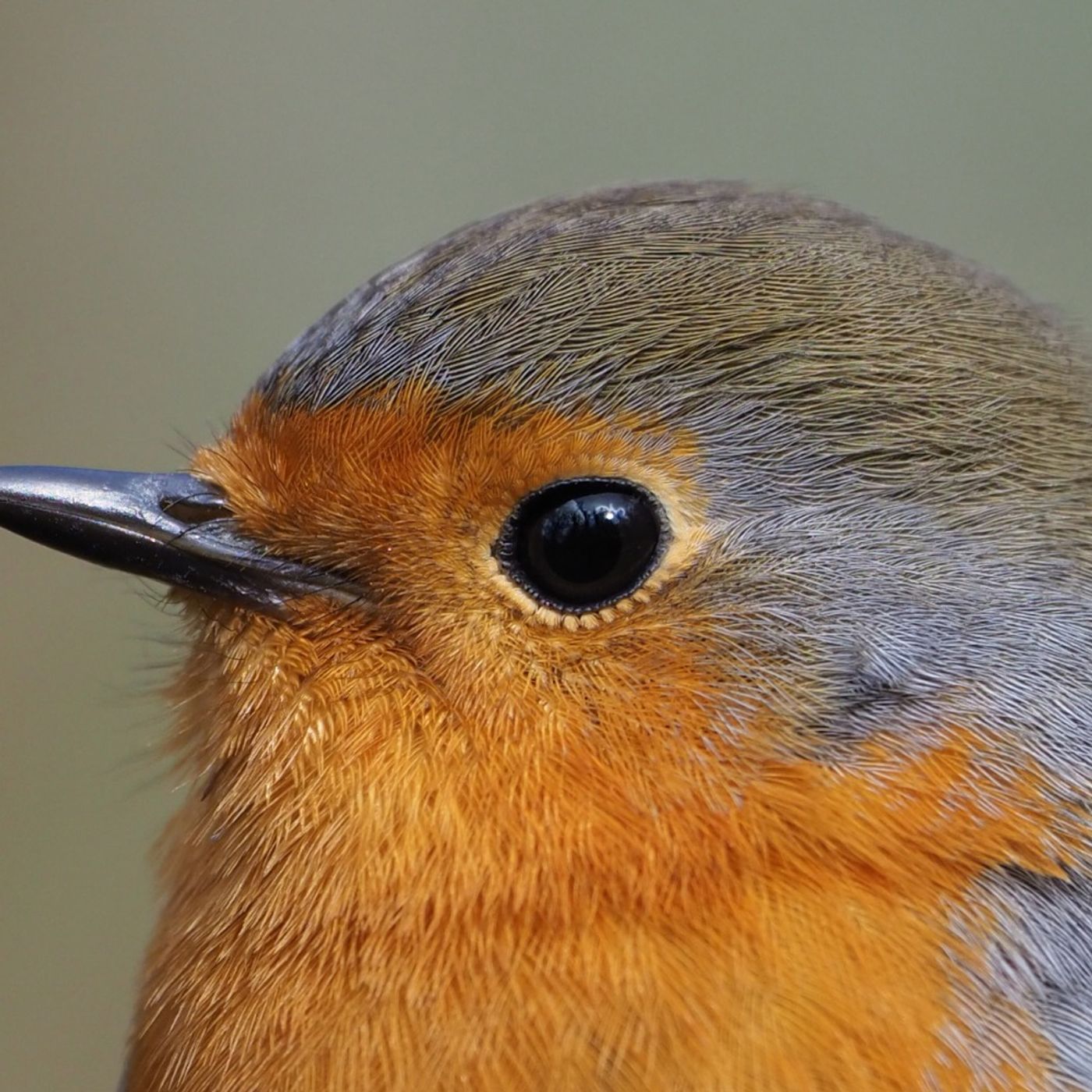
Migrations: Can Birds 'See' Magnetic Fields?
Some migratory songbirds such as European Robins have special light-sensitive proteins called cryptochromes in their eyes. New research suggests how the cryptochromes could alter their behavior in the presence of magnetic fields, giving birds a visual cue for north and south. Other birds can navigate with the help of a mineral called magnetite in their beaks.More info and transcript at BirdNote.org. Want more BirdNote? Subscribe to our weekly newsletter. Sign up for BirdNote+ to get ad-free listening and other perks. BirdNote is a nonprofit. Your tax-deductible gift makes these shows possible. Hosted by Simplecast, an AdsWizz company. See pcm.adswizz.com for information about our collection and use of personal data for advertising.

Bilingual Birding with Daniela Herrera
For many, birding is about more than just a love and appreciation for birds – it also helps build community. But finding a birding group in a community where the primary language is not your own can be near impossible.More info and transcript at BirdNote.org. Want more BirdNote? Subscribe to our weekly newsletter. Sign up for BirdNote+ to get ad-free listening and other perks. BirdNote is a nonprofit. Your tax-deductible gift makes these shows possible. Hosted by Simplecast, an AdsWizz company. See pcm.adswizz.com for information about our collection and use of personal data for advertising.

The Bird of Freedom
There’s a bird in Cuba with plumage in blue, red and white — the same colors as the nation’s flag. The Tocororo, or Cuban Trogon, is the national bird of Cuba. When the Tocororo is kept in a cage, they often die. This fact has become a metaphor of freedom embraced by Cubans. The Cuban Trogon is a medium-sized bird often found in pairs. Its song sounds like its Spanish name, “Tocororo.” While el Tocororo is currently abundant, its population is declining due to loss of habitat. More info and transcript at BirdNote.org. Want more BirdNote? Subscribe to our weekly newsletter. Sign up for BirdNote+ to get ad-free listening and other perks. BirdNote is a nonprofit. Your tax-deductible gift makes these shows possible. Hosted by Simplecast, an AdsWizz company. See pcm.adswizz.com for information about our collection and use of personal data for advertising.

Glowing Feathers
When a Northern Saw-whet Owl spreads its wings, many birds can see something our human eyes can’t: the owl’s flight feathers glow with ultraviolet light. It’s invisible to humans without the help of a UV blacklight. While the glowing feathers on parrots might help them attract mates, the reason for the owls’ glowing feathers still isn’t clear. However, scientists realized that they could estimate an owl’s age based on the pattern of luminescent color on the wings, which changes predictably as birds grow and replace their feathers.More info and transcript at BirdNote.org. Want more BirdNote? Subscribe to our weekly newsletter. Sign up for BirdNote+ to get ad-free listening and other perks. BirdNote is a nonprofit. Your tax-deductible gift makes these shows possible. Hosted by Simplecast, an AdsWizz company. See pcm.adswizz.com for information about our collection and use of personal data for advertising.

Great Horned Owl Family in Autumn
Compared to many birds, Great Horned Owls remain with their parents a long time. They hatched in early March, from eggs laid in late January. By April, both parents were hunting through the night to feed their young. But for the last two weeks, the adults have not fed the young. The owlets have learned the skills they need to hunt for themselves. And any night now, the young owls will strike out on their own.More info and transcript at BirdNote.org. Want more BirdNote? Subscribe to our weekly newsletter. Sign up for BirdNote+ to get ad-free listening and other perks. BirdNote is a nonprofit. Your tax-deductible gift makes these shows possible. Hosted by Simplecast, an AdsWizz company. See pcm.adswizz.com for information about our collection and use of personal data for advertising.

Detroit River International Wildlife Refuge
The United States is home to more than 550 National Wildlife Refuges – havens for wildlife, including the Canvasback. But only one refuge can claim the distinction of being international: the Detroit River International Wildlife Refuge. It hosts millions of migratory ducks annually in the heart of a major metropolitan area!More info and transcript at BirdNote.org. Want more BirdNote? Subscribe to our weekly newsletter. Sign up for BirdNote+ to get ad-free listening and other perks. BirdNote is a nonprofit. Your tax-deductible gift makes these shows possible. Hosted by Simplecast, an AdsWizz company. See pcm.adswizz.com for information about our collection and use of personal data for advertising.
Bird Facts Stranger Than Fiction
Novelist Kira Jane Buxton has written several books about a pet crow navigating a post-apocalyptic world. But her writing is full of real-world bird behaviors. She has taken inspiration from how sparrows line their nests with cigarette stubs — which can deter mites — and many other bits of animal trivia. “I maintain that anything I took liberties with, in terms of the more fantasy or fantastical elements of the novel, they're not half as exciting as what's really happening in nature,” she says.More info and transcript at BirdNote.org. Want more BirdNote? Subscribe to our weekly newsletter. Sign up for BirdNote+ to get ad-free listening and other perks. BirdNote is a nonprofit. Your tax-deductible gift makes these shows possible. Hosted by Simplecast, an AdsWizz company. See pcm.adswizz.com for information about our collection and use of personal data for advertising.
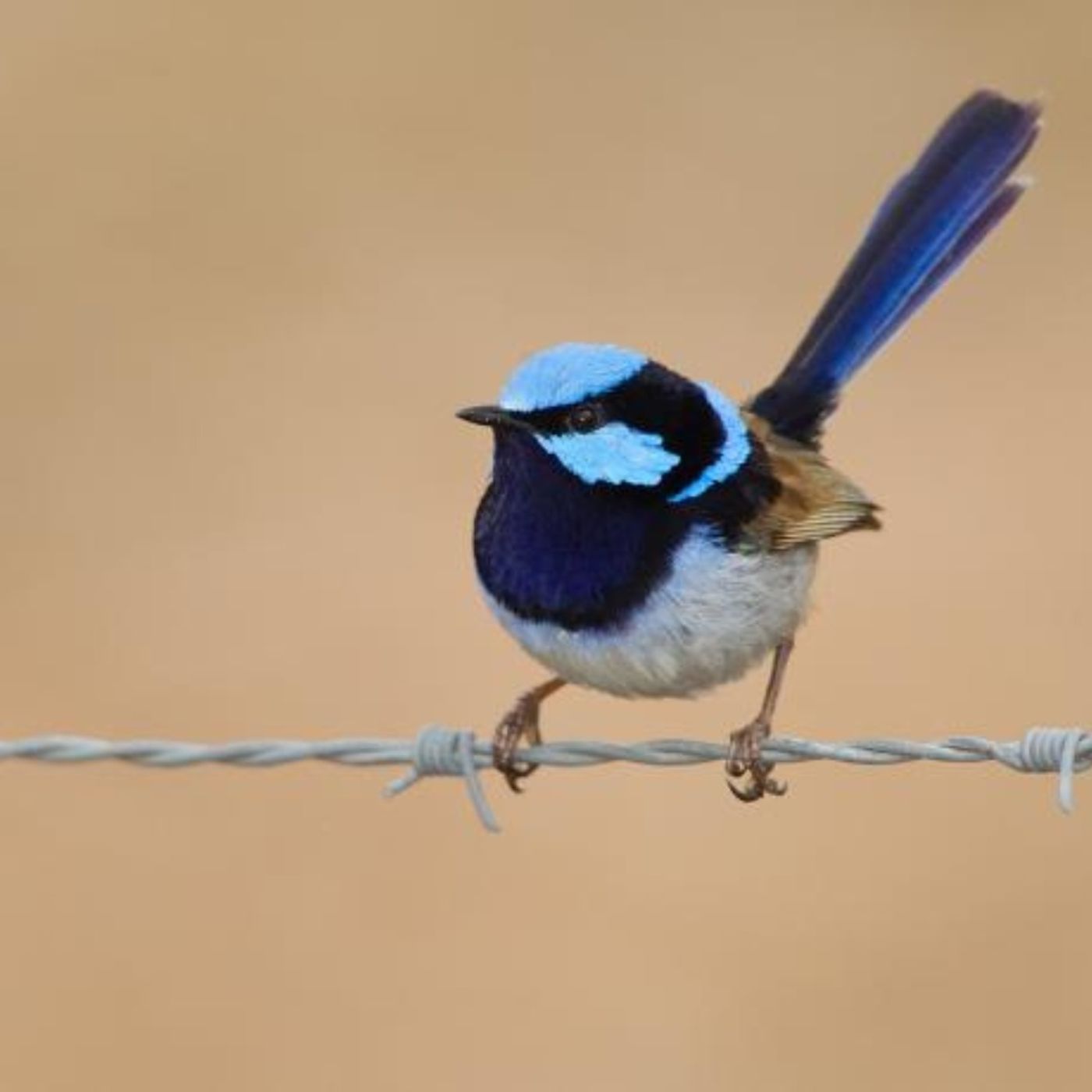
Fairy-Wrens Sing Secret Passwords to Unborn Chicks
Superb Fairy-wrens teach their embryonic chicks a secret code. This incubation call contains a special note that will later serve as a password. When the chicks have hatched, this password enables the adult birds to identify their babies in the darkness of their domed nest. A species of Australian cuckoo lays its eggs in the wren’s nest, hoping to pawn off the task of parenting. But wren chicks learn their mother’s song and incorporate the password note into their begging calls.More info and transcript at BirdNote.org. Want more BirdNote? Subscribe to our weekly newsletter. Sign up for BirdNote+ to get ad-free listening and other perks. BirdNote is a nonprofit. Your tax-deductible gift makes these shows possible. Hosted by Simplecast, an AdsWizz company. See pcm.adswizz.com for information about our collection and use of personal data for advertising.
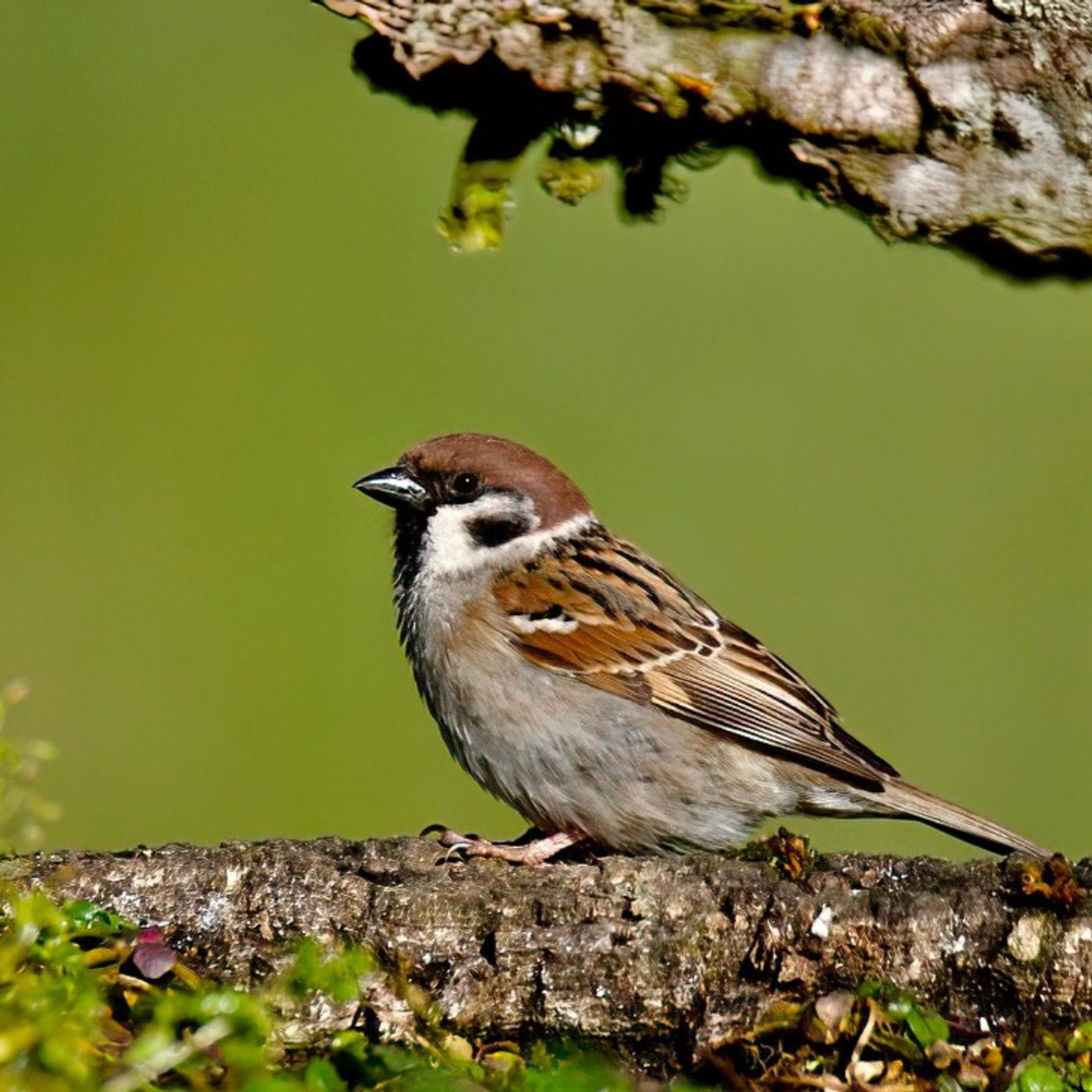
The Eurasian Tree Sparrow
In Lafayette Park in St. Louis, Missouri, a dozen or so Eurasian Tree Sparrows from Germany were released. But unlike other introduced species such as the similar-looking House Sparrow, they did not spread very far and remained in a limited area in the Midwest. It’s not fully clear why, but it’s possible that they just behave differently. And the aggressive House Sparrow may have helped prevent the tree sparrows from spreading further by competing for the same nesting sites.More info and transcript at BirdNote.org. Want more BirdNote? Subscribe to our weekly newsletter. Sign up for BirdNote+ to get ad-free listening and other perks. BirdNote is a nonprofit. Your tax-deductible gift makes these shows possible. Hosted by Simplecast, an AdsWizz company. See pcm.adswizz.com for information about our collection and use of personal data for advertising.
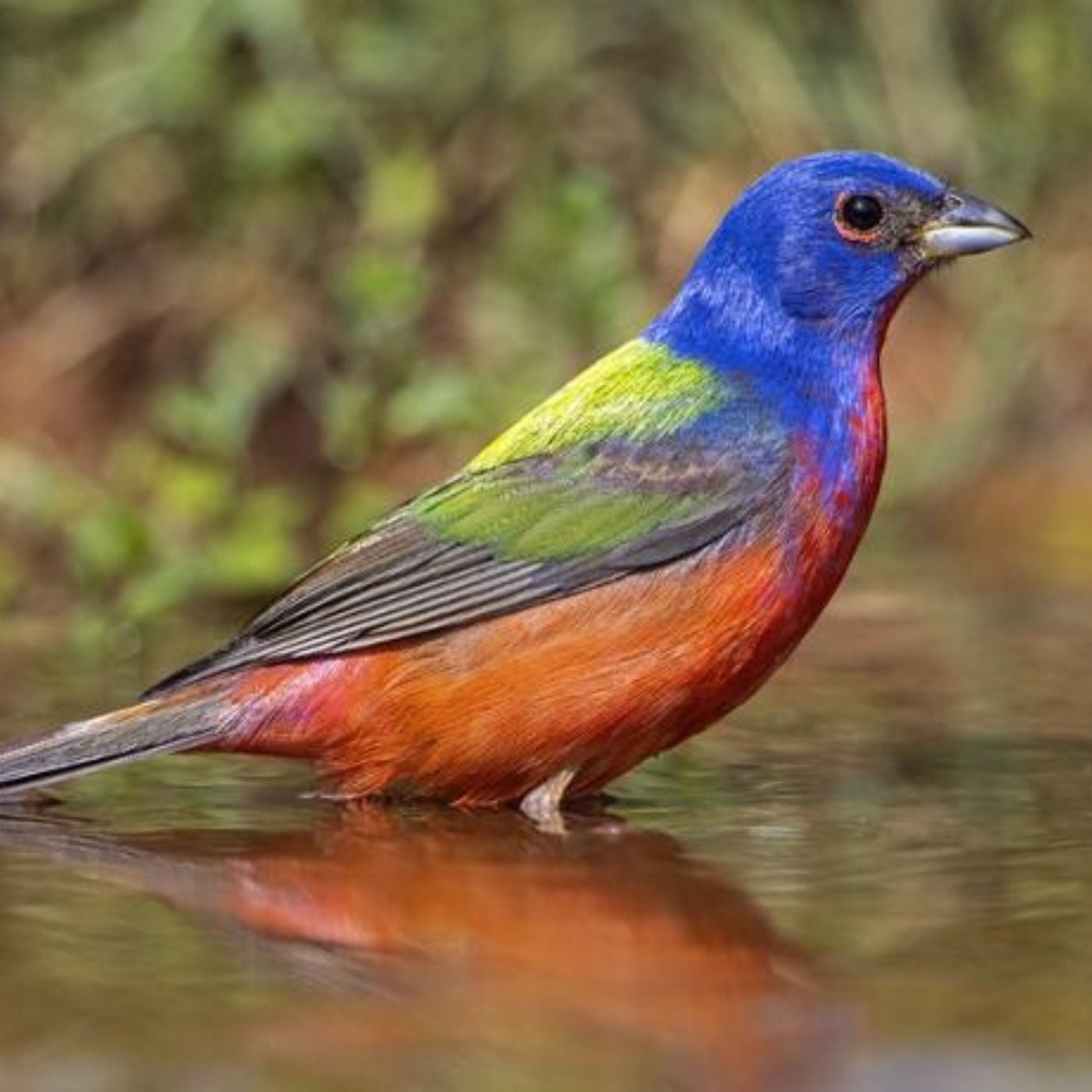
BirdNoir: The One That Got Away
In this episode, the Private Eye tells his saddest story: his nemesis bird. That’s what birders call a species that keeps giving you the slip. His nemesis is the Painted Bunting, a colorful gem of a bird. When word of the species being spotted nearby reaches the PI, he rushes off to see it, hoping to end his struggle to see the bird at last…More info and transcript at BirdNote.org. Want more BirdNote? Subscribe to our weekly newsletter. Sign up for BirdNote+ to get ad-free listening and other perks. BirdNote is a nonprofit. Your tax-deductible gift makes these shows possible. Hosted by Simplecast, an AdsWizz company. See pcm.adswizz.com for information about our collection and use of personal data for advertising.
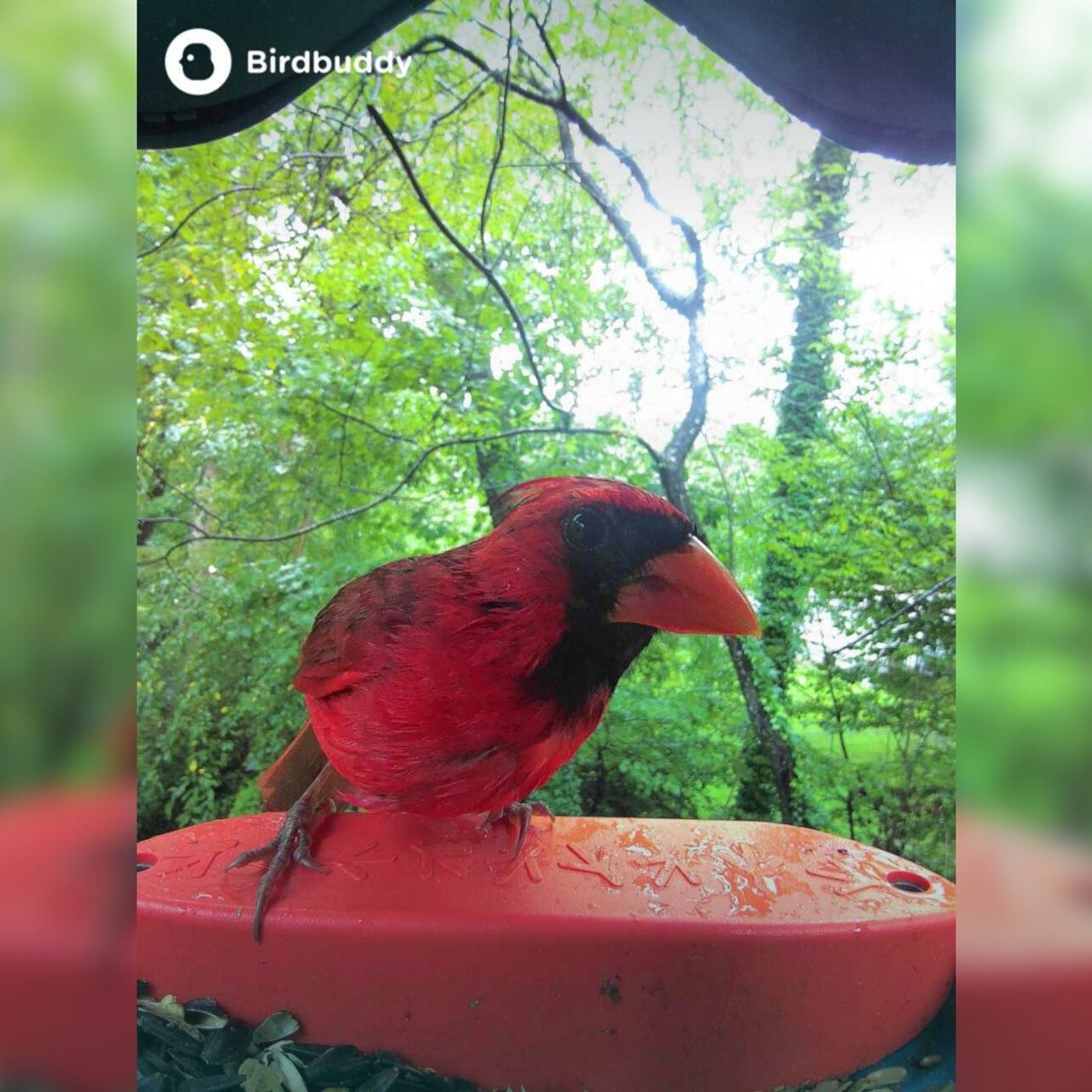
Birding 101: Birding Without Leaving Home
You don’t need fancy binoculars or lavish trips abroad to look for birds. In fact, you don’t even have to leave home — you can enjoy the birds out the window every day. And you don’t actually have to physically go anywhere to find birds. You can use a smartphone or computer to go birding. There are several websites where you can view live feeds of nests. Or you can even have your own bird feeder camera to give you a close-up view of the birds at your feeder.More info and transcript at BirdNote.org. Want more BirdNote? Subscribe to our weekly newsletter. Sign up for BirdNote+ to get ad-free listening and other perks. BirdNote is a nonprofit. Your tax-deductible gift makes these shows possible. Hosted by Simplecast, an AdsWizz company. See pcm.adswizz.com for information about our collection and use of personal data for advertising.
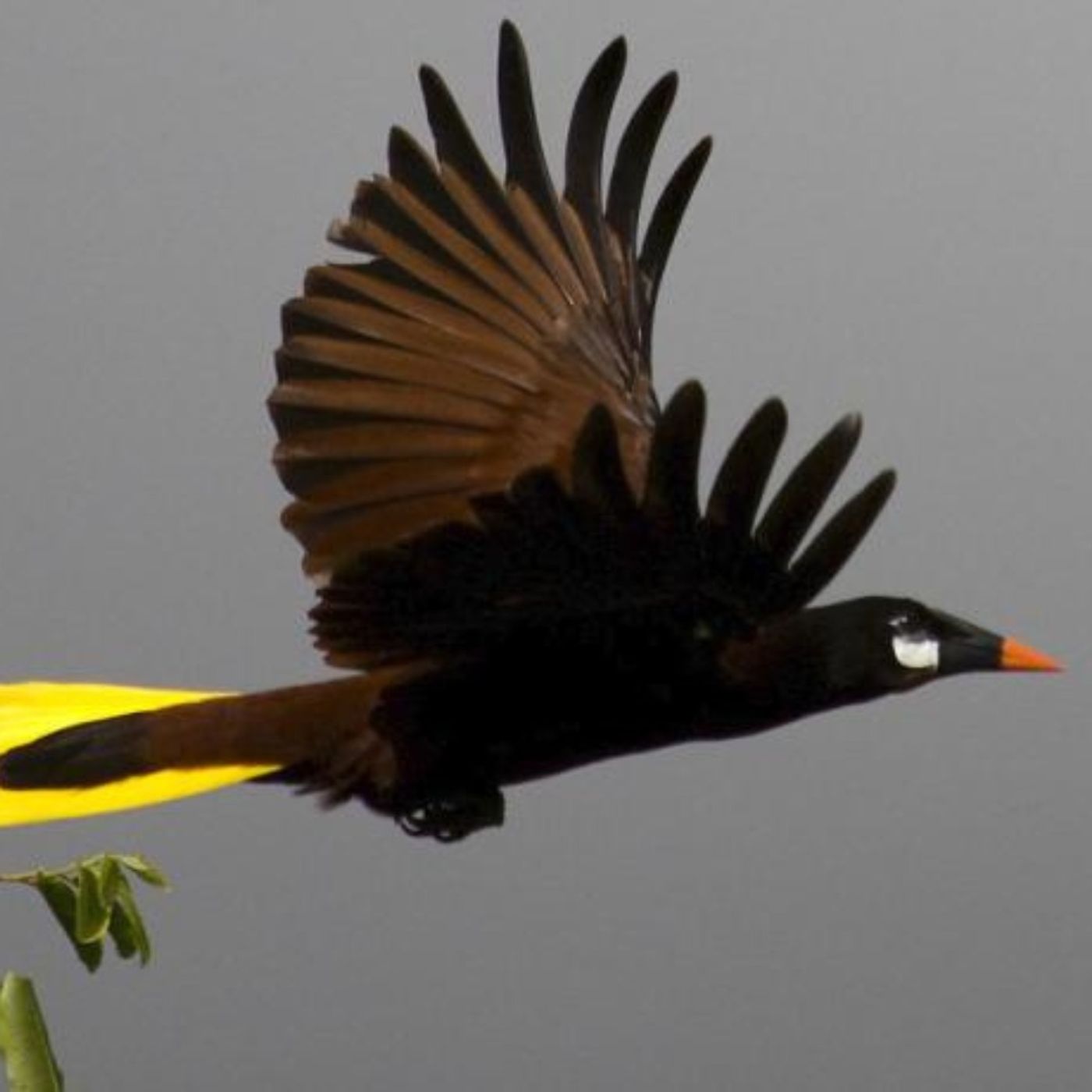
Montezuma Oropendola - The Golden Pendulum
In a clearing where an ancient Mayan city once stood, the Montezuma Oropendola perches and sings. His courtship display is astonishing: he swings by his feet and sings, his tail describing a golden pendulum – the very source of his name in Spanish – oropendola.More info and transcript at BirdNote.org. Want more BirdNote? Subscribe to our weekly newsletter. Sign up for BirdNote+ to get ad-free listening and other perks. BirdNote is a nonprofit. Your tax-deductible gift makes these shows possible. Hosted by Simplecast, an AdsWizz company. See pcm.adswizz.com for information about our collection and use of personal data for advertising.
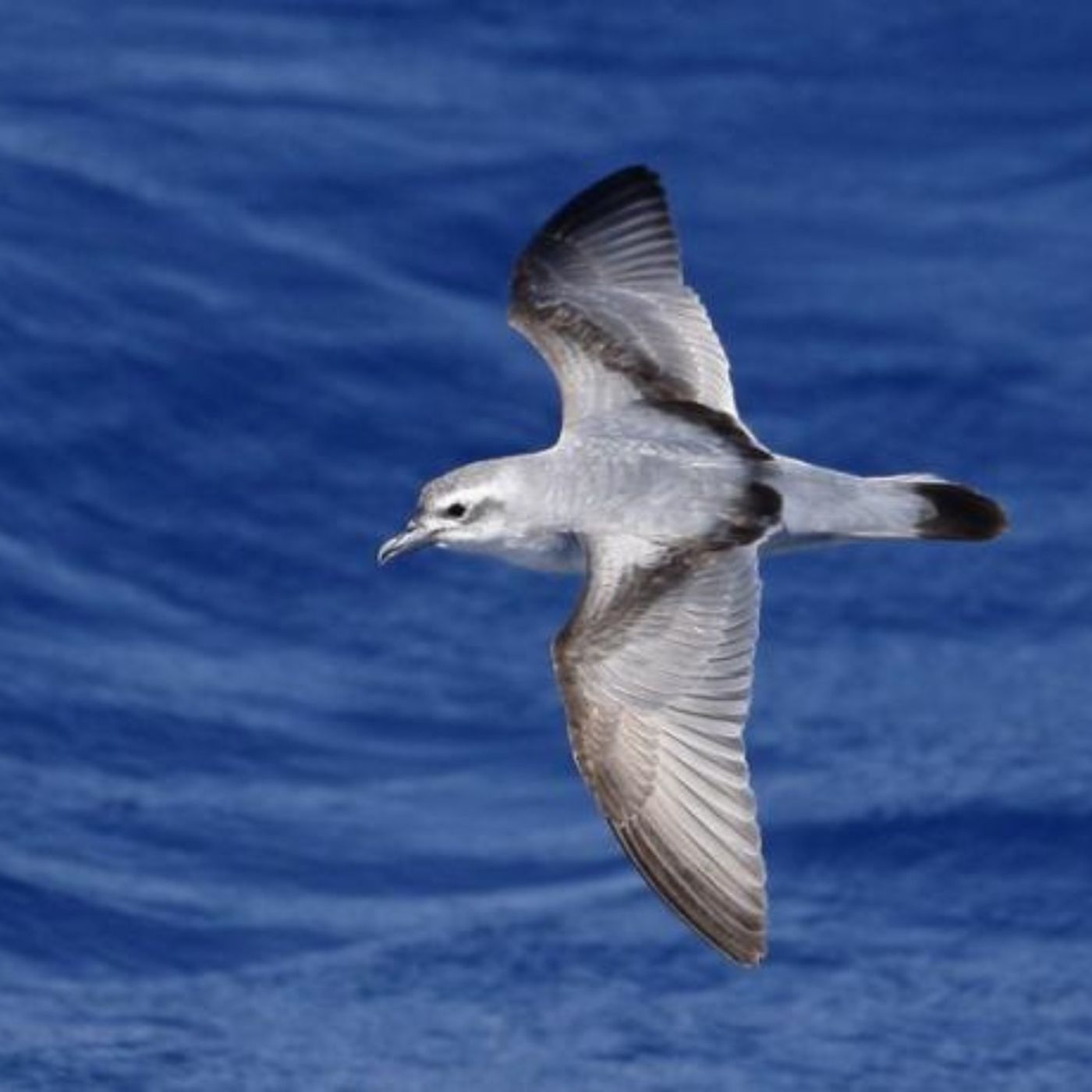
Prions Filter-Feed Like Whales
Birds called prions have an especially creative approach to getting their food. They pass seawater through their mouths and filter it to catch tiny animals such as krill and other small crustaceans. It’s similar to how baleen whales feed, leading to the prion’s nickname: the whale-bird. The sides of their bills have comb-like structures. Small food items get trapped in the combs as water flows past. In Greek, the word “prion” means saw, which refers to the bird’s highly specialized mouth.More info and transcript at BirdNote.org. Want more BirdNote? Subscribe to our weekly newsletter. Sign up for BirdNote+ to get ad-free listening and other perks. BirdNote is a nonprofit. Your tax-deductible gift makes these shows possible. Hosted by Simplecast, an AdsWizz company. See pcm.adswizz.com for information about our collection and use of personal data for advertising.