
BirdNote Daily
1,282 episodes — Page 12 of 26

Short and Sweet!
We know you’ve got a busy schedule, which is why our team at BirdNote produces fun, sound-rich episodes about the natural world in less than two minutes each day. For 20 years, BirdNote has shared the joy and wonder of birds with millions of people. Help us continue this work with a donation of any amount.More info and transcript at BirdNote.org. Want more BirdNote? Subscribe to our weekly newsletter. Sign up for BirdNote+ to get ad-free listening and other perks. BirdNote is a nonprofit. Your tax-deductible gift makes these shows possible. Hosted by Simplecast, an AdsWizz company. See pcm.adswizz.com for information about our collection and use of personal data for advertising.

Adopt a Tree to Save the Birds
Many birds depend on caterpillars often found on trees lining city sidewalks. But few insects spend their whole lives on the tree: the next stage is in the leaves and soil under the tree. In cities, that habitat is often compacted and leafless. By adopting a tree and creating a “soft landing” for caterpillars, anyone can help keep birds supplied with the insects they need to survive.Homegrown National Park® is a grassroots call-to-action to regenerate diversity and ecosystem function by planting native plants and creating new ecological networks. Learn how to plant native and get on the HNP map here.More info and transcript at BirdNote.org. Want more BirdNote? Subscribe to our weekly newsletter. Sign up for BirdNote+ to get ad-free listening and other perks. BirdNote is a nonprofit. Your tax-deductible gift makes these shows possible. Hosted by Simplecast, an AdsWizz company. See pcm.adswizz.com for information about our collection and use of personal data for advertising.

How Much Birds Sing
A typical songbird belts out its song between 1,000 and 2,500 times per day. Even though most bird songs last only a few seconds, that's a lot of warbling! A Yellowhammer, a European bunting, may sing over 3,000 times a day. But the Yellowhammer doesn't even come close to the North American record-holder, this Red-eyed Vireo. One such vireo delivered its song over 22,000 times in 10 hours!More info and transcript at BirdNote.org. Want more BirdNote? Subscribe to our weekly newsletter. Sign up for BirdNote+ to get ad-free listening and other perks. BirdNote is a nonprofit. Your tax-deductible gift makes these shows possible. Hosted by Simplecast, an AdsWizz company. See pcm.adswizz.com for information about our collection and use of personal data for advertising.

Poet Holly J. Hughes Honors the Birds We've Lost
Poet Holly J. Hughes’ book Passings is a collection of poems about 15 species of birds that we have lost, or presume to be extinct. For National Poetry Month, Hughes shares the inspiration behind her work and three poems: Passenger Pigeon, Northern Curlew, and Ivory-Billed Woodpecker.More info and transcript at BirdNote.org. Want more BirdNote? Subscribe to our weekly newsletter. Sign up for BirdNote+ to get ad-free listening and other perks. BirdNote is a nonprofit. Your tax-deductible gift makes these shows possible. Hosted by Simplecast, an AdsWizz company. See pcm.adswizz.com for information about our collection and use of personal data for advertising.

The Cool, Rugged Life of a Snow Bunting
The Arctic is still wintry when male Snow Buntings return to nesting areas in April. There's a big benefit to arriving early enough to claim a prime nest cavity in a rock face or under boulders, where it will be safer from predators. Nesting in chilly rock cavities means extra care must be taken to keep eggs and nestlings warm. That’s why, unlike many other bird species, female Snow Buntings never come off the nest. The males bring them food, giving them more continuous time on the eggs.More info and transcript at BirdNote.org. Want more BirdNote? Subscribe to our weekly newsletter. Sign up for BirdNote+ to get ad-free listening and other perks. BirdNote is a nonprofit. Your tax-deductible gift makes these shows possible. Hosted by Simplecast, an AdsWizz company. See pcm.adswizz.com for information about our collection and use of personal data for advertising.

White-crowned Sparrow
The White-crowned Sparrow pours out its song over and over on spring and summer days-and even on moonlit nights-often up to 15 times a minute. Now here's a curious thing: Just as people in different regions may have different dialects, White-crowns have different songs, according to where they live. Find more at the Macaulay Library.More info and transcript at BirdNote.org. Want more BirdNote? Subscribe to our weekly newsletter. Sign up for BirdNote+ to get ad-free listening and other perks. BirdNote is a nonprofit. Your tax-deductible gift makes these shows possible. Hosted by Simplecast, an AdsWizz company. See pcm.adswizz.com for information about our collection and use of personal data for advertising.

Secret Messages in Birdsong?
Birds convey many types of messages through their songs and calls, but some may have ulterior motives. It may seem a bit foolish, but when BirdNote’s senior producer Mark Bramhill listened to familiar birdsongs in reverse, he heard…More info and transcript at BirdNote.org. Want more BirdNote? Subscribe to our weekly newsletter. Sign up for BirdNote+ to get ad-free listening and other perks. BirdNote is a nonprofit. Your tax-deductible gift makes these shows possible. Hosted by Simplecast, an AdsWizz company. See pcm.adswizz.com for information about our collection and use of personal data for advertising.

Birds Expanding the Human Imagination
Glenn Albrecht grew up in a “bird lover’s paradise” in western Australia. But when he saw how coal mining displaced communities, polluted the air and water, and decimated bird populations, Glenn lacked the words for his emotions. He created the concept of ‘solastalgia’ to describe the pain of witnessing environmental harm where you live. He imagines a possible future era, called the ‘Symbiocene,’ when human activity will, once again, be fully interconnected with the ebb and flow of the rest of nature and therefore cause no more destruction of life on Earth.More info and transcript at BirdNote.org. Want more BirdNote? Subscribe to our weekly newsletter. Sign up for BirdNote+ to get ad-free listening and other perks. BirdNote is a nonprofit. Your tax-deductible gift makes these shows possible. Hosted by Simplecast, an AdsWizz company. See pcm.adswizz.com for information about our collection and use of personal data for advertising.

Robins and Earthworms: The Backstory
When glaciers pushed south into what is now the U.S. around 20,000 years ago, they scraped off the soil layer and spelled the end of native earthworms except in the southern states. So the earthworm plucked by the robin in the park or on your lawn is probably a relatively new arrival, most likely a species Europeans conveyed to the Americas in plant soil or the ballast of ships.More info and transcript at BirdNote.org. Want more BirdNote? Subscribe to our weekly newsletter. Sign up for BirdNote+ to get ad-free listening and other perks. BirdNote is a nonprofit. Your tax-deductible gift makes these shows possible. Hosted by Simplecast, an AdsWizz company. See pcm.adswizz.com for information about our collection and use of personal data for advertising.
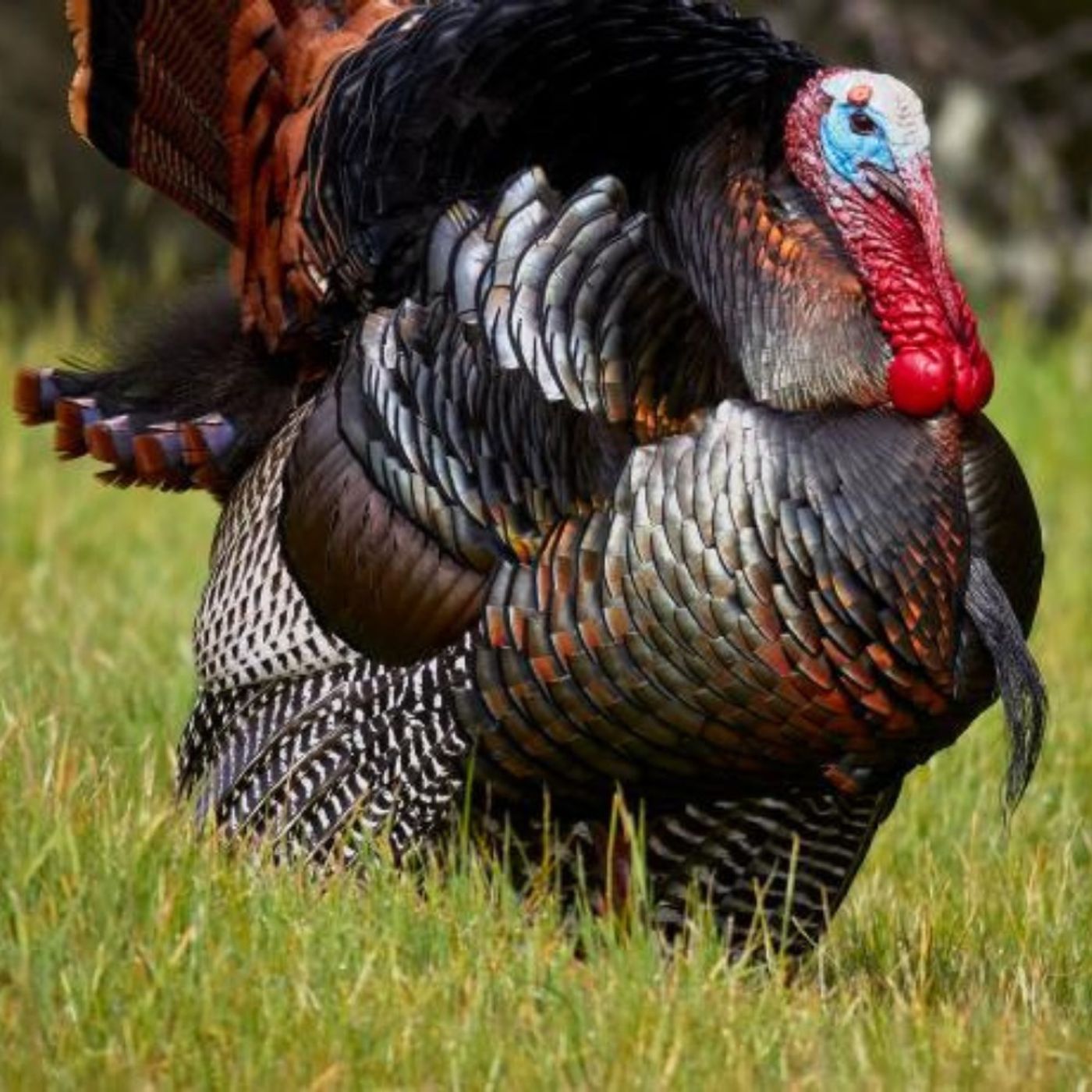
Have You Ever Seen a Tom Turkey's Beard?
With his brilliantly colored plumage fanned out in display, a tom (male) Wild Turkey is a handsome sight to behold. He has a bright red head, long spurs, and… a beard. This “beard” is a small cluster of bristles that sprouts from his chest plumage. It looks like a misplaced ponytail. The older the tom, the longer the beard.More info and transcript at BirdNote.org. Want more BirdNote? Subscribe to our weekly newsletter. Sign up for BirdNote+ to get ad-free listening and other perks. BirdNote is a nonprofit. Your tax-deductible gift makes these shows possible. Hosted by Simplecast, an AdsWizz company. See pcm.adswizz.com for information about our collection and use of personal data for advertising.

Common Yellowthroat
Common Yellowthroats are one of the most abundant warblers in North America. They’re adaptable birds, thriving in places that pickier warblers pass over. So it’s easy to find yellowthroats in urban areas. Check for them in marshes, overgrown fields, and brushy areas along streams or trails.More info and transcript at BirdNote.org. Want more BirdNote? Subscribe to our weekly newsletter. Sign up for BirdNote+ to get ad-free listening and other perks. BirdNote is a nonprofit. Your tax-deductible gift makes these shows possible. Hosted by Simplecast, an AdsWizz company. See pcm.adswizz.com for information about our collection and use of personal data for advertising.

Melanin Makes Feathers Stronger
Many species have black feathers on the trailing edge of their wings, regardless of what color most of their feathers are. Birds as different as gulls, pelicans, storks, and flamingos all have black-tipped wings. These flight feathers are rich in a pigment called melanin. But melanin doesn’t just provide color. It also helps make feathers stronger. Feathers with melanin have a tougher layer of keratin, the same substance found in human fingernails, compared to feathers without. So the black feathers actually help protect a wing from wear and tear.More info and transcript at BirdNote.org. Want more BirdNote? Subscribe to our weekly newsletter. Sign up for BirdNote+ to get ad-free listening and other perks. BirdNote is a nonprofit. Your tax-deductible gift makes these shows possible. Hosted by Simplecast, an AdsWizz company. See pcm.adswizz.com for information about our collection and use of personal data for advertising.

Thirsty Hummingbirds
Here they come! Rufous Hummingbirds, Black-chins, Broad-bills, Ruby-throats, and others are migrating north after a hot, dry winter in sunny Mexico or Central America. And they’re ready for a drink. You can help these thirsty birds by hanging a hummingbird feeder filled with the right kind of nectar. Select a feeder that you can easily clean on the inside, and one that has plenty of red to attract the birds. Then fill it with sugar water made by dissolving one part sugar in four parts water (use plain table sugar — no honey or sugar substitutes allowed). And please — no red food coloring.More info and transcript at BirdNote.org. Want more BirdNote? Subscribe to our weekly newsletter. Sign up for BirdNote+ to get ad-free listening and other perks. BirdNote is a nonprofit. Your tax-deductible gift makes these shows possible. Hosted by Simplecast, an AdsWizz company. See pcm.adswizz.com for information about our collection and use of personal data for advertising.

Spark Bird: Jerome Gaw at the Aquarium
When Jerome Gaw got the chance to volunteer at the Aquarium of the Pacific, he was stoked. He'd loved sharks and marine life since he was a kid. But for his interview, he had to give a presentation on a creature he wasn't familiar with: the Great Blue Heron. But he read up on the bird, practiced his presentation again and again, and aced the interview. Over the years, his appreciation for birds has kept growing.More info and transcript at BirdNote.org. Want more BirdNote? Subscribe to our weekly newsletter. Sign up for BirdNote+ to get ad-free listening and other perks. BirdNote is a nonprofit. Your tax-deductible gift makes these shows possible. Hosted by Simplecast, an AdsWizz company. See pcm.adswizz.com for information about our collection and use of personal data for advertising.

Meet the Tiniest Owl in the World
Standing less than six inches tall, with gray feathers and big yellow eyes, the Elf Owl weighs less than an ounce and a half — that’s a bit less than a golf ball. But don’t let their size fool you. The Elf Owl hunts beetles, crickets, and spiders, plus the odd lizard or mouse. Even larger prey like scorpions — with the stingers carefully removed — may end up cached in the nest for later dining.More info and transcript at BirdNote.org. Want more BirdNote? Subscribe to our weekly newsletter. Sign up for BirdNote+ to get ad-free listening and other perks. BirdNote is a nonprofit. Your tax-deductible gift makes these shows possible. Hosted by Simplecast, an AdsWizz company. See pcm.adswizz.com for information about our collection and use of personal data for advertising.
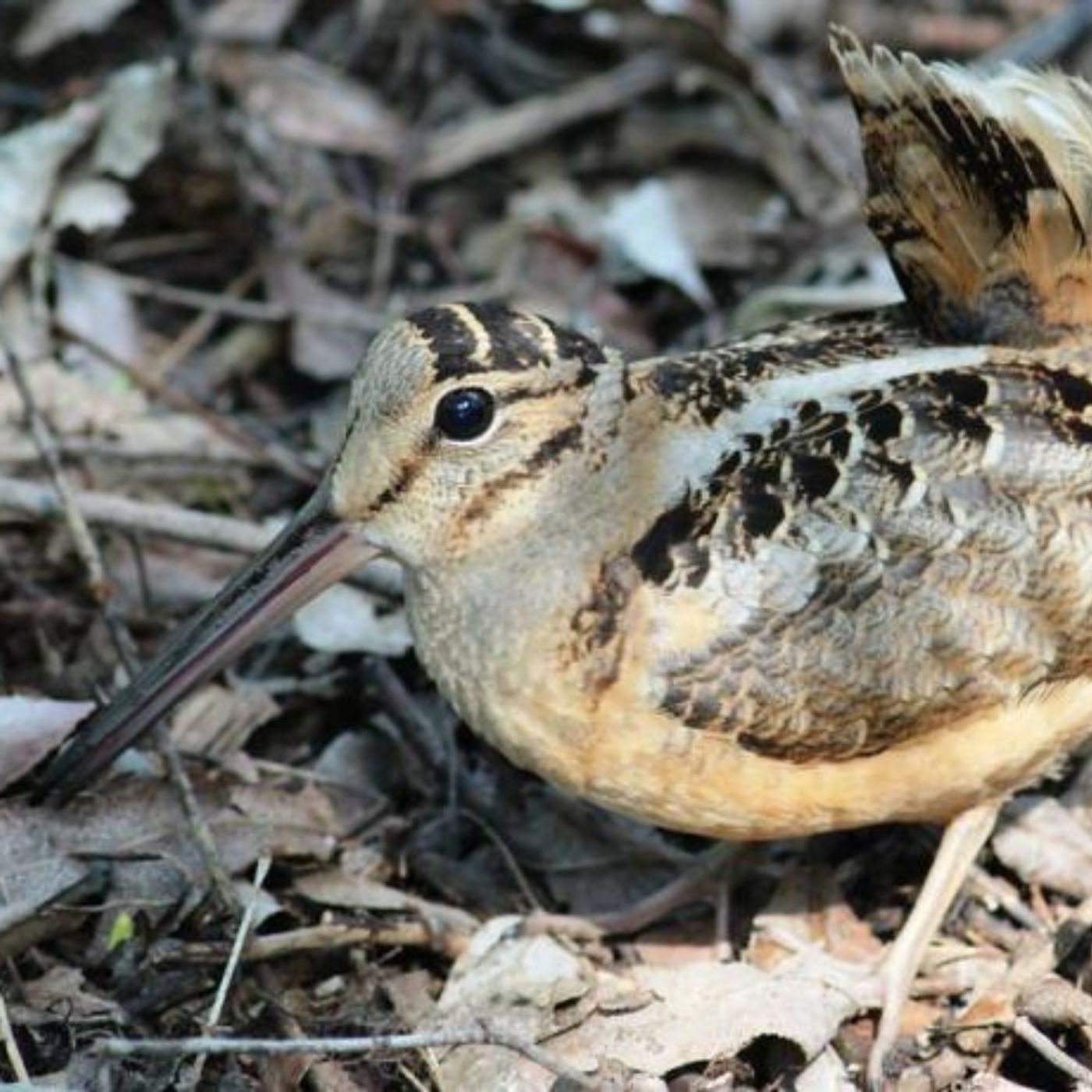
American Woodcock
At sunset, the male American Woodcock – a plump, robin-sized bird – walks slowly on short legs from the cover of the forest to a nearby clearing. After a few sharp calls, the woodcock takes flight. As he spirals upward, slim, stiff feathers at his wingtips create a curious twittering. At the apex of his flight, the woodcock circles, then descends in a slow spiral, putt-putting like a tiny car about to run out of gas. The woodcock's odd looks and sounds have earned him many colorful nicknames. The most memorable? Timberdoodle!More info and transcript at BirdNote.org. Want more BirdNote? Subscribe to our weekly newsletter. Sign up for BirdNote+ to get ad-free listening and other perks. BirdNote is a nonprofit. Your tax-deductible gift makes these shows possible. Hosted by Simplecast, an AdsWizz company. See pcm.adswizz.com for information about our collection and use of personal data for advertising.

Adaptations for Flight
Birds evolved not only wings, but many other adaptations that make it possible to fly. Feathers provide insulation, waterproofing, and a lightweight means to become airborne. Birds have honeycombed or hollow bones, reducing body weight. And instead of weighty jawbones and teeth, birds evolved a light and serviceable beak made of keratin. Most birds consume energy-packed foods rich in calories – like seeds, fruits, and meat, which add as little as possible to a bird’s payload. And what they eat is processed rapidly, so they aren’t weighed down by waste.More info and transcript at BirdNote.org. Want more BirdNote? Subscribe to our weekly newsletter. Sign up for BirdNote+ to get ad-free listening and other perks. BirdNote is a nonprofit. Your tax-deductible gift makes these shows possible. Hosted by Simplecast, an AdsWizz company. See pcm.adswizz.com for information about our collection and use of personal data for advertising.

Zone-tailed Hawks Mimic Vultures
Zone-tailed Hawks of the American Southwest look a lot like Turkey Vultures. And they often soar among groups of Turkey Vultures. By consorting with vultures, Zone-tailed Hawks gain a distinct advantage as predators. While doves and lizards would quickly flee the flight silhouette of a Red-tailed Hawk, they seem to ignore the shadow of a vulture overhead. So floating among the vultures, Zone-tailed Hawks can sneak up on their prey undetected.More info and transcript at BirdNote.org. Want more BirdNote? Subscribe to our weekly newsletter. Sign up for BirdNote+ to get ad-free listening and other perks. BirdNote is a nonprofit. Your tax-deductible gift makes these shows possible. Hosted by Simplecast, an AdsWizz company. See pcm.adswizz.com for information about our collection and use of personal data for advertising.

Spring Bursts Forth
People often say that spring “bursts” forth. But this seasonal change isn’t like flipping a switch. It’s more like a series of waves breaking slowly. Robins and bluebirds return north in March. During April, more songbirds migrate north from the tropics, adding to spring’s growing chorus. As late as June, birds like Willow Flycatchers and Mourning Warblers arrive from South America. By this time, those early robins may be feeding their second brood. For them, spring has been bursting for over three months.More info and transcript at BirdNote.org. Want more BirdNote? Subscribe to our weekly newsletter. Sign up for BirdNote+ to get ad-free listening and other perks. BirdNote is a nonprofit. Your tax-deductible gift makes these shows possible. Hosted by Simplecast, an AdsWizz company. See pcm.adswizz.com for information about our collection and use of personal data for advertising.

Beautiful and Beneficial Gardening for Birds
Buying enough birdseed to keep all your backyard birds satisfied can run up a big bill. Homegrown National Park co-founder Douglas Tallamy says growing native plants in your garden can provide a balanced diet for birds. While there’s a misconception that native plants lead to a messy garden, he says native wildflowers, shrubs and trees can provide both splashes of color and nutritious meals for birds.More info and transcript at BirdNote.org. Want more BirdNote? Subscribe to our weekly newsletter. Sign up for BirdNote+ to get ad-free listening and other perks. BirdNote is a nonprofit. Your tax-deductible gift makes these shows possible. Hosted by Simplecast, an AdsWizz company. See pcm.adswizz.com for information about our collection and use of personal data for advertising.

Black Swifts Reach for the Moon
Tracking devices revealed that Black Swifts spent over 99% of their time in the air during the winter, almost never touching the ground for months. What’s more, the swifts flew to incredible heights, reaching the highest altitudes on nights when the moon was full – sometimes over 13,000 feet! It’s the first time scientists have seen birds changing their altitude along with the cycles of the moon.More info and transcript at BirdNote.org. Want more BirdNote? Subscribe to our weekly newsletter. Sign up for BirdNote+ to get ad-free listening and other perks. BirdNote is a nonprofit. Your tax-deductible gift makes these shows possible. Hosted by Simplecast, an AdsWizz company. See pcm.adswizz.com for information about our collection and use of personal data for advertising.

Field Sparrow Nests Climb Higher and Higher
Field Sparrows make use of all the warm months of the year by building multiple nests each breeding season. Females will build their first, cup-shaped nest near the ground in dense grasses. As shrubs and trees grow their leaves throughout the summer, they will pick new spots higher off the ground each time — to protect their eggs from mammals and snakes. These birds avoid human activity and they’re sensitive to suburban sprawl. We can help conserve field sparrows by conserving brushy habitats in agricultural landscapes.More info and transcript at BirdNote.org. Want more BirdNote? Subscribe to our weekly newsletter. Sign up for BirdNote+ to get ad-free listening and other perks. BirdNote is a nonprofit. Your tax-deductible gift makes these shows possible. Hosted by Simplecast, an AdsWizz company. See pcm.adswizz.com for information about our collection and use of personal data for advertising.

Drumming with Woodpeckers
Like a jazz player beating out a drum roll, a woodpecker uses its bill to rap out a brisk series of notes. Early spring resounds with the percussive hammering of woodpeckers. Their rhythmic drumming says to other woodpeckers, "This is my territory!" We also hear them knocking on wood when they carve holes in trees to create nest cavities or reach insects. For any woodpecker, it’s all about proclaiming a signal as far and as loud as possible. Look for Yellow-bellied Sapsuckers in the Northeast and farther north, and Red-breasted Sapsuckers in the West.More info and transcript at BirdNote.org. Want more BirdNote? Subscribe to our weekly newsletter. Sign up for BirdNote+ to get ad-free listening and other perks. BirdNote is a nonprofit. Your tax-deductible gift makes these shows possible. Hosted by Simplecast, an AdsWizz company. See pcm.adswizz.com for information about our collection and use of personal data for advertising.

How Do Birds Brake from Flight?
Birds are often admired for their ability to fly. But braking just in time to avoid a crash landing is amazing by itself. How does a robin go from full-out flight to a dead stop at a tree? If we could watch in slow motion, we’d see it raising the angle of its wings higher and higher from the horizontal. A hawk dives a bit below where it wants to perch, then pulls into a steep climb, slowing its momentum. And this female Wood Duck will use a combination of raised wings and a bit of hydroplaning with her wide, webbed feet to land on water.More info and transcript at BirdNote.org. Want more BirdNote? Subscribe to our weekly newsletter. Sign up for BirdNote+ to get ad-free listening and other perks. BirdNote is a nonprofit. Your tax-deductible gift makes these shows possible. Hosted by Simplecast, an AdsWizz company. See pcm.adswizz.com for information about our collection and use of personal data for advertising.

Squirrel or Bird?
Identifying birds by ear means getting familiar with each species’ unique voice. And that means learning the other voices in the ecosystem, too. Squirrels and chipmunks make calls that can sound a bit like bird calls at times. With practice, each species’ voice becomes more distinct and familiar.More info and transcript at BirdNote.org. Want more BirdNote? Subscribe to our weekly newsletter. Sign up for BirdNote+ to get ad-free listening and other perks. BirdNote is a nonprofit. Your tax-deductible gift makes these shows possible. Hosted by Simplecast, an AdsWizz company. See pcm.adswizz.com for information about our collection and use of personal data for advertising.

Spark Bird: The First Robin of Spring
Rasheena Fountain studied environmental science and worked at her local Audubon Society. Now she writes about nature and diversity in the outdoors. And what got her interested in the first place? It all started in kindergarten, with a teacher named Miss Beak and the first robin of spring.More info and transcript at BirdNote.org. Want more BirdNote? Subscribe to our weekly newsletter. Sign up for BirdNote+ to get ad-free listening and other perks. BirdNote is a nonprofit. Your tax-deductible gift makes these shows possible. Hosted by Simplecast, an AdsWizz company. See pcm.adswizz.com for information about our collection and use of personal data for advertising.

Counting Ducks with Alison Vilag
Alison Vilag has worked for half a decade as a fall and spring waterbird counter at remote migration hotspots around Lake Superior. For weeks, every day from sunrise to nearly sunset, Alison is outside in frigid and volatile weather, identifying species from afar and tallying them with a clicker. Working close to the elements puts Alison face-to-face with the reality of dwindling bird populations.More info and transcript at BirdNote.org. Want more BirdNote? Subscribe to our weekly newsletter. Sign up for BirdNote+ to get ad-free listening and other perks. BirdNote is a nonprofit. Your tax-deductible gift makes these shows possible. Hosted by Simplecast, an AdsWizz company. See pcm.adswizz.com for information about our collection and use of personal data for advertising.

Poisonous Birds
The world is full of poisonous creatures. Some butterflies, beetles and frogs use bright colors to warn birds and other predators that they’re full of toxins. But you might be surprised to learn that some birds are poisonous, too. Birds called Hooded Pitohuis carry toxins produced by a beetle that they eat, Ruffed Grouse can pick up a poison from a plant called mountain laurel, and Common Quail sometimes snack on poisonous hemlock.More info and transcript at BirdNote.org. Want more BirdNote? Subscribe to our weekly newsletter. Sign up for BirdNote+ to get ad-free listening and other perks. BirdNote is a nonprofit. Your tax-deductible gift makes these shows possible. Hosted by Simplecast, an AdsWizz company. See pcm.adswizz.com for information about our collection and use of personal data for advertising.

Glimpsing the Future Through Washington's Puffins
Some of the largest populations of Tufted Puffins are in the Aleutian Islands of Alaska and other northern coastlines. But University of Puget Sound professor Peter Hodum says the smaller colonies that breed off the coast of Washington and Oregon could provide key insights to conserve the whole species. The challenges facing birds at the fringes of their range could be the same ones that will affect the core populations further north in the future.More info and transcript at BirdNote.org. Want more BirdNote? Subscribe to our weekly newsletter. Sign up for BirdNote+ to get ad-free listening and other perks. BirdNote is a nonprofit. Your tax-deductible gift makes these shows possible. Hosted by Simplecast, an AdsWizz company. See pcm.adswizz.com for information about our collection and use of personal data for advertising.

Bushtits
Weighing about as much as four paperclips, Bushtits are smaller than many hummingbirds. And they take full advantage of their diminutive size. While larger insect-eaters forage on the upper surfaces of leaves, Bushtits hang beneath them, plucking all the tiny insects and spiders hiding out of sight. They pair off to nest. (This male Bushtit is working on his nest.) Where they live in Western suburbia, a flock of Bushtits can help rid a garden of harmful aphids and scale insects. Shun the pesticides and let these guys do the work!More info and transcript at BirdNote.org. Want more BirdNote? Subscribe to our weekly newsletter. Sign up for BirdNote+ to get ad-free listening and other perks. BirdNote is a nonprofit. Your tax-deductible gift makes these shows possible. Hosted by Simplecast, an AdsWizz company. See pcm.adswizz.com for information about our collection and use of personal data for advertising.

Fastest Bird on Two Legs
Imagine an Ostrich, an Emu, a roadrunner, and the world’s fastest man and woman, all lined up for a race. Olympic sprinter Usain Bolt holds the men’s record for the 100-meter dash — 28 mph — and Florence Griffith-Joyner ran it just a shade slower. But in this race, Africa’s Ostrich takes gold, crossing the finish line at an incredible 43 mph. The Emu from Australia takes silver, topping 30 mph. The roadrunner comes in last.More info and transcript at BirdNote.org. Want more BirdNote? Subscribe to our weekly newsletter. Sign up for BirdNote+ to get ad-free listening and other perks. BirdNote is a nonprofit. Your tax-deductible gift makes these shows possible. Hosted by Simplecast, an AdsWizz company. See pcm.adswizz.com for information about our collection and use of personal data for advertising.

Female Condors Have Offspring Without Males
A captive breeding program has helped set California Condors on the path to recovery. But when biologists reviewed the family tree for the breeding program, they found a big surprise. Two chicks had DNA that linked them perfectly to their mothers but didn’t match a single male. They arose through parthenogenesis, developing from unfertilized eggs without sperm from a male. These condors are the first known case of parthenogenesis in a wild bird species where the females had access to fertile males.More info and transcript at BirdNote.org. Want more BirdNote? Subscribe to our weekly newsletter. Sign up for BirdNote+ to get ad-free listening and other perks. BirdNote is a nonprofit. Your tax-deductible gift makes these shows possible. Hosted by Simplecast, an AdsWizz company. See pcm.adswizz.com for information about our collection and use of personal data for advertising.

The Auspicious Chime of the Bare-throated Bellbird
The sight and sound of the Bare-throated Bellbird—the national bird of Paraguay—inspires wonder and delight. Its presence as an indicator species and seed disperser also bodes well for ecosystem health in the Alto Paraná Atlantic Forests that stretch from Southeast Brazil through eastern Paraguay and into Northern Argentina. The loud, metallic call of the Bare-throated Bellbird also inspires music played on another emblem of Paraguay—the harp. The species is considered Near Threatened because of loss of forest habitat and poaching for cage birds.More info and transcript at BirdNote.org. Want more BirdNote? Subscribe to our weekly newsletter. Sign up for BirdNote+ to get ad-free listening and other perks. BirdNote is a nonprofit. Your tax-deductible gift makes these shows possible. Hosted by Simplecast, an AdsWizz company. See pcm.adswizz.com for information about our collection and use of personal data for advertising.

Danielle Whittaker and the Mystery of Bird Scent
When biologist Danielle Whittaker started studying bird odors, some scientists tried to discourage her, claiming that birds can’t smell. But that only deepened her curiosity. Once, she caught a whiff of a cowbird, which smelled to her like sugar cookies. Danielle and her colleagues studied Dark-eyed Juncos and found that they produce many odors that help influence breeding behavior. Learn more in Danielle Whittaker’s book, The Secret Perfume of Birds: Uncovering the Science of Avian Scent.More info and transcript at BirdNote.org. Want more BirdNote? Subscribe to our weekly newsletter. Sign up for BirdNote+ to get ad-free listening and other perks. BirdNote is a nonprofit. Your tax-deductible gift makes these shows possible. Hosted by Simplecast, an AdsWizz company. See pcm.adswizz.com for information about our collection and use of personal data for advertising.

Black-billed Magpie
The Black-billed Magpie is a familiar sight throughout much of the west. The magpie's bulky nest is a rough sphere of sticks nearly three feet across, with entrance ports on the sides. Take a field trip with your local Audubon and see what you can see!More info and transcript at BirdNote.org. Want more BirdNote? Subscribe to our weekly newsletter. Sign up for BirdNote+ to get ad-free listening and other perks. BirdNote is a nonprofit. Your tax-deductible gift makes these shows possible. Hosted by Simplecast, an AdsWizz company. See pcm.adswizz.com for information about our collection and use of personal data for advertising.

Healing Trauma with Animals at the Kyiv Zoo
Shortly after the Russian invasion of Ukraine in February of 2022, zookeepers at the Kyiv Zoo shared audio recordings from the animal enclosures with BirdNote. The Zoo staff maintained care for the animals even as they slept in bomb shelters. Two and a half years later, Zoo Program Manager Olga Baratynska shares new audio of animals at the zoo and a report on their animal therapy program, called “The Good Phasmatidae,” which has treated nearly 200,000 people, including children, displaced people, and members of the military.More info and transcript at BirdNote.org. Want more BirdNote? Subscribe to our weekly newsletter. Sign up for BirdNote+ to get ad-free listening and other perks. BirdNote is a nonprofit. Your tax-deductible gift makes these shows possible. Hosted by Simplecast, an AdsWizz company. See pcm.adswizz.com for information about our collection and use of personal data for advertising.

Kingbirds Steal from Wasps
Kingbirds are robin-sized flycatchers that excel at plucking insects from the air. They’ll even tackle prey as big as cicadas. Finding naturally-camouflaged cicadas hidden among the leaves is hard work. But two species of kingbirds in Arizona found a shortcut — stealing them from cicada-killer wasps! The female wasps, nearly two inches long, paralyze cicadas and bring them to their burrows for their young to eat. The kingbirds have learned to ambush wasps carrying cicadas on the way back to their burrows.More info and transcript at BirdNote.org. Want more BirdNote? Subscribe to our weekly newsletter. Sign up for BirdNote+ to get ad-free listening and other perks. BirdNote is a nonprofit. Your tax-deductible gift makes these shows possible. Hosted by Simplecast, an AdsWizz company. See pcm.adswizz.com for information about our collection and use of personal data for advertising.

Sage Thrasher and Sagebrush
The glorious song of the male Sage Thrasher rings out every Spring from tracts of sagebrush throughout the west. Sagebrush was once widespread in the Great Basin region, and so were the thrashers. But huge areas of sagebrush were turned into alfalfa and potato farms, and the songs of the thrasher aren't so common today. Sagebrush badly needs advocacy. The Important Bird Areas program works to protect key habitats for birds.More info and transcript at BirdNote.org. Want more BirdNote? Subscribe to our weekly newsletter. Sign up for BirdNote+ to get ad-free listening and other perks. BirdNote is a nonprofit. Your tax-deductible gift makes these shows possible. Hosted by Simplecast, an AdsWizz company. See pcm.adswizz.com for information about our collection and use of personal data for advertising.

You Are What You Eat
House Finches are familiar birds all across North America. Researchers have shown that the red coloration of males is produced from carotenoid pigments in the birds' diet. Male House Finches develop brighter plumage when they are growing in new feathers, if they eat more fruits containing carotenoids. Females prefer more brightly colored males. Redder males also attract females in better condition, and such a pair raises, on the average, more young. You can learn more at AAAS.org.More info and transcript at BirdNote.org. Want more BirdNote? Subscribe to our weekly newsletter. Sign up for BirdNote+ to get ad-free listening and other perks. BirdNote is a nonprofit. Your tax-deductible gift makes these shows possible. Hosted by Simplecast, an AdsWizz company. See pcm.adswizz.com for information about our collection and use of personal data for advertising.

Long-lived Wisdom, the Albatross
A Laysan Albatross named Wisdom has been nesting and raising chicks on the island of Midway for nearly 60 years. She was banded back in 1956 and was rediscovered, still alive and healthy, in 2002. Since that time, scientists have watched Wisdom closely. Every year, she has managed to navigate the many perils facing her species and successfully raise a new chick.More info and transcript at BirdNote.org. Want more BirdNote? Subscribe to our weekly newsletter. Sign up for BirdNote+ to get ad-free listening and other perks. BirdNote is a nonprofit. Your tax-deductible gift makes these shows possible. Hosted by Simplecast, an AdsWizz company. See pcm.adswizz.com for information about our collection and use of personal data for advertising.

Nest Cavities – Book Early
Tree Swallows and bluebirds — like this Western Bluebird — are among the earliest northbound migrants to arrive, heralding spring a month before the equinox. These species will nest only in cavities, such as old woodpecker holes or man-made nest boxes. But the supply of specialized nest sites is limited, and competition is intense. By arriving early, these swallows and bluebirds improve their chances of securing unoccupied cavities.More info and transcript at BirdNote.org. Want more BirdNote? Subscribe to our weekly newsletter. Sign up for BirdNote+ to get ad-free listening and other perks. BirdNote is a nonprofit. Your tax-deductible gift makes these shows possible. Hosted by Simplecast, an AdsWizz company. See pcm.adswizz.com for information about our collection and use of personal data for advertising.
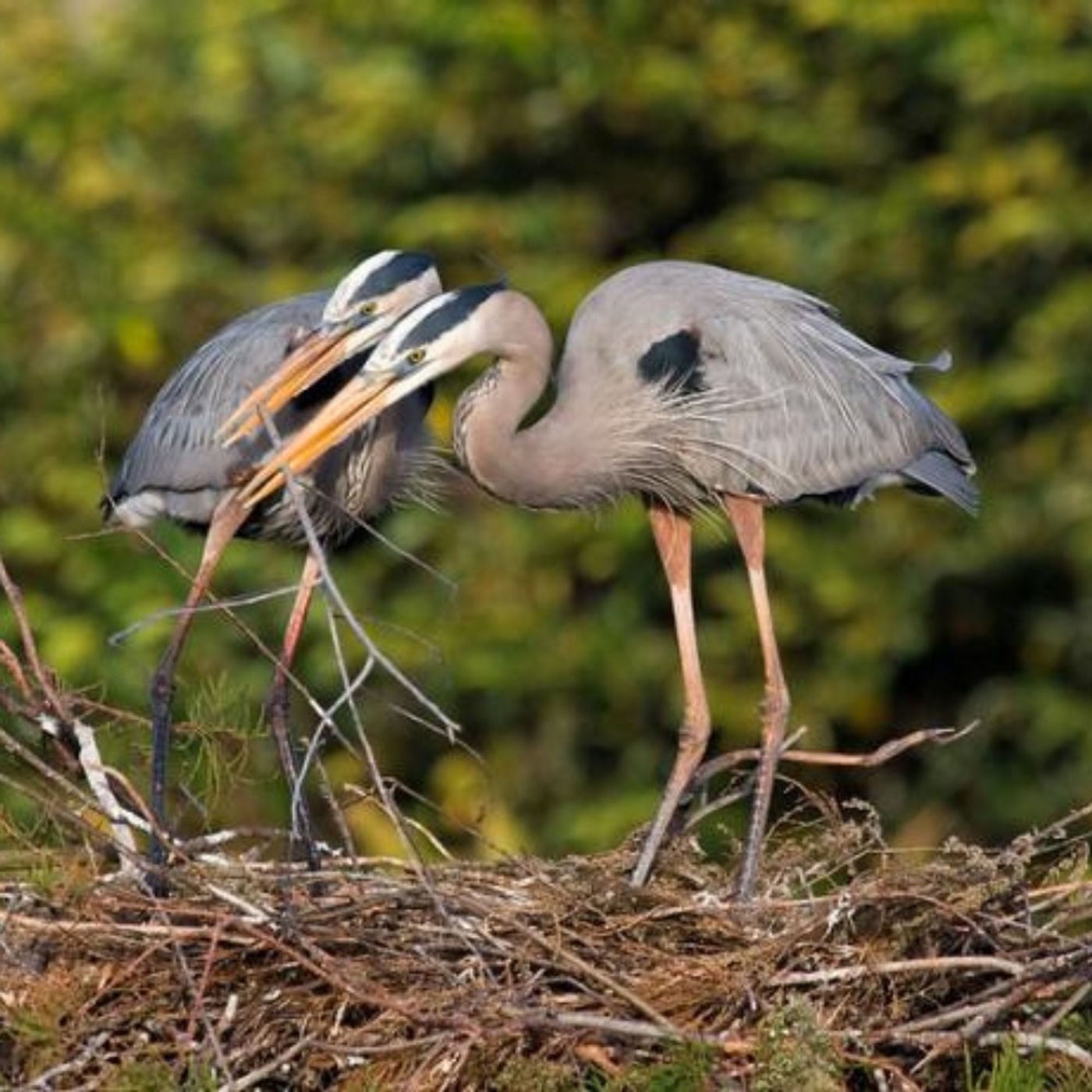
A Heron Nest Starts with Just One Stick
During winter and early spring, Great Blue Herons build their nests high in the treetops. The male delivers the supplies to the nest site stick by stick, as the female arranges things. It’s the perfect childhood home for their young, made without blueprints, architects or engineers. But by early May, the chicks are starting to test the limits of their nests!More info and transcript at BirdNote.org. Want more BirdNote? Subscribe to our weekly newsletter. Sign up for BirdNote+ to get ad-free listening and other perks. BirdNote is a nonprofit. Your tax-deductible gift makes these shows possible. Hosted by Simplecast, an AdsWizz company. See pcm.adswizz.com for information about our collection and use of personal data for advertising.

Upland Sandpipers Whistling from Fences
Upland Sandpipers are an emblematic bird of grassland habitats in many regions of the Americas. These shorebirds live far from sea with the largest breeding populations in the north central U.S. But Upland Sandpipers are losing breeding ground to row-crop agriculture, pushing some birds to nest at airports as a substitute for natural prairies. Preserving grasslands throughout their range will help ensure that the Upland Sandpiper’s signature whistling song continues to ring out.This episode is sponsored in memoriam of Alice Ashbaugh, a lifelong birdwatcher and amateur ornithologist.More info and transcript at BirdNote.org. Want more BirdNote? Subscribe to our weekly newsletter. Sign up for BirdNote+ to get ad-free listening and other perks. BirdNote is a nonprofit. Your tax-deductible gift makes these shows possible. Hosted by Simplecast, an AdsWizz company. See pcm.adswizz.com for information about our collection and use of personal data for advertising.
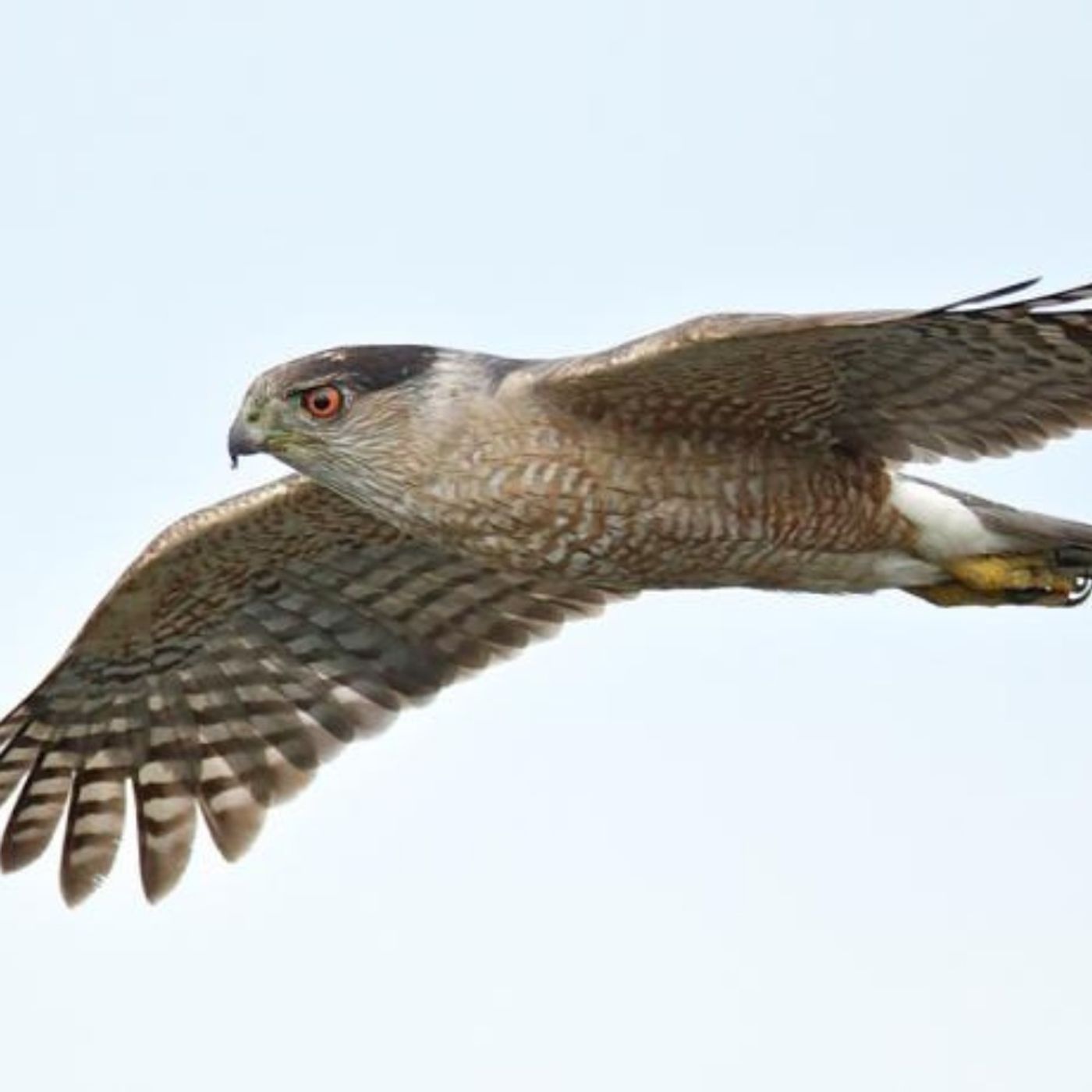
Identifying a Bird in Flight
One of the most difficult skills to pick up as a birder is how to identify birds in flight. You have to sort through a series of visual clues all at once, at high speed: silhouette, wing shape, how fast it flaps, and patterning. An experienced birder will take in all these and other clues that are hard to put into words. So if you hang around long enough, you might hear some interesting slang.More info and transcript at BirdNote.org. Want more BirdNote? Subscribe to our weekly newsletter. Sign up for BirdNote+ to get ad-free listening and other perks. BirdNote is a nonprofit. Your tax-deductible gift makes these shows possible. Hosted by Simplecast, an AdsWizz company. See pcm.adswizz.com for information about our collection and use of personal data for advertising.
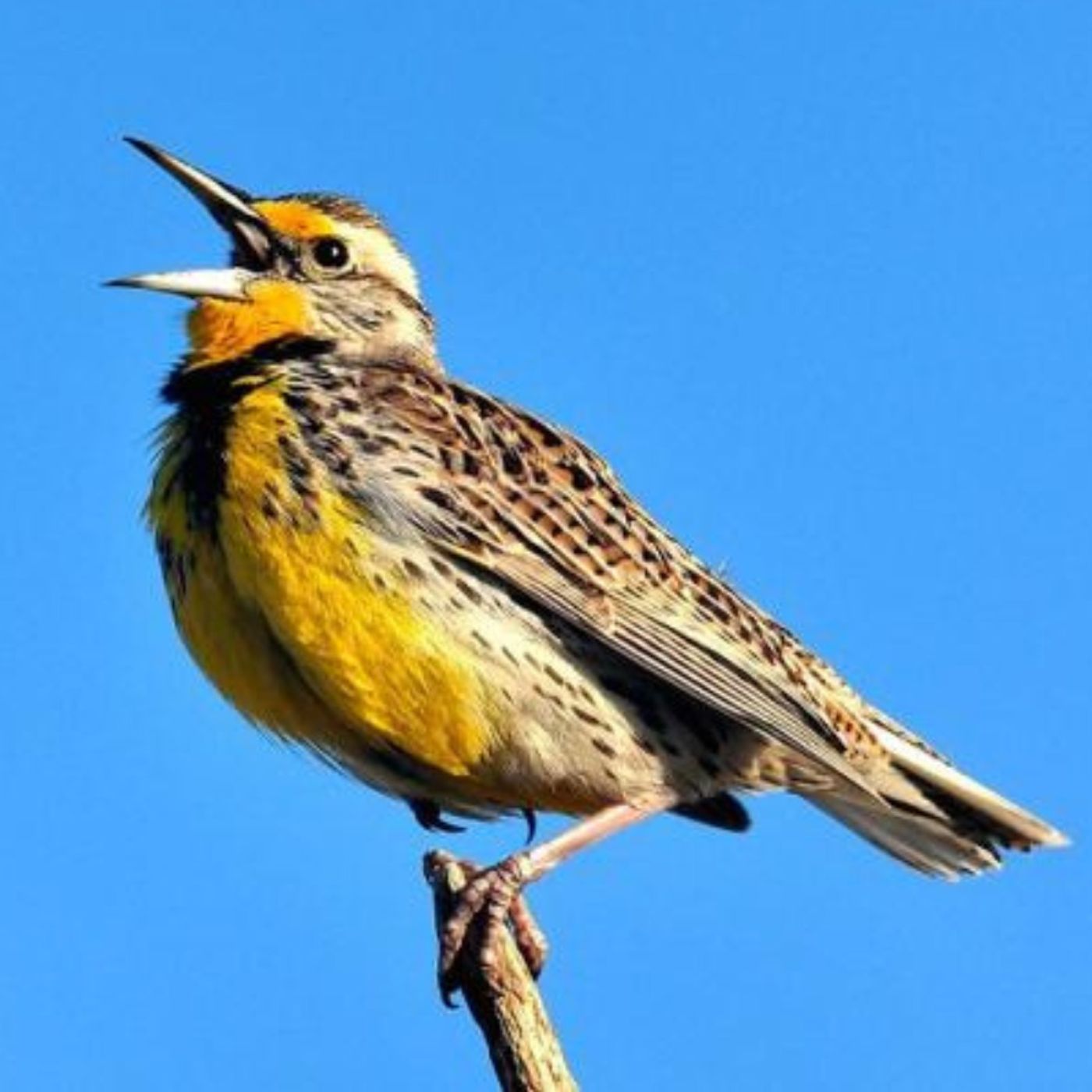
Meadowlark and the Monster
In this story from Nimiipuu culture, Meadowlark is likened to the ‘reporter’ of Western grasslands, singing its song from the tops of fenceposts and trees. This story takes place before the time of people. Meadowlark warned Coyote about a Monster that was eating all the animals in the Kamiah Valley in the north-central part of what is today called Idaho.More info and transcript at BirdNote.org. Want more BirdNote? Subscribe to our weekly newsletter. Sign up for BirdNote+ to get ad-free listening and other perks. BirdNote is a nonprofit. Your tax-deductible gift makes these shows possible. Hosted by Simplecast, an AdsWizz company. See pcm.adswizz.com for information about our collection and use of personal data for advertising.

BirdNote Celebrates 20 years
Twenty years ago today, the first BirdNote Daily episode aired on the radio in Seattle and Tacoma, Washington. Since then, through sound-rich stories, we’ve explored the lives of countless birds – and inspired action to protect birds around the world. Join us in celebrating 20 years of stories. Now and forever, this is BirdNote.More info and transcript at BirdNote.org. Want more BirdNote? Subscribe to our weekly newsletter. Sign up for BirdNote+ to get ad-free listening and other perks. BirdNote is a nonprofit. Your tax-deductible gift makes these shows possible. Hosted by Simplecast, an AdsWizz company. See pcm.adswizz.com for information about our collection and use of personal data for advertising.

Spark Bird – Glenn Albrecht and the Gray Fantail
Glenn Albrecht grew up in western Australia, where he became enamored with birds. As he grew up, Glenn witnessed how coal mining devastated the Australian countryside — and the birds that lived there. He’s since become an environmental philosopher. He’s developed a new vocabulary to describe human relationships with the natural world.More info and transcript at BirdNote.org. Want more BirdNote? Subscribe to our weekly newsletter. Sign up for BirdNote+ to get ad-free listening and other perks. BirdNote is a nonprofit. Your tax-deductible gift makes these shows possible. Hosted by Simplecast, an AdsWizz company. See pcm.adswizz.com for information about our collection and use of personal data for advertising.

Great Egrets Are Lovely and Lethal
Standing over three-feet tall, Great Egrets have elegant white feathers and long slender necks. During the breeding season, both males and females grow long frilly feathers called aigrettes. Great Egrets were nearly hunted to extinction for their luxurious plumes in the late 1800s, until conservationists banded together to outlaw their killing.This episode is dedicated to Adrienne Ottenberg and Bob Hartman, with love from BirdNote supporter Jane Curley.More info and transcript at BirdNote.org. Want more BirdNote? Subscribe to our weekly newsletter. Sign up for BirdNote+ to get ad-free listening and other perks. BirdNote is a nonprofit. Your tax-deductible gift makes these shows possible. Hosted by Simplecast, an AdsWizz company. See pcm.adswizz.com for information about our collection and use of personal data for advertising.

The Cactus Wren's Signature Voice
Most wrens in North America are small, furtive birds that stay deep in the vegetation. But the Cactus Wren is large, bold, and brassy. These wrens are well adapted to the desert and can get all the moisture they need from their food. Cactus Wren nests are a regular sight in their range of dry habitats from West Texas to California. The nest looks like a football made of twigs, stuck horizontally in a thorny tree or cholla cactus. It’s easily seen but well guarded by the spiky vegetation.More info and transcript at BirdNote.org. Want more BirdNote? Subscribe to our weekly newsletter. Sign up for BirdNote+ to get ad-free listening and other perks. BirdNote is a nonprofit. Your tax-deductible gift makes these shows possible. Hosted by Simplecast, an AdsWizz company. See pcm.adswizz.com for information about our collection and use of personal data for advertising.

Northern Shovelers — Dabbling Ducks with Big Bills
Male and female Northern Shovelers both have that unmistakable trowel-shaped bill, but they differ in plumage. Females and non-breeding males are a mottled beige color. But during the breeding season, male shovelers sport a bright white breast, reddish-brown flanks, and an emerald green head that can rival any mallard's.This episode is dedicated to Bob Goodale whose lifelong love for birds and nature continues to inspire.More info and transcript at BirdNote.org. Want more BirdNote? Subscribe to our weekly newsletter. Sign up for BirdNote+ to get ad-free listening and other perks. BirdNote is a nonprofit. Your tax-deductible gift makes these shows possible. Hosted by Simplecast, an AdsWizz company. See pcm.adswizz.com for information about our collection and use of personal data for advertising.