
BirdNote Daily
1,283 episodes — Page 21 of 26
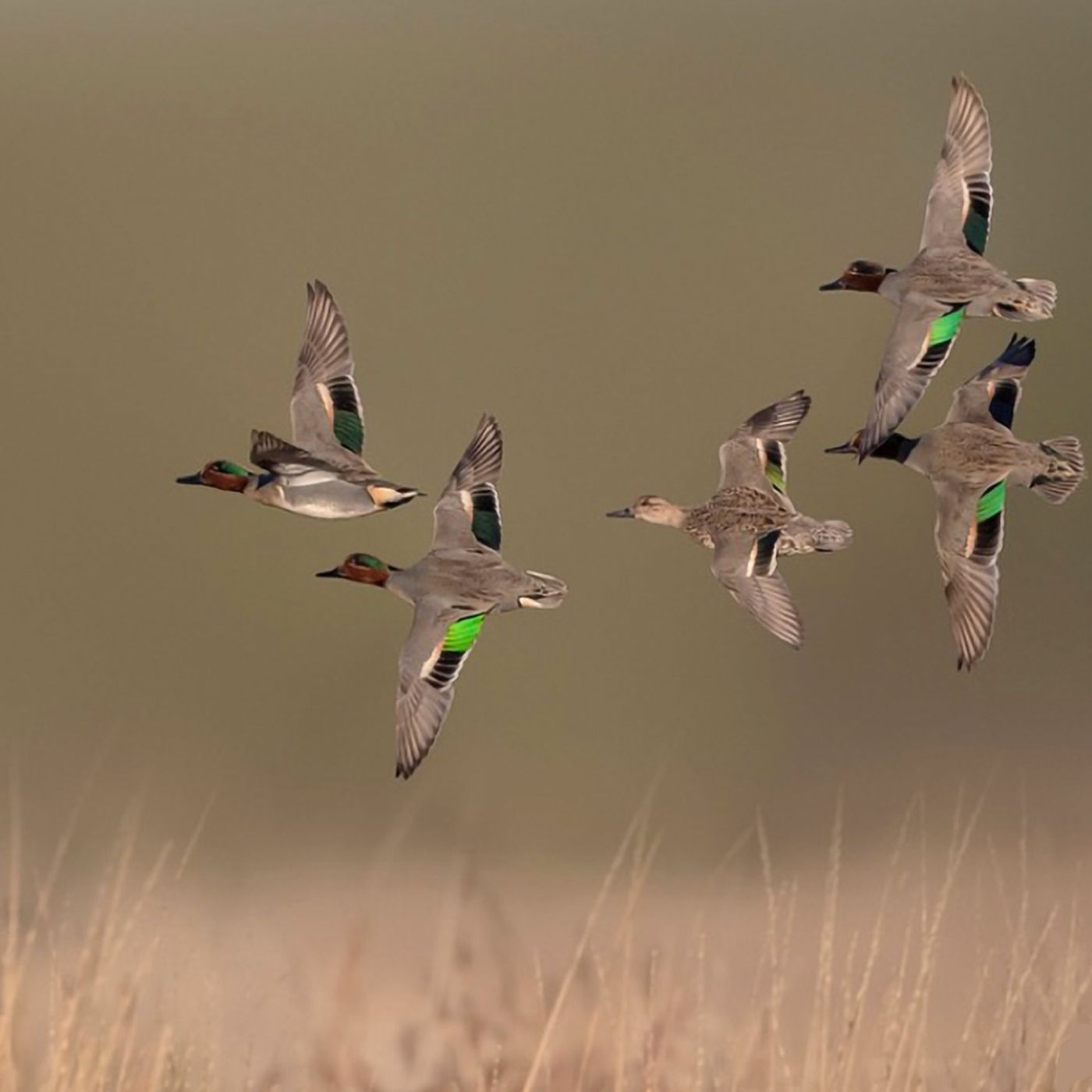
A Murder, a Party, a Stare or a Siege
Collective nouns are a mixture of poetry, alliteration, and description. Victorians often made up creative names for groups of birds, as a parlor game. Many names bring a vision of the birds instantly to mind. How about this spring of teal? These are Green-winged Teal.More info and transcript at BirdNote.org. Want more BirdNote? Subscribe to our weekly newsletter. Sign up for BirdNote+ to get ad-free listening and other perks. BirdNote is a nonprofit. Your tax-deductible gift makes these shows possible. Hosted by Simplecast, an AdsWizz company. See pcm.adswizz.com for information about our collection and use of personal data for advertising.

A Tool-Using Nuthatch
The nuthatch’s beak is all business. Long, slender, sharp: it can pluck a tiny spider from a crevice in the bark or carve a nest hole right through the outer hide of a tree. And the Brown-headed Nuthatch is even known to use tools! Picking up a flake of pine bark in its beak, the bird uses it as a lever to pry up the bark scales on a tree and get to the insects below. A resourceful bird, the nuthatch.More info and transcript at BirdNote.org. Want more BirdNote? Subscribe to our weekly newsletter. Sign up for BirdNote+ to get ad-free listening and other perks. BirdNote is a nonprofit. Your tax-deductible gift makes these shows possible. Hosted by Simplecast, an AdsWizz company. See pcm.adswizz.com for information about our collection and use of personal data for advertising.
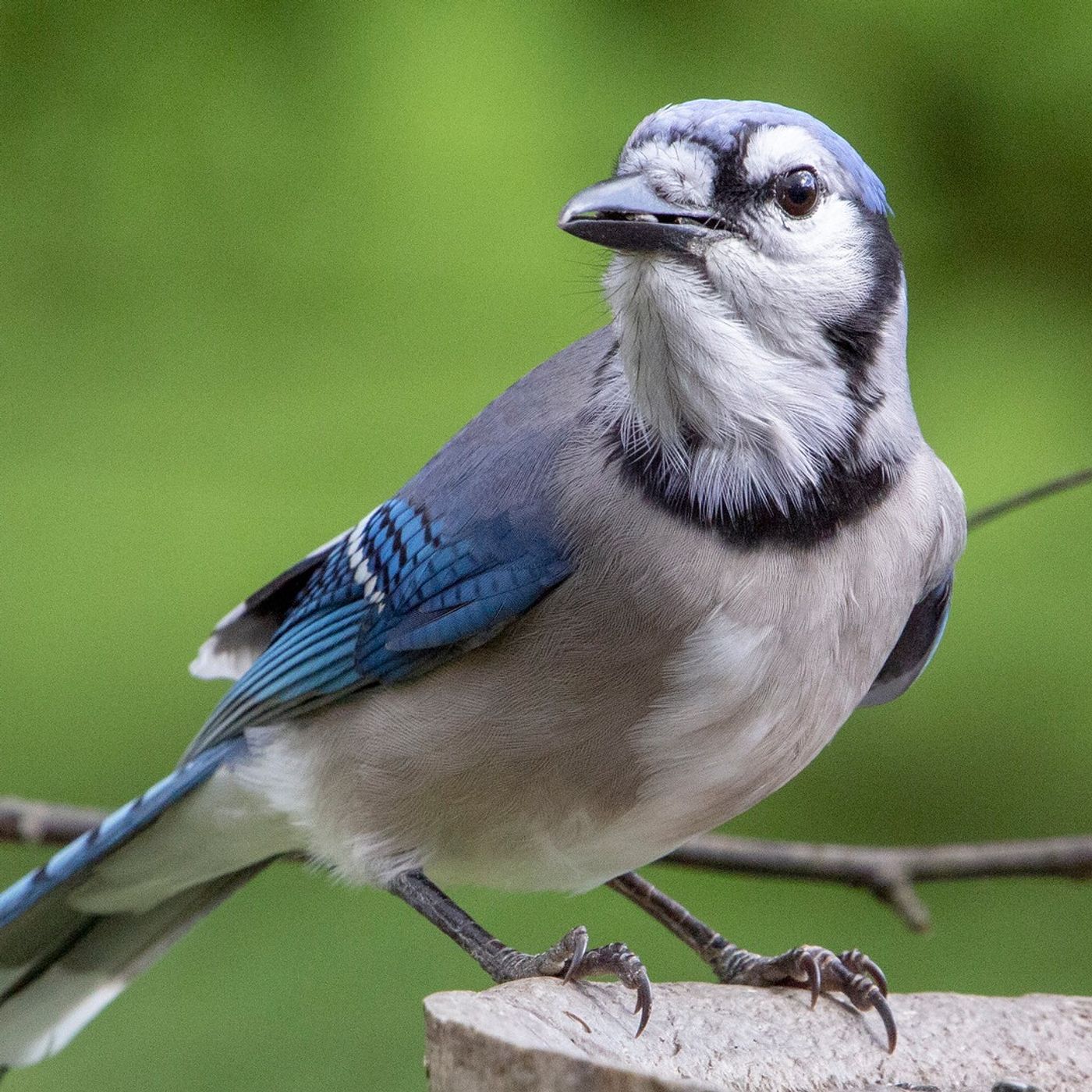
Find a Volunteer Opportunity that Works for You
Consider finding a local conservation group that’s doing work that matters to you — beach cleanups, volunteer bird surveys, keeping local parks beautiful, or educating young people. If you’re short on time, donations, sharing posts on social media, and letting friends and family know about the good work a conservation group is doing all help advance their mission. And many crowd-sourced science projects depend on people working online and identifying species in photos.More info and transcript at BirdNote.org. Want more BirdNote? Subscribe to our weekly newsletter. Sign up for BirdNote+ to get ad-free listening and other perks. BirdNote is a nonprofit. Your tax-deductible gift makes these shows possible. Hosted by Simplecast, an AdsWizz company. See pcm.adswizz.com for information about our collection and use of personal data for advertising.

Keeping Cats Indoors
Outdoor cats are one of the biggest threats to birds, killing over a billion a year in North America. And indoor-outdoor cats live much shorter lives than indoor-only cats. So keeping a cat indoors helps protect birds. And there are plenty of ways to make the “great indoors” more exciting for your cat. In this episode, BirdNote producer Mark Bramhill shares his experience with his cat, Pigeon, who enjoys a ‘catio’ — cat-patio — and walks on a leash.More info and transcript at BirdNote.org. Want more BirdNote? Subscribe to our weekly newsletter. Sign up for BirdNote+ to get ad-free listening and other perks. BirdNote is a nonprofit. Your tax-deductible gift makes these shows possible. Hosted by Simplecast, an AdsWizz company. See pcm.adswizz.com for information about our collection and use of personal data for advertising.

Nest Boxes for All Sorts of Birds
Birds that historically nested in the cavities of dead trees are finding natural nest holes harder to come by — but people can help. Many of these species will make use of a nest box in parks or near people’s homes. Learn how to build nest boxes tailored to a species of your choice at NestWatch. More info and transcript at BirdNote.org. Want more BirdNote? Subscribe to our weekly newsletter. Sign up for BirdNote+ to get ad-free listening and other perks. BirdNote is a nonprofit. Your tax-deductible gift makes these shows possible. Hosted by Simplecast, an AdsWizz company. See pcm.adswizz.com for information about our collection and use of personal data for advertising.

eBird: Contribute to Science While Birding
eBird, a project of the Cornell Lab of Ornithology, lets you log the bird species you observe on a smartphone app or on the web. Whether you’re going on a birding trip or enjoying birds near home, you can list the species you found on eBird. Millions of people all over the world help eBird create a detailed picture of bird populations. Data from eBird has helped guide many conservation efforts, from planning new wind farms away from where eagles fly to guiding habitat protection for declining species.More info and transcript at BirdNote.org. Want more BirdNote? Subscribe to our weekly newsletter. Sign up for BirdNote+ to get ad-free listening and other perks. BirdNote is a nonprofit. Your tax-deductible gift makes these shows possible. Hosted by Simplecast, an AdsWizz company. See pcm.adswizz.com for information about our collection and use of personal data for advertising.

One Million People Taking Action for Birds
Climate change, habitat destruction, and invasive species have taken a toll on bird populations. It’s a difficult reality to face — but it’s not the end of the story. There are many things people can do to protect birds. Some actions may start small, like planting a native wildflower or taking a trip without a car. But when you combine the efforts of many people working to help birds, the effects are multiplied. BirdNote is launching a three-year campaign to inspire a million people to take action to help birds.More info and transcript at BirdNote.org. Want more BirdNote? Subscribe to our weekly newsletter. Sign up for BirdNote+ to get ad-free listening and other perks. BirdNote is a nonprofit. Your tax-deductible gift makes these shows possible. Hosted by Simplecast, an AdsWizz company. See pcm.adswizz.com for information about our collection and use of personal data for advertising.
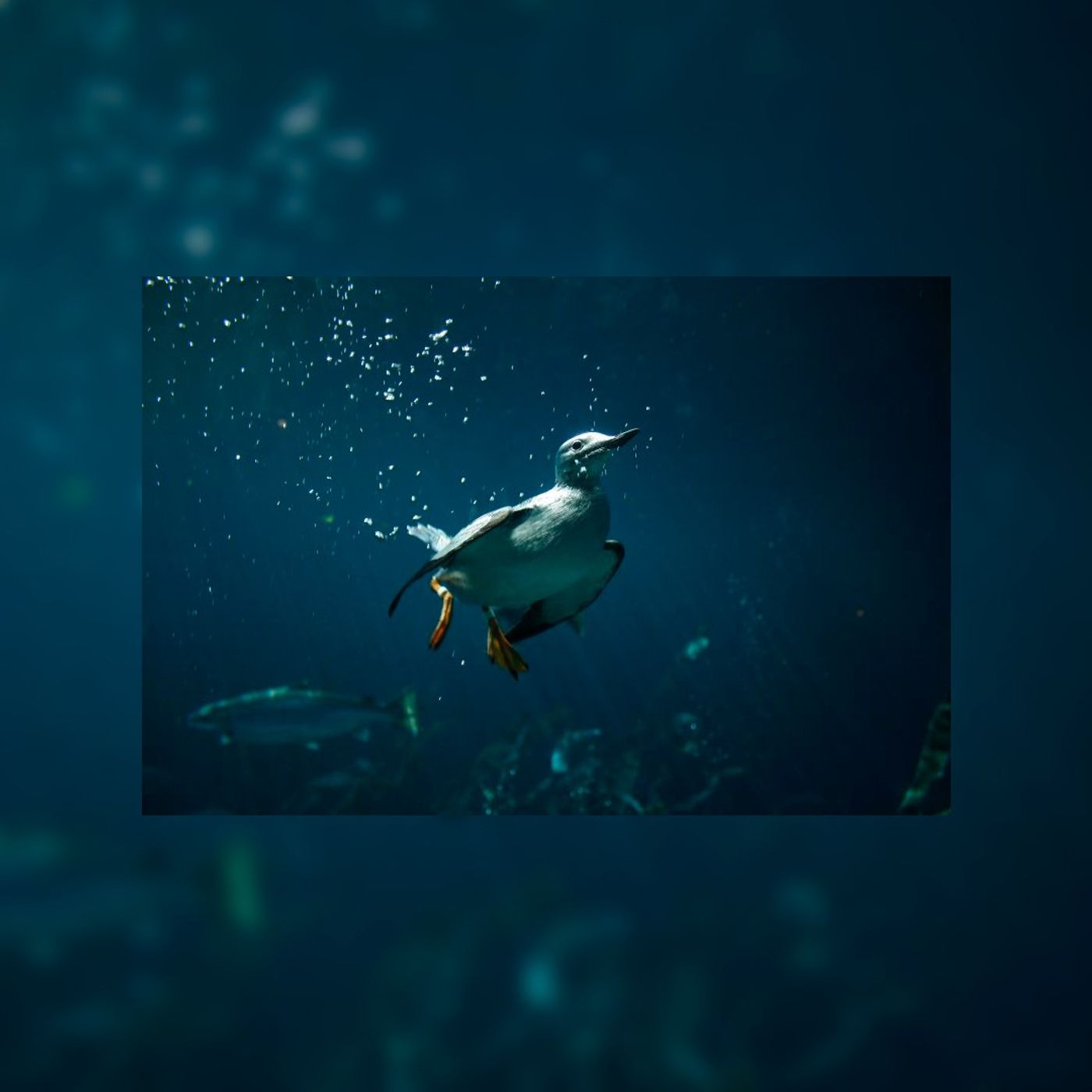
Common Murre, Underwater Flyer
The Common Murre is among the few species of birds that can "fly" under water. When above the water, the 18"-long murre must flap frantically to stay aloft. But beneath the waves, with its flipper-like wings partly extended, it is a streamlined, masterful swimmer. Common Murres, black and white torpedoes with feathers, chase down fish even several hundred feet below the surface. Cornell's Macaulay Library offers audio and video of Common Murres.More info and transcript at BirdNote.org. Want more BirdNote? Subscribe to our weekly newsletter. Sign up for BirdNote+ to get ad-free listening and other perks. BirdNote is a nonprofit. Your tax-deductible gift makes these shows possible. Hosted by Simplecast, an AdsWizz company. See pcm.adswizz.com for information about our collection and use of personal data for advertising.
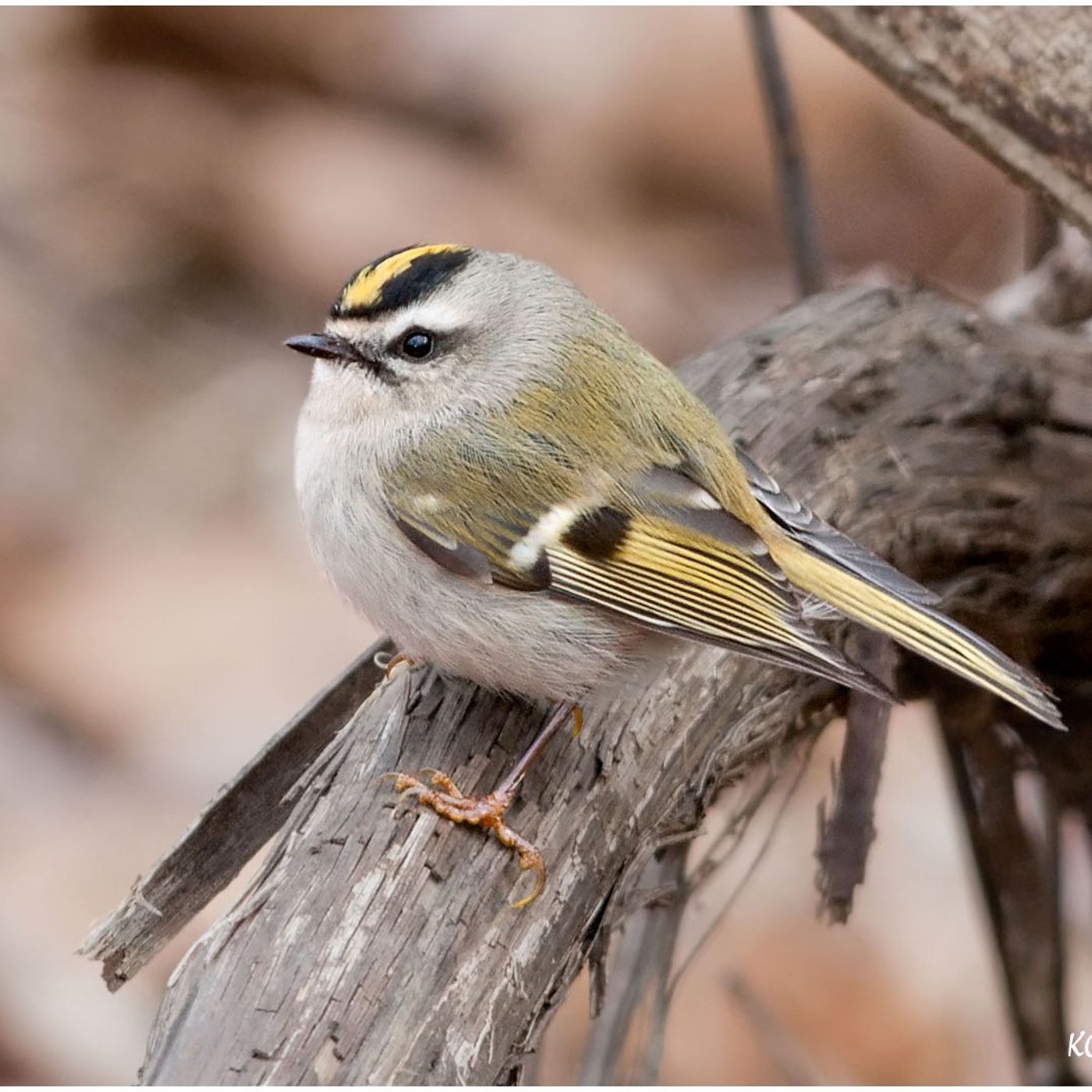
Kinglets in Winter
The Golden-crowned Kinglet weighs six grams, about the same as two pennies, yet winters as far north as Alaska and Nova Scotia. The birds move through the forest in small flocks and feed constantly, taking in enough tiny caterpillars to maintain their internal furnace at 110°F. And their insulation keeps them warm. Their feathers make up 8% of their body weight, equivalent to the weight of the clothing of an arctic explorer.More info and transcript at BirdNote.org. Want more BirdNote? Subscribe to our weekly newsletter. Sign up for BirdNote+ to get ad-free listening and other perks. BirdNote is a nonprofit. Your tax-deductible gift makes these shows possible. Hosted by Simplecast, an AdsWizz company. See pcm.adswizz.com for information about our collection and use of personal data for advertising.
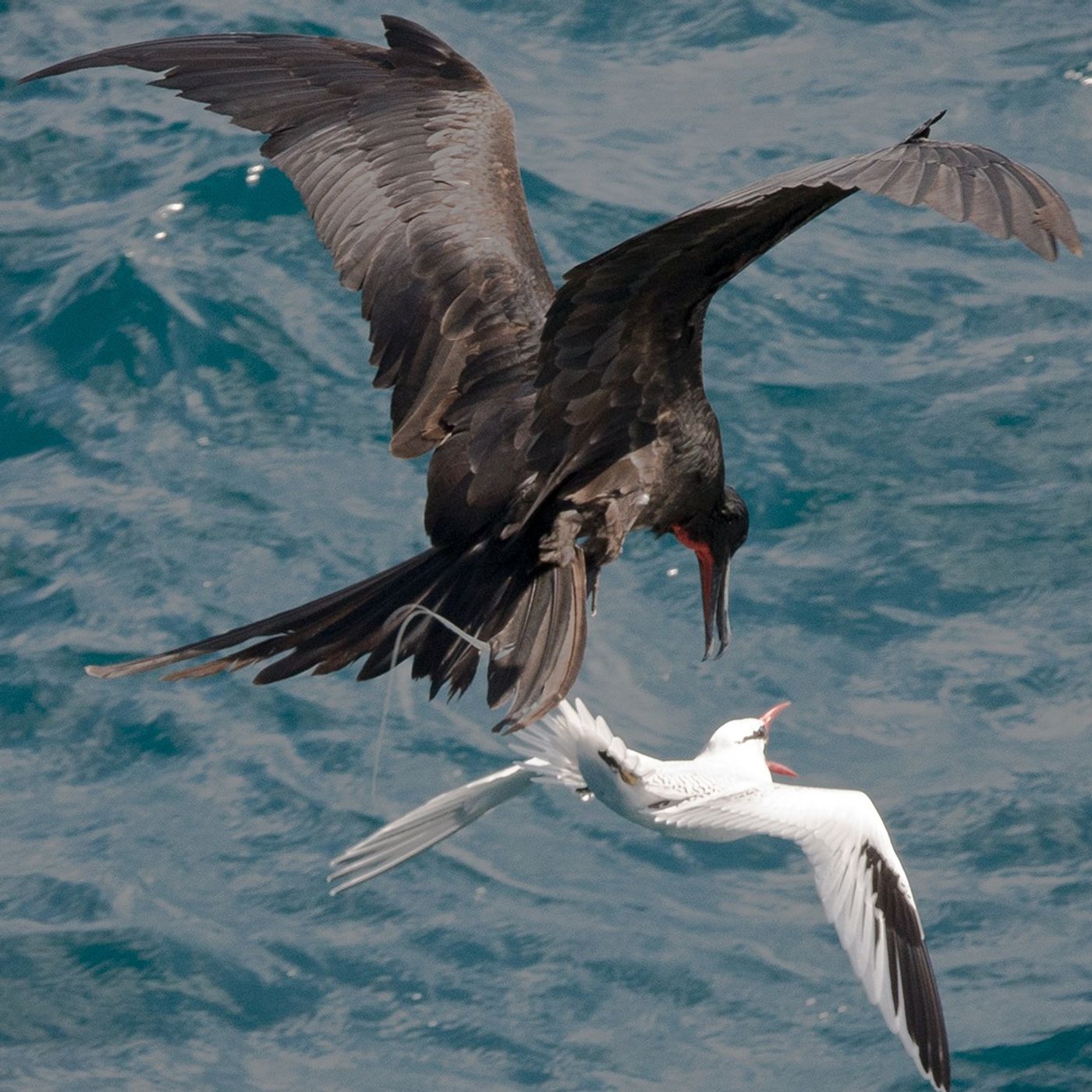
Frigatebirds' Kleptoparasitism
In the warmer regions of the world’s oceans, large seabirds called boobies plunge headfirst into the water, snatching up fish. But as a booby flies up from the waves with a fish now in its gullet, there may be another big seabird — a frigatebird — with its eye on the booby’s fresh catch. Now begins one of nature’s great chase scenes. Fortunately for boobies, frigatebirds don’t steal all their meals. Most of the time, they hunt their own seafood — perhaps a squid snapped from the ocean surface or a flying fish as it skims across the waves.More info and transcript at BirdNote.org. Want more BirdNote? Subscribe to our weekly newsletter. Sign up for BirdNote+ to get ad-free listening and other perks. BirdNote is a nonprofit. Your tax-deductible gift makes these shows possible. Hosted by Simplecast, an AdsWizz company. See pcm.adswizz.com for information about our collection and use of personal data for advertising.

The Secret Stash of Eggshells
Developing eggshells requires a key ingredient — calcium — in larger quantities than the female typically has in her bloodstream. Just how different bird species supply or store calcium for egg-laying isn’t fully known. While some species seek out extra calcium from their environment, many species simply "borrow" calcium directly from their leg bones! The eggs seen here are those of an Anna's Hummingbird.More info and transcript at BirdNote.org. Want more BirdNote? Subscribe to our weekly newsletter. Sign up for BirdNote+ to get ad-free listening and other perks. BirdNote is a nonprofit. Your tax-deductible gift makes these shows possible. Hosted by Simplecast, an AdsWizz company. See pcm.adswizz.com for information about our collection and use of personal data for advertising.

Day Scott on Recovering with Help from Birds
Day Scott’s interest in birds grew following a car accident that resulted in a traumatic brain injury. As she recovered, she would sit in the kitchen and watch birds at the feeder through the window. She began noticing bird behavior, like how members of the same species competed for space at the feeder. Watching the birds became a source of joy for her. Day eventually began writing stories about the birds and shared them with people along with her photos on Instagram.More info and transcript at BirdNote.org. Want more BirdNote? Subscribe to our weekly newsletter. Sign up for BirdNote+ to get ad-free listening and other perks. BirdNote is a nonprofit. Your tax-deductible gift makes these shows possible. Hosted by Simplecast, an AdsWizz company. See pcm.adswizz.com for information about our collection and use of personal data for advertising.
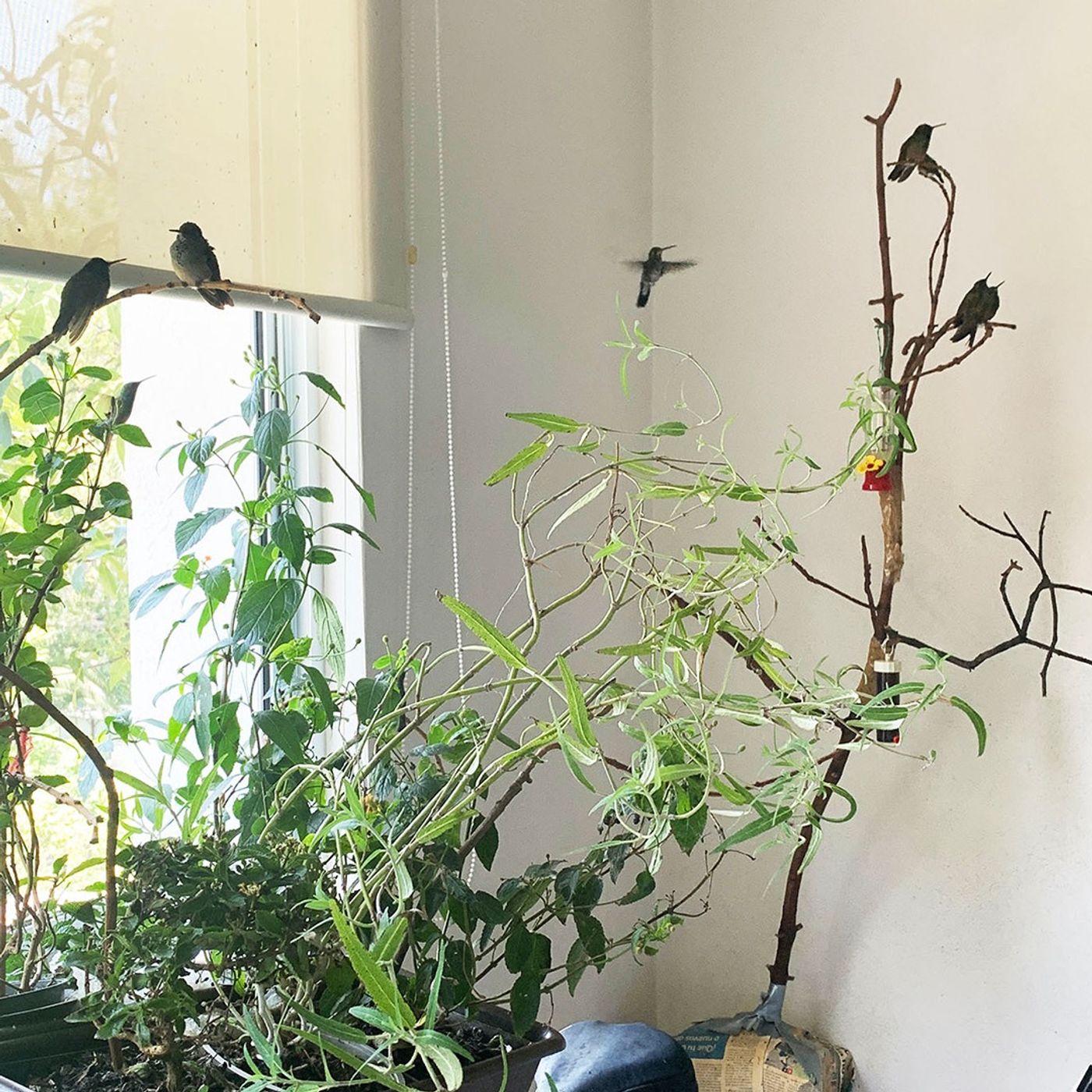
A Hummingbird Hospital in a Mexico City Apartment
Catia Lattouf cares for dozens of hummingbirds from her home!In Mexico City, 73-year-old Catia Lattouf started a hummingbird hospital — in her apartment! She hosts dozens of hummingbirds as they recover from injuries. Catia, who once ran a French high-fashion boutique, began caring for hummingbirds in 2012, after she survived cancer that was considered terminal. She received her first injured hummingbird, and named him Gucci.More info and transcript at BirdNote.org. Want more BirdNote? Subscribe to our weekly newsletter. Sign up for BirdNote+ to get ad-free listening and other perks. BirdNote is a nonprofit. Your tax-deductible gift makes these shows possible. Hosted by Simplecast, an AdsWizz company. See pcm.adswizz.com for information about our collection and use of personal data for advertising.
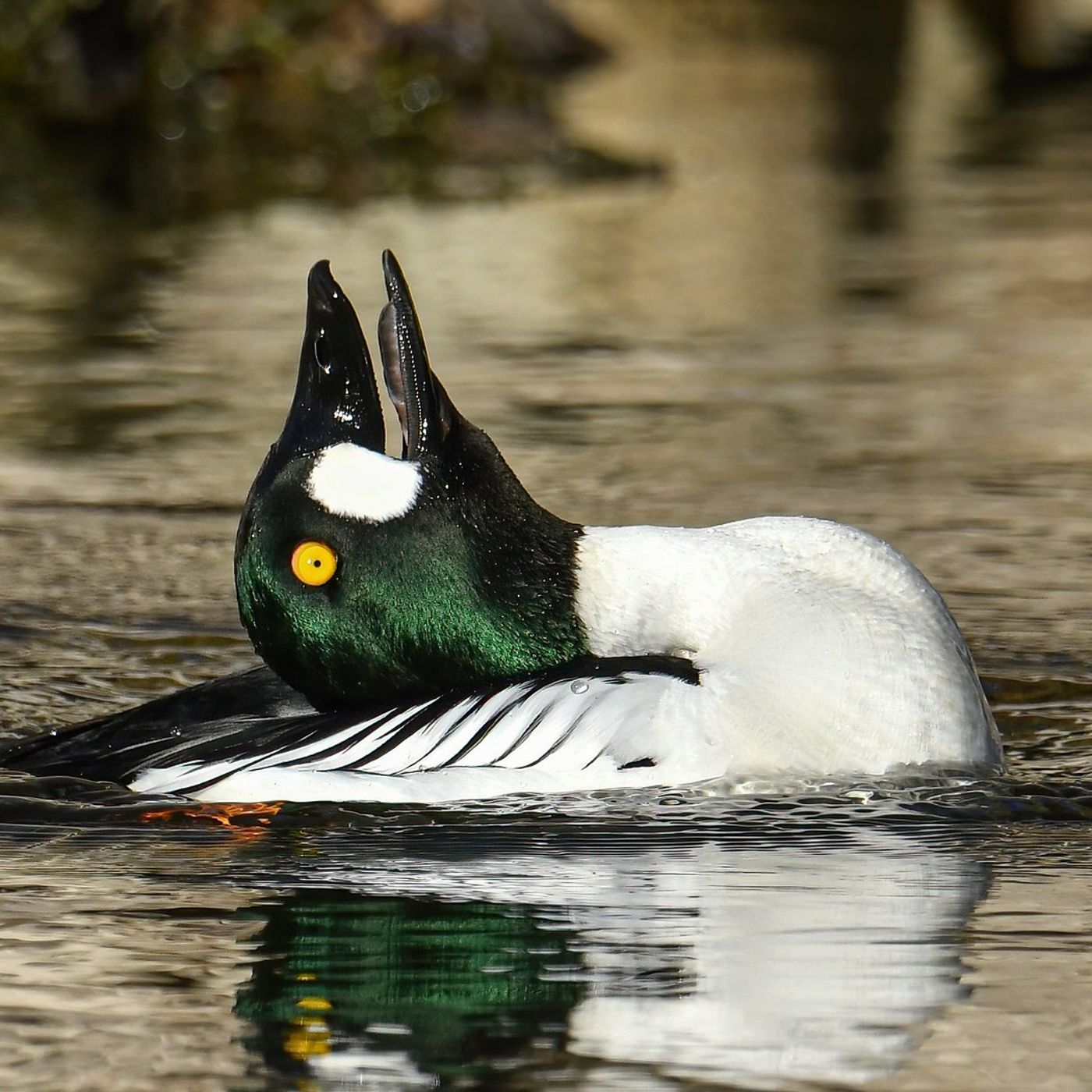
Winter Romance - Common Goldeneyes
Most duck species court and form pair bonds in winter. In the icy waters of Vermont’s Lake Champlain, Common Goldeneyes are getting hot! This male is displaying his signature move, the “head-throw-kick,” to attract a mate. Goldeneye pairs now bonding throughout the US will migrate in early spring toward breeding waters across Canada and Alaska. But the males are ramblers. After the female lays her eggs, the goldeneye male abandons his mate and parental duties. It’s common conduct among ducks!More info and transcript at BirdNote.org. Want more BirdNote? Subscribe to our weekly newsletter. Sign up for BirdNote+ to get ad-free listening and other perks. BirdNote is a nonprofit. Your tax-deductible gift makes these shows possible. Hosted by Simplecast, an AdsWizz company. See pcm.adswizz.com for information about our collection and use of personal data for advertising.
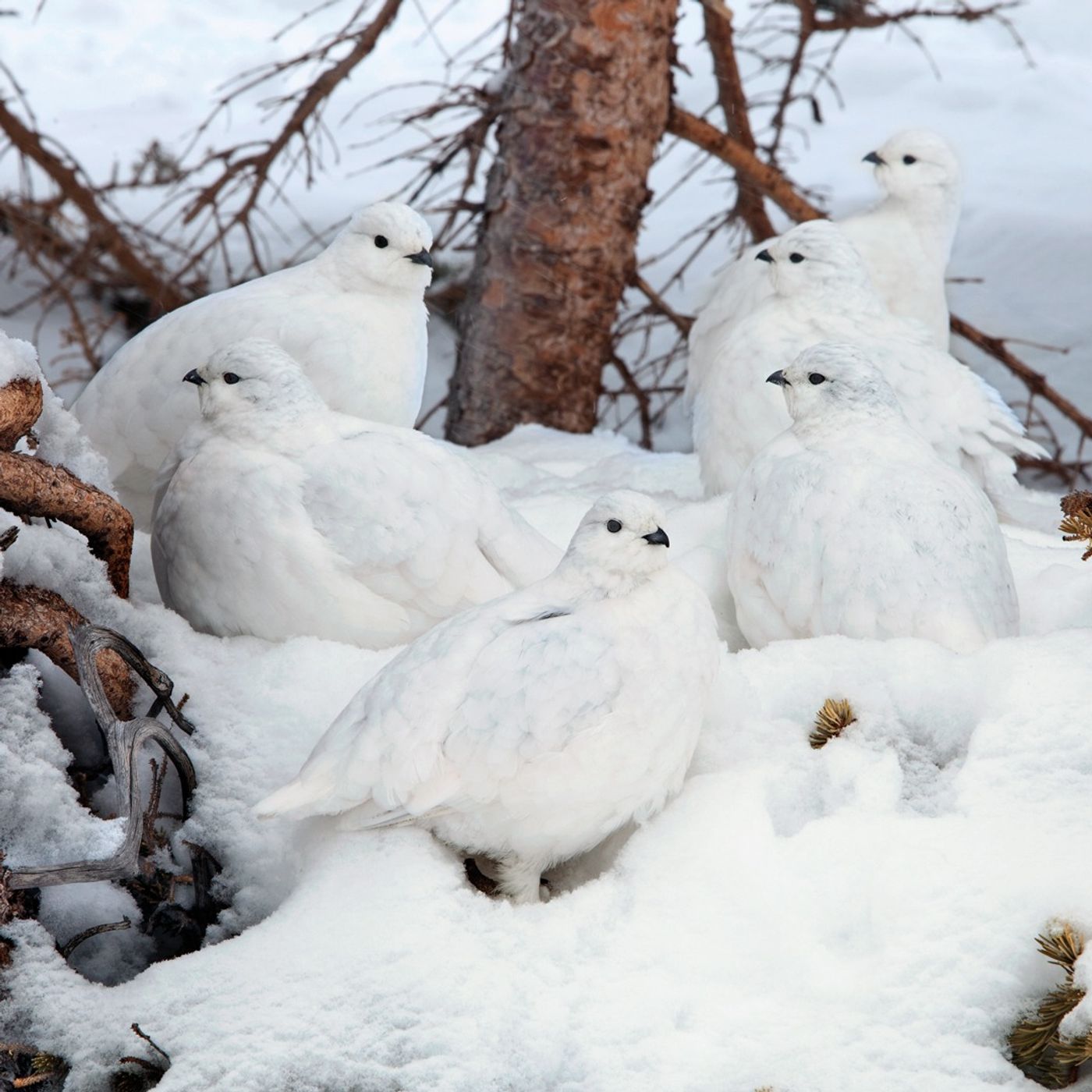
Ptarmigan in Winter
Both the Willow Ptarmigan and these White-tailed Ptarmigan, feathered mostly brown in summer, are utterly transfigured by an autumn molt. As snow begins to mantle their world, both species, now all white, blend in superbly. But the ptarmigan pulls another trick. It adds dense white feathering on both the tops and bottoms of its feet. And its claws grow longer. The bird grows snowshoes!More info and transcript at BirdNote.org. Want more BirdNote? Subscribe to our weekly newsletter. Sign up for BirdNote+ to get ad-free listening and other perks. BirdNote is a nonprofit. Your tax-deductible gift makes these shows possible. Hosted by Simplecast, an AdsWizz company. See pcm.adswizz.com for information about our collection and use of personal data for advertising.
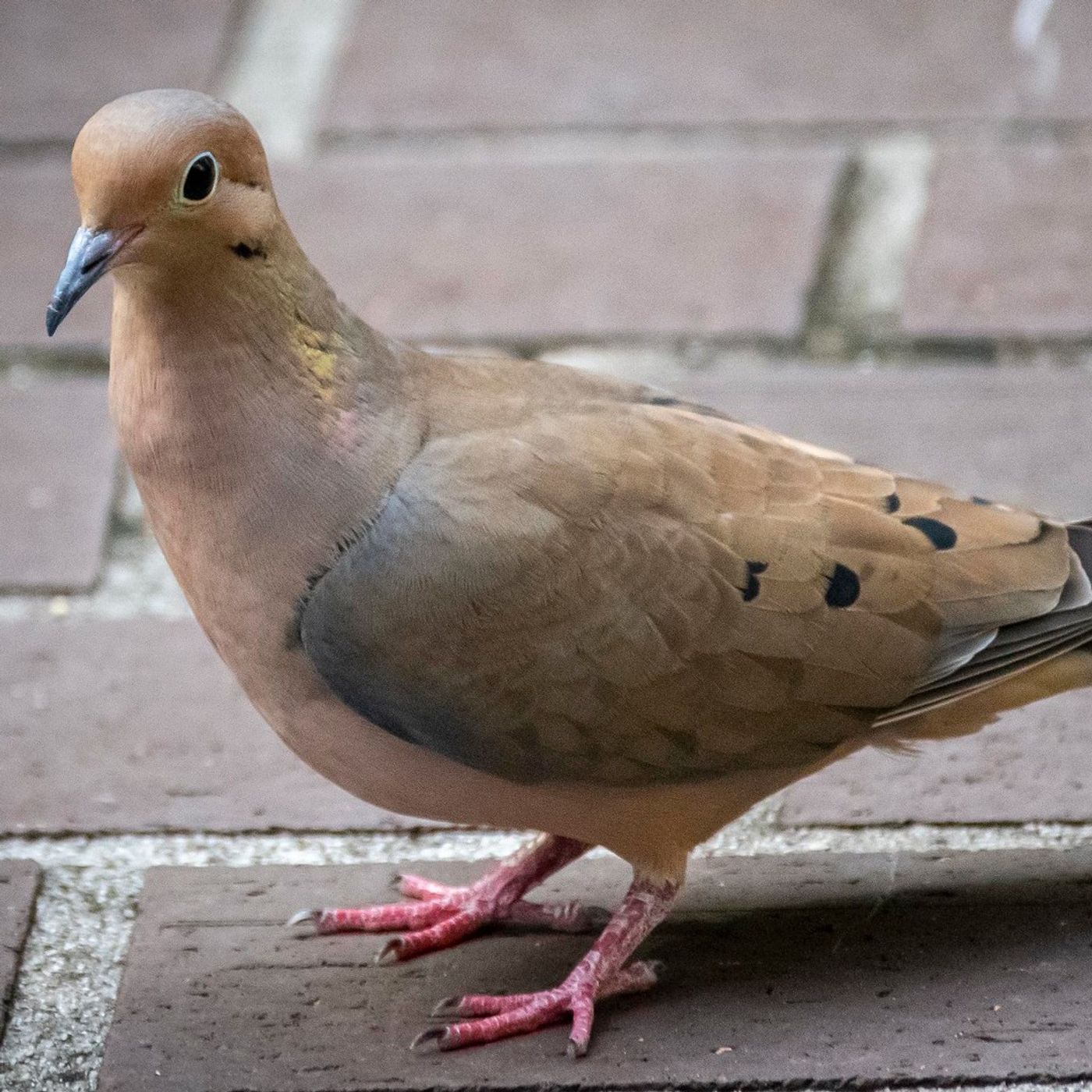
Dove or Pigeon?
The word “dove” might make you think of an elegant bird symbolizing peace, while the word “pigeon” might bring up images of rowdy flocks of city birds. But there’s no formal distinction between doves and pigeons, only a linguistic one. In many languages, the birds are one and the same. The dove and pigeon family includes some of the most beautiful birds in the world.More info and transcript at BirdNote.org. Want more BirdNote? Subscribe to our weekly newsletter. Sign up for BirdNote+ to get ad-free listening and other perks. BirdNote is a nonprofit. Your tax-deductible gift makes these shows possible. Hosted by Simplecast, an AdsWizz company. See pcm.adswizz.com for information about our collection and use of personal data for advertising.
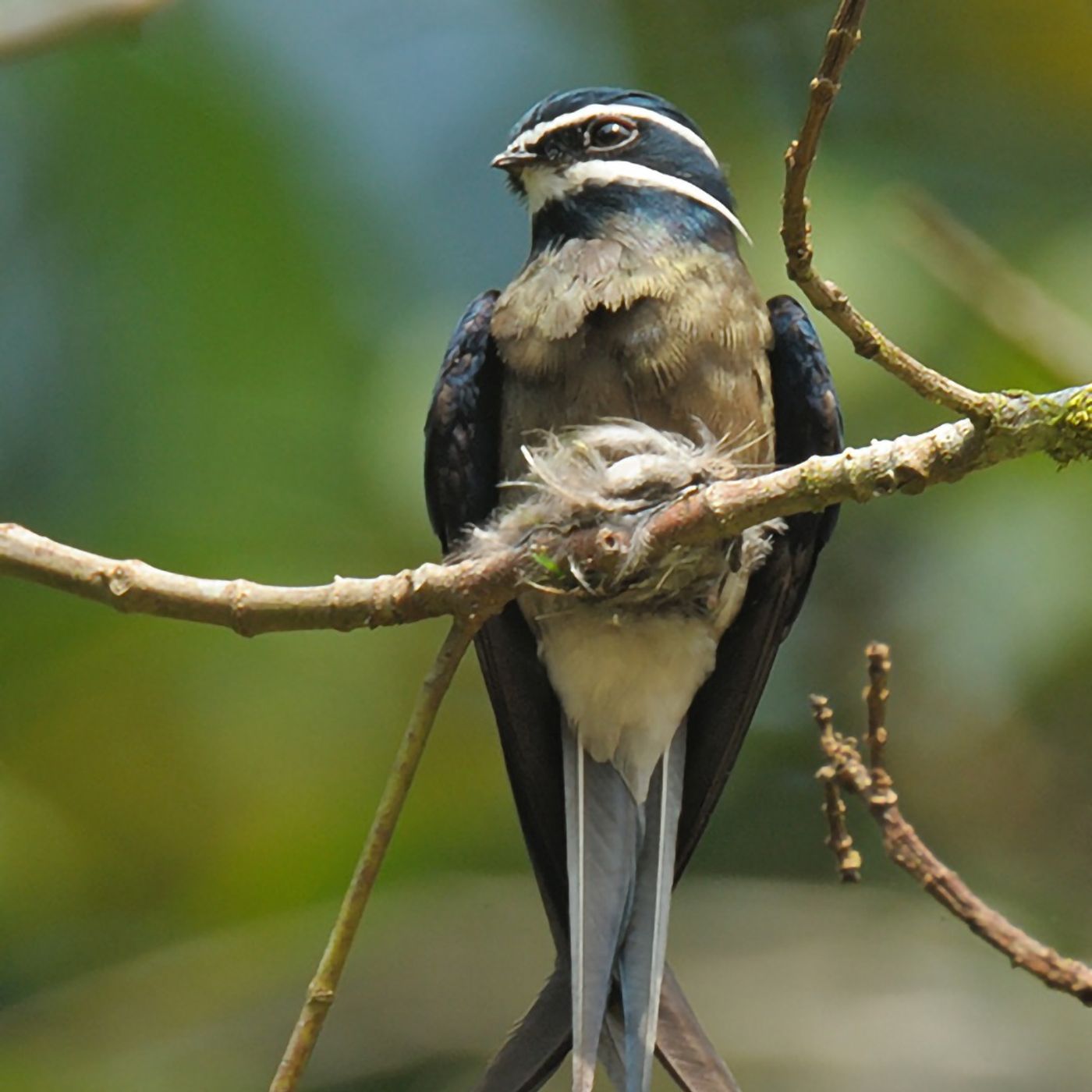
Treeswifts: Exquisite Minimalists
The treeswifts of India, Southeast Asia, New Guinea, and beyond make their nests out of bits of plants and feathers and hold it all together with some very sticky saliva. A treeswift’s whole nest is but a tiny cup — just large enough to hold a single egg — stuck to a bare upright branch. The adult on the nest appears simply to be perching, not sitting on a nest. Ingenious!More info and transcript at BirdNote.org. Want more BirdNote? Subscribe to our weekly newsletter. Sign up for BirdNote+ to get ad-free listening and other perks. BirdNote is a nonprofit. Your tax-deductible gift makes these shows possible. Hosted by Simplecast, an AdsWizz company. See pcm.adswizz.com for information about our collection and use of personal data for advertising.
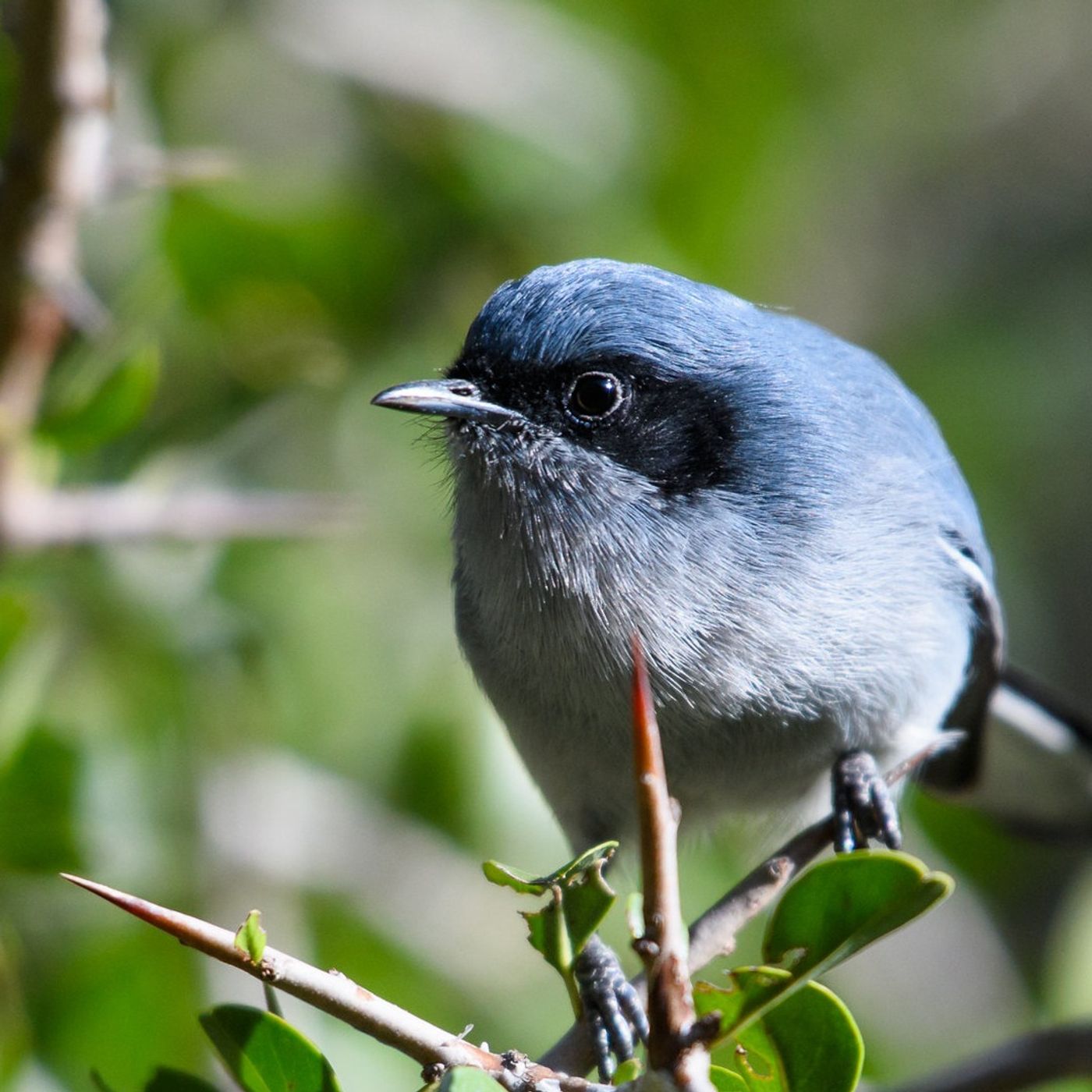
Pinpointing a Bird in a Forest by Ear
Juan Pablo Culasso is a nature recordist based in Colombia. Here, he describes how he uses a parabolic microphone to record a singing bird. Juan Pablo is blind, so he uses his hearing to pinpoint a small bird in dense vegetation. More info and transcript at BirdNote.org. Want more BirdNote? Subscribe to our weekly newsletter. Sign up for BirdNote+ to get ad-free listening and other perks. BirdNote is a nonprofit. Your tax-deductible gift makes these shows possible. Hosted by Simplecast, an AdsWizz company. See pcm.adswizz.com for information about our collection and use of personal data for advertising.
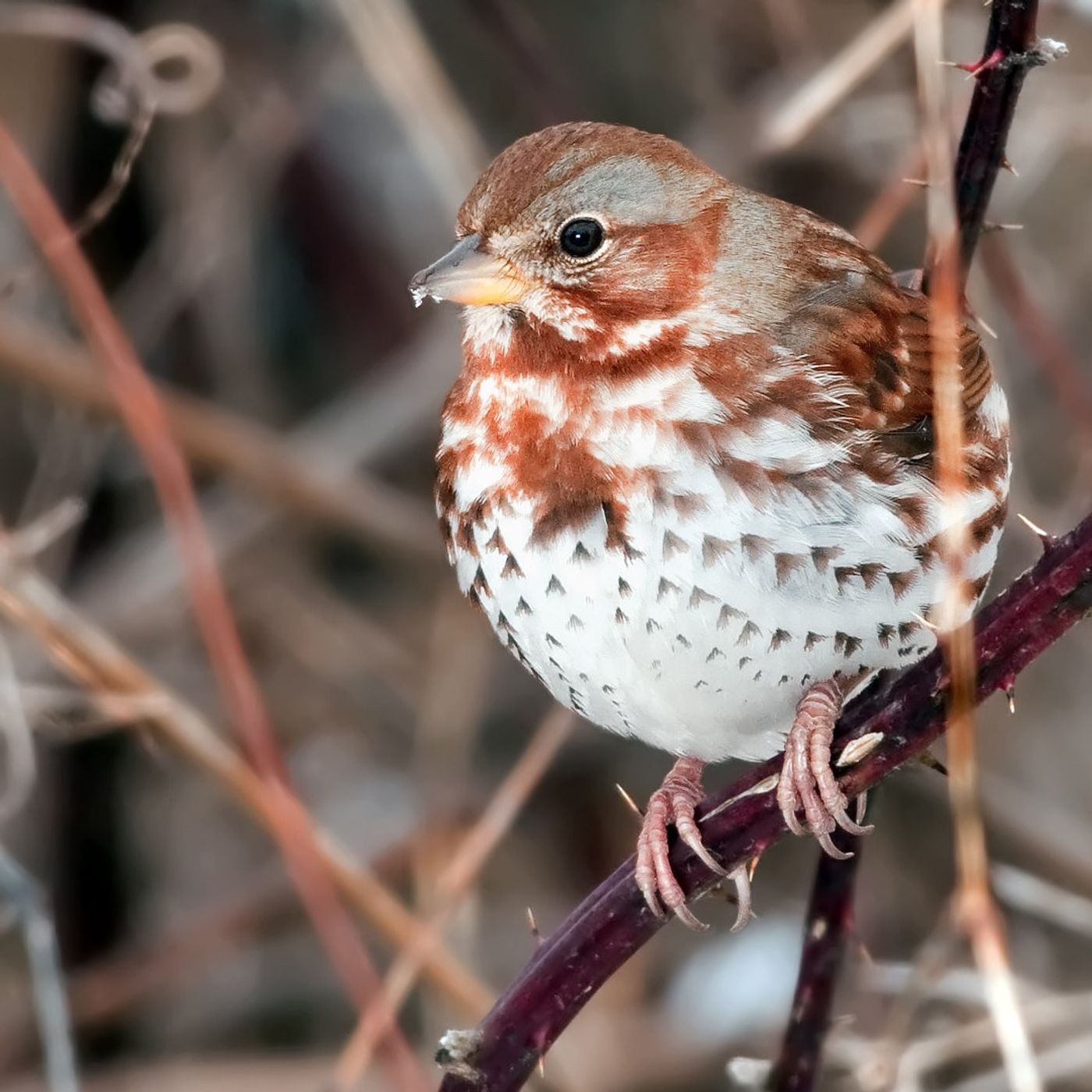
Why Some Birds Sing in the Winter
By late January, some resident birds, such as the Northern Mockingbird, are beginning their spring singing. When you step outside on a particularly sunny day this winter, a Fox Sparrow like the one pictured here may be warming up for the coming spring. And as far north as British Columbia, Pacific Wrens are singing in earnest by mid-February. So the singing season never entirely stops.More info and transcript at BirdNote.org. Want more BirdNote? Subscribe to our weekly newsletter. Sign up for BirdNote+ to get ad-free listening and other perks. BirdNote is a nonprofit. Your tax-deductible gift makes these shows possible. Hosted by Simplecast, an AdsWizz company. See pcm.adswizz.com for information about our collection and use of personal data for advertising.

How Did Bobwhites Get to Cuba?
Cuba is home to a unique population of Northern Bobwhites, with plumage patterns and short bills that set them apart from bobwhites on mainland North America. But where these quail came from has been a mystery. Did humans introduce them from the mainland? If so, when, and why do they look so different? Recent scientific detective work may have uncovered the answer.More info and transcript at BirdNote.org. Want more BirdNote? Subscribe to our weekly newsletter. Sign up for BirdNote+ to get ad-free listening and other perks. BirdNote is a nonprofit. Your tax-deductible gift makes these shows possible. Hosted by Simplecast, an AdsWizz company. See pcm.adswizz.com for information about our collection and use of personal data for advertising.
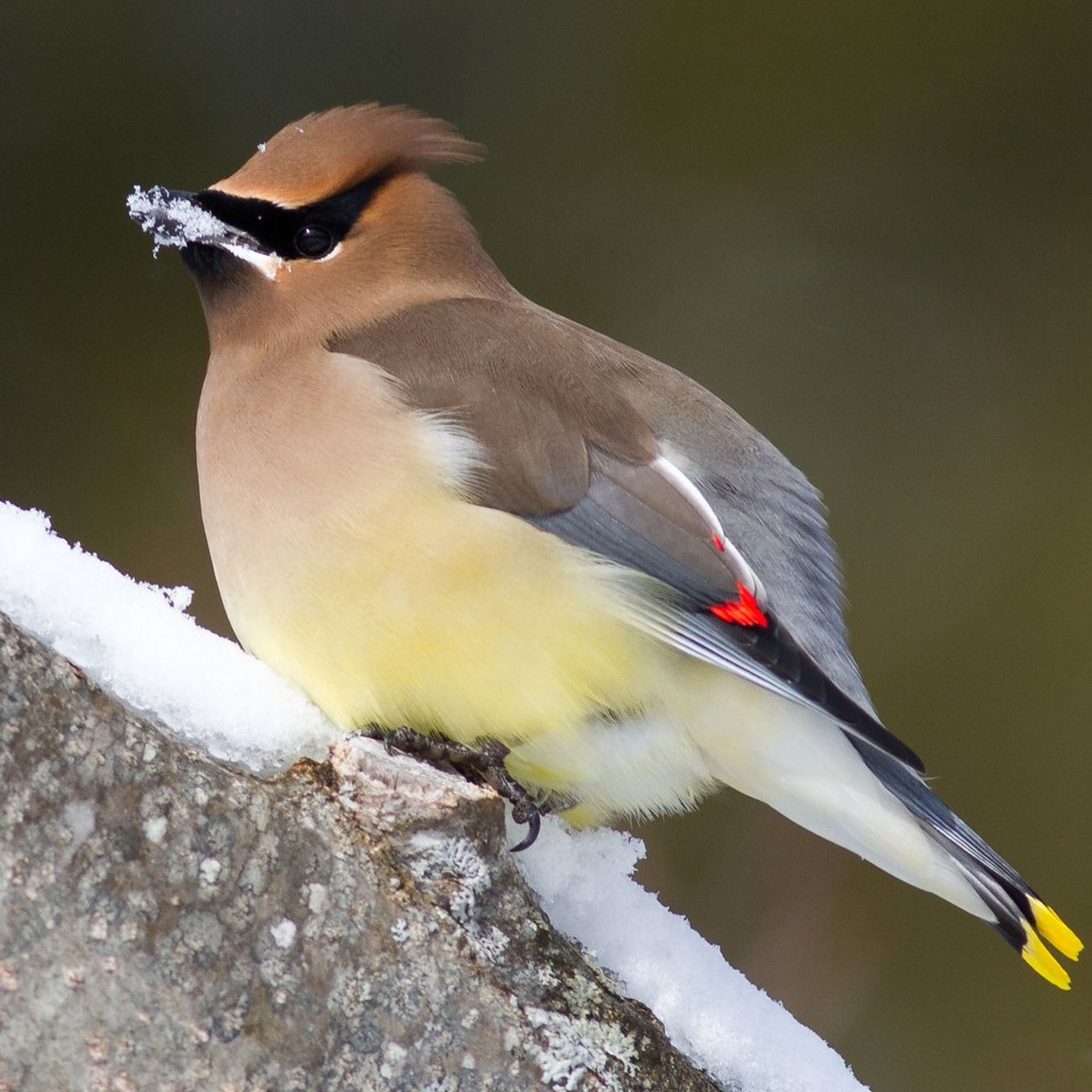
Why Birds Eat Snow
In the depths of winter, when open water is frozen over, it can be challenging for birds to stay hydrated. Some birds eat the frozen water all around them. Cedar Waxwings catch snowflakes in mid-air. Black-capped Chickadees drink from dripping icicles. Plenty of other birds scoop up fresh, powdery snow and eat it. It could be worth the calories to melt the snow when searching for liquid water could expose them to predators.More info and transcript at BirdNote.org. Want more BirdNote? Subscribe to our weekly newsletter. Sign up for BirdNote+ to get ad-free listening and other perks. BirdNote is a nonprofit. Your tax-deductible gift makes these shows possible. Hosted by Simplecast, an AdsWizz company. See pcm.adswizz.com for information about our collection and use of personal data for advertising.
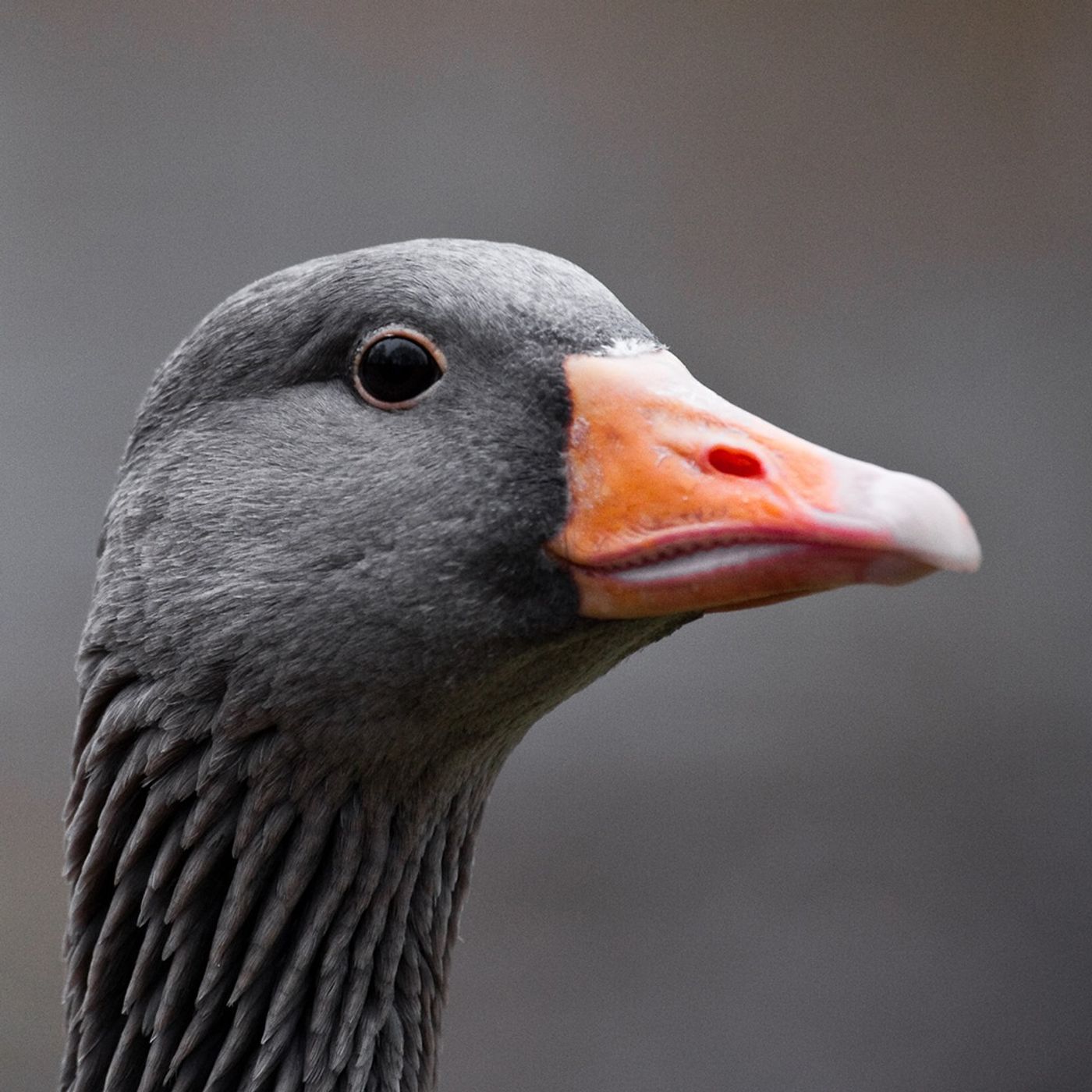
Graylag Goose
The goose of today’s farmyards was domesticated about 3,000 years ago from the Graylag Goose, the wild species found today throughout much of Europe and Asia. To ancient Egyptians, the goose symbolized the sun god Ra. Greeks linked the goose with Aphrodite, the goddess of love. And geese are prominently featured in the Shijing, the oldest existing collection of Chinese poetry.More info and transcript at BirdNote.org. Want more BirdNote? Subscribe to our weekly newsletter. Sign up for BirdNote+ to get ad-free listening and other perks. BirdNote is a nonprofit. Your tax-deductible gift makes these shows possible. Hosted by Simplecast, an AdsWizz company. See pcm.adswizz.com for information about our collection and use of personal data for advertising.

How Feathers Insulate
A single Canada Goose has between 20 and 25 thousand feathers. Some are designed to help the bird fly or shed water. Many are the short, fluffy kind, the down that insulates the bird from the cold. Birds survive in sub-zero weather by fluffing their feathers, creating layers of air and feathers. Just a fraction of an inch of this insulation can keep a bird's body temperature at 104 degrees, even in freezing weather. Seen here are the feathers of a Brown Pelican.More info and transcript at BirdNote.org. Want more BirdNote? Subscribe to our weekly newsletter. Sign up for BirdNote+ to get ad-free listening and other perks. BirdNote is a nonprofit. Your tax-deductible gift makes these shows possible. Hosted by Simplecast, an AdsWizz company. See pcm.adswizz.com for information about our collection and use of personal data for advertising.

Birding 101: The Fear of Getting Started
For folks looking to try birding for the first time, getting started can be daunting. Should you learn every species’ call, every subtle feather pattern before you head out to look for birds? While it’s good to prepare, there’s a risk of scaring yourself out of starting, and preventing the kind of hands-on experiential learning that’s one of the best parts of birding. So when you have the time and energy, just go for it! Learning about birds is the work of a lifetime — that’s why it’s so rewarding.More info and transcript at BirdNote.org. Want more BirdNote? Subscribe to our weekly newsletter. Sign up for BirdNote+ to get ad-free listening and other perks. BirdNote is a nonprofit. Your tax-deductible gift makes these shows possible. Hosted by Simplecast, an AdsWizz company. See pcm.adswizz.com for information about our collection and use of personal data for advertising.
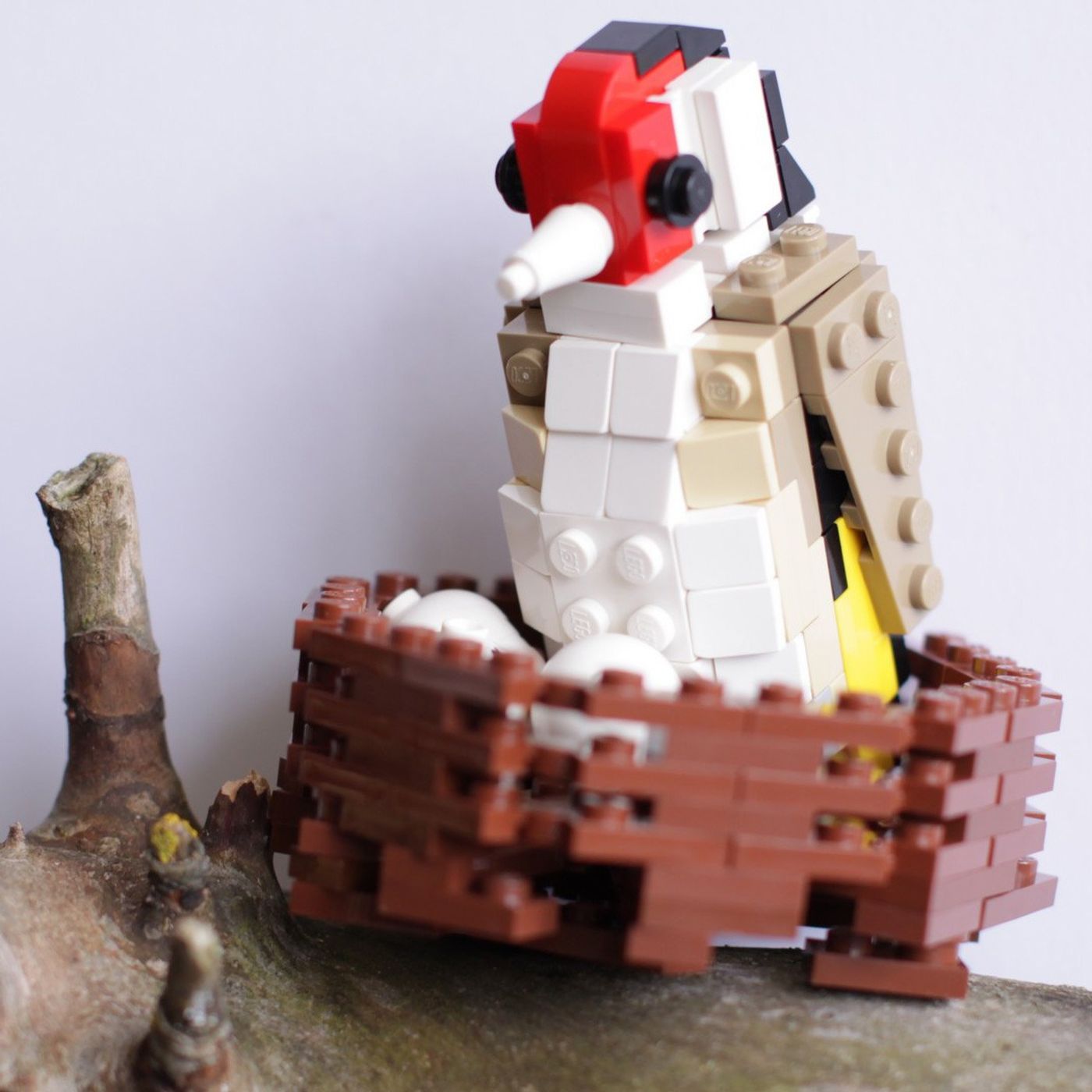
Building Birds with LEGO
Thomas Poulsom is a hobbyist LEGO builder best known for his models of birds. But making birds out of bricks isn't easy. That’s why he uses special pieces to sculpt something entirely different — like when minifigure carrots became a puffin’s legs. A unique piece called a “snot brick” allows him to build in any direction, making it possible to make a round object out of square LEGO bricks. More info and transcript at BirdNote.org. Want more BirdNote? Subscribe to our weekly newsletter. Sign up for BirdNote+ to get ad-free listening and other perks. BirdNote is a nonprofit. Your tax-deductible gift makes these shows possible. Hosted by Simplecast, an AdsWizz company. See pcm.adswizz.com for information about our collection and use of personal data for advertising.
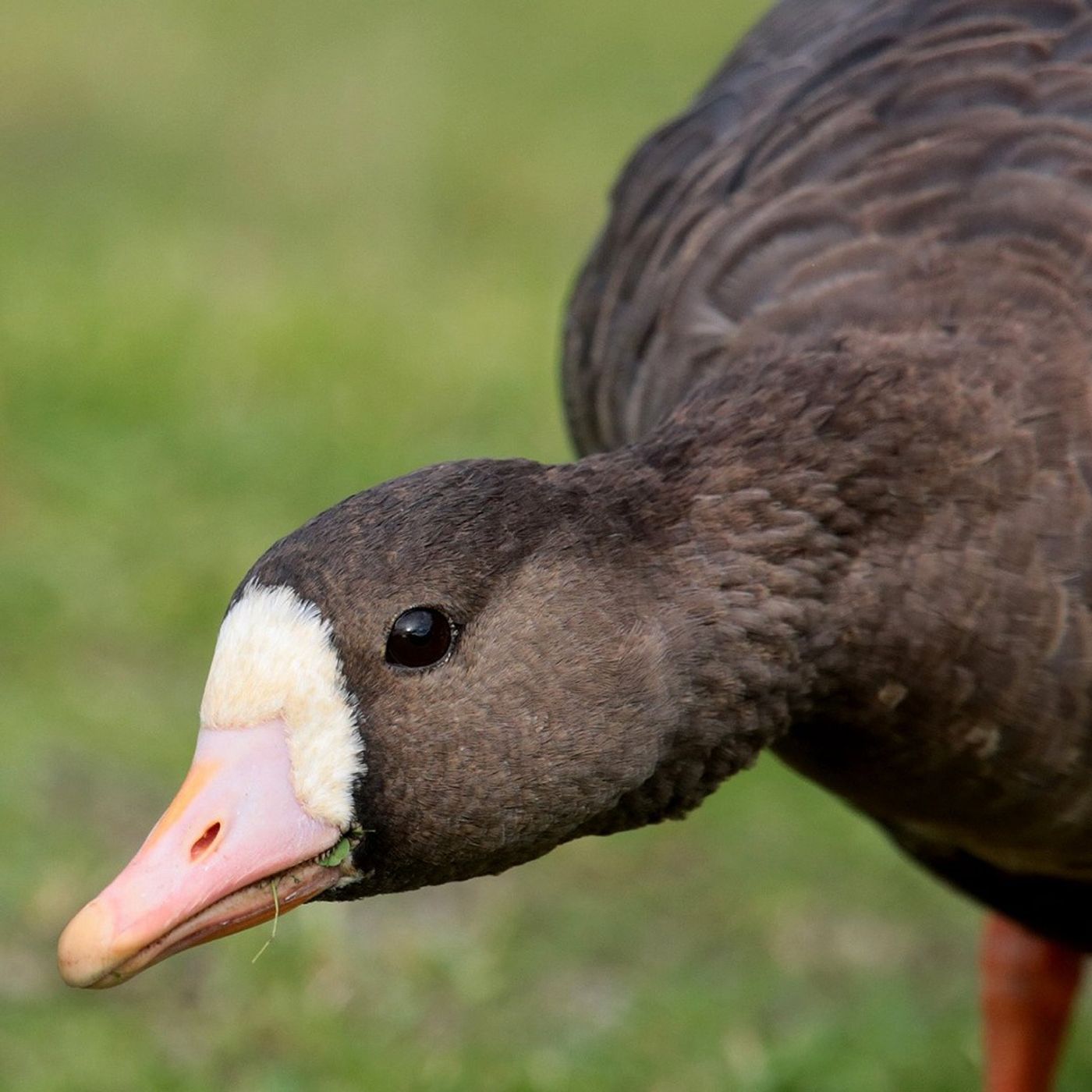
The Laughing Goose
The hoots of the Greater White-fronted Goose inspired a nickname, the “Laughing Goose.” A little smaller than Canada Geese, these gray-brown birds are named for the band of white around the base of their pinkish-orange bills. Greater White-fronted Geese are strong, athletic fliers. When family groups come in to land at a roost, they employ a slip-sliding or “falling leaf” maneuver to quickly lose altitude—from over a thousand feet above the ground.More info and transcript at BirdNote.org. Want more BirdNote? Subscribe to our weekly newsletter. Sign up for BirdNote+ to get ad-free listening and other perks. BirdNote is a nonprofit. Your tax-deductible gift makes these shows possible. Hosted by Simplecast, an AdsWizz company. See pcm.adswizz.com for information about our collection and use of personal data for advertising.
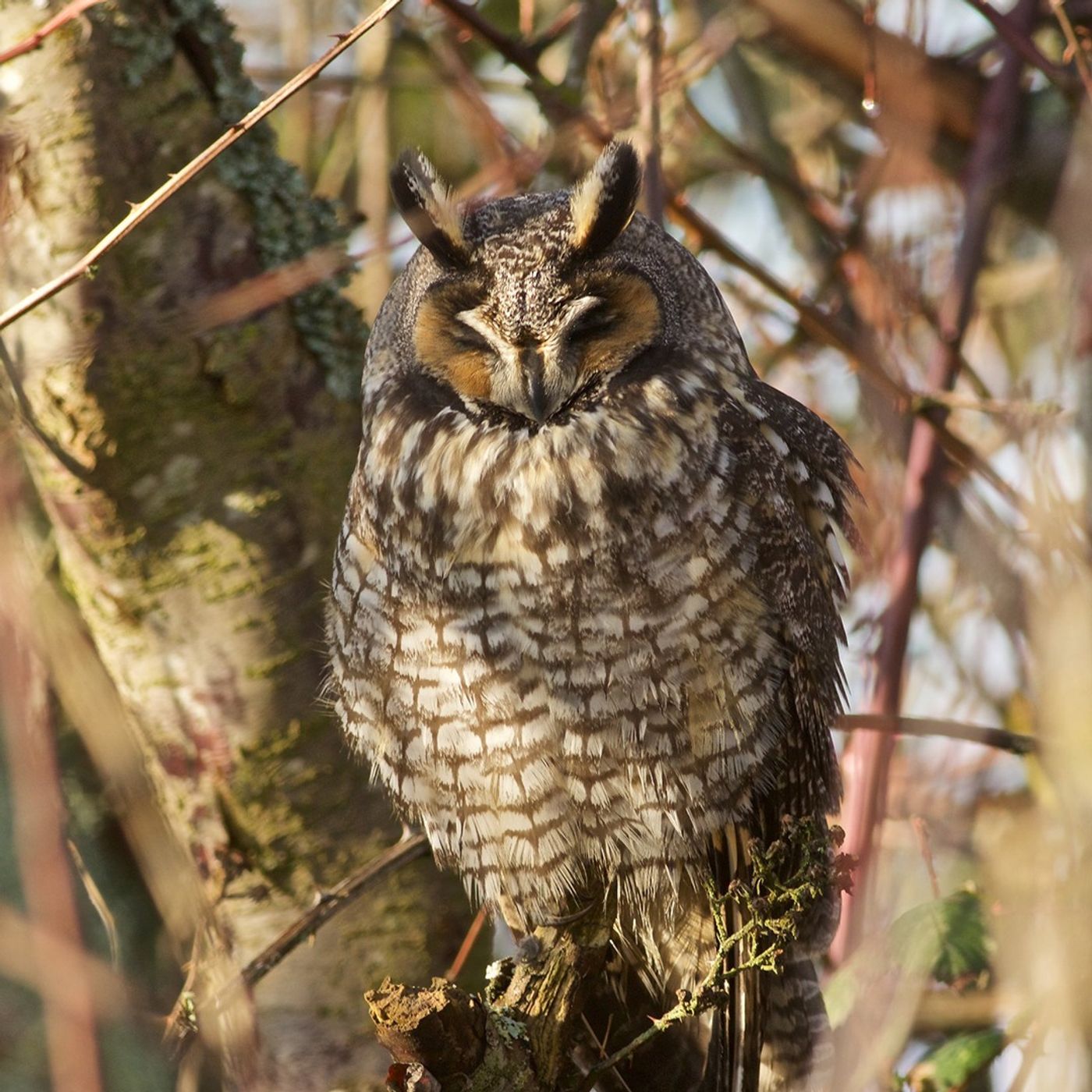
Long-eared Owl - You Don’t See Me!
Long-eared Owls aren’t rare, and they don’t live in remote locations. But their plumage and habits make them incredibly elusive. The mixture of warm browns and cool, bark-like grays lends the bird an astonishingly branch-like appearance. When potential predators approach, the birds close their orange eyes and stretch their bodies so that even the most practiced human eye has a hard time spotting them.More info and transcript at BirdNote.org. Want more BirdNote? Subscribe to our weekly newsletter. Sign up for BirdNote+ to get ad-free listening and other perks. BirdNote is a nonprofit. Your tax-deductible gift makes these shows possible. Hosted by Simplecast, an AdsWizz company. See pcm.adswizz.com for information about our collection and use of personal data for advertising.
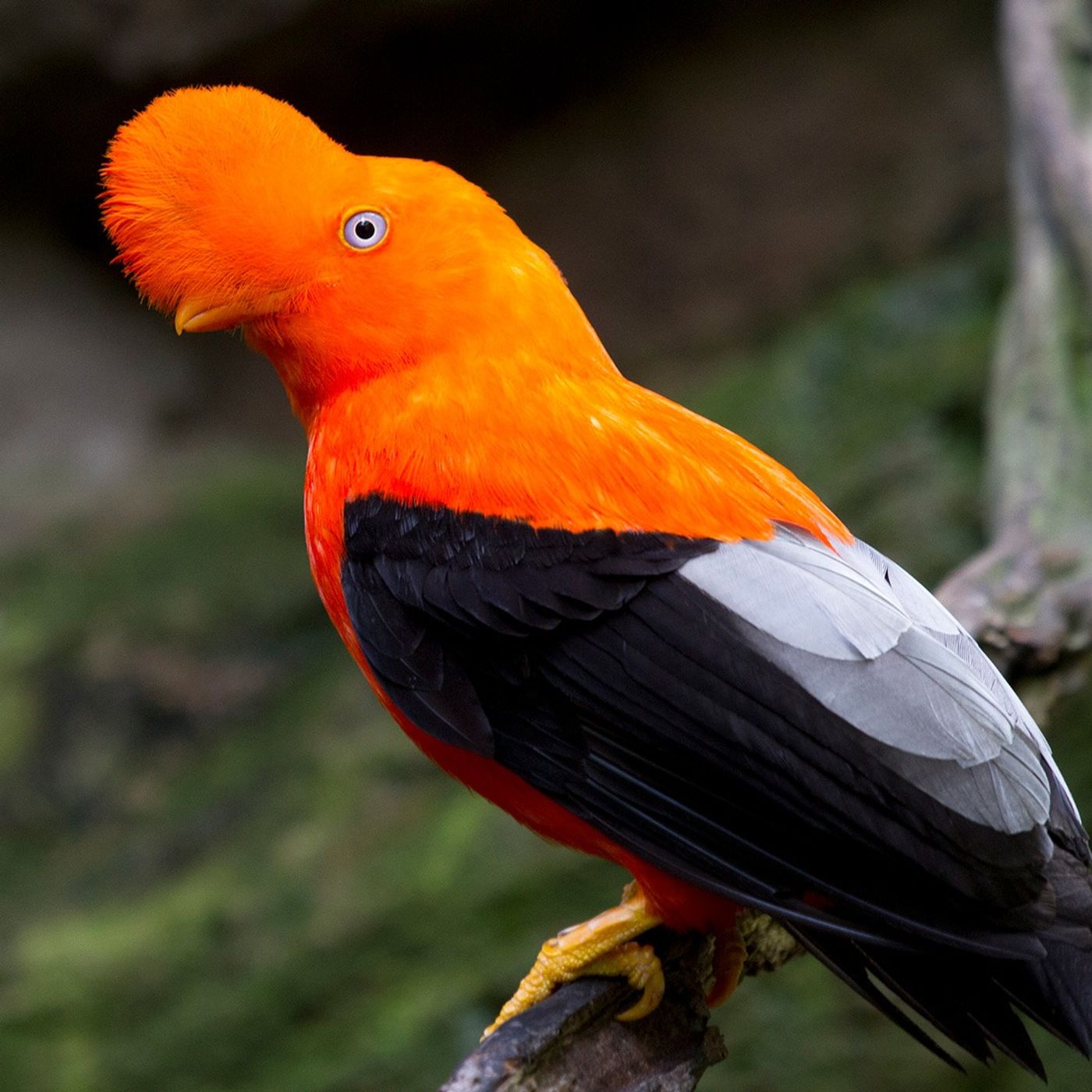
The Andean Cock-of-the-Rock
The Andean-Cock-of-the-Rock sounds like a cross between a chainsaw and a squealing pig. The national bird of Peru, male birds of this species sport a splendid bright red plumage along with a head crest reminiscent of a knight’s battle helmet. Females choose their mate from among a group of bickering males, then build a nest high on a cliff wall.More info and transcript at BirdNote.org. Want more BirdNote? Subscribe to our weekly newsletter. Sign up for BirdNote+ to get ad-free listening and other perks. BirdNote is a nonprofit. Your tax-deductible gift makes these shows possible. Hosted by Simplecast, an AdsWizz company. See pcm.adswizz.com for information about our collection and use of personal data for advertising.

Museum Eggs Help Solve Mysteries
There are five million bird eggs stowed away in museums across the world — and the study of eggs, called oology, can give us great insight into birds. The link between DDT and the decline of Peregrine Falcon populations was identified in part using museum and personal egg collections, and this evidence helped lead to a ban on DDT. And today, Peregrines can still be seen zipping across the sky.More info and transcript at BirdNote.org. Want more BirdNote? Subscribe to our weekly newsletter. Sign up for BirdNote+ to get ad-free listening and other perks. BirdNote is a nonprofit. Your tax-deductible gift makes these shows possible. Hosted by Simplecast, an AdsWizz company. See pcm.adswizz.com for information about our collection and use of personal data for advertising.
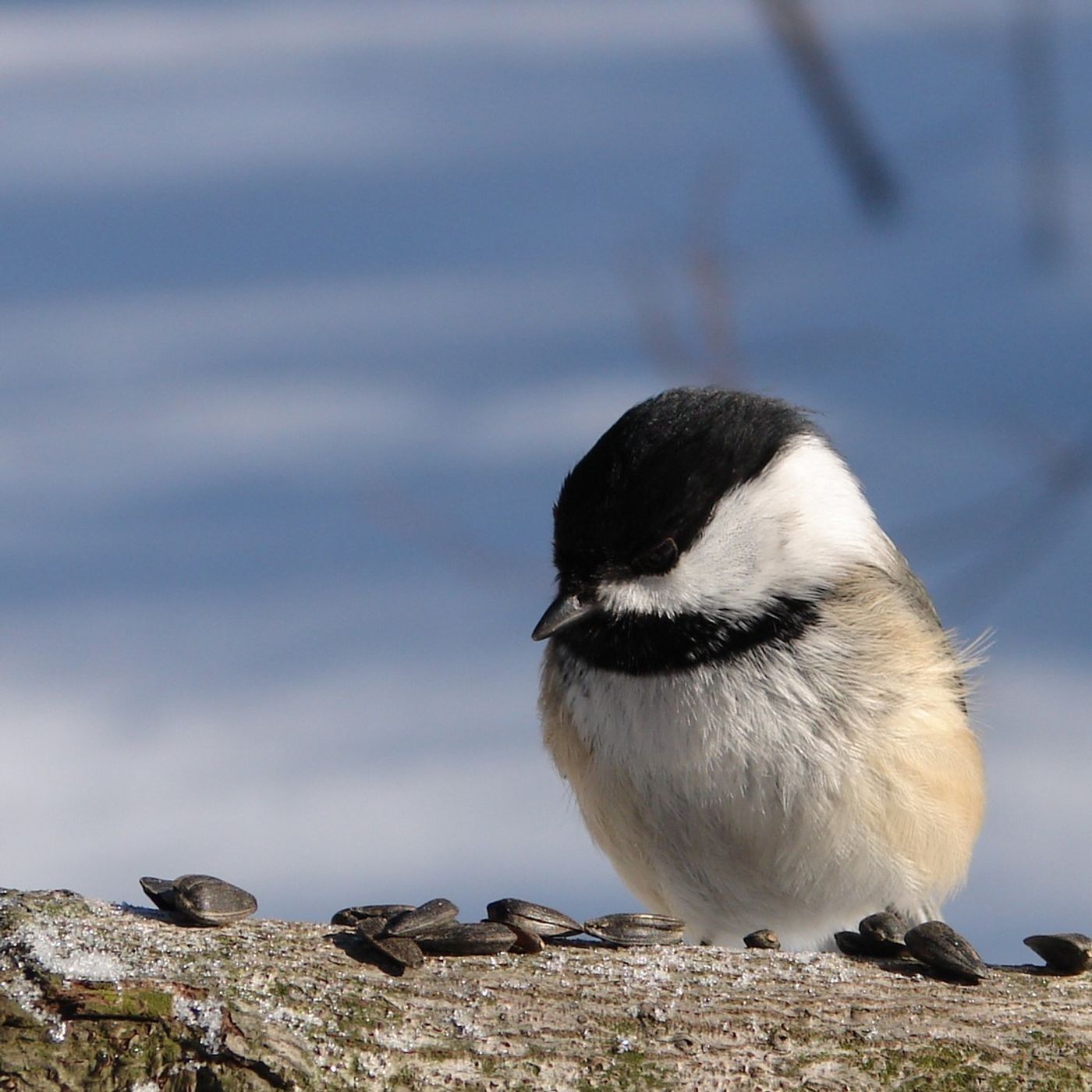
How Much Do Birds Eat?
There used to be a saying about somebody who doesn’t eat much — “she eats like a bird.” But how much does a bird typically eat? As a rule of thumb, the smaller the bird, the more food it needs relative to its weight. A Cooper’s Hawk, a medium-sized bird, eats around 12% of its weight per day. For a human weighing 150 pounds, that’s 18 pounds of chow, or roughly six extra-large pizzas. And that perky little chickadee at your feeder eats the equivalent of 35% of its weight. You, as a 150-pound chickadee, will be munching 600 granola bars a day. And a hummingbird drinks about 100% of its body weight per day. That means you’ll be sipping 17½ gallons of milk.More info and transcript at BirdNote.org. Want more BirdNote? Subscribe to our weekly newsletter. Sign up for BirdNote+ to get ad-free listening and other perks. BirdNote is a nonprofit. Your tax-deductible gift makes these shows possible. Hosted by Simplecast, an AdsWizz company. See pcm.adswizz.com for information about our collection and use of personal data for advertising.
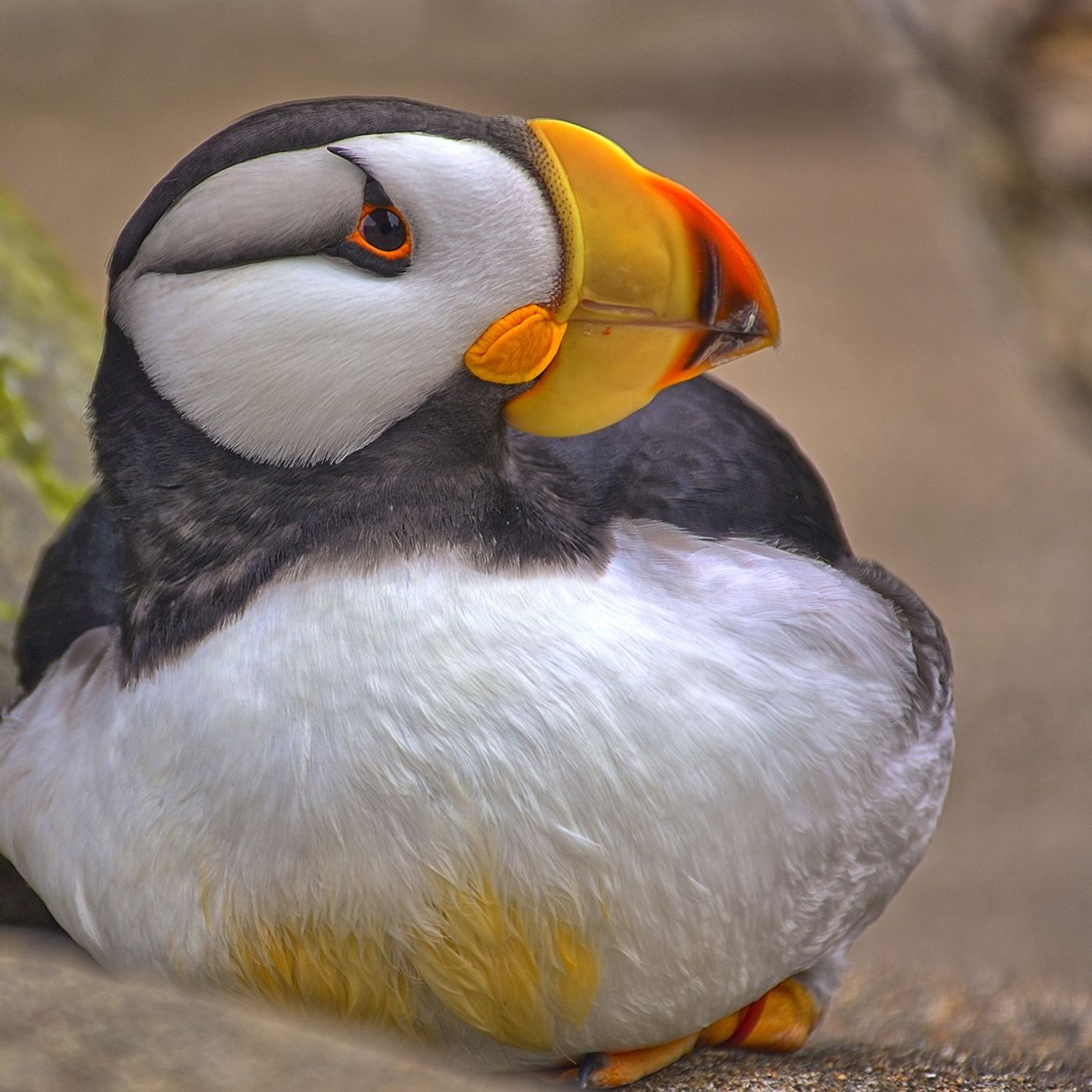
In Winter, Puffins Lead Very Different Lives
Every summer, puffins — like this Horned Puffin — grow blazingly colorful layers over the bases of their huge beaks. But in the winter, puffins lead very different lives, and they shed their bright ornamentation. Puffins in winter are largely solitary — and silent. They spend about seven months alone at sea, before returning once again to their colonies to breed.More info and transcript at BirdNote.org. Want more BirdNote? Subscribe to our weekly newsletter. Sign up for BirdNote+ to get ad-free listening and other perks. BirdNote is a nonprofit. Your tax-deductible gift makes these shows possible. Hosted by Simplecast, an AdsWizz company. See pcm.adswizz.com for information about our collection and use of personal data for advertising.

Dwain Vaughns, II, on Seeing Plane Physics in Birds
Dwain Vaughns, II, worked as a pilot for 11 years until he developed a rare chronic pain condition called complex regional pain syndrome after an accident. As part of a recreational therapy program, Dwain signed up for a birding trip, but that day he found himself struggling with a racing heart rate. But by stopping and listening to the birds, he found that his heart rate and pain decreased. In the details of bird flight, Dwain sees echoes of his time spent flying planes.More info and transcript at BirdNote.org. Want more BirdNote? Subscribe to our weekly newsletter. Sign up for BirdNote+ to get ad-free listening and other perks. BirdNote is a nonprofit. Your tax-deductible gift makes these shows possible. Hosted by Simplecast, an AdsWizz company. See pcm.adswizz.com for information about our collection and use of personal data for advertising.
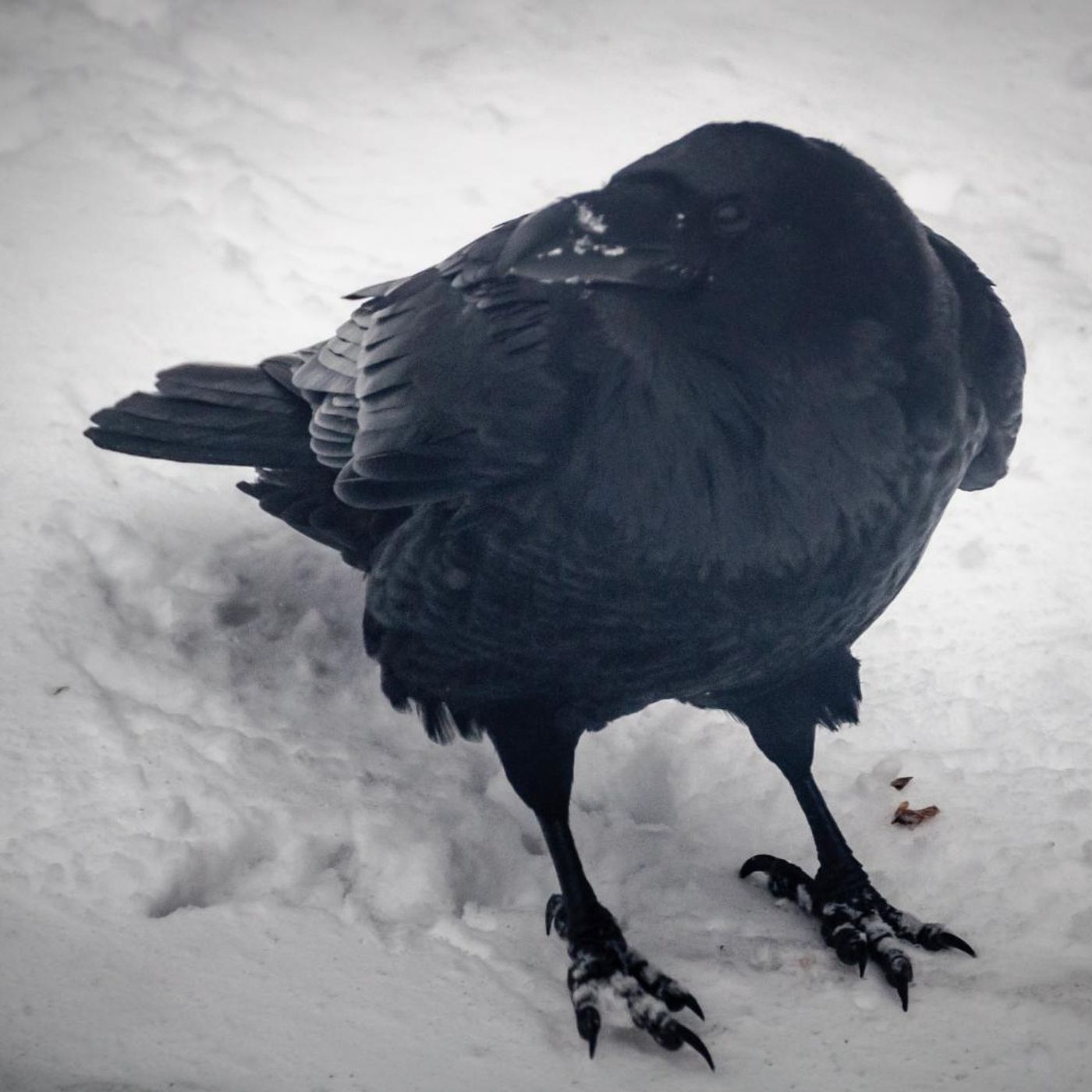
Winter - Nature’s Cold Storage
For birds and other animals with good natural insulation, winter provides a striking benefit as they scavenge. Bacteria function very slowly or not at all in the cold, preventing dead bodies from rotting. In northern latitudes, ravens and other scavenging birds take advantage of winter's cold storage. When a caribou, moose, or deer dies in Canada, Alaska, or other cold place in the winter, it's available to be eaten for months. Bacteria must wait until spring warms the carcass before they can begin to consume it.More info and transcript at BirdNote.org. Want more BirdNote? Subscribe to our weekly newsletter. Sign up for BirdNote+ to get ad-free listening and other perks. BirdNote is a nonprofit. Your tax-deductible gift makes these shows possible. Hosted by Simplecast, an AdsWizz company. See pcm.adswizz.com for information about our collection and use of personal data for advertising.
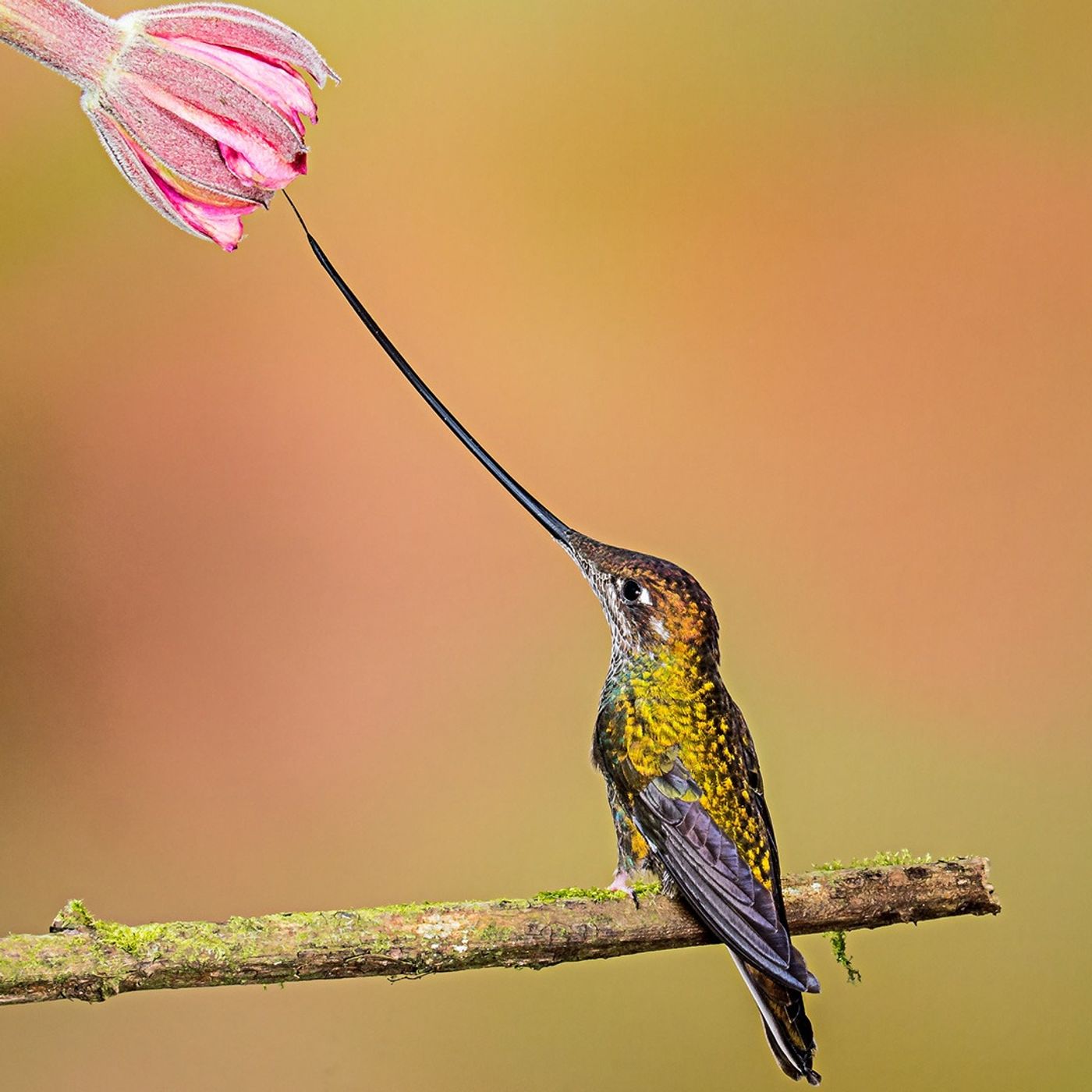
The Sword-billed Hummingbird
To out-sip their competition, Sword-billed Hummingbirds have a distinct adaptation: these birds’ beaks are longer than their bodies. Found in temperate forests from Venezuela to Bolivia, these hummingbirds rely entirely on tube-like flowers that other species could never reach. While most birds can use their tongues to clean their feathers, the Sword-billed Hummingbird’s long beak gets in the way – so they use their legs to scratch themselves instead.More info and transcript at BirdNote.org. Want more BirdNote? Subscribe to our weekly newsletter. Sign up for BirdNote+ to get ad-free listening and other perks. BirdNote is a nonprofit. Your tax-deductible gift makes these shows possible. Hosted by Simplecast, an AdsWizz company. See pcm.adswizz.com for information about our collection and use of personal data for advertising.
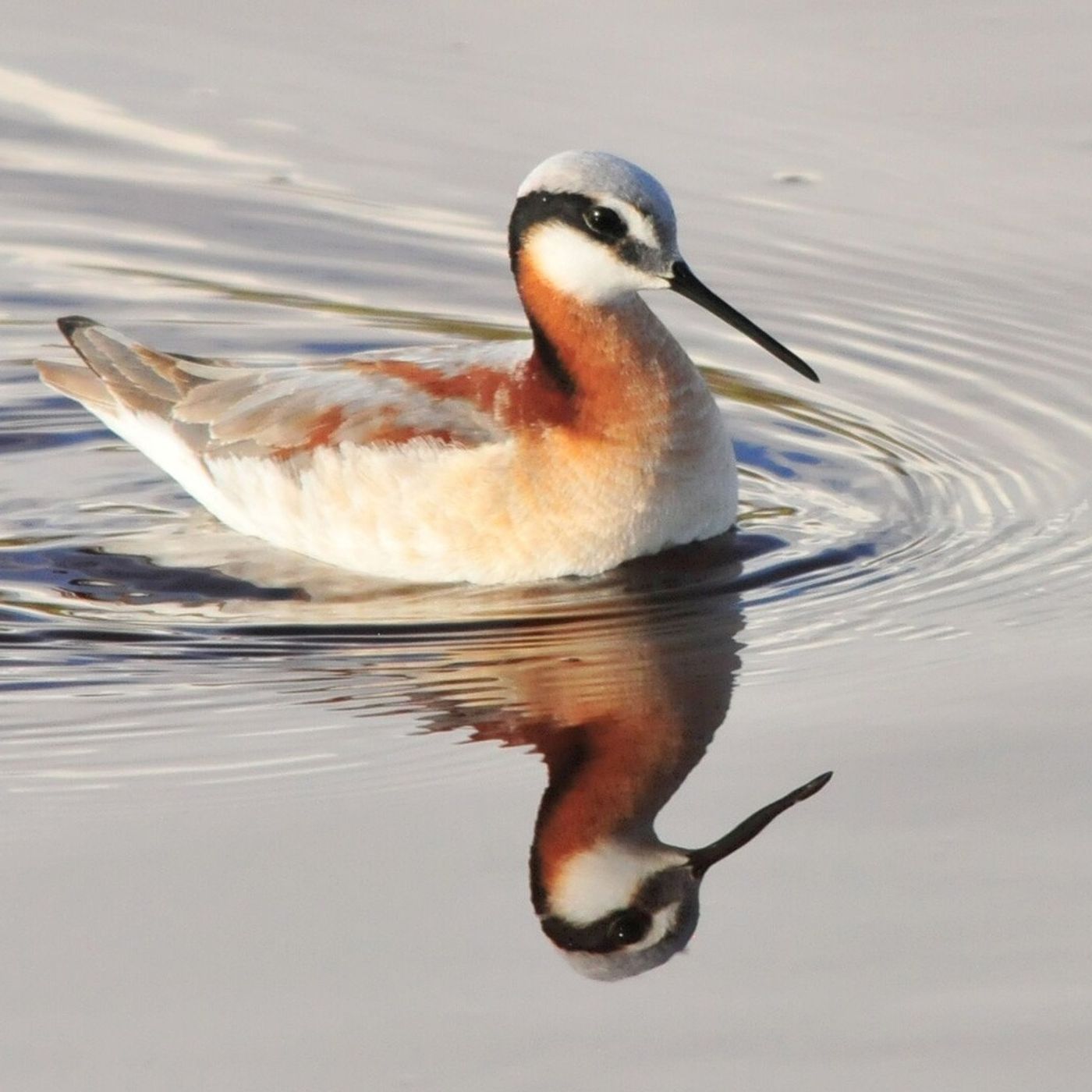
Feathered Females in Charge
Male birds are often the larger, flashier sex that courts choosy females, who in turn raise their chicks. But not always. Female phalaropes -- like this Wilson's Phalarope -- challenge each other over territories in which to house a cluster of males half their size. And the males do all the childcare. Other stay-at-home dads include most of the ratites, like ostriches and emus, as well as several species of jacanas.More info and transcript at BirdNote.org. Want more BirdNote? Subscribe to our weekly newsletter. Sign up for BirdNote+ to get ad-free listening and other perks. BirdNote is a nonprofit. Your tax-deductible gift makes these shows possible. Hosted by Simplecast, an AdsWizz company. See pcm.adswizz.com for information about our collection and use of personal data for advertising.
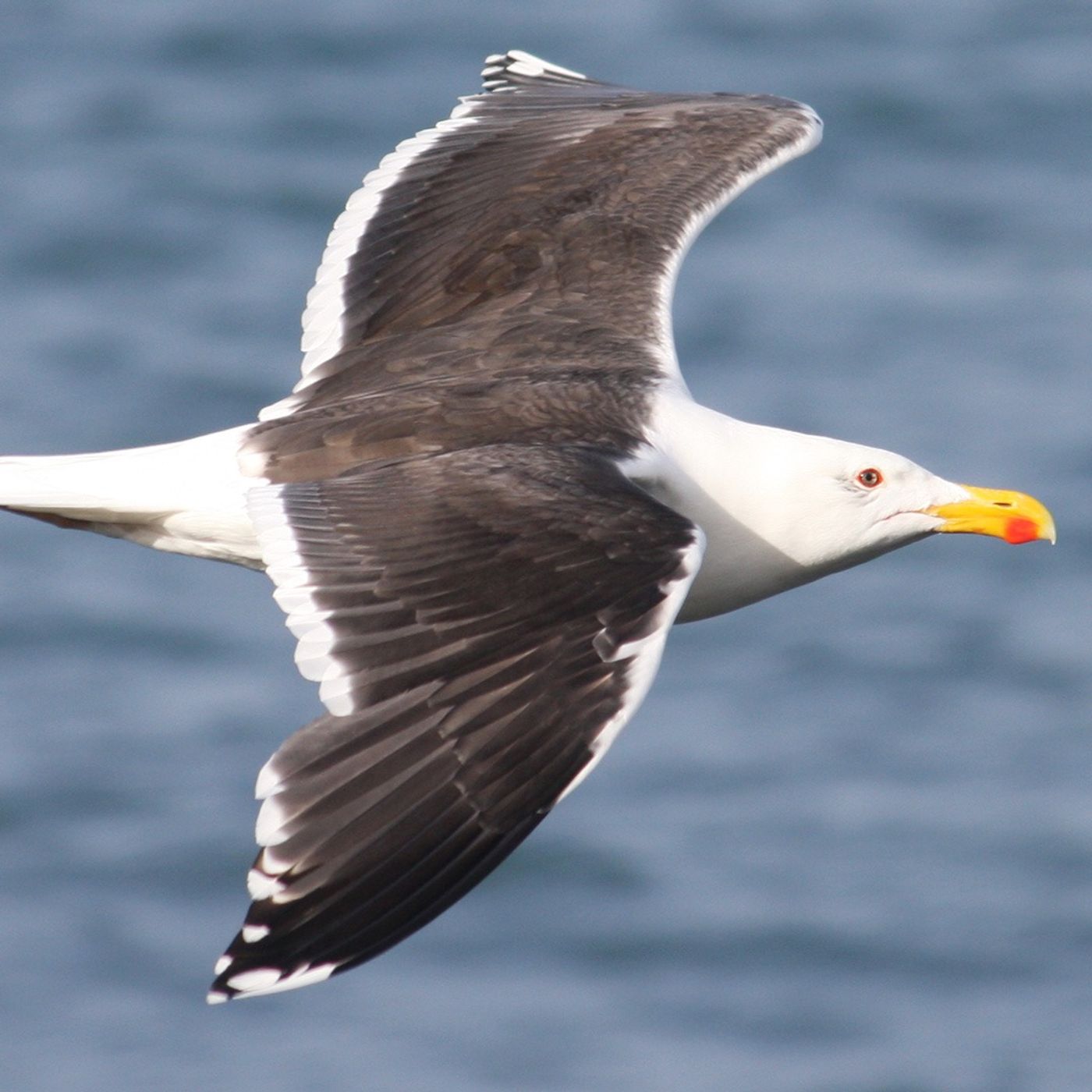
Great Black-backed Gull, North Atlantic Predator
Great Black-backed Gulls have a reputation as serious predators of other birds. During the nesting season, they’ll prey on eggs and nestlings of other seabirds. They’ll also hunt adult seabirds including puffins and grebes, as well as songbirds as big as a grackle.More info and transcript at BirdNote.org. Want more BirdNote? Subscribe to our weekly newsletter. Sign up for BirdNote+ to get ad-free listening and other perks. BirdNote is a nonprofit. Your tax-deductible gift makes these shows possible. Hosted by Simplecast, an AdsWizz company. See pcm.adswizz.com for information about our collection and use of personal data for advertising.

Sanderlings
Here and there along winter shorelines, little flocks of pale, silvery shorebirds probe at the water's edge, keeping pace with each wave's ebb and flow. These are Sanderlings, small sandpipers that stay through the winter. Rachel Carson, in Under the Sea Wind, described Sanderlings as running "with a twinkle of black feet." Learn more about the Sanderling at Audubon's online Guide to North American Birds.More info and transcript at BirdNote.org. Want more BirdNote? Subscribe to our weekly newsletter. Sign up for BirdNote+ to get ad-free listening and other perks. BirdNote is a nonprofit. Your tax-deductible gift makes these shows possible. Hosted by Simplecast, an AdsWizz company. See pcm.adswizz.com for information about our collection and use of personal data for advertising.
How Birds Fly
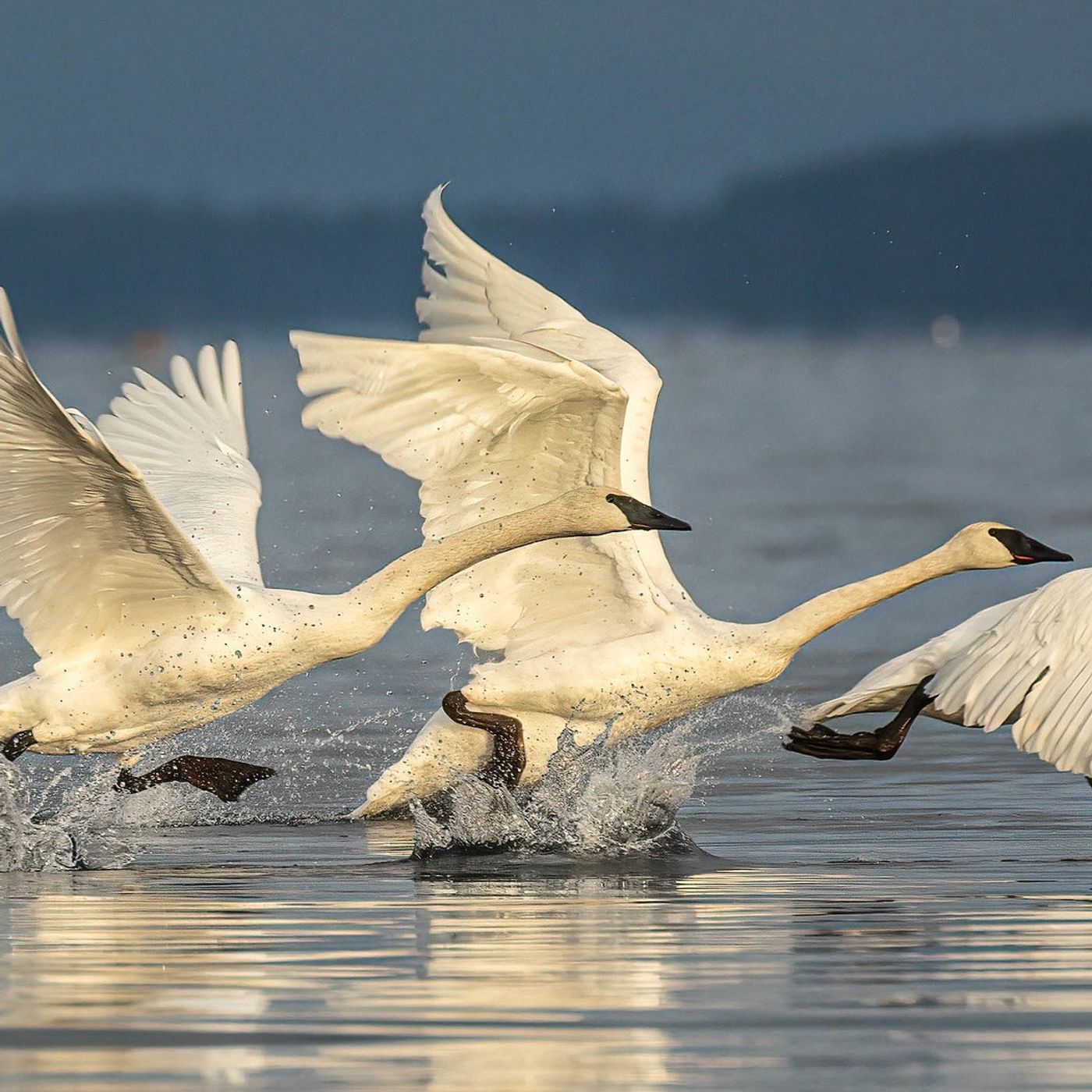
The secret to birds’ flight starts with the shape of their wings. They’re curved in a way that causes air to flow more slowly under the wing than above it. That creates an area of low pressure just above the wing that pulls the bird up into the sky—a force called lift. Airplane wings are curved in a similar way — but unlike airplanes, bird wings don’t stay in place, they flap! That lets birds push their way into the air from a dead stop. On the upstroke of a wing-flap, birds fold their wings inward, reducing drag on the wing.More info and transcript at BirdNote.org. Want more BirdNote? Subscribe to our weekly newsletter. Sign up for BirdNote+ to get ad-free listening and other perks. BirdNote is a nonprofit. Your tax-deductible gift makes these shows possible. Hosted by Simplecast, an AdsWizz company. See pcm.adswizz.com for information about our collection and use of personal data for advertising.

Seabirds, Trees and Coral
Palmyra Atoll is a ring-shaped island encircling a lagoon in the South Pacific. The atoll lost many native trees due to U.S. military activity during World War II. Conservationists have worked to restore the ecosystem. Seabirds such as Black Noddies and Red-footed Boobies nest in the island’s rainforest. Their guano enriches the soil, and the soil’s nutrients help support the coral ecosystem that provides fish for the birds.More info and transcript at BirdNote.org. Want more BirdNote? Subscribe to our weekly newsletter. Sign up for BirdNote+ to get ad-free listening and other perks. BirdNote is a nonprofit. Your tax-deductible gift makes these shows possible. Hosted by Simplecast, an AdsWizz company. See pcm.adswizz.com for information about our collection and use of personal data for advertising.

Christine Okon on Accessible Bird Events
After Christine Okon was diagnosed with multiple sclerosis in 2012, she found herself falling behind on birding walks when the group trudged across hills and valleys – something she once really enjoyed. Now, Christine helps organize birding events with Golden Gate Bird Alliance and designs them to be accessible. A big part of that is talking to people with disabilities about what they need.More info and transcript at BirdNote.org. Want more BirdNote? Subscribe to our weekly newsletter. Sign up for BirdNote+ to get ad-free listening and other perks. BirdNote is a nonprofit. Your tax-deductible gift makes these shows possible. Hosted by Simplecast, an AdsWizz company. See pcm.adswizz.com for information about our collection and use of personal data for advertising.

Great Horned Owl Duet
The 22-inch Great Horned Owl has two tufts of feathers that stick up from the top of its head. This owl is difficult to see, but it's often heard during dark winter evenings and pre-dawn mornings. A pair of owls may call back and forth or overlap their hoots. The male’s call is slightly lower in pitch. Listen for the owl’s night-time refrain, "Who’s awake? Me, too."More info and transcript at BirdNote.org. Want more BirdNote? Subscribe to our weekly newsletter. Sign up for BirdNote+ to get ad-free listening and other perks. BirdNote is a nonprofit. Your tax-deductible gift makes these shows possible. Hosted by Simplecast, an AdsWizz company. See pcm.adswizz.com for information about our collection and use of personal data for advertising.

Kererū: Pigeons That Get Tipsy
Kererū, green-blue pigeons native to New Zealand, like to sun themselves after dining on fruit. But in warm summer months, the bird’s sunbathing has a surprising side-effect. A part of their digestive system called the crop stores their latest snack – where it begins to ferment, eventually making the pigeons drunk! The rotund creatures often get so tipsy that they fall out of trees, prompting compassionate people to deliver them to local bird rescues and let them sober up.More info and transcript at BirdNote.org. Want more BirdNote? Subscribe to our weekly newsletter. Sign up for BirdNote+ to get ad-free listening and other perks. BirdNote is a nonprofit. Your tax-deductible gift makes these shows possible. Hosted by Simplecast, an AdsWizz company. See pcm.adswizz.com for information about our collection and use of personal data for advertising.

Listening to Nuthatches
Nuthatches rank high on the list of favorite backyard birds. Compact and stub-tailed, they climb down tree trunks and along the underside of branches with comical ease. One at a time, they flit in for suet and sunflower seeds. But out in the woods, where they spend most of their time, nuthatches are hard to spot. Fortunately, they give themselves away with their voices. Compare the calls of Red-breasted and White-breasted Nuthatches, then head to the woods.More info and transcript at BirdNote.org. Want more BirdNote? Subscribe to our weekly newsletter. Sign up for BirdNote+ to get ad-free listening and other perks. BirdNote is a nonprofit. Your tax-deductible gift makes these shows possible. Hosted by Simplecast, an AdsWizz company. See pcm.adswizz.com for information about our collection and use of personal data for advertising.

Why Penguin Feathers Don't Freeze
Gentoo Penguins live in the frigid waters of the Atlantic. Only recently have scientists begun to unravel why penguin feathers don’t freeze. An electron microscope revealed tiny pores on the feathers that trap air, making the surface water repellent. This feature, plus a special coating oil from the preen gland, prevents water build-up and delays freezing. Engineers could attempt to apply these principles to prevent icing on plane wings.More info and transcript at BirdNote.org. Want more BirdNote? Subscribe to our weekly newsletter. Sign up for BirdNote+ to get ad-free listening and other perks. BirdNote is a nonprofit. Your tax-deductible gift makes these shows possible. Hosted by Simplecast, an AdsWizz company. See pcm.adswizz.com for information about our collection and use of personal data for advertising.

Ontario’s Birdhouse City
Driving down a country road in eastern Ontario, there’s a surprising sight by the roadside: dozens of vibrantly coloured, eclectic birdhouses sitting atop 12-foot poles. It’s called Birdhouse City, and it’s in a conservation area boasting close to 100 birdhouses, with 30 under renovation. The initial birdhouse designs were based on nearby historical buildings, from the general store to the courthouse. About a third of them are occupied, with several species reliably taking up residence.More info and transcript at BirdNote.org. Want more BirdNote? Subscribe to our weekly newsletter. Sign up for BirdNote+ to get ad-free listening and other perks. BirdNote is a nonprofit. Your tax-deductible gift makes these shows possible. Hosted by Simplecast, an AdsWizz company. See pcm.adswizz.com for information about our collection and use of personal data for advertising.

Building Nature Trails Accessible to Blind People
When Juan Pablo Culasso spends time outside, he often encounters people thinking he doesn’t belong out there as a blind person – despite the fact that he’s a renowned nature recordist. He helped design nature trails in Colombia with features that make them more accessible for people who are visually impaired, including guide ropes with textures that signal points of interest and QR codes that provide info. But Juan Pablo says these are not simply trails solely for blind people to enjoy — “we need to share the same places in society,” he says.More info and transcript at BirdNote.org. Want more BirdNote? Subscribe to our weekly newsletter. Sign up for BirdNote+ to get ad-free listening and other perks. BirdNote is a nonprofit. Your tax-deductible gift makes these shows possible. Hosted by Simplecast, an AdsWizz company. See pcm.adswizz.com for information about our collection and use of personal data for advertising.

Swans Come Calling
Trumpeter Swans land in a plowed field to forage for remnant potatoes, grain, and other waste crops. This swan is among the largest of all waterfowl; the Tundra Swan is somewhat smaller. These swans migrate in family groups each fall from nesting sites in Canada and Alaska. Learn more about these swans, and view a map to the Skagit Flats of Washington where you can see them. When you go, please be courteous, and if you stop, pull completely off the roadway. Always respect private property. More info at Northwest Swan Conservation Association and The Trumpeter Swan Society!More info and transcript at BirdNote.org. Want more BirdNote? Subscribe to our weekly newsletter. Sign up for BirdNote+ to get ad-free listening and other perks. BirdNote is a nonprofit. Your tax-deductible gift makes these shows possible. Hosted by Simplecast, an AdsWizz company. See pcm.adswizz.com for information about our collection and use of personal data for advertising.

Giant Owls of Cuba
The Cuban Giant Owl, now extinct, was 3½ feet tall and weighed 20 pounds — the largest of all known owls. It had very small wings, running after its prey on long, powerful legs. Similar large owls, with long legs and small wings, have been unearthed in places as disparate as Georgia and Hawaii. Very little is known about why giant owls died out.More info and transcript at BirdNote.org. Want more BirdNote? Subscribe to our weekly newsletter. Sign up for BirdNote+ to get ad-free listening and other perks. BirdNote is a nonprofit. Your tax-deductible gift makes these shows possible. Hosted by Simplecast, an AdsWizz company. See pcm.adswizz.com for information about our collection and use of personal data for advertising.

A Library of Feathers
Esha Munshi co-founded the Feather Library, a digital library that collects and documents the feathers of Indian birds. Launched in 2021, the library has high-resolution photographs of about 90 bird species. This library is open to everyone — whether you’re a researcher, birdwatcher, conservationist, or an ordinary person who came across a feather.More info and transcript at BirdNote.org. Want more BirdNote? Subscribe to our weekly newsletter. Sign up for BirdNote+ to get ad-free listening and other perks. BirdNote is a nonprofit. Your tax-deductible gift makes these shows possible. Hosted by Simplecast, an AdsWizz company. See pcm.adswizz.com for information about our collection and use of personal data for advertising.

A Pigeon-eyed View of the World
Pigeons — and other birds with eyes on the sides of their heads — have a different view of the world from that of creatures with forward-facing eyes. The images from a pigeon’s eyes overlap slightly, so the bird can see in front of itself, even though it has worse depth perception. But these laterally placed eyes have a big advantage for prey species: they provide a much wider view of the world. A pigeon has a remarkable 340º view without moving its head, including a wide area behind its head!More info and transcript at BirdNote.org. Want more BirdNote? Subscribe to our weekly newsletter. Sign up for BirdNote+ to get ad-free listening and other perks. BirdNote is a nonprofit. Your tax-deductible gift makes these shows possible. Hosted by Simplecast, an AdsWizz company. See pcm.adswizz.com for information about our collection and use of personal data for advertising.