
BirdNote Daily
1,283 episodes — Page 23 of 26

Letter to a Pileated Woodpecker
In this episode, ornithologist J. Drew Lanham reads a letter he has written to a Pileated Woodpecker, a large species of woodpecker that is sometimes mistaken for the Ivory-billed Woodpecker. More info and transcript at BirdNote.org. Want more BirdNote? Subscribe to our weekly newsletter. Sign up for BirdNote+ to get ad-free listening and other perks. BirdNote is a nonprofit. Your tax-deductible gift makes these shows possible. Hosted by Simplecast, an AdsWizz company. See pcm.adswizz.com for information about our collection and use of personal data for advertising.
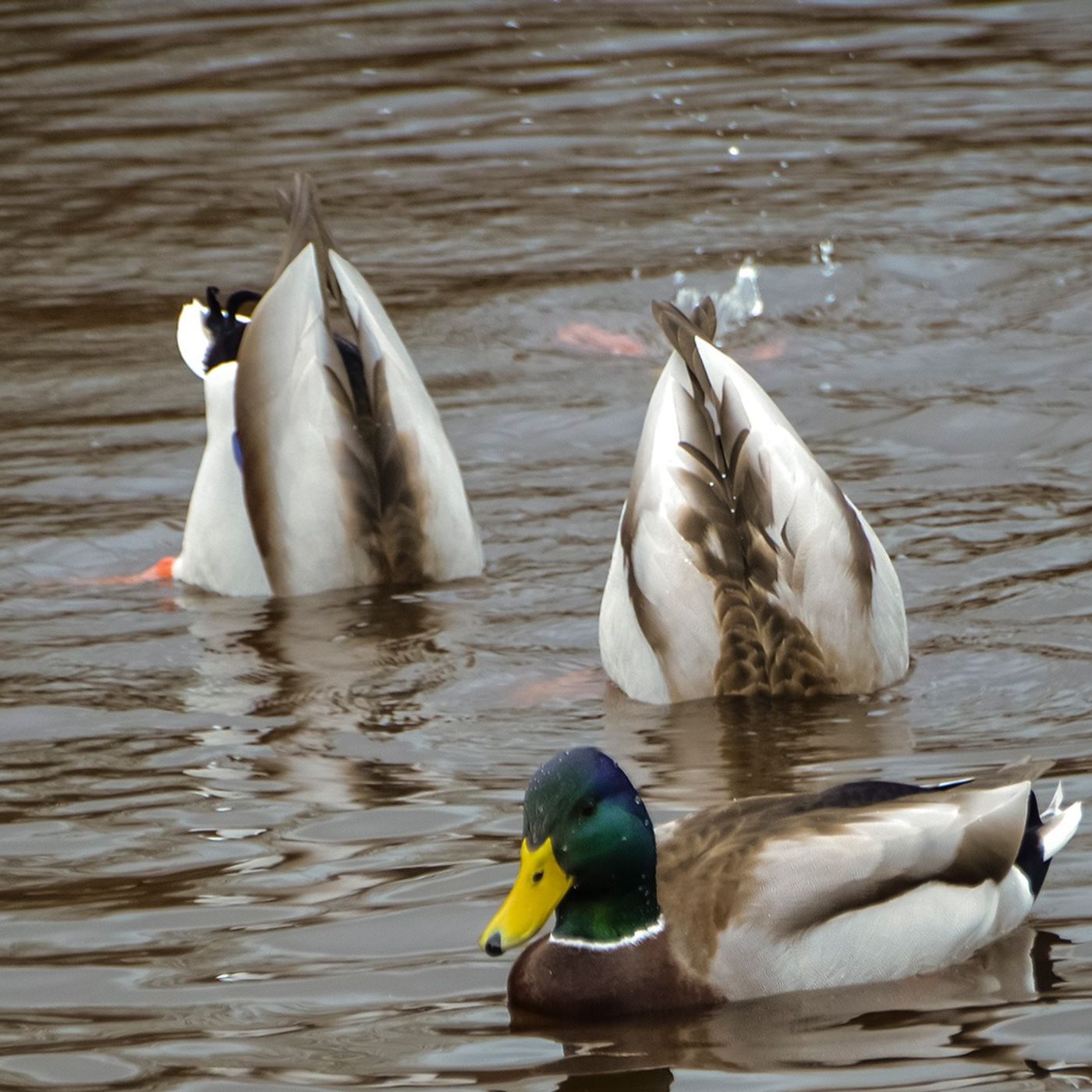
Ducks - Diving and Dabbling
Autumn brings many species of wintering ducks and seabirds to our waters. Watch carefully. Some dabble along the surface, feeding along shallow edges of lakes and estuaries. Others dive under the water, using their feet and occasionally their wings for propulsion. The male "dabblers" are often bright and colorful, whereas the females are mottled brown. The "divers" tend to be less colorful.More info and transcript at BirdNote.org. Want more BirdNote? Subscribe to our weekly newsletter. Sign up for BirdNote+ to get ad-free listening and other perks. BirdNote is a nonprofit. Your tax-deductible gift makes these shows possible. Hosted by Simplecast, an AdsWizz company. See pcm.adswizz.com for information about our collection and use of personal data for advertising.

Janet Ng on Surveying Waterbirds by Kayak
Wildlife biologist Janet Ng works for the Canadian Wildlife Service. And for her waterbird surveys, one of the most important tools of her trade is a kayak. Many species that breed in the Arctic pass through lakes in southern Saskatchewan on their way north, making it a great place to survey the birds’ populations and track how they’re doing year to year. But some birds are hard to see, hidden in cattails. So counting them by kayak gives biologists a chance to observe more birds.More info and transcript at BirdNote.org. Want more BirdNote? Subscribe to our weekly newsletter. Sign up for BirdNote+ to get ad-free listening and other perks. BirdNote is a nonprofit. Your tax-deductible gift makes these shows possible. Hosted by Simplecast, an AdsWizz company. See pcm.adswizz.com for information about our collection and use of personal data for advertising.
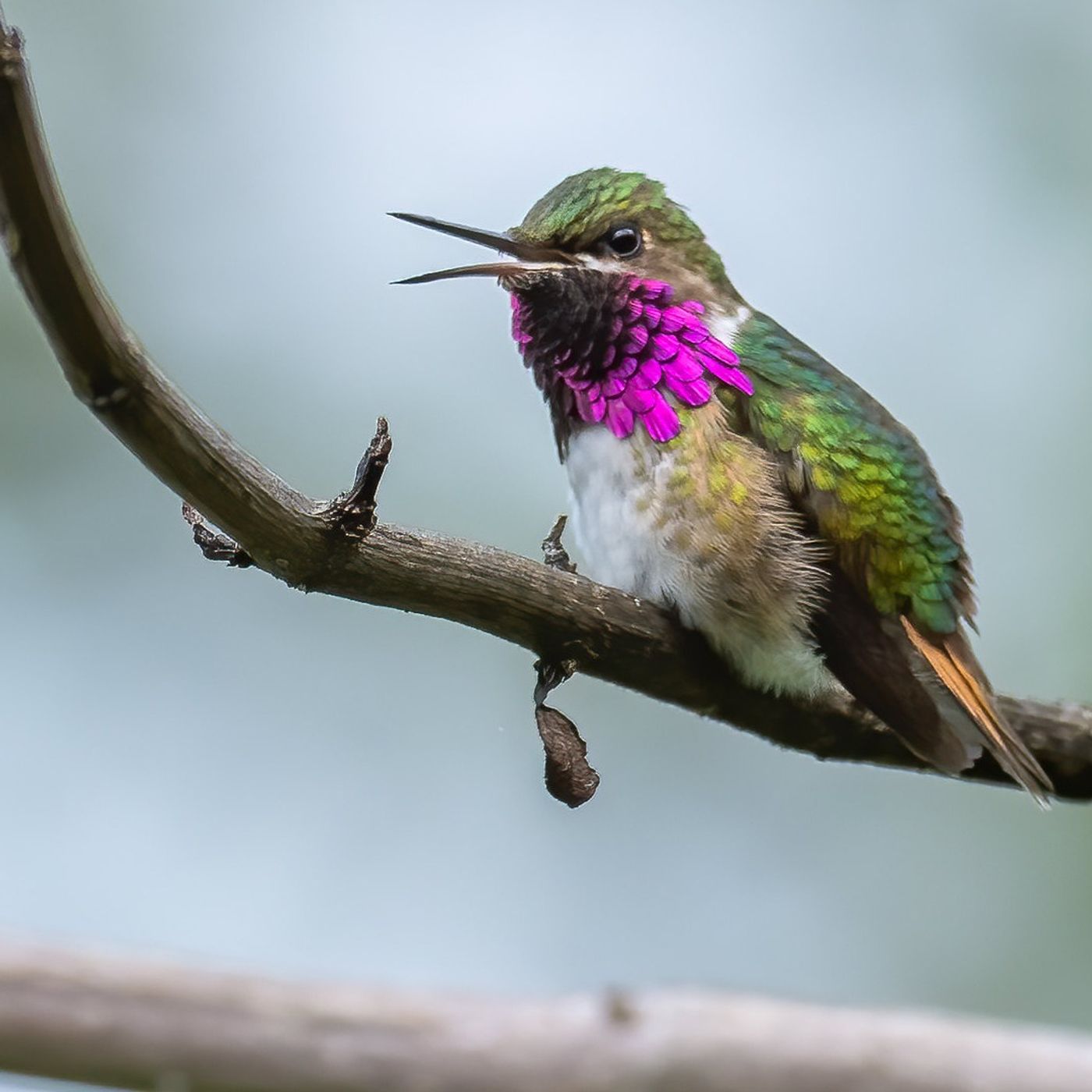
Bumblebee Hummingbird: The Mexican Buzzer
Mexico's Bumblebee Hummingbird is one of the smallest birds in the world. Less than 3 inches in size and weighing less than a bottlecap, they’re easily confused with a bumblebee as they buzz by. But as tiny as they are, they defend their breeding territories fiercely. Perhaps that’s why the ancient Mexicas associated hummingbirds with their most important god: Huitzilopochtli, the god of war…and of love. Huitzil means hummingbird in Náhuatl.More info and transcript at BirdNote.org. Want more BirdNote? Subscribe to our weekly newsletter. Sign up for BirdNote+ to get ad-free listening and other perks. BirdNote is a nonprofit. Your tax-deductible gift makes these shows possible. Hosted by Simplecast, an AdsWizz company. See pcm.adswizz.com for information about our collection and use of personal data for advertising.

Crows Recognize Individual Faces
To find out if a crow can recognize an individual human face, Professor John Marzluff of the University of Washington wore a mask while trapping, banding, and then releasing seven American Crows on campus. Later, when he walked through the campus wearing the mask, it was automatic! A big group of birds scolded and divebombed him. He thinks it's a benefit to the birds' survival to point out and recognize challenges in their environment. Watch a video and learn more at ScienceMag.org.More info and transcript at BirdNote.org. Want more BirdNote? Subscribe to our weekly newsletter. Sign up for BirdNote+ to get ad-free listening and other perks. BirdNote is a nonprofit. Your tax-deductible gift makes these shows possible. Hosted by Simplecast, an AdsWizz company. See pcm.adswizz.com for information about our collection and use of personal data for advertising.

Migrations: BirdCast
A blip on weather radar might not be a cloud — it could be thousands of birds! Biologists use radar to keep track of migratory birds, insects, and bats. An online resource called BirdCast combines decades of biological research, citizen science observations, and radar data to forecast the movements of migratory birds. You can use these predictions to help plan a birding trip.More info and transcript at BirdNote.org. Want more BirdNote? Subscribe to our weekly newsletter. Sign up for BirdNote+ to get ad-free listening and other perks. BirdNote is a nonprofit. Your tax-deductible gift makes these shows possible. Hosted by Simplecast, an AdsWizz company. See pcm.adswizz.com for information about our collection and use of personal data for advertising.
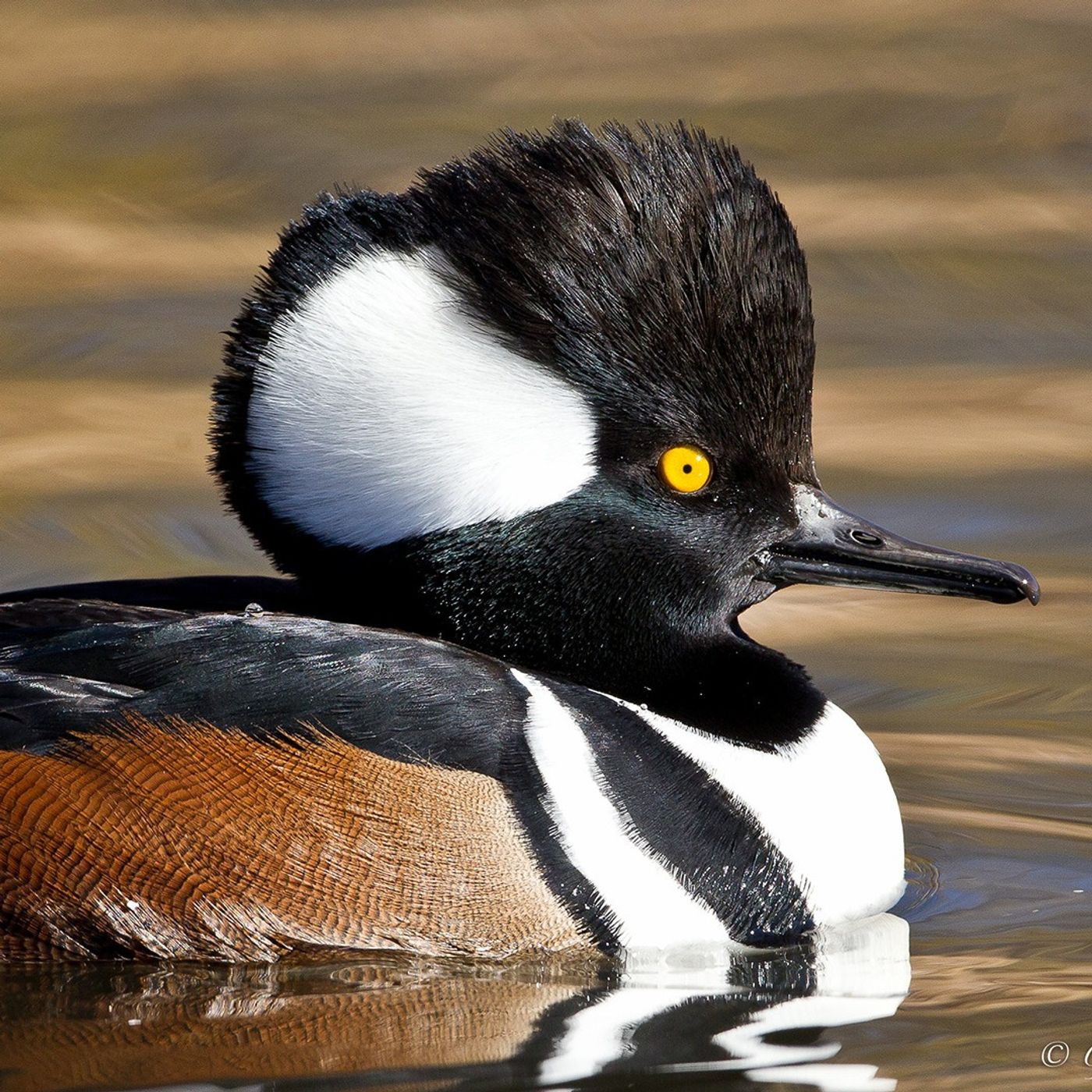
Hooded Merganser
Hooded Mergansers, affectionately known as “Hoodies,” nest across most of the northern US and well into Canada. They’re especially prevalent around the Great Lakes, though some winter as far south as Florida. By November, courtship and pair formation is well under way. And by early spring, Hoodies will seek out secluded woodland ponds, where they nest in tree cavities or manmade nestboxes. Hooded Merganser eggs are nearly spherical, with surprisingly thick shells. They’re ideally suited to the Hooded Merganser’s nest of choice — a cavity or a hole.More info and transcript at BirdNote.org. Want more BirdNote? Subscribe to our weekly newsletter. Sign up for BirdNote+ to get ad-free listening and other perks. BirdNote is a nonprofit. Your tax-deductible gift makes these shows possible. Hosted by Simplecast, an AdsWizz company. See pcm.adswizz.com for information about our collection and use of personal data for advertising.
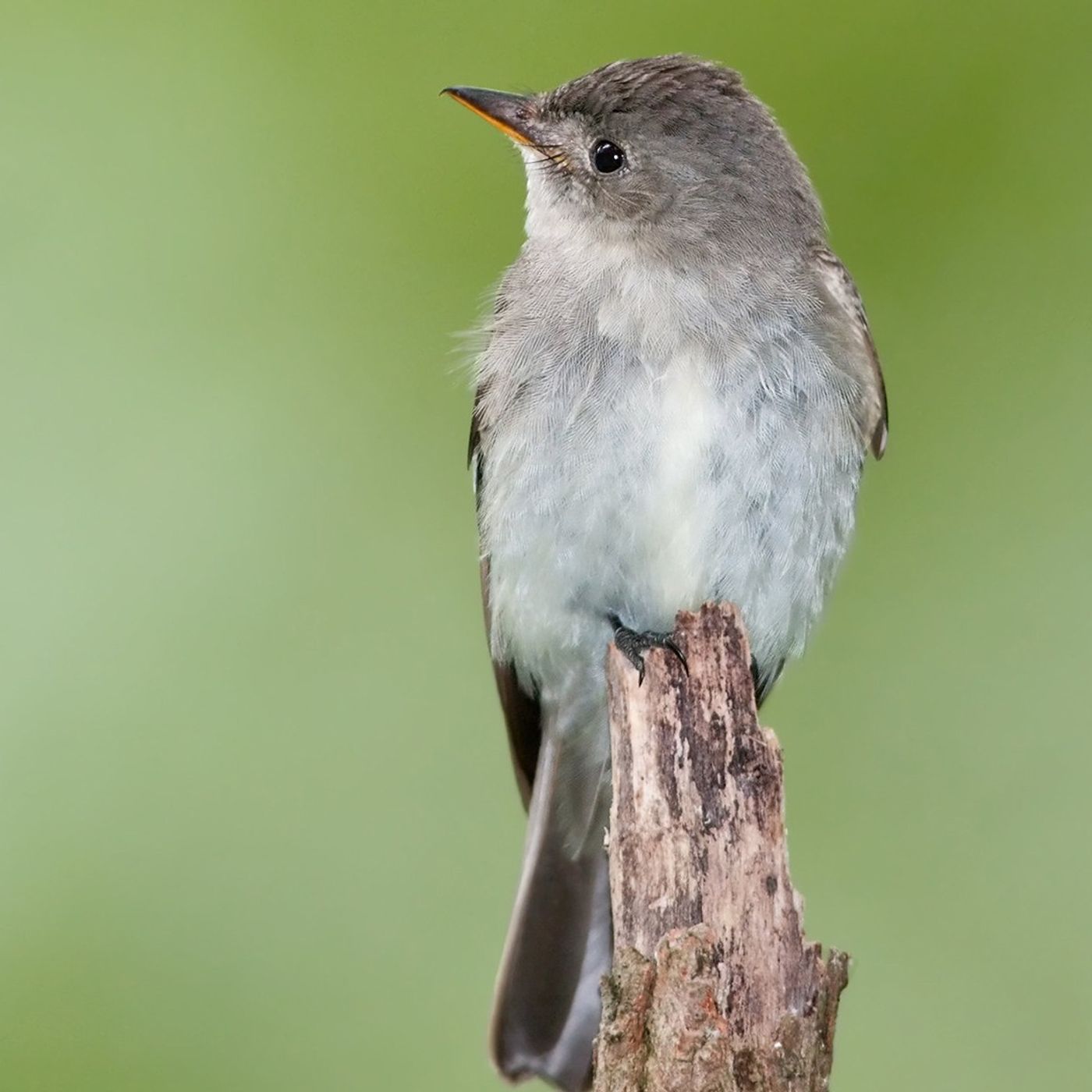
Letter to an Eastern Wood-Pewee
In this episode, ornithologist J. Drew Lanham reads a letter he has written to a wood-pewee, a flycatcher with an “understatedly simple and definitive” song that says the bird’s name.More info and transcript at BirdNote.org. Want more BirdNote? Subscribe to our weekly newsletter. Sign up for BirdNote+ to get ad-free listening and other perks. BirdNote is a nonprofit. Your tax-deductible gift makes these shows possible. Hosted by Simplecast, an AdsWizz company. See pcm.adswizz.com for information about our collection and use of personal data for advertising.

HawkWatch
After hawks and eagles, some of the sharpest eyes belong to hawk-watchers, experienced spotters who count raptors during spring and fall migration. Groups like HawkWatch International organize census counts of hawks (like this Red-tailed Hawk) and other raptors. HawkWatch sites lie along primary migration routes like mountain ridges and coastlines, where updrafts of rising air funnel the birds’ north-south movement. Different species peak at slightly different times.More info and transcript at BirdNote.org. Want more BirdNote? Subscribe to our weekly newsletter. Sign up for BirdNote+ to get ad-free listening and other perks. BirdNote is a nonprofit. Your tax-deductible gift makes these shows possible. Hosted by Simplecast, an AdsWizz company. See pcm.adswizz.com for information about our collection and use of personal data for advertising.
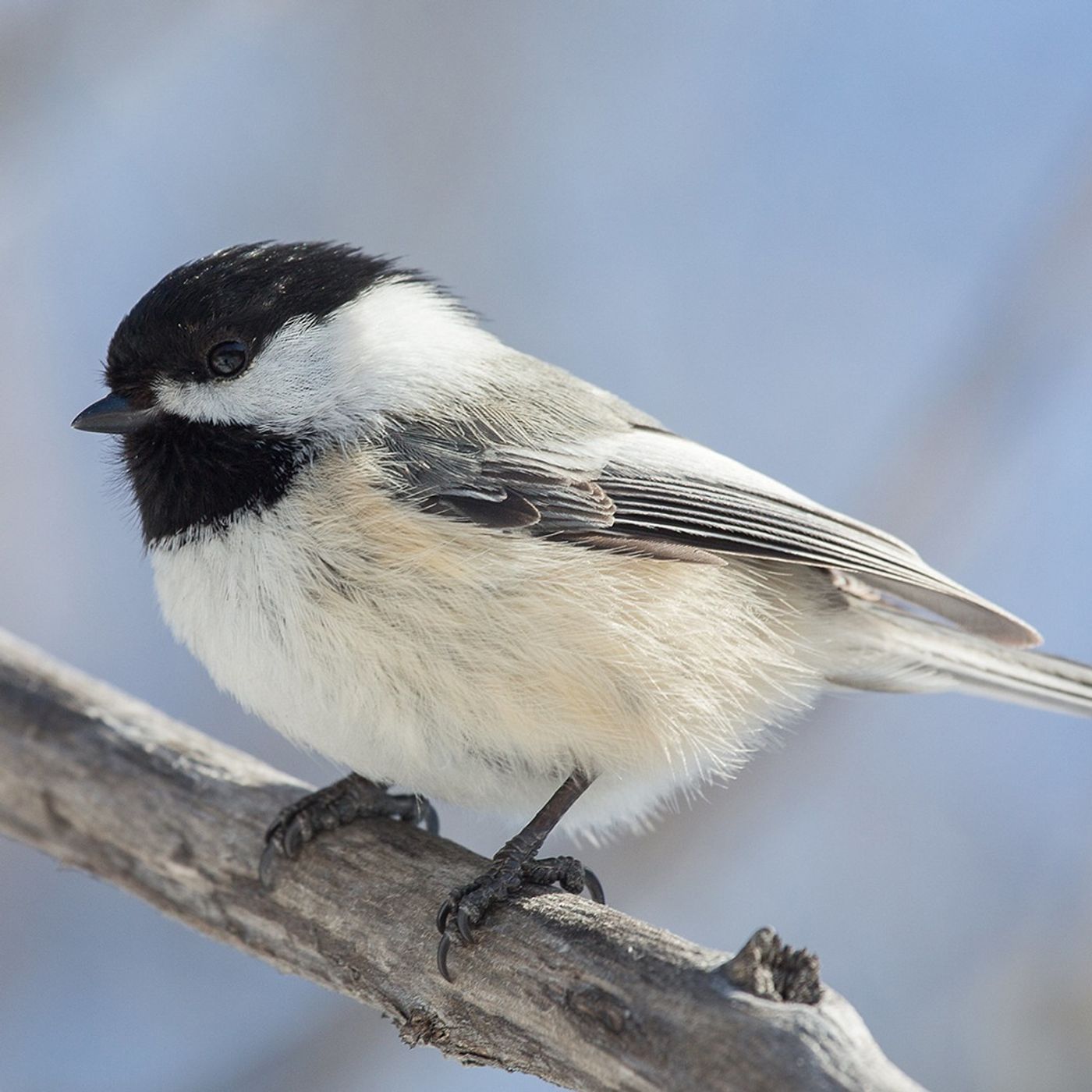
Strange Chickadee Songs of Massachusetts Islands
The song of the Black-capped Chickadee pretty much the same throughout the U.S. and Canada — with just a few exceptions, like on some Massachusetts islands. Chickadees on Martha’s Vineyard and tiny Tuckernuck Island nearby have developed songs entirely their own. It’s likely that the birds’ isolation from mainland birds led them to develop unique behaviors.More info and transcript at BirdNote.org. Want more BirdNote? Subscribe to our weekly newsletter. Sign up for BirdNote+ to get ad-free listening and other perks. BirdNote is a nonprofit. Your tax-deductible gift makes these shows possible. Hosted by Simplecast, an AdsWizz company. See pcm.adswizz.com for information about our collection and use of personal data for advertising.
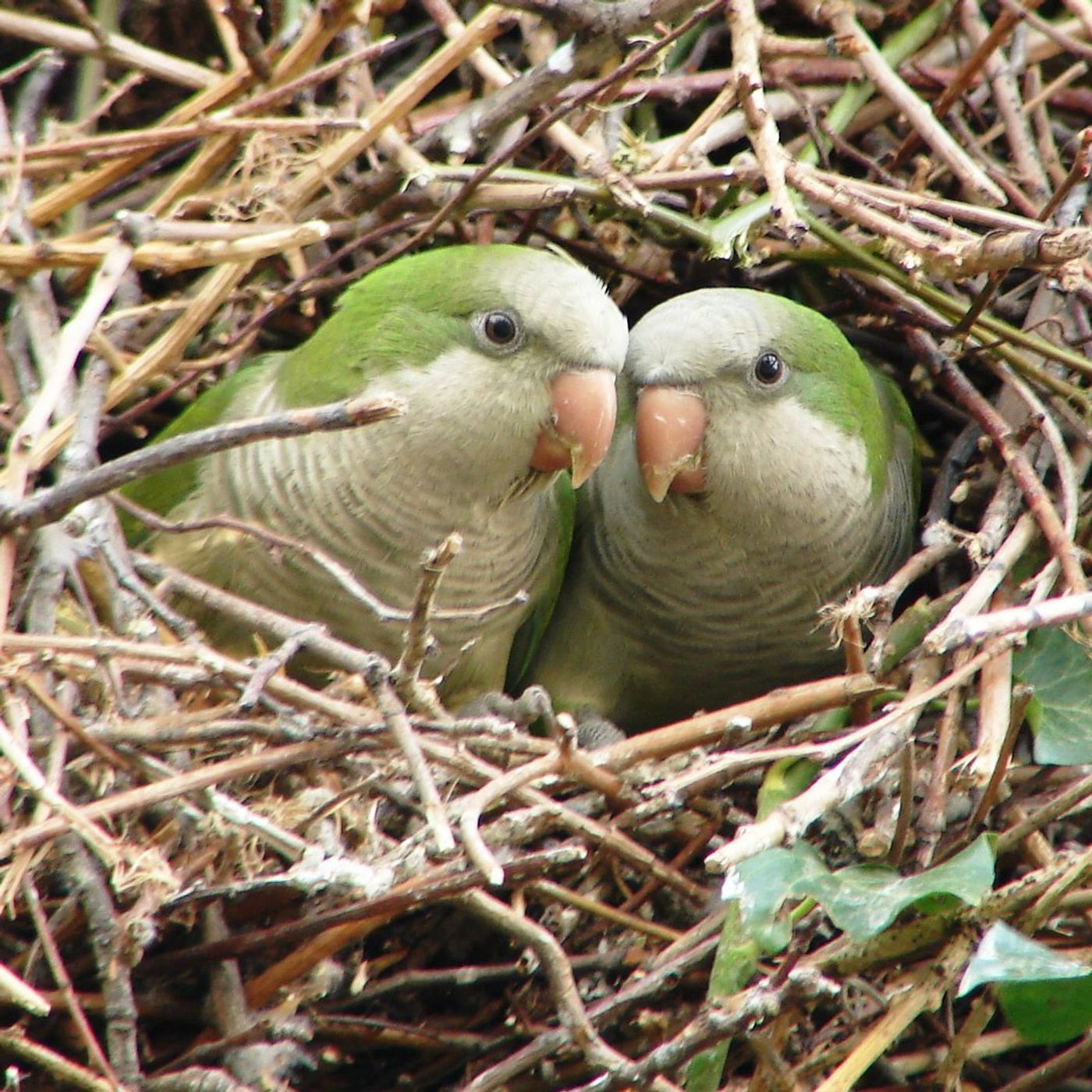
Monk Parakeets: Little Green-Blue Invaders
Monk Parakeets, also known as Argentine Parrots, are native to South America but have become popular as pets – thanks in part to their intelligence and ability to mimic human speech. But in some areas, such as Mexico, these birds have become invasive. After being released or escaping, some Monk Parakeets have formed feral populations that have quickly spread, competing with native bird species for resources.More info and transcript at BirdNote.org. Want more BirdNote? Subscribe to our weekly newsletter. Sign up for BirdNote+ to get ad-free listening and other perks. BirdNote is a nonprofit. Your tax-deductible gift makes these shows possible. Hosted by Simplecast, an AdsWizz company. See pcm.adswizz.com for information about our collection and use of personal data for advertising.

Millicent Ficken Studied How Birds Play
Millicent Ficken spent her career studying bird behavior and communication. The first woman to earn a PhD in Ecology and Evolutionary Biology from Cornell in 1960, Ficken authored over 100 scientific papers. She discovered that male hummingbirds have a whole repertoire of songs rather than just one, outlined the linguistic differences between penguin species, and showed that chickadees take turns singing in the morning. She was especially fascinated by how birds play, showing that bird play almost always has a pressing purpose — they're practicing a skill they need to survive.More info and transcript at BirdNote.org. Want more BirdNote? Subscribe to our weekly newsletter. Sign up for BirdNote+ to get ad-free listening and other perks. BirdNote is a nonprofit. Your tax-deductible gift makes these shows possible. Hosted by Simplecast, an AdsWizz company. See pcm.adswizz.com for information about our collection and use of personal data for advertising.

Who Likes Suet?
Chickadees and titmice, nuthatches and jays, and woodpeckers, like the Pileated pictured here, all love suet. As do birds whose beaks can’t open seeds, like tiny kinglets, and almost any wintering warbler. The Brown Creeper, usually creeping up tree trunks, is a cool bird to discover at your suet feeder. And in the West, look for mobs of tiny Bushtits, taking a break from their normal diet of insects and spiders.More info and transcript at BirdNote.org. Want more BirdNote? Subscribe to our weekly newsletter. Sign up for BirdNote+ to get ad-free listening and other perks. BirdNote is a nonprofit. Your tax-deductible gift makes these shows possible. Hosted by Simplecast, an AdsWizz company. See pcm.adswizz.com for information about our collection and use of personal data for advertising.
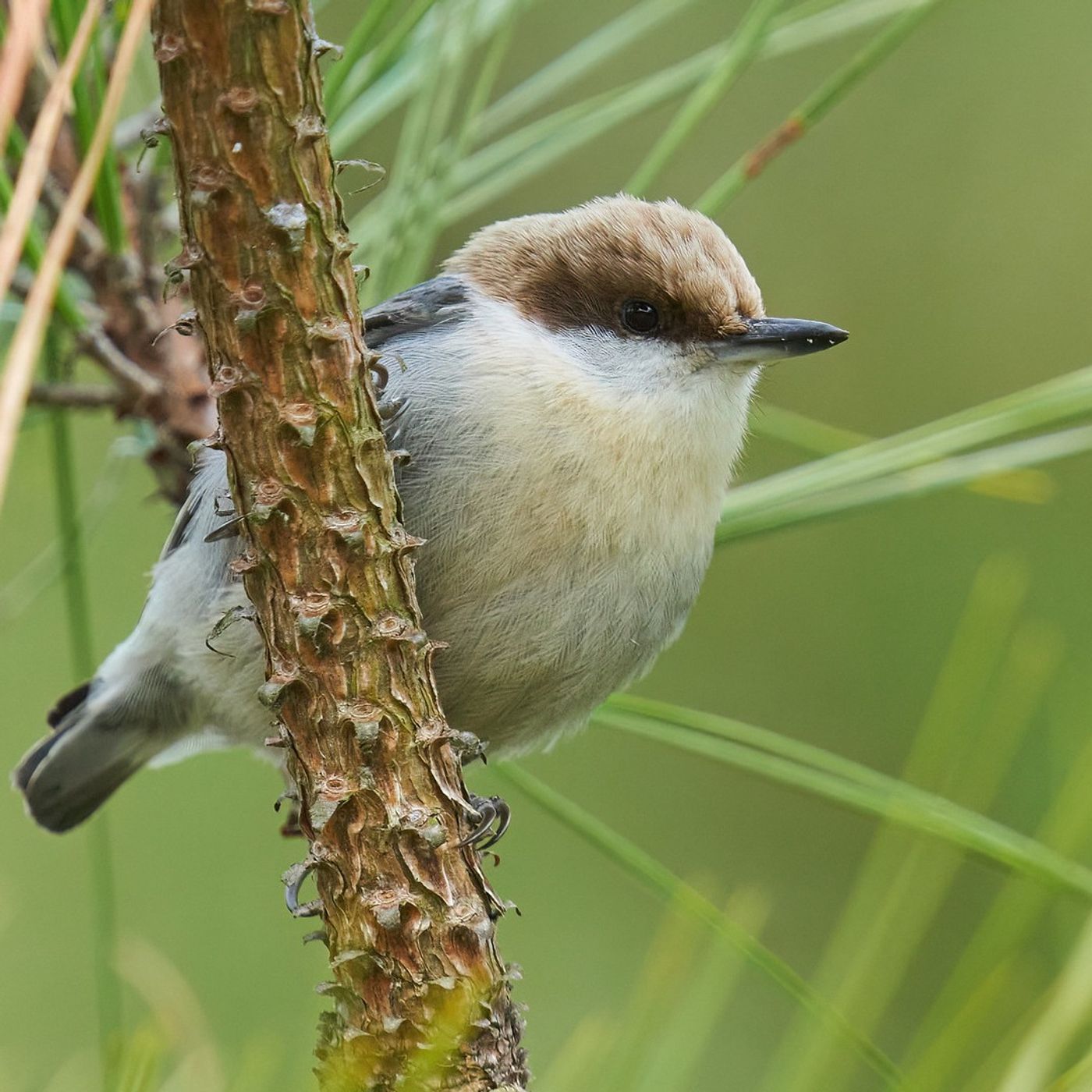
Brown-headed Nuthatches of Apalachicola National Forest
Many Brown-headed Nuthatches make their home in the tall longleaf pines of the Apalachicola National Forest in Florida. Twittering constantly, the birds probe for tiny insects or extract seeds from cones in the trees’ upper branches. Forests of longleaf pine once dominated the sandy coastal plain from Virginia to Texas, but the tall, straight pines proved irresistible for their lumber. Now, much of the forest is gone, replaced by dense planted stands of quicker-growing slash pines.As our population grows, and more and more land is devoted to human uses, our national forests become increasingly important for birds, both rare and common.More info and transcript at BirdNote.org. Want more BirdNote? Subscribe to our weekly newsletter. Sign up for BirdNote+ to get ad-free listening and other perks. BirdNote is a nonprofit. Your tax-deductible gift makes these shows possible. Hosted by Simplecast, an AdsWizz company. See pcm.adswizz.com for information about our collection and use of personal data for advertising.
Trailer: Going Wild with Dr. Rae Wynn-Grant
trailerIf you're enjoying BirdNote Daily, we think you'll love the podcast, Going Wild with Dr. Rae Wynn-Grant! Journey deep into the heart of the world’s most remote jungles, savannas, tundras, mountains, and deserts with wildlife biologist Dr. Rae Wynn-Grant as she studies wild animals in their natural habitats. Rae and her teams spend years studying these animals – in order to protect their futures. Going Wild with Dr. Rae Wynn-Grant takes you inside their hidden worlds – and the action-packed adventures of the wildlife conservationists who track them. In season three, they invite you to explore your place in the wild by asking one simple question: how can we, humans, look at our relationship to nature differently? This season, on top of stories about animals, take a journey through the entire ecological web — from the tiniest of life forms to apex predators. Join the scientists, activists and adventurers featured and discover the many different ways the natural world is interconnected.Find Going Wild with Dr. Rae Wynn-Grant in your favorite podcast app. Hosted by Simplecast, an AdsWizz company. See pcm.adswizz.com for information about our collection and use of personal data for advertising.

Letter to a Dark-eyed Junco
In this episode, ornithologist J. Drew Lanham shares a note he has written to a Dark-eyed Junco, which he fondly nicknames “snowbird.”More info and transcript at BirdNote.org. Want more BirdNote? Subscribe to our weekly newsletter. Sign up for BirdNote+ to get ad-free listening and other perks. BirdNote is a nonprofit. Your tax-deductible gift makes these shows possible. Hosted by Simplecast, an AdsWizz company. See pcm.adswizz.com for information about our collection and use of personal data for advertising.

The Power of Albatross Partnerships
Waved Albatrosses produce such slow-growing, needy offspring that females lay only a single egg every two years. And both parents need to share the load until youngsters can hunt on their own. Albatrosses tend to pair for life, and reunited pairs go through an elaborate, synchronized ritual of braying, wing spreading, and bill tapping to reaffirm their bonds.More info and transcript at BirdNote.org. Want more BirdNote? Subscribe to our weekly newsletter. Sign up for BirdNote+ to get ad-free listening and other perks. BirdNote is a nonprofit. Your tax-deductible gift makes these shows possible. Hosted by Simplecast, an AdsWizz company. See pcm.adswizz.com for information about our collection and use of personal data for advertising.

Mair Marsiglio on Therapeutic Bird Walks
Mair Marsiglio is an avid birder, and they are also a psychologist with a background in trauma therapy. A few years ago Dr. Marsiglio worked with the San Francisco Bay Bird Observatory to facilitate mindfulness birding walks for veterans in a trauma treatment program. The walks helped participants ground themselves and provide a sense of connection.More info and transcript at BirdNote.org. Want more BirdNote? Subscribe to our weekly newsletter. Sign up for BirdNote+ to get ad-free listening and other perks. BirdNote is a nonprofit. Your tax-deductible gift makes these shows possible. Hosted by Simplecast, an AdsWizz company. See pcm.adswizz.com for information about our collection and use of personal data for advertising.
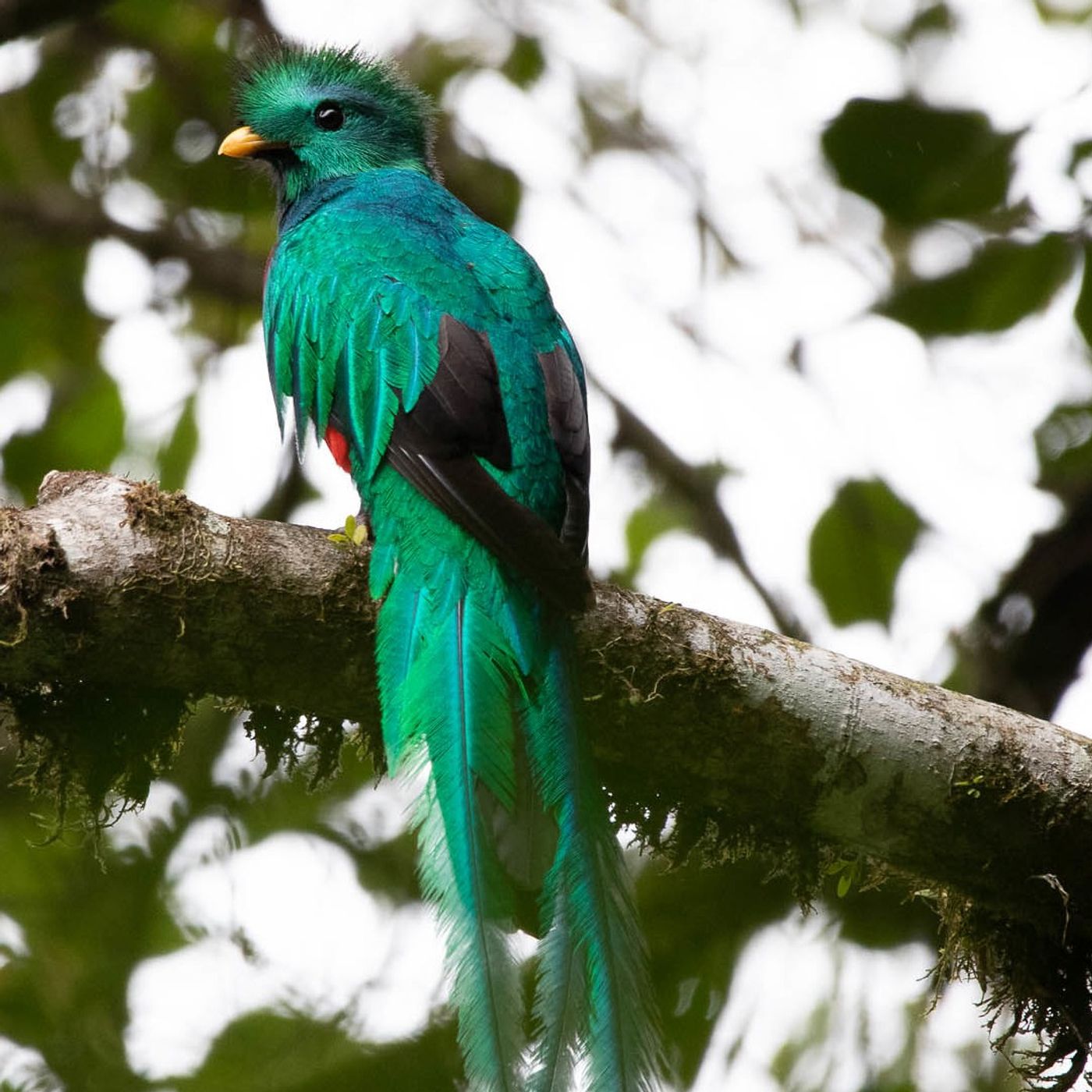
Resplendent Quetzal: Mexico’s Sacred Bird
Found in Southern Mexico and Central America, Resplendent Quetzals have a striking blue tail up to three times the length of their bodies. That's probably why the Aztecs considered this bird a representation of Quetzalcoatl, the feathered serpent, one of the most worshiped gods across ancient Mesoamerica. But no matter how sacred, Resplendent Quetzals are currently considered near threatened due to a declining population. Deforestation and illegal trade are the main threats to their survival.More info and transcript at BirdNote.org. Want more BirdNote? Subscribe to our weekly newsletter. Sign up for BirdNote+ to get ad-free listening and other perks. BirdNote is a nonprofit. Your tax-deductible gift makes these shows possible. Hosted by Simplecast, an AdsWizz company. See pcm.adswizz.com for information about our collection and use of personal data for advertising.
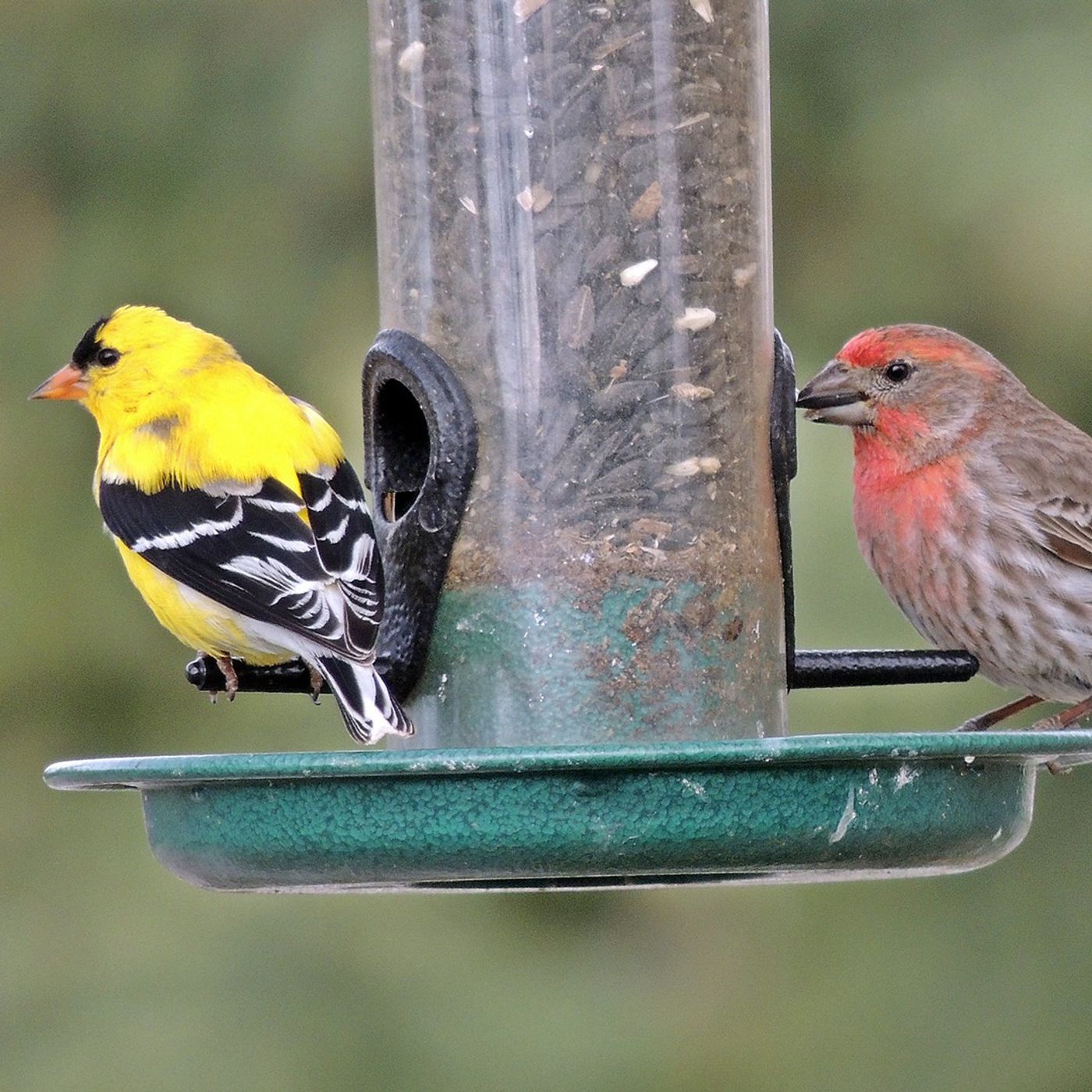
Finches Singing Over the Sidewalk
The songs of two common finches provide a steady soundtrack in cities across North America: the House Finch and the American Goldfinch. While they can sound similar, a couple of key features help set them apart. House Finches sing sweetly but often have a sharp, buzzy note near the end. Goldfinches sing rapidly, often repeating a note several times. They also often make their distinctive call, which sounds like someone quickly saying “potato chip!”More info and transcript at BirdNote.org. Want more BirdNote? Subscribe to our weekly newsletter. Sign up for BirdNote+ to get ad-free listening and other perks. BirdNote is a nonprofit. Your tax-deductible gift makes these shows possible. Hosted by Simplecast, an AdsWizz company. See pcm.adswizz.com for information about our collection and use of personal data for advertising.
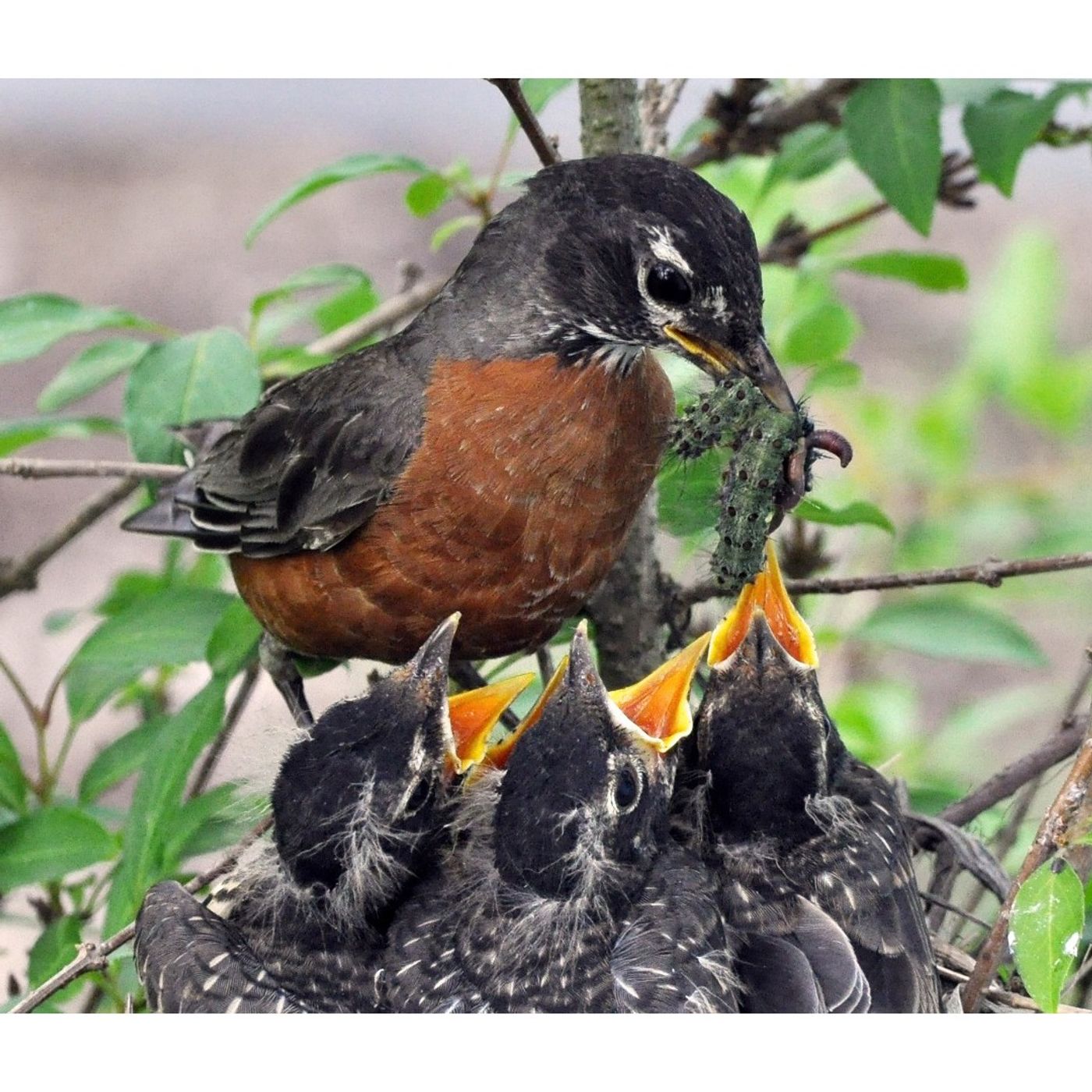
Nesting Niches
American Robins (like this male seen here with its young), House Finches, and Song Sparrows may all nest within one small garden. By selecting different nesting strata, the species avoid competing for the same nesting sites. If you plant your garden in multiple layers – trees both short and tall, shrubs, and ground-hugging thickets – you may be rewarded with a multi-layered medley of bird song.More info and transcript at BirdNote.org. Want more BirdNote? Subscribe to our weekly newsletter. Sign up for BirdNote+ to get ad-free listening and other perks. BirdNote is a nonprofit. Your tax-deductible gift makes these shows possible. Hosted by Simplecast, an AdsWizz company. See pcm.adswizz.com for information about our collection and use of personal data for advertising.
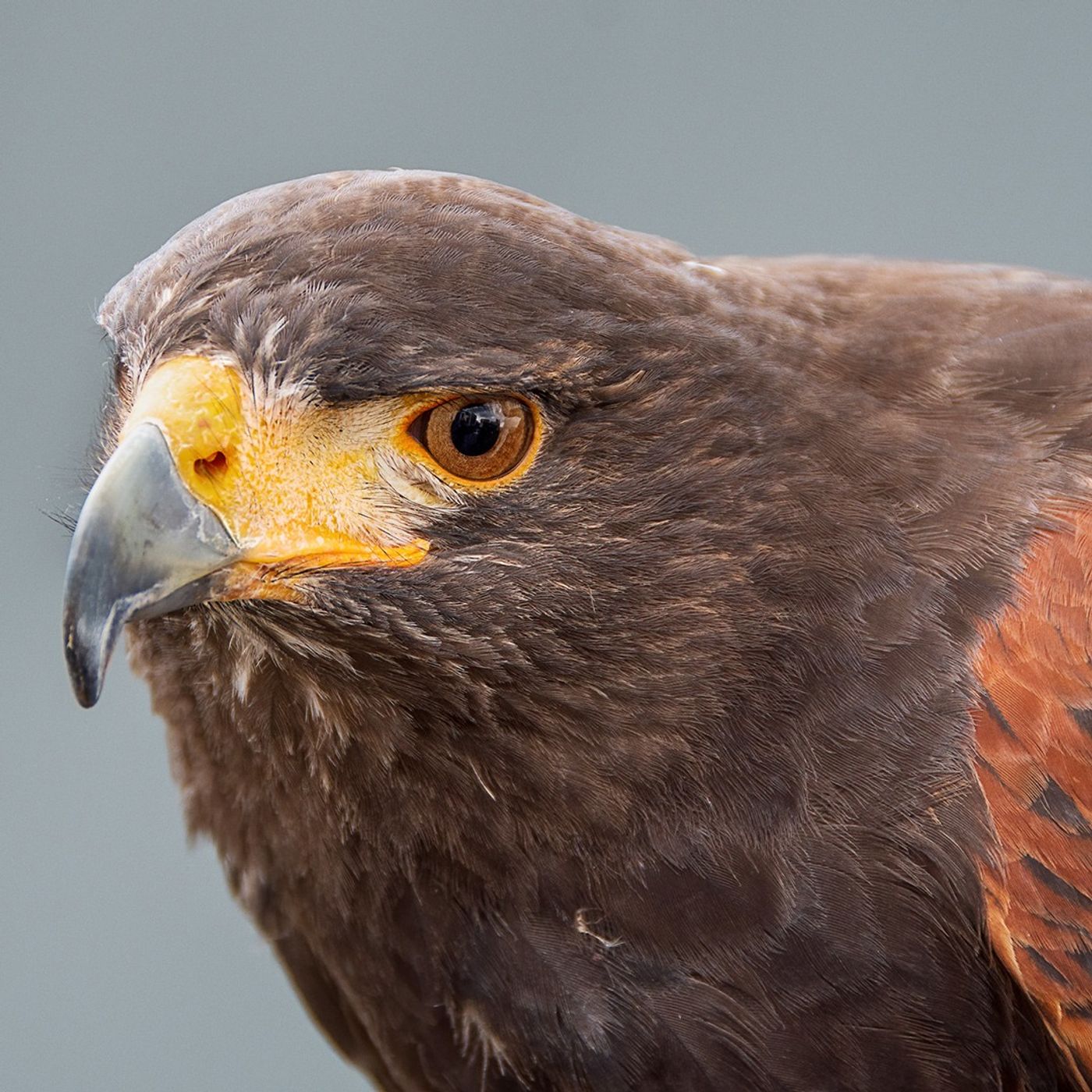
Raptors in the Mojave Desert
Desert raptors get most of their water from eating prey animals. Biologist Blair Wolf explains, “if you think of any insect or a mouse or something like that, they’re maybe 75% water.” Those animals become less plentiful in a hotter, drier climate. Extreme warming poses a direct danger to the raptors (such as this Harris's Hawk) and leads to lower rates of reproduction. Lacking sufficient water, they may not be able to produce eggs, and there must be enough food for their nestlings to thrive.More info and transcript at BirdNote.org. Want more BirdNote? Subscribe to our weekly newsletter. Sign up for BirdNote+ to get ad-free listening and other perks. BirdNote is a nonprofit. Your tax-deductible gift makes these shows possible. Hosted by Simplecast, an AdsWizz company. See pcm.adswizz.com for information about our collection and use of personal data for advertising.
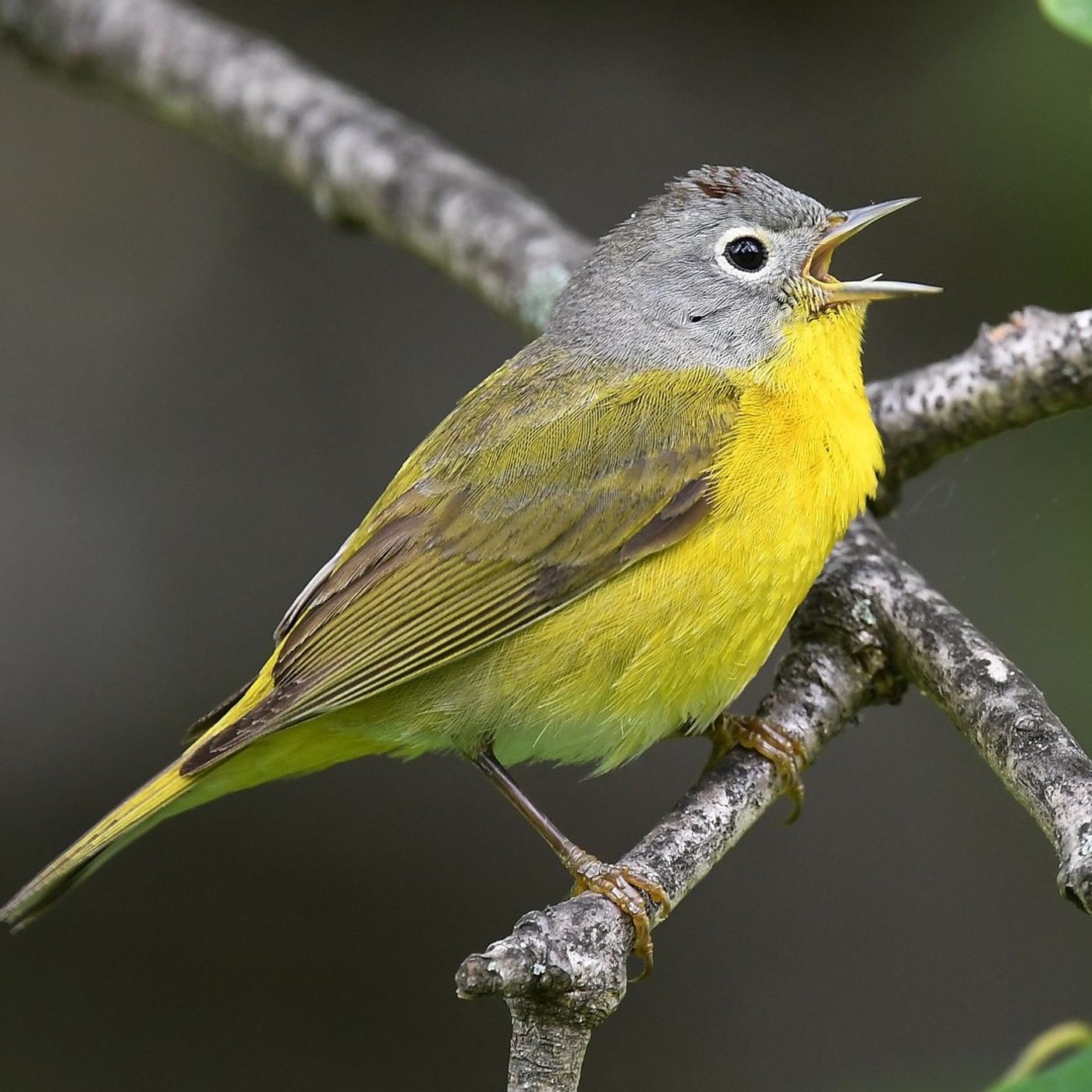
Climate Change Leads Male Birds to Migrate Sooner
For years, biologists have been seeing migratory birds arriving earlier in the spring due to the effects of climate change. But surprisingly, the effect on arrival time is different for members of the same species. Male birds are changing their arrival dates faster than females in many species of birds that breed in North America. While it’s still unclear what effect this has on bird populations, understanding how climate change can affect females and males differently can help guide our conservation efforts.More info and transcript at BirdNote.org. Want more BirdNote? Subscribe to our weekly newsletter. Sign up for BirdNote+ to get ad-free listening and other perks. BirdNote is a nonprofit. Your tax-deductible gift makes these shows possible. Hosted by Simplecast, an AdsWizz company. See pcm.adswizz.com for information about our collection and use of personal data for advertising.
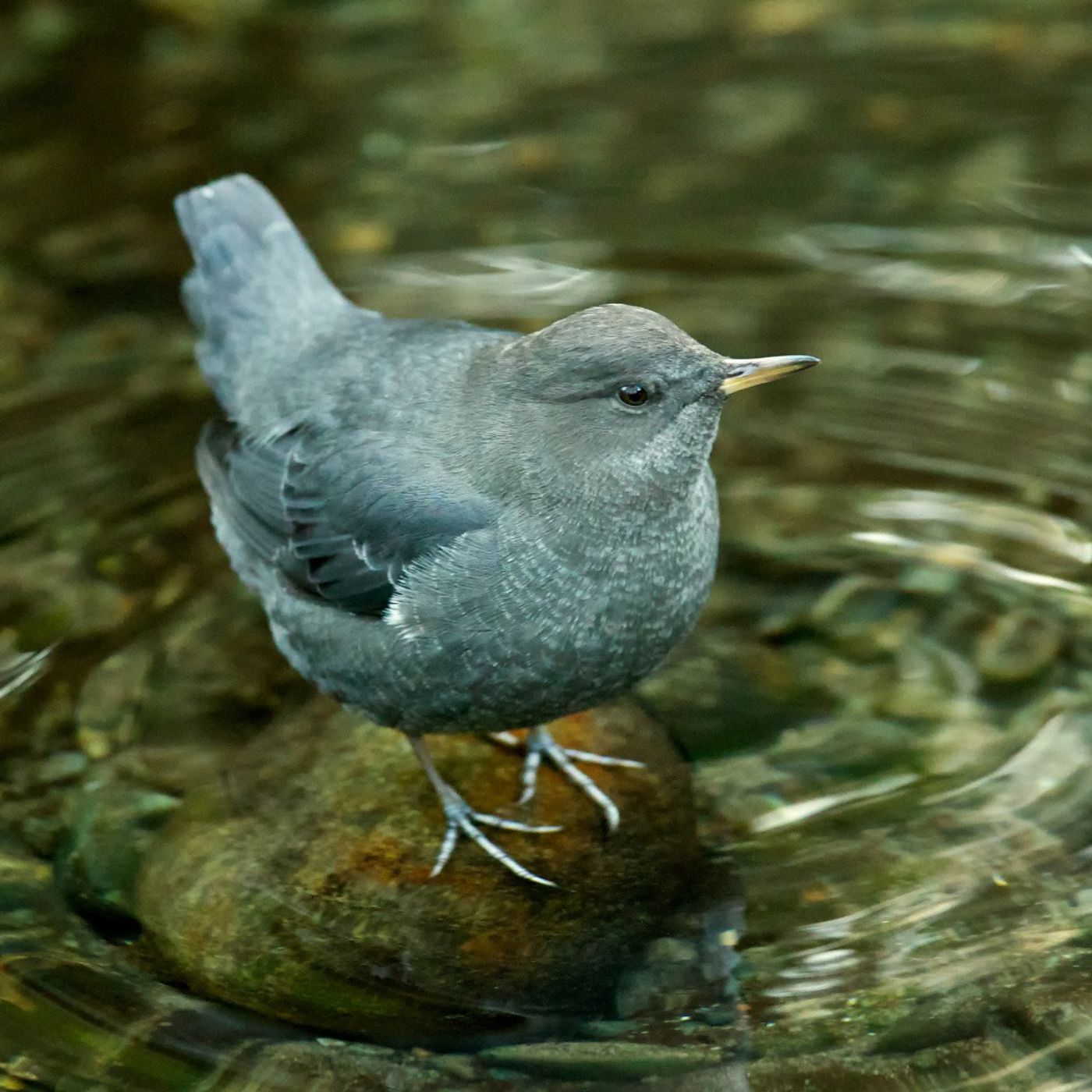
Amazing Aquatic American Dipper
The American Dipper stands on a rock in a stream, bobbing up and down on its long legs - "dipping" - hence the name. But watch! This nondescript bird steps off a small boulder right into the torrent, and begins to peer under water. What the American Dipper might lack in bright color it more than surpasses with amazing aquatic abilities. You can learn more about river restoration and protection at American Rivers.More info and transcript at BirdNote.org. Want more BirdNote? Subscribe to our weekly newsletter. Sign up for BirdNote+ to get ad-free listening and other perks. BirdNote is a nonprofit. Your tax-deductible gift makes these shows possible. Hosted by Simplecast, an AdsWizz company. See pcm.adswizz.com for information about our collection and use of personal data for advertising.

Seeing the Rainbow in a Bird’s Feathers
We make it a habit to detail the broad and beautiful spectrum of bird colors, but iridescent feathers are undoubtedly among the most mesmerizing. When sunlight hits the Bufflehead’s dark head feathers at the right angle, their colors transform into shades of the rainbow, from deep violet to green and gold. Common Grackles, caught in natural light, gleam gold, green and blue-purple. Starlings, too. And the dull gray Rock Pigeons shuffling around a city park might reveal a glimpse of the electric teal and lavender, shifting shades on their throat.More info and transcript at BirdNote.org. Want more BirdNote? Subscribe to our weekly newsletter. Sign up for BirdNote+ to get ad-free listening and other perks. BirdNote is a nonprofit. Your tax-deductible gift makes these shows possible. Hosted by Simplecast, an AdsWizz company. See pcm.adswizz.com for information about our collection and use of personal data for advertising.

Kelp in the Eagles’ Nest
A pair of Bald Eagles will reuse their nest each year and repair it with new tree branches. But recently in British Columbia, scientists came across an eagle nest made largely out of dried kelp. Back in the ‘90s, that very nest had been made out of tree branches. What changed? Sea Otters were reintroduced to the landscape, which helped kelp forests flourish — and occasionally wind up in an eagle’s nest.More info and transcript at BirdNote.org. Want more BirdNote? Subscribe to our weekly newsletter. Sign up for BirdNote+ to get ad-free listening and other perks. BirdNote is a nonprofit. Your tax-deductible gift makes these shows possible. Hosted by Simplecast, an AdsWizz company. See pcm.adswizz.com for information about our collection and use of personal data for advertising.
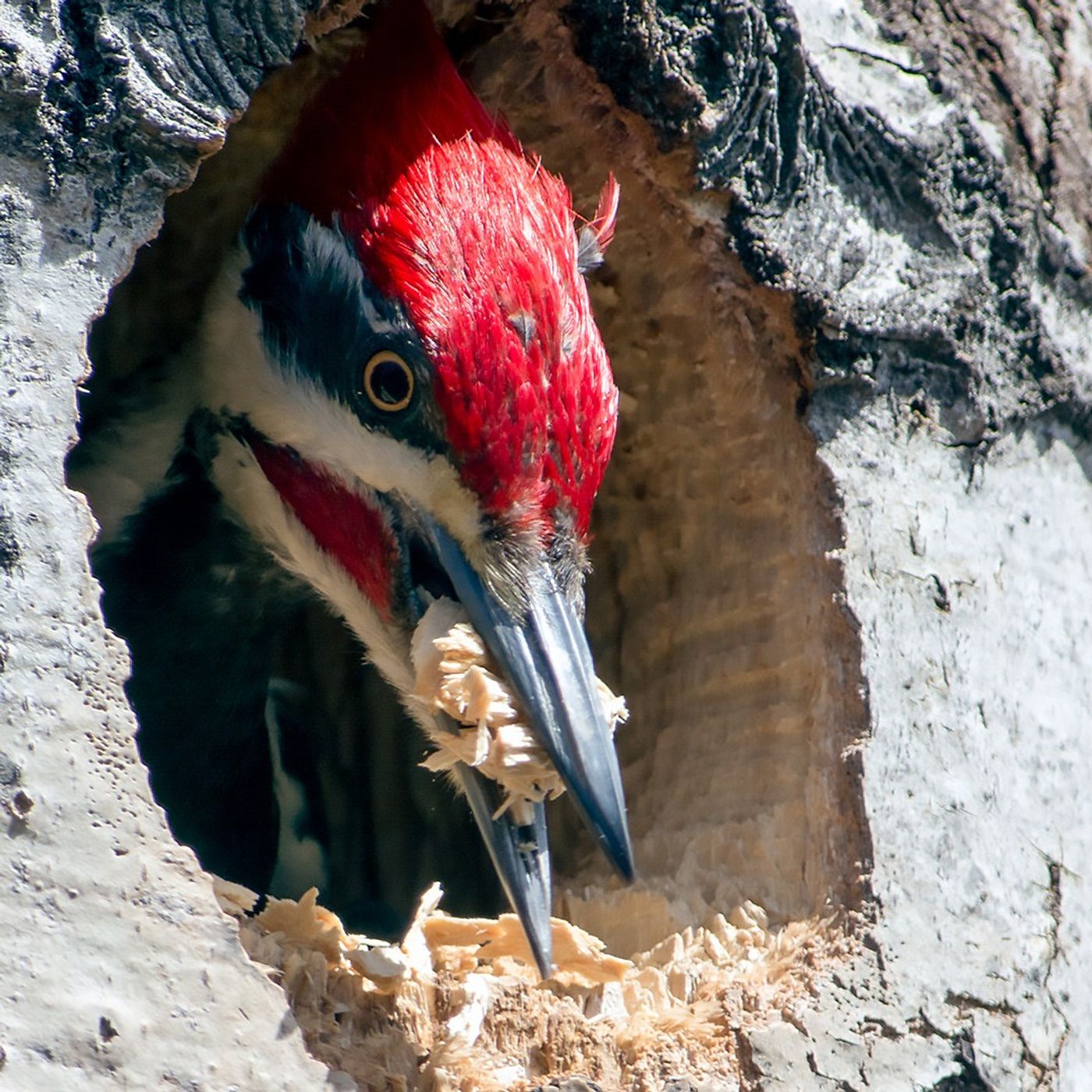
Woodpeckers Carve Out Roost Cavities, Too
In spring, we often hear woodpeckers hard at work, carving out nest holes in tree trunks. And now that fall has arrived, we may hear that excavating sound again. Some woodpecker species stay year round in the region where they nest, while others migrate south in winter. Those that remain, like this Pileated Woodpecker, are chiseling out roosting cavities, snug hollows where they’ll shelter during the cold nights of fall and winteMore info and transcript at BirdNote.org. Want more BirdNote? Subscribe to our weekly newsletter. Sign up for BirdNote+ to get ad-free listening and other perks. BirdNote is a nonprofit. Your tax-deductible gift makes these shows possible. Hosted by Simplecast, an AdsWizz company. See pcm.adswizz.com for information about our collection and use of personal data for advertising.

Migration Takes Guts — Until It Doesn’t
This Bar-tailed Godwit makes one of the longest migrations of any animal — a 7,200-mile non-stop flight each autumn from western Alaska to New Zealand. In his book A World on the Wing, Scott Weidensaul explores the remarkable transformation godwits undergo to make this migration possible. Their digestive organs shrink as their weight more than doubles in stored fats and muscle mass.More info and transcript at BirdNote.org. Want more BirdNote? Subscribe to our weekly newsletter. Sign up for BirdNote+ to get ad-free listening and other perks. BirdNote is a nonprofit. Your tax-deductible gift makes these shows possible. Hosted by Simplecast, an AdsWizz company. See pcm.adswizz.com for information about our collection and use of personal data for advertising.
Cowbird Song and Password
As most young male birds get ready to leave the nest, they learn their species’ song by hearing their male parent sing it again and again. They imprint on their father’s song. So how does a Brown-headed Cowbird, raised by parents of a different species, learn to sing the correct song? The “chatter call” of an adult cowbird triggers something in the young bird’s brain. Like a kind of “password,” the chatter call guides the young bird in recognizing what species to identify with, even though cowbirds are fostered by as many as 220 different species!More info and transcript at BirdNote.org. Want more BirdNote? Subscribe to our weekly newsletter. Sign up for BirdNote+ to get ad-free listening and other perks. BirdNote is a nonprofit. Your tax-deductible gift makes these shows possible. Hosted by Simplecast, an AdsWizz company. See pcm.adswizz.com for information about our collection and use of personal data for advertising.

Parrots Using Video Chat to Keep in Touch
Knowing how clever parrots are, researchers wanted to see how they’d respond to another parrot saying hi on a tablet or phone. After being trained how to start a call, many parrots chatted amiably on calls and stayed on for the maximum amount of time. Some birds even seemed to develop friendships, choosing to stay in touch even after the experiment ended.More info and transcript at BirdNote.org. Want more BirdNote? Subscribe to our weekly newsletter. Sign up for BirdNote+ to get ad-free listening and other perks. BirdNote is a nonprofit. Your tax-deductible gift makes these shows possible. Hosted by Simplecast, an AdsWizz company. See pcm.adswizz.com for information about our collection and use of personal data for advertising.
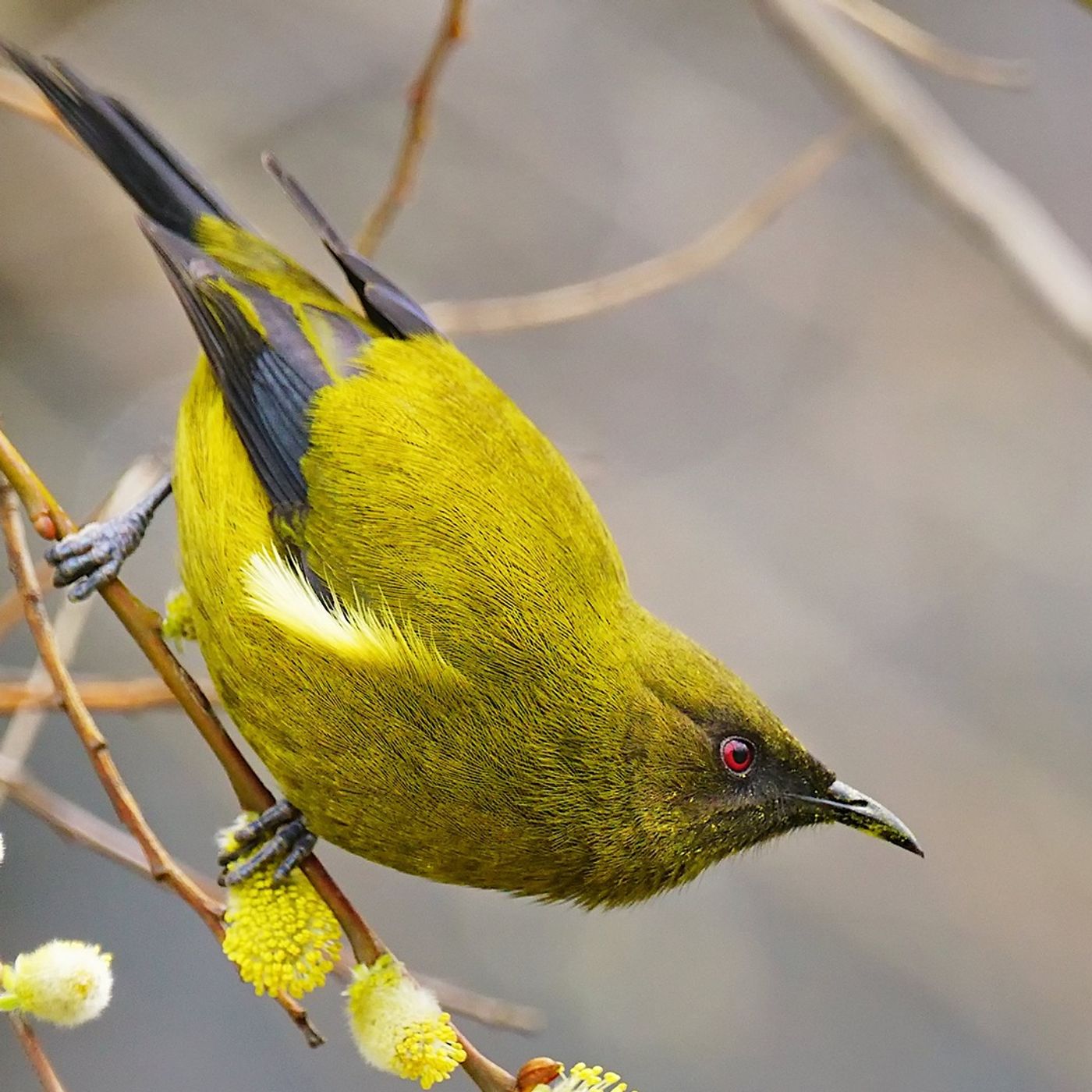
New Zealand Bellbird
A forest in New Zealand rings with the sound of bellbirds, also known as Korimako or Makomako. Many bellbirds sing together, especially in the morning. Pairs sing duets. And a pair may counter-sing with its neighbors, perhaps letting them know that this patch of land is taken. It all builds to a brilliant, ringing dawn chorus.More info and transcript at BirdNote.org. Want more BirdNote? Subscribe to our weekly newsletter. Sign up for BirdNote+ to get ad-free listening and other perks. BirdNote is a nonprofit. Your tax-deductible gift makes these shows possible. Hosted by Simplecast, an AdsWizz company. See pcm.adswizz.com for information about our collection and use of personal data for advertising.
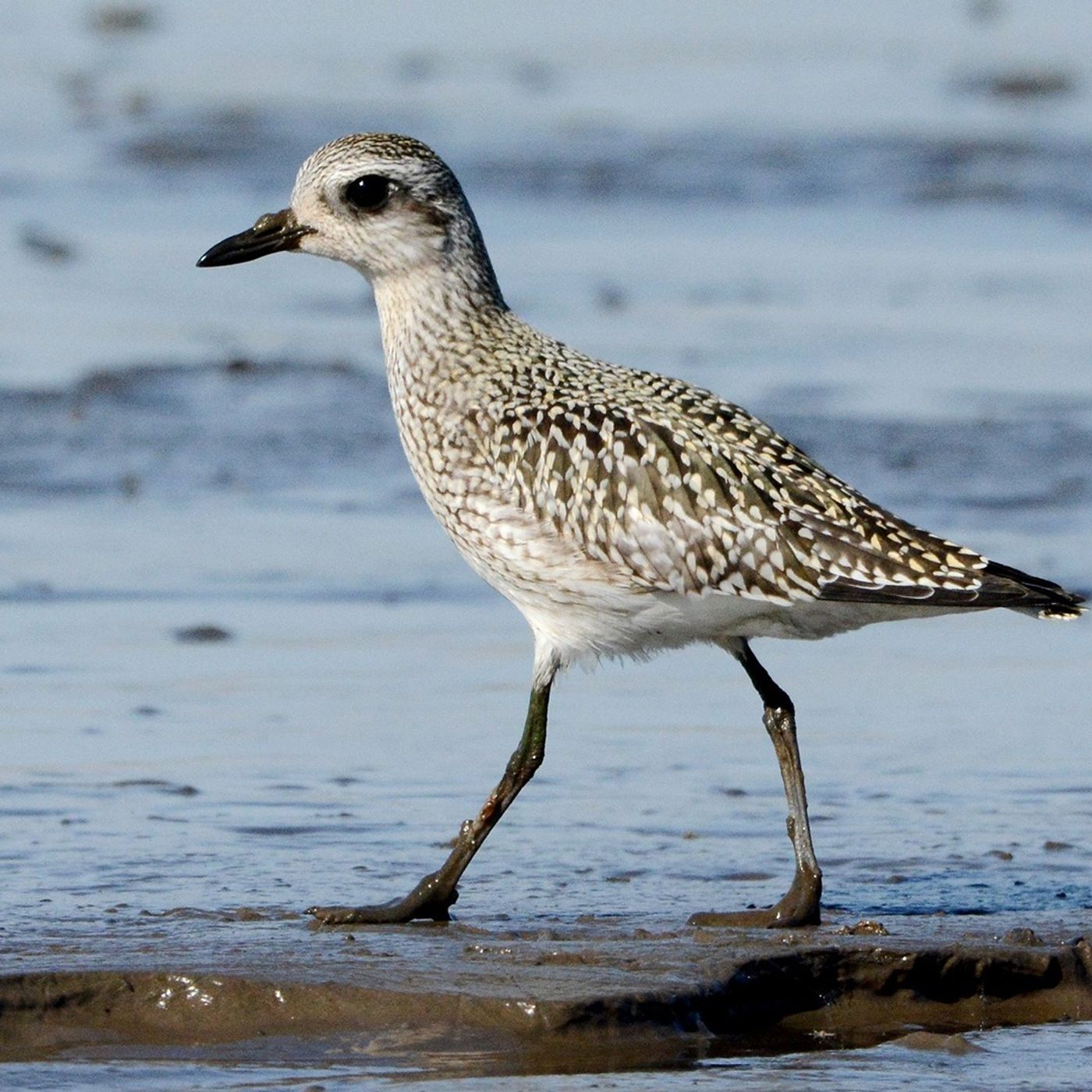
Juvenile Shorebirds Head South
Like most juvenile shorebirds, this young Black-bellied Plover was abandoned by parents that began their southbound flights from the Arctic National Wildlife Refuge a few weeks earlier. It will join other young Black-bellied Plovers as they make their way south. This little flock of birds could arrive on the coast of Washington within a few days if they make a direct flight, or within a week or more if they stop at a wetland along the way. Some will stay, but others continue their continent-spanning journey, arriving in coastal Venezuela at the end of December.More info and transcript at BirdNote.org. Want more BirdNote? Subscribe to our weekly newsletter. Sign up for BirdNote+ to get ad-free listening and other perks. BirdNote is a nonprofit. Your tax-deductible gift makes these shows possible. Hosted by Simplecast, an AdsWizz company. See pcm.adswizz.com for information about our collection and use of personal data for advertising.
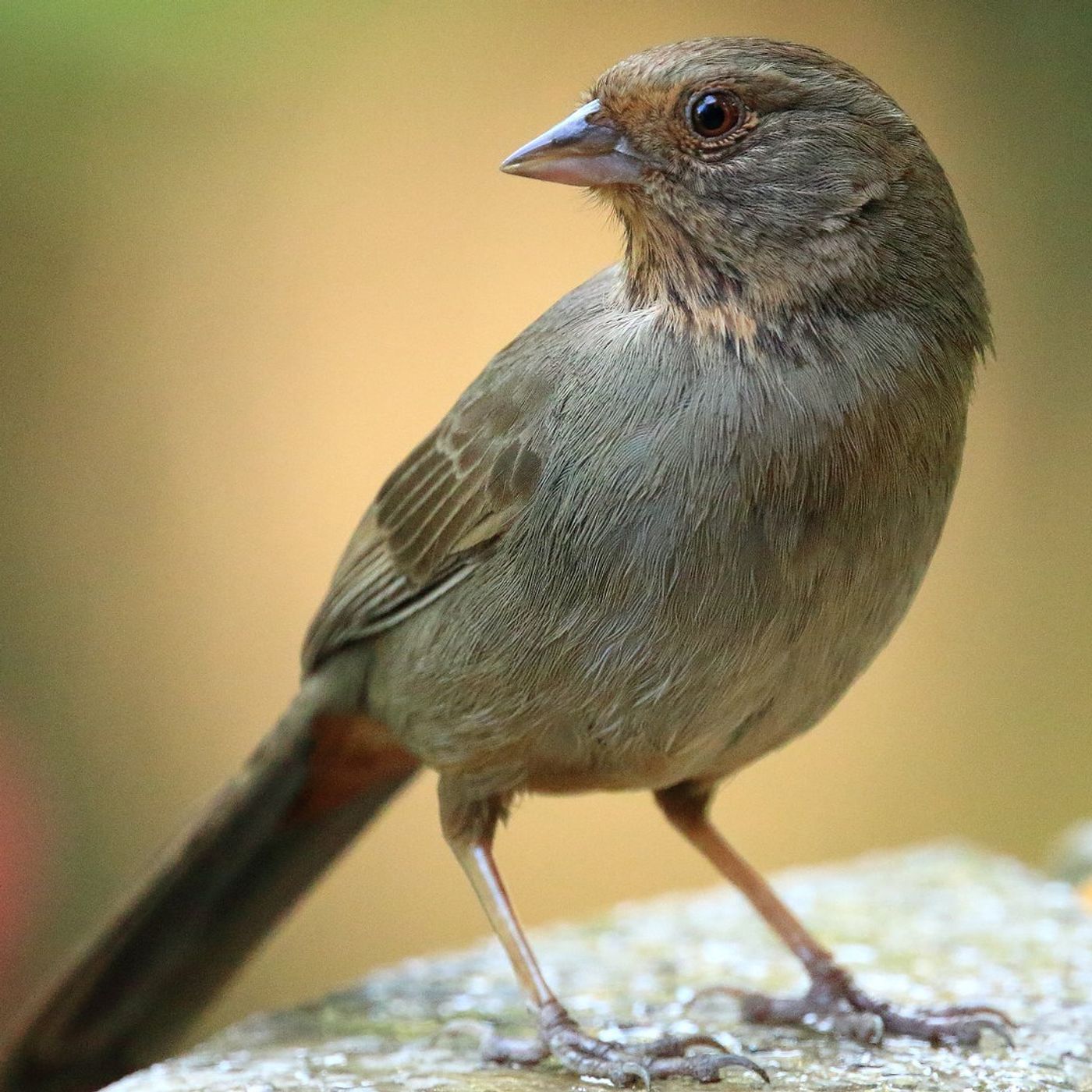
The Private Lives of Public Birds
Jack Gedney’s book, The Private Lives of Public Birds, is dedicated to the familiar birds we see and hear in our neighborhoods. Illustrated by Anna Kus Park, the book shares charming vignettes about the birds’ behavior that are scientifically accurate but that also have an emotional weight to help us connect deeper to these birds.More info and transcript at BirdNote.org. Want more BirdNote? Subscribe to our weekly newsletter. Sign up for BirdNote+ to get ad-free listening and other perks. BirdNote is a nonprofit. Your tax-deductible gift makes these shows possible. Hosted by Simplecast, an AdsWizz company. See pcm.adswizz.com for information about our collection and use of personal data for advertising.
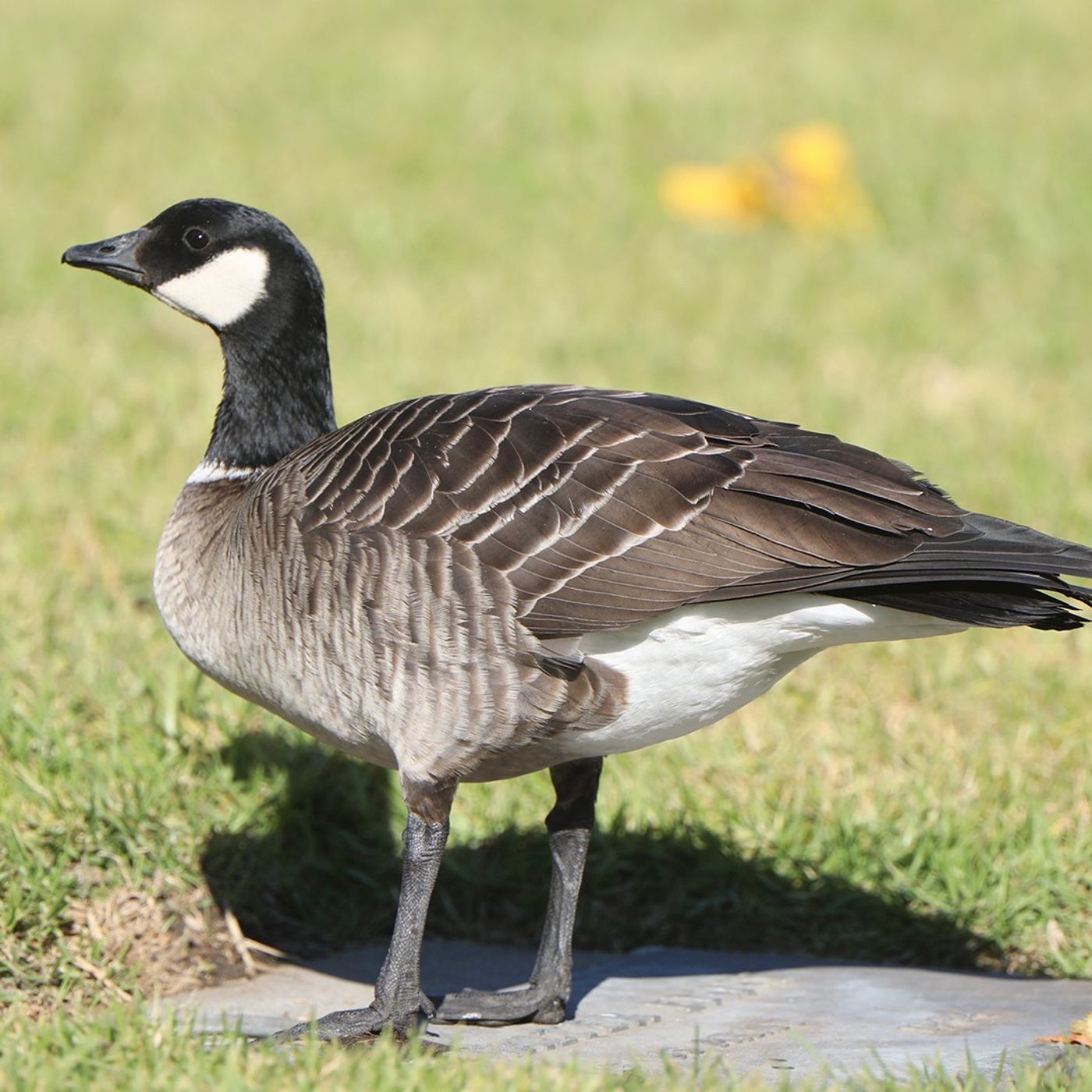
Migrations: The Triumphant Comeback of the Aleutian Cackling Goose
Aleutian Cackling Geese, which have a slighter build and shorter beak than Canada Geese, build their nests on a chain of islands off the western coast of Alaska. In the 1700s, fur traders introduced foxes to the islands, nearly wiping out the geese. For decades, they were believed to be extinct. But in the 1960s, a biologist discovered about 300 birds nesting on Buldir Island. Habitat protections have allowed their populations to recover.More info and transcript at BirdNote.org. Want more BirdNote? Subscribe to our weekly newsletter. Sign up for BirdNote+ to get ad-free listening and other perks. BirdNote is a nonprofit. Your tax-deductible gift makes these shows possible. Hosted by Simplecast, an AdsWizz company. See pcm.adswizz.com for information about our collection and use of personal data for advertising.

Swifts Roost in Chimneys
What could bring crowds of people out after sunset on a September evening to stare at ... a chimney? Swifts, of course! Scores of swifts form a funnel-shaped cloud above the right kind of chimney, then they begin their descent. First one, then a few more, then dozens, then hundreds swirl right down into the chimney. You can help Chimney Swifts and Vaux's Swifts by providing a roosting tower.More info and transcript at BirdNote.org. Want more BirdNote? Subscribe to our weekly newsletter. Sign up for BirdNote+ to get ad-free listening and other perks. BirdNote is a nonprofit. Your tax-deductible gift makes these shows possible. Hosted by Simplecast, an AdsWizz company. See pcm.adswizz.com for information about our collection and use of personal data for advertising.
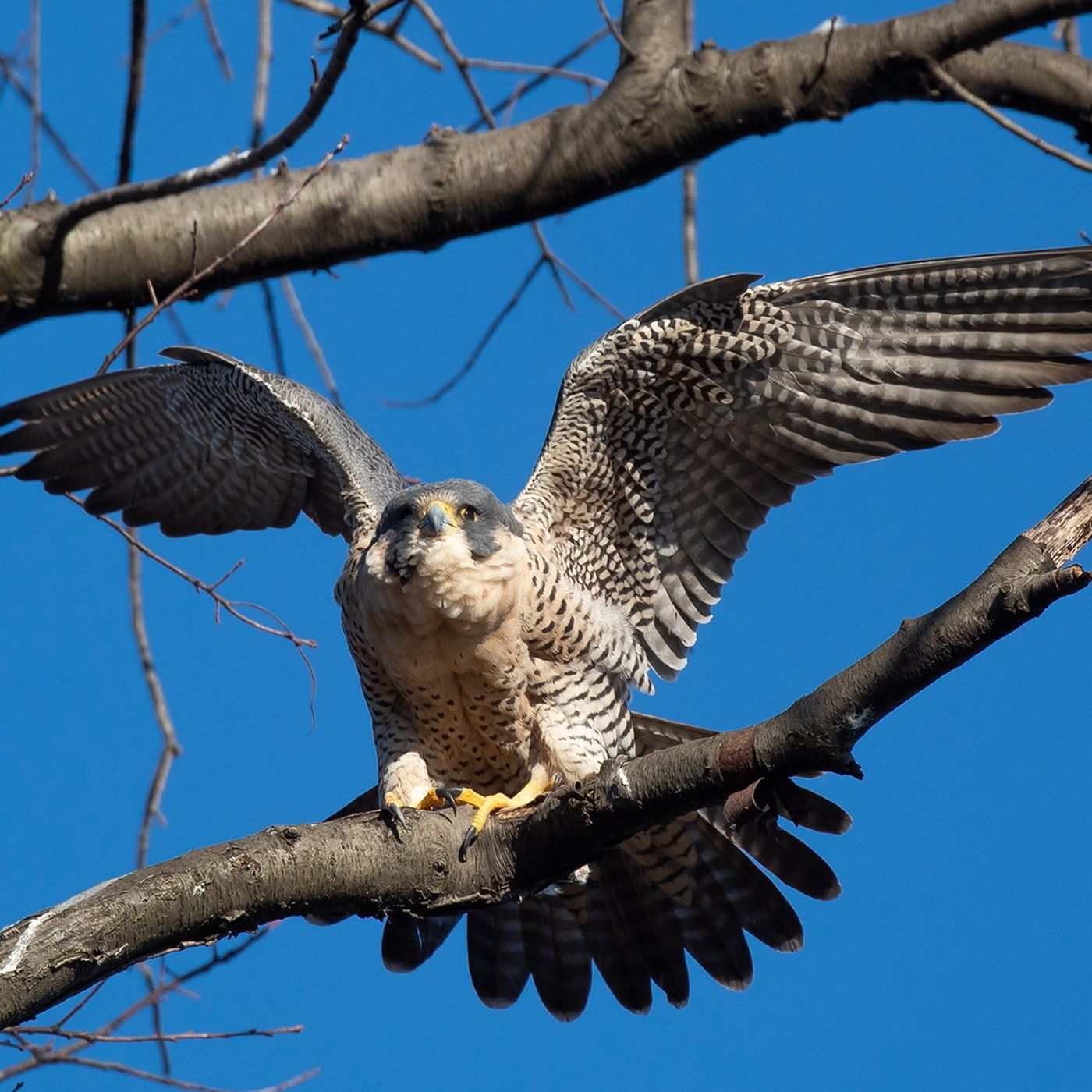
The Alula
Adjusting the flaps on an airplane’s wing allows a pilot to control lift and drag — and the design of these flaps was inspired by the wings of birds. All flying birds have what’s called an alula on each wing. At the center of the front edge of the wing is a structure covered with three to five feathers that functions much like a flap on an airplane’s wing. The alula helps create lift and also prevents stall when a bird comes in for landing.More info and transcript at BirdNote.org. Want more BirdNote? Subscribe to our weekly newsletter. Sign up for BirdNote+ to get ad-free listening and other perks. BirdNote is a nonprofit. Your tax-deductible gift makes these shows possible. Hosted by Simplecast, an AdsWizz company. See pcm.adswizz.com for information about our collection and use of personal data for advertising.

Birding with a Baby
Writer Jen Sizeland has found peace through watching birds throughout her life, so she wanted that for her child, too. When she was pregnant, she sought to introduce her unborn child to birdsong. As a newborn, she and her baby would listen to the dawn chorus together. Now as a toddler, he joins her watching raptors soar over parks and waterbirds paddling across lakes.More info and transcript at BirdNote.org. Want more BirdNote? Subscribe to our weekly newsletter. Sign up for BirdNote+ to get ad-free listening and other perks. BirdNote is a nonprofit. Your tax-deductible gift makes these shows possible. Hosted by Simplecast, an AdsWizz company. See pcm.adswizz.com for information about our collection and use of personal data for advertising.
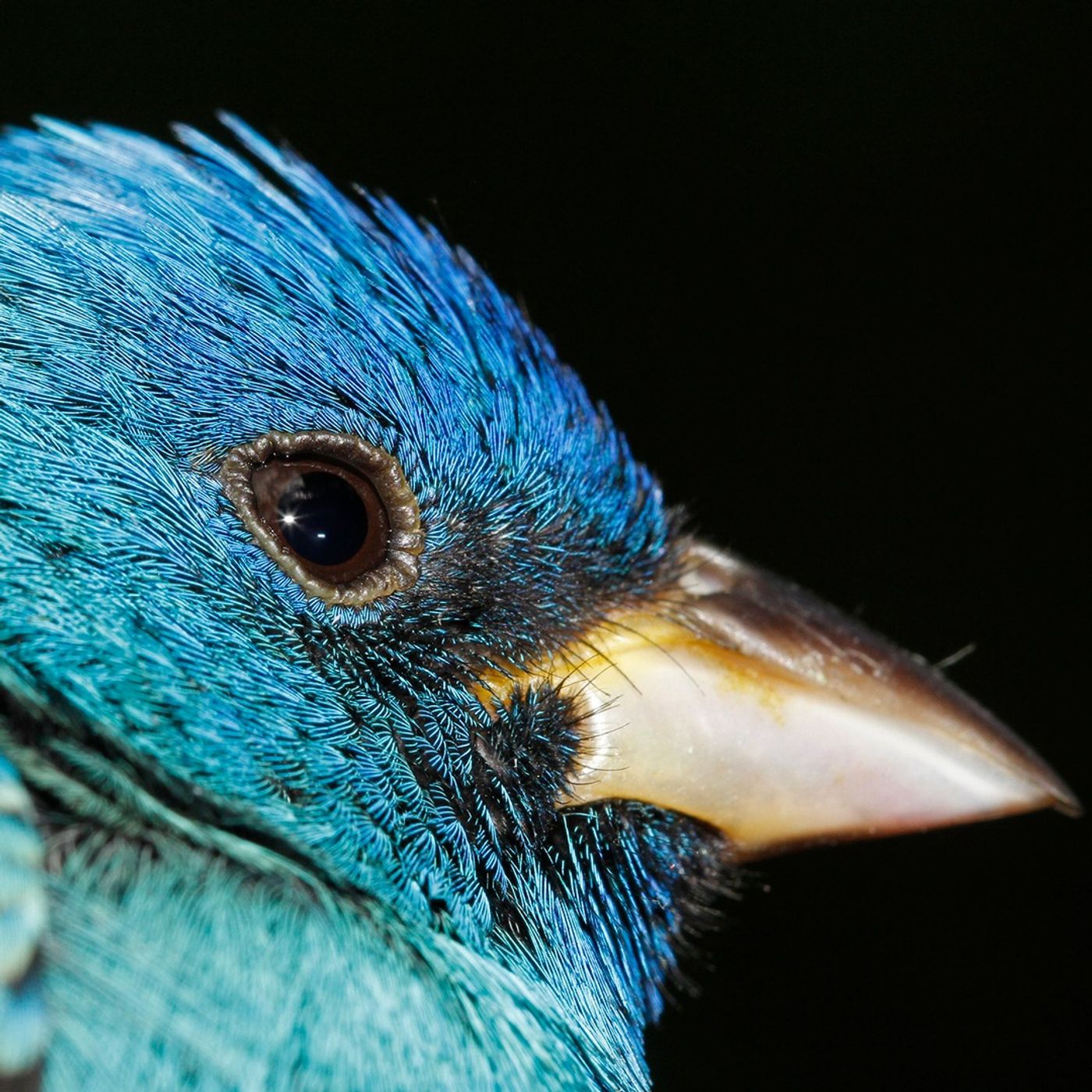
Migrations: Indigo Bunting, Master Stargazer
The stars appear to rotate in the sky, raising the question of how birds can use stars to navigate during migration. Ornithologist Stephen Emlen brought Indigo Buntings to a planetarium, tracking their movements as the simulated night sky changed above them. The buntings oriented themselves using star patterns that appear to rotate the least — especially the North Star, Ursa Major and Cassiopeia.More info and transcript at BirdNote.org. Want more BirdNote? Subscribe to our weekly newsletter. Sign up for BirdNote+ to get ad-free listening and other perks. BirdNote is a nonprofit. Your tax-deductible gift makes these shows possible. Hosted by Simplecast, an AdsWizz company. See pcm.adswizz.com for information about our collection and use of personal data for advertising.
Birds Love Sunflowers
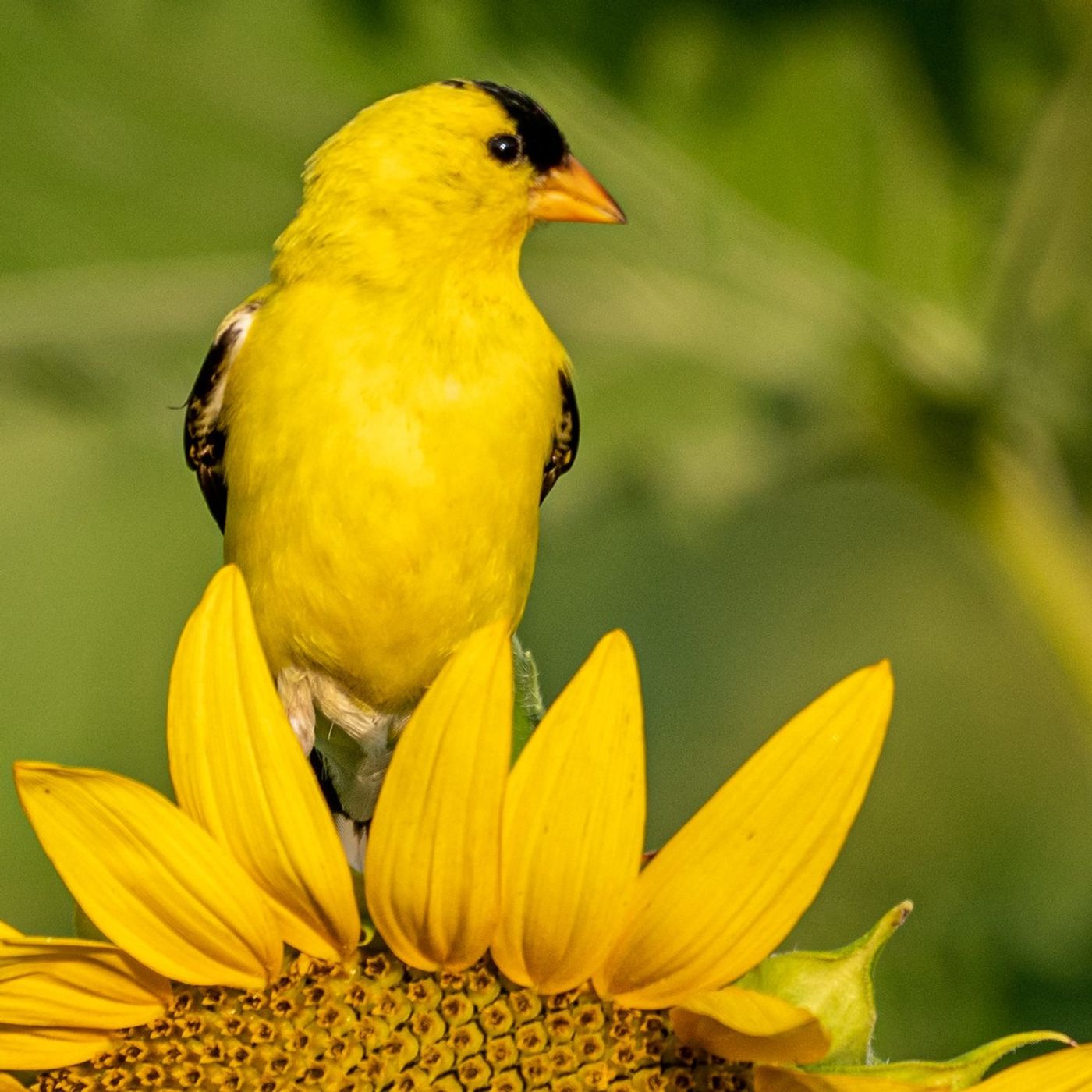
Found throughout North America, the common sunflower can grow up to ten feet high, towering over other herbs and grasses. And that’s only half the story: their roots can reach just as deep in the soil. They’re rugged, adaptable plants that bring beauty — and food — to the ecosystem. Planting sunflowers in a public green space or a backyard can benefit pollinator insects as well as finches and other birds that seek out their seeds, which often last well into the winter.More info and transcript at BirdNote.org. Want more BirdNote? Subscribe to our weekly newsletter. Sign up for BirdNote+ to get ad-free listening and other perks. BirdNote is a nonprofit. Your tax-deductible gift makes these shows possible. Hosted by Simplecast, an AdsWizz company. See pcm.adswizz.com for information about our collection and use of personal data for advertising.

The Harsh Beauty of Grackle Songs
Ranging from metallic hisses to electronic yodels, sounds of grackles may not be music to our ears—but they have their own rough beauty, a distinctive, primal harshness. Grackle songs evolved to carry through their nesting habitats — dense marshes and brushy landscapes — where more lyrical notes and phrases wouldn’t carry well. However strange they may sound, they know how to make themselves heard.More info and transcript at BirdNote.org. Want more BirdNote? Subscribe to our weekly newsletter. Sign up for BirdNote+ to get ad-free listening and other perks. BirdNote is a nonprofit. Your tax-deductible gift makes these shows possible. Hosted by Simplecast, an AdsWizz company. See pcm.adswizz.com for information about our collection and use of personal data for advertising.

Moon-Watching for Migrating Birds
Before the high-tech gadgets used to track bird migration today, there was moon-watching: a technique dreamed up in the 1940s by ornithologist George Lowery. Using telescopes pointed at the moon to see the silhouettes of migratory birds, Lowery helped show that birds regularly migrate across the Gulf of Mexico and organized the first continent-wide survey of migration in North America. Learn more about the history of bird migration research in Rebecca Heisman’s new book Flight Paths: How a Passionate and Quirky Group of Pioneering Scientists Solved the Mystery of Bird Migration.More info and transcript at BirdNote.org. Want more BirdNote? Subscribe to our weekly newsletter. Sign up for BirdNote+ to get ad-free listening and other perks. BirdNote is a nonprofit. Your tax-deductible gift makes these shows possible. Hosted by Simplecast, an AdsWizz company. See pcm.adswizz.com for information about our collection and use of personal data for advertising.

Watching Birds' Behavior
To distinguish one bird from a similar one, watch how the bird moves. Does it flick its wings? Bob up and down? Flip its tail? The White-breasted Nuthatch (right) works its way down the trunk of a tree, while the Brown Creeper works its way up. A field guide usually mentions these behaviors, and watching for them can help you determine which bird is which. It's like detective work: gather enough clues, and you'll solve the mystery!More info and transcript at BirdNote.org. Want more BirdNote? Subscribe to our weekly newsletter. Sign up for BirdNote+ to get ad-free listening and other perks. BirdNote is a nonprofit. Your tax-deductible gift makes these shows possible. Hosted by Simplecast, an AdsWizz company. See pcm.adswizz.com for information about our collection and use of personal data for advertising.

Where Do Fledglings Go?
By late summer, most birds hatched in spring are on their own, without help from their parents. Where do they go? Young migratory birds will head south in late summer or fall, in the pattern of their species. But most non-migratory birds born last spring — such as this immature Bewick’s Wren — will need to find an unoccupied territory. So they disperse more widely than the established adults. Newly fledged Bald Eagles embark on a nomadic life. Sometimes they fly hundreds of miles in a day, a journey that may take them across the continent. More info and transcript at BirdNote.org. Want more BirdNote? Subscribe to our weekly newsletter. Sign up for BirdNote+ to get ad-free listening and other perks. BirdNote is a nonprofit. Your tax-deductible gift makes these shows possible. Hosted by Simplecast, an AdsWizz company. See pcm.adswizz.com for information about our collection and use of personal data for advertising.
Arizona Woodpecker and the Sierra Madre
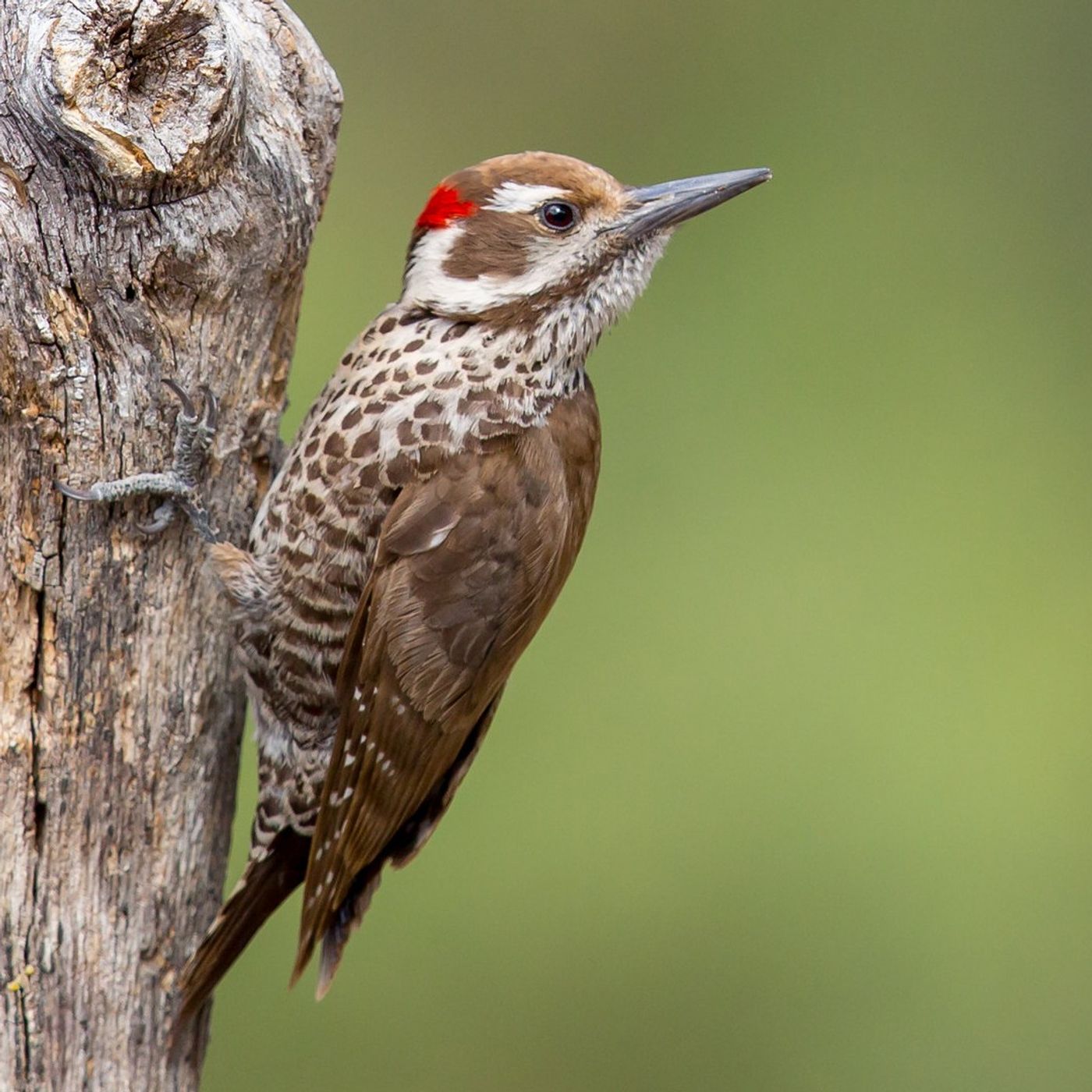
Found in the Sierra Madre, the Arizona Woodpecker has a special connection to the mountain range. Sharing mid-elevation pine and oaks with fellow border straddlers, these small brown birds with white and brown cheeks stand out from other Woodpeckers with their heavily marked white underparts. Uniquely, they forage by flying to the base of a tree and then spiraling up the trunk. And in courtship, the male turns himself into a paper airplane, holding his wings steady and gliding toward his mate.More info and transcript at BirdNote.org. Want more BirdNote? Subscribe to our weekly newsletter. Sign up for BirdNote+ to get ad-free listening and other perks. BirdNote is a nonprofit. Your tax-deductible gift makes these shows possible. Hosted by Simplecast, an AdsWizz company. See pcm.adswizz.com for information about our collection and use of personal data for advertising.

Do Crows Sing?
It’s been said that if someone knows only three birds, one of them will be the crow. They’re common, easy to see, and even easier to hear. But crow voices are complicated. Altogether, crows may use 30 sound elements in different combinations, and one of the most intriguing is their song. Unlike many birds, crows don’t sing loudly to attract mates from a distance. Instead, they sing softly — and at close range — during courtship, with a mix of soft cooing, rattles, growls, bowing movements, and mutual nuzzling.More info and transcript at BirdNote.org. Want more BirdNote? Subscribe to our weekly newsletter. Sign up for BirdNote+ to get ad-free listening and other perks. BirdNote is a nonprofit. Your tax-deductible gift makes these shows possible. Hosted by Simplecast, an AdsWizz company. See pcm.adswizz.com for information about our collection and use of personal data for advertising.
Southern Lapwings Defend Their Nest
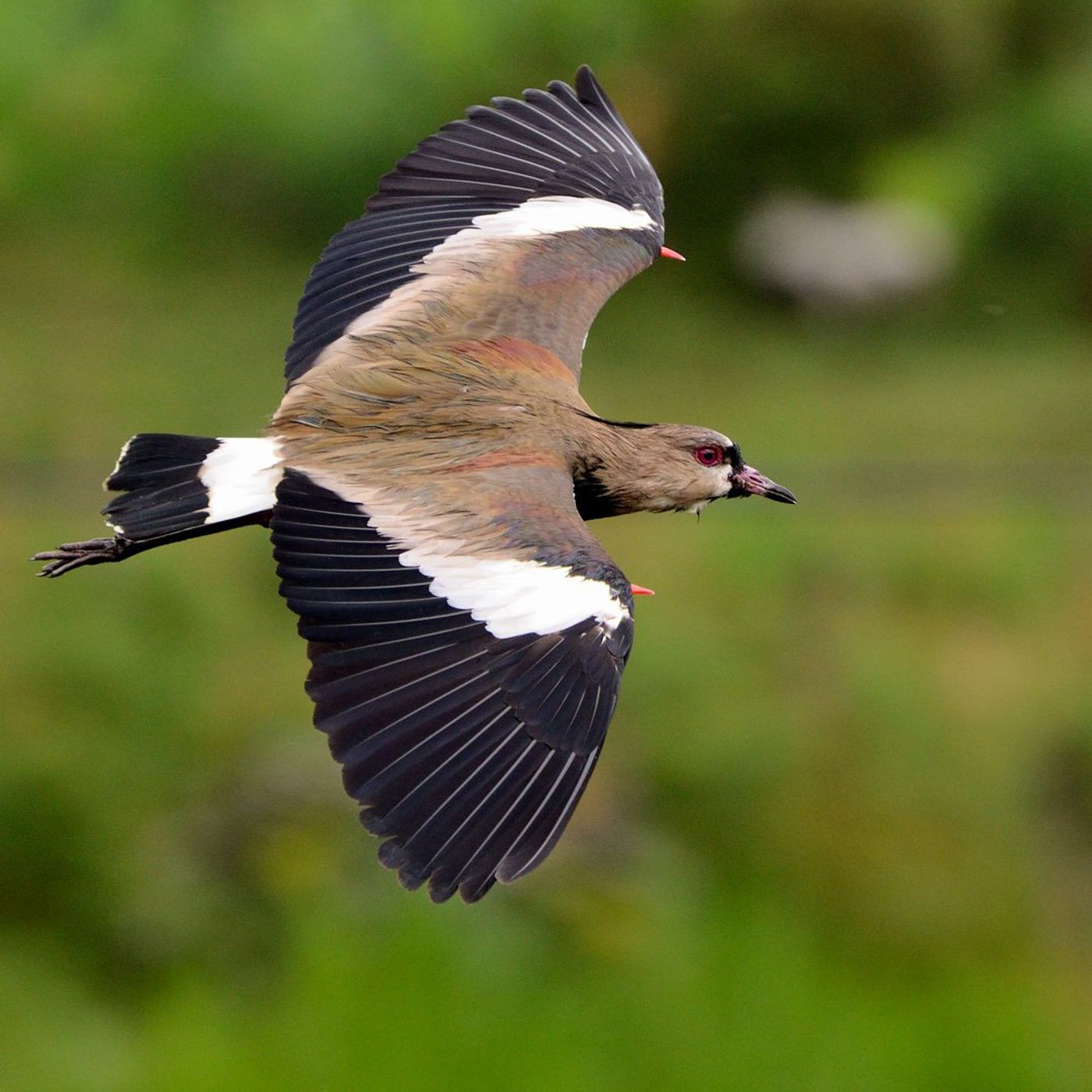
Nature educator Johanne Ryan shares her observations of Southern Lapwings, shorebirds that make their nests on the ground in open areas and vigorously defend them. If a potential predator approaches, the parent will sound a piercing alarm call. If that doesn’t work, the lapwing will charge the opponent, using a secret weapon – sharp, bony spurs on the bird’s “wrists.”More info and transcript at BirdNote.org. Want more BirdNote? Subscribe to our weekly newsletter. Sign up for BirdNote+ to get ad-free listening and other perks. BirdNote is a nonprofit. Your tax-deductible gift makes these shows possible. Hosted by Simplecast, an AdsWizz company. See pcm.adswizz.com for information about our collection and use of personal data for advertising.

Why Do Some Birds Flock?
When birds like these Dunlin form flocks, each individual is less likely to be captured by a predator. Some shorebirds that forage with their heads down, like godwits, will flock with birds that forage with their heads up, like curlews. Still other birds work together — like American White Pelicans driving fish before them or auklets that surround schools of herring and herd them like a border collie does sheep.More info and transcript at BirdNote.org. Want more BirdNote? Subscribe to our weekly newsletter. Sign up for BirdNote+ to get ad-free listening and other perks. BirdNote is a nonprofit. Your tax-deductible gift makes these shows possible. Hosted by Simplecast, an AdsWizz company. See pcm.adswizz.com for information about our collection and use of personal data for advertising.

A Song That Has Survived for Thousands of Years
Sometimes, a species’ song changes over the course of a few decades. But a bird that lives in the mountains of eastern Africa, the Forest Double-collared Sunbird, appears to have kept the same song for at least 500,000 years. That’s the amount of time that two populations of the species split up into two separate mountain ranges. Despite a lack of contact between those populations, they sing a nearly identical song, suggesting that it’s very similar to the one their ancestors sang long ago.More info and transcript at BirdNote.org. Want more BirdNote? Subscribe to our weekly newsletter. Sign up for BirdNote+ to get ad-free listening and other perks. BirdNote is a nonprofit. Your tax-deductible gift makes these shows possible. Hosted by Simplecast, an AdsWizz company. See pcm.adswizz.com for information about our collection and use of personal data for advertising.
Pigeons and Head-bobbing
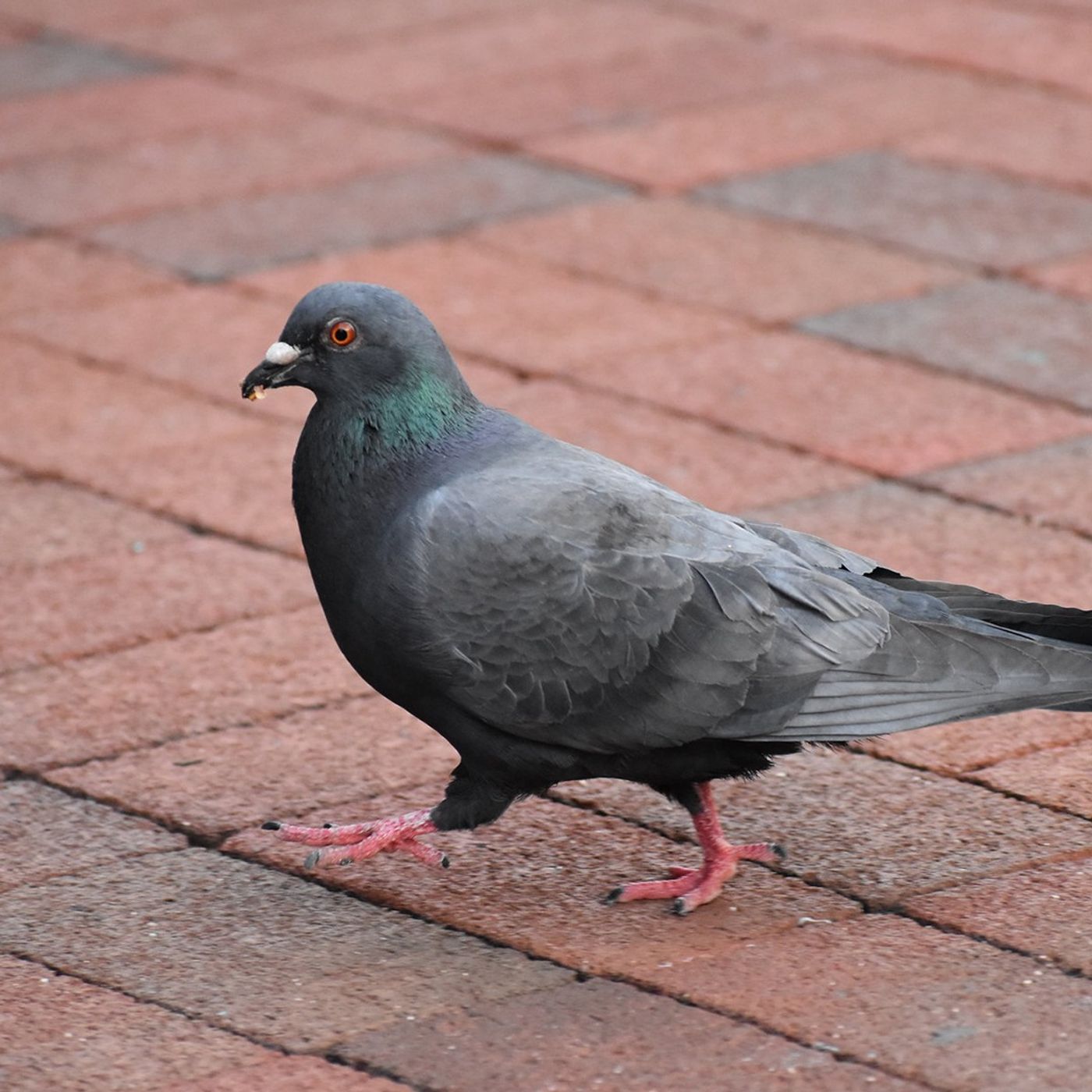
Pigeons seem to bob their heads as they move, like they’re grooving to an internal tune. But what look like head bobs are actually momentary pauses of the head while they walk. Their eyes are fixed in their sockets, so that pausing enables the pigeon to take a brief, steady view of its surroundings. Without those pauses, they’d just see a Blair Witch, shaky-cam mess!More info and transcript at BirdNote.org. Want more BirdNote? Subscribe to our weekly newsletter. Sign up for BirdNote+ to get ad-free listening and other perks. BirdNote is a nonprofit. Your tax-deductible gift makes these shows possible. Hosted by Simplecast, an AdsWizz company. See pcm.adswizz.com for information about our collection and use of personal data for advertising.

Clair de Loon
August 22 is the birthday of renowned French composer, Claude Debussy. Born in 1862, Debussy is known for his impressionistic sonic portraits, like La Mer, about the sea. But one of his best known works is an earlier piano piece, Clair de Lune. The song is quiet and haunting. Which got us thinking: what if we paired it with the most haunting birdsong — the song of loons? Enjoy Clair de Loon. Created for BirdNote by Breakmaster Cylinder.More info and transcript at BirdNote.org. Want more BirdNote? Subscribe to our weekly newsletter. Sign up for BirdNote+ to get ad-free listening and other perks. BirdNote is a nonprofit. Your tax-deductible gift makes these shows possible. Hosted by Simplecast, an AdsWizz company. See pcm.adswizz.com for information about our collection and use of personal data for advertising.