
Bible in a Year with Fr Paul
365 episodes — Page 7 of 8
S1 Ep 65Day 65 - Joshua 9-11
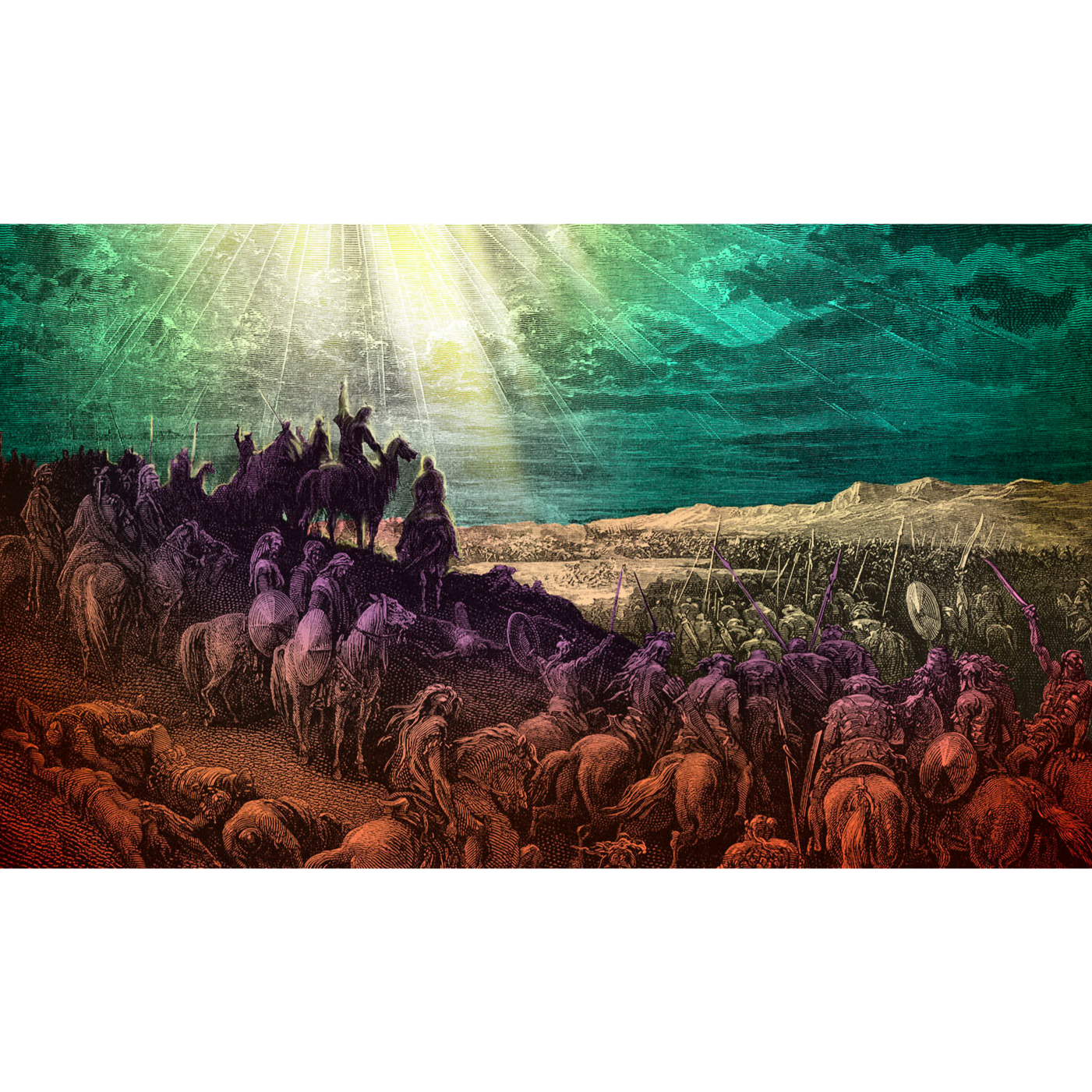
Actually, as we have recorded in our Scriptures, the sun itself stood still when the holy man, Joshua the son of Nun, asked that favor of God, and it remained where it was until a battle, already begun, ended in victory.… Such are the miracles which God grants as favors to his saints; although our adversaries would attribute them—if they believed them—to the arts of magic.…In regard, then, to human knowledge of the natures of things, the unbelievers have no right to becloud the issue by their assumption that nothing, even by the power of God, can happen to a nature beyond what is known already by human experience. And remember, too, that there are qualities and powers in the natures of the commonest things that are nothing less than stupendous and would, in fact, be reckoned portents by anyone who examined them, except that humans have accustomed themselves to have no wonder to spare save for things that are unusual—St Augustine
S1 Ep 64Day 64 - Joshua 6-8
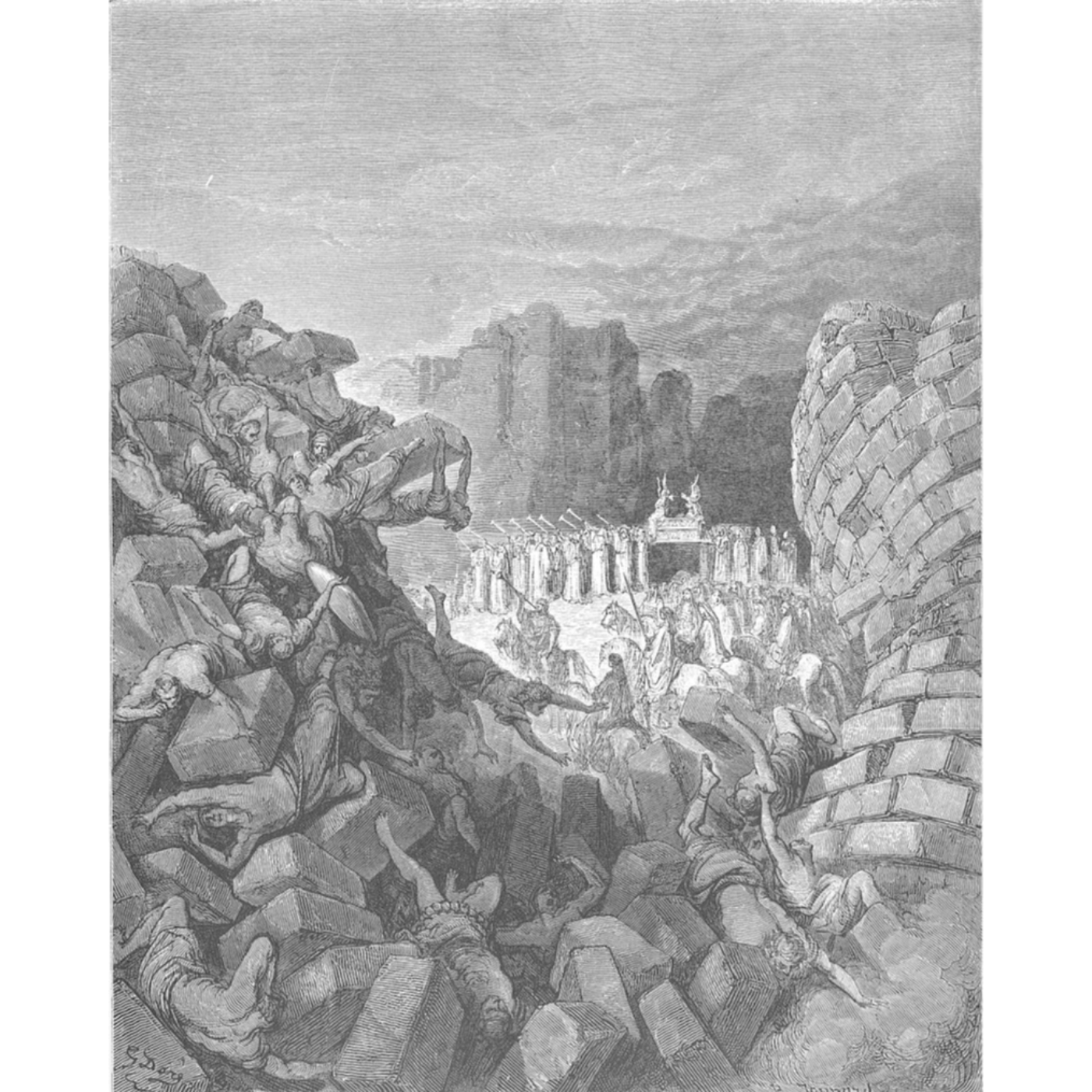
Pay attention to me; how strange was the preaching of God‘s love toward humanity! He who says in the law, "You shall not commit adultery" and "You shall not commit prostitution," changes the commandment by clemency and proclaims through the blessed Joshua, "Let Rahab the prostitute live." Joshua the son of Nun, who says, "Let the prostitute live," prefigured the Lord Jesus, who says, "The prostitutes and tax collectors go into the kingdom of the heavens before you." If she must live, how can she be a prostitute? If she is a prostitute, why should she live? "I speak about her previous condition," he says, "so you may marvel at her subsequent change." He asks, "What did Rahab, to whom he granted salvation, do?" She accepted the spies peacefully? Even an innkeeper does this. However, she reaped the fruits of salvation not only by speech but beforehand by faith and by her disposition before God.And so you may learn the abundance of her faith, listen to the very Scripture that describes in full and bears witness to her achievements. She was in a brothel, like a pearl mixed up in mire, like gold thrown in mud, the rose of piety hidden in thorns, a pious soul enclosed in a place of impiety. Pay attention so you may understand well. She accepted the spies and the One whom Israel denied in the desert; Rahab preached this One in the brothel―St John Chrysostom
S1 Ep 63Day 63 - Joshua 1-5
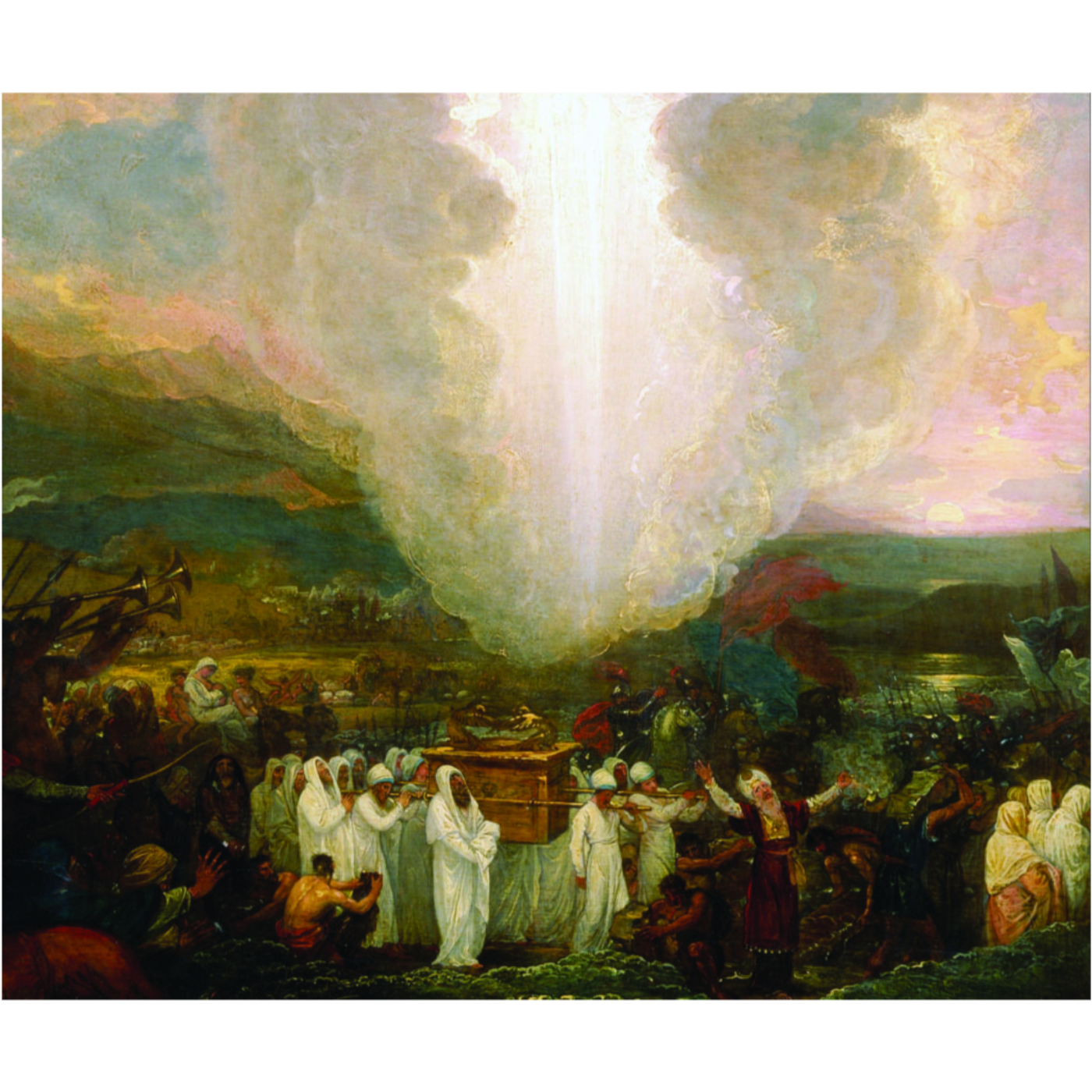
And do not imagine that these deeds are only in former times and nothing so great as this is brought forth in you who are now the hearer of them. For all things are fulfilled in you according to a mystical reckoning. Indeed you who long to draw near to the hearing of the divine law have recently forsaken the darkness of idolatry and are now for the first time forsaking Egypt. When you are reckoned among the number of catechumens and have undertaken to submit to the precepts of the church, you have parted the Red Sea and, placed in the stations of the desert, you daily devote yourself to hearing the law of God and to looking upon the face of Moses, through which the glory of the Lord is revealed. But if, you also have entered the mystic font of baptism and in the presence of the priestly and levitical order have been instructed by those venerable and magnificent sacraments, which are known to those who are permitted to know those things, then, with the Jordan parted, you will enter the land of promise by the services of the priests. In this land, Jesus receives you after Moses and becomes for you the leader of a new way—Origen
S1 Ep 62Day 62 - Deuteronomy 32-34
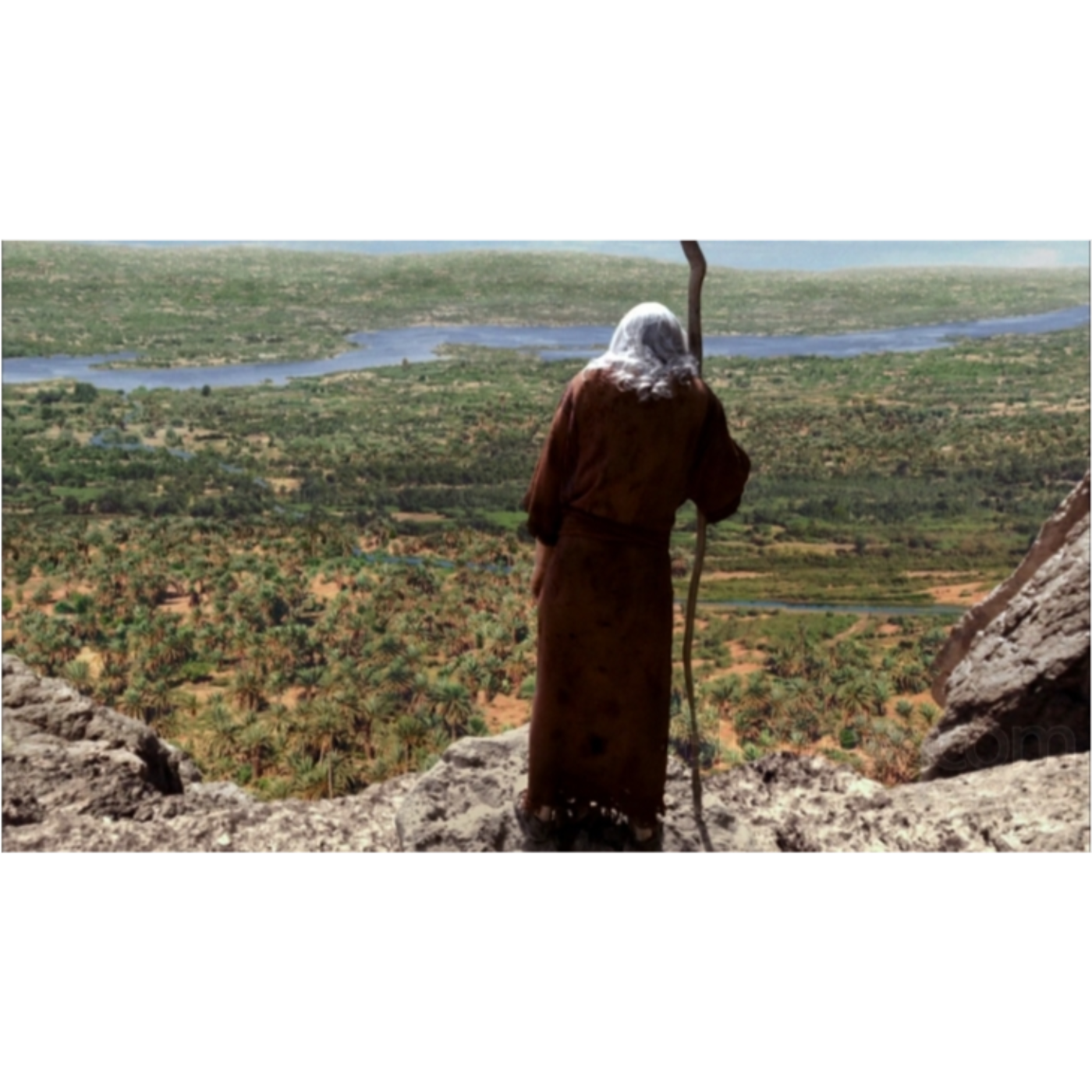
Moses‘ death is recorded to have been even more sublime than his life. He died on a mountain peak and left behind neither trace nor memorial of his earthly burden in life. The impress of beauty was not altered by time but remained unchangeable in the changeable nature―St Gregory of Nyssa
S1 Ep 61Day 61 - Deuteronomy 29-31
Pay attention to what comes next: "Without love, a measure of money is sufficient for present needs, because he himself said, 'I will not forsake you; I will not desert you.‘ " "You were afraid of all kinds of evils, against which you were saving money; count me as your guarantor." That‘s what God says to you. God—not a man, not your equal or you yourself—says to you: "I will not forsake you; I will not desert you." If a person made such a promise, you would trust him. God makes it, and you hesitate? He made the promise, put it in writing, made out the bond; you needn‘t worry at all―St Augustine
S1 Ep 60Day 60 - Deuteronomy 26-28
The good God reveals an understanding of this gift to his saints and gives it "from his good treasury," as the sacred law attests, when it says, "The Lord swore to your fathers to give to you" and to open "his good treasury." From this heavenly treasury he gives rain to his earth "to bless all the works of your hands." The rain is this: "the utterance" of the law, which falls like dew upon the soul that is fecund and fertile with good works, so that it may possess the moisture of grace―St Ambrose
S1 Ep 59Day 59 - Deuteronomy 22-25
What does Scripture mean by these riddles? That it is not right for evil and virtue to grow together in the same soul. Nor is it right, dividing one‘s life between opposites, to reap thorns and grain from the same soul. Nor is it right for the bride of Christ to commit adultery with the enemies of Christ or to bear light in the womb and beget darkness―St Gregory of Nyssa
S1 Ep 58Day 58 - Deuteronomy 19-21
If any of our own people also inquire, not from love of debate but from love of learning, why he suffered death in no other way except on the cross, let him also be told that no other way than this was good for us and that it was well that the Lord suffered this for our sakes. For if he himself came to bear the curse laid upon us, how else could he have ―become a curse‖1 unless he received the death set for a curse? And that is the cross. For this is exactly what is written: "Cursed is he that hangs on a tree."―St Athanasius
S1 Ep 57Day 57 - Deuteronomy 15-18
"Like me," says Moses. This means according to the form of the flesh, not to the eminence of majesty. Therefore we find the Lord Jesus called a prophet. Accordingly that [Samaritan] woman, is no longer greatly in error when she says, "I see that you are a prophet." She begins to call her husband, to exclude the adulterer. "I see that you are a prophet." And she begins to ask about a thing that constantly disturbs her―St Augustine
S1 Ep 56Day 56 - Deuteronomy 12-14
God is said to know even when he causes someone to know, as it has been written: "The Lord your God puts you to the test that he might know if you love him." Now this manner of speaking does not mean that God does not know; rather, [it was said] in order that people might know how far they have progressed in the love of God—a thing which is not fully recognized by them except by way of the testings which come about. As for the expression "he puts to the test," it means that God permits testing. Therefore when it is also said that God does not know, this means either that he does not approve (i.e., does not recognize [as conformable to] his discipline and teaching), as it has been said: "I do not know you." Matt 25:12 Or [it means] that he causes people not to know for their own good, because it serves no useful purpose for them to know. Accordingly the text "the Father alone knows" Matt 24:36 is correctly grasped if understood to say that he causes the Son to know, and the text "the Son does not know,"Matt 24:36 if understood to say that the Son causes men not to know (i.e., does not disclose to them what would serve no useful purpose for them to know)―St Augustine

S1 Ep 55Day 55 - Deuteronomy 8-11
Nourish your soul with the fear of God, and God will nourish [your] body. Do these things, so that what you yourself are unable [to procure] may be given you by God. Take note of this, if God does not give the rain and the wind, it avails you naught, even if you are anxious. Obey God, therefore, and creation will obey your needs. If God nourished Israel for forty years in the desert, while they were murmuring and disbelieving, and effortlessly preserved their sandals and clothing, how much more so in the case of believers?―Mari Ephrem the Syrian

S1 Ep 54Day 54 - Deuteronomy 5-7
Blessed is the mind of that man who, overstepping the bounds of species and race, deserves to hear what was said to Moses when he stood apart from his people: "Stand here with me."―St Ambrose
S1 Ep 53Day 53 - Deuteronomy 3-4
The intention of the law was that in everything they should look toward what is real. They should not make up things which are different from reality or misrepresent what is truly male or what is really female, or the nature of beasts or the species of birds or creeping things, or fishes―Origen
S1 Ep 52Day 52 - Deuteronomy 1-2
And here this other fact will not appear to be without significance, that it is Moses who hears from God all that is written down in the law of Leviticus, whereas in Deuteronomy it is the people who are represented as listening to Moses and learning from him what they could not hear from God. This indeed is why it is called Deuteronomy, meaning the second law. A fact which some will think points to this [is] that when the first law given through Moses came to an end, a second legislation was apparently composed, and this was specially delivered by Moses to his successor Joshua.3 And Joshua is certainly believed to be a figure of our Savior, by whose second law, that is, by the precepts of the Gospels, all things are brought to perfection―Origen
S1 Ep 51Day 51 - Numbers 35-36
The man who renounces the vices and rejects the way of life of his countrymen is in flight like Lot. Such a one does not look behind himself but enters that city which is above by the passageway of his thoughts, and he does not withdraw from it until the death of the chief priest who bore the sin of the world. He indeed died once, but he dies for each person who is baptized in Christ‘s death, that we may be buried together with him and rise with him and walk in the newness of his life―St Ambrose
S1 Ep 50Day 50 - Numbers 32-34
You have heard that Moses wrote this down by the word of the Lord. Why did the Lord want him to write it down? Was it so that this passage in Scripture about the stages the children of Israel made might benefit us in some way or that it should bring us no benefit? Who would dare to say that what is written "by the Word of God" is of no use and makes no contribution to salvation but is merely a narrative of what happened and was over and done a long time ago, but pertains in no way to us when it is told? ... He wrote them down, then, "by the word of the Lord" so that when we read them and see how many starting places lie ahead of us on the journey that leads to the kingdom, we may prepare ourselves for this way of life. [Thus,] considering the journey that lies ahead of us, [we] may not allow the time of our life to be ruined by sloth and neglect―Origen
S1 Ep 49Day 49 - Numbers 29-31
But a deeper vengeance is taken on fiercer foes and on those that are false as well as on those who have done greater wrongs, as was the case with the Midianites. For they had made many of the Jewish people to sin through their women. For this reason the anger of the Lord was poured out upon the people of our fathers. Thus it came about that Moses when victorious allowed none of them to live—St Ambrose
S1 Ep 48Day 48 - Numbers 26-28
A lottery takes place to avoid contention and to assure greater certitude and clarity. The source of this rule is the counsel of God. Devout men do not entrust their affairs to blind chance. This is what Paul means when he says, "We have been called to this destiny, predestined according to the mind of him who moves all things and according to the counsel of his will." Our use of lots bespeaks grace because, by God‘s word, it takes place according to faith. The apostles imply the same idea when they say, "Lord, knower of hearts, designate the one we should choose from among these two." Thus it is clear that the lot does not happen by chance but by the power of God‘s will. So what Scripture now says—whatever the lot designates—it says about God‘s choice by lot, not about chance. In the same way those among the Greeks who said they exercised power did not escape blame―Procopius of Gaza
S1 Ep 47Day 47 - Numbers 23-25
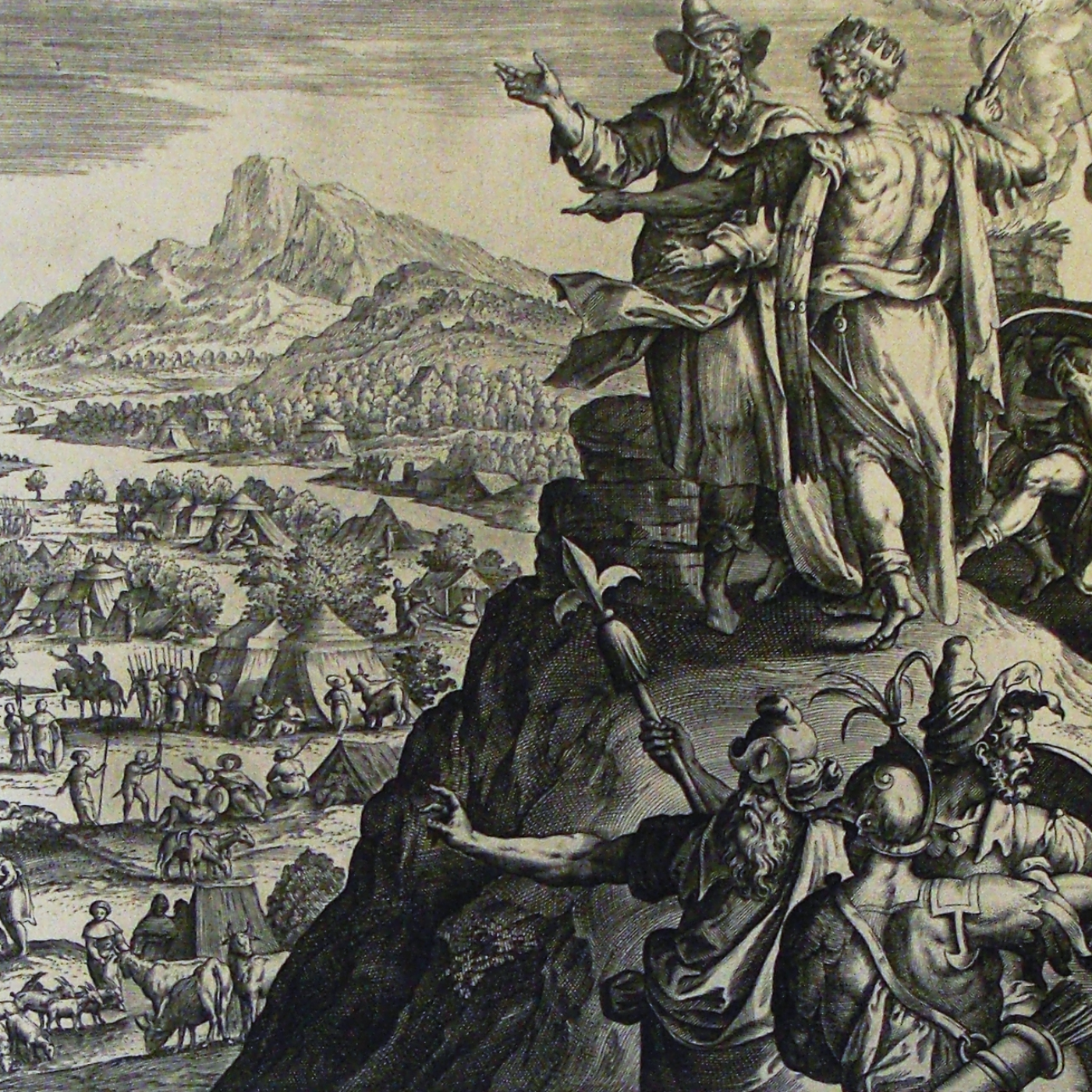
We are told that Balaam‘s successors moved by this (for the prediction was preserved most likely among them) when they noticed in the heavens a strange star besides the usual ones, fixed above the head, so to say, and vertically above Judea, hastened to arrive at Palestine, to inquire about the king announced by the star‘s appearance―Eusebius
S1 Ep 46Day 46 - Numbers 21-22
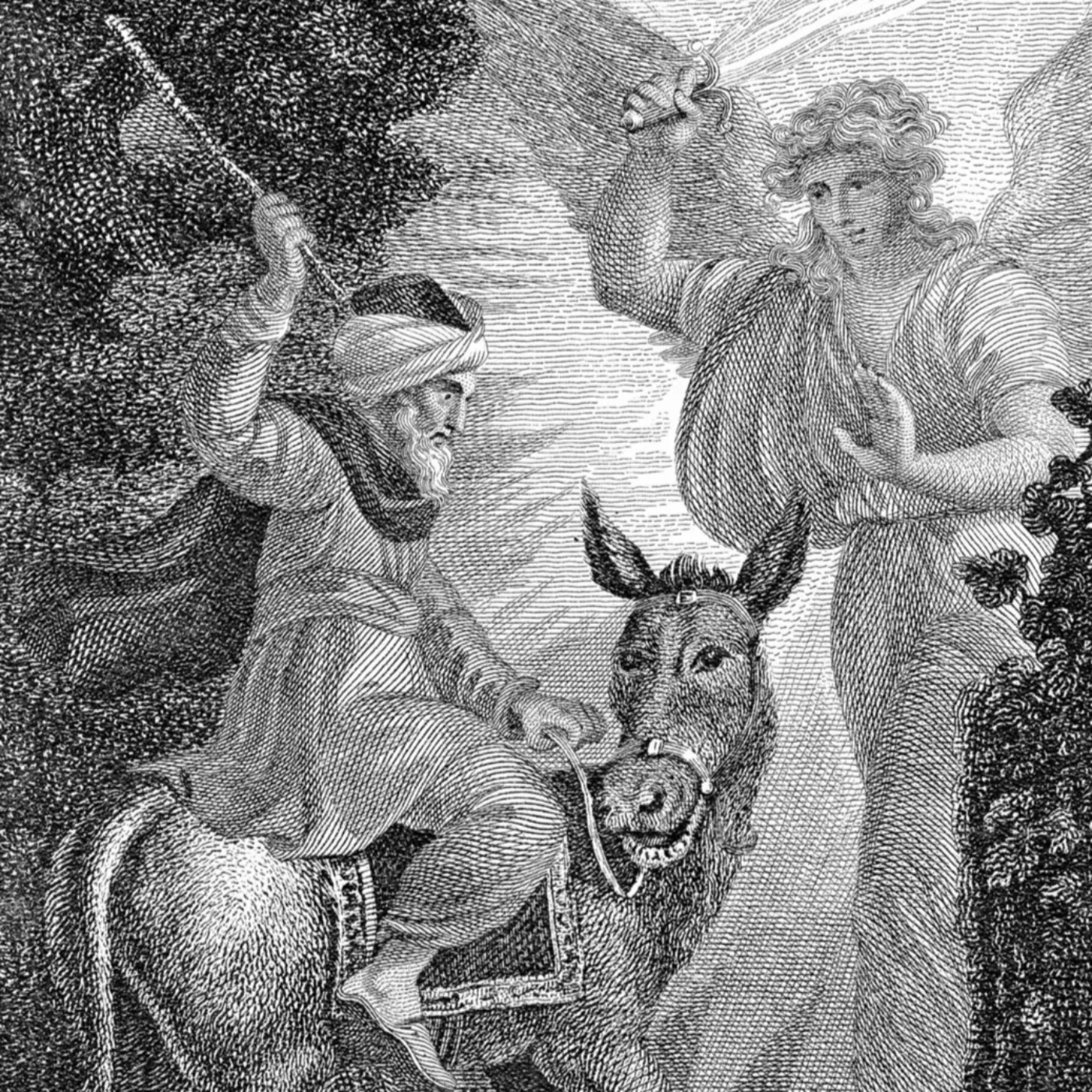
What offense does Balaam commit, except that he said one thing and plotted another? For God seeks out a pure vessel, one not corrupted by impurity and squalor. Balaam was tested, therefore, but he was not found acceptable: "For he was full of lies and guile." In short, when he first inquired whether he ought to go to that vain people and was stopped, he made excuses. Later, when more important legates were sent and more copious things were promised, he was enticed by the richer gifts— although he should have renounced them— and decided that there should be another consultation, as though God could be affected either by a bribe or by gifts. The response was given as though to a greedy man and not as to one seeking the truth, so that he might be mocked rather than informed. He set out, and an angel met him in a narrow place. He revealed himself to the ass. He did not reveal himself to the seer. He revealed himself to the one; he disgraced the other. Nevertheless, in order that he himself might at some point come to recognition, "he opened his eyes." He saw and still did not believe the clear oracle. He who should have believed his own eyes responded obscurely and ambiguously―St Ambrose
S1 Ep 45Day 45 - Numbers 18-20
So in the case of one of us, if he leans to either side, whether from vice or ignorance, no slight danger of a fall into sin from vice or ignorance, no slight danger of a fall into sin is incurred, both for himself and those who are led by him. But we must really walk in the king‘s highway and take care not to turn aside from it either to the right hand or to the left, as the Proverbs say. For such is the case with our passions, and such in this matter is the straight path of the good shepherd, if he is to know properly the souls of his flock, and to guide them according to the methods of a pastoral care which is right and just and be worthy of our true Shepherd―St Gregory of Nazianzus
S1 Ep 44Day 44 - Numbers 15-17
Why was he punished just for gathering sticks? Because if the laws were obstinately despised even at the beginning, of course they would scarcely be observed afterwards. For indeed the sabbath did at the first confer many and great benefits. It made them gentle toward those of their household and humane. It taught them God‘s providence and the creation, as Ezekiel says; it trained them by degrees to abstain from wickedness and disposed them to regard the things of the Spirit―St John Chrysostom
S1 Ep 43Day 43 - Numbers 13-14
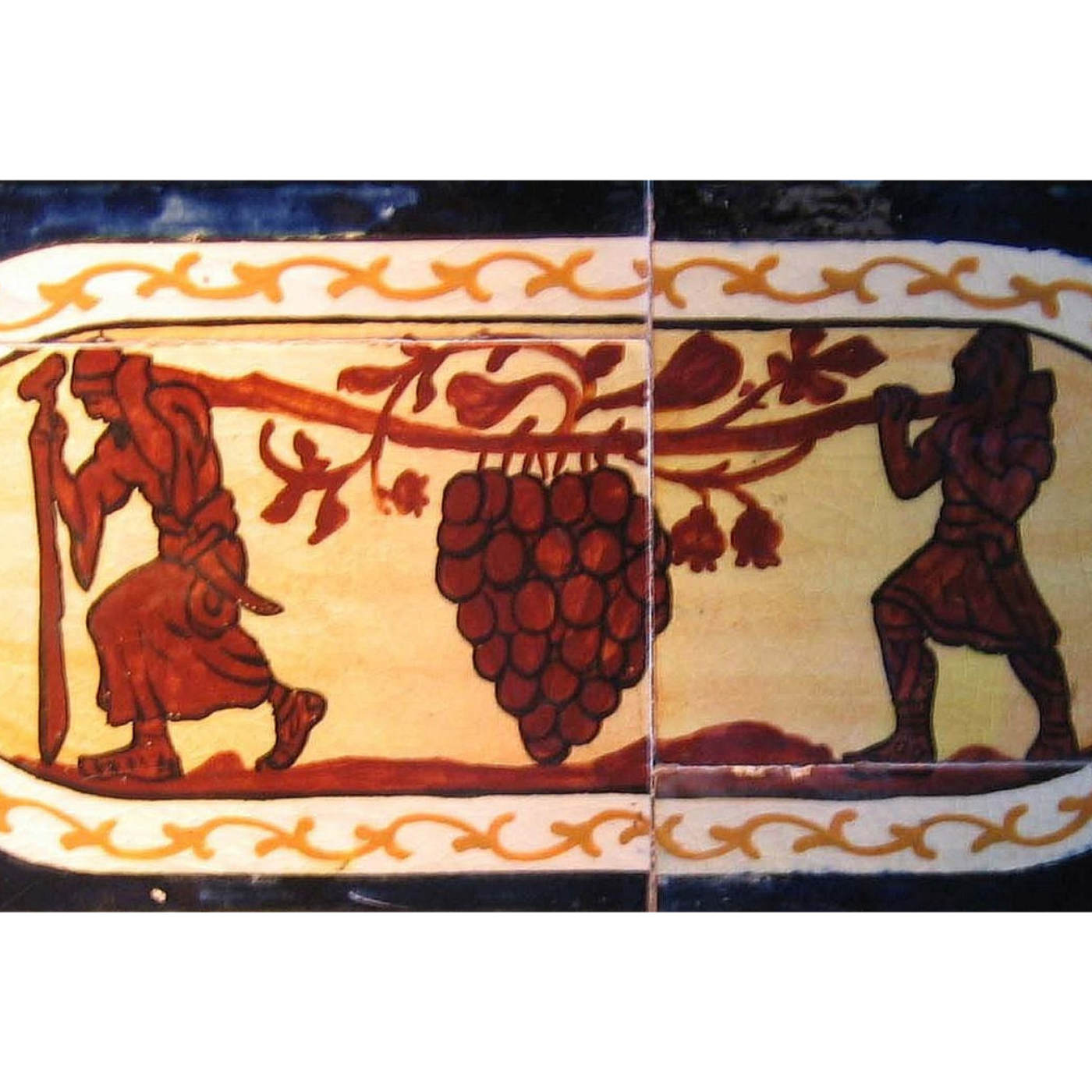
Later on, a sacred vine put forth a cluster of grapes that was prophetic. To those who had been led by the Educator to a place of rest after their wanderings it was a sign, for the great cluster of grapes is the Word crushed on our account. The Word desired that the "blood of the grape" be mixed with water as a symbol that his own blood is an integral element in salvation―Clement of Alexandria
S1 Ep 42Day 42 - Numbers 9-12
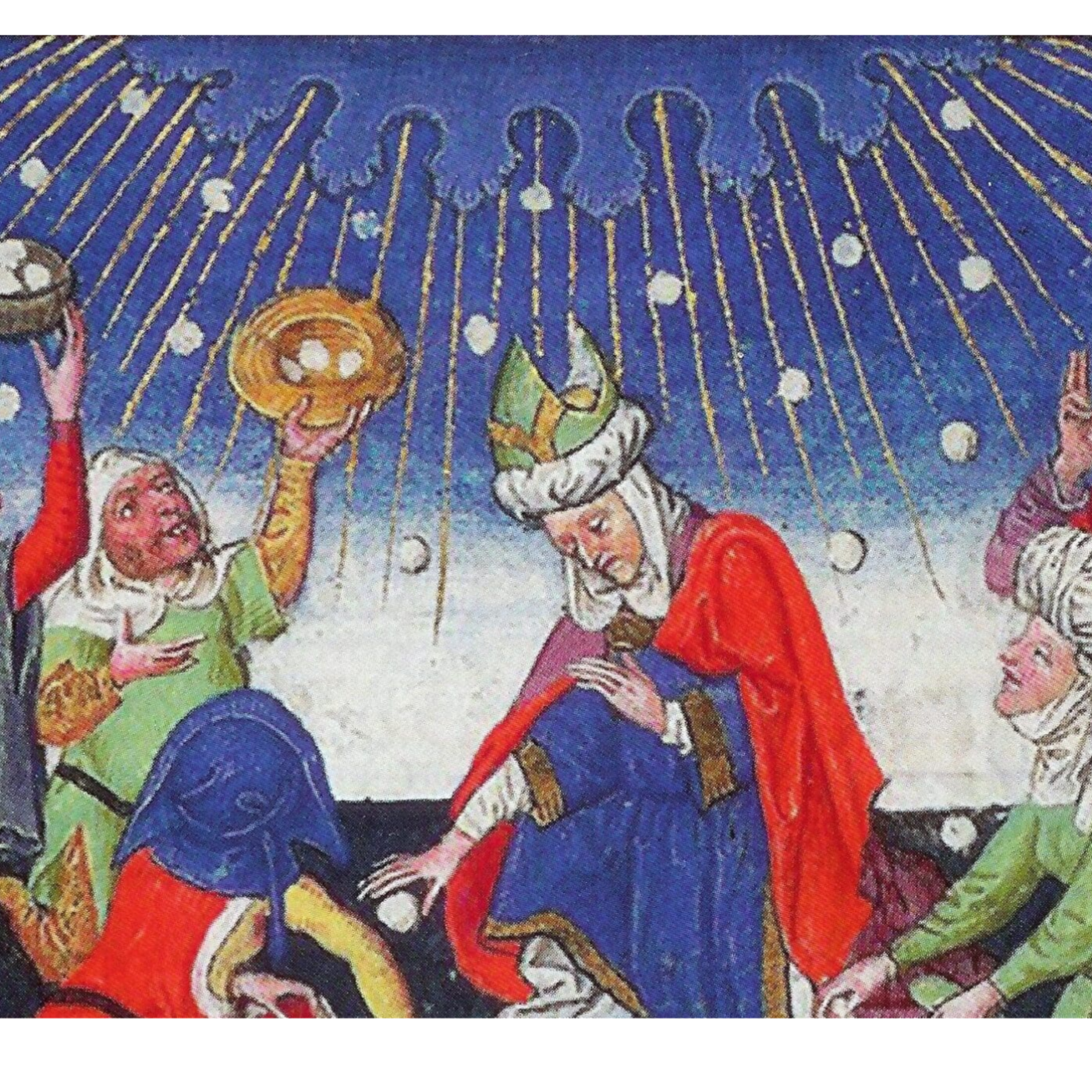
We would be censured along with those who dwelt in the desert and who desired the disgusting food of vice and filthiness after having eaten the heavenly manna, and we would seem to complain like them: "It was well with us in Egypt, when we sat over pots of flesh and ate onions and garlic and cucumbers and melons." Although this manner of speaking first referred to that people, nonetheless we see it now daily fulfilled in our life and profession. For everyone who has first renounced this world and then returns to his former pursuits and his erstwhile desires proclaims that in deed and in intention he is the same as they were, and he says, "It was well with me in Egypt."―John Cassian
S1 Ep 41Day 41 - Numbers 7-8
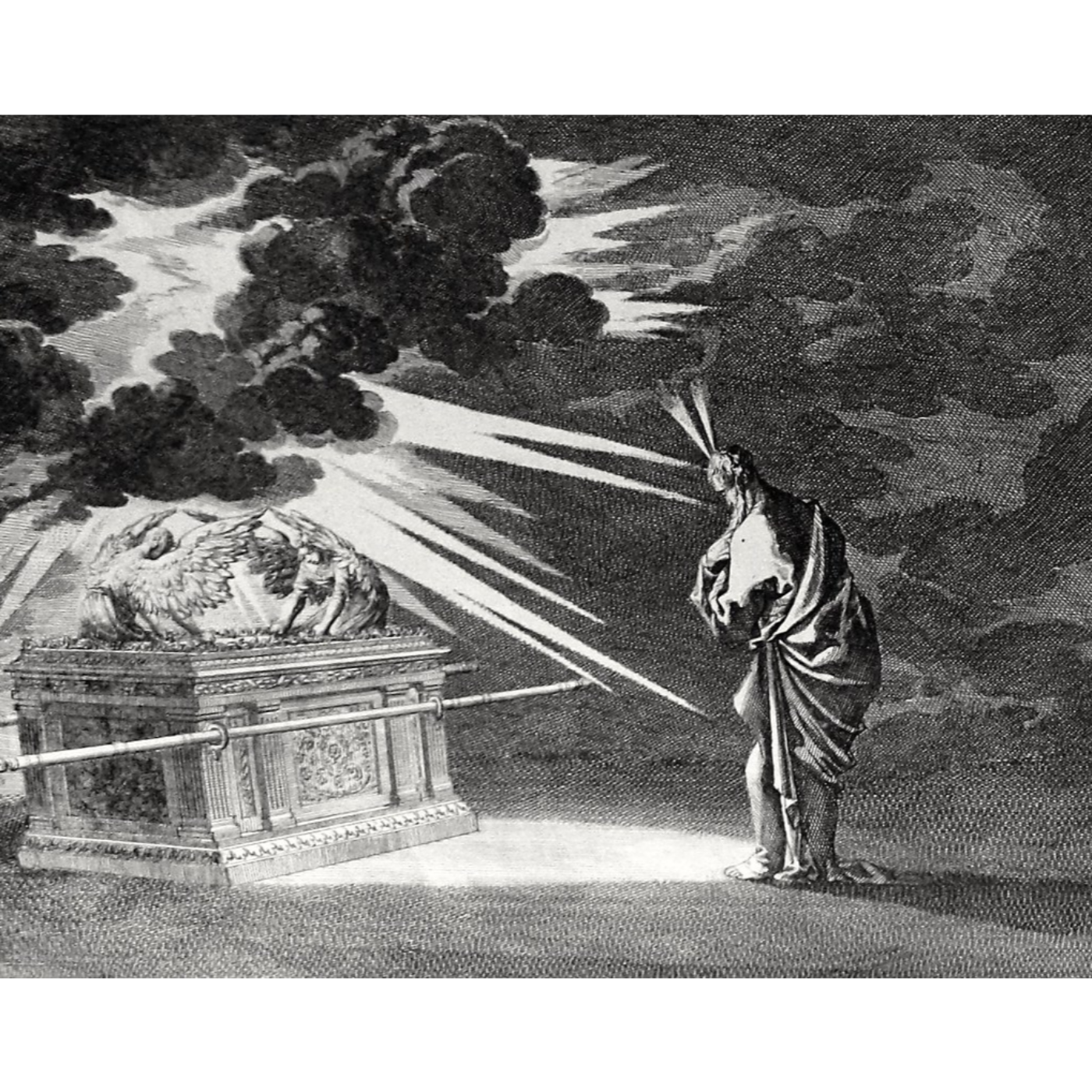
What does it mean that Moses often enters the tabernacle and comes out, except that he, whose mind is raised up in contemplation, must go out to deal with the affairs of the weak? Inside he contemplates the mysteries of God. Outside he bears the burdens of carnal persons. And Moses, who always has recourse to the tabernacle in matters of doubt and consults the Lord in the ark of the covenant, undoubtedly offers an example to officeholders. When in their public lives they are unsure of what to decide, they should always ponder in their minds, as in the tabernacle. They would seek advice, as it were, at the ark of the covenant, if they study the pages of sacred Scripture in their hearts when they deal with a doubt. Truth himself, manifested to us by taking on our humanity, devoted himself to prayer on the mountain and performed miracles in the cities. Thus he showed good pastors a model to imitate. They should desire what is highest in contemplation but care for the needs of the weak by their compassion. Charity rises up to the heights in a marvelous way when it mercifully turns to the depths of the neighbor‘s needs. When it descends in kindness to the lowest, it returns in vigor to the highest―Paterius
S1 Ep 40Day 40 - Numbers 5-6
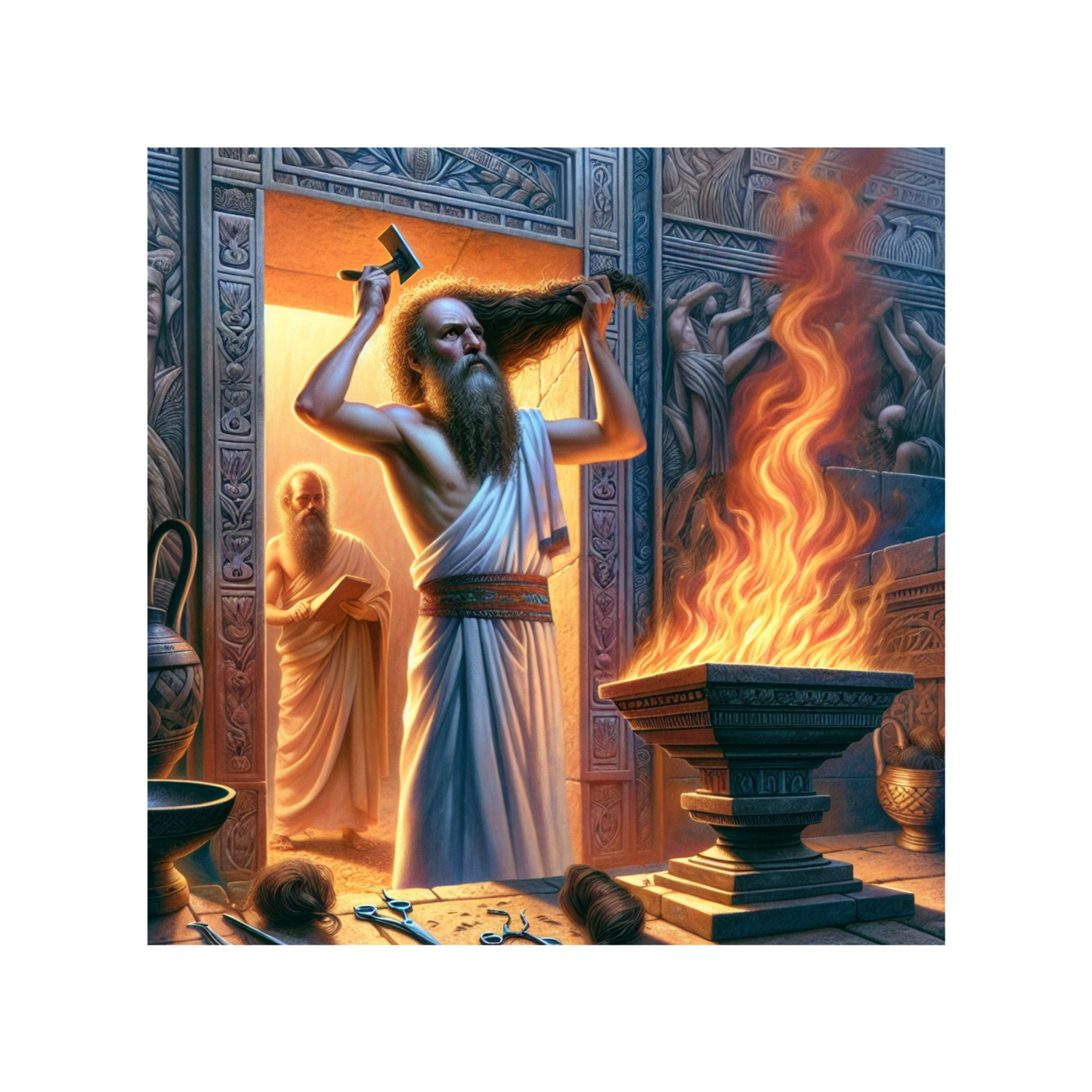
What does it mean that Nazirites cultivate their hair, except that they cultivate pleasing thoughts through their lives of continence? What does it mean that, when the time of his vow is fulfilled, the Nazirite is bidden to shave his head and to put his hair in the sacrificial fire? It means that we reach the height of perfection when we have so conquered external vices that we restrain even superfluous thoughts in our minds. And to burn these thoughts in sacrificial fire means to burn them in the flame of divine love, so that one‘s whole heart burns with the love of God. We burn up our superfluous thoughts and consume the hair of the Nazirite, as it were, in perfect devotion―Paterius
S1 Ep 39Day 39 - Numbers 3-4
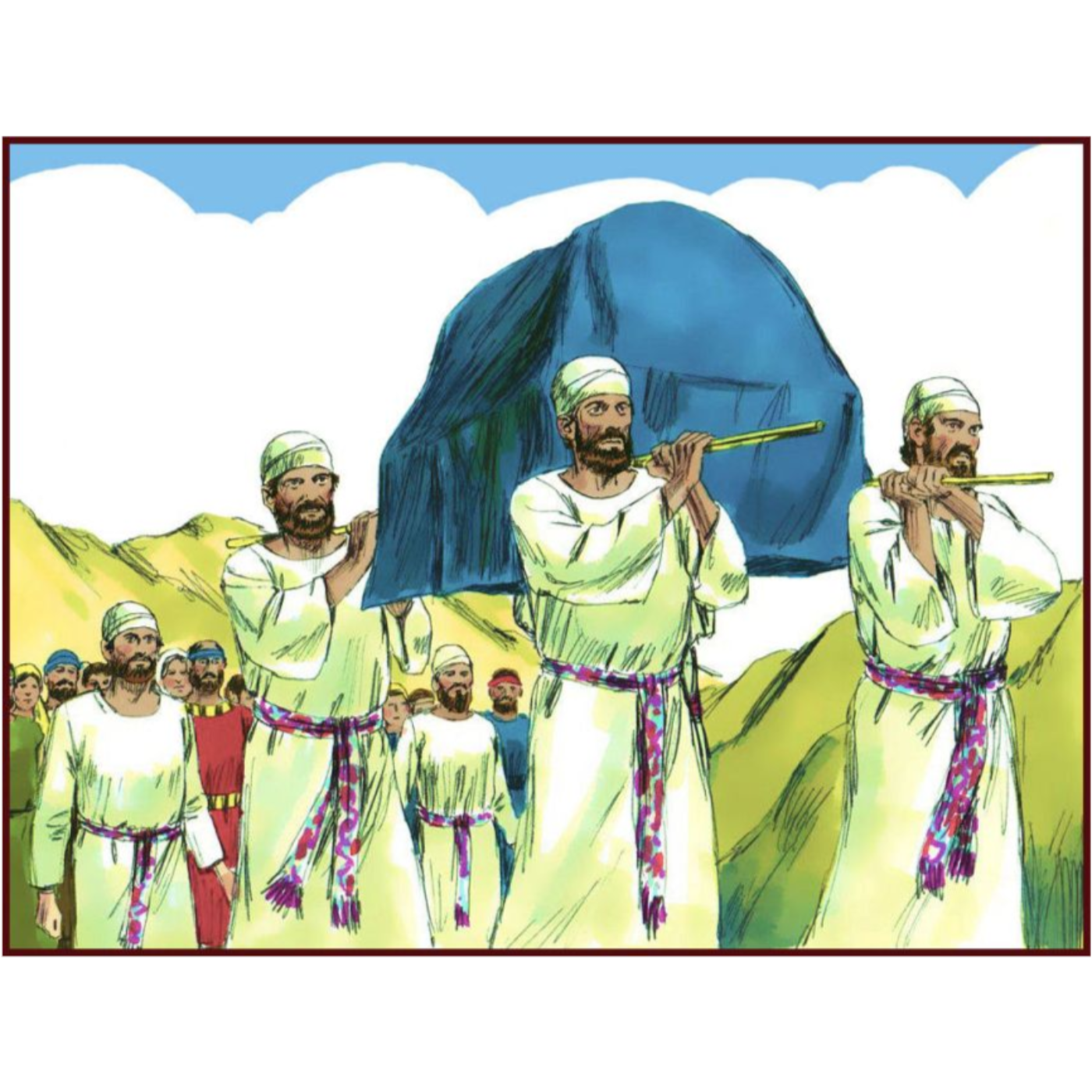
Further, the priests are described as being more eminent than the Levites; for this same Scripture tells us that "the Lord spoke to Moses, saying, 'Bring the tribe of Levi and make them stand in the sight of Aaron the priest, to minister to him.‘" Do you see how here too he both speaks of the priests as superior to the Levites and once more makes the Levites appear as more eminent than the children of Israel?―Origen
S1 Ep 38Day 38 - Numbers 1-2
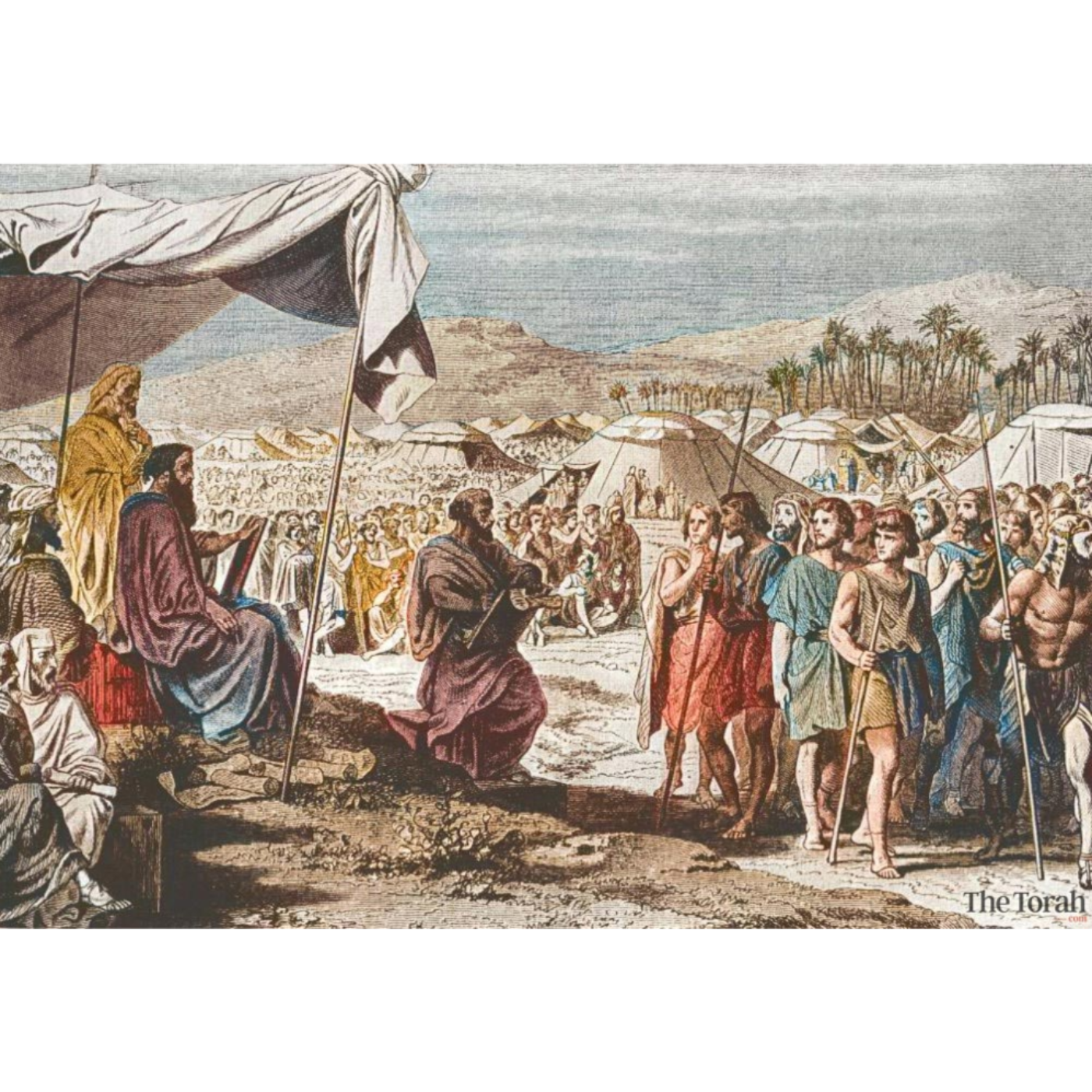
We gather from the book of Numbers that there may be something greater than Israel too. For there the whole of Israel is numbered and reckoned in twelve tribes, as under a fixed number. But the tribe of Levi, being of greater eminence than the others, is accounted extra to this number and never thought of as being one of Israel‘s number [of twelve]―Origen
S1 Ep 37Day 37 - Leviticus 25-27
Who is there who has grasped the mind of Christ so well that he knows the meaning of the seventh year of freedom of Hebrew slaves1 and the remission of debts and the intermission of the cultivation of the holy land? Over and above the feast of every seventh year is the feast called the jubilee. No one can ever come near divining its precise meaning or the true import of the prescriptions enjoined by it, except him who knows the Father‘s will and his disposition for every age according to "his incomprehensible judgments and unsearchable ways"―Origen
S1 Ep 36Day 36 - Leviticus 23-24
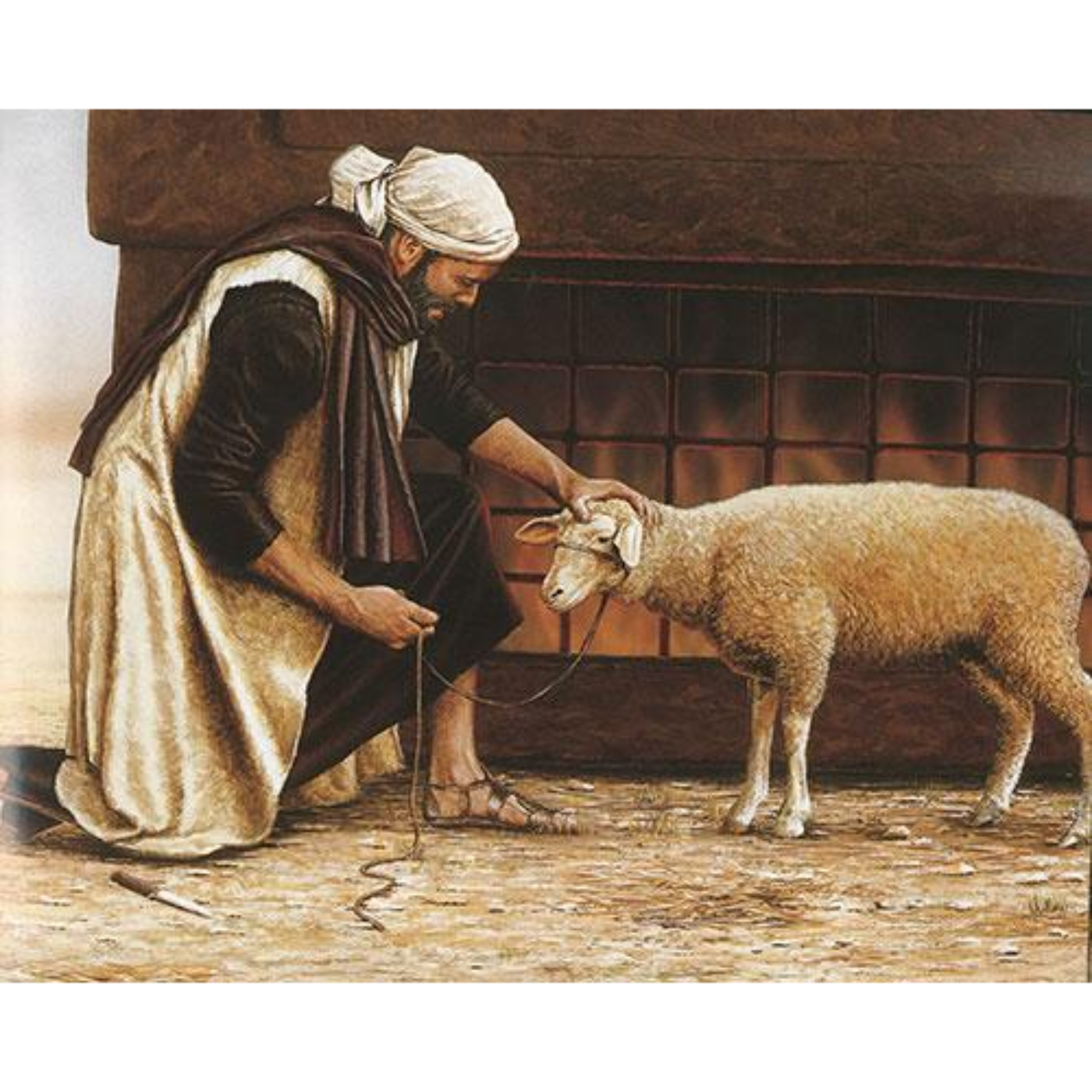
In the first place, the figure of the twelve apostles is clearly foretold here in the very number of the loaves, for when the Lord appeared in flesh he chose them to be the first of those by whose ministry he gave the food of life to all nations. And then to these same disciples of his (that is, to our apostles), he says in reference to the multitudes hungering in the wilderness, "You give them something to eat." And when five thousand men had been satisfied from the five loaves, they "gathered twelve baskets of fragments," doubtless because those sacraments of the Scriptures which the multitudes are not able to receive belong to the apostles and the apostolic men―Bede
S1 Ep 35Day 35 - Leviticus 20-22
At the end, it is stated, "If a man eats of the sanctified things through ignorance, iniquity and wickedness are laid at his feet, and he shall be bound by a vow." Thus also the apostle teaches us that we are to eat the Eucharist of the Lord with caution, lest we eat to our condemnation and judgment. If ignorance is condemned under the law, how much more will full knowledge be condemned according to the gospel?―St Jerome
S1 Ep 34Day 34 - Leviticus 16-19
Long before Christ it had been said, "You shall not covet"; long before it had been said, "You shall love your neighbor as yourself," a phrase which, as the apostle says, expresses the fulfillment of the whole law.9 And as no one loves himself unless he loves God, the Lord says that the whole Law and the Prophets depend on these two commandments―St Augustine
S1 Ep 33Day 33 - Leviticus 12-15
For from the beginning "the spirit of God moved over the waters," and over and again Scripture testifies to the fact that water is purifying. It was with water that God washed away the sin of the world in the time of Noah. It was with water that every one who was unclean was purified in accordance with the law, and even their garments were washed with water―John of Damascus
S1 Ep 32Day 32 - Leviticus 8-11
The all-wise Educator, by the lips of Moses, compared association with corrupt men to living with swine when he forbade the ancient people to partake of swine. He made it plain in those words that they who invoke God should not seek the company of the unclean who, like swine, revel in bodily pleasures and filthy habits of life and impure delights―Clement of Alexandria
S1 Ep 31Day 31 - Leviticus 4-7
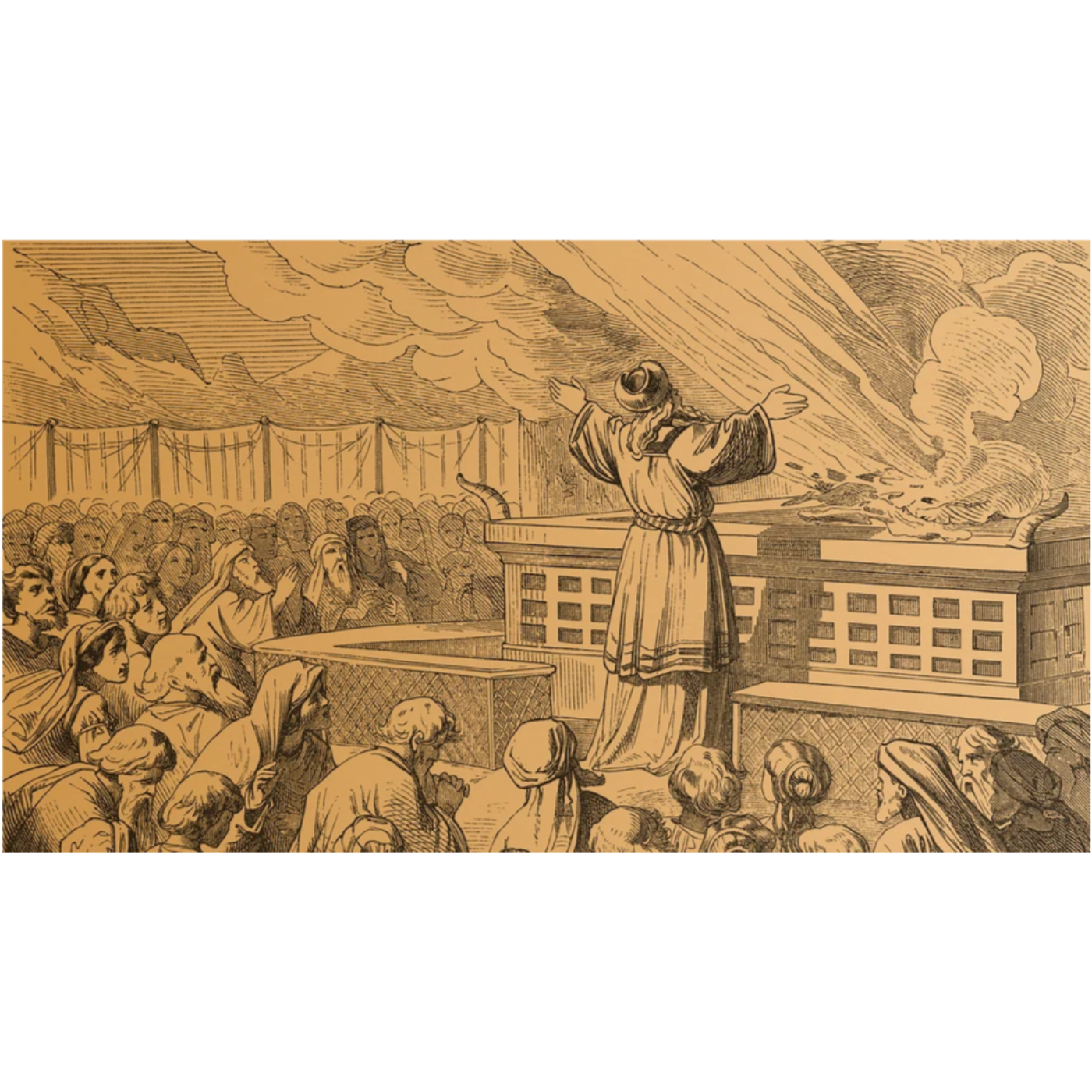
Not without reason are "a pair of turtledoves and two young doves" accepted in the sacrifices. For they are worth the same, and you never find separate mention of just a pair of doves but "a pair of turtledoves and two young doves." The dove denotes the Holy Spirit. But when the great and more hidden mysteries are in question and the things that many people cannot grasp, then the Holy Spirit is represented under the appellation of a turtledove—of the bird, that is to say, that always dwells on mountain ridges and in the tops of trees. But in the valleys, in the things that all men understand, he figures as a dove―Origen
S1 Ep 30Day 30 - Leviticus 1-3
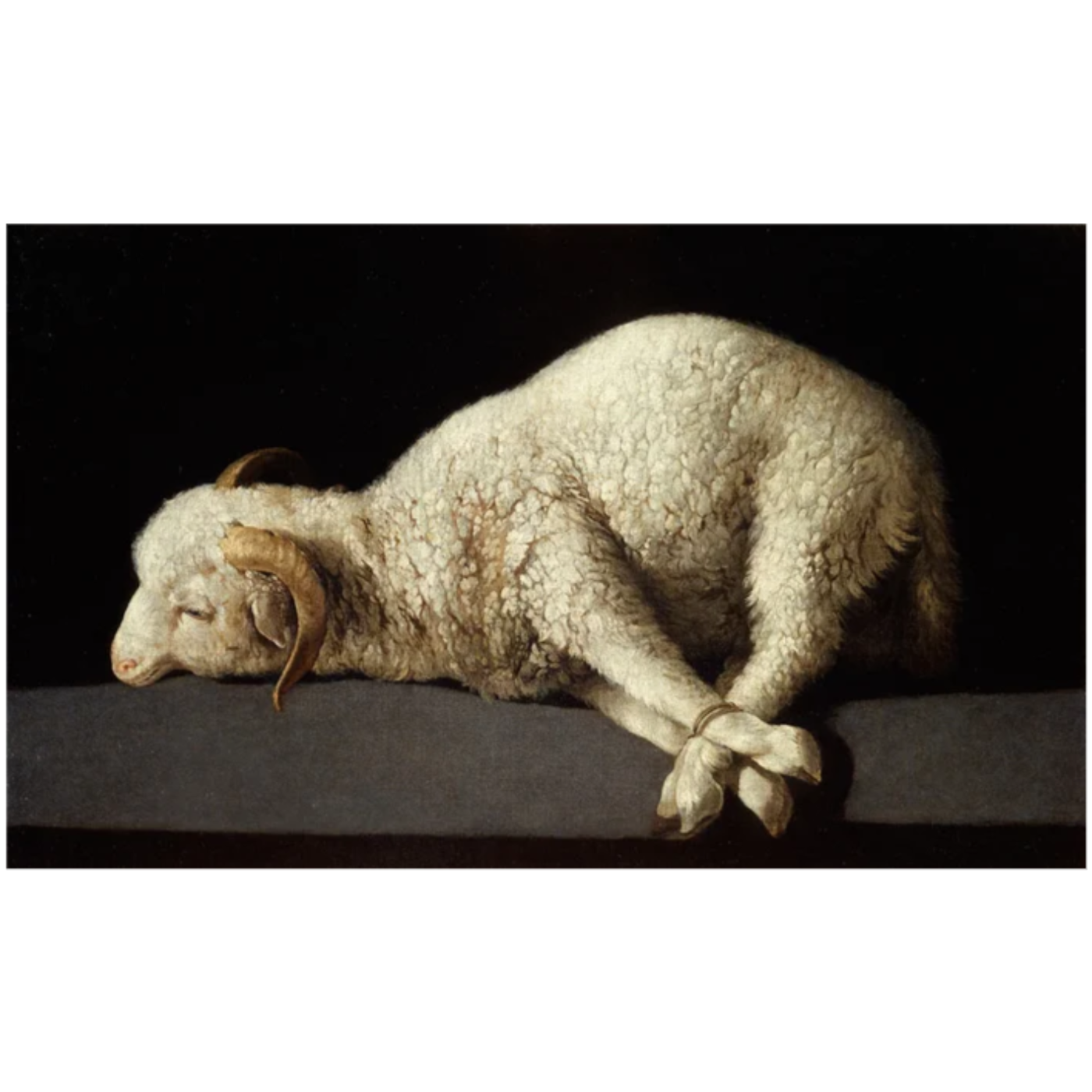
If indeed the soul takes refuge in God, believes and seeks the salt of life which is the good and person-loving Spirit, then the heavenly salt comes and kills those ugly worms. The Spirit takes away the awful stench and cleanses the soul by the strength of his salt. Thus the soul is brought back to health and freed from its wounds by the true salt in order to be again useful and ordered to serve the heavenly Lord. That is why even in the law God uses this example when he ordered that all sacrifices be salted with salt―St Macarius the Great
S1 Ep 29Day 29 - Consecration of the Tabernacle
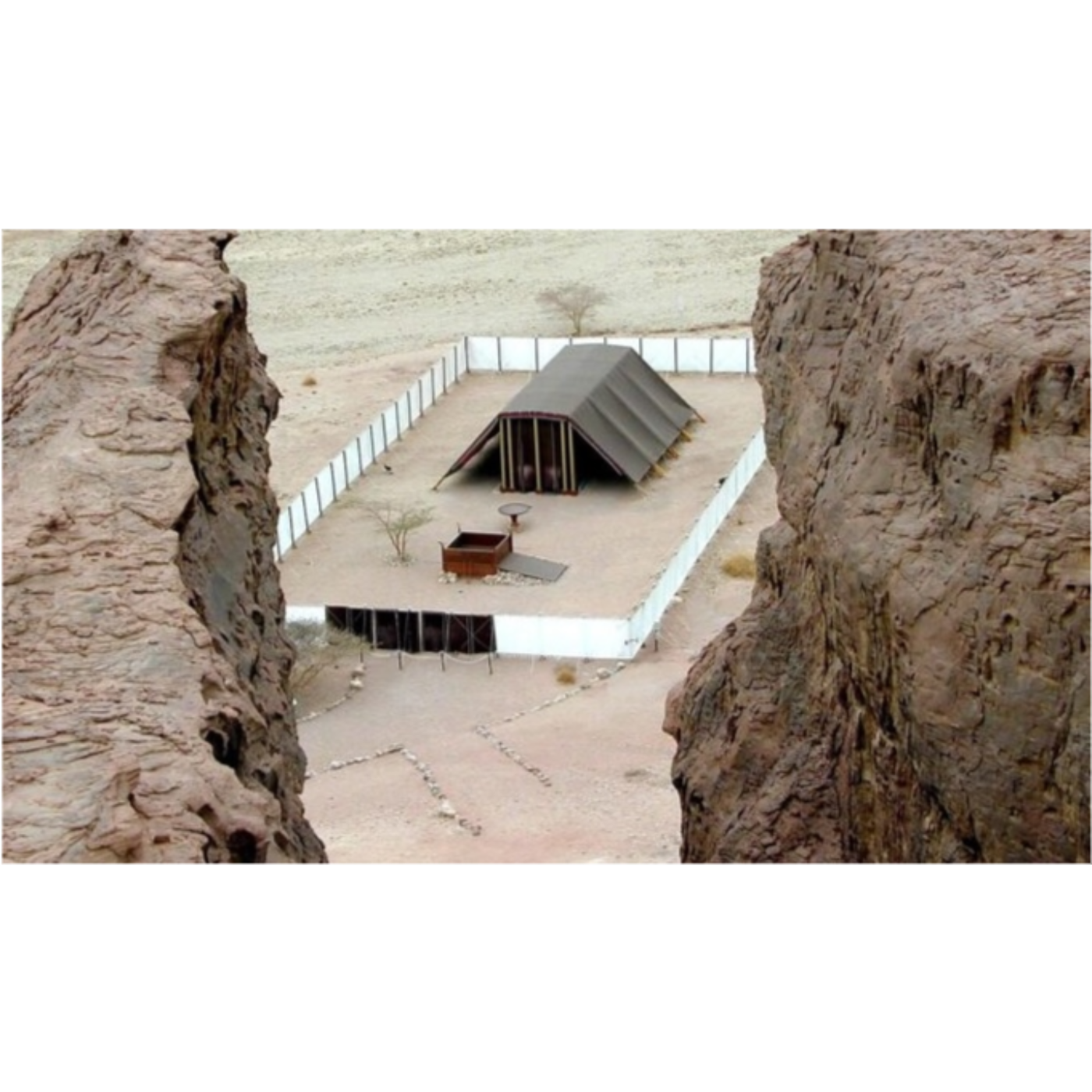
For if any one do, without prejudice, and with judgment look upon these things, he will find they were every one made in way of imitation and representation of the universe. When Moses distinguished the tabernacle into three parts, and allowed two of them to the Priests, as a place accessible and common, he denoted the land and the sea: for these are accessible to all. But when he set apart the third division for God, it was because heaven is inaccessible to men. And when he ordered twelve loaves to be set on the table, he denoted the year, as distinguished into so many months. And when he made the candlestick, of seventy parts, he secretly intimated the Decani, or seventy divisions of the planets. And as to the seven lamps upon the candlesticks, they referred to the course of the planets, of which that is the number. And for the veils, which were composed of four things, they declared the four elements. For the fine linen was proper to signify the earth; because the flax grows out of the earth. The purple signified the sea; because that colour is dyed by the blood of a sea shell-fish. The blue is fit to signify the air; and the scarlet will naturally be an indication of fire. Now the vestment of the High Priest being made of linen, signified the earth; the blue denoted the sky; being like lightning in its pomegranates, and in the noise of the bells resembling thunder. And for the ephod it shewed that God had made the universe of four [elements:] and as for the gold interwoven, I suppose it related to the splendor by which all things are inlightened. He also appointed the breast-plate to be placed in the middle of the ephod, to resemble the earth: for that has the very middle place of the world. And the girdle which encompassed the High Priest round, signified the ocean: for that goes round about and includes the universe. Each of the sardonyxes declares to us the sun and the moon: those I mean that were in the nature of buttons on the High Priests shoulders. And for the twelve stones, whether we understand by them the months; or whether we understand the like number of the signs of that circle which the Greeks call the Zodiack, we shall not be mistaken in their meaning. And for the miter, which was of a blue colour, it seems to me to mean heaven: for how otherwise could the name of God be inscribed upon it? That it was also illustrated with a crown, and that of gold also, is because of that splendor with which God is pleased―Josephus
S1 Ep 28Day 28 - Building the Tabernacle
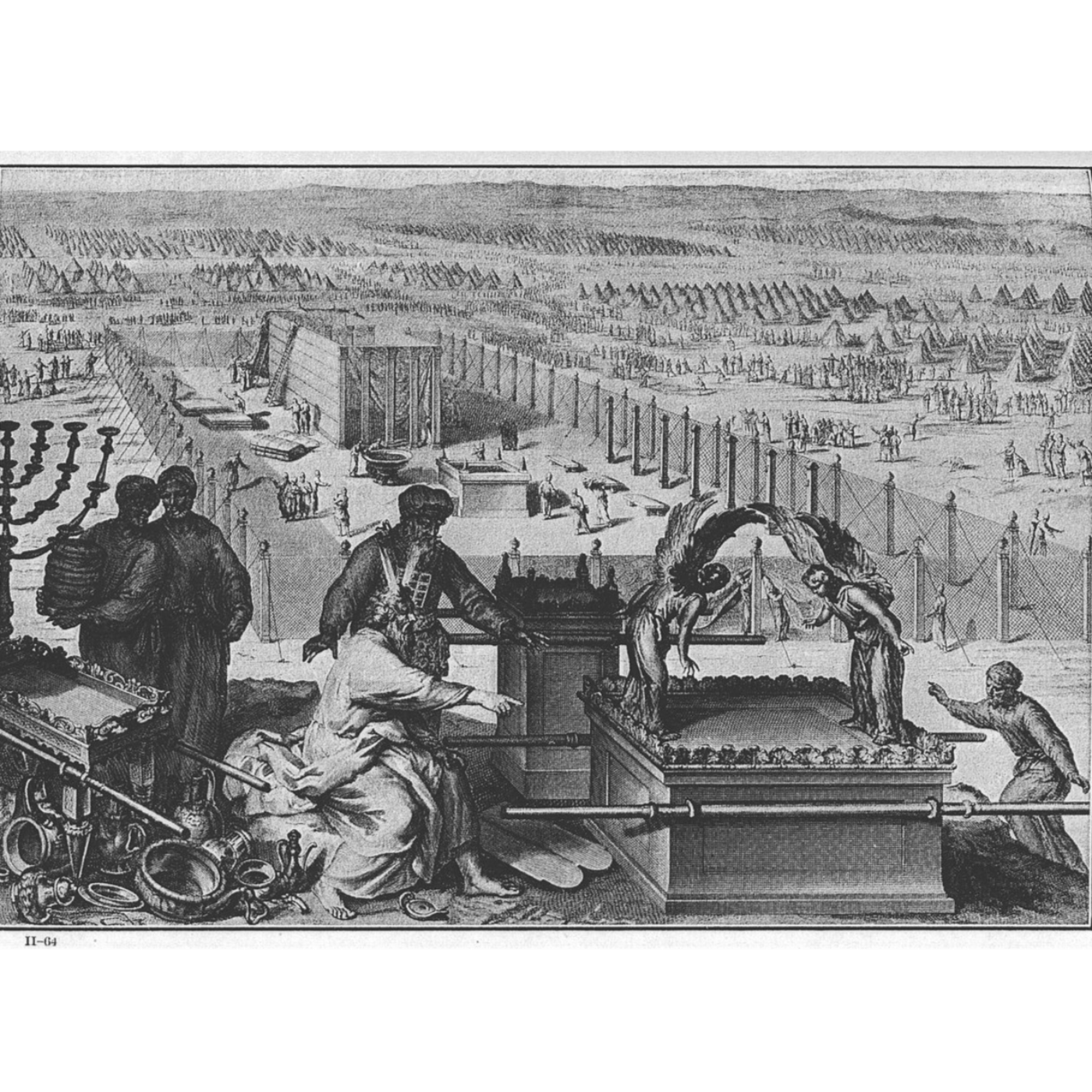
For we are not wrong in saying just the same of Bezalel, that being entrusted by Moses with the building of the tabernacle, he became the constructor of those things there mentioned. He would not have taken the work in hand had he not previously acquired his knowledge by divine inspiration. He ventured upon the undertaking on Moses‘ entrusting him with its execution. Accordingly the term entrusted suggests that his office and power in creation came to him as something adventitious, in the sense that before he was entrusted with that commission he had neither the will nor the power to act. But when he received authority to execute the works and power sufficient for the works, then he became the artificer of things that are, the power allotted to him on high being, as Eunomius1 says, sufficient for the purpose―St Gregory of Nyssa
S1 Ep 27Day 27 - Rebellion at the Camp
He sought to imitate the shepherd who would, he knew, carry on his shoulders even the wandering sheep. ―The good shepherd‖—these are the Lord‘s own words―lays down his life for the sheep.‖8 One of his disciples can wish to be anathema from Christ for his brothers‘ sake, his kinsmen according to the flesh who were Israelites. If then Paul can desire to perish that the lost may not be lost, how much should good parents not provoke their children to wrath or by too great severity embitter those who are naturally mild―St Jerome
S1 Ep 26Day 26 - The Consecration of Aaron
There were two altars in the temple, which expressed the two covenants in the church. The first, the altar of burnt offerings, which was plated with bronze and was situated in front of the doors of the temple, was for the offering up of victims and sacrifices. It signified the fleshly minded worshipers of the Old Covenant. And then there was the altar of incense, which was covered with gold and set near the entrance of the Holy of Holies and was to burn fragrant gums on. This prefigured the interior and more perfect grace of the New Covenant and its worshipers―Bede
S1 Ep 25Day 25 - The Tabernacle
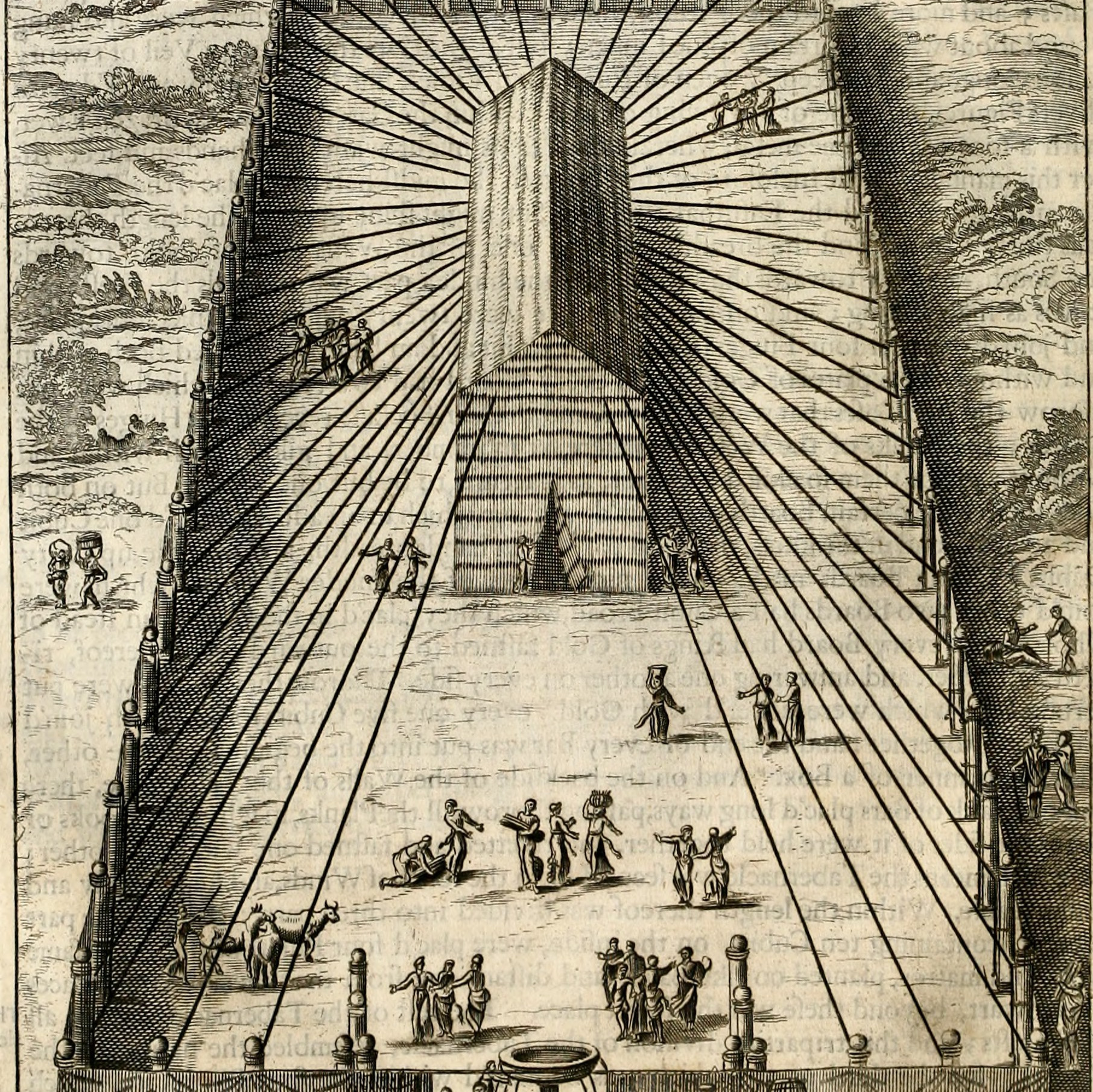
Behold, the glorification of matter, which you despise! What is more insignificant than colored goatskins? Are not blue and purple and scarlet merely colors? Behold the handiwork of men becoming the likeness of the cherubim! Was not the meeting tent an image in every way? "And see that you make them after the pattern for them, which is being shown you on the mountain." Yet all the people stood around it and worshiped! Were not the cherubim kept where all the people could see them? Did not the people gaze upon the ark, and the lampstand, and the table, the golden urn and Aaron‘s rod, and fall down in worship? I do not worship matter. I worship the Creator of matter, who became matter for me, taking up his abode in matter and accomplishing my salvation through matter―John of Damascus
S1 Ep 24Day 24 - The Law
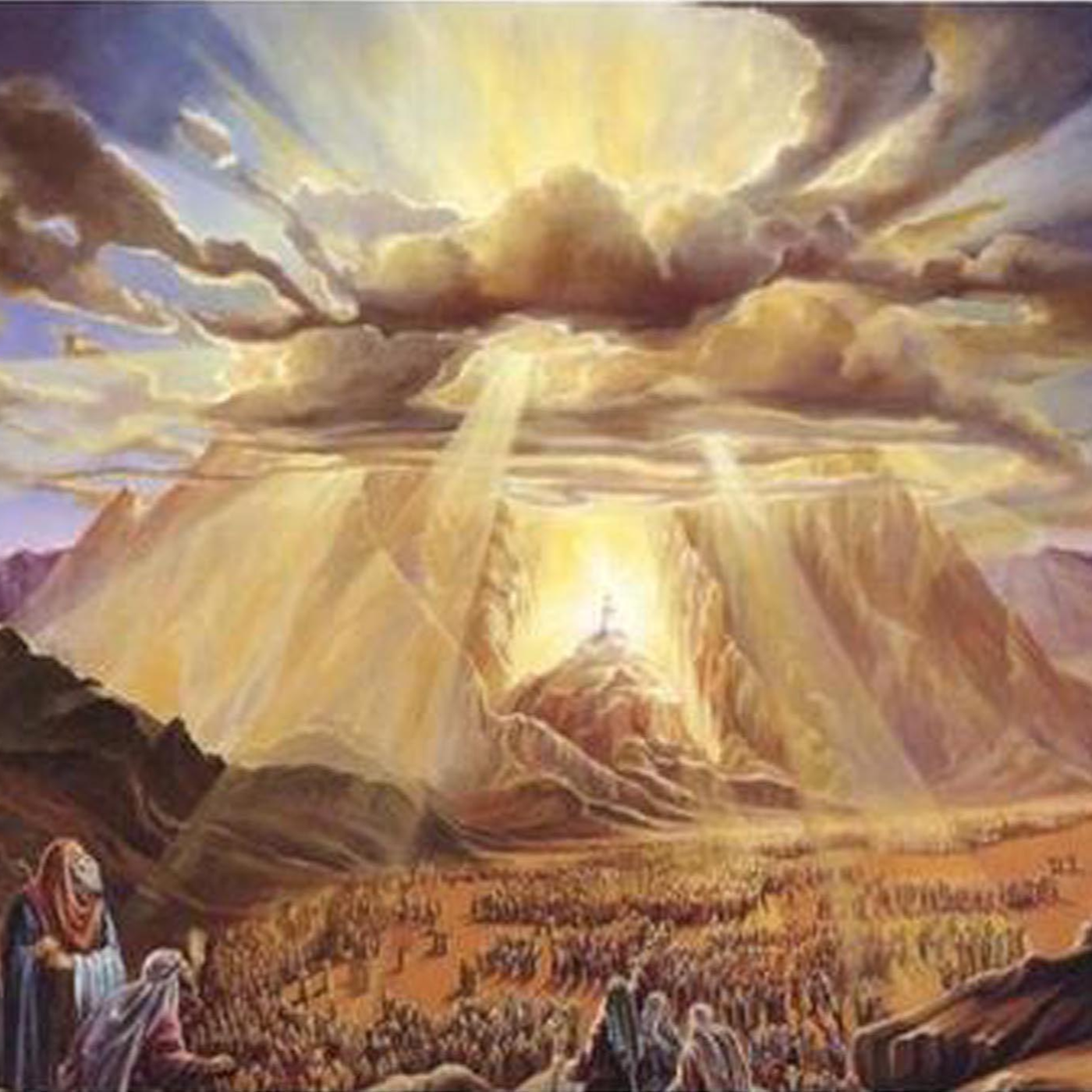
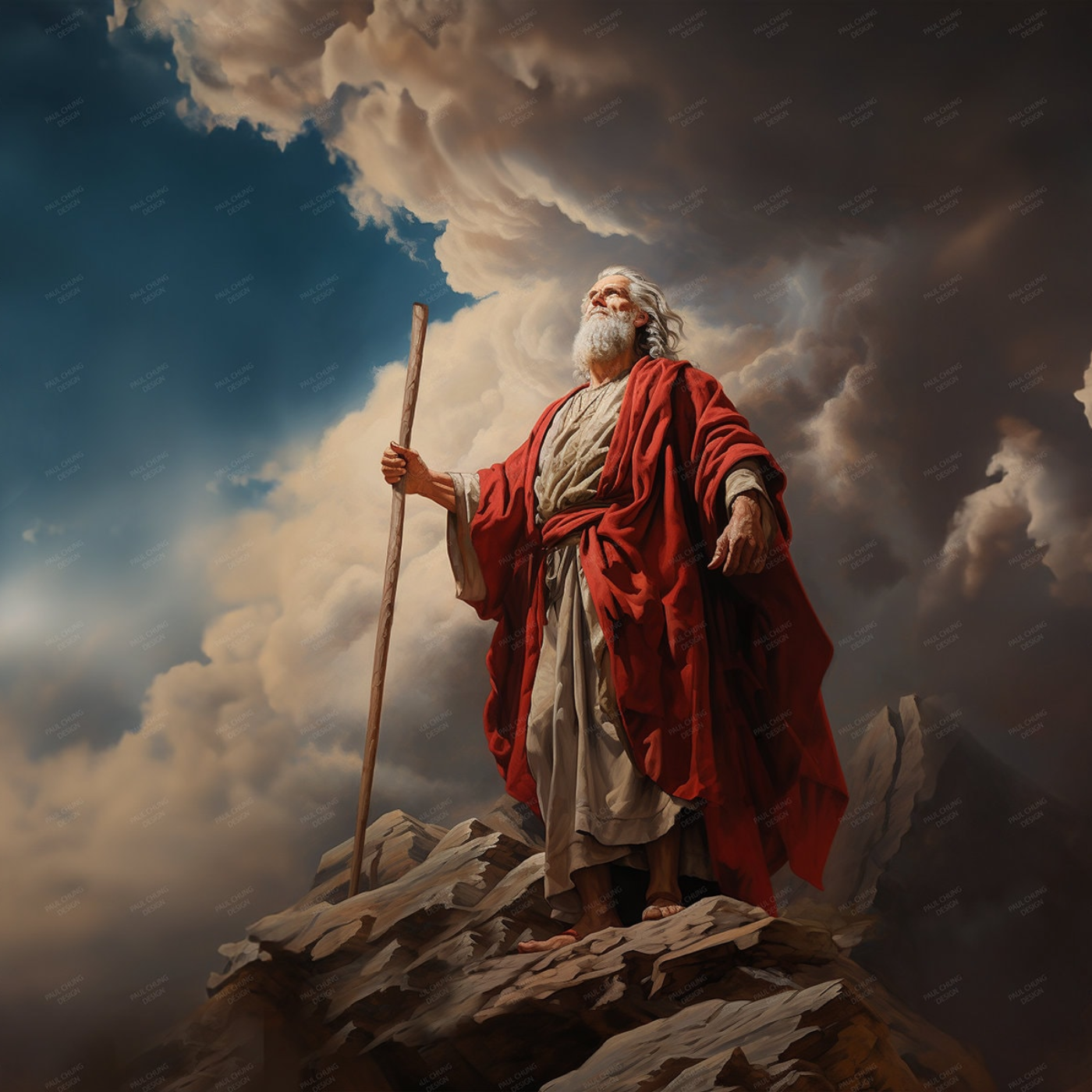
For it is not everyone who may draw near to God but only one who, like Moses, can bear the glory of God. Moreover, before this, when the law was first given, the trumpet blasts, and lightnings, and thunders, and darkness, and the smoke of the whole mountain, and the terrible threats that if even a beast touched the mountain it should be stoned, and other like alarms kept back the rest of the people, for whom it was a great privilege, after careful purification, merely to hear the voice of God. But Moses actually went up, and entered into the cloud,3 and was charged with the law and received the tables. For the multitude, the tables of law are viewed according to the letter. But for those who are above the multitude, these are viewed according to the spirit―St Gregory the Theologian
S1 Ep 23Day 23 - The Decalogue
We should also know that the ten commandments of the law are also fulfilled by the two gospel precepts, love of God and love of neighbor. For the three commandments which were written on the first tablet pertain to the love of God, while on the second tablet seven commandments were inscribed, one of which is "Honor your father and your mother." Doubtless all of the latter are recognized as pertaining to love of neighbor. The Lord said in the Gospel: "On these two commandments depend the whole Law and the Prophets." Likewise we read what the apostle James said: "But whoever offends in one point has become guilty in all." What does it mean to offend in one point and lose all, except to have fallen from the precept of charity and so to have offended in all the other commands? According to the apostle, without charity nothing in our virtues can be shown to avail at all―Caesarius of Arles
S1 Ep 22Day 22 - Manna from Heaven and Water from a Rock
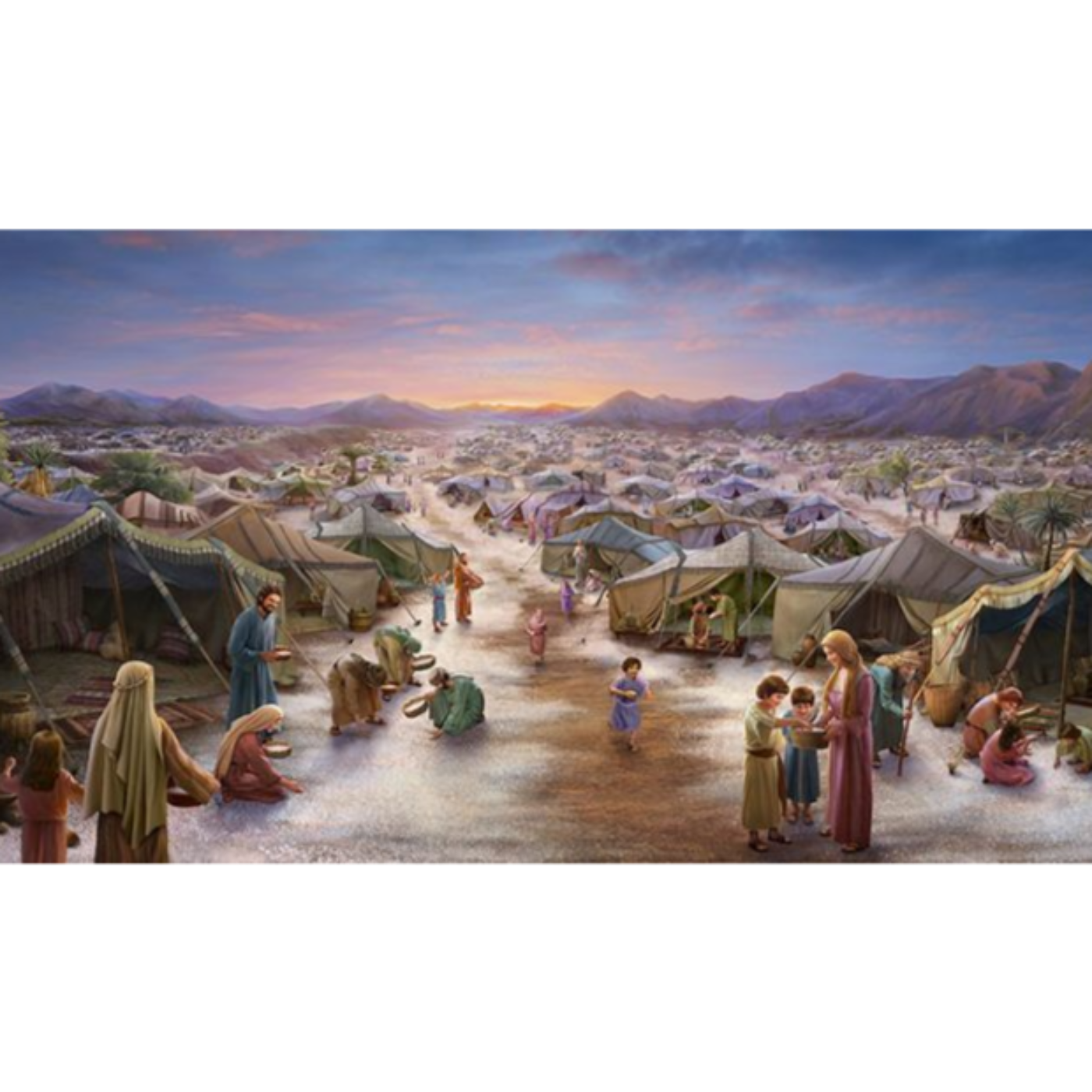
If anyone cannot endure what I have said but still clings to the poverty of worldly things, snatching at the things which undergo diminution, let him call to mind the food of manna. Let him tremble at the example of that punishment. For what happened in that instance, this same result one may now also see in the case of covetous people. But what then happened to them? Worms were bred from their covetousness. This also now happens in their case. For the measure of the food is the same for all. You have but one stomach to fill. Only you who feed luxuriously have more to get rid of. Those who gathered in their houses more than the lawful quantity gathered not manna but more worms and rottenness. Just so both in luxury and in covetousness, the gluttonous and drunken gather not more delicacies but more corruption―St John Chrysostom
S1 Ep 21Day 21 - Crossing the Red Sea
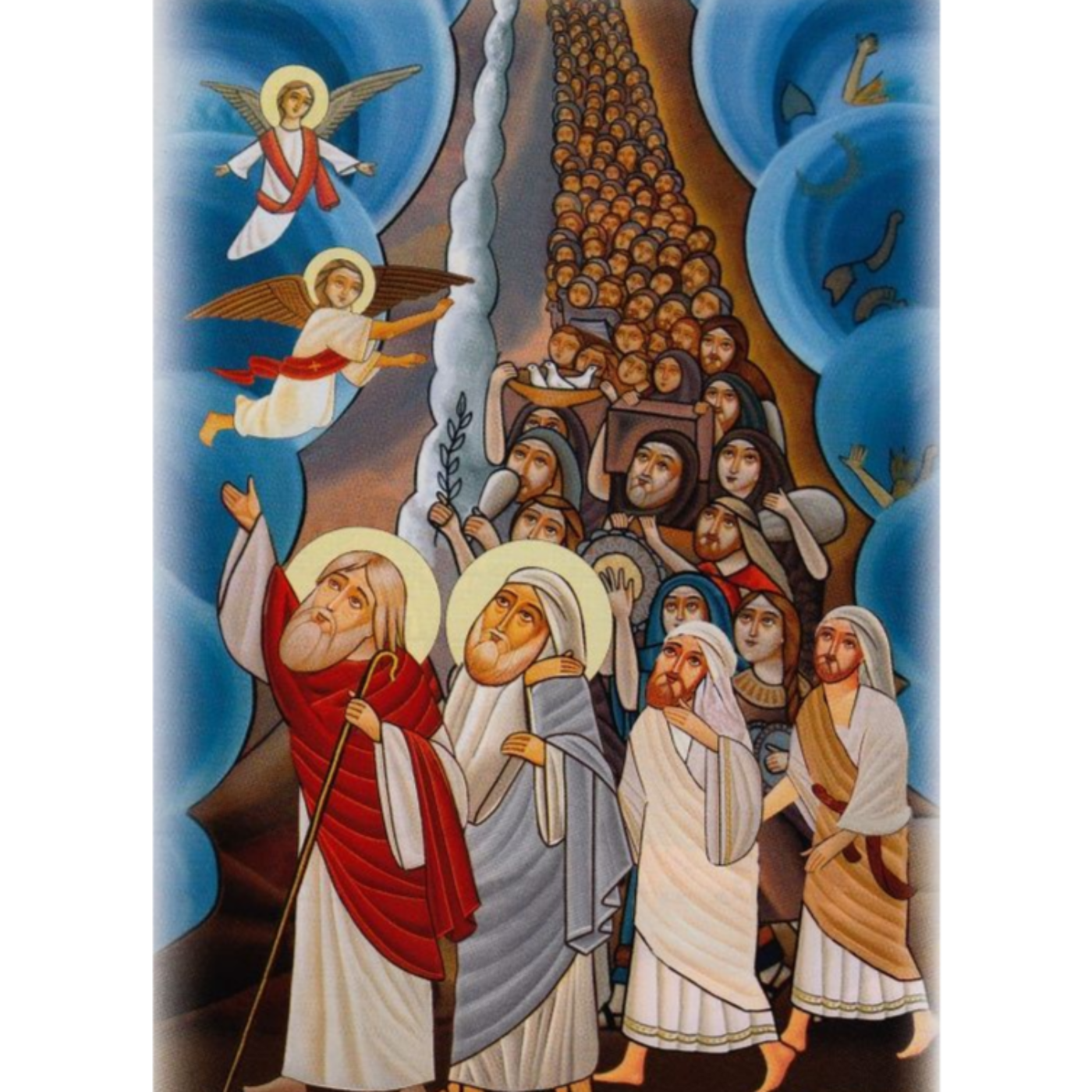
It is said in the ode, "For he has triumphed gloriously: the horse and his rider has he cast into the sea." The many-limbed and brutal affection, lust, with the rider mounted, who gives reigns to pleasures, "he has cast into the sea," throwing them away into the disorders of the world―St Clement of Alexandria
S1 Ep 20Day 20 - The Exodus
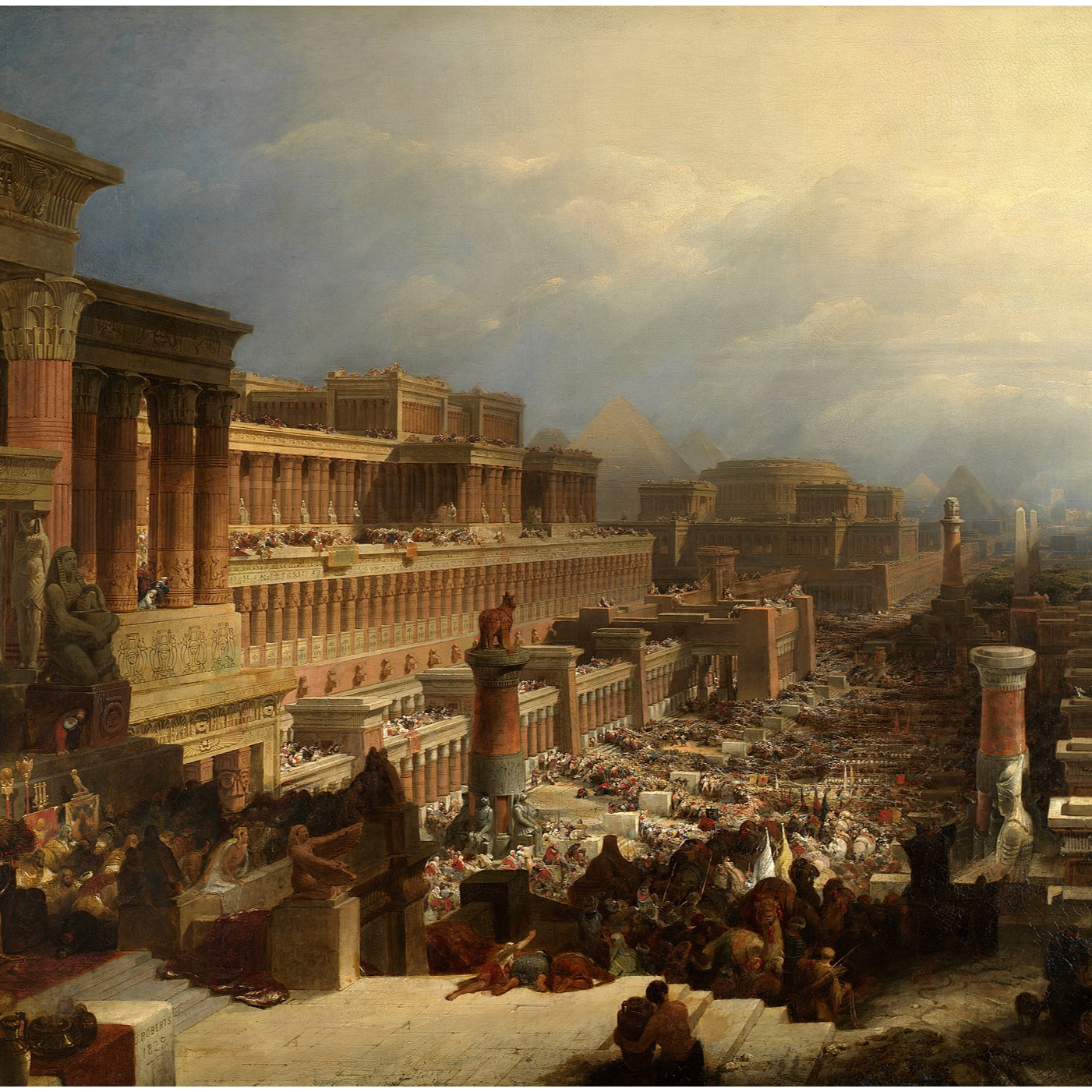
The sacrifice of this lamb was so great that even the shadow of its truth was sufficient for salvation in freeing the Jews from the slavery of Pharaoh, as though already the liberation of the creature from the slavery of corruption was prefigured, the image of Christ‘s coming passion worked for the advent of salvation―Martin of Braga
S1 Ep 19Day 19 - Pharaoh hardens his heart
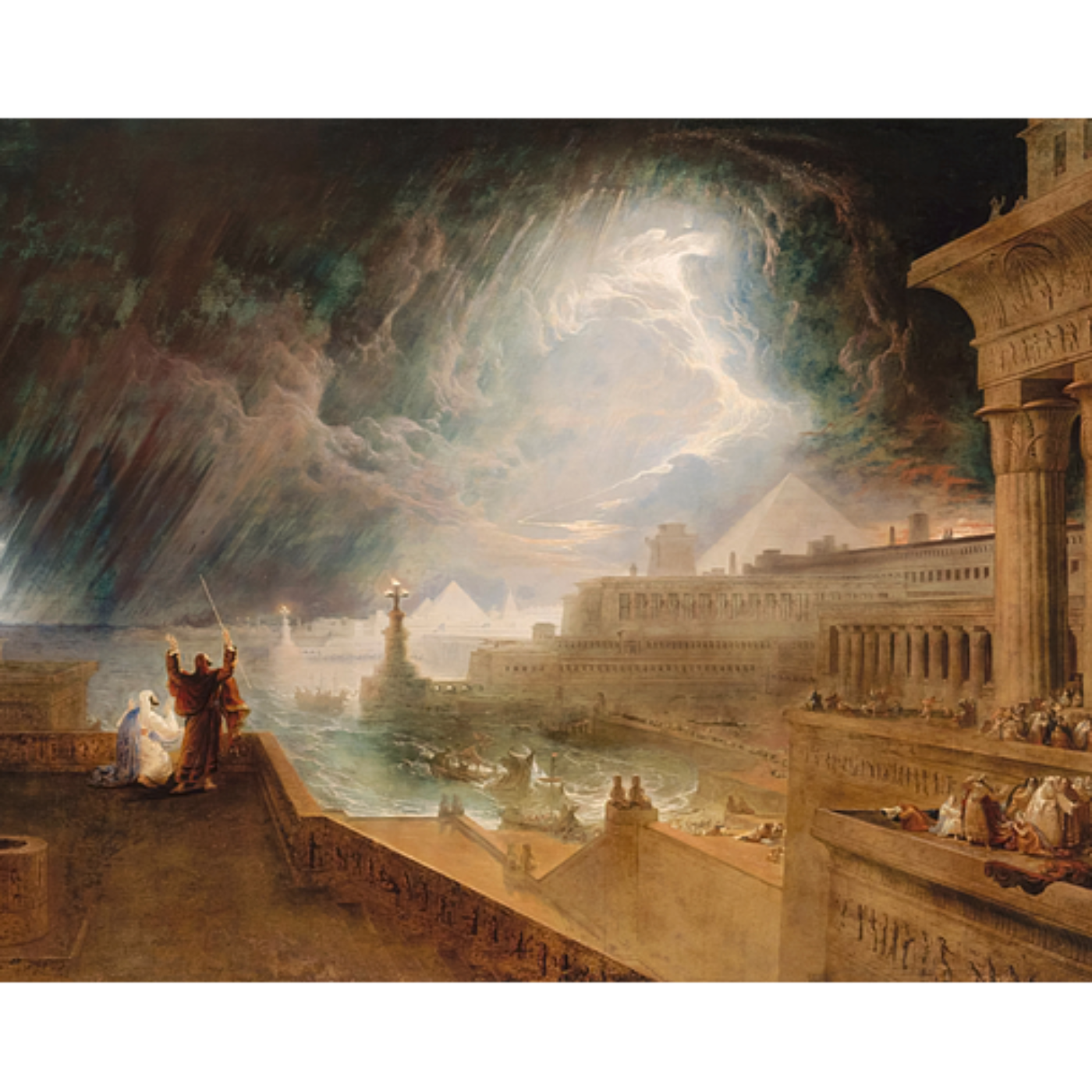
God constantly says, "I will harden Pharaoh‘s heart," and gives the reason why he does this. He says, "I will harden Pharaoh‘s heart and fulfill my signs and my portents in Egypt," as if the hardening of Pharaoh‘s heart were necessary so that God‘s signs might be multiplied and fulfilled in Egypt. God makes good use of bad hearts for what he wishes to show to those who are good or those he is going to make good. And the quality of evil in each heart (that is, what sort of heart is disposed to evil) came about through its own evildoing, which grew from the choice of the will. Still, those evils in quality, so that the heart is moved this way or that, when it is moved to evil this way or that way, comes to be by causes by which the soul is driven. And whether these causes either exist or do not exist is not within the power of man. They come from the providence of God that is hidden, most just and clearly most wise, who disposes and administers the universe that he created. So that Pharaoh had such a heart, which was not moved by God‘s patience to piety but rather to impiety, was the result of his own vice. But that those things happened by which his heart, so evil by its own vice, resisted God‘s command— it is called "hardened" because it did not bend and agree but resisted unbendingly— was of divine dispensation. It was not unjust to such a heart. It was clearly a just punishment [that] was being prepared, by which those who feared God would be corrected. For example: when money is offered for the commission of homicide, a greedy man is moved in one way, but one who disdains money is moved in another way. The former is moved to commit the crime, the latter to being cautious. Yet the offer of the money itself was not under the control of either of them. Thus motives come to evil men that indeed are not under their control, but they act from these motives as they find them already established from their own past willing. We should consider whether the phrase can be understood in this way: "I shall harden," as if he were saying, "I shall show how hard his heart is."―St Augustine
S1 Ep 18Day 18 - Moses and The Burning Bush
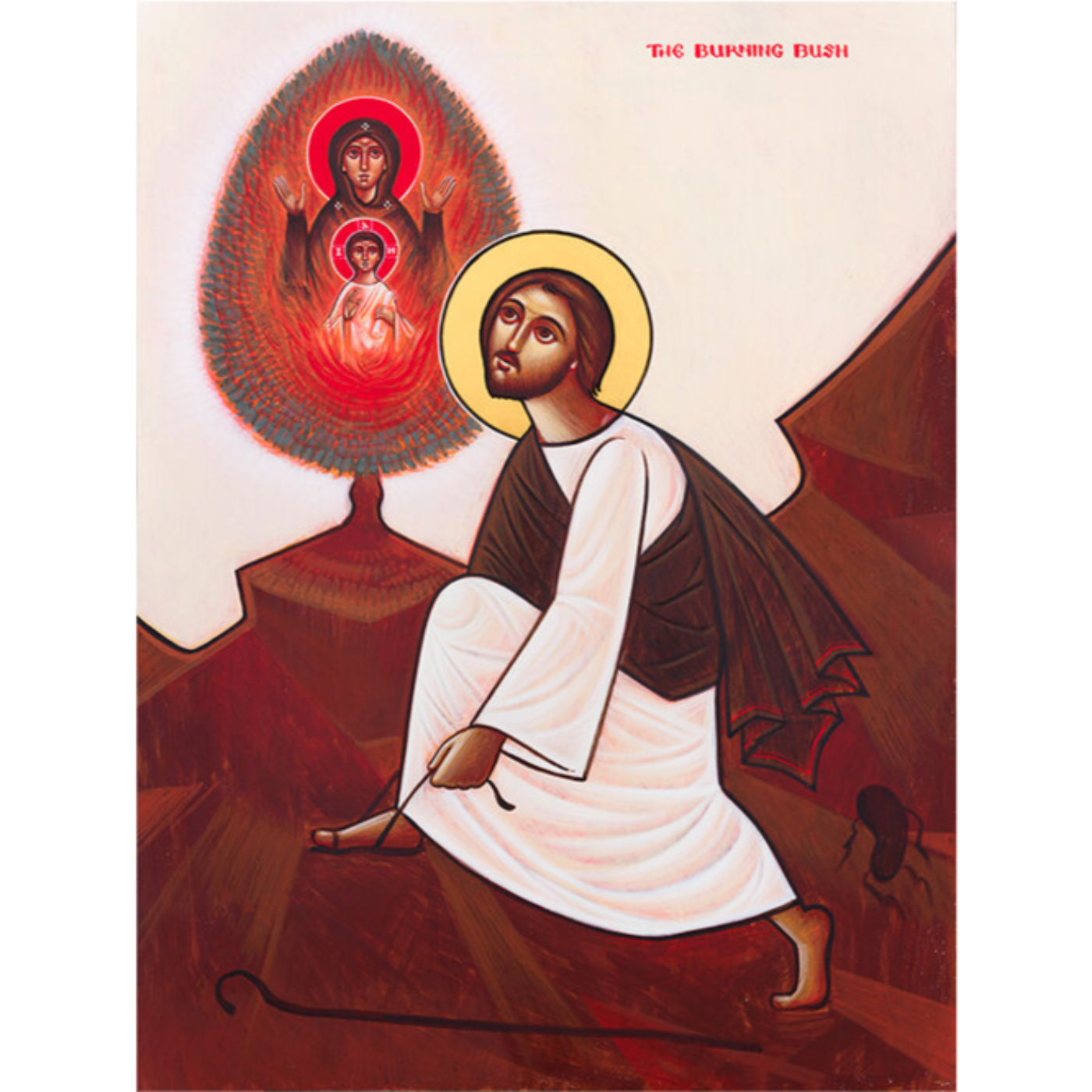
When the almighty Lord of the universe began to legislate through the Word and decided to make his power visible to Moses, he sent Moses a divine vision with the appearance of light, in the burning bush. Now a bramble bush is full of thorns. So too when the Word was concluding his legislation and his stay among men as their Lord, again he permitted himself to be crowned with thorns as a mystic symbol. Returning to the place from which he had descended, the Word renewed that by which he had first come, appearing first in the bush of thorns and later being surrounded with thorns that he might show that all was the work of the same one power. He is one, and his Father is one, the eternal beginning and end—St Clement of Alexandria
S1 Ep 17Day 17 - The Deliverer is Born
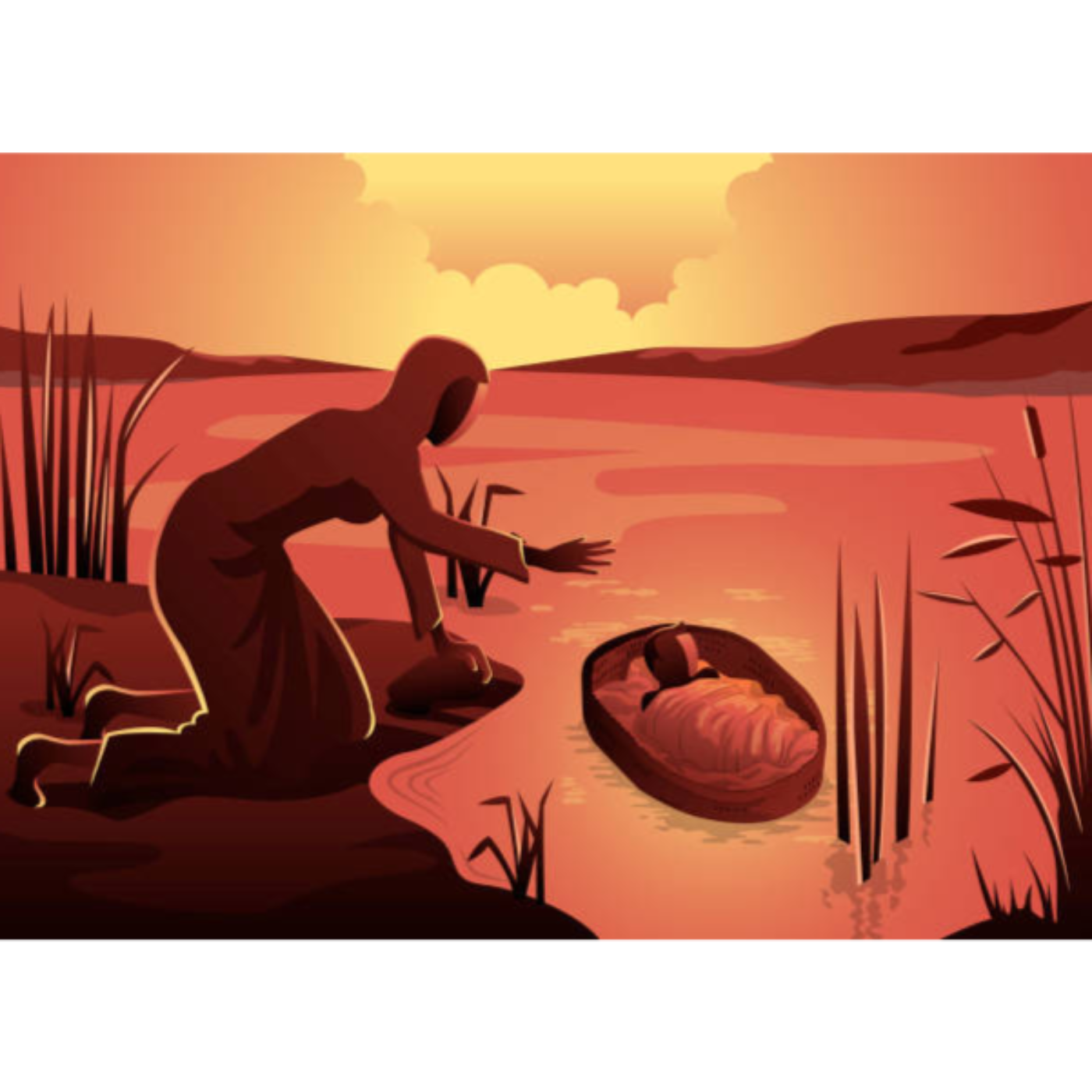
He who hated the pomp of royalty returned to the lowly state of his own race. He preferred to suffer affliction with the people of God rather than to have the fleeting enjoyment of sin. He who, possessing naturally a love for justice, on one occasion even before the government of the people was entrusted to him was seen inflicting on the wicked punishment to the extent of death because of his natural hatred of villainy. He was banished by those to whom he had been a benefactor. He gladly left the uproar of the Egyptians and went to Ethiopia and, spending there all his time apart from others, devoted himself for forty entire years to the contemplation of creation—St Basil the Great
S1 Ep 16Day 16 - Jacob enters Egypt
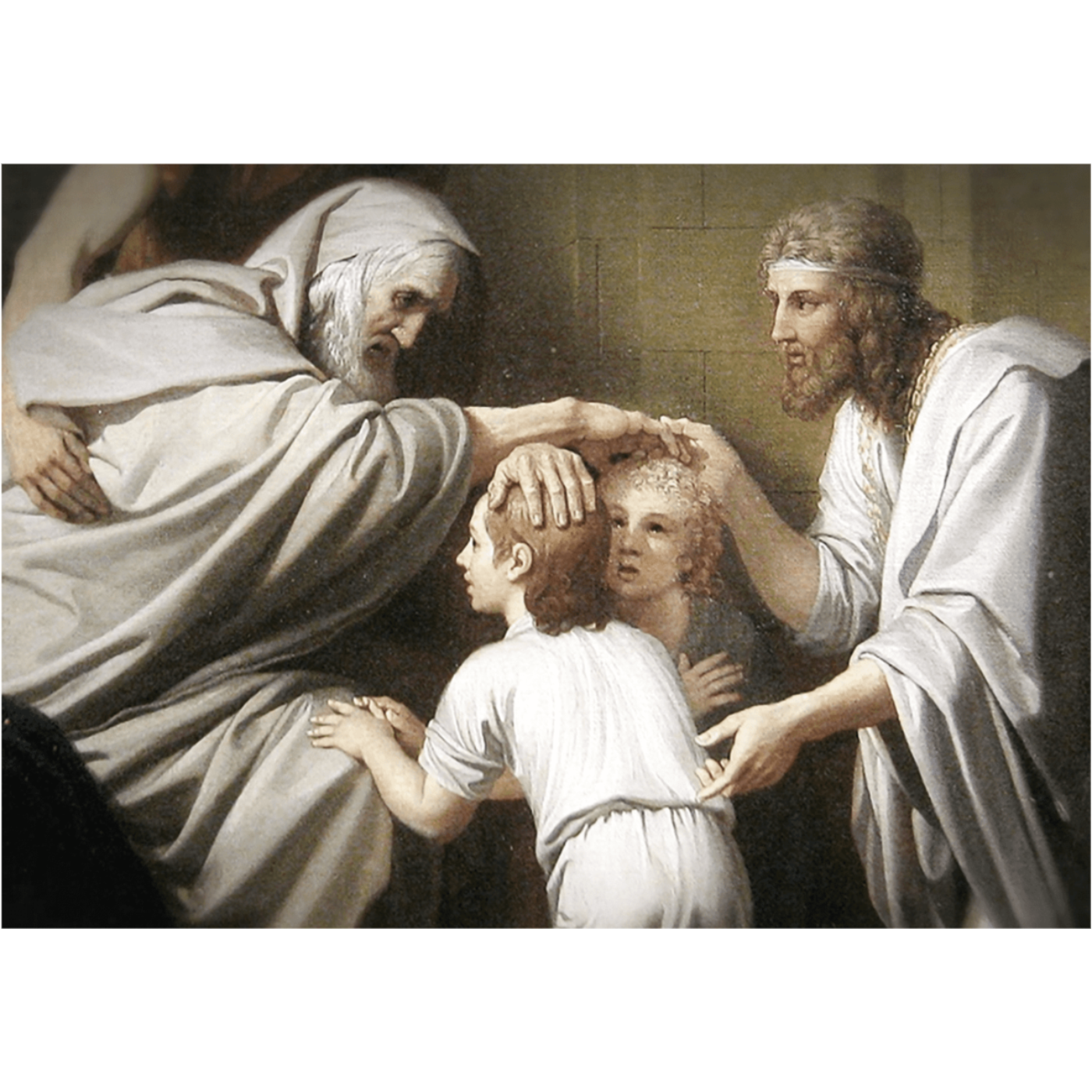
See how he also taught his sons from the very beginning to show due respect for the old man. Joseph brought them along according to seniority, the text says, and presented Manasseh and then Ephraim. At this point notice, I ask you, how the good man‘s bodily eyes were by this time weak through old age ("His eyes had faded with age," remember, "and he could not see"), but the eyes of his mind were strengthened, and by faith Jacob already saw what was going to happen. I mean, instead of heeding Joseph, Jacob crossed his hands over in blessing them and gave precedence to the younger, putting Ephraim ahead of Manasseh―St John Chrysostom