
Bible in a Year with Fr Paul
365 episodes — Page 8 of 8
S1 Ep 15Day 15 - Family Reunion
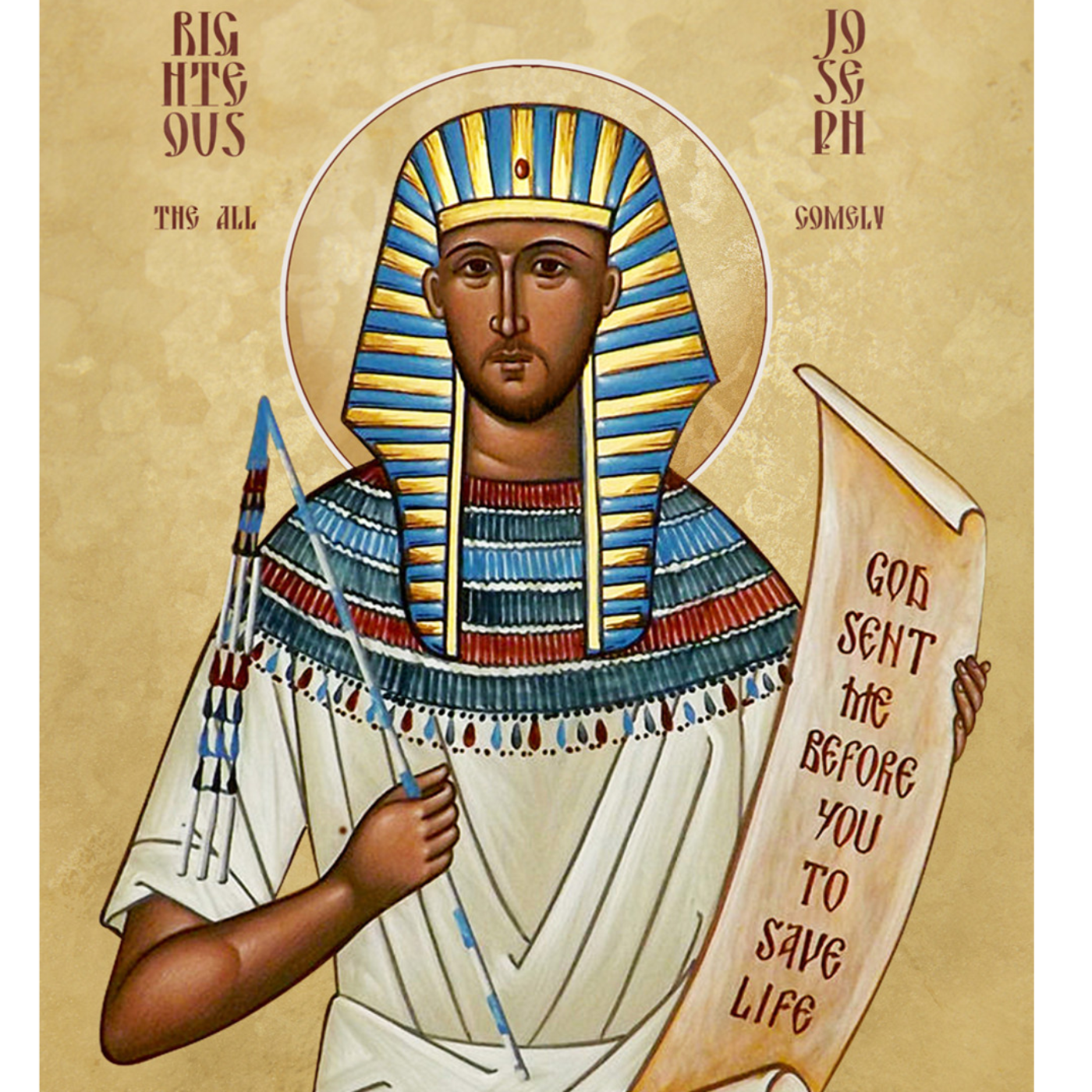
Our God himself also exhorts that people with his own prophecy and promises them advancement in the faith, the fruit of his gift, for he says to them, "Joseph shall put his hand on your eyes." It was not that the holy patriarch was troubled as to who should close his eyes, although in the clear understanding of it a natural love is also being expressed. For we often desire to embrace those whom we love. How much more, when we are about to depart from this body, do we take delight in the last touch of our beloved children and find consolation in such a provision for our journey. Yet in a mystical sense we may take it to mean that afterward the Jewish people are going to know their God. For this is a mystery, that the true Joseph places his hands over the eyes of another, so that he who before did not see may now see. Come to the Gospel, read how the blind man was healed, when Jesus put his hand on him and took away his blindness. Indeed, Christ does not put his hand on those who are going to die but on those who are going to live or, if on those who are going to die, rightly so, because we first die in order that we may live again. For we cannot see God unless we die to sin previously―St Ambrose of Milan
S1 Ep 14Day 14 - Joseph the Interpreter of Dreams
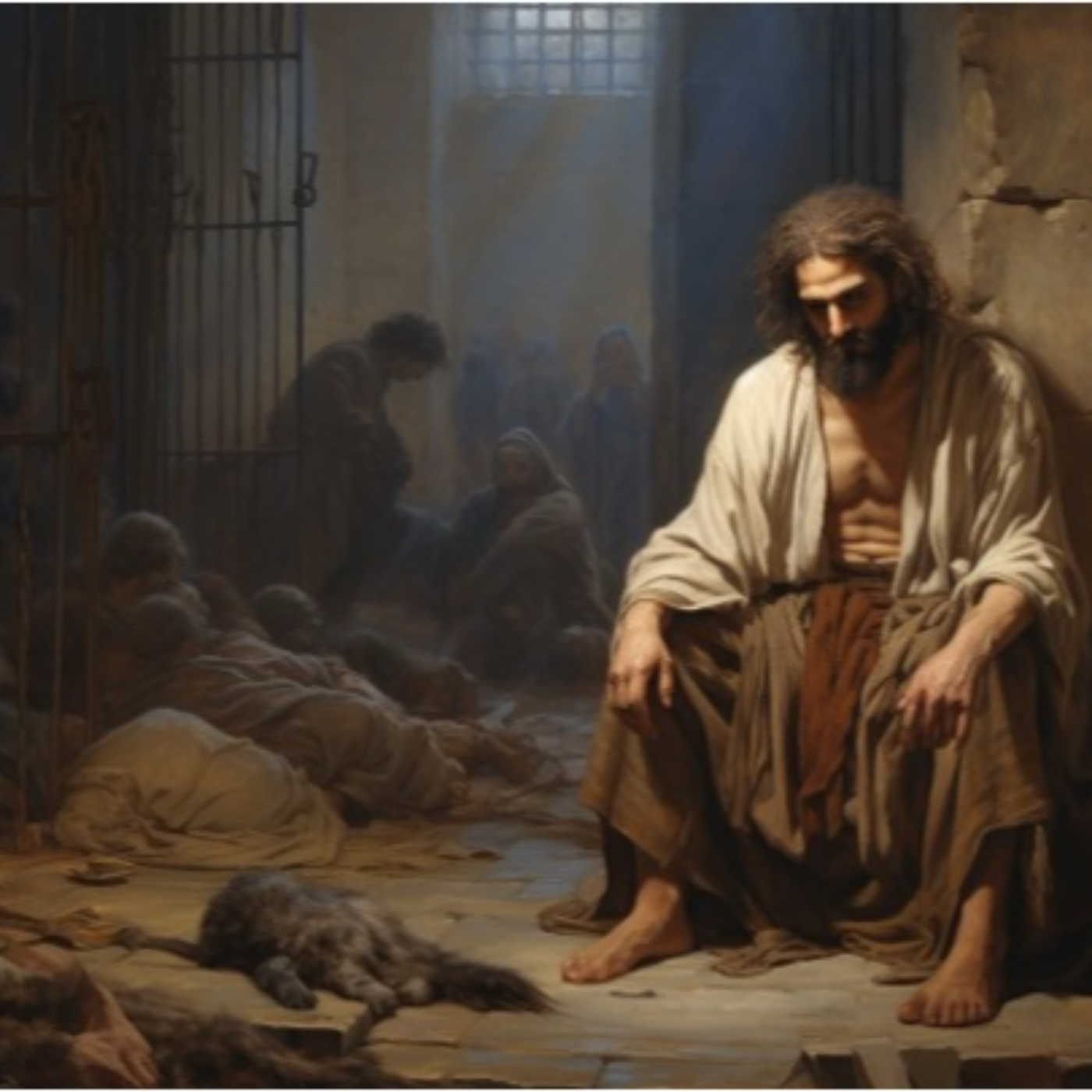
Instead of passing this idly by, let us consider his philosophical frame of mind in finding such a suitable opportunity and in not maligning the Egyptian woman (I make the same point, note) or drawing attention to his master or his brothers, aware as he was that the chief cupbearer was in the ideal position to acquaint the king of his situation once he had come into his own. Joseph assigned no blame for his being sentenced to a term in prison and was in no hurry to demonstrate the injustice committed against him. Rather, his one concern was not for them to be roundly condemned but only for someone to speak on his behalf. On the one hand, he obscured the role of his brothers when he said, "I was abducted from the land of the Hebrews," and, on the other hand, he drew attention neither to the doings of the wanton Egyptian woman nor to his master‘s unjust rage against him. Instead, what did he say? "I have done nothing here, and yet have been cast into this prison."―St John Chrysostom
S1 Ep 13Day 13 - Joseph and his dreams
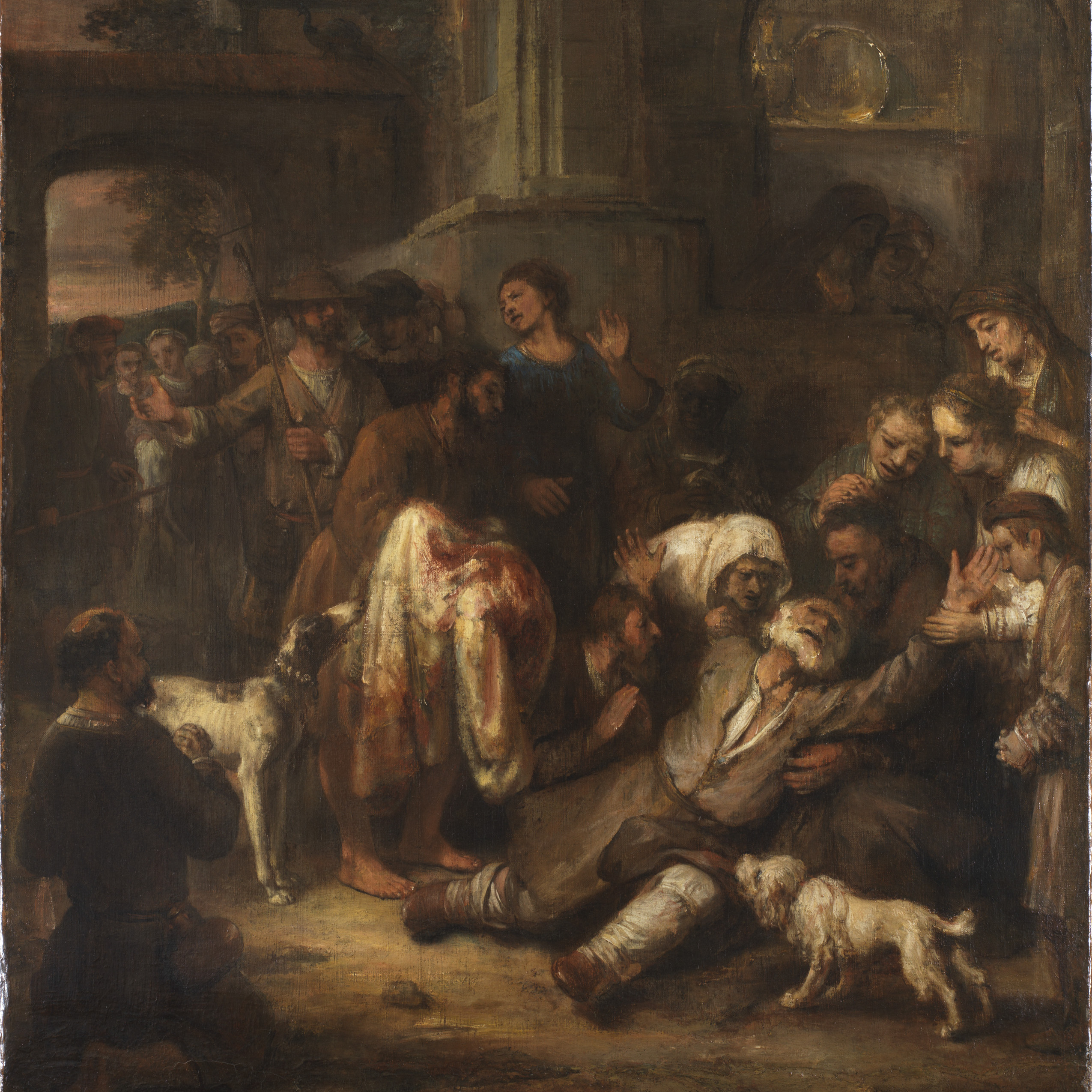
Why do you envy and hate the righteous, if God revealed to him his own mysteries and made clear through visions what would have happened at the end of time? Why do you grieve at the sight of his embroidered tunic, if the just Father honored him by loving him more than everybody else, and sent him to visit you as a Shepherd among the shepherds, and presented to the world a trustworthy witness and a sheaf for his old age, and raised from the dead a holy firstborn as first fruits? Why do you get angry if the sun and the moon and the eleven stars worship him? They are there from the ancient times to prefigure him. And neither Jacob was called "sun," nor Rachel was called "moon," and the events did not happened in this manner―Hippolytus of Rome
S1 Ep 12Day 12 - Jacob and his twelve sons
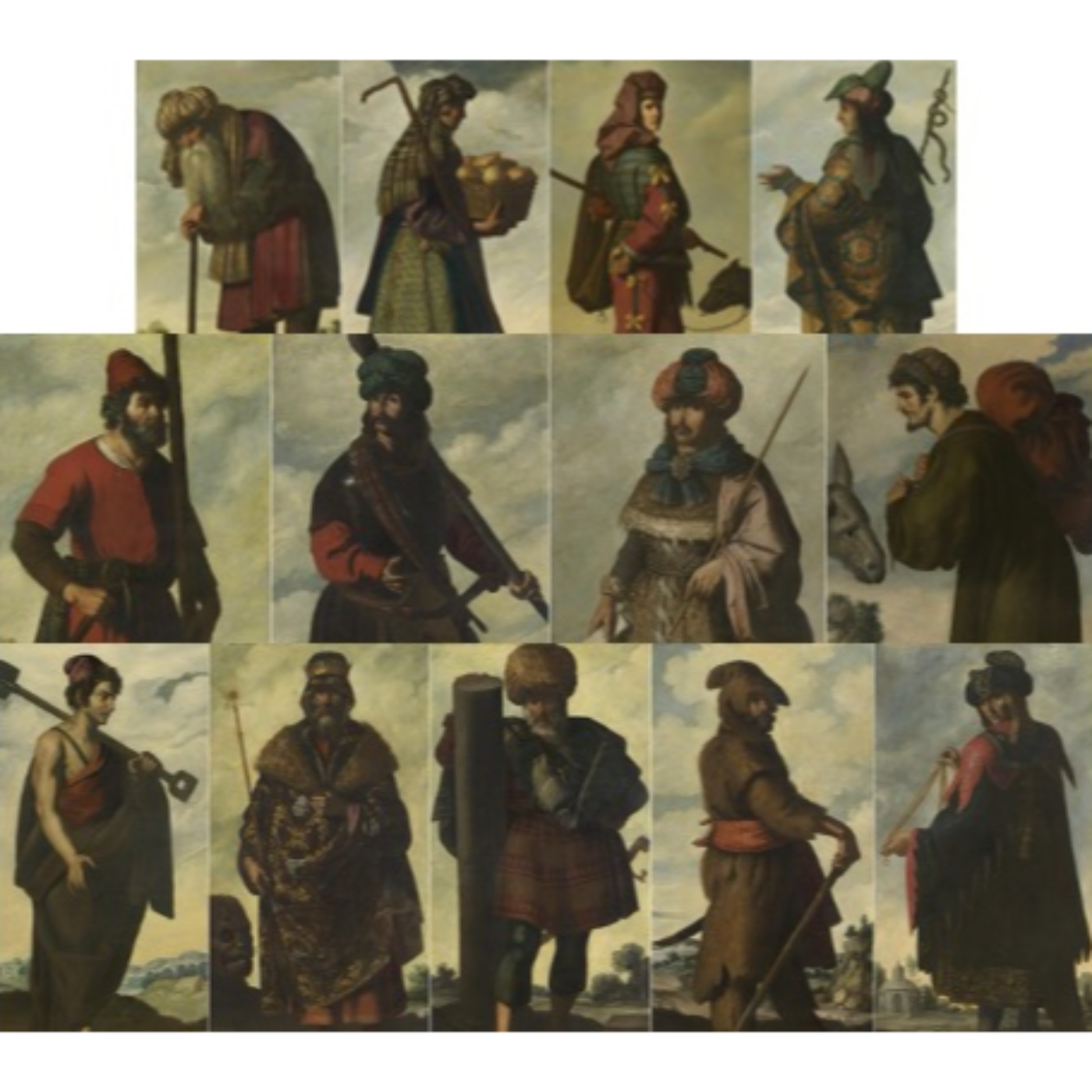
After he was called by God, Jacob ascends to Bethel, that is, to the house of God (this is how the name Bethel is interpreted), offers sacrifices to God and is declared chief and master of the holy rites. He teaches his successors and descendants how they must enter the house of God. He orders the foreign gods to be rejected like dung and filth and to change the garments. It is fitting for us to do likewise when we are called before God, or enter the divine temple, especially in the time of the holy baptism. We, as if we drive away the foreign gods and part from such error, must assert, ―I refuse you, Satan, and all your pomp and all your worship.‖ We also must change completely our garment by stripping off ―the old self that is corrupt through deceitful lusts‖1 and by clothing ourselves with ―the new self, which is being renewed in knowledge according to image of its Creator.‖2 The women who were with Jacob took off their earrings. And in fact women by entering the house of God without wearing any carnal ornament and with loose hair remove from their head any accusation of pride. That is why, I believe, those women took off the precious stones they wore in their ears―St Cyril of Alexandria
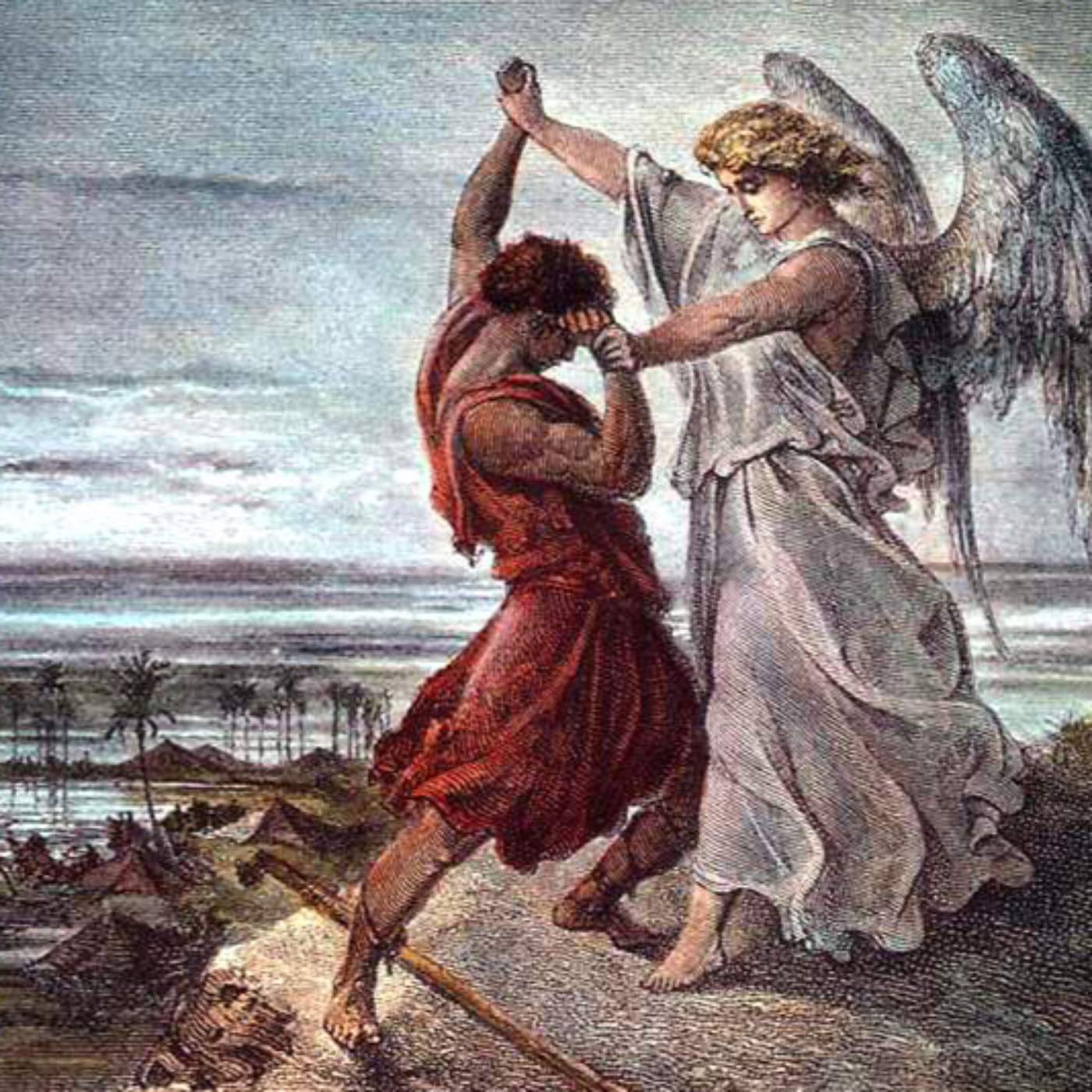
S1 Ep 11Day 11 - Jacob wrestles with God
Therefore Jacob, who had purified his heart of all pretenses and was manifesting a peaceable disposition, first cast off all that was his, then remained behind alone and wrestled with God. For whoever forsakes worldly things comes nearer to the image and likeness of God. What is it to wrestle with God other than to enter upon the struggle for virtue, to contend with one who is stronger and to become a better imitator of God than the others are? Because Jacob‘s faith and devotion were unconquerable, the Lord revealed his hidden mysteries to him by touching the side of his thigh. For it was by descent from him that the Lord Jesus was to be born of a virgin, and Jesus would be neither unlike nor unequal to God. The numbness in the side of Jacob‘s thigh foreshadowed the cross of Christ, who would bring salvation to all people by spreading the forgiveness of sins throughout the whole world and would give resurrection to the departed by the numbness and torpidity of his own body. On this account the sun rightly rose on holy Jacob, for the saving cross of the Lord shone brightly on his lineage. And at the same time the Sun of justice rises on the person who recognizes God, because he is himself the everlasting Light—St Ambrose of Milan
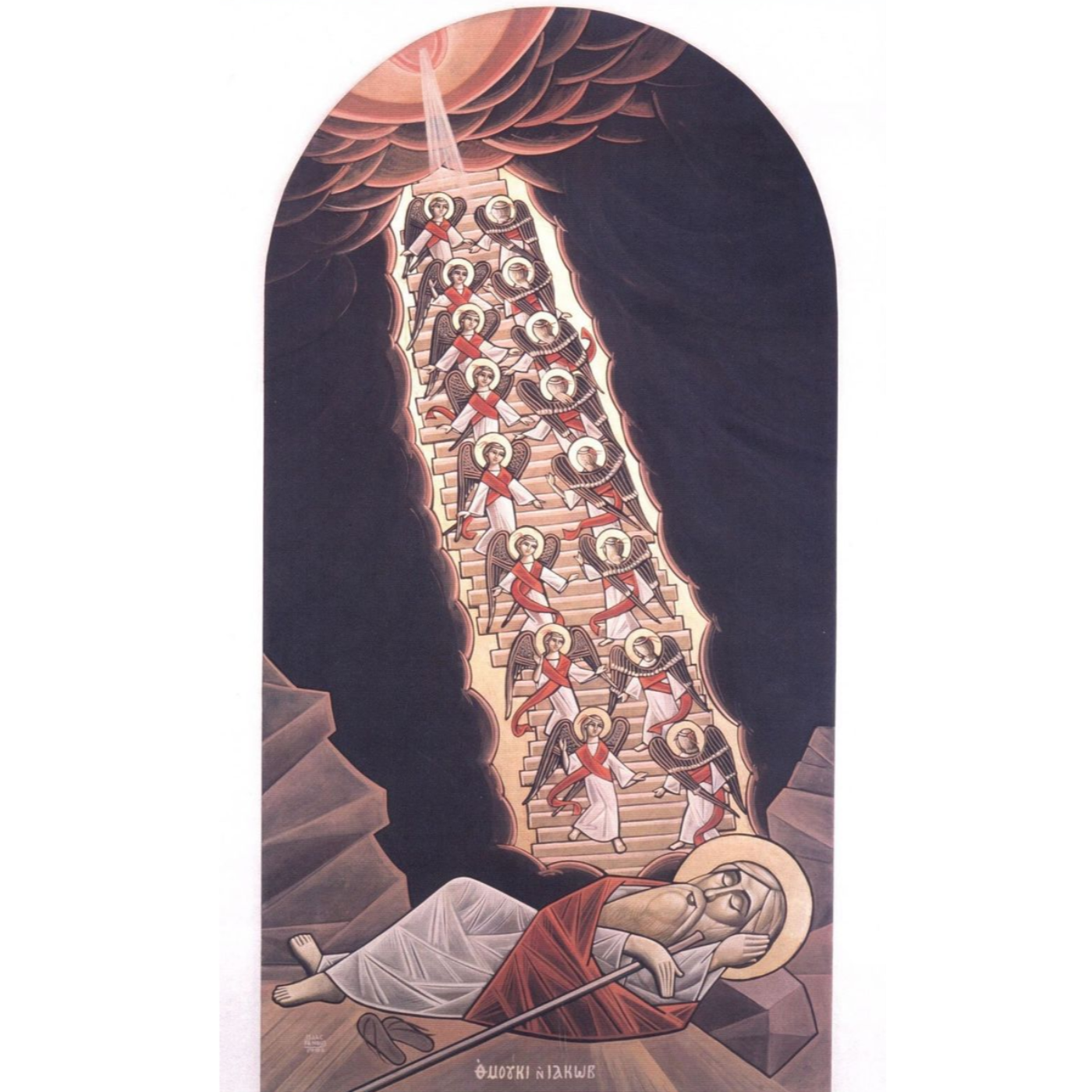
S1 Ep 10Day 10 - Jacob's Ladder
Notice here, I ask you, the extraordinary care of the loving God. When he saw [Jacob] consenting to the journey in accordance with his mother‘s advice, which came out of fear of his brother, and taking to the road like some athlete, with no support from any source, leaving everything instead to help from on high, Christ wanted at the very beginning of the journey to strengthen Jacob‘s resolve. And so he appeared to him with the words "I am the God of Abraham and the God of your father Isaac." I have caused the patriarch and your father to experience a great increase in prosperity; so, far from being afraid, believe that I am he who fulfilled my promises and will shower on you my care—St John Chrysostom
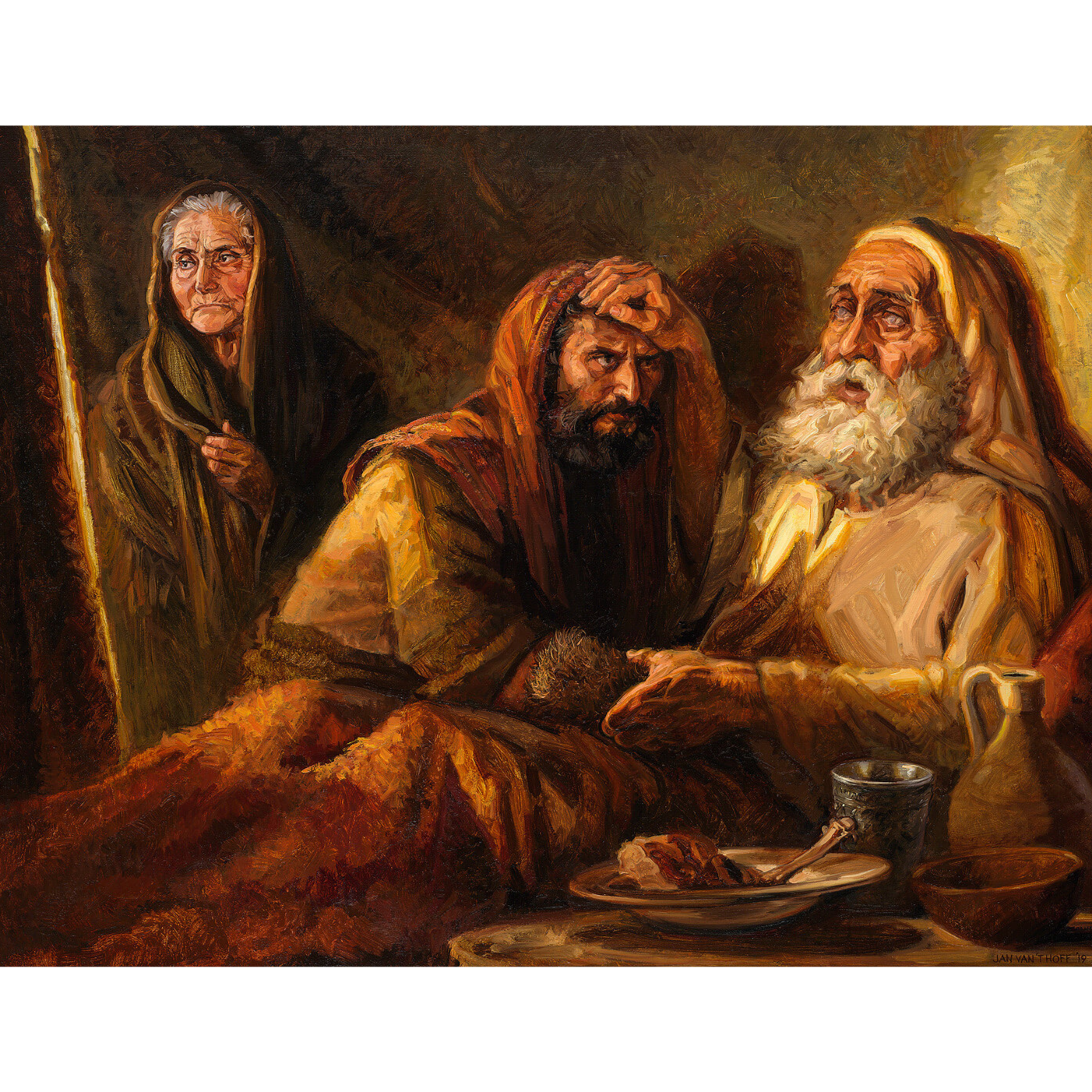
S1 Ep 9Day 9 - Esau sells his birthright
I have already put it to your holinesses yesterday that the reason why the elder son is called Esau is that no one becomes spiritual without first having been "of the flesh" or materialistic. But if they persist in "the mind of the flesh," they will always be Esau. If, however, they become spiritual, they will then be the younger son. But then the junior will be the senior; the other takes precedence in time, this one in virtue. Before it ever came to this blessing, Esau had longed to have the lentils Jacob had cooked. And Jacob said to him, "Give me your birthright, and I will give you the lentils I have cooked." He sold his right as firstborn to his younger brother. He went off with a temporary satisfaction; the other went off with a permanent honor. So those in the church who are slaves to temporary pleasures and satisfactions eat lentils—lentils that Jacob certainly cooked but that Jacob did not eat. Idols, you see, flourished more than anywhere else in Egypt; lentils are the food of Egypt; so lentils represent all the errors of the Gentiles. So because the more obvious and manifest church which was going to come from the Gentiles was signified in the younger son, Jacob is said to have cooked the lentils and Esau to have eaten them …Now apply this. You have a Christian people. But among this Christian people it is the ones who belong to Jacob that have the birthright or right of the firstborn. Those, however, who are materialistic in life, materialistic in faith, materialistic in hope, materialistic in love, still belong to the old covenant, not yet to the new. They still share the lot of Esau, not yet in the blessing of Jacob―St Augustine
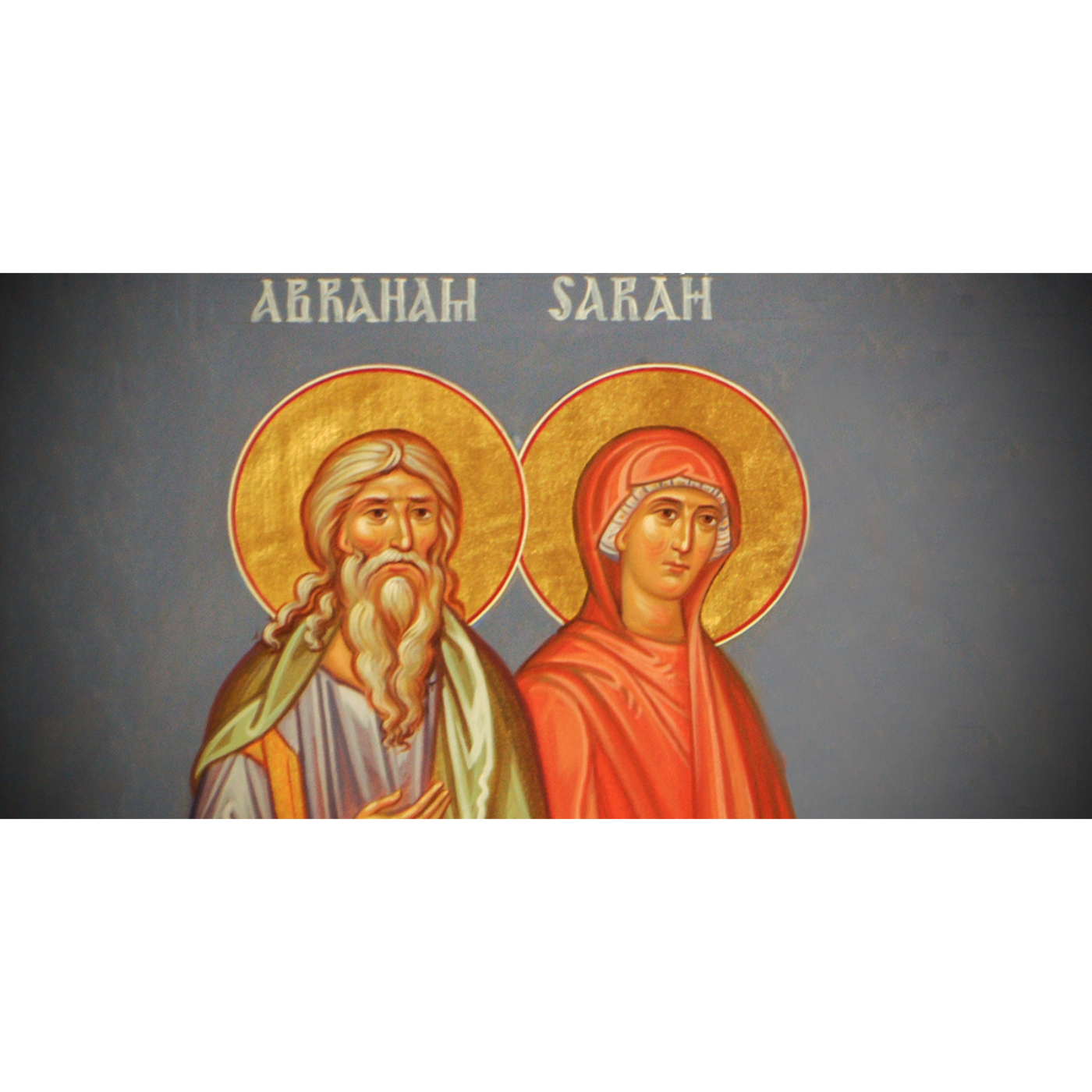
S1 Ep 8Day 8 - Sarah dies and Isaac marries Rebekah
Sarah‘s death was the occasion for the patriarch‘s first instance of acquiring land. Sacred Scripture in fact shows us in every case the patriarch‘s virtue, in that he passed all his time as an alien and a nomad. And it mentions this latest item for us to learn that the man who enjoyed so much assistance from on high, who had become so famous and had increased in number to such a vast multitude, could not call a place his own, unlike many people today, who give all their attention to acquiring land, whole towns and great wealth beyond telling. You see, he had sufficient riches in his attitude, and he put no store by these other things. Let those heed this who in the twinkling of an eye take to themselves every conceivable thing and, so to say, stretch out in all directions their passion for avarice. Let them also imitate the patriarch, who had not even a place to inter Sarah‘s remains until, under pressure of very necessity, he bought the field and cave from the Hittites. For proof that he was in fact respected by the inhabitants of Canaan, listen to the words addressed to him by the Hittites: "You are king among us by God‘s appointment; bury your dead in our best tombs. None of us, after all, will keep this tomb from you."―St John Chrysostom
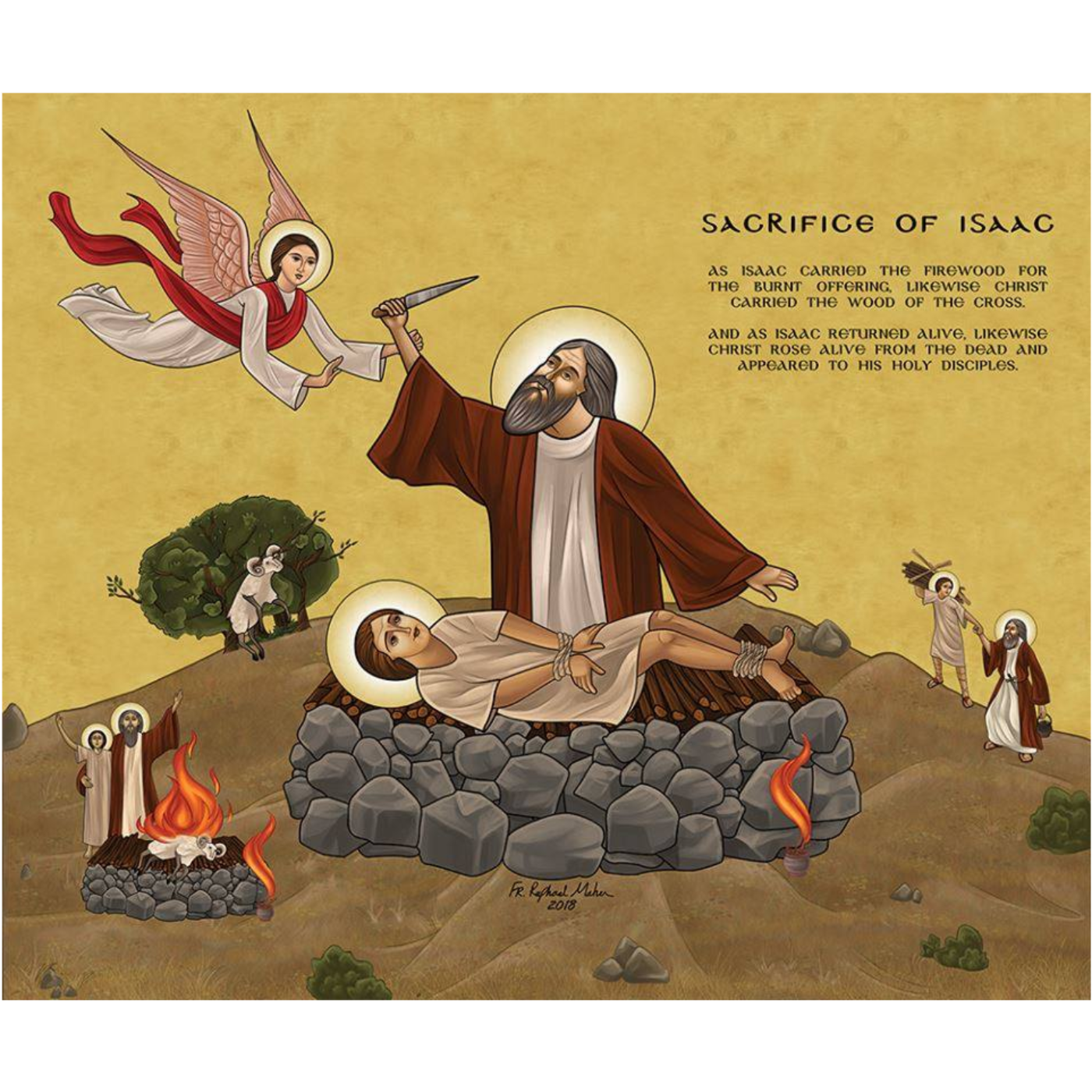
S1 Ep 7Day 7 - The Binding of Isaac and Jehovah-Jireh
In two things then was Abraham victorious: that he killed his son although he did not kill him and that he believed that after Isaac died he would be raised up again and would go back down with him. For Abraham was firmly convinced that he who said to him, through Isaac shall your descendants be named," was not lying―St Ephrem the Syrian
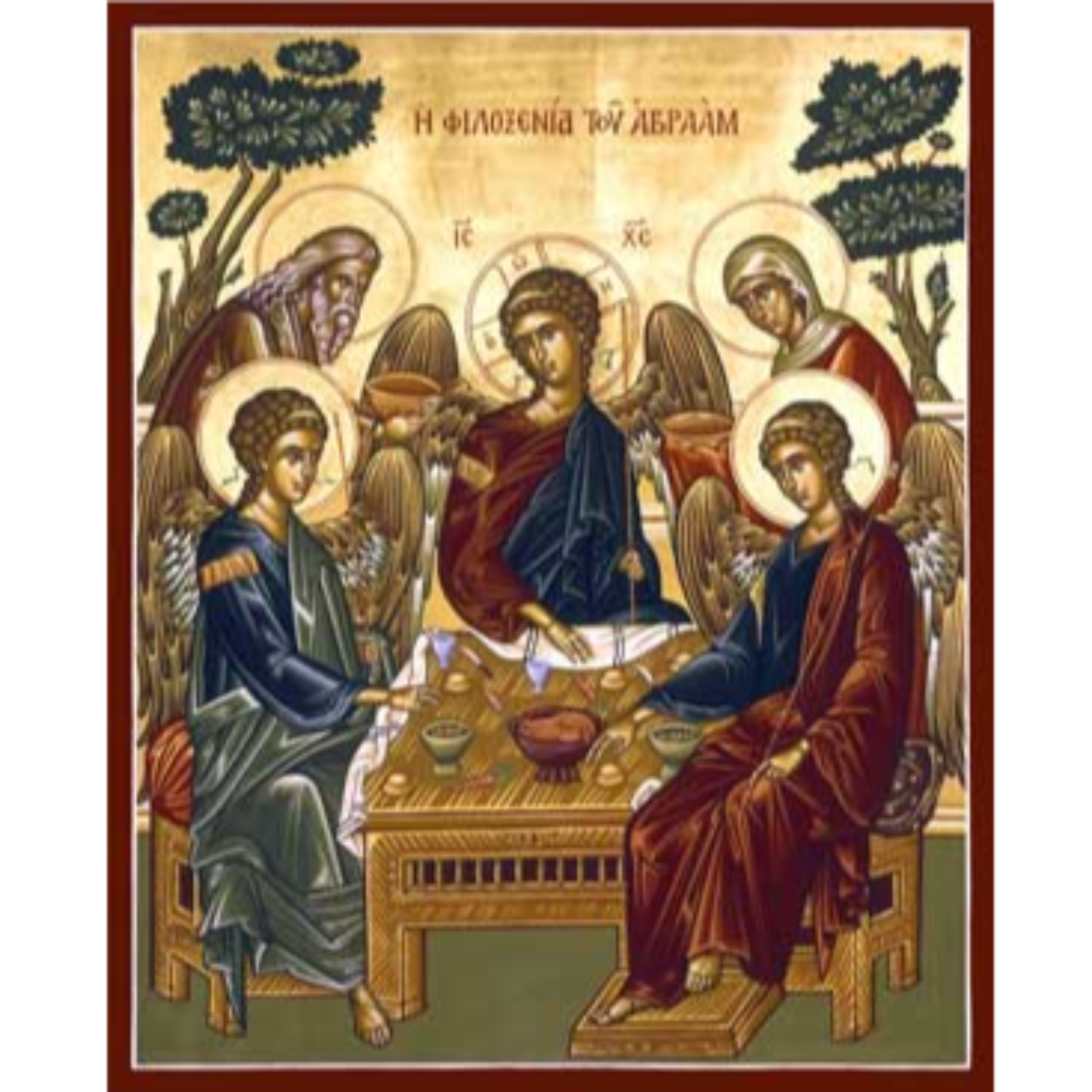
S1 Ep 6Day 6 - The Hospitality of Abraham
Thus the Lord God is said to have appeared as a common man to Abraham while he was seated by the oak of Mamre. But [Abraham] immediately fell down, although he saw a man with his eyes, and worshiped him as God, besought him as Lord and confessed that he was not ignorant as to who he was, using these very words, "O Lord, judge of all the earth, will you not judge righteously?" For if it should be unreasonable to suppose that the unbegotten and immutable substance of God the Almighty was changed into the form of man and, in turn, that the eyes of the beholders were deceived by the phantasm of something created and that such things were falsely invented by Scripture, who else could be proclaimed God and the Lord who judges all the earth and judges righteously, appearing in the shape of a man—if it be not proper to call him the first cause of all things—than his preexistent Word alone?―Eusebius of Caesarea
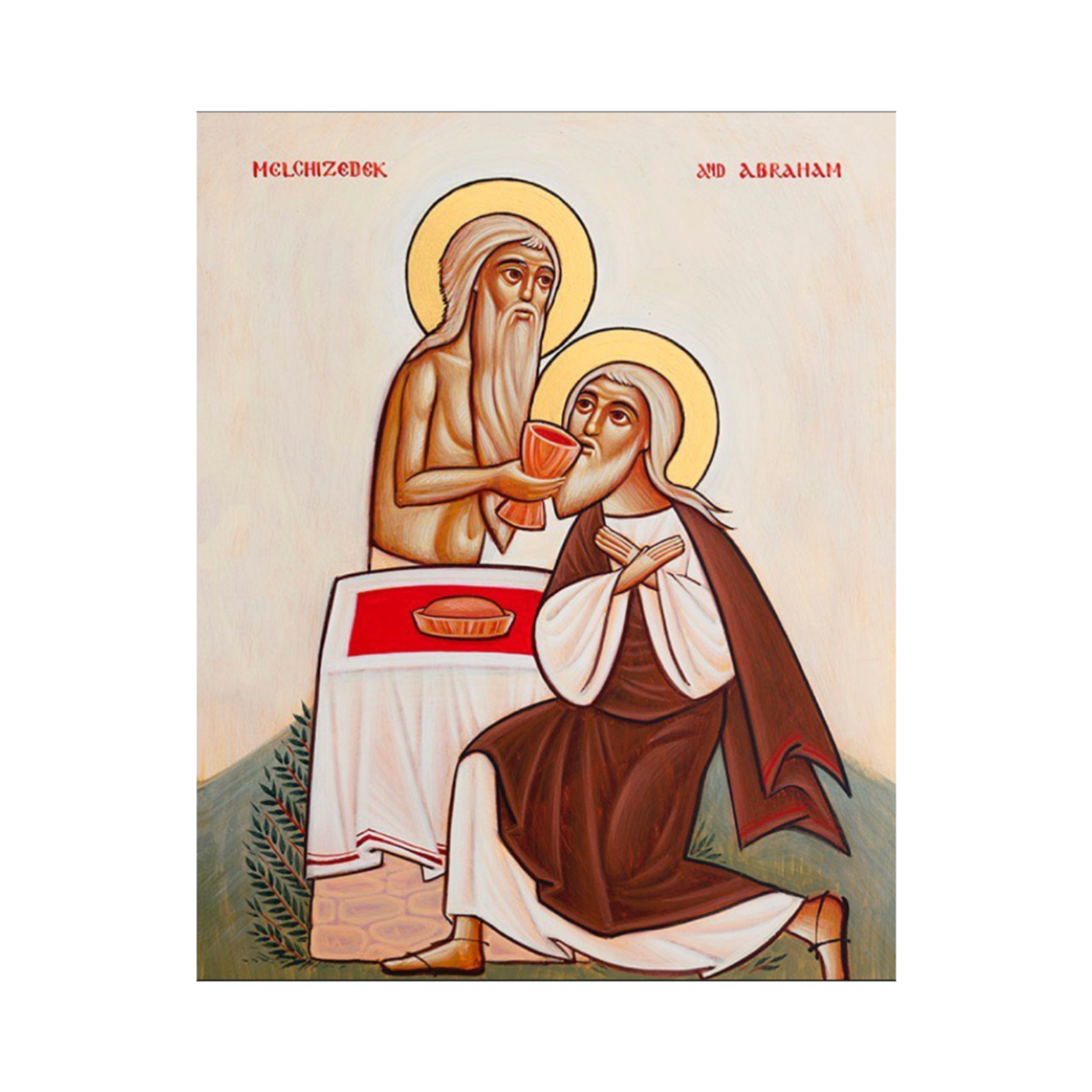
S1 Ep 5Day 5 - The Patriarch meets the Priest King of Salem
Likewise, in the priest Melchizedek, we see the sacrament of the sacrifice of the Lord prefigured according to what the divine Scripture testifies and says: "And Melchizedek, the king of Salem, brought out bread and wine, for he was a priest of the most high God, and he blessed Abraham." But that Melchizedek portrayed a type of Christ, the Holy Spirit declares in the Psalms, saying in the person of the Father to the Son: "Before the day star ... I have begotten you …. You are a priest forever according to the order of Melchizedek." The order proceeds first from the sacrifice and then descends to Melchizedek, a priest of the most high God, because he offered bread, because he blessed Abraham. For who is more a priest of the most high God than our Lord Jesus Christ, who offered sacrifice to God the Father and offered the very same thing that Melchizedek had offered, bread and wine, that is, actually, his body and blood?―St CyprianImage Source: https://www.instagram.com/kilada_copticicons/p/CU3PXMEP_TP/
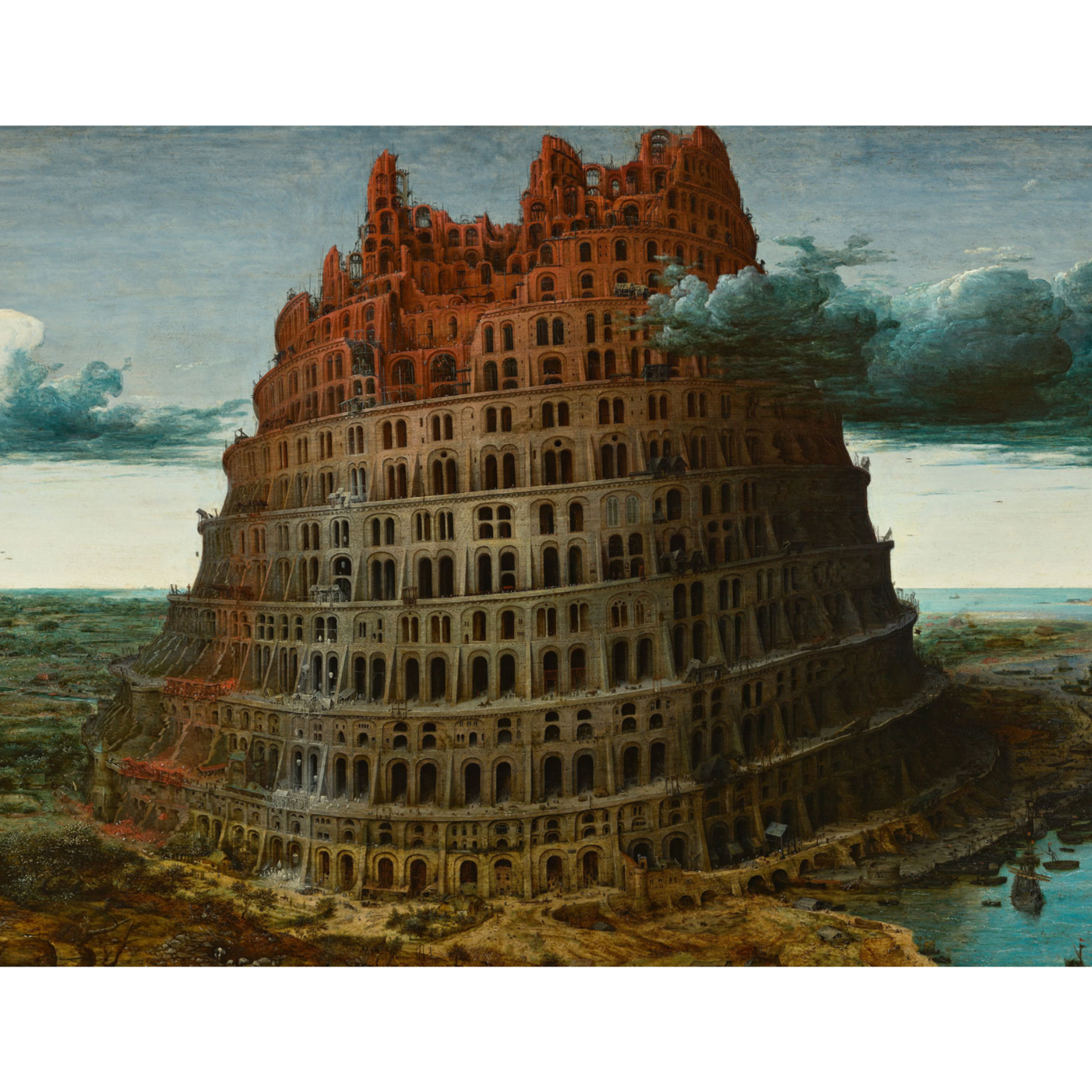
S1 Ep 4Day 4 - The Promise and the Tower
After the flood, as if striving to fortify themselves against God, as if there could be anything high for God or anything secure for pride, certain proud men built a tower, ostensibly so that they might not be destroyed by a flood if one came later. For they had heard and recalled that all iniquity had been destroyed by the flood. They were unwilling to abstain from iniquity. They sought the height of a tower against a flood; they built a lofty tower. God saw their pride, and he caused this disorder to be sent upon them, that they might speak but not understand one another, and tongues became different through pride—St Augustine
S1 Ep 3Day 3 - The Great Flood
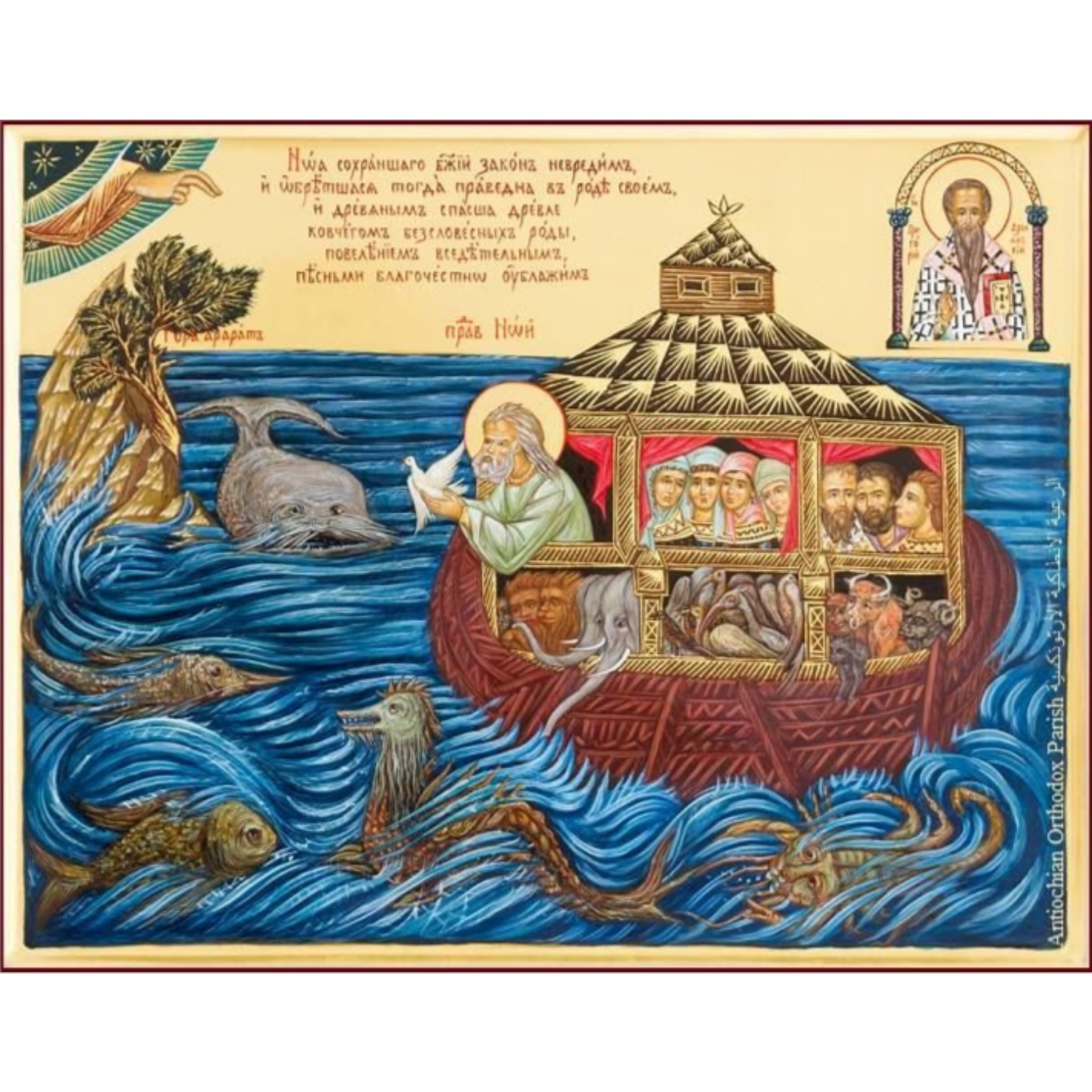
It is not without purpose that Scripture describes all this to us. Its purpose is for us to learn that not only people, cattle, four-footed beasts and reptiles were drowned but also the birds of heaven and whatever inhabited the mountains, namely, animals and other wild creatures. Hence the text says, "the flood rose fifteen cubits above the mountains," for you to learn that the execution of the Lord‘s sentence had been effected. He said, remember, "after seven more days I will bring a deluge upon the earth and I will wipe off the face of the earth all the life I have made, from human beings to cattle, and from reptiles to birds of heaven." So Scripture narrates this not simply to teach us the flood level but that we may be able to understand along with this that there was absolutely nothing left standing—no wild beasts, no animals, no cattle—rather, everything was annihilated along with the human race. Since it was for their sake that all these creatures had been created, with the imminent destruction of the human beings it was fitting that these creatures too should meet their end. Then, after teaching us the great height reached by the flood waters and the fact that they rose a further fifteen cubits above the mountain peaks, it further adds out of fidelity to its characteristic precision, "there perished all flesh that moved on the earth—birds, animals, every reptile that moved on the earth, every human being—everything that had breath of life, everything on dry land: all perished." That was not an idle reference in the words "everything on dry land"; instead, its purpose was to teach us that while others perished, the just man with everyone in the ark alone was saved—St John Chrysostom
S1 Ep 2Day 2 - Noah builds the Ark
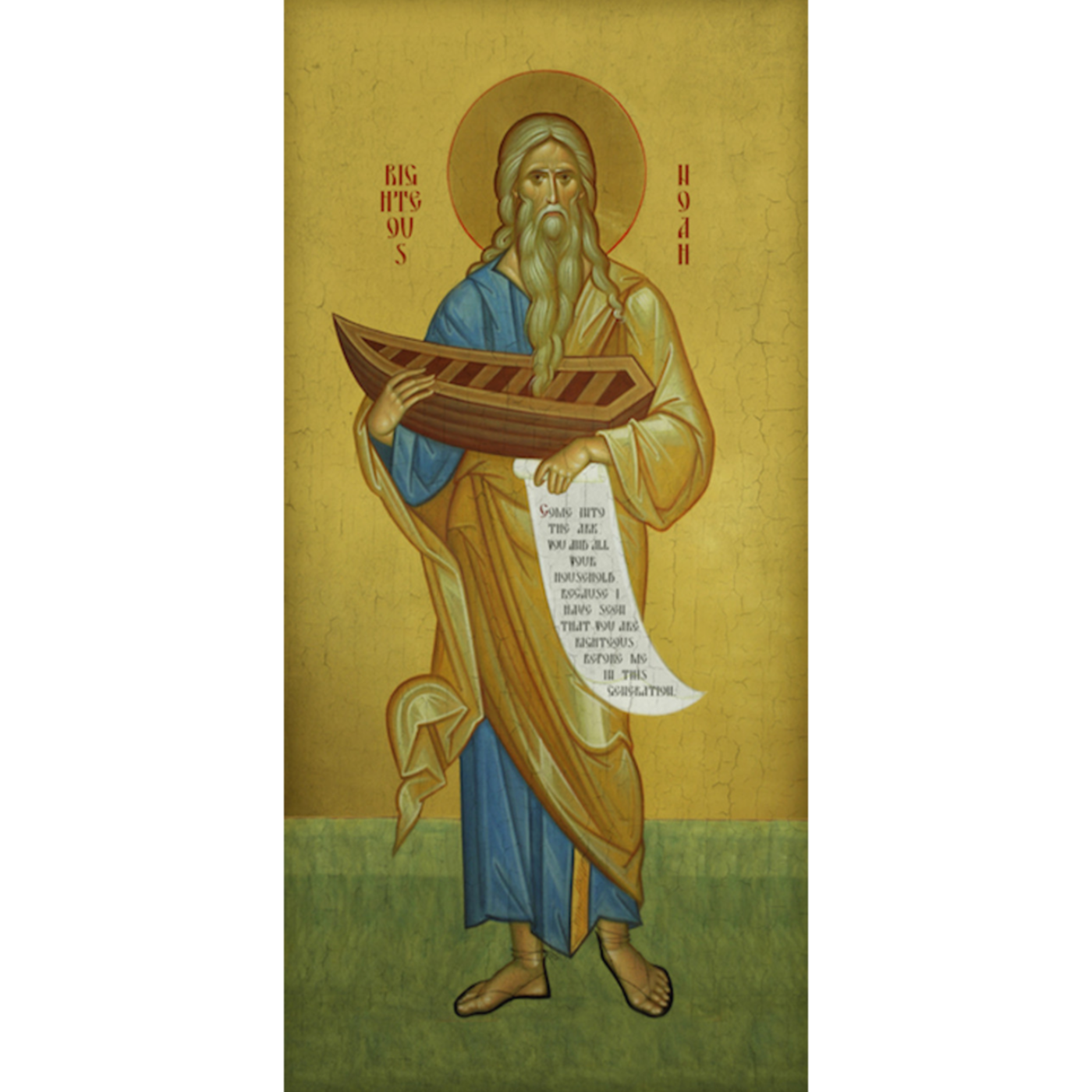
Noah's righteousness stands in stark contrast with the sinfulness of those around him."Therefore, in praise of Noah, Scripture not merely called him ―blameless, but added ―among the men of his day, to make it clear that he was so at that time when the obstacles to virtue were many" St John Chrysostom
S1 Ep 1Day 1 - The Creation and the Fall
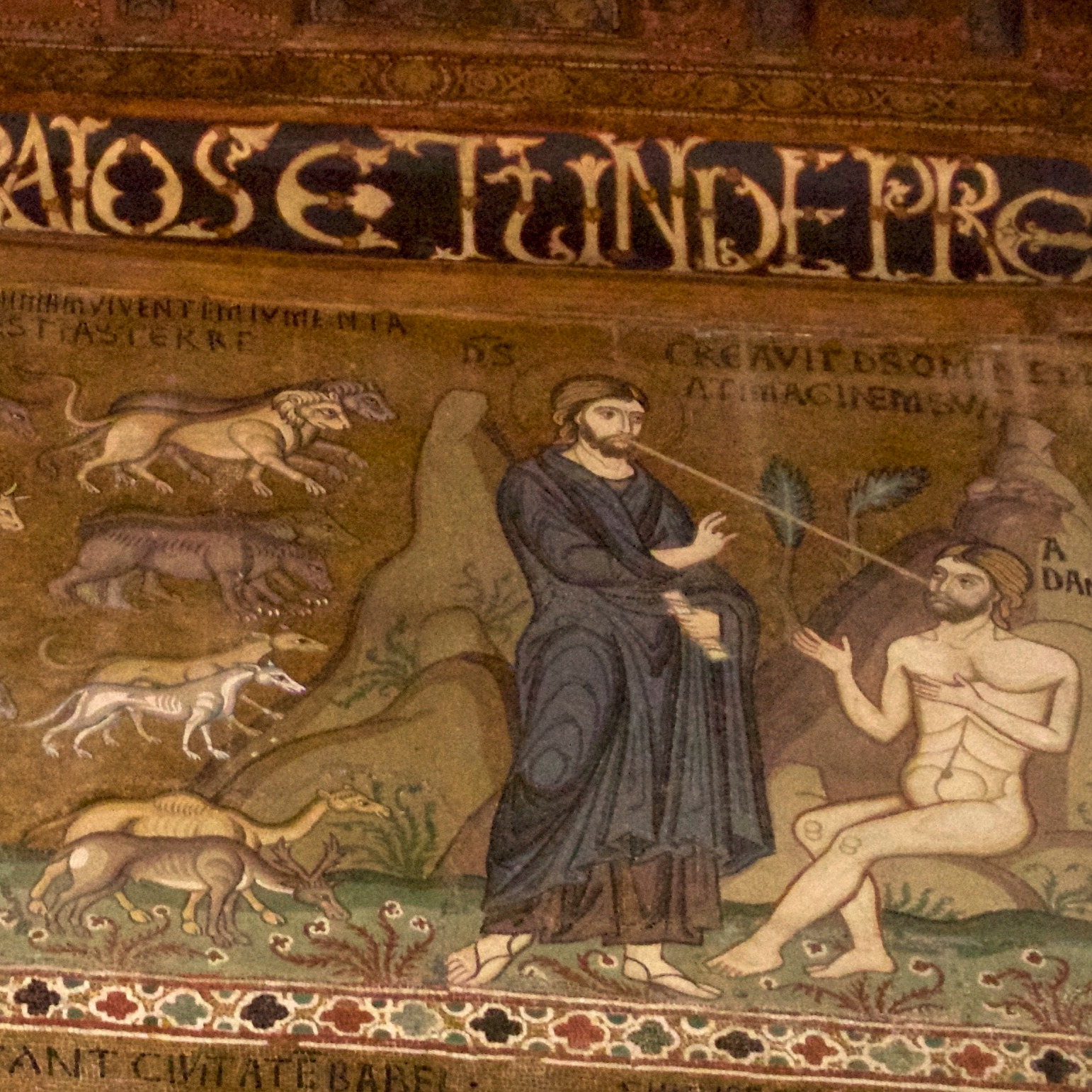
Today we begin our journey at the book of Genesis, reading the story of creation, and the fall and expulsion of Adam and Eve from the Garden of Eden