
Bible in a Year with Fr Paul
365 episodes — Page 6 of 8

S1 Ep 115Day 115 - Psalms 86, 102, 109, 139-141, 143
But what especially strengthens us in our desire for union with you is the account of your reverences’ [The reference is to three Egyptian bishops who had been exiled to Palestine during the Apollinarian controversy, namely, Eulogius, Alexander and Harpocration.] zeal for orthodoxy—the fact that neither by a vast number of treatises nor by subtlety of sophisms was your firmness of heart overcome, but that you recognized those who were making innovations contrary to the teachings of the apostles and did not consent to cover over in silence the harm done by them. Truly, we have found great grief among all those who are clinging to the peace of the Lord because of the manifold innovations of Apollinaris of Laodicea, [He introduced the first of the christological heresies. He denied that Christ’s human nature possessed a rational human soul. He was condemned for his views at the second ecumenical council (Constantinople I) in 381.] who has grieved us so much more in that he seemed to belong to our party in the beginning. In fact, any suffering from an evident enemy, even if the pain is excessive, can somehow be borne by the one afflicted, as it is written: “For if my enemy had reviled me, I would verily have borne with it.” But, to experience some hurt from one who is of like spirit and an intimate friend, this is most certainly hard to bear and holds no consolation. For, him whom we had expected to have as a fellow defender of the truth, him, I say, we have now found hindering in many places those who are being saved by perverting their minds and drawing them away from the right doctrine—St Basil the Great

S1 Ep 114Day 114 - Psalms 53, 55, 58, 61, 64, 69-71
Putting aside, therefore, conceptions due to common usage, let us reflect on the meaning of “to live in life” and “to die in death” and also “to live in death” and “to die in life.” I believe that, in accord with the Scriptures, “to live in life” signifies a wonderful life of happiness and that it seems to point toward an experience of life’s natural functions joined and, by participation, mingled with the grace of a blessed life. This concept, “to live in life,” means “to live in virtue,” to bring about in the life of this body of ours a participation in the life of blessedness. On the other hand, what does “to die in death” mean if not the disintegration of the body at the time of death, when the flesh is devoid of its customary function of carrying on life and the soul is unable to partake in life eternal? There is also the person who “dies in life,” that is to say, one who is alive in body but, because of his acts, is dead. These are the people who, as the prophet says, “go down alive into hell,” and she of whom the apostle speaks: “For she is dead while she is still alive.” There remains the fourth category, for there are those who “live in death” like the holy martyrs who give up their lives so that they may live. The flesh dies, but what is good does survive. Far from us, therefore, be the thought of living as participants in death. On the contrary, we should face death and thus become sharers in life. The saint does not desire to be a participant in this life of ours when he states, “To depart [this life] and be with Christ.” This has been much better stated by another: “Woe to me that my sojourning has been prolonged.” The psalmist was grieving because he had certain limitations due to the frailty of this life, since he hopes for a share in life eternal. Therefore I can … state that, although “to live in life” is a good thing, “to live for life” would be of doubtful benefit. One can speak of “living for life,” that is, for the life of eternity with its struggle with the life of the body. One can also speak of “living for life” in another sense. Anyone, even a pious person, can have a desire for this corporeal life of ours. We can take the example of one who thinks that he ought to live so virtuously as to arrive by his good actions at a ripe old age. Many people who are in weak health, but who still find life a pleasurable thing, are in this category—St Ambrose
S1 Ep 113Day 113 - Psalms 35, 36, 38, 40, 41
The prophet … acknowledges his fault, recognizes his wounds and asks to be cured. One who wants to be cured does not shrink from correction. Still, he does not want to be chastised in the fury of indignation but in the word of God. God’s word is healing. As we read, “He sent his word and healed them.” [Psa 107:20(106:20 LXX).] David does not want to be corrected in wrath but to be disciplined in doctrine. It is as though you were to ask the surgeon not to apply his knife to your wound but to pour in ointment. He begs for the remedy but not for the knife. There is pain but not beyond measure. The remedy stings, but the patient’s blood does not flow—St Ambrose

S1 Ep 112Day 112 - Psalms 25-28, 31
If someone has mastered irascibility, the tendency to be easily angered, he has mastered the demons, but if someone is a slave to this passion, he is a complete … stranger to the ways of our Savior, since the Lord is said to teach the gentle his ways—Evagrius of Pontus

S1 Ep 111Day 111 - Psalms 11-14, 16, 17, 22
Those who trust in the things of this life are in no better situation than the sparrow, which relies on the wilderness and is prey to all. People who put their hope in money are like that. Just as the sparrow is snared by children with bird lime and trap and countless other devices, so too the wealthy by friend and foe. They are much more vulnerable than a sparrow, with many to set traps for them and, more immediately, evil tendencies of their own. They are migrants, constantly reacting to developments, fearful of the long arm of the law and the emperor’s wrath, the wiles of flatterers and the deceit of friends. In time of war their fear is greater than anyone’s, in time of peace they suspect treachery, their wealth never being secure of proof against loss. Hence they are always taking to flight and migrating, searching out wilderness and eyries, preferring the dark and looking for the black of night in noontime, adopting disguises to achieve it. Good people, on the contrary, are quite different. “The ways of their righteous shine like the sun,” [Prov. 4:18] remember. I mean, far from opting for scheming and lawlessness, their souls are at rest.… How then is this darkness to be dissipated? By separating yourself from all these things and coming to depend on hope in God, sinner though you be ten times over.… This is remarkable, in fact, that even sinners who cling to this anchor are invincible. It is, you see, a particular mark of an option for God that though weighed down by such awful evils they are still buoyed up by his lovingkindness. In other words, as the one trusting in man is doubly cursed, so the one trusting in God is blessed. So tear yourself away from all these things, and cling to this anchor.… Let us come before him, and remain ever with our eyes on him—St John Chrysostom
S1 Ep 110Day 110 - Psalms 4-6, 9, 10
If after being deeply troubled, you cried out to the Lord and your prayer was heard and now you wish to give thanks, sing Psalm 4—St Athanasius
S1 Ep 109Day 109 - 1 Kings 1-2, 1 Chronicles 21
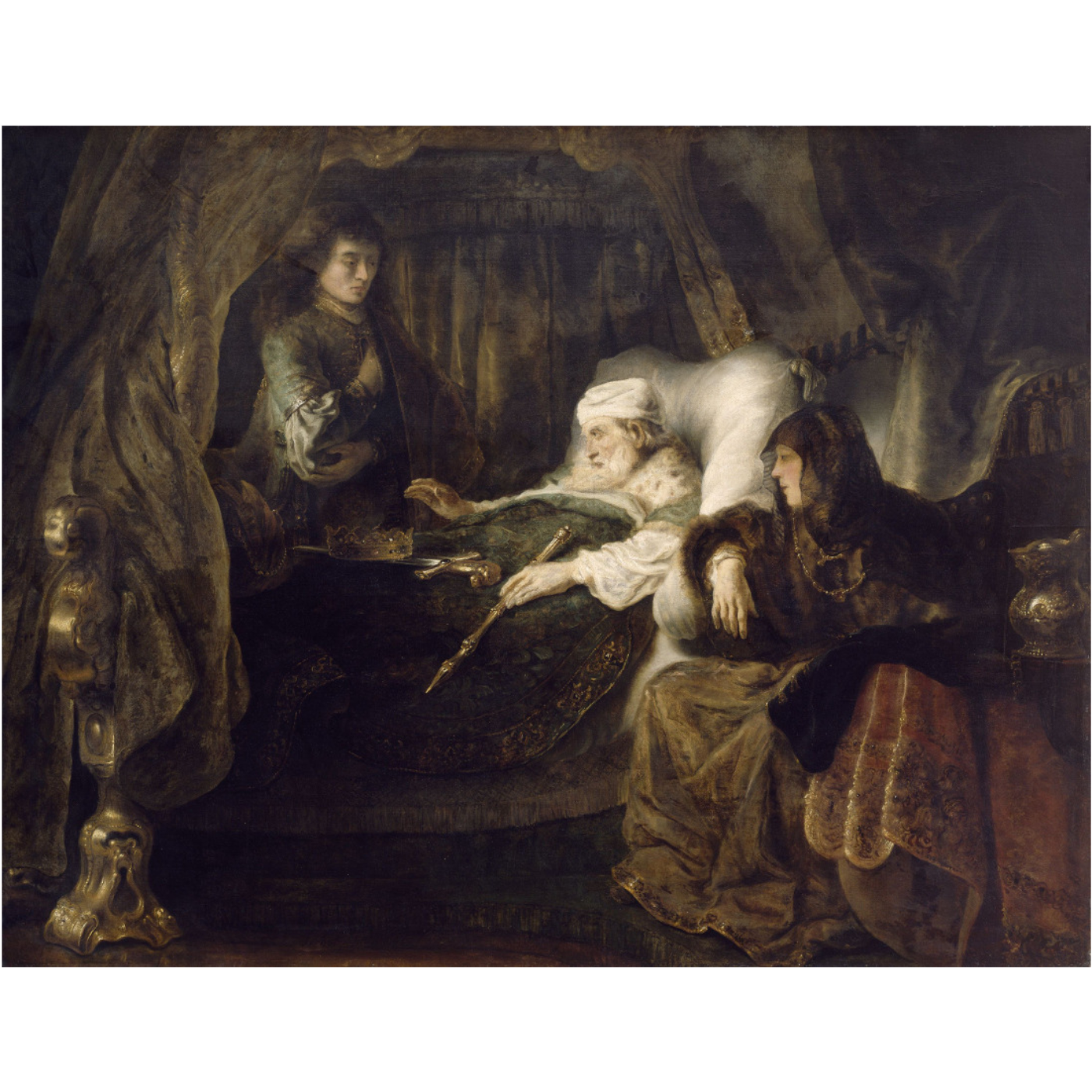
Solomon, it will be remembered, succeeded to the throne during his father David’s lifetime—a kind of succession unique among Jewish kings—for no other reason save to furnish further clear evidence that Solomon is not the man our prophecy proclaims. Nathan says to David, “And when your days shall be fulfilled and you shall sleep with your fathers, I will raise up your seed after you, which shall proceed out of your bowels, and I will establish his kingdom.” [2Sa 7:12.] In view of these words, how can anyone think that, because of the later verse, “He shall build a house to my name,” [2Sa 7:13.] Solomon is the subject of the prophecy and fail to realize that in view of the earlier words, “And when your days shall be fulfilled and you shall sleep with your fathers, I will raise up your seed after you,” a different Peacemaker is promised—one to be raised up not before David’s demise as Solomon was but afterwards? It makes no difference how long was the lapse of time before the destined coming of Jesus Christ. The thing that is beyond question is that he who was promised in such terms to king David was destined to come after his death, the very same who was to build a house for God such as we rejoice to see rising up today, a house not fashioned of timbers and stones but of human beings. It is these people, believers in Christ, whom Saint Paul addresses in these words: “Holy is the temple of God, and this temple you are.” [1Co 3:17.]—St Augustine
S1 Ep 108Day 108 - 1 Chronicles 18-20, Psalm 60, 2 Samuel 24
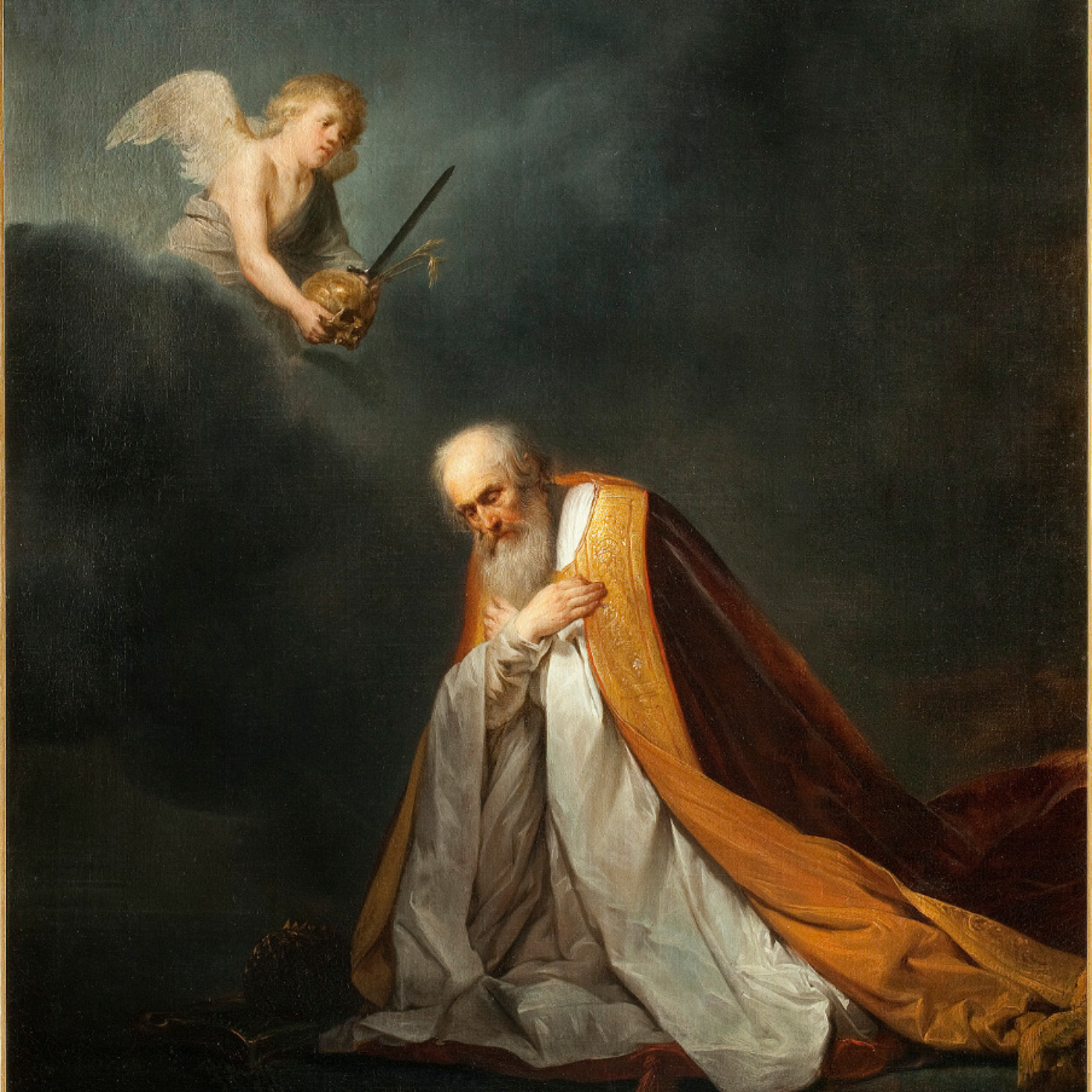
Again, when David had ordered the people to be numbered, he was deeply afflicted in heart and said to the Lord, “I have sinned greatly in the command I have made, and now, O Lord, take away the iniquity of your servant, because I have sinned exceedingly.” And the prophet Nathan [It was not Nathan but Gad.] was sent again to him to offer him the choice of three things, that he might select what he chose: a famine in the land for three years, flight from the face of his enemies for three months, or pestilence in the land for three days. And David answered, “These three things are a great distress to me, yet I shall fall into the hand of the Lord since his mercies are exceedingly great, and I shall not fall into the hands of men.” David’s fault was that he desired to know the number of all the people who were with him, and the knowledge of this he should have left to God alone.And it is said that when the pestilence came upon the people on the first day at dinner time, when David saw the angel striking the people, he said, “I have sinned, I, the shepherd, have done evil and this flock, what has it done? Let your hand be upon me and upon my father’s house.” So the Lord repented, and he bade the angel to spare the people, but David to offer sacrifice, for sacrifices were then offered for sin, but now they are sacrifices of penance. Thus, by his humility he became more acceptable to God, for it is not strange that people sin, but it is reprehensible if they do not acknowledge that they have erred and humble themselves before God—St Ambrose
S1 Ep 107Day 107 - 2 Samuel 22-23
"Did Jesus come into the world for this purpose, that we [the Jews] should not believe him?" To which we immediately answer that he did not come with the object of producing unbelief among the Jews; but knowing beforehand that such would be the result, he foretold it and made use of their unbelief for the calling of the Gentiles. For through their sin salvation came to the Gentiles, respecting whom the Christ who speaks in the prophecies says, "A people whom I did not know became subject to me: they were obedient to the hearing of my ear"; and, "I was found by those who did not seek me; I became manifest to those who did not inquire after me." (Isaiah 65:1)―Origen
S1 Ep 106Day 106 - 2 Samuel 20-21
Entreat God—for this cause entreat him. It is in our behalf indeed that it is done, but it is wholly for your sakes. For we [spiritual leaders] are appointed for your advantage, and for your interests we are concerned.…For our enemy is violent. For each of you indeed anxiously thinks of his own interests, but we [think of] the concerns of all together. We stand in the part of the battle that is pressed on. The devil is more violently armed against us. For in wars too, the one who is on the opposite side endeavors before all others to overthrow the general. For this reason all his fellow combatants hasten there. For this reason there is much tumult, every one endeavoring to rescue him; they surround him with their shields, wishing to preserve his person. Hear what all the people say to David (I do not say this, as comparing myself to David, as I am not so mad, but because I wish to show the affection of the people for their ruler), "You shall go out no more; do not quench the lamp of Israel." See how anxious they were to spare the old man. I am greatly in need of your prayers. Let no one, as I have said, from an excessive humility deprive me of this alliance and succor. If our part is well approved, your own also will be more honorable. If our teaching flows abundantly, the riches will redound to you—St John Chrysostom
S1 Ep 105Day 105 - 2 Samuel 17-19
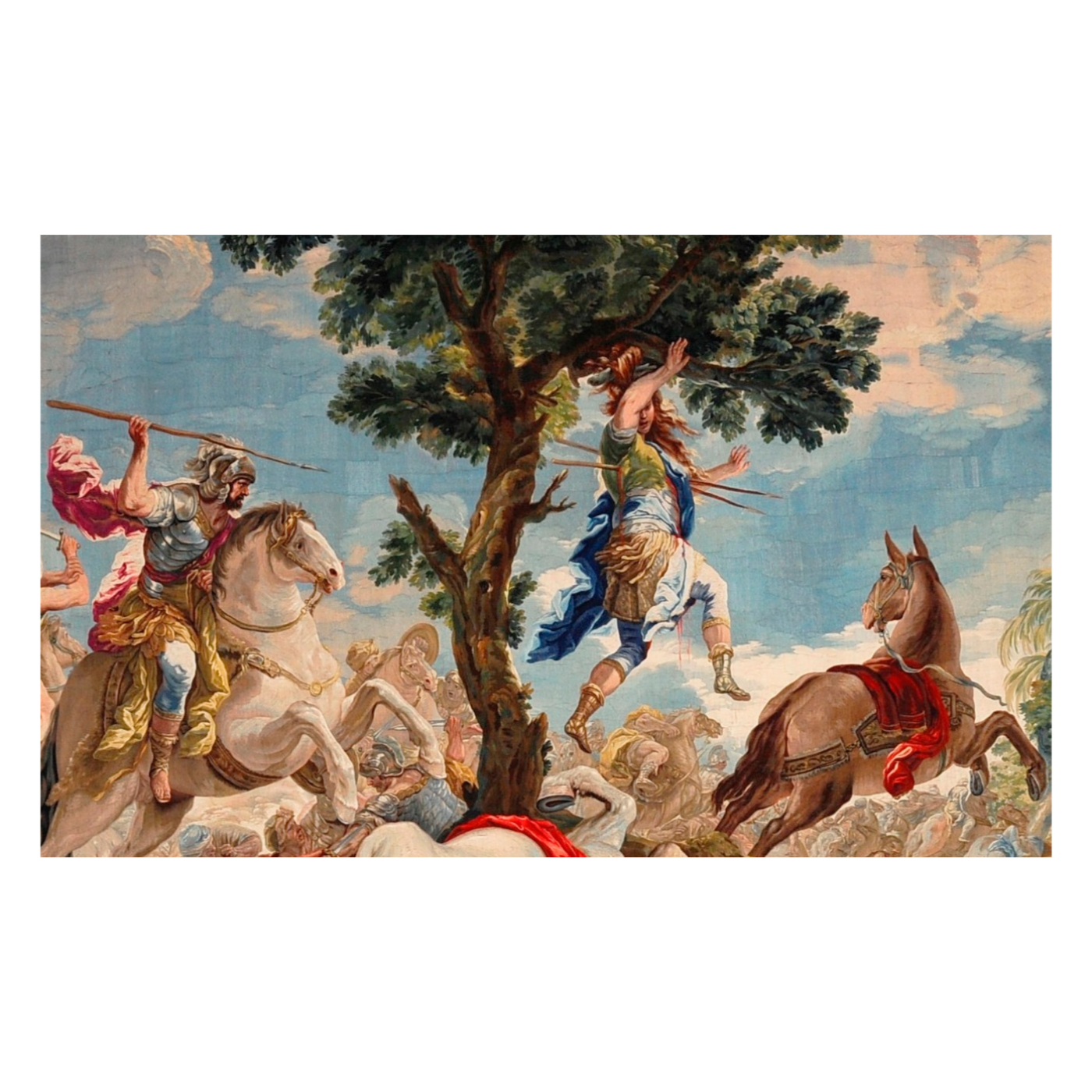
Accordingly, as the Scripture says, "And by the command of the Lord the good counsel of Ahithophel was defeated, that the Lord might bring evil upon Absalom." The counsel of Ahithophel was called "good" because it served his purpose for the time, since it favored Absalom over his father whom he had risen up against in rebellion. And it might well have destroyed him if the Lord had not frustrated Ahithophel‘s counsel by influencing the heart of Absalom to reject this counsel and to choose another which was not to his advantage―St Augustine
S1 Ep 104Day 104 - 2 Samuel 15-16, Psalms 3, 7
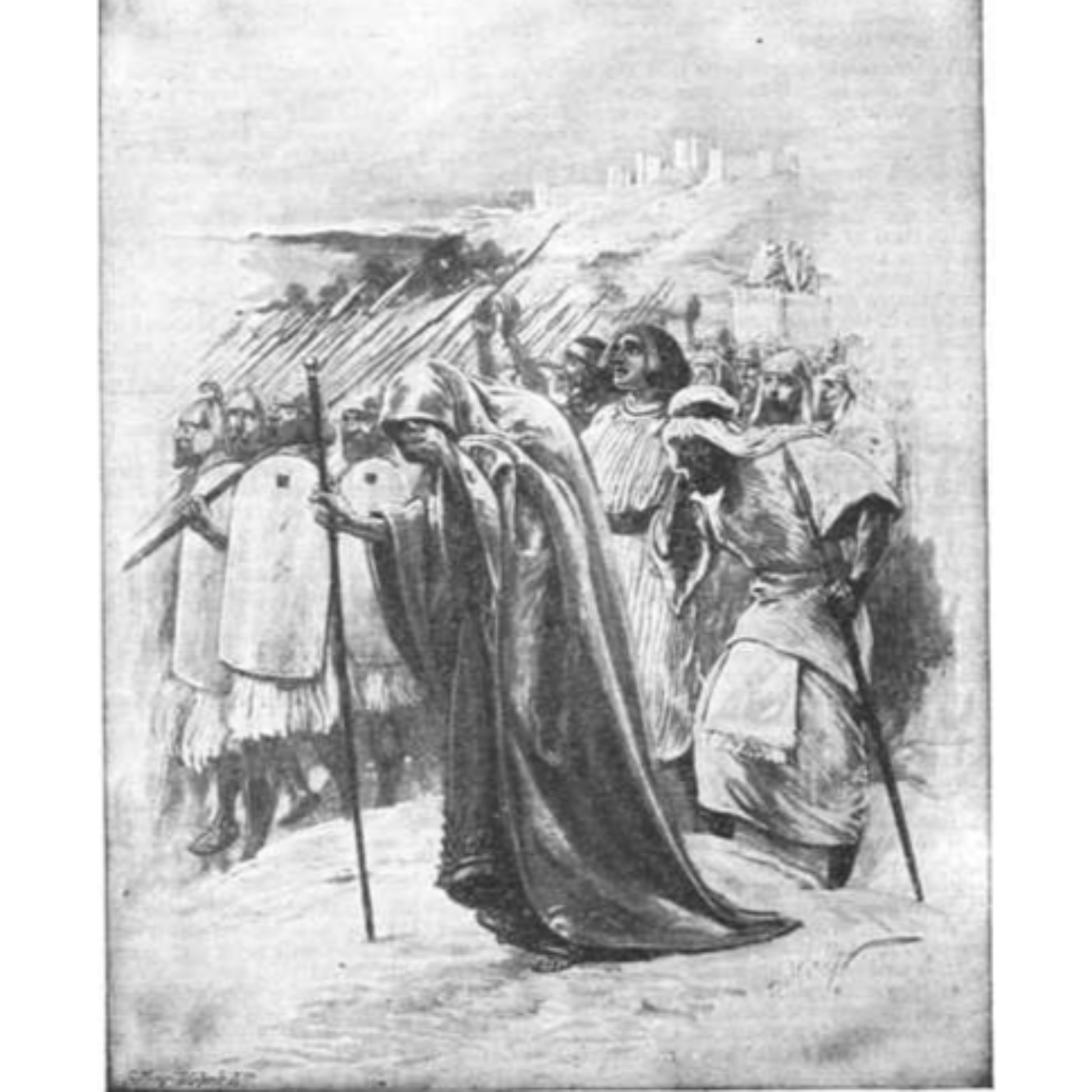
Again, after Absalom‘s rebellion, when David was in flight, with many possible routes before him, he chose to make his escape by the Mount of Olives, as good as invoking in his own mind the Deliverer who should from there ascend into the heavens. And when Shimei cursed him bitterly he said, "Let him be." For he knew that forgiveness is for those who forgive.… As, then, brothers, you have many examples of people who have sinned and then repented and been saved, do you also make confession to the Lord with all your heart, so as to receive pardon of all your sins of the time past and be accounted worthy of the heavenly gift and inherit the heavenly kingdom with all the saints in Christ Jesus, to whom be glory, world without end. Amen―St Cyril of Jerusalem
S1 Ep 103Day 103 - 2 Samuel 13-14
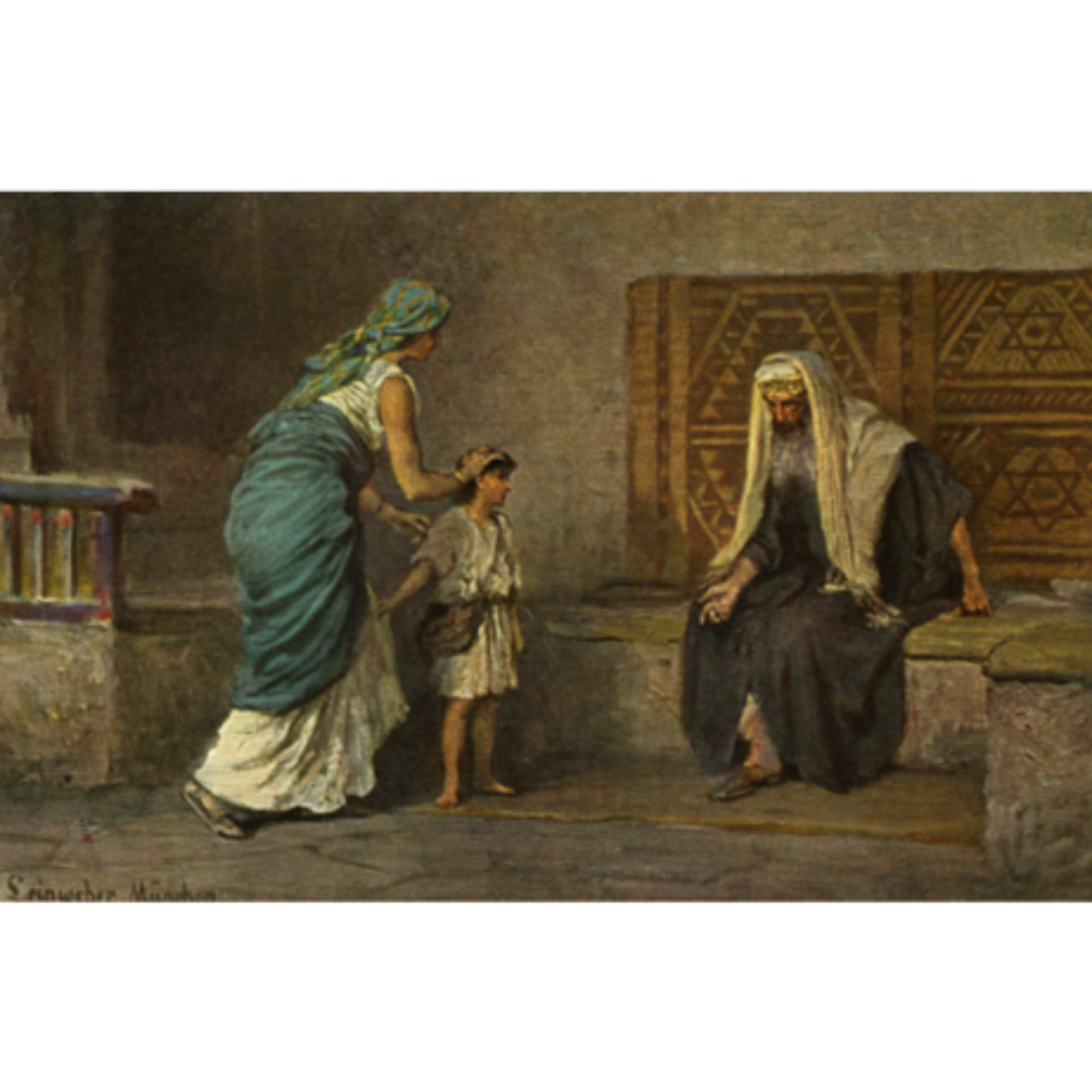
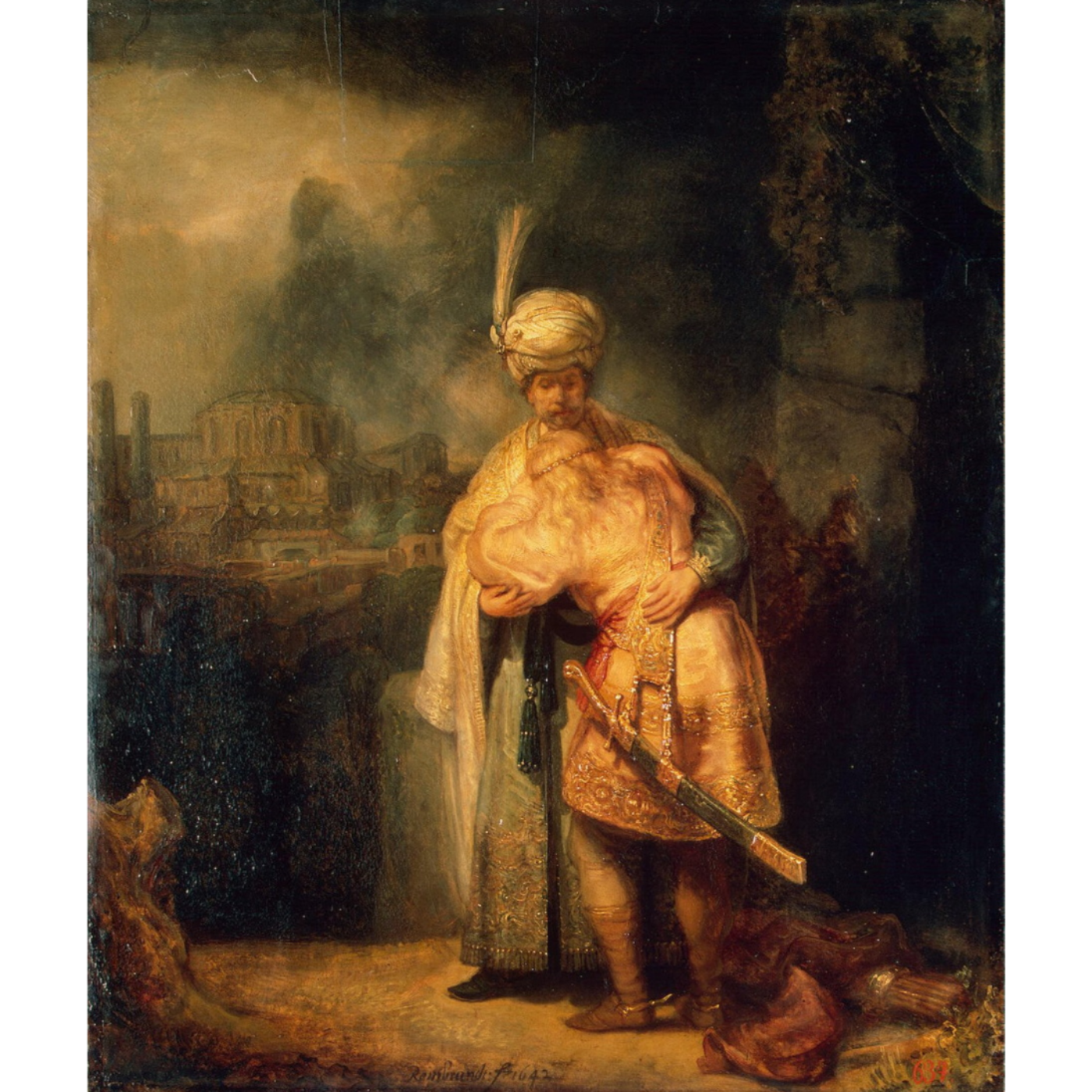
Holy David lost two sons. One was guilty of incest, the other of fratricide, [Amnon and Absolom, respectively.] To have had them caused him shame; to have lost them brought him grief. He also lost a third, a child whom he loved. He wept over him while he was still alive, but he did not long for him after he died. For so we read that when the boy fell sick, David besought the Lord for him and fasted and lay upon sackcloth, and, although the elders approached him and tried to make him get up from the ground, he resolved neither to rise nor to eat. After he learned that the boy was dead, however, he arose from the ground, bathed upon the spot, anointed himself, changed clothing, worshiped the Lord and took food. Since this seemed strange to his servants, he answered that while the child was still alive, he had rightly fasted and wept, because he justly thought that God might pity him and was certain that he who could restore the dead to life could surely preserve the life of one still living. But now that the child was dead, why should he fast, since he could not bring him back from death and restore him to life. "I shall go to him rather;" he said, "but he shall not return to me."What greater consolation to a mourner! What a true judgment from a wise man! What wonderful wisdom exhibited by a servant! [Thus] no one should protest that some misfortune has befallen him and complain that he has been afflicted contrary to his merit. For who are you to proclaim your merit beforehand? Why do you desire to anticipate your judge? Why do you snatch the verdict from the mouth of him who is going to pronounce it?―St Ambrose
S1 Ep 102Day 102 - 1 Chronicles 17, 2 Samuel 8-12, Psalm 51
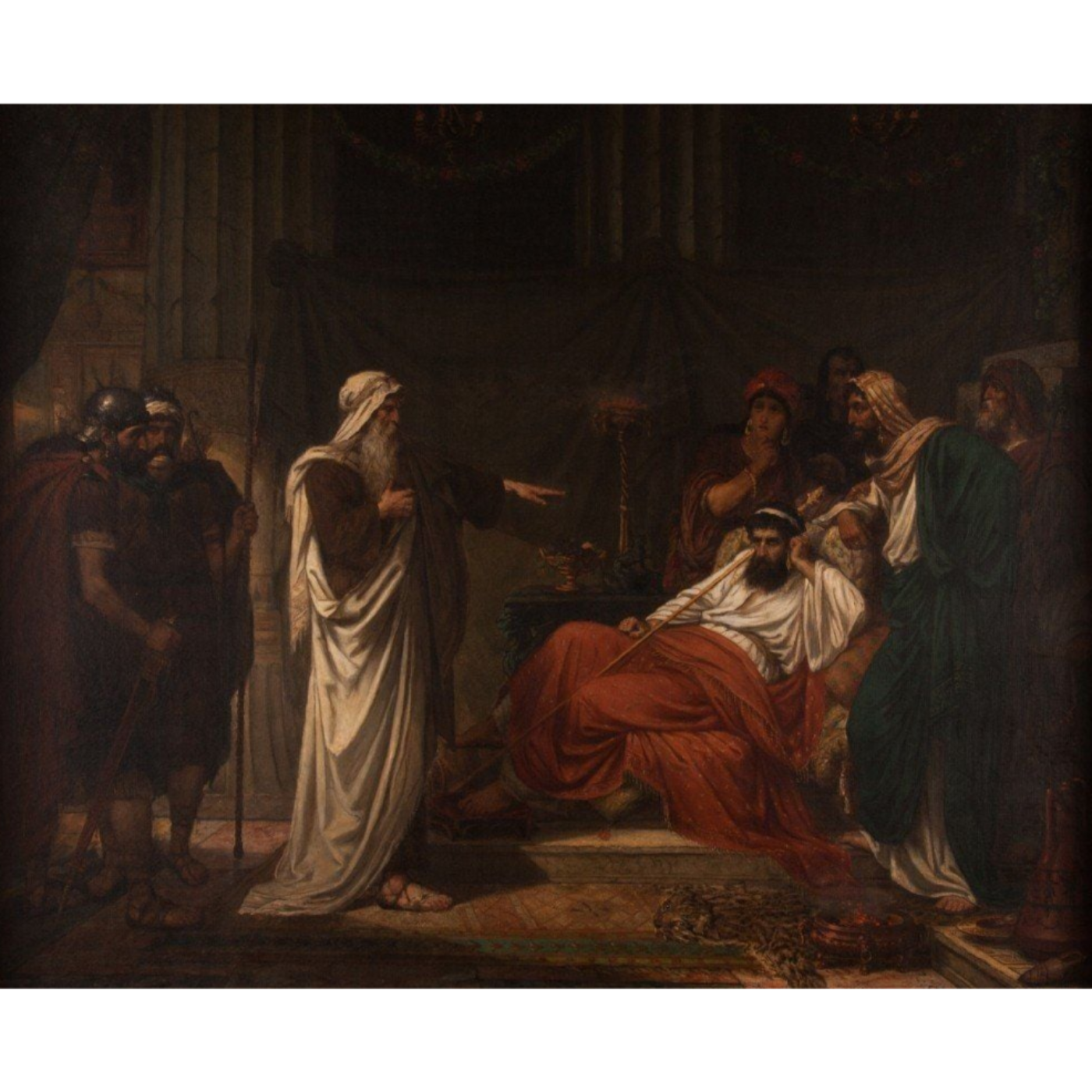
Obviously the king was unaware of the trap into which he had fallen, and he decreed that the rich man deserved to die and must make fourfold restitution for the sheep. It was a very severe view, and entirely just. But his own sin was not yet before his eyes; what he had done was still behind his back. He did not yet admit his own iniquity and hence would not remit another’s. But the prophet had been sent to him for this purpose. He brought the sin out from behind David’s back and held it before his eyes, so that he might see that the severe sentence had been passed on himself. To cut away diseased tissue in David’s heart and heal the wound there, Nathan used David’s tongue as a knife—St Augustine
S1 Ep 101Day 101 - Psalms 80-83, 88
So let them keep quiet, let them now see that the real Hercules is the God to whom the faithful say, “God, who is like you? Do not keep silent, or grow gentle, God.” What I had undertaken was to show how “do not grow gentle” means rooting out errors, not people. He does not grow gentle, so he gets angry. But he is God, so he also takes pity. He gets angry, and he takes pity. He gets angry and strikes; he takes pity and heals. He gets angry and does to death; he takes pity and brings to life. In one person he does this. It is not that he does some people to death and brings others to life, but in the same people he is both angry and gentle. He is angry with errors; he is gentle with bad habits put right. “I will strike, and I will heal; I will kill, and I will make alive.” (Deut. 32:39) One and the same Saul, afterward Paul, he both laid low and raised up. He laid low an unbeliever, he raised up a believer. He both laid low a persecutor, he raised up a preacher—St Augustine
S1 Ep 100Day 100 - Psalms 77-79
Prayers are recited early in the morning so that the first movements of the soul and the mind may be consecrated to God and that we may take up no other consideration before we have been cheered and heartened by the thought of God, as it is written: “I remembered God and was delighted,” and that the body may not busy itself with tasks before we have fulfilled the words “To you will I pray, O Lord; in the morning you shall hear my voice. In the morning I will stand before you and will see.” (Psalm 5:3)—St Basil the Great
S1 Ep 99Day 99 - Psalms 39, 62, 50, 73-76
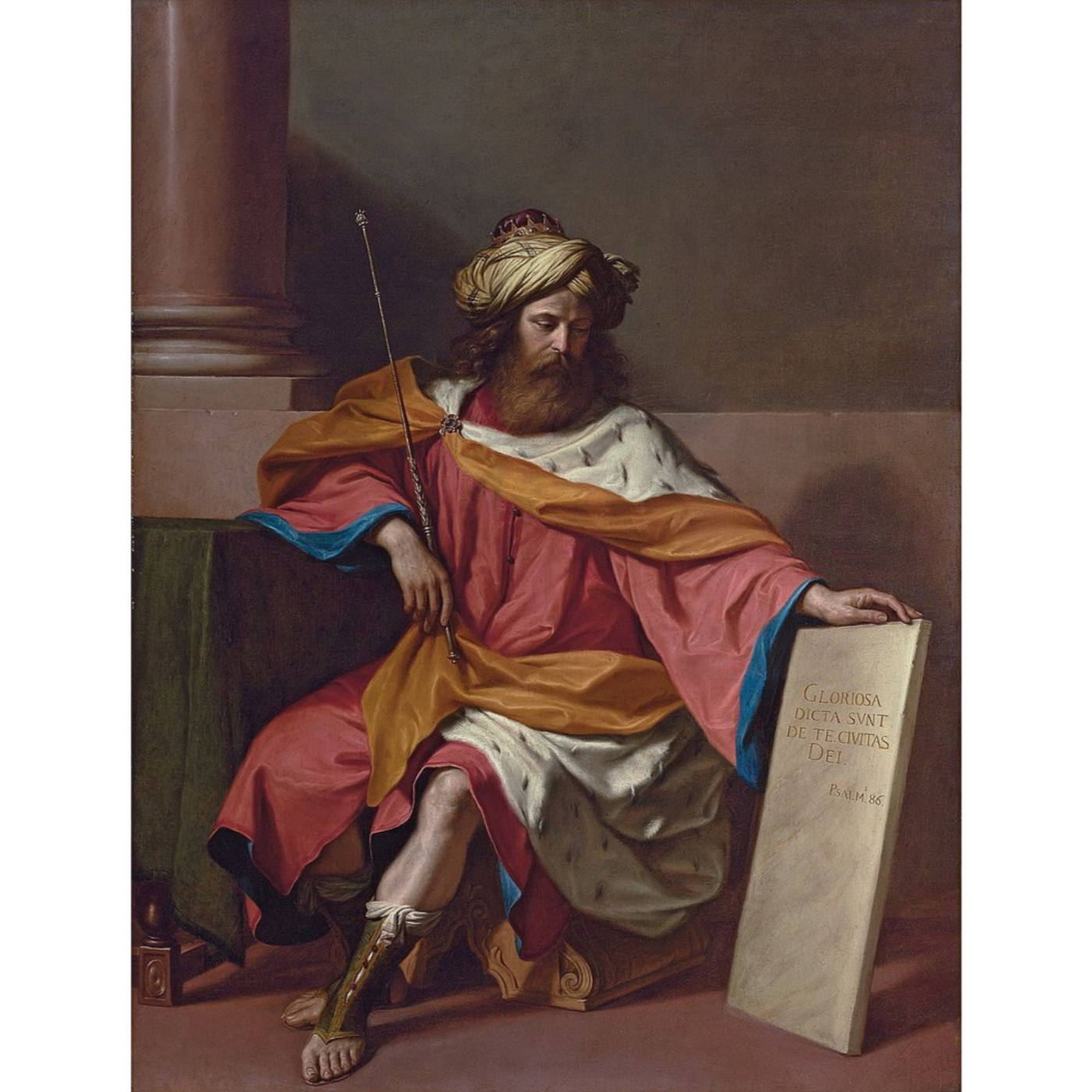
It is good for us to cleave to the Lord, and to put our hope in the Lord God, so that when we have exchanged our present poverty for the kingdom of heaven, we may be able to exclaim, “Whom have I in heaven but you? and there is none upon earth that I desire beside you.” Surely if we can find such blessedness in heaven we may well grieve to have sought after poor and passing pleasures here on earth—St Jerome
S1 Ep 98Day 98 - Psalms 96, 105, 106
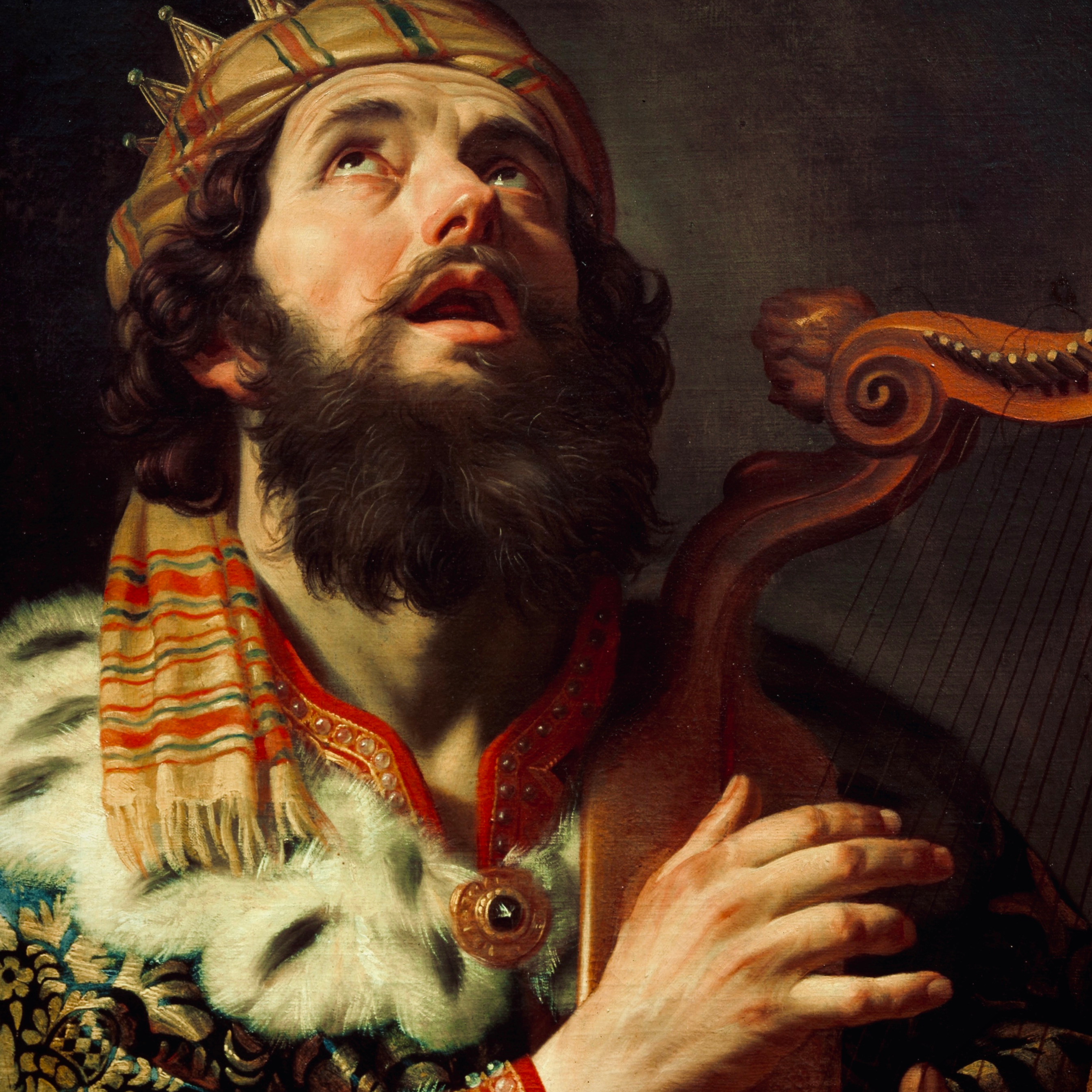
As a door leads into a house, so the title of a psalm leads into understanding. Now this one has a heading as follows: “When the house was being built after the captivity.” You ask what house; the psalm shows you straightaway: “Sing to the Lord a new song, sing to the Lord, all the earth.” There you are, that is what house it is. When the whole earth sings a new song, it is the house of God. It is built by singing, its foundations are believing, it is erected by hoping, it is completed by loving. So it is being built now, but it is dedicated at the end of the world. Let the living stones, then, come flocking together to the new song, come flocking all together and be fitted together into the fabric of God’s temple. Let them recognize their Savior and receive him as their occupant—St Augustine
S1 Ep 97Day 97 - 1 Chronicles 16
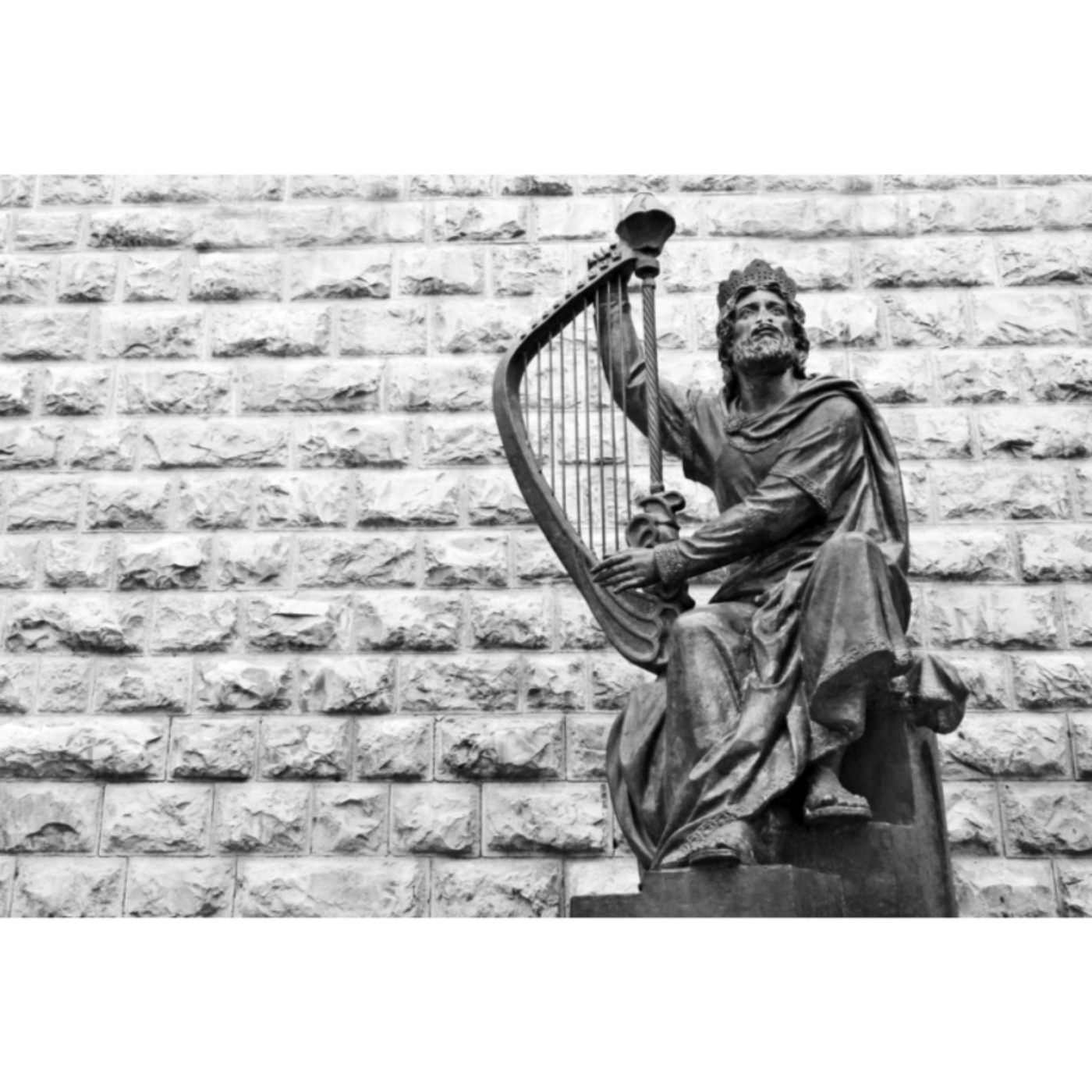
As it has been supposed by some that the book of Psalms merely consists of hymns to God and sacred songs and that we shall look in vain in it for predictions and prophecies of the future, let us realize distinctly that it contains many prophecies, far too many to be quoted now, and it must suffice for proof of what Isaiah to make use of two psalms ascribed to Asaph, written in the time of David. For Asaph was one of the temple musicians then, as is stated in the book of Chronicles, and was inspired by the divine Spirit to speak the psalms inscribed with his name―Eusebius of Caesarea
S1 Ep 96Day 96 - Psalm 8, 19, 29, 32, 65, 68, 103, 108, 138
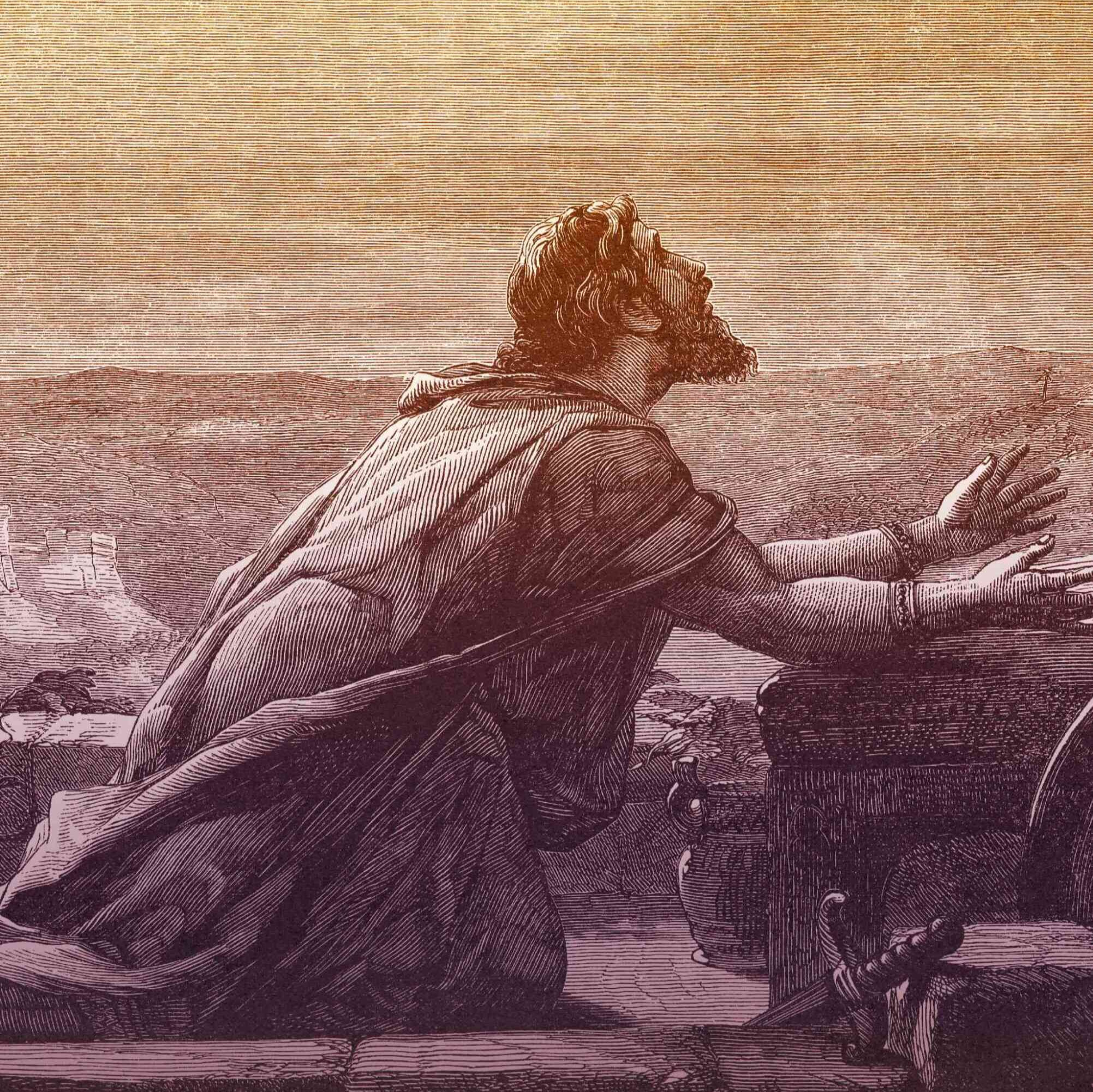
Although fire seems to human intelligence to be incapable of being cut or divided, yet by the command of the Lord it is cut through and divided. I believe that the fire prepared in punishment for the devil and his angels is divided by the voice of the Lord, in order that, since there are two capacities in fire, the burning and the illuminating, the fierce and punitive part of the fire may wait for those who deserve to burn, while its illuminating and radiant part may be allotted for the enjoyment of those who are rejoicing. Therefore, the voice of the Lord divides the fire and allots it, so that the fire of punishment is dark, but the light of the state of rest remains unkindled—St Basil the Great
S1 Ep 95Day 95 - 1 Chronicles 12-15
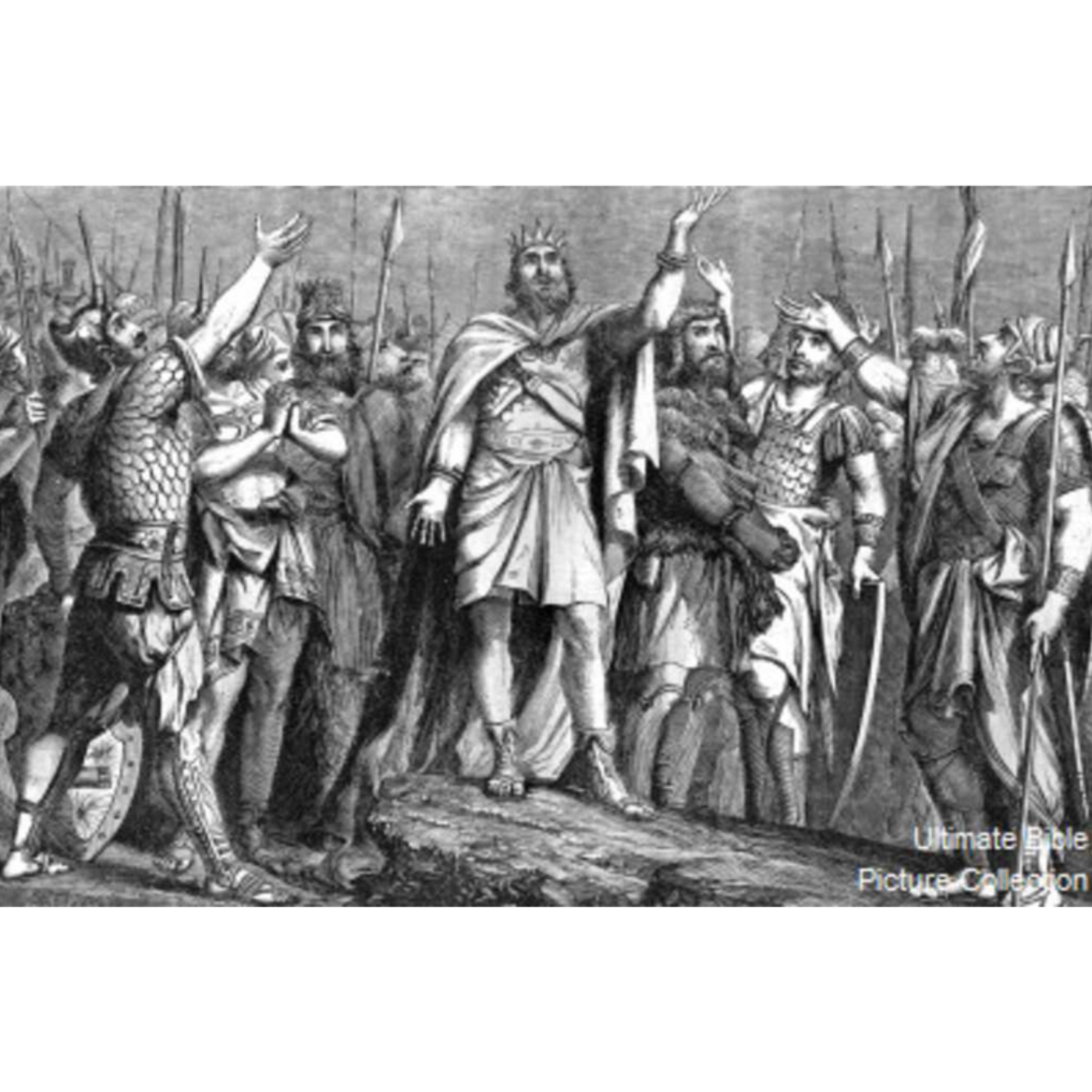
After that [the killing of Goliath] he never entered on a war without seeking counsel of the Lord. Thus he was victorious in all wars, and even to his last years [he] was ready to fight. And when war arose with the Philistines, he joined battle with their fierce troops, being desirous of winning renown, while careless of his own safety (2 Sam 21:15). But this is not the only kind of fortitude which is worthy of note. We consider their fortitude glorious, who, with greatness of mind, "through faith stopped the mouth of lions, quenched the violence of fire, escaped the edge of the sword, out of weakness were made strong," (Heb 11:33–34) They did not gain a victory in common with many, surrounded by comrades and aided by the legions, but [they] won their triumph alone over their treacherous foes by the mere courage of their own souls―St Ambrose of Milan
S1 Ep 94Day 94 - 1 Chronicles 9:35-44, 10-11
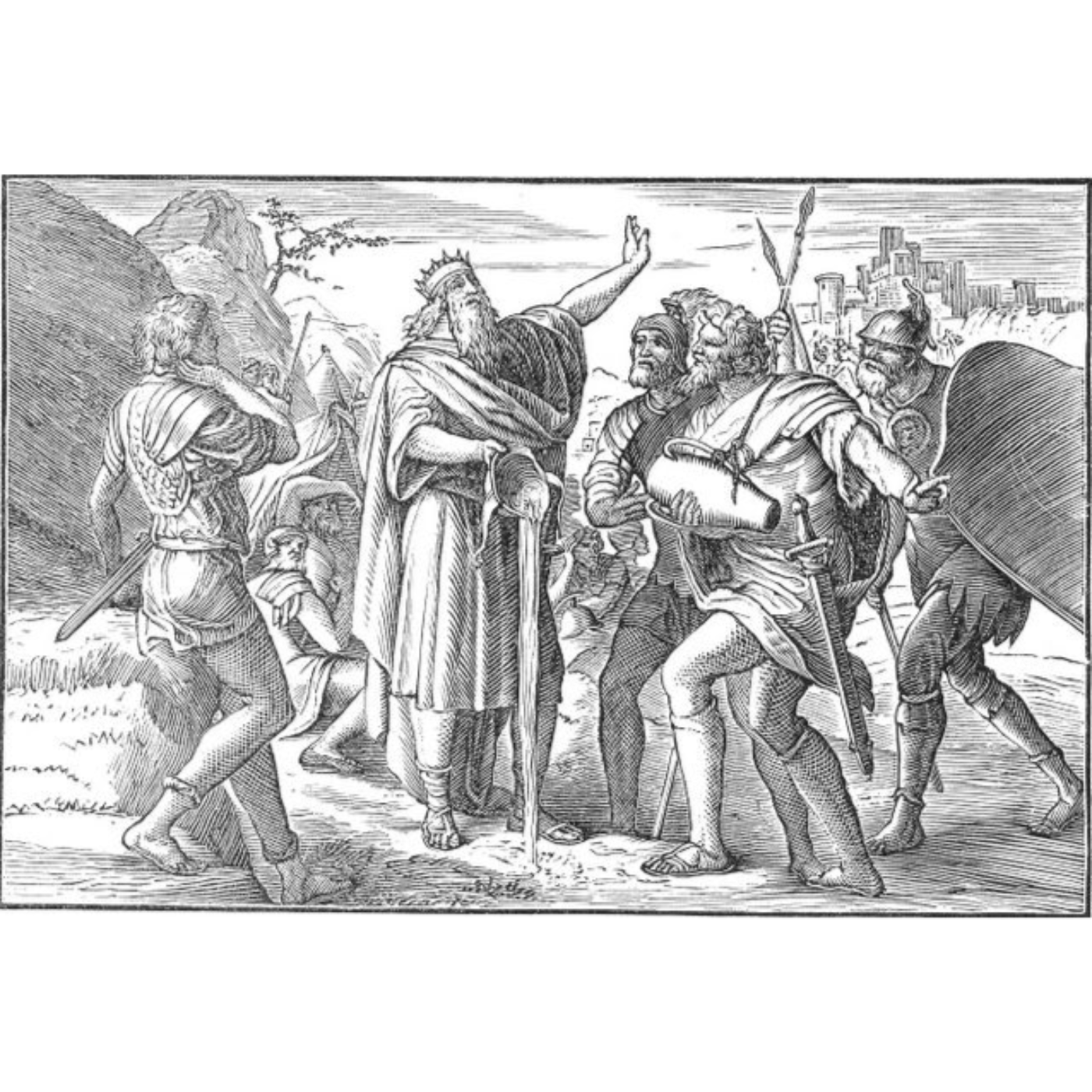
In vain also do they object that what we have established from Scripture in the books of Kings and Chronicles—that when God wills the accomplishment of something which ought not to be done except by people who will it, their hearts will be inclined to will this, with God producing this inclination, who in a marvelous and ineffable way works also in us that we will—is not pertinent to the subject with which we are dealing—St Augustine
S1 Ep 93Day 93 - 2 Samuel 5-7
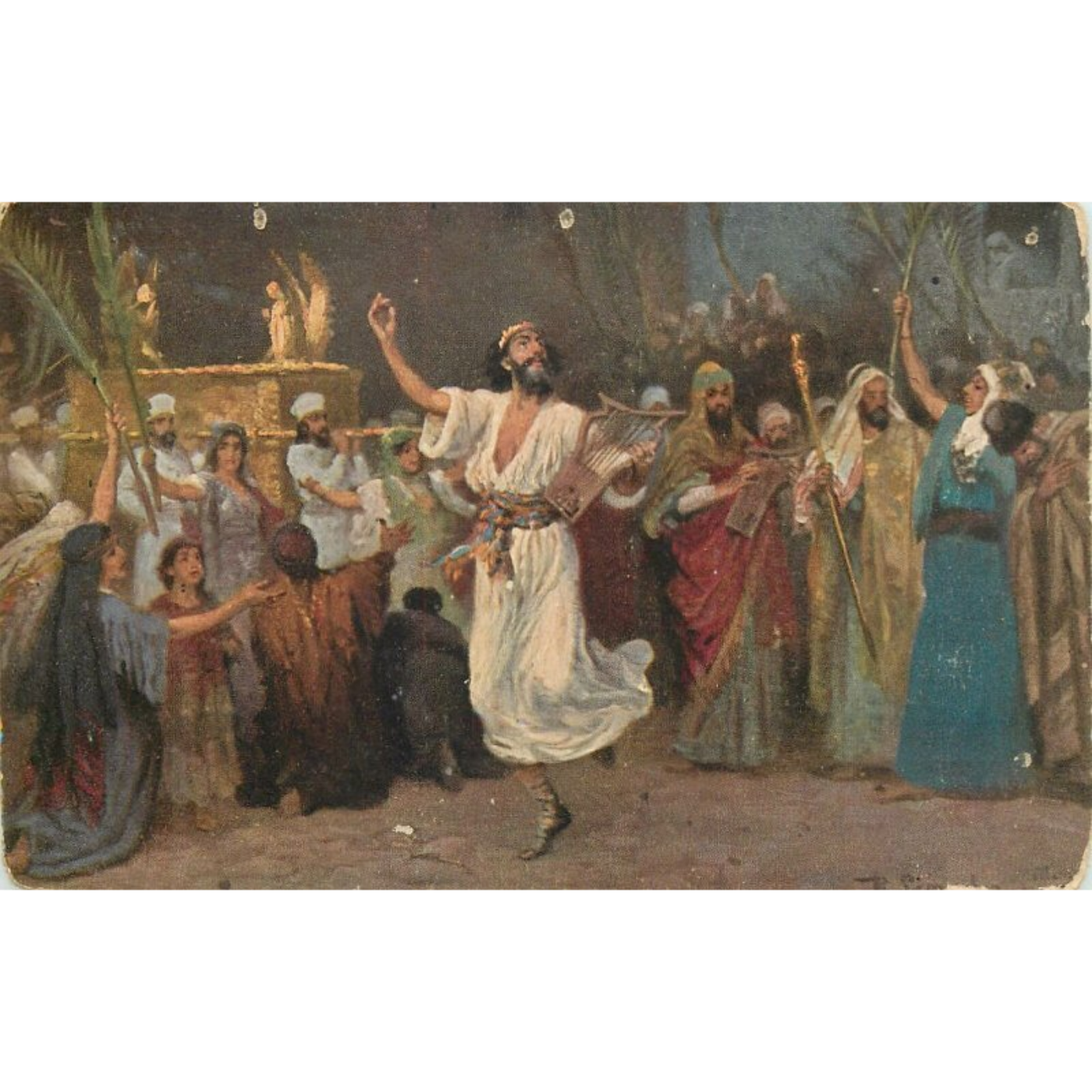
However, the tribe of Judah did not fail until he came for whom it was reserved, who did not himself sit upon a material throne, for the kingdom of Judea had now been transferred to Herod, the son of Antipater, the Ascalonite, and to his sons, who divided Judea into four provinces when Pilate was governor and Tiberius held the power over the whole Roman province (Lk 3:1). But his indestructible kingdom he calls the throne of David on which the Lord sat. He himself is "the expectation of nations," (Gen 49:10 LXX) not of the least part of the world. "For there will be the root of Jesse," it is said, (Is 11:10 LXX) "and he who rises up to rule the Gentiles, in him the Gentiles will hope." "For I have placed you for a covenant of the people, for a light of the Gentiles." (Is 42:6) "And I shall establish," it is said, ―his seed forever, and his throne as the days of the heavens."―St Basil the Great
S1 Ep 92Day 92 - 2 Samuel 2-4
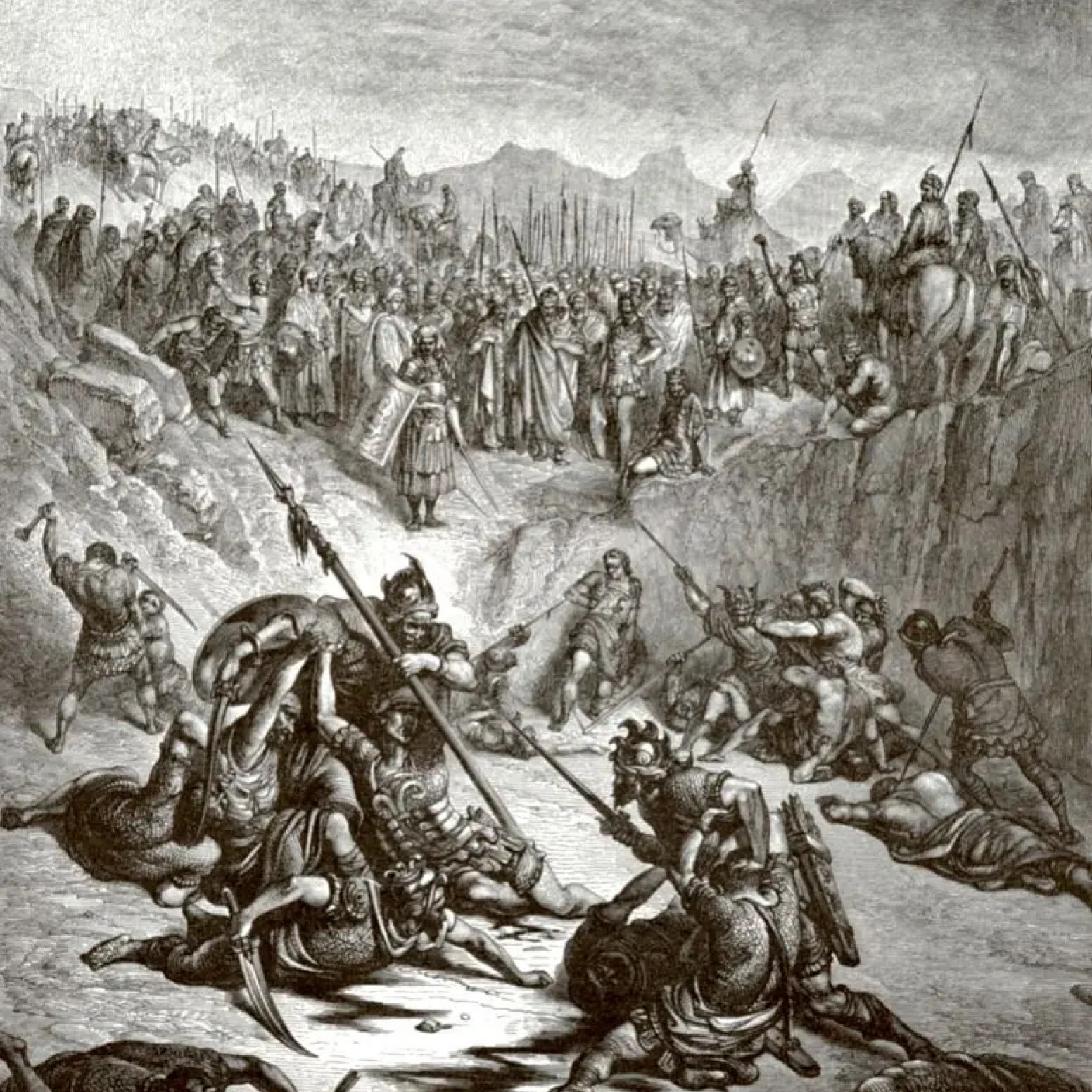
Although he [Saul] was a king, he sinned if he killed the innocent. Finally, even David, when he was in possession of his kingdom and had heard that an innocent man named Abner was slain by Joab, the leader of his army, said, "I and my kingdom are innocent now and forever of the blood of Abner the son of Ner," and he fasted in sorrow.These things I have written not to disconcert you but that the example of kings may stir you to remove this sin from your kingdom, for you will remove it by humbling your soul before God.4 You are a man, you have met temptation—conquer it. Sin is not removed except by tears and penance. No angel or archangel can remove it; it is God himself who alone can say, "I am with you";(1 Cor 15:50) if we have sinned, he does not forgive us unless we do penance―St Ambrose of Milan
S1 Ep 91Day 91 - 1 Samuel 31, 2 Samuel 1, Ps 18
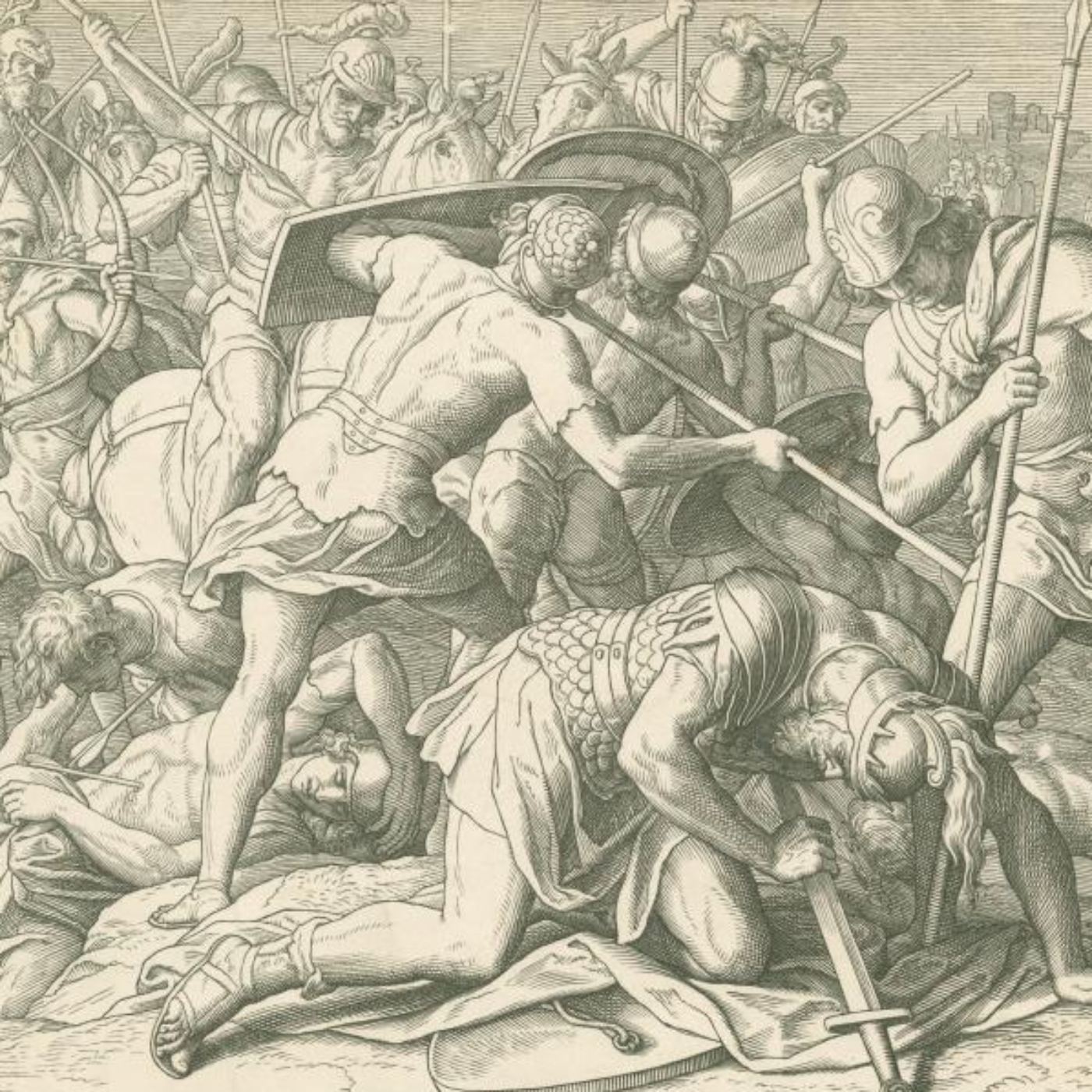
The nations that surrounded Judah rushed in with the sole intention of destroying the kingdom of Judah and of removing the sons of the kingdom from its midst. So too with their corruption they corrupted the high priests, scribes and Pharisees—and even the heretics. They forbade the sons of the kingdom (certainly, a reference to the leaders of that kingdom) from preaching or worshiping the grace of the Holy Spirit in their sincere heart. That is the meaning of their striking down Jonathan, "the gift of the dove." They forbade praising the Father through a worthy confession, who made us his sons not by nature but by adoption. The death of Abinadab pointed to this, for his name means "Father of his own volition." They resisted so that they would not believe in the salvation that was coming into the world through Christ‘s kingdom. The death of Malchishua pointed to this, since his name means "My king is my salvation." I believe that the philosopher who seduced Arius killed Malchishua, as it were, just as the one who seduced Macedonius killed Jonathan, and the one who seduced Mani killed Abinadab. I say that because the master of corruption taught Arius to deny the omnipotence of Christ the king, Macedonius to detract from the gift of the Holy Spirit, and Mani to blaspheme the goodness of our great God―Bede
S1 Ep 90Day 90 - 1 Samuel 26-30
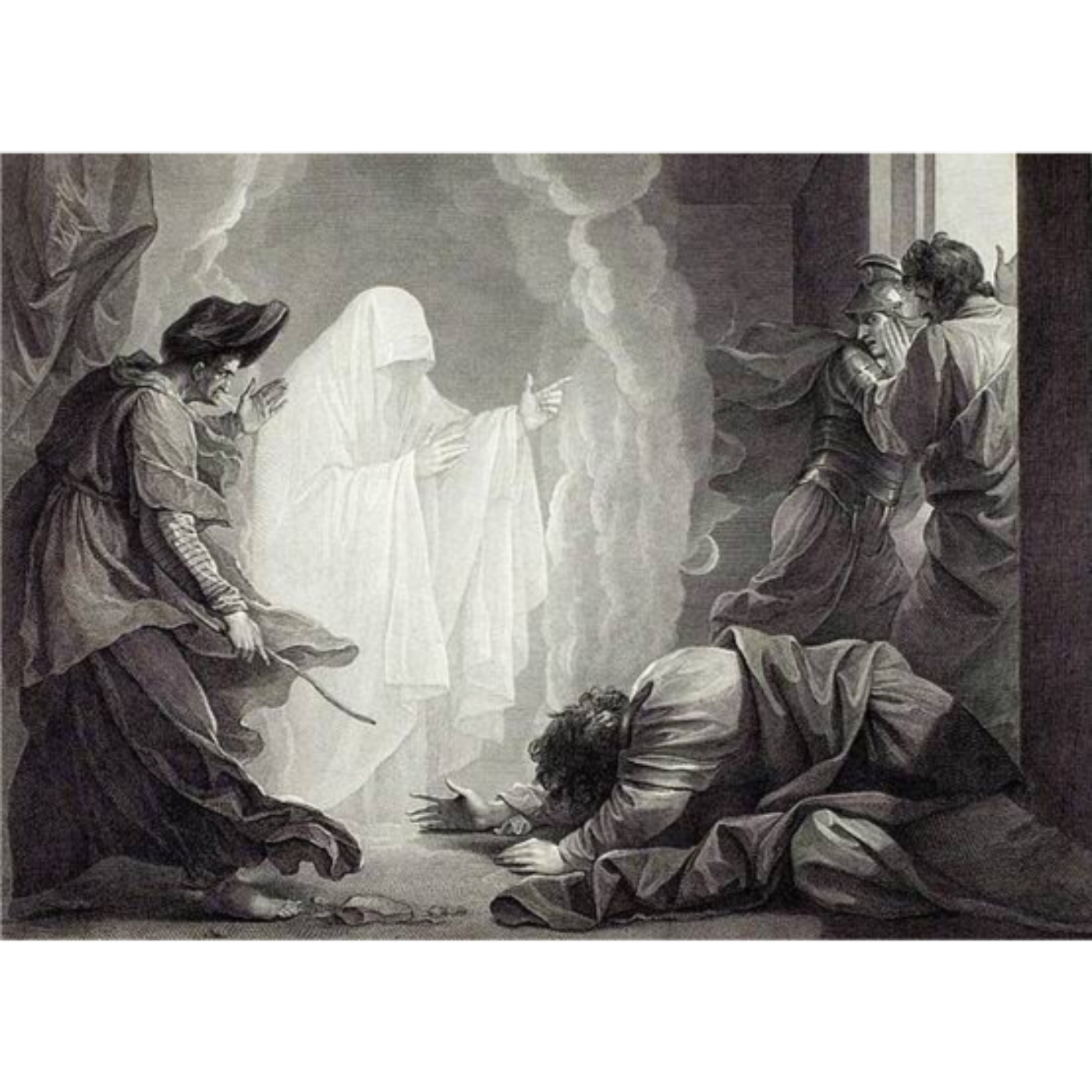
Why, even now the followers of Simon [Magus] (Acts 8) are so confident of their art that they undertake to bring back the souls of the prophets from hell. And this, I believe, because their power lies in their ability to deceive. This power was actually granted to the witch of Endor, who brought back the soul of Samuel after Saul had consulted God in vain. Apart from that case, God forbid we should believe that any soul, much less a prophet, could be called forth by a demon. We are told that "Satan himself is transformed into an angel of light" (2 Cor 11:14)—and more easily into a man of light—and that at the end he will work marvelous signs and show himself as God, so much so that, "if possible, he will deceive even the elect." (Mt 24:24) He hardly hesitated to declare to Saul that he was the prophet [Samuel] in whom the devil was then dwelling.So, you must not think that the spirit which created the apparition was different from the one who made Saul believe in it; but, the same spirit was in the witch of Endor and in the apostate [Saul], and so it was easy for him to suggest the lie that he had already made Saul believe. Saul‘s treasure, indeed, was then where his heart was (Mt 6:21), where God most certainly was not. Thus, he saw only the devil, through whom he believed he would see Samuel, for he believed in the spirit who showed him the apparition―TertullianThat souls survive I have shown to you from the fact that the soul of Samuel was called up by the witch, as Saul demanded. It appears also that all the souls of similar righteous people and prophets fell under the dominion of such powers, which is certainly to be inferred from the very facts in the case of that witch. For this reason God, by his Son, also teaches us—for whose sake these things seem to have been done—always to strive earnestly and at death to pray that our souls may not fall into the hands of any such power—Justin MartyrAlso, some can be sent to the living from the dead, just as in the opposite direction divine Scripture testifies that Paul was snatched from the living into paradise (2 Cor 12:2). Samuel the prophet, although dead, predicted future events to King Saul, who was alive, although some think that it was not Samuel himself who was able to be called forth by some magic, but that some spirit so allied with evil works had feigned a likeness to him—yet the book of Ecclesiasticus, which Jesus the son of Sirach is said to have written, but because of some similarity of style is thought to be the work of Solomon, contains in praise of the fathers the fact that Samuel prophesied even though dead (Sir 46:16–20). If there is objection to this book on the ground that it is not in the canon of ancient Hebrew Scripture, what are we going to say of Moses, who in Deuteronomy is certainly recorded as dead and again in the Gospel of Matthew is reported to have appeared to the living along with Elijah who did not die—St Augustine
S1 Ep 89Day 89 - 1 Samuel 24-25, Ps 57, 142
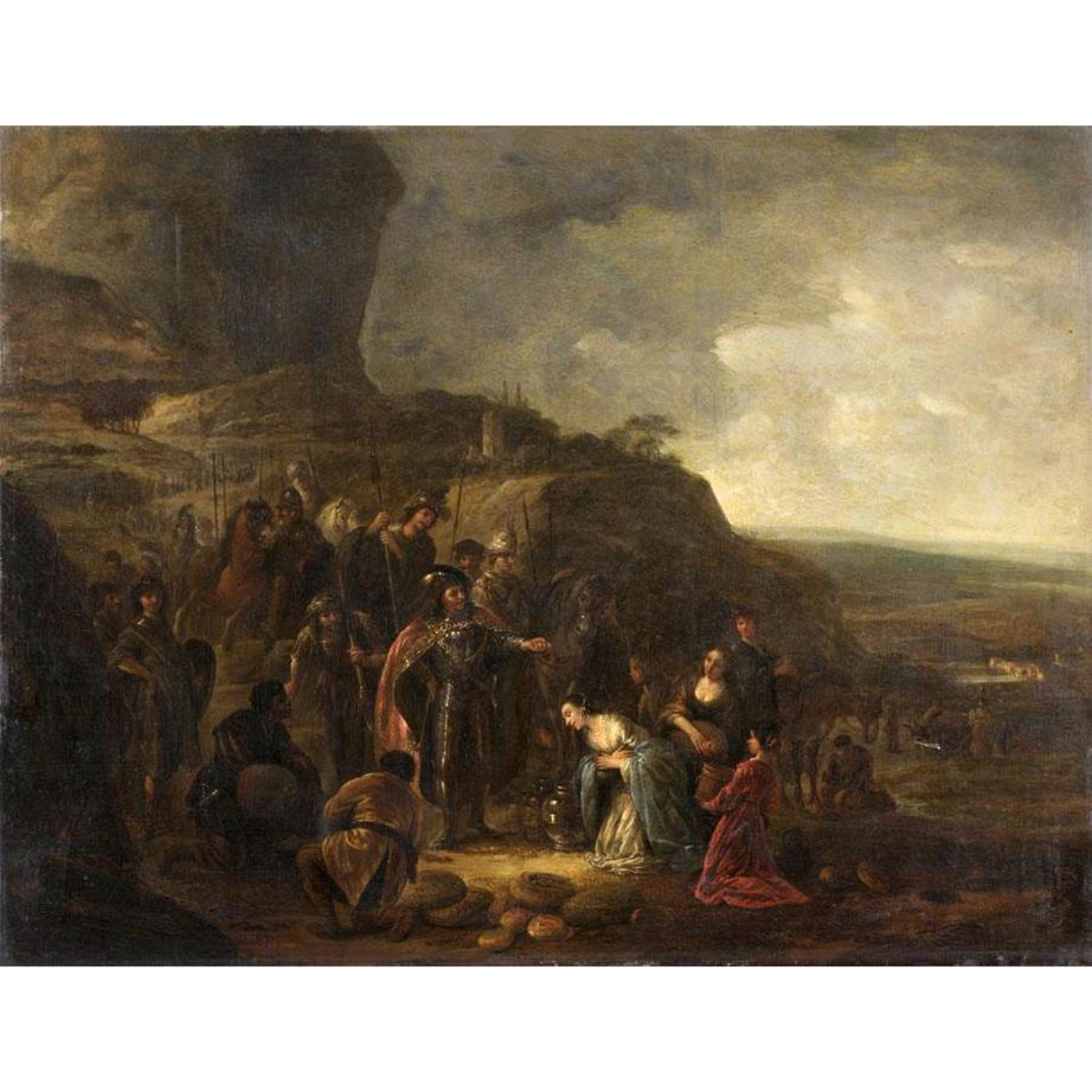
David had two wives, Ahinoam the Jezreelite, and Abigail, whom he took later. The first was somewhat severe, the other full of mercy and graciousness, a kindly and generous soul who saw the Father with face unveiled, gazing on his glory. She received that heavenly dew of the grace of the Father, as her name is interpreted. What is the dew of the Father but the Word of God, which fills the hearts of all with the waters of faith and justice?Beautifully does the true David say to this soul what was said to Abigail: "Blessed be the Lord God of Israel, who sent you this day to meet me, and blessed be your customs." And again he says to her, "Go in peace into your house, behold now I have heard your voice and have honored your face." In the Canticles, too, these are the words of the bridegroom to his bride: "Show me your face and let me hear your voice." (Song 2:14)Then she was sent away, since she had another husband who was called, in Hebrew, Nabal, which, in Latin, means foolish, harsh, unkind, ungentle, ungrateful, for he did not know how to show gratitude. Later, when her husband died, David the prophet took her as his wife, since she was set free from the law of her husband. Through this union is signified the mystery of the church of the Gentiles which would believe, for, after losing her husband to whom she was at first united, she made her way to Christ, bringing a dowry of piety, of humility and of faith, and enriched with the heritage of mercy―St Ambrose of Milan

S1 Ep 88Day 88 - 1 Samuel 22-23, Ps 56, 34, 52, 63
For if it is a bad thing to flee, it is much worse to persecute. The one party hides himself to escape death, the other persecutes with a desire to kill. It is written in the Scriptures that we ought to flee; but he that seeks to destroy transgresses the law and also is himself the occasion of the other‘s flight. If then they [the Arians] reproach me with my flight, let them be more ashamed of their own persecution. Let them cease to conspire, and those who flee will immediately cease to do so. But they, instead of giving up their wickedness, are employing every means to obtain possession of my person, not perceiving that the flight of those who are persecuted is a strong argument against those who persecute. For no one flees from the gentle and the humane, but from the cruel and the evil-minded."Every one that was in distress and every one that was in debt" fled from Saul and took refuge with David. But this is the reason why these men [those persecuting Athanasius] desire to cut off those who are in concealment, that there may be no evidence forthcoming of their own wickedness. But in this their minds seem to be blinded with their usual error. For the more the flight of their enemies becomes known, so much the more notorious will be the destruction or the banishment which their treachery has brought upon them. So whether they kill them outright, their death will be the more loudly noised abroad against them, or whether they drive them into banishment, they will but be sending forth everywhere monuments of their own iniquity―St Athanasius
S1 Ep 87Day 87 - 1 Samuel 20-21, Ps 59
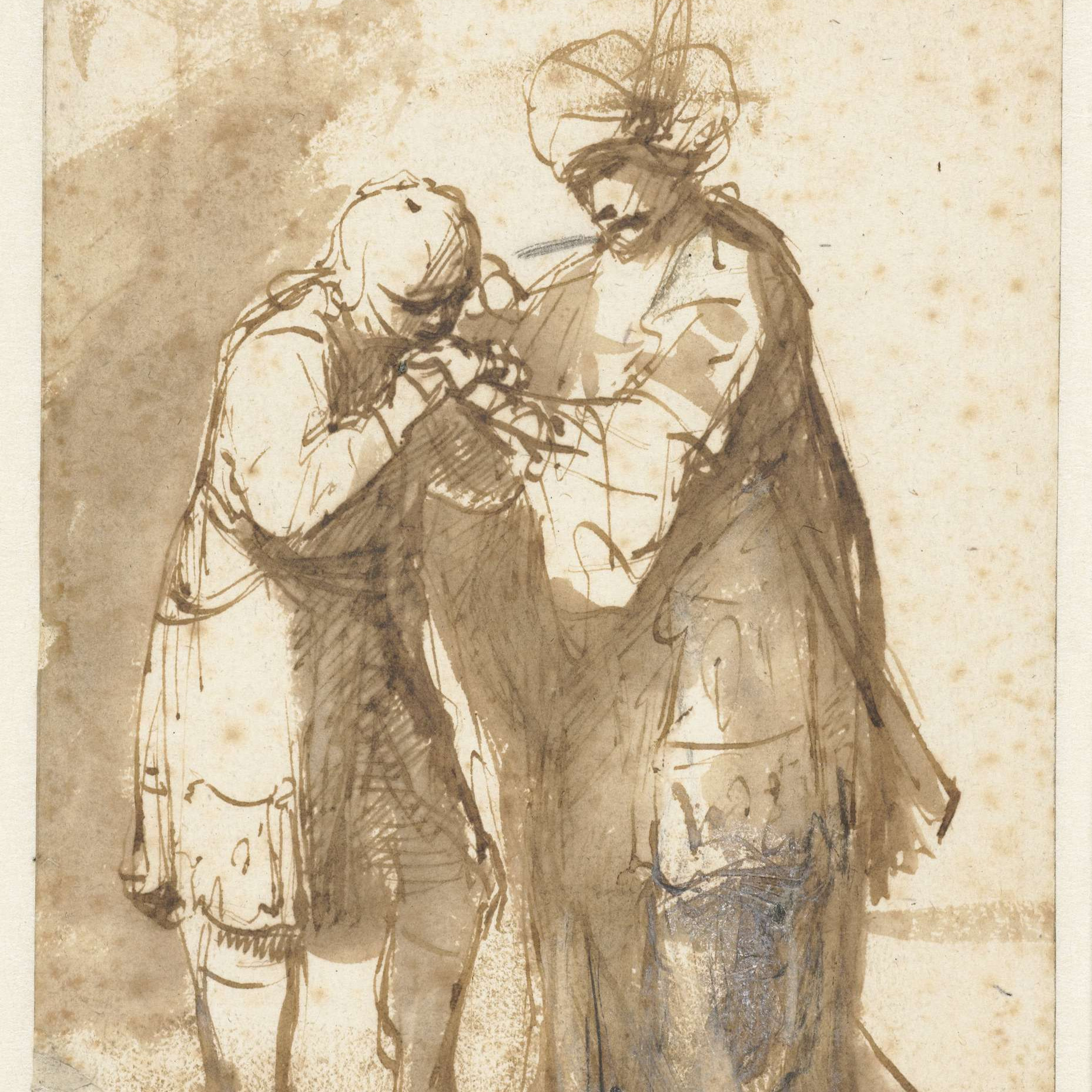
For that commendable friendship which maintains virtue is to be preferred most certainly to wealth or honors or power. It is not apt to be preferred to virtue indeed, but to follow after it. So it was with Jonathan, who for his affection‘s sake avoided neither his father‘s displeasure nor the danger to his own safety―St Ambrose of Milan
S1 Ep 86Day 86 - 1 Samuel 17-19
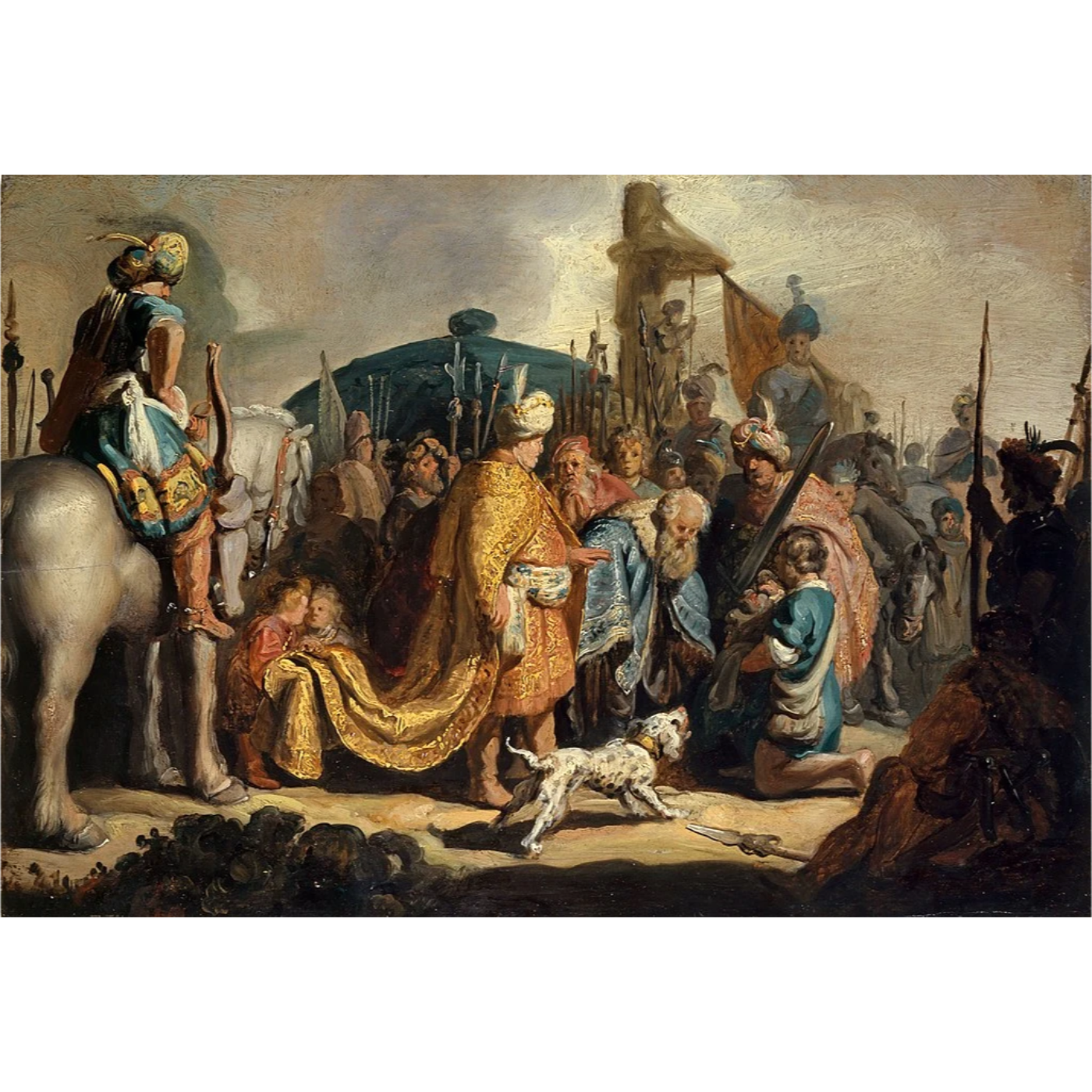
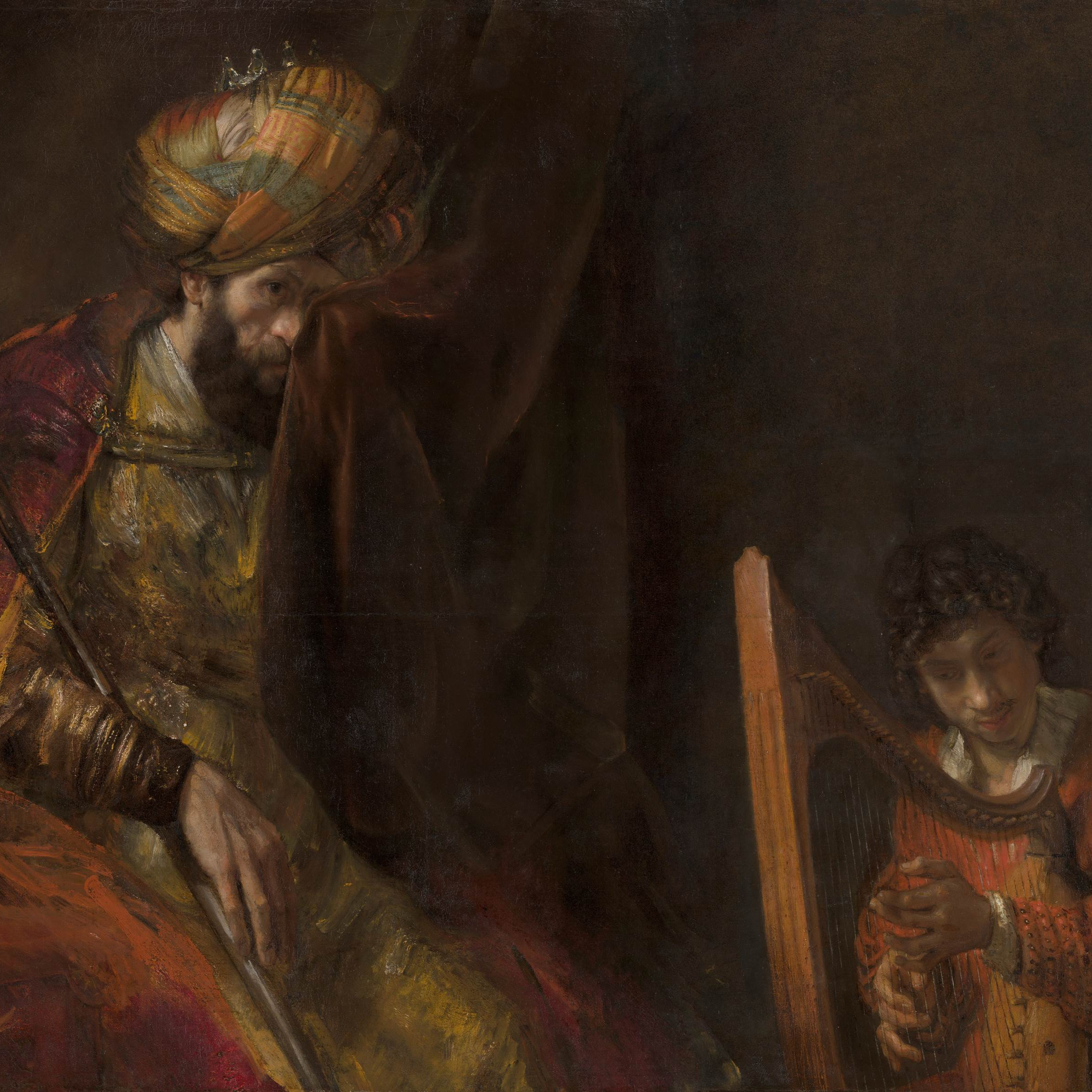
Why do you grieve, my friend, when you yourself have suffered no misfortune? Why are you hostile to someone who is enjoying prosperity, when he has in no way caused your own possessions to decrease? If you are vexed even upon receiving a kindness [from the object of your spite], are you not quite clearly envious of your own good? Saul is an example of this. He made David‘s great favors to himself a motive for enmity with him. First, after he had been cured of insanity by the divine and melodious strains of David‘s harp, he attempted to run his benefactor through with a spear. Then, on another occasion, it happened that he and his army were delivered from the hands of the enemy and saved from embarrassment before Goliath. In singing the triumphal songs commemorating this victory, however, the dancers attributed to David a tenfold greater share in the achievement, saying, "Saul killed his thousands and David his ten thousands." For this one utterance and because truth itself was its witness, Saul first attempted murder and tried to slay David by treachery, then forced him to flee―St Basil the Great
S1 Ep 85Day 85 - 1 Samuel 15-16, Ps 23
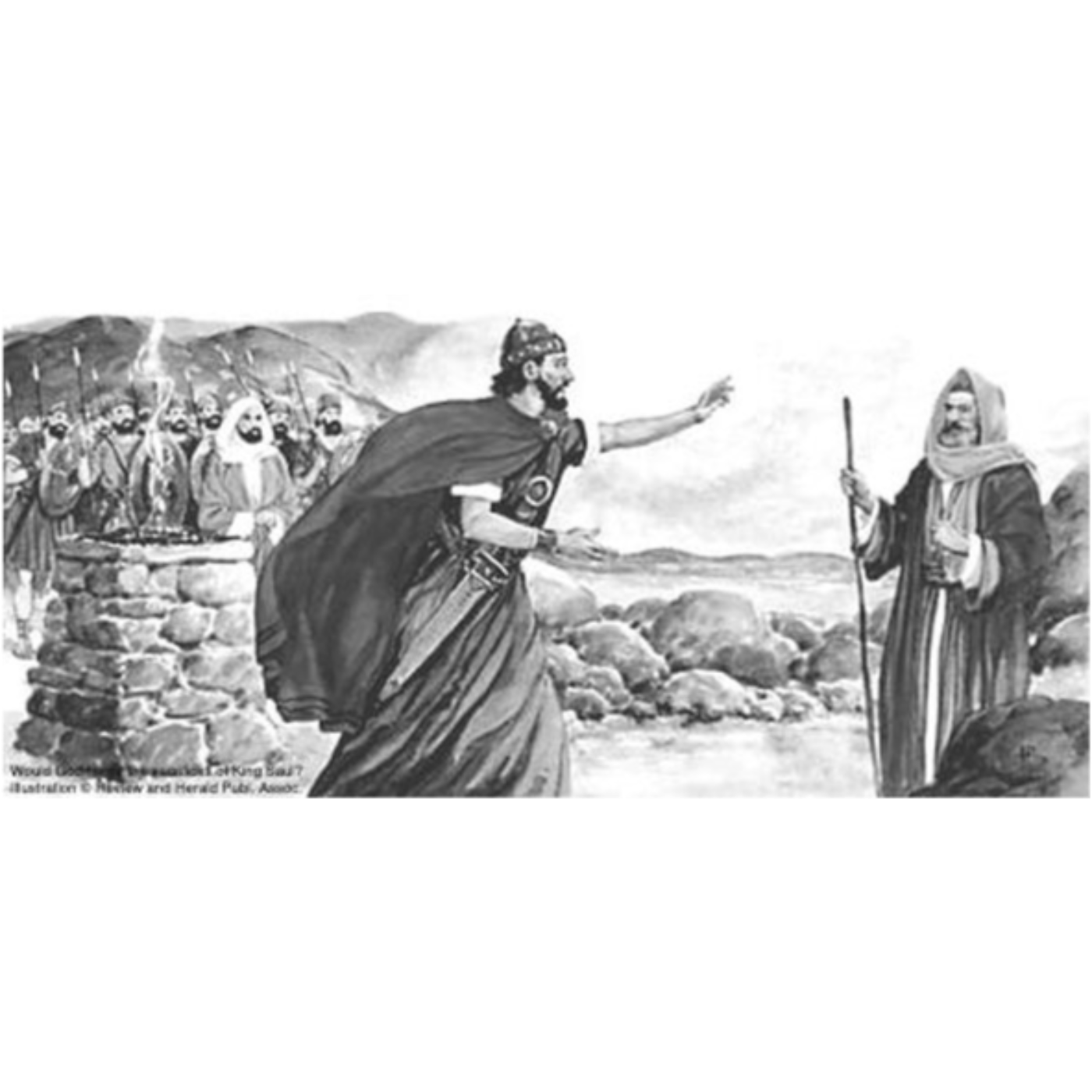
You are human, and so you know other people only from the outside. You think as you see, and you see only what your eyes let you see. But "the eyes of the Lord are lofty." "Man looks on the outward appearance, God looks on the heart." So "the Lord knows them that are his" (2 Tim 2:19) and roots up the plant which he has not planted. He shows the last to be first, he carries a fan in his hand to purge his floor. Let the chaff of light faith fly away as it pleases before every wind of temptation. So much the purer is the heap of wheat which the Lord will gather into his garner―Tertullian
S1 Ep 84Day 84 - 1 Samuel 13-14
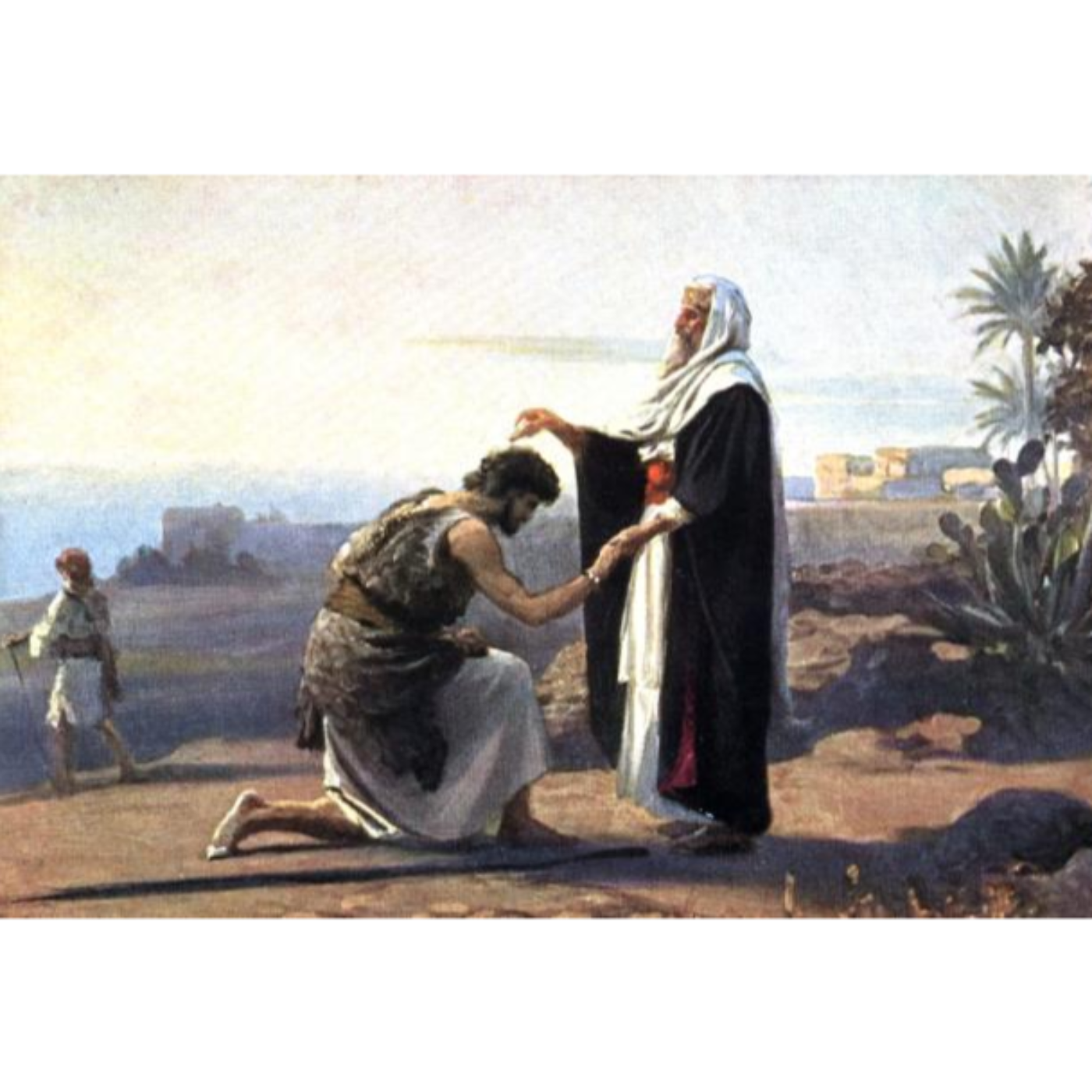
And mark it, he [the devil] desired to bring Saul into [the] superstition of witchcraft. But if he had counseled this at the beginning, the other would not have given heed; for how should he, who was even driving them out? Therefore gently and by little and little he leads him on to it. For when he had disobeyed Samuel and had caused the burnt offering to be offered, when he was not present, being blamed for it, he says, "The compulsion from the enemy was too great," and when he ought to have bewailed, he felt as though he had done nothing. Again God gave him the commands about the Amalekites, but he transgressed these too. Then he proceeded to his crimes about David, and thus slipping easily and little by little he did not stop, until he came to the very pit of destruction and cast himself in―St John Chrysostom
S1 Ep 83Day 83 - 1 Samuel 10-12
What did Samuel profit Saul? Did he not mourn for him even to his last day, and not merely pray for him only? What did he profit the Israelites? Did he not say, "God forbid that I should sin in ceasing to pray for you"? Did they not all perish? Do prayers then, you say, profit nothing? They profit even greatly: but it is when we also do something. For prayers indeed cooperate and assist, but a man cooperates with one that is operating and assists one that is himself also working. But if you remain idle, you will receive no great benefit―St John Chrysostom
S1 Ep 82Day 82 - 1 Samuel 7-9
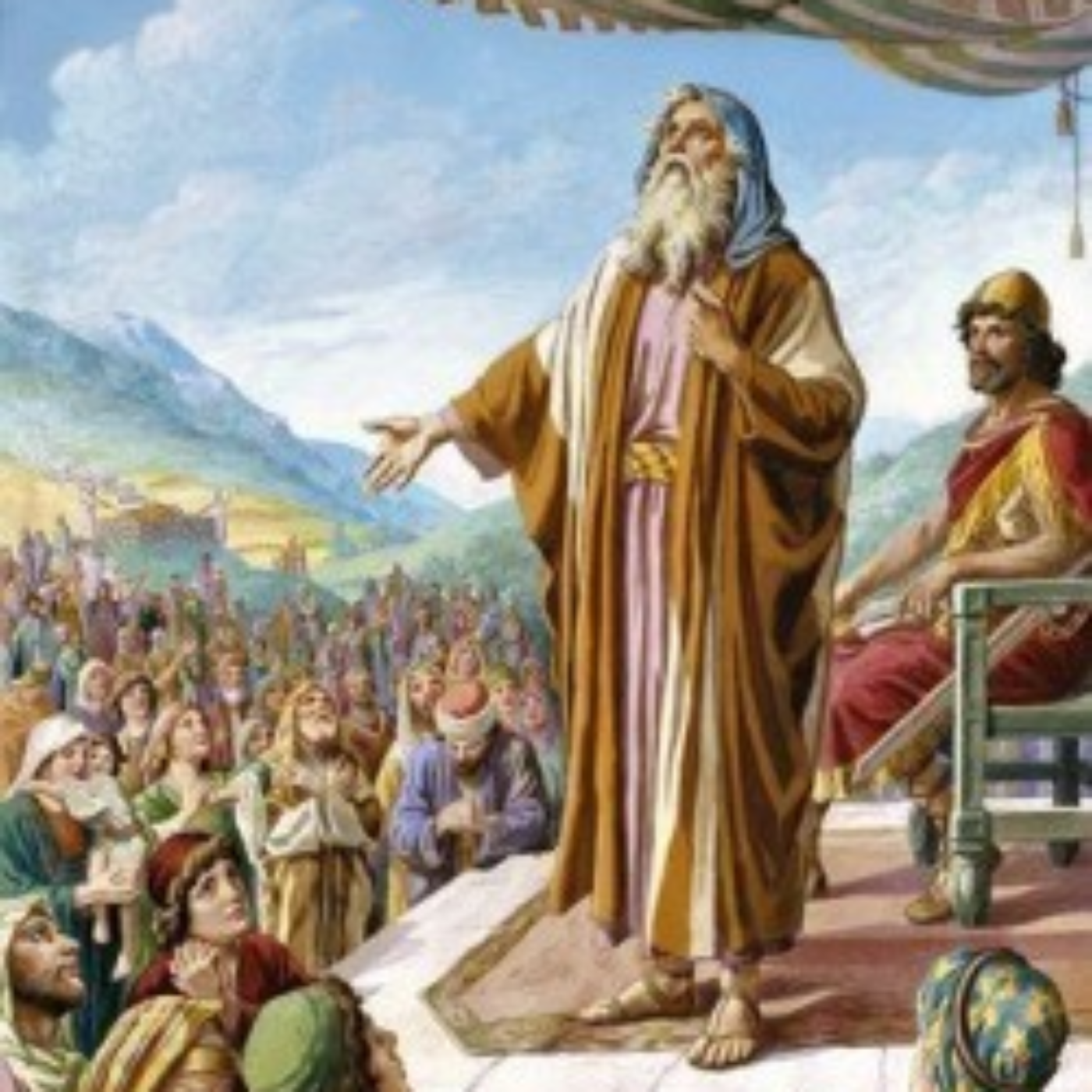
God alone is substantially and essentially God. When I say "alone," I set forth the holy and uncreated essence and substance of God. For the word alone is used in the case of any individual and generally of human nature. In the instance of Paul, that he alone was caught into the third heaven and "heard unspeakable words that are not lawful for a man to utter," (2 Cor 12:4) and of human nature, as when David says, "as for man his days are as grass," (Ps 103:15) not meaning any particular man but human nature generally; for every human is short-lived and mortal. So we understand these words to be said of the nature, "who alone has immortality" (1 Tim 6:16) and "to God only wise, (Rom 16:27) and "none is good save one, that is God," (Lk 18:19) for here "one" means the same as alone.… In Scripture "one" and "only" are not predicated of God to mark distinction from the Son and the Holy Spirit but to exclude the unreal gods falsely so called. As for instance, "The Lord alone did lead them and there was no strange god with them," (Deut 32:12) and "then the children of Israel did put away Baalim and Ashtaroth and served the Lord only"―St Basil the Great
S1 Ep 81Day 81 - 1 Samuel 4-6
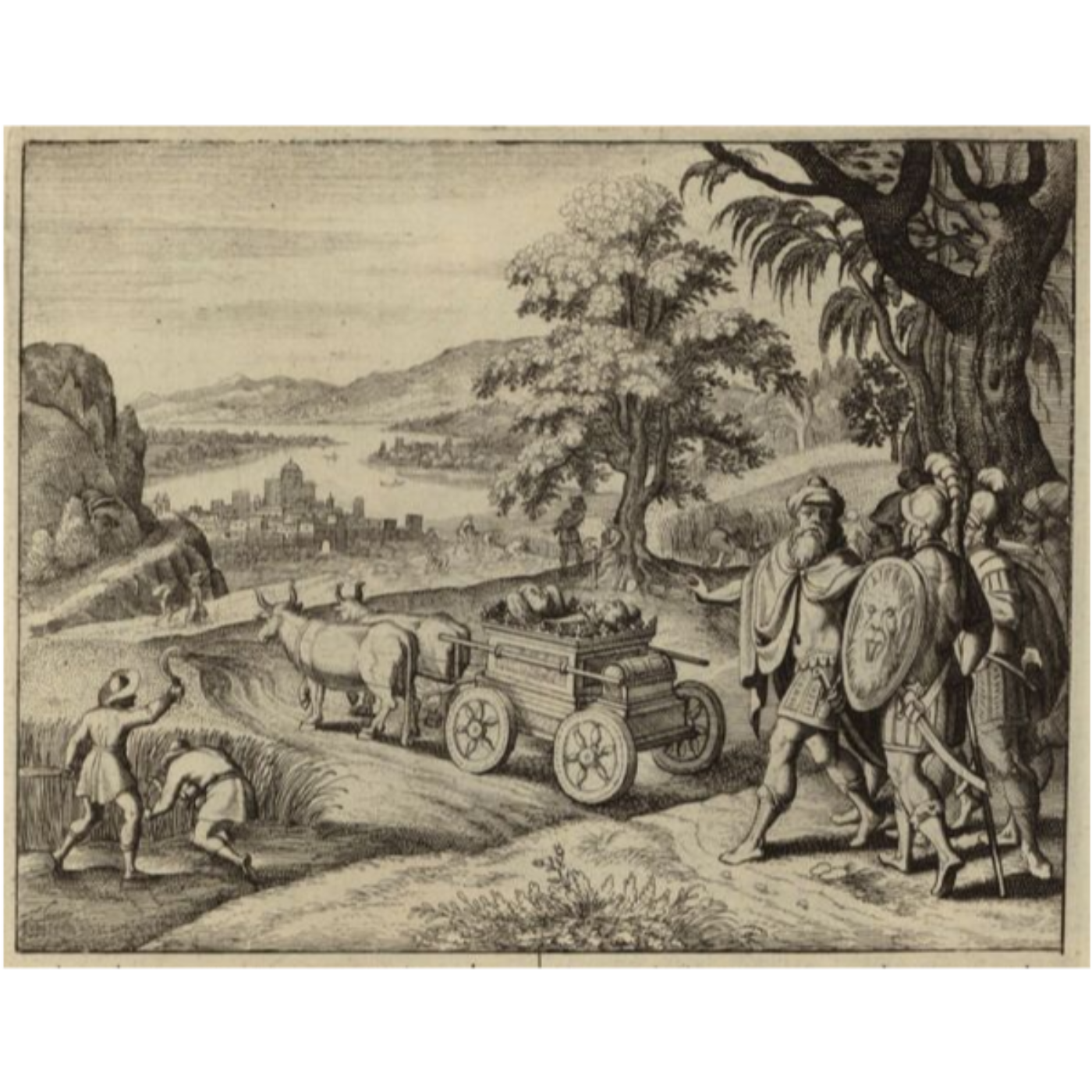
When those who delight in idolatry see the power of Christ against their own gods, they do not wish to embrace faith in him, lest on account of their faith alone they be compelled to reject the whole pantheon of their gods. When false Christians see that because of their faith in Christ the sins which they love are now forbidden to them, they ward off with all their might the very piety called forth by their faith, so that they might not end up being ordered at the behest of their faith to quench the desires they serve instead of God. The citizens of Ashdod are worthy of the name of excessiveness, dissoluteness and passions, since they do not want to know the precepts of sacred Scripture so that they do not have to carry them out, once they have learned them. Just as our Lord said that those who fail to carry out his will out of ignorance shall receive fewer blows of the scourge than those who knew it, so they do not wish to know what things they ought to do. They do not understand that there is a great difference between simply being ignorant and refusing to learn what you have studied and ought to know―Bede
S1 Ep 80Day 80 - 1 Samuel 1-3
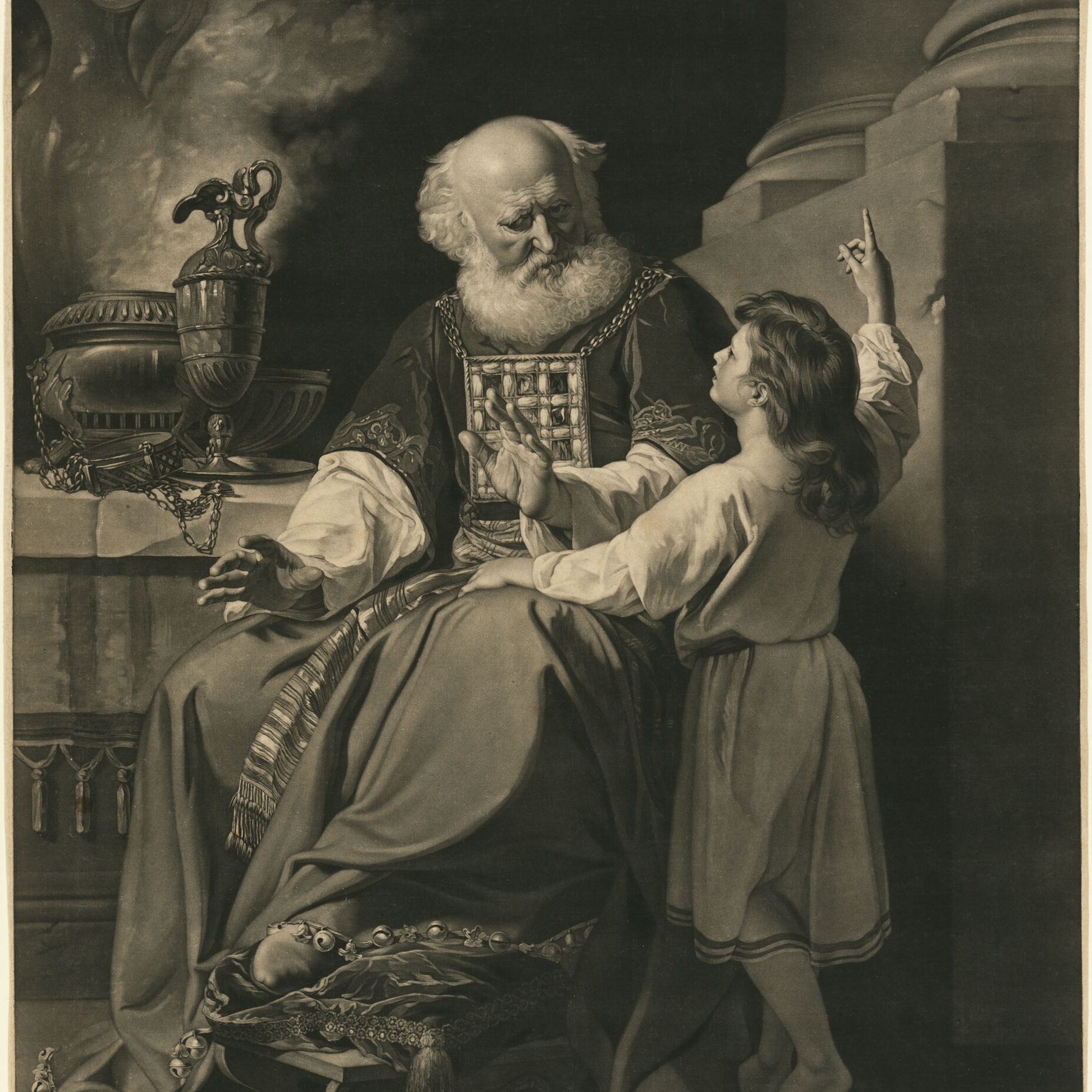
Take note of the woman‘s reverence: she did not say, "If you give me three, I shall give you two;" or "if two, I shall give you one." Instead, "If you give me one, I shall dedicate the offspring wholly to you." "He will not drink wine or strong drink." She had not yet received the child and was already forming a prophet, talking about his upbringing and making a deal with God. What wonderful confidence on a woman‘s part! Since she could not make a deposit on account of not having anything, she pays the price from what is coming to her. Just as many farmers who are living in extreme poverty but have no money to buy a calf or sheep, get them on credit from their masters by pledging to pay the price from the crops that are due, just so did she do, too—or rather much more: she did not take her son from God on credit but on condition of returning him wholly to him once again and reaping the fruit of his upbringing. She regarded it as sufficient reward, you see, to devote her labors to God‘s priest―St John Chrysostom
S1 Ep 79Day 79 - Ruth 1-4
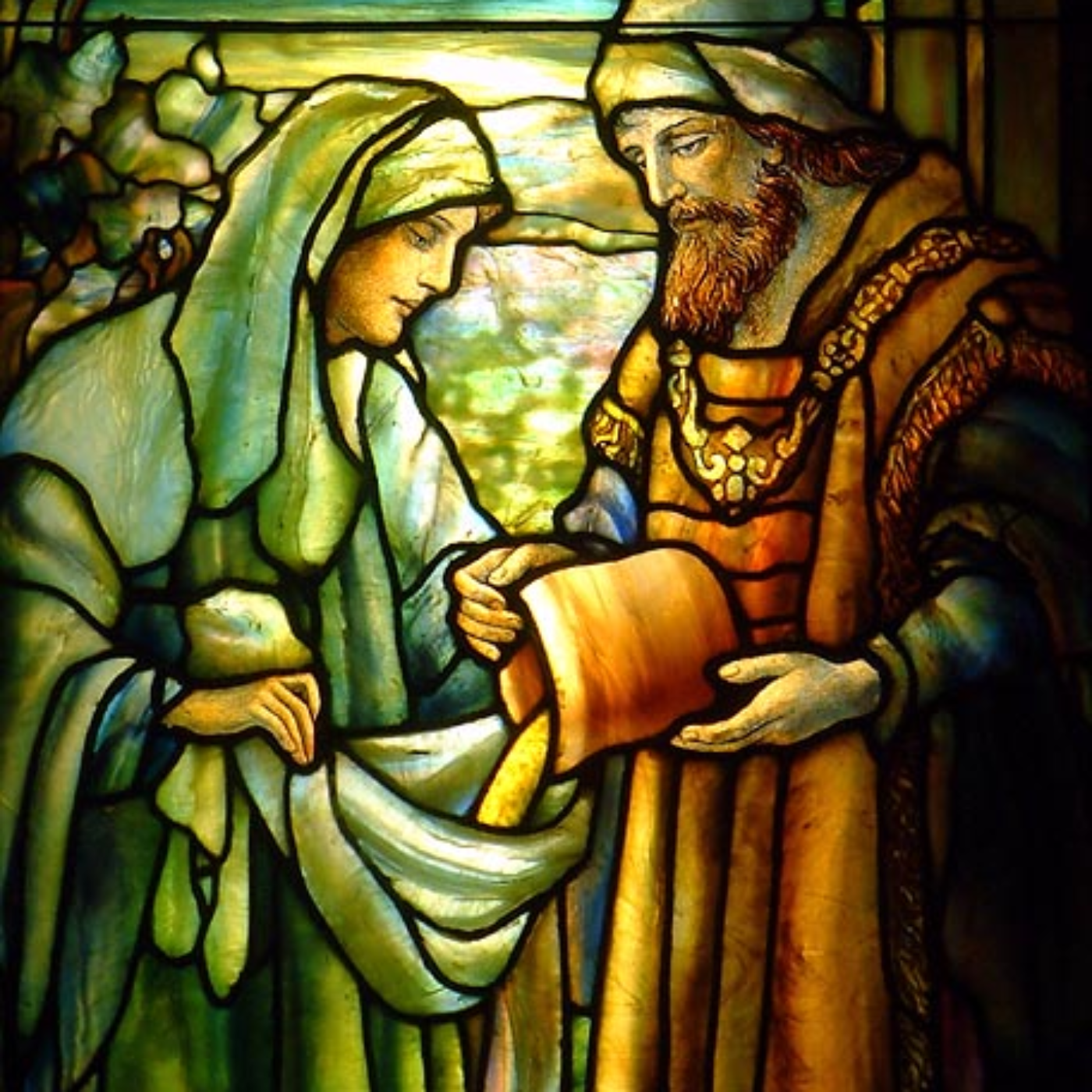
If, therefore, we know that Tamar was included in the Lord‘s genealogy on account of mystery, we ought also to conclude, without doubt, that Ruth was not omitted for a similar reason, which the holy apostle seems to sense when he foresees in the Spirit that the calling of foreign nations will be accomplished through the gospel, saying that the law was given not for the just but for the unjust. For how did Ruth, when she was a foreigner, marry a Jew? And for what reason did the Evangelist believe that this marriage, which was forbidden by the weight of the law, should be included in the genealogy of Christ? Did the Savior therefore descend from an illegitimate heritage? Unless you return to the apostolic principle that the law was not given for the just but for the unjust, then, his genealogy would seem to be deformed, given that Ruth was a foreigner and a Moabite, whereas the law of Moses prohibits marriage to Moabites and excludes them from the church, as it is written: "No Moabite shall enter the church of the Lord even to the third and fourth generation forever." Deut 23:3 Hence, how did she enter the church unless because she was made holy and immaculate by deeds that go beyond the law? For if the law was given for the irreverent and sinners, then surely Ruth, who exceeded the limits of the law and entered the church and was made an Israelite and deserved to be counted among the honored figures in the Lord‘s genealogy, chosen for kinship of mind, not of body, is a great example for us, because she prefigures all of us who were gathered from the nations for the purpose of joining the church of the Lord. We should emulate her, therefore, who merited by her deeds this privilege of being admitted to his society, as history teaches, so that we also, by our deeds and accompanying merits, might be chosen for election to the church of the Lord.… When Naomi said to her, "Behold, your sister-in-law has already returned to her people and to her god, and so should you," Ruth responded, "May it not befall me to leave you and to go back to my god, for wherever you go, I shall go, and I will dwell where you dwell. Your people will be my people and your God will be my God; I will die where you die and I will be buried where you are buried." Thus, the two of them went on to Bethlehem. When Boaz, David‘s great-grandfather, came to know her deeds, therefore, and her holiness in relation to her mother-in-law and her respect for the dead and her reverence for God, he chose her to be his wife―St Ambrose
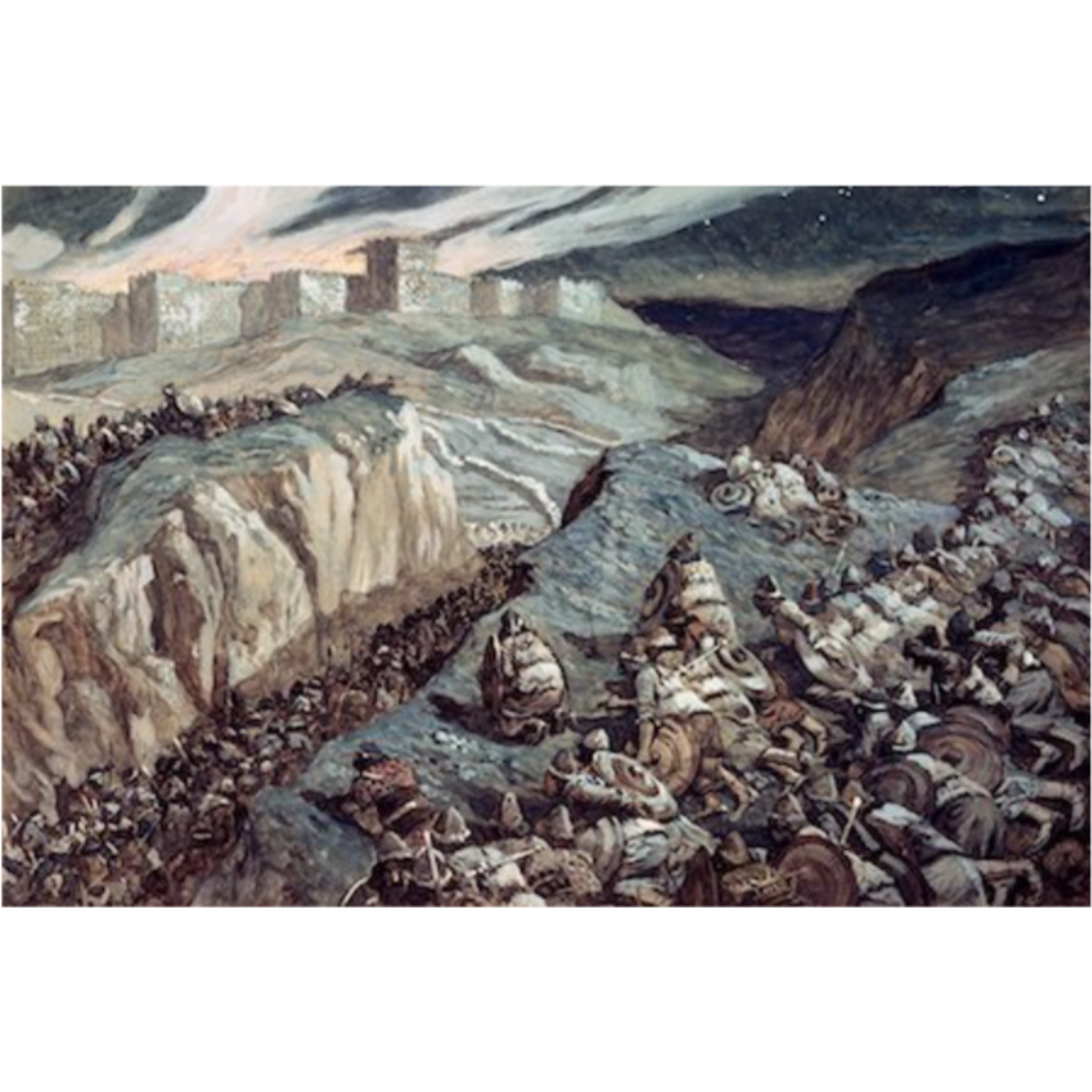
S1 Ep 78Day 78 - Judges 20-21
At Gibeah also, now a complete ruin, she, [Paula, the mother of Eustochium,] stopped for a little while remembering its sin, and the cutting of the concubine into pieces, and how in spite of all this three hundred men of the tribe of Benjamin were saved6 that in after days Paul might be called a Benjamite―St Jerome
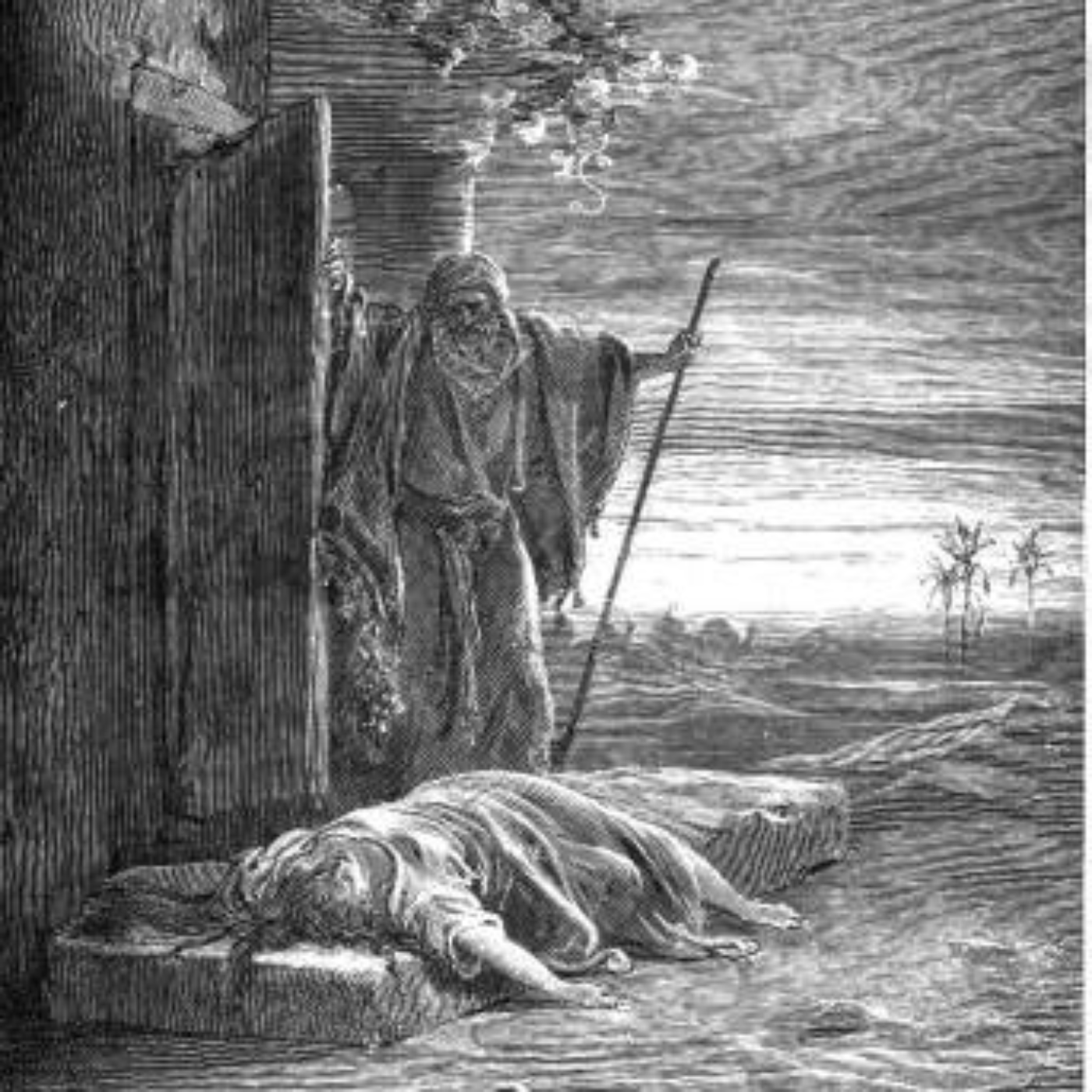
S1 Ep 77Day 77 - Judges 17-19
It happened that a certain Levite was injured in the person of his wife; and, when he considered the exceeding greatness of the pollution (for the woman was a Hebrew, and of the tribe of Judah), being astounded at the outrage which had been committed against him, he divided his wife‘s body, as the holy Scripture relates in the book of Judges, and sent a part of it to every tribe in Israel, in order that it might be understood that an injury like this pertained not to himself only, but extended to all alike; and that if the people sympathized with him in his sufferings, they might avenge him; or if they neglected to do so, might bear the disgrace of being considered thenceforth as themselves guilty of the wrong. The messengers whom he sent related what had happened; and they that heard and saw it, declared that such things had never been done from the day that the children of Israel came up out of Egypt. So every tribe of Israel was moved, and all came together against the offenders, as though they had themselves been the sufferers; and at last the perpetrators of this iniquity were destroyed in war and became a curse in the mouths of all: for the assembled people considered not their kindred blood but regarded only the crime they had committed―St Athanasius
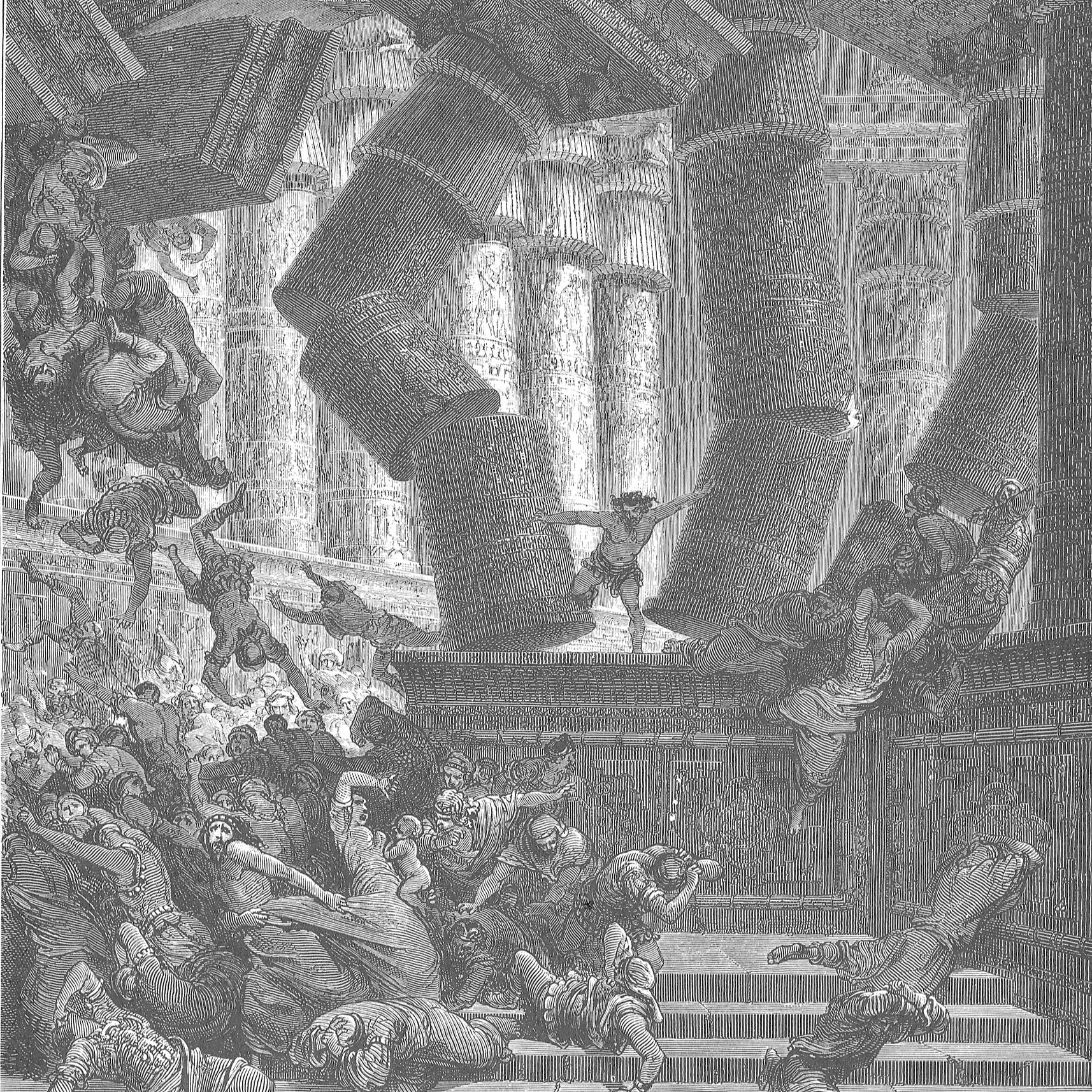
S1 Ep 76Day 76 - Judges 14-16
Why was the mighty man Samson rejected by God, he who was set apart and consecrated to God while still in the womb; whose birth was announced by an angel, like John, the son of Zacharias; who was granted great power and worked great wonders [and who by the supernatural strength which God poured into his body smote a thousand men with the jawbone of an ass and became a saviour and judge unto Israel]? Was it not because he defiled his holy members by union with a harlot? For this reason God departed from him and surrendered him to his enemies―Mari Isaac the Syrian
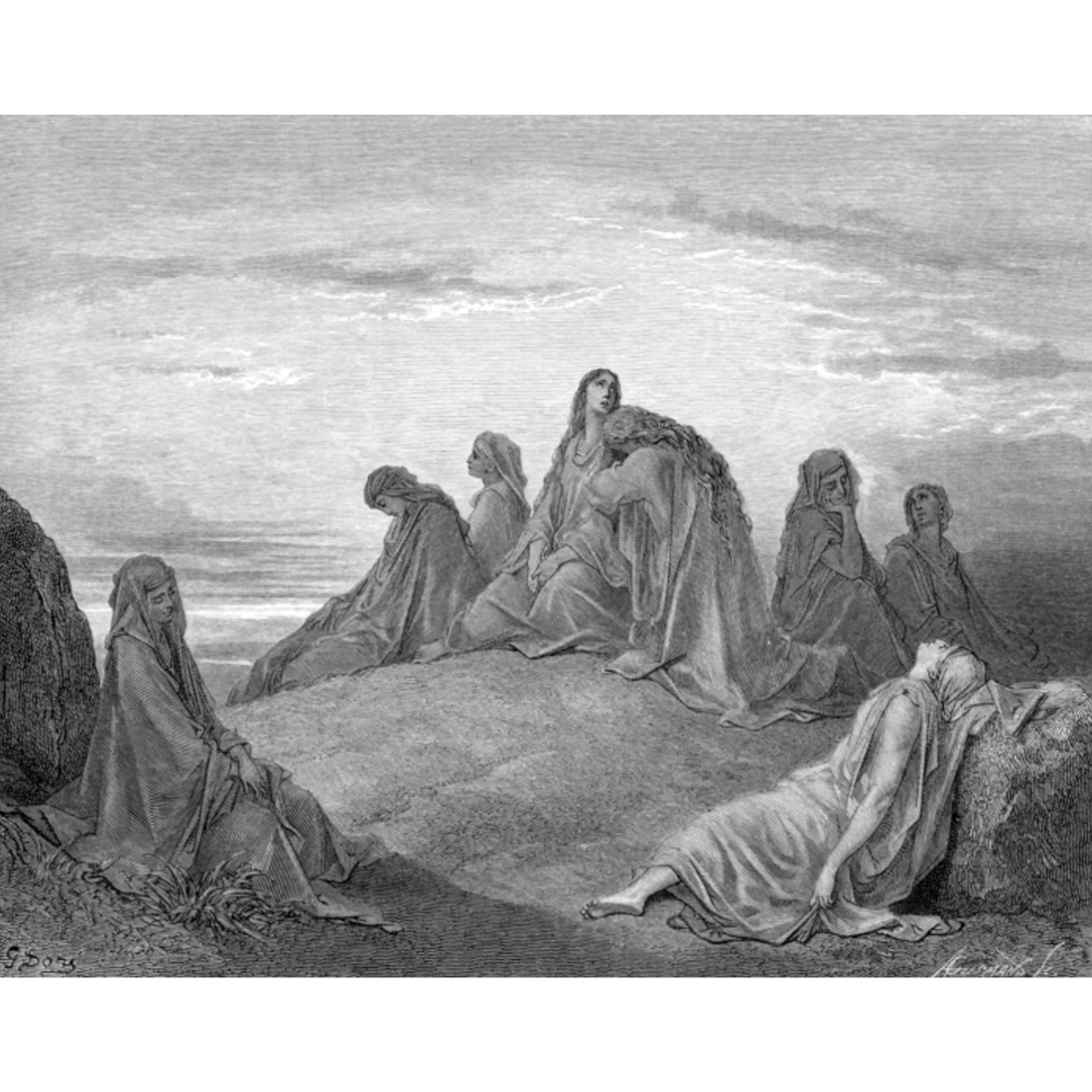
S1 Ep 75Day 75 - Judges 11-13
People imitate those who do good deeds, therefore, not out of love for these good deeds but because of their utility.… The king of Moab took note of Jephthah. But, because it was his firstborn and a human being rather than an animal that he killed, God took pity on him, since he did it in affliction and not through love. In the case of Jephthah, if it had been one of his servants who had been first to encounter him, he would have killed him. But, in order that people would not engage in the sacrifice of their fellow human beings, he caused his own daughter to meet him, so that others would be afraid, lest they offer human beings by vow to God―Mari Ephrem the Syrian
S1 Ep 74Day 74 - Judges 8-10
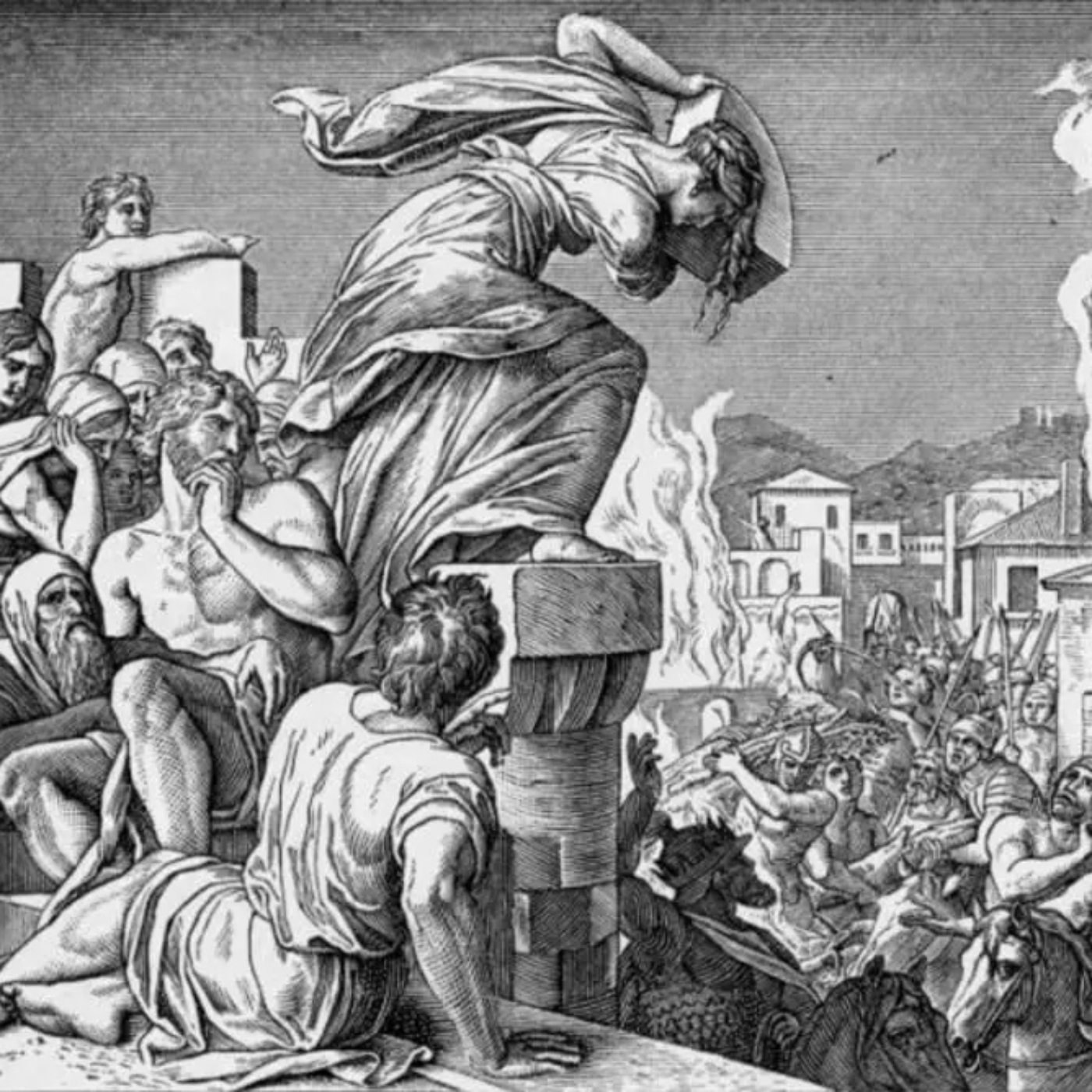
And no one has been so illiterate as to think that similar fables of Aesop, related for the same purpose, ought to be called lies. But also in the sacred writings such passages are found, as in the book of Judges the trees look for a king to rule over them and speak to the olive and the fig and the vine and the bramble. Surely, all this is invented in order that we may reach the matter intended by means of a narrative [that is] fictitious, to be sure, but bearing a true and not a false signification―St Augustine
S1 Ep 73Day 73 - Judges 5-7
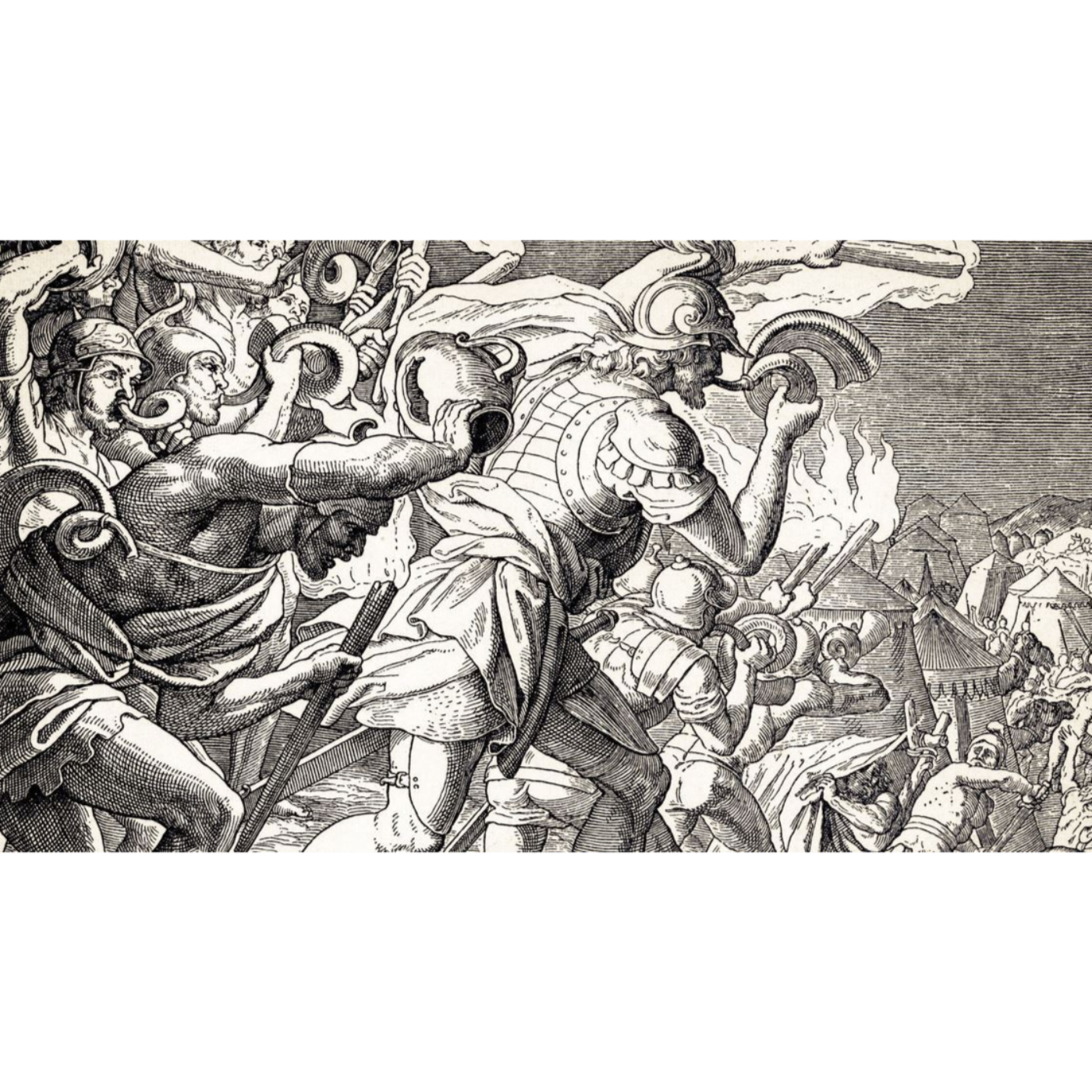
Just as the six hundred years of life which Noah completed prior to entering the ark designate the perfection of faith and confession of those who approach the church‘s sacraments of heavenly grace and perpetual reward, so also does the three hundred and fifty years that he lived after the great flood typify the perfection of those who, having received the sacraments of life, zealously and faithfully serve the Lord until death. For we say that three hundred, because it is denoted in Greek by the letter tau, which is written in the shape of a cross, most aptly signifies those who resolve not to glory except in the cross of our Lord Jesus Christ. Hence Gideon, at the Lord‘s command and with his assistance, conquered the innumerable army of the Midianites with three hundred men, thus teaching figuratively that by faith in the Lord‘s cross we will be victorious in the wars waged against us both by this world and by our own vices―Bede
S1 Ep 72Day 72 - Judges 3-4
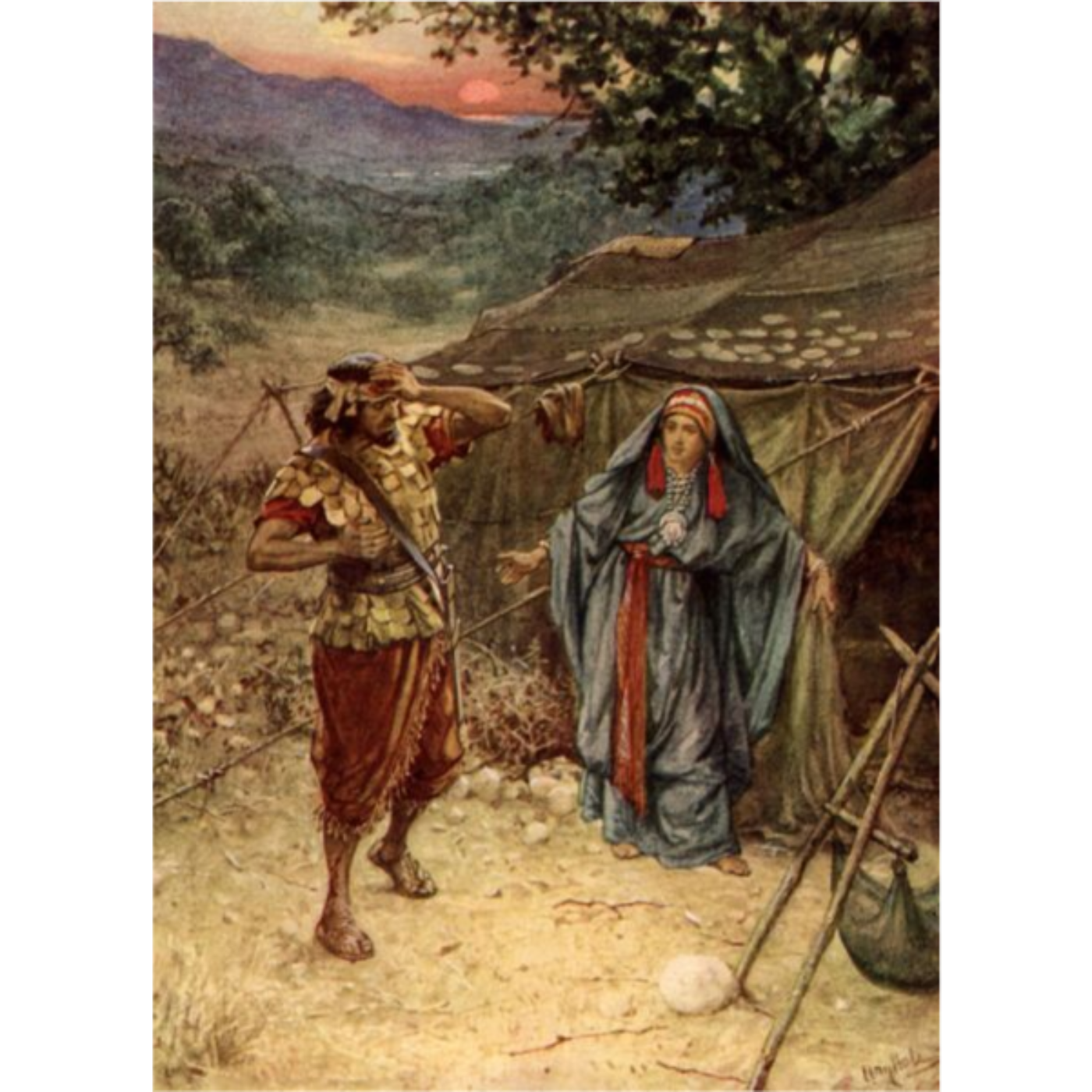
As useful as it is to me that you [the Lord] should leave me for a little while in order to test the steadfastness of my desire, so it is harmful if you let me be abandoned for too long because of my deserts and my sins. For no human strength will be able to endure by its own steadfastness if it is too long abandoned by your help in time of trial. Nor will it be able to give way instantly before the power and wherewithal of the adversary if you yourself, who are aware of human strengths and are the arbiter of our struggles, "do not permit us to be tried beyond our capacity, but with the trial also provide a way out, so that we may be able to endure." We read something like this as it appears in mystical fashion in the book of Judges with respect to the extermination of the spiritual nations that are opposed to Israel: "These are the nations that the Lord forsook, so that by them he might instruct Israel, so that they might grow accustomed to fighting with their enemies." And again, a little further on: "The Lord left them so that he might test Israel with them, whether or not they would hear the commandments of the Lord that he had laid down for their forefathers by the hand of Moses." God did not begrudge Israel their peace or look with malice upon them, but he planned this conflict in the knowledge that it would be beneficial. Thus, constantly oppressed by the onslaught of the nations, they would never feel that they did not need the Lord‘s help. Hence they would always meditate on him and cry out to him, and they would neither lapse into sluggish inactivity nor lose their ability to fight and their training in virtue. For frequently security and prosperity have brought low those whom adversities cannot overcome―John Cassian
S1 Ep 71Day 71 - Judges 1-2
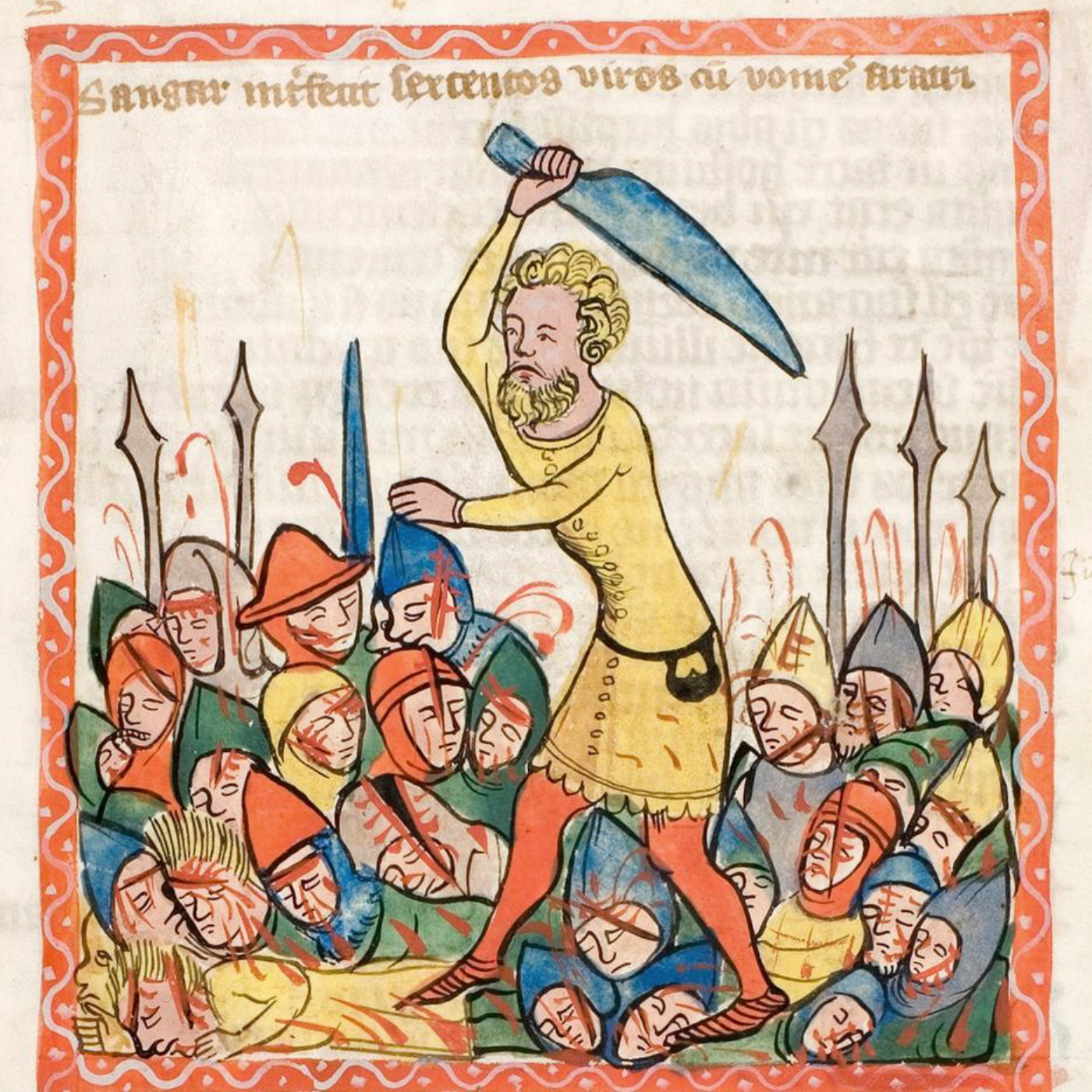
Let us consider where he has set his ascent: "In the valley of tears, in the place that he has appointed." We have read in the book of Judges that when the angel came and preached repentance to the people, saying, "You have abandoned the Lord, and the Lord shall abandon you," the Israelites wept aloud when they heard the threat; and that place was called the valley of tears. We have called attention to ancient history in order to avoid heresy. The valley of tears, moreover, we may understand allegorically as this world, for we are not on the mountain, that is, in the kingdom of heaven, but in the valley, in the darknesses of this world; through a fault, we have been cast out of Paradise with Adam into a lowly vale of tears where there is repentance and weeping. "In the valley of tears, in the place that he has appointed." What did the prophet mean? God made this world an arena that here we may strive against the devil, against sin, in order to receive our crown in heaven. Why did he ordain a contest? Could not he save us without the struggle? He gave us, as it were, a master of contests; he gave us a stadium in which to carry on our wrestling against vices, so that afterwards he may crown us meritoriously, not as those who sleep but as those who labor―St Jerome
S1 Ep 70Day 70 - Joshua 23-24
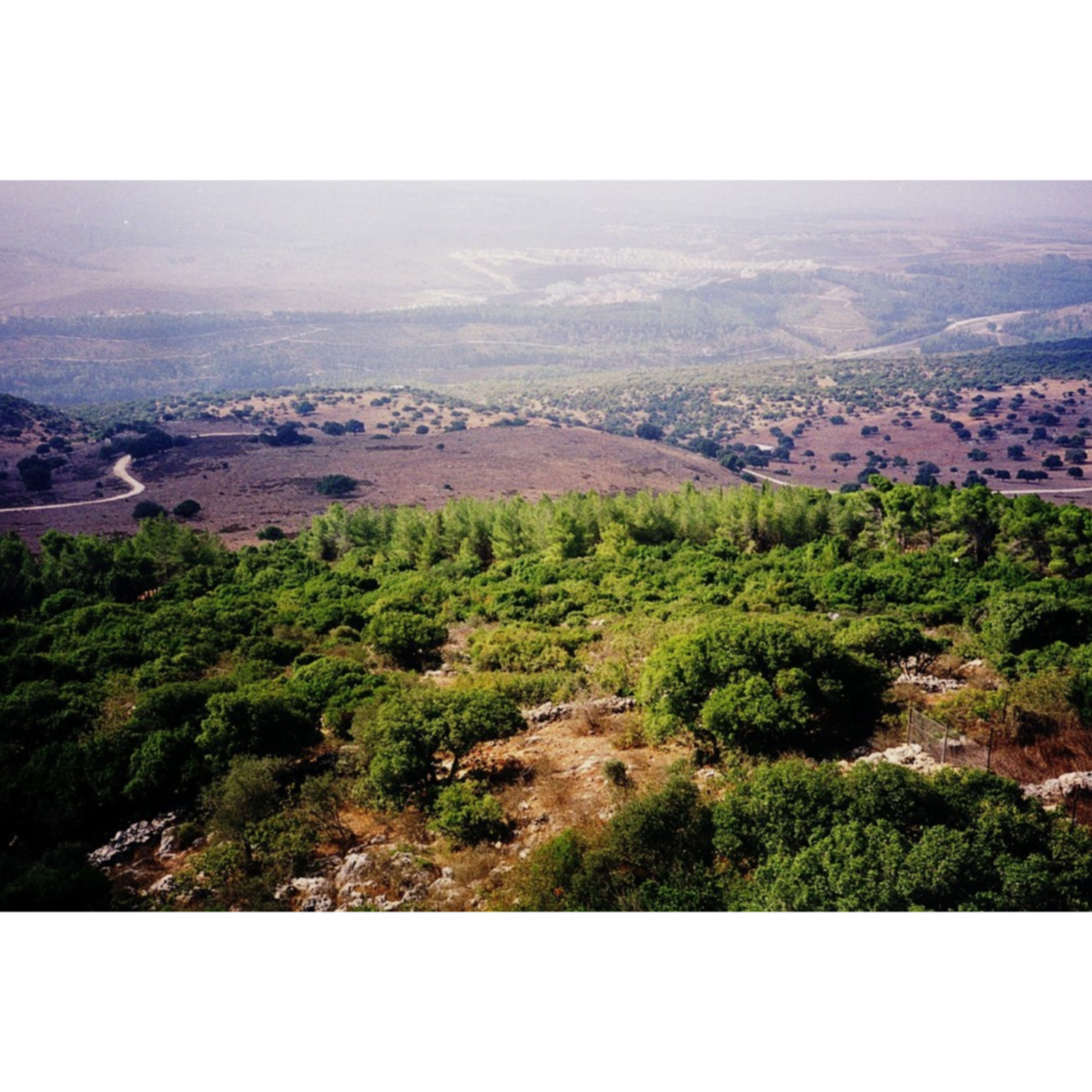
The Septuagint has translated "And I took your father Abraham from across the river and led him into all the earth." A literal reading of the Hebrew would be "And I led him into the land of Canaan." It is astonishing, therefore, that the translators of the Septuagint would have wished to insert "the whole earth" instead of "land of Canaan," unless they were considering the prophecy so much that they accepted as already done what was still at the time a promise from God. For it was announced beforehand in very clear terms what would take place concerning Christ and the church and that the true seed of Abraham would not be among the children of the flesh but among the children of the promise―St Augustine
S1 Ep 69Day 69 - Joshua 20-22
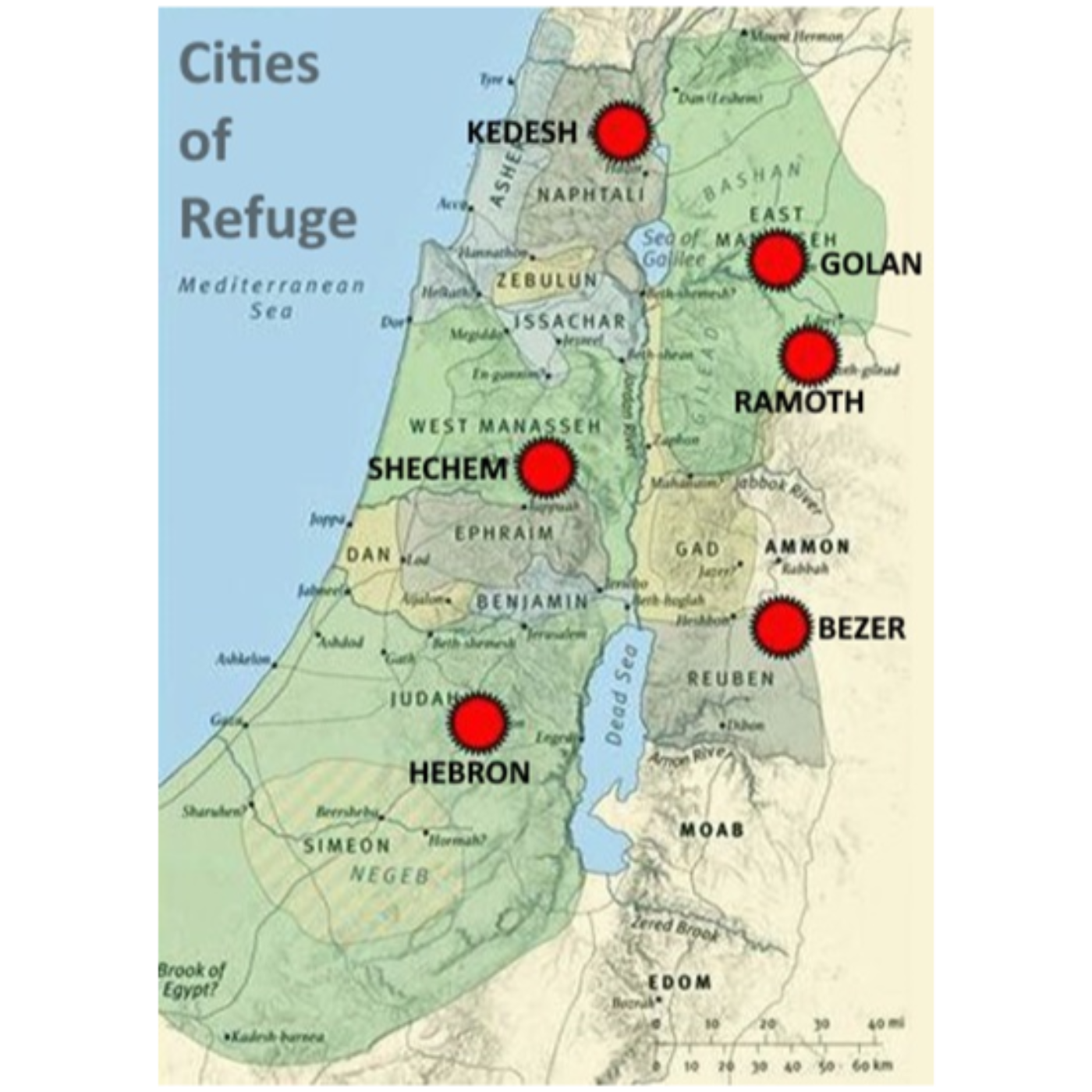
But let us see what sacrament lies within this deed. The former people of the circumcision are represented in Reuben, (Gen. 29:32) who was the firstborn; but also in Gad, who also is the firstborn out of Zilpah;(Gen. 30:10) and Manasseh, no less a firstborn.(Gen. 41:51) But insofar as I say "firstborn," I speak chronologically. Therefore, these things are said not that it might be evident some division and separation is between us and those who were righteous before the coming of Christ, but that they might reveal themselves to still be our brothers even if they existed before the coming of Christ. For although they possessed an altar then before the coming of the Savior, nevertheless, they knew and perceived that it was not that true altar but that it was a form and figure of what would be the true altar.(Heb. 10:11–12) Those persons knew this because the true victims and those who were able to take away sins were not offered on that altar that the firstborn people possessed but on this one where Jesus was. Here the heavenly victims, here the true sacrifices are consumed. Therefore, they are made "one flock and one shepherd," (John 10:16) those former righteous ones and those who are now Christians―Origen
S1 Ep 68Day 68 - Joshua 17-19
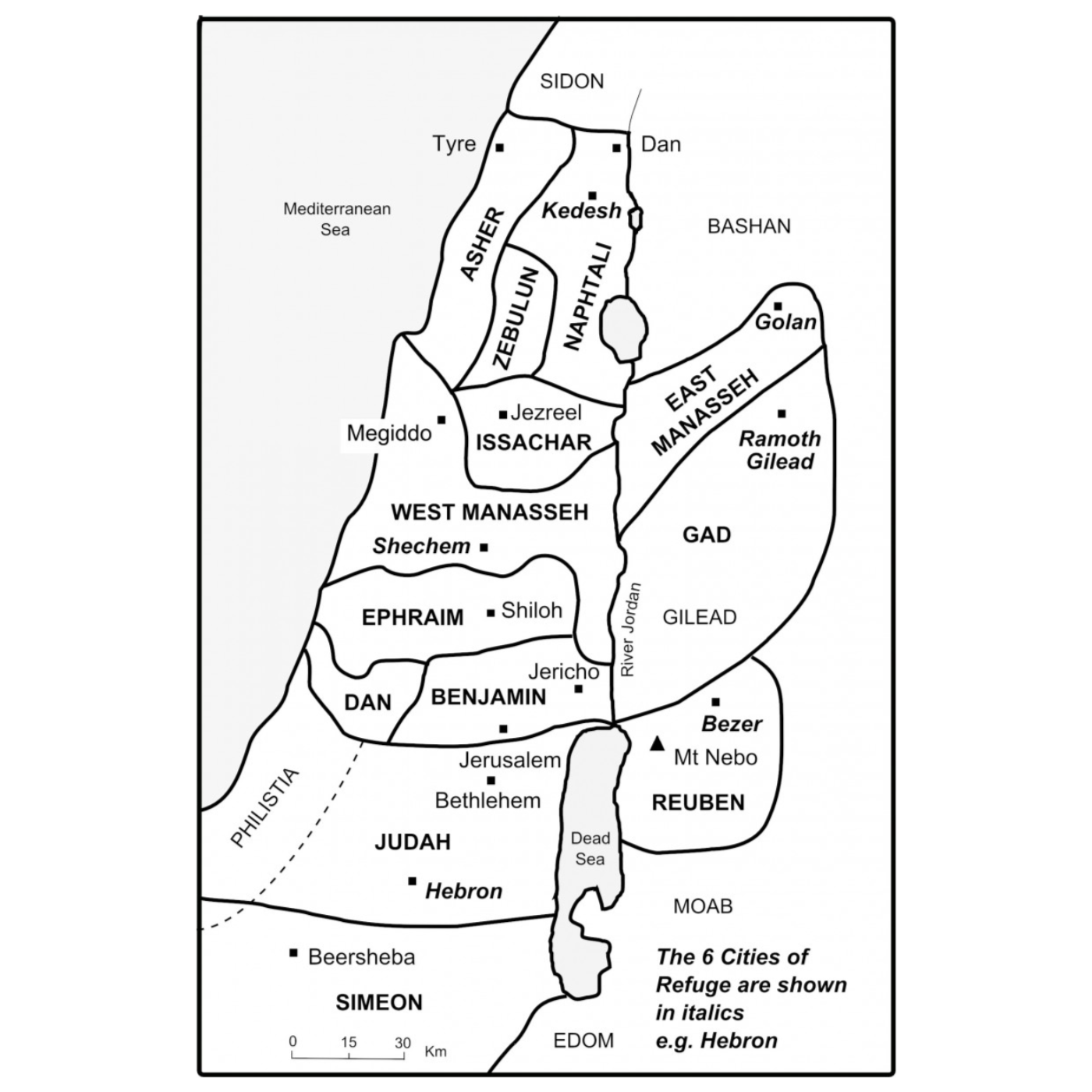
And see the names of those two cities, Babylon and Jerusalem. Babylon is interpreted confusion, Jerusalem vision of peace. Observe now the city of confusion, in order that you may perceive the vision of peace; that you may endure the one and long for the other. By what can those two cities be distinguished? Can we in any way now separate them from each other? They are mingled, and from the very beginning of humankind mingled they run on until the end of the world. Jerusalem began through Abel, Babylon through Cain: for the buildings of the cities were erected afterwards. That Jerusalem in the land of the Jebusites was built: for at first it used to be called Jebus, from which the nation of the Jebusites was expelled, when the people of God was delivered from Egypt and led into the land of promise. But Babylon was built in the most interior regions of Persia, which for a long time raised its head above the rest of nations. These two cities then at particular times were built, so that there might be shown a figure of two cities begun of old, and to remain even until the end in this world, but at the end to be severed―St Augustine
S1 Ep 67Day 67 - Joshua 15-16
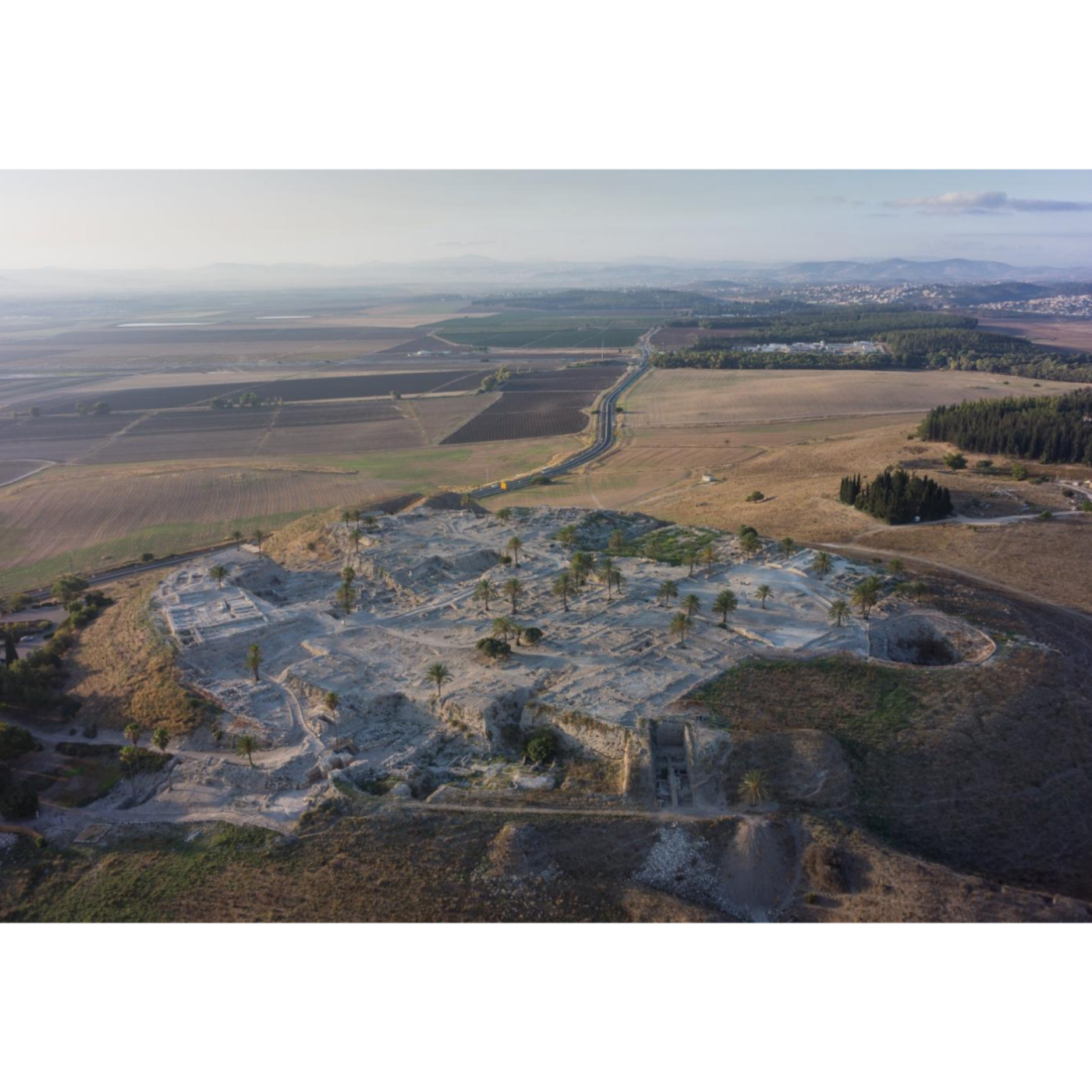
After Ham had been cursed through his one son, [Noah] blessed Shem and Japheth and said, "May God increase Japheth and may he dwell in the tent of Shem, and let Canaan be their slave." (Gen. 9:27) Japheth increased and became powerful in his inheritance in the north and in the west. And God dwelt in the tent of Abraham, the descendent of Shem, and Canaan became their slave when in the days of Joshua son of Nun, the Israelites destroyed the dwelling-places of [Canaan] and pressed their leaders into bondage―Mari Ephrem the Syrian
S1 Ep 66Day 66 - Joshua 12-14
Just as those who submit to the law, which is the "shadow" of that true law, diligently serve a "shadow and copy" of "heavenly things," (Heb. 8:5) so those who divide the inheritance of the land in Judea imitate the "copy and shadow" of a heavenly division. Thus truth was in heaven, "but a shadow and copy" of truth was on earth. And as long as this shadow remained on earth, there was an earthly Jerusalem; there was a temple, an altar and a visible worship; there were priests and high priests; and there existed regions and towns of Judea and all these things that are described in this book and are now recited―Origen