Bible in a Year with Fr Paul
365 episodes — Page 3 of 8
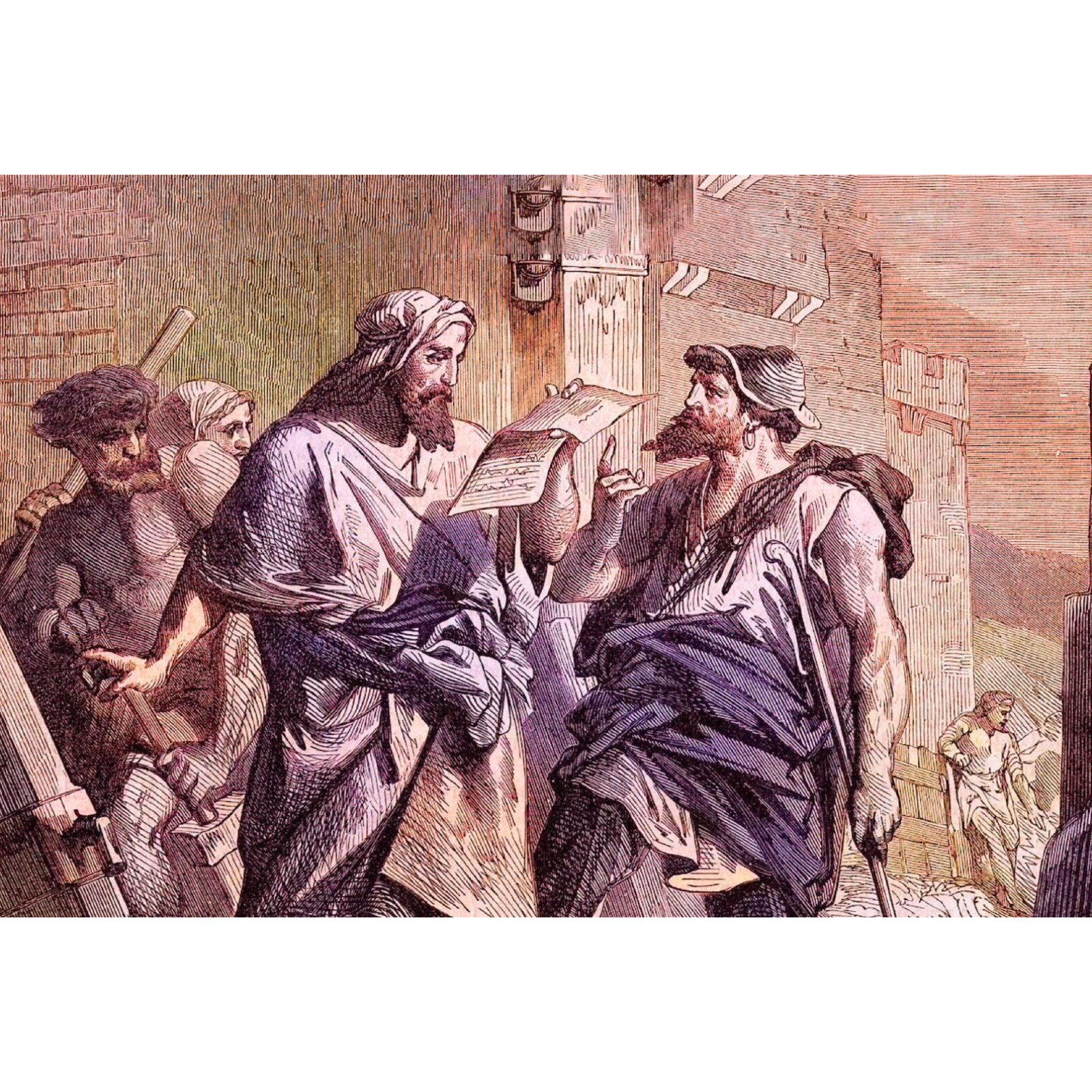
S1 Ep 265Day 265 - Nehemiah 6-7
The enemies of the holy city are urging Nehemiah to go down to the plains and to enter into a peace pact with them by together slaughtering calves as testimony to the arranged treaty, but he perseveres in the mountains so that the devout work is not neglected. So too, heretics and false catholics want to have a fellowship of peace with true catholics but with this stipulation, that they do not agree to ascend to the citadel of ecclesiastical faith or duty themselves but rather they compel those whom they see dwelling on the peak of the virtues to go down to the lowest depths of wicked works or dogmas. And it is well that they want to enter into a pact with Nehemiah on one plain, doubtless because they desire that all those whom they are able to seduce be relaxed in the same freedom of the broader life that they themselves follow; and it is well that they wish to enter into a pact with him by together slaughtering calves, because false brothers are eager to offer the sacrifices of their prayer and action to God together with true catholics, so that, when they are believed to be genuinely faithful, they might be able to corrupt these same true catholics through the proximity of their association. But Nehemiah, representing the person of faithful teachers, by no means agrees to go down to the impious or to be defiled with their sacrifices but remains devout in the virtuous works he has undertaken; and the more severely his enemies tried to frighten him, the more he himself strove to become terrifying to these same enemies by doing a good work—The Venerable Bede
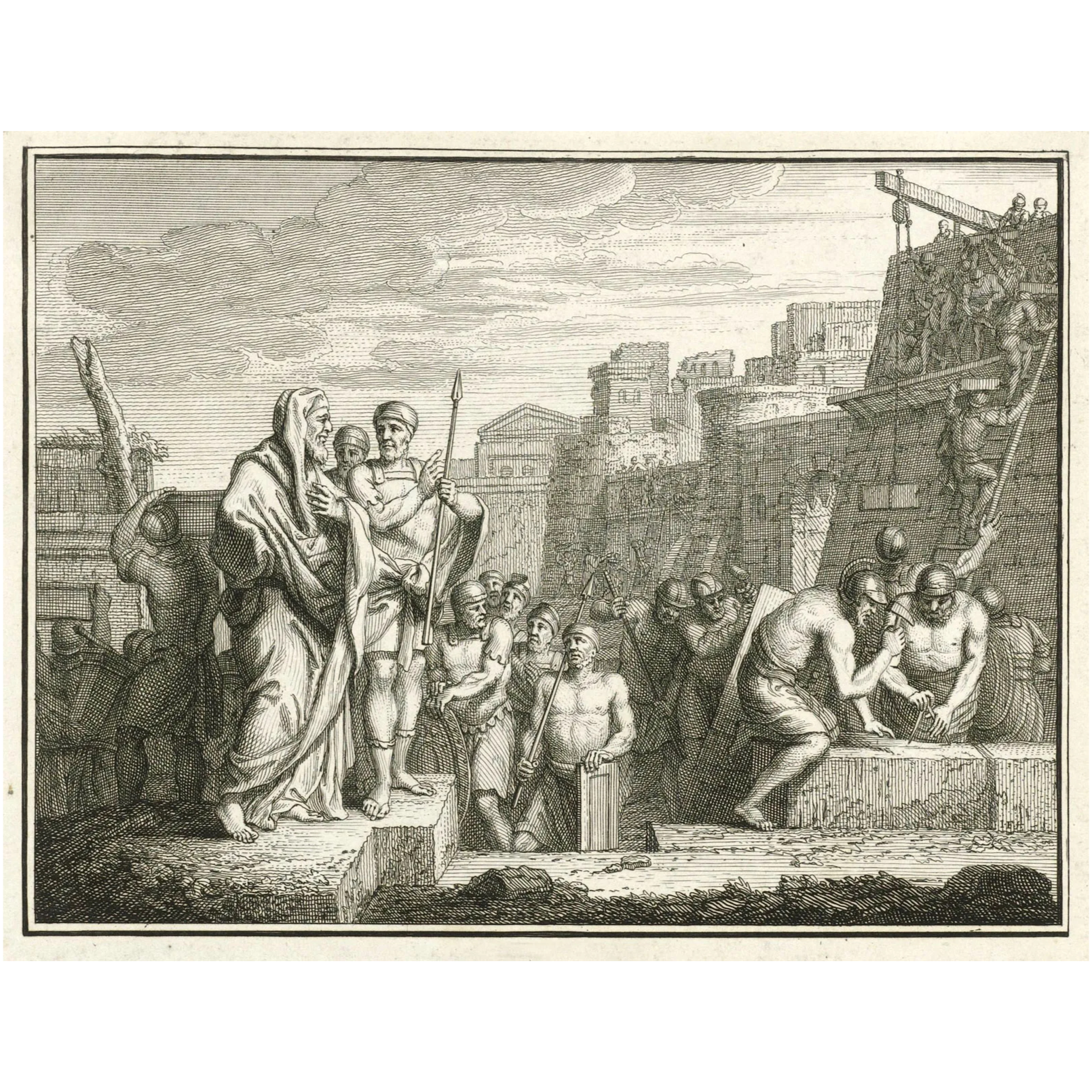
S1 Ep 264Day 264 - Nehemiah 3-5
The Pool of Siloa [This is the Latin spelling (derived from the Greek in the LXX) of the name “shelah”.] (which means “sent”), where the man born blind was given light, [Jhn 9:7.] stands for the Lord Savior who was sent by God the Father for our illumination. The spring of this pool can be very aptly understood as the same Father from whom he was born, about which the psalmist well says, “For with you is the spring of life; in your light we shall see light.” [Psa 36:9 (35:10 LXX, Vg).] And the Spring Gate is built in Jerusalem when teachers are ordained in the church to preach belief in divine eternity to the nations. The walls of the Pool of Siloa are built too when the very firm and invincible testimonies of the Scriptures, in which the mystery of the Lord’s incarnation is described, are rooted in the mind of the faithful. Moreover these walls of divine utterances reach as far as the King’s Garden when, having recognized the mysteries of the Lord’s dispensation, we begin to bring forth shoots of the virtues with the help of that same king, our Lord God—The Venerable Bede
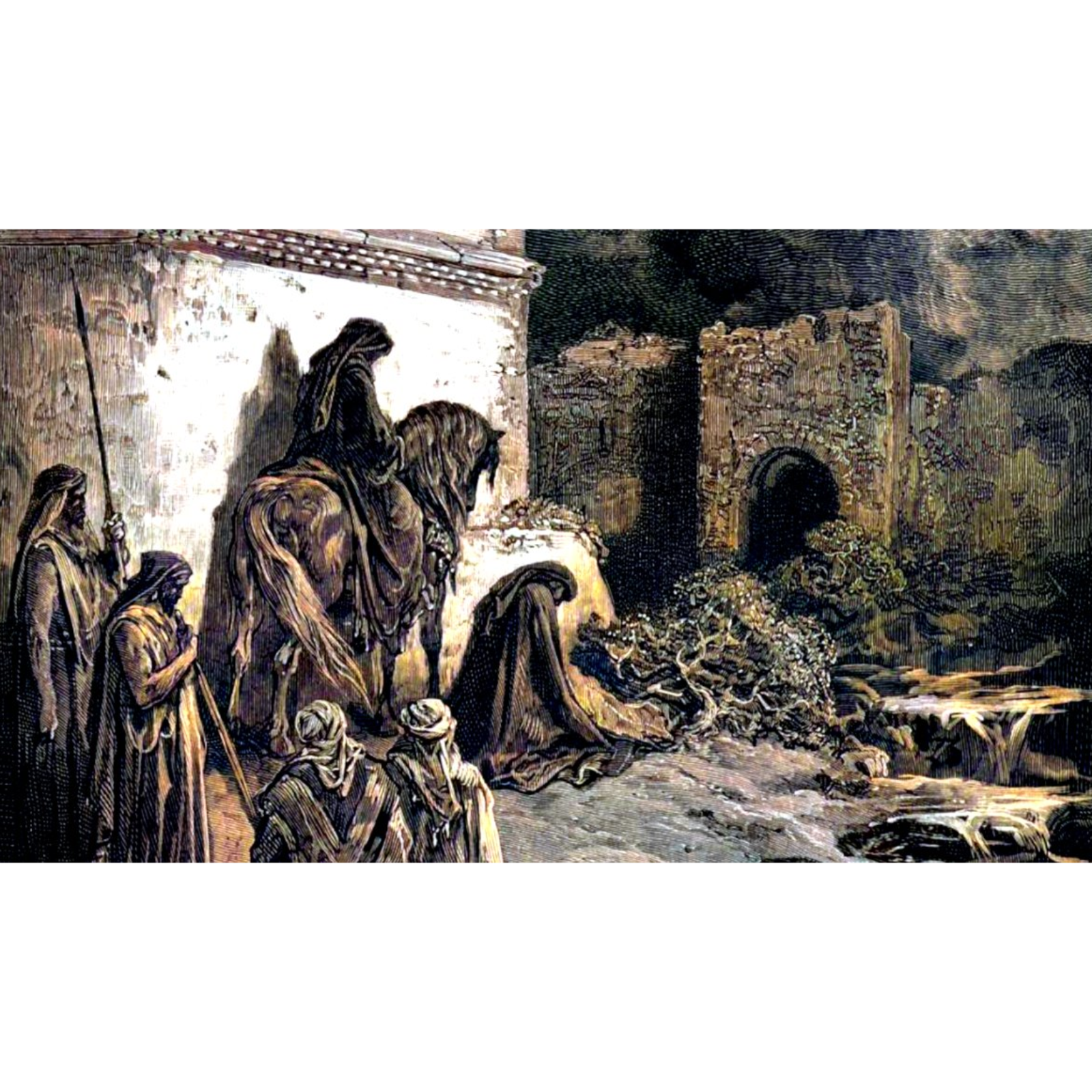
S1 Ep 263Day 263 - Nehemiah 1-2
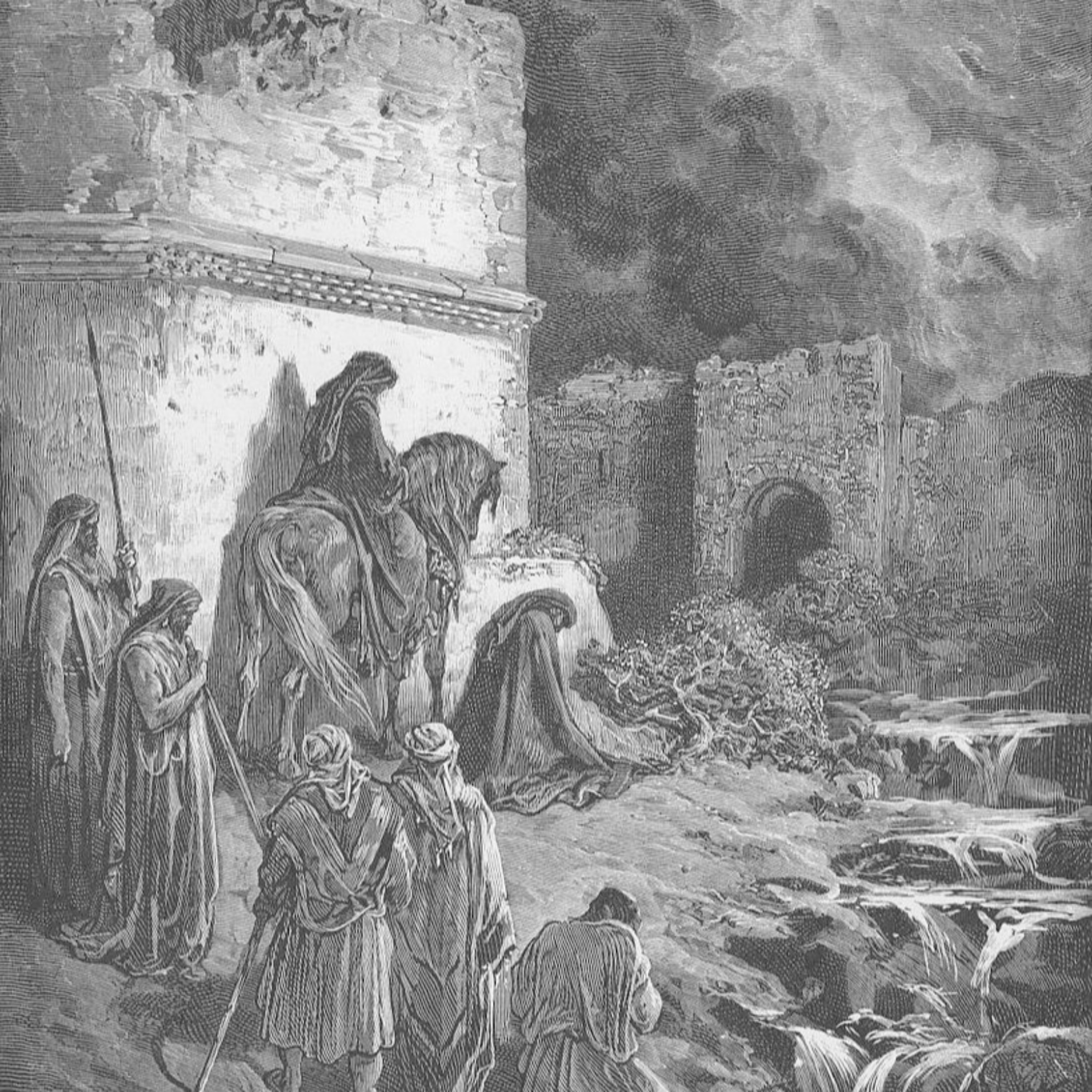
Nehemiah is interpreted in Latin as “My consoler is the Lord” or “the consoler from the Lord.” For when Nehemiah restored Jerusalem’s walls and, after delivering them from the disdain of their enemies, raised up the people of God to the observance of the divine law, it is surely clear that by his word and deed and person he not unsuitably designates the mediator of God and people, the man Christ Jesus, [See 1Ti 2:5.] who indicates that he was sent to console the poor in spirit when he said to his disciples as he was about to ascend to heaven: “I will ask the Father, and he will give you another Paraclete,” [Jhn 14:16.] that is, a Consoler, by whom the psalmist showed that God’s holy city (namely, the church) would be rebuilt and also those who mourn would be consoled when he said, “The Lord builds up Jerusalem; he gathers the exiles of Israel. He heals the brokenhearted,” [Ps 147 (146:2-3 LXX, Vg).] and so on—The Venerable Bede
S1 Ep 262Day 262 - Ezra 7-10
“These are their family heads, and this is the genealogy of those who went up with me from Babylonia, in the reign of King Artaxerxes: Of the descendants of Phinehas, Gershom,” and so on until the end of the genealogy. He carefully enumerates the leaders who came up with him from Babylon and unfolds their genealogy. He takes pains, too, to add their total, which reached 1,440, to suggest that the names of those who come up from the “confusion” of this world are contained in the book of life of the Lamb. [See Rev 21:27.] But also all teachers [i.e., the heads of the families] of God’s people receive increases in their eternal reward commensurate with the number of souls they have acquired for the Lord, according to that parable in the Gospel wherein the good and wise servant said, “Master, your pound has earned ten pounds,” and the master replied, “Take charge of ten cities,” [Luk 19:16-17.] which is to say, “appear more glorious in the heavenly kingdom because of the life of those whom you have taught.”—The Venerable Bede
S1 Ep 261Day 261 - Malachi 1-4
Speaking further of Christ in the same vein, Malachi says, “Behold, I send my angel, and he shall prepare the way before my face. And presently the Lord, whom you seek, and the angel of the testament whom you desire, shall come into the temple. Behold, he comes, says the Lord of hosts. And who shall be able to think of the day of his coming? And who shall stand to see him?” In this text he foretells both comings of Christ, the first and the second—the first where he says, “And presently the Lord shall come into his temple.” This refers to Christ’s body, of which he himself said in the Gospel, “Destroy this temple, and in three days I will raise it up.” [Jhn 2:19.] His second coming is foretold in these words: “ ‘Behold, he comes,’ says the Lord of hosts. ‘And who shall be able to think of the day of his coming? And who shall stand to see him?’ ”—St Augustine
S1 Ep 260Day 260 - Esther 9-10, Ezra 4
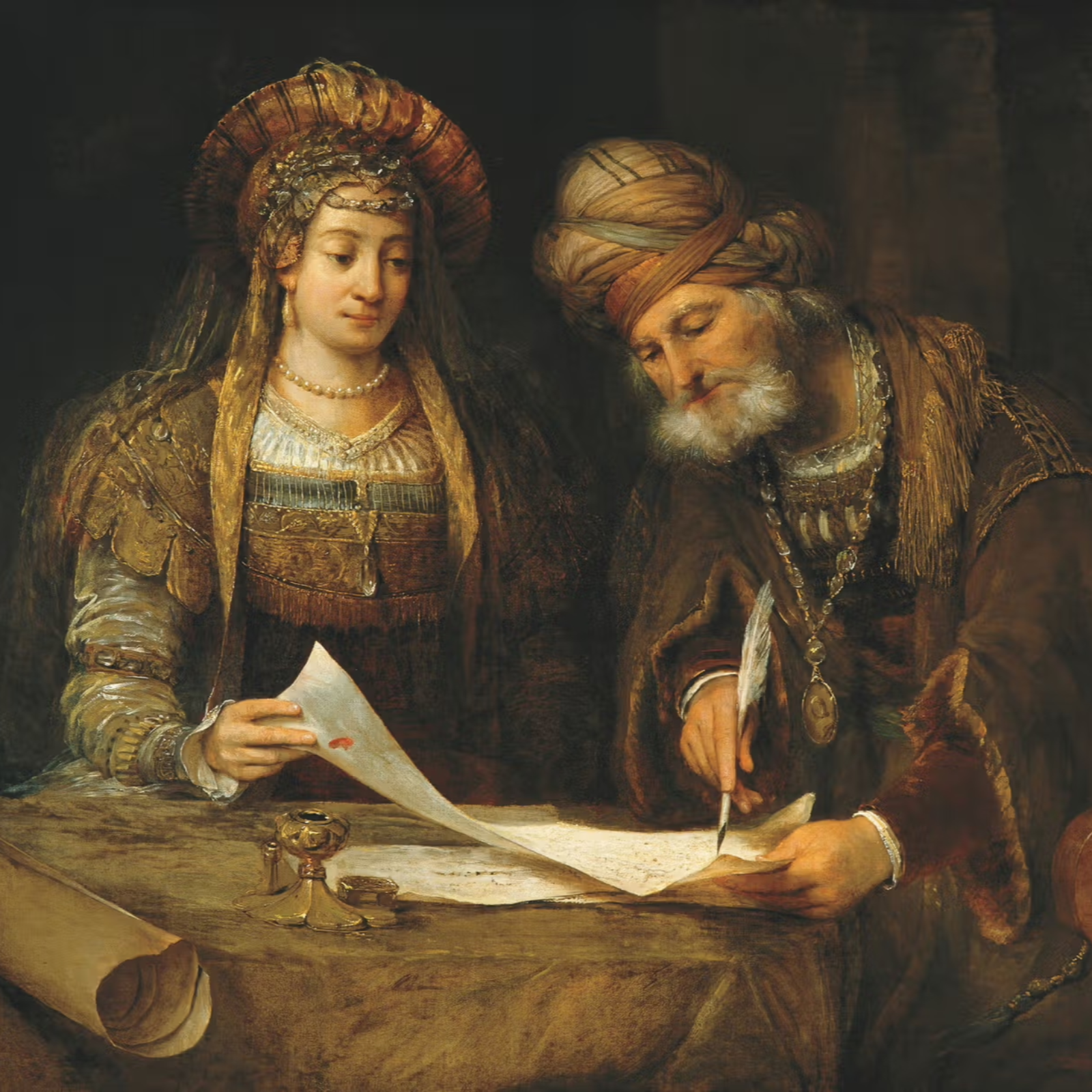
When the whole nation of Israel was about to perish, blessed Esther defeated the tyrant’s anger simply by fasting and praying to God. By faith she changed the ruin of her people into safety. [See the commentary on Esth 4:16.] Those days are feast days for Israel; they used to call a feast when an enemy was slain or a conspiracy against the people was broken up and Israel was delivered. That is why Moses established the Feast of the Passover: because Pharaoh was killed and the people were delivered from bondage. So then, especially when tyrants were slain, temporal feasts and holidays were established in Judea. Now, however, the devil, that tyrant against the whole world, is slain. Therefore, our feast does not relate only to time but to eternity. It is a heavenly feast! We do not announce it as a shadow or a picture or a type but as the real thing—St Athanasius the Great
S1 Ep 259Day 259 - Esther 4-8
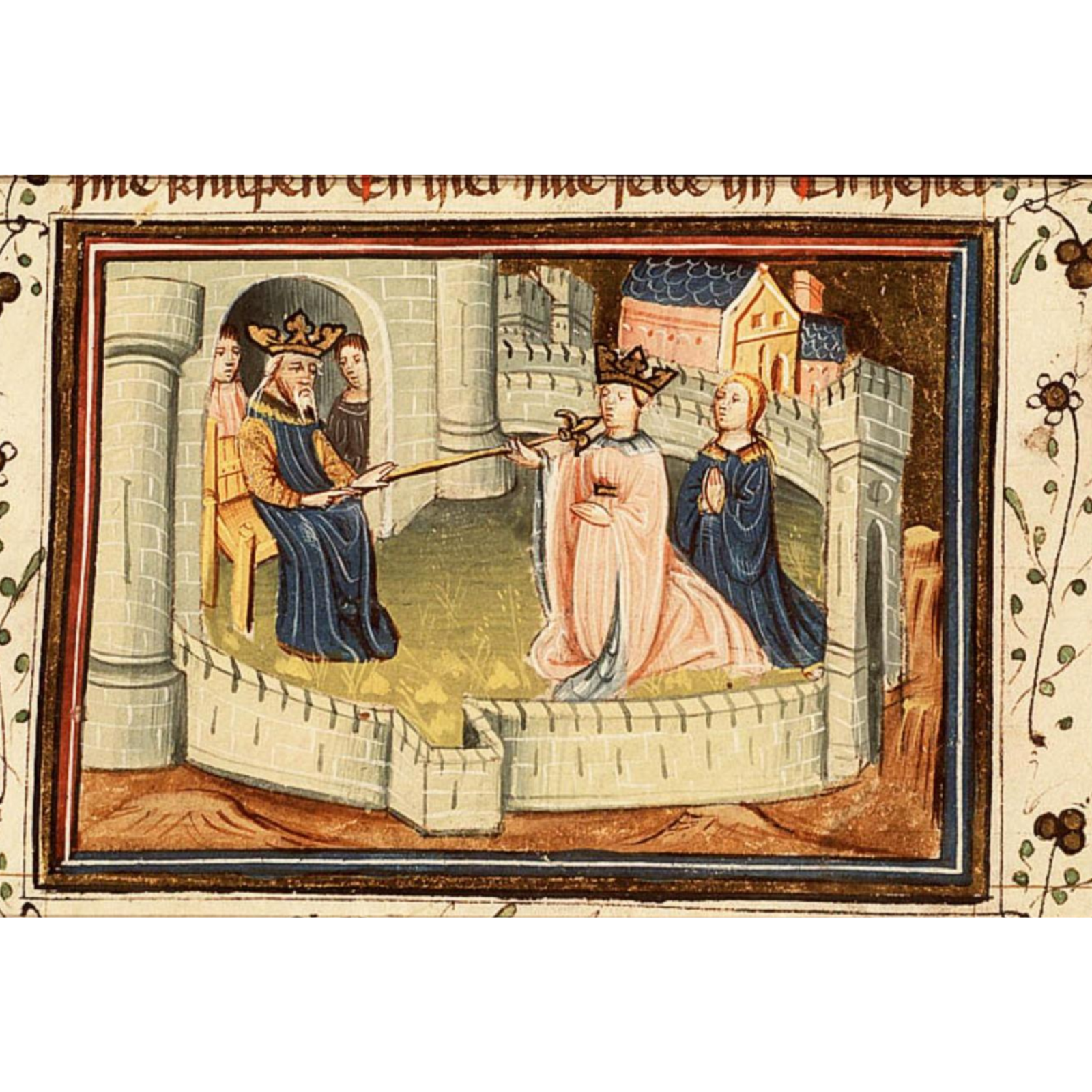
But what use is there to recall all the examples of those who, because they prayed as they ought, received great favours from God? Everyone can choose for himself many examples from the Scriptures. Anna obtained the birth of Samuel, who was reckoned with Moses, [See Jer 15:1; Psa 99:6 (98:6 LXX).] because when she was barren she prayed to the Lord with faith. [1Sa 1:9-18.] And Ezechias, being still childless and having learned from Isaias that he was about to die, prayed and was included in genealogy of the Saviour. [See 2Ki 20:1-6; Isa 38:1; Mat 1:9.] Again, when, as a result of a single order arising from the intrigues of Aman, the people were about to be destroyed, the prayer and fasting of Mardochai and Esther were heard, and hence there arose, in addition to the feasts ordained by Moses, the festival of Mardochai for the people—Origen
S1 Ep 258Day 258 - Esther 1-3
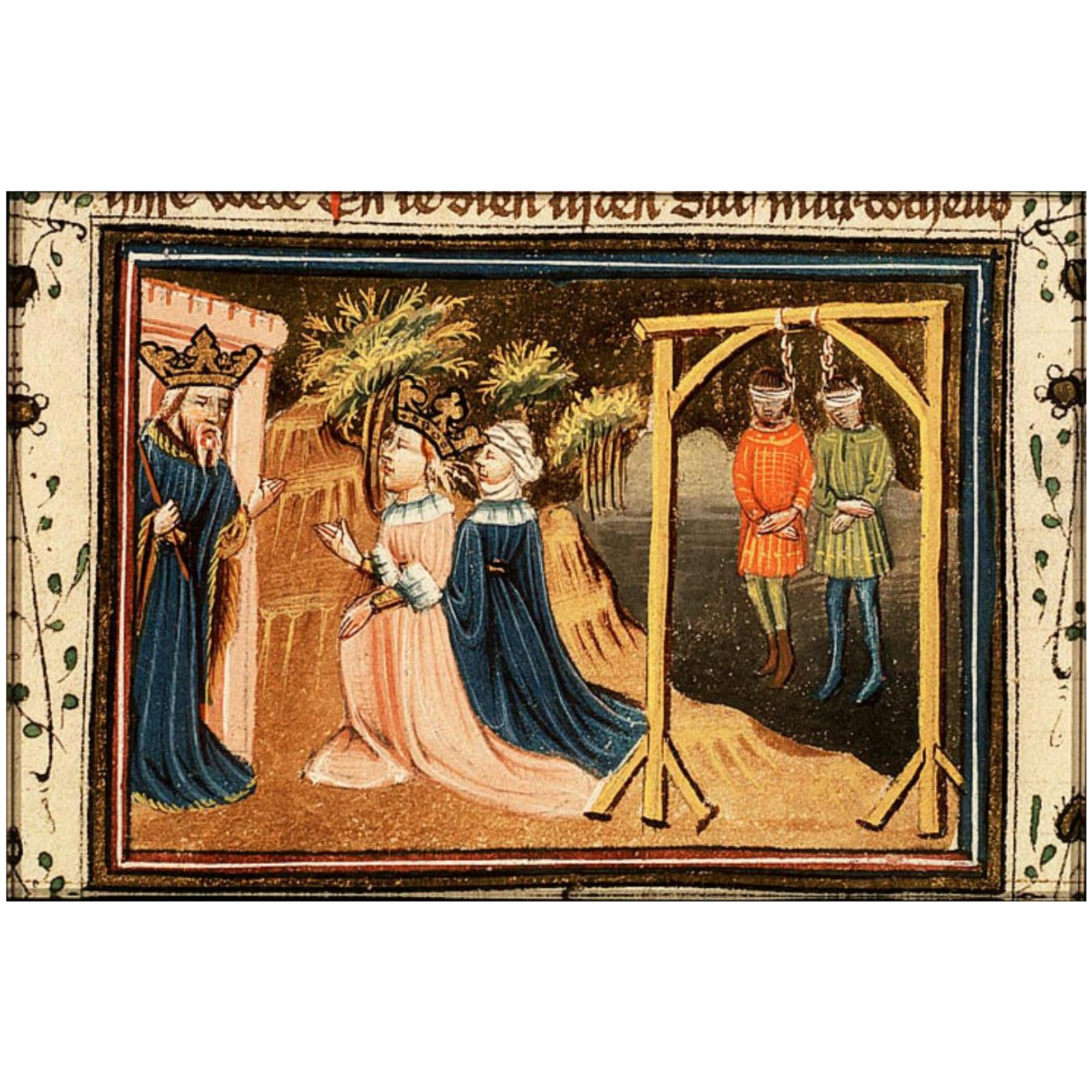
Not only the Holy Scriptures, but the Jewish Antiquities of Josephus as well contain the story of Esther, although they differ in some of the historical details. Therefore, there is some question as to the actual identity of that Ahasuerus who ruled from India to Ethiopia over one hundred twenty-seven provinces. In fact, when Josephus mentions him, he relates that he was Cyrus son of King Xerxes who reigned over Persia after his father Darius. He also adds that this Cyrus was called Artaxerxes by the Greeks, having the nickname “Long-handed,” [“Longimanus” in the Latin text.] and was in power for forty years. But I do not think that Esther lived at that time. Ezra writes that he had returned at that time from Babylonia, but he would never have omitted mentioning Esther if she had actually accomplished the things which are attributed to her. Therefore Eusebius, in his Chronicles, thinks that this Ahasuerus was called Artaxerxes and reigned after Darius for forty years—Rabanus Maurus
S1 Ep 257Day 257 - 1 Chronicles 7-9
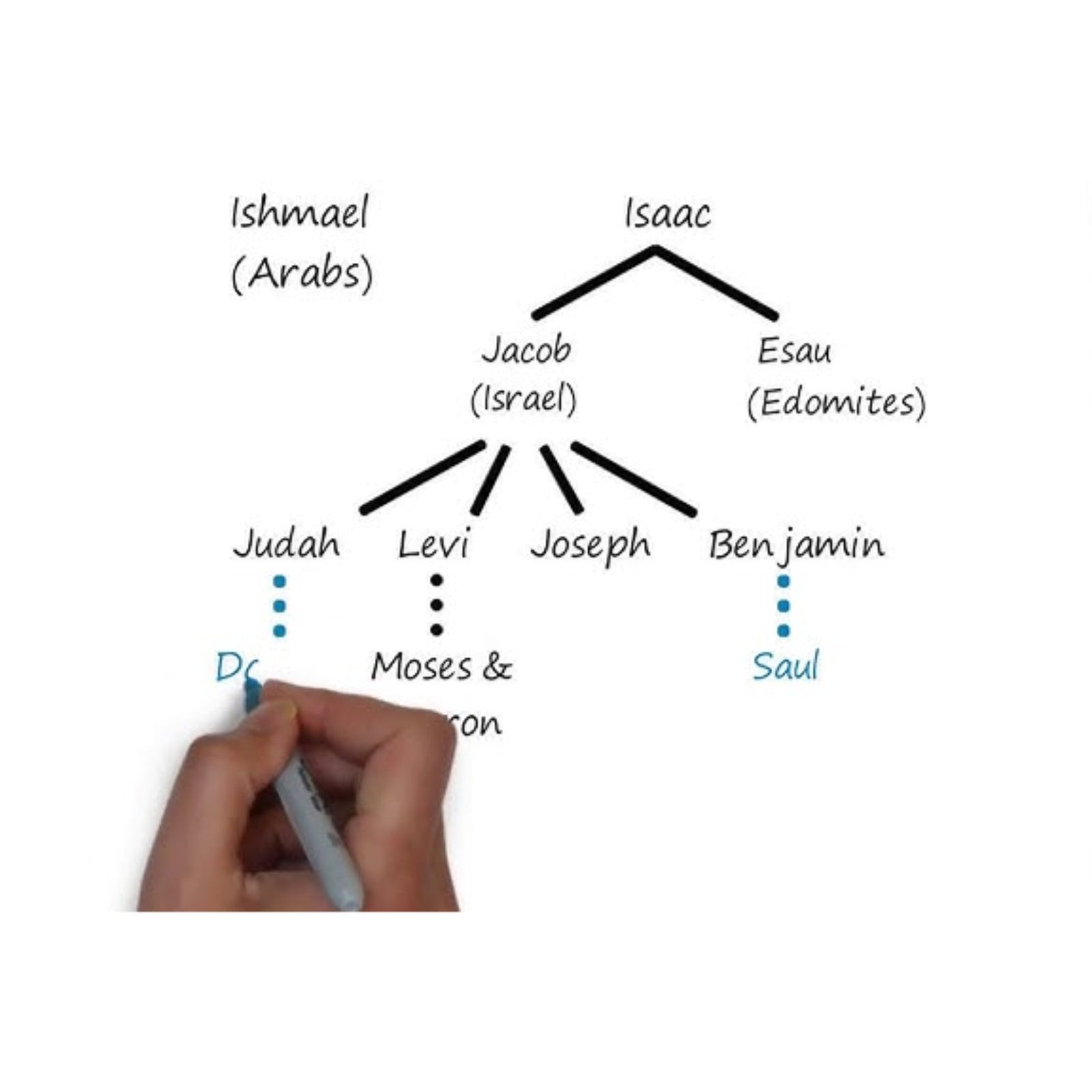
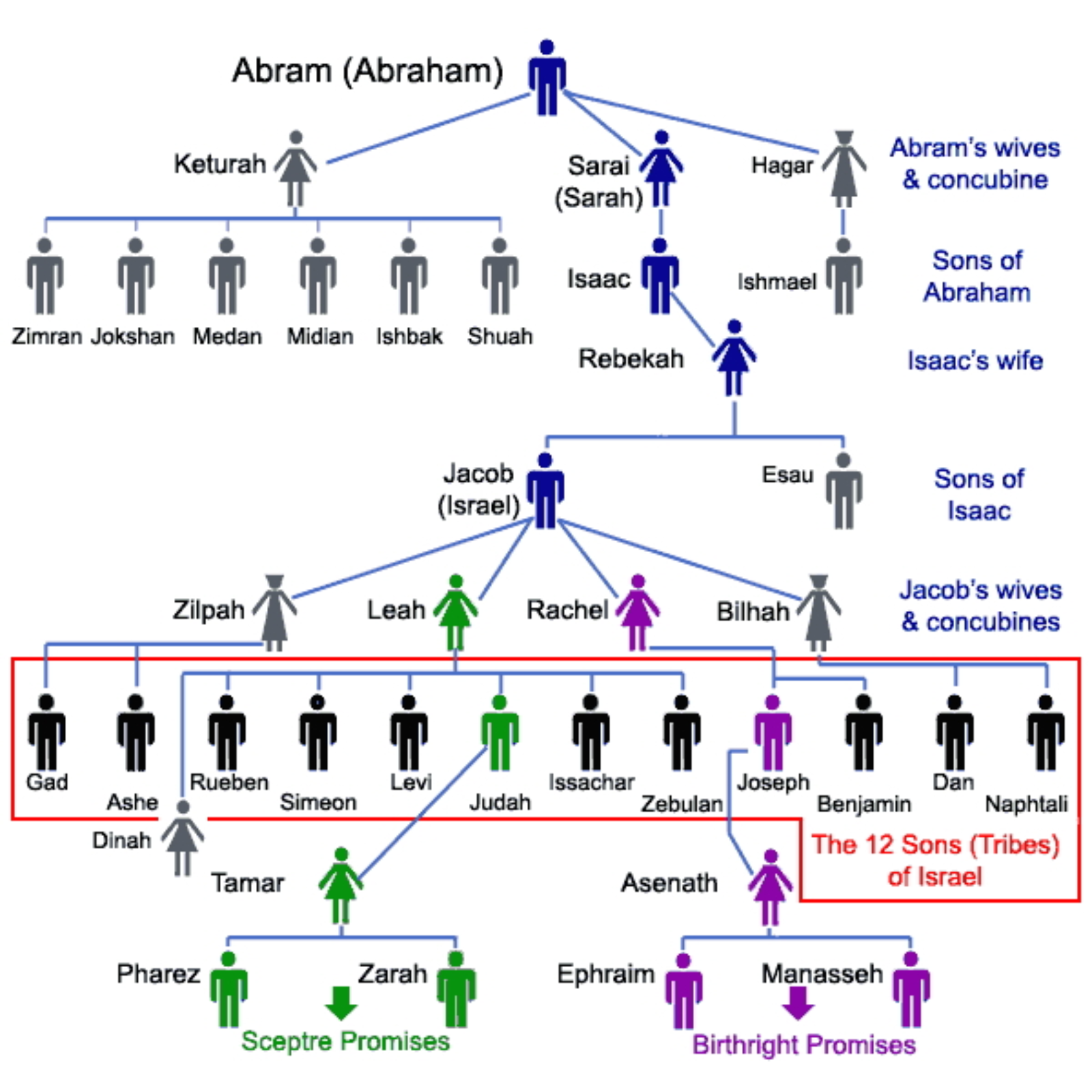
Why do we need such extensive genealogies that occupy the first NINE chapters of 1 Chronicles? By Fr Tadros Malaty (Part 4/4)17. The form of the genealogies in general reveals the plan of God and His work with us, whether on the level of the church as a congregation, or the people of God or the believer as a member. The genealogies pass through three stages:· The first stage: The choice: God chose Adam, and created him according to His image; chose Abraham to become a father of a multitude of nations; and chose the people to become a leaven to sanctify the world by the Messiah the Son of David. Every believer, therefore exults to hear the Lord Christ, say: “You did not choose Me, but I chose you” (John 15: 16); and to hear the apostle say: “He chose us in Him before the foundation of the world” (Ephesians 1: 4). By saying: “He chose us in Him”? He means that that happened by faith in Him; namely in Christ, who ordained that for us by a plan before we were born, and even before the foundation of the world. How beautiful is this word “foundation”, as though the world has fallen down from a very huge altitude. Yes, the exaltation of God is extensively high in a way beyond description – not location-wise, but concerning the possibility of nature to talk about.· The second stage: The continuity: If God is the beginning, having chosen us, His work would not stop at choosing us; but our Christ, the Way along whom we set forth from the start until the finish with security.· The third stage: The reform: In the continuity we are exposed to faults and weaknesses; the way Israel and Judah were. God, in His longsuffering endured them, But through their persistence on doing wrong, they were corrupted and have fallen into captivity. However, God did not forsake them but brought them back from captivity, to become a people prepared for the kingdom of Christ the King of kings.· These three stages are the broad lines of the life of man from Adam till the return from captivity. It is as though the genealogies open before us the door of hope, whether at the start of the way, in its middle, or even close to its end.18. If the genealogies disregarded the Northern kingdom, on account of that it set a kind of worship according to the human thought (mixing between paganism and the worship of God); and not according to the divine law; Yet, the return of the godly men among them to the Southern kingdom, and the joining together of all of them in their return from captivity, confirm that the Southern kingdom has not set a wall to exclude the other tribes; but by the wall it sets a holy building, with the hope that all the tribes would eventually come within the circle of the godly life, and the obedience of the law. The genealogies, therefore, would provoke us to have the width of heart and of love, even toward the non-believers; so that humanity would find its happiness in the gospel of Christ, and the enjoyment of the work of the Holy Trinity in it.19. These genealogies came to correct certain faulty concepts of some, concerning the origin of peoples and nations. For the ‘Arcadians’ believed that they existed before the moon; The people of ‘Thessaly’ believed that they were created from stones; And the Athenians believed that they grew from the earth.
S1 Ep 256Day 256 - 1 Chronicles 5-6
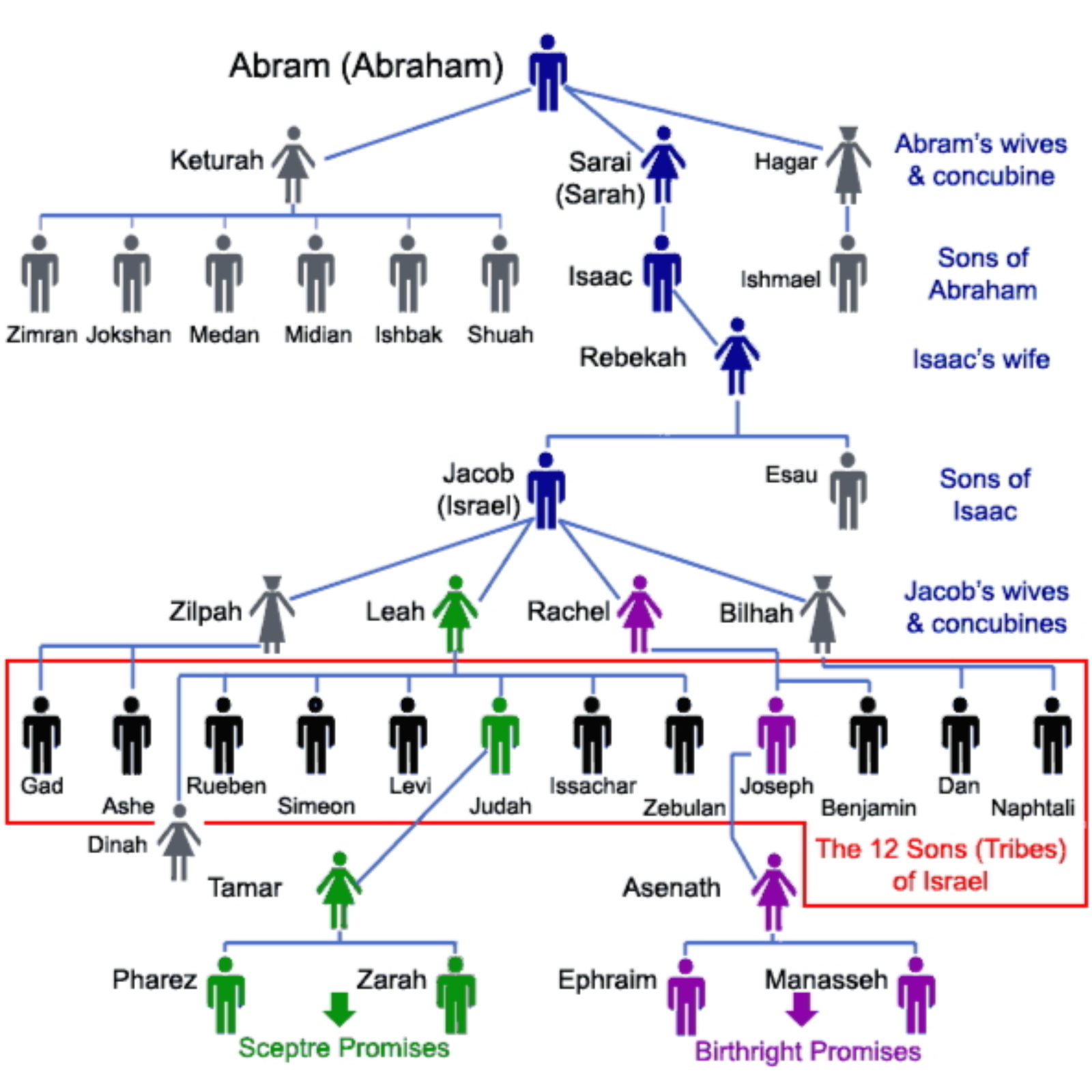
Why do we need such extensive genealogies that occupy the first NINE chapters of 1 Chronicles? By Fr Tadros Malaty (Part 3/4)14. Going through these chapters, we encounter people along the generations, through whom we would get lessons for the edification of our souls, and would learn from some of them how they came to be great in the sight of God, and the sight of the heavenly creatures, through the purity of their hearts, and their faithfulness in the few that was within their hands, and now that we have more talents within ours; … Some of whom have fallen to depths, but with the grace of God, they rose up again, grew, and became righteous. We encounter ‘Jabez’ who, even his name refers to being sorrowful and suffering; yet he overcame his name, and “became the most honorable of his family”.(4: 9) We encounter Abraham whose name was changed to become Ibrahim, father of a multitude of nations We encounter Reuben who, by his sin lost the privileges as the firstborn. We encounter Joseph who rejected the sin, to be honored by God. We encounter women who surpassed many men in righteousness.15. The author, quoting long parts from Genesis 10, kept from the genealogies coming down from the first man, only Abraham the Semite, then his sons Isaac and Jacob.16. Disregarding the details of the events of human history of the period prior to king David; the two books confirm that that period, in spite of its importance, longevity, and the multitude of its events, has been not more than a preparation for the covenant set by God with His people, through the first true king set by God Himself, and not according to men. There were indeed other covenants between God and certain believers like Noah, Abraham, and even Moses; but they were not to be compared to the eternal covenant with king David. This explains to us the secret behind the disregard by the two books of the chronicles of the dissented Northern kingdom, despite its inclusion of ten tribes of the twelve, on account of that it was set to oppress the divine covenant with the house of David.
S1 Ep 255Day 255 - 1 Chronicles 3-4
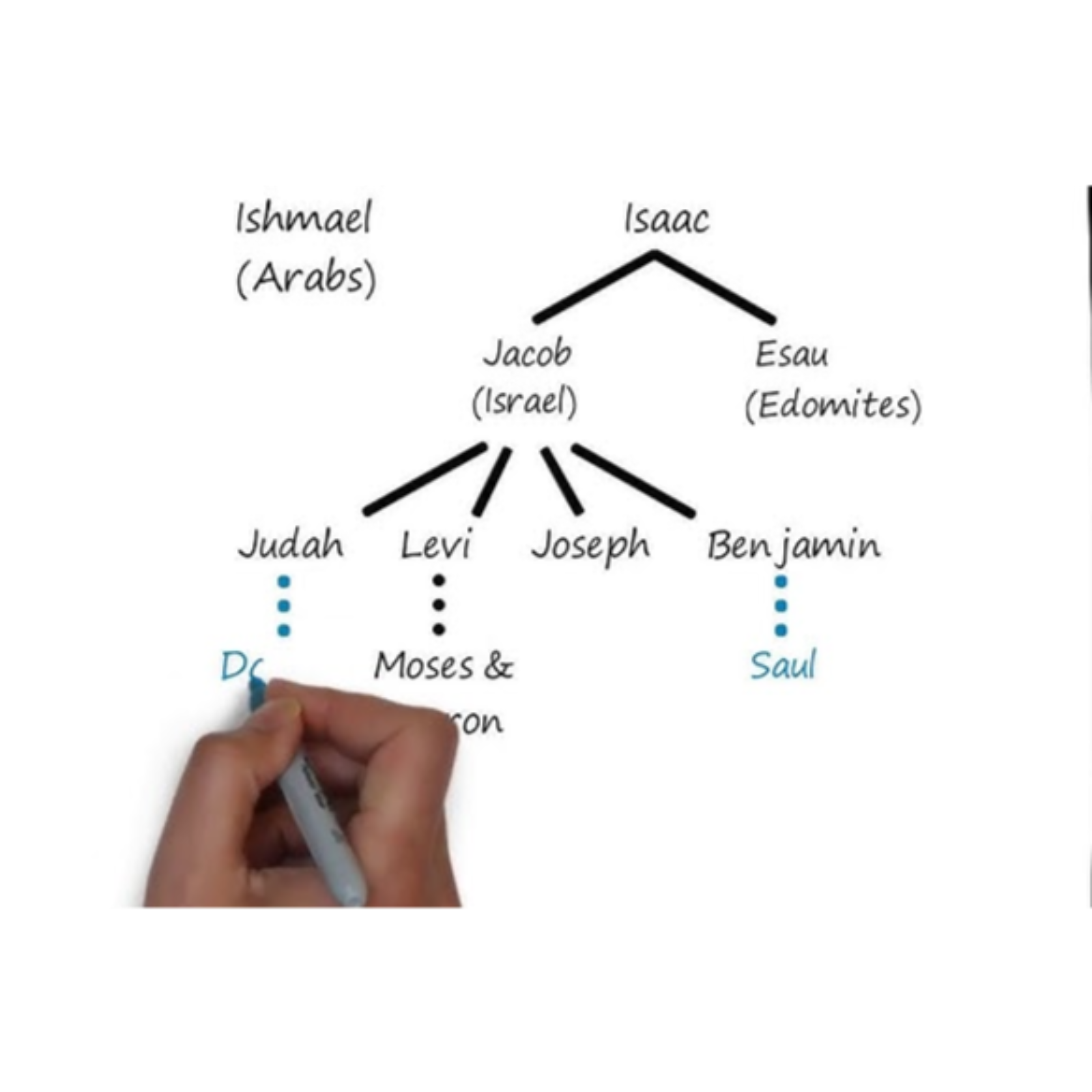
Why do we need such extensive genealogies that occupy the first NINE chapters of 1 Chronicles? By Fr Tadros Malaty (Part 2/4)6. These genealogies that goe back to Adam, provokes us not to isolate ourselves, neither from the near or the far past.7. This genealogies constitute persons who lived on this earth, then were forgotten by the time, and their names were buried in ancient records One day, our names will also be buried in similar records and be forgotten. Whereas he, who enjoys the new spiritual birth, As a son of God by baptism, he has got the grace of adoption (John 3: 3-6); and has got a place in God’s heart and plan; And as a son of God, his name is inscribed on His divine palm; is recorded in the book of life, that even death cannot wipe out. “The world is passing away, and the lust of it, but he who does the will of God abides forever” (1 John 2: 17). In His love for humanity, God is not only preoccupied with recording the names of billions of men in the book of life, but He even inscribes every name on His palm; personally knows him; grants him a personality unique from all others; and keeps for him a specific mission in life. Everyone gets attached to God perceives that he is unique, and an object of God’s personal care. While meditating in such amazing love of God, St. Augustine wonders, as though he is the only one on earth, and if God loves anyone as He loves him. That is the kind of feeling oby him who experience the adoption by God, and counts himself the unique cherished son, who preoccupies the mind of God.8. The genealogies provoke us to renew our trust in God, our relationship with Him, and our anticipation of encountering Him eternally.9. This genealogies represent Abraham’s family tree, then that of Israel and Judah, and finally of David; for our souls to make sure that our Lord Jesus is the promised Messiah, the Son of David, who reigns on the hearts. As to the genealogies going back to Adam, it is to confirm that the kingdom of God is set in man, whatever his race is, being a son of Adam.10. Genealogies are important to set the lineage of the tribe of Levi concerning the priesthood, and the Levites as ministers of the temple; until the heavenly High Priest comes.11. Those genealogies had their importance for those who returned from captivity; and those born in captivity, or carried there as little kids, who know nothing about the promised land, the city of Jerusalem, the temple of the Lord, the offering of sacrifices, singing praise, and celebrating feasts. Having returned according to the divine promise, they need to live in faith, and to experience the fellowship with God. If the Babylonian captivity passed on them like a great flood that wiped the past away, and brought on men some kind of confusion, these genealogies came to call on us to cast a quick look at the past, to consummate the walk, and to enjoy the holy life lived by good fathers.12. These genealogies help anyone to search for his origin, to perceive that, as a descendant of Abraham, he has a portion in the divine promises that were offered to Abraham for the sake of his descendants.13. These genealogies has their specific importance for the Jews, to anticipate the coming of the Messiah the Son of David, the Son of Judah, the Son of Abraham, the Son of Adam. And they have their importance, as well, for us Christians; confirming that Jesus Christ is a descendant of David the son of Abraham, the One promised to the people of God as the Savior of the world; in whom the prophecies were fulfilled.
S1 Ep 254Day 254 - 1 Chronicles 1-2
Why do we need such extensive genealogies that occupy the first NINE chapters of 1 Chronicles? By Fr Tadros Malaty (Part 1/4)For a long time, I used to avoid reading these nine chapters concerning the genealogies, on account of that they include many names of which I know nothing, and are even difficult to pronounce, being no more familiar today. Why then does the Holy Book care to record them? In what way will they preoccupy me? Will they be of any benefit to me? Does parading them touch mysalvation and my spiritual edification? … According to Peter H. David; Walter C. Kaiser Jr.: [For the first moment, mentioning these genealogies may look as being of no use, if not boring. Why are they given such a great area if they have no apparent spiritual benefit for the generations to come?].1. The first book of the chronicles starts by nine chapters of genealogies, that may probably benefit someone of direct interest, to locate a certain relative in the list; But, as far as our salvation is concerned, with the same attitude, we should go through those genealogies, being connected to our great human family; For our earth was blessed by Adam, Eve, Shem, and Abraham. Namely, those genealogies concern a great family which we cherish.2. With the coming of the promise of the inheritance of the land of Canaan to Abraham and his descendants, it was imperative to make a record of his descendants to confirm their right in the promised land. To them, others were added who came to be counted as members of the people of God, through their acceptance of the true faith, their cherishment of rejecting paganism with all its abominations, and their zeal to be bound to God; Hence they were included in the genealogies.3. Those genealogies make clear that there was a prior divine ordinance in the mutual general history of the people of Israel, whether of the Northern or the Southern kingdoms; the rich and the poor; that theirs is the true God who guided His people, and kept them to realize their salvation.4. Having reached the promised land, and enjoyed conquest over many Canaanite nations; Every tribe of the people of God had to know its members, for all to know their portion, and to keep it along the generation. But by the coming of the Lord Christ, “the land and all its fullness became for the Lord and His Christ” (Psalm 24: 1-2); and every believer, whatever his citizenship may be, feeling that he enjoys the sonhood to God, will not hold fast to a designate border or a spot of land in the literal sense.5. This genealogy reveals God’s care for mankind, whether on the personal, family, tribe, church congregation, or humanity level. God wishes for every man to perceive that God cherishes him personally, knows him by name, cares for his family, and for everything that concern him. Yet, indeed, the Holy Book confirms that it is difficult for man to perceive the extent of God’s care for him; which will be more clearly proclaimed on the day we encounter our Christ on the clouds.
S1 Ep 253Day 253 - Daniel 6
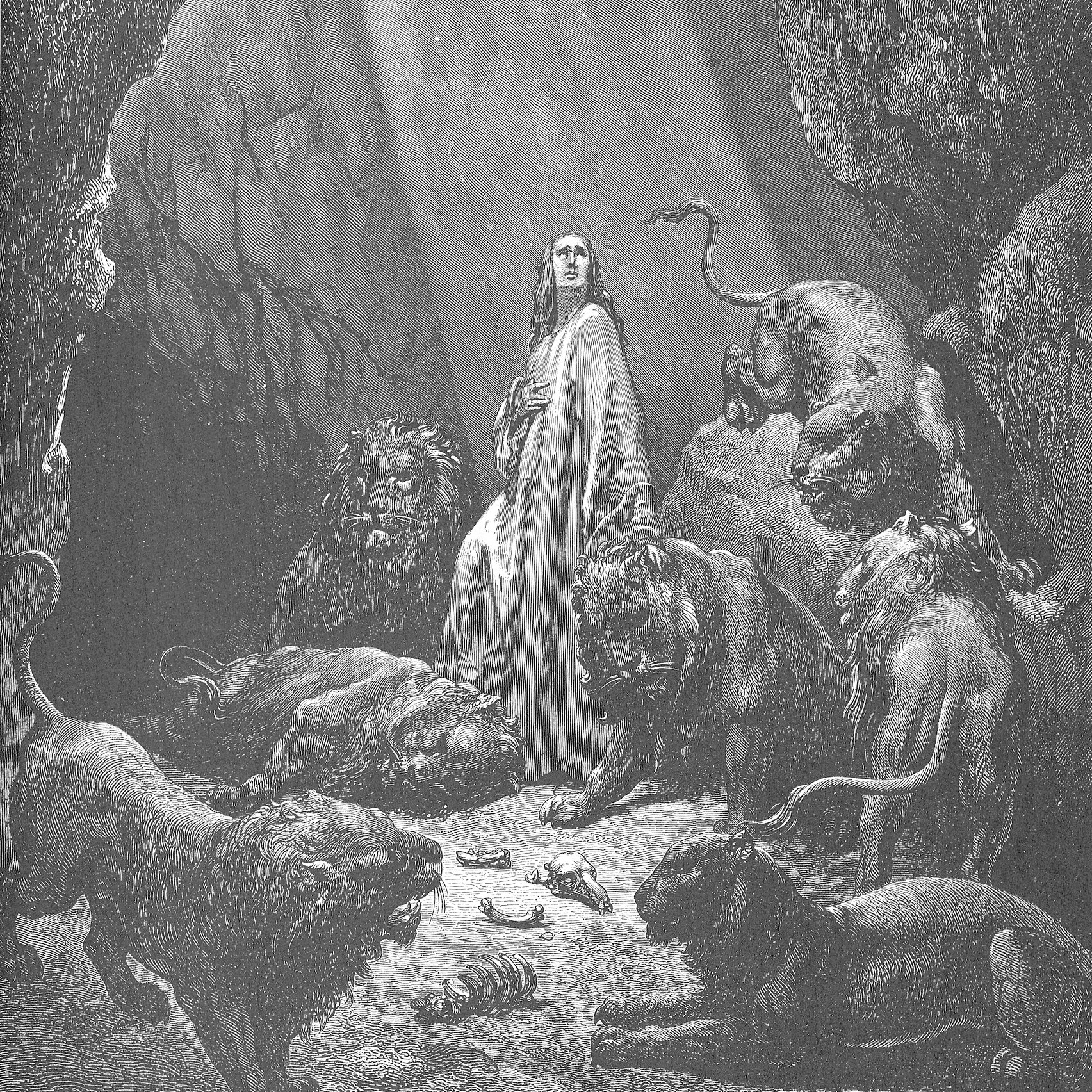
From Syria even to Rome I fight with beasts: not that I am devoured by brute beasts, for these, as you know, by the will of God, spared Daniel, but by beasts in the shape of people, in whom the merciless wild beast himself lies hid and pricks and wounds me day by day. But none of these hardships “move me, neither count I my life dear unto myself,” [Act 20:24.] in such a way as to love it better than the Lord. Wherefore I am prepared for [encountering] fire, wild beasts, the sword or the cross, so that only I may see Christ my Savior and God, who died for me. I therefore, a prisoner of Christ, who is driven along by land and sea, exhort you: “stand fast in the faith,” [1Co 16:13.] and be steadfast, “for the just shall live by faith”; [Hab 2:4; Gal 3:11.] be unwavering, for “the Lord causes those to dwell in a house that are of one and the same character.”—St Ignatius of Antioch
S1 Ep 252Day 252 - Zechariah 7-8, Ezra 5-6
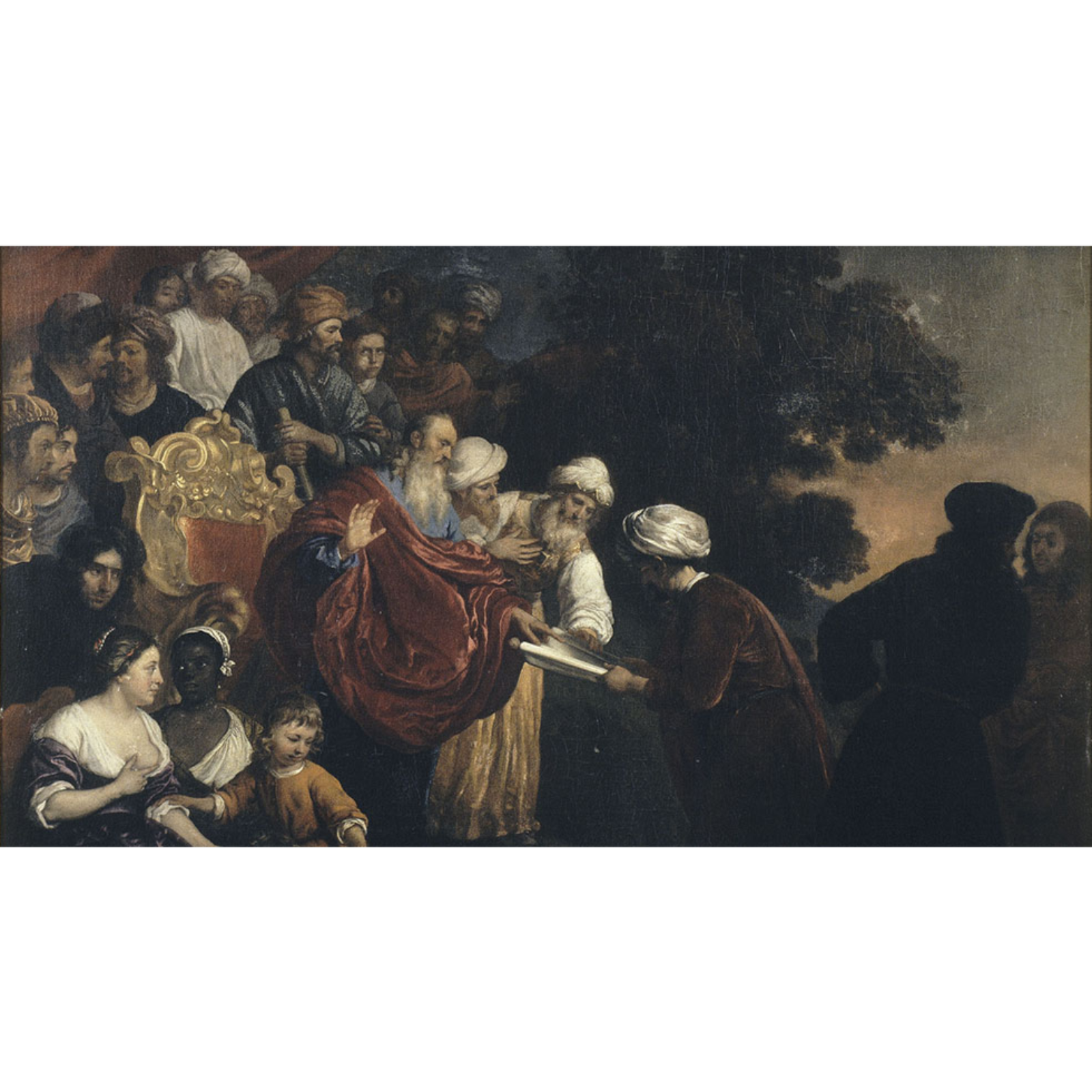
The sequence of events in the text is as if Darius himself had read Cyrus’s letter and, having perused it, immediately endorsed it with his authority, in such a way that suppressing all their adversaries, he ordered the temple of God to be rebuilt on its site just as the letter said, and himself, with a most devout mind in all things, assisted God’s worshipers to serve his will. Let Artaxerxes, therefore, who above forbade that the house or city of God be built, [See Ezr 4:17-24.] designate those lords of worldly affairs who by inciting persecutions opposed the construction of the holy church, while in the upheaval of these persecutions that church flourished chiefly by the triumph of martyrs. Let Darius designate the dutiful devotion of those kings who, recognizing the will of God, endeavored not only not to resist the Christian faith but also to assist it with their decrees; and many of them, forbidding the persecutions of their predecessors, wished that they themselves along with the people under their sway might be consecrated in the sacraments of the same faith—Bede
S1 Ep 251Day 251 - Zechariah 1-6
For in that passage too, in giving the name of high priest to him who made with his own blood the priestly propitiation for our sins, he does not by the word made declare the first existence of the Only-begotten. But he says “made” with the intention of representing that grace which is commonly spoken of in connection with the appointment of priests. For Jesus, the great high priest (as Zechariah says), who offered up his own lamb, that is, his own body, for the sin of the world; who, by reason of the children who are partakers of flesh and blood, himself also in like manner took part with them in blood. [Heb 2:14.] ([This is] not in that he was in the beginning, being the Word and God, and being in the form of God, and equal with God, but in that he emptied himself in the form of a servant, and offered an oblation and sacrifice for us). He, I say, became a high priest many generations later, after the order of Melchizedek—St Gregory of Nyssa
S1 Ep 250Day 250 - Ezra 3, Haggai 1-2
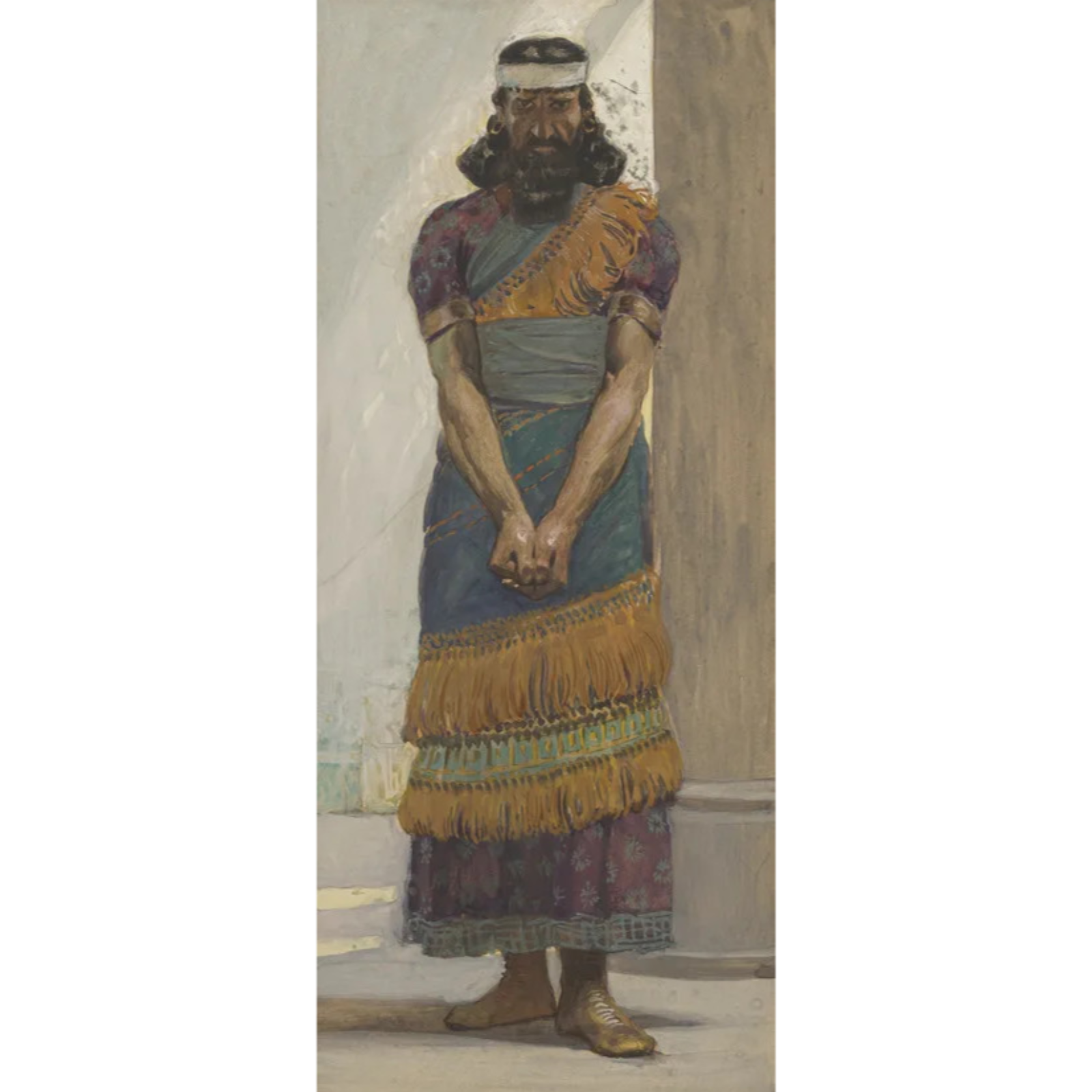
The man who dies before his time does not build his tomb, for, although he lives, he is dead. [1Ti 5:6.] He does not hear the words of Haggai, whose name interpreted the banqueter, for he does not enter the tabernacle of God “with the voice of joy and praise, the noise of one feasting.” [Psa 42:4 (41:5 LXX).] How does he hear his voice if he does not see his works? If he saw them, he would hear the word which was put within his grasp, he would rejoice in his acts, whereby “he knocked and it was opened to him,” [Mat 7:7.]and he would have gone down into his soul that he might feed therein upon the food of sincerity and truth. Because he failed to hear, the word of Haggai again comes, saying: Rise from houses embossed and carved with wickedness, and go up to the mount of heavenly Scriptures and hew the tree of wisdom, the tree of life and the tree of knowledge. Make straight your ways, order your actions so that they may have due order which is necessary and useful for building the house of God—St Ambrose of Milan
S1 Ep 249Day 249 - Job 42, Ezra 1-2
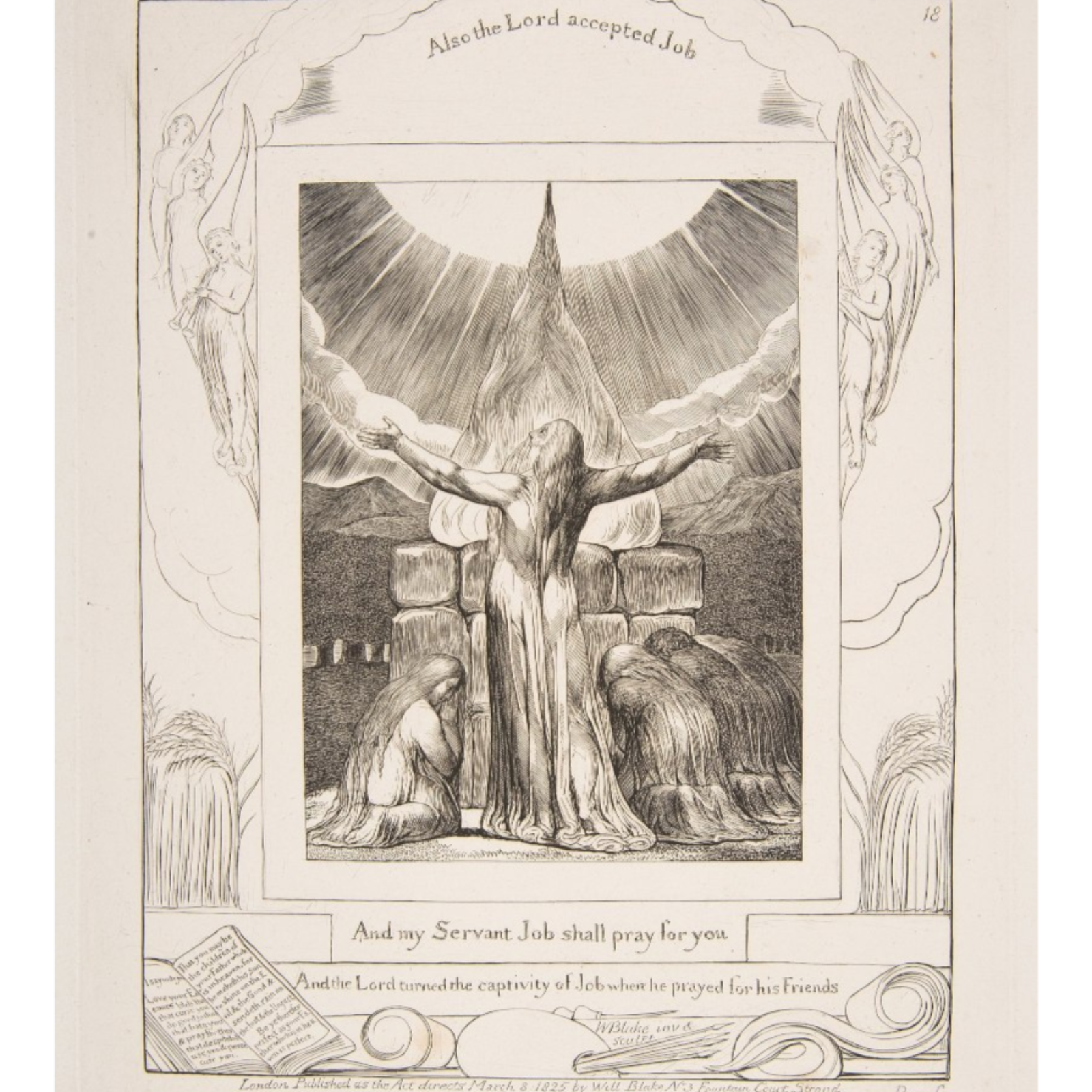
He would have not ordered that if there had been the law, but now he becomes priest, while they bring offerings. Job had made sacrifices for his children; now he makes them for his friends. See how the text shows that Job is devoid of resentment. God takes [Job’s friends] as witnesses of the virtue of the man, and equally he shows the gravity of their fault through the extraordinary importance of the offering. He would have not needed such great victims if the faults to be expiated had not been so serious. He also shows that the sacrifice was not sufficient, “for,” he says, “but for his sake,” I would have not healed you from your guilt. In this manner he shows that he has forgiven them as well. “I would have destroyed you,” he says, “for but for his sake,” “because you have not spoken the truth against my servant Job.” Notice that even though they could speak with zeal as much as they wanted, they were accused just the same of saying nothing true, or rather, they did not speak with the zeal that is fitting to God. In that case, they would have been forgiven. This is also the reason why Job attacked them. Through this we learn that the one who accuses the righteous will have to expiate a serious fault—St John Chrysostom
S1 Ep 248Day 248 - Job 38-41
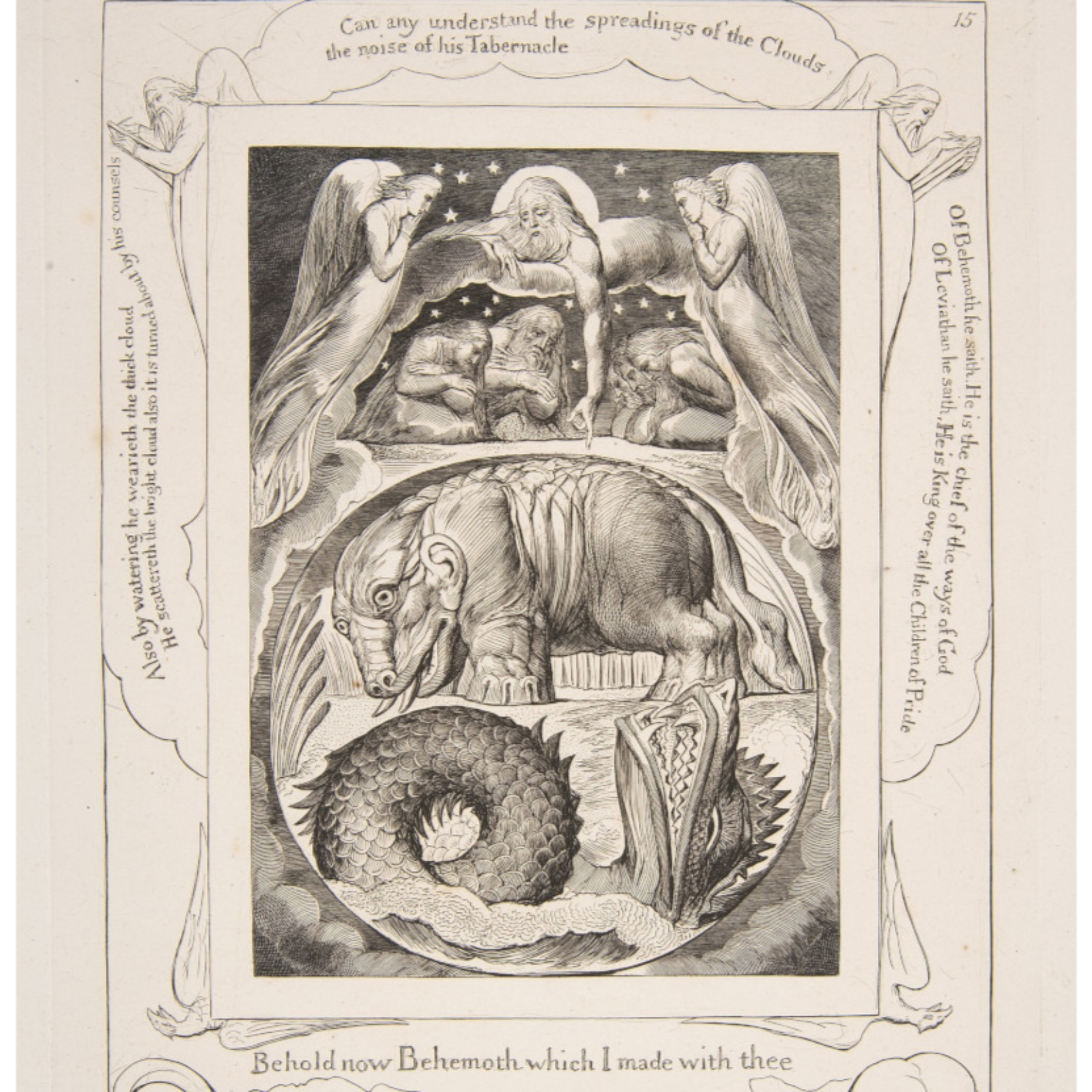
“I will question you, and you answer me.” The perfect rewards of the struggles are reserved after this life to those who fought bravely. The grace of God nevertheless offers a sort of pledge to the athletes. For this reason, Job faced the hardest fights; while losing his riches, he praised him who gave him these afflictions. After losing his children, he glorified him who had taken them away. While realizing that worms grew out of his body, he was not defeated by his diseases. God gave him the firstlings and the pledge of his fights by speaking to him out of the clouds and the whirlwind. After he had listened to the former speeches, when it was necessary to speak to God, he was silent, as if he had no faculty to speak to him. In fact, he did not know yet what would have been written by Moses, “Moses spoke, and God answered him with a voice.” [Exo 19:19.] Therefore, he was like someone who did not know that he did not want to answer God. But God conceded him forgiveness to speak. The benevolence of God is such that he does not play the role of the judge but that of the lawyer, who discusses the case with a man—Origen
S1 Ep 247Day 247 - Job 32-37
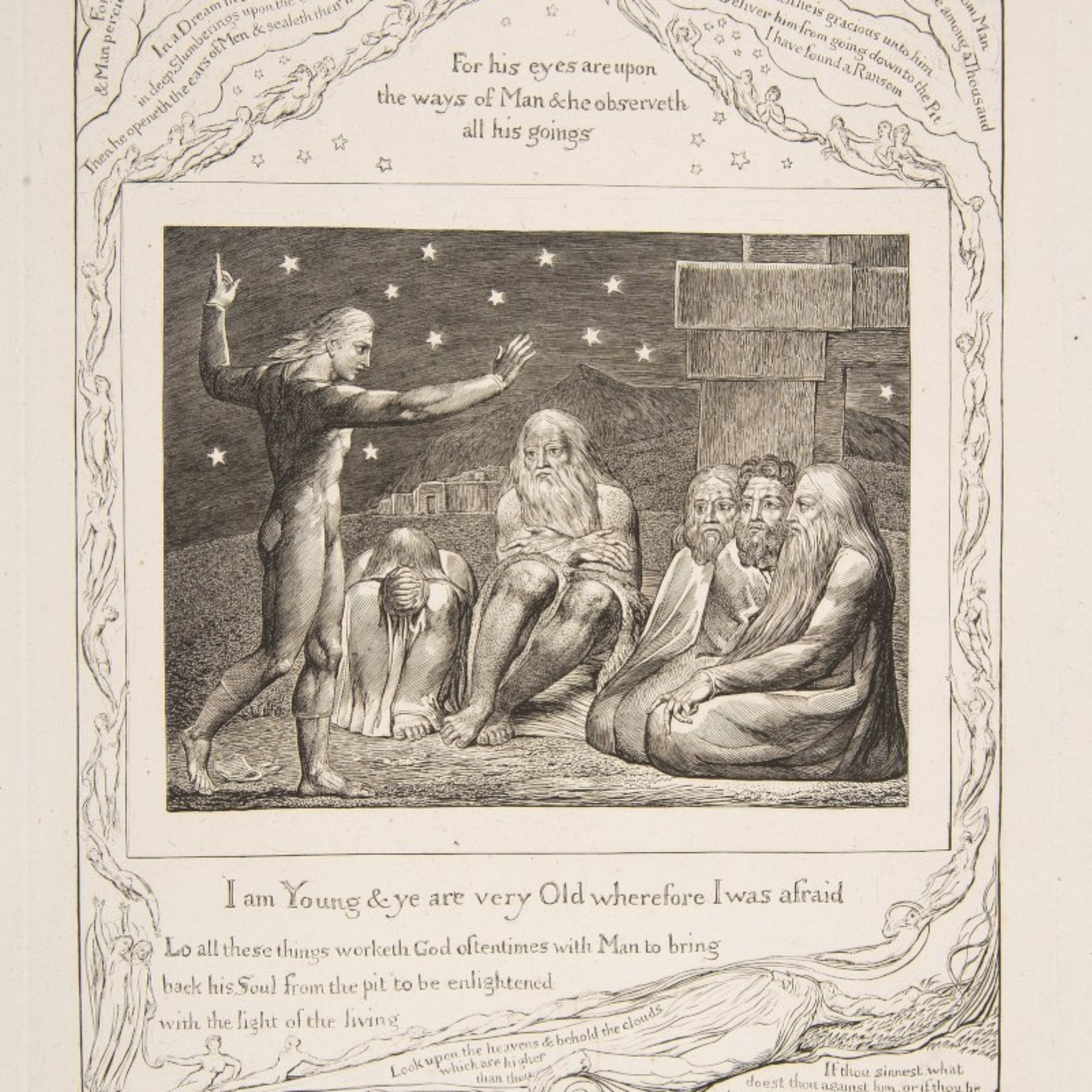
These words mean, I do not speak so out of envy or jealousy. Even though the three friends said the same things as him, they did not do so in the same spirit or in order to defend God. Indeed also Judas and the eleven disciples expressed the same opinion about the vase of perfume, but not in the same spirit. Therefore, let us not examine the words but the intention with which each expresses himself. How the first wanted to overthrow him, whereas the latter wanted the opposite. Take heed: Elihu, who speaks last, expresses the thoughts that God is about to express, so that God may justify himself even better, once Job has heard the same remarks from his companions in bondage that he will afterwards hear from the Master—St John Chrysostom
S1 Ep 246Day 246 - Job 27-31
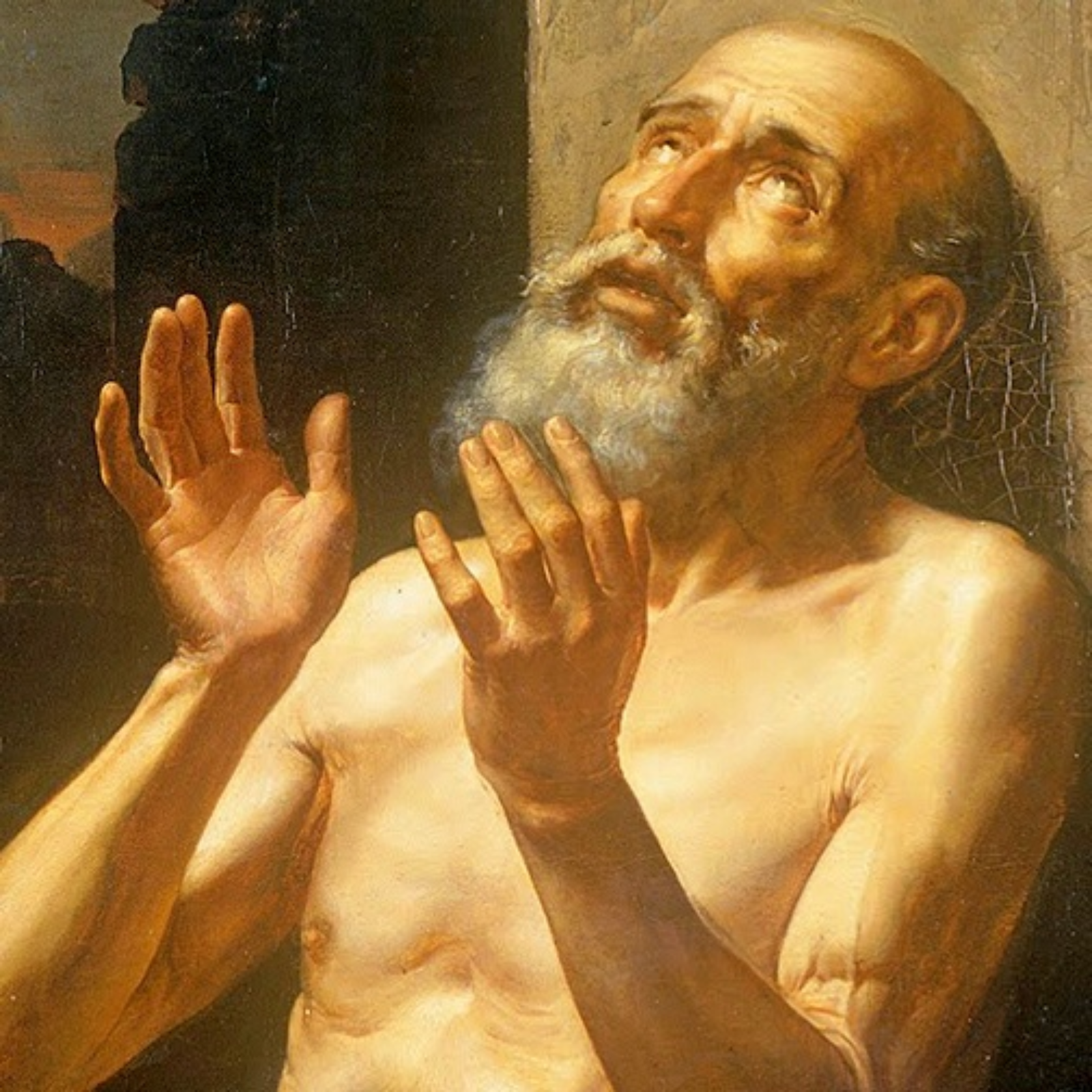
What do the words “he adds at the beginning of his speech” mean? It is not that he completes his speeches, but he comes back to his starting point, without allowing his adversaries to interrupt him or to begin new arguments. What does he say? I would like to live one month of my old happiness in order to shut your mouth and to show you who I was.“One month comparable to a month of my past days.” He calls for nothing extraordinary, only to live his past happiness for thirty days and to enjoy that prosperity with which nobody can provide him anymore. Then he describes it through his words. In fact, since it was impossible now [to live his past happiness], he shows it through his words and says what he did and how he lived before. See the piety of the man: he attributes everything to God. In fact, it is impossible that a person deprived of divine help may ever stand—St John Chrysostom
S1 Ep 245Day 245 - Job 22-26
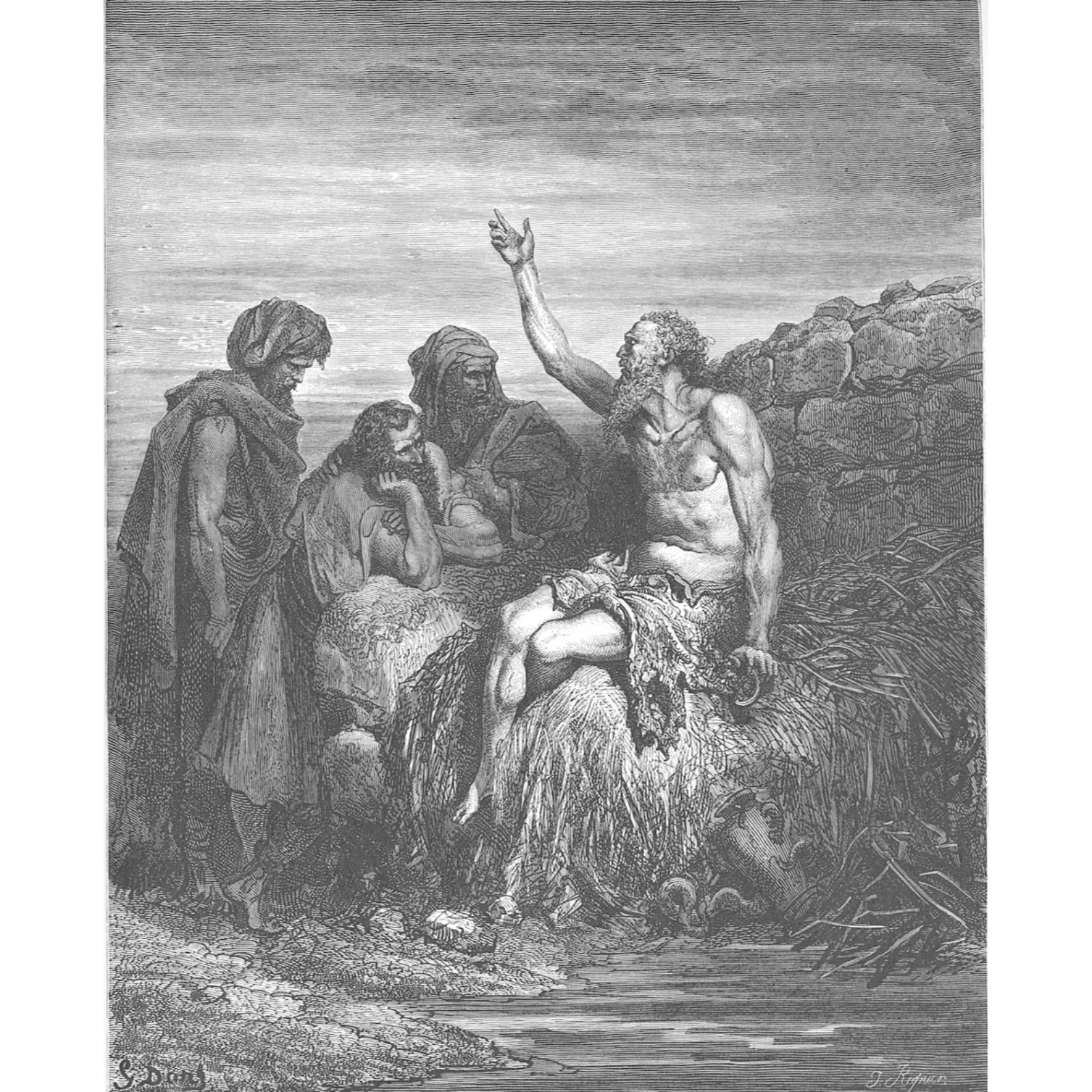
The things that are administered by the Holy Spirit are worthy of description. Therefore, they are described, so that the reader may take advantage of the things being read. If the speeches of those three who came to Job were not useful, so that the reader might gain nothing from what was said to Job through them, to be sure the divine Providence would have not reported the speeches of those three in the book of Job. It is possible, therefore, to obtain a certain advantage from their speeches by observing carefully their doctrine.Notice that the fault in their speeches is singular: every time they accuse Job, they believe that he is suffering his misfortunes because he had sinned. They do not see that there are many reasons why adversities happen to people. It was established that these are the things that happen, both good and bad, or whatever you want to call them.“Is it not the Lord that teaches understanding and knowledge?” This statement is wise. Indeed, the true doctor of virtue cannot be a person. “He that teaches man knowledge” [Psa 94:10 (93:10 LXX).] is also mentioned in the psalms and is no one else but God. And the prophet says, “Teach me your ordinances,” [Psa 119:12 (118:12 LXX).] because he knows that God is the true and perfect doctor. In truth God teaches, by lighting the soul of the pupil from him and by illuminating his mind with his light, his truthful word. For this reason, the righteous men, who received the grace of teaching, teach us—Origen
S1 Ep 244Day 244 - Job 18-21
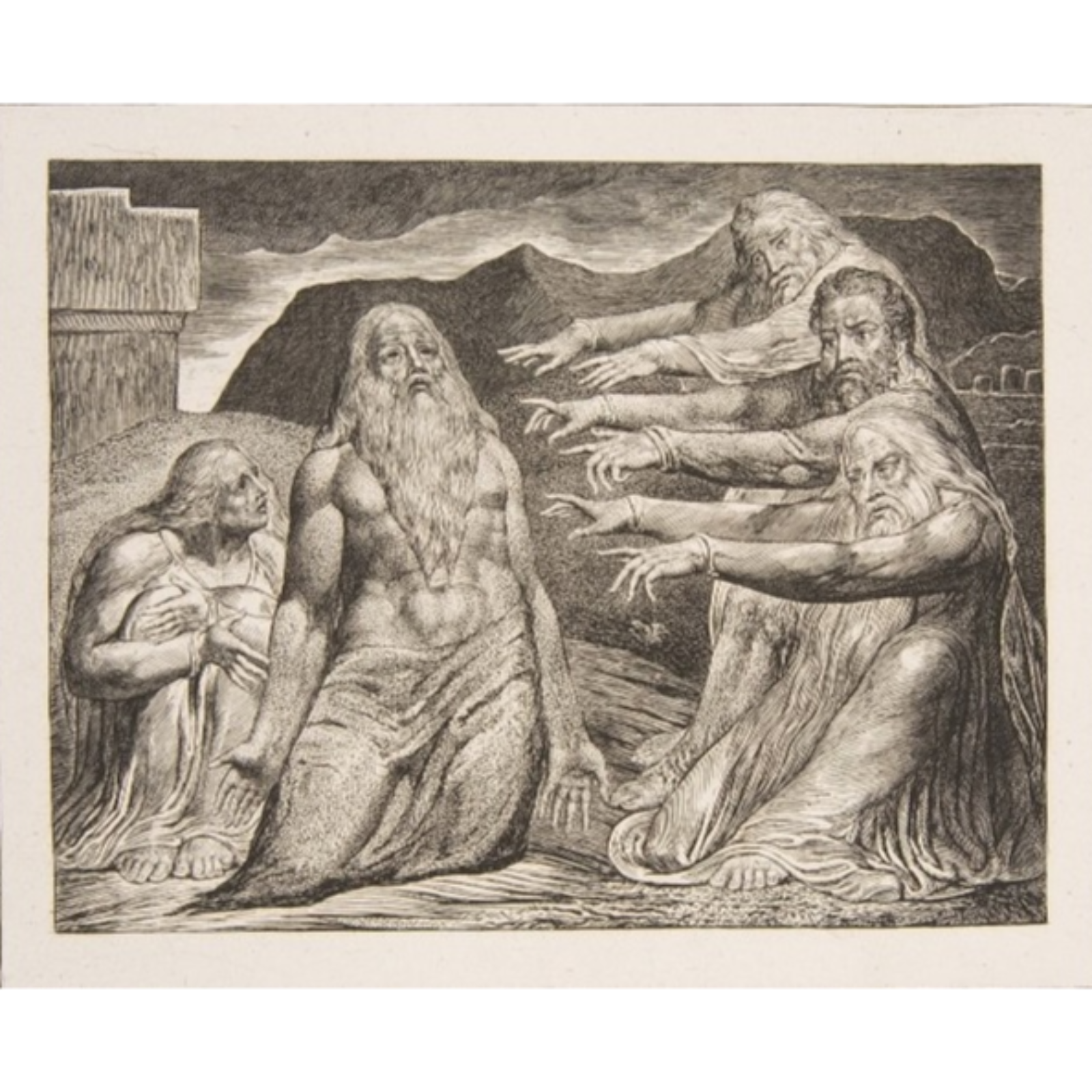
“Only know that the Lord has dealt with me thus.… You speak against me; you do not feel for me but bear hard upon me.… May the dignity of him who punishes me make you change your mind,” he says. We do not have to trample underfoot the people who are punished by God, but we must shed tears and grieve over their fate. Above all, we must not rejoice over the death of anybody, because such an action will not be left unpunished. Who would have not respected Job’s misfortune, at least because of the dignity of him who chastised him?—St John Chrysostom
S1 Ep 243Day 243 - Job 13-17
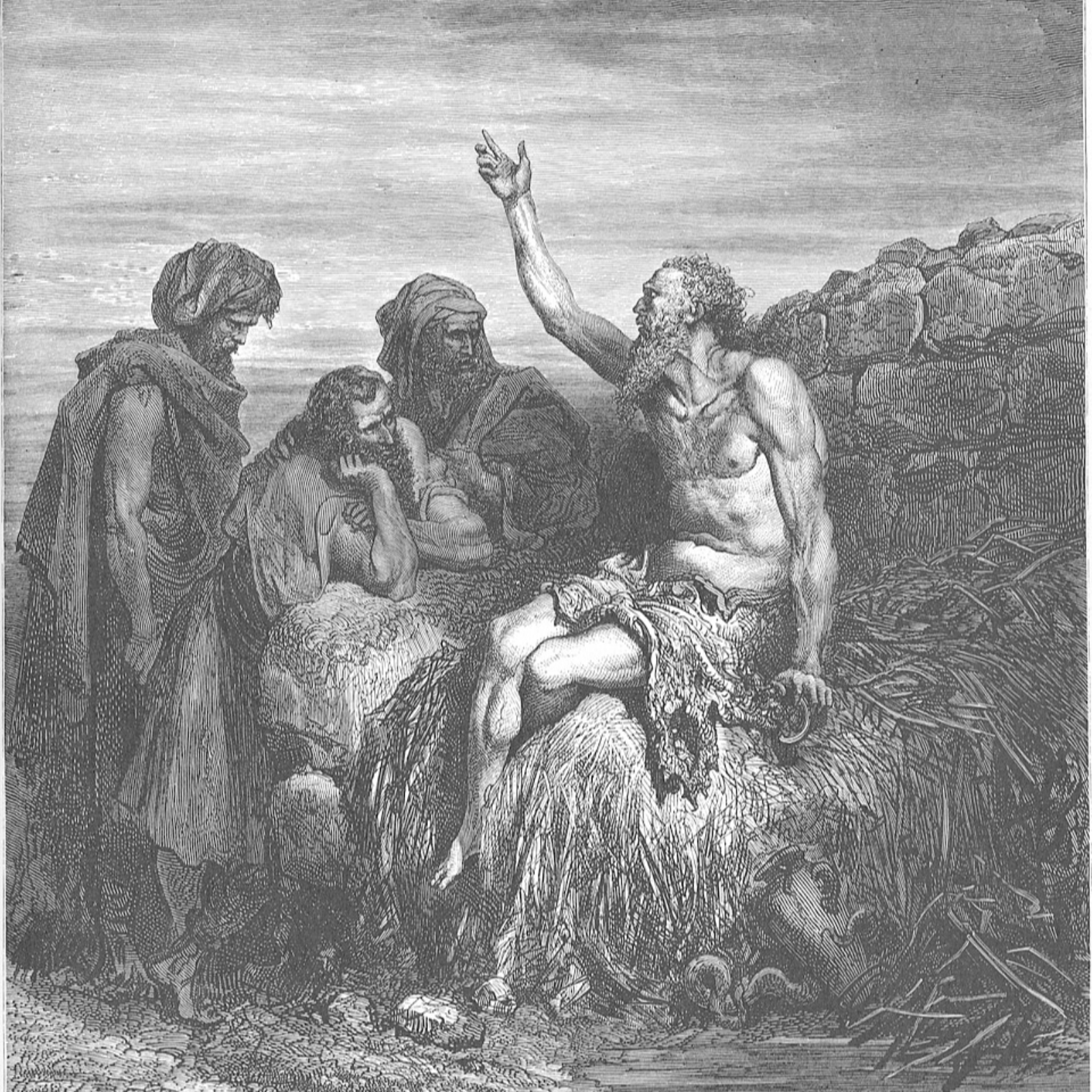
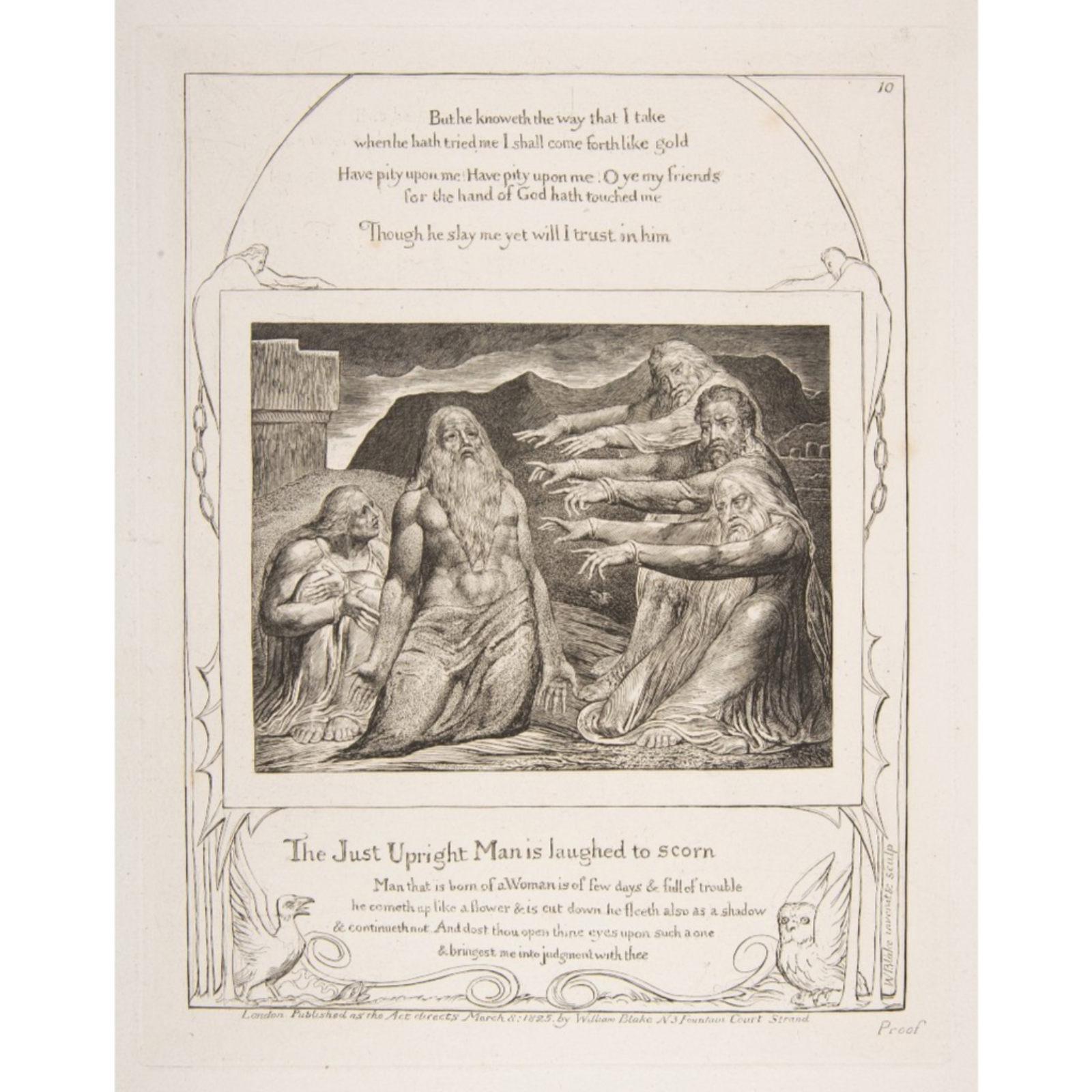
A worthless physician is literally one who applies curing strategies that are not useful for the suffering. This happens in two ways: either it is due to lack of experience in the physician or to his wickedness. The friends who are contradicted here speak out of a lack of knowledge rather than wickedness in saying, “You suffer due to your sins.” They think they are bringing words of comfort. They were worthless physicians since they did not discover the true reason. “Whitewash with lies,” Job says against them, who think highly of themselves as if they could cure the affliction that occurs in others. He wishes that they had knowledge of the right times, to speak when it is appropriate and to be silent when it is appropriate, since they have realized their mistake. For that would be the beginning and commencement of wisdom for them. For once they learn that one can also be suffering for a different reason, namely, for inherent virtue to become visible, then Job’s friends will possess wisdom. Even for those who long for insight, it is beneficial to restrain their speech. In Proverbs it is said, “Even fools who keep silent are considered wise.” [Pro 17:28.] For if someone realizes that he needs the illuminating teaching of a teacher, this will make him wise. As someone who can talk and teach about wisdom is wise and a teacher, likewise is the one partially wise, who is able to ask what needs to be asked. He did not call him “fool” because he lacked insight altogether but because he had deficiency of insight. The word “If you would only keep silent” is similar to “There is a time, when one has to be silent.” However, since one has to talk, when one has become wise, he adds, “But there is a time to speak.”—Didymus the Blind
S1 Ep 242Day 242 - Job 9-12
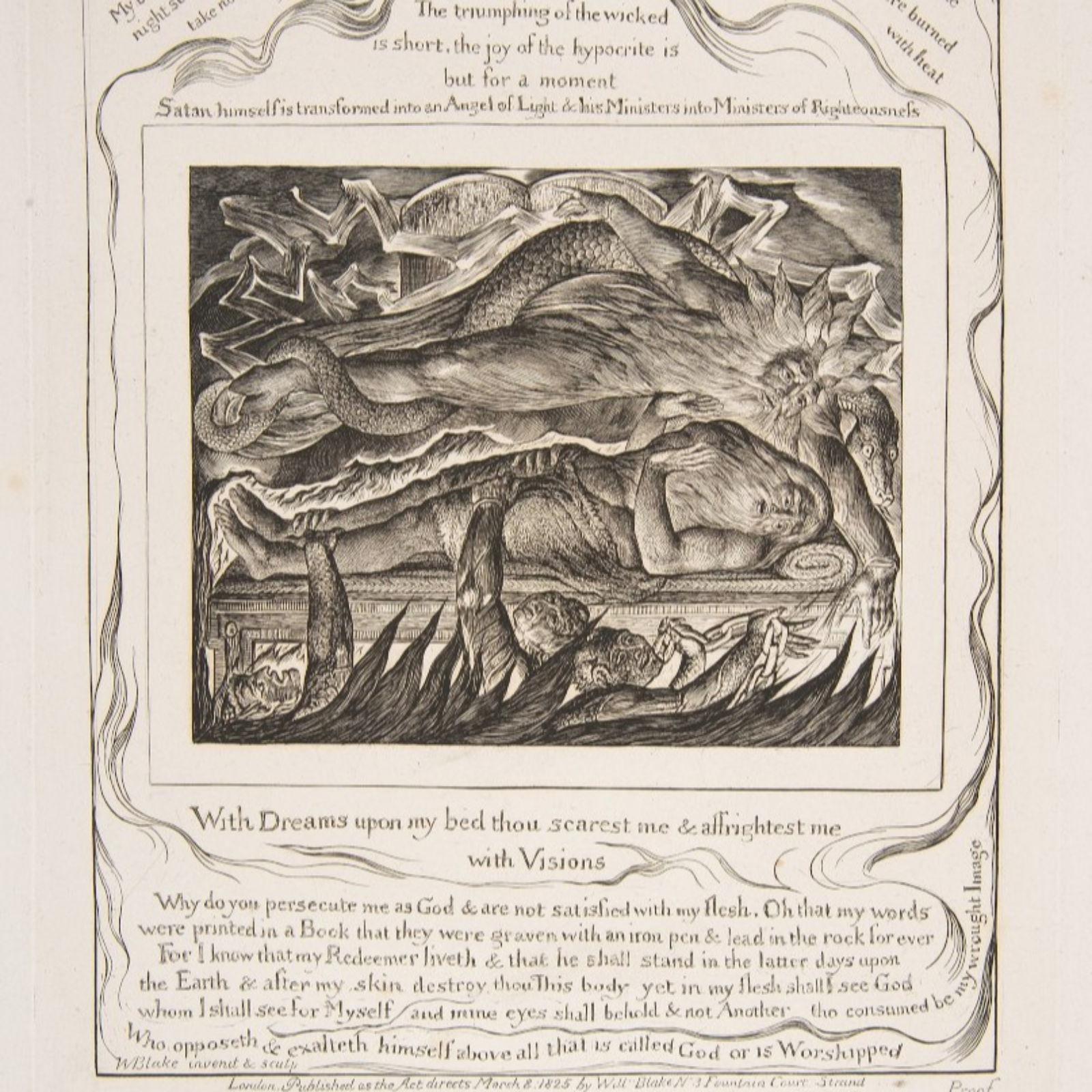
“He is wise in mind, mighty and strong,” with good reason. Indeed, since God is wise, his benefits are countless. But if you do not believe, O mortal, let us bring our reflection to its conclusion. If he pronounces one thousand words, we cannot answer a single one. These are wise words. In fact, that righteous man said, “Also the righteous will be happy.” About what righteous man is he speaking? But where will we ever find a man who is righteous before God? “Not one of his thousand words.” This is exactly what the prophet said as well: “No living person will be found righteous before you.” [Psa 143:2 (142:2 LXX).] “If you observe our faults, O Lord, O Lord, who will survive?” [Psa 130:3 (129:3 LXX).] … God has created human nature. Why? Out of pure benevolence, as all the rest of creation. He has created the universe and all the rest for humans. He stated a commandment, but humanity did not consider it. Afterward he gave them the law, but they neglected it. Then he sent his Son, but they did not consider him either. Then he gave them repentance, but they did not ponder it. Then he threatened them with the punishment of hell, but they disregarded it. But why did he want to save them? Do you want us to ask Paul himself? Listen to what he says: “God dealt with me mercifully because I acted in the ignorance of disbelief.” [1Ti 1:13.] And then, after being called, Paul testified to the profound and providential care, of which he was an object—St John Chrysostom
S1 Ep 241Day 241 - Job 5-8
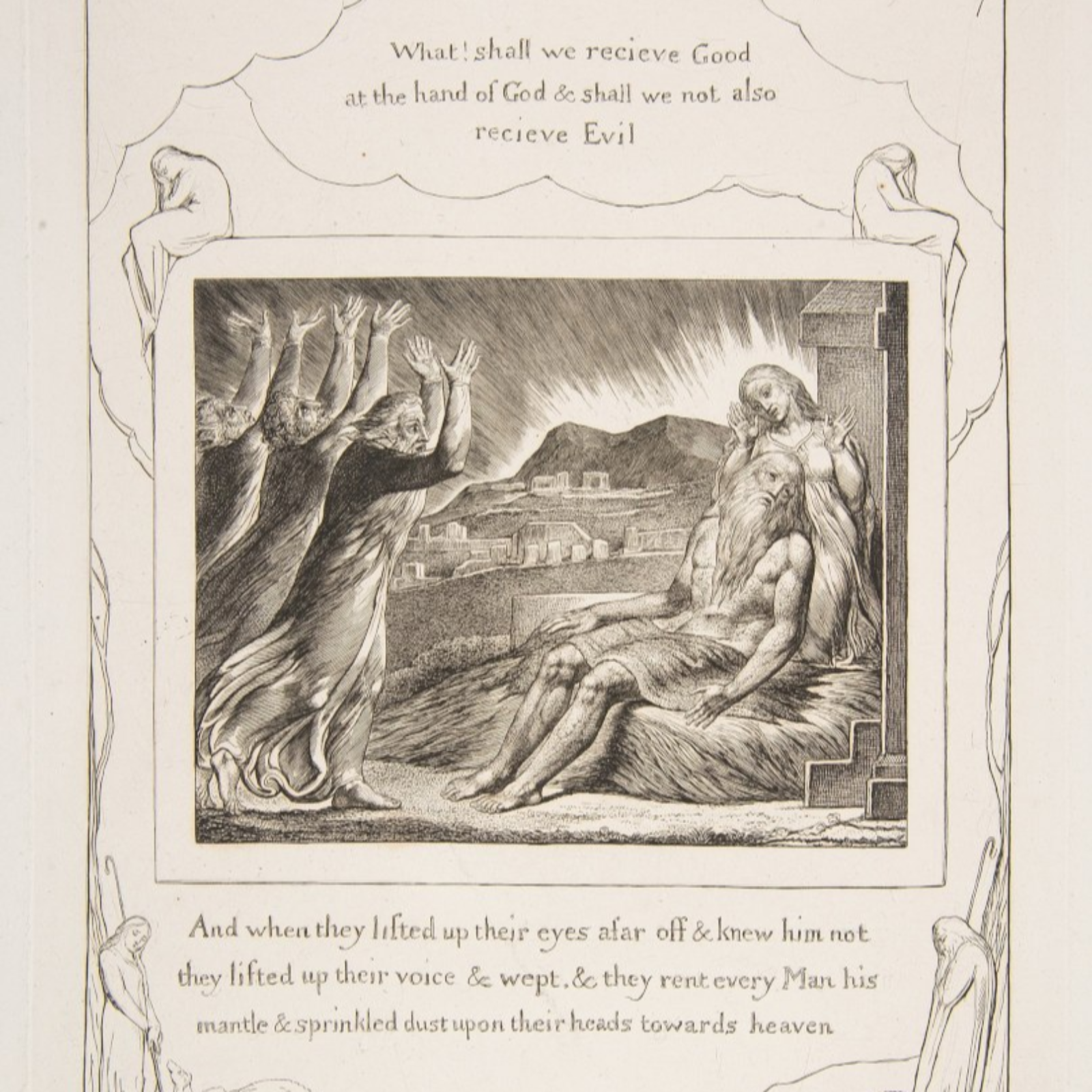
But the wise person examines all with care, whereas the fool sees nothing. This certainly means that it is God who “causes the foolish to be destroyed by his wrath, while ardor makes him who has gone astray, perish.” This refers to the ardor of God. “His wrath causes the foolish to disappear” means, in my opinion, that God’s wrath causes the sinners to disappear. “Wrath destroys the foolish one,” Eliphaz says, and therefore it does not destroy the sensible. Wrath, in fact, has no place among the sensible—St John Chrysostom
S1 Ep 240Day 240 - Job 1-4
The author calls Job a man of the East; he was superior to all in radiance and celebrity and could name distinguished and illustrious ancestors. How could Job not be incited to pride by the virtue that reigned in his soul, by the joy which his children gave him and by the fact he was the only one who simultaneously possessed wealth and virtue and the privilege to descend from illustrious fathers? But when these goods fall into the hands of the impious, heed what the prophet says: “Since pride has completely grasped them, they have clothed themselves in their injustice and impiety.” [Psa 73:6 (72:6 LXX).] But as for Job, he declares, “Why do the wicked live and grow old in their prosperity?” [Job 21:7.]Now it was not like that at all for Job. It is not the nature of wealth that causes bad conduct but the mind of those who do not use wealth properly—St John Chrysostom

S1 Ep 239Day 239 - Proverbs 23-24
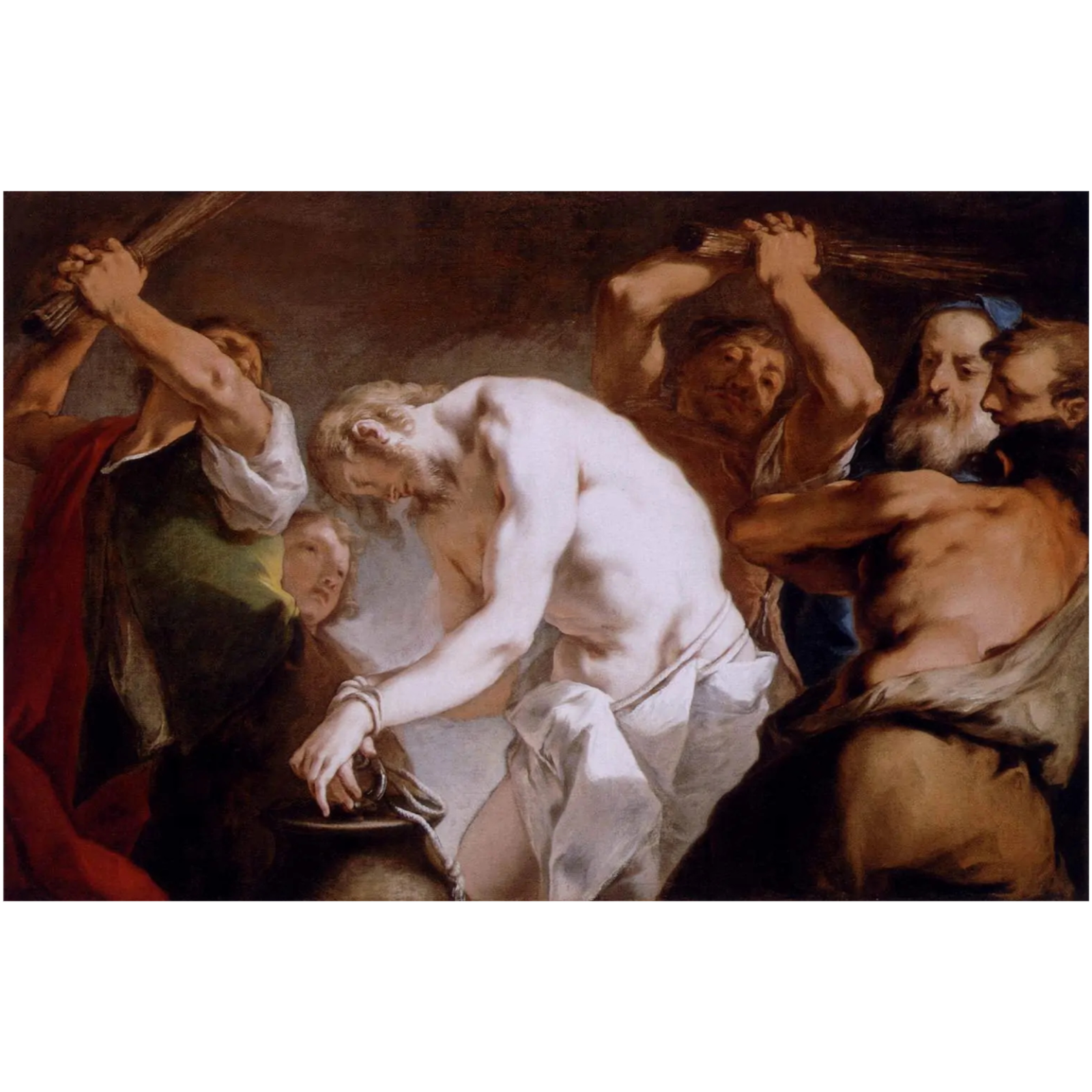
“If you sit at the dinner table of a prince, understand with prudence what is set before you.” Christ is anticipated here as the prince. His table and food are the words of his doctrine and his eternal goods which he has prepared for those who love him. Each Christian sits at his dinner table. The one who understands with prudence what Jesus has taught with his works and words extends his hand, which means that with his works he begins to show that he is an imitator of Christ, made humble, a peaceful lover of all and patient in tribulations. The one who does not do this but instead gazes with eagerness at the pleasures of the world must give up any desire for eternal goods which at any rate he will never own. The pleasures of the world are characteristic of a false life, and those who love them will never enjoy eternal possessions—St John Chrysostom
S1 Ep 238Day 238 - Isaiah 52-55
He has bought us with his own blood. He endured the cross, despising its shame, so that he might win our salvation. Therefore bow your necks to his yoke. For your soul will see the fruitful seed, that is, you will be sharers in those being kept for eternal life, that is, the saints who have been enriched with the hope of eternal life. For there was no idea of the resurrection of the dead among the Greeks, and the mystery until now was not set forth. They all but said that the breath in your no nostrils is smoke that is burning. All the ashes will disappear, and the spirit like a weak person will be dissolved—St Cyril of Alexandria
S1 Ep 237Day 237 - Isaiah 49-51
Consider how he who was not yet born could have a people, unless he were in being before he was born. The prophet says this in his person, “From my mother’s womb he gave me my name”; because the angel foretold that he would be called Jesus. Again, concerning the plots of Herod, he says, “He … concealed me in the shadow of his arm.”—St Cyril of Jerusalem
S1 Ep 236Day 236 - Isaiah 46-48
These then are imitations that cannot save those who carry them and are nothing other than burdens for the priests and weigh them down to the point of exhaustion. And when captivity came, these were carried off first of all due to the value of the metals from which they were made, and they were not able to free the souls of those carrying them. For it is not as dumb imitations they had a life and any feeling of pain, but they are figuratively ascribed soul and body parts, though having no feeling and body parts.… So it could be said that this error of idolatry was the greatest burden among the nations, one that pressed its worshipers down into the ground and could not save and, in fact, made their souls captive to the devil and his demons—St Jerome
S1 Ep 235Day 235 - Isaiah 44-45
God himself testifies that the Holy Spirit presides over his blessings, saying, “I will put my Spirit on your seed and my blessings on your children.” For no blessing can be full except through the inspiration of the Holy Spirit—St Ambrose of Milan
S1 Ep 234Day 234 - Isaiah 42-43
Next is the fact of his being called Servant [Cf. Isa 49:6; Isa 53:11.] and serving many well, and that it is a great thing for him to be called the Child of God. For in truth he was in servitude to flesh and to birth and to the conditions of our life with a view to our liberation, and to that of all those whom he has saved, who were in bondage under sin. What greater destiny can befall humanity’s humble state than that it should be intermingled with God and by this intermingling should be deified, and that we should be so visited by the Dayspring from on high, [See Luk 1:78.] that even that holy thing that should be born should be called the Son of the Highest, and that there should be bestowed on him a name that is above every name? [Php 2:9.] And what else can this be than God?—and that every knee should bow to him that was made of no reputation for us, and that mingled the form of God with the form of a servant, and that “all the house of Israel should know that God has made him both Lord and Christ”? [Act 2:36.] For all this was done by the action of the Begotten and by the good pleasure of him that begat him—St Gregory the Theologian
S1 Ep 233Day 233 - Isaiah 40-41
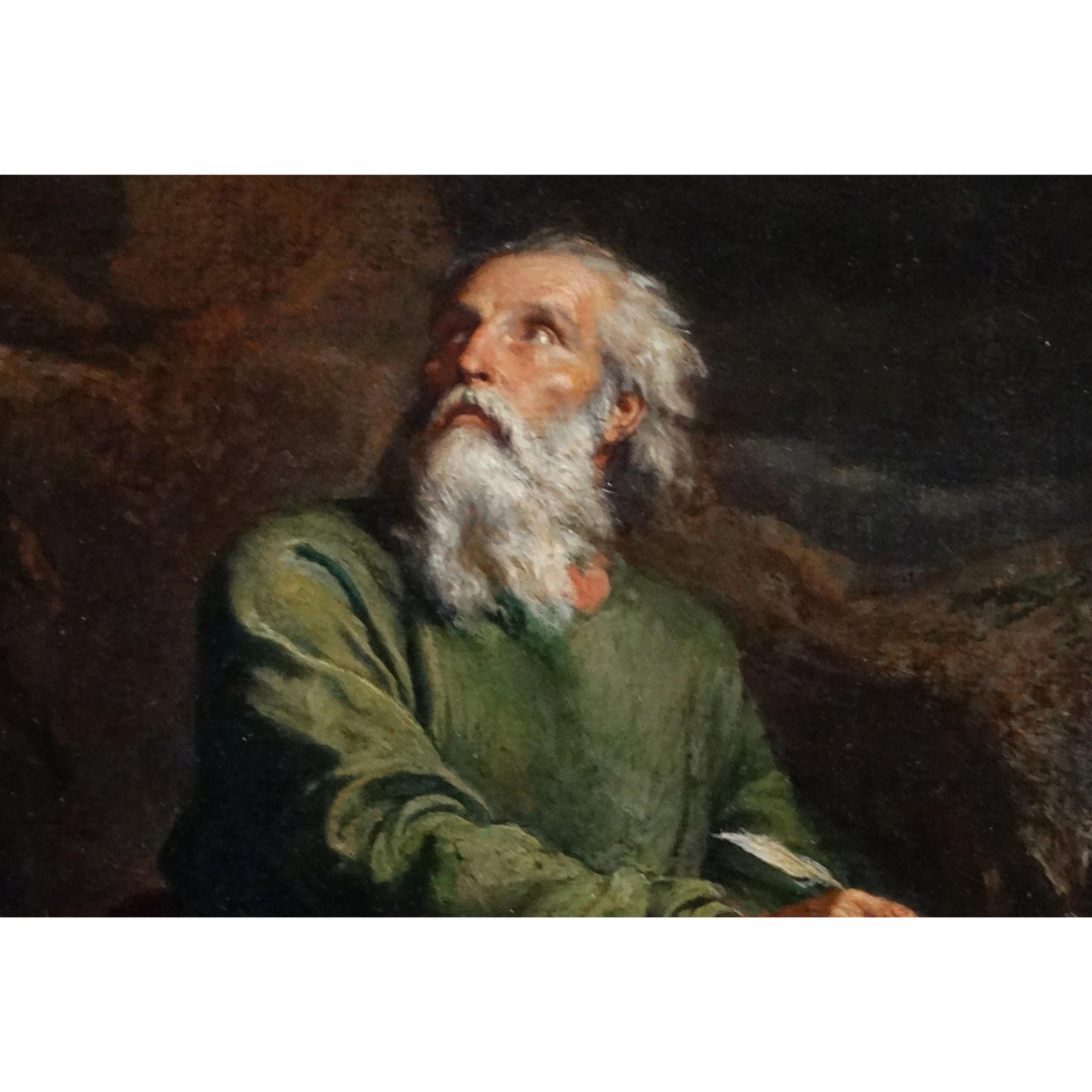
Hezekiah was at a loss for a defense. Since he could offer no excuse for his crimes, he said that God’s word was good, even though it foretold things that should have made him shed tears. Then he asks for peace in his own days, bidding goodbye, as it were, to those who were to come after him and thereby neglecting his native land, his own city and his own race. But it would have been better for him to be sorry for the things that had been predicted and to ask God for mercy and happiness (not temporary and restricted) on behalf of those to come after him—St Cyril of Alexandria
S1 Ep 232Day 232 - Daniel 5
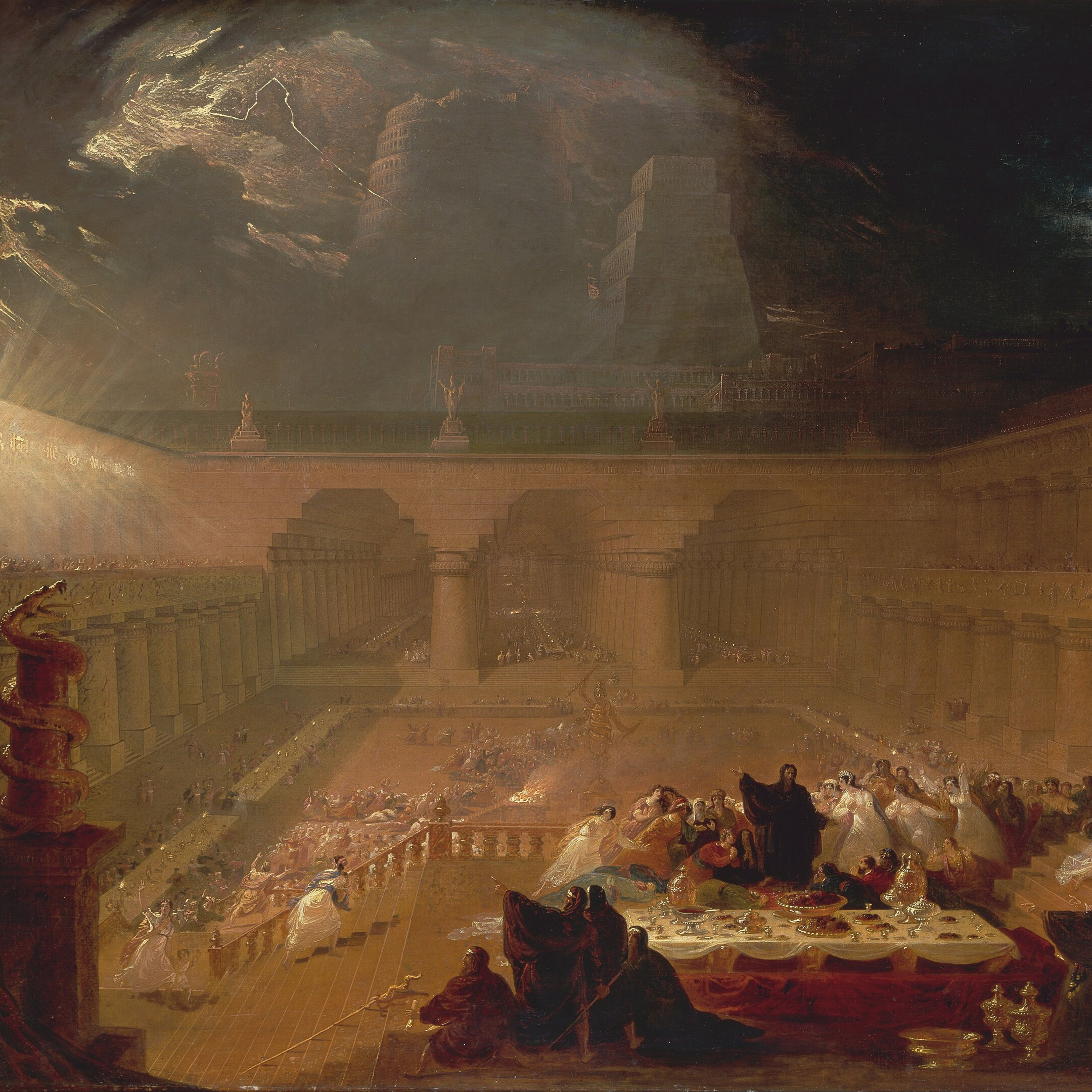
The Hebrews hand down some such story as this: that up until the seventieth year, on which Jeremiah had said that the captivity of the Jewish people would be released, Belshazzar had esteemed God’s promise to be of no effect; therefore he turned the failure of the promise into an occasion of joy and arranged a great banquet, scoffing somewhat at the expectation of the Jews and at the vessels of the temple of God. Punishment, however, immediately ensued. And as to the fact that the author calls Nebuchadnezzar the father of Belshazzar, he does not make any mistake in the eyes of those who are acquainted with the holy Scripture’s manner of speaking, for in the Scripture all progenitors and ancestors are called fathers. This factor also should be borne in mind, that he was not sober when he did these things, but rather when he was intoxicated and forgetful of the punishment that had come on his progenitor, Nebuchadnezzar—St Jerome
S1 Ep 231Day 231 - Isaiah 13, 21, 33-35
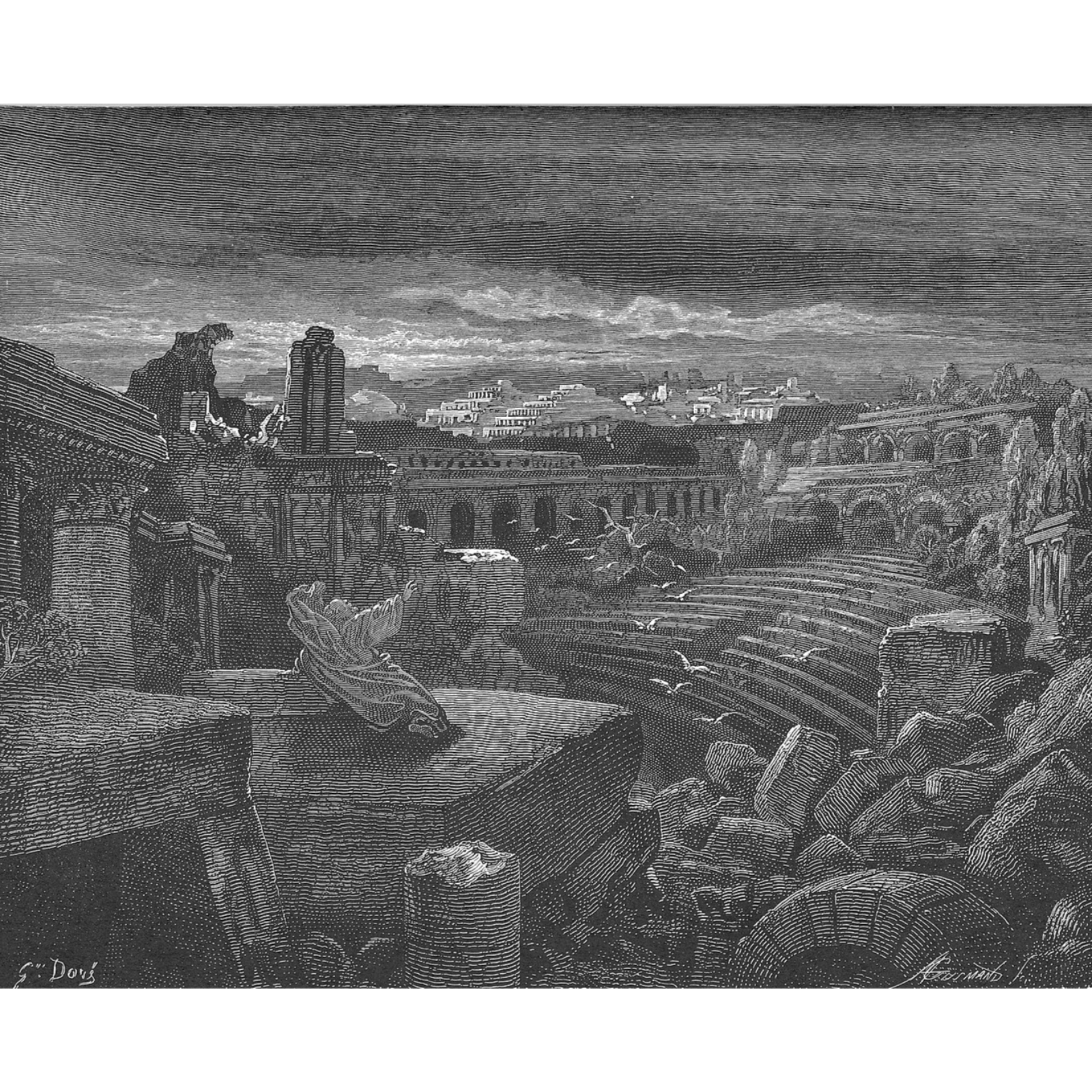
There are people who are even worse than wild donkeys, living in the wilderness and kicking. In fact, most of the young people among us are like this. They have wild desires and jump around, kicking and going around unbridled. They spend all their energy on unbecoming behavior. The fathers are to blame. While they hire horse breakers to discipline their horses and do not let the young colt stay untamed for long, they overlook their own young people. The youth are unbridled and have no self-control. They disgrace themselves through their sexual sins, through gambling and through going to the wicked theater—St John Chrysostom
S1 Ep 230Day 230 - Ezekiel 46-48
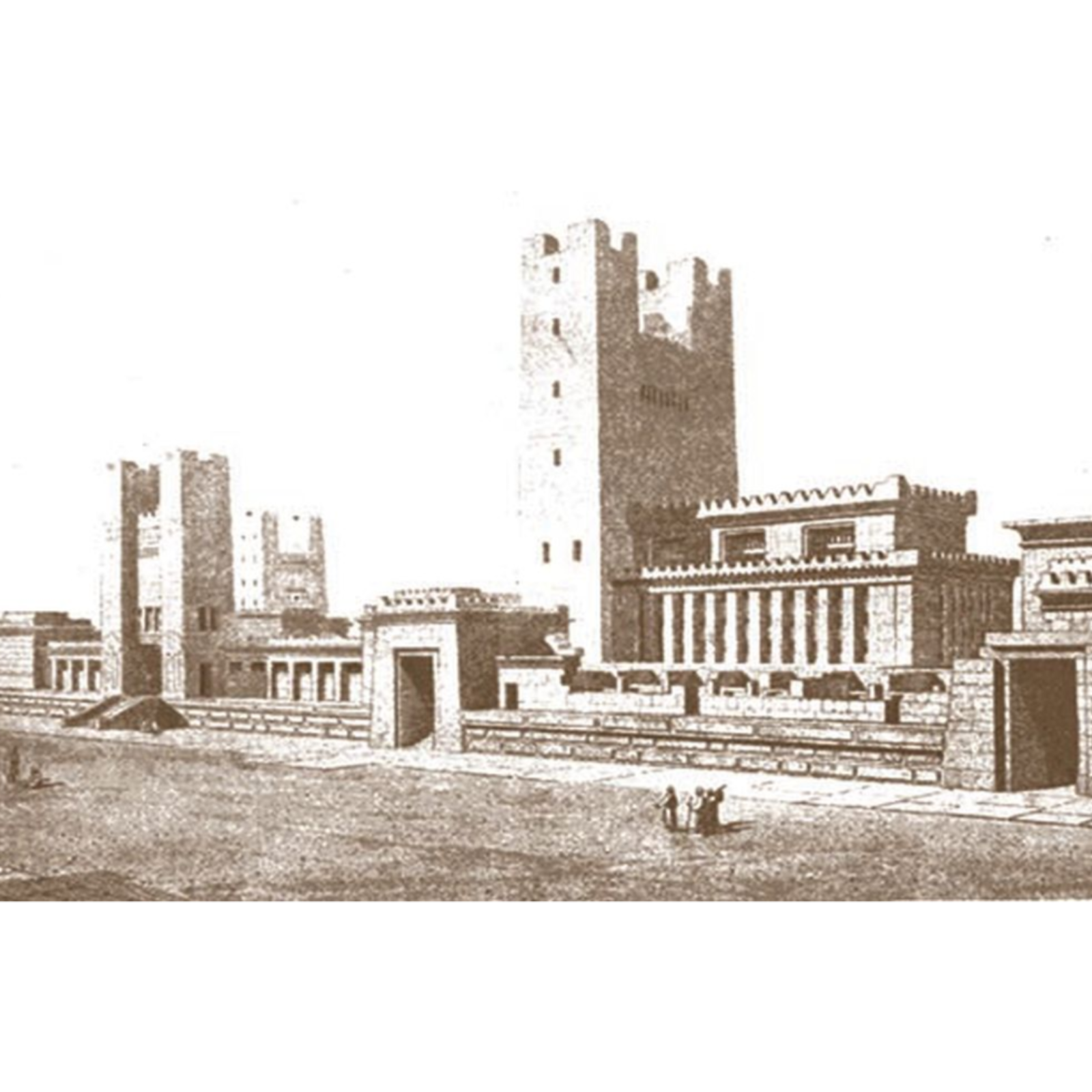
The waters that flow forth from the threshold of the temple refer to the teaching of the church.… We can understand water up to the ankles as meaning first the human sins that are forgiven us who enter the waters of the Lord; they show the saving grace of baptism and are the beginnings of our progress—St Jerome
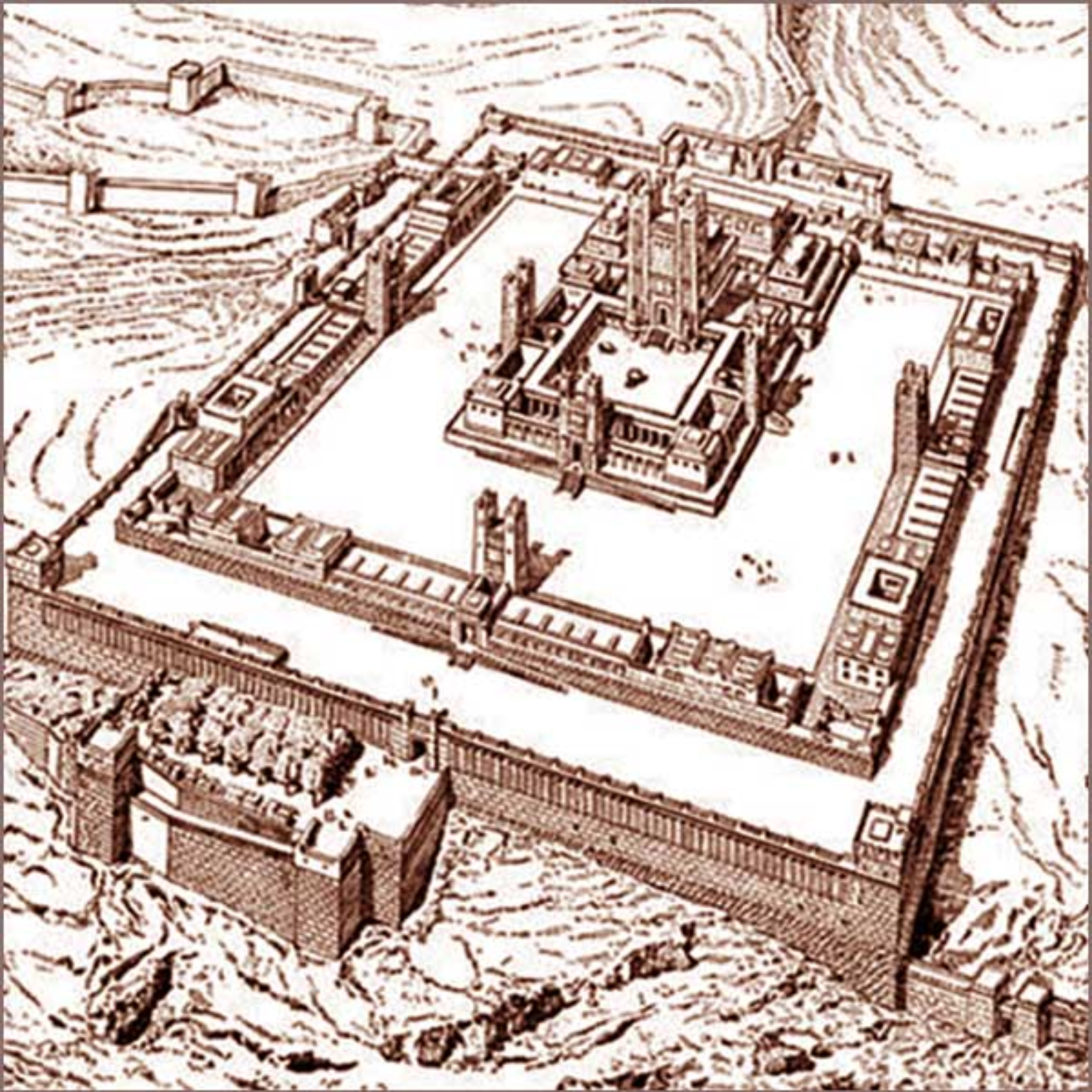
S1 Ep 229Day 229 - Ezekiel 43-45
For the house and the law of all the teachings of God and the city that is built on top of the mountain are to be believed from what is written; a city on a hill cannot be hid, and there is a river whose streams make glad the city of God, (Psa 46:4) which clearly refers to the church of God—St Jerome
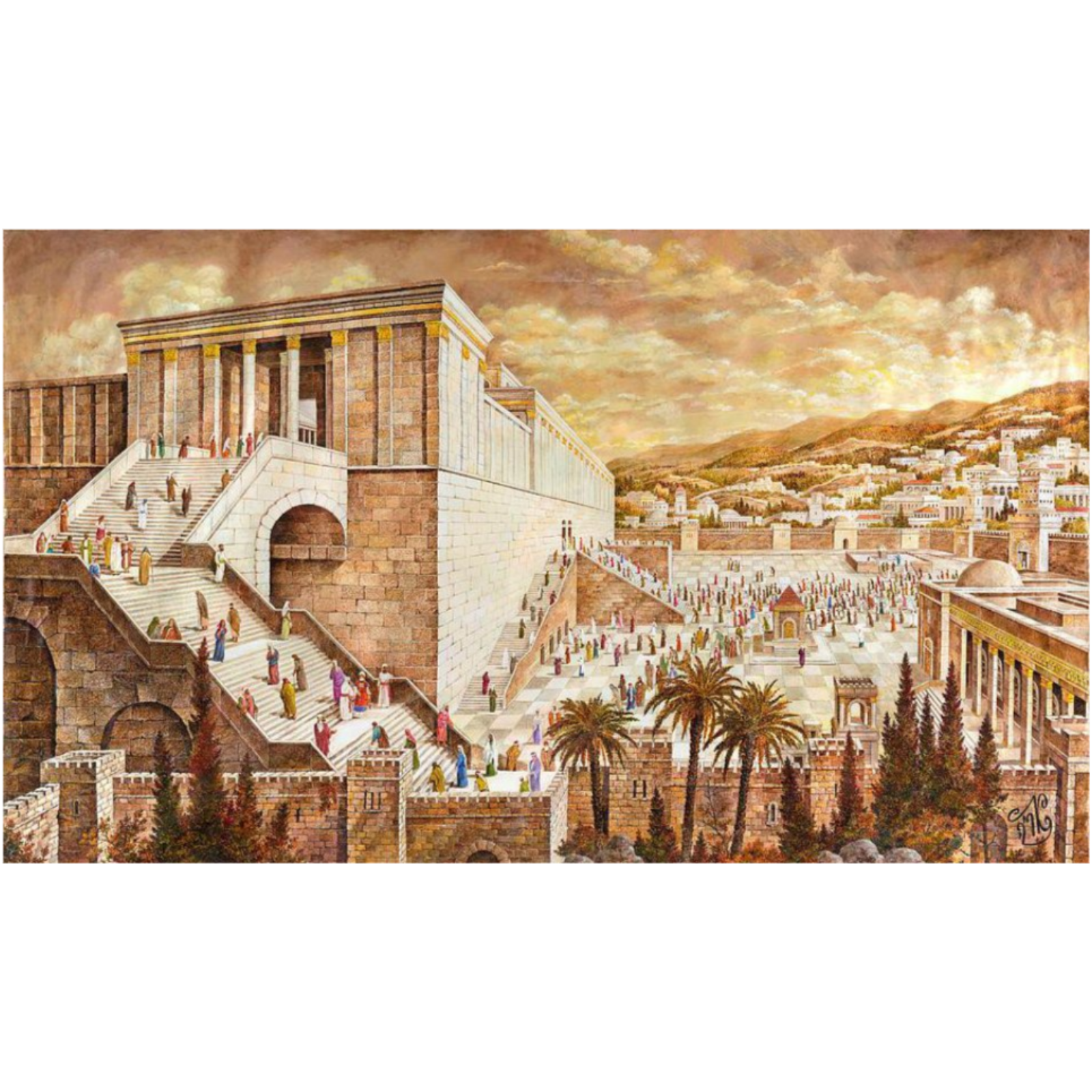
S1 Ep 228Day 228 - Ezekiel 40-42
The outer threshold of holy Scripture is history, and the inner is allegory. Scripture leads through history to allegory, as if we come from the threshold that is outside to that which is inside—St Gregory the Great
S1 Ep 227Day 227 - Ezekiel 38-39
That Gog is the Goth, whose coming forth we have already seen, and over whom victory in days to come is promised, according to the word of the Lord: And they shall spoil them, who had been their despoilers, and plunder them, who had carried off their goods for a prey, says the Lord. And it shall be in that day, that I will give to Gog — that is, to the Goths — a place that is famous, for Israel an high-heaped tomb of many men, of men who have made their way to the sea, and it shall reach round about, and close the mouth of the valley, and there [the house of Israel shall] overthrow Gog and all his multitude, and it shall be called the valley of the multitude of Gog: and the house of Israel shall overwhelm them, that the land may be cleansed—St Ambrose of Milan
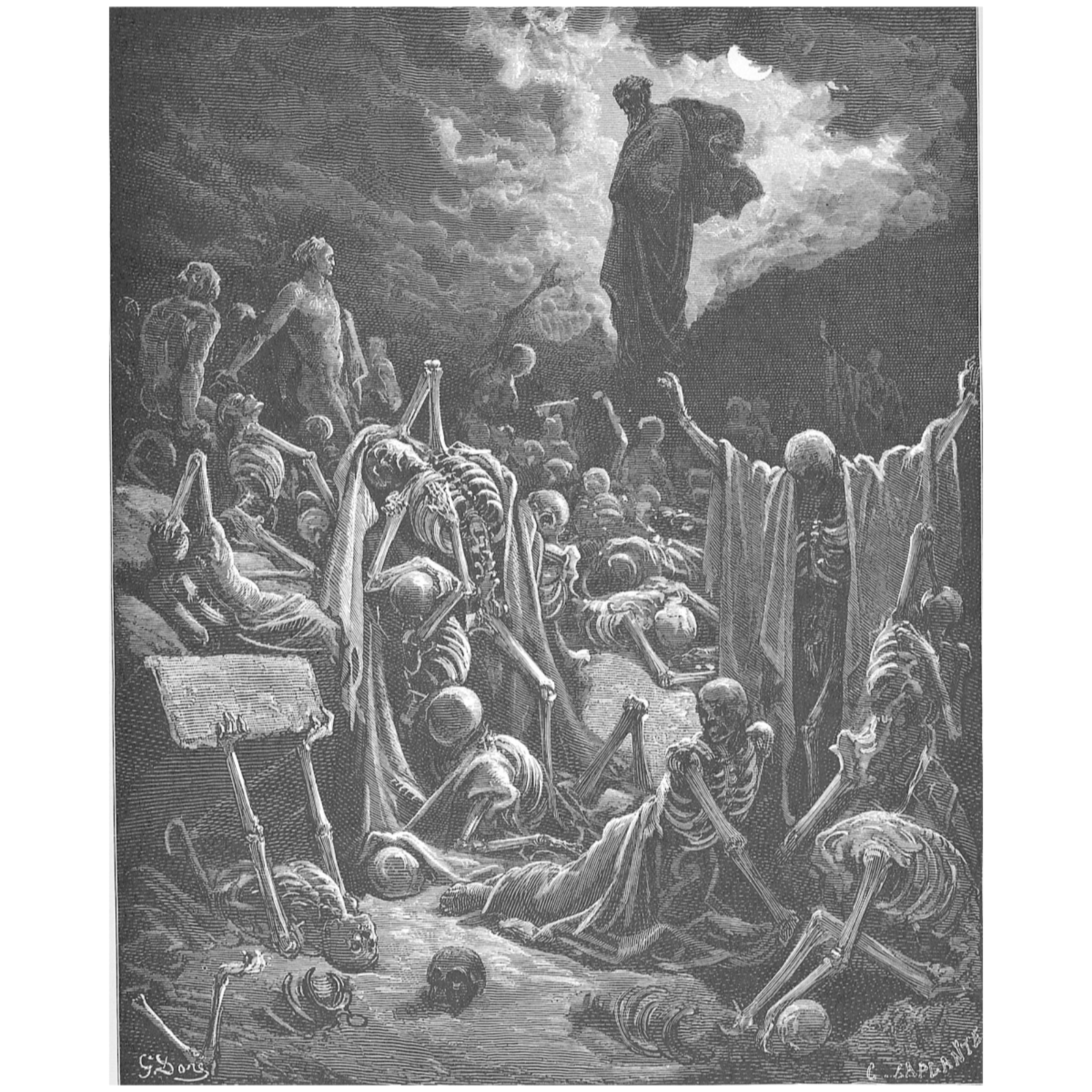
S1 Ep 226Day 226 - Ezekiel 35-37
In minute detail the holy prophet Ezekiel teaches and describes how strength will be restored to our dry bones, feeling return and motion added; how, with the return of sinews, the whole structure of the human body will grow strong, and how the driest bones will be clothed with restored flesh and the openings of the veins and the streams of the blood will be concealed by a veil of skin drawn tautly over them. At the very words of the prophet, as we read, the crop of human bodies seems to rise up again to life, and one may see the wide expanses of the fields sprouting with a novel kind of growth—St Ambrose of Milan
S1 Ep 225Day 225 - Psalm 137, Obadiah
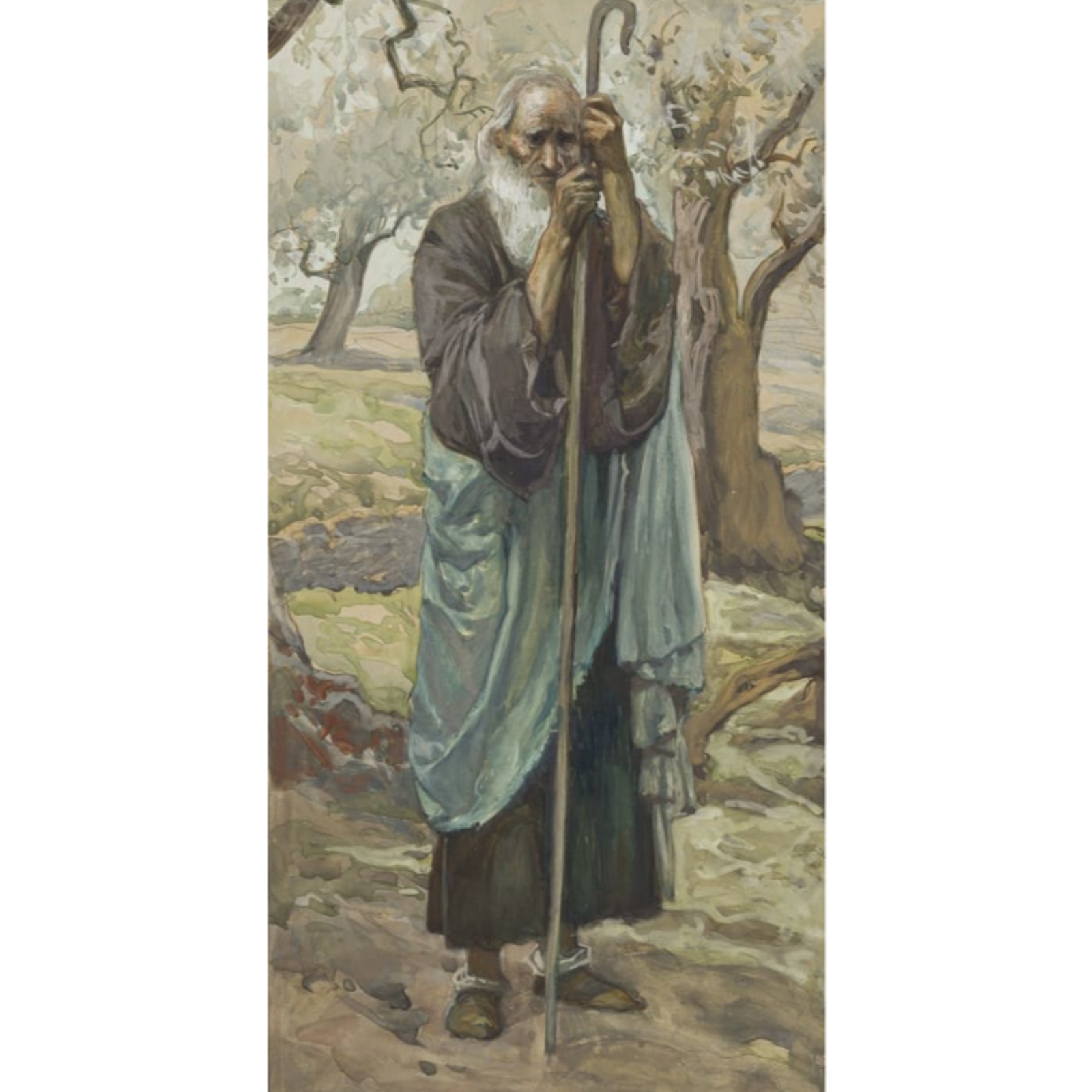
These words “as you have drunk” indicate, I think, that the victors insolently gloried in victory. They had a festive celebration where they got drunk with their friends, boasting in praise of their part in the victory while they got drunk. And while they were drinking and singing songs and causing all manner of damage at this party, they got drunk and began to insult the other nations. “And they will descend against you,” that is, the neighboring regions will attack these parties. And so, you will want to be in a place where they are not; otherwise you too will be wiped out of existence. Mount Zion, however, by divine inspiration is called the church. For it is truly the highest and most visible, the foremost holy place. It is the house and city of the most holy God—St Cyril of Alexandria
S1 Ep 224Day 224 - Ezekiel 25-28, 32
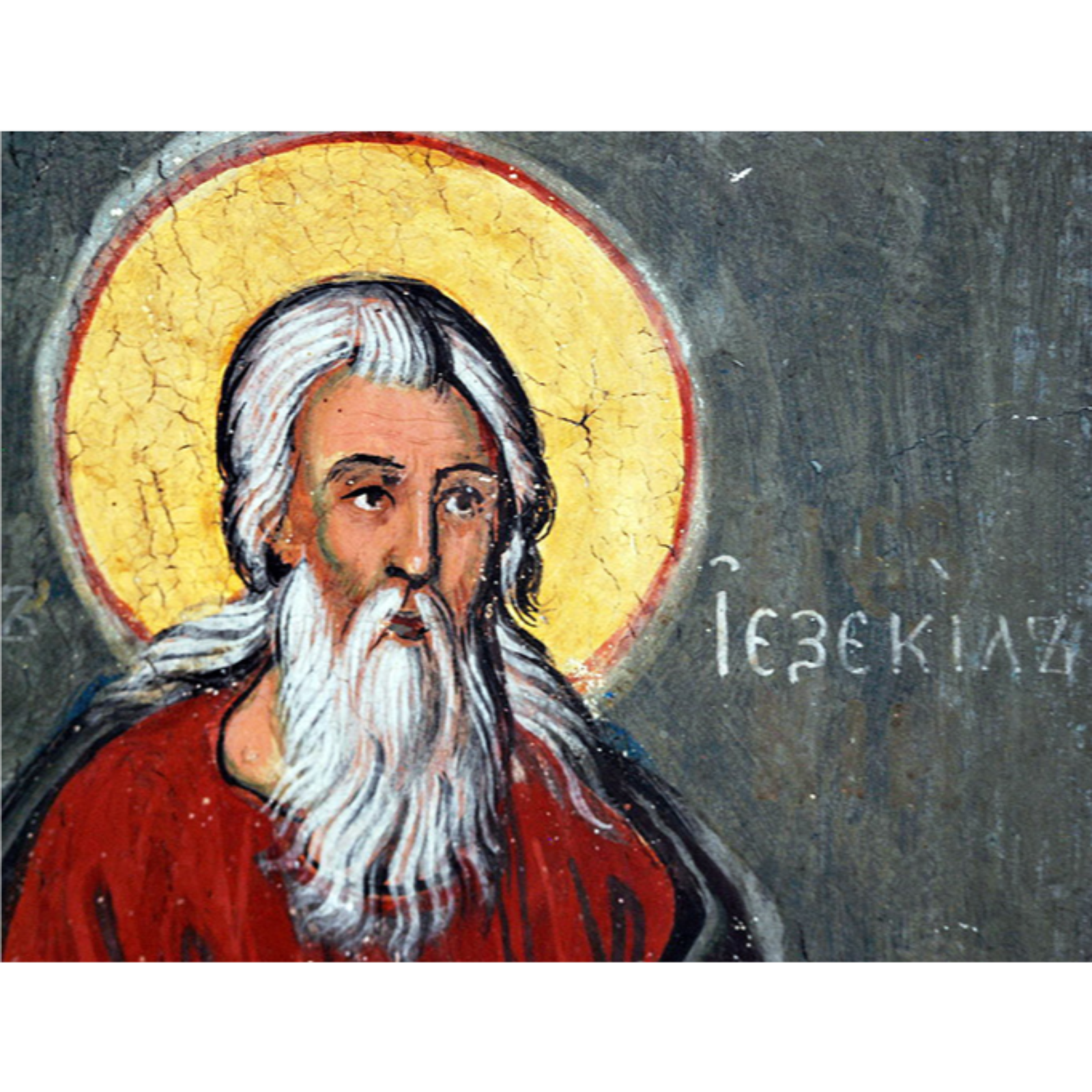
It follows that the serpent in paradise was certainly not brought into being without the will of God. In the figure of the serpent we see the devil. That the devil existed even in paradise we are informed by the prophet Ezekiel, who in discussing the prince of Tyre says, “You are in Eden, the garden of God.” The prince of Tyre stands for the devil. Shall we, therefore, accuse God because we cannot comprehend the treasures—with the exception of those that he has deigned to reveal—of his majesty and wisdom that lie hidden and concealed in Christ? Yet he did reveal to us the fact that the wickedness of the devil is fruitful for humanity’s salvation. This would not be the devil’s intention, but the Lord makes the wickedness of him who stands in opposition to us contribute something to our salvation. The wickedness of the devil has caused the virtue and patience of one holy man to shine in a clearer light—St Ambrose of Milan
S1 Ep 223Day 223 - Ezekiel 19, 33
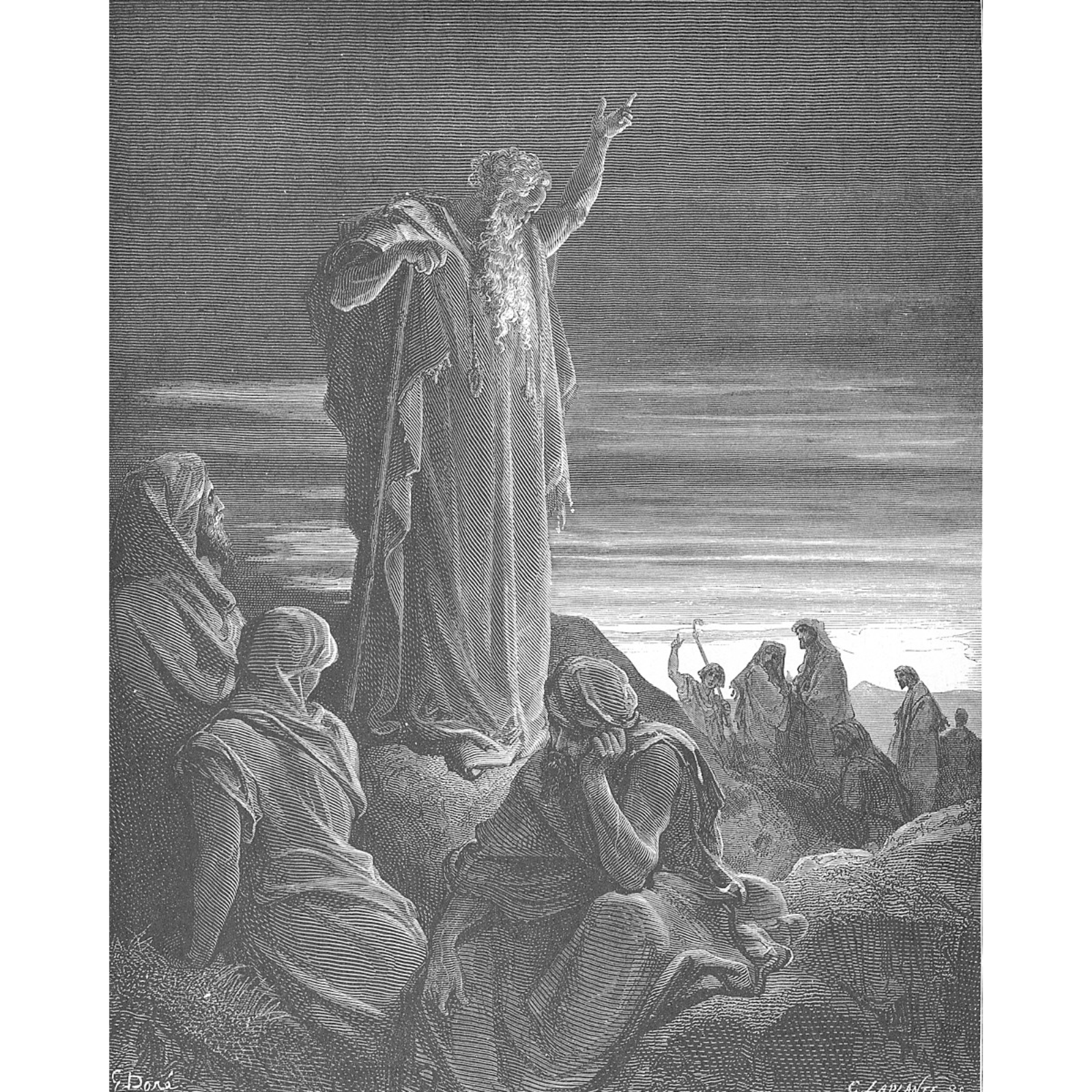
In the lives of Christians we look not to the beginnings but to the endings. Paul began badly but ended well. The start of Judas wins praise; his end is condemned because of his treachery—St Jerome
S1 Ep 222Day 222 - Ezekiel 12, Psalm 89
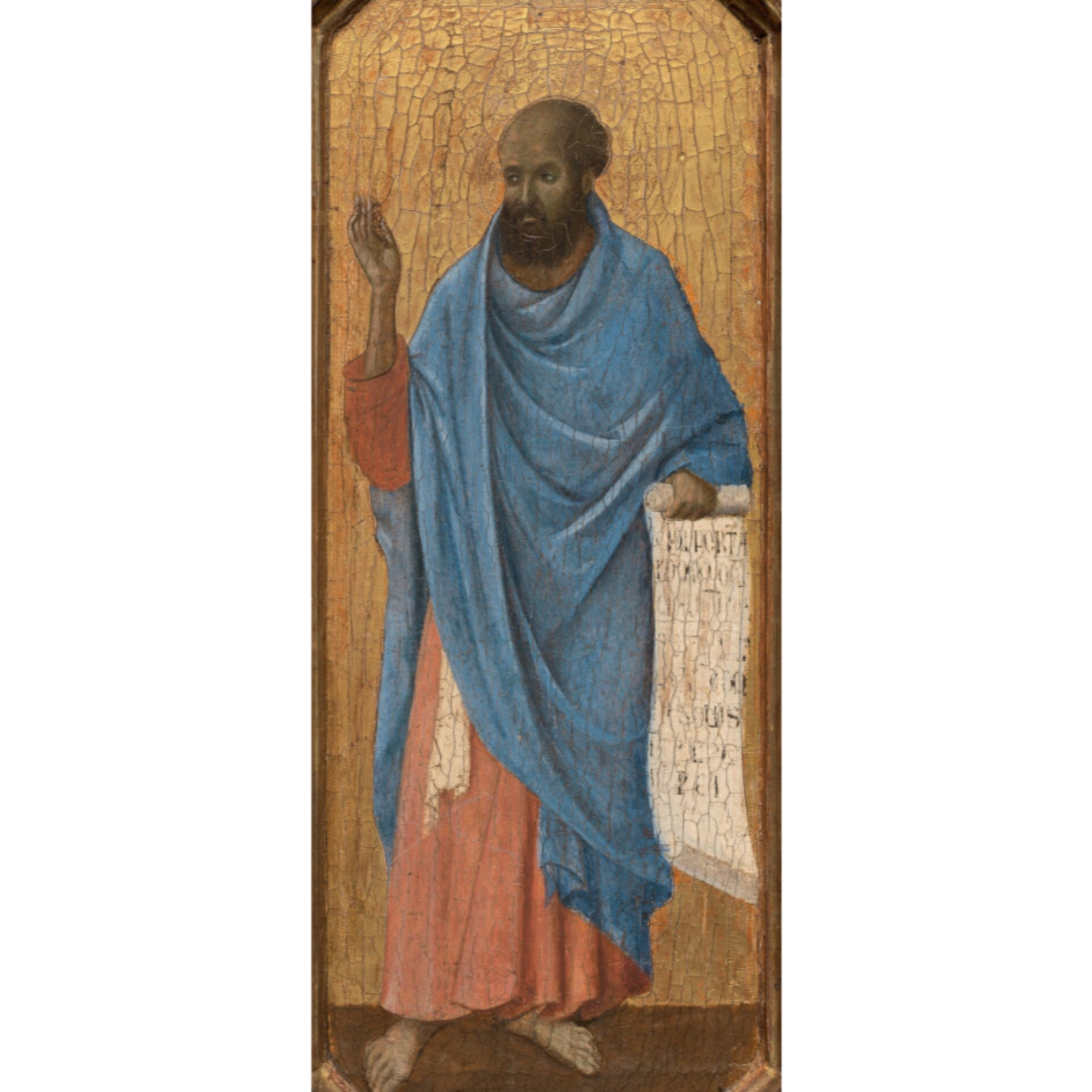
O such strictness toward the righteous! O such abundant forgiveness toward the sinner! He finds so many different means, without himself changing, to keep the righteous in check and forgive the sinner, by usefully dividing his rich goodness. And listen how. If he frightens the sinner who persists in sins, he brings him to desperation and to the exhaustion of hope. If he blesses the righteous, he weakens the intensity of his virtue and makes him neglect his zeal, since he considers himself already blessed. For this reason he is merciful to the sinner and frightens the righteous. “For he is terrible to all who surround him.” And, “The Lord is good to the whole world.” [Psa 145:9(144:9 LXX).] “He is terrible,” David says, “to all who surround him.” And who are they but the saints? “For God,” David says, “who is glorified in the council of the saints, [is] great and terrible to all who surround him.” If he sees someone who has fallen, he extends a loving hand. If he sees someone standing, he brings fear on him. And this reveals righteousness and righteous judgment. He establishes the righteous one with fear, and he raises up the sinner with benevolence—St John Chrysostom
S1 Ep 221Day 221 - Jeremiah 43-44
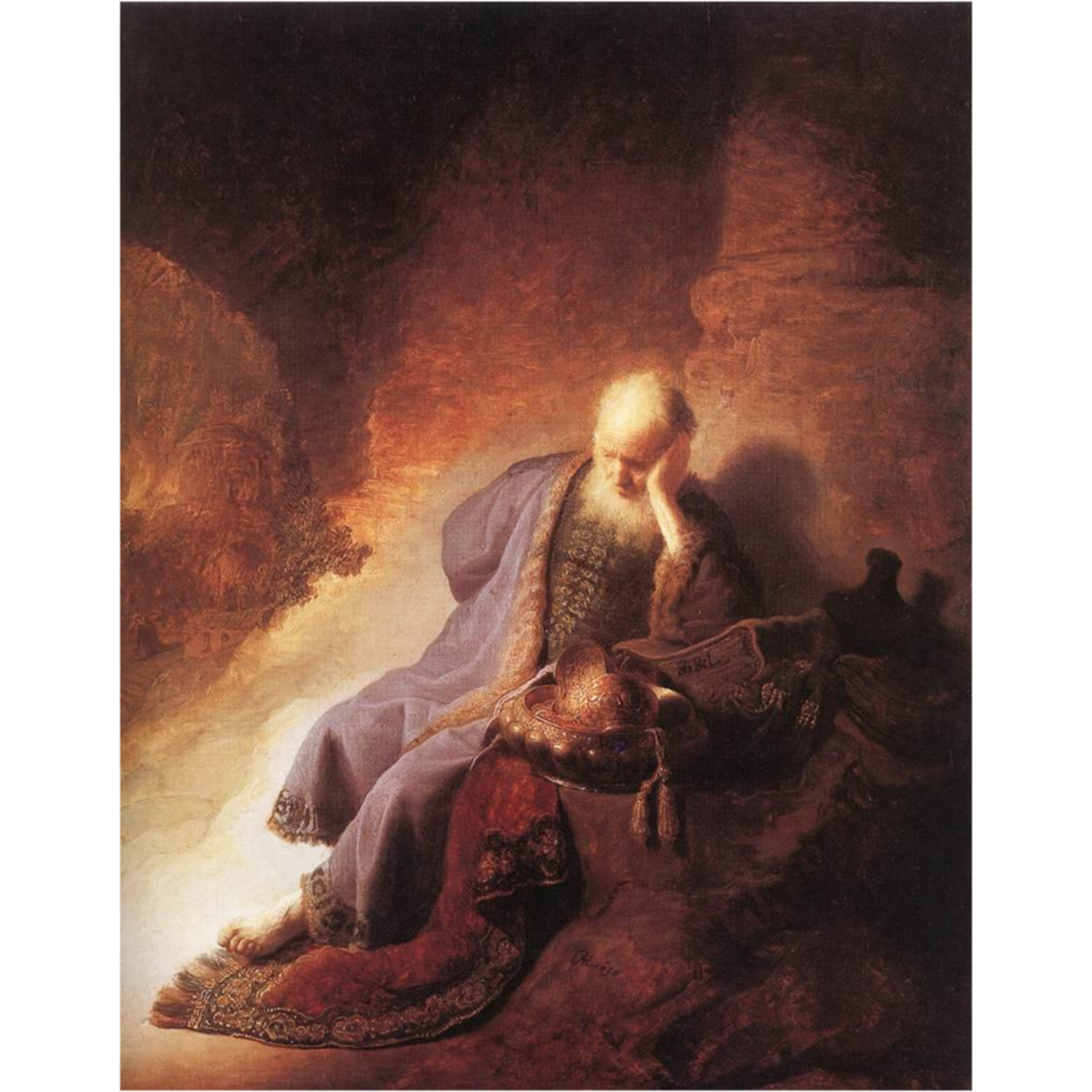
“He shall break the obelisks of the city of the sun, which is in Egypt, and the temples of the gods of the Egyptians he shall burn with fire.” The city of the sun is Egyptian Heliopolis, which was known for excessive demonic veneration and worship of futile idols. It had tall obelisks of amazing size. The height of each was up to sixty cubits, the capitals on the top of the obelisks were from shining brass that weighed up to a thousand or more pounds. On these obelisks were standing images and likenesses of people and animals that the Gentiles were worshiping. Also, those obelisks were inscribed with sacred writings of pagan mysteries. It was written about these obelisks that the Lord would break them. It does not speak so much about divine destruction and demolition of these obelisks as such, as about the destruction of the worship of demons and idols, images of those who were engraved on those obelisks. It was demolished, destroyed and stopped when the Lord Christ was incarnated and came to this world. This is exactly what Isaiah proclaimed when he said, “The Lord is seated on the light cloud and comes to Egypt, and handmade Egyptian idols will tremble in front of his face.” [Isa 19:1.] The cloud on which the Lord is riding symbolizes for us the virgin Mary, who gave birth to God; it also symbolizes the living and clear message of the Lord’s gospel and the holy name of Christ that was proclaimed by the apostles (these divine preachers). On them, as on the light cloud, the Lord was seated and was proclaimed to the ends of the earth. Also, these clouds mystically symbolize holy prophets. Just as Isaiah writes that God, in a figurative image of the vineyard, was talking about the people of Israel and that he would break their fence and “order the clouds that they rain no rain on it,” [Isa 5:6.] so likewise in this passage clouds mean prophets who rain a heavenly rain on us—Mari Ephrem the Syrian
S1 Ep 220Day 220 - Jeremiah 40-42
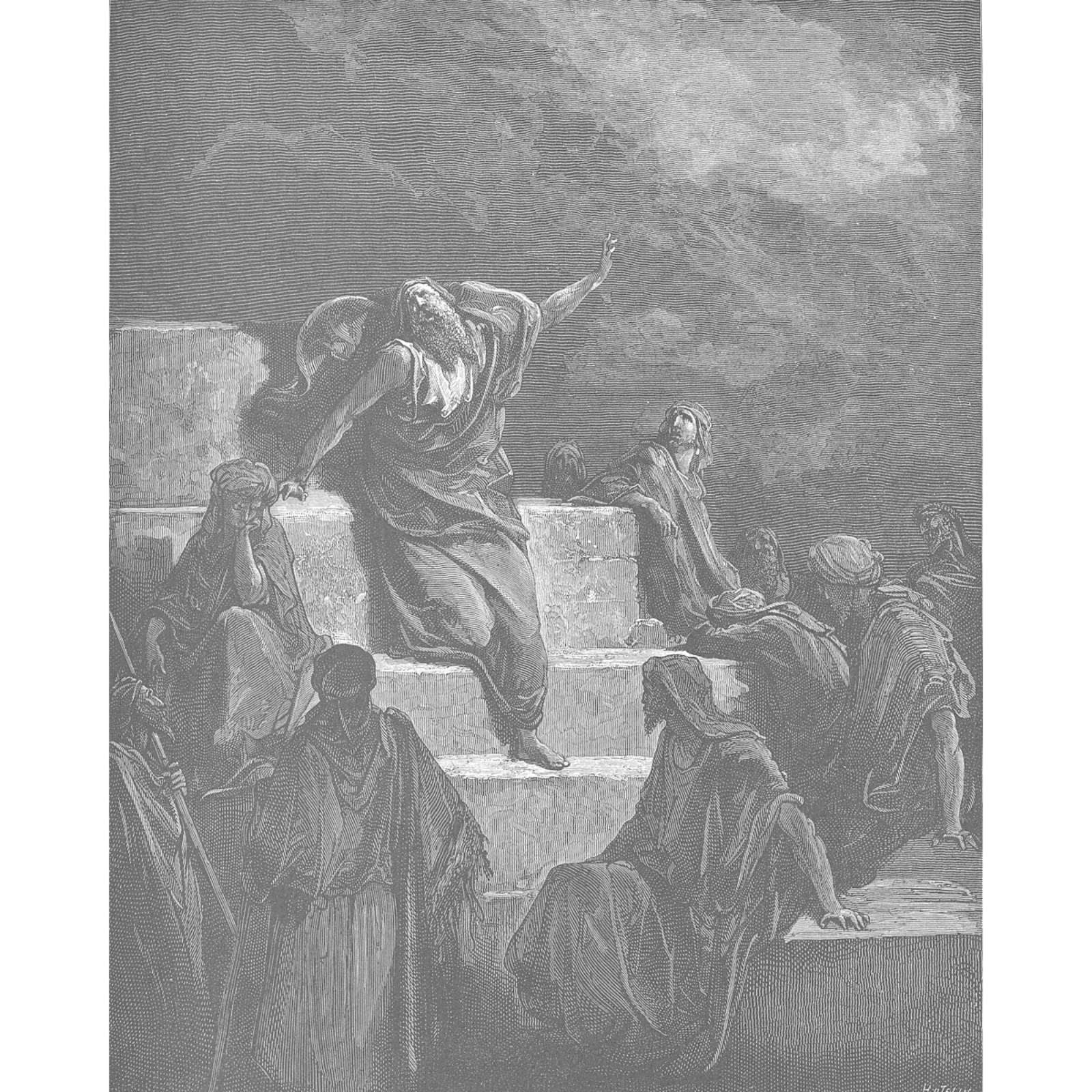
Jeremiah, who was [Jer 1:5.]sanctified in the womb and was known in his mother’s belly, enjoyed the high privilege because he was predestined to the blessing of virginity. And when all were captured and even the vessels of the temple were plundered by the king of Babylon, he alone was [Jer 39:11; Jer 40:1.] liberated by the enemy, did not know the insults of captivity and was supported by the conquerors; and Nebuchadnezzar, though he gave Nebuzaradan no charge concerning the Holy of Holies, did give him charge concerning Jeremiah. For that is the true temple of God and that is the Holy of Holies, which is consecrated to the Lord by pure virginity—St Jerome
S1 Ep 219Day 219 - Lamentations 3-5
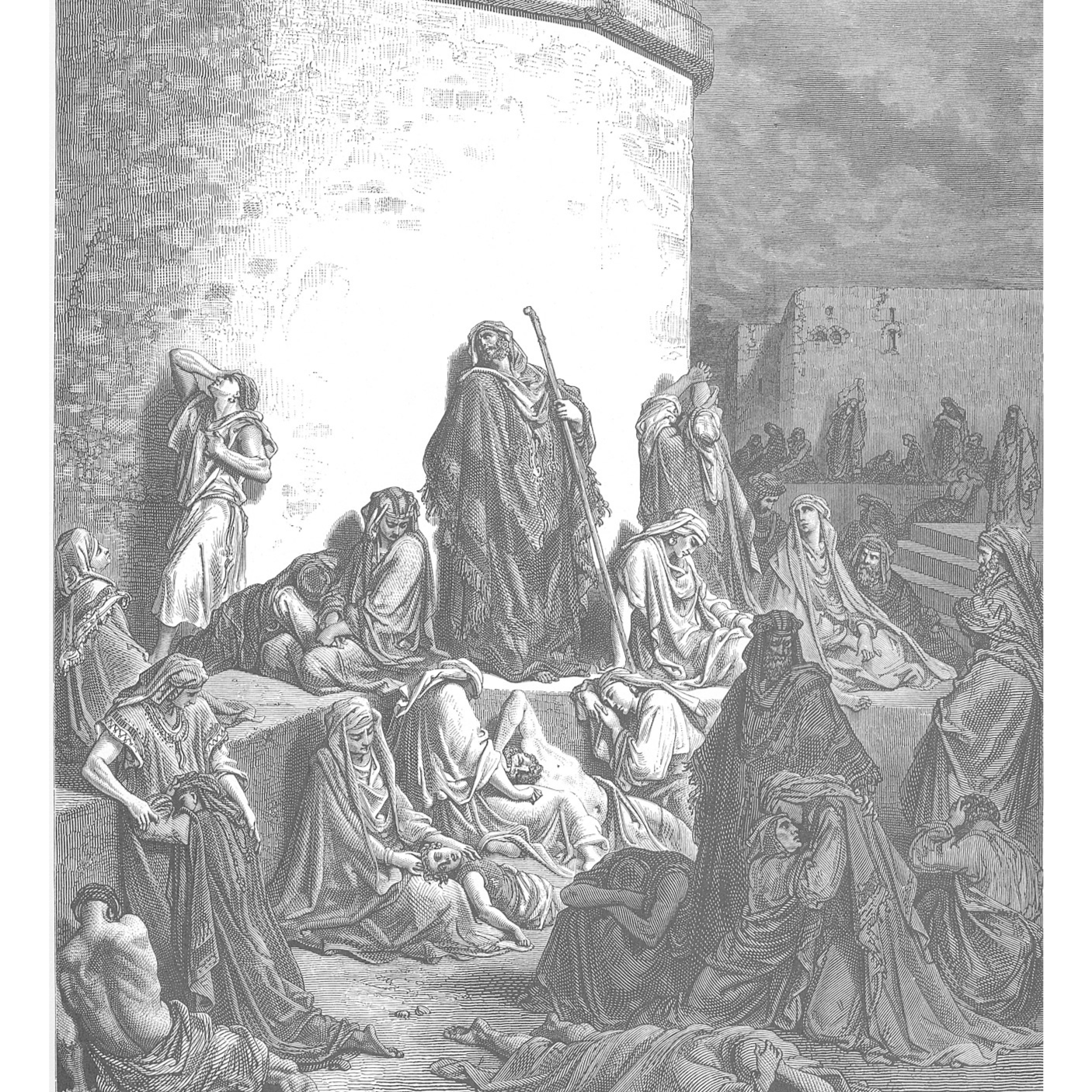
Celsus then extracts from the gospel the precept, “To him who strikes you once, you shall offer yourself to be struck again,” although without giving any passage from the Old Testament that he considers opposed to it. On the one hand, we know that “it was said to them in old time, An eye for an eye, and a tooth for a tooth,” [Exo 21:24.] and on the other, we have read, “I say to you, Whoever shall strike you on the one cheek, turn to him the other also.” [Mat 5:39.] But as there is reason to believe that Celsus produces the objections that he has heard from those who wish to make a difference between the God of the gospel and the God of the law, we must say in reply, that this precept, “Whoever shall strike you on the one cheek, turn to him the other,” is not unknown in the older Scriptures. For thus, in the Lamentations of Jeremiah, it is said, “It is good for a person that he bear the yoke in his youth: he sits alone and keeps silence, because he has borne it on him. He gives his cheek to him that strikes him; he is filled full with reproach.” There is no discrepancy, then, between the God of the gospel and the God of the law, even when we take literally the precept regarding the blow on the face. So, then, we infer that neither “Jesus nor Moses has taught falsely.” The Father in sending Jesus did not “forget the commands that he had given to Moses”: he did not “change his mind, condemn his own laws and send by his messenger counter instructions.”—Origen
S1 Ep 218Day 218 - Lamentations 1-2
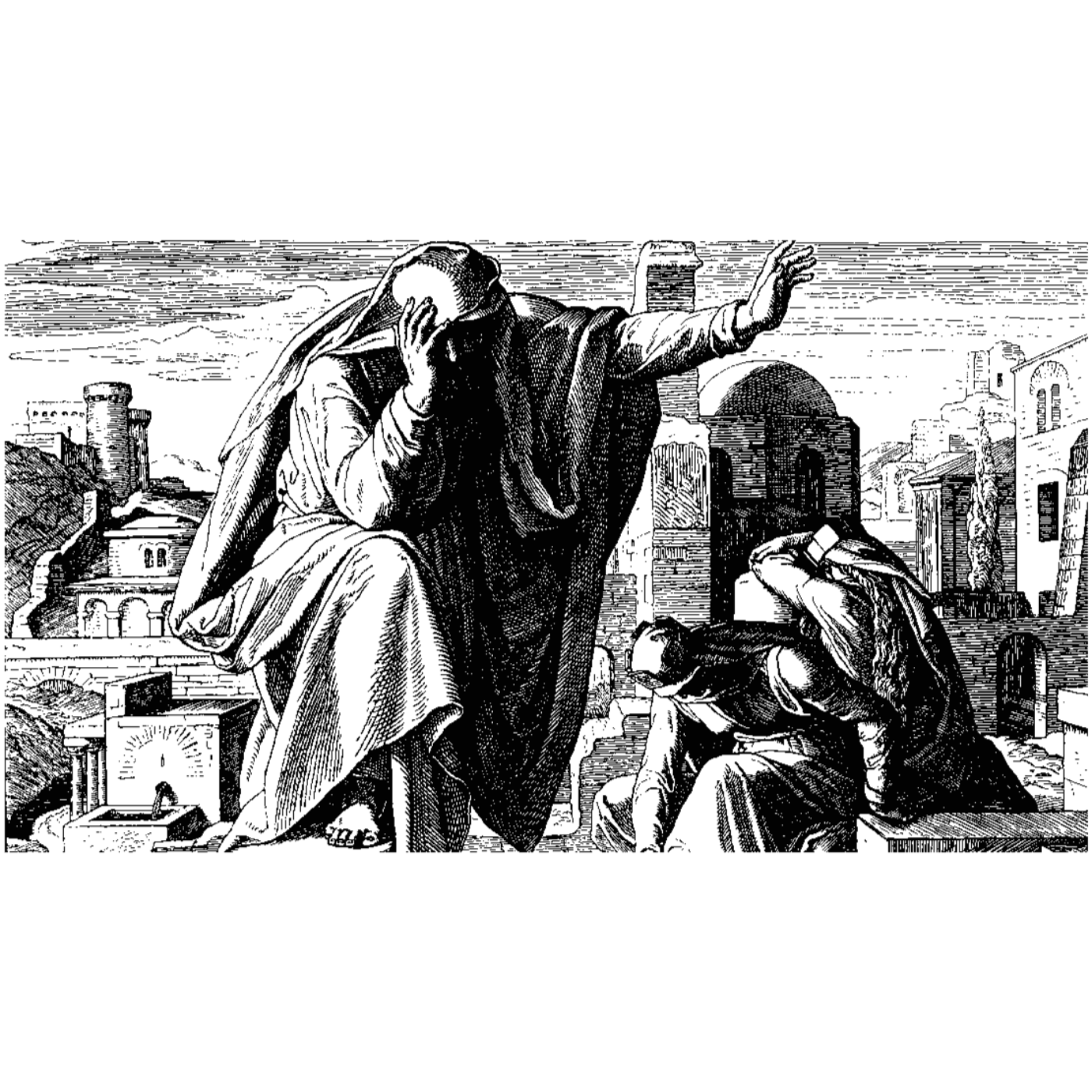
Think how great that weeping must be that deserves to be compared with a flood of waters. Whoever so weeps and says with the prophet Jeremiah, “let not the apple of my eye cease,” shall straightway find the words fulfilled of him: “mercy and truth are met together; righteousness and peace have kissed each other.” [Psa 85:10.] If righteousness and truth terrify him, mercy and peace may encourage him to seek salvation—St Jerome
S1 Ep 217Day 217 - Jeremiah 39, 52, 2 Kings 25
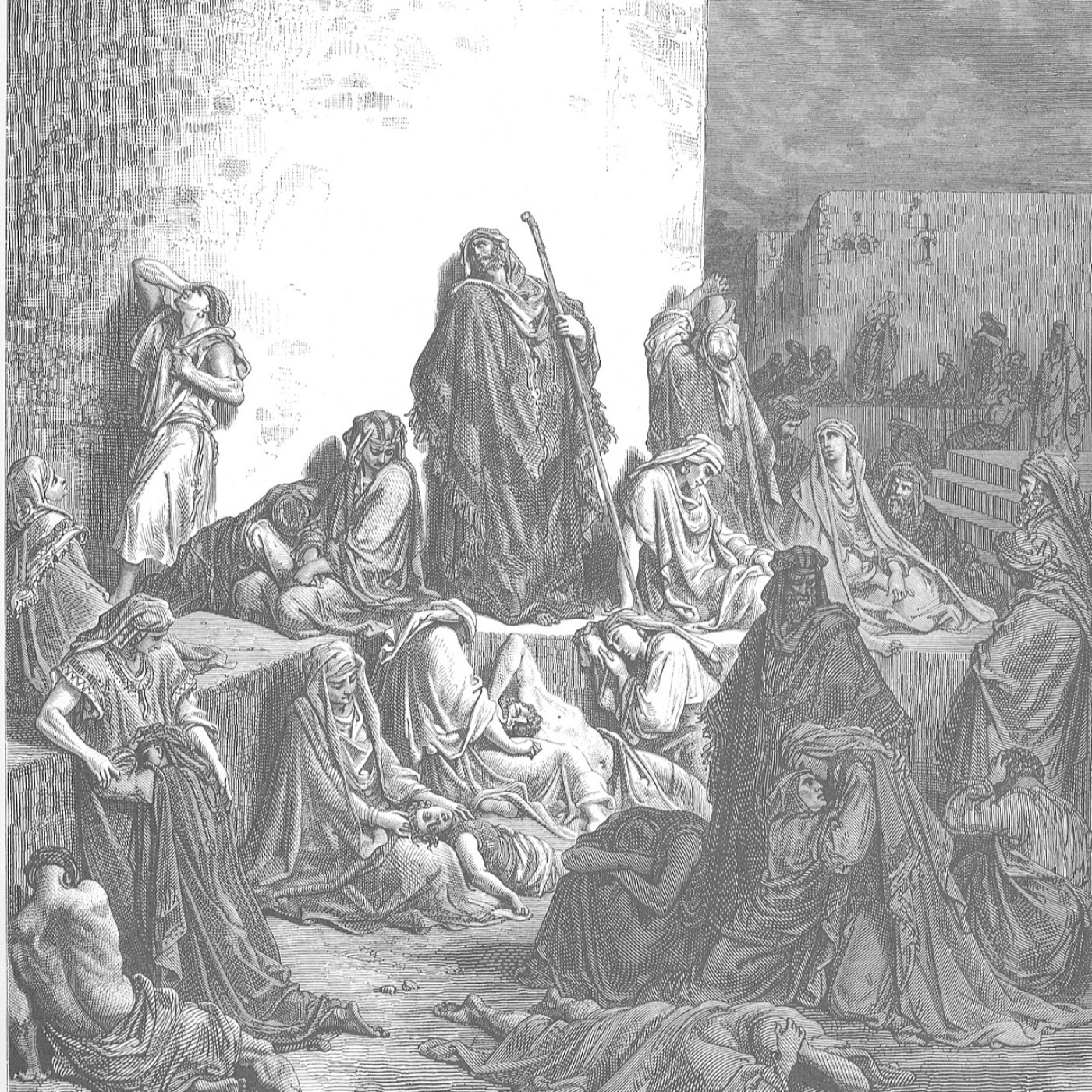
In the twelfth year of king Zedekiah, seventy years before the dominance of the Persians, Nebuchadnezzar campaigned against the Phoenicians and Jews, as Berossus says in his “Researches on the Chaldeans.” [Berossus was a Babylonian priest of Bel, who wrote a history of his country in Greek in the early Alexandrian age (around 290 b.c.).] Juba, [King of Mauretania and learned historian (c. 50 b.c.-a.d. 23).] writing “On the Assyrians,” admits that he took his account from Berossus, testifying to its accuracy. Nebuchadnezzar blinded Zedekiah and removed him to Babylon, deporting the whole people except a few who escaped to Egypt. The captivity lasted for seventy years. Jeremiah and Habakkuk continued to prophesy under Zedekiah, and in the fifth year of his reign Ezekiel was prophesying in Babylon. After him came the prophet Nahum, then Daniel, and again after him, Haggai and Zechariah prophesied for two years under Darius I, and after him, one of the twelve, the Herald. [Malachi.]—St Clement of Alexandria
S1 Ep 216Day 216 - Ezekiel 29-31
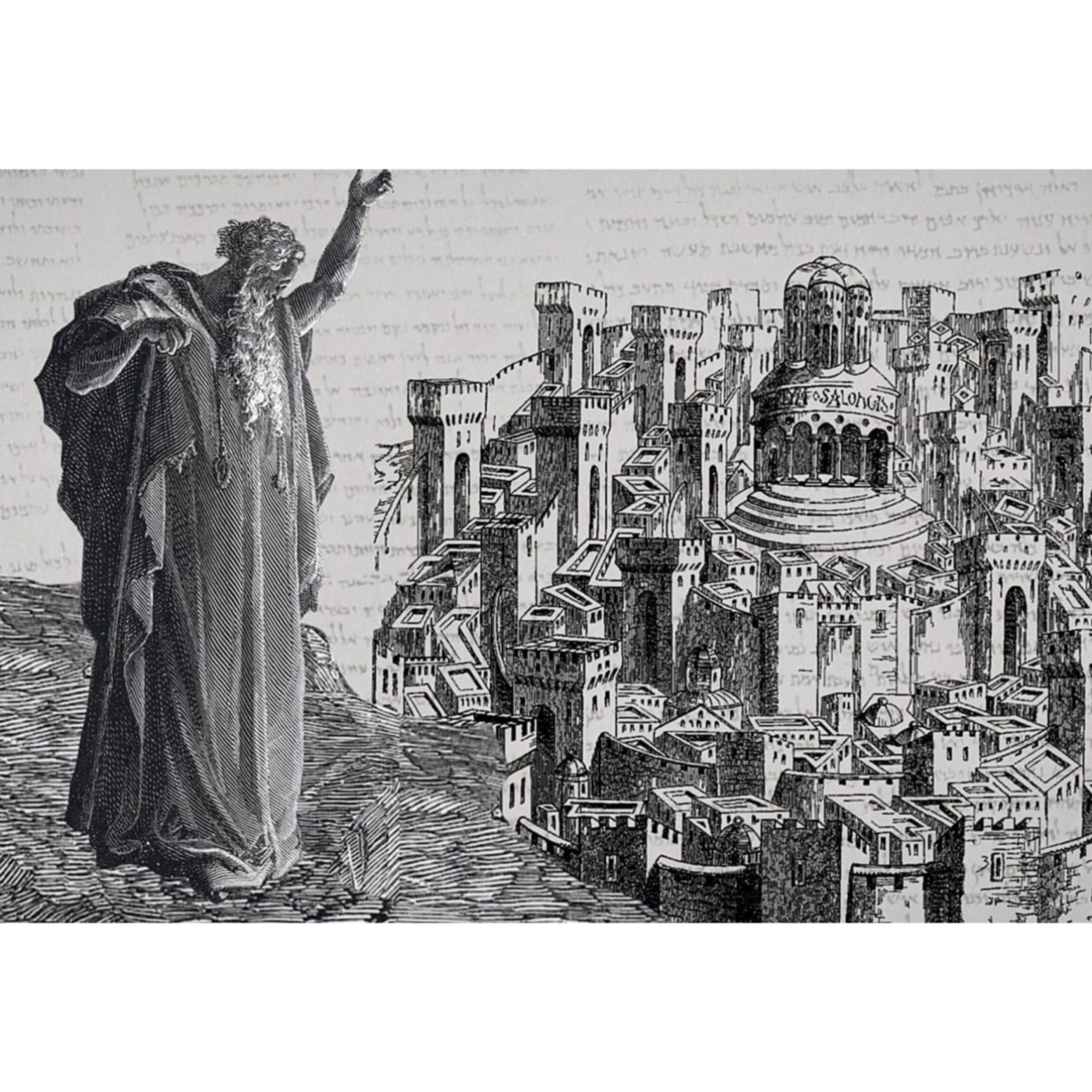
Now we have to consider the mere ornaments and trappings of office. Each has its proper dress for daily and for ceremonial use. In Egypt and Babylon, the purple robe and gold necklaces were marks of rank, just as provincial priests have their golden wreaths and their robes of state … But there was a difference in the obligation. They were conferred on men who earned the king‘s friendship, simply as a mark of honor … Purple as such, then, was not yet a mark of high office among the barbarians, but of free birth. Joseph, who had been a slave, and Daniel, who had changed his status by captivity, attained citizenship of Egypt or Babylon by means of the garments that indicated free birth among the barbarians—Tertullian