Bible in a Year with Fr Paul
365 episodes — Page 2 of 8
S2 Ep 315Day 315 - Matthew 23, Mark 13, Luke 21
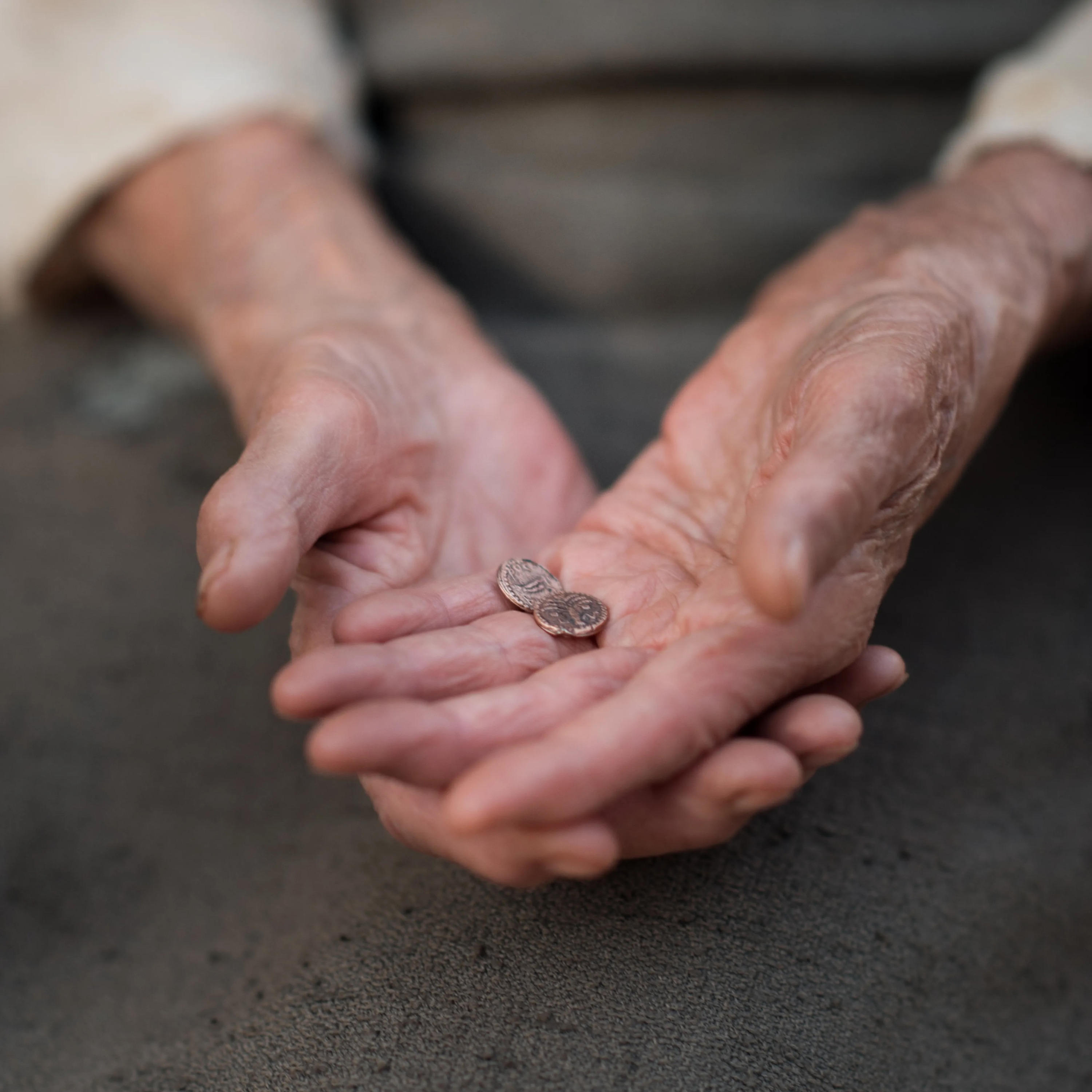
You that are rich cannot do good works in the church, because your eyes, saturated with blackness and covered with the shadows of night, do not see the needy and the poor. Do you, rich and wealthy, think that you celebrate the Lord’s feast? You do not at all consider the offering. You come to the Lord’s feast without a sacrificial offering and take a part of the sacrifice that the poor offered. Look in the Gospel at the widow mindful of the heavenly commandments, doing good in the very middle of the pressures and hardships of poverty. She throws two mites that were her only possessions into the treasury.… She was a greatly blessed and glorious woman, who even before the judgment day merited to be praised by the voice of the Judge. Let the rich be ashamed of their sterility and their misfortunes. A poor widow is found with an offering. Although all things that are given are given to orphans and widows, she who should receive gives that we may know what punishment awaits the rich person. By this teaching, even the poor should do good. We should understand that these works are given to God and that whoever does these deserves well of God. Christ therefore calls these “gifts of God” and points out that the widow has placed two mites among the gifts of God, that it can be more apparent that he who pities the poor lends to God—Cyprian of Carthage
S2 Ep 314Day 314 - Mark 12
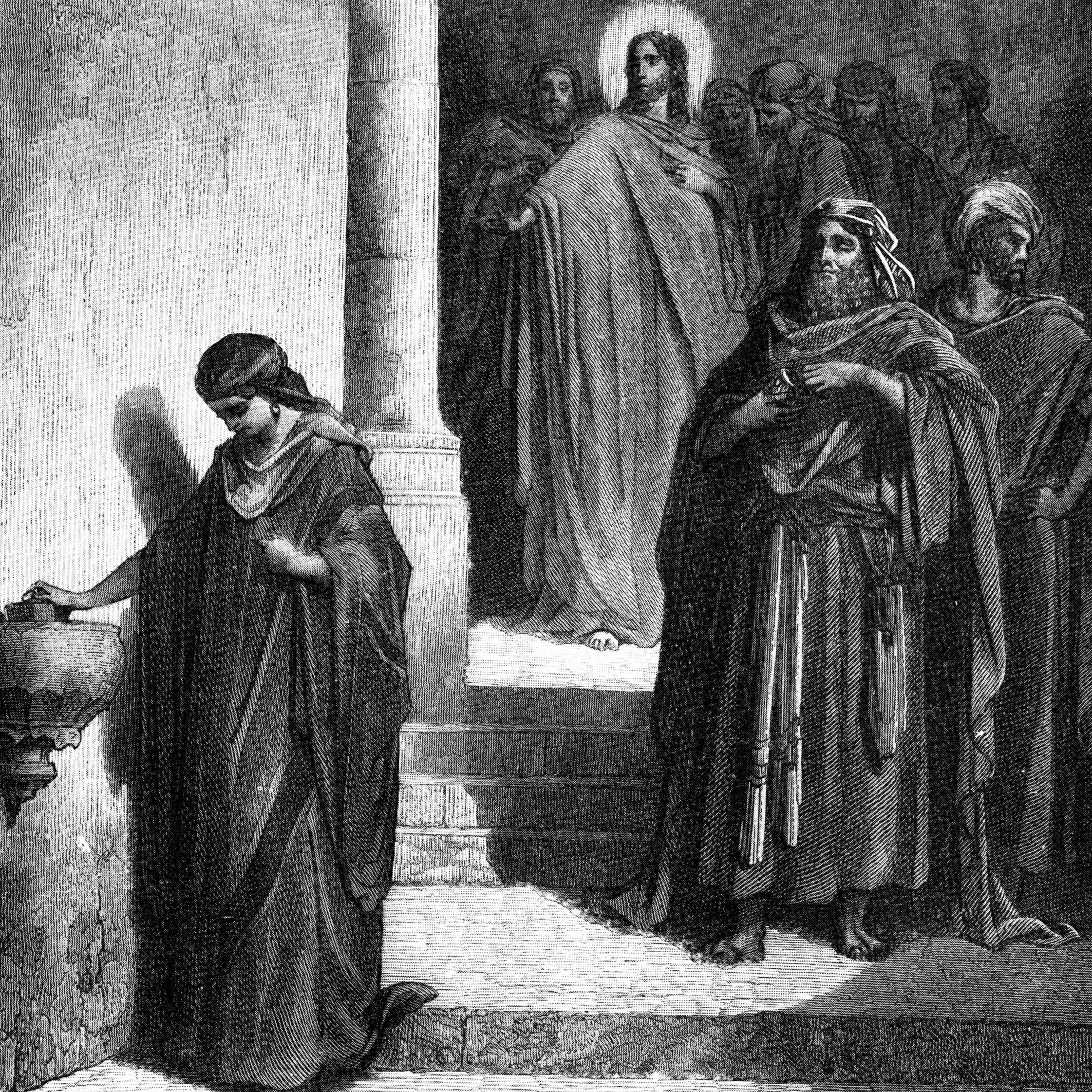
Do not despair. One cannot buy heavenly things with money.… If money could purchase such things, then the woman who deposited the two small copper coins would have received nothing very large. But since it was not money but rather her intention that prevailed, that woman received everything because she demonstrated firm conviction. Therefore, let us not say that the kingdom may be bought with money. It is not bought with money, but rather with an unsullied intention that may demonstrate itself by means of money. Therefore, one answers, is there no need for money? There is no need for money, but for a Christian disposition. If you have this, you will even be able to buy heaven with two small copper coins. Without this disposition, one will not be able to do with ten thousand talents of gold the very thing that the two coins can do. Why? Because whenever you have many things and deposit a lesser amount, you have given alms, but not the same kind of alms that the widow gave. For you were not depositing it with the same kind of eagerness that she did. For she robbed herself of everything, or rather did not rob but gave to herself a free gift—St John Chrysostom
S2 Ep 313Day 313 - Luke 20, Matthew 22
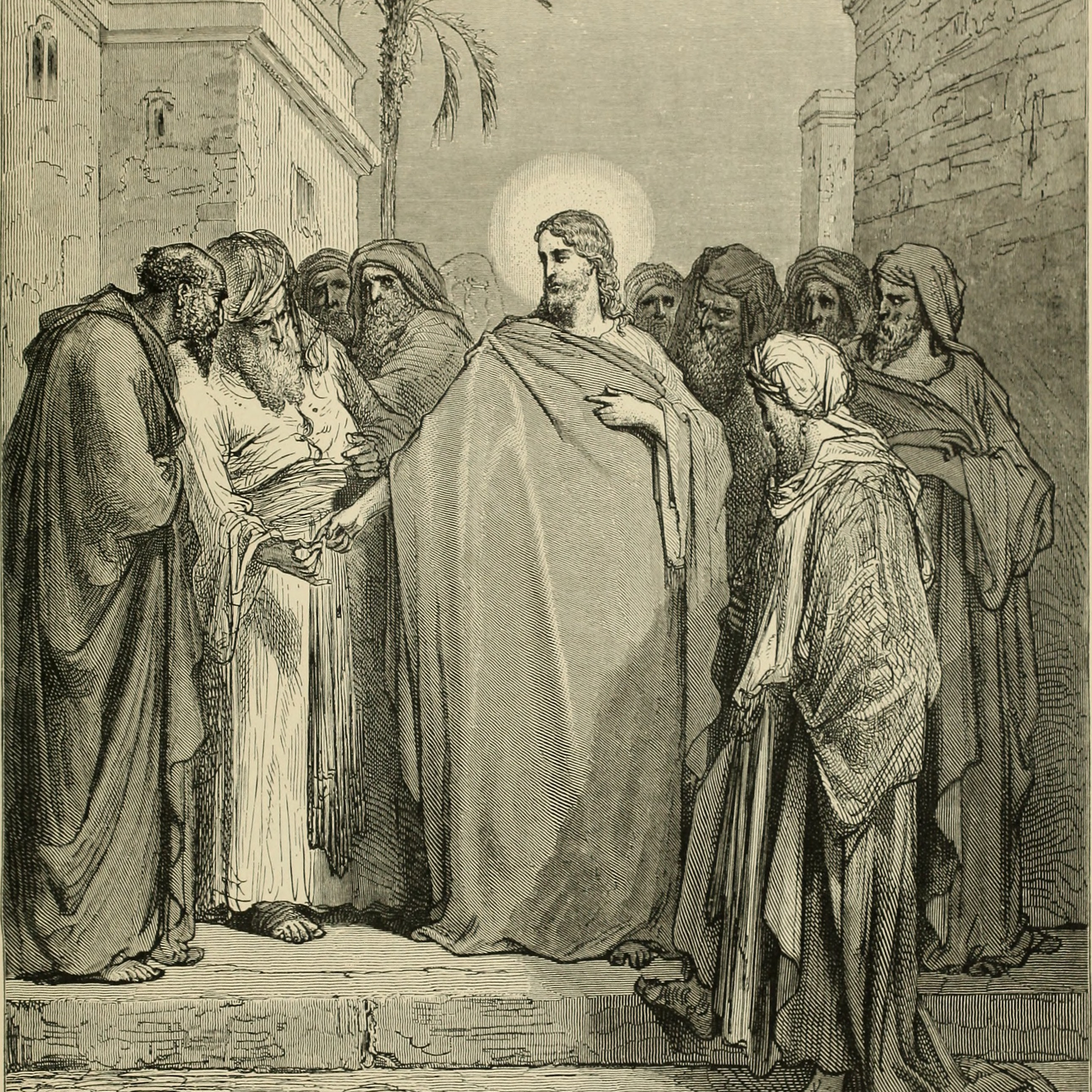
What then does the Wisdom and the Word of God do? Jesus allows all their passion to appear for all to see, without them taking back the words they were speaking to no purpose. And like a skillful physician, he then lances their passion with a deep incision, when he cut with the first word. “Why are you testing me, hypocrites?” And after having shown by a reproach that the skin of deceitful hypocrisy was dead, it is gently, and to speak this way, insensibly and tranquilly that he nipped like the web of a spider their inescapable question. Indeed, he said, “Show me a denarius for the tax.” And they presented a coin. And he said to them, “This image and this inscription concern whom?” They said to him, “Caesar.” Then he said to them, “Give to Caesar what is Caesar’s, and to God what is God’s.” “If the coin is Caesar’s,” Jesus says, “because that is what you have said—it is necessary to give it to Caesar himself.”“What then! You permit us to serve a man, and not god? And how is this not a violation of the law?” It will amount to nothing. Indeed, the act of giving tax to Caesar does not prevent the service of God, although you would like to think so. This is why it is necessary for you to give to God equally what is God’s, in such a manner that if what is Caesar’s is kept for the service of God, it is necessary that God be preferred to him. If you remain a tributary of Caesar, you should attribute this to your sins, not to God. In the same way, Paul similarly applies himself to the same distinction. In sending a letter to the Romans he wrote, “Pay to the world, therefore, what is due to the world; to those you owe taxes, taxes; to those you owe tribute, tribute.” [Rom 13:7.]—St Severus of Antioch
S2 Ep 312Day 312 - Matthew 21, Mark 11
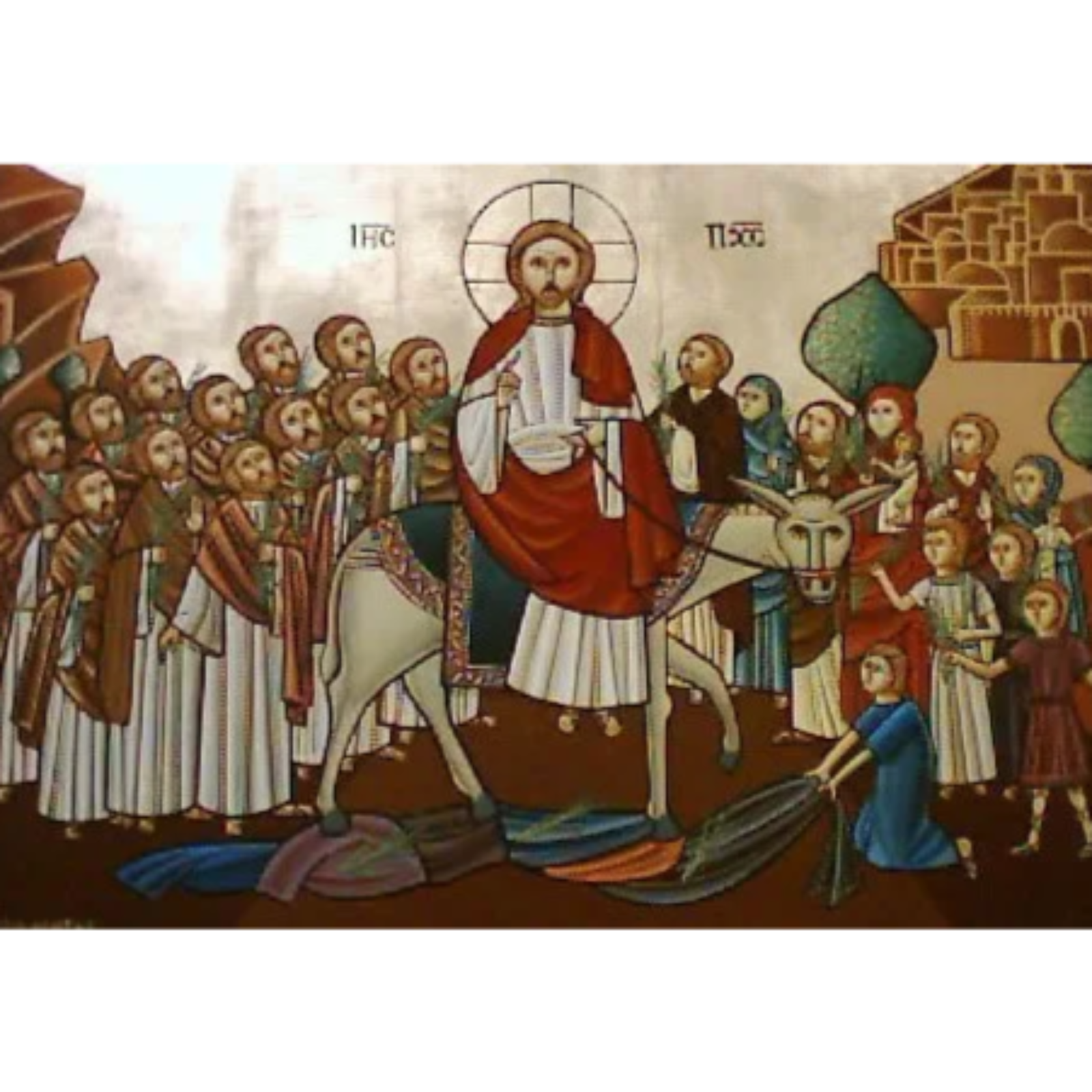
He had often entered Jerusalem before, but never with so much at stake. Why were earlier visits different? They came early in the dispensation, when he was not very well known. The time of his Passion had not drawn near. He mixed in without distinction, keeping his identity under wraps. Had he appeared in this mode earlier, he would not have been held in high esteem. He would only have excited them to greater anger. But by now he had given them sufficient proof of his miraculous power. The cross was at the door. He now makes himself more conspicuous. He does not hesitate to do things that were likely to inflame them. All this happens with dramatic impact. It might have been possible for these things to have been done earlier, but it was neither profitable or expedient—St John Chrysostom
S2 Ep 311Day 311 - Luke 19, John 12
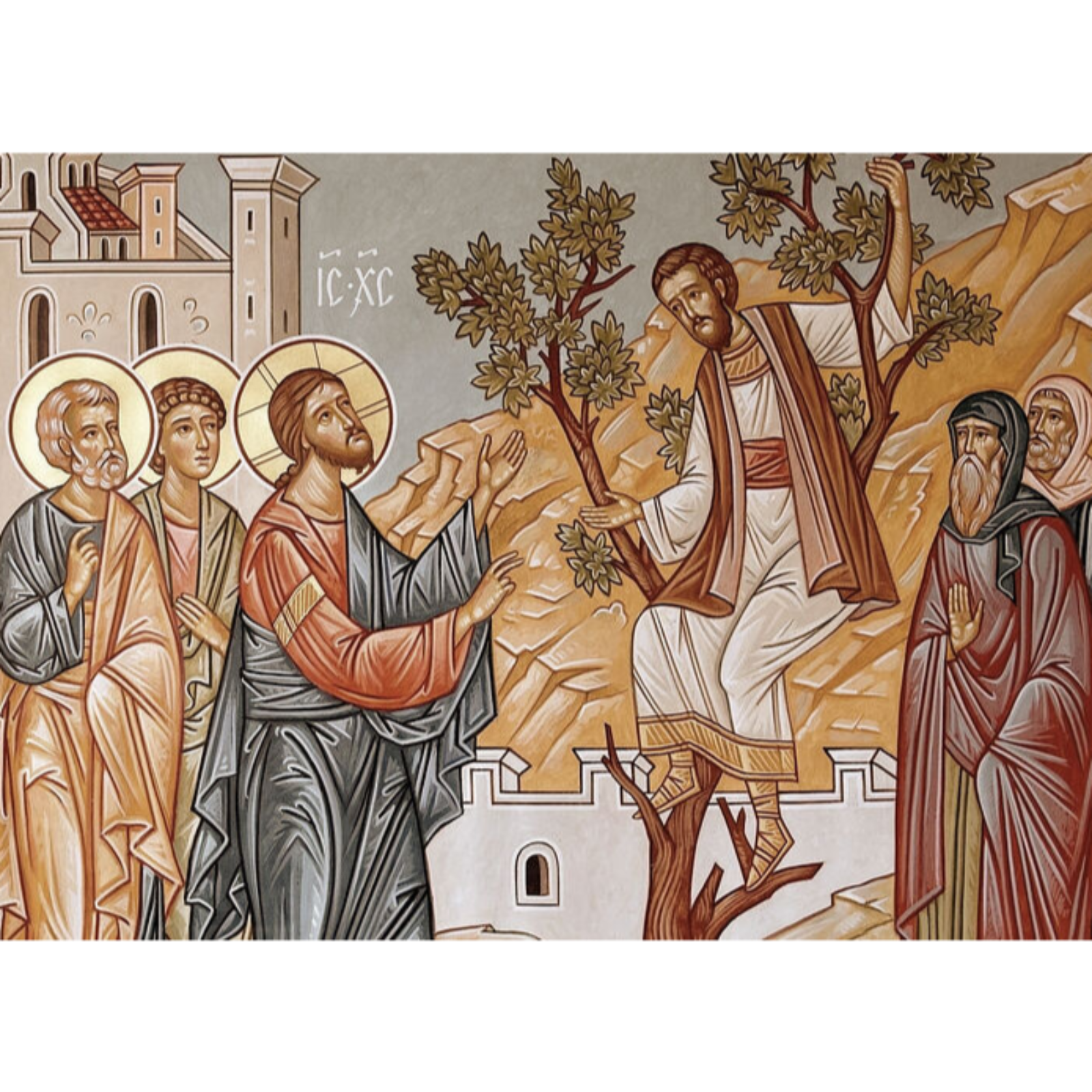
There certainly is much truth in a certain saying of a philosopher, “Every rich man is either wicked or the heir of wickedness.” [See Letter 120.1, PL 22:984 (821).]That is why the Lord and Savior says that it is difficult for the rich to enter the kingdom of heaven. [Mat 19:23.] Someone may raise the objection, “How did wealthy Zacchaeus enter the kingdom of heaven?” He gave away his wealth and immediately replaced it with the riches of the heavenly kingdom. The Lord and Savior did not say that the rich would not enter the kingdom of heaven but that they will enter with difficulty—St Jerome
S2 Ep 310Day 310 - Matthew 20, John 11
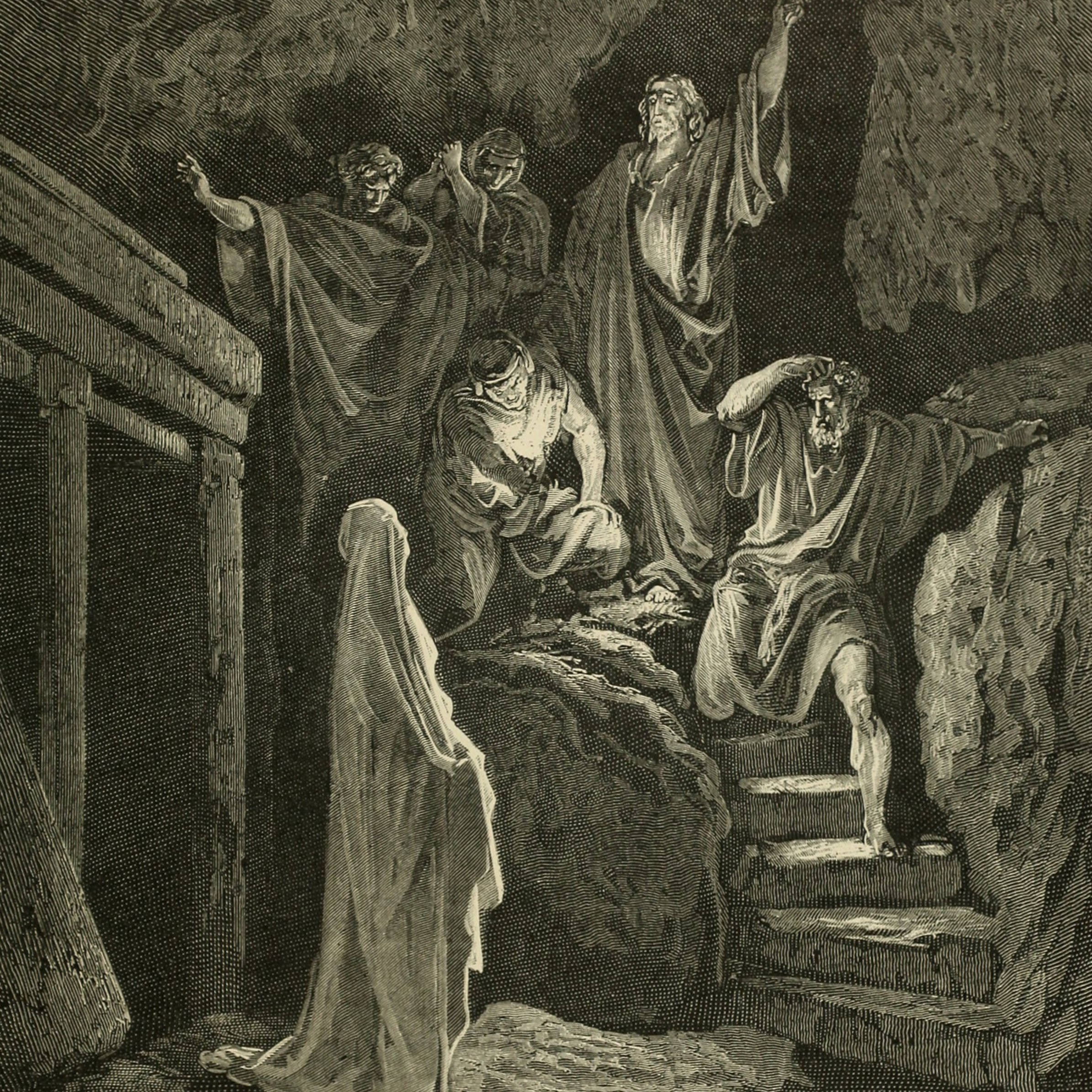
But what was the message sent by his sisters? “Lord, behold, he whom you love is ill.” They did not say, “Come,” for the intimation was all that was needed for one who loved. They did not venture to say, “Come and heal him,” nor did they venture to say, “Command there, and it shall be done here.” And why would it be any different with them if, on these very grounds, the centurion’s faith was commended? For he said, “I am not worthy that you should enter under my roof. But only say the word, and my servant shall be healed.” [Mat 8:8.] These women said nothing like this, but only, “Lord, behold, he whom you love is ill”—as if to say: It is enough that you know. For you are not one that loves and then abandons—St Augustine
S2 Ep 309Day 309 - Matthew 19, Mark 10
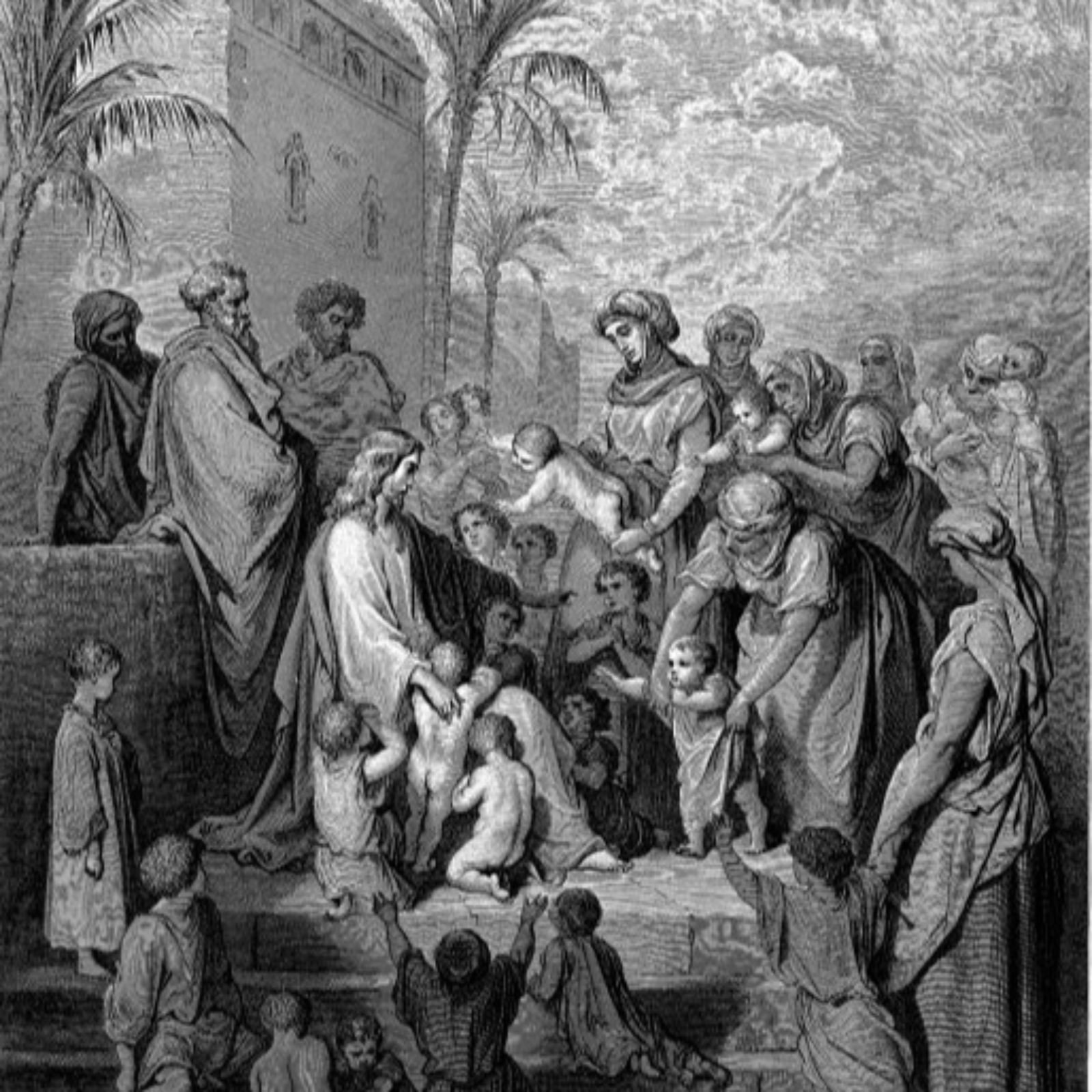
Why therefore did Christ reply to him in these words: “No one is good”? Because he considered Jesus a mere man and one of the crowd, and a Jewish teacher. For this reason he spoke as a man to him. For often he answers the hidden thoughts of the questioner, as when he says, “We worship what we know” [Jhn 4:22.] and “If I bear witness of myself, my testimony is not true.” [Jhn 5:31.] Therefore when he says, “No one is good,” he does not say this to show that he is not good; far from it. For he does not say, “Why do you call me good? I am not good” but “No one is good,” that is, no human being. When he says this, he does not mean to exclude men from goodness but to make a comparison with the goodness of God. Therefore he adds, “Except God alone.”—St John Chrysostom
S2 Ep 308Day 308 - Matthew 18, Luke 17-18
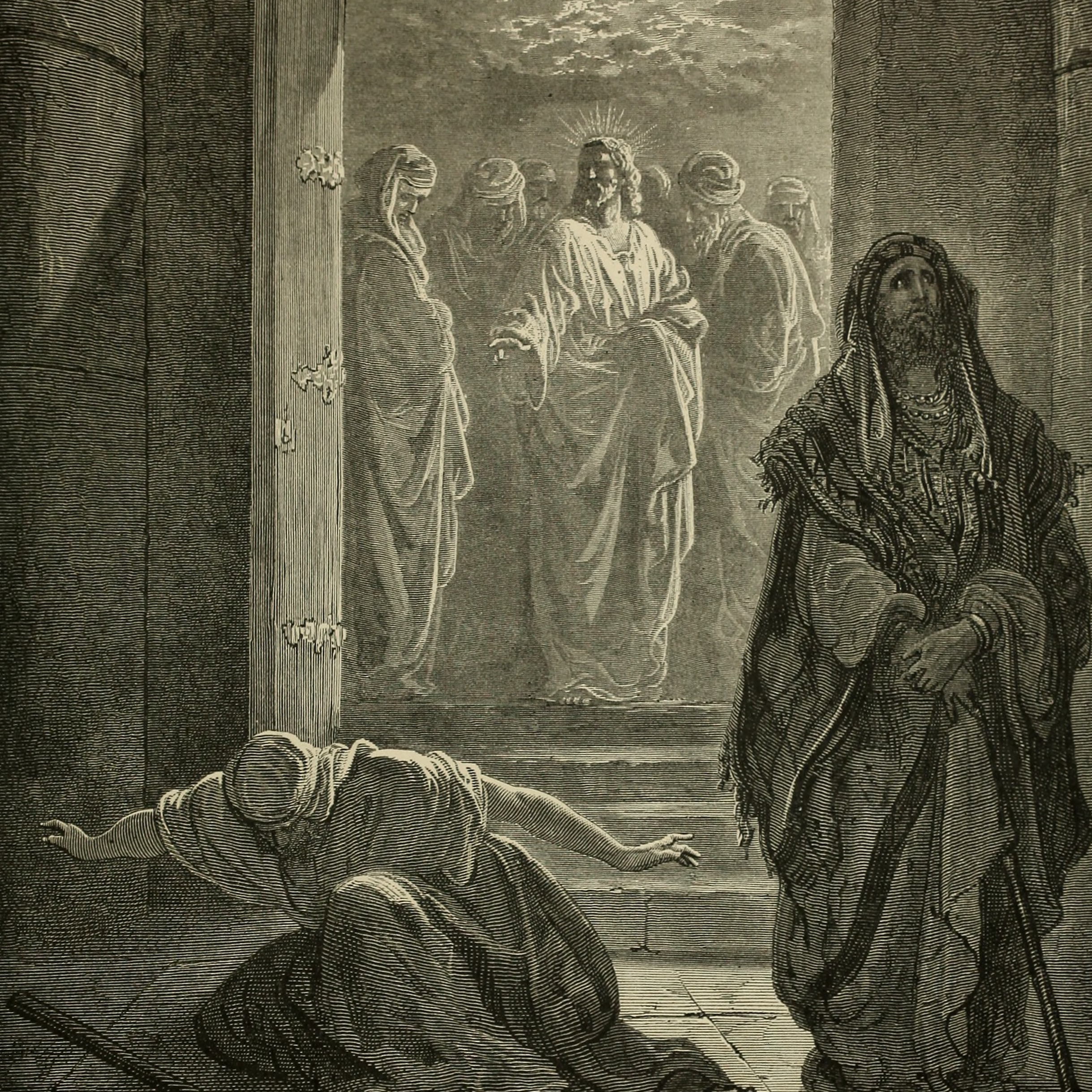
How useful and necessary a medicine is repentance! People who remember that they are only human will readily understand this. It is written, “God resists the proud, but gives grace to the humble.” [1Pe 5:5; Jas 4:6; Job 22:29; Pro 3:34.] … The Pharisee was not rejoicing so much in his own clean bill of health as in comparing it with the diseases of others. He came to the doctor. It would have been more worthwhile to inform him by confession of the things that were wrong with himself instead of keeping his wounds secret and having the nerve to crow over the scars of others. It is not surprising that the tax collector went away cured, since he had not been ashamed of showing where he felt pain—St Augustine
S2 Ep 307Day 307 - Luke 14-16
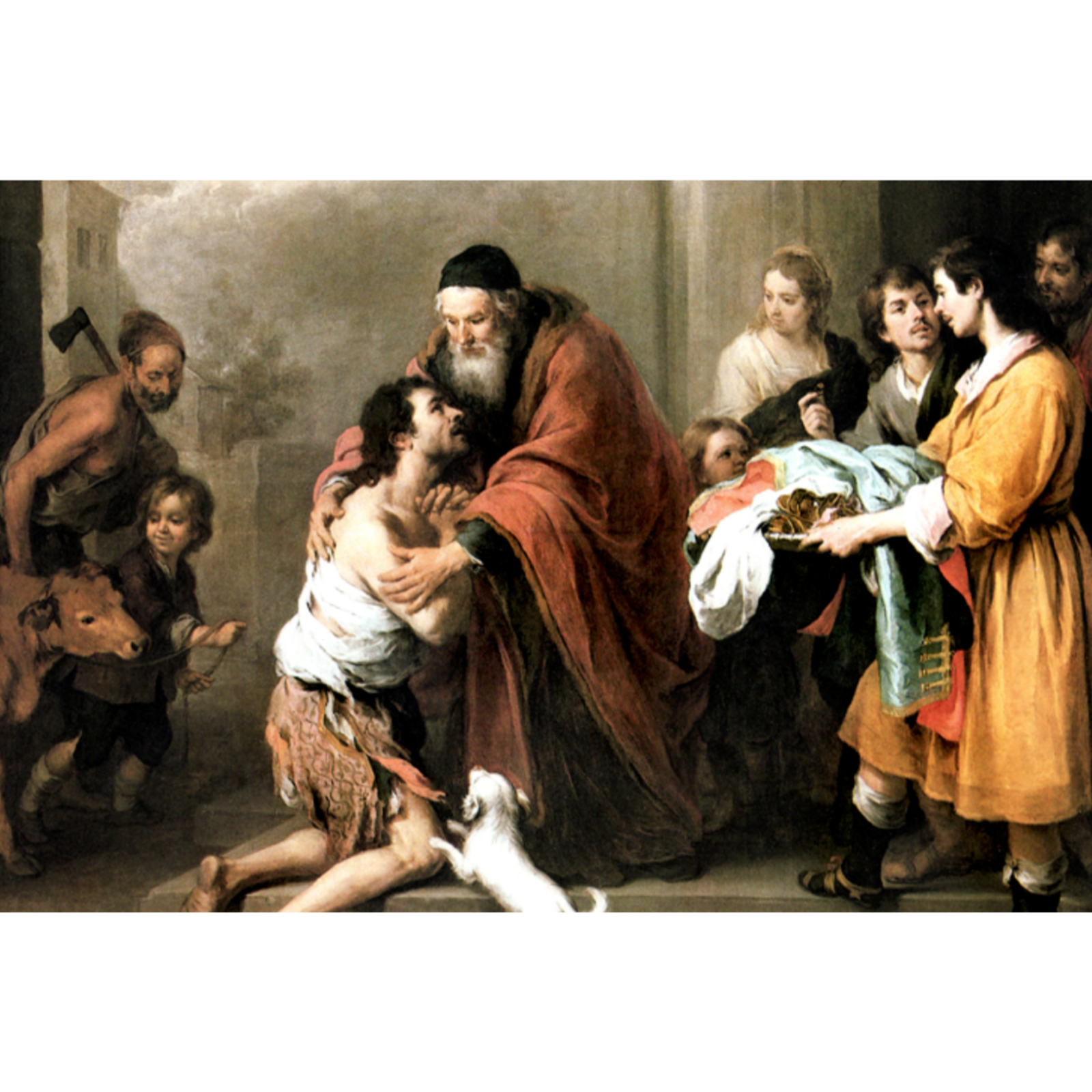
It was the same with the younger son who squandered his property and wasted his father’s property living among prostitutes. Despite all this, he did not lose his honorable title of son. In the land of captivity, having rejected his father, he rather remembered, “How many hired servants are at this moment in my father’s house who have more than enough bread, but here am I perishing from hunger.” He was still a sinner. He had sinned to such an extent that he had thrown to the winds with his misdeeds the entire inheritance he had received from his father. He still called God his father. This indicates that the grace of the Spirit, which authorizes him to call God Father, did not depart from him.We are unable to employ this term of address and call God Father, except through the authority of the Holy Spirit who is within us. It is well known that those who have not yet become God’s children by the holy rebirth of baptism are not authorized to use this term. They are not permitted to say, “Our Father, who art in heaven, hallowed be thy name.” The apparent reason for this is that the Holy Spirit is not yet within them to give them this authorization. It is well known to all that, when they approach the holy mysteries, the newly baptized all repeat this prayer with confidence in accordance with the tradition handed down by our Lord, and then they proceed to the holy mysteries—St Philoxenus of Mabbug
S2 Ep 306Day 306 - Luke 11-13
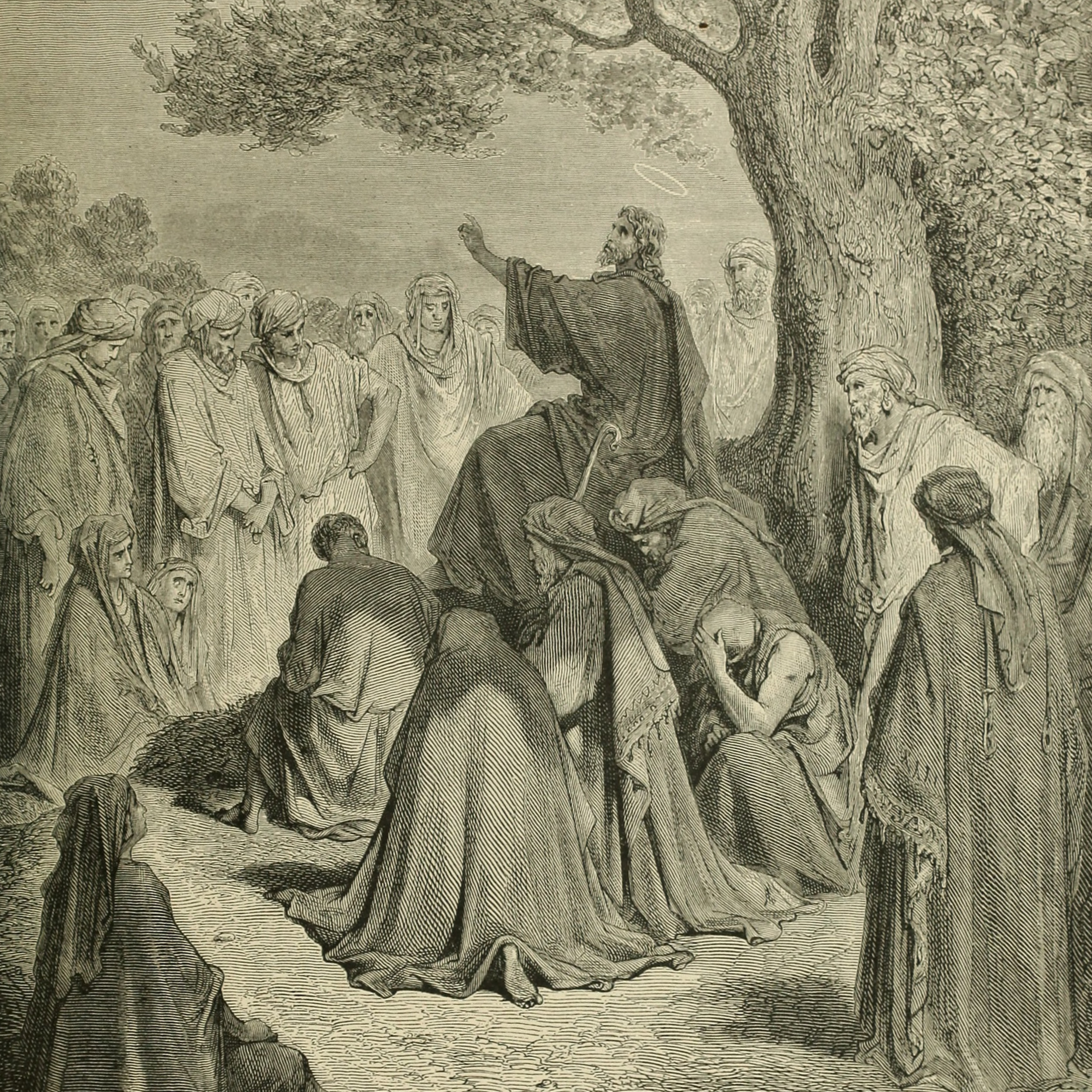
For the Savior said, “When you pray, say, ‘Our Father.’ ” And another of the holy Evangelists adds, “who art in heaven.” [Mat 6:9.]…He gives his own glory to us. He raises slaves to the dignity of freedom. He crowns the human condition with such honor as surpasses the power of nature. He brings to pass what was spoken of old by the voice of the psalmist: “I said, you are gods, and all of you children of the Most High.” [Psa 82:6 (81:6 LXX).] He rescues us from the measure of slavery, giving us by his grace what we did not possess by nature, and permits us to call God “Father,” as being admitted to the rank of sons. We received this, together with all our other privileges, from him. One of these privileges is the dignity of freedom, a gift peculiarly befitting those who have been called to be sons.He commands us, therefore, to take boldness and say in our prayers, “Our Father.” We, who are children of earth and slaves and subject by the law of nature to him who created us, call him who is in heaven “Father.” Most fittingly, he enables those who pray to understand this also. Since we call God “Father” and have been counted worthy of such a distinguished honor, we must lead holy and thoroughly blameless lives. We must behave as is pleasing to our Father and not think or say anything unworthy or unfit for the freedom that has been bestowed on us.…The Savior of all very wisely grants us to call God “Father,” that we, knowing well that we are sons of God, may behave in a manner worthy of him who has honored us. He will then receive the supplications that we offer in Christ—St Cyril of Alexandria
S2 Ep 305Day 305 - Matthew 11, Luke 10
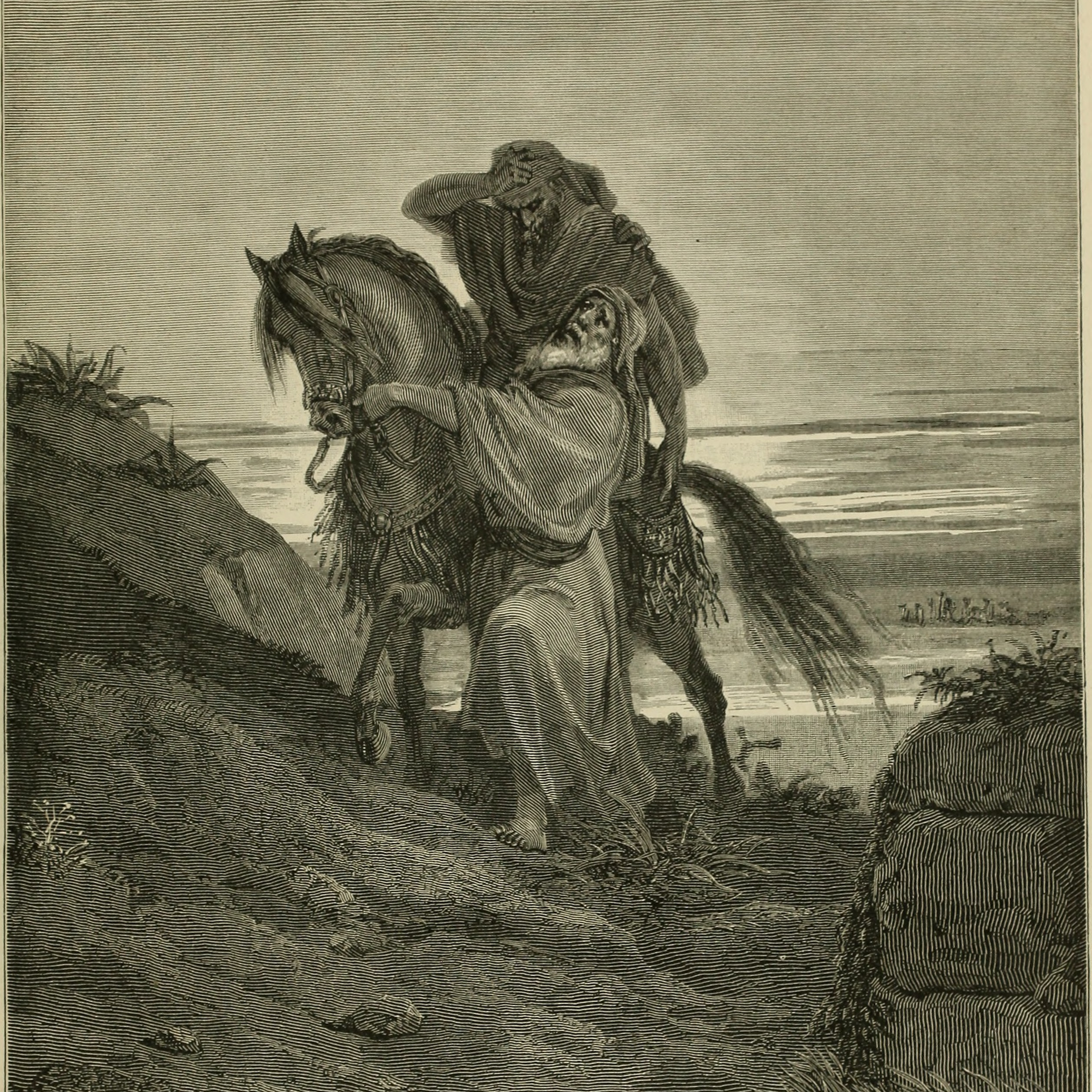
That extraordinary Samaritan did not himself shun him whom the priest and the Levite had shunned. In the name of a sect, you may not shun him whom you will admire by interpretation of the word. Indeed, “guard” is signified by the name Samaritan. The interpretation means this. Who is the Guard, if not, “The Lord preserves the infants”? [Ps 114:6 LXX.] Thus, as there is one Jew in the letter and another in the spirit, [Rom 2:28-29.] so there is one Samaritan in public, another in secret. Here the Samaritan is going down. Who is he except he who descended from heaven, who also ascended to heaven, the Son of man who is in heaven? [Jhn 3:13; cf. Jhn 6:33.] When he sees half-dead him whom none could cure before, like her with an issue of blood who had spent all her inheritance on physicians, he came near him. [Mat 9:20; Luk 8:43-44.] He became a neighbor by acceptance of our common feeling and kin by the gift of mercy—St Ambrose of Milan
S2 Ep 304Day 304 - John 9-10
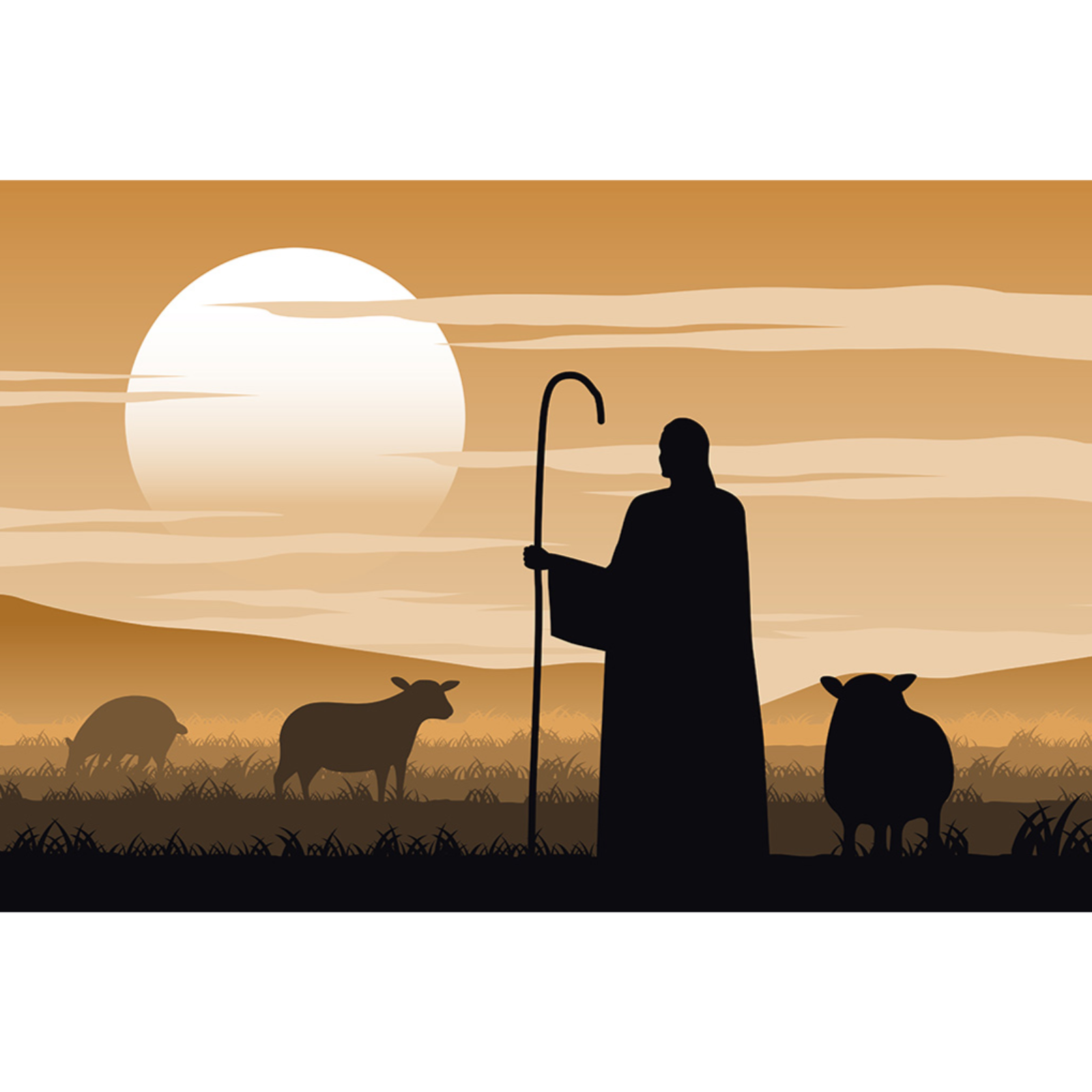
Observe the marks of a robber. First, that he does not enter openly. Second, he does not enter according to the Scriptures, for this is, “not by the door.” Here also, Jesus refers to those who had been before and to those who would come after him: antichrist and the false christs, Judas and Theudas, and whoever else there have been of the same kind. And he rightly calls the Scriptures “a door,” for they bring us to God and open to us the knowledge of God. They make us his sheep. They guard us and do not let the wolves come in after us. For Scripture, like some sure door, bars the passage against the heretics, placing us in a state of safety as to all that we desire and not allowing us to wander. And, if we do not undo Scripture, we shall not easily be conquered by our enemies. By Scripture we can know all, both those who are and those who are not shepherds. But what does “into the fold” mean? It refers to the sheep and their care. For whoever does not use the Scriptures but “climbs up some other way,” that is, who cuts out for himself another and an unusual way, “the same is a thief.” … When our Lord further on calls himself the door, we should not be surprised. According to the office that he bears, he is in one place the shepherd, in another the sheep. In that he introduces us to the Father, he is the door; in that he takes care of us, he is the shepherd—St John Chrysostom
S2 Ep 303Day 303 - John 7-8
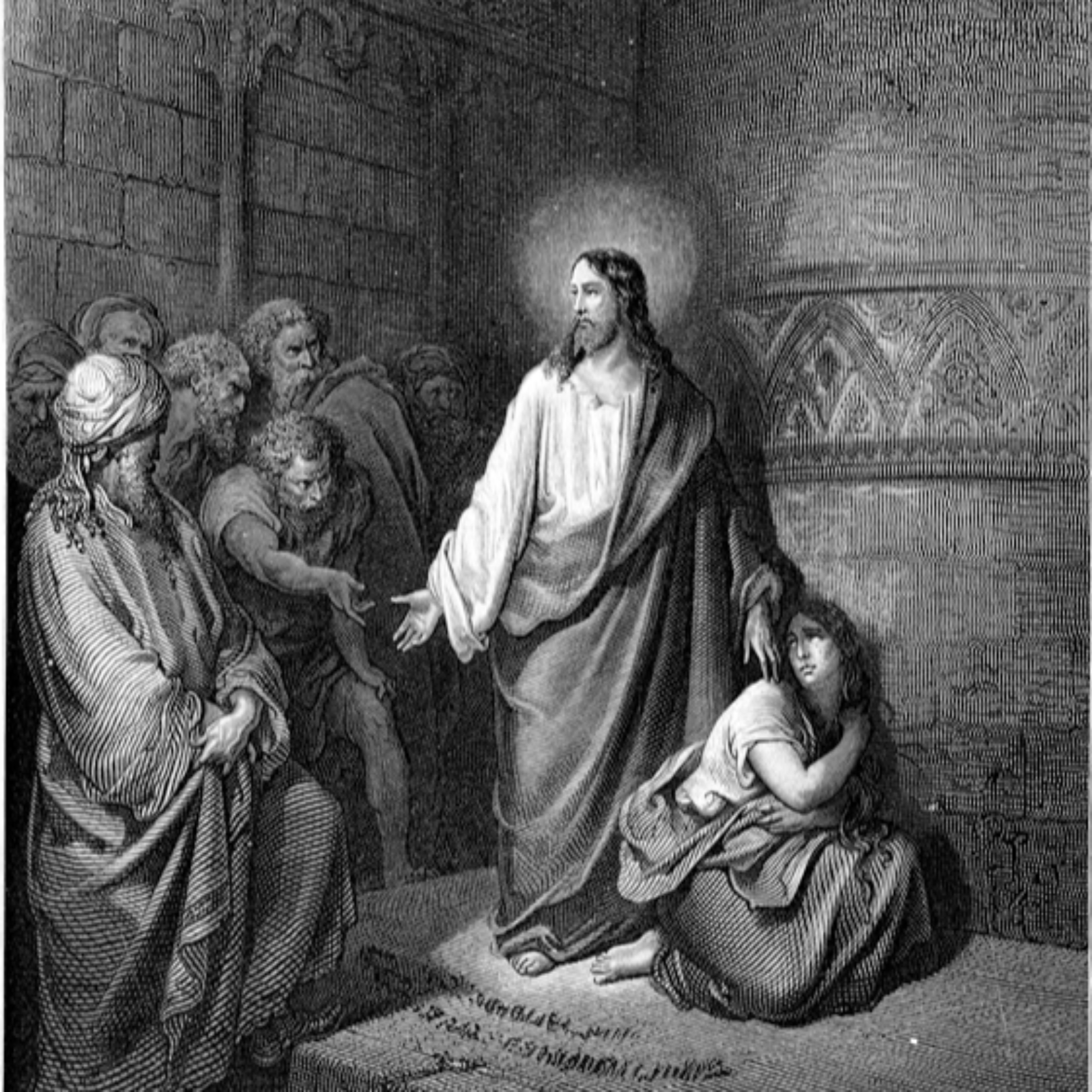
When the Lord was about to give pardon to the sinful woman, he desired to write with his finger on the ground, in order to point out that it was he himself who once wrote the Ten Commandments of the law on stone with his finger, that is, by the action of the Holy Spirit. And it is good that the law was written upon stone, since it was given to subdue the inmost hearts of a hard-hearted and defiant people—The Venerable Bede
S2 Ep 302Day 302 - Matthew 17
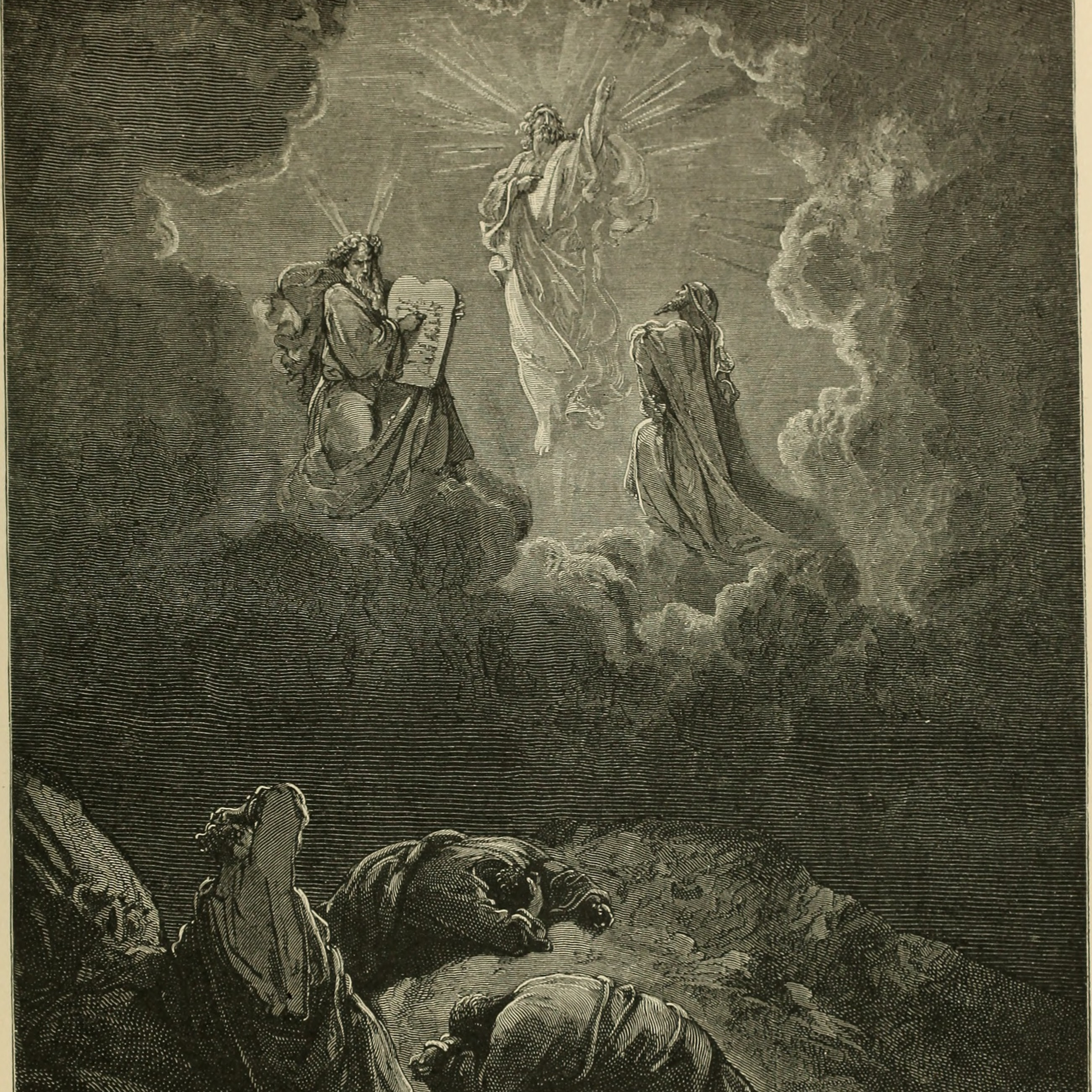
You go astray, Peter, just as the other Evangelist attests: you do not know what you are saying. Do not seek three tabernacles. Seek only the tabernacle of the gospel in which the law and the prophets are to be recapitulated. By seeking three tabernacles you appear to be comparing incommensurably the two servants with the one Lord. Seek only the Father and the Son and the Holy Spirit, for in these there is one God, who is to be worshiped in the tabernacle of your heart—St Jerome
S2 Ep 301Day 301 - Matthew 16, Mark 9
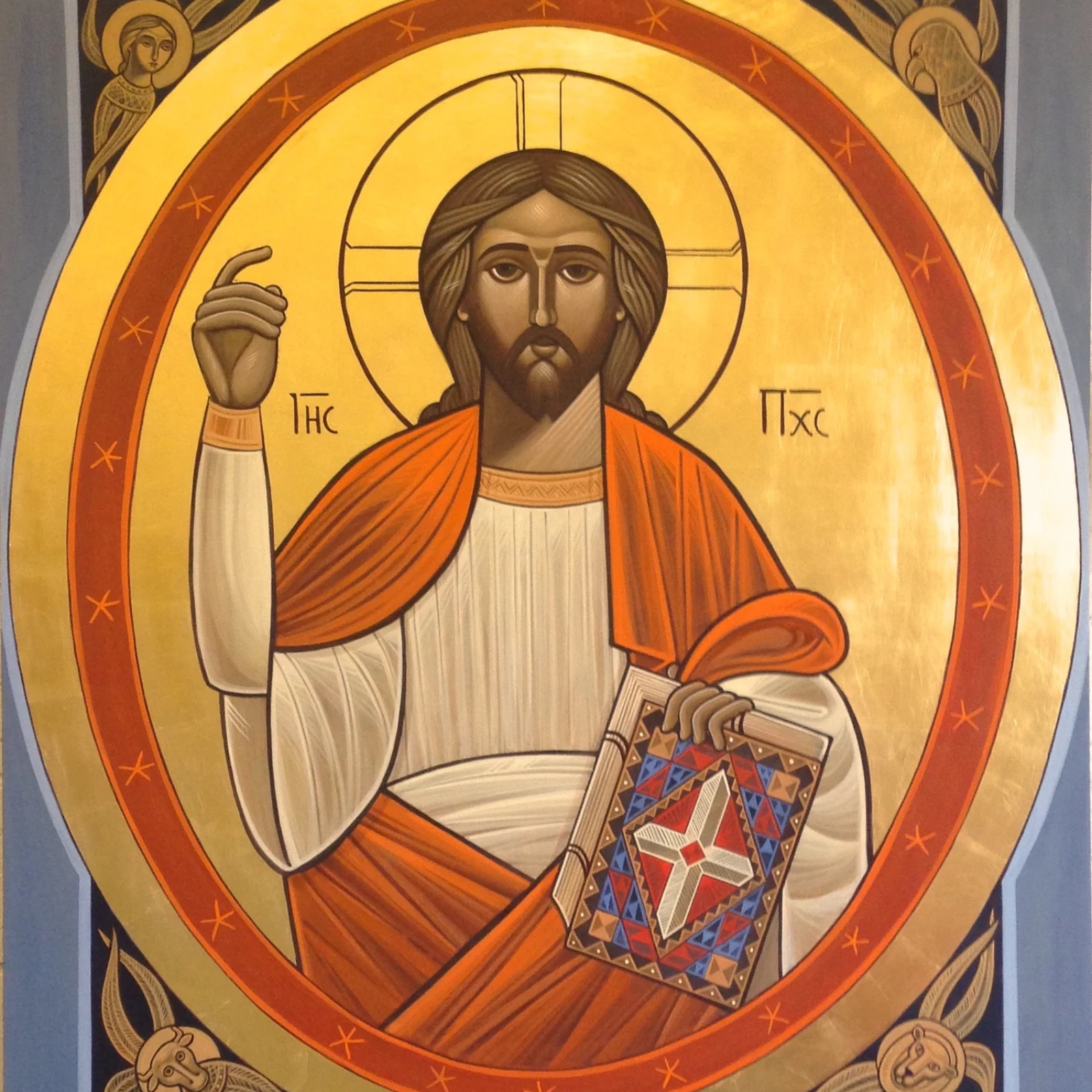
Note that he is not asking them their own opinion. Rather, he asks the opinion of the people. Why? In order to contrast the opinion of the people with the disciples answer to the question “But who do you say that I am?” In this way, by the manner of his inquiry, they might be drawn gradually to a more sublime notion and not fall into the same common view as that of the multitude.Note that Jesus does not raise this question at the beginning of his preaching but only after he had done many miracles, had talked through with them many lofty teachings, and had given them many clear proofs of his divinity and of his union with the Father. Only then does he put this question to them.He did not ask “Who do the scribes and Pharisees say that I am?” even though they had often come to him and discoursed with him. Rather, he begins his questioning by asking “Who do men say the Son of man is?” as if to inquire about common opinion. Even if common opinion was far less true than it might have been, it was at least relatively more free from malice than the opinions of the religious leaders, which was teeming with bad motives.He signifies how earnestly he desires this divine economy to be confessed when he says, “Who do men say the Son of man is?” for he thereby denotes his godhead, which he does also in many other places—St John Chrysostom
S2 Ep 300Day 300 - Matthew 15, Mark 7-8
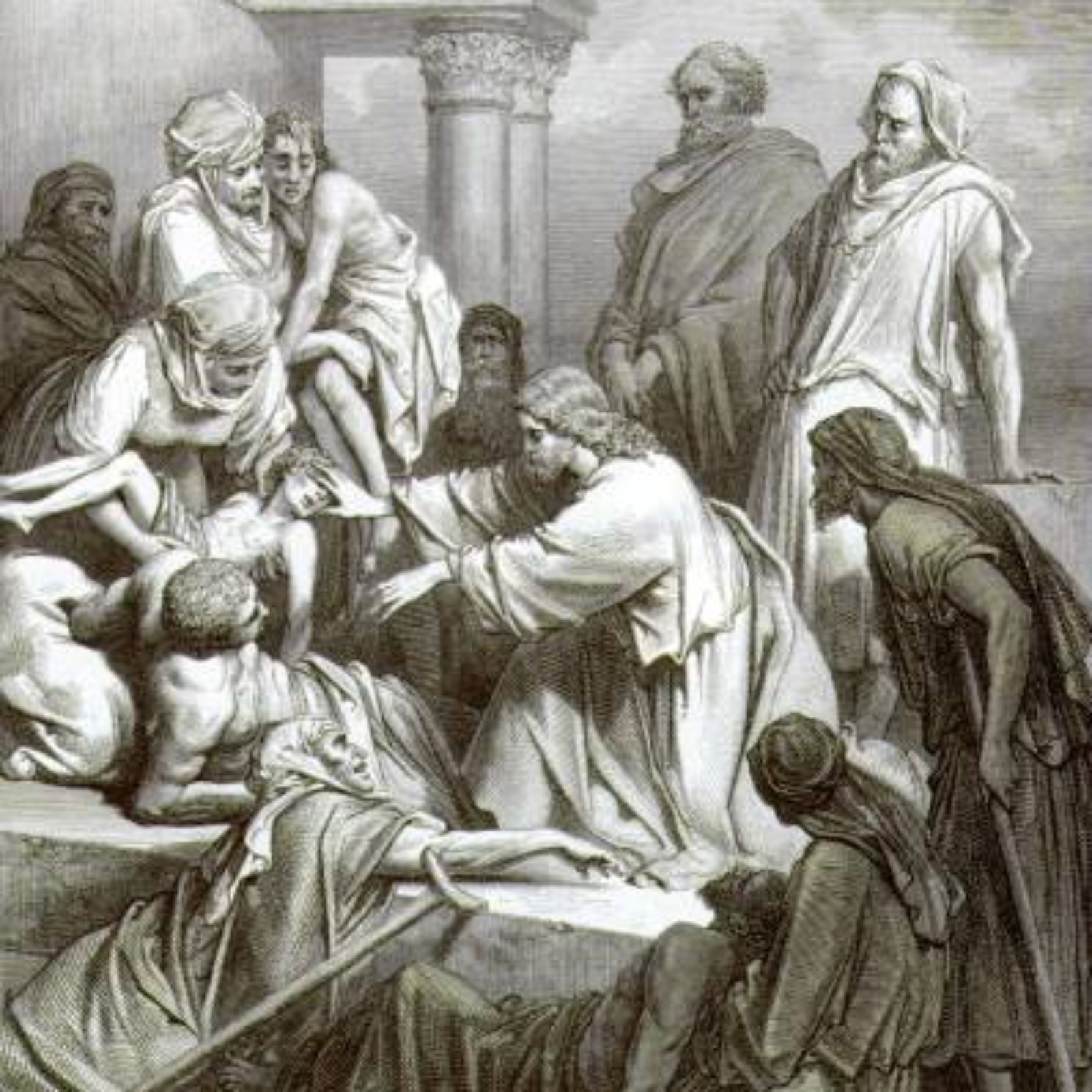
Again Jesus went up on the mountain where he sat down. Not only people who were healthy but also those suffering from various disorders went up on the mountain where Jesus was sitting. Think of this mountain to which Jesus went up and sat as the church. It has been set up through the word of God over the rest of the world, and all sorts of people come to it. To this assembly have come not only the disciples, as if they were leaving behind the multitudes, as they did in the case of the Beatitudes. Rather, there are great crowds here, many of whom are deaf or suffer from many afflictions. Look at the crowds who come to this mountain where the Son of God sits. Some of them have become deaf to the things that have been promised. Others have become blind in soul, not looking toward the true light. Others are lame and not able to walk according to reason. Others are maimed and unable to work profitably. Each of these who are suffering in soul from such things go up along with the multitudes into the mountain where Jesus sits.Some who do not draw near to the feet of Jesus are not healed. But those who are brought by the multitude and cast at his feet are being healed. Even those who come only to the edges, just the extremities of the body of Christ, who feel themselves unworthy to obtain such things, are being healed. So now you come into the congregation of what is more commonly called the church.See the catechumens? They are, as it were, cast in the far side or back of those who are the extreme end of the body, as if they were coming merely to the feet of the body of Jesus—the church. They are coming to it with their own deafness and blindness and lameness and crookedness. In time they will be cured according to the Word. Observing this you would not be wrong in saying that these people have gone up with the multitudes into the church, up to the mountain where Jesus sits, and have been cast at his feet and are being healed. And so the multitudes are astonished at beholding the transformations that are taking place. They behold those who are being converted from such great evils to that which is so much better—Origen
S2 Ep 299Day 299 - John 6, Matthew 14
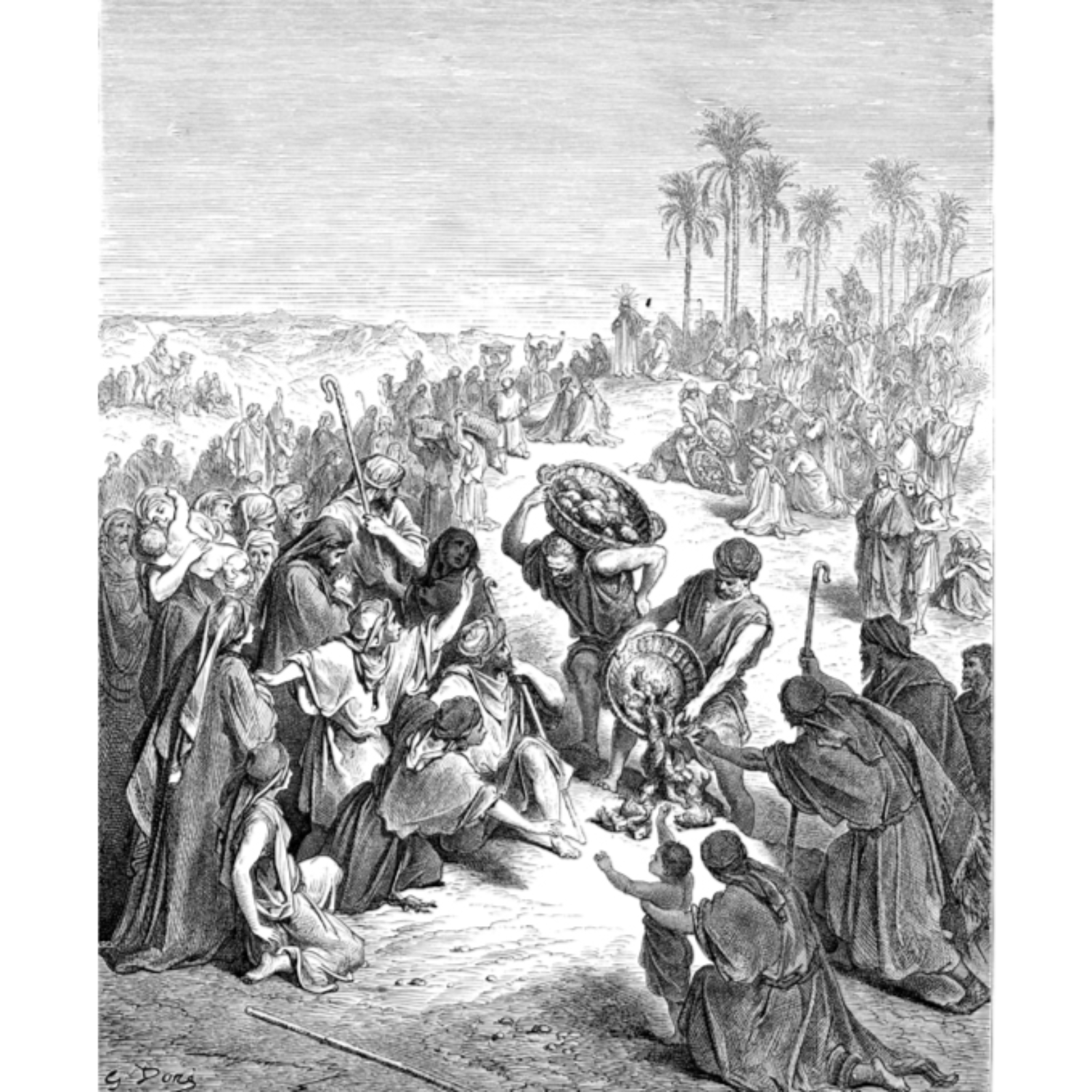
To provide a brief explanation: the five loaves are understood as the five books of Moses; rightly they are not wheat but barley because they belong to the Old Testament. For you know that barley was created in such a way that one can scarcely get to its kernel. For this kernel is clothed with a covering of husk, and this husk is tenacious and adhering, so that it is stripped off with effort. Such is the letter of the Old Testament, clothed with the coverings of carnal mysteries; but if one gets to its kernel, it feeds and satisfies.And so a boy was carrying five loaves and two fishes. If we should seek to know who this boy was, perhaps he was the people of Israel, carrying the loaves and fish with a childlike understanding and not eating of them itself. For those things that it was carrying, when kept shut, were a burden, but when opened, were food. Moreover, the two fish seem to us to signify those two sublime personages in the Old Testament who were anointed to make holy and rule the people, the priest and king—St Augustine
S2 Ep 298Day 298 - Mark 6, Matthew 10, Luke 9
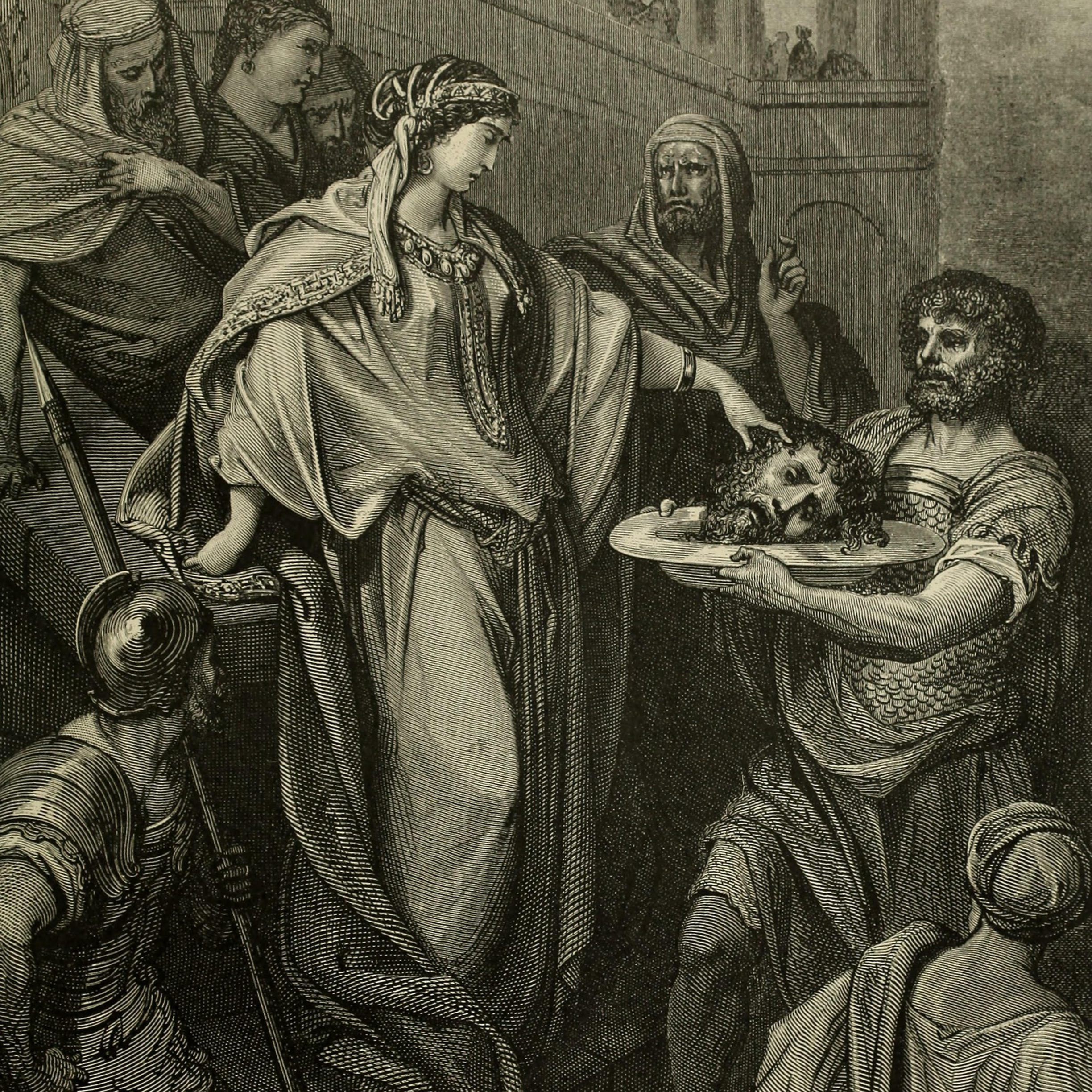
Not long after this, John the Baptist was beheaded by the younger Herod, [Herod Antipas.] as stated in the Gospels. [Mat 14:1-12; Mrk 6:17-29.] Josephus also records the same fact, mentioning Herodias [Herodias was a daughter of Aristobulus and granddaughter of Herod the Great.] by name, and stating that, although she was the wife of his brother, Herod made her his own wife after divorcing his former lawful wife, the daughter of Aretas, [The Aretas mentioned in 2Co 11:32.] king of Petra, and separating Herodias from her husband while he was still alive. It was on her account also that he killed John, and waged war with Aretas, because of the disgrace inflicted on the daughter of the latter. Josephus wrote that in this war, when they came to battle, Herod’s entire army was destroyed, and that he suffered this calamity on account of his crime against John—Eusebius of Caesarea
S2 Ep 297Day 297 - Mark 5, John 5
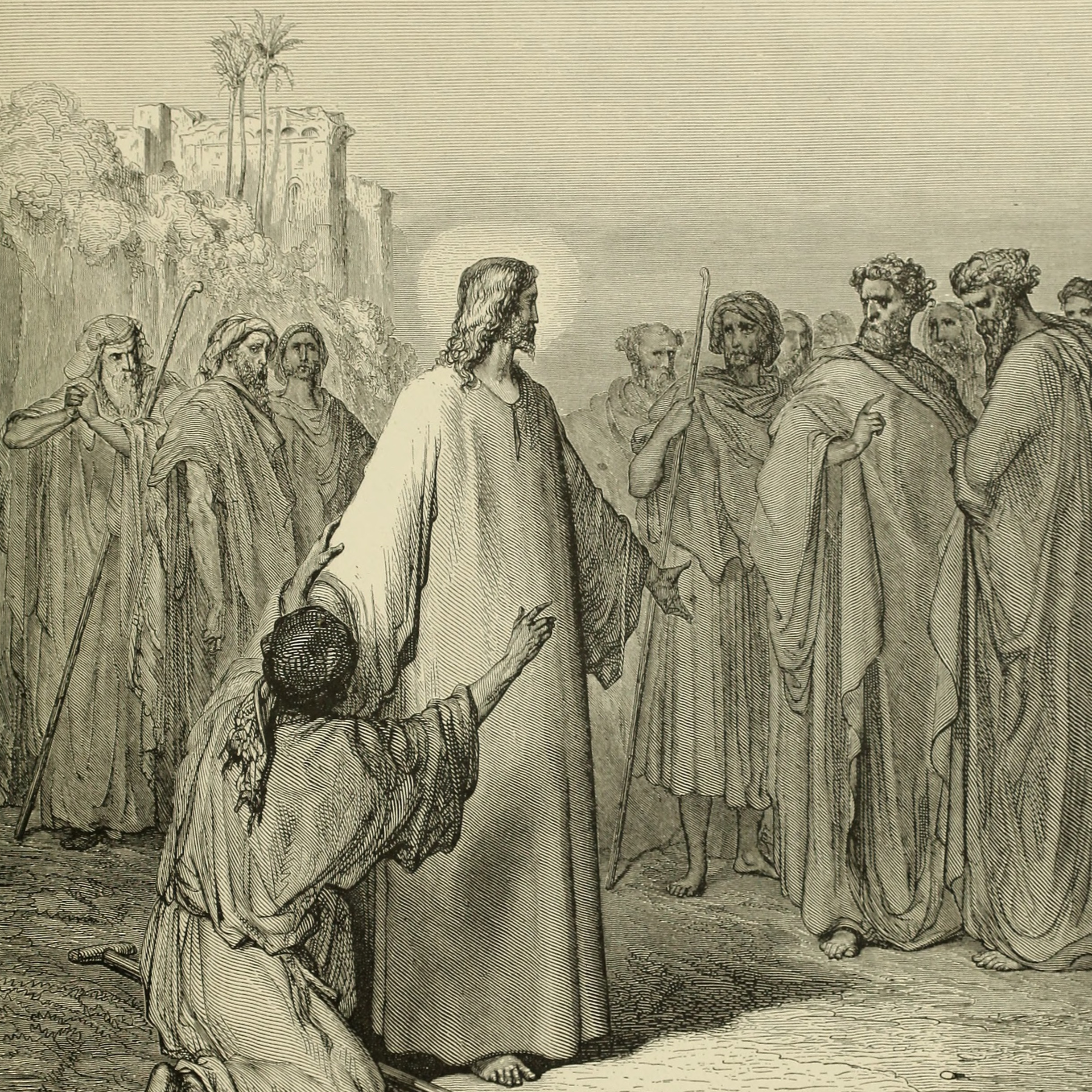
One who aims at fuller understanding of the holy Scriptures must not neglect the careful examination of the proper names in it. Concerning Palestinian place names the Greek copies are often incorrect, and one might be misled by them. The displacement of the swine, who were driven down a steep place by the demons and drowned in the sea, is said to have taken place in the country of the Gerasenes. [Cf. Luk 8:26-37.] Now, Gerasa is a town of Arabia, and has no sea or lake near it. The Evangelists would not have made a statement so obviously and demonstrably false; for they were men who informed themselves carefully of all matters connected with Judea. But in a few copies we have found, “into the country of the Gadarenes.” On this reading, Gadara is described as a town of Judea. In its neighborhood are the well-known hot springs. There is no lake there with overhanging banks, nor any sea. But Gergesa, from which the name Gergesenes is taken, is an old town in the neighborhood of the lake now called Tiberias. On the edge of it there is a steep place bordering on the lake, from which the pigs could have been driven down by the demons. Now, the meaning of Gergesa is the “dwelling of the one who drives out,” and may contain a prophetic reference to the response of the citizens toward the Savior. They “begged him to depart out of their coasts.” [Mat 8:34; Mrk 5:17; Luk 8:37.]—Origen
S2 Ep 296Day 296 - Luke 8, Matthew 8
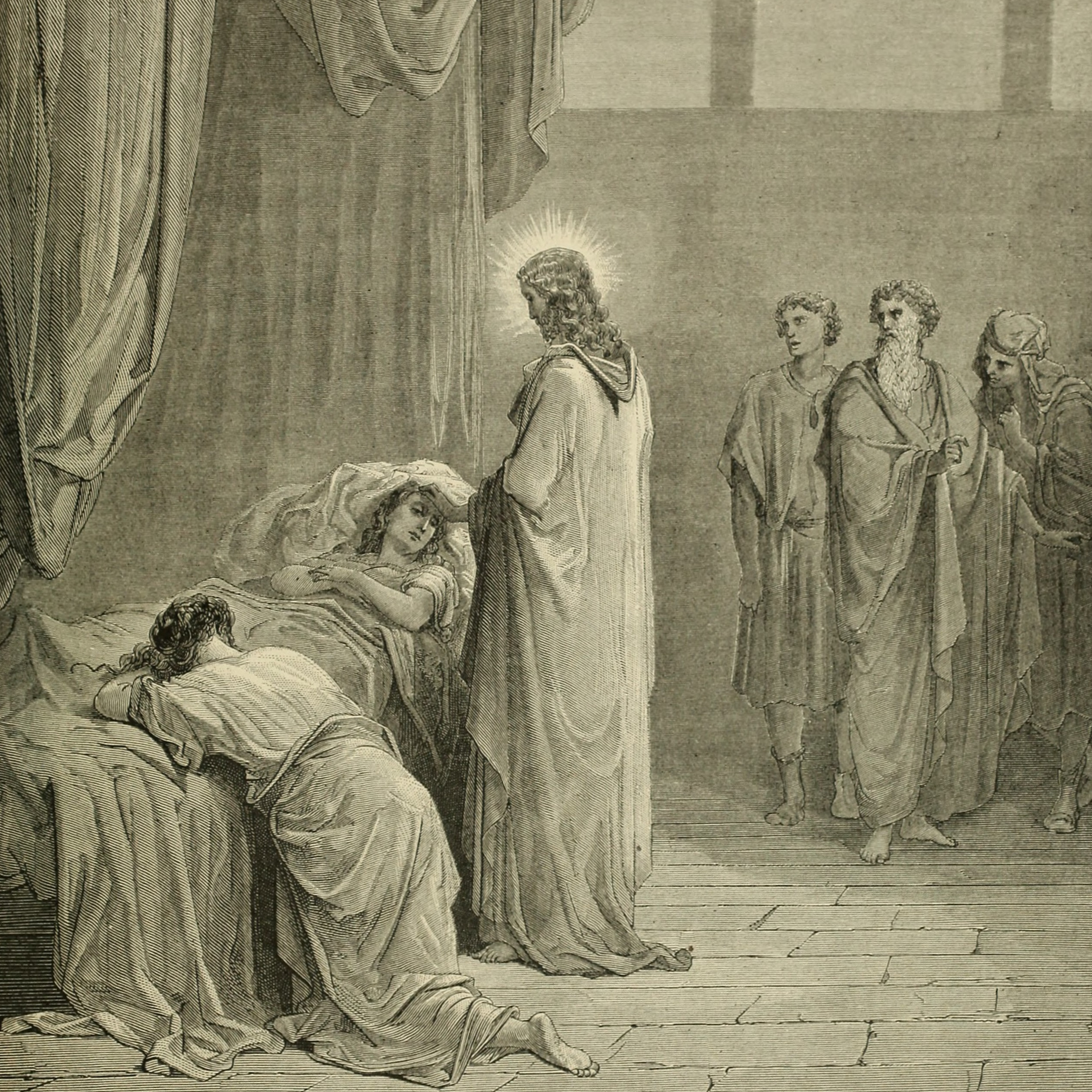
Christ foreknew his mystery, even before the foundations of the world. It was in the last ages of the world that he arose for the inhabitants of earth. Having borne the sin of the world, he abolished both it and death, which is its consequence and was brought upon us by its means. He plainly said, “I am the resurrection and the life,” [Jhn 11:25.] and “he that believes on me has everlasting life, and shall not come into judgment, but has passed from death unto life.” [Jhn 5:24.] We will see this fulfilled in facts. The ruler of the synagogue of the Jews came near and, embracing the Savior’s knees, begged him to deliver his daughter from the bonds of death. Look, she already was brought down to this and was in extreme danger! The Savior consented and set out with him. He was even hurrying on to the house of the one who invited him and was aware that what was being done would profit many of those who followed him and would also be for his own glory. On the way, he saved the woman who was the victim of a severe and incurable malady. No one could stop her issue of blood that ruined the art of physicians. No sooner had she touched the hem in faith, than he immediately healed her. A miracle so glorious and revealed was, so to speak, the work merely of Christ’s journey—St Cyril of Alexandria
S2 Ep 295Day 295 - Matthew 12-13, Mark 4
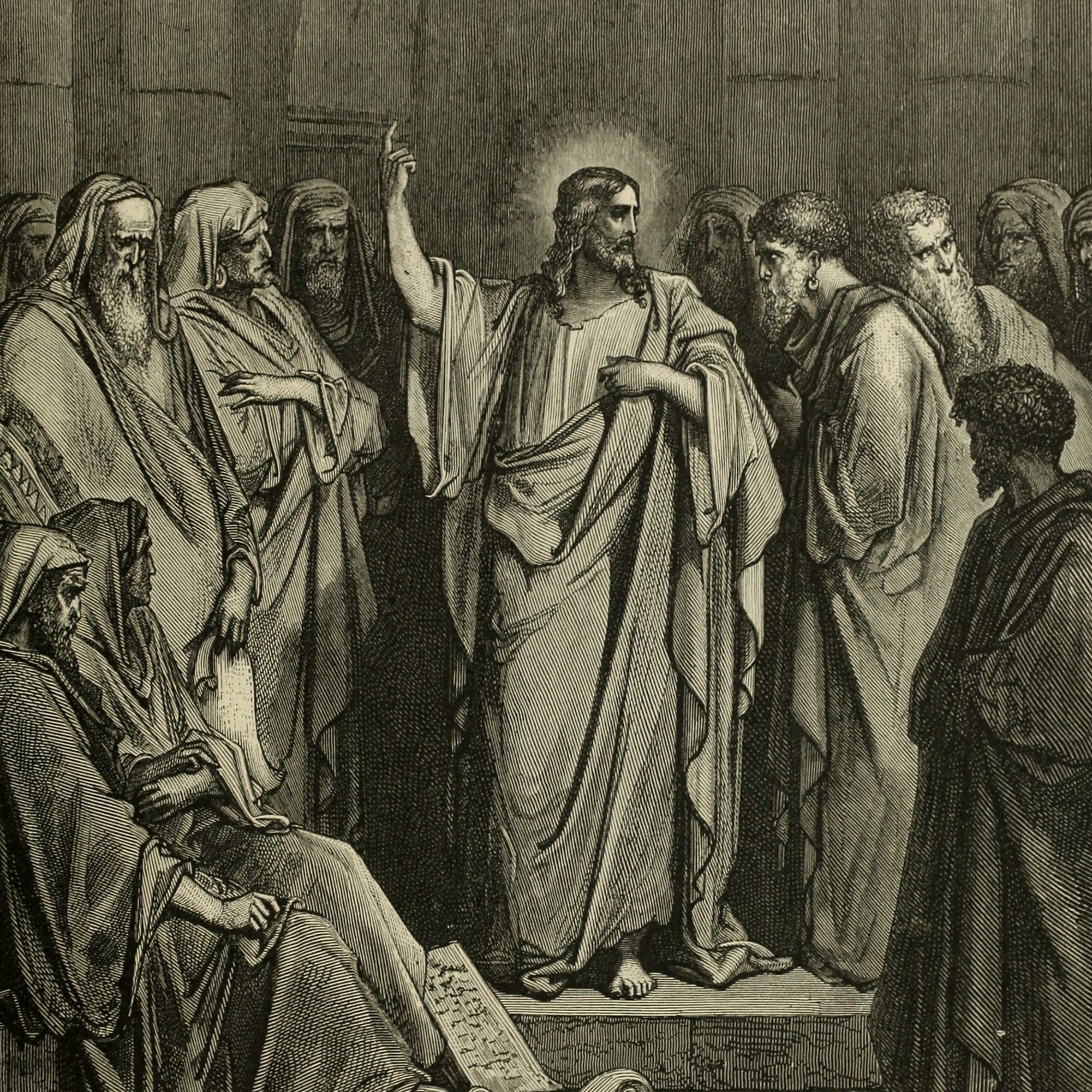
We must therefore inquire whether by the expression “his own country” is meant Nazareth or Bethlehem. It might have been Nazareth, because of the saying “he shall be called a Nazarene.” [Mat 2:23.] Or it might have been Bethlehem, since he was born there. Furthermore, I wonder whether the Evangelists could have said “coming to Bethlehem” or “coming to Nazareth.” They have not done so but have named it more simply “his country.” This is because of something being declared in a mystic sense in the passage about his country—namely, the whole of Judea—in which he was dishonored. This is according to the saying “A prophet is not without honor, except in his own country.” [Mat 13:57.] Jesus Christ was considered “a stumbling block to the Jews,” [1Co 1:23.] among whom he is persecuted even until now. But he was proclaimed among the Gentiles and believed in everywhere—for his word has run over the whole world. In his own country Jesus had no honor, but among those who were “strangers from the covenants,” [Eph 2:12.] the Gentiles, he is held in honor. But the Evangelists have not recorded what things he taught and spoke in their synagogue. All we know is that they were so great and of such a nature that all were astonished. Probably the things spoken were too elevated to be written down. Only let us note that he taught in their synagogue, not separating from it or disregarding it—Origen
S2 Ep 294Day 294 - Luke 7, Matthew 11
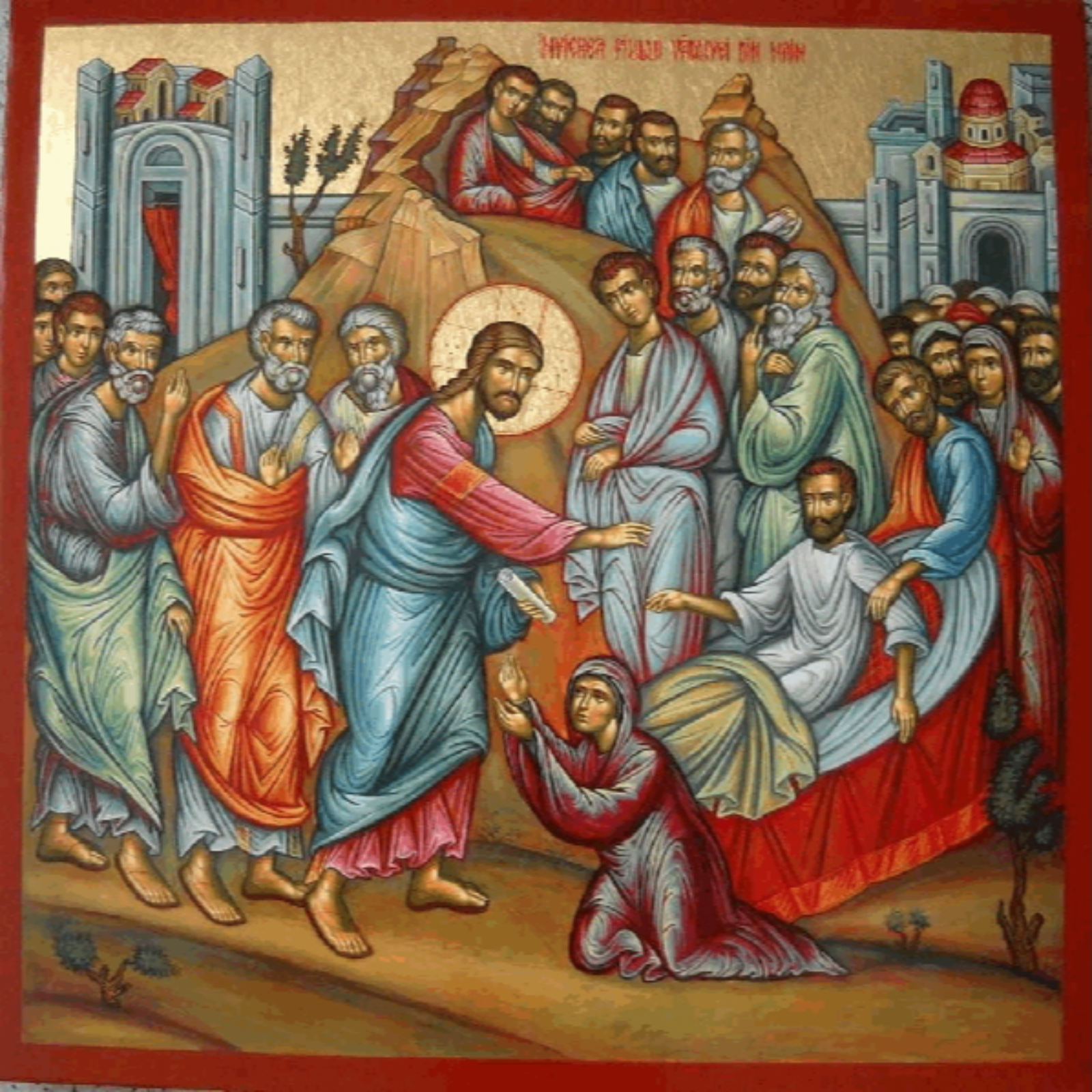
Observe how he joins miracle to miracle. In the former instance, the healing of the centurion’s servant, he was present by invitation, but here he draws near without being invited. No one summoned him to restore the dead man to life, but he comes to do so of his own accord. He seems to me to have purposely made this miracle also follow upon the former—St Cyril of Alexandria
S2 Ep 293Day 293 - Matthew 6-7
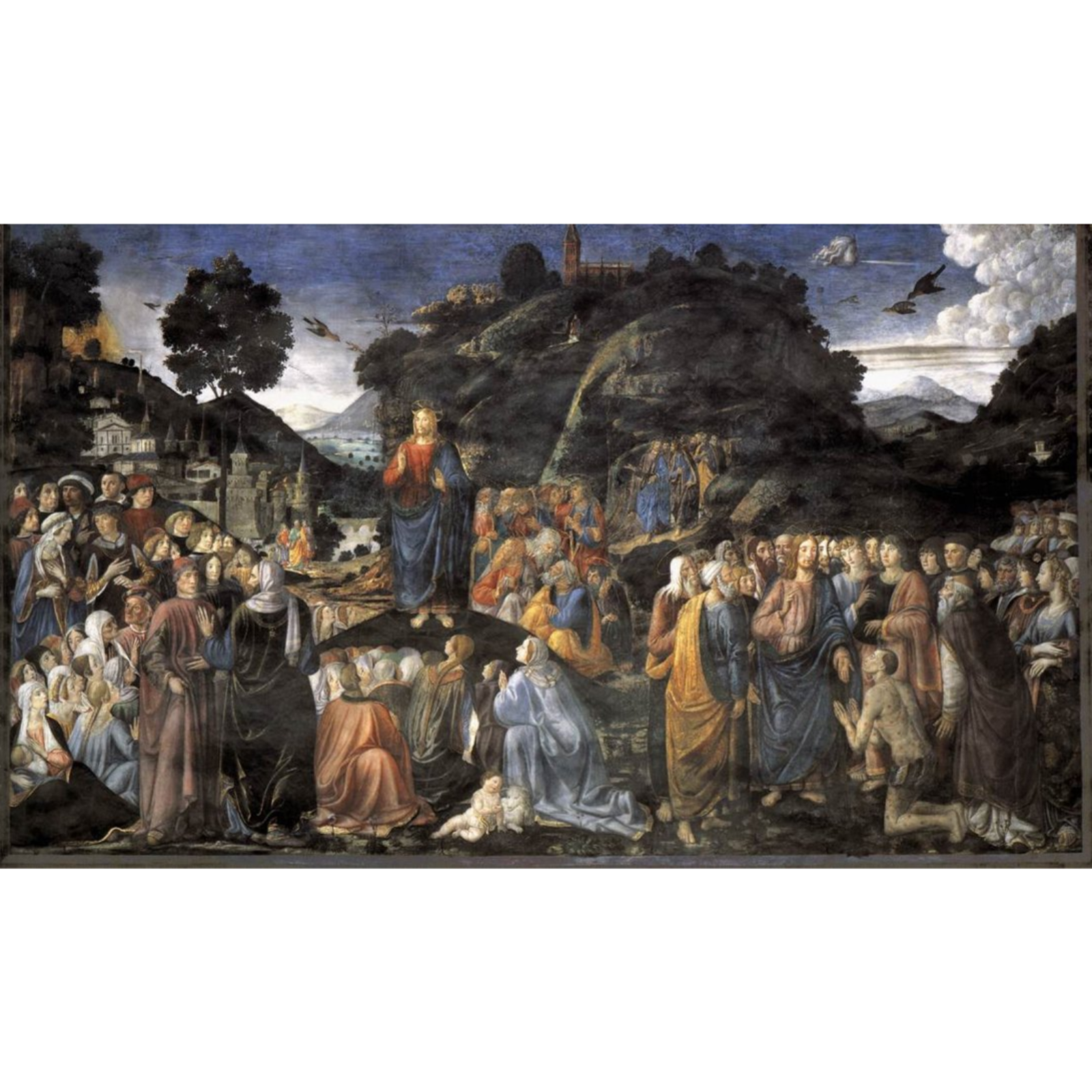
When Jesus warned, “Beware of practicing your piety before men,” he then added pointedly, “to be seen by them.” On first glance it seems as if the same thing were being repeated, but if you were carefully to pay attention, you will note a careful distinction. Alms may be given in the presence of others primarily to be seen by them, or they may be given in the presence of others but not to be seen, or they may be openly given in order to be seen but still not be seen, or they may be given quietly and still be seen. He is not focusing simply on the outward act done but the inward intent—St John Chrysostom
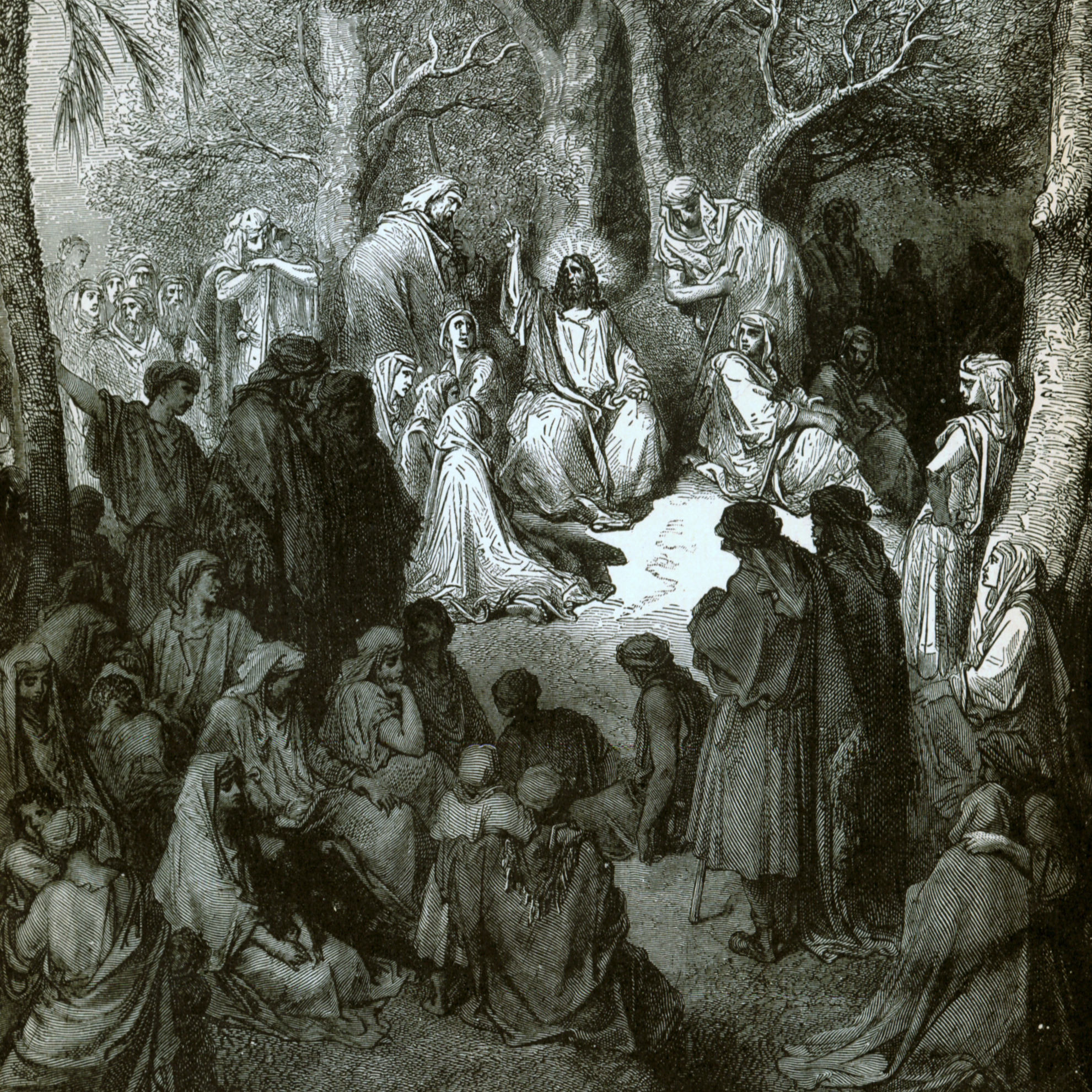
S2 Ep 292Day 292 - Mark 3, Matthew 5
If we ask what the mountain signifies, it is rightly understood to point toward the gospel’s higher righteousness. The precepts given to the Hebrews were lower. Yet, through his holy prophets and servants and in accordance with a most orderly arrangement of circumstance, the same God gave the lower precepts to a people to whom it was fitting to be bound by fear. Through his Son he gave the higher precepts to a people to whom it is fitting to be set free by love—St Augustine
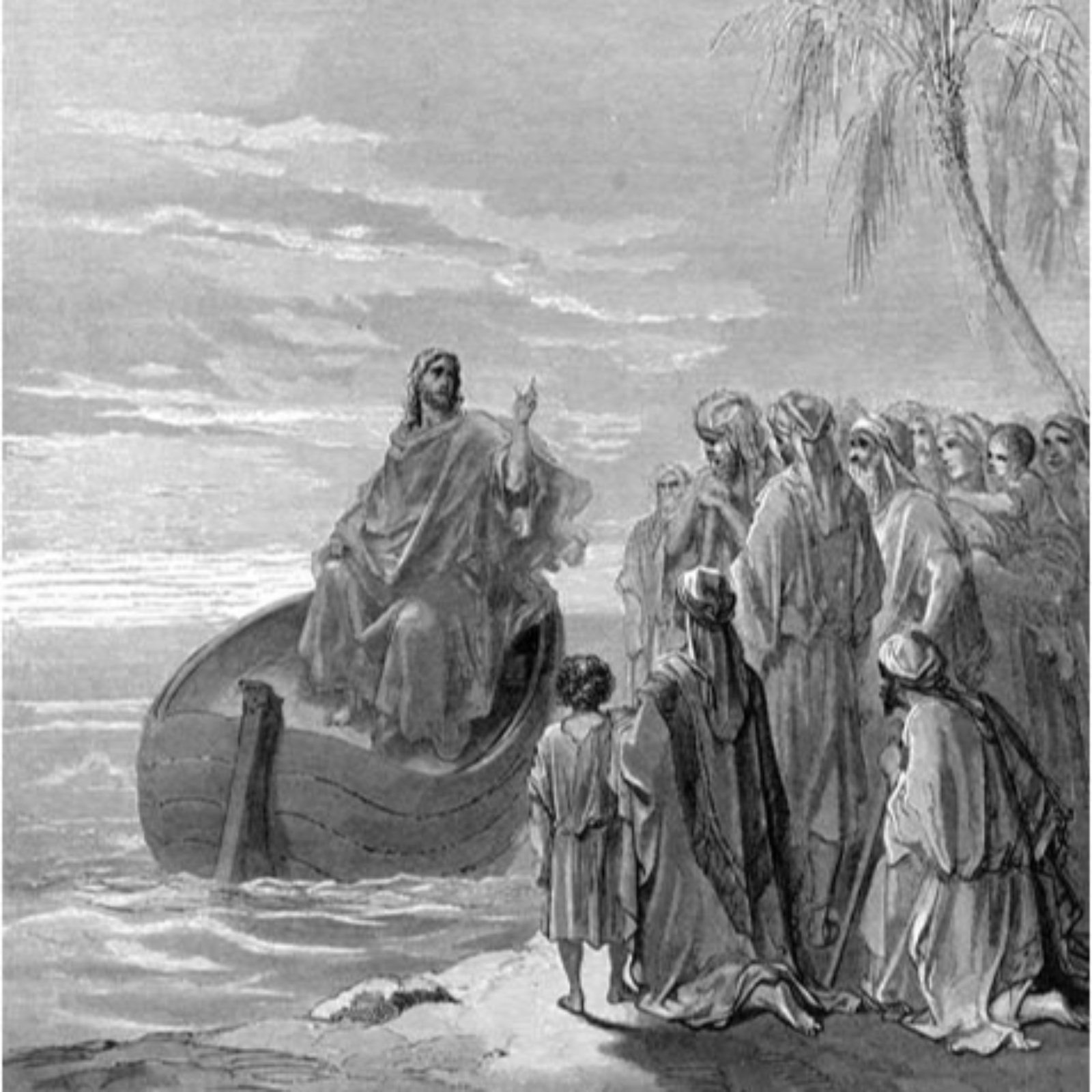
S2 Ep 291Day 291 - Matthew 9, Mark 2, Luke 5
He told Simon and his companions to sail off a little from the land and to let down the net for a draught. But they replied that they had been toiling the whole night and had caught nothing. However, in the name of Christ, they let down the net, and immediately it was full of fish. By a visible sign and by a miraculous type and representation, they were fully convinced that their labor would be rewarded, and the zeal displayed in spreading out the net of the gospel teaching would be fruitful. Within this net they should most certainly catch the shoals of the heathen. But note that neither Simon nor his companions could draw the net to land. Speechless from fright and astonishment—for their wonder had made them mute—they beckoned to their partners, to those who shared their labors in fishing, to come and help them in securing their prey. For many have taken part with the holy apostles in their labors, and still do so, especially those who inquire into the meaning of what is written in the holy Gospels. Yet besides them there are also others: the pastors and teachers and rulers of the people, who are skilled in the doctrines of truth. For the net is still being drawn, while Christ fills it, and calls to conversion those who, according to the Scripture phrase, are in the depths of the sea, that is to say, those who live in the surge and waves of worldly things—St Cyril of Alexandria
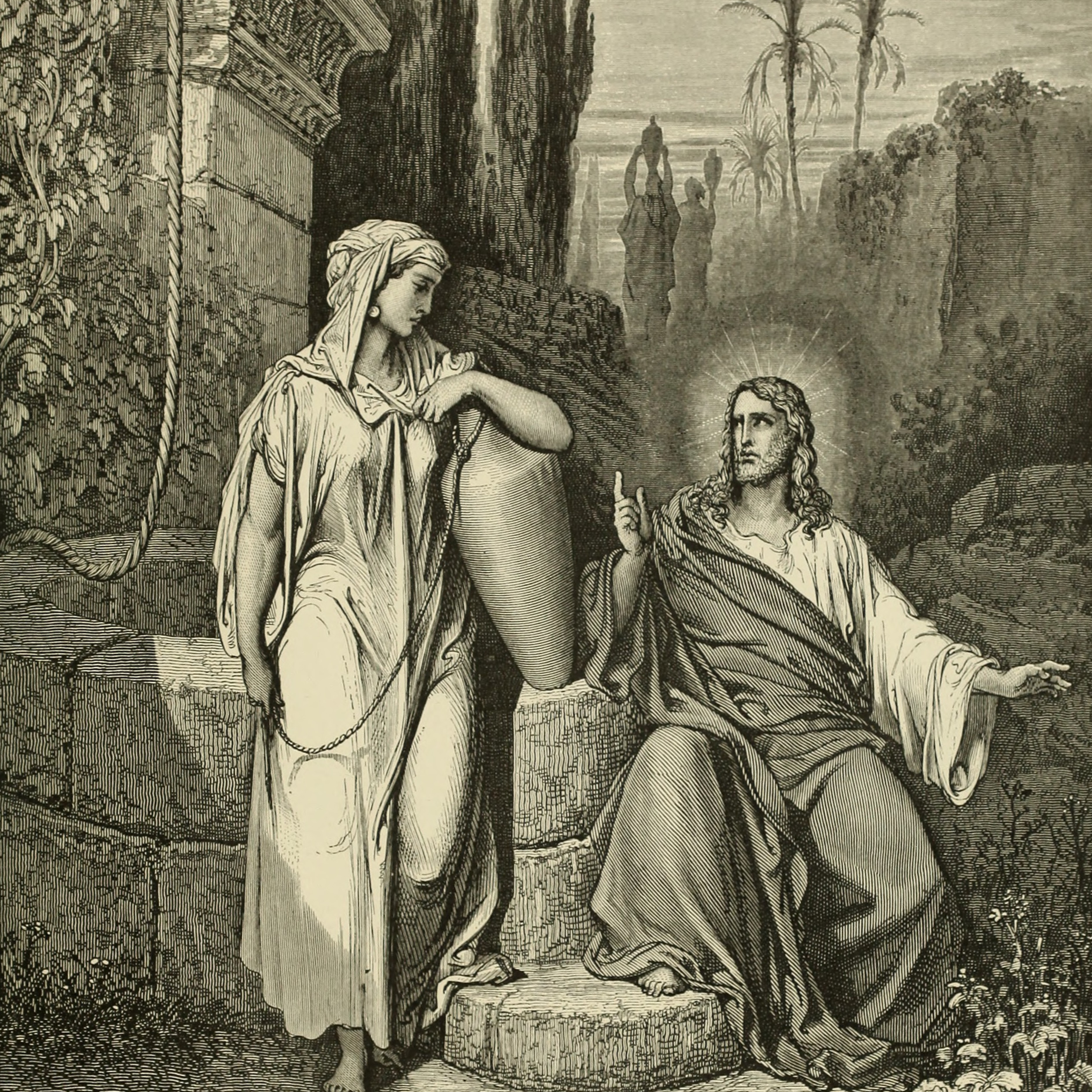
S2 Ep 290Day 290 - John 4
Why is the Evangelist so exact about this place? It is so that when you hear the woman say, “Jacob our father gave us this well,” you will not think it strange. For Sychar was the place where Simeon and Levi brought about a great slaughter because of their anger over what happened to Dinah.… And from where did the Samaritans get their name? Samaria receives its name from Somer, a mountain there, so called from the name of a former possessor of it. [1Ki 16:24; Is 7:9 LXX.] … The inhabitants of the country were formerly not Samaritans but Israelites. But in due time, they fell under God’s wrath and the [king of Assyria] … transplanted them to Babylon and Media, placing Gentiles from various parts in Samaria in their place.… God, however, sent lions to afflict the barbarians in order to show that it was not for lack of power on his part that he delivered up the Jews, but rather for the sins of the people themselves. The king was told this, and he sent a priest to instruct them in God’s law. But not even then did they entirely discontinue their iniquity but only effected a half-hearted change. In due time, they abandoned their idols and worshiped God. At this point, the Jews returned but were always jealous toward them as strangers and enemies, naming them “Samaritans” after the mountain—St John Chrysostom
S2 Ep 289Day 289 - John 3
That the need of water [in baptism] is absolute and indispensable, you may learn in this way. On one occasion, when the Spirit had flown down before the water was applied, the apostle did not stand idle at this point, but, as though the water were necessary and not superfluous, observe what he says, “Can any one forbid water so that these should not be baptized, who have received the Holy Spirit as well as we?” [Act 10:47.]Why then is water needed?… In baptism, the pledges of our covenant with God are fulfilled: burial and death, resurrection and life. And these all take place at once. For by the immersion of our heads in the water, the old person disappears and is buried as it were in a tomb below and wholly sunk forever. Then as we raise them again, the new person rises in his place. As easy as it is for us to dip and to lift our heads again, that is how easy it is for God to bury the old person and to show forth the new. And this is done three times so that you may learn that the power of the Father, the Son and the Holy Spirit fulfills all this—St John Chrysostom
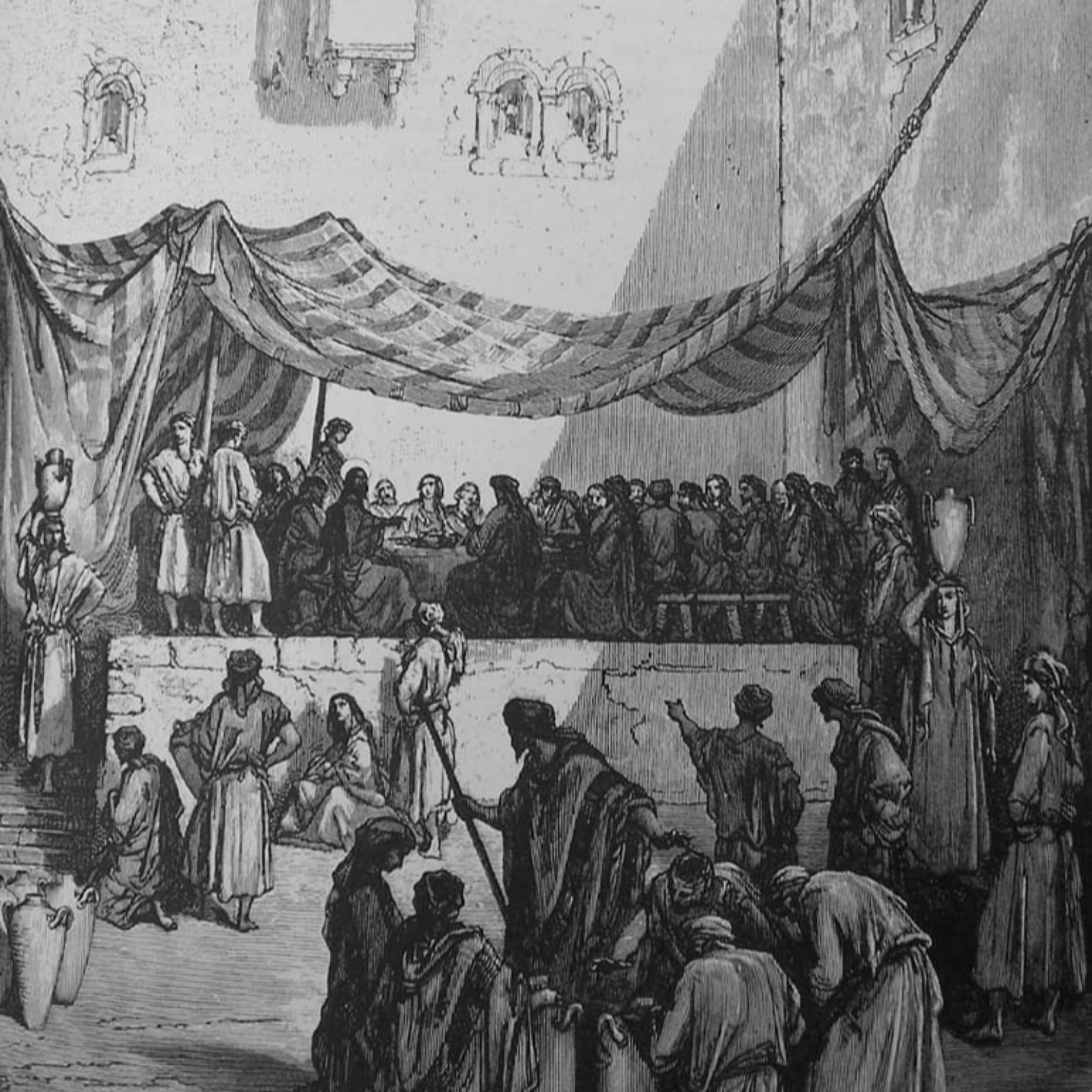
S2 Ep 288Day 288 - John 2
Since our Lord was known in Galilee, they invite him to the marriage. And he comes because he cares more about our good than his own dignity. The one who did not despise taking on himself the form of a servant [Php 2:7.] would much less despise being present at the marriage of servants—St John Chrysostom
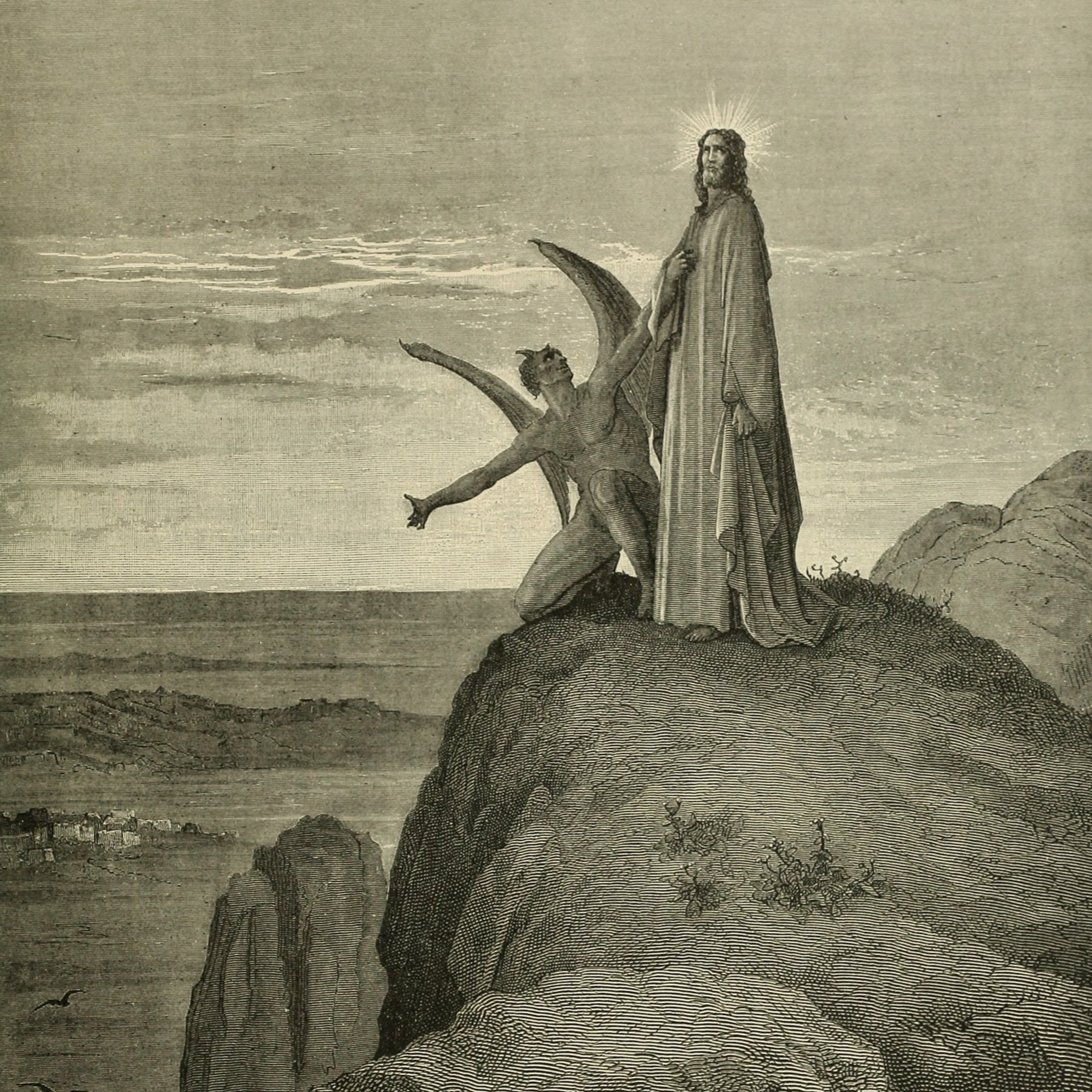
S2 Ep 287Day 287 - Matthew 4, Luke 4
It is fitting that it be recorded that the first Adam was cast out of Paradise into the desert, [Gen 3:23-24; 1Co 15:45.] that you may observe how the second Adam returned from the desert to Paradise.… Adam brought death through the tree. Christ brought life through the cross. Adam, naked of spiritual things, covered himself with the foliage of a tree. [Gen 3:7.] Christ, naked of worldly things, did not desire the trappings of the body. Adam lived in the desert. Christ lived in the desert, for he knew where he could find the lost. With their error canceled, he could recall them to Paradise.…So Jesus, full of the Holy Spirit, is led into the desert for a purpose, in order to challenge the devil. If he had not fought, he would not have conquered him for me—St Ambrose of Milan
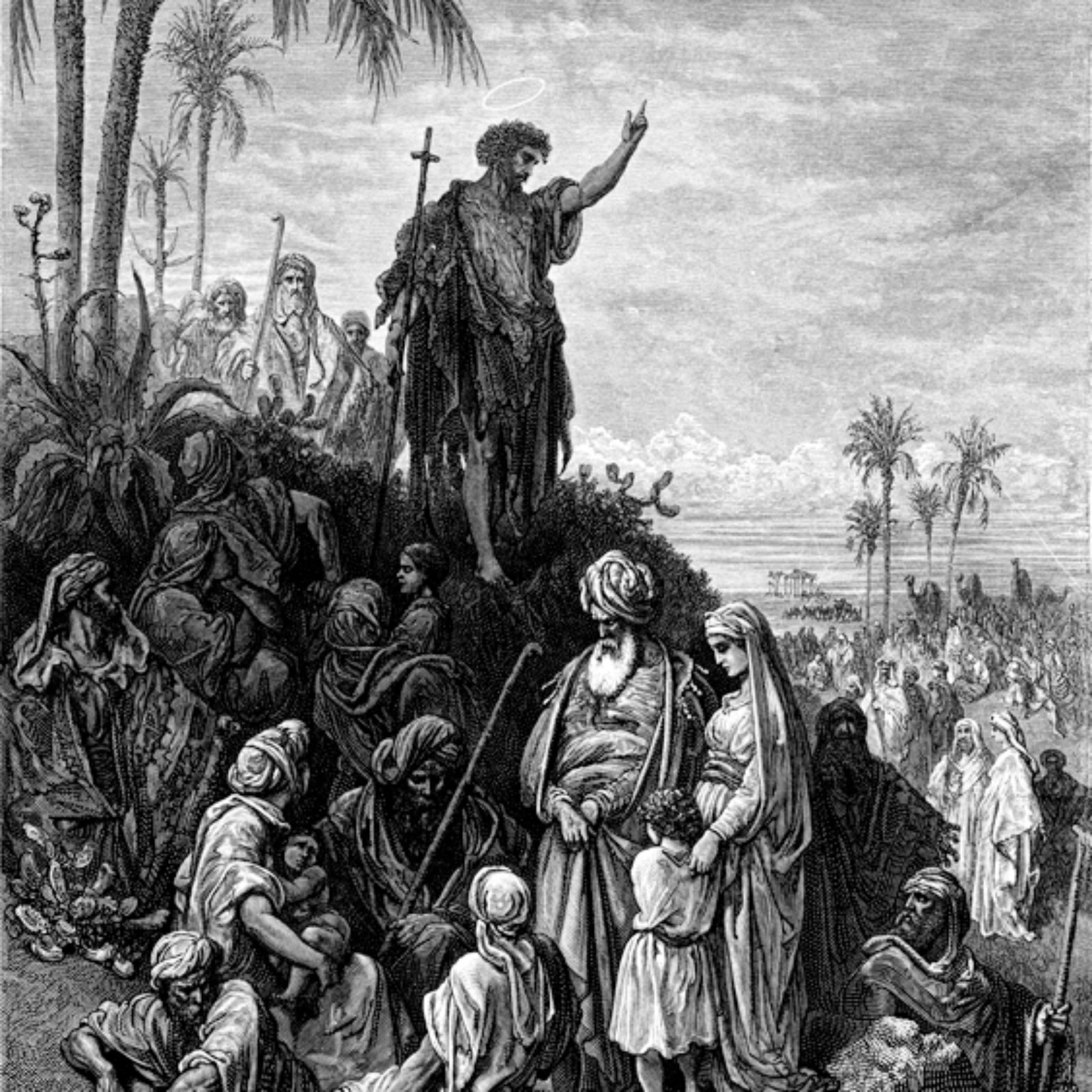
S2 Ep 286Day 286 - Matthew 3, Mark 1, Luke 3
The Son of God, who is to gather the church, first works in a servant. Thus St. Luke fittingly says that the Word of the Lord came to John, the son of Zechariah, in the wilderness, so that the church would not begin from a man but from the Word. For she is a wilderness, because children of depravity outnumber hers, though she has a husband. Then it is said to her, “Sing, O barren one,” [Isa 54:1.] and, “Break forth together into singing, you waste places,” [Isa 52:9.] because the desert had not yet been cultivated by any work of a flock of people, nor had those trees which could bear fruit displayed the crown of their merits. The one who said, “I am like a green olive tree in the house of the Lord,” [Psa 52:8.]had not yet come, nor had that heavenly Vine borne fruit with its shoots of words on the trained branch of its own people. [See Jhn 15:1.]So the Word came that the desolate earth would bring forth fruit for us. The Word came, and the voice followed, for the Word first works within before the voice follows. Hence David too says, “I believed, and then I spoke.” [Ps 115:1 LXX.]—St Ambrose of Milan
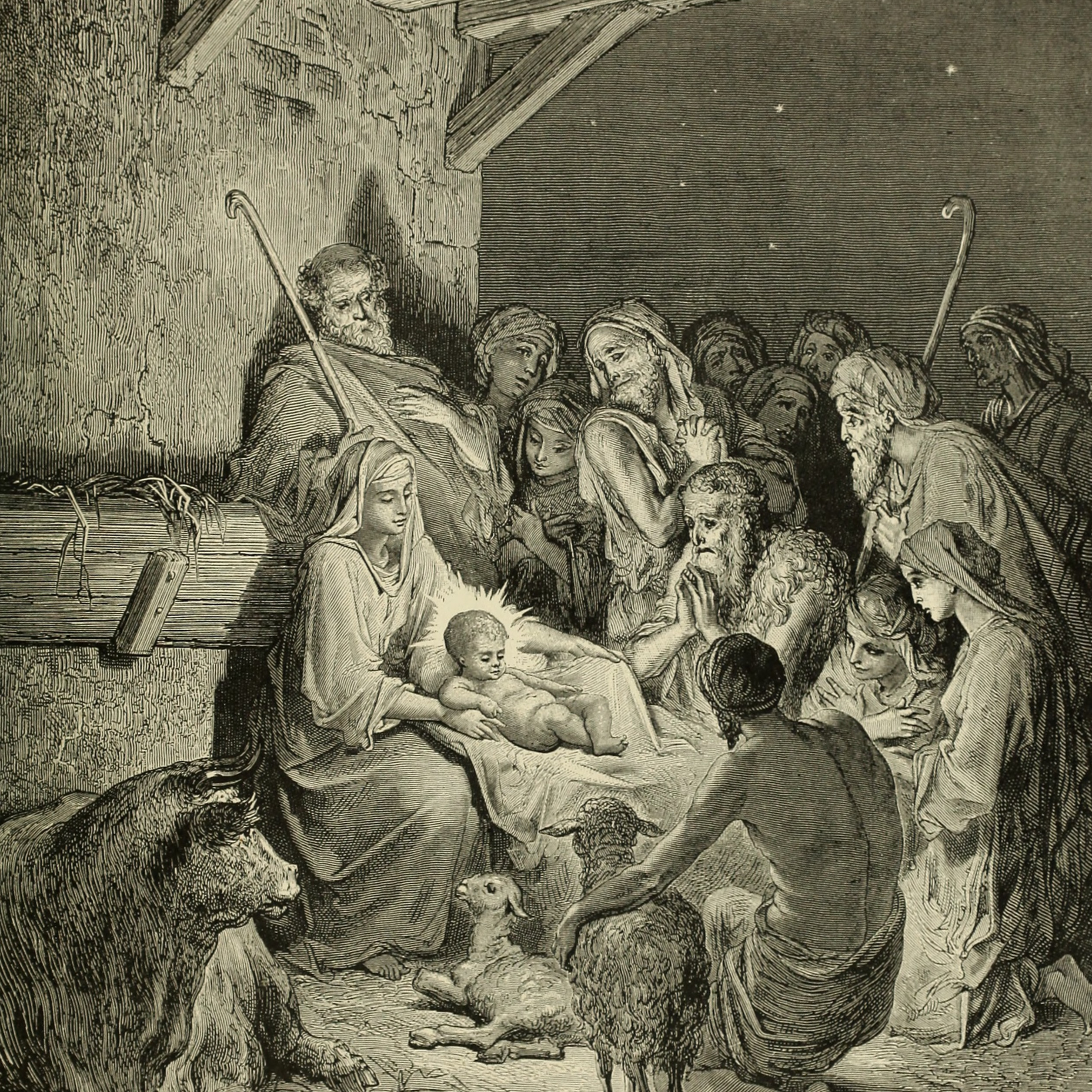
S2 Ep 285Day 285 - Luke 2, Matthew 2
A feast day is about to arrive, and it is the most holy and awesome of all feasts. It would be no mistake to call it the chief and mother of all holy days. What feast is that? It is the day of Christ’s birth in the flesh.It is from this day that the feasts of the theophany, the sacred Pasch [Passover], the ascension and Pentecost had their source and foundation. Had Christ not been born in the flesh, he would not have been baptized, which is the theophany or manifestation. Nor would he have been crucified, which is the Pasch. Nor would he have sent down the Spirit, which is Pentecost. Therefore, just as different rivers arise from a single source, these other feasts have their beginnings in the birth of Christ—St John Chrysostom
S2 Ep 284Day 284 - John 1, Luke 1, Matthew 1
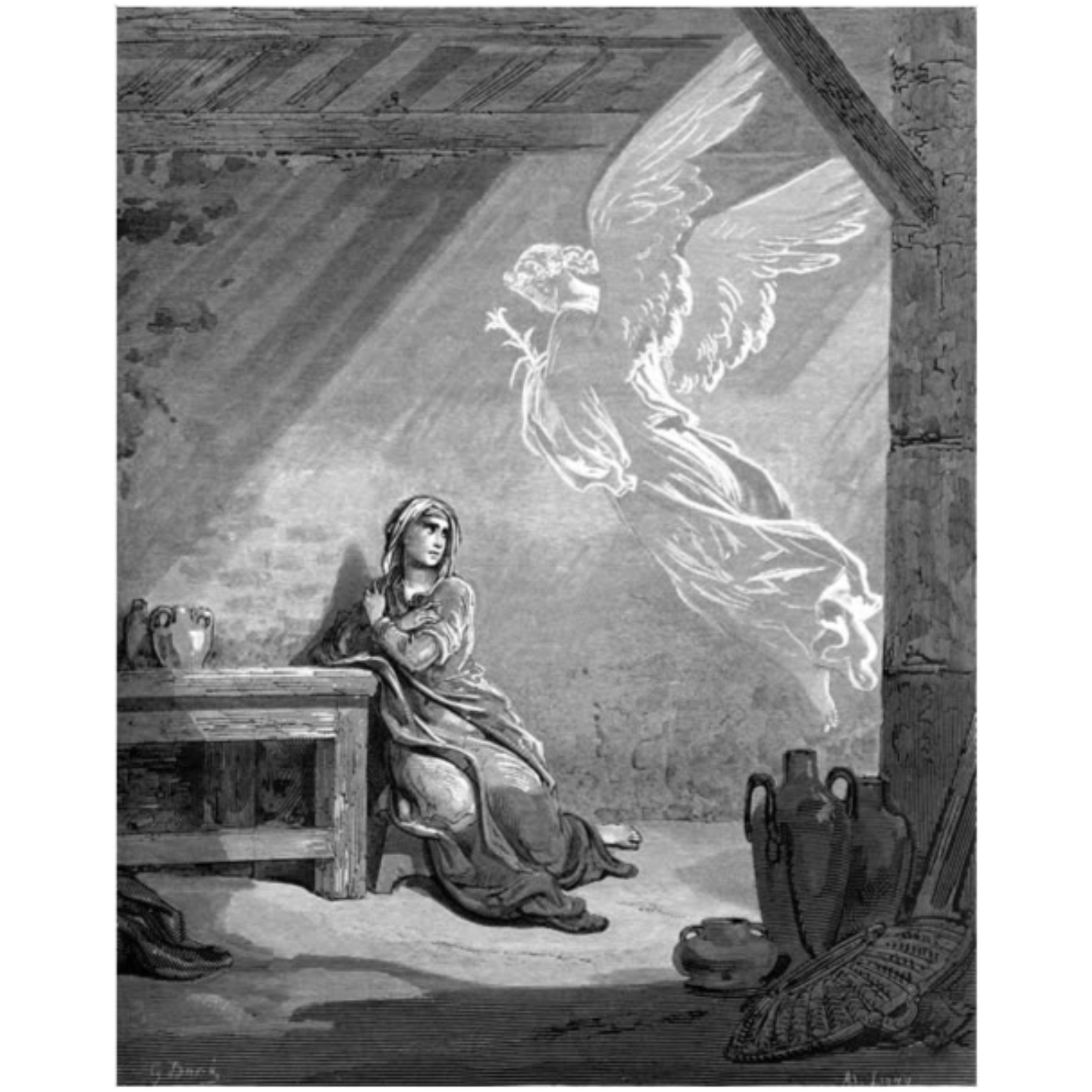
St. Luke kept a certain historical order and revealed to us more miracles of the Lord, yet so that the history of his Gospel embraced the virtue of all wisdom. For what more excellent truth did he reveal concerning natural wisdom than that the Holy Spirit also gave rise to the divine incarnation? [See Luk 1:35.] … He taught that the powers of heaven would be shaken, [Luk 21:26.] that the Lord alone is the only-begotten Son of God, at whose passion darkness fell during the day so that the earth was darkened as night and the sun fled. [Luk 23:44-45.] … As compared with the other Gospels, we see greater zeal devoted to the description of the events than to the expression of rules of behavior. And the Evangelist, writing in historical mode, makes his beginning in narrative form: “There was,” he says, “in the days of Herod, the King of Judea, a certain priest named Zechariah,” [Luk 1:5.] and he continues the story with a full and orderly description. Hence, those who think that the four living creatures described in the Apocalypse [Ezk 1:5-12, Ezk 10:14; Rev 4:6-11.] are to be understood as the four books of the gospel wish this book to be represented by the calf; [The original word means “ox.”] for the calf is the priestly victim. This Gospel is represented fittingly by the calf, because it begins with priests and ends with the Calf who, having taken upon himself the sins of all, was sacrificed for the life of the whole world. [1Pe 2:24; 1Jn 2:2.] He was a priestly Calf. He is both Calf and Priest. He is the Priest, because he is our Propitiator. We have him as an advocate with the Father. [1Jn 2:1.] He is the Calf, because he redeemed us with his own blood. [Heb 9:12-14; Rev 5:9.]—St Ambrose of Milan
S1 Ep 283Day 283 - Daniel 11-12
Daniel gave the reason why God permitted them to be involved in such trials. What is the reason? “To purge them, to choose them and to make them white until the time of the end” … so as to cleanse them and to show who among them was genuine and approved—St John Chrysostom
S1 Ep 282Day 282 - Daniel 9-10
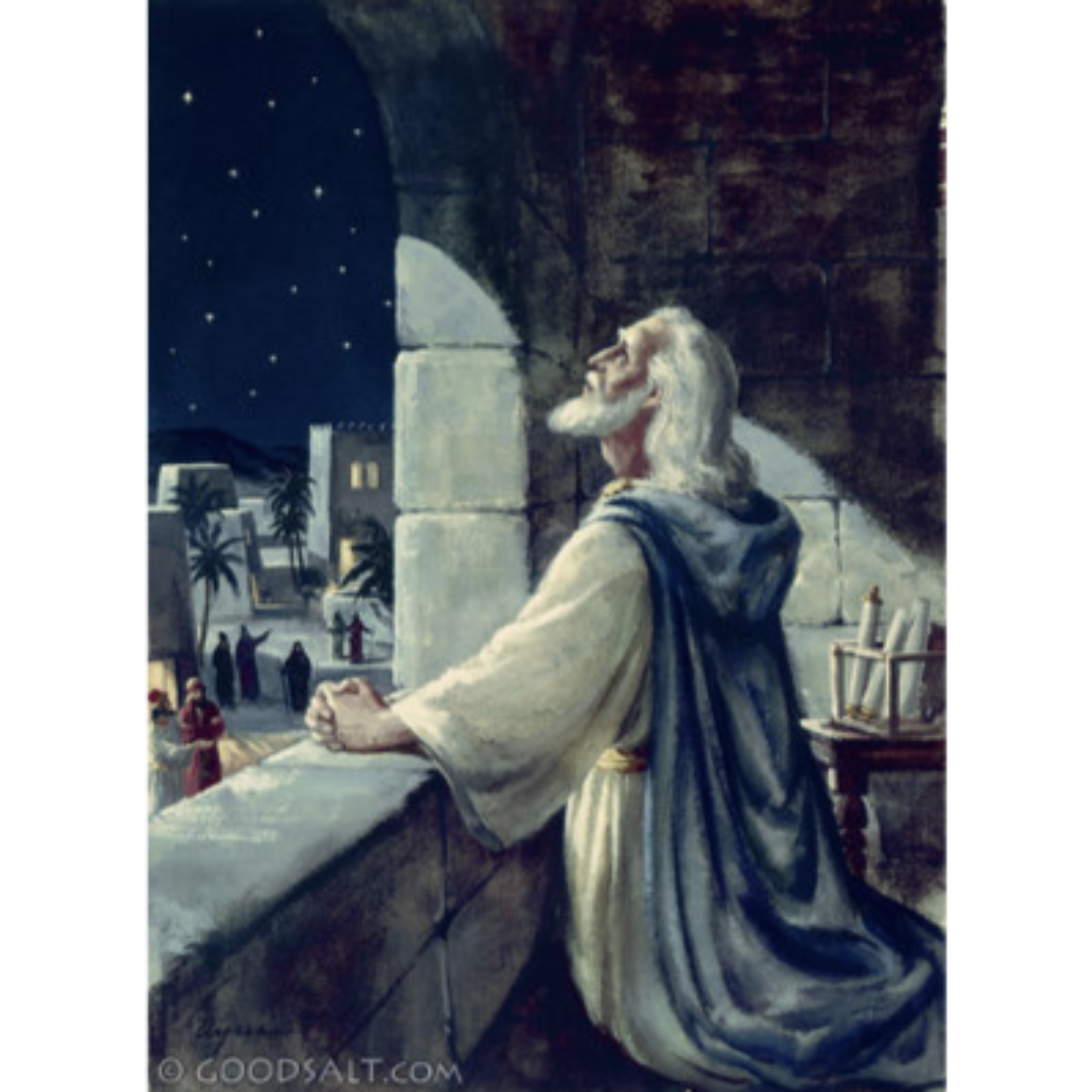
What will you say, Daniel? You are among the good; you enjoy honor before God and people; why do you concern yourself with the others? But Moses also acted the same way. And what does he say? “He asked for the things that were due with fasting, sackcloth and ashes.” Why did he do that, if what he was asking was due the Israelites? He did it so that he might not make them unworthy of this. For there is no compulsion that can be applied to God; he is above all laws. He did this “to seek in prayer and petition.”—St John Chrysostom
S1 Ep 281Day 281 - Daniel 7-8
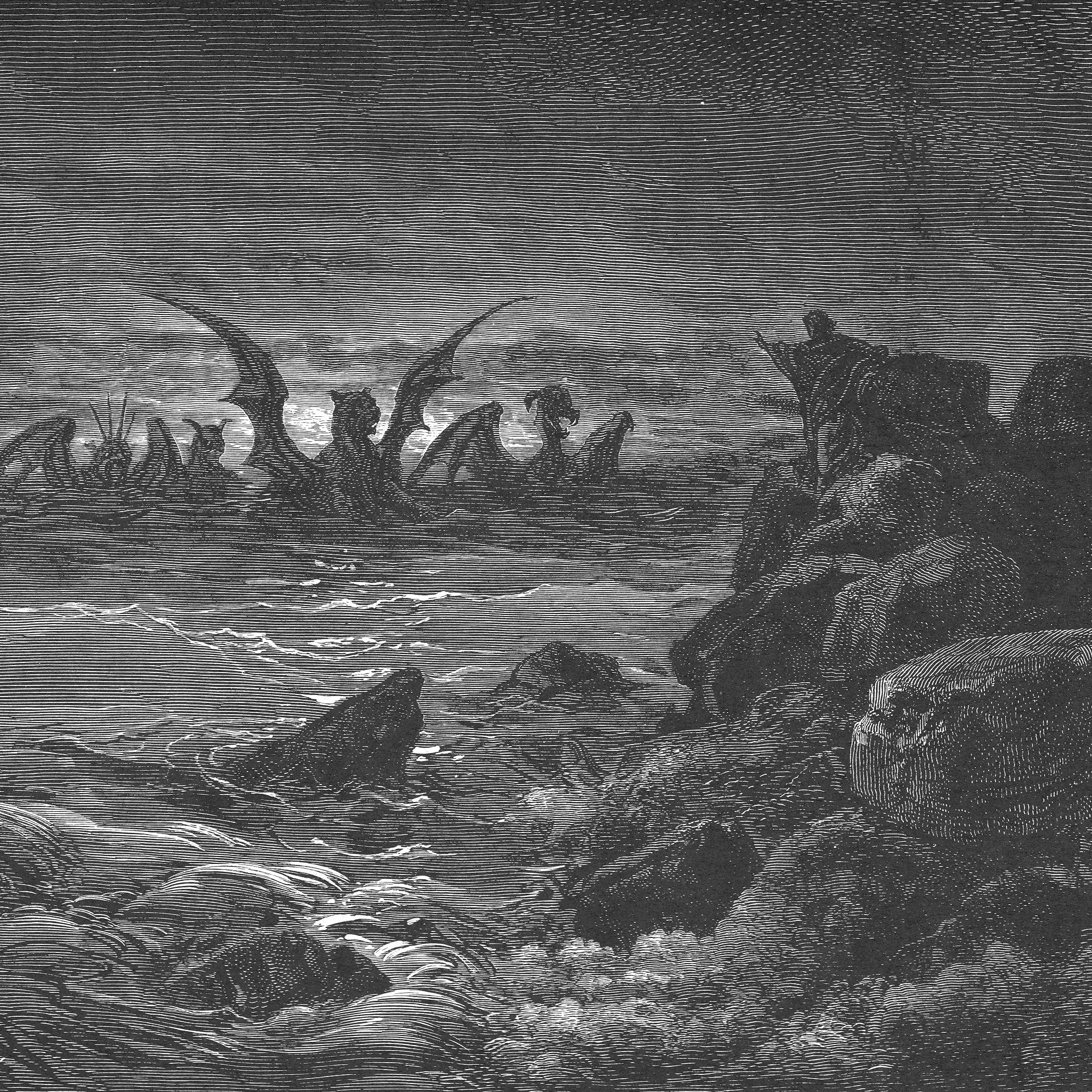
We should therefore concur with the traditional interpretation of all the commentators of the Christian church, that at the end of the world, when the Roman Empire is to be destroyed, there shall be ten kings who will partition the Roman world among themselves. Then an insignificant eleventh king will arise, who will overcome three of the ten kings, that is, the king of Egypt, the king of [North] Africa and the king of Ethiopia, as we shall show more clearly in our later discussion. Then, after they have been slain, the seven other kings also will bow their necks to the victor. “And behold,” he continues, “there were eyes similar to human eyes in that horn.” Let us not follow the opinion of some commentators and suppose him to be either the devil or some demon, but rather, one of the human race, in whom Satan will wholly take up his residence in bodily form “… and a mouth uttering overweening boasts.…” [See 2 Thess 2.] For this is the man of sin, the son of perdition, and that also to such a degree that he dares to sit in the temple of God, making himself out to be like God—St Jerome
S1 Ep 280Day 280 - Zechariah 11-14
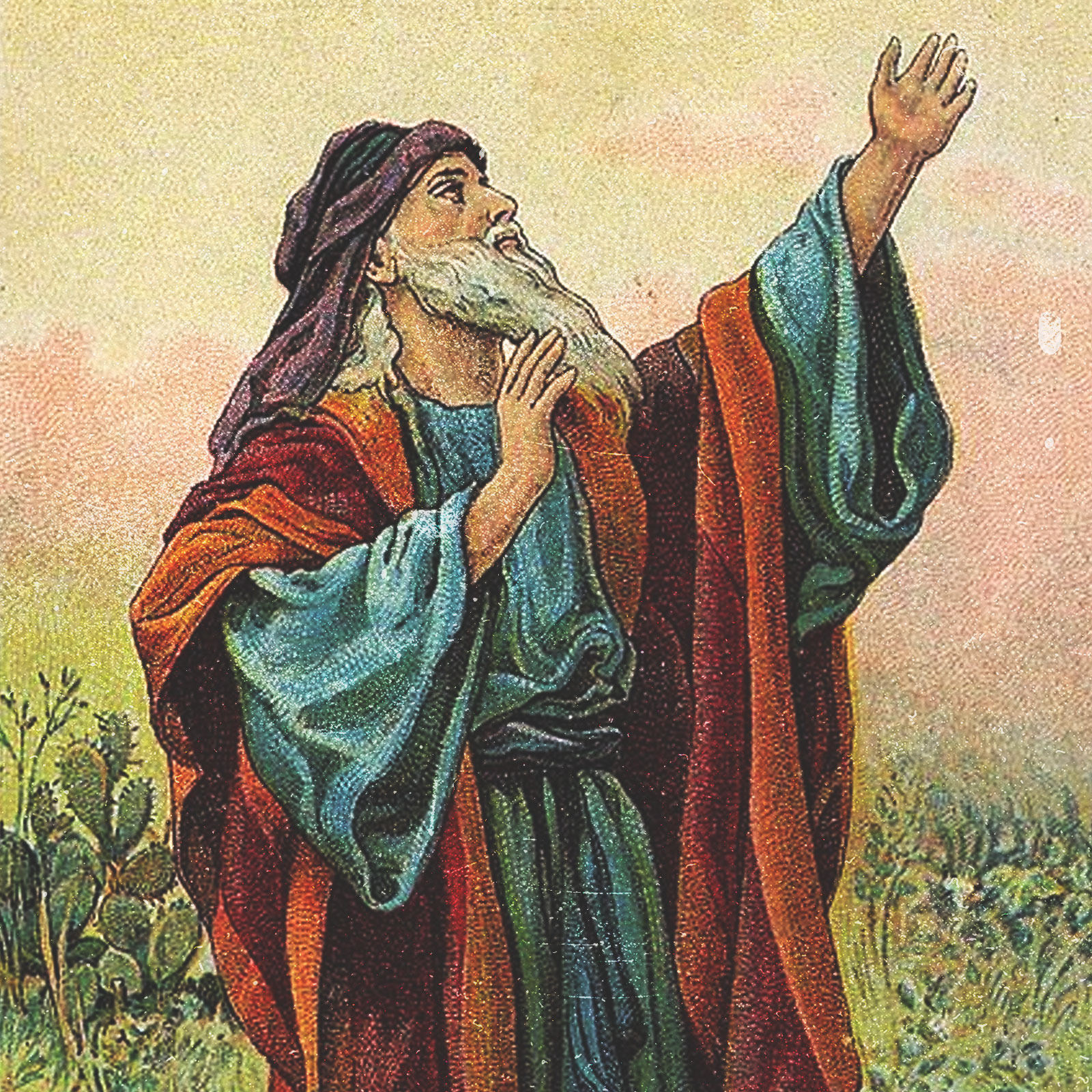
Christ, then, was crucified for us; he was judged in the night, when it was cold, and therefore a fire of coal was laid. He was crucified in the third hour, and “from the sixth hour there was darkness until the ninth hour,” [Mat 27:45.] but from the ninth hour there was light again. Are these details written down? Let us inquire. Zechariah says, “And it shall come to pass in that day, and there shall be no light but cold and frost through one day (the cold on account of which Peter warmed himself), and that day shall be known to the Lord.” (What? Did he not know the other days? There are many days, but “this is the day [of the Lord’s patience] the Lord has made.”) [Psa 118:24.] “And that day shall be known to the Lord, and not day nor night.” What dark saying does the prophet utter? That day is neither day nor night. What then shall we call it? The gospel interprets it, telling of the event. It was not day, for the sun did not shine without interruption from rising to setting, but from the sixth hour to the ninth there was darkness. The darkness was interposed, but God called the darkness night. Therefore it was neither all light, so as to be called day, nor all darkness, so as to be called night; but after the ninth hour the sun shone forth. This also the prophet foretells; for after saying “not day nor night,” he adds, “And in the time of the evening there shall be light.” Do you see the truth of the events foretold?—St Cyril of Jerusalem
S1 Ep 279Day 279 - Zechariah 9-10
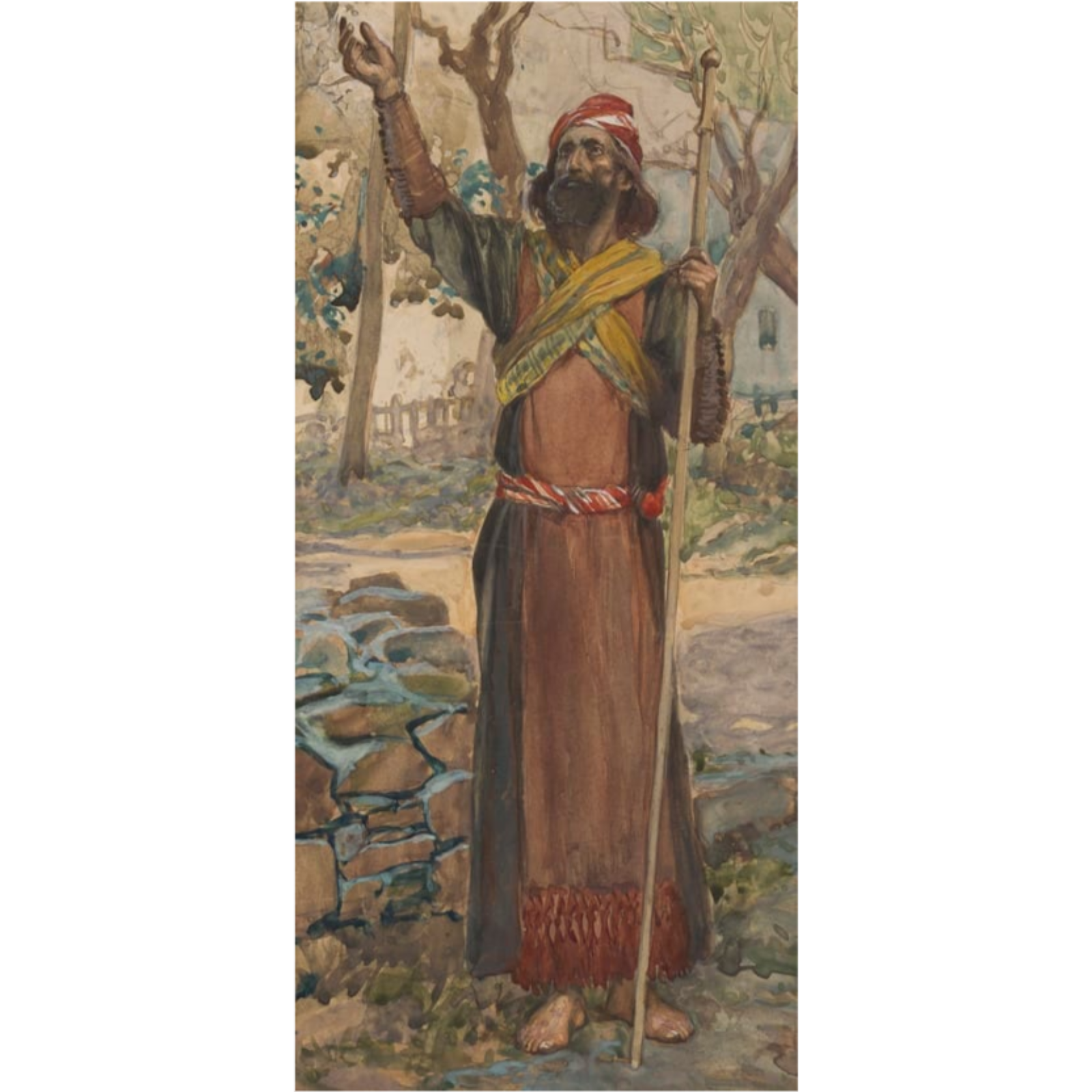
At another time, he speaks of us under the figure of a colt. He means by [the colt] that we are unyoked to evil, unsubdued by wickedness, unaffected, high-spirited only with him our Father. We are colts, not stallions, “who whinny lustfully for their neighbor’s wife, beasts of burden unrestrained in their lust.” [Jer 5:8.] Rather, we are free and newly born, joyous in our faith, holding fast to the course of truth, swift in seeking salvation, spurning and trampling upon worldliness. “Rejoice greatly, O daughter of Zion. Shout for joy, O daughter of Jerusalem. Behold, your king comes to you, the just and the Savior, and he is poor and riding upon a donkey and upon a young colt.” He is not satisfied to say “colt”; he adds “young” to emphasize humankind’s rejuvenation in Christ and its unending, eternal youth and simplicity. Our divine Tamer trains such young colts as we little ones—Clement of Alexandria
S1 Ep 278Day 278 - Isaiah 63-66
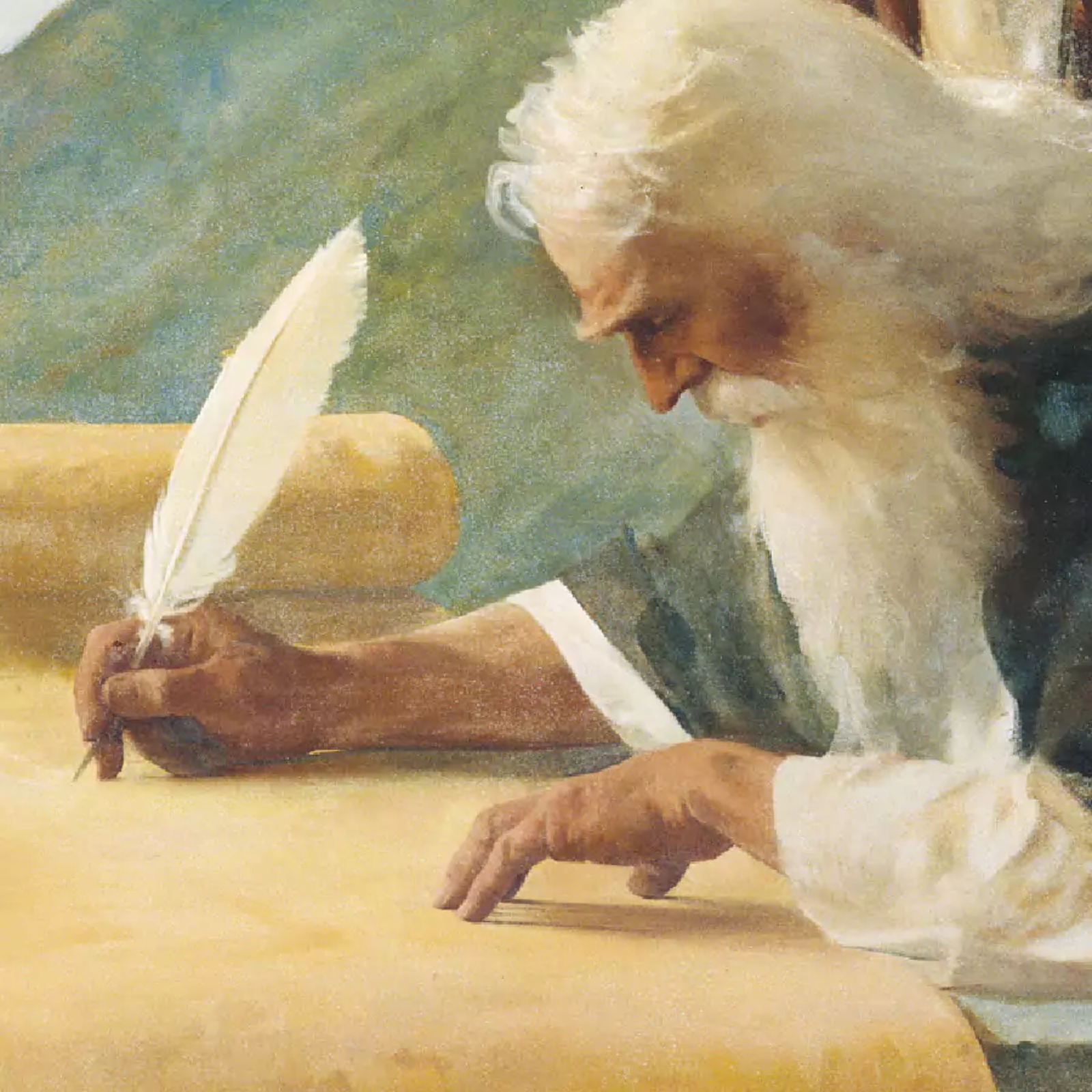
For he appeared to the powers above not only in the form in which he came for us, that is, as a human, but also showing the signs of his passion. Thus, we say that after his resurrection from the dead the marks of the nails and the other things of his wounds were marked on the holy flesh.… So that the angels asking each other might say, “Who is this?” He considers and replies to them, “I speak justice and the judgment of salvation.” [Is 63:1 LXX.] He calls “justice” the divine and good news-bearing message or every just word that the Lord speaks. And the judgment of salvation refers to the judgment we receive. He indicated the world also to Satan, who was accusing it, and he saved those burdened by terrible greed. And he expelled the rebel and foreign usurper from among them, saying, “Now is the judgment of this world.” [Jhn 12:31.]—St Cyril of Alexandria
S1 Ep 277Day 277 - Isaiah 60-62
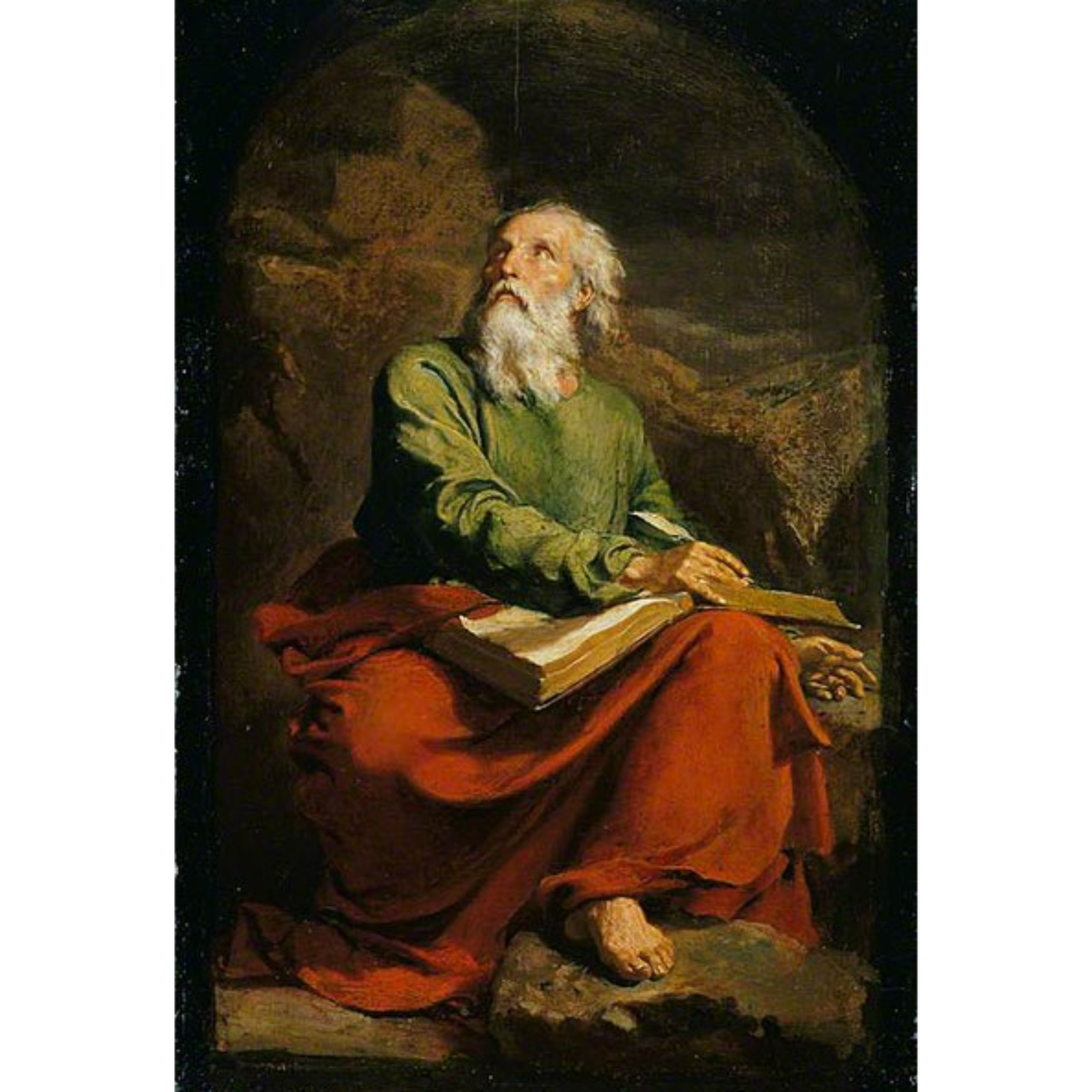
And the Logos, exhorting us to come to this light, says, in the prophecies of Isaiah, “Enlighten yourself, enlighten yourself, O Jerusalem, for your light is come, and the glory of the Lord is risen on you.” Observe now the difference between the fine phrases of Plato respecting the chief good and the declarations of our prophets regarding the light of the blessed; and notice that the truth as it is contained in Plato concerning this subject did not at all help his readers to attain to a pure worship of God, or even himself, who could philosophize so grandly about the chief good, whereas the simple language of the Scriptures led to their honest readers being filled with a divine spirit; and this light is nourished within them by the oil, which as a certain parable is said to have preserved the light of the torches of the five wise virgins—Origen
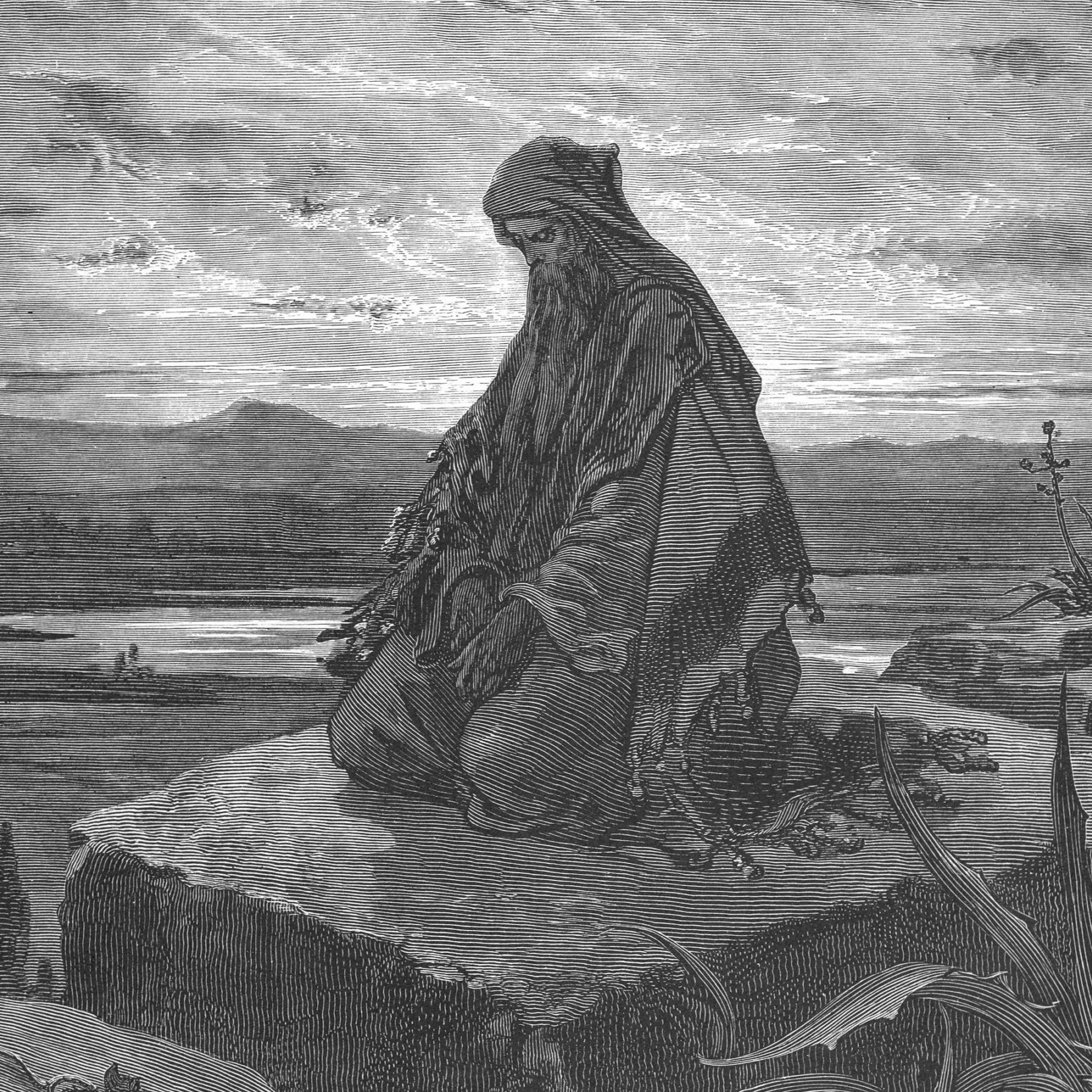
S1 Ep 276Day 276 - Isaiah 56-59
No one should be exercised by the words said to the Israelites about keeping the law, which doubtless belongs to the shadows of the world of types; for no one is justified by the law with God.… We should understand this spiritually; and abstaining from the care of the flesh we should offer spiritual sacrifices with the odor of a good spiritual fragrance and minister to God … to keep the sabbath spiritually now means for us keeping away from worldly cares … and with holy vigor making him glad, and offering ourselves in holy sweetness—St Cyril of Alexandria
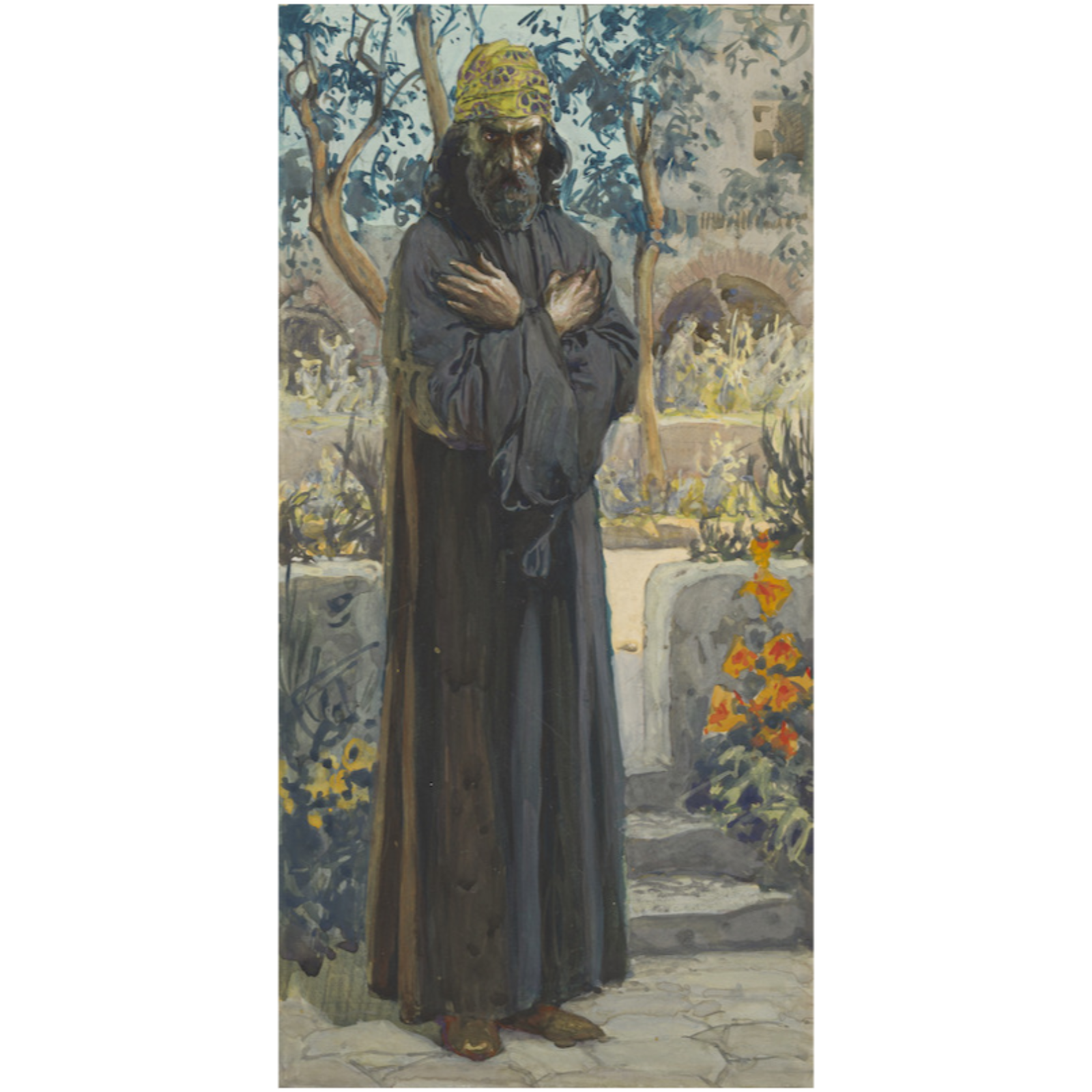
S1 Ep 275Day 275 - Joel 1-3
What a servile mentality from a crazed brain that knows how to do nothing else but gabble. We must reply to our opponents, “You are drunken men; rouse yourselves from your cups.” Why do you do such violence to the truth? Why have you twisted the sense of the divine teachings so as to have been carried off the royal road?—St Cyril of Alexandria
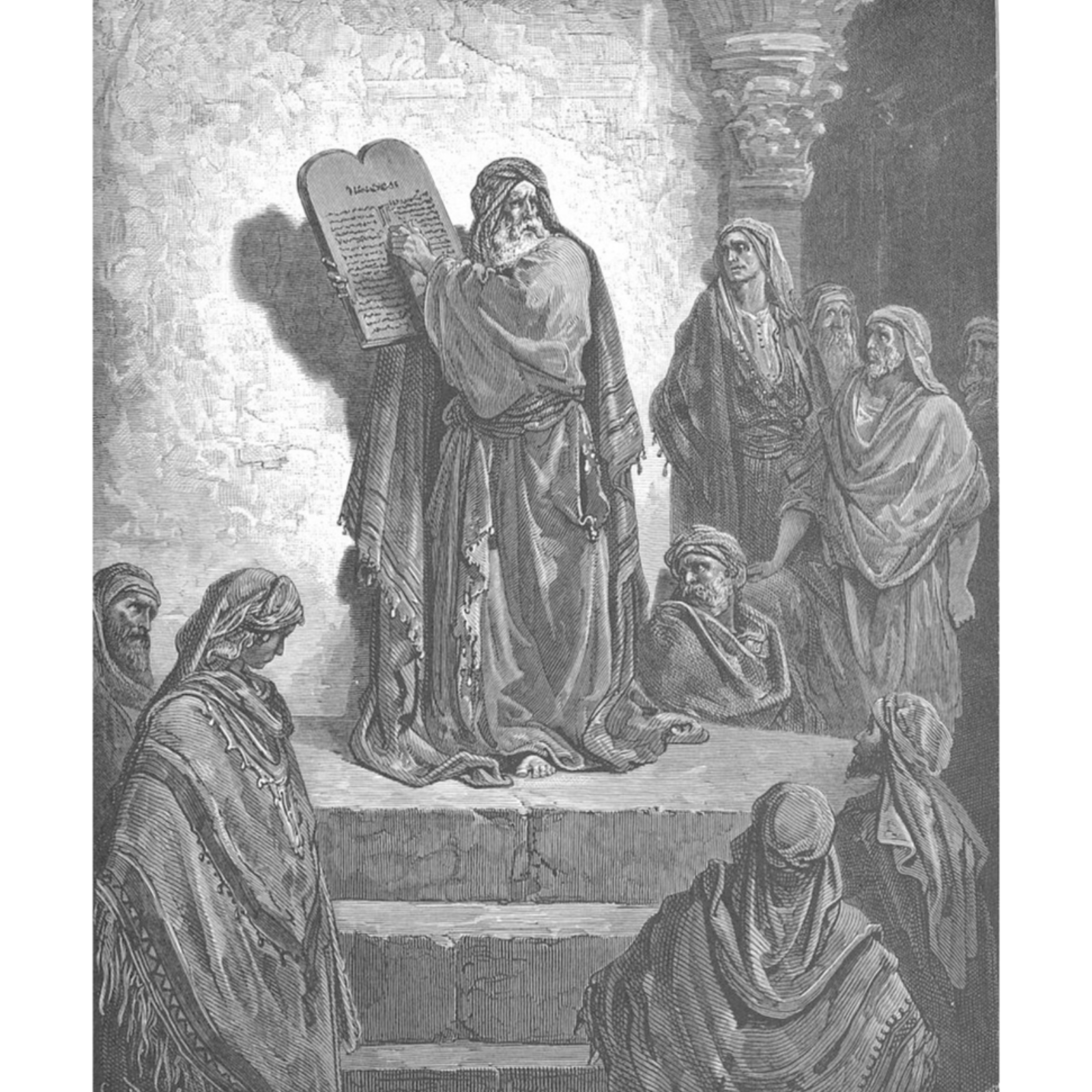
S1 Ep 274Day 274 - Nehemiah 13, Psalm 92
It is in all respects an apt and appropriate end to the work of building the holy city and the temple of the Lord that when the citizens have been purified by God from all the filth of foreign pollution, which is alien to God, the orders of the priests and the Levites should be duly preserved in their own ministry in order that the teachers of the church who have been instructed according to rule may continually exhort the people now cleansed from all sin to remain henceforth in goodness and to grow. Among other things, the people offer wood to the Lord to feed the fire of the altar when they perform works of virtues that are assuredly worthy of divine consecration. For if wood did not sometimes symbolize something good, the prophet would not say, “Then shall all the wood of the forests rejoice in the presence of the Lord.” [Psa 96:12-13(95:12-13 LXX, Vg).] Now the wood burns and is consumed in the altar of the burnt offering when in the hearts of the elect works of righteousness are perfected in the flame of love—The Venerable Bede
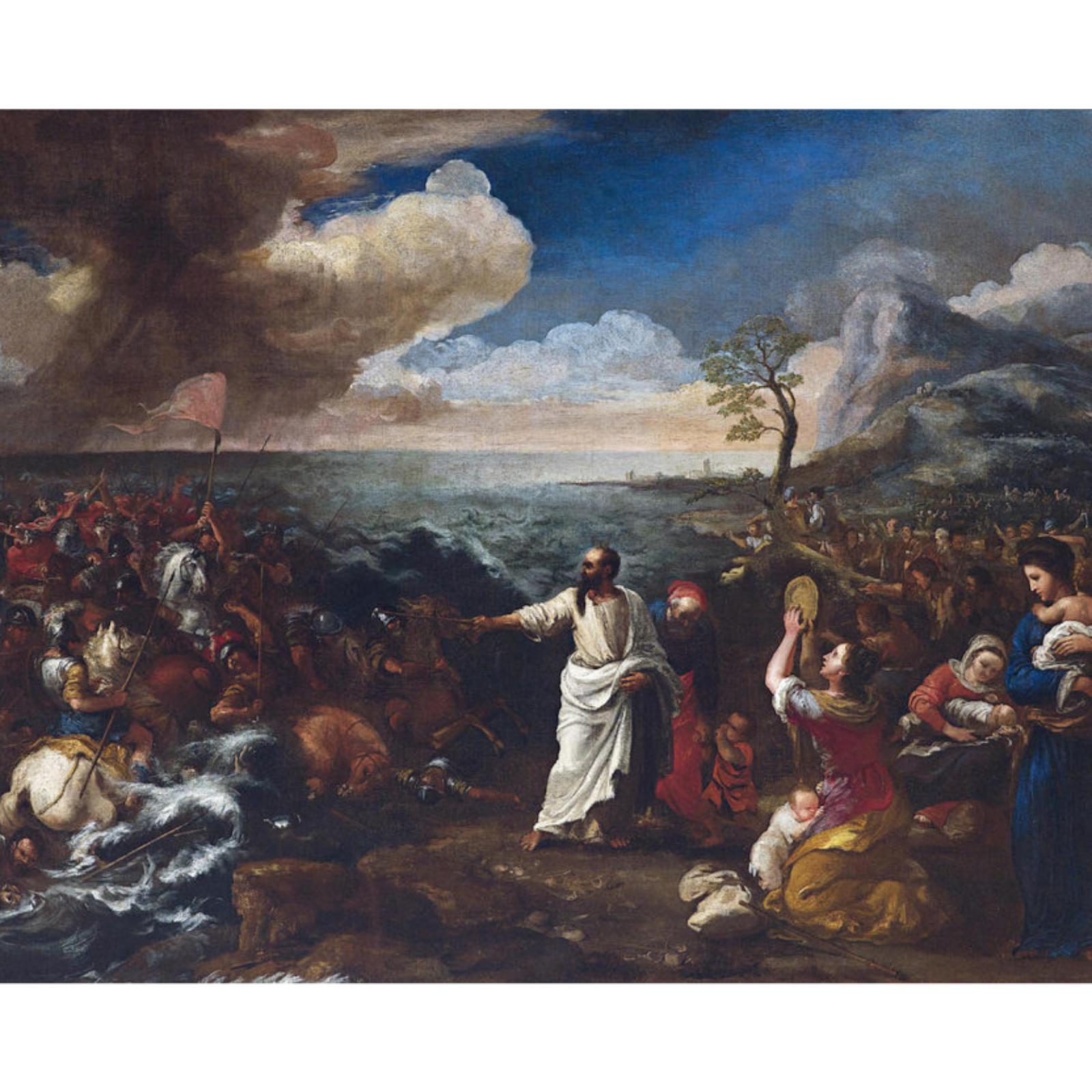
S1 Ep 273Day 273 - Psalms 145-150
And now that we have thus distinguished the various modes of generation, it will be time to observe how the benevolent provision of the Holy Spirit, in delivering to us the divine mysteries, imparts that instruction that transcends reason by such methods as we can receive. For the inspired teaching adopts, in order to set forth the unspeakable power of God, all the forms of generation that human intelligence recognizes, yet without including the bodily senses attaching to the words. For when it speaks of the creative power, it gives to such an energy the name of generation, because its expression must stoop to our level of understanding. It does not, however, convey thereby all that we include in creative generation, as time, place, the furnishing of matter, the fitness of instruments, the design in the things that come into being. It leaves these and asserts of God in lofty and magnificent language the creation of all existent things, when it says, “He spoke the word, and they were made, He commanded, and they were created.” Again when it interprets to us the unspeakable and transcendent existence of the Only-Begotten from the Father, as the poverty of human intellect is incapable of receiving doctrines that surpass all power of speech and thought, there too it borrows our language and terms him “Son,” a name that our usage assigns to those who are born of matter and nature—St Gregory of Nyssa
S1 Ep 272Day 272 - Psalms 114-118, 135-136
And that this is the opinion either of all or the best of the Platonists can be ascertained by their writings. And regarding the name itself, if they see fit to call such blessed and immortal creatures gods, this need not give rise to any serious discussion between us, since in our own Scriptures we read, “The God of gods, the Lord hath spoken;” [Psa 50:1 (49:1 LXX, Vg.).] and again, “Confess to the God of gods;” [Psa 136:2 (135:5 LXX, Vg.).] and again, “He is a great King above all gods.” [Psa 95:3 (94:3 LXX, Vg.).] And where it is said, “He is to be feared above all gods,” [Psa 96:4 (95:4 LXX, Vg.).] the reason is forthwith added, for it follows, “for all the gods of the nations are idols, but the Lord made the heavens.” [Psa 96:5 (95:5 LXX, Vg.).] He said, “above all gods,” but added, “of the nations;” that is to say, above all those whom the nations count gods, in other words, demons. By them he is to be feared with that terror in which they cried to the Lord, “Hast Thou come to destroy us?” [Mrk 1:24.] But where it is said, “the God of gods,” it cannot be understood as the god of the demons; and far be it from us to say that “great King above all gods” means “great King above all demons.”—St Augustine
S1 Ep 271Day 271 - Psalms 104, 107, 111-113
People of true and good sense, who have intellectually gathered that knowledge that gives life, are never jaded by the sacred sciences. Indeed it is written that “humankind shall not live by bread alone but by every word that comes from the mouth of God.” [Mat 4:4; Deu 8:3.] The word of God is food for the mind and a spiritual “bread that strengthens the heart of humankind,” as the book of Psalms sings—St Cyril of Alexandria

S1 Ep 270Day 270 - Psalms 120-134
People sit when they disparage, but they stand when they bless the Lord, to whom it is said, “Behold, now bless you the Lord, all you servants of the Lord, who stand in the house of the Lord.” One who sits (to speak of the bodily habit) is, as it were, unnerved, when the body is idle and when he relaxes the tension of his mind. But a cautious watchman, an active searcher, a wide-awake guard before the camp, stands. The soldier on duty, who wishes to anticipate the enemy’s designs, stands in the battle line before he is expected—St Ambrose of Milan
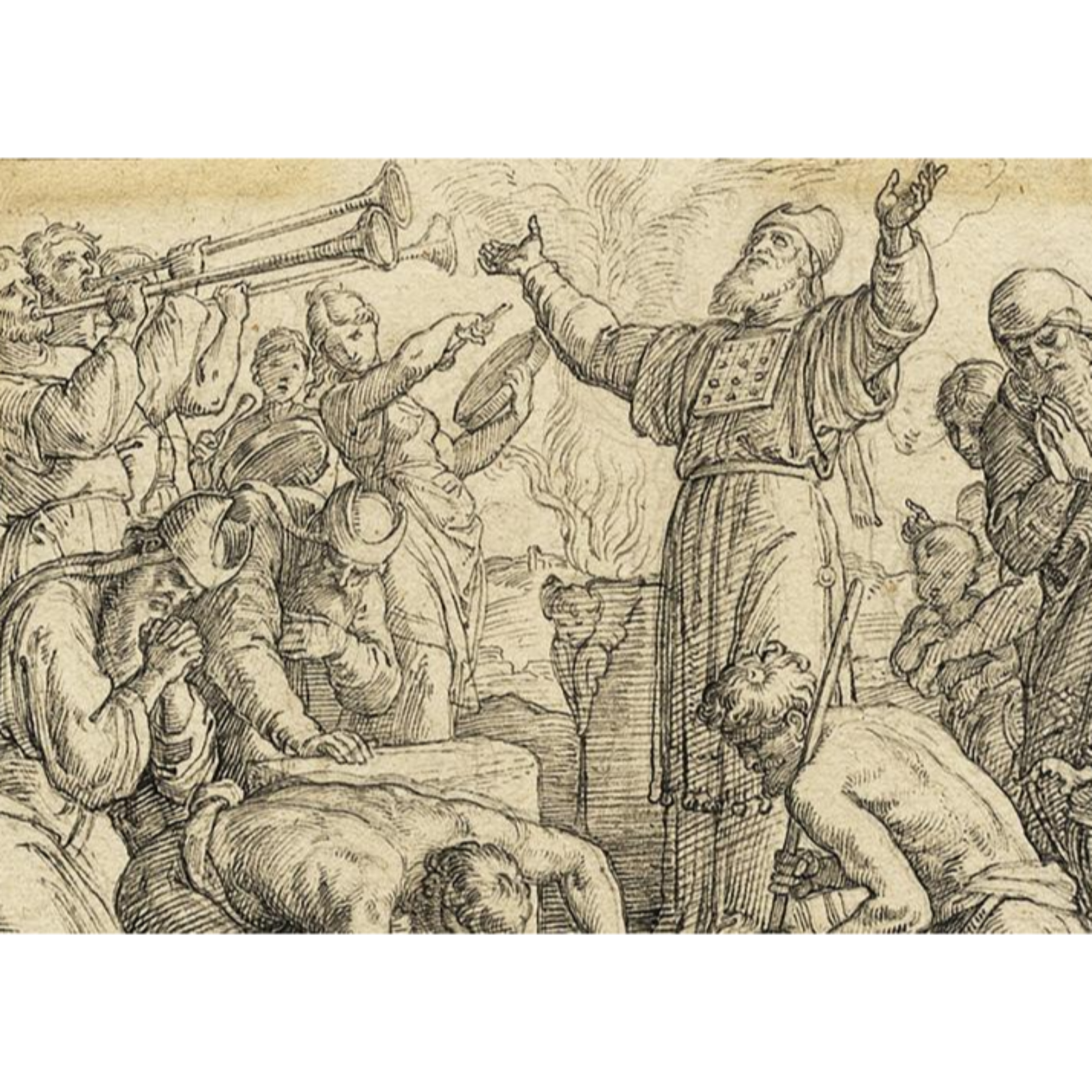
S1 Ep 269Day 269 - Nehemiah 11-12
For on that day of perpetual light about which Zechariah said, “And there shall be one day that is known to the Lord, not day or night” [Zec 14:7.] (that is, a day that is remote from the usual experience of passing time), the elect sacrifice great victims to the Lord, namely, those about which the psalmist, tasting them in the hope of things to come, said, “You have broken my bonds; I will offer to you the sacrifice of praise.” [Psa 116:16-17 (115:7-8 LXX, Vg).] He properly also reveals where he was hoping that he would offer this sacrifice when he immediately adds, “I will pay my vows to the Lord in the courtyards of the Lord’s house, in the sight of all his people, in the midst of you, O Jerusalem.” [Psa 116:18-19 (115:9-10 LXX, Vg).] For we pay our vows to the Lord in the midst of Jerusalem in the sight of all his people when, in the heavenly homeland, after the whole multitude of the saints has congregated, we offer those praises of thanksgiving to him whom in this present life we sigh for and thirst for with daily desire—The Venerable Bede
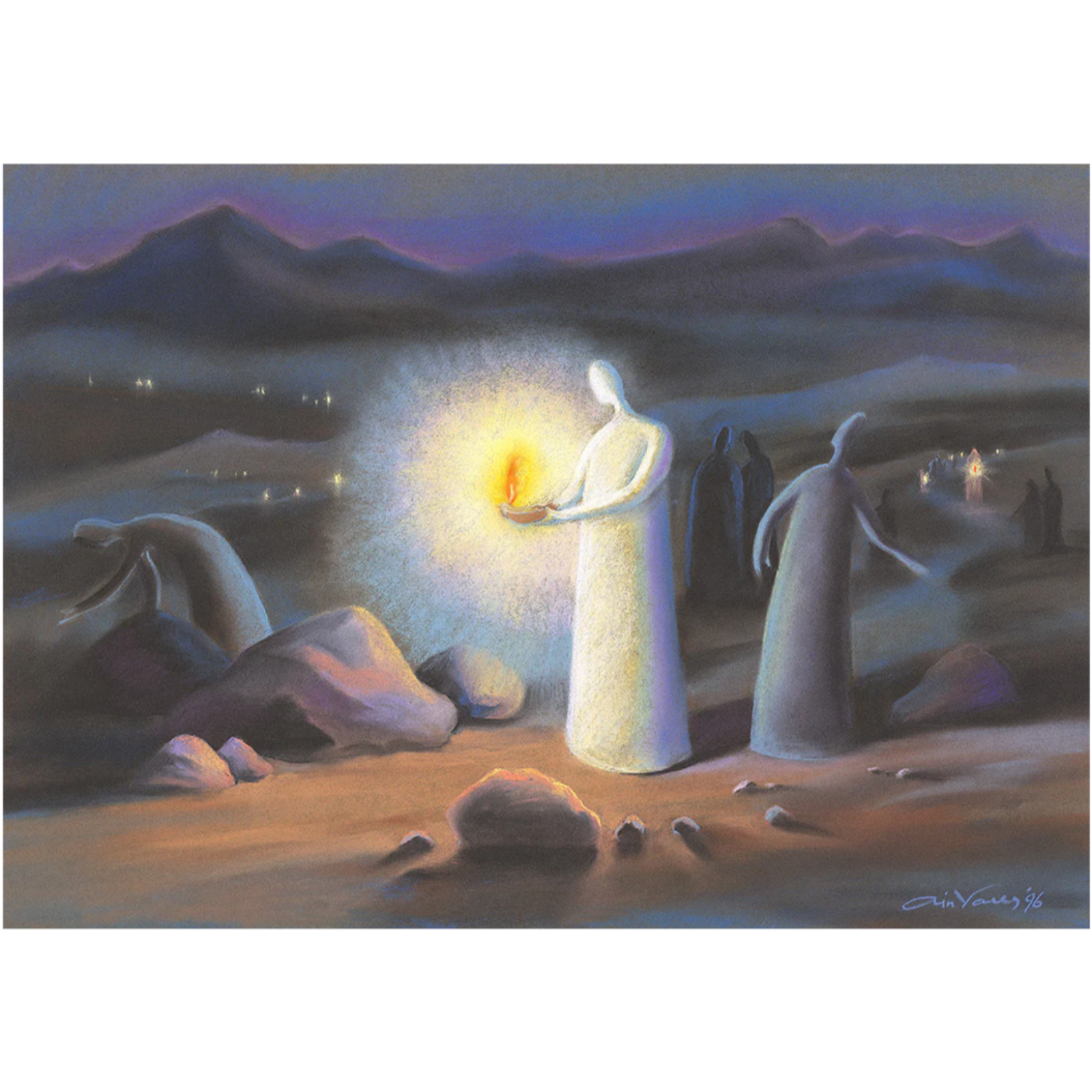
S1 Ep 268Day 268 - Psalms 119
Hear me, therefore, my fellow servant, my friend, my brother; give ear for a moment that I may tell you how you are to walk in the holy Scriptures. All that we read in the divine books, while glistening and shining without, is yet far sweeter within. “He who desires to eat the kernel must first break the nut.” [Plautus Curc. 1.1.55.] “Open my eyes,” says David, “that I may behold wondrous things out of your law.” Now, if so great a prophet confesses that he is in the darkness of ignorance, how deep, do you think, must be the night of misapprehension with which we, mere babes and unweaned infants, are enveloped! Now this veil rests not only on the face of Moses [2Co 3:14-15.] but on the Evangelists and the apostles as well. To the multitudes the Savior spoke only in parables and, to make it clear that his words had a mystical meaning, said, “He who has ears to hear, let him hear.” [Luk 8:8.] Unless all things that are written are opened by him “who has the key of David, who opens and no one shuts, and shuts and no one opens,” [Rev 3:7.] no one can undo the lock or set them before you—St Jerome

S1 Ep 267Day 267 - Psalms 1, 91
Like the foundation in a house, the keel in a ship and the heart in a body, so is [Psalm 1 as a] brief introduction to the whole structure of the Psalms. For when David intended to propose in the course of his speech to the combatants of true religion many painful tasks involving unmeasured sweats and toils, he showed first the happy end, that in the hope of the blessings reserved for us we might endure without grief the sufferings of this life—St Basil the Great
S1 Ep 266Day 266 - Nehemiah 8-10
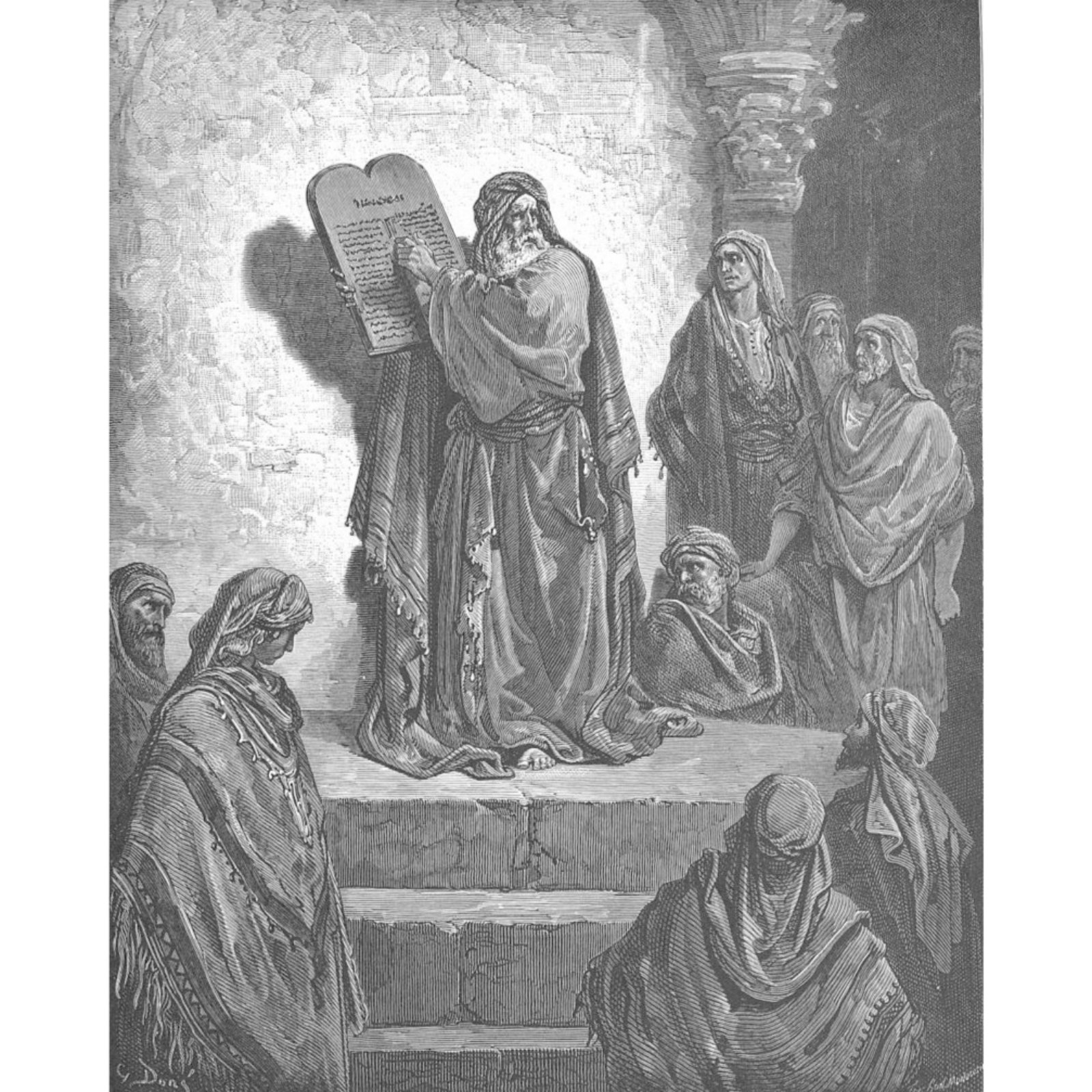
“And they rose up to stand, and they read from the Book of the Law of the Lord their God four times a day, and four times a night they confessed and prayed to the Lord their God.” For who would not be amazed that such a great people had such extraordinary concern for devotion that four times a day—that is, at the first hour of the morning, the third, the sixth and the ninth, when time was to be made for prayer and psalmody—they gave themselves over to listening to the divine law in order to renew their mind in God and come back purer and more devout for imploring his mercy; but also four times a night they would shake off their sleepiness and get up in order to confess their sins and to beg pardon. From this example, I think, a most beautiful custom has developed in the church, namely, that through each hour of daily psalmody a passage from Old or New Testament is recited by heart for all to hear, and thus strengthened by the words of the apostles or the prophets, they bend their knees to perseverance in prayer, but also at night, when people cease from the labors of doing good works, they turn willing ears to listen to divine readings—The Venerable Bede