
Bible in a Year with Fr Paul
365 episodes — Page 4 of 8
S1 Ep 215Day 215 - Ezekiel 6-7
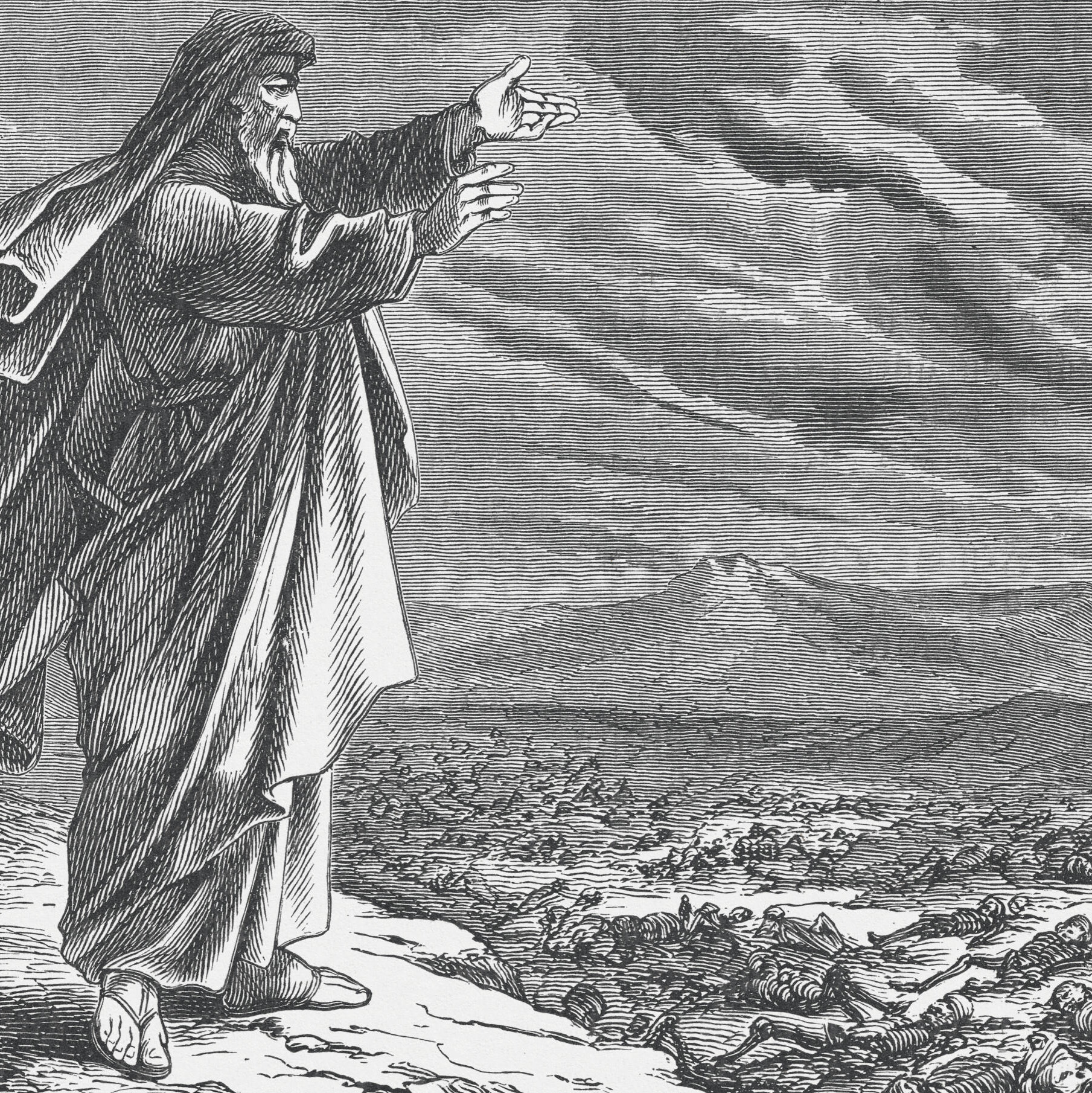
I have heard many, after such experience, blame themselves and say, “What advantage is it that I have grieved? I have not recovered my money, and I have injured myself.” But if you have grieved on account of sin, you have blotted it out and reaped the greatest pleasure. If you have grieved for your brothers who have fallen, you have both encouraged and comforted yourself and have also restored them; and even if you were not to profit them, you have an abundant recompense. And that you may learn that grieving for those who have fallen, though we should not at all benefit them, still brings us a large reward, hear what Ezekiel says, or rather, what God speaks through him. For when he had sent certain messengers to overturn the city and to consume all the dwellings with sword and fire, along with their inhabitants, God charges one of them, “Set a mark on the forehead of those that groan and are in anguish.” And after charging the others and saying, “Begin from my holy ones,” he goes on to add, “but do not touch whoever has the sign on him.”—St John Chrysostom
S1 Ep 214Day 214 - Ezekiel 4-5
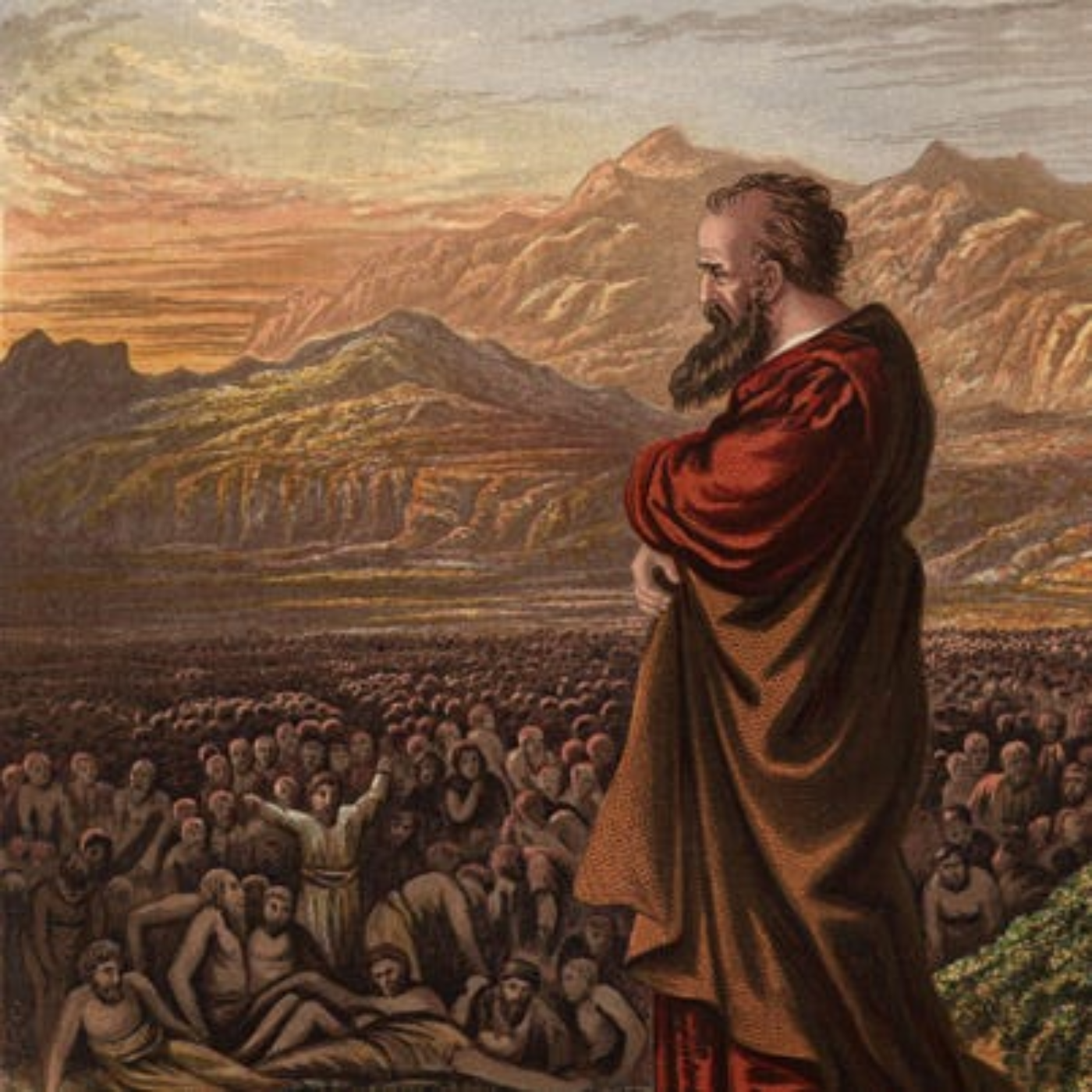
Jerusalem is to be represented on a brick, and the brick itself is to be placed before the prophet, so that when it looks like Jerusalem in the dust, it can portray the whole blockade against it—St Jerome
S1 Ep 213Day 213 - Ezekiel 22-24
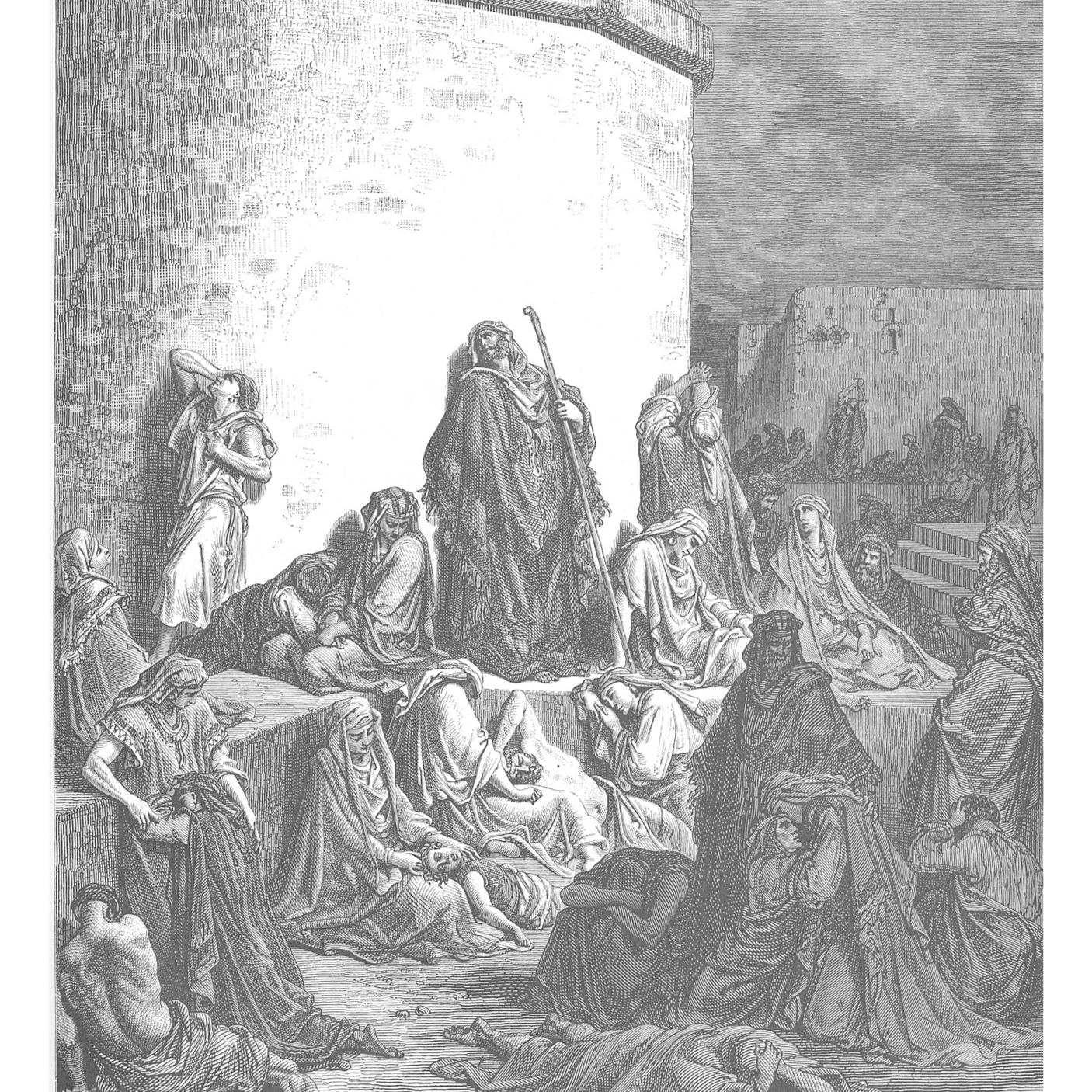
Is it not true that from the beginning and long before today you lived with countless transgressions of the law? Did not the prophet Ezekiel accuse you ten thousand times when he brought in the two harlots, Oholah and Oholibah, and said, “You built a brothel in Egypt, you passionately loved barbarians, and you worshiped strange gods.”—St John Chrysostom
S1 Ep 212Day 212 - Ezekiel 20, Jeremiah 21, 34
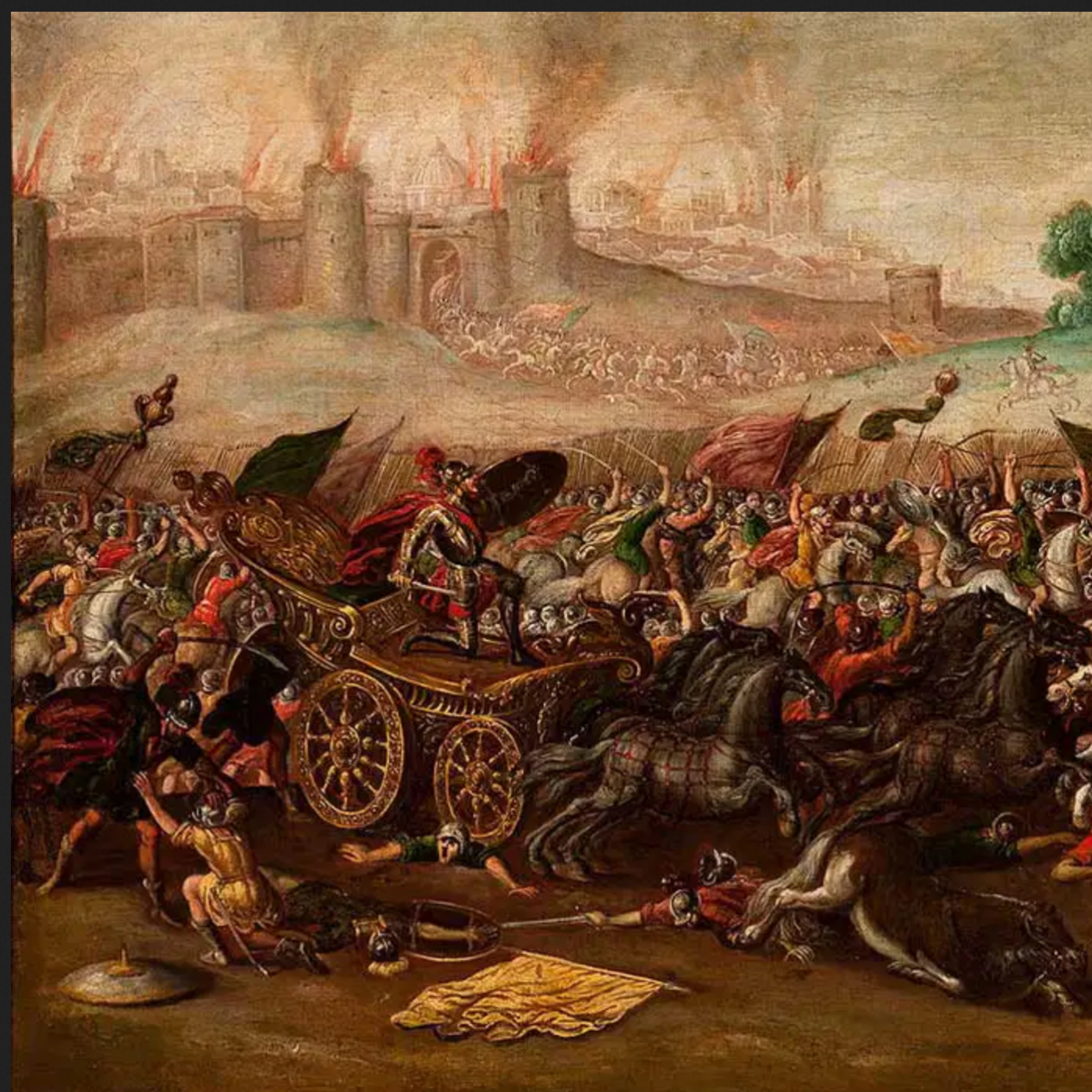
Admittedly the divine, because it is without a body, is untouchable and entirely intact, because the divine is beyond every creature, both visible and intelligible, and in nature it is incorporeal, immaculate, untouchable and incomprehensible. Since the only-begotten Word of God, having taken a body from the holy virgin, and, as I already said over and over again, having made it his own, offered himself in an odor of sweetness to God the Father as a spotless sacrifice, in this way it is asserted that he endured on our behalf what happened to his flesh. Everything that happened to flesh would rightly be attributed to him, sin alone excepted, for it is his own body. Accordingly, since God the Word became man, he remained impassible as God, but, because he necessarily made the things of his flesh his own, it is asserted that he endured what is according to flesh, although he is without experience of suffering in so far as he is thought of as God—St Cyril of Alexandria
S1 Ep 211Day 211 - Ezekiel 13-18
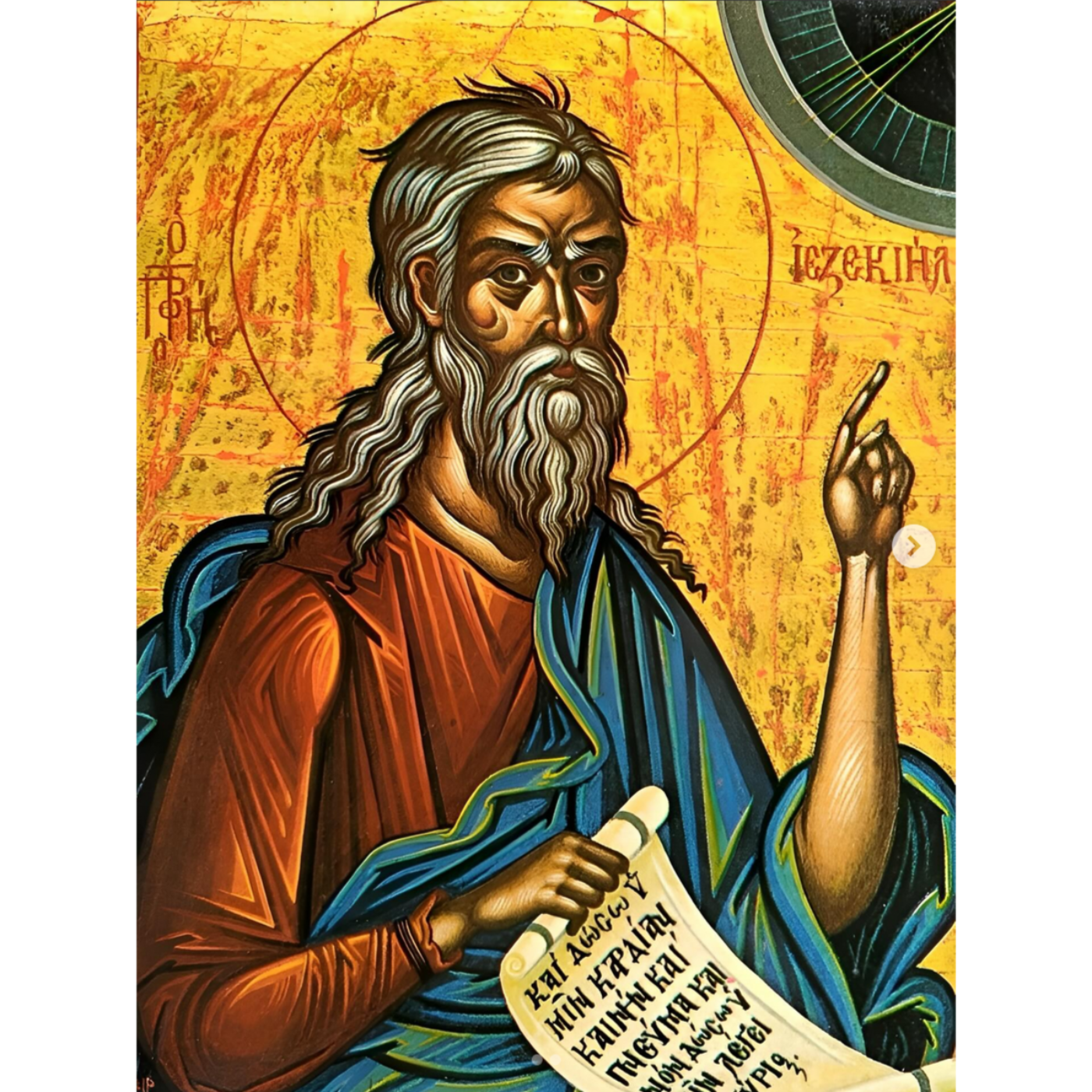
Why is it that I admire Ezekiel? Because the order was given him to make known to Jerusalem its abominations, and he did not place before his eyes any danger that would result from his preaching, but in order to keep only the precepts of God, he spoke whatever he was told. Let us realize that there was a mystery, that there was the revelation of a mysterious kind on the subject of Jerusalem and all that is said against it. Nevertheless, he prophesied, and accused it of fornication—Origen
S1 Ep 210Day 210 - Ezekiel 8-11
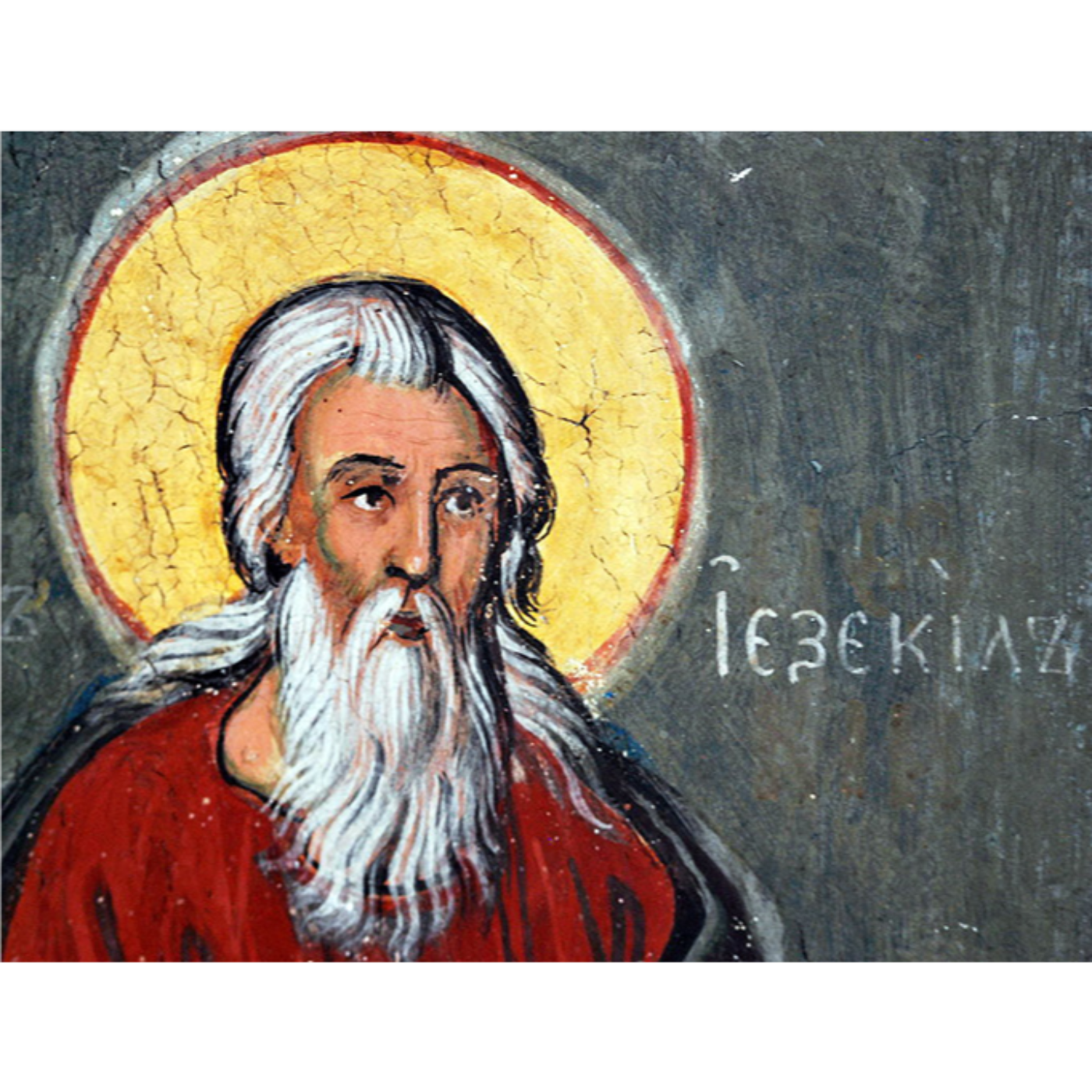
Thus [the devil] suffers and is dishonored; and although he still ventures with shameless confidence to disguise himself, yet now, wretched spirit, he is detected rather by those who bear the sign on their foreheads; and he is even rejected by them, and is humbled and put to shame. For even if, now that he is a creeping serpent, he shall transform himself into an angel of light, yet his deception will not profit him; for we have been taught that “though an angel from heaven preach to us any other gospel than that we have received, he is anathema.”—St Athanasius the Apostolic
S1 Ep 209Day 209 - Jeremiah 37-38
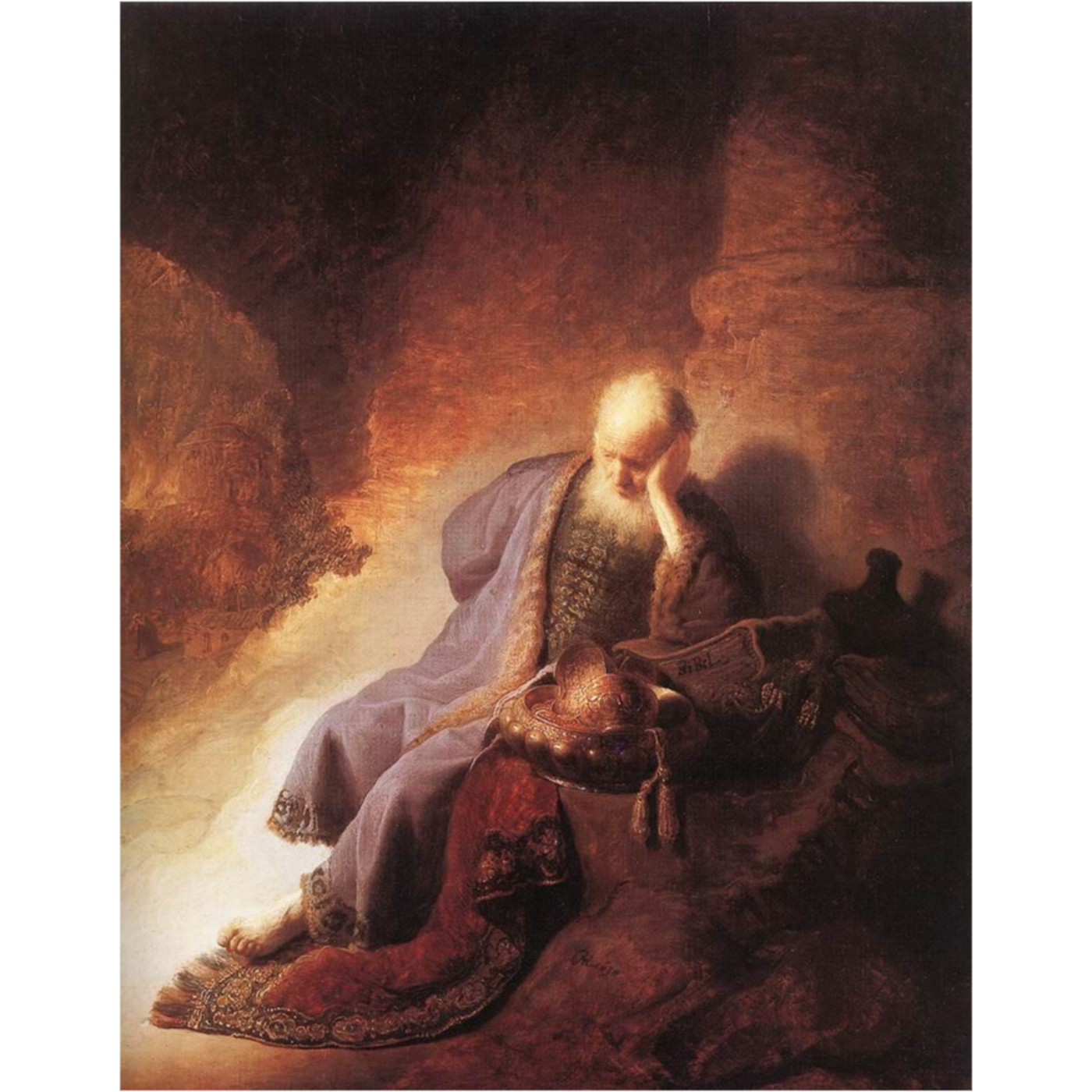
Thus there is the expression in Exodus: “From the firstborn of Pharaoh to the firstborn of the captive woman who was in the pit.” [Exo 12:29.] But they even threw Jeremiah also into a pit. His brothers through jealousy confined Joseph in a pit without water. [Gen 37:24.] Each act, therefore, either draws us downward by oppressing us with sin or lifts us upward by raising us on wings toward God. Therefore, you have saved me, I who formerly lived a wicked life, and have separated me from those who go down to the dark and frigid region. The meaning of the words “you have upheld me” is to say, “you have led me back from my downward course, so as not to give my enemies an occasion to rejoice over me.”—St Basil the Great
S1 Ep 208Day 208 - Jeremiah 32-33
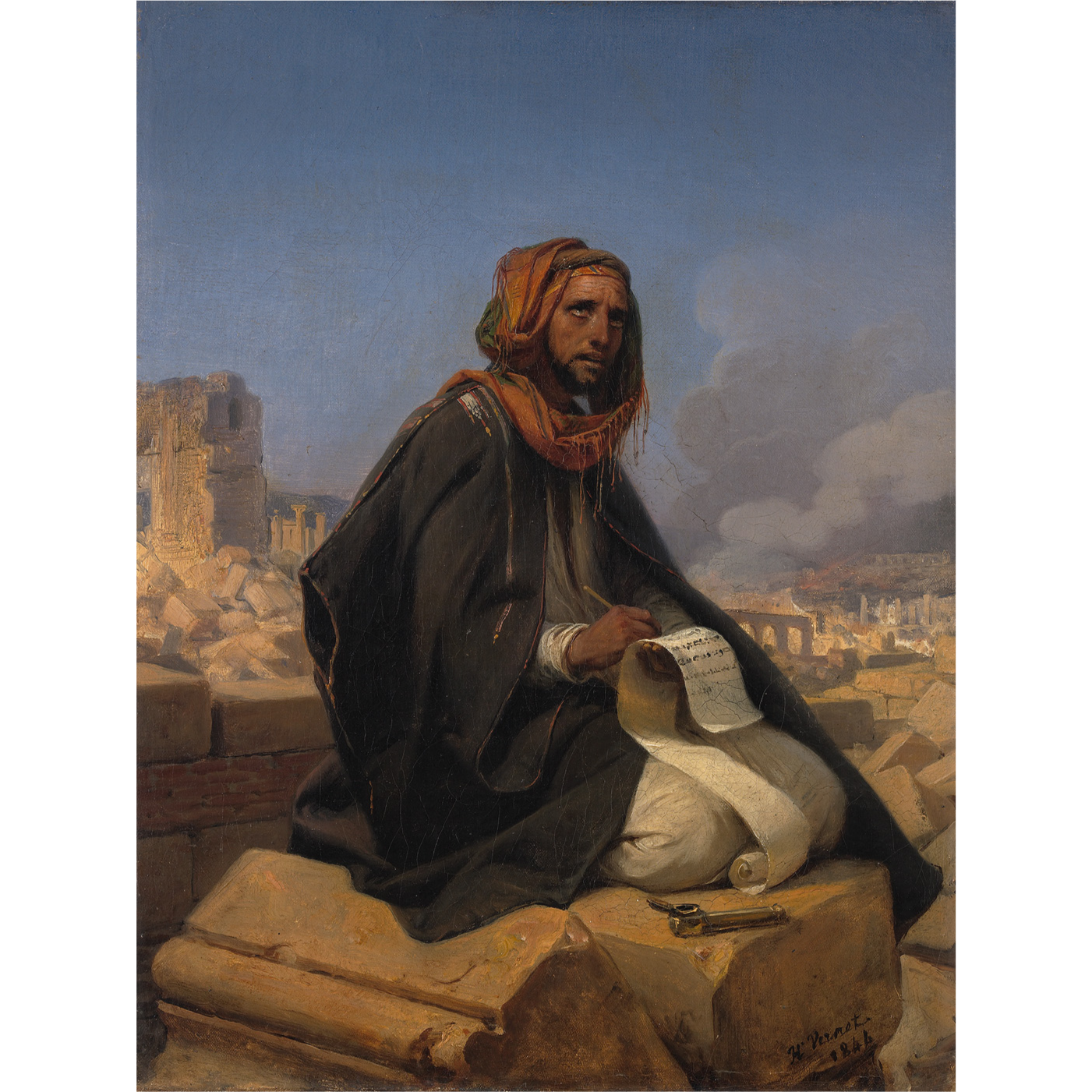
Of course nothing is “too hard for the Lord.” But if we choose to apply this principle so extravagantly and harshly in our capricious imaginations, we may then make out God to have done anything we please, on the ground that it was not impossible for him to do it. We must not suppose, however, because he is able to do all things, that he has done what he has not done. But we must inquire whether he has really done it. God could, if he had liked, have furnished humankind with wings to fly with, just as he gave wings to kites. In one sense there will be something difficult even for God—namely, that which he has not done—not because he could not but because he would not do it. For with God, to be willing is to be able and to be unwilling is to be unable; all that he has willed, however, he has both been able to accomplish and has displayed his ability—Tertullian
S1 Ep 207Day 207 - Jeremiah 30-31
Although we say that trial is twofold, that is, in prosperity and in adversity, yet you must know that all people are tried in three different ways. Often they are tried for their probation, sometimes for their improvement, and in some cases because their sins deserve it. For their probation indeed! We read that the blessed Abraham and Job and many of the saints endured countless tribulations.… For improvement, because God chastens his righteous ones for some small and venial sins or to raise them to a higher state of purity, and he delivers them over to various trials that he may purge away all their unclean thoughts, and, to use the prophet’s word, the “dross,” which he sees to have collected in their secret parts. Thus may he transmit them like pure gold to the judgment to come, as he allows nothing to remain in them for the fire of judgment to discover when hereafter it searches them with penal torments according to this saying: “Many are the tribulations of the righteous.” [Psa 34:19.] … To whom under the figure of Jerusalem the following words are spoken by Jeremiah, in the person of God: “I will make a full end of all the nations among whom I scattered you, but of you I will not make a full end. I will discipline you in just measure, and I will by no means leave you unpunished.” … But as a punishment for sins, the blows of trial are inflicted, as where the Lord threatens that he will send plagues on the people of Israel: “I will send the teeth of beasts on them, with the fury of creatures that trail on the ground,” [Deu 32:24.] and “In vain have I struck your children. They have not received correction.” [Jer 2:30.] … We find, it is true, a fourth way also in which we know on the authority of Scripture that some sufferings are brought on us simply for the manifestation of the glory of God and his works, according to these words of the Gospel: “Neither did this man sin nor his parents, but that the works of God might be manifested in him,” [Jhn 9:3.] and again, “This sickness is not to death, but for the glory of God that the Son of God may be glorified by it.” [Jhn 11:4.] … The perfect person will always remain steadfast in either kind of trial; now let us return to it once more—John Cassian
S1 Ep 206Day 206 - Ezekiel 21, 34
Christ showed that he was different from those who neglect the flock when it is being preyed on by wolves, since he did not neglect them and even laid down his life for them so that the sheep might not perish—St John Chrysostom
S1 Ep 205Day 205 - Ezekiel 1-3
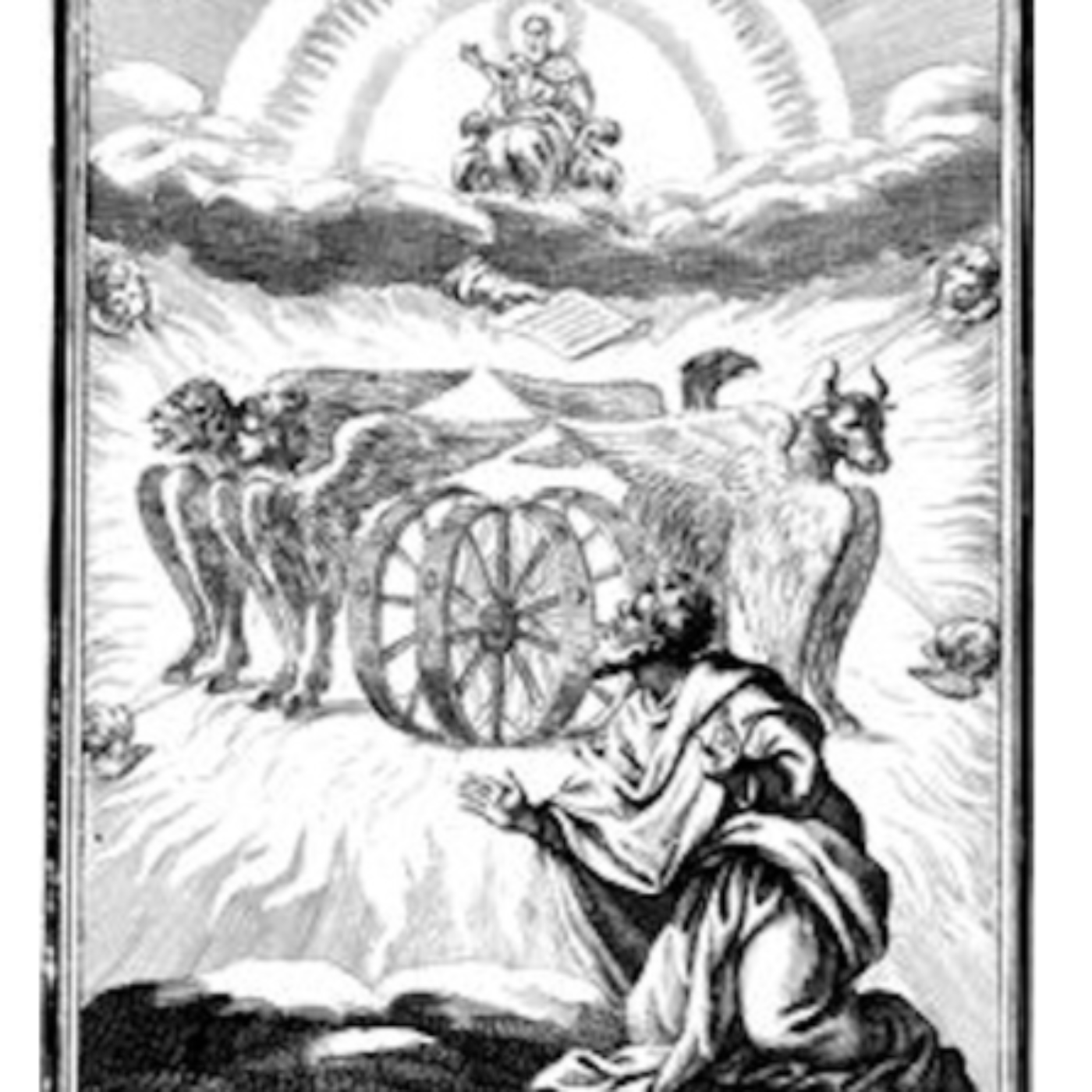
Four living creatures with four forms stand announcing the coming of Christ: the form of the man for one of them, because Jesus Christ was born at Bethlehem, as the Evangelist Matthew tells us; the form of the lion for another, as Mark proclaims him as having come from the Jordan, like the royal lion, as it is written, “Behold, like a lion coming up from the jungle of the Jordan”; [Jer 49:19.] the form of the bull for another, because Luke proclaims—and not only him, but all the Evangelists also—that at the appointed time, until the ninth hour, he was sacrificed on the cross as the ox for the world; the form of the eagle for the last, because John proclaims the Word that has come down from heaven and became flesh and has gone to heaven like an eagle, for a complete resurrection, full of the divine nature—St Epiphanius of Salamis
S1 Ep 204Day 204 - Jeremiah 50-51
If you take precautions to save your daughter from the bite of a viper, why are you not equally careful to shield her from “the hammer of the whole earth”? Or to prevent her from drinking of the golden cup of Babylon? Or keep her from going out with Dinah to see the daughters of a strange land? Or save her from the tripping dance and from the trailing robe? No one administers poison until he has rubbed the rim of the cup with honey; so the better to deceive us, vice puts on the mien and the semblance of virtue—St Jerome
S1 Ep 203Day 203 - Jeremiah 29
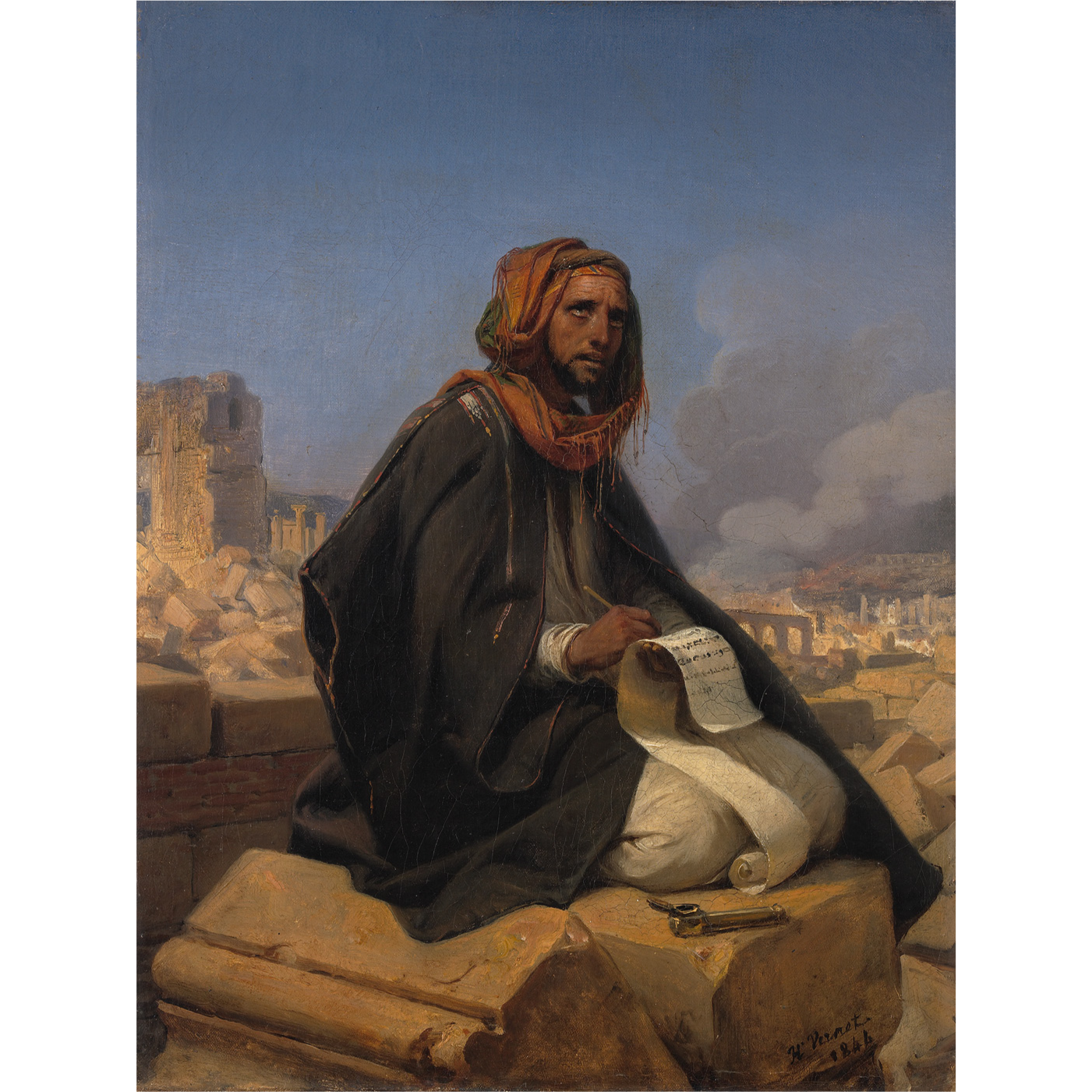
He also adds, “Seek the peace of the city or the land,” “for in its peace will be your peace.” This is confirmed by the apostolic exhortation: “I urge, first of all, that intercessions, prayers, requests and thanksgivings be made for all persons, for kings and all who are in high office, that we might live a quiet and tranquil life in all reverence and chastity.” [1Ti 2:1-2.]Furthermore, according to the mystical understanding, after we are expelled on account of our sins from Jerusalem, that is, the church, and delivered to Nebuchadnezzar, about whom the same apostle said “delivered to Satan for the destruction of the flesh, that his spirit may be saved in the day of the Lord,” [1Co 5:5.] and again, “they are those whom I delivered to Satan, that they would learn not to blaspheme,” [1Ti 1:20.] we must not be careless or idle, so as to despair inwardly of salvation, but first we must build homes—on rock, not on sand [See Mat 7:24-25; Luk 6:48-49.]—the kind of homes that the midwives built in Exodus because they feared the Lord. [See Exo 1:21.] Second, we must plant gardens or orchards, the kind that the Lord also planted in paradise in Eden, placing within it the tree of life, [See Gen 2:8-9.] about which it is written, “The tree of life is for those who will receive it, and blessed is the one who lays hold of it.” [Pro 3:18.] Third, we must take wives, one of whom is wisdom, about whom Solomon wrote, “Love her, and she will keep you. Embrace her, and she will exalt you,” [Pro 4:6, Pro 4:8.]—St Jerome
S1 Ep 202Day 202 - Jeremiah 27-28
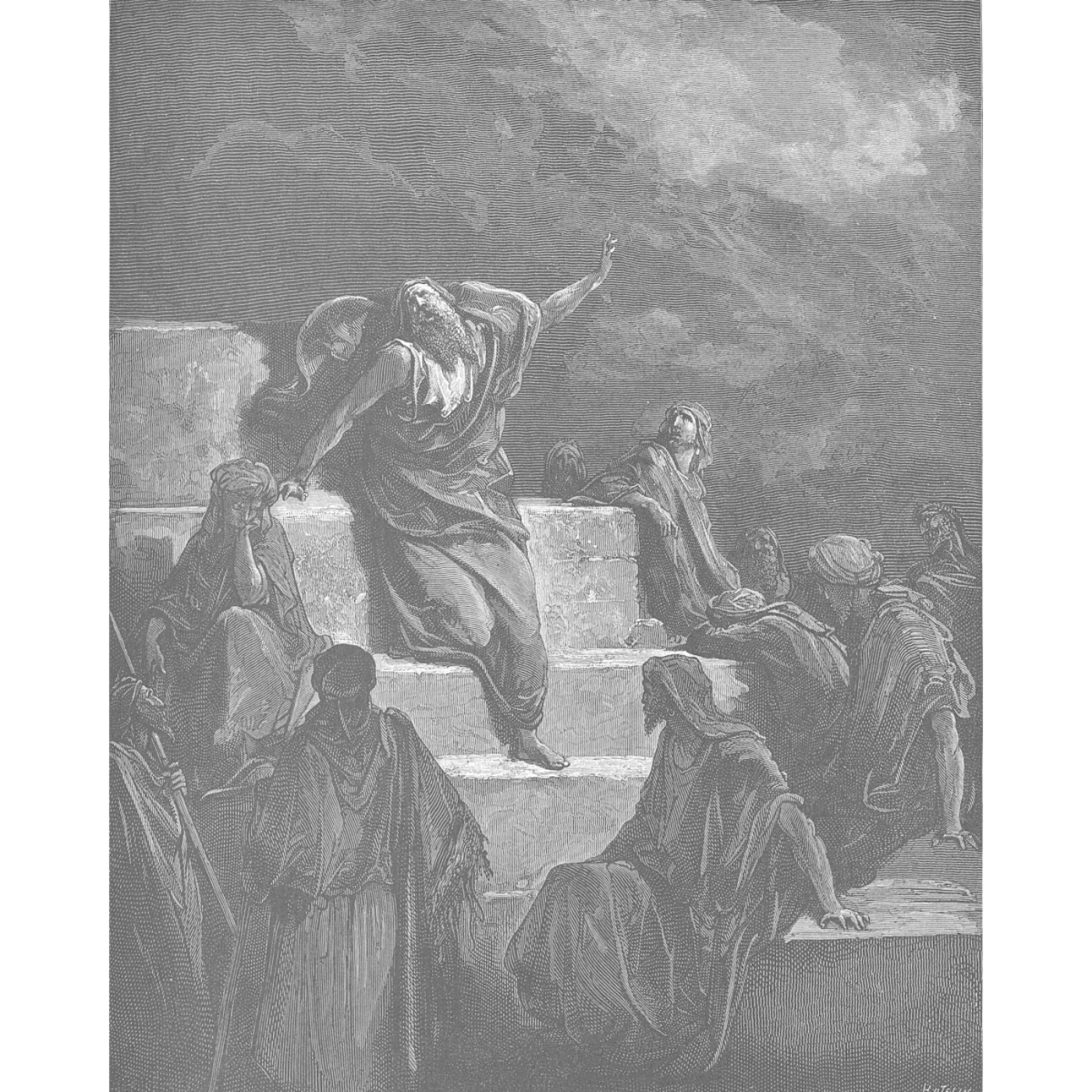
The Septuagint does not translate “two years,” nor does it call Hananiah a “prophet,” lest it appear to name someone a prophet who was in fact no prophet, as if not many persons in sacred Scripture were named in accordance with the opinion of the time in which they lived or according to the truth of the matter. But Joseph is called the father of the Lord. And Mary, who knew that she had conceived by the Holy Spirit (responding to the angel, “How can this be, since I have never known a man?” [Luk 1:34.]), asked her son, “Son, why have you treated us this way? Your father and I have been looking for you desperately.” [Luk 2:48.] The prudence, humility and patience of Jeremiah must also be considered. When the pseudo-prophet damaged and broke the yoke around Jeremiah’s neck, which he was not able to do with iron, Jeremiah remained silent and concealed his pain. For what he should say was not yet revealed to him by the Lord, so that sacred Scripture would demonstrate tacitly that a prophet never speaks only on his own decision but also by the will of the Lord, most especially regarding future events, which are known to God alone. Jeremiah departed, it says, and went on his way as though he were well, thus fulfilling the prophecy: “I have become like a person who hears nothing and has no rebukes in his mouth.” [Psa 38:14]—St Jerome
S1 Ep 201Day 201 - Jeremiah 48-49
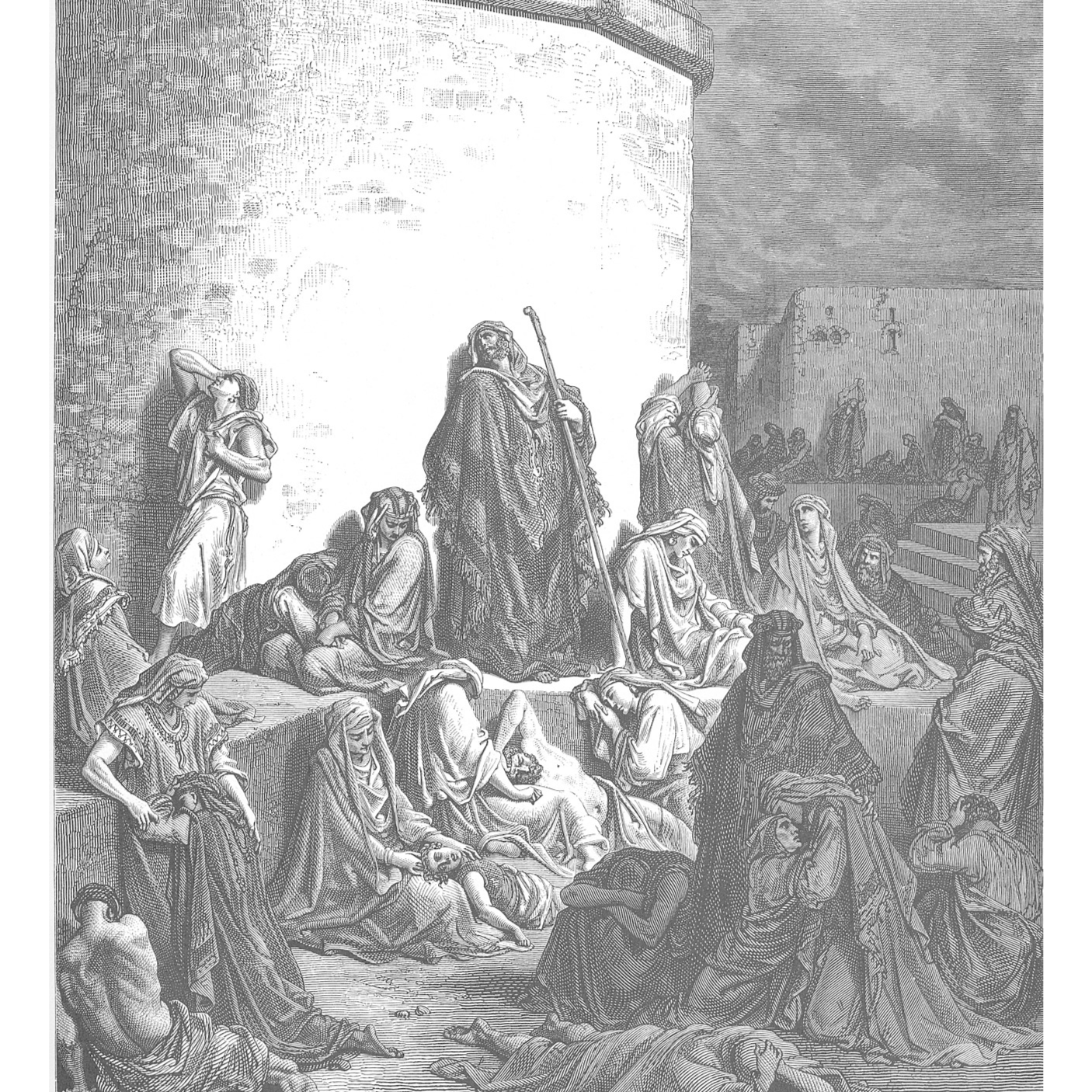
It is written that when Jeremiah caused the nations and kingdoms to drink the cup of wrath, he said concerning each one of the cities, that after they shall drink the cup, I will turn back the captivity of Elam, of Tyre, of Sidon, of the children of Ammon, and of Moab and of Edom—Aphrahat
S1 Ep 200Day 200 - Daniel 4
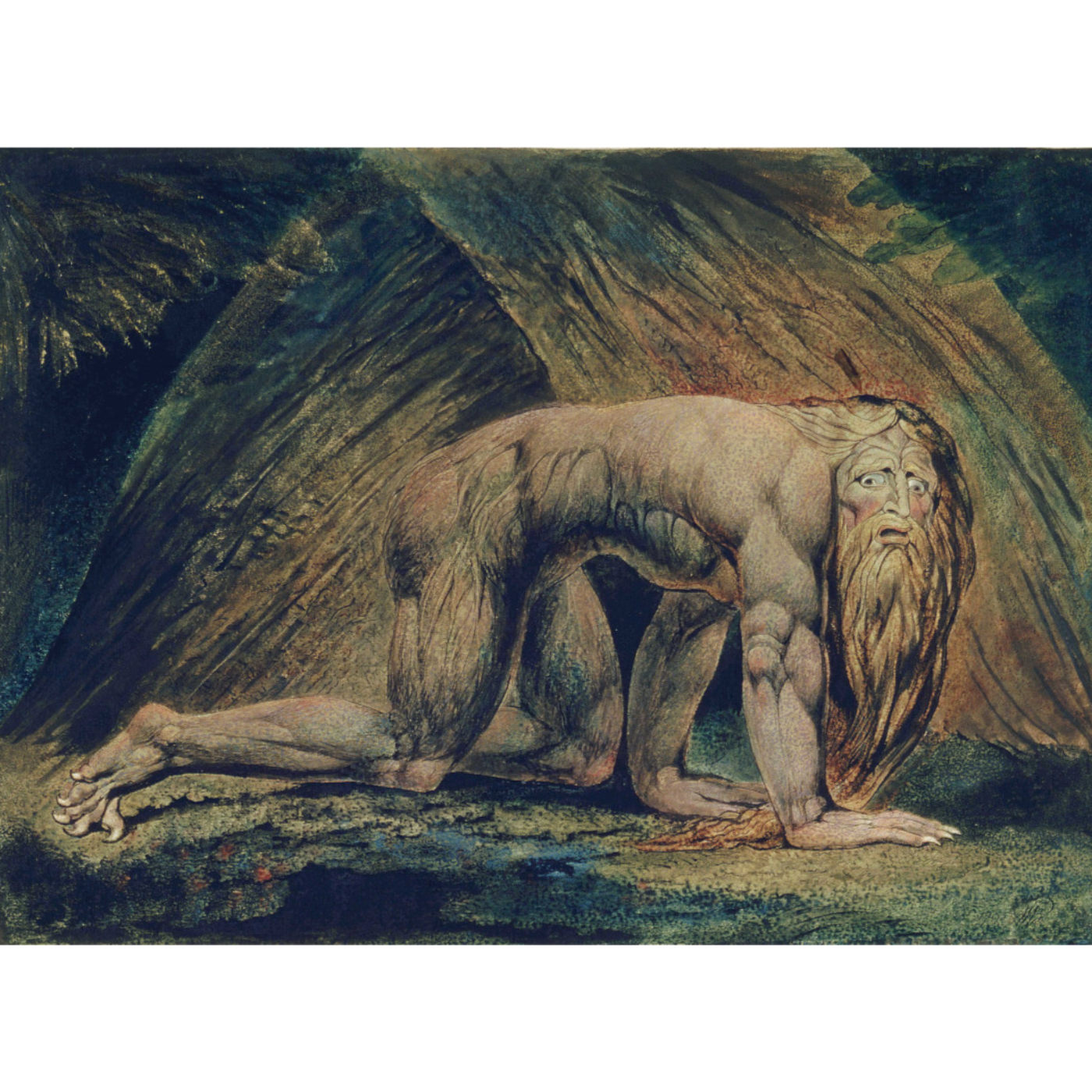
The narrative is clear indeed and requires but little interpretation. Because he displeased God, Nebuchadnezzar was turned into a madman and dwelled for seven years among the brute beasts and fed on the roots of herbs. Afterwards, by the mercy of God, he was restored to his throne and praised and glorified the King of heaven.… But there are some who claim to understand by the figure of Nebuchadnezzar the hostile power that the Lord speaks of in the Gospel, saying, “I behold Satan falling from heaven like lightning.” [Luk 10:18.] … These authorities assert that it was absolutely impossible for a man who was reared in luxury to subsist on hay for seven years and so dwell among wild beasts for seven years without being mangled by them. Also they ask how the imperial authority could have been kept waiting for a mere madman and how so mighty a kingdom could have gone without a king for so long a period.… And so they pose all of these questions and offer as their reply the proposition that since the episode does not stand up as genuine history, the figure of Nebuchadnezzar represents the devil. To this position we make not the slightest concession; otherwise everything we read in Scripture may appear to be imperfect representations and mere fables. For once people have lost their reason, who would not perceive them to lead their existence like brutish animals in the open fields and forest regions … what is so remarkable about the execution of such a divine judgment as this for the manifestation of God’s power and the humbling of the pride of kings?—St Jerome
S1 Ep 199Day 199 - Daniel 2-3
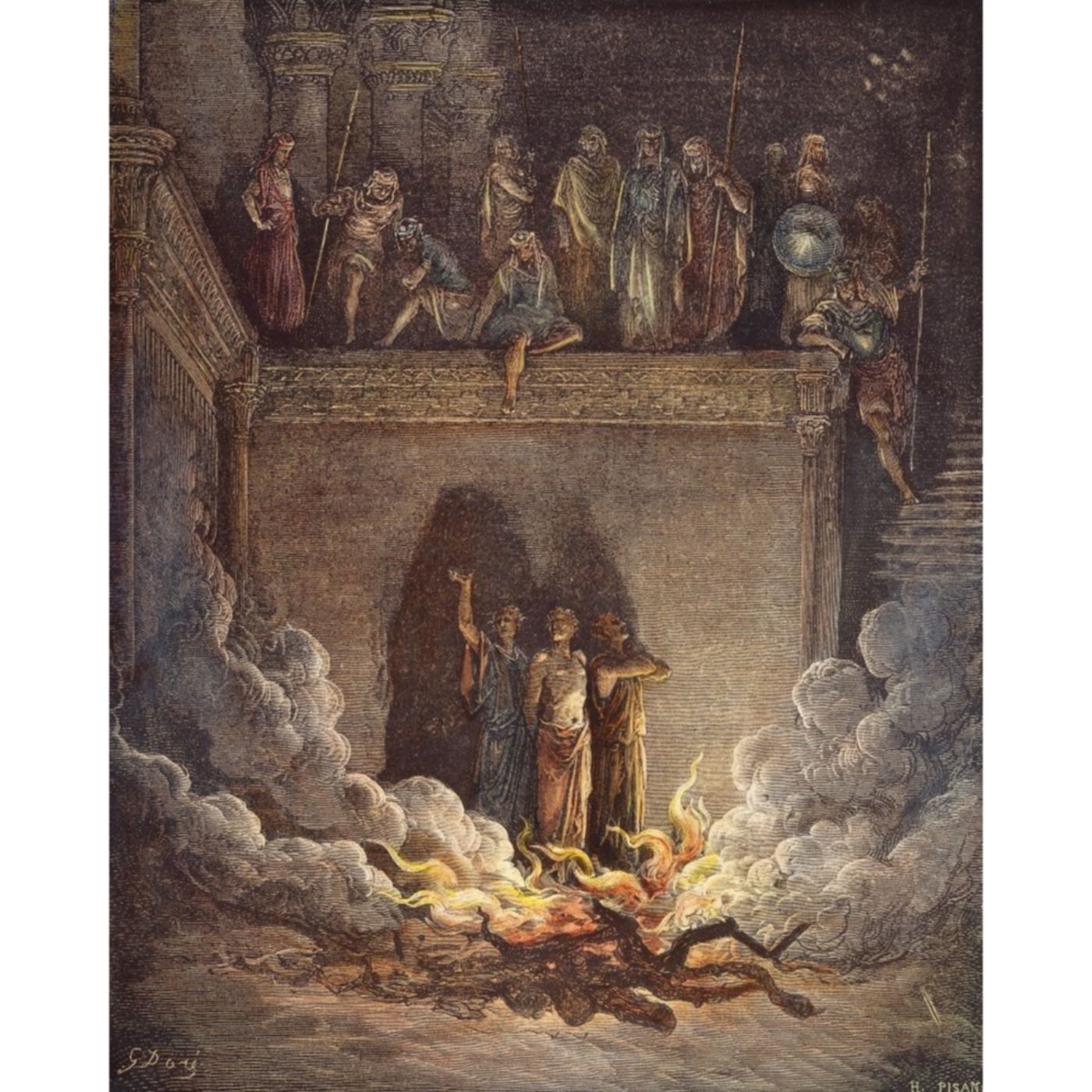
The impious king beheld a dream concerning things to come, in order that he might give glory to God after the holy man interpreted what he had seen and that great consolation might be afforded the captive [Jews] and those who still served God in their captive state. We read this same thing in the case of Pharaoh, not because Pharaoh and Nebuchadnezzar deserved to behold visions but in order that Joseph and Daniel might appear as deserving of preference over all other people because of their gift of interpretation—St Jerome
S1 Ep 198Day 198 - Jeremiah 24, Daniel 1
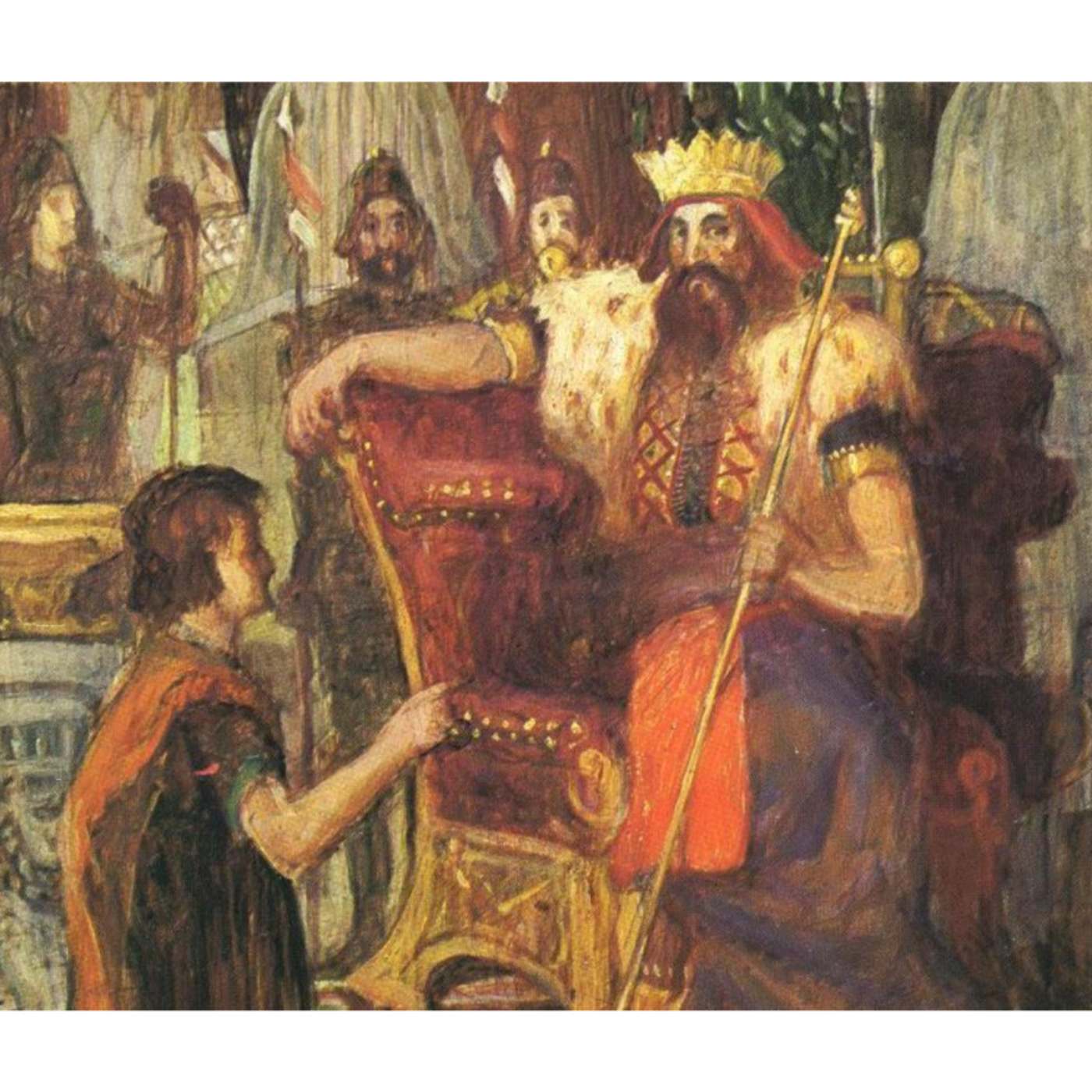
I, the angel of repentance, am telling you: Do not fear the devil. For I have been sent,” he said, “to be on the side of you, who repent with your whole heart, and to steady you in the faith. Put your faith in God, you who despair of your life because of your sins, you who add to your sins and make your life burdensome. Trust that, if you turn to the Lord with your whole heart [Cf. Jol 2:12.] and do righteousness [Act 10:35.] for the rest of your life, serving him uprightly in accordance with his will, he will provide a remedy for your previous failings, and you will obtain the power of mastering the devil’s snares. Do not be in the least afraid of the devil’s threats, for they are as powerless as a dead person’s sinews—Shepherd of Hermas
S1 Ep 197Day 197 - Jeremiah 22-23
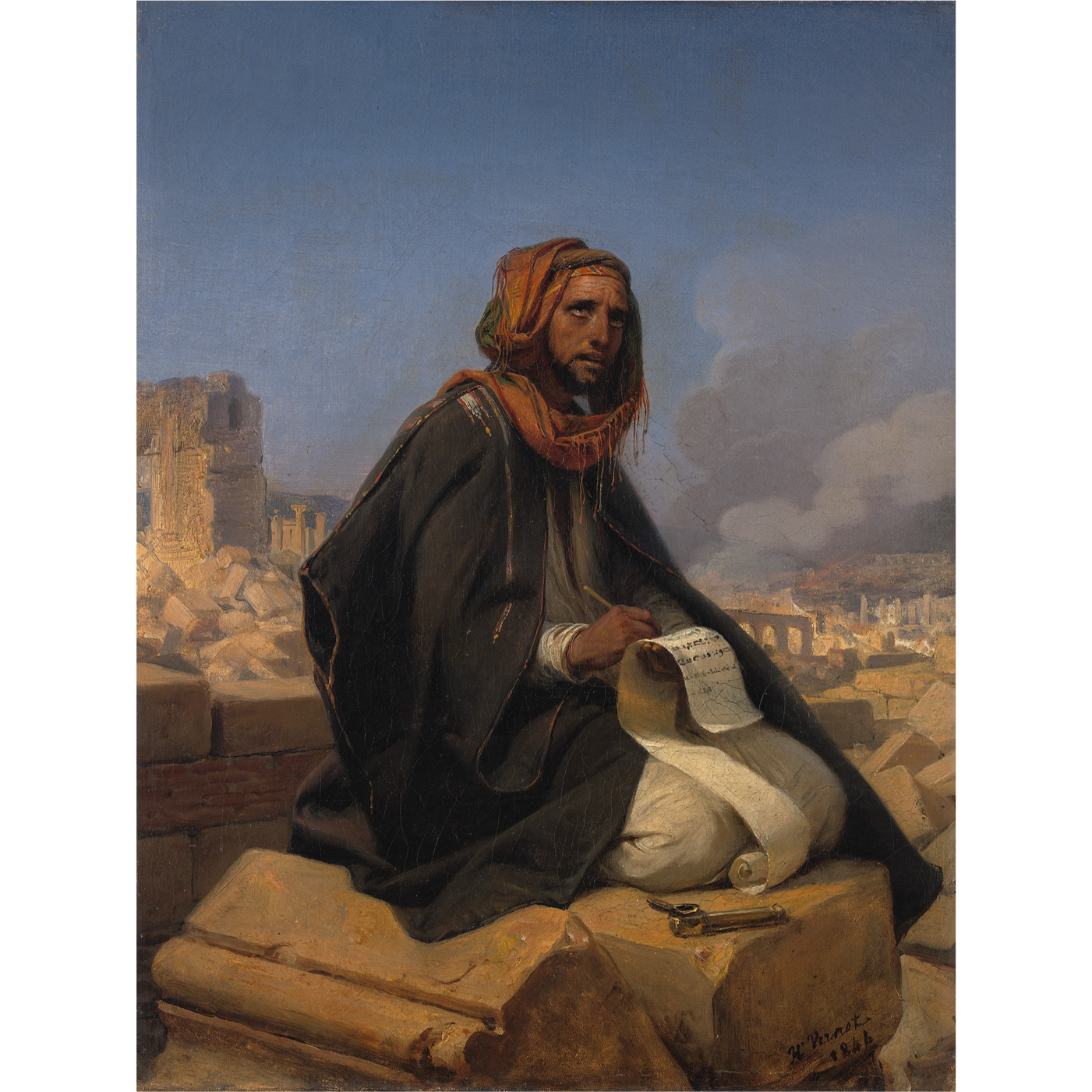
Sensual persons who dwell in vaulted houses and take delight in coffered silver ceilings do not build a house like this. As they despise plain silver, so do they despise a simple dwelling place. [See Isa 5:8.] They add to the site of their homes. They add more and more. They join one house with another, one estate with another. They dig up the ground so that the earth itself gives way for their dwelling, and, like children of the earth, they are laid up within her womb and hidden within her flesh. Plainly it was of them that Jeremiah said, “Woe to them who build their house by injustice!” [See Jer 22:13 (LXX).] The person who builds with justice builds not on earth but in heaven—St Ambrose of Milan
S1 Ep 196Day 196 - Jeremiah 19-20
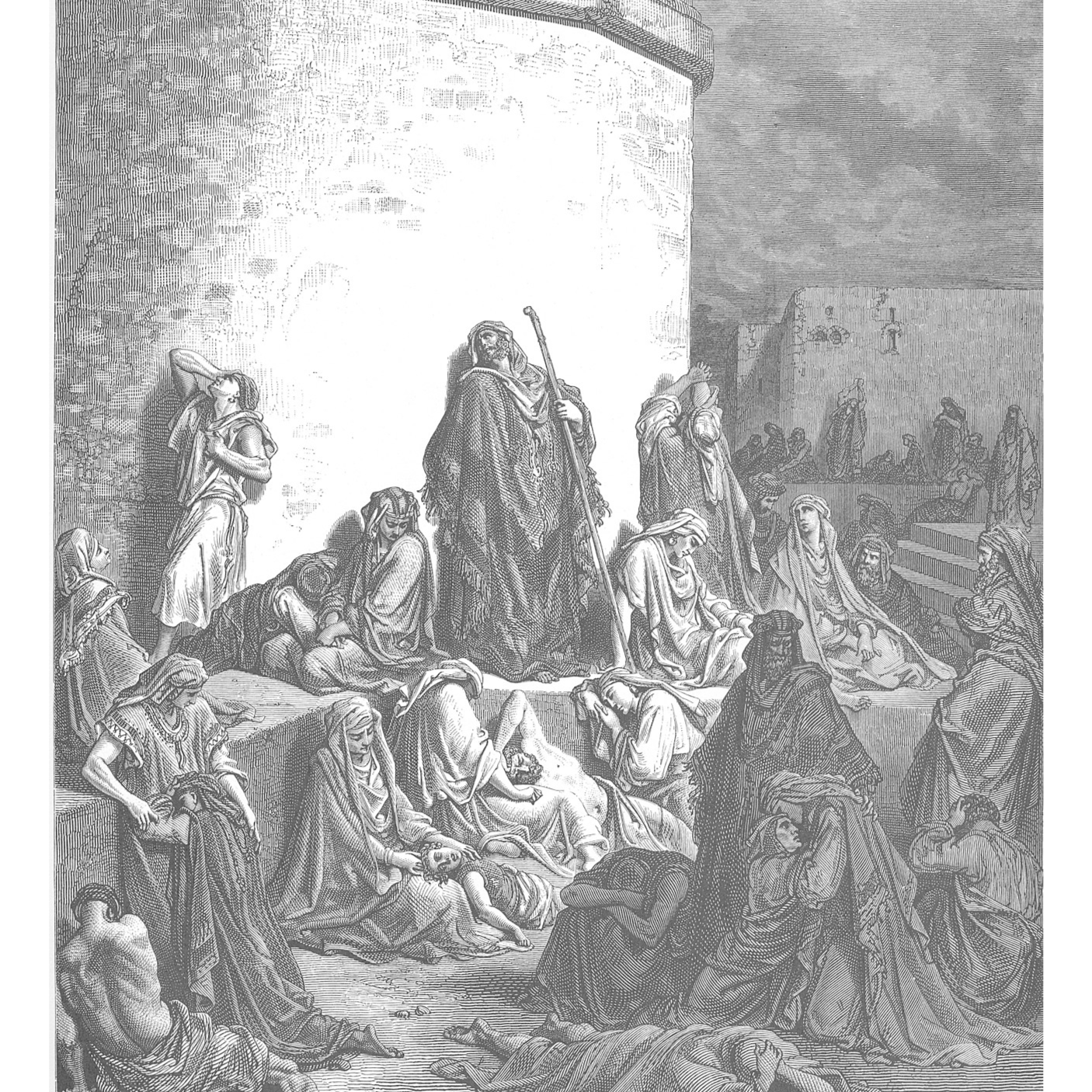
That people then were sick. There were all kinds of diseases among those who had the name of the people of God. God sent to them the prophets as healers. One of the healers was Jeremiah. He reproved the sinners, since he wanted those who do evil to return. Yet, though needing to hear what was said, they accused the prophet, and they accused before judges similar to themselves. And always the prophet was judged by those who, with respect to his prophecy, had been cured but were not cured because of their own disobedience. It is due to them that he says, “And I said, ‘I will no longer speak nor name the name of the Lord.’ But it happened as a burning fire flaming in my bones, and I am weakened on all sides, and I cannot bear it.” He said, seeing himself as one who always is judged, abused, accused and falsely testified against, “Woe is me, mother. What kind of man did you bear me?” [Jer 15:10.] He was not speaking as a man who judges but as one who is judged, and not as one who disputes but one who is disputed over all of the earth. Since those who are sick do not hear him when he advises for their good and well being, he says, “I have not helped.” [Jer 15:10.]—Origen
S1 Ep 195Day 195 - Jeremiah 35
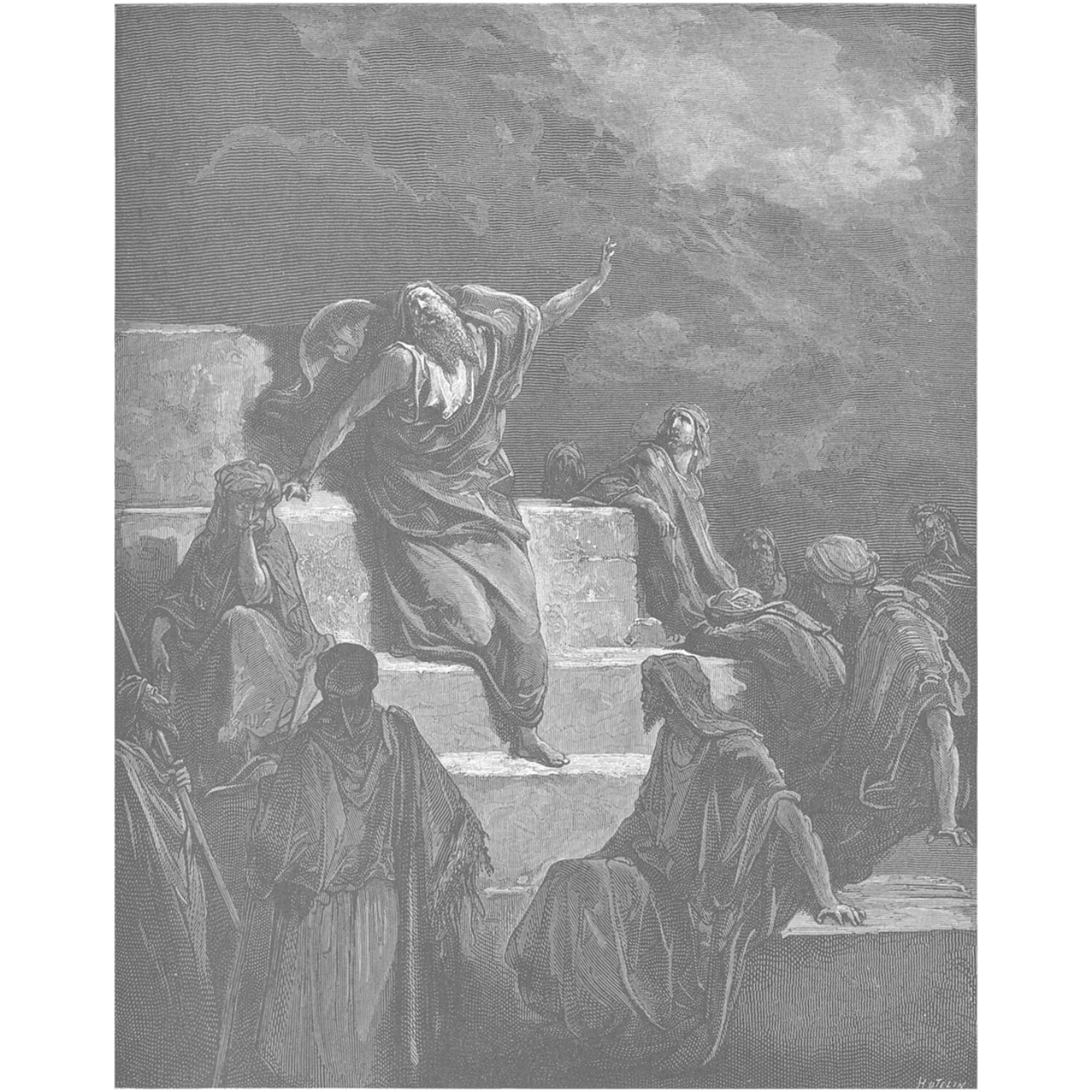
The sons of Jonadab, we are told, drank neither wine nor strong drink and dwelled in tents pitched wherever night overtook them. According to the Psalter, they were the first to undergo captivity; for, when the Chaldaeans began to ravage Judah, they were compelled to take refuge in cities.Others may think what they like and follow each his own bent. But to me a town is a prison and solitude paradise. Why do we long for the bustle of cities, we whose very name speaks of loneliness? To fit him for the leadership of the Jewish people, Moses was trained for forty years in the wilderness. And it was not until after these that the shepherd of sheep became a shepherd of people. The apostles were fishers on Gennesaret before they became “fishers of people.” [Mat 4:19.] But at the Lord’s call they forsook all that they had, father, net and ship, and bore their cross daily without so much as a rod in their hands—St Jerome
S1 Ep 194Day 194 - Jeremiah 9-10
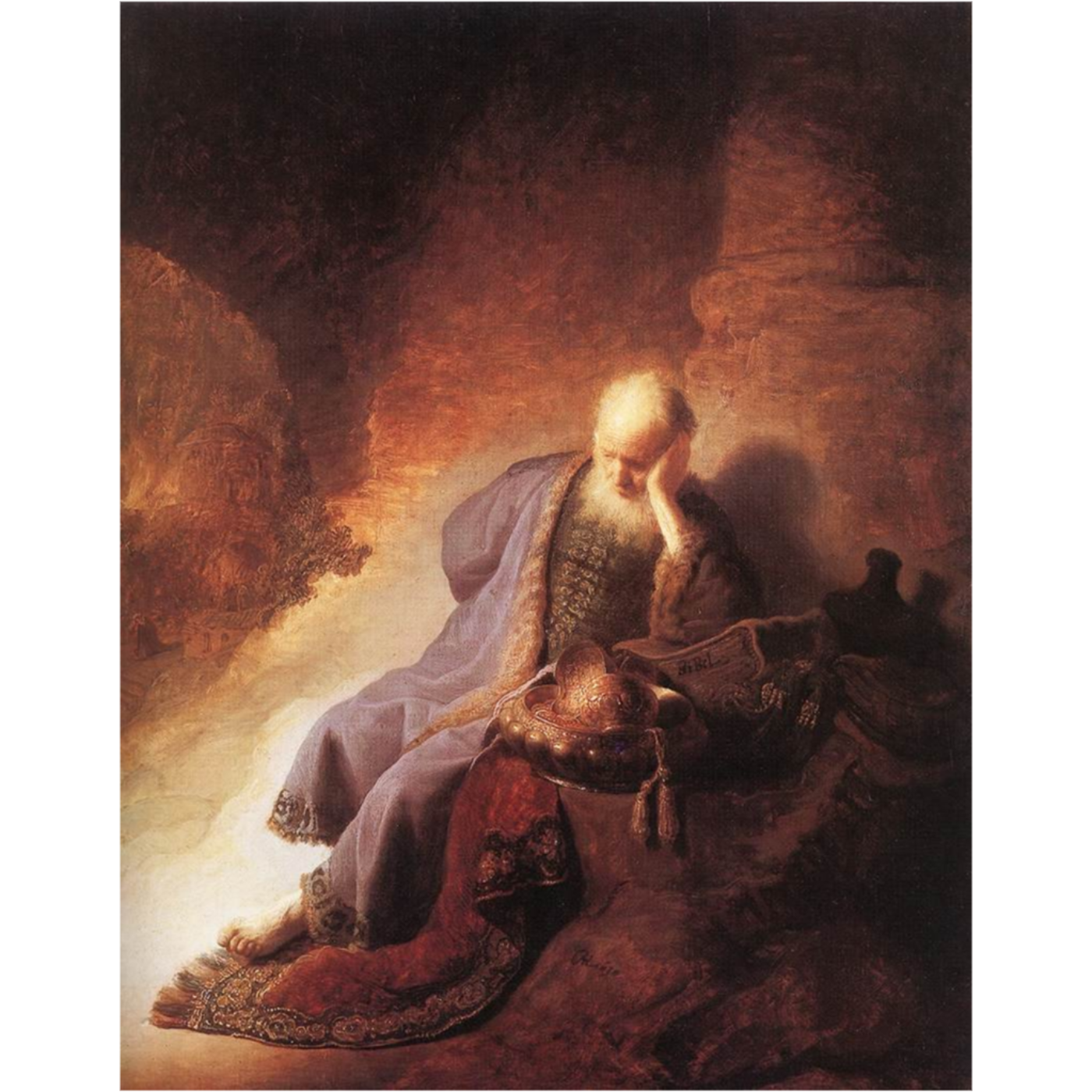
You exclaim, “How fitting it was for Jeremiah, with the chorus of the prophets and all the saints, to cry out, ‘Who will give water to my head, and a fountain of tears to my eyes,’ that he might bewail the sins of the foolish people, because the church of Christ expelled the teachers of the Pelagian error.” If you wish to weep wholesomely, weep for this, that you are involved in that error, and let your tears wash you clean of the new plague. Are you ignorant, or have you forgotten or do you wish not to know that the holy, the one, the Catholic church was also signified by the word Paradise?—St Augustine
S1 Ep 193Day 193 - Jeremiah 14, 16-17
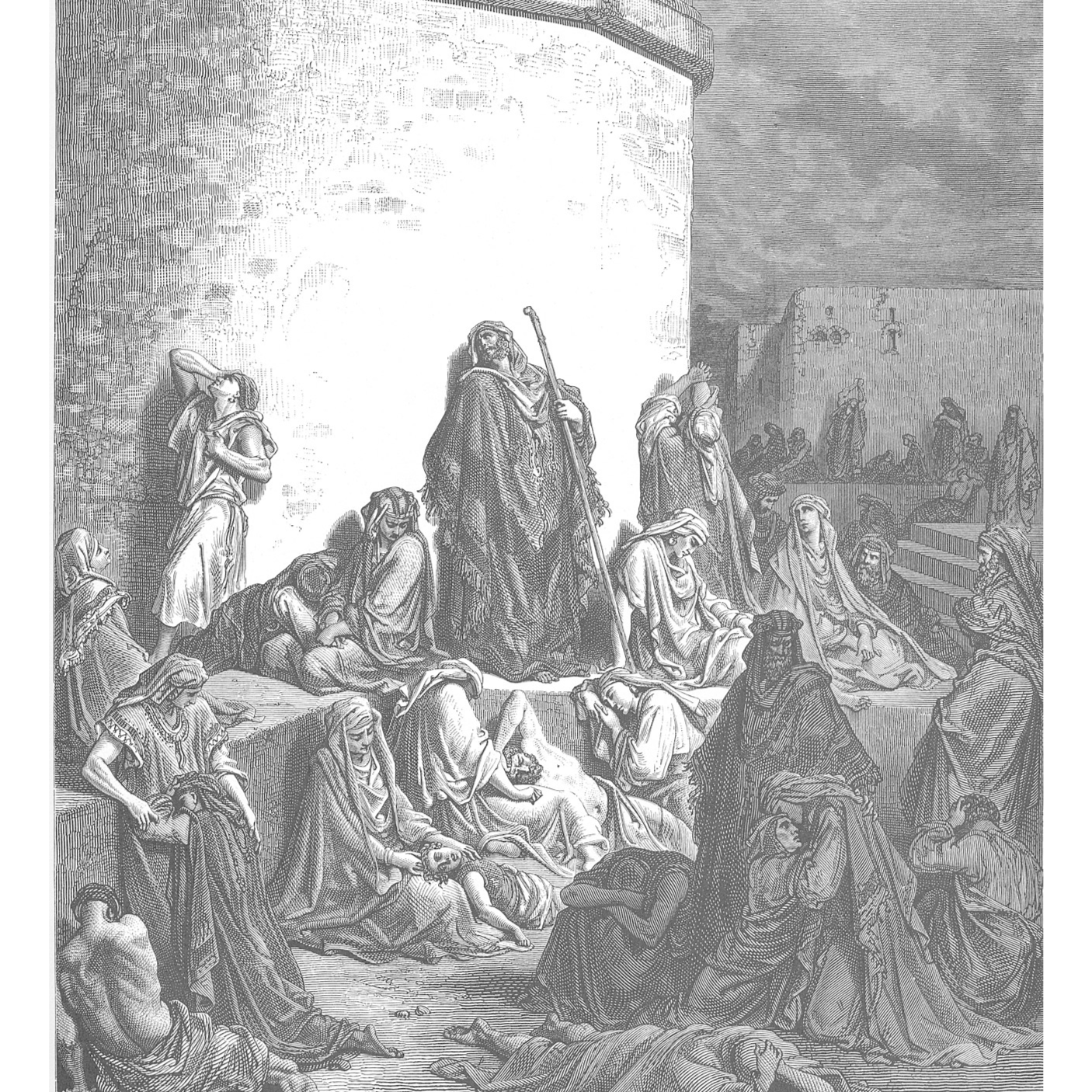
Again, the Scriptures speak of God as asleep when the psalmist says, “Arise! Why do you sleep, O Lord?” [Psa 44:23 (43:24 LXX).] He does not say this to make us suspect that God sleeps. This would be the utmost madness. By the word sleep the psalm shows God’s patience and forbearance toward us. Another prophet has said, “You will not be like a person who sleeps, will you?” [Jer 14:9 (LXX).] Do you not see that we need much help from our understanding and reason when we are searching into the treasure house of the divine Scriptures? If we listen to the words only, if we do not think but take the words as they come, not only will those absurdities follow, but many a conflict will be seen in what has been said—St John Chrysostom
S1 Ep 192Day 192 - Jeremiah 15, 25, 36, 45
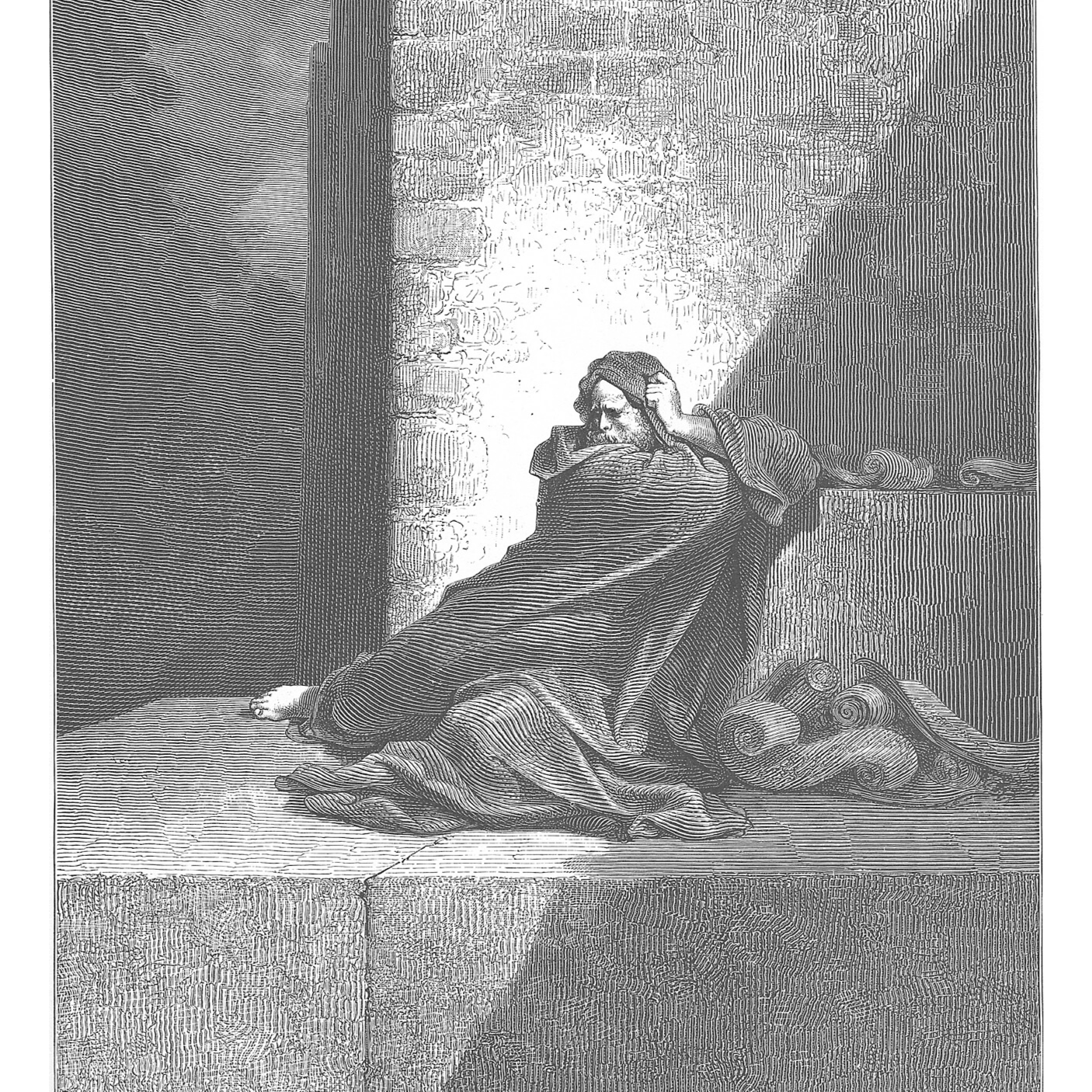
“In that day, says the Lord, the sun shall go down at noon, and there shall be darkness over the earth in the clear day. I will turn your feast days into mourning, and all your songs into lamentation,” [Amo 8:9-10.] plainly announced that obscuration of the sun that at the time of his crucifixion took place from the sixth hour onwards, and that after this event, those days that were their festivals according to the law, and their songs, should be changed into grief and lamentation when they were handed over to the Gentiles. Jeremiah too makes this point still clearer when he thus speaks concerning Jerusalem: “She that has borne seven languishes. Her soul has become weary. Her sun has gone down while it was yet noon. She has been confounded and suffered reproach. The remainder of them will I give to the sword in the sight of their enemies.” Those of them, again, who spoke of God’s having slumbered and taken sleep, and of his having risen again because the Lord sustained him, [Psa 3:5 (3:6 LXX).] and who enjoined the principalities of heaven to set open the everlasting doors, that the King of glory might go in, [Psa 24:7 (23:7 LXX.] proclaimed beforehand his resurrection from the dead through the Father’s power and his reception into heaven—St Irenaeus of Lyon
S1 Ep 191Day 191 - Jeremiah 13, 18, 26, 46-47
We are the robe of Christ. When we have clothed him with our confession of faith, we, in turn, have put on Christ. It is the apostle who says that Christ is our robe, for when we are baptized, we put on Christ. [Gal 3:27.] We both clothe and are clothed. Would you like to know in what manner we clothe the Lord? We read in Jeremiah: “Go buy yourself a linen loincloth. Wear it on your loins, and go to the Euphrates. There hide it in a cleft of the rock. Obedient to the Lord’s command, I went to the Euphrates and buried the loincloth. After a long interval, again I went to the Euphrates, and the loincloth was rotted, good for nothing. Then the message came to me from the Lord: ‘Listen very carefully. As close as the loincloth clings to your loins, so had I made this people cling to me,’ says the Lord.” Why have I drawn this out to such length? To prove to you that the faithful are the garment of Christ—St Jerome
S1 Ep 190Day 190 - Jeremiah 7-8,11-12
“Do not put your hope in deceptive words that say, ‘Here is the temple of the Lord,’ ” that imply you are his temple. They are only trying to assure you that you will never be left by God as though God would decide to preserve his blessed temple and would save his priests even though they are wicked. No! Do not find hope in those who flatter you with these words. If you have not corrected what you are doing, then you are no temple of God, and God will not save you on account of the sacredness of his temple that is desecrated by you. His soul is disgusted by the multitude of your sacrifices that you offer in your wickedness—Mari Ephrem the Syrian
S1 Ep 189Day 189 - Habakkuk 1-3
“For the Lord does not desire to look upon wrongs, for he, the almighty one, observes all those who perform lawless deeds, and he will save me; and do you plead before him, if you can praise him, as it is possible even now.” [Job 35:13-14.] Not only did the Lord not countenance wrongs, but he did not even wish to see them, as another prophet said: “You who are of purer eyes than to behold evil and cannot look on wrong.” You see, what providence, what protection, what comprehension! Even if he does not take vengeance, he nevertheless abhors actions—St John Chrysostom
S1 Ep 188Day 188 - 2 Chronicles 35-36
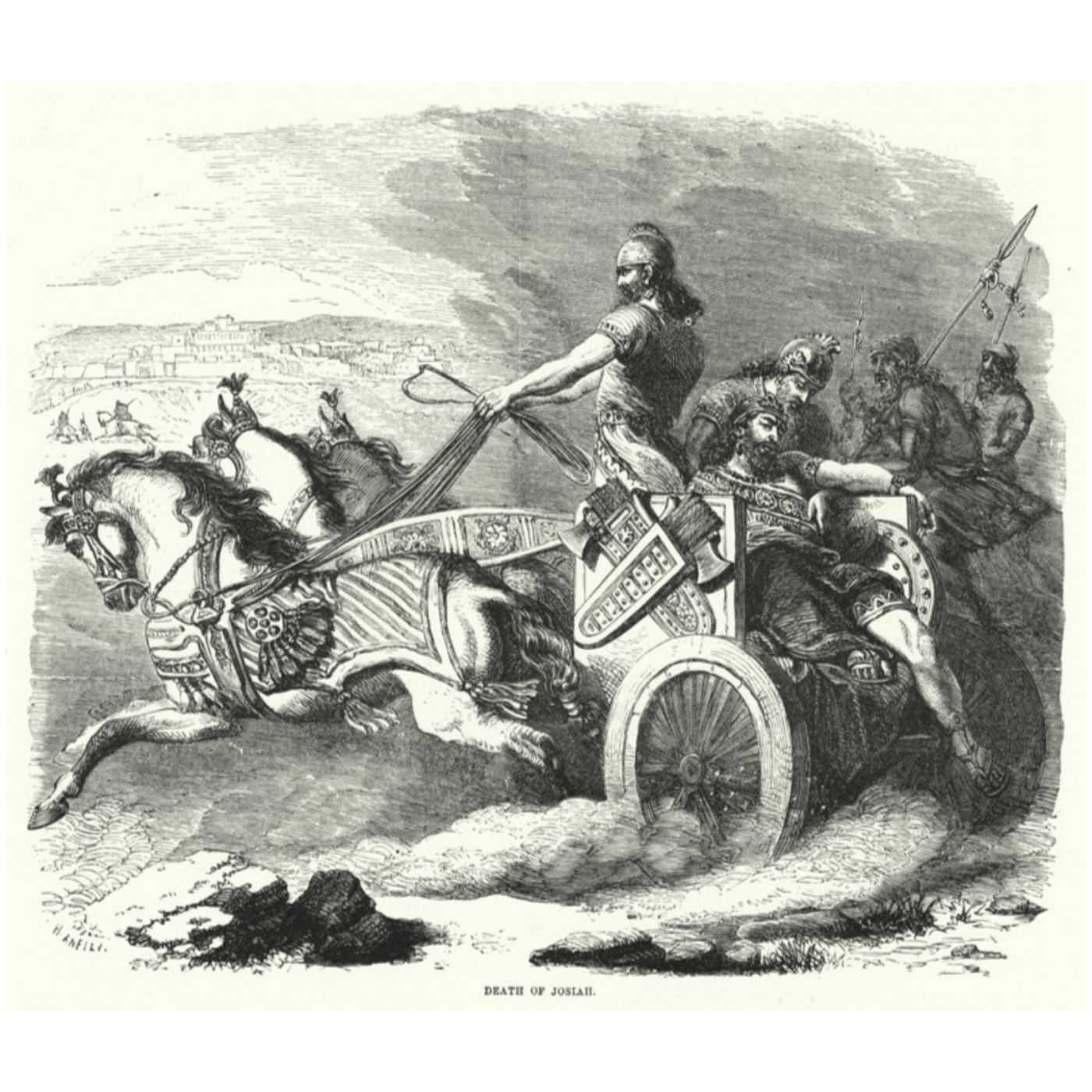
It is true that in the holy Scriptures many are called righteous, as Zachariah and Elizabeth, Job, Jehosaphat, Josiah, and many others who are mentioned in the sacred writings. Of this fact I shall, if God gives me grace, give a full explanation in the work that I have promised; in this letter it must suffice to say that they are called righteous, not because they are faultless but because their faults are eclipsed by their virtues. In fact Zachariah is punished with dumbness, [Luk 1:20-22.] Job is condemned out of his own mouth, [Job 42:6.] and Jehoshaphat and Josiah who are beyond a doubt described as righteous are narrated to have done things displeasing to the Lord. The first aligned himself with the ungodly Ahab and brought on himself the rebuke of Micaiah; [1Ki 22:19-25.] and the second, though forbidden by the word of the Lord spoken by Jeremiah, went against Pharaoh Neco, king of Egypt, and was killed by him—St Jerome
S1 Ep 187Day 187 - Nahum 1-3
The prophet Nahum (or, better, God speaking through him) says, “I will destroy the graven and molten thing; I will make it your grave. Behold upon the mountains the feet of him that brings peace. O Judah, keep your festivals and pay your vows, for it shall no longer be that they may pass into disuse. It is completed, it is consumed, it is taken away. He is come up that breathes into your face and rescues you from tribulation.” Anyone who knows the Gospels will recognize who it was that came up from hell and breathed the Holy Spirit into the face of Judah, that is, into the face of his Jewish disciples. The words about the festivals are, of course, a reference to the New Testament, in which festivals are so spiritually renewed that they can never “pass into disuse.” The rest of the prophecy too we see realized in that the gospel brought about the destruction of “graven and molten things,” that is, the idols of the false gods, consigned now to the oblivion of the grave—St Augustine
S1 Ep 186Day 186 - Jeremiah 5-6
Paul says about those who live in piety and prosperity, “I thank God that in every way you were enriched in him with all speech and all knowledge.” And to those who are impious, the blessed Jeremiah says, “Maybe they are poor. For this reason, they could not hear the word of the Lord.” Do you see that he calls poor those who have distanced themselves from piety? Therefore, God is merciful to those who sin because they are spiritually poor, and he places demands on those who act justly because they are spiritually rich. To the former he gives freely, on account of their poverty. From the latter he collects with great care, on account of their wealth of piety. That which he does to the righteous and to sinners, he does to both the rich and the poor—St John Chrysostom
S1 Ep 185Day 185 - Jeremiah 3-4
He has come as a physician, not as a judge. Therefore, in like manner, as those of old took harlots for wives, even so God too married to himself the nature that had played the harlot. This also prophets from the beginning declare to have taken place with respect to the synagogue. But that spouse was ungrateful toward him who had been a husband to her, while on the contrary, the church, when once delivered from the evils received from our ancestors, continued to embrace the Bridegroom—St John Chrysostom
S1 Ep 184Day 184 - Jeremiah 1-2
Moreover, this calling, which works through the opportune circumstances of history, whether this calling is in individuals or in peoples or in humankind itself, comes from a decree both lofty and profound. To this relates the following passage: “In the womb have I sanctified you.”—St Augustine
S1 Ep 183Day 183 - Psalms 67, 100
This, I say, is the universal way for the deliverance of believers, concerning which the faithful Abraham received the divine assurance, “In thy seed shall all nations be blessed.” [Gen 22:18.] He, indeed, was by birth a Chaldaean; but, that he might receive these great promises, and that there might be propagated from him a seed “disposed by angels in the hand of a Mediator,” [See Gal 3:19.] in whom this universal way, thrown open to all nations for the deliverance of the soul, might be found, he was ordered to leave his country, and kindred, and father’s house. Then was he himself, first of all, delivered from the Chaldaean superstitions, and by his obedience worshipped the one true God, whose promises he faithfully trusted. This is the universal way, of which it is said in holy prophecy, “God be merciful unto us, and bless us, and cause his face to shine upon us; that thy way may be known upon earth, thy saving health among all nations.” And hence, when our Savior, so long after, had taken flesh of the seed of Abraham, he says of himself, “I am the way, the truth, and the life.” [Jhn 14:6.]—St Augustine
S1 Ep 182Day 182 - Psalms 33, 66
“Rejoice,” therefore, “in the Lord, O you righteous,” not when the interests of your home are flourishing, not when you are in good health of body, not when your fields are filled with all sorts of fruits, but when you have the Lord—such immeasurable Beauty, Goodness, Wisdom. Let the joy that is in him suffice for you.… For the just person, the divine and heavenly joy is lasting, since the Holy Spirit dwells in him once and for all. “But the firstfruit of the Spirit is charity, joy, peace.” [Gal 5:22.] Therefore, “rejoice in the Lord, O you just.” The Lord is like a place capable of containing the just, and there is every reason for one who is in him to be delighted and to make merry. Moreover, the just person becomes a place for the Lord when he receives God in himself.… Let us, then, who are in the Lord and who, as much as we are able, observe closely his wonders, so draw joy to our hearts from the contemplation of them—St Basil the Great
S1 Ep 181Day 181 - 2 Chronicles 33-34
I know of a fifth baptism also, which is that of tears and takes much more work. It is received by one who washes his bed every night and his couch with tears; [Psa 6:6.]whose bruises sting through his wickedness; [Psa 37:5.] and who goes about mourning and is of a sad disposition. It is received by one who imitates the repentance of Manasseh [2Ch 33:12.] and the humiliation of the Ninevites [Jhn 3:7-10.] upon whom God had mercy; who utters the words of the Publican in the Temple, and is justified rather than the stiff-necked Pharisee; [Luk 18:13.] who like the Canaanite woman bends down and asks for mercy and crumbs, the food of a dog that is very hungry. [Mat 15:27.]—St Gregory the Theologian
S1 Ep 180Day 180 - 2 Kings 23
Love faith. For by his devotion and faith Josiah won great love for himself from his enemies. For he celebrated the Lord’s Passover when he was eighteen years old, as no one had done it before him. As then in zeal he was superior to those who went before him, so do you, my children, show zeal for God. Let zeal for God search you through and devour you, so that each one of you may say, “The zeal of your house has eaten me up.” [Psa 69:9 (68:10 LXX, Vg).] An apostle of Christ was called the zealot. [Luk 6:15.] But why do I speak of an apostle? The Lord himself said, “The zeal of your house has eaten me up.” [Jhn 2:17; the text of John says, “The disciples remembered that it was written”.] Let it then be real zeal for God, not mean earthly zeal, for that causes jealousy—St Ambrose of Milan
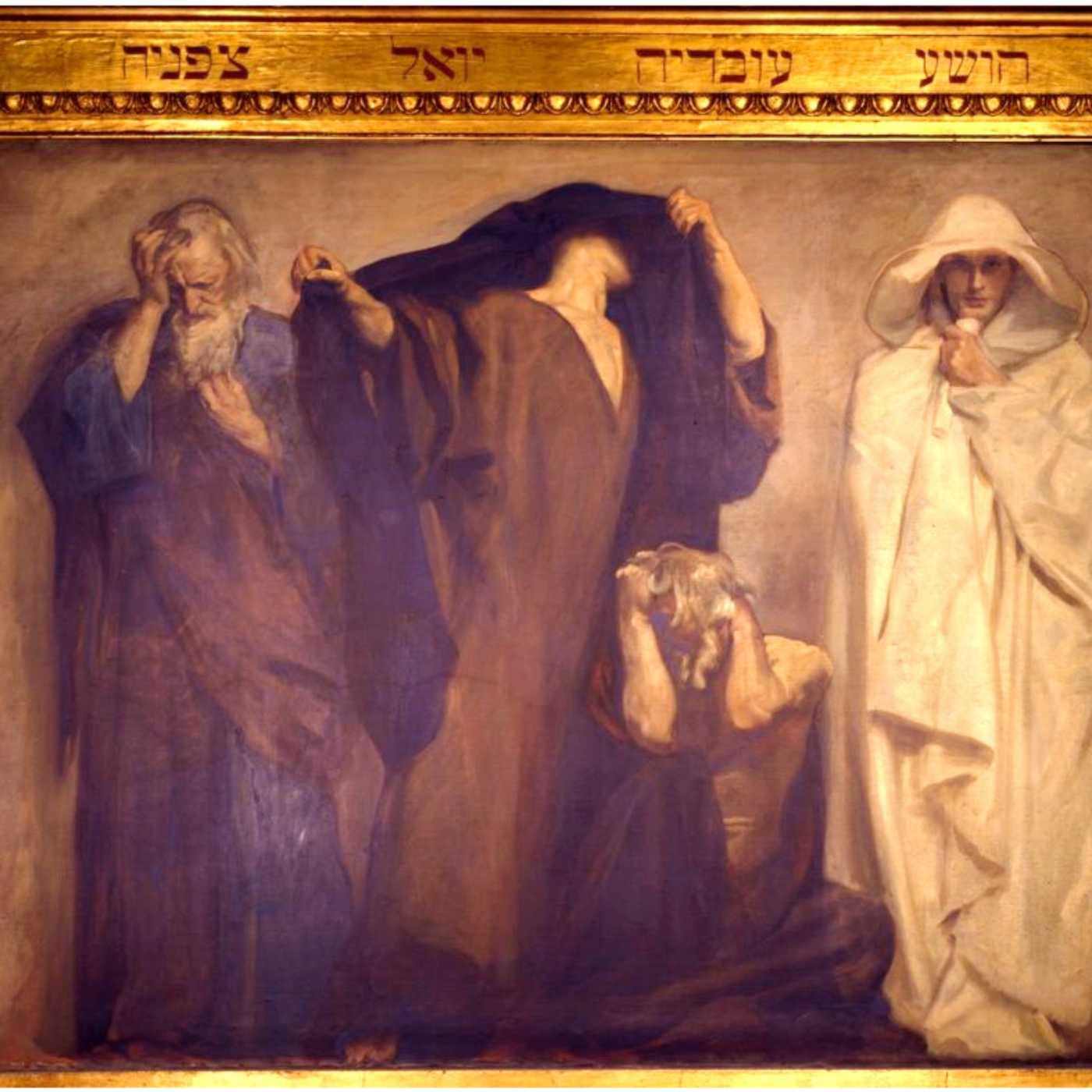
S1 Ep 179Day 179 - Zephaniah 1-3
The Lord Jesus went into Jerusalem, into the temple. And when he had looked around upon all things, then, as it was already late, he went out to Bethany with the Twelve. [Mrk 11:11.]The Lord went into Jerusalem and into the temple. He went in, and, having entered, what does he do? He looks about at everything. In the temple of the Jews he was looking for a place to rest his head and found none. “He had looked around upon all things.” Why did it say, “He had looked around upon all that was there”? He was looking for the priests; he wanted to be with them, but he could not find them. He always had regard for priests. So he surveyed all that was about him, almost as though he were searching with a lantern; so says the prophet Zephaniah: “I will explore Jerusalem with lamps.” In this same way, the Lord too looked around at everything with the light of a lamp. He was searching in the temple, but he did not find what he wanted. When it was already evening, he was still exploring everything; he was looking around upon all things. Even though his search was unfruitful, nevertheless, as long as there was light, he remained in the temple; but when evening had come, when the shades of ignorance had darkened the temple of the Jews, when it was the evening hour, he went out to Bethany with the Twelve. The Savior searched; the apostles searched; in the temple they found nothing, so they left it—St Jerome
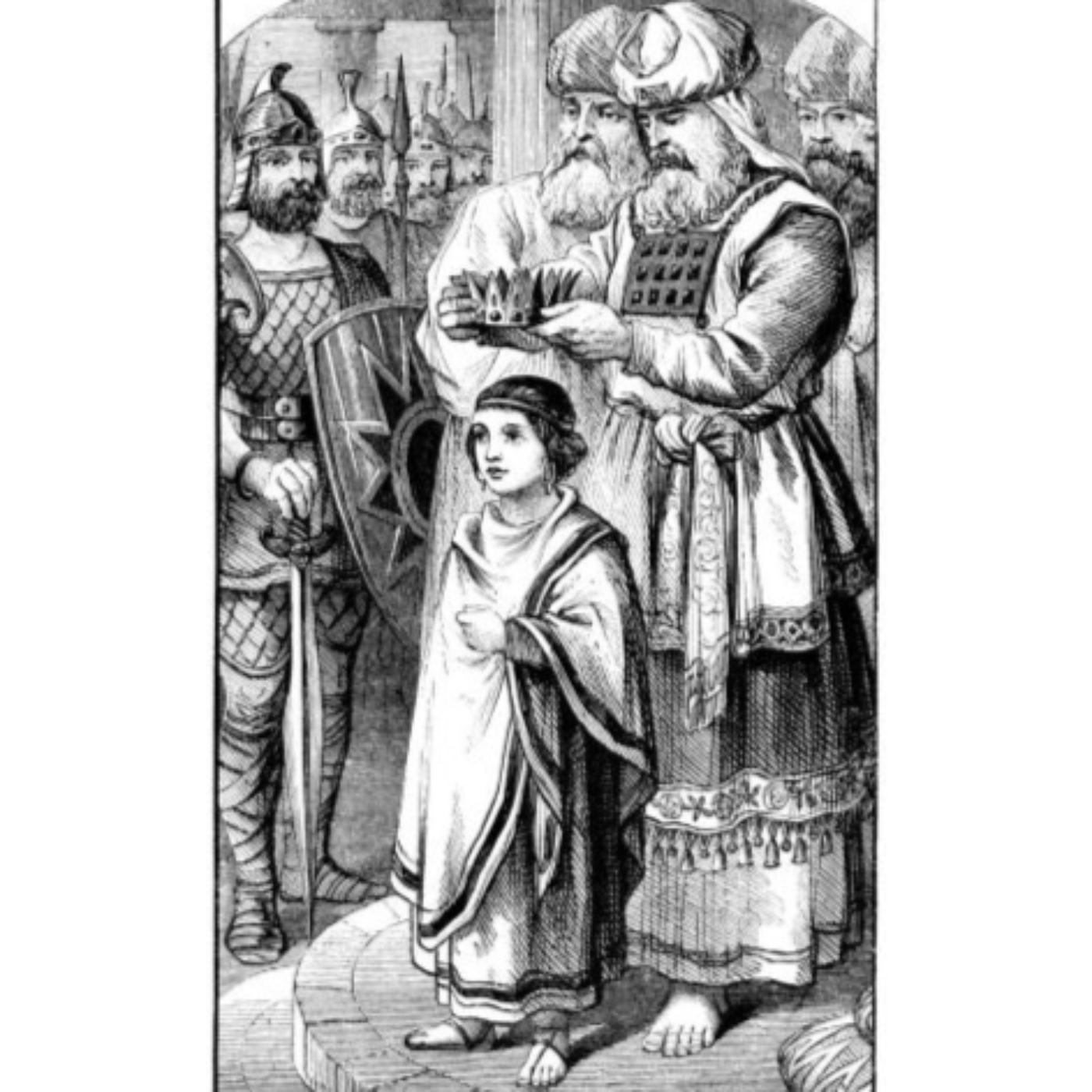
S1 Ep 178Day 178 - 2 Chronicles 32, 2 Kings 21-22
“Josiah was eight years old when he began to reign; and he did what was right in the sight of the Lord” for the thirty-one years in which he reigned. In the eighteenth year from the beginning of his rule, he began to purify Judah and the inhabitants of Jerusalem. In fact, he removed the foreign religions introduced by Manasseh and overturned the sanctuaries and altars. In the same eighteenth year he ordered an expiation of the temple and commanded the priests to make repairs. He brought in workers, gathered stones, materials and other things useful to building and supplied the money for the expected expenses, and in this case he religiously emulated the pious zeal of his great-grandfather Jehoash. [See 2Ki 12:4-16.] And at that time the refurbishment of the temple was not less necessary than it had been before, because for the fifty years in which Manasseh had reigned, [See 2Ki 21:1-18.] it had been neglected or given to profane uses—Mari Ephrem the Syrian
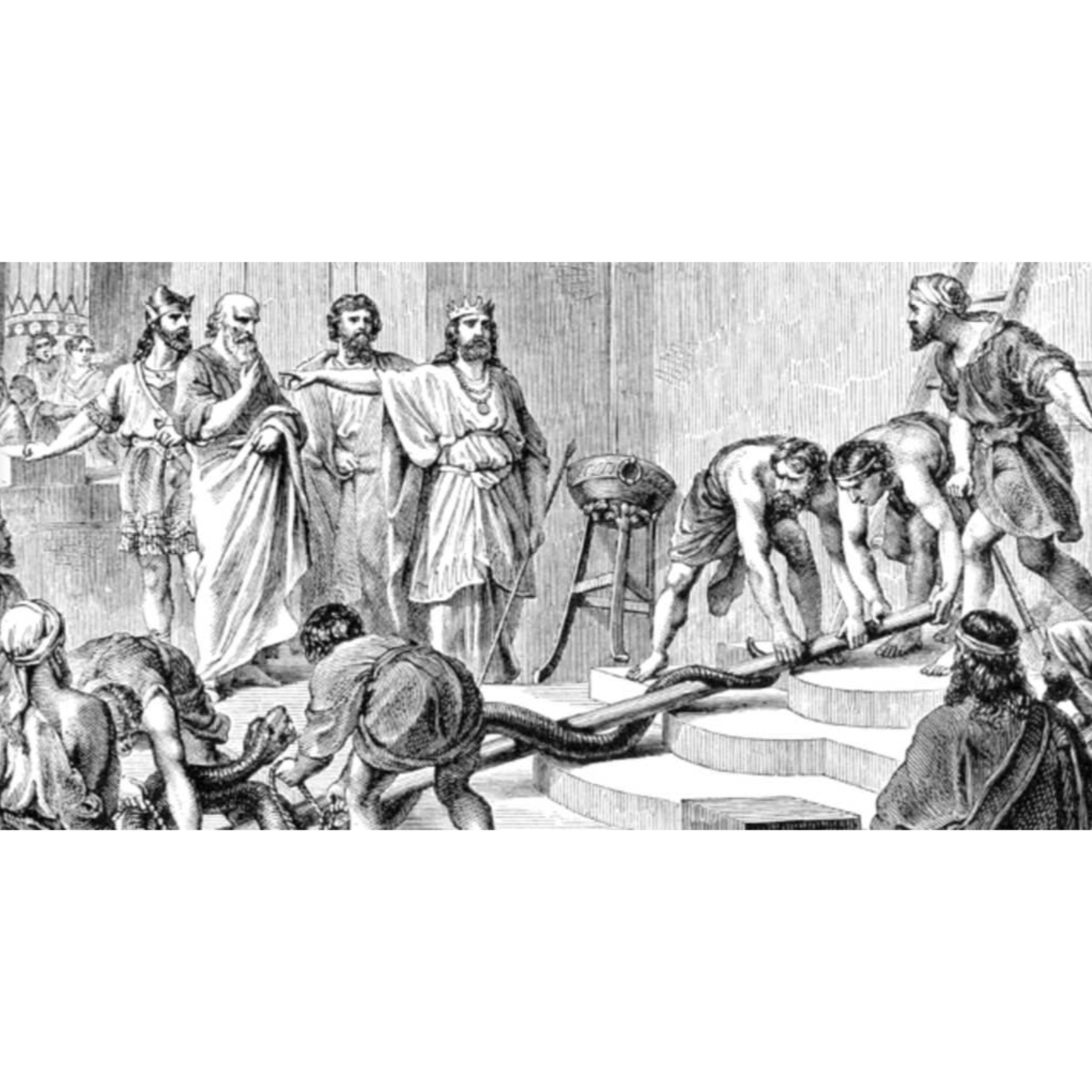
S1 Ep 177Day 177 - 2 Chronicles 29-31
A sovereign serves God one way as man, another way as king; he serves him as man by living according to faith, he serves him as king by exerting the necessary strength to sanction laws that command goodness and prohibit its opposite. It was thus that Hezekiah served him by destroying the groves and temples of idols and the high places that had been set up contrary to the commandments of God—St Augustine

S1 Ep 176Day 176 - Isaiah 25-27
Israel was called to the knowledge of God through the tutoring of the law and was richly endowed with the things of God. It was delivered [from Egypt] and inherited the Promised Land. Although there were many other peoples living in other parts of the world, all were alien to spiritual matters and heavenly things. They had not tasted the gifts that come from God. They were, as it were, naked and unclothed, enjoying neither divine protection nor shelter from on high, nor the spiritual wealth that comes from virtue nor other things worthy of praise or admiration.When Christ appeared, destroying the arrogance of the devil, he led the nations to God the Father, and they basked in the splendor of the true light and shared in his glory. Enjoying the splendor of the way of life according to the gospel, they offered hymns of thanksgiving to the God and Father for these gifts. Thus the text says, you have carried out a “faithful plan formed of old,” O Lord, recapitulating all things in Christ and enlightening those in darkness, destroying the mighty powers of this age. That is, like “fortified cities the impoverished people will bless you” and whole cities will “glorify you.” Having become a “help to all” and “protection” to those whose ancestral traditions were impoverished, you have saved them from wicked people—St Cyril of Alexandria
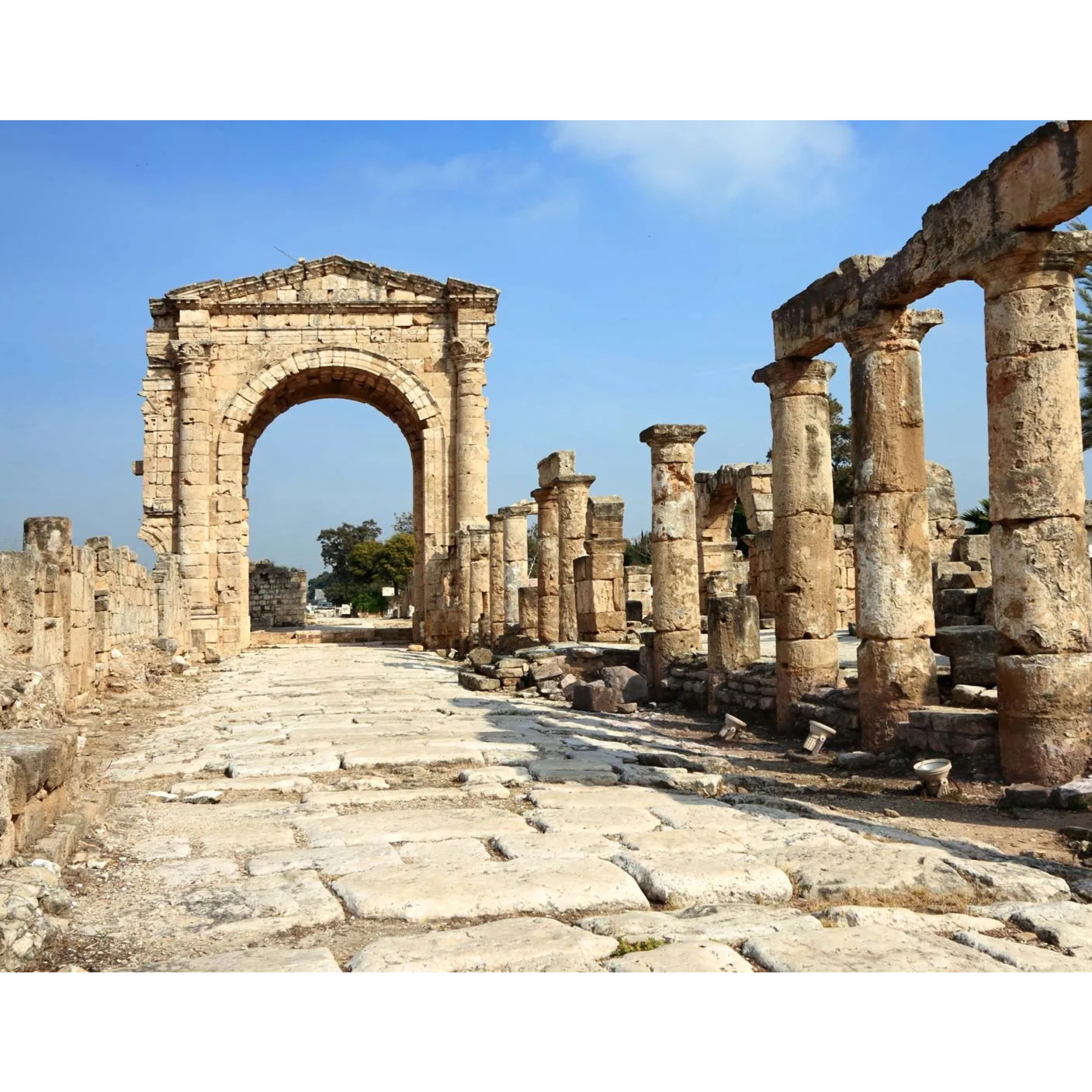
S1 Ep 175Day 175 - Isaiah 23-24
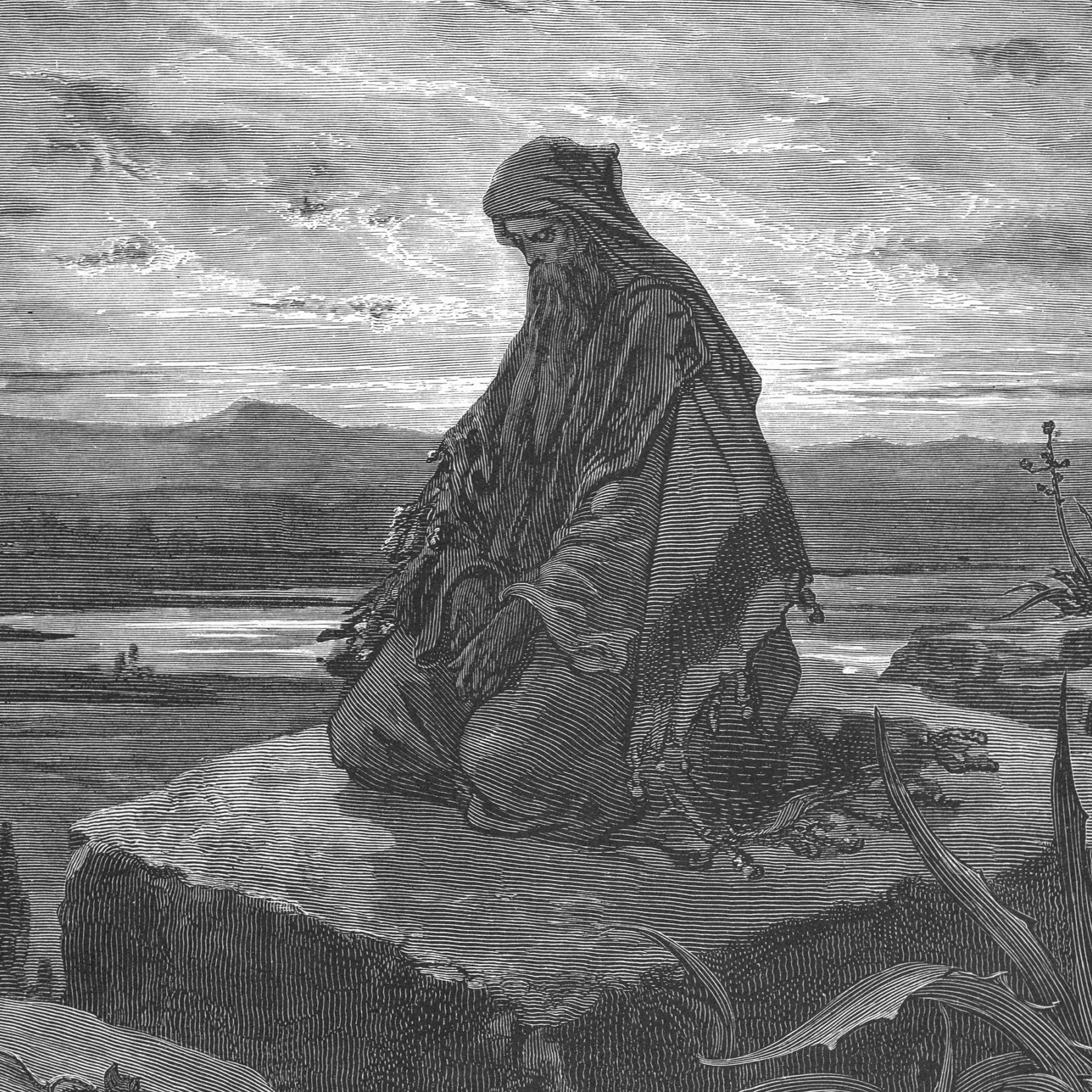
Still, it was when humanity was in this state that the Word—the Son—came to seek and to find that which was lost. Even before he came, he tried to restrain us from such foolishness, crying out, “Don’t be like the horse and the mule which have no understanding and whose mouth must be held in with bit and bridle.” [Psa 32:9.] And because his own people were careless and acted as the wicked did, Isaiah, praying in the Spirit said, “You are to me like merchants of Phoenicia.”—St Athanasius the Apostolic
S1 Ep 174Day 174 - Isaiah 39
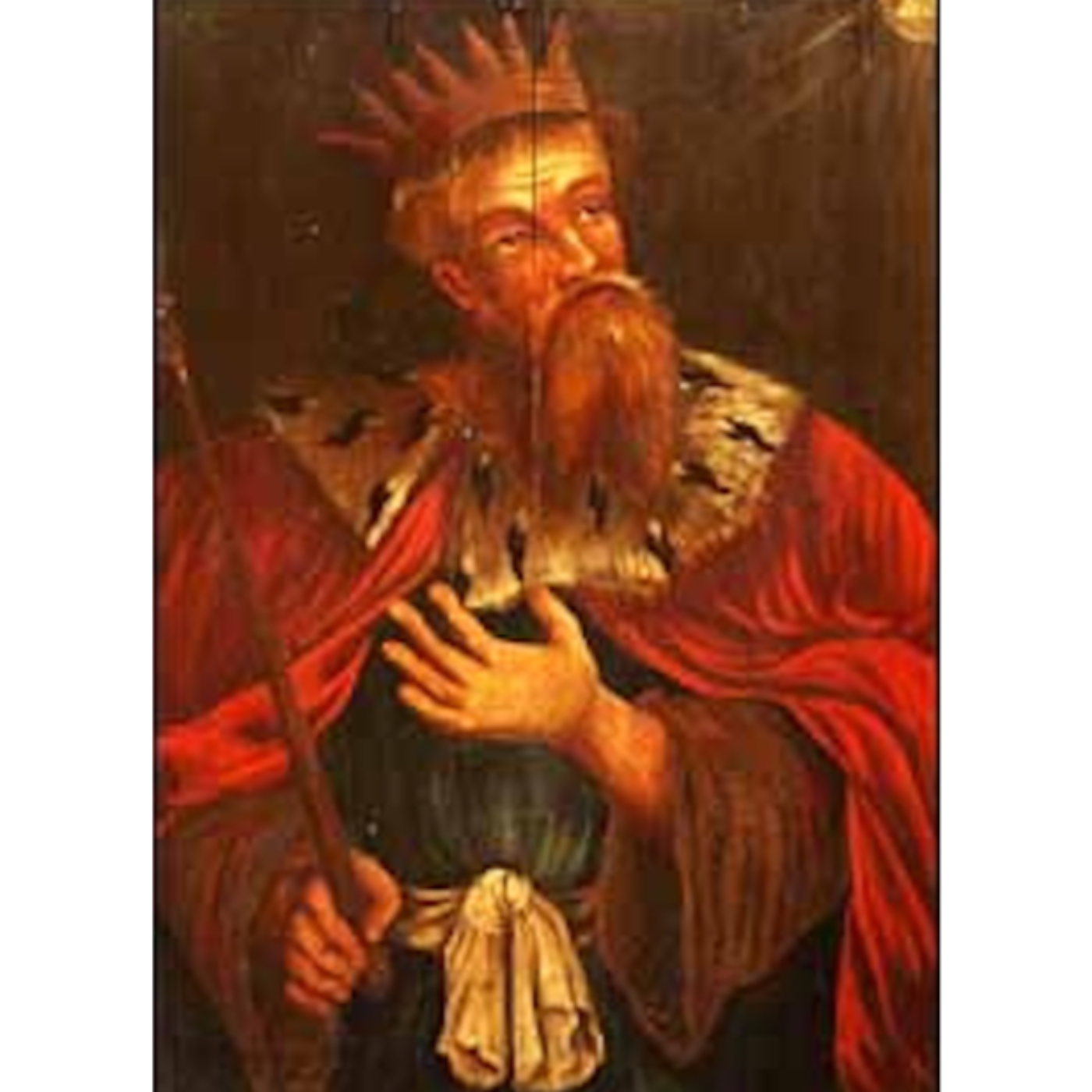
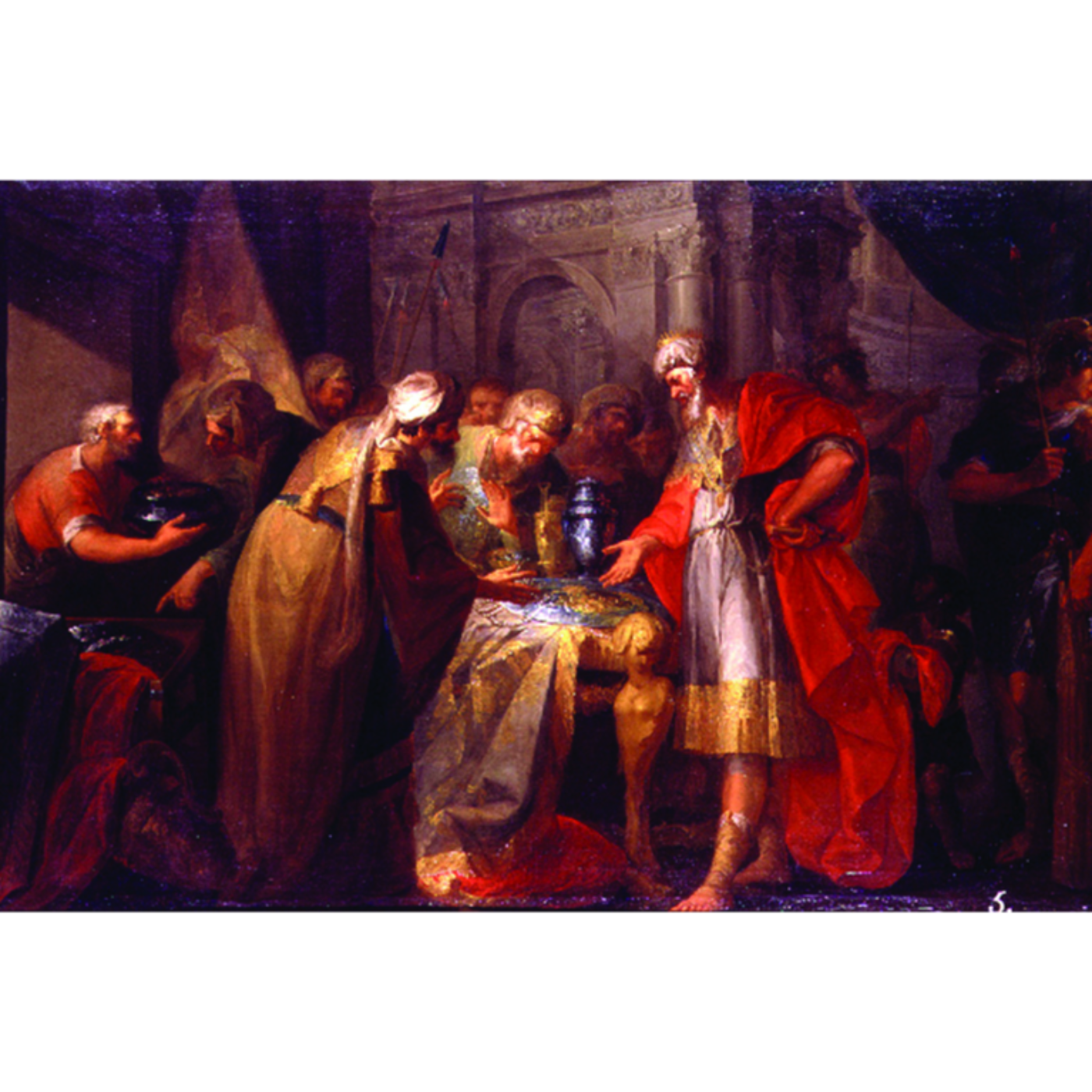
And assuredly no gold or silver vessel was ever so dear to God as is the temple of a virgin’s body. The shadow went before, but now the reality has come. You indeed may speak in all simplicity, and from motives of amiability you may treat with courtesy the truest strangers, but unchaste eyes see nothing aright. They fail to appreciate the beauty of the soul and value only that of the body. Hezekiah showed God’s treasure to the Assyrians, who ought never to have seen what they were sure to covet. The consequence was that Judea was torn by continual wars and that the very first things carried away to Babylon were these vessels of the Lord. We find Belshazzar at his feast and among his concubines (vice always glories in defiling what is noble) drinking out of these sacred cups—St Jerome
S1 Ep 173Day 173 - 2 Kings 20, Isaiah 38
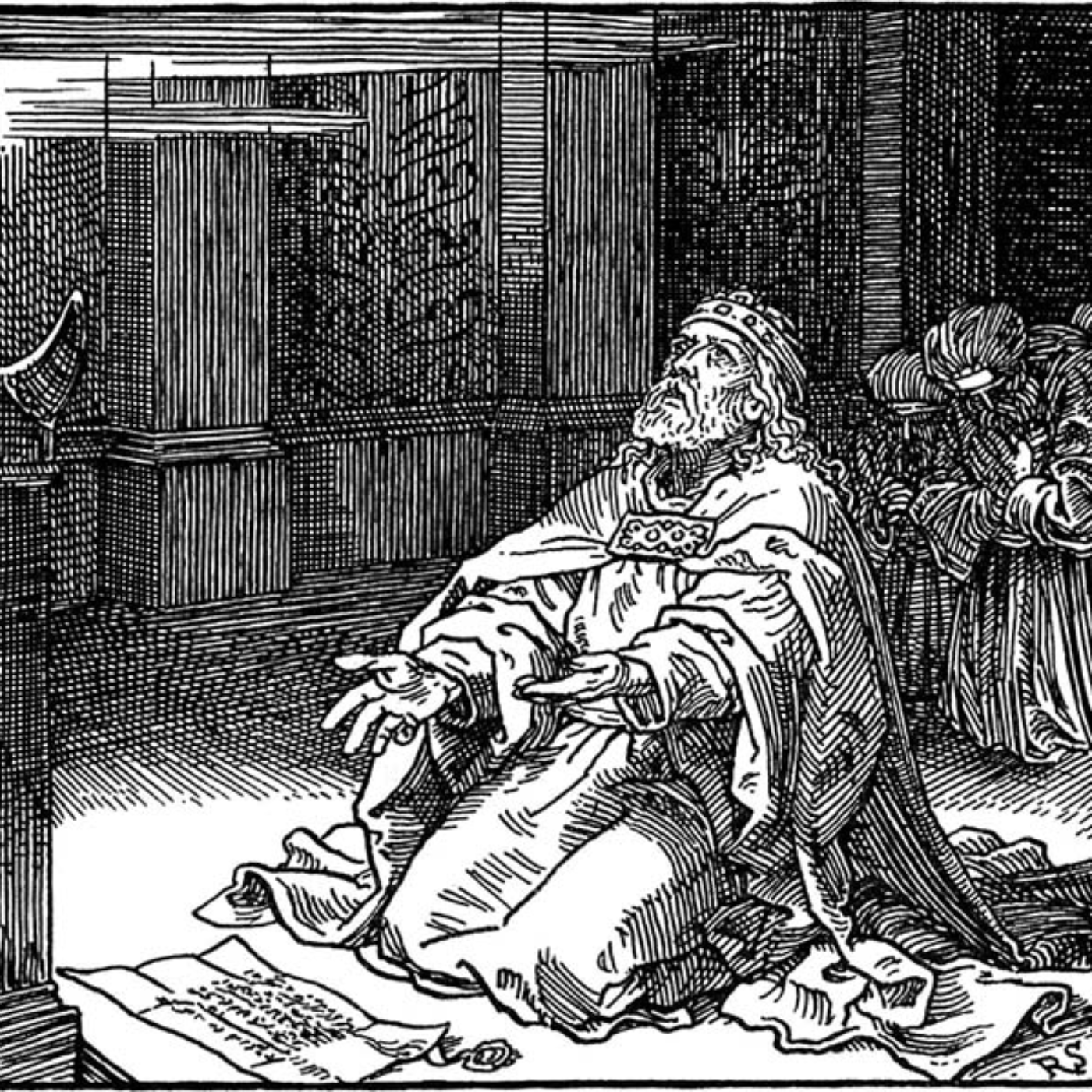
Surely the just Hezekiah did not rejoice that the disaster of the captivity had fallen on his children, but he could not oppose the will of the Lord, and so he received the Lord’s commands with patience like a humble servant. Thus it happens that one could judge that merit and virtue could be evident even in captivity. For Jeremiah was not less happy in captivity, [See Jer 37-38.] nor was Daniel, [See Dan 1:6.] nor Ezra, [See Ezr 7:6.] nor were Ananias and Azariah and Misael less happy than if they had not fallen into captivity. [See Dan 3:19-96 (Vg).] They entered into captivity in such a way that they brought to their people both present consolations in captivity and the hope of escaping from it—St Ambrose of Milan
S1 Ep 172Day 172 - 2 Kings 19, Isaiah 36-37
Since the evil spirits have no power, they play as on a stage, changing their shapes and frightening children by the apparition of crowds and by their changed forms. This is why they are to be despised the more for their powerlessness. The true angel sent by the Lord against the Assyrians had no need of crowds or apparitions from without, or loud noises or clappings, but he used his power quietly and destroyed 185,000 at one time. Powerless demons such as these, however, try to frighten, if only by empty phantoms—St Athanasius the Great
S1 Ep 171Day 171 - Isaiah 22, 30-32
Let every man and woman among us, whether meeting together at church or remaining at home, call upon God with much earnestness, and he will doubtless accede to these petitions. Whence does this appear evident? Because he is exceedingly desirous that we should always take refuge in him and in everything make our requests to him; [he desires that we] do nothing and speak nothing without him. For men, when we trouble them repeatedly concerning our affairs, become slothful and evasive and conduct themselves unpleasantly toward us; but with God it is quite the reverse. Not when we apply to him continually respecting our affairs, but when we fail to do so, then is he especially displeased. Hear at least what he reproves the Jews for, when he says, “You have taken counsel, but not of me, and made treaties but not by my Spirit.” For this is the custom of those who love; they desire that all the concerns of their beloved should be accomplished by means of themselves; and that they should neither do anything, nor say anything, without them.… Let us not then be slow to take refuge in him continually—St John Chrysostom
S1 Ep 170Day 170 - Isaiah 15-16, 18-20
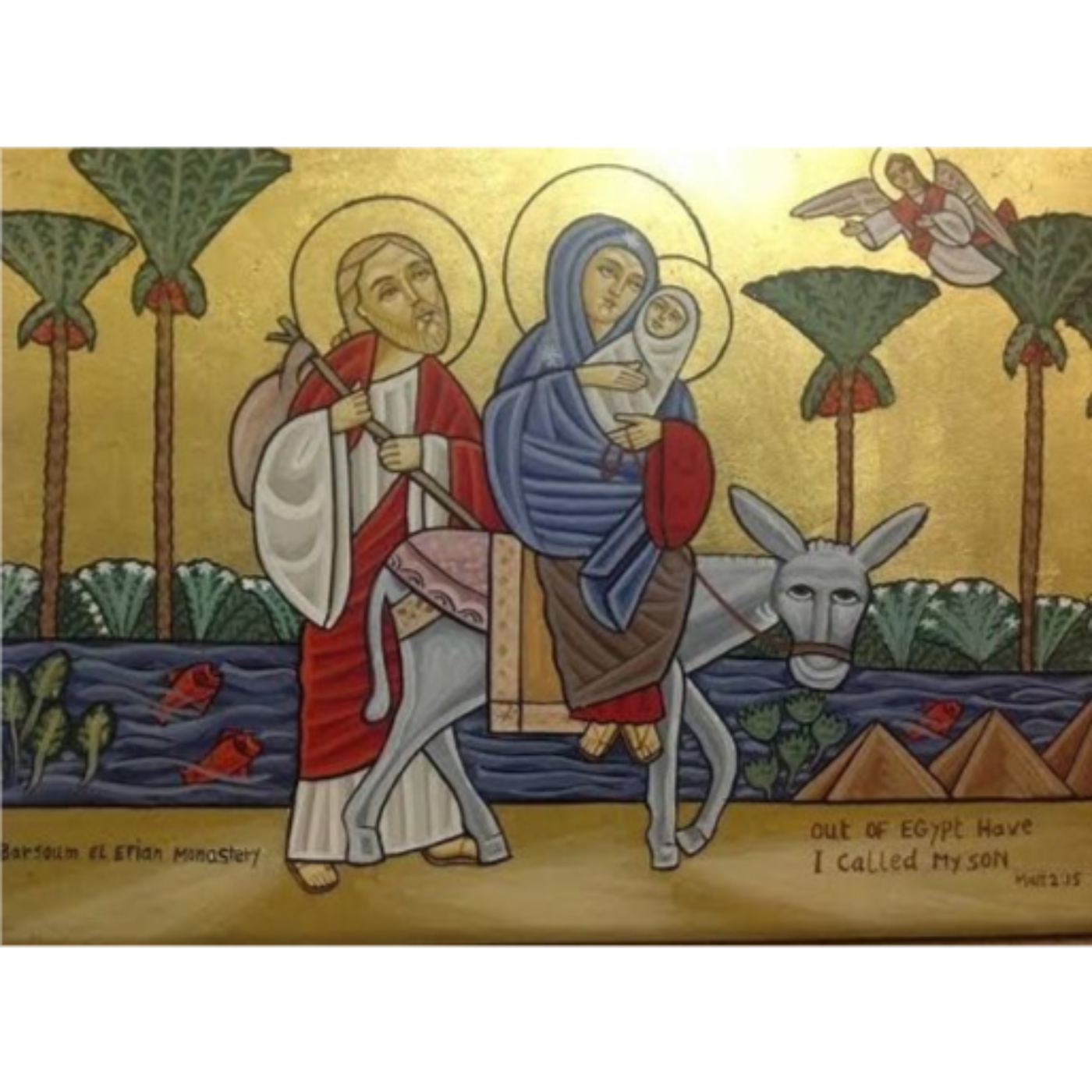
I suppose that the reason why it is foretold that the Lord would come to Egypt is this: The Egyptians are said to have been the first to practice the errors of polytheism.… And Holy Scripture witnesses that they were the enemies of God’s people from the very beginning, for it is written that their ancient king confessed that he did not know the Lord, when he said, “I do not know the Lord, and I will not let Israel go.” [Exo 5:2.] So, then, it is because Scripture wishes to show the great marvel of the divine power of Christ that it foretells his going to Egypt, in predicting that the Egyptians will undergo an extraordinary conversion, when it goes on to say, “And the Egyptians shall know the Lord, who before knew him not, and shall pray to the Lord,” [Isa 19:20.] and so on.… Here it is predicted of Egypt and its people that they will not acknowledge idols any more but will acknowledge the Lord revealed by the Jewish prophets. Now if we cannot see this actually fulfilled before our eyes, we must not say that the Lord’s coming to Egypt has taken place. But if beyond all need of argument the truth is shown by facts and reveals clearly to the most unobservant the Egyptians rescued from hereditary superstition, and followers of the God of the prophets who foretold that this would take place, serving him only and greeting every form of death for their duty to him, to what else can we attribute it but to the Lord coming to Egypt, as the prophecy before us predicted?—Eusebius of Caesarea
S1 Ep 169Day 169 - Proverbs 25-29
Moreover, in the days of Hezekiah, there were some of the books selected for use, and others set aside. Whence the Scripture says, “These are the mixed proverbs of Solomon, which the friends of Hezekiah the king copied out.” And from where did they take them but out of the books containing the three thousand parables and the five thousand songs? Out of these, then, the wise friends of Hezekiah took those portions which bore upon the edification of the church—Hippolytus of Rome
S1 Ep 168Day 168 - 2 Kings 18, Isaiah 11-12
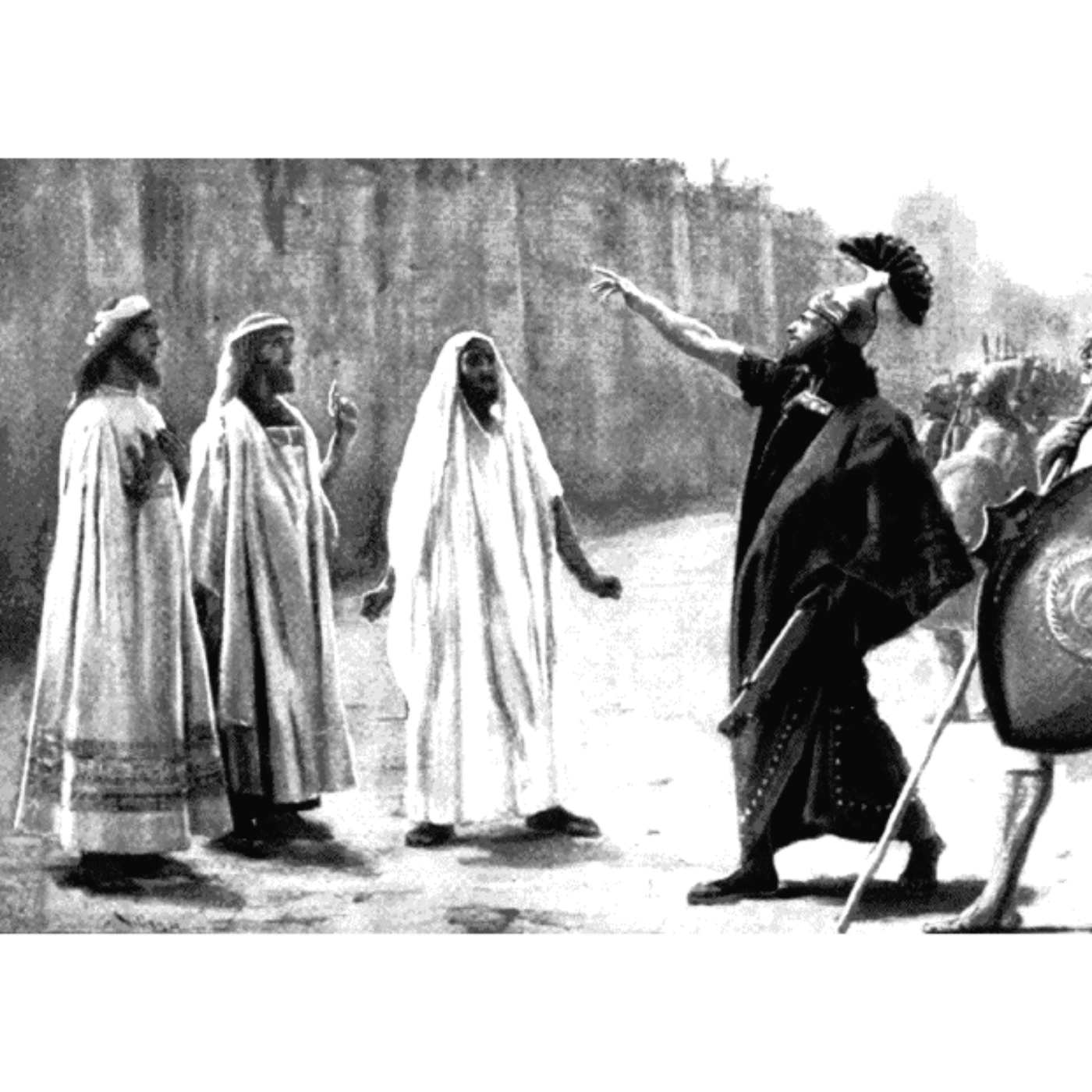
As I have already said, Sennacherib is a type of the devil, and this hypothesis is perfectly confirmed by the words that in this passage the Rabshakeh boastfully speaks against God when he makes false promises to the people, trying to take away from [God] the praise of his supreme power and giving assurance of a land of fertile soil and abundant crops in order to persuade them to abandon the region given to them by God and to move to the new dwelling places promised by the Assyrian. With a very similar artifice the accomplices and envoys of the devil endeavor to seduce a simple soul. And for this reason, in the first place, they try to uproot all the opinions that are inspired by divine providence—Mari Ephrem the Syrian
S1 Ep 167Day 167 - Isaiah 28-29, 2 Kings 17
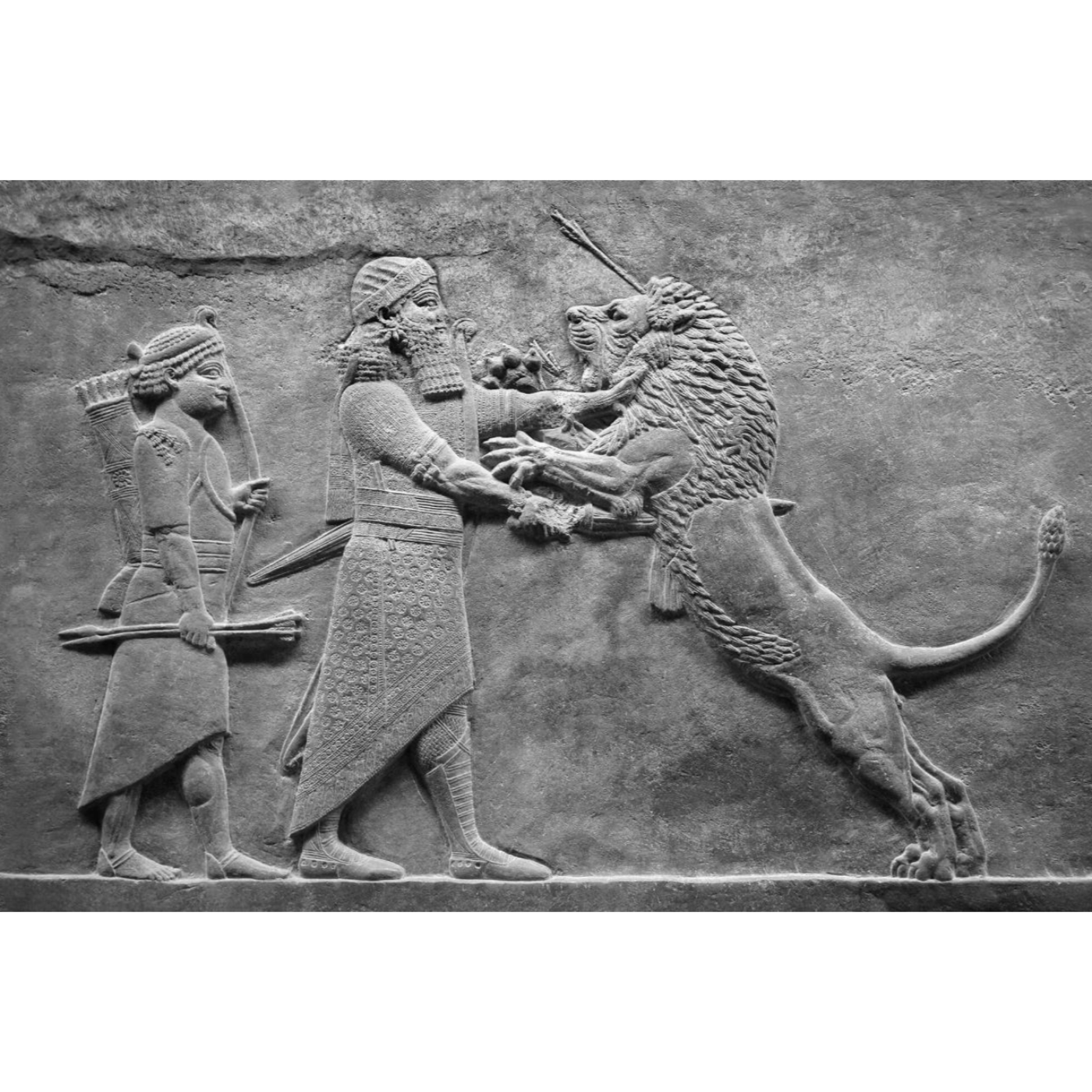
At this point it is also appropriate to tell where the Samaritans originated. I say this because the entire region is called Samaria. From what source, then, did they derive this name? The mountain is called Semer from the man who had taken possession of it, [See 1Ki 16:24.] as Isaiah also said: “And the head of Samaria, Ephraim.” [Isa 7:9.] The inhabitants, however, were called not Samaritans but Israelites. But as time went on, they transgressed against God, and during the reign of Pekah, Tiglath-pileser went up and seized many cities. [See 2Ki 15:29.] After attacking and killing Elah, he gave the kingdom over to Hoshea. Later, Shalmaneser came and captured other cities and made them subject and tributary. However, though Hoshea at first yielded, he revolted afterwards from subjection and took refuge in the aid of the Ethiopians. [The Egyptians (2Ki 17:4).] The Assyrian learned this and, having made an expedition and taken them captive, forbade the nation to remain there any longer, because he suspected the possibility of another such revolt. These inhabitants, moreover, he transported to Babylon and Medea and, having brought from various regions the people dwelling in that vicinity, he caused them to dwell in Samaria so that his power might be safeguarded for the future, with loyal inhabitants in possession of the place.When these things had taken place, God, wishing to show his power and that he had given over the Jews not because of any lack of power on his part but because of the sins of those whom he had surrendered to their enemies, sent lions on the barbarians, and these preyed on the entire nation. This was reported to the king, and he sent a certain priest to give to them the laws of God. Nevertheless, not even then were they freed entirely from their impiety, but only partly. However, as time went on they turned away from idols and worshiped God. When things had reached this point, the Jews, finally returning, showed a contentious spirit toward them as foreigners and enemies and named them “Samaritans” after the mountain—St John Chrysostom
S1 Ep 166Day 166 - 2 Chronicles 27-28
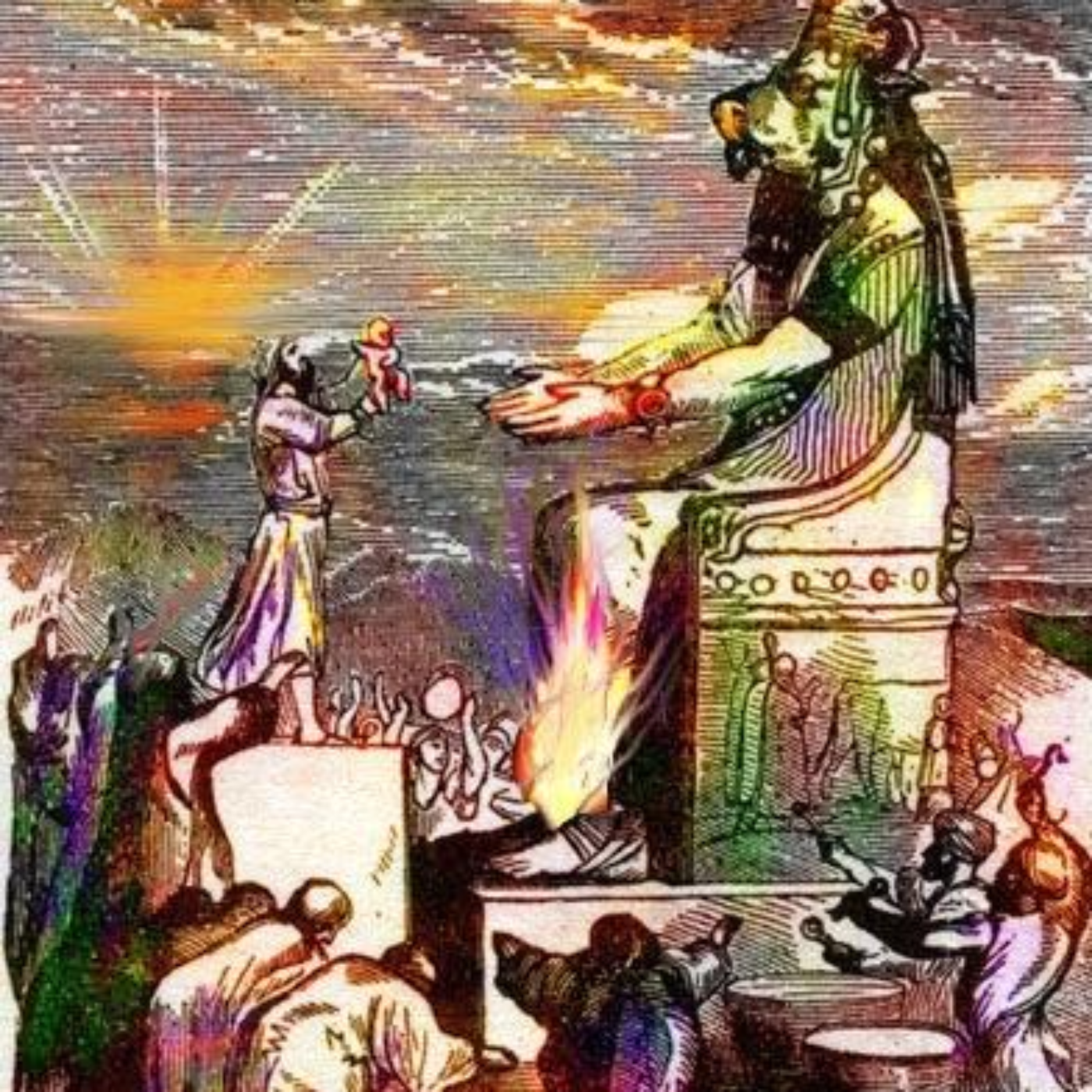
Tell me this. Do you not shudder to come into the same place with people possessed, who have so many unclean spirits, who have been reared amid slaughter and bloodshed? Must you share a greeting with them and exchange a bare word? Must you not turn away from them since they are the common disgrace and infection of the whole world? Have they not come to every form of wickedness? Have not all the prophets spent themselves making many and long speeches of accusation against them? What tragedy, what manner of lawlessness have they not eclipsed by their blood guilt? They sacrificed their own sons and daughters to demons. They refused to recognize nature, they forgot the pangs of birth, they trod underfoot the rearing of their children, they overturned from their foundations the laws of kinship, they became more savage than any wild beast—St John Chrysostom