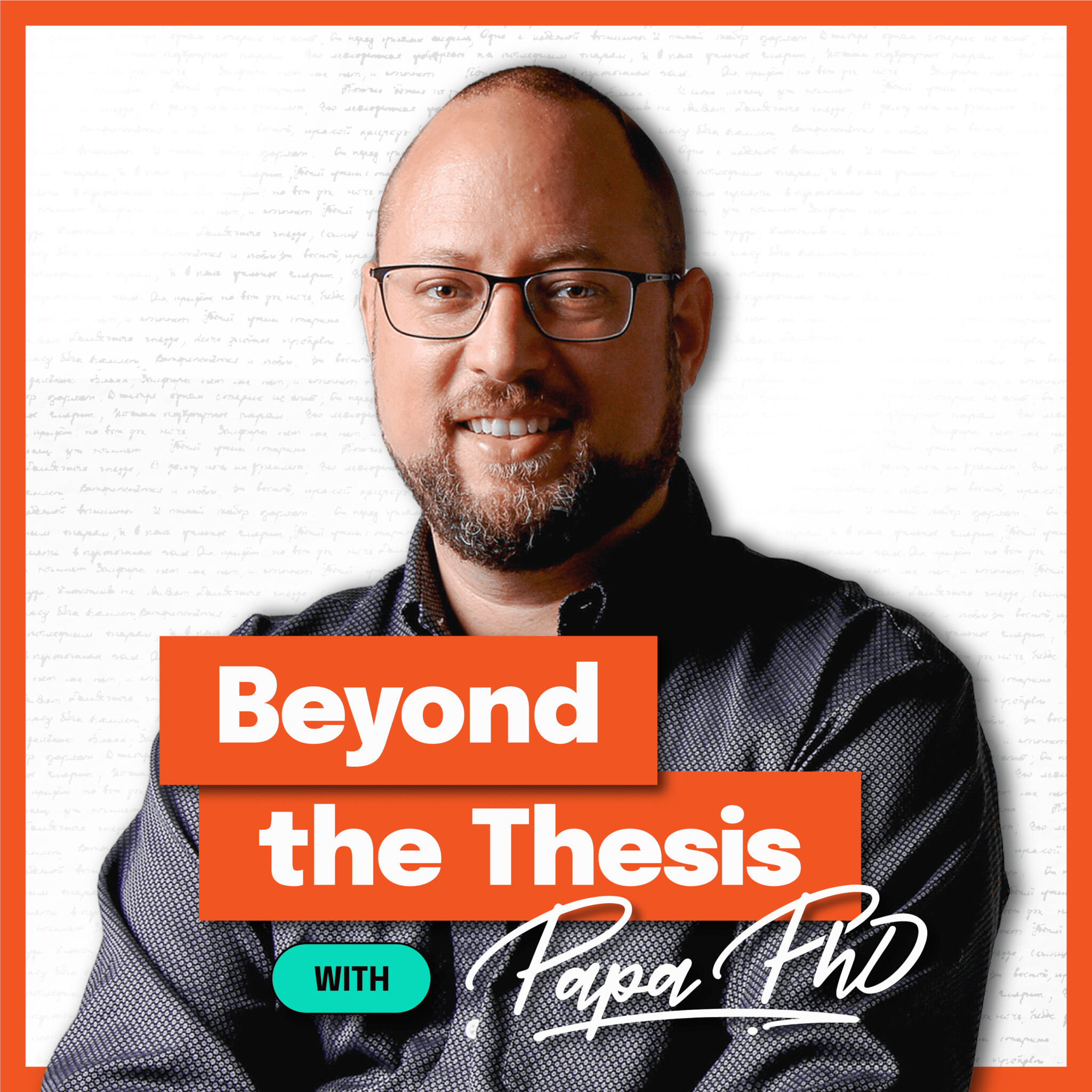
Beyond the Thesis With Papa PhD
371 episodes — Page 5 of 8

S3 Ep 48Podcasting and Science Communication as a Researcher – Do We Have the Time? With Federica Bressan
Hi! If you find value in Papa PhD and in the content I bring you every week, click on one of the buttons below and send some of that value back to me :) Now with the added perk of receiving the brand new Papa PhD and PhD Dojo stickers, if you become a monthly supporter on Patreon or BuyMeACoffee! Donate safely through PayPal Support the show on Patreon ! Or buy me a coffee :) Today on Papa PhD, I have the pleasure of bringing you a conversation with Federica Bressan, about her experience fostering conversations about science on her podcast - Technoculture and about whether all researchers should be expected to take science communication into their own hands. VIDEO https://youtu.be/Dj-kko8QA9g?sub_confirmation=1A Marie Curie and Fulbright alumna, Federica Bressan (1981) is a science communicator & author based in Italy. She holds two MDs in Music and Musicology and a PhD in Computer Science.The vision underlying her work concerns the co-evolution of technology and society. She is the author of 40+ peer-reviewed articles in the fields of engineering, chemistry, contemporary art, library science, and philology.Federica conducts video interviews on technology and society. She writes opinion pieces on science and communication, and teaches podcasting for researchers. Thank you, Federica Bressan! If you enjoyed this conversation with Federica, let her know by clicking the link below and leaving her a message on LinkedIn:Send Federica Bressan a thank you message!Click here to share your key take-away from this interview with David! This episode’s resources: Federica Bressan | LinkedInFederica Bressan | TwitterFedericabBressan.com | WebsiteFederica's videos | Youtube Get the Papa PhD Career Readiness Tool kit ! You might also like the following episodes: Kira Dineen – Applying to Grad School in 2022Andrew Churchill – Presenting for Impact as a ResearcherChris Emdin – Reimagining a More Inclusive STEMPhD Dojo – First Year PhD - Assembling the Expedition Team

S3 Ep 47Applying to Grad School in 2022 With Kira Dineen
Hi! If you find value in Papa PhD and in the content I bring you every week, click on one of the buttons below and send some of that value back to me :) Now with the added perk of receiving the brand new Papa PhD and PhD Dojo stickers, if you become a monthly supporter on Patreon or BuyMeACoffee! Donate safely through PayPal Support the show on Patreon ! Or buy me a coffee :) I often talk about the job interview process in the podcast.But personal branding, networking and navigating the application process is also key when you're looking to get into graduate school.Today, I'm bringing you a conversation about best practices for the grad school application process with my guest - Kira Dineen. VIDEO https://youtu.be/0kh4tb46pME?sub_confirmation=1Kira Dineen, MS, LCGC, CG(ASCP)CM, has a decade of podcast experience fueled by a passion for science communication. She has hosted and produced 5 podcasts. Her main show, "DNA Today", is in the top 1.5% of podcasts globally. Listeners Discover New Advances in the world of genetics through Kira’s interviews about genetic technology, disorders, and news.The show won the Best 2020 and 2021 Science and Medicine Podcast Awards. “DNA Today” has produced over 180 episodes with 320,000+ downloads. Thank you, Kira Dineen! If you enjoyed this conversation with Kira, let her know by clicking the link below and leaving her a message on Twitter:Send Kira Dineen a thank you message on LinkedIn!Click here to share your key take-away from this interview with David! This episode’s resources: Kira Dineen | LinkedInKira Dineen | TwitterDNA Today | WebsiteDNA Today | FacebookDNA Today Ep. 87 | WebpageDNA Today Ep. 97 | Webpage Get the Papa PhD Career Readiness Tool kit ! You might also like the following episodes: Monica Granados – A vision of grad school for the 21st centuryKatya Park – Staying True to Your Life Plans During the PhDChris Emdin – Reimagining a More Inclusive STEMPhD Dojo – First Year PhD - Assembling the Expedition Team

S3 Ep 46Accéder au domaine du développement international avec Virginie Levasseur
Bienvenue sur Papa PhD! Cet épisode est une rediffusion d'une entrevue qui m'a marquée dans la toute première saison du podcast. À toi qui as découvert Papa PhD après 2020, je te recommande te prendre un stylo et du papier et d'être prêt à être inspiré.e! Si tu trouves de la valeur dans le contenu que je t'apporte chaque semaine, clique sur l'un des boutons ci-dessous et renvoie-moi l'ascenceur :) Don sécuritaire sur PayPal Deviens supporter sur Patreon ! Ou paye-moi un café :) Les cheminements que vous suivrez après vos études graduées peuvent prendre des tournants très variés. Il se peut que vous suiviez un parcours purement académique, une carrière en industrie ou que vous vous lanciez en entrepreneuriat. Quel que soit votre choix ou la passion qui vous motive, les habiletés et l’endurance que vous aurez acquises tout au long de votre maîtrise ou de votre doctorat seront de précieux atouts qui vous serviront au quotidien. Aujourd’hui, Virginie Levasseur partagera avec vous son trajet ainsi que les stratégies et les initiatives qui l’ont aidée à tirer le meilleur parti de son temps à l’université et à trouver sa place dans le domaine du développement international. Virginie Levasseur, Ph.D. en Agronomie Tropicale, évolue dans le domaine de la recherche et du développement international depuis 20 ans. Ses activités professionnelles, menées principalement en Afrique de l’Ouest, en Amérique latine et en Haïti, lui ont permis de développer une connaissance approfondie des systèmes de production agricole et agroforestière, des logiques paysannes qui sous-tendent le maintien de ces systèmes, la répartition des tâches, des responsabilités et des revenus entre les femmes et les hommes, ainsi que des organisations de productrices et de producteurs qui appuient leur développement. Parmi ses réalisations, on compte la mise sur pied d’un centre de recherche et de développement pour les cultures maraîchères en Afrique de l’Ouest. Au cœur de ses actions, le souci d’agir sur l’ensemble de la filière : promotion de technologies agricoles durables, vulgarisation de paquets techniques pouvant renforcer la résilience des écosystèmes et des moyens d’existence ruraux face aux impacts des changements climatiques, amélioration de la productivité et des revenus des productrices et des producteurs, soutien aux organisations paysannes pour l’accès aux intrants, la transformation et la commercialisation des produits maraîchers. Elle est présentement directrice du programme Afrique chez Socodevi, où elle travaille depuis 9 ans. Ce que vous apprendrez dans cet épisode : L’importance de participer aux associations étudiante Les différentes retombées du fait de s’impliquer dans les conseils d’administration de votre université Quand commencer à envoyer des CV et comment s'y prendre Le profil d'un chercheur en développement international L'intérêt d'un doctorat en co-tutelle entre deux universités pour faire un doctorat « sur mesure » pour vous Les perles de sagesse de Virginie : « On est ce qu’on est et il faut s’accepter, à un moment donné. Et c’est pour ça, aussi, qu’on prend des chemins différents. » « Wow! Tu as un PhD, tu dois être intelligente… Je ne suis pas intelligente, je suis déterminée – il y a une grosse différence! » « On essayait de me dire tout au long de mon entrevue que je n'avais pas les connaissances de ci, je n'avais pas les connaissances de ça, et je n'arrêtais pas de dire "oui, mais j'ai un doctorat – je suis capable d'apprendre vite sur n'importe quel sujet, c'est ça ma caractéristique de base, je peux approfondir n'importe quel sujet, je peux lire n'importe quoi. Je ne vais pas devenir une spécialiste dans tout, mais je vais devenir une très bonne généraliste – faites-moi confiance là-dessus. » Les ressources de cet épisode : Virginie Levasseur | LinkedIn Socodevi | Site web Socodevi | Twitter Effet-A | Site web Merci Virginie !

S3 Ep 45Reimagining A More Inclusive STEM with Dr. Chris Emdin
Hi! If you find value in Papa PhD and in the content I bring you every week, click on one of the buttons below and send some of that value back to me :) Now with the added perk of receiving the brand new Papa PhD and PhD Dojo stickers, if you become a monthly supporter on Patreon or BuyMeACoffee! Donate safely through PayPal Support the show on Patreon ! Or buy me a coffee :) The subject of this week's interview is close to home for me, for different reasons that will become apparent during the conversation.If you've listened to episode 100 with Dr Shaz Zamore, our conversation ended on a vision of what an inclusive academia could look like.Today, with my guest Dr Chris Emdin, we talk about his new book "STEM, STEAM, Make, Dream, and we dive deep into the current challenges STEM teaching faces in terms of inclusivity. We also try to find avenues for reimagining an academic space and a graduate school experience where everyone can thrive and contribute, regardless of their place of origin and of their cultural background. VIDEO https://youtu.be/D-ZfAzqXlbw?sub_confirmation=1Dr. Christopher Emdin is the Robert A. Naslund Endowed Chair in Curriculum Theory and Professor of Education at the University of Southern California, where he also serves as Director of youth engagement and community partnerships at the USC Race and Equity Center. Chris is also Scholar/Griot in Residence at Lincoln Center for the Performing Arts.He is the author of award-winning books including his latest: STEM, STEAM, Make, Dream. Thank you, Chris Emdin! If you enjoyed this conversation with Chris, let him know by clicking the link below and leaving him a message on Twitter:Send Chris Emdin a thank you message on LinkedIn!Click here to share your key take-away from this interview with David! This episode’s resources: Chris Emdin | LinkedInChris Emdin | TwitterChrisEmdin.com | WebsiteSTEM, STEAM, Make, Dream | AmazonRatchetdemic | Amazon Get the Papa PhD Career Readiness Tool kit ! You might also like the following episodes: Monica Granados – A vision of grad school for the 21st centuryNatalia Bielczyk – Figuring Out Where You Fit in the Job Market as a PhDSusanna L Harris – Mental Health in Graduate SchoolVicky Sherwood – Inside Big Pharma - a Roadmap for PhDs
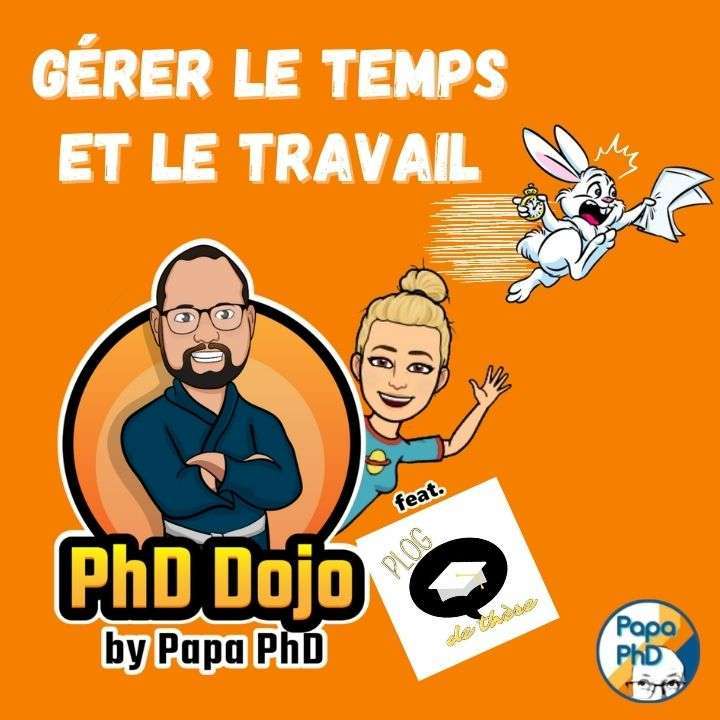
S3 Ep 44Gérer le temps et le travail – PhD Dojo avec Sarah Perrier
Bienvenue à l'épisode 8 du PhD Dojo en français, avec Sarah Perrier, du podcast Plog de Thèse. VIDÉO https://youtu.be/4e_jU4ZjUfQEh oui... Le Dojo a fermé ses portes pendant quelques semaines, en partie parce que Sarah et moi avons été très occupés avec nos activités professionnelles - elle avec son doctorat, moi, entre autres, avec le lancement d'un nouveau projet entrepreneurial - l'agence PhDesign où, entre autres, je vais mettre à profit mes compétences en podcasting pour créer des ponts entre la recherche et la société.Aujourd'hui sur le podcast, Sarah et moi parlons de l'importance de prendre le temps de respirer quand on a trop de pain sur la planche et de prendre du recul pour notre efficacité et pour notre créativité au travail.Bonne écoute!Si tu veux m'aider dans la production de Papa PhD ou du PhD Dojo d'une façon ou d'une autre, écris-moi à [email protected] et parlons-en!Bonne écoute ! Et bons partages ! Les ressources de cet épisode : David Mendes | LinkedInDavid Mendes | InstagramSarah Perrier | LinkedInSarah Perrier | InstagramPlog de Thèse | Podcast Au plaisir de se retrouver entre tes deux oreilles ! Si cet épisode t'a plu, fais-nous en part en cliquant sur les liens ci-dessous et en nous laissant un message :Clique ici pour remercier Sarah Perrier sur Twitter !Clique ici pour partager avec David le principal message que tu retiens de cet épisode !Si tu trouves de la valeur dans Papa PhD et dans le contenu que je t'apporte chaque semaine, clique sur l'un des boutons ci-dessous et renvoie-moi l'ascenceur :) Maintenant, avec l'avantage supplémentaire de recevoir les tout nouveaux autocollants Papa PhD et PhD Dojo, si tu deviens supporter mensuel sur Patreon ou BuyMeACoffee ! Don sécuritaire sur PayPal Deviens supporter sur Patreon ! Ou paye-moi un café :) Tu aimeras aussi ces épisodes : Communiquer la science : PapaPhD.com/160Les résolutions de début d'année : PapaPhD.com/154L'entrevue informationnelle : PapaPhD.com/148Zotero vs Mendeley : PapaPhD.com/138

S3 Ep 43Comment devient-on journaliste scientifique ? Avec Lucile Veissier
Bienvenue sur ce nouvel épisode de Papa PhD! Si tu trouves de la valeur dans le contenu que je t'apporte chaque semaine, clique sur l'un des boutons ci-dessous et renvoie-moi l'ascenceur :) Don sécuritaire sur PayPal Deviens supporter sur Patreon ! Ou paye-moi un café :) C'est une question que beaucoup d'entre vous se posent - que fait une ou un journaliste scientifique ? Qu'est-ce qui les différencie des communicateurs scientifiques ? Quelle est leur mission ? Et surtout - comment fait-on pour devenir journaliste scientifique ? VIDÉO https://youtu.be/QvyTM_B9vog?sub_confirmation=1Anciennement chercheuse en physique (doctorat puis postdocs, en France et au Canada), Lucile Veissier est aujourd'hui journaliste à TheMetaNews, un média qui parle aux chercheuses et chercheurs de leur quotidien.Les questions d'éthique, de responsabilité dans la recherche et d’articulation entre la science et le politique l'intéressent tout particulièrement - c'était d'ailleurs le sujet de son mémoire de master de journalisme. Les ressources de cet épisode : Lucile Veissier | LinkedInLucile Veissier | Site webThe Meta News | Site webAssociation des journalistes scientifiques de la presse d’information (AJSPI) | Site web Merci Lucile ! Si cet entretien avec Lucile Veissier t'a plu, fais-nous en part en cliquant sur les liens ci-dessous et en nous laissant un message :Clique ici pour remercier Lucile Veissier sur LinkedIn !Clique ici pour partager avec David le principal message que tu retiens de cet épisode ! Télécharge la "Boîte à outils pour le doctorat" maintenant ! Tu aimeras aussi ces épisodes : Emmanuel Martin-Jean – Accessibilité et inclusion aux cycles supérieurs : PapaPhD.com/166Gad Sabbatier – Promouvoir l'innovation et l'employabilité aux cycles supérieurs : PapaPhD.com/167Jean-Patrick Toussaint – Mieux préparer les doctorants à l'emploi : PapaPhD.com/155Les neurodivertissantes – Neurodiversité à l'université : PapaPhD.com/163
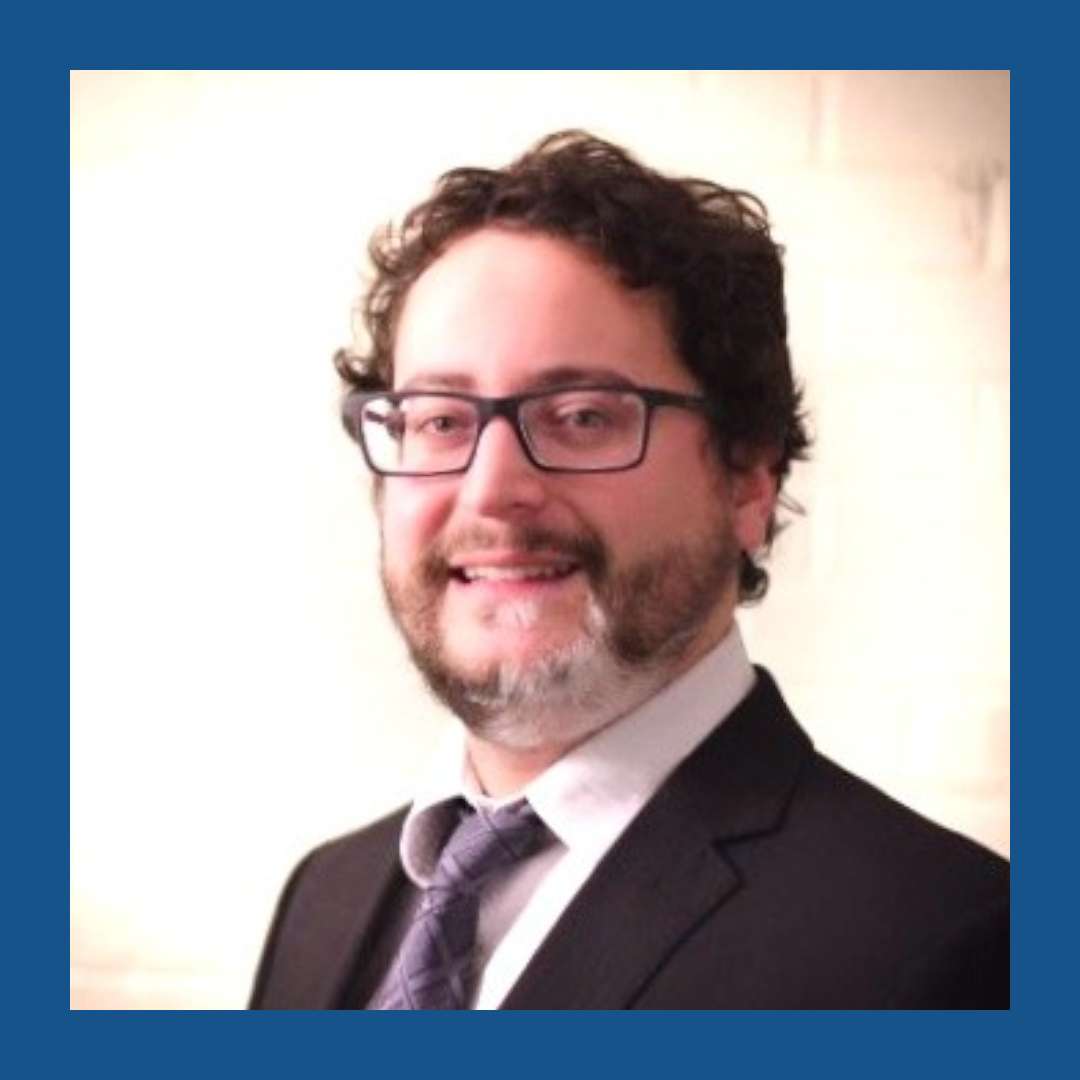
S3 Ep 42Accélérer l’innovation et l’employabilité aux cycles supérieurs avec Gad Sabbatier
Bienvenue sur ce nouvel épisode de Papa PhD! Si tu trouves de la valeur dans le contenu que je t'apporte chaque semaine, clique sur l'un des boutons ci-dessous et renvoie-moi l'ascenceur :) Don sécuritaire sur PayPal Deviens supporter sur Patreon ! Ou paye-moi un café :) Cette semaine, à part ma conversation avec Gad Sabbatier, au cours de laquelle il a parlé de sa mission de promotion de l'innovation auprès des chercheurs et de l'employabilité des jeunes chercheurs, il y a une nouveauté sur Papa PhD – le premier Doctogramme en français ! Une personne de l'auditoire m'a envoyé un message adressé à elle-même il y a cinq ans, au début de son doctorat. Et vous – avez-vous un message à partager avec la tribu Papa PhD ? L'épisode d'aujourd'hui est plein de pépites d'or pour tous ceux qui auraient l'idée de commercialiser uneinvention issue de leur recherche, dont ayez vos blocs notes et vos stylos sous la main ! VIDÉO https://youtu.be/LnTT-jaJV7M?sub_confirmation=1 Après une école d'ingénieur en mécanique, l'ENSISA à Mulhouse et quelques mois en R&D dans l'industrie, Gad Sabbatier a commencé une thèse en cotutelle entre l'université de Haute Alsace et l'Université Laval à Québec dans le domaine des biomatériaux et implants vasculaires. Après son PhD, Gad a fait un postdoc à l’université de Queen’s à Kingston, Ontario puis un postdoc industriel à l'université McGill à Montréal dans les domaines des cellules souches et des biotechnologies. Gad a joint en 2019 SOVAR puis Axelys en 2021 en tant que gestionnaire de projet. Gad accompagne les chercheurs et les entrepreneurs à accélérer le développement de leurs innovations afin d’améliorer la société. En 2019, Gad a fondé le programme de mentorat et de développement professionnel de la société canadienne des biomatériaux puis co-fonde le 2nd Lab en 2021. Le 2nd Lab est un organisme à but non lucratif qui a pour mission de donner aux étudiants gradués et aux chercheurs postdoctoraux les moyens de poursuivre des carrières d’impact au-delà au milieu universitaire à travers des programmes d’accompagnement et des ateliers. Les ressources de cet épisode : Gad Sabbatier | LinkedIn Axelys | Site web 2nd Lab | LinkedIn Merci Gad ! Si cet entretien avec Gad Sabbatier t'a plu, fais-nous en part en cliquant sur les liens ci-dessous et en nous laissant un message : Clique ici pour remercier Gad Sabbatier sur LinkedIn ! Clique ici pour partager avec David le principal message que tu retiens de cet épisode ! Télécharge la "Boîte à outils pour le doctorat" maintenant ! Tu aimeras aussi ces épisodes : Emmanuel Martin-Jean – Accessibilité et inclusion aux cycles supérieurs : PapaPhD.com/166 Jean-Patrick Toussaint – Mieux préparer les doctorants à l'emploi : PapaPhD.com/155 Les neurodivertissantes – Neurodiversité à l'université : PapaPhD.com/163 Viviane Lalande – Communiquer la science : PapaPhD.com/149

S3 Ep 41Accessibilité et inclusion aux études supérieures avec Emmanuel Martin-Jean
Bienvenue sur ce nouvel épisode de Papa PhD! Si tu trouves de la valeur dans le contenu que je t'apporte chaque semaine, clique sur l'un des boutons ci-dessous et renvoie-moi l'ascenceur :) Don sécuritaire sur PayPal Deviens supporter sur Patreon ! Ou paye-moi un café :) VIDÉO Cette semaine je vous apporte ma conversation à propos de l'accessibilité et de l'inclusion aux études supérieures avec un invité qui, ayant un profil atypique à différents niveaux, amène un regard très actuel et éclairé sur les défis auxquels font face étudiants, enseignants et institutions d'enseignement aujourd'hui, dans ce contexte.https://youtu.be/EISwJ5uqPas?sub_confirmation=1Emmanuel Martin-Jean est une personne œuvrant dans le domaine de l'éducation supérieure depuis plus de quinze (15) ans. Iel a travaillé avec plusieurs diversités d’apprenantes et d’apprenants, à plusieurs niveaux professionnels et œuvre pour l’amélioration du niveau d'accessibilité universelle des systèmes éducatifs.À travers ses activités de recherche et de consultation, iel codéveloppe des espaces d'apprentissages capacitants et inclusifs. Ses recherches actuelles portent sur le développement d’outils et procédures pour aider les cadres et gestionnaires d’établissements collégiaux dans l’organisation et la gestion des mesures de soutien aux apprentissages. Son entreprise de consultation en inclusion et accessibilité pédagogique, accompagne les institutions et les personnes œuvrant en éducation à assurer à la fois le bien-être des apprenants et la résilience de leurs systèmes pédagogiques.Parent, humain, résistant empathique, son intention est de permettre le sain développement des personnes en situation d'apprentissage en favorisant la bienveillance et la compassion. Ce que tu apprendras dans cet épisode : Le trajet académique et professionnel d'EmmanuelLe type de questions sur lesquelles Emmanuel se penche dans le cadre de son projet de doctorat et des activités de son entreprise - HolistedLes différences entre l'expérience de la maîtrise et celle du doctorat pour EmmanuelL'importance de choisir des encadrants qui sont compatibles avec vousComment promouvoir des changements dans cadre de la diversité et de l'inclusion aux études de deuxième et troisième cycles Les ressources de cet épisode : Emmanuel Martin-Jean | LinkedInHolistEd | Site web Merci Emmanuel ! Si cet entretien avec Emmanuel Martin-Jean t'a plu, fais-nous en part en cliquant sur les liens ci-dessous et en nous laissant un message :Clique ici pour remercier Emmanuel Martin-Jean sur LinkedIn !Clique ici pour partager avec David le principal message que tu retiens de cet épisode ! Télécharge la "Boîte à outils pour le doctorat" maintenant ! Tu aimeras aussi ces épisodes : Alexis Thibault et Julie Douchin – Parler de science autour d'une bière : PapaPhD.com/161Jean-Patrick Toussaint – Mieux préparer les doctorants à l'emploi : PapaPhD.com/155Les neurodivertissantes – Neurodiversité à l'université : PapaPhD.com/163Viviane Lalande – Communiquer la science : PapaPhD.com/149

S3 Ep 40Suivre sa passion pour la vulgarisation scientifique avec Elodie Chabrol (intégrale)
Bienvenue sur ce nouvel épisode de Papa PhD! Si tu trouves de la valeur dans le contenu que je t'apporte chaque semaine, clique sur l'un des boutons ci-dessous et renvoie-moi l'ascenceur :) Don sécuritaire sur PayPal Deviens supporter sur Patreon ! Ou paye-moi un café :) Dans la vie, on peut se faire dire des tas de choses. Entre autres, on peut se faire dire qu'une de nos idées ou qu'un de nos projets est voué à l'échec. Le hic, c'est que cette idée, ce projet, personne ne les voit comme nous on les voit. Cette semaine sur Papa PhD je t'apporte l'intégrale de mon entrevue avec Élodie Chabrol, où elle partage son parcours académique et professionnel et parle du rôle qu'ont joué la curiosité et la persévérance dans sa transition vers l'univers de la communication scientifique. VIDÉO https://www.youtube.com/watch?v=1X7Pam70Pio?sub_confirmation=1 Elodie Chabrol a un doctorat en neuroscience et a mené des recherches postdoctorales en neurosciences. Elle développe le festival Pint of Science en France et à travers le monde et travaille également sur d’autres projets, formations, animations et les podcasts sous la blouse et under the lab coat. Son but est toujours d’aider les scientifiques à partager leurs histoires fascinantes de la meilleure façon possible et de transmettre la passion pour la science partout ! Ce que tu apprendras dans cet épisode : La beauté et les défis de la vie de chercheur L'importance de développer ses compétences en communication pendant ses études de troisième cycle L'importance de profiter d'un maximum de ressources et de formations offertes par votre université Ce qu'on gagne à essayer des activités différentes pendant le doctorat ou le postdoc Les avantages de faire de la recherche dans un petit laboratoire en début de carrière académique Comment réagir à des commentaires ou jugements externes par rapport à nos idées et à nos projets Ce que participer à des événements de vulgarisation apporte aux scientifiques Les perles de sagesse d'Élodie : « Les doctorants, si vous avez des formations pendant la thèse, profitez-en. Les postdocs pareil. En fait, si vous avez des formations qui sont "incluses" dans votre boulot, parce que ça, c'est cadeau, c'est génial. Et puis, pour ceux qui peuvent un petit peu se permettre, essayez pendant que vous avez un job. Oui, ça sera du boulot, ça sera des soirées et peut-être, même, vous allez poser des vacances pour aller à un workshop, mais, du coup, ça vous permettra déjà de vous démarquer. Donc, si jamais, à la fin, vous voulez effectivement faire de la communication scientifique, vous aurez des expériences. Ça vous permettra de tester si vous aimez et, surtout, ça vous permettra d'agrandir votre réseau qui est, au final, probablement ça qui vous donnera votre job, après. » « Pour Pint of Science France, les gens me disaient "Comment tu sais que ça va marcher?" Et je disais "Eh bien, je vais tout faire pour que ça marche". » « Quand on fait un truc sur lequel on est vraiment passionné, on se débrouille et ça marche et oui, peut-être qu'on est un peu crevé, peut-être qu'on ne dort pas très bien et peut-être qu'après on va hiberner un mois après l'événement ou après le festival, par exemple, mais, franchement, si c'était à refaire, je repasserais toutes les nuits que je n'ai pas dormies à ne pas dormir. » « Parfois, il y a des questions toutes simples du public qui, en fait, font les chercheurs voir les choses d'une autre manière et se poser d'autres questions. Et ils nous disent, parfois, "les questions les plus simples, ou les questions de gens qui ne connaissent absolument pas le sujet, ça nous permet de voir les choses différemment." Et, en fait, il y en a qui m'ont dit que ça les avait aidé à réfléchir à des projets différemment. » « Un bon scientifique, même en académie, eh bien, il faut savoir communiquer. » Les ressources de cet épisode : Elodie Chabrol | LinkedIn Elodie Chabrol | Twitter

S3 Ep 39Presenting for Impact – Common Myths and Roadblocks with Andrew Churchill
Hi! If you find value in Papa PhD and in the content I bring you every week, click on one of the buttons below and send some of that value back to me :) Now with the added perk of receiving the brand new Papa PhD and PhD Dojo stickers, if you become a monthly supporter on Patreon or BuyMeACoffee! Donate safely through PayPal Support the show on Patreon ! Or buy me a coffee :) This week on the show, thinking about how presenting skills are important in graduate school as in the context of your job search, I reached out to a friend – Andrew Churchill – to come share some of his expertise on how to unlock your presenting skills. VIDEO https://youtu.be/sTEyJDmzdhE?sub_confirmation=1 Andrew Churchill began focusing his work on helping academics present better in 2014. He has now run workshops for thousands of grad students, worked with close to 100 professors and over 50 academic based start-ups. Andrew employs an organic approach focused on helping people hone their content, create a strategic trajectory, design effective visuals, and develop a dynamic presence to identify the most important aspects of their message, figure out how to create a story that will connect with their audience, and deliver it with a credibility-inspiring clarity. What you’ll learn about in this episode: Andrew's career journey Being a good speaker is not a gift – it's a trainable skill No one likes to be lectured to The importance of bringing yourself to the moment when telling a research story How to tell a story based on a journal article Story wrapping vs story insertion The "So What?" method of building a story thread towards your research data How your presenting skills translate into the job search process Thank you, Andrew! If you enjoyed this conversation with Andrew Churchill, let him know by clicking the link below and leaving him a message on LinkedIn: Send Danielle a message on LinkedIn! Click here to share your key take-away from this interview with David! This episode’s resources: Andrew Churchill | LinkedIn Hone Communications | Website Get the Papa PhD Career Readiness Tool kit ! You might also like the following episodes: Mark Bayer – Talking Science to The Public and to Policy Makers Natalia Bielczyk – Figuring Out Where You Fit in the Job Market as a PhD Samantha Lynch – Leveraging Your Personal Brand in Academia and Beyond Vicky Sherwood – Inside Big Pharma - a Roadmap for PhDs

S3 Ep 38La neurodiversité à l’université avec Les Neurodivertissantes
Bienvenue sur ce nouvel épisode de Papa PhD! Si tu trouves de la valeur dans le contenu que je t'apporte chaque semaine, clique sur l'un des boutons ci-dessous et renvoie-moi l'ascenceur :) Don sécuritaire sur PayPal Deviens supporter sur Patreon ! Ou paye-moi un café :) Combien d'entre vous avez entendu parler de neurodiversité pendant votre passage aux études supérieures ? D'inclusion, d'accommodements ou tout simplement de reconnaissance pour vous ou pour des collègues neurodivergents ?Cette semaine sur Papa PhD, j'ai le plaisir d'accueillir les trois animatrices du balado "Les Neurodivertissantes" - Fran Delhoume, Melissa St-Louis et Solène Métayer - pour parler de leur passage à l'université, puis à la vie professionnelle en parallèle avec leur cheminement personnel de découverte et d'apprentissage en tant que personnes neurodivergentes. VIDÉO https://www.youtube.com/watch?v=WEolZFIJC_M?sub_confirmation=1Solène Métayer est autiste et douée. Elle est une éternelle étudiante et a obtenu 4 diplômes universitaires à ce jour, dont une maîtrise en gestion des ressources humaines. Elle cumule en outre une expérience de plus de 20 ans en gestion des ressources humaines.S'identifiant sous l'étiquette neurodivergente, Fran Delhoume se fait une mission de participer à la révolution neuroinclusive du monde du travail. Diplômée d'une maîtrise en développement organisationnel, elle a rédigé un mémoire, reçu avec mention d'excellence, remettant en question les fondements sous-jacents des pratiques d'inclusion professionnelle des personnes neurodivergentes.Femme d'affaires neuroatypique au parcours académique et professionnel tout aussi atypique, diplômée du baccalauréat en Gestion des Ressources Humaines et forte de ses 10 ans d'expériences dans ce domaine, Melissa Saint-Louis se spécialise en optimisation de marque employeur tout en soutenant les organisations souhaitant mettre de l'avant une culture plus inclusive et neuroinclusive. Ce que tu apprendras dans cet épisode : Les cheminements de Solène, de Melissa et de Fran à l'université et aussi dans la découverte de leur neurodivergenceLes mesures d'inclusion que tu peux espérer trouver à l'université et dans le milieu du travail, aujourd'hui et les ressources qui peuvent t'aider à les trouverL'importance de se créer un réseau, un village de personnes qui nous comprennent, nous conseillent et avec qui on peut partager en sécurité Comment se permettre de passer dans des zones d'inconfort te permettra d'apprendre à évoluer dans le contexte universitaire et d'avancerL'importance de prendre soin de soi, d'avoir de l'autocompassion pour soi et de profiter des services offerts - on n'est pas supposés souffrir à l'université, même si cette idée est normaliséeL'importance que peut jouer ton appartenance au réseau des pairs pendant to passage qux études supérieuresComment, après une confirmation ou un diagnostic, des défis ou faiblesses ont donné place à des forces, chez Fran, Melissa et SolèneComment ça se passe pour les neurodivergents dans le milieu du travail - comment nommer ses besoins, même sans dévoiler un diagnostic ou une confirmationL'importance de tracer son plan de carrière, sans se comparer à ses collègues Les ressources de cet épisode : Fran Delhoume | LinkedInMelissa St-Louis | LinkedInSolène Métayer | LinkedInLes Neurodivertissantes | WebsiteLes Neurodivertissantes | FacebookCollectif Autisme de l'UQAMServices aux étudiant.e.s (SAÉ) - Soutien aux étudiant.e.s en situation de handicap du l'UdeM, de HEC, de l'UQAM et de la TELUQ.En sachant que ce sont quelques universités ici, mais que chacune possède ce genre de département avec des services similairesLe livre Douance et Carrière de Sabrina Gendron-Fontaine, ainsi que son site de pratique privée comme conseillère d'orientation (CO)La démarche avec un CO est une ressource importante.
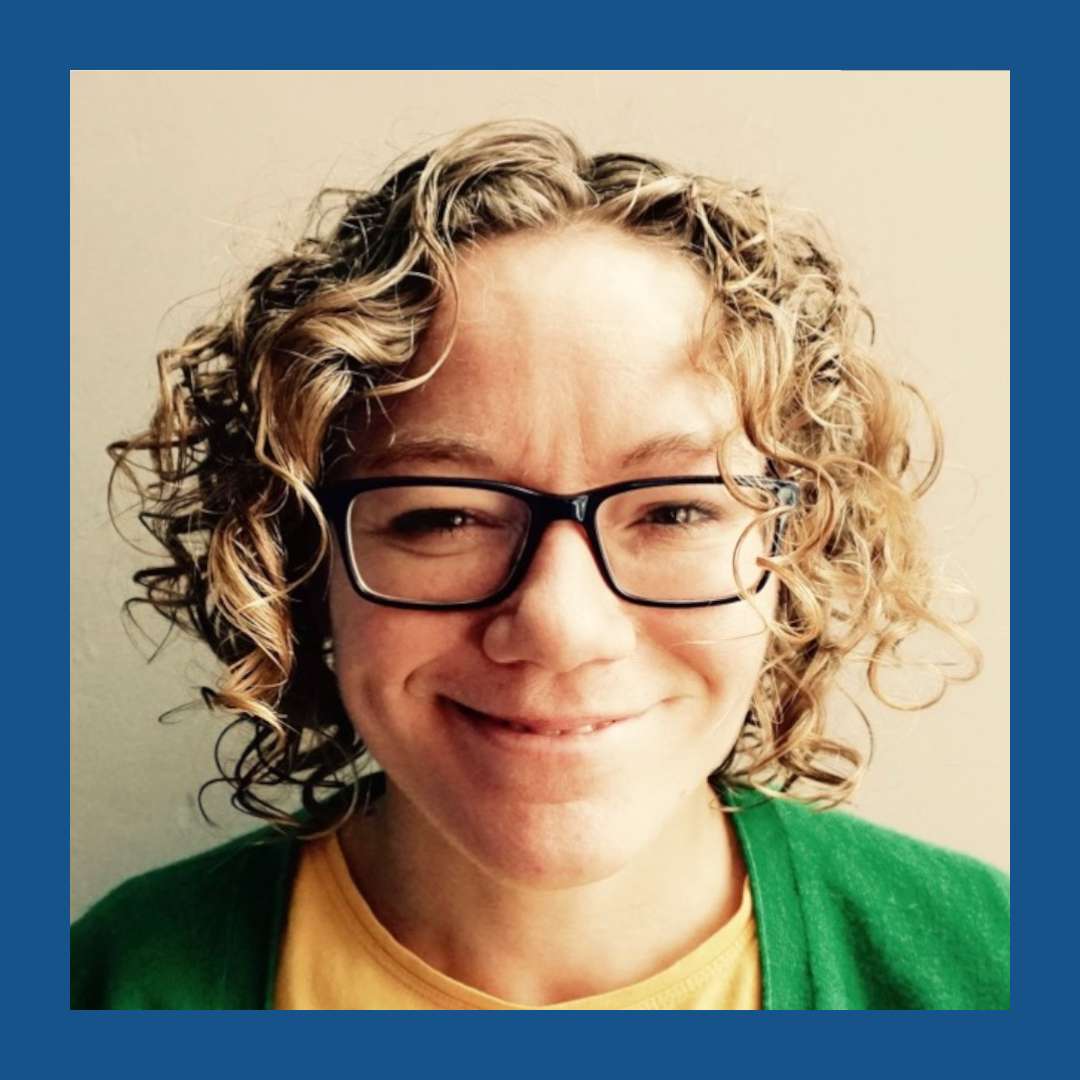
S3 Ep 37Common Challenges when Transitioning as a PhD with Danielle White
Hi! If you find value in Papa PhD and in the content I bring you every week, click on one of the buttons below and send some of that value back to me :) Now with the added perk of receiving the brand new Papa PhD and PhD Dojo stickers, if you become a monthly supporter on Patreon or BuyMeACoffee! Donate safely through PayPal Support the show on Patreon ! Or buy me a coffee :) This week on the show, I discuss common stumbling blocks young researchers encounter when making career choices and decisions with someone who has been thinking about this question for two decades – Danielle White. VIDEO https://youtu.be/pwPgNEzdq-E?sub_confirmation=1Danielle White is the founder and director of Periscope Programmes. She has been codesigning career transition programmes for over 20 years.Working across the education system as a careers advisor, former academic and executive coach, clients have included heads of school at primary, secondary and university level; research staff; lecturers and PhDs at different stages. What you’ll learn about in this episode: How networking has evolved and what approach is needed todayWhy you should be asking people "how did you get there?"How the landscape of career readiness resources offered by universities is changing for the better......and why they're important whether you end up having a career in academia or outside of academiaWhat Periscope Programmes offers graduate students and how to get them at your university Thank you, Danielle! If you enjoyed this conversation with Danielle White, let her know by clicking the link below and leaving her a message on Twitter:Send Danielle a message on LinkedIn!Click here to share your key take-away from this interview with David! This episode’s resources: Danielle White | LinkedInPeriscope Programmes | Website Get the Papa PhD Career Readiness Tool kit ! You might also like the following episodes: Diana Horqque – Helping PhDs bring their research from lab to marketNatalia Bielczyk – Figuring Out Where You Fit in the Job Market as a PhDEffective Thesis – Helping young researchers explore impactful research subjectsVicky Sherwood – Inside Big Pharma - a Roadmap for PhDs

S3 Ep 36Parler de science autour d’une bière – BistroBrain avec Alexis Thibault et Julie Douchin
Bienvenue sur ce nouvel épisode de Papa PhD! Si tu trouves de la valeur dans le contenu que je t'apporte chaque semaine, clique sur l'un des boutons ci-dessous et renvoie-moi l'ascenceur :) Don sécuritaire sur PayPal Deviens supporter sur Patreon ! Ou paye-moi un café :) Cette semaine sur Papa PhD, je parle avec Alexis Thibault et Julie Douchin de BistroBrain, une initiative dévouée à la vulgarisation de la science auprès du grand public née à l'université de Sherbrooke et menée par des étudiants. VIDÉO https://youtu.be/ZQrV3Hv2FRw?sub_confirmation=1 BistroBrain est un organisme de vulgarisation scientifique originaire de Sherbrooke et dont la mission est de rendre accessible le savoir créé au sein des universités, d’une part en faisant la promotion des travaux de recherches des étudiant.es et chercheur.es locaux et, d’une autre part, en stimulant la curiosité scientifique de la population. Depuis mars 2017, BistroBrain organise des 5@7 mensuels afin de rapprocher la population et la science. L’ambiance est conviviale, décontractée et ludique.Alexis Thibault est président et directeur de BistroBrain, OBNL de vulgarisation scientifique. Depuis sa création, BistroBrain a accompagné plus d’une centaine de personnes dans le développement de leurs compétences en communication scientifique grand public. Dans sa vie personnelle, Alexis aime rencontrer de nouvelles personnes, prendre des bains polaires et chanter I Want It That Way des Backstreet Boys.Julie Douchin est impliquée avec BistroBrain depuis plus de deux ans. Elle a notamment participé au développement de La tête à Papineau - Le Podcast de BistroBrain. Elle accorde une importance toute particulière à la vulgarisation et au partage des connaissances. Dans sa vie personnelle, Julie aime partager du temps avec ses amis et aime les festivals de musique électronique. Les ressources de cet épisode : Alexis Thibault | LinkedIn Julie Douchin | LinkedIn BistroBrain| Twitter BistroBrain| Facebook Merci Julie ! Merci Alexis ! Si cet entretien avec Alexis et Julie t'a plu, fais-leur en part en cliquant sur les liens ci-dessous et en nous laissant un message : Clique ici pour remercier Julie et Alexis sur Twitter ! Clique ici pour partager avec David le principal message que tu retiens de cet épisode ! Télécharge la "Boîte à outils pour le doctorat" maintenant ! Tu aimeras aussi ces épisodes : Raphaël Civade – Vivre et gérer le rebond professionnel en tant que PhD : PapaPhD.com/145 Ilhame Ameqrane – Être docteur.e en entreprise : PapaPhD.com/125 Viviane Lalande – Communiquer la science : PapaPhD.com/149 Jean-Patrick Toussaint – Mieux préparer les doctorants à l'emploi : PapaPhD.com/155
S3 Ep 35Trucs et astuces pour communiquer la science avec Sarah Perrier
Bienvenue à l'épisode 7 du PhD Dojo en français, avec Sarah Perrier, du podcast Plog de Thèse. VIDÉO https://youtu.be/BLlTAQH_uDQ La communication scientifique et la vulgarisation font beaucoup parler, ces temps-ci. Est-ce que c'est un domaine qui t'intéresse? Aujourd'hui sur le podcast, Sarah et moi parlons de sa participation récente à un évènement de vulgarisation scientifique et de ce qu'elle y a appris! Si tu veux m'aider dans la production de Papa PhD ou du PhD Dojo d'une façon ou d'une autre, écris-moi à [email protected] et parlons-en! Bonne écoute ! Et bons partages ! Les ressources de cet épisode : David Mendes | LinkedIn David Mendes | Instagram Sarah Perrier | LinkedIn Sarah Perrier | Instagram Plog de Thèse | Podcast Au plaisir de se retrouver entre tes deux oreilles ! Si cet épisode t'a plu, fais-nous en part en cliquant sur les liens ci-dessous et en nous laissant un message : Clique ici pour remercier Sarah Perrier sur Twitter ! Clique ici pour partager avec David le principal message que tu retiens de cet épisode ! Si tu trouves de la valeur dans Papa PhD et dans le contenu que je t'apporte chaque semaine, clique sur l'un des boutons ci-dessous et renvoie-moi l'ascenceur :) Maintenant, avec l'avantage supplémentaire de recevoir les tout nouveaux autocollants Papa PhD et PhD Dojo, si tu deviens supporter mensuel sur Patreon ou BuyMeACoffee ! Don sécuritaire sur PayPal Deviens supporter sur Patreon ! Ou paye-moi un café :) Nouveauté - Liens affiliés J'ai créé sur le site web une nouvelle page où je partagerai avec toi les ressources que j'utilise et que je recommande en tant que producteur et animateur de Papa PhD. Je considère ces ressources et ces services des sponsors de Papa PhD et j'ai préparé avec eux des offres exclusives pour tous les auditeurs du podcast. Clique sur le bouton ci-dessous et rends-leur visite! Visite les liens affiliés de Papa PhD ! Tu aimeras aussi ces épisodes : Rester en santé au doctorat (sous-titré) : PapaPhD.com/146 Les résolutions de début d'année : PapaPhD.com/154 L'entrevue informationnelle - : PapaPhD.com/148 Zotero vs Mendeley - : PapaPhD.com/138
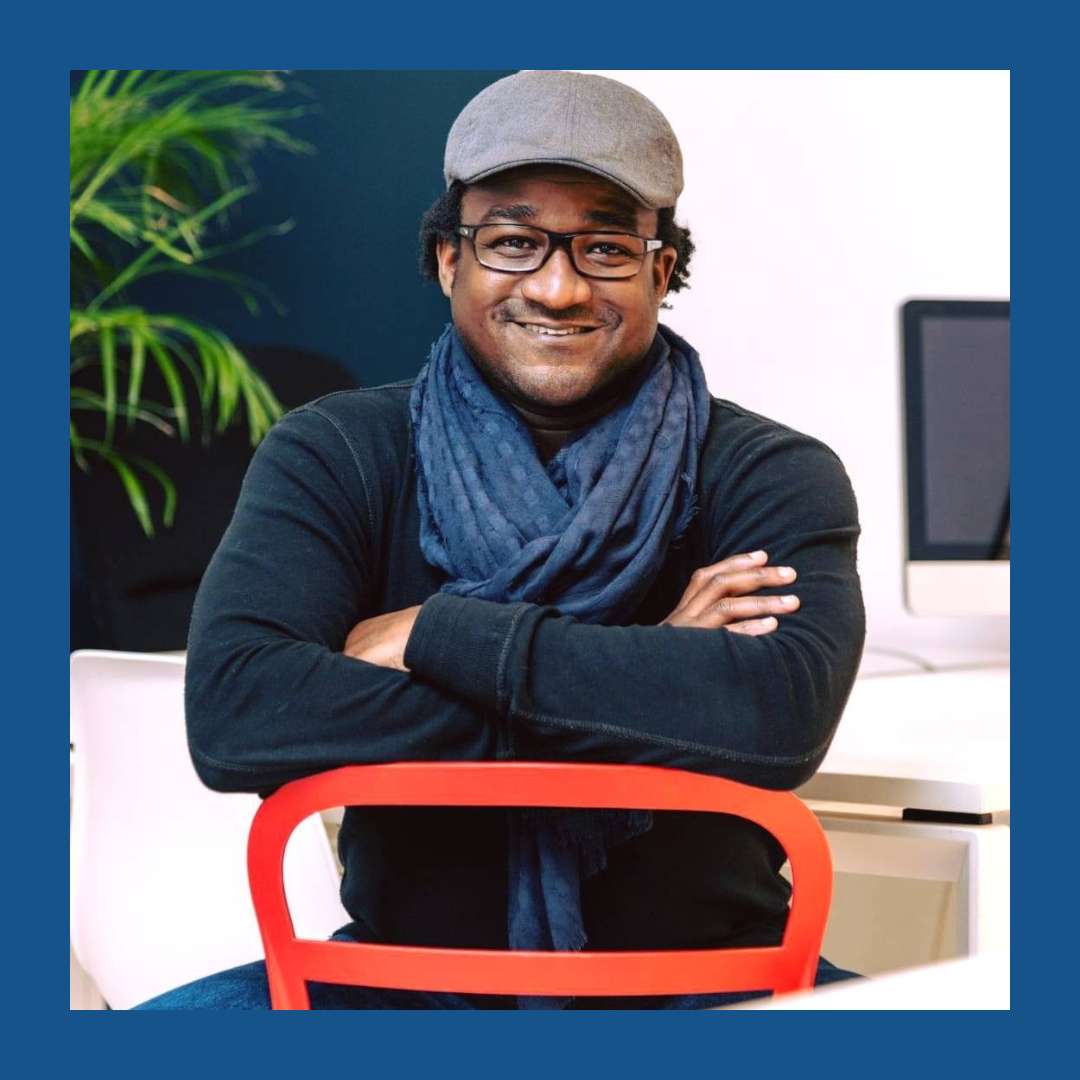
S3 Ep 33Décoder le trajet doctorat-entrepreneuriat avec Ben-Manson Toussaint
Bienvenue sur ce nouvel épisode de Papa PhD! Si tu trouves de la valeur dans le contenu que je t'apporte chaque semaine, clique sur l'un des boutons ci-dessous et renvoie-moi l'ascenceur :) Don sécuritaire sur PayPal Deviens supporter sur Patreon ! Ou paye-moi un café :) Cette semaine sur Papa PhD, je parle entrepreneuriat avec Ben-Manson Toussaint.Au long de notre conversation, Ben partage son trajet à travers un doctorat en intelligence artificielle et dévoile les différents moments tournants qui l'ont amené, aujourd'hui, dans le domaine entrepreneurial. VIDÉO https://youtu.be/5POgLVHQI9w?sub_confirmation=1Ben Toussaint a grandi en Haïti et est actuellement basé à Lyon, en France, où il travaille à Seekncheck, une marketplace pour les services de traduction qu'il a cofondée en 2019. Ben est un chercheur primé en intelligence artificielle, avec des années d'expérience en modélisation des connaissances et en apprentissage automatique à partir de données multi-sources et complexes.Il coache également des startups sur l'intelligence artificielle et le « machine learning » pour Google depuis plus de 3 ans maintenant.Ben est un lecteur avide, passionné de voyages et de cuisine. Ce que tu apprendras dans cet épisode : À quoi ressemble un doctorat en intelligence artificielleL'importance, au doctorat, de mettre en place des automatismes qui nous permettent d'avancer et d'atteindre les objectifs qu'on a définisLes différents types de financement existants en FranceCe que Ben a appris en tant que représentant des doctorants dans son laboratoireComment Ben s'est lancé dans l'entrepreneuriat après le doctoratComment la lecture de livres d'autres entrepreneurs a aidé Ben à passer à l'entrepreneuriatComment la démarche scientifique peut servir dans la démarche entrepreneurialeComment chercher ses associés pour lancer un projet d'entrepriseComment choisir un sujet de thèse utile et intéressant pour beaucoup de monde Les ressources de cet épisode : Ben-Manson Toussaint | LinkedInBen-Manson Toussaint | TwitterSeekncheck | Site webSuggestions de lecture de Ben :The Lean Startup, Eric RiesThinking, Fast and Slow, Daniel KahnemanThe Hard Thing About Hard Things, Ben HorowitzShoe Dog, Philip KnightZero to One, Pether ThielThe Art of the Start, Guy KawasakiThat Will Never Work, Marc RandolphMeasure What Matters, John DoerrRework, Jason Fried & David HanssonWork Rules, Laszlo BockSites webycombinator.com/librarystartups.com/educationblog.guykawasaki.com Merci Ben ! Si cet entretien avec Ben-Manson Toussaint t'a plu, fais-lui en part en cliquant sur les liens ci-dessous et en nous laissant un message :Clique ici pour remercier Ben-Manson sur Twitter !Clique ici pour partager avec David le principal message que tu retiens de cet épisode ! Télécharge la "Boîte à outils pour le doctorat" maintenant ! Tu aimeras aussi ces épisodes : Raphaël Civade – Vivre et gérer le rebond professionnel en tant que PhD : PapaPhD.com/145Ilhame Ameqrane – Être docteur.e en entreprise : PapaPhD.com/125Viviane Lalande – Communiquer la science : PapaPhD.com/149Jean-Patrick Toussaint – Mieux préparer les doctorants à l'emploi : PapaPhD.com/155
S3 Ep 32Trucs et astuces pour organiser son bureau avec Sarah Perrier
Si tu trouves de la valeur dans Papa PhD et dans le contenu que je t'apporte chaque semaine, clique sur l'un des boutons ci-dessous et renvoie-moi l'ascenceur :) Maintenant, avec l'avantage supplémentaire de recevoir les tout nouveaux autocollants Papa PhD et PhD Dojo, si tu deviens supporter mensuel sur Patreon ou BuyMeACoffee ! Don sécuritaire sur PayPal Deviens supporter sur Patreon ! Ou paye-moi un café :) Bienvenue à l'épisode 6 du PhD Dojo en français, avec Sarah Perrier, du podcast Plog de Thèse. VIDÉO https://youtu.be/3H_60DbldIgNous voici en début d'année et après la saison des résolutions de nouvel an, il se peut que tu te prépares à ranger, nettoyer, réaménager ton espace de travail.Aujourd'hui sur le podcast, Sarah et moi partageons avec toi nos trucs et astuces pour avoir un bureau et un espace de travail pratique, organisé et où il fait bon travailler de longues heures.Si tu veux m'aider dans la production de Papa PhD ou du PhD Dojo d'une façon ou d'une autre, écris-moi à [email protected] et parlons-en!Bonne écoute ! Et bons partages ! Les ressources de cet épisode : David Mendes | LinkedInDavid Mendes | InstagramSarah Perrier | LinkedInSarah Perrier | InstagramPlog de Thèse | Podcast Au plaisir de se retrouver entre tes deux oreilles ! Si cet épisode t'a plu, fais-nous en part en cliquant sur les liens ci-dessous et en nous laissant un message :Clique ici pour remercier Sarah Perrier sur Twitter !Clique ici pour partager avec David le principal message que tu retiens de cet épisode ! Nouveauté - Liens affiliés J'ai créé sur le site web une nouvelle page où je partagerai avec toi les ressources que j'utilise et que je recommande en tant que producteur et animateur de Papa PhD.Je considère ces ressources et ces services des sponsors de Papa PhD et j'ai préparé avec eux des offres exclusives pour tous les auditeurs du podcast.Clique sur le bouton ci-dessous et rends-leur visite! Visite les liens affiliés de Papa PhD ! Tu aimeras aussi ces épisodes : Rester en santé au doctorat (sous-titré) : PapaPhD.com/146Les résolutions de début d'année : PapaPhD.com/154L'entrevue informationnelle - : PapaPhD.com/148Zotero vs Mendeley - : PapaPhD.com/138
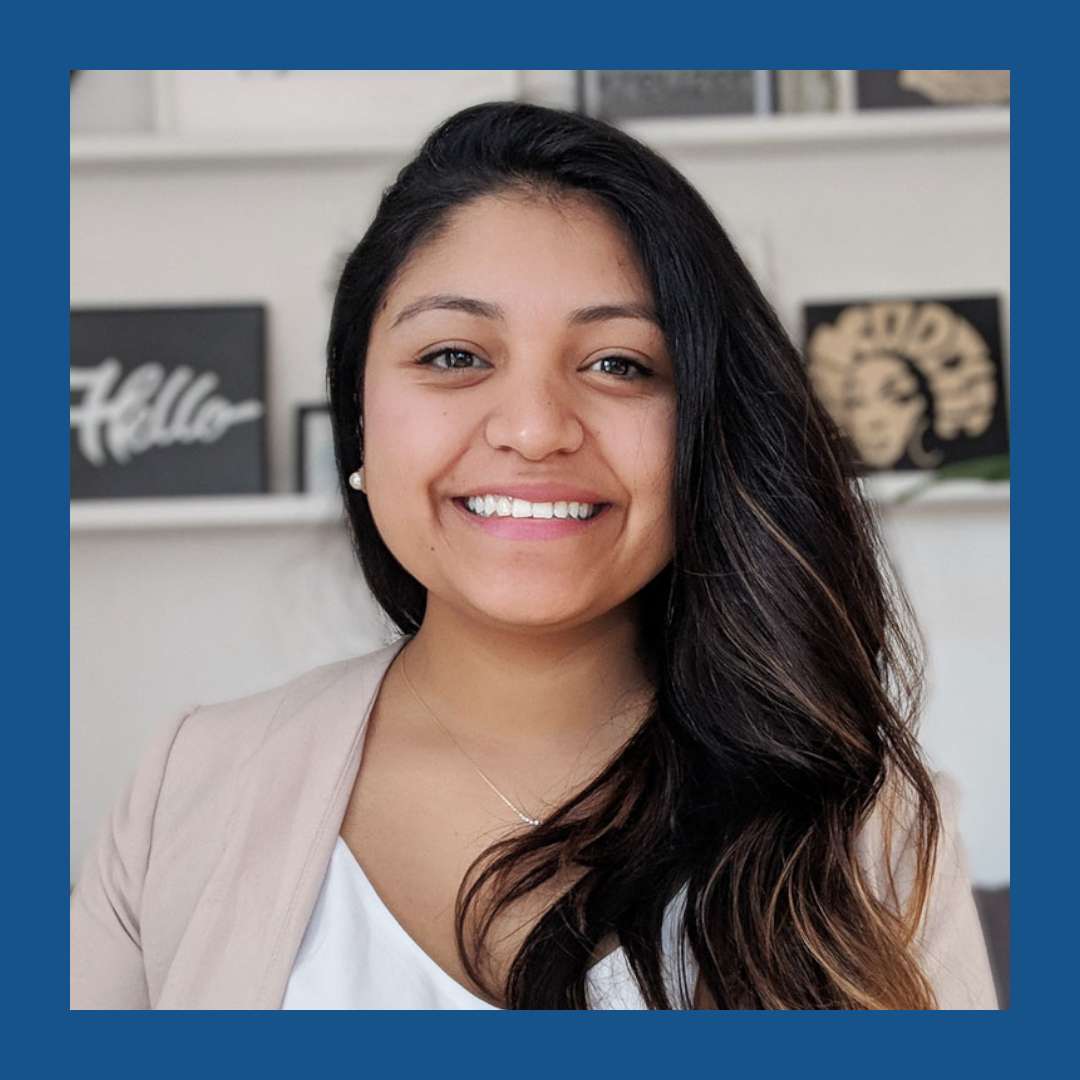
S3 Ep 31Helping PhDs bring their research from lab to market with Diana Horqque
Hi! If you find value in Papa PhD and in the content I bring you every week, click on one of the buttons below and send some of that value back to me :) Now with the added perk of receiving the brand new Papa PhD and PhD Dojo stickers, if you become a monthly supporter on Patreon or BuyMeACoffee! Donate safely through PayPal Support the show on Patreon ! Or buy me a coffee :) This week on Papa PhD, I'm sharing my conversation with Diana Horqque of V1 Studio about the Quebec Scientific Entrepreneurship or QcSE Program. The day this episode comes out you have just under a week to apply - the deadline is February 2nd 2022 for the cohort starting on February 7th, so listen to the interview and if you're interested and eligible, be sure to apply now! VIDEO https://youtu.be/YI6pGwrdo_o?sub_confirmation=1 Diana Horqque is the Executive Director at V1 Studio, a non-profit organization affiliated with Concordia university that partners with Canada's best scientific entrepreneurs to bring their research from lab to market through the convergence of emerging technologies, science and leadership. As part of her role at V1 Studio, she leads 2 main programs: The Quebec Scientific Entrepreneurship Program, which is an online lab-to-market program that gives scientists an entrepreneurial mindset to transform their academic research into tangible innovative products and services. She also leads the Scientific Venture Program, which is a 2-year all-in-one post-doc program specifically targeted at PhDs to accompany them throughout the different stages of developing their research from lab-to-market. Thank you, Diana Horqque! If you enjoyed this conversation with Diana, let her know by clicking the link below and leaving her a message on Twitter: Send Diana Horqque a thank you message on LinkedIn! Click here to share your key take-away from this interview with David! This episode’s resources: Diana Horqque | LinkedIn V1 Studio | Website QcSE program | Website Get the Papa PhD Career Readiness Tool kit ! You might also like the following episodes: David Giltner – Reconciling the Research and the Development Mindset Natalia Bielczyk – Figuring Out Where You Fit in the Job Market as a PhD Susanna L Harris – Mental Health in Graduate School Vicky Sherwood – Inside Big Pharma - a Roadmap for PhDs
S3 Ep 30Mieux préparer les doctorants à l’emploi avec Jean-Patrick Toussaint
Bienvenue sur ce nouvel épisode de Papa PhD! Si tu trouves de la valeur dans le contenu que je t'apporte chaque semaine, clique sur l'un des boutons ci-dessous et renvoie-moi l'ascenceur :) Don sécuritaire sur PayPal Deviens supporter sur Patreon ! Ou paye-moi un café :) Cette semaine sur Papa PhD, je partage avec toi ma conversation avec Jean-Patrick Toussaint à propos de son livre « I Have a Ph.D. – Now Where’s My Job? ». Au long de cet échange, Jean-Patrick a partagé son trajet académique et professionnel ainsi que ses réflexions à propos de son expérience de passage sur le marché du travail et de comment les doctorantes et doctorants peuvent mieux se préparer à cette transition souvent difficile. VIDÉO https://youtu.be/Qw1EHzZcgEE?sub_confirmation=1 Biologiste de formation, Jean-Patrick Toussaint est détenteur d’un doctorat en sciences de l’environnement. Durant sa carrière, il a fait de la recherche universitaire et travaillé avec des organisations non gouvernementales de l’environnement nationales et internationales. Actuellement conseiller principal aux affaires francophones à la Fédération canadienne des municipalités (FCM), il a aussi été responsable d’un portefeuille de projets d’adaptation au climat et d’atténuation des répercussions des changements climatiques en tant que conseiller en renforcement des capacités pour le Programme des municipalités pour l’innovation climatique. Avant de se joindre à l’équipe de la FCM, M. Toussaint a travaillé comme agent scientifique chez Future Earth et comme gestionnaire de projets scientifiques à la Fondation David Suzuki. Il est chroniqueur en environnement pour Québec Science depuis 2019, siège au comité d’Ouranos sur l’adaptation prioritaire des milieux de vie, et fait partie du comité de direction de la plateforme de changement du CIRANO, Avant Garde. Ce que tu apprendras dans cet épisode : Les défis et les avantages d'un doctorat à l'étranger Est-ce que de prendre une pause entre maitrise et doctorat ça aide ou ça nuit ? Que faire quand nos encadrants ne sont pas outillés à nous préparer pour des carrières en dehors de la recherche L'importance de la patience et de l'humilité quand on est en recherche d'emploi en tant que PhD Le doctorat ne vous donne pas l'expérience que les employeurs recherchent Pourquoi vous devriez participer à « Ma thèse en 180 s » L'intérêt des groupes de rédaction (en présentiel ou en virtuel, p. ex. avec Thésez-vous ou Paren-thèse) L'intérêt de trouver des bourses pour un doctorat en industrie, p. ex. avec MITACS Les ressources de cet épisode : Jean-Patrick Toussaint | LinkedIn Jean-Patrick Toussaint | Twitter Jean-Patrick Toussaint | Site web I Have a Ph.D. – Now Where’s My Job? | Livre Programmes MITACS | Site web OFQJ – Mobilité étudiante | Site web Merci Jean-Patrick ! Si cet entretien avec Jean-Patrick Toussaint t'a plu, fais-lui en part en cliquant sur les liens ci-dessous et en nous laissant un message : Clique ici pour remercier Jean-Patrick sur Twitter ! Clique ici pour partager avec David le principal message que tu retiens de cet épisode ! Télécharge la "Boîte à outils pour le doctorat" maintenant ! Tu aimeras aussi ces épisodes : Raphaël Civade – Vivre et gérer le rebond professionnel en tant que PhD : PapaPhD.com/145 Ilhame Ameqrane – Être docteur.e en entreprise : PapaPhD.com/125 Viviane Lalande – Communiquer la science : PapaPhD.com/149 Luc Lapointe – Le courtage de connaissances en gestion : PapaPhD.com/135
S3 Ep 29Les résolutions de nouvel an ou comment partir l’année du mauvais pied – avec Sarah Perrier
Si tu trouves de la valeur dans Papa PhD et dans le contenu que je t'apporte chaque semaine, clique sur l'un des boutons ci-dessous et renvoie-moi l'ascenceur :) Maintenant, avec l'avantage supplémentaire de recevoir les tout nouveaux autocollants Papa PhD et PhD Dojo, si tu deviens supporter mensuel sur Patreon ou BuyMeACoffee ! Don sécuritaire sur PayPal Deviens supporter sur Patreon ! Ou paye-moi un café :) Bienvenue à l'épisode 6 du PhD Dojo en français, avec Sarah Perrier, du podcast Plog de thèse. VIDÉO https://youtu.be/1j1XP3V6Pr0Les décisions de nouvel an... Est-ce que ça marche vraiment?Aujourd'hui sur PhD Dojo, Sarah et moi nous posons cette question et essayons d'apporter quelques pistes pour ne pas faire du début d'année un calvaire.Et toi - comment tu fais pour apporter des changements à tes habitudes? Laisse tes trucs et astuces en commentaire!Si tu veux m'aider dans la production de Papa PhD ou du PhD Dojo d'une façon ou d'une autre, écris-moi à [email protected] et parlons-en!Bonne écoute ! Et bons partages ! Les ressources de cet épisode : David Mendes | LinkedInDavid Mendes | InstagramSarah Perrier | LinkedInSarah Perrier | InstagramPlog de Thèse | Podcast Au plaisir de se retrouver entre tes deux oreilles ! Si cet épisode t'a plu, fais-nous en part en cliquant sur les liens ci-dessous et en nous laissant un message :Clique ici pour remercier Sarah Perrier sur Twitter !Clique ici pour partager avec David le principal message que tu retiens de cet épisode ! Nouveauté - Liens affiliés J'ai créé sur le site web une nouvelle page où je partagerai avec toi les ressources que j'utilise et que je recommande en tant que producteur et animateur de Papa PhD.Je considère ces ressources et ces services des sponsors de Papa PhD et j'ai préparé avec eux des offres exclusives pour tous les auditeurs du podcast.Clique sur le bouton ci-dessous et rends-leur visite! Visite les liens affiliés de Papa PhD ! Tu aimeras aussi ces épisodes : Rester en santé au doctorat (sous-titré) : PapaPhD.com/146Quels chemins mènent doctorat : PapaPhD.com/132Spécial Halloween - : PapaPhD.com/136Zotero vs Mendeley - : PapaPhD.com/138
S3 Ep 28Leveraging Your Personal Brand in Academia and Beyond with Samantha Lynch
Hi! If you find value in Papa PhD and in the content I bring you every week, click on one of the buttons below and send some of that value back to me :) Now with the added perk of receiving the brand new Papa PhD and PhD Dojo stickers, if you become a monthly supporter on Patreon or BuyMeACoffee! Donate safely through PayPal Support the show on Patreon ! Or buy me a coffee :) VIDEO This week on Papa PhD, I'm sharing my conversation with Samantha (Dr Sam) Lynch. Often, in conversations with graduate researchers, I hear something I might have said or thought at a certain point, which is "don't talk to me about pitching and about selling my self". Well, coming from the retail and marketing sector, Sam showed me that personal branding and selling your profile is actually an integral aspect of the academic career development journey, and not exclusive to the private sector. https://www.youtube.com/watch?v=5cqqprHhoYc?sub_confirmation=1 As a marketer and researcher by trade and later as an academic, Dr Sam Lynch works with businesses, agencies, and independent consultants to deliver fashion consumer behaviour research. Sam obtained her MSc International Fashion Retailing and PhD from the University of Manchester. Her PhD examined the stages of the omnichannel customer decision-making journey for fashion. Translating her knowledge into academia Dr Sam has worked as a University Head of Department with responsibility for examining, validating and delivering graduate and undergraduate fashion education. Passionate about knowledge-exchange Sam has overseen and delivered partnerships with industry through fashion sponsorship events, working with graduate students in industry through her venture FS* | Fashion Smart and independently through her Work Smarter* consultancy. Sam is also an advocate and mentor for early career academics. What you’ll learn about in this episode: The challenges and benefits of having a job during your PhD The importance of choosing a supervisor with whom you can have a relationship based on trust How physical activity can help your mental health through tough times Crying is normal and natural, and might help, too Personal branding isn't only for people in the private sector - it's also important within academia Your milestones and challenges are part and parcel of your biography The importance of working smart and of being strategic about when to be a perfectionist Why you should accept your pace and not compare with people around you Thank you, Samantha Lynch! If you enjoyed this conversation with Samantha, let her know by clicking the link below and leaving her a message on Twitter: Send Samantha Lynch a thank you message on LinkedIn! Click here to share your key take-away from this interview with David! This episode’s resources: Samantha Lynch | LinkedIn Samantha Lynch | Website Fashion Smart | Website Get the Papa PhD Career Readiness Tool kit ! You might also like the following episodes: David Giltner – Reconciling the Research and the Development Mindset Natalia Bielczyk – Figuring Out Where You Fit in the Job Market as a PhD Susanna L Harris – Mental Health in Graduate School Vicky Sherwood – Inside Big Pharma - a Roadmap for PhDs
S3 Ep 27Débloquer la rédaction de thèse avec Martha Boeglin (rediffusion)
Télécharge la "Boîte à outils pour le doctorat" maintenant ! Cette semaine, j'ai le grand plaisir de partager avec toi un des épisodes les plus écoutrés de 2021 – ma conversation avec Martha Boeglin à propos de la bête noire de beaucoup de thésards et thésardes – la rédaction de thèse, notamment les pièges qu'elle peut nous tendre et les tactiques et stratégies pour les éviter ou pour se débloquer. Ce que tu apprendras dans cet épisode : Comment se passe un doctorat en sciences humaines Écrire sa thèse commence par lire - techniques et stratégies de lecture L'écoute active en colloque doctoral comme méthode mise en place d'un sujet de thèse qui n'a pas encore pris forme L'angoisse de la page blanche - causes et solutions Écran vs papier est-ce qu'il faut en privilégier un par rapport à l'autre ? Et pourquoi pas s'enregistrer ? L'intérêt de participer à des ateliers d'écriture créative Tu aimes Papa PhD ? Laisse-moi un commentaire ici - une seule phrase suffit ! Et inclus ton identifiant Twitter – comme ça je pourrai te remercier personnellement ! Lorsqu’elle a voulu rédiger sa thèse, Martha Boeglin s’est vue paralysée durant de longs mois par l’angoisse de la page blanche. Incapable d’écrire, elle s’est intéressée au phénomène de l’écriture. Elle a alors découvert que les blocages sont normaux - et qu’il existe des techniques d’écriture créatives pour les dépasser. Plus : certaines techniques d’écriture recèlent une puissance presque magique. Sa passion pour les techniques d’écriture créative était née. Avec une double conséquence : d’abord, une fois les blocages dissipés, Martha a rédigé sa thèse dans une vague d’euphorie. Ensuite, son titre de docteur en poche, elle a créé en 2002 les ateliers d'écriture Scriptoria. Leur but ? Faciliter la rédaction d'une thèse : quand on connait les techniques adaptées, alors rédiger n'est plus une corvée - ça peut même devenir une source de joie. Or, c’est dans la joie qu’on est au sommet de ses performances. Merci Martha Boeglin ! Si cet entretien avec Martha Boeglin t'a plu, fais-lui en part en cliquant sur le lien ci-dessous et en lui laissant un message sur Twitter : Clique ici pour remercier Martha Boeglin sur Twitter ! Clique ici pour partager avec David le principal message que tu retiens de cet épisode ! La perle de sagesse de Martha : « C'est là que j'ai découvert un énorme tabou à l'université, à savoir que, au moment d'écrire, tout le monde souffre – même les professeurs les plus intelligents, même les auteurs les plus chevronnés. Écrire est difficile, mais c'est un tabou à l'université. Ces difficultés d'écriture, on n'en parle pas ou très peu, ce qui fait que des jeunes, des étudiants, des doctorants qui sont en proie à des blocages peuvent en arriver à douter de leur capacité, de leur intelligence, voire à abandonner. Donc j'ai découvert que mon problème avait un nom: blocage, angoisse de la page blanche. J'ai découvert que l'angoisse de la page blanche est normale, qu'elle fait partie du processus – j'ai envie de dire naturel – de la rédaction, pas de quoi s'inquiéter, pas de quoi se remettre en question. Surtout, pas de quoi laisser tomber. » Les ressources de cet épisode : Martha Boeglin | LinkedIn Martha Boeglin | Twitter Scriptoria | Scriptoria.org | Groupe Facebook | Youtube Tu aimeras aussi ces épisodes : Boîte à outils pour les études doctorales – Mon cheminement : PapaPhD.com/37 Raphaël Civade – Vivre et gérer le rebond professionnel en tant que PhD : PapaPhD.com/145 Ilhame Ameqrane – Être docteur.e en entreprise : PapaPhD.com/125 Jennifer Saniossian – La recherche action en sciences de gestion : PapaPhD.com/131 Nouveauté - Sponsors J'ai créé sur le site web une nouvelle page où je partagerai avec toi les ressources que j'utilise et que je recommande en tant que producteur et animateur de Papa PhD. Je considère ces ressources et ces services des sponsors de Papa PhD et j'ai préparé avec eux des offres exclusives pour tous les audit...

S3 Ep 26Mental Health in Graduate School with Susanna L. Harris (Rerun)
Get the Papa PhD Career Readiness Tool kit ! Warning: Please note that this episode mentions different mental health issues, including suicidal ideation.This week, given that this holiday season might be particularly difficult for some of you, I'm having a rerun of a great conversation around mental health in graduate school I had in Season 1 of the podcast with Susanna L. Harris. I hope it will help those of you who are struggling or who have friends or close ones who are.When we look around us, it’s easy to think everyone else is doing fine and has a picture perfect life. It’s easy to feel like your peers are better than you, more successful, having a better time. But you’d be surprised… In today’s stressful day-to-day, in particular in graduate school, more people than you imagine are struggling with anxiety and depression.In part one of this week’s episode of Papa PhD, Susanna Harris will be sharing with you her personal experience dealing with depression during her PhD and the lessons this experience has brought her. Susanna L Harris, PhD, believes clear and transparent communication builds communities. Susanna loves creating spaces for people to understand each other and share their passions, whether that be about science and technology or mental health and wellness. While earning her PhD in microbiology and immunology at the University of North Carolina at Chapel Hill, Susanna founded PhD Balance to empower graduate students to thrive in academia.⠀⠀⠀⠀⠀⠀⠀⠀⠀⠀⠀⠀⠀⠀⠀⠀⠀⠀Susanna translates cutting-edge research into accessible and engaging materials for professional and public audiences. Through real-world experience and professional training in written, oral, and digital communication, Susanna confidently speaks to rooms of 5-to-500. Susanna approaches scientific outreach, whether to investors or kindergartners, through the lens of inquiry-based learning; through charisma and compassion, she can persuade others to reevaluate their beliefs and opinions towards new technologies and divisive world challenges.Susanna is the Manager of Engagement and Communications at Xontogeny, managing interactions with key stakeholders and leading communication strategies to optimize value of collaborations and support of entrepreneurs and management teams of life science startups. She earned her BS in microbiology at the University of Iowa and her PhD in microbiology and immunology at the University of North Carolina at Chapel Hill. What you’ll learn about in this episode: The importance of finding undergrad and graduate programs in domains that interest youHow to reason you way through impostor syndrome in graduate school How to deal with negative self-talk and with negative talk coming from othersThe importance of getting specialized help if you’re struggling, especially if you’re dealing with mental health issuesWhy you should have someone who you can safely share your struggles and your worries with during graduate schoolHow knowing your yearly mood cycle can help you keep balance This episode’s pearls of wisdom: “Do what you think success looks like.”“Things that support people’s mental health are things like having a routined schedule, having very clear goals, then metrics by which to meet them, a clear understanding of expectations, family, friends, loved ones…”“Going back to the idea of taking care of myself – if you have a pet you don’t have a choice of not getting up in the morning, you don’t have a choice of staying in your house all day long. And things like – they have to eat twice a day, so I should probably eat at least twice a day… and companionship.”“Those pieces that we tell people, that sound so fluffy, like “have a support system” or “get enough sleep”, or “be introspective” – those are often the hardest, but they really are the pieces that matter.” Thank you, Susanna! If you enjoyed this conversation with Susanna L. Harris,
S3 Ep 25First Year PhD – Show Up and Avoid Tunnel Vision
Welcome to the PhD Dojo! In the 4th installment of the "First Year PhD" series, I share with you some mindset advice for making sure you have a healthy start to your PhD adventure. Below, you'll find the full – edited to be read – transcript of the live taping of this episode. VIDEO https://youtu.be/zFtI_3QsMZo FULL TRANSCRIPT Hi ! Welcome to the PhD Dojo. Today's subject - Show up If you've been following this series and the blueprint I've been laying out for you, at this point, you've charted your ideal journey, you've started to assemble your PhD village and you've made sure all important communication channels are open for you. So, if you charted your map, What you have to do now is - start at point A and try your best to hit the milestones you set for yourself Your PhD is going to be a long endeavour, and the satisfaction of ticking those checkboxes will be your main fuel along the way But… Allow for corrections and changes. THEY. WILL. HAPPEN. And it’s part of the process. The important thing is : Don’t let them bring you down. Just breathe, collect yourself, and Recalculate your route. And remember – you’re not alone ! make use of the communication channels and of your village to help you race your new path. Set-backs are not an expression of your worth (or lack of it) as a researcher. If they trigger your impostor feelings – which is probable – remind yourself that you deserve to be where you are and that they’re part of the growth process that is graduate school. Everyone faces them – your peers, your seniors… So actually, in a way, they just mean you’re part of the club, now. Now… I just mentioned the impostor phenomenon as a side-effect of hitting stumbling blocks in grad school, but another pitfall they can send you into is - Tunnel Vision It’s easy to get lost in your research, especially if things are not going as planned. You can start shutting down different aspects of your personal life thinking you’ll then be able to focus only on your research and fix whatever is not working. This is a trap! And no matter what’s happening on the research side, you should NEVER: Overlook your social life or health habits or Over-identify with your results Always keep the big picture in mind. Attend seminars and events in other departments. Keep an eye on careers people in your field are pursuing, and think of what you could be doing on the side to increase the chances of landing your dream job down the road. And this is it for this week’s PhD Dojo! I hope application season is going well and that this advice is helping you in your journey. Looking forward to being in your ears ! If you enjoyed this episode, let me know by clicking the link below and leaving me a message on Twitter: Click here to share your key take-away from this interview with David! You might also like the following episodes: PhD Dojo – First Year PhD - Avoiding the Pitfalls PhD Dojo – First Year PhD - Don't Go it Alone PhD Dojo – First Year PhD – Staying Healthy Within and Without Natalia Bielczyk – Figuring Out Where You Fit in the Job Market as a PhD
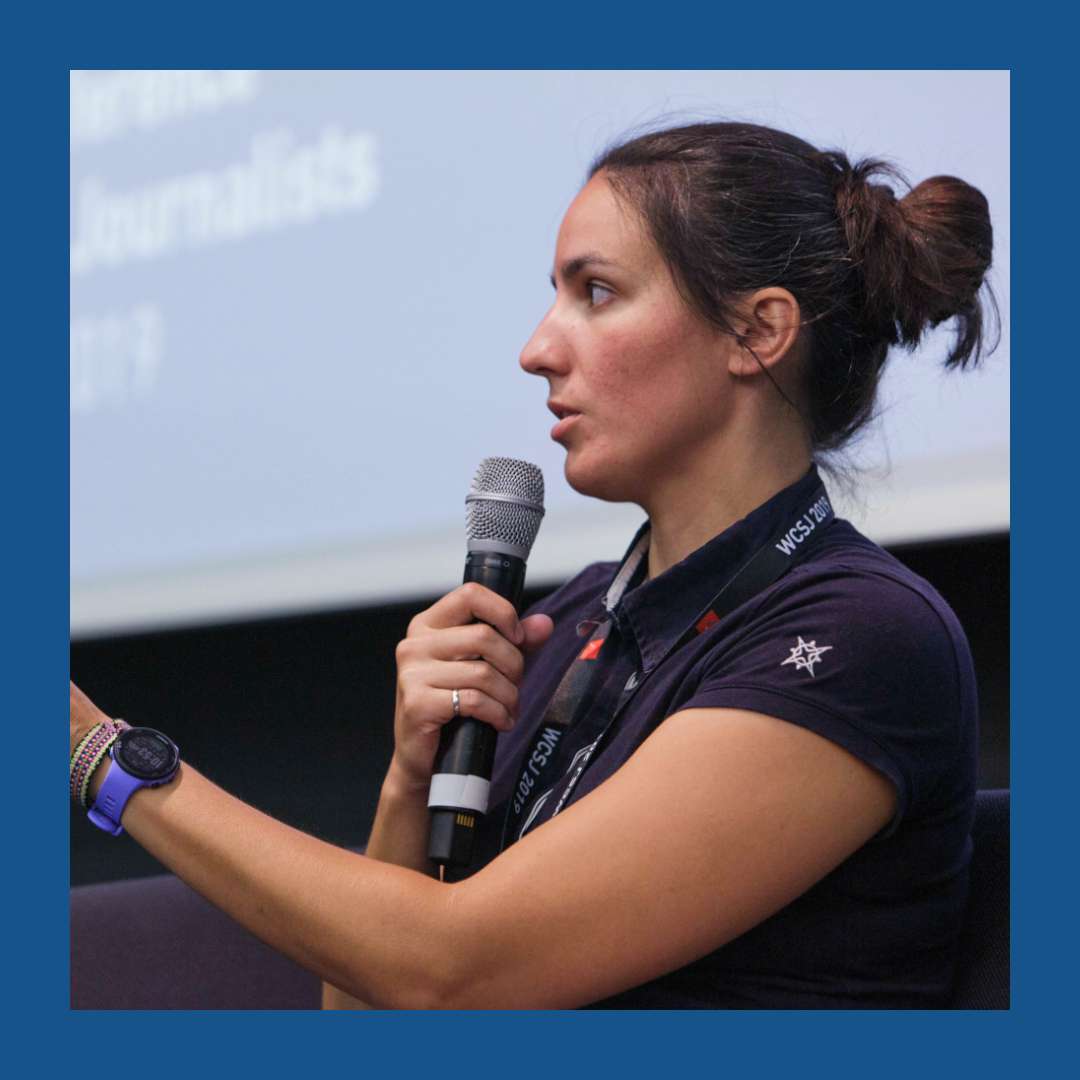
S3 Ep 24Communiquer la science – une carrière ? Avec Viviane Lalande
Contribue à la production de Papa PhD sur Patreon ! Ou ravitaille David en café :) Grâce à un problème technique pendant mon direct avec Viviane Lalande, des chaînes Scilabus et Sci+, qui m'a donné une voix à la Barry White, cette semaine tu as le droit à un « Editor's Cut » de son entrevue. Au menu, le trajet académique de Viviane, la « origins story » de sa passion pour la communication scientifique et des conseils sur comment intégrer des aspects de communication à sa recherche. Des histoires, des conseils et beaucoup d'énergie positive. J'espère que tu vais aimer ça! VIDÉO https://www.youtube.com/watch?v=VxlehF5sXgY?sub_confirmation=1 Viviane Lalande a obtenu un diplôme d’ingénieure en génie mécanique de l’Université de Technologie de Belfort Montbéliard en France, une maîtrise recherche (système Québécois) en génie biomédical ainsi qu’un doctorat en génie mécanique spécialisé en biomécanique de Polytechnique Montréal au Canada. Depuis 2010, elle se passionne pour la communication scientifique et notamment à rendre passionnants des sujets d’apparence inintéressants ! En 2013, Viviane a fondé la chaîne “Scilabus”, où elle donne vie à sa passion par le biais de vidéos scientifiques. À ce jour, Scilabus est la chaîne francophone de vulgarisation scientifique en “sciences dures”, tenue par une femme, ayant la plus grande envergure, avec plus de 400 000 abonnés. En conjonction avec cette activité de vidéaste, en septembre 2018, Viviane a publié un livre destiné à un public adulte et curieux intitulé “le monde a des racines carrées” aux éditions de l’Homme et qui a été coup de coeur de Renaud Bray (équivalent québécois de la Fnac). Elle vient également de conclure 4 ans de collaboration à Radio Canada dans l’émission “Moteur de recherche”. En dehors de ces activités de création de communication scientifique, Viviane forme également ceux ou celles qui souhaitent devenir de meilleur.e.s communicateur.rices par l’intermédiaire de formations, de consultations privées, d’un cours à Polytechnique Montréal ou encore par le biais de Sci+ – sa nouvelle chaîne YouTube qui rassemble de nombreux conseils liés à la création de vidéos de science pour l’Internet. Les ressources de cet épisode : Vivianne Lalande | Twitter Vivianne Lalande | Instagram Vivianne Lalande | LinkedIn Chaîne Scilabus |YouTube Chaîne Sci+ | YouTube Merci Vivianne ! Si cet entretien avec Vivianne Lalande t'a plu, fais-lui en part en cliquant sur les liens ci-dessous et en nous laissant un message : Clique ici pour remercier Viviane sur Twitter ! Clique ici pour partager avec David le principal message que tu retiens de cet épisode ! Télécharge la "Boîte à outils pour le doctorat" maintenant ! Nouveauté - Sponsors J'ai créé sur le site web une nouvelle page où je partagerai avec toi les ressources que j'utilise et que je recommande en tant que producteur et animateur de Papa PhD. Je considère ces ressources et ces services des sponsors de Papa PhD et j'ai préparé avec eux des offres exclusives pour tous les auditeurs du podcast. Clique sur le bouton ci-dessous et rends-leur visite! Visite les sponsors de Papa PhD ! Tu aimeras aussi ces épisodes : Raphaël Civade – Vivre et gérer le rebond professionnel en tant que PhD : PapaPhD.com/145 Ilhame Ameqrane – Être docteur.e en entreprise : PapaPhD.com/125 Jennifer Saniossian – La recherche action en sciences de gestion : PapaPhD.com/131 Luc Lapointe – Le courtage de connaissances en gestion : PapaPhD.com/135
S3 Ep 23L’entrevue informationnelle – Bâtir ton réseau une conversation à la fois – avec Sarah Perrier
Si tu trouves de la valeur dans Papa PhD et dans le contenu que je t'apporte chaque semaine, clique sur l'un des boutons ci-dessous et renvoie-moi l'ascenceur :) Maintenant, avec l'avantage supplémentaire de recevoir les tout nouveaux autocollants Papa PhD et PhD Dojo, si tu deviens supporter mensuel sur Patreon ou BuyMeACoffee ! Don sécuritaire sur PayPal Deviens supporter sur Patreon ! Ou paye-moi un café :) Bienvenue à l'épisode 5 du PhD Dojo en français, avec Sarah Perrier, du podcast Plog de thèse. VIDÉO https://www.youtube.com/watch?v=ad__qcqiDxsEst-ce qu'envoyer des dizaines de CV à tout va, ça marche comme stratégie de recherche d'emploi ? Est-ce qu'il y a une façon plus efficace de faire les choses et d'apprendre davantage dans le processus ?Aujourd'hui sur PhD Dojo, Sarah me pose des questions à propos de cette importante approche au réseautage – l'entrevue informationnelle.Nous répondons à des questions de l'auditoire et, comme toujours, nous partageons avec toi nos trucs et astuces – cette semaine, pour bâtir un réseau professionnel solide.Si tu veux m'aider dans la production de Papa PhD ou du PhD Dojo d'une façon ou d'une autre, écris-moi à [email protected] et parlons-en!Bonne écoute ! Et bons partages ! Les ressources de cet épisode : David Mendes | LinkedInDavid Mendes | InstagramSarah Perrier | LinkedInSarah Perrier | InstagramPlog de Thèse | Podcast Au plaisir de se retrouver entre tes deux oreilles ! Si cet épisode t'a plu, fais-nous en part en cliquant sur les liens ci-dessous et en nous laissant un message :Clique ici pour remercier Sarah Perrier sur Twitter !Clique ici pour partager avec David le principal message que tu retiens de cet épisode ! Nouveauté - Sponsors J'ai créé sur le site web une nouvelle page où je partagerai avec toi les ressources que j'utilise et que je recommande en tant que producteur et animateur de Papa PhD.Je considère ces ressources et ces services des sponsors de Papa PhD et j'ai préparé avec eux des offres exclusives pour tous les auditeurs du podcast.Clique sur le bouton ci-dessous et rends-leur visite! Visite les sponsors de Papa PhD ! Tu aimeras aussi ces épisodes : Rester en santé au doctorat (sous-titré) : PapaPhD.com/146Quels chemins mènent doctorat : PapaPhD.com/132Spécial Halloween - : PapaPhD.com/136Zotero vs Mendeley - : PapaPhD.com/138
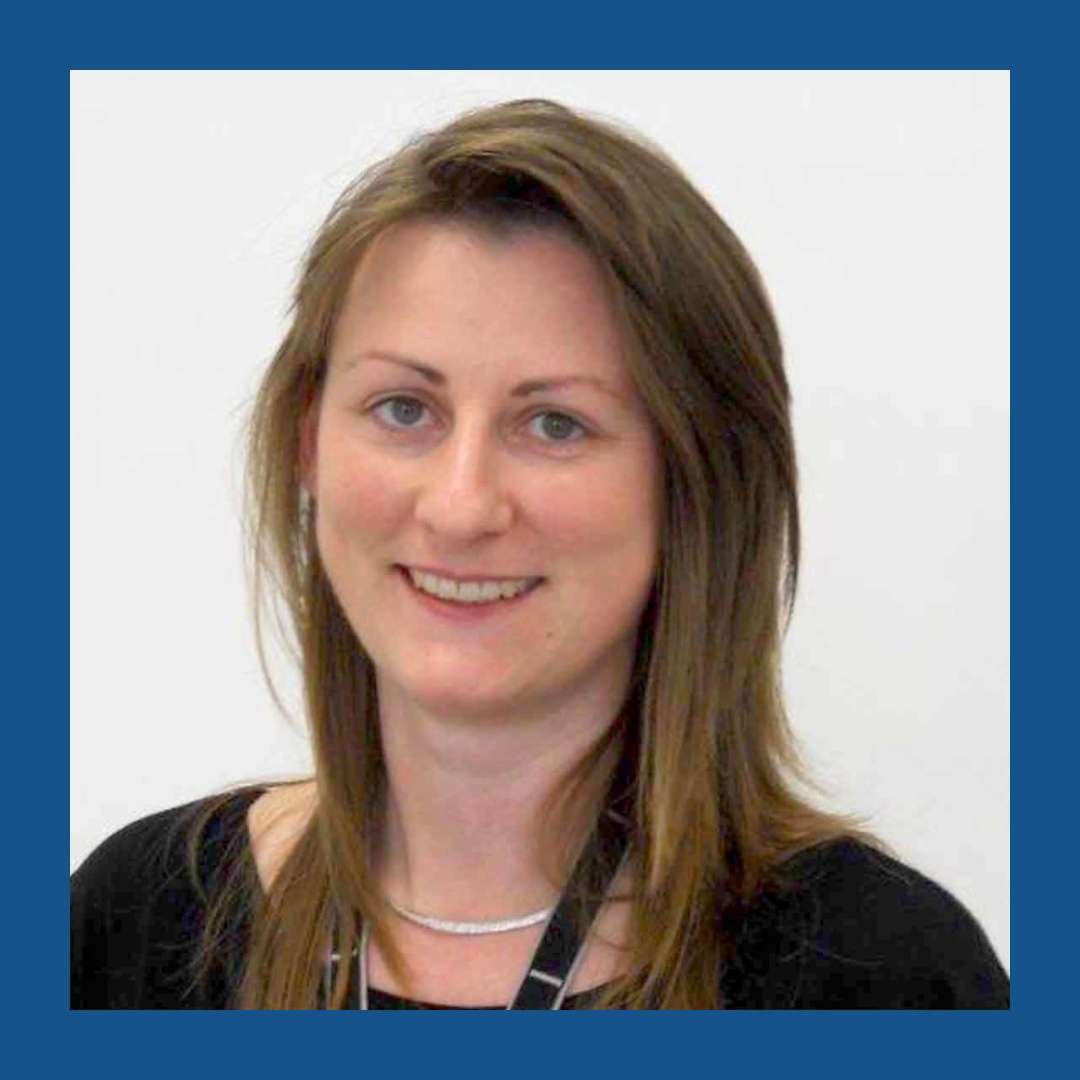
S3 Ep 22Inside Big Pharma – A Roadmap for PhDs with Vicky Sherwood
Get the Papa PhD Career Readiness Tool kit ! This week on Papa PhD, I'm sharing my conversation with scientific writer and amazing human behind the Biomed Badass website – Vicky Sherwood.During our conversation, Vicky shared great advice based on her own career transition experience from academia into industry, but also on her experience helping other people make the jump.So, be sure to have pen and paper at hand for this one – there are a lot of gold nuggets in there you'll want to remember! VIDEO https://www.youtube.com/watch?v=Uul2wj5kJfo?sub_confirmation=1Dr Victoria (Vicky) Sherwood is an Expert Scientific Writer at Novartis in Dublin, Ireland. Prior to transitioning to the pharmaceutical industry, Vicky was a Principle Investigator, running a skin cancer research lab at the University of Dundee, UK.In her current role at Novartis, Vicky writes medical communications that disseminate the results of clinical trials, real-world evidence, and clinical opinions to the medical and scientific community. Her work supports Novartis Oncology to effectively communicate clinical research findings from their pipeline and across brands.Vicky also supports STEM professionals secure meaningful work outside academia through her website: www.biomedbadass.com. She helps academic researchers understand the non-academic job market, identify careers that align with their values and skills, network productively, prepare applications that get noticed, and interview effectively for private sector jobs. What you’ll learn about in this episode: The pharma project/product life-cycle and the different places scientists fit within itNever feel stuck in a pharma position – there are a lot of opportunities and directions to pivot your career once you're inThe importance of finding higher-ups that will champion you and your career development goalsWhy you should put yourself out there, socially and ask yourself "who should I be talking to next?"Defining 3 positive messages about your career goals and work-related interests and reinforcing them in your conversationsHow informational interviews can teach you the language that will make you shine in your next job interview"Job boards are just candidate magnets" – you need to follow a multi-channel approach to finding your jobDon't forget your alumni network! Thank you, Vicky Sherwood! If you enjoyed this conversation with Vicky, let her know by clicking the link below and leaving her a message on Twitter:Send Vicky Sherwood a thank you message on Twitter!Click here to share your key take-away from this interview with David! This episode’s resources: Vicky Sherwood | TwitterVicky Sherwood | LinkedInBiomed Badass | Website You might also like the following episodes: David Giltner – Reconciling the Research and the Development MindsetMrim Boutla – The Pillars of Career Readiness for PhDsAlana Rister – Marketing Your Research Skills After Your PhDNatalia Bielczyk – Figuring Out Where You Fit in the Job Market as a PhDAs always, if you find value in Papa PhD and in the content I bring you every week, click on one of the buttons below and send some of that value back to me by becoming a supporter on Patreon or by buying me a coffee :) Now with the added perk of receiving the brand new Papa PhD and PhD Dojo stickers! Support the show on Patreon ! Or buy me a coffee :)
S3 Ep 21First Year PhD – Staying Healthy Within and Without
Welcome to the PhD Dojo! This week, I'm bringing you part four of the PhD Dojo series on tools and strategies to make the best out of your PhD experience. Today – Staying Healthy Within and Without, what three habits you need to nurture to stay balanced during grad school. Below, you'll find the full – edited to be read – transcript of the live taping of this episode. VIDEO https://youtu.be/x9pwypEsluQ?sub_confirmation=1 FULL TRANSCRIPT Welcome to the third installment of the PhD Dojo series titled “1st Year PhD”, where I share my mistakes, and lessons learned during my PhD. In the last episode, I talked about building a village around you, a network of people and resources to help you with the obstacles and difficulties that are sure to come during your PhD. A community to make your experience of the day-to-day as a researcher the best possible. This week, I’m going to talk about the internal journey – I’m going to share three habits you need to develop to make sure your body and mind stay healthy throughout grad school. And at the end, I will share one mental obstacle that I dealt with, especially during the first year of my PhD, that a lot of us go through, and that, in the extreme, can undermine your whole PhD experience and even your health – especially your mental health. So, the first habit I’m going to share with you, besides eating well and hydrating, is to move – include sports in your routine, or the physical activity of your choice. For me, it was Aikido and intramural sports. And the benefit they brought me was twofold: physical fitness and a community, social interactions outside the lab. Put it on your schedule and don’t question it – in the end, you’ll see it was time well invested, not lost. The second habit has to do with staying balanced within. For me, aikido also played a role in this aspect, but for you it can take different forms – yoga, meditation, journaling, knitting, climbing. The day-to-day of the PhD will put strain in your concentration and focus. You need to have a time in the day, or in the week, where you hit the reset button and become centered and balanced, and ready to tackle your research having dissipated any brain fog or fatigue. On this point – I’d really love to know what is YOUR goto habit to hit that reset button and how often you do it! Share it in the comments section! I’m sure people will appreciate having new strategies to try! The third habit that is key to a healthy and fulfilling PhD journey is keeping communication channels with friends, family, and mentors open at all times. This was a challenge for me, in part, because I was an international student. My advice is – put as much energy and intent into it as possible – and it’s so easy today – everyone has Zoom, WhatsApp, Facetime… What you must avoid at all costs is isolating yourself and cut off your mental and emotional safety net. Now… I’m telling you all of this, because looking back, I see I could have done much better than I did. And I told you I’d share an obstacle that a lot of us face, especially when starting your PhD – and this obstacle made me neglect these habits at the beginning of my PhD. It was the impostor phenomenon – a persistent feeling that I wasn’t good enough, that I wasn’t as good as my peers, and even, at times, that I didn’t belong – that somehow a clerical error was made and I was mistakenly accepted into the PhD Program. Well – I’m here to tell you two things: First – the peers you’re comparing yourself with, there’s a high chance they’re having the exact same feelings. A lot of us experience the impostor phenomenon. There are probably workshops offered where you are about it and about how to defuse it. What I have to tell you today is – YOU applied for your program – YOU were accepted – YOU deserve to be where you are. There’s been no mistake. Now, it’s up to you to go learn what you need to learn and find out what you’ve set out to discover.
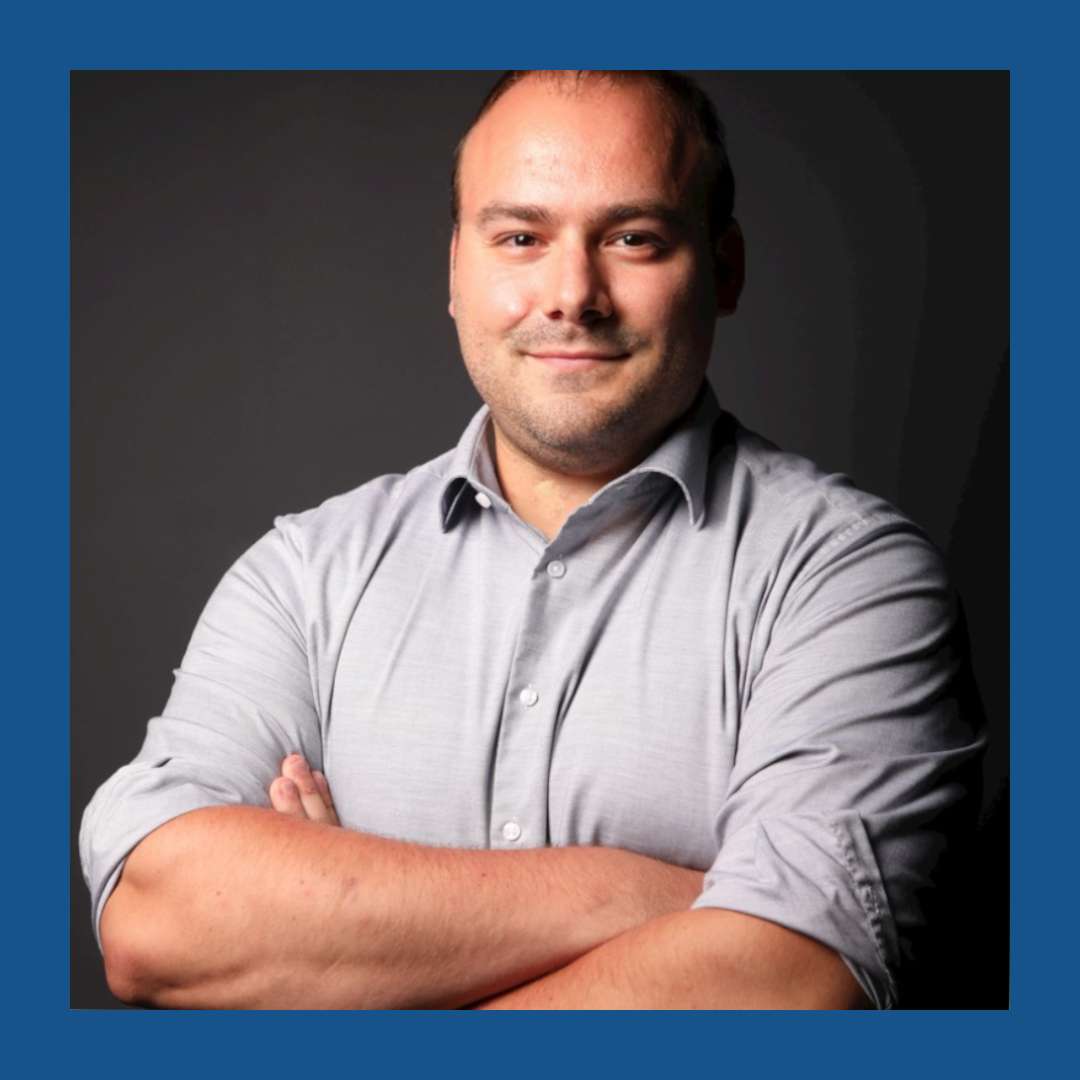
S3 Ep 20Vivre et gérer le rebond professionnel en tant que PhD avec Raphaël Civade
Contribue à la production de Papa PhD sur Patreon ! Ou ravitaille David en café :) Cette semaine sur Papa PhD, je t'apporte ma récente conversation avec Raphaël Civade. Au long de cette entrevue, dont le fil rouge est le rebond professionnel en tant que PhD sur le marché du travail, Raphaël partage son vécu et des conseils étayées sur les leçons qu'il a apprises depuis la conclusion de son doctorat. Comme bonus, tu verras que Raphaël partage des trucs et astuces qui émanent de son expérience comme chasseur de têtes - donc sort ton bloc-notes! Bonne écoute! VIDÉO https://www.youtube.com/watch?v=R2RC5AH1-Mg?sub_confirmation=1 En tant que slasheur intrapreneur et entrepreneur, les missions de Raphaël Civade interviennent à l'interface des groupes opérationnels et fonctionnels des organisations, en interne/externe et avec une dimension internationale. Initialement scientifique-chercheur en Ecologie Moléculaire, c'est à cette période là que Raphaël s'intéresse à la structuration de l'innovation, à la conception de produits et aux stratégies des développements individuels et collectifs. Ce sont les diverses expériences en tant que chasseur de têtes, qui lui font prendre conscience des enjeux individuels et collectifs au sein des organisations. Cette phase d'observations lui a permis à la fois d'être en contact avec une très grande variété de communautés et d'avancer sur une introspection professionnelle. Foncièrement orienté collectif, Raphaël participe activement au sein de la communauté des Docteurs en Sciences (PhD) pour la valorisation de ces profils au sein de la société professionnelle française. Ce que tu apprendras dans cet épisode : Le trajet de Raphaël de la recherche en écologie moléculaire à son rôle actuel en sciences sociales Comment rebondirg (graduellement) après le faillite de son employeur Les mécanismes et la temporalité du procès de recrutement Les codes à connaître avant de passer en entrevue Le rôle de coach que peut jouer un recruteur/manager dans un processus de recherche d'emploi Comment votre formation doctorale peut vous aider dans votre recherche d'emploi Le facteur « PhD » - un obstacle pendant le recrutement / un atout en entreprise Les ressources de cet épisode : Raphaël Civade | LinkedIn Merci Raphaël ! Si cet entretien avec Raphaël Civade t'a plu, fais-lui en part en cliquant sur les liens ci-dessous et en nous laissant un message : Clique ici pour remercier Raphaël sur LinkedIn ! Clique ici pour partager avec David le principal message que tu retiens de cet épisode ! Télécharge la "Boîte à outils pour le doctorat" maintenant ! Nouveauté - Sponsors J'ai créé sur le site web une nouvelle page où je partagerai avec toi les ressources que j'utilise et que je recommande en tant que producteur et animateur de Papa PhD. Je considère ces ressources et ces services des sponsors de Papa PhD et j'ai préparé avec eux des offres exclusives pour tous les auditeurs du podcast. Clique sur le bouton ci-dessous et rends-leur visite! Visite les sponsors de Papa PhD ! Tu aimeras aussi ces épisodes : Emilie L. Dubois – Marier art, science et entrepreneuriat : PapaPhD.com/120 Ilhame Ameqrane – Être docteur.e en entreprise : PapaPhD.com/125 Jennifer Saniossian – La recherche action en sciences de gestion : PapaPhD.com/131 Luc Lapointe – Le courtage de connaissances en gestion : PapaPhD.com/135

S3 Ep 19L’anglais au doctorat – Est-ce que j’en ai vraiment besoin ? Avec Sarah Perrier
Contribue à la production de Papa PhD sur Patreon ! Ou ravitaille David en café :) Bienvenue à l'épisode 4 du PhD Dojo en français, avec Sarah Perrier, du podcast Plog de thèse. VIDÉO https://www.youtube.com/watch?v=A9vdvcxtKnEJ'ai toujours eu la chance d'avoir de la facilité avec les langues. Donc quand je suis au doctorat, les présentations, les journal clubs, les rencontres avec des chercheurs d'ailleurs dans le monde ne m'ont posé aucun problème. Une chance, un privilège, tu peux te dire... Mais est-ce que c'est une nécessité ?Aujourd'hui sur PhD Dojo, je discute avec Sarah de l'importance de la maîtrise de l'anglais – à l'écrit, mais aussi à l'orale – au doctorat et en recherche, et on partage avec toi nos tips and tricks pour s'y mettre et pour s'améliorer.Si tu veux m'aider dans le sous-titrage d'un épisode de Papa PhD ou du PhD Dojo, écris-moi à [email protected] et parlons-en!Bonne écoute ! Et bons partages ! Les ressources de cet épisode : David Mendes | LinkedInDavid Mendes | InstagramSarah Perrier | LinkedInSarah Perrier | InstagramPlog de Thèse | Podcast Au plaisir de se retrouver entre tes deux oreilles ! Si cet épisode t'a plu, fais-nous en part en cliquant sur les liens ci-dessous et en nous laissant un message :Clique ici pour remercier Sarah Perrier sur Twitter !Clique ici pour partager avec David le principal message que tu retiens de cet épisode ! Nouveauté - Sponsors J'ai créé sur le site web une nouvelle page où je partagerai avec toi les ressources que j'utilise et que je recommande en tant que producteur et animateur de Papa PhD.Je considère ces ressources et ces services des sponsors de Papa PhD et j'ai préparé avec eux des offres exclusives pour tous les auditeurs du podcast.Clique sur le bouton ci-dessous et rends-leur visite! Visite les sponsors de Papa PhD ! Tu aimeras aussi ces épisodes : Présentation de PhD Dojo : PapaPhD.com/128Quels chemins mènent doctorat : PapaPhD.com/132Spécial Halloween - : PapaPhD.com/136Zotero vs Mendeley - : PapaPhD.com/138
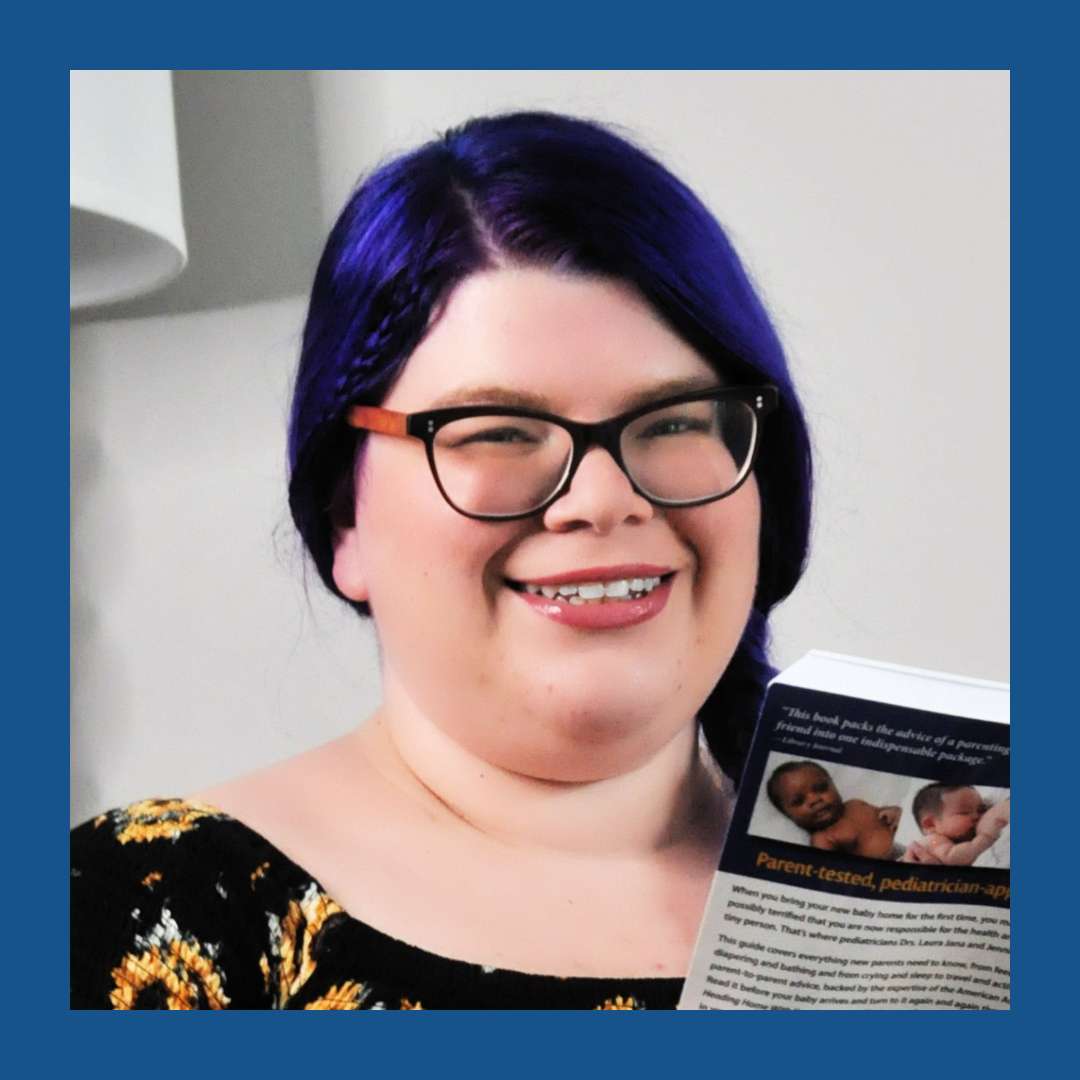
S3 Ep 18Changing University Parental Leave Policies with Marie McCausland
Get the Papa PhD Career Readiness Tool kit ! University policies... Are they set in stone? Do we get to update them, if they're unfair or archaic? If you're considering this type of question, today, you might be feeling like David facing Goliath, and tend to shrug your shoulders and just accept things as they are.This week, I'm sharing my conversation with Marie McCausland, where she lays out the roadmap of how she led a community effort that led to an increase in parental leave for postdocs at her university. VIDEO https://youtu.be/d83KUy73p44?sub_confirmation=1Marie McCausland is a scientist, doula, and maternal health advocate and is the founder of the Non Profit Mom Effect and DigiDoula App.She survived a near-death experience with Post-Partum Pre Eclampsia in 2017 following the birth of her son, an experience which put her life and work into perspective and changed her career trajectory entirely.Marie has shared her experience through her TedX talk in 2019, at the March for Moms in 2017 and 2019, and in dozens of talks across the US aimed at increasing awareness and promoting change.Marie has a PhD in Molecular Virology from CWRU, a Masters in Public Health from Kent State, is a CAPPA trained Postpartum Doula, and is currently working on her MBA. She has one amazing son, Jeffrey, with her dedicated husband Jeffrey McCausland. What you’ll learn about in this episode: How to gather a community around a common goal, among different university employee groupsWhat a postdoc representative at the university senate can doHow to start the conversation with university deciders by starting with faculty and gradually moving up the decision ladderThe power of using reference institutions as goal-setting examples for university decidersThe weight networking has in the process of getting into industryHow to access the public health spaceThe importance of advocating for yourself Thank you, Alana Rister! If you enjoyed this conversation with Marie, let her know by clicking the link below and leaving her a message on Twitter:Send Marie McCausland a thank you message on Twitter!Click here to share your key take-away from this interview with David! This episode’s resources: Marie McCausland | TwitterMarie McCausland | LinkedInMarie's TEDx talk | VideoMom Effect | FacebookDigi Doula | WebsitePitch Club | LinkedInKent State Online Masters in Public Health | Website You might also like the following episodes: David Giltner – Reconciling the Research and the Development MindsetKrishna Kadiyala – Are things changing for the better for women in STEM?Alana Rister – Marketing Your Research Skills After Your PhDNatalia Bielczyk – Figuring Out Where You Fit in the Job Market as a PhDAs always, if you find value in Papa PhD and in the content I bring you every week, click on one of the buttons below and send some of that value back to me by becoming a supporter on Patreon or by buying me a coffee :) Now with the added perk of receiving the brand new Papa PhD and PhD Dojo stickers! Support the show on Patreon ! Or buy me a coffee :)
S3 Ep 17First Year PhD – Assembling the Expedition Team
Welcome to the PhD Dojo! This week, I'm bringing you part three of the PhD Dojo series on tools and strategies to make the best out of your PhD experience. Today – Assembling the PhD Expedition Team, or how to ensure your PhD won't be a solitary endeavor and that you will have help and resources when you need them. Below, you'll find the full – edited to be read – transcript of the live taping of this episode. VIDEO https://youtu.be/5cgvJZilcQU?sub_confirmation=1 FULL TRANSCRIPT [00:00:00] Welcome to this new episode of the PhD Dojo by Papa PhD. Today's episode is called "Assemble the Expedition Team". It's part two of the series about advice for first year or early PhD students. Last episode, I talked about what you should prepare to start this endeavor, to start this adventure.[00:00:27] And this week is going to be the follow-up, let's say. Because your PhD, yes, it's going to be your personal contribution to your area of research and to your domain, but it's not supposed to be a solitary endeavor. Ideally, besides finding a lab, finding a supervisor, you should try also to find the following people to be part of what I consider to be the team or almost the village that makes a healthy PhD experience.[00:01:06] And the first other element or team mate let's say would be an external mentor or a committee, someone or a group of people who can bring a fresh outlook on your research and on your progression. without the pressure of being your supervisor – the supervisor PhD student has a lot of pressure on it, the relationship, and this is why my advice is to, if you can, if you're able, if there's someone around you that could fill that, that position to find someone who can in an unbiased way, in that sense, be a mentor for you, be someone who you can turn to with all your questions, all your difficulties that are not specifically to do with the details of your research, but to do with your experience as a graduate student at large, with your your life plan, for example, with how your PhD is fitting with your values and with how you project yourself professionally into the future. So, mentorship, or at least, you know, having, having an impartial, let's say committee that regularly can go to.[00:02:31] The second element that I think can be really, really a plus for you during your PhD are what I call research mentors. These would be post-docs, senior researchers, people who are finishing their PhD and who know the ropes and who you can resort to in your day to day to help you just move your project along.[00:02:58] When you start, there's a lot of unknown, there's a lot of of doubt, there's a lot of searching, and if you have people around you in your team, in your lab or in labs around you, that can help you not be let's say digging to find something that they have already found, well, establishing a relationship with these people and having them be part of your team, it's also going to help you a lot. Because, you know, PIs, very often, they're super busy. They, they can't answer your every question and they can't be available all the time. But people around you, people who are at a different stage of the graduate studies journey, they can help you, they, I'm thinking of the life sciences, which is where I was, but they use the different equipment, they do the different techniques, they have tricks, you know, they have advice they can give you. So don't, don't forget that they can be a resource for you. And also this is a give and take – I'm always saying this thinking of you as part of a community where there's, there's give and take, but as someone who's beginning, well, you need more help. This is why I'm I'm I'm suggesting this. So – research mentors. [00:04:27] The third element or teammate, let's say, I would say are peers, peers with whom you can discuss your research, share your questions, work on on student community projects. So, people who are going through the same experiences that you're go...
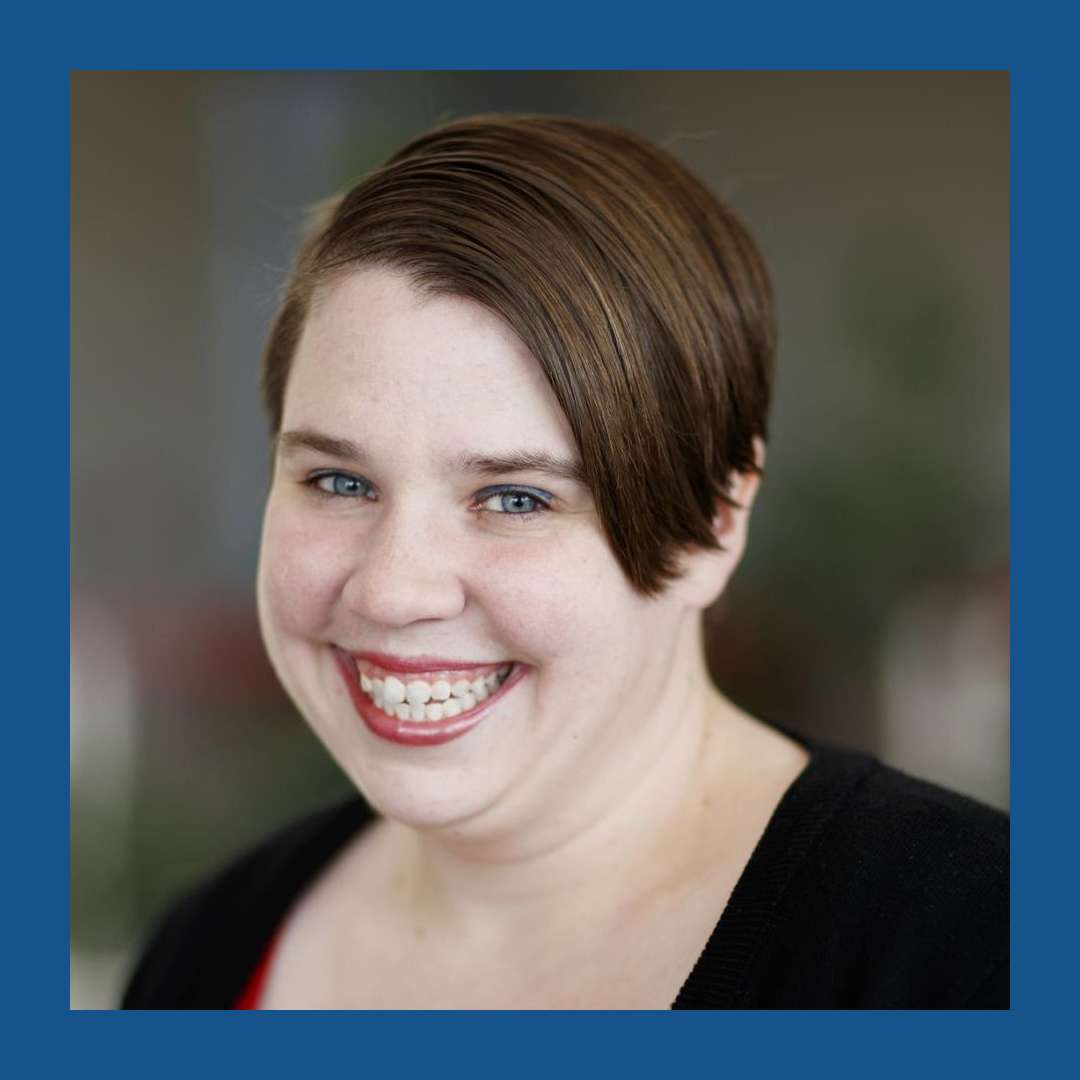
S3 Ep 16Marketing Your Research Skills after the PhD with Alana Rister
Get the Papa PhD Career Readiness Tool kit ! Building your brand? Improving your discoverability? Establishing a presence on social media? These are questions that are seldom covered in the context of graduate school and of the career development of young researchers.Do these questions pique your interest?This week, I'm bringing you my recent conversation with Alana Rister about how to market your skills after the PhD. VIDEO https://www.youtube.com/watch?v=sAwdQU4HK00?sub_confirmation=1Alana Rister earned her Ph.D. in Chemistry in 2019. Since then, she has been a postdoctoral scholar and research specialist.However, throughout Alana’s experiences, she realized that many researchers were stressed because they didn't have support and felt overwhelmed in their research, so she created the Science Grad School Coach to help support researchers and help them learn exactly how to complete their research with more confidence and less effort. What you’ll learn about in this episode: Why you should work on your brand and on marketing yourself starting in graduate schoolHow to increase your findability, your discoverability as a young researcherHow building a presence on social media can help your research and your careerProtecting unpublished data when building your online presenceThe importance of tailoring your communications to each specific audience in a talk setting or in a job interview settingThe importance of being authentic in all your communications and interactionsWhat brought Alana to create Science Grad School Coach and how she helps graduate students make the best out of their PhD Thank you, Alana Rister! If you enjoyed this conversation with ALana, let her know by clicking the link below and leaving her a message on Twitter:Send Alana Rister a thank you message on Twitter!Click here to share your key take-away from this interview with David! This episode’s resources: Alana Rister | TwitterAlana Rister | LinkedInScience Grad School Coach | Website You might also like the following episodes: David Giltner – Reconciling the Research and the Development MindsetKrishna Kadiyala – Are things changing for the better for women in STEM?Emily Roberts – Setting yourself up for a healthy financial lifeNatalia Bielczyk – Figuring Out Where You Fit in the Job Market as a PhDAs always, if you find value in Papa PhD and in the content I bring you every week, click on one of the buttons below and send some of that value back to me by becoming a supporter on Patreon or by buying me a coffee :) Now with the added perk of receiving the brand new Papa PhD and PhD Dojo stickers! Support the show on Patreon ! Or buy me a coffee :)
S3 Ep 15Zotero vs Mendeley – Quel gestionnaire de références choisir ?
Contribue à la production de Papa PhD sur Patreon ! Ou ravitaille David en café :) Bienvenue à l'épisode 3 du PhD Dojo en français, avec Sarah Perrier, du podcast Plog de thèse. VIDÉO https://youtu.be/Tr_45iw62Hg Pendant mon doctorat, j'ai découvert et utilisé Mendeley pour gérer mes références. Dans ce nouvel épisode de PhD Dojo, Sarah et moi allons parler de Zotero, de comment elle l'utilise, et nous allons partager avec toi des conseils et un « tip » qui t'aidera à optimiser l'utilisation de ce type de logiciel (pas juste Zotero) dans la gestion des références pour ta thèse. Si tu veux participer à ces conversations, envoie-nous tes questions sur Patreon ou sur les réseaux sociaux (@plogdethese ou @papaphdpodcast) et assiste en direct à l'enregistrement des épisodes, tous les quinze jours, le jeudi à 12h30, heure de Montréal, 18h30, heure de France. Bonne écoute ! Et bons partages ! Les ressources de cet épisode : David Mendes | LinkedIn David Mendes | Instagram Sarah Perrier | LinkedIn Sarah Perrier | Instagram Plog de Thèse | Podcast Au plaisir de se retrouver entre tes deux oreilles ! Si cet épisode t'a plu, fais-nous en part en cliquant sur les liens ci-dessous et en nous laissant un message : Clique ici pour remercier Sarah Perrier sur Twitter ! Clique ici pour partager avec David le principal message que tu retiens de cet épisode ! Nouveauté - Sponsors J'ai créé sur le site web une nouvelle page où je partagerai avec toi les ressources que j'utilise et que je recommande en tant que producteur et animateur de Papa PhD. Je considère ces ressources et ces services des sponsors de Papa PhD et j'ai préparé avec eux des offres exclusives pour tous les auditeurs du podcast. Clique sur le bouton ci-dessous et rends-leur visite! Visite les sponsors de Papa PhD ! Tu aimeras aussi ces épisodes : Présentation de PhD Dojo : PapaPhD.com/128 Quels chemins mènent doctorat : PapaPhD.com/132 Spécial Halloween - : PapaPhD.com/136

S3 Ep 14S’éloigner de la recherche et y revenir avec Nicolas Stifani
Contribue à la production de Papa PhD sur Patreon ! Ou ravitaille David en café :) Cette semaine sur Papa PhD, je t'apporte ma récente conversation avec Nicolas Stifani, coordonnateur de la plateforme de miscroscopie de l'Université de Montréal. Nicolas et moi nous sommes croisés au doctorat, à l'Institut Neurologique de Montréal. Dans cette conversation j'apprends ce qui a suivi le doctorat, pour Nicolas, un passage par l'industrie, un trajet postdoctoral, un période de travail en construction et, finalement, son poste actuel . À travers tout ça, nous avons parlé de santé mentale et des défis que celle-ci peut nous apporter pendant le doctorat et au cours de notre parcours de jeune chercheur. VIDÉO https://youtu.be/HeGLO4KO8xU?sub_confirmation=1 Après un master en biochimie à l'université de Nice, Nicolas a obtenu son doctorat sur la diversité génétique des neurones moteurs de la moelle épinière à l'université McGill, à Montréal. Après un trajet postdoctoral qui l'a mené de l'université McGill à l'université Dalhousie et finalement à l'Institut de Recherche Clinique de Montréal, Nicolas a intégré l'université de Montréal, où il travaille aujourd'hui en contact étroit avec les chercheurs. Comment est-il passé de responsable marketing pour une compagnie cosmétique, à sans-emploi, à ouvrier dans la construction, à responsable de la microscopie? Il nous le raconte dans ce nouvel épisode de Papa PhD! Ce que tu apprendras dans cet épisode : Le trajet universitaire de Nicolas, en partant d'un master professionalisant Quand est-ce qu'on peut mettre en pause son doctorat Ce que son passage en entreprise lui a appris sur la culture de travail au privé L'importance de prendre le temps (et même faire une pause) pour s'occuper de sa santé mentale et d'aller chercher de l'aide L'importance des compétences « douces » en tant que candidat au postdoctorat Pourquoi il ne faut pas hésiter à frapper aux portes pour demander da l'aide Les ressources de cet épisode : Nicolas Stifani | LinkedIn Nicolas Stifani | Courriel Merci Nicolas ! Si cet entretien avec Nicolas Stifani t'a plu, fais-lui en part en cliquant sur les liens ci-dessous et en nous laissant un message : Clique ici pour remercier Nicolas sur LinkedIn ! Clique ici pour partager avec David le principal message que tu retiens de cet épisode ! Télécharge la "Boîte à outils pour le doctorat" maintenant ! Nouveauté - Sponsors J'ai créé sur le site web une nouvelle page où je partagerai avec toi les ressources que j'utilise et que je recommande en tant que producteur et animateur de Papa PhD. Je considère ces ressources et ces services des sponsors de Papa PhD et j'ai préparé avec eux des offres exclusives pour tous les auditeurs du podcast. Clique sur le bouton ci-dessous et rends-leur visite! Visite les sponsors de Papa PhD ! Tu aimeras aussi ces épisodes : Emilie L. Dubois – Marier art, science et entrepreneuriat : PapaPhD.com/120 Ilhame Ameqrane – Être docteur.e en entreprise : PapaPhD.com/125 Jennifer Saniossian – La recherche action en sciences de gestion : PapaPhD.com/131 Luc Lapointe – Le courtage de connaissances en gestion : PapaPhD.com/135
S3 Ep 13First Year PhD – Avoiding the Pitfalls – PhD Dojo
Welcome to the PhD Dojo!This week, I'm starting a series on tools and strategies to make the best out of your PhD experience. Today – Things I would have loved to know when I started my PhD and that would have saved me a lot of headaches.Below, you'll find the full, edited to be read, transcript of the live taping of this episode. VIDEO https://www.youtube.com/watch?v=h24keeOwgRE?sub_confirmation=1 FULL TRANSCRIPT [00:00:00] Today's episode is: "First Year PhD – Avoiding the Pitfalls".[00:00:05] In a space mission, there is one countdown, one launch, one destination, and no place for error or that. Grad studies are less like a rocket launch and more like an expedition into uncharted territories. As such graduate studies are a forgiving endeavor where you have ample opportunity to reassess and reorient along the way. So what I'm seeing is, as a PhD student, you are an external. And what's the first thing that an Explorer does when setting up for an expedition today, what they do is that they plan, they trace a plan for their expedition.[00:00:56] And this is the tip that I'm going to share today. Tracing a plan for your PhD is a very important strategy from the outset, to help you have the best experience, at least for that first year where you're going to be in a new environment, you're going to meet new people. You're going to be learning a new culture, depending on the, the lab you're you're in or the country you're moving to. So having some sort of a plan is going to help you in the long term. So my first piece of advice there is: spend enough time at the beginning because you can fall into the trap of hitting the ground running and starting whatever experiments or projects that are proposed to you without sitting down and planning.[00:01:52] What I'm asking you to do is to, to take all of that in, and then create a plan. And be as granular as possible. Write short, medium and long-term goals for yourself. One of the things that I know I didn't do at the beginning of my PhD was to – first, put this down on paper and second, the long-term plans and, or long-term objectives or goals, I didn't think of them. Why they are important is because they are going kind of to dictate the other decisions that you're going to make along the way, versus if you don't plan ahead, you can fall into different rabbit holes, lose time. And we all know that time is finite, funding is finite, and so, why the planning is important is because of all of these reasons. You need to optimize the time that you're going to spend during your PhD and some, some places it's three years and there, the time constraint is even, it's even more critical, let's say. Some, some places like here, here in Canada, for example, you can go to six years or even more, depending, and depending also on the domain you are, you are.[00:03:10] But besides the time there's the money issue. So, if you're able to spend that first week, those first two weeks planning, setting goals, sitting with your supervisor and having them help you set goals, such as when, when an article could be published a book chapter, things like that, that is going to help you immensely. Of course, when you're going to sit down and write down that first plan, it's going to be the ideal. You're going to learn and people who've gone through the process, know that things don't go. Ideally there's snacks. There's a, there's a different obstacles that you hit. There's a hypothesis that simply don't work and. The next thing after having a plan is backup plans. You need to have backup plans and nice suggest even if possible, because you might, and this is what happened to me.[00:04:20] You might be attracted to from the outset to a higher risk, maybe higher gain, but higher risk project, but it's high risk. And you want to have a lower risk projects, lower hanging fruit that you can fall back on, if there's a problem with that project, which happens to a lot of us and we're first year PhD ...
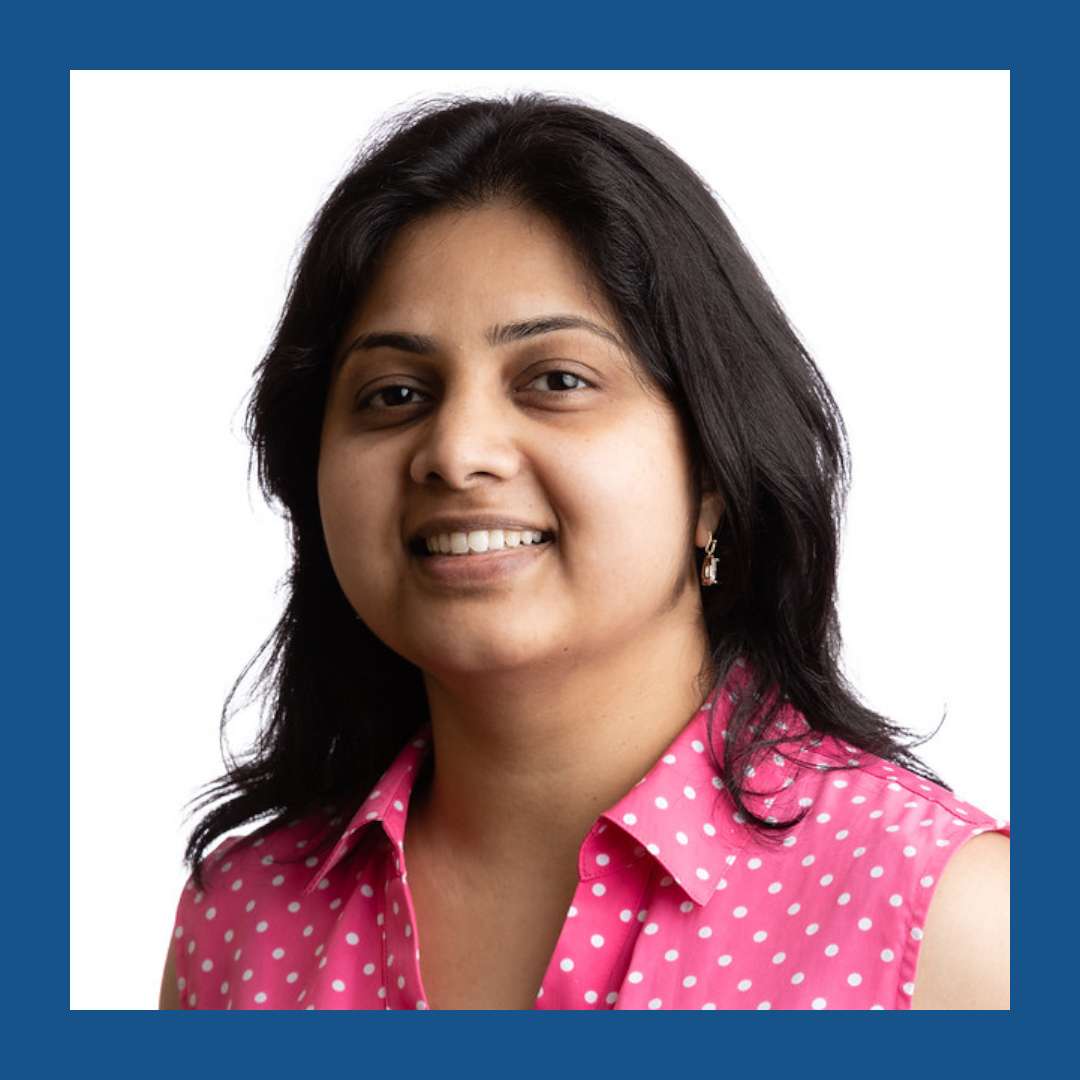
S3 Ep 12Are Things Changing for the Better for Women in STEM? with Krishna Kadiyala
Get the Papa PhD Career Readiness Tool kit ! On this episode, I will be bringing you my interview with Krishna Kadiyala. During our conversation, we talked about Krishna's experience as a woman in the STEM space, and in particular about her decision to have children during the PhD. An important conversation I really wanted to bring you, as the subject is seldom covered, but affects so many young researchers. VIDEO https://www.youtube.com/watch?v=FISR2nefAdo?sub_confirmation=1 Krishna Kadiyala is an Assistant Professor of Computer Science at Texas Christian University. Prior to starting her PhD journey, she was Senior Network Engineer at AT&T Labs in Middletown, NJ for 3 years. During Krishna’s PhD candidature, she’s also mothered two beautiful girls. She is passionate about learning, teaching and helping girls in Computer Science, and is an advocate for PhD moms and moms with young kids in academia. What you’ll learn about in this episode: The overwhelm mothers experience in research before and after COVID How Krishna learned what her type of parenting was and how she built her schedule around it The importance of choosing a university/research environment where your life plans will be accepted and encouraged The importance of guaranteeing funding that will not be impacted by the decision to have children How self-advocacy is key to getting things to change around you Why putting your mental health first is key at any stage of your career Thank you, Krishna Kadiyala! If you enjoyed this conversation with Krishna, let her know by clicking the link below and leaving her a message on LinkedIn: Send Krishna Kadiyala a thank you message on LinkedIn! Click here to share your key take-away from this interview with David! This episode’s resources: Krishna Kadiyala | LinkedIn Google I am Remarkable Program | Website Book by Brené Brown | The Gifts of Imperfection You might also like the following episodes: David Giltner – Reconciling the Research and the Development Mindset Katya Park – Staying True to Your Life Plans During the PhD Matthias Hombauer – Being a PhD, a Father and an Entrepreneur Natalia Bielczyk – Figuring Out Where You Fit in the Job Market as a PhD Are you looking for in-depth career readiness training? Well - you're in luck, because friend of the show and founder of Ontology of Value Natalia Bielczyk, PhD has created The Ontology of Value Masterclass for PhDs – an intensive 6-week online workshop that will give you a runway to a brand new career in industry. This masterclass consists of three Sections. In the first Section, you will learn what you need to know about your opportunities in the job market. You will go through a number of self-discovery exercises which will help you determine where you fit best. In the second Section, you will acquire all the skills you need to search for and land good jobs. Lastly, in the third Section, you will learn general self-navigation strategies that will make you progress fast in any working environment and quickly adjust to the changing job market. And all this in a group of ambitious, helpful, and motivated people like you. If you use the affiliate links on this page, Natalia has kindly offered to give Papa PhD listeners two (2) access codes to the Ontology of Value Test instead of one, so you can gift one to a friend! Register for the next Ontology of Value Masterclass for PhDs now ! As always, if you find value in Papa PhD and in the content I bring you every week, click on one of the buttons below and send some of that value back to me by becoming a supporter on Patreon or by buying me a coffee :) Now with the added perk of receiving the brand new Papa PhD and PhD Dojo stickers! Support the show on Patreon ! Or buy me a coffee :)
S3 Ep 11Gérer les peurs au doctorat – PhD Dojo avec Sarah Perrier
Contribue à la production de Papa PhD sur Patreon ! Ou ravitaille David en café :) Bienvenue à l'épisode 2 du PhD Dojo en français, avec Sarah Perrier, du podcast Plog de thèse.Aujourd'hui, je Sarah et moi profitons de l'ambiance d'Halloween pour te parler de peur. Plus précisément, des peurs auxquelles il est fréquent de faire face pendant le doctorat. VIDÉO https://www.youtube.com/watch?v=MFC6uSTTGic?sub_confirmation=1Prépare-toi à avoir très, très peur...Si tu veux participer à ces conversations, envoie-nous tes questions sur Patreon ou sur les réseaux sociaux (@plogdethese ou @papaphdpodcast) et assiste en direct à l'enregistrement des épisodes, tous les quinze jours, le jeudi à 12h30, heure de Montréal, 18h30, heure de France.Bonne écoute ! Et bons partages ! Les ressources de cet épisode : David Mendes | LinkedInDavid Mendes | InstagramSarah Perrier | LinkedInSarah Perrier | InstagramPlog de Thèse | Podcast Au plaisir de se retrouver entre tes deux oreilles ! Si cet épisode t'a plu, fais-nous en part en cliquant sur les liens ci-dessous et en nous laissant un message :Clique ici pour remercier Sarah Perrier sur Twitter !Clique ici pour partager avec David le principal message que tu retiens de cet épisode ! Nouveauté - Sponsors J'ai créé sur le site web une nouvelle page où je partagerai avec toi les ressources que j'utilise et que je recommande en tant que producteur et animateur de Papa PhD.Je considère ces ressources et ces services des sponsors de Papa PhD et j'ai préparé avec eux des offres exclusives pour tous les auditeurs du podcast.Clique sur le bouton ci-dessous et rends-leur visite! Visite les sponsors de Papa PhD !
S3 Ep 10Le courtage de connaissances en gestion avec Luc Lapointe
Contribue à la production de Papa PhD sur Patreon ! Ou ravitaille David en café :) Cette semaine sur Papa PhD, je t'apporte une conversation avec Luc Lapointe, où on a non seulement parlé de son projet entrepreneurial, mais où Luc a partagé ses réflexions à propos des lacunes existantes entre les acteurs de la recherche universitaire et le grand public et entre la recherche et les entreprises, dans l'optique du transfert de connaissances. VIDÉO https://www.youtube.com/watch?v=Q911lPbuwzI?sub_confirmation=1Lors de son doctorat et de son postdoctorat, Luc Lapointe s’est spécialisé sur le transfert de connaissances scientifiques en gestion.Luc utilise des techniques avant-gardistes et rigoureuses pour identifier la majorité des études qui portent sur des sujets prioritaires en gestion. Il analyse la qualité des recherches et vulgarise les meilleures d’entre elles dans un langage simple. Il traduit ces connaissances en stratégies de gestion concrètes qui s'appliquent à la majorité des organisations publiques et privées en utilisant des approches pédagogiques et d'accompagnement qui facilitent l'apprentissage et l'intégration des meilleures pratiques dans les opérations quotidiennes.Sa mission : aider les organisations publiques et privées à devenir des leaders dans leur domaine en facilitant l'adoption des innovations et des bonnes pratiques de gestion dont l'efficacité a été démontrée scientifiquement! Ce que tu apprendras dans cet épisode : Ce qu'est le transfert de connaissancesLe rôle des nouvelles technologies, nommément l'intelligence artificelle, dans la mise en place de méta-analyses et des revues systématiquesLes défis auquelles on fait face quand on se lance en affaires après le doctoratLes habitudes à gagner pour apprendre à connaître la réalité le milieu privé pendant le doctoratEst-ce que le privé et l'argent, c'est vraiment « sale » ? Les ressources de cet épisode : Luc Lapointe | LinkedInScientifYX | Site web Merci Luc ! Si cet entretien avec Luc Lapointe t'a plu, fais-lui en part en cliquant sur les liens ci-dessous et en nous laissant un message :Clique ici pour remercier Luc sur LinkedIn !Clique ici pour partager avec David le principal message que tu retiens de cet épisode ! Télécharge la "Boîte à outils pour le doctorat" maintenant ! Nouveauté - Sponsors J'ai créé sur le site web une nouvelle page où je partagerai avec toi les ressources que j'utilise et que je recommande en tant que producteur et animateur de Papa PhD.Je considère ces ressources et ces services des sponsors de Papa PhD et j'ai préparé avec eux des offres exclusives pour tous les auditeurs du podcast.Clique sur le bouton ci-dessous et rends-leur visite! Visite les sponsors de Papa PhD ! Tu aimeras aussi ces épisodes : Anne Bonlarron – Faire le pont entre docteur.e.s et entreprises : PapaPhD.com/123Emilie L. Dubois – Marier art, science et entrepreneuriat : PapaPhD.com/120Ilhame Ameqrane – Être docteur.e en entreprise : PapaPhD.com/125Jennifer Saniossian – La recherche action en sciences de gestion : PapaPhD.com/131
S3 Ep 9Tools for PhD Career Readiness with Natalia Bielczyk
Welcome to the PhD Dojo!This week, I have the pleasure of bringing you a conversation with friend of the show, Natalia Bielczyk.In this special episode of the dojo, Natalia will present us the tools she has created for PhDs looking to work on their career readiness, namely the Ontology of Value Test and the Masterclass for PhDs. If you're ready to invest in becoming career ready, you're in luck, because friend of the show and founder of Ontology of Value Natalia Bielczyk, PhD has created The Ontology of Value Masterclass for PhDs – an intensive 6-week online workshop that will give you a runway to a brand new career in industry.This masterclass consists of three Sections.In the first Section, you will learn what you need to know about your opportunities in the job market. You will go through a number of self-discovery exercises which will help you determine where you fit best.In the second Section, you will acquire all the skills you need to search for and land good jobs.Lastly, in the third Section, you will learn general self-navigation strategies that will make you progress fast in any working environment and quickly adjust to the changing job market.And all this in a group of ambitious, helpful, and motivated people like you.If you use the affiliate links on this page, not only will you be supporting the show, but Natalia has kindly offered to give Papa PhD listeners two (2) access codes to the Ontology of Value Test instead of one, so you can gift one to a friend! Register for the next Ontology of Value Masterclass for PhDs now ! This episode's resources: Natalia Bielczyk | LinkedInNatalia Bielczyk | InstagramNatalia Bielczyk | Twitter Looking forward to being in your ears ! If you enjoyed this conversation with Natalia, let her know by clicking the link below and leaving her a message on Twitter:Send Natalia Bielczyk a thank you message on Twitter!Click here to share your key take-away from this interview with David! You might also like the following episodes: Amy Gentry – A Discussion About "Bad Habits" in AcademiaKatya Park – Staying True to Your Life Plans During the PhDMatthias Hombauer – Being a PhD, a Father and an EntrepreneurNatalia Bielczyk – Figuring Out Where You Fit in the Job Market as a PhD
S3 Ep 8Reconciling the Research and Development Mindsets with David Giltner
Get the Papa PhD Career Readiness Tool kit ! On this episode, I will be bringing you my interview with David Giltner, who is launching his book « It's a Game, Not a Formula: How to Succeed as a Scientist Working in the Private Sector », about his experience bridging the gap between the research mindset and the development mindset, in the context of career transitions from academia to the private sector. VIDEO https://www.youtube.com/watch?v=XVJ3U2xXbRQ?sub_confirmation=1David Giltner has spent more than twenty years developing cutting-edge photonics technologies into commercial products in the fields of optical communications, remote sensing, directed energy, and scientific instrumentation.In 2017 he started TurningScience to providetraining and support for scientists of all disciplines seeking to enter the private sector as employees, collaborators, or entrepreneurs. David is the author of the books 'Turning Science into Things People Need' and 'It’s a Game, Not a Formula,' and is an internationally recognized speaker and mentor on the topics of technology commercialization, product development, and career design.David has a BS and PhD in physics and holds seven patents in the fields of laser spectroscopy and optical communications. What you’ll learn about in this episode: The working habits you bring from academia that work against you in the private sectorWhy focusing on being the smartest person in the room is counterproductive in the private sectorBreaking the taboo that for profit research is « dirty »How developing work in both worlds can benefit researchers and graduate studentsWhy leaving academia after the PhD is not tantamount to having lost the years you invested in graduate schoolWhy scientists can become excellent, creative entrepreneurs Thank you, David Giltner ! If you enjoyed this conversation with David, let him know by clicking the link below and leaving him a message on Twitter:Send David Giltner a thank you message on Twitter!Click here to share your key take-away from this interview with David! This episode’s resources: David Giltner | TwitterWebsite | TurningScience.comBook | It's a Game, Not a Formula: How to Succeed as a Scientist Working in the Private Sector You might also like the following episodes: Amy Gentry – A Discussion About "Bad Habits" in AcademiaKatya Park – Staying True to Your Life Plans During the PhDMatthias Hombauer – Being a PhD, a Father and an EntrepreneurNatalia Bielczyk – Figuring Out Where You Fit in the Job Market as a PhD Are you looking for in-depth career readiness training? Well - you're in luck, because friend of the show and founder of Ontology of Value Natalia Bielczyk, PhD has created The Ontology of Value Masterclass for PhDs – an intensive 6-week online workshop that will give you a runway to a brand new career in industry.This masterclass consists of three Sections.In the first Section, you will learn what you need to know about your opportunities in the job market. You will go through a number of self-discovery exercises which will help you determine where you fit best.In the second Section, you will acquire all the skills you need to search for and land good jobs.Lastly, in the third Section, you will learn general self-navigation strategies that will make you progress fast in any working environment and quickly adjust to the changing job market.And all this in a group of ambitious, helpful, and motivated people like you.If you use the affiliate links on this page, Natalia has kindly offered to give Papa PhD listeners two (2) access codes to the Ontology of Value Test instead of one, so you can gift one to a friend! Register for the next Ontology of Value Masterclass for PhDs now ! As always, if you find value in Papa PhD and in the content I bring you every week, click on one of the buttons below and send some of that value back to me by becoming a supporter on Patreon or by buyi...
S3 Ep 7Quels chemins mènent au doctorat ? – PhD Dojo avec Plog de Thèse
Contribue à la production de Papa PhD sur Patreon ! Ou ravitaille David en café :) Bienvenue à l'épisode 1 du PhD Dojo en français, avec Sarah Perrier, du podcast Plog de thèse. VIDÉO https://www.youtube.com/watch?v=MFC6uSTTGic?sub_confirmation=1 Aujourd'hui, on se pose la question suivante : « Y a-t-il un seul chemin vers le doctorat ? ». Et pour y répondre, on se base sur l'expérience de David, de Sarah et d'autres invités passés sur Papa PhD.Si tu veux participer à ces conversations, envoie-nous tes questions sur Patreon ou sur les réseaux sociaux (@plogdethese ou @papaphdpodcast) et assiste en direct à l'enregistrement des épisodes, tous les quinze jours, le jeudi à 12h30, heure de Montréal, 18h30, heure de France.Bonne écoute! Les ressources de cet épisode : David Mendes | LinkedInDavid Mendes | InstagramSarah Perrier | LinkedInSarah Perrier | InstagramPlog de Thèse | Podcast Au plaisir de se retrouver entre tes deux oreilles ! Si cet épisode t'a plu, fais-nous en part en cliquant sur les liens ci-dessous et en nous laissant un message :Clique ici pour remercier Sarah Perrier sur Twitter !Clique ici pour partager avec David le principal message que tu retiens de cet épisode ! Nouveauté - Sponsors J'ai créé sur le site web une nouvelle page où je partagerai avec toi les ressources que j'utilise et que je recommande en tant que producteur et animateur de Papa PhD.Je considère ces ressources et ces services des sponsors de Papa PhD et j'ai préparé avec eux des offres exclusives pour tous les auditeurs du podcast.Clique sur le bouton ci-dessous et rends-leur visite! Visite les sponsors de Papa PhD !
S3 Ep 6Recherche action en sciences de gestion avec Jennifer Saniossian
Contribue à la production de Papa PhD sur Patreon ! Ou ravitaille David en café :) Cette semaine sur Papa PhD, je t'apporte ma conversation avec Jennifer Saniossian, docteure en sciences de gestion et co-fondatrice de l'Equipage, une entreprise qui œuvre dans le design de coopérations territoriales. VIDÉO https://www.youtube.com/watch?v=oVxho-s9Xpk?sub_confirmation=1Diplômée d’un doctorat en sciences de gestion en 2020 portant sur le processus de création des méta-organisations multi-parties prenantes, Jennifer Saniossian est co-fondatrice de l'entreprise L'Equipage, qui accompagne, sur le long terme des acteurs et collectifs qui ont pour ambition de faire de leur territoire le lieu d'innovations, d'expérimentations et de faire ensemble pour la société et l'environnement. Ce que tu apprendras dans cet épisode : En quoi consiste un doctorat en sciences de gestionCe qui a mené Jennifer à opter par une approche de recherche actionComment son travail de thèse a abouti sur son projet d'entrepriseL'importance de parler de son projet et de faire du réseau avec des acteurs économiquesEt l'importance de se lancer, quand on a une idée, d'entreprise, d'un service, d'un outil Les ressources de cet épisode : Jennifer Saniossian | LinkedInJennifer Saniossian | InstagramL'Equipage | Site webArticle 1 sur le PTCE | Site webArticle 2 sur le PTCE | Site web Merci Jennifer ! Si cet entretien avec Jennifer Saniossian t'a plu, fais-lui en part en cliquant sur les liens ci-dessous et en nous laissant un message :Clique ici pour remercier Jennifer sur LinkedIn !Clique ici pour partager avec David le principal message que tu retiens de cet épisode ! Télécharge la "Boîte à outils pour le doctorat" maintenant ! Nouveauté - Sponsors J'ai créé sur le site web une nouvelle page où je partagerai avec toi les ressources que j'utilise et que je recommande en tant que producteur et animateur de Papa PhD.Je considère ces ressources et ces services des sponsors de Papa PhD et j'ai préparé avec eux des offres exclusives pour tous les auditeurs du podcast.Clique sur le bouton ci-dessous et rends-leur visite! Visite les sponsors de Papa PhD ! Tu aimeras aussi ces épisodes : Anne Bonlarron – Faire le pont entre docteur.e.s et entreprises : PapaPhD.com/123Emilie L. Dubois – Marier art, science et entrepreneuriat : PapaPhD.com/120Ilhame Ameqrane – Être docteur.e en entreprise : PapaPhD.com/125Mrim Boutla – Trouver sa tribu après le doctorat : PapaPhD.com/82
S3 Ep 5PhD Dojo – Presentation and Pitch with David Mendes
Get the Papa PhD Tool kit ! Welcome to the brand new Papa PhD segment! The PhD Dojo. Every two weeks, David Mendes will bring you PhD news, answers to listener questions, humor in this new space, where the goal is to make you a black belt in all things related to career preparation as a PhD. Today I'm just introducing the concept, so no need for a notepad. But be sureto get one in the future! Happy listening! This episode's resources: David Mendes | LinkedIn David Mendes | Instagram David Mendes | Twitter Looking forward to being in your ears ! If you liked this episode, let me know by dropping me a message : Click here to say hi to David ! Have you checked out my course titled "PhDs and the Job Market - How to start preparing today", which is live now on the Academia.edu premium platform besides courses by Karen Kelsky, Ali Abdaal, Cathy Mazak, Damien Walter, among others? As part of an expansion of what they offer researchers through their new Premium service, Academia.edu has bet on offering them a diverse library of courses created an given by people like me – content creators from a wide range of academic and academia-adjacent spaces. All you need to do to access it is to follow the link below, register on Academia.edu if you haven't yet, and then upgrade to the premium membership. And as a bonus, if you upgrade using my affiliate link, they will be sending part of your subscription to me! So you'll be contributing to the production and improvement of the show! How cool is that? Just click on the button below and start exploring! Access "PhDs and the Job Market - How to start preparing today" now ! And if you find value in Papa PhD and in the content I bring you every week, click on one of the buttons below and send some of that value back to me by becoming a supporter on Patreon or by buying me a coffee :) Support the show on Patreon ! Or buy me a coffee :)
S3 Ep 4Being a PhD, a father and an entrepreneur with Matthias Hombauer
Get the Papa PhD Tool kit ! On this episode, I will be bringing you my interview with International Rockstar Photographer, dadpreneur and coach Matthias Hombauer, PhD. During our conversation, Matthias shares his experience in graduate school and shares how he dealt with the growing feeling that his future was not in research. Namely, we talk about how deep introspection and a strong focus on his mental health were instrumental in helping him find his career path. Matthias has a Ph.D. in molecular biology but decided to follow his passions to become an music photographer (for Usher, The Prodigy, Iggy Pop,…). When his daughter was born, he wanted to spend as much time as possible with her and built the biggest concert photography community worldwide from his bedroom. Now, having two kids, a wonderful wife, and living his dream, Matthias wants to help people live a passionate life. What you’ll learn about in this episode: Why you shouldn't feel guilty if you "fall out of love" with research during your PhD The role of introspection and of listening to your gut in figuring out your career path Why your mental health must come first in your list of priorities during the PhD How to pivot professionally after important life changes and events How getting in touch with alumni or people who dropped out of your PhD program can help you in your own introspection Thank you, Matthias Hombauer ! If you enjoyed this conversation with Matthias, let him know by clicking the link below and leaving him a message on Twitter: Send Matthias a thank you message on Twitter! Click here to share your key take-away from this interview with David! This episode’s resources: Matthias Hombauer | Twitter Matthias Hombauer| Instagram Website | MatthiasHombauer.com You might also like the following episodes: Amy Gentry – A Discussion About "Bad Habits" in Academia Gertrude Nonterah – Juggling side interests, graduate school and your personal life Katya Park – Staying True to Your Life Plans During the PhD Mrim Boutla – The 4 Pillars of PhD Career Readiness Have you checked out my course titled "PhDs and the Job Market - How to start preparing today", which is live now on the Academia.edu premium platform besides courses by Karen Kelsky, Ali Abdaal, Cathy Mazak, Damien Walter, among others? As part of an expansion of what they offer researchers through their new Premium service, Academia.edu has bet on offering them a diverse library of courses created an given by people like me – content creators from a wide range of academic and academia-adjacent spaces. All you need to do to access it is to follow the link below, register on Academia.edu if you haven't yet, and then upgrade to the premium membership. And as a bonus, if you upgrade using my affiliate link, they will be sending part of your subscription to me! So you'll be contributing to the production and improvement of the show! How cool is that? Just click on the button below and start exploring! Access "PhDs and the Job Market - How to start preparing today" now ! And if you find value in Papa PhD and in the content I bring you every week, click on one of the buttons below and send some of that value back to me by becoming a supporter on Patreon or by buying me a coffee :) Support the show on Patreon ! Or buy me a coffee :)
S3 Ep 3PhD Dojo – Présentation avec David Mendes et Sarah Perrier de Plog de Thèse
Télécharge la "Boîte à outils pour le doctorat" maintenant ! Bienvenue sur le tout nouveau segment de Papa PhD! Le PhD Dojo.Toutes les deux semaines, Sarah Perrier, l'animatrice du podcast "Plog de Thèse", t'apporterons des actus sur le doctorat, des réponses à tes questions, des moments rigolos et un espace où l'objectif est de faire de toi une ceinture noire dans tout ce qui touche à la préparation à la carrière. Aujourd'hui, nous faisons que nous présenter et présenter le concept, donc pas besoin de bloc notes. Mais je te conseille d'en avoir un à l'avenir!Bonne écoute! Les ressources de cet épisode : David Mendes | LinkedInDavid Mendes | InstagramSarah Perrier | LinkedInSarah Perrier | InstagramPlog de Thèse | Podcast Au plaisir de se retrouver entre tes deux oreilles ! Si cet épisode t'a plu, fais-nous en part en cliquant sur les liens ci-dessous et en nous laissant un message :Clique ici pour remercier Sarah Perrier sur Twitter !Clique ici pour partager avec David le principal message que tu retiens de cet épisode ! Nouveauté - Sponsors J'ai créé sur le site web une nouvelle page où je partagerai avec toi les ressources que j'utilise et que je recommande en tant que producteur et animateur de Papa PhD.Je considère ces ressources et ces services des sponsors de Papa PhD et j'ai préparé avec eux des offres exclusives pour tous les auditeurs du podcast.Clique sur le bouton ci-dessous et rends-leur visite! Visite les sponsors de Papa PhD !

S3 Ep 2Thèse et Antithèse avec Marie-Georges Fayn et Murièle Agherman
Télécharge la "Boîte à outils pour le doctorat" maintenant ! Tu aimes Papa PhD ? Laisse-moi un commentaire ici - une courte phrase suffit ! Et inclus ton identifiant Twitter – comme ça je pourrai te remercier personnellement ! Cette semaine sur Papa PhD, je t'apporte ma conversation avec Marie-Georges Fayn et Murièle Agherman, à propos de la pièce « THÈSE ET ANTITHÈSE », qui prend l'affiche le 2 octobre 2021 au Laurette Théâtre, à Paris. Pièce en 7 actes, « THÈSE ET ANTITHÈSE » est directement inspirée du vécu de l’auteure qui a décroché son doctorat sur le tard. Marie-Georges Fayn remet les montres connectées à l’heure et prévient : « Les chercheurs aspirants et chevronnés, c’est pas tout à fait ce que croit le commun des mortels !» Une conversation intéressante, où l'on a parlé de ce qui a amené Marie-Georges à écrire la pièce après son doctorat et de comment elle a pu changer l'idée que l'actrice et metteuse en scène Murièle Agherman se faisait du doctorat et des docteur.es auparavant. Les ressources de cet épisode : Marie-Georges Fayn | LinkedIn Murièle Agherman | Instagram Billets / Réservations | Laurette Théâtre Merci Ilhame ! Si cet entretien avec Marie-Georges Fayn et Murièle Agherman t'a plu, fais-leur en part en cliquant sur les liens ci-dessous et en leur laissant un message : Clique ici pour remercier Marie-Georges sur LinkedIn ! Clique ici pour remercier Murièle sur Instagram ! Clique ici pour partager avec David le principal message que tu retiens de cet épisode ! Nouveauté - Sponsors J'ai créé sur le site web une nouvelle page où je partagerai avec toi les ressources que j'utilise et que je recommande en tant que producteur et animateur de Papa PhD. Je considère ces ressources et ces services des sponsors de Papa PhD et j'ai préparé avec eux des offres exclusives pour tous les auditeurs du podcast. Clique sur le bouton ci-dessous et rends-leur visite! Visite les sponsors de Papa PhD ! Tu aimeras aussi ces épisodes : Amandine Bugnicourt – Recrutement de PhDs : PapaPhD.com/74 Anne Bonlarron – Faire le pont entre docteur.e.s et entreprises : PapaPhD.com/123 Ilhame Ameqrane – Être docteur.e en entreprise : PapaPhD.com/125 Mrim Boutla – Trouver sa tribu après le doctorat : PapaPhD.com/82
S3 Ep 1The Pillars of PhD Career Readiness with Mrim Boutla
Get the Papa PhD Tool kit ! Welcome to Season 3 of the Papa PhD podcast! To start this new season, today I'm bringing you a great interview Dr. Mrim Boutla, a neuroplasticity PhD turned career coach, who was on the show in Season 2, but in French. Mrim has put a lot of thought into the conundrum that promoting career readiness is for PhD researchers and shared her reflections and some nuggets during our conversation. Stick around - I'm sure you'll enjoy her energy and her insights! At Brown University and at the Kelley School of Business (Indiana University), Mrim successfully coached hundreds of liberal arts graduates, MPAs, MBAs, and PhDs secure jobs that maximize impact and income.As a social entrepreneur, Mrim received the 2013 AshokaU/Cordes Prize for launching More Than Money Careers in partnership with Dr. Mark Albion (Faculty Founder of Net Impact).The MTMCareers software helped over 5,000 graduates get clear, get connected, and get hired for internships and jobs that blend financial rewards and social impact and environmental stewardship. Mrim serves as a startup mentor through I-Corps, HeraHub, NETVA, and AccelerateDC. Half-Swiss and half-Moroccan, Mrim was the first in her family to go to school beyond 9th grade. She started her journey in the US as an F-1 student and became an American citizen in 2015. Mrim earned BSc/MA in Psychology from UCLouvain, in Belgium, her MA and PhD in Brain and Cognitive Sciences from the University of Rochester, and completed her neuroplasticity postdoctoral fellowship at Brown University. Beyond work, Mrim enjoys international travel and watching NBA games with her daughter. Thank you, Mrim Boutla! If you enjoyed this conversation with Mrim, let her know by clicking the link below and leaving her a message on Twitter:Send Mrim a thank you message on Twitter!Click here to share your key take-away from this interview with David! This episode’s resources: Mrim Boutla | TwitterCognaction | PodcastBook – The 10 Minute MBA | The 10 Minute MBA You might also like the following episodes: Amy Gentry – A Discussion About "Bad Habits" in AcademiaGertrude Nonterah – Juggling side interests, graduate school and your personal lifeKatya Park – Staying True to Your Life Plans During the PhDPaul Yachnin – Current Challenges in Higher EducationHave you checked out my course titled "PhDs and the Job Market - How to start preparing today", which is live now on the Academia.edu premium platform besides courses by Karen Kelsky, Ali Abdaal, Cathy Mazak, Damien Walter, among others?As part of an expansion of what they offer researchers through their new Premium service, Academia.edu has bet on offering them a diverse library of courses created an given by people like me – content creators from a wide range of academic and academia-adjacent spaces.All you need to do to access it is to follow the link below, register on Academia.edu if you haven't yet, and then upgrade to the premium membership.And as a bonus, if you upgrade using my affiliate link, they will be sending part of your subscription to me! So you'll be contributing to the production and improvement of the show! How cool is that?Just click on the button below and start exploring! Access "PhDs and the Job Market - How to start preparing today" now ! And if you find value in Papa PhD and in the content I bring you every week, click on one of the buttons below and send some of that value back to me by becoming a supporter on Patreon or by buying me a coffee :) Support the show on Patreon ! Or buy me a coffee :)

S2 Ep 125Être docteur.e en entreprise avec Ilhame Ameqrane
Télécharge la "Boîte à outils pour le doctorat" maintenant ! Tu aimes Papa PhD ? Laisse-moi un commentaire ici - une courte phrase suffit ! Et inclus ton identifiant Twitter – comme ça je pourrai te remercier personnellement ! Cette semaine sur Papa PhD, je t'apporte ma conversation avec Ilhame Ameqrane à propos de son expérience comme docteure en entreprise. Durant notre conversation, on a parlé de comment mettre en valeur le doctorat dans le contexte d'un parcours professionnel atypique, des opportunités qu'offre un passage en PME après le doctorat et de la place que peuvent occuper les docteur.e.s en tant que managers au sein d'une entreprise et quelles compétences ils doivent aller chercher pour faciliter leur transition dans le milieu et dans la culture entrepreneuriale. On a aussi parlé du MBA et des considérations qu’Ilhame a pris en compte pour choisir celui qu’elle fait en ce moment. Après un doctorat en biologie et quelques années de post-doc, Ilhame a eu l'opportunité d'avoir une expérience dans le privé, au sein d'une PME en pleine croissance. Très vite promue à un poste de direction, elle a été amenée à travailler dans toutes les fonctions de la société : GRH, Management des Hommes, planification, Suivi/Prospection/réponse AO... Les trois années passées dans cette entreprise lui ont permis, de façon assez contre-intuitive au départ, de mettre en pratique les compétences développées grâce au doctorat : persévérance, capacité d'analyse et d'adaptation, force de proposition, résolution de problèmes complexes, et bien d'autres ! Aujourd'hui, Ilhame formalise cette expérience au cours d'un MBA en Management et Administration des Entreprises à l'IAE de Paris, ce qui complètera un panel de connaissances qui enrichiront d'autant plus son parcours et son profil. Les ressources de cet épisode : Ilhame Ameqrane | LinkedIn Merci Ilhame ! Si cet entretien avec Ilhame Ameqrane t'a plu, fais-lui en part en cliquant sur le lien ci-dessous et en lui laissant un message sur LinkedIn : Clique ici pour la remercier sur LinkedIn ! Clique ici pour partager avec David le principal message que tu retiens de cet épisode ! Nouveauté - Sponsors J'ai créé sur le site web une nouvelle page où je partagerai avec toi les ressources que j'utilise et que je recommande en tant que producteur et animateur de Papa PhD. Je considère ces ressources et ces services des sponsors de Papa PhD et j'ai préparé avec eux des offres exclusives pour tous les auditeurs du podcast. Clique sur le bouton ci-dessous et rends-leur visite! Visite les sponsors de Papa PhD ! Tu aimeras aussi ces épisodes : Amandine Bugnicourt – Recrutement de PhDs : PapaPhD.com/74 Anne Bonlarron – Faire le pont entre docteur.e.s et entreprises : PapaPhD.com/123 Emilie-Jade Poliquin – Déboulonner les mythes de l'emploi après de doctorat : PapaPhD.com/116 Marie Itoiz – S'outiller pour l'après-doctorat : PapaPhD.com/108
S2 Ep 52Revisiting the Humanities PhD in 2021 with Greg Kelly
Get the Papa PhD Tool kit ! This week on Papa PhD, I have the pleasure of bringing you my conversation with Greg Kelly, Executive producer of IDEAS, on CBC Radio.During our conversation, Greg shares a very colourful recount of his experience in Oxford as a literature PhD student and talks about his post-PhD career choices and journey.Greg is a great storyteller, so I think you’ll really enjoy this one! Greg Kelly took his doctorate in literature at Oxford University.His work at CBC Radio and Television, as well as the United States and Europe, and won international awards and acclaim in both media.During our conversation, Greg shared his experience going through a humanities PhD in Oxford, UK, and contrasted the culture with the North-American system.We then talked about the day-to-day of being a graduate student in the Oxford collegiate system and about how important community is within the otherwise very solitary endeavor that is the PhD.Throughout our conversations, Greg shared a handful of illustrative stories, and in the last part of the interview, he recounted the moment when he realized the academic career was not his path and what led to his current position at Executive Producer of CBC Radio IDEAS. Thank you, Greg Kelly! If you enjoyed this conversation with Greg, let me know by clicking the link below and leaving me a message on Twitter:Click here to share your key take-away from this interview with David! This episode’s resources: CBC Radio IDEAS | TwitterCBC Radio IDEAS | Podcast You might also like the following episodes: Amy Gentry – A Discussion About "Bad Habits" in AcademiaChris Humphrey – Rebranding the PhDKatya Park – Staying True to Your Life Plans During the PhDPaul Yachnin – Current Challenges in Higher EducationHave you checked out my course titled "PhDs and the Job Market - How to start preparing today", which is live now on the Academia.edu premium platform besides courses by Karen Kelsky, Ali Abdaal, Cathy Mazak, Damien Walter, among others?As part of an expansion of what they offer researchers through their new Premium service, Academia.edu has bet on offering them a diverse library of courses created an given by people like me – content creators from a wide range of academic and academia-adjacent spaces.All you need to do to access it is to follow the link below, register on Academia.edu if you haven't yet, and then upgrade to the premium membership.And as a bonus, if you upgrade using my affiliate link, they will be sending part of your subscription to me! So you'll be contributing to the production and improvement of the show! How cool is that?Just click on the button below and start exploring! Access "PhDs and the Job Market - How to start preparing today" now ! And if you find value in Papa PhD and in the content I bring you every week, click on one of the buttons below and send some of that value back to me by becoming a supporter on Patreon or by buying me a coffee :) Support the show on Patreon ! Or buy me a coffee :)
S2 Ep 51Faire le pont entre chercheur.e.s. et entreprises avec Anne Bonlarron
Tu aimes Papa PhD ? Laisse-moi un commentaire ici - une courte phrase suffit ! Et inclus ton identifiant Twitter – comme ça je pourrai te remercier personnellement ! Cette semaine sur Papa PhD, je t'apporte ma conversation avec Anne Bonlarron, fondatrice de Scienceo. Durant notre conversation, on a parlé de son expérience comme doctorante CIFRE expatriée à Budapest, de l'évènement qui l'a menée à arrêter sa thèse, de ses réflexions à propos de la santé mentale au doctorat, et de ce qui l'a menée où elle est aujourd'hui, à la croisée des chemins entre la recherche et les entreprises. Ce que tu apprendras dans cet épisode : Comment se passe la négociation des modalités de fonctionnement d'une convention CIFRE Les particularités (et les avantages) d'un doctorat CIFRE à l'étranger Changer de pays, une chance de se réinventer L'importance d'avoir une communauté, quand on est expatrié Pourquoi il faut trouver les bonnes personnes pour nous accompagner dans nos défis de vie et de santé mentale Comment le réseautage, même à l'uinversité, mène à des opportunités d'emploi La vision d'Anne de la place cruciale que joueront les docteur.e.s. dans l'innovation à venir dans le milieu entrepreneurial Anne Bonlarron a 25 ans d'expérience au croisement de la recherche et de l'entreprise et une connaissance très fine de ce que ces deux mondes s'apportent. Elle a créé Scienceo il y a 4 ans. Scienceo accompagne les cadres et dirigeants dans la définition de leur stratégie et le développement de leurs compétences au travers de learning expeditions, groupes de travail, évènements sur-mesure, qui croisent expertises de chercheurs, expériences d’entreprises, partage de bonnes pratiques, travail collaboratif, découverte de lieux innovants. Les ressources de cet épisode : Anne Bonlarron | LinkedIn Scienceo.fr | Site Web Merci Anne ! Si cet entretien avec Anne Bonlarron t'a plu, fais-lui en part en cliquant sur le lien ci-dessous et en lui laissant un message sur LinkedIn : Clique ici pour la remercier sur LinkedIn ! Clique ici pour partager avec David le principal message que tu retiens de cet épisode ! Nouveauté - Sponsors J'ai créé sur le site web une nouvelle page où je partagerai avec toi les ressources que j'utilise et que je recommande en tant que producteur et animateur de Papa PhD. Je considère ces ressources et ces services des sponsors de Papa PhD et j'ai préparé avec eux des offres exclusives pour tous les auditeurs du podcast. Clique sur le bouton ci-dessous et rends-leur visite! Visite les sponsors de Papa PhD ! Tu aimeras aussi ces épisodes : Amandine Bugnicourt – Recrutement de PhDs : PapaPhD.com/74 Emilie L. Dubois – Marier science, art et entrepreneuriat : PapaPhD.com/121 Emilie-Jade Poliquin – Déboulonner les mythes de l'emploi après de doctorat : PapaPhD.com/116 Marie Itoiz – S'outiller pour l'après-doctorat : PapaPhD.com/108