Beyond the Thesis With Papa PhD
371 episodes — Page 6 of 8

S2 Ep 50Celebrating a Podcasting Milestone with Planthropology’s Vikram Baliga
This week on Papa PhD, I'm joined by Vikram Baliga in sharing with you a celebration of a great milestone for Papa PhD and for his podcast – the Planthropology podcast.Having both started podcasting in 2019, we just reached 50.000 downloads at a few days of interval, and we decided to thank you, the listeners, by recording a special episode!I hope you enjoy getting to know Vikram and I a little better and that you share Papa PhD and Planthropology with two friends, to get us started on our way to 100.000 ! Thank you, Vikram Baliga! If you enjoyed this conversation with Vikram, let him know by clicking the link below and leaving him a message on Twitter:Click here to thank Vikram Baliga on Twitter!Click here to share your key take-away from this interview with David! This episode’s resources: Vikram Baliga | LinkedInPlanthropology podcast | TwitterPlanthropology podcast | InstagramPlanthropology podcast | Website You might also like the following episodes: Amy Gentry – A Discussion About "Bad Habits" in AcademiaKatie Wedemeyer-Strombel – Reshaping Your Career Through Change and UncertaintyKatya Park – Staying True to Your Life Plans During the PhDKerri Twigg – Retelling Your PhD Career Story Have you checked out my course titled "PhDs and the Job Market - How to start preparing today", which is live now on the Academia.edu premium platform besides courses by Karen Kelsky, Ali Abdaal, Cathy Mazak, Damien Walter, among others?As part of an expansion of what they offer researchers through their new Premium service, Academia.edu has bet on offering them a diverse library of courses created an given by people like me – content creators from a wide range of academic and academia-adjacent spaces.All you need to do to access it is to follow the link below, register on Academia.edu if you haven't yet, and then upgrade to the premium membership.And as a bonus, if you upgrade using my affiliate link, they will be sending part of your subscription to me! So you'll be contributing to the production and improvement of the show! How cool is that?Just click on the button below and start exploring! Access "PhDs and the Job Market - How to start preparing today" now ! And if you find value in Papa PhD and in the content I bring you every week, click on one of the buttons below and send some of that value back to me by becoming a supporter on Patreon or by buying me a coffee :) Support the show on Patreon ! Or buy me a coffee :)
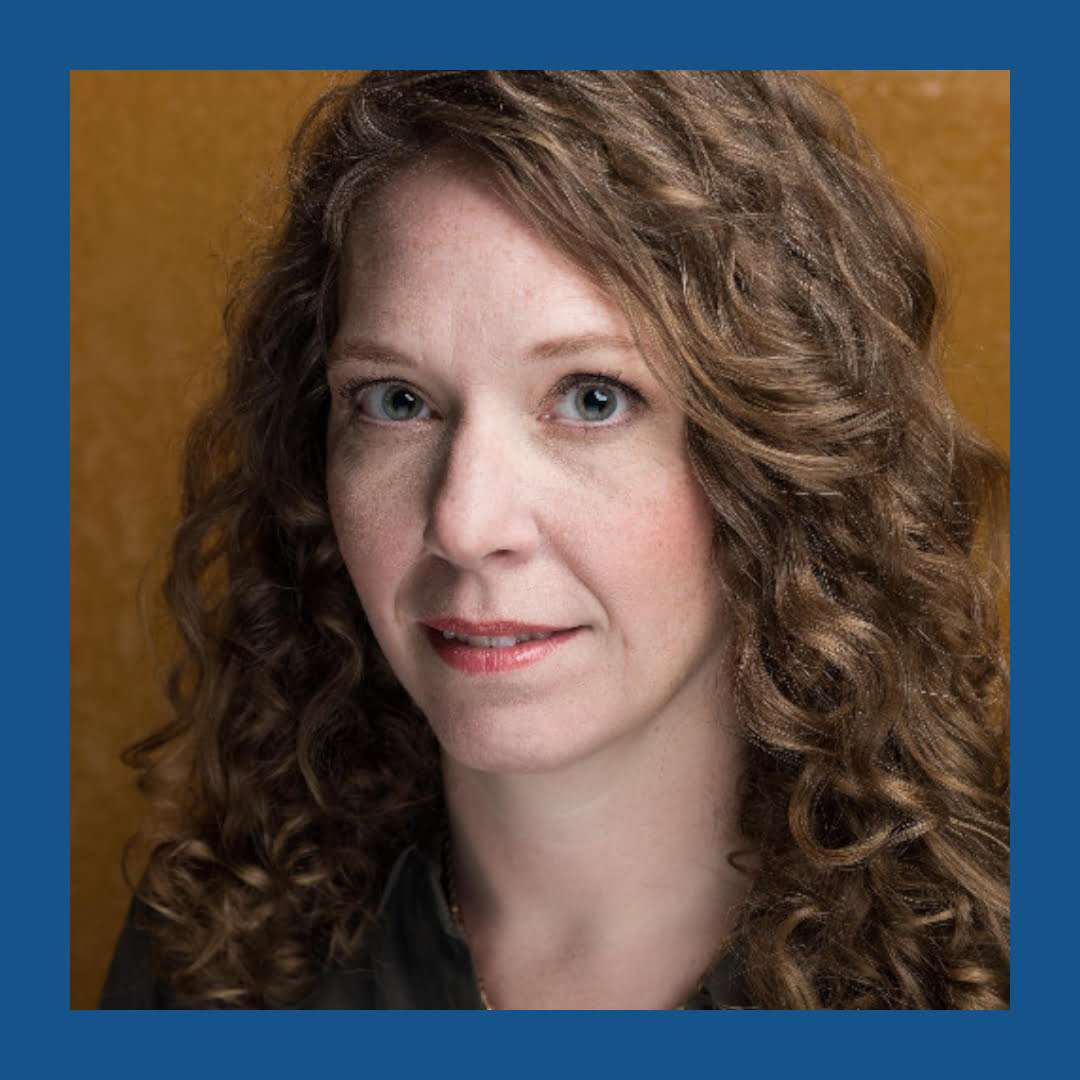
S2 Ep 49A Discussion About “Bad Habits” in Academia With Author Amy Gentry
This week on Papa PhD, I'm discussing a fictional book – a thriller set within academia – with author Amy Gentry.In our conversation, I talked with Amy about her personal experience going through a PhD in the humanities and about what aspects of that experience inspired her to write “Bad Habits”. Amy Gentry is the author of Good as Gone, a New York Times Notable Book, and Last Woman Standing. She is also a book reviewer and essayist whose work has appeared in numerous outlets, including the Chicago Tribune, Salon, the Paris Review, the Los Angeles Review of Books, and the Austin Chronicle.She holds a PhD in English from the University of Chicago and lives in Austin, Texas. Thank you, Amy Gentry! If you enjoyed this interview with Amy, let her know by clicking the link below and leaving her a message on Twitter:Click here to thank Amy Gentry on Twitter!Click here to share your key take-away from this interview with David! This episode’s resources: Amy Gentry | LinkedInAmy Gentry | TwitterAmy Gentry | WebsiteAmy Gentry - Bad Habits | Book You might also like the following episodes: Katie Wedemeyer-Strombel – Reshaping Your Career Through Change and UncertaintyKatya Park – Staying True to Your Life Plans During the PhDKerri Twigg – Retelling Your PhD Career StoryMonica Granados – A Vision of Graduate School For the 21st CenturyHave you checked out my course titled "PhDs and the Job Market - How to start preparing today", which is live now on the Academia.edu premium platform besides courses by Karen Kelsky, Ali Abdaal, Cathy Mazak, Damien Walter, among others?As part of an expansion of what they offer researchers through their new Premium service, Academia.edu has bet on offering them a diverse library of courses created an given by people like me – content creators from a wide range of academic and academia-adjacent spaces.All you need to do to access it is to follow the link below, register on Academia.edu if you haven't yet, and then upgrade to the premium membership.And as a bonus, if you upgrade using my affiliate link, they will be sending part of your subscription to me! So you'll be contributing to the production and improvement of the show! How cool is that?Just click on the button below and start exploring! Access "PhDs and the Job Market - How to start preparing today" now ! And if you find value in Papa PhD and in the content I bring you every week, click on one of the buttons below and send some of that value back to me by becoming a supporter on Patreon or by buying me a coffee :) Support the show on Patreon ! Or buy me a coffee :)
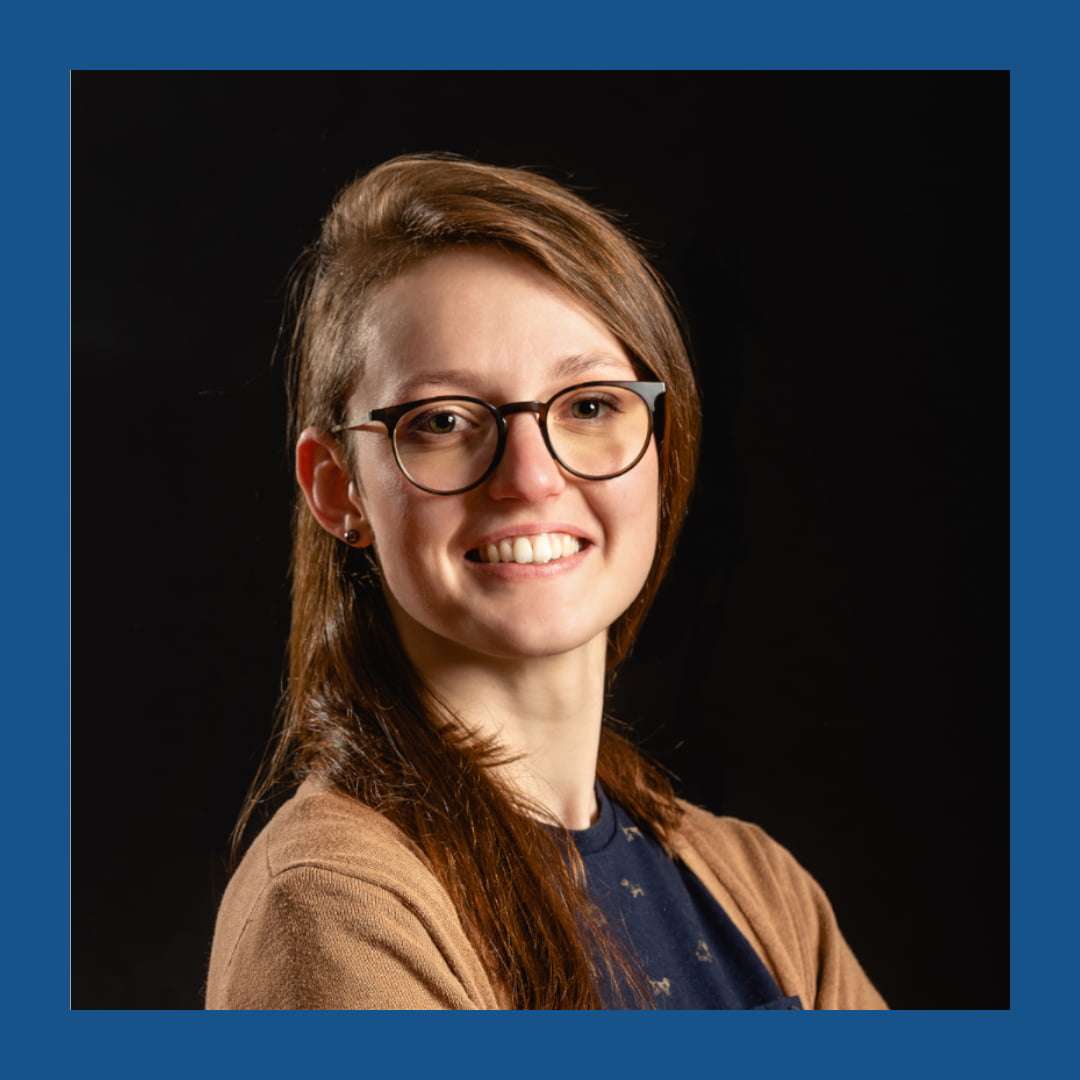
S2 Ep 48Marier science, art et entrepreneuriat avec Emilie L. Dubois
Tu aimes Papa PhD ? Laisse-moi un commentaire ici - une courte phrase suffit ! Et inclus ton identifiant Twitter – comme ça je pourrai te remercier personnellement !Est-ce qu'on peut se créer un métier en dehors de la recherche, mais sans s'éloigner de la science? Mon invitée de cette semaine - Emilie L. Dubois - s'est posé cette question et y a trouvé sa réponse dans le domaine du design graphique et de la communication scientifique, après avoir complété son doctorat dans le domaine des sciences de la vie. Dans cette entrevue, on a parlé de son trajet professionnel, mais aussi de ses réflexions à propos de son passage au doctorat. Ce que tu apprendras dans cet épisode : Comment Emilie a maintenu son amour de l'art tout au long de son parcours universitaireL'interface qu'Emilie a trouvé entre le design graphique et la représentation de données, pendant son doctoratLes défis auxquels fait face la communication scientifique aujourd'huiLes ressources auxquelles Emilie a eu recours pour se former en communication scientifqueComment s'améliorer et s'inspirer en observant ce qui nous entoureLa stimulation intellectuelle existe bel et bien en dehors de la rechercheLa différence entre entrepreneuriat et intrapreneuriatPourquoi docteur·es et startups font bon ménage Emilie a obtenu un doctorat en Biologie Cellulaire et Moléculaire à l'Université Laval en 2018. Elle s'est formée en graphisme, en communication et en entrepreneuriat pour se tourner vers la communication scientifique visuelle, et fonder lagence IMPAKT Scientifik.Aujourd'hui entourée d'une belle équipe, sa mission est d'accompagner les scientifiques et les entrepreneurs technologiques à faire rayonner leurs projets, grâce à des visuels percutants et une communication de qualité. Ensemble, ils développent des formations pour améliorer la communication scientifique de chacun et la maîtrise d'outils numériques.En parallèle, elle est impliquée comme mentor pour les étudiants (CBS, Canadian Biomaterials Society), accompagne occasionnellement des entrepreneurs en devenir, et fait partie du Comité d'Éthique de la Recherche du CÉGEP Garneau. Les ressources de cet épisode : Emilie L. Dubois | LinkedInEmilie L. Dubois | TwitterImpakt Scientifik | Site WebComment et où se former en communication scientifique ? | Article Merci Emilie ! Si cet entretien avec Emilie L. Dubois t'a plu, fais-lui en part en cliquant sur le lien ci-dessous et en lui laissant un message sur LinkedIn :Clique ici pour la remercier sur LinkedIn !Clique ici pour partager avec David le principal message que tu retiens de cet épisode ! Nouveauté - Sponsors J'ai créé sur le site web une nouvelle page où je partagerai avec toi les ressources que j'utilise et que je recommande en tant que producteur et animateur de Papa PhD.Je considère ces ressources et ces services des sponsors de Papa PhD et j'ai préparé avec eux des offres exclusives pour tous les auditeurs du podcast.Clique sur le bouton ci-dessous et rends-leur visite! Visite les sponsors de Papa PhD ! Tu aimeras aussi ces épisodes : Alexandra Martel – Être persuasif dans notre recherche d'emploi : PapaPhD.com/102Amandine Bugnicourt – Recrutement de PhDs : PapaPhD.com/74Emilie-Jade Poliquin – Déboulonner les mythes de l'emploi après de doctorat : PapaPhD.com/116Marie Itoiz – S'outiller pour l'après-doctorat : PapaPhD.com/108
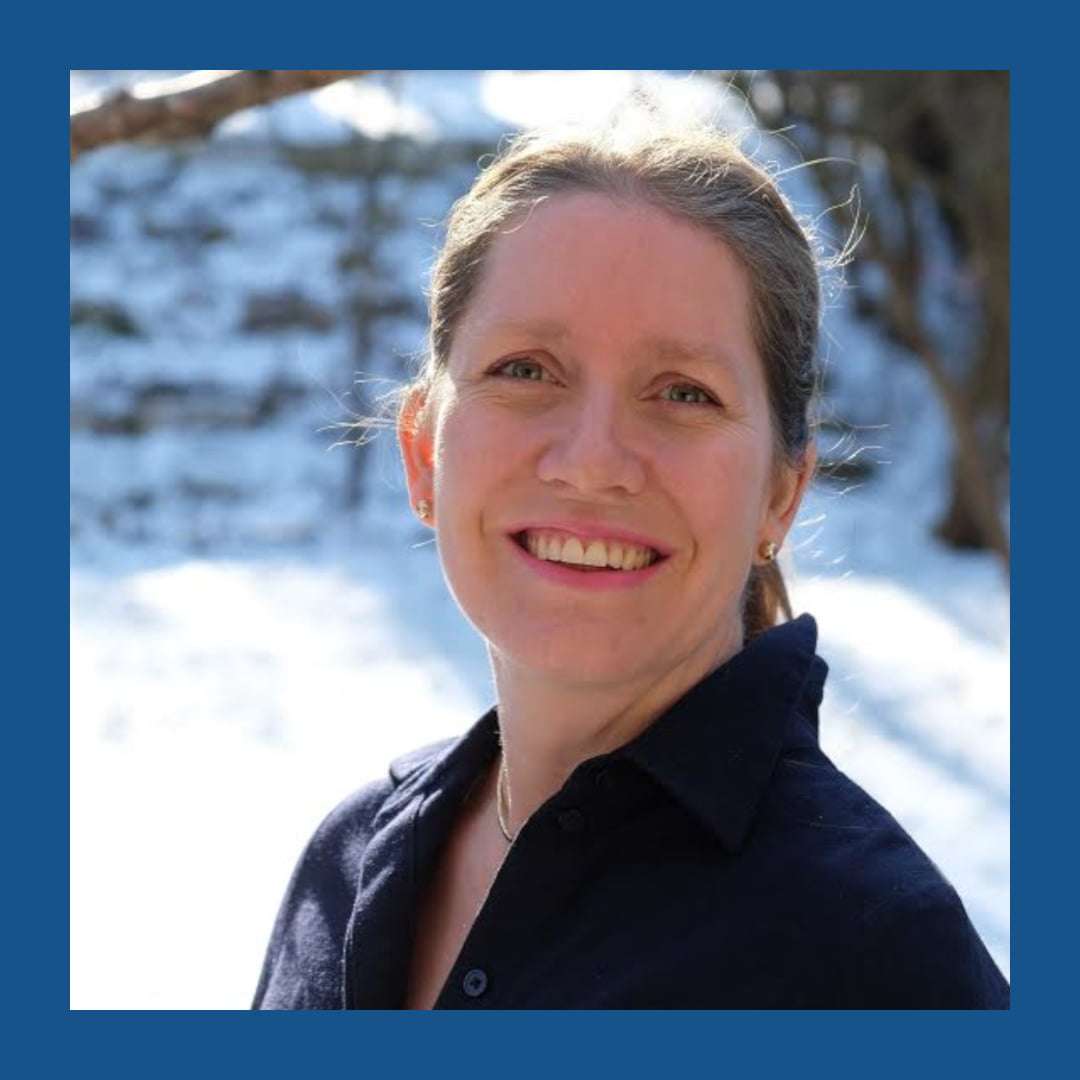
S2 Ep 47Staying True to Your Life Plans During the PhD with Katya Park
Hi! This week, I have the great pleasure of bringing you a conversation about life balance in graduate school with Katya Park. During the interview, Katya shared how during her PhD and postdoc she made sure to stay true to her life plans, namely those related to building a family, while working towards her goals, scientifically, and about how she dealt with the pressures and fears young researchers who want to start a family still experience, today. Katya did her PhD in molecular neuroscience at the University of Toronto, she defended when she was 7 months pregnant with her third son. Her post-doc was in molecular mechanisms involved in traumatic brain injury, and then she was the director of the Neurovascular Research team at a private health clinic. Wanting to get a broader picture of how things work, Katya left the lab and worked at the Ministry of Health. She currently manages a team of researchers and evaluators at the Ministry for Seniors and Accessibility. She misses science though and the conversations involved, so she and her husband (also a neuroscientist) have started their own scientific consulting company. Thank you, Katya Park! If you enjoyed this interview with Katya, let her know by clicking the link below and leaving her a message on LinkedIn: Click here to thank Katya Park on LinkedIn! Click here to share your key take-away from this interview with David! This episode’s resources: Katya Park | LinkedIn Katya Park | Website Today, I also have something very exciting to share. A couple of months ago, I was approached by Academia.edu to produce an online course for their new premium platform, and I accepted the challenge. And today, I can announce that my course titled "PhDs and the Job Market - How to start preparing today" is now live on the platform, besides courses by Karen Kelsky, Ali Abdaal, Cathy Mazak, Damien Walter, among others! As part of an expansion of what they offer researchers through their new Premium service, Academia.edu has bet on offering them a diverse library of courses created an given by people like me – content creators from a wide range of academic and academia-adjacent spaces. I've been wanting to offer you a condensed course based on my conversations on the podcast for a while, so I'm really thrilled to share the course with you, today. All you need to do to access it is to follow the link below, register on Academia.edu if you haven't yet, and then upgrade to the premium membership. And as a bonus, if you upgrade using my affiliate link, they will be sending part of your subscription to me! So you'll be contributing to the production and improvement of the show! How cool is that? Just click on the button below and start exploring! Access "PhDs and the Job Market - How to start preparing today" now ! You might also like the following episodes: Katie Wedemeyer-Strombel – Reshaping Your Career Through Change and Uncertainty Harinder Singh – Promoting Career Success in STEM Parag Mahanti – Networking and Job Hunting as a PhD Megan Kirk Chang – Bringing Down Stress Support the show on Patreon ! Or buy me a coffee :)

S2 Ep 46Psychologie, doctorat et transdisciplinarité avec Pierre-Henri Garnier
Télécharge la "Boîte à outils pour le doctorat" maintenant ! Salut! Cette semaine sur Papa PhD, je t'apporte une conversation au long de laquelle, avec mon invité, Pierre-Henri Garnier, on a parlé psychologie, transdisciplinarité et doctorat, et à la fin de laquelle il a partagé un exercice de réalité virtuelle (sans casque) qui t'aidera à maîtriser ton stress en identifiant où dans ton corps tu le ressens le plus. Bonne écoute! Ce que tu apprendras dans cet épisode : Un exercice d'autohypnose pour t'aider lorsque tu éprouves de l'anxiété ou du stress L'intérêt du doctorat en tant que psychologue L'ambivalence qu'on peut ressentir vers la fin de la thèse L'importance de se sentir soutenu par ses pairs et par son directeur de thèse Ce qu'est la cyberpsychologie Ce qu'est que l'approche transnumériste en psychologie Ce que le passage au doctorat apporte à Pierre-Henri dans son activité libérale Comment les Doctoriales ont ouvert les horizons de Pierre-Henri à l'interdisciplinarité et à la transdisciplinarité Tu aimes Papa PhD ? Laisse-moi un commentaire ici - une courte phrase suffit ! Et inclus ton identifiant Twitter – comme ça je pourrai te remercier personnellement ! Pierre-Henri Garnier est psychologue en libéral au centre interdisciplinaire de thérapie intégrative à Rezé près de Nantes. Il développe notamment une pratique en cyber thérapie utilisant l'hypnose associée à la réalité virtuelle. Il est également docteur en Sciences de l'information et communication. Grace à l'obtention d'une bourse ministérielle, Il a effectué son doctorat sous la direction du professeur Jean-Pierre Courtial, au sein de la maison des Sciences de l'homme à Nantes. Après son doctorat, Pierre-Henri a notamment exercé une dizaine d'années en tant que psychologue au chu de Nantes, en diabétologie pédiatrique puis en soin de support et soin palliatifs. Aujourd'hui il exerce en libéral et ses compétences de docteur structure sa pratique. Elles lui permettent d'être chercheur associé au sein du centre fédératif douleur soin de support et soin palliatifs du chu de Nantes. En lien avec sa pratique de clinicien, il est également enseignant et formateur dans le domaine de la communication et éducation thérapeutique, en hypnose thérapeutique. Il développe notamment avec son ancien directeur de thèse une approche dite transnumériste dans le champ des psychothérapies et nouvelles technologies, la réalité virtuelle plus particulièrement. Un docteur psychologue clinicien transdisciplinaire, transnumériste et passionné de la transe créative et hypnotique. Merci Pierre-Henri ! Si cet entretien avec Pierre-Henri Garnier t'a plu, fais-lui en part en cliquant sur le lien ci-dessous et en lui laissant un message sur LinkedIn : Clique ici pour le remercier sur LinkedIn ! Clique ici pour partager avec David le principal message que tu retiens de cet épisode ! Les perles de sagesse de Pierre-Henri : « De mon point de vue de psychologue, il y a tout un travail à faire auprès des étudiants de repérage de ce qui sonne juste pour eux, mais au niveau corporel – pas dans la tête. Sauf que parfois, en tant que doctorant, on est un peu dissocié, on dirait en hypnose. On est plus dans la tête que dans le corps, donc ça peut être vire piégeant d'écouter davantage sa pensée et son intellect que son corps. Et donc, je rejois tout à fait ton message de prévention – chers auditeurs, écoutez votre intuition, ce que vous ressentez et généralement, ça vous guide, en fait. » « Le stress est utile, donc il faut plutôt le filtrer et dialoguer avec lui, et trouver la juste distance entre ce qui est négatif de ce stress-là. On exorcise le côté négatif et on endorcise le côté ressource, sécurisant, positif. Mais l'astuce, c'est vraiment d'être dans le corps, dans la sensation, dans l'exception du corps qui ressent la sécurité. » Les ressources de cet épisode : Pierre-Henri Garnier | LinkedIn Pierre-Henri-Garnier | Facebook
S2 Ep 45Reshaping Your Career Through Change and Uncertainty with Katie Wedemeyer-Strombel
Hi! Before introducing today's guest, and to celebrate two years of Papa PhD, I'd like to extend an invitation directly to you.If you have a question about one of the episodes of Papa PhD, or if you'd like me to connect you with the people you hear on the podcast, or if you'd like to contribute in any way to Papa PhD, with suggestions or even content, email me at [email protected]'ll be happy to reply and, eventually, discuss your ideas with you. I'm currently thinking about Season 3, and it's time to brainstorm, so don't hesitate!Now - talking about things changing, In this week's episode, my guest – Katie Wedemeyer-Strombel – talks about all that has changed for her in these last two years professionally, and about how she dealt with the sudden change and uncertainty the COVID pandemic brought onto the industry she works in and onto her career journey. What you’ll learn about in this episode: What led Katie to do her PhDWhy you shouldn't accept emotional abuse in graduate schoolHow she dealt with switching labs during her PhD, looking for a better learning environmentThe importance of having a support network and of looking for help if graduate school is affecting your mental healthHow having academic mentors outside the lab can help you navigate difficult timesHow Katie's resourcefulness and will to help helped her navigate to a new position within her company, during the pandemic Thank you, Katie Wedemeyer-Strombel! If you enjoyed this interview with Katie, let her know by clicking the link below and leaving her a message on Twitter:Click here to thank Katie Wedemeyer-Strombel on Twitter!Click here to share your key take-away from this interview with David! Support the show on Patreon ! Or buy me a coffee :) Katie's pearls of wisdom: “I had a lot of grief and resentment towards my PhD, and I've most recently just even gotten over it, now. It's taken therapy and a lot of self-reflection, and a lot of realizing that I did learn really valuable skills that just in academia aren't highlighted as much. Right? I have published papers, I have grants to my name... People where I work now don't care. But I'm really resourceful. If you need something figured out, I know how to do the research, to figure out what the best way to do it is. You need me to jump in somewhere. I mean, I did a lot of field work in remote locations where I had no Internet access, very little contact with my mentors or anyone outside of where I was located. So I had to McGyver or a lot of stuff. All these different skills, writing, editing, research, networking, collaboration, thinking on your feet. Those are all skills that you've learned, that you kind of underplay in academia, because it doesn't necessarily... you know, it's not your research record.”“One of the things that was tough for me to do, that I wish I would have started doing in grad school was putting together a portfolio of syllabi I had created, any guest lectures, any outreach lectures that I had done, maybe to K12 or up to undergrad classes. At a lot of places, at least in what I do, they want a portfolio – "What content have you created? - Well, I've published papers" – that's not what they want.”“Because I always liked teaching, I did seek out extra teaching opportunities and curriculum development opportunities as a PhD – that all counts as professional experience. I was in charge of developing a curriculum, four courses, as a PhD student. On my CV or on my resume, I can write: I have curriculum development experience and I've been doing it for the last five years. Was my job title learning experience designer, like it is now? No, but that's exactly what I was doing in that role. So many of the other tasks that we do have resume line items that are a big deal, and really valuable in the corporate world.”Katie Wedemeyer-Strombel loves to spend time outdoors with her husband and dog and believes t...
S2 Ep 44Déboulonner les mythes de l’emploi après le doctorat avec Emilie-Jade Poliquin
Contribue à la production de Papa PhD sur Patreon ! Ou ravitaille David en café :) Salut! Avant de te présenter l'invitée d'aujourd'hui, et pour célébrer les deux ans de Papa PhD, j'aimerais t'étendre une invitation, directement à toi.Si un des épisodes de Papa PhD a suscité chez toi une question, ou si tu aimerais que je temette en contact avec les gens que tu vois passer sur le podcast, ou, encore, ou si tu aimerais contribuer d'une façon ou d'une autre à Papa PhD, avec des suggestions ou même du contenu, écris-moi à [email protected].Ça me fera plaisir de te répondre et, éventuellement, d'en discuter avec toi. Je réfléchis en ce moment à la Saison 3, et c'est le moment de brasser des idées! Donc, n'hésite pas!Et en parlant de brassage d'idées, dans la conversation que je partage avec toi cette semaine, j'ai le plaisir de t'apporter Emilie-Jade Poliquin, qui travaille à la direction générale de l'INRS, et avec qui j'ai parlé des mythes qui entourent la question des débouchés professionnels pour les docteur.e.s. Ce que tu apprendras dans cet épisode : Comment l'implication dans les associations étudiantes a enrichi le parcours académique d'Emilie-Jade et lui a apporté d'intéressantes compétences transversalesPourquoi le choix d'université est important si l'associativisme t'intéressePourquoi le mythe selon lequel la vie des étudiants aux cycles supérieurs doit être monastique est dangereuxComment échapper à l'effet tunnel pendant don doctoratLe discours pernicieux autour du plan B, au doctorat, teinté de la notion d'échecPourquoi il faut déboulonner le mythe de la surqualification des docteur.e.sL'important d'avoir des différents modèles de parcours après le doctorat sur lesquels s'inspirerLes portes qui s'ouvrent à nous quand on prend l'approche "multivers" d'options de carrièreComment répondre à la question "Mais pourquoi tu as fait un doctorat, alors?" en entrevue d'emploiTu aimes Papa PhD ? Laisse-moi un commentaire ici - une courte phrase suffit ! Et inclus ton identifiant Twitter – comme ça je pourrai te remercier personnellement ! Emilie-Jade Poliquin est conseillère en relations gouvernementales à la direction générale de l’Institut national de la recherche scientifique (INRS). Au cours de ses études aux cycles supérieurs, réalisées à l’Université Laval en cotutelle avec l’Université Toulouse II Jean-Jaurès, et de son stage postdoctoral fait à l’Université Columbia de New York, elle s’est principalement intéressée à la mise en forme de la connaissance scientifique à l’époque gréco-romaine. Ses nombreuses implications, dans des associations étudiantes notamment, ont marqué son parcours et l’ont poussé à s’interroger sur les moyens de mieux préparer la communauté étudiante aux cycles supérieurs à leur arrivée sur le marché du travail. Elle tient depuis janvier 2021 une chronique nommée « Prof ou pas » dans le magazine Affaires universitaires. Merci Emilie-Jade! Si cet entretien avec Emilie-Jade Poliquin t'a plu, fais-lui en part en cliquant sur le lien ci-dessous et en lui laissant un message sur LinkedIn :Clique ici pour la remercier sur LinkedIn !Clique ici pour partager avec David le principal message que tu retiens de cet épisode ! Télécharge la "Boîte à outils pour le doctorat" maintenant ! Les perles de sagesse d'Emilie-Jade : « Moi, si j'ai un message à passer, c'Est de toujours essayer de garder un contact avec la réalité. Que ça soit par le sport, que ça soit par la culture, en faisant de la musique ou du théâtre, les implications, le bénévolat, que ça soit à l'intérieur ou à l'extérieur de l'université, c'est un moyen de garder notre tête sur nos épaules. Mais aussi, c'est particulier, parce qu'on parle beaucoup de réseautage, aussi, pour être capable d'avoir un emploi, plus tard, et ces emplois-là sont de plus en plus à l'extérieur de l'université, donc le réseautage, c'Est important.
S2 Ep 43Promoting Career Success in STEM with Harinder Singh
Hi! This week I have the pleasure of bringing you someone whose mission is to help graduate students and postdocs with their career development. As Director of UC Irvine's GPS-STEM Program, Harinder Singh achieves this transition support through different approaches, including training, mentoring, and networking. During our conversation, we talked about how he got interested and involved in conversations and organizations around the post-PhD career question and about his view on what the landscape is looking like today. What you’ll learn about in this episode: What Harinder did when he asked himself "Where do PhDs go?"The power of being part of graduate student and postdoc associationsHow Harinder busted the myth that getting involved in projects outside the lab hinders your productivityHow pairing academic training with career training increased faculty adhesion to the GPS-STEM ProgramWhy taking part student-led initiatives is an extremely enriching experience and how it brought Harinder to his current positionHow to fund your student-led symposia and other projects from your bench Harinder Singh is Program Director, Graduate Professional Success in S.T.E.M. at UC Irvine. Previously, Harinder served as the Associate Director for the NIH-BEST funded program, GPS-BIOMED from 2018 2019. He earned his Doctorate in Cardiovascular biology from the Temple University School of Medicine, Philadelphia in 2014 and conducted Postdoctoral training in Neurosciences at the University of Illinois at Chicago from 2014 to 2018. Harinder served many executive roles in a Chicago based Scientist organization, CHIentist, dedicated to providing a networking platform for junior researchers & industry professionals. He was appointed to the Board of Directors of the science advocacy organization, Future of Research, with a mission to engage & empower early career scientists with evidence-based resources in improving the scientific research endeavor. As the leader of UC Irvine’s GPS-STEM program, Harinder is dedicated to finding solutions that broaden research training, foster relationships between academia and the private sector, and raise awareness on how academic discoveries advance society. Thank you, Harinder Singh! If you enjoyed this interview with Mark, let him know by clicking the link below and leaving him a message on Twitter:Click here to thank Harinder Singh on Twitter!Click here to share your key take-away from this interview with David! Support the show on Patreon ! Or buy me a coffee :) Harinder's pearls of wisdom: “When you listen to this podcast and listen to me and David, you try to connect with me, do not just connect - write something in the brief note, short note. "Hello Harinder! It was wonderful listening to you for the Papa PhD podcast with David". If you liked the podcast, say that you liked it and you would like to keep in touch. There you go - my connection with you. In the future if you're applying to some job and you see that this is the company, had these other people who work in company, which you can actually see on LinkedIn, and then it will also tell you those people who are working, who they are connected to. You see that they are connected to me, now this is your gateway to getting into that company. Write a message - "Harinder, I saw that you are connected with this person, I'm applying to this position - would you be ok connecting me to them?" And when I see that you had written me a message in the past where you heard the podcast, and we connected, 99% of times, I'm going to respond to you. If I do not see a message or a history of past messages as to why you're connecting, I am not going to respond.”“If you don't have it, ask for it. If they are not doing it, you do it. You're scientists – you're entrepreneurial. You sit, read a paper, identify the void – it's almost like doing a market research. And now,
S2 Ep 42Être bien dans sa thèse avec Mathilde Maillard
Contribue à la production de Papa PhD sur Patreon ! Ou ravitaille David en café :) Cette semaine, j'ai le plaisir de t'apporter ma conversation avec Mathilde Maillard, créatrice du podcast "Bien dans ma thèse" et du talk show Twitch "Le doctorat part en live!" Une conversation entre deux podcasteur.e.s est souvent animée et dynamique. Avec Mathilde, le fait qu'elle est une influenceuse qui se dédie à la promotion du doctorat a rendu notre échange encore plus intéressant :) Ce que tu apprendras dans cet épisode : Le parcours atypique de Mathilde et l'intérêt d'un parcours interdisciplinaireL'intérêt de bouger entre stage, master et doctoratLes défis qu'apportent le COVID et le Brexit aux voyages pendant la thèseComment le podcast Bien dans ma thèse est néComment un doctorat nous prépare pour l'entrepreneuriatLes conseils de Mathilde Maillard pour être bien dans sa thèse même en temps de pandémieTu aimes Papa PhD ? Laisse-moi un commentaire ici - une courte phrase suffit ! Et inclus ton identifiant Twitter – comme ça je pourrai te remercier personnellement ! Mathilde Maillard est en troisième année de Doctorat au sein du laboratoire MATEIS à l'INSA de Lyon. Sa thèse s'intitule : Relation entre propriétés rhéologiques, mécaniques et imprimabilité de pièces mono et multi-matériaux céramiques réalisées par fabrication additives. En gros, elle utilise une imprimante 3D pour fabriquer des pièces céramiques qui seront utilisées dans le domaine biomédical. Merci Mathilde! Si cet entretien avec Mathilde Maillard t'a plu, fais-lui en part en cliquant sur le lien ci-dessous et en lui laissant un message sur LinkedIn :Clique ici pour la remercier sur LinkedIn !Clique ici pour partager avec David le principal message que tu retiens de cet épisode ! Télécharge la "Boîte à outils pour le doctorat" maintenant ! Les perles de sagesse de Mathilde : « Moi, j'irais même un peu plus loin. Maintenant je trouve dommage les gens qui font toute leur scolarité, jusqu'au doctorat, au même endroit et qui font leur stage au même endroit. Et vraiment, moi je pense qu'il faut arrêter de penser comme ça, même si des fois, oui, c'est facile parce que les profs vous connaissent. Oui, c'est facile, mais en fait, ce n'est pas ça, et je pense qu'il faut aller au-delà de ça et, justement, encourager les étudiants à ne pas rester au même endroit, à ne pas faire leur stage au même endroit, à ne pas faire leur doctorat au même endroit. »« Oui, en France, il y a ce mouvement de parler de la startup, de rendre ça normal, de rendre ça possible et de dire aux gens "Vous avez les compétences, vous avez la possibilité de le faire." Malheureusement, encore une fois, ce qui peut freiner des doctorant.e.s, c'est toujours pareil - c'est l'équipe encadrante et que, malheureusement, parfois on peut se trouver face à des directeurs, directices de thèse qui sont complètement réfractaires à ce domaine-là. qui ne voient pas du tout l'intérêt de valoriser ses travaux de recherche autre que dans le domaine public. » Les ressources de cet épisode : Mathilde Maillard | LinkedInBien dans ma thèse | Site WebBien dans ma Thèse | YouTubeProgramme Jeunes Chercheurs Spécial Startup | Site Web Tu aimeras aussi ces épisodes : Elodie Chabrol – La passion pour la science et pour la vulgarisation : PapaPhD.com/33Elodie Cheyrou – Rapprocher science et société : PapaPhD.com/91Émilie Doré – Venir en aide aux doctorant.e.s en SHS : PapaPhD.com/112Martha Boeglin – Débloquer la rédaction de thèse : PapaPhD.com/96
S2 Ep 41Expanding the PhD Career Toolkit with Mark Herschberg
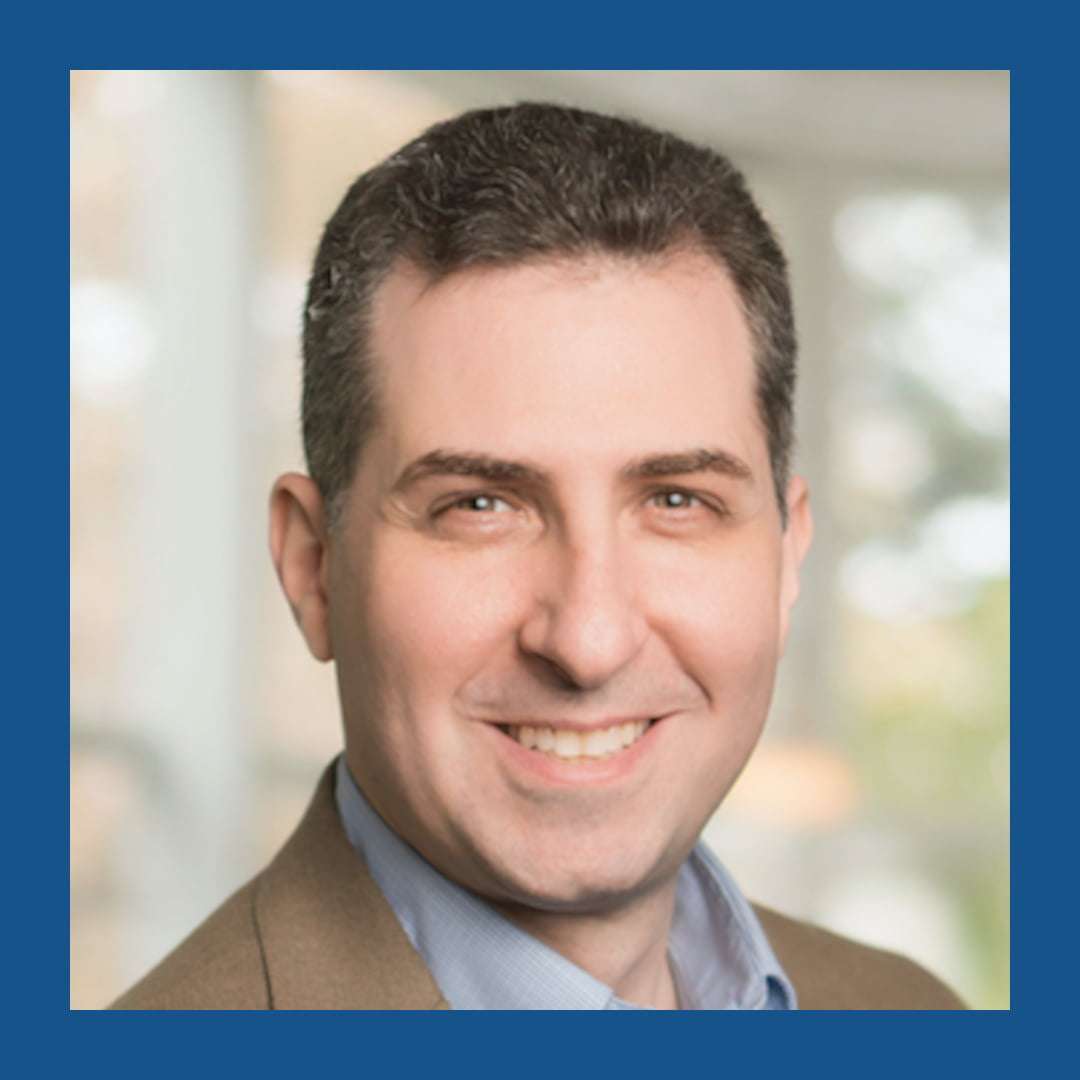
Support the show on Patreon ! Or buy me a coffee :) Welcome to another episode of Papa PhD. This week I have the pleasure of sharing one of the longest interviews of the season, but also one of the most jam-packed with insights and advice on how to take control of your career as a PhD, be it in academia our outside of it. So be sure to have pen and paper before hitting play on this Papa PhD interview with Mark Herschberg! What you’ll learn about in this episode: Mark's academic journeyThe motivation behind his book - The Career ToolkitWhy time spent developing career skills is well investedYou shouldn't take your career decisions in a vacuum - start talking to people about their careers nowHow to network as an introvertThe cultural differences between academia and industryWhy you should negotiate compensation, not only salaryHow building and updating a career plan can help youHow to find your place in an organization where you're the first PhDThe importance of building your personal brand in today's market Mark Herschberg is the author of The Career Toolkit, Essential Skills for Success That No One Taught You. From tracking criminals and terrorists on the dark web to creating marketplaces and new authentication systems, Mark has spent his career launching and developing new ventures at startups and Fortune 500s and in academia. He helped to start the Undergraduate Practice Opportunities Program, dubbed MIT’s “career success accelerator,” where he teaches annually. At MIT, he received a B.S. in physics, a B.S. in electrical engineering & computer science, and a M.Eng. in electrical engineering & computer science, focusing on cryptography. At Harvard Business School, Mark helped create a platform used to teach finance at prominent business schools. He also works with many non-profits, including Techie Youth and Plant A Million Corals. He was one of the top-ranked ballroom dancers in the country and now lives in New York City.You can learn where to purchase "The Career Toolkit: Essential Skills for Success That No One Taught You" at:www.TheCareerToolkitBook.com Thank you, Mark Herschberg! If you enjoyed this interview with Mark, let him know by clicking the link below and leaving him a message on Twitter:Click here to thank Mark Herschberg on Twitter!Click here to share your key take-away from this interview with David! Mark's pearls of wisdom: “Negotiations are a skill that you should learn. So imagine the following scenario: You get a job outside of academia, you take your first industry job. Maybe you're 30 years old. Let's say they offer you 80,000 dollars and you negotiate to 81,000. Not a massive lift, right? We can all imagine doing that. If you do nothing else, you just sit in that job the rest of your career, you spend another 35 years working at this one job – you just made 35,000 dollars. One negotiation, tiny lift – 35,000 dollars. Now, imagine that you don't just sit in one job, right? You, of course, takes other jobs. You get promotions, you negotiate those. Again, you negotiate for maybe just a few thousand more. These aren't heavy lifts, you're not some world class negotiator – you're just doing a little better. You can literally add tens of thousands, even hundreds of thousands of dollars to your lifetime income.”“I am naturally an introvert. Here's the thing – you think about that stereotype of a networker who does go to the conference and schmoozes everyone and gives out cards. Yeah, that's not networking. It's one way to do it, but that's not the only way. If you've ever had a friend, you know how to network. It is just building a relationship. Now, it doesn't mean everyone in your network is your personal fiend, right? There's some people who are my friends and they're in my network, there's some people we're just business contacts. We don't hang out on weekends, but we can call each other, reach out,
S2 Ep 40Venir en aide aux doctorant.e.s en SHS avec Emilie Doré
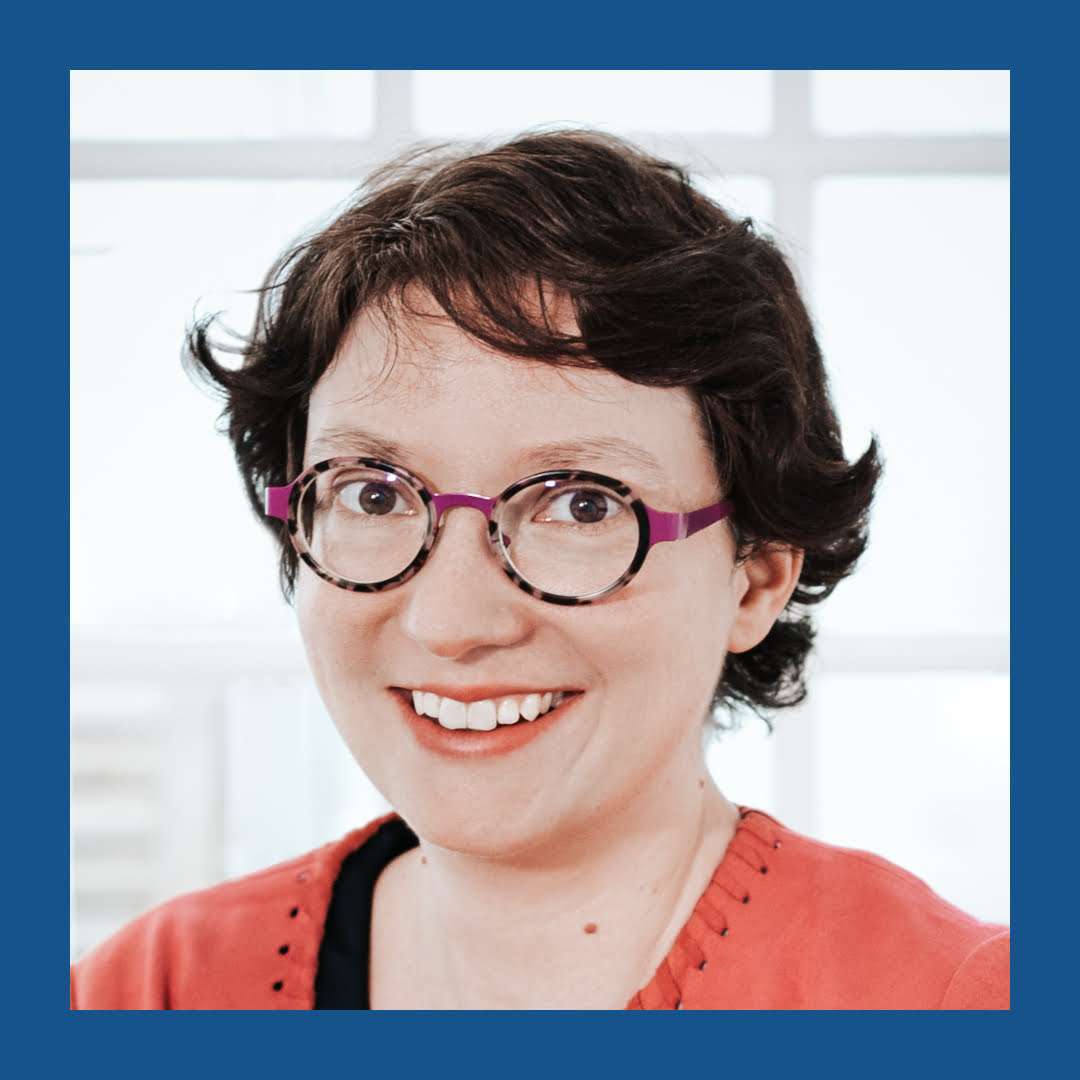
Contribue à la production de Papa PhD sur Patreon ! Ou ravitaille David en café :) Cette semaine, je t'apporte une conversation où, avec Émilie Doré de Réussir son doctorat, on fait une radiographie des défis actuels de l'expérience de la thèse en sciences humaines et sociales (SHS) et où on discute des pistes à suivre pour offrir aux doctorant.e.s une expérience formatrice et davantage épanouissante. Ce que tu apprendras dans cet épisode : La réalité des thèses sans financement en SHSCe qui a mené Émilie à ne pas reconduire son contrat de postdoctoratL'état de la santé mentale des doctorant.e.s aujourd'huiPourquoi le modèle des sciences exactes ou naturelles ne foncionne pas pour un doctorat en SHSL'importance de trouver des espaces bienveillants pour échanger avec des pairs à propos de notre expérience du doctoratL'importance d'échanger le perfectionnisme et des échéances irréalistse par la confiance et la régularitéLes changements qui se font aujourd'hui dans la formation des encadrantsPourquoi la thèse en vaut la chandelleTu aimes Papa PhD ? Laisse-moi un commentaire ici - une courte phrase suffit ! Et inclus ton identifiant Twitter – comme ça je pourrai te remercier personnellement ! Emilie Doré a soutenu une thèse en sociologie en 2009 à l'Ecole de Hautes Etudes à Paris, puis elle a commencé une carrière de chercheuse par la voie classique : un post-doctorat. Pourtant, en 2012, Emilie décidé de trouver un chemin plus aligné avec sa vision et son rythme de vie ; elle est devenue formatrice indépendante auprès des doctorants. Son rôle ? Leur permettre d'oser exprimer leur créativité et leur singularité dans leur thèse - tout en suivant les règles du jeu académique. Sa mission : que la thèse soit pour les doctorants une expérience de plaisir intellectuel et d'affirmation personnelle ! Merci Emilie ! Si cet entretien avec Emilie Doré t'a plu, fais-lui en part en cliquant sur le lien ci-dessous et en lui laissant un message sur LinkedIn :Clique ici pour la remercier sur LinkedIn !Clique ici pour partager avec David le principal message que tu retiens de cet épisode ! Télécharge la "Boîte à outils pour le doctorat" maintenant ! Les perles de sagesse d'Emilie : « Le plainte qui revient souvent c'est justement cette question du temps, à savoir "je suis trop lent, je suis trop lente – je n'arrive pas à tenir mes échéances." Et ça, c'est surtout quand on s'approche de la fin de la thèse, où la pression monte, bien sûr. Et ce qu'il y a derrière, quand on creuse un peu, c'est que le doctorant peut-être qu'il a une famille, peut-être qu'il doit travailler à côté, dans le cas des doctorantes, il peut y avoir des maternités qui arrivent. En fait, il y a la vie à coté de la thèse et ils aimeraient bien, eux, être dans un monastère, dans une bulle, et faire la thèse et ne faire que ça, s'y consacrer. Et, alors, peut-être qu'ils se disent "dans ces cas-là j'y arriverais." Mais en réalité, ça ne peut pas être comme ça. La thèse, elle se fait au sein de notre vie et elle doit se faire en harmonie avec notre vie. »« La diversité dans la recherche, elle existe, à la base, fortement. Et puis elle existe pour les maitres de conférences – un peu moins, mais quand même, encore – et pour les professeurs, c'est-à-dire qu'en fait, plus on va monter dans les échelons, plus la diversité se perd. C'est-à-dire que ça infuse lentement, en réalité. »« En étant plus ouverts, on ne va pas perdre en rigueur intellectuelle. On peut tout à fait avoir une recherche plus ouverte, qui donne plus d'espace à la créativité, à la singularité, à la liberté des doctorants et qui gardera sa qualité. Et, même, qui peut être plus qualitative, parce que ça n'est pas contradictoire avec la rigueur des raisonnements, de l'argumentation que peuvent mettre en place ces doctorants. » Les ressources de cet épisode : Emilie Doré | LinkedInEmilie Doré | FacebookRéussir Sa ...

S2 Ep 39A Vision of Graduate School for the 21st Century With Monica Granados
Support the show on Patreon ! Or buy me a coffee :) This week on the show, I bring you a very lucid and pleasant conversation about how the graduate school experience could improve with Monica Granados, Policy advisor at Environment and Climate Change Canada. A lot of the conversation revolved around a subject that I'm passionate about - how can we change the PhD experience so it works for all candidates, effectively launching them towards successful academic, but also non-academic careers. During our conversation, Monica shared her reflections on this issue, basing them on her own experience going through her PhD and her postdoc. What you’ll learn about in this episode: Monica's path from PhD to postdoc, to her current position in a governmental institute Her views on paths toward adapting graduate programs to the current reality of the academic job market The importance of looking for a mentor as you start your graduate studies, especially if you are first generation graduate student How Monica experienced the stigma that still exists around deciding to leave academia How Monica sees the explicit and less explicit skills developed during her PhD that she leverages in her current position What a privileged time the PhD is to learn everything that interests you How important it is to have a community outside the lab for your personal growth, for your mental health, and for your networking Dr. Monica Granados is committed to making science more open and accessible. She is open science and data policy advisor at Environment and Climate Change Canada, she is on the leadership team of PREreview working to bring more diversity to peer review, she’s a Frictionless Data Fellow and is on the Board of Directors of the Canadian Open Data Society. Thank you, Monica Granados! If you enjoyed this interview with Monica, let her know by clicking the link below and leaving her a message on Twitter: Click here to thank Monica Granados on Twitter! Click here to share your key take-away from this interview with David! Monica's pearls of wisdom: “The point of a PhD cannot be to become a professor, it can be an option. The PhD is an amazing time where you get to ask really cool questions and meet a lot of other passionate people who are interested in asking questions. And you learn how to do research and how to think through problems, and think through experiments to try to answer those questions. And it's learning how to do those things - that's what you're doing in a PhD. Your outputs are these papers becaust that's what academia tells you that those are the outputs that should be, which, for the record, are not even the best way for us to be communicating what our results are. But it's you learning those elements - that's the output of a PhD, that's what you're getting into a PhD to learn.” “Learning how to do science is really important and I think one of the major things that comes out of your PhD, but what gave me this incredible career is this thing that I was doing on the side, that wasn't being recognized, and that I kind of had to do it in secret. And I think that's sort of the crux of what we should discuss, and that is how do we build an environment, how do we build academic programs that allow you equal time for both and recognize both. I would like to see incoming graduate students outlining their work plan - you know, they talk about how many publications they want to do or how many collaborations they want to be a part of, but also... it should also be "Well, I also want to learn how to code and I also want to learn about science communication". And having those conversation initially, with your supervisor, so that that becomes part of your program. If I could redo it, that's what I would have done. Because sometimes I felt guilty that I was doing these things, even though in the end that's what gave me my career!” “Think about all these skills that you're gaining during a PhD and think about how you ca...
S2 Ep 38Dans les coulisses de Thésard-es avec Jeanne Perrier et Marianne Le Gagneur
Contribue à la production de Papa PhD sur Patreon ! Cette semaine, j'ai l'énorme plaisir de t'apporter les deux chercheuses derrière Thésard-es, un podcast sur la vie de thèse dans le domaine des sciences sociales. Au fil de notre conversation, Jeanne Perrier et Marianne Le Gagneur ont partagé avec moi non seulement leur expérience en tant que chercheuses, mais aussi les questions qui les passionnent à propos du doctorat tel que le vivent les thésardes et thésards en France aujourd'hui. Ce que tu apprendras dans cet épisode : Ce qu'est le podcast Thésard-esCe qu'est une thèse CIFRE et quels sont ses avantagesLes problématiques particulières aux thèses en sciences socialesVos compétences insoupçonnées développées au long de votre doctoratLe besoin de mieux coordonner les sciences sociales et le sciences humainesL'autoévaluation des connaissances pendant la thèse - est-ce qu'elle devrait être obligatoire?La réalité des thèses sans financementQuelle place occupe un.e doctorant.e en sciences sociales dans une entreprise dans le cadre d'une thèse CIFRE ?Tu aimes Papa PhD ? Laisse-moi un commentaire ici - une courte phrase suffit ! Et inclus ton identifiant Twitter – comme ça je pourrai te remercier personnellement ! Thésard-es est un podcast sur les doctorant-es en sciences humaines et sociales, qui les fait parler de leur recherches en cours et de leur expérience de la thèse. Il est réalisé par Marianne Le Gagneur, doctorante en sociologie, et Jeanne Perrier, docteure en sciences politique. Merci Jeanne et Marianne ! Si cet entretien avec Jeanne Perrier et Marianne Le Gagneur t'a plu, fais-leur en part en cliquant sur le lien ci-dessous et en leur laissant un message sur LinkedIn :Clique ici pour les remercier sur Twitter !Clique ici pour partager avec David le principal message que tu retiens de cet épisode ! Télécharge la "Boîte à outils pour le doctorat" maintenant ! Les perles de sagesse de Jeanne et Marianne : « Jeanne Perrier : Une thèse en sciences politiques, en sociologie, en géographie, c'est des domaines qui restent très dans le livres, en fait. Et on a l'impression qu'il n'y a pas beaucoup de domaines d'application. Et ce qui, mois aussi, m'a amenée, après la thèse, justement, à me poser beaucoup de questions sur "qu'est-ce que je fais avec ça?", parce que je n'étais pas forcément sûre de vouloir continuer dans le monde académique. Marianne Le Gagneur : Et c'est aussi un autre sujet qui va avec la question des financements, c'est ces thèses qui s'allongent pour aller jusqu'en cinquième, en sixième année, parce qu'en fait on attend de la thèse, maintenant, énormément. Il faut des publications, il faut plein de chose, en plus, de la thèse, ce qui fait qu'en fait ça dure très longtemps et que les gens ont du mal è comprendre pourquoi... Est-ce qu'on est en train de ne pas avancer? Est-ce qu'on est en train de prendre du retard? À la fois oui, mais en même temps, on n'a pas le choix que de faire des thèses très longues, quelque part. »« Jeanne Perrier : Moi, de ce que j'ai pu entendre, en tout cas, dans mon entourage, c'est qu'il y a quand même un gros fossé entre ceux qui décident de continuer la recherche académique et ceux qui ne veulent pas. Et, du coup, pas forcément considérés de la même manière, même au sein de leur laboratoire. C'est-à-dire qu'il y a quand même un espèce d'a priori pour ceux qui ne veulent pas continuer dans le milieu académique et qui disent "Eh bien, en fait, moi, je veux aller dans le privé." Je trouve que la considération n'est plus la même et ça aussi, ça pose problème, parce que ça voudrait dire qu'il y a une carrière qui est moins bien que l'autre ou qui est moins prestigieuse que l'autre. Marianne Le Gagneur : Et en plus de ça il y a aussi beaucoup de gens qui s'orientent vers la thèse délibérément, pour mettre de côté des carrières dans le monde du privé, où la thèse devient,
S2 Ep 37Networking and Job Hunting as a PhD With Parag Mahanti
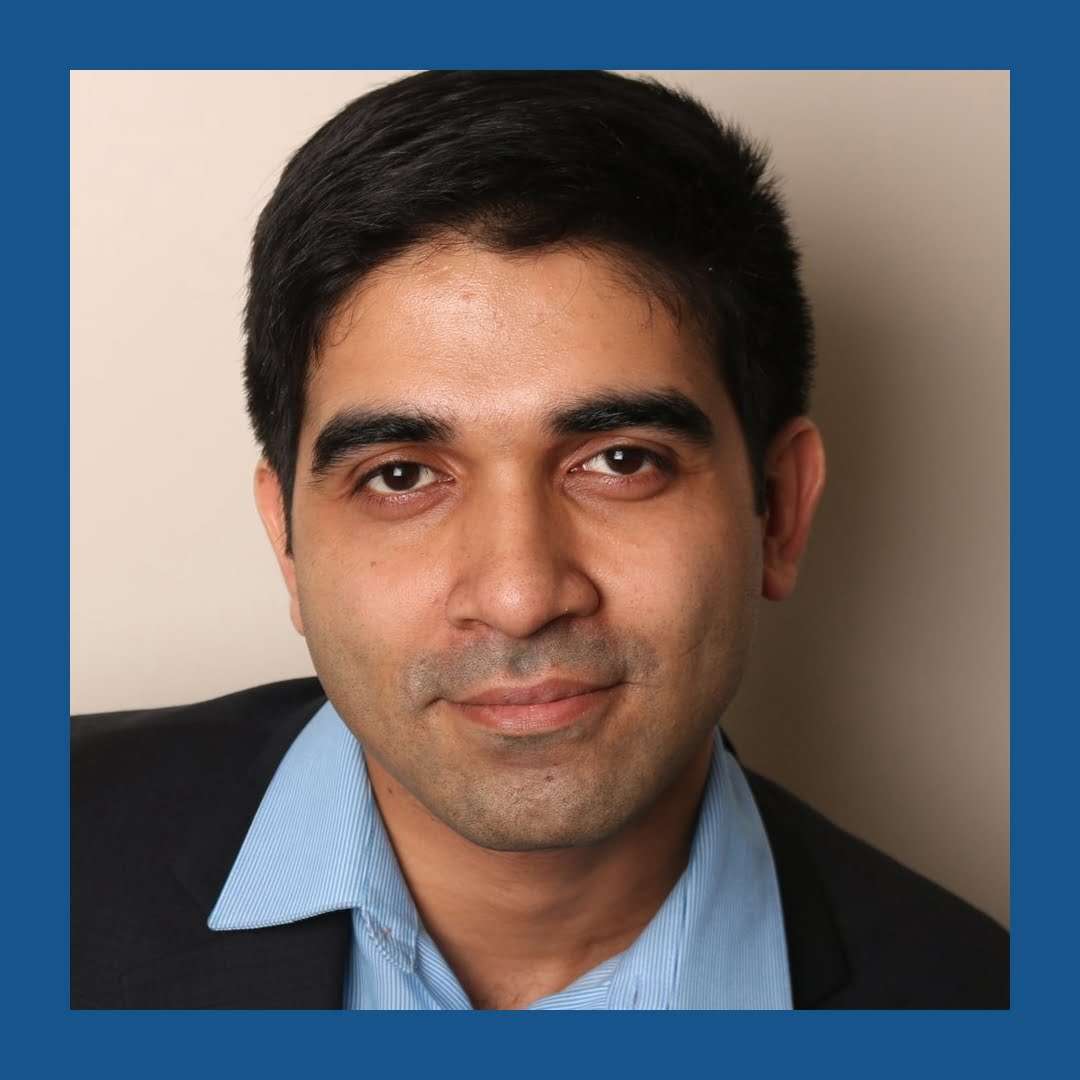
Get the Papa PhD Tool kit ! Hi! This week on Papa PhD, I’m bringing you my conversation with Parag Mahanti. "We recorded this in November, during Parag’s Thanksgiving break. Since then, India has been severely hit by the second wave of the COVID pandemic, and many lives have been lost. Parag wanted this episode to be dedicated to especially to Late Dr. Ashim Chakravarty. If you want to support the fight against COVID in India, please contact Parag - @ParagMahanti on Twitter. I'd also like to note that Parag gave this interview on Thanksgiving, while he was with his close ones, so you might hear some background noise throughout. But please bear with us, because the nuggets he shared are absolutely worth it. For example, we talked about Parag's experience interviewing for jobs – early after his PhD, but also in his most recent career moves. What you’ll learn about in this episode: Not everyone that enrolls into a PhD is bound to do researchNot all temperaments thrive in the academic research timeframe, in terms of results and their impact on society at largeThe positive impact being part of clubs and taking extracurricular courses can have on your mental healthParag's way of making time for extra-curricular projectsThe advantages and disadvantages of choosing a well established, tenured professor, versus a young professor vying for tenure as a PhD supervisorParag's experience of the consulting pathThe advanteges of doing informational interviews when you don't need a jobRejections are not about your abilities, they are about a mutual fit that didn't happen + you should always ask for feedback after your application was rejectedWhy advice from a community is much more valuable than the advice you get from a single personThe job hunt is a process - you get better at it as you go Parag Mahanti received his Ph.D. in Chemistry and Chemical Biology in 2013 from Cornell University where his research was focused on nuclear hormone receptors, steroid signaling, and metabolomics. Since then he has moved careers thrice first to consulting then to finance, and currently in pharma.Outside of life sciences and biopharma strategy, Parag’s passions include music, both playing and listening, biotech startups and understanding the evolution of scientific reasoning and leadership skills. Parag takes an active interest in career progression of PhD students and has created a fast growing LinkedIn Group that currently has ~7500+ members. Parag also serves as a mentor for the Entrepreneurship Lab (ELabNYC) originally launched by the New York City Economic Development Corporation to provide mentorship to biotech/health-tech start-ups in the New York area. Thank you, Parag Mahanti! If you enjoyed this interview with Parag, let him know by clicking the link below and leaving him a message on Twitter:Click here to thank Parag Mahanti on Twitter!Click here to share your key take-away from this interview with David! Parag's pearls of wisdom: “Parag – Once I came here and I enrolled into a PhD programme, I was like, "Oh! This is awesome! This is Super cool, smart thinking stuff and I can thrive in this." And I started doing that for first year and second year, and then by third year, I was like, "No way...". Like, I like the smart thinking part of it, I like the science, but I don't want to do this for the rest of my life. And I think the main reason was, I love the science. In fact, I've stayed very close to the science most of my career, but it was the impact of it, right? Like, for some reason, I always thought the stuff that I was doing, you would see maybe a return or a clinical development of it in, like, 10, 15, 20 years. So there's no immediate translation of this work. David – "Talk about delayed gratification, there, right?" Parag – Exactly!”“Parag – The same guy had told me that any job, if you don't like the interview process, chances are you won't like the job.

S2 Ep 36S’outiller pour l’après-doctorat avec Marie Itoiz
Cette semaine, je vous apporte mon entrevue avec Marie Itoiz. Marie a un trajet en histoire et a partagé avec moi le cheminement qui l'a menée de son doctorat au poste qu'elle occupe aujourd'hui chez Capgemini comme consultante fonctionnelle. Ce que tu apprendras dans cet épisode : Les différents tournants du trajet de Marie ItoizLe master comme tube à essais avant le doctoratPourquoi il faut profiter des ateliers et formations offerts par votre programme/département/universitéL'importance d'avoir des gens bienveillants envers nous dans notre tissu socialQue ce n'est pas normal d'encaisser seul un excès de pression et de doute, ni du harcèlement, en tant que doctorant.eL'intérêt de travailler avec des organismes comme l'APEC, une fois qu'on a été cadre ou bac +8, et de participer à des forums pôle emploiConseil entrevue d'emploi: préparation, préparation, préparationTu aimes Papa PhD ? Laisse-moi un commentaire ici - une courte phrase suffit ! Et inclus ton identifiant Twitter – comme ça je pourrai te remercier personnellement ! Actuellement, Marie Itoiz aime dire avec humour qu'elle entame sa troisième carrière professionnelle. Elle a été enseignante dans le secondaire en science de la vie et de la Terre, puis jeune chercheuse en histoire de la géologie avec un passage dans la valorisation du patrimoine scientifique instrumental.A présent, Marie est consultante fonctionnelle chez Capgemini, une entreprise de services du numérique. Merci Marie Itoiz ! Si cet entretien avec Marie Itoiz t'a plu, fais-lui en part en cliquant sur le lien ci-dessous et en lui laissant un message sur LinkedIn :Clique ici pour remercier Marie sur LinkedIn !Clique ici pour partager avec David le principal message que tu retiens de cet épisode ! Télécharge la "Boîte à outils pour le doctorat" maintenant ! Contribue à la production de Papa PhD sur Patreon ! Les perles de sagesse de Marie : « J'ai essayé de le faire d'une certaine manière et c'est vrai que c'est très difficile de le faire quand on est en thèse, parce qu'on a beaucoup d'impératifs. Et je pense qu'on en a encore plus quand on est en science, que ce soit en biologie, comme toi, ou en physique, ou quoi que ce soit. C'est encore plus difficile de dégager du temps par rapport aux contingences qu'imposent soit les directeurs de thèse, soit les encadrants, de publication d'articles, d'expériences, etc. Et, au contraire, en fait, ces trois années-là, je l'ai découvert par la suite sur un petit poste que j'ai occupé l'année dernière, sur l'encadrement du doctorat, et il y a tellement de possibilités. De formation, de prise de contact à l'entreprenariat, de possibilités de faire des stages, aussi. Enfin, c'est tellement riche et surtout, en fait, c'est gratuit! Quand on est étudiant, ce n'est pas du tout négligeable. Et avec des personnes qu'on rencontre, on peut commencer à se créer un réseau. On peut aussi, en fait, prendre des contacts pour plus tard. »« C'est là où je me suis dit – bon, de toute façon, la voie de la recherche pure était très compliquée, dans le sens où obtenir un poste en France, c'était difficile. C'est vrai que c'est une idée qui m'a un peu effleuré l'esprit, mais très rapidement, je l'ai remisée de côté, puisqu'elle était vraiment impossible à réaliser, ou alors dans beaucoup, beaucoup d'années et avec beaucoup d'effort, ce que je n'étais pas forcément prête à accepter. Et je me suis dit - bon, on va aller voir du côté médiation scientifique, valorisation, qu'est-ce qui se passe. Et puis, une fois qu'on se dit "on va voir de l'autre côté", eh bien, pourquoi pas ouvrir la porte en grand et se dire "eh bien, on va peut-être aller voir aussi dans des entreprises privées, qu'est-ce qui me plaît."? » Les ressources de cet épisode : Marie Itoiz | LinkedIn Tu aimeras aussi ces épisodes : Amandine Bugnicourt – Emploi et doctorat en 2021 : PapaPhD.
S2 Ep 107Balancing Research, Art, and Entrepreneurship With Sarah Nersesian
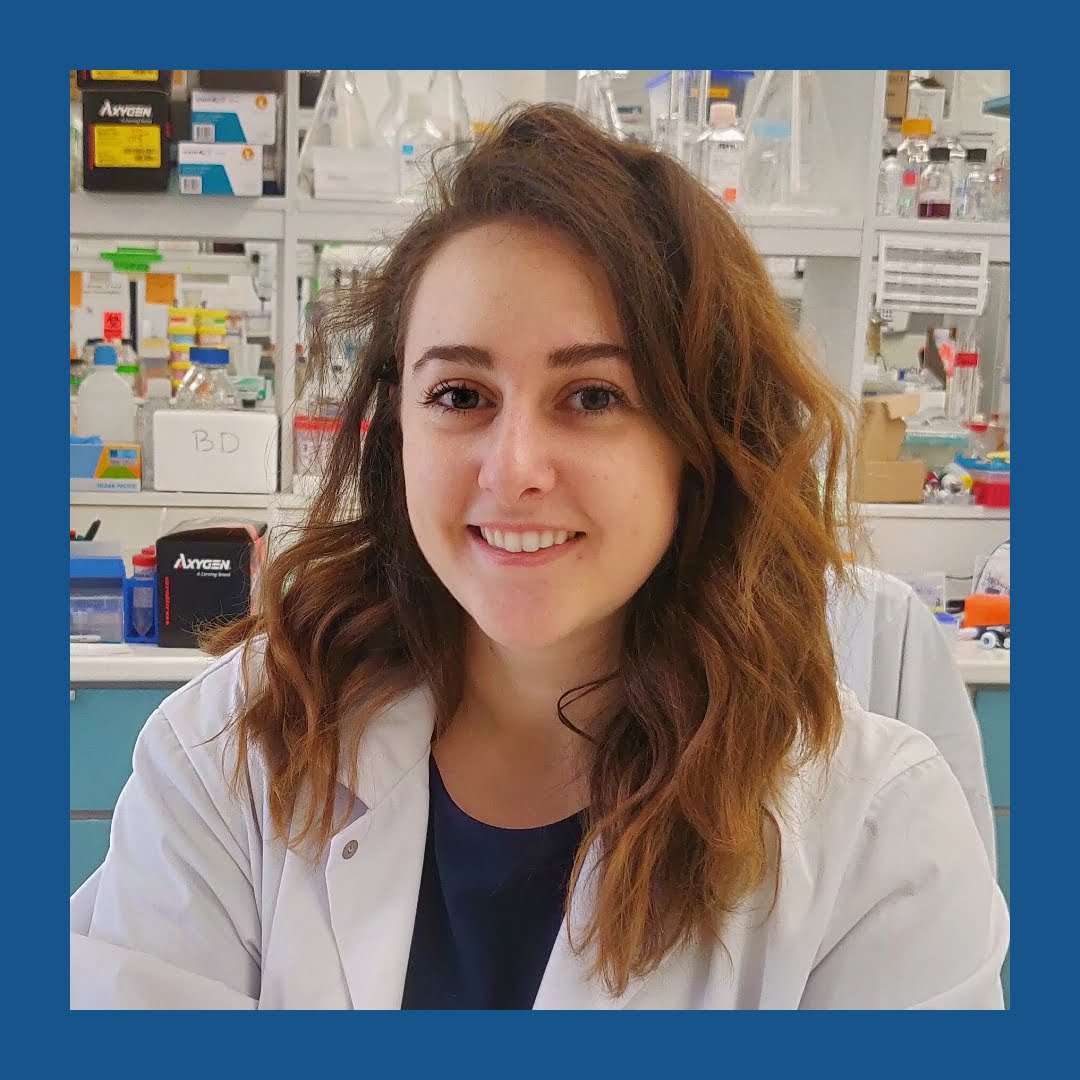
Get the Papa PhD Tool kit ! This week on the show, I'm talking with Sarah Nersesian, a PhD researcher who pursues many passions and interests in life, while remaining a scientist at heart. During our conversation, we talk about making decisions during your academic journey, about finding ways of nurturing your creative side during your PhD, and about the important role mentors can play in your life, especially as a woman in academia. What you’ll learn about in this episode: The importance of choosing an academic path that fits youHow you can gain PhD-adjacent experience through internshipsSarah's charged schedule and how she finds balance in itHow dividing her self-worth between her different centers of interest helps her deal with failureWhat launching a business during your PhD can look likeHow finding a mentor can help you launch your projectHow small startup grants could help you take the first stepsDo you enjoy Papa PhD? Leave me a comment here - one short sentence is enough! And be sure to include your Twitter handle – that way, I can thank you personally! Or if you prefer, fuel my long audio editing and notes page writing nights by buying me a coffee! Just click on the button below and voilà! An espresso, a cappucino, a latte – you decide. I'll be immensely grateful. Buy me a coffee ! Sarah Nersesian is a passionate researcher who loves to share scientific knowledge through illustrations and other visual communication strategies. She obtained her MSc in Biochemistry and Cell Biology at Queens University and is currently completing her Ph.D. in Microbiology and Immunology at Dalhousie University focusing on exploring the impact of intra-tumoural immune cells on tumour development and treatment responses.Over her academic journey, she has published her research in journals including, Scientific Reports, Oncoimmunology, Frontiers of Immunology, The Journal for Immunotherapy of Cancer and the British Medical Journal. Many of these publications were accompanied by her custom scientific illustrations. With her unique expertise combining scientific communication strategies with illustration and graphic design, Sarah founded Designs that Cell in 2017. Sarahs vision for the company was a space where scien-artists such as herself and others could combine their scientific foundation with their visual communication skills to illustrate the ideas of other members of the scientific community.She is a senior illustrator at Designs that Cell and oversees all its operations. Thank you, Sarah Nersesian! If you enjoyed this interview with Sarah, let her know by clicking the link below and leaving her a message on Twitter:Click here to thank Sarah Nersesian on Twitter!Click here to share your key take-away from this interview with David! Sarah's pearls of wisdom: “You know, if somebody looked at my CV, they would be super impressed and, you know, would praise X, Y, and Z. But if I honestly put together a failure CV, it would be like a novel. It would be thicker than the Bible. The reality is, I've had so many people close doors in my face. I've had so many people question why I've been at a table, why I've been doing something. And I think having that worth, that self-worth divided and not having it into just your research project, like you were saying, David, is so important, because now I don't look at myself as like, "Okay, I'm a scientist. And if I'm not a scientist, then I'm nothing else." It's – no, I'm a scientist, and I'm an entrepreneur, and I'm an artist, and I'm a role model, and I'm a feminist, and I have these identifiers, you know? And, like, I'm a wife now and a dog mom. And there's all these things that I hold my self-worth into. That way, if I question something, it's not everything.”“It's not that male professors can't understand, but at the same time, they haven't carried children, thay haven't had to balance the expectations of being a ...
S2 Ep 34Embracing Science Communication as a Business With Wilf Nelson
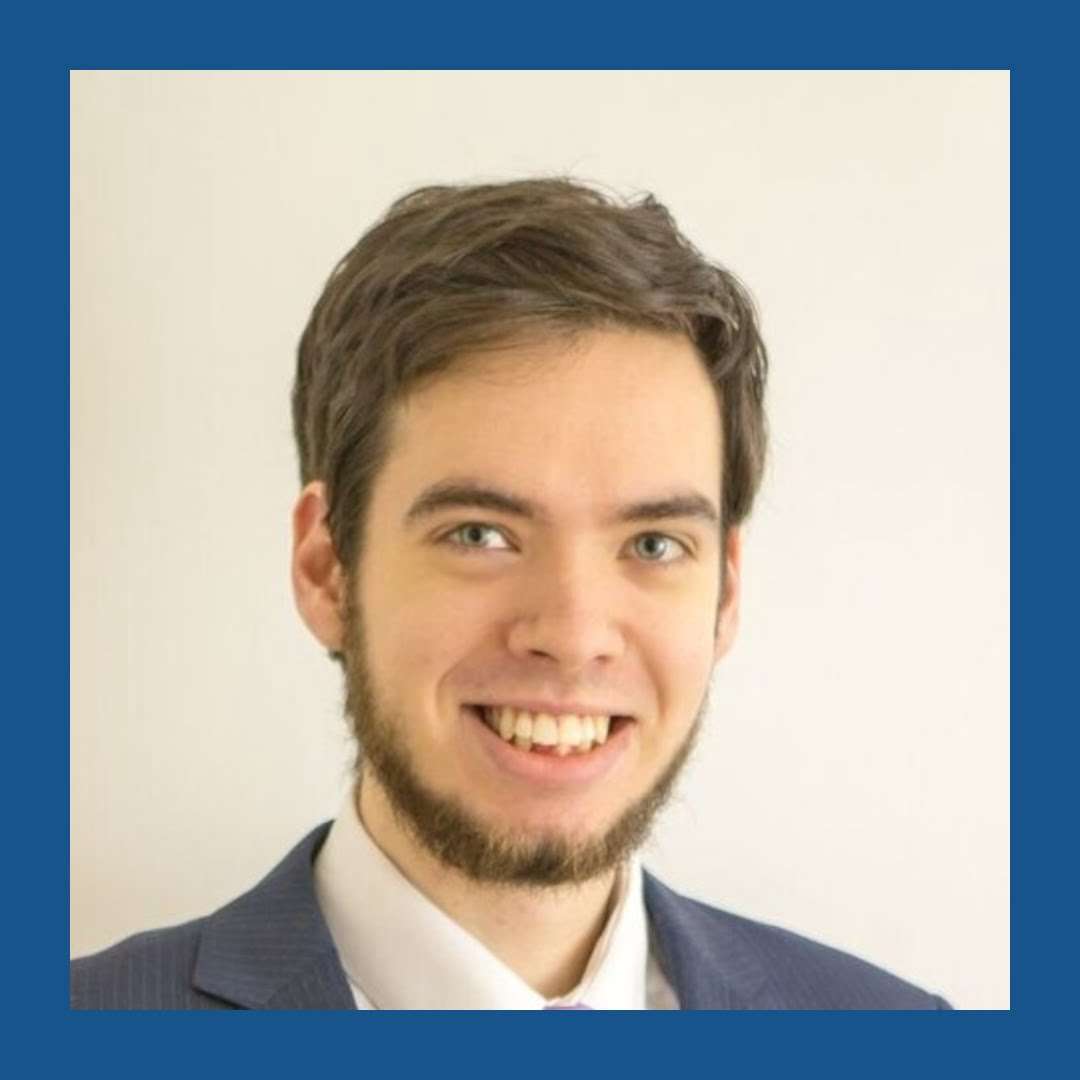
This week on Papa PhD, I'm bringing you Wilf Nelson. Wilf is a PhD researcher at the University of Bigmingham in the UK and he is the host and producer of the Watercooler Neuroscience Podcast. During our conversation, Wilf shared his passion for science, for science communication, and for podcasting. And if you listen to the end, you'll hear what advice he has to share as a PhD researcher turned entrepreneur. What you’ll learn about in this episode: The main goal of science communication The difference between talking science within academia and in the context of public engagementThe inner workings of content creation and of podcastingWhy you should get involved in entrepreneur groups in university and in graduate schoolDo you enjoy Papa PhD? Leave me a comment here - one short sentence is enough! And be sure to include your Twitter handle – that way, I can thank you personally! Buy me a coffee ! Wilf Nelson is a neuroscience PhD who now runs a media company that produces a number of shows on the brain, talking not only about what the research finds but also teaching their listeners to understand HOW the research is done. Thank you, Wilf Nelson! If you enjoyed this interview with Wilf, let him know by clicking the link below and leaving him a message on Twitter:Click here to thank Wilf Nelson on Twitter!Click here to share your key take-away from this interview with David! Get the Papa PhD Tool kit ! Wilf's pearl of wisdom: “David: In your vision, why is it important for some proportion of scientists to become science communicators in more of a formal, in kind of a high quality way? Wilf: I can explain it very simply, you are paid by public money. That means the public pay your bills and they have the right to know what you do. Or they, in a democratic society, can shut you down. That's it. That is the fundamental basis. If you take their money, if you take tax payer money and are not capable of explaining to the public what you do on a level that they can understand, because I should make an aside – say that somebody chose to be an accountant, right? They chose their formative years to spend learning finance and accountancy. You spent it to learn to be a biologist. They are no lesser because they didn't do your degree. You have to explain it in a standard that they can explain, because you are the one with the privileged education to be able to.” This episode’s resources: Wilf Nelson | LinkedInWilf Nelson | TwitterWatercooler Neuroscience Podcast | Website Join the Papa PhD Postgraduate Career Exploration Group! You might also like the following episodes: Jessica Steinberg – Being a PhD Researcher and an entrepreneurChris Kent – Leveling up to entrepreneurshipMargaret Magdesian – From the bench to entrepreneurshipClarissa Wright – Promoting the intersection between science and art
S2 Ep 33Faire rimer doctorat et emploi avec Florian Andrianiazy
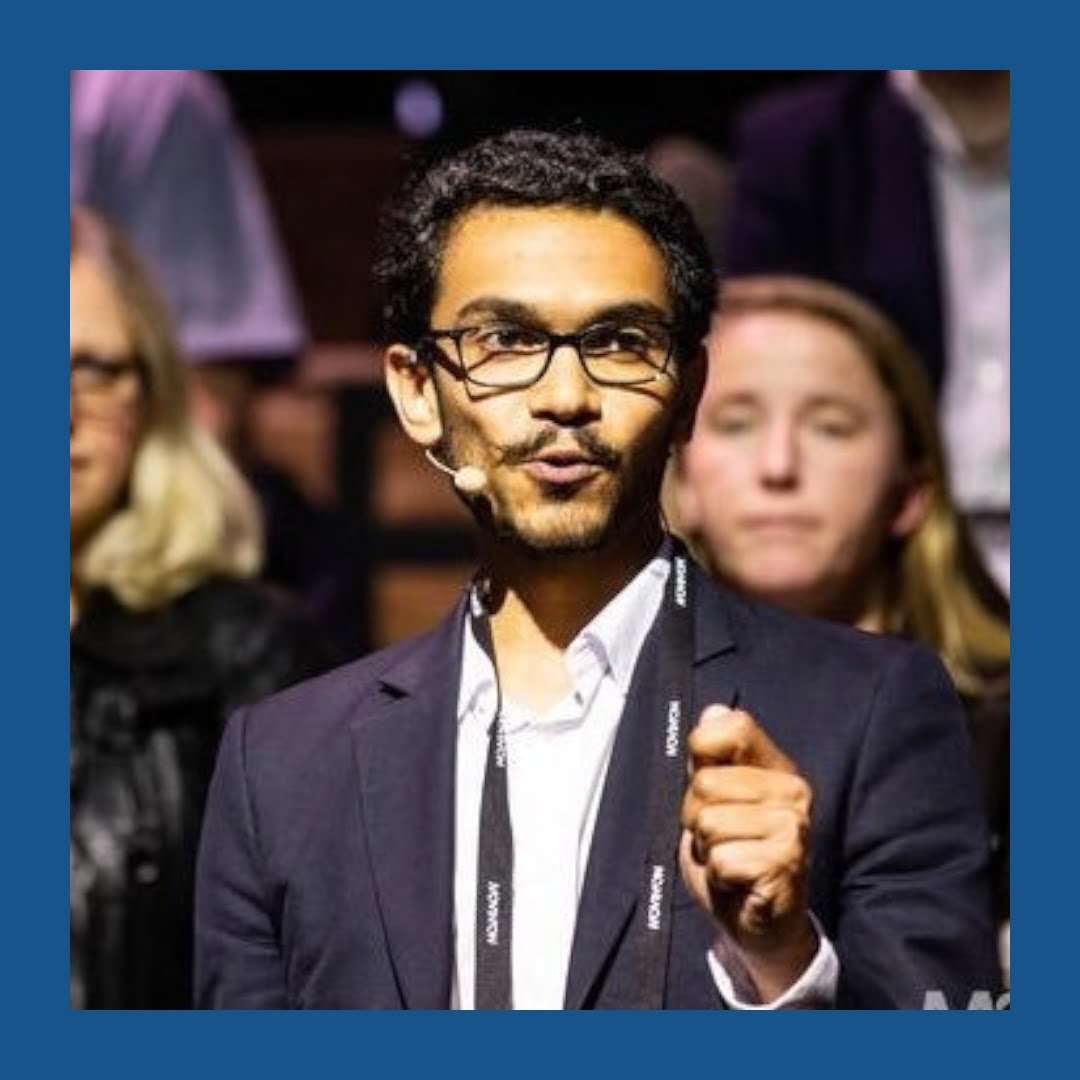
Télécharge la "Boîte à outils pour le doctorat" maintenant ! Cette semaine sur le podcast, on parle réseautage et mise en relation des docteur.e.s et du milieu privé avec Florian Andrianiazy, Directeur Général de PhDTalent. Aujourd'hui, en 2021, il y a encore un certain flou, tant dans l'idée que se font les docteur.e.s du milieu entrepreneurial que dans les attentes qu'ont les RH des sociétés face à un candidat qui se présente avec un doctorat. Ce que tu apprendras dans cet épisode : En quoi consiste une thèse CIFREL'importance de se familiariser avec le tissu socio-économique pendant sa thèseL'impact de la pandémie de COVID-19 sur les événements de réseautage et de recrutementLe modèle et les projets de PhDTalent en 2021Tu aimes Papa PhD ? Laisse-moi un commentaire ici - une courte phrase suffit ! Et inclus ton identifiant Twitter – comme ça je pourrai te remercier personnellement ! Florian Andrianiazy est docteur en physique de l'Ecole Polytechnique. Il a soutenu sa thèse en mars 2015 qu'il a effectuée en partenariat avec Thales, une grande entreprise française d'aéronautique, aérospatial et défense. En janvier 2017, il co-fonde PhDTalent avec 3 docteurs. L'entreprise a pour but d'accélérer le rapprochement entre le monde académique et le secteur privé. Merci Florian Andrianiazy ! Si cet entretien avec Florian Andrianiazy t'a plu, fais-lui en part en cliquant sur le lien ci-dessous et en lui laissant un message sur Twitter :Clique ici pour remercier Florian sur Twitter !Clique ici pour partager avec David le principal message que tu retiens de cet épisode ! Les perles de sagesse de Florian : « En l'occurrence, je ne sais pas si c'est une question de compétences, mais c'est plutôt une question de connaissance du monde socio-économique. Et c'est ce que je remarque aujourd'hui et c'est ce que je dis à tous les doctorants que je croise, c'est : "Intéressez-vous au monde socio-économique, intéressez-vous au mode de fonctionnement d'une entreprise – comment elle est structurée, comment elle fonctionne." Et ça, pour le coup comme j'étais en thèse dans une entreprise, ça, je le voyais au jour-le-jour. Et je n'avais pas besoin de l'apprendre ou de le découvrir par ailleurs, puisque c'était mon quotidien. Et, donc, ce n'est pas tellement une question de compétences. Je pense que c'est plutôt une question connaissance de cet écosystème-là. »« C'est valable dans les deux sens. C'est-à-dire que oui, on fait tomber des prégujés que peuvent avoir des entreprises sur ce qu'est un chercheur, sur comment travaille un chercheur et sur ce que peut livrer un chercheur sur une mission aussi courte, mais l'inverse est vrai, aussi. C'est-à-dire qu'on fait tomber des préjugés sur ce qu'est une entreprise. Parfois on a des jeunes chercheurs qui ont un peu peur de collaborer avec un entreprise et, justement, on fait tomber ces préjugés-là, aussi. » Les ressources de cet épisode : Florian Andrianiazy | TwitterFlorian Andrianiazy | LinkedInPhDTalent | Site web | Événements : PhD Meeting AI & Data Science – 19 mai 2021 ; PhD Meeting Consulting – 24 juin 2021 ; PhDTalent Career Fair 16 – octobre 2021 Tu aimeras aussi ces épisodes : Boîte à outils pour les études doctorales – Mon cheminement : PapaPhD.com/37Elodie Cheyrou – Rapprocher science et société : PapaPhD.com/91Marie-Andrée Fallu – Faire rayonner la science : PapaPhD.com/93Martha Boeglin – Débloquer la rédaction de thèse : PapaPhD.com/96
S2 Ep 32Doing Research Outside Academia as a Psychology PhD with Sherri Widen
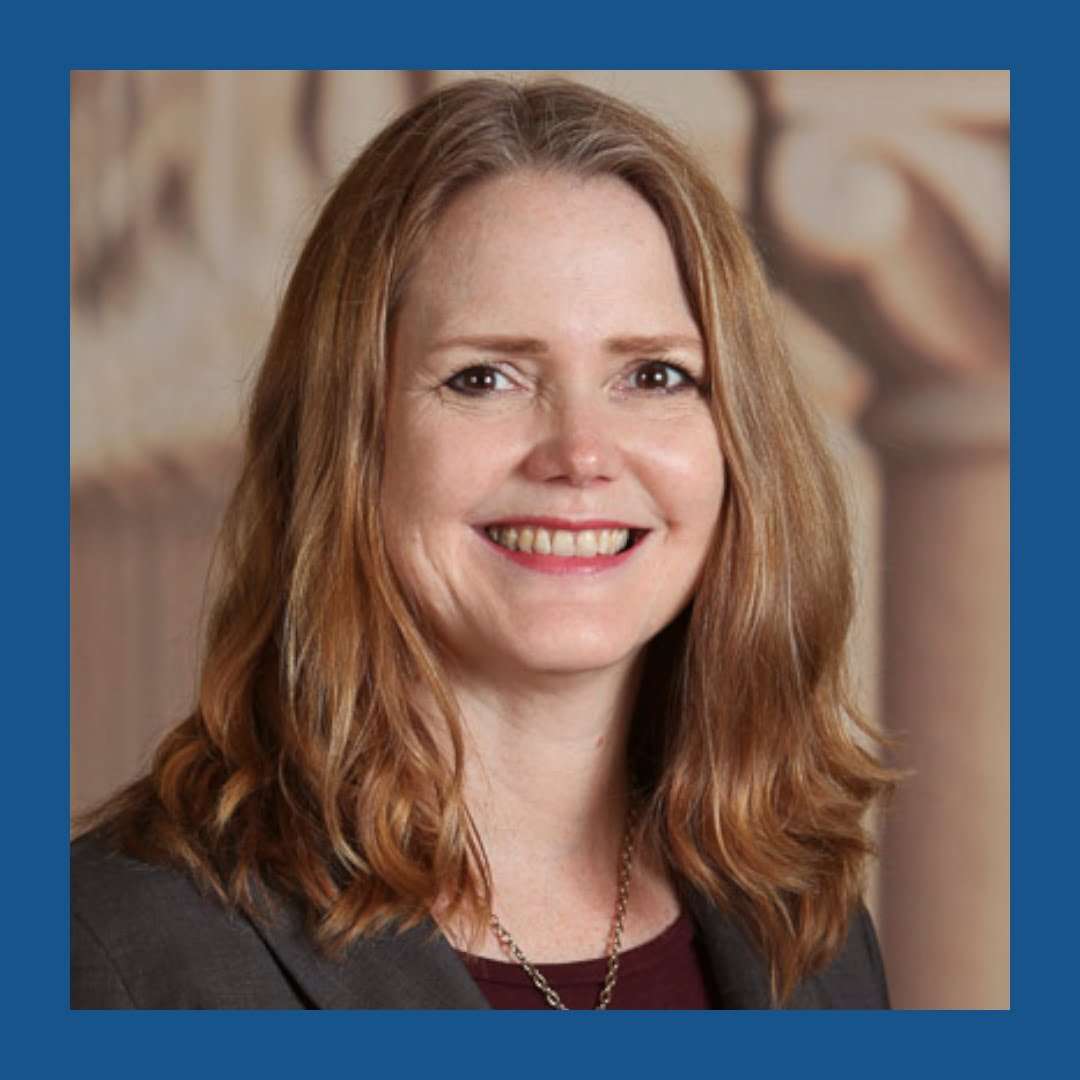
Do you need a PhD? When I launched into the doctoral adventure, I wanted to teach at the same level the professors I worked with did. So for me, the answer was yes. In today's episode, My guest, Sherri Widen, shares her journey and her reflections on the reality of the PhD career today and talks about how she found a path that led her to doing research and applying her expertise in child psychology at the community level, in the non-academic space. What you’ll learn about in this episode: The huge difference between a CV and a resume How projecting your whole self (not only your academic skillset) outside academia can help you find your place How long in average you can expect to be on the job hunt in betweeen positions What happens when your supervisor moves to another university during your PhD The importance of finding a community when starting graduate school in a new city Think if having an applied aspect to your research can open doors for you, in terms of interdisciplinarity and collaboration, but also of widening your professional horizons Do you enjoy Papa PhD? Leave me a comment here - one short sentence is enough! And be sure to include your Twitter handle – that way, I can thank you personally! Support the show on Patreon ! Sherri Widen has an extensive background in investigating the development of childrens concepts of emotions. In 2013, she transitioned from basic research in developmental psychology to more applied intervention research in education settings with a focus on increasing childrens social-emotional skills to support their academic outcomes. In 2015, Sheri joined a team at the Stanford University Graduate School of Education and contributed to a text messaging-based parenting intervention designed to help parents support their preschoolers school readiness in literacy, math, and social-emotional skills. In 2018, she joined Committee for Children as the Director of Research, to help children thrive through our social-emotional learning interventions. Thank you, Sherri Widen! If you enjoyed this interview with Sherri, let her know by clicking the link below and leaving her a message on Twitter: Click here to thank Sherri Widen on Twitter! Click here to share your key take-away from this interview with David! Download "Tools for Your PhD Journey" ! Sherri’s pearls of wisdom: “My plan was to become a professor and to continue the basic research I was doing, but I think it's really smart to open up some doors so that you have other options if that first plant doesn't work out. So I think I could have made the transition to doing applied research in educational settings around social-emotional learning a lot earlier if I had considered that I needed a different plan or, at least, a backup plan. I think we get really focused in grad school on the one thing that we're doing, and how we're going to keep doing that and, really, grad school is the great time to look at other opportunities, get other experiences and see if there are other things that you could also really, really love.” “It wasn't until after I had my PhD that I realized that there were just so many PhDs on the market, right now, that it's so hard to get a position as a professor. So when I talk to people who are going into grad school or part way through their progam, and they're like "should I apply for masters or a PhD? What do I need?" I recommend that they go and look at positions that they're interested in. So if you really want to be a professor, a PhD is a definite requirement. But for a lot of the positions I applied to before I got this one, a PhD wasn't required. It was a nice to have. But you could get those kinds of positions with a masters degree, so I think that's something to give serious thought to – how much education do you need to do the kind of job you want to do.” This episode’s resources: Sherri Widen | LinkedIn Sherri Widen | Twitter The Imagine Neighborhood | Website
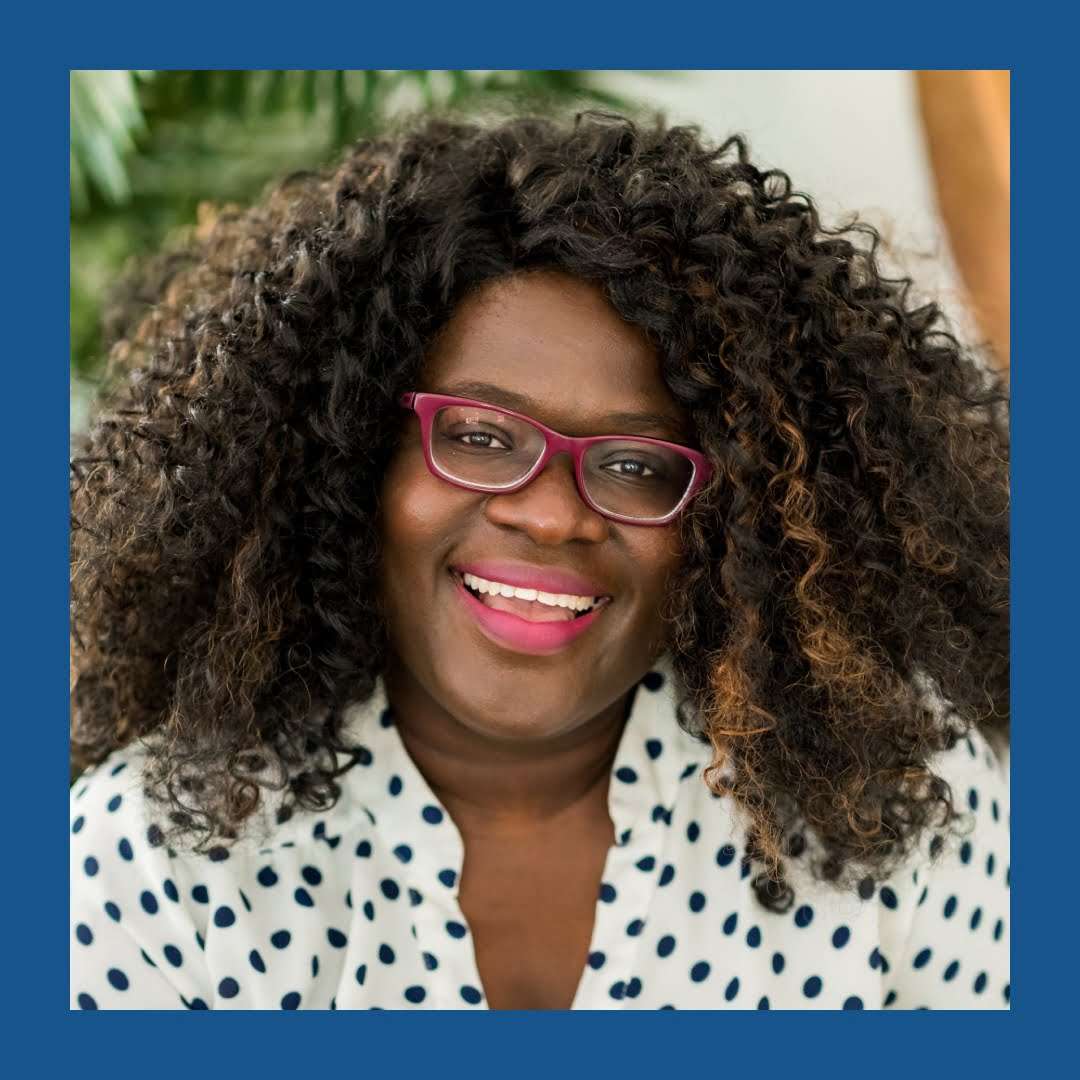
S2 Ep 31Juggling Side-Interests, Graduate School, and Your Personal Life During your PhD With Gertrude Nonterah
My experience going through graduate school was mostly of graduate students being fully funded and working exclusively on their PhD, at least until the time came to write their thesis. But this is not the reality for everyone and in all domains of research. Today, I'm bringing you a conversation with Gertrude Nonterah about her journey so far, about her side-hustles during graduate school, abouth her life balance and time management life hacks, and about how she juggles her professional, personal, and family life, today. What you’ll learn about in this episode: How to start freelancing as a writer and as a social media managerThe key to finding those two magic hours in your day to push your side-projects forward while juggling work and familyThe power of having a blog for showcasing your writing/content creation abilitiesGee's favorite productivity hacks/toolsThe importance of highlighting your hard skills and your soft skills, during your graduate studiesHow humility and just getting your foot in the door can help launch a fulfilling career journeyDo you enjoy Papa PhD? Leave me a comment here - one short sentence is enough! And be sure to include your Twitter handle – that way, I can thank you personally! Support the show on Patreon ! Dr. Gertrude (Gee) Nonterah is a biomedical scientist, college instructor, science communicator and author.Gee is the Host of The Create and Prosper Podcast where she interviews experts and shares tips on how to make money as a writer and author. Gee also started The Bold Biomed, a YouTube channel that provides tips on the PhD life, career and productivity for students in the biomedical sciences. When she is not doing any of these things, Gee enjoys a good spy movie. Thank you, Gertrude! If you enjoyed this interview with Gertrude, let her know by clicking the link below and leaving her a message on Twitter:Click here to thank Gee Nonterah on Twitter!Click here to share your key take-away from this interview with David! Download "Tools for Your PhD Journey" ! Gertrude’s pearls of wisdom: “Family and work is usually not the only two facets of life. You have so much more, you know? I would say – find two hours in your day or if all you have is an hour, find an hour of your day, and during that time, focus. I always used to tell people that every business that you can think about – the coffee shop in your local city or your local town has working hours, right? They usually have working hours posted. So set working hours for yourself. It's hard – personally I don't think I'm the most disciplined person, but I learned to work for 1 hour sprints and to focus on my work, so I shut off all social media, I'm not checking YouTube or anything. I just focused on my work, because I knew what I wanted. So, knowing what you want and setting aside time to do it is so critical.”“Like David said, there's a hidden job market. There's an estimated 70% of jobs in the hidden job market. That means that they actually go to people's referrals, rather than getting posted publicly. So you don't want to just rely on publicly posted jobs. You can also access jobs that are never, ever posted by knowing people. You don't have to be everybody's best friend, but nowing the people is really helpful.”“I think the biggest question for a lot of people, even at the undergraduate level, is "I'm getting this biology degree, I'm getting this PhD, but, really, I don't want to work in a lab, or I don't want to teach. I want something that pays well. Because, you know, notoriously, academia doesn't pay well. It's so funny that that's the path that everybody thinks they need to pursue, yet it doesn't pay so well... But, you know, if you have a calling for it, then that's fine.” This episode’s resources: Gertrude Nonterah | LinkedInGertrude Nonterah | TwitterGertrude Nonterah | YoutubeGertrude Nonterah | InstagramCalmed By Nature channel | You...

S2 Ep 30Être persuasif dans notre recherche d’emploi avec Alexandra Martel
Télécharge la "Boîte à outils pour le doctorat" maintenant ! Qu'est-ce qu'Aristote a à voir avec ta recherche d'emploi ? Pourquoi devrais-tu utiliser des stylos de couleur pour écrire ta lettre de motivation ? En quoi la rédaction persuasive peut t'aider dans ton processus de réorientation professionnelle ? Dans ce nouvel épisode de Papa PhD, mon invitée, Alexandra Martel – une spécialiste du copywriting – va répondre à toutes ces questions et partager sa propre histoire de réinvention de carrière après sa license en droit. Ce que tu apprendras dans cet épisode : Comment faire le « framing » et la gestion des objections travailler pour toi avant une entrevue d'emploiComment Aristote peut t'aider - bien doser le logos, l'ethos et le pathos lorsqu'on se présente à un employeurPourquoi tu devrais te préparer à une entrevue d'emploi à l'oral et avec un.e ami.e (et tout enregistrer!)Comment tout simplement dire que tu est stressé.e peut désamorcer la tension en entrevueTu aimes Papa PhD ? Laisse-moi un commentaire ici - une seule phrase suffit ! Et inclus ton identifiant Twitter – comme ça je pourrai te remercier personnellement ! Liste de choses qu'Alexandra Martel n'aime pas : le marketing culpabilisant, les arguments de vente qui activent son détecteur de bullshit et parler d'elle à la troisième personne.Depuis 2017, Alexandra a enseigné la rédaction persuasive à des centaines d'entrepreneurs. Sachant qu'elle déteste écrire, c'est quand même pas pire. Ce qui la passionne? Comprendre ce qui se passe dans la tête des gens quand ils changent d'avis, qu'ils prennent une décision ou qu'ils achètent quelque chose. Merci Alexandra Martel ! Si cet entretien avec Alexandra Martel t'a plu, fais-lui en part en cliquant sur le lien ci-dessous et en lui laissant un message sur Twitter :Clique ici pour remercier Alexandra sur Twitter !Clique ici pour partager avec David le principal message que tu retiens de cet épisode ! Joins-toi au groupe d'exploration de carrières Papa PhD ! Les perles de sagesse d'Alexandra : « Il y a un sous-champ, si on veut, de la rédaction persuasive qui est le framing. Comment cadrer les choses pour leur donner un sens, pour leur donner une valeur. Je pense qu'une des premières choses à faire dans notre tête, c'est de voir un peu c'est quoi le lien, comment est-ce que mon parcours académique peut être une force et non pas du gaspillage ou une faiblesse, ou une perte de temps. C'est vraiment une fiction de penser que ce qu'on a fait à l'université n'a servi à rien, entre guillemets. Je ne pense pas que j'aurais un intérêt aussi grand pour la persuasion si je n'avais pas mon background en droit, si je n'avais pas eu un cours de plaidoirie. Il y a eu un impact de tout ça sur la personne que je suis et sur mes compétences. J'ai développé des compétences et une rigeur à l'université que je n'aurais peut-être jamais développées en dehors. J'ai acquis des compétences qui sont centrales aujourd'hui, dans ma vie. »« C'est quoi, le pathos et l'ethos? L'idée, c'est que si tu n'as que du rationnel, mais que tu n'as pas d'émotion et qur tu n'as pas établi ta crédibilité, les gens de vont pas croire ce que tu dis et ne vont pas s'y intéresser, de toute manière. Donc c'est vraiment important d'ancrer ce qu'on dit et les arguments qu'on présente dans de l'émotion et, aussi, de prouver notre crédibilité. Et le problème qu'on a quand on sort de l'université, c'est qu'on pense que la crédibilité, c'est nécessairement des diplômes. » Les ressources de cet épisode : Alexandra Martel | TwitterAlexandra Martel | LinkedInLes Mots Pour Vendre | Site web Tu aimeras aussi ces épisodes : Boîte à outils pour les études doctorales – Mon cheminement : PapaPhD.com/37Bruno Guglielminetti – Préparation à l'entrevue d'emploi : PapaPhD.com/84Mrim Boutla – Trouver sa tribu après le doctorat : PapaPhD.com/82Martha Boeglin – Débloquer la rédaction de thèse ...
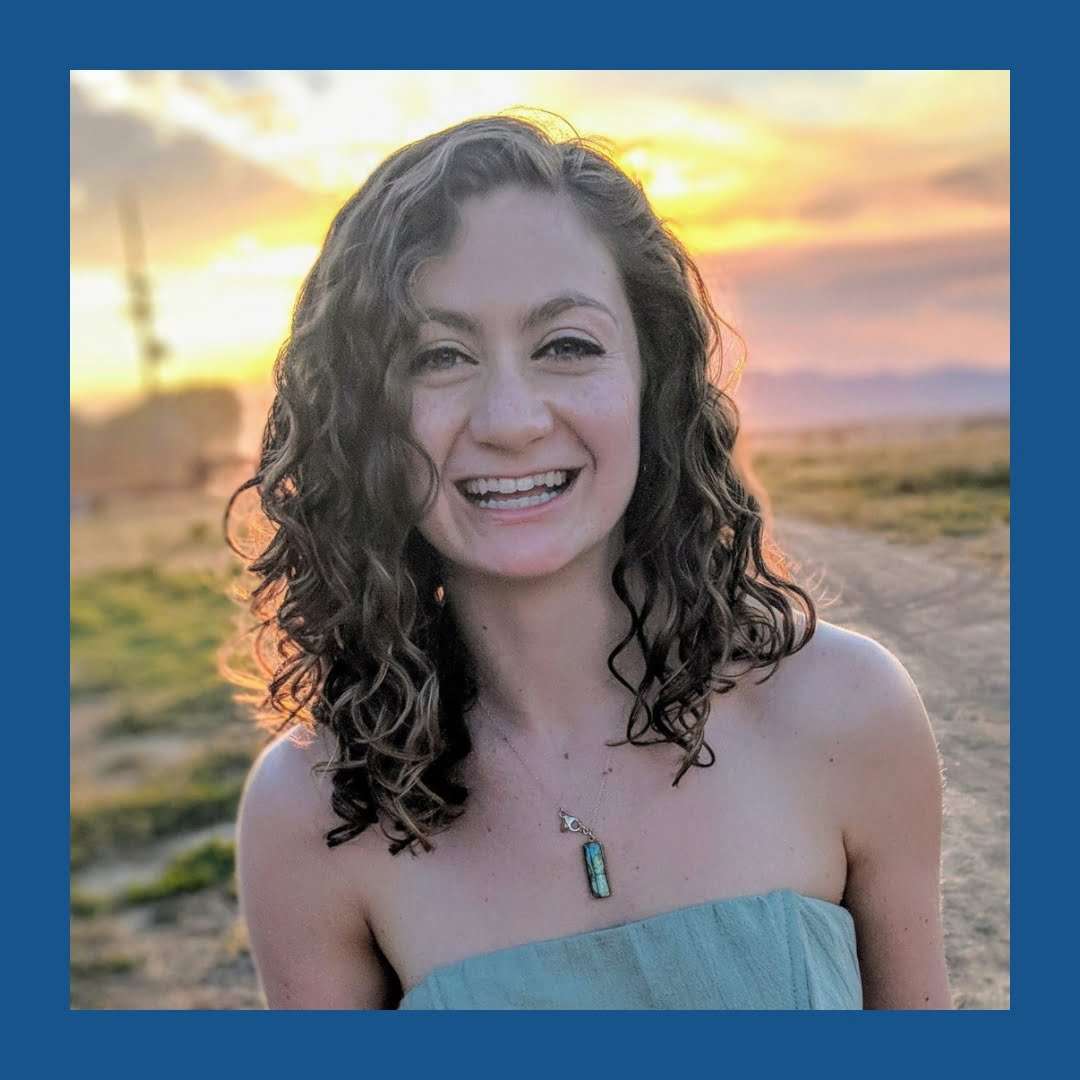
S2 Ep 29Being a PhD Researcher and an Entrepreneur With Jessica Steinberg
Do you have a business idea based on your PhD research? A consultancy or a deeptech project? Well, you are not alone. A lot of PhD researchers out there have plans to become their own bosses rather than getting a job, when they're done with their degree. In today's episode, you'll hear Jessica Steinberg's recount of her experience translating the knowledge she gained working on her thesis into a sustainable business. What you’ll learn about in this episode: Figuring out what aspect of your doctoral work is marketableTaking the risk and the time to invest in your entrepreneurial projectTaking the consultant routeNegotiating with clients as a young entrepreneurHow creating a personal board of directors can help youHow the accountability of a reading/writing/studying group can help you move your PhD forwardWhy you should be on LinkedInDo you enjoy Papa PhD? Leave me a comment here - one short sentence is enough! And be sure to include your Twitter handle – that way, I can thank you personally! Support the show on Patreon ! Jessica Steinberg explores how change happens at the intersection of normality and unfamiliarity a cyclical process that is the 21st century embodiment of revolutions evolution. She is a PhD student at the University of Oxford researching the process of policymaking through the lens of cannabis legalization and commericalization. Jessica is setting precedence for emerging markets to refuse systematic replication. Her policy work takes place as an official delegate for cannabis related meetings held at the UN and WHO.Her academic work led to commercial opportunities. She founded and is the Managing Director of international cannabis consultancy, The Global C, and co-founder of a womens empowerment organization cultivating a space for women in the legal cannabis industry, entOURage Network. Jessica is Head of Community at Ohana CBD, a plant-based self care skincare company. Thank you, Jessica Steinberg! If you enjoyed this interview with Jessica Steinberg, let her know by clicking the link below and leaving her a message on LinkedIn:Click here to thank Jessica Steinberg on LinkedIn!Click here to share your key take-away from this interview with David! Download "Tools for Your PhD Journey" ! Jessica’s pearls of wisdom: “One thing I've started with at the center is a 3-hour reading-writing-working-studying session. It's hree sessions of 45 minutes of uninterrupted work, and then we have 15 minutes of break. And this is a common practice for people in general, it's not just for students. But if you can dedicate and block out that amount of time, knowing all of your notofications are off, your phone is in another room, your tab of social media are forgotten about – just totally non-distracted 45 minutes – what we have found from people who are joining these sessions is those three hours are the most productive hours of the day, if not the week, if it's the only session that they join.”“To my point earlier about a personal board of directors and how you can really fill your space with peolpe that you're learning from, that are challenging you – if LinkedIn is a space to do that, by all means, take advantage of the resources that are in front fo you. And I don't think an age or a gender should limit that. It's just a platform and it's how you choose to go about using it.” This episode’s resources: Jessica Steinberg | LinkedInJessica Steinberg | InstagramThe Big C | InstagramEntOURage | Instagram | Website | LinkedIn Join the Papa PhD Postgraduate Career Exploration Group! You might also like the following episodes: Chris Kent – Leveling Up Into EntrepreneurshipEmily Roberts – The Power of the Side-Hustle or How to Set Yourself Up for a Healthy Financial LifeMargaret Magdesian – Finding Balance in the Eye of the StormKatina Rogers – Finding Your Place Professionally as a Humanities PhD

S2 Ep 28Building a More Diverse and Inclusive Academia With Shaz Zamore
Welcome to episode 100 of the Papa PhD podcast! In a lot of the conversations I've had in past interviews here on the show, we have talked about how academia and graduate school need to change. For this special episode, I'm bringing you a conversation during which I got a glimpse at what that change can look like. With this week's guest – Shaz Zamore – we dove into the current diversity and inclusivity challenges facing academia today and into how addressing them can change the face of science and research. What you’ll learn about in this episode: Current roadblocks to diversity in university and in research How we can widen the horizons of minorities early on What has to change to make academia a really inclusive environment Why having a support group where you can drop your guard is key What a mentor can look like if you're working in uncharted territory Best practices for widening your network of likeminded people How changing how science and research is depicted on all media can positively impact young people who are minoritized or intersectional How to think of your PhD from the point of view of the private sector and of entrepreneuship The importance of finding joy and of giving yourself the rest you need, in whichever form it takes for you Do you enjoy Papa PhD? Leave me a comment here - one short sentence is enough! And be sure to include your Twitter handle – that way, I can thank you personally! Support the show on Patreon ! Shaz Zamore is a neuroengineer and STEAM Outreach Coordinator at CU Boulder. Looking to revolutionize access to STEAM learning, they are creating innovative interactive tools aimed at intersectional minoritized middle school students. Outside of work, Shaz has a penchant for creative coding, snowboarding, baking bread and woodworking. Thank you, Shaz Zamore! If you enjoyed this interview with Shaz, let them know by clicking the link below and leaving them a message on Twitter: Click here to thank Shaz Zamore on Twitter! Click here to share your key take-away from this interview with David! Download "Tools for Your PhD Journey" ! Shaz’s pearls of wisdom: “My advice is echoed by research – have a support group. Have a support group, have a support group, have a support group. Have people you can go and go back to your base code, go back to that natural language. Drop your guard, you know? Be yourself. Be really comfortable. You've got to have those, especially as any sort of minoritized, especially intersectional. Have your support group. For intersectional people, I will acknowledge it's super hard. For me, for example, black spaces aren't always queer friendly spaces. Queer friendly spaces aren't always black friendly spaces, and so it's a really hard thing to navigate. But still, even if you're not fully relaxed, even if you can't find a black queer space, for example, that combination, even those little bits that you get those steps that you get, if it's a single person, even, it goes so far.” “I started to realize that there was nobody to look forward to, to say – OK, this is how you do it, this is what the decision is – because what I want to do is not really something that's been done before. And so it stops being looking ahead and seeing who is advanced, who is further, who is better, who can tell me things, and start looking to the side and saying – Who is doing something different? How are they accessing their path to success? How are they managing their work-life balance? How are they succeeding? Who are my allies? Who are people who I feel safe around as we move forward together?” This episode’s resources: Shaz Zamore | LinkedIn Shaz Zamore | Twitter Shaz Zamore | Instagram Craniate | Website Diversity In Academia | Instagram Diversity In Academia Ko-Fi | ko-fi.com/diversityinacademia Join the Papa PhD Postgraduate Career Exploration Group! You might also like the following episodes: Chris Humphrey – Rebranding the PhD
S2 Ep 27Les docteur.e.s et le tiers secteur de la recherche avec Ewa Zlotek-Zlotkiewicz
Télécharge la "Boîte à outils pour le doctorat" maintenant ! Que deviennent les docteur.e.s une fois sortis du milieu universitaire? Quel est leur rôle dans le tissu socio-écomonique aujourd'hui? Cette semaine, sur Papa PhD, on va parler du tiers secteur de la recherche et de projets d'intégration de docteur.e.s au sein de missions de science citoyenne et d'autres initiatives scientifiques en dehors du cadre académique. Pour ce faire, j'ai invité à mon micro quelqu'un qui Klask! (vérifiez sur son lien LinkedIn) – Ewa Zlotek-Zlotkiewicz. Ce que tu apprendras dans cet épisode : L'avantage de voir la thèse comme une partie d'un trajet professionnel dans un esprit donnant-donnant Comment avoir des projets personnels peut dynamiser votre recherche Ce qu'est le tiers secteur de la recherche et quel rôle peuvent y jouer les docteurs L'intérêt de l'interdisciplinarité dans la recherche citoyenne et dans la recherche-action Le projet Klask!, sa philosophie, ses ateliers Tu aimes Papa PhD ? Laisse-moi un commentaire ici - une seule phrase suffit ! Et inclus ton identifiant Twitter – comme ça je pourrai te remercier personnellement ! Suite à un parcours que certain·ne·s qualifiaient de slashé (philologie, design, histoire d’art ancien...) Ewa a suivi une licence en Biotechnologies (à Cracovie), un master en Cancérologie et le master Approches Interdisciplinaires du Vivant au Centre de Recherches Interdisciplinaires de Paris. Suite à ce dernier, Ewa a décroché une bourse doctorale à l’École Doctorale du CRI pour réaliser une thèse en biophysique cellulaire à l’Institut Curie et l’Institut Pierre-Gilles de Gennes. Elle a préservé son côté divergeant pendant le doctorat et le garde encore en construisant avec d’autres docteur·e·s à Nantes, un projet qui met les compétences des docteur·e·s au service de l’innovation élargie – Klask ! Docteur·e·s et innovation sociale. Merci Ewa Zlotek-Zlotkiewicz ! Si cet entretien avec Ewa Zlotek-Zlotkiewicz t'a plu, fais-lui en part en cliquant sur le lien ci-dessous et en lui laissant un message sur Twitter : Clique ici pour remercier Ewa sur LinkedIn ! Clique ici pour partager avec David le principal message que tu retiens de cet épisode ! Joins-toi au groupe d'exploration de carrières Papa PhD ! Les perles de sagesse d'Ewa : « La recherche, on la fait dans l'académie – c'est très bien – la recherche, on la fait dans l'industrie – c'est très bien –, mais la majorité des docteurs, en fait, sont ni dans l'un, ni dans l'autre et la recherche, on peut très bien la faire dans le milieu entre l'académie et l'industrie, pour la société, avec la société, avec les citoyens.ennes. Il y a le tiers secteur de la recherche qui se construit en France et ailleurs où il y a vraiment une organisation, une motivation de beaucoup de personnes, derrière, pour valoriser toute la science qui se fait, que ça soit de la science citoyenne, ou de la corecherche entre académiques et citoyens.ennes – énormément de choses... Il y a des associations de patients qui se motivent pour faire des projets de recherche, il y a des amateurs de nature, donc il y a vraiment une masse de choses qu'on peut faire. Vraiment, les compétence de docteur, on peut vraiment les mettre au profit de projets citoyens. Et c'est ce qu'essaie de faire Klask!, en fait. » « Je pense que c'est important d'avoir des personnes de confiance avec lesquelles on peut discuter, en dehors de notre directeur ou directrice de thèse. Et c'est important, aussi, de voir la thèse comme une partie d'un parcours professionnel – en fait, c'est un boulot, ce n'est pas notre vie, ce n'est pas nous. C'est, en fait, juste un boulot, même si on veut le faire très, très bien. C'est très, très important – ce n'est qu'un boulot, en fait. Et si on s'épuise à le faire, eh bien, c'est ni bien pour notre boulot, ni bien pour nos recherches, ni bien pour nous, ni bien pour notre futur. » Les ressources de cet épisode : Ewa Zlotek-Zlotkiewicz | LinkedIn Klask!
S2 Ep 26Navigating the Corporate Space With Caolan Kovach-Orr
This week on Papa PhD, I'm talking with Caolan Kovach-Orr about his journey from the wet lab to a career in data science. During our conversation, we talked Caolan's academic journey, about what skills you should focus on as a candidate, today, if you're interested in data science, about the specifics of the interviewing process for data scientist positions, and Caolan shared specific advice based on his experience as a PhD in the corporate space, so be ready to take notes! What you’ll learn about in this episode: Why you shouldn't compare yourself to others as an atypical candidateWhat companies are looking for in a candidate, when hiring a PhDWhy you should invest in learning PythonHow a public track record of writing code can help you stand out in the hiring processThe importance of letting go of ego when transitioning to a new domainWhen to start networking with potential employersWhat an 11-stage interview process look likeSalary negotiation best practicesDo you enjoy Papa PhD? Leave me a comment here - one short sentence is enough! And be sure to include your Twitter handle – that way, I can thank you personally! Support the show on Patreon ! Caolan Kovach-Orr Caolan earned his PhD in theoretical biology from McGill in 2015, his thesis focused on predator-prey interactions. He started, in industry, as a Data Scientist, and currently heads a data science & engineering team for Verisk Analytics. Caolan and his team continue to work on solving novel problems, such as getting regulatory approval for the US's first machine learning based insurance pricing product. Thank you, Caolan If you enjoyed this interview with Caolan, let her know by clicking the link below and leaving him a message on Twitter:Click here to thank Caolan Kovach-Orr on LinkedIn!Click here to share your key take-away from this interview with David! Download "Tools for Your PhD Journey" ! Caolan’s pearls of wisdom: “Data science problems now are actually not that hard to code. There have been a lot of people who've done a lot of work on open-source packages and, you know, 10 years ago somebody who could create a neural net model probably had to write the code for the neural net. Now there's hundreds, if not thousands of packages out there. Everything's kind of pre-configured, so the actual running of a model isn't that difficult. It may be knowing which model to use, knowing how to design your experiments, how to design your tests, how to design your data that can really make the big difference between something that works really well and something that's okay. And that's where you want to be as a PhD, as somebody who can do something really well. Because, honestly, I can teach most undergrads from a comp sci background how to run a neural net in an afternoon, maybe a week. So you don't want to be competing with them – they can just do it okay at that point. You want to be the person who can bring that next level of value.”“Moving up the corporate ladder is not about who's the best. It's just not. It's about who can help the most people. So you don't get that manager, directorship or VP position because you're the smartest person in the room – you get it because you will be able to help the people who report in to you and the people who you report to the most in that position, and so there's almost no room for ego.” This episode’s resources: Caolan Kovach-Orr | LinkedIn Join the Papa PhD Postgraduate Career Exploration Group! You might also like the following episodes: Graydon Snider – Building your path to data scienceSimon Moore – Taking the leap into IndustryMargaret Magdesian – From the bench to entrepreneurshipPaulo Oliveira – Entrepreneurship and outreach as an academic Need to communicate your research? The research you produce is only as good as the way you communicate it.Scientistt Studio is an exciting science communic...
S2 Ep 25Retelling Your PhD Career Story With Kerri Twigg
This week on Papa PhD, I'm bringing you my recent conversation with Kerri Twigg, career development coach, TEDx speaker, and author of “The Career Stories Method”. During our conversation, we talked about her book and about how her approach applies to PhDs transitioning out of academia and wanting to learn how to retell the ir graduate school stories. Kerri also turned the tables on me and put my career journey under the microscope, during our chat, which felt vulnerable at first, but was an interesting, refreshing exercice. I think you're really going to like this one! What you’ll learn about in this episode: Why "brain only" career decisions often fail Imposter syndrome in graduate school and after a career transition A post-PhD pivot is NOT starting from scratch - it's reorganizing the arrows in your quiver The power adopting practices that promote self-love and dial down negative self-talk Why the academic CV doesn't work outside academia The importance of changing your words Why you shouldn't wait to be done to reach out to people in industry Do you enjoy Papa PhD? Leave me a comment here - one short sentence is enough! And be sure to include your Twitter handle – that way, I can thank you personally! Support the show on Patreon ! Kerri Twigg is the founder of Career Stories. She has been helping people find and share their stories with confidence for nearly 20 years, seven in the career management sector. Kerri helps people figure out what makes them awesome and how that helps their career, whether they aim for a "job-job" or running their own business. And, if they're not sure what kind of work, she helps with that too. She has taught at theatres, universities, and even a boathouse. Thank you, Kerri Twigg! If you enjoyed this interview with Kerri, let her know by clicking the link below and leaving her a message on Twitter: Click here to thank Kerri Twigg on Twitter! Click here to share your key take-away from this interview with David! Download "Tools for Your PhD Journey" ! Kerri’s pearls of wisdom: “I don't think you can start from scratch – I think it's a romantic idea. It's still there... I think it's about finding what's useful, so, what you can carry... What you can carry forward. And then there might be pieces that... There might be pieces that you let burn, right? And there might be dreams that you kind of go "Okay, that's not it." But that dream might have not even been really the dream any how. It's it just the thing that was closest to it, to what you thought you wanted to do, and it led you on the path. That you didn't get that doesn't matter when something else might make you happier and you can have bigger impact with it.” “A lot of academics, you'll kind of talk about what you studied or the name of your paper. And when people are hiring you for a job, they want to know how you work and what things you accomplish. And they want specific examples that's just not a name of a paper. Because you could have written a paper, but I don't know if you're a great researcher, I don't know if you're ethical, I don't know if you met the deadlines, I don't know if you helped people. So, on a resume, the how you work is more important than that you got published.” This episode’s resources: Kerri Twigg | LinkedIn Kerri Twigg | Twitter Kerri Twigg | Instagram Career Stories | Website The Career Stories Method | Book Join the Papa PhD Postgraduate Career Exploration Group! You might also like the following episodes: Chris Humphrey – Rebranding the PhD Inês Campos Costa – Taking the Turn No One Expects Jinelle Wint – Student Advocacy and Professional Development Megan Kirk Chang – Bringing Down Stress Need to communicate your research? The research you produce is only as good as the way you communicate it. Scientistt Studio is an exciting science communication company that brings your research to life through a variety of services. From as little as £59,

S2 Ep 96Débloquer la rédaction de thèse avec Martha Boeglin
Télécharge la "Boîte à outils pour le doctorat" maintenant ! Cette semaine, j'ai le grand plaisir de partager avec vous ma conversation avec Martha Boeglin à propos de la bête noire de beaucoup de thésards et thésardes – la rédaction de thèse, notamment les pièges qu'elle peut nous tendre et les tactiques et stratégies pour les éviter ou pour se débloquer. Ce que tu apprendras dans cet épisode : Comment se passe un doctorat en sciences humainesÉcrire sa thèse commence par lire - techniques et stratégies de lectureL'écoute active en colloque doctoral comme méthode mise en place d'un sujet de thèse qui n'a pas encore pris formeL'angoisse de la page blanche - causes et solutionsÉcran vs papier est-ce qu'il faut en privilégier un par rapport à l'autre ? Et pourquoi pas s'enregistrer ?L'intérêt de participer à des ateliers d'écriture créativeTu aimes Papa PhD ? Laisse-moi un commentaire ici - une seule phrase suffit ! Et inclus ton identifiant Twitter – comme ça je pourrai te remercier personnellement ! Lorsqu’elle a voulu rédiger sa thèse, Martha Boeglin s’est vue paralysée durant de longs mois par l’angoisse de la page blanche. Incapable d’écrire, elle s’est intéressée au phénomène de l’écriture. Elle a alors découvert que les blocages sont normaux - et qu’il existe des techniques d’écriture créatives pour les dépasser. Plus : certaines techniques d’écriture recèlent une puissance presque magique. Sa passion pour les techniques d’écriture créative était née. Avec une double conséquence : d’abord, une fois les blocages dissipés, Martha a rédigé sa thèse dans une vague d’euphorie. Ensuite, son titre de docteur en poche, elle a créé en 2002 les ateliers d'écriture Scriptoria. Leur but ? Faciliter la rédaction d'une thèse : quand on connait les techniques adaptées, alors rédiger n'est plus une corvée - ça peut même devenir une source de joie. Or, c’est dans la joie qu’on est au sommet de ses performances. Merci Martha Boeglin ! Si cet entretien avec Martha Boeglin t'a plu, fais-lui en part en cliquant sur le lien ci-dessous et en lui laissant un message sur Twitter :Clique ici pour remercier Martha Boeglin sur Twitter !Clique ici pour partager avec David le principal message que tu retiens de cet épisode ! Joins-toi au groupe d'exploration de carrières Papa PhD ! La perle de sagesse de Martha : « C'est là que j'ai découvert un énorme tabou à l'université, à savoir que, au moment d'écrire, tout le monde souffre – même les professeurs les plus intelligents, même les auteurs les plus chevronnés. Écrire est difficile, mais c'est un tabou à l'université. Ces difficultés d'écriture, on n'en parle pas ou très peu, ce qui fait que des jeunes, des étudiants, des doctorants qui sont en proie à des blocages peuvent en arriver à douter de leur capacité, de leur intelligence, voire à abandonner. Donc j'ai découvert que mon problème avait un nom: blocage, angoisse de la page blanche. J'ai découvert que l'angoisse de la page blanche est normale, qu'elle fait partie du processus – j'ai envie de dire naturel – de la rédaction, pas de quoi s'inquiéter, pas de quoi se remettre en question. Surtout, pas de quoi laisser tomber. » Les ressources de cet épisode : Martha Boeglin | LinkedInMartha Boeglin | TwitterScriptoria | Scriptoria.org | Groupe Facebook | Youtube Tu aimeras aussi ces épisodes : Boîte à outils pour les études doctorales – Mon cheminement : PapaPhD.com/37Carine Monat – Journalisme scientifique : PapaPhD.com/40Marc Chevalier – Transfert de connaissances : PapaPhD.com/76Martin Primeau – Communication scientifique : PapaPhD.com/44; PapaphD.com/45 Envie de lancer un podcast? Mon ami et collègue podcasteur Marco Bernard et son Académie du Podcast ont ce qu'il vous faut si vous avez une idée, mais qu'il vous manque les connaissances pour mettre en place votre podcast.Dans la formation Podcasting 101,
S2 Ep 23Following the Passion of Research with Mariana Vargas-Caballero
Many of my guests have talked about tuning into and pursuing your passion, when considering career options. In this episode, I talked with Mariana Vargas-Caballero about how she discovered her passion for science and about the choices and principles that brought her into the academic life. What you’ll learn about in this episode: The value of doing a masters before embarking on a PhDHow a good lab culture can empower you as an international studentHow exercises like drawing and annotating your lifeline and drawing mind maps of your values and interests can inform your career decisisonsThe advantages of obtaining fellowshipsGrowing your skillset to become a better candidateEmbracing the reality of the academic careerThe importance of setting life1work boundariesHow to deal with impostor syndrome as an academicThe importance in engaging in groups and activities outside your researchDo you enjoy Papa PhD? Leave me a comment here - one short sentence is enough! And be sure to include your Twitter handle – that way, I can thank you personally! Support the show on Patreon ! Mariana Vargas-Caballero is a Mexican/British Neuroscientist. She obtained a degree in Biology in Mexico. She then trained for a Ph.D. in Neuroscience at the University of Cambridge. With fellowship funding from Wellcome Trust, she obtained postdoctoral training at the University of California at Berkeley, the University of Toronto, and the University of Oxford.In 2012, Dr. Vargas-Caballero established her independent research group at the University of Southampton where she is a Lecturer in Neuroscience. Her research interests focus on understanding how brain circuits are affected by dementia. Thank you, Mariana Vargas-Caballero! If you enjoyed this interview with Mariana, let her know by clicking the link below and leaving her a message on Twitter:Click here to thank Mariana Vargas-Caballero on Twitter!Click here to share your key take-away from this interview with David! Download "Tools for Your PhD Journey" ! Mariana’s pearls of wisdom: “The reality is – and it's something that I discuss often with my students – is to land these positions, funnily enough, what you need rather than... Well, you need the skills but you need papers. You need to have demonstrated with publications that you can push those skills to fill in gaps in knowledge. And so the skills that I have are in the area of electrophysiology. And also those extra trainings that I have had have allowed me to implement techniques in molecular biology or behavioural analysis to ask questions related to dementia or memory. And so... Essentially it's the combination of those papers and those skills that I think put me in a really good position when I applied for this job, both of those things.”“I realised that I value knowledge and understanding as a part of my job. And so I knew I really, really wanted that. And at the same time, I wanted to have discovery and this communication with the new generations. So that kind of put it all in perspective and I said "I know that it's going to be very hard, but I believe that an academic job is going to be right for me.”“Don't let being pregnant, or having plans, or anything like that stop you from making these applications, because you never know.” This episode’s resources: Mariana Vargas-Caballero | LinkedInMariana Vargas-Caballero | TwitterMariana Vargas-Caballero Lab | Website ; InstagramBook suggestion | Build your Own Rainbow Join the Papa PhD Postgraduate Career Exploration Group! You might also like the following episodes: Jonathan Weitzman – Interdisciplinarity and industry partnershipsPaulo Oliveira – Entrepreneurship and outreach as an academicPatrícia Monteiro – Being a woman in research and investing in outreachPaul Yachnin – A modern vision of higher education and grad school Need to communicate your research?

S2 Ep 22Talking Science to the Public and to Policy Makers with Mark Bayer
In this episode, I have the pleasure of talking science communication with former U.S. Senate and House of Representatives Chief of Staff and president of Bayer Strategic Consulting, Mark Bayer. During our conversation Mark and I talked about best practices when communicating science to non-academic audiences, but we also talked about the interface between science and policy, and the role researchers and scholars can play in this sphere. What you’ll learn about in this episode: The importance of considering people's emotions when presenting them with factsWhy you should focus on showing the trailer, not the whole movieTalking sicence to management, investors, and policy makersKey points to making talks or presentations engaging and memorablePoints of access into policy for scientists (even graduate students!)The value of being authentic and not transactional in your networkingDo you enjoy Papa PhD? Leave me a comment here - one short sentence is enough! And be sure to include your Twitter handle – that way, I can thank you personally! Mark Bayer is an international keynote speaker, coach, and course instructor helping scientists and engineers get funding, gain influence, and build relationships with their most important stakeholders. A former Chief of Staff in the U.S. Senate and House of Representatives, Mark designs and delivers interactive talks and true-to-life training that empower listeners with the same proven, powerful tools he used to effectively communicate and navigate in the U.S. Congress. Marks work has appeared in Science and The New Yorker magazine, and he has been featured in IEEE-USA's "Lessons on Leadership" column. A guest lecturer in the Science Policy Bootcamp course at Cornell University's School of Engineering, Mark also hosts the weekly podcast When Science Speaks, which explores communication, science policy, and career issues. Mark is a magna cum laude graduate of Cornell University and earned his Master in Public Policy at Harvard University's Kennedy School of Government. Thank you, Mark Bayer! If you enjoyed this interview with Mark Bayer, let him know by clicking the link below and leaving him a message on Twitter:Click here to thank Mark Bayer on Twitter!Click here to share your key take-away from this interview with David! Download "Tools for Your PhD Journey" ! Join the Papa PhD Postgraduate Career Exploration Group! Mark’s pearls of wisdom: “These kinds of things like distilling all this information that you have as a scientist and then translating it and communicating it to a non-expert in a way that's engaging and memorable – that's hard! That's not an easy task. And so, I understand that it's something that I've spent 20 years doing... I think I would probably blow up a lab if I was asked to do an experiment, so I sort of turn the mirror on myself. But I want people to feel like this is a skill, though. That they can learn it – they practice it, they get instruction in it, and they continue to use it. They'll get better and better and then start enjoying it a lot, which leads to the virtuous cycle of doing it more and getting even better.”“If you have interest in getting involved in policy, do it. Don't put it off. And dont think that you need to do something out of the gate that's so monumental and time-consuming. It can be as easy as following your state representative on Twitter and seeing what she's doing. And when she does something you agree with, retweeting it. You can do that from your couch, if you want to – you can do that anywhere. And that's getting involved at early level.” This episode’s resources: Mark Bayer | LinkedInMark Bayer | TwitterBayer Strategic Consulting | BayerStrategic.com ; LinkedInScience Speaks Podcast | WebsiteSign Up for Mark's course: "How to Effectively Communicate Your Science to Any Audience" - Text "science speaks" to 44222.

S2 Ep 21Faire rayonner la science avec Marie-Andrée Fallu
Télécharge la "Boîte à outils pour le doctorat" maintenant ! La vie n’est pas faite de belles lignes droites. Pour mon invitée d’aujourd’hui, Marie-Andrée Fallu, son trajet académique a été assez linéaire jusqu’au post-doctorat, mais différents facteurs sont venus l’orienter vers la carrière qu’elle mène aujourd’hui, loin du terrain et de la recherche… mais pas tant que ça! Ce que tu apprendras dans cet épisode : L'intérêt de faire des jobs pendant la maîtriseL'importance de parler avec des gens autour de vous – professeurs, assistants – et de réseauter pendant la maîtrise et le doctoratLes compétences qu'on doit aller chercher après le doctorat, en vue de l'emploi à venirLes stages – un gros plus pour ouvrir ses horizonsAgent de liaison – quels arguments on approrte au pose comme PhD ?Tu aimes Papa PhD ? Laisse-moi un commentaire ici - une seule phrase suffit ! Et inclus ton identifiant Twitter – comme ça je pourrai te remercier personnellement ! Marie-Andrée a obtenu un PhD en géographie de l'Université Laval et a fait des études postdoctorales à l'UQTR. Elle a été engagée en 2006 à titre d'agente de liaison scientifique pour le GRIL, le Groupe de recherche interuniversitaire en limnologie. Elle est employée de l'Université de Montréal, mais son bureau se situe à l'UQTR. Depuis quelques années, elle est aussi la coordonnatrice générale du GRIL. Merci Marie-Andrée Fallu ! Si cet entretien avec Marie-Andrée Fallu t'a plu, fais-lui en part en cliquant sur le lien ci-dessous et en lui laissant un message sur Twitter :Clique ici pour remercier Marie-Andrée Fallu sur Twitter !Clique ici pour partager avec David le principal message que tu retiens de cet épisode ! Joins-toi au groupe d'exploration de carrières Papa PhD ! Les perles de sagesse de Marie-Andrée : « Je trouve qu'il y a des choses qui n'ont vraiment pas changé et c'est surprenant – par contre, on en parle – c'est tout le côté détresse psychologique et comment ça peut être difficile. Et je ne pense pas qu'il y en avait moins dans mon temps, sauf qu'on en parlait moins. Les gens vivaient leurs affaires et, à un moment donné, ils abandonnaient, et tu ne savais pas trop pour quoi. Ils n'en avaient pas parlé et tu te disais "ils n'aimaient pas ça tant que ça." Mais ce n'était pas dit, tandis qu'aujourd'hui, eh bien, ils en parlent, ils en discutent, ils font des retraites d'écriture, et je suis certaine que ce sont des endroits où ils peuvent discuter de ça. J'aurais adoré avoir ça pour pouvoir, justement, échanger. Parce qu'on a tous côtoyé ou, à un moment donné, nous-mêmes, eu des doutes - "Mon dieu, est-ce que je vais le finir, mon doc, un jour, ou non?" »« Je n'ai pas l'impression d'avoir fait tout mon doctorat pour rien. Tout ce que j'ai acquis en termes de compétences, etc., eh bien, je l'utilise, ensuite, juste différemment – pas pour la recherche, mais pour faire sortir la recherche des universités. » Les ressources de cet épisode : Marie-Andrée Fallu | LinkedInMarie-Andrée Fallu | TwitterGRIL | GRIL-Limnologie.ca ; Twitter Tu aimeras aussi ces épisodes : Elodie Cheyrou – Promotion de la science : PapaPhD.com/91Marc Chevalier – Transfert de connaissances : PapaPhD.com/76Martin Primeau – Communication scientifique : PapaPhD.com/44; PapaphD.com/45Olivier Hernandez – Vulgarisation Scientifique : PapaPhD.com/56; PapaphD.com/45

S2 Ep 20Current Challenges in Graduate Education with Paul Yachnin
Higher education is under pressure, these days. It has been for a while, now, but the COVID-19 pandemic may well be the proverbial straw that breaks the camel’s back, and this test is bringing to light some of the fragilities that have been under the radar until now. With me, this week, I have someone who has a deep love for higher education and for students and graduate researchers, and who has explored the question of professional outcomes of PhDs in different domains – Paul Yachnin. What you’ll learn about in this episode: Why suspending PhD intake is dangerous for the future of humanities departmentsHow deep-rooted the tenure-track culture is in academia and in facultyThe importance of showcasing career outcomes of PhDs in normalizing non-tenure track/non-academic career pathsWhy graduate researchers should reach out and engage in conversations with peers from other departments and faculties and increase their intellectual mobilityDo you enjoy Papa PhD? Leave me a comment here - one short sentence is enough! And be sure to include your Twitter handle – that way, I can thank you personally! Paul Yachnin is Tomlinson Professor of Shakespeare Studies at McGill University. From 2013-2019, he was Director of the Early Modern Conversions Project. Before that, he directed the Making Publics Project (2005-2010). His ideas about the social life of art were featured on the CBC Radio IDEAS series, The Origins of the Modern Public. In 2009-2010, he served as President of the Shakespeare Association of America. Among his publications are the books, Stage-Wrights and The Culture of Playgoing in Early Modern England, editions of Richard II and The Tempest, and edited books such as Making Publics in Early Modern Europe and Forms of Association. His book, Making Publics in Shakespeares Playhouse, is forthcoming. For the past eight years, he has been working on higher education policy. He leads the TRaCE McGill Project, tracking the career pathways of 5,000+ PhD graduates from across the university and telling the stories of 150+ of them. He publishes non-academic essays about Shakespeare and modern life, including titles such as Alzheimers Disease: What would Shakespeare Do? and Tragedy as a Way of Life. Paul has also recently participated as an expert in the preparation of Degrees of Success, a report by the Council of Canadian Academies on the current state of the labour market transition of PhD graduates in Canada. Thank you, Paul Yachnin! If you enjoyed this interview with Paul Yachnin, let him know by clicking the link below and leaving him a message on Twitter:Click here to thank Paul Yachnin on Twitter!Click here to share your key take-away from this interview with David! Download "Tools for Your PhD Journey" ! Paul’s pearls of wisdom: “So, if I say to a young PhD researcher – "So, have you thought about the different careers that might be open to you when you graduate?", it's as if I'm saying "I don't think you're good enough for an academic job". And I'm afraid that the person will also take it that way. So, how do we change thinking about the PhD, as well as the programs? And there is one very good way to do that, and that is to get as many stories, as many voices of people who have graduated and who say: "Yeah! I've got a PhD in English – I'm Executive Director of CBC Ideas". That is an actual case that we've covered a great deal with TRaCE. That person conveys to people doing PhDs now that there are other pathways. Not only are they entirely legitimate and respectable – they're to be sought after.”“I think that it's very important to start conversations with faculty at departments that you're interested in if you're thinking of doing a PhD. And those conversations include just what you said: "How will this PhD help me fulfill my aspirations? How will it help me fulfill this desire I have to know more and to be productively curious in this area of study?
S2 Ep 19Rapprocher science et société avec Elodie Cheyrou
L’année 2020, marquée par la pandémie de COVID-19, nous a apporté de grands défis et nous a amené à changer nos habitudes, notre façon de vivre en société. L’effort de lutte contre la dissémination du coronavirus a aussi entraîné des débats et des questionnements qui relevaient du domaine scientifique – la virologie et la compréhension du virus, l’épidémiologie et les décisions portant sur le contrôle de la contagion, l’immunologie et la technologie derrière les vaccins d’ARN.L’interface science société a été et est encore au moment où j’enregistre cet épisode, à certains égards, un champ de bataille plus actif que jamais et plus important que jamais et beaucoup de scientifiques ont été appelés à émettre leurs opinions et à partager leurs connaissances sur la tribune publique, autant pour informer que pour dénoncer la désinformation.Dans l’épisode d’aujourd’hui, je parle avec Elodie Cheyrou de son trajet de la recherche fondamentale à son rôle actuel dans la promotion de la culture scientifique en France et nous nous posons des questions à propos de la place qu’auront les scientifiques dans le rapprochement science/société en ce début de XXI siècle. Ce que tu apprendras dans cet épisode : La communication scientifique peut te permettre de rester très proche du terrain et des chercheurs tout en restant à l'extérieur de la rechercheLes agences de communication comme école e comme rapprochement au métier de communicateur scientifiqueLa communication en milieu institutionnelL'interface science et société comme enjeu clé des années à venirTu aimes Papa PhD ? Laisse-moi un commentaire ici - une seule phrase suffit ! Et inclus ton identifiant Twitter – comme ça je pourrai te remercier personnellement ! Passionnée par la recherche, Elodie Cheyrou œuvre depuis son doctorat en neurosciences à rapprocher les mondes de la science et de la société. À travers son parcours de plus de 13 ans en agence privée comme en institutions publiques, elle a développé une expertise en relations publiques, communication scientifique, développement de partenariats et animation de réseaux. Aujourd'hui, Elodie participe à la gouvernance de la politique publique de culture scientifique, technique et industrielle à travers la coordination nationale et internationale de la Fête de la science, événement national de référence rassemblant, chaque année, plus de 1,2 millions de visiteurs et 300 000 scolaires. Merci Elodie Cheyrou ! Si cet entretien avec Elodie Cheyrou t'a plu, fais-lui en part en cliquant sur le lien ci-dessous et en lui laissant un message sur Twitter :Clique ici pour remercier Elodie Cheyrou sur Twitter !Clique ici pour partager avec David le principal message que tu retiens de cet épisode ! Télécharge la "Boîte à outils pour le doctorat" maintenant ! Joins-toi au groupe d'exploration de carrières Papa PhD ! Les perles de sagesse d'Elodie : « C'était, donc, quatre années pour passer ce doctorat et cette quatrième année a été, quand même, sujet de beaucoup de questionnements. D'une part, l'expérimentation animale commençait, aussi, à me poser beaucoup de questions, donc je me suis dit « Tiens, peut-être que je pourrais aussi faire de la computation, de la modélisation, pour, finalement, ne pas avoir à maniper encore sur des animaux. » Ce n'est pas évident pour tout le monde de faire de l'expérimentation animale, même si on sait pourquoi on le fait et qu'on est convaincu par l'utilité. Et puis, il y avait un autre point qui me pesait, aussi – c'était le côté... Alors, je sais que ça fait hurler souvent les chercheurs quand je dis ça – le côté assez fermé, humainement, de la recherche. J'avais un besoin de travailler vraiment avec des humains, de pouvoir échanger, discuter, partager des idées, brainstormer... »« C'est sûr que dans le contexte actuel on a bien vu que l'information était cruciale et que la connaissance - avoir un bagage scientifique - même si ce n...

S2 Ep 18Student Advocacy and Professional Development in Graduate School With Jinelle Wint
This week on Papa PhD, we'll be focusing on graduate students and their professional development needs and common blind spots. My guest, Jinelle Wint, did her PhD in the biological sciences and throughout her academic journey, she learned the value of of working on her professional skills, and has coached many students in exploring their career choices. Take the Papa PhD Listener Survey Now ! Jinelle Wint, PhD, is the Assistant Dean for Academic Affairs for the Graduate School of the Stowers Institute for Medical Research. Jinelle has extensive experience in program management, graduate career professional development, mentoring, and outreach. As a Graduate Career Coach at Stony Brook University, she led one-on-one career coaching sessions and coordinated career exploration seminars. She has served on the executive board of many organizations, held a position in the Center for Inclusive Education, and has advocated for graduate students on local, state, and national levels. Jinelle received her Ph.D. in Molecular Cellular Biology from Stony Brook University in the laboratory of Dr. Howard Sirotkin. She has a bachelor's degree in Biology and General Studio Art from the University of Miami in Coral Gables, Florida. Download "Tools for Your PhD Journey" ! What you’ll learn about in this episode: How taking part in student-led programs and events can positively impact your graduate school experience Internships in university as a path to non-research academic jobs The importance of time management and of avoiding burnout The PhD timeline and when to start thinking of career exploration and professional development Self-assessment as a starting point for planning ahead Why you should use the ressources offered by your university even if they're not tailored for PhDs Challenges for international students and advice on how to make the best out of their time in graduate school This episode’s pearls of wisdom: “I'm not exactly saying that you can't only think about the professoriate, but, I mean, it is good to have other careers in mind. But even, for example, that you know 100% you're just not gonna give up on being a professor, even dedicating time to getting to that goal outside of lab it's also a good thing. So even if you need to get a postdoc, for example, for your next step, looking into who offers postdoc, who's doing what research – dedicating time to do that outside of your research is always going to benefit you. So even if you're going into academia or outside of academia, what I'm saying is to dedicate the time to developing that and to thinking about your professional development is necessary. And it gives you peace of mind later on that you've done some of the leg work earlier on.” “It is a struggle. And I know that the PhD takes a lot of time, because I've seen it, and I've lived it, and I had tons of friends who spent 60 hours a week in lab. But if you can take a few hours to do something outside of lab, it actually clears your brain to be like "you know what? I was thinking about this project"... And as you're in there, you don't go into where you get frustrated, you get this cycle of "this is not working". When you take a step away and then come back, things become clear. It's always good to take some time doing some activity that you like to do, or some hobby, and then come back into lab.” Jinelle's links: LinkedIn – LinkedIn.com/in/jinelle-wint-phd-1b26bb85; Twitter – @DrWint_signalin. Leave a review on Podchaser ! You might also like the following episodes: Chris Humphrey – Career Counseling: PapaPhD.com/73 Emily Roberts – Finance for PhDs: PapaPhD.com/8 Falisha Karpati – Skills Development: PapaPhD.com/30 Rebecca Maymon – PhD Recruitment: PapaPhD.com/75
S2 Ep 17Going From Research to Business Development With Fabrice Marquet
Hi and happy new year! In this first episode of 2021, I bring you a story you may in part know. A story of changing countries and cultures and of finding new horizons for yourself in the process - in my guest's case, leading to his transition from basic research into business development. Take the Papa PhD Listener Survey Now ! Fabrice worked as a research scientist in medtech for more than 12 years in top-tier institutes worldwide. He was deeply involved in the entrepreneurial scene leading to multiple startup successes including one IPO. He setup from scratch and led MonacoTech, the first and only innovation program founded by the Monaco Government and French billionaire Xavier Niel. In less than a year, he created a portfolio of 12 hand – selected companies valued over 100M€. He then founded with Brian Frederiksen Monaco Foundry with the ambition to revolutionize the way we turn ideas into global commercial successes. Within a few months they assembled a remarkable team of Serial Entrepreneurs, former Senior Government Advisors and Fortune 500 Executives combining strong corporate expertise with entrepreneurial mindsets. Download "Tools for Your PhD Journey" ! What you’ll learn about in this episode: What you can gain by going abroad for the entirety or part of your graduate studies Different countries have different research cultures The importance of knowing your "Why" in graduate school and in life, of finding what drives you Technical aspects of deeptech startup incubation Why you should start building your network today This episode’s pearls of wisdom: “I think it's more about creating an environment where people trust each other, can be truthful with each other. And there is no shortcut to that - there's no tricks. And I feel that's something that's very true with anything - I'm deeply convinced of that. Especially today where we live in an instant gratification society where where you have all these snake oil sellers giving you hacks and tricks and shortcuts. This is bullshit. All the real things in life take time and effort. Hard work. That's it.” “What I've learned as a PhD and as a scientist was being patient and diligent. Things take time to develop. Being patient enough in the short run to really make sure that you execute on that roadmap as fast as possible.” X's links: LinkedIn – Linkedin.com/in/Fabrice-Marquet; Twitter – @FabriceMarquet.; Website – MonacoFoundry.com. Leave a review on Podchaser ! You might also like the following episodes: Chris Humphrey – Career Counseling: PapaPhD.com/73 Chris Kent – Biomed Startup CEO: PapaPhD.com/11 Emily Roberts – Finance for PhDs: PapaPhD.com/8 Margaret Magdesian – Biotech Startup CEO: PapaPhD.com/21 Need to communicate your research? The research you produce is only as good as the way you communicate it. Scientistt Studio is an exciting science communication company that brings your research to life through a variety of services. From as little as £59, a summary of your work can be narrated, illustrated and animated, leaving you with an engaging video to share with the world. If that wasn’t enough, as a podcast listener you can get 10% off any Scientistt Studio service using the code “PAPAPHD” when you order. Click on the button below, explore the range of Scientistt services and use the promo code PAPAPHD. By doing so, not only will you be on your way to better science communication, but you will also be helping me produce the show: Get 10% on any Scientistt Studio service ! Thanks for being a fan, happy listening and happy sharing!
S2 Ep 16Rethinking Higher Ed With Eric James Stephens
This week, I'm bringing you my conversation with Eric James Stephens, Founder of ChangeHigherEd, a platform where, in the summer of 2020, being unemployed, he set out to help PhDs understand their value through live-streamed events and workshops that ended up bringing in many thought leaders into the discussion and having over 250 registered attendees. With him, I discussed the pressure COVID has brought on the higher education space and the change this pressure means for PhDs considering their career options today. Take the Papa PhD Listener Survey Now ! Eric James Stephens is the founder of #HireHigherEd, #ChangeHigherEd, and Thousand Plateaus Consulting, LLC. His organizations goals are to highlight the value of higher ed workers as they migrate to industry, government, and non-profits jobs outside of academia. During this foundational shift in the landscapes of higher education exposed by the COVID pandemic, Eric sees opportunity for change. CAREER UPDATE VIDEO: Since recording the interview, Eric has been hired full-time as a data analyst and we talked about his current position and about how it materialized live on Facebook! You can watch the replay here: https://www.facebook.com/434913047074976/videos/230703178496539 Download "Tools for Your PhD Journey" ! What you’ll learn about in this episode: How empowering creating a community or belonging to a community on a networking platform can beHow to approach someone you'd like to get mentorship fromBest practices on setting objectives strategically when planning your field work and your dissertationWhy, using storytelling, you should to talk with employers about what you did during your degree, that will bring value to their organization, not about your research subjectThe power of striking conversations on LinkedIn for your job huntThis episode’s pearls of wisdom:“We have to understand that the type of academic that is coming to industry now versus pre-COVID, in general, is a very, very different person. Before COVID, people had a myriad of different reasons for leaving academia. Some wanted to leave, some didn't want to leave, but there was a lot of resentment that's there. Like residual frustration, like akin to leaving a church. Now you have people who are being compelled to leave, who don't want to leave education, but they can't anymore because there are no jobs there. And so I think that one of the things that needs to happen on the side of academia is humility. You have to be able to understand that people want your value but that's not reason enough. You have to help them see it. You have to translate it. It also requires a dose of humility on the side of industry saying, like, you know, 'I had these prejudices before – let me reel them back in a little bit and look at this candidate.”“It was just a great experience that everything that I did, I made sure that it served more than one purpose. And so it was either I was getting a grade for a class and it was a chapter of my dissertation or I was getting a grade for a class and it was a conference presentation which was then going to go into a publication. Everything I did had a purpose. Don't wait until you're finished with the course work to come up with an idea.”Eric's links: LinkedIn – LinkedIn.com/in/EricJStephens; Twitter – @EricJames_phd; Youtube – YouTube.com/channel/UCaaji8mz4A4I5tOsyI9-Q1g; Website –ChangeHigherEd.org. Leave a review on Podchaser ! You might also like the following episodes: Chris Humphrey – Career Counseling: PapaPhD.com/73Falisha Karpati – Skills Development: PapaPhD.com/30Rebecca Maymon – PhD Recruitment: PapaPhD.com/75Vera B. Chan – PhD Youtuber: PapaPhD.com/77 Need to communicate your research? The research you produce is only as good as the way you communicate it.Scientistt Studio is an exciting science communication company that brings your research to life through a variety of se...

S2 Ep 15Changer de domaine sans peur avec Céline Ablasou
Qu'est-ce que tu ne fais pas, en ce moment, parce que tu as peur ? Peur de l'inconnu. Peur du changement. Peur de ce que les autres vont penser. Dans cet épisode, mon invitée, Céline Ablasou, partage avec toi le trajet inusité qui l'a menée de la biologie moléculaire à la gestion de projet dans le domaine de la robotique. Répond au sondage à l'auditoire de Papa PhD ! Après sa maîtrise, Céline Ablasou a passé quelques années comme assistante de recherche en biologie moléculaire. Elle a ensuite complètement changé de domaine. Elle est passée à l'ébénisterie puis à la production manufacturière chez Bombardier pour finalement aboutir à la gestion de projets. Céline est maintenant gestionnaire de programme chez Symbotic: une compagnie américaine qui fabrique des robots pour de grands entrepôts logistiques (tels que les entrepôts de Walmart par exemple). Dans son poste actuel, elle coordonne les différents projets impliquant l'équipe de production de Montréal. Télécharge la "Boîte à outils pour le doctorat" maintenant ! Ce que tu apprendras dans cet épisode : Si tu t'ennuies dans ton poste courant ou que tu sens que le trajet de carrière devant toi ne t'intéresse pas, prend des mesures pour entamer le changement de poste ou carrément de carrièreSi tu as le temps et la possibilité de le faire, suis des formations qui puissent t'ouvrir de nouveaux horizonsLes compétences transversales acquises à la maîtrise et leur importance en industrieLe MBA comme tremplin vers des postes de plus grande responsabilitéLes perles de sagesse de Céline :« L'emploi que j'occupe maintenant, je suis contente de me lever le matin pour aller le faire. Ça a pris plusieurs années avant que je trouve exactement ma voie. C'est pour ça que je mentionnais qu'il ne faut pas avoir peur de changer de carrière, ou de changer de domaine parce que, comme on dit - la bio moléculaire jusque là, où on fabrique des gros robots logistiques, donc c'est vraiment très éloigné, mais le point commun dans tous les différents postes que j'ai occupés, comme je l'ai mentionné, c'est vraiment mes aptitudes transversales que j'ai pu acquérir, et que je suis capable de - peu importe le domaine - d'appliquer. Donc ma capacité à planifier. Peu importe que je sois retournée en laboratoire ou, maintenant, que je sois en gestion de projet. C'est quelque chose qui me sert tous les jours. C'est vraiment de comprendre, en fait, dans le premier métier que j'ai fait, c'est quoi que j'aimais vraiment ? C'était de manipuler et puis c'était de planifier mes expériences, donc finalement, c'est la même chose que je fais maintenant mais au lieu de pipetter, eh bien, je joue avec des projets. »« Quand on commence à travailler, il ne faut pas avoir peur de demander. J'étais quelqu'un de plus introverti, quelqu'un de très scientifique, organisée et je pensais que je faisais tellement bien mon travail, que ce soit en laboratoire ou après, en production manufacturière, que les gens verraient mon bon travail et me donneraient des récompenses. Ce n'est pas comme ça que ça marche dans la vie. Si on ne demande rien, on n'a rien – ça, je l'ai appris au MBA. Il ne faut pas avoir peur de justifier notre bon travail, de dire "je pense que j'ai fait une bonne job cette année – regardez, je vous ai livré ça, ça, ça." Pour demander le salaire qui nous est du ou des vacances supplémentaires. »Les liens de Céline : LinkedIn – LinkedIn.com/in/Celine-Ablasou/. Laisse une évaluation sur Podchaser ! Tu aimeras aussi ces épisodes : Carine Monat – Journalisme scientifique : PapaPhD.com/40Simon Landry – Coutrier de connaissances : PapaPhD.com/14Virginie Levasseur – Développement international : PapaPhD.com/17 Envie de lancer un podcast? Mon ami et collègue podcasteur Marco Bernard et son Académie du Podcast ont ce qu'il vous faut si vous avez une idée, mais qu'il vous manque les connaissances pour mettre en place votre...
S2 Ep 86Bringing Down Stress During the COVID Pandemic with Megan Kirk Chang
The holiday season is here and a lot of us are trying to make sense of a very challenging, for some of us a traumatizing year 2020, in preparation for the new year. This week, and to hopefully bring you some appeasement and some warmth at this time when we'd all rather be with our friends and family celebrating, rather than being locked down, I am sharing with you a bonus episode where we're going a little deeper into how we are feeling and about practices and habits that can help us enter 2021 with a better outlook on what's to come. Take the Papa PhD Listener Survey Now ! Megan Kirk Chang is a PhD Candidate and clinician scientist specializing in health behaviour change, trauma psychophysiology, and cognitive neuroscience. As part of her doctoral research, Megan developed the first registered clinical trial in Canada investigating the effectiveness of an online mindfulness-based cognitive behavioural intervention for adults diagnosed with PTSD. Megan has worked as a Mental Health Coach with the Centre for Addiction and Mental Health, and University Health Network in Toronto. She is a certified meditation and yoga teacher on the Insight Timer App. She runs a public Twitter account with another colleague called MindfulAcademics and also a personal account on Instagram called My Trauma choach.During our conversation, we talked about the burden the COVID pandemic has been on all of us psychologically, and Megan shared her reflections on how best to deal with the trauma and with the stress we may be carrying with us after a year under the gun.Megan’s pearls of wisdom:“We're in the middle of a pandemic. You're not expected to be more productive or as productive as you used to be, because inherently, our mind is half tuned in to what we need to do and half caught in this fear cycle of "How does this end? What does this look like? What if I get COVID? What if a family member gets COVID?" All of these questions are very real for people. We're all doing the best we can. I don't believe we get up in the morning and say "I'm going to try my worst today". I think we all say we're going to try our best. And some days, our best means making the bed. And that's it, that's all you get through.”X's links: LinkedIn – LinkedIn.com/in/MeganKirkChang/; Twitter – @MindfulAcademix; Instagram – @mytraumacoach. Download "Tools for Your PhD Journey" ! Leave a review on Podchaser ! You might also like the following episodes: Cindy Hovington – Science-based Education: PapaPhD.com/22Ines Thomas Almeida – Mental Health Advocate: PapaPhD.com/27Katina Rogers – Equity and Innovation in Higher Education: PapaPhD.com/81Zoë Ayres – Mental Health Advocate: PapaPhD.com/54; PapaPhD.com/55 Need to communicate your research? The research you produce is only as good as the way you communicate it.Scientistt Studio is an exciting science communication company that brings your research to life through a variety of services.From as little as £59, a summary of your work can be narrated, illustrated and animated, leaving you with an engaging video to share with the world.If that wasn’t enough, as a podcast listener you can get 10% off any Scientistt Studio service using the code “PAPAPHD” when you order.Click on the button below, explore the range of Scientistt services and use the promo code PAPAPHD. By doing so, not only will you be on your way to better science communication, but you will also be helping me produce the show: Get 10% on any Scientistt Studio service ! Thanks for being a fan, happy listening and happy sharing!
S2 Ep 13The Art of the Informational Interview with Matteo Tardelli
If you ask me or anyone helping people with career transitions what the most powerful tool is in testing the waters and in growing your network when preparing for job hunting, you will most certainly hear these two words: informational interviews. Today's guest has invested strongly in this exercise, so much so that he's published a book based on his learnings and on the conversations he's had about career exploration. Take the Papa PhD Listener Survey Now ! Matteo Tardelli describes himself as PhD looking into a leap into industry. He is currently a research scientist in biochemistry and medicine at Weill Cornell Medicine, and is the author of “The Salmon Leap for PhDs” a book where he explores this question of transitioning from academia to the private sector. You can purchase "The Salmon Leap for PhDs: Swimming upstream: A transition from academia to industry" at: https://www.amazon.com/Salmon-Leap-PhDs-Swimming-transition/dp/B08H6QDX3M Download "Tools for Your PhD Journey" ! What you’ll learn about in this episode: The challenges and opportunities associated with going abroad for your PhD or your postdoc The knowledge gap graduates are faced with when first entering the job market Why informational interviews are not optional in your career exploration process Informational interviews as a tool to find out where you fit and where you don't What salary benchmarking tools are available to you online Why being afraid of bothering others is blocking you from taking your next step, professionally The role of self-assessment tools in your job hunt and where to find some really useful ones Why you should tap into the hidden job market and how to go about doing it What you should double down on during the COVID pandemic in preparation for the return to normality This episode’s pearls of wisdom: “Once you push yourself out there and you just try to ask people for their time, thy will be more than happy to help and that was also, for me, something surprising, because I was like "I don't want to bother these people,", I didn't feel confident in asking their time to talk to me. But actually, they've been through that as well, they were in your shoes before, so they're really more than happy to help you out, so that was kind of surprising for me. ” “Every person needs to prepare a little bit in advance, because you don't want to show up and waste these people's time. It's important to prepare a little bit and to this extent, I will say, just try to write down some questions you have. Surely, an important one will be "what does your everyday job look like?" Also, depending on who you're talking to, you can ask about the company. I think the point of the salary probably comes a little bit towards the end.” “I think as academics in general we really tend to close ourselves down in these ivory towers or labs and, to some extent, this translates into also hanging out with your colleagues. And I think this is wrong, because you need to meet diverse people outside work - that's really important.” “In the past, actually, I really went back to the HR people that sometimes rejected me for some positions that I thought I was really fitting very well, and I really asked what was missing in my resume. And some of them replied to me and said, probably "your level of seniority is not enough", ot this kind of thing. So you also understand there how to modify things a little bit.” Matteo's links: LinkedIn – LinkedIn.com/in/Matteo-Tardelli; Twitter – @Salmon_PhD. Leave a review on Podchaser ! You might also like the following episodes: Chris Humphrey – Career Counseling: PapaPhD.com/73 Graydon Snider – Data Science: PapaPhD.com/62 Nathalie Ross – Regulatory Writing: PapaPhD.com/50 Zoë Ayres – Water Industry: PapaPhD.com/54 Need to communicate your research? The research you produce is only as good as the way you communicate it. Scientistt Studio is an exciting science communication company that brings your re...

S2 Ep 12Bien communiquer sur le marché de l’emploi en 2020 avec Bruno Guglielminetti
Est-ce que tu te prépares à une entrevue d’emploi en ce moment ? Est-ce que tu en a passées quelques-unes, mais tu ne te sens pas en contrôle du processus ? Une façon de se préparer et de se sentir plus à l’aise, plus en contrôle dans un contexte d’entrevue d’emploi est de travailler les messages que l’on veut passer et de se pratiquer. Cette semaine, je t’apporte ce que mon invité, Bruno Guglielminetti, avait à partager à ce sujet à la lumière de son expérience comme communicateur et dans les postes de direction qu'il a occupé dans des sociétés d’envergure. Répond au sondage à l'auditoire de Papa PhD ! Bruno Guglielminetti est un communicateur passionné par le numérique. Il a travaillé au sein de l’équipe de direction de Gilbert Rozon à titre de Directeur général de la Division numérique du Groupe Juste Pour Rire / Just For Laughs, il a été à l’emploi de Radio-Canada pendant 23 ans où il animait et réalisait des émissions de grande écoute, et, entre autres, il a aussi signé une chronique hebdomadaire dans le quotidien Le Devoir.Aujourd’hui, plus de 80 000 abonnés le suivent sur Twitter (@Guglielminetti) et dans son podcast hebdomadaire Mon Carnet, où il les tient à jour à propos de l’actualité numérique. Télécharge la "Boîte à outils pour le doctorat" maintenant ! Ce que tu apprendras dans cet épisode : Les conseils d'un journaliste aux scientifiques qui veulent communiquer la science à différents publicsQuelles techniques utiliser quand tu te prépares pour une entrevue d'emploiQuelles erreurs ne pas faire lors d'une entrevue par visioconférenceLe poids que peut avoir ta présence sur les réseaux sociaux dans le processus d'embauche aujourd'huiL'importance d'une présence soignée sur un réseau professionnel comme LinkedIn pour bâtir ton réseau et maximiser tes contacts et tes opportunitésLes perles de sagesse de Bruno :« La personne qui va venir en entrevue, ce n'est pas compliqué – dans sa tête, ça doit être clair pour elle ce qu'elle amène à l'entreprise, ce qu'elle amène à l'organisation. Et à un moment donné, au fil de la rencontre, il va falloir clairement qu'elle puisse énoncer ce qu'elle apporte comme connaissances. Donc oui, elle va devoir présenter ce qu'elle a fait, oui, elle va devoir parler de ce qu'elle connaît de l'industrie ou du domaine, des joueurs qui sont là, pour montrer qu'elle connaît l'écosystème. Mais surtout de faire passer le message de ce que cette personne-là amène. Et les candidats que j'ai rencontré au fil des années, dans les différents postes que j'ai occupés, c'était ça qui manquait. Ceux qui attrapaient mon attention, c'étaient ceux qui arrivaient avec cet élément-là. »« Les meilleures improvisations sont celles qui sont préparées. »« Les questions ne sont jamais gratuites en entrevue. On apprend autant sur la façon de répondre que sur la réponse elle-même. Donc, c'est important de pratiquer. Et enregistrez-vous, s'il vous plaît – prenez le temps de mettre un petit téléphone. Comme ça, votre ami va vous donner une rétroaction, mais vous, vous allez pouvoir voir ça a été quoi, votre réaction. Et la caméra, mettez-la sur vous, pas sur les deux ou sur votre ami et assurez-vous de vous regarder. Ça va peut-être être difficile la première fois, mais tranquillement, vous allez vous apprivoiser et ça va vous permettre de voir, même... Parce que dans le langage verbal c'est une chose, mais dans le langage physique, il faut se regarder, parce que ça arrive avec le stress d'une entrevue qu'on dise quelque chose, mais que notre corps dise l'inverse ou fait une négation, ou fait un retrait alors qu'on veut montrer qu'on est intéressé. Eh bien, il faut voir comment on réagit. »Les liens de Bruno: LinkedIn – Linkedin.com/in/BrunoGuglielminetti; Twitter – @Guglielminetti; Site web – Moncarnet.blog. Laisse une évaluation sur Podchaser ! Tu aimeras aussi ces épisodes : Carine Monat – Journalisme scientifique : PapaPhD...
S2 Ep 83From PhD to Consulting Entrepreneur With Stephanie Ryan
This week, I am sharing with you an interview that covered a lot of terrain, from going through grad school with a disability, to the importance of networking during grad school and after, to the challenges of building a consultancy business based on your research. A great conversation with Stephanie Ryan, author of "Let's Learn About Chemistry" an educational book for young children. Take the Papa PhD Listener Survey Now ! Stephanie holds a PhD in Learning Sciences from the University of Illinois at Chicago, with a focus on chemistry education. She has a strong background in chemistry and biology and enjoys applying her background to develop superior educational products. She is also interested in how mathematics and science intertwine. Stephanie has experience in curriculum development, assessment, and training staff on how to use technology and software. She has taught science in formal and informal settings from K-16 in the USA and has developed curricula for After School Matters programs in Chicago, Illinois.You can purchase "Let's Learn About Chemistry" at:Amazon.ca/gp/product/B089ZNTT9P/ Download "Tools for Your PhD Journey" ! What you’ll learn about in this episode: How getting involved in research projects during your master's can inform your subject matter choice later onChallenges of going through graduate school with a disability and how to find support and move your project forwardHow Stephanie embraced her limitations by being open about it and getting involved in advocacy initiativesHow attending conferences can open doors through networking and conversations with other researchers and also non-researchersThe importance of platforms like LinkedIn during the COVID pandemicThe process of launching and figuring out the ins and outs of a consulting business out of your MSc or your PhDThis episode’s pearls of wisdom:“It's funny. I wouldn't even say I like to network. I just... I understand its value. I'm an introvert and conferences drain me, and I love going to conferences with my friends who are also introverts where we sit in silence and recharge together, but it's something that I've just practiced. It was something that... It's one of those things I learned from my husband, from his field. I remember there was a speaker who came on campus and they were having a dinner, and they invited grad students to come to it. And I said no, and he couldn't believe it. He was like "Are you serious? You're missing this opportunity to speak with this person who like... what?" And he started explaining about networking to me, because I hadn't really thought too much about it. I was taking it for granted the amount of networking I had already done, and now I make a point of it to make sure I'm networking and that I help grad students understand the importance of it.”“My postdoc advisor and I sat down and we kind of talked about how I really like the product aspect of things, of having something at the end to make better and to get out there, so that I can see change, instead of finding the theoretical components of something. Because of all my networking and connections, I ended up going into assessment and writing standardized assessments for states, and becoming a content lead there, and learning more about project management, and managing stakeholders, and things like that. And I really liked it!”Stephanie's links: LinkedIn – LinkedIn.com/in/sacr/; Twitter – @letslearnsci. Leave a review on Podchaser ! You might also like the following episodes: Chris Humphrey – Career Counseling: PapaPhD.com/73Cindy Hovington – Science-based Education: PapaPhD.com/22Emily Roberts – Finance for PhDs: PapaPhD.com/8Margaret Magdesian – Biotech Startup CEO: PapaPhD.com/21 Need to communicate your research? The research you produce is only as good as the way you communicate it.Scientistt Studio is an exciting science communication company that...

S2 Ep 10Trouver sa tribu après le doctorat avec Mrim Boutla
Nous ne sommes pas tous faits pareils. Ce qui nous motive, ce qui nous passionne, nos valeurs, nos priorités dans la vie, tous ces traits font de nous qui nous sommes, avec notre style particulier, avec nos besoins particuliers, avec nos tocs particuliers. Cette semaine, je vous apporte ma conversation avec Mrim Boutla qui trace un lien entre la neuroplasticité, les différentes approches à l’expérience du doctorat, et les stratégies gagnantes d’exploration de carrière et de recherche d’emploi après le doctorat. Télécharge la "Boîte à outils pour le doctorat" maintenant ! Mrim Boutla est une docteure en neuroplasticité devenu coach de carrière. À l'Université de Brown et à la Kelley School of Business (Université de l'Indiana), Mrim a encadré avec succès des centaines de diplômés en arts, des MPA, des MBA et des docteurs pour qu’ils obtiennent des emplois leur permettant de maximiser leur impact et leurs revenus. En tant qu'entrepreneure social, Mrim a reçu le prix AshokaU/Cordes 2013 pour avoir lancé More Than Money Careers en partenariat avec le Dr Mark Albion (professeur fondateur de Net Impact). Le logiciel MTMCareers a permis à plus de 5 000 diplômés de se familiariser, de réseauter et d'être embauchés pour des stages et des emplois qui allient compensations financières et impact social et gestion de l'environnement. Mrim fait office de mentor pour les startups par le biais de I-Corps, HeraHub, NETVA et AccelerateDC. Mi-Suisse et mi-Marocaine, Mrim a été la première de sa famille à suivre des études au-delà de la 9e année. Elle a commencé son parcours aux États-Unis en tant qu'étudiante F-1 et est devenue citoyenne américaine en 2015. Mrim a obtenu une licence/maîtrise en psychologie à l'Université Catholique de Louvain, en Belgique, une maîtrise et un doctorat en sciences cérébrales et cognitives à l'Université de Rochester, et a effectué son stage postdoctoral en neuroplasticité à l'université de Brown. Au-delà du travail, Mrim aime les voyages à l’international et regarder les matchs de la NBA avec sa fille. Joins-toi au groupe d'exploration de carrières Papa PhD ! Ce que tu apprendras dans cet épisode : L'intérêt de bâtir ta mosaïque de passions durant ton doctorat ou au moment où tu commences à explorer tes choix de carrières possiblesChoisir un domaine d'activité professionnelle, c'est shoisir une tribu qui reflète tes valeurs et tes passionsLe chemin vers ton emploi de rêve n'est pas une ligne droite, mais un ensemble de moments souvent inattendus tissés ensemble par tes choix à chacun d'entre euxLes quatre piliers du transfert de compétences développées au doctoratLes perles de sagesse de Mrim:« Je trouve que vraiment qu'on est des êtres très, très sociaux et, donc, trouver ta tribu de personnes comme Papa PhD ou autre, ça te donne un tramplin vers l'espoir, ça te donne un tramplin vers le chapitre prochain. Et c'est ça, en fait qui me donne ma motivation à moi quand je vois dans les yeux ou dans la posture des gens que d'un coup, d'un seul, ils trouvent "Ah, oui! C'est ça dont j'ai besoin pour bouger le Schmilblick un petit peu plus." Et c'est très individuel, mais dans les articles LinkedIn que je partage, je donne beaucoup de ces ressources pour qu'ils puissent un petit peu regarder qu'est-ce qu'il y a d'autre et qu'est qu'il y a ailleurs. »« J'ai découvert autour de moi qu'il y a des gens qui sont fascinés d'accumuler données pour découvrir et comprendre. Et ça, c'est vraiment les académiques. Mais moi, j'étais fascinée de découvrir pour comprendre, mais ma compréhension devait donner place à de l'action, à du changement, à traduire cette découverte dans quelque chose de tangible qui va aider les gens à se comprendre, à comprendre les autres, et puis à bâtir ces ponts de compréhension mutuelle et de résolution de conflits. Et je sais que si je reste dans le domaine académique je peux faire du beau boulot,
S2 Ep 9Finding Your Place Professionally as a Humanities PhD with Katina Rogers
Every day, I see conversations happening about how a PhD in humanities or the social sciences is a dead end and a waste of time. Maybe you are having this reflection now. The truth is that I've had many conversations proving exacly the opposite. This week's interview was one of them. Download "Tools for Your PhD Journey" Now ! Katina Rogers is co-director of the Futures Initiative at the Graduate Center, CUNY, where she guides and mentors graduate fellows, develops programming, and exercises administrative oversight over all aspects of the program. She is also Director of Programs and Administration for HASTAC, the online scholarly network, and co-director of the CUNY Humanities Alliance, a partnership between the Graduate Center and four CUNY community colleges, supported by the Andrew W. Mellon Foundation. Katina researches and writes about higher education reform, including scholarly communication practices, professionalization and career development, public scholarship, and advocacy for fair labor policies. She is the author of "Putting the Humanities PhD to Work: Thriving in and beyond the Classroom" (Duke University Press, July 2020). Katina holds a PhD in Comparative Literature from the University of Colorado at Boulder.You can purchase Katina's book at:Dukeupress.edu/putting-the-humanities-phd-to-work Join the Papa PhD Postgraduate Career Exploration Group! What you’ll learn about in this episode: Your PhD has value in the eyes of employers - you are not overqualified nor unemployableCurrent struggles with precarity in the student body, in particular for young parents in graduate schoolEmployment uncertainty for young graduates in the COVID pandemic context and the importance of accountability and support structures involving your community or your family, at this timeWhy humanities PhDs are very important, today, with all the social and human struggles the world is dealing withPost-partum depression and the importance of mental health support for young parentsLockdown is a moment to regroup and learn new skillsThis episode’s pearls of wisdom:“What I found both in my personal experience and in working with other people is that I had this sense of simultaneously being overqualified or able to do anything and also raducally underqualified for anything. And I felt both like I would do a great job at this particular position, but also whay would anybody ever hire me and give me a salary. I think a lot of people sometimes feel this push and pull between what they feel they can do and what they feel might be legible and appealing in other contexts, but what I've settled into is this sense of a really translational approach to thinking about my work, and this is something I encourage othre grad students to think about, as well.”“The burden of understanding how your PhD matters in a particular context, it's not on the listener. It's not on the person who's hiring. It's on you, as the individual, to say "Listen. This is why this is a really unique thing and this is why it's going to make a difference in this particular context." I've been amazed to see – I found this to be true in my research and it was a finding that I found very surprising, which was many people who were working outside of faculty positions didn't think of their research skills as something that particularly set them apart, but every single employer that I interviewed said that if they hired a PhD, it was largely because of those research skills. And so, I think for me this was a kind of a communication breakdown, where, because in graduate school, the baseline of research skill is so high, it's easy to forget that that's something that really sets you apart.”Katina's links: LinkedIn – LinkedIn.com/in/KatinaRogers/; Twitter – @katinalynn; YouToube talk: YouTube.com/watch?v=v_S-rXXhe1E. Leave a review on Podchaser ! You might also like the following episodes:

S2 Ep 8Doctorat en sciences humaines et choix de carrière avec Sophie Leclère
Est-ce que tu travailles sur ta thèse dans le domaine des sciences humaines ? Est-ce que des fois tu te questionnes sur ce qui viendra après ? Est-ce que tu as déjà pensé lâcher le doctorat? Mon invitée de cette semaine est passé par ces questionnements avant de trouver le bon format pour son doctorat et de le compléter. Aujourd’hui, elle travaille dans le milieu universitaire où elle comble son désir d’avoir un impact positif sur sa communauté en aidant les doctorants à répondre à ces mêmes questions. Télécharge la "Boîte à outils pour le doctorat" maintenant ! Sophie Leclère est docteure en Histoire médiévale (Belgique), coordinatrice administrative et responsable de la valorisation du doctorat à l'Université Catholique de Louvain, rédactrice du blog What-Sup qui s'intéresse aux questions liées au doctorat et à l'enseignement supérieur et la recherche en Belgique francophone. Joins-toi au groupe d'exploration de carrières Papa PhD ! Ce que tu apprendras dans cet épisode : L'importance des gens qui t'entourent dans ton centre de recherche pour discuter de ton parcours, des épreuves auquelles tu fais face, mais aussi pour t'aider dans ta réflexion, dans ta rédaction, etc.Si tu as d'autres intérêts, en dehors de ton sujet de recherche, poursuis-les sans culpabiliser Si à un moment donné la recherche n'est plus motivate ni gratifiante pour toi, donne-toi la permission d'aller une activité ou un sujet qui l'est, quitte à arrêter le doctorat, s'il t'apporte plus de souffrance que de gratificationQuand on recherche un premier emploi, le réflexe de chercher le Graal est un piège – le job idéal arrive souvent plus tard, après quelques années d'expérienceLes compétences transversales qu'on développe dans un doctorat en sciences humaines - analyse d'information, communication, gestion de projetUn super-pouvoir à ne pas ignorer – savoir demander de l'aideLes perles de sagesse de Sophie :« Je pense que comme énormément de doctorants, moi, il y a un moment où je me suis dit « J'arrête. C'est plus la peine que je continue c'est pas une vie, c'est pas ça que j'imaginais, c'est pas une vie qui me plaît, le sujet, je ne l'ai pas à 100 % choisi, non plus... » Donc il y a un moment où je me suis dit « stop » – pourquoi est-ce que je devrais continuer à faire quelque chose qui ne me plaît pas et qui me pèse, qui me déprime ? Enfin, les problèmes de santé mentale chez les doctorants sont connus et reconnus, mais pas réglés pour autant. Donc je suis passée par là, aussi, et si je n'avais pas eu cette transition vers une activité utile – parce qu'en fait c'est ça, surtout, c'est de se dire qu'on fait quelque chose qui va servir – et là, encadrer des étudiants, encadrer des cours, c'était quelque chose d'utile et de gratifiant, de motivant. Si je n'avais pas eu ça, je n'aurais pas pu continuer parce que la question de l'utilité, c'est un problème qui traverse beaucoup l'esprit des doctorants en sciences humaines. »« [Un facteur important,] c'est le fait de s'intéresser à l'après dès que possible, sans pour autant figer quoi que ce soit. Ne pas commencer son doctorat en se disant "je veux terminer prof à l'uni, terminer chercheur," voilà. Ça peut être une possibilité, mais pas quelque chose de spécialement figé. Se laisser l'occasion de réfléchir, se laisser l'occasion d'avoir des plans B, C, D, jusqu'à Z, éventuellement. Et ça, le parcours doctoral le permet, en fait. En étant un marathon, en tout cas, quelque chose qul se passe, quand-même, sur la longueur, on a l'occasion à plusieurs moments de se poser et, en fait, il faut prendre le temps. »Les liens de Sophie : LinkedIn – LinkedIn.com/in/Sophie-Leclère-17362847; Twitter – @Sophie_Lec; Page du blog What-Sup – What-Sup.net. Laisse une évaluation sur Podchaser ! Tu aimeras aussi ces épisodes : Amandine Bugnicourt – Recrutement de PhDs : PapaPhD.com/74Elodie Chabrol – Communication scientifique : PapaPhD....
S2 Ep 7Understanding the Job Market as a PhD With Natalia Bielczyk
What informs your career choices? Do you trust your gut? Or do you trust others to help you with tough decisions? And once you take the plunge in the job market, what factors end up determining where you end up? These are the types of questions this week’s guest, Natalia Bielczyk, is interested in and likes to reflect upon. In our conversation, we talked about her academic journey and discussed this whole question of navigating the job market as a PhD. Download "Tools for Your PhD Journey" Now ! Natalia Bielczyk is an entrepreneur, researcher, author, and philanthropist. She graduated from the College of Inter-Faculty Individual Studies in Mathematics and Natural Sciences at the University of Warsaw, Poland, with a triple MS title in Physics, Mathematics, and Psychology. Thereafter, she obtained a PhD in Computational Neuroscience at the Donders Institute for Brain, Cognition, and Behavior in Nijmegen, the Netherlands. In 2018, she launched a public foundation, Stichting Solaris Onderzoek en Ontwikkeling, aiming to help early career researchers find new careers in industry. She also owns Ontology of Value, a company developing new tools and practices to help professionals in navigating on the job market, and in finding/creating their dream jobs. She recently authored a book entitled “What Is out There For Me? The Landscape of Post-PhD Career Tracks” and hosts “Career Talks”, an interview show with scientists, on the Ontology of Value YouTube channel. * BOOK GIVEAWAY * During our conversation, Natalia announced an open competition in which you can win her book “What Is out There For Me? The Landscape of Post-PhD Career Tracks”! We shared the link to the quiz in the interview, as well as the instructions on how to enter the competition, so listen to the end and pay attention! The deadline for submitting the answers is Wednesday, 11th November, 23:59 CEST. Five participants with the best score will be awarded with a copy of the book!Giveaway link:Giveaway endedYou can get Natalia Bielczyk's book at:OntologyOfValue.com/index.php/books-for-navigating-on-the-job-market/ Join the Papa PhD Postgraduate Career Exploration Group! What you’ll learn about in this episode: Finding your PhD research subject where it is, even if it's abroadTaking a gap year to recharge, to put your project in perspective, and to try your hand at different things, at playing different roles than a researcherThe importance of doing "sanity checks" during your PhD and of listening to your intuition if it's telling you something is not working for youYour social capital is money in the bank - don't fall in the trap of isolating yourself during graduate schoolWhat is a stressor for someone else can be a motivator for you - introspection and looking into things for yourself is key to being able to take the right decisionsThis episode’s pearls of wisdom:“I decided to give myself a gap year. I felt I should just calm down, try other things and just give myself time from all this madness during my PhD, when I was sleep deprived, doing too many things. I didn't really think about leaving academia at that point. I really saw this as a gap year – I thought about this as an investment in my future as a researcher. Sometimes you have to slow down, take a second breath and then dive into the problem, again.”“Once you have that pressure over you that it has two work and people telling you "This is normal, this is a PhD project, PhD projects are supposed to be challenging", and then you just listen to that and you're like "of course, it was supposed to be challenging", but at some point you have to do these sanity checks. If something doesn't work for independent reasons, you have to change it. If you cannot change the project, then is it worth a few years of your life? Maybe sometimes it's better to just rune and just start some new adventure somewhere else.
S2 Ep 6L’emploi au gouvernement avec Olivier Morissette
Vers la fin de mon doctorat, je savais que je ne ferais pas de postdoc. Mais à part des tests qui me disaient quels domaines seraient intéressants à explorer avec mon profil, comme l’enseignement au collégial ou le coaching, je n’avais aucune idée de ce que j’allais faire après la rédaction de ma thèse. Finalement, j’ai découvert, à travers mon réseau, la rédaction médicale, domaine dans lequel j’ai eu mon premier emploi. Mais dans toutes ces recherches et toutes ces conversations, je ne me souviens pas d’avoir considéré en emploi dans la fonction publique – pourtant, c’est un espace où beaucoup d’opportunités se présentent aux docteurs. Et c’est à propos de cela que j’ai parlé avec mon invité de cette semaine – Olivier Morissette – Biologiste au Ministère des Forêts, de la Faune et des Parcs du Québec. Télécharge la "Boîte à outils pour le doctorat" maintenant ! Olivier Morissette est biologiste et chef de la division des espèces aquatiques envahissantes du Ministère des Forêts, de la Faune et des Parcs du Québec (MFFP). Il a obtenu un doctorat en biologie de l'Université Laval (Québec) et est spécialisé dans l’étude de l’écologie des poissons par l'utilisation combinée de différentes techniques analytiques (ex. chimie des otolithes, analyse des isotopes stables et génomiques) appliquée à la gestion de la faune aquatique. Ses principaux mandats sont la coordination de la détection et de la surveillance des espèces aquatiques envahissantes, l’étude de leurs impacts et la sensibilisation et l’éducation. Passionné d’ichtyologie et d’art, il combine ces champs d’intérêt par l’illustration et la photographie sous-marine. Joins-toi au groupe d'exploration de carrières Papa PhD ! Ce que tu apprendras dans cet épisode : L'intérêt de s'impliquer dans des projets de recherche avant la maîtrise et le doctorat pour "goûter" à la réalité et débuter son réseautageLes postes dans les organismes gouvernementaux comme débouché après le doctoratN'aie pas peur de déranger – rejoins des gens dans les domaines qui d'intéressent et pose-leur tes questionsRédiger sa thèse quand on n'est plus au doctorat et qu'on travaille ou qu'on a déjà une familleLe processus d'embauche pour un poste au gouvernementalLes perles de sagesse d'Olivier :« Il y a un article qui est sorti dans Nature en 2018 qui disait qu'au Canada et en Grande-Bretagne le PhD en sciences menait à des carrières intéressantes et gratifiantes pour la majorité des gradués. Donc il faut quand-même, sans se dire que tout est joué d'avance, se consoler en se disant qu'il y a un marché qui est prêt à acueillir ces gens-là. »« Des fois, il faut rappeler qu'il ya beaucoup de forces qui ont été développées lors de ces études-là et que parfois elles sont passées sous silence quand les gens préparent leurs candidatures ou leurs entrevues. C'est très valable, c'est super, d'avoir eu des bourses d'études, d'avoir fréquenté universités très réputées ou des laboratoires très réputés - ça donne probablement beaucoup de confiance au candidat, mais aussi à l'employeur de voir que c'est une personne qui a bien performé, mais des fois, ce n'est pas l'élément qui fait la différence. L'élément qui fait la différence, c'est peut-être la maîtrise d'un logiciel ou d'une technique. »« Dans la fonction publique les entrevues sont assez carrées, les questions sont prédéterminées, souvent. C'est un panel de souvent trois personnes qui va rencontrer le candidat, puis on pose les questions qui sont prédéterminées. Dans notre cas, les descriptions d'emploi sont assez explicites sur qu'est-ce qui va être fait, qu'est-ce qui va être demandé, donc le premier conseil que j'ai à donner, c'est: faites vos devoirs sur ces domaines-là. Moi, je suis passé en etrevue sur les espèces aquatiques envahissantes, particulièrement les carpes asiatiques, donc j'avais avalé un peu de littérature pour bien comprendre de quoi on parlait, parce qu'effectivement,
S2 Ep 5Navigating uncertainty as a PhD with Vera B. Chan
This week on the show, we’re going to talk about uncertainty, in particular employment uncertainty in academia and outside of it in the current pandemic context. Now in-between jobs, after her their postdoc, my guest will share her journey up to today and will talk about how confinement led her to take on new projects, teach herself new skills and double down on her investment in networking. Download "Tools for Your PhD Journey" Now ! Vera Chan graduated her PhD in HK from 2014 and had 6 years of Postdoc experience working in the US and France. This year Vera decided to transition into a non-academic role, and she is still undergoing the process of job-seeking as a foreigner living in France. I am happy that she is open to sharing with us about this vulnerable moment, the less glamorous side of life-after-PhD that not many people are willing to talk about. Vera is also the host of the PhD Coffee Time Youtube channel, where she shares her insights and advice covering all aspects of life as a graduate researcher. Join the Papa PhD Postgraduate Career Exploration Group! What you’ll learn about in this episode: Dealing with cultural shock when moving countries for your PhD or your postdoc Mistakes to avoid when thinking about your career, as a researcher The importance of avoiding tunnel vision when considering career options Organizing vortual coffee breaks as a way to socialize and network during confinement The use of informational interviews for academic and non-academic jobs How to work on your journey's narrative for the nonacademic space How to leverage networking platforms like LinkedIn This episode’s pearls of wisdom: “I started with about 300 people on my network, who I know in person from my academic record, and after I'd redone my LinkedIn profile, I think it's a mindset shift, because in academia we don't need a LinkedIn profile to find a job, we use ResearchGate and we do other things, like Twitter, right? But I think LinkedIn is a statement saying that you are also ready and available if someone wants a freelance job or, you know, something. You can still be a PhD student, but you can also have a LinkedIn profile that advertises what you could do, like bioanalysis or statistics, you know. Those are the skills that you could offer – you don't have to have a full-time job. And I think that it's a profile that tells people that you are business ready.” “I think any transitionning of career is very much like a broken relationship. I think people might have the negative thinking all the time about "this is the most terrible person, this is the worst experience in my life". I want to say that this is not it – I think that this is my experience that was from a useful time that I really enjoyed everything I've learned from my academic research. And I know that there ar are a lot of take-aways, like I can talk with people from different cultural backgrounds, I've learned that I can do technical writing – I'm not a native English speaker, but I'm quite good at attention to detail.” Vera's links: LinkedIn – Linkedin.com/in/verabschan/; Youtube – YouTube.com/channel/UC2YqZKndK7HxCnbe06ZCEuw; Twitter – @VeraBSChan; Instagram – @PhDCoffeeTime. Leave a review on Podchaser ! You might also like the following episodes: Susanna L. Harris – Mental health advocate: PapaPhD.com/42; PapaPhD.com/43 Rebecca Maymon – PhD Recruitment: PapaPhD.com/75 Falisha Karpati – Skills Development: PapaPhD.com/30 Chris Humphrey – Career Counseling: PapaPhD.com/73 Launching your podcast? If you're preparing to launch your podcast, you may be asking yourself what hosting platform to use. I launched Papa PhD on Bluebrry because I wanted a professional service that would interface with my WordPress website, that would robustly broadcast Papa PhD to all platforms, and that would allow me to grow my podcast in years to come. And these are the reasons why I'm recommending the Blubrry podcast hosting and syndication platf...

S2 Ep 4Faire les bons choix au doctorat avec Marc Chevalier
Est-ce qu'il n'y a qu'une route à suivre pour mener des recheches doctorales? En court – non. Chacun de nous est différent, a une histoire de vie différente, des valeurs différentes et des objectifs de vie qui nous sont très personnels. Cette semaine, mon invité qui oeuvre dans le transfert des connaissances mais aussi dans le conseil aux doctorants partage avec toi son trajet académique, les décisions et les moments tournants, et partage aussi la vision très actuelle qu'il a de la place des docteurs dans l'horizon professionnel d'aujourd'hui. Télécharge la "Boîte à outils pour le doctorat" maintenant ! Marc Chevalier, PhD, est Chief Executive Officer et Chief Scientific Officer de NeckEpur et coordinateur du programme Master 2 Bioentrepreneurs. Docteur en neurosciences, il a poursuivi sa carrière en alternant postes scientifiques et entrepreneuriat, tout en étant fortement impliqué dans des projets associatifs visant à faciliter la mise en réseau et l'évolution professionnelle des doctorants/docteurs dans le secteur privé ou en dehors du milieu universitaire. Ce que tu apprendras dans cet épisode : L'importance du choix d'université et de laboratoire pour le succès de ton doctorat - le fit avec tes objectifs de vie, tes priorités et tes valeursPourquoi il est important de bien choisir son superviseur, son PI et pas seulement l'institution ou le sujet de rechercheLes avantages d'une thèse en trois ansLe stress et la santé mentale au doctorat en FranceLes avantages de choisir un projet qui a déjà de bons résultats préliminairesL'intérêt de prendre part aux activités associatives à l'universitéLes liens de Marc : Linkedin – Linkedin.com/in/marcchevalier; Twitter – @marcchevalier. Laisse-moi un review sur Podchaser ! Tu aimeras aussi ces épisodes : Boîte à outils pour les études doctorales – Mon cheminement : PapaPhD.com/37Amandine Bugnicourt – Recrutement de PhDs : PapaPhD.com/74Olivier Hernandez – Vulgarisation Scientifique : PapaPhD.com/56; PapaphD.com/45Virginie Levasseur – Développement international : PapaPhD.com/17
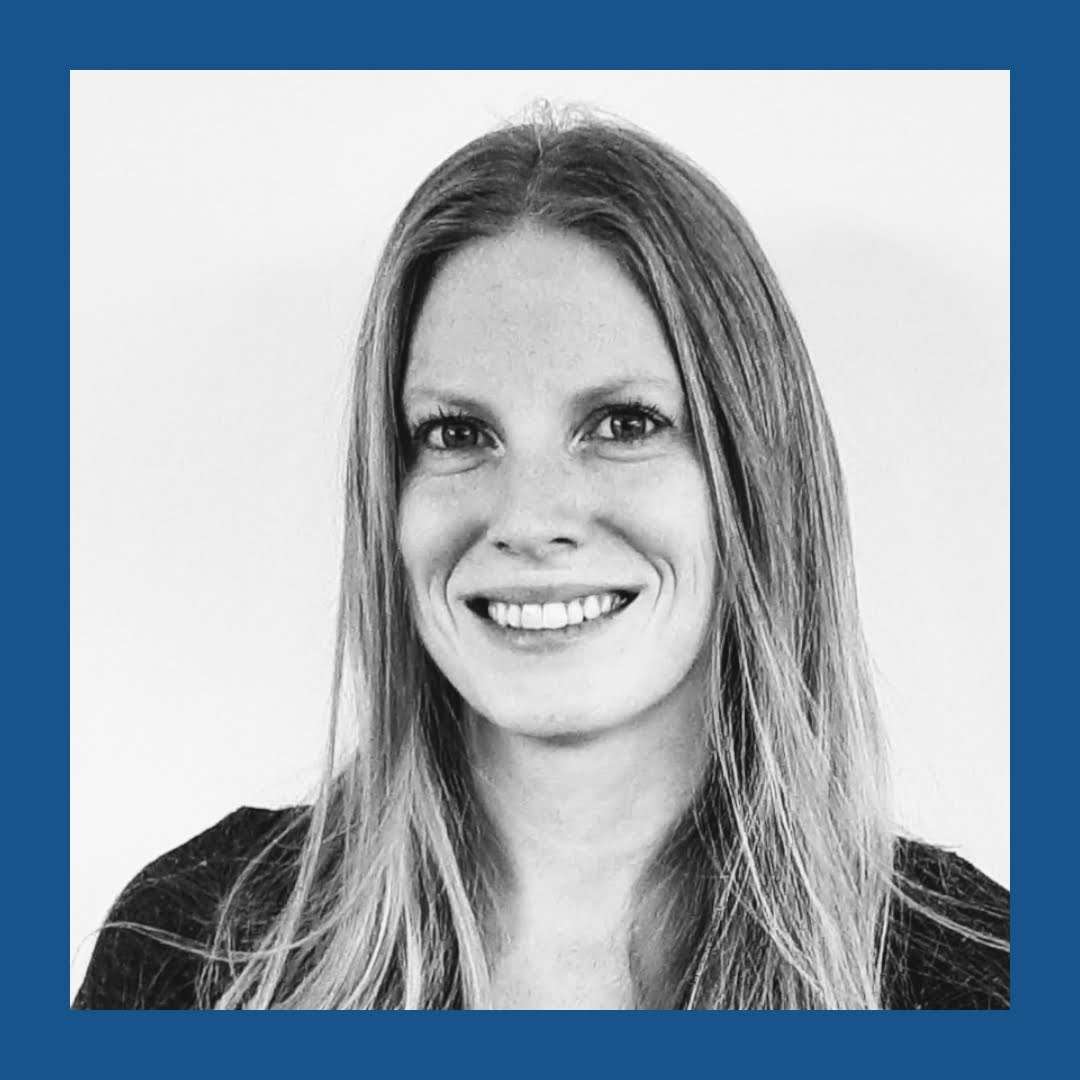
S2 Ep 3PhD Recruitment Today with Rebecca Maymon
This week, I'm bringing you a conversation with someone who has recently made the transition from her PhD to the non-academic job market, and has done so into the PhD career development and recruitment domain.During our conversation, Rebecca Maymon, you will not only hear about her experience exploring career avenues during her PhD and navigating that transition, but you will also get her valuable insights based on her research and on her recruiting experience working in an organizations that focuses exclusively on PhDs. Download "Tools for Your PhD Journey" Now ! Rebecca joined Adoc Talent Management in 2019 as a Research Officer and Recruitment Consultant, where she contributes to in-house research projects focused on the skills of PhDs and how they can foster innovation within and outside the academy. She also provides skills and career development workshops for PhDs, and acts as a recruitment consultant to help innovative companies find highly qualified talent that matches their needs.Rebecca holds a PhD in Educational Psychology from McGill University, Montreal. Over the past 10 years, she has developed and contributed to projects in graduate skills and employment, stress and social support during transition periods, motivation, engagement, and human behavior. Join the Papa PhD Postgraduate Career Exploration Group! What you’ll learn about in this episode: How a peer support group can help you during graduate school and after in designing your career pathThe importance of identifying and taking advantage of resources offered by your university (and sharing them with your peers!)If your career center doesn't offer a service you need - ask for it and they might end up creating it!How to start broadening your network today - is is most likely where you'll find your next jobInformational interviews - they are your best friend, so don't be afraid of reaching out to peopleThe importance of building bridges between university research centers and employersThis episode’s pearls of wisdom:“Coming back to the informational interviews, just expanding yourself outside of your network, just talking to people who are not in your department, in your discipline, it gives you those opportunities to kind of nail that down, so that when you get to an interview, you've messed it up a few times and you're good, now.”“As far as workshops, pretty much I saw that I was able to go to, I went to. There were things about kind of the way they do IDPs or individual development plans, now, just helping you reflect and map out your motivations and aspirations and values, and things like that.”“Most PhDs are finding their jobs through their network.”Rebecca's links: LinkedIn – Linkedin.com/in/rebecca-maymon-phd-a70523153; Website – Adoc-TM.com; PhDetectives report: http://bit.ly/2NHqeGA . Leave a review on Podchaser ! You might also like the following episodes: Zoë Ayres – Water chemistry: PapaPhD.com/54; PapaPhD.com/55Nathalie Ross: PapaPhD.com/50; PapaPhD.com/51Falisha Karpati – Skills Development: PapaPhD.com/30Chris Humphrey – Career Counseling: PapaPhD.com/73 Launching your podcast? If you're preparing to launch your podcast, you may be asking yourself what hosting platform to use. I launched Papa PhD on Bluebrry because I wanted a professional service that would interface with my WordPress website, that would robustly broadcast Papa PhD to all platforms, and that would allow me to grow my podcast in years to come. And these are the reasons why I'm recommending the Blubrry podcast hosting and syndication platform. Click on the button below or use the promo code PapaPhDBlue on the Blubrry website to unlock a one month free trial: Try one free month with Blubrry ! If you are starting a serious podcast project, do consider one of the first podcasting hosts out there, offering state of the art services,
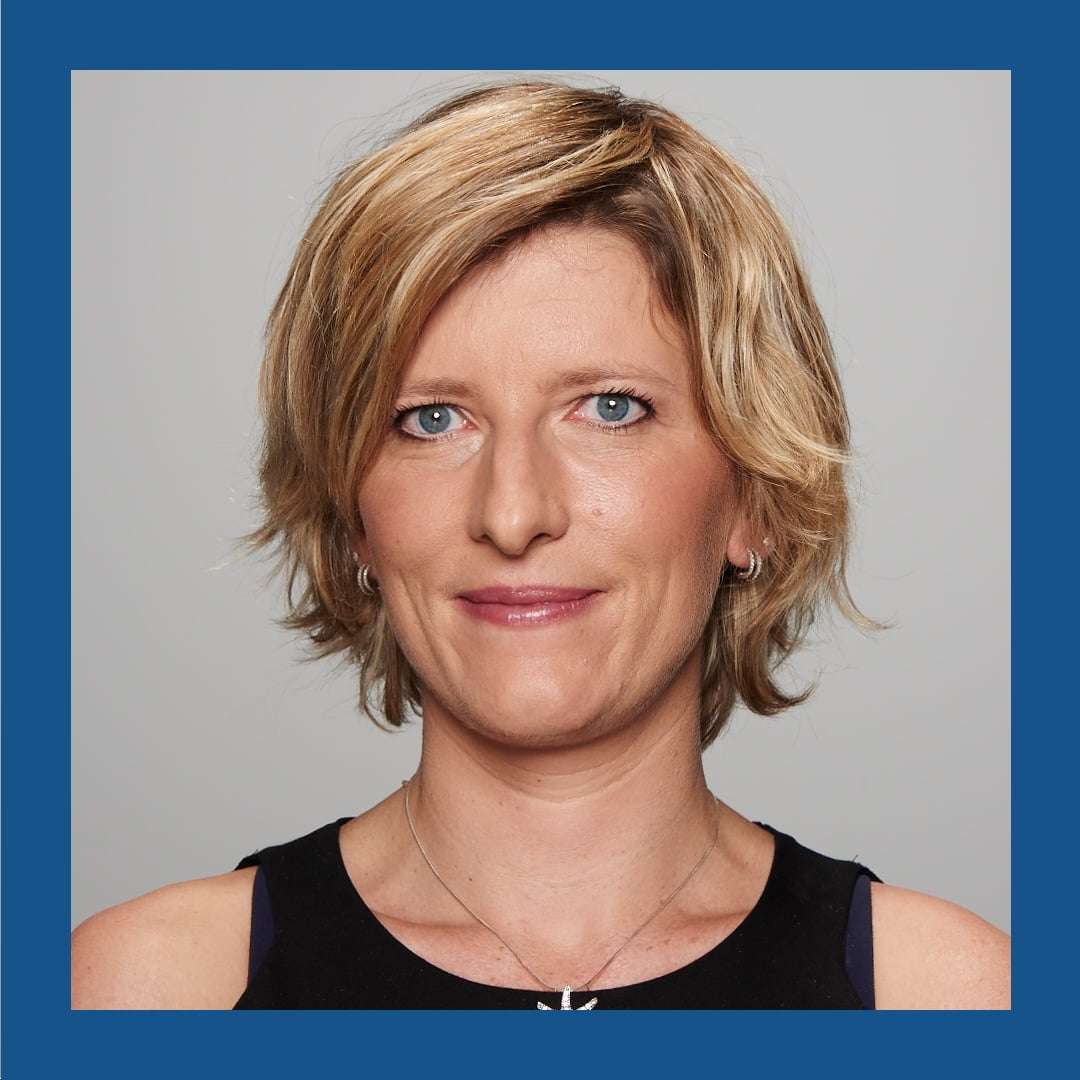
S2 Ep 2Emploi et doctorat en 2020 avec Amandine Bugnicourt
De retour en français pour cette saison 2 de Papa PhD et cette semaine je vous apporte une invitée qui travaille depuis 2008 à faire le pont entre docteurs et employeurs. Tu remarqueras que le format a un peu changé : les entrevues dureront environ 40 minutes et seront toujours publiées le jeudi, tu m’entendras intervenir plus et commenter des moments-clés de la conversation et – petit cadeau – j’inclurai toujours à la fin de l’épisode des vignettes audio de podcasts amis, en français, et qui t’intéresseront sûrement. Téléchargez la "Boîte à outils pour le doctorat" maintenant ! Amandine Bugnicourt est ingénieur de l'INSA Lyon en biochimie et biotechnologie et est titulaire d'un doctorat en microbiologie, biologie moléculaire et cellulaire de l'Université Paris 7 - Denis Diderot. Elle a travaillé dans la recherche en France, en Europe, aux États-Unis. Convaincue de la valeur ajoutée que les doctorats peuvent apporter à des entreprises dans des postes de haut niveau, mais aussi consciente des difficultés que rencontrent certains d'entre eux pour rechercher et évaluer ces profils, elle a cofondé Adoc Talent Management au début de l'année 2008. Directrice associée de l'entreprise, elle est en charge de la stratégie de développement et gère les trois activités où elle travaille également Recrutement, Formation, Innovation & Études. Joignez-vous au groupe d'exploration de carrières Papa PhD ! Ce que vous apprendrez dans cet épisode : L'importance de rechercher soi-même son champ des possibles dans ce qui a trait aux possibilités de carrière, quitte è créer son poste quand vos compétences correspondent à un besoin nouveau et particulierLe rôle central du réseautage dans ta préparation et dans la définition de ton champ des possiblesLa R&D et les sociétés exportatrices comme chefs de file de l'emploi de docteursLe numérique et les domaines émergents et comment y accéderL'importance d'anticiper ta poursuite de carrière le plus tôt possiblePourquoi il faut chercher un emploi qui va nous plaire, où on va pouvoir s'épanouirLa valeur de l'hulimité dans toutes ces démarchesLes perles de sagesse d'Amandine :« Il faut que le docteur – y compris issu des lettres ou des humanités – anticipe sa poursuite de carrière le plus tôt possible et pour moi ça passe par le fait de ne surtout pas se dire "comment je vais me trouver un job ?" Parcequ'un job il en trouvera un, mais vraiment de se dire "comment je vais trouver de l'emploi où je viais m'épanouir demain et où je vais apporter le plus de plus'value. »« Cest une manière différente de réfléchir à son profil. Ça nécessite vraiment d'avoir une approche réflexive, de faire une introspection sur ses savoirs, ses savoirs-faire, ses savoirs-être, de décortiquer son travail doctoral sous l'angle des compétences qu'on a à apporter et de pouvoir les expliquer, demain à un non-expert, puisque les recruteurs, en général, ne sont pas experts du doctorat, ni du domaine disciplinaire. »Les liens d'Amandine : Linkedin – https://www.linkedin.com/in/amandinebugnicourt; Twitter – @AdocTM; Web – Adoc-TM.com; Étude PhDétectives – Adoc-TM.ca/etudes. Laissez une évaluation sur Podchaser ! Vous aimerez aussi ces épisodes : Boîte à outils pour les études doctorales – Mon cheminement : PapaPhD.com/37Carine Monat – Journalisme scientifique : PapaPhD.com/40Olivier Hernandez – Vulgarisation Scientifique : PapaPhD.com/56; PapaphD.com/45Virginie Levasseur – Développement international : PapaPhD.com/17 Envie de lancer un podcast? Mon ami et collègue podcasteur Marco Bernard et son Académie du Podcast ont ce qu'il vous faut si vous avez une idée, mais qu'il vous manque les connaissances pour mettre en place votre podcast.Dans la formation Podcasting 101, Marco a préparé plus de 20 vidéos et des tutoriels où il explique quel équipement se procurer, comment faire le montage et comment le mettre en ondes sur les p...
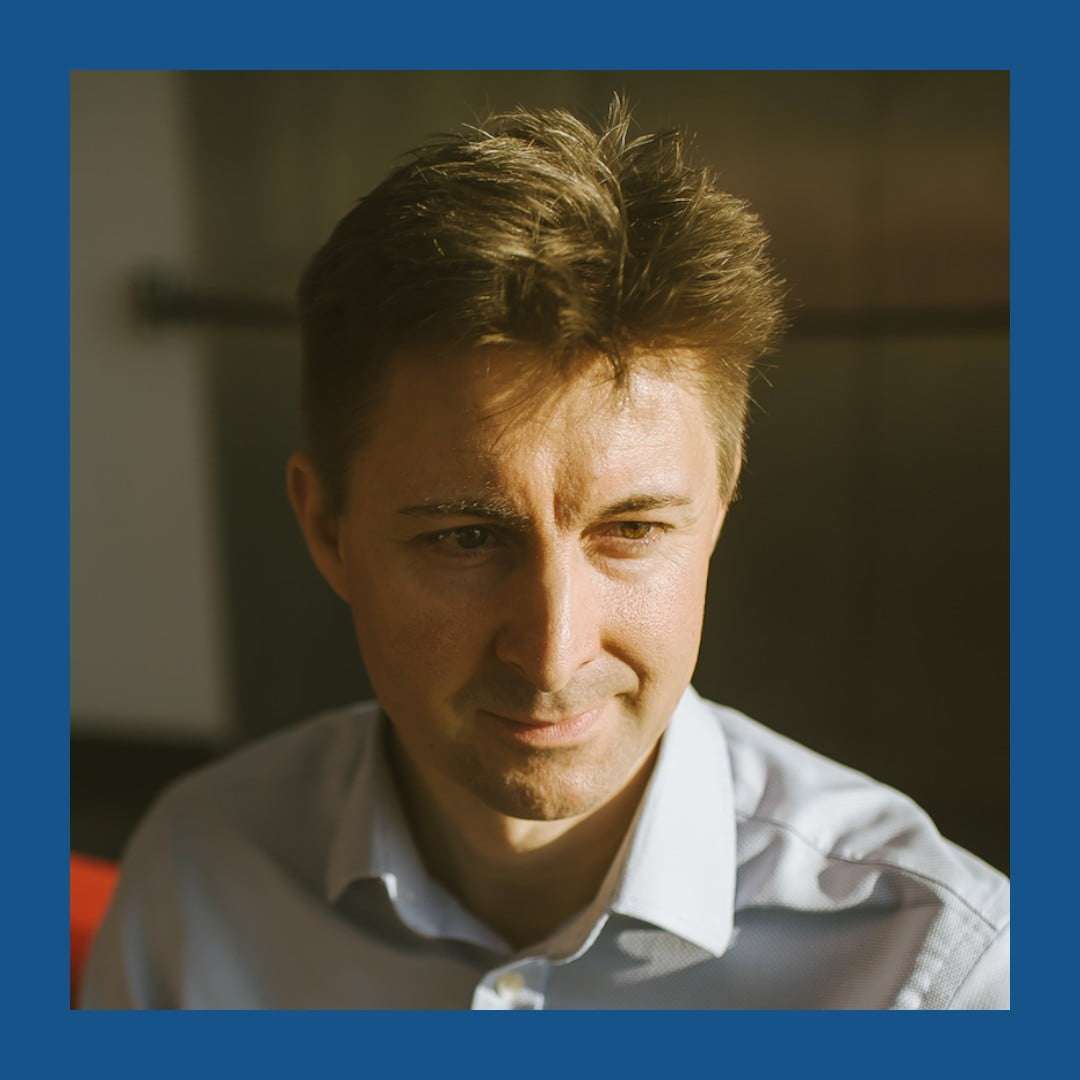
S2 Ep 1Rebranding the PhD with Chris Humphrey
Download "Tools for Your PhD Journey" Now ! Welcome to Season 2 of Papa PhD!To kick-start this second season of interviews, I’m bringing you someone who has been helping researchers figuring out their careers for a while, now, and who will be recounting how he navigated his transition and how he got to the position he’s in today.But before we go into the interview, I want to quickly share with you what new features you’ll be noticing starting today, on Papa PhD. The first big change is that the interviews are now going to be shorter, around 40 minutes, and they’ll be published as a single episode, on Thursday. Second – you’ll see that I’ll be spending more time discussing what my guests do today and what advice they have for you. And you’ll see the more we go into the interview, the more value you’ll find. And finally, every episode I will have a short section at the end where I’ll be sharing trailers of podcasts I think you’ll enjoy, and that are friends of the show.I hope you enjoy the new format! So today, on Papa PhD, I have with me Dr Chris Humphrey.Chris Humphrey is a project manager and careers consultant, and the founder of the popular careers website Jobs on Toast. Chris holds a BA in English Studies and an MA in Culture and Social Change, both from the University of Southampton. He completed his PhD in Medieval Studies at the University of York in 1997, and held a post-doctoral fellowship there until 2000.Since leaving academia, Chris has worked as a project and programme manager in the private sector, specialising in technology, transport, financial services and sustainability. Today he works as a team leader and project manager for a leading European sustainable bank. Chris is a Member of the Association for Project Management and a registered PRINCE2 Practitioner.Chris is passionate about helping people with their careers and personal development. He has given numerous careers talks at universities in the UK, Ireland, Australia and the US, and has taken part in live Q&A events on The Guardian’s website, and for jobs.ac.uk. Chris has contributed a video training course to the popular careers website CareerCake, explaining the benefits of further study for personal and career progression (covering Diplomas, Master’s courses and PhDs).In 2012 Chris founded the website Jobs on Toast as a way to help Masters students and doctoral graduates access the abundant career opportunities available outside of higher education. Join the Papa PhD Postgraduate Career Exploration Group! What you’ll learn about in this episode: The importance of being open to new experiences when considering career optionsWhy it's ok to take on a lower entry-level job when transitioning and why you will then quickly ascend afterHow a PhD translates in the project management spaceHow career advancement works in the private sectorThe importance of thinking out of the box and not putting all your energies into the "logical" choices, when looking at job postings or when offered opportunities that fall outside of your universe of possiblesThis episode’s pearls of wisdom:“Typically in the UK only 50% of PhDs are still in academia three-and-a-half years after they graduate, you know. Some people are obviously doing research work still, as postdocs, some people are doing teaching and lecturing and some are in administrative positions, but yeah - half of all PhDs will be working outside of academia. When you tell that to specially first- and second-year PhDs, they can't believe it.It's mind-blowing, you know? And even when I talk to people I meet, and I introduce myself, say I've got a PhD or something, and they say "Why aren't you working at Oxford or Cambridge? You've got a PhD... That must be what you should have been doing..." And it's interesting that there's this powerful expectation. But it's trying to educate people really about developing a career consciousness.