Behavioral Grooves Podcast
529 episodes — Page 9 of 11

Ep 176Andy Luttrell: Pro’s and Con’s of Persuasion When Issues are Moralized
Andy Luttrell, PhD is an assistant professor of psychological science at Ball State University and the podcaster/host of Opinion Science, one of Kurt and Tim’s favorites. Andy’s research centers on people’s opinions, including when and how attitudes change. More importantly, Andy is curious about what happens when people moralize their attitudes and how moral arguments can sometimes be compelling and sometimes backfire. Our conversation focused on these areas and we loved the research Andy presented. We were particularly interested in hearing about how people who based their positions on careful analysis tend to be the ones who open enough to be persuaded with the right argument. So our willingness to be open to a fresh idea is in part based on how strong or weak the arguments were in coming to our own conclusions. We found the research fascinating that indicates that people with weak arguments are harder to persuade to new ideas. That was a head-scratcher. Our discussion also covered some thoughtful positions on the so-called Replication Crisis and Andy’s first-hand experience with replication – and non-replication – was insightful. We also want to remind you that Andy’s podcast, Opinion Science, is one of our favorite podcasts – period. We highly recommend it. © 2020 Behavioral Grooves Links Andy Luttrell, PhD: http://www.andyluttrell.com/ Opinion Science Podcast: http://opinionsciencepodcast.com/episodes/ Richard Petty, PhD: https://psychology.osu.edu/people/petty.1 Arie W. Kruglanski, PhD: Need for Closure: https://psyc.umd.edu/facultyprofile/kruglanski/arie PSA (Public Service Announcement): https://en.wikipedia.org/wiki/Public_service_announcement Matt Feinberg and Rob Willer on Moral Reframing: https://www.researchgate.net/publication/337861541_Moral_reframing_A_technique_for_effective_and_persuasive_communication_across_political_divides Moral Foundations: https://en.wikipedia.org/wiki/Moral_foundations_theory Registered Report Experiments: https://www.cos.io/initiatives/registered-reports RadioLab: https://www.wnycstudios.org/podcasts/radiolab 99% Invisible: https://99percentinvisible.org/ Petty, DeMarree, Brinol, Xia, “Documenting individual differences in the propensity to hold attitudes with certainty”: https://psycnet.apa.org/record/2020-45471-001 Musical Links Weird Al Yankovic: https://www.weirdal.com/ Blue Man Group: https://www.blueman.com/ “Robots” Movie Sound Track: https://music.apple.com/us/album/robots-the-original-motion-picture-soundtrack/723430411

Ep 175Secrets to a Successful Marriage with Eli Finkel
Eli Finkel, PhD is a social psychology professor who studies interpersonal attraction, marriage, and how our social relationships influence our goal achievement. He is the author of the bestselling book The All-Or-Nothing Marriage: How the Best Marriages Work and is a professor at Northwestern University, where he has appointments in the psychology department and the Kellogg School of Management. In his role as director of Northwestern’s Relationships and Motivation Lab (RAMLAB), he has published over150 scientific papers and is a contributor to the Op-Ed page of The New York Times. Eli got our attention because his book points to some very important tips about how to make the best of a relationship during a global pandemic. We thought it would be good to check in with him. He also shared a historical perspective on marriage that is instrumental in understanding how marriage got to where it is today and why marriage is so much more complicated, for some people, than it has ever been. Thanks for listening. If you enjoy what you hear there are three things that you can choose to do: first, leave a quick 5-star rating, second, write a brief review, and lastly, you could subscribe on our Patreon site at www.patreon.com/behavioralgrooves. Thanks for your help and keep on grooving. © 2020 Behavioral Grooves Links Eli Finkel, PhD: https://elifinkel.com/about-eli “The All or Nothing Marriage”: https://elifinkel.com/allornothingmarriage/ Romeo & Juliet: https://en.wikipedia.org/wiki/Romeo_and_Juliet Tristan & Isolde: https://en.wikipedia.org/wiki/Tristan_and_Iseult Anna Karenina: https://en.wikipedia.org/wiki/Anna_Karenina The Scarlet Letter: https://en.wikipedia.org/wiki/The_Scarlet_Letter “Wild”: https://www.imdb.com/title/tt2305051/ “Eat Pray Love”: https://en.wikipedia.org/wiki/Eat_Pray_Love Netscape Navigator: https://en.wikipedia.org/wiki/Netscape_Navigator eHarmony: https://www.eharmony.com/ Nate Silver “The Signal and The Noise”: https://www.goodreads.com/book/show/13588394-the-signal-and-the-noise John Gottman, PhD: https://www.gottman.com/ Brad Shuck, PhD: https://louisville.edu/education/faculty/shuck Indian Matchmaking: https://www.netflix.com/title/80244565 Musical Links Nirvana “Nevermind”: https://www.youtube.com/watch?v=dIGl_qth81c Pearl Jam: https://www.youtube.com/watch?v=qM0zINtulhM Alice In Chains: https://www.youtube.com/watch?v=nWK0kqjPSVI Red Hot Chili Peppers: https://www.youtube.com/watch?v=YlUKcNNmywk Screaming Trees: https://www.youtube.com/watch?v=PE5f561Y1x4 Poison: https://www.youtube.com/watch?v=xCChxBSRo1Y
Ep 174Grooving: Colleges and the Coronavirus
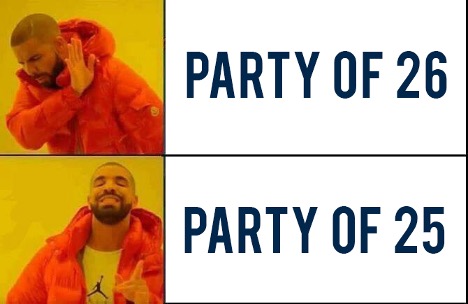
[NOTE: You may or may not know that Kurt and Tim host a sibling podcast called Weekly Grooves. We thought this was such an important topic that we wanted to share it with the Behavioral Grooves community.] We got a call recently from Eugen Dimant, a friend of ours who is an associate professor in behavioral and decision sciences at the University of Pennsylvania, about how the University of Michigan was trying to let students know that they should only gather in groups of 25 of less. Eugen suggested we tee it up as a topical issue for Weekly Grooves and we readily agreed. It led to a discussion about what colleges are doing to regulate student activites to contain the coronavirus, the punishments involved in breaking those regulations, the environment in which students make deicisons on how to behave, and the importance of proper communication. Also, in this episode we include some of the conversation we had with Eugen, which is a departure from our standard approach and we hope you enjoy it. Eugen’s insights from a sociological perspective make for important reminders in an age when when the words we choose to communicate impacts whether get sick or not people. As always, please let us know what you think and share it with a friend or colleague. © 2020 Weekly Grooves Links Eugen Dimant, PhD: https://www.lps.upenn.edu/degree-programs/mbds/faculty/eugen-dimant University of Michigan Tweet: https://twitter.com/UMich/status/1299069416202739712 University of Alabama outbreaks: https://www.cnn.com/2020/08/29/us/university-of-alabama-covid-19-cases-trnd/index.html

Ep 173How to Talk to Your Friends About Their Conspiracy Theories with Eric Oliver
Eric Oliver, PhD is a Professor of Political Science at the University of Chicago. Although the majority of his work is squarely in the realm of how we view our political systems and make political decisions, some of his work echoes moral psychology and sociology, and we find it fascinating. And, frankly, some of it is just downright fun to talk about. Eric’s observations come from more than 20 years of research, dozens of peer-reviewed papers, and he is the author of 5 books on political science. We specifically talked about how liberals and conservatives name their children, the rise of intuitionism, having dinner with a sports star rather than a rock star, and of course, he spoke in-depth about conspiracy theories. Most importantly, he walked us through some key aspects of how to have a conversation with someone who is on the opposite side of the conspiracy-theory belief system and, interestingly enough, it begins with empathy. Listen to the entire episode to hear all his insights and research anecdotes. They’ll put a smile on your face as well as fresh ideas into your brain! We have been fans of his work for some time and are grateful that Eric shared his insights with us. We think you’ll become a fan, too, if you’re not already one. © 2020 Behavioral Grooves Links Eric Oliver, PhD: https://political-science.uchicago.edu/directory/eric-oliver Jonathan Haidt, PhD: https://en.wikipedia.org/wiki/Jonathan_Haidt James Frazer, “The Golden Bough”: https://en.wikipedia.org/wiki/The_Golden_Bough Katherine Surma on Credulity: https://www.jericoliver.com/uploads/1/1/8/9/118973414/surmaoliver3.5.18-final.pdf Laurie Santos, PhD: The Joe Effect: https://www.youtube.com/watch?v=GimHHAID_P0 Steve Kerr: https://en.wikipedia.org/wiki/Steve_Kerr Colin Kaepernick: https://en.wikipedia.org/wiki/Colin_Kaepernick Charles Manson: https://en.wikipedia.org/wiki/Charles_Manson Musical Links LCD Sound System: https://www.youtube.com/watch?v=lqq3BtGrpU8 Kurt Weil: https://en.wikipedia.org/wiki/Kurt_Weill Phillip Glass: https://www.youtube.com/watch?v=M73x3O7dhmg Keith Richards and Chuck Berry: https://www.youtube.com/watch?v=ERVLy-ltjHs

Ep 172Self Control, Belonging, and Why Your Most Dedicated Employees Are the Ones To Watch Out For with Roy Baumeister
Roy Baumeister, PhD is a world-renowned researcher known for his work on the subjects of willpower, self-control, and self-esteem and how they relate to human morality and success. Most recently, he is the author of The Power of Bad, with John Tierney, which explores how powerful bad experiences can be and how life is better when we seek out the good. We discussed a bit of the new book as well as some of his highly researched topics. Roy’s peer-reviewed papers have been cited more than 200,000 times and he’s published more than 30 books. As one might imagine, our conversation was packed with insights into how we feel, think and act based on the complex ways we view and experience the world. We felt like we were starting a master class when we hit the record button and we love sharing this conversation with you. Suffice it to say, we thoroughly enjoyed our conversation with this pioneer and we hope you do too. © 2020 Behavioral Grooves Links Roy Baumeister, PhD: https://en.wikipedia.org/wiki/Roy_Baumeister George Loewenstein, PhD: https://www.cmu.edu/dietrich/sds/people/faculty/george-loewenstein.html “The Power of Bad”: https://roybaumeister.com/books/ Dan Gilbert, PhD: https://en.wikipedia.org/wiki/Daniel_Gilbert_(psychologist) John Gottman, PhD: https://www.gottman.com/author/john-gottman-ph-d/ Suzanne Segerstrom, PhD: https://psychology.as.uky.edu/users/scsege0 Mark Maraven, PhD: https://www.albany.edu/psychology/faculty/mark-muraven John Cacioppo, PhD: https://news.uchicago.edu/story/john-t-cacioppo-pioneer-and-founder-field-social-neuroscience-1951-2018 Musical Links YoYo Ma: https://www.youtube.com/watch?v=1prweT95Mo0 Louis Armstrong: https://www.youtube.com/watch?v=kmfeKUNDDYs John Coletrane: https://www.youtube.com/watch?v=IsBbM5PIAHk Miles Davis: https://www.youtube.com/watch?v=zqNTltOGh5c Cannonball Adderley: https://www.youtube.com/watch?v=mN1SwOdbdBU Big Bands: https://www.youtube.com/watch?v=WGq-eCoPSwA Bix Beiderbeck: https://www.youtube.com/watch?v=oW7YYt0F-K4 John McLaughlin: https://www.youtube.com/watch?v=uHbLq694PoU Stan Getz: https://www.youtube.com/watch?v=OqQWVrfjatA Snarky Puppy: https://www.youtube.com/watch?v=kk0WRHV_vt8 Ministry: https://www.youtube.com/watch?v=GXCh9OhDiCI

Ep 171Seven Questions to Assess the Psychological Safety of Your Teams with Susan Hunt Stevens
Susan Hunt Stevens is the Founder and CEO of WeSpire, a technology platform that helps achieve the company’s goals through better employee engagement. WeSpire delivers applications at scale including sustainability, diversity and inclusion; moreover, they enable employees to be recognized for shaping a welcoming community both inside and outside the firm. We talked to Susan about her observations on the value of building diverse teams, the creation of the psychologically safe workplace, and most importantly, the ethical application of behavioral science. She shared seven simple questions, created by Amy Edmonson, PhD at Harvard, to identify the levels of psychological safety within her client organizations. We encourage you to consider them for yourself. If you make a mistake on this team, it is often held against you. Members of this team are able to bring up problems and tough issues. People on this team sometimes reject others for being different. It is safe to take a risk on this team. It is difficult to ask other members of this team for help. No one on this team would deliberately act in a way that undermines my efforts. Working with members of this team, my unique skills and talents are valued and utilized. Susan’s insightful comments mix a passion for the application of good research and a desire to help build productive, profitable organizations that treat their people with respect. We also want to give a special shout to Emily Wagner for turning us on to Susan’s work. Thank you, Emily! © 2020 Behavioral Grooves Links Susan Hunt Stevens: https://www.linkedin.com/in/huntstevens/ WeSpire: https://www.wespire.com/ Amy Edmondson, PhD: https://www.hbs.edu/faculty/Pages/profile.aspx?facId=6451 Nir Eyal “Hooked”: https://www.nirandfar.com/hooked/ How to Measure Psychological Safety on Your Team: https://www.business2community.com/strategy/measure-psychological-safety-team-01730787 “I Hired a Wife” article: https://medium.com/@chrismorgan_1657/i-hired-a-wife-and-my-career-took-off-16dc8ae481fe Cass Sunstein Ethics Guide: https://papers.ssrn.com/sol3/papers.cfm?abstract_id=2526341 Susan Cain “Quiet”: https://www.goodreads.com/book/show/8520610-quiet Google’s Project Aristotle: https://www.inc.com/michael-schneider/google-thought-they-knew-how-to-create-the-perfect.html Musical Links Irish Step Dancing from Riverdance: https://www.youtube.com/watch?v=B718RsboGEI Drop Kick Murphys: https://www.youtube.com/watch?v=x-64CaD8GXw Abba “Dancing Queen”: https://www.youtube.com/watch?v=xFrGuyw1V8s

Ep 170Eugen Dimant, PhD: What To Do About Bad Apples
[NOTE: Republished in its entirety from original episode #104 on December 15, 2019.] Eugen Dimant, PhD is a Postdoctoral Researcher in the Master of Behavioral and Decision Sciences Department and a Senior Research Fellow at the Identity and Conflict Lab, Political Science Department – both at the University of Pennsylvania. His research is rooted in economics and sits at the crossroads of experimental behavioral economics, behavioral ethics, crime, and corruption, with much of his recent work focusing on the ways “bad apples” (people will malintent) can be thwarted. This is also manifest in his research on behavioral contagion of pro- and anti-social behavior among individuals and groups. Because we met up with him presenting a paper at NoBeC, a social norms conference, we also discussed the role of social norms in pro- and anti-social behaviors. We are inspired by Eugen’s work with social nudges and what can be done to minimize the impact of people who are out to corrupt systems and communities. And, we had a great time talking with this incredibly passionate researcher about his wide variety of interests. We are grateful to Eugen for reaching out to us as we were planning our 100th Episode celebration in Philadelphia. He invited us to the University of Pennsylvania’s NoBeC Conference – the Norms and Behavioral Change Conference – that was happening the same days that we were recording our 100th Episode. Eugen, along with his colleague Chris Nave, PhD, helped us arrange conversations with many researchers and speakers at the conference and we are forever grateful. Finally, we invite you to keep listening after our discussion with Eugen to hear Kurt and Tim’s Grooving Session and then the Bonus Track where we recap the key insights from the episode. © 2020 Behavioral Grooves LINKS: Eugen Dimant, PhD: https://www.sas.upenn.edu/lps/graduate/mbds/faculty/eugen-dimant NoBeC (Norms and Behavior Change Conference): https://web.sas.upenn.edu/nobec/ Cristina Bicchieri, PhD: https://upenn.academia.edu/CristinaBicchieri Gary Bolton, PhD: https://personal.utdallas.edu/~gxb122130/ Nudge: https://en.wikipedia.org/wiki/Nudge_theory Social Norms: https://plato.stanford.edu/entries/social-norms/ Injunctive and Descriptive Norms: https://study.com/academy/lesson/injunctive-and-descriptive-group-norms-definitions-differences-examples.html Pluralistic Ignorance: https://en.wikipedia.org/wiki/Pluralistic_ignorance Peer Effects: https://www.encyclopedia.com/social-sciences/applied-and-social-sciences-magazines/peer-effects Coleman’s Boat: https://www.youtube.com/watch?v=dGaz0xKG060 Chris Nave, PhD: https://www.sas.upenn.edu/lps/graduate/mbds/contact/christopher-nave Bobo Doll Effect: https://en.wikipedia.org/wiki/Bobo_doll_experiment Robert Cialdini, PhD: https://en.wikipedia.org/wiki/Robert_Cialdini Kiki and Bouba: https://en.wikipedia.org/wiki/Bouba/kiki_effect Pollstar: https://www.pollstar.com/ Musical Links Drake: https://en.wikipedia.org/wiki/Drake_(musician) Bushido: https://en.wikipedia.org/wiki/Bushido_(rapper) U2: https://en.wikipedia.org/wiki/U2 Ed Sheeran: https://en.wikipedia.org/wiki/Ed_Sheeran Eagles: https://en.wikipedia.org/wiki/Eagles_(band) Rolling Stones: https://en.wikipedia.org/wiki/The_Rolling_Stones Fleetwood Mac: https://en.wikipedia.org/wiki/Fleetwood_Mac
Ep 169Working through the Stages of Grief, Pandemics and the Psychology of Protests with Nicole Fisher
Nicole Fisher, DrPH is the president of Health and Human Rights Strategies and is a regular contributor to Forbes magazine on social justice issues. Her piece in Forbes about “The Psychology of Protests” is an excellent analysis of why people take to the streets. Nicole earned a Master’s in Public Health from the University of Chicago, then her Doctorate of Public Health from Chapel Hill, and she was also an Economics Fellow at George Mason University. We felt we could go wide and deep on our conversation with her and that’s exactly what happened. In our discussion, we talked about the need for grace and understanding, a concept called peer permission, the psychology of protests (from a piece that was written prior to George Floyd’s murder and the global outpouring of peaceful dissent throughout the world), and how the heart of the matter with a pandemic is public health. In the Grooving Session, Kurt and Tim also discussed the Peace Prayer of St. Francis and recommended, in the Bonus Track, to consider sidling up to someone you don’t see eye to eye with and learn about how and why they feel the way they do. You just might learn something! We hope you enjoy this episode and we encourage you to take a moment to give us a review as ratings go a long way in introducing us to new listeners. © 2020 Behavioral Grooves Links Nicole Fisher, DrPH: https://en.wikipedia.org/wiki/Nicole_Fisher Nicole-related links: Health & Human Rights Strategies: https://www.hhrstrategies.com Dr. Nicole Fisher Forbes Column: https://www.forbes.com/sites/nicolefisher/ YouTube Channel: https://www.youtube.com/channel/UCYU0m9Esz1rFzx6pqvP0OIA Twitter: https://twitter.com/nic_fisher Instagram: https://www.instagram.com/nicfisher/?hl=en Facebook: https://www.facebook.com/nicole.f.fisher Groups and things we chatted about (that I remember...): NOCOVID: https://nocovid.us NPR CodeSwitch: https://www.npr.org/2020/06/16/878963732/why-now-white-people Mythunderstood Podcast: https://open.spotify.com/show/69yTv2hOdUqmPe6tybNLCy?si=1hFJmcX8SfW5D2oXx1FAww Second Story Books: https://www.secondstorybooks.com/ Chris Graves: https://www.ogilvyconsulting.com/people/chris-graves/ John Barry, PhD: https://en.wikipedia.org/wiki/John_M._Barry The Prayer of St. Francis: https://www.loyolapress.com/catholic-resources/prayer/traditional-catholic-prayers/saints-prayers/peace-prayer-of-saint-francis/ Sheriff who walked with protesters: https://www.youtube.com/watch?v=6j1k9459pYk

Ep 168How Babies’ Faces on Shop Doors Can Reduce Crime: With Tara Austin
Tara Austin is a strategist and was recently the Chief Strategy Officer for Kindred in London. Many of us know her for her public speaking events, like her presentation at Nudgestock in June 2020, and the amazing work she did with Rory Sutherland, Sam Tatam, and Jez Groom at Ogilvy over many years. We discussed a project she did with Ogilvy Change referred to as the Babies in the Borough. On the heels of the London riots in 2011, Tara wanted to see how a paper she’d read a few years earlier might apply to reduce crime in England. With the help of a master street painter, Ben Eine, the team gathered photos of babies from locals in the neighborhood and had them rendered on the security doors of businesses. After the babies’ faces were added to the shop shutters, the city saw declines in theft, vandalism and public urination year-over-year. We also talked about Edward de Bono, his development of lateral thinking and the six thinking hats. De Bono’s work can help us improve our decision making, which is likely to lead to greater happiness in our lives, and that’s always a win. Thank you for checking out our conversation with Tara, and if you like it, please leave us a review. © 2020 Behavioral Grooves Links Tara Austin: https://www.linkedin.com/in/tara-austin-78b2a780/ HOME Creative Consultancy: https://www.homeagency.co.uk/ The Grocer magazine: https://www.thegrocer.co.uk/ Ben Eine, street artist: https://beneine.co.uk/ Pinkie Campaign: https://www.youtube.com/watch?v=5hWxU_ICoHM Edward DeBono, PhD: https://en.wikipedia.org/wiki/Edward_de_Bono “Six Thinking Hats”: https://www.debonogroup.com/services/core-programs/six-thinking-hats/ The “Cute Matters” paper is actually “Baby Schema in Infant Faces Induces Cuteness Perception and Motivation for Caretaking in Adults”: https://www.ncbi.nlm.nih.gov/pmc/articles/PMC3260535/ Glocker, Melanie L et al. “Baby Schema in Infant Faces Induces Cuteness Perception and Motivation for Caretaking in Adults.” Ethology: formerly Zeitschrift fur Tierpsychologie vol. 115,3 (2009): 257-263. doi:10.1111/j.1439-0310.2008.01603.x Lateral Thinking: https://en.wikipedia.org/wiki/Lateral_thinking Jaywalking: https://en.wikipedia.org/wiki/Jaywalking Beggar’s Banquet Records: https://en.wikipedia.org/wiki/Beggars_Banquet_Records Common Biases & Heuristics: https://docs.google.com/document/d/1XHpBr0VFcaT8wIUpr-9zMIb79dFMgOVFRxIZRybiftI/edit Ozan Varol: https://ozanvarol.com/ Musical Links Dolly Parton “9 to 5”: https://www.youtube.com/watch?v=UbxUSsFXYo4 The Killers “Human”: https://www.youtube.com/watch?v=RIZdjT1472Y Lou Reed “Satellite of Love”: https://www.youtube.com/watch?v=FH2EgYq_NCY U2 “Satellite of Love”: https://www.youtube.com/watch?v=8q1zWNITuyg Gretchen Peters: https://www.youtube.com/watch?v=r07tGdLpKIQ Loretta Lynn “The Pill”: https://www.youtube.com/watch?v=5DcdONaKSQM Loretta Lynn “Coalminers Daughter”: https://www.youtube.com/watch?v=vlHJ9Tp24yY&list=PLsZQ89o7KvqJPUf2oKv8iHDhb25Puqbpd&index=28 “Pan Pipes of the Andes”: https://www.youtube.com/watch?v=QNCuRpdemew Spice Girls: “Who Do You Think You Are": https://www.youtube.com/watch?v=-YriinrRGug

Ep 167Elspeth Kirkman: Best Models for Identifying a Problem
Elspeth Kirkman is responsible for BIT’s work on health, education, and local government. Prior to this role, she oversaw the establishment and growth of BIT’s North American office from New York. She has taught behavioral science at Harvard, acts as an expert advisor to a number of global institutions, and serves as a Senior Fellow for Casey Family Programs, advising on the applications of behavioral and decision science to child welfare systems. Prior to joining BIT in 2013, Elspeth was a management consultant working with government clients around the world. Due to some technical challenges, we weren’t able to record a full hour of conversation. However, in the time we had available we discussed how important models can be in helping us solve problems, especially the COM-B model. (COM-B focuses on three aspects of behavior change and they are Capability, Opportunity and Motivation.) We also discussed the central pillars for good application of behavioral science. Elspeth used words like, “context” and “pragmatism” and “actual impact” and it made us happy to hear those words. Finally, we talked about the future of behavioral science and Elspeth laid out a couple of important themes. On one hand, she suggested we study behavioral sciences in order to integrate the findings into the mainstreams of business and government policy. On the other hand, she imagines a future with more crossover of behavioral science with fields like AI and how Quantitative and Qualitative tools might work better together. We hope you enjoy our conversation with Elspeth as much as we did! © 2020 Behavioral Grooves Links Elspeth Kirkman: https://www.linkedin.com/in/elspethkirkman/ And…https://www.bi.team/people/elspeth-kirkman/ Co-Author with Michael Hallsworth: “Behavioral Insights” book: https://mitpress.mit.edu/books/behavioral-insights Katy Milkman Episode # 99 “Behavior Change for Good”: https://behavioralgrooves.com/episode/katy-milkman-behavior-change-for-good/ EAST Framework: https://www.bi.team/publications/east-four-simple-ways-to-apply-behavioural-insights/ COM-B Model: https://www.ncbi.nlm.nih.gov/pmc/articles/PMC3096582/ Musical Links Joni Mitchell: https://www.youtube.com/watch?v=dAxjPfWOiqI Smashing Pumpkins: https://www.smashingpumpkins.com/ Violent Femmes: https://www.youtube.com/watch?v=QHapDS2fcFE James Taylor: https://www.youtube.com/watch?v=GfJWqjoekow Rolling Stones: https://www.youtube.com/watch?v=8kl6q_9qZOs Paul Simon: https://www.youtube.com/watch?v=Fmf9ZJ_Yn0A David Bowie: https://www.youtube.com/watch?v=cZ_wnJSRFso Michael Jackson: https://www.youtube.com/watch?v=sOnqjkJTMaA U2 “Achtung, Baby”: https://www.youtube.com/watch?v=qdXczOeDVbw U2 “Joshua Tree”: https://www.youtube.com/watch?v=4AOQysQKE8A

Ep 166Shlomi Ron: Visual Storying Telling In a Time of Crisis
Shlomi Ron is the CEO of the Visual Storytelling Institute. He co-founded the institute after 20 years of digital marketing with some of the largest brands in the world. Its purpose is to help business leaders rise above the noise through the power of storytelling and the effectiveness of visual media. Shlomi is an author and his latest book is “Total Acuity: Tales with Marketing Morals.” In it, he offers readers relatable real-world stories that reinforce the powerful visual storytelling principles. We talked to Shlomi in the days just prior to Miami’s 2nd wave in the Coronavirus pandemic about the value that visual storytelling can have on pro-social initiatives such as homelessness. We also discussed the challenges advertisers and brands have at capturing our attention and some tips for accomplishing that. We were also introduced to the concept of Social Semiotics, the way communication tools vary in social settings and context. Links Shlomi Ron: http://www.shlomiron.com Visual Storytelling Institute: http://www.visualstorytell.com 1000 Miami Stories: https://www.linkedin.com/feed/hashtag/?keywords=%231000MiamiStories “Total Acuity: Tales with Marketing Morals”: https://www.amazon.com/dp/B07ZCCM11F?ref_=pe_3052080_276849420 Dove Beauty Sketches: https://www.youtube.com/watch?v=litXW91UauE Justin Trudeau Pause: https://www.youtube.com/watch?v=79nHwsqQNBA Audi 3-Hour Ambient Travel Video: https://www.youtube.com/watch?v=qqYFgqN_q-w Scrubs Television Show on Hand Washing: https://www.deseret.com/entertainment/2020/3/18/21184967/coronavirus-covid-19-scrubs-clip-infection-spreads Death of George Floyd: https://www.nytimes.com/2020/05/31/us/george-floyd-investigation.html “Visual Grammar: A Design Handbook” by Christian Leborg: https://www.amazon.com/Visual-Grammar-Design-Briefs-Christian/dp/1568985819 Social Semiotics: https://en.wikipedia.org/wiki/Social_semiotics Snapchat Logo: https://support.snapchat.com/en-US/a/ghost-logo-usage Avenue3 Miami 1001 Stories: https://www.youtube.com/watch?v=yRtM2mTjoH8&feature=youtu.be “The Good The Bad & The Ugly”: https://www.youtube.com/watch?v=h1PfrmCGFnk Common Biases & Heuristics: https://docs.google.com/document/d/1XHpBr0VFcaT8wIUpr-9zMIb79dFMgOVFRxIZRybiftI/edit?usp=sharing Music vs. Words for Memory: https://psycnet.apa.org/record/2004-13047-013 Call and Response Songs: https://en.wikipedia.org/wiki/Call_and_response_(music) Musical Links Tori Amos: https://www.youtube.com/watch?v=9ipCKIxdHTs

Ep 165Steve Wendel, PhD: Designing for Behavior Change
Stephen Wendel, PhD is an applied behavioral scientist who studies how digital products can help people take action more effectively. He currently serves as Head of Behavioral Science at Morningstar, leading a team of behavioral scientists and practitioners who conduct original research on saving and investment behavior. Steve has authored “Designing for Behavior Change,” “Improving Employee Benefits,” and “Spiritual Design.” He is also a co-founder of the non-profit Action Design Network that focuses on educating the public on how to apply behavioral research to product development with monthly events in fifteen cities. In our conversation, we talked about epistemic humility, which is a cool concept that was new to both Kurt and Tim. We also discussed a few of our favorite topics including the role of behavioral science in the corporate world, the ethical application of behavioral science, and how important context is to … well, everything. We hope you enjoy our conversation with Steve and encourage you to take a moment to leave a review or check out our Patreon page at www.patreon.com/behavioralgrooves. © 2020 Behavioral Grooves Links Stephen Wendell, PhD: https://www.linkedin.com/in/sawendel/ BehavioralTechnology.co: https://www.behavioraltechnology.co/ Stephen Wendell, PhD, “Designing for Behavior Change”: https://www.amazon.com/gp/product/B089VDCG8C/ref=as_li_tl?ie=UTF8&tag=sawendel-20&camp=1789&creative=9325&linkCode=as2&creativeASIN=B089VDCG8C&linkId=9eb146b1f7ac7c968bc2bc2c2bdeb6c1#ace-6308736939 Cass Sunstein: https://en.wikipedia.org/wiki/Cass_Sunstein Wendy Wood, PhD: https://www.marshall.usc.edu/personnel/wendy-wood Dan Ariely, “Honest Truth About Dishonesty”: https://en.wikipedia.org/wiki/The_Honest_Truth_about_Dishonesty Irish Bohnet, “What Works”: https://www.hup.harvard.edu/catalog.php?isbn=9780674089037 Musical Links Shakira: https://www.youtube.com/watch?v=DUT5rEU6pqM Daddy Yankee: https://www.youtube.com/watch?v=sGIm0-dQd8M Raggaeton: https://www.youtube.com/watch?v=WJXkYF-Oscg Christian Contemporary: https://www.youtube.com/watch?v=ZjzLN8uYCig Johnny Cash: https://www.youtube.com/watch?v=J5126CibNsk Merle Haggard “She Still Thinks I Still Care”: https://www.youtube.com/watch?v=3Dx3rS2N8yE

Ep 163Robert Cialdini, PhD: Littering, Egoism and Aretha Franklin
[NOTE: This episode is republished from #50 in January 2019.] Robert Cialdini, PhD is counted among the greatest psychological researchers alive today and his published works have been cited thousands of times. His New York Times best-selling book, Influence, from 1984, is considered a classic for classroom and corporate use alike. He is an ardent author and a passionate professor, and his work has impacted millions. In short, Bob Cialdini has shaped the landscape of how sales and marketing workers do their jobs and how researchers frame their studies. In this episode of Behavioral Grooves, Bob took a few minutes to discuss some of his most underappreciated research and some of the new things he’s working on. We began with a study that used littering as a way to predict, before the polls closed, the outcome of an election by watching how voters treated candidate fliers left on their cars. One of the very elegant aspects of this study was that it required no surveys – merely the observation of behaviors in the parking lots of the polling places. The question the researchers sought to answer was this: How do voters treat the fliers of candidates they favor and of those they oppose? More specifically, do voters keep fliers from candidates they like and litter with the fliers of candidates they dislike? Then, our conversation moved to a line of research that he’d investigated for over a decade: the motivations for pro-social behavior, such as giving to those in need. Bob reminds us that there are many motivators at play when one person helps out another, as when a passerby gives money to some asking for money on the street, but there is one motivator that stands out: egoism. Many of us believe that being charitable is an obligation or is driven by guilt, and while that is true to some degree, Bob’s collective research over more than a dozen years revealed that egoism, that selfish desire to feel good about ourselves, is at the heart of helping others. Then we went a step farther. Bob noted that helping others is more likely to occur when the person in need appears to be in-group or in-tribe. In other words, we’re more likely to be charitable if it appears the person asking for help is “like me.” The primary way we decide if someone is like us is to look at how they’re dressed. What kind of clothes are they wearing? In his studies, Bob found that soccer (football) fans were more likely to assist someone on the street if they were wearing the jersey of their favorite team. It’s unnerving to think that the clothes you wear could determine whether someone helps you or not. In our grooving session, Kurt and Tim discussed the impact of social identity and self-identity. We discussed articles by Michael Hogg and Roy Baumeister. We brought in books by Harvard Professor Teresa Amabile and Dan Levitan’s great treatise on the neurological effects of music. And on music, we chatted about how music makes us feel and we cited Semisonic’s “Closing Time” and Beethoven’s 5th Symphony as examples. Lastly, Bob is interested in hearing from YOU! He’d like listeners to send reports on how the principles of influence are being used in the real world to be included in his next book. If you’d like to be considered for his next work, please send your stories to [email protected] We hope you enjoy our discussion with Bob Cialdini © 2020 Behavioral Grooves Sponsor: The Creative Group, Inc. This episode is brought to you by Creative Group Inc. Kurt and Tim have worked with CGI and have found that their process of co-creation of incentive program provides clients with more robust solutions. Because their incentive and employee engagement programs are co-created, they reflect the truest aspects of the client’s organization and culture. CGI shares our belief that incentives and rewards shouldn’t be used to create brand mercenaries – but instead, should be about creating brand missionaries. Check them out at https://www.creativegroupinc.com/. A Note of Gratitude We are grateful to Bob for sharing his insights with us in this very fun conversation. However, it wouldn’t have happened without the concerted effort of Bobette Gordon. We thank her for her coordination and support to make put make our conversation with Bob a reality. Links Robert Cialdini, PhD and Influence at Work: https://www.influenceatwork.com/ The Principle of Continuation in Gestalt Psychology. The Continuity Principle: http://www.scholarpedia.org/article/Gestalt_principles#Continuity_principle Daniel Levitin: This is Your Brain on Music. https://en.wikipedia.org/wiki/This_Is_Your_Brain_on_Music Baumeister, R. F., & Leary, M. R. (1995). “The need to belong: Desire for interpersonal attachments as a fundamental human motivation,” Psychological Bulletin, 117, 497–529. Festinger, L. (1954). “A theory of social comparison processes,” Human Relations, 7, 117–140. Hogg, M. A. (2001). “Social categorization, depersonalization, and group behavior. In M. A. Hogg & R. S. Tindale
Ep 162Grooving: On the Principle of Scarcity
[NOTE: This episode is republished from #74 in June 2019.] This episode is a discussion on the principle of scarcity. Kurt and Tim attempt to illuminate the power of this very fundamental effect in behavioral science with some real-world examples. Simply put, the scarcity effect is that people want more of those things they can have less of. It’s terribly powerful and is evident in many aspects of our lives. “Sale ends tomorrow” is one of the strongest tools in a marketer’s handbook, and Kurt and Tim discuss that and others and the ways they impact behavior. We also talk about the implications of scarcity and how scarcity helps us prioritize and can actually increase focus in our lives. This episode is the third in our series on the Principles of Persuasion by Robert Cialdini, PhD. The other principles from Cialdini’s work have been discussed in previous episodes and you can check them out at the Behavioral Grooves website. The principle of Reciprocity was overviewed in episode #57 and the principle of Consistency was discussed through the lens of politicians and politics in episode #49. Please check them out if you’re interested in Cialdini’s Persuasion Principles. Also, please leave us a quick rating and review. We benefit greatly from your support and you only have a few minutes left to do it today! © 2020 Behavioral Grooves Links Principles of Persuasion – Robert Cialdini, PhD: https://www.influenceatwork.com/principles-of-persuasion/ Stephen Worchel, Jerry Lee & Akanbi Adawole, (1975) “Effects of supply and demand on ratings of object value” Journal of Personality and Social Psychology, 32(5), 906-914. https://psycnet.apa.org/record/1976-03817-001 Sendhil Mullainathan& Eldar Shafir, (2013) Scarcity: Why Having Too Little Means So Much, Times Books. https://www.amazon.com/Scarcity-Having-Little-Means-Much/dp/0805092641/ref=tmm_hrd_title_0?_encoding=UTF8&qid=&sr= Tim Urban blog: Wait But Why? https://waitbutwhy.com/ Kurt Nelson: @motivationguru and https://www.linkedin.com/in/kurtwnelson/ Tim Houlihan: @THoulihan and https://www.linkedin.com/in/tim-houlihan-b-e/ Check out the Behavioral Grooves website: https://behavioralgrooves.com/

Ep 164Katy Milkman, PhD: Using Behavior Change for Good
[NOTE: This is a republished episode from #99 in November 2019.] Katy Milkman is no ordinary behavioral scientist. She’s a Professor of Operations, Information and Decisions at Wharton. She has a secondary faculty appointment in the University of Pennsylvania’s Medical School in the Department of Medical Ethics and Health Policy. She’s Co-Director, with Angela Duckworth, at the non-profit Behavior Change for Good Initiative. She’s the host of one of our favorite podcasts, called Choiceology, she is in the middle of writing a book, and she’s a Mom and Partner all at the same time! We are grateful to her for taking time to record a conversation with us about her work on temptation bundling, the sorts of projects she’s getting at the Behavior Change for Good organization, and a few tidbits about what her book, coming out in 2021, will have in store for the readers. Most importantly, Katy shared three important pieces of wisdom about behavior change during our conversation: 1. Behavior change is hard – cut yourself some slack. 2. We humans are not built to do the right thing all the time. 3. Just keep trying. © 2020 Behavioral Grooves Links Katy Milkman, PhD: http://www.katherinemilkman.com/ Katy Milkman – Twitter: @katy_milkman Behavior Change for Good: https://bcfg.wharton.upenn.edu/ Choiceology podcast: https://www.schwab.com/resource-center/insights/podcast Temptation Bundling: https://mayooshin.com/temptation-bundling/ Fresh Start Effect: https://faculty.wharton.upenn.edu/wp-content/uploads/2014/06/Dai_Fresh_Start_2014_Mgmt_Sci.pdf Charles Duhigg: https://charlesduhigg.com/ BJ Fogg Maui Habit: https://www.youtube.com/watch?v=2L1R7OtJhWs Robert Cialdini, PhD: https://www.robertcialdinibf.com/ Francesca Gino, PhD: https://francescagino.com/ Angela Duckworth, PhD: https://angeladuckworth.com/ Kurt Nelson: [email protected] Tim Houlihan: [email protected]
Ep 161Grooving: On Goals and Goal Setting
[NOTE: This episode is republished from #92 in October 2019.] Goals are often misunderstood. Goals are much more than just objectives that are handed down to subordinates. Rather, goals are self-determined in the best cases, and at the very least, are set collaboratively to get the most out of them. We discuss Goal Setting Theory (GST), results from research that Tim conducted, and we address the three key elements that must be included to maximize the effect of the goals: 1. The goals must be perceived as achievable. Without perceived achievability, the goal is not accepted and, therefore, not a goal. 2. There must be some involvement with those who are executing the goals. If the goal is handed down from on high without meaningful participation from the person who’s going to act on it, it’s not a goal. 3. There must be a positive relationship between the goal and the reward (including a perceived assessment of risk). As the risk of achievability increases, so must the perceived value of the reward. This short grooving session also delves into some myths and how to deal with them. Ultimately, we want listeners to come away with a clear understanding of the powerful results than can be obtained with practical and effective use of self-selected goals. Links Zig Ziglar: https://en.wikipedia.org/wiki/Zig_Ziglar Goal-Setting Theory: https://en.wikipedia.org/wiki/Goal_setting Edward Locke: https://peakon.com/us/blog/future-work/edwin-locke-goal-setting-theory/ Gary Latham: http://www.rotman.utoronto.ca/FacultyAndResearch/Faculty/FacultyBios/Latham Howard Klein: https://fisher.osu.edu/people/klein.12 Ran Kivetz: https://www8.gsb.columbia.edu/cbs-directory/detail/rk566 George Loewenstein: https://www.cmu.edu/dietrich/sds/people/faculty/george-loewenstein.html Saurabh Bhargava: https://www.cmu.edu/dietrich/sds/people/faculty/saurabh-bhargava.html Raghuram Bommaraju: https://www.isb.edu/faculty-research/faculty/directory/bommaraju-raghuram

Ep 160Covid-19 Crisis: Caroline Webb, Senior Advisor at McKinsey, on The Value of Where We Place Our Attention and Amplifying Certainty
Caroline Webb, a Senior Advisor at McKinsey, is an executive coach, author, and speaker specializing in insights from behavioral science to improve our lives at work. Her book on that topic, How To Have A Good Day, has been published in 14 languages and in more than 60 countries. One of her past jobs was to contribute to the world economic forecast, and she is fluid in her ability to speak with authority on a wide spectrum of topics. This session was recorded in February 2020 in the early days of the lockdown and we realize Caroline's words of encouragement to identify even the smallest things that we can control stand up well today. We found profound value in her reminder that in times of great upheaval, we can still control our kindness, She spoke with determination on the importance of intentionality and deliberateness in our daily lives, but she tweaked these ideas with a special twist. Caroline noted that ‘batching’ our lives - the use of compartments and guardrails for work, news, work-outs, socializing...etc. - can reduce cognitive load and increase subjective wellbeing. And, as always, we appreciate Caroline’s openness and authenticity in revealing her personal challenges with the lockdown and the uncertainties of the crisis. And with all that serious exchange, we found plenty of times to enjoy a good laugh. © 2020 Behavioral Grooves Connect with Kurt and Tim: Kurt Nelson, PhD: @WhatMotivates e-mail: [email protected] Tim Houlihan: @THoulihan e-mail: [email protected] Lantern Group: http://lanterngroup.com/ BehaviorAlchemy: https://www.behavioralchemy.com/ Behavioral Grooves: https://behavioralgrooves.com/ Weekly Grooves: https://weeklygrooves.podbean.com/ Common Biases & Heuristics: https://docs.google.com/document/d/1XHpBr0VFcaT8wIUpr-9zMIb79dFMgOVFRxIZRybiftI/edit# Patreon Site for Behavioral Grooves: https://www.patreon.com/behavioralgrooves General Coronavirus Info: Daily Newsletter Summarizing data from Johns Hopkins Center for Health Security: http://www.centerforhealthsecurity.org/newsroom/newsletters/e-newsletter-sign-up.html CDC: https://www.cdc.gov/coronavirus/2019-ncov/index.html Great videos on the science behind this by Dr. Peter Attia – this is the first in a series: https://www.youtube.com/watch?v=CNVhLyAlfA4 What is herd immunity?: https://www.technologyreview.com/s/615375/what-is-herd-immunity-and-can-it-stop-the-coronavirus/ A list curated by [email protected] https://docs.google.com/document/d/11GLhX7hLf64Bxkdpv5hvYHqOjS1imlcMQFjJBJ-9oUM/edit Coronavirus & Behavioral Science: Selected Links: The Behavioral Sice of Coronavirus: https://behavioralscientist.org/selected-links-the-behavioral-science-of-the-coronavirus-covid-19/ Why no one is reading your coronavirus email: https://edition.cnn.com/2020/03/13/opinions/coronavirus-emails-effective-messaging-rogers/index.html Handwashing can stop a virus, so why don’t we do it?: https://behavioralscientist.org/handwashing-can-stop-a-virus-so-why-dont-we-do-it-coronavirus-covid-19/ The behavioral science of handwashing: https://think.ing.com/articles/the-behavioural-science-of-hand-washing/ Ideas 42: The Behavioral Side of COVID-19 here: https://ideas42.org/covid19/ Greater Good: https://twitter.com/GreaterGoodSC How We Can Cope During This Crisis: Tip Sheet from HUMU: https://humu.com/remote-nudges/ Resources for learning at home: https://fordhaminstitute.org/national/commentary/resources-learning-home-during-covid-19-school-closures?utm_source=join1440&utm_medium=email&utm_placement=etcetera General Behavioral Science Links: Common Biases and Heuristics: https://docs.google.com/document/d/1XHpBr0VFcaT8wIUpr-9zMIb79dFMgOVFRxIZRybiftI/edit# Jonathan Haidt – 5 Moral Foundations: https://en.wikipedia.org/wiki/Moral_foundations_theory Annie Duke’s “How To Decide”: https://www.amazon.com/How-Decide-Simple-Making-Choices/dp/0593084608 “16 Ways To Promote Hand Washing With Behavioral Science” article by Aline Holzwarth: https://www.forbes.com/sites/alineholzwarth/2020/03/25/handwashing-with-behavioral-science/#261b4b9f768d Aline Holzwarth’s Playlist on Spotify: https://open.spotify.com/playlist/0H5fsQRrqslGdBhhx8d4Aw?si=0jra0rU1Qu2vQNtqjbRvZA Deontological and Consequential Moralities: https://plato.stanford.edu/entries/ethics-deontological/#DeoTheKan Difference between descriptive and injunctive norms: https://psychology.stackexchange.com/questions/6193/whats-the-difference-between-injunctive-norms-and-descriptive-norms Emotion Research from FinalMile: http://finalmile.in/research/ Pandemic Playbook from FinalMile: https://www.playbookforpandemic.com/ Irrational Labs Bootcamp: https://irrationallabs.com/learn/ “How to Have a Good Day”: https://carolinewebb.co/books/how-to-have-a-good-day/

Ep 159Covid-19 Crisis: Margaret Robinson Rutherford, PhD on Perfectly Hidden Depression
Margaret Robinson Rutherford, PhD, is a clinical psychologist in private practice with more than twenty-five years of experience treating individuals and couples for depression, anxiety, and relationship issues. She also offers her compassionate and commonsense therapeutic style to the general public through her popular blog and podcasts, with the goal of decreasing the stigma around psychological treatment. Her podcasts and shows on perfectly hidden depression (PHD) have reached thousands, as she sheds light on this overlooked presentation of the disease. She is also the author of PERFECTLY HIDDEN DEPRESSION: How to Break Free from the Perfectionism that Masks Your Depression. We wanted to speak to Margaret about a syndrome she’s identified that is increasingly common during the lockdown. Perfectionism and shame are getting in the way of people living healthy lives, especially now. Also, what may sound like bird sounds and wind chimes in the background are actually the sounds of live birds and wind chimes! Yes, we are living and recording in the natural world. We hope you enjoy our conversation with Dr. Rutherford. © 2020 Behavioral Grooves Connect with Kurt and Tim: Kurt Nelson, PhD: @WhatMotivates e-mail: [email protected] Tim Houlihan: @THoulihan e-mail: [email protected] Lantern Group: http://lanterngroup.com/ BehaviorAlchemy: https://www.behavioralchemy.com/ Behavioral Grooves: https://behavioralgrooves.com/ Weekly Grooves: https://weeklygrooves.podbean.com/ Common Biases & Heuristics: https://docs.google.com/document/d/1XHpBr0VFcaT8wIUpr-9zMIb79dFMgOVFRxIZRybiftI/edit# Patreon Site for Behavioral Grooves: https://www.patreon.com/behavioralgrooves General Coronavirus Info: Daily Newsletter Summarizing data from Johns Hopkins Center for Health Security: http://www.centerforhealthsecurity.org/newsroom/newsletters/e-newsletter-sign-up.html CDC: https://www.cdc.gov/coronavirus/2019-ncov/index.html Great videos on the science behind this by Dr. Peter Attia – this is the first in a series: https://www.youtube.com/watch?v=CNVhLyAlfA4 What is herd immunity?: https://www.technologyreview.com/s/615375/what-is-herd-immunity-and-can-it-stop-the-coronavirus/ A list curated by [email protected] https://docs.google.com/document/d/11GLhX7hLf64Bxkdpv5hvYHqOjS1imlcMQFjJBJ-9oUM/edit Coronavirus & Behavioral Science: Selected Links: The Behavioral Sice of Coronavirus: https://behavioralscientist.org/selected-links-the-behavioral-science-of-the-coronavirus-covid-19/ Why no one is reading your coronavirus email: https://edition.cnn.com/2020/03/13/opinions/coronavirus-emails-effective-messaging-rogers/index.html Handwashing can stop a virus, so why don’t we do it?: https://behavioralscientist.org/handwashing-can-stop-a-virus-so-why-dont-we-do-it-coronavirus-covid-19/ The behavioral science of handwashing: https://think.ing.com/articles/the-behavioural-science-of-hand-washing/ Ideas 42: The Behavioral Side of COVID-19 here: https://ideas42.org/covid19/ Greater Good: https://twitter.com/GreaterGoodSC How We Can Cope During This Crisis: Tip Sheet from HUMU: https://humu.com/remote-nudges/ Resources for learning at home: https://fordhaminstitute.org/national/commentary/resources-learning-home-during-covid-19-school-closures?utm_source=join1440&utm_medium=email&utm_placement=etcetera General Behavioral Science Links: Common Biases and Heuristics: https://docs.google.com/document/d/1XHpBr0VFcaT8wIUpr-9zMIb79dFMgOVFRxIZRybiftI/edit# Jonathan Haidt – 5 Moral Foundations: https://en.wikipedia.org/wiki/Moral_foundations_theory Annie Duke’s “How To Decide”: https://www.amazon.com/How-Decide-Simple-Making-Choices/dp/0593084608 “16 Ways To Promote Hand Washing With Behavioral Science” article by Aline Holzwarth: https://www.forbes.com/sites/alineholzwarth/2020/03/25/handwashing-with-behavioral-science/#261b4b9f768d Aline Holzwarth’s Playlist on Spotify: https://open.spotify.com/playlist/0H5fsQRrqslGdBhhx8d4Aw?si=0jra0rU1Qu2vQNtqjbRvZA Deontological and Consequential Moralities: https://plato.stanford.edu/entries/ethics-deontological/#DeoTheKan Difference between descriptive and injunctive norms: https://psychology.stackexchange.com/questions/6193/whats-the-difference-between-injunctive-norms-and-descriptive-norms Emotion Research from FinalMile: http://finalmile.in/research/ Pandemic Playbook from FinalMile: https://www.playbookforpandemic.com/ Irrational Labs Bootcamp: https://irrationallabs.com/learn/ "Perfectly Hidden Depression": https://drmargaretrutherford.com/perfectlyhiddendepressionbook/
Ep 158Grooving: Where Will You Live if You WFH?
We saw an article in the Wall Street Journal titled “When Workers Can Live Anywhere, Many Ask: Why Do I Live Here?” and it got us thinking. Millions of white-collar workers have been displaced from their offices and are being told they are on indefinite work-from-home status. And many of those workers are opting to leave the big cities where the virus has been most aggressive. In addition to the temporary exodus to more rural settings, some people are leaving big cities to find permanent solace in the countryside. This got us thinking about how humans are predictably irrational about decisions about their futures. The biases about future happiness go hand in hand with changing where you live. The article that got us thinking about this was written by Rachel Feintzeig and Ben Eisen. Together, they do a great job of assembling data on the movement during the heart of the crisis and notes that even with a major recession hitting the global economy, many people feel the need to move. © 2020 Behavioral Grooves Links “When Workers Can Live Anywhere, Many Ask: Why Do I Live Here?” from the Wall Street Journal, June 17, 2020: https://www.wsj.com/articles/when-workers-can-live-anywhere-many-ask-why-do-i-live-here-11592386201 “Is It Time to Let Employees Work from Anywhere?” by Prithwiraj (Raj) Choudhury, Barbara Z. Larson and Cirrus Foroughi, August 14, 2019, in HBR: https://hbr.org/2019/08/is-it-time-to-let-employees-work-from-anywhere Remote Work Statistics: Shifting Norms and Expectations from February 2020: https://www.flexjobs.com/blog/post/remote-work-statistics/#:~:text=Remote%20Work%20Is%20Increasing&text=Over%20the%20last%20five%20years,or%203.4%25%20of%20the%20population. “U.S. Workers Discovering Affinity for Remote Work,” Gallup Polls, April 3, 2020: https://news.gallup.com/poll/306695/workers-discovering-affinity-remote-work.aspx Schkade, D. A., & Kahneman, D. (1998). Does Living in California Make People Happy? A Focusing Illusion in Judgments of Life Satisfaction. Psychological Science, 9(5), 340–346. https://doi.org/10.1111/1467-9280.00066 “The evolution of decision and experienced utilities” by Robson and Samuelson, Theoretical Economics, September 2011: https://onlinelibrary.wiley.com/doi/abs/10.3982/TE800 Dan Buettner: On Quality of Life, “Thrive”: https://www.wbur.org/npr/131571885/how-to-thrive-dan-buettner-s-secrets-of-happiness Dan Gilbert: On Predicting Future Happiness. https://positivepsychology.com/daniel-gilbert-research/#:~:text=Daniel%20Gilbert%20completed%20his%20Ph,emotional%20state%20in%20the%20future. George Loewenstein, Ted O’Donoghue & Matthew Rabin on Projection Bias: https://www.cmu.edu/dietrich/sds/docs/loewenstein/projectionbias.pdf

Ep 157Covid-19 Crisis: Elizabeth Gilbert, PhD on Adaptability, Imaginal Exposure and Lists
Elizabeth Gilbert, PhD is the Head of Research at PsychologyCompass, a content platform that uses insights from psychology and neuroscience to teach people how to be happier and more productive. She has a PhD in social psychology from the University of Virginia and a postdoctoral fellowship at the Medical University of South Carolina. And she’s been engaged in the replication of studies that were, on one level or another, considered questionable. We talked with Elizabeth about her work on Imaginal Exposure, the process of imagining your worst fears to overcome those very concerns and how they might prove relevant in such uncertain times as these. We also discussed human’s native power of adaptability and the tremendous benefits of making lists - again, the payoff during uncertain times is even greater. Elizabeth’s comments combined her work as a researcher and her role as a mother in the most authentic ways and we thoroughly enjoyed our conversation with her. We hope you will, too. © 2020 Behavioral Grooves

Ep 156John Bargh: Dante, Coffee and the Unconscious Mind
John Bargh, PhD is a Professor of Psychology and Management at Yale University. His name may be familiar because of the replication crisis, but there is so much more to John Bargh than a couple of experiments that were challenged during replication. John has authored more than 100 peer-reviewed articles, chapters in over 30 books, and he founded The ACME lab at Yale in order to research the unconscious and implicit influences on social judgment, motivation, and behavior. Over the years, his research has focused on embodied cognition effects, or how physical experiences (such as washing one’s hands or holding something warm or rough) influence metaphorically related social variables (like how physical warmth leads to feelings of physical warmth, for example). Recently, he’s been focused on how social goals and political attitudes can be influenced by the satisfaction of underlying physical-level motivations; for example, how immunization against the flu virus influences attitudes towards immigration as ‘invaders’ of one’s ‘cultural body.’ We feel fortunate to have such a wide-ranging and fun conversation with John and we’re pleased to share his insights and humor with our listeners. If you’ve not subscribed to our Patreon site, please check it out at www.patreon.com/behavioralgrooves. © 2020 Behavioral Grooves Links John Bargh, PhD: https://psychology.yale.edu/people/john-bargh ACME Lab: https://acmelab.yale.edu/ Bargh & Williams’ Coffee Study: https://science.sciencemag.org/content/sci/suppl/2008/10/23/322.5901.606.DC1/Williams.SOM.pdf Jeff Simpson, PhD: https://twin-cities.umn.edu/content/faculty-profile-jeffry-simpson John Bowlby, PhD: https://en.wikipedia.org/wiki/John_Bowlby Dante Alighieri “The Divine Comedy”: https://en.wikipedia.org/wiki/Divine_Comedy Priming: https://en.wikipedia.org/wiki/Priming_(psychology) Richard Nisbett, PhD: https://lsa.umich.edu/psych/people/emeriti-faculty/nisbett.html Tim Wilson, PhD: https://en.wikipedia.org/wiki/Timothy_Wilson Gary Latham, PhD: https://www.rotman.utoronto.ca/FacultyAndResearch/Faculty/FacultyBios/Latham Peter Gollwitzer, PhD: https://as.nyu.edu/psychology/people/faculty.peter-m-gollwitzer.html Howard Gardner, PhD “The Mind’s New Science”: https://www.amazon.com/Minds-New-Science-Cognitive-Revolution/dp/0465046355 “The Effect of Primed Goals on Employee Performance: Implications for Human Resource Management,” Shantz & Latham: https://www-2.rotman.utoronto.ca/facbios/file/37%20-%20Shantz%20&%20Latham%20HRM%202011.pdf On Diederik Stapel’s bad data: “The case of Diederik Stapel”: https://www.apa.org/science/about/psa/2011/12/diederik-stapel Jeff Greenberg, PhD on “Terror Management Theory”: https://www.psychologytoday.com/us/basics/terror-management-theory Sigmund Freud: https://en.wikipedia.org/wiki/Sigmund_Freud William James: https://en.wikipedia.org/wiki/William_James Susan Fiske, PhD: https://psych.princeton.edu/person/susan-fiske Apocalypse of St. Paul: https://en.wikipedia.org/wiki/Apocalypse_of_Paul The Zeigarnik Effect: https://docs.google.com/document/d/1XHpBr0VFcaT8wIUpr-9zMIb79dFMgOVFRxIZRybiftI/edit Feng Shui: https://en.wikipedia.org/wiki/Feng_shui Chameleon Effect: https://acmelab.yale.edu/sites/default/files/1999_the_chameleon_effect.pdf Lucien Stryk: https://en.wikipedia.org/wiki/Lucien_Stryk Adam Grant “Pre-Crastination”: https://www.nytimes.com/2016/01/17/opinion/sunday/why-i-taught-myself-to-procrastinate.html Kristen Berman on Behavioral Grooves – Episode 149: https://behavioralgrooves.com/uncategorized/covid-19-crisis-kristen-berman-on-remote-work-quaranteams-and-marinades/ Wim Hof: https://en.wikipedia.org/wiki/Wim_Hof Gary Latham on Behavioral Grooves – Episode 147: https://behavioralgrooves.com/episode/gary-latham-phd-goal-setting-prompts-priming-and-skepticism/ Artist Links King Louie & Bo$$ Woo “Gumbo Mobsters” (Drill): https://www.youtube.com/watch?v=BA1XYIdz3TA&feature=emb_title Jimmy Page: https://en.wikipedia.org/wiki/Jimmy_Page Robert Plant: https://en.wikipedia.org/wiki/Robert_Plant Talking Heads “Fear of Music”: https://en.wikipedia.org/wiki/Fear_of_Music Alan Parsons Project “Sirius (Eye in the Sky)”: https://www.youtube.com/watch?v=OkC_oi0ksuw YoYo Ma on Bach Cello Suite No. 1 in G Major Prelude: https://www.youtube.com/watch?v=1prweT95Mo0

Ep 155Covid-19 Crisis: Howard Friedman, PhD on The Value of Human Life
Howard Friedman is a data scientist, health economist, and writer with decades of experience in both the private and public sectors, as well as academia. He is widely known for his work as a statistical modeler and he currently lives in New York City and teaches at Columbia University. Howard's new book, Ultimate Price: The Value We Place on Life, is about how the monetary values assigned to our lives by governments, medical professionals, and insurers can determine who will survive during times of crisis. We talked to Howard about different models for the valuation of human life and how the crisis has revealed many opportunities for improvement. The conversation’s content is sobering, but Howard keeps things light, whenever possible. We hope you’ll enjoy listening as much as we did. © 2020 Behavioral Grooves Links Connect with Kurt and Tim: Kurt Nelson, PhD: @WhatMotivates e-mail: [email protected] Tim Houlihan: @THoulihan e-mail: [email protected] Lantern Group: http://lanterngroup.com/ BehaviorAlchemy: https://www.behavioralchemy.com/ Behavioral Grooves: https://behavioralgrooves.com/ Weekly Grooves: https://weeklygrooves.podbean.com/ Common Biases & Heuristics: https://docs.google.com/document/d/1XHpBr0VFcaT8wIUpr-9zMIb79dFMgOVFRxIZRybiftI/edit# Patreon Site for Behavioral Grooves: https://www.patreon.com/behavioralgrooves General Coronavirus Info: Daily Newsletter Summarizing data from Johns Hopkins Center for Health Security: http://www.centerforhealthsecurity.org/newsroom/newsletters/e-newsletter-sign-up.html CDC: https://www.cdc.gov/coronavirus/2019-ncov/index.html Great videos on the science behind this by Dr. Peter Attia – this is the first in a series: https://www.youtube.com/watch?v=CNVhLyAlfA4 What is herd immunity?: https://www.technologyreview.com/s/615375/what-is-herd-immunity-and-can-it-stop-the-coronavirus/ A list curated by [email protected] https://docs.google.com/document/d/11GLhX7hLf64Bxkdpv5hvYHqOjS1imlcMQFjJBJ-9oUM/edit Coronavirus & Behavioral Science: Selected Links: The Behavioral Sice of Coronavirus: https://behavioralscientist.org/selected-links-the-behavioral-science-of-the-coronavirus-covid-19/ Why no one is reading your coronavirus email: https://edition.cnn.com/2020/03/13/opinions/coronavirus-emails-effective-messaging-rogers/index.html Handwashing can stop a virus, so why don’t we do it?: https://behavioralscientist.org/handwashing-can-stop-a-virus-so-why-dont-we-do-it-coronavirus-covid-19/ The behavioral science of handwashing: https://think.ing.com/articles/the-behavioural-science-of-hand-washing/ Ideas 42: The Behavioral Side of COVID-19 here: https://ideas42.org/covid19/ Greater Good: https://twitter.com/GreaterGoodSC How We Can Cope During This Crisis: Tip Sheet from HUMU: https://humu.com/remote-nudges/ Resources for learning at home: https://fordhaminstitute.org/national/commentary/resources-learning-home-during-covid-19-school-closures?utm_source=join1440&utm_medium=email&utm_placement=etcetera General Behavioral Science Links: Common Biases and Heuristics: https://docs.google.com/document/d/1XHpBr0VFcaT8wIUpr-9zMIb79dFMgOVFRxIZRybiftI/edit# Jonathan Haidt – 5 Moral Foundations: https://en.wikipedia.org/wiki/Moral_foundations_theory Annie Duke’s “How To Decide”: https://www.amazon.com/How-Decide-Simple-Making-Choices/dp/0593084608 “16 Ways To Promote Hand Washing With Behavioral Science” article by Aline Holzwarth: https://www.forbes.com/sites/alineholzwarth/2020/03/25/handwashing-with-behavioral-science/#261b4b9f768d Aline Holzwarth’s Playlist on Spotify: https://open.spotify.com/playlist/0H5fsQRrqslGdBhhx8d4Aw?si=0jra0rU1Qu2vQNtqjbRvZA Deontological and Consequential Moralities: https://plato.stanford.edu/entries/ethics-deontological/#DeoTheKan Difference between descriptive and injunctive norms: https://psychology.stackexchange.com/questions/6193/whats-the-difference-between-injunctive-norms-and-descriptive-norms Emotion Research from FinalMile: http://finalmile.in/research/ Pandemic Playbook from FinalMile: https://www.playbookforpandemic.com/ Irrational Labs Bootcamp: https://irrationallabs.com/learn/ Claire Bidwell Smith “Anxiety: The Missing Stage of Grief”: https://clairebidwellsmith.com/

Ep 154Grooving: Protests Sparked by the Death of George Floyd in Minneapolis
On May 25, 2020, a white Minneapolis police officer killed George Floyd, an unarmed black man, by holding him down with a knee on his neck for over 8 minutes. This was done while three other officers either helped in holding down Mr. Floyd down or stood by watching. Mr. Floyd’s death is an unimaginable horror as it was not the result of a split-second or hair-trigger decision, but a callous, calculated effort that lasted more than 8 minutes. This killing kicked off a week of protests which grew darker as the nights went on. As many as 81 buildings in Minneapolis have been burned, with 25 of them completely destroyed, and 270 businesses have been vandalized since Mr. Floyd’s death. This hits home for Tim and Kurt. Tim lives only a few miles from the epicenter but has had people racing down his street, as they were deterred from the closed freeways by roadblocks – some of them threatening his neighbors with harm. Kurt lives only blocks away from where some of the protests occurred and could smell the smoke and tear gas in the air, hear the chants of protesters, and see the police and national guard units patrolling up and down his street in the middle of the night as they stood watch to protect the neighborhood. The bank and post office that were burned down is where Kurt did his banking and sent his mail from. The loss of property in no way compares to the loss of human life – that is, Mr. Floyd’s life – and in no way compares to the hundreds of years of black suppression. These are terrible tragedies on many levels. We’ve decided to talk about this on this podcast because it is personal for us – we have gone through a range of emotions and we thought that many of you might have been going through the same. There have been similar incidents of outrage and protests in the past – Eric Garner and Michael Brown are just two that come to mind – but this one seems different. Maybe it’s different because we live here and it’s so close…but maybe it’s different because it was the last straw that finally tipped the scales…let’s hope so. Links Tally of Buildings Damaged in Minneapolis: https://www.startribune.com/these-minneapolis-st-paul-buildings-are-damaged-looted-after-george-floyd-protests/569930671/ Kareem Abdul Jabar – People Pushed to the Edge: https://www.latimes.com/opinion/story/2020-05-30/dont-understand-the-protests-what-youre-seeing-is-people-pushed-to-the-edge “Psychological Research Explains Why People Protest” Forbes, May 20, 2020. By Nicole Fisher: https://www.forbes.com/sites/nicolefisher/2020/05/29/the-psychology-of-protests-reveals-why-americans-are-ready-for-action/#334d1f3bbbb6 White guy with AR-15 vs. Black guy with AR-15 video: https://www.facebook.com/KeithKuder/videos/866107570115697
Ep 153Covid-19 Crisis: Chris Pfeiffer on Tips for Adjusting Sales Comp Plans
Chris Pfeiffer is a Senior Business Analyst at Tegra Analytics. Chris specializes in salesforce effectiveness in the life science industry, which includes incentive compensation, targeting and segmentation, sales force sizing and optimization, statistical analysis, and business intelligence. Chris graduated from The Johns Hopkins University, where he received his Master of Science in Government Analytics, and La Salle University, where he received his Bachelor of Science in Business Administration (major in Finance with a minor in Economics). We spoke to Chris about some of the challenges brought on by the coronavirus crisis. We discussed sales quotas and sales compensation in an era where nearly nothing can be forecasted because there is nothing “business as usual” about our world today. He offered some excellent tips on how sales leaders can help manage their way through these uncharted waters. © 2020 Behavioral Grooves Links Connect with Kurt and Tim: Kurt Nelson, PhD: @WhatMotivates e-mail: [email protected] Tim Houlihan: @THoulihan e-mail: [email protected] Lantern Group: http://lanterngroup.com/ BehaviorAlchemy: https://www.behavioralchemy.com/ Behavioral Grooves: https://behavioralgrooves.com/ Weekly Grooves: https://weeklygrooves.podbean.com/ Common Biases & Heuristics: https://docs.google.com/document/d/1XHpBr0VFcaT8wIUpr-9zMIb79dFMgOVFRxIZRybiftI/edit# Patreon Site for Behavioral Grooves: https://www.patreon.com/behavioralgrooves General Coronavirus Info: Daily Newsletter Summarizing data from Johns Hopkins Center for Health Security: http://www.centerforhealthsecurity.org/newsroom/newsletters/e-newsletter-sign-up.html CDC: https://www.cdc.gov/coronavirus/2019-ncov/index.html Great videos on the science behind this by Dr. Peter Attia – this is the first in a series: https://www.youtube.com/watch?v=CNVhLyAlfA4 What is herd immunity?: https://www.technologyreview.com/s/615375/what-is-herd-immunity-and-can-it-stop-the-coronavirus/ A list curated by [email protected] https://docs.google.com/document/d/11GLhX7hLf64Bxkdpv5hvYHqOjS1imlcMQFjJBJ-9oUM/edit Coronavirus & Behavioral Science: Selected Links: The Behavioral Sice of Coronavirus: https://behavioralscientist.org/selected-links-the-behavioral-science-of-the-coronavirus-covid-19/ Why no one is reading your coronavirus email: https://edition.cnn.com/2020/03/13/opinions/coronavirus-emails-effective-messaging-rogers/index.html Handwashing can stop a virus, so why don’t we do it?: https://behavioralscientist.org/handwashing-can-stop-a-virus-so-why-dont-we-do-it-coronavirus-covid-19/ The behavioral science of handwashing: https://think.ing.com/articles/the-behavioural-science-of-hand-washing/ Ideas 42: The Behavioral Side of COVID-19 here: https://ideas42.org/covid19/ Greater Good: https://twitter.com/GreaterGoodSC How We Can Cope During This Crisis: Tip Sheet from HUMU: https://humu.com/remote-nudges/ Resources for learning at home: https://fordhaminstitute.org/national/commentary/resources-learning-home-during-covid-19-school-closures?utm_source=join1440&utm_medium=email&utm_placement=etcetera General Behavioral Science Links: Common Biases and Heuristics: https://docs.google.com/document/d/1XHpBr0VFcaT8wIUpr-9zMIb79dFMgOVFRxIZRybiftI/edit# Jonathan Haidt – 5 Moral Foundations: https://en.wikipedia.org/wiki/Moral_foundations_theory Annie Duke’s “How To Decide”: https://www.amazon.com/How-Decide-Simple-Making-Choices/dp/0593084608 “16 Ways To Promote Hand Washing With Behavioral Science” article by Aline Holzwarth: https://www.forbes.com/sites/alineholzwarth/2020/03/25/handwashing-with-behavioral-science/#261b4b9f768d Aline Holzwarth’s Playlist on Spotify: https://open.spotify.com/playlist/0H5fsQRrqslGdBhhx8d4Aw?si=0jra0rU1Qu2vQNtqjbRvZA Deontological and Consequential Moralities: https://plato.stanford.edu/entries/ethics-deontological/#DeoTheKan Difference between descriptive and injunctive norms: https://psychology.stackexchange.com/questions/6193/whats-the-difference-between-injunctive-norms-and-descriptive-norms Emotion Research from FinalMile: http://finalmile.in/research/ Pandemic Playbook from FinalMile: https://www.playbookforpandemic.com/ Irrational Labs Bootcamp: https://irrationallabs.com/learn/ Claire Bidwell Smith “Anxiety: The Missing Stage of Grief”: https://clairebidwellsmith.com/

Ep 152Dan Hill, PhD: On the Facial Coding of Trump, Hendrix, Prince, Gretzky and the Beatles
Dan Hill, PhD is an internationally recognized expert on the role of emotions in politics, business, sports, and popular culture. He pioneered the use of facial coding (the analysis of facial expressions) in market research and has done work for over half of the world's top 100 consumer-oriented companies. He’s even received seven U.S. patents related to facial coding and he is an author on top of that. We talked to Dan about one of his recent books called Famous Faces Decoded: A Guidebook for Reading Others. Unless you’ve never been lied to in your life, you know that words don’t tell the whole story: our faces often give away our true emotions. Frankly, we needed a break from our series on the coronavirus and Dan was just the balm we were looking for. Dan shares humous anecdotes and insights into the real emotions of the Beatles, Jimi Hendrix, Prince, Michael Jordan, Scottie Pippen, and you may imagine, Donald Trump. And in our grooving session, Kurt and Tim explore the potential evolutionary reasons for our conscious minds’ poor processing of facial expressions on others. © 2020 Behavioral Grooves Links Dan Hill, PhD: https://www.linkedin.com/in/dan-hill-emotionswizard/ Sensory Logic: https://www.sensorylogic.com/ Faces of the Week: https://emotionswizard.com/ Seven Emotions in Facial Coding: https://www.humintell.com/2010/06/the-seven-basic-emotions-do-you-know-them/ Soren Kierkegaard: https://en.wikipedia.org/wiki/S%C3%B8ren_Kierkegaard Donald Trump on Charlottesville: https://www.npr.org/2017/08/15/543743845/another-reversal-trump-now-says-counterprotesters-also-to-blame-for-charlottesvi Wayne Gretzky: https://en.wikipedia.org/wiki/Wayne_Gretzky Michael Jordan: https://en.wikipedia.org/wiki/Michael_Jordan Scottie Pippen: https://en.wikipedia.org/wiki/Scottie_Pippen Dennis Rodman: https://en.wikipedia.org/wiki/Dennis_Rodman “The Rational Animal”: https://www.goodreads.com/book/show/17290697-the-rational-animal Kurt Nelson, PhD: @whatmotivates Tim Houlihan: @THoulihan Patreon Site for Behavioral Grooves: https://www.patreon.com/behavioralgrooves Musical Links The Beatles: https://en.wikipedia.org/wiki/The_Beatles Johnny Cash: https://en.wikipedia.org/wiki/Johnny_Cash Jimi Hendrix: https://en.wikipedia.org/wiki/Jimi_Hendrix Prince: https://en.wikipedia.org/wiki/Prince_(musician)

Ep 151Covid-19 Crisis: Claire Bidwell Smith on Grief During the Crisis
Claire Bidwell Smith is a licensed therapist specializing in grief and the author of three books of nonfiction, most recently ANXIETY: The Missing Stage of Grief. She has written for The New York Times, The Washington Post, The Guardian, and a variety of other publications. She received her Master’s Degree in clinical psychology from Antioch University, and has recently transitioned her therapeutic practice to the East Coast of the United States while working with clients around the globe. Our discussion with Claire focused on how a crisis is unique in its ability to generate grief, as well as anger and pain and anxiety. We talk about common problems that surface from not being able to grieve during the crisis in the same ways we would have traditionally. Claire shares some tips on how to manage grief during the pandemic and, interestingly, her list begins with “cut down on your screen time.” In our grooving session, Kurt and Tim discuss anticipatory grief and how difficult this experience is with no reasonable end date. We hope you enjoy our conversation with Claire as much as we did. © 2020 Behavioral Grooves Links Connect with Kurt and Tim: Kurt Nelson, PhD: @WhatMotivates e-mail: [email protected] Tim Houlihan: @THoulihan e-mail: [email protected] Lantern Group: http://lanterngroup.com/ BehaviorAlchemy: https://www.behavioralchemy.com/ Behavioral Grooves: https://behavioralgrooves.com/ Weekly Grooves: https://weeklygrooves.podbean.com/ Common Biases & Heuristics: https://docs.google.com/document/d/1XHpBr0VFcaT8wIUpr-9zMIb79dFMgOVFRxIZRybiftI/edit# Patreon Site for Behavioral Grooves: https://www.patreon.com/behavioralgrooves General Coronavirus Info: Daily Newsletter Summarizing data from Johns Hopkins Center for Health Security: http://www.centerforhealthsecurity.org/newsroom/newsletters/e-newsletter-sign-up.html CDC: https://www.cdc.gov/coronavirus/2019-ncov/index.html Great videos on the science behind this by Dr. Peter Attia – this is the first in a series: https://www.youtube.com/watch?v=CNVhLyAlfA4 What is herd immunity?: https://www.technologyreview.com/s/615375/what-is-herd-immunity-and-can-it-stop-the-coronavirus/ A list curated by [email protected] https://docs.google.com/document/d/11GLhX7hLf64Bxkdpv5hvYHqOjS1imlcMQFjJBJ-9oUM/edit Coronavirus & Behavioral Science: Selected Links: The Behavioral Sice of Coronavirus: https://behavioralscientist.org/selected-links-the-behavioral-science-of-the-coronavirus-covid-19/ Why no one is reading your coronavirus email: https://edition.cnn.com/2020/03/13/opinions/coronavirus-emails-effective-messaging-rogers/index.html Handwashing can stop a virus, so why don’t we do it?: https://behavioralscientist.org/handwashing-can-stop-a-virus-so-why-dont-we-do-it-coronavirus-covid-19/ The behavioral science of handwashing: https://think.ing.com/articles/the-behavioural-science-of-hand-washing/ Ideas 42: The Behavioral Side of COVID-19 here: https://ideas42.org/covid19/ Greater Good: https://twitter.com/GreaterGoodSC How We Can Cope During This Crisis: Tip Sheet from HUMU: https://humu.com/remote-nudges/ Resources for learning at home: https://fordhaminstitute.org/national/commentary/resources-learning-home-during-covid-19-school-closures?utm_source=join1440&utm_medium=email&utm_placement=etcetera General Behavioral Science Links: Common Biases and Heuristics: https://docs.google.com/document/d/1XHpBr0VFcaT8wIUpr-9zMIb79dFMgOVFRxIZRybiftI/edit# Jonathan Haidt – 5 Moral Foundations: https://en.wikipedia.org/wiki/Moral_foundations_theory Annie Duke’s “How To Decide”: https://www.amazon.com/How-Decide-Simple-Making-Choices/dp/0593084608 “16 Ways To Promote Hand Washing With Behavioral Science” article by Aline Holzwarth: https://www.forbes.com/sites/alineholzwarth/2020/03/25/handwashing-with-behavioral-science/#261b4b9f768d Aline Holzwarth’s Playlist on Spotify: https://open.spotify.com/playlist/0H5fsQRrqslGdBhhx8d4Aw?si=0jra0rU1Qu2vQNtqjbRvZA Deontological and Consequential Moralities: https://plato.stanford.edu/entries/ethics-deontological/#DeoTheKan Difference between descriptive and injunctive norms: https://psychology.stackexchange.com/questions/6193/whats-the-difference-between-injunctive-norms-and-descriptive-norms Emotion Research from FinalMile: http://finalmile.in/research/ Pandemic Playbook from FinalMile: https://www.playbookforpandemic.com/ Irrational Labs Bootcamp: https://irrationallabs.com/learn/ Claire Bidwell Smith “Anxiety: The Missing Stage of Grief”: https://clairebidwellsmith.com/

Ep 150Covid-19 Crisis: Kristen Berman on Remote Work, Quaranteams and Marinades
Kristen Berman is the co-founder of Irrational Labs and co-founder and principal at Common Cents Lab, a non-profit behavioral consulting company, with Dan Ariely. They work focuses on the financial well-being of low-to-middle-income Americans. She was also on the founding team for the behavioral economics group at Google and hosts one of the top behavioral change conferences globally, StartupOnomics. She co-authored a series of workbooks (with Dan Ariely) called Hacking Human Nature for Good: A Practical Guide to Changing Behavior. Our conversation with Kristen began with some straightforward tips on boosting productivity while working in isolation, including intentional coordination and informal things like virtual lunch meetings. And she pointed out how too many emails and Zoom meetings crowd out time to think, analyze and, well, work. She also suggested a framework for creating “Quaranteams” and how we need to develop new social norms on how non-nuclear families can work and play together. We’re wondering if listeners have ideas on why SKYPE was blown out of the water by Zoom? Let us know! We hope you enjoy the conversation with Kristen. © 2020 Behavioral Grooves Links Connect with Kurt and Tim: Kurt Nelson, PhD: @WhatMotivates e-mail: [email protected] Tim Houlihan: @THoulihan e-mail: [email protected] Lantern Group: http://lanterngroup.com/ BehaviorAlchemy: https://www.behavioralchemy.com/ Behavioral Grooves: https://behavioralgrooves.com/ Weekly Grooves: https://weeklygrooves.podbean.com/ Common Biases & Heuristics: https://docs.google.com/document/d/1XHpBr0VFcaT8wIUpr-9zMIb79dFMgOVFRxIZRybiftI/edit# Patreon Site for Behavioral Grooves: https://www.patreon.com/behavioralgrooves General Coronavirus Info: Daily Newsletter Summarizing data from Johns Hopkins Center for Health Security: http://www.centerforhealthsecurity.org/newsroom/newsletters/e-newsletter-sign-up.html CDC: https://www.cdc.gov/coronavirus/2019-ncov/index.html Great videos on the science behind this by Dr. Peter Attia – this is the first in a series: https://www.youtube.com/watch?v=CNVhLyAlfA4 What is herd immunity?: https://www.technologyreview.com/s/615375/what-is-herd-immunity-and-can-it-stop-the-coronavirus/ A list curated by [email protected] https://docs.google.com/document/d/11GLhX7hLf64Bxkdpv5hvYHqOjS1imlcMQFjJBJ-9oUM/edit Coronavirus & Behavioral Science: Selected Links: The Behavioral Sice of Coronavirus: https://behavioralscientist.org/selected-links-the-behavioral-science-of-the-coronavirus-covid-19/ Why no one is reading your coronavirus email: https://edition.cnn.com/2020/03/13/opinions/coronavirus-emails-effective-messaging-rogers/index.html Handwashing can stop a virus, so why don’t we do it?: https://behavioralscientist.org/handwashing-can-stop-a-virus-so-why-dont-we-do-it-coronavirus-covid-19/ The behavioral science of handwashing: https://think.ing.com/articles/the-behavioural-science-of-hand-washing/ Ideas 42: The Behavioral Side of COVID-19 here: https://ideas42.org/covid19/ Greater Good: https://twitter.com/GreaterGoodSC How We Can Cope During This Crisis: Tip Sheet from HUMU: https://humu.com/remote-nudges/ Resources for learning at home: https://fordhaminstitute.org/national/commentary/resources-learning-home-during-covid-19-school-closures?utm_source=join1440&utm_medium=email&utm_placement=etcetera General Behavioral Science Links: Common Biases and Heuristics: https://docs.google.com/document/d/1XHpBr0VFcaT8wIUpr-9zMIb79dFMgOVFRxIZRybiftI/edit# Jonathan Haidt – 5 Moral Foundations: https://en.wikipedia.org/wiki/Moral_foundations_theory Annie Duke’s “How To Decide”: https://www.amazon.com/How-Decide-Simple-Making-Choices/dp/0593084608 “16 Ways To Promote Hand Washing With Behavioral Science” article by Aline Holzwarth: https://www.forbes.com/sites/alineholzwarth/2020/03/25/handwashing-with-behavioral-science/#261b4b9f768d Aline Holzwarth’s Playlist on Spotify: https://open.spotify.com/playlist/0H5fsQRrqslGdBhhx8d4Aw?si=0jra0rU1Qu2vQNtqjbRvZA Deontological and Consequential Moralities: https://plato.stanford.edu/entries/ethics-deontological/#DeoTheKan Difference between descriptive and injunctive norms: https://psychology.stackexchange.com/questions/6193/whats-the-difference-between-injunctive-norms-and-descriptive-norms Emotion Research from FinalMile: http://finalmile.in/research/ Pandemic Playbook from FinalMile: https://www.playbookforpandemic.com/ Irrational Labs Bootcamp: https://irrationallabs.com/learn/
Ep 148Covid-19 Crisis: Stephen Curtis on Neuroplasticity and Creating the Ideal
Stephen Curtis, PhD is a Clinical Psychologist with a doctorate in Neuroscience Experimental Psychology. He specializes in Performance Psychology with professional and college athletes, musicians, and corporate leaders to help them reach their highest levels of performance. Steve is the author of the proprietary Clarity Survey which has become a business research best practice instrument with Fortune 500 companies. Clarity uses common language answers to detect what consumers and employees consider their ideal CX and EX experiences, and in so doing, it offers tremendous insights for business leaders. In this episode, we focused on the ways in which our brain literally changes as we reinforce particular behaviors, as described by Hebb’s Law, and the enormous benefit of neuroplasticity. We also discussed the impact that BHAG’s (big hairy audacious goals) have on the frontal polar cortex of the brain and how it’s those monstrous goals that engage our imaginations, emotions, and as a result, our behaviors. Most importantly, Steve shared with us one of the greatest tips for life and work: practicing how to calm yourself. This was a terrific insight that upended years of rehearsing for musical performances and business presentations with a critical message: spend more time practicing how to be calm in uncertain situations. © 2020 Behavioral Grooves Links Connect with Kurt and Tim: Kurt Nelson, PhD: @WhatMotivates e-mail: [email protected] Tim Houlihan: @THoulihan e-mail: [email protected] Lantern Group: http://lanterngroup.com/ BehaviorAlchemy: https://www.behavioralchemy.com/ Behavioral Grooves: https://behavioralgrooves.com/ Weekly Grooves: https://weeklygrooves.podbean.com/ Common Biases & Heuristics: https://docs.google.com/document/d/1XHpBr0VFcaT8wIUpr-9zMIb79dFMgOVFRxIZRybiftI/edit# Patreon Site for Behavioral Grooves: https://www.patreon.com/behavioralgrooves General Coronavirus Info: Daily Newsletter Summarizing data from Johns Hopkins Center for Health Security: http://www.centerforhealthsecurity.org/newsroom/newsletters/e-newsletter-sign-up.html CDC: https://www.cdc.gov/coronavirus/2019-ncov/index.html Great videos on the science behind this by Dr. Peter Attia – this is the first in a series: https://www.youtube.com/watch?v=CNVhLyAlfA4 What is herd immunity?: https://www.technologyreview.com/s/615375/what-is-herd-immunity-and-can-it-stop-the-coronavirus/ A list curated by [email protected] https://docs.google.com/document/d/11GLhX7hLf64Bxkdpv5hvYHqOjS1imlcMQFjJBJ-9oUM/edit Coronavirus & Behavioral Science: Selected Links: The Behavioral Sice of Coronavirus: https://behavioralscientist.org/selected-links-the-behavioral-science-of-the-coronavirus-covid-19/ Why no one is reading your coronavirus email: https://edition.cnn.com/2020/03/13/opinions/coronavirus-emails-effective-messaging-rogers/index.html Handwashing can stop a virus, so why don’t we do it?: https://behavioralscientist.org/handwashing-can-stop-a-virus-so-why-dont-we-do-it-coronavirus-covid-19/ The behavioral science of handwashing: https://think.ing.com/articles/the-behavioural-science-of-hand-washing/ Ideas 42: The Behavioral Side of COVID-19 here: https://ideas42.org/covid19/ Greater Good: https://twitter.com/GreaterGoodSC How We Can Cope During This Crisis: Tip Sheet from HUMU: https://humu.com/remote-nudges/ Resources for learning at home: https://fordhaminstitute.org/national/commentary/resources-learning-home-during-covid-19-school-closures?utm_source=join1440&utm_medium=email&utm_placement=etcetera General Behavioral Science Links: Common Biases and Heuristics: https://docs.google.com/document/d/1XHpBr0VFcaT8wIUpr-9zMIb79dFMgOVFRxIZRybiftI/edit# Jonathan Haidt – 5 Moral Foundations: https://en.wikipedia.org/wiki/Moral_foundations_theory Annie Duke’s “How To Decide”: https://www.amazon.com/How-Decide-Simple-Making-Choices/dp/0593084608 “16 Ways To Promote Hand Washing With Behavioral Science” article by Aline Holzwarth: https://www.forbes.com/sites/alineholzwarth/2020/03/25/handwashing-with-behavioral-science/#261b4b9f768d Aline Holzwarth’s Playlist on Spotify: https://open.spotify.com/playlist/0H5fsQRrqslGdBhhx8d4Aw?si=0jra0rU1Qu2vQNtqjbRvZA Deontological and Consequential Moralities: https://plato.stanford.edu/entries/ethics-deontological/#DeoTheKan Difference between descriptive and injunctive norms: https://psychology.stackexchange.com/questions/6193/whats-the-difference-between-injunctive-norms-and-descriptive-norms Emotion Research from FinalMile: http://finalmile.in/research/ Pandemic Playbook from FinalMile: https://www.playbookforpandemic.com/

Ep 149Gary Latham, PhD: Goal Setting, Prompts, Priming, and Skepticism
Gary Latham, PhD is the Secretary of State Professor of Organizational Behaviour at the Rotman School of Management in the University of Toronto. His research in the field of organizational psychology has yielded over 200 peer-reviewed publications and he has written several books on the topic of goal setting. He and his lifelong research partner, Ed Locke PhD, are responsible for Goal Setting Theory, prized by both the scientific community and sales leaders around the world. He is the only recipient of both the Distinguished Contributions to Science award and the Practice award from SIOP. Top it off, he is only the second researcher we’ve talked to on Behavioral Grooves that was cited in Kurt’s dissertation. In our discussion with Professor Latham, we reviewed Goal Setting Theory, specific goals, participatory goals and talked about the relative importance of inductive and deductive reasoning. More importantly, we covered some of our favorite research on priming and were able to have a discussion about Kurt’s socks: are they prompts or primes? (You’ll have to listen to find out.) If you like what you hear, please feel free to give us a quick review or sign up for cool rewards on our Patreon site (link below). Thanks for your support. NOTE: We encountered some technical challenges while recording our conversation with Professor Latham and it’s audio quality is slightly below our standards. We considered a re-do, but we decided to stick with our original conversation, which is what we present in this episode. We hope you enjoy it. © 2020 Behavioral Grooves Links Gary Latham, PhD: https://www.rotman.utoronto.ca/FacultyAndResearch/Faculty/FacultyBios/Latham Ed Locke, PhD: https://edwinlocke.com/ “Effects of goal setting and supervision on worker behavior in an industrial situation” (pulpwood industry study): https://psycnet.apa.org/record/1974-28825-001 “The effect of priming goals on organizational‑related behavior: My transition from skeptic to believer”: https://psycnet.apa.org/record/2017-56606-020 Amanda Shantz, PhD: https://www.tcd.ie/business/people/amanda-shantz.php John Bargh, PhD: https://psychology.yale.edu/people/john-bargh Scott Jeffrey, PhD: https://www.monmouth.edu/directory/profiles/scott-a-jeffrey/ Ron Piccolo, PhD: https://business.ucf.edu/person/ron-piccolo/ Farrah Fawcett Poster: https://en.wikipedia.org/wiki/Farrah_Fawcett Jana Gallus, PhD and Bruno Frey, PhD: https://journals.sagepub.com/doi/abs/10.1177/0001839218777229 Victoria Shaffer, PhD: https://psychology.missouri.edu/people/shaffer “The Influence of In-Store Music on Wine Selections”: https://mindhacks.com/2006/02/06/music-wine-and-will/ Kurt Nelson, PhD: @whatmotivates Tim Houlihan: @THoulihan Patreon Site for Behavioral Grooves: https://www.patreon.com/behavioralgrooves

Ep 147Covid-19 Crisis: Mariel Beasley on Increasing Short Term Savings During the Crisis
Mariel Beasley is the Co-Director of the Common Cents Lab at the Center for Advanced Hindsight at Duke University. She works on applications of behavioral research, primarily in the financial services sector and public policy arena. She holds a Master of Public Policy degree from Duke University and her previous work experience includes a variety of nonprofits and charitable foundations. As the leader of Common Cents Lab, she often develops partnerships with financial institutions to put behavioral science to good use through improving products, services and experiences for low-to-moderate households. We talked to Mariel about their work with low-to-middle-income households and the way the crisis is impacting them in ways that are not making headlines. Specifically, short-term savings rates are changing because so many households were caught flat-footed by mass layoffs, furloughs, and pay reductions. We also talked about how behavioral science helps us all to see problems better and gives us the tools to make better changes. We also discussed upward and downward social comparisons that occur when peeking into the homes of coworkers on video calls, and about expectations for productivity might change as a result of our massive work-from-home experience. We hope you enjoy our conversation with Mariel. © 2020 Behavioral Grooves Connect with Kurt and Tim: Kurt Nelson, PhD: @WhatMotivates e-mail: [email protected] Tim Houlihan: @THoulihan e-mail: [email protected] Lantern Group: http://lanterngroup.com/ BehaviorAlchemy: https://www.behavioralchemy.com/ Behavioral Grooves: https://behavioralgrooves.com/ Weekly Grooves: https://weeklygrooves.podbean.com/ Common Biases & Heuristics: https://docs.google.com/document/d/1XHpBr0VFcaT8wIUpr-9zMIb79dFMgOVFRxIZRybiftI/edit# Patreon Site for Behavioral Grooves: https://www.patreon.com/behavioralgrooves General Coronavirus Info: Daily Newsletter Summarizing data from Johns Hopkins Center for Health Security: http://www.centerforhealthsecurity.org/newsroom/newsletters/e-newsletter-sign-up.html CDC: https://www.cdc.gov/coronavirus/2019-ncov/index.html Great videos on the science behind this by Dr. Peter Attia – this is the first in a series: https://www.youtube.com/watch?v=CNVhLyAlfA4 What is herd immunity?: https://www.technologyreview.com/s/615375/what-is-herd-immunity-and-can-it-stop-the-coronavirus/ A list curated by [email protected] https://docs.google.com/document/d/11GLhX7hLf64Bxkdpv5hvYHqOjS1imlcMQFjJBJ-9oUM/edit Coronavirus & Behavioral Science: Selected Links: The Behavioral Sice of Coronavirus: https://behavioralscientist.org/selected-links-the-behavioral-science-of-the-coronavirus-covid-19/ Why no one is reading your coronavirus email: https://edition.cnn.com/2020/03/13/opinions/coronavirus-emails-effective-messaging-rogers/index.html Handwashing can stop a virus, so why don’t we do it?: https://behavioralscientist.org/handwashing-can-stop-a-virus-so-why-dont-we-do-it-coronavirus-covid-19/ The behavioral science of handwashing: https://think.ing.com/articles/the-behavioural-science-of-hand-washing/ Ideas 42: The Behavioral Side of COVID-19 here: https://ideas42.org/covid19/ Greater Good: https://twitter.com/GreaterGoodSC How We Can Cope During This Crisis: Tip Sheet from HUMU: https://humu.com/remote-nudges/ Resources for learning at home: https://fordhaminstitute.org/national/commentary/resources-learning-home-during-covid-19-school-closures?utm_source=join1440&utm_medium=email&utm_placement=etcetera General Behavioral Science Links: Common Biases and Heuristics: https://docs.google.com/document/d/1XHpBr0VFcaT8wIUpr-9zMIb79dFMgOVFRxIZRybiftI/edit# Jonathan Haidt – 5 Moral Foundations: https://en.wikipedia.org/wiki/Moral_foundations_theory Annie Duke’s “How To Decide”: https://www.amazon.com/How-Decide-Simple-Making-Choices/dp/0593084608 “16 Ways To Promote Hand Washing With Behavioral Science” article by Aline Holzwarth: https://www.forbes.com/sites/alineholzwarth/2020/03/25/handwashing-with-behavioral-science/#261b4b9f768d Aline Holzwarth’s Playlist on Spotify: https://open.spotify.com/playlist/0H5fsQRrqslGdBhhx8d4Aw?si=0jra0rU1Qu2vQNtqjbRvZA Deontological and Consequential Moralities: https://plato.stanford.edu/entries/ethics-deontological/#DeoTheKan Difference between descriptive and injunctive norms: https://psychology.stackexchange.com/questions/6193/whats-the-difference-between-injunctive-norms-and-descriptive-norms Emotion Research from FinalMile: http://finalmile.in/research/ Pandemic Playbook from FinalMile: https://www.playbookforpandemic.com/

Ep 146Samuel Salzer: Benefits and Perils of Streaks
Samuel Salzer is a leading behavioral strategist and habit expert, having worked with organizations across Europe, Australia, and North America. Among other things, he’s one of the first Chief Behavioral Officer's (CBO) in tech, applying insights from behavioral science and behavioral economics to build user-centered and habit-forming products and services. At the forefront of the emerging field of Behavioral Design, Samuel is a frequent keynote speaker, curates the popular newsletter Habit Weekly, and has co-authored “Nudging in Practice - Helping organizations make it easy to do the right thing.” The book offers a comprehensive guide to organizations interested in understanding and systematically utilizing behavioral insights. In our conversation with Samuel, we discussed streaks, those things that happen when we do something consistently over a long-period of time. They provide ongoing motivation to do the behavior which can help it become automatic. However, they can also feel daunting. We also talked about how habits are contextual. And lastly, we discussed how powerful and underappreciated cognitive dissonance is. In our Grooving Session, Kurt and Tim discussed streaking and why having dinner with a favorite musician (songwriter) might be better than a sports celebrity. Hope you enjoy our conversation! Finally, we end with a cut from a yet-unreleased record by Kurt and Tim: “Cognitive Dissonance.” Some of the lyrics: “I’m making up a story / To relieve the contradiction / Between what I want to be and what I do.” © 2020 Behavioral Grooves Links Samuel Salzer: https://samuelsalzer.com/ Habit Weekly: https://habitweekly.com/ Behavioral Science & Design Thinking Online Course: besci.org/grooves Wendy Wood, “Good Habits, Bad Habits”: https://goodhabitsbadhabits.com/ Charles Duhigg: “The Power of Habit”: https://charlesduhigg.com/the-power-of-habit/ Phillippa Lally: https://centrespringmd.com/docs/How%20Habits%20are%20Formed.pdf Maxwell Maltz – 21 Days to Habit: https://www.forbes.com/sites/jasonselk/2013/04/15/habit-formation-the-21-day-myth/#1f194c7bdebc James Clear: https://jamesclear.com/ “Mistakes Were Made (but not by me)”: https://en.wikipedia.org/wiki/Mistakes_Were_Made_(but_Not_by_Me) Streaking: https://en.wikipedia.org/wiki/Exhibitionism#Streaking Deci & Ryan: https://www.apa.org/members/content/intrinsic-motivation Teresa Amabile, PhD: https://www.hbs.edu/faculty/Pages/profile.aspx?facId=6409 Musical Links Hans Zimmer “Inception”: https://www.youtube.com/watch?v=xdYYN-4ttDg Ray Stevens “The Streak”: https://www.youtube.com/watch?v=XtzoUu7w-YM David Byrne: https://livemusicblog.com/news/david-byrne-saturday-night-live-video/ Talking Heads: https://www.youtube.com/watch?v=PBIlxmug8PU

Ep 145Covid-19 Crisis: Kaveh Yasdifard on Uniting Innovators from Tehran
Kaveh Yazdifard is the Chief Innovation Officer at Sahab Pardaz located in Tehran, Iran. He is also the Director of Urban Innovation for the city and COO of Avatech Accelerator, a firm focused on empowering business startups through a values-driven culture. While much of Kaveh’s work is focused on collaborating and creating value through Innovation, we were particularly interested in speaking with him about the way he applies Cognitive Psychology and Data Science to his work. And at this writing, Kaveh and his teams are developing initiatives in Iran to help individuals and businesses survive the uncertainty and ambiguity of the crisis. And we found this particularly interesting. Of all of the business ideas that were exchanged, we landed on a particularly provocative comment: Happiness is overrated. During this time, it caused us to stop and ponder a bit. Maybe you will, too. Links Connect with Kurt and Tim: Kurt Nelson, PhD: @WhatMotivates e-mail: [email protected] Tim Houlihan: @THoulihan e-mail: [email protected] Lantern Group: http://lanterngroup.com/ BehaviorAlchemy: https://www.behavioralchemy.com/ Behavioral Grooves: https://behavioralgrooves.com/ Weekly Grooves: https://weeklygrooves.podbean.com/ Common Biases & Heuristics: https://docs.google.com/document/d/1XHpBr0VFcaT8wIUpr-9zMIb79dFMgOVFRxIZRybiftI/edit# Patreon Site for Behavioral Grooves: https://www.patreon.com/behavioralgrooves General Coronavirus Info: Daily Newsletter Summarizing data from Johns Hopkins Center for Health Security: http://www.centerforhealthsecurity.org/newsroom/newsletters/e-newsletter-sign-up.html CDC: https://www.cdc.gov/coronavirus/2019-ncov/index.html Great videos on the science behind this by Dr. Peter Attia – this is the first in a series: https://www.youtube.com/watch?v=CNVhLyAlfA4 What is herd immunity?: https://www.technologyreview.com/s/615375/what-is-herd-immunity-and-can-it-stop-the-coronavirus/ A list curated by [email protected] https://docs.google.com/document/d/11GLhX7hLf64Bxkdpv5hvYHqOjS1imlcMQFjJBJ-9oUM/edit Coronavirus & Behavioral Science: Selected Links: The Behavioral Sice of Coronavirus: https://behavioralscientist.org/selected-links-the-behavioral-science-of-the-coronavirus-covid-19/ Why no one is reading your coronavirus email: https://edition.cnn.com/2020/03/13/opinions/coronavirus-emails-effective-messaging-rogers/index.html Handwashing can stop a virus, so why don’t we do it?: https://behavioralscientist.org/handwashing-can-stop-a-virus-so-why-dont-we-do-it-coronavirus-covid-19/ The behavioral science of handwashing: https://think.ing.com/articles/the-behavioural-science-of-hand-washing/ Ideas 42: The Behavioral Side of COVID-19 here: https://ideas42.org/covid19/ Greater Good: https://twitter.com/GreaterGoodSC How We Can Cope During This Crisis: Tip Sheet from HUMU: https://humu.com/remote-nudges/ Resources for learning at home: https://fordhaminstitute.org/national/commentary/resources-learning-home-during-covid-19-school-closures?utm_source=join1440&utm_medium=email&utm_placement=etcetera General Behavioral Science Links: Common Biases and Heuristics: https://docs.google.com/document/d/1XHpBr0VFcaT8wIUpr-9zMIb79dFMgOVFRxIZRybiftI/edit# Jonathan Haidt – 5 Moral Foundations: https://en.wikipedia.org/wiki/Moral_foundations_theory Annie Duke’s “How To Decide”: https://www.amazon.com/How-Decide-Simple-Making-Choices/dp/0593084608 “16 Ways To Promote Hand Washing With Behavioral Science” article by Aline Holzwarth: https://www.forbes.com/sites/alineholzwarth/2020/03/25/handwashing-with-behavioral-science/#261b4b9f768d Aline Holzwarth’s Playlist on Spotify: https://open.spotify.com/playlist/0H5fsQRrqslGdBhhx8d4Aw?si=0jra0rU1Qu2vQNtqjbRvZA Deontological and Consequential Moralities: https://plato.stanford.edu/entries/ethics-deontological/#DeoTheKan Difference between descriptive and injunctive norms: https://psychology.stackexchange.com/questions/6193/whats-the-difference-between-injunctive-norms-and-descriptive-norms Emotion Research from FinalMile: http://finalmile.in/research/ Pandemic Playbook from FinalMile: https://www.playbookforpandemic.com/

Ep 144Covid-19 Crisis: Gretchen Chapman, PhD on The Psychology of Vaccinations
Gretchen Chapman, PhD researches how we make decisions about vaccines. She is a Professor in the Social & Decision Sciences department at Carnegie Mellon University and works across disciplines in both fields of judgment and decision making as well as health psychology. She is the recipient of an APA early career award and an NJ Psychological Association Distinguished Research Award, a fellow of APA and APS. She is a former senior editor at Psychological Science, a past president of the Society for Judgment & Decision Making, the author of more than 100 journal articles, and the recipient of 20 years of continuous external funding. Our discussion covered a great deal of her work based on laboratory and field experiments, where she has tested behavioral interventions, simultaneously exploring the theoretical mechanisms of decision making and also yielding policy insights into methods for improving health behavior and health outcomes. We talked about vaccination rates on influenza (between 33% to 50% of adults), measles (around 95%) and what impact a potential coronavirus vaccine might have on other vaccinations. Her expert knowledge was particularly valuable in a world with lots of noise. © 2020 Behavioral Grooves Links Connect with Kurt and Tim: Kurt Nelson, PhD: @WhatMotivates e-mail: [email protected] Tim Houlihan: @THoulihan e-mail: [email protected] Lantern Group: http://lanterngroup.com/ BehaviorAlchemy: https://www.behavioralchemy.com/ Behavioral Grooves: https://behavioralgrooves.com/ Weekly Grooves: https://weeklygrooves.podbean.com/ Common Biases & Heuristics: https://docs.google.com/document/d/1XHpBr0VFcaT8wIUpr-9zMIb79dFMgOVFRxIZRybiftI/edit# Patreon Site for Behavioral Grooves: https://www.patreon.com/behavioralgrooves General Coronavirus Info: Daily Newsletter Summarizing data from Johns Hopkins Center for Health Security: http://www.centerforhealthsecurity.org/newsroom/newsletters/e-newsletter-sign-up.html CDC: https://www.cdc.gov/coronavirus/2019-ncov/index.html Great videos on the science behind this by Dr. Peter Attia – this is the first in a series: https://www.youtube.com/watch?v=CNVhLyAlfA4 What is herd immunity?: https://www.technologyreview.com/s/615375/what-is-herd-immunity-and-can-it-stop-the-coronavirus/ A list curated by [email protected] https://docs.google.com/document/d/11GLhX7hLf64Bxkdpv5hvYHqOjS1imlcMQFjJBJ-9oUM/edit Coronavirus & Behavioral Science: Selected Links: The Behavioral Sice of Coronavirus: https://behavioralscientist.org/selected-links-the-behavioral-science-of-the-coronavirus-covid-19/ Why no one is reading your coronavirus email: https://edition.cnn.com/2020/03/13/opinions/coronavirus-emails-effective-messaging-rogers/index.html Handwashing can stop a virus, so why don’t we do it?: https://behavioralscientist.org/handwashing-can-stop-a-virus-so-why-dont-we-do-it-coronavirus-covid-19/ The behavioral science of handwashing: https://think.ing.com/articles/the-behavioural-science-of-hand-washing/ Ideas 42: The Behavioral Side of COVID-19 here: https://ideas42.org/covid19/ Greater Good: https://twitter.com/GreaterGoodSC How We Can Cope During This Crisis: Tip Sheet from HUMU: https://humu.com/remote-nudges/ Resources for learning at home: https://fordhaminstitute.org/national/commentary/resources-learning-home-during-covid-19-school-closures?utm_source=join1440&utm_medium=email&utm_placement=etcetera General Behavioral Science Links: Common Biases and Heuristics: https://docs.google.com/document/d/1XHpBr0VFcaT8wIUpr-9zMIb79dFMgOVFRxIZRybiftI/edit# Jonathan Haidt – 5 Moral Foundations: https://en.wikipedia.org/wiki/Moral_foundations_theory Annie Duke’s “How To Decide”: https://www.amazon.com/How-Decide-Simple-Making-Choices/dp/0593084608 “16 Ways To Promote Hand Washing With Behavioral Science” article by Aline Holzwarth: https://www.forbes.com/sites/alineholzwarth/2020/03/25/handwashing-with-behavioral-science/#261b4b9f768d Aline Holzwarth’s Playlist on Spotify: https://open.spotify.com/playlist/0H5fsQRrqslGdBhhx8d4Aw?si=0jra0rU1Qu2vQNtqjbRvZA Deontological and Consequential Moralities: https://plato.stanford.edu/entries/ethics-deontological/#DeoTheKan Difference between descriptive and injunctive norms: https://psychology.stackexchange.com/questions/6193/whats-the-difference-between-injunctive-norms-and-descriptive-norms Emotion Research from FinalMile: http://finalmile.in/research/ Pandemic Playbook from FinalMile: https://www.playbookforpandemic.com/

Ep 143Covid-19 Crisis: Jules Nolan on The Kids are Alright - Insights on Coping Through the Crisis
Jules Nolan, PhD is a psychologist, speaker, and author. She is the president of the Minnesota School Psychology Association and chairwoman for the Human Diversity Committee for the International School Psychology Association. Her research, which has been conducted and published internationally, focuses on behavior, achievement, and wellbeing for school-aged children. She consults with parents and educators on how to manage family life and classrooms to help all children thrive. We talked to Jules to get her thoughts into how she assists families with the unfamiliar experience of being together constantly. Jules delivered insightful comments, terrific research references, and relevant tips on what real families can do at this time. If you’re a parent, you’ll benefit from her real-world directives; and if you’re a teacher, you’re likely to pick up some tips that could make your own virtual work a little less stressful. © 2020 Behavioral Grooves Connect with Kurt and Tim: Kurt Nelson, PhD: @WhatMotivates e-mail: [email protected] Tim Houlihan: @THoulihan e-mail: [email protected] Lantern Group: http://lanterngroup.com/ BehaviorAlchemy: https://www.behavioralchemy.com/ Behavioral Grooves: https://behavioralgrooves.com/ Weekly Grooves: https://weeklygrooves.podbean.com/ Common Biases & Heuristics: https://docs.google.com/document/d/1XHpBr0VFcaT8wIUpr-9zMIb79dFMgOVFRxIZRybiftI/edit# Patreon Site for Behavioral Grooves: https://www.patreon.com/behavioralgrooves General Coronavirus Info: Daily Newsletter Summarizing data from Johns Hopkins Center for Health Security: http://www.centerforhealthsecurity.org/newsroom/newsletters/e-newsletter-sign-up.html CDC: https://www.cdc.gov/coronavirus/2019-ncov/index.html Great videos on the science behind this by Dr. Peter Attia – this is the first in a series: https://www.youtube.com/watch?v=CNVhLyAlfA4 What is herd immunity?: https://www.technologyreview.com/s/615375/what-is-herd-immunity-and-can-it-stop-the-coronavirus/ A list curated by [email protected] https://docs.google.com/document/d/11GLhX7hLf64Bxkdpv5hvYHqOjS1imlcMQFjJBJ-9oUM/edit Coronavirus & Behavioral Science: Selected Links: The Behavioral Sice of Coronavirus: https://behavioralscientist.org/selected-links-the-behavioral-science-of-the-coronavirus-covid-19/ Why no one is reading your coronavirus email: https://edition.cnn.com/2020/03/13/opinions/coronavirus-emails-effective-messaging-rogers/index.html Handwashing can stop a virus, so why don’t we do it?: https://behavioralscientist.org/handwashing-can-stop-a-virus-so-why-dont-we-do-it-coronavirus-covid-19/ The behavioral science of handwashing: https://think.ing.com/articles/the-behavioural-science-of-hand-washing/ Ideas 42: The Behavioral Side of COVID-19 here: https://ideas42.org/covid19/ Greater Good: https://twitter.com/GreaterGoodSC How We Can Cope During This Crisis: Tip Sheet from HUMU: https://humu.com/remote-nudges/ Resources for learning at home: https://fordhaminstitute.org/national/commentary/resources-learning-home-during-covid-19-school-closures?utm_source=join1440&utm_medium=email&utm_placement=etcetera General Behavioral Science Links: Common Biases and Heuristics: https://docs.google.com/document/d/1XHpBr0VFcaT8wIUpr-9zMIb79dFMgOVFRxIZRybiftI/edit# Jonathan Haidt – 5 Moral Foundations: https://en.wikipedia.org/wiki/Moral_foundations_theory Annie Duke’s “How To Decide”: https://www.amazon.com/How-Decide-Simple-Making-Choices/dp/0593084608 “16 Ways To Promote Hand Washing With Behavioral Science” article by Aline Holzwarth: https://www.forbes.com/sites/alineholzwarth/2020/03/25/handwashing-with-behavioral-science/#261b4b9f768d Aline Holzwarth’s Playlist on Spotify: https://open.spotify.com/playlist/0H5fsQRrqslGdBhhx8d4Aw?si=0jra0rU1Qu2vQNtqjbRvZA Deontological and Consequential Moralities: https://plato.stanford.edu/entries/ethics-deontological/#DeoTheKan Difference between descriptive and injunctive norms: https://psychology.stackexchange.com/questions/6193/whats-the-difference-between-injunctive-norms-and-descriptive-norms Emotion Research from FinalMile: http://finalmile.in/research/ Pandemic Playbook from FinalMile: https://www.playbookforpandemic.com/
Ep 142Thanks For No Memories During the Coronavirus Pandemic
Our inspiration this week comes from an article written by Shayla Love for Vice titled, “You’ll probably forget what it was like to live through a pandemic.” We thought it would make a great jumping-off point for how we will remember this time as well as a discussion on memory in general. We explore how memories get shaped during historically significant times and how vividness and emotion play into those memories. But, as Shayla notes, we don’t remember things all that accurately. She points out that our specific memory of this time, even with all it’s heightened emotions and significance, will become, as she says, “a blur.” She goes on to say, “Those on the frontlines, like healthcare workers, will remember it differently. They'll witness the toll on human life firsthand and emotions like grief, fear, and anxiety will heighten their memories….[but] For those whose lives remain unscathed, who have the privilege of waiting out the weeks without much daily variety, this stretched out "historical event" isn't conducive to creating sharp, defined memories. Despite having conscious awareness of each moment now, a lot of it will slip away.” We hope you enjoy this episode of Weekly Grooves. © 2020 Weekly Grooves / © 2020 Behavioral Grooves Links “You’ll probably forget what it was like to live through a pandemic.” By Shayla Love: https://www.vice.com/en_us/article/5dmxvn/what-will-we-remember-from-the-coronavirus-covid19-pandemic You have no idea what happened (New Yorker): https://www.newyorker.com/science/maria-konnikova/idea-happened-memory-recollection A new false memory study suggest people can’t tell what's real: https://gizmodo.com/a-new-false-memory-study-suggests-people-cant-tell-what-1842751404 How our brains make memories: https://www.smithsonianmag.com/science-nature/how-our-brains-make-memories-14466850/ Did That Really Happen? How Our Memories Betray Us: https://www.npr.org/2019/12/16/788422090/did-that-really-happen-how-our-memories-betray-us

Ep 141Covid-19 Crisis: Greg Davies, PhD on the Fetish of Optimization
Greg Davies, PhD is a specialist in applied behavioral finance, decision science, impact investing, and financial wellbeing. He founded the banking world’s first behavioral finance team at Barclays in 2006, which he led for a decade. In 2017 he joined Oxford Risk to lead the development of behavioral decision support software to help people make the best possible financial decisions. Greg holds a PhD in Behavioural Decision Theory from Cambridge; he has held academic affiliations at UCL, Imperial College, and Oxford; and is author of Behavioral Investment Management. Greg is also Chair of Sound and Music, the UK’s national charity for new music, and the creator of Open Outcry, a ‘reality opera’ premiered in London in 2012, creating live performance from a functioning trading floor. We invited Greg to have a conversation about COVID-19 because of his very academic view of how our financial decisions are made in the real world. We found his insights to be invaluable as we discussed the importance of using NOW as the time to build resistance for the next crisis – it’s only a matter of time. We discussed how to use Odysseus contracts to ensure we make decisions in a “cold” state that will bind us to behaviors in “hot” states. And one of the more provocative comments, especially coming from a financial guy, was how our world would benefit from giving the “fetish of optimization.” You’ll want to check it out. © 2020 Behavioral Grooves Links Connect with Kurt and Tim: Kurt Nelson, PhD: @WhatMotivates e-mail: [email protected] Tim Houlihan: @THoulihan e-mail: [email protected] Lantern Group: http://lanterngroup.com/ BehaviorAlchemy: https://www.behavioralchemy.com/ Behavioral Grooves: https://behavioralgrooves.com/ Weekly Grooves: https://weeklygrooves.podbean.com/ Common Biases & Heuristics: https://docs.google.com/document/d/1XHpBr0VFcaT8wIUpr-9zMIb79dFMgOVFRxIZRybiftI/edit# Patreon Site for Behavioral Grooves: https://www.patreon.com/behavioralgrooves General Coronavirus Info: Daily Newsletter Summarizing data from Johns Hopkins Center for Health Security: http://www.centerforhealthsecurity.org/newsroom/newsletters/e-newsletter-sign-up.html CDC: https://www.cdc.gov/coronavirus/2019-ncov/index.html Great videos on the science behind this by Dr. Peter Attia – this is the first in a series: https://www.youtube.com/watch?v=CNVhLyAlfA4 What is herd immunity?: https://www.technologyreview.com/s/615375/what-is-herd-immunity-and-can-it-stop-the-coronavirus/ A list curated by [email protected] https://docs.google.com/document/d/11GLhX7hLf64Bxkdpv5hvYHqOjS1imlcMQFjJBJ-9oUM/edit Coronavirus & Behavioral Science: Selected Links: The Behavioral Sice of Coronavirus: https://behavioralscientist.org/selected-links-the-behavioral-science-of-the-coronavirus-covid-19/ Why no one is reading your coronavirus email: https://edition.cnn.com/2020/03/13/opinions/coronavirus-emails-effective-messaging-rogers/index.html Handwashing can stop a virus, so why don’t we do it?: https://behavioralscientist.org/handwashing-can-stop-a-virus-so-why-dont-we-do-it-coronavirus-covid-19/ The behavioral science of handwashing: https://think.ing.com/articles/the-behavioural-science-of-hand-washing/ Ideas 42: The Behavioral Side of COVID-19 here: https://ideas42.org/covid19/ Greater Good: https://twitter.com/GreaterGoodSC How We Can Cope During This Crisis: Tip Sheet from HUMU: https://humu.com/remote-nudges/ Resources for learning at home: https://fordhaminstitute.org/national/commentary/resources-learning-home-during-covid-19-school-closures?utm_source=join1440&utm_medium=email&utm_placement=etcetera General Behavioral Science Links: Common Biases and Heuristics: https://docs.google.com/document/d/1XHpBr0VFcaT8wIUpr-9zMIb79dFMgOVFRxIZRybiftI/edit# Jonathan Haidt – 5 Moral Foundations: https://en.wikipedia.org/wiki/Moral_foundations_theory Annie Duke’s “How To Decide”: https://www.amazon.com/How-Decide-Simple-Making-Choices/dp/0593084608 “16 Ways To Promote Hand Washing With Behavioral Science” article by Aline Holzwarth: https://www.forbes.com/sites/alineholzwarth/2020/03/25/handwashing-with-behavioral-science/#261b4b9f768d Aline Holzwarth’s Playlist on Spotify: https://open.spotify.com/playlist/0H5fsQRrqslGdBhhx8d4Aw?si=0jra0rU1Qu2vQNtqjbRvZA Deontological and Consequential Moralities: https://plato.stanford.edu/entries/ethics-deontological/#DeoTheKan Difference between descriptive and injunctive norms: https://psychology.stackexchange.com/questions/6193/whats-the-difference-between-injunctive-norms-and-descriptive-norms Emotion Research from FinalMile: http://finalmile.in/research/ Pandemic Playbook from FinalMile: https://www.playbookforpandemic.com/

Ep 140Iris Tzafrir: A Kind Word
Iris Tzafrir is an inspirational and influential cross-functional leader in strategy and business development, deal making, value actualization, and merger integration. She grew up in a Kibbutz in the Negev Desert of Israel, the daughter of 2 Holocaust survivors, and emigrated to the US for graduate school where she studied virology. She loves to learn and is committed to making the world a better place. We asked her to join us to discuss her insights on anti-racism, recognition of the other, and the importance of working together in teams (a key element of this is inclusion). Iris is, in our opinion, an accidental behavioral scientist. She’s not trained in the terminology or interventions of behavioral science, yet it’s evident that she possesses great skills in framing and messaging. We found her journey from telling her parent’s Holocaust story to telling her own story an important example of applied behavioral science. This episode is not so much about her life as the daughter of 2 Holocaust survivors as it is about her insights into the human condition. We hope you find her practices and insights helpful. Lastly, our discussion with Iris ends around 36:20 where left us with a unique proposition. We urge you to listen to her read a short poem composed by her father. It’s called, “A Kind Word.” © 2020 Behavioral Grooves Links "A Kind Word": https://www.linkedin.com/posts/iris-tzafrir_kindnessmatters-kindness-kindnessiscontagious-activity-6651629471386394624-NqLD Iris Tzafrir: https://www.linkedin.com/in/iris-tzafrir/ The Holocaust: https://en.wikipedia.org/wiki/The_Holocaust Robert Cialdini, PhD: https://en.wikipedia.org/wiki/Robert_Cialdini Cristina Bicchieri, PhD “The Grammar of Society”: https://www.amazon.com/Grammar-Society-Nature-Dynamics-Social/dp/0521574900 Albert Bandura, PhD: “The Bobo Doll Effect”: https://www.youtube.com/watch?v=dmBqwWlJg8U Musical Links Idan Raichel: https://idanraichelproject.com/en/ Achinoam Nini: http://www.noasmusic.com/ Hadag Nachash: http://hadagnahash.com/en/main/ Chava Albershtein: https://www.aviv2.com/chava/ Rhianna: https://www.youtube.com/watch?v=wfN4PVaOU5Q Billie Eilish: https://www.youtube.com/watch?v=EgBJmlPo8Xw Miles Davis: https://www.youtube.com/watch?v=Tcg2Do13RJc “We Are The World”: https://www.youtube.com/watch?v=I04FcfIVtcU “What the World Needs Now”: https://www.youtube.com/watch?v=qv7jI5ACHCw

Ep 138Covid-19 Crisis: Anurag Vaish on Risk is a Feeling, Not a Number
Anurag Vaish is the co-founder and director of The FinalMile in Mumbai, India. In building the company's practice of Behavior Architecture, Anurag led the conceptualization and development of digital games as a platform for research. Anurag brings over 17 years of experience in strategic planning, research and marketing communication. Our conversation with him allowed him to highlight some of the work FinalMile is doing with the Indian government. More importantly, Anurag and his team are building a Pandemic Playbook (link below) which is an archive of data points, interventions, communication, trends in activities and observations and it will be available for the world and for future crises. One of his greatest observations is that because we experience risk as a feeling, not a set of numbers, many world leaders are missing an opportunity to improve the effectiveness of their communication. He’s also looking at how self (distance) learning could be carried on after the virus. © 2020 Behavioral Grooves Links Connect with Kurt and Tim: Kurt Nelson, PhD: @WhatMotivates e-mail: [email protected] Tim Houlihan: @THoulihan e-mail: [email protected] Lantern Group: http://lanterngroup.com/ BehaviorAlchemy: https://www.behavioralchemy.com/ Behavioral Grooves: https://behavioralgrooves.com/ Weekly Grooves: https://weeklygrooves.podbean.com/ Common Biases & Heuristics: https://docs.google.com/document/d/1XHpBr0VFcaT8wIUpr-9zMIb79dFMgOVFRxIZRybiftI/edit# Patreon Site for Behavioral Grooves: https://www.patreon.com/behavioralgrooves General Coronavirus Info: Daily Newsletter Summarizing data from Johns Hopkins Center for Health Security: http://www.centerforhealthsecurity.org/newsroom/newsletters/e-newsletter-sign-up.html CDC: https://www.cdc.gov/coronavirus/2019-ncov/index.html Great videos on the science behind this by Dr. Peter Attia – this is the first in a series: https://www.youtube.com/watch?v=CNVhLyAlfA4 What is herd immunity?: https://www.technologyreview.com/s/615375/what-is-herd-immunity-and-can-it-stop-the-coronavirus/ A list curated by [email protected] https://docs.google.com/document/d/11GLhX7hLf64Bxkdpv5hvYHqOjS1imlcMQFjJBJ-9oUM/edit Coronavirus & Behavioral Science: Selected Links: The Behavioral Sice of Coronavirus: https://behavioralscientist.org/selected-links-the-behavioral-science-of-the-coronavirus-covid-19/ Why no one is reading your coronavirus email: https://edition.cnn.com/2020/03/13/opinions/coronavirus-emails-effective-messaging-rogers/index.html Handwashing can stop a virus, so why don’t we do it?: https://behavioralscientist.org/handwashing-can-stop-a-virus-so-why-dont-we-do-it-coronavirus-covid-19/ The behavioral science of handwashing: https://think.ing.com/articles/the-behavioural-science-of-hand-washing/ Ideas 42: The Behavioral Side of COVID-19 here: https://ideas42.org/covid19/ Greater Good: https://twitter.com/GreaterGoodSC How We Can Cope During This Crisis: Tip Sheet from HUMU: https://humu.com/remote-nudges/ Resources for learning at home: https://fordhaminstitute.org/national/commentary/resources-learning-home-during-covid-19-school-closures?utm_source=join1440&utm_medium=email&utm_placement=etcetera General Behavioral Science Links: Common Biases and Heuristics: https://docs.google.com/document/d/1XHpBr0VFcaT8wIUpr-9zMIb79dFMgOVFRxIZRybiftI/edit# Jonathan Haidt – 5 Moral Foundations: https://en.wikipedia.org/wiki/Moral_foundations_theory Annie Duke’s “How To Decide”: https://www.amazon.com/How-Decide-Simple-Making-Choices/dp/0593084608 “16 Ways To Promote Hand Washing With Behavioral Science” article by Aline Holzwarth: https://www.forbes.com/sites/alineholzwarth/2020/03/25/handwashing-with-behavioral-science/#261b4b9f768d Aline Holzwarth’s Playlist on Spotify: https://open.spotify.com/playlist/0H5fsQRrqslGdBhhx8d4Aw?si=0jra0rU1Qu2vQNtqjbRvZA Deontological and Consequential Moralities: https://plato.stanford.edu/entries/ethics-deontological/#DeoTheKan Difference between descriptive and injunctive norms: https://psychology.stackexchange.com/questions/6193/whats-the-difference-between-injunctive-norms-and-descriptive-norms Emotion Research from FinalMile: http://finalmile.in/research/ Pandemic Playbook from FinalMile: https://www.playbookforpandemic.com/

Ep 139Artem Petakov: Our Biggest Competitor is the Couch
Artem Petakov is a co-Founder of Noom, a behavioral change and weight loss product that marries both psychology and AI to help people form more healthy behaviors and lose weight. You’re probably seeing Noom everywhere these days – on television, social media, YouTube – and with high frequency. The media exposure is generating terrific growth for the company and we wanted to talk to Artem about how Noom applies behavioral science to the core of their offering. Our conversation with Artem was ripe with terrific insights. We discussed behavioral science facets in the app, how Noom grew and changed over time, how the company experiments with interventions, and how the organization has adapted and innovated along their journey. We discussed Artem’s experience of being inspired by Nobel Laureate Daniel Kahneman and the Heath brothers' concept of Maslow’s Basement. We talked a bit about Burning Man Music (highly tech-driven beats) and were left wanting more. We think you will be, too. © 2020 Behavioral Grooves Links Piaget Developmental Psychology: https://www.verywellmind.com/piagets-stages-of-cognitive-development-2795457 Maslow’s Basement: https://www.fastcompany.com/1603043/want-motivate-people-get-them-out-maslows-basement Daniel Kahneman, PhD: https://en.wikipedia.org/wiki/Daniel_Kahneman Chip and Dan Heath “Switch”: https://heathbrothers.com/books/switch/ Doug Burgum: https://en.wikipedia.org/wiki/Doug_Burgum 4 Drive Model: https://thelanterngroup.wordpress.com/2009/06/16/four-drive-model-new-theory-on-employee-motivation/ Musical Links EDM: https://www.youtube.com/watch?v=hQzy_TGDEqg Burning Man Music: https://www.youtube.com/watch?v=b7KGsI9Xgsw

Ep 137Covid-19 Crisis: Michael Boden on How Field Sales Reps Are Adapting to the Crisis
Michael Boden is the Head of U.S. Crop Protection Sales at Syngenta, a global agrochemicals and seeds firm based in Basel, Switzerland. He joined the company in 1986 and has held global sales and marketing positions throughout his career. Michael grew up in Sioux City, Iowa, and is currently based in Syngenta’s North American headquarters in Greensboro, North Carolina. Michael shared a vivid image of his business: it’s what he calls belly-to-belly relationships his reps and agronomists have with growers (farmers), retailers and distributors. He also shared an insight about the need for corporate redundancy that was refreshing to hear from a business leader, rather than an academic. Also, an interesting part of our grooving session was about Robin Dunbar’s research on the importance of physical touch and proximity and trust. We also asked the question about work-life balance and is it possible that we are redefining, in ways not seen since the industrial revolution, what work-life means. He left us with these four tips for business leaders on making it through the crisis: Keep people safe – the heroes will stay safe Leverage technology – don’t fear it This will pass – and be patient Enjoy the exercise © 2020 Behavioral Grooves Links Connect with Kurt and Tim: Kurt Nelson, PhD: @WhatMotivates e-mail: [email protected] Tim Houlihan: @THoulihan e-mail: [email protected] Lantern Group: http://lanterngroup.com/ BehaviorAlchemy: https://www.behavioralchemy.com/ Behavioral Grooves: https://behavioralgrooves.com/ Weekly Grooves: https://weeklygrooves.podbean.com/ Common Biases & Heuristics: https://docs.google.com/document/d/1XHpBr0VFcaT8wIUpr-9zMIb79dFMgOVFRxIZRybiftI/edit# Patreon Site for Behavioral Grooves: https://www.patreon.com/behavioralgrooves General Coronavirus Info: Daily Newsletter Summarizing data from Johns Hopkins Center for Health Security: http://www.centerforhealthsecurity.org/newsroom/newsletters/e-newsletter-sign-up.html CDC: https://www.cdc.gov/coronavirus/2019-ncov/index.html Great videos on the science behind this by Dr. Peter Attia – this is the first in a series: https://www.youtube.com/watch?v=CNVhLyAlfA4 What is herd immunity?: https://www.technologyreview.com/s/615375/what-is-herd-immunity-and-can-it-stop-the-coronavirus/ A list curated by [email protected] https://docs.google.com/document/d/11GLhX7hLf64Bxkdpv5hvYHqOjS1imlcMQFjJBJ-9oUM/edit Coronavirus & Behavioral Science: Selected Links: The Behavioral Sice of Coronavirus: https://behavioralscientist.org/selected-links-the-behavioral-science-of-the-coronavirus-covid-19/ Why no one is reading your coronavirus email: https://edition.cnn.com/2020/03/13/opinions/coronavirus-emails-effective-messaging-rogers/index.html Handwashing can stop a virus, so why don’t we do it?: https://behavioralscientist.org/handwashing-can-stop-a-virus-so-why-dont-we-do-it-coronavirus-covid-19/ The behavioral science of handwashing: https://think.ing.com/articles/the-behavioural-science-of-hand-washing/ Ideas 42: The Behavioral Side of COVID-19 here: https://ideas42.org/covid19/ Greater Good: https://twitter.com/GreaterGoodSC How We Can Cope During This Crisis: Tip Sheet from HUMU: https://humu.com/remote-nudges/ Resources for learning at home: https://fordhaminstitute.org/national/commentary/resources-learning-home-during-covid-19-school-closures?utm_source=join1440&utm_medium=email&utm_placement=etcetera General Behavioral Science Links: Common Biases and Heuristics: https://docs.google.com/document/d/1XHpBr0VFcaT8wIUpr-9zMIb79dFMgOVFRxIZRybiftI/edit# Jonathan Haidt – 5 Moral Foundations: https://en.wikipedia.org/wiki/Moral_foundations_theory Annie Duke’s “How To Decide”: https://www.amazon.com/How-Decide-Simple-Making-Choices/dp/0593084608 “16 Ways To Promote Hand Washing With Behavioral Science” article by Aline Holzwarth: https://www.forbes.com/sites/alineholzwarth/2020/03/25/handwashing-with-behavioral-science/#261b4b9f768d Aline Holzwarth’s Playlist on Spotify: https://open.spotify.com/playlist/0H5fsQRrqslGdBhhx8d4Aw?si=0jra0rU1Qu2vQNtqjbRvZA Deontological and Consequential Moralities: https://plato.stanford.edu/entries/ethics-deontological/#DeoTheKan Difference between descriptive and injunctive norms: https://psychology.stackexchange.com/questions/6193/whats-the-difference-between-injunctive-norms-and-descriptive-norms Emotion Research from FinalMile: http://finalmile.in/research/ Pandemic Playbook from FinalMile: https://www.playbookforpandemic.com/

Ep 136Covid-19 Crisis: Alessandro del Ponte on Moral Dilemmas with Economic Consequences
Alessandro del Ponte is a research fellow at the National University of Singapore working in the Behavioral Change program at the Global Asia Institute. He recently earned his PhD in behavioral political economy from Stony Brook University in New York. His recent research uses simple video games to understand how people feel about making tradeoffs between jobs and paying off national debt, or between saving lives in the national healthcare system or paying off the national debt. We decided to connect with Alessandro because of President Trump’s recent comment: The cure shouldn’t be worse than the problem. Clearly, we have a moral dilemma: open the country to save the economy or kill 10’s of thousands of people with the virus? We hope you enjoy this very philosophical discussion. © 2020 Behavioral Grooves Links Connect with Kurt and Tim: Kurt Nelson, PhD: @WhatMotivates e-mail: [email protected] Tim Houlihan: @THoulihan e-mail: [email protected] Lantern Group: http://lanterngroup.com/ BehaviorAlchemy: https://www.behavioralchemy.com/ Behavioral Grooves: https://behavioralgrooves.com/ Weekly Grooves: https://weeklygrooves.podbean.com/ Common Biases & Heuristics: https://docs.google.com/document/d/1XHpBr0VFcaT8wIUpr-9zMIb79dFMgOVFRxIZRybiftI/edit# Patreon Site for Behavioral Grooves: https://www.patreon.com/behavioralgrooves General Coronavirus Info: Daily Newsletter Summarizing data from Johns Hopkins Center for Health Security: http://www.centerforhealthsecurity.org/newsroom/newsletters/e-newsletter-sign-up.html CDC: https://www.cdc.gov/coronavirus/2019-ncov/index.html Great videos on the science behind this by Dr. Peter Attia – this is the first in a series: https://www.youtube.com/watch?v=CNVhLyAlfA4 What is herd immunity?: https://www.technologyreview.com/s/615375/what-is-herd-immunity-and-can-it-stop-the-coronavirus/ A list curated by [email protected] https://docs.google.com/document/d/11GLhX7hLf64Bxkdpv5hvYHqOjS1imlcMQFjJBJ-9oUM/edit Coronavirus & Behavioral Science: Selected Links: The Behavioral Sice of Coronavirus: https://behavioralscientist.org/selected-links-the-behavioral-science-of-the-coronavirus-covid-19/ Why no one is reading your coronavirus email: https://edition.cnn.com/2020/03/13/opinions/coronavirus-emails-effective-messaging-rogers/index.html Handwashing can stop a virus, so why don’t we do it?: https://behavioralscientist.org/handwashing-can-stop-a-virus-so-why-dont-we-do-it-coronavirus-covid-19/ The behavioral science of handwashing: https://think.ing.com/articles/the-behavioural-science-of-hand-washing/ Ideas 42: The Behavioral Side of COVID-19 here: https://ideas42.org/covid19/ Greater Good: https://twitter.com/GreaterGoodSC How We Can Cope During This Crisis: Tip Sheet from HUMU: https://humu.com/remote-nudges/ Resources for learning at home: https://fordhaminstitute.org/national/commentary/resources-learning-home-during-covid-19-school-closures?utm_source=join1440&utm_medium=email&utm_placement=etcetera General Behavioral Science Links: Common Biases and Heuristics: https://docs.google.com/document/d/1XHpBr0VFcaT8wIUpr-9zMIb79dFMgOVFRxIZRybiftI/edit# Jonathan Haidt – 5 Moral Foundations: https://en.wikipedia.org/wiki/Moral_foundations_theory Annie Duke’s “How To Decide”: https://www.amazon.com/How-Decide-Simple-Making-Choices/dp/0593084608 “16 Ways To Promote Hand Washing With Behavioral Science” article by Aline Holzwarth: https://www.forbes.com/sites/alineholzwarth/2020/03/25/handwashing-with-behavioral-science/#261b4b9f768d Aline Holzwarth’s Playlist on Spotify: https://open.spotify.com/playlist/0H5fsQRrqslGdBhhx8d4Aw?si=0jra0rU1Qu2vQNtqjbRvZA Deontological and Consequential Moralities: https://plato.stanford.edu/entries/ethics-deontological/#DeoTheKan Difference between descriptive and injunctive norms: https://psychology.stackexchange.com/questions/6193/whats-the-difference-between-injunctive-norms-and-descriptive-norms Emotion Research from FinalMile: http://finalmile.in/research/ Pandemic Playbook from FinalMile: https://www.playbookforpandemic.com/
Ep 135Stuart King: On the “What The Hell” Effect
Stuart King designs evidence-based interventions for children and adults to change their behavior and manage their weight. He has worked with the UK’s NHS as an Obesity Lead, as a Senior Scientist in the Obesity and Healthy Weight Team, and is now the CEO and Head of Distraction at his company, BeeZee Bodies. The firm provides behavior change services across all of England. Our conversation was recorded just after the World Health Organization had declared the coronavirus a pandemic, but before countries like Italy and Spain had ordered more severe lockdown measures. In this dynamic world, it’s important to know that because, as Kurt and Tim like to say, context matters! Stuart’s observations on behavioral science combine his scholarly knowledge of the literature and a very practical approach to applying those principles. We found his ideas about the Whole Systems Approach, growth mindset, and the power of defaults very interesting. We hope you will, too. PS…it’s regrettable when we make mistakes, but it’s on us to call them out. At about 1:15:30 in this episode, Tim said two erroneous things that necessitate correction. First, the Symphony he’s referring to is the 5th Symphony, not the 9th. And second, the composer was Beethoven, not Bach. Such an error is unexplainable and somewhat unbelievable given his familiarity with both composers. We ask you to forgive this error, and enjoy a listen to Herbert von Karajan conducting the Berlin Philharmonic (favorite!) on Beethoven’s 5th Symphony. © 2020 Behavioral Grooves Links Stuart King: https://beezeebodies.com/meet-the-team/ Lady Gray Tea: https://en.wikipedia.org/wiki/Lady_Grey_(tea) Real World Behavioural Science Podcast: https://beezeebodies.com/professionals/real-world-behavioural-science-podcast/ “Habit Before the Habit”: https://beezeebodies.com/habit-before-the-habit/ Habitus: http://routledgesoc.com/category/profile-tags/habitus Pierre Bourdieu: https://en.wikipedia.org/wiki/Pierre_Bourdieu Rich Sheridan: https://menloinnovations.com/services/keynotes-and-talks Menlo Innovations: https://menloinnovations.com/ Tim Chadborn: https://publichealthmatters.blog.gov.uk/author/tim-chadborn/ Dan Ariely: http://danariely.com/ Whole Systems Approach: https://publichealthreform.scot/whole-system-approach/whole-system-approach-overview Carol Dweck “Mindset”: https://en.wikipedia.org/wiki/Carol_Dweck Susan Michie, PhD: https://www.ucl.ac.uk/pals/people/susan-michie Jim McManus: https://www.health.org.uk/fellow/jim-mcmanus Common Biases & Heuristics: https://docs.google.com/document/d/1XHpBr0VFcaT8wIUpr-9zMIb79dFMgOVFRxIZRybiftI/edit# How to Stop Autoplay on Netflix: https://www.youtube.com/watch?v=_hoTWLQsECU Birdsongs inspiring human music: https://theconversation.com/birdsong-has-inspired-humans-for-centuries-is-it-music-79000 Behavioral Grooves Patreon Site: https://www.patreon.com/behavioralgrooves Kurt Nelson, PhD: @WhatMotivates Tim Houlihan: @THoulihan Musical Links Stephen Fretwell “Emily”: https://www.youtube.com/watch?v=lPD9RXFJAao Valentina Lisitsa “Rachmaninoff 1st Piano Sonata”: https://www.youtube.com/watch?v=R_KbyDBvxrU Tim Houlihan (on Soundcloud): https://soundcloud.com/timhoulihan Nathan Carter “Wagon Wheel”: https://www.youtube.com/watch?v=m3h6Nr1Smw0 Beethoven’s 5th Symphony, conducted by Herbert von Karajan: https://www.youtube.com/watch?v=_4IRMYuE1hI
Ep 134Covid-19 Crisis: Cristina Bicchieri – Messaging Rules For Improving Social Behavior
Cristina Bicchieri, PhD is the S. J. Patterson Harvie Professor of Social Thought and Comparative Ethics, a Professor of Philosophy and Psychology at the University of Pennsylvania, a Professor of Legal Studies at the Wharton School, the Head of the Behavioral Ethics Lab, the Director of the Philosophy, Politics, and Economics Program, and is the Faculty Director of the Master of Behavioral and Decision Sciences Program at the University of Pennsylvania. Her research with UNICEF keeps her busy around the world, as well. Our discussion with Cristina offers more than just a few tips (noted below). Cristina’s observations are based on a lifetime of excellent research and writing and we are happy to share them with you. Also, Cristina was our guest on episode 102, where you can help yourself to more insights on social norms and reference networks in that conversation. We also asked Cristina to get out her crystal ball to share her visions of Also, listeners might want to think about these tips for all of the corporate and customer-focused messaging. 6 Rules For April 2020 Do not send conflicting information Make the desired behavior observable Reinforce positive behaviors seen in others Choose the appropriate reference network Avoid moralizing messages Avoid ambiguity In our grooving session, Kurt offered a thought experiment for how the media might frame bad behaviors in their reporting. © 2020 Behavioral Grooves Links Connect with Kurt and Tim: Kurt Nelson, PhD: @WhatMotivates e-mail: [email protected] Tim Houlihan: @THoulihan e-mail: [email protected] Lantern Group: http://lanterngroup.com/ BehaviorAlchemy: https://www.behavioralchemy.com/ Behavioral Grooves: https://behavioralgrooves.com/ Weekly Grooves: https://weeklygrooves.podbean.com/ Common Biases & Heuristics: https://docs.google.com/document/d/1XHpBr0VFcaT8wIUpr-9zMIb79dFMgOVFRxIZRybiftI/edit# Patreon Site for Behavioral Grooves: https://www.patreon.com/behavioralgrooves General Coronavirus Info: Daily Newsletter Summarizing data from Johns Hopkins Center for Health Security: http://www.centerforhealthsecurity.org/newsroom/newsletters/e-newsletter-sign-up.html CDC: https://www.cdc.gov/coronavirus/2019-ncov/index.html Great videos on the science behind this by Dr. Peter Attia – this is the first in a series: https://www.youtube.com/watch?v=CNVhLyAlfA4 What is herd immunity?: https://www.technologyreview.com/s/615375/what-is-herd-immunity-and-can-it-stop-the-coronavirus/ A list curated by [email protected] https://docs.google.com/document/d/11GLhX7hLf64Bxkdpv5hvYHqOjS1imlcMQFjJBJ-9oUM/edit Coronavirus & Behavioral Science: Selected Links: The Behavioral Sice of Coronavirus: https://behavioralscientist.org/selected-links-the-behavioral-science-of-the-coronavirus-covid-19/ Why no one is reading your coronavirus email: https://edition.cnn.com/2020/03/13/opinions/coronavirus-emails-effective-messaging-rogers/index.html Handwashing can stop a virus, so why don’t we do it?: https://behavioralscientist.org/handwashing-can-stop-a-virus-so-why-dont-we-do-it-coronavirus-covid-19/ The behavioral science of handwashing: https://think.ing.com/articles/the-behavioural-science-of-hand-washing/ Ideas 42: The Behavioral Side of COVID-19 here: https://ideas42.org/covid19/ Greater Good: https://twitter.com/GreaterGoodSC How We Can Cope During This Crisis: Tip Sheet from HUMU: https://humu.com/remote-nudges/ Resources for learning at home: https://fordhaminstitute.org/national/commentary/resources-learning-home-during-covid-19-school-closures?utm_source=join1440&utm_medium=email&utm_placement=etcetera General Behavioral Science Links: Common Biases and Heuristics: https://docs.google.com/document/d/1XHpBr0VFcaT8wIUpr-9zMIb79dFMgOVFRxIZRybiftI/edit# Jonathan Haidt – 5 Moral Foundations: https://en.wikipedia.org/wiki/Moral_foundations_theory Annie Duke’s “How To Decide”: https://www.amazon.com/How-Decide-Simple-Making-Choices/dp/0593084608 “16 Ways To Promote Hand Washing With Behavioral Science” article by Aline Holzwarth: https://www.forbes.com/sites/alineholzwarth/2020/03/25/handwashing-with-behavioral-science/#261b4b9f768d Aline Holzwarth’s Playlist on Spotify: https://open.spotify.com/playlist/0H5fsQRrqslGdBhhx8d4Aw?si=0jra0rU1Qu2vQNtqjbRvZA Deontological and Consequential Moralities: https://plato.stanford.edu/entries/ethics-deontological/#DeoTheKan Difference between descriptive and injunctive norms: https://psychology.stackexchange.com/questions/6193/whats-the-difference-between-injunctive-norms-and-descriptive-norms Emotion Research from FinalMile: http://finalmile.in/research/ Pandemic Playbook from FinalMile: https://www.playbookforpandemic.com/
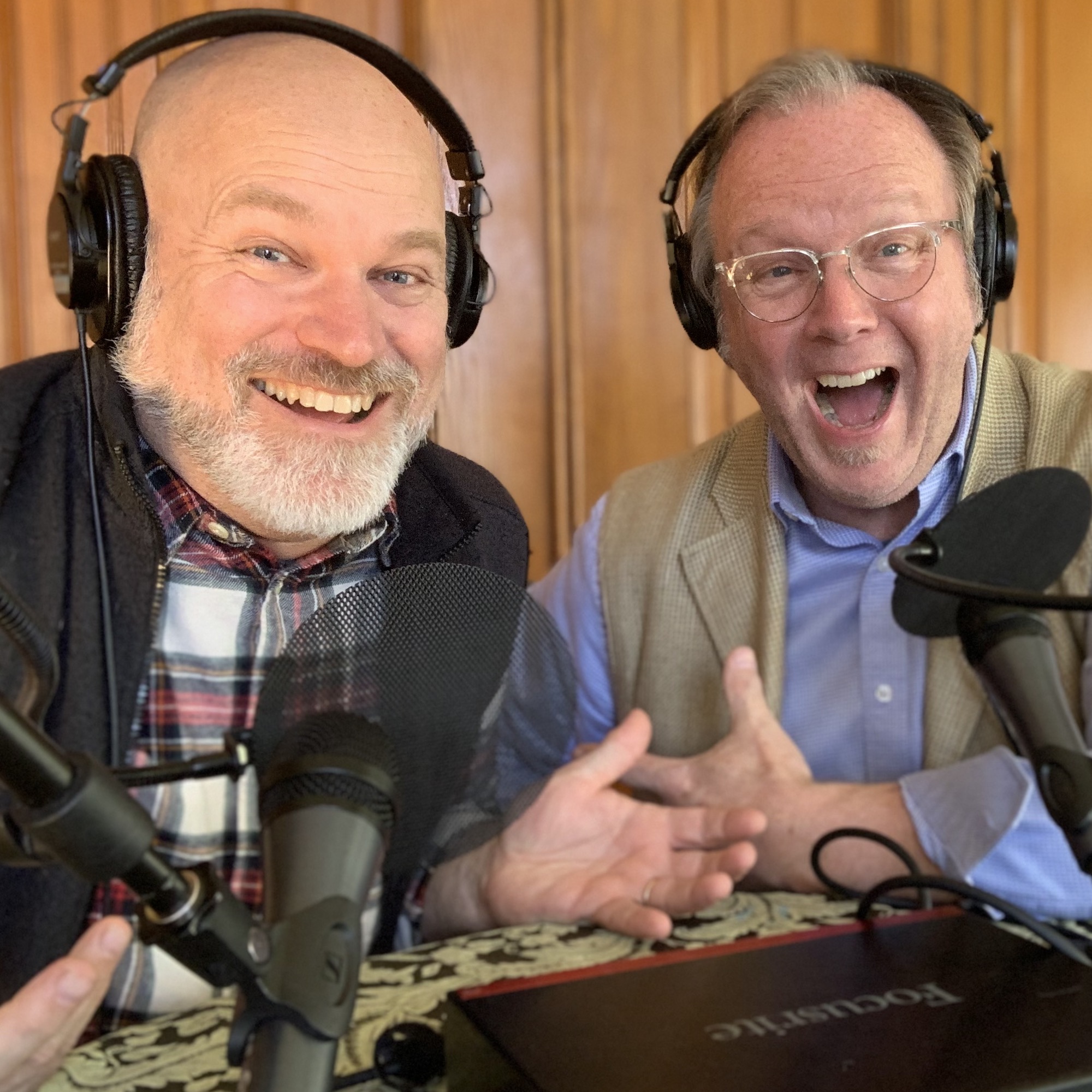
Ep 133Grooving: The Impact of Temporal Discounting
In this grooving episode, Kurt and Tim discuss Temporal Discounting and it’s closely related cousins. Temporal discounting is where we tend to value events in the near term more than similar events that are off in the distance. Another way to say it is that we discount – or reduce – our perceived value of events scheduled far off in the future. (The “timing” element is what gives it the name “temporal.”) This is a very common bias and is closely related to Hyperbolic Discounting, which is the tendency for people to have a stronger preference for more immediate payoffs relative to later payoffs. (Think of Seinfeld’s Nighttime Guy vs. Morning Guy.) And Temporal Construal, where near-term events are valued in very concrete ways, but distant-term events seem very vague. And, a slightly more distant relative in this family of biases is Preference Reversal. With Preference Reversal, we see how the relative preference for one option over another changes with order or framing, such as when we see it. All of these biases evolved for good reasons over thousands of years of human development and in much simpler times. But today, our world is very complex. And these biases can get in the way of our best decision making. NOTE TO LISTENERS: This episode was recorded on March 11, 2020, just two days after the World Health Organization declared coronavirus a pandemic and Kurt and Tim were in the studio together. But it was still days before any cities declared shelter in place and a full two weeks before Minnesota, where Kurt and Tim live, made the declaration. Since then, we’ve been recording remotely. Links Kurt Nelson, PhD: @WhatMotivates Tim Houlihan: @THoulihan Common Biases and Heuristics: https://docs.google.com/document/d/1XHpBr0VFcaT8wIUpr-9zMIb79dFMgOVFRxIZRybiftI/edit# Gretchen Chapman, PhD: https://journals.sagepub.com/doi/abs/10.1177/0272989X9501500408 Seinfeld Night Guy vs. Morning Guy: https://www.youtube.com/watch?v=W-Cz-LK16g4 Tim Urban, “Wait, but Why?”: https://waitbutwhy.com/2016/03/doing-a-ted-talk-the-full-story.html Veruca Salt in Willy Wonka “I Want It Now”: https://www.youtube.com/watch?v=Pqsy7V0wphI Christopher Hsee on General Evaluability Theory: https://journals.sagepub.com/doi/10.1177/1745691610374586 Bazerman, Max, The Power of Noticing: https://www.amazon.com/Power-Noticing-What-Best-Leaders/dp/1476700303 Harris CJ, Laibson D., “Hyperbolic Discounting and Consumption.” Advances in Economics and Econometrics: Theory and Applications, Volume 1. Eighth World Congress; 2002 p. 258-298: https://scholar.harvard.edu/laibson/publications/hyperbolic-discounting-and-consumption

Ep 132Covid-19 Crisis: Aline Holzwarth on Our Behavioral Immune System
Aline Holzwarth is the head of Behavioral Science at Pattern Health in Durham, North Carolina and a writer who supplies work to Behavioral Scientist and Forbes and has well as her blog on Medium. And she is also Principal of Dan Ariely’s Center for Advanced Hindsight, where she is responsible for directing the strategy, operations and communications for the Duke University research center. Our conversation with Aline was relaxed and built on the underpinnings of abundance and gratitude. We talked first about some the great tips she offers for handwashing messages and how our behavioral immune systems are excellent when we can see, smell or touch something, but they are compromised when it comes to invisibilia such as a virus. We also discussed the role that music can play in providing buoyancy to our feelings and gave up some excellent tips on what to do with video conferencing. © 2020 Behavioral Grooves Links Connect with Kurt and Tim: Kurt Nelson, PhD: @WhatMotivates e-mail: [email protected] Tim Houlihan: @THoulihan e-mail: [email protected] Lantern Group: http://lanterngroup.com/ BehaviorAlchemy: https://www.behavioralchemy.com/ Behavioral Grooves: https://behavioralgrooves.com/ Weekly Grooves: https://weeklygrooves.podbean.com/ Common Biases & Heuristics: https://docs.google.com/document/d/1XHpBr0VFcaT8wIUpr-9zMIb79dFMgOVFRxIZRybiftI/edit# General Coronavirus Info: Daily Newsletter Summarizing data from Johns Hopkins Center for Health Security: http://www.centerforhealthsecurity.org/newsroom/newsletters/e-newsletter-sign-up.html CDC: https://www.cdc.gov/coronavirus/2019-ncov/index.html Great videos on the science behind this by Dr. Peter Attia – this is the first in a series: https://www.youtube.com/watch?v=CNVhLyAlfA4 What is herd immunity?: https://www.technologyreview.com/s/615375/what-is-herd-immunity-and-can-it-stop-the-coronavirus/ A list curated by [email protected] https://docs.google.com/document/d/11GLhX7hLf64Bxkdpv5hvYHqOjS1imlcMQFjJBJ-9oUM/edit Coronavirus & Behavioral Science: Selected Links: The Behavioral Sice of Coronavirus: https://behavioralscientist.org/selected-links-the-behavioral-science-of-the-coronavirus-covid-19/ Why no one is reading your coronavirus email: https://edition.cnn.com/2020/03/13/opinions/coronavirus-emails-effective-messaging-rogers/index.html Handwashing can stop a virus, so why don’t we do it?: https://behavioralscientist.org/handwashing-can-stop-a-virus-so-why-dont-we-do-it-coronavirus-covid-19/ The behavioral science of handwashing: https://think.ing.com/articles/the-behavioural-science-of-hand-washing/ Ideas 42: The Behavioral Side of COVID-19 here: https://ideas42.org/covid19/ Greater Good: https://twitter.com/GreaterGoodSC How we can cope or be better during this crisis: Tip Sheet from HUMU: https://humu.com/remote-nudges/ Resources for learning at home: https://fordhaminstitute.org/national/commentary/resources-learning-home-during-covid-19-school-closures?utm_source=join1440&utm_medium=email&utm_placement=etcetera General Behavioral Science and other info related or talked about in the series: Common Biases and Heuristics: https://docs.google.com/document/d/1XHpBr0VFcaT8wIUpr-9zMIb79dFMgOVFRxIZRybiftI/edit# Jonathan Haidt – 5 Moral Foundations: https://en.wikipedia.org/wiki/Moral_foundations_theory Jürgen Klopp: https://ftw.usatoday.com/2020/03/jurgen-klopp-goes-off-on-reporter-after-being-asked-about-coronavirus-again UBI (Universal Basic Income): https://en.wikipedia.org/wiki/Basic_income 7-Minute Workout: https://www.youtube.com/watch?v=ECxYJcnvyMw 4 Drive Model: https://www.leadersbeacon.com/how-great-leaders-use-the-4-drive-model-to-impact-employee-motivation/ Universal Basic Income: https://behavioralscientist.org/checkscheckschecks-why-we-need-a-universal-basic-income-now-coronavirus/ Why we are not going back to normal: https://www.technologyreview.com/s/615370/coronavirus-pandemic-social-distancing-18-months/ Annie Duke’s “How To Decide”: https://www.amazon.com/How-Decide-Simple-Making-Choices/dp/0593084608 “16 Ways To Promote Hand Washing With Behavioral Science” article by Aline Holzwarth: https://www.forbes.com/sites/alineholzwarth/2020/03/25/handwashing-with-behavioral-science/#261b4b9f768d Aline Holzwarth’s Playlist on Spotify: https://open.spotify.com/playlist/0H5fsQRrqslGdBhhx8d4Aw?si=0jra0rU1Qu2vQNtqjbRvZA

Ep 131Covid-19 Crisis: Brad Shuck, PhD on Pausing, Building Capacity and "Not Business as Usual"
Brad Shuck, PhD is an Associate Professor in the Department of Educational Leadership, Evaluation and Organizational Development at the University of Louisville. He is also the Program Director of the Center for Human Resource and Organizational Development. Brad has been researching employee engagement for many years and is a featured speaker at conferences on employee engagement around the world. Talking to Brad was like having a friendly counselor talk you off the ledge while we covered meaningful topics starting with the fact that this is definitely NOT business as usual. His take on intentionality, deliberate action and boundaries was novel and we were intrigued by some new research he’s completing on capacity (for time, energy and resources). We’re grateful for Brad’s insights and calming delivery in a very unsettling time. © 2020 Behavioral Grooves Links Connect with Kurt and Tim: Kurt Nelson, PhD: @WhatMotivates e-mail: [email protected] Tim Houlihan: @THoulihan e-mail: [email protected] Lantern Group: http://lanterngroup.com/ BehaviorAlchemy: https://www.behavioralchemy.com/ Behavioral Grooves: https://behavioralgrooves.com/ Weekly Grooves: https://weeklygrooves.podbean.com/ Common Biases & Heuristics: https://docs.google.com/document/d/1XHpBr0VFcaT8wIUpr-9zMIb79dFMgOVFRxIZRybiftI/edit# General Coronavirus Info: Daily Newsletter Summarizing data from Johns Hopkins Center for Health Security: http://www.centerforhealthsecurity.org/newsroom/newsletters/e-newsletter-sign-up.html CDC: https://www.cdc.gov/coronavirus/2019-ncov/index.html Great videos on the science behind this by Dr. Peter Attia – this is the first in a series: https://www.youtube.com/watch?v=CNVhLyAlfA4 What is herd immunity?: https://www.technologyreview.com/s/615375/what-is-herd-immunity-and-can-it-stop-the-coronavirus/ A list curated by [email protected] https://docs.google.com/document/d/11GLhX7hLf64Bxkdpv5hvYHqOjS1imlcMQFjJBJ-9oUM/edit Coronavirus & Behavioral Science: Selected Links: The Behavioral Sice of Coronavirus: https://behavioralscientist.org/selected-links-the-behavioral-science-of-the-coronavirus-covid-19/ Why no one is reading your coronavirus email: https://edition.cnn.com/2020/03/13/opinions/coronavirus-emails-effective-messaging-rogers/index.html Handwashing can stop a virus, so why don’t we do it?: https://behavioralscientist.org/handwashing-can-stop-a-virus-so-why-dont-we-do-it-coronavirus-covid-19/ The behavioral science of handwashing: https://think.ing.com/articles/the-behavioural-science-of-hand-washing/ Ideas 42: The Behavioral Side of COVID-19 here: https://ideas42.org/covid19/ Greater Good: https://twitter.com/GreaterGoodSC How we can cope or be better during this crisis: Tip Sheet from HUMU: https://humu.com/remote-nudges/ Resources for learning at home: https://fordhaminstitute.org/national/commentary/resources-learning-home-during-covid-19-school-closures?utm_source=join1440&utm_medium=email&utm_placement=etcetera General Behavioral Science and other info related or talked about in the series: Common Biases and Heuristics: https://docs.google.com/document/d/1XHpBr0VFcaT8wIUpr-9zMIb79dFMgOVFRxIZRybiftI/edit# Jonathan Haidt – 5 Moral Foundations: https://en.wikipedia.org/wiki/Moral_foundations_theory Jürgen Klopp: https://ftw.usatoday.com/2020/03/jurgen-klopp-goes-off-on-reporter-after-being-asked-about-coronavirus-again UBI (Universal Basic Income): https://en.wikipedia.org/wiki/Basic_income 7-Minute Workout: https://www.youtube.com/watch?v=ECxYJcnvyMw 4 Drive Model: https://www.leadersbeacon.com/how-great-leaders-use-the-4-drive-model-to-impact-employee-motivation/ Universal Basic Income: https://behavioralscientist.org/checkscheckschecks-why-we-need-a-universal-basic-income-now-coronavirus/ Why we are not going back to normal: https://www.technologyreview.com/s/615370/coronavirus-pandemic-social-distancing-18-months/ Annie Duke’s “How To Decide”: https://www.amazon.com/How-Decide-Simple-Making-Choices/dp/0593084608

Ep 130Covid-19 Crisis: Eugen Dimant, PhD on the Roles of Social Norms and Good Science
Eugen Dimant, PhD is an Associate Professor of Practice in Behavioral and Decision Sciences, which is part of the new Center for Social Norms and Behavioral Dynamics under Cristina Bicchieri, Ph.D.’s leadership at the University of Pennsylvania. Much of his work is focused on how social norms are formed and impact our lives. We talked about how social norms drive individual behaviors in different ways and how research on coronavirus-related behaviors is being completed at record speeds – but not necessarily all in good ways. He recommends slowing down, working across disciplines, and being clear on research objectives to insure test methods and data collection conform to the highest standards and deliver the most meaningful results. He also mentioned that sustainable behavior change requires more than nudges and the roles that both descriptive and injunctive norms play (they are described in greater detail in our grooving session after the interview). It’s also important to be reminded that when we see empty shelves where toilet paper used to be, we almost always feel the need to buy more. Be careful out there. © 2020 Behavioral Grooves Links Connect with Kurt and Tim: Kurt Nelson, PhD: @WhatMotivates e-mail: [email protected] Tim Houlihan: @THoulihan e-mail: [email protected] Lantern Group: http://lanterngroup.com/ BehaviorAlchemy: https://www.behavioralchemy.com/ Behavioral Grooves: https://behavioralgrooves.com/ Weekly Grooves: https://weeklygrooves.podbean.com/ Common Biases & Heuristics: https://docs.google.com/document/d/1XHpBr0VFcaT8wIUpr-9zMIb79dFMgOVFRxIZRybiftI/edit# General Coronavirus Info: Daily Newsletter Summarizing data from Johns Hopkins Center for Health Security: http://www.centerforhealthsecurity.org/newsroom/newsletters/e-newsletter-sign-up.html CDC: https://www.cdc.gov/coronavirus/2019-ncov/index.html Great videos on the science behind this by Dr. Peter Attia – this is the first in a series: https://www.youtube.com/watch?v=CNVhLyAlfA4 What is herd immunity? https://www.technologyreview.com/s/615375/what-is-herd-immunity-and-can-it-stop-the-coronavirus/ A list curated by [email protected] https://docs.google.com/document/d/11GLhX7hLf64Bxkdpv5hvYHqOjS1imlcMQFjJBJ-9oUM/edit Coronavirus & Behavioral Science: Selected Links: The Behavioral Sice of Coronavirus: https://behavioralscientist.org/selected-links-the-behavioral-science-of-the-coronavirus-covid-19/ Why no one is reading your coronavirus email: https://edition.cnn.com/2020/03/13/opinions/coronavirus-emails-effective-messaging-rogers/index.html Handwashing can stop a virus, so why don’t we do it?: https://behavioralscientist.org/handwashing-can-stop-a-virus-so-why-dont-we-do-it-coronavirus-covid-19/ The behavioral science of handwashing: https://think.ing.com/articles/the-behavioural-science-of-hand-washing/ Ideas 42: The Behavioral Side of COVID-19 here: https://ideas42.org/covid19/ Greater Good: https://twitter.com/GreaterGoodSC How we can cope or be better during this crisis: Tip Sheet from HUMU: https://humu.com/remote-nudges/ Resources for learning at home: https://fordhaminstitute.org/national/commentary/resources-learning-home-during-covid-19-school-closures?utm_source=join1440&utm_medium=email&utm_placement=etcetera General Behavioral Science and other info related or talked about in the series: Common Biases and Heuristics: https://docs.google.com/document/d/1XHpBr0VFcaT8wIUpr-9zMIb79dFMgOVFRxIZRybiftI/edit# Jonathan Haidt – 5 Moral Foundations: https://en.wikipedia.org/wiki/Moral_foundations_theory Jürgen Klopp: https://ftw.usatoday.com/2020/03/jurgen-klopp-goes-off-on-reporter-after-being-asked-about-coronavirus-again UBI (Universal Basic Income): https://en.wikipedia.org/wiki/Basic_income 7-Minute Workout: https://www.youtube.com/watch?v=ECxYJcnvyMw 4 Drive Model: https://www.leadersbeacon.com/how-great-leaders-use-the-4-drive-model-to-impact-employee-motivation/ Universal Basic Income: https://behavioralscientist.org/checkscheckschecks-why-we-need-a-universal-basic-income-now-coronavirus/ Why we are not going back to normal: https://www.technologyreview.com/s/615370/coronavirus-pandemic-social-distancing-18-months/ Annie Duke’s “How To Decide”: https://www.amazon.com/How-Decide-Simple-Making-Choices/dp/0593084608

Ep 129Covid-19 Crisis: Wendy Wood, PhD on Habits, Productivity and Being Gentle with Yourself
Wendy Wood, PhD is a social psychologist whose research addresses the ways that habits guide behavior. She researches and teaches at USC both in psychology and in the business school and is a world-renowned expert on breaking old habits and creating new ones. Her book, “Good Habits, Bad Habits” is a New York Times bestseller and delivers a terrifically readable and scholarly approach to habits. In our conversation with her, she shared what habits are and how habits get formed. We talked about how now could be a time for more pro-social behavior. And she reminded us to be kind to ourselves as we endeavor through a very challenging set of circumstances. You’re not going to be as productive as you might otherwise be because of all these new routines, she warns, but don’t let that stop you! Be intentional and keep pushing through! © 2020 Behavioral Grooves Links Connect with Kurt and Tim: Kurt Nelson, PhD: @WhatMotivates e-mail: [email protected] Tim Houlihan: @THoulihan e-mail: [email protected] Lantern Group: http://lanterngroup.com/ BehaviorAlchemy: https://www.behavioralchemy.com/ Behavioral Grooves: https://behavioralgrooves.com/ Weekly Grooves: https://weeklygrooves.podbean.com/ Common Biases & Heuristics: https://docs.google.com/document/d/1XHpBr0VFcaT8wIUpr-9zMIb79dFMgOVFRxIZRybiftI/edit# General Coronavirus Info: Daily Newsletter Summarizing data from Johns Hopkins Center for Health Security: http://www.centerforhealthsecurity.org/newsroom/newsletters/e-newsletter-sign-up.html CDC: https://www.cdc.gov/coronavirus/2019-ncov/index.html Great videos on the science behind this by Dr. Peter Attia – this is the first in a series: https://www.youtube.com/watch?v=CNVhLyAlfA4 What is herd immunity? https://www.technologyreview.com/s/615375/what-is-herd-immunity-and-can-it-stop-the-coronavirus/ A list curated by [email protected] https://docs.google.com/document/d/11GLhX7hLf64Bxkdpv5hvYHqOjS1imlcMQFjJBJ-9oUM/edit Coronavirus & Behavioral Science: Selected Links: The Behavioral Sice of Coronavirus: https://behavioralscientist.org/selected-links-the-behavioral-science-of-the-coronavirus-covid-19/ Why no one is reading your coronavirus email: https://edition.cnn.com/2020/03/13/opinions/coronavirus-emails-effective-messaging-rogers/index.html Handwashing can stop a virus, so why don’t we do it?: https://behavioralscientist.org/handwashing-can-stop-a-virus-so-why-dont-we-do-it-coronavirus-covid-19/ The behavioral science of handwashing: https://think.ing.com/articles/the-behavioural-science-of-hand-washing/ Ideas 42: The Behavioral Side of COVID-19 here: https://ideas42.org/covid19/ Greater Good: https://twitter.com/GreaterGoodSC How we can cope or be better during this crisis: Tip Sheet from HUMU: https://humu.com/remote-nudges/ Resources for learning at home: https://fordhaminstitute.org/national/commentary/resources-learning-home-during-covid-19-school-closures?utm_source=join1440&utm_medium=email&utm_placement=etcetera General Behavioral Science and other info related or talked about in the series: Common Biases and Heuristics: https://docs.google.com/document/d/1XHpBr0VFcaT8wIUpr-9zMIb79dFMgOVFRxIZRybiftI/edit# Jonathan Haidt – 5 Moral Foundations: https://en.wikipedia.org/wiki/Moral_foundations_theory Jürgen Klopp: https://ftw.usatoday.com/2020/03/jurgen-klopp-goes-off-on-reporter-after-being-asked-about-coronavirus-again UBI (Universal Basic Income): https://en.wikipedia.org/wiki/Basic_income 7-Minute Workout: https://www.youtube.com/watch?v=ECxYJcnvyMw 4 Drive Model: https://www.leadersbeacon.com/how-great-leaders-use-the-4-drive-model-to-impact-employee-motivation/ Universal Basic Income: https://behavioralscientist.org/checkscheckschecks-why-we-need-a-universal-basic-income-now-coronavirus/ Why we are not going back to normal: https://www.technologyreview.com/s/615370/coronavirus-pandemic-social-distancing-18-months/ Annie Duke’s “How To Decide”: https://www.amazon.com/How-Decide-Simple-Making-Choices/dp/0593084608
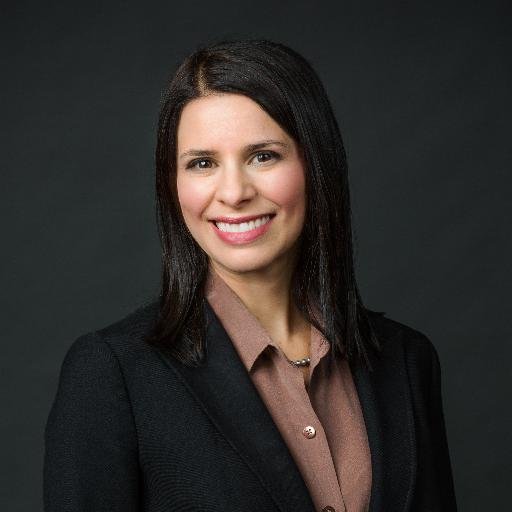
Ep 128Deborah Small, PhD: Processing Probabilistic Events and Making Donations
Deborah Small, PhD is a professor of marketing in the Wharton School at the University of Pennsylvania. Her research crosses the intersections of psychology and economics, examining fundamental processes that underlie human decision making. In recent years, her work has focused on both altruistic and self-interested motivations for philanthropic behavior. She has examined impediments to effective altruism, bragging about prosocial behavior, and the downsides of conspicuous consumption. A NOTE TO OUR LISTENERS: We recorded this discussion with Deborah on March 6, 2020, and it was one of the last recordings that Kurt and Tim made in the studio together. On that day, the United States confirmed 311 cases of coronavirus out of roughly 100,000 worldwide. While we were all aware of the virus, the World Health Organization had not labeled it a pandemic, which happened on March 11th. At a little after the 26:00-minute mark, we discuss what was going on as “unfolding,” as it was at that time. Our conversation with Deborah was filled with terrific insights as we pursued inquiries such as how difficult it is for humans to deal with probabilistic events, citing examples of the coronavirus (COVID-19) and the 9/11 tragedies from 2001. She shared highlights from her research on why people give to charities, the effects of availability bias on our behaviors, the influence of social norms in giving, and how we feel when we hear of boasting and bragging from people who make donations. She also asked a really good question that is worth considering: Why do so many people make cash donations to charities that are terribly inefficient with their funds? We hope you enjoy our conversation with Dr. Deborah Small. © 2020 Behavioral Grooves Links Deborah Small, PhD: https://marketing.wharton.upenn.edu/profile/deborahs/ Peter Singer, PhD: https://en.wikipedia.org/wiki/Peter_Singer The Effective Altruism Movement: https://www.effectivealtruism.org/ Jeremy Bentham: https://en.wikipedia.org/wiki/Jeremy_Bentham “Dread Risk, September 11, and Fatal Traffic Accidents” by Gerg Gigerenzer, PhD: https://journals.sagepub.com/doi/abs/10.1111/j.0956-7976.2004.00668.x Robert Cialdini, PhD on Ego or Altruism: https://www.jstor.org/stable/1449244?seq=1 Susan G. Komen article: https://www.usatoday.com/story/money/personalfinance/2017/10/03/breast-cancer-charity-ratings-julia-louis-dreyfus/714899001/ GiveWell: https://www.givewell.org/charities/top-charities Common Biases & Heuristics: https://docs.google.com/document/d/1XHpBr0VFcaT8wIUpr-9zMIb79dFMgOVFRxIZRybiftI/edit# Neuromarketing World Forum: https://www.neuromarketingworldforum.com/ Roger Dooley: https://behavioralgrooves.com/episode/roger-dooley-friction-and-engagement/ Musical Links Taylor Swift: https://www.youtube.com/watch?v=F3aXpa1rQEY Hamilton: https://www.youtube.com/watch?v=b5VqyCQV1Tg Frozen II: https://www.youtube.com/watch?v=gIOyB9ZXn8s Baby Shark: https://www.youtube.com/watch?v=XqZsoesa55w “We Are The World”: https://en.wikipedia.org/wiki/We_Are_the_World#Humanitarian_aid James Taylor: https://www.youtube.com/watch?v=vbeQqteag_k

Ep 127Covid-19 Crisis: Rodd Wagner on The Zen of Staying Safe
Rodd Wagner is a Forbes columnist and bestselling author of books on leadership, employee engagement and collaboration. Rodd’s books have been published in 10 languages and his articles have appeared in The Wall Street Journal, Harvard Business Review, Fast Company, USA Today, ABC News, as well as Globe and Mail in Canada. One of his books was even parodied in Dilbert. In our conversation, we discussed how humans perceive risk, regulation (by the self and by the government), and cumulative probabilities. We’ve known Rodd for many years and always find his perspectives fresh and ripe with curiosity. We were glad to talk with him and hope you find it as insightful as we did. Also, we were struck by a couple of snappy phrases from Rodd that we hope become more common in our lexicon as our language evolves with the crisis: “The virus doesn’t care,” is a phrase Rodd shared that simply caught us off guard with brutal truth; and, “We are usually killed by things we didn’t see coming.” Gnaw on that for a bit as you’re washing your hands. © 2020 Behavioral Grooves Links Connect with Kurt and Tim: Kurt Nelson, PhD: @WhatMotivates e-mail: [email protected] Tim Houlihan: @THoulihan e-mail: [email protected] Lantern Group: http://lanterngroup.com/ BehaviorAlchemy: https://www.behavioralchemy.com/ Behavioral Grooves: https://behavioralgrooves.com/ Weekly Grooves: https://weeklygrooves.podbean.com/ Common Biases & Heuristics: https://docs.google.com/document/d/1XHpBr0VFcaT8wIUpr-9zMIb79dFMgOVFRxIZRybiftI/edit# General Coronavirus Info: Daily Newsletter Summarizing data from Johns Hopkins Center for Health Security: http://www.centerforhealthsecurity.org/newsroom/newsletters/e-newsletter-sign-up.html CDC: https://www.cdc.gov/coronavirus/2019-ncov/index.html Great videos on the science behind this by Dr. Peter Attia – this is the first in a series: https://www.youtube.com/watch?v=CNVhLyAlfA4 What is herd immunity? https://www.technologyreview.com/s/615375/what-is-herd-immunity-and-can-it-stop-the-coronavirus/ A list curated by [email protected] https://docs.google.com/document/d/11GLhX7hLf64Bxkdpv5hvYHqOjS1imlcMQFjJBJ-9oUM/edit Coronavirus & Behavioral Science: Selected Links: The Behavioral Sice of Coronavirus: https://behavioralscientist.org/selected-links-the-behavioral-science-of-the-coronavirus-covid-19/ Why no one is reading your coronavirus email: https://edition.cnn.com/2020/03/13/opinions/coronavirus-emails-effective-messaging-rogers/index.html Handwashing can stop a virus, so why don’t we do it?: https://behavioralscientist.org/handwashing-can-stop-a-virus-so-why-dont-we-do-it-coronavirus-covid-19/ The behavioral science of handwashing: https://think.ing.com/articles/the-behavioural-science-of-hand-washing/ Ideas 42: The Behavioral Side of COVID-19 here: https://ideas42.org/covid19/ Greater Good: https://twitter.com/GreaterGoodSC How we can cope or be better during this crisis: Tip Sheet from HUMU: https://humu.com/remote-nudges/ Resources for learning at home: https://fordhaminstitute.org/national/commentary/resources-learning-home-during-covid-19-school-closures?utm_source=join1440&utm_medium=email&utm_placement=etcetera General Behavioral Science and other info related or talked about in the series: Common Biases and Heuristics: https://docs.google.com/document/d/1XHpBr0VFcaT8wIUpr-9zMIb79dFMgOVFRxIZRybiftI/edit# Jonathan Haidt – 5 Moral Foundations: https://en.wikipedia.org/wiki/Moral_foundations_theory Jürgen Klopp: https://ftw.usatoday.com/2020/03/jurgen-klopp-goes-off-on-reporter-after-being-asked-about-coronavirus-again UBI (Universal Basic Income): https://en.wikipedia.org/wiki/Basic_income 7-Minute Workout: https://www.youtube.com/watch?v=ECxYJcnvyMw 4 Drive Model: https://www.leadersbeacon.com/how-great-leaders-use-the-4-drive-model-to-impact-employee-motivation/ Universal Basic Income: https://behavioralscientist.org/checkscheckschecks-why-we-need-a-universal-basic-income-now-coronavirus/ Why we are not going back to normal: https://www.technologyreview.com/s/615370/coronavirus-pandemic-social-distancing-18-months/ Annie Duke’s “How To Decide”: https://www.amazon.com/How-Decide-Simple-Making-Choices/dp/0593084608