
Adventures in Sustainable Living
275 episodes — Page 5 of 6
Ep 75Can We Change Human Instincts?
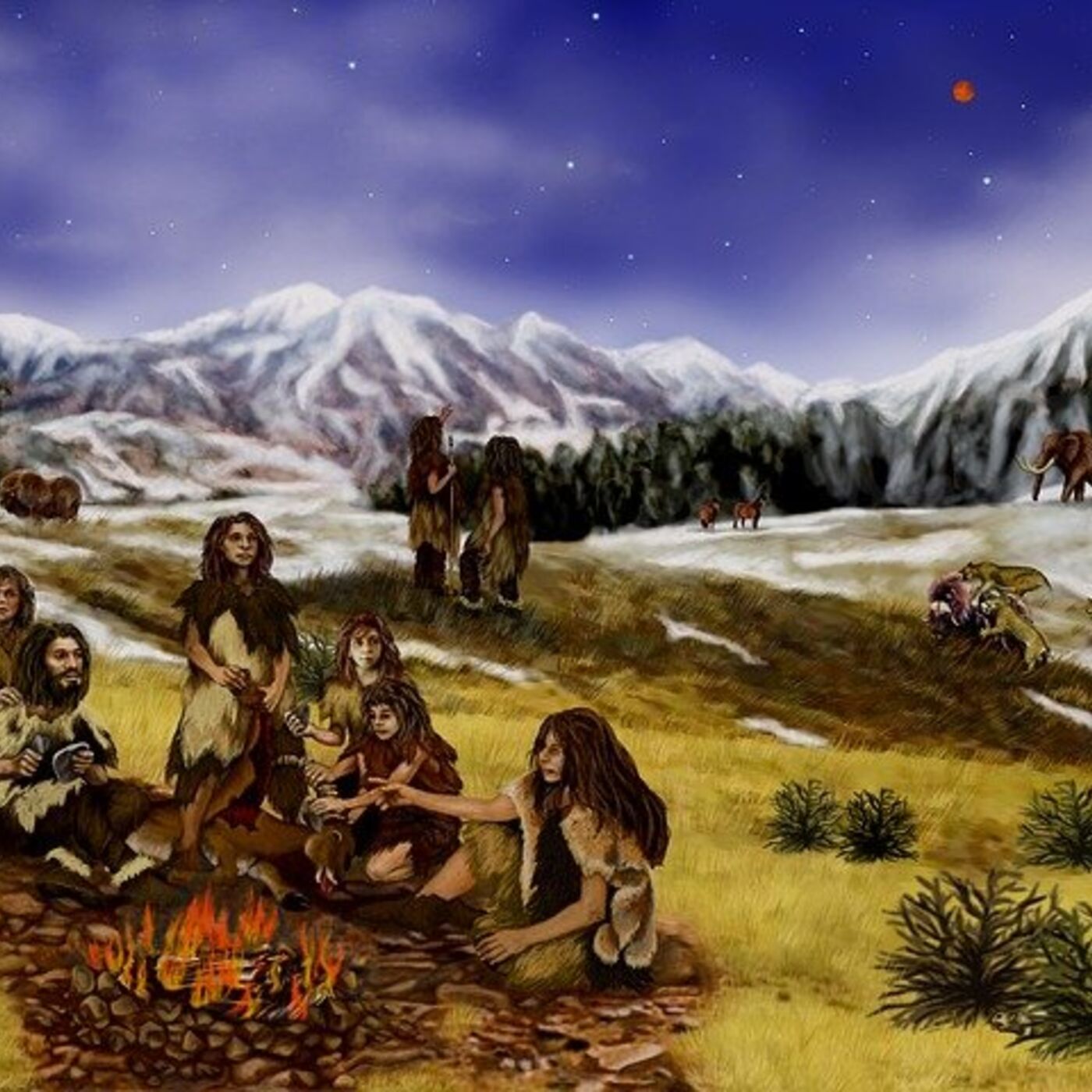
Adventures in Sustainable Living Podcast Episode 075 Can We Change Human Instincts? My niece, who by the way is wickedly intelligent and artistic, recently pointed something out to me that I’d never thought of before. Her observation of humanity is that we are nothing more than a huge evolutionary experiment. Not only that, but this experiment is running amuck and that is what is getting us in trouble. The challenge for humanity is that we retain many instincts from our early years on this planet when we were still living in caves. These early instincts served us well and in many ways guaranteed our very survival. But our present challenge is that these very instincts could now be our downfall. If you want to know the whole story, then listen to this episode which is call Can We Change Human Instincts? Welcome back everyone to the Adventures in Sustainable Living podcast. This is your host Patrick and this is E75 which is called Can We Change Human Instincts? But before we get started here, I just wanted to remind you that if you have questions or comments about the content I produce, or if you have suggestions on topics that you would like for me to cover, you can contact me through the email associated with this podcast. That email is [email protected] Again that is [email protected] So, let’s get right to today’s topic which is whether or not we can change human instincts. In this episode I want to examine 5 aspects of human behavior that likely ensured our survival in our early history but now is actually a detriment. The behavioral traits I want to consider are greed, revenge, tribal loyalty, denial, and procreation. Now as I said before my niece pointed out something to me I’d never thought of before. Her observation of humanity is that we are nothing more that an evolutionary experiment. We walk up right. We have these huge brains that are capable of rational, intelligent thought, long term memory, planning and development, and even changing our environment as needed to enhance our survival. Despite this, we still retain many instincts and behaviors that served us well in our cave man days but in many ways now work to our detriment. Like all animals, humans have certain instincts. An instinct is simply a genetically hard-wired behavior that helps us to cope with many things in our environment and ensures our survival. While a lot of people talk about instincts, most people might not know exactly what that means. This term instinct is essentially something that was borrowed from biology. It also reminds us that humans are simply mammals that evolved well beyond the rest of the animal kingdom. But this evolution took some time of course. Each generation was a little better than the previous one. Each invention lead to a better world. But we cannot leave out the fact that humans, as well as our behaviors, are much more complex than simple instincts. We have certain peculiarities that make us different from animals. For example, despite the fact that most people believe that humans have a survival instinct, suicide is a daily occurrence in our world. And surely you have heard of sexual instincts. Yet there are many sexual dysfunctions that exist in society. So you see, this topic of human instincts just doesn’t end with a biological discussion. There is a whole range of other things that affect what we do. So, this is not a simple discussion. There are those that believe humans do not even have instincts. We have certain drives. The most notable person to propose this idea was Sigmund Freud. He claimed that humans simply have species-specific forces that he called drives which are composed of psychological impulses. There are also other theories on human instincts that attempt to establish a middle ground between biology and theory. According to this approach, human instincts are divided into 4 categories: Life instincts: This includes sexual and fight or flight instincts. This is more or less linked to our survival. Pleasure instincts: This is a refinement of our survival instinct. Our objective here is to provide the highest level of well-being. Social instincts: This encompasses the need for companionship, being a part of a community, power, prestige, and property. Cultural instincts: This is the impulse to know, discover, express yourself. So, at the end of the day, the discussion of human instincts is a very deep rabbit hole. But let’s start by first taking a look at where we actually came from. There is a period of time that is referred to as the Neolithic Revolution. This is also called the Agricultural Revolution. Estimates vary according to the source but this started about 12,000 BCE. This period of time marked the transition of human

Ep 74Growing the Next World Wonder
Adventures in Sustainable Living Podcast Episode 074 Growing the Next World Wonder Unless you are particularly interested in Earth’s history, most people do not think in terms of a geological time scale. This is because geological time is measured in eons, eras, periods, epochs and ages. This corresponds to anything from 1 billion years to millions. But due to our lifespan we only relate to a human time scale, which is centuries, decades or less. In fact civilization as we know it is thought to have been around for only 6,000 years. Yet the changes that we have made to the planet during that time is the very reason we need projects such as the Great Green Wall. So, it you want to hear about this epoch project, then stayed tuned and listen to this episode which is called Growing the Next World Wonder. Welcome back everyone to the Adventures in Sustainably Living podcast. This is your host Patrick and this is E 74 which is called Growing the Next World Wonder. Before we get started I just wanted to say that if you have questions, comments, or suggestions about the content that I produce, or if I can help my listeners in any way, feel free to you contact me at the email address associated with this podcast which is [email protected], again that is [email protected]. Okay, let’s get down to the nitty gritty of this episode. I want to accomplish several things in this episode. So, what I want to do is this: -Background information to set the stage and give you a perspective as to why this project, The Great Green Wall is so important. -Explain the scope of this project -The effects and end results of this project -Lessons to be learned As I stated before humanity tends to think in terms of a human time scale, which is measured in centuries, decades, or less. But it is estimated that the Earth is about 4.6 billions years old. It is thought that humans have been around on the planet for only 200,000 years. However, civilization as we know it has only been around for about 6,000 years. Now to be more specific, the term civilization describes a complex way of life that came about when people started to develop networks between urban settlements. This all came about due to the rise of agriculture and trade which allowed people to have surplus food and some form of economic stability. This also meant that many people no longer had to practice farming, which in turn allowed a diverse array of professions and interests to develop and flourish in a relatively confined area. As a result of all of this, and a couple thousands years, we have our modern civilization that we are most familiar with today which is organized into small communities, towns, and large cities. And in many ways that has been a good thing. Indeed, if it were not for modern civilization, and our modern educational system, I certainly would not have the career that I do. But, there is one thing I want you to start thinking about and this will help you realize why projects such as the Great Green Wall are important. First consider the amount of time that humans have been on this planet, which is about 200,000 years. Now increase that by 23,000 times over and you get the approximate age of the Earth. So, our time on this planet is a tiny spec, literally a blink of the eye on a geological time scale. Yet during that time we have caused such extensive changes on this planet that the full recovery of such is not measurable in the human time scale. If we humans completely vanished tomorrow, the time needed for this planet to recovery would be tens of thousands of years if not hundreds of thousands of years or even longer. I truly got to thinking about this a couple of times recently because of things I’ve read. For example, according to NASA human caused climate change is happening now, is irreversible in the time scale of people alive today and will worsen in years to come. Another example: On a global scale over 50% of the coral reefs have died in the last 30 years. It can take a coral reef up to 10,000 years to form from a group of larvae. Depending on their size, barrier reefs and atolls can take from 100,000 to 30 million years to form. Rains forest cover only about 6% of the Earths surface. Yet they are home to more than half of the world’s plant and animal species. Rain forests are Earth’s oldest living ecosystems and some of these forests have survived in their present form for at least 70 million years. Yet at our present rate of consumption, we will no longer have rain forests by the year 2100. There are old growth beds of sea grass off the coast of Spain that have been present for over 100,000 years. There are yucca plants in the Mojave Desert that have been around for 12,000 years. Some bristle cone pines are as much as 5,000 years old. So, as you can see, there are many things on this planet that have
Ep 73Tips and Tricks for Living Small
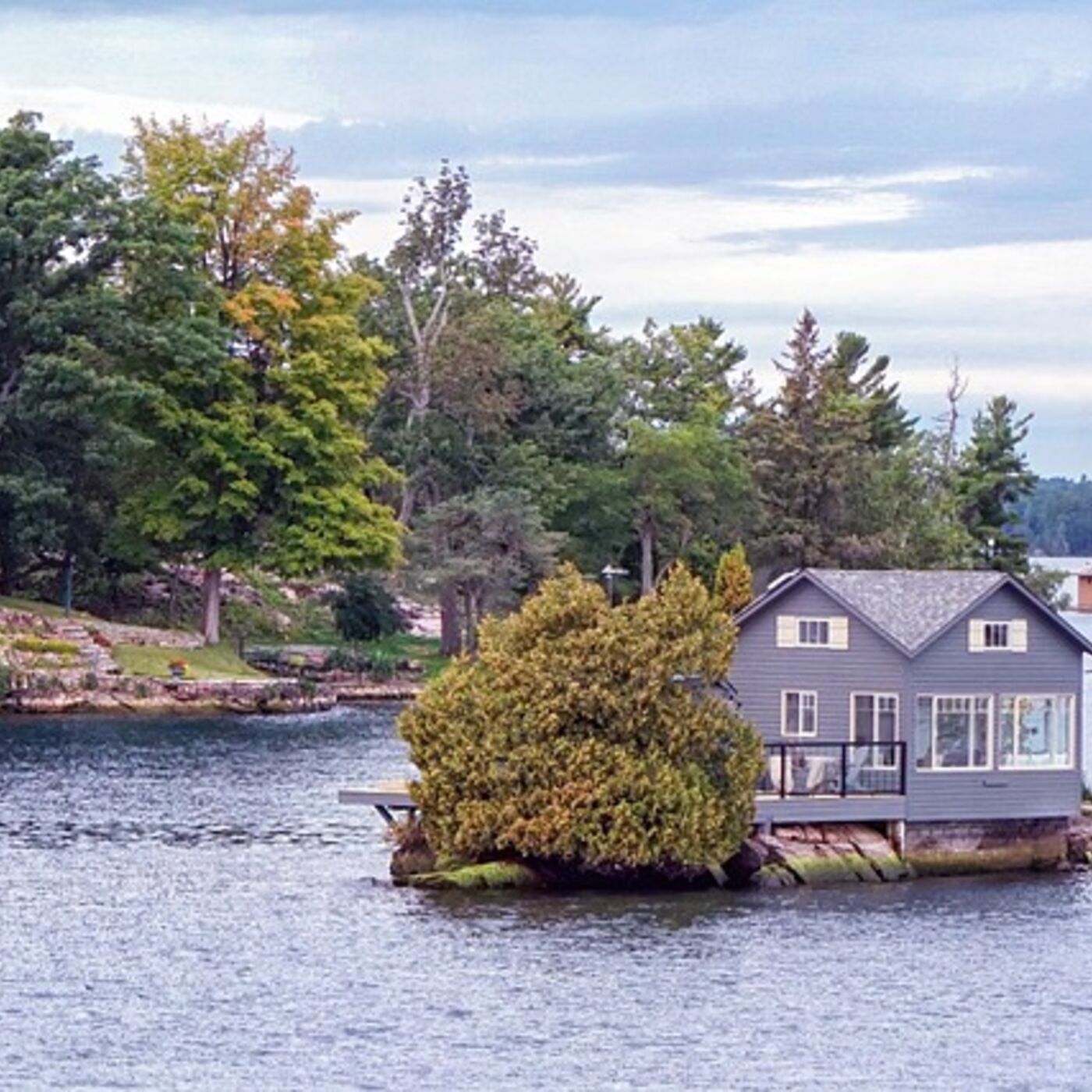
Adventures in Sustainable Living Podcast Episode 73 Tips and Tricks for Living in Small Spaces I mentioned in E67 that our homes account for approximately 30% of our ecological impact. I have also mentioned before that most of us can live on much less than what we do. Helping you to accomplish just that is the focus of this three part series on the art of living small. There are unique challenges to living in a small space. I know this from personal experience. But, there are also numerous ways to make the most of the space that you have and that is the focus of this episode. So, stay tuned for Tips and Tricks for Living in Small Spaces. Welcome back everyone to the Adventures in Sustainable Living podcast. This is your host Patrick. I want to start out this episode by saying that I’ve been at this podcast for well over a year now. I have produced episodes on a wide variety of topics. However, I want to say that if any of my listeners have a particular concern or a subject you would like to to hear me discuss, you can contact me via email. My email associated with the podcast is [email protected]. Again that is [email protected] Just please put something in the subject line that will get my attention so that I don’t think it is spam mail. Okay that said, let’s get to it. This is E 73 which is called Tips and Tricks for Living in Small Spaces. America has always been a place that is defined by bigness. From the size of our country, to the size of our automobiles, the size of our waistlines, and the size of our homes. In the 1950s the average size of the American home was about 980 square feet. In 1970, it was about 1,500 square feet. Today, the average size of our homes is about 2,400 square feet despite the fact that the average size of the family is decreasing. All this extra space comes with added expense from the cost of construction, to repairs and maintenance, insurance, and of course all the added personal possessions that we are driven to fill it with. I have admitted before that I am also guilty of falling into the trap of more is better. But I can tell you that during that time in my life I lived only to work, was neck deep in debt, had very little personal time, and practically never took a vacation. At this point, the opposite is true. I downsized, made improvements at the cabin, installed full solar capability, and am now debt free. In many ways, that is the end result of living in a small place. Despite the challenges is living in a small place, a recent survey by Business Insider, revealed that more than half of Americans stated they would consider living in a tiny home. Furthermore, of those who were not yet home owners, 86% said they would consider purchasing a tiny home as their first home. Affordability, efficiency, eco-friendliness, and minimalism were mentioned in that order as the four most attractive factors that a tiny home lifestyle has to offer. 65% of those surveyed listed that the most enticing factor of all was affordability. This is because the median price of a tiny home is between $30K and $60K while the median price of a traditional home is almost $240K. Now the art of living small as I like to say, or minimalism, basic living, and now it is called tiny home living, however, you choose to look at it, actually has a long history. But the so called tiny home movement has a much more recent history with the first writings of the benefits of such living appearing in the 1980s, and gained some traction in the 1990s. This is when construction companies started getting involved, people started to write blogs and books, appear on television, and this all helped to get the word out regarding the possibilities of living small. But a man named Jay Shafer is largely credited with jumpstarting the tiny house movement when he published his first article in 1999 about the merits of simple living. But it was not until around 2014 to 2017 that some states started changing their rules and zoning to make it more favorable for tiny homes. In 2016 the International Code Council announced that a specific tiny home index would be added to the 2018 International Residential Code. And in 2017 the state of Idaho became the first US state to embrace the relaxed code regulations for tiny homes. So if this is something that you are considering, then at least things are starting to change in you favor. But, as I did say before, there are some unique challenges to living in a small space, which I have done now for 25 years. So, what I’d like to do at this point is simply give you some tips and tricks to help you manage living in such a small space. Embrace the great outdoors One of my favorite things about living in a small space is that
Ep 72What No One Tells You About Living Small
Adventures in Sustainable Living Podcast Episode 72 What No One Tells You About Living Small In my last episode I spoke about the pros and cons of living small. I talked about how it is more affordable, how you can live without a mortgage, how you can simplify your life, how it is possible to be debt free. While all of that may sound attractive, you also have to realize that living small is a lifestyle choice that comes with a unique set of challenges. In this episode, I am going to discuss all the things about living small that no one tells you. This episode is going to be packed with useful information that will help keep you out of trouble. If living small is something you are interested in doing, then stick around and listen to All The Things No One Tells You About Living Small. Welcome back everyone to the Adventures in Sustainable Living podcast. This is your host Patrick and this is E72, which is part two of a series of podcasts on The Art of Living Small. In my last episode I covered a lot of the pros and cons of living small including how such a lifestyle is easier to maintain and is much more sustainable. But in this episode, I am going to cover all the things no one tells you about living small. For many years now there has been a trend toward urbanization. Over the last 50 years in the United States, the percentage of people living in urban areas has increased to 83%. While urban living often makes lots of things more convenient, it is also a lot more expensive. Living in a small home may be a solution to that problem. In fact, this is what some of my friends chose to do. They are close enough to the city to be able to commute for work yet they are living a lot less expensively than most people do. If living in a tiny home, or living small as I like to call it, is something you are thinking of doing, then this episode is going to be packed with information to help you stay out of trouble. But I think the first step for anyone is to decide why you are choosing to do so and if this is going to be a long term or semi-long term arrangement. If so, then you truly need to focus on making sure you establish a good standard of living. Otherwise you will be burned out on this lifestyle of regret your choice. My reasons for choosing to do so were because of affordability, maximum efficiency, sustainability, and very low level responsibility. Additionally, most people that I’ve spoken with about this very same thing, all have say pretty the same thing. They sold their big house and downsized simply for the sake of simplicity and affordability. Living in a small home can be accomplished in several ways. A tiny home can be on wheels so that it is mobile, or it can be on a foundation, whether that is permanent or semi permanent. Regardless of what you do, all tiny homes have two factors to consider: building codes and zoning regulations. The reason that tiny homes are illegal in some states is that it is difficult to regulate them when it comes to zoning and safety. Regardless of how you do this, ventilation, lighting, and certain life safety requirements have to be met regardless of the size of the dwelling. Without proper permitting and meeting certain safety regulations states are simply unable to deem this type of housing as an acceptable residence. That said, most states have adopted building and zoning codes from the International Residential Code or the IRC. The IRC requires that all homes must be built on a minimum on 320 square feet. The minimum size of the residence must be 120 square feet and at least one room must be habitable. This means there must be a closet and at least one window. Other rooms not meant for sleeping must be at least 70 square feet. All rooms must have ceiling heights of 7 to 8 feet. Now this is going to vary from between states, counties and municipalities so it is important to perform your due diligence. Although some places have no minimum space requirement, you also have to get back to the reason you are doing this in the first place. If this is going to be a long term arrangement, you have to put some thought into developing a reasonable lifestyle. This is because there are some unique challenges. Small spaces quickly get cluttered The first thing you will find is that small spaces get cluttered and dirty very quickly. For me at least, on my days off I usually end up washing dishes every day, sweeping the floor several times a day and it seems I am constantly putting things away. Cost I mentioned affordability in my last episode as being a positive side to living small. However, you truly have to be careful because sometimes living small comes with hidden costs. If you are truly going custom and not doing the work yourself, contractors can dramatically up the price if
Ep 71The Pros and Cons of Living Small
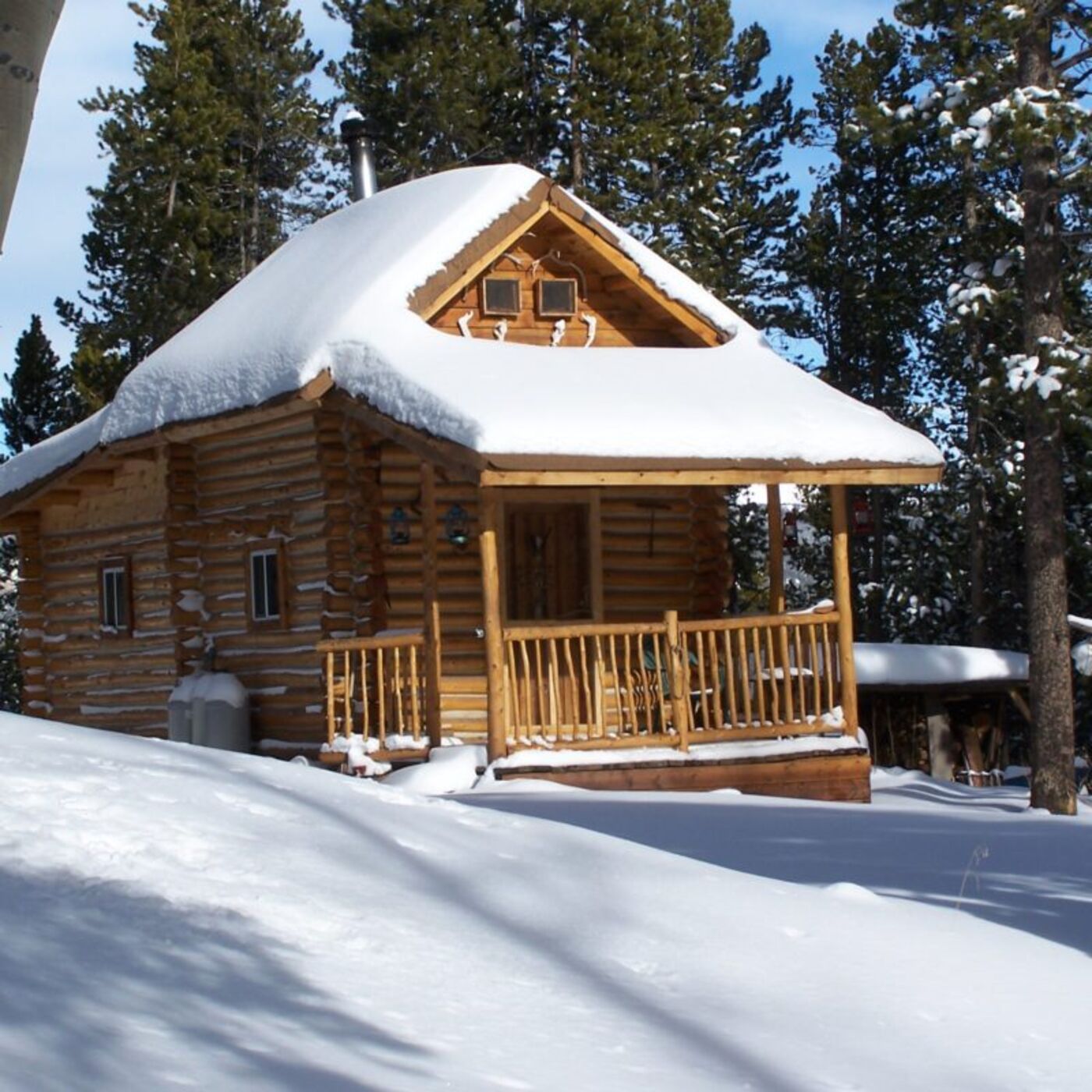
Adventures in Sustainable Living Podcast Episode 71 The Pros and Cons of Living Small Part of the focus of sustainable living is being mindful of the impact you have on the world around you. As you have no doubt heard me say, every single thing we do has some sort of impact. But there are numerous ways to reduce our individual ecological foot print. I have spoken of this before in previous episodes on reducing your carbon footprint and life without plastic. I now want to continue that trend by giving you further options on how to live more sustainably in ways that more or less go against our cultural trend. In the next few episodes I want to examine the art of living small. So stick around if you want to listen to Part One which is called The Pros and Cons of Living Small. Welcome back everyone to the Adventures in Sustainable Living podcast. This is your host Patrick and this is E71 which is Part One of the Art of Living Small. I have spoken previously about simplifying your life, doing without certain things, getting rid of the excess, going zero waste etc. All of that being said, I want to get down to some other practical issues as far as how we live and what we can change in order to reduce our individual impact on the world. I think it is fair to say that most of us can live on far less than what we do and that includes the space that we live in. Obviously the larger our living space tends to be the more stuff and clutter we have, the more utilities we pay, and thus we have a greater environmental impact. By living in a smaller place, the opposite is true. So, in this series of episodes I want to focus on all the issues surrounding what I call “living small”. What this means is living in a smaller residence than what we typically do as Americans. But, to start off this series, I want to first talk about the pros and cons of this type of lifestyle. You are no doubt familiar with what is being called the “tiny house movement”. Now this movement focuses on people living in homes that are much smaller than average. Now people opt for living in a tiny home for a variety of reasons. There are pros and cons to such a lifestyle, as well as some unique challenges. But I will get to all of that shortly. But if you have been following me long enough, then you know that I used to own a second home. And yes I was also guilty at one point of thinking bigger was better, more was better. And I think I talked about that in E38 The Value of Simplicity. If you listened to that episode then you know the work I went through and all the details of what I did to down size my life and get completely out of debt. I went from living in a 2,600 square foot home to a 475 square foot cabin. Actually, what I initially did was go back to living in the log cabin, which was about 260 square feet. At the time I was in the process of completing the second cabin. The point being is that I can talk about living in small spaces from personal experience. What is a tiny home? The first thing to sort out is what is exactly is considered a tiny home? Well, it is just exactly what it sounds like. It is a small house that is just big enough to have everything you need. But at least according to the International Code Council, the tiny house must be 400 square foot of less. It can be on wheels on easily movable or it can be a free standing structure with our without a foundation. But the underlying concept here is that it is just big enough for your needs and no more. Now what does that sound like? To me that has the definitive ring of sustainability, that being having only what you need and no more. But this certainly goes against our culture trend. This is because America is a place defined by bigness. Like it or not, our bigness is rather infamous both at home and abroad, from the size of our country, the size of our cars, the size of our waistlines, and the size of our homes. The average size of the American home in 1950 was 938 square feet while today the average size of our homes are 2,450 square feet despite the trend of having a smaller family. Now there are a number of reasons for this including easy access to cheap building materials, government policies and programs, zoning laws etc. But from a global perspective, we generally have somewhere between 600 and 800 more square feet of living space on average relative to other countries. All this extra space has an environmental impact of course. Most people with extra space feel obligated to fill it with more stuff. All that extra space means more heating and cooling, extra work in upkeep and maintenance. Not to mention the extra cost of the home itself, which brings me to my first point. Affordability The first thing to consider is affordability. Average const
Ep 70Life Without Plastic Part Two/ Homemade Products
Adventures in Sustainable Living Podcast Episode 70 Life Without Plastic Part Two: The Homemade Products Despite our best efforts to rid our lives of plastic and reduce plastic pollution, there is the possibility that we may loose, meaning plastics may actually win out and we have to deal with this problem forever. But we have to remind ourselves to do the best we can and to make slow steady progress. In episode one of Life Without Plastic, I covered some valuable tips on what I call the no brainers. This gives you an easy place to start going plastic free. In this episode I want to cover some some additional things you can do. But, these are going to take a little more effort and take some planning. If you want to know more then stay tuned for Life Without Plastic Part Two. Welcome back everyone to the Adventures in Sustainable Living podcast. This is your host Patrick and this is E70, which is called Life Without Plastic Part Two/Easy Homemade Products. Despite our best efforts plastic may actually win. As much as I focus on sustainability and as much effort as I put forth toward that end, I still look at my own life and see a lot of plastic products that are going to be around for a long time. There are a number of reasons for that which I will get too in a minute. But what is most important is that I’ve made the commit to reduce my use of plastic products and to no longer purchase anything made of plastic. My best example is food storage containers and freezer bags. Whenever I need to replace a food storage container, I purchase a glass product instead. When I replace my freezer bags I purchase a durable silicon product instead. But despite my best efforts, why is it that plastics will be around in my life for a long time. As I stated in the previous episode, the most difficult part of going plastic free is going plastic free. There are a number of reasons for this. Plastic is extremely affordable. Just compare the cost of a 30 count box of quart freezer bags in the supermarket versus a 12 count box of silicon food storage bags. Compare the cost of plastic food storage containers to that of glass or stainless steel. Go into a home improvement store and check the price of plastic storage containers. Anyway, it doesn’t take long to understand that plastics are popular because they are inexpensive and cost effective to produce. Plastics are also highly durable. Plastics can be tossed around, shoved around, stacked and take a beating and still be usable. I have a couple of plastic trunks in m storage shed that are used for tools. I used and abused them for years and they are still in good shape. Plastics last a long time. Plastic products do not break as easily as glass or metal. This is a big reason that PET plastic bottles are used so much for beverages because they are so durable. But this durability is one of the characteristics of plastics that creates such an environmental problem. Plastics are highly flexible. This is one of the reasons that plastics are extremely popular in the food and shipping industry. Glass and metal can be molded into numerous shapes but these can never out do the flexibility of plastic. Plastics are easy to transport. This is another reason why plastics are such a popular choice. Plastic containers weight considerably less than glass or metal, are safer to transport, can easily be produced in a variety of sizes and shapes. Food grade plastics are light weight, leak free and can be used for a huge variety of food items. And it is for all of these reasons that plastics will still be a part of my life for a long time. I am certainly not going to throw away all the plastic products I presently have because if I did, that would be just plain wasteful. But the point is that I have made the commitment to replace things as needed with non-plastic items. And as I pointed out in the previous episode, you have to focus on making progress, not necessarily being perfect. This is also the point of striving for sustainability. Taking baby steps to change your lifestyle, produce less waste, and reduce your environmental footprint. If you have listened to some of my previous episodes, then you know that I speak a lot about simplifying your life, being frugal, being a minimalist and learning to do things for yourself. But I also think that because we are so addicted to convenience we have lost the knowledge and skills needed to do many things for ourselves. And our increasing trend toward urbanization is making this even worse. There is no doubt that we now live in a very different world. There was a time when educating yourself was considered a person’s duty, when doing things for yourself was a necessity. For example, the world wide economic disaster of the 1920s and 30s, during the
Ep 69Life Without Plastic Part One/The No Brainers
Adventures in Sustainable Living Podcast Episode 69 Life Without Plastic Part One: The No Brainers We are often told to reduce our waste production, conserve water, recycle, eat less meat, drive less, convert to renewable energy, and thus be more sustainable. The challenge is that a great deal of the time we are not given easily accessible, affordable options in order to live more responsibly. By far one of the largest challenges we have these days is that of plastic pollution. Plastic is literally everywhere. It fills our oceans, landfills, food, water, and micro plastics have even been found on top of Mount Everest. This is why I want to devote a couple of episodes to not only going plastic free but to give you some options to get you started. So stayed tuned for part one of Life Without Plastic. Welcome back everyone to the Adventures in Sustainable Living podcast. This is your host Patrick and this is E69, which is part of a series called Life Without Plastic Part One: The No Brainers. The 20th and 21st centuries have justifiable been unofficially named the Plastics Age. Plastics are literally in every single aspect of our lives to the point that it is impossible to go through a single day without encountering or using plastic in some way. We use plastic toothbrushes, our key fobs are made of plastic, we store food in plastic containers, we eat and drink out of plastic containers. Fortunately we are becoming increasingly aware that such widespread use of plastics is not without consequences. Plastic pollution is ubiquitous in the environment. We even consume a certain amount of micro plastics every day. But how did this happen? How is it that plastics came to dominate our lives? And what might be the answer to this on-going problem? While we all think of plastics as being a 20th century product, there are actually naturally occurring plastics that have been used for centuries. Materials such as tortoiseshell, amber, natural rubber, and animal horns were used for many purposes. For example, animal horns become malleable when heated and were often used to make numerous products. In the 19th century the comb making industry was one of the largest applications of using horn. However, by the middle of the 19th century, animal products were becoming increasingly scare. The demand for ivory was pushing elephants toward extinction. Some turtle species were facing the same fate. Consequently, some savvy inventors attempted to solve this problem by producing semi-synthetic materials. In 1862 a chemist named Alexander Parkes patented a semi-synthetic material, which he called Parkesine, which is considered the first manufactured plastic. This served as an inexpensive and colorful substitute for ivory and tortoiseshell. Other business people follow suit and further refined this invention and the plastic industry was born. What followed in the 20th century was the development of purely synthetic materials. A Belgian chemist pioneered the first fully synthetic plastic in 1907. He called his invention Bakelite. The advent of this affordable versatile material literally caused a consumer boom of affordable products. In the early part of the 20th century petroleum and chemical industries formed beneficial agreements with companies such as DuPont, ExxonMobil, BASF, and Dow Chemicals. Even today these companies are still the predominant producers of raw materials for the plastics industry. Primarily these alliances were formed in an effort to make use of waste materials from the processing of natural gas and crude oil. Some early success was seen while other experiments failed. However, as a result of one of these failed experiments, another material was accidentally discovered. It turns out that this material was a polymer of ethylene. And now polyethylene is the world’s most abundant plastic because it is flexible, strong and heat resistant. Consequences of the Plastics Boom For many years the invention of plastic seemed to be the answer for the mass production of numerous consumer products. Plastic was durable, extremely versatile, and inexpensive to produce. However, the very chemical properties that make plastic so desirable have now become the bane of our existence. Plastics are extremely difficult to dispose of because these materials take thousands, even tens of thousand of years to degrade. When plastic does finally break down this creates an even bigger issue. Over time much of this plastic breaks down into tiny particles, called micro-plastics, that make their way into lakes, rivers, and eventually the oceans. We even breath in and consume micro plastics everyday, the health affects of which are still unknown. But our problems with plastic began when it started to replace more expensive materials such
Ep 68#068 It All Starts At Home: How to Reduce Your Carbon Footprint Part III
Adventures in Sustainable Living Podcast E68 It All Starts at Home: How to Reduce Your Carbon Footprint Part III Welcome back everyone. This is part three of how to reduce your carbon footprint. In this episode I am going to focus on what we eat. Our agriculture systems have truly put us in a predicament. It has long been known that this is the source of our greatest ecological impact. Yet we must continue to produce food to feed a growing world population. But, believe it or not, it is actually our agricultural systems that are at the heart of the solution of the issue of sustainability both economically and socially. If you want to learn the solution to this dilemma, then listen to this episode It All Starts at Home/ How to Reduce Your Carbon Footprint Part III. Welcome back everyone to the Adventures in Sustainable Living podcast. This is episode 68 It All Starts at Home: How to Reduce Your Carbon Footprint Part III. There is absolutely no doubt that we live in an ever changing world these days. But many of the things we hear day-to-day are truly nothing more than a distraction. I often hear my co-workers and colleagues say something to the affect of “Did you see such and such on Facebook” and I never know what they are talking about. Or I hear news about some famous person that died and I have no clue as to who they were. Now this may lead some people to believe that perhaps I live under a rock or I spend way too much time on the homestead. But you may be surprised to know that I do subscribed to a New York Times News letter. I do make an effort to keep abreast of world events because I think it is important. Yet I strongly filter what I hear, what I see, and what I read. This is because most of what we hear and see everyday is completely unimportant and is nothing more than a distraction from the real issues of our time. And one of those issues is sustainability. If you really get down to this central issue, living a sustainable life in every possible way affects every single thing that you do, right down to what you put in your mouth. What we choose to eat is another big area where we produce our greatest individual ecological impact. Look at it this way. Think of what you had to eat for your last meal. Almost every single ingredient in your last meal was farmed, grown, raised, or slaughtered on a piece of land that used to be wildlife habitat. More than 50% of the arable land on this planet has been cleared for agriculture production. Land based food production continues to be the largest driver for loss of biodiversity, species extinction, greenhouse gas production and climate change. Now, should you feel guilty about this? Absolutely not. Trading wilderness for farm land to feed people was a decision made by our ancestor centuries ago. This is not something we can change at this point in our history and I dare say it will never change. However, there are numerous ways to significantly reduce our impact. I do find it interesting that if you go through health related literature and come up with a list of current recommendation for the healthiest diet, it strongly correlates with the best way to eat sustainability. What this means is that if you want to reduce your carbon footprint, then improve your diet. As it turns out, at least according to the National Academy of Sciences, if we truly followed proper dietary recommendations, we could reduce our greenhouse gases related to the productions of the food we eat by 13% to 25%. Furthermore, the amount of land it takes to produce that food could drop by as much as 17%. So let’s just do a quick review of a few principles just to prove my point. Now I am not trying to be your diet counselor. I just want to quickly go over a couple of points. There are certain dietary habits that are scientifically proven to be healthier. Eating lots of vegetables and fruits. Eating protein loaded foods such as legumes, fish, shell fish, eggs, poultry, low fat yogurt. Choosing whole grain foods such as wild rice, quinoa, oatmeal and stay away from white rice and pasta. Limiting your intake of highly processed foods such as fast food, hot dogs, chips, cookies, froze pizzas, deli meats. Make water your drink of choice and stay away form sugar filled drinks such as soda and sports drinks. Bottom line. Prepare most of your meals at home using whole or minimally processed foods. Choose from a variety of different protein sources just to keep things interesting. Choose a variety of fruits and vegetables with a variety of colors. And, take a day or two a week and go meatless. But, if you want to get much more specific, here are five different diet plans that are backed by science and proven to be healthy: Low-carb, whole-food diet Mediterranean diet which focuses on
Ep 67It All Starts at Home: How to Reduce Your Carbon Footprint Part II
Adventures in Sustainable Living Podcast Episode 67 It All Starts at Home Part II One of the most common questions I hear regarding sustainability is “How can I reduce my carbon footprint?” The answer to that question is not the same for everyone. For example, a sherpa in Nepal that spends his time taking people up Mount Everest has a completely different carbon footprint compared to your average urbanite in the United States. That said, there are three different areas of our Iives where we produce our greatest ecological impact: how we travel, how we live, and what we eat. E66 I covered the topic of how we travel. In this episode, I am going to discuss how we live. If you want the whole story then stick around for It All Starts at Home/Reducing Your Carbon Footprint Part II. Welcome back everyone to the Adventures in Sustainable Living podcast. This is your host Patrick and this is E67 which is called It All Starts at Home/Reducing Your Carbon Footprint Part II. Going back to the central question I hear most commonly which is “How do I reduce my carbon footprint?” as I stated above, there are three areas in our lives where we produce our greatest impact. How we travel, meaning the use of our automobiles, accounts for approximately 30% of our ecological impact. Our homes accounts for an additional 30% of our impact. How we eat accounts for approximately 18% of our impact. So these three areas of our lives accounts for 78% of our total ecological impact. Consequently, if you truly want to reduce your carbon footprint, it is imperative that you address these three areas in your life. The underlying point of this three part series is there is a lot we can do as individuals instead of sitting back and waiting for big business and big government to make decisions on how to save the planet. In many ways it is a matter of changing some old habits and making changes in your lifestyle. In this episode I want to focus on how we live. And that simply means how we manage our homes. I must say from the start that to some degree I am opposed to using this term “carbon footprint” simply because it started as the result of an enormous greenwashing campaign by British Petroleum in order to shift the blame of global warming from big oil to the consumer. Now I don’t want to belabored that point here but if you want more information on that then go back and listen to E52 Your Carbon Footprint is Just a Sham. But, this term “carbon footprint” is here to stay. It is a term that is thrown around a lot in the world of sustainability. If you use that term then most people know what you are talking about. But I typically do is flop back and forth between the terms carbon footprint and ecological impact. I will say from the start that carbon emissions from our homes accounts for approximately 30% of our ecological impact. Depending on the source that your reference, you will hear talk of 35% to 40%. I am not going to belabor the particulars of the statistics because the point here is that our homes are another significant source of our individual impact. There is a significant focus on this area right now. Architects, engineers, scientists, and many other folks are looking at ways to construct carbon neutral buildings and homes. You will hear the term “net zero” energy. What this means is that a building produces as much energy as it uses. And while this should be our goal, we can’t exactly tear down and rebuild the entire world. We have to start with what we have. Now there are numerous ways to accomplish this, some will cost almost no money and is a matter of changing some of your habits, others will cost thousands of dollars and may be out of reach for a lot of people. But I first want to start with factors that are common to every household. Depending on the source you reference, our households produce 30% to 40% of our ecological impact. There are a number of things that factor into this total. Household waste, the products we use and consume, and energy usage. Some of these topics I have covered in previous episodes so I will not repeat myself. What I want to focus on is the energy that we use. In August 2020 the National Academy of Sciences published what some consider as the most definitive study to date on the source of greenhouse gas production from our households. According to this study, our energy usage alone accounts for 20% of our individual greenhouse gas production. This energy usage is directly tied to heating, cooling, and powering our households. The carbon emissions is primarily related to the continued use of fossil fuels such as natural gas, propane, and fuel oil. Well, you may think that the easiest thing to do is to decarbonize the electrical grid. However that is not going to be sufficient to meet the 28% reduction in carbon
Ep 66It All Starts At Home: How to Reduce Your Carbon Footprint Part I
dventures in Sustainable Living Podcast Episode 66 It All Starts at Home Part I As the result of my association with several groups and forums focused on sustainability I have begun to see trends in the types of questions that people ask. One of the most common questions that comes up is “How do I reduce my carbon footprint?” Maybe I’ve spent way too much time over the last 3 years examining and dissecting my own life because I’ve gotten to the point to where I think the answer to that question is obvious. But perhaps that is not the case after all. As individuals, there are three big areas where we produce our greatest environmental impact. In this three part series called It All Starts at Home I am going to cover each of those areas. So stay tuned if you want to listen to Part I of It All Starts at Home. Welcome back everyone to the Adventures in Sustainable Living podcast. This is your host Patrick and this is E66 which is part one of a three part series called It All Starts at Home. Over the last 3 years I’ve spent a considerable amount of time make improvements on my homestead. Despite living off the grid for 25 years, I am still learning new things. With advances in technology and equipment, I find new ways to be more efficient. This is especially true when it comes to sustainability. As a result of starting this podcast I spend a lot of time dissecting and analyzing my own life simply trying to gain new insight and streamline my lifestyle as much as possible. Perhaps I spend too much time living in my own head because when someone ask the question “How do I reduce my carbon footprint?” the first thing that comes to mind is to answer with the question “Is that not staring you directly in the face?” But as talk about climate change becomes increasingly serious, more and more people are starting to ask questions about what can be done. One trend that I see with the general public is that so many people feel as if it is up to big business and big government to turn things around. In my opinion this sort of attitude is not entirely unfounded. This is because in many cases we are not given affordable, easily accessible, alternative choices too many of the things we do. For example, we are told that we should all be recycling. Yet I cannot tell you just how many communities I visit while working with different hospitals that there simply is no option for recycling. Yet when I visited Costa Rica a number of years ago, there were so many street side recycling bins around that I really had to look hard to find an actual trash can. But to get things rolling here I want to point out that as individuals there are three bigs areas where we produce our greatest ecological footprint. And those areas are how we travel, how we live, and what we eat. In each of these three areas much of what we do is a matter of choice, a matter of habit, and much of the time a matter of a cultural norm. Some of this behavior is engrained to the point that we think that is what we are entitled too. And I think that much of what is being called “pandemic rage” that we see in the U.S is a perfect example of how a lot of people respond when they do not get what they think they are entitled to. But such an attitude is not what leads to meaningful change. Malcolm Gladwell is the author of one of my favorite books called Outliers.This is a book about men and women who do things out of the ordinary. It really is quite a good book if you have not read it. One of the points that is brought out in this book in the very beginning is the fact that, and I am quoting directly, “ the values of the world we inhabit and the people we surround ourselves with have a profound effect on who we are.” End quote. This is similar to the saying that “We are the sum of the 5 people we spend most of our time with.” I am a firm believer that if you find yourself in agreement with 90% of the people around you, you should run in the opposite direction as fast as you can. I say this because the vast majority of people suffer from what I call “sheepeople syndrome” meaning we all follow each other around like a bunch of sheep and never really question what is going on. But I think it is quite obvious to many of us the people that have made history, and perhaps even changed the world, did not do so by sitting at home, being good, and doing what they were told. A year or so ago at what was likely the beginning of the pandemic, I was at a gas station fueling my truck. Someone had placed a sticker on the side of the gas pump that had a small sheep on it and it simply said “Just shut up and obey.” Instead of shut up and obey, maybe what we need is a few more outliers, perhaps a whole group of outliers, perhaps a whole community of outliers. Because that is
Ep 65#065 Blue Foods May Be the Green Future
Adventures in Sustainable Living Podcast Episode 65 Blue Foods May Be the Green Future There is no doubt that our daily diet plays a major role in our environmental impact. Our choices of the food that we consume on a daily basis does make a difference. In fact it makes such a big difference that private industry as well as some governments around the world are investigating alternative protein sources, especially from the prospective of sustainability. But the good news is that even small changes can add up to significant environmental benefits. One area in particular that is being looked at very closely is what is called “blue foods”. Large segments of private industry are actually racing to gain an edge is this market. If you want to learn more then listen to this episode which is called Blue Foods May Be the Green Future. Welcome back everyone to the Adventures in Sustainable Living podcast. This is your host Patrick and this is episode #65 which is called Blue Foods May Be the Green Future. Certainly by this time I have made it quite obvious in some of my previous episodes that our choices not only drive the market place but those choices also have a significant impact on the environment. This is especially true with our diet. We already know that our agricultural industry is one of the greatest drivers of global warming. With the population of the world predicted to be 9.3 billion by 2050, it is estimated that food production would have to increase by as much as 60% in order to feed the planet. But doing this with a farming-as-usual approach would take a heavy and irreversible impact on the environment. Consequently, we have no choice but to find a sustainable alternative. There is a lot of focus of course on the impact of meat based protein versus plant based protein sources. We already know that plant based proteins have significantly less ecological impact relative to something such as beef. That said, it is also obvious that not everyone in the world is willing, or even able to become a vegetarian or a vegan. What we also know is that not all meats are created equal from the standpoint of sustainability. Some animals have a greater impact than others. This is why I believe if we simply pay closer attention to what we eat and reorganize our diet a bit, we can make a big difference in our individual impact. Our diet makes up about 18% of our total environmental footprint and we can all make a huge difference by making careful choices and not give up our favorite foods. While I will be the first to admit that I find nothing more tasty than a big juicy steak fresh off the grill, I know very well that is not a very sustainable choice. Consequently over the last couple of years I have reduced my beef consumption by about 75%. Not only that, since working so much on this podcast one the last year I can never go in the supermarket and look at anything the same anymore. I look at my food choices with a very discerning eye and wonder what I can choose that has the least impact without a total dietary over haul especially when it comes to protein. Mostly that is a matter of educating yourself. While many of us may sit back in awe at what is happening in the world and simply feel as if what we do makes no difference whatsoever, most of us are overlooking a very powerful tool at our disposal. While perhaps none of us can go up against big government, big business, or big oil, there is one thing we have at our disposal that is a very powerful tool. In many ways we will all be waiting until the middle of the next century before we will see meaningful changes if we wait on the government. But the good news is that we can all have an impact starting today by simply making better choices. But if you are at all like me, you go to the supermarket and stare at things sometimes and contemplate your best choices. But I would like to point out that there is a very good alternative source of protein that most of us overlook yet it is one of the most sustainable. Yet this market is growing very rapidly and there is now a tremendous interest in what is called “blue foods”. Now this concept of “blue foods” versus “green foods” was something new to me. But you can sort of think of this as surf versus turf. While there are a number of reasons for such a great interest in blue foods, one of the biggest reasons is the rising concern over the future of food security for our growing population. We Are at a Crossroads There is absolutely no doubt we are at a crossroads from the perspective of sustainability. Even now, one in ten people in the world is under nourished. Yet our population continues to grow and we have yet to pin down the type of diet that would be both healthy and sustainable. And so far most of the discussion has been focused on terr

Ep 64#064 What's Cookin' With Synthetic Meat
Adventures in Sustainable Living Podcast Episode #64 What’s Cookin’ With Synthetic Meat We already know that agricultural activities produce some of our greatest environmental impact. Yet some sort of agriculture is needed in order to produce food because we are beyond the point of hunting and gathering. World population is expected to reached 9.8 billion by the year 2050. It is projected that agricultural production will have to increase by 60% to 70 % above current levels in order to feed that population. That places us in a conundrum. If we expand our current agricultural activities we continue to destroy the environment that is vital to our survival. Yet if we do not find a way to increase food production, people will essentially starve. If you want to listen to the full story, then enjoy this episode on What’s Cookin’ With Synthetic Meat. Welcome back everyone to the Adventures in Sustainable Living podcast. This is your host Patrick and this is episode 64 which is called What’s Cookin’ With Synthetic Meat. As mentioned above it is now quite obvious that our agricultural activities are by far one of the greatest drivers of the detrimental environmental changes that are so much a part of the news these days. But, with the growing world population we obviously need to produce food to survive. Yet if we keep doing what we are doing we are going to completely destroy the environment that is vital to our survival. But if we do not find ways to increase our food production in step with the increase in population sooner or later people will starve. But finding ways to improve the efficiency of agriculture is really nothing new. I am sure that most of you are familiar with the term GMO, which is a genetically modified organism. For the average consumer what this most commonly refers to is crops that are developed through genetic engineering, also known as biotechnology. The purpose of this is to take a desirable or beneficial trait of a plant found in nature and transfer it to a crop plant, or to change or enhance an existing trait in a plant that is being developed. Doing so thus enhances agricultural production. Thus the advent of GMOs. DNA was first discovered in the 1950s and genetically engineered plants were first field tested in the 1980s. The first genetically modified food approved for release was a particular type of tomato which was introduced in 1994. Now the reason for all the trouble was to develop crops that had a resistance to drought, disease, and insects. To develop plants that had a tolerance to herbicides that allow for better weed control. But also to develop crops with enhanced nutritional content. The most common GMOs are soybean, maize, cotton, canola, and alfalfa. Today GMOs comprise 90% of the soy, cotton, and corn grown in the United States. But of course there have always been concerns over the consumption of GMOs. Concerns such as allergies, cancer, and even pesticide residues. What is interesting though is that the use of GMOs have not enhanced crop production after all. What has happed is that weeds have now become resistant to herbicides which has which has lead to increased use of stronger, more toxic pesticide combinations. New GMO combinations seem to only compound the problem. This of course leads to even more pesticide residues in the foods we consume. But, GMOs are not truly the focus of this episode. I bring up the subject of GMOs because this is a concrete example of genetic engineering that is commonly known to all of us. It is also an example of how our efforts to manipulate our environment produces even further problems. Which brings me to yet another challenge that we have related to agriculture. After much research and reading of numerous articles I do not believe there is any area of agriculture that has a greater impact than that of meat production. Furthermore, over all other meats, beef tops the list of having the greatest greenhouse gas emissions and environmental impact. As Americans on average we consume over 19 billion pounds of beef annually, which is about 57.5 pounds per person. That may sound like a lot but there are countries where people consume even more than we do. We sit it fourth place for the most beef consumed per capita in the global community. Which of course brings up the subject again of how we are going to perform this balancing act between increased food production and conservation of the environment. So far conversion to more of a plant based diet seems to be the most beneficial thing to do. However, that is not the complete answer because there is an additional challenge. Even if meat consumption is decreased in developed countries in order to mitigate the environmental concerns, the global meat consumption will continue to increase simply because consumers are unwilling to
Ep 63#63 One Simple Thing Can Change the World
Adventures in Sustainable Living Podcast Episode 63 One Simple Thing Can Change the World There are several things that I can look back on and definitively say that those things changed the course of my life. For example decisions and choices I made, unexpected events, simply being in the right place at the right time, and sometimes just plain bad luck. And I am sure that many of you can say the same thing. But you know, this is really not all that unusual. I can easily point out several different things, small things, that have been a defining point and have changed the course of history. In fact, I believe that we are now at one of those points in the our history. But, if you want to know more, then listen to this episode which is called One Simple Thing Can Change the World Welcome back everyone to the Adventures in Sustainable Living podcast. This is your host Patrick and this is Episode 63 One Simple Thing Can Change the World. Sometimes I think I focus too much on bad news. But today I want to bring you good news in sort of an interesting way in that I want to show you how one simple thing can make a huge difference, it can change the entire course of our lives, and even alter human history. Throughout history there are numerous events, ideas and innovations that have literally changed the course of the world, resulted in major disasters, improved or worsened the fate of mankind, or even saved countless lives. I’d like to give you several examples of just that. Fidel Castro I dare say that 95% of the worlds population has no interest whatsoever in what happens on the baseball diamonds in the United States. Take Babe Ruth for example, who is one of the greatest American baseball icons. Little if anything at all would have been altered in the events of the world if Babe had never even made it out of the amateurs. Yet in 1947 Fidel Castro came to the United States and attended the tryout camp of the Washington Senators. He was reputed to have a blazing fastball. However, he never earned a spot on a big league roster and returned to Cuba to pursue a career in politics. That event changed the history of the world as he later emerged as one of the most significant leaders in world history. Castro started a socialist revolution and rose to be the charismatic leader of Cuba. He out lasted nine U.S. presidents. Certainly no other ex-baseball player has so dramatically affected the lives and fortunes of millions of people. The Sinking of the Titanic The Titanic may have never sunk if it had not been for one forgetful sailor. Second officer David Blair was removed from the ships roaster at the last minute. When he left the ship, he forgot to hand over the key to the locker in the crow’s nest that contained binoculars. After the Titanic sunk, one of the surviving lookouts, Frederick Fleet, stated that with those binoculars the collision with the iceberg could have been prevented. The unsinkable Titanic could have had a completely different history. The Magnetic Compass In our modern age, I think it is fair to say that most of us pay little attention to the magnetic compass. With modern GPS and Goggle Maps, a compass is the last thing that most people would even consider using. Yet the invention of the compass altered human history. It was by far one of the greatest inventions and the most important tools for navigation. Before the invention of the compass, people navigated using only the stars, the patterns of migrating birds, or even the waves. Sailors often avoided the open ocean for fear of getting lost. Around 200 BCE, the Han dynasty in China produced the first ever magnetic compass. The magnetic needle was attached to a piece of cork or wood which was floated freely in a dish of water. It was in 1050 that the compass was first used for navigation. By the 14th century the magnetic compass widely replaced astronomical means as the primary instrument of navigation. Explorers now had a reliable means to traverse the oceans which sparked the beginning of the Age of Discovery. Fast forward hundreds of years. By the 1980s the US military released the global positioning system, known as GPS, to the public. We can now map every part of the planet. The Printing Press Prior to the internet, there is nothing that did more to disseminate information and knowledge than the Johannes Gutenberg printing press. Gutenberg developed his press in 1440 which used a mould to rapidly produce lead alloy type pieces. This press made it possible to produce as many as 3,600 pages a day. By 1500 there were over 1,000 presses operating in Europe which produced over 200 million books by 1600. The Gutenberg press made books affordable for the lower class and helped to start the Age of Enlightenment. Development of Vaccines The use of vaccines dates back hundreds of years. In 17th century China immunity to smallpox was conferred by smearing a

Ep 62#062 Pick One
Adventures in Sustainable Living Episode 62 Pick One In this episode I just want to give you not only a reality check but also a quick, thought provoking message regarding sustainability and why that is so important in our ever changing world. I am going to touch on several different important topics So, I truly hope you will stick around to the end because I really do have some good information here. And at the end I am going to give you a very sound, yet simple, strategy on how to start your journey toward a future sustainable. So please listen to the full episode which is called Pick One. Hello everyone and welcome back to the Adventures in Sustainable Living podcast. This is your host Patrick and this is E62 which is called Pick One. When I was growing up in Georgia and Tennessee there were two working farms in our family. We kept a very large garden, raised a variety of farm animals for meat, there were numerous fruit and nut trees on the property, we went on fishing trips regularly, and spent time foraging for wild berries. What we were unable to produce, we simply purchased at the local farmer’s market because those vegetables came from other local farms. Excess food was canned or frozen to last us through the winter. Self sufficiency was not something we talked about, it was the way we lived. Now more than ever most people make no effort to be self sufficient, much less sustainable. On a global scale, 55% of the worlds population lives in urban areas but in the United States that is as much as 83 percent. As more of us transition to urban life, a growing percentage of us are completely disconnected from the natural world. We increasingly depend on a supply chain that we do not understand and cannot possibly control. We have the expectation and belief that we will ultimately never do without anything because we live in the land of plenty. During the course of my lifetime the population of the world has more than doubled. At the time of this writing there are about 7.85 billion people that call this planet home. It is expected that global population will increase to 9.1 billion by the year 2050. As could be expected, that increased population comes at a price. Human activity is driving numerous changes on a global scale many of which we are just beginning to understand. Presently, we utilize 50% of our habitable land for agricultural activities. Moreover, the United Nations Food and Agriculture Organization says that agricultural production on a global scale will have to produce 70% more food by the middle of the century in order to feed the growing population. Yet agricultural production is by far one of the largest drivers of environmental destruction. As if that were not enough, many areas in the world are experiencing prolonged drought conditions. Presently 1 in 3 people globally do not have access to fresh water. Now that may be difficult to swallow when you stand on the banks of the mighty Mississippi, the Ohio, the Tennessee, or the Missouri Rivers. But there is an underlying trend that most people do not understand. While nearly 70% of our planet is covered with water only 2.5% of that is fresh water. The rest of it is saline or ocean water. We only have easy access to about 1% of that fresh water. The rest of it is trapped in glaciers and snow fields. Now the amount of water on the planet has always been essentially the same, even since the time of the dinosaurs. This is because water is constantly recycled through the atmosphere and back to Earth. But over time the population of the world has exploded which means every year the competition for clean safe water intensifies. Water usage globally has out paced the population growth by 50%. We are now witnessing river basins literally running dry, which of course exacerbates our fresh water crisis. In fact, 17 countries, which are home to 25% of the worlds population, now face extreme water stress. Despite all of this, we go about our daily lives pretending nothing is happening. It’s as if we are speeding along in a vehicle, pass a sign that says “Danger Cliff Just Ahead” , and we just look at each other and say “Well, it hasn’t happened yet.” This of course makes me question what will it take to get everyone’s attention? What will it take too slow down the inertia of our culture and change course to something more sustainable? Because, at least according to NASA, “The effects of human-caused global warming are happening now, are irreversible on the timescale of people alive today, and will worsen in the decades to come.” Now that adds new depth to the saying “We are all in this together.” Between the effects of climate change and the most recent pandemic, it is quite obvious that we all now live in a global and highly connected community. Despite that we still see
Ep 61#061 Twelve Tips for Sustainable Travel
Adventures in Sustainable Living Podcast Episode #61 Twelve Tips for Sustainable Travel Over the past year or so, many of our normal activities have been put on hold. But that is starting to change, albeit slowly. If you are at all like me, you want to simply get out of the house and go do something, possibly even travel. But as the world returns to tourism activities once again, what will this return to tourism look like? Or maybe a better question is what should it look like? Although in this episode I want to focus on the basic principles of how to travel with less of an impact, you would be surprised just how many of these tips can actually apply to your daily life. If you want to learn more, and hear by tasty advice at the end, then listen to this episode which is called Twelve Tips for Sustainable Travel. Welcome back everyone to the Adventures in Sustainable Living podcast. This is your host Patrick and this is E61, which is called Twelve Tips for Sustainable Travel. You know as I was researching tips on sustainable travel, I was truly surprised at how many of these tips can be applied to our daily lives. After all as you have no doubt heard me say before, everything we do has some sort of environmental impact. It is nearly impossible not to. But the good news is that sustainability is all about making conscious choices and conscious decisions at home as well as on the road. Now what I think is that when most people travel they truly have good intentions. But when it comes to sustainable practices, they often do not even know where to start. However, with just a little focus, you can make a positive impact wherever you go. So, why is this important? Well, according to the United Nations World Tourism Organization, since 1950 there has been a 56 fold increase in international travel. There were only 25 million international arrivals in 1950. As of 2018, there were 1.4 billion. That is expected to increase to 1.8 billion by 2030. The travel and tourism industry accounts for 10.2 % of the global gross domestic product, which is just a financial measure of the monetary value of all goods and services. All of this travel produces enormous benefits such as economic growth and even personal fulfillment but this often comes at the expense of the environment and the local communities which are impacted by crowded streets, pollution, habitat loss, and even changes to their culture. At this point on a global scale travel restrictions are starting to relax a bit. So if you are thinking of taking a trip, I think it is important to ask yourself why you are traveling in the first place. Why that particular destination? What is your purpose for going there? And based on that, decide whether or not you want or even need to travel. 1) Stay Closer to Home Because one thing to consider, and most people likely do not want to hear this, is that if you are truly interested in traveling sustainably, then think about staying closer to home. Go somewhere within driving distance or consider taking a train. Ultimately staying closer to home is going to result in far less emissions than boarding a plane. 2) Slow Down and Stay in One Place But if you are intent on going abroad then consider staying in the same place for awhile. Instead of traveling from place to place and cramming in as much as possible, slow down a bit and actually experience the place where you are staying. You will no doubt get to know the unique charm of a place, build deeper connections with the local people, and take in the local culture. One other thing to consider is instead of taking multiple one or two-week vacations throughout the year, consider taking one longer trip. This is something that I’ve done for years now. As I like to tell my friends these days, I no longer take two-week vacations, I take two months. What that means for me is that I pick one location, rent a small apartment or guest house from a local, or I do a home stay. I then use that as a home base and travel from there. I use public transportation and almost never rent a car. By doing this, I have made some wonderful friends and gotten to see some fantastic places that most tourist never see. Even when I travel for work, I pick one location and stay much longer. In the past, I would not hesitate to finish a job in one state on a Friday, drive 1000 miles over the weekend, then be working in another state by Monday. Now, I take longer contracts with hospitals, take my travel trailer, which is a very low impact way of living, and I spend months in one location. 3) Get off the beaten path, go in the off season Another interesting thing to consider when you travel is to not only get off the beaten path but consider
Ep 60#060 The Value of Reconnecting with Nature
Adventures in Sustainable Living Podcast Episode #60 The Value of Reconnecting with Nature In 1950 less than 65 percent of Americans lived in cities. But presently nearly 83% of us live in or around a major city. And this trend is remarkably similar on a global scale. By 2050, it is projected that nearly 70% of the global population will live in urban areas. Now there are a number of reasons for this transition. In fact there are many benefits to move into an urban area. However, while most people may gain something by such a move, we also loose something in that transition. Most people are already disconnected with the very things that sustain us. And urbanization is widening that gap. If you want to learn more then listen to this episode called The Value of Reconnecting with Nature. Welcome back everyone to the Adventures in Sustainable Living podcast. This is your host Patrick and this is E60 which is called The Value of Reconnecting with Nature. As I have already mentioned, there is a huge global trend toward urbanization. Now there are a couple of different reasons for this transition. One of the reasons is simply due to a natural increase in population. This is actually a significant reason for increased urbanization. But the other main cause is people simple moving out of rural areas. Push and Pull Factors for Leaving Rural Areas The decision to move is often a combination of things including various pull factors and well as push factors that drive people away from rural areas. None the less, migration to an urban area is influenced by economic growth, technological change and possibly even conflict and social disruption. One of the main pull factors to urban areas is of course employment opportunities. This is because more industries are located in urban areas which of course offer a high wage relative to rural areas. Another important factor is accessibility to educational institutions where people can learn new skills which increases their employment opportunities. Finally, there are many more social functions and activities for entertainment which can be a big draw if you are not accustomed to such things. Now on the other side of the coin, there are several factors that push people away from rural living. Things such as poor living conditions, lack of employment opportunities, poor availability of health care, lack of quality educational institutions, and various environmental changes such as droughts, floods, degradation of farmable land, and just simply the pressures of living a rural life. Although, in one respect, due to the COVID 19 pandemic, more people than ever in developed countries now have the ability to work from home. Consequently, it matters little where they live. But this of course is not the case in less developed countries. And one other additional factor supporting increased urbanization as I also pointed out in E59, is climate change. As far as the impact of urbanization, it is sort of a mixed bag. Obviously thriving communities and cites are a big part of a prosperous national economy. The huge availability of human resources in close proximity tends to drive innovation and development in business, industry, science and technology. Availability of health care increase survival rates. Essential services such as fresh water and food are available. Disadvantages to Urbanization But there are also disadvantages. There is of course significant air pollution in the city and that is what you get to breathe everyday. Noise and light pollution. Now these are two of the things I notice the most when I am away from the cabin for business purposes. Depending on where I go to work, I often have to wear ear plugs at night in order to sleep. And one of the other things I miss the most is simply being able to see the stars. There is of course over crowding. Consequently, there are traffic problems, longer lines at the supermarket, and endless waiting just to get any sort of services. And this of course increases your stress level. Additionally there is litter, increased incidence of health issues, high cost of living, homelessness, and waste management problems as well as other things. Cities are also associated with higher rates of mental health problems relative to rural areas. Globally one in four people will experience some sort of mental health problem. But those in urban areas have a 40% higher risk of depression, 20% more anxiety, double the risk of schizophrenia, in addition to loneliness, isolation, and a higher suicide rate. And this does not take into account the non-stop sensory over load from population density, crowding, noise, smells, sights, disarray, pollution, and many other things. What’s to Come of It?
Ep 59#059 Climate Migration Has Begun
Adventures in Sustainable Living Podcast Episode 59 Climate Migration Has Begun Since the founding of St. Augustine, Florida by Spanish colonist in 1565, and the establishment of the first English settlement in Jamestown, Virginia in 1607, America has always been viewed as the land of opportunity. Economic opportunity, political freedom, and religious freedom were the initial draw to come to the United States. But in the 20th century immigration was stimulated by globalization. Now in the 21st century, there is a completely different reason that people still want to come to the US. So if you want to find out the reason for this, then listen to this episode called Climate Migration Has Begun. Welcome back everyone to the Adventures in Sustainable Living podcast. This is your host Patrick and this is E59 which is called Climate Migration Has Begun. If you look at the early history of the United States, you will find that literally millions of immigrants left their own homes to find something not readily available in their own country, which was simply the opportunity to find prosperous work and succeed economically. Additionally many people sought to escape political and religious persecution. It was these early immigrants that formed the original 13 colonies and it was these immigrants that fought in the American Revolution in order to defend their new homeland. But if you look forward to the 20th century, a lot of the draw to come to the US was actually the result of globalization. As a result international travel and banking became much simpler. Major advances in technology, transportation, communications, and media has indeed turned the world into a very small place. But this globalization has also created a more disparate difference between developed and undeveloped nations. Many developing nations still struggle with the ability to provide a stable economy. Consequently, it is difficult for families to sustain sufficient capital to care for themselves and have a decent quality of life. With the availability of modern technology it offers people the ability to view what life is like in another country. And the end result is that it creates what I call “compare and despair”. Consequently the United States is once again viewed as the land of opportunity. And certainly we have taken advantage of that by maintaining an enormous migrant work force that comes here for seasonal jobs in order to send money home to their families. Additionally, in many countries throughout the world, oppression, brutality, torture, civil rights abuses and killing of civilians are still common place. People fear for their health and safety, flee their own country and want to enter the United States. And we have seen this most recently with large groups emigrants from Latin American countries walking to the border. But in the 21st century I think we will see a completely different reason for people to come to the United States. Now I know that there are a lot of differing opinions on immigration which of course creates a lot of controversy. In fact one of our most recent presidents starting building a wall between the U.S. and Mexico. But I truly think we are going to have to change some of our policies simply out of necessity. And the reason for this will be climate migration. Now, just to be clear on one thing. I am going to use the term climate migrant. But you should know this is not a term that is used in any sort of official government policy nor is it used in the realm of academia. Climate migrants are those that leave their homes or home countries due to environmental stressors such as droughts, heavy flooding, severe storms, changing rainfall patterns, or rising sea levels. Such factors make their homes uninhabitable and thus they feel pressured to leave their homes behind. Presently this is seen most frequently in countries that are often the poorest and most vulnerable. These countries often have little ability to adapt, they are located in a particularly vulnerable geographic locations or they simply have more fragile ecosystem. Additionally, as was seen with many Latin Americans walking toward the U.S. border, it is often the poorest and most vulnerable people who lack the needed resources to leave their home country and go abroad. The bottom line is when you combine climate stressors with environmental, economic, social and even physical vulnerabilities, the end result is a degradation of food, water, and economic security. This in turn results in a loss of any source of income, potentially a weakened government structure, political instability and conflict. And like it or not, climate migration is already happening. Presently, it is estimated that globally nearly 30 million people annually are displaced from their homes due to extreme weathe
Ep 58#058 Twelve Unexpected Consequences of Climate Change
Adventures in Sustainable Living Podcast Episode #58 Twelve Unexpected Consequences of Climate Change Did you know there is a direct link between our melting polar ice caps and increased volcanic activity? There is also a link between shrinking buffalo, faster growing trees, and fewer tasty beers coming out of Belgium. And why is the King Crab invading Antarctic when they have never been there before? Almost on a daily basis we hear about the affects of climate change: heat waves, droughts and flooding, increased intensity and frequency of storms. These are just some of the more obvious affects of climate change. But there are also a whole host of other less obvious affects of climate change. And that is what I want to discuss in this episode called 12 Unexpected Consequences of Climate Change. Welcome back everyone to the Adventures in Sustainable Living podcast. This is your host Patrick and this is E58 which is called 12 Unexpected Consequences of Climate Change. In some of my previous episodes, I discussed in depth about our use of fossil fuels and the conversion to renewable energy sources. But what most people do not realize, much less think about is that fossil fuels are actually renewable. It’s just that in geological time scales, those fuels are not renewable during the lifespan of anyone on this planet. In my last episode, Life According to the Weather, I talked a little bit about our need to make some changes in our culture. Specifically what I said was, “But like the tanker ship that takes 15 minutes to stop, the locomotive that takes over a mile to come to a stop, the inertia of our society is not going to stop in an instant. Yet we need to desperately take steps to put the brakes on because it will likely take decades to come to a full stop. Similarly, and I quote directly from the NASA website on The Effects of Climate Change, “The effects of human-caused global warming are happening now, are irreversible on the timescale of people alive today, and will worsen in the decades to come.” Now that adds a lot more meaning to something I said back in E6, which is the fact that sustainability comes down to the kind of future we are leaving for the next generation. But other than the obvious affects of climate change such as more intense storms and more frequent heat waves, there are also a lot of lesser known and very interesting consequences of warmer temperatures. Some of which you will actually find surprisingly pleasant, others not so. 1) Increased Volcanic Activity Most likely all of us have heard about the melting polar ice caps which results in rising sea levels. But much fewer people realize that glacial melt on such a scale has resulted in more volcanic activity. Now the Antarctic ice cap contains about 85% of the world’s ice which is about 80% of all the fresh water on Earth. The estimated weight of this ice is 27 million billion tons. So, take a billion tons and multiply that my 27 million. That is substantial enough to actually weigh down the earth’s crust and it prevents underground volcanic magma from reaching the surface. But as the ice caps melt, all of this weight shifts from land to water. What this means is that eventually the oceans could weigh more than the actual land masses. Consequently, this shifts the weight and pressure on underground magma which could result in more magma reaching the surface and thus more volcanic activity. There is evidence of this phenomenon in rock records at several points in Earth’s history, with rock remnants showing more abundant volcanic activity correlating with periods of glacial melt. But the good news is that people in the 21st century probably will not experience this shift since there seems be a lag of about 2,500 years. 2) Faster Growing Trees But what about the trees that are growing faster? Researchers from a university in Germany have noted that the trees in Europe are growing faster. Apparently tree growth has increased by as much as 70%. Now there are several possible explanations for this phenomenon, most researchers agree that this could be due to increased levels of carbon dioxide in the atmosphere. Additionally, warmer temperatures are another factor, up to 1 degree Celsius which is about 1.8 degree Fahrenheit. The warmer temperature also result in a longer growing season. Certainly one beneficial affect of this is that the trees absorb more carbon dioxide. 3) Shrinking Buffalo But what about the shrinking buffalo? Joseph Craine, as well as other researchers have been documenting bison diets on the Great Plains region and on Conservancy preserves. What they have noticed is that bison in more northern climates on average weigh 227 kgs more than those that live in more southern region
Ep 57#057 Life According to the Weather
Adventures in Sustainable Living Podcast Episode 57 Life According to the Weather Did you know that you can calculate the atmospheric temperature by using a cricket? Yes it is true and I can even give you the formula if you like. But did you also know that dogs can sense a coming storm? Did you know that sharks can sense an approaching hurricane? And some animals are capable of genetic adaptation in less than 5 years. All of these things are true simply because animals, and even plants, are much more attuned to the environment than the average human. As humans, we have long since mastered the art of manipulating our environment. But living life according to the weather is far more sustainable. To get the full scoop, then listen to this episode called Life According to the Weather. Welcome back everyone to the Adventures in Sustainable Living podcast. This is your host Patrick and this is E57 which is called Life According to the Weather. Arguably, for better or for worse, we humans we have long since mastered the art of manipulating our environment. Consequently, we are far less attuned to the environment and far less adaptable than most animals and even plants. The common cricket is a perfect example of just how attuned some critters are to their environment. There actually is a relationship between the cricket’s chirp and the environmental temperature. It is called Dolbear’s Law, named after the American physicist Amos Dolbear who published an article on the topic in 1897 called The Cricket as Thermometer. But the basic explanation is that the cricket is a cold blooded animal. With an increase in environmental temperature there is a corresponding increase in the cricket’s metabolism. Consequently, there is more energy available for muscular activity and in this case, chirping. Dr. Dolbear spent hours observing the snowy tree cricket to come up with his equation. It is believed to be accurate to within one degree using the common field cricket. Here is how it works: Count the number of chirps you hear in 15 seconds. Add 37. The sum is equal to the approximate environmental temperature in degrees Fahrenheit. And I do have a link to this article in the transcript for this episode is you want the actual formula. Scientist also think that dogs can sense a change in barometric pressure with a coming storm. So they start behaving differently and they hide. Researchers were tracking the behavior of a group of sharks during severe weather events and noted that they would swim too much deeper water with an approaching hurricane. Birds and bees also seem to be able to sense this change in barometric pressure as they seem to seek the protection of their nests and hives with an approaching storm. When I lived in Saint Kitts I observed a very different type of adaptation. Saint Kitts has a nice volcanic cone with an elevation of 1,156 meters which is about 3,792 feet. It is truly amazing to see the transformation of plant life as you go from the coast to the tops of the mountain. The coast line is somewhat arid and there are lots of trees with thorns and even cactus. You even see an occasional Manchineel tree, which is one of the most poisonous trees in the world. If you stand under it while it is raining, the sap from the tree burns like acid. But when you hike to the tops of the mountains, the jungle literally looks as if you are walking through Jurassic Park. So this is a true example of how most plants live in specific climate zones that are suitable for their survival. Interestingly enough, biologist and various other scientists are now noticing obvious changes and adaptations in various plant and animal species due to climate change. What we do know is that any change in climate in a particular area can and often does affect the plants and animals in that location and the entire ecosystem for that matter. For example, climate change, and in our present case, meaning warmer temperatures on average, alters the lifecycles of plants and animals. As temperatures get warmer, plants bloom earlier in the spring and stay active later into the fall. In fact, I even noticed that at the cabin this year. Never have I seen so many wild flowers still in bloom into late September and early October when typically it starts snowing in early October. Now maybe you have heard before how everything on our planet is interconnected in some way. If you change one thing, it affects something else. Well, allow me to give you a few examples of this. The pied flycatchers in the Netherlands. These birds are still maintaining their normal migratory pattern from Africa to the Netherlands to breed. However, by the time they reach their destination, the staple food supply they use to feed their you
Ep 56Stop Eating C.R.A.P.
Adventures in Sustainable Living Podcast Episode 56 Stop Eating C.R.A.P. The Good, the Bad, the Ugly of Eating Processed Foods I actually have no memory of eating store bought meat until I was 18 years old. This is because there were two working farms in my family. We had a large garden and raised a lot of animals. There were numerous fruit and nut trees on the farm. We foraged for berries and went on frequent fishing trips. If that still did not provide enough, we would go to the local farmers market because the things we did buy simply came from local farms. Then I moved to Colorado when I was 18 and started working a construction job. And to say I was very poor for many months is an under statement. I was so proud of myself when I finally could spare enough money to actually buy a steak. If you want to hear the end of this story, then listen to this episode called Stop Eating C.R.A.P. Welcome back everyone to the Adventures in Sustainable Living podcast. This is your host Patrick and this is E56 which is called Stop Eating C.R.A.P. The Good, the Bad, and the Ugly About Eating Processed Foods I remember so many times as a kid when I complained about having to do chores on the farm. I was wearing knee high rubber farm boots by the time I was 7 while helping my grandfather feed the pigs and clean out the barns. I also remember complaining endlessly about sitting and working for days at a time to help my mother chop, dice, boil and home can fruits and vegetables. I truly could not appreciate it at the time but such things were to my benefit because we were eating organic home grown, home processed foods. It truly was part of our tradition to grow as much as we could and process as much of our own food as possible. I was oh so bluntly reminded of this when I first started living on my own working construction. As I said before I was so incredibly poor for many months. I lived mostly off of beans and cornbread, ramen noodles, peanut butter and jelly sandwiches, canned soup, spaghetti and anything else that was cheap. I laugh about it now as does most of us that can likely relate to having gone through such a period of time of in their lives. I was so happy when I finally felt I could spare the money for a steak. I grilled it very carefully and slowly and I could hardly wait to take the first bite. AND when I did, guess what? I thought it tasted like card board. I could hardly believe it. I was reminded of this yet again most recently while on a business trip to Arizona. Since I was traveling, I actually had to buy eggs from the supermarket for the first time in years. I was astounded at the difference in taste. It obviously was not organic and I instantly missed the eggs that were straight from my own barn. And I think about this often when I go into my local supermarket and see aisle after aisle of processed foods. But I am happy to say that my list of things that I no longer purchase at the supermarket keeps getting longer and longer. I keep getting more and more creative in the form of new recipes and finding new ways to make common things. For example, I had some old sourdough bread the other day that I did not want to waste. I remembered a tip from a vegan friend of mine about home made croutons. So that is what I did and I then had a salad with home made croutons for dinner. But it seems to me that fewer and fewer people these days go to the trouble of producing home made items. This is because most of us are addicted to convenience foods, ready made foods, frozen foods. In other words, processed foods. So what I want to accomplish with this episode is to perhaps give you a little better perspective on the subject of processed foods. What I want to do is give you the good, the bad, and the ugly facts about the food we eat. And by the end hopefully I will have convinced you to stop eating C.R.A.P. And I will explain in a little bit just what I mean. And while you may at first think I am going to beat you over the head for eating a potato chip, I am going to start by pointing out that not all processed foods are inherently bad. You may not really give it much thought but we humans have actually been processing foods for thousands of years. For example, the first evidence of grinding grain to make flour is from a 23,000 year old archeological site in Israel’s Rift Valley. About 9,000 years ago humans began milking domesticated animals. And Egyptian hieroglyphs from 3,500 years ago provide the first evidence of people making bread. I many ways we have in fact dinked around with various food processing methods simply to meet the demands of an evolving culture. However, as time has passed we have become much more sophistication in our methods. Now this is arguably for b
Ep 55Faith in Humanity
. Adventures in Sustainable Living Podcast Episode 55 Faith in Humanity Since this is the holiday season, I want to diverge a little bit from my usual format but still of course focus on the principles of sustainability. The three pillars of sustainability are economy, society and environment, which can also be translates as profit, people, and planet. Now I am quite certain that the environment would be just fine without any people. But, without people there is also no society and no economy. Consequently, we must address all three pillars to be successful. But what I want to focus on in this episode is the people. That said, I do see changes in our society that I find discouraging and sometimes I start to loose my faith in humanity because of it. And that is what I want to discuss in this episode which is called Faith in Humanity. Welcome back everyone to the Adventures in Sustainable Living podcast. This is your host Patrick and this is E55 which is called Faith in Humanity. At this point, I think we could all agree that we live in very different and perhaps unprecedented and certainly unpredictable times. Obvious climate change, questionable national leadership unlike nothing that we have ever seen before, a questionable economy, a pandemic, severe droughts, forest fires that almost seem apocalyptic, hurricanes, flooding, and civil unrest not seen in this country since the 1960’s. As if this is not enough, our daily media diet is nothing more than a buffet of bad. Depending on the study you read, 87% of national reporting is negative, 64% of articles in scientific journals are negative, 53% of regional reporting is negative, and 51% of international reporting is negative. We hear everyday, all day long, about how the world is falling apart. Recent surveys reveal that less than 17% of Americans actually believe that the federal government will do the right thing. Then there are fears of global disruption of our supply chain. With all this bad news it is easy to loose hope and it is no wonder that 1 in 6 Americans take some form of psychiatric drug. And yes we live in a very different world than what we did even 5 years ago. And while this may cause some uneasy feelings for most, I do think it is causing some changes in our culture. But before I get to that, allow me to digress a little so that you understand where I am coming from. My grandparents grew up in the era of the Great Depression. They were married in their early adult years and were given some acreage as a wedding present. That land was part of a homestead property that had been in the family for some time. They built a house, moved onto the property and that is essentially where they stayed for the remainder of their lives. That is where my mother was raised and that was one of two working farms in my family. And it was on these farms that I spent much of my childhood. All in all, I thought my parents did well enough in raising four children considering neither one of the them even graduated from high school. Interestingly enough, three of the four of us went on to get advanced degrees. But I think a big part of that is simply because we were taught to never be afraid to work for what you want. But, also part of how we were raised is that we simply did not have a lot. We never really did without anything but we also rarely had any extra. Consequently, we all went to work at a fairly young age. One or more of us would sometimes spend months helping on the farms. I was also doing odd jobs and yard work for extra cash from the the time I was twelve. Now I am certain that all of us could be very critical of our parents in many ways. But, without a doubt one positive thing I can say is that my parents instilled in us a very strong work ethic which I feel has driven much of my success in life. The other side to that coin is that I was always taught to appreciate what ever it is that I have, which is some ways is why I think it truly takes very little to make me happy. In all the right ways, my parents provided us with what was needed: respectful treatment, shelter from the weather, healthy food, doctor and dental check ups, decent clothing, and an education. Anything beyond that we had to work for and it was considered a privilege. And maybe this is why I am so content to live a minimalistic lifestyle on the homestead. It simply makes me happy. So, coming from that perspective, I sit back in awe at times wondering about the future of our culture. I wonder when it is we are all going to get our heads out of our backsides and realize that no one is going to swoop down and save the planet. It is truly up to all of us gain a deep sense of enlightenment about our situation from a sustainable perspective and make significant changes.

Ep 54How to Have a Sustainable Christmas
Adventures in Sustainable Living Podcast Episode 54 How to Have a Sustainable Christmas Some of my best childhood memories revolve around holiday celebrations. The holidays were always a time of great excitement and anticipation. They were about family, fun, lots of good food and, of course, Santa Claus. But as I have gotten older, my views on many things have changed, including what I do around the holidays, how I spend my time, and of course whether or not I lay awake at night waiting for Santa Claus. As the Christmas season gets ever closer I really wanted to discuss my personal transition into what I call a sustainable Christmas and mindful gifting. Hopefully, this will encourage you to do the same. So if you want to full story, then listen to this simple yet thought provoking episode on How to Have a Sustainable Christmas. Welcome back everyone to the Adventures in Sustainable Living podcast. This is your host Patrick and this is E54 which is called How to Have a Sustainable Christmas. If you are at all like me, some of your favorite childhood memories are about Christmas, Santa Claus, and of course huge family gatherings and the tremendous amount of really good food. I distinctly remember sitting every year and watching the Santa Tracker on TV. And I would of course try to stay awake all night waiting to see if I could catch Santa Claus in action but also to see if he would eat the chocolate chips cookies and milk I always left out for him. And you know it never really occurred to me that we did not even have a chimney for Santa to get into the house. Many years later after Annette and I met, I found myself pulling the same tricks on Annette’s son Erik that my parents used on us. Christmas was always a huge, much anticipated celebration with a lot of talk about Santa Claus. I even encouraged Erik to leave out chocolate chip cookies for Santa. And I would even eat part of one of them and leave the evidence for Erik to find. It was great fun for a number of years until one day he came home from school asking if Santa Claus was real. We of course had to say no. It took him several weeks to appreciate what great fun it had been for all that time believing in a fictitious holiday character. However, he did not fully appreciate this until we were actually living in Saint Kitts. The school had notified us that there was to be a holiday celebration at one of the local restaurants, complete with Santa Claus. The younger kids at school were encouraged to write a letter to Santa Claus detailing what they wanted for Christmas. That letter was then given to the parents of each child. Each parent would use the list to purchase gifts, would wrap them complete with a label of their child’s name. The gifts were then returned to the school and magically ended up in the hands of Saint Nick. Erik of course played along. And we gave him strict instructions not to ruin things for the younger kids. So what happened at the restaurant was truly one of my best Christmas celebrations. Mr and Mrs Claus were off shore in a sail boat. Radio contact cued them to start their journey to shore. They sped to shore on a jet ski and drove right up on the beach. Then they got into the sleigh which was pulled by a donkey. The sleigh of course had all the gifts for the children. As Mr and Mrs Claus pulled up to the restaurant and dismounted the sleigh, the kids went wild with anticipation. This was the moment when Erik truly realized the value in believing in Santa Claus. I told him to just watch the children and experience their joy and laughter. It was only then that he could appreciate the true joy in believing. I told him that sooner or later they will grow up to figure it out. But for now, what is the harm in bringing joy and laughter to the heart of a young child. But as I got older, my views on the holidays changed a lot. As each year passed I grew less and less willing to participate in what I called holiday madness. Every year instead of Christmas being fun, it was truly a stressful time. Everyone I knew, including myself, would run around absolutely frantic trying to purchase gifts for everyone. And we would repeatedly waste an enormous amount of time and money year after year. So eventually, I just stopped doing it. Actually what I did as an avoidance tactic is that I would volunteer to work on the holidays. This usually involved working in an emergency clinic. So what I started to notice when working with clients on holidays is just how unhappy they were. The fact that they ended up in the emergency clinic with their family pet on a holiday was just icing on the cake for the amount of stress they were experiencing. This was when I started questioning the value that we place on the holidays. It seemed to me that is was not r
Ep 53The Dirty Details of Paper Towels
Adventures in Sustainable Living Podcast Episode 53 The Dirty Details of Paper Towels Have you ever noticed how your perceptions change over time. For example, you have a childhood memory of some place being really big and then you go back to the same place as an adult only to realize it was actually very small. The same is true for how we view the world at large. I do remember as a child thinking that the world was literally limitless. Now I realize as an adult just how small our planet really is. The same is true with our utilization of resources. With a booming population, we no longer live in the land of plenty. But the good news is that sustainability is often about making better choices. And that is the focus of this weeks episode which is called The Dirty Details on Paper Towels. Welcome back everyone to the Adventures is Sustainable Living podcast. This is your host Patrick and this is E53 which is called The Dirty Details of Paper Towels. You know, I have to admit that I often laugh at myself because of the way I think. I distinctly remember when I first started living off the grid, despite having grown up spending a tremendous amount of time in the outdoors, I felt as if I knew nothing. Everything took a tremendous amount of thought and effort. I was met with as many failures as I was with successes. I find myself faced with the same sort of thing when it comes to sustainability. After producing 50 plus episodes, I find myself constantly questioning what I am doing and why. Are there ways I can improve? Are there things I can change? Not only that, I find myself asking these questions about every single thing in my life. As I mentioned in a previous episode, one day I was standing in a supermarket looking at a can of soup. I was looking at all of the ingredients and wondering where they all came from and whether or not it was produced in a sustainable manner. This may seem somewhat silly to most people. But I also think this is what we must now do. We must question everything. With modern technology and transportation, the world is no longer the limitless place we perceived it as being when we were children. And it is getting even smaller. We are now at the point where we actually need to be mindful of what we use and how much. For example, you may not think too much about tossing a plastic bottle in the garbage. But in the big picture, this happens 60 million times a day in the US alone. You may not think much about some of your food at home going to waste. But, did you know that as much as 40% of the food in our supply chain in the U.S. goes to waste. Most of us never think much about leaving various household devices plugged in all the time. Yet this electricity usage now amounts to 23% of our monthly utility bill and cost Americans $8 billion annually. As you can see, the little things do add up. And it is this thought process that gets me to questioning every little thing in my life, how I do it and why I do it. Thus today’s discussion on paper towels. I have been thinking about this for some time now and I finally decided to make yet another change in my life. The first step I took was to change the way I was doing things at work. Since I work in various medical facilities, as you can imagine, I wash my hands at least 30 times a day. And each time I washed my hands, I used a paper towel. In fact, the typical person in the U.S uses 3,000 paper towels at work every year. So, I simply started carrying a small cloth towel in the pocket of my scrubs. I now use this to dry my hands and typically use the same one for severals days at a time. And I now have a small supply of cloth towels that live in my truck. That said, I was still using paper towels at home. I was doing this partly because I was being lazy about making the change and partly because I could not get my head around using a cloth towel for those really messy, greasy things. Now I do not commonly eat fried foods but I do occasionally like to make home made french fries and of course need a towel to put them on to soak up some of the cooking oil. Then I got to thinking just how silly I was being. It is not that often that I cook really messy things. I decided this occasional event of cooking messy things was not substantial enough reason to resist making a change for the sake of sustainability. But, before I tell you what I did, I need to tell you all about the dirty details of paper towels. And hopefully once you realize how destructive this one habit of ours is to the environment, it will encourage you to also make this one change in your life. So, why do we use so many paper towels. In fact, Americans spend more money on paper towels than any other country in the world. In 2017, we spen
Ep 52Your Carbon Footprint is Just a Sham
Adventures in Sustainable Living Podcast Episode 52 Your Carbon Footprint is Just a Sham If you have listened to some of my previous episodes, then you have heard me say more than once that preventing a single piece of trash from going to the landfill is not going to save the planet. But, a lifetime of sustainable habits will. Similarly, focusing on your carbon footprint is not what is going to save the planet. Although I discussed the concept of a carbon footprint in E47, there is much more at stake than that. In fact, the whole topic of carbon footprint is a propaganda sham promoted and popularized by a large oil conglomerate. If you want the entire story then listen to this episode Your Carbon Footprint is Just a Sham. Welcome back everyone to the Adventures in Sustainable Living podcast. This is your host Patrick and this is E52 called. Your Carbon Footprint is Just a Sham. I think we can all agree that we truly dislike it when we are led to believe something that is not entirely true. After conducting some further research on the topic of carbon footprint, I truly felt compelled to produce this follow up episode. The reason is that I realized focusing simply on your carbon footprint is only a small part of your entire environmental impact. My hope is that by the end of the episode you will get the full picture of what is truly important. Now you must know that I am by no means a conspiracy type person. But I also tend to ignore public opinion and I often say that if you find yourself in agreement with 90% of the population, you need to run in the opposite direction as fast as you can. But, I also question who decides what we get to hear. And I ponder whether or not the constant exposure to violence in television and in popular movies really adds meaning to our lives. Now you must remember that I’ve have not watched network television in over 25 years. I rarely listen to the radio. And it once took me 5 years to realize that the State of Colorado had a new governor. But I also questioned the wisdom of millions of people flocking to get a COVID 19 vaccine that was not approved by the FDA, with the government funding the pharmaceutical research to the tune of $900 million. In turn the Pfizer company alone made $3.5 billion in profit the first 3 months their vaccine was on the market. Did I get vaccinated? Yes. But that was after reading study data released by the Center for Disease Control regarding the effectiveness of the vaccine. So my point being, someone has to decide what we hear and who is that and how does it get decided. Furthermore, are we actually being told the truth. Now you can easily scroll through numerous pages on the internet and find example after example of how the public has been duped into believing something is true or safe, when the opposite is actually the case. But, I want to point out just a couple of really good examples to make my point. The Tobacco Industry Initially the tobacco industry completely denied the health risks associated with smoking cigarettes. In 1950 there was a landmark study published in the Journal of the American Medical Association, authored by a physician and epidemiologist Dr Ernst Wynder, that pointed to cigarette smoking as a cause of lung cancer. In response to this, six major cigarette manufacturers funded their own massive research project which was not focused on finding the truth but was more of an effort to deny responsibility and confuse the public. In January 1954 the Tobacco Institute Research Committee ran full page ads in 400 newspapers claiming, and I quote “eminent doctors and research scientists have publicly questioned the claimed significance of these experiments”. Furthermore, they asserted that the industry believed that smoking was not hazardous to your health. And if you look back at old advertisements for cigarettes, you can easily find photographs of nurses and other health professionals enjoying a smoke. But the truth was that industry scientists already knew there was a link between smoking and cancer. The industry continued to cover it up until attorney-generals from 46 states joined together in a massive lawsuit against the industry. Example number two. Asbestos Industry In the early 19th century there were scattered reports on the health risks of asbestos in Canada, Europe, and the U.S. By the 1920s leading medical journals were publishing articles that linked asbestos to a condition known as asbestosis, which at the time was an emerging and sometimes fatal lung condition caused by the inhalation of asbestos. Asbestos particles caused scars in the lungs and made it difficult to breath. By the 1930s scientists established a link between asbestos and lung cancer. Despite the growing eviden

Ep 51Is E-Commerce Killing the Planet?
Adventures in Sustainable Living Podcast Episode 51 Is E-Commerce Killing the Planet? There are few things I dislike more than going shopping. When I do, it is out of sheer necessity. I walk into a place of business with a mission in mind, purchase what I need and immediately leave. However, online shopping from some e-commerce platform saves me from all of that. It saves me time, gas money, and is enormously convenient. And while I suspect that most people use e-commerce platforms for similar reasons, I really got to wondering if e-commerce is truly our friend or if online shopping is just as harmful to the environment as anything else we do. I was pondering this question after I had unpacked another online order and was sitting in front of my cabin looking at a stack of cardboard boxes. In this episode I am going to examine the question Is E-Commerce Killing the Planet? Welcome back everyone to the Adventures in Sustainable Living podcast. This is your host Patrick and this is E51 Is E-Commerce Killing the Planet. But many conscientious online consumers have asked themselves a similar question. What are the impacts on the environment of shopping online versus traditional retail. I am going to have to admit that when I started researching information for this episode, I had already made my own conclusion. But, that was a mistake. As I soon found out, some of the online giants out there clearly state that online shopping has significantly decreased environmental impact compared to customers physically going to a place of business. But, it truly is not that simple and is much more complicated than you could imagine. So what I want to do is to present both sides of the issue and then get down to the bottom line of the most sustainable alternative. As I mentioned in the introduction to this episode, the times that I do go shopping is out of sheer necessity. And 90% of the time that I do so, it is usually because I need something for the homestead. So, I make trips to the local hardware store, Home Depot, Lowes, etc. The other reasons I will go is typically to an outdoor shop because I need something for hiking or camping. But, all the other times I need something, I usually do my shopping online. I can compare similar items, read reviews, ask questions, and finally make the decision of what to purchase. Then the product gets delivered to my business mailbox without my having to go anywhere. And besides, as many of you likely do not realize, I live on some acreage off of a private road. You have to go through 3 locked gates to get to the cabin. What that means for me is that the standard home delivery services such as the Postal Service, UPS, and Fed Ex cannot get to my home at all. Even if something does get delivered to the post office, I have to go 30 miles out of my way to pick it up. Consequently, I have a business mailbox in a convenient location. And online shopping creates an enormous convenience for me. But despite living off the grid for over 25 years, I am still learning things and as far as sustainability is concerned, I am constantly questioning what I am doing and why. That said, I started wondering about the implications of online shopping as far as the environment is concerned. And of course whether such practices are actually sustainable. So to start out this episode, let’s first look at the most common reasons that people shop online. The most common reasons people shop on the web is: -Convenience and ease of use is #1. -Comparison shopping. People can compare products from multiple different vendors in one setting. This is not possible in a standard brick and mortar business. -Better prices of course: many times people will actually visit a physical store to first determine exactly what they want. Then they will shop online for a better price. -Reviews from other shoppers: This of course helps you to choose the best product -Saving time: This is often cited even above finding the lowest prices. So, this sounds a lot like me. And according to some sources I read, there were 256 million online transactions in the United States alone in the the year 2020. And this year E commerce spending in the U.S. hit $82.5 billion, which is up by 77% from the year before. Obviously online shopping is here to stay. But while we all sit at home using our laptops to order products and relish the amount of time we have saved, what kind of affect does e-commerce actually have on the environment and is it really sustainable? What are the pros and cons? Positive Environmental Impacts of E Commerce At face value, here are some of the positive environmental impacts of E-commerce. Transportation Emissions are greatl
Ep 50Edible Insects: A Sustainable Alternative
Adventures in Sustainable Living Podcast Episode 50 Edible Insects The United Nations Food and Agriculture Organization say that agricultural production on a global scale will have to increase by 70% in order to feed a global population that is expected to reach 9.1 billion people by the year 2050. Yet agricultural production is one of the largest drivers for environmental destruction. Decreasing meat production and intake would reduce or eliminate the expansion of livestock operations in order to feed a growing population but we would need an alternative protein source. There is an overlooked and underrated sustainable alternative to meat. If you want to know the whole story then download the transcript or listen to this episode on Edible Insects. Welcome back everyone to the Adventures in Sustainable Living Podcast. This is your host Patrick and this is E50 which is called Edible Insects. I think the majority of people that I know would flat refuse to eat a bug. I also think it is safe to say that I’ve eaten more bugs that the average person. And that doesn’t include the approximate 8 spiders per year that every single one of us swallows in our sleep. Yet as we speak I have dry roasted grasshoppers and crickets in my cabinet. I crumbled up some crickets this morning and adding them to my oatmeal as an additional source of protein. And being an avid outdoors person, I have also had some fairly extensive survival training. There have been many times I’ve tested my skills on a weekend trip. And when food was scarce I would not hesitate to dig up some earthworms and roast them over the fire. Although the after taste leaves something to be desired, it was better than going hungry. During the production of this episode, I came across more than one source that was recommending the use of insects as a sustainable protein source. And this is because it is well known that our global agricultural activity is one of the leading causes of environmental degradation, habitat loss and species extinction. The argument is that if we had sustainable source of protein that had significantly less affect on the environment then the need for livestock production would decrease and the available land could be restored to its native state. By doing so we could increase biodiversity that is so vital to our survival and we would prevent species extinction. Now I do think the biggest thing here is of course to make this sort of thing acceptable in various cultures. After all, how do you convince someone to reach for a pile of spicy sautéed grubs as opposed to a chunk of steak. But let’s just keep an open mind and look at a few things first. Now I am not going to belabor these points on meat production too much because I have covered this in previous episodes. But, I do think it is worth revisiting that just briefly. The greenhouse gas emission from livestock production is enormous, accounting for 18% of all greenhouse gases by humans. That is more than all the ships, planes, cars, and trucks put together. Livestock production requires enormous amounts of land, water, and grain. To produce one kilogram of beef, so about 2.2 pounds, requires 25 kilograms of grain and 15,000 liters of water. If all the grain we use to feed livestock were fed to people instead, we could feed an additional 3.5 billion people. Did you realize that in the United States, that 80% of the all the antibiotics produces are consumed by the livestock industry. This alone contributes to the development of antibiotic resistance which is an obvious emerging problems. Now, one other thing I will mention, which I am not going to argue. There is certainly a portion of our society that feels eating animals is morally wrong. But overall, despite on the conflict over the meat industry, it is very plain to see that even reducing your meat consumption and adding more plant based proteins in your diet is healthier for the environment and yourself as well. So, all that being said, let’s move on to the subject of bugs. First of all most people have no idea what they are eating in the first place. So, brace yourself for these tasty morsels of fact. Like it or not, many of our favorite foods contain bit and pieces of creatures that you have no idea are there. I hate to tell all of you chocolate lovers but that dark , delicious bar of chocolate might contain up to 30 or more insect parts and a sprinkle of rodent hair. Black pepper is allowed to have 40 insect fragments per teaspoon. Peanut butter is allowed to have one or more rodent hairs and up to 30 insect parts were 100 grams which is about 3 1/2 ounces. Jam and jelly is allowed up to 5 whole insects per 3 1/2 ounces. Tomatoes j
Ep 49My Zero Waste Road Trip
Adventures in Sustainable Living Podcast Episode 49 My Zero Waste Roadtrip In E5 I gave an introduction to the concepts of zero waste by talking about 12 Steps to a Zero Waste Lifestyle. Proponents of zero waste admit that it is impossible to generate absolutely no waste. While we can reduce our household waste to almost nothing, we cannot control the production of the products that we use everyday. That being said, in true form to how I like to be, I am not going to teach something that I do not practice myself. That is why I examine my own life on a regular basis and make sure I am practicing what I teach. Consequently, I put myself to the test. I went on a road trip and decided to see if I could do this without producing any waste. To learn what I did, then listen to this episode about My Zero Waste Road Trip. Welcome back everyone to the Adventures in Sustainable Living Podcast. This is your host Patrick and this is E49 which is called My Zero Waste Road Trip. Now before we get started here, there are several other episodes that could be piggybacked onto this one. E3 How Much Should One Person Be Allowed to Use E14 The New Self Sufficiency-Doing Without E21 Is Sustainable Air Travel an Illusion? As well as others. But these episodes will help you to get the full picture of what I am talking about here. Now as I said before, zero waste is the gold standard. But we all know that it is truly impossible to produce absolutely no waste. This is because some sort of waste is connected to every single thing we do in our lives. But everyone can participate on some level and we can get as close to zero waste as possible and along the way do as little damage to the environment as possible. That being said reducing your waste looks a little different for everyone. It truly depends on your lifestyle. For example, those that live the urban life will likely have more choices as far as purchasing bulk products or locating retailers willing to full up personal containers. Those living in rural areas have more possibilities for production of food at home such as a garden or having small farm animals such as chickens. But before I outline my recent zero waste road trip, I just want to do a quick over view of the basic concepts of zero waste. Then I will put my road trip under the microscope and see just how I measure up to the standard. Bea Johnson, who is an activist and writer, wrote a book called Zero Waste Home. In her book she shares the five principles of zero waste, which I think gives many people a good foundation. So, I have to give her full credit for these 5 principles. So, here we go. Refuse what you don’t need. This prevents you from accumulating unwanted items. Things such as junk mail, plastic cups, plastic straws, etc Reduce what you do use. In the end, this means less waste overall. Reuse whatever you can. Fix something instead of throwing it away. If you no longer need it, give it to someone else. Consider buying second hand items. And purchase items that can be used over and over instead of purchasing disposable items. Recycle what you can’t refuse or reduce. By recycling, you prevent resources from going into the stream of waste. Just keep in mind that some items cannot be recycled at all. These are items to avoid. Compost what is left over. Food waste and other compostable items take up at least 25% of the space in the landfill. So, compost whatever you can. So, now that we have covered all of that, let’s get to my road trip, the small challenges I had, and what I did to overcome that. Now it has been a couple of years since I’ve done any traveling for work. With the pandemic and all, I have stayed pretty close to home for the last year and a half. But, I was presented with this opportunity to work in a hospital in Arizona that I worked with off and on for at least 15 years. In the past what I’ve typically done is put together some basic snacks, take a water bottle, and when I would stop for gas, I would take advantage of whatever fast food was available. That would include purchasing soda in plastic bottles, gatorade in plastic bottles, and even bags of chips in a plastic bag. But this time I was determined not to do that. So the first thing I did was purchase a large bag of almonds at a warehouse store along with a large bag of apples. I then purchased some tortillas, some onions, peppers, and a whole chicken. I cut up the chicken and processed it in a pressure cooker because it will cook in about 20 minutes. I use the pressure cooker frequently because I cook food quickly and I use very little energy to do so. Then I debone the chicken, chopped the meat and store it in a reusable silicone food storage

Ep 48Should We Ditch China
Adventures in Sustainable Living Podcast Episode 48 Should We Ditch China? Having lived and worked in several different countries what I have learned is that no country or government is perfect. Every place has its problems, its share of corruption, and quirky little things that seem to make life more difficult than it really needs to be. And this includes my home country of the United States. As you could have easily guessed some countries are far worse than others. Now I am not very politically oriented and rarely do I feel compelled to make any sort of strong political statement. However, something was brought to my attention recently that completely changed my perspective on something. This has to do with everyday life, sustainability, as well as basic human rights. So listen to this episode and learn all about why we should ditch China. Welcome back everyone to the Adventures in Sustainable Living podcast. This is your host Patrick and this is E48 which is called Should We Ditch China? Believe it or not, the inspiration for this episode was my accountant whom I’ve known for over 20 years. I was introduced to Sean many years ago by a classmate of mine and I’ve had a good working relationship with him since that time. Every month Sean publishes a newsletter that contains accounting and investment advice. Now Sean can be rather outspoken at times but I think this is because he has to deal with the Internal Revenue Service on a regular basis. Anyway, his newsletter usually has some entertaining, and sometimes not so funny, updates on “what the government is doing to you this time”. He also tends to have a few other things in there directed toward his views on the world at large. It is Sean that brought my attention to China. It is my subsequent research that made me completely change my views on this country especially from the perspective of sustainability. But my research also brought up some other political issues. Now at this point you may be questioning how these two things are related. Well, please bear with me for a moment because I am going to get to that. But I also think it is important to give a short history lesson in order to bring things into perspective. About 40 years ago, China made some sweeping economic reforms and broad liberalization of their trade policies that has resulted in China becoming a major global economic power. Prior to that China maintained policies that suppressed the economy and kept it isolated from the global market. Consequently the economy was poor, stagnant, centrally controlled and enormously inefficient. That all changed in 1979 when China made extensive free-market reforms. As a result China has emerged to become one of the world’s fastest growing economies. It has had annual gross domestic product growth of 9.5% through 2018. In fact the World Bank views this growth as “the fastest sustained expansion by a major economy in history.” In turn this has made China the world’s largest economy, manufacturer, merchandise trader, and holder of foreign exchange reserves. As far as the United States goes, China is our largest merchandise trading partner, biggest source of imports, as well as the third largest U.S. export market. China is also the largest foreign holder of U.S. Treasury securities. Now I did not know exactly what it meant to hold a treasury security so I had to look it up. U.S Treasury securities, such as bills, notes and bonds, are debt obligations of the U.S. government. When you buy a treasury security you are lending money to the U.S government for a specified period of time. China is now the largest holder of U.S. securities which means China is now loaning the federal government more money than anyone else in the world. Now I guess that adds a whole new meaning to a global economy. Now please allow me to get on my little political soap box for a moment. In 2020 the federal government collected $3.42 trillion in revenue but spent $6.55 trillion. Our present national debt is at about $26.7 trillion. Now it seems to me the government continues to spend our tax dollars like an irresponsible teenager with a credit card. Consequently we are now in debt to foreign countries that obviously do not have our best interest in mind. But please, back on topic here. In 2020 China exported approximately $2.6 trillion U.S dollars worth of goods. Of that about $560 billion dollars of goods were sent to the U.S. Approximately 21% of all goods imported to the U.S. comes from China. But why is that? The simple fact is that low priced consumer goods produced in China have been dominating American imports for decades. The best known reason for this is that it is typically far less expensive to manufacture goods in China than in many
Ep 47Your Carbon Footprint Explained
Adventures in Sustainable Living Podcast Episode 47 Your Carbon Footprint Explained Did you know that I can list 10 simple things that you do everyday that pollute the environment. Things that you have perhaps done thousands of times and never given it a thought. And maybe it was the same for me until I produced over 40 episodes about sustainability. But having done so, I have certainly learned a lot of things which has changed my views. For example, the other day as I was holding a can of soup I had purchased from the supermarket, I was thinking about all the energy and resources that went into that simple can of soup. Then I asked myself a simple question. Is there anything I can do that doesn’t affect the environment in some way? To find out that answer listen to this episode called Your Carbon Footprint Explained. Welcome back every one to the Adventures in Sustainable Living podcast. This is your host Patrick and this is episode #47 called Your Carbon Footprint Explained. Freelance writer James Truslow Adams popularized the phrase “American Dream” in his 1931 book Epic of America. And so the American dream is the belief that anyone, regardless of where they were born or what class they were born into, can attain their own version of success in a society in which upward mobility is possible for everyone. And so America is so often viewed as the land of opportunity, at least in the hearts and minds of those outside the country. For example, the young Afghan dentist, Fada Mohammad, who fell to his death after clinging to the outside of a U.S military plane in Kabul. Another example, the almost 2 million Vietnamese who literally risked their lives to flee oppression after the U.S. left Vietnam in 1975. Or even the thousands of Central Americans who marched toward the U.S. border fleeing the crime and oppression in their own country. It’s almost as if “They’ve all come to look for America,” as Simon and Garfunkel sang in 1968. Several years ago I used to joke with my friends that what this country needed was a good pandemic to make us once again fully realize what was truly important in life. And now here we are still in the wake of a global pandemic and it seems as if people have become even more indignant, impatient, entitled, and sometimes completely out of control. At first I thought it was just me being cynical about American society. So I asked people in other professions, coworkers, family members about their experiences working with the public. Their thoughts and comments were the same as mine. So here is my conclusion. When you grow up in the land of opportunity, that becomes engrained in you as an expectation. When you spend your entire life having anything you want, any time you want, you begin to think that is what life is supposed to be like. In fact, you start to feel that is what you are entitled too. But when you get deprived of that lifestyle, as with the pandemic, you are deprived of your entitlement and that makes people angry. In the end what I see is that people were not deprived long enough to make them appreciate what they actually have. So we go right back to our highly wasteful life styles never missing an opportunity to order something online. And we also never seem to pay attention to how our lifestyles affect the planet. And in the land of opportunity, we have seen a 46% increase in our population since 1980. Similarly, the population of the world has increased by 43% since that time. And as our population continues to grow so does our demand for resources. And believe it or not, humanity’s consumption of resources is at a rate of 157% of what is actually available. So that means we need an Earth and a half in order to maintain our present rate of consumption. Well, we can’t really build another Earth. But maybe we can colonize Mars???? But to bring that down to a more personal level, the products that we choose, what we eat, how much we travel, how much electricity we use, as well as many other factors, determines how much we consume. And how much we consume is a measure of our ecological footprint. But while this may seem a simple concept, it truly is much more complicated that you think. As with my can of soup, what I consume is not limited to that can of soup. I am also “consuming” so to speak, all the resources that went into producing the can as well as the labeling. No to mention all the resources that went into the vegetables and meat in the soup, as well as the energy and resources used to manufacture and transport that soup to the supermarket. And you have likely heard me speak of this before. This is the concept of embodied energy. What that means is that when you utilize a product, or consume a product, your total ecological footprint is not only the product itself but
Ep 46The Best Economy in the World
Adventures in Sustainable Living Episode 46 The Best Economy in the World An important part of sustainability is recycling. There are many reasons that things get recycled. For example, in 1776 during the American War for Independence, US patriots took down a statue of King George III, melted it down and used it to make over 42 K bullets. And during the Great Depression, many people recycled things out of necessity. And while recycling is important, it actually should not be your first choice. In fact, the waste that we create and how we manage it actually has a significant impact on our economy. So, if you want a simple, sustainable, and not so boring lesson in economics, then listen to this episode on The Best Economy in the World Welcome back everyone to the Adventures in Sustainable Living podcast. This is your host Patrick and this is E46 which is called The Best Economy in the World Now I know that if I mention economics some of you will roll your eyes and turn me off. But hold on for a second and allow me to explain. I am not talking about the economics that you may have studied in college and were probably bored to tears. What I am referring to in this episode is how our economy actually relates to our waste management and obviously to our sustainability. So just please bear with me for a moment. In the simplest and most concise terms, economics is a social science that deals with the production, distribution, and consumption of goods and services. So essentially, it is the study of how a society utilizes its resources. Now from that definition, it does not take a stretch of the imagination to see that economics is directly related to sustainability. From a sustainability perspective, there are three types of economies: linear, recycling, and circular. Linear Economy For most of human history we have operated on the basis of take-make-dispose. What this means is raw materials are collected and then used to produce a product. When that product is used up, no longer functions, is broken, etc. it is then disposed of as waste and you go purchase a new product. Now in this type of economy value is created by producing and selling as many products as possible. Thus the natural environment is simply a resource to be used to our advantage. This linear economy obviously results in business practices that assume there is an unlimited supply of natural resources. Which of course as we now know, our planet does not have unlimited resources. In fact, this take-make-dispose approach to goods and services is coming under increased pressure simply because of the environmental and economic disadvantages. Ecological Disadvantage of a Linear Economy The underlying disadvantage of this type of economy is that the production of goods and services is at the expense of the environment. Every step of this take-make-dispose systems has detrimental affects. Harvesting raw materials is costly in many ways. It requires huge amounts of energy and water, it destroys natural resources, and of course emits toxic substances. The same is true with the production phase. And finally during disposal, products go the landfill. Economic Disadvantages of a Linear Economy There are also several economic disadvantages to a linear economy. And truthfully, the linear economy is a basic economic nightmare. One of the big problems with a linear economy is that it produces enormous interdependence. For example, it is quite obvious that we now live in a global economy. If one country has very little water but they have an excess of oil, then they will use that oil to trade for other commodities. The challenge is that the production process for most goods requires a lot of fuel and water. Consequently, the scarcity of one single raw material now has widespread effect on many other goods and services. The additional thing that factors in here is something we all know too well. The lifespan of our products has shorten considerably. But, we are the ones producing the positive feedback for the companies. We want the latest products as fast as we can get them. Consequently, we dispose of our older products faster. What this means is that product lifespan now does not have to be very long because of market demand. This in turn promotes the production of even more products that don’t last very long. And because of the overall poorer quality, we want new products even faster. And the cycle goes on. Additionally, the global middle class continues to grow. So does expendable income. Now there are more people that want even more products so there is an even greater demand for raw materials that are quickly dwindling. Now obviously the linear economy, which the world has operated on for eons
Ep 45Green Growth in Action
Adventures in Sustainable Living Podcast Episode 45 Green Growth in Action It takes little stretch of the imagination to appreciate that in our society economic growth is directly coupled with increased environmental impact. After all, there is increased consumption of resources, increased waste and pollution, deforestation, loss of habitat and biodiversity, and global warming. In fact, it is plainly evident that with the pace of economic growth over the past century, there is an overall decline in the availability of natural resources. Obviously constant economic growth is not sustainable. But, what most people think is that if we are not growing, neither is our bank accounts. But that is not really true. Listen to this episode to learn about how we can uncouple our economic growth from our environmental footprint and learn about Green Growth in Action. Hello everyone and welcome back to the Adventures in Sustainable Living podcast. This is your host Patrick and this is E45 called Green Growth in Action. Did you know that with the natural resources available in the United States, along with current technology, we have the ability to generate 5 times more electricity than what is needed to run the entire country. Furthermore, it would only take 22,000 square miles of solar panels, so about 57K square kilometers, to run the entire United States. To put that into perspective, that is less than one half of one percent of the total land available. By comparison, it would only take 6750 square kilometers of solar panels to run Australia. That is equal to about 2,606 square miles, which is about 67% of the total area of metropolitan Melbourne. But the total land required would be about 1/10th of 1 % of all the land in Australia. Likewise, if the United Kingdom were to devote 1% of its land to solar panels, this would be sufficient to meet the needs of the entire country. But what if that kind of renewable energy resource was actually assembled, functional, and able to support our daily needs? This simply means all of these materials would have to be manufactured, shipped, and assembled. There would be tremendous site preparation. After the array was functional, there would need to be over site, management, engineering, maintenance and repairs, parts replacement, and even security. And what does all of this mean? It means jobs, money, economic growth, financial security for thousands of people. In fact, new technologies may have to be developed. But instead of one central location, the solar arrays could be spread out over the country. What this means is a positive economic impact for numerous areas of the country. And what if the same thing was to happen in Australia, the United Kingdom, Mexico, as well as numerous other countries? There would be jobs, economic growth and security AND in the long run we all would be reducing our environmental footprint by embracing green technologies. For example, Mexico is presently building Latin America’s largest solar installation in the state of Chihuahua. This is a 2,900 acre facility. The country’s goal is to produce 35% of its energy from renewable sources by 2024. And while the current American government squanders both time and opportunity in the pursuit of short-term profits by imposting tariffs and cutting back on goals that are focused on sustainability, Mexico is powering ahead. I was reading an article last week about the economy in Ecuador. It caught my interest because I have spent some time there. The current president had proposed improving the Ecuadorian economy by increasing oil production. At first glance this makes sense because of the vast untapped resources that are in the Amazon basin. When I was living and working for the university in Saint Kitts, I as totally amazed at the complete lack of renewable energy on the island. The amount of sunshine and wind that the island gets on a daily basis makes the location ideal for solar and wind power. And sense I know a fair amount about solar energy, I approached someone about the possibility of importing solar equipment and setting up a business. The person I spoke with was someone I knew relatively well because he worked with Annette in the anesthesia department. And it just so happens that he is personal friends with the Saint Kitts prime minister. He also owns a couple of businesses on the island and imports materials on a regular basis. When I proposed my business idea to him, he kind of grinned and said, “Did you know that the former prime minister owns the power company that imports all the oil to the island? He essentially controls all the electricity on the island.” So in other words, I would be met with tremendous resistance from a for
Ep 44Chemical Dependency versus Sustainability
Adventures in Sustainable Living Podcast Episode 44 Chemical Dependency versus Sustainability Did you know that Americans have a chemical dependency problem? And I am not referring to drugs, alcohol, marijuana, or prescription substances. Yet this chemical dependency is a very open and social thing. In fact, it is openly promoted, bragged about, and actually makes you fit in better with the neighbors. Then we depend on those chemicals in order to make our lives function properly. We are even told it is the right thing to do. Then we use 71 million pounds per year of these chemicals and willingly destroy one of the most valuable untapped resources that we have. Listen to this episode to find out how to cure the chemical dependency that is so common place that it is often overlooked and completely ignored. Hello everyone and welcome back to the Adventures in Sustainable Living podcast. This is your host Patrick and this is E #44 which is called Chemical Dependency versus Sustainability. I do find it interesting that many of us go about our daily lives never realizing that some of the most obvious problems in our culture are staring us right in the face. And this is because some of the most obvious and important realities are often the ones that are the most difficult to see. One of the biggest things in our culture that produces so much confusion and misinformation is the plethora of organizations put in place to safe guard us against everything under the sun including ourselves. The FCC, FDA, USDA, the Justice Department, the EPA, DEA, the CDC, and the list goes on. But here is the troubling reality. Big business in our world produces numerous products that makes our lives function so well to the point that we depend on these products. And when something is shown to be harmful, it takes years, if not decades of legal maneuvering to actually get that product removed from the market. The unknown challenge for the average citizen is that there is no mandatory testing for the vast majority of tens of thousands of chemicals used daily in our lives. Consequently, doctors and public health officials often have little information to guide them as they seek to identify potential health hazards. Furthermore, under the US legal system it is extremely difficult to connect common aliments to a specific chemical. And the simple reality is that we are dependent on so many of these chemicals to make our lives function. And this is what I refer to as our chemical dependency. But in particular for this episode I want to discuss some of the most common, ubiquitous, everyday chemicals that we use, and depend on, to make our lives better, yet it destroys one of the most valuable untapped resources in our country. What I am referring to is the 71 million pounds of pesticides that we willing put on our lawns every year that is harmful to ourselves, our pets, the environment, and ends up in our streams, lakes, and oceans. When I look at things like this in our culture, things that are so obviously harmful, one of the first questions I like to ask is how the heck did we get convinced that this was a good thing. Not only that, Americans spend almost $40 billion dollars a year on lawn care. Can you even imagine what would happen if $40 billion a year was put into publicly funded projects for renewable energy? At any rate, I think it is important to have a historical perspective on some of our ridiculous behavior because not only does it reveals how we truly need to change, it also shows how certain behaviors are no longer productive or even applicable to our present culture. Anyway, I am getting off track here. So back to the question of how did this happen? Well, I think it is always informative, and even entertaining, to look at things first from a historical perspective. As far as I can find out, the lawn appears to be a European invention. And this makes sense from an ecological perspective since the moist, mild, climate found in Europe seems to support close cut grass. And by comparison, the less temperate climate in North America does not. The present English word lawn came from the Middle English word launde, which originally referred to a glade or opening in the woods. But somewhat later this word was used in reference to stretches of land that were artificially produced to resemble a glade. Some of the earliest lawns were actually found around medieval castles in France and Britain. These lawns were kept clear of trees and shrubs so guards had an unobstructed view of anyone approaching the castle. In the 16th century, lawns were deliberately cultivated by the wealthy. Many of these lawns were most likely planted with chamomile or thyme. But before the invention of lawnmower
Ep 43Noah's Ark All Over Again
Adventures in Sustainable Living Podcast Episode 43 Noah’s Ark All Over Again A number of years ago I had the opportunity to travel extensively through the Amazon basin. I visited remote villages and saw things that most people never see except on the pages of National Geographic. Yet there are so many people in the world that will never have that opportunity nor are they willing to take the risk. Most people would rather view a wild animal in a cage instead of seeing that same animal in the natural world. It is much safer that way. That is in fact what most people do when they visit the zoo. You get to see fierce animals up close and not be in danger. Perhaps a day at the zoo also makes people feel better about the preservation of endangered species. But is that really what is going on? Is our collection of wild animals about conservation or entertainment. Listen to this episode and find out. Welcome back everyone to the Adventures in Sustainable Living Podcast. This is your host Patrick and this is episode #43 which is called Noah’s Ark All Over Again. If you have been listening to my podcast then you know I have spoken several times before about the world wide loss of habit and loss of bio-diversity that is so concerning. Not only that, but our efforts to repair the damage is so often over shadowed by our unrelenting destruction. More often than not, we are using a bandaid in a weak attempt to repair an enormous gapping wound. And that is what we are doing by capturing animals and keeping them in captivity. Having been a veterinarian for over 25 years now, my fascination with animals started at a young age. One of my favorite things to do was to visit the zoo. The animals were incredibly fascinating. And like so many other people, I also thought that zoos lovingly took care of their animals and to some degree had an influence on the care of animals in their wild habitats. But what most people do not realize is all the things that go on in the back ground. Now I know very well that this is highly controversial topic that many people are passionate about. But I also want to point out both sides of the issue, look at it from a sustainability perspective and allow my listeners to make a decision for themselves. There are pros and cons to keeping animals in captivity. There are many zoos and aquariums that are doing some fantastic work. The people that work in these facilities are often enormously passionate and dedicated to what they do. But, there is also a down side to having zoos and aquariums that so many people are just not aware of. Throughout history men have collected and held large fierce animals in captivity as simply a display of their prestige and power. It all started with royal menageries. These were private collections of world rulers that used their authority and power to collects exotic animals for their own pleasure. The earliest evidence found of this dates back to 3500 BC in Egypt. There are also numerous examples of wealthy or famous people from newspaper tycoons to drug lords that collected wild, fierce and exotic animals. You know I have to point out the fact that I do find that somewhat entertaining when the one animal in the world that kills more people than anything else is actually the mosquito. Anyway, it was these private collections that eventually led to the modern zoo. Early zoos kept animals behind metal bars. But an exotic animal importer named Carl Hagenbeck changed all that. He opened his Animal Park in 1907 in which he had designed cages that didn’t look like cages at all. He used moats and cleverly arranged rock walls to pen animals in such as way as to give the impression that they were actually in nature and not captivity. His early work was incredibly influential on modern zoo design. Eventually zoos expanded their collections too many species other than just large dangerous animals. They expanded to include birds, reptiles, and even insects. They truly morphed into what would turn out to be an educational day out for the family. But late in the 20th century, zoological parks began to make serious efforts toward rebranding themselves as organizations that make significant contributions to conservation. And this certainly was the primary image that I maintained for most of my life. The idea that was promoted is that zoo animals served as a backup population for wild animals that are threatened in their normal habitat. And it is in fact this focus on conservation that is key if institutions want to be accredited by the Association of Zoos and Aquariums. Case in point, there are several zoos that are famous for their conservation efforts. For example, four zoos and aquariums in New York City are managed by the Wildlife Conservation Society whi
Ep 42Lights Out
Adventures in Sustainable Living Podcast Episode 42 Lights Out In 1977, in less than one hour, three separate lightning strikes resulted in the entire power grid for the largest city in the United States being completely shut down. All vehicle traffic was in grid lock, thousands of people were trapped in high rise buildings and subways, all airline traffic was diverted, New York City was in total darkness. In the next 24 hours thousands of stores were looted and suffered fire damage, 4,500 looters were arrested, and 550 police officers were injured. And this grid failure was from natural causes. What most people don’t realize is there are numerous other reasons that the power grid could shut down not just for a few days, but for weeks, to months. But you can actually protect yourself from such things. So, what will you do when it’s lights out? Welcome back everyone to the Adventures in Sustainable Living podcast. This is your host Patrick and this is E42 which is called Lights Out. In E29 and E37 I talked extensively about the ransomware attacks and a sustainable life being your best security blanket. At this point I want to take a different approach just to hopefully drive home some of these principles and again point out the importance of living a simple sustainable life. In fact, I hope this episode is somewhat of a reality check. I do think it is fair to say that most of us take a lot of things for granted to the point that we feel entitled to certain things. Now I am not being overly critical here. But, as Americans and by the basic nature of our culture and society, we have easy access to almost anything we want any time we want. When you live in a culture like that all your life, you begin to have a sense that you are entitled to live that way. So maybe that is an understandable if not predictable result of our culture. And sense we live in a modern culture, we also expect, in fact we take for granted, that when we turn on the tap we have fresh water, when we flip a switch we have lights, we open the refrigerator and we have fresh food. But depending on the generation you are from, most of us tend to forget that it was not so long ago that this was simply not the case. Even up until the late 1930s more than half the homes in the United States still did not have electricity or phones. Daily life just did not include dishwashers, refrigerators, TVs, air conditioners, cell phones, computers, iPads, email, instant messaging, microwaves, food processors, etc. In fact, when I was growing up in a rural part of north Georgia, most homes had electricity but no one had a phone. If you really needed to talk to someone, you drove to their house. Obviously modern technology adds a huge level of convenience to our daily lives. And thanks to modern technology I can live in the middle of the forest with my satellite internet and produce podcast episodes. For the most part our basic necessities are taken care of due to a vast and interconnected infrastructure. But I have long said that this level of convenience also adds a level of vulnerability. That is one of several reasons we maintain a very simple lifestyle. So, here is the problem. Actually there are multiple problems but I am just going to mainly discuss the electrical grid and hopefully give you a reality check because there could easily come a time when you have to return to living just like your grandparents did. And I am not talking about when the grid goes down after a storm and power is restored after a few days. I am talking about the possibility of the power grid going down for months to years. Additionally I want to point out just how easily this could happen and the enormous impact it would have on our way of life. If the power grid did go down for a long period of time, certain critical areas of our society such as hospitals, police stations, government facilities, cell phone towers, fire and rescue, food supply lines, water treatment facilities, etc, would cease to operate. While many of these facilities do have back up power in the form of generators, these are only designed to operate for a few days to weeks. Then its lights out. So here is the challenge. Every stage of our power generation and distribution is controlled and monitored by sophisticated and automated computer systems. This is because hundreds of thousands of volts of electricity from multiple generating plants are pushed through over 200,000 miles of high tension power lines to our businesses and homes 24 hours a day. The demand for electricity is constantly changing as millions of people are turning appliances on and off, turning lights on and off, commercial facilities are adjusting heating and cooling systems, etc. What this means is that utility system computers
Ep 41How to Overcome the Resistance to Change
Adventures in Sustainable Living Podcast Episode 41 How to Overcome the Resistance to Change Among the hundreds of people waiting to visit Mahatma Gandhi was a mother and her young son. When it was their turn, the woman asked Gandhi to speak with her son about eating sugar. Gandhi asked her to come back in two weeks. When they returned Gandhi spoke with the boy, who agreed to begin working to eliminate sweets. After thanking Gandhi for his advice, the mother asked him why he did not offer his advice the first time. Gandhi replied, “Upon your visit two weeks ago I too was eating sugar.” He then explained he could not speak of or teach her son to not eat sugar if he himself had not taken that journey. So what this means is that whatever changes you would like to see in our society has to begin with you. The same is true with sustainability. Welcome back everyone to the Adventures in Sustainable Living podcast. This is your host Patrick and this is episode #41 which is called: How to Overcome the Resistance to Change. If you have been listening to my podcast episodes then you already know how I live. I am 100% off grid, everything is run off of solar, we have a greenhouse and raise a lot of our own chickens and turkeys. In fact, I have owned my off grid property for 25 years. Now I will have to say that when I started down this road, sustainability was not the first thing I had in mind. I simply wanted to live off grid, build a log cabin, live as close to nature as possible, be as independent as possible, and live in a nice, quiet and peaceful place. At the time I bought this property and started working on the first cabin, all of my friends and family literally thought I had lost my mind. Fast forward 25 years and numerous improvements later, most people that I know want to come spend time there and they are amazed at what I have managed to accomplish. And the end result of all of this is that I now have a comfortable place to live that is 100% off grid and sustainable. Additionally, in our ever changing world, I have to say I am so happy I have the place that I do. And yet I sit there sometimes and ask myself why more people do not make attempts to do the same thing. I did mention some of these things in E37 Sustainability is Your Best Security Blanket. By the nature of what I do as a veterinarian, I work in several different hospitals. No matter where I go, I see the same pattern of behavior over and over again. And that is a pattern of tremendous waste. Some hospitals I go to are better than others about recycling. But overall I see a pattern of tremendous waste. For example, when there are staff meetings, the hospitals have food delivered. And of course that food all comes in disposable containers, and most often that is plastic. Every single morning, 90% of the staff walk in with something from the local cafe or coffee shop, all of which is in disposable containers. Then at lunch, 90% of the staff order take out food, all of which is in disposable containers. And I see this day after day after day. All the while no one seems to care about just how much waste they are producing. So I ask myself, what will it take to make all of this change? My younger sister and I have had numerous conversations about this very thing. She is a psychologists and of course it is her profession to deal with people that need to make changes in their lives. Consequently, we have had numerous conversations about the difficulties of getting people to change their ways. I do have trouble understanding this at times because I am one of those weird people that thrives on the challenge of change and the new and exciting things it brings into my life. I fact I go through a very predictable cycle of changing my life around about every 5 years because I want to make sure I am headed in the right direction. So, back to this thought process of all the waste that I see every day. The first thought that comes into my mind is just how much money these people must be spending every month on take out food. Now I know that I must make 2 to 3 times the amount of money they do and yet I constantly bring left overs to work and I eat restaurant food maybe once of twice a month at the most. So the first thing I did is take a coffee pot to work with all the supplies to make coffee everyday when I was there. Now I do not use an electric coffee pot at home because I use a coffee press. So I had this coffee pot in my storage shed. I really took it to work for my own convenience not theirs. But I also wanted to see just how many people would take advantage of that resource. As everyone was coming into the clinic one day, all with coffee in their hands, I asked how much they paid for these coffee drinks from the cafe across the street. They said anywhere
Ep 40Troubled Waters: There is a Perfect Storm on the Horizon
Adventures in Sustainable Living Podcast Episode 40 Troubled Waters, The Perfect Storm Is on the Horizon About 10 years ago, Annette and her son and I were sitting in a small cafe in some far corner of Costa Rica. Her son Erik was still very young at the time and this was his first trip out of the country. As we were sitting at the table looking at the menu, Erik proclaimed, “I want a glass of orange juice.” I informed him that he could not have a glass of orange juice because they just don’t have that here” It was his first lesson that when you travel outside your home country, you just cannot expect everything to be the same. But, what if you were sitting in a restaurant in the United States and you asked for a glass of water and the response was “Well, we just don’t have that here.” More than likely, that is exactly what could happen in the near future. Stay tuned to find out why. Welcome everyone to the Adventures in Sustainable Living Podcast. This is your host Patrick and this is episode #40 which is called Troubles Waters: The Perfect Storm is on the Horizon. The Things We Take for Granted There are so many day-to-day things that we take for granted. You turn on the tap and have fresh water. You flip a switch and have lighting. You adjust the thermostat and have instant heating and cooling. You go to the supermarket and can get anything you want. In fact, you have multiple variations of the same darn thing. You get to wear whatever you want. Easy access to an education. Freedom to travel when you want. The freedom to own property, to have a business, to drive wherever you want. As Americans, when it comes to our freedoms and our general expectations as to how our lives should be, we take so many things for granted. And I think it is fair to say, that many Americans even have a sense of entitlement. And I see that on a regular basis when I tell people “No”. Because the simple fact is that we are not accustomed to being told “No!”. We are addicted to convenience, and having whatever we want, whenever we want seems to be an everyday part of our lives. Well, in my opinion you had better get used to being told no because in the not to distant future that is going to start happening. There have been a number of times in my life that I have seen first hand what people are like when things get taken away without notice. For instance, in the event of an emergency, and you suddenly have no access to fresh water, food, and other basic necessities. By virtue of where I have lived and worked, I have been evacuated three times and have been trapped at home for as much as 10 days on several occasions. This has mostly been due to tropical storms, hurricanes, and blizzards. Call it luck I guess. And by virtue of living in somewhat of an isolated area at the cabin, I have simply learned to be prepared. But what I see with so many other people in such situations is that they either panic or they get really angry, which is more than likely out of fear. In many respects our attitudes are that we live in the land of free, the home of the brave, and in a world of unlimited resources. In fact it is the easy access to anything we want, any time, and the convenience of our society that makes us come to expect such things. Consequently over time, we come to feel we are entitled to such things. Meanwhile we continue to squander the valuable and limited resources that we have. And maybe some of my listeners think I have no idea what I am talking about. Well, at this point in time, I think we can all agree that we live in a world that is rapidly changing. We are no longer sure what our world is going to be like next month, much less next year. Did you ever think that in our country you would go to the supermarket and be faced with empty shelves? Did you ever think that you would be told by the government to stay at home. Yet most of us still live our day-to-day lives never paying attention, never realizing that sooner or later one of our most basic resources is going to run out. And that resource is fresh water. And about this time some of you are laughing in disbelief because water scarcity is an abstract concept to most of us. But keep listening because I am about to prove you wrong. First off it is easy to point our gaze at other countries and say a shortage of fresh water is their problem, not ours. But let’s actually take a moment and think about a couple of things because I want to give you a reality check. Of the nearly 7.7 billion people on the planet, 2.1 billion of those do not have access to basic fresh water. That is about 1 in 3 people. Now of course this is hard to think about when you stand on the banks of the mighty Mississippi, the Ohio, the Tennessee, or the Missouri Rivers. So
Ep 39When the Rubber Meets the Road, Where Does It Go?
Adventures in Sustainable Living Podcast Episode 39 When the Rubber Meets the Road Where Does It Go? Let me start this episode with a simple question. When the rubber meets the road, where does it go? Now I know this is a play on words. But the phrase “when the rubber meets the road” is a reference to putting a theory or idea to the test to see if it actually works. But in a very literal sense, when the rubber meets the road, where does it go? All of us have had to replace old worn out tires on our car, truck, or SUV at some point in time. But as you are looking at your old worn out tires, do you ever ask yourself, where did the rubber go? Most likely it never occurred to you that you just might be eating it, literally? So, stayed tuned to find out when the rubber meets the road, where does it go? Introduction Welcome back everyone to the Adventures in Sustainable Living Podcast. This is your host Patrick and this is episode #39 called When the Rubber Meets to Road, Where Does It Go? In 2014 a biologist named John Weinstein and his graduate students, working with the Citadel military college in Charleston, South Carolina, started looking for micro-plastics in the environment. Now if you are unfamiliar with micro-plastics, allow me to briefly explain what they are. As the name implies, micro-plastics are tiny plastic particles. Officially, they are defined as plastic particles less than five millimeters, which is about 0.2 inches. There are two types of micro-plastics: primary and secondary. Primary micro-plastics are the tiny particles, called micro-beads that are actually designed for commercial use, such as in cosmetics and even tooth paste. This also includes microfibers from clothing and other textiles such as fishing nets. These particles enter the environment in several ways: personal care products being used and then washed down the drain, abrasion from washing clothes, unintentional spills, etc. Secondary micro-plastics are all the tiny plastic particles that result from the degradation of larger plastics items. This happens from exposure to environmental factors such as solar radiation, wind abrasion, and water currents and ocean waves. So, that is the quick breakdown on micro-plastics. Let’s get back to John Weinstein and his team. When they started looking for micro-plastics, they of course expected to find some. And sure enough, they did. Much of what they collected were from recognizable sources, such as broken down plastic bags. But over half of what they found were these black, somewhat cigar shaped, microscopic particles of unknown origin. At first it was a mystery. They began searching the harbor for similar items but were not able to match up anything. Their break through came when they found similar plastics in a waterway along a main roadway. That is when they realized what they had discovered. It was tiny bits of car tires. Now cars were invented in the late 1800s and air filled tires followed soon thereafter. But at the time, tire rubber was primarily from rubber trees, which of course contributed to a significant amount of deforestation. But in 1909 a German chemist Fritz Hoffmann, working with the Bayer company invented the first commercial synthetic rubber. By 1931 the Dupont company had industrialized the manufacturing of synthetic rubber. And of course this synthetic rubber is a plastic polymer. So, to answer the original question “When the rubber meets the road where does it go?” Well, according to one study I came across that was conducted by a university in the Netherlands, tires account for about 10% of the micro-plastics found in the ocean. But the International Union for Conservation of Nature puts that number at 28 percent. What this means is that the tires on our vehicles are one of the biggest contributors to the micro-plastics problems. As tires wear, they throw off tiny pieces of synthetic plastic that washes off the roadways and into streams and eventually ends up in the ocean. But awareness of this is very low and there is also no current alternative to tires. But this is truly just the tip of the iceberg as far as micro-plastics are concerned. Most people have absolutely no concept of the significance of this problem. What you first have to understand is that plastic essentially never completely degrades. For more information on the rate of degradation of various products, then go back and listen to E32 There is No Away, Now We Have to Live with Our Leavings. Since the early 1950’s, approximately 8.3 billion tons of plastic has been produced. The biggest portion of that has ended up in landfills or elsewhere in the environment. But I do realize that plastic do have a valuable use. But we ha
Ep 38The Value of Simplicity
Adventures in Sustainable Living Podcast Episode 38 The Value of Simplicity Take a good look at your lifestyle. I think it is safe to say that most of us live under such a cloud clutter that we have long forgotten what it is like to live a simple life, much less a sustainable one. Yet there is a lot of value in having a simple life. In fact, simplicity tends to push us toward sustainability. And that is the point of this episode. First I want to prove to you how I was guilty of the same thing for many years. Then I want to tell you how I changed that. Then I will give you 10 valuable tips on how you can accomplish the same thing. Welcome folks to the Adventures in Sustainable Living Podcast. This is your host Patrick and this is E38 titled The Value of Simplicity. I can attest from personal experience that there are many things that clutter our lives and yet produce no value. Our homes are cluttered with possessions. Our business lives are cluttered with busy work and meetings. Our personal time is cluttered with endless emails, voicemails, text messages, and phone calls. Furthermore, our personal and family lives are cluttered with an endless list of obligations. To make matters even more stressful, our financial lives are buried under a crushing load of debt. There are so many things in our lives that cost us money every month and yet do not truly enrich us. Most people never even realize how much this clutter and the long list of meaningless obligations eats away our time and our back accounts. We are so buried that simplicity and sustainability simply become a dream that is quickly fading on the horizon. You must know at the outset that the value of having a simple life is different for each person. For me it means getting rid of the clutter so that I am left with only the things that bring me value. It means getting rid of the unnecessary so that I spend more time doing the things I love. But I have to tell you that achieving simplicity is more akin to a journey than a destination. Getting there is more difficult than you think. How I Simplified My Life There was a time in my life when I was neck deep in student loans, automobile loans, credit cards, and a mortgage. It was the result of nine years of school, purchasing a large tract of land one year out of school, followed by some unexpected moderate to severe financial difficulties. Eventually, as if I needed another challenge, I paid off one property and bought another. I wanted a snow bird lifestyle. My work week averaged somewhere between 60 and 80 hours. I was living only to work and make as much money as I could. Like so many others, I thought this was the road to getting ahead. Consequently I kept working harder and harder and harder. All the while only wanting a simple life. After a 14 month stint of working between 80 to 120 hours a week, I reached such a point of burnout that I literally walked away from everything I was doing. I took 9 weeks off. I returned to the cabin and spent much of my time hiking, sitting on the mountainside, and completely avoiding humanity. It was during this time that I realized if I ever wanted the simple life I longed for that I was going to have to make significant changes. I systematically paid off one debt at a time. I first took all of the extra money I made over the previous year and a half and paid off the land mortgage. I then focused on my higher interest debt. When I got to the point that one debt was paid off, I took what I was paying on that debt and applied it to another debt on top of my normal payment. After about two years things began to snowball. I was paying enormous amounts of money on a single debt and digging out of my financial hole at an accelerated rate. Since I had purchased the second home just before the big market crash in 2008, I had to hang onto that house for a few years. I spent that time doing some updating on the house that truly cost me very little money. In the end, those improvements made all the difference in selling the property. Eventually I sold my second home at a $10,000 loss. However, the result of that decision was that I was finally debt free for the first time in my adult life. Since I was moving cross country and back into a much smaller place, I donated half of the contents of that home to a local charity. Because I was now debt free, I was able to recover the financial loss on the home in less than 6 months by working a little extra. I considered this a very small price to pay for downsizing my life and producing a huge increase in personal freedom. After that I took my extra money, from working very part-time, and paid cash for massive improvements on the cabin property that was already paid off. My end goal was to make the
Ep 37Sustainability is Your Best Security Blanket
Adventures in Sustainable Living Podcast Episode 37 Sustainability is Your Best Security Blanket Welcome back everyone to the Adventures in Sustainable Living podcast. This is your host Patrick and this is episode # 37 which is called Sustainability is Your Best Security Blanket. It is basic human nature that at a subconscious level, all humans crave normalcy, routine, and familiarity. This is especially true during a disaster or some other stressful event. Small children carry stuffed animals and security blankets for comfort. As adults we mentally carry security blankets in the form of “having our own place”, or “waking up in our own bed”. We also find security in starting our day with our favorite coffee, tea, or some other food item. But what would you do if someone or something took your security blanket away from you and you loss all sense of normalcy? Well, for most of us that would cause an enormous amount of stress and fearfulness. But, did you know there is a way to keep that from ever happening. I want to start this episode by asking a question. When you were a child, did you have a security blanket? Or maybe a stuffed animal that you carried around with you? Or some other item that was the one thing that as long as you had it, you felt safe and secure. Well for me, it was a big, giant, over sized teddy bear with only one eye because the dog chewed off the other one. His name was Junior and he was about half my size. I remember many years ago I was on a business trip and was flying through Charlotte, NC. As I was walking through the concourse, some airline representatives had a table set up where they were promoting a Mastercard that was associated with the airlines. If you filled out the application and signed up for their program, you got 50K frequently flyer miles and a free gift. I had several choices, one of which was a small teddy bear, which made me laugh of course. But one of the other choices was a small blanket. At the time Annette’s son Erik was really young so I chose the blanket so he could use it when we traveled. Well that was 15 years ago and he still has that darn thing and he still takes it sometimes when we travel. It’s a very warm blanket by the way. So for many years that was his security blanket. And this illustrates a very good point about human nature. So, what are your security blankets? What are the things in your life that give you a certain amount of comfort and security and a feeling of normalcy? And, what would you do if someone took all of that away from you. In other words, what would you do if someone took away your security blanket? You know I am one of those people that thrives on change, variety, and challenge. That is part of the reason I do the type of work that I do, which is traveling and working with different hospitals, as well as working on my blog and podcast and of course taking care of the homestead. I enjoy the variety. I enjoy working with different people. I enjoy the challenge of the unknown in many ways. However, that is not how most people are. In fact, it is basic human nature that at a subconscious level, all humans crave normalcy, routine, and familiarity. This is especially true during a disaster or some other stressful event. Small children carry stuffed animals and security blankets for comfort. As adults we mentally carry security blankets in the form of “having our own place”, or “waking up in our own bed”. We also find security in starting our day with our favorite coffee, tea, or some other food item. And many people find security in going to work everyday and punching a time clock or logging onto a work computer. But as I am producing this episode we are about 1 1/2 years into the pandemic. And in many ways, that pandemic has completely disrupted our routine and normal way of life. But this of course is an anomaly. Pandemics don’t circle the airport and land in our backyard on a regular basis. Neither does the apocalypse, which so many people seem to focus on. There are a number of things in the world that have the potential to destroy and completely disrupt our societal structure as we know it. But these types of things do not happen on a regular basis. So I do not give it a lot of thought. I of course do not totally dismiss the possibility of such things but as I said I do not give it a lot of thought. But what I do see on a regularly basis is hurricanes, tornadoes, earthquakes, forest fires, flash floods, major snow storms, and other acts of nature. In fact, as I am producing this episode, there are over 100 major forest fires in the United States. There have been flash floods and major mudslides in Colorado which has resulted in loss of life and loss of property. In fact, some highway are closed indefinitely. Furthe
Ep 36Ignorance is a Choice
Adventures in Sustainable Living Podcast Episode 36 Ignorance Is a Choice Hello everyone and welcome back to the Adventures in Sustainable Living podcast. This is your host Patrick and this is episode # 36 which is called Ignorance is a Choice. As Americans, plain and simple, we are addicted to convenience. It is almost to the point of being ridiculous. And that convenience results in a short attention span, very little patience, and a wasteful lifestyle. But there is a different way to live, and a better way to live that is more environmentally friendly. And in the end of this episode I am going to give you 12 different ways to live differently. But in the end I truly believe that it is the responsibility of each and every one of us to figure out ways to live differently and in a more responsible manner. After all we live in the age of information. And in this age of information, ignorance is a choice. In many respects the opposite of ignorance is awareness. And a big part of sustainability is a certain level of awareness and learning to make better choices. The simple fact is that as adults we are responsible for everything we choose to do and everything we choose not to do. Well………try having that conversation with a teenager. And I can tell you this simple concept is in your face almost everyday when you live off the grid and manage many of your own resources. You know I got to thinking about this the other day when I was using an Uber driver to get home. I had to drop off my truck at the shop for some repairs and I live 20 miles further down the road. Annette was out of town so I decided to use an Uber driver. I used the Uber app to arrange a pick up. About 10 minutes later, the driver called me to confirm the ride because it was going to be 30 minutes before he could get to my location. When he picked me up, he explained that the reason he called me to confirm is that if most people have to wait greater than 10 to 15 minutes for a ride, they usually cancel. My reply was well I needed the ride regardless of the wait and I actually expected to have to wait at least an hour. That would be why I always carry my computer and iPad so I can always work on something while I wait. So our addiction too convenience, just like anything else, comes at a price. We want everything right now and when we are finished with it we throw it away. At this point in time I have produced a number of episodes discussing recycling, the amount of waste that we produce, how long it takes various waste products to degrade and decompose, and how our choices drive the market place. In episode # 22 Are We Recycling or Wish-cycling? I discussed the cost of recycling, how many single use products we consume and how much plastic gets thrown away and ends up in the landfill. But I also touched on the subject of corporate responsibility when it comes to recycling. While it is true that our choices drive the marketplace it is also true that much time and effort has been spent finger pointing at the average consumer as if we are the primary problem. Much of the responsibility of recycling has been put on us. But in reality we could just as easily point the finger of blame toward big business and ask why they are still cranking out single use plastic products in the first place. I think about this every time I walk into my local supermarket and see people walking out with several large flats containing 24 plastic bottles of water. I know very well that 90% of those plastic bottles are going to end up in the trash. So, all of these things were running through my brain the other day as I was cruising through comments posted in several different FB groups that focus on sustainability. I was wondering what people are talking about? What are people concerned with? What are their biggest challenges? One of the comments that got my attention was that one group member was having trouble finding reusable sustainable products. I of course immediately turned a critical eye to my own lifestyle. Just how many reusable sustainable products do I own and use? Well, just so you know, through this whole process I added one more to my list. We make all of our own bread and typically store that bread in a large ziplock bag. I even saved a plastic bag from some tortillas and having been using that for some time. Anyway, I ordered 2 cloth reusable bread storage bags. One more thing was added to my list. Anyway, I started searching the internet to see just what type of reusable products I could find. And of course I learned that there is literally a plethora of products available. That is how I ended up adding one more product to my list. Consequently, I could not understand why this one group member was having trouble finding such products when I did a goo
Ep 35How to Make a Clean Get Away
Adventures in Sustainable Living Podcast Episode 35 How to Make a Clean Get Away Hello everyone and welcome back to the Adventures in Sustainable Living Podcast. This is your host Patrick and this is episode #35 which is called How to Make a Clean Get Away. In this episode, I want to focus on the topics of sustainable travel and ecotourism. Now that travel restrictions are starting to relax, we are all anxious to get out and about, which I totally understand. I know I feel that way as well. But, as we all start to think about travel again, it is important that we make responsible choices and that includes when we travel. What I want to do in this episode is first define ecotourism, give you some examples of ecotourism activities, and also give you some resources and some companies and organizations that focus on this type of tourism. I want to put these ideas and principles in your mind so that when you travel, you can do so in a responsible manner and in a sustainable and clean manner. In other words, if you want to get away, then make it a clean get away. Make it a green get away. And make a positive impact on the people and the place to which you travel. As I am producing this episode, it is July 27, 2021. So we are what, about 1 1/2 years into the pandemic. Things are starting to open up again and life is at least somewhat returning to normal. I know very well that this whole situation has affected all of us. I don’t know about my listeners but I know I am weary of this whole thing. So many of my plans have changed, been canceled, or otherwise put off for more than a year. At the beginning of the year I was supposed to take a long vacation and drive down the Baja peninsula of Mexico but the border was closed. I took some time off anyway but stayed at home instead. Anyway, how many of you remember your first trip abroad? You finally got your passport, you plan a trip, and you are leaving your home country for the first time. I distinctly remember just how excited and nervous I was. My first trip abroad was to England in May of 1991. It was a vacation just prior to starting my doctorate program. To me England seemed like a pretty benign place to go. And at the time, airport security was much more relaxed than what it is now so travel was at least a little easier. However, when I got off the plane in London, I was a little bit afraid because there were numerous military personnel with automatic weapons in the airport and security was nothing like I had ever seen. But you have to understand this was very soon after the Persian Gulf War. Since that time, I’ve made numerous trips abroad. But like most people, I’ve hardly gone anywhere over the last 1 to 1/2 years But as I start thinking and planning trips abroad again, there is something that is always on my mind. How can I do this in a more responsible and sustainable manner. And that is the focus of this episode, sustainable travel and ecotourism. But, let’s first talk about the impact of tourism, both good and bad, so that you can gain a prospective on how important it is to be sustainable about your choices and have as little impact as possible. You know when I think about such things, I always seem to question just how things got started in the first place. Well, since the dawn of time people have always traveled. But throughout a significant portion of the history of humanity, travel has been related to war, trade, education, leisure, entertainment, and more. Certainly the Egyptians, Greeks, and Romans all had roads and various other forms of infrastructure in place, including their own version of resorts. But with the onset of the industrial revolution, traveling and touring was within easy reach of the masses. The development of roads, cars, passenger planes, and railroads made traveling easily accessible. Consequently, the motivation for travel started to change and tourism became a formalized industry. But as time went on, we began to realize the negative impact of such activities. One of my personal experiences that sticks in my mind is a trip I took with some friends to Albuquerque, New Mexico several years ago. The mountains on the east side of the city are called the Sandias, which by the way is Spanish for watermelon. There is an enormous aerial tram that takes you to the top of the mountain. There is a restaurant up there as well as some other shops. Once up there I remember seeing this giant environmental interpretive sign, with pictures even, that talked about just how long it took various articles of trash to decay in the environment. In particular I remember the orange peel. It takes about 6 months to decompose by the way. I remember this only because I read the sign, was amazed that it actually took 6 months, then I walked down the trail and saw 2 o
Ep 34Staying Wild May Save Us All
Adventures in Sustainable Living Podcast Episode 34 Staying Wild May Save Us All Hello everyone and welcome back to the Adventures in Sustainable Living podcast. This is your host Patrick and this is episode #34 which is called Staying Wild May Save Us All. In this episode I want to first give an overview of how nature, wildness, and wilderness was actually a key factor in defining the American experience. It actually represented limitless opportunity and freedom. It fostered the self reliance and individualism that still runs deep in our culture to this day. And yet over time we have gone from wildness and wilderness to no sense of wild at all. But as you will soon realize, staying wild maybe the one thing that saves us all. If I were to ask you to recall and list 5 of the best experiences in If I your life, or 5 of the most exciting times in your life, or perhaps 5 significant accomplishments in your life, would you be able to do it? Sit right now and take two minutes and see if you can quickly come up with a list. I am one of those types of people that about every 5 years or so, I get in the frame of mind to re-evaluate what the heck I am doing. I ask myself if what I am doing is still working for me, and if not, what can I change. Consequently, I can easily come up with my list. -Moving to Colorado -Buying my first cabin -My first trip abroad -My acceptance into veterinary school and graduation of course -Buying my off grid cabin property, which I still have. -In fact, if I can add a number 6, I just celebrated my 25 year anniversary of purchasing that property. I was enormously excited about all of these things because each one of these events marked a significant change in my life, a significant success or significant achievement. I can look back on each of these experiences and recall the excitement, anticipation, hesitation, fear, and even laying awake at night wondering if I had made the right decision. But the bottom line is that all of these events literally changed the direction of my life. In fact, each of these events was a defining point in my life for one reason or another. Now I grew up down South in Georgia and Tennessee during some troubled times. When I was really young I had no concept of the turmoil and the cultural changes that were occurring at the time. I did not realize much of this, nor did I feel the effects of it, until I was a teenager. And it was because of all of this that I decided to move out of the South. Thus, my move to Colorado. My decision to move to Colorado marked the first great adventure in my life. I knew I wanted to move out of the South but I had not idea where that was going to be. Once I had the money saved that I needed, I sat one day and open up the road atlas to look at a map of the United States. It was time to make a decision. My first thought was to stand back and throw a dart at the map and wherever it stuck is where I would move. Then I saw the state of Colorado. I had heard and read so many things about how pretty it was in Colorado, there were the Rocky Mountains, lots of hiking and lots of remote territory. I decided that was where I wanted to go. And of course, being 18 years old and thinking I knew everything, I took off on this adventure having no friends in Colorado and no job. I possessed only my sense of humor, a strong sense of adventure, and the desire to just do something different. Having never really traveled, nor spent much time out of the South at all, to me driving west and leaving the state of Tennessee was just like going off into the wilderness. I had no idea what to expect, what I was going to see, and for all intents and purposes, I was in uncharted territory. What happened soon thereafter is that I was working a construction job, I was very poor, and for about 6 months I lived completely off of beans and cornbread, peanut butter and jelly sandwiches, ramen noodles, spaghetti, soup, cereal, and anything else I could buy that was dirt cheap. Of course I look back and laugh at it all now and I am sure that many of my listeners can relate to similar times in their own lives. But at the same time is was all very exciting and I felt as if I was living on the edge. I moved to Colorado in 1979. Needless to say, I have witnessed numerous changes during that time. There has been an enormous amount of development and growth. Small, relatively isolated communities have grown together. Real estate prices have skyrocketed and the population has exploded. And, to my great disappointment, one of my favorite local mountain passes was paved. Access to this pass used to be a 15 mile narrow, pothole filled road with access being only 6 months out of the year. The state widened the road, paved it and access is now extremely easy. The bonus i
Ep 33How to Kill the Vampires in Your House
Adventures in Sustainable Living Podcast Episode 33 How to Kill the Vampires in Your House Hello everyone and welcome back to the Adventures in Sustainable Living Podcast. This is your host Patrick and this is episode number 33 which is called How to Kill the Vampires in Your House. Did you know that vampires are not a thing of the past? There is actually a vampire culture that is alive and well in our modern age. But they keep that a secret of course. However, when we all think of vampires we automatically envision the vicious creatures of folklore that rise from their graves at night and suck the vital essence out of the living. You know I looked this up the other day. The Thesaurus lists 39 synonyms for vampire including blood sucker, vamp, Dracula, ghoul, monster, devil, undead, cannibal, etc. But the bottom line is that we relate vampires to sucking blood and sucking the life out of someone. But, most of us know there is more than one way to suck the life out of someone. And I say that somewhat facetiously. I am sure that some of my listeners have certainly been around someone, perhaps even one of your relationships, where that person literally seems to such the life out of you. And one more fun fact, there is actually a vampire killing kit. It’s kind of interesting and if you want to see it I have a link to a page that shows you the real kit. It contains a crucifix, mallet, wooden stakes, rosary, prayer book, a pistol, along with some other assorted articles. But, what most of us never really think about is the vampires that actually live in our homes. But, unlike the vampire killing kit of previous times, you can actually kill your vampires with your fingers. What I am talking about here is vampire power. The one thing that we rarely think about yet it is slowly sucking the life out of us and the planet that we live on. But, before I get around to that, let’s talk a step back and look at the evolution of electronic and internet connected devices that have literally transformed our lives. The average number of internet connected devices is now up to 10 per household. But that does not take into account all of the other electric of electronic devices. Some sources I reviewed stated on average there were as many as 65 devices or other equipment in American homes that are plugged in or permanently connected to electricity. This includes TVs, DVD players, coffee makes, blenders, washer, dryer, refrigerators, smart phones, computers, security cameras, lights, fans, sprinkler systems, routers, and more. But, when did all of this start? In 1879 Thomas Edison invented the first long-lasting electric light bulb. By the end of the 1880s there were small electric generating stations in a number of US cities. But for another 50 years most Americans still light their homes with either candles or gas lights. By 1930 the majority of people living in larger towns and cities had electricity compared to only 10% of those that lived in rural communities or on farms. In fact my own mother recalls not having electricity on the farm early on. There was an article written by a man named James Ryan published in October 1929 that had an itemized list of 7 to 11 electric devices commonly found in homes. In fact it is kind of interesting to look at the whole evolution of electric devices. And I will just hit some of the highlights. 1882 Electric Christmas lights were introduced. 1890 The first electric hair dryer was patented. 1891 The first electric vacuum cleaner was invented. 1910 The waffle iron was introduced by General Electric 1927 The in sink electric garbage disposal was introduced 1931 The electric can opener was introduced. And I have a link to this article in the transcript that is titled What Came First? Electric Appliances Timeline if you want to read a fun and interesting article. You know it is interesting because as I was working on this episode it occurred to me to think about how many devices we have plugged in all the time. And just maybe that is what my listeners are thinking about. Well, just how many devices does this guy have plugged in all the time? But you also have to remember that we are very conscious of this because we live off the grid and everything we have runs off of solar electricity. So, how many devices do we have that stayed plugged in all the time. A grand total of three! The refrigerator and freezer are plugged in all the time of course. But these are high efficiency DC appliances. Both of these appliances running 24 hours a day uses far less electricity than one 50 watt light bulb. The only other thing that stays plugged in all the time is my digital alarm clock. I use this thing so that I don’t have to leave my cell phone turned on all the
Ep 32There is No Away: Now We Have to Live With Our Leavings
Adventures in Sustainably Living Podcast Episode 32 There is No Away Hello everyone and welcome back to the Adventures in Sustainable Living Podcast. This is your host Patrick and this is episode # 32 which is called “There is No Away: Now We Must Live with Our Leavings”. I’d like to start this episode by asking a couple of questions: How many of you have ever used any of the following phrases: I just want to get away from it all. I just want to get away from “this” The hours are passing away slowly. I want to go away for awhile. I just need to walk away. I am going to throw this away. Out of sight, out of mind. Ignorance is bliss Let me ask another question. Do you know what a rote motion is? Well, rote means “mechanical or habitual repetition of something to be learned. Rote learning is flashcards, multiplication tables, any kind of memorization based learning. In fact rote learning enhances a students’s ability to quickly recall basic facts and helps develop foundational knowledge of a topic. I do not even know if the multiplication tables are even practiced any more but that is something we did when I was kid. Amazingly I use those skills even today. Working in the medical field I do math in my head every single day. By doing so, it helps me to function. Rote movements applies to activities we do in a mechanical, repetitive ways. For example exercising, pouring coffee, opening doors are all actions we perform without much if any thought about it at all. And, me being a scuba diver, we practice some basic underwater skills such as knot tying, breathing without a mask, sharing air. In fact, being an instructor, I practice these things to the point that it becomes rote. This is because the things that you practice are the exact things you will revert to during an emergency. The point being is that we perform many rote tasks everyday without much thought. In many ways, rote learning has a valuable function. How do you think you learned your phone number? Your own social security number? Your work address? When it comes to operating a vehicle, you stop at a stop sign, you slow down for a traffic light, you click on your turn signal, perhaps you put on your seat belt without ever giving such things a lot of thought. So to an extent, rote learning helps us to retain important information, perform certain tasks and helps us get throughout life without having to mentally process every single little thing. So it is valuable in many ways. But, just like anything else, rote learning does have some drawbacks. The downside to rote learning is that it can be repetitive, it is easy to loose focus, and it simply doesn’t enhance any sort of deeper meaning of a topic. Rote memorization is not considered higher-level or critical thinking since students do no learn how to think own their own. Nor do they learn how to analyze or solve problems. But, when does our rote learning and our rote motions actually become detrimental? As Americans we are rarely encouraged to think about our trash. In fact, the act of disposing of our trash is a rote motion, something we do without ever thinking about it. We wad up a piece of paper, we push the foot pedal on a trash can, we toss in cans, bottles, paper products, we flush and rinse things down the drain and never give a single thought to it. We simply dispose of things the way we’ve been taught. In fact, for thousands of years people have gathered up their trash, taken it to some other location which is out of their living environment, and dumped it, buried it, or burned it. So, in many ways it was out of sight, out of mind. But, as our culture started to develop, people started to live in more densely populated areas. This of course made the disposal of trash and human waste more difficult which resulted in more unsanitary conditions. The fall out effect from that was devastating diseases and epidemics. At times, things such as cholera, dysentery, hepatitis, typhoid, leptospirosis, polio, enteric fever, gastroenteritis, food poisoning, salmonella, plague, small pox has run rampant and resulted in thousands to millions of deaths. In fact, three quarters of a million people die every year simply due to unsanitary conditions. Approximately 46% of the world’s population does not have access to safely managed sanitation. And in the United States, this is something we are typically shielded from and we largely give it no thought. Out of sight, out of mind. But, despite all of this, for much of the civilized era, our means of waste disposal has largely worked. It has functioned relatively well. But this is because for the most part we have been disposing of mostly biodegradable products. But as civilization developed,
Ep 31Twelve Practical Ways to Cook Sustainably.
Adventures in Sustainable Living Podcast Episode 31 12 Practical Ways to Cook Sustainably Hello everyone and welcome back to the Adventures in Sustainable Living Podcast. This is your host Patrick and this is episode #31 called 12 Practical Ways to Cook Sustainably. What if I told you that I could give you some 12 simple tips that you could implement today that would save you about $2000 per year? Would you do it? Well, the easiest and simplest place to start is right in your own kitchen. Making you home kitchen more eco-friendly doesn’t have to be overwhelming. Just start with one simple change, which will lead to another and another. That is the point of this episode, practical ways to make your kitchen more eco-friendly by cooking sustainably. As you will see later on in some of my examples and suggestions, is that from a sustainability prospective, one simple change can make a huge difference. Now you likely think that I must sit around on the deck of my cabin, staring at the view, and just thinking up this crap. But I have to say, that I did not get where I am today in a few simple steps. I live off the grid 100% of the time and produce much of my own food. But getting there was definitely a process. Just remember that what I am going to suggest here are very simply things. But, you would be surprised at the number of people that never really think of doing these things. Did you know that according to the USDA, everyday in the United States approximately one pound of food per person is wasted. There is an average of about 76 billion pounds of food wasted per year. Now in Episode #23 called Waste Not, Want Not, Pollute Not, I went into a lot of detail regarding food waste in the US. You can listen to that episode if you want a lot of the details so I don’t want to go into that here. But, the greatest portion of food waste in the US is at the household level and 2/3 of that is due to spoilage. And that is only the tip of the iceberg. Because food waste goes much further than simply throwing things away. It is also about all the energy and resources that went into producing that food that now goes into the trash. As you have heard me say before, a big part of living sustainably is about making better choices. In so many ways it is our choices that drives the market place. In fact, companies spend millions of dollars yearly on market research and advertising because they are trying to figure out what kinds of choices you make. I know all of my listeners have gone to a website and had a pop up at the bottom that says something about the “cookies policy” and how is used to enhance your website experience. Well, that is related directly to targeted advertising and marketing. After all, why would they display an ad to you about women’s clothing when you are really looking for a four season tent. Anyway, what I really want to do in this episode is to give you practical ways to utilize your food so that you cook in a more sustainable manner. After all, this will save you almost $2000 per year. Use the Whole Bird I want to start with a very useful tip that I am going to call “Use the whole bird”. I know that this is going to sound ridiculously simple but you would be surprised at how many people do not do this sort of thing. Anyway, I like talking about this because it always reminds me of my younger sister. By her admission she is not much of a cook despite having raised two children. I cringe to think of how much money my sister and brother in law used to spend on restaurant food because they practically never cook. But due to the COVID pandemic my sister was forced to cook at home a lot. One day we were having a conversation about recipes and she told me that she’d just made the best chicken noodle soup she had ever had. She simply saved the carcass from a chicken, boiled it to make broth and used that broth to make chicken noodle soup. I laughed and said I’d been doing that for many years. She laughed and said “Well I did start with a store bought rotissoure chicken.” I conceded that that was at least one step in the right direction. Now what I’ve done so many times is save the carcass from cooking a whole bird whether chicken or turkey, and then use that to make soup. In fact, as we speak, I have 1/2 of a turkey carcass in my freezer. So, what you should do simply as an exercise, is purchase a whole chicken and see just how many meals you can get out of that one chicken. For example, cook the whole bird and make a meal out of it. Pull all left over meat off the bone and set it aside. Put the bones in 4 quarts of water, with some spices, and a little celery and onion, boil it to make about a gallon of broth. Use the left over meat in another meal, use it in
Ep 30Nature's Treasure Chest: Why We Must Conserve Our Natural Heritage
Adventures in Sustainable Living Podcast Episode 30 Nature’s Treasure Chest Hello everyone and welcome back to the Adventures in Sustainable Living Podcast. This is your host Patrick and this is episode #30 which is called Nature’s Treasure Chest: Why We Must Conserve Our Natural Heritage In this episode I want to discuss one of my favorite topics. And in the process I hope to give you some interesting and useful information. What I want to touch on is a very broad topic which is covered in numerous books. But to get to the point, the topic of this episode is the natural things around us that are completely overlooked yet they tremendously useful. What I am talking about are the edible and medicinal plants and trees, some of which we see everyday, that are of tremendous value yet we never realize it. And this is yet another resource that we are loosing due to our tremendous loss of biodiversity. In my early childhood is when I started learning about these things. The family farms were located in a rural area of north Georgia and we spent plenty of time outdoors not only for fun but also foraging for various plants, berries, and nuts. I was fascinated by all the wild things around me that were useful and yet most of us step on them being completely oblivious to what we are doing. I carried this fascination into my adult life and I have spent literally thousands of hours learning about wild edible and medicinal plants. As part of my survival training, I would spend entire weekends outside foraging and experimenting with edible and medicinal plants. To this day, I go outside and pick things off the ground and add it to my dinner plate. I remember a few years ago I took a sabbatical from work. I had been working hard for a few years and I decided to take 6 months off from practicing medicine because I was getting burned out. So I carefully saved money for over a year. I took 6 months off the spent all of that time in Costa Rica, Ecuador, and Bolivia. At one point I ended up in a very small village in the mountains above La Paz, Bolivia. I stopped in a small cafe to have lunch with some friends of mine that were familiar with this area. We were seated in an outdoor patio area that backed up to a field that to me looked like a bunch of weeds. After a few minutes of looking over the menu choices, which were limited, a woman came over to take our order. After placing our order, she disappeared into the kitchen area for a few minutes. When she returned, she walked past us and went out into the field of weeds. She stood there for a few minutes looking around as if she had lost something. Little did I know at the time that she was looking for tasty things to put into our lunch. I think it goes without saying that our lunch was spectacular. Although I must say that it contained flavors that I was not accustomed to. I expressed my gratitude to the server for the delicious meal and attempted to ask about the plants that she had picked. I never could understand what she was saying because there was truly nothing familiar to me that I could use as a standard of comparison. It simply reminded me of another experience I had in a market in La Paz. I was searching for coffee when I came across this product called Yerba Mate. I later learned that it was a common local drink that contains caffeine. But at the time I purchased it I kept asking questions in an attempt to learn exactly what it was. I asked if it was similar to coffee. I was told “No, it is Yerba mate.” I asked if it was tea. I was told “NO, it is Yerba mate.” After several attempts with no luck, I decided to purchase it anyway and give it a try. I had a similar experience while shopping in a market outside of Quito, Ecuador. Fortunately I had a local contact that went with me because I walked into this market that had an enormous variety of fruits and vegetables. I distinctly remember this experience because the only two things I recognized was cabbage and carrots. I asked where all of this came from and I was told “la selva” which is Spanish for “the jungle”. Now you must know that these simply experiences of mine are only the tip of the iceberg so to speak. From simple too complex, we are loosing valuable sources of both food and medicine because we are destroying our natural environment at an alarming rate. And just for an example, 56% of the 150 most commonly prescribed medications are derived from compounds found in the wild. These have an economic value of more that $80 billion dollars. Almost 25% of the prescriptions written in the United States are derived from wild species. And of course I have spoken before about the rate at which tropical forests around the world are being destroyed yet only 1% of tropical plants species have even been screened for their potential medical properties. Now, I
Ep 29Ransomware Hacks: A Clear Case for Sustainability and Simplicity
Adventures in Sustainable Living Podcast Episode 29 Ransom ware Hacks: A Clear Case for Sustainability and Simplicity. Welcome back everyone to the Adventures in Sustainable Living Podcast. This is your host Patrick and this is episode #29 which is called Ransom ware Hacks: A Clear Case for Sustainability and Simplicity. I think by now that we are all aware of the recent high profile ransomware hacks on the Colonial Pipeline as well as the JBS meat supplier that shut down their packing plants for a couple of days resulting in meat shortages. While such things may have only affected certain parts of the country, it certainly gets the attention of everyone. In this episode I want to talk a little bit about how these things can happen, how it affects each of us, and how this is a clear case for all of us to live a simple sustainable life. But first I want to give a little bit of back ground information so that we are all on the same page. Ransomware is a form of malware. The word malware is a combination of the words “malicious” and “software”. So the term malware just covers all malicious software that is dangerous to your computer or any other device. Ransomware is a specific category of malware. It has very quickly become the most prominent and publicly visible form or malware. But what this type of software does after gaining access to a computer, is that it encrypts certain files, or maybe all files, so that the owner of the device no longer has access. Then of course the person or persons responsible for the malware attack demands money in order to give you the key or code so that you can regain access to your device. Thus the term ransomware. So basically ransomware is extortion software that can lock your computer then demand a ransom to for its release. Now in the big scheme of things if this happens to you, it is only a problem for you as an individual. And this has actually happened to me before. Someone gained access to my computer, implanted ransomware, when I turned on my computer the next morning, this blue screen came up with this very official looking logo that appeared to be from the US government. There was also a photo at the top of the page. So this software gains access to your computer, uses your webcam to take your photo, locks your computer, then this message comes up with your photo at the top of the page with several paragraphs of text accusing you of various crimes. Then it states that government law enforcement officials are on their way to your home to arrest you. But, you can prevent that if you pay the fine for your crimes. They of course give you a code and a specific place to go in order to pay. Of course initially I was very disconcerted. But then of course I began to laugh a little. First of all I always keep my computer screen tipped back a little. So the photo that was taken only captured the back of the room. Then I thought government officials that come to your residence to arrest you do not give notice much less via your computer. I am not sure if there was a way to prevent this. But, it was only a problem for me. I had to take my computer and get it fixed which cost me $150. Once I had it back I taped a piece of paper over my webcam which remains there to this day. I also purchase a 1 TB external drive and I backup my computer once a week. Now imagine if this sort of thing happens to a large company or even a government office. And this has happened. In recent years ransomware attacks have become increasingly prevalent in state and local governments as well as critical infrastructure organizations such as the Colonial Pipeline. So, most of you are most likely completely unaware that 80% of the critical infrastructure in the United States is actually privately owned. And the simple fact that these organizations do not maintain the same level of cybersecurity as the federal government. This makes these companies vulnerable to attack. In the case of the Colonial Pipeline, this is a company that controls 45% of the gas for the east coast of the United States. The pipeline was shut down as a means of protecting some of the companies other vital operations. Once that happened it cause a massive domino effect which resulted in panic buying at the gas pumps. Colonial Pipeline paid the ransom because the country could not afford to have the pipeline shut down for another 3 to 5 days because buses and other mass transit operations would have to limit their operations due to lack of diesel fuel. Additionally, chemical factories and refinery operations would also shut down because there would be no way to distribute what they produced. And to take this a bit further, there simply were no back up systems in place, no truck drivers to move the fuel and no tank
Ep 28A Walk in the Woods
Adventures in Sustainable Living Podcast Episode 28 A Walk in the Woods Welcome back everyone to the Adventures in Sustainable Living Podcast. This is your host Patrick and this is episode #28 called A Walk in the Woods. In this episode I am going to first try to convince you how important it is to take a walk in the woods on a regular basis. Then I am going to discuss how important that resource really is to all of us, how that resources is being destroyed and why, and what you can do about it. At the end I of course want to give you an important parting thought that will hopefully encourage you to change your way of thinking about the planet on which we live. One of my favorite things in life to this day is to go for a long walk in the woods. This habit was truly engrained in me as a child. I grew up in a rural area of north Georgia and southeastern Tennessee and spent a lot of time on the family farm. At that point in time no one had a telephone, television, much less video games. And in my early childhood the farm did not even have electricity. I distinctly remember these things slowly changing over the years. But, the one thing that was always absent was the television. What this meant, especially during the summer months when we were out of school, is that the parents would be get tired of us hanging around the house. Often times we were told to go outside and play and not return until dinner time. But, that was rural TN and Georgia and things were very safe for kids. But, what that also meant is that we had to be creative in finding ways to entertain ourselves. Most of the time that meant playing on the creek bank, fishing, or just running amok in the woods. As we got a bit older we also got very creative about foraging for things in the forest. We would pick wild blackberries, walnuts, pecans, as well as other things. Then package them in sandwich bags and set up a small table on the sidewalk of the local supermarket and sell our products. Every year at Christmas time our best seller was mistletoe. We would borrow the 22 long rifle from my grandfather and spend hours out in the woods shooting mistletoe out of the tops of trees and then sell it. We would spend a day at the local supermarket and be elated that we would go home with $10. And back then, for a kid to have $10 in their pocket was unheard of. But when we had nothing better to do, and the entrepreneurial spirit was quiet, or we were just plain tired, I would simply go for long quiet walks in the woods. Just the simple act of sitting somewhere enjoying the view, listening to the quiet, and the total absence of man made sounds was something I also remember about my childhood. The interesting thing is I have always craved such environments. And over the past 25 years I have lived in such a place. My cabin backs up to National Forest and I have had no neighbors for the past 25 years. I spend my time off on the homestead working on projects. I go to bed at night and wake up in the morning in an environment of almost total peace and quiet. I would say that 99% of the time the only disruption to the peace and quiet is the crowing and gobbling of our own roosters and turkeys. Often times I think that there would be a lot less anger in the world if everyone on a regular basis would make the effort to spend time in such a place. Once you become accustomed to such an environment, it is something that you crave. In fact one of my biggest challenges is all the constant noise stimulation that I get from a busy day at work. And you may find this kind of funny but my girlfriend Annette has a son that is a little over 16 years olds. He just recently got a job in a local restaurant. Overall he is enjoying making his own money, getting off the homestead, and also making new friends. I asked him just the other day how it was going with the new job. He said that he liked it, he enjoyed the people that he worked with because he was making new friends. But he also said that the one thing that truly bothered him by the end of the day was the over stimulation as a result of all the noise. It is so interesting to me that he would say that. My younger sister is a psychologist and her and I have had several conversations about this very same thing. And some of the things she has shared with me is the benefits for people spending time in nature. And not only that, there is a growing body of research that clearly points to the beneficial effects of exposure to the natural world. This, among many other things, includes improving your health, reducing stress, and promoting healing. In fact, a recent study involving 20,000 people, conducted by Mathew White of the European Centre for Environment and Humans Health at the University of Exeter, found that people who spend two
Ep 27The 2000 Watt Society: A Proven Process for Courageous Climate Change
Adventures in Sustainable Living Podcast Episode 27 The 2000 Watt Society The 2000 Watt Society: A Proven Process for Courageous Climate Change Hello everyone and welcome back to the Adventures in Sustainable Living Podcast. This is your host Patrick and this is episode # 27 which is called The 2000 Watt Society: A Proven Process for Courageous Climate Change. In this episode I want to cover this topic of the 2000 Watt Society, what that actually means, and why it is an extremely important topic. In episode #3 titled How Much Should One Person Be Allowed to Use, I touched on this topic. Additionally, this topic is closely related to episode #2 The Most Sustainable Countries. But I want to go much more in-depth this time around because I think this is a very important topic and it is one of the pillars to our sustainable future. Okay for a minute here I want you to put aside your opinion about the whole topic of global warming and climate change. There are still many, many people that think this is all a trumped up myth by environmental activists and we have nothing to worry about. But, if you listened to episode #25 The Keystone Life of Coral, then you at least know a little bit about the fate of the coral reefs around the globe. Well, that is caused by the warming and acidification of the oceans. So, regardless of what anyone says in reference to the “good” or “bad” science related to the topic of climate change, the threat to the coral reefs is real. As an active scuba diver I have seen this first hand. And as just one single example, 90% of what forms the only coral barrier reef in North American, which is located in Florida, has already died. So, deny all you want but you cannot ignore what is in front of you. So, you may be asking what the heck this has to do with The 2000 Watt society? It is a proven fact that greenhouse gases trap heat and make our planet warmer. And it is human activity that is responsible for almost all of the greenhouse gases in the atmosphere over the last 150 years. In an article published by the EPA titled Sources of Greenhouse Gas Emissions, the EPA characterizes the primary sources of carbon emissions in the US, here is how they break it down. Transportation: The transportation sector is responsible for 29% of US carbon emissions. This means the burning of fossil fuels for cars, trucks, ships, trains, and air planes. Electricity production: This is the second largest category accounting for 25% of our carbon emissions. Approximately 62% of the electricity generated in the US comes from the burning of fossil fuels. Commercial and Residential: This accounts for about 13% of our carbon emissions resulting from heating our homes and businesses as well as the production of products. So, this is just the basic highlights of this article. And this accounts for 67% of our greenhouse gas emissions. And if you think about it, we can as individuals by simply modifying our lifestyle, have some personal impact each and every one of these categories There was a scientist named Svante Arrhenius, that published a seminal paper in 1896 where he clearly expounded on the science of global warming. Now this is a man whose lifetime work spanned nearly 50 years and delved into numerous scientific disciplines. In 1903 he was awarded the Nobel Prize for some of his work. Toward the middle of his career he became interested in the role of carbon dioxide in climate control. That was about the time he published his paper. But, it wasn’t until 2004 that Vice-President Al Gore thrust the topic of global warming into the public arena. Prior to that this topic had been mostly ignored for almost 80 years. So I think this is typical for most of the human race. We get our first warning in 1896. So here we are 125 years later and people are still balking at the concept of global warming and excess carbon emissions. So, back to the concept of the 2000 watt society. As you can guess this has to do with your total energy consumption. And as I stated above, our transportation, electricity production, commercial and residential activities account for 67% of our energy consumption and carbon gas emissions. But let me just say this. In the Spring of 2016, I took an intensive hands on class in solar design and installation. My primary reason for doing so was to design and install my own solar array at the cabin. The other benefits for me was the cost savings in performing the installation myself not to mention gaining a significant understanding of how the system works which helps with trouble shooting when there are problems. Thankfully I’ve had very few. One of the very basic principles in solar design is to first perform an energy analysis on your home. This of course is the only way you will know how much energy you are consuming. After that, the next most important thing to do is to maximize you
Ep 26The Real Me
Adventures in Sustainable Living Podcast Episode 26 The Real Me Hello everyone and welcome back to the Adventures in Sustainable Living Podcast. The is your host Patrick and this is episode # 26 title The Real Me. What I want to accomplish in this episode is to give my listeners an in-depth background on where I came from and how I got to be where I am today. And at the end of this episode, I want to leave you with an important message that will help you to drive some positive changes in your own life. Now I have been working on this podcast for about a year now. As you can imagine there was a bit of a learning curve in the beginning and it took me several months to get the podcast off the ground, published, and for me to start producing content on a regular basis. So the podcast has been live for about 7 months. I also have a companion blog called Off Grid Living News which is geared toward giving people all the tools and skills needed to live off the grid. That blog has been live for about 3 years. If there is one thing I have learned in working on the blog and the podcast, is that people appreciate hearing from someone who actually has the background experience. People enjoy, and perhaps trust in a person who has actually been there done that. But for me as a blogger and a podcaster, as you can likely imagine I am constantly reading articles and researching topics on living off the grid and sustainability. I do this not only to produce original, in-depth, value added content, but also because I want to find out more about other people’s experiences. This helps me when I am producing content to at least give a broader view of the topic and not just what is limited to my personal experience. But I have to tell you in all the articles and research that I do, it has become so easy for me to tell if the person who wrote the article is producing that bit of content based on personal experience or just from doing research. So, the point of this episode is to simply give my listeners a deeper perspective on who I am, where I came from, and how I live on a day-to-day basis. I thought it was perhaps about time that I did something like this so that my listeners would know once and for all that I am the real deal. So when I talk about a zero waste lifestyle, I am actually living it. When I first introduced the concept of a 2000 watt society, I took the time to analyze my own lifestyle to see if I was actually living within that concept. When I published my episode titled How Much Should One Person Be Allowed to Use, you can rest assured that I maximize the use of the resources that I have and I use as little as possible. But what I want to do is go give my listeners a bit of an in-depth perspective of where I came from and why I choose to live the way I do. I was born in north Georgia and spent a great deal of my childhood on the farm. There were actually two working farms in my family. Both sets of my grandparents lived through the Great Depression. This of course had a huge impact on how my parents were raised. Growing up, they seemed to pass that experience along to myself and my siblings. I spent a great deal of my summers working on the one farm or the other. We always had a huge garden, raised chickens, turkeys, rabbits, cattle, horses and pigs. Then at home, we also had a large garden. Often times, if we could not produce enough food for ourselves, we would then go to the local farmers market and purchase vegetables by the bushel. We would then literally spend days cutting, washing, blanching, steaming and canning vegetables. When it came to meat, I remember my parents would purchase a whole beef from one of my grandparents and this was more than enough to stock the freezer. Besides this, we went on fishing trips for several days at a time. We would often come back with 50 or more fish and set up an assembly line for processing. Then the fish went into the freezer. But we also went on foraging trips to collect berries and nuts. Wild black berries were abundant. Walnut tress were plentiful. My grandparents also had numerous apple trees so we could harvest apples and can them. At one point in time, my mother actually worked for a supermarket and would get discount goods. Other than that, I have no memory of actually eating store bought meat until I moved away from home. I ended up in Colorado in 1979, which was actually a random choice. I wanted to move out of the South and Colorado was a random choice. Initially I worked construction. Then I went in to the computer industry. After 6 years of that, I sent into fire department and search and rescue work as well as some other things. It was 1983 when I bought my first cabin in the mountains above Boulder, Colorado and it was at this point I started making