
Show overview
Adventures in Sustainable Living has been publishing since 2020, and across the 6 years since has built a catalogue of 275 episodes. That works out to roughly 150 hours of audio in total. Releases follow a weekly cadence.
Episodes typically run twenty to thirty-five minutes — most land between 28 min and 35 min — and the run-time is fairly consistent across the catalogue. It is catalogued as a EN-language Science show.
The show is actively publishing — the most recent episode landed 2 months ago, with 16 episodes already out so far this year. Published by Patrick Keith.
From the publisher
There is one thing you will hear me say again and again. As long as someone else is in control of your resources, they are in fact in control of your life. Consequently, my solution to that problem was to develop a sustainable, self reliant lifestyle. Not only that, but I’ve lived off the grid for more than 20 years. This podcast is not only about sustainable living it is also about teaching you to take more control over your life by being in control of many of your resources. It is possible to live a life without debt, produce much of your own food, have much more personal freedom, as well as increased personal security and peace of mind. So join me as I discuss diverse topics associated with sustainable living, off grid living, and share some of my hilarious and sometimes incredible adventures. My goal is to make you realize that you can also have a wonderful sustainable life that is adventurous, enjoyable, challenging, and rewarding. I will also make you question why you live the way you do now. Besides this podcast, I have a companion blog at www.offgridlivingnews.com Enjoy!!!
Latest Episodes
View all 275 episodes275_How to Transition to a Plant Based Diet Part Two
274_How to Transition to a Plant Based Diet Part One
273_Life Without Social Media Part Three
272_Life Without Social Media Part Two
271_Life Without Social Media Part One
270_Local First, Build Your Life Around Place, Not Convenience
269_A Twelve Month Plan for Sovereign Living Part Two

268_A 12 Month Plan for Sovereign Living Part One
Adventures in Sustainable Living Podcast Episode 268 A 12 Month Plan for Sovereign Living Part One As you well know, independence, self sufficiency, and sustainable living are at the heart of much of my life. I talk about it, write about it, podcast about it and live it everyday. But I also accept the fact that if everyone lived the way I do, our society and economy would simply not work. Furthermore I realize that how and where I live is not possible for most people in our culture. But what is possible for everyone is what I call sovereign living. This is simply a philosophy of self-ownership, where we take full responsibility for our lives, our values, and our decisions. It is about independence and not dependence. So join me for E268 A 12 month plan for Sovereign Living. Welcome back everyone to the Adventures in Sustainable Living Podcast. This is your host Patrick and this is E268 A 12 Month Plan for Sovereign Living. Once again, this topic is extensive enough that I am going to divide the material between two episodes. If you are not familiar with some of what I am going to present, it is going to seem overwhelming. You may start to think that you can never accomplish this feat. However, what I am going to present here is attainable for anyone who is truly interested in not allowing someone else to control your resources. As you have likely heard me say to many times, as long as someone else is in control of your resources, they are in fact in control of your life. So, that being said, before we jump into this week’s material, let us first discuss the good news story of the week. Expansion of Solar Plant in Sunny Sonora In the Mexican State of Sonora, the government is working on an expansion of their solar electric plant that will push the operation past the point of 1 gigawatt of electricity production. And while there are other solar electric facilities that are much larger, this is the largest in Latin America. Sonora is one of Mexico’s sunniest states, receiving on average between 300 and 350 days of dawn-to-dusk sunshine a year. The expansion will also include battery energy storage that will eventually amount to 30% of total capacity, and all phases of the expansion are slated for completion by the end of 2028. There are also two additional sites that will soon load 556 megawatts into the national power grid and three other sites are being explored. According to Mexico president, “We are delivering on a strategic objective: ensuring the country’s energy sovereignty through orderly, clean and sufficient planning.” And this is yet another example of how it is entirely possible to transition away from fossil fuels. Now, let’s move on to this week’s episode. After having the cabin property for nearly 30 years, I often think back of how and why I moved onto the property. I think about my particular motivation at the time, what I have accomplished on the property since day one and what I would do differently if I had to do it all over again. In so many ways, my choice to live on this property and the time I have spent there has defined much of my adult life. That being said, the world we live in today is much different than what it was when I first started out on the homestead nearly 30 years ago. It is still possible to do so much of what I did. However, it would require living somewhere remote or at least live in a county so rural that no one really cares what you do. And that is becoming more and more difficult to do these days. After thinking carefully about the last 30 years of my life, there are a few things I know for certain: There are few people in the world that are able to build their own log cabin from scratch. I personally do not know of anyone. But there are also only a small percentage of people who are skilled enough to build a regular framed house from scratch. In the world we live in today, I think few people are even interested. There is no one that I know that would be willing and able to live over 10 years without electricity and running water and be okay with that. There are few people willing to learn how to design and install a full solar array for their home. There are few people in the world that are willing and able to live completely off the grid. There are few people in the world that are in control of the majority of their resources. There are very few people that truly appreciate sovereign living and everything that comes along with the decision to do so. There are few people in the world today that feel in control of their life. There are very few people that would know what do to if our society were to suddenly change our way of life. The world is a completely different place than it was 30 years ago when I first moved off the grid. Off-grid living today means something completely different that it did 30 years ago. There was a time in human history when everyone lived off the grid because there was no grid. Pe

267_The 30 Day Stop the Consumption Challenge Part Two
Adventures in Sustainable Living Podcast Episode 267 The 30 Day Stop the Consumption Challenge Part Two In last week’s episode I laid the foundation of why and how we shifted to a consumer culture. Although this was a gradual shift, it was also highly planned and organized. The Industrial Revolution was only the beginning. For the first time in human history our societies were able to produce more than we needed to live day-to-day. Then the problem shifted from “Do I need this?” to “How do we sell all this stuff?” The challenge we now face is the constant extraction of materials and production of products is pushing planetary boundaries. We are reaching ecological limits and facing resource depletion and environmental damage. Despite this we seem to ignore the need for change. So stick around for the 30 Day Stop the Consumption Challenge Part Two. Welcome back everyone to the Adventures in Sustainable Living Podcast. This is your host Patrick and this is E267, which is part Two of the 30 Day Stop the Consumption Challenge. In the last episode we discussed how we transitioned away from and existence base on a local economy and transitioned into a consumption based society. In this episode we are going to continue that discussion and take things a bit further and show how we can stop this constant consumption. But, before we get to that let’s first briefly talk about the good news story of the week. Good News Story of the Week I think most of us already know that plastic pollution is a tremendous problem. No where is it more obvious than in our oceans. There are presently 5 major areas around the globe where plastic pollution has accumulated. But the Hawaii Pacific University’s “Bounty Project” is doing something about that. In just over 3 years they have removed over 185,000 pounds of derelict fishing gear from the North Pacific Ocean. They have done this my turning commercial fishing trips into opportunities for ocean cleanup. By pulling nets, lines, and floats out of the water before they can drift into reefs, shorelines, or threaten endangered marine wildlife, the Bounty Project is one of only 3 known efforts to remove debris in the distant North Pacific Garbage Patch. The Bounty Project was organized by the University’s Center for Marine Debris Research (HPU CMDR) and launched in November, 2022, according to a novel, straightforward idea: position the fishermen already working on the ocean at the center of the solution. Through partnerships with the Hawaiʻi Longline Association and the Hawaiʻi Department of Land and Natural Resources, eligible commercial fishermen are compensated to recover derelict gear during routine fishing activity, so removal occurs at sea, not after debris had already reached the shore. Supported through a 2022 award from the National Oceanic and Atmospheric Administration (NOAA) Marine Debris Program, with Ocean Conservancy providing matching funds, the Bounty Project has helped scale up removals and strengthen the Project’s recovery system and partnerships. The structure of the program encourages fisherman to work together and split the financial incentives of the program. And yet again we see a prime example of what we can do for our environment when we work together. Now let’s step into this next episode on the 30 day stop the consumption challenge. As you know from the last episode, our shift from a local, production based economy to one of mass production and consumption happened gradually but was also planned and organized. The question I also raised was whether or not our economy could survive in the absence of constant growth. In other words, how do we design prosperity that doesn’t require permanent expansion? How do we stop this cycle of constant consumption But like so many other things in our culture and society, change begins one person at a time. So, that begs the question of how do we stop this cycle of constant consumption? The first all we stop it by changing what rewards people and institutions. The “constant consumption” cycle isn’t simply a personal weakness — it’s a system that pays for throughput. The important pivotal point for change is to make durability, repairing of products, sharing of resources, and self sufficiency easier and cheaper. Then eventually this becomes a higher-status than buying new. So, let’s first take a high level view of what this would look like and then we will dive into a more personal approach by discussing the 30 day stop the consumption challenge. Personal level: break the habit loop Run a 30-day “replacement freeze.” Only replace something if it’s broken and can’t be repaired/rented/borrowed secondhand. Add a 72-hour rule for non-essentials. Make a wish list and then revisit that idea at a later date. Even better, make it a one week rule and decide if you even need it at all. This sort of habit make impulse buying all but evaporate. Default to “one-in, one-out” rule for th
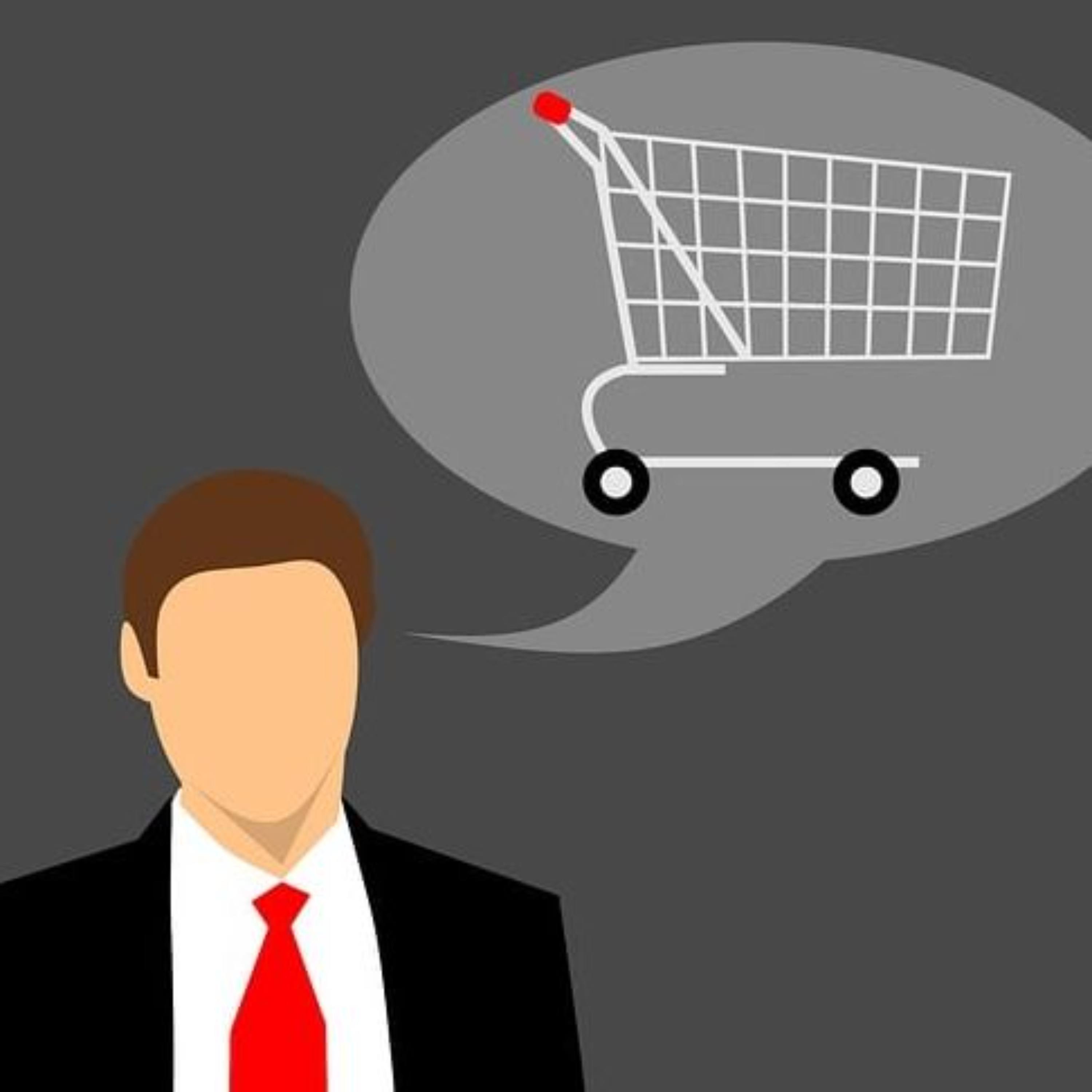
266_ The 30 Day Stop the Consumption Challenge Part One
Adventures in Sustainable Living Podcast Episode 266 The 30 Day Stop the Consumption Challenge Part One Most everyone alive today has either grown up in or been conditioned to a consumer culture. We constantly purchase more than we need which of course requires the on-going production of more products. This in turn requires the extraction and processing of more resources which results in an enormous detrimental impact on our environment. But as usual, I like to ask “How did we get here?” Furthermore, how do we change this part of our culture? Human existence was not always like this, that is a life that is organized around consumption. What most people don’t know is that this shift toward consumption was gradual, structural, and highly engineered. But there is a way to change this cycle and it starts with the 30 day stop the consumption challenge. Welcome back everyone to the Adventures in Sustainable Living podcast. This is your host Patrick and this is E265 which is called The 30-Day Stop the Consumption Challenge. In the following two episodes we are going to examine several fundamental things about how our culture has been structured. First I want to talk about how we turned into a consumption based society. Then discuss what would happened if we changed that. And finally in part two I want to give you a road map to making those changes for yourself. But before we get to that, let’s talk about the good news story of the week. Scientists Make a Super Honey Using Cocoa Bean Waste This week’s good news story is about something you can consume. So, I thought it was fitting given our topic this week. Most people do not realize that more than 1/3 of the food produced in the world for human consumption goes to waste. In Europe, the food processing industries generate approximately 30 million tons of waste each year. Similarly, the US produces 40 million tons of waste. Given this, it is nice when someone comes up with a productive way to turn waste into something useful. Such is the case with researchers in Brazil. Cocoa beans, which are used to make chocolate, contain a variety of plant nutrients, such as heart-healthy polyphenols, alkaloids such as theobromine, and stimulants such as caffeine. They’re obviously grown in mass to create chocolate, but the majority of the biomass of the cocoa harvest is in the husk and other bits that are thrown out as waste. Researchers in Brazil have demonstrated that ultrasonic waves can be used to extract nutrients from leftover cocoa bean husks as long as it is dipped in honey. They have demonstrated how the vast majority of cocoa cultivation waste can be used to create nutritionally-enriched honey. These husks contain similar quantities of phytonutrients as the beans that go on to make chocolate. If cultivators had a way to utilize them, it would mean more profit with less waste, and that’s where a team from State University of Campinas (UNICAMP) in the state of São Paulo, Brazil, come in. They used “green chemistry” to breakdown cocoa waste in such a way that not only enhanced nutrient extraction, but avoided degrading the finished product which frequently happens using other methods. Harmful chemicals such as hexane are often used while processing foods to draw out various compounds. In this case the ‘solvent’ is just honey, making the finished product not only a neat chemistry demonstration, but delicious, uniquely healthy, and a better sugar substitute. So, not only is this an interesting science experiment, it is just another way that science has been used to make our world a better place. Now that we are all thinking about chocolate and honey, let’s now move on to the main attraction. If you know even a little bit about human history then you know that human life was not always organized around consumption. I think that most people do have at least a vague concept that for most of human history, survival was based on production, repair, reciprocity, and sufficiency. With a little examination it may be obvious that the shift toward consumption was gradual. But it is not so obvious that this shift was structural, and highly engineered. Here’s how it happened. 1. The Agricultural Foundation (10,000+ years ago) For thousands of years, most people: Grew or made what they needed Owned very little Repaired everything Lived in local exchange systems Wealth was based on land ownership, livestock, skills, and community — not purchased goods. Consumption existed during this time, but it was limited by: Scarcity of resources Manual labor needed for production of any product Local economies There was no large-scale advertising, no mass manufacturing, and no global supply chains. 2. The Industrial Revolution: Production Explodes The turning point came with the Industrial Revolution. Machine based production dramatically increased output. For the first time in history: Production of goods exceeded basic need Goods became ch
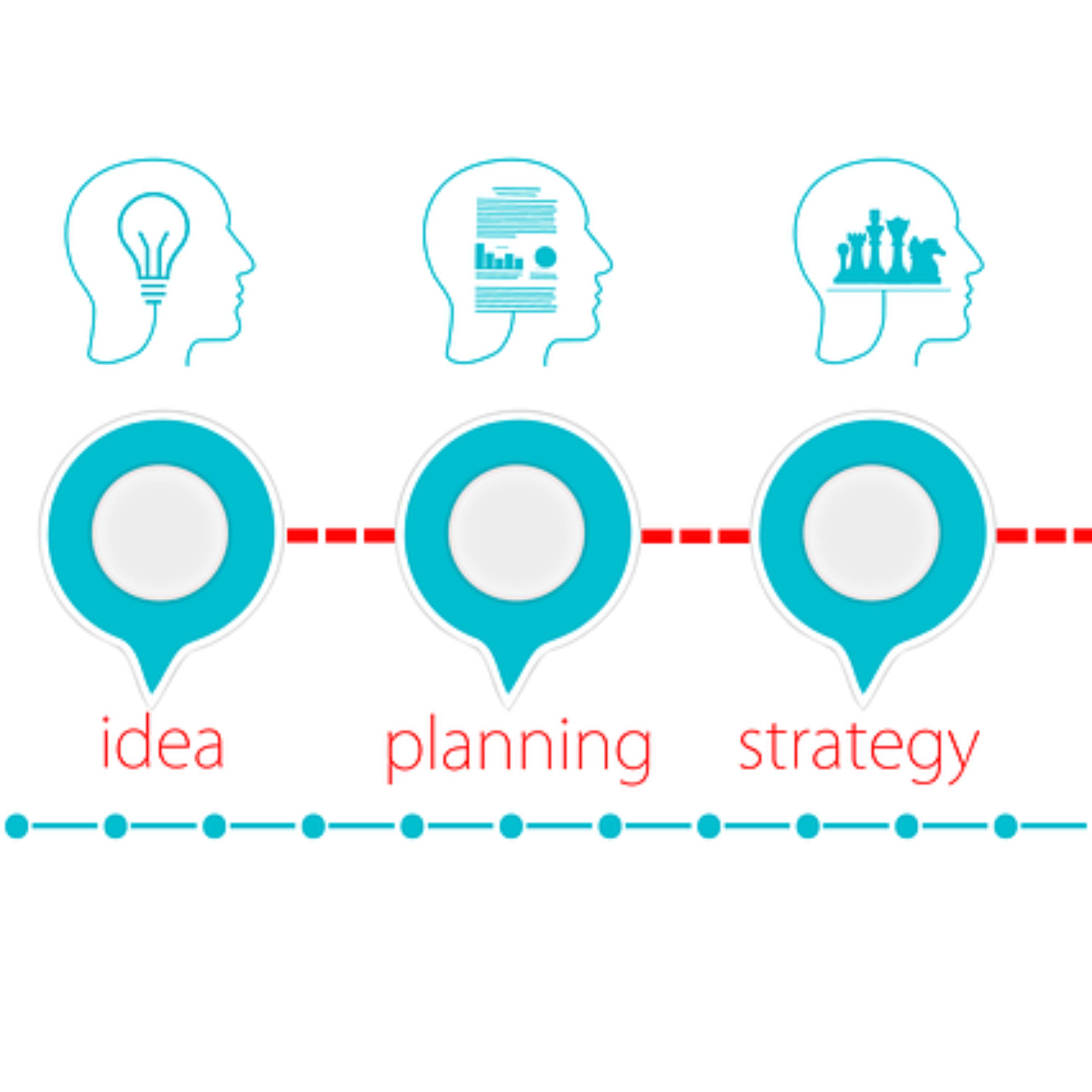
265_Twelve Month Sustainability Action Plan
Adventures in Sustainable Living Podcast Episode 265 12 Month Sustainability Action Plan It is sometimes difficult for me to believe that I have been living at the cabin for 30 years. I often reflect on how I went about building this isolated homestead, how much work it was and just how long it took. But I also commonly think about what I would change if I had it to do over again. Most people would look at what I’ve done and think that such a lifestyle is completely out of their reach. However, it is easier than you think. A lot has changed since I first moved there. Technology has improved and so has our knowledge about how best to live sustainably. If you do not believe that this is something you can do, then join me for #265 The 12 Month Sustainable Living Action Plan. Welcome back everyone to the Adventures in Sustainable Living Podcast. This is your host Patrick and this is E265 the 12 Month Sustainable Living Action Plan. What I want to demonstrate in this episode is a solid plan of how each of us can transform our lives into something that is dramatically more sustainable in a matter of 12 months. As you will see, I am going to give you a step-by-step action plan to make that transformation. But before we get to that, let’s talk about the good news story of the week. Good News Story of the Week This week’s good news story focuses around yet another large environmental restoration project that involved releasing 158 giant endangered tortoises in the Galapagos Islands where they had been extinct for 180 years. These turtles were released on Floreana Island. Driven to extinction in the mid-1800s, the Floreana giant tortoise had been absent from the island for generations. Its return signals the beginning of a new phase of re-wilding under the Floreana Ecological Restoration Project. “After years of sustained, science-based work—requiring rigorous studies and patience—the return of the giant tortoises reflects a long-term restoration vision focused on restoring the ecological functionality of Floreana’s ecosystems.” The tortoises released this week are the result of decades of genetic scientific research led by the Galápagos National Park Directorate. Through a carefully managed breeding program, these individuals were raised to form a population that is genetically as close as possible to the original Floreana giant tortoise. Tortoises are considered to be a keystone species which help to maintain open habitats, promote native plant growth, and create conditions that allow entire ecosystems to function. Their absence on Floreana altered ecological processes for nearly two centuries. Their return is expected to help restore those processes naturally and drive natural regeneration processes that support a wide range of native plants and animals. Now, project partners will continue to evaluate conditions for the next phase of re-wilding, which includes iconic species such as the Floreana Mockingbird, Floreana racer snake, Vegetarian Finch, and the Little Vermilion Flycatcher. Now this is the kind of story that I truly enjoy, just how humanity does have the ability to restore our world. It just takes time, commitment, and a whole lot of work. Now let’s move on to our episode. While most of us feel as if we can do nothing about our environmental problems, much less climate change, what I want to demonstrate in this episode is a 12 month plan of how we can completely change our lives. This 12 month plan hits on several ares where all of us can make substantial changes. This of course is going to involve several steps. Building sustainable systems (not just habits) Producing layers of changes put into place in our lives gradually Increasing your level of self-sufficiency, which in turn increases your confidence and security Reducing your waste and emissions Strengthening community resilience If you think this is still beyond your ability then stick around and I will show you that this plan is designed to be realistic, cumulative, and scalable over 12 months. 🌿 12-Month Sustainable Living Action Plan A Practical Year of Systems Change 🧭 Month 1: Awareness & Baseline 🎯 Focus: Measure Before You Modify Actions Track 30 days of: Electricity use Water use Food waste (weigh or estimate) Trash volume Conduct a home energy audit (DIY or utility-supported) Document weekly grocery spending Identify top 5 highest-impact areas Outcome: Identify your biggest leverage points. When doing so, I would recommend first making changes that are not going to drastically alter your lifestyle. The point here is to get into the habit of doing things differently and appreciate the value of doing so. What that means is pick something easy to accomplish. For example, most people can easily reduce their electricity bill by at least 10% by keeping all electronic devices unplugged when not in use. That is easy. Do a trash
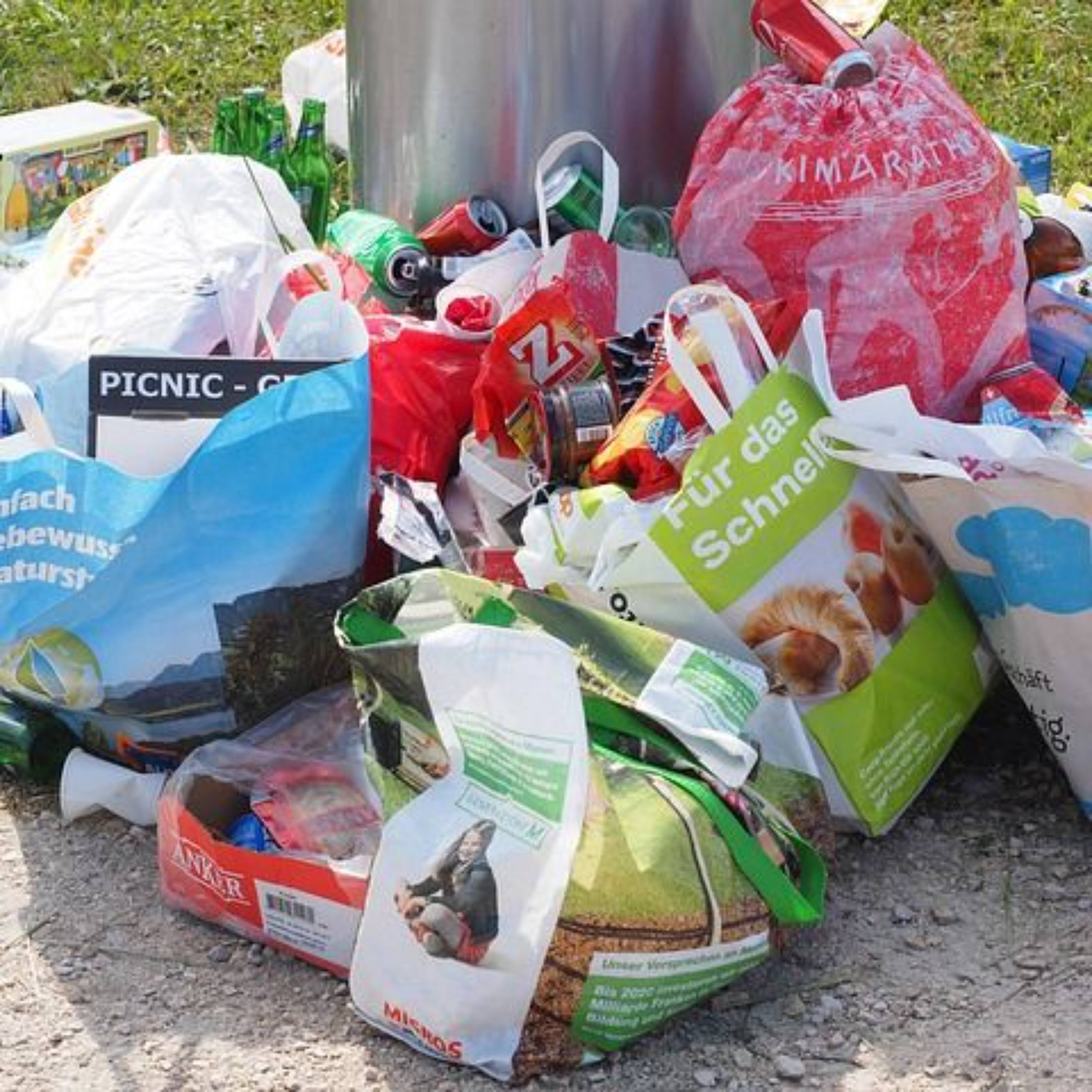
264_Food Waste: The World's Most Solvable Environmental Problem Part Two
Welcome back everyone to the Adventures in Sustainable Living Podcast. This is your host Patrick and this is E264 which is part two of Food Waste: The World’s Most Solvable Environmental Problem. In the last episode we covered the first five out of ten reasons why the reduction of food waste has such a significant positive environment impact. Unlike so many other global problems, reducing our food waste is one of the easiest things we can do as individuals. There are ten reasons why food waste is the world’s most solvable environment problem. In the last episode we covered five of those reasons. Now, just for a quick review: -The solutions already exist. This means we do not need new technology or new science. The solutions are simple, proven, and accessible to everyone. -Prevention is far cheaper than clean up. While most solutions for environmental problems focus on managing the damage after it has already happened, prevention of food waste cost less than disposal and the pay back is immediate. -Individuals have the real power. While most global environment problems feel distant and abstract, food waste prevention can happen without waiting for governments, corporations and the implementation of new laws. We all participate in our food systems everyday so we have the ability to do something about it today. -It reduces multiple environmental impacts at once. Because of the nature of our food systems, waste prevention effect climate change, addresses water scarcity, land degradation and reduces energy consumption all at once. -Most wasted food is perfectly edible. Since our food systems are inefficient, risk-averse, and culturally distorted, they are built for waste. The majority of wasted food is actually perfectly edible and we can do something about it. But, before we get to the next 5 reasons as to why food waste is the world’s most solvable environmental problem, let’s first talk about the good news story of the week. Good News Story of the Week One of my favorite stories to share is about how we always see the tremendous rebound of wildlife species once a habitat is restored to its natural state. The same is true when numerous small lakes in Iowa were restored. Across Iowa, a tiny little fish, known as the Topeka shiner was on the on federal list of endangered species. This was because 10,000 small lakes, known as oxbow lakes, were slowly destroyed due to the progression of agriculture. Despite Iowa being known as a prairie state, these lakes provided a vital wetland ecosystem. Across Iowa, a tiny fish has inspired an enormous conservation program that has seen hundreds of ponds restored to their natural state. Though originally for the sake of this small federally-endangered fish, the lakelets soon demonstrated their power to alleviate the state’s nutrient runoff problems as well. In 1998, the shiner was placed on the Endangered Species List, and in 2000, the US Fish and Wildlife Service worked together with the Iowa chapter of the Nature Conservancy to identify and begin restoring some of these oxbow lakes in order to save the shiner. Not only did the shiner return, but 57 fish species, 81 bird species, along with mussels, turtles, amphibian, beavers and river otters were also noted to being living is these small lakes. The work has cost tens of thousands of dollars per wetland, but that cost has been picked up by a combination of private capital, state, and federal grants, which ensures landowners have all the incentive and none of the downside to the restoration project. In 2011, the Iowa Soybean Association trade group came on board, joining forces to restore more of these lakes in the Boone River watershed in north-central Iowa, which lent new vigor to the project. Topeka shiners have been documented in 60% of the over 200 oxbow lakes restored across Iowa’s landscape, 97% of which is privately-owned. And this is yet another example of what happens when to begin to restore the environment instead of destroying it. Now let’s move on to the next five reasons why food waste is the world’s most solvable environmental problem. 6) Food Waste Is Largely a Design Problem While the food waste at the home level is significant, there are ways to address this. The underlying issue isn’t necessarily laziness or carelessness on a personal basis—our food systems are built for overproduction and convenience: Oversized portions Confusing date labels; Cosmetic standards for produce. Bulk promotions that encourage overbuying Design problems can be redesigned, often quickly and cheaply. Because of this a lot of food waste is a design problem, not a personal failure. The average person does not set out to waste food—they operate inside systems that nudge us, and even reward us for certain behaviors. Furthermore, our food systems normalize waste at every step. When waste happens predictably and repeatedly across millions of households and bus
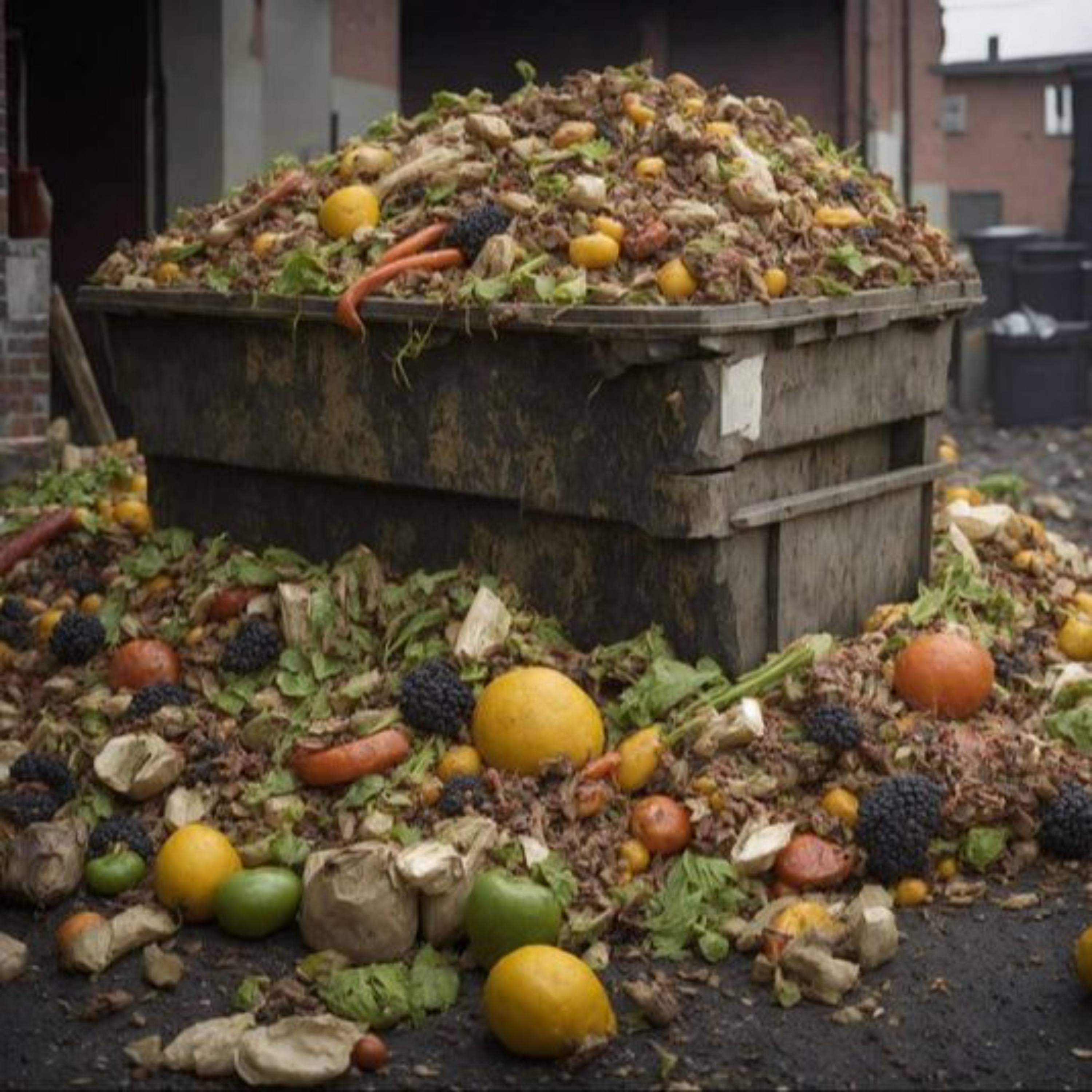
263_Food Waste: The Worlds Most Solvable Environmental Problem
Adventures in Sustainable Living Podcast Episode 263 Food Waste: The World’s Most Solvable Environmental Problem If you spend enough time watching the news, then you already know that our world has a long list of problems. Many of these issues, especially the environmental ones, seem so far out of our reach that we doubt whether or not our personal efforts will ever make a difference. The good news is nothing could be further from the truth. There are a lot of things we do everyday that make a significant difference for a whole list of reasons. One of those things is controlling our food waste. This is far simpler than you think and the best part is that our actions have an immediate impact. So join me for E263, Food Waste, The World’s Most Solvable Environmental Problem. Welcome back everyone to the Adventures in Sustainable Living Podcast. This is your host Patrick and this is E263. But before we get to focusing on some of our global problems, let’s first talk about the good news story of the week. Good News Story of the Week This week’s good news story has to do with a small act of generosity the benefited an entire village in France. Mr Michel Perinchard inherited a large, empty field in Western France. For a long time he nor anyone else in his family had any interest in developing it. Then he had the idea to donate the entire land parcel to the town of his childhood—provided the mayor and council promised to turn it into a fruit orchard and community garden that the whole town could benefit from. The town had a population of 560. Estimated development cost was $12K USD. Approximately 50 fruit trees were planted last year including apple, pear, and plum trees. This year, another 50 will be planted, as well as a new hedge, flower beds, and flowering trees. It will take about four years before the first harvests. But no one seems impatient. The project has already fulfilled its function: to gather, excite, and return the land to a common use to benefit everyone. So, there you have it, a small act of generosity that benefited 560 people. Imagine what a better place our community would be if everyone committed a small act of kindness simply for the benefit of others. Now let’s move on to this weeks episode because I am going to give a you a good bit of additional good news about the world’s most solvable environmental problem. Now since this is a lot of information, I am going to have to break this down into two separate episodes. Otherwise, we will be here for an hour. So, let’s get started with Part One. If you really focus the world’s most significant problems, the list is quite disturbing. Climate change, biodiversity loss and species extinction, deforestation and habitat destruction, water scarcity and fresh water depletion, pollution (air, water, soil), plastic pollution and waste overload, unsustainable food systems and food waste, land degradation and soil loss, overconsumption of natural resources, and even environmental injustice and human vulnerability. But, the bigger picture here is that all of these issues are deeply interconnected. Climate change worsens water scarcity. Deforestation accelerates biodiversity loss. Pollution undermines food and health systems. It is obvious that fixing these environmental concerns requires fixing the system. But instead of having a conversation about overwhelm we should shift our focus to strategy. If anything, having an understanding of this list of our top concerns also helps us to focus on high-leverage actions. Things such as protecting ecosystems, cutting carbon emission, and reducing food waste do not require reinventing the wheel or developing new technology. We already have the ability to take effective action. But of all the things that we can do, reducing our food waste is one of the most impactful and it is something we can start today and it is some that will have an immediate impact. That is the focus of this episode. Of all the things we are doing to destroy our planet, food waste stands out as one of the world’s most solvable environmental problems because it sits at the intersection of human behavior, system design, and immediate opportunity. Unlike many environmental challenges that require new technologies or decades of infrastructure change, food waste can be reduced right now—with tools, knowledge, and systems we already have in place Food waste is a uniquely solvable environmental issue for a whole list of reasons. 1) The Solutions Already Exist We don’t need to invent new science to reduce food waste. The most effective solutions are simple, proven, and accessible: Meal planning and smarter shopping Better food storage and preservation Using leftovers creatively Clarifying food date labels Redirecting surplus food to people or animals These are behavioral and logistical fixes, not technological long-shots. 2) Prevention Is Far Cheaper Than Cleanup M

260_Powerful Alone, Unstoppable Together: How We Can Help Our Countries Be More Green
Adventures in Sustainable Living Podcast Episode 260 Powerful Alone, Unstoppable Together: How Individuals Can Help Their Country Become More Environmentally Friendly Very early in the production of this podcast I produced an episode on the greenest countries in the world, meaning those that are the most environmentally friendly. Countries that are on this list are evaluated by very specific metrics and it takes decades of change to end up on this list. What always astonishes me is that the countries that are at the top of the list are some of the smallest countries in the world. Those at the bottom of the list are some of the largest and most wealthy countries. But, as you know, countries are made of people and it is the people that ultimately make the difference. So, what can we all do to help our countries be more green? To find out, join me for E260 Welcome back everyone to the Adventures in Sustainable Living Podcast. This is your host Patrick and this is E260 which is called Powerful Alone, Unstoppable Together: How Individuals Can Help Their Country Become More Environmentally Friendly You know, I am convinced that the average person has no true appreciation for the power behind their personal choices. In many respects, our world is what it is right now because of the cumulative effect of all of our personal choices. Likewise, we can save our planet with the cumulative effect of our personal choices. We just have to learn to make different and better choices, that being sustainable choices of course What you have to remember is that countries are made of people and it is the power of all the personal choices of those people that make one country green versus one that is not. But before we get to that, let’s talk about the good news story of the week. Cutting Edge Technology Generates Pure Water and Hydrogen Fuel from Sea Water for Mere Pennies There is a new seawater desalination plant in coastal China that has made remarkable progress in producing fresh water at a low cost. This new plant beats out previous flagship desalination plants in Saudi Arabia and California in terms of cost effectiveness, while adding a new valuable output-green hydrogen fuel. This plant is located in a city that is one of China’s most renewable powered cities, one in which all urban water heaters are powered by solar panels. Out of 800 metric tons of seawater, this plant is able to produce 118, 877 gallons of fresh water and 192,000 cubic meters of green hydrogen fuel. That is enough fuel to power 50 city buses for 4, 600 miles each all while producing zero emissions. The plant using waste heat from a nearby steel foundry as a means to power their process. A cubic meter of fresh water is produced for US $0.28. This is half the price of a similar plant in Saudi Arabia while the desalination plant in California charges. $2.20 per cubic meter. This is yet another example of how we can truly find innovative ways to solve some of the most challenging environmental issues of our time. Now, let’s move on to this week’s episode on how each of us can help our countries be more environmentally friendly. Let’s start out by defining a few parameters. What Makes the Greenest Countries ‘Green’ What Does “Greenest” Mean? When we say a country is “green,” we don’t just mean that it has forests or clean air — we mean it performs well across a broad range of environmental, health, and climate-related measures. This includes: ecosystem health, air & water quality, waste & resource management, biodiversity protection, renewable energy adoption, and climate-friendly policies. “Green” is a holistic concept — involving government policy, infrastructure, culture, as well as citizen behavior. Measuring “Green” — The Environmental Performance Index (EPI) The EPI is one of the most widely used tools for comparing national environmental performance. It was developed by Yale University to rank which countries were best addressing environmental challenges. It analyzes 40 performance indicators across: Ecosystem Vitality (biodiversity, habitat protection, land & water conservation) Environmental Health (air quality, water & sanitation, pollution, exposure to toxins) Climate Change & Climate Policy (GHG emissions, mitigation efforts, projected future emissions) By using such a broad set of metrics, EPI helps show which countries balance development with sustainability. Green Future Index The Green Future Index (GFI) by Massachusetts Institute of Technology (MIT) ranks 76 nations and territories based on their progress and commitment towards a sustainable future. It examines 22 indicators across five categories: climate policy, carbon emissions, energy transition, green society, and clean innovation. Who Are the Greenest Countries? According to 2025 data, some of the top-performing countries globally inclu
262_The Art of Slow Living
Adventures in Sustainable Living Podcast Episode 262 The Art of Slow Living One of the advantages of working in different cultures is that you gain a completely different perspective on life. You step outside of your daily routine, experience different values, eat different foods, and make new friends. But such experiences also help you to realize some of the pitfalls of your own society. One of my favorite places to live and work is the Caribbean. People seem much less stressed. They have a much slower pace of life and never seem to worry much about getting things accomplished right now. In fact, one of their favorite mottos is “rush slowly.” While such a lifestyle may not be for everyone, I do think we can learn a lot or at least gain a new perspective from such a lifestyle. So join me for E262 The Art of Slow Living. Welcome back everyone to the Adventures in Sustainable Living Podcast. This is your host Patrick and this is E262 The Art of Slow Living. In this episode I want to take a look at our modern society, examine some of the pitfalls and perhaps give you a different way to live your life, something that is more grounded and focused on intentional living. This of course is in contrast to our high octane society that is designed for speed, efficiency, and constant productivity. But first, let’s start out with the good news story of the week. Good News Story of the Week As most of you likely know, invasive species take a big toll on our environment. The primary underlying origin of this problem is human activity. Once and invasive species has established itself in a particular ecosystem it is difficult if not impossible to eradicate them. Such is the case with the lion fish. This fish is native to the Indo-Pacific region and was likely introduced through the aquarium trade. Some owners likely released this fish into the wild when they outgrew their aquarium or they simply lost interest. Lion fish are prolific producers, have no natural predators, and are particularly damaging to reef fish. Studies show that a single lion fish can reduce native fish populations by 80 to 90 percent within just five weeks. But, some places around the globe have found a solution. If you can’t beat them, then eat them. That’s right. Once you remove the poisonous spines, lion fish are easy to cook and are quite good. I’ve can attest to this from personal experience. I’ve spent several days diving and catching lion fish. We would often have two one gallon bags of fillets in the freezer. And the best part, since these fish are invasive, no one really cares if you hunt them. So, it you enjoy the ocean, and diving of course, I highly recommend it. If you can’t beat them, eat them. So many of us fly out of bed in the morning, rush to get ready for work, take very little time to eat a healthy breakfast before we go out into an environment where everyone else is just as rush. Instead of doing that, why not wake up with intention. Make your bed, drink a glass of water, make some tea or coffee, do some stretching or do a workout. Then take a shower, make breakfast and then get ready for work. This of course is a reflection of our high octane society that is designed for speed, efficiency, and constant productivity. But as I mention above, there are cultures that have a much slower pace of life where no one seems to be concerned about getting things accomplished right away. And that is a refection of what I call slow living. But, what exactly do I mean by this. 🌿 The Art of Slow Living Reclaiming Time, Meaning, and Well-Being in a Fast Paced World 1. Why Slow Living Matters Now We live in a world optimized for speed, efficiency, and constant productivity. Faster technology. Faster communication. Faster consumption. Yet despite all this speed and efficiency, many people feel more exhausted, disconnected, and overwhelmed than ever. Slow living is not about doing less for the sake of doing less. It is about focusing on what matters—doing things well, living intentionally, and at a normal human pace. We live in a time of burnout, environmental strain, and even cultural fragmentation. Slow living offers something radically different A return to presence, purpose, and a sense of balance in our lives. 2. What Is Slow Living? (And What It Is Not) Slow Living Is: Living intentionally, not being reactive to so many of the things that go on in our day-to-day lives Valuing quality over quantity Aligning daily habits, or for that matter, you entire lifestyle with personal values Creating space for rest, creativity, and connection. This may in fact mean regularly disconnecting yourself from the outside world. Slow Living Is Not: Laziness or lack of ambition. It is about connecting with what matters the most to you so that what you do accomplish has meaning. Rejecting technology entirely. It is about using that technology to your advantage and not allowing it

261_Seven Tips for Sustainable Living in 2026
Adventures in Sustainable Living Podcast Episode 261 Seven Tips for Sustainable Living in 2026 Over the past couple of years, you have listened me talk about a wide variety of topics focusing on sustainable living. While researching these topics, I have repeatedly come across articles that would condemn us for destroying the planet with the end message focused on how we should change the way we live. What I have notice over that past couple of years is that trend of what sustainable living focuses on is starting to shift in a good way. As we approach 2026, sustainable living is shifting towards practical, consistent actions rather than perfection, emphasizing local, social, and achievable changes that tend to foster well-being and environmental protection. So join me for E261 Seven Tips for Sustainable Living in 2026 Welcome back everyone to the Adventures in Sustainable Living Podcast. This is your host Patrick and this is E 261 Seven Tips for Sustainable Living in 2026. What I want to focus on this episode is the changing trends in the focus of sustainability. Since I’ve had this podcast up and running for several years now, I have certainly seen the focus change in several key ways. That is what I wanted to share since we are now heading into 2026. But before we get to that, let’s first talk about the good news story of the week. Good News Story of the Week This week’s good news story has to do with a tragedy that was followed by a stroke of good luck. A small Spanish town, called La Baneza, was devastated by wildfires this past Spring. There was a total of 120,000 wooded acres that was scorched by the wildfires which left 8,000 residents displaced. The town prayed for rain but it did not come. Next the town bought 117 numbers in the El Gordo Christmas lottery, sponsored by the Spanish government. Because of that, the town’s misfortune turned into a staggering stroke of luck. All the winning numbers they picked total to half a billion USD. After taxes, each villager netted between $20K and $30K USD. This was literally a godsend for those whose homes were damaged by the fire. There is a superstition in El Gordo that good luck follows bad. In this case it was certainly true. So, let’s move on to this week’s episode. One thing is for sure about our society, things are always changing. The same is certainly true for public sentiment, meaning what our society focuses on now may not be the same 2 years from now, or maybe not even 2 weeks from now. But the same could be said for sustainable living. What I have noticed is that as we approach 2026, the focus of sustainable living is shifting towards practical, consistent actions. I am not sure why this shift is happening but I suspect it is because most people are put off by the feeling of having to reach for perfection. Additionally, our environmental and climate challenges are so immense at this point that most people feel as if their individual actions mean nothing at all. So what I want to accomplish with this episode is to outline some consistent and achievable actions to help you live more sustainably. We are not aiming for perfections, rather emphasizing local, social and achievable changes that tend to foster personal well-being and environmental protection. As you will see, there are several key strategies to achieving this. None of this is difficult. It just requires focus and consistent behavior. Why Sustainability in 2026 Looks Different Sustainable living in 2026 is no longer about doing everything perfectly. For example, we do no need a few people living perfect waste free lives. We need millions of people trying to live waste free. In 2026 sustainability is about resilience, adaptability, and realistic choices in a world that is now facing climate disruption, rising costs of living, and even social strain due to all the challenges we now face and even due to limitations on resources. Today, sustainability focuses more on: Reducing vulnerability Increasing self-reliance Strengthening communities Improving quality of life The good news? Contrary to popular belief, the most sustainable choices often make life simpler, cheaper, and healthier. The Best Tips for Sustainable Living in 2026 Tip #1: Consume Less, Choose Better This is something that is easy to overlook especially when you live in a culture that focuses on consumerism. Consequently, we tend to forget that the most powerful sustainable choice is not buying—or buying intentionally. Best practices: Buy fewer, higher-quality items that last. Think in terms of buy it once buy it for life. Prioritize repairable and multi-use products Choose secondhand, refurbished, or shared items This shift: Reduces resource extraction Cuts waste at the source Saves money over time Sustainability begins before the checkout counter. Tip #2: Make Food the Center of Sustainability As individuals food remains

259_Habits for Sustainable Success: The Little Things Make the Difference
Adventures in Sustainable Living Podcast Episode 259 Habits for Sustainable Success: The Little Things Make a Difference Humanity is now the dubious owner of a long laundry list of environment issues that we have to solve. Obviously some are more pressing than others. Despite this, we tend to go about our daily business as if nothing is wrong. Why is that? Do you ever stop to ask yourself why nothing ever really gets done. On the other end of the spectrum, has there ever been a time when someone looked at you and commented about how lucky you were. Meanwhile you are thinking “What I accomplished was not a matter of luck but the result of years of hard work.” So, what do these two scenarios have in common? If you want to know, then join me for E259, Habits for Sustainable Success: The Little Things Make the Difference. Welcome back everyone to the Adventures in Sustainable Living Podcast. This is your host Patrick and this is E259 The bottom line for this episode is that I want to give you a way that you can develop a more sustainable lifestyle one step at a time. But, that is also connected to how we go about accomplishing so many other good things in our lives. But, I am going to give you a spoiler alert. It is not difficult. It is not brain surgery. It just requires a few simple things, most of which are largely overlooked. So, stick around and find out how you can accomplish almost anything including a sustainable life that is incredibly planet friendly. Good News Story of the Week This weeks good new story is about recycling success. The country of Romania has reached an astounding 94% recycling rate for plastic, glass, and metal containers in just two years. This was accomplished with a simple deposit return system. Each retailer that sells products which come in recyclable containers are given a tax credit for the cost of installing return infrastructure. Then, the customer, when they buy each item, are charged a deposit that is returned with a few cents extra when they return the items. Even though the total waste generated by Romania still remains high, they are making progress. Between 2011 and 2021, recycling rates stayed around 11%. Now surveys show that nearly 90% of Romanians have used the new recycling system. Once again I find it astounding that such a small country has show amazing progress when my home country, the United States, still lags way behind in getting sustainable systems in place. Now let’s move onto this weeks episode. Now you may think I am wandering off course here but I first want to mention something first about the use of fossil fuels. Although the use of coal as an energy source dates back almost 3,600 years, the widespread use of this fossil fuel did not start until around 1760, which was the dawn of the Industrial Revolution. Over time, various scientists began to realize the detrimental affects of burning fossil fuels, in particular the warming of the planet. Since we have largely ignored this problem, we are now seeing the effects of climate change. Humanity has now passed several planetary boundaries. What this means is that we are continuously pushing the limits of what our planet can absorb and still recover without reaching a point of no return. As unfortunate as that is, we did not get ourselves into this situation over night. It has been the result of repeatedly ignoring the consequences of our actions. Let’s look at a different scenario. Approximately 45% of Americans cannot comfortably manage their debt. About 88% of those say they have regrets about their spending. In other words, this is not something that happened overnight. It was the result of repeatedly making bad choices. Now these two topics may seem unrelated but they do have something in common. Both are the result of long-term repeated poor decisions. We have known about climate change for at least 100 years. The average American did not get into financial trouble overnight. It was the result of months to years of making poor decisions. But sometimes I think many of us look a challenging problems and think it has reached the point of no return. For example, in order to reverse the damage we have done to our planet, it will require monumental changes to our lifestyles, buying habits, what we eat, drink, wear, and how much we drive, not to mention numerous other things. In order to get out from under a tremendous debt load, it will require some fundamental changes to how you manage your financial life. I know this because it took me 5 years of making some hard choices to get completely out of debt. In both of these examples in order to correct the problem, fundamental long-term changes have to be made. That was the foundation of my getting myself out of debt. That is the foundation of protecting yourself from certain chronic disease and staying better health. But, guess what? The best way to make big changes is to form new healthy habits one small thing at a time.

258_How to Transform Our Urban Areas into a Sustainable Metropolic
Over the last several hundred years there have been an increasing number of people moving to urban areas. But have you ever ask yourself if it is healthier to live in the city or in a rural area. Or is it more environmentally friendly to live in the city versus the country side. Which lifestyle has the least environmental impact? There is no doubt that urbanization has reshaped our land, our lifestyles and our resources systems. But, few people comprehend that this lifestyle is profoundly unsustainable. Despite that, more and more people are becoming suburbanites. But it is possible to change all that with the right balance and of course intentional living. So join me for E258 How to Transform Our Urban Areas into a Sustainable Metropolis Welcome back everyone to the Adventures in Sustainable Living podcast. This is your host Patrick and this is E258 How to Transform Our Urban Areas into a Sustainable Metropolis. So, what I want to discuss in this episode is this global trend toward urbanization, why that is happening, and the significant environmental impact of this trend. But I want to follow that by giving you a balanced perspective on how we can make our urban areas much more sustainable. Good News Story of the Week Now I thought this story sort of goes along with this week’s episode because it is about urban living. A couple of days ago I was seeing an older couple as clients in one of the clinics where I work on a regular basis. They were telling me they had recently moved into town after living in a very rural area for over 30 years. They were telling me that the two biggest areas of adjustment with living in town was all the noise and all the light pollution. This kind of made me laugh because I could relate to exactly what they were saying. Whenever I have to spend time in town for work that is exactly what I cannot adjust to, all the noise and the light pollution. But as it turns out, those things have a detrimental affect on our health. A recent study showed that the street light outside your window, the charging light on your plug adapter, or the flash of your phone in the middle of the night because you are receiving a message, can have harmful affects on your brain. These artificial light sources were linked to increased stress activity in the brain, increased arterial inflammation, and a higher risk of heart disease. Artificial light sources are nearly universal in our modern cities and suburbs. It was already known that environmental factors such as increased air and noise pollution can have the same detrimental effects. But this first of it’s kind study revealed the same relation with light pollution. The greater the artificial night light exposure, the higher the risk of heart disease development. Every standard deviation increase in light exposure was associated with about 35% and 22% increased risk of heart disease over five- and 10-year follow-up periods, respectively. It has long been known that sound, regular sleep is the foundation of good health. Now you have yet another reason to turn off all your devices when you go to bed. You will not only sleep better but you may even live longer. Now, let’s move on to this weeks episode on how to make our urban areas more sustainable. On a global basis approximately 55% of people live in urban areas. In the United States that is closer to 81%. This trend is due to a variety of factors including concentrated economic opportunities and the fact that cities serve as the engines of the national economy, accounting for a large share of the national gross domestic product. That said, urbanization has a down side. Such a process reshapes land, people, and resource allocation. Urbanization may drive economic growth, opportunity, and innovation- rapid, poorly planned and poorly managed urban growth drives major environmental impacts. For example: 🏡 Environmental Impacts of Suburban Living 1. High Transportation Emissions Suburbs are built around car dependency. ❗ Why it’s harmful: Long commutes are common (urban job centers ↔ suburban homes). Few transit options → nearly every adult must own a car. Multiple cars per household is the norm. Most errands require driving—schools, groceries, medical visits. 💨 Environmental consequences: High per-capita carbon emissions Air pollution (NOx, PM2.5, ozone) Congested road networks and traffic-related emissions Transportation is usually the single largest footprint of suburban life. 2. Land Consumption and Habitat Loss Suburbs spread people over large areas in low-density patterns. ❗ Why it’s harmful: Large lots and wide streets consume more land per person. Natural habitats (forests, wetlands, grasslands) are converted into lawns and housing. Wildlife corridors are fragmented, reducing biodiversity. 🌱 Environmental consequences: Decline in native species Increase in human–wildlife conflicts Loss of ca
257_How to Solve Our Global Challenges in One Generation
Adventures in Sustainable Living Podcast Episode 257 How to Solve Our Global Challenges in One Generation Years ago I built this really nice storage shed at the cabin. It is where we store a lot of our extra dry goods and it also houses our chest freezer. But, despite the size of the shed, it is in a perpetual state of disarray. I have this really bad habit of just closing the door and ignoring it. I sometimes think that our world is a lot like my storage shed, in a perpetual state of disarray. And most of us go home at night, close our doors and forget about it. Now this sort of approach of course is not the answer to my storage shed or our global challenges. So join me for E257 How to Solve Our Global Challenges in One Generation. Welcome back everyone to the Adventures in Sustainable Living Podcast. This is your host Patrick and this is E257 How to Solve Our Global Challenges in One Generation. What I want to cover in this episode is sort of a quick over view of our global challenges based on things I have covered in the last several episodes. But then I want to talk very specifically about how we are going to solve those challenges. Now I will say, the solution is rather straight forward but I may not be easy. Good News Story of the Week This weeks good news story is about a possible medical breakthrough regarding the treatment of human brain disorders such as Alzheimer’s disease. An anti-body compound that is found exclusively in camelids such as alpacas, llamas, and dromedaries could be used to treat specific human brain disorders. This antibody like protein, can nano bodies, has been used successfully in mice is now set for development to treat humans. This camelid antibody could open a new era of biologic therapies for brain disorders and revolutionize how scientists think about therapeutics such as for cancer and autoimmune disorders. These nano-bodies have not been found in other mammals but have been observed in some fish species. They have been shown to restore behavioral deficits in certain neurologic disorders. And FYI, the World Health Organization says that approximately 8.7% of our current drug compounds have been derived from animals. Now, let’s move on to this week’s episode. You know, I tend to be a very organized person. I pay close attention to my personal finances. Even though I am self employed and can within reason do with my schedule whatever I choose, I tend to decide on my work schedule 3 to 4 months in advance. And since I love to travel I am usually planning things at least 6 to 9 months in advance, sometimes longer. But despite that level of organization, my storage shed is in a constant state of disarray. This is because I am constantly working on one thing or another, always in a hurry of course and I have a tendency to not put all the tools away. I always joke around about how it looks like a trailer park after a tornado. I occasionally think that I am going to leave that mess to someone in my will. But If I would only approach my storage shed with some level of intentionality, the organization would take care of itself. But, then again, the same is true about our world. Over the last few episodes I have focused on some of the greatest environmental challenges of our time. Things such as melting ice caps, our dependence on fossil fuels, plastic pollution, deforestation, our agricultural systems, the urban diet pressure loop and ocean acidification all have a significant and compounding affect on our planet. But like so many other things, I tend to look at big challenges such as these and the first question I ask is, “How did we get here?” But as with most big challenges and big problems, it’s never any one thing. It is the result of multiple factors with the underlying, driving theme of a total lack of intentionality. Now to cement that point in your brain, let’s do a quick comparison between two opposite ends of the spectrum. Intentional living is a mindful lifestyle philosophy centered on making conscious, deliberate choices that align with your values, purpose, and long-term vision for life—rather than simply reacting to circumstances or following societal norms. It’s truly about living by design, not default. Now let’s compare that philosophy to the way of life that has resulted in our present global challenges. This will explain why we have ended up where we are at this point in time and, if you remember from my last few episodes, this is a quick summary. ⚙️ 1. Industrialization and Overconsumption Since the Industrial Revolution, economic growth has relied on burning fossil fuels (coal, oil, gas), which release massive amounts of greenhouse gases. Societies measure success by production and consumption — leading to overuse of natural resources far beyond the Earth’s ability to regenerate them. Mass production and a “throwaway” culture have caused waste accumulation, pollution, and depletion of
256_Ocean Acidification: The Silent Threat Beneath the Waves
Adventures in Sustainable Living Podcast Episode 256 🌊 Ocean Acidification — The Silent Threat Beneath the Waves Most of us love going to the beach. There is something soothing about listening to the sound of the waves, relaxing in the sun and then cooling off with a refreshing swim. If you enjoy snorkeling, that adds another layer of enjoyment. If you are a scuba diver like I am, that adds a completely different dimension to enjoying the ocean. But what most people do not realize is that the oceans are not just vast bodies of water. They are literally the foundation of Earth’s life support system, influencing everything from the air we breath to the food we eat and the climate we depend on. Yet once again, we are altering the very foundation of a vital ecosystem. So join me for E256 Ocean Acidification-The Silent Threat Beneath the Waves. Welcome back everyone to the Adventures in Sustainable Living Podcast. This is your host Patrick and this is E256 Ocean Acidification-The Silent Threat Beneath the Waves. If you have been following me for some time then you know that I am an active scuba diver. I enjoy it because when you are underwater it is quiet and peaceful and you often get to be up close and personal with a lot of sea creatures. But it also makes me sad when I read about the global effects of human activity on the ocean ecosystem and I see these things first hand when I go scuba diving. Few of us appreciate that our oceans are the foundation of much of our planet’s life-support system and are essential to human life and civilization. But before we dive too deep into this week’s episode, let’s first talk about the good news story of the week. The World’s Largest Sailboat Moves Cargo Across the Atlantic And since this week’s episode is talking about our oceans, I thought this story was appropriate. As you likely know, how means of transportation results in some of our heaviest carbon emissions. That said, we are now seeing the rapid rise of EVs and other means of transportation. But, there is also something else on the horizon, which is a low emissions method of transporting merchandise across the ocean. After more than 200 years of industrialization, a French ship builder has brought back the sail and the schooner to decarbonize low to mid volume shipping by building the largest sailboat in the world. The 450 foot long vessel names Neoliner Origin was christened on October 13th when she made her maiden voyage from the coast of Brittany to Baltimore all while producing 80% less carbon emissions. The vessel made a speed of 11 knots with carrying 5,300 tons of cargo. Multiple firms now agree that this could be a quick and effective way to reduce the carbon footprint of container shipping. As the old saying goes, necessity is the mother of invention. I think at this point we all know very well and we need some smart solutions in order to reverse climate change and make sure our planet is sustainable for the generations to come. Now let’s get to this week’s episode. As I said above, few of us appreciate that our oceans are the foundation of much of our planet’s life-support system and are essential to human life and civilization. For example: 🌍 1. The Ocean Regulates Earth’s Climate The ocean absorbs and redistribute heat. around the planet through currents like the Gulf Stream and El Niño systems. By absorbing over 90% of the excess heat from global warming, the oceans have slowed the pace of climate change — though this has caused marine heatwaves and coral bleaching as a side effect. 🌀 Without the ocean’s moderating influence, Earth’s climate would be far more volatile and less habitable. 💨 2. The Ocean Produces Most of the Oxygen We Breathe Phytoplankton, microscopic marine plants, generate 50–70% of Earth’s oxygen through photosynthesis. That means every second breath you take likely comes from the ocean. 🐟 3. The Ocean Provides Food and Livelihoods Over 3 billion people depend on seafood as a primary source of protein. The global fishing and aquaculture industries employ more than 200 million people. Coastal economies rely on fisheries, tourism, and maritime trade. 🍽️ A healthy ocean feeds both people and economies. 💧 4. The Ocean Drives the Water Cycle Evaporation from the ocean’s surface forms clouds that create rainfall, replenishing freshwater supplies worldwide. This regulates agriculture, drinking water, and natural ecosystems. 💊 5. The Ocean Is a Source of Medicine and Technological Innovation Marine organisms have inspired life-saving medicines — including cancer treatments, painkillers, and antibiotics. The ocean is a frontier of discovery, with new species and genetic materials being found constantly. Marine biotechnology is leading advances in bioplastics, biofuels, and sustainable materials. ⚗️ The cures and technologies of the future may alrea