
Adventures in Sustainable Living
275 episodes — Page 6 of 6
Ep 25The Keystone Life of Coral
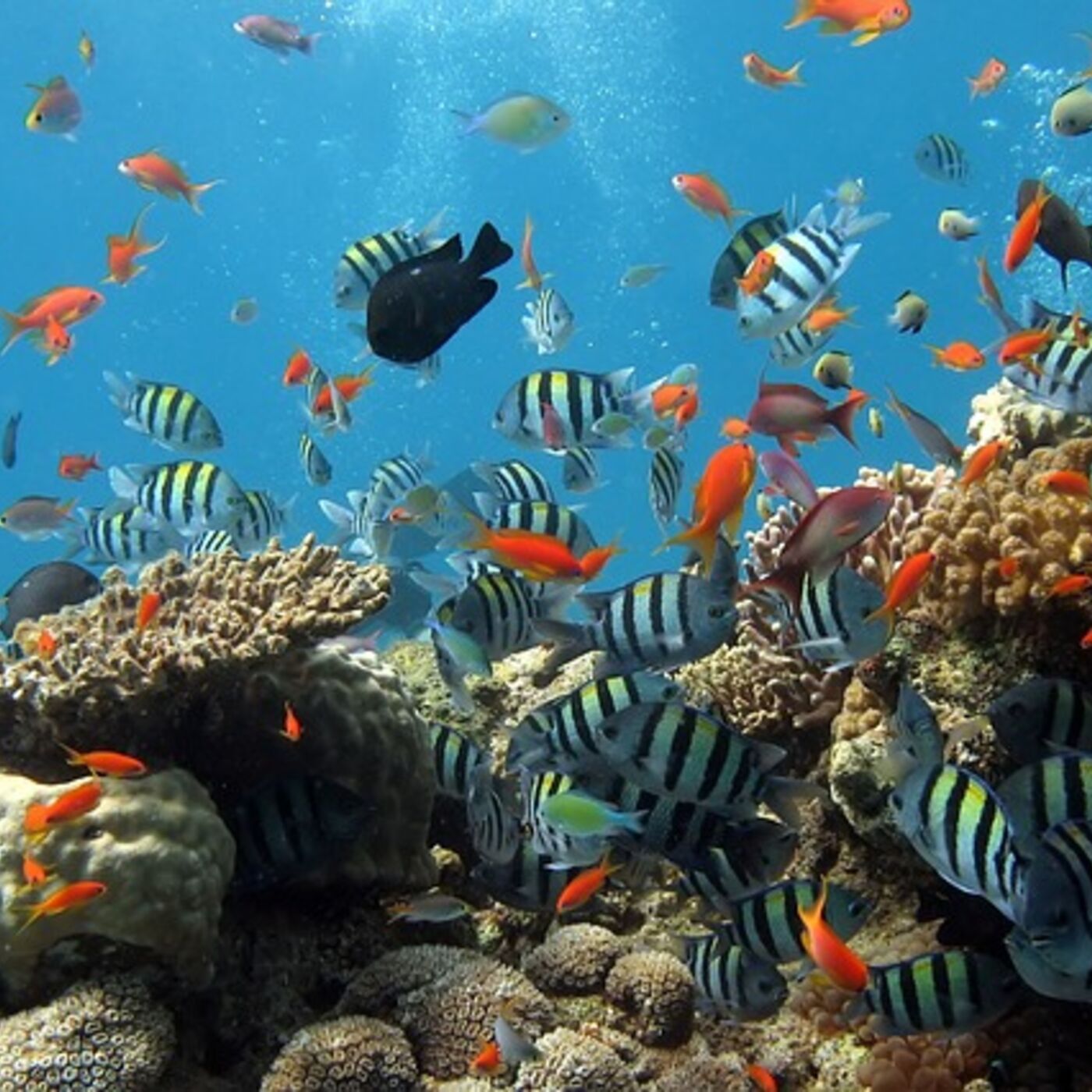
Adventures in Sustainable Living Podcast Episode 25 The Keystone Life of Coral Hello everyone and welcome back to the Adventures in Sustainable Living Podcast. This is your host Patrick and this is episode #25 called The Keystone Life of Coral. In this episode I am going to introduce the concept of a keystone species, the importance of a keystone species and what happens if that species is taken out of an ecosystem. And as you could guess, the keystone species that I am speaking of in this episode is coral. I am going to discuss the importance of our coral reefs, what is happening to them, and why we should truly be concerned. You know, I have always been an avid outdoorsman. Hiking, backpacking, climbing including ice climbing, kayaking, hunting, fishing, traveling in an RV. Wilderness survival training, first aid and EMT training. One year I did a 2 week solo kayaking trip on Lake Powell. Anything and everything I could possibly do to be outside. Then I started traveling abroad and doing the same sort of thing except out of the country. On one trip I traveled 250 miles by boat on the Napo River in the Amazon Basin and kayaked and hiked to remote lakes. I truly saw many things that most people never appreciate except on the pages of National Geographic. Then I think it was about 10 to 12 years ago that my wonderful long time partner Annette started suggesting that we learn how to scuba dive. For a couple of years, I dismissed the idea. I kept thinking I already had so many things that I enjoyed. Why would I take the trouble to do something like that. Besides, I was busy with work and many other things. But, man oh man was I wrong. Finally she convinced me to take a class. We started at a dive shop in Denver. The first step when you are learning to dive is to learn the basics in confined water, which in Colorado that means a swimming pool. Once you do that you progress to open water dives. Fortunately, in Denver there is a huge salt water aquarium that is large enough to be considered an open water dive. So, we had been to the aquarium before but just as tourists so to speak. And like most people, walked around outside observing some really amazing fish. But, when you go there to dive, you are of course IN the tank with the fish, including the sharks. In fact they have a specific shark dive you can go on. Once we did this, I was hooked on diving because I was introduced to a world that I did not know even existed. For most of my life, I had been above the water hiking and climbing and seeing some amazing places. But it is a totally different world when you are diving. And one of the best parts for me is that is is amazingly quiet. Secondly, most of the time the fish are truly curious. I cannot speak enough about how amazing it is to have a sea turtle swim up and get right in your face. To see schools of sharks swim by. On one trip I went with a friend of mine to the Baja area of Mexico. My dive buddy and good friend Greg was swimming not even 6 feet away and I could not see him because there were SO MANY fish swimming around us. Absolutely an amazing experience. And one of the things that always fascinates me is how an octopus can swim from one rock to another, and completely change their body color in a matter of seconds in order to be completely camouflaged. But anyway, as the years went by, Annette and I gained more and more experience. We then spent 6 weeks in Honduras getting some advanced training. And about 2 years after that, we both got certified as instructors. Now why do I love diving so much? Two main reasons: first of all I am outside doing something, getting some exercise. Secondly, it is a completely different way to enjoy the natural world. Thirdly, there is a huge variety of things you an do as a diver. The list is endless. At least in the United States, only about 1% of the population is certified to dive and only about half of those are actually active divers. That truly is not that many people. Now as you can imagine, the majority of divers enjoy the natural world. They go diving because you always see some amazing creatures and plant life. Even swimming through millions of tiny floating crustaceans is an exciting experience. Additionally, and the subject of this podcast episode, swimming along a huge coral reef is a stunning experience. Did you know that coral reefs are often referred to as being the “rain forests of the sea”. Coral actually covers less than 1% of the ocean floor yet coral reefs support approximately 25 percent of all known marine species. Reefs provide homes for more than 4,000 species of fish, 700 species of coral, and thousands and thousands of plants. But what exactly is coral and why is it so important? You know it took me several years after I
Ep 24#024 Never Cry Wolf
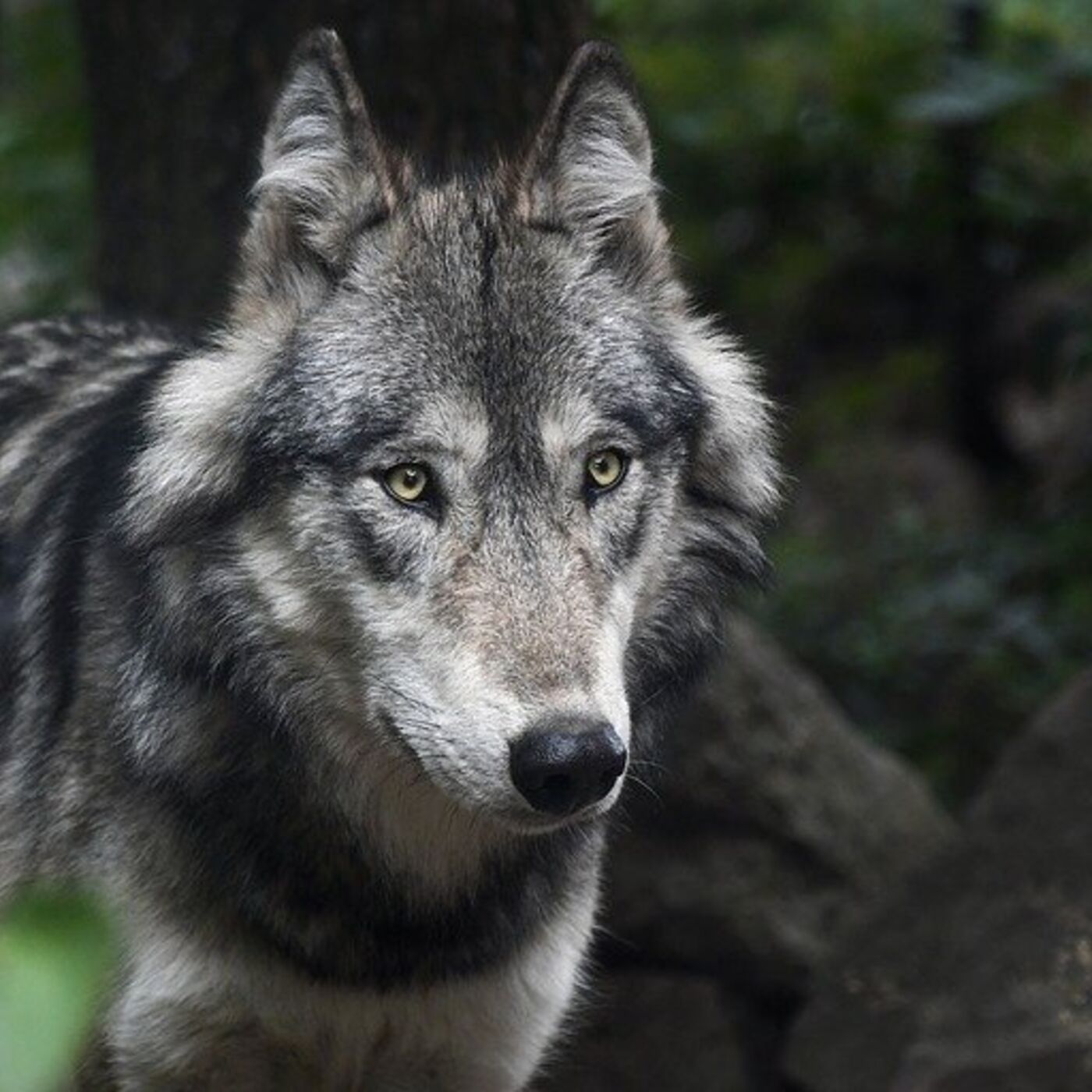
Adventures in Sustainable Living Podcast Episode 24 Never Cry Wolf Hello everyone and welcome back to the Adventures in Sustainable Living Podcast. This is your host Patrick and this is episode #23 title Never Cry Wolf In this episode I want to talk about how, as humans we have the tendency to destroy things that are in the way of what we view as “progress”. First I want to talk about this from a historical perspective and then give you a more modern example of how we continue to do the same thing. We still have not learned and we still do not appreciate that it is the balance in nature that provides us with all of the things we need to survive. When I first purchased my cabin property in 1996, the highway that lead to the small community where I still live, was completely undeveloped. The nearest supermarket was, and still is, 22 miles away. But at the time the supermarket was miserably small so I made a trip to town once a month to go to CostCo or Sams Club to stock up on basic supplies. Since I was in fact very poor at the time, I did not have a four wheel drive and had to pack everything in to the cabin. My only means of food storage was a large metal trunk which I kept locked and chained to a tree. Almost daily I would come home and find the trunk had new scratch marks on it from the bears attempting to raid my stash. But over a 10 year period of time, I had numerous up close and personal encounters with bears and mountain lions. I can think of at least a half dozen times I was standing almost face to face with a bear or a lion with a 45 caliber or a Winchester 30 30 point directly at them and saying to myself, “Okay, one more step closer and I am going to unload this clip into your head.” And I am happy to say that during all of that, there was only twice I actually had to fire warning shots to scar them off. But in the process of all of this, I accepted the fact that I was literally living in the middle of THEIR territory and I had to learn to live with them. To this day, I still more wildlife than people when I am at home. I still see mountain lions and bear on a regular basis. But I have also learned about all the things that they are attracted to and I keep things put away. But it is interesting that when you literally live in the middle of the forest you learn to recognize various animals in the dark based on their eyes and how they move. Where we live there are no street lights or any other sort of light pollution. If you go outside at night you need a head lamp. It is funny that I was telling my younger sister recently that when I walk outside at night I am always wearing a head lamp and before I get very far outside the cabin I check the trees for eyeballs. My sister of course cannot even conceive living in such a ways. But I also remind her that she is the one that lives in a busy downtown area, has to have an alarm on her house, and lives behind locked doors. And the fact that animal predators are usually very predictable whereas people are not. And so I would much rather take my chances living in the middle of the forest than in the middle of the city. But the point of this story is to just simply say I have made every attempt to live with the wildlife that is around me instead of just killing everything. But, that is not the way humanity is in general and especially when it comes to predators. And a lot of the time it is simply because we fear them. However, we also have to accept the fact that predators in nature are actually very important. But why is that? So why are predators important and what would the world be like if they were all gone. Well, predators are actually an important part of a healthy ecosystem. A normal, vital ecosystem is truly survival of the fittest because predators have a tendency to remove the most vulnerable animals. This usually means the older animals, the injured, the sick, or the very young. What this mean is there is now more food for the survival and success of the healthy animals in the herd. A secondary impact of predation is that the size of prey population is controlled and this in turn helps slow down the spread of disease. Predators will of course catch healthy prey when they can, but catching sick or injured animals first helps in the formation of healthier prey populations because only the fittest animals survive. Additionally, predators help to reduce the negative impacts that their prey can potentially have on the ecosystem if they become too abundant or it they stayed in one area for too long. For example, when grazing animals are preyed upon by big cats, it keeps the prey population moving around (in fear) and prevents overgrazing in any one area. As a result, more trees, shrubs, bushes, and grasses can grow, which then provides habitat for many other species.  
Ep 23#023 Waste Not, Want Not, Pollute Not
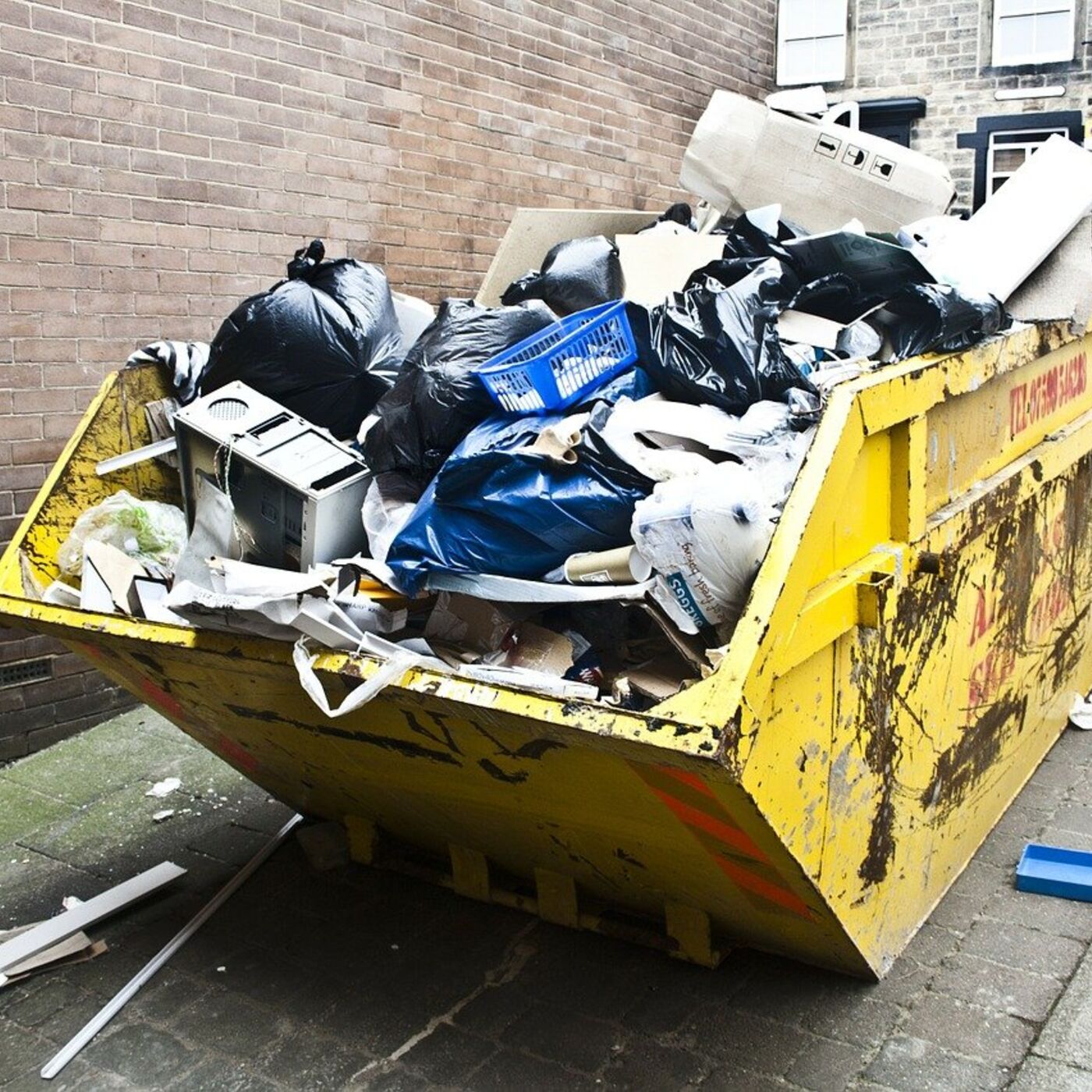
Adventures in Sustainable Living Podcast Episode 23 Waste Not, Want Not, Pollute Not Hello everyone and welcome back to the Adventures in Sustainable Living Podcast. This is your host Patrick and this is episode #23 titled Waste Not, Want Not, Pollute Not In the United States, as much as 40% of the food we produce actually goes to waste. Now that is an astounding figure to think about. But before I get into that, I want to share a story with you about an orphaned girl from South Africa. Now this was a story that was shared with me from a friend of mine named Andy. Andy and I have known each other for many years. He shared this story with me over dinner one night. Andy had gone to a local restaurant to have lunch because he knew the owners. While he was there, a person that was from out of town had ordered a burger and fries for lunch and he was mistakenly given the wrong order. This man apparently was so indignant and upset about this simple mistake that he almost started a fight with the cook. The police had to be called and the man was removed from the premises. Later that afternoon, Andy got a call from some friends that lived in South Africa and were back in the States visiting. These folks had adopted an orphaned girl from South Africa. Andy met them at a local restaurant even though he had already eaten. The family had ordered food and when it was placed on the table, the young girl they had adopted kept looking at the food in front of her and looking around at all the people in the restaurant. When she was asked if she was upset or unhappy about something, she simply asked, “Do people here get to eat more than once a day?” Now think about this. Here are two example of people at completely different ends of the spectrum. One man obviously SO entitled that he became enormously angry simple because a mistake was made in serving him a meal. And an orphaned girl from South Africa that was accustomed to only eating once a day. It is interesting how we become so engrossed in our own culture that we forget there is a whole different world of people out there that live a much more different life than most of us. Yet as much as 40% of the food in the supply chain in the United States goes to waste. Now I am sure if someone came along and took 40% of your monthly income and threw it away, you would likely have some to say about that. I remember not too long ago I went into numerous local supermarkets to ask if I could take home unwanted food scraps, in particular, produce food scraps. This is because I raise my own chickens and turkeys and I simply wanted the greens to feed as an additional supplement. I was repeatedly told “no” because they said it was too much of a liability. The last supermarket I went to after the manager said no and then walked away, this young employee came over to me and said, “I really do not understand what they will not do that for you. You would not believe the incredible amount of food we throw away everyday. In the United States, there is an estimated 130 to 160 billion pounds of food that goes to waste each year. And much of this food is perfectly edible and nutritious. This wasted food cost this country about $218 billion a year. Now the other side of this is the affects on the environment. All of this food loss means that we are unnecessarily putting additional strain on the environment for no reason. But why is this? How did we get here? And how can we change this? Now to be clear on this, there is a difference between food loss and food waste. Food loss often occurs before we as consumers have anything to do with it. For example food is lost on the farm, on fishing boats, in produce packing plants and in manufacturing facilities. Food waste is directly connected to the consumer. Now I would like to give you a few examples of food loss that routinely happens. Consequently, you will see just how wasteful our system of food production really is. Farmers often plant more than consumers demand in order to hedge against losses from weather damage, pest, disease, etc, If the price of produce is less than the cost of labor and transportation, farmers will often leave food unharvested and it goes to waste in the field. During the COVID pandemic, the closure of restaurants, schools, forced farmers to plow crops under and pour out more than 3.7 million gallons of milk every day. Did you know that about 78 million tons of fish that are caught are discarded every year. As much as 40 to 60% of fish caught by European trawlers are discarded. Shrimp trawlers have the worst discard rate at 27 % of total catch. And what all this waste does is produce an enormous food supply for scavengers, which throws off the balance in the ecosystem. It also kills large numbers of both target a
Ep 22Are We Recycling or Wishcycling: Who is to Blame.
Adventures in Sustainable Living Podcast Episode 22 Are We Recycling of Wishcycling? Hello everyone and welcome back to the Adventures in Sustainable Living podcast. This is your host Patrick and this is episode # 22 called Are We Recycling or Wish-cycling: Who is to Blame I want to start this episode by asking a simple question. Have you ever taken the blame for something that was not your fault? Have you ever been the scape goat for someone else’s mistake? Have you ever had a coworker throw you under the bus for something that was actually a shared responsibility? Or have you ever sat back and watched someone shift the blame of a mistake onto someone else? I think we have all experience this at one time or another. And I think we all have a similar angry and frustrated reaction to such things. People shift the blame onto someone else in order to divert attention away from themselves or divert attention away from the real problem. Let me give you an example. Do you really think that banning plastic straws is going to save the planet? And yet we hear this all the time. Of all the plastic trash that ends up in the ocean, plastic straws are a minuscule portion of that. Now I can quote you statistics on this is you want. But that is boring. Allow me to give you a real life example. A few years ago I was doing some voluntary beach clean up on the small island of Utila, which is one of the bay island off the coast of Honduras. I was there doing some advanced training in scuba diving. As part of my training, I was required to spend half a day doing beach clean up. So there we were on this small beach, a crew of about 15 people. In four hours time, we pick up 40 large garbage bags full of plastic trash. You want to know how many plastic straws I picked up during that time? Three. Now we watch or hear about a video that went viral on the internet that was about someone pulling a plastic straw out of the nose of a sea turtle and suddenly we are bent out of shape over plastic strays. However, we are not focusing on the real problem at hand. And furthermore, things such as this only shift the blame to someone else. It is so easy to make the commitment to never again use a plastic straw but what about the 4.9 lbs of waste that each of us produces every single day? What are you going to do about that? Well you may immediately say that you will start recycling more, composting more, producing less trash. But how far are you willing to go? What if everyone that cried out about the environment and climate change was required to live off the grid, eat only the things they were able to grow, wear only the clothes they were able to knit from scratch then there wouldn’t be much of a environmental movement now would there? But again most people would object to such a concept. But again, just how far are we willing to go? The simple fact is that switching to paper straws is not going to save the planet. It only diverts our attention away from the real problem. Which brings me to recycling. I am sure that we are all familiar with the triangle icon that represents recycling and of course the 3 Rs, which are reduce, reuse, recycle. Well, this is fantastic but if recycling were the answer to our waste problems then way do we still have a problem with plastic trash. Now I think we all can agree that we live in a hyper-consumeristic society. I have certainly addressed this issue in previous episodes as well as how much waste we produce. But, there is the thing. And I am going to say that I am guilty of this as well. As much as I realize that we all need to change our wasteful lifestyles, we are consumers are not to blame, at least not totally. But according to the media, and so many other resources that I’ve read, we are bad Americans, we are wasteful, and we need to change our evil ways. In so many ways that may be true. After all, the US comprises 5% of the world’s population yet we consume 25% of the resources. But I can say that over and over again and sooner or later I am going to starting sound like the teacher in the Charlie Brown cartoons that is always in the back ground going wah, whant, wah, wah, wah. So sooner or later you are not going to listen. Granted, it is fantastic in so many ways if you say I will no longer use a plastic stray. I will no longer walk out of the supermarket with a plastic bag. Because this means you are taking steps in the w right direction and you are paying attention to what you are doing. But if you think recycling is going to save the planet then you are wrong. Did you know that until 2018 most of the materials to be recycled in the US were actually sent to China? This has been going on for many years unknown to any of us. We actually package up our trash and send it to China. But, as of 2018, Ch
Ep 21Is Sustainable Air Travel Just an Illusion
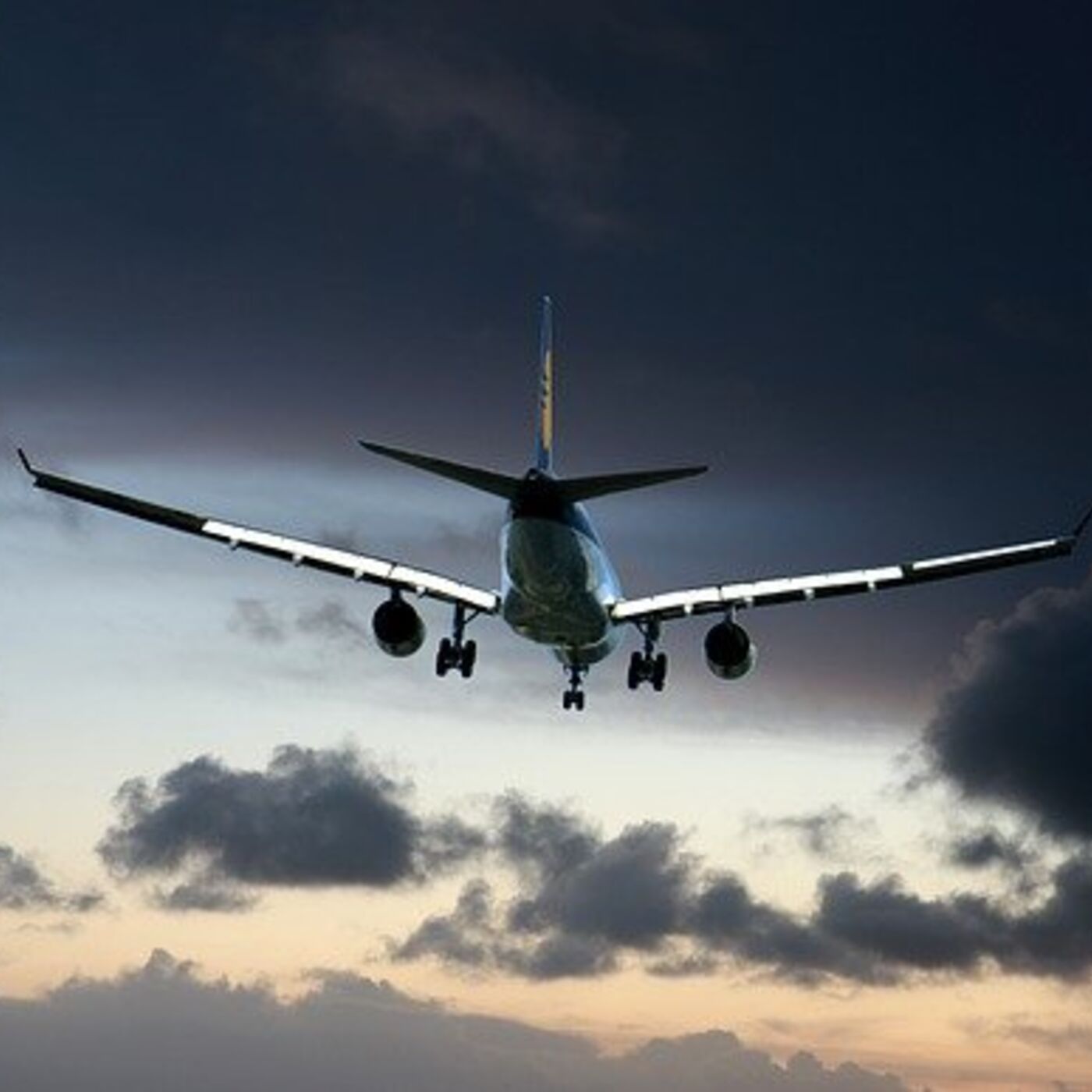
Adventures in Sustainable Living Podcast Episode 21 Is Sustainable Air Travel An Illusion? Welcome back everyone to the Adventures in Sustainable Living Podcast. This is your host Patrick and this is episode number 21 called Is Sustainable Air Travel an Illusion? The first commercial airline flight took off on January 1, 1914. It flew from St Petersburg, Fl to Tampa Bay. It was a flight of 21 miles and took 23 minutes. This flight service only lasted 4 months but it paved the way to the airline industry that we see today. Now, I am sure that when that first flight took off, carbon emissions were not their first concern. At least not like it is today. I think we all know that air travel is not going away any time soon. And I think we all know it is one industry that has a significant environmental impact. And as you have no doubt heard me say before, a big part of sustainability is making better choices. That is part of what I want to explore in this episode. First of all to give you some basic idea of the impact of the airline industry. Then to give you some tips on how you can mitigate some of your personal impact. And lastly to talk briefly about exciting changes and new developments that will result in more sustainable air travel. And at the end, I want to share some very interesting facts about modern explorers that are challenging the impossible. At the outset of the episode, I want to point out that you could easily argue that there is no such thing as sustainable travel or sustainable tourism. You will always leave a footprint at your destination: from the journey itself, from your waste or from your (unconscious) effect on the local culture. But as I have pointed out before sustainability means making conscious choices, to be mindful of nature, to take the environment into account as much as possible, and to ensure that you have the least possible impact on the local population. You can call it what you want: sustainable travel, responsible travel, conscious travel or travel with a minimal footprint. I do have to tell you that I love to travel and I always love a good adventure. In fact, when I was in my 20’s I truly wanted to travel but I had no money and the vehicle I had was not very dependable and got about 5 blocks to the gallon so it was even hard for me to go on roads trips. But I did hitch hike a lot and traveled by bus a lot as well. But as I got a little older and little more financially stable, I traveled more by air. But this was in the days when airport security was much more relaxed than it is now. In fact, what I used to do was pack a bag, go to the airport, then walk around and decide where I want to go, then I would purchase a ticket and get on a plane. I traveled abroad for the first time when I was 31. I went to England and France. Then a few years into my career, I decided I wanted to travel and work. Through all of this, I ended up working and living in several different countries, teaching at a couple of different universities, and at the height of my travels, I was on a plane 57 different times in one year, which is absolutely ridiculous. Eventually, I grew weary of all the travel. The world began to change in many ways, there was increase security, restrictions of all sorts, and various other things that really took the fun out of airline travel. Presently, and mostly because of the pandemic, I have not been on a plane in several years. And considering all the global travel restrictions presently in place, I think it may be another year or so before I consider international travel again. And yet, I look at travel much differently these days especially from the aspect of sustainability. I have even completely changed how I work and how I arrange my schedule and I have managed to cut my commuting by about 60%. But sooner or later, I will want to travel abroad again. And because of this, I started questioning the sustainability of air travel and of course the environmental impact. And furthermore, what could I do to minimize my own personal impact. Additionally, I began to question whether or not sustainable air travel is even even possible? Now to more or less put things into perspective: Each year, 3.5 billion people travel by air. There are more than 100,000 flights made all over the world each day. As the price of airline tickets have dropped, the demand has grown, and this is projected to double by the year 2035 About 2.5 % of global CO2 emissions are produced by the airline industry. In fact, those emissions have increased by 32% from 2013 to 2018. Flying is number 6 in the top 10 list of things that cause the most carbon emissions. 87% of all human produced carbon dioxide emissions comes from the burning of fossils fuels such as coal, natural gas, and oil. So, the bad news and the bottom line is t
Ep 20A Good Country
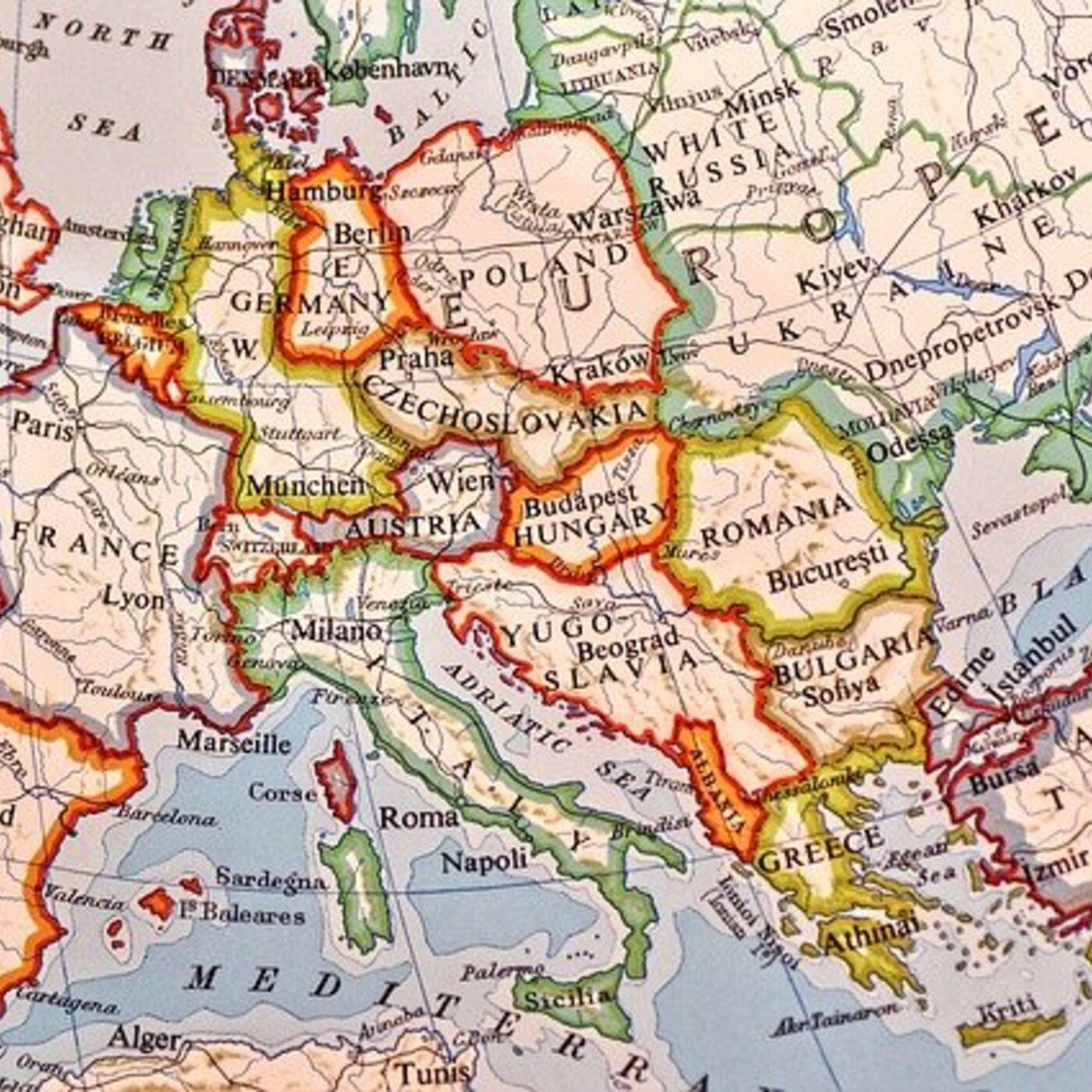
Adventures in Sustainable Living Podcast Episode 20 A Good Country Welcome back everyone to the Adventures in Sustainable Living Podcast. This is your host Patrick and this is episode #20 title A Good Country. I want to start this episode by asking a simple question. If you were told you had to live in a different country from now until the rest of your life, where would it be? Where would you go? That said, how would you go about choosing a new country? What criteria would you use? How would you go about giving each country a “report card” so to speak? How would you rate each country? And furthermore, what are the factors and characteristics of the country of your choice that would be the tipping point of your decision? I do want to bring up some basic concepts here because I want to challenge the way you think about your own country. And not only that, I want to show you that how a country behaves in the international community is in may ways closely tied to that country’s attitude and approach to sustainability and the environment. What I want to talk about in this episode is a concept that may seem rather simple and childish. While this term is mostly used to speak of a person that is immature and bratty so to speak, what I am referring to is a concept that is so simple that a child could even understand it. Yet, this is a concept that is consistently ignored on the international stage. And it is a concept that is directly tied to a nation’s sustainability practices. Friends and family that know my personality traits, desires, and habits also know that I have a love of adventure and travel. I am fortunate enough to have lived and worked in several different countries and spent months at a time outside the United States. I do this because I love the cultural stimulation. I love meeting new people, seeing new places, learning about new foods, and of course making new friends. But, I also travel because I have often considered living outside the United States for a long period of time just simply for the experience of doing something different. Because of this desire, whenever I travel I make an effort to meet expats. Although I will have to say that for the most part I actually avoid Americans as a general rule. This is only because I am there to learn about a different culture and meet people outside of my own culture. But what I am saying is that I make the effort to meet expats from all different countries. And I ask them all sorts of questions of course. For example: Where are you from? How did you end up here? Why did you choose to leave your own country? Why did you pick this country? Are you truly happy living here? And of course, I get all sorts of interesting answers. But after years of doing this, I will have to say that I do see certain trends in the expats that I meet. Those that I meet that are the least happy seemed to have abandoned their own country out of frustration. They were angry over the national politics, angry due to financial challenges, personal issues, and inability to enter retirement comfortably in their own country. But, the happiest expats that I’ve met were in the country of their choosing simply because they wanted to experience something different. What I have learned from first hand experience while traveling and living in different countries is that no country is perfect. No government, culture, climate, financial institution is ever going to be perfect. To some extent, there is always going to be crime, corruption, manipulation of funds, various rules and laws that make not sense whatsoever, people in power that seem to think they do not have to follow the very rules and laws that are supposed to govern everyone, as well as various other things that makes life more difficult that it truly has to be. But these things exist no matter where you go. The simple fact is that no place is perfect. Each place has it’s own unique challenges. So you have to live there because you choose to do something different. And then of course you have to figure out a way to produce a lifestyle that is suitable for you and one that makes you happy. So, if you had to live in a different country where would it be. First out of the gate I have to give complete credit for this information to a man name Simon Anholt. Mr Anholt is the founder of the Good Country Index and his website is called goodcountry.org. I came across Mr Anholt during some of my research for blog posts and podcast episodes. I think it was when I was researching information for my episode title The Most Sustainable Countries. What I truly enjoyed about the concepts he presents is that they are deeply connected in so many ways to the concepts of sustainability. Mr Anholt has written several books. One of the most recent is called The Good Coun
Ep 19The True Impact of Fair Trade
Adventures in Sustainable Living Podcast Episode 19 The True Impact of Fair Trade Welcome back everyone to the Adventures in Sustainable Living podcast. This is your host Patrick and this is episode #19 called The True Impact of Fair Trade After my last episode titled Choices Make Changes; What is a Sustainable Product and How to Find Them, I thought it was fitting to follow that episode on something having to do with fair trade. Because the products that we choose to purchase not only affects sustainability but it also affects the lives of so many other people. But I want to start this episode by sharing with you a story about a man named Felix Belisario who used to live in Napo, Ecuador, about 10 years ago. Now I find this story interesting because I have actually been to this area of Ecuador. Napo is province located in the Amazon Rainforest. I actually traveled a couple of hundred miles on the Napo River, which is a big tributary to the upper Amazon Basin. And by the way, on that trip I saw so many things that most people only see on the pages of National Geographic. It was truly an amazing trip for me. Anyway, for Felix, work was nearly impossible to find since any sort of industrial development in Napo was rare. Consequently, Felix worked for minimal pay as a tour guide for a local hotel. However, his low rate of pay made it nearly impossible to support his family. Consequently, Mr Belisario left home in search of a better job and potentially a better life. It was not long before he found work with Agrocoex, which is a family owned business that was established in 1992 in Latacunga, Ecuador for the exportation of roses. Now, you likely do not know this but Ecuador is a fabulous place to grow long stem roses because the country essentially has a 12 month long growing season because it is located on the equator. Now, Mr Belisario had consistent work that paid well. However, he was still separated from his family because he only lived in a small room he rented near the farm. His family remained in Napo which was about 5 hours away. But the job also had it’s benefits in that Belisario was able to send his family money which of course helped them to have a better life. But, he only visited them every 3 months. However, Agrocoex is a fair trade company. Consequently, they had a Fair Trade Committee which consisted entirely of workers that were democratically elected to represent their peers. A survey of the workforce found that housing was a common need because most of the workers live in cramped quarters far from their families. So what happened is that the Fair Trade Community Development Fund began investing money into a new housing complex for the workers. The money in the Community Development Fund is made from a portion of the sales of Fair Trade Certified products, and one of the functions of the Fair Trade Committee is to vote on how to invest the money whether that be on social, economic, and environmental projects. The end of this story of that the La Calerite Housing Complex was built which now consists of 100 houses for the Agrocoex workers. Mr Belisario was consequently reunited with his family and they now owned their own home. But his dream is something that all workers deserve: good housing, decent working conditions, and freedom from poverty. Now you must know that this sort of story is not unique. I could go on for hours telling one success story after another after another because of the Fair Trade agreement. Not only that, because of my travels in the Amazon, as well as other places, I can tell you numerous stories of people that could benefit from fair trade. But before we get deep into the concept of fair trade, let me just give you a few things to think about. -Did you know that two thirds of the world makes less than the equivalent of $10 USD/day and 10% of those make less that $1.90/day. So think about that in comparison to your present lifestyle. $10 USD/day means about $300/month. $1.90/day means about $57/month. The average American spends more than that on Starbucks coffee every month. -Imported goods into the US in 2019 was 3.1 trillion dollars. The top 10 imported categories in descending order consisted of : 1) Machinery including computers and hardware 2) Electrical machinery 3) Automobiles 4) Minerals, fuels, and oils 5) Pharmaceutical 6) Medical equipment and supplies 7) Furniture, lighting and signs 8) Plastics 9) Gems and precious metals 10) Organic chemicals Now let’s talk for just a minute about US food imports. I think this is important and you will soon see why. US consumers always seem to demand variety, quality, and convenience in the foods they consume. As Americans have become wealthier and more ethically diverse, our typical diet shows a g
Ep 18Choices Make Changes: What is a Sustainable Product and How to Find Them
Adventures in Sustainable Living Podcast Episode 18 Choices Make Changes/What is a Sustainable Product and How to Find Them Welcome back everyone to the Adventures in Sustainable Living Podcast. This is your host Patrick and this is episode #18 which is titled Choices Make Changes: What is a Sustainable Product and How to Find Them. First out of the gate, I have a general question. How many of you love pay taxes? Furthermore, how many of you actually understand all the tax laws that apply to you as far as why you are paying taxes and what you could do about it if you were paying taxes for the wrong reason? You know, I get a newsletter on a monthly basis from my accountant who I have used for many years. And believe it or not this newsletter is kind of funny because Sean is really a funny guy. Toward the end of the year he always publishes in his newsletter some comments about how the IRS has made 157 changes to the tax laws that year. So, what that means for me as a consumer and taxpayer is that there is no way I can ever understand the complexities of tax law, nor do I want to. The same goes for understanding all the complexities that make a product sustainable. I could go into that but you likely would be bored to tears the same as my trying to understand tax laws. So, the point of this episode is to first of all define what exactly is a sustainable product. I think it is valuable to know that and have that background information. Then I will give you some guidelines on how to evaluate a product or company and how to make a choice of one thing over another. And finally I will give you some resources so you can easily find sustainable and eco-friendly products. Well, the simple fact is everything you purchase, regardless of what it is, is still going to have some impact on the environment. In fact, everything that you do has some sort of impact on the environment. Even my garden and greenhouse has an impact. It requires the addition of seeds and water. The plants eventually have an impact on the soil which then requires the addition of some organic material. And it also requires my time and energy. But, what I am talking about in this episode is sort of similar to deciding to live off the grid. If you really sit and dwell on the subject, it is over whelming. It is the same with deciding to purchase sustainable products. Sometimes purchasing sustainable products is a matter of choosing the lesser of two evils. But as I have said several times before, sustainability is simply about making better choices. And that is part of what I want to accomplish with this episode is to give you some better choices. What I don’t want to do here is to give you specific examples of products to purchase. That would simply be an endless and boring discussion. But, how do you go about choosing one product over another. How do you go about finding products that are manufactured in a sustainable manner. Is that even possible to do? But, before we do that, I think it is worth defining what exactly is a sustainable product. What makes one product sustainable and another not. Well, you may be happy to know, or maybe even more confused to know, that is exactly the question that numerous companies, governments, and consumers have been asking for a long time. So, here we go. I am going to take a stab at this. The true definition of a sustainable product is one that provides environmental, social, and economic benefits during the whole life cycle of the product. This means from the extraction of raw materials until the final disposal of the product. Well now, that is just the sort of text book answer that you would expect. A nice technical definition with no useful information or insight into how you can apply that to everyday life. But, what exactly does that mean? The word “sustainable” is such a buzzword these days and many companies will use that word in association with their brand just to get some hype. The simple fact that there is a wide range of attributes and approaches that companies use in order to label their product as being sustainable. And perhaps this even adds to our confusion as consumers. For example: -some companies focus on the lifecycle performance of their product compared to other products -Some companies will focus on various attributes of their supply chain such as fair labor practices, worker health and safety practices, and community responsibility -Some carefully document various attributes of their product design such as material selection, processes used, and packaging choices. -Still others will focus solely on their products carbon footprint, water usage, recycled material content in their products But the simple reality is that the claims attached to any given product actually match that products environme

Ep 17Take Extinction Off Your Plate
Adventures in Sustainable Living Podcast Episode 17 Take Extinction Off Your Plate Welcome back everyone to the Adventures in Sustainable Living Podcast. This is your host Patrick and this is episode #17 which is called Take Extinction Off Your Plate. You may find it interesting that scientist have a better understanding of how many stars there are in our galaxy than how many species there are on planet Earth. There was a study that was conducted in 1980 in the tropical forests in Panama. This one study included only 19 trees. And to give you a perspective, there are on average about 200 trees per acre of land in a tropical forest. So that is about 20 trees per 1/10 of an acre. Anyway, there were 1,200 beetle species that were noted in this study. 80% of those species were previously unknown. Presently, it is estimated there are about 100 million known species on the planet. There is on average a 1% yearly extinction rate. So that means at the least 10,000 species go extinct every year. The experts call this natural extinction rate the “background extinction” rate. This simply means the rate of species extinctions that would occur if we humans were not around. Until recently, scientists generally agreed that there were five mass extinction events in geologic history. Each of these events wiped out huge numbers of species and marked the ends of their respective geological eras. However, scientist now believe that there were actually six mass extinctions. At any rate, there are numerous theories about what exactly caused these mass extinctions. Current thinking on some of the causes are enormous volcanic eruptions, significant falls in sea levels, global warming, global cooling, impact events such as a large asteroid or comet, significant changes in the oceans causing huge release of hydrogen sulfide. Now there are other theories but I just wanted to mention a few. The point being, species extinction is going to occur naturally. And there have been massive waves of extinction due to various causes. Obviously from the 1980 study conducted in Panama, there are many more species out there than what we are aware of. So in a manner of speaking, we don’t even know what we don’t know. Consequently, if we don’t know how much is there to begin with, how can we possible assess exact what we are loosing on a yearly basis just from the back ground extinction rate. Now, allow me to change gears here for a minute by posing a question. Let’s just say for the sake of argument that this company called Laundry Madness Inc, just invented this fabulous machine that saves you an enormous amount of time and effort. All you have to do is put your clothes in one end of my machine, they get washed, rinsed, dried and come out the other end folded and ready to put away. It is sort of the bread machine of laundry. Just pour in the ingredients and it comes out with the finished product. Now as you can imagine there is absolute consumer madness over their product and they make billions of dollars a year due to high demand. Furthermore, they limit the amount of product they produce so they can command a higher price. And as long as people are willing to purchase their machine, they are going to continuing producing them. But, what you don’t know is they have 12 global factories that operate 24/7. And in order to produce their products they need a special compound found only in tropical forests. And in order to get that product, they are destroying 250,000 acres of forest each month. But, their product is in high demand so they keep right on mowing down the trees. This is the underlying principle of supply and demand. As long as there is a demand, meaning people are willing to buy, the companies are willing to produce that product no matter what the cost. Because they are making billions and no one really sees what goes on in the back ground because most of their factories are in another country. But what most people do not realize is that the very same sort of thing goes on with our food production, but in a very different way. Unknown to most people our planet is now experiencing another mass extinction event. But, unlike any other mass extinction event recorded in geologic history, the current extinction challenge is one in which a single species appears to be wholly responsible, and that species is human beings. Now, I know there is a lot of argument about this fact. But there can be little debate over the fact that there is a very serious biodiversity crisis. But, let’s look at our current situation. I just want to quote something from an article published by the World Wildlife Fund. Just to illustrate the degree of biodiversity loss we're facing, let’s take you through one scientific analysis… The ra
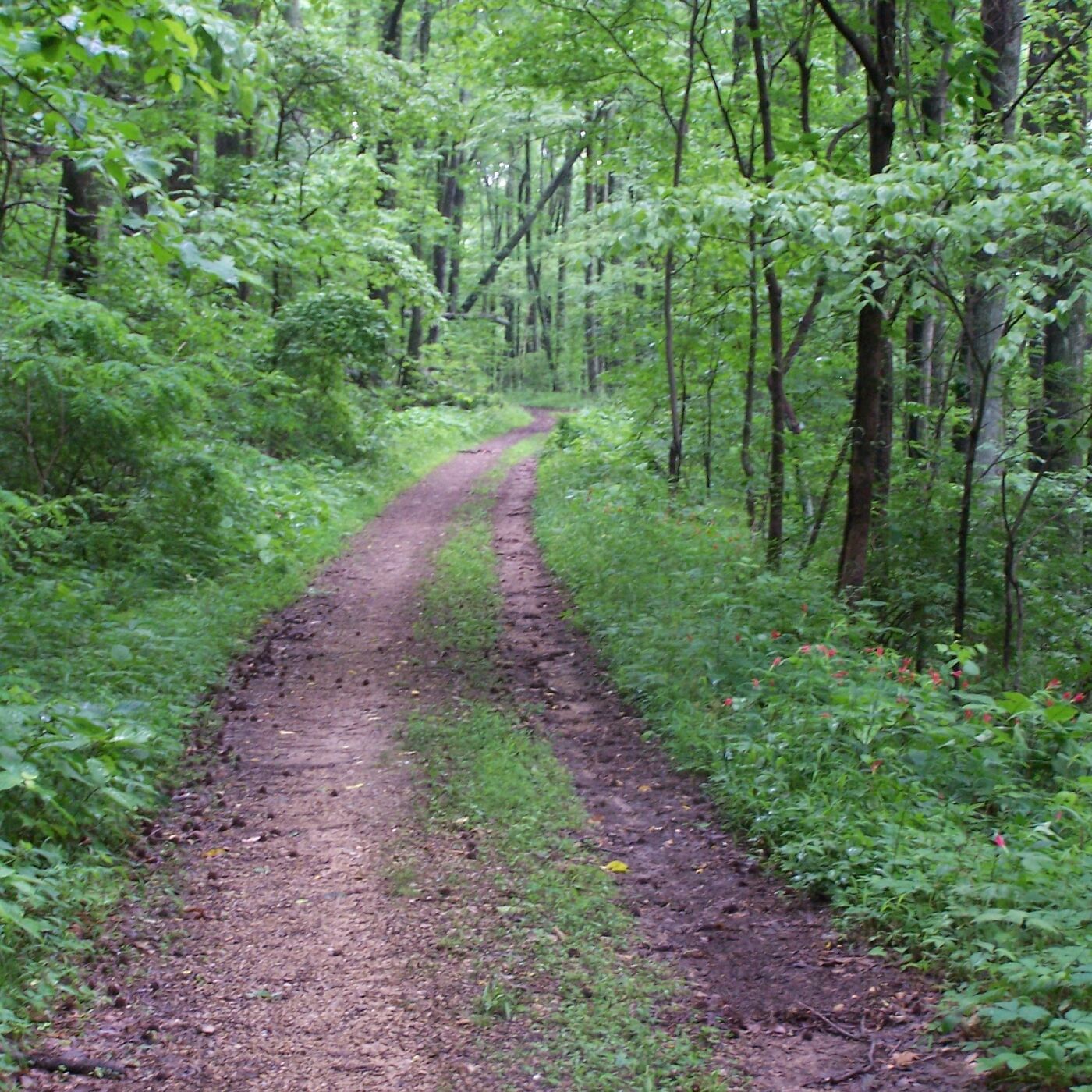
Ep 15Back From the Land
Adventures in Sustainable Living Podcast Episode 15 Back From the Land Welcome back everyone to the Adventures in Sustainable Living Podcasts. This is your host Patrick and this is Episode #15 titled Back From the Land. I guess a more appropriate title would be Back from the Land: Why the Back TO the Land Movement Failed and What Are the Important Lessons Learned. I want to start this episode by sharing with you a story about a 12 year old boy named Sam who grew tired of living in a small apartment with his family and was also tired of the hustle and bustle of New York City. Sam ran away from home to go live on his great grandfather’s property in the Catskill mountains. He was simply seeking some independence. His adventures were truly a dramatic representation of man versus nature. He had to learn how to survive. He had to learn how to live off the land. This was in the 1950’s. And this was not a true story. This comes from a fiction book called My Side of the Mountain, written by Jean George in 1959. This book was truly one of my childhood favorites. Now I want to share with you another story. This one is true. The well known story about Chris McCandless. This young man hiked into the Alaskan wilderness in 1992 and attempted to live off the land. He lasted about 16 weeks. This very real story is a dramatic representation of the desire to get away from civilization and live on your own. Although this story has a tragic end, it also represents a part of us that simply will not be put to rest. But, let’s examine another very real situation. The so called Back to the Land Movement in the 1960’s and 70’s. Okay, I just said Back TO the Land. But the title of this episode is Back FROM the Land. Ah, yes, a little contradiction there. But, bear with me for a moment. Now, the so called back to the land movement was an enormous social movement in the 1960’s and 70’s that was based on the ideal of a self sufficient life close to nature. There were many reasons why people chose to do this. Many found the American value system to be repulsive. Many people were disgusted and loathed the rat race, the crowds, consumerism, all the advertising bent on getting people to buy things they did not need, the destruction of the land and environment, and living under what they considered to be a corrupt establishment. And furthermore, these ideas were reinforced by a long-standing American tradition that associates virtue with moderation, self-denial, hard work, and simple living. Consequently, many people associated self sufficient living with the romantic notion of the pioneers. I find it interesting that while this social movement was in full swing, I was very young and spending a lot of time on the farm. So in many ways, while there was a great movement to go back to the land I in fact never left the land. But more on that later. As a culture, we seem to go in circles, similar to circling the airport. Because the idea of getting back to the basics is truly nothing new. And the people that embraced this huge back to the land movement in the 60s and 70s didn’t invent that idea either. However, you have to consider what was going on during that period of history in the US. It was the Vietnam Era and a time of tremendous political tension. There was widespread social upheaval. There were numerous protests and anti-government demonstrations. It was also a time of rampant consumerism. For many, the idea of homesteading was a spiritual idea. Furthermore, many were propped up by easily available resources such as Mother Earth News and Whole Earth Catalogue. Their aspirations further fueled by Scott and Helen Nearing’s book titled Living the Good Life. It was a time when the back-to-the-landers voluntarily limited themselves while American culture put no limits on consumerism. Many of these people chose to be at the mercy of nature, and use environmentally friendly forms of energy. In many ways, they were trading an easy convenient lifestyle for simplicity because that is what fit their moral values. In the end, they achieved some level of self sufficiency and more personal freedom. Additionally, they satisfied that urge to run off and reinvent themselves in the wilderness. But in order to do this, they had to make some important choices and learn some new skills. For example, how to build a home, how to power that home, how to grow their own food, and let’s not forget the financial factor of how to make a living while abandoning the ideal of consumerism. Although such thoughts of getting back to the basics is nothing new, there is no doubt that during that period of time, when as many as one million Americans abandoned their lives for something more simple, that was one of the greatest social movements in American history. &
Ep 16Don't Grow Up-It's a Trap
Adventures in Sustainable Living Podcast Episode 16 Don’t Grow Up, It’s a Trap Welcome back everyone to the Adventures in Sustainable Living Podcast. This is your host Patrick and this is Episode #16 titled Don’t Grow Up It’s a Trap. Have you ever wondered what it would be like if you had stayed a child? What would it be like if you could go back to having no responsibility, no debt, no crabby boss to deal with, and life was just calm and pleasant all the time. Well, I guess unfortunately you have to grow up whether you want to or not. But for many, growing up becomes a trap. What is that all about and what does all this have to do with sustainability? I remember when I was a kid I would watch my parents sometimes in awe at some of the things they did. I thought it was so cool that they got to do whatever they wanted to do, whenever they wanted to do it. I could not wait to grow up and be an adult. All that freedom and all those possibilities. But you know there are several things as children that we do not realize nor appreciate. First of all is that we have lots of things that are done for us. Secondly, we have emotional liberty and few if any responsibility. If there is a problem, someone else fixes it for us and we likely have nothing to worry about. Furthermore, we do not realize that we have only seen a small part of the world. We have a very narrow field of view and there is so much that we do not know. In fact, as children, we don’t even know what we don’t know. But then when you do grow up, things are quite different. -First of all, we have to take care of ourselves. We have to pay attention to eating right and getting regular exercise. -And we have to work for a living. -We of course have bills to pay -We have a house to take care of -Then there are life’s unexpected problems that always seem to crop up. -And of course taxes to pay, unfair bosses to deal with, perhaps a job that we don’t like -And if you are like the average American, you have more debt hanging over your head than you can easily manage. -Good bye vacation time. You have to say good bye to all that free time you had as a child. All that time to do whatever you wanted. All of these things many times have us wishing we could turn back the clock, we wish we could have stayed a child, we should have never grown up because it turns into a trap. Now there is no doubt that many people feel this way because as adults many people feel trapped in their job, trapped because of money problems and a high debt load. But, there is also another side to this story when it comes to growing up. -As you grow up, you mind also grows. You expand your way of thinking. You develop you own opinions, beliefs, and values. -Hopefully you become much more open minded about life and see that there are many more possibilities than restrictions. -You also begin to see people for who and what they really are. Consequently, you will have some close friends, some acquaintances, and some people that you keep at a distance. -And mosts importantly, you start to care less about what other people think of you. You develop a stronger sense of self esteem and a greater understanding of what really makes you happy. Now obviously there is a huge contrast between being a child and being an adult, as it should be. But, let’s look at this from a much different perspective. If you look at American culture, in many ways we behave as children. We have lots of things done for us. We live in a society of convenience. If something goes wrong, someone else takes care of it for us or we simply pay someone to take care of it for us. And on top of that, we are taught by example that we truly do not have to be responsible for anything that we do much less our personal choices. We just simply place the blame on someone else right? And in many respects, we have a very narrow and limited view of the world. Instead what we need to do is to stop acting like children, expand our minds, and see the world as being full of numerous opportunities. And some of the most important opportunities we have at hand is to start building a sustainable future. And there is one simple thing we can all do that will produce the most remarkable result. But how can we do that? You know, I am going to admit something about my own life that I am truly ashamed of. I grew up in an environment where prejudice and racism was common place. White parents taught their children to hate blacks. Black parents taught their children to hate whites. Society was strongly segregated. I grew up thinking that was just the way the world was because I had never known anything different. I am happy to say that I was very young when I relocated to a different part of the county.
Ep 14The New Self Sufficiency-Doing Without
Adventures in Sustainable Living Podcast Episode 14 The New Self Sufficiency-Doing Without Welcome back everyone to the Adventures is Sustainable Living Podcast. This is your host Patrick and this is episode #14 titled The New Self Sufficiency-Doing Without. In this episode, I want to share with you how over a 5 year period of time I went from $295K in debt to zero debt. And I want to share with you how you can do the same thing as well as what that all has to do with a simple sustainable lifestyle. Now if you want to hear that story and get the real scoop, then stayed tuned. Okay, in an earlier episode I discussed how true self sufficiency is in fact impossible yet it is essential for our survival. I also discussed variations on the theme of self sufficiency such as green living, homesteading, and voluntary simplicity. But, I also discussed the fact that we now live in a very different world than our ancestors and that world poses many new challenges. And those challenges that are part of the subject of this episode. But I also want to discuss ways to get around those challenges and still reach for some level of self sufficiency. When I start thinking about this type of thing I often think of my early childhood when I spent a lot of time on one or both of the working farms that were in the family. A lot of our meat for the year, as well as other things, came from the farm. I had a brother and two sisters and we often spent time on the farm working and helping with chores especially in the summer when we were out of school. We were often there helping our grandparents work the farm while our parents were at the day job earning the money that provided for our other needs. After all, you can no longer pay the mortgage with a chicken. You need cold hard cash. Looking back, I never really thought of us as being poor. In fact it never even occurred to me. We had all that we needed to live a comfortable life and we never actually did without anything. But we also never really had a lot of extra. We spent our time raising animals, working in the garden, hunting, fishing, picking fruits and nuts from the trees on the farm, as well as canning and freezing our surplus foods. While most people these days would think “that sounds like a lot of work” we still had plenty of spare time for play, leisure walks in the woods, or simply sitting on the creek bank under a tree with a fishing line in the water. It was a time when no one had a cell phone, a computer, an iPad, or a wall mounted flat screen TV. These amenities were simply not available at that time. In fact, in my early childhood, I remember a time when most people did not even have a phone. If you needed to talk to them, you simply drove to their house. It was also a time when we were able to provide ourselves with much of what we needed to live. In many respects, we were self sufficient. We just never really talked about it because it was simply the way we lived. But, we now live in a much different world. Initially self sufficiency was a matter of providing your own food, shelter, tools, and whatever else was needed just to survive. You could not really eliminate anything because all of what you had was exactly what you needed. But these days the opposite is true. Much of what we need to “survive” so to speak, in our modern world, such as light bulbs, cell phones, computers, vehicles and the gasoline to run them, is impossible for the individual to make. So instead of depending on ourselves we depend on a vast interconnected infrastructure that we cannot possibly understand or control. But allow me to offer a different perspective on the situation. While the average person can no longer make many of the things needed to survive in our modern world, most of us could actually get rid of more than half of our stuff and still live in luxury. So I would like to propose the idea that in many ways the new self sufficiency is simply doing without. On that note, let me say that about 10 years ago I started on a journey to downsize and simplify my life. It took me about 5 years to make any significant progress but I stuck with my plan. I had two mortgages, vehicle payments, credit card debt, business debt and was working an average of 70 to 80 hours per week. In five years I sold the second home, paid off my land mortgage, donated 75% of my personal possessions to charity, and went from $295K worth of debt to zero. Did that hurt? Absolutely. Did I have to make some difficult choices? Yes I did. I lost about $10K on the sale of my second home. But the pay back is was that I was then completely debt free and I was able to make that money back in less than 6 months by simply working a few extra hours a week. And then I made substantial improvements on my property in Colorado to
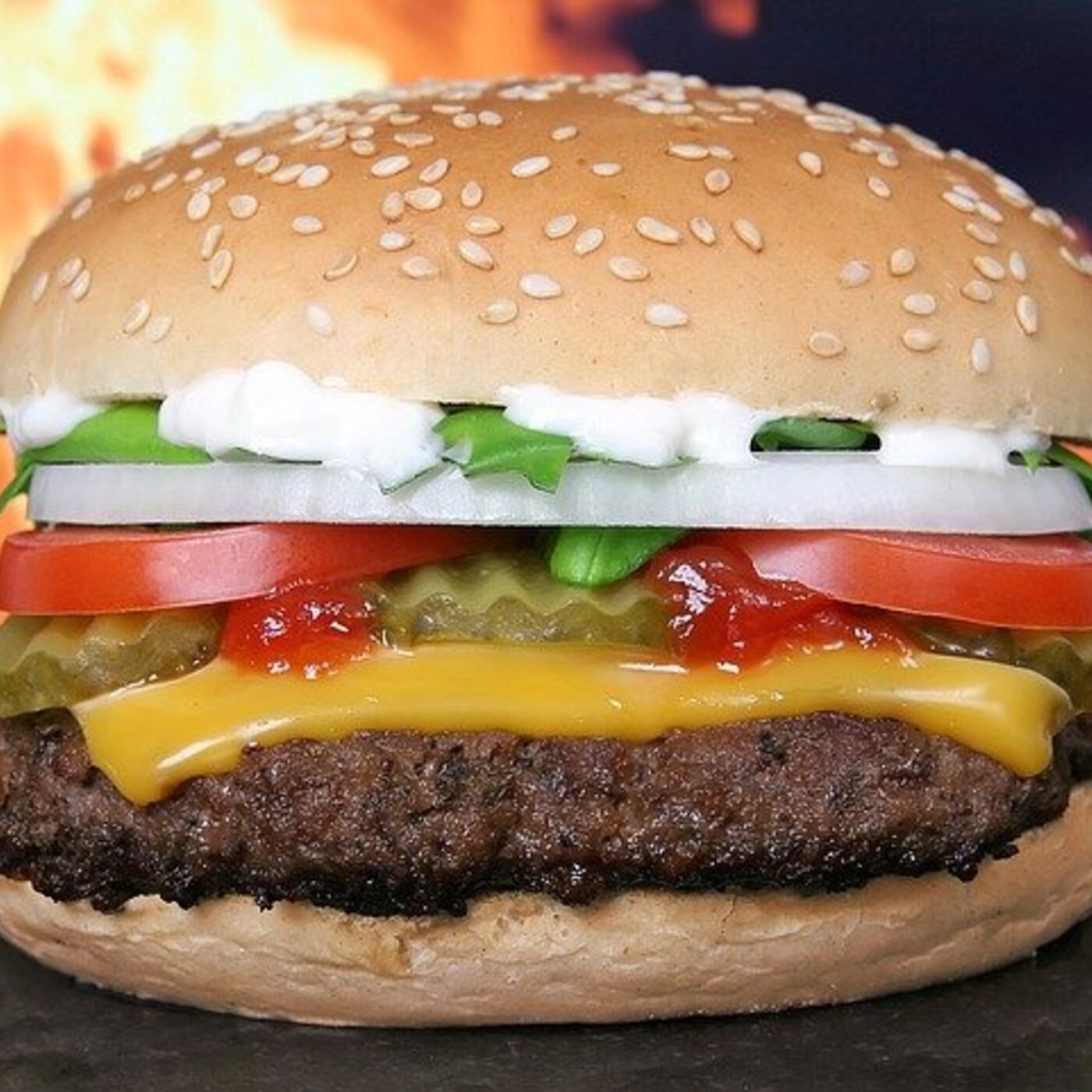
Ep 13Fast and Fatal
Adventures in Sustainable Living Podcast Episode 13 Fast and Fatal Welcome back everyone to the Adventures in Sustainable Living podcast. This is your host Patrick, this is episode number 13, titled Fast and Fatal. Unfortunately, I think we are all familiar, at least from a historical prospective, with the term genocide. And if you are listening to this episode and you are very young, perhaps you are not familiar with this term. Genocide is the killing of a large group of people from a particular nation or ethnic group with the aim of destroying that nation or ethnic group. For example, since the time of Christopher Columbus, attempts have been made to wipe out the American Indians. Even in the early years, the death toll was estimated at 10 million. Another example, the Holocaust during WWII, when an estimated 6 million Jews was murmured. But you know, these are historical things that we don’t generally like to discuss. While such things certainly raise eyebrows and make you think that such a thing could never happen in modern times, the same thing is happening right now in our own country and culture. And you want to know the real catch? It’s voluntary. Yes, you heard me correctly. Voluntary genocide. This is the lifestyle that I call Fast and Fatal. And this lifestyle has significant negative affects on our health and on the environment. One article that I found referred to this problem as “Fast Food Genocide”. Present studies have shown that 71% of Americans are either over weight or obese. That same study revealed that as few as 2.7% of Americans actually engage in a healthy combination of eating well and getting regular exercise. Well, we have to eat in order to live. But we also have choices. And the key to sustainability is making better choices. But the challenge is that there is no way to separate our food production from the environment. Additionally, the way we produce and consume food contributes to climate change. That in turn has a direct impact on our food production due to drought, extreme heat and cold, floods, and increased incidents of violent storms. It becomes a vicious cycle. And as we start swirling the drain the cycle increases in intensity. It is almost similar to the fact that many folks on the Titanic were assured that “It’s all okay” yet the ship is still sinking. The same is true of our culture with our fast food dilemma. Few people are aware of the breath and depth of the problem at hand. You know there is something I’ve said in a previous episode and I will repeat it here. It should be obvious to my listeners bye now that I live a sustainable lifestyle. But since I started this podcast, the topics that I research a discuss are changing my own life. I learn more and more about what we are doing and how we are living and I have to tell you it is scary. One of the scary things is just how much the fast food and restaurant food industry has changed our culture. On average we now spend 61% of our food budget on restaurant food. And then there is the new meal kit services. While many of these are designed to be a healthier choice than eating out, just consider the cost. On average, a meal kit is going to cost about $7 per serving. With two people that is $1,260 per month. I spend less than half of that in a month to feed three people and we eat well. So, I don’t understand why everyone eats so much fast food and restaurant food all the time. Now I commonly work in several different locations because of the type of work I do. I know for a fact that I make at least twice as much as the average staff person that I work with. I almost always cook at home and bring in left overs. Yet, I commonly see the staff eat at least 2 meals per day of fast food. I cannot even imagine what their food budget is. Yet the fast food industry is so popularized and of course cheap. But we are slowly committing genocide and we are doing it voluntarily. Here are some of the affects of eating fast food: Weight gain of course: fast food and processed foods are filled with salt, sugar, which results in weight gain. Yet it is this added salt and sugar that makes the taste so appealing. As I noted earlier, 71% of American adults are now either over weight or obese. One third of children age 6 to 19 are obese. Increased salt intake: This can increase your frequency of headaches as well as elevate your blood pressure. Heart disease and stroke: fast foods and processed foods are loaded with empty calories and trans fats. This can cause elevated cholesterol and increased blood pressure which are two of the top risk factors for heart disease and stroke. Insulin resistance: fast food and processed food are loaded with empty calories. This can cause freq
Ep 12Self Sufficiency is Impossible-and Essential
EAdventures in Sustainable Living Podcast Episode 12 Self Sufficiency is Impossible-And Essential True self sufficiency is impossible-yet it is essential. In many ways self sufficiency is directly connected to sustainability. But again, true self sufficiency is also impossible to attain. So, how do we get around that? When I was growing up in north Georgia and Tennessee, both of my grandparents had working farms. And I spent a lot of time on those farms when I was younger. We had horses, cattle, pigs, chickens, rabbits, a huge garden, and numerous fruit and nut trees. And for an added treat, we would often forage for berries, especially black berries, and go fishing for trout. I am sure that at some point in time in my childhood I actually ate store bought meat but is was so infrequent that I do not remember. My point being is that self sufficiency was never anything we actually talked about. It was simply how we lived. Now fast forward into our present time, when you mention self sufficiency in front of a group of people, I can almost guarantee that 10 different people will have 10 different visions of what that means. That is simply because there are no hard and fast rules, no real guidelines, no universal definition, and when you venture out you are pretty much on your own. And to make it even more complicated, there are so many different things you could do. But, here’s the catch. Our world has changed in less than a century from everyone being pretty much self sufficient to everyone being dependent on the vast and complicated infrastructure that we neither understand nor control. Many people these days have the mistaken belief that their meat comes from the supermarket. They have no concept that someone has to actually raise those animals, slaughter them, process them, before the meat actually appears in the nice clean, package with a styrofoam tray that you see on the shelf in the supermarket. This is something I am keenly aware of because I raise and process my own chickens and turkeys. My point here is that in our modern society most people are completely disconnected from the concepts of self sufficiency, sustainability, and how that is vital to our survival. Now I am not saying that we should reverse the clock by 100 years and emulate the pioneers. Those folks were certainly self sufficient in many ways but they also lead very difficult and short lives. The simple fact is that if you want to be self sufficient, it is now possible to do that in the city and still be close to cafes, museums, the farmers market, and high speed internet. The simple fact is that we now live in a much different world and we face very different challenges. Furthermore, it would be irresponsible today to talk about self sufficiency outside the context of the general state of the planet. The fact is that people are pursuing self sufficiency in different ways simply because there are different ways to be. Just as there are different ways to live off the grid. In fact, if you talk to some people about being off the grid, they would ask “To which grid do you refer?” For example, I have lived off the grid for over 20 years. But I also use the banking systems, a debit card, I purchase gasoline, go to the supermarket, and have satellite internet. If I did not have some of these things I would not be doing the writing and publishing that I do. But there are those that live off the grid that would think I commit sacrilege everyday because of some of the things I do. But, just saying, there are different ways to be off the grid just as there are different versions of self sufficiency. While the basic concept of self sufficiency is simple, which is providing for your own needs, it is in fact impossible. If we were all truly self sufficient, we would always be busy hunting, fishing, skinning, processing, preserving, making every effort to use every single thing at our disposal. But in modern times, it is easier to purchase an axe instead of making one. It is easier to use a chainsaw to cut timber instead of an axe. It is easier and more practical to assembly a solar array than it is to render the animal tallow necessary to make candles. In this sense, you are taking steps toward self sufficiency yet you are dependent on others for the tools to get you there. So, you get the picture. Now if you look at this on a planetary scale, we have to be self sufficient because there is no other planet to live on, at least not in the our present age. All we have is right here on good ‘ole planet Earth and we have to make the best of it or we don’t survive at all. We have finally reached a point in human history to where there are no new frontiers. We can no longer hack, slash, and burn. We can no longer abuse the land until it is useless and move on
Ep 11#011 A Simple Act of Kindness
Adventures in Sustainable Living Podcast Episode 11 A Simple Act of Kindness Hello everyone. Welcome back to the Adventures in Sustainable Living Podcast. This is your host Patrick and this is Episode #11 titled A Simple Act of Kindness. In this episode, I am going to tell you up front that I may hurt your feelings. I may get under your skin. I may make you really angry because I may go against some of your beliefs. But, you know what, I don’t really care. And you know why? I spoke with a friend the other day who listens to my podcast and this is a person whose opinion I value. Anyway Brenna told me that my podcast episode title Nature is Worthless made her really angry because she realized how things in our world needed to change and how slow people were to make those changes. But you see, you must understand this is part of goal here. I want to make you question the norm. I want to make you question how you live and what you do and I want to stimulate your thinking processes and get you to take one simple step in the right direction of positive change and toward sustainability. But, I also want you to know that this episode is somewhat more of a philosophical discussion, a thought process, and the production of this episode started with the question of “What if???? You may find this funny, in an odd sort of way, but I was sitting on my couch the other morning at 5:30 a.m. reading a book that is basically about international relationships. While it is likely a great leap of faith for you to believe that during my early morning coffee drinking and reading that I actually experienced somewhat of an epiphany. What I mean by this is that something fascinating occurred to me regarding the concepts of sustainability. Instead of my spouting on and on all day long about recycling, how much waste we all produce, growing a garden, and perhaps verbally beating you over the head with a large bag of locally purchased produce, I want to propose a completely different idea. Sustainability has just as much to do with relationships as it has to do with solar panels. Sustainability has just as much to do with relationships as it has to do with recycling. Sustainability has just as much to do with relationships as it has to do with being a smart consumer. Someone told me once that the best time to make a friend is when you don’t need one. Allow me to explain. You see, whether you like it or not, while you sit quietly in your living room at night watching a good movie, you are directly affected by the globalization that we are now experiencing. And yes it has its benefits and downsides just like anything else. And yes even I have learned this valuable, if not painful lesson. As much as I pride myself on being independent, living sustainably, living off the grid in the middle of the forest, I learned a lesson a few years ago. I learned that as hard as I try to be independent, I too am affected by our national leadership and our national politics. And you know because of the way I live and where I live, I may have one up on many people if the zombie apocalypse ever happens. However, I learned in a very real way that I cannot escape the affects of national politics and globalization. But, that is a different story and I bring this up just to make a point. Now for the most part I try not to focus too much on national or global problems. I do this because such things are over whelming even for the most astute and educated person. I like to bring things down to the community or personal level simply because it is much easier for each of us to see how we can be a part of that. The thing to understand is that we in fact have global problems. And those global problems are shared by a global community. Climate change is a perfect example. That problem is not going to be solved with just one nation acting on its own accord. It will require global cooperation with a focus on sustainability. And you know what, here’s where I am going to perhaps loose some listeners. This political business about “American First” should not be a zero sum strategy. In case you are not familiar with that, zero-sum is a situation in game theory in which one person’s gain is equivalent to another’s loss, so the net change in wealth or benefit is zero. In my opinion, this is how our country approaches international relationships. We focus more on our gain and less on the greater good for the global community. Now as far as foreign policy is concerned, I know there are many people out there who would ask “Why should we care? Don’t we have enough problems in our own backyard?” But what is shocking is that those are the sentiments echoed by 73% of respondents in an April 2017 poll focused on decreasing the use of tax doll
Ep 10A Bottle of Deception
Adventures in Sustainable Living Podcast Episode 10 A Bottle of Deception Hello everyone and welcome back to the Adventures in Sustainable Living podcast. This is your host Patrick and this is episode #10 which is called A Bottle of Deception. For those of you that know me, you know very well that I spend a lot of time outdoors. I go hiking, camping, backpacking, kayaking, scuba diving and I love to travel. Obviously I am not afraid of a good adventure. But, allow me to share with you a story about the worst and most miserable hiking experience in my entire life. I would first like to ask a simple question. How many of you have traveled internationally? Well, I can only hope that the majority of listeners say, “Well of course I have!!” Well, I decided to take a couple of months off and travel to Ecuador. One of the things that was recommended to do while I was there was to go hiking in the cloud forest. This part of Ecuador is outside of a small community called Mindo, which is in northern Ecuador. Anyway, Annette and I got on a bus out of Quito and ended up in Mindo a few hours later. We had booked a stay at a lodge about 3 miles outside of the town. There were few taxis in town and none were available at the time of our arrival so we walked. No one at the lodge spoke any English so it was time to break out the Spanish. Anyway, we were in the middle of the jungle, a very quiet and peaceful place. However, by the next day, we both started feeling quite ill, presumably from drinking some bad water. A lot of the tap water in Ecuador needs to be filtered or you have to purchase bottled water. Anyway, if any of you have ever been in an isolated place and have horrible gastrointestinal problems, you know just how unpleasant it can be. Literally for three days I was either laying in bed or sitting on the toilet with foul liquid stuff coming out of both ends. Now, keep in mind we were only going to be in Mindo for 5 days. So, by day 4 things were improving substantially and I was at least keeping liquids down. But as you can imagine, I was not physically in good condition. Annette felt better than I did. But, I was in no condition to go hiking but I told Annette I wanted to see the cloud forest. Besides, we had no idea if we would ever return to the area. So, we hired a taxi to drive us 6 miles out into the jungle and drop us off at the end of the road, which came to a dead end at a trail head. I managed to go on a 6 mile hike through the jungle literally walking around like a zombie, taking photos. If it were not for all the photos I took, I would have barely remembered the hike. After we got back to the road, we then had to walk the 6 miles back to town. Oh and let’s not forget the 8 foot wide swath of army ants we encountered and had to figure out how to get over those guys. All in all I hike 12 miles that day while walking around like a zombie with my eyes half closed. Okay, so the point of my story is that we should have stuck to the bottled water. We should have been more careful. And besides, this was not my first trip out of the country. So obviously there are times when you should buy bottled water or find some other alternative. However, that is not usually the case in first world countries, and certainly not in the United States. So why it it that we Americans are so obsessed with purchasing bottled water?? How did it become a $12 billion dollar industry. So, allow me to pose a question to you. What if I told you I had a new business where I was going to sell something on the internet. Now my new product is going to cost a lot of money but that’s okay because I telling you it’s better than the stuff that most people get for free, or almost free. Not only that, you have to go to the market place to get my product. But, the free stuff, or almost free stuff is already delivered right into your home. But what you don’t know is that the quality of my product is the same as the stuff that you already get for free. But you don’t know that because I have a fantastic marketing department and a huge advertising budget that clearly states my product is better. And that folks is how the bottled water industry became a $18.5 billion industry in the United States in 2017. But, we live in this massive consumer culture so we should be accustomed to being sold things that we don’t really need. But as savvy consumers we presumable purchase one product over another because it is better, or higher quality, or even safer. Right??? So, which is better, which is safer, which is healthier bottled water or tap water. Because, in my case in Ecuador, bottled water was a necessity. But in the US, bottled water has gone from a convenience to a primary choice. Over 90% of people who pu

Ep 9#009 Nature is Worthless
Adventures in Sustainable Living Podcast Episode 9 Nature is Worthless Hello everyone and welcome back to the Adventures in Sustainable Living Podcast. This is your host Patrick. The title of this episode is “Nature is Worthless”. I want to start this episode with a story about a 7 year old boy that used to shine shoes in a small airport in Ecuador. He lived in the Amazon Basin with his family and this boy went on to become an Ecuadorian chess champion. And how do I know this. Well, I met his father on a trip to Ecuador. I was traveling with a friend of mine, Johnathan, on the Napo River, which is a large tributary to the upper Amazon Basin. This boy’s father had been a guide in the Amazon for over 20 years. Later in the trip, he mentioned that he needed to leave early in order to attend a chess match with this son. This of course peaked my interest so I asked how that came to be. He explained to me that he always enjoyed chess and was playing online one day when his son inquired as to what he was doing. Eduardo told his son, “You would not be interested in this game. It is too complicated.” However, his son was fascinated with the game. He continued to learn and play chess and later became a chess champion. Now why do I relate this story? Well Eduardo had been a guide in the Amazon Basin for over 20 years. While with Eduardo, we traveled about 250 miles by boat along the Napo River and various other places. We visited numerous small villages, small ports, and even single households in the middle of the jungle. We also traveled up what was called the Piranha River and even swam in Piranha Lake, believe it or not. Obviously I survived that adventure otherwise I would not be talking to you today. Eduardo took us on numerous hikes through the thick jungle where me met natives, we collected plants and local herbs and received numerous lessons on how the local tribes used the plants for medicine, herbs, and cooking. I was constantly amazed and I can honestly say I saw numerous things that most people only see on the pages of National Geographic. In total I spent 10 days with Eduardo. That entire time was spent constantly learning the value of what I was seeing. We ate piranha and eggs for breakfast regularly. We even had a very large Boa Constrictor that lived in the rafters of the lodge where we spent several nights. Oh yes, let me tell you about something else. I know that at least some of you have seen various shows on television or on the internet about travelers visiting remote homes and villages in the jungle and they are offered various types of home made, fermented, alcoholic beverages. Well, I got to experience that also. My friend Jonathan warned us about this. He told us that everyone had some type of fermented beverage in their home and that we would be offered such things. To refuse would be considered an insult. So let me just say that this stuff was nasty. But it was strong and after a couple of cups of that stuff you tended to forget it was nasty. Okay, anyway………….. I relate this story to you only because of all the traveling I’ve done and this trip was one that left a deep impression on me. I had always wanted to see the Amazon Basin. And for years I said to myself that I wanted to see such a place before it was gone. But as I said nature is worthless. Right?? Did you realize that since 2016, an average of 28 million hectares of forest have been cut down every year. That is about 69.1 million acres. That is the equivalent of 1 football field of forest cut down every second around the clock. As much as 80% of the world’s forest have been irreparably damaged or out right destroyed. Humanity has altered at least 70% of Earth’s land mainly for agricultural purposes. This results in deforestation, land degradation, loss of biodiversity, pollution, and also contributes to global warming. According to National Geographic, farming, livestock grazing, mining, and drilling combined account for more than half of the deforestation. Forestry practices, wildfires, and urbanization account for the rest. But, nature is worthless. Right?? You would think that is the case because we spend so much time destroying it. Did you realize that in Western medicine, about 25% of all drugs are derived from rainforest plants. Now that is pretty impressive because less than 5% of all Amazonian plants have even been studied for their potential medicinal benefits. Yet, it is estimated that 140 rainforest plants become extinct every day. Moreover, over the last 25 years, more than 70% of the rainforest in Cambodia, Vietnam, and Laos have been cut down. In Indonesian, the rate of closer to 80%. That is an area equivalent to the size of the country of Germany. &nb
Ep 8008 Our Off Grid Sustainable Family
Adventures in Sustainable Living Podcast Episode 8 Our Off Grid Sustainable Family Hello everyone. And welcome back to the Adventures in Sustainable Living Podcast. This is episode number eight, which is titled Our Off-Grid Sustainable Family. Now, I just wanted to start this episode by telling you a story about how I actually built my first log cabin when I was 10 years old. Now I know that sounds incredible, but it is actually completely true. I grew up in Southeastern Tennessee and Northern Georgia, and I had two working farms in the family and I used to commonly spend summers on one of those family farms. I learned all about raising animals for food planting and garden, hunting, fishing, and even foraging for food. My father taught me from a very early age about being out in nature and appreciating the natural world for what it was. That is something that has always stuck with me, even as an adult. It was not long before I decided what I wanted to do was to live in the mountains and to build my log cabin. But I was 10 years old. I had no knowledge, no experience, and of course no money. So I started reading about how to build log cabins, the type of wood to use, how to notch the logs and fit them together in order to, to build a stable structure, I even studied fireplace design and how to build a chimney that would draw smoke properly. So with a little trial and error, I managed to construct a fireplace out of mud and gravel. Believe it or not. And would keep a fire that would draw smoke properly. So now after my little period of experimentation, with this knowledge in hand, I decided to practice my skills and build my first lag cabin. So here I was 10 years old, armed with only a large pile of sticks and, a pocket knife. And of course my homemade fireplace and I decided to start construction. So I first peeled the logs, so to speak, and then I cut them to length and meticulously notch them in order to fit tightly around my little fireplace. I completed my cabin construction complete with windows, roof beams, a door, a fireplace and even a roof made of grass. That was of course, for an added effect. Well now most of you may think that's somewhat of a silly story and maybe it is. But that is not the end of the story because 25 years later, I purchased 46 acres in the mountains of Colorado and repeated the same type of construction. But this time I, of course, was working with real logs and a chainsaw. And of course, numerous framing tools. I harvested the timber from the property and I built a true log cabin. And in my mind, this was the accomplishment of a lifelong dream. Now, if this sounds incredible, then I would encourage you to go to my blog, which is offgridlivignews.com And I have a post that shows you exactly how I built the log cabin. But that was in 1996. And most of the time, since that time I have lived off the grid. Oh, there are two cabins on the property, as well as a barn for raising chickens and turkeys, a wood shed and a 600 square foot greenhouse. And not only that, Annette who has been with me for almost 15 years also lives there with me, with her son. And that is the topic of this episode. Our off-grid sustainable family. Now, I really wanted to do an episode like this because I of course talk a lot about living off the grid and sustainability, but I also wanted to make this a little more personal. I essentially wanted to prove to my listeners that this is the real deal for me. This is truly how I live and what I do. So with all that said, I want to introduce Annette. Now, Annette we have been together for almost 15 years, right? Yes. But we have not always lived on the property together. At first, there was only a small log cabin. And Eric, of course at the time was really young when we first met. So what I want to do is perhaps talk about how we came to live here and how things progressed into our living here as a family and having a sustainable lifestyle. Annette, What did you think after we had been together for a little while and you first came up to the cabin? Well, I loved it. I loved coming up here because I've always wanted to live somewhere in nature. I didn't always like living around people for various reasons. So this was perfect and something that I had always wanted to do myself. So it was great at the time there. Of course there was no electricity, no running water or anything. It was just a small log cabin. Right. So how did you feel about that? I actually loved the log cabin. Um, that was something that I really enjoyed about property, but more than that, it was the fact that we had no neighbors and there was wildlife everywhere. Okay. So, you know, in the end there are a lot of people and we're not, and I'm not talking about just women, a lot of people in general, who just would no
Ep 7A Culture of Change
Adventures in Sustainable Living Podcast Episode 07 A Culture of Change Okay folks, welcome back to the Adventures in Sustainable Living Podcast. This is Episode 7, which is called A Culture of Change. Now you may be wondering where the heck I am going with the podcast. And if you are still with me up to this point, that is fantastic. I greatly appreciate your loyalty. But so far, I have covered a number of topics. I have discussed our consumer society, the principles of zero waste, some alternatives to our present culture, and of course the one basic principle of sustainability, which I believe comes down to what kind of future we are leaving the next generation. Now that I have covered some basic ground work, I want to focus this episode on how to make some cultural changes. But you know in my previous episode The Most Sustainable Countries I talked about what it took to move an entire culture toward sustainability. So it is possible to change an entire culture. That is why I decided to title this episode “A Culture of Change” The sole focus of this episode is this: Seven tips for starting a cultural change At this point I could wander off and discuss the fragmented approaches that are presently taken by our government, businesses, and educational systems and how all of that needs to change. I could discuss how our present culture that is characterized by violence, conflict, competition and insecurity. And after that I could stand on my soap box so to speak and convince you that our entire culture needs to walk away from unfettered consumerism and start building the foundations of responsible living. I could also discuss how our culture of competition, conflict, and violence needs to give way to unity in diversity. While many of you may realize this already, most of us sit back quietly suffering from sheepeople syndrome and simply obey and comply with our culture norms. As I say this, I remember something I saw at a gas station just last week. I was gassing up my truck when I noticed that someone had put a sticker on the gas pump that had a drawing of a sheep and it said “Just Shut Up and Obey”. Now that is exactly what I am talking about. At face value if someone made such a statement to you I think most of us would be angry and repulsed. However, in so many ways unless we reach to make some sort of change that is exactly what we are doing. We sit quietly, shut up, and obey. On some levels so far in this podcast series, I have taken what I would call a high level approach. What I mean is that I have tried to give my listeners a view of the big picture as related to a particular issue. For example, the consumer culture we live in, or the concept of the one basic principle of sustainability. But I have also attempted to bring it down to an individual level because I believe that is where change needs too and can take place. I do this because if we focus on global problems, the problems in our entire country or culture, or just maybe the problems in the giant corporation that you work for, then nothing will ever change. We all just sit back with a feeling of helplessness, drowning in the very pool of fear that our culture tends to create. Instead you should be focusing on what you do as an individual and let go of the fears and concerns over what other people think of you. If you listened to my last episode, you may remember that I quoted Margaret Mead, who was a well known cultural anthropologist and speaker in the 1960s and 1970s. And what she said is just as applicable today as it was 60 years ago. What she said is “Never doubt that a small group of thoughtful and committed people can change the world. Indeed, it is that only thing that ever has.” What this comes down to is something that one of my former employers said to me. And I am loosely quoting what she said. But, she said that in order for me to produce that kinds of changes that were needed in the work place, I needed to instill the right culture. And making those changes literally came down to my individual daily example of how the work place needed to be. So what does this means as far as sustainability is concerned. What it means is that you cannot focus on the entire planet, and maybe not even the entire country. The best hope for making some progress in moving toward sustainability is at the community or individual level. Cultural transformation requires deliberate changes in individual choices. And that requires you to question the norms of our society and culture. As I like to say, if you find yourself in agreement with 90% of the people around you, it is time to run the other way as fast as you can. Again, you need to question the norms of our society and cultu
Ep 6The One Basic Principle of Sustainability
Adventures in Sustainable Living Episode 6 The One Basic Principle of Sustainability Hello everyone. This is your host Patrick Keith. This is the Adventures in Sustainable Living Podcast and this is Episode #6. This episode is called The One Basic Principle of Sustainability. Now if you listen in long enough, I will give you one simple principle to guide you through your journey toward sustainability. It is something easy to remember and this one principle can be applied to every area of your life. Now in previous episodes I have talked about several important topics that encompass the principles of sustainability. For example, a zero waste lifestyle. But over the past couple of weeks, I realized that in the midst of my enjoying my research on these topics, and of course learning a lot in the process, I also realized that so far I have failed to discuss the basic underlying principles of sustainability. Consequently, I asked myself this question. What are the basic underlying principles of sustainability? So far I have eluded too many different things that fall under this umbrella of sustainability. But I have failed to actually discuss some basic principles, I have failed to inform my listeners of some basic concepts that you can incorporate into your daily life. I have also realized that perhaps I am giving my listeners way too much information in my episodes. Consequently, when I started reading and researching various materials for this episode, the first title of this episode was The Basic Principles of Sustainability. But as I was reading I realized that I was starting to sound like a text book. So, what I decided to do with this episode is focus on one simple thing. And that is The One Basic Principle of Sustainability. Now what is typical for my process of research and producing these podcast episodes is that I read a wide variety of resources. I even read an entire book on the zero waste lifestyle in order to produce that last episode. But anyway, what I am saying is that I learn a lot in this whole process. And the same is true for the Basic Principles of Sustainability. But the challenge is that these principles can be very complex. If you dive into the basic science as well as the economic and social structure of sustainability, you will quickly find out just how complicated it can be. It is comparable to attempting to solve the global waste problem versus just focusing on your own household. Now you may laugh when I admit that I purchased a book titled Sustainability Principles and Practice. Now, this is a wonderful and very informative 400 page book, which I will read of course. But it dives deep into the hard cores principles of sustainability. Now that is fantastic if you want to take a 3 credit college course on the topic. And you can easily dive into the three pillars of sustainability, which are environment, economy, and society. But what I want to do here is to break things down into simple concepts that are easy to remember, simple concepts that are easy to incorporate into your daily life. In fact, that is part of your challenge for this week. Because I enjoy talking about these things then leaving you with a challenge. Anyway, very simply put, sustainability means meeting our own needs without compromising the ability of future generations to meet their needs. Now I realize that the motivations behind sustainability are often diverse, complex, and maybe even personal. But, what I want you to do here is to think of this in very basic terms. Now here is something that will be easy for you to remember. I want you to commit this to memory. You can think about this when you are driving. You can think about this when you are sitting in a restaurant. You can think about this when you are in the supermarket. Because this one simple underlying principle affects every single thing that you do. So, what is it? Sustainability comes down to the kind of future we are leaving for the next generation. Now you may instantly think I am being nothing more than an environmentalist. But think of this in another way. Sustainability is not just about the environment. Embedded in this basic principle is economic development and even social equity. Remember that: Sustainability comes down to the kind of future we are leaving for the next generation. But, bear with me for a moment and allow me to give you some solid examples of how far reaching this concept really is because sustainability is essentially a marriage between environmentalism, social and economic concerns. For example, Environmental sustainability.&nbs
Ep 512 Steps to a Zero Waste Lifestyle.
Adventures in Sustainable Living Podcast Episode 5 Twelve Steps to a Zero Waste Lifestyle Hello everyone, and welcome back to the Adventures in Sustainable Living Podcast. This is your host Patrick Keith and this is episode #5 called 12 Steps to a Zero Waste Lifestyle. And I have to say that I am particularly excited to bring you this episode because once again, during my research I truly learned a lot and I really want to pass this on to you. Having a lifestyle with zero waste is one of the most sustainable choices that you can make. This lifestyle has tremendous impact on the environment and on the planet as a whole. A zero waste lifestyle is about reducing what you need, reusing as much as you can, and composting what is left over. But, think about this for a minute. I just used the same word three different times in the last few sentences. What word was that.......it was “lifestyle”. But before I go any further, I want to just give you a brief overview of what this episode is going to cover. -First I want to talk a little more about what I eluded to just now, and that is the fact the zero waste is a lifestyle choice. -Then I want to mention the core values of a zero waste and minimalistic lifestyle. -I want to briefly mention a very direct way to simplify your life. -And of course along the way I will give examples from my own life -Then I want to give you 12 tips for going zero waste -Then in the end I will give a brief summary and say a few words about my next episode. Okay, that said let’s get started. So, let’s get back to the concept of lifestyle. If you listened to my last episode on Alternatives to a Consumer Society, then you know that getting away from that treadmill requires a change in lifestyle. The same is true with the concept of zero waste. It is a lifestyle choice. Whether you realize it or not, you make choices regarding your lifestyle every single day. But part of the problem is that in almost everything we do in our culture, we are served up a huge dose of convenience. In fact we are surrounded, and buried by the way, with our convenience based society. As a result, the average American sends over 4 pounds of trash to the landfill every single day. The other problem is that we are blasted with so much advertising and media. We are convinced that more is better. We also get convinced that we need the “professionals”, so to speak, to manufacture and process all of our consumables, such as cleaning products, beauty products, and food items. But the simple fact is that we do not need most of these products. And in fact, we can learn to make many of these same products with the use of very little or no packaging waste. For example, after doing research for one of my last episodes, I decided to make my own laundry detergent. I found a simple recipe online and gave it a try. Not only is it superior to any commercial brand I have used but all the packaging of the ingredients can be recycled. Recipe for laundry detergent: -1 bar of Felt Naptha, grated (can also use a laundry bar, Zote, Ivory, Kirk’s Castille soap -14 oz of Borax -14 oz of washing soda Use 1 Tbsp for a small load. 2 to 3 Tbsp for large load or items that are heavily soiled. Fact check folks: Did you know in 2018 there was 82.2 million tons of municipal solid waste generated that was packaging material. This amounted to 28.1 percent of the total waste generated. See the link in the transcript called: Facts and Figures About Materials, Waste, and Recycling This is an article by the EPA. But, let’s get back to subject of lifestyle choice. We all make choices regarding out lifestyle every single day. You may not feel that way because you are accustomed to your very insulated lifestyle where you are complete dependent on someone’s else’s effort to supply all of your daily needs. Now, as I like to say in my blog Off Grid Living News, when you live off the grid and manage your own resources, you are in fact responsible for everything that you do and everything that you don’t do. But, the same is true for your everyday lifestyle choice. Now, your choice is to continue to live the way you do, and maybe this is benign neglect by allowing someone else to be in control of all of your resources, or you can live your life with intention. Bottom line: That is what a zero waste lifestyle is all about. It is about living your life very intentionally. It is about making some positive changes and making a difference. The core principles of minimalism and zero waste are essentially the same. It is about living responsibly, being self aware, taking responsibility for all that you do and all that you d
Ep 4Alternatives to a Consumer Society
Adventures in Sustainable Living Episode 4 Alternatives to a Consumer Society Hello everyone Welcome back to the Adventures in Sustainable Living Podcast This is your host Patrick and this is Episode #4 Which is called Alternatives to a Consumer Society or Maybe it should be called How to Break Away from a Consumer Society. Now, just for a quick recap, my last episode was called How Much Should One Person Be Allowed to Use? In that episode I talked a lot about our overly consumptive lifestyles, the pros and cons of a consumer society, with the obvious end point of that episode being that the way we presently live is simply not sustainable. But if that is the case, the big question of course is how do we go about implementing change? At any rate, if we all suddenly stopped what we were doing, if we all made sudden and drastic changes to our overly consumptive lifestyle, the economy may in fact simply collapse. That said, then it is obvious that changes need to be made a little at a time. I talked a little bit about this in episode #2 titled The Most Sustainable Countries. If you listened to that episode, you know that Germany has a 40 year history of sustainable policy making and the small country of Iceland, converted almost 100% to renewable energy sources over a period of several decades.. So, such changes are possible. Now in episode #3, I talked about the attractiveness of consumerism, how people go to great lengths to pursue the good life, how the purchase of material goods seemingly adds value and purpose to your life. But in the end, nothing could be further from the truth. Our culture predominantly has a narrow materialist world view and traditional religious and cultural values are increasingly irrelevant. But most modern economies are driven by consumption. And if needed, that economy and lifestyle is maintained by increased borrowing. But, the slippery slope is increased consumer debt, which of course has to be maintained by working more hours, less time off, detrimental affects on your personal lifestyle, relationships, and personal values. Yeah, so much for the good life. But, here is what you have to realize. Change is inevitable whether you like it or not. Sooner or later, you are going to have to change the way you live whether you like it or not. As we all know, as long as there is a healthy rate of economic growth, paying back debt is easy to do. But if economic growth slows or stops, defaulting is inevitable. Nothing solidifies this point more than the real estate market crash in the United States in about 2008. Millions of people lost their homes and the US experienced the greatest economic slump in decades. Yet it is becoming increasingly obvious that our push for continued economic growth is on a collision course with environmental boundaries and societal limits. We are now running into shortages of essential materials, increased food prices, climate change, rising costs of energy, increased health problems due to pollution, and numerous scientific studies are predicting serious shortages in fresh water supplies in the next 20 to 30 years. So, the obvious point here is that there needs to be a basic shift in our cultural priorities. But the question is whether or not the average American is capable of doing that. But as I pointed out earlier, there may come a time when you do not have a choice but to change the way you live. Admittedly, what I do at home and how I live was initially done out of sheer necessity. But in recent years the latest improvements on the homestead have been out of a desire to make ourselves even more sustainable. And also because I strongly feel that there could easily become a time that what we do now and how we live on the homestead may become a necessity. So, the point here is why not take steps to make changes in your life and lifestyle before you are forced to do so. Why not have a choice in how and when you make those changes before someone forces you to do so. So, let’s face it folks. The simple fact is that most people have to be hit up side the head with the painful and obvious need for change before they will actually do something about it. Even then, most of us will be confounded, confused, and even frightened by the complexity and overwhelming state of our existence that we will simply live in denial and never take steps to change what we are doing. So, what are the right steps? What are the alternatives? So first of all, bear with me for a moment because I want to take another stab at the consumer culture because I want to point out the obvious need for change. So let’s take a look at what consumer culture has done for us, or should I say “to us.”&nb
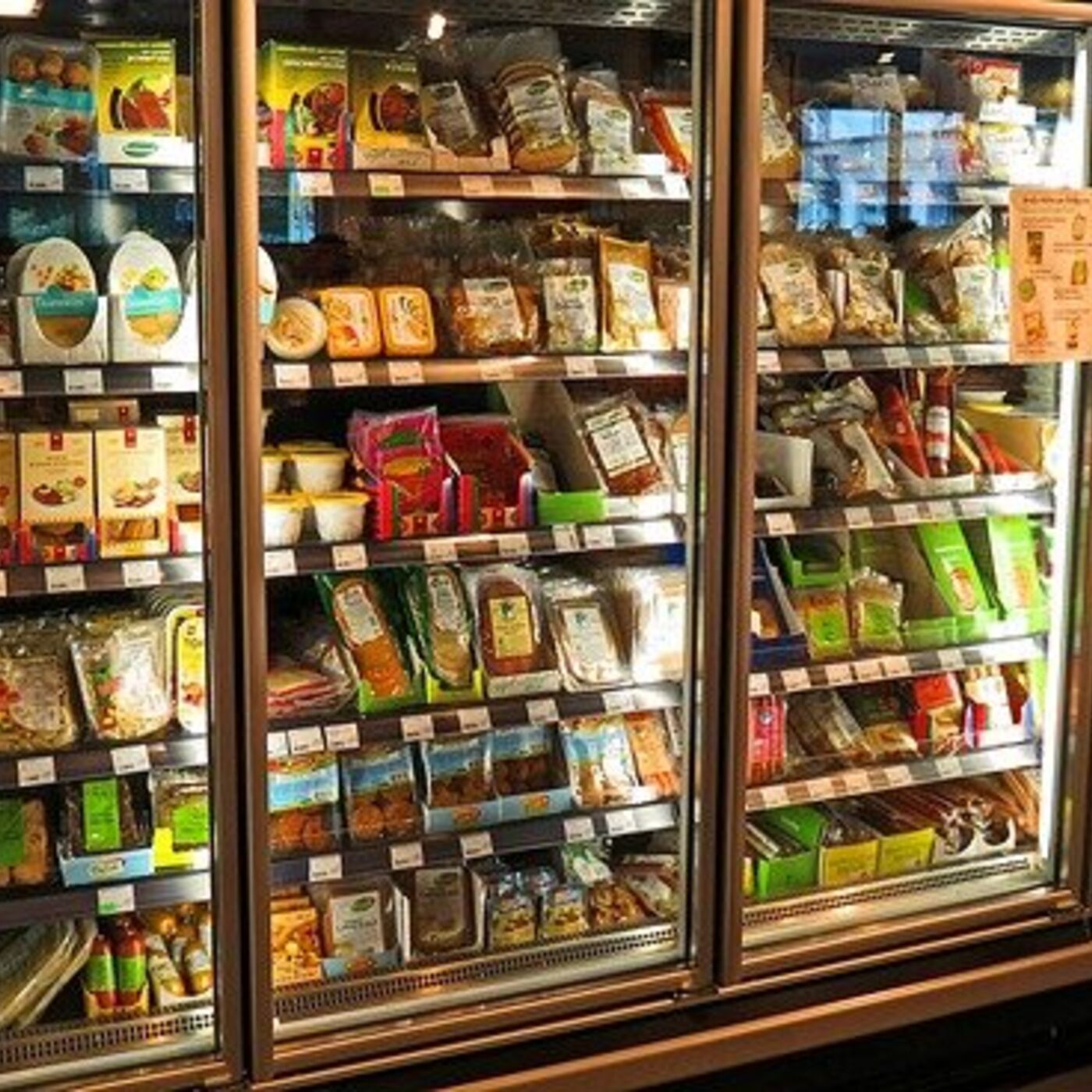
Ep 3How Much Should One Person Be Allowed to Use
This episode is focused on our consumer culture, the affects that it has on all of us , as well as the environment. In the end I point out how this type of culture is just not sustainable. In summary, here is what will be discussed: 1) The rise of consumerism 2) The pros and cons of a consumer society 3) How the consumer culture got us where we are today 4) How the consumer culture then became a slippery slope 5) A comparison between countries of the rate of resource consumption 6) An introduction to the concept of the "2000 Watt society". 6) A real life example of how it is possible to have a high standard of living while consuming very few resources. The bottom line is that our consumer society is not sustainable. We manage to out strip the Earth's resources by 50% each year. We constantly purchase more than what we need and even live under a crushing load of debt in order to support that life style. And while we pursue the "good life", the United States comprises 5 % of the world's population yet we consume 25% of the available resources and produce 40% of the world's waste. If you listened to my last episode, you already know that some countries have a 40 year history of sustainable policy making. You also know that the "greening" of the economy is no longer theoretical. In the end, what we need is political measures in place to push our culture toward a sustainable future. My challenge for everyone at the end of this episode is to analyze your own life and look at the impact you have on the environment. Then, change that. The opportunity to build a sustainable future is before us right now. But, we have to act on that opportunity even if it is only on a personal level. For additional reading and resources, go https://off-grid-living-news.mykajabi.com/products/adventures-in-sustainable-living-podcast/categories/4137780/posts/13892788
Ep 2The Most Sustainable Countries
002-The Most Sustainable Countries_FINAL - 9-13-20 5.12 PM [00:00:00] Welcome to the adventures and sustainable living podcast. Your host has lived an off-grid sustainable lifestyle for over 20 years. His homestead is run on solar energy. It has an earth shelter, greenhouse and produces much of his own food. And all of this takes place in the middle of the forest and Colorado. Now let's join Patrick. The man that not only teaches the skills of sustainable living, but lives that life every day. Hello everyone. And welcome to the Adventures in Sustainable Living Podcast. This is episode two and it is called The Most Sustainable Countries. This is your host, Patrick. Keith, if you listened to episode one, Then, you know, that it was simply an introducPon to [00:01:00] the podcast and where I want to go with various episodes. But I also menPoned in that last episode, that episode two was going to be about enPre countries that have achieved a significant level of sustainability during my research for this episode. You know, I just want to share with you that I came across a really exciPng even startling informaPon about several different countries that are moving toward sustainability. But I also realized that aVer 20 plus years of living off the grid, And developing a sustainable lifestyle. I was also amazed at all of the things that I sPll do not know. And it was only aVer my research for this episode that I came to a full understanding of several very important things. And that's part of what I want to share in this episode. For [00:02:00] example, I discovered what it actually takes to move an enPre culture towards sustainability. I also realized and discovered even more reasons as to why we should be concerned about sustainability and in looking at it and showcasing these countries that I'm going to discuss. I realized that these countries are actually some of the smaller countries in the world. So I asked myself the quesPon. Is it possible for a larger country, such as a country, the size of the United States to actually move toward sustainability. So I want to address that quesPon as well. And also in looking at some of these smaller countries, what are some lessons that we can learn from these countries? And you know, I think we lose track somePmes of the fact that what we do as individuals actually really ma[ers. [00:03:00] And it also wanted to touch on that. And I'm also going to have to admit some. Things that I discovered about my own lifestyle that I needed to change, and I did make those changes. And finally, in the end, I want to, once again, give you an important takeaway. And also this Pme, I want to give you a free resource that I put together that will truly help you live your life the way you want. So you want to learn these things. And much more then sPck around through the enPre episode. So that being said, let's get right down to business because we really truly have a lot of things to cover. So iniPally in this episode, I really wanted to answer some, just some very basic quesPons about what is sustainability, how did it all get started? What does it mean? Why should [00:04:00] we worry about it? And of course, how it applies to all of us. The, the concept of sustainability really, truly affects every single thing that we do on a daily basis. For example, how you choose to get to, and from your place of employment, what products you buy, it affects your garden and affects what you choose to eat. Uh, how, and when you take a shower, how much electricity you use. And these are some of the things I just want to point out on this episode, but what I've found in my research, I found it really very interesPng that this concept of sustainability or the modern movement of sustainability really, truly started fairly recently. And it first appeared in 1987 in what's called the brute brute lend report it to be yeah. R U N D T L a N D. it's [00:05:00] also called the reports also called our common future, but, I'll have a link to this report in, the blog posts that's associated with this podcast. But anyway, this country was produced or this report was produced by several countries for the United naPons. And it was produced by a commission that was led by dr. Grill Harlan Fruitland. And in this report, this term of sustainable development was used for the first Pme and gives us an understanding of. What that means for all of us today, but the report came about due to an overriding need to understand the impact that human acPvity was actually having on the, on the environment. And in this report, sustainable development was defined as. [00:06:00] MeePng the needs of the present without compromising the ability of future generaPons to meet their own needs. And that folks that is the underlying concept of sustainability. So very simply put sustainable living or sustainability means. Reducing your demand for natural resources and replacing what you can then to the best of your ability. And ulPmate susta
Ep 1Introductory Episode to Adventures in Sustainable Living Podcast
This episode is an introduction to the podcast. I introduce myself and discuss how I practice what I teach. I grew up with two working farms and presently live a sustainable off the grid life on a full time basis. This means I not only discuss sustainable living, it is how I live every day.I also discuss what my listeners have to look forward to in up coming episodes. The topic of sustainable living is very diverse. I plan on bringing in multiple different experts in a variety of fields to prove that sustainable practices involves everyone. I want to also show that sustainability can be practiced even if you live in the city. This episodes ends with giving my listeners two challenges. Then I offer a brief preview of the second episode. I also offer for my listeners to visit my blog: offgridlivingnews.com.