
Adventures in Sustainable Living
275 episodes — Page 4 of 6
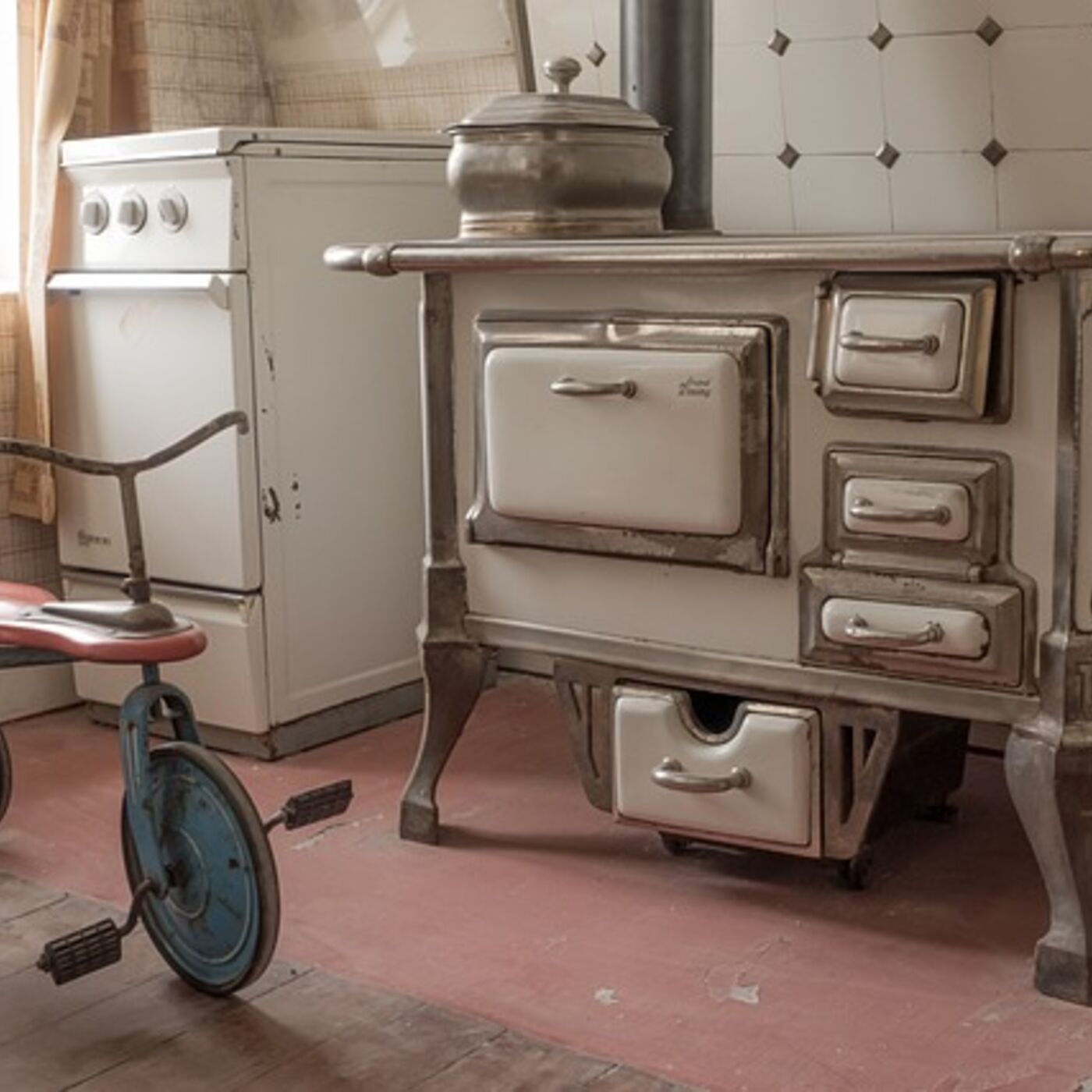
Ep 125Fourteen Ways to Cook Without Using Your Kitchen Stove
Adventures in Sustainable Living Podcast Episode 125 14 Ways to Cook Without Using Your Kitchen Stove An important part of living sustainably is being prepared for the unexpected. In my last episode, I discussed the basics of food storage. In this next episode about being prepared, I want to discuss a second important skill. Imagine a scenario where a major storm comes through your area and the utility grid is non-functional for days to weeks. Numerous trees are down and blocking the road. It is impossible to make it to a supermarket. In fact, you cannot even make it out of your driveway. How do you think you would manage to cook your meals when your house is completely run off of electricity? In this next episode about being prepared, I am going to share with you 14 ways to cook without using your kitchen stove. Welcome back everyone to the Adventures in Sustainable Living podcast. This is your host Patrick and this is E125 which is called 14 Ways to Cook Without Using Your Kitchen Stove. You must know from the outset that I love a good challenge. Along with me there are other that relish the idea of going off grid. Others would never even think about it. However, when a major storm rolls through your area and cuts off all basic utilities, you are now off grid whether you like it or not. Learn From My Experience of Cooking Without My Stove I have experienced such a scenario multiple times in my life. This is because I’ve lived in several areas that are prone to severe weather. But because I was prepared for such events, being off grid was only a minor inconvenience. Each time it was similar to having a camping trip except for the fact that I was still at home. It was simply another opportunity to practice my camp cooking skills. If you watch the news then you know very well how many times a year this type of situation arises. Each and every time it does, there are thousands of people completely unprepared. They expect someone to come and rescue them instead of taking the initiative to be prepared to manage things themselves. However, if you are adept at camp cooking, have emergency supplies at home, and are prepared to be off grid, such events are simply a minor inconvenience. In the event of an emergency, you may be without utilities and forced to be off grid for several days, even weeks. Knowing how to prepare meals using something other than your kitchen stove will make the difference between eating a cold meal, a hot one, or maybe nothing at all. Take the time to learn the basics of camp cooking and even practice your new skill and there will come a time when you will be happy that you did. 14 Methods of Cooking Without Using Your Kitchen Stove There are several ways to cook meals without using your kitchen stove. Some of these methods require little or no equipment while others will require a small financial investment. Most importantly, whatever method you choose it is in your best interest to master an alternative way of cooking before you actually need it. Better yet, have several alternative means of cooking at your disposal. If you spend time outdoors then campfire cooking is nothing new to you. If it is, then take the time to learn a new skill. Now, I am only going to cover each one of these methods very briefly. There is a lot more detail than what I am discussing. So, please take advantage of the transcript for this episode and/or follow the link to the related blog post. I am just going to attempt to give you the basics in this episode. Cook Over an Open Fire For most campers and backpackers, cooking over an open fire is the highlight of the day. If done correctly, food tastes even better than cooking in you kitchen. However, if you are not adept at this skill, it will take some practice. Knowing how to build a cooking fire and using the right utensils makes the job so much easier. In fact, with the right tools, you can cook most anything over an open fire. Be sure to place your fire pit in a protected area, have the proper fuel, proper utensils, and have plenty of water available. Now, there is a lot more detail to it than this. So, please refer to the transcript for this episode. The bottom line is that if you want to do this on a regular basis then construct a permanent fire pit and it will make you life a bit easier. Tips for Campfire Cooking Practice, practice Just like any other skill, camp cooking takes practice. Keep a good stack of kindling and dry, seasoned wood around just so you can practice cooking over a fire. The next time your skills are put to the test by being off grid without a choice, you will not be the least bit intimidated. If you have a place of your own, I would suggest setting up a permanent fire pit. I’ve had one for many years and it gets used on a regular basis. Some great tips of help you be successful: D
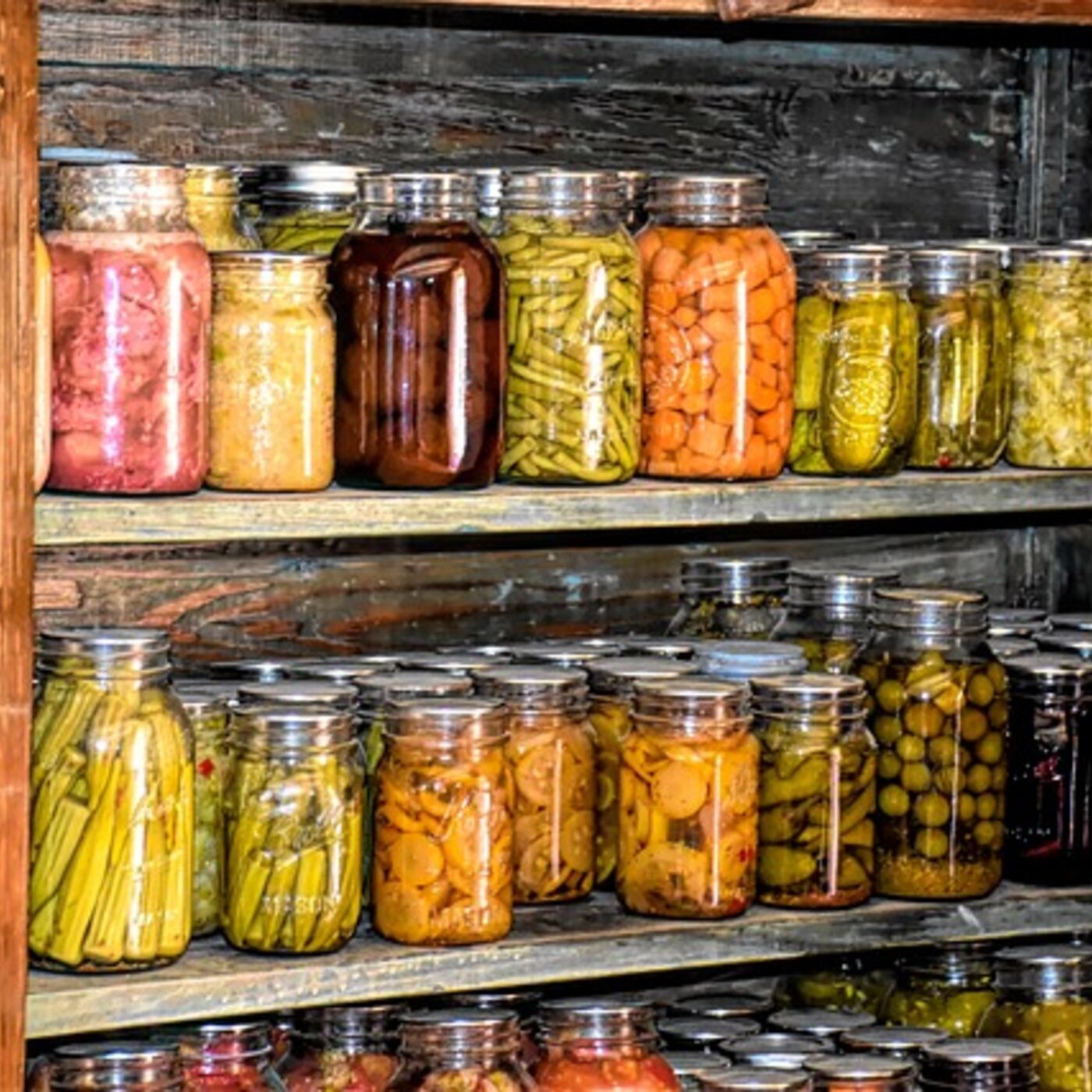
Ep 124How to Start Your Food Storage Plan
Adventures in Sustainable Living Podcast Episode 124 How to Start Your Food Storage Plan In this weeks episode I want to discuss a very important principle involving personal sustainability and self sufficiency. It is something very easy to do and it will give you a great deal of personal security. Yet this is something that most people over look especially in our modern culture. But it is my personal opinion that the structure and convenience of our society actually robs us of our personal security. We are so accustomed to having anything we want anytime we want that it tends to produce a false sense of security. We no longer think in terms of keeping extra supplies within easy reach because everything is always just at our finger tips. So join me for E124 How to Start Your Food Storage Plan Welcome back everyone to the Adventures in Sustainable Living podcast. This is your host Patrick and this is E124 which is called How to Start Your Food Storage Plan. I realize that this may seem like a very boring topic sort of like practicing fire drills, tornados drills, carrying survival gear, and other safety related practices. It is because most of us know that true emergency situations do happen in the world but most of us think it just doesn’t happen to us. But let me just say that there are numerous studies that prove when an emergency situation does arise people are going to resort to the very things that they have learned and practiced. For example, most of you likely know that I am an active scuba diver as well as an instructor. After diving for over 10 years, I can tell you that putting on a tank of oxygen, a regulator, mask and breathing under water is actually quite simple. But what are you going to do if something goes wrong? After being a practicing veterinarian for over 25 years, most people look at some of the routine surgeries that we perform almost daily and they always think that anyone can do that. While it may be true that most surgeries that we perform are not technically difficult, what are you going to do if something goes wrong? In both of these situations, you are going to immediately resort to your training, back ground experience and the things that you have practiced. That is why during instructor training you go over safety exercises again and again, and again. That is why as a veterinarian you learn medical rescue measures and CPR again and again and again. This is so that in the unlikely event that a true emergency does happen, you are prepared. The same is true with carrying survival gear. I keep a small back pack with survival gear in both of my vehicles and have done so for over 30 years. Yet during that time I have only needed it twice. In both of those cases I got stranded somewhere in below zero temperatures when no one knew where I was. Had I not been prepared, I would have become a human popsicle. At any point during the winter I may be forced to walk the last mile to the cabin in blowing snow and below zero temperatures. Consequently, I stay prepared. Certainly part of my mentality is influenced by how I was raised and who raised me. I grew up with two working farms in the family. We always had a large walk-in closet that was well stocked with home canned goods, extra dry goods, and other basic supplies. This was a normal part of being self sufficient. What I do is also influenced by where I presently live. The cabin is somewhat isolated. The nearest supermarket is 22 miles away. Consequently, in the event of a major snowstorm attempting to go to the supermarket is that last thing I should be doing. But if you think the convenience of living in the city improves your chances of last minute access to needed supplies, think again. There have been numerous times during my adult life where I have gone to the supermarket before or after a severe weather event. I went there because I wanted something very specific not because I truly needed anything. I walked into total chaos, empty shelves, and people literally pushing each other out of the way. My response was to simply turn around and go back home. So just give this some thought for a moment. By now I am certain that everyone of us has seen numerous media accounts of natural disasters, hundreds if not thousands of people suddenly rendered homeless, and people stranded without food or fresh water. If you and your family happen to be the ones that are prepared for such things, it will help to take a bit of strain off of the rescue workers. What a relief it will be to them if they find one family that they do not have to worry about. In my opinion having extra supplies around the house is a simple and effective insurance policy. It serves as a back up in th

Ep 123Mastering the Sustainability Mindset
Adventures in Sustainable Living Podcast Episode 123 Mastering the Sustainability Mindset One to the fundamental principles related to being self sufficient is that first and foremost you have to accept that you are ultimately responsible for everything that you choose to do and everything that you choose not to do. The same is true when it comes to being sustainable. We first have to accept that every single thing we do has some sort of an impact. Once we realize that, then we have to accept that responsibility. After all the choices we make, what we eat, the house we live in, the vehicle that we drive, and how much we travel all makes a difference. But why is it that more people do not have this mind-set? And that is the topic of E123 Mastering the Sustainability Mindset. Welcome back everyone to the Adventures in Sustainable Living podcast. This is your host Patrick and this is E123 which is called Mastering the Sustainability Mindset. And that in a nutshell is the topic of this podcast. I am going to discuss six different things that can prevent you from having a self sufficient and sustainable lifestyle and how to overcome those things. Furthermore I want to focus on what it takes to have the correct mindset so that everything you do is done with sustainability in mind. But, truly it is a matter of having the right mindset. Now, just to illustrate a point I want to first talk about two different people with two different mindsets. One person is wealthy and that is a guy named Jim. The other guy grew up relatively poor and his name is John. Now, these are real people that I know on a personal basis. I have just changed their names to something arbitrary. So, let’s start with Jim. Now Jim had an easy start in life from the very beginning. His family started a very unique yet very successful advertising business. Needless to say when Jim was growing up his family always had plenty of money. They had nice cars and plenty of free time for vacations. By the time Jim had become an adult he had never had to work a single day in his life. He simply lived off the family business. He purchased an 6000 square foot house with a very large garage for his collection of expensive cars. The house he purchased was on a dirt road and the driveway to his house is about 100 yards long. Since he did not want to have to plow snow in the winter, he had heating elements installed underneath the drive way and had asphalt placed over that. And since he drove nice cars, he even paid to have the dirt road paved with asphalt so he would not get his cars dirty. He also paid someone to come in and clean the house and cook meals for him. But John is the exact opposite. John grew up in a family that was somewhat poor. Growing up he never really did without anything but they never had that much extra money either. There were 6 people in the family and the house they lived in was about 1000 square feet. Eventually, his Dad paid to have the carport closed in so that the family would have more room. By the time John was 6 years old, he was helping his grandfather on the family farm. By the time he was a teenager, he would often spend the entire summer working the farm because this supplied the family with a great deal of food. They also kept a large garden, shopped at farmer’s markets and did a lot of home canning. After John was an adult, he did manage to purchase a few acres of land where he kept a large garden and raised some small livestock. In the end he was able to establish a very comfortable lifestyle where he always had more than what he needed. But his lifestyle remained to be very basic and there was never any display of excess. Now, just as a reminder, these are real people and their personal circumstances are just the way I have described. But because of how they were raised and how they continue to live, it is easy to understand that they have very different mindsets. Jim would never even consider getting his hands dirty in a garden or working in the barn. John could never understand why anyone would need to live in a 6000 square foot house and would consider the heated driveway a complete waste of money and resources. What this story illustrates is that your social identify and economic status changes how you practice sustainability if you do anything about it at all. But this also brings up another good point. One of my favorite books that I’ve read recently was written by Simon Anholt. The book was called The Good Country Equation: How We Can Repair the World in One Generation. In fact, E20 of this podcast was titled A Good Country and was inspired by Mr Anholt’s book. But, in his book he stated that his father would often say to him, “Check your privilege.” So, the bottom line is that our social identity, our economic status, and our level of privilege plays an important role in our perception of t
Ep 122Working Together: The Fastest Way to Our Green Transition.
Adventures in Sustainable Living Podcast Episode 122 Working Together The Fastest Way to Our Green Transition In the last few episodes I have discussed several topics relating to how our transition to a more sustainable economy will have a direct impact on everyone. These topics have included electric vehicles, an environmentally friendly economy, renewable energy and total decarbonization of our society. There is nothing about our lives that will go untouched. Obviously there are numerous barriers to making this transition. And certainly there will be a lot of resistance due to big business protecting their self interest. However it is completely possible through individual and community action that we can move forward toward a more sustainable future. And that is the focus of E122, Working Together, the Fastest Way to Our Green Transition. Welcome back everyone to the Adventures in Sustainable Living Podcast. This is your host Patrick and this is E122 which is called Working Together, the Fastest Way to Our Green Transition. What I want to focus on in this episode is a very simple and often overlooked way to our sustainable future. It is called working together. If you have listened to my last several episodes then you know that despite the tremendous need for us to transition to a sustainable economy there is going to be considerable resistance and a significant number of barriers for us to overcome. If you listened to E121 then you will remember that I talked about a report that was put together by the Columbia University’s Sabin Center for Climate Change Law. That report discussed opposition to renewable energy projects and detailed 121 local polices and 204 renewable energy projects that were being contested between 1995 and 2022. Opposition to renewable energy projects typically included local laws that delay or restrict renewable energy, moratoria or bans on renewable energy development, and zoning changes designed to block projects. In most cases, this attitude of “not in my backyard” successfully delay, scaled down, or resulted in complete cancelation of the project. Well in this episode I am going to present to you the exact opposite attitude. While it may be true that it is impossible to fight the government and equally as difficult to fight big business, there is a way that we can accomplish what we need without going head to head with the super powers that have billions and maybe even trillions of dollars, euros, pounds, pesos, or whatever it may be. It is called the power of the people. If you remember the three pillars of sustainability are people, planet, and profits. I believe that the planet will get along just fine without people. But it is the people that make up the society, the culture, and the economic forces that drives much of what we do and how we live. And in the end, I truly believe it is the common everyday person that will make the difference when it comes to building a sustainable future. Margaret Mead, who was a cultural anthropologist and frequent lecturer in the 1960s and 1970s once said “Never doubt that a small group of thoughtful and committed people can change the world. Indeed, it is the only thing that ever has.” And yes it is that simple in some respects. Or perhaps I should say it is simple but not easy. If you have been following me for some time and enjoying the podcast then you know that I have a tendency to be a very independent person. That is probably not too much of a stretch for you to believe because I have lived off the grid for so many years. Anyway, you have likely heard me say before that as long as someone else is in control of your resources they are in fact in control of your life. That is the very reason I am so much in favor of being in charge of as many of my own resources as possible. For example, the local utility company wanted to charge me an exuberant amount of money to run electricity to my cabin. My initial response to that was to learn to live without electricity. But eventually I set up my own personal power station in the form of a solar array. I got around the exuberant expense associated with dealing with the utility company by taking charge of things myself. So, while we all wait around for government and big business too adjoin from their never ending board meeting and actually accomplish something, there are a lot of things we can in the mean time to be quite productive. And those things will be accomplished by working together. In this episode I want to give you a number of different examples where local communities have taken matters into their own hands to accomplish some rather amazing things. Not only that, I want to also give you some examples of how businesses and local communities have worked together t
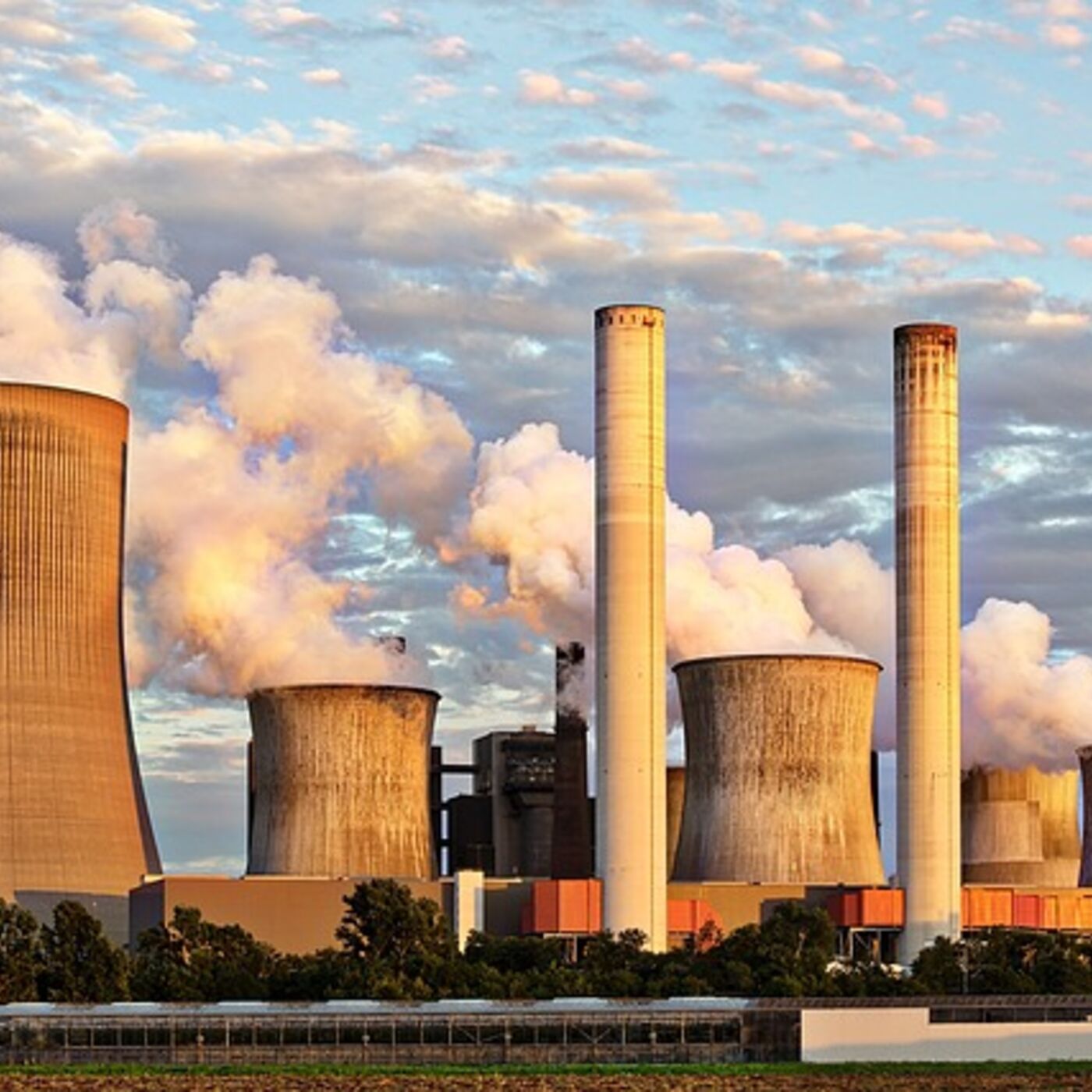
Ep 121How Decarbonizing Will Affect Affect Everyone of Us
Adventures in Sustainable Living Podcast Episode 121 How Decarbonizing Will Affect Everyone of Us Certainly by now we are all very familiar with the subject of climate change. We hear about it everyday. We witness extreme weather events on a regular basis. We see the devastation and loss of life and property. I think we can all agree that climate change is by far the most profound challenge of our time. It affects us as individuals, it affects businesses, and it affects governments around the globe. No one has been spared of the effects of climate change. But there is away to halt this process and prevent a true global disaster. It all depends on one concept: decarbonization. But what exactly does that mean and how will it affect our daily lives. And that is the focus of E121, how decarbonizing will affect everyone of us. Welcome back everyone to the Adventures in Sustainable Living podcast. This is your host Patrick and this is E121 which is called How Decarbonizing Will Affect Everyone of Us. As I stated above, we hear so much about climate change on a day to day basis. We can no longer escape this reality and we can no longer live in denial. We have to do something or we will eventually face a global disaster. We are past the point of easy and we are going to have to make some difficult choices. There needs to be a fundamental shift in what we do, how we run our daily lives, how the economy functions, what we eat, what we drive, and how we live. The answer hinges on one word: decarbonization. What I want to accomplish is this episode is to take a close look at what that means and how it will affect what we do on a daily basis. I think by now decarbonizing our economy is something that we all know needs to happen right alone with our shift to renewable energy sources. But it is going to result in a fundamental shift in how we run our lives and most people do not like change. When most people find out that I live 100% off the grid, they always have numerous questions. I often point out that I do have many of the same modern amenities in my life but I just do things differently. My lifestyle is the result in a fundamental shift in what I do everyday. The same is true for decarbonizing our economy. It will require a fundamental shift in what we do everyday right down to the choices we make. For example, if you knew from day to day that you only had a limited amount of water, or a limited amount of electricity, how would that change what you did everyday. If you know there was the possibility that you would run out of water or electricity because you only had a specific amount to get you through the next 24 hours, how would that change what you did? Well, I think the answer is straight forward. You would be mindful of every single thing you did. You would be mindful of how you used your resources from day to day and would make absolutely certain you did not waste anything. Well, that is what it will be like as we move to decarbonize our economy. Making such a shift will result in sweeping, sustained changes over several decades and it will affect everyone of us. It will change our entire economy and have a significant affect even on the job market. But before I get down to discussing that, I want to state two things that should be quite obvious by now. It is common knowledge that human activity results in CO2 emissions, or green house gases, and that is the primary cause of climate change. Approximately 75% of our green house gas emissions is the result of energy production primarily through the burning of fossil fuels. Also, the first seminal paper on climate change was published 125 years ago and we have essentially done nothing. By now it is common knowledge that climate change has developed into a true emergency because we have lived in denial. Lack of food, water scarcity, and climate migration is very real and will have a devastating global impact if we do not change our ways. So how do we change our ways? What is it that we need to do and how will it impact everyone of us? As I stated above, this whole transition hinges on one word: decarbonization. This is a fundamental concept that needs to be imbedded in our brains because decarbonizing our economy has a very real potential of halting climate change. So what does that mean exactly? Decarbonization is simply the process of reducing the amount of carbon dioxide that is released into the atmosphere. The end objective is to produce a low-emission global economy. By doing so we can reach climate neutrality and potentially halt climate change. Humans have been burning fossil fuels primarily for the reasons of economic development. This is evident if you examine any emerging culture. As the culture improves so does the st
Ep 120Why Do We Not Use More Renewable Energy?
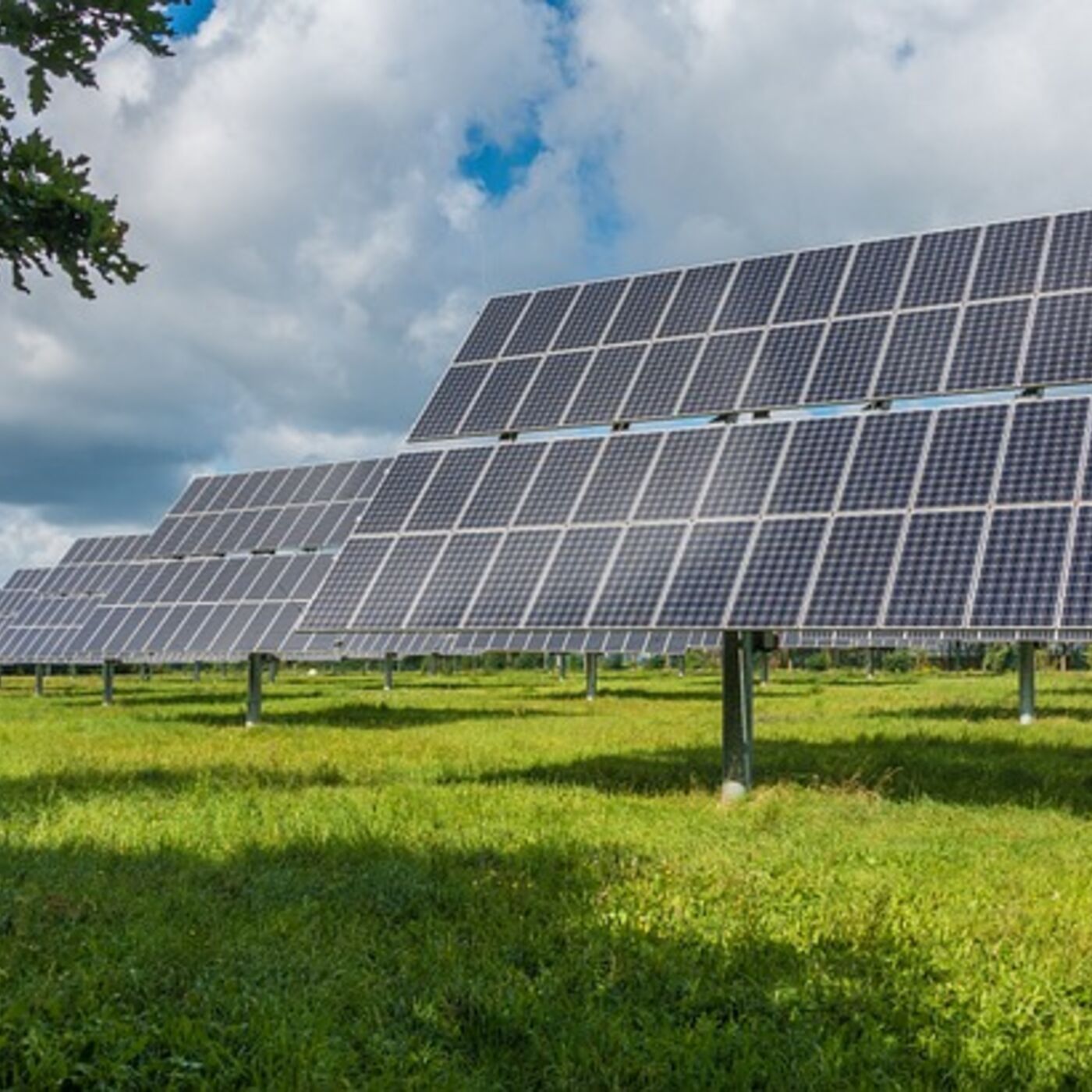
Adventures in Sustainable Living Podcast Episode 120 Why Do We Not Use More Renewable Energy? The cost of solar energy has declined by more than 80% over the last 15 years. This is the very reason that my entire homestead has operated solely on solar energy for the last 6 years. Based on what my friends pay for electricity on a monthly basis, my solar electric system paid for itself in about 2 1/2 years. The amount of solar energy that hits the planet Earth in one day is enough the replace all the coal, natural gas, and oil that the entire planet uses in one year. Obviously we have the ability to power the entire world off of renewables but why is that not being done? And that is the focus of this episode. Why do we not use more renewable energy? Welcome back everyone to the Adventures in Sustainable Living Podcast. This is your host Patrick and this is E120 which is called Why Do We Not Use More Renewable Energy? What I want to focus on in this episode is the challenges and barriers to widespread implementation of renewable energy. Despite the fact that it is possible to run the entire planet on renewables, why are we not doing it. And at the end of this episode I am going to tell you exactly what you can do about that. Now you may find it hard to believe that I lived almost entirely without electricity for almost 20 years. When I first purchased my homestead property in 1996, there was very little development in the community where I lived. Even today, the property is still quite isolated. When I first looked at this property I knew immediately it was exactly what I have been wanting for many years. I went way out on a financial limb to buy the place because I was only one year out of school. The local utility company wanted to charge me $30K to run electricity up to the property. That was far beyond what I could afford at the time. Besides, my first priority was to build a cabin so that I had a place to live. Initially I had basic lighting using kerosine lanterns. Shortly thereafter I installed propane and gas lights. I then built an underground cellar which was a reliable means of refrigeration without electricity. It also provided bear proof food storage. I had a propane cook stove and a gravity fed shower system. Eventually I purchased a few inexpensive solar panels to charge a small battery bank. I used those batteries to power some lights so at least I was not using the propane lights anymore. Knowing that the price of solar was declining rapidly, I decided to install a full solar array. One of my biggest challenges was the fact that I knew nothing about electricity. Quotes that I received simply for solar installation was $15K and that did not include the equipment. But I tend to have a rather determined nature so I starting looking for information online so I could do it myself. I ended up going to Georgia to take a rather extensive class in solar design and installation. Upon my return, I worked directly with a solar company, purchased all needed equipment and did the installation myself. Total investment including the cost of the class was about $12K USD. Needless to say, my entire lifestyle changed because I now had electricity. I now actually had a regular refrigerator and freezer and full lighting throughout both cabins. I reduced my dependence on propane by more than 80%. I now had a stand alone completely independent, off-grid source of electricity. At this point whenever I heard people complaining about their loss of electricity because of the latest storm, it just made me laugh. But at the same time I would often wonder why is it that more people did not take advantage of renewable energy and do exactly what I was doing. After all, it is entirely possible to run your home off of renewable energy. In fact, between solar, wind, and hydroelectric, the United States has enough natural resources to produce 6 times more electricity than is needed to run the entire country. A solar array taking up 21,000 square miles would produce enough electricity to power the entire United States. While that may sound like a lot of land it is actually less than 1/2 of one percent of the available land in the United States. And this could be accomplished with the technology that is available today. It is not going to require some miraculous break through. So why is it that we do not use more renewable energy? This type of energy technology is becoming better, cheaper, and easier to access every year. Yet renewable energy sources only supply about 20% of our global energy consumption. Well the master electrician that taught my solar electric class told me that grid tied solar electricity systems were easy. These are systems that produce electricity during the day and rely on grid power at night. However, stand alone off grid systems were much

Ep 119The Challenges of Transitioning to a Green Economy
Adventures in Sustainable Living Podcast Episode 119 The Challenges of Transitioning to a Green Economy It is one thing to say that we need to transition to a green economy and quite another to actually make it happen. While it seems as if everyone on the planet knows it needs to happen why is more not being done? Why is everyone still sitting on their hands. We also know that we can no longer have an economic system focused on capital accumulation because this is not sustainable and it allows corporate profits to prevail over the well being of people and the environment. While there are obvious benefits to a transition to a green economy, there are also challenges. And that is the focus of episode 119, the challenges of transitioning to a green economy. Welcome back everyone to the Adventures in Sustainable Living Podcast. This is your host Patrick and this is E119, The Benefits and Challenges of Transitioning to a Green Economy. This is actually part two of several episodes where I am going to examine various aspects of our transitioning to a green economy. Part one focused on the pros and cons of electric vehicles. This episode will examine this transition from a more broad perspective. There are numerous aspects of our economic system, infrastructure, transportation, agricultural production, housing, and energy production that will have to be changed in significant ways in order to make this actually happen. Imagine for a moment the effort it would take as an individual to transform every single aspect of your life to something more sustainable. This would be a lifestyle that is waste free, a life where all your energy needs are generated from renewable sources, you had no plastic in your life, all your food came from healthy organic sources, and you did not even own a gasoline powered vehicle. You know very well this would take time, effort, and a lot of attention to every detail of your life. I know this because I have lived off the grid for over 25 years and I am still finding ways to make improvements. Now imagine what it would take to make this same transition for an entire nation. While such a transition may appear impossible or improbable, there are entire communities, cultures, and indeed entire countries that have already made this transition. And to prove that I want to give you three examples of communities and countries that have accomplished some very amazing things. Kamikatsu, Japan In 2003, Kamikatsu became the first municipality in Japan to issue a zero waste declaration. This meant that all the waste produced by the community had to either be recycled or reused in some way instead of going to the landfill. Residents separate recyclables into 45 different categories. They also wash containers at home to eliminate any residues or food that could contaminate the recycling process. The community has a large recycling center which was largely built from recycled material. There is also a free store where residents can leave and take items that are still usable and do so for free. In 2016 this small community recycled 81% of its waste compared to a national average of only 20%. This community has set a high standard and has also served as a prime example for other communities. This small little community in Japan has given us all a peek into a zero carbon future. Norway Norway discovered oil in the North Sea in the late 1960s. Soon after their discovery of oil, Norway formed the Ministry of Climate and Environment. After several international incidents, this ministry recognized that global climate change was one of the greatest threats to future generations. Consequently, Norway initiated a series of changes and commitments and is now a world leader in sustainable energy. 97% of Norways electricity production is from renewable energy. This is a combination of wind, solar, hydroelectric and geothermal energy. With so much renewable energy available, Norway is also a world leader in the use of electric cars. Norway holds 30% of the market share and nearly 1/3 of the cars sold in Norway are either fully electric or are plug in hybrid vehicles. City planners have also started an initiative for a car-free city life. The government closed down street parking and limited traffic in order to make room for benches, bikes, block parties, and many other things that make people happier and to make the air cleaner. There are many restaurants in Oslo that prepare organic meals based on local and organic produce. Also, not far from the Oslo Central station is a large community garden. And, there are many other projects in the works. Iceland The country of Iceland is another good example. At present day, Iceland’s national power
Ep 118The Pros and Cons of Electric Vehicles.
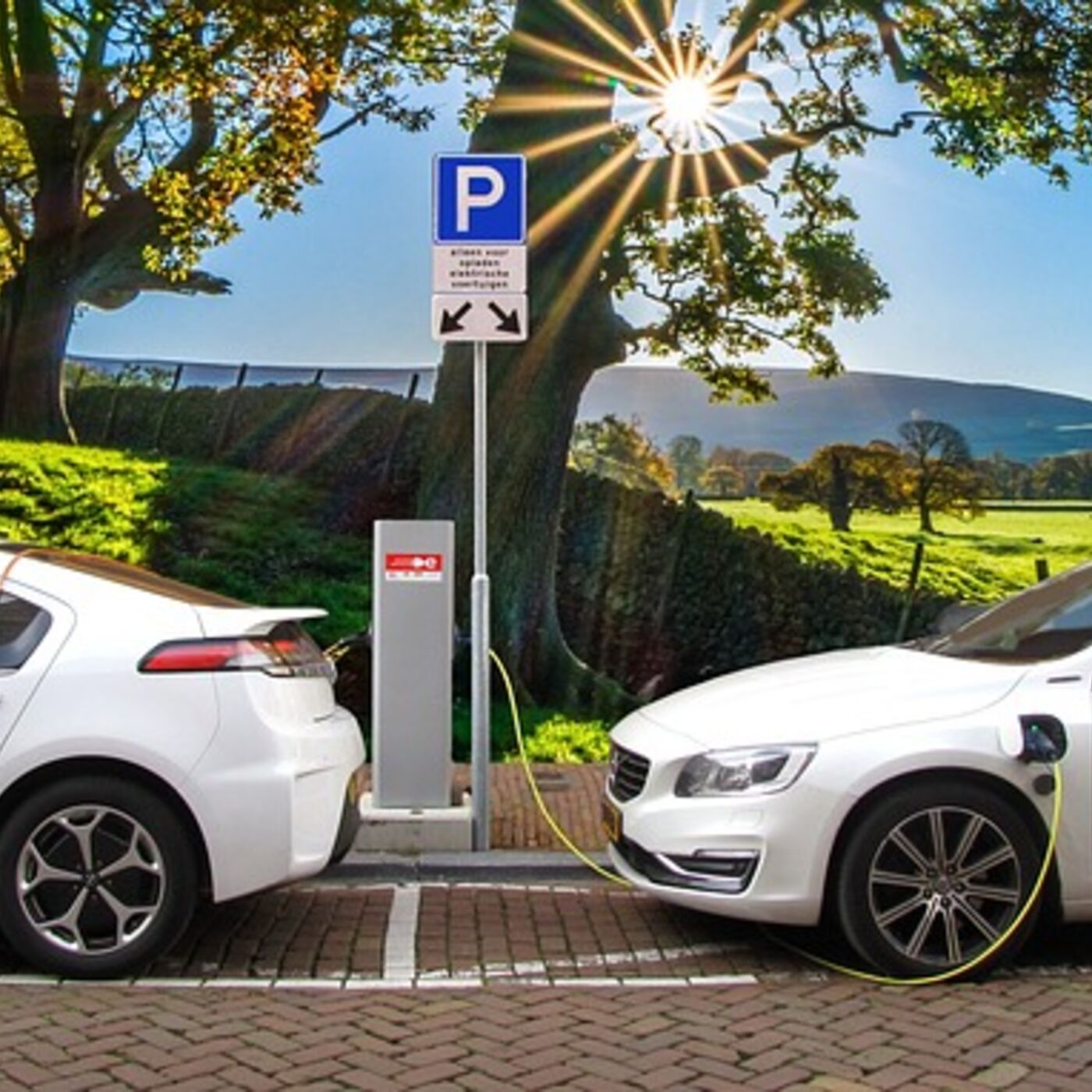
Adventures in Sustainable Living Podcast Episode 118 Are Electric Vehicles All Their Cracked Up to Be Every single thing we do produces some sort of environmental impact. The one area in our day to day lives that produces our largest footprint is how we travel. Personal vehicle ownership is common place around the world and vehicle travel has increased substantially over the last 70 years. But as the world makes headway on our transition to a more sustainable lifestyle, there is a pressing movement to do away with gas powered vehicles. Consequently these days we hear more and more about electric vehicles. But are these vehicles all they are cracked up to be. Or is their production just the next oil? Stay tuned for E118 where I will give you the pros and cons of electric vehicles. Welcome back everyone to the Adventures in Sustainable Living podcast. This is your host Patrick and this is E118 which is called The Pros and Cons of Electric Vehicles. In the next several episodes I am going to discuss several topics regarding our transition to a more green economy. One of the largest objectives that several world governments have is to phase out gas powered vehicles. In this episode I want to give you the basic run down on the movement toward electric vehicles, which I will refer to as EVs. There are obvious pros and cons to these, which you will soon see. Additionally, the production of EVs has a much greater environmental impact that what people realize. Some will say that EVs are our salvation from the gasoline engine while others strongly point to the dark side of EV production. I really got to thinking about this in the past couple of weeks and questioning the truth behind many of the things I hear about EVs. I was recently impressed by a particular model when I was walking down an alley going to a local hospital when an EV went driving by and it hardly made a sound. Right off I would say that one advantage is that this type of vehicle runs very quiet. Price range But let’s first talk about the basic economics of an EV. I have long thought that there is no way I could every afford an EV just simply because of the purchase price. Gasoline powered vehicles these days are expensive enough. Presently, I think one of the biggest barriers is likely the purchase price of an EV. In October 2022 the average transaction for a vehicle purchase was just over $48K. At the same time, the average price of an EV was just over $64K. Some Tesla models are well over $100K. Additionally, this price does not include typical dealer markups. But one of the big advantages of an EV is that maintenance is a lot less expensive. There are few moving parts and no need for oil or filter changes. Travel Range The next concern about EVs is their average travel range. Most people think that EVs do not have enough range to take care of their daily needs. Presently, most EVs can go over 200 miles with a fully charged battery. Most models can go over 100 miles on a single over night charge. Distance traveled is affected by weather conditions. Cold weather can decrease your distance by as much as 40%. Driving distance is also going to be affected by using the air conditioner or the heater. However, this average distance of an EV is actually more than sufficient for the daily travel needs of the average household. Roughly 85% of households travel less that 100 miles per day and many people travel less than 50 miles per day. That said, there is enough of a concern about travel distance that some states are actually banning the sale of EVs. Wyoming is one such state. The concern is that much of the state is very rural and people typically have to travel long distances to go anywhere. In many respects this is a valid concern. Consequently, EVs are more suited for city driving where distances are typically shorter. But you also have to consider the recharging time. EVs need at least 30 minutes of charging time to go at least another 100 miles. When you compare this to the time it takes to fill up with a tank of gas, and the fact that most modern vehicles have a range of 400 to 500 miles between refills, gasoline powered vehicles have a distinct advantage of EVs as far as range is concerned. Charging Stations One other next biggest concerns about electric vehicles is the lack of charging stations. And this is something that I do wonder about because the area in which I live in Colorado I have only seen one charging station. So I started doing a little research. It turns out that there are over 56,000 charging stations in the United States. However, as of 2022 there were over 145,000 gas stations. As of August of 2022, there were almost
Ep 117Are Carbon Credits a Scam?
Adventures in Sustainable Living Podcast Episode 117 Are Carbon Offsets a Scam? It makes me happy when I hear more and more about the principles of zero waste, reducing carbon emissions, expansion of renewable energy, and the world moving toward a circular, sustainable economy. While this is encouraging, I also think we need to once again pay close attention and not accept things at face value. So many times we get distracted and even deceived by some that appears to be practical and valuable when the underlying truth is that real change is still not happening. Is this also true when it comes to carbon offsets? Are carbon offsets practical and effective or is it just another scam? So, hang around for episode 117. Welcome back everyone to the Adventures in Sustainable Living Podcast. This is your host Patrick and this is E117 which is called Are Carbon Offsets a Scam? If you listened to my last episode Will Greening Ourselves Result in Extinction then you know that I spent some time talking about all the things that big business and big government are doing to cover up the fact that they have no intention of reducing carbon emissions. Following that episode, I thought it was appropriate to discuss in further detail the nature of carbon offsets, how they work, and whether or not this truly addresses the reduction of carbon emissions or at least, according to big industry, the balancing of carbon emissions. What I want to do in this episode is to first present you will some basic facts about the sources of carbon emissions, programs designed to balance out those emissions, then give you opposing opinions on these issues. And finally I want to give you a real life example. Almost daily we hear something about the effects of climate change and as things become increasingly serious we are going to hear more frequently about possible solutions. What I what to do is give you a little mini course on what this is all about so that in the end you can make up your own mind. On a global basis there are five primary sources of greenhouse gas emissions: electricity and heat: 31%, agriculture 11%, transportation 15%, forestry 6%, and manufacturing 12%. Overall energy production accounts for 72% of our emissions. As the world community becomes increasingly focuses on finding solutions to climate change, climate-related policy changes and litigation are becoming more frequent world wide. It is now quite clear that the involvement of big business in reducing global emissions is unavoidable. In fact, sustainability is already becoming an integral part of business resiliency. Consumers are more aware of the situation and more frequently make decisions to patronize a business that is sustainable. Consequently, one of the more convenient methods that a business can be more sustainable is through carbon offset programs. Carbon offsets are actually valuable certificates that are issued when carbon is either removed or prevented from entering the atmosphere. That said, there are concerns about carbon offsets being just another means of “greenwashing.” This is a term that is used to describe a company that is masking its unethical behavior behind a a curtain of so-called green actions. On the other hand, carbon offsetting projects can actually promote meaningful environmental and social projects. So, what exactly is a carbon offset project and how does a company buy into these projects. So, the basis of these programs is that every ton of emissions reduced by some environmental project creates a carbon offset of a carbon credit. Companies can make direct investments in carbon offset projects or purchase carbon credits as a means of reducing their carbon footprint. The bottom line is that a company is investing in some sort of environmental project as a means of balancing out their emissions. Now, there are several ways in which companies, as well as each and everyone of us, produces carbon emissions. We directly produce emissions by driving our vehicles. Businesses produce directly emissions from the operation of company vehicles and their own factories. Indirect emissions are produced when we purchase electricity which is generated by fossils fuels. The same is true to businesses. We indirectly produce emission through the things that we purchase everyday. Companies produce emissions via their supply chains, shipping, business travel and the extraction of raw material necessary to produce their products. Since completely eliminating any sort of carbon emissions is truly not possible, a business as well as every individual can participate in carbon offsets. Type of Carbon Offsets Now, there are four major types of carbon offset programs than can be useful and beneficial in a number of ways. Conservation and Forestry One of the most popular is conservation and reforestation. Carbon credits are created by planting
Ep 116Will Greening Ourselves Result in Extinction?
Adventures in Sustainable Living Podcast Episode 116 Will Greening Ourselves Result in Extinction? It always seems as if someone is out to make a profit at our expense. We are repeatedly told we need this product or that one. We are told the more we have the better. The more we buy the better because it is the source of our happiness. Over the last two years our society and indeed the entire world has seen unprecedented changes. Many things have undoubtedly been forced on us without our choice. And just when it seems things are turning around for the better and there is a small glimmer of hope that people are paying attention to sustainable development, someone is still trying to make a profit. If you want all the sickening details, then stayed tuned for E116 Will Greening Ourselves Result in Extinction? Welcome back everyone to the Adventures in Sustainable Living Podcast. This is your host Patrick and this is E116 which is called Will Greening Ourselves Result in Our Extinction. In my last episode Consumer Beware, I discussed numerous things that we are never told about the products that we commonly purchase and use almost everyday. Following that episode, I thought it would be appropriate to discuss how some companies are positioning themselves to make a profit even as we try to save the planet. It is interesting to note that even big business is starting to pay attention to climate change but not in the way we really want. Climate change is truly upon us. It is going to require the intervention of big business, big government, and a whole lot of international cooperation in order to solve this global problem. But what you need to know is that even in the face of our ultimate demise, someone wants to make a profit. Instead of doing what really needs to be done, big business and big government are reaching for unproven methods and technologies the solve the problem of global warming. The more appropriate choice is work toward changing the underlying behavior that got us in this position in the first place. A few years ago a couple of investment experts even wrote a book for the Wall Street Journal called Investing in the Apocalypse. Maybe it is just the ugly side of human nature but it sure seems as if no matter what, even if the world is literally circling the drain, someone is focused on making a profit. And one such good example is the COVID-19 pandemic. First of all it is worth noting that before the pandemic, Big Pharma had been slowly backing out of the vaccine market for several decades. This is because vaccines are not a good profit center. Vaccines are used only once or twice and consequently this market does not have the best profit margin given the investment of time and money required to get these product to market. In essence the vaccine market has a limited shelf life. The other side of the coin is medications that people need on a daily basis is a profitable market year after year. In the midst of the pandemic the US government needed a means of convincing Big Pharma to get back into the vaccine market. Vaccines needed to be researched, developed, and marketed which of course takes huge sums of money. That money was eventually supplied by the government funded COVID-19 relief program called Operation Warp Speed. This program eventually paid out $22 billion. But underneath the surface of rushing to save humanity OWS was staffed at every level by Big Pharma executives, who were brought on board as contractors. What this means is that they were not subject to the conflict-of-interest rules that typically governs regular employees. Additionally, due to special exceptions they were able to make privileged investments which netted some of them millions of dollars. It is painfully obvious they profited millions of dollars in the face of the death of millions of people. But what you must realize is that someone is always going to make a profit under such circumstances. Pandemics, natural disasters, and wars are often good for business. For example, every time a hurricane devastates some coastal community local construction related contractors and home improvement stores rank in millions of dollars in profits. But the difference when it comes to climate change is that we are taking about a worldwide disaster. Even in the face of such catastrophe someone is still focused on making a profit. Over the last few decades, big business and government have wasted a tremendous amount of time denying that climate change even exist. But now that the science is painfully obvious, they have switched tactics. With this new tactic the very industries and organizations that are responsible for most of the carbon emissions are able to protect their profit margins while never changing their underlying behavior. By doing so the major polluters can continue poll
Ep 115Consumer Beware
Adventures in Sustainable Living Podcast Episode 115 Consumer Beware Have you ever known a person that seemed to have a conspiracy theory about almost everything? Every little thing that happens, they jump to the conclusion that some government plot or sinister group is responsible. But what if it turns out that some of these theories are true? What if there really was a conspiracy or a major coverup to avoid taking responsibility for their bad deeds. While I have never been a person to believe all the conspiracy theories sometimes it is quite obvious we have been mislead about the potential benefits or harmful attributes of a particular product simply for the financial benefit of someone else. If you want to learn more and find out how being informed helps you to be more sustainable then listen to E115 which is called Consumer Beware. Welcome back everyone to the Adventures in Sustainable Living podcast. This is your host Patrick and this is E115 which is called Consumer Beware. Right out of the gate I want to emphasize that I am simply not a conspiracy kind of guy. And that is not what I am attempting to promote here. But, what I do want to accomplish in this episode is to give you a few examples of times when we as consumers have been completely mislead by big business and maybe even the government. And the sole underlying reason for this is often financial gain. The end result of that is wastefulness, harm to the environment, as well as physical harm to consumers. But you can protect yourself by being informed. In then end, each step you take to protect yourself also makes your lifestyle more sustainable. But I want to start out by telling a little story about my new neighbor because I makes a point, albeit solely for the purpose of entertainment. After 25 years of living on the homestead property, the 40 acre lot next to me finally sold. After all this time of us living up on that mountain completely alone, the 40 acre lot next to me actually has someone living on it full time. He moved onto the property about 2 years ago. His cabin is about 300 yards through the trees and he is generally a very quiet guy. Most of the time, he rarely makes a sound and I start wondering if he is even there. The main thing I can say about the new neighbor is that he is definitely a conspiracy theorist. He feels as if the government is always watching him. He thinks the government is seeding the atmosphere with things that invade our bodies and will eventually control our minds. And he also thinks the birds are government spies. In fact Annette and I were joking about that the other day. We have these grey jays that hang around the cabin all the time because we toss food scraps off the deck and they are always scrounging. They are always around and always watching for the next opportunity for a free meal. Anyway, we always jokingly say “The birds are watching us again.” Anyway, all joking aside, I think there are obvious examples of how big business and even the government has tried to either cover up things or feed misinformation to the public simply because billions of dollars are at stake. Climate Change My best example of course is climate change. The first seminal paper on the possibility of climate change was published in 1896. By 1938 increases in carbon dioxide in the atmosphere was connected to global warming. And here we are 127 years later and people are finally paying attention. And yet there is still an enormous organized movement of climate change denial. What we repeatedly see is large corporations pursuing private gain and hiding information from the public. In order for this to be successful, big business coordinates public relations campaigns focused on propping up their own experts that deny their industry has contributed to harming public health. Furthermore, quite often big business has deep political connections with elected officials who stand to financially gain from protecting the corporation. It also doesn’t help that there are hundreds of elected officials in the 139th Congress that still deny the established scientific consensus that the Earth is warming. And I came across an astonishing study the other day. A study published in 2022 found that four major oil companies, Chevron, ExxonMobile, British Petroleum, and Shell, often used terms such as climate, low carbon, and transition, in their annual reports and often devised strategies around decarbonization. What this means is that their actions on clean energy were mostly pledges and these companies still focus on fossil fuels as their primary source of revenue. In particular, ExxonMobil climate scientist predicted with astonishing accuracy the climate damage that would result from
Ep 114Sustainability Means Being a Better Star Thrower
Adventures in Sustainable Living Episode 114 Sustainability Means Being a Better Star Thrower From the deck of my cabin I have a nice view of the mountains to the north and the east. This is the most common direction from which storms will move in toward the cabin. As we watch the distant ridges slowly disappear into the clouds we often jokingly say “Here comes the dark cloud of doom.” On one such day I was watching an approaching storm and contemplating the fate of humanity. The thought that occurred to me is the changes that truly need to take place to build a sustainable future will likely never happen unless there is a dramatic upheaval. Then I realized that all it would really take is for all of us to be a better star thrower. If you want to hear about how your individual action makes a big impact, then listen to E114. Welcome back everyone to the Adventures in Sustainable Living podcast. This is your host Patrick and this is E114 which is called Sustainability Means Being a Better Star Thrower. And that is what I was thinking about just the other day as I was sitting on my deck watching another storm moving in over the mountains. Quite often we hear the rain or see the approaching snow storm long before it reaches us. Sometimes it is a source of entertainment and sometimes we rush to put tools and equipment away before the deluge hits hard. Since we have a nice view of the mountains to the north and east we can see approaching storms long before they reach us. And as I said we often joke about the incoming dark cloud of doom. And this is what I was thinking about the other day as I read yet another article saying we are past the point of no return and no matter what we do humanity is doomed at this point. So has the dark cloud of doom truly moved in? Is it never going to go away? In my last episode I talked a lot about making some changes in our lives, down to what we eat day to day. I also talked about how a change in perspective is often needed as a motivating factor. Now, make no mistake about it, humanity is past the point of easy. No matter what we do, no matter the decisions we make at this point, it is not going to be easy. Now as dire as this may sound, the solution may be as simple as becoming a better star thrower. There was once a very wise man who would go to the ocean to do his writing. He was always in the habit of walking on the beach before he started his work. One day he was taking in his typical peaceful walk when he looked down the beach and saw a young man. At first he thought this young man was dancing. But as he got closer he realized that he was not dancing at all. He was repeatedly picking up something and tossing it into the ocean. As he got even closer he asked the young man what he was doing. The young man paused for a moment and said, “Throwing starfish into the ocean. The tide is going out and if I don’t throw them into the ocean they will die.” The wise man said, “But there are miles and miles of beach and thousands of starfish all along the beach. You can’t possibly make a difference!” The young man paused for a moment, then reached down and picked up another starfish and threw it into the ocean. He then turned and said, “It made of difference for that one!” So many times when I am reading articles on various topics related to sustainability I come across articles that downplay the significance of individual action. It always makes me angry because such things only serve to further discourage people about the state of our world. These articles are often filled with misinformation designed only to influence our thinking so we will maintain the status quo. And of course as long as we do this we are not affect the profits of the very corporations that are destroying the planet. The end result is that people continue to sit and do nothing. Yet there are so many examples in history how one simple thing has changed the world. For example, Fidel Castro came to the United States to try out for baseball and never made it into the bid league. He returned to Cuba to pursue a career in politics. In 200 BCE the Han Dynasty in China produced the first magnetic compass. Johannes Gutenberg developed the printing press in 1440. All of these seemingly simple things dramatically change the course of history. So I think the moral of the story about the star fish thrower is that every person counts. Some small action is better than no action. Perhaps then we inspire someone else to take action. Then we make a collective action that has the power to change the world. If a large collective of people are doing little things, in the end it makes a huge impact because our choices as consumers truly changes the market place. As I have said before we don’t need a few people wit

Ep 113Clean, Green and Simple: Give Veggies a Chance
Adventures in Sustainable Living Podcast Episode 113 Clean, Green and Simple: Give Veggies a Chance In todays world it is almost impossible for anyone to escape the impact of environmental issues, the possibility of resource depletion, climate change, and skyrocketing inflation. Most of us likely feel helpless to do anything about all that is going on in our world. But the first step is to ask yourself whether or not there is something we can do differently. What can we do as individuals that will have some sort of impact on where our world is going. But most of us are hesitant to change because we feel as if our individual action will have little impact. If you really want to know more, then listen to this episode which is call Clean, Green and Simple; Give Veggies a Chance. Welcome back everyone to the Adventures in Sustainable Living podcast. This is your host Patrick and this is E113 which is called Clean, Green and Simple: Give Veggies a Chance. Now before we get started you have to know that I have no intention of becoming a vegetarian nor am I even advocating it. I grew up with two working farms in the family. Annette and I raise chickens and turkeys for the meat and the eggs. We have about 200 pounds of meat in our freezer and about 50 quarts of canned meat in our cellar. I have been raising animals for food most of my life and even do all of the processing myself because it save a considerable amount of money. Obviously I love eating meat. But between raising our own and purchasing animals from local farms and ranches, we rarely buy supermarket meat anymore. But I also have to say that during the time that I’ve been producing this podcast my thinking and approach to sustainability has changed. This is mostly because the more I educated myself on the topic the more I realized there were so many areas in my own life where I could make considerable improvements. For example, we started growing even more of our food than we did before. We slowly started going plastic free. We have almost completely eliminated the use of paper products. We never purchase single use products of any sort. We have gotten a lot more creative with home cooking. I even went so far as to change how and who I was working for and I was able to reduce my commuting by 50%. And this past year I added a sun room on the south facing side of the cabin so we could take advantage of passive solar heating which increases the efficiency of the cabin. So, we have made considerable changes over the past 2 years. In the end I never expect everyone to take things as far as I do. I have this over achieving mentality that is both a blessing and a curse. What that means is if I am determined to accomplish something I stick to my guns and get after it. I also think that if I am going to do something then I am going to do it right. That is why I feel so strongly about the fact that there are so many changes we can all make in our lives in order to live more sustainably. And one of the major areas where we can all have a significant impact is what and how we eat. Even though I go to great lengths to raise my own meat and buy local, there is one fact I can never escape. Raising meat as a protein source has a significantly greater environmental impact than a plant based diet. I compensate for a lot of that by raising my own and buying local. However, with our trend toward urbanization in our modern culture, most people are either not willing or not able to do that. What I have decided to do is start experimenting much more extensively with plant based recipes and protein sources. It helps of course that I already love to cook and try many different recipes. It also helps that I work with a lot of vegetarians and vegans so I get plenty of tips on a regular basis. At the end of the day my underlying goal is to reduce my meat consumption by at least 25%. But speaking from a cultural perspective, as Americans we already consume almost three times as much protein as we need. Even if everyone reduced their meat consumption by 25% we would still be eating too much protein. Consequently, it is possible for most of us to make some very dramatic changes and still be eating the meat we love. Environmental Perspective But let’s first take a look at things from an environmental perspective. There is no doubt that human activity has completely reshaped our planet. Approximately 75% of the land on Earth and 66% of ocean areas have been “significantly altered” by human activity. And this alteration is driven mostly by the production of food. Agricultural operations currently utilize about 50% of Earth’s land surface and 75% of its freshwater resources. Of the land that is utilized for agriculture, 77% is used for livestock. Yet livestock only provides 18% of the world’s calories and 37% of the total protein. What this means is that meat production,

Ep 112The Sustainability Happiness Challenge
Adventures in Sustainable Living Podcast Episode 112 The Sustainability Happiness Challenge In my opinion underneath all the chaos of our modern life, many people crave a simpler existence. Yet our modern version of the good life is robbing us of our money, free time, personal security and even our underlying happiness. I have long believed that a sustainable life leads to more personal security and thus more happiness. But a sustainable life is truly a lifestyle choice. Believe it or not, so is happiness. Because our world has changed so rapidly over the past couple of years, I am certain that all of us have experienced some sort of fear or dread over our future. That is why I want to start off this year with what I am going to call the Sustainability Happiness Challenge. If you want to learn more about how to be happier and more sustainable stayed tuned for episode 112. Welcome back everyone to the Adventures in Sustainable Living podcast. This is your host Patrick and this is E112 which is called the Sustainability Happiness Challenge. Now you just might be curious how living a more sustainable life can actually make you more happy. That is exactly what this episode is going to focus on. Living more sustainably is actually a lifestyle choice. So is being happy. In this episode I am going to give you seven actionable tips on how to be happier which will in turn lead to more sustainable behavior. Then in the end, I am going to give you the sustainable happiness challenge. One of the reasons I decided to produce this episode is that just recently I found my own happiness being challenged. Now I have a pretty simply life. But I am also just another human so I have my ups and downs just like anyone else. Another reason I decided to produce this episode is that I am certain we have all experienced some uncertainty and feelings of insecurity about the future because so many things in our world have changed over the past couple of years. These are thing that are completely out of our control, that directly impact our daily lives, and consequently, it make us feel insecure. Feelings of insecurity lead to even more worry and dread which in turn affects our happiness. As I stated above, just recently I found my own happiness being challenged. Because of that I decided to reevaluate several things in my life. But what you must understand about me is that for one reason or another, I tend to emotionally go through five year cycles. What that means for me is about every 5 years I start reevaluating what I am doing and why. I start questioning if how I am leading my life is actually worth it. Is it working for me any more? Is it making me happy? Do I need to make some changes. While happiness often seems like an abstract concept it is possible for all of us to find what most makes us happy and then build on that so that we can stay safe, fit, and emotionally healthy. Many experts will say happiness is simply an emotional state of mind. But I also think that the pressures and anxiety that we experience due to the uncertainty of the economy, the pandemic, climate change, the environment, even national security and recent threats of nuclear war, distract us from the daily things we need to truly be happy. So what I want to do here is provide several tips and tricks to being a happier person and show you just how taking the right steps toward happiness also leads to sustainability. There is a lot of research that validates the fact that there are very specific habits that you should make a part of your life in order to be a happier person. It just so happens that these habits lead to a more sustainable life as well. So, let’s get right to it. Exercise It has long been known that regular exercise is a vital part of being healthy. It reduces your chances of being over weight, it reduces risks of cardiovascular disease, and reduces your risk of cancer. However, globally 30% of adults and 80% of adolescents do not get near enough regular exercise. But regular exercise isn’t just for your muscles. Exercise reduces stress, relieves the symptoms of anxiety, it boosts your self esteem and increases your level of happiness. Even a small amount of exercise can make a difference. If it has been a while since you have had any sort of strenuous activity then start out slow. You don’t have to train for a marathon. Do simple things such as starting your day off with 10 minutes of yoga, take a walk every night after dinner, do a light weight work out with weights for 15 minutes. If you enjoy hiking, start with going for one mile then work up to two, then three. The key here is to make it fun and don’t over exert yourself. Now, we all realize that there is a global need to reduce carbon emissions. One of t
Ep 111The Way Forward: Redefining Progress and Prosperity
Adventures in Sustainable Living Podcast Episode 111 The Way Forward: Redefining Progress and Prosperity Our Earth is about 4 1/2 billion years old. After all this time, suddenly the Earth is under a tremendous amount of pressure, and it is us. This is because over the past century we have witnessed astounding growth in the human population. Partially due to this population growth we have been borrowing from the bank of Earth’s resources for over 60 years, which means we are using resources much faster than what the Earth can naturally replenish them. Looking forward at various predictions of what life on Earth is going to be like by the end of this century, the question becomes how are we going to survive. If you want to know more listen to this episode called The Way Forward: Redefining Progress and Prosperity. Welcome back everyone to the Adventures in Sustainable Living podcast. This is your host Patrick and this is E111 which is called The Way Forward: Redefining Progress and Prosperity. I truly want to emphasize several important points in this episode in order to convince you that we need to redefine our priorities. I truly believe if we do not do that then we are going to see significant human misery by the end of this century. By the end of this episode I hope to convince you to make some changes to your own priorities. What I want to cover is the following: -A few words about our tremendous population growth. -Then our current version of economic prosperity and the challenges that has created -Survivability versus sustainability -The end result of our short-sightedness -We are actually aware of the problem -Coming to grips with reality -The way forward: how we are going to survive this century -Then I am going to talk about what may very well be in our future if we do not take great steps to challenge the status quo. And I can tell you that some of my listeners are going to disagree with me about the changes I believe need to be made. And the things I am going to talk about are just the tip of the iceberg. Our Tremendous Population Growth In the year 1 C.E. the Earth’s population was about 250 million. Approximately 1800 years later, we reached a population of 1 billion. About 120 years after that, 2 billion. Then about 100 years later, Earth’s population reached 7 billion people, and we are still growing. Our planet is now under great pressure and it is from the overwhelming presence of humanity and our insatiable desire for resources. This of course is related to our constant focus on growth. Current Version of Economic Prosperity Many people would argue that in order for there to be economic prosperity there must be on-going progress. But often times our idea of progress is a constant and steady rate of growth. But this reality creates some inherent challenges which at this point in time is evident almost on a daily basis. For example, something we now hear about regularly is concerns over climate change. This is the direct result of green house gas emissions, which is related to our population growth and our underlying ideology of prosperity. But let’s take just a brief moment and consider where we are with that. Part of what we now see with climate change is increased frequency of severe weather events. Scientist have now published over 400 peer reviewed studies looking at extreme weather around the world. Of the 504 extreme weather events and trends that were observed, 71% were found to be more likely or more severe due to human caused climate change. In the 2010s there were 123 separate billion dollar disasters. But in the 1980s there was only twenty-nine. We have reached a point that for many of us it is no longer a question of if we will be impacted by a natural disaster but when. We are now forced into thinking in terms of survivability versus sustainability. Survivability versus Sustainability Hundreds of years ago survival was on the forefront of our existence on a daily basis. In our modern culture I dare say that 95% of our population ever gives it a thought. This is painfully obvious by the dismal few people who are actually prepared for an emergency much less a survival situation. If you do not believe me try making a trip to the supermarket when I major snow storm is predicted. The COVID shutdowns and stay home orders are not in the too distant past and I clearly remember going to the supermarket and seeing empty shelves due to all the panic buying. Clearly there are times we when go into survival mode. However, true survival situations are not very common and it is usually the result of someone unexpectedly

Ep 110The Benefits of Slow Food
Adventures in Sustainable Living Podcast Episode 110 The Benefits of Slow Food There is no doubt that the fast food industry has transformed the world. It affects how we eat, what we eat, our nutrition, and even our average body weight. The average American spends $2,375 per year on restaurant food. The global value of the fast food market in 2022 was $881 billion. It is sad to think that cooking from scratch, or what I call slow food, is becoming a lost art in the average home. Eating fast food is now the norm. If it is not fast food, now we can get the healthy “meal kit” delivered to our own home. If you want to learn a bit more about the many benefits of cooking at home stay tuned for E110 which is called the Benefits of Slow food. Welcome back everyone to the Adventures in Sustainable Living podcast. This is your host Patrick and this is E110 which is called The Benefits of Slow Food. What I want to discuss in this episode is some of the trends around food, cooking and meal preparation and the effects that has on the environment as well as our health. But to start out this discussion I want to give you a little bit of a different perspective just as an example of how different things can be. Then I will talk about trends in our modern culture. And finally I want to give you a number of reasons as to why you should cook more at home. One thing is for certain with our modern culture is that we are addicted to convenience. We go to the local supermarket and have an enormous variety of products to choose from. The prevailing situation is that we always have what we want when we want. If you cannot find what you want you can order something online and it is on your doorstep the next day. But things are often very different when you go outside your home country. Can you imagine that on a daily basis you decide on some particular recipe for dinner. You go to the supermarket with a list of ingredients and they simply do not have what you need. Then you go to another supermarket and they do not have what you need. Then you go to the third and last supermarket, and you finally find all of what you need. However, things are just not the same. The brands are different. The country of origin is different from what you are accustomed to. The label may or may not be in English. Sometimes you have to play a game of visual recognition. Most of the time there is only a choice between one or two things. Additionally, about 30% of the time you cannot even find the ingredients that you need so you have to come up with an alternative plan for dinner. On top of all that, the vegetables and other ingredients were grown under completely different conditions and consequently have a different taste. Despite all the trouble, you end up with the meal you wanted but it looks and tastes different. While this may sound like an exercise in frustration, and it would be for most people, this is commonly what I had to deal with when living abroad. But I got to the point that I just considered it a challenge. I never really cooked anything last minute. I learned to plan my meals more efficiently and despite what I wanted I had to cook based on what was available. It was much the same when I was growing up in Tennessee and Georgia. My parents were very good at being creative with very little to work with. This is likely the result of my grandparents growing up during the Great Depression and both of my parents growing up on working farms. No one ever really had that much extra cash. Consequently they were accustomed to cooking at home and being very creative because this was the norm of the time. Eating at a restaurant was a rare treat. But this is the exact opposite of what I now see in our culture today. For a variety of reasons I work in several different hospitals. The majority of the staff show up in the morning with take out food, they order take out food for lunch, and at the end of the day commonly everyone is discussing what they are going to pick up on the way home for dinner. But when I was a kid I have absolutely no memory of my mother ever showing up at home with bags of fast food because she got off work late. The norm for today is that we spend 61% of our meal budget on restaurant food. If it is not restaurant food it is some other supermarket convenience food. The average person these days spends about $200/month on restaurant food. This of course does not account for the total monthly food budget. If I were truly frugal, I could make it for an entire month on a food budget of $200. And just recently, I acquired an elk from a local ranch. I spent a total of $500 and ended up with 160 pounds of meat which will last us over a year. But most people do not think that way any longer. The average person simply thinks their meat comes from the supermarket. &
Ep 109Fifteen Reasons to Go Solar
Adventures in Sustainable Living Podcast Episode 109 Fifteen Reasons to Go Solar Did you know that solar power is the most abundant resource on Earth. Covering only 4% of the world’s desert areas with solar panels would produce enough electricity to power the entire planet. Yet it is still difficult for me to believe that anyone would malign a global transition to renewable energy. My homestead has been run entirely off of solar power for the last 6 years and my investment has more than paid for itself. Now I get my electricity for free. But besides that, there are many other valid reasons to use solar power. If you want to know the rest of the story, then stay tuned for E109 which is called 15 Reasons to Go Solar Welcome back everyone to the Adventures in Sustainable Living podcast. This is your host Patrick and this is E109 which is called 15 Reasons to Go Solar In this episode I am going to discuss several topics: -First I will talk about my own transition to solar energy -then I am going to give you 15 reasons for you to transition to solar energy -In the end I am going to give you several environmental reasons for you to go solar. -And finally I want to end the episode with a quick take away for you to think about. That said, let’s get right down to it. Even though I have lived off the grid for 26 years and have a fully functional household, what most people do not know is that for the first 15 years of that time I lived on the homestead without any electricity. I did so because when I first purchased that land I was one year out of school and I was extremely poor. The local utility company said they could run electricity to my place for a mere $35,000. I could not afford that of course because I was barely able to make the mortgage payment. Due to that I also could not afford to pay rent so I lived in a tent for 5 months while building the log cabin. Needless to say, I was forced to be very creative in how I lived. I simply had no choice. At first I used kerosene lanterns for light. I excavated a cellar on the north side of the cabin and used that for refrigeration. Eventually, I built an addition to the cabin over the cellar and built in a trap door so I could access the cellar from inside. After a couple of years of that, I installed some propane lines into the cabin and installed indoor propane lights which worked great and even provided a source of heat. At this point I was about 10 years into being on the homestead. My next step up was setting up a small solar array to charge a battery bank. I would then take a couple of batteries at a time and set them on the window sills and attach DC lights that were typically used for boats and RVs. And that is the way things stayed for a few more years. During this time, the price of solar kept going down to the point that it was financially feasible to install a small array. So, I started getting quotes from companies. The problem at this point was that I was getting quoted $15K just for the installation. Equipment cost was going to be at least another $10K. And I simply wanted a solar set up for a small cabin. My solution of course to all of this was to do it myself. I started with an online course, which progressed to a 10 day intensive hands on workshop. The challenge was that the workshop was in Georgia so I have to travel cross country. I then arranged to take a temporary job in Georgia, drove down to take the class, and wrote the whole trip off as a business trip. My total investment into the class, with travel, was approximately $2000. I then worked directly with a solar company on the design of my solar array and did all of the installation work myself. In the end my total investment was about $12K. Based on quotes I was getting I saved myself $13 K. While that may sound like a lot of money up front, based on what most of my friends were paying for monthly utilities, my solar array paid for itself in a little less than three years. At this point, essentially my electricity is free. I also now have a refrigerator and freezer which of course made a huge difference in my lifestyle. Now I share this story with you about my journey toward solar energy just to illustrate a point. When I purchased my homestead property in 1996, the cost of a solar installation was still quite high. Over time it became much more practical for me and consequently I made a huge leap. For me it is truly an enormous part of my personality to learn how to do things myself. That way I gain new knowledge and skills. If I build it then I can fix it. But, not everyone is that way which I totally understand. The additional challenge for me is that due to where I live it is enormously difficult to ever get any repair person up to my place especially in the winter time. All that being said, anyone
Ep 108Composting with Worms
There are many ways to live more sustainably, some easier than others. But one of the most valuable things you can do from the perspective of sustainability is composting. Many people are put off by this thought because they have this ill conceived idea that composting is a big mystery. Furthermore, people make all kinds of excuses as to why they do not compost such as “I don’t have room.” “It is took much work.” “I can’t compost because I live in an apartment.” I must admit that for many years I had my set of excuses for not composting until some friends of ours introduced us to composting with worms. And that is the focus of this episode, an easy way to compost even if you live in an apartment. So stay tuned to E108 which is called composting with worms. Always remember to live sustainably because this is how we build a better future. Patrick
Ep 107Adventures with Bears
Adventures in Sustainable Living Podcast Episode 107 Adventures with Bears Homestead living is just not for everyone, especially if you sort of live on the edge of the world so to speak. Just like anything else in life, there are good days and bad days, successes and failures. But if you enjoy the privacy, semi-isolation, and general lack of people, it is fantastic. If you are afraid of the dark and what might be lurking there, it can be a bit unnerving. All along my journey of homestead living I’ve had some marvelous successes. I also have my list of failures and misadventures. I think one of the things that frightens most people are the encounters with wildlife. And that is the focus of E 107 which is called Adventures with Bears. Welcome back everyone to the Adventures in Sustainable Living podcast. This is your host Patrick and this is E107 which is called Adventures with Bears. After numerous episodes of focusing on a particular topic I decided to do something just for fun. I will be the first to admit that no matter how much I enjoy how I live, I do have my share of misadventures. Despite all of my plotting and planning, somethings things just go wrong. And sometimes that has absolutely nothing to do with anything. Things just go wrong. Many people have lots of romantic notions about living on a homestead, being sustainable, and just having some sort of independent lifestyle. People hear and read so much about living in a tiny home, living in a RV or a camper van. So much of this lifestyle is romanticized that people tend to forget it is just life anything else. It is a lifestyle choice. Just as living in the suburbs is not for everyone, living out in the middle of the forest is not for everyone either. Nothing is ever perfect and you have to accept the bad right along with the good. One day I was sitting at my sister’s house in Tennessee and she was complaining about neighbors, traffic, the local homeless population, and general security issues associated with where they live. My sister and brother in law have a home in the downtown area of Chattanooga. I made a comment that I have no such issues at the cabin. However, when I go outside at night I always wear a headlamp in order to scan the tree line and do an “eyeball check” before I venture out too far. She wanted to know why I did that and I told her it is because of the wildlife. I explained that when you spend enough time out in the forest you get accustomed to looking at eyes in the dark. Judging by the shape of the eyes, the color of the reflection, how far apart they are, how high they are from the ground and how the critter is moving, you can generally tell what type of animal it is. That is important because of the local population of large predators. She quickly exclaimed that she could never live like that. And I replied that at least I do not have to live behind double locked doors and an alarm system. That said, since I’ve had the cabin property I’ve had numerous interesting, and sometimes scary, encounters with wildlife. Just recently, I unexpectedly ended up nearly face to face with a rather large bull moose. Fortunately this encounter ended uneventfully and I walked away only with a huge adrenaline surge. At other times I’ve ended up face to face with a mountain lion who then decided to stalk me because I had spoked her off of her latest kill. Now these types of encounters do not happen every week but they do happen on somewhat of a regularly basis. But to understand why these things happen requires a little background information on my property. My cabin property is somewhat isolated and very private. I purchased the property in 1996 and it has only been in the last 2 years that someone purchased the acreage next to me and live there most of the time. Anyway, my property is part of a quarter section of land, which is 160 acres, that is completely surrounded by National Forest. The property is 9 miles from the main highway. Access is off a spur road and through a portion of National Forest. The last mile is a private road. You have to go through three locked gates in order to get to the cabin. The property sits on top of a ridge so even if there are other property owners using their cabins below my place, I never see them. The road that leads up to the cabin is a single lane shelf road that most people are afraid of even when the road is dry and free of snow. Needless to say, no one wanders by. Even now, it would be possible for me to go to the cabin for weeks at a time and never see another person because I am at the end of the road and beyond the cabin is nothing but thousands of acres of national forest. Hopefully by now you get a clear picture as to why I see more wildlife than people. Bear, mountain lion, deer, elk, moose, bighorn sheep, bobcat, fox, and many other critters wander
Ep 106Real World Ecological Recovery
Adventures in Sustainable Living Podcast Episode 106 Real World Ecological Recovery In my last episode I talked a lot about the progress of humanity and how our own cleverness has placed our planetary life support system in jeopardy. While we were moving along in life congratulating ourselves on our achievements, we forgot to balance the budget. Fortunately there are a lot of very smart people that have long since realized this and have found a way to restore the environment to more of a natural state. This is not something that will happen overnight but is a fantastic step forward. If you want to know more listen to this episode which is called Real World Ecological Recovery. Welcome back everyone to the Adventures in Sustainable Living Podcast. This is your host Patrick and this is E106 which is called Real World Ecological Recovery. With all the research and reading that I do on the topic of sustainability, I am always so happy when I come across people and organizations that are producing real results in real time, taking a substantial step forward for sustainability. And that truly is the focus of this episode. In my opinion we too often overlooked the fact that our progress comes at a cost. We now run the risk of loosing everything that we have gained unless we reverse course and take substantial steps to balance our ecological budget. In this episode I want to discuss the following: -A huge portion of natural habitat in many countries around the world no longer exist. A large percentage of native forests have been completely destroyed. -This has come to the attention of a lot of organizations. Some of which have been making significant progress toward restoring habitat on a wide scale through a process called re-wilding. -Then I want to discuss the country of Scotland, which may quite possibly be the first re-wilded country in the world. The things going on in that country are a prime example of just what we are capable of if we set our minds to it. -Then I want to discuss the reasons for re-wilding, some of the controversy behind it -And finally I want to share a couple of success stories. In my last episode I talked a little about where I grew up in Tennessee and Georgia, as well as places in Colorado where I have spent a considerable amount of time as an adult. In both of these places I’ve have seen first hand all the changes that have come about as the result of progress. But progress is always a mixed bag, a little bit of good and a little bit of bad. C.S Lewis, who is a well known British writer, once said, “We all want progress, but if you’re on the wrong road, progress means doing about about turn and waking back to the right road.” Whenever I see ever expanding urban development, I am always thankful of where I live. I have owned this parcel of land for 26 years. Although there are two cabins, a solar array, storage shed, wood shed, chicken barn and greenhouse, 90% of the property remains in the same condition as it was when I first purchased the land 26 years ago. I see a wide variety of wildlife such as deer, elk, moose, mountain lion, bear, big horn sheep, bobcat, foxes, grouse, hawks, eagles, as well as many other things. Although the two large parcels of land around me have sold and now have people living on them full time, I still hear no man made sound 95% of the time. At least for me I can honestly say that the progress I have made on this property has resulted in very little ecological impact. Not only that, everything I have is run off of one solar array. In some small way I can at least feel as if I am doing my part. Considering the condition of our world these days from an ecological perspective, todays generations can easily say “Well, I had nothing to do with all of the environmental destruction that has gone on for centuries. While this may be true, we must also realize that yes we have to bear the brunt of the responsibility and do something about it. Our never-ending cycle of take-make-dispose has gone on for so long because for centuries it was beyond our comprehension that humanity could have a negative impact on the oceans, the atmosphere, and the global ecosystem because we viewed it as being a vast and limitless resource. It truly has only been in the last 40 to 50 years that we have realized that nature is truly vulnerable to our clever ingenuity and technological greatness. But now that we have come to that realization, we are responsible for doing something about it. Fortunately, there are some very smart people that have figured this out. People are finally starting to use their knowledge and skills in order to restore significant areas of land back to its natural state by reintroducing native plant and animal species. And this fantastic process is called re-wilding. I only become familiar with this concept in the last year. When I really thought about it what excited me
Ep 105Moral Ecology
Adventures in Sustainable Living Podcast Episode 105 Moral Ecology Progress, progress, progress. So many things are justified in the name of progress. All too often we hail the forward motion of progress because it improves our lives somehow. Things are easier, services are less expensive, anything we want is at our fingertips any time we want. But I would contend that such progress comes at a rather steep price that we tend to ignore. Besides the environmental consequences what about our moral responsibility? Beyond simple eco-friendly living, are we actually morally responsible for making environmentally friendly choices. If you want to know the answer to this questions then listen to this episode on Moral Ecology. Welcome back everyone to the Adventures in Sustainable Living Podcast. This is your host Patrick bringing you E105 which is called Moral Ecology. In this episode this episode there are several things I want to discuss: -Examples from my own life of how I have seen the results of progress, both good and bad. -Progress is really a net gain, meaning there is always a price -A few examples of the results of our progress -How we are morally responsible for the results of our progress -And finally leave you with a good take away. When I was a kid growing up the Tennessee and Georgia, my grandparents had a large farm outside of Rising Fawn Georgia. Interestingly enough this community was named after the daughter of a Cherokee chieftain, and her name was Rising Fawn. But I also had a lot of family in neighboring Trenton, Georgia. This town is filled with Civil War history and I remember visiting many battlefields and museums as a kid. Oddly enough Trenton, Georgia is named after Trenton, New Jersey. Some of my fondest memories as a kid was roaming the streets of Rising Fawn and Trenton. Everything was within walking distance an easy bike ride. The community was quite small, everyone new everyone else and is was a perfectly safe place to be roaming free. I always remember every year at Christmas time my cousin and I wound go out into the forest to gather mistletoe. We wound place small amounts in sandwich bags and would get permission from a local store owner to set up a table on the sidewalk. We sold our mistletoe for 5 cents. By the end of the day we may have made $5, which was a considerable haul for two 10 years old in the early 1970s. One of my other favorite memories was all the Mom and Pop shops. These were just local small business owners that would sell hardware, groceries, and other goods. We would often take our mistletoe money and load up on candy and bubblegum. Our biggest challenge was keeping it all hidden from our mothers. In my adult years, even after moving to Colorado, I would visit this area several times a year to see family. It was sad to see the changes that were being made. More and more people were moving in, new subdivisions were being built, much larger businesses, retailers, and supermarket chains moved in and the long established Mom and Pop shops were closing down. But I have also seen the same thing happen in Colorado. When I first purchased my cabin property in 1996, there was very little development in the area and the highway going to my mountain community was a narrow, winding challenge of a road especially in the winter time. There was a small supermarket in a near-by community which had most of what you needed. Despite this, once a month I would drive into Denver and go to a local warehouse market and purchase basic necessities in bulk. One of my best memories about the early years of having the cabin was the distinct lack of people in the area. I would often drive 10 to 15 miles on the highway or county road without encountering another vehicle. But much like Rising Fawn and Trenton, progress slowly but surely took over. The narrow two lane highway is now two lanes in both directions. There are several new shopping centers, numerous restaurants, and other businesses, and Starbucks of course. I now go to the local supermarket at 6 in the morning just to avoid the crowds. And of course to make room for all of this progress, land was cleared, electrical grids were put in, and numerous new houses were built. And as I have shared in previous episodes, my favorite groove of old growth trees, most of which were over 300 years old, was cut down in order to put in a driveway for someones home. All in the name of progress. Now I do not want to give you the impression that I am opposed to progress. Obviously all the new development in the area has lots of benefits even for me. I don’t think anyone is truly against progress. The very word “progress” indicates or at least insinuates improvement and that typicall

Ep 104Mother Nature is Weaponizing Water
Adventures in Sustainable Living Podcast Episode 103 Mother Nature is Weaponizing Water There are now 8 billion people on planet Earth. Due to our varied interests, cultures, belief systems, and politics, it is obviously necessary to have rules and laws in order to keep the peace and ensure mutual cooperation. But regardless of this there is a very effective weapon that can be used to accomplish the same thing. But no one ever seems to talk about it. For hundreds of years this very same weapon has been used to control people and get the upper hand on the battle field. This same weapon is now poised to be the controlling factor for millions of people around the world. And this weapon is water. If you want to hear the rest of the story, then stick around for E 104 which is called Mother Nature is Weaponizing Water. Welcome back everyone to the Adventures in Sustainable Living Podcast. This is your host Patrick and this is E104 which is called Mother Nature is Weaponizing Water. Now I truly hope that you will stick around for the episode because I want to give you a very different perspective on a very old issue. First I want to show you how water has been used as a weapon for hundreds of years. Then I want give you a very real example of how water decided the fate of an ancient people Then I want to relate all of this to our modern day culture with true to life examples. Finally I want to finish up with five lessons to be learned and what we can do to change things to something more sustainable. Water has been weaponized for hundreds of years Water was weaponized hundreds of years ago and now may be the one thing that decides the fate of millions of people. If there is one thing that always comes into play with sustainability it is forethought and planning. After all, the one basic underlying principle of sustainability is what kind of future we are leaving the next generation. What this means is that we take care of our own needs without compromising the needs of other. But this of course requires some forethought and planning. Our lack of forethought and planning is the very thing that has resulted in our present predicament. What I am referring to is the fact that there are now 8 billion people on the planet and we are running out of resources. As I stated above due to our varied interests, cultures, belief systems, and politics, it is obviously necessary to have rules and laws in order to keep the peace and ensure mutual cooperation. But there are various techniques used to control nations of people, some more pleasant than others. The most common way is to have rules and laws. After all, the vast majority of people see the usefulness of most rules and laws, understand the necessity of such things, and happily obey. Another common method not often seen in developed nations is violence. Another very common way that most people do not think about is fear. If you literally make enough people afraid of something real or imagined it is actually possible to control an entire nation of people. But the one and by far the most effective way to control people is to simply control their resources. After all as you have likely heard me say several times before, as long as someone is in control of your resources they are in control of your life. Historically this method has been used in a number of different ways. For example, after years of ineffectively fighting the Indians, the US military finally got control of the Native American tribes by destroying their food supply. Millions and millions of buffalo were slaughtered and left to rot. Many Native Americans relied on the enormous buffalo herds for food. With their food supply all but destroyed, they were literally starved into submission. But what most people do not realize is that this is a very common military tactic. If you cut off the supply line, whether that be weapons, fuel, electricity, food, or water, sooner or later the enemy will have to give in. Even today this technique is use. More and more commonly even in our modern world water is actually being used as a weapon. While water scarcity may be an abstract concept to most people it is a stark reality for millions of others. The one thing we can never live without is the one thing we take for granted and that is a glass of clean drinking water. So let’s look at a few real life examples. First I want to take a quick look at this from a historical prospective and then I want to show you just how relevant this is even in our modern culture. Historically both government and non-governmental entities have used their power over water and water infrastructure to gain control on the battlefield and to oppress civilian populations. Very simply put water is being used as a weapon. What this involves is attacking and destroying wells, dams, reservoirs, pipelines and treatment facilities or deliberately c
Ep 103Nature Finds a Way: Life Without Humans
Adventures in Sustainable Living Podcast Episode 103 Nature Finds a Way: Life Without Humans On several occasions I have pointed out that the environment would be just fine without people but people would not be okay without the environment. This begs the question of whether or not humanity is actually beneficial to the planet or are we just another invasive species. But if our existence on this planet is not beneficial then what exactly is our ultimate fate? Is the extinction of humanity inevitable? If it is what would happen if humanity no longer existed? And if that is our ultimate fate, how can we change that? This is a very interesting question. If you want to know the answer then stay tuned for Nature Finds a Way: Life Without Humans. Welcome back everyone to the Adventures in Sustainable Living podcast. This is your host Patrick and this is E103 which is called Nature Finds a Way: Life Without Humans. In this episode I want to take a completely different approach to the topic of sustainability. In so many previous episodes I have discussed very specific topics about what we are doing and why, what affect that has on the environment and what is going to happen if we do not change our ways. Yes I can say over and over again things such as “Don’t use plastic bags. Make your own natural cleaning products. Drive less. Go solar. Ditch the single use plastics.” But sometimes I feel as if that is just as effective as me standing on the side of the road with a cardboard sign and waving as people drive by. People will simply think I am just another homeless person wanting money. But in this episode I want to take a completely different approach and discuss a topic that should concern us all. That topic is the ultimate fate of humanity. I want to examine several different questions: -Are humans actually beneficial to the planet or are we just another invasive species. -Is the extinction of humanity inevitable? -If our extinction is inevitable, what could drive us to that point? -What would life on Earth be like without humans? -How can we change that? I hope you will stick around because this is going to be a very thought provoking episode. But you must know that this episode was basically inspired by recent world events. It seems as if humanity is always at war with one another but until recently there has not been a true threat of nuclear war for decades. Due to the recent escalation of tensions between the United States, Russia, China, and North Korea, talks of using nuclear weapons seems to come up frequently. It just makes me wonder if anyone cares about the fact that nuclear war is simply a no win situation. Regardless of the outcome, everyone looses. This recent threat of nuclear war causes an enormous amount of stress for all of us. But ultimately I have decided not to even think about it because the simple reality is that if there was a full scale nuclear war, the entire planet would be destroyed in less than 2 hours. And for no good reason. These recent events got me to questioning whether human life on this planet was actually necessary and whether or not our existence here is actually beneficial. If not, what would life be like on this planet without humans. I also think about this whenever I come across a place that has been abandoned by humans. I see first hand how nature moves in, takes over, and eventually erases any evidence of human intrusion. Several times a week I drive by an old road bed that is no longer used because the country road was rerouted. It took about 10 years for the grass and weeds to grow over and through the asphalt and return this area to a more natural state. I also see this in areas where the federal government finally restricted access due to environmental destruction. I see this first hand in some areas close to my homestead. After specific areas were closed to human use it only took one or two seasons for the vegetation to return and for wildlife to move back in. Is humanity beneficial to the planet? After seeing this it makes you question whether or not humanity is actually beneficial to the planet or are we just an invasive species. To be fair, there are many ways in which humans have benefited the environment. For example, in western Europe humans permanently transformed the environment into shrub communities known as heathlands. Although these heathlands are artificially created ecosystems in areas of low soil fertility, there are numerous species of insects, birds, plants, and amphibians that thrive in the environment and may possibly go extinct without it. There are even rare species that thrive in this environment. There are similar examples such as the Mediterrane
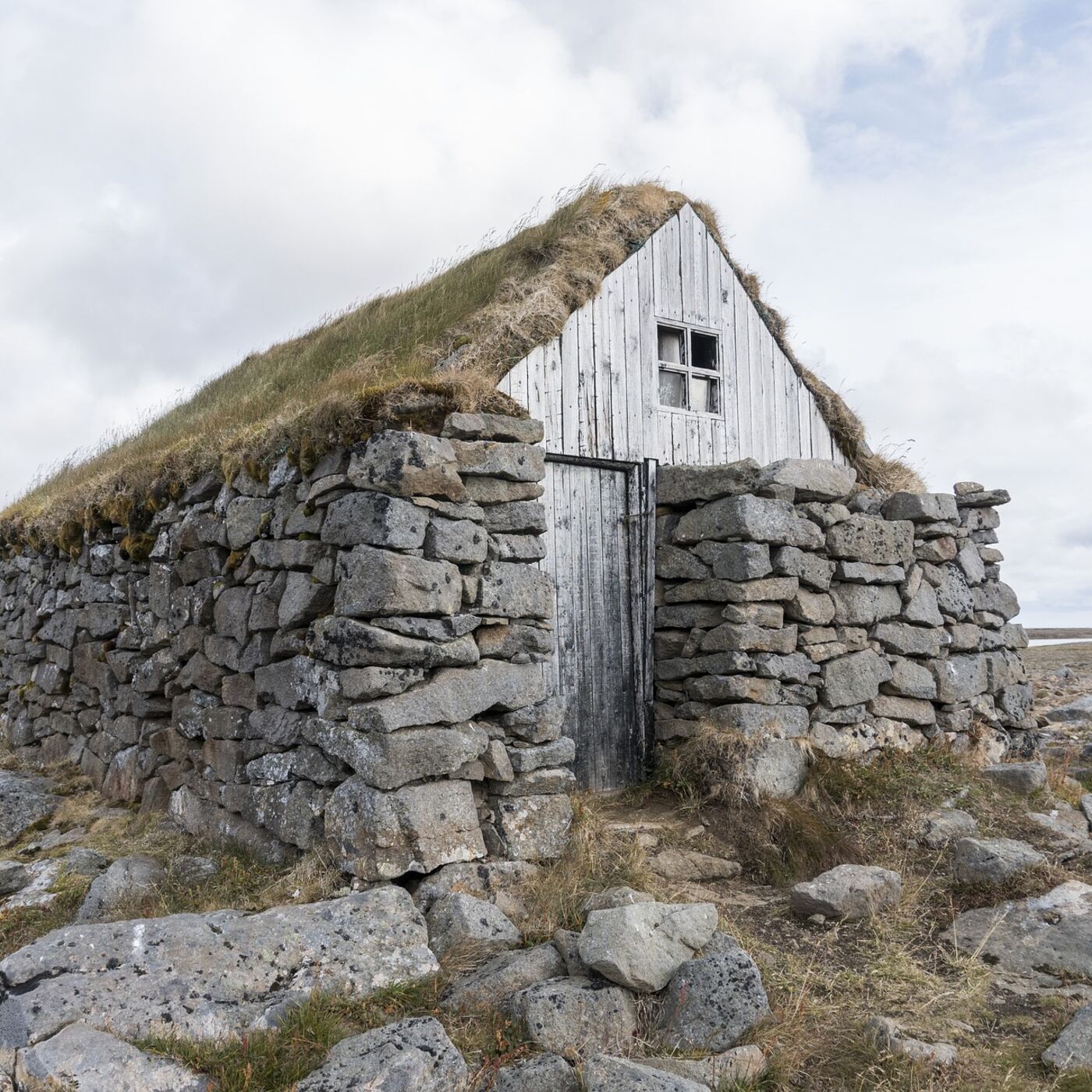
Ep 102Building with Nature
Adventures in Sustainable Living Podcast Episode 102 Building with Nature What if I told you that sometimes the sand on the beach is nothing more than piles of fish poop and dead animals. I wonder if that would reduce the statistics on how many people enjoy using the beach. Another thing that most people do not know is that due to several factors, there is actually a global shortage of sand. A third seemingly unrelated fact is that nearly 65% of the people in the United States are paying on a loan for their home while a significant number of people around the world live in a nice home yet never pay a mortgage. If you want to know how these three things are related, then stick around for E102 which is called Building with Nature. Welcome back everyone to the Adventures in Sustainable Living Podcast. This is your host Patrick and this is E102 which is called Building with Nature. So you might be curious as to why a sand shortage, the construction business and a home mortgage are all connected in some way. In this episode I am going to first talk a little bit about sand and explain why there is a global shortage. Then I am going to relate that to the environmental damage caused but the construction business. And finally I am going to tie those two things to an alternative means of having a wonderful home, never paying a mortgage, and having a more sustainable lifestyle. But first let’s talk about sand. Nearly 40% of us enjoy going to the beach because we usually relate that to time off work, vacation, swimming, sunshine, and just plain relaxation. We lay on the beach, we roll in the sand, we dig holes, build castles and animal figures and even bury each other under piles of sand. And being a scuba diver, when on a dive I even search through the sand for numerous critters. But have you ever ask yourself where sand actually comes from? What is it made of? How long does it take to form sand. Where sand comes from and how it is formed depends a lot on where you are and the local geography. The local environment also plays a significant role. However, sand basically forms from the breakdown of rocks. Rocks decompose due to weathering and eroding which takes place over thousands and even millions of years. This is especially true for quartz and feldspar. A lot of sand is actually formed from rocks that originate thousand of miles from the ocean. As rocks travel and bump along on their way downstream they are constantly eroded. Once in the ocean the erosion continues due to the actions of waves and tides. The typical brown sand beaches that most of us see is the result of iron oxide which tints quartz a light brown, and feldspar which is brown to tan in color. But the black sand beaches in Hawaii and other locations are the result of the breakdown of volcanic rock, basalt, and other minerals. The pink beaches of Bermuda are the result of the continued decay of single celled organisms that have a pink shell. But there is a lesser known way that sand if formed that would surprise many people The famous white sand beaches in Hawaii are actually made of fish poop. Yes that’s right….fish poop. The parrot fish, which I commonly see when I go diving, bite and scrape algae from rocks and dead corals. Through their digestive process they grind up the inedible calcium carbonate from the reef material and excrete it as sand. This natural process helps to maintain a diverse coral reef ecosystem. Parrot fish can actually produce hundreds of pounds of white sand per year. Besides these interesting things, if you get right down to it there are actually about 21 different types of sands. So, here is something to think about. Sand takes thousands to millions of years to form except when it comes to parrot fish. The next time you go to the beach and decide to bury one of your friends in the sand, be sure to tell them they are getting buried in a big pile to fish poop and maybe parts of dead animals. As you likely know by now I love these kinds of details because in so many ways it makes you appreciate the environment that is around you. But knowing all of this you have to wonder how there could possibly be a shortage of sand. Why is there a shortage of sand? Sand is by far one of the most commonly used natural materials because of its widespread applications in construction and industry. It is used on highways to increase traction. It is used to make concrete, used in paints, as a environmental clean up material, used in agriculture to grow certain types of crops, use as a road base, used to make sand paper, molding, and bricks, used in making glass for the automobile and food industry, used to make plaster, mortar, and asphalt, and also used to form clay. As you can see, w
Ep 101Mindfulness and Sustainability
Adventures in Sustainable Living Podcast Episode 101 Mindfulness and Sustainability In our modern culture we are at the point to where we cannot focus on any one thing without being distracted. Constant emails, text messages, notifications, phone calls, instagram, Facebook, coworkers, family, and friends. We no longer know how to actually be present in our own lives. We have lost the ability to actually focus. And few people slow down long enough to realize just how much this distracted state of mind affects their quality of life. But if we would only take the time to practice mindfulness, it would not only improve our quality of life but also improve our focus on sustainability. If you want to know more, then stay tuned for E101 which is called Mindfulness and Sustainability. Welcome back everyone to the Adventures in Sustainable Living Podcast. The is your host Patrick and this is E101 which is called Mindfulness and Sustainability. If you have been following me then you know by now that I am a big fan of having a simple, uncomplicated life. I love spending time in the outdoors walking, hiking, camping, traveling, scuba diving, kayaking. Anything to be outside. In fact, the way I live by modern standards would be called a tiny home. Just recently I added another room onto the south facing side of my cabin which is called the sun room. There are two tall windows on each side, two sky lights, and a double French door as an entrance. It gives me a beautiful view of the surrounding forest, the aspen groove out front, and I can now enjoy this even with bad weather. I bragged for years that I could sit at home for days at a time and never hear a man made sound. However, the two larger pieces of acreage that border my place have new owners that live there full time. So, I now hear vehicle noise and other things on an intermittent basis. But thankfully it is still very limited. Several years ago I purchased a travel trailer that is consistently used for business. Whenever I take a job with a hospital that is a couple of hours from home, I take the travel trailer instead of commuting back and forth. It saves me time, money, gas, and of course limits my impact on the environment. But whenever I do this the first thing I noticed is the non-stop noise. There is never a time of day that there is the total absence of noise. I suppose people become so accustomed to this way of living that they never notice. However, when I am at the cabin I start every day with sitting quietly and enjoying some coffee. During the warmer time of year I am out on the deck. During the winter I am close to the wood stove. And this winter of course I will enjoy the sunroom. Either way, it is quiet, peaceful, relaxing, with no distractions, no pressure, and essentially nothing to pull my attention away from that present moment. I often think that if everyone started or ended their day in a similar manner that people would slow down, there would be much less anger and frustration, road rage would disappear, and people would be much more kind and courteous. I often think of the times as a kid on the farm in Georgia, despite the seemingly never ending chores, there was still plenty of time for walks in the woods, fishing, picking berries and apples, or just taking a nap in the shade of that giant walnut tree. Life was just a whole lot simpler. Whenever I am driving I often see entire families in a minivan and every single person is staring at their cell phone. Although I rarely sit in a restaurant anymore, whenever I do I often see groups of people at a table seemingly having a meal together and yet everyone is staring at their cell phone and not even paying attention to the friends or family that is right in front of them. Furthermore, we are now convinced that we need to be instantly available for everyone. We are constantly attending to text messages, voicemail, emails, tweets, Instagram notifications, and we have a never ending list of meaningless obligations in our lives that produce absolutely no value. And this affects our ability to communicate. In fact, in one study it was found that 45% of family members communicate with each other with phone calls, text messages, tweets, and emails while in the same household as opposed to simply walking into another room to communicate face to face. In today’s world we have become so accustomed to this type of life that most of us never stop to think about the constant noise stimulation, distraction, not to mention the non-stop in flow of information via the media. So, let’s take a moment to look at some statistics because I truly want make a point of this. -Obviously modern technology has changed our lives. In many ways for the better. We have instant access to hundreds of years
Ep 100Sustainability Summit
Adventures in Sustainable Living Podcast Episode 100 Sustainability Summit It is hard for me to believe that this is episode 100. It has taken me almost 2 years to get to this point and I am still going strong. Over the last 99 episodes I have covered a wide variety of topics. In this episode I want to simply review some of the more popular episodes and hopefully continue to instill in everyone not only the desire to start living more sustainably but also prove that there is an enormous need to do so. I also want to show once again that living sustainably is actually more economical than you think and if you really apply yourself, it is very easy to function well outside of mainstream society and have a very good quality of life. So, if you want to quick overview of what I have covered in the last 99 episodes, and if you want to know a little bit about what is coming up in the future with this podcast stick around for the Sustainability Summit. Welcome back everyone to the Adventures in Sustainable Living podcast. This is your host Patrick and this is E100 which is called the Sustainability Summit. Once again, what I want to do in this episode is to review some of my most popular episodes and of course focus on the need to live more sustainably and show once again how this is so much easier than what most people think. Because I think the problem with our society and culture is that we are so entrenched in our way of life that we have trouble envisioning a different way to be. One of the biggest challenges with humanity is that we have this take, make, dispose society seemingly without consequence. However, if there is a direct and adverse consequence to what we are doing our behavior changes almost immediately. This is basic psychology. If as a child I accidentally place my hand on a hot stove I experience severe pain. I quickly learn that it is in my best interest not to place my hand on a hot stove. But if you live in a take, make, dispose society for your entire life, you get what you want, when you want, and there is no direct consequence to threaten your immediate well being, as humans we perceive no danger and therefore continue what we are doing. But we have known about the possibility of climate change for over 100 years and now we are seeing the results of our misbehavior. Furthermore, humanity is the only species on the planet that produces trash. We are the only species on the planet that destroys and manipulates our environment to meet our needs instead of living within our means and going with the cycles of nature as every other species on the planet does in order to ensure their survival. We have completely forgotten about the one basic principle of sustainability which is what kind of future we are leaving the next generation. But thankfully not everyone is like this. What most people do not know is that there are entire countries that had a vision for the future and have already taken steps to make their culture and economy sustainable. Early on in the podcast, in E2 which was called The Most Sustainable Countries, I talked extensively about a few countries that have transitioned to renewable energy and taken other measures to green their economy. Even to this day, these countries produce the majority of their energy from renewable sources. By far I think one of the best examples of this is Iceland. This country is a perfect example of how renewable energy sources can be used to power a modern economy. At present day, this country operates almost 100% on renewable energy. Until the early 1970s Iceland produced the largest share of their energy from imported fossil fuels. However, their transition away from coal and oil was actually driven by necessity. Because Iceland is a small, relatively isolated European country their economy and infrastructure could not tolerate the fluctuations in global oil prices due to various crises affecting the world energy market. Realizing this, Iceland set about on a mission toward renewable energy because the country needed a stable and economically feasible domestic energy source. Interestingly enough, this whole process was spurred by local entrepreneurs. Early in the 20th century a farmer built a primative geothermal heating system for his farm using hot water that seeped out of the ground. Local municipalities impressed with his success produced even larger systems. Eventually drilling was used to obtain hotter water and geothermal heating districts were established. Early hydroelectric power systems were similarly established by farmers to power their farm houses or as a cooperative effort to power several farm houses. By 1950 about 530 small scale hydroelectric power plants were scattered throughout Iceland. Furthermore the
Ep 99Earth Overshoot Day
Adventures in Sustainable Living Podcast Episode 99 Earth Over Shoot Day Years ago I used to work in a small veterinary practice in Conifer, Colorado. At the time this community was a very small and at lunch time I would walk up on the hill side and sit in a groove of old growth forest. It was quiet, very green, and offered a little reprieve from a busy practice. One day at lunch I walked up the hill as usual only to find that someone had cut a huge swath right through the old growth trees and had started excavation to build a home. I counted the rings on very single stump and found that every tree was over 300 years old. What I saw was a good example of what humanity consistently does. We harvest resources year after year with no way to replace what we have taken. This is the focus of Earth Over Shoot Day. Welcome back everyone to the Adventures in Sustainable Living podcast. This is your host Patrick and this is E99 which is called Earth Over Shoot Day. What I want to cover in this episode is: -Back ground information on Earth over shoot day -Why it was started -What it means for all of us -What can we do to change it But first, I want to finish what I was talking about in the beginning of this episode. As I stated, I walked up the hill to visit my favorite groove of old growth trees. These things were massive, with deep crevices in the bark, all kinds of moss growing on the north sides of the trees, and they were truly spectacular. As it turns out, a contractor cut a huge path through this groove of trees in order to put in a driveway to a home construction site. I would estimate that 20 or more trees were cut down and every single one of these trees were over 300 years old. To put that into perspective, these trees were just beginning to sprout around the year 1700. To give you some historical perspective, the War of Spanish Succession began in 1701. Benjamin Franklin began publishing Poor Richards Almanac in 1732. In 1740 a Russian captain discovered Alaska. In 1701 Delaware was established as a colony in the United States. In 1803 President Thomas Jefferson purchased the Louisiana Territory from France, which added 828,000 square miles of territory to the United States. So the trees that I loved to visit were 100 years old or more at the time of the Louisiana Purchase. And to make this even more infuriating, to me at least, I drive by that same hill several times a week. I looked up at that hill the other day and the frame of that house stands in ruin because it was never completed, 22 years later. So those old growth trees, which cannot be replaced, were squandered for nothing. Now this may seem like a very small, petty example compared to what is now going on in the world. But, it is a good example of a consistent trend that we see in our culture as well as the rest of humanity. We tend to harvest and utilize resources that either cannot be replaced in our lifetimes or cannot be replaced ever except perhaps on a geologic time scale. Obviously these trees are a very small example. But it speaks very loud and plain about our habits as human beings. Thus the focus of this episode which is Earth overshoot day. But what exactly does this mean and what sort of implication does this have on humanity. Well, some years ago a man named Andrew Simms of the United Kingdom think tank New Economics Foundation, conceived this concept of Earth Over Shoot Day in 2006. Now I want to give you some background perspective first. But as you have likely already concluded, this concept is a direct reference to our over consumption of resources. For example, when we look at our monthly budgets, we compare our income to our expenses for that month. Very similar to that the Global Footprint Network compares a population’s demand for resources against what their ecosystem can supply. This comparison is made by looking at two things, bio-capacity and ecological footprint. The bio-capacity for any city, state, or country represents its biologically productive land and water resources. This includes crops, forests, grazing land, and fishing resources. The Ecological Footprint measures a population’s demand for resources such as timber, food, fiber, livestock, fish, urban development, infrastructure, and of course fossil fuel emissions. In order to make a standard comparison across the globe, both bio-capacity and ecological footprint are measured in hectares. A hectare is equal to 10,000 square meters or 2.47 acres. So what this means is that a city, state, or country’s bio-capacity and ecological footprint are compared on the basis of hectares, which is a global standard. According to the Global Footprint Network, if a population’s demand for ecological assets exceeds their supply, they have to import goods and services be
Ep 98Sustainable Leadership Lessons We Can Learn From Animals
Adventures in Sustainable Living Podcast Episode 98 Sustainable Leadership Lessons We Can Learn From Animals If you focus at all on sustainability then you already know that the 3 pillars of sustainability are economic, environmental, and social, less formally referred to as people, planet, and profits. But in order for any of this to be feasible, for any of us to have a stainable future we have to work together. Yet we have forgotten how to do this. We have actually lost a lot of our social skills, and even forgotten how to be effective leaders. But all we really have to do is to look at the animal kingdom in order to learn some important lessons on sustainability and sustainable leadership. And that is the focus of this episode, sustainable leadership lessons we can learn from animals. Welcome back everyone to the Adventures in Sustainable Living podcast. This is your host Patrick and this is E 98, which is called Sustainable Leadership Lesson We Can Learn From Animals. But before we get started I want to remind everyone that if you would like to contact me with questions, comments or even suggestions on topic of interest, please feel free to send me a message at [email protected]. Repeat So, let’s get right down to this weeks topic of sustainable leadership lessons we can learn from animals. There are several things I want to address in this session. -What is it going to take in order for humanity to have a sustainable future. But I want to talk about this in general terms, sort of a high overview -Why we have lost the skills in order to accomplish this -How we can learn some important lessons from the animal kingdom. -And finally how are we going to put this all together Now as you have likely heard me discuss before, the three pillars of sustainability are people, planet, and profits. But, considering our present predicament, I think we can all agree that the planet would be just fine without people. The environment would be just fine without people. But the opposite is far from the truth. People will not be okay without the environment or the planet. Without people, an economy would certainly not exist and no one would be making a profit. So in order for all of this to work, we are actually going to have to work together as both a local community and a global community. But this also means we are going to have to change some of our behaviors and maybe even some of our basic instincts. For example; Greed may have been a desirable trait in early human history. But we now have economic and social systems that encourage and promote runaway greed. Big oil and pharmaceutical companies are perfect examples. They control politicians who then pass legislation to allow tax evasion and enormous corporate profits. The banking and insurance industries make insane profits from the fees they charge. Then if anything goes wrong they simply discontinue their services. Rampant greed only furthers the destruction of the natural world that we all depend on for our very survival. Revenge obviously was to our advantage early in our history and in fact this is a perfectly normal part of human behavior. But revenge makes absolutely no sense whatsoever when you have your finger on a nuclear launch command button which results in the destruction of the entire planet. Tribal loyalty makes no sense when we find it perfectly acceptable to dismiss our moral values and basic honestly just in order to hurt the other tribe. We are all born into a given skin color, nationality, language, and culture simply by accident of birth . Yet this often has a profound affects on our lives that is almost inescapable. In fact such things often determine which side you'll be on in the next war! Now we live in a world with borders that are carefully guarded with guns and military weaponry. Denial may help us in the short term as we psychologically adjust to unexpected trauma, disaster, or loss. But it makes no sense whatsoever to deny the changes that are occurring in our world almost everyday. An apathetic approach only ensures our ultimate demise. Procreation. And finally our desire to constantly reproduce and expand our population is only going to ensure that there are fewer and fewer resources to go around. At our present rate, widespread human misery is inevitable. We are truly at a point where we must make a choice between quantity and quality. But one thing is absolutely certain. Any attempt to control human behavior is going to be met with considerable resistance. This became quite obvious during the pandemic when people became increasingly angry over being denied something they thought they were entitled too. Be we have to accept the fact that we can no longer throw money and technol
Ep 97Climate Adaptation: Can We Do It?
Adventures in Sustainable Living Podcast Episode 97 Climate Adaptation: Can We Do It? As talks about climate change become increasingly serious, many of us are either weary of hearing about it, we are anxious about it, or we just do not know what to do. More and more often we hear this term “climate emergency” knowing very well the use of the term“emergency” usually means do something now. Despite our present predicament, are we as humans resilient enough to adapt to what is going on? What is the difference between climate mitigation and climate adaptation? How is all of this going to affect our daily lives? These and many other questions will be answered in this episode on Climate Adaption: Can We Do It? Welcome back everyone to the Adventures in Sustainable Living Podcast. This is your host Patrick and this is E97 which is called Climate Adaptation: Can We Do It? Before we get started I would like to remind everyone that if you have questions, comments, or even suggestions about a particular topic of interest, please feel free to email me at [email protected]. Repeat. In this episode I am going to discuss several different points regarding climate change. -Climate change mitigation -Climate change adaptation -How mitigation and adaptation work together as a two fold process to resolve our climate challenges -Examples of adaptation in the animal kingdom -What humans need to do to adapt to climate change -Five main steps we need to take to defect climate change -Can we do this? First of all I want to say that discussions about the climate are now in the news almost everyday. It seems as if every little thing that happens around the world is getting blamed on climate change, whether that is the case or not. Most of us are likely tired of hearing about it. With some people it produces a considerable amount of anxiety especially because we think our future is uncertain. And maybe with others we just ignore the topic because we hear about it almost everyday. But, from the outset, I want to once again point out that we are in a crisis of our own making. The first seminal paper about climate change was published in 1896 and by the 1930s we had a solid understanding of the potential consequences of our carbon emissions. Presently, we are in crisis mode and we commonly hear the term “climate emergency”. However, it did not have to get to this point. We have known about this possibility for over a century and yet we did nothing. And now of course everyone wants to believe that we are basically doomed. But the truth of the matter is that our climate future has still not been decided and we do in fact have time to make important choices that will alter our future on this planet. Those actions fall into two broad categories: mitigation and adaption. But what does that actually mean? What are the main differences between the two. Climate Change Mitigation Climate change mitigation simply means avoiding the behaviors that promote further climate change. It means reducing our risks factors. This is accomplished by avoiding and reducing our carbon emissions and other heat-trapping greenhouse gases in order to prevent further warming of the planet. You can sort of think of it as an insurance policy. For example, your home owners insurance company may reduce your premium if you do a certain amount of forest fire mitigation, meaning, thinning of trees and backing up the tree line away from your residence. By doing so, it reduces your risk of fire and total loss of your home and thus reduces your risk. That is mitigation. However, mitigation is truly one piece of the climate puzzle that is easy to explain but difficult to accomplish. What this means is that we must stop deforestation and habitat loss. We must take great steps to protect, preserve, and restore the natural world because everything we need for our survival is literally connected to the natural world. The entire planet must transition from powering our world with fossil fuels to using renewable energy. We must reach net-zero carbon emissions. This simply means that our production of carbon emissions must be balanced by our capture and storage of those emissions. Once again, I would compare this to an insurance policy or maybe even a retirement fund. In other words, the sooner we act to mitigate the affects of climate change the brighter our future becomes. The challenge is that the world is slow to act and slow to change. And as you could imagine, regardless of the effects on the planet, big oil companies and all the people connected to it are not going to easily give up their billions of dollars in profits. Consequently, they will continue to lobby and downplay the importance of the transition to renewable energy. But
Ep 96How to Start a Homestead Part Two
Adventures in Sustainable Living Podcast Episode 96 How to Start a Homestead Part Two In my first episode about homesteading I covered a variety of topics to help point you in the right direction. I did not talk much about the specifics of homesteading but I did lay the basic foundation for success. In this episode I want to get down to some specific actionable tips that you can start doing today. After all this is a lifestyle choice. It will take some time and a lot of hard work. When most people starting thinking about this, they don’t even know where to start. But after this episode you will be well on your way. So stayed tuned to How to Start a Homestead Part Two. Welcome back everyone to the Adventures in Sustainable Living Podcast. This is your host Patrick and this is E96 which is called How to Start a Homestead Part Two. First of all I want to take a minute to emphasize something. I do not want my listeners to take this the wrong way because I am not a gloom and doom type person. But I truly think that our culture and society is headed in the wrong direction. We are dependent on a global supply chain for our basic necessities. It has become painfully obvious over the last couple of years that we cannot depend on that supply chain because it is constantly disrupted by things that are far out of our control. Consequently, we are being robbed of any sort of personal security. But in my opinion, one of the best ways to regain some of that personal security is to take steps to be in control of many of your own resources. One of the best ways to do that is to start your own homestead. Become a Perpetual Student But in order to do that you truly have to have the right attitude. If you are going to manage many of your own resources, creativity and ingenuity are going to be your best friends. Furthermore you can never stop learning. This means you are committing to being a perpetual student. For example, it is not as simple as reading a book on gardening and off you go. You have to consider your climate, growing season, soil type, average sun exposure. It not as simple as building a chicken coup and tossing in some birds and hoping for the best. Being successful as a homesteader mean that you will acquire numerous skills over time. I have had my homestead property for over 25 years and I am still learning new things. I am always researching and reading about new topics. For me in particular, it helps that I have a blog and podcast. But, I also have about 250 books on my iPad on numerous topics from small engine repair to solar design and installation. Educate Yourself Along with being a perpetual student, it goes without saying that you should educate yourself on a number of different topics. If you are interested in gardening, then learn as much as you can about gardening in whatever region you live in. If you want to raise chickens, then learn as much as you can about chickens. It pays to simply do some homework especially before you spend any money. Take Classes and Tours If that is not enough, then take some classes and tours of working farms and homesteads. These days it is certainly possible to find someone that does home stays and allows you to actively participate in their farm or homestead. For example, it is much easier to learn how to process your own meat from someone that has done this before. Learning from a book is one thing but interactive learning from live humans is another level all together. You can also find conferences and weekend seminars that focus on homesteading. Find a Mentor, Join a Community Another fantastic thing to do that will keep you motivated and on the right path and that is being a part of a community and maybe even having a mentor. You truly do not have to do this alone. If you don’t know where to start then get some help from someone with experience. Most homesteaders are more than happy to share the knowledge and skills. Start Small But once you set you mind to it, I cannot over emphasize that you must start doing something. Start out small and learn one new thing at a time. By far the best way to learn is to learn by doing. But I want to be absolutely clear about something. You will make mistakes. You will have failures. That is why you must start small. If you want to raise chickens then start with 6 or 8 chickens and not two dozen. At least if you make some mistakes, your losses will be limited. But the benefit is that you will learn from those mistakes and improve your methods the next time. And you will be glad to know that it is no different with me. It was one thing for me to raise chickens when I was in South Carolina. It was another thing all together to raise chickens in the middle of the forest in Colorado at 10,000 feet
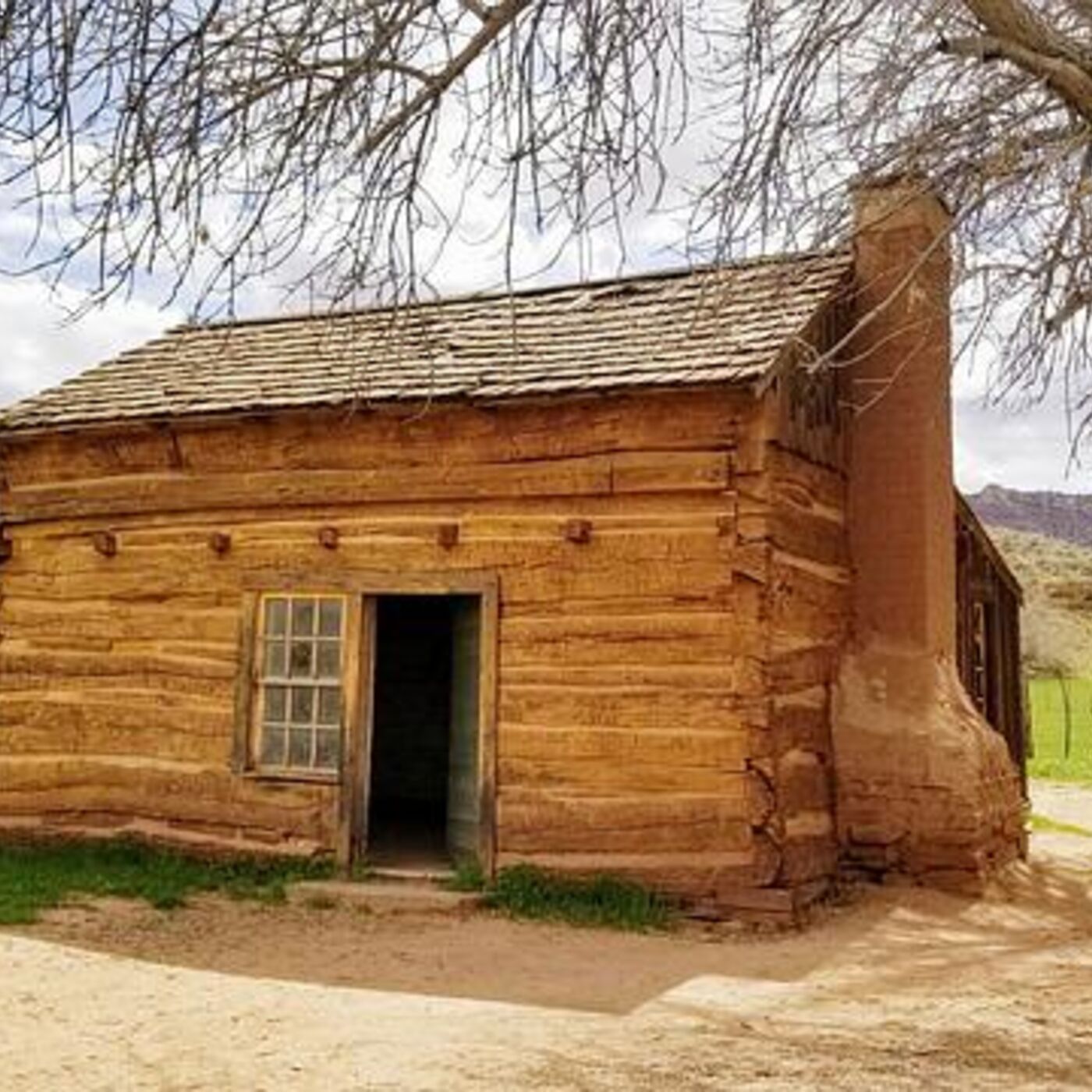
Ep 95How to Start a Homestead Part One
Adventures in Sustainable Living Podcast Episode 95 How to Start a Homestead I find it interesting that humanity has grown into a global community that is so interdependent that if one country suffers an environmental disaster, a financial collapse, massive crop failure, a water crises, or even a foreign invasion that it has a dramatic affect on the global economy. Does no one but me see this as a bad thing? While this globalization provides many obvious benefits, it actually creates a lot of insecurity. My answer to all of this is that it is time to commit yourself to a lifestyle of your own making. And one of the best ways to do this is to start a homestead. The focus of the next few episodes is to give you practical tips on how to become even more independent from this massive infrastructure that we call a global economy. Welcome back everyone to the Adventures in Sustainable Living Podcast. This is your host Patrick and this is E95 which is called How to Start a Homestead. Once again, before we get stated I want to remind everyone that is you want to contact me with questions, comments, or even suggestions on specific topics of interest, please feel free to send me an email at [email protected]. But before we get started, I just want to say that there is a tremendous amount of material to cover. That is why I decided to produce a series of episodes on this topic instead of trying to cram it all into one episode. What I truly want to do is to give you some actionable tips on how you can take control of many of your own resources and produce a definable amount of personal security. In this first episode, I would to cover some basic things to more or less lay the foundation of what you need to do if you are interested in this type of lifestyle. Topics that I want to cover in this episode are as follows. A Lifestyle Choice We Are Headed in the Wrong Direction Global versus Local: Why You Should Consider Homesteading What is a modern homestead? Practical tips to get you started. A Lifestyle Choice What I have found is that when it come to living off the grid as I do, having a sustainable lifestyle, or in this case starting a homestead, most people do not know where to begin. It can be overwhelming. I totally get that and I completely understand. I know this from personal experience because I have been living off the grid for 26 years and I am still making improvements. I am still learning new things. My lifestyle is not perfect. But the one key thing to remember is this is a lifestyle choice. Just like anything else, it has advantages and disadvantages. If you have listened to some of my other podcast episodes, then you have no doubt heard me talk about the value of simplicity and how a sustainable lifestyle provides more security. Our little homestead is a big part of that. Presently at the cabin, we are 100% independent for electricity, water and sewer and about 50% independent for our food supply. But, that did not happen over night. It took time, commitment, and a lot of hard work. But in the end, if I really had the need to do so, I could go home to the cabin and not leave for at least a year. And that is what I call personal security. We Are Headed in the Wrong Direction When I was growing up in Tennessee and northern Georgia, there were two working farms in the family. We had cattle, pigs, chickens, rabbits, fruit trees, a large garden, went fishing regularly, foraged for wild berries and nuts. We rarely ate restaurant food because meals were made fresh at home. We canned the excess produce from the garden, filled the freezer with fresh meat, and there was a large walk in closet full of a wide variety of home canned foods. We never really talked about being self sufficient. It was just the way we lived. Presently, I keenly observe various trends in our modern society and question if no one but me realizes that we are headed in the wrong direction. It is estimated that 83% of people in the United States live in urban areas while on a global basis it is about 56%. By 2050 those numbers are expected to be 90% and 68% respectively. What this means is that in the unlikely event that something really goes wrong, there would be total chaos. With the largest percentage of the population crowded into a smaller area there would be fierce competition for essential supplies and it wouldn’t be pretty. A perfect, low key example of this was during the onset of the pandemic when people were ordered to stay at home. People started panic buying food and other essential supplies. There were several times I walked in to the supermarket just to buy something simple and ended up walking out. I did not want to deal with the chaos and what I had wanted was just not that important.&n

Ep 94Can the Entire World Thrive on Renewable Energy?
Adventures in Sustainable Living Podcast Episode 94 Can the Entire World Thrive on Renewable Energy? As you may well know, talks of climate change are becoming increasingly serious. Updates are in the news almost daily so it is difficult to ignore. Furthermore, there are some new books soon to be published on the topic that paint a pretty grim outlook for our future on this planet. In 2018, 89% of greenhouse gas emissions came from the burning of fossil fuels and from industry. Although the use of coal seems to be fading, the use of other fossil fuels are replacing it. So, why are we not pushing the transition to renewables? Is there a problem? Can the entire world actually thrive on renewable energy? Welcome back everyone to the Adventures in Sustainable Living Podcast. This is your host Patrick and this is E94 which is called Can the Entire World Thrive on Renewable Energy? Before we get started I would like to once again remind everyone that if you want to contact me with questions, comments, or even suggestions on topics of interest, please feel free to contact me at [email protected]. So, let’s get started on this week’s topic of whether or not the world can actually thrive on renewable energy. You know I have to say that whenever I look at the state of humanity I always seem to ask the question of how did we get where we are today? And in answering that question, I also find it interesting to look at a little bit of human history. And in this case, how did we even get started with using fossil fuels and how did it become a problem? It is believed that about 4,000 years ago someone in northern China discovered this odd black rock that would actually burn. Since there was no electricity or gas for heating or cooking meals, this rock that would burn was a huge discovery. Archeologist now believe this to be the first time humans used fossil fuels and that black rock was called coal. For many years, few people had easy access to coal. However, in Britain people were actually able to walk along the beach and pick up what they called “sea coal.” The Romans commonly used coal as well because traces of it can be found around Roman ruins in Italy. Coal started to become very popular in London in the 1200s. Due to a growing population, it became much more difficult to find firewood for cooking and heating. Eventually it was the invention of the steam engine in the late 1600s that lead up to the Industrial Revolution that literally changed the course of history. The first appearance of the word “electric” or “electricity” was in 1646. And for the next couple of hundred years, scientist struggled with the practical application of this new discovery. But it was Thomas Edison that finally produced a reliable long-lasting light bulb in 1879. Even after that, progress was slow. Even in 1925 only 50% of the homes in the United States actually had electricity. The period of about 1870 to 1910 is often thought of as the Second Industrial Revolution. This is when fertilizers and other chemicals, electricity, and advances in public health further accelerated growth and consequently the use of fossil fuels. So, it is at least interesting to see how humanity has transitioned in using more and more fossil fuels. But if you remember from previous episodes, the first seminal paper on climate change was published in 1896. And in 1938 Guy Stewart Callendar, an English steam engineer and inventor, first linked rising CO2 concentrations in the atmosphere to global warming. And this discovery was even before the electrification of homes in the United States was complete. We already know that the burning of fossil fuels is the primary cause of climate change. Despite the accumulation of huge amounts of scientific data, it wasn’t until the 1970s that scientist began to produce climate models. This was due to advances in computer technology that made it possible to construct such models. So why is it that fossil fuels are a bad thing? Well, fossil fuels are formed from the decomposition of buried carbon-based organisms that died millions of years ago. They form carbon-rich deposits that are extracted and burned for energy. Because fossil fuels are renewable only on a geological time scale, as far as humans are concerned, this resource is non-renewable. Fossil fuels currently supply about 80% of the worlds energy in the form of coal, oil, and gas. We also know that coal is by far the worse offender. Of the three fossils fuels that we use, coal produces that most pollution and releases the biggest share of CO2. Oil is also responsible for about 30% of the worlds CO2 emissions. And while natural gas is often promoted as a cleaner fuel sources, it is still a fossil fuel that accounts for a fifth o
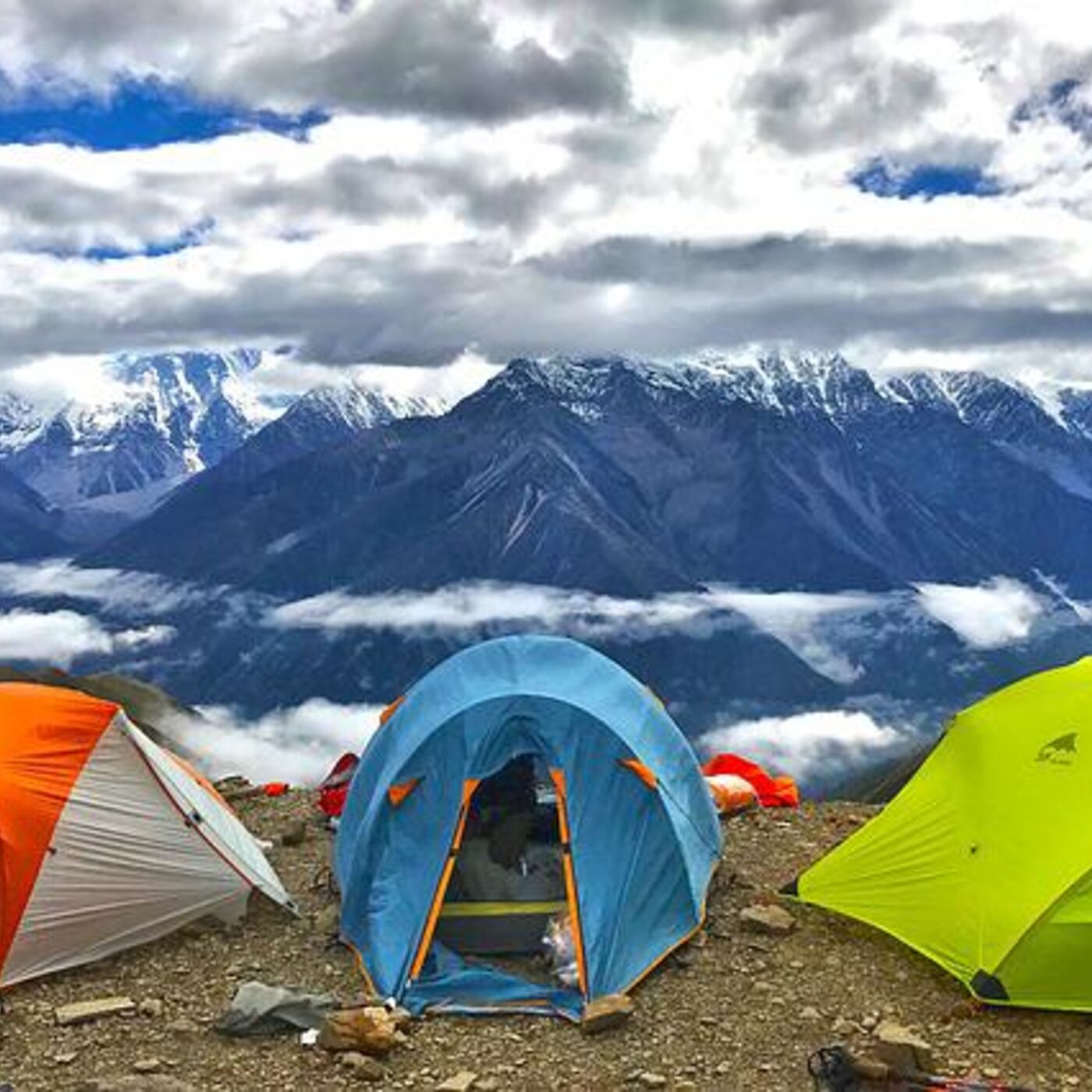
Ep 93Tips and Tricks for Eco-Friendly Camping
Adventures in Sustainable Living Podcast Episode 93 Eco-Friendly Camping Spending time in the outdoors is by far one of my favorite things to do. That is why I love living in the middle of the forest. I can walk out my door and enjoy nature without ever leaving home. But, there are times when I do want to leave the homestead and spend time somewhere else. However, as with any other thing we do, spending time outdoors also produces an impact on environmental. From how you travel, to the gear you purchase, how you build a campfire, and disposing of trash it all leaves an environmental footprint. If you want to spend time outside and still be environmentally friendly, then this is an episode for you. Welcome back everyone to the Adventures in Sustainable Living Podcast. This is your host Patrick and this is episode 93 which is simply called Tips and Tricks for Eco-Friendly Camping But before we get started I want to remind everyone that if you would like to contact me with comments, questions, or even thoughts and suggests on topics of interest, please feel free to contact me at [email protected]. Repeat. So, let’s get right down to this weeks topic which is eco-friendly camping. There are several things I want to cover in this episode; What is eco-friendly camping What are the benefits to eco friendly camping Then I want to talk about the gear that you use Tips to minimize your impact Now just so you will have some appreciation for what I am discussing I think it will help if I take a minute and explain a little about how my homestead is situated relative to the national forest. I want to explain some of the things that I see on a regular basis so that you will understand why this topic is important. My property is situated on top of a ridge. It is part of a total of 160 acres that are surrounded by national forest. The north side of the property faces the end of the country road that leads to the trail head. If I take the road, it is about 2 1/2 miles, so about 4 kilometers to the trail head. For most of the time I have lived there, there were numerous free camping sites along that road. During the peak season, every Sunday afternoon, I would take the ATV, a shovel and a trash bag to go clean up trash. I would put out smoldering campfires, pick up trash and sometimes repair damage from people using off road vehicles. After many years of abuse, the forest along the creek was trampled, most of the grass was gone, the willows were dying back, trees were illegally cut, and others were dying from people attempting to chop them down for firewood. Finally, the Forest Service closed the entire area to any sort of free camping. Unless you hike into the back country, camping is now restricted to the campground. It only took one season for there to be significant evidence of environmental recovery. The following year there was tall grass, lots of wild flowers, and things were started to markedly recover. But this all happened before the pandemic. Once the pandemic set in, people were ordered to stay at home, work from home, many businesses were closed, and people had an emotional need to get out. For hundreds of people their best option was to do something outside. So in many ways I am happy to see that people were returning to the outdoors. This was a good healthy option, just get outside. For the first time since I had lived at the homestead, there were times that the parking lot at the trail head was over flowing. But now camping is still restricted to the campground, which is a change I am happy to see. But, whenever I drive home to the cabin, I have to first cross over a section of national forest. And part of that is driving through through the campground. And I can tell you it is like having my own personal gear review every time I drive home. From people who are camping in a small tent to those that have big fancy RVs, I see a wide range of products and gear. Sometimes I even stop and ask people where they purchased that piece of gear because it looks amazingly rigid and functional. But in many ways it is rather entertaining to see how people set up their campsites and especially those campers that literally bring everything except for the kitchen sink. It makes me think of the times when my Dad took us on camping trips in north Georgia and we took only the minimal gear needed for the trip. And since I am more or less a minimalist, that is how I think of camping. On one hand I am happy to see that more people are reaching for a healthy alternative to what is typically called the “great American indoors”. But on the other hand, just like anything else, if we are going to enjoy the outdoors, we need to do it responsibly because everything we do has an impact. Living
Ep 92The Science of Climate Change: Are We There Yet?
Adventures in Sustainable Living Podcast Episode 92 The Science of Climate Change: Are We There Yet? As most of you may know by now the discussions and concerns about climate change are becoming increasingly serious. Additionally, recent surveys in the United States and United Kingdom reveal that approximately 75% of us are concerned about it. But there is also rampant disinformation out there concerning climate change. All it takes is a few minutes of research and you can easily find articles that both confirm and deny that this is even happening. Consequently, while there remains to be a level of concern, most people are not sure what to believe. In this episode I am going to separate fact from fiction and explain the science of climate change and decide if we are there yet. Welcome back everyone to the Adventures in Sustainable Living Podcast. This is your host Patrick and this is E92 which is called The Science of Climate Change: Are We There Yet? Before we get started I would like to remind everyone that if you would like to contact me with questions, comments, or even suggestions of podcast topics of particular interest, then please feel free to contact me at [email protected]. Repeat. So, that said, let’s dive right into this weeks topic concerning the science of climate change. First of all you must know that the shear scope of this topic, as well as the volume of misinformation concerning climate change makes makes it very difficult to find the truth. But what I want to do here is hit the highlights with the end result being a basic understanding of what exactly is going on and why. As you likely know, I tend to be a pragmatic person. If someone tells me something is true or false, I want to see the science and the data behind it in order to substantiate the claim. Furthermore, this is a complicated topic. Additionally the climate of our planet is complex and even chaotic. This widely used and accepted term of “global warming” is truly an over simplification of a highly complicated global process. But, I am going to attempt to to answer the following questions. -Is climate change really happening and do scientist actually agree? -Are there other natural processes that could be causing these changes? -Is the climate change we are seeing just a natural part of our planet’s warming and cooling cycles? -Does the natural production of greenhouse gases have some effect on climate change? -If our planet is truly warming due to human activity, how do we know that? -Should we be concerned that the planet has warmed by 2 degrees Fahrenheit over the past 200 years? -Can we do something about it? So, let’s get right down to it because we have a lot to cover. But let’s first talk about the evolution of the scientific thought process of global warming. In 1824 Joseph Fourier calculated that a planet the size of the Earth at our distance from the sun ought to be a lot colder. He suggested that something in the atmosphere must be acting as an insulating blanket. In 1856 and American scientist Eunice Foote showed that carbon dioxide and water vapor in the Earth’s atmosphere trap escaping infrared radiation, meaning heat. IN the 1860s John Tyndall recognized recognized the Earth’s natural greenhouse effect and made the suggestion that even slight changes in atmospheric composition could bring about variations in the climate. In 1896 a Swedish scientist names Svante Arrhenius published the first seminal paper on climate change. He predicted that changes in atmospheric carbon dioxide levels could cause substantial changes in Earth’s surface temperature through the greenhouse effect. Then in 1938 Guy Callendar connected carbon dioxide increases in the Earth’s atmosphere to global warming. So, the bottom line is that in the mid-19th century scientists demonstrated the ability of carbon dioxide and other gases to trap heat. Many of the instruments used by NASA to study the Earth’s climate focus on how these gases affect the movement of infrared radiation through the atmosphere. From the study of the impact of the accumulation of these gases, there is now no question that an increase in greenhouse gases causes a warming affect on the planet. Additionally there are a number of other scientific observations which offer some very compelling evidence. And this data is credited to the NASA website Global Climate Change, Vital Signs of the Planet: Global Temperature is Rising: The Earth’s average surface temperature has risen by 1 Deg Celsius, or about 2 degrees Fahrenheit since the lat 19th century. Most of that warming has occurred in the last 40 years. This warming is largely due to increase CO2 levels in the atmosphere &nb
Ep 91Eco-Anxiety and How to Cope With It
Adventures in Sustainable Living Podcast Episode 91 Eco-Anxiety and How to Cope With It You have likely heard me say before that we are in fact living in unprecedented times. We now live in a world that is changing so rapidly that even the most sound minded person is likely having trouble feeling some sense of security. If that is how you feel, you can rest assured that you are not alone. If your concern for the state of the planet has you deeply worried then you may be suffering from eco-anxiety. That is the topic of this episode. Eco-Anxiety and how to cope with it. Welcome back everyone to the Adventures in Sustainable Living Podcast. This is your host Patrick and this is E 91 which is called Eco-Anxiety and How to Cope With It. Most likely a good percentage of you have observed or at least heard that talks, discussions, and concerns about climate change are becoming increasingly serious. And I personally believe there is good reason for that. However, I also believe that in general the media tends to exaggerate just about everything. But regardless of whether or not these concerns are valid psychologists and other mental health professionals are talking more frequently about “eco-anxiety” which is a term used for distress, fear and other negative emotions brought on by the thoughts of climate change and impending disaster. And it of course does not help when there is the general perception of human inaction. As I stated before, I do believe that there is reason to be concerned about climate change. But what I want to explore in this episode is whether or not those concerns are valid, whether or not our world is actually coming to an end here very shortly, whether or not reports by the media are actually exaggerated, and if we do in fact have reason to be concerned what should we be doing. But, you must know up front that I tend to approach things from a pragmatic or practical perspective. I try to look at facts, read articles, inform myself and then make a decision on my own. And as such, that is how I am going to approach this topic. A good example of my typical approach to things is how I choose to deal with COVID vaccines. I waited until millions of people were vaccinated and until the CDC, which is the Center for Disease Control had published articles and had statistics regarding the effectiveness of the vaccines. Armed with that information, I then got vaccinated. Validity of Climate Change Now since this episode is focused on anxiety about climate change, let’s first talk about whether or not there is reason to be concerned. I have mentioned in previous episodes that the first seminal paper about climate change was published in 1896. Other prominent scientist had mentioned this before but 1896 was the first time anything had been published with quantitative data. And here we are over 125 years later and we are starting to see the obvious results of climate change.That said, while doing research on material for this episode I did find several articles that worked hard at debunking the entire science behind climate change. And speaking of that I found this wonderful article a couple of days ago, published by the New York Times, that explains all the science behind climate change. In fact, I found it interesting enough that that is going to be the subject of the next episode. But, I don’t want to go into that here. Being a pragmatic, science based person with a medical background, I tend to focus on data and numbers instead of the fear mongering meaningless rhetoric blasted out via the media. The bottom line for me at least is that there is reason for concern. But you should know that one of the arguments widely published opposing this idea of climate change is that for millennia the Earth’s climate has always fluctuated, warming by 11 degree F at times and cooling by at least that much at others. But if this is truly the case, and we are not dealing with permanent climate change at all, that still means the Earth’s climate is warming. That warming trend is producing obvious detrimental affects on water supplies, crop production, ocean populations, coral reefs, and of course people. And if a cooling period is in our future then that will happen on a geological time scale. That means no one that is alive today will be around to experience that cooling period. All we will experience is the warming trend and the detrimental affects of that. Is the world going to end anytime soon? But one of the things I have come across is this idea that the world only has another 12 to 15 years before it all starts to fall apart. But if you look at the science, you will see that despite our warming trend speeding up so to speak, that trend is based on the last 150 years of weather data. So
Ep 90Carbon Paw Prints: Sustainable Pet Ownership Part Two
Adventures in Sustainable Living Podcast Episode 90 Carbon Paw Prints: Tips for Sustainable Pet Ownership Part Two Welcome back folks to the second episode on sustainable pet ownership. In part one I tried to get you prepared for the fact that the dogs and cats that we keep as pets do in many ways have a significant environmental impact. Mostly I talked about food and poop, what goes in one end and what comes out the other end. Now in this episode I am going to cover several other topics that will help you to be a more sustainable pet owner. And lastly I am going to talk about a couple of very important sustainable practices with pet ownership that most people never even think about. And finally I am going to round out this episode with a discussion on how we can change. So stick around for more tips on sustainable pet ownership. Welcome back everyone to the Adventures in Sustainable Living podcast. This is your host Patrick and this is E90 which is called Carbon Paw Prints: Tips on Sustainable Pet Ownership Part Two. So if you remember from episode one of this series, we talked about the importance of diet and proper pet waste disposal from the aspects of sustainability. I discussed that first because typically those are the first two aspects of pet ownership that we are confronted with when acquiring a new pet. What most people do not realize is that just feeding our pets adds 64 million tons of carbon dioxide to the climate each year, which is the equivalent of almost 14 million cars. In this episode I am going to expand that thought process to several other aspects of pet ownership, more specifically how we manage their lives, at least beyond feeding them. In particular I am going to talk a bit about environmentally friendly pet toys and accessories, how to best control fleas, ticks, and other parasites and the environmental value of regular grooming. Beyond that I am going to discuss the value of natural cleaners for unexpected messes, why spaying and neutering is environmentally friendly, and lastly I want to mention adopting rescue animals. Then in the end I am going give you some tips on how we can all change. Environmentally Friendly Pet Toys Most of us who own a dog or cat love to buy them things such as toys. This provides some environmental stimulation, keeps them busy, entertained, and hopefully prevents them from being destructive. The challenge for most pets owners is that the majority of pet toys and accessories are made of synthetic materials, especially plastic. So once again we are confronted with the plastic problem. And of course as of this writing I look around my own home and can easily point out plastic items that I have purchased for the dogs, that mostly being the big Kong toys that are virtually indestructible. But as with other things made of plastic, once these are in the landfill they are harmful to the environment or they simply never degrade. As with many things these days, our choices drive the market place. More and more people are becoming environmentally conscious even when it comes to purchasing things for their pets. Consequently, companies that produce pet products are looking for new ways to support environmental sustainability by using up-cycled, recycled and natural materials in their products. And just to give you a few examples of what is out there: -Planet Dog makes a chew toy that is made from chemical free, eco-friendly material tough enough to withstand some heavy chewing. -West Paw, which is a company based in Montana, markets their Heyday Bed which is filled with IntelliLoft, which is an proprietary eco-fiber made from nontoxic recycled plastics. The manufacturing process diverts somewhere between 28 and 72 plastic bottles per dog bed from going to the landfill. -The Beco Company has a tug toy for dogs made from rice husk ash and recycled cotton. This company actually won an award from the Ethical Company Organization. -There is a cat ripple rug, which is a play mat, is made from recycled materials. -And I found many other items such as leashes, collars, coats, snacks, cat litter, squeaky toys, etc. The point here is that there are now numerous companies, both big and small, that provide a wide range of pet accessories and are made of numerous environmentally friendly materials, all because our choices influence the market place. At this point the pet market is in a place where there are plenty of alternatives. So when it comes to proper choices for your pet, be responsible and be sustainable. One other thing to consider when making purchases for your pets. Refrain from over buying. We are surrounded by so much marketing and advertising it is so easy to purchase things that we truly do not need. So, just purchase responsibly.
Ep 89Carbon Paw Prints: Sustainable Pet Ownership Part One
Adventures in Sustainable Living Podcast Episode 89 Carbon Paw Prints: Tips for Sustainable Pet Ownership Part One For months now I’ve been focusing on the environmental impact of human activity, our lifestyles and our diet. But so far I have failed in one respect. I have failed to include the furry friends that we have and how they impact the environment as well. Of all the things we do as humans that affects the planet, we often forget about the dog and the cat. After all, they have to eat, drink water, and when we walk them they leave poop in the environment just like every other animal. Obviously they have an impact on the environment. But, what can we do to be sustainable pet owners? That is the subject I want to cover in the next two episodes. Welcome back everyone to the Adventures in Sustainable Living podcast. This is your host Patrick and this is E89 which is called Carbon Paw Prints: Tips for Sustainable Pet Ownership Part One. But before we get started I want to remind everyone that if you would like to contact me with questions, comments, or even suggestions for podcast content, especially if there is something in particular that you would like to hear about, please don’t hesitate to contact me at [email protected]. Repeat. Now, let’s get right down to this week’s topic which is about tips for sustainable pet ownership. Now you would think with my being a veterinarian I would have brought up this subject much sooner. But you know I am just not perfect of course. In fact I was researching another topic the other day and just happened to come across an article that questioned the sustainability of pet ownership. It occurred to me this was a topic that I have completely failed to discuss. But our furry companions are an important part of our lives and they do in fact have an impact on the environment just like so many other things that we do. When I started researching this topic, my intention was to produce one episode that fully encompassed the most important aspects of sustainable pet ownership. But, it turns out there is way too much information. In the interest of not throwing too much info at you all at once, I divided this up into two sections. In this episode I want to cover the two biggest categories of sustainable pet ownership which is what we feed our pets and what comes out the other end. While we may not want to talk about it, we all eat and we all poop. So do our pets. I often joke with people about my composting toilet in that if everyone had to truly deal with their own poop they would be a lot more conscious of the resources we consume. As it turns out the same is true for our pets. So, let’s get started and talk about the environmental impact of our pets. But to give you a better understanding of that let’s just start by talking about some numbers. From 2019 to 2020 the American Pet Products Association conducted a survey regarding pet ownership. As it turns out, in the United States 67% of households own pets with the average being 90 million dogs and 58 million cats. In the United Kingdom, about 51% of adults own pets and there is about 10.2 million dogs and 11.1 million cats. In Sweden about 16% of households have pets and there are about 890 thousand dogs and 1.5 million cats. In Italy about 25 % of households have pets. But the overall average of households with pets in the European Union is about 38% and that amounts to 110 million cats and 90 millions dogs. Furthermore, the pet industry in the US in 2020 produced $99 billion in revenue. However, on a global basis, the pet care market reached nearly $208 billion USD in 2020, which is approximately 204 billion Euros. Clearly, we love our pets and are more than willing to spend a lot of money on them. But while we are busy spending billions of dollars and euros on our pets, we cannot forget about the environment impact of this part of our lives. That is the focus of the next two episodes. But I also want to give you solutions and tips on sustainable pet ownership. When most of us take home a dog or a cat, the first thing we think about is what they are going to eat. Then we think about potty training and how we are going to manage the poop. This is why I want to cover these two topics first because everything else tends to come later. Pet Food So, let’s start off by talking about food. We already know that our agricultural activities, which are focused on feeding the human population, are one of the biggest drivers of environmental degradation. But why is it that such a concept extends to our pets? When you first take that cute little puppy or kitten home, or when you take home that cat or dog home from the shelter, most likely the last thing on your mind is that you now ha

Ep 88Ten Myths and Misconceptions of Sustainable Living
Adventures in Sustainable Living Podcast Episode 88 Ten Myths and Misconceptions of Sustainable Living By far the most common reaction I get when I talk about my off grid lifestyle is “You are crazy. How is it even possible to do that?” When I discuss sustainable living I get similar reactions such as it’s too difficult, it’s too expensive, or I just like beef too much.” That being said, there are many myths and misconceptions about living a sustainable life that keeps people from taking steps in the right direction. And that is the focus of this episode. I want to debunk a few of these myths and misconceptions about living a sustainable life. Then I want to talk about how to make conscious living a little less intimidating. So stayed tuned to E 88 which is called Ten Myths and Misconceptions of Sustainable Living. Welcome back everyone to the Adventures in Sustainable Living podcast. This is your host Patrick and this is E88 which is called Ten Myths and Misconceptions of Sustainable Living. And before we get started let me remind everyone that if you has comments, questions, or even suggestion about podcast content then please feel free to email me at [email protected]. Repeat. So, let’s get right down to this weeks topic. I am happy to say that I actually met another off grid person just the other day. She is a staff member in one of the hospitals I work with, she has two children, is a single mom, and lives in a refurbished school bus complete with solar which she installed herself. I was extremely impressed. We talked about some of the challenges of living off the grid, and how very few people choose to do so. We also talked about some of the advantages and disadvantages of this lifestyle but in the end how we were both extremely satisfied with our choice. Furthermore we discussed how we could not understand why more people did not choose to live the way we do and be in control of a considerable amount of your own resources. But our conclusion is that most likely few people choose to live off the grid because of a lot of misconceptions about this kind of lifestyle. But that is also true about living sustainably. People tend to be put off by some of the concepts of sustainable living simply because they think it is too difficult. And that is the focus of this episode, the myths and misconceptions of sustainable living. I am going to talk about ten myths of sustainable living and debunk those myths. Then I want to convince you that living this way is not as hard as you think. Myth #1: Living Sustainable is Expensive Right out of the gate I want to address one of the leading objections to living sustainably. I think the majority of people believe that sustainable living is too expensive. Now I did address this issue in detail in E84 which was called The True Cost of Sustainable Living. I gave concrete examples of the cost of housing, electricity, food, as well as other things, and how approaching your lifestyle from a sustainable perspective actually saves you a considerable amount of money. So if you want to know more about those considerations, then go back and listen to E84. However, that episode certainly does not cover every aspect of sustainable living. For example, while most people have the perception that purchasing sustainably sourced products is more expensive that is not always the case. While some are more expensive you have to keep in mind that one of the underlying concepts of sustainability is to actually purchase fewer things. While never purchasing anything is not realistic, slowing down the amount of things you purchase not only saves the planet but also saves your bank account. And one more thing to keep in mind is that buying second hand is a great way to be sustainable. Not only are you giving a product a second life after being discarded, second hand products are typically much less expensive. For example, one of my major projects for this summer is to add a sunroom on the south facing side of the cabin. The other day I went out shopping for doors and windows and decided to first go to a place that sells after market building materials. By doing so, I purchased windows for the sunroom and spent $400 USD instead of $1000 at a big box building materials outlet such as Home Depot or Lowes. And on that same topic of cost, a big part of the attraction to disposable products is that they tend to be less expensive. Once the usefulness of a product is over, we simply discard it and purchase another one. On the other hand, purchasing sustainable products may be more expensive up front, but you can use them over and over again so that you only purchase them once. In the end this saves you from repeatedly purchasing a disposable product. Even when
Ep 87From Local to Global: Is Simplicity a Thing of the Past?
Adventures in Sustainable Living Podcast Episode 87 From Local to Global: Is Simplicity a Thing of the Past? Truly there are few things simpler and more satisfying than walking out to your garden to pick the fresh produce that will be a part of your dinner. What is even better is picking fresh herbs from your garden that are packed with a tremendous flavor that you never get from store bought products. These are only a few of the advantages of going local because it doesn’t get more local than your own backyard. But our backyard now consists of the entire planet thanks to the affects of globalization. And while this has obvious advantages it has also robbed us of one of the best things in life, which is simplicity. This is the topic I want to discuss in this week’s episode. Due to globalization, is simplicity a thing of the past? Welcome back everyone to the Adventures in Sustainable Living podcast. This is your host Patrick and this is E87 which is called From Local to Global: Is Simplicity a Thing of the Past? Before we get started with this weeks episode I would like to remind everyone that if you would like to contact me with questions, comments, or even suggestions of topics that you would like to hear about, then feel free to contact me at [email protected]. Repeat That said, let’s get right down to this weeks topic of discussion because I think this is something we need to think about very carefully. What I am talking about is globalization. The first thing I want to discuss in this episode is how globalization got started and the obvious benefits to humanity due to that trend. Then I want to discuss the disadvantages to globalization and how this affects each and every one of us. Then I want to show you how this globalization is truly detrimental from a sustainable perspective. Then I want to finish by posing the question of whether or not this is even beneficial any more. Like it or not, globalization touches every aspect of our lives. If you do not believe that then take a few minutes and look at all the products in your home. Read the labels. You will easily find products made in China, Thailand, Vietnam, Mexico, Canada, Peru, Central America, Germany, as well as others. Now, there is nothing inherently wrong with this. I happen to enjoy the Quinoa that comes from Peru and organic Chia seeds from Central America. In fact, globalization is why we have such a variety of products that we can enjoy not to mention significant variety in the food we eat day to day. But like most people I used to think that globalization was a modern phenomenon. Even though there is considerable debate over when globalization truly started, it is agreed upon that this term is used to describe how trade and technology has turned us into a highly connected and interdependent society. Many would argue that this trend started when Columbus made it across the ocean to the New World. Others would argue that globalization started well before that. The best known example is the Silk Road, which is a network of routes spanning approximately 6,400 kilometers, or a little less that 4,000 miles, and went across Asia, the Middle East, East Africa, and Europe. As with today, new technologies played an important role in trade along the Silk Road. Improvements in transportation lead to the construction of new roads. Increased agricultural production resulted in more food being transported and marketed. Advances in metallurgy lead to the production of coins. Things such as Arabian spices, Roman glass, Chinese silk, tea, ivory, cotton, wool, and precious metals were common trade goods. And it was not only trade goods that spread but also a sharing of beliefs and philosophies. The secrets of how to make paper also aided in the spread of briefs and knowledge. The Age of Exploration, which lasted from the 1400s through the 1600s substantially accelerated globalization. Europeans began exploring the world and found new routes to India, much of the Far East and the Americas. Again technology played an important role. New ship design and the invention of the magnetic compass were key advances that allowed this to happen. Trade goods, ideas, new philosophies and religious beliefs now spread to parts of the world that were previously disconnected. The Age of Revolution which lasted from the late 18th century to the mid 19th century brought significant changes to the world. The American Revolutionary War happened during this time. On the European continent it was the French Revolution followed by WWI. During this time frame there were a number of basic cultural trends that spread, international relationships changed, and the ideas of political liberalization spread quickly. Ideas of freedom, equality, and individual liberty spread like wildfire and a
Ep 86Sustainability Trends for 2022
. Adventures in Sustainable Living Podcast Episode 86 Sustainability Trends for 2022 We now live in a world that is changing so rapidly that even the most sound minded person is certainly having trouble feeling some sense of security. And while that may be true, not all of the changes are necessarily bad. You have often heard me say that you’d better choose to live sustainably while it is still choice. Yet in order for us to get on track toward a sustainable future, we need systematic change, bold ideas, and radical rethinking of how we work and how we consume. But how are we going to get there when Americans clearly don’t like to be told what to do? If you want to find out then listen to this episode on sustainability trends for 2022. Welcome back everyone to the Adventures in Sustainable Living podcast. This is your host Patrick and this is E 87 which is called Sustainability Trends for 2022. Once gain I would like to remind everyone that if you would like to contact me with questions, comments, or even suggestions for topics you would like to hear about, feel free to contact me at [email protected]. Repeat. So, let’s get right down to this weeks topic sustainability trends for 2022. I think it is fair to say that most of us these days feel some sort of insecurity about our future on this planet. And rightfully so. A couple of years ago our lives started changing very rapidly without our choice. First it was the COVID 19 pandemic. Then just as the world was starting to recovery from the ripple effects of that, Russia invaded Ukraine. Within weeks, the global market and economy was turned up side down once again. We are seeing skyrocketing inflation that is not going away any time soon. We hear talk of oil and gas shortages, food shortages, and talks of climate change are becoming increasingly serious. So what are we to do about it? One of the hallmarks of American culture has always been staunch independence. This strong sense of independence is rooted in how our country was founded and how our culture evolved especially after the affects of WWI, the Great Depression, and WWII. Many people obviously exerted that ideal of independence by opposing vaccine mandates during the pandemic. On a personal note, I also was opposed to someone telling me I HAD to get a vaccine. It was only after I reviewed scientific data months into the pandemic that I made the personal decision to get vaccinated. But this was also directly related to having family members that worked in critical care units in human facilities that fed me first hand information from the front lines regarding the number of really young people that refused to get vaccinated and were dying because of it. And post pandemic data clearly reveals that the death rate from COVID was much higher in unvaccinated people. So my point here is that there comes a time when maybe we should set aside our attitude of “I can do anything I want because this is America” and embrace the fact that we now live in and are a part of a global community. It is quite obvious that we no longer stand alone. We live in a global economy that we can no longer escape. One country invades another, the global powers harshly punish the invader like a bully on the school play ground, and the rest of the world pays for it. This simply emphasizes the fact that in order for all of us to embrace a sustainable future, there must be mutual respect and cooperation that extends beyond our international boundaries. We are already seeing examples of this in the Middle East where countries that have historically been in a constant state of conflict with one another are now cooperating with each other for sources of water and electricity. Likewise, I think as a culture we need to embrace similar ideas. From all of my reading and research over the last two years on sustainability topics, we are rapidly approaching a time when sustainable practices are going to be the norm whether you agree with it or not. Just like the changes that were forced on us with the pandemic and the war in Ukraine, as rapidly as our world is evolving, further changes are going to be forced on us whether you agree with it or not. Fortunately some of those changes are geared toward sustainability. But people are resistant to change. People in general, and I would say especially Americans, are staunchly opposed to being told what to do and being forced to change. Even though it is obvious that changes are needed. For example, 13 of the largest solar farms in the world are located in Mexico, India, China, Egypt, and the UAE. There are only two such farms in the United States and the size of these solar farms pale in comparison. I was talking with a coworker just yesterday who was complaining about
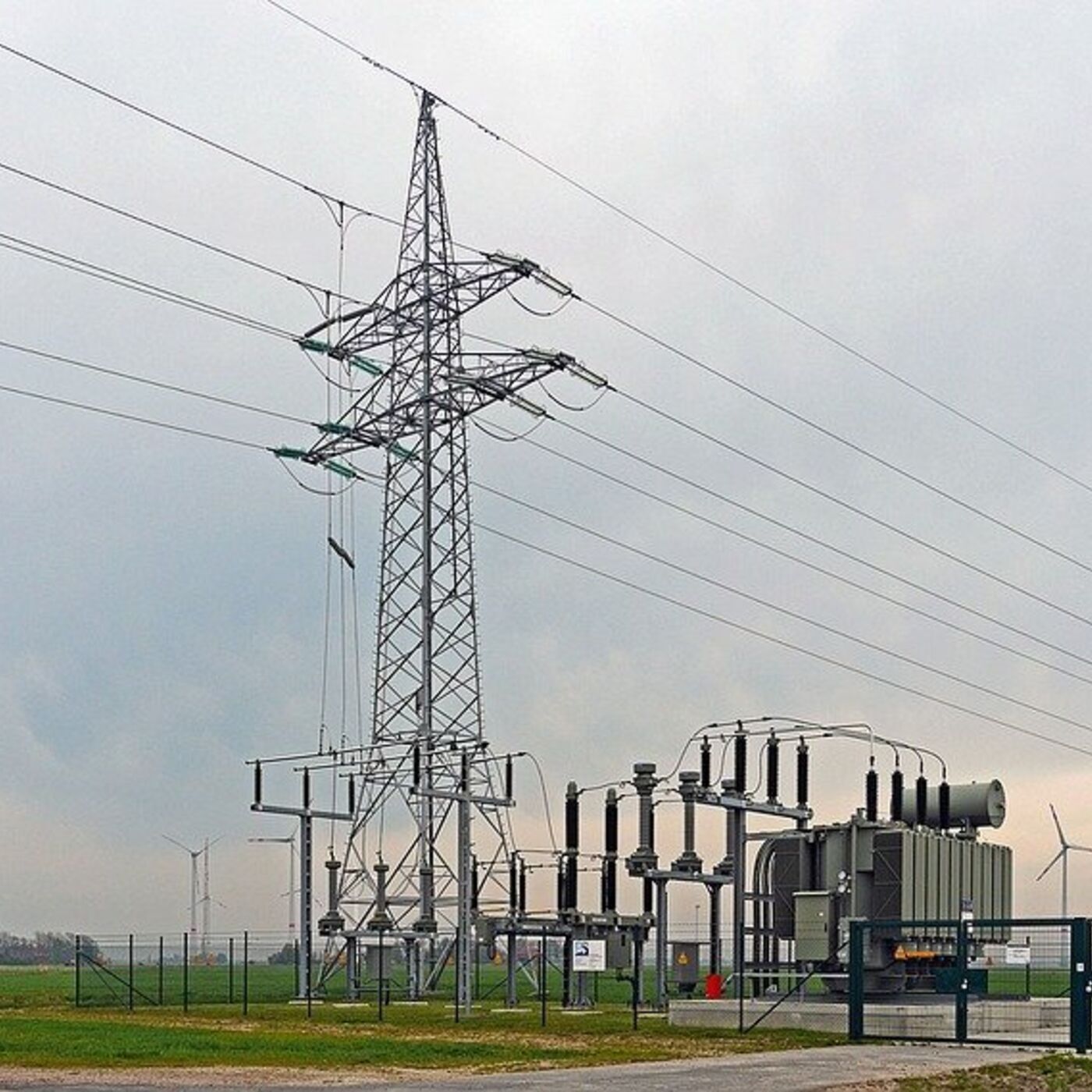
Ep 85What Happened to Our Energy Security?
Adventures in Sustainable Living Podcast Episode 85 What Happened to Our Energy Security As you have likely heard me say before, sustainability is your best security blanket. But part of being sustainable is managing as many of your personal resources as possible. After all, as long as someone else is in control of your resources, someone else is in control of your life. It really doesn’t make any of us feel secure when someone else decides when we get electricity and when we don’t. Yet that is what happens when there are rolling blackouts. I don’t think any of us would have ever predicted there would be a shortage of electricity in the United States. Yet that is exactly what is happening. If you want to hear more then listen to this episode on What Happened to Our Energy Security? Welcome back everyone to the Adventures in Sustainable Living podcast. This is your host Patrick and this is E 85 which is called What Happened to Our Energy Security. Once again I would like to remind everyone that if you would like to contact me with questions, comments, or suggestions on podcast content then please email me at [email protected]. So, let’s get right down to this weeks topic regarding our loss of energy security. First off I am going to tell you about how and why power outages in the U.S are becoming increasingly more frequent. Then I am going to talk about the global energy market, the typical response of the U.S government to any sort of crises that affects that market and why that is not affective. Then I am going to discuss why we have lost our energy security. And lastly I am going to share with you what you can actually do about it. So let’s get to it. I am sure that most of us have heard the term “perfect storm”. What that means is an unusual combination of events or circumstances that produce an unusually bad or powerful result. When we speak of this most of us think of some sort of meteorological events. For example, several storms fronts converging at a particular location resulting in the creation of a super storm. But this term “perfect storm” is also used as a metaphor to describe other events such as economic disasters, wars, crashing of financial markets, etc. But in my opinion, I think it can also be used to describes our present situation. And what I think is that few of us actually realize what is happening because we are so displaced from it. But allow me to give you a few examples of what an incredible world we live in these days. Who would have ever guessed that a global pandemic would change our lives in less than 3 months? Who would have guessed that post pandemic we would see skyrocketing inflation? Who would have ever guessed that a crisis in Ukraine would cause global energy costs to reach historic highs. Who would have predicted that a combination of prolonged drought, population growth, climate change, and poor planning would compromise the primary water source for 40 million people. Who would have ever guessed that we would see empty shelves in the super market? Who would have predicted there would be wide spread shortages of electricity in the United States and that we would actually loose our energy security? When you consider all of these factors, what I think about is the perfect storm. Now I am not trying to be an alarmist I am truly just pointing out the obvious. Now you may think that is implausible that there would be a shortage of electricity in the United States. But California is a perfect example with the rolling blackouts that have occurred several years in a row. The reason this happens is that the demand for electricity exceeds the capability or capacity of the power grid. So what the utility service provider does is produce rotating temporary power outages. In addition to this, there are multiple other reasons for power outages. But that is not the only reason for power outages. These reasons range from planned blackouts, to weather, faulty equipment, traffics accidents, and even animals that climb onto something and cause a short. In 2017 the state of California experienced 438 power outages. In that same year Texas experienced 192 power outages. New York had 165 power outages, Ohio had 158 and Michigan had 155.. But besides these causes, what most people do not realize is that our national power grid in increasingly unreliable and large sustained outages have occurred with increasing frequency over the past 20 years. At least according to one investigation, power outages have doubled in the last 6 years due to hurricanes, wildfires, heat waves, and deep freezes. Between 2015 and 2020, power outages increased by 60%. And what makes the problem even worse is that the seven regio

Ep 84The True Cost of Sustainable Living
Adventures in Sustainable Living Podcast Episode 84 The True Cost of Sustainable Living For years I’ve heard complaints about how expensive it is to live off the grid. Now I hear all about how expensive it is to live sustainably. But is this really true? And even if it is, no matter what the cost, is our convenience really worth compromising our future on this planet? In this episode I want to closely examine several aspects of sustainable living and compare costs. At least if I do that then you will know which lifestyle is more expensive. So stayed tuned for E84 which focuses on the true cost of sustainable living. Welcome back everyone to the Adventures in Sustainable Living Podcast. This is your host Patrick and this is E84 which is called The True Cost of Sustainable Living Before we get started I want to remind everyone that if you would like to contact me with questions, comments, or even suggestions for podcast content then please feel free to email me at [email protected] So, let’s get right down to this weeks topic. Since I do a lot of reading about living off the grid and sustainability, I am always open to comments and suggestions from others. After all, as long as I’ve been living like this, I truly do not know it all. Despite building 2 cabins, a green house, a chicken barn, and installing solar, I still come across concepts that I’ve never even heard of and find myself learning new things. What I have consistently found is that despite the time and effort it takes for me to learn something new, and then complete a project, I always end up saving money. For example, last year I had significant road damage due to heavy rains. In the past I’ve had to pay someone as much as $5K to do road repairs. So this time I learned how to run a large tractor and grade roads, I rented equipment and a truck big enough to move it around, and I did the work myself. The best part is that I only spent $900. So it surprises me when someone complains about the cost of living off the grid or the cost of a sustainable lifestyle. So what I want to do in this episode is closely look at several different aspects of sustainable living and compare that to a standard American lifestyle. The purpose of this is to figure out which lifestyle is more expensive. But first of all if you really think about it, in order to live comfortably, all you need is a shelter to protect yourself from the elements, a way to keep warm, basic electricity for lighting, refrigeration, etc., a source of food and water, and a way to bathe and keep yourself clean. That being said, after the basic it is always nice to have a few extras and some measure of comfort of course. So let’s examine every one of these basics needs and see if it is possible to provide for ourselves in a sustainable manner, do it inexpensively than a traditional lifestyle. Housing First thing on the list is housing. What does a house actually cost? This is not something that I am going to dwell on much because there are so many options available. You can buy raw land and live in a tent if you want, or an RV, a yurt, or build a small cabin. I think it goes without saying that if you have the ability to do a lot of the work yourself you can save a considerable amount of money. Also housing costs are going to vary considerable depending on where you live. So, I am just going to talk about housing costs in Colorado since that is where I live and it will give you some standard of comparison. For example, at the time of this writing, the cost to build a new home along the front range in Colorado is somewhere between $200 and $350 per square foot which is equal to approximately 9.3 square kilometers. This summer I am going to add on a sun room to the cabin and I estimate the cost to run me about $65 per square foot. But I also shopped carefully, purchased materials on sale, used some recycled stuff, and have enlisted the help of some friends. Based on a construction cost of $200 per square foot, if I have someone else do the work the sun room could cost me as much as $39K. By doing it myself, I expect to pay less that $10K. That is a significant savings that I cannot ignore. Despite the time and effort it will take me to do the work myself, it would take far more effort to raise the money to pay someone else to do the work as opposed to taking the time off worked needed to do it myself. As far as the cabins on my property, the log cabin cost me a few thousand to build because I harvested timber off the property for building materials. The newer cabin cost me about $60 per square foot and that includes the solar installation. Source of Heat Now what about a source of heat. If you are like me and live in a colder climate, y
Ep 83Thinking Upstream
Adventures in Sustainable Living Podcast Episode 83 Thinking Upstream I often marvel at the complexity and enormity of the natural world. Consider for a moment the Mississippi River. This river discharges almost 4.5 million gallons of water per second. But it doesn’t start out that way. I got to wondering what I would find if I went upstream? Where does this river come from? Well, one day as I was sitting by the creek below my cabin, I got to wondering the same thing. What would I find if I went upstream? Well, finding the answer to that question created quite an adventure that resulted in a close encounter with a really big bear. Stay tuned if you want to hear that story and find out why thinking upstream is vital to our sustainability. Welcome back everyone to the Adventures in Sustainable Living podcast. This is your host Patrick and this is E83 which is called Thinking Upstream. Once again I would like to remind everyone that if you need to contact me with questions, comments, or even suggestions for content, especially if it is something you would really like to hear about, then you can contact me at [email protected]. So, let’s get right down to today’s topic Thinking Upstream. First of all, you have to know that I am not a stay at home type person. You could even say that I’m a bit restless. I get bored easy. I enjoy challenging myself. That is why I went to veterinary school. That is why I have lived and worked in multiple different countries. That is why I am also a scuba diving instructor. It seems sometimes that I always want to be outside and that is the very reason I have not watched television for over 20 years. I am so busy investigating and experiencing the natural world. That is why is love so much that I live in the middle of the forest. About 26 years ago I purchased some acreage in the mountains southwest of Denver. It was simply a plot of raw land. This is where I still live these days. There is now a green house, a cabin, a chicken barn, as well as some other things. Anyway, after owning this property for several years, I was sitting by the creek that is at the bottom of the ridge below the cabin. I got to wondering about where the creek comes from. Where does it start? It turns out that the headwaters of this creek are very high in the mountains. After making several unsuccessful attempts to find the headwaters because of deep snow, I decided to take another route. I hiked south over a different ridge to another creek thinking that maybe these two ran together. That was my first mistake. At any rate, I walked for several hours through the forest climbing to a higher and higher elevation as the creek grew progressively smaller. I did not know exactly where I was but I rationalized that I could always just follow the creek. Before I knew it, the creek disappeared underground just before I reached timberline. I stopped and took a good look around to make sure I knew my landmarks and decided to climb the rest of the way up the ridge. I sat at the top of this ridge for several hours having lunch and enjoying the view. Just before noon I decided to head back home in order to avoid the afternoon thunderstorms. I spotted the creek at timberline and followed it. After about an hour, the creek disappeared underground. That is when I realized I had taken the wrong drainage. That was my second mistake. I sat for a moment deciding what to do. After all I wasn’t really lost I just did not know exactly where I was. I retrieved my compass from my pack and decided to walk directly east for 2 hours then turn directly north. That should get me back approximately where I started. The challenge began when the terrain kept getting steeper and steeper. I ended up hiking into a very narrow gorge that was steep and completely unforgiving. After struggling for a couple of hours and getting no where fast, I was getting tired. I took my pack off and rested on a nice flat rock to eat lunch. Thinking out loud I ask myself, “Could this day possibly get any worse?” That was my third mistake. Just then I heard something in the rocks a few feet over my head. I turned to look only to find myself nearly face to face with a really big bear. As I slowly reached in my pack for a weapon, my first thought was “Well, this day just got worse.” Fortunately for me the bear quickly lost interest and left. At least that was my conclusion. But you better believe I spent the rest of the day looking over my shoulder. A couple of weeks later on another hike I finally found where my creek started. Turns out there is a large underground spring high in the mountains that first forms a lake. The drainage from that lake which drains forms the stream. On the way down the mountain another larger stream connec
Ep 82Walls, Weapons, and Wisdom
Adventures in Sustainable Living Podcast Episode 82 Walls, Weapons and Wisdom We pay our federal income taxes every year as a “price of civilization” and then we sit back and watch our government spend our tax dollars like an irresponsible teenager with a credit card. Furthermore I sit back and observe this massive machine of civilization that we have created and wonder how it is that we got so far off track. After all focusing on a sustainability does not seem difficult to me. But this possibility of a sustainable future is too often clouded by the mighty powers that still insist on building walls and weapons. But I am of the opinion it is time to change our conventional wisdom on such matters. If you want to enjoy one of the few times that I will make a political statement, then listen to this episode on Walls, Weapons and Wisdom. Welcome back everyone to the Adventures in Sustainable Living podcast. This is your host Patrick and this is episode 82 which is called Walls, Weapons, and Wisdom. But before we get started I want to take a moment and remind everyone that if you have any questions, comments, or even suggestions about content please feel free to contact me at [email protected]. So, let’s get right down to this weeks topic. Now this episode is going to be a bit different from most other things I have produced in the past. But my purpose in the end is to get my listeners to thinking about your personal priorities as related to sustainability. In order to encourage you to think about that I am going to use two examples, that being Walls and Weapons, to show just how far off course our modern society really is these days. And the purpose of revealing these two extreme examples is to make you examine your personal choices about a sustainable life which is some you can control. First off I have to say that I am not a very politically oriented person. I do have friends with strong political views and I always find it entertaining when they foam at the mouth over one candidate or another, or about some obtuse issue that makes no difference in regards to the future of this planet. In fact, I make it a habit to distance myself from political organizations. However, I have to say that I strongly disagree with many ways in which our country is operated. We pay a heavy price for our civilization in the form of income taxes, sales taxes, estate taxes, capital gains, gasoline taxes, food prices, etc. And these of course are things over which we have absolutely no control. If you think you have a choice then try not paying your taxes and see what happens. But in the interest of fairness, there are advantages to the taxes we pay because the government does provide services that are very valuable. Disaster relief, financial assistance during the pandemic, food security, national security, vital infrastructure as well as many other things. So I don’t want to make light of such services. But it is hard to watch sometimes when the government spends our tax dollars like an irresponsible teenager with a credit card. That said, there are many reasons I live the way I do, a lifestyle that is off the grid, conservative, minimal living, as sustainable as I can be, and living totally off of renewable energy sources. But another less obvious reason I live the way I do is that it is my subtle way of protest. I provide as much for myself as I can and I legally limit my tax liability by being in business for myself and working closely with an accountant to make sure that every thing I do with my business is perfectly legal. The bottom line for me as far as politics is concerned is that I rarely make a strong political statement. Yet sometimes I feel compelled to do so. So up front I am not going to apologize if I offend anyone by what I state in this episode simply because the focus here is not on politics but to point out just how far we have gotten off track from a sustainable future and just how ridiculous we are sometimes. Our government spend massive amounts of money on meaningless projects instead of improving social reform, decreasing the incidence of poverty, increasing the employment rate, building an infrastructure of renewable energy, engaging in land reclamation, greening of the economy, and even massive public education projects to bring sustainability into our everyday lives. I think it is valuable to point out that the three pillars of sustainability are environment, economic, and social, often referred to less formally as people, planet, and profits. I have previously stated that the environment would be just fine without people. But without people there is no economy and certainly no society. Consequently, a vital part of managing our sustainable future is good relationships, internationally, domestica
Ep 81Apathy, Optimism Bias, and Fossil of the Day
Adventures in Sustainable Living Podcast Episode 81 Apathy, Optimism Bias, and Fossil of the Day From time to time we have all been apathetic about something. meaning we are simply indifferent to what is going on around us. If left unaddressed, apathy can lead to significant consequences in our lives. But sometimes we are even informed of those consequences and yet we do nothing. This is exactly how we are addressing climate change and living sustainably. We are simply apathetic for a number of reasons. Despite steady warnings from scientists regarding climate change, we are doing a sum total of nothing. Some believe this is because of optimism bias. If you want to hear more about our apathy, optimism bias and learn about fossil of the day, and how to defeat this attitude then stay tuned for E81. Welcome back everyone to the Adventures in Sustainable Living podcast. This is your host Patrick and this is E 81 which is called Apathy, Optimism Bias, and Fossil of the Day. Before we get started I would like to remind everyone that is you would like to contact me with questions, comments, or even suggestions regarding content, feel free to contact me at [email protected]. So, let’s get right down to todays topic, apathy, optimism bias, and fossil of the day. Have you ever noticed how people love to make excuses. I am sure at some point in time we have all had a co-worker that was constantly late and they always seemed to have the perfect excuse. Additionally I am sure that we’ve all known someone that was unemployed that sits around for months and they always have an excuse for making zero effort to find gainful employment. People make excuses for many things: not loosing weight, not exercising regularly, not eating better, not making sustainable, choices, etc. We commonly hear things such as, “I’m not ready.”, “I don’t believe I can do it.”, “I will start tomorrow.” , “I’m not motivated.”, “I don’t have the right education.” But as far as living a more sustainable life, people often say something such as, “It’s too expensive.”, “I want to do more for the environment but my individual effort won’t make a difference.”, “It’s doesn’t fit into my lifestyle.”, “I don’t know where to start.”, “I am for reducing pollution but I am too busy to walk or ride my bike to work.”, “ I would stop eating beef but it tastes so good.” We hear a constant string of excuses for not living more sustainably when most climate scientists agree that we have about 12 years left before our climate is at the tipping point of no return. But despite knowing the facts and the urgency of the situation, why do we not take immediate action and do everything within our power to prevent this situation from worsening. Well, the underlying reason has to do with apathy. And the reason we exist in this state of apathy is that most of us still view climate change as a distant threat, temporally, geographically, and socially. This is why we continue not to act. We believe that the implications of climate change are so far in the future that it will not affect us. And truly, some parts of the world where climate change is taking a serious toll are so far away from us we see no reason to be concerned. Furthermore, we have this kind of ‘social distance’ from climate change because we think it will never affect someone like us. Scientist and psychologists refer to this attitude as optimism bias. Similarly, we assume that we are the ones that will never be involved in a bad car accident, never get divorced, never get cancer, or never be the unlucky person to be impacted by a natural disaster caused by climate change. The bottom line is that we temporally, geographically, and socially distance ourselves from climate change which accounts for our apathy. But there is an alternative explanation for our collective apathy. It is called the “free-rider effect.” The theory behind this is that the larger the group of people, the less overall effort an individual will put toward a common cause because they see themselves as dispensable. The problem with this is that people begin to believe that their personal actions will not make a difference and they become apathetic. Now I actually talked about this a little bit in my episode on performative environmentalism. I discussed how big industry and big oil are to blame for many of the environmental changes. Just 20 of them are responsible for 35% of global emissions. The impact that we have as individuals is almost nothing compared to industry. For example, one household going car free, flight free, or even going vegan many save 4 tons of emissions per year. But the world needs to slash tens of billions of tons annually. This type of change requires government investment and str
Ep 80Household Hazardous Waste and How to Avoid It
Adventures in Sustainable Living Podcast Episode 80 Household Hazardous Waste and How to Avoid It Whenever someone mentions hazardous waste, you most likely think of big industry, or perhaps even radioactive material that is stored in some unknown place out of harms way. But unfortunately we commonly have numerous hazardous materials in our homes. Furthermore we actually produce 13 tons of hazardous waste every second? That amounts to over 400 million tons every year. Presently there are over 700 man made chemicals that have been found in the human body that are not supposed to be there. In this episode I want to talk about common household hazardous wastes, how to handle them and even how to avoid them. Welcome back everyone to the Adventures in Sustainable Living podcast. This is your host Patrick and this is E80 which is called Household Hazardous Waste and How to Avoid It. Once again, I would like to remind everyone that if you would like to contact me with questions, comments or even suggestions about content that you would like to hear about, then please feel free to contact me at [email protected]. Repeat So, let’s get right down to today’s topic. In this episode I want to cover several things. Topics: -Define hazardous waste -Just how much do we produce every year -What we have to do to manage it and what that costs -Common household hazardous waste and how to handle it -What happens with improper disposal. -How to avoid using hazardous waste. -Resources to homemade products that are much safer. You know I distinctly remember once upon a time in a land far far away, life was simple. Our society and culture these days is far more complicated that it needs to be. I ended one of my recent episodes with a quote from Confucius, which was “Life is really simple, but men insist on making it complicated.” You know at some point we all should start questioning why our lives are so complicated when it can be so simple. We can all start by saying no to all the things that make it so. A big part of sustainability is respecting the environment in which we live. After all, all that we need to survive, live well, and keep ourselves in good health is connected either directly or indirectly to the natural world. Yet we keep destroying the very thing we need by producing and using chemicals that are harmful to the environment and ourselves. In fact, there is a rather broad family of over 9,000 chemicals, now being called Forever Chemicals, that have been found in the blood stream of people and animals all over the world. These are chemicals that are man made, meaning that are not naturally occurring. They are called Forever Chemicals because they hardly degrade once they are produced. Furthermore, only about 14% of these chemicals, which are the ones used in the largest volume, even has any sort of minimal data in order to perform some sort of initial safety assessment. And what we presently know about some of these chemicals is not exactly good news. Some of these are known to cause, DNA damage, hormone imbalances, immune system disorders, reproductive disorders, cancers, as well as many other things. And this does not take into account the hazardous waste that we produce everyday. According to the Environmental Protection Agency webpage, hazardous waste is define as waste that has properties that make it dangerous or capable of having a harmful effect on human health or the environment. And we produce 13 tons of hazardous waste every second, which adds up to over 400 million tons annually. But there are ways to mitigate some of this. Recycling and various processing methods can recover some of the waste which can then be reused in manufacturing processes. In addition to that, there are numerous other efforts taken to manage the hazardous waste that we produce. There are containers, tanks, drip pads, containment buildings, incinerators, boilers, industrial furnaces, landfills, surface impoundments, waste piles, land treatment units, injection wells, underground mines. And we spend $200 billion annually to manage our waste. But before all of these recovery and mitigation efforts were in place, sometimes we just did nothing about it at all. For example, the second largest man made reservoir in the United States, Lake Powell, actually covers up the open dumping of 26,000 tons of unmediated uranium tailings. And this is because it used to be common practice to dump the material in the open Now while you may listen to this episode and only think of some steaming pile of hazardous waste in some far corner of the country just waiting to spawn another Godzilla, all yo
Ep 79Recycling Part Three: 6 Common Household Items and How to Recycle Them
Adventures in Sustainable Living Podcast Episode 79 Recycling Part Three Six Common Household Items and How to Recycle Them Recycling is all about reducing the amount of waste that goes to the landfill. If you talk about recycling, most people instantly think about paper, plastic, glass, aluminum, and vegetable cans. However, there are a number of other things in our homes that can and should be recycled. For example, light bulbs. In this episode I am going to talk about how to recycle 6 common household items that most of us never even think about. It may require a little bit more work but it is something that is doable. If you want to be in the know, then listen to this episode on Recycling Part Three: Common Household Items and How to Recycle them. Welcome back everyone to the Adventures in Sustainable Living podcast. This is your host Patrick and this is E79 which is Recycling Part Three: Common Household Items and How to Recycle Them. But before we get started once again I want to remind everyone that if you have questions, comments, of suggestions about the content I produce, you can email me at [email protected] Repeat. So, let’s get right down to today’s topic. This is going to be a little bit of a shorter episode because I just simply want to cover 6 common household items that can easily be recycled, some of which we likely never even think about. But the point here is to always get you to think about options as far as recycling and reducing your waste. Eventually maybe all of us will make it our goal to go zero waste. But in the mean time, we always have to things about recycling. Additionally, there are actually some common household items that should be recycled simply because that contain toxic chemicals and should never go to a landfill. So, let’g get right down to it. Light Bulbs There are many things in our homes that we can recycle that most of us never really think about. For example, before producing this episode, I never thought that you could and should recycle light bulbs. I never have before and truly never gave it any thought. But it truly is something that you can do. As it turns out, there are three main types of light bulbs and each has a particular set of challenges. The older type of light bulbs, which are much less common these days, are the incandescent bulbs. These bulbs are made of glass with a tungsten filament that when current is passed through it, it heats to the point of being white hot and produces visible light. However, due to their inherent inefficiency, this bulbs are actually being phased out of many applications. However, they have a very low manufacturing cost, can be used indoors and outdoors, and are a very popular choice. But, in 2007 due to new efficiency standards, these bulbs started to get phased out. But, if you still have some around the house, you can recycle them but it is difficult because they contain small amounts of metal and glass that are difficult to separate. However, they do not contain any hazardous materials and if you end up throwing them out, at least they will not do any harm. Halogen bulbs are another type of light bulb that is difficult to recycle. It contains quartz glass which has a different melting point than other common types of glass. So, if you can, then avoid purchasing halogen bulbs because they are still on the market and you can easily find them. Compact fluorescent light bulbs, or CFLs for short, were a step up in efficiency above the standard incandescent bulb. These bulbs are commonly used in schools, businesses, and hospitals. These bulbs are made of a glass tube that contains argon and mercury and when a current passes through they emit visible light. Although these bulbs are energy efficient, they are not very environmentally friendly due to the mercury contents which is highly toxic to people and animals. Due to that, these bulbs should never be thrown in the trash and should be recycled. The EPA even suggests that consumers take advantage of local CRL recycling programs. In fact, some large retailers such as Lowes and Home Depot accept CLFs for recycling. Now that leads us up to LED bulbs, which stands for light emitting diode. These bulbs are 90% more efficient that incandescent bulbs and last up to 50,000 hours. Not only that, LED bulbs are environmentally friendly and are easily recycled which makes them a fantastic choice. As one small aside here, when I was designing my solar electric systems, I switched everything to LED bulbs. I think it cost me about $150 USDs to do so but it cut my energy usage for lighting by 75%. So don’t forget to recycle this common household item because they cont
Ep 78Recycling Part Two: We Need to Ditch Performative Environmentalism
Adventures in Sustainable Living Podcast Episode 78 Recycling Part Two We Need to Ditch Performative Environmentalism With all the talk about going green, I look at some of the things we do and question if we are doing more harm than good. Now more than ever we use every “R” word in the book: reuse, recycle, regenerate, reclaim, reabsorb, recreate, and even more. But is this all just a public performance. Are we just showing off instead of showing up. In this episode I want to discuss performative environmentalism. By doing so, I am going to make you feel bad about some of your green choices. Then I am going to tell you how you can truly make a difference. So stick around for Recycling Part Two: We Need to Ditch Performative Environmentalism. Welcome back everyone to the Adventures in Sustainable Living podcast. This is your host Patrick and this is E78 Recycling Part Two: We Need to Ditch Performative Environmentalism. Before we get started I would like to once again remind you that if you would like contact me with questions, concerns, or even suggestions on content, especially if there is something in particular you would like to hear about, you can contact me at [email protected]. Repeat. So, let’s get down to today’s discussion With all the talk these days about going green, reducing our carbon footprint, and recycling, more and more these days we hear the “R” word. This is usually one of the following: reuse, recycle, regenerate, reclaim, reabsorb, recreate, and even more. Typical to my personality, I got to wondering if we are actually doing the right thing. Are we actually approaching this in the right way. Or are we just showing off instead of showing up, meaning is all of this just a public performance and we are not even solving the underlying problem. Are we just showing off our green choices and making ourselves feel good all the while missing the most important point of all. That is the basis of performative environmentalism. In this episode I first want to discuss how we developed this recycling mentality to begin with, where it came from and who started it. Secondly I want to define performative environmentalism and give you some good examples of how that works and what it means. Thirdly, I want to show you that in many ways the small little things we do to make ourselves feel better about the environment are actually meaningless. Then I am going to show you that industry does nothing but promote this wasteful cycle. And lastly, I want to tell you how you can actually make a difference. In light of all the take about going green these days, several months ago I asked myself if there was any one thing that I did that had zero impact on the environment. The short answer to that is NO? It turns out that just being here on planet Earth, living and breathing, does have some impact. Anything we do beyond that, such as living our daily lives, has even further impact. That said, we all can’t just sit around and live like a bunch of zombies. We have to get on with the business of life. But while living our lives we have to keep in mind one of the basic principles of sustainability is having as little impact as possible. Part of the solution to that is to minimize our use of resources and reclaim what we do use by recycling. But as I have stated before that has challenges as well. But until we solve some of our biggest problems, we still cannot ignore recycling. But before you cement this idea in your head that going green is actually a good idea, I would say it depends on how you go about it. But before we even get to that, taking a look at where we came from offers some valuable insight into why we are where we are today and why everything is such a mess. Once upon a time in our culture, maybe 75 years ago, if you wanted something to eat, or if you just wanted a cup of coffee, you actually sat down in a restaurant and you were served food on a china plate and coffee in a porcelain mug. This was the ideal circular model for doing business. The restaurant owner sold you food and coffee, there was very little waste. In fact, there were few litter bins on the street because there wasn’t a lot of trash. Beverages such as coke and beer were produced and distributed locally because bottles were expensive and heavy and transportation was slow. But again this was a circular system because bottles were collected, washed and used again. Additionally, the producer took responsibility for the product and the packaging. Milk and even some foods worked the same way. Milk came in glass bottles and it was delivered right to your door. Consequently there were bottlers, breweries, and diaries in every small city and town. It was a very simple, circular model. Local busine
Ep 77Recycling Part One: Recycling is Broken. How Do We Fix It?
Adventures in Sustainable Living Podcast Episode 77 Recycling Part One Recycling is Broken. How Do We Fix It? In today’s world you would think that recycling would be one of those no brainers. But then again you would think that climate action would be a no brainer as well especially since we have known about climate change for over 125 years. But yet here we are. Since I travel some for work I have the opportunity to live and work in different communities. I consistently work in places where it is almost impossible to find options for recycling. So why is it that recycling is so difficult. Why is it that the United States lags so far behind in the recycling scheme when there are numerous examples around the world of communities that offer us a view into best practices. If you want to know the answers to these questions, then listen to this episode on Recycling is Broken. How Do We Fix It? Welcome back everyone to the Adventures in Sustainable Living podcast. This is your host Patrick and this is E77 which is the first episode in the series on recycling. This episode is called Recycling is Broken. How Do We Fix It? Before we get started let me take a moment to remind my listeners that if you would like to contact me with comments, concerns, or suggestions about content for the podcast, or if there is something you really want to hear about, feel free to contact me by using my podcast email address which is [email protected]. Repeat. Okay, let’s get to it. I want to cover several things in this episode. 1) First I am going to give you some stellar examples of communities and countries where recycling is very successful. 2) Then I want to talk about the state of recycling in the United States. 3) Lessons to be learned: Then I want to follow that with the lessons to be learned from the communities that are very successful with recycling. 4) What you can do: Then to wrap things up, I want to point out very specific things you can do as an individual and talk a little bit about best practices. I have to say that as much as I focus on having a sustainable lifestyle I am consistently discouraged and frustrated when I work in various communities and find it almost impossible to recycle anything. In fact most of the time my only option is to purchase products with little or no packaging. But that is often extremely difficult. But it is still frustrating when I have almost zero options for recycling what little waste I do produce. Furthermore, I find that absolutely incredible considering the world that we live in today. Yet it is our complacent attitude about so many things that will result in our un-doing. For example, Earth’s average temperature has risen by 1 Degree F over the last 100 years. Under all of the present scientifically based scenarios, that will increase to 2 degrees F by 2040. And most scientists believe that is the tipping point of no return and unless the entire planet gets to zero emissions by 2050, we will see catastrophic changes in the climate. And you would think this knowledge would be a huge stimulus for change. But, it is not. People cannot even agree on basic health protocols during a world wide pandemic. It is unlikely that people will adopt all of the needed changes to their lifestyle in order to reach zero emissions. But people are resistant to do that because this is something that will touch every single aspect of our lives. But I use this as just an example because talk about climate change is becoming increasingly serious these days. That being said, we cannot stop climate change tomorrow. We cannot all become zero waste tomorrow. Nor can we all start suddenly living sustainably tomorrow. This is all part of a complicated process. Recycling is just one small part of a much bigger puzzle. But when you take into account that 80% of what we throw away could be recycled, and that we are actually beginning to run out of resources, you begin to appreciate the enormity of the problem. But while most of us sit and argue about the merits of various environmental initiatives, some communities, and indeed some countries, have taken matters into their own hands years ago. And it is these communities and nations that can be looked at as an example for the rest of the world. Not only that, these communities can be looked at for guidelines to what the rest of us should and could be doing. Costa Rica For example, when I visited Costa Rica I had to put a considerable amount of effort in order to find an actual trash can. This is because every street corner had recycling bins. But I visited Costa Rica a number of years ago. Now despite this country’s image as being a green destination, Costa Rica has similar problems to
Ep 76How to Thrive Outside of Mainstream
Adventures in Sustainable Living Podcast Episode 76How to Thrive Outside of Mainstream Living sustainably is really truly nothing new. Yet because our modern culture has warped our way of thinking and sense of values, most people think of it as an “alternative lifestyle”. When the reality is that living sustainably should be considered mainstream. But I have often said that when you find yourself in agreement with 90% of the people around you, pack your bags and run the other way as fast as you can. But, so says the guy that has lived off the grid for 25 years. Obviously I am not afraid to step outside the norm and live outside of mainstream So if you want to hear the whole story then listen to this episode which is call. How to Thrive Outside of Mainstream. Welcome back everyone to the Adventures in Sustainable Living podcast. This is your host Patrick and this is E76 which is called How to Thrive Outside of Mainstream. Before we get started, I want to first remind everyone that if you have questions, comments, or suggestions on content for this podcast, you can contact me at [email protected]. I want to start this episode by sharing with you a story about William and Beth. Early in their years together they lived on a small farm out in a very rural area. They had one son name Jacob. They had a large garden, raised some small livestock for food and lived in a relatively small house with no electricity. What they could not grow for themselves, they purchased from a local farmers market. They canned excess food to help get them through winter. They heated their house with a wood stove. William had a workshop where he did small engine repair and did odd jobs and some construction work for extra money. They lived a few miles outside a small community that basically had everything they needed. Although the closest neighbors were a few miles away, someone was always around if they ever needed help with anything. Beyond that, they could ride the horse into town for additional things if something was required. They had a very peaceful and quiet life. It was nothing luxurious but they lived well within their means and were always happy. Then one day a stranger showed up at their door. He was a kind and well spoken man and was a representative from a rural electric company. He was there to inform them that electric lines were going to be brought into the community and the company was willing to bring electricity up to their house free of charge. William declined the offer and stated they did just fine with what they had. A few months later on a trip to town, Beth heard all about how many of their neighbors had electricity. The lights would turn on with a flip of a switch, they actually had electric refrigerators and did not have to use the icebox anymore. They even had an electric washing machine that saved a lot of time doing laundry. This was all so unbelievable to Beth. The following week, she rode the horse over to the neighbors to see all of this for herself. Beth came back home to share her experience with William. She talked endlessly about having electricity because it seemed to make people’s lives so much easier. Over a couple of months, Beth spent more and more time with the neighbors because she enjoyed all the convenience that electricity seemed to bring. This of course meant she was spending less time with William and Jacob and spending less time doing what it took to keep the farm running. She finally talked to William again about getting electricity because it would make their lives much easier. This time William agreed but first he wanted to see for himself. After a visit to the neighbors he contacted the representative from the rural electric association and set up a time to have electricity run to the house. Once that was accomplished, William had to pay for someone to install all the wiring into the kitchen area because he was not an electrician. It didn’t matter though because he just did a little extra work in order to make up for the money he spent. After that was done, he knew he would have to purchase kitchen appliances. After all, what good was having electricity if you could not take advantage of what it offered. He of course did not have the money to pay for the refrigerator and the kitchen stove. But that did not matter because the store was willing to give him credit. He just had to make monthly payments. As it turned out, this did not concern him too much, he would just have to work a little extra. Then there was of course the monthly payment for the electricity. Eventually William was unable to find enough work in his shop to make the payments that he now had. Furthermore, with all the work that he was doing, the fields had been somewhat unattended. The amount of work required was even too much for their son Jacob. As William became pressured more and more for money, he decided to try to get a job at the new factory that had been built in the next county over. Whe