
Adventures in Sustainable Living
275 episodes — Page 2 of 6
225-8 Tips to Reduce Your Environmental Impact While Using the Internet
Adventures in Sustainable Living Podcast Episode 225 8 Tips To Reduce Your Environmental Impact While Using the Internet The internet is truly a powerful tool. We have access to thousands of years of information in a matter of seconds. In combination with digital technology this has literally changed how we live and function. It saves us time, work, money, gasoline, and in many ways reduces our impact on the environment. While this all sounds wonderful, what most people do not know is that using the internet actually have a significant impact on the environment. However, for the average consumer, this impact is out of sight, out of mind. If you want to learn more about your personal environmental impact by using the internet and how to reduce that impact, then stick around for E225. Welcome back everyone to the Adventures in Sustainable Living podcast. This is your host Patrick and this is E225, 8 Tips To Reduce Your Environmental Impact While Using the Internet Likely you have heard me say before that everything we do has some sort of an impact. But sometimes that impact is truly not obvious to us at all. For example, the using the internet. What I want to focus on in this episode is the environmental impact of the internet and what we can do as individuals to reduce that impact. Good News Story of the Week But before we get started, let’s first talk about the good news story of the week. As we all know at this point, humanity has had some enormous detrimental impacts on our planet. One of the most concerning is the loss of biodiversity. But this story is about one species that appears to be making a rebound. The number of monarch butterflies overwintering this year in Mexico has nearly doubled, according to the annual census released last week by the World Wildlife Fund in Mexico and their partners. The monarch population had reached dangerously low levels and this years survey is an important indicator that this iconic species is on the rebound. What has helped is less severe drought than in previous years as the concerted effort of governments, landowners, conservationists, and citizens to safeguard critical habitat along the monarch’s North American migratory route. What has also helped is a decrease in forest degradation. What we can do as individuals to help this species to thrive is to plant milkweed, which is the only plant on which monarchs will lay their eggs. The milkweed then provides an important source of food for the monarch caterpillars. As Spring arrives the butterflies migrate north in search of milkweed to lay their eggs. But they also need nectar plants for food. So, this is another example of something you can do to turn your yard into a wildlife habitat. You can even use the milkweed map to find a species that will thrive in your area. So this weeks round of applause goes to the rebound of the monarch butterfly. So, let’s move on to this week’s episode. Turning Points in Human History Believe it or not one of the things that I find interesting is history. I am not a history buff by any means. But whenever I travel I enjoy seeing ancient buildings, art, old churches, old forts to name a few. Most recently I was working out of town and was living temporarily in an old plantation house that was built in 1760. I took the time to research the history of the plantation and even found a guy that searched archives in London for old photographs. I truly found it fascinating to learn a bit of history about the place where I was staying. Another thing that interests me is some of the major turning points in human history that made significant shifts in societal, technological and cultural developments. The discovery of fire and the transition from hunting/gathering to farming are among the earliest pivotal moments that transformed human societies. The invention of writing and the wheel, both dating back to at least 5000 BCE, also represent crucial advancements that facilitated communication and transportation. Julius Caesar crossed the Rubicon in 49 BCE marking the beginning of the civil war that would end the Roman Republic. The signing of the Magna Carta in 1215 is widely regarded as the foundation of the English and U.S. constitutional systems and a cornerstone in the development of democratic principles. The rapid growth and widespread adoption of television as a dominant medium for entertainment and information, particularly in the mid-20th century. This shift not only transformed how audiences consumed media but also led to significant changes in cultural practices and social interactions. The advent of the internet and creation of the first website in the late 1960s revolutionized communication and the global sharing of information. This technological leap has had profound impacts on nearly every aspect of modern life, from business and education to social interactions and entertainment. More recently adoption of the widespread use of smartphones has al

224_Can AI Put Us on the Path to Sustainability?
Adventures in Sustainable Living Podcast E224 Can AI Put Us on the Path to Sustainability? New things, the unexpected, circumstances out of our control and any sort of change are all things than can make us a bit uneasy. Perhaps it is nothing more than fear of the unknown. We feel as if we will lose something or maybe we will lose our present lifestyle all together. One thing is certain. Change is always scary. World politics, the climate, price of energy, price of food are all things that change constantly. Advances in technology are also constant. What was top of the line today is obsolete tomorrow. Now we face additional new technology called artificial intelligence. Is this good or bad? So join me for E224, Can AI Put Us on the Path to Sustainability? Welcome back everyone to the Adventures in Sustainable Living Podcast. This is your host Patrick and this is E224 Can AI Put Us on the Path to Sustainability. The majority of the people I know do not deal with change very well. I know this because of the type of work I do. I am often the person that has to implement changes. I am often challenging the status quo. Even though I am attempting to make changes for the better I still meet up with a considerable amount of resistance. This is because most people just don’t like change. Sometimes I think I am the only one that does. But what most people do not know, or do not want to accept, is that change is inevitable. The use of AI is a perfect example. This technology will change so many things, perhaps for the better, but already people are afraid of it. What I want to accomplish in this episode is to first look at the concept of AI and then discuss some ways in which this developing technology may help us to build a more sustainable future. Good News Story of the Week But before we get started with that, let’s talk about the good news story of the week. It is likely no big surprise that the developed world continues to fail at confronting the biggest challenges of our modern age, one of which is climate change. But the good news is that the private sector is stepping in to pick up the slack to the tune of $100 billion. The United Nations Environment Program reports that financing to protect nature is surging with an eleven fold increase in just four years. This has occurred in a variety of ways including managed accounts, electronically traded funds, debt-for-nature swaps and venture capital funding. If capital continues to flow at such rates, it is projected that by 2030 the private sector would have contributed over $1 trillion into investments that protect nature in some way. While the governments of the world continue to fail to face up to and meet the biggest challenges of our modern world, it is nice to know that the private sector is working to pick up some of the slack. So, let’s move on to this weeks episode regarding AI and sustainability. But let’s start out by looking at a tiny bit of history because I think it helps to bring things into perspective. The First Computer The first modern computer was built in 1942 by John Vincent Atanasoff and his graduate student Clifford Berry at Iowa State College, now known as Iowa State University. However the first programable, electronic digital computer, known as the Electronic Numerical Integrator and Computer, ENIAC, was completed in 1945. This computer contained over 17,000 vacuum tubes, 70,000 resistors, 10,000 capacitors, 6,000 switches and 1,500 relays. I measured 8 feet tall, 3 feet deep, and 80 feet long and required its own air conditioning unit to manage all the heat generated during operation. And now it is amazing to think we all walk around with a hand-held computer that fits in our pockets, also known as our smart phones. The Birth of Artificial Intelligence In 1950, Alan Turing, an English mathematician and computer science pioneer, posed the question, “Can machines think?” To test this question, Turing devised a game which later became known as the Turing Test. It was an adaptation of a Victorian-style game that involved the seclusion of a man and a woman from an interrogator, who must guess which is which. In the Turing Test, one of the participants was replaced by the computer program. The interrogator had to tell which was the human and which was the computer. If the interrogator was unable to tell the difference, the computer was considering to be “thinking” or to possess “artificial intelligence.” It is interesting to note that Turing’s test came merely years after the development of digital computers. In 1956, John McCarthy, a professor at Dartmouth College, organized a workshop to develop ideas about thinking machines. For this project he chose the name “artificial intelligence.” This Dartmouth workshop is widely considered to be the founding moment of AI as a field of research which focuses on “how to make machines use language, form abstractions and concepts, solve kinds of problems now
223_Incorporating Renewable Energy in Your Everyday Life
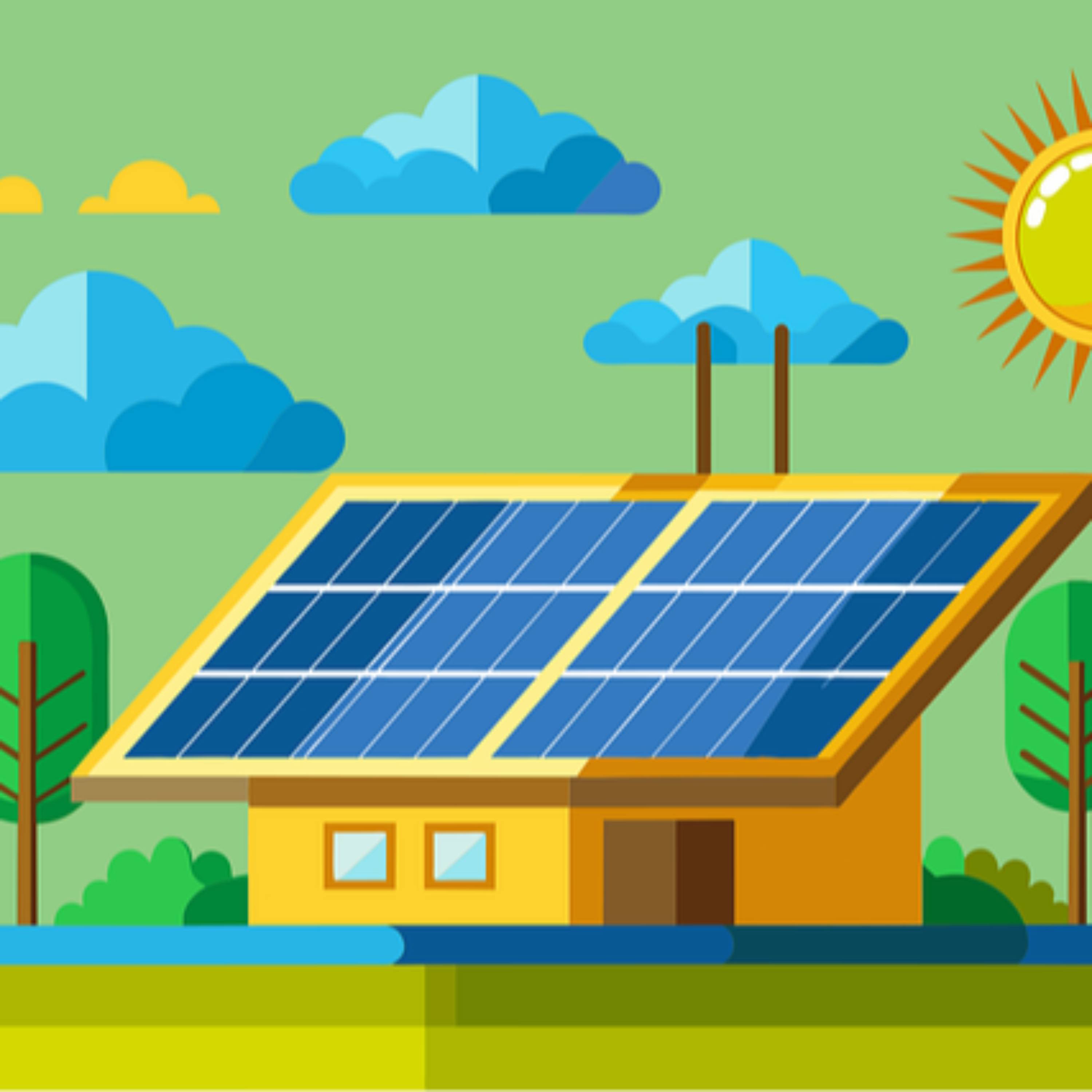
Adventures in Sustainable Living Podcast Episode 223 Incorporating Renewable Energy in Your Everyday Life When we sit in a beautiful, quiet place to watch the sunrise most people are taking in the beauty and perhaps having a meditative moment and appreciating nature. Then we go about our day never really thinking much about the power of the sun. Maybe we’re just thankful it comes up everyday. What we never stop to realize is that the sun provides a constant steady stream of energy that is not likely to burn out for the next 5 billion years. What that means is that this incredible source of energy is renewable. Yet most of us have the impression that it is still beyond our reach. I hope I can change your mind because in this episode I am going to discuss how to incorporate renewable energy in your everyday life. Welcome back everyone to the Adventures in Sustainable Living podcast. This is your host Patrick and this is E223 Incorporating Renewable Energy in Your Everyday Life. Well folks I am going to start off this episode with the good news story of the week because it is related to this episode. Good News Story of the Week We have become so accustomed to a take, make, dispose society that most of us are still stuck in that linear antiquated cultural model. We bow to planned obsolescence and go buy something new, yet again. Most of us likely don’t even remember a time when products were built to last and services were offered to make them last even longer. In other words, we still don’t think in terms of reduce, reuse, and renew. But fortunately that is changing. By far one of the most wasteful things in our culture is our attitude toward take, make and dispose. This is directly related to planned obsolescence, which involves designing products to become obsolete within a certain timeframe or designing products to have a limited shelf life before they break and have to be replaced. This idea can be traced as far back as 1924 but this idea was not widely recognized until the late 1950s. Fortunately a lot of people are starting to recognize that this practice is tremendous wasteful and results in a significant environmental impact. Consequently, “right to repair” legislation has now been introduced in all 50 states. This marks a major milestone in this important grassroots consumer movement. What this means is that consumers and independent repair companies have access to the tools, parts, documentation, and software required to diagnose, maintain, and repair certain types of equipment. These laws typically require the original equipment manufacturer to provide manuals with specifications, schematics and software update to consumers at no cost, allowing devices to be repaired without voiding the warranty. These laws also ban the use of technological protection measures and are designed to restrict repair only to authorized repair technicians. With the progressive difficulty of repair most electronic devices, most do-it-yourself folks get frustrated and just throw something away because they cannot repair it. Consequently, electronic waste is one of the largest sources of non-recyclable waste that ends up in our landfills. Right to repair laws are a fantastic step in the right direction to reduce the millions of electronics that end up in our landfills every year. So, this week’s round of applause goes to the right to repair laws. And speaking of something that is reusable, this week’s episode is about renewable energy and how to apply that to your everyday life. In my opinion, it is about time because as difficult as it may be to accept, the error of our ways is creeping upon us in a not so subtle way. Now we are in a race with time before reaching critical tipping points even though we have known about potential climate change for over 100 years. Big business and big government continue to push their selfish agendas even though we could run the entire planet on renewable energy. I think most people would completely change their thoughts on renewable energy if they knew that in a single hour the sun provides more energy than what all of humanity consumes in an entire year. To grasp the extent of that we have to talk some pretty big numbers. Every hour there are 430 quintillion joules of energy impacting the earth from the sun. A quintillion is the number 1 followed by 18 zeros. Presently, it is estimated that humanity consumes about 410 quintillion joules in one year. That means in a single day the earth is impacted with approximately 24 times more energy than all of humanity uses in one year. Interestingly enough people have been harnessing the energy of the sun for centuries. The use of solar energy dates back as far as the 7th century B.C., where ancient civilizations concentrated sunlight with glass and mirrors to light fires. Ancient Egyptians are also known to have used solar energy on a large scale to heat their homes. Modern solar technology, however, began to deve
222_Ready Made Meals: A Fresh Convenient Approach to Meal Prep
Adventures in Sustainable Living Podcast Episode 222 Ready Made Meals: A Fresh, Convenient Approach to Meal Prep In today’s world most people want everything fast and convenient. That includes the food we eat and especially how we prepare it. Such a desire for convenience is exactly what gave rise to prepackaged and microwave foods. Unfortunately, most of these foods are highly processed and not exactly healthy. However there are multiple healthy homemade alternatives for all of the convenience foods we so frequently consume. With a little practice, you can always have healthy meals with very little prep time which is great when you are having a busy day. Welcome to the world of ready made meals. So join me for E222 Ready Made Meals; A Fresh Convenient Approach to Meal Prep. Welcome back everyone to the Adventures in Sustainable Living Podcast. This is your host Patrick and this is W222, Ready Made Meals: A Fresh Convenient Approach to Meal Prep. First I want to say that the focus of this episode is an extremely easy approach to meal prep. However, it is all too often overlooked because we are so busy we don’t want our routine to be interrupted. But before we get to that, let’s take a couple of minutes to talk about the good news story of the week. Good News Story of the Week. Personally I love a good story where we are all taught a valuable lesson by some of the less fortunate people in the world. This story comes out of Rio de Janeiro. The slums in Rio that well out of reach of the more affluent tourist areas. These areas are informal settlements that are completely neglected by the government. These slums are a place of narrow alleys and corridors, exposed brick, metal and concrete with row after row of corrugated metal roofs. Areas such as this become heat islands because more often than not there is not a tree in sight. One man found a way to solve that problem. A man named Cassiano started teaching, gardening and planting green roof tops all over one of Rio’s largest slums. These roof top gardens not only reduce the heat island effect but also slow rain water run off, keeps indoor areas cooler and helps keep the outside air more moist. Due to the informality of these projects it is difficult for the government to get involved. But with spontaneous community led planning and good old fashioned self reliance some of the lowest income earners in the world can be insulted from some of the worst affects of climate change. So just maybe we can learn something from the little guy and take advantage of the many benefits of a roof top garden. So, that said, let’s move on to this weeks episode. As you well know one of my favorite topics is self sufficiency especially when that comes to food. I purchase a lot of dry goods in bulk. I do a lot of home canning, freezing, and dehydrating. We also produce a significant amount of our own food on the homestead. Fortunately for me, this is all second nature because these are techniques and skills I learned from being on the farm. But one of the downsides to our present society and culture is that we are always busy and short on time. It seems that every time I share with someone how I cook on the weekends, for example, making large batches of homemade food and freezing it, or making homemade bread, I alway get the same response. “I don’t have time.” Of course when someone says that, the first thing I question is how much time per day do they spend on their phones. How much time do they spend surfing the internet or on social media. But I also think they are just another victim to this cultural idea that “time is money.” But in some ways, maybe this is not their fault. This idea that “time is money” is deeply ingrained particularly in industrialized economies most notably in Western cultures. This concept is directly reflected in how people are paid by the hour, lawyers charge by the minute, and advertising is sold by the second. This monetization of time makes people constantly feel as if they are pressed for time as they try to balance work, leisure, and personal life. Consequently, the excuse I hear most frequently is “I don’t have time.” By the way, the global average daily screen time is 6 hours and 40 minutes. My point is that we are always so busy that we have become addicted to convenience because it is the only way we can manage our lives. We want everything right now if not yesterday. That is why we grab a pizza on the way home, go to the drive through, or keep prepackaged and microwavable foods at home. We never consider that such habits are detrimental to our health and there are many healthier alternatives for ready made meals. I often joke that my list of things I no longer purchase at the supermarket keeps getting longer and longer. What that means is that I continue to find creative ways to make some homemade version of something I previously purchased as a commercial product. I say this only to emphasize that it is quite possible to cre
221_Can We Save the Planet by Planting Trees?
Adventures in Sustainable Living Podcast Episode 221 Can We Save the Planet By Planting Trees? More and more frequently these days we are reaching for ways to reduce and reverse the effects of climate change. Perhaps this is because talks of climate change are becoming increasingly serious. Although we have known about this for over 100 years, the inevitable is finally getting our attention. As citizen action becomes more frequent, I start to question whether or not we are actually focusing on the right things. While recycling, reducing the use of plastic and planting trees all have their part in the big picture, are such activities just a distraction from what really needs to be done? So join me for episode 221 Can We Save the Planet by Planting Trees? Welcome back everyone to the Adventures in Sustainable Living podcast. This is your host Patrick and this is E221 Can We Save the Planet by Planting Trees? Much of the time as individuals we look at the massive scale of our current global issues and we feel helpless to do anything about it. All too often we doubt the validity and effectiveness of our individual action so we languish in apathy, continue on our way and end up doing nothing. But occasionally we hear about something that we can truly get behind, something we can believe in, perhaps something that will truly make a difference. And along comes the tree planting projects. What I want to do in this episode is to examine the validity of such projects, why we get behind them and whether or not this is truly going to make a difference when it comes to climate change But before we get to that, let’s talk about the good news story of the week. Good news story of the week. I thought this week’s good news story was fitting considering the subject of this podcast episode concerns environmental restoration. This story is about bison. It is estimated that at one point in time there were up to 60 million bison that roamed the Great Plains. But due to habitat destruction and over hunting those numbers declined dramatically. At present, between private ranches, nature reserves and wild herds there are only about 500,000 bison left. Bison are considered to be a keystone species, meaning they have an extremely important role in maintaining the ecosystem of the Great Plains. The almost extinct black-footed ferret lived symbiotically with the bison. The long-billed curlew used bison as a disguise to hide nests from predators. Deer, pronghorn antelope, and elk all relied on bison to plow through deep snows and uncover grasses for foraging. When bison wallow and create depressions in the ground, rainwater pools and insects and amphibians are able to thrive. Certain plants evolved to grow in these wallows which Native Americans harvested for food and medicine. And the roaming bison also spread seeds. So it is quite amazing how one species can have such a significant positive environmental impact. Now there is a tribal-led non-profit that is creating a network of native bison ranchers that are restoring ecosystems on the Great Plains. They coordinate donors and partners to help ranchers secure native grass land access. This helps the ranchers to increase their herd size. Funds also go toward installing and repairing fences as well as helping the native ranchers to gain additional access to bison meat markets across the country. The return of the bison means the return of the prairies, of which only 1% remains intact since the discovery of the Americas and arrival of the first Europeans. So, this weeks round of applause goes to the non-profit known as the Tanka Fund, which is helping to restore the bison, which is obviously an important keystone species. Now, let’s move on to this weeks episode about planting trees. Perhaps most people do not realize that the practice of cutting down trees dates back at least 12,000 years. Early humans used fire and stone tools to clear forests for hunting and early agriculture. Eventually the transition to farming societies led to massive deforestation as people cleared land for crops and livestock. A perfect example of this is early Mesopotamia, now known in modern days as Iraq. This country was once forested but early civilizations cleared it for farming which eventually resulted in the land turning to desert. Deforestation practices continued with the Egyptians, Greeks, Romans and Chinese all cutting timber for construction, ship building and farming. Additionally, the Romans deforested large parts of Europe and northern African to build cities, roads, and fleets. In the Middles Ages it was European expansion that resulted in clearing of forests in England, France, and Germany. Then of course in the Age of Exploration and Colonization, there was deforestation in the Americas, Africa and Asia to make way for plantations, mining and additional settlements as well as for production of sugar, coffee, and tobacco. Following that was the Industrial Revolution which hastened de
220_My Homestead Do-Over: How Would I Do Things Differently?
Adventures in Sustainable Living Podcast Episode 220 My Homestead Do-Over: How Would I Do Things Differently? Certainly most of us have looked back on specific accomplishments in our lives and asked the question “If I had to do this all over again, how would I do it differently?, or Knowing what I know today, how would I have done this differently? Having the personality that I do, I am always questioning everything even if I keep it all to myself? But that is my process of re-evaluation, meaning checking in with myself to make sure I am on the right track. That said, I look at what I have done on the homestead and I wonder whether or not it is possible for other people to do this same type of thing in today’s world. What if I was the one that had to do it all over again. So join me for E220 My Homestead Do-Over: How Would I Do Things Differently? Welcome back everyone to the Adventures in Sustainable Living Podcast. This is your host Patrick and this is E220 My Homestead Do-Over: How Would I Do Things Differently. We have all heard the saying “Hind sight is always 20/20.” What this really means is that sometimes we bump along in life doing things the way we think we should, making mistakes along the way, and hopefully learning from them. But sooner or later we all look back at times and think “Well I certainly screwed that up. I really should have done that differently.” And that is the focus of this episode. How could I have done things differently. Good news story of the week But before we get to that let’s talk about the good news story of the week. As you well know my entire homestead is run off of solar energy. So I am always excited when I see improvements in our country, or any country for that matter, when it comes to renewable energy infrastructure. In 2024 ninety percent of all electrical grid additions in the United States were renewable energy from solar, wind, biomass, hydroelectric and geothermal. But 80% of the renewable energy additions were from solar alone. In 2004 it took an entire year to add one gigawatt of solar power. Now it takes one single day. That is enough energy to power around 200,000 homes. In 2024 American businesses and various governments funded the installation of thirty facilities that could produce one gigawatt of electricity. Additionally, new solar capacity added in 2024 was almost nine times that added by natural gas and nuclear power combined. Part of this can be explained by the fact that fossil fuel plants take years to be built and put online while solar can be installed very quickly. And that is good news for building a sustainable future with renewable energy. After all, it is truly possible to run the entire planet off of renewable energy. That being said, let’s move along with this week’s episode. For me the advantage of being on the homestead property for over 25 years is that I have learned a lot. You have heard me say before that I’ve had some grand successes and dismal failures. At times I look back on all that I have accomplished I think to myself if I had to do this all over again, knowing what I know today, how would I do things differently. And that is the focus of this episode, the mistakes that I made and how I should have done things differently. As you well know, I purchased raw land and started completely from scratch. If that is what you want to do, then go for it. But I have to tell you that it will be a heck of a lot of work for a lot of years. The advantage is that you can make your property what you want it to be. Buying raw land is also less expensive because there is no developed infrastructure. But deciding where you are going to live and acquiring the land is the first step. If you want to know more about finding a sustainable place to live, I dedicated an entire episode on that topic, which is E217. But let’s say for the sake of this episode that you have found some land that you are interested in buying. Now what? The first thing you need to do is check county regulations, meaning build codes. As a general rule, the more rural you are the less you have to worry about rules and regulations. This is because rural counties typically have a lower tax base. This usually means more relaxed building codes and more than likely no building inspectors. The down side to this is being in a rural area means building materials are harder to come by. You may have to drive a long distance and haul in all materials if you want to find things at a reasonable price. But, the point being, if you plan to be 100% off-grid, can you do that? If the county requires you to install a septic system that is going to add a considerable expense to your start up costs. If there are no specific regulations about septics, you could go with a composting toilet. Either way has its pros and cons. Septic systems are expensive. Composting toilets are cheap. But the you have to deal with the compost and where to put it. Trust me when I say you are better off look
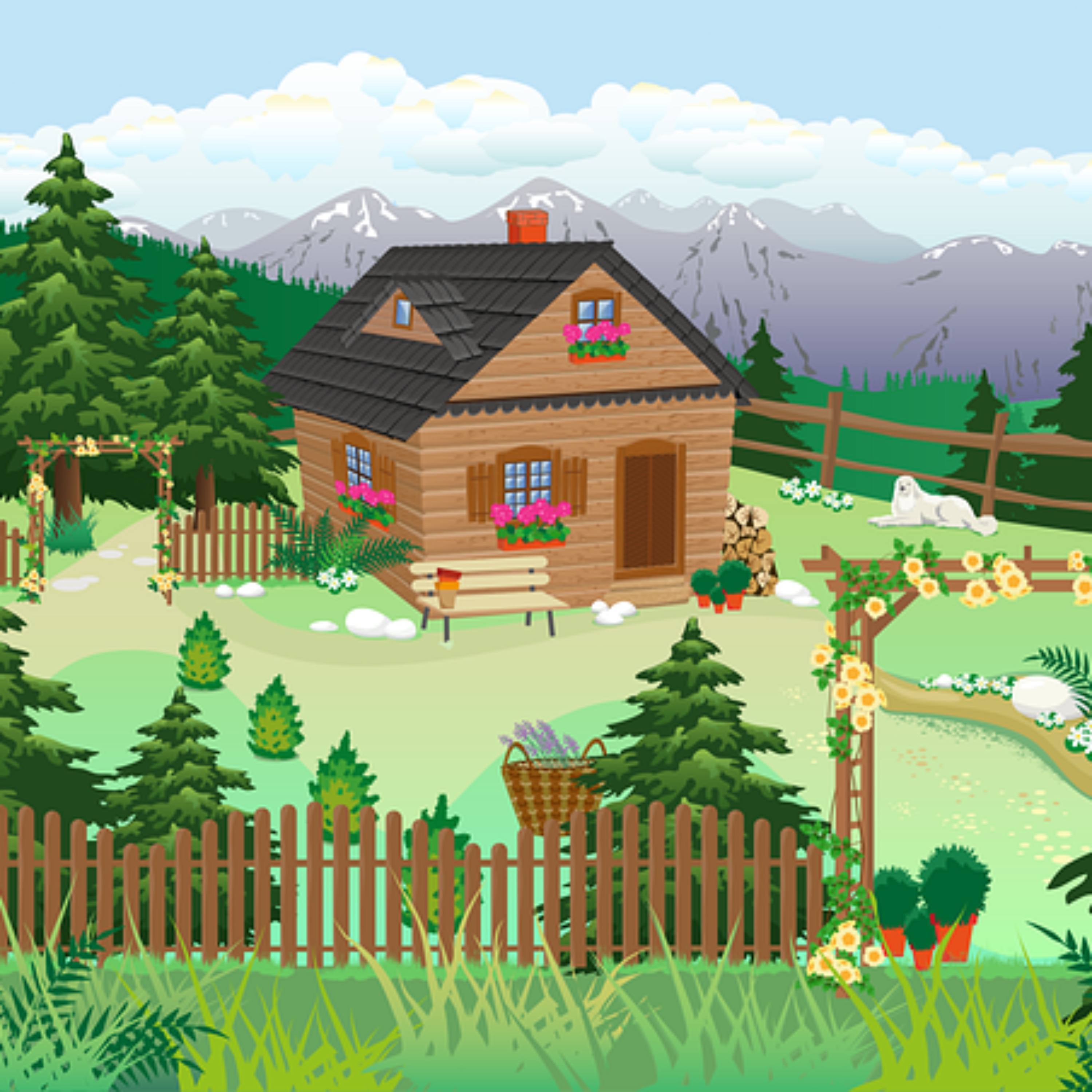
219_Redefining the Modern Homestead
Adventures in Sustainable Living Podcast Episode 219 Redefining the Modern Homestead Self sufficiency, tiny homes, sustainability, renewable energy, or simple self reliance, are all things we hear about more and more these days. Personally I am happy to see this level of interest in self reliant living because it is the focus of so much of my life. While its exciting to talk about theses things, for so many people that is exactly where it stops. Nearly 80% of our population now lives in urban areas, and that percentage is increasing every year. If you are one of those people that does not have acreage or you cannot live in a rural area it is still possible to create a small homestead. In todays world, the modern homestead truly needs to be completely redefined. So join me for E219 Redefining the Modern Homestead. Welcome back everyone to the Adventures in Sustainable Living podcast. This is your host Patrick and this is E219 Redefining the Modern Homestead. My last episode was all about finding your personal path to self reliance. This week’s episode is more or less a continuation of that same theme. I am simply going to focus on the one big question that so many people have, “What is modern homesteading?” Or “How can I have a homestead when I live in the city?” Good News Story of the Week But before we get to that I want to share the good news story of the week since it is something that touches very close to home with me. I am sure that most of us have heard the phrase “Use it or lose it.” For example, if you know a foreign language and you never use it, sooner or later you are going to lose that ability. Well, as it turns out, the same is true with our brains. According to a new study conducted at Rush University, visiting friends, going to parties, attending church, and even community bingo games keeps your brain healthy and active and may prevent or delay dementia in old age. Dr Bryan James, PhD, associate professor of internal medicine at Rush states that in this study they show that the least socially active older adults develop dementia 5 years earlier than the most socially active. This is because social activity strengthens neural circuits in the brain, making them more resistent to the buildup of pathology that occurs with age. Social behavior activates the same areas of the brain involved in thinking and memory. In addition a 5 year delay in dementia onset is estimated to add an additional three years of life. Well, I guess this adds a new dimension to the phrase “Use it or lose it.” Dementia is a very slow, undignified way to die that I personally witnessed in one of my family members. I will always remember that experience and that is one of the reasons I continue to challenge myself all the time, always thinking, always learning. So, that said, let’s move on to this week’s episode. If you remember from my last episode Finding Your Personal Path to Self Reliance, I said the best thing you can do for yourself is to start where you are. What that means is that each of us has a different starting point because our individual circumstances are unique. Our individual skills are unique. The person that has lived in an urban area most of their life has a different starting point than someone who has been farming or homesteading for 10 years. But I also said in my last episode, given the world we live in today, I feel that being self reliant is even more important. Part of being self reliance is of course providing yourself with as much food as you can no matter where you live. That said, someone who lives in an urban area has a much different living situation than I because I live on acreage in the middle of the forest. It is easy for me to say that I have a homestead because I have enough room for a big greenhouse, a chicken barn, a solar array, and many other things. But what do you do if you live in an apartment or flat. Now perhaps this episode is a little over kill related to what I discussed last week but I truly wanted to emphasize that it is possible to be a little self sufficient no matter where you are living. But when you talk about homesteading, most people’s thoughts automatically go to living on a farm somewhere, raising chickens, rabbits, having a large garden or whatever. However, our society and culture is just not what it used to be. Nearly 80% of us now live in urban areas. And maybe that’s great for a lot of reasons. But when you live in an area where there is a high concentration of people, it is even more important to be self sufficient to some degree. That is why we need to start thinking of the modern homestead in a little bit of a different way, meaning we need to redefine this concept. I have often said that my life at the cabin is a good marriage between old country wisdom and modern technology. That is a good way to think about modern homesteading. It involves integrating traditional homesteading principles with modern technology and sustaina
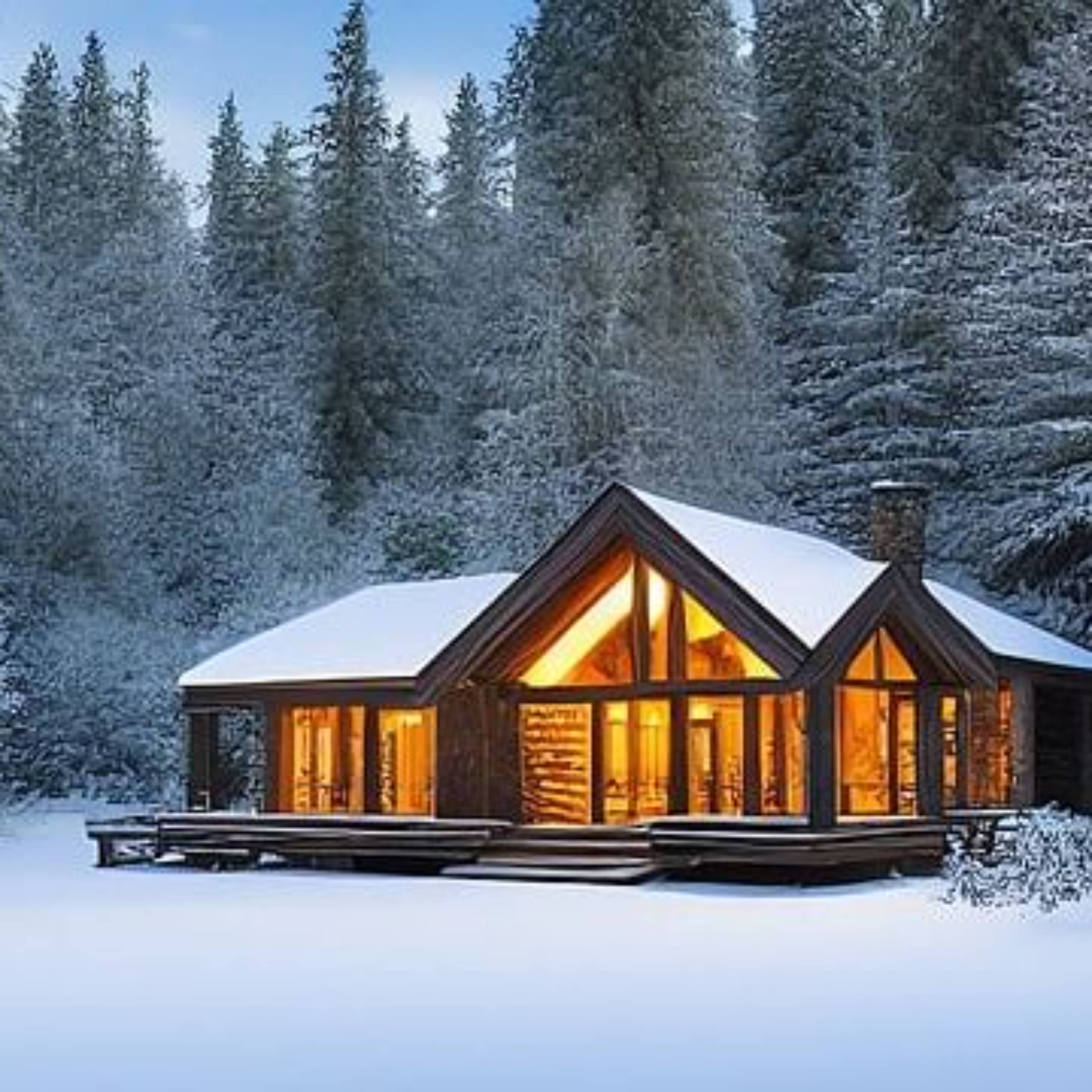
218_Finding Your Personal Path to Self Reliance
Adventures in Sustainable Living Podcast Episode 218 Finding Your Personal Path to Self Reliance Certainly we all remember the time in our lives when we were kids and told our parents how we couldn’t wait until we were all grown up. We thought all about being independent, making our own decisions, going where we wanted when we wanted. We just couldn’t wait to be independent, self reliant, and make our own decisions. But at that time we were not old enough to even know what we didn’t know. And once we were “all grown up” it doesn’t take long to realize it’s not exactly all it’s cracked up to be. Being an adult comes with responsibilities and financial obligations. As it turns out, doing whatever we want and being self reliant requires money. But beyond that, if you want to find out a different path to being self reliant, join me for episode 218. Welcome back everyone to the Adventures in Sustainable Living Podcast. This is your host Patrick and this is E218 Finding Your Personal Path to Self Reliance. At first you might think that this is an easy topic for me to talk about because I’ve been at the cabin for over 25 years. It is now a comfortable place to be and it is still completely off grid. But I will have to tell you it certainly did not happen over night. I had plenty of grand success and some pretty dismal failures. I would get so discouraged at times I would just leave and go work into another state for a few months. Then by the time I returned I was happy and motivated to start again. But if you are thinking of leading a more self reliant life, then stick around and listen to the rest of this episode. I think you will gain some valuable insight in just how to do the same sort of thing for yourself. But fair warning, just like me, it is not going to happen over night. But before me get to that, let’s talk about the good news story of the week. Good News Story of the Week Now this weeks good news story is certainly very interesting. But there is also something quite ridiculous about it and something sad as well. However, this story also highlights an enormous problem in our society and that is food waste. This is a story about a woman named Sofie Juel-Anderson who only spends about $100 a year for some household basics and gets nearly all of her food from the dumpster. Yes that’s right, the dumpster. Sofie began dumpster diving when she lived in Sydney, Australia. At first she only took fresh produce but soon realized she could get everything she needed. Even though she is able to afford buying food, so much food is thrown away that she is able to find all that she needs. But the key is that she only goes to supermarket dumpsters. What she routinely finds is a variety of items, some are expired but many of it is not. Often times the food was expired by a day or so. She would often find dumpsters that were filled with packaged foods, whole chickens, frozen meals and drinks. Once she found an entire box of bottled kombucha that was thrown out because one of them was damaged. Then she moved back to Denmark and continued her dumpster diving there. She now only spends about $100 years on the basics such as toilet paper, dish soap, and toothpaste. The rest of her groceries come from the dumpster. The money she saves enables her to travel and she only works three days per week. She literally saves thousands of dollars a year by taking advantage of food that was headed to the landfill. She even got her family involved. I will have to admit this was something I never would have thought about doing. But it is rather sad to think of the amount of food we constantly throw away when there are so many hungry people in the world. So, that said, let’s get on with this week’s episode about finding your personal path to self reliance. At this point you may be thinking that you are already independent and self reliant. You are already living on your own and maybe you even own your own place. You are gainfully employed or in school and you are very busy at being self reliant. So what could I possibly be talking about? Well, besides the obvious as far as being a independent adult, I also tend to think of self reliance in a bit of a different way. What I am referring to is learning how to be less dependent on mainstream, less dependent on the entire infrastructure that hand feeds us all of our needs. And the reason I think this is so important is that people have the impression that if all else fails, the government is going to swoop in a save us all. But the reality is nothing could be further from the truth. Consequently, it is important for all of us to develop some level of self reliance, meaning some level of independence from the infrastructure that we depend on so heavily. So you may be wondering why you should care. Well, the COVID 19 pandemic is a great reason. At some point in time in your life, you are going to experience some weather related emergency and the infrastructure you depend o
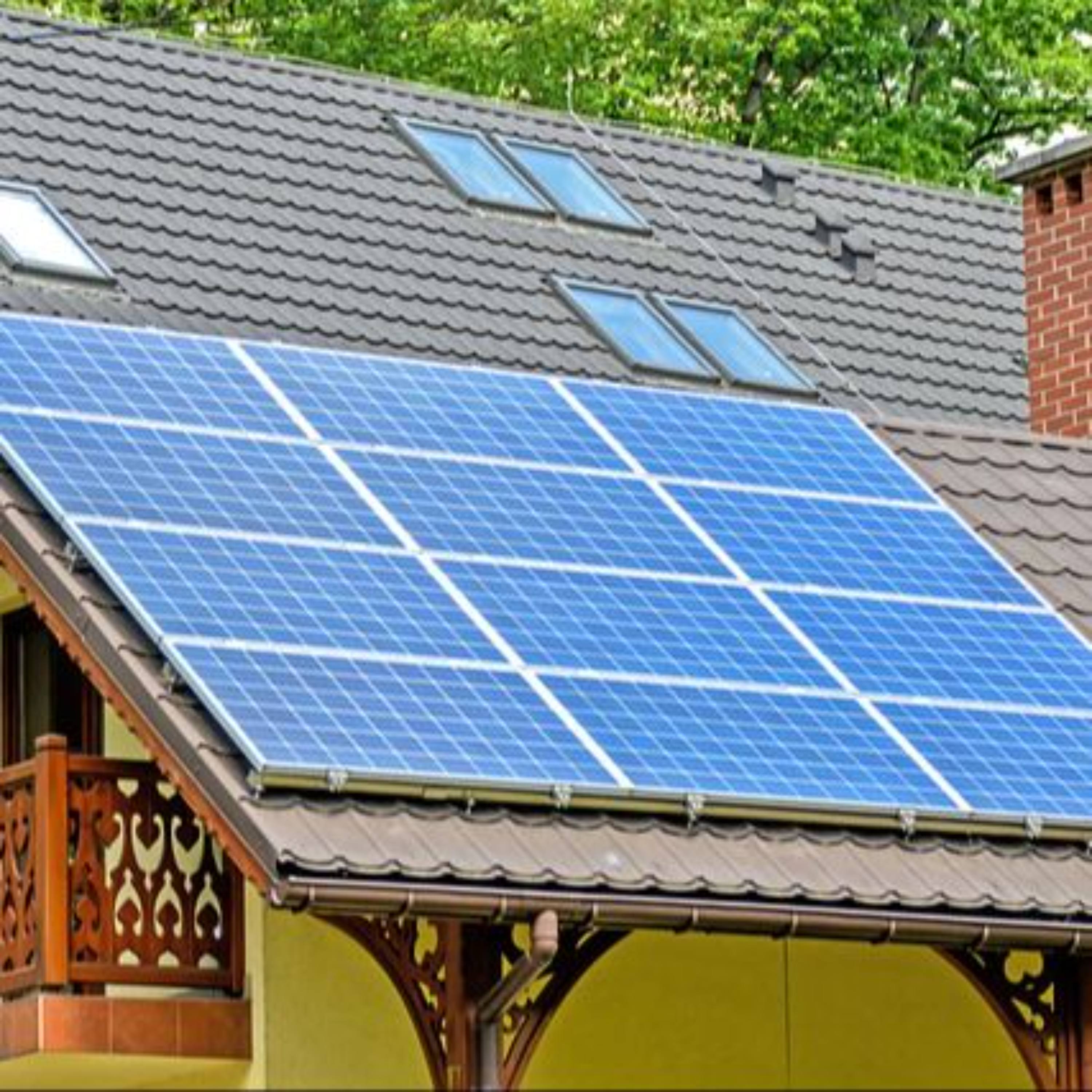
217_How to Choose a Sustainable Place to Live
Adventures in Sustainable Living Podcast E217 How to Choose a Sustainable Place to Live Given the world we live in today, you may be having thoughts of living in some remote place to get away from it all. But as romantic as it may sound, running off into the wilderness and living off the land may not be the best option. You simply may not be able to sustain yourself long-term unless you are extremely creative. But, if that is not an option where could you live and do the same thing? As it turns out, you could actually stay in an urban area. Not only that, it may be easier to have a sustainable life in the city because of the easy availability of resources. But how do you choose the best place? So join me for E217 How to Choose a Sustainable Place to Live. Welcome back everyone to the Adventures in Sustainable Living Podcast. This is your host Patrick and this is E217 How to Choose a Sustainable Place to Live. In the last episode we discussed how it is possible to have a sustainable lifestyle no matter where you choose to live. Cities and urban areas offer sustainable living opportunities through the efficient use of resources and infrastructure. Rural living can be sustainable through the right practices and personal habits. My life at the cabin is a perfectly good example. At the end of the day the sustainability of living in either environment largely depends on the use of available infrastructure, your mindset, your motivation and careful personal choices. That is what truly makes the difference. If you are thinking hard about having a sustainable lifestyle and the best way to achieve that, then choosing a place to live becomes a significant consideration. Since you can live sustainably in the city and in a rural area, it is a matter of choosing what is right for you. But before we get to that, let’s talk about the good news story of the week. This weeks story is more of a point of interest about about planet and about a remarkable achievement. An international team of scientist in Antarctica have successfully extracted what is believed to be the worlds oldest ice. They drilled down over two miles and actually reached bedrock. What is interesting is that the tiny air bubbles trapped inside the ice core are small capsules of Earth’s atmospheric past dating back nearly 1.2 million years. Analysis could bring to light some of the mysteries of glacial climate cycles. This was accomplished after 200 days of drilling, working at altitudes of 3,200 meters above sea level with average summer temperature of -35℃. Knowing why there have been dramatic changes in glacial cycles may shed new light on our climate future which I think is truly fascinating. Now, let’s move on to this week’s episode about how to choose a sustainable place to live. As you know by now, you can have a sustainable lifestyle no matter where you choose to live. But you must also realize there are a whole host of considerations in determining where and how you live. I am only going to cover some of the most important aspects of making that choice while focusing on developing a sustainable lifestyle. Lifestyle Choice First and foremost, you have to ask yourself what type of lifestyle do you really want and what actually fits your personality. I touched on this toward the end of the last episode but I want to now expand on that idea because this is extremely important. More than anything else, the type of lifestyle you want to establish will be the pivotal factor for many other decisions. Consequently, it is very important to consider the following questions: -What level of self sufficiency do you want to achieve? Being 100% self sufficient is possible but very difficult. Chances are your self sufficient lifestyle will be a happy marriage between old country wisdom and modern technology. Even at the cabin, we are only about 70% self sufficient. For example, we are 100% self sufficient for electricity and water. We produce about 50% of our own food. But we depend on outside sources of employment to make money and provide ourselves with all other resources needed to live there. My suggestion would be to set a realistic goal for the level of self sufficiency you want to achieve. If that is not possible where you are presently living then consider another location. -What percentage of your food do you want to produce? There are few things more sustainable than producing your own food. It doesn’t get any better than walking into your backyard to pick fresh vegetables. That is the shortest farm to tablet trip ever. That said, producing any amount of your own food comes with a certain amount of obligation, forethought and planning. Having a garden means you have to tend to it. Raising animals for food means you will have chores almost everyday. Again, I would suggest setting a realistic goal. Look at your present diet and make a list of the most common things you eat and decide if you can produce a cert

216_The Sustainability Question: Rural vs Urban Living
Adventures in Sustainable Living Podcast Episode 216 The Sustainability Question: Urban vs Rural Living How and where we live are some of the biggest and most important choices that we all have to make in our adult lives. When choosing a place to live we have to consider availability of amenities, how far we have to travel for work and school, entertainment options and even the availability of medical care. While location is important for many reasons we also have to consider the impact of our choices on the environment and the planet. Is it better to live in the city or in a more rural area. Which lifestyle has the least impact while also providing a satisfying way to live? So join me for E216 The Sustainability Question: Rural vs Urban Living Welcome back everyone to the Adventures in Sustainable Living podcast. This is your host Patrick and this is E216 The Sustainability Question: Rural vs Urban Living Where and how we live is one of those things in life that affects almost everything we do. We have to consider available amenities, driving distances to work and school and even the availability of medical. But how and where we live can even becoming a defining factor in our lives if we live in the same place long enough. My life at the cabin and being off grid is a perfectly good example. But when considering these types of questions, especially given the world we live in today, we can no longer ignore the impact that those choices have on the planet and our environment. One of the most frequent questions that I get is whether or not it is more sustainable to live in an urban area or in a rural environment. I can tell you that my opinion on that has changed over time. In this episode I am going to examine the pros and cons of both and give you some things to consider in finding the best place for you to live while being as sustainable as possible. But before we get to that, let’s talk about the good news story of the week. Good News Story of the Week Scientist Turn Industrial Waste into Batteries for Storing Renewable Energy Most people may not know that we presently have the technology to run the entire planet on renewable energy. However, there are a number of challenges as to why that is not happening. One of those challenges is energy storage. After all, if homes and businesses are to be supplied with electricity 24 hours a day, energy has to be stored to power homes when the sun is not shining. Energy storage is typically in the form of batteries and the industrial application of such storage has historically been a challenge. A team at Northwestern University may have found a solution to that. Scientist found a way to transform an industrial waste product into a battery for storing sustainable energy. The batteries we use for our phones, various other electronic devices, and even our cars rely on metals such as lithium and cobalt. These materials are sources through intensive mining operations. However, thousands of tons of a well-known chemical byproduct called TPPO are produced each year through numerous industrial organic synthetic processes. But chemists at Northwestern University have found a way to transform this waste into a useful product with the potential of storing large amounts of energy. This discovery opens the door for what is known as “redox flow” batteries. While redox flow batteries may not be suitable for use in our mobile phones, they can likely be used to store grid-scale renewable energy. Early experiments with theses batteries has shown great promise for the storage of significant amounts of energy. The best part is that the material used are simply an organic waste product that is easily available and it can greatly reduce the further need for mining. So, this weeks round of applause goes to the scientist at Northwestern University for getting humanity one step closer to a renewable energy future. And now lets move forward with this week’s episode. As most of you know by now I grew up with two working farms in the family. We raised animals for meat and always had a large garden. Years after moving to Colorado I bought the cabin property and have enjoyed a nice comfortable off-grid life since then. Again, in various ways, we manage to provide a great deal of our own food. So, to some degree you can appreciate why I am biased about being sustainable while living a rural life. But that life has not been without its challenges. When I first purchased the property many years ago I truly had no idea what I was getting myself into. Initially the only thing I focused on was building the cabin and the fact that I finally had the kind of property I had always wanted. I never even considered the environmental impact I had simply because of the commuting that was necessary because of where I lived and the lack of employment in a rural area. But as the old saying goes, hind sight is always 20/20. In retrospect, I re

215_Eight Lifestyle Changes with the Greatest Impact
Adventures in Sustainable Living Podcast Episode 215 Eight Lifestyle Changes with the Biggest Impact. Skipping the plastic straw may make you feel good about yourself, but its not enough. While every small change we make is truly a contribution to the big picture, we need to make substantial changes in how we live and what we do if we are going to truly reduce our personal impact on the planet. While our individual choices for how and where we live is a deeply personal thing, we often take for granted the environmental impact our lifestyles have on a day-to-day basis. But there are a few things we can do that will make a significant difference on how each of us influences the future of our planet. So join me for E215 Eight Lifestyle Changes With the Biggest Impact Welcome back everyone to the Adventures in Sustainable Living Podcast. This is your host Patrick and this is E215 Eight Lifestyle Changes with the Biggest Impact. As discussions about the future of our planet become increasingly serious, and as we continue to see devastating disasters, as individuals we often find ourselves at a loss to do anything meaningful about the situation. Consequently, what I want to accomplish in this episode is to give you some tips on things that you CAN do that will have a substantial impact. Good News Story of the Week But before we get started lets first take about the good news story of the week. And what I have is good news for coffee drinkers, which includes me. There has been significant research over the past 15 years on the health affects of coffee. Some researchers have even pinned coffee as a health drink due to its affect on several biological systems. But new research out of the University of Utah has shown that people who drink 4 cups of caffeinated coffee per day were at a lower risk of developing head and neck cancer. These cancers are the seventh most common form of cancer worldwide. But coffee drinkers have a 17% lower odds of having head and neck cancer overall, 30% low rate of oral cancers and a 22% lower odds of having throat cancer. But it should also be noted that in a very broad sense, plants that contain strongly flavored chemical compounds, such as cinnamon, ginger, garlic, turmeric, clove and tea, generally prove to be strong promoters of wellness. So, just maybe that can be extended to coffee. So, that said, let’s move on to this weeks episode. But one thing I want to say before we get started is that in many respects when it comes to the condition of our planet we truly need to ignore the media. Remember that the media is there to sell stories and increase their ratings. They tend to focus more on sensationalism and less on the truth. Consequently, what you hear is gloom and doom. You are going hear all about how our planet will be damaged beyond repair. Or the media focuses on the complete collapse of our ecosystems if all the bees die off. While there may be some truth to some of these stories, what this has a tendency to do is marginalize the value of individual action. There is no doubt that the Earth will recover from human influenced climate change. If we want that recovery to include humanity then we are all going to have to work together to come up with a solution. But more often than not it is difficult to know where to focus your efforts. Our individual choices for how and where we live is a deeply personal thing. Consequently, most of us never want to be told what do to, where to live, how to live, much less what we can eat. That said, we often take for granted the environmental impact our lifestyles have on a day-to-day basis. I believe it is still possible to alter the future of our planet. However we are going to have to make some difficult choices. What we do know is that both personal and institutional changes are what’s needed in order to avoid the worst parts of climate change. But the quickest and most effective thing you can do is start with personal changes and then join in the push for institutional and political changes. In this episode I am going to focus on eight things you can do that will have the greatest impact. So, you may be asking why is this important. Since the beginning of the Industrial Revolution, the average surface temperature of Earth has risen by 1.1 degrees C, or about 2 degree F. While some studies differ on what is considered our climate tipping point, most agree that it is somewhere between 1.5 C and 2.0 degrees C or about 2.7 to 3.6 degrees F. At which point it is believed we will begin to see rapid irreversible changes in our climate. It is expected that we will reach that point somewhere between 2030 and 2050. That means we have as little as ten years to make significant changes. In other words, we need to focus on changes in our lives that will have significant impact instead of focusing on the smaller things. That of course begs the question of what we can do as individuals that will have the greatest impact on the future of our planet. And t
214_Twelve Single Use Plastics You Can Eliminate From Your Life Right Now
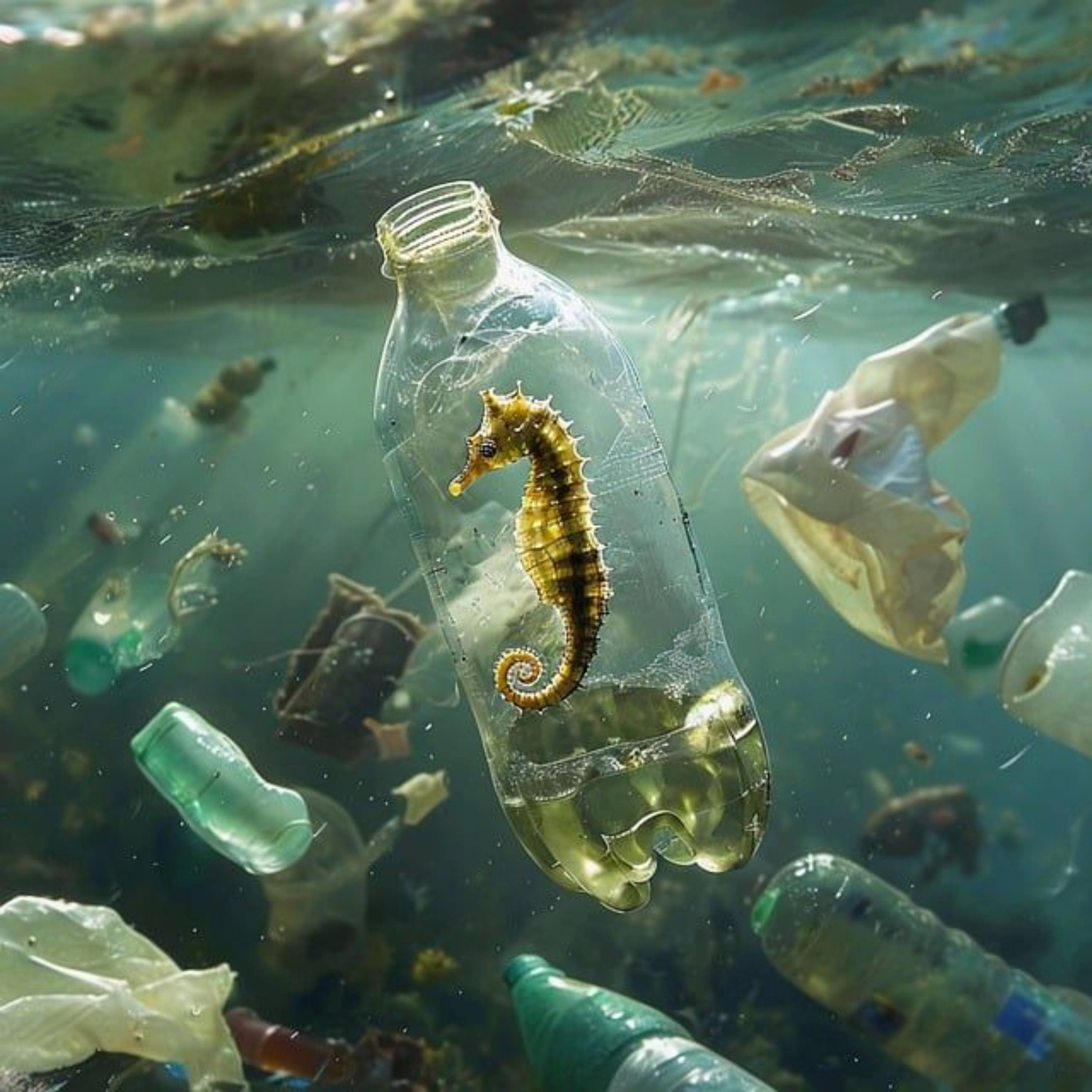
Adventures in Sustainable Living Podcast Episode 214 Twelve Single Use Plastics You Can Eliminate From Your Life Right Now There is no doubt that we often find ourselves swimming in a sea of information about the questionable future of our planet. Big business and big government, while suppling us with most of our basic resources, continue to destroy the planet. More and more people want to live sustainably but we are too often at a loss for ways to help the planet that are both meaningful and impactful. At this point it should be no surprise that plastics have become the bane of our existence. Plastic pollution can now be found on very corner of the planet. Furthermore plastic production will likely double by the year 2050. So join me for E214 Twelve Single Use Plastics You Can Eliminate From Your Life Right Now Welcome back everyone to the Adventures in Sustainable Living Podcast. This is your host Patrick and this is E214 Twelve Single Use Plastics You Can Eliminate From Your Life Right Now Every thing I want to focus on in this episode is right in the title. Basically I want to focus on a short list of plastics you can eliminate from your life almost immediately. Now that is something meaningful. Good News Story of the Week This week’s good news story focuses on Asheville, North Carolina. As most of you likely know, hurricane Helene had a devastating affect on this community. Thousands of people were left homeless almost over night. But thanks to the efforts of numerous companies and hundreds of volunteers, people in these communities are receiving much needed relief in the form of food, fresh water and a place to live. One such company is Lowe’s, which made a commitment of $12 million in hurricane relief funds. A significant portion of that money was put into building 100 tiny homes that were donated to families in need of housing. This project was initially proposed by Lowe’s Senior Director of Community relations, Julie Yenichek, and an old friends of hers, Danny Kelly, the co-owner of Kelly McArdle Construction in Charlotte. The implementation of this project was then made possible by of a community of builders, hundreds to volunteers, Lowe’s employees, donated warehouse space, and donated materials and equipment. All of the tiny homes included heat, a kitchen, a bathroom, all necessary furnishings and two full-sized beds. The homes are permanently fixed to a trailer and are ready to be hooked up to electricity. Sixty seven of these homes were delivered to family just before Christmas with another 33 units to be delivered in early January. Because of these donated tiny homes families are now able to remain in their own communities while their primary homes are being rebuilt. This weeks round of applause goes to Lowes, Kelly McArdle Construction, Incredible Tiny Homes, the Home Builders Association of Greater Charlotte, and the hundreds of volunteers who readily signed up to help with the efforts. This project is certainly a testament to the kindness that people can extend to others in a time of need. Now let’s move on to this weeks episode. As you likely know sustainability is being talked about more and more frequently. Most surveys reveal that there is a strong desire among the vast majority of people to live sustainably. Depending on the study you read, anywhere from 77% to 85% of people say sustainability should be a priority. But due to the vast extent of the global challenges that we face today, most people are too often at a loss for ways to help the planet that are both meaningful and impactful. Too often we doubt whether or not as individuals our actions can truly make a difference. Furthermore, far too many people believe that living sustainably is too expensive, difficult, and will dramatically change their lives. But similar to so many other things in our lives, living sustainably is a lifestyle choice. When you make that choice you cannot expect perfection. Your life may never be 100% sustainable. You may never live 100% waste free. We may never have a society that is 100% circular. But, we have to try because we do not live on a planet with an endless supply of resources. That is becoming more and more evident as our global population continues to grow. You have likely heard me say before that there are hundreds of things you can do to live a more sustainable life. All you have to do is pick one thing, focus on that, get that habit fully incorporated into your life, then move on to something else. That said, some things are more difficult than others. For example, it is possible to completely eliminate your food waste in less than one month. On the other hand, going plastic free is a bigger challenge. Someone said to me once that the only problem with going plastic free is going plastic free. And I will readily admit that it is far more difficult than I could have imagined. It is something I have been working on for more than a year n

213_Should We Really Ban Plastic Straws?
Adventures in Sustainable Living Podcast Episode 213 Should We Really Ban Plastic Straws? Public opinion swings back and forth like a pendulum. That is why I never pay attention to it. But occasionally I see something that gets my attention because I get curious as to why people are suddenly so concerned about that one particular thing. This is the case with the plastic straw. Depending on which study you look at, humanity produces approximately 350 to 430 million metric tons of plastic waste annually. Plastic straws only make up two and a half percent of that total waste. So is the anti-plastic straw parade just another distraction? Or should we actually pay attention to it because this campaign produces something of value. So join me for E213 Should We Really Ban Plastic Straws? Welcome back everyone to the Adventures in Sustainable Living podcast. This is your host Patrick and this is E213 Should We Really Ban Plastic Straws? What I really want to highlight in this episode is the anti-plastic straw movement. I want to discuss how it got started and whether or not this is really something we should focus on. Or will such a ban actually hinder our efforts to reduce and even eliminate plastic waste? If that is the case, then why? And finally I want to give you some guidance on why, under certain circumstances, bans such as these are practically meaningless. Good news story of the week This week’s good news story is about our oceans. And this is one of my favorite topics because I am a scuba diver and I was just out diving the other day. What I want to focus on for a minute here is one of our natural resources that is by far one of the most under appreciated. And I say this because few people know about the importance of something as simple as seagrass. It only covers 1/10th of one percent of the ocean floor, yet it is a vital natural resource. Seagrass can store up to 40 times more carbon than land based plants. Seagrass is habitat for an incredible array of marine life, it filters pollutants and excess nutrients out of the water, it helps to protect coastal areas from erosion, and even has medicinal properties. Yet this important resource is being lost due to climate change, pollution, coastal development, over fishing, invasive species as well as several other reasons. Yet someone has come up with a pioneering solution to help marine scientist restore this vital underwater habitat. It is a robot that plants seagrass seeds at a much faster rate than humans. It injects a tiny slurry of sediment wrapped around the seeds and plants tiny garden plots one at time. On one project the Grasshopper, which is the name of the robot, planted 25,000 seeds in Wales. And now the parent company RefGen has partnered with the University of North Carolina Institute of Marine Sciences to test various seed replanting methods to help with the state’s declining seagrass meadows. Certainly seagrass is one of the most under respected marine resources yet it plays a vital part in the balance of the entire ocean ecosystem. And of course when you are a scuba diver like I am, diving around seagrass meadows is a great way to see lots of critters. Just the other day I saw about a dozen sea turtle bedded down in seagrass and having a nice meal. So, a round of applause this week to RefGen and their robot named Grasshopper. Now let’s move on to this week’s episode. If you have been following me for awhile then you know that I give very little credence to public opinion. This is because it swings back and forth like a pendulum. From one decade to the next you never know exactly what people are going to be in love with or what they are going to march and campaign against. This part of our society has often fascinated me because I always think it is a milder version of mob mentality which is also known are herd mentality or crowd psychology. This is a phenomenon where individuals adopt the beliefs, behaviors, or attitudes of the majority in a group, often at the expense of their own judgement or individuality. This is also something that I refer to as tribal loyalty. This kind of behavior can be observed in various aspects of our daily lives, from fashion trends to investment decisions and even political affiliations. Well known historical examples of mob mentality are the Salem Witch trials where over 20 individuals were executed due to hysteria and fear over witchcraft. There was also the Red Scare in the 1950s. There was widespread fear over communists infiltrating our culture. Another historical example was the behavior of many German soldiers during WWII. Many of these soldiers who were not actively involved in the widespread atrocities yet they went along with the Nazi regime’s brutal policies. Other examples of mob mentality is crowd behavior at concerts, sporting events, public protests, cults and even social behavior on the internet. And, if you want to talk politics, crowd m

212_Is Choice Overload the Bane of Our Existence
Adventures in Sustainable Living Podcast Episode 212 Is Choice Overload the Bane of Our Existence? The only chips I purchase on a regular basis is tortilla chips. It is because I make my own salsa. But when I go to the supermarket, there are literally 15 different brands of tortilla chips. But the same is true with so many other things that we deal with everyday. From supermarket food choices, to menu options, to the clothes we wear, to what insurance to purchase, and even our health care options. There is always an over abundance of choices. But is this a good or a bad thing? Does it improve how we eat? Does it influence how we take care of ourselves? Are we more or less likely to develop good or bad habits because we have so many choices. Does it make us more or less sustainable? So join me for E212 Is Choice Overload the Bane of Our Existence Welcome back everyone to the Adventures in Sustainable Living podcast. This is your host Patrick and this is E212 Is Choice Overload the Bane of Our Existence? What I want to accomplish in this episode is to discuss the over abundance of choices that we have in our modern culture, why and how that happened, and whether or not it is a good thing. But on the other side of that coin is having fewer choices. The question of course is which situation tends to promote healthier and more sustainable behavior? But what I also want to do is relate this to some real life stories in order to put it all into a down-to-earth perspective and show how each end of the spectrum produces a much different result. But before we get started, let’s talk about the good news story of the week. Good News Story of the Week This weeks good news story comes out of the United Kingdom. It is about three children that received the “best Christmas present ever.” A woman named Sarah Lackey, has a daughter named Tilly that lost both of her hands due to a bout with meningitis. Tilly later received two bionic arms from the Open Bionics Foundation. Every year the mother and daughter team now host a fundraising campaign, called the Big Hero Three, which selects three random children across the UK to receive a prosthetic made by the Open Bionics Foundation. The Foundation says their bionic arms that advanced, intuitive, robust and light and are the world’s most affordable advanced multi-grip prosthetic arm. This year the big Hero 3 campaign raised 20K pounds. Two other charitable organizations, along with an anonymous donor, made up the remaining $40K pounds required for three children to receive the prosthetics. The three children received them on December 12th for what will probably be the best Christmas present ever. So, this weeks round of applause goes to the Big 3 Hero fundraising campaign in the United Kingdom for their amazing accomplishments. Now let’s move on to this weeks episode. Perhaps at times I tend to over romanticize how I grew up. But the reality is that my life as a kid was very simple and rather uneventful. My parents were hard working and we lived in a small house. I have no memory of ever really doing without anything. We had all that we needed but it was a rare when there any display of extravagance because for the most part it did not exist. In retrospect, I see now that a lot of things were done out of necessity and not because we had an over abundance of choices. But one bonus in particular was that my mother was a fabulous and very creative cook. Our meals were always healthy. Vegetables were plentiful and almost always home canned. We had farm raised beef and chicken and we ate well. However, the reality is that my mother’s menu only had two options. Take it or leave it. On occasion we were bold enough to object to her choice of menu. When we did, her response was typically one of three things. If you don’t like it you will just sit there until you eat it anyway. If you don’t eat it you will wear it. Or, if you don’t eat it now, I will be happy to warm up for breakfast. There was only one occasion that I can recall that we staged a general revolt. All four of us refused to eat what she had cooked for dinner. We all sat at the table for three hours refusing to eat and she finally gave in. We all went without dinner that evening and went to bed hungry. But if my memory serves me correctly, my mother never tried to make us eat liver and onions ever again. The end result of being raised like this is that I cook at lot of homemade meals. Although I am not particular about what I eat, especially when I travel, I do prefer homemade meals over restaurant food. If I travel to a place where there are limited options, I make due with what is available and get creative. I realized long ago that you can’t alway get what you want and sometimes you have to make due. Annette’s son Erik was fortunate to grow up with two people who like to travel. He was able to experience several different cultures, live in a couple of different countries, climb volcanos in Costa Rica

211_Nine Actions You Can Take to Benefit the Global Community
Adventures in Sustainable Living Podcast Episode 211 Nine Actions You Can Take to Benefit the Global Community Like it or not our lives are now a product of globalization. The cost of our fuel, the food on our tables, the clothes we wear, and even our household gadgets are subject to the conditions of the world market. It is now possible for a drought, a natural disaster, a financial crisis or even a conflict in some small country on the other side of the planet to affect our daily lives. While globalization has its obvious benefits, there is also a downside. Among many other things, it has a significant environmental impact. It also increases our vulnerability and diminishes our personal security. But like so many other things, it is possible to be proactive and protect yourself from the detrimental affects. So join me for E211 Nine Actions You Can Take to Benefit the Global Community. Welcome back everyone to the Adventures in Sustainable Living podcast. This is your host Patrick and this is E211 Nine Actions You Can Take to Benefit the Global Community. What I want to accomplish in this episode is to first discuss some of the effects of globalization and how that happened. I believe it is important to have some basic knowledge of the effects of such a transition in our economy because this is something that affects our lives more than you know. Globalization does produce a significant environmental impact. It substantially impacts the lifestyles of families in developing countries. It also makes a difference for our wallets and bank accounts. Like it our not. Good news story of the week But before we move on to this weeks episode let’s talk about the good news story of the week. I have often said that the world would be a better place if everyone could go home to peace and quiet everyday like I do. All I have to do to spend time in nature is to walk out the front door. This weeks good news story is sort of old news, but good news, but new news at the same time. Yet another study, this one out of Canada, suggest that an inexpensive school-based, nature born program seems to help some of the most vulnerable young people The researchers showed that spending just two hours a week of class time in a natural environment can reduce emotional distress, anxiety, depression, aggressive tendencies, impulsive behavior and social problems related to interaction with their piers. This research follows a recent publication by UNICEF pointing to the importance of green space for children’s development. The Canadian team looked at the effects of spending time in nature on the behavior and mental health symptoms of more than 500 schoolchildren across Quebec. Interview with teachers following the programs also suggested that children were more calm, relaxed and attentive in class after they spent time outdoors. But the underlying reason I think this is extremely valuable to point this out once again is that approximately 80% of our population now lives in urban areas. Our disconnection from the natural world grows greater each year. As such, we are trapped in cities and have no emotional outlet. You have to wonder if the majority of us spent time outside, if that alone would not solve some of the aggressive tendency in our culture, if it would not reduce the incidence of mental health issues. The answer is so easy, just spend time outside on a regular basis. Alright folks, let’s move on to this weeks episode regarding nine actions you can take to benefit the global community. When we think of globalization most of us likely relate to the enormous cargo ships that are used to import goods. And certainly every time you examine a product and discover yet again that it is “made in China” you likely think this is a product of globalization. However, this shift in our economic models started long before any of us realize. Humans have been trading goods for as long as we have been around. But as civilization started to develop, trade stopped being a local or regional affair and started to become global, albeit limited in the beginning. The Silk Road, which connected China to Rome, is considered an early form of globalization. This dates back to the 1st century BC and resulted in the exchange of luxury items such as silk and spices across the continents. In the 15th and 16th centuries European explorers and the discovery of the Americas opened up new trade routes which promoted the further exchange of goods across the continents. And over time this simple beginning has grown into a tremendous global market that influences almost everything we do. But to be fair, there are obvious pros and cons to globalization. On the plus side, globalization increase our access to foreign markets and cultures, it reduces trade barriers, improves communication and exchange of technology, it increases economic growth, creates new job opportunities, and in many respects it improves our standar
210_Ten Ways to Grow Your Own Food
Adventures in Sustainable Living Podcast Episode 210 Ten Ways to Grow Your Own Food As you well know one of my favorite topics is self sufficiency. Most likely this is because I am a strongly independent person and very motivated to take care of myself. I truly do not want to depend too heavily on any societal system to provide me with my personal needs. Additionally I grew up in a rural area where some degree of self sufficiency was necessary. But what I see in our society today is that over 80% of us live in urban areas where everything is easy and convenient. We no longer think about all the simple ways in which we can take care of ourselves and produce a little bit of personal security. So join me for episode 210 Ten Ways to Grow Your Own Food. Welcome back everyone to the Adventures in Sustainable Living Podcast. This is your host Patrick and this is E210 which is called Ten Way to Grow Your Own Food. Now the reason I want to bring this up is that these are extremely easy ways for everyone of us to be self sufficient in some small way. Despite what most people think, some level of self sufficiency is even more important if you live in an urban area. But more on that later. First of all I want to convince of the importance of producing at least some of your own food. Then I will follow that by giving you ten easy ways in which you can do just that. But before we dive into this weeks episode, let’s talk about the good news story of the week. Good News Story of the Week Besides solar energy, self sufficiency and sustainable living, one of my other favorite topics is health and wellness. This is simply because there are so many things in our modern culture that tend to go against best practices as far as maintaining our health and well being. Furthermore, I enjoy reading research articles that point out specific ways in which we can promote better health and prevent certain disease processes. For example, the health benefits of regular exercise have been well documented. But recent research revealed another benefit of regular exercise, the prevention of dementia. This is actually an important finding since global cases of dementia are on the rise. There are now an estimated 10 million cases of dementia each year worldwide. This implies a new case every 3.2 seconds. Most studies at this point show that there are a number of factors that predisposes a person to dementia. But a recent study revealed that high levels of physical fitness are linked to a lower risk of dementia for people with a genetic predisposition to this condition. Researchers say physical fitness may be able to reduce the risk by as much as 35%. What is know at this point is that with each decade that we age, cardiorespiratory fitness declines. But proper cardio-fitness is needed to supply oxygen to the muscles and is linked to improved cognitive performance. Lower CRF is a stronger predictor of strokes, heart attacks, and early death from any cause including dementia. Although dementia is a multi-factorial disease there are many things we can do to prevent this from happening to us. These include staying fit and trim, regular exercise and a good healthy diet. And it just so happens that a sustainable lifestyle is a great way to maintain an active healthy life and stay fit. Now let’s move on to this week’s episode Ten Ways to Grow Your Own Food. Twenty seven years ago I bought the cabin property and started living off the grid. This was long before such a lifestyle became acceptable to main steam society. Needless to say everyone thought I was crazy. At the very start my home life was extremely challenging and nothing I did was easy. But I learned some extremely valuable lessons that I will never forget. The first lesson being is that if you have no experience living off the grid full time it would be in your best interest to not take that leap without some forethought and planning. The second lesson I learned at that time was that it is possible to essentially walk away from main stream society and go live in the woods but life is going to be very difficult at first. If you are going to do that it takes a lot of determination and you had better be up to the challenge. At the end of the day, I never regret my choices. I would do it all over again. However, there are a lot of things I would do differently. At the same time I learned some extremely valuable skills that I can take anywhere. Those experiences will affect how I think and how I evaluate my choices for the rest of my life. For example, it is fairly common for me to work out of state or out of the country for several months at a time. In fact, I am about to leave Colorado for 5 months and will be working in three different destinations. But whenever I do this once I get to where I am going, I immediately find the local supermarkets just to see what is available locally as far a dry goods
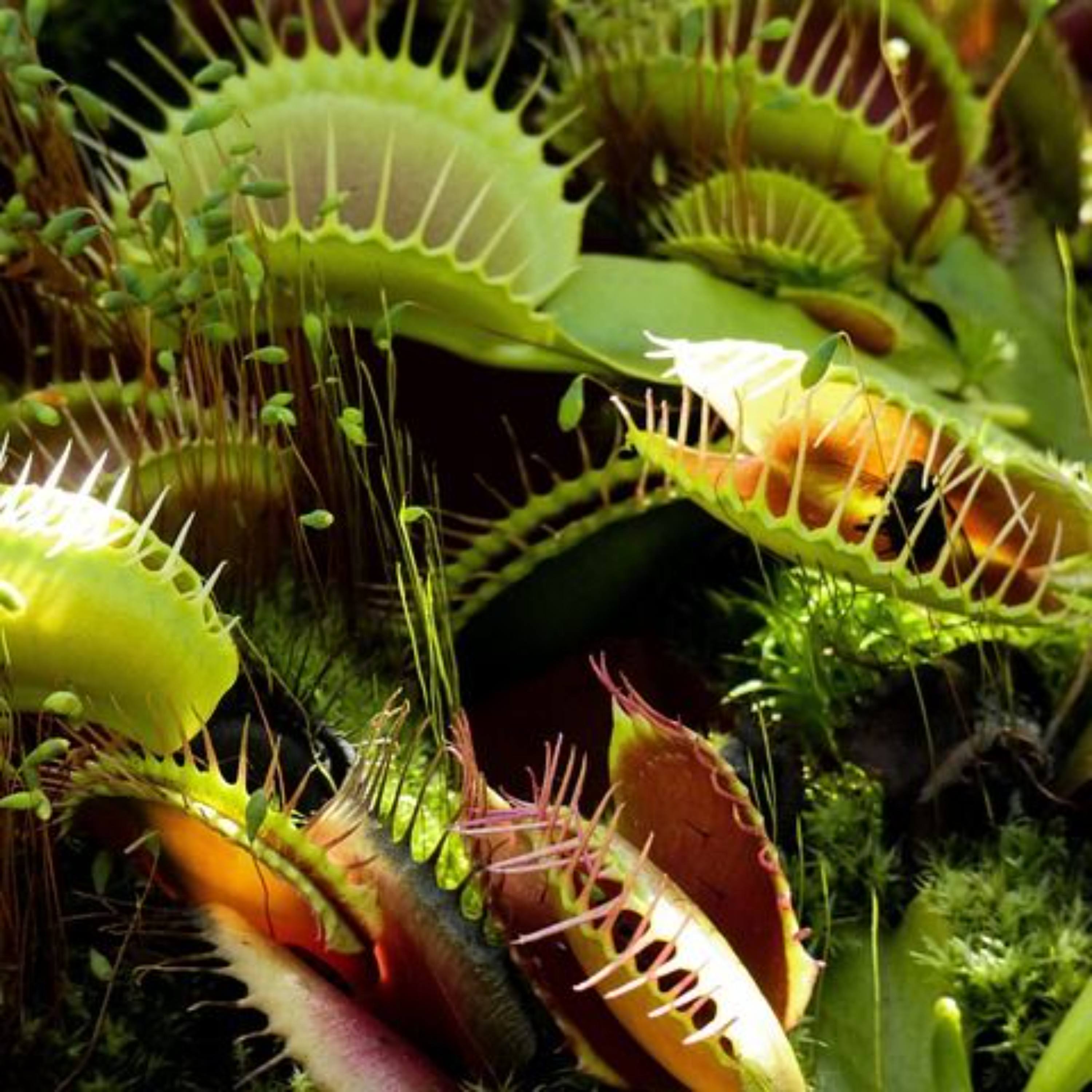
209_Avoiding the Trappings of Modern Society
Adventures in Sustainable Living Podcast Episode 209 Avoiding the Trappings of Modern Society Someone said to me once that you should never forget the power of a good conversation. Yet in our fast-paced hyper-connected world we are losing touch with this vital part of human communication. We are also losing our focus on the things that really matter because we are constantly distracted. We are so inundated with notifications, dings, and beeps that as we are driving to work we can’t even remember if we brushed our teeth this morning. Modern technology was supposed to make our lives easier. But in many ways our connectedness results in over stimulation and the clear inability to focus. Without knowing it, we have become trapped in a fast-paced, high stress, very impersonal world that always appears to be falling apart. So join me for E209 Avoiding the Trappings of Modern Society Welcome back everyone to the Adventures in Sustainable Living podcast. This is your host Patrick and this is E209 Avoiding the Trappings of Modern Society. What I want to accomplish in this episode is very simple. I want to point out how the structure conveniences of our modern society tends to trap us into a lifestyle that is sometimes very difficult to escape. Then I want to point out how all of this can easily be avoided. But you are going to have to pay attention. Good news story of the week This weeks good news story is a follow up on a previous story that I had talked about, which was the largest dam removal project ever accomplished in this country. After decades of protest and petitions by local tribes, four dams were removed from the Klamath River which originates in southern Oregon and flows into northern California. These dams have been in place for over 60 years and created a barrier that prevented salmon from migrating upstream and spawning. However, in less that two months after the removal of these dams salmon have been found far upstream. The Klamath River is the third-largest salmon spawning habitat on the West Coast, traveling 400 miles from southern Oregon to the Pacific Ocean. And that habitat has now been restored. So the round of applause this week goes to the restoration of a major salmon habitat. Now, let’s get started with this weeks episode. The first place I ever owned was a small 900 square foot cabin in the mountains above Boulder, Colorado. It had two bedrooms, one bath, and sat on a small lot at the edge of town. It truly was nothing special but it was all I could afford at the time. This was also long enough ago that no one had cells phones, personal computers and iPads were virtually non-existent and no one really paid that much attention to the internet. At least in the community where I lived cable television was not available much less satellite service. I had to put a signal booster on my television antenna just to get one channel and even that was so fuzzy that it was not worth it. At some point during this time I started dating this girl named Karen. On her second visit to the cabin she asked if I had a television. I told her that I did have one but it was on the top shelf in the bedroom closet. Of course she wanted to know why I had put it there. It was because I never use it. Since this was a small cabin the TV was in the way most of the time so I put it in the closet. Very soon after this I started my undergraduate studies. I was taking a full load of courses and working a full-time job. Needless to say what little free time I had I spent doing something outside. Between work and classes during the week I spent a great deal of my time indoors. When time I had on the weekends was not going to be spent in front of a television. And that was 1985. Once I graduated I spent a few years working hard to pay off my student loans as quickly as possible. One year after graduation I bought the cabin property and started construction. Once again I just did not have the time to watch television nor did I have the interest. Basically I have never gone back to watching network television and at this point I do not waste my time surfing the internet and social media. For me it is a matter of priorities. I tend to focus my time on things that bring value into my life. Presently I do no even own a television, or a radio, nor do I have a newspaper subscription. The only subscriptions I do have are National Geographic and a magazine called Mother Earth News which focuses solely on sustainability and self reliance. To me these are things that are enjoyable, I get to learn new things on a regular basis and therefore it adds value. Because of how I choose to live my life some of you may feel as if I am living in the past. But the reality is that I am actually living in the present. I have a modern lifestyle albeit simple, off grid and in the middle of the forest. I am not avoiding modern day life I just choose not to partake in many of its trappings. Certainly many of you have heard me make refere
208_The 30 Year Mortgage is Not Your Friend
Adventures in Sustainable Living Podcast Episode 208 The 30 Year Mortgage is Not Your Friend In today’s culture, borrowing money and making purchases on credit is a way of life. It is the only way most of us are able to afford the “big ticket” items. In fact, many of us could not fathom how our lives would function if we were not able to utilize the credit system. We borrow money, make payments with interest, pay off the loan and thus establish a sound financial history. This then becomes the basis for borrowing more money in the future. But what if this was not necessary? What if there was a different way? Have we become so deluded with our modern way of life that we are now trapped? So join me for E208 Why the 30 Year Mortgage is Not Your Friend. Welcome back everyone to the Adventures in Sustainable Living Podcast. This is your host Patrick and this is E208 Why the 30 Year Mortgage is Not Your Friend Essentially what I want to focus on in this episode is to discuss one of the major trappings of modern culture, that being the 30 year mortgage. But I want to also give you a short history lesson on the mortgage as well as how and why it came to be what it is today. Then I will give you a real life example of why a long-term mortgage is not your friend. And in the end I will give you several alternatives to avoiding that financial trap. But before we get started with that I want to remind you that the sustainability tip of the week will be given at the end of this episode. So stick around until the end. Before we get started though let’s talk about the good news story of the week. This weeks story is really more of an example of the power of nature to regenerate even after a massive destructive event. It also points out how so many things in nature in interdependent. When Mount St. Helens erupted in 1980 life for miles around the volcano was literally incinerated. Two years after the eruption some scientist had a theory that gophers may be able to help regenerate plant life by digging up beneficial bacteria and fungi. As an experiment they dropped gophers on various parts of the mountain for only 24 hours. The results of this were quite astonishing. A few years after the eruption there were only a few dozen plants that had established themselves, likely due to birds dropping seeds. But 6 years after the experiment there were 40,000 plants on the plots where gophers had been dropped. All the remaining land remained mostly barren. The gophers digging up old soil that contained vital nutrients, bacteria and fungi, and moving that to the surface had an astonishing effect. Additionally, on one side of the mountain was a old growth forest. When the needles on the trees were scorched and fell to the ground, those needles also contained vital bacteria and fungi. In some area, regrowth began almost immediately. In contrast, on the other side of the mountain there were an area that had been clear cut by logging. That area continued to be almost entirely devoid of plant life. What this demonstrates is just how vital microbes, fungi and pathogens in the soil are for regenerating life after a natural disaster. The results of this experiment also underscores how much there is to learn about rescuing distressed ecosystems. Who would have ever thought that the gophers that are so often seen as pests could produce environmental benefits that have continued for decades. So, in the end we can never underestimate the power of the little guy. So, that being said, lets move on to this weeks episode. If you have been listening to me long enough you know very well that I am strongly in favor of keeping life as simple as possible. And I think the concepts and very foundations of a sustainable life go right along with how I think and how I want to live. After all sustainability in many ways is about living on less, conserving resources, living more in tune with nature, having a healthier lifestyle, and in some ways even avoiding the trappings of our modern culture. That being said, if you have listened to a number of my podcast episodes you also know that there was a time when my life was anything but simple. Just like the average person, I wanted more, bought more, borrowed money, and paid the price by having a life where I lived only to work even more. At one point I had two mortgages, student loans, credit card debt, and car payments all of which amounted to being neck deep in debt. Then I got to the point where I asked myself why I was doing what I was doing. After all I was truly seeking simplicity so how did this happen. Once I realized the error of my ways and started having doubts about the lifestyle I had worked so hard to create, I decided to change everything. It took me about 5 years to get myself completely out of debt. Since that time I have made a couple of large purchases but since I had no other debt I was able to take out a loan and pay it off in less than 18 months. Now there are man
207_The Most Sustainable Workplace: Your Home
Adventures in Sustainable Living Podcast Episode 208 The Most Sustainable Workplace: Your Home It can literally be overwhelming when you consider the concept and scope of our current global problems. The far reaching effects of our environmental changes and the challenges we face seem insurmountable. One of the biggest challenges we face of course is climate change. While I do we believe we are beyond the point of easy, I also believe that our climate future has not yet been decided. But what we have to accept is that it is the result of the individual choices of each and everyone of us that got us to this point in the first place. And that is the very reason it is within the grasp of the individual to play a part in the solution. So join me for E207 The Most Sustainable Workplace: Your Home Welcome back everyone to the Adventures in Sustainable Living podcast. This is your host Patrick and this is E207 which is called The Most Sustainable Workplace: Your Home In this episode I want to discuss the environmental, personal and financial benefits of working from home. The growth of the internet along with advancements in technology have made it possible for many people to literally work from anywhere. The effects of such a social movement, especially since the pandemic, have literally been felt on a global scale. I have had often said, it is the little things that make the difference. As you will see in this episode, working from home, even part-time has significant benefits. During the early months of producing this podcast I finally got to the point where I asked myself if there was any one thing that I did that had zero environmental impact. After some research I decided the answer was no. Every single thing we do as humans has some sort of impact on our planet. But as you could likely guess, some things have far more impact than others. How we produce our food is a great example. Nearly half the land on the planet has now been altered by one means or another just to accommodate agriculture. In fact, our agricultural production continues to be the leading cause of deforestation. Our carbon emissions is another example. Our indiscriminate burning of fossil fuels is the primary cause of climate change. While these are just two examples of the many things we do as humans that alters our planet, image what would happen if we significantly changed how we did these two things. After all it is entirely possible for all of us to change how and what we eat. It is also possible to greatly reduce our carbon emissions. Now we may have to get somewhat creative about how we live, but it is possible to change our lifestyle and significantly reduce those emissions. The focus of this episode is to give you one creative solution for cutting your own carbon emissions by nearly 50%. As humans we burn fossil fuels for a variety of reasons. But what I want to focus on for a minute is our transportation. Total global emissions from transportation alone range from 14% to 28% depending on the country. But if you look at data on the top 5 countries in the world that produce the most GHG emissions, approximately 55% of those emissions are directly related to cars, light duty trucks and SUVs. So image what would happen to carbon emissions if we all reduced our driving by 50%. This may sound drastic but it is entirely possible. Allow me to give you an example from my own life. A couple of years ago I took the time to analyze every single part of my life from the perspective of environment impact and sustainability. It was no surprise of course the impact of our home and the resources we use is very small because we live off the grid only using renewable energy. However, the benefits that we enjoy from such a lifestyle is canceled out to some degree because of how much we commute. All that commuting is directly related to us living in the middle of no where. In fact, for many years that has been one of the biggest challenges for living where we do. We are always communing long distances.Consequently, once I figured that out, I decided to get creative and make some changes. Since I do contract work with multiple hospitals, some of which are 80 miles from where we live, I decided to change who I was willing to work with and how often. By working with hospitals closer to home and utilizing the travel trailer to stay in town at times, I was able to reduce my commuting by 50%. Annette also got a new job which allows her a lot of flexibility including work-from-home days. Likewise, she reduced her commuting by at least 50%. After making these changes, I felt as if we were more inline with where we needed to be. Furthermore, with changes in technology and telemedicine practices, it may be possible for me to build an online practice and work remotely from anywhere. Now I do feel that if it possible for Annette and I to make the changes that we did when we live in the middle of the forest, it is also possible for a significan

206_How to Become the Best Version of Yourself
Adventures in Sustainable Living Podcast Episode 206 How to Be the Best Version of Yourself There are many aspects to the concept of sustainability and having a regenerative lifestyle. As you could most likely guess, the planet would be just fine without people. But without people there is no culture and no economy. However, our modern economy has largely lead us down the wrong path. Consumerism has both consumed our lives and our planet. As we get closer to a true environmental disaster many people feel helpless to do anything about it. But part of a sustainable life is being productive, being mindful of the impact we have and having happy life. The best way to accomplish all of that is to learn how to be the best version of yourself. So join me for E206 How to Be the Best Version of Yourself Welcome back everyone to the Adventures in Sustainable Living Podcast. This is your host Patrick and this is E206 How to Be the Best Version of Yourself Right out of the gate this week, I want to let my listeners know that I am going to change my format a bit. For the last couple of months I have been starting each episode with the sustainability question of the week. I am going to change that to the sustainability tip of the week, which will be discussed at the end of each episode. So for now I want to start out with the good news story of the week. By now we are all familiar with the stories of extreme weather events. And those events in Asheville, North Carolina are no different. With 80% of the riverfront being destroyed, hundreds of roads, homes and businesses completely demolished, it will be decades of recovery if it ever returns to normal. But, a group of people decided to give back to the community. Several big names in the music industry such as Luke Combs, Eric Church, Sheryl Crowe, James Taylor and Keith Urban packed the Bank of America Arena in Charlotte, NC with more than 80,000 people. Carolina Panther’s owner David Tepper, whose foundation already donated, $3 million to relief efforts offered the stadium pro bono in order to host the event. The event generated $24 USD which is to be donated to hurricane relief efforts. Luke Combs, a well known country singer, who was raised in North Carolina stated, “This will undoubtedly go down as the night I am most proud of in my career. Being able to give back to the place that gave me so much.” Events this large typically take 1 to 1/2 years to organize. This benefit concert was put together in three weeks. So, this weeks round of applause goes to the hurricane relief efforts in North Carolina. You may laugh when I tell you that as I was writing this episode I change the name three times. I kept coming across new material that I thought was relevant which took this podcast episode in a different direction. You may also be thinking that I am supposed to be discussing sustainability topics. Consequently, you may be curious as to why I would even produce an episode about personal improvement and how to live your best life. If you remember the three pillars of sustainability are less formally known as people, planet and profits. As you have heard me say before, I think the planet would be just fine without the people. But without the people there is no society, no culture and no economy. A big part of having a sustainable society is having a culture of people that are happy and productive with a good quality of life. Unfortunately, consumerism has slowly crept into our culture over the past few centuries. Businesses have grown into corporate giants with enough power to influence the economy and even the political atmosphere of an entire nation. While consumerism has resulted in advancements in technology and improved quality of life it has largely lead us down the wrong path. Most of us now look at what is going on in the world and likely feel powerless to do anything about it. While I can understand those kinds of feelings, there is actually a lot that we can do for ourselves and our communities. And one of the best things we can do is to become the best versions of ourselves. That thought process is the underlying motive of producing this episode. Instead of running scared or acting like a deer in the headlights, we need to be happy, healthy, and confident in ourselves and in our lives. That is the only way we will have a healthy and sustainable planet. And what follows in the episode is a combination of personal experience and shared information from some smart people that coach others along to have a healthy and productive life. When I was in my professional program at Colorado State University my life was extremely busy. It was common place for me to start my work and studies at 6 AM and not finish until 9 PM. Needless to say, with that kind of schedule, many things in my life went by the wayside. I just had no time. While the lack of time for certain things was disappointing, there were other things that ceased to exist in my life

205_Rethinking Society: Are You a Consumer or a Citizen?
Adventures in Sustainable Living Podcast Episode 205 Rethinking Society: Are You a Consumer or a Citizen? All the head lines we hear and see these days are about disasters, wars, new diseases, climate change, ecological decline, and anything else that has to do with how the world is coming to an end. And guess what? They are all true. Truly we are facing some rather complex global challenges. But despite how difficult it may be for anyone these days to find peace of mind, I have truly found one particular concept that could change our society, our culture, our economies and bring us back from the brink of disaster. But it has to do with rethinking our entire society. If you want to learn more, then stick around for E 205 Rethinking Society: Are You a Consumer or a Citizen? Welcome back everyone to the Adventures in Sustainable Living Podcast. This is your host Patrick and this is E205 Rethinking Society: Are You a Consumer or a Citizen? What I first want to accomplish in this episode is to compare three radically different cultural values. Then I want to bring this whole thought process into focus in a sustainability perspective. Once that is done I want to offer my opinion on which of these perspectives is most plausible when it comes to negotiating the complex global problems that we now face. Sustainability question of the week Is there something we can do to reverse climate change? Good news story of the week This weeks good news story comes out of the UK. It is about how the Royal Navy returned 6 rare turtles back to their natural habitat. These logger head turtles were apparently blown off course due to a storm. Instead of being in the warmer waters far south of the British Isles, they ended up in the North Atlantic. They washed up on the beaches of Cornwall and Devon and were rescued by members of two local marine sanctuaries who nursed them back to health. Once fit to return to the sea, they were transported by the HMS Medway that was en route to the Caribbean for other duties. These 6 rare turtles were successful repatriated to warmer Caribbean waters. So, this weeks round of applause goes to the marine sanctuaries in Cornwall and Devon and to the crew of the HMS Medway for their part in saving a rare species. And now let’s move on to this weeks episode. To start with I want to discuss an old proverb. I’m sure that most of us have heard the proverb that “It takes a village to raise a child.” What this means is that an entire community of people must provide for and interact positively with children for those children to experience and grow in a safe and healthy environment. This reminds me to some degree of how I grew up in Tennessee and Georgia. The community we were in was very small. All the parents knew one another. The neighboring area was very safe. In the summer time it was quite common for my mother to tell us to get out of the house and not return until dinner time. She was able to do this with no worries because all the parents in the neighborhood watched over all the children. If we got into mischief we were disciplined by the neighbor parent the same as we would be by the our own. Then they took us home and we got into trouble a second time. So, believe me, it was not worth it and we tended to mind our manners. The second time I experienced this is when Annette and I moved to Saint Kitts to work with the veterinary university. We rented a house out in a small village and lived amongst the locals. We were hardly there for half a day and people were already coming over and introducing themselves. This village was a safe place for children. We all knew each other. Everyone watched over the children and if someone got into mischief we heard about it almost immediately. Consequently, when Erik would go out and play and we did not see him for hours there was never anything to worry about. But, back to the proverb. “It takes a village to raise a child” suggests that the responsibility of raising a child extends beyond the immediate family, involving a collective effort from various individuals and communities. This concept has its roots in traditional African cultures, where the entire community participated in the upbringing of children. Now granted I can see that there would be challenges with this approach in our modern culture. And this approach has often been criticized. However, key points to consider are the following: Children need guidance and support from various sources, including family, friends, neighbors, and community members. The village concept emphasizes the importance of community involvement in shaping a child’s values, behavior, and character. This approach also recognizes that no single individual or family can provide all the necessary care and support for a child’s development. Building a support network: Parents can seek out and engage with others, such as family members, friends, and neighbors, to
204_What Can We Do to Phase Out Fossil Fuels
Adventures in Sustainable Living Podcast Episode 204 What Can We Do to Phase Out Fossil Fuels? We already know that our planet is in trouble due to the indiscriminate burning of fossil fuels. Climate change is obvious. Extreme weather events are becoming more frequent. Due to warming temperatures Arctic regions are now greening. Shifts in rainfall is even greening massive areas of the Sahara Dessert. The answer to all of this is simple. Stop burning fossil fuels. But the implementation of that strategy has far reaching effects on every aspect of our lives and that makes a lot of people very uncomfortable. But despite knowing what we need to do, the production and use of fossil fuels in still on the rise. Why is that and what can we do as individuals? So join me for episode 204 What Can We Do to Phase Out Fossil Fuels? Welcome back everyone to the Adventures in Sustainable Living Podcast. This is your host Patrick and this is E204 What Can We Do to Phase Out Fossil Fuels? What I want to do in this episode is to examine why we are seeing increased production of fossil fuels even though we know that is the wrong thing to do for the planet and our climate. In the face of massive expansion of renewable energy sources we are still seeing growth in fossil fuel production. Why is that happening? What are the drivers behind that and what can we do as individuals to make a difference? But before we get started with that, let’s talk about two things. The sustainability question of the week Explain the concept of a circular economy. Good news story of the week The good news for this week comes out of Australia. The Australian government has made a commitment to protect nearly 52% of its oceans. Over 10,000 square miles of additional protected area will be added to the Heard and McDonald Islands. Coupled with additional expansions of existing marine sanctuaries, this puts Australia on course to protect 52% of its ocean territory which if more than any other nation. Under these new plans, the total protected area with roughly equal the size of the country of Italy. The current prime minister is seeking to establish a new environmental protection agency as well as set a high bar for the country’s commitments to an international philosophy of conservation governance. So, it appears that Australia has set a new global standard for environmental protection, which is course is the way we will save this planet. So, let’s now move on to this week’s episode. It should be no surprise at this point that human activity has literally altered our climate on a global scale. Throughout the millennia, carbon dioxide levels in the atmosphere have fluctuated to some degree but have been basically stable. That of course changed with the use of fossil fuels. Coal was likely first used by ancient civilizations. But it’s use exploded in the 1700s in Britain due to a population boom and the invention of the steam engine. Coal production dramatically increased and humanity started the transition to a fossil fuel economy. Prior to the industrial Revolution, CO2 levels were consistently around 280 ppm throughout 6000 years of human civilization. Average global CO2 concentrations are now at 417 ppm, which reflects an approximate 49% increase. Certainly all of us at this point should be familiar with the term greenhouse effect. It is what keeps the Earth warm enough for us to live here. However, as we load the atmosphere with greenhouse gases, the surface temperature of the Earth continues to warm above what is natural. The increase in global temperature of about 1 degree Celsius over the past 150 years is almost entirely due to human activities. The most significant factor of course has been the exponential increase in the atmospheric concentrations of CO2 due to the burning of fossil fuels. But another contributing factor has been large-scale tropical deforestation which decrease’s our climate capacity for photosynthesis which removes CO2 from the atmosphere. On one hand it is wonderful that we have made such fantastic progress which has changed the course of humanity and given us a better standard of living. On the other hand unless we stop what we are doing the course of humanity is going to be changed once again and not in a good way. You would think the answer would be simple. Stop what we are going. But we keep doing it. Despite all that we know at this point, why is the production of fossil fuels at an all time high Fossil Fuel Production Rises One thing to understand here is there are many factors that influence the global energy market. There is no escaping the fact that we now live in a global community. Energy prices are thus affected by that market. This is the very reason that some smaller countries had the forethought enough to build an energy independent country decades ago. Why fossil fuel production is increasing: Increasing demand: Despite the rapid growth in the
203_Do We Even Know If the World Is Worth Saving?
Adventures in Sustainable Living Podcast Episode 203 Do We Even Know if the World Worth Saving? Under normal circumstances, life can be over whelming at times. Managing time, money, family, work, the daily commute, and the mortgage, all takes its toll. And on top of that the world seems to be falling apart around us. But how can we possibly worry about that when the roof needs to be fixed? It is a nice concept to think of working out everyday, taking a walk in the woods on a regular basis, cooking more at home, and eating the right foods. Zero waste, plastic free, supporting sustainable brands all require time, research and even more effort. But who has time for that when when there are unexpected medical bills? And besides, does it all really matter anyway. If you want to learn more then join me for episode 203 Is the World Worth Saving? Welcome back everyone to the Adventures in Sustainable Living podcast. This is your host Patrick and this is E203 Do We Even Know if the World Worth Saving? What I want to accomplish in this episode is to simply share a recent experience that I had that made me realize that most of us still treat the world with benign neglect perhaps because we just don’t realize that it truly is worth saving. And all it takes is a change in perspective. But, let’s start out with the Sustainability question of the week Is recycling the best answer for our waste problems? Good News Story of the Week This weeks good new story comes out of Oregon and California, right here in the United States. And it has to do with an amazing feat of environmental restoration. These are the types of projects I get excited about because of the tremendous benefit to local ecosystems. In 1903 and 1962 two dams were constructed on the Klamath River in California. This of course impeding the ability of trout and salmon to migrate up and down the river back and forth to the Pacifica Ocean as they had done for thousands of years. But as these dams aged and became outdated the decision was made to remove them. It was slated to be the largest dam removal project in the world. This project was started in 2023 and was just recently completed ahead of schedule and under budget. The transformation on the river was truly amazing. Trout and salmon can now migrate and breed up and down the river for the first time in over a century. The local Yurok Tribe, that had lived along the Klamath River for centuries, led the decades long campaign to have the dams removed. The river can now flow as it has done for centuries. Resource specialist from the National Oceanic Atmospheric Administration believe it may take 10 to 15 years for salmon and other species to establish permanent populations. But by increasing the diversity of their environment they should have no problems thriving. So, the round of applause for this week goes to the Yurok Tribe for their persistent campaign to have the dams removed. So, let’s move on to this week’s episode. Many of you may already know that I love to cook. If you do not know that about me, then I am going to tell you that I love to cook. I have been collecting recipes for many years. All of them are nicely organized in a notebook app in my iPad. At last count I had over 300 recipes. Every time I try some new recipe my response is mostly the same. I wish I had known about this before. A perfectly good example of this is when I recently learned about gnocchi. One of the hospital staff I work with is Italian and she shared with me how to make gnocchi like an Italian grandmother. I had never even heard of gnocchi. Once I tried it I could not believe how good it was and instantly knew this recipe was a keeper. I had no idea what I had been missing out on. But that is the benefit of trying new things. When I first started scuba diving I had a similar experience. I had always been very active in the outdoors. I was constantly hiking, backpacking, camping, kayaking, taking road trips and exploring. For several years Annette had been trying to convince me to take a scuba diving class . I kept putting it off because I just didn’t think I needed to be doing it. But after we took our first class, got certified and went on our first dive in the ocean I was hooked. I got introduced to a world that I never knew existed. It wasn’t until then that I realized what I had been missing out on for all those years. I just didn’t know. There was a time when I used to joke around with my friends that what the world needed was a good pandemic to make people appreciate what really matters in life. Then along comes the COVID 19 pandemic. In the aftermath of that what I saw is that people were even more aggressive, ill behaved, and acted even more entitled. But thats a different story. My point is that everyone on the planet was affected by this pandemic including myself. As much as I like to travel that part of my life ceased to exist for several years. It wasn’t until this year that Annette a
202_Change Yourself and Change the World
Adventures in Sustainable Living Podcast Episode 202 Change Yourself and Change the World By now it should be no surprise that our world is facing significant challenges. Climate change, widespread pollution, forever chemicals, biodiversity loss and ecosystem decline is just the tip of our melting icebergs. Numerous people from scientists to scholars and even individuals have been sounding the alarm for decades if not longer. Yet as a whole, we continue to operate as if the world is a place of limitless resources. We have long since passed over some planetary boundaries that are important for maintaining the balance that supports life. Nothing less than an total transformation is needed to prevent what could end up being a global disaster. If you want to know more then stick around for episode 202 Change Yourself and Change the World. Welcome back everyone to the Adventures in Sustainable Living Podcast. This is your host Patrick and this is E202 which is called Change Yourself and Change the World. In this episode I want to discuss what it takes to make a personal transformation. And while those tips can be applied to virtually anything, I a of course going to focus that transformation on sustainability. But, before we get started let’s discuss a couple of other things. Sustainability question of the week. What does it mean to eat sustainably and what happens if I do not eat that way? Good News Story of the Week This weeks good new story comes from India and has to do with rhinos. There is one particular district in India that has nearly 88% of all the rhinoceroses in the entire country. It is the state of Assam. Since a change in government in 2016, poaching in the state of Assam and gone down by 86%. Although the rhino population has been growing since the 1960s, since 2016 the population has increased tremendously and there are now 3,000 rhinos. Additionally, the new ministry has expanded the park by another 50,000 acres. With all the things going on in the world, this is just a great example of what can be accomplished when a government makes a commitment for environmental conservation. And this should be an example for the rest of the world. So, this weeks round of applause goes to India and the governor of the state of Assam for making a tremendous step toward preserving our natural world. Now let’s move on to this weeks episode. I want to start out with a simple question. Has there ever been a time in your life when someone asked you how it is you do what you do? Or has any one ever made the comment that you were lucky to have the lifestyle that you do. Mean while you sit back and think that these people have no idea the work it took to get you where you are. They weren’t there when you were working two jobs. They weren’t there when you would spend all week in class and spend all weekend working to make just enough money to get by. Yes there are a few exceptional people in the world that are born into family money, they inherit a fortune or they win the lottery. But most of us work hard for the things we have in life. For most of us our accomplishments are the result of a prolonged process of steady work, dedication and strong commitment to a goal. There was never any sort of amazing unexpected stroke of luck. It was simply a combination of motivation, conscious awareness and gradual change. There are a number of people in my life that I’ve known for over 20 years. But, other than family members there are only two people that have been in my life for greater than 35 years. And one of those people has the same exact birth date as I do. Go figure. Kim and I first met when we worked for Boulder County, Colorado. Neither of us really liked our jobs and started talking one night about what we really wanted to do. Her goal was to go the law school. My goal was to go to veterinary school. Now here we are many years later well into successful careers having accomplished exactly what we set out to do. But this of course did not happen all at once. It was slow gradual progress. It took being uncomfortable at times, a certain matter of risk and slow, step by step improvements and eventually changed out entire lifestyles. But in many respects this is no different than what most people do. But besides these bigger long-term goals there is a specific process I tend to go through in order to accomplish something. And this process is very simple. I look at something I want to accomplish. Then I carefully examine exactly what the cost would be for me to accomplish that. Is it time? Is it going back to school? Is it money? Would it require me to move somewhere temporarily? Is it going to require a change in lifestyle? How long is it going to take? Once I weigh the cost then I ask myself if I am willing to pay that cost. If the answer is no then I walk away. If the answer is yes then I go for it. But at the same time, I also ask myself what is my life going to be like in 5
201_Food Recalls and How to Avoid Them
Adventures in Sustainable Living Podcast Episode 201 Food Recalls and How to Avoid Them Despite the fact that it’s been years since I’ve watched network television, I pursue the new once a week. It is the only way I keep track of what is going on in the world. Over the last year, whenever I sit to review world events, there seems to be yet another food recall in the news. And all of these recalls span a wide variety of products. From Salmonella to E. Coli to Listeria, there seems to always be some sort of pathogen we need to be concerned about. With every recall that I read about I simply told myself that I had no reason to be concerned. But it you want to know why, then listen to this episode on food recalls and how to avoid them. Welcome back everyone to the Adventures in Sustainable Living podcast. This is your host Patrick and this is E201 which is called Food Recalls and How to Avoid Them. In case you have not noticed, the number of food recalls are increasing. What I want to accomplish in this episode is to first explain why that is happening and then give some some valuable tips on how to avoid this entire scenario. But before I do that let’s get a couple of things out of the way. Sustainability Question of the Week This weeks question goes right along with the good news story of the week. If there are so many advantages to solar, why are we not using more renewable energy? So, stick around to the end of the episode and I will answer that question. Good News Story of the Week The good news story of the week has to do with renewable energy. I know you have heard we talk extensively about the use of renewable energy and how we could run the entire planet on this energy source. However, there are some challenges to that transition one of which is infrastructure. When building a new power generation facility and getting it online in order to feed the grid, one of the challenges is years of bureaucracy and red tape. Sometimes that is as long a 7 years. But as we transition away for coal fired power generation, those utility plants are being decommissioned or they are sitting idle and used only as back up power. Meanwhile, all the permits for running those plants have been in place for years. The red tape has already been run. One study determined that there are more clean energy projects waiting to be connected to the grid than there is power circulating on the grid. But, there may be a solution. These decommissioned power plants are valuable infrastructure that is already in place. There is enough land around these power plants to build 1,000 gigawatts of renewable energy that can be plugged into facilities that are already in place. We have the potential to use a lot of the existing infrastructure and save time and money. And that is significant considering the billions of dollars already spent in our transition to renewable energy. We already have tremendous assets that can be used to speed up our transition years ahead of time. Well folks, it is good to know we are taking one more step towards a renewable energy future. Now let’s move on to this weeks episode about food recalls and how to avoid them. At some point in time most of us have likely suffered the ill effects of eating something that just did not agree with our GI tracts. And if you travel abroad your chances of eating something that results in GI symptoms increases dramatically. It is commonly referred to as travelers diarrhea. But sometimes this is simply the result of eating foods that you are not accustomed to. If our diet at home is consistent and stable our GI tract develops its own stable ecosystem which is called normal gut flora. Whenever you eat something that is different your gut gets exposed to a strange organism or bacteria and it temporarily results in GI symptoms. I actually deal with this on a regular basis with my clients. They feed their dogs the same type of food for years and then they decide to change it up. Their dogs suddenly develop diarrhea which resolves in a few days. This is all because they changed up their normal gut flora. While most of us have likely experienced some of these minor symptoms, true food poisoning is a completely different game. This is when your symptoms are significant enough that you may need to seek medical attention. Often this is the result of exposure to food contaminates such as Salmonella, E. Coli, or Listeria. In any given year, it is estimated that 1 in 6 of us experiences food poisoning. What can frustrating is that if you live in a developed country you have this expectation that the food we buy is safe to eat. However, for a number of reasons, this is not always the case. And this is clearly evident when we see a significant increase in food recalls. It starts to make you question whether or not the food we buy is actually safe to eat. What is a food recall? But what exactly is a food recall and what does it mean? Essentially a food recall is when step

200_Sustainability Summit 102
Adventures in Sustainable Living Podcast Episode 200 Sustainability Summit 102 After covering quite a variety of topics over the last 100 episodes there are several things that clearly stand out. Sustainability is about people, planet and profits. It has a lot to do with being mindful about how you live as well as having the right mindset. I truly think we humans have a moral obligation to treat our planet well. Yet despite the clear need to reduce our use of fossil fuels, we continue to race for additional non-renewable resources. Additionally, we are still trying to use money and technology to solve our problems and it is not working. So join me for the Sustainability Summit 102 where I will high light some very important points regarding our future on this planet. Welcome back everyone to the Adventures in Sustainable Living podcast. This is your host Patrick and this is E 200 which is called Sustainability Summit 102. You know it is interesting to look back over the last 100 episodes to see the enormous variety of subjects that have been covered. What I would like to do with this episode is an overview of various topics based on the episodes with the greatest number of downloads. In so many previous episodes I have discussed very specific issues concerning what humanity is doing and why, what affect that has on the environment and what is going to happen if we do not change our ways. Certainly I have said over and over again things such as “Give up plastic bags. Make your own natural cleaning products. Drive less. Go solar. Ditch the single use plastics.” But sometimes I feel as if that is just as effective as me standing on the side of the road with a cardboard sign and waving as people drive by. This is because for the most part people that are comfortable with how they live are much less likely to make significant changes especially if that involves a certain level of inconvenience. Humanity, in general, is incapable of sacrificing convenience in order to prevent dire consequences on future generations. Consequently, we are all driving along in a speeding car and after passing that sign that says “Danger, Cliff Ahead” we just look at each other and say “Well, it hasn’t happened yet.” But maybe this is part of our genetic makeup. We are much better at responding to immediate threats. If there is a tornado we run. If there is a forest fire, we evacuate. That same is true with a hurricane. Our ingrained behavior, our internal programing is biased toward responding to immediate threats to our health and well being and not something in the distant future. But I think most of us in the developed world have a false sense of security. We live in a place where the environment is stable, life is good, we are gainfully employed, live in a nice house and have all that we need to be comfortable. Consequently it is easy to become indifferent to what is happening on the other side of the globe. People already suffering due to climate migration may as well be cardboard cut out pasted on our wall. Yet this complacent attitude has created a massive problem. Fossil Fuels Clearly our use of fossil fuels is going to result in the downfall of humanity. We have heard warnings from various scholars, teacher, diplomats and scientists for over 150 years. Despite this we are now racing for additional non-renewable resources that have become more accessible due to climate change and melting sea ice. We are once again running in the wrong direction. And the only thing worse than running in the wrong direction is running in the wrong direction enthusiastically. Every five years or so very predictably I start questioning why I am doing what I am doing. Is it worth it? Am I accomplishing what I want and living the way I want? Is there more I can do? Can I live differently? What can I change? Am I going in the right direction? This is just part of my process of making positive changes. This is also how I learn more about sustainability and regenerative living. I am always asking questions. I also think these are valid questions everyone of us should be asking. Are we contributing to the problem or are we part of the solution? Clearly fossil fuels are not going to be phased out tomorrow. But until that happens it is worth evaluating our own lifestyles to see what can be changed. The average person in a developed country could easily live on 50% less that what they do. The list of things we can change is considerably long so take some time to reevaluate your life. For example, after some careful consideration I was able to reduce my commuting by 50%. This is despite living in the middle of the forest. Climate Change In case you haven’t noticed, discussions about climate change have now become increasingly urgent. This is because we are now reaching emergency status. Interestingly enough, this concept of climate change is nothing new. The first seminal paper regarding climate change was
199_Regenerative Living: A Step Beyond Sustainability
Adventures in Sustainable Living Podcast Episode 199 Regenerative Living: A Step Beyond Sustainability After so many years of living at the cabin, installing solar, building the greenhouse, raising chickens and turkeys, and being 100% off the grid, I came to believe that sustainability was the end all be all. Turns out I was wrong. I was missing one very important concept, one vital part of the puzzle to connect all the other pieces to make a complete picture. I actually discovered this a couple of years ago during a casual conversation with an architect. He brought up the concept of regenerative living. I was understandably curious as to how that differed from sustainability. What I learned is that we should be taking one step beyond sustainability. So join me for episode 199, Regenerative Living: A Step Beyond Sustainability Welcome back everyone to the Adventures in Sustainability podcast. This is your host Patrick and this is E 199. What I want to accomplish in this episode is to compare the concepts of regenerative living and sustainability. Although the concepts of sustainability are now something that we hear about regularly, is sustainable living going to solve the challenges we now face? Sustainability question of the week How much water in our households goes to waste? Good News Story of the Week I bet you never thought of a banana peel as a source of energy. But scientists in Pakistan have made an astounding break through and are now turning banana peels into textiles and renewable energy. The banana industry in Pakistan generates 80 million metric tons of agricultural waste annually. That waste is now being put to good use. Northumbria University has partnered with the UK and Pakistan to develop a two-part system for waste conversion. The first part use new technology to convert banana waste into textile fibers. The second part takes the waste generated from part one and using that to produce renewable energy in the form of synthetic gas. The process also generates bio-fertilizers. The benefits of this project will be massive. Off grid communities throughout Pakistan will now have access to a clean reliable source of electricity. The local textile industry will benefit from inexpensive fibers and by reducing the environmental impact of that industry. The bio-fertilizers can be used to increase soil productivity for local farmers and thus increasing local food production. And this process has the potential of being applied to almost any form of agricultural waste meaning it can be used worldwide to provide renewable textiles and energy. You know, I always love it when someone comes up with such a remarkable innovation. It is truly inspiring. Very few people know, much less recognize that the ancient Iroquois “Great League of Peace” had significant influence on the formation of the United States and its representative democracy. The Iroquois Confederacy, which was founded by the Great Peacemaker in 1142, is the oldest participatory democracy on earth. In 1988, the U.S. Senate paid tribute with a resolution that said, “The confederation of the original 13 colonies into one republic was influenced by the political system developed by the Iroquois Confederacy, as were many of the democratic principles which were incorporated into the constitution itself.” Another important concept that comes from the Iroquois Confederacy is known as the seventh generation principle. This principle dictates that decisions that are made today should lead to sustainability for seven generations into the future. And that is remarkably similar to the concepts we talk about today. Although sustainability efforts truly exploded in the 1970’s, few people realize that concerns over environmental degradation due to human activity surfaced long before the 20th century. It is generally accepted that the concept of sustainability began during the Industrial Revolution. However, records show that the environment showed signs of degradation well before that time. The point here is that despite all the changes to our environment after the industrial revolution, preindustrial life was not exactly flawless. Some forward thinking authors as far back as 500 BC expressed concerns over environmental damage and recommended less harmful practices. The word sustainability was not used but it is clear that what was discussed would have been called sustainable choices in today’s world. It is interesting to note that by 1804 world population was about 1 billion people. But in 1798 Thomas Malthus, who was an English economist, predicted that population growth would always surpass food supply. In 1847 George Perkins Marsh, a diplomat and scholar, he delivered a lecture that predicted human induced climate change. In 1864 he predicted human extinction on Earth due to our detrimental affects on the environment. But clearly during the Industrial Revolution concerns about the environment were mounting. As our technology advanced o
198_Fourteen Things You Can Do to Help Protect Our Biodiversity
Adventures in Sustainable Living Podcast E198 Fourteen Things You Can Do to Help Protect Our Biodiversity Considering all that is going on in our world it is not surprising that the average person feels as if what they do makes no difference. Yet it is the cumulative affect of our individual choices that has produced dramatic changes on our planet. And it is the cumulative affect of our choices that will decide whether humans continue to thrive. Of all the things we have altered, the loss of biodiversity is the most concerning. It is the one thing that maintains healthily ecosystems and it is these ecosystems that keeps things in balance. Everyone of us is dependent on the natural world to provide us with what we need yet we are slowly destroying the very foundation that guarantees our survival. So join me for E198 Fourteen Things You Can Do to Help Protect Biodiversity. Welcome back everyone to the Adventures in Sustainable Living Podcast. This is your host Patrick and this is E198 Fourteen Things You Can Do to Help Protect Our Biodiversity. One of the most important things that keeps our planetary ecosystems in balance is biodiversity. What we see on our planet is the product of 4.5 billion years of evolution. But for various reasons human activity is destroying the very foundation of what we need to survive. In this episode I want to discuss 14 things each of us can do to play our part in protecting our natural world and to keep things in balance. But before we get started, lets get a couple of things out of the way. Sustainability question of the week And I like this question because it goes right along with the good news story of the week. How much plastic waste do we produce? Good news story of the week As you likely know by now plastic pollution has become the bane of our existence. Plastics are now found in every place on the planet. We even have microplastics in our bloodstream. But I am happy to say, there are some very smart people coming up with some creative solutions to our plastic dilemma. And one such company is called Bio Reform. One of the plastic products that is a significant environmental problem is plastic bags. The world uses close to one trillion plastic bags annually. Most of these are single use. They are difficult to recycle if they can be recycled. And plastic bags take hundreds of years to degrade and this of course contributes to micro-plastic pollution. Bio Reform has found a unique solution to this. This is a start up company in India that is using sugar, cellulose, and corn fiber waste to produce shopping bags that degrade in 180 days. The company has now replaced 6 million plastic bags at the checkout counters all over India. After overcoming several challenges Bio Reform is now turning a profit. And the company is dedicated to helping to make India plastic free. So, this weeks round of applause goes to the ingenuity of Bio Reform. To get us stated here I think it is important to explain why biodiversity is so important to our planet. But to show the value here I want to quickly review the concept of a keystone species. This concept was first introduced in 1969 by a zoologist named Robert T Paine. A keystone species is one that has a disproportionately large affect on the natural environment relative to its abundance. What this means is that other species in the ecosystem depend heavily on the presence and activity of the keystone species. So, look at it this way. Every ecosystem has certain species that are critical to the survival of the other species in the system. The keystone species could be a predator or an unassuming plant, but without them the ecosystem may not survive. Coral reefs around the world are one good example. Coral reefs are often referred to as being the “rain forests of the sea”. Coral actually covers less than 1% of the ocean floor yet coral reefs support approximately 25 percent of all known marine species. Reefs provide homes for more than 4,000 species of fish and protect thousands and thousands of species of plants. The loss of global coral reefs would have a devastating affect on our marine ecosystems. Bees are another good example. Approximately 70 out of the top 100 agricultural plants used to feed the worlds population depends on pollinators such as bees. Without bees there would be a significant decline in our food production. Yet, long-term studies have revealed there has been an 85% decline in bee populations mostly due to the use of pesticides and loss of habitat. Beavers are another great example. The result of all their environmental engineering provides ponds, marshes and wetlands that provide habitat for fish, insects, turtles, plants, birds, and even moose and elk. Without them that entire ecosystem would never even exist. At any rate it is these keystone species that are vital to biodiversity. And if changes in our planet continue at the present rate we are facing the extinction of nearly one mi
197_Biodiversity: Our Best Defense Against Climate Change
Adventures in Sustainable Living Podcast E197 Biodiversity-Our Strongest Defense Against Climate Change Most of us are no stranger to talks about climate change. It is in the news almost daily. We sit and watch in awe as we see one devastating event after another. Most of us likely are asking “Why doesn’t someone do something?” But you must understand the choices we make does have an impact on the environment around us. Take those choices times 7 billion people and it affects the entire planet. Of course everyone is quick to look to money and technology to save us. By doing so we easily overlook the one important factor that could save all of humanity, and that is biodiversity. So join me for episode 197 Biodiversity-Our Strongest Defense Against Climate Change. Welcome back everyone to the Adventures in Sustainable Living Podcast. This is your host Patrick and this is E197 Biodiversity-Our Strongest Defense Against Climate Change. But before we get started on this weeks episode, lets get two things out of the way. The Sustainability Question of the Week Is the climate change we are seeing just a natural part of our planet’s warming and cooling cycles? Good News Story of the Week This weeks good news story is short and simple. These are words of wisdom from a 117 year old woman. Until her passing on August 19th, she was the world’s oldest living person. And what contributed to her long life? In her own words, “Order, tranquility, contact with nature, emotionally stability, no worries, no regrets, good connection with family and friends, lots of positivity and staying away from toxic people.” Morera survived the Spanish Civil War, the Spanish Flu, both World Wars, and even COVID 19 when she contracted it a 113 years old. She even embraced modern technology as a way to keep in touch with friends and family that were far away. On New Years Day 2023, she tweeted, “Life is not eternal for anyone… At my age, a new year is a gift, a humble celebration, a new adventure, a beautiful journey, a moment of happiness. Let’s enjoy life together.” I think we would all be wise to take her words of advice to heart. A life of simplicity and tranquility goes a long way. With that said, lets proceed to this weeks episode. In case you have not noticed, discussions about climate change have become increasingly urgent. In many respects humans are best at responding to emergencies and disasters and we are not-so-slowly reaching that point with climate change. Interestingly enough, this concept of climate change is nothing new. The first seminal paper regarding climate change was published in 1896. Somewhere around the 1930s or 1940s a direct connection was made between increased carbon dioxide in the atmosphere and global warming. About the 1970s scientists with ExxonMobile predicted with astonishing accuracy the affects on the planet of continued use of fossil fuels. Yet here we are 128 years later looking like a deer in the headlights not knowing which way to run. It’s obvious that our response to this impending disaster has been dismally slow. Consequently we are reaching for the two things that have always saved us in the past, money and technology. But once again it will likely be too little too late. Mostly likely we have irreversibly altered what took 4.5 billion years of evolution to build. We are now increasingly desperate as we step on the brakes in an attempt to slow down the vehicle of change that may well take a century to stop. Humanity, that being scientist, researchers and government officials are attempting to come up with some ingenious means of mitigating climate change. For example: -Renewable energy: transitional away from fossil fuels. -Carbon capture and storage: Methods to extract carbon from the atmosphere and store it underground. -Electrification of transportation -Increasing energy efficiency in our homes, businesses and industry. -Carbon offset programs which is where companies invest in projects that reduce greenhouse gases to compensate for the emissions they produce. -Sustainable and regenerative agriculture -Sustainable use of land such as reforestation. All of these man-made solutions are of course guided by science and economics and will no doubt result in significant gains in mitigating the worst of climate change. But here in lies the rub. The most dramatic changes that we have made in our planetary ecosystem have occurred since the industrial revolution. And at least according to NASA scientists, climate change as a result of human activity is already here, the affects of which will continue to happen and resolution of these changes will not occur in the lifespan of anyone alive today. In so many ways, we continue to look toward money and technology to solve our problems. By doing so, we completely overlook w
196_Is Going Organic Better for Your Health
Adventures in Sustainable Living Podcast Episode 196 Is Going Organic Better for Your Health? Colorado is one of those places that has plenty of grocery outlets for the purchase of organic food. Despite this easily available opportunity, for years I refused to buy organic produce because of the cost. I always questioned whether or not it was actually beneficial. Furthermore, I questioned whether or not there were added nutritional benefits of going organic. And of course I kept right on doing what I was doing and never bothered to actually look into it. I just never took the time to educate myself on this subject. Finally I got around to doing my homework. And what really encouraged me was one particular article I read that was published by the Environmental Working Group. So join me for E196 which is called Is Going Organic Better for Your Health? Welcome back everyone to the Adventures in Sustainable Living Podcast. This is your host Patrick and this is E196 Is Going Organic Better for Your Health? Now I must say that there is a lot of controversy over whether or not eating all organic food is better for your health. Are there actually increased nutritional benefits? Are there potentially other benefits that we do not know about? Or are we just kidding ourselves? These are the questions I want to examine. Additionally I want to share the reasons I finally started purchasing organic produce. But first, here comes the sustainability question of the week. What are some beneficial and detrimental affects of tourism and travel? Good news story of the week This weeks good news story comes out of Paris and has to do with paper production. Current estimates are that somewhere between 6 and 9.8 billion trees are cut down every year just to produce paper products. But there is a start up company that has found a solution to that. They are using dead leaves to produce paper. It is estimated that the average city produces 8,000 metric tons leaves every year that clog gutters and sewers and have to be collected to be burned, composted or dumped into landfills. The the start up company, called ReLeaf Paper with headquarters in Paris, is now using 5,000 metric tons of leaves to produce 3 million paper carrier bags per year. ReLeaf has joined forces with landscapers across Europe to have thousands of tons of leaves delivered to their facility. They use a low-water, zero sulfur, zero chlorine production process to create paper with a much smaller water and carbon footprint. The company uses leaves to produce paper then returns a by-product called lignin, to be used as a fertilizer compound. Lignin is a complex organic polymer in plants that is used for structural support. The fertilizer is used on trees and gardens. ReLeaf uses an organic material that would have otherwise gone to waste. They save millions of trees in the process and they return fertilizer to support the growth of other plants. So the situation ends up being a win-win. This weeks round of applauses goes to ReLeaf for their enterprising efforts to save trees. It is a perfect example of a true circular economy. So, let’s move on to this weeks episode. If you listened to my last episode you know that I closed with making some remarks about several people I had met that were diagnosed with chronic diseases. All of these individuals were on multiple medications and given a relatively poor prognosis for long-term survival. Each of these people moved into a rural area where there was considerably less stress, gave up all processed foods and went completely organic. Within one to two years everyone of them was off all medications and leading a healthy life. So, is that the result of going all organic or are there multiple other factors to consider? Surely you have heard me mention how I grew up with two working farms in the family. The reason I make a point of this is that all the things I was exposed to growing up truly shaped much of what I do and how I now live. The reasons I share these experiences is because it had such a tremendous positive impact on my life. It also taught me a lot about how to provide for myself. But there are precious few people I know these days that had similar experiences. There were three ways in which we provided ourselves with food. My grandparents raised various farm animals for meat. We maintained a large garden. We went hunting and foraging for wild game, fish, nuts, berries and even some fruit. And if that was not enough, we would go to the local farmers market and buy bushels of fresh produce which we would can and preserve to use over the winter. The point being is that we were actively, and almost constantly involved with where our food came from and what we ate. Everyt
195_Twelve Tips to Live Healthy in a Chemical World
Adventures in Sustainable Living Podcast Episode 195 How to Live Healthy in a Chemical World Working as a practicing veterinarian I commonly have to deal with infectious diseases. For the most part it is something benign. Occasionally I have to deal with things that are potentially of great concern for human health. One such disease is the Bubonic Plague. It is endemic in the prairie dog population in Colorado. Every now and then people get excited about it then the concern fades away. But, it is always there. From my perspective there are so many other things in our world that pose a great threat yet we completely ignore it. One such thing is chemical pollution. I start to question whether it is possible to live healthy in a chemical world. So join me for episode 195 How to Live Healthy in a Chemical World. Welcome back everyone to the Adventures in Sustainable Living Podcast. This is your host Patrick and this is E195 which is called Twelve Tips to Live Healthy in a Chemical World. In this episode I first want to discuss the extensive nature of chemical contamination in our world and how exposure is unavoidable. But then I want to give you twelve very simple tips on how to live a healthier life. But first let’s take care of a couple of quick things. Sustainability question of the week What is workplace sustainability and how can I tell if my company promotes sustainability practices? Good news story of the week This weeks good news story is something I thought was very appropriate considering the topic of the podcast. It is about micro-plastics. Most of us have likely heard just how contaminated our world is with microplastics. Most research has shown that these plastics are accumulating in our bodies, the affects of which are not clear at this point. But it is estimated that most of us have at least 7 credits cards worth of plastics floating around in our body. Furthermore, almost all of the water on the planet contains these plastics, including bottled water. But, there is good news. A group of scientist found that boiling water prior to drinking it can remove somewhere between 25% and 90% of microplastics. This was the conclusion of a study that tested both hard and soft water. Since hard water contains more minerals, boiling of the water traps the micro-plastics in the mineral residue as a result of boiling. Since soft water contains fewer minerals, less plastic are removed. At least in the US most of our water is considered hard water. The same is true of most bottled water. Consequently, simple boiling of the water can significantly reduce your exposure. The concern with micro-plastics is that no one yet knows the long-term affects as they continue to accumulate in our bodies. Studies in mice found microplastics in all major organs including liver, kidney, brain and even placenta. But it will of course be years and years before the government places any restrictions on micro-plastic contamination. In the meantime you can limit your exposure and consumption by first filtering your tap water and then boiling it. By doing so you can potentially remove up to 90% of contaminates. So, let’s get moving on this weeks episode on how we can live healthier in a world full of chemicals. Sometimes I think that our society constantly focuses on all the wrong things. This is a case of what I call shiny object syndrome. Every time a new shiny object comes along that is what we focus on. But in many respects this is the result of our constant media exposure and our fascination with the unfortunate. Bad news after bad news after bad news keeps us distracted from the real issues in our world that truly need to be addressed. It also does not help that we are exposed to a constant flow of information about our planet much of which is not founded in true science. A perfect example of shiny object syndrome is the Bubonic plague in Colorado. The plague is carried by fleas that live on the prairie dogs. It is endemic in their population. It seems that every 10 years or so there is a massive die off in the prairie dog colony which gets everyone’s attention. That’s when the infectious disease professionals test for the plague, the results of which turn into a media circus. People get really excited about it for a while and then all calms down for a few more years. People tend to forget about it for a decade or so and then there is another die off. But in between this oscillation of excitement it is always there, always posing the same potential threat. Another perfect example is the so called forever chemicals. These chemicals have actually been around since the 1940s and 1950s when they were first used in nonstick and waterproof coatings in consumer goods. Now all of a sudden people feel the need to make an issue of it. This of course completely glosses o
194_A Sustainable Life May Make You Live Longer
Adventures in Sustainable Living Podcast Episode 194 A Sustainable Life May Make You Live Longer Did you know that globally we spend about $170 billion dollars a year on dietary supplements. The cosmetic surgery market is now worth $63 billion annually. We spend nearly $3,000 per year on entertainment. On average we spend 2 to 2 1/2 hours per day on social media. We also eat a diet that is high in calories, fat, added sugars, and low in essential nutrients. Sadly nearly 20% of heart disease, stroke, and diabetes is attributed to poor diet. The incidence of multiple chronic diseases among adults is now 27.2 percent with 51.8% now having at least one chronic disease. What this means is that ultimately many people live shorter lives than what they could. So join me for episode 194 A Sustainable Life May Make You Live Longer. Welcome back everyone to the Adventures in Sustainable Living podcast. This is your host Patrick and this is E194 Living Sustainably May Make Your Life Longer. There are certain places around the world where people tend to live long lives, many of which live to be at least 100 years old. Extensive research has been put into finding the answers to why and how this is possible. During this episode we will look at some of the factors that contribute to a long life, compare that to the average lifestyle in the developed world and then look at how that compares to living sustainably. But first let’s get a couple of other things out of the way before we get started. Sustainability question of the week What is fast fashion and is the garment industry environmentally friendly? Good new story of the week If you have been following me for a while then you know that I’ve talked a lot about the amount of waste in our culture. The one thing that is particularly concerning is the food waste simply because of the extensive environmental impact. On a positive note there are some really good people that recognize this as a significant challenge and are starting to set up food pantries and even grocery stores where people can shop for free. One such person is Brad Paisley and his wife Kimberly. Brad Paisley, a well known country singer, songwriter and guitarist who has release 12 studio albums and multiple other works, has dedicated a considerable amount of his time building and maintaining a grocery store in Nashville, Tennessee where people can shop for free. Now, after five years of work, he wants to open a second location. In 2019 Brad first broke ground on store number one. However, there were some significant unexpected challenges. The doors opened in March 2020 but ten days later Nashville was hit by several tornados which left 70,000 residents without power. Then days after the tornado disaster, the COVID-19 pandemic shut downs started. Almost overnight Brad and his wife Kimberly changed their business model. They developed a program offering curbside pickup and home delivery services particularly for the elderly. The Store was a success and operations began to expand. Additional services included counseling services, budgeting, cooking classes, literacy training, pet care, back to school support and even music therapy. In November 2023 they even added a toy store in time for Christmas. These stores now routinely service over 400 families. So, hats off and a standing ovation for the charity of the Paisley family and for teaching their children the value of service to their community. Okay, let’s move right into this weeks episode. There are several communities around the world where the chances of living to be 100 years old are 10% greater than any other place on the planet. Numerous researchers became curious as to how that was possible. They compared numerous lifestyle characteristics between a small communities in Costa Rica, Italy, California, Japan and another in Greece. Although researchers noted that there were many unique characteristics to the lifestyles of residents in each of these locations, they also noted some distinct commonalities. Eating in moderation Many people that live longer lives tend to eat in moderation. In Okinawa, the elderly people follow the ancient rule of “Hara Hachi bu”, which means eating only until the stomach is 80% full. Scientific studies have shown that this translates into 10% fewer calories than the current recommendation for the average adult. Somehow this seems to slow aging. Long term studies have shown that people with calorie restricted diets have markedly lower risk of age-related diseases such as cancer, diabetes, and heart disease. People even look younger. No one yet understands the mechanism of why this happens but it has been proposed that calorie restriction reduces the formation of toxic free radicals which can damage our cells. The other thing
193_The Integration of Core Life Skills and Sustainability
Adventures in Sustainable Living Podcast Episode 193 The Integrations of Core Life Skills and Sustainability Most people think our technology driven world is so much better than how things were in the past. If you have been around long enough to see substantial changes in our society and culture, it truly seems that even 40 years ago we were living in the dark ages. And honestly, many of the things I do these days would not be possible if it were not for modern technology. But the challenge is that technological advancements and all of these time-saving products and gadgets have produced a life of ease and convenience that has actually robbed us of some very important skills. Most of us no longer have core skills that used to be considered basic everyday knowledge. Furthermore we have no concept of sustainability. What I want to examine in this episode is the integration of core life skills with sustainable living. Welcome back everyone to the Adventures in Sustainable Living Podcast. This is your host Patrick and this is E193 which is called The Integration of Core Life Skills and Sustainability. What I want to accomplish in this episode is to compare self reliance, self sufficiency and sustainable living versus core life skills. I want to show that all of these concepts are no great mystery. It is not as difficult as most people imagine. In fact, they are all integrated. There is a lot of cross over in all of these areas. So even if you simply focus on the necessary skills needed to get by in every day life you also possess the skills to live sustainably. Its just that your focus is a bit different. But before we do that lets first start with the sustainability question of the week. Do we really have toxic products in our homes? If so, what are the potential effects of those products? If you stick around to the end I will give you the answer to that question. The answer will likely surprise you. Good news story of the week Once again this week, the good news story comes our of the United Kingdom. And this time it is focused on the return of salmon after a 100 years absence. It has long been known that industrial activity and the creation of large obstacles on waterways, such as dams, prevent salmon from migrating upstream. One such place is the River Derwent in the English county of Derbyshire. After the removal of the dam and other obstacles, the salmon are once again able to migrated hundreds of miles upstream. Wildlife organizations such as Wild Trout and Derbyshire Wild Trust are responsible for the removal of various obstacles in the stream. Consequently, many local residents are seeing salmon for the first time. In fact, the salmon are becoming local celebrities as many residents go out at night to see them. Dam removal has actually become a widespread conservation practice in both Europe and North America. In the US, three dams on the Klamath River are set for demolition in the largest operation of it kind in history. So, the round of applause this week goes to the salmon celebrities of the River Derwent in the UK. So, let’s move on to this weeks episode on the integration of core life skills and sustainability. As most of you know by now my primary profession is veterinary medicine. I have been self employed for 24 years now. During that time I have performed contract work for hundreds of different clinics, several universities, and multiple shelters and non-profits. Needless to say, I have seen a lot of different ways of doing the same thing. I experience a lot of different philosophies and worked with multiple different cultures. One very important thing that I’ve learned during this time is I always have to be open minded. I have to be flexible in how I do things and always be open to learning new things. That said, one of the things that has been consistently frustrating to me is to go into a clinic with an older practitioner that is narrow minded and unwilling to embrace anything new. Commonly I hear the phase, “Well I’ve been doing this for forty years…….” And that is followed by some strong statement of how they are not going to change. I learned a long time ago that my response should never start with, “Well, current literature says there is a better way that produces an improved outcome.” Then I just get stone walled. So what I don’t want to do in this episode is to sound like that type of person. I don’t want to come across as lamenting the loss of the sunny slopes of long ago or reminiscing about how things used to be. While I do believe that our advanced technology has made our lives easier, we have traded one challenge for another. For example, I distinctly remember a time when no one had a phone. I was very young at the time and helping my grandfather on the farm. If he needed help with something he would drive to another local farm then have to wander around to find the farmer. Then we would drive back to the farm to accomplish whatever we needed

192_Is Conscious Consumerism Just a Lie?
Adventures in Sustainable Living Podcast E192 Is Conscious Consumerism Just a Lie? Scientists and other experts with ExxonMobile knew about the long-term detrimental affects of burning fossil fuels back in the 1970s. Their predictions of climate change were astonishingly accuracy. Yet we were led to believe there was nothing to worry about. As we continue to see on-going changes in our world directly related to human behavior, we are now told that we should be more conscious about what we eat, what we wear, what and how much we drive, and to even learn to be a minimalist. Such things fall under this big umbrella of conscious consumerism. But some experts say that conscious consumerism is just another lie to distract us from what really needs to be done to produce meaningful change. So, join me for E191 where I examine whether or not conscious consumerism is just a lie. Welcome back everyone to the Adventures in Sustainable Living podcast. This is your host Patrick and this is E 191 Is Conscious Consumerism Just a Lie. If you listened to last weeks episode you know that I discussed 12 tips on how to become a conscious consumer. I truly believe that these are worthwhile things to pursue and implement in your life. Yet there are those that are strongly opposed to the concept of conscious consumerism. They propose that it is just a distraction from what is truly needed to produce long-term, meaningful systemic change. These outspoken opponents believe that the small things we do, such as buying local, eating organic, and recycling are just not going to save the world. The argument is that true systemic change is what is needed. So what I want to do in this episode is to closely examine that argument. Sustainability question of the week. What is the greatest source of toxins in our homes? Good news story of the week. Once again, the good news story of the week comes out of the UK. This is because there are some amazing re-wilding efforts taking place in the UK. They are truly setting an example for the rest of us. This weeks story has to do with a pair of beaver that were reintroduced into the northern part of the country last year. Last year a pair of beaver were reintroduced into a 25 acre habitat on the Wallington Estate in Northumberland. Since that time, they have truly been busy little beavers. Building dams, mudflats and ponds, digging channels that reroute water in numerous directions all across the landscape. The result of all of this industrious transformation is a now thriving ecosystem that is seeing the return of kingfisher, herons, and even bats. This industrious pair now have a baby beaver. Beaver reintroduction was started in 2021 by the National Trust, which hopes that this show of success will result in the reintroduction of other species as well. This is a perfect example of what can happen if we just leave nature to do what it does best, develop into a thriving ecosystem. So this weeks round of applause goes to the UK and the beaver that are transforming the landscape. Those that oppose this movement of conscious consumerism say that cutting out red meat, avoiding the use of single use plastics, recycling, having fewer children, and eating more vegetables, as well as many other things that are the foundation of sustainability, are all meaningless acts that accomplish nothing more than propping up our moral conscious. For example, in 2017 we spent $9.32 billion on green cleaning products. The argument is that even if one third of that money was spent on lobbying efforts to ban the production of toxic chemical, we might have made some progress by now. Opponents to the conscious consumer movement simply say all the little things we do is simple a gesture, well-meaning actions that say we care about the environment. However, it makes no difference whatsoever. In order to do all the things that we should be doing means that we will have to shun societal norms. Further arguments say that society is simply weighted against us and that is why conscious consumerism is bound to fail. Look at the following examples: -Bottled water consumption has continued to rise. It costs 2,000 time more than tap water. It is an indisputable fact that the millions of water bottles that never get recycled take hundreds of years to degrade. -The vast majority of our food is packaged in plastic that cannot be recycled. -Only 2% of the clothing in the US in actually made in the US. Clothing is designed to only last a couple of years at most. -Pesticide free food costs more -We are working so much that we have little time to prepare home-cooked, meals, fix our things that break, much less do our own sewing and mending. -Palm oil, the production of which is the world’s leading cause of deforestation, is in half the products we buy -Consumption is the backbone of the American economy. In fa

191_Twelve Tips to Becoming a Conscious Consumer
Adventures in Sustainable Living Podcast Episode 191 Twelve Tips to Becoming a Conscious Consumer Despite the fact that we live in the age of information the average person is still confused about how to start living sustainably. This is somewhat understandable because there is so much information available. Furthermore, it is not helpful that much of the time we are given conflicting views on what to do and the potential value of any action at all. There is of course a long list of ways to start living a more sustainable life. All you have to do is pick one thing and focus on that until it is a part of your daily life. But if I were to sum things up into one simple concept it would be “become a conscious consumer.” So join me for episode 191 where I am going to discuss how to become a conscious consumer. Welcome back everyone to the Adventures in Sustainable Living podcast. This is your host Patrick and this is E191 Twelve Tips to Becoming a Conscious Consumer. What I want to focus on in this episode are 12 specific tips on how to become a conscious consumer. This is actually a very easy process and is something you can start today. Yet even this topic can become a rabbit hole of misinformation. The best part is that the foundation of being a conscious consumer is simply making informed decisions about every single thing you do. But before we do that let’s first get a couple of things out of the way. Sustainability question of the week Of all the products we have in our homes, is the government responsible for testing these products for consumer safety? Stick around to the end and you will get the answer to that question. Good news story of the week. This week good news story is about yet another re-wilding project in the UK. The United Kingdom has a national trust called Stepping Stones. Volunteers working with this organization are re-wilding extensive areas that were formally used to producing hay and other marketable grasses. The problem is that the UK has lost nearly 97% of its natural meadows over the last 100 years. This of course has resulted in extensive habitat loss. Stepping Stones is working with landowners and local councils to restore many of these meadows to produce valuable wildlife corridors. And they are already seeing some success. The rare bilberry bumblebee is making a comeback. So, once again we see the value of environmental restoration. So, the week’s round of applause goes to Stepping Stones, all of its volunteers, and the bilberry bumblebee. So, let’s move on to this weeks episode. I will admit that there is a lot of conflicting information about living sustainably. One article points out that plastic has become the bane of our existence and should be eliminated from the planet. Another article strongly insists that one person’s choices and actions make no significant difference whatsoever. So, let’s start by looking at a great example of something you can do to become a conscious consumer. A few years ago there was a video of a sea turtle with a plastic straw lodged in it’s nose. That video went viral of course and is often cited as the one thing that shifted the public’s perception of the use of plastic straws. So, let’s just take a moment and consider this one thing: the drinking straw. The drinking straw has actually been a harmless staple since ancient civilization. Only in the last 60 years has the plastic straw become synonymous with environment harm. Just looking at the plastic straw it appears to be benign. Besides what’s the harm in such a small thing when you throw it away. However the problem is that plastic straws are a particularly harmful type of single-use plastic. The shape of the straw itself draws the attention of predators such as birds, turtles, and aquatic life. When consumed they can cause choking and obstruction. In the U.S alone we throw away 500 million straws per day. Globally, 8.3 billion straws end up on the beaches every year. But you will hear people say that plastic straws are not the source of the Great Pacific Garbage Patch. They are not the source of our pollution problem because they only comprised less than 1% of plastic pollution. So, what’s the big deal. Is there any true significance or effectiveness in banning the use of plastic straws? The truth is that plastic straws are only a tiny part of a much bigger issue. In fact, it is less than 1 percent of the bigger issue. The potential problem of banning plastic straws is that it confers a “moral license.” This means that if we decide to never use plastic straws again then customers and companies feel as if they have done their part and stop there. The crucial challenge is to make sure that banning single use plastic straws is just the first step. It is an easy place to start as long as it is part of a fundamental shift away f
189_Dispelling the Myth of Zero Waste
Adventures in Sustainable Living Podcast Episode 189 Dispelling the Myth of Zero Waste Someone once said to me that the only problem with going plastic free is going plastic free. But the same could be said for having a sustainable lifestyle. It is a process, a choice, a journey instead of an end all be all. But I also think it is the same with going zero waste. We constantly hear talk about a sustainable circular economy but is it all just a dream? Is going zero waste even achievable for an individual much less an entire society and culture? What I want to examine in this episode is whether or not this is an achievable goal or is zero waste just a myth. So join me for episode 189 Dispelling the Myth of Zero Waste. Welcome back everyone to the Adventures in Sustainable Living podcast. This is your host Patrick and this is E189 which is called Dispelling the Myth of Zero Waste. What I want to accomplish in this episode is to first define the concept of zero waste. Then I want to discussed a couple of real world examples of how we change our habits and ways of thinking and look a community that has focused their efforts toward zero waste. And finally I want to give you 12 tips on how to reduce your waste. Sustainability question of the week Do we really have toxic products in our homes? Good news story of the week Zero-Emissions Hydrogen Fuel Cell Powered Ship successfully Tested in Japan. A number of Japanese firms successfully conducted a demonstration of the first every zero-emissions ship above 20 gross tons. This ship sailed 30 kilometers and was powered entirely by hydrogen fuel cells. This is part of Japans’ strategy to reach zero emissions by 2050. Since a significant part of Japan’s emissions come from coastal shipping, the country’s government was seeking an alternative fuel. Hydrogen is produced by using an electrical current to split water molecules into hydrogen and oxygen. The pure hydrogen can then be used as a sustainably substitute for engine fuels such as diesel and kerosene. Japan is also looking to develop hydrogen fuel for other projects but that is expected to require additional technological development. So, this weeks round of applause goes to Japan for their advancement toward a zero emissions future. But to start out this conversation I want to ask several questions. -Is living a 100% sustainable lifestyle even possible? -Is it even possible to never use a single product that contains plastic? -Is it possible to never produce a single piece of waste? Now whether you realize it or not, the foundations of this conversation started long before many of us were old enough to be the least bit concerned about how the world works. When we are young someone else always provides us with what we need. We are never concerned about where it comes from, who produces it, how much it costs. Furthermore, we have absolutely no concept of the environmental impact of the things we consume. When you grow up in the land of plenty, when you are raised in a take, make, dispose society, you never give a thought to wasting food or taking advantage of single use plastic items. It is simply how you live and most of us never give a thought to doing anything different. It is instilled, accepted behavior. And therein lies the problem. And because of this, most people are unwilling to believe that they could run their entire life off of renewable energy, they could cut their driving in half and they could eliminate their food waste. Consequently, when someone proposes going zero waste, most people immediately doubt the ability to live such a life. But if that is how you think then you are not alone. The average person views the concept of zero waste as an impossible task. While there are experts that believe zero waste is theoretically possible, there are others that believe it is impractical and unrealistic. There are also an increasing number of producers and consumers alike that are on board with the concept of zero waste, but critics still condemn the philosophy as unworkable. But here is how I think about it. Just the other day I was talking with my closest neighbor, who is about 2 miles away. Him and his wife have been living 100% off grid for about 3 years now. We were discussing the best ways to make our lives work and achieve some level of comfort while being off grid. I made the comment that living off the grid is very achievable but in many ways you just have to think about things a little differently that most people. And the same is true about going zero waste. You just have to think about things very differently. Living a 100% sustainable lifestyle is probably more aspirational than it is achievable. The same could be said for having a lifestyle where you never use a single product that contains plastic. The same is a

188: Not in My Backyard: A Critical Review of Environmental Racism
Adventures in Sustainable Living Podcast Episode 188 Not in My Backyard: A Critical Review of Environmental Racism Surveys of community needs from around the world show that almost everyone wants the same thing. We all want a safe place to live and even raise a family. We want a healthy, natural environment, access to education, healthy food, housing, clean water, and fair use of land and local resources. How would you feel if you lived in a community where such things did not exist? You lived in the midst of heavy air pollution, environmental contamination, and lack of basic services. And yet these situations are more frequent than most of us recognize. The underlying cause is environmental racism. So join me for episode 188 where we are going to discuss a critical review of environmental racism, what that is, why it exist, and what we can do about it. Welcome back everyone to the Adventures in Sustainable Living Podcast. This is your host Patrick and this is E188 which is called………. Sustainability question of the week Does it really make a difference what I eat? Good news story of the week There is now a portable factory that uses the power of the sun to produce zero emissions plastics. And this device is small enough that it can taken almost anywhere in the world. This new start up company, founded by Karl von Kries, is called Light Manufacturing. The technology is known as Solar Rotational Molding. Raw plastic is placed in a mold and blasted with sun light from 30 special mirrors. Karl got this idea while working with another company and seeing their astronomical utilities bills. After some investigation he actually set up a company to simply prove the idea would not work. But, it did. There were some challenges after the initial start-up. But by 2014 they were producing high quality plastics and secured several critical patents. Von Kries sees one of the best ways to use this technology is providing rural areas in poor countries with critical plumping equipment such as pipes and rainwater catchment tanks. So the round of applause this week goes to Karl von Kries for his new invention of solar rotational molding. One more step toward a sustainable future. Now let’s move on to this weeks episode on environmental racism. As most of you know in some of my podcast episodes I will discuss targeted social issues regardless of the sensitive nature of some of these topics. The reason I want to bring up environmental racism is because so many people are unaware of this issue. Yet if we are to set ourselves on a path to build a sustainable future that is equal, just, and fair for everyone, then we must include even the most marginalized populations in our society. Often times it is this segment of our society that suffers the most due to the transgressions of more privileged people from developed countries. There have been numerous surveys of communities around the world that reveal a rather unsurprising trend. Nearly 87% of people say that quality of environment in their community as a whole was a top priority. Yet even for those of us that live in the developed world, we fail to recognize that there are many communities that as a whole have a poor quality of life due to what is called environmental racism. You would think in our modern culture that such things would not be an issue. Yet in the US and the European Union approximately 50% of the people of color say racism is an everyday part of their life. Because of my personal experience and background I am acutely aware of the affects of racism and how it can be deeply rooted in a culture. I grew up in a time of federally mandated desegregation, race riots, and civil rights protests. I personally saw and felt the effects of blatant public segregation and the tremendous cultural movement set on a path to change that. Due to these kinds of experiences I forget there are people in the world that are completely oblivious that such attitudes still exist today. Just recently I was having a conversation with someone that was completely appalled that I had actually experienced racism. While most of us these days are acutely aware of the concepts of cultural diversity and inclusion there is a much more subtle form of racism that tends to slip under the radar. And that is environmental racism. While many of us may find overt racism to be appalling, this form of racism is often hidden from sight but far more damaging. There are numerous communities in the US, as well as around the world, where a safe community just does not exist. A couple of years ago I was dealing with a client that was angry with their neighbor. The dispute centered around their dog, a property line and a new fence. As these clients were sharing the story that epitomized the example of a bad neighbor. They ca

187_How to Eat Healthy on a Budget
Adventures in Sustainable Living Podcast Episode 187 How to Eat Healthy on a Budget Inflation is taking a toll on just about everyone. But one of the most common areas where we feel the pinch is in the price of food. Food prices have consistently risen over the last 5 years and are expected to go up by several percentage points in 2024. Not only that, if you want to eat healthy and organic, you are going to pay even more at the checkout. To top it off, junk food is manufactured in bulk and full of preservatives to make it shelf stable. Consequently, and on a per-calorie basis, it is typically less expensive than something that is packed with nutrients. So how do we reach for something that is sustainable and strike a balance between budget and eating healthy? So join me for E187 How to Eat Healthy on a Budget. Welcome back everyone to the Adventures in Sustainable Living podcast. This is your host Patrick and this is E187 which is called How to Eat Healthy on a Budget. Sustainability Question of the Week Can you truly power your home using only renewable energy? Good News Story of the Week I love stories of the first thing ever. And that is the focus of the good news story of the week. In the US just 0.3% of licensed medical practitioners are Native American. In 2020 the first ever medical school on a Native American reservation started its inaugural class. That class is now graduating. There were 46 graduating students from Oklahoma State University’s College of Osteopathic Medicine at the Cherokee Nation. Fifteen of those members were from tribes all around the country. The purpose of the college was to address the shortage of tribal physicians in the US. Part of what makes this so unique is that the $40 million needed to build and staff the facilities was paid for entirely by the Cherokee nation. The Hippocratic oath is written on the walls in both Cherokee and English. Graduates of the college will focus their practice on holistic medicine. Native elders even participate in the medical curriculum to teach about traditional healing practices. So, hats off and round of applause this week goes to the Oklahoma State University’s College of Osteopathic Medicine at the Cherokee Nation So, let’s get going on this weeks episode. The rising cost of food makes it more difficult than ever to eat healthy. It does not help when junk food and other highly processed items are typically cheaper. These types of foods are manufactured in bulk and full of preservatives. This makes highly processed foods shelf stable for months which means they can be stored for long periods of time. Yet these are the very reasons why these foods are the less desirable option when it come to good health. Despite the health implications of eating highly processed foods and junk food we are willing to pay for the convenience. Whether we are buying pre-cut vegetables and fruits instead of whole ones, opting for fast food instead of cooking at home, purchasing pre-made salads and snack packs instead of making them by hand we are consistently overpaying. The convenience that we desire comes at a price because we want to save the time and effort. While convenience is valuable in certain situations, in an economy of rising food costs maybe we should reconsider. Food delivery, restaurant food, and grocery shopping are all the top ten for budget killers. That said, eating on a budget doesn’t mean you have to sacrifice good basic nutrition. It is possible to enjoy healthy, nutritious foods without breaking your budget. Admittedly, eating healthy when you have a tight budget can be challenging. But a diet with plenty of vegetables, fruit, and lean protein is not only important for good health but typically costs less. Typically fresh fruits and vegetables, or other minimally processed foods are packed with nutrients. But there is one challenge. Fresh foods, that being those without preservatives, are not shelf stable for a long period of time. This just means you have to purchase them in smaller quantities more frequently. One of my best examples of this is homemade bread. The last time I was in the supermarket and picked up a loaf of bread and read the label, there were 46 ingredients. My homemade bread only has seven: water, flour, sourdough starter, yeast, salt, and any other spices I choose to add. But of course you have to consume it within a reasonable amount of time or freeze it. Now you must know that I am not a purist. I do purchase some bread products at the supermarket. The most common product I purchase are buns for sandwiches. Once while I was on a trip with the travel trailer I purchased hamburger buns. When I returned home I put the travel trailer in storage for almost 9 months. When I went to use it again, I found the b

190_How to Maintain Your Internet Privacy and Freedom
How would you feel if your neighbor came to your mailbox everyday and opened your mail? How would you feel if someone was always looking over your shoulder to monitor everything you did on the internet? I think most people would say "NO!" And they would say no because such things are an invasion of our privacy. We now live in a very connected world. More and more we depend on the internet for personal services, business purposes, data storage, communication and entertainment. But what most people do not realize is that there is very little privacy in the online world and most of what you do is monitored by someone. Between hackers, scammers, big tech and big brother, someone is always collecting data on your personal online habits. That data is used to generate an online profile of who you are, what you do, where you go and maybe even if you can be trusted. Additionally that data is sold and shared and used to make hundreds of billions of dollars a year all without your permission. Maybe you think this is a paranoid way of thinking. But this episode is an interview with privacy expert Glenn Meder. It will open the door for you to a very different world in which there is absolutely no privacy. However, Glenn is going to give us some great tips on how to opt out of this privacy invasion simply because what we do, who we communication with and where we go really should be our personal business. I hope you will join me for this eye-opening episode 190 How to Maintain Your Internet Privacy and Freedom. Summary This podcast episode features an interview with Glenn Meder, a privacy expert and the founder of the Privacy Academy. The discussion revolves around the importance of internet privacy and freedom, and how various entities such as governments, businesses, and big tech companies are infringing upon these rights through data collection, surveillance, and censorship. Glenn explains the potential dangers of centralized data systems, digital IDs, central bank digital currencies (CBDCs), and social credit systems, which could lead to increased control and manipulation of individuals. He emphasizes the need to protect privacy and sovereignty by opting out of these systems and using tools and habits that prevent data collection. The episode promotes an upcoming webinar hosted by Glenn, where he will provide practical steps for maintaining online privacy and freedom.Chapters Introduction and Guest Background The host, Patrick, introduces the episode's topic of internet privacy and freedom, and welcomes the guest, Glenn Meder, a privacy expert and the founder of the Privacy Academy. Glenn is described as someone who actively speaks out against issues like central bank digital currencies, social credit systems, digital IDs, and vaccine passports, with the goal of empowering people to exit the surveillance state and reclaim their freedoms. The Importance of Privacy Glenn and Patrick discuss the importance of privacy and how it has been the default state for humans throughout history. They highlight the contrast between the past, where conversations were inherently private, and the present, where technology has enabled widespread data collection and surveillance. Glenn emphasizes that privacy should be the default, and that individuals have the right to live their lives without intrusion or judgment. Data Collection and Surveillance The discussion delves into the various entities that collect data and engage in surveillance, including governments, businesses, and big tech companies like Google. Glenn provides examples of how these entities gather and use personal data, such as Google's ability to influence elections through search results and targeted advertising. He also discusses the concept of "surveillance capitalism," where companies profit from selling user data. Digital IDs, CBDCs, and Social Credit Systems Glenn explains the potential dangers of digital IDs, central bank digital currencies (CBDCs), and social credit systems. He describes how these systems could lead to increased control and manipulation of individuals, with CBDCs enabling programmable money and social credit systems rating individuals based on their behaviors and beliefs. Glenn warns that these systems could result in a loss of freedom and sovereignty, with the government and corporations having the power to penalize or reward individuals based on their actions. Opting Out and Protecting Privacy Despite the concerning developments, Glenn emphasizes that individuals can opt out of these systems and protect their privacy. He suggests using tools and developing habits that prevent data collection, such as using privacy-focused browsers like Brave. Glenn also mentions an upcoming webinar he is hosting on July 11th, where he will provide more information and practical steps for maintaining online privacy and freedom. Action Items Download and use the Brave browser as the default browser, and set Brave search as the default search engine to avo
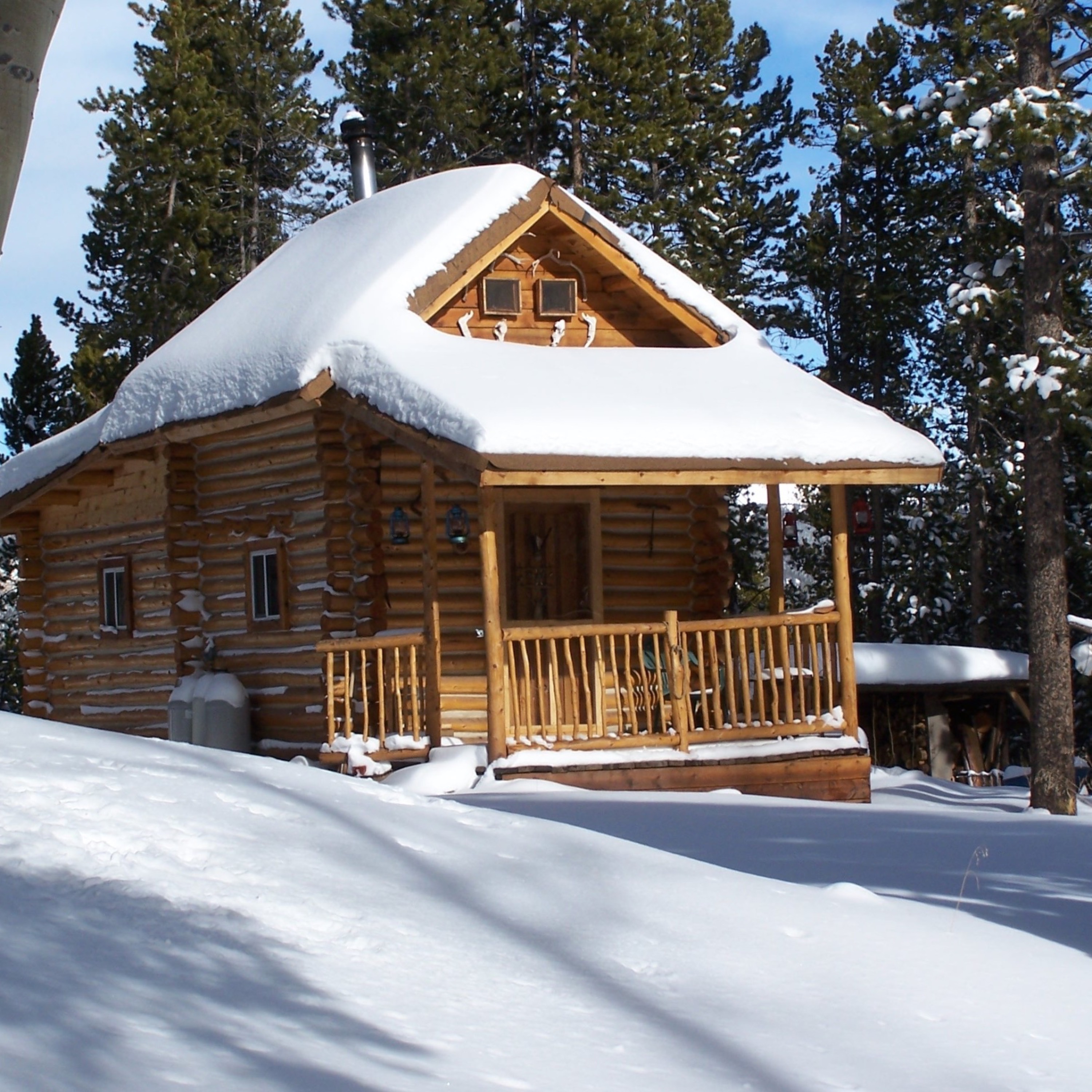
186_The Best Reasons to Live Off the Grid
Adventures in Sustainable Living Podcast Episode 186 The Best Reasons to Live Off the Grid More and more frequently these days people are looking to live off the grid. Possibly this is because people are growing weary of the perpetual rat race and just want some peace and quiet. Hopefully people are looking to be off grid because they seek sustainability or simplicity or to otherwise have something that lacks any sort of complexity. If off-grid is what you want there are several realistic ways to make that happen. It truly depends on personal preference and of course your budget. Bottom line is that these days such a lifestyle is not at all unrealistic. But everyone has different reasons as to why they want to give it a try. So, if you want to learn about the best reasons to live off grid then stick around for E186. Welcome back everyone to the Adventures in Sustainable Living podcast. This is your host Patrick and this is E186 which is called The Best Reasons to Live Off the Grid. Sustainability question of the week What is the difference between renewable and non-renewable resources? Good news story of the week This weeks good news story is out of India and highlights the remarkable efforts of a man named Alok Shukla. He is responsible to spear heading the efforts to save a 657 square mile area of forests, one of India’s largest natural areas that are still intact. This area was slated for the development of 21 coal mining operations. It was part of the push of the Indian government to stabilize the national power grid. Since their grid is constantly suffering down time, the government is pushing to develop power generation of every kind, including some of the largest solar projects in the world. The Hadeo Aranya forests contains 5.6 billion tons of mineable coal. But it is also home to a large array of wildlife species as well as 15,000 indigenous people. However, the state government has proposed setting up 21 coal mining operations across 445,000 acres of crucial habitat. Mr Shukla began his efforts a decade ago. He staged a variety of media campaigns, sit-ins, tree hugging campaigns, and made appeals through social media. He even took his message straight to the legislature reminding them that the Indian constitution enshrines the protection of tribal people and the environment they require to continue their traditional lifestyles. Eventually is efforts convince the legislature to cancel all of the coal mining operations and permits in the forest. As a result, Mr Shukla won the prestigious Goldman Environmental Prize which recognizes individuals for sustained and significant efforts to protect and enhance the natural environment, often at great personal risk. So a huge round of applause to Mr Shukal for a decade of effort to save one of India’s largest forests. Now let’s move onto the this weeks episode. Despite the challenges of an off-grid lifestyle I have discovered that these days more and more people are making that choice. But everyone has their own reasons. Ask 20 different people why they chose to live off the grid and mostly likely you will get 20 different answers. This is because living off the grid means different things to different people. The reasons people choose to live off the grid are as varied as the people that make this choice. In many ways, your rationale and your personal goals for choosing this option will be a deciding factor in the type of off-grid lifestyle you develop. For me, when I purchased my property in 1996, it truly was the kind of place where I’d always wanted to live. I was one year out of school, literally had very little money, and my decision was somewhat spontaneous. The financial challenge for me was that I could not afford to pay rent and pay my new mortgage. So, I moved onto the property one month after my purchase and lived in a tent while I built the first cabin. Needless to say, life was rough. The weather was harsh. The physical labor was endless. Dangerous wildlife encounters were frequent. Every day seemed like a new adventure. During that time, the only thing predictable about my life was that everyone thought I was crazy. I share this story for a very good reason. Although some of the best experiences in life have been the result of a spontaneous decision, the choice to live off the grid should not be one of those times. This lifestyle should not be approached with a cavalier attitude. In this particular situation, that kind of quick decision making has the potential of producing a lot of hardship and frustration as you can easily conclude from my personal experiences. My decision to purchase that property was somewhat spontaneous because it was what I had been searching for many years. However, no one has to face the challenges that I did. With
185_Can We Prosper Without Growth?
Adventures in Sustainable Living Podcast Episode 185 Can We Proper Without Growth? Kate Raworth, an English economist with Oxford University, wrote that “Reversing consumerism’s financial and cultural dominance in public and private life is set to be one of the twenty-first century’s most gripping psychological dramas.” What is obvious is that economic growth is directly tied to resource consumption. Both are hand in hand with environmental degradation and climate change. Despite this obvious trend consumerism continues to be deeply ingrained. Even though there are communities of people that live simply and offer inspiration for social innovation, the question is whether or not this is possible on a global scale. In this episode I want to examine whether or not we can decouple economic growth from resource consumption. So join me for E 185 which is called “Can We Prosper Without Growth?” Welcome back everyone to the Adventures in Sustainable Living podcast. This is your host Patrick and this is E185 Can We Prosper Without Growth? As is usual, let’s start out with the sustainability question of the week because this goes right along with this episode. Explain the concept of a circular economy? Good news story of the week. And this story comes out of Europe and focuses on the dramatic positive ecological effects of the reintroduction of a herd of bison and how large animals affect the carbon cycle. There was a recent study that looked at the effects that the European bison has on the ability of the Romanian forests to store carbon. It turns out that the bison are “climate heroes.” In 2014 WWF Romania reintroduced a herd of 100 bison into the Tarcu mountains in Romania. The herd has since grown to 170 animals. It turns out that all their rooting around, stomping, and breaking of the landscape are an important part of the vitality of the ecosystem and promotes carbon storage. The study provides proof that the European bison is actually a keystone species, meaning a species that helps to hold the ecosystem together. The study revealed that 170 animals living in a 50 square kilometer area had the potential of increasing the carbon loading of that environment by as much as 10%. That additional carbon sequestering ability is the equivalent of taking 54,000 gas powered vehicles off the road. And there are only 170 animals. This study also helps to emphasize the importance of grasslands for carbon sequestration. Professor Schmitz and his team of researchers are also looking at nine other animals including the muck oxen, river otters, and forest elephants. According to Professor Schmitz, “Many of them show similar promise as the bison, often doubling an ecosystem’s capacity to draw down and store carbon.” So, the round of applause this week goes to Professor Schmitz and the European bison. Now let’s move on to this weeks episode. I dare say that there are few people in our culture that actually sit around and think about economics. Even though economics is truly what governs our nation, our states, cities, local communities as well as our daily lives, we never really think about it. All we know is that we go to work, bring home a paycheck and use that to purchase what we need. The only time we think about economics is when there is a downturn, which of course affects almost everything. People lose their jobs, their money, their homes, and sometimes their life savings. Furthermore, what most people do not realize is that it is the very economic model that runs our lives that is pushing us past the planetary boundaries and endangering the very existence of humanity. There are some very smart people that are focusing on our mistakes but the question is whether or not we will learn from this and do something different. Most long-term data says we will not. Key Points So what I want to examine in this episode is: -Growth is culturally, politically, institutionally ingrained -There are communities that live very simply and have accomplished some remarkable things. Perhaps we can gain some inspiration from these communities. -The European Green Deal may provide some inspiration for change -Positive change and innovation requires us to address these cultural and institutional barriers in order to change our consumption and social practices. -Is the circular economy the answer? -Discuss a few things that each of can do and how we can apply this to our daily lives. Now if you pay attention to the condition of our world and where we are headed, you already know that our world is changing very rapidly. It is as if we are at a tipping point and yet we continue on as if there are no worries. Scientific experts are referring to our rapid loss of biodiversity as the next great extinction event. Micro-plastics and forever chemicals are now in every corner of the world including our bloodstream. Widespread pol
184_Buy It Once. Buy It For Life
Adventures in Sustainable Living Podcast Episode 184 Buy It Once, Buy It For Life Whether you like it or not there is a lot of psychological research that goes into the marketing of products. The majority of this research is used to manipulate consumers and get you spend more money. Additionally, convincing consumers to purchase an ever-increasing variety of products, only to discard them after a short period of time, is a fantastic way to stimulate commerce. From disposable products to planned obsolescence, our wasteful practices have an ever devastating affect on the environment and on our personal financial well being. Virtually all of the disposable products we use can be replaced with something that you buy only once. So join me for episode 184 which is called Buy It Once, Buy It For Life. Welcome back everyone to the Adventures in Sustainable Living Podcast. This is your host Patrick and this is E184 which is called Buy It Once, Buy It for Life. Sustainability Question of the Week What is greenwashing? Good New Story of the Week This weeks good news story comes from Sydney, Australia. In a worlds first, researchers from the University of Australia developed a chemical process that could create a sustainable jet fuel from methane gas emitted from landfills. This has the potential of creating low-carbon aviation industry. If this process becomes cost effective and widespread, all the landfills in the world could actually become a source of energy. Even though methane only stays in the atmosphere for about 9 years, scientists say the levels are increasing. Methane is a greenhouse gas that is far more potent that CO2. On a global scale, landfills are major emitters of greenhouse gases such as CO2 and methane. What is exciting about this technology is that these gasses can be turned into fuel and used to target industry that are difficult to electrify. Modern landfills already capture and combust gases for the generation of electricity, this technology creates a more environmentally friendly and commercially valuable product. Although aviation only accounts for approximately 3% of global emissions, this technology could create a “closed loop” fuel based on existent emissions. It would also eliminate the need to produce traditional and sustainable jet fuels. If you want to read the whole story I have a direct link in the transcript of this episode. Scientists are Making Jet Fuel from Landfill Gas A round of applause this week for researchers at the University of Sydney. Now let’s move on to this weeks episode. Before we get started though I feel somewhat obligated to give credit to what inspired this episode. There is a website called Buy Me Once, which can be found at buymeonce.com , and a rather inspiring movement called Buy It For Life. Even though I did not take any information from either of these websites I felt the need to at least give credit to what inspired this episode. So, that said, let’s get started. In our world as of today, there are roughly 840 billion single-use products. The vast majority of these products could be replaced by something that is reusable. Just 20 companies are responsible for 55% of the plastic throw-away items that we use almost daily. Things such as plastic bottles, bags and food packages are by far the most common discarded items. Despite the devastating affect on the environment, plastic production is set to increase by 30% over the next 5 years. But beyond the obvious single use items, as consumers we are also manipulated by what is called planned obsolescence. The concept of planned obsolescence what first conceived in 1928 by a marketer named Justus George Frederick. Planned obsolescence is a deliberate calculated act of making sure the existing version of a product will become dated or useless within a given amount of time. Then of course you have to go buy another one. And while this may sound like a ridiculous waste this concept of planned obsolescence has been legitimized and is built heavily into manufacturing and marketing cycles. It drives profitability and is widely accepted by both businesses and consumers. As consumers, we experience several versions of planned obsolescence, many of which we never even think about. Many times we may say, “Well, that’s just life.” Or “Well that’s just how it is these days.” But, this planned obsolescence can take many forms: -Software updates that slow your devices -Lack of spare parts: Electronic devices are manufactured in a way that a part can’t be removed or repaired. If if fails, the device becomes unusable. -Product incompatibility: Technology advances happen so quickly that sooner or later updates are no longer available. This makes you device slow, unstable or it eventually stops working altogether. -Irreplaceable batteries: Cell phones, laptops, and other devices use batteries that often cannot be remove o
183_Danger: Comfort Zone
Adventures in Sustainable Living Podcast Episode 183 Danger: Comfort Zone There are so many warning signs about the fate of our planet yet the average person is happy to live in comfortable ignorance. Have you ever stopped to ask why people are so complacent about something that truly affects our future? Furthermore, because of this complacency we are loosing some very important life skills. But are we really to blame? Or is this the end result of our modern culture? Are we now so comfortable that we feel as if certain life skills don’t even apply any more? Besides, we can always look it up on the internet. We are numbly happy to live in our comfort zone yet stepping outside those boundaries is exactly what is needed if we are going to build a sustainable future. And that is the focus of this episode183 Danger: Comfort Zone. Welcome back everyone to the Adventures in Sustainable Living Podcast. This is your host Patrick and this is E183 which is called Danger: Comfort Zone. Sustainability Question of the Week What is a carbon offset and are they valid? Good News Story of the Week This story comes from Australia and it is about the accidental discovery of a small generator that uses greenhouse gases to generate electricity. University of Queenslands research officers were working with small generators, which they called nano generators, that ran on a process called ion transport. The project had been going for three years. Then one day one of the researchers noticed that the generator was using CO2 to generate electricity. The results were double checked and then the nano generator was sealed in a box and CO2 was pumped into it. The results were confirmed again. This small generator was only 4 x 6 cm. But larger devices could be used to power smaller electronics such as office equipment. The research team will continue to refine the technology. So CO2 generators may be in our future and may be another way we can mitigate the effects of CO2 in our atmosphere. So, for this week, hats off to the researchers at the University of Queensland. Okay folks, let’s move on to this weeks episode. What I want to examine in this episode is why staying in our comfort zone is the worst thing we can do. Living such a life limits our growth, impedes positive change, and delays much needed action to build a sustainable future. I also want to give you some real life examples of how getting out of your comfort zone can help you have a life that is a hundred times better than you could have ever imagined. So, let’s get started. People in general are resistant to change. I have seen this over and over again in my years of practice. New research is published, new technology emerges, or new medications are developed that can greatly improve patient care. Despite obvious evidence of such, many older practitioners are hesitant to make changes to how they do things. The typical resistance I get is “Well, I’ve been doing this for 30 years and it has always worked.” So, why are we met with such resistance when there is an obvious benefit to changing what we do? But I would ask the same question about the fate of our planet. We have multiple warning signs that we need to change how we live. Most studies show that nearly 75% of people know they need to change their lifestyle. Yet there is an enormous gap between what we know we should be doing and the people that are actually doing it. It’s as if we are all speeding alone in a car and we just past a sign that says “Danger, cliff ahead.” And we all look at each other and say, “Well, it hasn’t happened yet.” Despite the obvious warning signs we exist day-to-day in our comfort zone and refuse to make much needed changes. And this of course is the worst thing we can do. You know I have lived in Colorado for many years now. One thing about being here has always been consistent. Colorado is notorious for sudden changes in weather. The saying goes, “If you don’t like the weather, just wait ten minutes.” But, weather changes are even more sudden and dramatic at the cabin. It is a combination of living at a high altitude and in close proximity to the continental divide which is less than 5 miles west of the cabin. It can be a nice warm sunny day and within a few minutes the temperature drops 15 degrees and it starts snowing. One to two hours later it is sunny again. Sometimes a storm front moves in and sits over the divide. It snows and blows for days at a time. Meanwhile, you can drive 3 to 5 miles down the road and there is blue sky. And to this day the weather remains just as unpredictable. But the result of this lifestyle was it taught me to always be prepared for the worst. Cabin life, bye one means or another, always seemed to be a test of my resilience. Last week’s weather in Denver was a perfect example. Just a few days prior the temperature in Denver was 78 ºF. Now is was below freezing and sno

182_A Critical Review of Amazon Ethics
Adventures in Sustainable Living Podcast Episode 182 A Critical Review of Amazon Ethics When I get up in the morning I typically sit quietly by the wood stove for about an hour and start my day with some good coffee. I don’t worry about a lot of things during my quiet time but I do put some thought into planning my day. If I think of something I need at the homestead, if I have time I may browse the internet for the best product and the best price. After all online shopping is a modern conveniences that I enjoy just as much as everyone else. It is simply a part of our culture now. However, in the face of building a sustainable future we do have to strike a balance between consumption and ethics. This week I want to dive into a critical few of Amazon Ethics. Welcome back everyone to the Adventures in Sustainable Living podcast. This is your host Patrick and this is E181 A Critical Review of Amazon Ethics. Sustainability question of the week Who coined the term “carbon footprint?” Good news story of the week In a recent study focusing on the benefits of regular exercise, researchers found a clear correlation between exercise, reduction of stress and reduced risks of cardiovascular disease. The study revealed that exercising helped reduce the stress-related brain activity that is associate with the development of cardiovascular diseases. The study involved 50,000 people that followed workout recommendations of 150 minutes per week, which is about 21 minutes per day. The study included an average of 10 year follow up on patients and concluded that those who followed these recommendations were 23% less likely to develop cardiac disease. Not only that, regular exercise greatly improved the symptoms of depression. And you know, one of the best ways to establish a good habit is to make it so easy that you can’t say no. Surely most of us can spare 21 minutes per day. So, that’s yet another case for staying active. And one of the best ways to do that is to live sustainably and grow some of your own food, raise chickens, forage for some of your own food, or turn your yard into a wildlife haven. So, let’s get started with this weeks episode because I am going to give you lots to think about. While I am sitting quietly having my morning “Zen” time I don’t typically worry about a lot. I do put some thought into planning my day. If I am lucky I have a smooth day. No problems with clients, no emergencies, no ethical issues to deal with. Just like most people these days I will spend some time browsing the internet. Typically I am researching various topics and I try to spend some time learning something new. Bu then of course my mind will stray because I start thinking of a way to improve things at the homestead. That of course leads to online shopping. And just like the average person one of the first places I go is Amazon. This company had indeed become the largest global online marketplace where you can find just about anything you need. While online shopping is a significant convenience, it is another area in our lives that is fraught with environmental issues, wastefulness, carbon emissions and of course ethics. But few of us really think about that when we are shopping and simply trying to save ourselves a little time and money. But I truly believe that if we are going to build a sustainable future we are at the point where we have to question every single thing we do. That is the start of evaluating your habits and making positive changes. But, most importantly you have to question what is normal. And the Amazon marketplace has become a normal part of our lives. While Amazon had humble beginnings it has grown into a significant economic force. But many people are starting to question some of the companies practices. And that is the focus of this episode. Truly I am of the opinion that an important part of transitioning into a sustainable future it taking a strong look at the source of the products we use everyday. Many people are just now realizing that the price for putting a product on the shelf far exceeds what we pay at checkout time. We now live in a global community and many of our products, including our food, are produced by people that work and live on wages that are dismal compared to what we expect in a developed country. Yet most of use are oblivious to that part of our lives. We go to Walmart and shop on Amazon and are just happy to have that convenience. However, in our age of information and the advent of the internet we have access to hundreds of years of information in a matter of seconds. Truly, in our culture, ignorance about some of these issues is a choice. And ignoring some of the larger social challenges of our time is just no longer acceptable. One of the issues that we face concerning the products we purchase are the challenges associated with corporate responsibility. I strongly believe th
181_Is It Ethical to Shop at Walmart?
Adventures in Sustainable Living Podcast Episode 181 Is It Ethical to Shop at Walmart? Top of the list for most consumers is price and convenience. However, in our pursuit of such convenience we often sacrifice our money, our physical health, our mental health, the environment as well as the rights of all the workers upstream from where our purchase actually occurs. One of the challenges is that due to our current market place, there is an over abundance of choices. Consequently, most consumers tend to purchase from a huge conglomerate because we can easily find everything we need all in one place and it saves us time and money. But when it comes to best practices for sustainability, what about the little guy, the small business that cannot possibly compete with an international company? In our rush for convenience are we really making ethical choices? In this episode I am going to focus on one company, and that is Walmart. Welcome back everyone to the Adventures in Sustainable Living Podcast. This is your host Patrick and this is E181 Is It Ethical to Shop at Walmart.? Sustainability question of the week Is it expensive to live sustainably? Good news story of the week The US Unveils the First-ever regulations to remove forever chemicals from drinking water Our environment is widely contaminated with what is called forever-chemicals. These are a class of chemicals that will take hundreds to thousands of years to break down. The challenges is that these chemicals are widely used and are found in oils, stains, food packaging, waterproof clothing, adhesives, stain resistant furniture, fire retardants, and even non-stick cooking surfaces. These chemicals has been connected to a wide range of health problems depending on the class of chemical and the level of exposure. But common disorders are immune disfunction, various types of cancer, endocrine disruption, thyroid disease, developmental disorders, asthma, liver toxicity, and many others. But the EPA recently unveiled legislation that would remove these chemicals from drinking water. There are 66,000 water utility operators across the country. There is a 5 year plan to test for these chemicals and install the new technology needed for their removal. Records show that many companies knew about the toxicity of these chemicals but did nothing about it. Finally the Environmental Protection Agency has passed legislation to limit the exposure despite huge opposition. So, the round of applause this week goes to the EPA for helping to clean up the world. So, let’s get started with this weeks episode. First of all I want to make something very clear. The point of this episode is the same for many other things that I do. I want to make you question how you live, what you do, and the choices that you make. Then I want to give you some sustainable alternatives. I will make every attempt to provide you with accurate information. I am not going to say that businesses such as Walmart are part of the evil empire. Although, there are many who would disagree. But I am going to give you some things to think about. Most of you know by now that I spent years building a self sustaining homestead in the middle of the forest. It was the accomplishment of a life-long dream. However, I will be the first to admit that initially I was not focused on sustainability. To a great degree by default I was actually being sustainable. I focused on using as few resources as possible. I purposely built the cabins for maximum energy efficiency. I made attempts to provide as much for myself as I could from the land where I lived. But my focus was on self sufficiency. Over time, I began to focus more and more on sustainability by gardening, producing much of my own meat, and living solely on renewable energy. That said, I still have to take advantage of various businesses to purchase food, products, fuel, etc. But now that the basics are well established, most recently I have begun to think a lot about the ethics of what I do and how I do it. After all, every time each of us spends money on something, we are casting our vote for one thing or another. Now you could argue that ethics is nothing more than a matter of convenience. After all you have certainly heard me say before that it is a privilege to live within your values. But sometimes it is worth standing up and saying enough is enough no matter what the cost. Many of you know that I have been self employed for over 25 years. I have enjoyed great success in my business and have no regrets. But, it was not always that way. In the beginning, I took anything and everything that came along because I needed the money. It just did not matter because I was struggling financially.
180_Is Honey Really Bee Vomit?...And Other Funny Food Facts
Adventures in Sustainable Living Podcast Episode 180 Is Honey Really Bee Vomit?…and Other Funny Food Facts In case you haven’t noticed, life has no standardized rules. How we are prepared to meet the world as adults depends mostly on how we are raised as kids and our family background. But at least we have certain basic skills such as how to drive, where to get food and how to find and pay for the various services needed to meet our daily needs. But what we are taught changes over time because societal norms change. What children are taught today is totally different from 50 years ago. And one good example is where your food comes from and how it is produced. So, if you want to know some interesting and funny facts, then join me for E180 Is Honey Really Bee Vomit?..and Other Funny Food Facts. Welcome back everyone to the Adventures in Sustainable Living podcast. This is your host Patrick and this is E180 Is Honey Really Bee Vomit?… and Other Interesting Food Facts. First on the agenda is the sustainability question of the week. Sustainability question of the week Can you list at least 6 common sustainability practices that you can start today? Good news story of the week I think most people are aware of the impact on the environment of our meat production. And part of the impact is related to the grain that is fed to livestock. Nearly 40% of the grain produced globally is fed to livestock. The grain in the US alone that is fed to livestock is sufficient to feed 800 million people. But, one company in the UK may have found at least a partial solution to that. You have heard me talk before about the benefits of insect proteins either used as a replacement for meat, or used in protein bars or otherwise processed into snack foods. But, one UK start up has come up with a way to integrate insect proteins into feeding livestock. The company Entocycle uses bugs to replace corn, soy, and fishmeal as a high-quality animal feed to pigs and chickens. This works simply because they have a different digestive system relative to cows. And if foraging naturally, insects likely would have made up a good portion of their diet anyway. Entocycle’s London facility raises thousands of black soldier fly larvae that are turned into feed for pigs and chickens. This species of fly will eat almost any wasted food which is another bonus for environmental waste management. There is the potential to divert food scraps from going to the landfill and instead becoming food for the flies. Additionally, several studies have proven that the supplementation of black soldier fly larvae to pigs improvement growth performance and meat quality. Fly larvae production is quick and cheap. Additional, black soldier flies are a non-disease, non-pest species found all over the world. So, a round of applause this week to Entocycle to making another sustainable step forward. Now let’s jump right into this weeks episode. When I first graduated veterinary school I truly had limited experience and exposure in this field because I had only worked in one hospital. A few years after graduation I realized I needed to broaden my perspective. I gave up full time employment and I started doing locum work around Colorado, which meant taking shorter term jobs with different hospitals. Eventually that transitioned into working between multiple states and countries. At the height of trying to broaden my perspective, I was on a plane 57 times in one year. This was when I realized that getting on a plane had become akin to doing laundry. It was routine, mundane, and just another thing I had to do to get by in life. Making small talk while sitting shoulder-to-shoulder with a stranger was more annoying than not. And I got to the point where I never admitted what I did for a living. However, this boredom was occasionally punctuated by a very interesting person or just an entertaining experience. On one trip I sat next to an older gentleman who turned out to be the dean of the dental college in Phoenix, Arizona. We had a short conversation about our personal professions and moved onto talking about life, family, and fun. On another trip I had a long layover in the airport in Charlotte, North Carolina. If you have never been there it is my favorite airport because it has really large nice rocking chairs by the windows with a pianist playing music in the background. Turns out I sat next to a woman who was a commercial airline pilot. Again, we made passing comments about our personal professions and moved on to just having a nice conversation. On another trip my flight got canceled and I ended up yet again trying to sleep on the floor of the airport while waiting for a connecting flight. My attempt to find a quiet place to sleep was interrupted by a much older gentleman and a woman I presumed to be his daughter. They were having a loud conversation in German and judging

179_After Sustainable Habits, What's Next?
Adventures in Sustainable Living Podcast Episode 179 After Sustainable Habits, What’s Next? Episode link After Sustainable Habits, What’s Next? 20 minutes listen Website: adventuresinsustainableliving.com My veterinary career has truly been quite varied. Upon entering veterinary school I only had experience in one hospital. Upon graduation, I was determine to broaden my focus. After years in practice I am happy that I’ve had the opportunity to live in work in multiple different countries. The result has been a much broader perspective on the world and a much greater appreciation for other cultures. Lessons learned abroad have been brought back home which in turn has shaped my habits and values. I believe that true progress only comes through growth. But once our habits and values mature into something that is focused more outward, instead of only on ourselves, what is the next step? So join me for E179 After Sustainable Habits, What’s Next? Welcome back everyone to the Adventures in Sustainable Living podcast. This is your host Patrick and this is E179 After Sustainable Habits, What’s Next? Sustainability question of the week What are non-renewable resources? Good News Story of the Week Okay, the good news story of the week is actually about bumble bees. But it is really more a story of interest because it actually fits right into this episode. As most of you know, bees are very social creatures. But as it turns out, they are capable of acquiring non-natural behaviors and teaching those skills to other bees. By doing so, the other bees learn behaviors that would be too complex for them to learn alone. This at least suggests that humans and bees share knowledge in exactly the same way. One of the most remarkable attributes of the human species is our ability to progressively improve our skills and technologies. Then we take that knowledge and build on it to produce new innovations. In this particular study, a bee was taught to solve a puzzle for a reward. It was a two step puzzle box in which the bee first had to move an obstacle to allow a rotating lid to open in order to access a sugary reward. In the second step of the study, members from three separate colonies were given 24 days to independently solve the same puzzle. Not a single one succeeded. The third step was to use the trained bees to demonstrate this skill to other bees. In which case, they quickly learned the new behavior. Interestingly enough this study provides evidence that bees can socially learn and pass on that learning on a level of complexity thought to be unique to humans and our ancestors. This suggest social learning and cultural transmission. Now, culture is a word that we hear a lot. Culture is loosely defined as “the way of life for an entire society.” So, culture includes our dress, language, religion, rituals, laws, morality, manners, systems of belief and our values. But at the root of our culture is the designation of a particular behavior that is socially learned and persists over time. And I think in that last statement lies the very reason that people find it difficult to change or perhaps never change. Many people never travel, are never exposed to new and different ideas, thoughts or values. Consequently they never realize that there just might be a different way to live. There might be different values and behaviors that are more socially productive. This was exactly how I grew up. I was raised in a culturally narrow minded environment. We never traveled. We were never exposed to other cultures. In fact, I was taught that other cultures were insignificant and even lesser humans as compared to white people. It was not until I moved to Colorado that I realized just what I was taught was completely wrong and inappropriate. Now, when I go back and visit people in the part of the country where I grew up, I see exactly the same thing. People who never leave the area where they were raised. Consequently, the narrow minded, culturally intolerant mindset persists. And it rests in the basic fact that people just don’t know any better. I experienced this recently at a hospital where I was working except the circumstances were completely different. I was working in a part of town where the average value of a home is between $750K to $1 million USD. Consequently, most of the clients are very well educated. However, not all of them are well traveled. For some reason we got off the subject of her visit and started talking about cultural values. I shared with her how I grew up and what I did to change the narrow minded values that I was taught. I could tell that she was appalled at how I was raised but also happy that I had changed. She had this rather overwhelmed look on h
178_Sustainable Habits for a Sustainable Habitat
Adventures in Sustainable Living Podcast Episode 178 Sustainable Habits for a Sustainable Habitat Episode Link; Sustainable Habits for a Sustainable Habitat 29.5 minutes Website adventuresinsustainableliving.com In the last few episodes I’ve talked a lot about the overcoming the barriers to living more sustainably. And while there is a long list of barriers to overcome, a big part of the challenge is our engrained values and habits. And the big question is how do we change that. Many of us tend to blame the condition of the world on our culture, or on big business and government. However, truly meaningful human change starts with the individual. Before we can expect global change, systemic change, or even change at the community level, we must first examine how we need to change. In many ways our values and habits are a reflection of our world view. So how do we change this to something more sustainable. So join me for E178 Sustainable Habits for a Sustainable Habitat. Welcome back everyone to the Adventures in Sustainable Living Podcast. This is your host Patrick and this is E 178 Sustainable Habits for a Sustainable Habitat. First order of business is the sustainability question of the week. What is one simple concept or phrase that truly defines all of sustainability? Good news story of the week The Largest Environmental Restoration in History Continues to Restart the Heart of the Everglades Believe it or not, in 1949 the Army Corps of Engineers devised a plan to drain the Everglades. This project disconnected Lake Okeechobee from feeding the Everglades water system. This lake ecosystem is what fed the 300 mile wide area of sea grass which is what forms the Everglades. When this happen, water quality in the Everglades dropped dramatically. This loss of water flow also resulted in massive sea grass die offs, blue-green algae blooms, red tide incursions and even wildfires. These conditions are further exacerbated by an east-west byway road that cuts off significant water flow to the southern Everglades. Additionally, contamination from southern Florida sugar plantations significantly affects the local ecosystem. The restoration plan is now in full affect and the purpose is to undo the Army Corps of Engineers “Drain the Everglades” project. There are over 60 infrastructure projects with a cost of $20 billion USD. The state of Florida 2024 budgets included $740 million in funds to continue the project. The aim of the project is to reconnect Lake Okeechobee, raised the east-west byway road to reconnect water flow, and build the world’s largest man-made wetland (63,000 acres) to capture the runoff from the sugar plantations. The construction of these projects was paid for up-front by the state. However, the biggest polluters are paying for the financing in the form of pollution tax, which hits the sugar plantations particularly hard. Some of the larger projects have an estimated completion date of 2036. After restoration is complete it is thought that it will take 15 years to repair the landscape. So, the largest environmental restoration project in history is on path to restore an enormous wetland ecosystem that has no comparison in size or complexity in the entire world. So, the round of applause this week goes to the environmental restoration of the Everglades and the State of Florida for making the biggest polluters pay for a lot of the cost. And those are the kinds of stories a love to hear about. That said, let’s move on to this weeks episode. Truly I think that one of the biggest challenges to living a more sustainable life is our engrained habits and values. That being said, there are some universal human values that we all expect more or less. Things such as respect, compassion, tolerance, truth, integrity, equity, as well as many others. But I often wonder why we do not use those same values in regards to sustainability. To a great extent our habits and values are affected by our culture, our country, our economic status, and our families. And those values and habits tend to affect how we view the world. So, the question becomes how do we change our values and our habits to something more sustainable without feeling as if we are compromising. Truly no one enjoys being forced to compromise or give up their values and certainly people will fight to keep their privilege. But for many of us it is truly a privilege to live within your values while many others in the world have no choice. As for me, it is certainly a privilege for me to live a life of voluntary simplicity. But while I live on a mountain top in the middle of the forest and quietly congratulate myself for my accomplishments more th
177_A Green Foot Forward: Overcoming the Roadblocks to Sustainable Living Part III
Adventures in Sustainable Living Podcast Episode 177 A Green Foot Forward: Overcoming the Roadblocks to Sustainable Living Part III Episode link: https://www.offgridlivingnews.com/podcasts/adventures-in-sustainable-living/episodes/2148574613 33 minutes Website: adventuresinsustainableliving.com Studies and surveys show that the vast majority of people do care about the environment and what happens to our planet. Yet many of those same people struggle when it comes to making greener choices in their lives. One thing is certain. The future of humanity has not yet been decided. But I truly believe we are past the point of easy. We need to change the way we think and live. One other thing is also certain. We can see amazing results by putting one green foot in front of the other and pressing forward with the changes we can implement both individually and collectively. In this episode I am going to continue that discussion. So join me for E177 Overcoming the Roadblocks to Sustainable Living Part III. Welcome back everyone to the Adventures in Sustainable Living podcast. This is your host Patrick and this is E177 Overcoming the Barriers to Sustainable Living Part III. Sustainability question of the week What is sustainable transportation and why is it important? Good News Story of the Week UK Restaurant is Letting People Pay-as-They-Can While Rescuing Tons of Food There is a restaurant in in Gloucestershire, England called Long Tables that allows customer to eat and pay-as-they go. This is in response to a 25% increase in the cost of food and the fact that 10 million Brits, Scots, and N. Irish are malnourished. This level of undernourishment further underscores the fact that 6.4 million pounds of food goes to waste every year in Great Britain. According to the general manager Will North, the restaurant operates on the premise of “What if everyone in our community had access to great food and people to eat it with?” The restaurant employs 22 part and full-time staff. The weekly menu varies according to what the managers are able to rescue from their suppliers. According to North, their suppliers prioritize the planet over everything else. Consequently, they serve great delicious meals. This week’s round of applause goes to Long Tables restaurant in the UK for feeding people for free. I do have a direct link to that article in the transcript. It can be found at goodnewsnetwork.org Now let’s move on to this weeks episode. This is now part three of overcoming the barriers to sustainable living. I decided to focus a few episodes on this topic because the vast majority of people really do care about the planet but I also know that a lot of people are struggling with making some greener choices. In the two previous episodes I discussed 5 different barriers and gave specific ways to overcome them. In this episode I am going to continue to break down those barriers by giving you actionable steps to live more sustainably or by planting some ideas in your head to simply change the way you think. In this episode I am going to discuss three specific barriers: -Many people doubt the effectiveness of sustainable actions. Can we really make a difference. -Many people are confused on what to do. -A lot of people think in order to be sustainable they have to be vegetarian or vegan. Whether that’s cutting down on meat, using less plastic, or driving electric vehicles, we can all find ways to adapt our everyday lifestyles. Can one person make a difference? The first barrier to tackle is whether or not we can make a difference. Many, many people doubt the effectiveness of sustainable actions simply because they feel as if they cannot make a difference. Now, there are a several reasons for that so let’s dive right in. Part of the reason most people feel as if their singular action cannot make a difference is simply rooted in self doubt. Much of that trait in most people is a result of our modern culture. Many of us have grown up in a culture of competition, perfectionism and rampant social media where we constantly see people on display that we deem to be far better than ourselves. Our competitive natures convinces us we are not attractive enough, tall enough, athletic enough, funny enough or rich enough. Consequently, we constantly question our self worth and importance as a human being. Furthermore, when we are young and talk of great aspirations to be famous, a great leader, an astronaut, or an artist, we get struck down and are told we ought to stick to a career that is reliable and easy. Someone else’s self doubt get projected onto us and we carry that for much of our lives. Additionally, when we are faced with a crisis as large and monumental as climate chan
176_A Green Foot Forward: Overcoming the Roadblocks to Sustainable Living Part II
Adventures in Sustainable Living Podcast Episode 176 Overcoming the Roadblocks to Sustainable Living Part II adventuresinsustainableliving.com During the time that humans have existed on this planet, we have gone through multiple transitions. Each of those transitions have changed the course of humanity and ultimately improved our standard of living. It has also made our lives just a little bit easier. In our modern culture, we no longer have to provide for ourselves. You can have anything you want with one click. In fact, ease and convenience is top of the list for most people, not the impact they are having on the planet. But when it comes to a sustainable lifestyle convenience is not the king. It is our addiction to convenience that is one of the common roadblocks to sustainable living. So join me for episode 176 where I continue to discuss how to overcome some of the common roadblocks to a sustainable lifestyle. Welcome back everyone to the Adventures in Sustainable Living podcast. This is your host Patrick and this is E176 which is called Overcoming the Common Roadblocks to Sustainable Living Part II. Sustainability question of the week How much of the water that enters our homes actually goes down the drain? The average person wastes as much as 30 gallons of water per day. The average household uses 300 gallons of water per day most of which is used for flushing toilets and taking showers. Bottom line, 95% of the fresh water entering our homes goes down the drain. Good news story of the week African Forest Farming Initiative Making a Difference for Thousands with Tree-Planting and Micro-Lending And this story comes from Africa. I think by now most of us know that our current agricultural practices are truly the bane of our existence. And the United Nations estimates that bye the year 2050 we are going to have to increase our food production by 60% in order to feed the growing world population. Furthermore, the challenge in developing countries is that farming is how people feed their families and provide some economic support. But one particular NGO may have found an answer to that challenge. Instead of just another tree-planting initiative, Trees for the Future is teaching local farmers simple agro-forests techniques. One area in particular consists of 41,000 hectares, which is an area 7 times larger than the island of Manhattan. Forest farms consists of native trees that serve as an anchor for a mixture of subsistence and cash crops. This in turn promotes local biodiversity. Trees for the Future works with farmers for four years to produce viable farm lands that typically produce a surplus. There are now pilot projects in 9 countries involving 17,000 smallholder farms. The basis of these farms is that fruit and nut trees provide shade which retains moisture in the soil. Shade tolerant vegetables and shrubs are grown between the trees. Other sun-loving veggies are grown in clearings. Farmers can then introduce livestock if they wish. Farming projects also establish a small scale Village Savings and Loan Association. Farmers work together to save money, lend each other money at a low interest rate, and share the profits. The end game of this project is massive environmental restoration using regenerative agriculture. This is truly an important step in the right direction. Obviously us big shots in developed can once again learn something from the little guys. If you want to check out the complete article I have provided a link in the transcripts or you can go to goodnewsnetwork.org This weeks round of applause goes to Trees for the Future and their sustainable regenerative agriculture projects around the world. So, let’s move on to this weeks episode. In the last episode I introduced the topic of overcoming some of the common roadblocks to sustainable living. In that episode I discussed people having a preference for their existing lifestyle and dispelled the idea that it takes too much time to live sustainably. In this episode I am going to discuss three more common roadblocks to a sustainable lifestyle which are inconvenience, cost effectiveness, and lack of government support. People argue that living sustainably is inconvenient, it is not cost effective, and there is a lack of support from government agencies and big business necessary to promote a sustainable lifestyle for everyone. Inconvenience First off, let’s tackle the idea that living a sustainable life is inconvenient. It seems to me that there are certain things in life that we all know we should be doing. We should eat a low fat diet. We should eat 2 to 3 cups of vegetables everyday. We should have a minimum of three months of living expenses in o