
You Are Not A Frog
320 episodes — Page 3 of 7

Ep 246How Stories Can Help You Beat Burnout
How novels, poetry, or a gripping film can help us lighten the emotional load, discuss difficult feelings, and allow us to become more resilient.Download the episode’s podsheet. You can use it for reflection and to submit for your appraisal as part of your CPD.Join the You Are Not a Frog Facebook groupBedside Reading – Tara’s podcastFind more links and resources via our websiteMentioned in this episode:[FREE Webinar] How to Lead Without RescuingJoin Dr Rachel Morris and Dr Sarah Coope for a free 60-minute live webinar on Tuesday 21st April, 2026 at 19:30-20:30 BST OR Thursday 23rd April, 2026 at 13:00-14:00 BST[FREE Webinar] How to Lead Without Rescuing⭐️ Book Your FrogFest Ticket Now

Ep 245You Can’t Organise Your Way Out of Overwhelm
The advice for dealing with overwhelm is so often to do more, but what we really need is to rest. This quick dip provides a framework to help you reconnect with what you need, so you can make time for it instead of trying to tackle it with todo lists.Download our Overwhelm SOS Toolkit – Free downloadHow to retreat when you can’t go on retreat – Free downloadDownload the episode’s podsheet. You can use it for reflection and to submit for your appraisal as part of your CPD.Join the You Are Not a Frog Facebook groupMentioned in this episode:[FREE Webinar] How to Lead Without RescuingJoin Dr Rachel Morris and Dr Sarah Coope for a free 60-minute live webinar on Tuesday 21st April, 2026 at 19:30-20:30 BST OR Thursday 23rd April, 2026 at 13:00-14:00 BST[FREE Webinar] How to Lead Without Rescuing

Ep 244How to Make the Right Choice When You Aren’t Certain
Decision fatigue and fear of uncertainty can lead us to feeling stuck, unable to move forwards. In this episode, Dr Claire Plumbly returns with practical guidance on making decisions from a place of stability.Download the episode’s podsheet. You can use it for reflection and to submit for your appraisal as part of your CPD.Join the You Are Not a Frog Facebook groupBurnout: How to Manage Your Nervous System Before it Manages You – Dr Claire’s bookMentioned in this episode:[FREE Webinar] How to Lead Without RescuingJoin Dr Rachel Morris and Dr Sarah Coope for a free 60-minute live webinar on Tuesday 21st April, 2026 at 19:30-20:30 BST OR Thursday 23rd April, 2026 at 13:00-14:00 BST[FREE Webinar] How to Lead Without Rescuing⭐️ Book Your FrogFest Ticket Now

Ep 243The Magic Question to Unlock Your Deep Intuition
When’s the last time you stopped and asked yourself what you truly want, or whether what you’re doing right now is right for you?In this quick dip, Rachel offers a series of questions you can ask yourself to help you find those “hell yeah!” opportunities, and avoid the “hell no!” obligations.Download the episode’s podsheet. You can use it for reflection and to submit for your appraisal as part of your CPD.Join the You Are Not a Frog Facebook groupMentioned in this episode:[FREE Webinar] How to Lead Without RescuingJoin Dr Rachel Morris and Dr Sarah Coope for a free 60-minute live webinar on Tuesday 21st April, 2026 at 19:30-20:30 BST OR Thursday 23rd April, 2026 at 13:00-14:00 BST[FREE Webinar] How to Lead Without Rescuing

Ep 242How to Promote Good Mental Health for You and Your Kids
Challenges and failures help teach problem-solving and emotional regulation. So how can we as parents promote independence while still being a source of safety for our kids?Download the episode’s podsheet. You can use it for reflection and to submit for your appraisal as part of your CPD.Join the You Are Not a Frog Facebook groupGet more links and show notes via our websiteMentioned in this episode:[FREE Webinar] How to Lead Without RescuingJoin Dr Rachel Morris and Dr Sarah Coope for a free 60-minute live webinar on Tuesday 21st April, 2026 at 19:30-20:30 BST OR Thursday 23rd April, 2026 at 13:00-14:00 BST[FREE Webinar] How to Lead Without Rescuing⭐️ Book Your FrogFest Ticket Now

Ep 241Does the Usual Productivity Advice Work for People Seeing Patients?
When everything feels urgent – or when other colleagues’ “urgent” stuff lands on your desk – it can feel impossible to get your other important work done. So how can you manage your time so that you can do the stuff that really matters? The stuff that isn’t just urgent, but is important to you and your practice?Download the episode’s podsheet. You can use it for reflection and to submit for your appraisal as part of your CPD.Join the You Are Not a Frog Facebook groupMentioned in this episode:[FREE Webinar] How to Lead Without RescuingJoin Dr Rachel Morris and Dr Sarah Coope for a free 60-minute live webinar on Tuesday 21st April, 2026 at 19:30-20:30 BST OR Thursday 23rd April, 2026 at 13:00-14:00 BST[FREE Webinar] How to Lead Without Rescuing

Ep 240What’s So Important About Purpose?
Are you doing what you’re really meant for? If you’re not sure, how can you find out? And if you’re not where you think you should be, how can you find work that better fits your purpose?Download the episode’s podsheet. You can use it for reflection and to submit for your appraisal as part of your CPD.Join the You Are Not a Frog Facebook groupSolving for Why: A Surgeon's Journey to Discover the Transformative Power of Purpose – Mark’s bookMentioned in this episode:⭐️ Book Your FrogFest Ticket Now[FREE Webinar] How to Lead Without RescuingJoin Dr Rachel Morris and Dr Sarah Coope for a free 60-minute live webinar on Tuesday 21st April, 2026 at 19:30-20:30 BST OR Thursday 23rd April, 2026 at 13:00-14:00 BST[FREE Webinar] How to Lead Without Rescuing

Ep 239How to Get What You Need When Even YOU Don’t Know
When’s the last time you complained at someone for something they “should” have done, only to feel bad about it later? We all do it, and it’s usually because a core need isn’t being met. This quick dip will help you identify those needs so you can take steps to meet them.Download the episode’s podsheet. You can use it for reflection and to submit for your appraisal as part of your CPD.Join the You Are Not a Frog Facebook groupDownload our free Overwhelm SMS ToolkitMentioned in this episode:[FREE Webinar] How to Lead Without RescuingJoin Dr Rachel Morris and Dr Sarah Coope for a free 60-minute live webinar on Tuesday 21st April, 2026 at 19:30-20:30 BST OR Thursday 23rd April, 2026 at 13:00-14:00 BST[FREE Webinar] How to Lead Without Rescuing

Ep 238Crafting a Career That Works
Are you feeling challenged and stretched in a healthy way at work? Are your unique skills being used to their fullest? If not, what might be holding you back from taking a leap into a career that can offer greater fulfilment and happiness?Download the episode’s podsheet. You can use it for reflection and to submit for your appraisal as part of your CPD.Join the You Are Not a Frog Facebook groupGet more links and show notes from our websiteMentioned in this episode:⭐️ Book Your FrogFest Ticket Now[FREE Webinar] How to Lead Without RescuingJoin Dr Rachel Morris and Dr Sarah Coope for a free 60-minute live webinar on Tuesday 21st April, 2026 at 19:30-20:30 BST OR Thursday 23rd April, 2026 at 13:00-14:00 BST[FREE Webinar] How to Lead Without Rescuing

Ep 237What to Do With That Nagging Feeling That Something’s Not Right
You can ignore the stone in your shoe for a few steps, but after a while it becomes unbearable and potentially harmful. The same is true of those nagging thoughts and doubts we have about work.Download the episode’s podsheet. You can use it for reflection and to submit for your appraisal as part of your CPD.Join the You Are Not a Frog Facebook groupMentioned in this episode:[FREE Webinar] How to Lead Without RescuingJoin Dr Rachel Morris and Dr Sarah Coope for a free 60-minute live webinar on Tuesday 21st April, 2026 at 19:30-20:30 BST OR Thursday 23rd April, 2026 at 13:00-14:00 BST[FREE Webinar] How to Lead Without Rescuing

Ep 236Finding Your Opposite World to Beat Burnout
Are the things you do to blow off steam really helping you, or are you bringing aspects of your work life into your hobbies?This is a remix of episode 188, edited to highlight the most impactful points and key takeaways.Download the episode’s podsheet. You can use it for reflection and to submit for your appraisal as part of your CPD.Join the You Are Not a Frog Facebook groupMentioned in this episode:[FREE Webinar] How to Lead Without RescuingJoin Dr Rachel Morris and Dr Sarah Coope for a free 60-minute live webinar on Tuesday 21st April, 2026 at 19:30-20:30 BST OR Thursday 23rd April, 2026 at 13:00-14:00 BST[FREE Webinar] How to Lead Without Rescuing

Ep 235How to Stop Your Inner Critic Hijacking Your Day
What can you do to quiet the inner critic voice that tells you you’re not good enough, or there’s more you could have done?Download the episode’s podsheet. You can use it for reflection and to submit for your appraisal as part of your CPD.Join the You Are Not a Frog Facebook groupGet more links and show notes from our websiteMentioned in this episode:[FREE Webinar] How to Lead Without RescuingJoin Dr Rachel Morris and Dr Sarah Coope for a free 60-minute live webinar on Tuesday 21st April, 2026 at 19:30-20:30 BST OR Thursday 23rd April, 2026 at 13:00-14:00 BST[FREE Webinar] How to Lead Without Rescuing⭐️ Book Your FrogFest Ticket Now

Ep 234The Exact Script to Use When a Colleague’s Being Rude
How can we create a safer environment where upsetting behaviour can be challenged? Co-founder of the Civility Saves Lives explains.This is a replay of episode 192, edited to highlight the most impactful points and key takeaways.Download the episode’s podsheet. You can use it for reflection and to submit for your appraisal as part of your CPD.Join the You Are Not a Frog Facebook groupView more links and show notes via our websiteMentioned in this episode:[FREE Webinar] How to Lead Without RescuingJoin Dr Rachel Morris and Dr Sarah Coope for a free 60-minute live webinar on Tuesday 21st April, 2026 at 19:30-20:30 BST OR Thursday 23rd April, 2026 at 13:00-14:00 BST[FREE Webinar] How to Lead Without Rescuing

Ep 233"Having it All" as a Woman in Medicine
Balancing personal life with a busy medical career is especially tough for women. But there is a way to craft a fulfilling career and have a family.This episode is in partnership with the Physician Mums UK Facebook Group.Download the episode’s podsheet. You can use it for reflection and to submit for your appraisal as part of your CPD.Join the You Are Not a Frog Facebook groupView more links and show notesMentioned in this episode:[FREE Webinar] How to Lead Without RescuingJoin Dr Rachel Morris and Dr Sarah Coope for a free 60-minute live webinar on Tuesday 21st April, 2026 at 19:30-20:30 BST OR Thursday 23rd April, 2026 at 13:00-14:00 BST[FREE Webinar] How to Lead Without Rescuing⭐️ Book Your FrogFest Ticket Now

Ep 232How to Keep Going in a Struggling System
How can we thrive in a healthcare system that’s overstretched and under-resourced? What is within our control to change? Is it the system, or how we operate in it? And what can we do differently, given all the usual advice around “resilience”?Download the episode’s podsheet. You can use it for reflection and to submit for your appraisal as part of your CPD.Join the You Are Not a Frog Facebook groupGet more resources on our websiteMentioned in this episode:⭐️ Book Your FrogFest Ticket Now[FREE Webinar] How to Lead Without RescuingJoin Dr Rachel Morris and Dr Sarah Coope for a free 60-minute live webinar on Tuesday 21st April, 2026 at 19:30-20:30 BST OR Thursday 23rd April, 2026 at 13:00-14:00 BST[FREE Webinar] How to Lead Without Rescuing

Ep 231What I Learned From My Facebook Haters
Rachel digs through her Facebook comments to address some of the challenging feedback she’s received across 230 episodes.Burnout: 9 mistakes healthcare professionals make and what to do insteadDownload the episode’s podsheet. You can use it for reflection and to submit for your appraisal as part of your CPD.Join the You Are Not a Frog Facebook groupMentioned in this episode:⭐️ Book Your FrogFest Ticket Now[FREE Webinar] How to Lead Without RescuingJoin Dr Rachel Morris and Dr Sarah Coope for a free 60-minute live webinar on Tuesday 21st April, 2026 at 19:30-20:30 BST OR Thursday 23rd April, 2026 at 13:00-14:00 BST[FREE Webinar] How to Lead Without Rescuing

Ep 230Why We Need MORE Conflict in Our Teams
Is everything OK within your team? Would anyone speak up if it wasn’t? If your team is quietly getting on while important stuff is getting missed, it might be because there isn’t enough healthy conflict.This quick dip will help you create a safe space for conflict so that issues can be raised without it getting personal.Download the episode’s podsheet. You can use it for reflection and to submit for your appraisal as part of your CPD.Join the You Are Not a Frog Facebook groupVisit our website for more links and show notesMentioned in this episode:[FREE Webinar] How to Lead Without RescuingJoin Dr Rachel Morris and Dr Sarah Coope for a free 60-minute live webinar on Tuesday 21st April, 2026 at 19:30-20:30 BST OR Thursday 23rd April, 2026 at 13:00-14:00 BST[FREE Webinar] How to Lead Without Rescuing

Ep 229Is My Attachment Style Causing My Burnout?
The ways we deal with difficult situations at work and tricky relationships in general is massively influenced by our childhood. Discover what role attachment styles play in how we handle stress, and learn what practical steps you can take to avoid burnout.Burnout: How to Manage Your Nervous System Before it Manages You – Claire’s bookDownload the episode’s podsheet. You can use it for reflection and to submit for your appraisal as part of your CPD.Join the You Are Not a Frog Facebook groupVisit our website for more links and show notesMentioned in this episode:⭐️ Book Your FrogFest Ticket Now[FREE Webinar] How to Lead Without RescuingJoin Dr Rachel Morris and Dr Sarah Coope for a free 60-minute live webinar on Tuesday 21st April, 2026 at 19:30-20:30 BST OR Thursday 23rd April, 2026 at 13:00-14:00 BST[FREE Webinar] How to Lead Without Rescuing

Ep 228Are You an Accidental Toxic Leader?
When something goes wrong in your team, do you immediately leap to the rescue? If so, you might unwittingly be practicing a form of leadership that’s damaging to your team in the long-term.Download the episode’s podsheet. You can use it for reflection and to submit for your appraisal as part of your CPD.Join the You Are Not a Frog Facebook groupMentioned in this episode:[FREE Webinar] How to Lead Without RescuingJoin Dr Rachel Morris and Dr Sarah Coope for a free 60-minute live webinar on Tuesday 21st April, 2026 at 19:30-20:30 BST OR Thursday 23rd April, 2026 at 13:00-14:00 BST[FREE Webinar] How to Lead Without Rescuing

Ep 227What Does High-Performance Look Like?
Overlooking our physical wellbeing in the pursuit of success can lead to stress, burnout, and health problems. But there’s a key question we can ask that’ll help restore some balance.Download the episode’s podsheet. You can use it for reflection and to submit for your appraisal as part of your CPD.Join the You Are Not a Frog Facebook groupMentioned in this episode:⭐️ Book Your FrogFest Ticket Now[FREE Webinar] How to Lead Without RescuingJoin Dr Rachel Morris and Dr Sarah Coope for a free 60-minute live webinar on Tuesday 21st April, 2026 at 19:30-20:30 BST OR Thursday 23rd April, 2026 at 13:00-14:00 BST[FREE Webinar] How to Lead Without Rescuing

Ep 226The 3 Lies Which Hold Us Back
When you start comparing what you have with others, you wrap your identity in what you do for work, or when someone judges you unfairly, there are some simple things you can do to feel better.Download the episode’s podsheet. You can use it for reflection and to submit for your appraisal as part of your CPD.Join the You Are Not a Frog Facebook groupMore links and show notesMentioned in this episode:[FREE Webinar] How to Lead Without RescuingJoin Dr Rachel Morris and Dr Sarah Coope for a free 60-minute live webinar on Tuesday 21st April, 2026 at 19:30-20:30 BST OR Thursday 23rd April, 2026 at 13:00-14:00 BST[FREE Webinar] How to Lead Without Rescuing

Ep 225How to Put Your Team Back Together
How can we help ourselves and the people we lead to work more closely together, and speak up when there’s a problem, rather than merely just “cope” with it?Download the episode’s podsheet. You can use it for reflection and to submit for your appraisal as part of your CPD.Join the You Are Not a Frog Facebook groupMore links and show notesMentioned in this episode:[FREE Webinar] How to Lead Without RescuingJoin Dr Rachel Morris and Dr Sarah Coope for a free 60-minute live webinar on Tuesday 21st April, 2026 at 19:30-20:30 BST OR Thursday 23rd April, 2026 at 13:00-14:00 BST[FREE Webinar] How to Lead Without Rescuing⭐️ Book Your FrogFest Ticket Now

Ep 224What to Do When You Don’t Know What to Do
If a situation’s not quite right or it feels like you’re in flux and you don’t know what to do, here are three simple things you can try today.Download the episode’s podsheet. You can use it for reflection and to submit for your appraisal as part of your CPD.Join the You Are Not a Frog Facebook groupMentioned in this episode:[FREE Webinar] How to Lead Without RescuingJoin Dr Rachel Morris and Dr Sarah Coope for a free 60-minute live webinar on Tuesday 21st April, 2026 at 19:30-20:30 BST OR Thursday 23rd April, 2026 at 13:00-14:00 BST[FREE Webinar] How to Lead Without Rescuing

Ep 223What Forgiveness Can Do for You
Forgiveness is one of the most effective ways to begin healing from trauma. It doesn’t mean letting people off the hook, but finally being able to put down that heavy mental baggage.Download the episode’s podsheet. You can use it for reflection and to submit for your appraisal as part of your CPD.Join the You Are Not a Frog Facebook groupMentioned in this episode:[FREE Webinar] How to Lead Without RescuingJoin Dr Rachel Morris and Dr Sarah Coope for a free 60-minute live webinar on Tuesday 21st April, 2026 at 19:30-20:30 BST OR Thursday 23rd April, 2026 at 13:00-14:00 BST[FREE Webinar] How to Lead Without Rescuing⭐️ Book Your FrogFest Ticket Now

Ep 222The Biggest Mistakes People Make When They are Heading for Burnout
When we notice the warning signs of burnout, we can end up either doing things that don’t help in the long-term, or we ignore the problem. Here are some of the most common mistakes people make when they feel like they’re burning out, and how to avoid them.Download the episode’s podsheet. You can use it for reflection and to submit for your appraisal as part of your CPD.Download the Stress Curve handoutJoin the You Are Not a Frog Facebook groupMentioned in this episode:[FREE Webinar] How to Lead Without RescuingJoin Dr Rachel Morris and Dr Sarah Coope for a free 60-minute live webinar on Tuesday 21st April, 2026 at 19:30-20:30 BST OR Thursday 23rd April, 2026 at 13:00-14:00 BST[FREE Webinar] How to Lead Without Rescuing
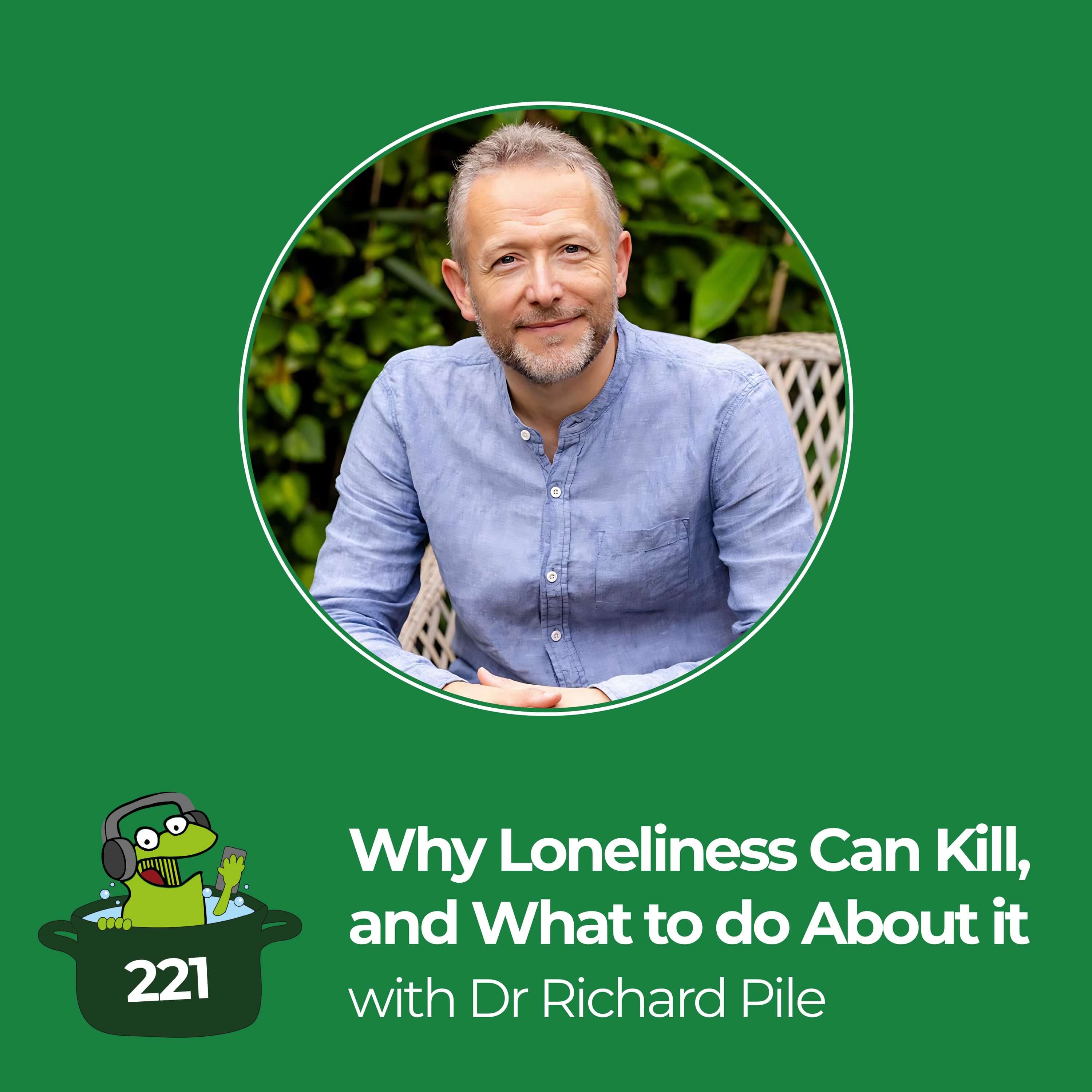
Ep 221Why Loneliness Can Kill, and What to Do About it
Research shows that loneliness could be as detrimental to our health as cancer, and it’s not an issue affecting older people, but those in their teens and 20s. This episode offers practical steps to help you create more healthy, high-quality connections in your life.LinksThe dangers of loneliness – TEDx St AlbansDownload the episode’s podsheet. You can use it for reflection and to submit for your appraisal as part of your CPD.Join the You Are Not a Frog Facebook groupMentioned in this episode:⭐️ Book Your FrogFest Ticket Now[FREE Webinar] How to Lead Without RescuingJoin Dr Rachel Morris and Dr Sarah Coope for a free 60-minute live webinar on Tuesday 21st April, 2026 at 19:30-20:30 BST OR Thursday 23rd April, 2026 at 13:00-14:00 BST[FREE Webinar] How to Lead Without Rescuing
Ep 220How to Set a Boundary No-one Can Break
Get more control over your time by clearly defining and enforcing your personal boundaries. Discover why it feels like people overstep them, and what to do when that happens.LinksDownload the THRIVE Week PlannerDownload the episode’s podsheet. You can use it for reflection and to submit for your appraisal as part of your CPD.Join the You Are Not a Frog Facebook groupMentioned in this episode:[FREE Webinar] How to Lead Without RescuingJoin Dr Rachel Morris and Dr Sarah Coope for a free 60-minute live webinar on Tuesday 21st April, 2026 at 19:30-20:30 BST OR Thursday 23rd April, 2026 at 13:00-14:00 BST[FREE Webinar] How to Lead Without Rescuing
Ep 219What to Do When a Colleague isn’t Pulling Their Weight
When someone on your team isn't pulling their weight, it's not only demoralising for the rest of the team, but detrimental to the person in question. If performance management isn’t put into practice, workplaces can become toxic, which can hamper performance and lower job satisfaction.High-functioning teams enable everyone to speak up, challenge each-other, and share their mistakes and learning. And it all starts with giving feedback.Download the episode’s podsheet. You can use it for reflection and to submit for your appraisal as part of your CPD.Join the You Are Not a Frog Facebook groupMentioned in this episode:[FREE Webinar] How to Lead Without RescuingJoin Dr Rachel Morris and Dr Sarah Coope for a free 60-minute live webinar on Tuesday 21st April, 2026 at 19:30-20:30 BST OR Thursday 23rd April, 2026 at 13:00-14:00 BST[FREE Webinar] How to Lead Without Rescuing⭐️ Book Your FrogFest Ticket Now
Ep 218Too Busy NOT to Pause
If you’re caught in a cycle of constant work, you might feel like you can't afford even a short break. But that only leads to burnout, so what do you do if you feel you’re too busy to take a break?LinksHow to Avoid Amygdala Hijack Part 1 – Episode 169How to Avoid Amygdala Hijack Part 2 – Episode 171Download your THRIVE Week PlannerDownload your Overwhelm SOS guideMentioned in this episode:[FREE Webinar] How to Lead Without RescuingJoin Dr Rachel Morris and Dr Sarah Coope for a free 60-minute live webinar on Tuesday 21st April, 2026 at 19:30-20:30 BST OR Thursday 23rd April, 2026 at 13:00-14:00 BST[FREE Webinar] How to Lead Without Rescuing

Ep 217How to find your voice
Lots of us struggle to express ourselves in the way we want to at work. But finding our voice is just the beginning – the next step is using it effectively.Download the episode’s podsheet. You can use it for reflection and to submit for your appraisal as part of your CPD.Join the You Are Not a Frog Facebook groupMore episodes of You Are Not a Frog:How to Increase Your Confidence and Impact – Episode 198, with Dr Claire KayeWhat to Do When Your Strengths Have Side Effects – Episode 97, with Dr Joanna BircherHow to Escape the Drama Triangle and Stop Rescuing People – Episode 75, with Annie HanekomMentioned in this episode:⭐️ Book Your FrogFest Ticket Now[FREE Webinar] How to Lead Without RescuingJoin Dr Rachel Morris and Dr Sarah Coope for a free 60-minute live webinar on Tuesday 21st April, 2026 at 19:30-20:30 BST OR Thursday 23rd April, 2026 at 13:00-14:00 BST[FREE Webinar] How to Lead Without Rescuing

Ep 216Only You Can Choose Your Next Move
Comparing ourselves to others can be toxic, and lead us to ignore our own needs, and forget our unique limits. It’s time to follow our own path, to note when we're "shoulding" on ourselves, to stop feeling guilty about our differences, and to ditch the idea that we're somehow wrong for having different constraints.Download the Thrive Week PlannerDownload the episode’s podsheet. You can use it for reflection and to submit for your appraisal as part of your CPD.Join the You Are Not a Frog Facebook groupHow to Escape the Tyranny of the ‘Shoulds’ – Episode 196 with Charlotte HousdenLife’s Too Short NOT to Love What You Do – Episode 209, with Dr Sarah GouldingHow to Have More Impact with Less Effort – Episode 159Mentioned in this episode:[FREE Webinar] How to Lead Without RescuingJoin Dr Rachel Morris and Dr Sarah Coope for a free 60-minute live webinar on Tuesday 21st April, 2026 at 19:30-20:30 BST OR Thursday 23rd April, 2026 at 13:00-14:00 BST[FREE Webinar] How to Lead Without Rescuing
Ep 215How to Make a Difficult Decision
Making the right decision can feel tricky, especially when they involve important life transitions. But there's a way out, and it starts with asking ourselves some fundamental questions around why we want what we want, and what we truly hope to gain when we get it.Download the episode’s podsheet. You can use it for reflection and to submit for your appraisal as part of your CPD.Download your free Overwhelm SOS guideJoin the You Are Not a Frog Facebook groupThe Mole and the Mountain: A little book about finding freedom – Jane’s bookHow to Stop Making Decisions Based on Fear – Episode 162 with Henri StevensonHow to Get Moving Again When You Feel Stuck – Episode 207 with Nicola Rylett-JonesMentioned in this episode:⭐️ Book Your FrogFest Ticket Now[FREE Webinar] How to Lead Without RescuingJoin Dr Rachel Morris and Dr Sarah Coope for a free 60-minute live webinar on Tuesday 21st April, 2026 at 19:30-20:30 BST OR Thursday 23rd April, 2026 at 13:00-14:00 BST[FREE Webinar] How to Lead Without Rescuing
Ep 214What Happens When You Stay Too Long
If you're questioning whether a job or a relationship is right for you, it's worth exploring further, and taking those thoughts seriously. Remember that change is often a sign of growth, not failure. So focus on the potential positives that can arise from change, rather than asking “what if it doesn’t work?”Download your free Overwhelm SOS guideHow to Ditch the Saviour Complex and Feel More Alive – Episode 88, with Rob BellHow to Decide if You Need to Stay or Leave a Difficult Situation – Episode 201, with Corrina Gordon-BarnesHow to Live With No Regrets – Episode 123, with Georgina ScullFinding Your North Star – Episode 208Download the episode’s podsheet. You can use it for reflection and to submit for your appraisal as part of your CPD.Join the You Are Not a Frog Facebook groupMentioned in this episode:[FREE Webinar] How to Lead Without RescuingJoin Dr Rachel Morris and Dr Sarah Coope for a free 60-minute live webinar on Tuesday 21st April, 2026 at 19:30-20:30 BST OR Thursday 23rd April, 2026 at 13:00-14:00 BST[FREE Webinar] How to Lead Without Rescuing

Ep 213How Money Holds Us Back
It’s easy to to find ourselves thinking that money holds the key to our happiness, security, and freedom. We can project our desires and aversions onto money, believing that once we have “enough”, we can finally get the life we want. But thinking like this often keeps us from truly living our lives; instead we're stuck constantly chasing the next thing.⭐️ Work Well Webinars Money is a story we create, not something with inherent power. It's a piece of paper; a digit in a computer we assign value to. But by disentangling our sense of self from our relationship with money, we can reclaim our personal agency and free up a lot of creative energy.Even while recognising that everyone’s financial situations are different, dysfunctional money stories lead to a constant need to chase, where we're forever stuck in a loop of wanting more but never feeling satisfied. But by untangling our sense of self-worth from our financial status, we can start to experience a life that flows more naturally, with and without the constraint of money.🤔 Take Our Quiz & Get a Personalised Episode Playlist Listen to this episode toLearn how our narratives about money can influence our actions and happiness, and how changing these narratives can free up creative energy.Understand how to disentangle our sense of self from our relationship with money, leading to a life that flows more naturally.Discover how acknowledging that money has no inherent power can shift our perspectives and affect our personal and professional development.Episode highlights[00:02:57] Our response to money[00:05:47] Money stories on a global level[00:09:25] Our individual money stories[00:13:20] The "lack-of-funding" problem within the NHS[00:16:29] The "time is money" story[00:19:31] Excavating your own money stories[00:21:52] Projections of money meaning[00:25:22] Selfishness and self-image[00:31:53] Healing unhelpful money stories[00:34:22] Tackling our projections head-on[00:43:25] Dealing with money conflicts[00:48:02] Money as an expression of appreciation[00:51:20] Every big change begins with a big lie[00:54:57] Agnes' top tipsAbout the guestAgnes Otzelberger is a trainer and therapist, working people who feel burnt out and stuck. She’s particularly interested in the relationship people have with money and how it affects their sense of self, their relationships with others, and their impact on the world. Agnes helps people untangle their sense of self from their relationship with money and break down unhelpful money narratives.Website LinkedIn | FacebookResourcesWatch the video version on YouTubeHow to Stop Your Finances Controlling Your Career – Episode 142, with Dr Tommy PerkinsDefining Your Own Success in Life – Episode 107, with Dr Claire KayeDownload the episode’s podsheet. You can use it for reflection and to submit for your appraisal as part of your CPD.Agnes’ CU*money courseJoin the You Are Not a Frog Facebook groupEnjoyed this episode?Write a review and share this with your friends.Connect with RachelHave any questions? Contact Rachel through these platforms:LinkedIn: @Dr-Rachel-MorrisTwitter: @DrRachelMorrisEmail: [email protected] out more about our trainingMentioned in this episode:[FREE Webinar] How to Lead Without RescuingJoin Dr Rachel Morris and Dr Sarah Coope for a free 60-minute live webinar on Tuesday 21st April, 2026 at 19:30-20:30 BST OR Thursday 23rd April, 2026 at 13:00-14:00 BST[FREE Webinar] How to Lead Without Rescuing⭐️ Book Your FrogFest Ticket Now
Ep 212Beware Your Kindest Colleagues
What happens when we're not feeling well, or when we're feeling overwhelmed at work? Often, we turn to our colleagues for support. But what happens when that support doesn't come, or it's not as helpful as we’d hoped?🛟 Download your free Overwhelm SOS guideWhen we're all in the same boat, it's tricky to get a different perspective. Even well-meaning advice from a colleague can feel misplaced or missing the mark, as it’s shaped by their own experiences and limitations. This can leave us feeling resentful and even more stressed than before.⭐️ Work Well Webinars We need to look outside our immediate work environment, to seek out "useless friends”, understand why we're asking for advice and be clear about what we hope to gain from itIn this quick dip episode, Rachel lays out where to seek help when we’re stressed, and some pitfalls to watch out for.Our colleagues – even the most supportive ones – mean well. But often, so do those who aren’t in a position to help. So we need to make sure to get an outside perspective so we don’t become resentful or frustrated, and damage our work relationships.🤔 Take Our Quiz & Get a Personalised Episode Playlist Listen to this episode toHandle disappointment if colleagues aren’t able to support youFind friends who can give you an unbiased perspectivePinpoint your needs, set clear expectations, and avoid the pitfalls of short-term solutionsEpisode highlights[00:02:01] What we expect of our colleagues[00:04:50] Our colleagues are human[00:11:38] You're all in the same boat[00:14:24] Knowing what you want[00:17:45] Our colleagues' hidden agendas[00:18:56] Being demanding and entitled[00:19:57] Continuing down the wrong pathResourcesTHRIVE Weekly PlannerWatch the video version on YouTubeDownload your free Overwhelm SOS guideFinding Your North Star – Episode 208Why You Should Expect Pushback and What to do About it – Episode 177Very Nice People and Other Deadly Perils –Episode 56Download the episode’s podsheet. You can use it for reflection and to submit for your appraisal as part of your CPD.Enjoyed this episode?Write a review and share this with your friends.Connect with RachelHave any questions? Contact Rachel through these platforms:LinkedIn: @Dr-Rachel-MorrisTwitter: @DrRachelMorrisEmail: [email protected] out more about our trainingMentioned in this episode:[FREE Webinar] How to Lead Without RescuingJoin Dr Rachel Morris and Dr Sarah Coope for a free 60-minute live webinar on Tuesday 21st April, 2026 at 19:30-20:30 BST OR Thursday 23rd April, 2026 at 13:00-14:00 BST[FREE Webinar] How to Lead Without Rescuing

Smashing the Gender Pay Gap for Women in Medicine
Women in medicine are often undervalued and taken less seriously than their male counterparts. They’re also made to feel less safe at work, and encounter pushback when they make a complaint.This week’s guest is Professor Dame Jane Dacre, and the episode is recorded in partnership with the Physician Mums Facebook Group (PMGUK). In her discussion with Rachel, Dame Jane lays out what needs to change at structural and interpersonal levels.She invites members of the industry to shine a light on inappropriate behaviour and develop a zero-tolerance approach towards sexism and misconduct. She also describes ways in which leadership courses, mentoring, and resources can be provided to empower women to advance in their careers. And she encourages men and women to be allies, speak up against inequality, and support each other in challenging situations.This discussion follows up on the 2020 report into the gender pay gap chaired by Dame Jane, and while progress is happening, women are still undervalued and face barriers to success. But by raising awareness about the gaps in pay and authority, we can create an environment where everyone is valued and has equal opportunities to thrive.⭐️ Work Well Webinars Listen to this episode toLearn about the efforts being made to address the gender pay gap in medicine and the progress that has been made so farUnderstand the concept of the authority gap and its impact on women in various fieldsGain insights into the importance of supporting and empowering women in the workplace and taking collective action to challenge cultural norms and inequalitiesEpisode highlights[00:05:23] Follow-up on the gender pay gap report[00:08:12] Addressing sexual misconduct in medicine[00:09:56] Expectations of women in medicine[00:14:17] The authority gap[00:16:33] Finding allies[00:20:42] Systemic failures leading to women not being heard[00:24:08] Everyday misconduct[00:26:27] Jane's story[00:30:07] The benefits of a non-linear career[00:37:09] The importance of authenticity and kindness[00:37:51] Sponsorship over mentoring[00:38:35] Maternal guilt[00:42:28] A letter to Jane's younger selfAbout the guestProfessor Dame Jane Dacre is an Emeritus Professor of Medical Education at UCL. She supports women in the medical workplace, and is actively involved in addressing the gender pay gap in medicine. She works with organisations like the Department of Health, the NHS, and the British Medical Association to narrow the gap, and runs a course to help future women leaders develop their skills.LinkedIn | TwitterResourcesTHRIVE Weekly PlannerJoin the Physician Mums Facebook Group (PMGUK)More episodes of You Are Not a Frog:How to Be a Professional Woman – Episode 41 with Dame Jane DacreThe Glass Slipper and Other Challenges for Women in Medicine – Episode 158, with Professor Chloe Orkin and Dr Nuthana BhayankaramHow to Be a (Happy) Working Parent – Episode 121 with Corrina Gordon BarnesDownload the episode’s workbook and CPD form. You can use them for reflection and to submit for your appraisal.Medical Women Talking – Jane’s podcastEnjoyed this episode?Write a review and share this with your friends.Connect with RachelHave any questions? Contact Rachel through these platforms:LinkedIn: @Dr-Rachel-MorrisTwitter: @DrRachelMorrisEmail: [email protected] out more about our training
Ep 211How to Tell People What You REALLY Think
Saying what you really feel – especially in a high-stress job – is no easy task. Crucial conversations are often avoided for fear of damaging relationships. These unaired grievances get bottled up and over time can increase our level of stress.⭐️ Work Well Webinars But there are three core conditions for effective conversation that can help here: empathy (stepping into someone else’s shoes), unconditional respect (accepting the other’s right to be as they are), and congruence (expressing our thoughts and feelings authentically).Sadly, ignoring a problem with another person – or avoiding giving negative feedback – won't make them go away. On the contrary, too many important things going unsaid can lead to a toxic environment where stress levels rise, relationships break down, and productivity suffers.But, by stepping into the other party’s shoes, respecting their right to be as they are, and expressing our own thoughts authentically, we can create a more psychologically safe environment where issues are dealt with respectfully.🤔 Take Our Quiz & Get a Personalised Episode Playlist Listen to this episode toLearn about the three core conditions for effective conversationUnderstand how balancing these conditions can improve communication and lead to healthier relationshipsDiscover strategies to identify and address conversations you've been avoiding, reducing stress and unresolved conflictsEpisode highlights[00:03:50] Where people struggle to say what they mean[00:04:44] Bringing your whole self to work[00:08:59] The 3 core conditions for being with people[00:17:56] What to do if you're stuck in a "must-win" mindset[00:22:10] Saying what you really mean[00:27:27] Identifying your emotions[00:31:01] When to ask for help[00:34:20] How to give difficult feedback[00:39:42] How to take difficult feedback[00:43:54] When tricky feedback situations become unpleasant[00:48:53] Lasy's top tipsAbout the guestLasy encourages people to bring their authentic selves to work, promoting a healthier and more honest work environment. She co-founded Conscious Business People to advocate for bringing our entire personality to come to work, over surface-level perks like dress-down Fridays. Her mission is to make people see work as part of their life and to enhance authenticity in the workplace.Website | LinkedInResourcesTHRIVE Weekly PlannerWatch the video version on YouTubeMore episodes of You Are Not a Frog:How to Get Moving Again When You Feel Stuck – Episode 207 with Nicola Rylett-JonesHow to Challenge Upsetting Behaviour – Episode 192 with Dr Chris TurnerWhat Happens When We’re Really Listened to – Episode 180 with Tom DillonDownload the episode’s podsheet. You can use it for reflection and to submit for your appraisal as part of your CPD.Mentioned in this episode:⭐️ Book Your FrogFest Ticket Now[FREE Webinar] How to Lead Without RescuingJoin Dr Rachel Morris and Dr Sarah Coope for a free 60-minute live webinar on Tuesday 21st April, 2026 at 19:30-20:30 BST OR Thursday 23rd April, 2026 at 13:00-14:00 BST[FREE Webinar] How to Lead Without Rescuing
Ep 210Why Setting Goals Alone Won’t Help
We often set goals in the belief they’ll make us happier. But setting goals alone might not be enough to truly help us thrive.In this quick dip, Rachel discusses why that’s the case, and offers a different approach to finding satisfaction and success.⭐️ Work Well Webinars It all begins with a shift in focus from goals to desires. Instead of starting with specific goals, we should first identify what we truly desire and what our basic needs are. This helps us align our actions and routines with what truly matters to us.Life’s too short to not love what you do, and vice versa. So it’s time to look at our own desires and needs, ask “What truly matters to me?”, and determine whether they’re aligned. Doing this will move you closer to a more fulfilling and satisfying life.🤔 Take Our Quiz & Get a Personalised Episode Playlist Listen to this episode toStop starting with goals and focus on your desires and needsLearn about the four elements of your North Star and how they can guide youUnderstand the problem with outcome-based goals and why process goals are more effectiveEpisode highlights[00:01:31] Stop starting with goals[00:03:27] The four elements of your North Star[00:05:13] Figure out your "why"[00:06:01] Making space for your needs[00:08:30] THRIVE Week Planner[00:13:09] The problem with outcome-based goalsResourcesTHRIVE Weekly PlannerWatch the video version on YouTubeMore episodes of You Are Not a Frog:Life’s Too Short NOT to Love What You Do – Episode 209Finding Your North Star – Episode 208Download the episode’s podsheet. You can use it for reflection and to submit for your appraisal as part of your CPD.Enjoyed this episode?Write a review and share this with your friends.Connect with RachelHave any questions? Contact Rachel through these platforms:LinkedIn: @Dr-Rachel-MorrisTwitter: @DrRachelMorrisEmail: [email protected] out more about our trainingMentioned in this episode:[FREE Webinar] How to Lead Without RescuingJoin Dr Rachel Morris and Dr Sarah Coope for a free 60-minute live webinar on Tuesday 21st April, 2026 at 19:30-20:30 BST OR Thursday 23rd April, 2026 at 13:00-14:00 BST[FREE Webinar] How to Lead Without Rescuing

Ep 209Life’s Too Short NOT to Love What You Do
There are times working in medicine or other high-stress jobs, when you feel trapped and unhappy. And maybe you’ve told yourself you have no other option but to stay put. These “shoulds” can come from societal expectations or the idea that you’ve put so much into your job already that it would be silly – or even irresponsible – to quit now.⭐️ Work Well Webinars These myths and pressures keep us feeling stuck, and prevent us from exploring alternative possibilities within or outside of our current field.This week, Rachel is joined by Dr Sarah Goulding, who breaks open those myths, and shows how we can uncover new possibilities. It all starts by recognising we’re not defined solely by our roles, and embracing the idea that it's okay to change and to pursue work that aligns with our strengths and passions.Sarah also has a set of self-coaching questions that can help us discover what we’re going to do with our “one wild and precious life”.Listen to this episode toDiscover how to find a way of working that doesn't harm your well-being and allows you to be passionate and energetic in and out of workExplore the myths and societal pressures that keep us feeling trapped in our current careers and learn how to break free from themGain valuable insights into the importance of reflecting on your skills and experiences to uncover new career possibilities within or outside of medicineEpisode highlights[00:03:17] The job-for-life fallacy[00:07:53] Toxic expectations of gratitude[00:09:57] Availability bias and the sunk cost fallacy[00:15:41] Reinventing yourself[00:18:05] When's the right time to make a change?[00:20:55] Satisfaction outside of work[00:21:20] Your one wild and precious life[00:26:14] 2,000 weeks left[00:27:46] Taking imperfect action[00:31:16] Career crafting[00:33:26] Self-coaching questions[00:38:42] Crafting your joyful career path[00:45:36] The "I will be happy when..." myth[00:47:10] Sarah's top tipsAbout the guestSarah is a Career Coach for Doctors, passionate about the power of finding your place to thrive. She has 7 jobs, including GP; educator; mentor; and Head of Development at the Joyful Doctor.Website | Instagram | LinkedInResourcesTHRIVE Weekly PlannerWatch the video version on YouTubeWhy We’re Ditching the Term ‘Imposter Syndrome’ – Episode 112, with Dr Sarah GouldingFinding Your North Star – Episode 208Bringing Your Best Self to Work – Episode 67, with Dr Sarah GouldingDownload the episode’s podsheet. You can use it for reflection and to submit for your appraisal as part of your CPD.Enjoyed this episode?Write a review and share this with your friends.Connect with RachelHave any questions? Contact Rachel through these platforms:LinkedIn: @Dr-Rachel-MorrisTwitter: @DrRachelMorrisEmail: [email protected] out more about our trainingMentioned in this episode:[FREE Webinar] How to Lead Without RescuingJoin Dr Rachel Morris and Dr Sarah Coope for a free 60-minute live webinar on Tuesday 21st April, 2026 at 19:30-20:30 BST OR Thursday 23rd April, 2026 at 13:00-14:00 BST[FREE Webinar] How to Lead Without Rescuing⭐️ Book Your FrogFest Ticket Now
Ep 208Finding Your North Star
We’re all seeking the perfect job or career path that will bring us happiness and fulfilment. But while we’re focused on achieving success, we can overlook the bigger stuff – and it’s possible that our current career trajectory might not take us there.That’s why we need to find and then follow our North Star. Finding it starts with prioritising four fundamental needs: feeling fully human, deep connections, meaning and purpose, and growth and learning. By aligning our goals with these needs, we can find true fulfilment. In this quick dip episode, Rachel outlines how we can understand what makes us feel alive, cultivate meaningful relationships and activities, and embrace continuous growth in all aspects of our lives.If we carry on putting achievement ahead of our own needs – especially if we’re doing so to please someone else – we may end up feeling empty and unsatisfied.But by tapping into those four fundamental needs, we’ll find ourselves on a path to a more fulfilling and balanced life.Listen to this episode toDiscover the four fundamental needs for true fulfilment in lifeLearn practical steps to align your goals with these fundamental needsUnderstand the consequences of prioritising achievement over fundamental needs and how it can impact your well-beingEpisode highlights[00:03:48] What are you aiming for?[00:06:06] The first core need: physical wellbeing[00:06:51] The second core need: Connection[00:08:00] The third core need: Meaning and purpose[00:08:43] The fourth core need: Learning and growth[00:09:42] The fifth element: A need to achieve[00:10:57] Your north star[00:12:07] Self-awareness[00:14:49] How do you need to live?[00:16:30] Don't get pulled southResourcesTHRIVE Weekly PlannerWatch the video version on YouTubeDefining Your Own Success in Life – Episode 107, with Dr Claire KayeHow to Escape the Tyranny of the ‘Shoulds’ – Episode 196, with Charlotte HousdenHow to Reconnect With Your Purpose in Life – Episode 94, with Dr Richard PileDownload the episode’s podsheet. You can use it for reflection and to submit for your appraisal as part of your CPD.Enjoyed this episode?Write a review and share this with your friends.Connect with RachelHave any questions? Contact Rachel through these platforms:LinkedIn: @Dr-Rachel-MorrisTwitter: @DrRachelMorrisEmail: [email protected] out more about our trainingMentioned in this episode:[FREE Webinar] How to Lead Without RescuingJoin Dr Rachel Morris and Dr Sarah Coope for a free 60-minute live webinar on Tuesday 21st April, 2026 at 19:30-20:30 BST OR Thursday 23rd April, 2026 at 13:00-14:00 BST[FREE Webinar] How to Lead Without Rescuing

Ep 207How to get moving again when you feel stuck
We all experience moments of feeling stuck. Sometimes we have the motivation, but something’s in our way. On other days the simplest things can feel like pushing a boulder up a hill. Now matter how competent we know we are, that feeling of inertia can wreak havoc on our self-confidence. If we’re going to get unstuck and move forwards, we first need to find out what’s blocking us. The solution is to take a conscious leadership approach. This means shifting our mindset and becoming more aware of our reactions and thought patterns. By recognising when we’re “below the line” and stuck in victim mode, we can consciously shift “above the line” and take control of our actions and reactions.This week, Rachel is joined by executive coach and conscious leadership expert, Nicola Rylett-Jones. Nicola offers practical steps you can take today to embody the role of a conscious leader – even if you don’t consider yourself as having a leadership position.Living below the line makes us feel frustrated, demotivated, and without the ability to make progress. It can also make us less effective leaders and colleagues, more prone to agitation. But by becoming more aware of our triggers, we can work better together with less effort.🤔 Take Our Quiz & Get a Personalised Episode Playlist Listen to this episode toLearn practical steps to overcome feelings of being stuck and gain control of your actions and reactions.Discover how to shift your mindset and become more aware of your reactions and thought patterns.Find out how to embody the role of a conscious leader, even if you don't consider yourself in a leadership position.Episode highlights[00:04:19] How we demotivate ourselves[00:09:38] Conscious leadership[00:14:58] Becoming unstuck[00:29:16] Getting a different perspective[00:34:00] Worrying[00:36:16] Tackling anxiety around complaints[00:38:44] It's time to take action[00:46:17] Guilt as a motivator[00:57:18] Nicola's top tipsAbout the guestNicola Rylett-Jones is a senior leader who has held both regional and national Director roles with some of the UK’s most prestigious organisations. She is currently a Trustee and Deputy Chair of the Institute of Leadership, executive coach and relationship manager for the Welsh Government’s Accelerated Growth Program, and chair of two leading marketing organisations.Website | LinkedInResourcesTHRIVE Weekly PlannerWatch the video version on YouTubePassing the Naughty Monkey Back – Episode 65, with Dr Amit SharmaHow to Escape the Drama Triangle and Stop Rescuing People – Episode 75 with Annie HanekomConversations Which Will Get You Unstuck – Episode 95 with Annie HanekomDownload the episode’s podsheet. You can use it for reflection and to submit for your appraisal as part of your CPD.Apply for Nicola’s Conscious Female Leadership programmeNicola’s Inspirante Business Book ClubLeadership Development – The Institute of LeadershipEnjoyed this episode?Write a review and share this with your friends.Connect with RachelHave any questions? Contact Rachel through these platforms:LinkedIn: @Dr-Rachel-MorrisTwitter: @DrRachelMorrisEmail: [email protected] out more about our trainingMentioned in this episode:[FREE Webinar] How to Lead Without RescuingJoin Dr Rachel Morris and Dr Sarah Coope for a free 60-minute live webinar on Tuesday 21st April, 2026 at 19:30-20:30 BST OR Thursday 23rd April, 2026 at 13:00-14:00 BST[FREE Webinar] How to Lead Without Rescuing⭐️ Book Your FrogFest Ticket Now
Ep 206The Most Powerful Question You Can Ask Yourself About Your Work
If you were in a life-or-death scenario and the only path out was over hot coals, would you take it? Of course. But when it comes to situations that are making us uncomfortable or even miserable, we seldom want to experience that discomfort to get to what we know will be better for us. In this quick dip episode, Rachel explores the importance of considering the long-term impact of our work, and offers a single question you can ask yourself right now, to discover what you really want to do with your one wild and precious life.If you’re on a burning platform or in a situation that could get worse, you can make a change – even if it's a small one. Any change can help you break free from the status quo.Listen to this episode toDiscover the importance of considering the long-term impact of your work on your well-being, mindset, character, and relationshipsLearn practical steps to recognise short-term discomfort, assess risks and benefits, seek external perspectives, and take action towards positive changeUnderstand what happens if you ignore the impact of your work, and how to create a fulfilling work life by addressing this problemEpisode highlights[00:02:12] Walking across hot sand[00:04:20] The burning platform[00:06:46] What is your work doing to your mind, your character, and your relationships?[00:08:14] Should I stay or should I go?[00:09:19] Where to go for guidance[00:10:07] Taking actionResourcesTHRIVE Weekly PlannerWatch the video version on YouTubeMore episodes of You Are Not a Frog:How to Live With No Regrets – Episode 123 with Georgina ScullHow to Say F**k it and Become Ridiculously Relaxed (even about stuff that REALLY matters) – Episode 130 with Jon C ParkinShould I Stay or Should I Go? – Episode 89 with Corrina Gordon-BarnesDownload the episode’s podsheet. You can use it for reflection and to submit for your appraisal as part of your CPD.Enjoyed this episode?Write a review and share this with your friends.Connect with RachelHave any questions? Contact Rachel through these platforms:LinkedIn: @Dr-Rachel-MorrisTwitter: @DrRachelMorrisEmail: [email protected] out more about our trainingMentioned in this episode:[FREE Webinar] How to Lead Without RescuingJoin Dr Rachel Morris and Dr Sarah Coope for a free 60-minute live webinar on Tuesday 21st April, 2026 at 19:30-20:30 BST OR Thursday 23rd April, 2026 at 13:00-14:00 BST[FREE Webinar] How to Lead Without Rescuing

Ep 205How to Feel Confident in Any Situation
If you’re in a job where you use your brain a lot, it can be easy to feel disconnected from your body and emotions. This in turn can lead to a lack of self-awareness and even difficulty in expressing yourself. That lack of awareness changes how we outwardly express ourselves, even in ways we’re not aware of.But by becoming consciously connected with our body, we can get a bit more control over our thoughts, feelings, and behaviours, and over how others see us. This week, Rachel is joined by coach and trainer Helen Leathers, who shows us how our posture, our movements, even the way we dress, can affect not only our mood, but how we’re perceived at work. She also shares a practical exercise that can help us cultivate stillness, so we appear more confident and open.It’s natural for those of us in cerebral jobs to see the body as just a vessel for the brain. But if we disconnect for too long, we can find it harder to tap into, understand, and express difficult feelings like stress and overwhelm.But there are simple things you can do to reconnect with your body, to literally shake off those negative feelings, and to “fake it ‘til you become it”.🤔 Take Our Quiz & Get a Personalised Episode Playlist Listen to this episode toLearn practical steps to cultivate self-awareness and express yourself more effectivelyDiscover how becoming consciously connected with your body and emotions can lead to positive changes in your lifeUnderstand the practical applications of embodiment, and separate it from the pseudoscienceEpisode highlights[00:04:50] Consciously connecting body and mind[00:13:28] How posture and movement affects how we're perceived[00:16:34] Fake it 'til you become it[00:17:41] How we dress is a signal to our body[00:19:52] Embodiment and overwhelm[00:28:08] Acknowledging where feelings sit in our body[00:32:37] Shake it off[00:38:58] Does it matter where in your body you feel something?[00:43:35] Helen's embodiment tipsAbout the guestHelen Leathers is a transformational coach with expertise in helping people use their body to access thoughts and emotions. She helps women who feel lost or overwhelmed to find their way in life again, and teaches doctors coaching and communication skills.Website | LinkedIn | Instagram | YouTubeResourcesTHRIVE Weekly PlannerWatch the video version on YouTubeTiny Habits, Big Changes – Episode 2, with Dr Katherine HickmanWhat Happens When We’re Really Listened to – Episode 180, with Tom DillonDoctors’ Transformational Coaching Diploma – Use the code FROGSPAWN for an exclusive discountDownload the episode’s podsheet. You can use it for reflection and to submit for your appraisal as part of your CPD.Enjoyed this episode?Write a review and share this with your friends.Connect with RachelHave any questions? Contact Rachel through these platforms:LinkedIn: @Dr-Rachel-MorrisTwitter: @DrRachelMorrisEmail: [email protected] out more about our trainingMentioned in this episode:[FREE Webinar] How to Lead Without RescuingJoin Dr Rachel Morris and Dr Sarah Coope for a free 60-minute live webinar on Tuesday 21st April, 2026 at 19:30-20:30 BST OR Thursday 23rd April, 2026 at 13:00-14:00 BST[FREE Webinar] How to Lead Without Rescuing⭐️ Book Your FrogFest Ticket Now
Ep 204How to Get Out of a Toxic Shame Spiral
We all experience shame from time to time, but when it becomes toxic, we can end up in a shame spiral from which it's difficult to escape. When we’re called out on something about which we feel shameful, it can make us defensive. And so often, no-one can punish us as harshly as we punish ourselves.In this quick dip episode, Rachel shares her strategy to break free from shame spirals and cultivate a healthier mindset; by sharing our shame, taking some perspective, and seeking support from others. She unpacks her SHAME model that was inspired by a recent spiral, which is a simple five-step framework for working through the sensations of shame and finding a way to be kinder to ourselves.Shame doesn’t make us better people – it only makes us harder on ourselves and leads to us being defensive. So this episode offers a chance to break free of that spiral, remember that we’re human, and remind ourselves we’re doing our best.Listen to this episode toDiscover how shame can impact our internal mindset and contribute to burnoutLearn about the complex nature of shame and how it shows upExplore strategies and techniques to break free from shame spirals and cultivate a healthier mindsetEpisode highlights[00:02:09] What's on your pop bottle label?[00:03:14] When our actions clash with our values[00:07:30] What our ingrained stories tell us[00:13:20] Share your shame[00:14:35] Hang outwith useless friends[00:15:37] Awe[00:16:42] Multiple identities[00:19:17] Empathy and understandingResourcesTHRIVE Weekly PlannerWatch the video version on YouTubeHow Do You Say No When Someone Might Die? – Episode 193Why Can’t I Say No? – Episode 163How Perfectionism and Shame Lead to Stress and Burnout – 152 with Sandy MilesHow to Avoid Becoming the Second Victim – Episode 92 with Dr Caraline Wright & Dr Lizzie SweetingTara Brach leads a Guided Meditation: The Practice of RAINDownload the episode’s workbook and CPD form. You can use them for reflection and to submit for your appraisal.Enjoyed this episode?Write a review and share this with your friends.Connect with RachelHave any questions? Contact Rachel through these platforms:LinkedIn: @Dr-Rachel-MorrisTwitter: @DrRachelMorrisEmail: [email protected] out more about our trainingMentioned in this episode:[FREE Webinar] How to Lead Without RescuingJoin Dr Rachel Morris and Dr Sarah Coope for a free 60-minute live webinar on Tuesday 21st April, 2026 at 19:30-20:30 BST OR Thursday 23rd April, 2026 at 13:00-14:00 BST[FREE Webinar] How to Lead Without Rescuing

Ep 203Getting a Breakthrough by Using Your Right Brain
When we’re presented with a difficult problem, naturally we use logic and reasoning to solve it. But some problems – like stress and burnout – can’t be solved with logic alone.The left hemisphere is the area of the brain focused on tasks, logic, and problem-solving. But the right hemisphere deals with relationships, connections, and new perspectives. It’s also visual and metaphorical, so it can help us see problems in a different way. So our right brain can help us live more easily with problems that can’t be solved by the left.This week, executive coach Yda Bouvier explains how introducing visuals can activate our right brain and give us new perspectives and insights, which can help us understand complex issues, improve problem-solving, and enhance our connection with others.Over-relying on our left brain can leave us struggling with complex relationships, focusing too much on threats, and making it harder to adapt. But by incorporating more visuals and movement, we can tap into the power of our right brain and unlock new insights and possibilities.Listen to this episode toLearn how using the right brain can help us manage high-stress jobsDiscover how visuals, metaphor, and movement can activate the right brain and give us new perspectivesUnderstand the role of the right brain in problem-solving, intuition, and dealing with complex situationsEpisode highlights[00:02:55] The right brain[00:05:28] Left brain vs right brain[00:08:41] Yda's journey[00:10:47] Are we usingrelying too much on our left brain?[00:15:08] The impact of switching to right-brain thinking[00:18:02] How does the right brain help solve wicked problems?[00:22:40] The left brain and the ego[00:25:27] Making practical use of the right brain[00:30:22] Left and right brains in relation[00:32:52] The power of metaphor and images in communication[00:44:05] Exercise: What to do with a big problemAbout the guestYda Bouvier is an executive coach with 15 years of experience helping individuals and teams navigate challenges and develop their potential. Yda has a background in strategy consulting and holds a degree in physics. She is the author of the book "Leading with the Right Brain" and is passionate about incorporating right-brain thinking into problem-solving and decision-making processes.LinkedIn | WebsiteResourcesTHRIVE Weekly PlannerWatch the video versionHow to Stop Worrying When There’s a Lot to Worry About – Episode 106, with Dr Caroline WalkerHow to Feel Happy, Calm, and Connected – Episode 170,Dr Giles P Croft withLeading with the Right Brain – Yda’s bookDownload the episode’s workbook and CPD form. You can use them for reflection and to submit for your appraisal.Enjoyed this episode?Write a review and share this with your friends.Connect with RachelHave any questions? Contact Rachel through these platforms:LinkedIn: @Dr-Rachel-MorrisTwitter: @DrRachelMorrisEmail: [email protected] out more about our trainingMentioned in this episode:⭐️ Book Your FrogFest Ticket Now[FREE Webinar] How to Lead Without RescuingJoin Dr Rachel Morris and Dr Sarah Coope for a free 60-minute live webinar on Tuesday 21st April, 2026 at 19:30-20:30 BST OR Thursday 23rd April, 2026 at 13:00-14:00 BST[FREE Webinar] How to Lead Without Rescuing
Ep 202The Three-Step Plan for Getting Your Sh*t Together
So you’ve got a problem, maybe a relationship issue at work or difficulties managing your workload. You’ve talked it with friends, but the solution won’t present itself. Often the problem isn't that we lack solutions, but rather that we haven't fully understood what the problem is in the first place.In this quick dip episode, Rachel shares her three-step model to help you identify and address the real problem you’re facing. It involves recognising we have choices, embracing our human needs and limitations, and thinking differently.If we keep doing what we've always done, we'll continue getting the same results. But changing our mindset can give us confidence and the ability to approach situations from a fresh perspective.Listen to this episode toDiscover how to identify and solve the underlying problems that are driving you mad and hindering your progressLearn why focusing on resilience alone might not address the real issues causing stress and underperformanceExplore a practical model that will help you make the right choices, embrace your human needs, and think differently to achieve better outcomesEpisode highlights[00:01:15] What's the real problem?[00:03:21] Making the right choices[00:04:28] Be human[00:05:01] Think differently[00:05:22] Putting the three Cs into practice[00:09:31] What language are you using?[00:11:21] The Shapes ToolkitResourcesWatch the videoTHRIVE Weekly PlannerMore episodes of You Are Not a Frog:How to Be REALLY Productive… Without Losing the Plot – Episode 190 with Graham AllcottHow to Know if You’re Being “Resilience Victim Blamed” – Episode 145How to Say No and Deal with Pushback – Episode 1252 with Annie HanekomDownload the episode’s workbook and CPD form. You can use them for reflection and to submit for your appraisal.Enjoyed this episode?Write a review and share this with your friends.Connect with RachelHave any questions? Contact Rachel through these platforms:LinkedIn: @Dr-Rachel-MorrisTwitter: @DrRachelMorrisEmail: [email protected] out more about our trainingMentioned in this episode:[FREE Webinar] How to Lead Without RescuingJoin Dr Rachel Morris and Dr Sarah Coope for a free 60-minute live webinar on Tuesday 21st April, 2026 at 19:30-20:30 BST OR Thursday 23rd April, 2026 at 13:00-14:00 BST[FREE Webinar] How to Lead Without Rescuing

Ep 201How to Decide if You Need to Stay or Leave a Difficult Situation
Faced with a difficult situation, we often ask the question “should I stay or should I go?” It could be about work, a relationship, or something more personal. We all face this question at various times in our life, and it can be overwhelming to make a choice when we’re scared of the unknown.This week, we’re revisiting a discussion with Corrina Gordon-Barnes, about how to tackle the decision-making process. Instead of relying on traditional methods like pros and cons lists or seeking advice from others, Corrina suggests a different approach, which involves noticing the difference between facts and thoughts, and recognising when we have the power to leave rather than simply tough it out.When we keep ourselves trapped in the limbo of indecision, when we’re neither fully committed nor able to make a decisive choice, this can leave us frustrated and angry. Those frustrations can boil over into our home and work lives, or make an uncomfortable situation even worse.But by taking a moment to reflect on our current situation, we can start the process of questioning and gaining clarity, therefore revealing the choices we do have.Listen to this episode toLearn how to make difficult decisions when facing a dilemma of staying or leaving a situation, whether it's work, relationships, or friendshipsUnderstand the importance of questioning your thoughts and beliefs that may be causing stress and hindering decision-makingDiscover a fresh perspective on decision-making and a simple technique to gain clarity and make informed choicesEpisode highlights[00:04:13] The importance of belonging[00:06:42] Making a difficult decision[00:13:31] Separating fact from thought[00:16:26] Counteracting the "That's just the way it is" story[00:21:57] Questioning your stories[00:28:58] Acceptance[00:33:05] Shoulds[00:35:36] You have a choice[00:44:33] What are the consequences of not doing what we "ought"?[00:49:03] Corrina's top 3 tipsAbout the guestDr Corrina Gordon-Barnes, CPCC, coaches new managers in time management and giving effective feedback. She’s passionate about seeing workplaces where colleagues speak honestly, give and receive feedback gracefully, and act with integrity. She believes these environments make it much easier to be innovative and effective, hit deadlines, and create the most powerful impact.LinkedIn | Facebook | Instagram | WebsiteResourcesTHRIVE Weekly PlannerDownload the Zone of Power handoutMore episodes of You Are Not a Frog:How to take control of your thoughts – Episode 32, with Corrina Gordon-BarnesDownload the episode’s workbook and CPD form. You can use them for reflection and to submit for your appraisal.The Work of Byron KatieEnjoyed this episode?Write a review and share this with your friends.Connect with RachelHave any questions? Contact Rachel through these platforms:LinkedIn: @Dr-Rachel-MorrisTwitter: @DrRachelMorrisEmail: [email protected] out more about our trainingMentioned in this episode:⭐️ Book Your FrogFest Ticket Now[FREE Webinar] How to Lead Without RescuingJoin Dr Rachel Morris and Dr Sarah Coope for a free 60-minute live webinar on Tuesday 21st April, 2026 at 19:30-20:30 BST OR Thursday 23rd April, 2026 at 13:00-14:00 BST[FREE Webinar] How to Lead Without Rescuing

Ep 200What Shame Made Me Do
If you have a high-stakes job like medicine, shame can show up in unexpected and unwelcome places. Doctors have incredibly high societal expectations, with constant pressure to be invulnerable. It’s time to challenge these unrealistic expectations and foster an environment that supports doctors in their vulnerability.This week, we’re featuring one of our most popular and impactful episodes from 2023 to help you identify and combat shame. In this episode, Dr Sandy Miles discusses the impact of shame on doctors and how we can address it by changing the toxic stories we tell ourselves.We all make mistakes, but shame keeps us from being objective and fair, leading us feeling like we’re inherently bad or wrong. Finding ways to be kinder and more supportive to ourselves will help not only our wellbeing, but will brighten the lives of those closest to us.Listen to this episode toDiscover the powerful impact shame has on us, and how our wellbeing and professional identity can be affectedExplore the different ways we respond to shameLearn how to create a healthier and more supportive environmentEpisode highlights[00:04:37] What is shame?[00:11:56] How identities are tied to shame[00:15:16] How people respond to shame[00:17:40] How to respond to shame[00:26:43] Shame and perfectionism in healthcare[00:31:31] How to overcome maladaptive perfectionism[00:34:22] Fostering a growth mindset[00:36:44] How to combat shame[00:47:01] Where to find help[00:48:40] Sandy's top tips for deadling with shameAbout the guestSandy Miles is a practising GP and a medical educator. She is also the co-founder of Acacia Retreat, holding bi-annual retreats for doctors feeling overwhelmed. Passionate to help fellow medical professionals, Sandy has written several research articles about shame and maladaptive behaviours in the medical industry — such as perfectionism in healthcare workers.Sandy gained her Bachelor of Medicine from the University of London and then earned her Master of Science in Medical Humanities from King’s College London.Twitter | FacebookResourcesTHRIVE Weekly PlannerMore episodes of You Are Not a Frog:How to Avoid Becoming the Second Victim – Episode 92, with Dr Caraline Wright & Dr Lizzie SweetingThis is Going to Hurt: Secret Diaries of a Junior Doctor, by Adam KayBooks and videos from Brene BrownShame and MedicineShame in Medicine: The Lost Forest, a 10-part documentary podcast produced by the NocturnistsShame and MedicineMindset: Changing the Way You Think to Fulfil Your Potential, by Carol DweckDownload the episode’s workbook and CPD form. You can use them for reflection and to submit for your appraisal.Enjoyed this episode?Write a review and share this with your friends.Connect with RachelHave any questions? Contact Rachel through these platforms:LinkedIn: @Dr-Rachel-MorrisTwitter: @DrRachelMorrisEmail: [email protected] out more about our trainingMentioned in this episode:⭐️ Book Your FrogFest Ticket Now[FREE Webinar] How to Lead Without RescuingJoin Dr Rachel Morris and Dr Sarah Coope for a free 60-minute live webinar on Tuesday 21st April, 2026 at 19:30-20:30 BST OR Thursday 23rd April, 2026 at 13:00-14:00 BST[FREE Webinar] How to Lead Without Rescuing

Ep 199How to Survive the Holiday Season
The Christmas season can be a time of stress and disappointment, especially when our expectations don't match up with reality. We can find ourselves dealing with difficult family members, feeling overwhelmed with work and family obligations, or experiencing a general sense of dissatisfaction.But there’s plenty we can do to make the festive period more enjoyable and less overwhelming.This week, we’re revisiting a previous conversation on the podcast, with Corrina Gordon-Barnes. In her chat with Rachel, you’ll learn how to turn expected disappointments into a game of bingo, set realistic expectations, and exercise some self-compassion.By taking proactive steps, we can create a more positive and fulfilling Christmas experience.Listen to this episode toLearn strategies to cope with the expectations and negative experiences that come with the holiday seasonDiscover the concept of playing "Christmas Bingo" to approach disappointments with humour and acceptanceGain insights on how to navigate triggering situations and avoid falling into familiar patterns of conflictEpisode highlights[00:03:59] Christmas disappointments[00:09:02] Christmas Bingo[00:13:30] What you can do to avoid disappointent[00:16:19] Playing out the old dances[00:21:33] Your zone of power[00:27:15] Lowering your expectations[00:39:20] Self-compassion in the face of disappointment[00:43:39] Hunt the Pony[00:44:51] Handling regret[00:49:22] Corrina's top 3 tipsAbout the guestDr Corrina Gordon-Barnes, CPCC, coaches new managers in time management and giving effective feedback. She’s passionate about seeing workplaces where colleagues speak honestly, give and receive feedback gracefully, and act with integrity. She believes these environments make it much easier to be innovative and effective, hit deadlines, and create the most powerful impact.LinkedIn | Facebook | Instagram | WebsiteResourcesTHRIVE Weekly PlannerShould I Stay or Should I Go? – Episode 89 with Corrina Gordon-BarnesHow to Ditch the Saviour Complex and Feel More Alive – Episode 88 with Rob BellDownload the episode’s workbook and CPD form. You can use them for reflection and to submit for your appraisal.Enjoyed this episode?Write a review and share this with your friends.Connect with RachelHave any questions? Contact Rachel through these platforms:LinkedIn: @Dr-Rachel-MorrisTwitter: @DrRachelMorrisEmail: [email protected] out more about our trainingMentioned in this episode:⭐️ Book Your FrogFest Ticket Now[FREE Webinar] How to Lead Without RescuingJoin Dr Rachel Morris and Dr Sarah Coope for a free 60-minute live webinar on Tuesday 21st April, 2026 at 19:30-20:30 BST OR Thursday 23rd April, 2026 at 13:00-14:00 BST[FREE Webinar] How to Lead Without Rescuing

Ep 198How to Increase Your Confidence and Impact
If you're like most people, you'll have experienced moments when your confidence wavers, leaving you unsure of yourself and holding back from reaching your full potential. But what if there was a way to increase your confidence and make a greater impact in your personal and professional life?This week, Dr Claire Kaye joins Rachel to explore the power of confidence and how it influences our lives. They dive into the common challenges we face when it comes to confidence, whether it's feeling underconfident, lacking self-belief, or dealing with the negative self-talk that holds us back.But this episode isn't just about identifying the problem – it's about finding practical solutions. Claire and Rachel discuss strategies to boost your confidence in a genuine and authentic way, helping you navigate through life's uncertainties and excel in various areas. They emphasise the importance of knowing yourself, understanding your values, and embracing vulnerability as a pathway to personal growth and success.If you're tired of letting self-doubt hold you back, this episode offers valuable insights and actionable tips to help you increase your confidence, impact, and overall fulfilment.Listen to this episode toLearn practical strategies to boost your confidence and make a greater impact in your personal and professional life.Explore common challenges related to confidence, like feeling underconfident, lacking self-belief, and dealing with negative self-talk.Discover how to be more confident in an authentic and genuine way, without resorting to acting or disingenuous behaviour.Episode highlights[00:03:16] Confidence and positive outcomes[00:07:28] What a severe lack of confidence can do[00:10:12] What is confidence?[00:15:55] What makes people lose their confidence[00:21:39] Building your confidence[00:24:44] Fear of failure[00:30:33] How environment affects confidence[00:34:01] Comparison[00:40:14] Tackling your inner critic[00:49:43] Claire's 10 top tips for building confidence[00:52:03] Where to find ClaireAbout the guestDr Claire Kaye, an executive career coach who specialises in career development and perimenopause and menopause in the workplace. She works with women who are experiencing symptoms of the menopause and helps them find ways to thrive while maintaining their careers and personal lives.LinkedIn | Facebook | Instagram | WebsiteResourcesDownload your copy of the Stress Curve graphTHRIVE Weekly PlannerMore episodes of You Are Not a Frog:How to Deal With Your Inner Critic – Episode 197The Surprising Power of Self Coaching (and How to Do it Well) – Episode 117, with Dr Claire KayeHow to Ditch the Saviour Complex and Feel More Alive – Episode 88, with Rob BellVIA Character Strengths SurveyDownload the episode’s workbook and CPD form. You can use them for reflection and to submit for your appraisal.Enjoyed this episode?Write a review and share this with your friends.Connect with RachelHave any questions? Contact Rachel through these platforms:LinkedIn: @Dr-Rachel-MorrisTwitter: @DrRachelMorrisEmail: [email protected] out more about our trainingMentioned in this episode:⭐️ Book Your FrogFest Ticket Now[FREE Webinar] How to Lead Without RescuingJoin Dr Rachel Morris and Dr Sarah Coope for a free 60-minute live webinar on Tuesday 21st April, 2026 at 19:30-20:30 BST OR Thursday 23rd April, 2026 at 13:00-14:00 BST[FREE Webinar] How to Lead Without Rescuing