
Write Medicine
312 episodes — Page 6 of 7
Enhance Your CME/CE Provider Portfolio with Podcasts

S4 Ep 30Enhance Your CME/CE Provider Portfolio with Podcasts
Podcasts continue to grow in popularity, and educational podcasts have multiplied in recent years. In addition, the trend towards mobile education and shorter, more focused activities will likely continue as millennials become the majority of the health care workforce. On this episode of Write Medicine, I talk with Lisa Townsend, a marketing and communications professional working in healthcare associations and non-profit organizations. We discuss the developing role of both accredited and non-accredited continuing education podcasts and how they fit within the education provider's content portfolio in member-driven organizations and associations. In particular, Lisa shares insights on how to: Communicate a value proposition Identify what your audience is looking for Deliver accessible member-driven content Evaluate your resources Analyze feedback to focus content on the audience's requirements. Connect with Lisae: [email protected] with AlexTwitterLinkedInProduction TeamAlexandra Howson PhD, CHCP: Host/ProducerRhona Fraser BSc BVMS: Show notes➡️ Join the Write Medicine community➡️ Fall Series: WriteCME Clinic☕ Buy me a Coffee⭐ Review the podcast🎙️ Share the podcastSupport the show📍Grab the WriteCME Roadmap⭐ Review the podcast🗞️ Biweekly Newsletter with tips and resources to enrich your CME content niche➡️ Join WriteCME Pro for ongoing professional development 🌐 Podcast website🎙️ Share the podcast Mentioned in this episode:Root Cause Analysis Practice LabReady to write needs assessments that go deeper than "clinicians need more education"? Join our Root Cause Analysis Practice Lab on February 19th. You'll learn systems thinking, defensible frameworks, and grant-ready language in 3 hands-on hours. $297 | Applies to WriteCME Pro membership [CTA Button] Save My Spot → https://community.writecmepro.com/root-cause-analysisRoot Case Analysis Practice LabThis podcast uses the following third-party services for analysis: Podtrac - https://analytics.podtrac.com/privacy-policy-gdrp
Between the Cracks: Designing Multidisciplinary Provider Education to Ensure Equitable Patient Care

S4 Ep 29Between the Cracks: Designing Multidisciplinary Provider Education to Ensure Equitable Patient Care
Multi-disciplinary education has expanded in the last decade or so as a way to ensure that healthcare teams cooperate, coordinate care and communicate to make care more patient-centered, continuous and reliable. On this episode of Write Medicine I talk with Lorna Lucas, MSM, a healthcare education professional and advocate for equitable healthcare. We discuss the role of multidisciplinary education in improving patient outcomes, the challenges in delivering and evaluating multidisciplinary education, and interventions that emerged during the early months of the COVID 19 pandemic to provide psychosocial support for both professionals and patients. Lorna shares the need to focus on designing and delivering educational content in a holistic, equitable, and patient-centric way that fosters interdisciplinary collaborative practice. She says, “We must look holistically at the team dynamic. It’s great to have everyone performing at the top of their medical discipline. However, coordinated care requires attention between the cracks.” In this episode we talk about the importance of the following: ✔️ Local/onsite champions to support multidisciplinary education✔️ Deep listening to perspectives in each discipline ✔️ Ensuring that everyone involved feels heard✔️ Emphasizing a comprehensive team approach to address challenges, many of which are operational✔️ Designing and delivering programs that work with everyone’s role in mind We also touched on the ways in which the COVID-19 pandemic highlighted existing disparities and inequities in education. She described how educators can play a role in providing psychosocial support for health professionals and how this support can improve patient outcomes. Connect with Lornae: [email protected] with AlexTwitterLinkedInHosted and produced by Alexandra Howson PhD, CHCP➡️ Join the Write Medicine community➡️ Fall Series: WriteCME Clinic☕ Buy me a Coffee⭐ Review the podcast🎙️ Share the podcast➡️ Needs Assessment Fall WorkshopThis episode sponsored by CMEpalooza Fall Support the show📍Grab the WriteCME Roadmap⭐ Review the podcast🗞️ Biweekly Newsletter with tips and resources to enrich your CME content niche➡️ Join WriteCME Pro for ongoing professional development 🌐 Podcast website🎙️ Share the podcast Mentioned in this episode:Root Cause Analysis Practice LabReady to write needs assessments that go deeper than "clinicians need more education"? Join our Root Cause Analysis Practice Lab on February 19th. You'll learn systems thinking, defensible frameworks, and grant-ready language in 3 hands-on hours. $297 | Applies to WriteCME Pro membership [CTA Button] Save My Spot → https://community.writecmepro.com/root-cause-analysisRoot Case Analysis Practice LabThis podcast uses the following third-party services for analysis: Podtrac - https://analytics.podtrac.com/privacy-policy-gdrp
Meeting the Need for Trustworthy CME/CE Needs Assessments
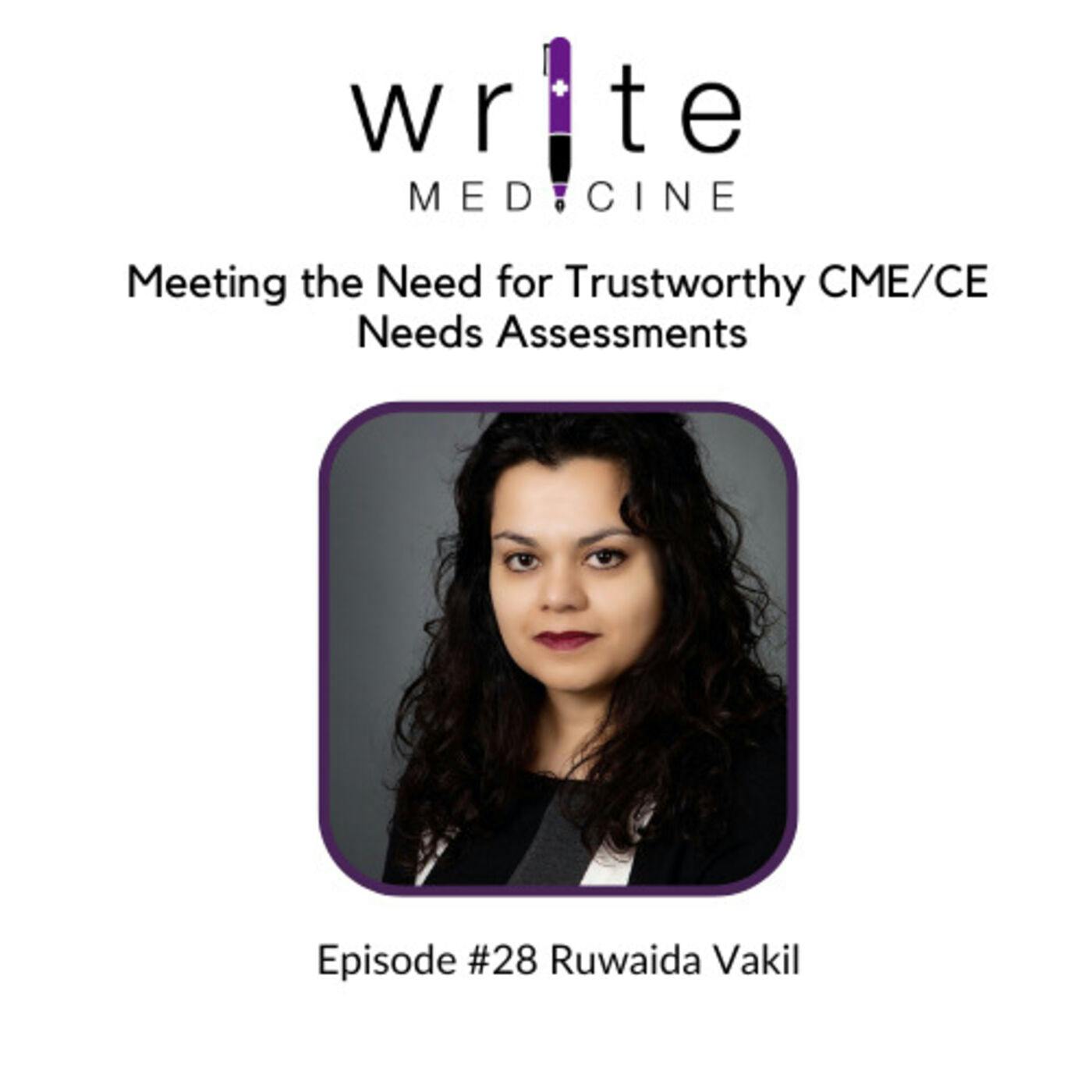
S4 Ep 28Meeting the Need for Trustworthy CME/CE Needs Assessments
Ruwaida Vakil, MSc is a consultant, speaker and a medical writer with expertise in medical communications and continuing medical education (CME). Ruwaida earned her MSc in Immunology at the University of Toronto and the Ontario Cancer Institute. She moved into developing educational content over 21 years ago and is a highly experienced writer of needs assessments. She has developed an effective system for ensuring that these kinds of CME/CE deliverables are framed by fair balance, detail gaps in clinical practice, describe the likely education required to address those gaps, and foreshadow anticipated outcomes from education. On this episode, Ruwaida shares valuable lessons for people considering a move into CME/CE writing, or for CME/CE writers who are considering working freelance. ✔️Establishing a CME/CE writing niche can be highly rewarding and sustainable especially if you establish yourself as an expert in writing needs assessments. ✔️Direct energy into marketing yourself as a CME/CE writer to ensure a steady stream of valuable and valued clients. ✔️Develop relationship management skills to ensure fair balance and content integrity. ✔️Use downtime to remain current in your specialist area. You can share new insights with clients and position yourself as a valuable partner in their work. ✔️Sales training and non-accredited education clients value CME writers as skilled content partners. ResourcesRuwaida has generously shared a range of resources for listeners. AMWA Best Practices for Writing CME Needs Assessments (members only) Pocket Training Best Practices for Writing CME Needs Assessments Presentation: Best Practices for Writing and Editing Needs Assessments Downloadable Poster: A Survey of Best Practices in Writing and Editing CME Needs AMWA Blog: Best Practices for Writing CME Needs Assessments Connect with Ruwaida ProMed Write LLC e: [email protected] TwitterConnect with Alex Twitter LinkedIn Hosted and produced by Alexandra Howson PhD, CHCP➡️ Support the show📍Grab the WriteCME Roadmap⭐ Review the podcast🗞️ Biweekly Newsletter with tips and resources to enrich your CME content niche➡️ Join WriteCME Pro for ongoing professional development 🌐 Podcast website🎙️ Share the podcast Mentioned in this episode:Root Cause Analysis Practice LabReady to write needs assessments that go deeper than "clinicians need more education"? Join our Root Cause Analysis Practice Lab on February 19th. You'll learn systems thinking, defensible frameworks, and grant-ready language in 3 hands-on hours. $297 | Applies to WriteCME Pro membership [CTA Button] Save My Spot → https://community.writecmepro.com/root-cause-analysisRoot Case Analysis Practice LabThis podcast uses the following third-party services for analysis: Podtrac - https://analytics.podtrac.com/privacy-policy-gdrp
Defining Competencies for CME/CE Writers

S4 Ep 27Defining Competencies for CME/CE Writers
In this episode of Write Medicine, I'm joined by Don Harting to talk about CME writing competencies. What are the knowledge, skills, and attitudes that those writing CME/CPD content need to develop in order to create content that connects with and educates health professionals?Medical writers often ask CME writers where to find training and how to get started in CME writing. Don says that clients share with him how challenging it is to find skilled writers for CME-related work. Don and his co-investigator Haifa Kassis think the medical writing field needs a competency model as a basis for training programs and skill-building that is directed toward the need for codified expertise in CME writing. They're using a Delphi process with a panel of experts to determine what those competencies might be. We discussed:✔️ Changing practices for writing needs assessments✔️ What a competency model for CME/CPD writers might entail ✔️ Why a competency model for CME/CPD writers is important✔️ Key deliverables for CME writers✔️ The role of Delphi method in determining competencies—what it is and how it can be used ✔️ Ranking function in Delphi✔️ Anticipated outcomes from the Delphi approach✔️ Ethics and fair balance in content development Resources Norman Dalkey and Delphi method Clemow D et al. Medical writing competency model—Section 1: Functions, tasks, and activities. Ther Innov Regul Sci. 2018;52(1):70-77 Clemow D et al. Medical writing competency model—Section 2: Knowledge, skills, abilities, and behaviors. Ther Innov Regul Sci. 2018;52(1):78-88 LockyerJ, Bursey F, Richardson D, et al. Competency-based medical education and continuing professional development: A conceptualization for change. Med Teach. 2017;39 6): 617-622 Khurana MP et al. Digital health competencies in medical school education: a scoping review and Delphi method study. BMC Med Ed. 2022;22(1):129 ACCME Standards for Integrity and Independence in Accredited Continuing Medical Education Connect with DonTwitter #cmechat or #mededBlog: Occasional posts on CME-related topicsConnect with AlexSupport the show📍Grab the WriteCME Roadmap⭐ Review the podcast🗞️ Biweekly Newsletter with tips and resources to enrich your CME content niche➡️ Join WriteCME Pro for ongoing professional development 🌐 Podcast website🎙️ Share the podcast Mentioned in this episode:Root Cause Analysis Practice LabReady to write needs assessments that go deeper than "clinicians need more education"? Join our Root Cause Analysis Practice Lab on February 19th. You'll learn systems thinking, defensible frameworks, and grant-ready language in 3 hands-on hours. $297 | Applies to WriteCME Pro membership [CTA Button] Save My Spot → https://community.writecmepro.com/root-cause-analysisRoot Case Analysis Practice LabThis podcast uses the following third-party services for analysis: Podtrac - https://analytics.podtrac.com/privacy-policy-gdrp
Straight Talk: CME/CE as an Ally for LGBTQIA+ Health

S3 Ep 26Straight Talk: CME/CE as an Ally for LGBTQIA+ Health
According to a 2022 Gallup poll, the percentage of adults in the US who self-identify as lesbian, gay, bisexual, transgender or something other than heterosexual has doubled in the last decade, and stands at 7.1%. 1 in 5 Gen Z adults identify as LGBT.But health disparities persist among people who identify as lesbian, gay, bisexual, transgender, queer, questioning, intersex, or asexual and more (LGBTQA+). And discrimination against LGBTQA+ people is a key social determinant of health that is linked with high rates of psychiatric disorders, substance abuse,and suicide. Discrimination is evident even as people in LGBTQA+ communities navigate healthcare. My guest this episode is Dena Silva, an educator with a passion for creating education that enables clinicians to address the healthcare needs of LGBTQA+ communities. Dena is CME Director for an association management organization which includes oversight of 4 medical societies in California.We talked about:✔️ How to work with experts who really know about the challenges facing LGBTQA+ patients in health care✔️ The role of education in supporting providers who are working with LGBTQA+ patients ✔️ What providers need to know in order to meet the health care needs of LGBTQA+ patients✔️ Strategies to build more representative and inclusive education programs ✔️ How skilled facilitators are an asset Straight Talk as a Starting PointSometimes the conversation was tricky (failing forward!). It's straight talk, after all, rather than talk among people who are LGBTQA+. We recognize that this conversation may be filled with things that we stumbled over. But as Dena reminded me, in order to show up as an ally for LGBTQA+-affirming CME/CE, we need to learn how be sensitive about the ways we represent ourselves, the language we use, and the assumptions we make about who people are and what they need from healthcare providers. We welcome feedback for our own learning journey so we can improve the way we communicate about this topic and better advocate for LGBTQA+ health needs. The CME community has an opportunity to create education programs that increase awareness around health disparities for LGBTQA+ patients and that equip clinicians with tools to have a conversation with their patients about how they would like to be addressed and what they need from their health care providers. CME/CE can offer a safe space for clinicians to mess up, to say the wrong thing, and to find a way to course correct in curious, compassionate, non-judgmental ways. Without education leading the way, many clinicians will opt to not have this conversation at all. ResourcesFenway InstituteNational LGBTQIA+ Health Education CenterPromoting EquiSupport the show📍Grab the WriteCME Roadmap⭐ Review the podcast🗞️ Biweekly Newsletter with tips and resources to enrich your CME content niche➡️ Join WriteCME Pro for ongoing professional development 🌐 Podcast website🎙️ Share the podcast Mentioned in this episode:Root Cause Analysis Practice LabReady to write needs assessments that go deeper than "clinicians need more education"? Join our Root Cause Analysis Practice Lab on February 19th. You'll learn systems thinking, defensible frameworks, and grant-ready language in 3 hands-on hours. $297 | Applies to WriteCME Pro membership [CTA Button] Save My Spot → https://community.writecmepro.com/root-cause-analysisRoot Case Analysis Practice LabThis podcast uses the following third-party services for analysis: Podtrac - https://analytics.podtrac.com/privacy-policy-gdrp
Recipes for Animating CME/CPD

S3 Ep 25Recipes for Animating CME/CPD
Jayzona Alberto EdD, MS began her continuing healthcare education career by working on curricula for dentists and other clinicians before transitioning to the Stanford University School of Medicine, where she currently serves as Assistant Director of Continuing Medical Education. Jayzona and her team work with e-learning tools such as animations, and in this episode she walks us through the process of creating an animation from start to finish. We discuss the importance of building relationships with the faculty who inform education content, the resources for CME that an institution such as Stanford can provide, and the potential for changing clinical practice that well designed CME/CPD fosters. Other topics we discussed include: Differences in assessing knowledge versus assessing clinical change The importance of cultivating soft skills as both a clinician and an education provider How online education is changing the parameters of what is possible in CME And how to raise the visibility of CME within clinical or academic organizations. ResourcesSeptrisConnect with JayzonaEmail: [email protected] Connect with Alexwww.alexhowson.comEmail: [email protected] TeamHost: Alexandra Howson PhD, CHCPShownotes: Emma KolakowskiSound: SuZen MarieYou can support the podcast via Buy Me a Coffee!Support the show📍Grab the WriteCME Roadmap⭐ Review the podcast🗞️ Biweekly Newsletter with tips and resources to enrich your CME content niche➡️ Join WriteCME Pro for ongoing professional development 🌐 Podcast website🎙️ Share the podcast Mentioned in this episode:Root Cause Analysis Practice LabReady to write needs assessments that go deeper than "clinicians need more education"? Join our Root Cause Analysis Practice Lab on February 19th. You'll learn systems thinking, defensible frameworks, and grant-ready language in 3 hands-on hours. $297 | Applies to WriteCME Pro membership [CTA Button] Save My Spot → https://community.writecmepro.com/root-cause-analysisRoot Case Analysis Practice LabThis podcast uses the following third-party services for analysis: Podtrac - https://analytics.podtrac.com/privacy-policy-gdrp

S3 Ep 24Corralling Content for Multimodal Continuing Healthcare Education
On this episode of Write Medicine, my guest is Dr. Eve Wilson CHCP, FACEHP (she/her), a medical writer with deep expertise who helped me get started in the field.While Eve is primarily a creator of continuing medical education resources, she also holds a PhD in microbiology, and uses her analytical background to inform her present-day work. As Medical Director at PlatformQ Health, Eve integrates new learning concepts with the more traditional didactic experiences to design a meaningful journey for the learner that leads to new insights as a result of their learning experience. In this episode, we talk about career origins, and the significance of “story” in a seemingly facts-only field. We talk about the creation of curricula, how to find balance variation of content and format, and how to create and implement multimodal ways of learning. Other topics covered in this conversation include how Eve:✔️ Started in medical writing and what she tells aspiring writers✔️ Preps for continuing education projects✔️ Gauges audience needs and adapts content accordinglyResources NBME Item Writing Guide Downloadable Planning Tool for Developing Multimodal CME Eve is running a professional workshop on Preparing CME Materials: Concepts, Strategies, and Ethical Issues, AMWA 2022 Conference: November 4 2022 Connect with Evee: [email protected] with Alexe: [email protected] TeamHost: Alexandra Howson PhD, CHCPShownotes: Emma KolakowskiSound: SuZen MarieSupport the podcastSupport the show📍Grab the WriteCME Roadmap⭐ Review the podcast🗞️ Biweekly Newsletter with tips and resources to enrich your CME content niche➡️ Join WriteCME Pro for ongoing professional development 🌐 Podcast website🎙️ Share the podcast Mentioned in this episode:Root Cause Analysis Practice LabReady to write needs assessments that go deeper than "clinicians need more education"? Join our Root Cause Analysis Practice Lab on February 19th. You'll learn systems thinking, defensible frameworks, and grant-ready language in 3 hands-on hours. $297 | Applies to WriteCME Pro membership [CTA Button] Save My Spot → https://community.writecmepro.com/root-cause-analysisRoot Case Analysis Practice LabThis podcast uses the following third-party services for analysis: Podtrac - https://analytics.podtrac.com/privacy-policy-gdrp
Corralling Content for Multimodal Continuing Healthcare Education
S3 Ep 23Scaffolding Behavioral Change
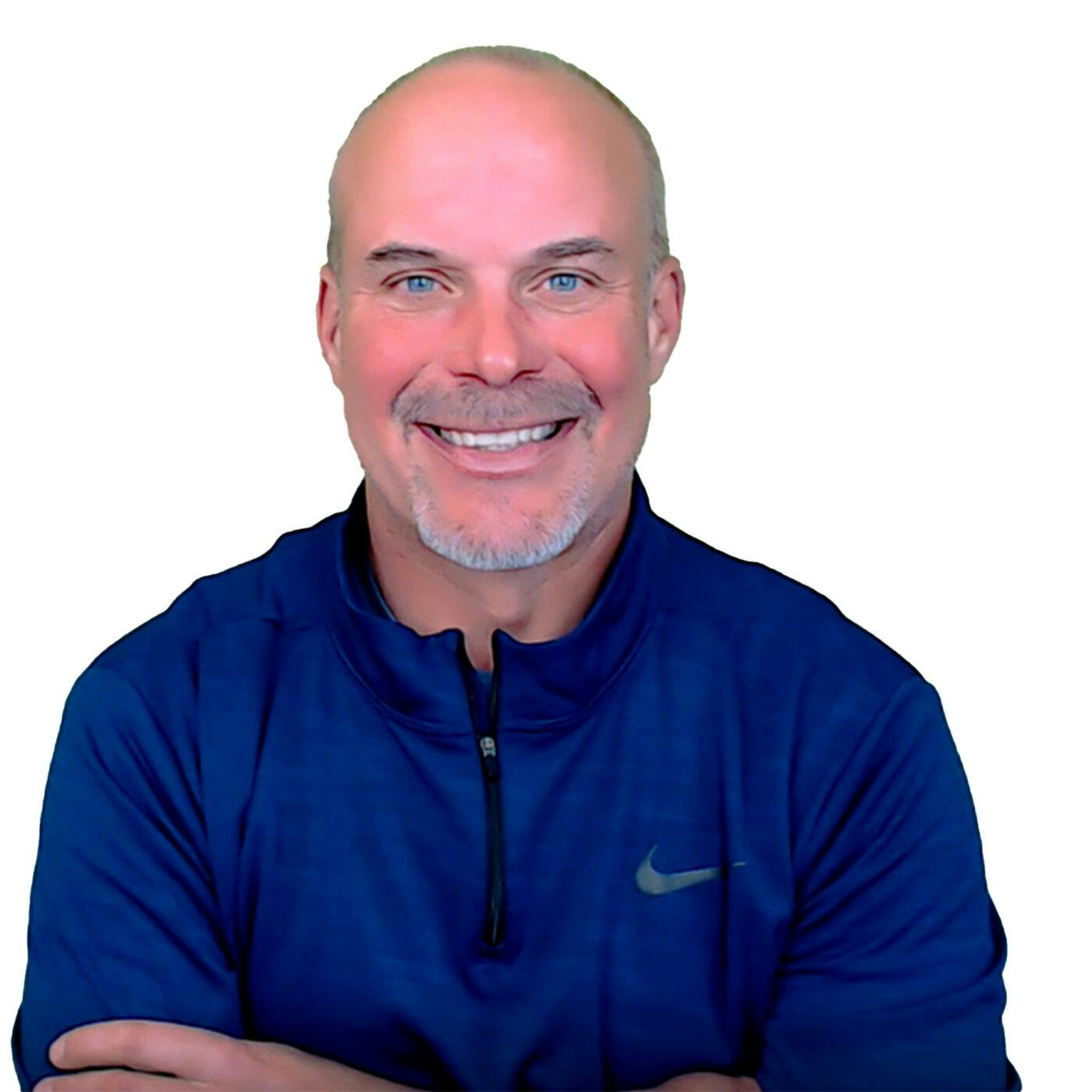
Brian McGowan PhD, FACEP planned to be the team orthopedic surgeon for Notre Dame football. After a month of working in an orthopedic rehab hospital when he was in college, he realized that he didn't know what he wanted to be when he grew up, but it wasn't going to be a physician. Lucky then for us. Brian has worked in academic, industry, and is co-founder of ArcheMedX. But the places he's been do not mark who Brian is. It's his passion for behavioral science, learning science, and research into medical education methodology that make him inimitable in the field of continuing education for health professionals.Join us for a conversation about what continuing education practitioners can do to help learners think more efficiently and effectively. Points of interest include: ✔️ Which root skills are most important for CME storytellers ✔️ What the Ebbinghaus experiment is in learning science ✔️ How physical environments affect learning ✔️ Brian’s love for the three-slide-per-page print option for PowerPoints Resources Brian’s reading list Alter A. Drunk Tank Pink and Other Unexpected Forces that Shape How We Think, Feel, and Behave. NY: Penguin, 2013. McGowan B. #SocialQI: Simple Solutions for Improving Your Healthcare. 2012. Milkman KL, et al. Megastudies improve the impact of applied behavioral science. Nature. 2021;600:478-483. Murre JMJ, Dros J. Replication and analysis of Ebbinghaus’ forgetting curve. PLOS One. 2015; 10(7): e0120644. doi:10.1371/journal.pone.0120644 Roediger HL, III. Remembering Ebbinghaus. Cont Psych. 1985;30(7):519-523. Connect with BrianArcheMedXTwitter LinkedInemail: [email protected] with AlexTwitterLinkedIn email: [email protected] Support the show📍Grab the WriteCME Roadmap⭐ Review the podcast🗞️ Biweekly Newsletter with tips and resources to enrich your CME content niche➡️ Join WriteCME Pro for ongoing professional development 🌐 Podcast website🎙️ Share the podcast Mentioned in this episode:Root Cause Analysis Practice LabReady to write needs assessments that go deeper than "clinicians need more education"? Join our Root Cause Analysis Practice Lab on February 19th. You'll learn systems thinking, defensible frameworks, and grant-ready language in 3 hands-on hours. $297 | Applies to WriteCME Pro membership [CTA Button] Save My Spot → https://community.writecmepro.com/root-cause-analysisRoot Case Analysis Practice LabThis podcast uses the following third-party services for analysis: Podtrac - https://analytics.podtrac.com/privacy-policy-gdrp
Scaffolding Behavioral Change

S2 Ep 22Ghostwriter: Who? What? How?
Today we're talking about ghostwriting. Not the ghostwriting that has been loaded with negative associations within medical writing circles for many years but a different kind of ghostwriting. The kind that gets your business to business or business to consumer book out the door. My guest, Wendy Meyeroff, has been ghostwriting for many years and is here to share what she has learned about what is is, how it has changed, who can benefit from the support of a ghostwriter, and what to look for when you are thinking of hiring a ghost writer. If you didn't know about the world of ghostwriting before this episode, I think you'll agree that there's a lot to mull over here. If you need a writer to help you write a B2B or B2C book or other materials, you can learn more about how to hire a ghostwriter at Wendy's website, to which I've included a link in the show notes, as well as Claudia Suzanne's website, ghostwritertraining.comEven if you are still on the fence about the value and credibility of ghostwriting, Wendy shares a wealth of detail about the craft of writing, its role in educating audiences, examples from ghostwriters who work in particular genres, like memoir, and a long list of resources on tools of the trade and where to find training. ResourcesSmithsonian Magazine American Medical Writers Association Council of Science Editors Editorial Freelancers Association Claudia Suzanne Claudia Suzanne Ghost Writing Course Derek Lewis Lorraine Nash Military Writers Society of America Mark Agnew Connect with Wendy: Email, LinkedIn Host: Alexandra Howson PhD Sound Engineer: Suzen Marie Shownotes: Linzy Carothers Join the Write Medicine Community 🗞️ Biweekly newsletter🎧 Podcast updates✨ First-in-line access to qualitative research trainings🎁 Receive bonus content from Season #1: https://bit.ly/3GmVuUHSponsor Write Medicine is brought to you today by Breathing Space. When you're glued to a keyboard, your body pushes back with headaches, wrist, arm or back pain, or fatigue. Sound familiar? Breathing Space offers consistent, short, and simple breath awareness, movement, and myofascial release techniques you can practice at or away from your desk tSupport the show📍Grab the WriteCME Roadmap⭐ Review the podcast🗞️ Biweekly Newsletter with tips and resources to enrich your CME content niche➡️ Join WriteCME Pro for ongoing professional development 🌐 Podcast website🎙️ Share the podcast Mentioned in this episode:Root Cause Analysis Practice LabReady to write needs assessments that go deeper than "clinicians need more education"? Join our Root Cause Analysis Practice Lab on February 19th. You'll learn systems thinking, defensible frameworks, and grant-ready language in 3 hands-on hours. $297 | Applies to WriteCME Pro membership [CTA Button] Save My Spot → https://community.writecmepro.com/root-cause-analysisRoot Case Analysis Practice LabThis podcast uses the following third-party services for analysis: Podtrac - https://analytics.podtrac.com/privacy-policy-gdrp
Ghostwriter: Who? What? How?

S2 Ep 21Making the Match: Building Professional Identity after Residency
Brenda Thompson is my guest on this episode of the podcast. Brenda has a background in counseling and education and is a longtime professional in the graduate medical education space. For the last year or so, Brenda has been working as a resident and fellow liaison, educating residents who are transitioning into practice about topics such as how to negotiate a physician's contract, how to prepare for the interview process, and how to form their professional identity for the community, their patients, and their colleagues. Join the conversation to learn from Brenda about: The role of the physician liaison How Brenda and her colleagues teach newly minted physicians to stand out from the crowd, establish networks, create relationships, and negotiate contracts How continuing education can educate established physicians about the business side of medicine The need for health and well-being education for residents and fellows ResourcesAccreditation Council for Graduate Medical EducationAmerican Medical Association NIH Valerian Root & Lemon Balm Tea StudyGraduate Medical Education re[Think] re[Claim] re[Design] re[Create]: Memoir and Call to ActionConnectBrenda: Twitter, Secondary Twitter, LinkedIn, Secondary LinkedInAlex: Twitter, LinkedIn, website🗞️ Biweekly newsletter (with bonus content from Season #1)Host: Alexandra Howson PhDSound Engineer: Suzen MarieSupport the show📍Grab the WriteCME Roadmap⭐ Review the podcast🗞️ Biweekly Newsletter with tips and resources to enrich your CME content niche➡️ Join WriteCME Pro for ongoing professional development 🌐 Podcast website🎙️ Share the podcast Mentioned in this episode:Root Cause Analysis Practice LabReady to write needs assessments that go deeper than "clinicians need more education"? Join our Root Cause Analysis Practice Lab on February 19th. You'll learn systems thinking, defensible frameworks, and grant-ready language in 3 hands-on hours. $297 | Applies to WriteCME Pro membership [CTA Button] Save My Spot → https://community.writecmepro.com/root-cause-analysisRoot Case Analysis Practice LabThis podcast uses the following third-party services for analysis: Podtrac - https://analytics.podtrac.com/privacy-policy-gdrp
Making the Match: Building Professional Identity after Residency

S2 Ep 20The Utility of Social Media in Continuing Healthcare Education
Allison Kickel is Founder & President of Bonum CE. I kept coming across Allison at meetings and via LinkedIn posts and knew I wanted to have a conversation with her. She's smart—that goes without saying—as well as funny and warm. Most discernibly she thinks outside of the box and is unafraid to both challenge convention and try new things. It's perhaps unsurprising then that she has a background in visual arts—photography and design—and uses this to full effect in the context of designing education for consumption via a range of channels including learning management systems and social media.Join us to explore the benefits of:✅ Appreciation for design in education ✅ Thought diversity✅ Social media based continuing educationBook RecommendationsThe OverstoryThe Language of KindnessResourcesAmerican College of GastroenterologyGlobal Education GroupProject ECHO@MondayNightIBDEpisode 2 of Write Medicine on Design Thinking with Dr. Andrew Chacko Connect with Allison: Twitter, Secondary Twitter, LinkedInConnect with Alex: LinkedIn, www.alexhowson.comSupport the show📍Grab the WriteCME Roadmap⭐ Review the podcast🗞️ Biweekly Newsletter with tips and resources to enrich your CME content niche➡️ Join WriteCME Pro for ongoing professional development 🌐 Podcast website🎙️ Share the podcast Mentioned in this episode:Root Cause Analysis Practice LabReady to write needs assessments that go deeper than "clinicians need more education"? Join our Root Cause Analysis Practice Lab on February 19th. You'll learn systems thinking, defensible frameworks, and grant-ready language in 3 hands-on hours. $297 | Applies to WriteCME Pro membership [CTA Button] Save My Spot → https://community.writecmepro.com/root-cause-analysisRoot Case Analysis Practice LabThis podcast uses the following third-party services for analysis: Podtrac - https://analytics.podtrac.com/privacy-policy-gdrp
The Utility of Social Media in Continuing Healthcare Education

Punchline! Humor and Facilitated Learning in Continuing Healthcare Education
This episode's guest is no stranger to many of you in the world of continuing healthcare education. Lawrence Sherman FACEHP, CHCP is president of Meducate Global, LLC and describes himself as a learning facilitator, a global educator, and an education futurist. He is deeply committed to lifelong learning and to humor as a learning tool.Join us for a conversation that touches on: Needs assessments as a continuum Skills required for moderation and collaboration Controversy about learning styles Importance of context in teaching and learning Resources Association for Medical Education in EuropeAmerican Association of PsychiatryEuropean CME ForumLinkedIn CME GroupMeducate Global LLCConnect with Lawrence: Twitter, LinkedInSee Lawrence's TEDx TalkConnect with AlexPodcast TeamHost: Alexandra Howson PhDSound Engineer: Suzen MarieShownotes: Linzy CarothersSupport the show📍Grab the WriteCME Roadmap⭐ Review the podcast🗞️ Biweekly Newsletter with tips and resources to enrich your CME content niche➡️ Join WriteCME Pro for ongoing professional development 🌐 Podcast website🎙️ Share the podcast Mentioned in this episode:Root Cause Analysis Practice LabReady to write needs assessments that go deeper than "clinicians need more education"? Join our Root Cause Analysis Practice Lab on February 19th. You'll learn systems thinking, defensible frameworks, and grant-ready language in 3 hands-on hours. $297 | Applies to WriteCME Pro membership [CTA Button] Save My Spot → https://community.writecmepro.com/root-cause-analysisRoot Case Analysis Practice LabThis podcast uses the following third-party services for analysis: Podtrac - https://analytics.podtrac.com/privacy-policy-gdrp
Punchline! Humor and Facilitated Learning in Continuing Healthcare Education
Story Intelligence: Enabling Learning through the Powers of Story

S2 Ep 18Story Intelligence: Enabling Learning through the Powers of Story
We tell ourselves stories in order to live, as Joan Didion wrote in The White Album. We talk a lot about the importance of story on this podcast, and about storytelling as a portal to learning. In today's episode, we get to learn from a storytelling master. Rick Stone, CEO of StoryWork International, has spent a lifetime crafting stories in many sectors, including healthcare. He is the co-creator of StoryCare, a web-based product to help healthcare organizations improve patient safety and support team-based health professional education. He also created the Living Stories program for Novant Health, which supports patients in telling their life stories in service of improving their health outcomes. Rick is the co-author of Story Intelligence: Master Story, Master Life. I think you are in for a treat in this episode. Our conversation touched on: The role of literature and art in cultivating empathy in medical professionals The power of emotional intelligence The narrative structure of the brain and how story is a powerful reagent to rewire the brain and help us learn new perspectives and points of view The difference between case studies and stories ResourcesStory IntelligenceThe Healing Art of Storytelling Every Patient Tells a StoryColumbia University Narrative Medicine Program Howard Gardner at HarvardMark Nepo7000 Ways to ListenJohnny MosesTeam STEPPSRonald EpsteinPaula UnderwoodPeter PappasSam MagillConnect with Rick, Twitter, Facebook, LinkedIn Connect with AlexSubscribe to the Write Medicine newsletter for bonus material. Be first-in-line when doors open to qualitative research trainings.Support the show📍Grab the WriteCME Roadmap⭐ Review the podcast🗞️ Biweekly Newsletter with tips and resources to enrich your CME content niche➡️ Join WriteCME Pro for ongoing professional development 🌐 Podcast website🎙️ Share the podcast Mentioned in this episode:Root Cause Analysis Practice LabReady to write needs assessments that go deeper than "clinicians need more education"? Join our Root Cause Analysis Practice Lab on February 19th. You'll learn systems thinking, defensible frameworks, and grant-ready language in 3 hands-on hours. $297 | Applies to WriteCME Pro membership [CTA Button] Save My Spot → https://community.writecmepro.com/root-cause-analysisRoot Case Analysis Practice LabThis podcast uses the following third-party services for analysis: Podtrac - https://analytics.podtrac.com/privacy-policy-gdrp

S2 Ep 17Adult Learning in a Virtual World: Instructional Design and E-Learning
One of the consequences of the COVID-19 pandemic has been the massive shift from live meetings and education to virtual formats and the longer term implications of this shift is an ongoing conversation in the continuing healthcare education world. The 2020 ACCME Annual Report noted that online activities engaged most learners compared with live courses and regularly scheduled series, the dominant activity types in preceding years. The shift to online education is itself not new in the US although its expansion has been patchy and there are several factors that pose barriers to the development and implementation of online learning, such as time constraints, poor technical skills, inadequate infrastructure, absence of institutional strategies and support and negative attitudes. As a result of these barriers, as well as the impact of the evolving science of learning, the demand for instructional designers in continuing healthcare education is increasing. One study predicts that by 2025, there will be a 28% in ID jobs in education.But what do instructional designers do and what is their role in continuing healthcare education? My guest today Jessica Martello answers those questions. As VP of of content and editorial at EVERFI, a digital education company, Jessica brings deep expertise to the potential of instruction design in adult learning. Join us to hear more about: The key components of an effective digital learning platform Key factors to optimize digital learning platforms How to assess learning outcomes in digital education Challenges that adults experience in relation to online learning ResourcesEVERFIOn Being with Krista Tippett: Ariel Berger—Be a BlessingInstructional Design Resources from ACCMEAccreditation Council for Continuing Medical Education (ACCME). ACCME Data Report. Rising to the Challenge in Accredited Continuing Education—2020. Love LM, Anderson MC, Haggar FL. Strategically integrating instructional designers in medical education. Academic Medicine. 2019;94:146.Snell L, Son D, Onishi H. Instructional Design. Applying Theory to Practice. In Swanwick T, Forrest K, O’Brien BC (eds) Understanding Medical Education: Evidence, Theory, and Practice. Third Edition. 2018. London: Wiley.Connect with JessieConnect with AlexPodcast TeamHost: Alexandra Howson PhDSound Engineer: Suzen MarieShownotes: Linzy CarothersSupport the show📍Grab the WriteCME Roadmap⭐ Review the podcast🗞️ Biweekly Newsletter with tips and resources to enrich your CME content niche➡️ Join WriteCME Pro for ongoing professional development 🌐 Podcast website🎙️ Share the podcast Mentioned in this episode:Root Cause Analysis Practice LabReady to write needs assessments that go deeper than "clinicians need more education"? Join our Root Cause Analysis Practice Lab on February 19th. You'll learn systems thinking, defensible frameworks, and grant-ready language in 3 hands-on hours. $297 | Applies to WriteCME Pro membership [CTA Button] Save My Spot → https://community.writecmepro.com/root-cause-analysisRoot Case Analysis Practice LabThis podcast uses the following third-party services for analysis: Podtrac - https://analytics.podtrac.com/privacy-policy-gdrp
Adult Learning in a Virtual World: Instructional Design and E-Learning
Mentoring You, Mentoring Me: Reciprocity and Relationship

Mentoring You, Mentoring Me: Reciprocity and Relationship
My guest on episode 16 of Write Medicine is Greselda Butler, a health education professional who works at Otsuka. Greselda lives her passion for educating and leading others toward their passion. IN this episode, we talk about mentoring—what is is, its benefits for both mentor and mentee, and how to find and structure mentoring opportunities.Resources Goldfarb InstituteAlliance for Continuing Education in the Health ProfessionsHealthcare Business Women's AssociationThe Alliance’s Pilot Mentoring Program launched in October 2020https://hbr-org.cdn.ampproject.org/c/s/hbr.org/amp/2021/05/what-great-mentorship-looks-like-in-a-hybrid-workplaceTownsend B. Mentoring Virtually: A Timely Benefit for Alliance MembersJohnson-Bailey J, Cervero R. Mentoring in black and white: the intricacies of cross‐cultural mentoring. Sociology. 2007: 7-21Connect with GreseldaTwitter: @aCMEstory LinkedIn: linkedin.com/in/greseldabutler Podcast TeamHost: Alexandra Howson PhDSound Engineer: Suzen MarieShownotes: Linzy CarothersSupport the show📍Grab the WriteCME Roadmap⭐ Review the podcast🗞️ Biweekly Newsletter with tips and resources to enrich your CME content niche➡️ Join WriteCME Pro for ongoing professional development 🌐 Podcast website🎙️ Share the podcast Mentioned in this episode:Root Cause Analysis Practice LabReady to write needs assessments that go deeper than "clinicians need more education"? Join our Root Cause Analysis Practice Lab on February 19th. You'll learn systems thinking, defensible frameworks, and grant-ready language in 3 hands-on hours. $297 | Applies to WriteCME Pro membership [CTA Button] Save My Spot → https://community.writecmepro.com/root-cause-analysisRoot Case Analysis Practice LabThis podcast uses the following third-party services for analysis: Podtrac - https://analytics.podtrac.com/privacy-policy-gdrp
Cultivating a Craftsman Mindset in Continuing Healthcare Education

S2 Ep 15Cultivating a Craftsman Mindset in Continuing Healthcare Education
Anne Jacobson MSPharm, CHCP is an independent writer who has been specializing in healthcare professional education since 1999.We recorded our conversation in May 2021. For Anne and many colleagues in continuing healthcare education, the last 18 months or so has been a time of taking stock and reflection on what we want the next phases of our careers to look like. We discuss this process of reflection and the path it leads to questions about how we find fulfillment in work and life.As many guests on Write Medicine have shared, there are so many different stories of how we found our way into medical writing and medical education.Anne observes that across all these different stories is a consistent theme: most of us didn’t follow a pre-existing passion for medical writing or continuing healthcare education; we discovered it while we were on the road to other things.But what many people share in this space is what Cal Newport calls a craftsman mindset. We explore:✔️ How does a person get good at what they do?✔️What does craftsmanship look like?✔️ How do we keep things interesting in our work and create the life we want? Resources✔️ Continuing Medical Education (CME)✔️ American Medical Writers Association Conference✔️ National Association of Science Writers✔️ Cal Newport Professor of Computer Science at Georgetowno Deep Worko So Goodo Digital Minimalismo Craftsman Mindset✔️ International Society for Medical Publication Professionals✔️ National Association for Health Care Quality✔️ CME Palooza ✔️ UC San Diego Medical Writing Certificate Program✔️ American Medical Association (AMA) Medical Writing Certificate ProgramConnect with Anne: LinkedIn and TwitterConnect with AlexPodcast TeamHost: Alexandra Howson PhDSound Engineer: Suzen MarieShownotes: Linzy CarothersSupport the show📍Grab the WriteCME Roadmap⭐ Review the podcast🗞️ Biweekly Newsletter with tips and resources to enrich your CME content niche➡️ Join WriteCME Pro for ongoing professional development 🌐 Podcast website🎙️ Share the podcast Mentioned in this episode:Root Cause Analysis Practice LabReady to write needs assessments that go deeper than "clinicians need more education"? Join our Root Cause Analysis Practice Lab on February 19th. You'll learn systems thinking, defensible frameworks, and grant-ready language in 3 hands-on hours. $297 | Applies to WriteCME Pro membership [CTA Button] Save My Spot → https://community.writecmepro.com/root-cause-analysisRoot Case Analysis Practice LabThis podcast uses the following third-party services for analysis: Podtrac - https://analytics.podtrac.com/privacy-policy-gdrp

S2 Ep 14Humanizing Learning—Getting into the Skin of Your Learners
My guest is Dr. Elizabeth Franklin, Associate Professor in the School of Health Related Professions at the University of Mississippi Medical Center. Elizabeth teaches research, communications, and health policy for the doctorate in health administration degree program. Elizabeth shares her considerable knowledge about online learning and interprofessional learning in the state of Mississippi and draws on a deep well of teaching in high school, community college and university settings. She shares strategies to support engagement in online learning and gets into the nitty gritty of software integrations that make online interactions fun.ResourcesSchool of Health Related Professions CEA OfficeAlliance for continuing education in the health professions Quality MattersAlliance Learning LabNearpodKnowimaHCHAPS ScoresAccreditation Council for Continuing Medical Education (ACCME)Journal of Applied Social Psychology Connect with ElizabethConnect with AlexPodcast TeamHost: Alexandra Howson PhDSound Engineer: Suzen MarieShownotes: Linzy CarothersSupport the show📍Grab the WriteCME Roadmap⭐ Review the podcast🗞️ Biweekly Newsletter with tips and resources to enrich your CME content niche➡️ Join WriteCME Pro for ongoing professional development 🌐 Podcast website🎙️ Share the podcast Mentioned in this episode:Root Cause Analysis Practice LabReady to write needs assessments that go deeper than "clinicians need more education"? Join our Root Cause Analysis Practice Lab on February 19th. You'll learn systems thinking, defensible frameworks, and grant-ready language in 3 hands-on hours. $297 | Applies to WriteCME Pro membership [CTA Button] Save My Spot → https://community.writecmepro.com/root-cause-analysisRoot Case Analysis Practice LabThis podcast uses the following third-party services for analysis: Podtrac - https://analytics.podtrac.com/privacy-policy-gdrp
Humanizing Learning—Getting into the Skin of Your Learners
Getting Comfortable with Uncertainty
Getting Comfortable with Uncertainty
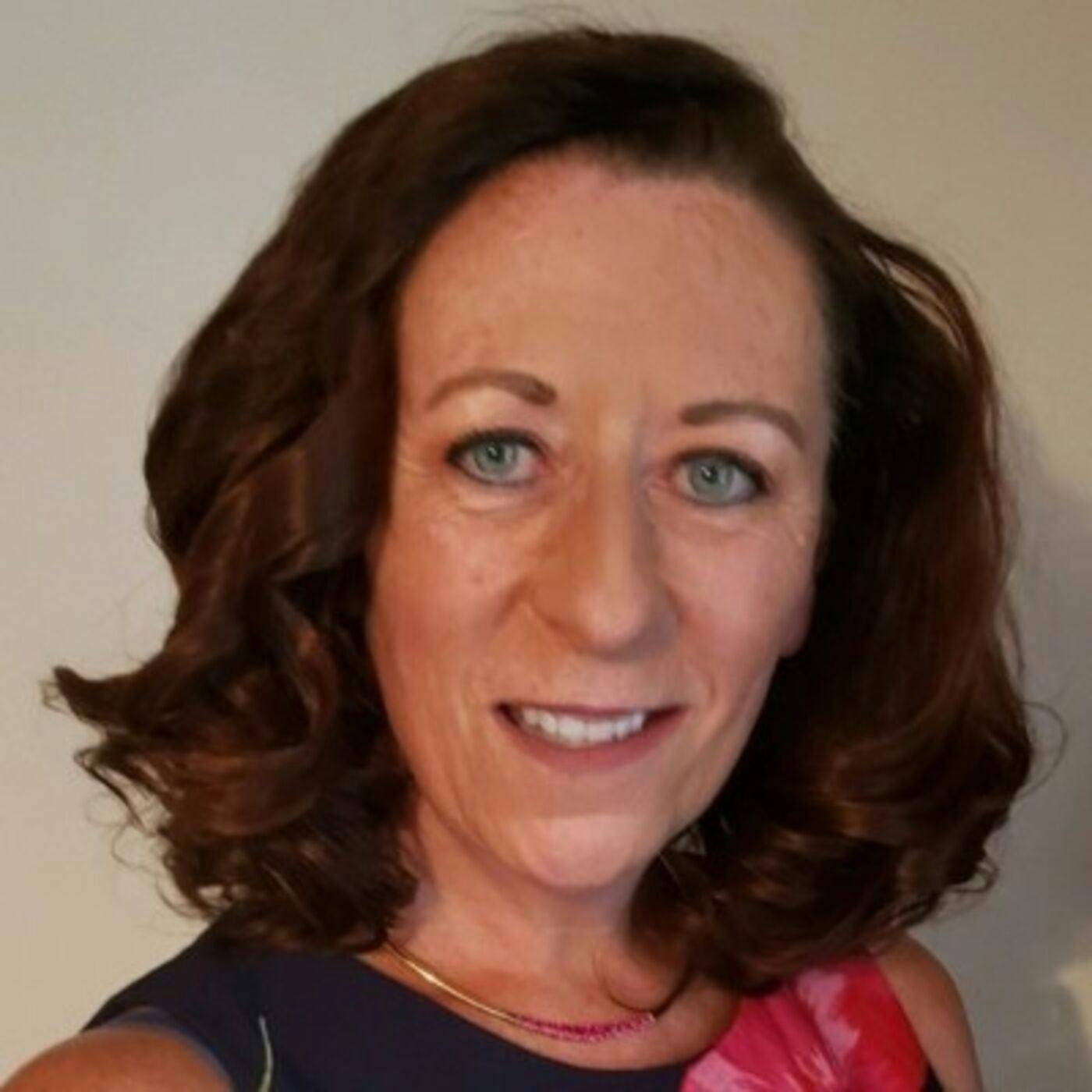
Karen Overstreet EdD, RPh, FACEHP, CHCP, Vice President, Scientific and Educational Affairs for Medical Learning Institute, Inc. is here to talk about her journey into educating health professionals and some of the things she thinks are important to support effective communication in the education field. These include:* Skills you need for staying power in CME/CPD* The science of learning* Creative ways to measure outcomes* Formats for delivering education to clinicians* How to build interactivity into text* Parsing education materials for specific kinds of clinicians* The pressing need for wider professional development ResourcesMedical Learning Institute, IncFacebook: @mliaceInstagram: @medicallearninginstituteLinkedIn: @medical-learning-institute-incTwitter: @mli_aceAccreditation Council for Continuing Medical Education (ACCME) StandardsHealth and Human Services Office of the Inspector General (HHSOIG) GuidanceConnect with Karen: LinkedInConnect with Alex: ThistleEditorial.com Breath Awareness Audio FileNewsletter Podcast TeamHost: Alexandra Howson PhDSound Engineer: Suzen MarieShownotes: Linzy CarothersSupport the show📍Grab the WriteCME Roadmap⭐ Review the podcast🗞️ Biweekly Newsletter with tips and resources to enrich your CME content niche➡️ Join WriteCME Pro for ongoing professional development 🌐 Podcast website🎙️ Share the podcast Mentioned in this episode:Root Cause Analysis Practice LabReady to write needs assessments that go deeper than "clinicians need more education"? Join our Root Cause Analysis Practice Lab on February 19th. You'll learn systems thinking, defensible frameworks, and grant-ready language in 3 hands-on hours. $297 | Applies to WriteCME Pro membership [CTA Button] Save My Spot → https://community.writecmepro.com/root-cause-analysisRoot Case Analysis Practice LabThis podcast uses the following third-party services for analysis: Podtrac - https://analytics.podtrac.com/privacy-policy-gdrp
Season 2 Trailer
Season 2 Trailer
trailerHello and welcome to Write Medicine. I’m your host Alex Howson and I use She/her pronouns. I wanted to jump in and introduce myself to those of you who may be new to the podcast and also share a summary of topics that you might have missed and season season one so that it’s easy peezy to go back and download those episodes for your library.If you enjoy the show, please subscribe and/or leave a review on your podcast listening platform. And if you’re interested in receiving alerts about what’s coming up next, as well as a summary of resources and tools that our guests have shared, why not sign up for our biweekly newsletter. As a gift, you'll receive a summary of top tips and tools from Season 1 to elevate your education content. Support the show📍Grab the WriteCME Roadmap⭐ Review the podcast🗞️ Biweekly Newsletter with tips and resources to enrich your CME content niche➡️ Join WriteCME Pro for ongoing professional development 🌐 Podcast website🎙️ Share the podcast Mentioned in this episode:Root Cause Analysis Practice LabReady to write needs assessments that go deeper than "clinicians need more education"? Join our Root Cause Analysis Practice Lab on February 19th. You'll learn systems thinking, defensible frameworks, and grant-ready language in 3 hands-on hours. $297 | Applies to WriteCME Pro membership [CTA Button] Save My Spot → https://community.writecmepro.com/root-cause-analysisRoot Case Analysis Practice LabThis podcast uses the following third-party services for analysis: Podtrac - https://analytics.podtrac.com/privacy-policy-gdrp
Addressing Clinician Burnout Through Mindfully Designed Education

Addressing Clinician Burnout Through Mindfully Designed Education
As a yoga teacher who loves to share tools like mindful movement, breath awareness, and stillness to help people cultivate rest and resilience in their lives, I’m beyond delighted to share episode 12 of Write Medicine with you. My guest is Donna Gabriel, the Senior Director of Global Education at Med-IQ. Donna is currently pursuing doctorate in Mindful Leadership in Healthcare and is an advocate for mental health in general and reducing clinician burnout in particular. Donna talks about why so many clinicians are exhausted and discusses the importance of mindfully-designed education that not only supports clinician wellbeing but also boosts learning. Support the show📍Grab the WriteCME Roadmap⭐ Review the podcast🗞️ Biweekly Newsletter with tips and resources to enrich your CME content niche➡️ Join WriteCME Pro for ongoing professional development 🌐 Podcast website🎙️ Share the podcast Mentioned in this episode:Root Cause Analysis Practice LabReady to write needs assessments that go deeper than "clinicians need more education"? Join our Root Cause Analysis Practice Lab on February 19th. You'll learn systems thinking, defensible frameworks, and grant-ready language in 3 hands-on hours. $297 | Applies to WriteCME Pro membership [CTA Button] Save My Spot → https://community.writecmepro.com/root-cause-analysisRoot Case Analysis Practice LabThis podcast uses the following third-party services for analysis: Podtrac - https://analytics.podtrac.com/privacy-policy-gdrp

S1 Ep 11The Power of Multimodality Simulation in Continuing Healthcare Education
Martin Warters MA Ed. Tech, CHSE is Head of Education Development Management at Pfizer. Today he shares his expertise on how we can leverage simulation technology in clinical learning and continuing healthcare education. He talks about the power of narrative design to buttress the patient's story, and how to creatively craft pathways for effective learning. ResourcesHigh fidelity simulation AR/VRLev Vygotsky and the zone of proximal development Narrative Medicine at ColumbiaNarrative design Conceptual frameworks in medical simulationSimulation in adult learninghttps://learninguncut.global/podcast/Connect with Martin: LinkedInConnect with Alex: Thistleeditorial.comPodcast TeamHost: Alexandra Howson PhDSound Engineer: Suzen MarieShownotes: Anna CodinaSupport the show📍Grab the WriteCME Roadmap⭐ Review the podcast🗞️ Biweekly Newsletter with tips and resources to enrich your CME content niche➡️ Join WriteCME Pro for ongoing professional development 🌐 Podcast website🎙️ Share the podcast Mentioned in this episode:Root Cause Analysis Practice LabReady to write needs assessments that go deeper than "clinicians need more education"? Join our Root Cause Analysis Practice Lab on February 19th. You'll learn systems thinking, defensible frameworks, and grant-ready language in 3 hands-on hours. $297 | Applies to WriteCME Pro membership [CTA Button] Save My Spot → https://community.writecmepro.com/root-cause-analysisRoot Case Analysis Practice LabThis podcast uses the following third-party services for analysis: Podtrac - https://analytics.podtrac.com/privacy-policy-gdrp
The Power of Multimodality Simulation in Continuing Healthcare Education
Every Word Must Count

S1 Ep 9Every Word Must Count
Adrienne Stevens, EdD, MBA, Vice President and Head of Scientific Strategy at Healio Strategic Solutions shares how her passion for dance, and her interest in the mechanics of movement, physical therapy, anatomy, and physiology has translated into a career as a medical communicator. Dance requires precision, and that’s what Adrienne practices in her work. Welcoming Adrienne Stevens, PhD in physiology, to the podcast [00:02] Some of the things Adrienne learned in the process of writing her dissertation that fuel her approach in healthcare communication.[00:04] Some of the key differences Adrienne sees between scientific writing and business writing. [00:09] Key types of communication that work with physicians and other healthcare workers. [00:13:25] The importance of motivational interviewing.[0015:29] Differences in the kind of education strategy and format that MSLs respond to compared with clinicians. [00:18:22] Are we interactive enough in the education we design?[00:20:36] Communication in obesity education.ResourcesHealio Strategic Solutions Performing Health Motivational interviewing Connect with Adrienne: LinkedInConnect with Alex: Thistleeditorial.comPodcast TeamHost: Alexandra Howson PhDSound Engineer: Suzen MarieShownotes: Anna CodinaSupport the show📍Grab the WriteCME Roadmap⭐ Review the podcast🗞️ Biweekly Newsletter with tips and resources to enrich your CME content niche➡️ Join WriteCME Pro for ongoing professional development 🌐 Podcast website🎙️ Share the podcast Mentioned in this episode:Root Cause Analysis Practice LabReady to write needs assessments that go deeper than "clinicians need more education"? Join our Root Cause Analysis Practice Lab on February 19th. You'll learn systems thinking, defensible frameworks, and grant-ready language in 3 hands-on hours. $297 | Applies to WriteCME Pro membership [CTA Button] Save My Spot → https://community.writecmepro.com/root-cause-analysisRoot Case Analysis Practice LabThis podcast uses the following third-party services for analysis: Podtrac - https://analytics.podtrac.com/privacy-policy-gdrp

S1 Ep 9Zoom Fatigue, Instructional Design, and Relatable Content
IntroductionAmanda Kaczerski, ATC, MS, CHCP is Vice Principal of Educational Strategy at the Academy for Continued Healthcare Learning. We first met at the beginning of 2020, feels like 100 years ago now, when we both co-presented as faculty in a prep course for the Alliance's CHCP exam. I'm delighted to have her on the show today, we're going to talk about instructional design, and geek out a little bit and some of those instructional design parameters.Chapters00:04:19 From field sales to learning design00:06:11 Pay attention to clinician goals00:11:00 Dealing with online fatigue00:14:55 Addressing the "shiny objects"00:19:46 Changes in how people approach education design00:22:24 Leveraging a range of virtual learning approaches for CME/CPD00:27:15 Key Take AwaysConnect with Amanda: LinkedInConnect with Alex: Thistleeditorial.comPodcast TeamHost: Alexandra Howson PhDSound Engineer: Suzen MarieShownotes: Anna CodinaSupport the show📍Grab the WriteCME Roadmap⭐ Review the podcast🗞️ Biweekly Newsletter with tips and resources to enrich your CME content niche➡️ Join WriteCME Pro for ongoing professional development 🌐 Podcast website🎙️ Share the podcast Mentioned in this episode:Root Cause Analysis Practice LabReady to write needs assessments that go deeper than "clinicians need more education"? Join our Root Cause Analysis Practice Lab on February 19th. You'll learn systems thinking, defensible frameworks, and grant-ready language in 3 hands-on hours. $297 | Applies to WriteCME Pro membership [CTA Button] Save My Spot → https://community.writecmepro.com/root-cause-analysisRoot Case Analysis Practice LabThis podcast uses the following third-party services for analysis: Podtrac - https://analytics.podtrac.com/privacy-policy-gdrp
Zoom Fatigue, Instructional Design, and Relatable Content
Entertainment and Edge in Education for Health Professionals

Entertainment and Edge in Education for Health Professionals
IntroductionMonique Johnson MD is the Medical Director at Physicians' Education Resource and has more than 20 years in the CME field. Monique shares some of the challenges clinicians face when they're in the healthcare industry, why she's passionate about having better education within this field, and how to overcome common structural barriers in healthcare that block health professionals from learning.Chapters[02:03] A little bit about Monique and how she got started in the medical education field. [06:37] Monique shares some of the challenges she had on the administration side of things when she was in the medical field. [11:20] Monique gives an example of how education can address structural healthcare barriers. [14:54] Some 'common facts' that medical professionals use and reference all the time can actually be outdated or flat out not true.[18:00] The value of education on social determinants of health.[21:40] What has changed in 2020 and 2021 on how to best approach training clinicians? [27:22] How should the CME industry best help their clinicians?ResourcesWilliams DR, Cooper LA. Reducing racial inequities in health: Using what we already know to take action. Int J Environ Res Public Health. 2019;16(4):606. Brewer LC et al. Association of race consciousness with the patient-physician relationship, medication adherence, and blood pressure in urban primary care patients. Am J Hypertens. 2013;26(11):14-152. Connect with Monique: Gotoper.com & LinkedInConnect with Alex: Thistleeditorial.comPodcast TeamHost: Alexandra Howson PhDSound Engineer: Suzen MarieShownotes: Anna CodinaSupport the show📍Grab the WriteCME Roadmap⭐ Review the podcast🗞️ Biweekly Newsletter with tips and resources to enrich your CME content niche➡️ Join WriteCME Pro for ongoing professional development 🌐 Podcast website🎙️ Share the podcast Mentioned in this episode:Root Cause Analysis Practice LabReady to write needs assessments that go deeper than "clinicians need more education"? Join our Root Cause Analysis Practice Lab on February 19th. You'll learn systems thinking, defensible frameworks, and grant-ready language in 3 hands-on hours. $297 | Applies to WriteCME Pro membership [CTA Button] Save My Spot → https://community.writecmepro.com/root-cause-analysisRoot Case Analysis Practice LabThis podcast uses the following third-party services for analysis: Podtrac - https://analytics.podtrac.com/privacy-policy-gdrp

S1 Ep 7We’re Going to Make Mistakes. What’s Your Contingency Plan?
Summary Steve Powell DHA is the CEO and Founder of Synensys Global and is a recognized leader in performance improvement. He has led programs in the US Navy, commercial airline industry, and the healthcare industry for more than 30 years and is passionate about patient safety, quality control, and patient-centered care improvements. Steve shares what he learned in safety when he was a Navy Pilot and how these experiences crossover nicely into the medical industry. He also shares his thoughts on what makes a team successful when it comes to patient handoffs, and the 5 key principles to a high-reliability organization. ResourcesInstitute of MedicineTeamSTEPPSKohn KT, Corrigan JM, Donaldson MS, eds. To Err is Human: Building a Safer Health System. Washington, DC: Committee on Quality Health Care in America, Institute of Medicine: National Academy Press; 1999.Nash D, Beliveau ME. Two lessons hospitals can learn from their COVID response. MedPage Today. Dec 7, 2020. Connect with Steve: Synensysglobal.com + LinkedInConnect with Alex: Thistleeditorial.com + LinkedInPodcast TeamHost: Alexandra Howson PhDSound Engineer: Suzen MarieShownotes: Anna CodinaSupport the show📍Grab the WriteCME Roadmap⭐ Review the podcast🗞️ Biweekly Newsletter with tips and resources to enrich your CME content niche➡️ Join WriteCME Pro for ongoing professional development 🌐 Podcast website🎙️ Share the podcast Mentioned in this episode:Root Cause Analysis Practice LabReady to write needs assessments that go deeper than "clinicians need more education"? Join our Root Cause Analysis Practice Lab on February 19th. You'll learn systems thinking, defensible frameworks, and grant-ready language in 3 hands-on hours. $297 | Applies to WriteCME Pro membership [CTA Button] Save My Spot → https://community.writecmepro.com/root-cause-analysisRoot Case Analysis Practice LabThis podcast uses the following third-party services for analysis: Podtrac - https://analytics.podtrac.com/privacy-policy-gdrp