
Write Medicine
312 episodes — Page 3 of 7
First Friday: From Pharma to Freelance Medical Writing in the Digital Age
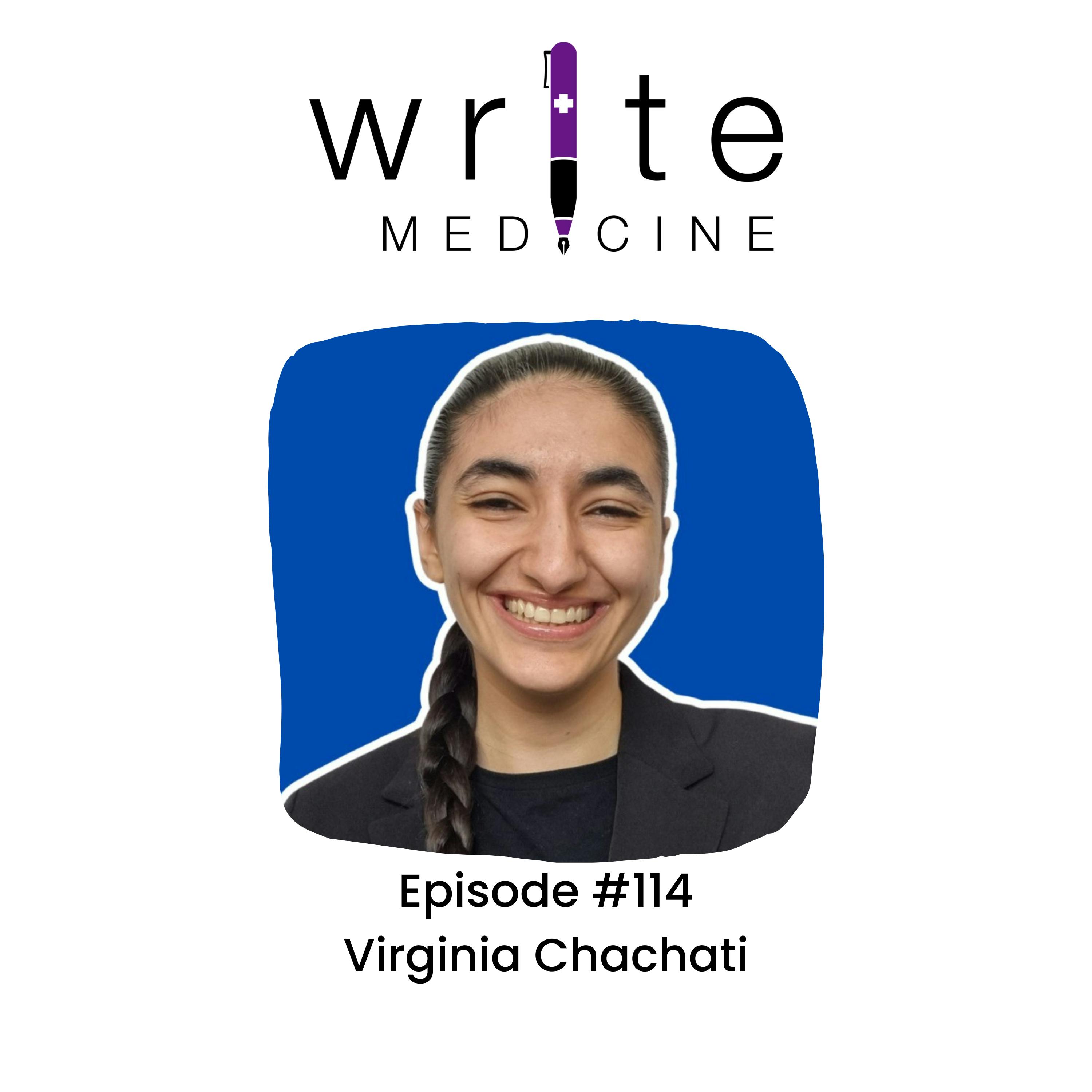
S8 Ep 114First Friday: From Pharma to Freelance Medical Writing in the Digital Age
Virginia Chachati is a pharmacist turned medical writer who embarked on her freelance journey after moving to Germany in 2020. Inspired by the need to work remotely and make a living online, Virginia started a travel health blog that caught a client's attention on Upwork. Despite being underpaid for her valuable work, this experience motivated her to create a community of medical writers focused on fair compensation and support. Virginia established a presence on LinkedIn, where a medical communications agency found and recruited her. Now a full-time freelancer, Virginia enjoys the flexibility of working from home while being able to travel back to the UK for work and family visits.Join us as Virginia shares her insights on building a thriving medical writing career.1. Learn how to identify and attract high-quality clients who value your skills and expertise2. Discover the power of community in setting fair rates and supporting your professional growthConnect with VirginiaLinkedInResourcesFree 61 tips Ebook for medical writersTimestamps00:00 Introduction02:10 Virginia’s journey into medical writing04:02 Her experience with Upwork06:31 Being picky about clients08:29 Importance of writers knowing their worth and setting ground rules12:56 The power of community in medical writing and solving the problem of Upwork17:52 Setting fair value in medical writing21:56 The future of medical writing: AI and social media26:15 Takeaways from today’s conversation with VirginiaSubscribe to the Write Medicine podcast!Don’t forget to subscribe to the Write Medicine podcast for more valuable insights on continuing medical education content for health professionals. Click the Follow button and subscribe on your favorite platform. Mentioned in this episode:Root Cause Analysis Practice LabReady to write needs assessments that go deeper than "clinicians need more education"? Join our Root Cause Analysis Practice Lab on February 19th. You'll learn systems thinking, defensible frameworks, and grant-ready language in 3 hands-on hours. $297 | Applies to WriteCME Pro membership [CTA Button] Save My Spot → https://community.writecmepro.com/root-cause-analysisRoot Case Analysis Practice LabThis podcast uses the following third-party services for analysis: Podtrac - https://analytics.podtrac.com/privacy-policy-gdrp
Telling a Stronger Story: The Art of Communicating CME Outcomes
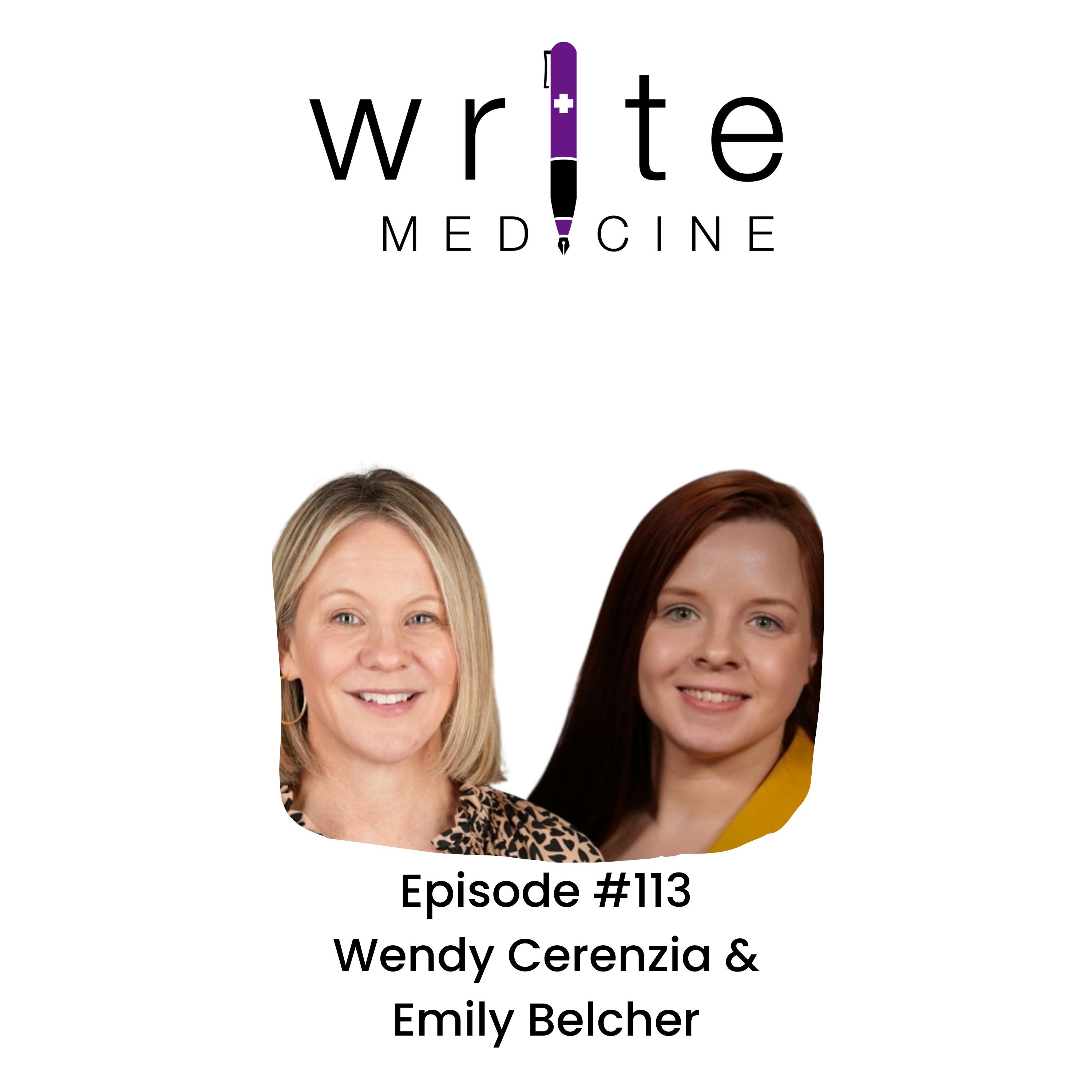
S8 Ep 113Telling a Stronger Story: The Art of Communicating CME Outcomes
Are you measuring CME outcomes effectively or just tacking them on at the end?If you're involved in developing, measuring and reporting on CME outcomes, you know it's become an expected part of the process. But many CME providers still struggle with integrating outcomes throughout program design and implementation. This leads to poor practices like tacking on outcomes at the end, writing vague questions, and creating reports that fail to tell a compelling story. To truly demonstrate the value and impact of your education, outcomes measurement needs to be woven in from the very beginning.In episode 113 of Write Medicine Wendy Cerenzia and Emily Belcher of CE Outcomes share their hard-won insights on outcomes measurements. Tune in to:1. Learn why and how to integrate outcomes planning into the earliest stages of educational design 2. Discover tips for writing effective outcomes questions that align with learning objectives and avoid common pitfalls3. Understand what makes a compelling outcomes report that ties the story together for stakeholdersReady to uplevel your outcomes game?Takeaways1. Outcomes measurement must be integrated from the beginning of educational planning and design, not tacked on at the end. Take action today by reviewing your process for integrating outcomes measurement into educational design. This will help you identify opportunities to involve outcomes experts earlier. 2. Effective outcomes questions align with learning objectives, avoid vagueness and confusing options, and consider the target audience, education format, and intended data use. Work with your faculty to carefully craft outcomes questions that align with objectives and will yield meaningful data. And consider pilot testing questions.3. A compelling outcomes report ties the story together by connecting program goals, educational design, key findings, and important learnings. When you are writing your next outcomes report, challenge yourself to weave a coherent narrative that demonstrates the "why" behind the education and interprets the data to extract relevant insights. Focus on clearly communicating the impact and value.Connect with Wendy and EmilyCE [email protected] Belcher, Director of Research and Analytics: [email protected]:00 Introduction1:05 Measuring Continuing Medical Education Outcomes2:46 Current State of Outcomes in CME and CPD5:58 Poor Practices in Measuring Outcomes10:13 Root Cause of Not Starting with the End in Mind10:26 Outcomes Standardization Project18:07 Importance of Internal Consistency in Definitions19:19 Effectiveness of Outcomes Measurement Frameworks22:21 Expectations from Supporters in Outcomes Reporting26:45 Cautious Approach to Using AI in Outcomes Analysis31:36 Elements of a Good Outcome Story34:45 Future Directions in Outcomes Analysis and Reporting38:24 Three Takeaways and Action Steps from Episode 113Subscribe to the Write Medicine podcast!Don’t forget to subscribe to the Write Medicine podcast for more valuable insights on continuing medical education content for health professionals. Click the Follow button and subscribe on your favorite platform. Mentioned in this episode:Root Cause Analysis Practice LabReady to write needs assessments that go deeper than "clinicians need more education"? Join our Root Cause Analysis Practice Lab on February 19th. You'll learn systems thinking, defensible frameworks, and grant-ready language in 3 hands-on hours. $297 | Applies to WriteCME Pro membership [CTA Button] Save My Spot → https://community.writecmepro.com/root-cause-analysisRoot Case Analysis Practice LabThis podcast uses the following third-party services for analysis: Podtrac - https://analytics.podtrac.com/privacy-policy-gdrp
Elevate Your Medical Writing: How to Choose the Right Literature Review Approach for Your Project
S8 Ep 112Elevate Your Medical Writing: How to Choose the Right Literature Review Approach for Your Project
Are you struggling to find the most relevant papers for your medical writing projects on PubMed?You know the importance of having a solid research foundation when working on medical writing projects like clinical practice guidelines, grant proposals, or CME materials. But searching databases like PubMed can feel like falling down a rabbit hole, leaving you frustrated and unsure if you've found the most pertinent literature. This episode of Monday Mentor will help you understand what literature reviews are and how to choose the right type of review for your project, setting you up for more efficient and effective database searches.Listen to this episode to discover:1. The essential purposes and elements of a well-crafted literature review 2. How literature reviews inform a wide range of medical writing projects3. The different types of literature reviews and when to use each oneTune in now to learn how to master the art of the literature review and take your medical writing to the next level!TakeawaysHere are three key takeaways from this episode of Monday Mentor:1. Literature reviews are essential for providing context, identifying gaps, and synthesizing evidence to support various medical writing projects, from clinical practice guidelines to grant proposals and CME materials.2. Different types of literature reviews serve different purposes and follow distinct methodologies, such as narrative reviews for broad, critical analysis; systematic reviews for answering focused questions; scoping reviews for mapping research activity; and realist reviews for understanding complex interventions.3. Selecting the appropriate type of literature review based on your research objectives is crucial for conducting an efficient and effective review that informs evidence-based decision-making in your medical writing projects.ResourcesLiterature Review TypologiesTimestamps00:00 Introduction to searching relevant literature01:03 What literature reviews are and the different types02:04 Why do a literature review at all03:18 What type of medical writing projects do literature reviews serve06:48 Common types of literature reviewsSubscribe to the Write Medicine podcast!Subscribe to the Write Medicine podcast for more valuable insights on continuing medical education content for health professionals. Click the Follow button and subscribe on your favorite platform. Mentioned in this episode:Root Cause Analysis Practice LabReady to write needs assessments that go deeper than "clinicians need more education"? Join our Root Cause Analysis Practice Lab on February 19th. You'll learn systems thinking, defensible frameworks, and grant-ready language in 3 hands-on hours. $297 | Applies to WriteCME Pro membership [CTA Button] Save My Spot → https://community.writecmepro.com/root-cause-analysisRoot Case Analysis Practice LabThis podcast uses the following third-party services for analysis: Podtrac - https://analytics.podtrac.com/privacy-policy-gdrp
The Art of Short-Form CME: Tweetorials and Social-Media-Based Content
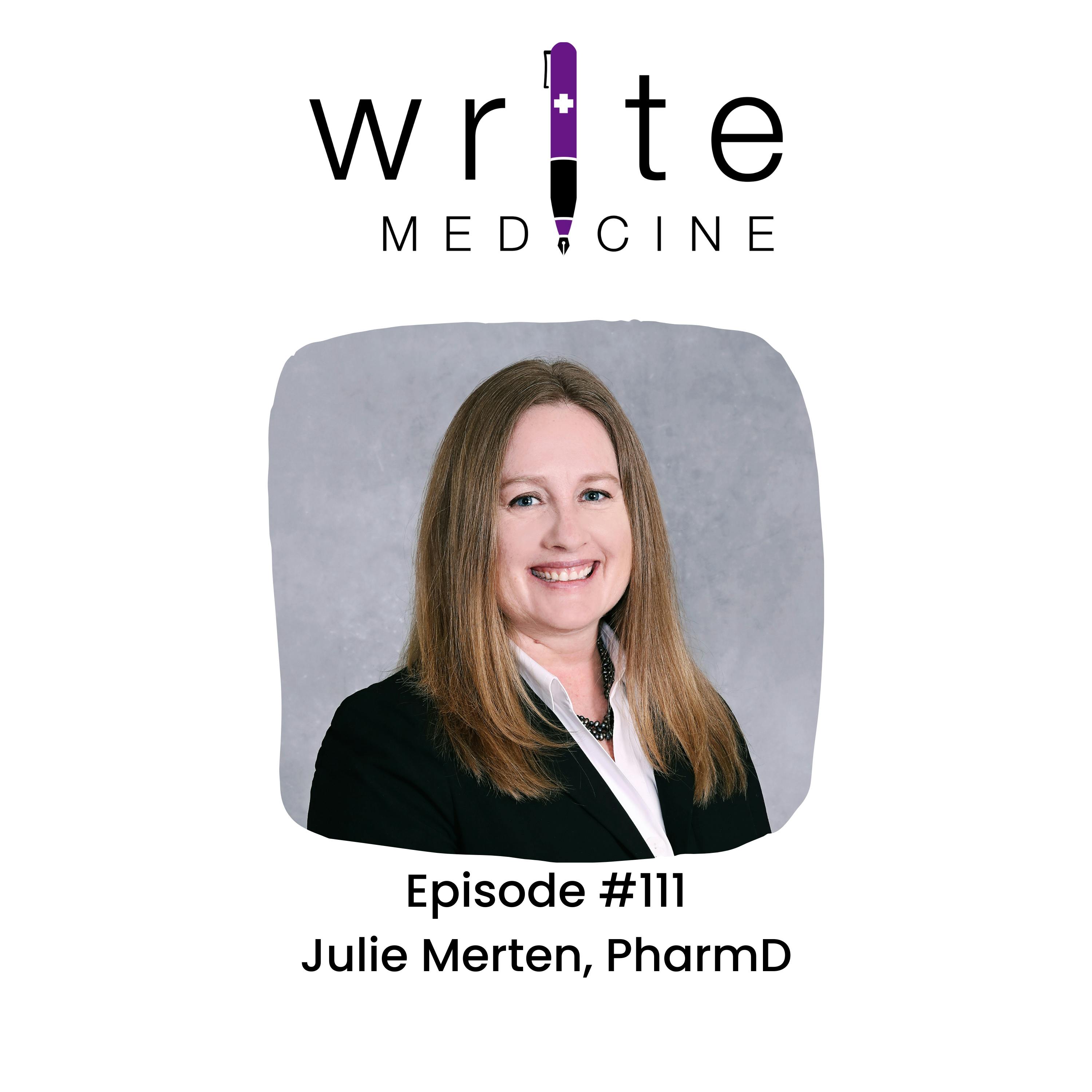
S8 Ep 111The Art of Short-Form CME: Tweetorials and Social-Media-Based Content
If you are an education provider, are you curious about how to use social media platforms like X/formerly Twitter to deliver engaging and accredited CME content? If you're a writer, do you want to know more about how to create social-media-based short-form content?As a medical educator or content creator, you may be looking for innovative ways to reach healthcare professionals where they already spend time - on social media. Episode 111 jumps into the world of "tweetorials" and explores how you can adapt your educational content for platforms like X/Twitter while maintaining the quality and accreditation standards of traditional CME.Julie Merten PharmD is my guest, a clinical pharmacist at the forefront of medical writing and CME content development at Chimeric Medical Communications. In today's episode, she shares her strategy for distilling complex medical topics into bite-sized educational content. We'll explore how to take a full clinical data paper, sharpen the key messages, and deliver them in a way that not only educates but engages and fosters interaction. What is the role of imagery, ethical considerations, and the importance of tapping into the right medical niches?Join us to learn more about crafting compelling short-form CME and take your content to the next level on social media!Takeaways1. When creating short-form content for social-media-based CME, keep the scope narrow and focused. If a topic is too complex, consider breaking it up into multiple threads or supplementing with other formats like expert videos.2. Invest time in creating high-quality, engaging visuals that are optimized for mobile viewing. Infographic-style images and square aspect ratios work well for tweetorials.3. Emojis, design elements, and questioning techniques are practical tools to hook an audience and convey information quickly. If you adopt these stylistic elements, be aware of cultural interpretations and maintain factual accuracy and appropriateness for mobile consumption.Connect with JulieEmail: [email protected] Medical Communications, LLCLinkedInTimestamps00:00 Introduction02:29 Introducing Julie04:02 What a Tweetorial is and how it works05:27 How long threads have been around06:53 Crafting a Tweetorial tutorial08:11 Assessing learner engagement on Tweetorials - how people respond and sign up for them10:56 Creating private communities on X11:57 Looking at the interaction of learners in a Tweetorial13:01 Some of the challenges when creating this short-form content14:33 Teaching and learning considerations with short-form content15:45 All about emojis18:01 Moving from long-form to short-form content19:55 Figuring out what the key messages are21:10 The scope for patient cases and tutorials21:40 Ethical concerns23:16 Considerations on how Tweetorials are assessed24:01 Evaluating outcome metrics for Tweetorials25:42 Finding CME on X as a learner27:08 Key skills to develop for creating effective accredited education content for social media31:40 Final thoughts on trying short-form content32:37 Where to connect with Julie33:21 Tips for creating short-form content for social media-based CMESubscribe to the Write Medicine podcast!Don’t forget to subscribe to the Write Medicine podcast for more valuable insights on continuing medical education content for health professionals. Click the Follow button and subscribe on your favorite platform. Mentioned in this episode:Root Cause Analysis Practice LabReady to write needs assessments that go deeper than "clinicians need more education"? Join our Root Cause Analysis Practice Lab on February 19th. You'll learn systems thinking, defensible frameworks, and grant-ready language in 3 hands-on hours. $297 | Applies to WriteCME Pro membership [CTA Button] Save My Spot → https://community.writecmepro.com/root-cause-analysisRoot Case Analysis Practice LabThis podcast uses the following third-party services for analysis: Podtrac - https://analytics.podtrac.com/privacy-policy-gdrp
Bridging Gaps and Crafting Learning Objectives: High-Impact Skills for CME Writers
S8 Ep 110Bridging Gaps and Crafting Learning Objectives: High-Impact Skills for CME Writers
Are you crafting compelling stories of transformation in your CME needs assessments?As a CME writer, your ability to identify clinical practice gaps and translate them into actionable learning objectives is crucial for creating needs assessments that lead to impactful education. Episode 110 equips you a framework for developing practice and performance gaps and learning objectives for robust needs assessments that justify the need for education.Tune in to: Understand what clinical practice and performance gaps are and how to substantiate them through thorough research Learn a framework for conducting a comprehensive gap analysis to pinpoint the root causes of practice shortfalls Discover the key components of well-crafted learning objectives and how to align them with desired outcomes Let's jump in.Takeaways1. Use the question-based framework I shared in the episode to conduct a thorough gap analysis, considering the what, why, who, when, where, and how of the identified practice gap. You'll also find a template for gap analysis in the show notes.2. Ensure your learning objectives are actionable, measurable, relevant, and aligned with the desired outcome level (e.g., knowledge, competence, performance, patient outcomes).3. Push yourself to create learning objectives that go beyond knowledge gains and foster practical skill application to drive meaningful practice change.ResourcesGap Analysis FrameworkACS Tips for Writing Learning ObjectivesTime Stamps00:00 Introduction00:38 Identifying clinical practice and performance gaps07:34 Crafting effective learning objectives08:03 4 rules of thumb when creating learning objectives09:37 TLDR on learning objectivesSubscribe to the Write Medicine podcast!Subscribe to the Write Medicine podcast for more valuable insights on continuing medical education content for health professionals. Click the Follow button and subscribe on your favorite platform. Mentioned in this episode:Root Cause Analysis Practice LabReady to write needs assessments that go deeper than "clinicians need more education"? Join our Root Cause Analysis Practice Lab on February 19th. You'll learn systems thinking, defensible frameworks, and grant-ready language in 3 hands-on hours. $297 | Applies to WriteCME Pro membership [CTA Button] Save My Spot → https://community.writecmepro.com/root-cause-analysisRoot Case Analysis Practice LabThis podcast uses the following third-party services for analysis: Podtrac - https://analytics.podtrac.com/privacy-policy-gdrp
Crafting Accessible and Inclusive Medical Content
S8 Ep 109Crafting Accessible and Inclusive Medical Content
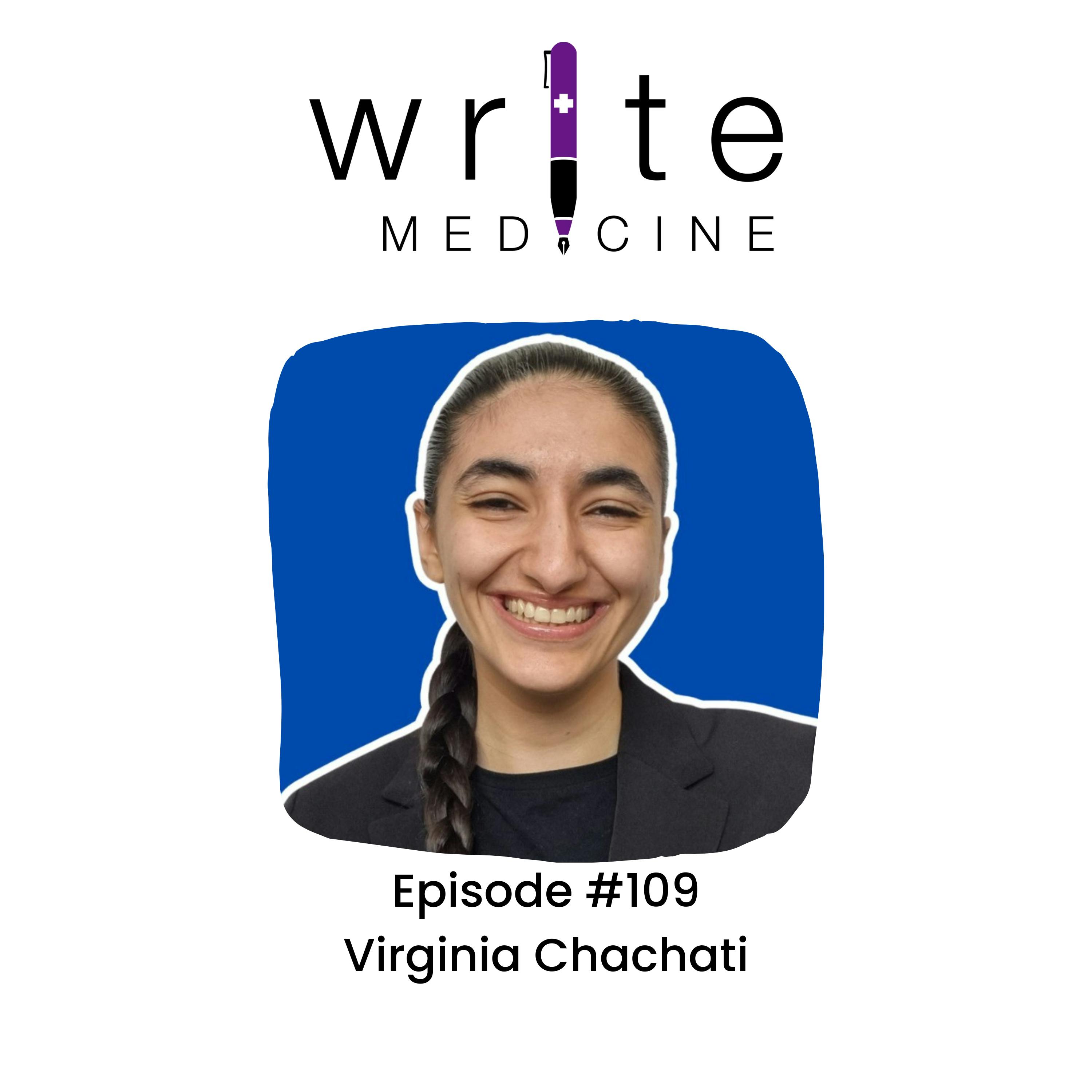
Are you unknowingly excluding audiences with your medical writing and CME content? As a CME professional, ensuring that your content reaches and resonates with diverse audiences is crucial. In a field that shapes the clinical practice and well-being of so many, accuracy and accessibility are non-negotiable. Virginia Chachati, a pharmacist turned medical writer, joins me to explore strategies and best practices for crafting inclusive, accessible content that empowers readers and improves health outcomes. In EP 109, you’ll:1. Learn how to optimize your content for people with varying levels of health literacy and digital skills2. Discover tools and resources to help you create content that meets accessibility standards3. Understand the impact of inclusive writing on audience engagement and health equityDon't miss this opportunity to elevate your inclusive content creation skills.Takeaways3 Steps you can take toward accessibility and inclusivity. 1. Familiarize yourself with health literacy principles and accessibility guidelines, such as the Web Content Accessibility Guidelines (WCAG) and the Patient Information Forum's PIF TICK standard.2. Audit your existing content for accessibility and inclusivity, identifying areas for improvement and implementing best practices.3. Continuously educate yourself on inclusive writing strategies by following thought leaders, attending workshops, and engaging with resources shared in the episode's show notes.ResourcesWeb Content Accessibility Guidelines (WCAG)Patient Information Forum TICK standardHow to Write Clearly by Tom Albrighton Writing Tools: 55 essential strategies for every writer by Roy Clark Health literacy as a social determinant of healthNational Institutes of Health: What is health literacy?CME/CE Content Creator's ToolkitThe Utility of Social Media in CMEThe Checklist Revolution: Streamlining Healthcare Content for Better UnderstandingCultivating a Visual Mindset: Infographics in Continuing Healthcare EducationConnect with VirginiaLinkedInWebsiteTimestamps00:00 Introduction02:22 Virginia’s approach to making medical writing accessible and inclusive08:59 Resources to support accessibility work13:06 Takeaways from today’s conversation on accessibility and inclusive content creationSubscribe to the Write Medicine podcast!Don’t forget to subscribe to the Write Medicine podcast for more valuable insights on continuing medical education content for health professionals. Click the Follow button and subscribe on your favorite platform. Mentioned in this episode:Root Cause Analysis Practice LabReady to write needs assessments that go deeper than "clinicians need more education"? Join our Root Cause Analysis Practice Lab on February 19th. You'll learn systems thinking, defensible frameworks, and grant-ready language in 3 hands-on hours. $297 | Applies to WriteCME Pro membership [CTA Button] Save My Spot → https://community.writecmepro.com/root-cause-analysisRoot Case Analysis Practice LabThis podcast uses the following third-party services for analysis: Podtrac - https://analytics.podtrac.com/privacy-policy-gdrp
Navigating New Horizons: Understanding European Accreditation in CME

S8 Ep 107Navigating New Horizons: Understanding European Accreditation in CME
What challenges and opportunities await US-based CME providers looking to expand into Europe?As a CME provider, understanding Europe's accreditation landscape and cultural nuances is crucial for successfully delivering education to international audiences. In today’s episode of Write Medicine, Susan Yarbrough joins me in dissecting the complexities of CME in Europe and guiding us through the accreditation mosaic. We’ll explore key considerations and strategies for navigating European CME, including the need for a strong dose of cultural humility. In episode 107, you’ll:1. Gain insights into the differences between US and European CME accreditation systems2. Learn practical advice for partnering with local organizations to deliver relevant education3. Discover the importance of cultural humility and adaptability when expanding CME offerings internationallyTune in now to equip yourself with the knowledge and strategies needed to expand your CME programs confidently into Europe and beyond!Takeaways While European CME accreditation differs significantly from the US, focusing on approving activities rather than providers, the accreditation landscape in Europe is evolving, with a slow but steady movement towards alignment and reciprocity. Reciprocal agreements allow for the exchange of CME credits, but disparities in accepting and using CPD credits across jurisdictions remain a concern. As a US-based CME provider, if you want to expand your offerings to Europe and beyond, as a first step, research the accreditation requirements and cultural nuances of your target European countries or regions. Education providers who want to successfully deliver CME in Europe must cultivate cultural humility as a key ingredient. As a US-based provider, you’ll need to understand local guidelines, perform a gap analysis and needs assessment, and have a local footprint to effectively deliver education that is appropriately accredited and tailored to the European audience. Connect with SusanEmail: [email protected]: European Accreditation Council for Continuing Medical Education (ECMEC®: The American Medical Association (AMA) has an agreement to mutually recognize continuing medical education (CME) credit with the European Union of Medical Specialties (UEMS). Physicians (MDs, DOs, or equivalent international degree holders) may apply to the AMA to have their EACCME European CME Credits (ECMEC®s) converted to AMA PRA Category 1 Credit™.ResourcesGhidinellli M, Pozniak E, Kolanko C, Wilson S. The ongoing challenges faced by providers of CME-CPD in Europe. J CME. 2023;12(1)Timestamps00:00 Introduction02:44 Introducing Susan03:50 Some of the key challenges she sees in accreditation domestically05:26 Updated guidelines for virtual credit in EACME 3.010:03 Differences and similarities between European and US accreditation12:30 Impact of territoriality on CME content15:51 Uniformity or standardization for reciprocal agreements in CME accreditation17:13 Independence in Europe versus the US21:48 Why the ABPI is attached to having control over content24:26 How US education providers go about addressing specific needs and gaps in Europe28:35 What tactical changes may look like to be an effective educator31:03 Winners and losers in European accreditation33:34 The extent of international and global CME and how is that going to change36:03 Susan’s practical advice for CME providers37:50 Key takeaways from today’s episodeSubscribe to the Write Medicine podcast!Don’t forget to subscribe to the Write Medicine podcast for more valuable insights on continuing medical education content for health professionals. Click the Follow button and subscribe on your favorite platform. Mentioned in this episode:Root Cause Analysis Practice LabReady to write needs assessments that go deeper than "clinicians need more education"? Join our Root Cause Analysis Practice Lab on February 19th. You'll learn systems thinking, defensible frameworks, and grant-ready language in 3 hands-on hours. $297 | Applies to WriteCME Pro membership [CTA Button] Save My Spot → https://community.writecmepro.com/root-cause-analysisRoot Case Analysis Practice LabThis podcast uses the following third-party services for analysis: Podtrac - https://analytics.podtrac.com/privacy-policy-gdrp
How to Thrive in the Evolving Field of Medical Writing
S8 Ep 105How to Thrive in the Evolving Field of Medical Writing
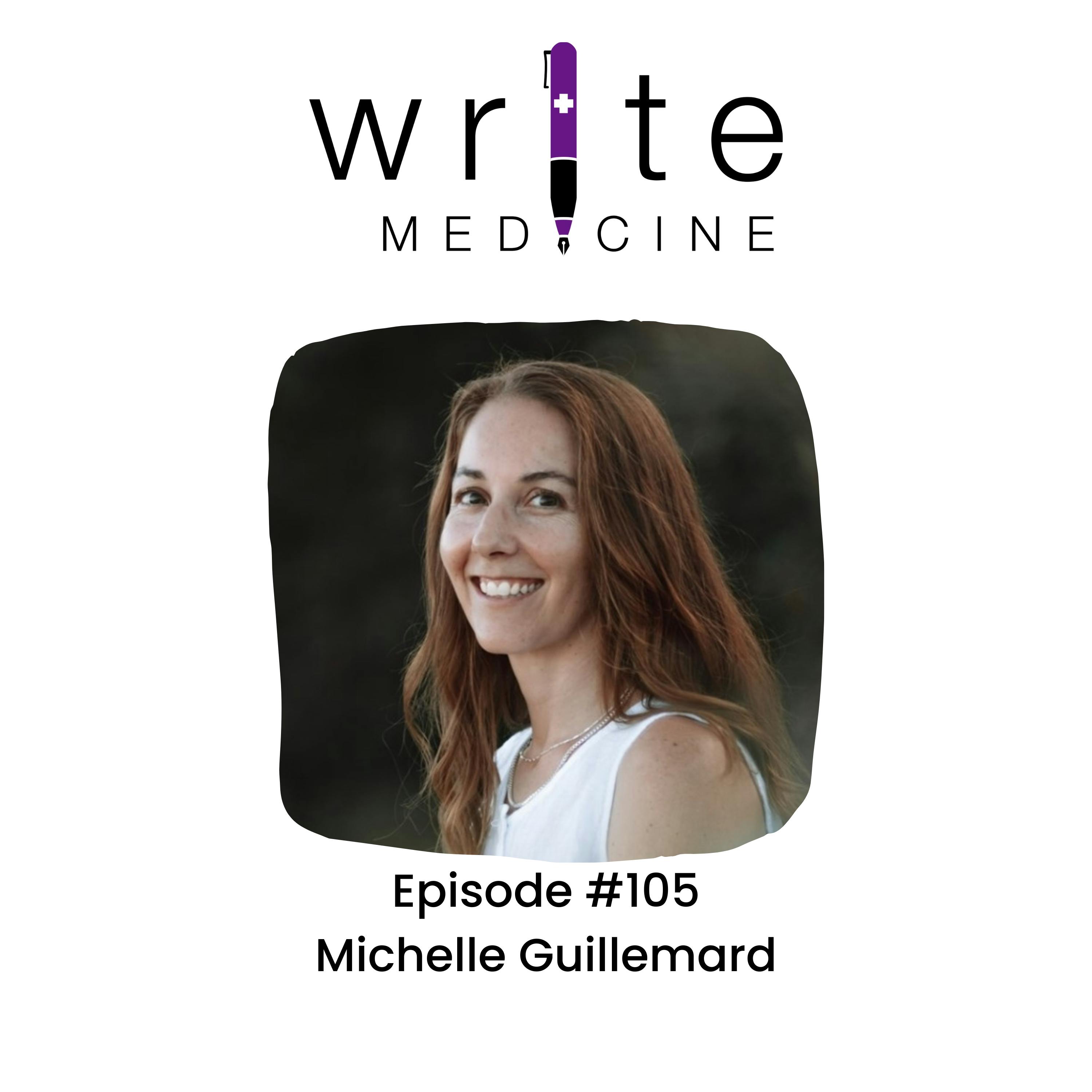
Are you a medical writer struggling to stay competitive and confident in the rapidly evolving industry landscape?Experienced medical writer and educator Michelle Guillemard shares her insights today on how aspiring and established medical writers can navigate the challenges of an increasingly crowded field, economic fluctuations, and the rise of AI writing tools. Whether you're looking to break into medical writing, specialize in a niche, or future-proof your skills, Michelle's advice will help you chart a path to success and fulfillment in your writing career.Listen to this episode to discover: Strategies for differentiating yourself and targeting your ideal clients in a competitive market Tips for staying up-to-date with industry trends, health communication best practices, and emerging technologies Insights on building confidence, resilience, and a well-rounded lifestyle as a freelance medical writer Tune in now to learn how you can thrive as a medical writer in 2023 and beyond and gain the knowledge and inspiration you need to take your career to the next level.Takeaways1. Identify your niche: Reflect on your unique skills, interests, and background to determine your specialization in medical writing. Develop a targeted marketing message and online presence that communicates your expertise to potential clients.2. Curate your learning: Set aside dedicated time to stay informed about the latest trends, best practices, and technologies in medical writing. Focus on resources that align with your niche and goals, such as industry blogs, newsletters, webinars, and journals.3. Embrace AI as a tool: Familiarize yourself with AI writing tools and explore ways to incorporate them into your writing process. Experiment with using AI to generate outlines, edit sentences, or streamline your brainstorming while maintaining your commitment to quality, evidence-based content.Connect with MichelleHealth Writer HubLinkedInTimestamps00:00 Intro02:47 Introducing Michelle05:11 Her medical writing journey09:45 Exploring the changes: Insights on who’s moving into the field, their motivations, and what that means for training and professional development15:47 Specialization as a benefit in developing business19:15 Crucial strategies for writers to help them stay resilient during times of economic fluctuation23:29 Resources to help keep pace with industry trends27:24 Designing effective medical writing courses33:25 Is AI a threat or an opportunity in medical writing?40:02 Key takeaways from Michelle’s episodeSubscribe to the Write Medicine podcast!Don’t forget to subscribe to the Write Medicine podcast for more valuable insights on continuing medical education content for health professionals. Click the Follow button and subscribe on your favorite platform. Mentioned in this episode:Root Cause Analysis Practice LabReady to write needs assessments that go deeper than "clinicians need more education"? Join our Root Cause Analysis Practice Lab on February 19th. You'll learn systems thinking, defensible frameworks, and grant-ready language in 3 hands-on hours. $297 | Applies to WriteCME Pro membership [CTA Button] Save My Spot → https://community.writecmepro.com/root-cause-analysisRoot Case Analysis Practice LabThis podcast uses the following third-party services for analysis: Podtrac - https://analytics.podtrac.com/privacy-policy-gdrp
Designing for Outcomes: Putting the Learner at the Heart of Your Educational Strategy

S8 Ep 104Designing for Outcomes: Putting the Learner at the Heart of Your Educational Strategy
Are you measuring educational outcomes but failing to capture the true impact on your learners? As a CME/CPD professional, you know that proving the effectiveness of your educational programs is crucial. But in the rush to gather data and report metrics, it's easy to overlook the individual learner's experience and perspective. Relying solely on quantitative measurements can cause you to miss valuable insights that could help enhance your activities and programs.In this episode, physician and longtime medical educator Dr. Dean Jenkins shares:1. Why it's essential to focus on the learner's needs and desired outcomes when designing education2. The importance of qualitative data in capturing the complexity of healthcare and the learner's voice 3. How defining your target outcomes upfront can improve your learning design and measurement approachTune in to discover how putting the learner at the center of your outcomes strategy can help you deliver more impactful and meaningful education!Takeaways CME must evolve to meet learners' complex and personalized needs, incorporating a more dynamic, qualitative approach to assess learning outcomes. The CME field has been steadily shifting toward valuing outcomes beyond attendance and satisfaction for over a decade. However, analyzing the collected data and using it to improve the learning experience further remains challenging. Standardization of outcomes measurement is vital for the professionalization of CME/CPD. Sharing insights and validated findings within the CME/CPD community is beneficial and necessary to foster improvement in education and patient care. Engaging with the broader community of educators, learners, and health professionals through discussion forums, journals, or social media networks is valuable. Share your findings, experiences, and strategies for measuring and improving educational outcomes, as Dean Jenkins does through his work with Outcomes Engine. Connect with [email protected] EngineTime Stamps(02:41) - Introducing Dean(07:28) - How to package education for learners in ways to address learners' needs and learning styles(09:22) - Some of the strategies that he uses to determine what those needs are(13:59) - What Dean is talking about when talking about Pharma-led education(18:24) - Evolution of measuring and evaluation: assessing learning effectiveness across these different contexts(20:50) - His involvement in the Outcomes Standardization Project(21:56) - How Dean sees the field moving forward in terms of outcomes measurement, evaluation, and analysis(25:12) - His thoughts on whether we are headed toward internal capacity building within the field.(27:58) - The degree of collaboration between medical affairs teams and colleagues in independent medical education in Europe and the UK(29:40) - What is Outcomes Engine, and why it’s important(31:50) - Capturing the learner's voice(33:26) - How Outcomes Engine will capture the learner’s voice(35:10) - Dean’s final thoughts(36:37) - Key takeawaysSubscribe to the Write Medicine podcast!Don’t forget to subscribe to the Write Medicine podcast for more valuable insights on continuing medical education content for health professionals. Click the Follow button and subscribe on your favorite platform. Mentioned in this episode:Root Cause Analysis Practice LabReady to write needs assessments that go deeper than "clinicians need more education"? Join our Root Cause Analysis Practice Lab on February 19th. You'll learn systems thinking, defensible frameworks, and grant-ready language in 3 hands-on hours. $297 | Applies to WriteCME Pro membership [CTA Button] Save My Spot → https://community.writecmepro.com/root-cause-analysisRoot Case Analysis Practice LabThis podcast uses the following third-party services for analysis: Podtrac - https://analytics.podtrac.com/privacy-policy-gdrp
The Art of Storytelling: Engaging Clinical Audiences

S7 Ep 102The Art of Storytelling: Engaging Clinical Audiences
If you are a medical writer my guess is that you occasionally struggle to engage your target audience. Health professionals have less time and shorter attention spans, making it critical for medical writers to master storytelling techniques that get their audiences interested and engaged with content, whether we’re talking about slide decks, manuscripts, or omni-channel content.My guest in episode 102 is Eleanor Steele, also known as MedComms Mentor, who shares how she transitioned from agency work to running a successful freelance business in medical communications. Join us to learn more about the gaps Eleanor identified in the market for specialized training and development and get practical advice from Eleanor about: Storytelling frameworks that support a logical flow of information and answer audience questions How to frame content around audience needs and interests The skills you need to write "bite-sized" short-form content optimized for different formats This conversation with Eleanor is part of our first Friday series, which profiles medical writers and how they have broken into the field. It's also the last episode of season 7.ResourcesContent Alchemy. Tip Sheet for Medical WritersConnect with EleanorEmail: [email protected] Stamps (03:47) - Eleanor’s journey and transition into Medical Communications (06:02) - Some of the gaps she’s seeing in the training and professional development market for medical writers (07:39) - What Eleanor does and who she does it for (11:57) - What she encourages writers to do to learn a little bit more about the audience they’re writing for (16:31) - Navigating the challenges for writers with limited clinical exposure (20:03) - Storytelling frameworks (22:44) - The main challenges Eleanor sees in ongoing training and professional development (25:53) - Her YouTube Channel: MedComms Mentor (31:07) - Key challenges she sees for freelance medical writers (33:37) - The future of MedComms (36:15) - A shift towards not only engagement but outcomes in the omni-channel assets (38:47) - Where to connect with Eleanor Subscribe to the Write Medicine podcast!Don’t forget to subscribe to the Write Medicine podcast for more valuable insights on continuing medical education content for health professionals. Click the Follow button and subscribe on your favorite platform. Mentioned in this episode:Root Cause Analysis Practice LabReady to write needs assessments that go deeper than "clinicians need more education"? Join our Root Cause Analysis Practice Lab on February 19th. You'll learn systems thinking, defensible frameworks, and grant-ready language in 3 hands-on hours. $297 | Applies to WriteCME Pro membership [CTA Button] Save My Spot → https://community.writecmepro.com/root-cause-analysisRoot Case Analysis Practice LabThis podcast uses the following third-party services for analysis: Podtrac - https://analytics.podtrac.com/privacy-policy-gdrp
Femtech and Inclusive CME/CPD: A Conversation with Caitlyn Tivy DPT
S7 Ep 101Femtech and Inclusive CME/CPD: A Conversation with Caitlyn Tivy DPT
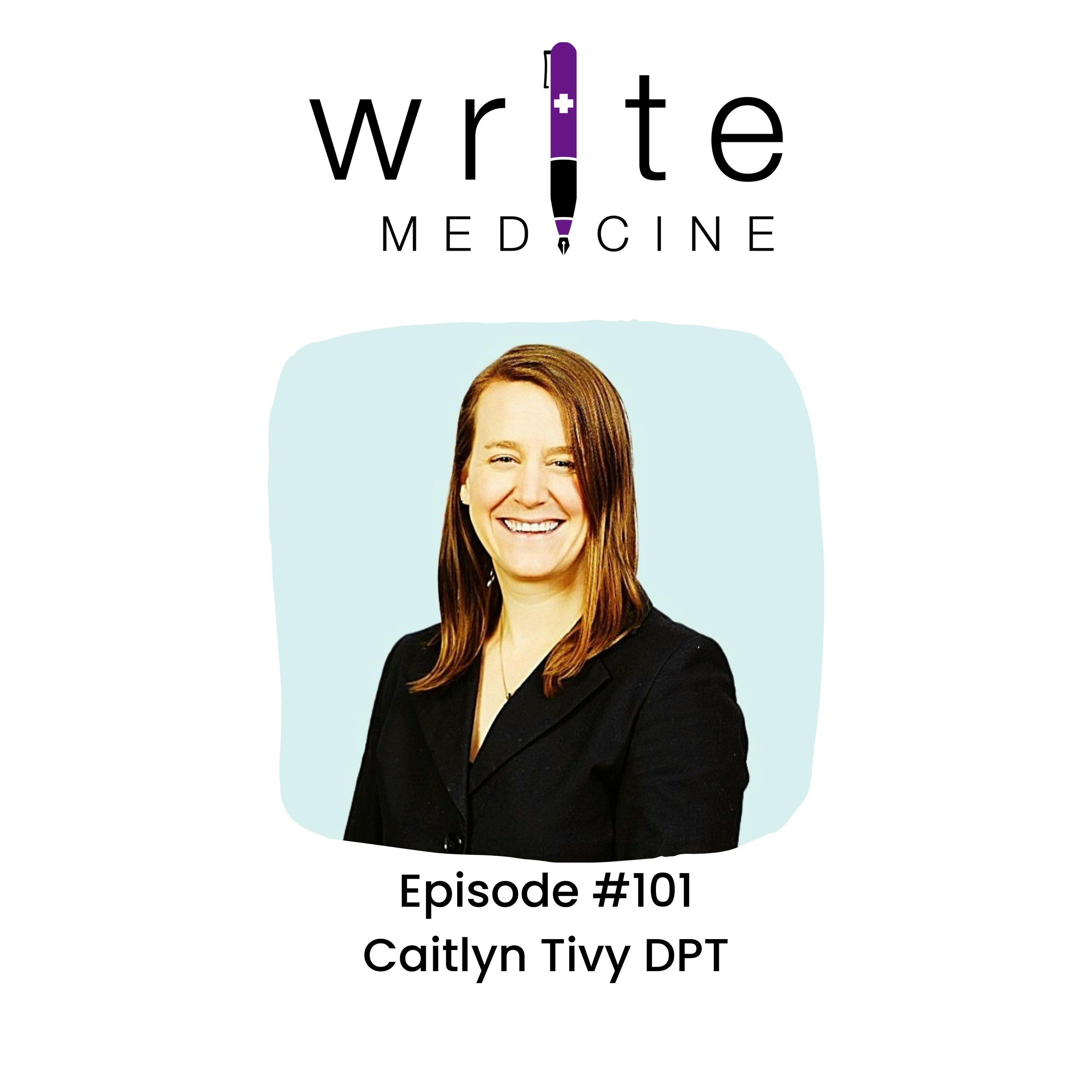
Have you ever wondered how biases in medical research and education can significantly impact women's health and health in the LGBTQ+ community? Do you want to learn how you as a CME/CPD professional can promote inclusive and equitable language in your work, and why this is important in CME content creation?My guest today is Caitlyn Tivy DPT, a physical therapist, medical writer, and femtech pioneer. In today's episode, episode 101, we explore concrete ways CME/CPD professionals can help propel a shift toward more inclusive and equitable education and, ultimately, patient care. Caitlyn shares where harm has been done to women and LGBTQ+ patients through exclusion and bias in everything from clinical trials to medical curricula and terminology. We explore the real-world consequences of these biases, such as the underdiagnosis of heart attacks in women and the mismanagement of endometriosis.This episode is a call to action for us as CME/CPD professionals to embrace inclusivity and equity in our work.Takeaways1. Inclusive language matters in CME/CPD, and why it's crucial for education activities and content to challenge biases and gaps in healthcare and medicine.2. Femtech extends beyond reproduction and includes technology and services for various health conditions.3. CME/CPD professionals can influence an education shift toward women's health and address care for LGBTQ+ individuals.Action Steps1. Educate yourself on how to use inclusive language in CME/CPD. Consider enrolling in an AMWA course or reading resources like "Sex Matters" and "Invisible Women."2. Engage in conversations with supervisors or peers to advocate for inclusive language and gender-inclusive care in CME and to identify the under-representation of women's health, LGBTQ+ health, and marginalized groups in CME.3. Explore opportunities to include information about gender and sex-inclusive care in CME/CPD and contribute to creating a more comprehensive and inclusive healthcare education landscape.ResourcesGrab your copy of the CME/CE Content Creator's Inclusion Toolkit Clayton JA, Tannenbaum C. Reporting sex, gender, or both in clinical research? JAMA. 316(18):1863-1864.McGregor AJ. Sex Matters: How male-centric medicine endangers women's health and what we can do about it. Hachette Go, 2020.Perez CC. Invisible Women: Data bias in a world designed for men. Abrams Press, 2019.Redwood Ink. Inclusive Language CourseEvery R, Napolitan C, Wilson T. Improving Patient Care for the LGBTQ+ Community Through Continuing Education. Alliance Almanac. Feb 20, 2024.Time Stamps (02:55) - Addressing biases in clinical practice and education (09:54) - The role that continuing education plays in starting to shift this narrative away from women's health (16:27) - Caitlyn’s perspective on funding driving content (20:44) - Resources she recommends to writers to help them get up to speed on inclusive and equitable language (24:27) - Approaching research with a specific patient population in mind (28:09) - What Femtech is and why it’s important (29:34) - Caitlyn’s hope for providers who work in healthcare (32:05) - Femtech: growing field beyond women's health issues (34:01) - Caitlyn’s final thoughts (37:23) - Putting today's insights into action Subscribe to the Write Medicine podcast!Don’t forget to subscribe to the Write Medicine podcast for more valuable insights on continuing medical education content for health professionals. Click the Follow button and subscribe on your favorite platform. Mentioned in this episode:Root Cause Analysis Practice LabReady to write needs assessments that go deeper than "clinicians need more education"? Join our Root Cause Analysis Practice Lab on February 19th. You'll learn systems thinking, defensible frameworks, and grant-ready language in 3 hands-on hours. $297 | Applies to WriteCME Pro membership [CTA Button] Save My Spot → https://community.writecmepro.com/root-cause-analysisRoot Case Analysis Practice LabThis podcast uses the following third-party services for analysis: Podtrac - https://analytics.podtrac.com/privacy-policy-gdrp
100 Ultimate Tips from 100 Episodes of Write Medicine
S7 Ep 100100 Ultimate Tips from 100 Episodes of Write Medicine
We’ve reached a major milestone here at the Write Medicine podcast – episode 100.When I started this podcast, my mission was to foster a spirit of community, connection, and support among peers and colleagues in the early days of the COVID-19 pandemic. This mission has evolved and is increasingly focused on providing you. Write Medicine friend, with practical strategies and tools to advance your career and support your work as a CME/CPD professional, whether you are a planner, strategist, analyst, reviewer, or writer.So to celebrate making it to episode 100, I've compiled 100 tips covered by our conversations on the podcast. Consider today's episode the cheatsheet you need to:- Optimize CME programming, evaluation, and modalities- Craft high-quality content- Master efficient research strategies- Grow as a CME/CPD professionalTake what serves you in your journey from this curated list across 10 key categories that this podcast explores.Time Stamps(01:26) Writing and content creation tips(02:37) Research and evidence tips(04:04) Career development tips(05:32) Communication and collaboration tips(06:52) Industry insight tips(08:18) Personal growth and productivity tips(09:43) Ethics and professionalism tips(11:00) Professional development tips(12:30) Navigating challenges tips(13:41) Technology tips(15:20) Next up on Write MedicineSubscribe to the Write Medicine podcast!Don’t forget to subscribe to the Write Medicine podcast for more valuable insights on continuing medical education content for health professionals. Click the Follow button and subscribe on your favorite platform. Mentioned in this episode:Root Cause Analysis Practice LabReady to write needs assessments that go deeper than "clinicians need more education"? Join our Root Cause Analysis Practice Lab on February 19th. You'll learn systems thinking, defensible frameworks, and grant-ready language in 3 hands-on hours. $297 | Applies to WriteCME Pro membership [CTA Button] Save My Spot → https://community.writecmepro.com/root-cause-analysisRoot Case Analysis Practice LabThis podcast uses the following third-party services for analysis: Podtrac - https://analytics.podtrac.com/privacy-policy-gdrp
Ben Lewin on the Imperfections of Science

S7 Ep 99Ben Lewin on the Imperfections of Science
Have you ever wondered what happens behind the scenes of scientific breakthroughs? Is the future of science at risk in the digital age? Like many fields, science is undergoing rapid changes in the digital era that could compromise integrity and innovation. As consumers of scientific knowledge, we all have a vested interest in an effective system. Join us in episode 99 as we explore the evolving world of science in the digital age, with insights from biochemist and former Cell editor, Ben Lewin.In this episode, you'll: Gain insight into flaws in the scientific publishing process involving peer review, preprints, and the "publish or perish" paradigm. Understand concerns over reproducibility, questionable research practices, and the influence of money in shaping projects. Learn how technology and A.I. are transforming science into a data-driven numbers game obsessed with quantity over quality. Don't miss this illuminating discussion on the complex forces that could undermine science in the 21st century.TranscriptTakeaways1. Science is not a linear, seamless process. Despite the perception of scientific progress as a smooth and consistent journey, it is often messy and characterized by zigzagging developments. The public needs to understand the principles and limitations of the scientific process to demystify the black box image of science.2. There are emerging concerns about the influence of artificial intelligence, the shift towards "big science," and the potential lack of revolutionary ideas in scientific research due to the pressure to publish safer and more reliable work. Scientists are also at risk of becoming data-generating technicians rather than pursuing innovative questions and answers.3. Criticisms have been raised regarding the hierarchy of scientific journals, the peer review system, and the prevalence of predatory journals. Despite its flaws, the current system of scientific publishing is considered the best available option for disseminating scientific knowledge.ResourcesLewin B. Inside Science: Revolution in Biology and its Impact. Long Island, NY: Cold Spring Harbor Laboratory Press. 2023.Time Stamps (02:47) - Introducing Ben (06:33) - What we should be understanding about science (08:20) - Inside Ben’s book, Inside Science: Revolution in Biology and Its Impact (10:04) - The art of presenting scientific work (12:15) - The pressure to publish in science (14:23) - His thoughts on how science should proceed in the future with publishing (17:51) - Ben’s view on peer review (19:48) - His take on the peer review process (22:30) - His thoughts on the preprint problems during the pandemic (24:16) - The path for young scientists to get published in appropriate journals (26:26) - The key changes in scientific conduct that Ben’s been able to trace (29:37) - Concerns in modern science (35:13) - Ben’s key takeaways from Inside Science (37:09) - Highlights from today’s episode Subscribe to the Write Medicine podcast!Don’t forget to subscribe to the Write Medicine podcast for more valuable insights on continuing medical education content for health professionals. Click the Follow button and subscribe on your favorite platform. Mentioned in this episode:Root Cause Analysis Practice LabReady to write needs assessments that go deeper than "clinicians need more education"? Join our Root Cause Analysis Practice Lab on February 19th. You'll learn systems thinking, defensible frameworks, and grant-ready language in 3 hands-on hours. $297 | Applies to WriteCME Pro membership [CTA Button] Save My Spot → https://community.writecmepro.com/root-cause-analysisRoot Case Analysis Practice LabThis podcast uses the following third-party services for analysis: Podtrac - https://analytics.podtrac.com/privacy-policy-gdrp
Spotting Plagiarism in CME Content: Tools and Strategies for Prevention
S7 Ep 98Spotting Plagiarism in CME Content: Tools and Strategies for Prevention
Are you aware that plagiarism is not just about copying text word for word? Listen in to uncover the different forms of plagiarism and how to spot them. Plagiarism can have significant consequences in CME content development, affecting the credibility of education materials and the reputation of education providers. By understanding the different types of plagiarism and how to detect them, you can ensure the integrity and originality of your CME content. Discover the various forms of plagiarism beyond direct word-for-word copying. Learn practical techniques for detecting and avoiding plagiarism in your CME content development. Understand the drivers of plagiarism and gain insights into CME content integrity. Tune in to episode 98 to equip yourself with the knowledge and tools to identify and prevent plagiarism in your CME content, and take steps to ensure the originality and quality of your work.ResourcesDas N, Panjabi M. Plagiarism: Why is it such a big issue for medical writers?Perspect Clin Res. 2011;2(2);67-71.Harting D, Bowser A. Worst Practices for Writing CME Needs Assessments: Results From a Survey of Practitioners. AMWA Journal. 2019;34(2):51-55.Radike M, Fielder Camm C. Plagiarism in medical publishing: each of us can do something about it. Eur Heart J case Rep. 2022;6(4):ytac137. See the AMA Style Guide graphic.Retraction WatchSandford-Cooke J. Ten signs of possible plagiarism. The blog of the Chartered Institute of Editing and ProofreadingWeber-Wulff D. Plagiarism detectors are a crutch, and a problem. Nature. 2019;567;435.World Association of Medical Editors (WAME). Recommendations on publication ethics policies for medical journals. WAME. Englewood.Howson A. Should you go down the rabbit hole? Write Medicine, episode 48.Time Stamps(00:00) - Plagiarism takes different forms, including paraphrasing.(03:06) - AMA 11th Manual of Style addresses plagiarism.(04:45) - Plagiarism drivers.(06:40) - How to detect plagiarism.(08:51) - Tricks to avoid plagiarism.(09:31) - Use original words - read, digest, rewrite. (Dast, N. et al. 2016)(10:53) - Storytelling, retelling content.Subscribe to the Write Medicine podcast!Don’t forget to subscribe to the Write Medicine podcast for more valuable insights on continuing medical education content for health professionals. Click the Follow button and subscribe on your favorite platform. Mentioned in this episode:Root Cause Analysis Practice LabReady to write needs assessments that go deeper than "clinicians need more education"? Join our Root Cause Analysis Practice Lab on February 19th. You'll learn systems thinking, defensible frameworks, and grant-ready language in 3 hands-on hours. $297 | Applies to WriteCME Pro membership [CTA Button] Save My Spot → https://community.writecmepro.com/root-cause-analysisRoot Case Analysis Practice LabThis podcast uses the following third-party services for analysis: Podtrac - https://analytics.podtrac.com/privacy-policy-gdrp
The Art of Evaluation: Data-Driven Frameworks for Positive Change in CME/CPD

S7 Ep 97The Art of Evaluation: Data-Driven Frameworks for Positive Change in CME/CPD
Are you curious about how the art of data collection and analysis can transform the impact of continuing education in the health professions? What if you could easily prove that learning activities drive tangible outcomes?Today's guest is Dr. Alaina Szlachta, a Learning Architect who improves the results of personal and professional development programs through data enablement. She joins us to unravel the complexities of effective education activity and program evaluation.In a world increasingly driven by data and evidence, understanding the outcomes and impact of educational programs is crucial, but learning professionals in many sectors often struggle to effectively evaluate education activity and program impact. And without proof of outcomes, it's difficult to demonstrate value and make data-driven decisions.Alaina outlines the crucial checkboxes for successful evaluation and highlights the art and science of strategically aligning evaluation variables to forge a persuasive chain of evidence. We also tackle the sometimes daunting task of identifying behavioral change indicators and how to build "indicator muscle."In this episode, you'll hear how to: Develop a simple framework for aligning learning outcomes. Identify indicators that reliably track performance improvement. Leverage AI to efficiently create assessments tailored to your needs. Tune in to hear how to build a rock-solid evaluation process in under an hour.Takeaways Effective evaluation in any field requires a balance of trustworthy evidence, improvement data, and operational insights, acting as a compass for success and growth. Create your impact hypothesis by lining up "dominoes"; start with the change you intend to make, then trace back through outcomes, outputs, and inputs. Visualize this sequence to clarify your strategy and prepare to measure each stage. The distinction between outputs (the immediate, tangible products of a program) and outcomes (the longer-term changes resulting from those outputs) is essential in evaluating the true impact of any initiative. Develop your "indicator muscle" by applying evaluation strategies to personal goals. Choose a goal, define indicators of success, and track them over time. This practice will build your skills in a lower-stakes environment and prepare you for larger, more complex projects. Connect with AlainaEmail: [email protected] Design Development SolutionsLinkedInTime Stamps (03:17) - Introducing Alaina (05:26) - Connecting her professional threads to inform learning strategy, measurements, and evaluation (11:50) - Evaluating outcomes and evaluation framework (14:30) - Different evaluation models and robust strategies (21:12) - Output vs. Outcomes (22:38) - Importance of process evaluation (28:59) - Recommendations for starting to build the indicator muscle (31:04) - The challenges in thinking about and brainstorming behavioral indicators for change (34:30) - Emerging trends in learning and development (39:51) - Where to connect with Alaina (40:51) - 3 takeaways from today’s episode Subscribe to the Write Medicine podcast!Don’t forget to subscribe to the Write Medicine podcast for more valuable insights on continuing medical education content for health professionals. Click the Follow button and subscribe on your favorite platform. Mentioned in this episode:Root Cause Analysis Practice LabReady to write needs assessments that go deeper than "clinicians need more education"? Join our Root Cause Analysis Practice Lab on February 19th. You'll learn systems thinking, defensible frameworks, and grant-ready language in 3 hands-on hours. $297 | Applies to WriteCME Pro membership [CTA Button] Save My Spot → https://community.writecmepro.com/root-cause-analysisRoot Case Analysis Practice LabThis podcast uses the following third-party services for analysis: Podtrac - https://analytics.podtrac.com/privacy-policy-gdrp
From Scrubs to Scripts: How Claire Bonneau Redefined Her Career

S7 Ep 95From Scrubs to Scripts: How Claire Bonneau Redefined Her Career
If you’re on LinkedIn, and you’re a nurse, a nurse who’s a health or medical writer, or a nurse who’s exploring how to become a writer, I think you’re going to love today’s First Friday episode. From the scrubs to the keyboard, Claire Bonneau’s story of how she shifted out of a full-time nursing role into a thriving freelance medical content writer is nothing short of motivational. She graduated from nursing school in 2019 and leaped into freelance health writing during the pandemic and her journey is proof that it's never too late to follow your passions.Join us to explore: The challenges and triumphs of transitioning careers during uncertain times. How the problem-solving and creative aspects of nursing can lead to success in writing. The importance of community and learning from one's mistakes in the freelance world. Listen to the full episode to hear how Claire is shaping her unique niche in the freelance health writing community. Oh, and she drops some serious gems about navigating platforms like Upwork and LinkedIn.Connect with ClaireWebsiteLinkedInEmail: [email protected] What steps can you take today? Dedicate a moment each day to journal about your professional journey. Capture moments of learning, growth, and the emotions attached to your evolving career path. Reach out and connect with one new person a week on professional networking platforms like LinkedIn to start building your community, just as Claire did. Experiment with a freelancing platform by creating a profile or submitting a project proposal to experience the process and discover potential opportunities for skill-building and networking. Time Stamps (02:59) - Introducing Claire: From nurse to now (05:55) - Why she went into writing (07:37) - How creativity has helped her build her business (09:05) - The obstacles Claire faced and her approach to problem-solving (10:27) - Some examples of roadblocks and embarrassing moments she experienced (13:34) - Transformation from isolation to engagement on LinkedIn (15:44) - Her experience building an email newsletter (17:37) - The purpose of the newsletter and building community (21:05) - Claire’s thoughts on Upwork and how it’s been effective for her (25:00) - Will she always be on Upwork and what a transition strategy would look like (27:56) - Where the negativity comes from towards Upwork (29:51) - Her encounter with feeling tapped by the nursing label as she transitioned into a new field (33:30) - Her 3 pieces of advice for transitioning from clinical care to writing freelance (34:58) - Where to connect with Claire (36:17) - Episode Takeaways Subscribe to the Write Medicine podcast!Don’t forget to subscribe to the Write Medicine podcast for more valuable insights on continuing medical education content for health professionals. Click the Follow button and subscribe on your favorite platform. Mentioned in this episode:Root Cause Analysis Practice LabReady to write needs assessments that go deeper than "clinicians need more education"? Join our Root Cause Analysis Practice Lab on February 19th. You'll learn systems thinking, defensible frameworks, and grant-ready language in 3 hands-on hours. $297 | Applies to WriteCME Pro membership [CTA Button] Save My Spot → https://community.writecmepro.com/root-cause-analysisRoot Case Analysis Practice LabThis podcast uses the following third-party services for analysis: Podtrac - https://analytics.podtrac.com/privacy-policy-gdrp
Envisioning the Next Era of CME/CPD: A Workshop Preview
S7 Ep 94Envisioning the Next Era of CME/CPD: A Workshop Preview
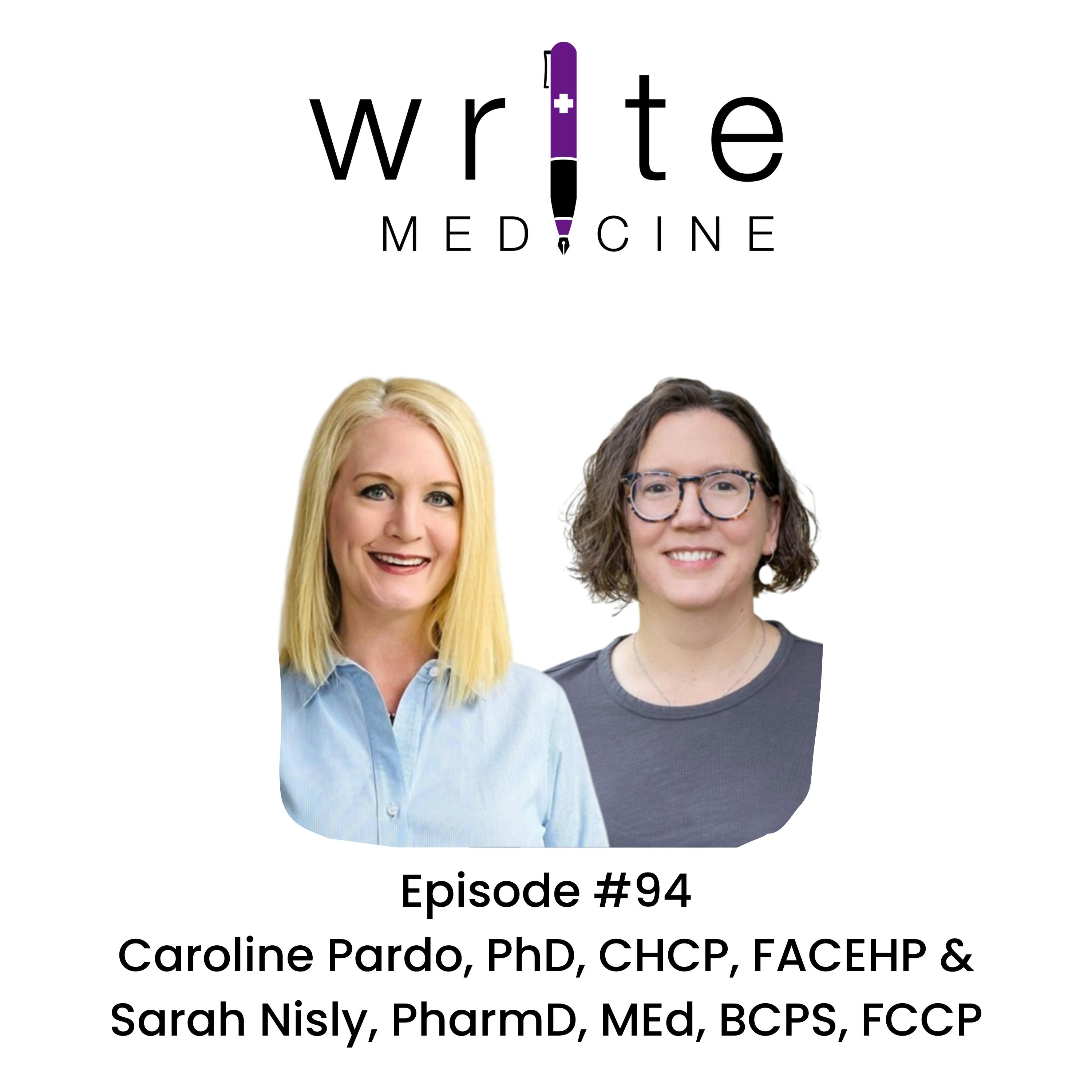
A decade ago, Curtis Olson PhD, then editor of the Journal of Continuing Education in the Health Professions, made 20 predictions about the future of Continuing Medical Education (CME) and Continuing Professional Development. Those predictions included a shift from the individual to the team as the primary unit of learning, a greater focus on interprofessional learning, more frequent use of evaluation models that tell us not only what works, but also under what conditions and why, and less reliability on the psychology of learning and more emphasis on the sociology of behavior change. Have you been wondering how those predictions are holding up today? Joining us from the frontlines are two consummate CME/CPD professionals from Clinical Education Alliance—Sarah Nisly and Caroline Pardo. They’ll be sharing preliminary insights from research they’ve been doing on the relevance of these predictions today, emphasizing the need for diverse voices and perspectives in the field, and discussing how CME/CPD needs to be in sync with the "messiness" and complexity of contemporary healthcare.Tune in to learn more about: How past predictions about CME/CE are aligning with current trends and practices. How technology is reshaping shaping healthcare and the future of CPD. The importance for CME/CPD to adapt to different generations and changing priorities. And how continuous research and collaboration with multiple stakeholders is essential to shape the future of CPD and ensure its relevance and impact. Takeaways We need a forward-thinking approach in CME/CPD to prepare us to adapt to the evolving needs of healthcare professionals. There's an increasing emphasis on interprofessional education and the role of team-based healthcare. This approach recognizes the complexity of healthcare delivery and the need for collaborative learning strategies. Needs assessments and grant proposals are a focus of several sessions at the 20204 Alliance conference in New Orleans in early February. Today’s episode reminds us that needs assessments in CME/CE absolutely must go beyond clinical data and try to grapple with the real drivers of clinical gaps, including system and process issues, and patient preferences. Caroline and Sarah’s work offers an invitation to us all to think about how we can be agents of change, and help to shape the future of CME/CPD. Time Stamps (03:46) Introducing Caroline + Sarah (05:23) Revisiting Curtis Olson's 20 predictions for the future (08:35) Interesting themes that stuck out when exploring (11:40) More about the juxtaposition and what it looks like in practice (18:49) A tiny flavor of their research process (22:29) The shifts and changes from the original predictions (29:34) The messiness of healthcare and the need for evolution (33:00) Frameworks for contemporary healthcare (37:23) Their predictions for where the profession is heading (42:38) The importance of comprehensive needs assessments ResourcesOlson C. Twenty predictions for the future of CPD: implications of the shift from the update model to improving clinical practice. J Cont Educ Health Prof. 2012;32(3):151-2Pardo C, Nisly S. Unleashing Our Community's Power: Insights and Inspiration from the Field. Alliance Annual Conference. 2024. Feb 6, 10 a.m. Oak Alley.Connect with Caroline + SarahClinical Education AllianceCaroline LinkedIn | Email: [email protected] LinkedIn | Email: [email protected] Mentioned in this episode:Root Cause Analysis Practice LabReady to write needs assessments that go deeper than "clinicians need more education"? Join our Root Cause Analysis Practice Lab on February 19th. You'll learn systems thinking, defensible frameworks, and grant-ready language in 3 hands-on hours. $297 | Applies to WriteCME Pro membership [CTA Button] Save My Spot → https://community.writecmepro.com/root-cause-analysisRoot Case Analysis Practice LabThis podcast uses the following third-party services for analysis: Podtrac - https://analytics.podtrac.com/privacy-policy-gdrp

S7 Ep 92Transitioning to Truth: Embracing Authenticity in Career and Life
Have you ever felt trapped in your career, sensing a need for change but unsure where to begin? Have you felt a nudge to make a career change but fear holds you back?Yep, I’ve been there. Making a major shift in your work can be daunting, but ignoring calls for change won’t make them go away. In a world where career transitions are increasingly common yet daunting if you are feeling the pull towards change but held back by uncertainty and fear, or if you are aware of an immanent push, this episode, EP92, is for you. My guest is Regina Sih-Meynier PharmD, an intuitive business strategist and life coach, who’s worked in healthcare, medical affairs, and in independent medical education in high-profile pharmaceutical companies. Way back in 2020, Regina was on the podcast and talked about how to create education content that supports authentic empowerment and transformational learning. Today she’s offering guidance and inspiration for anyone in CME/CPD considering or facing a major career change. She shares her transformative journey from feeling stifled in the pharmaceutical industry to discovering her true calling. So get ready to: Learn how to recognize the signs of transition that are pointing you to a needed change. Use practical tools for making decisions and navigating career transitions, including a five-step framework, that will help you map your fears and flip limiting narratives that are holding you back from unlocking your potential—the theme of 2024’s annual conference of the Alliance for Continuing Education in the Health Professions. Gain a framework for aligning decisions to your authentic self, not just ego fears. Connect with ReginaWebsiteLinkedInWhat steps can you take today?Here are my takeaways and steps you can take to embrace authenticity in your career and life. 1. Embrace the Pause and Practice Reflection. Taking time to be still and reflect can provide clarity and insight, helping you recognize when and why you need a change in your professional life.2. Your Body Intelligence is a Decision-Making Resource. Incorporating simple mindful, meditative, or breathing practices can lead to greater clarity and alignment with your authentic self.3. Five-Step Approach to Decision Making. Regina detailed a five-step approach for making successful life and career decisions: getting clarity, identifying key players, addressing fears, amplifying your authentic voice, and taking aligned action. There are links in the show notes to tools for a structured approach to navigate career transitions mindfully. Resources Take the free 3-minute decision-style quiz to better understand how you make decisions and what your potential blindspots could be. www.oh-universe.com/quiz Grab the free guide on How to Make the Best Career Decisions for You: www.oh-universe.com/resources Make successful decisions with this easy to use tool: 5-Steps to Confident Decisions Using Body Intelligence: www.oh-universe.com/resources Learn more about Regina's Go Slow to Go Faster Retreat in Vandelicourt, France in May 2023: www.oh-universe.com/retreat-details Time Stamps (03:05) - Signs that it's time for a career transition (08:12) - Tools and practices to tune into your inner voice (13:01) - Regina’s guidance if you are hearing that voice but are locked into fear (19:04) - Practical tools to move from fear to safety (21:52) - A universal struggle of overcoming fear and self-limiting thoughts (24:10) - How her tools apply if you have been pushed out (31:56) - Regina’s 5 steps to making successful career and life decisions (38:03) - First step in a career change (44:37) - Key takeaways you can take to embrace authenticity in your career and life Subscribe to the Write Medicine podcast!Don’t forget to subscribe to the Write Medicine podcast for more valuable insights on continuing medical education content for health professionals. Click the Follow button and subscribe on your favorite platform. Mentioned in this episode:Root Cause Analysis Practice LabReady to write needs assessments that go deeper than "clinicians need more education"? Join our Root Cause Analysis Practice Lab on February 19th. You'll learn systems thinking, defensible frameworks, and grant-ready language in 3 hands-on hours. $297 | Applies to WriteCME Pro membership [CTA Button] Save My Spot → https://community.writecmepro.com/root-cause-analysisRoot Case Analysis Practice LabThis podcast uses the following third-party services for analysis: Podtrac - https://analytics.podtrac.com/privacy-policy-gdrp
Transitioning to Truth: Embracing Authenticity in Career and Life
Building a Global CME/CE Program

S7 Ep 90Building a Global CME/CE Program
Do you ever wonder about CME/CE in Africa? Or how you could use your content creation skills to improve health outcomes globally? This episode explores how one CME/CE writer is using her expertise to directly improve patient care in Africa. Helen Fosam is a seasoned medical writer with two decades of experience shaping her career. Today we’re talking about the significance of diversity, equity, and inclusion in clinical research and the dearth of CME in resource-limited settings like Africa that led Helen to launch the MiLHO initiative, which stands for "The Missing Link to Improved Health Outcomes." This pioneering project is aimed at democratizing access to CME in Africa and harmonizing healthcare knowledge across the globe. In today’s episode, you’ll discover how the MiLHO initiative is transforming healthcare education in Africa and how Helen extends the reach and effectiveness of education materials by working with local experts. This approach ensures that the education materials are culturally and linguistically relevant, accessible to the target population, and fosters sustainable healthcare practices. Insight into the MiLHO initiative, a pioneering approach to improving health outcomes in Africa through tailored CME programs. An understanding of the critical role of local content creators in developing relevant and effective medical education, highlighting the importance of diversity and cultural context. Strategies for overcoming barriers in CME in Africa, including the significance of online platforms in making CME accessible to a wider audience, regardless of their location. Tune in to hear firsthand how this global health education initiative got started and how it aims to bridge gaps in medical knowledge through context-specific content development and delivery.Connect with [email protected] Edge Medical WritingLinkedInThe MiHLO InitiativeWhat steps can you take today? Explore Local Content Development: If you're involved in medical education, consider how localized content can improve your programs. Engage with local experts and communities to ensure that your CME activities are culturally and contextually relevant. Implement DE&I Practices: If you are an education provider, you can advocate within your organization for more inclusion and equity-focused CME/training and actively work to incorporate diversity, equity, and inclusion in your CME content. This could involve diversifying your team of content creators or ensuring that your materials are inclusive and representative of different populations. For tips on how to build DEi into CME/CE content, check out EP 61 with Sapana Panday. Offer Support: Regardless of your role in CME, you can support nonprofit organizations like MiLHO that are addressing care disparities worldwide by volunteering your expertise or donating to their mission. Time Stamps (04:03) - Introducing Helen (05:33) - The MiLHO Initiative (11:44) - Writing grants for funding the MiLHO Initiative (15:41) - CME's Increased Focus on Diversity, Equity, and Inclusion (22:41) - Steps you can take today after listening to this episode Subscribe to the Write Medicine podcast!Don’t forget to subscribe to the Write Medicine podcast for more valuable insights on continuing medical education content for health professionals. Click the Follow button and subscribe on your favorite platform. Mentioned in this episode:Root Cause Analysis Practice LabReady to write needs assessments that go deeper than "clinicians need more education"? Join our Root Cause Analysis Practice Lab on February 19th. You'll learn systems thinking, defensible frameworks, and grant-ready language in 3 hands-on hours. $297 | Applies to WriteCME Pro membership [CTA Button] Save My Spot → https://community.writecmepro.com/root-cause-analysisRoot Case Analysis Practice LabThis podcast uses the following third-party services for analysis: Podtrac - https://analytics.podtrac.com/privacy-policy-gdrp
Digital Declutter: A Guide to Eco-Conscious CME Content Creation

S7 Ep 88Digital Declutter: A Guide to Eco-Conscious CME Content Creation
Are you overlooking a major yet often overlooked contributor to climate change through your digital content creation and strategies? Are you unintentionally contributing to the planet's digital carbon footprint?As CME/CE content creators and strategists, we likely don't consider the climate impacts of our websites, documents, videos, and other digital materials. However, all that data requires substantial energy to power the creation, storage, and transfer of bytes, which generates carbon emissions that contribute to climate change.In this eye-opening episode, Alisa Bonsignore, a content strategy and sustainable content expert, reveals the surprising truth about the environmental impact of our digital world. Whether it's the websites we browse, the videos we stream, or the documents we store, our online habits are not as harmless as they seem. For CME medical writers and content creators, understanding this connection is vital in making informed decisions that align with environmental sustainability.In today’s episode, you’ll: Gain insights into how digital content, including websites and emails, contributes to carbon emissions. Learn practical strategies like streamlining and removing unnecessary pages to create more sustainable and climate-friendly content. Understand how to balance visual impact with environmental responsibility when creating graphics, video and other visual media, and in doing so, you’ll enhance the effectiveness of your digital presence. Appreciate the rationale for encouraging practices like video-off meetings and transitioning from video to audio or text formats. Tune in to hear digital sustainability expert Alisa Bonsignore explain how education content creators like you can reduce their climate impacts through smarter governance of bytes and pixels.Connect with AlisaLinkedInVisit Clarifying Complex Ideas for more on sustainable content strategies.Resources Read Alisa's article on calculating emissions from digital content. Learn more about the Content Design Manifesto. Check out Gerry McGovern's book Worldwide Waste on the impacts of devices. Podcast recommendation: Health Literacy Out Loud Time Stamps (04:40) - Introducing Alisa (07:36) - The connection between data, energy, and carbon emissions (09:29) - How writers can think about the implications daily (12:19) - Her entry point into user experience and how it’s important in the work that she does (15:39) - Where to go for up-to-date information about how to think about data and digital imprint (18:46) - How recommendations about reducing digital imprint work when working with clients (21:30) - Her recommendations on messaging and communication for freelancers in the content creator economy (28:21) - Some of the metrics to think about as we consider sustainability or digital sustainability (30:06) - Places to go to find out more about the metrics and resources to raise with clients or employers (31:48) - What the Content Design Manifesto is and involves (35:37) - Alisa’s final thoughts for those who are noodling around the issue of digital imprint TranscriptSubscribe to the Write Medicine podcast!Don’t forget to subscribe to the Write Medicine podcast for more valuable insights on continuing medical education content for health professionals. Click the Follow button and subscribe on your favorite platform. Mentioned in this episode:Root Cause Analysis Practice LabReady to write needs assessments that go deeper than "clinicians need more education"? Join our Root Cause Analysis Practice Lab on February 19th. You'll learn systems thinking, defensible frameworks, and grant-ready language in 3 hands-on hours. $297 | Applies to WriteCME Pro membership [CTA Button] Save My Spot → https://community.writecmepro.com/root-cause-analysisRoot Case Analysis Practice LabThis podcast uses the following third-party services for analysis: Podtrac - https://analytics.podtrac.com/privacy-policy-gdrp
What's Write Medicine About?

What's Write Medicine About?
trailerTransform your CME/CE content with Write Medicine!Struggling with how to create continuing medical education content for health professionals (CME/CE)? Write Medicine is your definitive guide to mastering the craft of high-quality CME/CE content creation that lifts learning and changes behaviors.Write Medicine is hosted by Alexandra Howson PhD, CHCP, FACEhp, a seasoned writer and researcher with decades of experience in healthcare, education, and CME/CE. Tune in every Wednesday for our feature episodes and start your week right with Monday Mentor sessions, where we focus on practical techniques to enhance your content creation approach.Tune in for Expert perspectivesEvery Wednesday, Write Medicine explores the art, science, and nuances of crafting compelling CME/CE content through enriching conversations with experts in the CME/CE field and beyond. You'll gain valuable perspectives on adult learning, teaching platforms, effective learning formats, and emerging healthcare trends that shape our content.Start your Week with Monday MentorIn Monday Mentor, Alex shares her treasure trove of insights gained from creating, evaluating, and publishing outcomes results from scores of CME activities and programs.CME/CE Home Base Write Medicine is more than a podcast; it's a commitment to elevating your professional development in CME/CE content creation.Whether you're planning, designing, writing, delivering, or evaluating CME/CE programs, Write Medicine is your home base for insights, guidance, and strategies to help you confidently navigate every stage of the CME/CE content creation journey.More resources and support from Alex🌐 Website🔗 Blog🧑🏽🤝🧑🏽 Join WriteCME Pro: Professional development for medical writers🗞️ Write Medicine Insider—biweekly newsletter📍 WriteCME RoadmapSubscribe to the Write Medicine podcast!Don’t forget to subscribe to the Write Medicine podcast for more valuable insights on continuing medical education content for health professionals. Click the Follow button and subscribe on your favorite platform. Mentioned in this episode:Root Cause Analysis Practice LabReady to write needs assessments that go deeper than "clinicians need more education"? Join our Root Cause Analysis Practice Lab on February 19th. You'll learn systems thinking, defensible frameworks, and grant-ready language in 3 hands-on hours. $297 | Applies to WriteCME Pro membership [CTA Button] Save My Spot → https://community.writecmepro.com/root-cause-analysisRoot Case Analysis Practice LabThis podcast uses the following third-party services for analysis: Podtrac - https://analytics.podtrac.com/privacy-policy-gdrp
Are you on the MedComms Path? Fascinating Freelance versus In-House Insights

S7 Ep 87Are you on the MedComms Path? Fascinating Freelance versus In-House Insights
Have you ever wondered how academics or researchers transition into a successful career in medical communications (or medcomms)? With academia becoming increasingly challenging, many PhDs, scientists, and researchers are considering new careers that allow them to apply their expertise.Maybe you are too. As part of our First Friday Features, episode 87 of Write Medicine brings you an exclusive conversation with Vicky Sherwood, a seasoned medical writer with a rich background in academia and medcomms. In this episode, we explore Vicky's unique journey from academia into her thriving career as a medical communicator. Key takeaways include: Practical steps for academics considering a career shift Insider tips on networking your way into medical writing The diverse projects you could work on in medcomms How to navigate pharmaceutical compliance issues, and Whether AI will take over this field. Whether you're considering a move into medical writing or are just curious about the diverse opportunities in medical communications, this episode will resonate with your professional aspirations. Don't miss out on Vicky’s invaluable insights!Press play now to start your journey and unlock the secrets to a fulfilling career in medical communications.Timestamps: (03:22) - Introducing Vicky (04:18) - Her journey from academia into medcomms (08:42) - Importance of networking in medicine for landing medcomm positions or freelance work (13:13) - The differences between in-house and freelancing as a writer (15:38) - Range of projects in medcomms (19:09) - The challenges in medcomm such as compliance issues (22:08) - Shifting into freelance medical writing and places to get support (28:39) - Challenges of working on the promotional side (30:59) - The main types of projects that Vicky works on, on the education side (34:05) - Her final thoughts on what direction medcomms is taking in the future Connect with VickyLinkedInWebsite Mentioned in this episode:Root Cause Analysis Practice LabReady to write needs assessments that go deeper than "clinicians need more education"? Join our Root Cause Analysis Practice Lab on February 19th. You'll learn systems thinking, defensible frameworks, and grant-ready language in 3 hands-on hours. $297 | Applies to WriteCME Pro membership [CTA Button] Save My Spot → https://community.writecmepro.com/root-cause-analysisRoot Case Analysis Practice LabThis podcast uses the following third-party services for analysis: Podtrac - https://analytics.podtrac.com/privacy-policy-gdrp
Medical Writing in the Age of AI: Threat or Opportunity?

Medical Writing in the Age of AI: Threat or Opportunity?
Are you curious about how artificial intelligence (AI) can augment medical writing? Or are you wondering how AI could change the way we approach continuing education for health professionals?Listen in as Núria Negrão PhD shares tangible strategies for content creation.As advances in AI lead to fears about human jobs being replaced, medical writers and CME/CE professionals are wondering how to adapt. Núria explains key opportunities to enhance your skills and stay ahead of the curve. We take a deeper look at the practical applications and limitations of generative AI in medical writing, offering you valuable insights to enhance your professional toolkit.What you'll learn in this episode: Identify specific AI tools to help with literature reviews, analyzing bias, ideation, translations, and more. Approaches for integrating AI tools into medical writing, ensuring accuracy and efficiency. Appreciate the biggest risks of AI content creation and how to mitigate them. How to effectively balance human expertise with AI capabilities to create high-quality, comprehensive medical content. Strategies to navigate the challenges and ethical considerations of using AI in medical writing, enhancing your ability to produce content that's both innovative and trustworthy. Get actionable ideas to experiment with AI as part of your medical writing process—and a downloadable worksheet to help you brainstorm your own processes. Call to Action: Tune in to this future-focused conversation to explore how AI can make you a better, more effective medical writer right now.Timestamps: (03:31) - A listener question on triangulating results with Generative AI (07:19) - The importance of knowing your process and having different stakeholders involved in the project (12:12) - Acknowledging AI in collaborative work (15:33) - Another listener question on teaching AI in medical school (19:02) - Nuria’s final thoughts on stumping ChatGPT Transcript Mentioned in this episode:Root Cause Analysis Practice LabReady to write needs assessments that go deeper than "clinicians need more education"? Join our Root Cause Analysis Practice Lab on February 19th. You'll learn systems thinking, defensible frameworks, and grant-ready language in 3 hands-on hours. $297 | Applies to WriteCME Pro membership [CTA Button] Save My Spot → https://community.writecmepro.com/root-cause-analysisRoot Case Analysis Practice LabThis podcast uses the following third-party services for analysis: Podtrac - https://analytics.podtrac.com/privacy-policy-gdrp
Standing Still and Looking Forward: Season 6 Highlights and 2024 Teasers

S6 Ep 85Standing Still and Looking Forward: Season 6 Highlights and 2024 Teasers
Winter Solstice is a time of stillness that we can harness to reflect on our past year's journey. It's an opportunity to celebrate growth and anticipate what's coming next. So join me to reflect on memorable moments from the podcast this season and sneak a peek into the future of Write Medicine in 2024.Season Highlights The power of reflection to realign "why" Innovations like AI for ideation and adult learning principles How education can build gender equity in health professions The potential and limitations of generative-AI Insights from our listener survey First Friday featuring medical writers Grab your digital goodie bag! Get a sneak peek into 2024 The launch of our revamped website Write Medicine joins the Health Podcast Network Shifting towards shorter, more practical episodes tailored to the specific needs of the CMECPD community. As always, thank you for listening and engaging with the community! Excited to continue the journey with you all in 2024.Timestamps: (02:44) - Announcement of listener survey winners (03:25) - Season 6 highlights: AI, gender equity, and live online education tips (07:19) - Alex’s takeaways from using Generative AI in education (11:34) - The evolution of Write Medicine (13:40) - Podcast expansion plans for 2024 (15:46) - Preview of 2024: Exciting changes and inclusion in the Health Podcast Network Resources Digital goodie bag Merch Tech stack list Newsletter Episodes Mentioned EP 71 EP 75 EP 76 EP 77 EP 80 EP 84 About Write MedicineHosted by Alexandra Howson PhD, CHCPProduced by Golden Goose Creative🎙️ Know someone who would love this podcast? Share the podcast☕ Want to say thanks? Buy me a Coffee Mentioned in this episode:Root Cause Analysis Practice LabReady to write needs assessments that go deeper than "clinicians need more education"? Join our Root Cause Analysis Practice Lab on February 19th. You'll learn systems thinking, defensible frameworks, and grant-ready language in 3 hands-on hours. $297 | Applies to WriteCME Pro membership [CTA Button] Save My Spot → https://community.writecmepro.com/root-cause-analysisRoot Case Analysis Practice LabThis podcast uses the following third-party services for analysis: Podtrac - https://analytics.podtrac.com/privacy-policy-gdrp
Prompts, Personas, and Process: Practical Strategies for Using Generative AI in CME/CPD

S6 Ep 84Prompts, Personas, and Process: Practical Strategies for Using Generative AI in CME/CPD
Show NotesWhat privacy concerns do you have related to generative AI tools like ChatGPT? Do you worry about the internet scraping that comes with gen-AI territory? Are you searching for practical advice on how to effectively use generative AI for creating continuing education content for health professionals?These questions and more are the focus of today’s episode of Write Medicine. My guest is medical writer and generative AI expert Nuria Negrao and we’re talking about how AI models like ChatGPT are trained and why we should care about this as well as the ethical implications of AI scraping information from various sources. Nuria also shares practical advice on effectively using generative AI for needs assessments and other types of CME/CPD content by paying attention to prompts, personas, and process. And we have a question from listener Natalie Turner about good prompts to aid in the development of a needs assessment.Time Stamps:(02:36) - Núria’s thoughts on using Generative AI as a thought partner for reflecting the full richness of cultural, ethnic, and gendered text and communication(03:51) - The Reddit lawsuit against ChatGPT over access to private conversations(06:27) - Listener Question: What are some good prompts to aid the development of a needs assessment?(11:57) - What generative AI can help with(15:15) - Using the process as a starting pointClick Here for the TranscriptResourcesAPI = application programming interfaceAbout GuestNúria is a medical writer in the continuing education field. Núria brings her scientific training as well as her vast experience in teaching effective science and medical communication to every project, helping craft engaging and effective educational experiences that support, inspire, and motivate learners.Connect with NúriaLinkedInGrab Your ChatGPT CheatsheetAbout Write MedicineHosted by Alexandra Howson PhD, CHCPProduced by Golden Goose Creative📍Grab the WriteCME Roadmap📰 Want more tips and tools from Alex and podcast guests? Subscribe to the newsletter. Twice a month from me to you. Biweekly Newsletter➡️ Grab your WriteCME Roadmap! Get access to this complimentary ebook, designed to help you break into CME, find clients, and hone your craft.➡️ Ready for skills, scaffolding, and support? Join WriteCME Pro🎙️ Know someone who would love this podcast? Share the podcast☕ Want to say thanks? Buy me a Coffee Mentioned in this episode:Root Cause Analysis Practice LabReady to write needs assessments that go deeper than "clinicians need more education"? Join our Root Cause Analysis Practice Lab on February 19th. You'll learn systems thinking, defensible frameworks, and grant-ready language in 3 hands-on hours. $297 | Applies to WriteCME Pro membership [CTA Button] Save My Spot → https://community.writecmepro.com/root-cause-analysisRoot Case Analysis Practice LabThis podcast uses the following third-party services for analysis: Podtrac - https://analytics.podtrac.com/privacy-policy-gdrp