
The Strenuous Life Podcast with Stephan Kesting
449 episodes — Page 9 of 9
EP 049: BJJ Masters World Champion James '300' Foster
I think you'll like this one! In this episode I talk to 280 lb BJJ Masters World Champion James '300' Foster, fresh back from a pre Pan-Ams California training trip. We discuss getting kicked our of Karate after starting BJJ, the process of finding the correct mix of training that works best for you, cutting weight in BJJ, how to train successfully with smaller and/or less skilled students, 'modern' BJJ techniques appearing in old Judo, the movie Logan and our favourite comic books.
EP 048: The Filipino Martial Arts, Self Defense and Jarlo Ilano
Stephan talks with Filipino Martial Arts instructor Jarlo Ilano about sparring with sticks and knives, self defense and how the training methods you're using affect how your martial art will express itself when you're trying to use it under stress. Jarlo Ilano is an instructor under Burton Richardson https://jkdunlimited.com/ in his Battlefield Kali system and a purple belt in BJJ. And as well as being a physical therapist since 1998 with a board specialty in orthopedics, he is a co-founder and Managing Director at GMB Fitness https://gmb.io/ which specializes in online training for improving strength, flexibility, and body control through bodyweight exercise.
EP 047: Rant - 15 Years in Prison for a Single Punch KO?
Stephan rants about the ethics and legal consquences of smashing someone's head in with a piece of concrete, otherwise known as the pavement coup de grace. Check out the video version of this rant at https://www.youtube.com/watch?v=1RF-J1M5QJs
EP 046: Rant About The 3 Essential Components of Every Martial Art
In this 13 minute rant Stephan goes into the 3 essential components that make up every martial art on the planet, a concept he learned from the famous Filipino martial artist (and protege of Bruce Lee) Mr Dan Inosanto! Lots of examples from Judo, Boxing, Wrestling, BJJ, MMA, Kali, Capoeira, and Kung Fu...
EP 045: Brazil, BJJ, and MMA with Black Belt Jeff Meszaros
This is a fun conversation about BJJ, Judo and MMA with Jeff Meszaros, one of the guys I started training with 23 years ago! Self defense applications of BJJ Russian team MMA events Judo, BJJ and the early days of the Uncle Willy's Grappling Association The joys and hazards of learning BJJ in Brazil The evolution of BJJ (and how we got to double guard pulls) Why describing BJJ as 'Male Pyjama Wrestler' tends to give people the wrong idea And much more...
EP 044: How to Stay Fit When You're Crazy Busy
It's way too easy to slack off and get totally out of shape when things get busy in your personal or professional life. Here are some tips and training methods that'll keep you within striking distance of your optimum fitness level. Something is better than nothing, always!
EP 043: The Training and Conditioning Routines of 5 x BJJ World Champion Bernardo Faria
Bernardo Faria, 5 x BJJ World Champion, discusses his training and conditioning routine with Stephan Kesting. We talked about what Exactly what his day to day training regimen looks like, Who he spars with How he's balancing his training as he gets older, How his training regimen changes as he gets closer to competition, Whether you should do extra conditioning or not, How he gets his signature guard pass on everybody, Health and nutrition, And a whole lot more. This was an episode of my podcast, the 'Grapplearts Radio Podcast', which you can find on iTunes, Youtube, Stitcher, and Soundcloud. Here are the links: https://itunes.apple.com/us/podcast/grapplearts-radio-all-things/id320705565?mt=2 http://www.youtube.com/stephankesting http://www.stitcher.com/podcast/stephan-kesting/grapplearts-radio-podcast https://soundcloud.com/user-993426357 And if you want an 'I Love BJJ' shirt you can grab that on Amazon: https://www.amazon.com/gp/product/B01BW64LDC

EP 042: Rant About Why Most New BJJ Techniques Won't Work For You
The simple fact is that you'll learn techniques faster if they fit with your current game and what you're already good at. And the flipside is that if techniques don't mesh with your current game then expect the learning process to take a lot longer. The term I use for this is 'congruence'. For example, the berimbolo isn't really congruent with the closed guard and the half guard... This audio rant goes into depth about congruence for BJJ techniques and positions, and gives you some concrete examples of more techniques that are congruent and others that are not.

EP 041: Stephan Rants About Overtraining in the Martial Arts
Stephan rants about martial arts overtraining, which is the surest route to getting sick, injured, and bringing your training to a screeching halt. He's been there many times, so he speaks from experience here. Stephan also covers how to recognise overtraining before it gets too bad, and what you need to do to prevent it.

Ep 40040 - Stephan Kesting and Ritchie Yip
Starting with a discussion of Darth Vader's lightsabre technique in Rogue One we then go deeply into the topic of paralysis by analysis in jiu-jitsu, teaching technique, the best way to train to get good fast, and many other fun topics. We finish up by talking about areas that we've focussed on in our own training this last year and what's on the menu for next year!
Ep 39039 - BJJ and Adversity, and What to Do When Your Mind Goes Blank
In the first part of this episode Stephan discusses how BJJ training is fantastic preparation for dealing with adversity in all aspects of life. In part 2 he shares 7 reasons that your mind might be going blank on the mat and what you can do about it. Get notified of future podcasts, videos and articles by signing up at http://www.grapplearts.com/newsletter

Ep 38038 - Training When You Have No Time to Train
Whether you're working a full time job, a parent with a couple of kids, or a student juggling a crazy class schedule, almost everyone is really busy these days. And if you're also trying to squeeze regular training into that busy schedule, well, things can end up in the ludicrous zone pretty quickly... I'm no exception: of course I'm running Grapplearts, training in BJJ and trying not to fall too far behind on my conditioning, but I'm also a full time firefighter, have a couple of kids, and - until recently anyway - was responsible for homeschooling those two kids half time. Anyway, life wearing all those different hats is exciting at best and exhausting at worst! Along the way I've picked up some tips for continuing to train and improve in the martial arts when time is super limited that I'd like to share with you... Everyone is Busy! Everyone is busy and we all wish we had more time but time is limited. Every day is 24 hours so we get 168 hours a week. That's it. If we consider the eight or so hours we spend sleeping each night, that leaves just over a hundred hours a week and, if we're at work full time, we lose another half of that, give or take. That leaves us with 50 or 60 hours a week for whatever else. Many people squander much of that time watching TV shows like "Dancing With the Stars", "Westworld" or "Game of Thrones" and, while that last one is well worth-watching, it's still safe to say we would all be better off throwing away our TVs and canceling our Netflix subscriptions. That's one way to waste less time but what are the others? One thing people do to free up more time each day is to cut back on sleep. We all do it but research shows that, for high-level athletic competition, you need at least 10 hours of sleep each night. I tried doing this in 2005 and 2006. I had been invited to compete in the Abu Dhabi Trials but was finding it hard to train in regular classes because there were two young children in the house that I had to help take care of. My solution was to start getting up at 5 am and train early in the morning with other people in similar time-stressed situations. This worked fine for a couple of weeks until I sustained a horrific pinched nerve in my neck for the next 6 months there was continuous ice-pick-in-my-shoulder-blade pain that resisted all attempts at rehabilitation. The bottom line is that the real cause was over-training and under-resting. I simply couldn't sustain training hard while only sleeping 5 to 6 hours a night. For most people (other than some freaks among us who can subsist on almost no sleep) once you start cutting down on your sleep, you start cutting into your ability to recover. And nothing is more horrendous than being over-trained and under-rested because, if you don't sleep enough to recover from your training, you'll eventually get sick or badly injured. The only other option, of course, is to keep yourself going on a steady stream of stimulants but, while that might work for a while, you'll eventually burn out and crash even worse. This is why doctors don't recommend drinking twelve cups of coffee a day. As BJJ black belt Marcio Feitosa once told me, "The first part of training is the sleeping. If you don't sleep you can't do anything, unless you are using chemicals and steroids."" So what do you do when you're busy and you have to sleep? There are three general categories. Waste Less Time & Make More Time The first thing you can do is to make time. Tossing out your television and/or cancelling your Netflix subscription are two fine ways to do this. Another thing you can do to make more time is to train outside of regular class times. Get a friend to join you when no one else is on the mats at your club, or at another club, or on mats you've set up at home. Even if it's just 45-minutes a few times a week... It isn't much but it's enough to do a little bit of drilling and a few minutes of rolling. It's better than nothing and doing something is always better than doing nothing. If you can't get keys to your club, or sneak into another club when no one else is around, having a basic home gym could be your best bet. Initially just a few cheap puzzle mats is enough (or even just a tarp and some stakes). My first home gym consisted of 9 mats, each a 3'x3' rock hard puzzle mat. I literally assembled these 9 mats down in my basement-apartment kitchen and ended up destroying several kitchen cupboards in the course of my training. Was it a perfect training environment? No, not at all! But it was better than nothing... Eventually I built the home gym I had always dreamed of. It's 400 square feet of Japanese tatami mats on the floor with wrestling mats on the walls. It took 35 years of training in the martial arts for 35 years before I got my dream dojo, so don't hold out for perfection. Eventually, you can upgrade to building the home gym of your dreams, but for starters, something is better than nothing. Once you have your garage gym set up, all you need to do

Ep 37037 - Does MMA Make You Stupid?
On the one hand, I'm a huge fan. I've been watching the UFC since its inauguration in 1993, and have enjoyed fights in Pride FC, Shooto, WEC, Strikeforce, Bellator, and many other organisations. I have good friends who are professional fighters, and have helped them prepare for their fights. And I have nothing but respect for the skill, athleticism and mental toughness of the modern MMA fighter. But on the other hand I've always had misgivings about the sport too. Initially it was the seedy underbelly of the sport that worried me. The established press of the time pilloried the UFC as an underground bloodsport, and they weren't that far off base. There was copious blood, a general lack of rules, extreme mis-matches between fighters, and brutal fights that went on much longer than would be acceptable today. Furthermore, the only places in my town televising the early events were strip clubs, which only amplified the sense of it being an illicit activity. Watching the fights alongside strippers, drug dealers and Hell's Angels wannabes didn't add much legitimacy to the sport. I enjoy my sex, I enjoy my violence, but I've never particularly enjoyed mixing the two! But despite my misgivings I was fascinated by this sport. Events weren't nearly as frequent in those days, so every couple of months my friends and I would make our way to the Marble Arch stripclub in downtown Vancouver to watch Royce Gracie, Mark Coleman, Don Frye, Oleg Taktarov and the other early icons of the sport do battle in the octagon and tear apart my notions of what worked in a real fight. I'd get so excited during these events that I'd always get hit with serious insomnia afterwards. I'd lie awake for hours obsessing about matches, replaying the finishes in my mind, and wondering what each fighter should have done at certain points in the match. Eventually I resorted to popping a couple of over-the-counter sleeping pills on the way home; those usually allowed me to get to sleep despite all the adrenaline still coursing in my veins. My appreciation of the sport shocked and appalled some of my more politically correct friends. They had, of course, never actually seen any of the events, but were pretty sure that the existence of the UFC was a sign of the end times. A modern day equivalent of the brutal gladiatorial games of Imperial Rome… Arguing with these friends I tried to give them the party line, that MMA was actually LESS brutal than boxing. Sure, there was blood. Sure, there were broken bones, twisted limbs, and dislocated joints. The chance of orthopaedic injury in early MMA were fairly high, but I told myself (and anyone who would listen) that sport was a lot safer than boxing, at least when it came to the issue of brain trauma. After all, in boxing there were no submissions and no tapping out. Boxers wore gloves which allowed them to hit harder. There were rounds and standing eight counts which essentially allowed someone on the brink of getting knocked out just enough time to recover to go back out and then absorb even more punishment. MMA has matured greatly over the last two decades. The rules have evolved. Referees now have the power to stop matches, and the presence of judges means that open-ended fights are a thing of the past. The events are overseen by doctors and athletic commissions. Fighters have become respectable professional athletes. MMA has gone mainstream. But something is preventing me from fully enjoying the new, improved, sanitised spectacle. Despite the improvements it's still a guilty pleasure, and my mixed feelings remain. And that's because of the mounting tidal wave of evidence connecting the sport with serious, permanent brain damage. We can no longer live in denial. Modern MMA is going to result in an epidemic of shattered fighters. CONTINUED IN PODCAST...

Ep 36036 - BJJ Q&A with Rob Biernacki
EThe ever-controversial Rob Biernacki is back on the podcast. We answer BJJ questions ranging from the deification of instructors to passing the guard and he doesn't hold back.

Ep 35035 - Kurt Osiander, The Barbarian of Brazilian Jiu-jitsu...
EStephan interviews Kurt Osiander, a BJJ black belt under Ralph Gracie known for his no BS communication style and his informative Youtube instructional videos. Old school Ralph Gracie training tactics The attributes that make a champion Gi vs no gi training for MMA The role of talent in jiu-jitsu Can anyone become a black belt? Physical preparation and conditioning for competition Tattoos, art, European sword fighting and other things Kurt Developing mental toughness in BJJ The effect of modern competition techniques on street self defense skills See the video of this interview https://www.youtube.com/watch?v=3F11mqkvWHE

Ep 34034 - Rob Biernacki on The Underlying Principles of Brazilian Jiu-Jitsu
EI talk with Rob Biernacki, a friend, BJJ black belt, and contributor to Grapplearts (see the videos and articles he's been involved with here). This is a fun, opinionated conversation in which I'm sure we'll offend just about everyone! Some of the topics we covered in the 1:19 discussion include... How the underlying principles of BJJ that make it easy to learn techniques, adapt to new situations, and transition effortlessly between gi and no gi training Stories about cultish schools run by insane martial arts instructors A narrow escape from vindictive ninjas in the 1980s The role of competition in BJJ Maintaining standards in the martial arts Why suffering is a good thing for the development of martial arts skills I hope you'll like it!
Ep 33033 - Eddie 'Wolverine' Cummings on Leglocks, Leglocks, Leglocks
Eddie 'Wolverine' Cummings talks with Stephan Kesting about leglocks, including why the heel hook is one of the most powerful submissions in BJJ, how to train them safely, and how to apply them correctly. Leglocks are incredibly dominant in modern no gi competition, so learn more about them in this podcast.
Ep 32032 - BJJ Blackbelt Jeff Rockwell on Self Defense and Training for the Real World
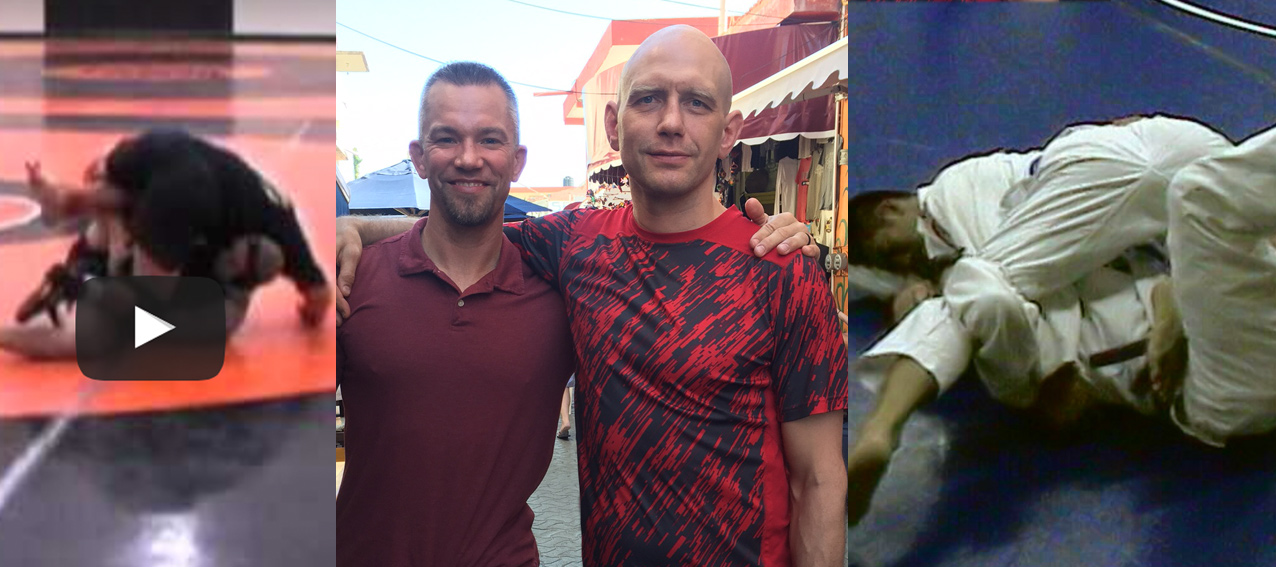
EDirect from Isla Mujeres, Mexico, I chat with BJJ black belt Jeff Rockwell about: How certain techniques are 'discovered' again and again What the basics are and why you need one tool for every range Self defense vs competition jiu-jitsu When butt flopping in a self defense situation is the RIGHT thing to do Hair grab defenses for women Law enforcement applications of BJJ And much more
Ep 31031 - Gustavo Dantas on BJJ Sports Psychology
It's one thing to be beaten by a better opponent, but it's quite another to go out there and underperform... to do less than you know you're capable of. You can be in top shape and have your techniques honed to a razor's edge, but can still perform poorly in BJJ competition if your mental preparation is lacking. In this Grapplearts podcast I talk with BJJ black belt Gustavo Dantas about how to use sports psychology to create unshakeable confidence and perform to the best of your ability in competition.
Ep 30030 - The Second-Ever Grapplearts Q&A Podcast with Stephan Kesting
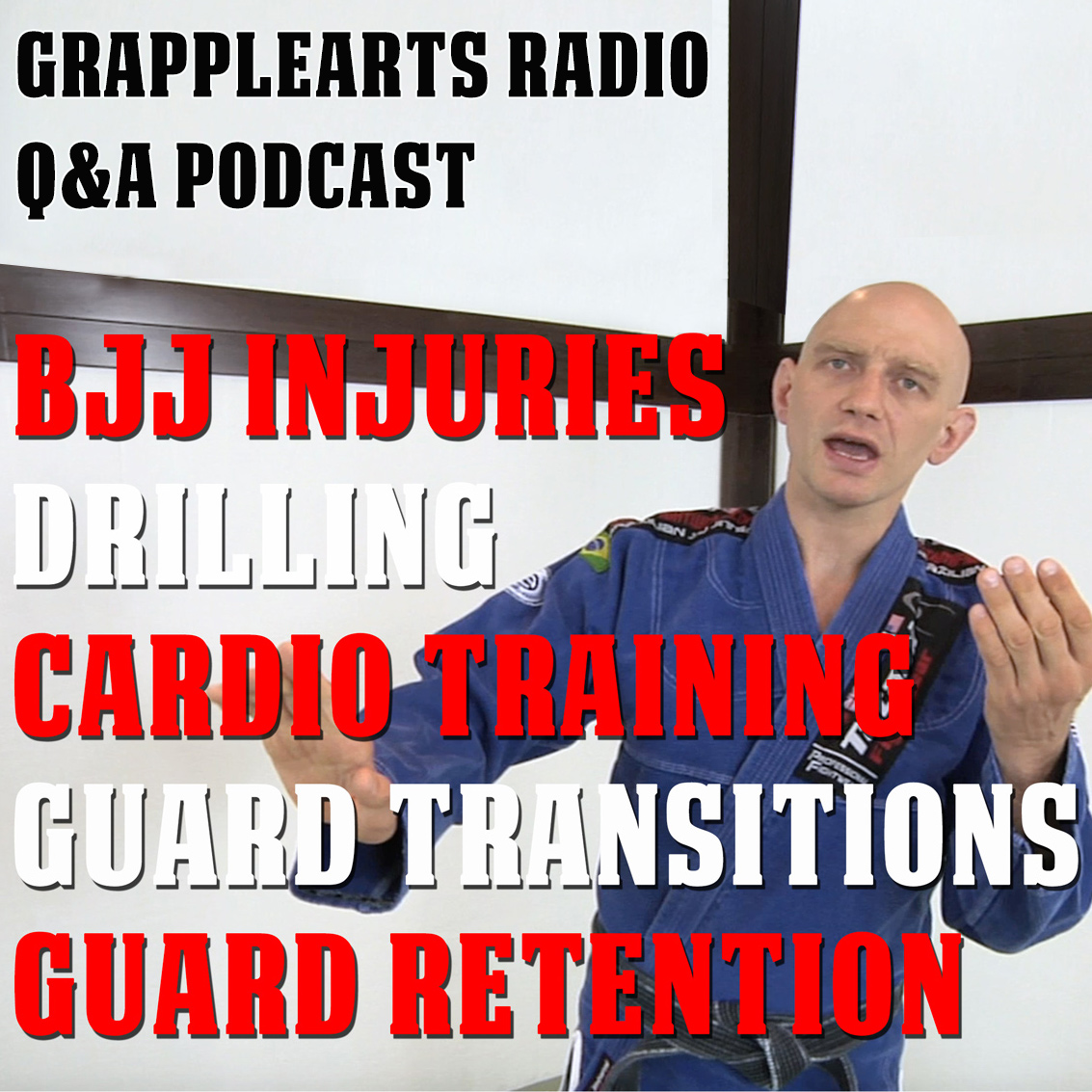
The second-ever Grapplearts Radio Q&A format podcast. In this episode I answer questions from my newsletter readers and cover many topics, including How to come back to BJJ training after an injury... and not lose your mind while you're rehabbing... Options for transitioning out of Z guard (and half guard in general) to open guard How to improve your BJJ cardio so you don't gas out on the mats so easily A beginner's approach to learning guard passing How to know what techniques you should be focusing on in your drilling And much more...
Ep 29029 - Jeff Westfall on Skepticism and the Martial Arts
EStephan Kesting interviews Jeff Westfall from The Martial Brain podcast. They discuss kata vs real training, chi power and other martial hoaxes, and the power of applying a skeptical mindset to learning martial arts.
Ep 28028 - Bernardo Faria, Double Gold Medallist at the 2015 BJJ Mundials
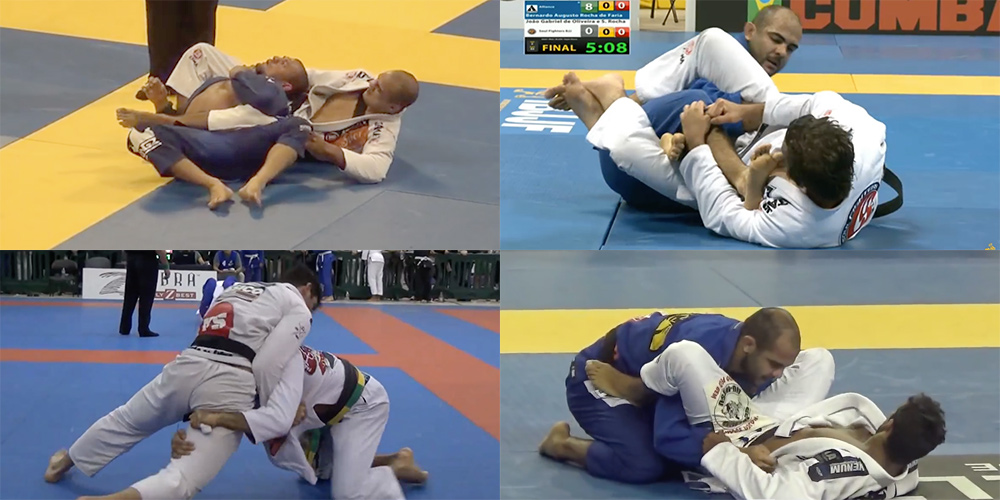
In this episode of the Grapplearts Radio Podcast Stephan Kesting talks with Bernardo Faria, the 2015 BJJ Mundials 99kg and Absolute division winner. Bernardo Faria talks about... How he won the Worlds despite 'not being at all talented in jiu-jitsu' Competition mindset going into big tournaments His highly individual BJJ gameplan What he's learned training with Marcelo Garcia in NYC The physical conditioning routine that gets him into top shape for competition How he's modifying his game to work no-gi in ADCC And much more...

Ep 27027 - UFC Fighter Roxanne Modaferri's MMA Comebacks and Continuing to Improve
Stephan Kesting interviews Roxanne Modaferri about the differences between MMA training in Japan and the USA, continuing to improve after 12 years in the sport, snapping a 6 fight losing streak, and what tryouts forThe Ultimate Fighter were really like. Download Stephan Kesting's Roadmap for BJJ book for free at http://www.grapplearts.com/book
Ep 26026 - Steve Whittier on SBG's Drills for BJJ Excellence
Steve Whittier is a cool guy. He manages to combine both thoughtful analyses and controversial opinions into one eloquent package. In this interview we talked about lots of different BJJ and MMA related topics, but the main emphasis and recurring theme was functional drilling and the efficacy of different types of BJJ training methods. http://www.nexusma.com http://www.grapplearts.com
Ep 25025 - BJJ Beginner Tips with Ritchie Yip
BJJ Black Belts Ritchie Yip and Stephan Kesting have a wide-ranging discussion, centered around tips that BJJ beginners need to know. Material covered includes: Whether beginners should in their own class or mixed in with more advanced people Things to look for when checking out a new school How to avoid situations where you're just going to get maliciously rag dolled by senior students How instructors can teach a class of differing levels What the the only real spiritual benefits of martial arts training is How to tell if a martial arts school is run by a complete A-hole Why training with black belts only is a huge mistake What happens when people interested in taking a kickboxing class end up in the jiu-jitsu class by mistake Why learning jiu-jitsu is much harder than learning boxing, and how not to get discouraged during that learning process The most insane idea Stephan has ever had for making a training dummy And much more... For more about Ritchie check out www.infighting.ca For more about Stephan check out www.grapplearts.com
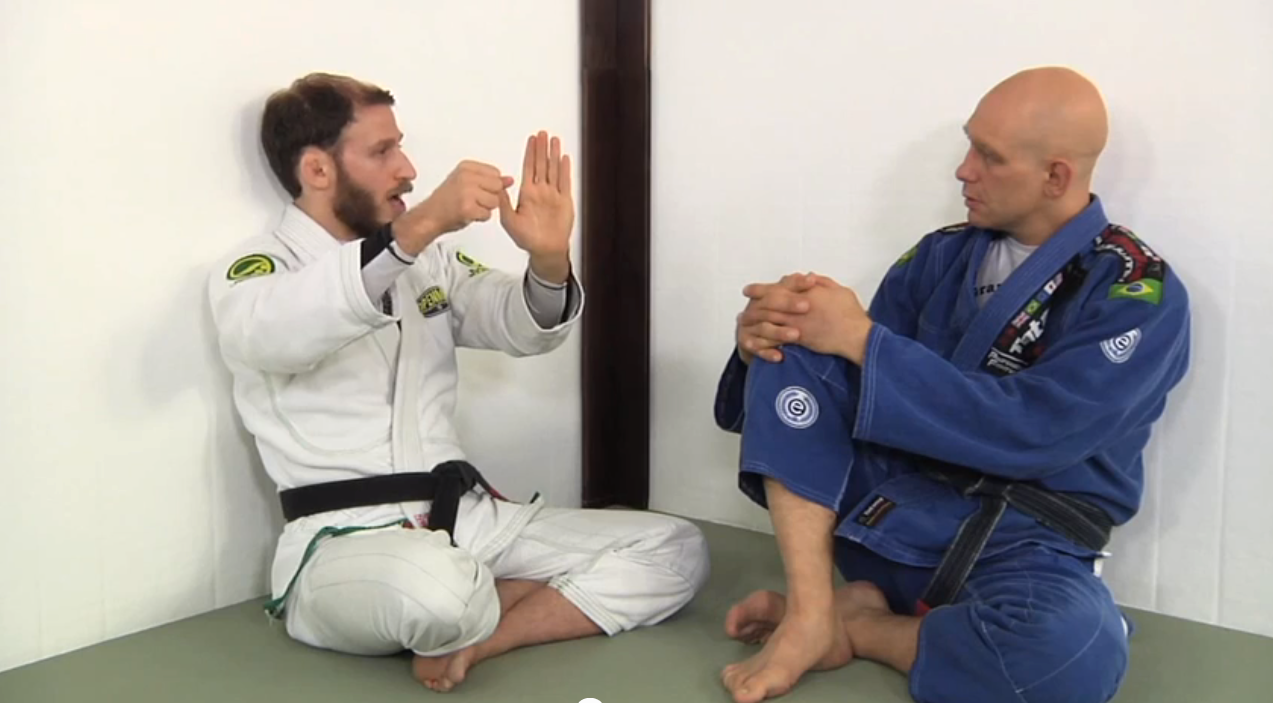
Ep 24024 - Elliott Bayev on BJJ Gameplan Development; from Self Defense to the Spider Guard
Here's a really cool video interview I did with my friend, BJJ blackbelt, renowned coach, and fierce competitor Elliott Bayev. This interview is special because we break down the steps of building a BJJ gameplan. We go right from the basic BJJ self defense gameplan, and build up to the intricate strategies used by world class competitors. There are tons of immediately useful takeaways here. And along the way we also discuss self defense, the role of competition, and the evolution of new techniques and positions in BJJ. If you want to download Elliott's Complete Spider Guard Gameplan Mindmap for free visit http://www.grapplearts.com/spider/
Ep 23023 - Brandon 'Wolverine' Mullins on Making Your Jiu-Jitsu Smooth: Competition, Gameplans and Transitions
This is a really cool interview with my friend, black belt, and fierce competitor Brandon 'Wolverine' Mullins. Brandon and I originally worked together to create the highly acclaimed instructional How to Defeat the Bigger, Stronger Opponent Volume 2. In our time together today Brandon and I discuss, Life and death on the seminar circuit, What changes you need to make to your guard to transition from gi to no-gi, How to connect moves together to make a smooth and fluid game, The evolution of jiu-jitsu, including the new positions and strategies that are continuously changing the sport, Why you always need to pushing to improve your position even when you're ahead on points. And much more...

Ep 22022 - Adam Singer on The Nitty Gritty of Modern MMA Training & Competition
EStephan: I'm here today with my friend,Adam Singer, who runs The HardCore Gym in Athens, Georgia. He is probably best known for being Forrest Griffin's MMA coach during the formative years of Forrest's career. He's also a jiu-jitsu black belt and has trained tons of fighters. I'm really looking forward to picking his brain about MMA and jiu-jitsu and the relationship between these things. He's an outspoken guy, so I'm sure we'll have a good conversation. So thanks for talking to us today, Adam. Adam: Hi. It's a pleasure to be here. Stephan: So, you're driving around town as we do this interview? Adam: It's hard for me to find any place where I'm not going to be bothered by people. And so I figured, I've got the air-conditioner on in the car and I'm just going to drive around. We have what is called "The Loop". It's about 10 miles long and I'm just going to drive around "The Loop" with cruise control on and talk to you. Stephan: Okay. Well, hopefully we don't have the first live car crash on a podcast. I'm all about firsts but that's one I'd prefer to avoid. Adam: That'd be a 'snuff-cast?' Stephan: Yeah, the snuff-cast. I think that might be a very, very niche thing... Before we get too heavily into this, tell us a little about about your background in martial arts, how you got started and where you're at now. Adam: Sure. Yeah. I took traditional martial arts as a kid, tae kwon do, karate, and then I wrestled in high school and wrestled a little in the navy. And as soon as I saw the first UFC in '93, I immediately fell in love with it. I knew that that was what I wanted to do. I came down to Georgia to go to engineering school, and my brother followed me down here and we just started getting more involved in the martial arts. We got really into Jeet Kune Do for a long time. We travelled to California as much as we could and did a lot of seminars. The good thing about the Jeet Kune Do community in the early '90's was they were big into Brazilian jiu-jitsu as well. Stephan: They were merely an adopter of BJJ for sure. That and Shootwrestling as well... Adam: Right. Well, there were Ralph Faulkner and Paul Vunak. Paul was the first Jeet Kune Do person we trained with - we used to train in his house. He understood immediately when he saw the Gracie's how much they had to offer. There are stories that he actually took the Gracie challenge and lost, but never ended up in any of the videotapes. But he encouraged all the students to dive into jiu-jitsu and we did that. And after a few years with Paul Vunak, we started training with Matt Thornton, who runs the Straight Blast Gym. Matt is incredibly important to me, an important figure in my growth in the martial arts. We were doing jiu-jitsu and we opened the gym. We started at the university and then we opened a gym up off the campus probably 12 years ago, maybe a little more, and now the Hard Core Gym has grown into what it is today. Stephan: And when you say "we", that's you and your brother? Adam: Right. Most people don't separate Rory and I. I'm the older one. I am the one that never fought in the UFC. My younger brother fought in the UFC and was on TUF. So whenever I say "we", I'm speaking of myself and Rory. Even when I say "I", I'm usually speaking about myself and Rory. Stephan: It's the royal "I". Adam: The Singer Brothers, that's how we're known. Stephan: Perfect. So maybe tell us a little bit about some of the fighters that you guys have trained and have come up through you guys. Obviously, there's Forrest Griffin, he's probably the biggest name, right? Adam: Right, When we first started to doing this, Rory and Forrest came to the conclusion one afternoon that they wanted to fight. And I really had no interest in fighting, so I said, alright, ' Over the years, I've definitely had over 10 guys fighting in the UFC and the WEC (before it was taken over by the UFC). Forrest Griffen. Brian Bowles was a homegrown world champion in the WEC before that division was in the UFC, so obviously really proud of that. Todd Duffee came up to my gym. Junior Assuncao got back to the UFC in our gym. Carmelo Marrero, he beat Cheick Kongo and fought in the UFC. Micah Miller fought in the WEC with us. Stephen Ledbetter fought Jeff Curran in the WEC. I know I'm going to forget names because we've got a lot of guys move through the gym. For a small gym in Athens, Georgia, we found a fair share of really high level guys fight in the gym and for the gym. Stephan: So when you said that you were going to coach, had you had much coaching experience at that point? Had you worked one-on-one coaching with a fighter who's trying to make a run for the big time? Adam: I had no coaching experience at that point initially; I don't know if it's just the way my brain works because I'm an engineer by trade and a scientist by education, but I believe I have some really solid leadership qualities. Matt Thornton really helped me develop how to teach, how to coach, and how to help people learn for
Ep 21021 - Scotty Nelson's BJJ Adventures Around the World
Stephan Kesting interviews Scott Nelson from On the Mat about the history and evolution of BJJ in North America. Along the way Scott shares some pretty crazy stories from his travels around the world.
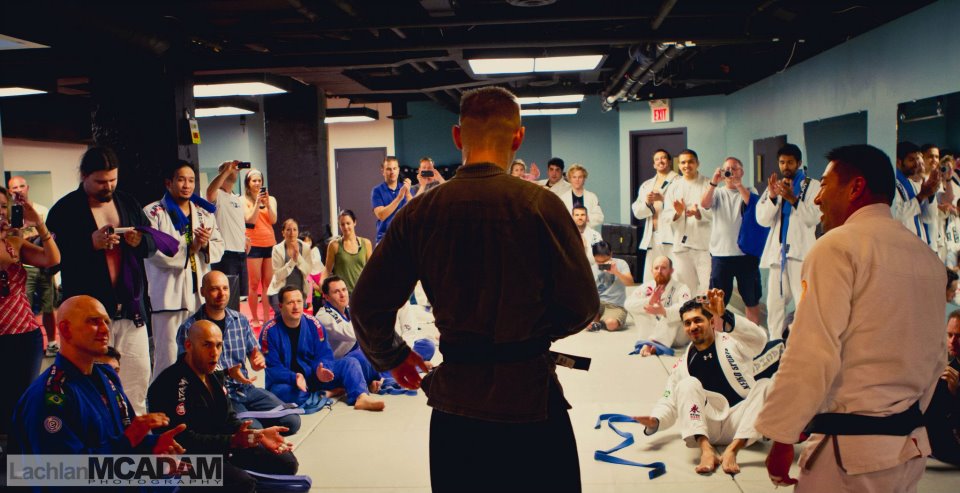
Ep 20020 - Ritchie Yip on The Art and Science of Teaching Martial Arts
EWant to find out how to be a more effective martial arts teacher? Stephan Kesting interviews BJJ black belt Ritchie Yip about the art and science of teaching martial arts. Lots of tips and tricks for teachers and aspiring instructors in this one!
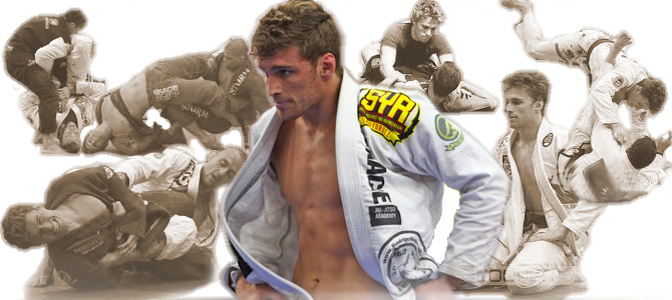
Ep 19019 - Clark Gracie on Training, Competing and Growing Up Gracie
Stephan talks with 2013 Pan American middlweight champion Clark Gracie about training, competition, growing up Gracie, and yes, that famous picture with the hair and the omoplata.
Ep 18018 - John Perreti and The Secrets of MMA Matchmaking
EStephan interviews John Perretti, the matchmaker for the early UFC and the EFC (Extreme Fighting Championship). He put together some of the most iconic matches in the UFC before Zuffa took it over in 2001. In this interview he talks about the rules and weight classes he created for the fledgling sport of Mixed Martial Arts (a term that he is credited with coining), how he found and selected fighters, brain trauma in the combat sports, his disdain for the current state of the UFC, and much more.
Ep 17017 - Rafael Lovato Jr on Training for High Level BJJ Competition
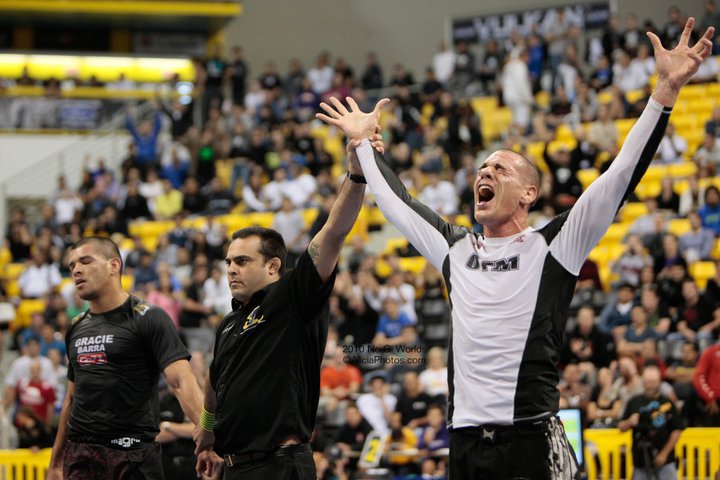
EStephan Kesting interviews Rafael Lovato Jr, one of the most successful North American BJJ competitors. They discuss technique, mindset, training, conditioning, and the keys to being successful in competition. The full transcript of this interview is available at http://www.grapplearts.com/lovato
Ep 16016 - Philip Gelinas, Black Belt Hall of Fame Member
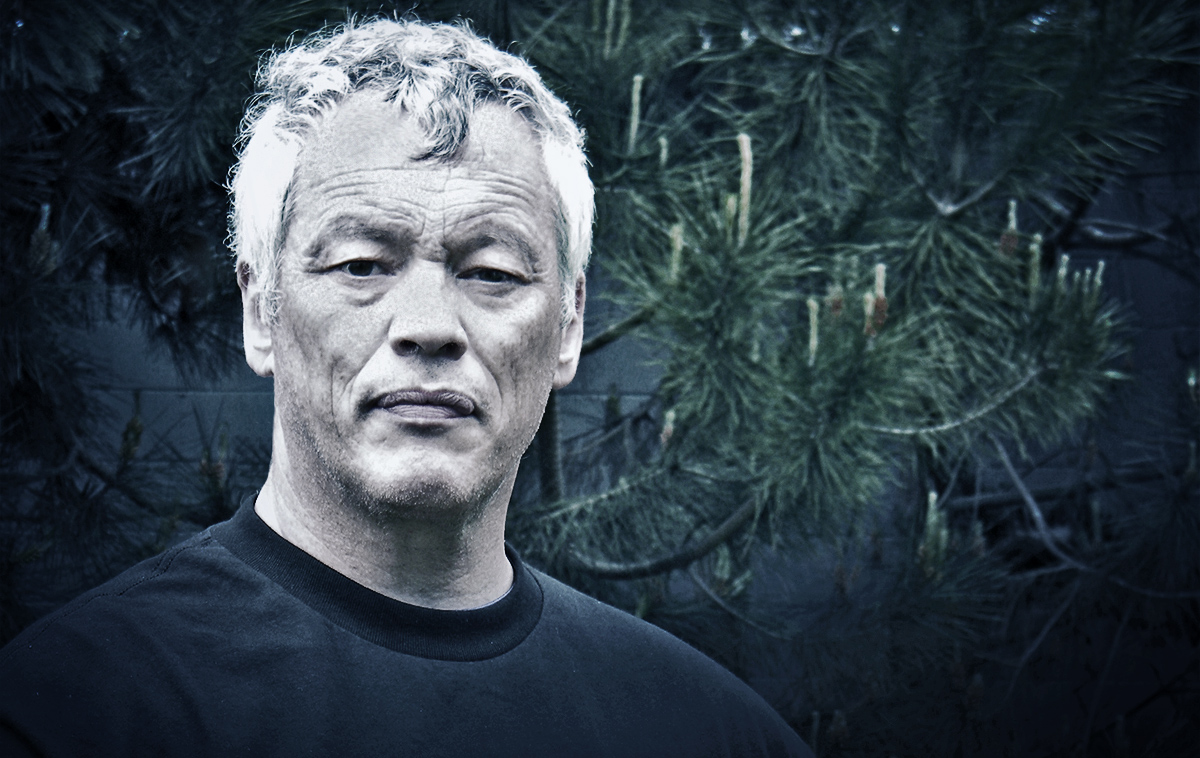
Stephan Kesting interviews one of his most influential teachers, 9th degree Kajukenbo black belt and Black Belt Hall of Famer Philip Gelinas. Topics include the evolution of Georges St Pierre, the relevance of BJJ and MMA to self defense, grappling with sticks and knives, and how the martial arts continue to change and adapt in the 21st century.
Ep 15015 - Burton Richardson on Training and Performing under Pressure
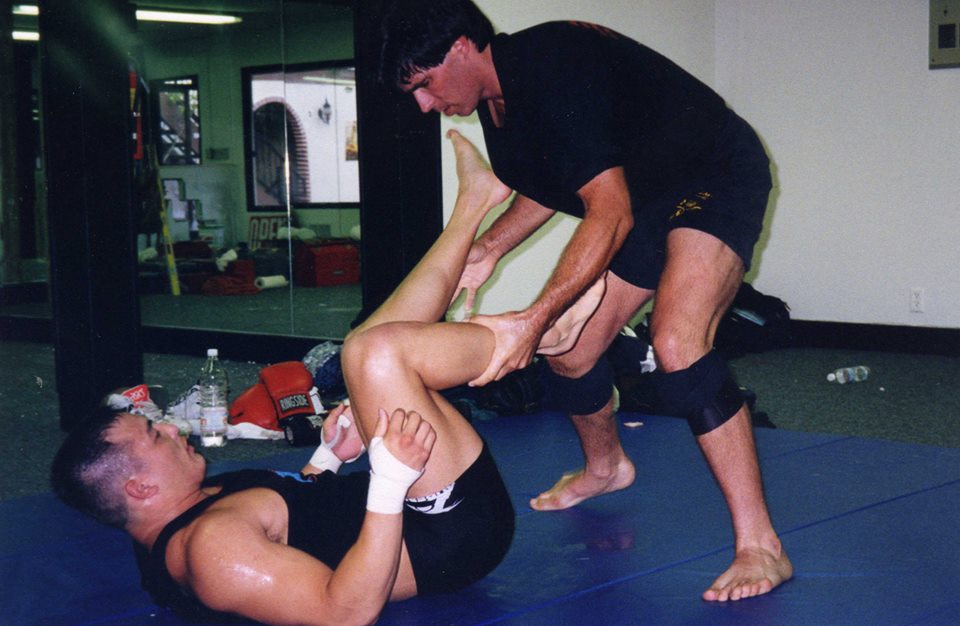
Want to be an effective martial artist? Burton Richardson talks about training and performing under pressure in Brazilian Jiu-Jitsu, MMA, and Full Contact Stickfighting. Plus he shares lessons learned from such martial arts luminaries as Dan Inosanto, the Machados Brothers, Egan and Enson Inoue, Baret Yoshida, Chris Leben, Eric Knauss, Antonio Illustrisimo, and Charuto Verissimo.
Ep 14014 - Keenan Cornelius on training, competition, and a life in BJJ
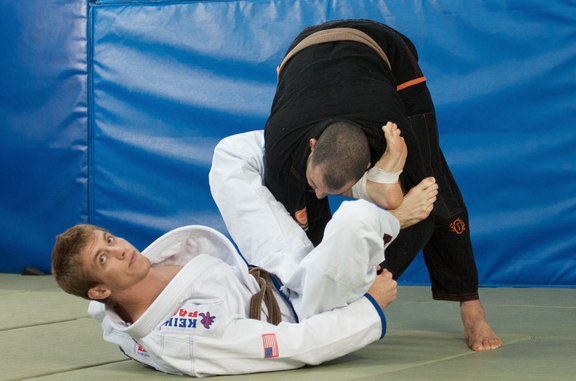
Keenan Cornelius is a BJJ phenomenon. Having won double gold medals at four of the biggest IBJJF tournaments - The World Jiu-Jitsu Championship, Pan-American Championship, European Open Championship, and the Brazilian National Jiu-Jitsu Championship, he's one of the most active, most successful North American competitors on the scene today. In this interview with Stephan Kesting from www.grapplearts.com, Keenan talks about his training regimen, competition mindset, dealing with nerves, his time at Team Lloyd Irvin, and what he hopes to accomplish in the future.

Ep 13013 - Roy Dean on BJJ, Judo, Aikido, and Path of the Martial Artist
Proof that a serious BJJ competitor can still be classy; Roy Dean talks with Stephan Kesting about BJJ, Judo, Aikido, and Path of the Martial Artist. Roy Dean has black belts in kodokan judo and aikikai aikido, japanese jujutsu and Brazilian jiu-jitsu. He's recognized as a black belt by the international brazilian jiu jitsu federation (IBJJF), with affiliated academies around the world.

Ep 12012 - BJJ World Champion Brandon 'Wolverine' Mullins on Training & Competition Strategies for BJJ
How do you go from being the smallest person in the class to a BJJ world champion! This is a really interesting interview with my friend Brandon 'Wolverine' Mullins. I first polled the Grapplearts.com newsletter readership if they had any questions for Brandon, and boy, did they ever! I sifted and sorted hundreds of emails to pick out the very best questions for for him, and this in-depth interview about competition and training strategies for grapplers is the result. Brandon has worked with Stephan to create 'How to Defeat the Bigger, Stronger Opponent Series 2' available in mobile app and DVD format here: http://www.grapplearts.com/bigger-stronger-series-2/

Ep 11011 - Vinicius 'Draculino' Magalhães on Surfing, Beach Fights and the History and Evolution of BJJ
Vinicius 'Draculino' talks with Stephan Kesting about how surfing beach fights brought him into jiu-jitsu, what it was like training with the top Gracie and Machado fighters in Rio in the 1980's, and how self defense and vale tudo training were incorporated into the classes. He also talks about the early BJJ competition scene, and how BJJ has changed over the last 3 decades. His contributions to the Spider Guard Position, and why he gets more nervous for BJJ competition than for MMA fights. Then they move on to why he thought that many matches at the 2012 Mundials reminded him of two spiders having sex, the rule changes, he'd like to see to make jiu-jitsu competition more exciting, and why he makes even his BJJ world champions do self defense twice a week All in all, it's a merry romp down many BJJ topics, past and present.

Ep 10010 - The Very First Grapplearts Q&A Podcast with Stephan Kesting
Answers for your BJJ questions! Stephan takes questions from his newsletter readers in the first ever Q&A Podcast. Find out how how to taper for competition, what to do when you're getting crushed all the time, what to do when your wrestling coach wants you to stop doing BJJ, and how to remember all these bloody techniques...

Ep 9009 - The Intersection Between BJJ, Submission Grappling and MMA with Ryan Hall
ERyan Hall is one of North America's most prolific competitors in BJJ and Submission Grappling. In this in-depth interview with Stephan Kesting he shares tips on training, competing, the 50-50 guard, the triangle choke, sparring with Marcelo Garcia, the construction of an effective guard game, and so much more!
Ep 8008 - Adrenaline Dumps, Fear Management and Combat Psychology with Tony Blauer
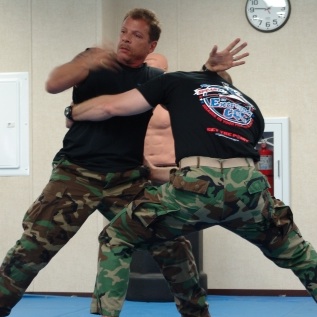
EWant to find out more about the psychology of combat? Tony Blauer is the head of Blauer Tactical Systems which specializes in close quarter tactics & scenario-based training for law enforcement, military and professional self-defense instructors. We had a great conversation about Crossfit, fear management, adrenaline dumps, and his 'conversion' to BJJ. And it's all pretty relevant stuff! Everybody (who's not insane) feels fear, whether we're freaked out about sparring somebody new, entering our first BJJ tournament, fighting MMA, or defending ourselves on the street. And so we should know how to deal with it
Ep 7007 - Female MMA with Sarah Kaufmann
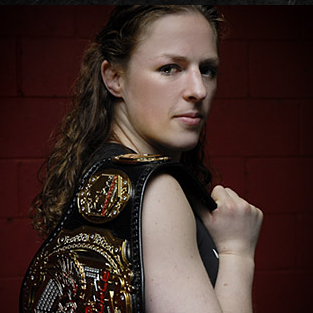
Sarah Kaufmann, the UFC fighter and former Strikeforce champion, talks about training, competing and the role of women in MMA

Ep 6006 - Judo for BJJ, 2009 Judo Olympian Daniel McCormick in conversation with Stephan Kesting
Daniel McCormick, the 2008 US National Judo Champion and 2009 Judo Olympian, talks about his Olympic experience, training BJJ, and "judo for bjj" or how exactly how Judo can be adapted to be effective in a BJJ context.

Ep 5005 - A Woman's Perspective on the Journey to Black Belt - Emily Kwok
EEmily Kwok is a BJJ black belt, a decorated BJJ competitor and runs her own school in Princeton, New Jersey. In this interview she talks about how and why she abandoned a conventional white collar lifestyle to pursue her BJJ dreams, as well as sharing lots of great information about choosing BJJ schools, gender etiquette on the mats, and how to survive and thrive when you're always the smallest person at your school. She has also collaborated with Stephan Kesting on a series of instructional apps and DVDs called 'How to Defeat the Bigger, Stronger Opponent Series 1" available at http://www.grapplearts.com/bigstrong

Ep 4004 - Old School BJJ - Marcus Soares on training with Carlson Gracie back in the day
7th degree black belt Marcus Soares takes us to Rio in the 70's and 80's on a narrated stroll through BJJ history. Find out about the legendary Carlson Gracie, the fighter, the teacher and founder of the strongest BJJ team of the era. Get the inside scoop on the toughest tournament in town, and the friendly rivalry between Carlson and Rolls Gracie students.

Ep 3003 - MMA Training and Coaching - Erik Paulson
Erik Paulson is an MMA Master Coach. He's trained tons of fighters competing at the highest levels of Mixed Martial Arts. And he also held the Shooto light-heavyweight title in Japan for 5 years. In this interview with Stephan Kesting from www.grapplearts.com, Erik reveals • What training with the Gracies in their 'garage days' was like • How wrestling can improve your BJJ, and visa versa • The theory of the jiu-jitsu wheel • The strategic and tactical differences between catchwrestling and BJJ • The key to rapid-fire submission attacks • Erik's philosophy on training with and without the gi • When is the best time to attack with leglocks • Leglock safety tips • How to develop a fighter's gameplan • Tips for defeating larger, stronger opponents • What it's like to train with Brock Lesnar • The best conditioning exercises for fighting and grappling • A glaring weakness and a fantastic opportunity in today's MMA game

Ep 2002 - Everything You Ever Wanted To Know About BJJ Competition - David Meyer
Learn the best BJJ competition strategies. Today I have a long chat with David Meyer, the author of "Training for Competition; Brazilian Jiu-Jitsu and Submission Grappling." We cover WHO should compete, WHEN to use certain strategies, HOW to prepare for a competition, WHAT your mindset should be, WHY put all this stress on yourself in the first place, and much, much more. It's one of the best interviews I've done, and if you practice any grappling art then I really think that you'll enjoy it.

Ep 1001 - George St Pierre's MMA Conditioning Coach - John Chaimberg
Want to find out how UFC champion George St. Pierre's gets in shape? Let's ask his conditioning coach, Jon Chaimberg. Find out about the training program that's helped GSP stay at the top of his game and retain his UFC belt. Jon has worked with many top Mixed Martial Arts fighters, including Georges St-Pierre, Denis Kang, Rashad Evans, Nate Marquardt, David Loiseau, Keith Jardine and many others. This is a very detailed and specific discussion about MMA conditioning. Jon pulls no punches and shares much of his approach for working with fighters. We discuss periodization, crossfit, aerobic vs. anaerobic work, program design, overtraining, initial assessment of an athlete, and a whole lot more.