
The Innovation Show
764 episodes — Page 4 of 16

S26 Ep 529Wendy Smith - Both/And Thinking Part 2
In this episode, we are joined again by Wendy Smith, co-author of 'Both/And Thinking: Embrace Creative Tensions to Solve Your Toughest Problems.' Wendy elaborates on the nuances between dilemmas, paradoxes, and tensions, emphasising that these terms are not interchangeable and revealing the psychological and practical implications of recognising and navigating paradoxes. Drawing from her personal experiences and research, Wendy illustrates how both/and thinking can be applied to career decisions, organisational challenges, and broader societal issues. She discusses the limitations of either/or thinking and the harmful patterns it can create, such as intensification, overcorrection, and polarisation. Using examples from companies like Lego and Gore, Wendy shows how balancing tradition and innovation, centralisation and decentralisation, and other competing demands can lead to more sustainable success. The conversation also delves into the four types of paradoxes: learning, performing, organising, and belonging, and explores strategies to manage these tensions effectively. This episode is essential for anyone facing complex decisions in their personal or professional life. 00:00 Introduction to Both/And Thinking 00:12 Understanding Tensions and Dilemmas 03:08 Defining Paradox and Its Importance 05:23 Embracing Paradoxes in Real Life 08:00 Conditions That Highlight Paradoxes 16:51 Exploring the Four Types of Paradoxes 23:28 Navigating Organisational Paradoxes 31:23 The Paradox System Framework 36:57 Lego's Journey Through Paradox 45:40 Conclusion and Further Resources Find Wendy here: https://bothandthinking.net/book/ And on Substack here: https://wendyksmith.substack.com Wendy Smith, Both and Thinking, Aidan McCullen, innovation, paradox, decision making, leadership, career challenges, tension management, creativity, organisational behaviour, success, problem solving, conflict resolution

S26 Ep 528Wendy Smith - Both/And Thinking Part1
In this episode, we are joined by Wendy Smith, co-author of 'Both/And Thinking: Embrace Creative Tensions to Solve Your Toughest Problems.' Wendy elaborates on the nuances between dilemmas, paradoxes, and tensions, emphasising that these terms are not interchangeable and revealing the psychological and practical implications of recognising and navigating paradoxes. Drawing from her personal experiences and research, Wendy illustrates how both/and thinking can be applied to career decisions, organisational challenges, and broader societal issues. She discusses the limitations of either/or thinking and the harmful patterns it can create, such as intensification, overcorrection, and polarisation. Using examples from companies like Lego and Gore, Wendy shows how balancing tradition and innovation, centralisation and decentralisation, and other competing demands can lead to more sustainable success. The conversation also delves into the four types of paradoxes: learning, performing, organising, and belonging, and explores strategies to manage these tensions effectively. This episode is essential for anyone facing complex decisions in their personal or professional life. 00:00 Introduction to Both/And Thinking 00:12 Understanding Tensions and Dilemmas 03:08 Defining Paradox and Its Importance 05:23 Embracing Paradoxes in Real Life 08:00 Conditions That Highlight Paradoxes 16:51 Exploring the Four Types of Paradoxes 23:28 Navigating Organisational Paradoxes 31:23 The Paradox System Framework 36:57 Lego's Journey Through Paradox 45:40 Conclusion and Further Resources

S26 Ep 527Getting the Senior Team Onboard with Alexander Pett
Mastering High-Stakes Conversations for Corporate Innovation In this episode, we dive into the essential techniques for leading high-stakes conversations to secure senior-level commitment to corporate innovation. Our guest, Alexander Pett, an expert in executive team dynamics, discusses the crucial concept of 'productive tension' and how recognizing and addressing disagreement can lead to authentic agreement and commitment. Pett outlines practical strategies for effectively framing issues, maintaining engagement, and navigating political dynamics in boardroom settings. Tune in to learn how to prepare and communicate strategically, ensuring your innovative ideas gain the buy-in they need to succeed. 00:00 Introduction to High-Stakes Conversations 01:31 The Importance of Productive Tension 05:23 Pre-Work and Stakeholder Engagement 07:12 Creating and Maintaining Productive Tension 08:44 Communication Skills and Self-Awareness 18:30 Frameworks for Effective Dialogue 20:55 Final Thoughts and Advice Corporate Innovation, Senior Team Engagement, Productive Tension, Executive Leadership, Alexander Pett, Aidan McCullen, Corporate Explorer, High Stakes Conversations, Leadership Strategies, Boardroom Dynamics, Effective Communication, Innovation Leadership, Pre-Meeting Preparation, Organizational Change, Executive Buy-In, David Kantor, Group Dynamics, Empathy in Leadership, Political Savvy, Agreement and Advocacy

S26 Ep 526Alison Taylor - Higher Ground
Ethical Business Leadership in a Turbulent World | Alison Taylor's Insights Join Alison Taylor, NYU Stern ethics professor and author of 'Higher Ground: How Business Can Do the Right Thing in a Turbulent World.' Alison shares her guidance on how companies can navigate ethical challenges in today's volatile landscape. She emphasizes the importance of going back to first principles and treating human beings with dignity and respect. Discover the significant shifts in business ethics, stakeholder capitalism, and the role of transparency and social media. Learn about the critical role of corporate culture, leadership, and the importance of addressing systemic issues within organizations. Whether you're a CEO, board member, or business leader, this discussion is packed with indispensable insights on creating a responsible and sustainable business. 00:00 Introduction to Ethical Business Practices 01:16 Understanding the Modern Business Landscape 02:36 The Rise of Transparency and Stakeholder Capitalism 04:36 Navigating Ethical Challenges in Business 08:41 The Complexity of ESG and Innovation 11:54 The Role of Leadership and Culture in Ethics 30:17 Addressing Corruption and Corporate Responsibility 34:39 Human Rights and Business Ethics 37:21 Tools for Building Ethical and Effective Cultures 49:09 Final Thoughts and Call to Action Find Alison here: https://www.alisontaylor.co That article was mentioned during the episode here. https://hbr.org/2017/12/5-signs-your-organization-might-be-headed-for-an-ethics-scandal

S26 Ep 525Gathering Customer Discovery Data with Vanessa Ceia
Get Out of the Building: How to Gathering Customer Discovery Data with Vanessa Ceia In this episode, we explore the critical shift needed for corporate explorers to succeed—moving from an inside-out to an outside-in mindset. Highlighting Corporate Explorer Field Book chapters, we discuss how customer discovery interviews can overcome inherent corporate biases. Sponsored by Wazoku, our guest Vanessa Ceia, an innovation expert, explains the importance of different interview stages—ideation, incubation, and scaling—and how qualitative research like focus groups and interviews are essential throughout the innovation process. Gain insights into preparing, conducting, and analysing interviews to gather customer-driven data and foster effective, sustainable innovation ecosystems. 00:00 Overcoming Corporate Mindset Obstacles 01:01 Introducing the Corporate Explorer Series Sponsor 01:37 Meet the Expert: Vanessa Ceia 02:05 Deep Dive into Customer-Driven Innovation 03:22 Exploring the Innovation Funnel: Ideation to Scaling 11:40 Incorporating Stakeholder Feedback for Success 14:35 Mastering the Interview Process for Innovation 19:53 Concluding Thoughts and Sponsor Acknowledgment Aidan McCullen, Vanessa Ceia, customer discovery, corporate explorer, bias, assumptions, customer interviews, innovation, sustainability, value growth, qualitative research, innovation maturity, ideation, incubation, scaling, problem validation, MVP, customer segmentation

S26 Ep 524Teresa Amabile - The Progress Principle
Teresa Amabile - The Progress Principle The Progress Principle: How Small Wins Boost Motivation and Happiness at Work In the latest episode, Aidan McCullen welcomes Teresa Amabile, author of 'The Progress Principle,' to delve into her extensive research on motivation and emotions in the workplace. Amabile's study of nearly 12,000 diary entries from workers in seven companies reveals that making even small progress in meaningful work is crucial for positive emotions and high motivation. The conversation touches on key concepts like the role of clear goals, autonomy, sufficient resources, and the importance of supportive interpersonal events in fostering a productive work environment. The script also previews Amabile's upcoming book, 'Retiring: Creating a Life That Works for You,' which explores the challenges and experiences of transitioning into retirement. 00:00 Unlocking Motivation: The Power of Progress 01:34 Welcome Teresa Amabile: Exploring The Progress Principle 02:52 From Work Progress to Retirement: A New Research Journey 09:43 The Progress Principle: Small Wins, Big Impact 10:56 Managers, Take Note: The Surprising Truth About Motivation 17:27 Catalysts and Nourishers: The Keys to Sustained Progress 29:25 Real-World Impact: Stories from the Research 41:30 The Inner Work-Life Effect: A Deep Dive into Research Findings 50:50 A Call to Action for Leaders and Individuals 51:24 Closing Thoughts and Future Works Find Teresa here: https://www.hbs.edu/faculty/Pages/profile.aspx?facId=6409 The Progress Principle here: https://www.progressprinciple.com Tags: Aidan McCullen, Teresa Amabile, The Progress Principle, Inner Work Life, Creativity at Work, Employee Motivation, Small Wins, Positive Emotions, Innovation Management, Employee Engagement, Job Satisfaction, Workplace Psychology, Career Development, Retirement Planning, Work-Life Balance, Leadership Skills, Management Strategies, Team Building, Productivity, , Organizational Behavior

S25 Ep 523Howard Gardner: The Synthesizing Mind
Howard Gardner: The Synthesizing Mind Sign up to our Substack to be first to know about latest events, episodes and more. https://thethursdaythought.substack.com/subscribe In this episode of the Innovation Show, Howard Gardner, renowned for his theory of multiple intelligences, discusses his memoir 'A Synthesizing Mind,' recounting his life's intellectual journey. Gardner talks about his career, his passion for understanding intelligence, his work on 'good work,' and how modern innovations like large language models impact his theories. He shares personal anecdotes, the importance of synthesizing information, and his thoughts on education and ethics in the 21st century. Join us for a truly memorable episode as we delve deep into Gardner's mind and explore the essence of a synthesizer. We talk innovation, creativity, ethics, goodness, education and life itself. 00:00 Unveiling the Synthesizing Mind of Howard Gardner 01:56 Exploring the Essence of the Synthesizing Mind 06:20 The Role of Synthesizers in Innovation and Entrepreneurship 14:36 Good Work: The Triple Helix of Excellence, Engagement, and Ethics 17:55 Navigating the Complexities of Good Work and Ethical Dilemmas 20:47 The Impact of Multiple Intelligences on Innovation 33:22 Exploring Musical Intelligence and Personal Reflections 33:46 The Impact and Legacy of 'Frames of Mind' 34:38 The Journey of Synthesizing Knowledge 35:56 Upcoming Publications: The Essential Howard Gardner 36:47 Reflections on Life, Learning, and Legacy 38:31 Navigating the Digital Age: Challenges and Strategies 44:17 The Misuse of Multiple Intelligences Theory 46:08 Ethical Considerations in Public Speaking and Publishing 47:22 The Importance of Good Work and Ethical Values 48:29 Revisiting Truth, Beauty, and Goodness in the Modern Era 01:01:29 Personal Experiences Shaping Educational Perspectives 01:05:24 The Essence of Continuous Learning and Good Work Find Howard here: https://www.howardgardner.com The Good Project: https://www.thegoodproject.org/good-blog Project Zero: https://pz.harvard.edu/projects/the-good-project In 2024, Teachers College Press is issuing two volumes: The Essential Howard Gardner on Education (spring); The Essential Howard Gardner on Mind (fall). Covering work from several decades, each volume contains over two dozen articles, along with my autobiographical notes and up-to-date comments on the background, motivation, and impact of these publications. For those interested in path-breaking work in education, psychology, and related fields, these books are indeed Essential Reading. Blurbs for Education volume: "A fascinating look at educational issues by one of our nation's finest and most creative academics. This is vintage Howard!" ―David C. Berliner, Regents Professor Emeritus, Mary Lou Fulton Teachers College, Arizona State University "For more than 40 years, Dr. Howard Gardner has been one of―if not the―most influential scholar on the American educational system. It is thrilling to see a single volume that brings together Gardner's research and writings on educational institutions ranging from pre-K through the university. Readers who know Gardner best for his work on multiple intelligences theory will benefit tremendously from this exposure to his thinking on topics such as what it means to do good work, the purpose of a liberal arts education, and the role of social media in contemporary young people's development." ―Scott Seider, associate professor of applied developmental and educational psychology, Lynch School of Education and Human Development, Boston College "The Essential Howard Gardner on Education offers a crisp distillation of Gardner's lasting contributions to our understanding of teaching and learning in a complex, ever-changing world. Whether you're a longtime fan or new to Gardner's work, this masterfully crafted narrative provides an accessible overview of Gardner's wide-ranging contributions to the field of education, including his educational philosophy; the provenance, uptake, and legacy of multiple intelligences theory; what it means to educate for truth, beauty, and goodness; and much more." ―Katie Davis, associate professor, Information School, University of Washington "This is the book we've been waiting for. Here are the pithy, clear, and on-point vistas of one of the leading minds in his field. In the age of education fads and magic bullets, this book will become the indispensable GPS―Gardner Positioning System―to survey vast vistas in education and allied fields. Fasten your seat belt and prepare for an exhilarating journey." ―Marcelo M. Suárez-Orozco, chancellor, University of Massachusetts Boston Early blurb for Mind volume: "Howard Gardner has long been one of our most lucid, wide-ranging, and influential thinkers about cognitive science, development, and education. This collection captures his distinguished career exceptionally well." ―Alison Gopnik, Distinguished Professor of Psychology, University of California, Berkele

S25 Ep 522George Glackin - Value Flows and Design Criteria Maps
This episode delves into the challenges corporate explorers face when introducing new business opportunities, emphasising the importance of crafting compelling value propositions. Featuring guest George Glackin, co-author of a chapter on value flows and design criteria maps, the discussion highlights these tools as essential for developing products or services that truly delight customers. Through the Swiffer Wet Jet case study, the effectiveness of these methodologies in real-world application is explored. Additionally, the episode covers the importance of overcoming the 'curse of expertise' and fostering diverse team collaboration to achieve innovation success. Sponsored by Wazoku, the episode advocates for connected collective intelligence in driving sustainable innovation ecosystems. 00:00 Introduction to Corporate Explorers and Value Propositions 00:43 Sponsor Spotlight: Wazoku's Role in Innovation 01:29 Guest Introduction: George Glackin on Value Flows and Design Criteria Maps 01:41 The Genesis of Value Flows and Design Criteria Maps 03:26 The Curse of Expertise and Its Impact 05:05 Exploring the Value Flow with a Practical Example 05:57 Deep Dive into Design Criteria Maps 09:07 Applying the Framework: The Swiffer Wet Jet Case Study 13:17 Breaking Down Silos for Successful Product Development 15:34 The Importance of Validation and Scaling in Innovation 17:07 Closing Remarks and Contact Information Go to the book website – www.thecorporateexplorer.com/contact and complete the contact form requesting the corrected version of chapter 5 and chapter 10. Also see here for chapter 5: https://irp.cdn-website.com/7703216a/files/uploaded/CE-Fieldbook-Chapter5-Explorer-Insight-to-Opportuity.pdf
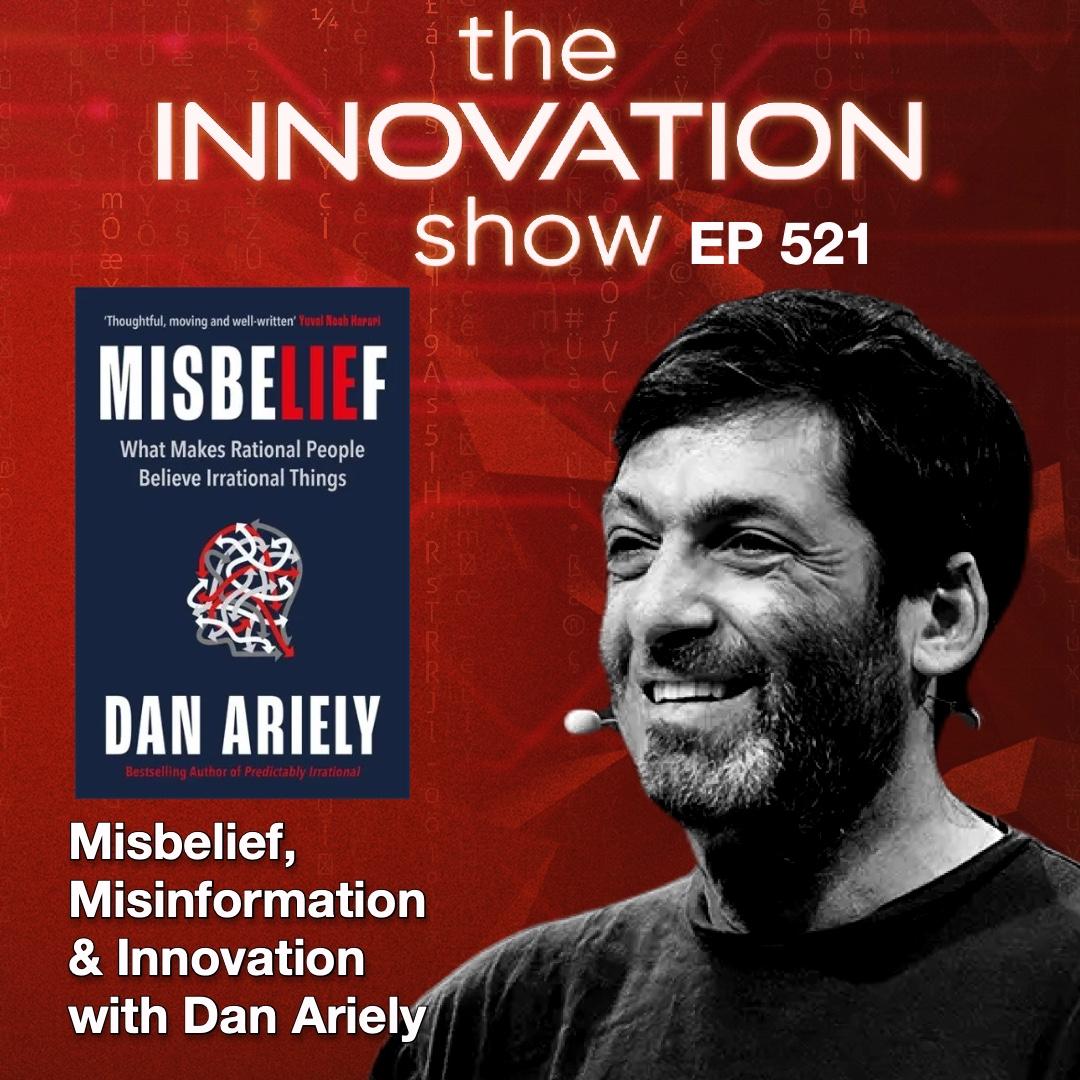
S25 Ep 521Navigating Misinformation with Empathy: Misbelief with Dan Ariely
Dan Ariely Navigating Misinformation with Empathy: Misbelief with Dan Ariely This episode features Dan Ariely, author of 'Misbelief, what makes rational people believe irrational things', focusing on the psychology behind misinformation and belief in conspiracy theories. Ariely discusses how stress, personality traits, and social dynamics contribute to the spread of false beliefs, emphasising the importance of resilience and trust in combating misinformation. He shares personal experiences, including being targeted by disinformation, and highlights his role in the NBC show 'The Irrational' that combines social science with solving crimes. The conversation touches on various psychological concepts, the impact of cognitive biases, and the role of social context in shaping beliefs. Ariely proposes empathy and understanding over conflict in addressing belief in misinformation and discusses the broader implications of trust erosion in society. 00:00 Unraveling the Web of Misinformation 01:12 Welcome Dan Ariely: Exploring Misbelief 02:15 The Making of 'The Irrational': A TV Show Inspired by Real Science 06:13 Embracing Imperfections: The Philosophy of Kintsugi 12:22 The Personal Impact of Misinformation on Dan Ariely 18:39 The Psychological Journey into Misbelief 22:08 Navigating the Flood of Misinformation in the Digital Age 26:42 The Role of Stress in Cultivating Misbeliefs 33:49 Challenging Cognitive Biases and Misbeliefs 40:01 Navigating Societal Divides: The Abortion Debate 40:59 The Power of Uncertainty in Dialogue 41:25 Innovation and the 'Us vs. Them' Mentality 42:33 Exploring the Dunning-Kruger Effect 47:15 The Role of Memory in Shaping Beliefs 49:02 Personality Traits and Susceptibility to Misbelief 52:07 Social Dynamics: Ostracism and Its Effects 01:01:38 Understanding Cognitive Dissonance 01:07:13 The Importance of Resilience and Trust 01:15:52 Concluding Thoughts on Misbelief and Social Change Dan Ariely, Behavioral Economics, Misbelief, Misinformation, Social Media, Conspiracy Theories, Political Affiliation, Psychology, Fake News, Empathy, Cognitive Bias, Trust in Society, Resilience, Stress and Misbelief, Cognitive Dissonance, Shibboleth, Secure Attachment, Dunning-Kruger Effect, Innovation, Identity and Belief, AI and Misinformation Find Dan at www.DanAriely.com

S25 Ep 520Unpacking Mindfulness and Positive Psychology with Ellen Langer
Unpacking Mindfulness and Positive Psychology with Ellen Langer This podcast episode features Ellen Langer, known as the mother of mindfulness and positive psychology, discussing her latest book 'The Mindful Body' and its comprehensive insights into achieving chronic health through mindfulness. Langer covers a variety of topics, from the pitfalls of social comparison to the power of positive framing and the immense control people have over their health and happiness through mindful practices. Through anecdotes and empirical studies, she illustrates how changing perceptions and embracing variability can alleviate chronic illnesses, transform education, and enhance daily living. The discussion also touches on the psychological effects of labels, the importance of mindfulness in caregiving, and the transformative potential of mindful learning in both personal and professional contexts. Langer emphasizes the choice available in interpretations of our experiences and encourages a mindful approach to life's challenges to add more life to our years. 00:00 Welcome to the Mindful Body: An Introduction 00:44 The Pitfalls of Social Comparison 03:54 Embracing Imperfection and Mindfulness 05:22 Rethinking Regrets and Embracing Life's Uncertainties 07:29 The Power of Perspective: Learning from Loss 13:12 Understanding Emotions and Behavior 16:46 Mindful Learning and the Value of Mistakes 23:30 Challenging Conventional Wisdom on Health and Vision 27:20 Exploring the Power of Mindfulness in Managing Chronic Illness 28:03 The Transformative Effects of Mindfulness on Health 29:56 The Pygmalion Effect: Expectations Shaping Reality 30:59 Harnessing Placebo Effects and Mindful Healing 36:39 Mindful Contagion: Enhancing Well-being in Social Interactions 41:42 Mindfulness and Memory: Challenging Age-Related Stereotypes 48:17 Mindfulness in Practice: From Healthcare to Everyday Life 51:41 Embracing Mindfulness for Personal and Organizational Change Find Ellen and her books. https://www.ellenlanger.me

S25 Ep 519Venture Building from Idea to Scale with Michael Nichols
In this episode of the Corporate Explorer series by Wazoku, we delve into the concept of customer-first practices and their impact on bridging the maturity gap in corporate innovation. Michael Nichols, coauthor of the Corporate Explorer Field Book and Director of Corporate Ventures for MANN + HUMMEL, shares insights on the challenges of inside-out innovation within corporations, emphasizing the importance of validating business models beyond core business practices. He discusses the common pitfalls of corporates mistaking invention for innovation, the crucial role of customer problem identification, and the necessity of developing a repeatable business model. Nichols also outlines the steps towards achieving business model maturity, highlighting the importance of problem-solving, scalability, and customer need. This episode sheds light on the systemic issues facing corporate innovation and offers guidelines for successfully navigating and leveraging customer-first methodologies to ensure sustainable growth and innovation within large organizations. 00:00 Unpacking the Essence of Customer-First in Corporate Innovation 01:11 Introducing Michael Nichols: A Deep Dive into Corporate Ventures 02:04 The Intricacies of Inside-Out Innovation Explained 03:59 The Challenges of Corporate Innovation and the Funding Dilemma 07:11 Navigating the Innovation Cycle: From Ideation to Market Validation 11:36 Addressing the Corporate Innovation Gap: Strategies and Solutions 25:56 Exploring Business Model Maturity: Key Indicators for Success 35:55 Final Thoughts and Where to Connect Find Michael here: https://www.linkedin.com/in/michael-guy-nichols/

S26 Ep 518Ellen Langer - The Mindful Body Part 1
An Interview with Ellen Langer: The Power of Mindfulness in Health and Life The script features an interview with Ellen Langer, the first woman to be tenured in psychology at Harvard. Known worldwide as the mother of mindfulness and the mother of Positive Psychology, she shares insights from her esteemed career and her latest book, 'The Mindful Body Thinking, our Way to Lasting Health'. Langer discusses her role in pioneering research in Mind Body Unity and emphasizes the importance of mindfulness as a way of enhancing health. She explains how attitudes and personal perspectives can often influence our physical and mental well-being, including how we perceive and treat stress, illnesses like cancer, chronic diseases and even factors like age and physical appearance. She emphasizes the power of perception, contextual considerations, and the important role that language plays in mediating our experiences. 00:00 Introduction to the Guest and Her Work 00:48 Understanding Mindfulness and Its Impact 01:34 Exploring the Concept of Mindfulness 02:25 The Power of Being Mindful 03:27 The Prevalence of Mindlessness 04:10 The Benefits of Noticing Change 05:24 The Journey to Mindfulness 05:47 The Impact of Personal Experiences on Research 06:40 Exploring the Mind-Body Unity Concept 08:25 The Power of Mindset in Physical Health 10:54 The Influence of Perception on Healing 11:32 The Role of Mind-Body Unity in Chronic Illness 19:05 The Power of Attention to Symptom Variability 23:40 Understanding and Addressing Addictions 28:50 The Impact of Perception on Sleep 28:57 The Power of Perception in Sleep and Attitude 29:37 The Impact of Clothing on Perception and Age 30:33 The Influence of Uniforms and Balding on Age Perception 31:41 The Mind-Body Connection and Personal Experiences 33:57 The Power of Placebos and the Challenge of Social Conditioning 39:27 The Role of Stress in Health and Disease 43:23 Challenging the Rules and Embracing Innovation 46:30 The Power of Language in Shaping Our Reality 52:16 The Illusion of Control and the Role of Risk in Decision Making Ellen Langer, Social Psychology, Stress Management, Health Awareness, Thinking habits, Motivational Interview, Personal Development, Positive Psychology, Mind-Behaviour Connection, Chronic Health, Lifestyle, Habitual Behaviour, Carrying out tasks, Confidence Building, Empowerment Find Ellen here: https://www.ellenlanger.me

S25 Ep 517Rita McGrath: Designing Organisations for Innovation and Growth
In this final of a 4-part episode, Rita McGrath discusses her upcoming book focused on how organisations can design structures that empower decision-making at all levels, embracing a 'permissionless' approach to innovation. She elaborates on the importance of engaging disengaged workforces and optimising for transient competitive advantages. Rita provides insightful tactics for assessing competitive landscapes, using various strategies like onslaughts, guerrilla campaigns, feints, and gambits. She also touches on leadership practices for fostering innovation, including managing personal agendas, devoting time to new ventures, and employing a range of leadership practices to navigate uncertainty and encourage a culture of opportunity-seeking within organisations. Rita advocates for 'intelligent failure' and explores how technology can redefine management to promote human flourishing at work. The episode concludes with an insight into her new book's core thesis, aiming for a release in 2024 or 2025. 00:00 Welcome & Introduction to Rita McGrath's Insights 00:16 Sneak Peek: Rita McGrath's Upcoming Book on Organisational Design 00:57 Decoding Competitive Strategies and Responses 03:53 Exploring Competitive Moves: Onslaughts to Guerrilla Campaigns 09:35 The Art of Feints and Gambits in Business Strategy 14:32 Entrepreneurial Leadership: Driving Innovation from the Top 22:05 Orchestrating Practices for Entrepreneurial Success 28:04 Path Clearing and Handling Failure in Entrepreneurial Ventures 40:40 Anticipating Rita McGrath's New Book & Final Thoughts Find Rita: www.RitaMcGrath.com Find Valize: www.Valize.com Find Aidan McCullen for Keynote talks on Innovation, Transformation and Change: www.AidanMcCullen.Com More on the Innovation Show: www.TheInnovationShow.IO

S25 Ep 516The Power of Collective Intelligence with Simon Hill
The Power of Collective Intelligence with Simon Hill Harnessing Global Creativity for Innovation: A Wazoku Story This episode examines the power of collective intelligence and open innovation, focusing on Wazoku, a company that facilitates innovation through technology. The discussion highlights a story where an individual from India solved a carbonated drink company's bubble manipulation challenge, exemplifying global problem-solving capabilities. Simon Hill, Wazoku's CEO, elaborates on the importance of embracing external ideas, utilising software for innovation efficiency, and fostering a culture that supports innovation. Emphasising the potential of AI and crowdsourcing, the narrative showcases examples where unexpected solutions emerged from non-obvious sources, including a violinist providing a solution for a potato chip company. The episode underscores the significance of asking the right questions, timing for ideas, and structuring organisations to tap into external creativity effectively. 00:00 The Spark of Innovation: A Global Call for Ideas 00:56 The Power of Crowdsourcing in Innovation 01:30 Introducing Simon Hill: Innovator and Corporate Explorer 02:09 Exploring the Nuts and Bolts of Challenge-Driven Innovation 02:56 The Role of AI and Technology in Shaping Innovation 08:19 The Human Element: Culture, Mindset, and Organisational Change 12:57 Harnessing External Ideas: The Case of Manish and Beyond 16:19 The Future of Work and Innovation: A Circular Ecosystem 23:56 Real-World Success Stories: From Violinists to Potato Chips 26:45 Wazoku: Envisioning a World of Collective Intelligence Find Wazoku at www.Wazoku.com

S25 Ep 515The Entrepreneurial Mindset Part 3 with Rita McGrath
In this extensive session with Rita McGrath, Aiden explores the timeless insights of McGrath's book on embodying an entrepreneurial mindset in businesses. McGrath emphasises the importance of continuous innovation, exploiting new opportunities, and building new competencies to stay competitive. The conversation covers key concepts like the significance of key ratios, creating new competence, understanding consumption chains, and the necessity of political savvy within corporate innovation. McGrath also introduces practical tools and frameworks for evaluating opportunities, managing resources, and adapting execution strategies. The dialogue includes examples like Amazon's innovation in delivery systems and Procter & Gamble's ventures, illustrating the application of these concepts in real-world scenarios. McGrath provides advice on overcoming common challenges in innovation, such as attracting the first few customers and navigating corporate politics effectively. 00:00 Welcome & Introduction to Timeless Business Frameworks 00:36 Exploring the Entrepreneurial Mindset and Innovation 02:03 Key Ratios: The Secret to Competitive Advantage 06:15 Stratification Mapping: Unveiling Business Asymmetries 08:39 The Art of Championing Innovation Within Corporations 15:16 Navigating Corporate Politics for Innovation Success 23:13 Asset Parsimony: Thriving with Limited Resources 25:40 Real Options Reasoning vs. Net Present Value 31:24 Exploring the Ecosystem of Options 31:56 The Future of Remote Work Technologies 32:31 Investing in Positioning Options 33:51 Scouting and Stepping Stones: Navigating Uncertainty 35:09 Leveraging RFID Technology: A Case Study 38:05 Resource Allocation and Organisational Structures 42:17 Competitive Insulation and the Direct-to-Consumer Boom 46:22 Adaptive Execution and Discovery Driven Growth 54:22 Understanding Customer Consumption Chains 58:20 Concluding Remarks and Additional Resources Find Rita: www.RitaMcGrath.com
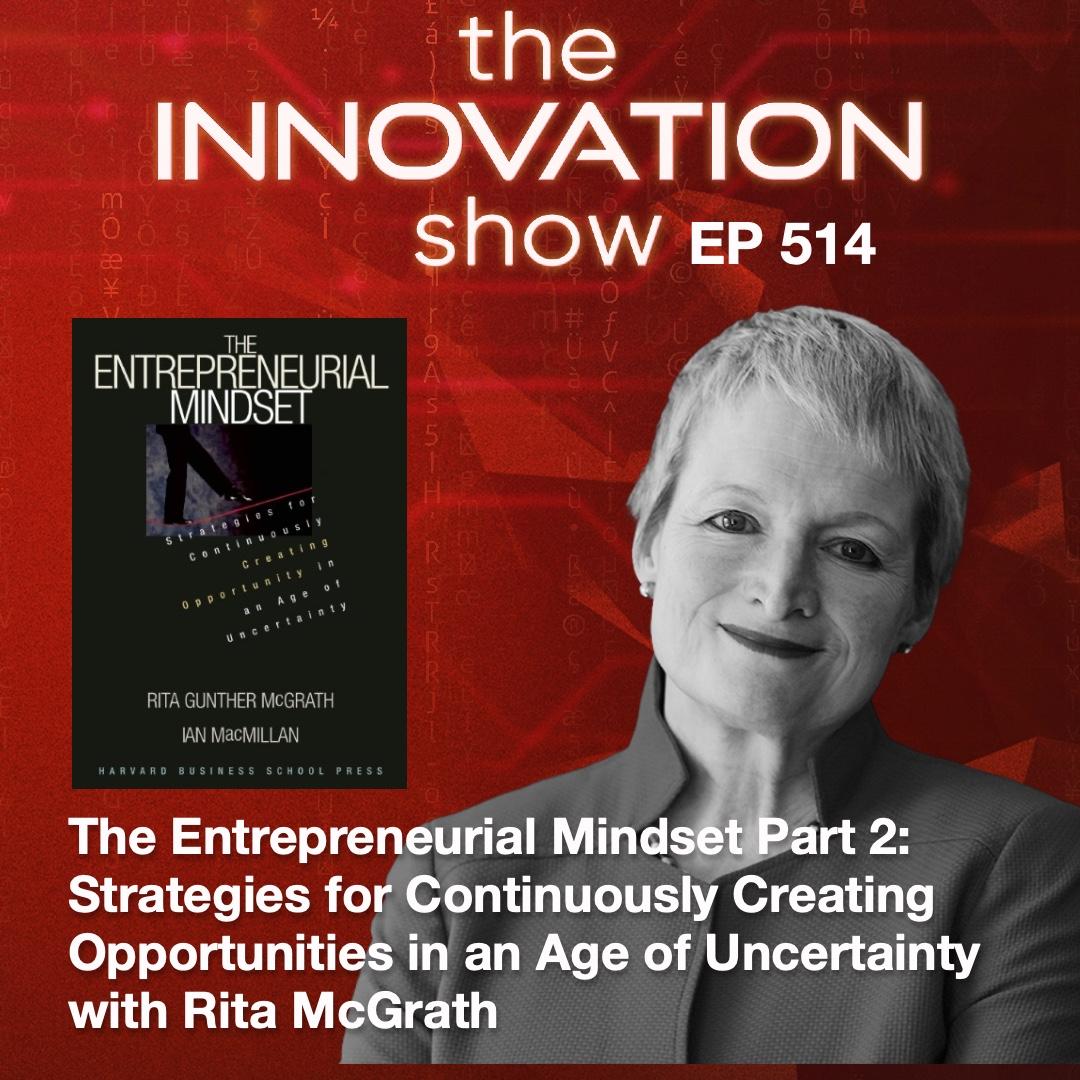
S25 Ep 514The Entrepreneurial Mindset Part 2 with Rita McGrath
In part 2 of The Entrepreneurial Mindset, Rita McGrath, discusses the concept of the entrepreneurial mindset and the power of consumption chain analysis for businesses seeking to differentiate and innovate. Rita illustrates how understanding each step of a customer's journey, from need identification to product disposal, can unveil numerous opportunities for innovation and competitive advantage. She shares insightful examples ranging from grocery shopping to the historical battle between Betamax and VHS, highlighting the importance of aligning each step of the consumption chain to customer needs and preferences. She also touches on the significance of resegmenting markets and reconfiguring industries to capture new opportunities, using examples from automobile insurance and manufacturing. The episode offers a deep dive into how companies can apply these concepts to drive growth, challenge assumptions, and transform their competitive landscapes. 00:00 Welcome & Recap of Part One 00:30 Diving Deeper into Consumption Chain Analysis 01:12 Exploring Customer Choices and Consumption Chains 02:30 The Importance of Understanding the Customer Journey 05:41 Learning from Failure and the Power of Networks 08:53 Innovative Case Studies: Progressive Insurance and Beyond 13:18 Resegmenting Markets for Competitive Advantage 19:05 Reconfiguring Markets: Evolutionary to Revolutionary Changes 23:52 The Five Whys Technique and Citibank's Strategic Move 30:10 Closing Thoughts and Where to Find More Find Rita: www.RitaMcGrath.com Find Valize: www. Find Aidan McCullen for Keynote talks on Innovation, Transformation and Change: www.AidanMcCullen.Com More on the Innovation Show: www.TheInnovationShow.IO

S25 Ep 513The Entrepreneurial Mindset Part 1 with Rita McGrath
Harnessing the Entrepreneurial Mindset for Innovation and Growth This script delves into a conversation with Rita McGrath, author of 'The Entrepreneurial Mindset,' exploring principles for thriving in rapidly changing environments. McGrath shares her personal journey from industry to academia, emphasizing the importance of understanding practical business applications. The script covers themes such as the importance of an entrepreneurial mindset in recognizing and acting on business opportunities, detailed methodologies for product differentiation, and strategies for business model innovation. McGrath discusses her work on attribute mapping and quizzing as tools for identifying customer needs and creating blockbuster products. The narrative extends to strategic management under uncertainty, leveraging insights from evolutionary economics, and the challenge of disruptive innovation. The script concludes with McGrath highlighting software solutions, like Sparc Hub, designed to facilitate the operationalization of these concepts within organizations. 00:00 Unlocking the Entrepreneurial Mindset: A Guide to Innovation 01:15 From Political Campaigns to Digital Transformation: Rita McGrath's Journey 08:10 The Evolution of Strategic Management and the Birth of Disruptive Innovation 14:42 Embracing the Entrepreneurial Mindset for Future Success 18:22 Crafting the Entrepreneurial Frame: Setting the Stage for Innovation 31:57 Exploring Autonomous Technology in Military Operations 32:40 The Future of Autonomy: Removing Humans from the Equation 33:21 Redefining Transportation and Ownership in an Autonomous World 33:38 Opportunity Inventory: Identifying What's Ready for Innovation 33:58 The Human Factor in Innovation and Transformation Efforts 34:25 Designing Blockbuster Products and Services 34:50 Attribute Mapping: Aligning Offerings with Customer Needs 35:38 Understanding Customer Behavior Beyond Demographics 37:08 The Power of Non-Negotiables, Discriminators, and Exciters in Product Design 38:29 The Evolution of Product Features: From Exciters to Non-Negotiables 45:41 Staying Ahead of High-Impact Trends and Competitive Changes 50:54 Quizzing Methodology: Uncovering New Opportunities for Differentiation 54:33 Closing Remarks and Where to Find More Information Find Rita: https://www.ritamcgrath.com Find Valize: https://www.valize.com
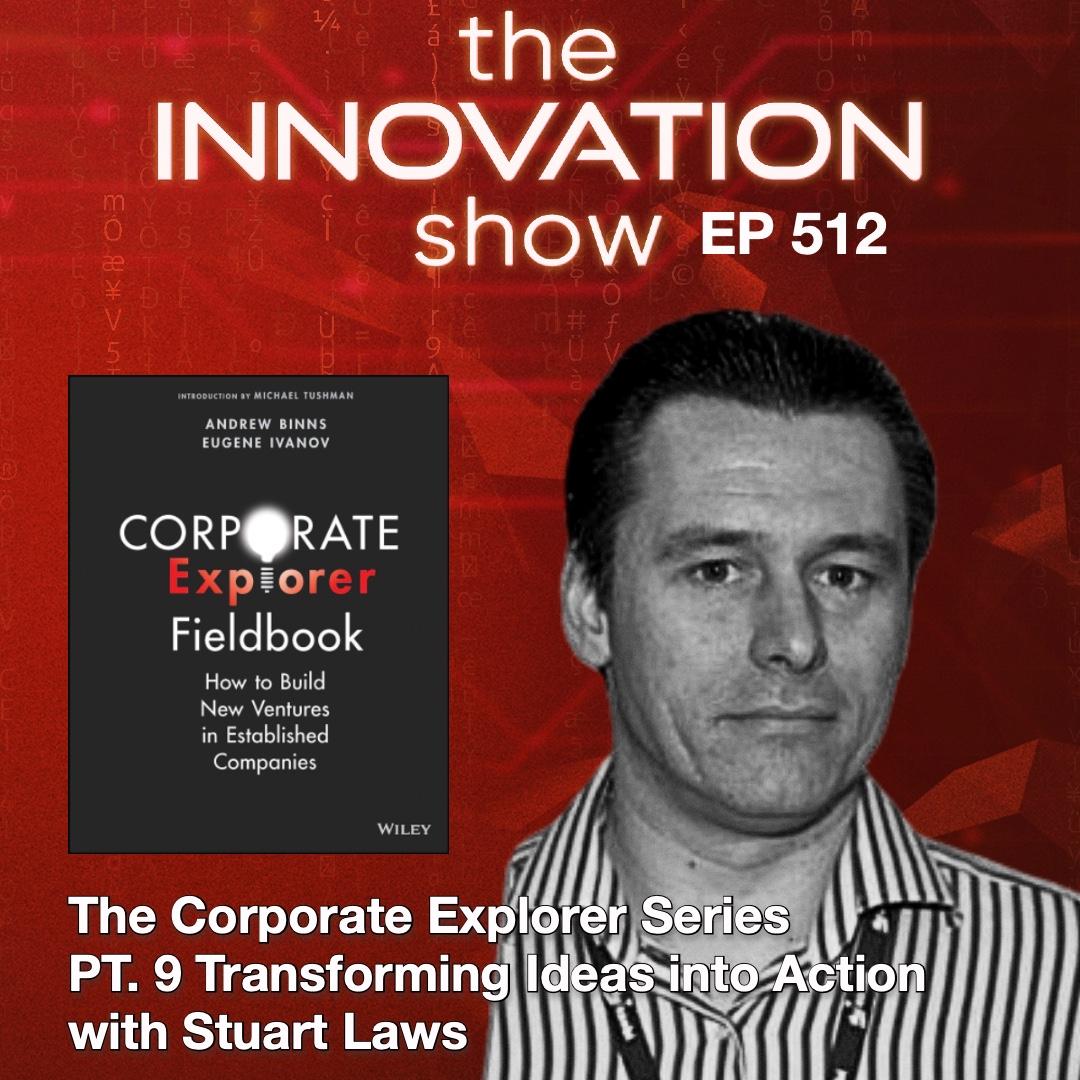
S24 Ep 512Transforming Ideas into Action with Stuart Laws
Innovating Within the Military: Challenge-Driven Innovation and Connected Intelligence This episode of the Corporate Explorer, recorded in London during the launch of the Corporate Explorer field book and powered by Wazoku, features Stuart Laws from the UK's Defense Innovation Unit. The discussion explores how challenge-driven innovation has transformed problem-solving within the military, moving away from a traditional idea-generation model to one that actively involves business units in framing their issues for more scoped and implementable solutions. Laws highlights the shift towards a more inclusive innovation approach, engaging employees, suppliers, startups, universities, and leveraging Wazoku's connected collective intelligence of over 700,000 global problem solvers. The episode also delves into the human aspects of innovation, including the creation of stakeholder personas to better understand and influence decision-makers, and the serendipitous discovery of solutions through cross-sector collaboration and challenge-driven initiatives. Laws shares insights on the necessity of a collaborative mindset in innovation, bringing public and private sectors together for impactful outcomes. The successes of this approach are exemplified in real-world applications, such as providing 5G coverage in hard-to-reach areas through a partnership between Defence, BT, and academic contributions. 00:00 Welcome to the Corporate Explorer: Innovating with Wazoku 00:43 Introducing Stuart Laws: Innovating in the Military 01:41 The Power of Challenge-Driven Innovation 04:12 Cross-Sector Innovation: Bridging Industries for Better Solutions 09:14 Marketing Personas: A Game-Changer for Innovation 12:55 Finding Solutions in Unexpected Places: The BT Story 15:13 Wrapping Up: The Future of Innovation with Wazoku Find Stuart here: https://ideashadowcoaching.com
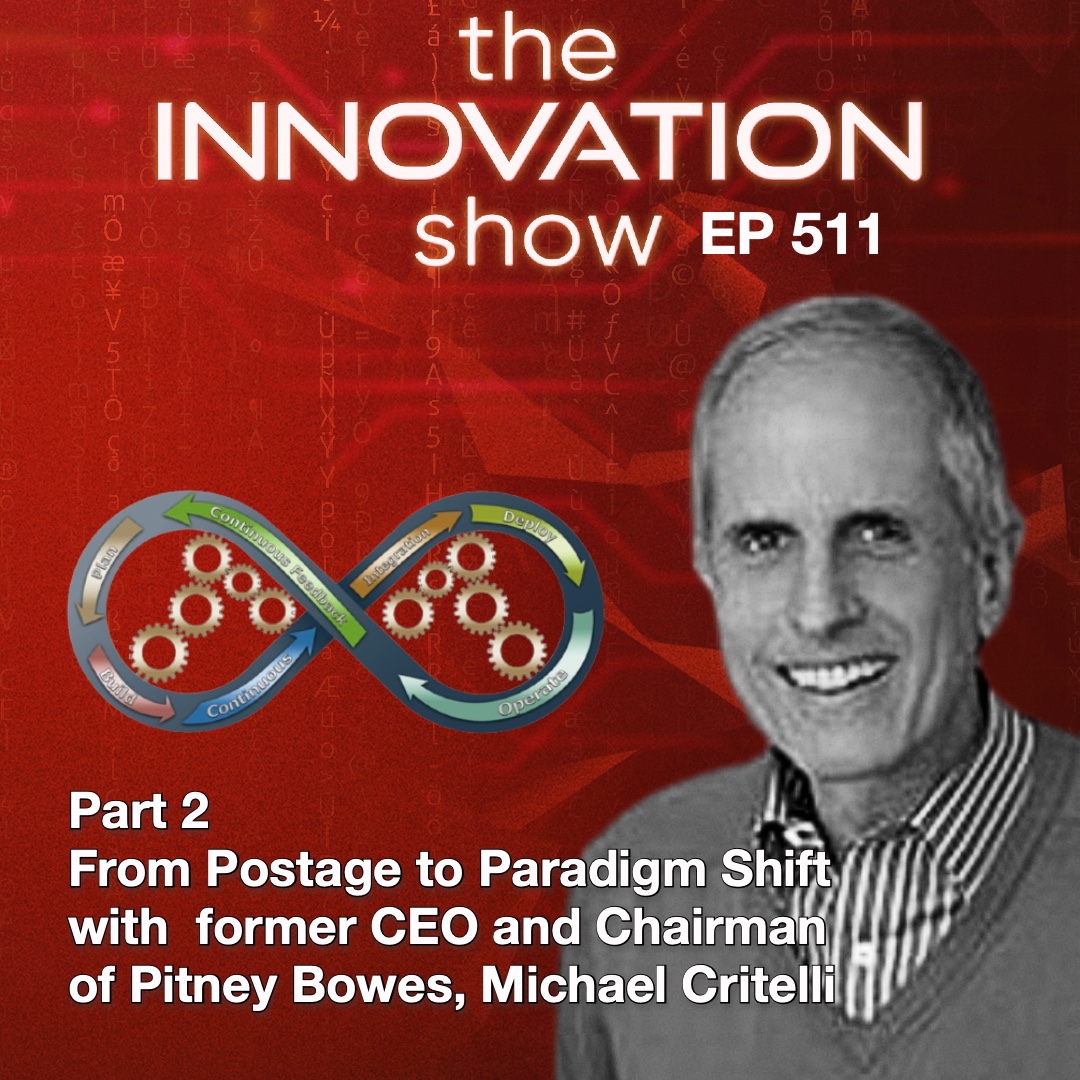
From Postage to Paradigm Shift with Michael J. Critelli
Navigating Change and Reinvention: A Conversation with Michael J. Critelli In this in-depth conversation, former CEO and Chairman of Pitney Bowes, Michael J. Critelli, shares insights on leading a company through periods of significant change and market disruption. Starting with a historical overview of Pitney Bowes' evolution from a mail processing business to embracing global markets and adjacent market opportunities, Critelli discusses strategic thinking, the importance of innovation, and the necessity of constantly adapting business strategies. He highlights the challenges of competing with government and quasi-government entities, the importance of exiting markets strategically, and the need to centralize operations to stay competitive. The conversation also touches on the value of salespeople as 'human sensors' in identifying opportunities, the importance of R&D investment, understanding customer-driven value, and the role of leadership in navigating change. Critelli's journey offers valuable lessons on staying relevant in evolving markets and the continuous rebalancing of organizational focus and resources. 00:00 Opening Remarks and Introduction to Today's Episode 01:55 The Evolution of Pitney Bowes: Adapting to Change 03:43 Insights and Strategies from Michael J. Critelli 07:40 Reframing Competition and Embracing New Opportunities 12:45 Navigating the Complexities of Global Postal Services 20:35 The Art of Entering and Exiting Markets Strategically 36:43 Cultural Transformation and Organizational Change 45:25 Final Thoughts and Where to Find More Find Mike here: https://www.mikecritelli.com

S24 Ep 510Trails Less Travelled: Innovation Lessons from former CEO and Chairman of Pitney Bowes, Michael Critelli Part 1
In this episode of 'The Innovation Show,' host Aidan McCullen sits down with the former chairman and CEO of Pitney Bowes, Michael Critelli. Through a deep dive into Critelli's career, we explore his penchant for the road less traveled, his transformative leadership at Pitney Bowes, and his insights on innovation, strategy, and foresight. From humble beginnings to leading a staple communications company through times of intense change, including the internet era, 9/11, and the recession, Critelli shares lessons on valuing potential over qualifications, listening to dissent, and the importance of constant adaptation in business and life. 00:00 Early Career and Joining Pitney Bowes 01:40 Climbing the Ladder: From Legal to Leadership 04:28 Reinventing Pitney Bowes: A Tale of Transformative Change 07:09 Embracing Agile Strategy: Lessons from the Front Lines 13:51 The Power of Listening and Adapting in Leadership 42:39 The Importance of Vision and Courage in Decision-Making 44:47 Fostering a Culture of Continuous Learning and Innovation
S24 Ep 509Challenge-Driven Innovation with Bea Schofield
This episode of the Corporate Explorer series features a discussion with Bea Schofield, a specialist in Challenge-Driven Innovation (CDI), and various co-authors of the 'Corporate Explorer Field Book'. The podcast, supported by Wazoku, delves into how large organisations can foster innovation through a sustainable ecosystem using 'Connected Collective Intelligence'. The conversation focuses on the principles of CDI, detailing a framework dubbed 'LASSO' for crafting effective challenges that stimulate creative solutions. It underscores the importance of setting clear boundaries to fuel creativity, ensuring challenges are actionable and specific, and aligning them with strategic goals to facilitate ownership and support within the organisation. The episode also covers strategic challenge framing, stakeholder engagement, solution evaluation, and prioritisation, offering insights into blending creativity with systematic processes for corporate innovation. Bea Schofield shares her perspective on the role of corporate innovators and the necessity of balancing ideation with execution to drive meaningful organisational change. 00:00 Welcome to the Corporate Explorer Series: Launching the Field Book 00:15 Introducing Wazoku: Powering Sustainable Innovation 01:07 Diving Into the World of CDI with Bea Schofield 03:59 Exploring the LASSO Framework for Effective Challenges 07:44 The Importance of Support and Ownership in Innovation 17:19 Navigating Corporate Innovation: Strategies and Tools 20:41 Selecting the Right Channels for Innovation Challenges 21:58 Wrapping Up and Where to Find Bea Schofield Corporate Explorer Series, Innovation Ecosystems, CDI (Challenge Driven Innovation), Connected Collective Intelligence, Ideation Process, Challenge Design, LASSO Framework, Problem Solving, Collaboration, Corporate Innovation
S24 Ep 508Ian Morrison Part 2 of The Second Curve
Ian and the host, Aidan McCullen, explore how companies past and present have navigated the transition from the 'first curve' - a state of established practices and security - to the 'second curve' of innovation and adaptation in the face of new technologies and markets. They discuss examples of organisations like HR Block, SGI (Silicon Graphics), and Volvo, and how they've managed to pivot or struggled with these shifts. Ian offers profound insights into the societal move towards a knowledge economy, the importance of venture capital in disruptive innovation, consumer empowerment, and the geographical shift in economic power towards the Asia-Pacific region. Furthermore, they discuss the importance of organisational culture in adapting to change, the challenges of measuring success on the second curve, and the personal and societal impacts of these transitions. The conversation concludes by emphasising the need for individuals and organisations to embrace uncertainty, leverage existing competencies, and prepare for a future that prioritises hyper-effectiveness and adaptive skills. 00:00 Introduction to the Second Curve 00:31 Understanding the Shift from First to Second Curve 00:56 The Impact of the Second Curve on Organizations 01:44 The Second Curve and the Post-Industrial Economy 02:10 The Role of Knowledge in the Second Curve 02:48 The Power of Disruptive Innovation 03:03 The Shift in Consumer Power 03:34 The Geographic Transformation of the Second Curve 04:36 The Importance of People in the Second Curve 05:31 The Second Curve Mindset 06:25 The Dilemma of the Second Curve 09:02 The Role of Technology in the Second Curve 15:06 The Impact of the Second Curve on Individuals 18:24 The Future of the Second Curve 48:19 Conclusion: Embracing the Second Curve Find ian here: http://ianmorrison.com

S24 Ep 507If Health is Wealth, America's Working Mothers Are Living in Extreme Poverty with Ann Somers Hogg
Working mothers are disproportionately bearing the burden of poor physical and mental health outcomes, on top of economic burdens amplified by parenthood. But this isn't just an individual issue. What impacts the mother has negative ripple effects for children, families, employers, and our nation as a whole. In recent years, this burden has increased, along with women's likelihood of dying after childbirth. The infographic below highlights the gravity of these burdens and the national toll this stress on working mothers creates. Working mothers are plagued by depression, anxiety, and burnout at higher rates than both working fathers and coworkers without children. Mental health issues are the leading cause of maternal mortality, which the CDC recently identified as preventable in 84% of cases. Health issues are compounded by economic distress, such as the cost of childcare, which has risen 214% since 1990, while average family income has only risen 143%. Missed days from work due to mental distress cost the economy over $47 billion. Find the report here: https://www.christenseninstitute.org/blog/the-hug-that-americas-mothers-need-now/

S24 Ep 506Ideation from Within with Kaihan Krippendorff
Ideation from Within with Kaihan Krippendorff Harnessing Inner Innovation: The IDEAS Framework with Kaihan Krippendorff This episode of the Corporate Explorer Field Book, presented by Wazoku, features an insightful discussion with Kaihan Krippendorff, a renowned innovation strategist. Krippendorff introduces the IDEAS framework, a method developed over 15 years to foster breakthrough ideas within large corporations. The framework is an acronym for Imagine, Dissect, Expand, Analyze, and Sell, representing five types of conversations critical to nurturing a culture of innovation. He emphasizes the framework's practicality by sharing his experience of conducting hundreds of workshops, generating billions in revenue through the innovative ideas it has produced. Krippendorff also explores common barriers to innovation and offers strategies to overcome them, making it a valuable resource for leaders aiming to drive internal innovation and create a sustainable innovation ecosystem. Chapters: 00:00 Introduction to Corporate Explorer and Wazoku 00:37 Ideation From Within: Generating Breakthrough Ideas 01:08 Kaihan Krippendorff's IDEAS Framework Unveiled 02:04 The Power of Conversations in Ideation 02:42 The Evolution and Impact of the IDEAS Framework 04:51 Exploring the IDEAS Framework in Detail 09:23 Overcoming Barriers with the IDEAS Framework 13:03 Concluding Remarks and Where to Find Kaihan 13:33 Closing and Recap of Wazoku's Mission Find Kaihan here. That series with Kaihan is here on YouTube: https://youtube.com/playlist?list=PLMxiNrgE29RLWDfWatSwogqFqLQVytkWO&si=k8umYt_1eh0aXolb
S24 Ep 504Ian Morrison - The Second Curve: Bracing for Changes in Technology, Consumers, and Markets
The Second Curve: Bracing for Changes in Technology, Consumers, and Markets The podcast sees futurist and author, Ian Morrison, discuss the concept of his book, 'The Second Curve'. This concept delineates how businesses must straddle their existing 'first curve' while preparing for a 'second curve' defined by new technologies, market shifts, and emerging consumer behaviors. Morrison cites examples, like Microsoft and Apple, of successful navigation from the first to second curve and emphasizes the importance of not abandoning the profit potential of the existing business too soon. Concerning organisations, Morrison discusses a shift from mechanistic to more fluid 'organic' forms, referencing shifts to more connected, network-driven models and an importance of corporate culture. He also explains the strategy of 'virtual integration' employed by companies like Apple, contrasting it to traditional integration approaches. Morrison finishes by highlighting the enduring relevance of adaptable, entrepreneurial culture in the success of these transformations. Find Ian here: http://ianmorrison.com 00:00 Introduction: The Dilemma of the Second Curve 00:57 The Journey of the Author: From Geographic Change to Futurism 04:40 The Genesis of the Second Curve Concept 05:41 The Challenges of Navigating the Second Curve 06:47 The Impact of Technological Change on Businesses 09:02 The Role of Forecasting in Navigating Change 11:29 The Pitney Bowes Case Study: Navigating the Second Curve 13:13 The Importance of Timing in Jumping to the Second Curve 13:48 The Role of Innovation in Business Survival 15:18 The Impact of External Changes on Business Strategies 17:06 The Challenges of Adapting to New Business Models 18:37 The Role of Emotional Intelligence and Flexibility in Navigating Change 21:39 The Pitney Bowes Story: A Lesson in Navigating the Second Curve 37:16 The Role of Culture in Navigating the Second Curve 50:15 Conclusion: The Future of the Second Curve IanMorrison #AidanMcCullen #BusinessInnovation #DigitalTransformation #SecondCurve #PitneyBowes #SonyVsDisney #OrganizationalChange #FutureOfWork

S24 Ep 503Tony Ulwick and The Jobs To Be Done Canvas
Defining the Market in Innovation with Tony Ulwick The fifth episode of the Corporate Explorer series features Tony Ulwick, the acclaimed author of 'Jobs to be Done.' He discusses the critical role of precisely defining the market in the innovation process. The conversation delves into the intricacies of identifying a target market, a common pitfall many innovators encounter, and introduces the 'Jobs to be Done Market Definition Canvas.' This tool aids in understanding the market, reducing uncertainty, and aligning team objectives. The episode underlines the importance of creating products that are guaranteed to succeed based on a systematic approach to innovation. Ulwick provides concrete examples to demonstrate how the 'Jobs to be Done' methodology revolutionizes the way one defines a market, thereby influencing the overall innovation process. This episode provides valuable knowledge for entrepreneurs, innovators, or anyone involved in the product development process. Find Tony and his free ebook or audiobook here: https://jobs-to-be-done-book.com #MarketDefinition, #JobsToBeDone, #BusinessObjectives, #ProductMarketFit, #InnovationProcess, #CustomerOutcome, #LeanStartup, #MarketNeeds, #UnmetNeeds, #SolutionSpace, #ProblemSpace, #NorthStar, #DigitalService, #HardwareProducts, #SoftwareSolutions, #ServiceSolutions, #Efficiency

S20 Ep 501Narendra Laljani - Corporate Explorer Part 4
Corporate Explorers: Navigating Through Toxic Assumptions with Narendra Laljani Episode Description: In this insightful episode of our Corporate Explorer series, we dive deep into the crucial topic of "Outside-In: Overcoming Toxic Assumptions with Market Insight" with our distinguished guest, Narendra Laljani. As a co-author of the chapter, management educator, consultant, and program director at Henley Business School, Laljani brings a wealth of experience and knowledge to our discussion, illuminating the path for organizations aiming to navigate the treacherous waters of innovation and strategic adaptation. Key Highlights: Introduction to the Series [00:00:00]: We kick off the episode with gratitude towards our sponsor, Wazoku, for supporting the exploration of effective, sustainable innovation ecosystems. A brief overview sets the stage for our deep dive into overcoming toxic assumptions through market insight, highlighting the journey through previous series parts with Mike Tushman and Andy Binns. The Core Challenges [00:02:00]: Laljani and host Aidan McCullen discuss the dual challenges of the "inside-out" and "outside-in" perspectives that organizations face. Through captivating examples such as Encyclopaedia Britannica, Kodak, and Thomas Cook, we explore the pitfalls of success recipes and the importance of adapting to environmental changes. Narendra Laljani's Rich Experience [00:04:00]: Laljani shares his extensive background in corporate exploration, offering personal anecdotes and lessons learned from both successes and failures. His insights into leadership challenges and strategic execution are not to be missed. Overcoming Embedded Assumptions [00:05:00]: Delving into the metaphor of organizational DNA, we discuss how deeply embedded assumptions and beliefs shape corporate culture and decision-making processes, often to the detriment of innovation and growth. Mental Models and Industry Paradigms [00:09:00]: The conversation broadens to include the concept of mental models within organizations and entire industries, emphasizing the importance of challenging existing paradigms to uncover new opportunities. The Value of New Perspectives [00:12:00]: Highlighting the critical role of newcomers in injecting fresh thinking into stagnant environments, we discuss strategies for preserving and leveraging newness within corporate structures. A Framework for Innovation [00:14:00]: Laljani introduces a practical framework for challenging assumptions, derived from the work of C.K. Prahalad and Gary Hamel, offering listeners a tool for strategic innovation and thought provocation. Continuous Learning as a Competitive Edge [00:16:00]: The episode concludes with a powerful discussion on the importance of learning, unlearning, and relearning, underscoring continuous learning as the only sustainable competitive advantage in the future. Where to Find Us: Tune in to this compelling episode on platforms like Apple Podcasts and Spotify to gain insights into overcoming toxic assumptions with market insight. For those looking to dive deeper into strategic innovation and corporate exploration, connect with Narendra Laljani on LinkedIn or explore the upcoming Strategic Innovation Program at Henley Business School.

S21 Ep 502The Silent Killers of Strategy Implementation and Learning - Mike Beer
ChatGPT In episode 502 of the Innovation Show, host Aidan McCullen delves into the crucial insights from Part 3 of Mike Beer's "Fit to Compete," shedding light on the silent killers that undermine strategy execution. With Beer's expertise, the episode explores how organizations can recognize and immunize themselves against these systemic issues, featuring in-depth discussion on unclear strategies, ineffective senior teams, and the lack of vertical communication. Drawing on real-world examples, such as the challenges faced by Hewlett Packard's Santa Rosa Systems Division, the dialogue illuminates the path to organizational alignment and agility. This episode is a must-listen for leaders and HR professionals eager to foster a culture of honesty and continuous improvement, ensuring their company's strategy is not only heard but effectively executed. That article: The Great Training Robbery by Michael Beer, Magnus Finnstrom and Derek Schrader https://www.hbs.edu/ris/Publication%20Files/16-121_bc0f03ce-27de-4479-a90e-9d78b8da7b67.pdf Find Mike here: https://www.beermichael.com
S20 Ep 500Fit To Compete Part 2 with Michael Beer
Join us in 'Fit to Compete, Part 2' where Michael Beer, the renowned expert in corporate strategy, delves into the crucial elements of business innovation and transformation. This episode offers insightful discussions on strategic fitness, the power of honest conversations, and the roles of leadership and culture in driving organizational change. Featuring a case study on Becton Dickinson, Mike highlights the essentiality of aligning strategy with internal communication for corporate success. Perfect for professionals and leaders seeking guidance in the dynamic world of business." Main topics with timestamps: Strategic Fitness Process - [00:00:00] Long-Term Investment Challenges - [00:13:00] Impact of Company Culture and Leadership - [00:30:00] Role of Succession Planning - [00:43:00] Becton Dickinson Case Study - [00:51:00] Transformative Leadership and Values - [00:57:00] Innovation in Corporate Strategy - [01:03:00] Conclusion and Key Takeaways - [01:10:00] Articles mentioned in the episode: The Great Training Robbery https://www.hbs.edu/ris/Publication%20Files/16-121_bc0f03ce-27de-4479-a90e-9d78b8da7b67.pdf Find Mike Beer: https://www.beermichael.com
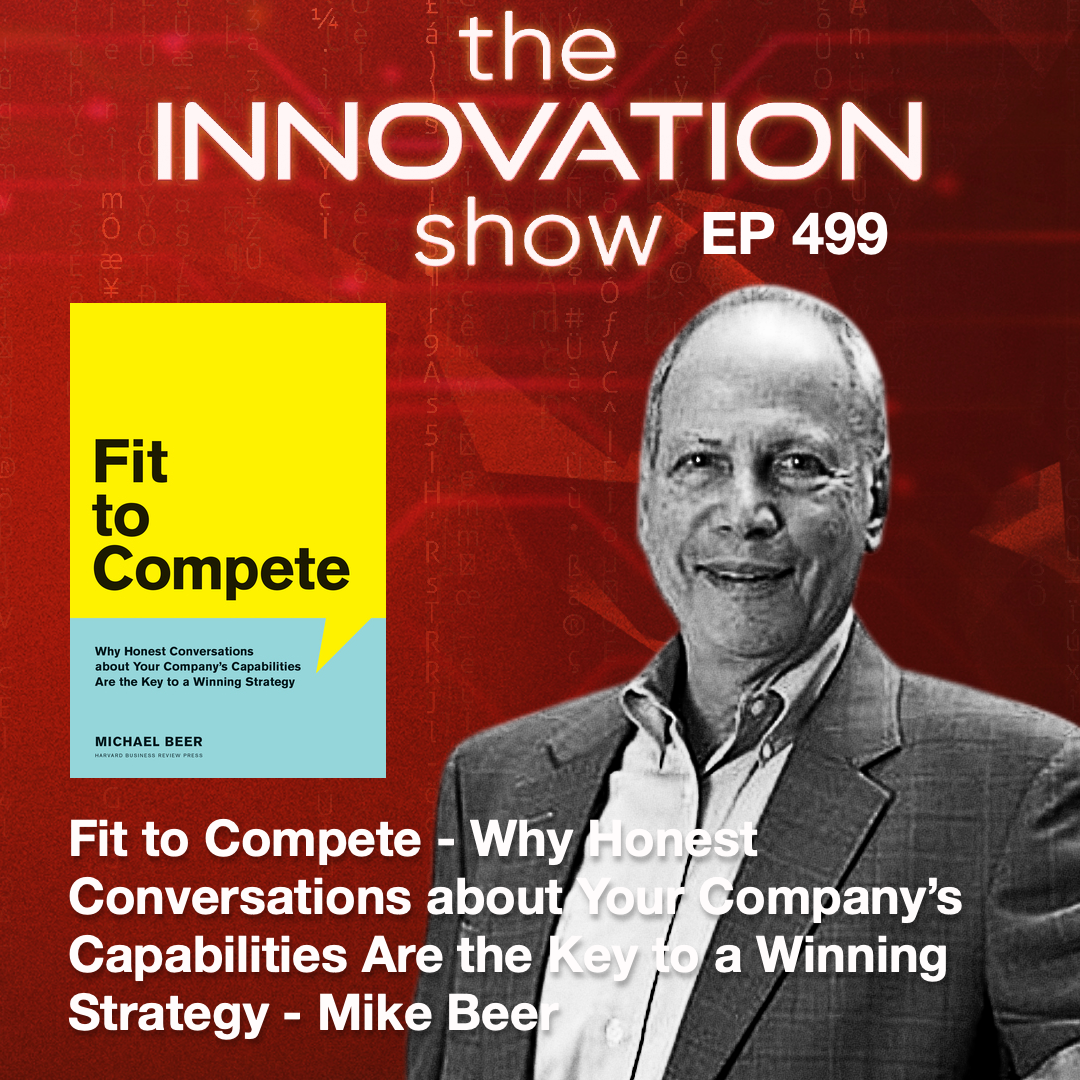
S29 Ep 499Fit To Compete Part 1 with Mike Beer
Fit to Compete - Why Honest Conversations about Your Company's Capabilities Are the Key to a Winning Strategy In part 1, we set the context for the book and discuss: Mike's background and inspiration for the book. The problem of organisational silence and how it hinders strategic execution and transformation The concept of strategic fitness and how it helps organizations align their strategy and culture The process and benefits of holding honest conversations with everyone in the organization The challenges and barriers of overcoming the silent killers, such as fear, hierarchy, and complacency The vision and courage to create a culture of corporate stewardship and continuous learning. Find Mike here: https://www.beermichael.com The HBR article I mentioned:: https://hbr.org/1990/11/why-change-programs-dont-produce-change The HBR article Mike mentioned: https://www.hbs.edu/ris/Publication%20Files/16-121_bc0f03ce-27de-4479-a90e-9d78b8da7b67.pdf
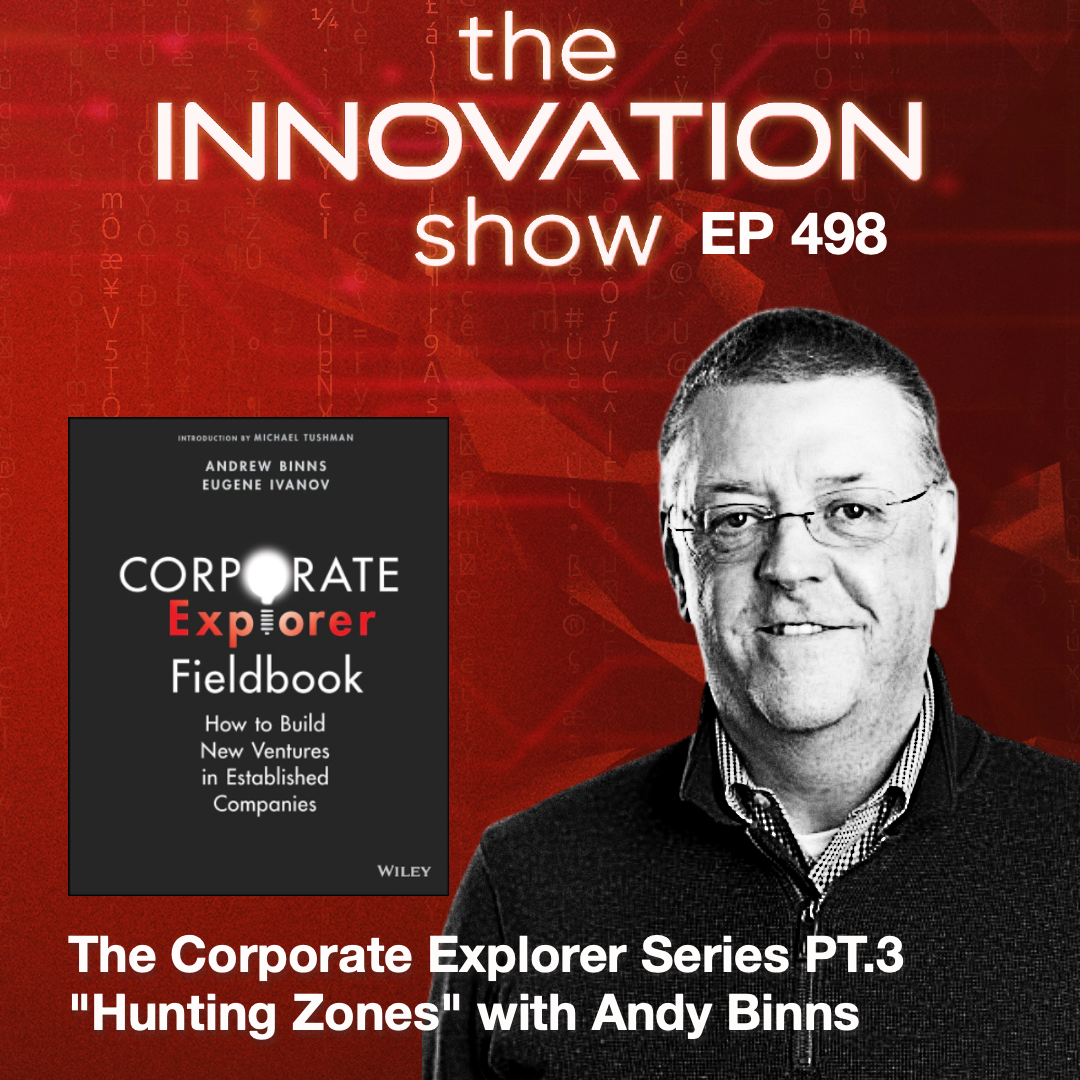
S29 Ep 498Corporate Explorer Part 3 Andy Binns
Hunting Zones with Andrew Binns Brought to you by Wazoku, the Corporate Explorer series is designed to uncover the depth of insight and experience within corporations, beyond management gurus and academics. 🌐 Episode Description: Join Andrew Binns in this insightful episode of "Hunting Zones," where he explores the world of Corporate Explorers—innovative leaders who embark on the challenging journey of building new ventures within established organizations. In this episode, we delve into the crucial aspects of inspiring and guiding aspiring Corporate Explorers, offering actionable insights for success. 🚀 Episode Highlights: Finding Inspiration: Discover where aspiring Corporate Explorers should seek inspiration and how to ignite the passion to solve customer problems within established organizations. Guidance for Stepping Forward: Explore valuable guidance for encouraging Corporate Explorers to step forward and take on the challenge of building new ventures. Increasing Proposal Quality: Learn effective strategies to increase the odds of generating high-quality proposals that align with business strategy and attract senior sponsors' support. Getting Started: Uncover practical tips on how to get started on the challenging road of corporate innovation and guide the energy of budding innovators toward lucrative market opportunities. Hunting Zones Defined: Understand the concept of "hunting zones" as defined by Andrew Binss, which provide boundaries to innovative impulses, helping generate ideas in line with business strategy and more likely to attract investment. 🎯 Bounded Diversity Approach: Explore the concept of "bounded diversity" as a powerful approach to ideation within corporations. Learn how defining boundaries, or hunting zones, facilitates a free range of ideas, ensuring a strong connection to the business strategy and creating a win-win situation for idea generators and investors. 🔍 Case Study: Nvidia's Success Story: Delve into the success story of Nvidia, led by CEO Jensen Huang. Learn how the company shifted into new market areas, building a software ecosystem alongside its traditional semiconductor business. Discover how Huang strategically defined hunting zones in gaming, autonomous vehicles, enterprise computing, and scientific computing, guiding his team towards innovative solutions and significant growth. Tune in to "Hunting Zones with Andrew Binns" for a captivating exploration of corporate innovation, insightful strategies, and real-world success stories. Whether you're an aspiring Corporate Explorer or a business enthusiast, this episode offers valuable perspectives on navigating the dynamic landscape of corporate ventures. 🎧✨ Wazoku helps large organizations create effective, sustainable innovation ecosystems that accelerate efficiency gains and new value growth. It does this through intelligent enterprise software that connects and harnesses the power of employees, suppliers, start-ups, universities, and the unique Wazoku Crowd of 700,000+ global Problem Solvers. Wazoku calls this 'connected collective intelligence' Find Wazoku at www.Wazoku.com
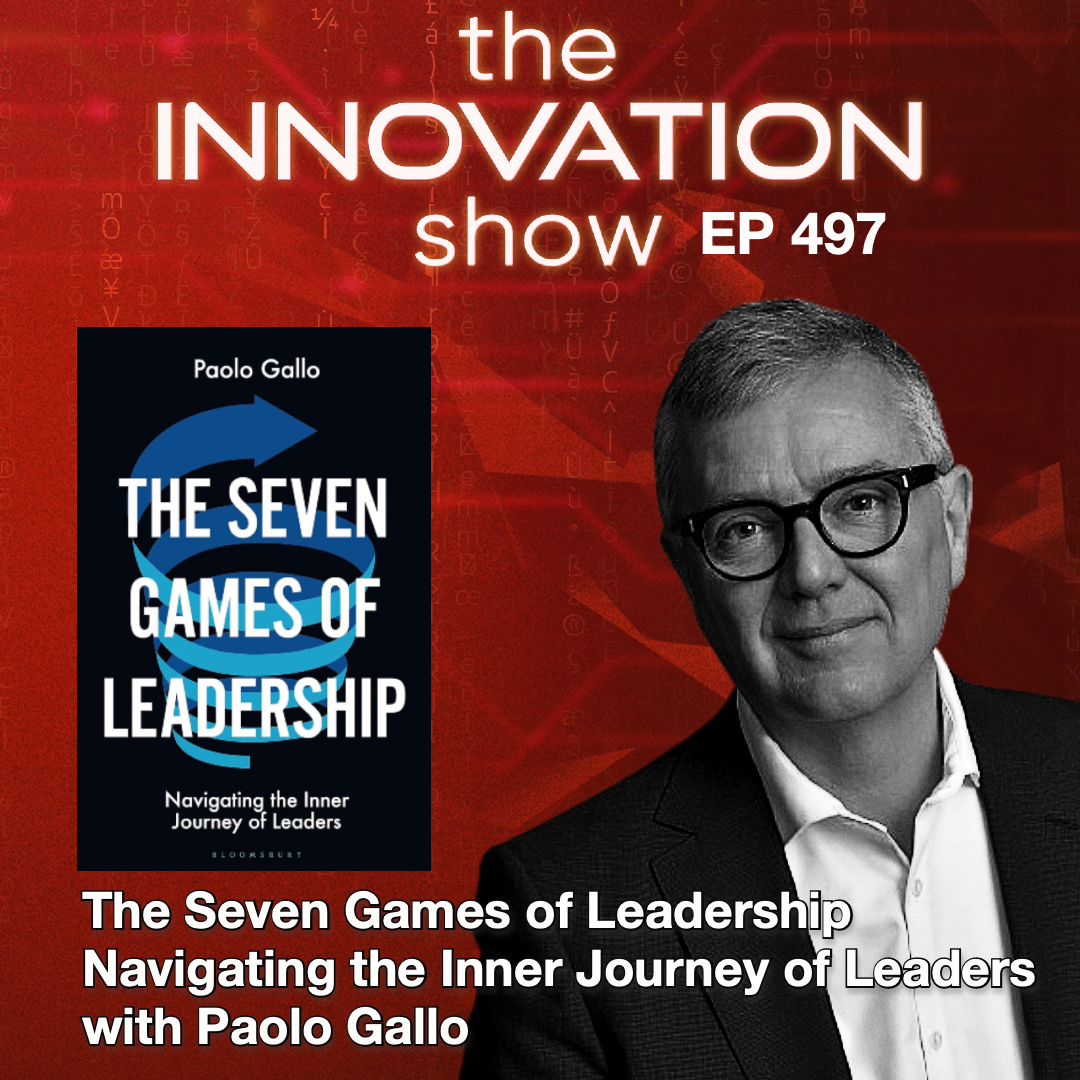
S28 Ep 497Paolo Gallo The Seven Games of Leadership
Welcome to "The Seven Games of Leadership" by aolo Gallo. We embark on a journey of self-discovery and transformation with Paolo Gallo, an expert in personal and professional development. In a world undergoing unprecedented changes, being the architects of our own change is more crucial than ever. Join us as Paolo introduces "The Seven Games of Leadership," a groundbreaking guide that invites listeners to reassess their priorities both professionally and personally. This episode is not about climbing the corporate ladder; it's about finding genuine satisfaction in what you do and making a positive impact on the world. Discover the seven key phases of personal and professional development, each designed to empower individuals to thrive and contribute meaningfully to society. Paolo Gallo challenges the conventional notion of revolutionary change by advocating for co-designing and rebuilding paths that align with individual values and contribute to a broader sense of humanity and sustainable prosperity. Get ready for a dynamic discussion that encourages you to identify a career path aligned with your values and a purpose that transcends personal success. "The Seven Games of Leadership" equips you with practical tools and advice to navigate this transformative journey, enabling you to refocus your life, redefine your career, and actively engage with the issues shaping the world around you. Find Paolo here: https://www.paologallo.net #PaoloGallo #innovation #businessstrategy #leadership #leadershipinsights #businessinsights

S28 Ep 496Dancing with Monsters with Todd Dewett
Join us for "Dancing with Monsters," an episode that explores the fears and monsters that inhabit our personal and professional lives with Todd Dewett, author of the insightful book with the same title. This podcast delves into the transformative journey of overcoming fears, embracing imperfections, and building the confidence needed for success. In this episode, Todd unfolds the captivating tale of Joe, the protagonist on a mission to confront his fears. Listeners will discover how wearing masks and hiding behind excuses can be exhausting, and how authenticity and vulnerability are essential for personal and professional growth. Todd shares lessons from Joe's youth, highlighting the impact of failed leadership missions and the importance of sincerity over insincerity. The podcast explores the concept of fear and addresses the questions: What do you fear, and why do you fear it? Todd shares practical advice for overcoming fears, including identifying false constraints, building a support team, choosing perspective, and asking for help. Empathy emerges as a central theme, as Joe develops empathy for his team, and they reciprocate. The podcast culminates in discussing desirable behaviours, including open-mindedness, proactivity, and authenticity, which are intricately linked to creativity and innovation. As Todd concludes, he shares insights on the concept of "fit" in your career—how well who you are meshes with what you do. This podcast is an engaging exploration of the beauty in imperfections and the capability within each of us to create amazing work. Join Todd Dewett to embrace authenticity, kindness, vulnerability, humility, and the power of being the change in your own life. Connect with Todd Dewett: www.drdewett.com Episode Highlights: Unravelling the opening tale of Maria, Noah, and the toxic team, along with the intriguing character, Miles. Exploring Joe's journey, drawing on communication lessons from his grandfather's vampire training academy. Analyzing the impact of fear and failed leadership missions on personal and professional development. Discussing the importance of authenticity, vulnerability, and empathy in overcoming fears and achieving success. Addressing thought-provoking questions: What do you fear? Why do you fear? Sharing practical advice for overcoming fears, including identifying false constraints, building a support team, and choosing perspective. Reflecting on desirable behaviors for personal and professional growth. Delving into the concept of "fit" in your career—aligning your personality, skills, and interests with job demands. Join the conversation and let's go dancing with monsters!
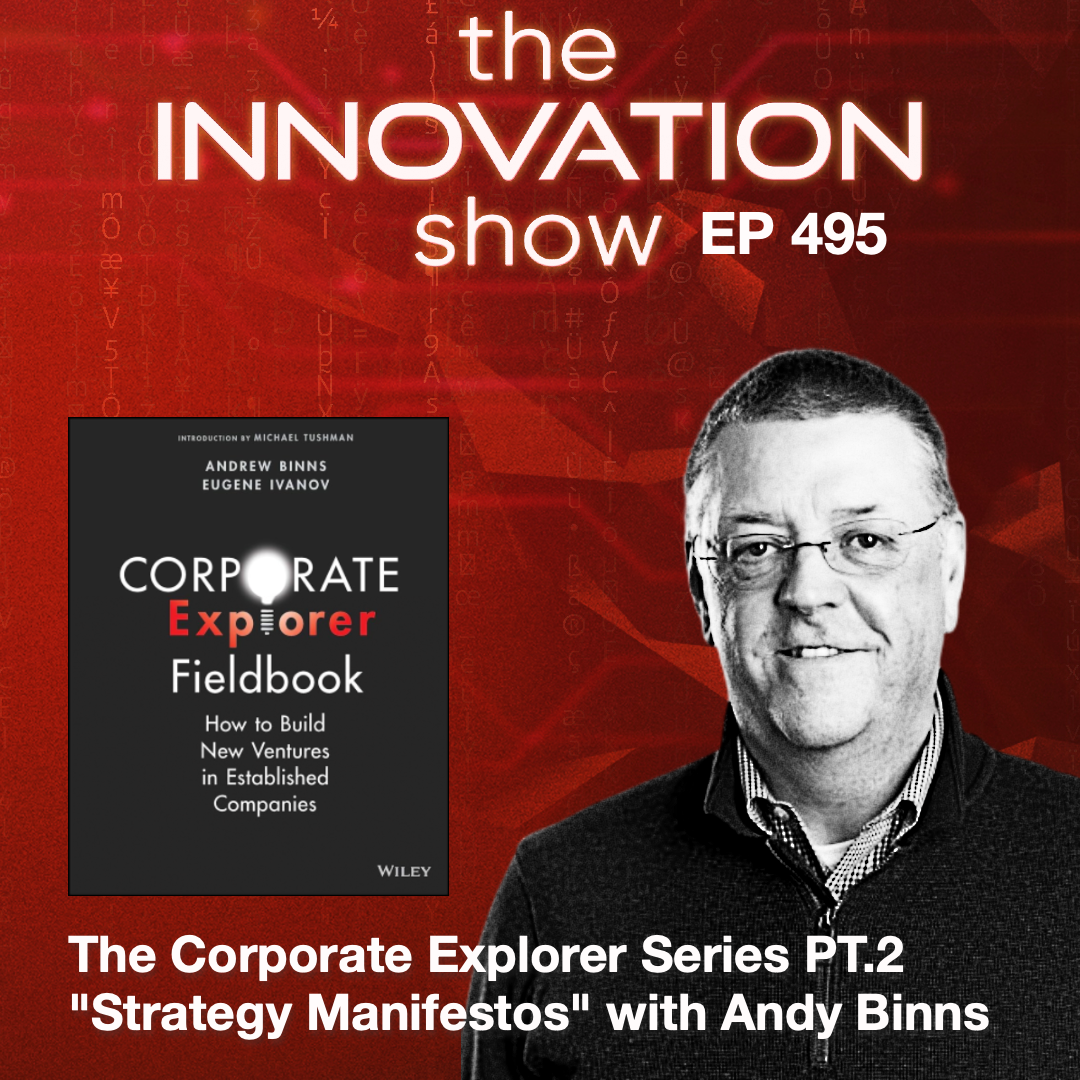
S28 Ep 495"Strategy Manifestos" with Andrew Binns
ChatGPT Welcome to part 2 of the Corporate Explorer series. In this episode, titled "Strategy Manifestos," join Andrew Binns as he delves into corporate exploration, sharing insights from the Corporate Explorer Fieldbook. Brought to you by Wazoku, the Corporate Explorer series is designed to uncover the depth of insight and experience within corporations, beyond the realm of management gurus and academics. In May 2022, Andy attended a conference at Bosch that sparked the inspiration for this episode, revealing the wealth of knowledge within corporations about corporate exploration. The episode kicks off with a discussion on turning high-level corporate statements into empowering Strategy Manifestos. Co-authored by long-time client Andreas Brandstetter, Chapter 1 explores the crucial role of manifestos in aligning senior leaders on strategic ambitions and communicating these ambitions effectively. Andy shares personal experiences as a corporate explorer, emphasizing the importance of a clear strategy. The Strategy Manifesto, while not a replacement for detailed strategy plans, makes explicit the company's strategic choices and provides the rationale for those decisions. Discover the key element of the manifesto – portfolio allocation. Learn how companies can change their approach to R&D investment to focus on cross-business priorities, including areas of withdrawal or deliberate non-entry. Moving on to the execution of the manifesto, Andy outlines five steps: developing a point of view, assembling facts and perspectives, drafting and iterating, addressing disagreements, and adapting for different audiences. The episode concludes with five powerful approaches for corporate explorers to trigger change within their organizations. From outside-in exploration to cultivating sponsors, each approach requires time and commitment but holds the potential to create bottom-up pressure that shifts action at the top. Tune in to "Strategy Manifestos" by Andrew Binns, part of the Corporate Explorer series sponsored by Wazoku, and gain actionable insights into driving innovation and strategy within your organization. Don't miss this opportunity to explore the uncharted territories of corporate excellence! For those interested in Wazoku, find Wazoku at www.wazoku.com
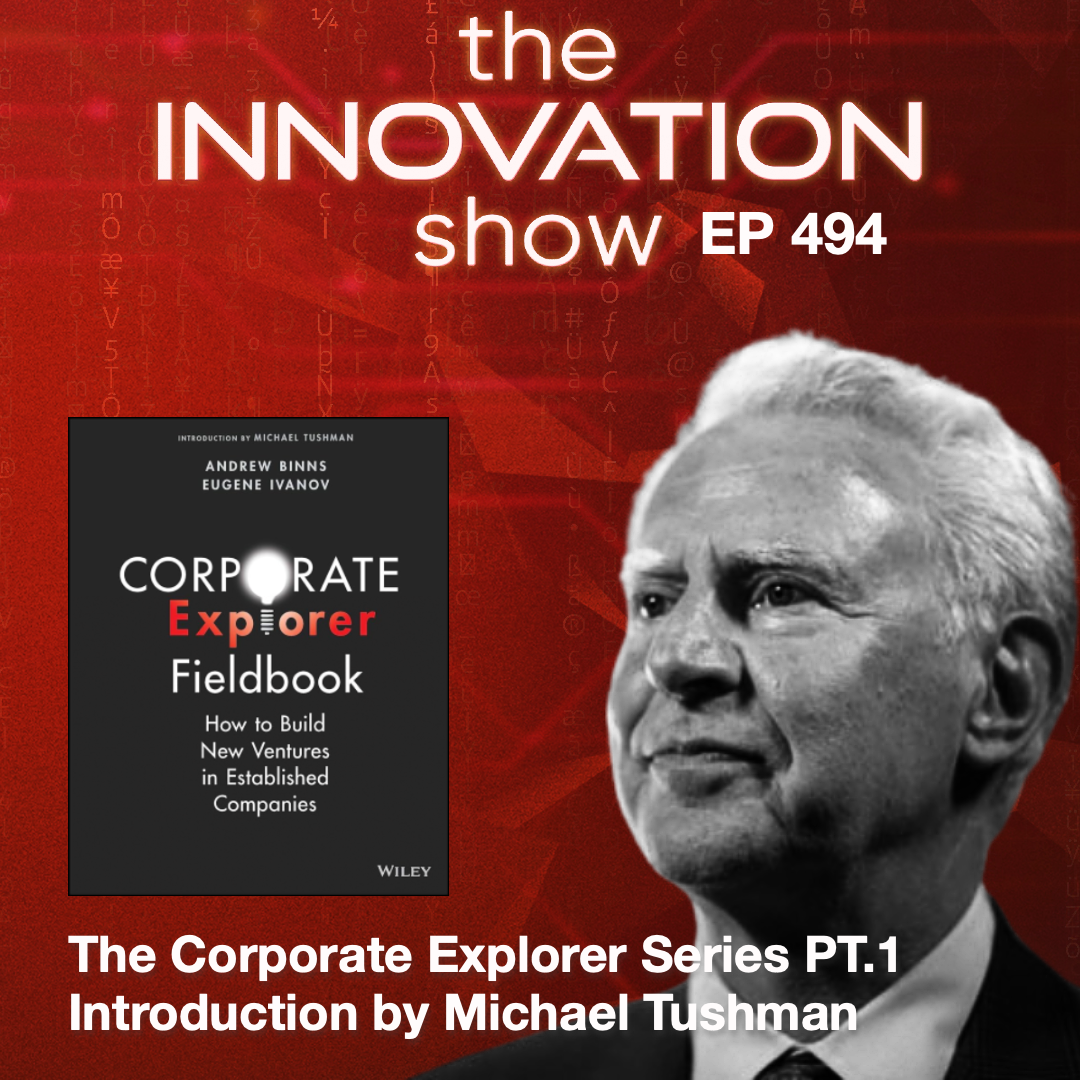
S27 Ep 494Michael Tushman - The Corporate Explorer Series Introduction
Welcome to the Corporate Explorer Series, your gateway to the dynamic world of corporate exploration! 🚀 Dive into the inaugural episode, where we delve into the transformative insights from the "Corporate Explorer Fieldbook" by Andrew Binns and Eugene Ivanov. Brought to you by Wazoku, a pioneer in cultivating effective, sustainable innovation ecosystems, this series features Michael Tushman, a leading academic, professor, and advisor, sharing his journey from the corporate frontier to academia. Discover Tushman's profound experiences with General Radio, a successful enterprise navigating market changes. Explore the pivotal questions on industry transitions, adaptability, and the application of structural ambidexterity. Learn the practical "how" in the Corporate Explorer Fieldbook, segmented into three key sections: Strategic Ambition, Innovation Disciplines, and Explore Organization and Leadership. Our gratitude to Wazoku, a catalyst for large organizations in creating innovation ecosystems. Wazoku's intelligent enterprise software fosters connected collective intelligence, uniting employees, suppliers, start-ups, universities, and a global crowd of 700,000+ problem solvers. Accelerate your understanding of corporate exploration and innovation! 🎙️ Find Wazoku at https://www.wazoku.com. Subscribe now and embark on a journey of connected collective intelligence! #CorporateExplorer #InnovationPodcast #ConnectedIntelligence #Wazoku
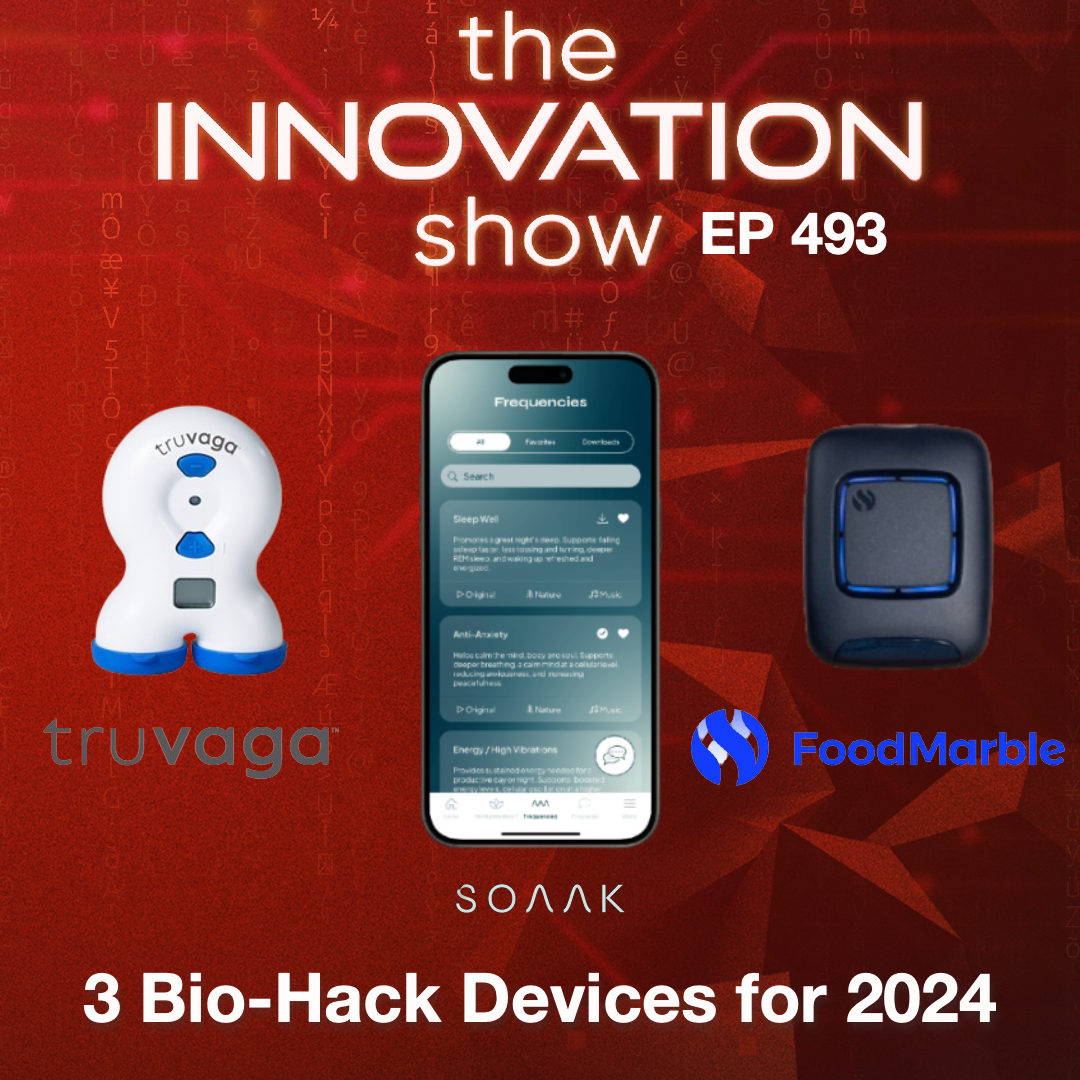
S23 Ep 4933 Bio-Hack Devices for 2024
"3 Bio-Hack Devices for 2024." covers 3 devices I am trying out in 2024: Truvaga, Soaak, and Foodmarble. Truvaga Portable and requiring only a 2-minute session day and night, Truvaga calms stress conveniently and quickly through vagus nerve stimulation. Truvaga provides the calm required to conquer your day and get a better night's sleep. https://www.truvaga.com SOAAK A mindfulness app using a "whole-person" approach to help reduce stress, decrease anxiety and boost energy. Soaak uses a clinically proven and scientifically backed approach: 1) Soothing sound frequency compositions to relax the body; 2) Daily Mindful Intention messages to reset the mind; and 3) 21-day immersion programs by global thought leaders to teach and inspire progress. https://www.soaak.com Foodmarble: Your Digestive Companion Experience the game-changing innovation of Foodmarble, a device designed to revolutionize the way you understand and manage your digestion. This portable breath analysis tool helps you decipher how your body responds to different foods, providing real-time insights into your digestive process. Witness the future of personalized nutrition as we delve into the capabilities of Foodmarble. https://foodmarble.com #BioHack2024 #TruvagaExperience #StressReliefTech #VagusNerveStimulation #CalmingInnovation #SleepBetterNaturally #SoaakMindfulness #WholePersonWellness #MindfulLiving #StressReduction #AnxietyRelief #EnergyBoost #SoothingSoundscapes #DailyMindfulIntentions #21DayTransformation #GlobalThoughtLeaders #FoodmarbleInnovation #DigestiveCompanion #PersonalizedNutrition #BreathAnalysisTech #GutHealthRevolution #WellnessTech2024 #FutureOfHealthcare #TechForWellBeing #BioHackingJourney #OptimizeYourLife #DigitalWellness #HealthTechRevolution

S23 Ep 492Built from Broken- Conquering Joint Pain and Rebuilding Your Body with Scott Hogan Final
Join us in this episode as we dive deep into the science-based approach to healing painful joints with Scott Hogan, author of "Built from Broken: A Science-Based Guide to Healing Painful Joints." Scott challenges the common belief that joint pain is an inevitable part of aging, offering insights into corrective exercise, sports nutrition, and joint health. Discover the paradigm shift that can transform the way you perceive exercise and joint health, paving the way for a resilient body. Scott lays the foundation for understanding the five primary causes of joint pain and explores the effectiveness of load training in resolving joint issues. Episode Highlights: Understanding the concept of "Built from Broken" and how setbacks become building blocks for a stronger body. The five primary causes of joint pain and strategies to prevent common injuries that trap individuals in the Pain/Injury Cycle. Debunking myths about stretching and exploring the significance of load training in resolving joint pain. Exploring mechanotransduction and how cells respond to mechanical stimuli in the body. The importance of muscle mass in aging, its impact on metabolic health, and resistance training as a practical approach. Addressing the contradiction in traditional weight training and the problems with bodybuilding routines. The five primary causes of joint pain and dysfunction: posture, movement quality, muscle imbalances, tendinopathy, and arthritis aging collagen degradation. Understanding different types of pain and a smarter approach to pain management. Insights into chronic pain development and the role of neuroplasticity. The three phases of inflammation and their relation to joint health. Exploring low inflammatory and low carb diets in managing inflammation. The role of exercise in decreasing inflammation and the benefits of resistance training. Supplements for joint health and dispelling common myths about their effectiveness. Strategies for resolving tendinopathy and understanding synovial fluid for joint lubrication. The concept of hydrodynamic pressure and synovitis in joint recovery. Factors that damage synovial fluid health in sedentary lifestyles and desk jobs. The importance of collagen synthesis in connective tissue health and its role in rebuilding joints. Connective tissue training principles for stronger joints and bones. The significance of heavy lifting for bone density and the role of energy loading in preventing injuries. Lifestyle factors that decrease collagen synthesis and five ways to increase collagen production. The podcast concludes with the crucial lesson of avoiding sedentary habits and weekend warrior activities to prevent joint injuries. Tune in to gain valuable insights into conquering joint pain and rebuilding your body with Scott Hogan's science-based approach. Don't miss this transformative discussion that challenges conventional wisdom and provides practical solutions for lasting joint health. Find Scott here: https://saltwrap.com
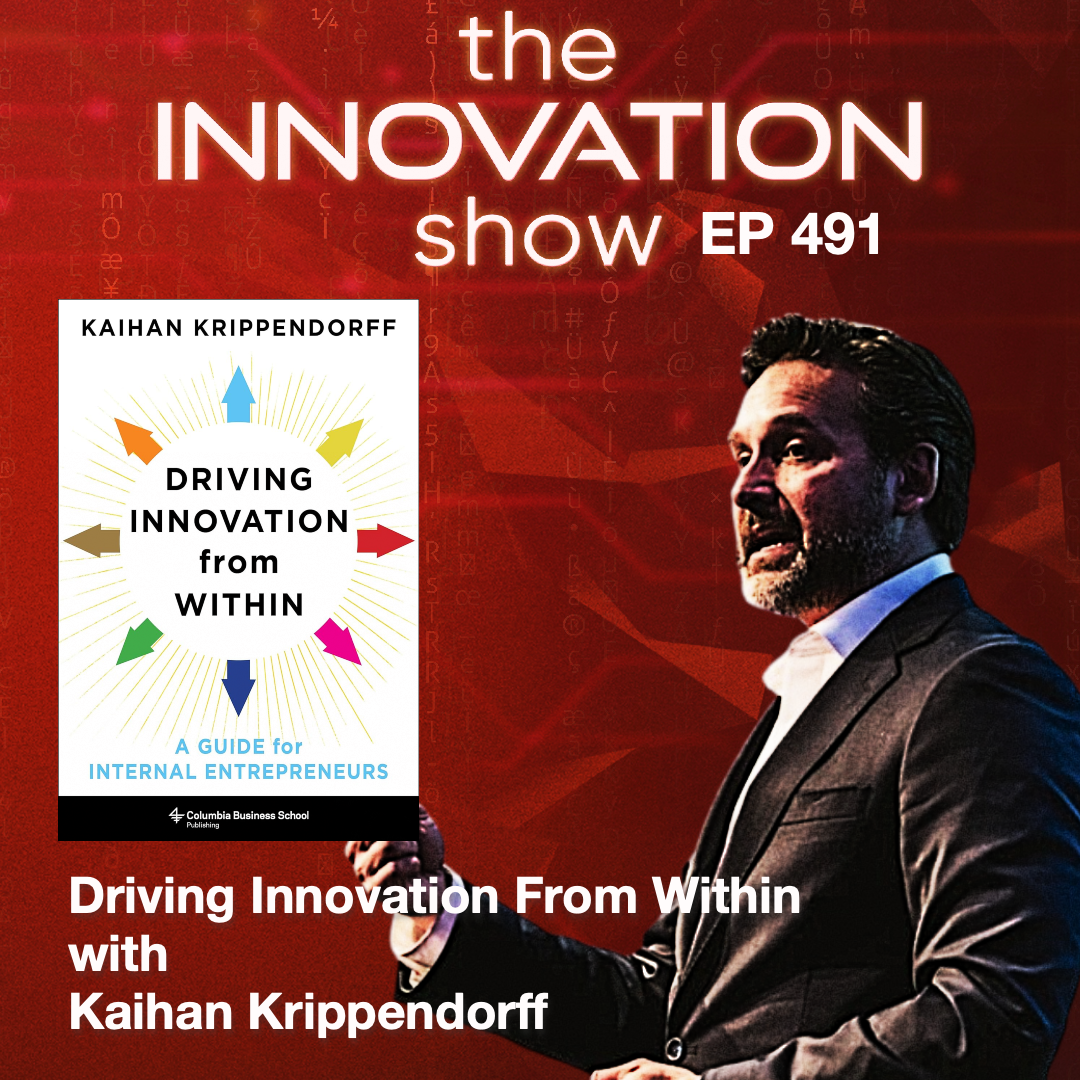
S23 Ep 491Driving Innovation From Within with Kaihan Krippendorff
Welcome to "Driving Innovation from Within: A Guide for Internal Entrepreneurs" with Kaihan Krippendorff. In this podcast, we embark on a journey to explore the world of internal innovation, challenging the pervasive myth that entrepreneurship is the sole driver of innovation. Kaihan shares insights from his book and extensive research, revealing the six vital attributes that distinguish successful internal innovators. In the introductory episode, Kaihan reflects on his personal journey, delving into the realization that innovation can thrive within organizations, as exemplified by the success story of Jean Feiwel at MacMillan. T The podcast dives into a survey conducted with 150 innovators, exploring key questions about the conception, development, and commercialization of transformative ideas. Kaihan challenges assumptions, debunking the idea that entrepreneurs overshadow corporate intrapreneurship. He emphasizes the role of founders in creating systems that empower employees to bring ideas to life. The focus then shifts to the core attributes of the intrapreneur, exploring their ability to discover opportunities, evaluate and choose the right ones, take autonomous action, and mobilize resources. Kaihan introduces the concept of the "IN-OVATE" barriers, discussing how organizations unintentionally hinder innovation and offering solutions to overcome them. Chapters unfold, detailing stories of successful internal innovators, such as Jen Feiwal, and introducing tools like the strategy pyramid for focusing searches on organizational needs. The podcast explores the importance of maintaining intent, understanding organizational needs, managing options, and overcoming value blockers. The IDEAS acronym is unveiled, emphasizing the importance of creating a portfolio of options for innovation. The discussion delves into value blockers and how successful innovators navigate them, using examples like Xbox's journey. The tension between the traditional prove–plan–execute model and the innovative act–learn–build model is explored, showcasing the need for a paradigm shift in organizational thinking. Kaihan introduces the advanced test loop, building on John Boyd's OODA loop, and emphasises the significance of assembling a cross-functional team. Seven steps to build an effective team are outlined, including removing organizational friction, aligning around a goal, and establishing a rapid rhythm. The podcast concludes by discussing the complex political landscape of gaining support for new ideas, creating "islands of freedom" within organizations. Kaihan addresses the broader issue of employee disengagement and its economic and humanitarian implications, advocating for the reignition of creativity to foster growth and purpose. Join us in "Driving Innovation from Within" as we unravel the secrets of internal entrepreneurship and inspire a new wave of creative thinking within organizations. Find Kaihan ar www.kaihan.net
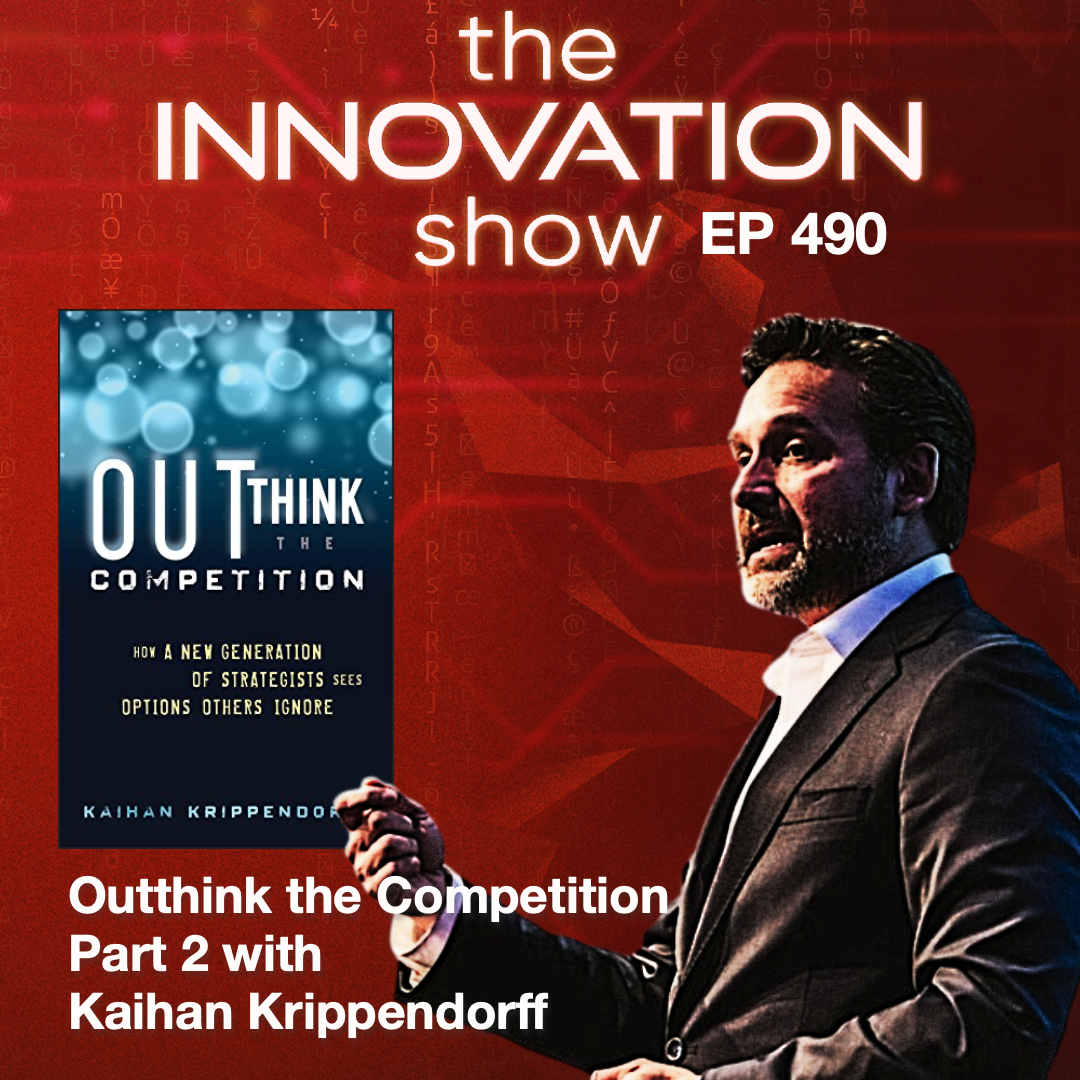
S22 Ep 490Outthink the Competition Kaihan Krippendorff Part 2
Welcome to part 2 of "Outthink the Competition: How Innovative Companies and Strategists See Options Others Ignore". We. are joined by the Master OutThinker, Kaihan Krippendorf. In this episode, we unravel the strategies that set apart the traditional playbook from the new playbook in the ever-evolving business landscape. In today's episode, we delve into the art of winning today's battleground to position yourself for success tomorrow, contrasting past strategies with the innovative approaches of today's outthinkers. Our spotlight case study features PillPack, a revolutionary prescription management system founded by TJ Parker. Discover how PillPack disrupted the traditional pharmacy model by placing the customer at the core of its design decisions, forcing competitors like CVS and Walgreens to reconsider their approach. Drawing inspiration from the wisdom of Sun Tzu, we explore the concept of coordinating the uncoordinated, where power is built without ownership. Learn how the shrinking of barriers transforms industry dynamics, allowing messages to be transmitted more quickly, reaching the right people, maintaining integrity, and fostering transparency. Chapter by chapter, we unravel strategic patterns, from forcing two-front battles to the importance of being good and building "moral force." Discover the ancient military roots of being good, echoing the words of Karl von Clausewitz and its relevance in today's business landscape. Join us as we explore the art of creating something out of nothing, dissecting the anatomy of strategy and understanding the successful habits of outthinkers. From mental time travel and attacking interconnected systems to disruptive mindsets and shaping perceptions, we unveil the secrets that set the innovators apart from the imitators. Find Kaihan here: https://kaihan.net #BusinessStrategy #Innovation #Outthinkers #CompetitiveAdvantage #StrategicThinking #IndustryDisruption #Leadership #CaseStudy #Entrepreneurship #MarketTrends #BusinessInsights #FutureOfBusiness #DisruptiveTechnology #SuccessStrategies #CorporateLeadership #BusinessPodcast #ThoughtLeadership #StrategicPlanning #DigitalTransformation #WinningStrategies
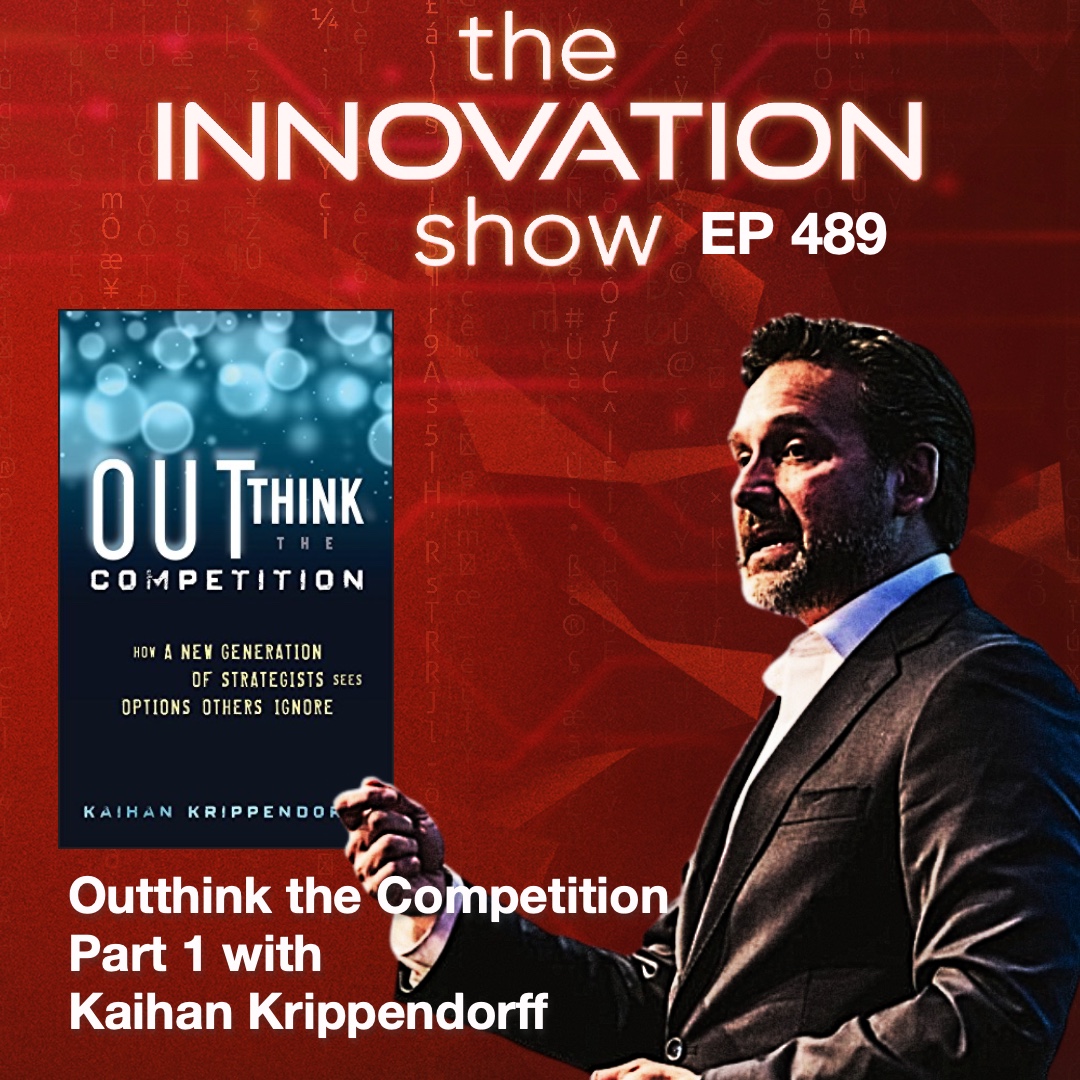
S21 Ep 489Outthink the Competition Kaihan Krippendorff Part 1
We're thrilled to have a special return in our series as we reconnect with the visionary author of "Outthink the Competition," Kaihan Krippendorf! 📚✨ In this episode, we dive into the updated 2011 version of his groundbreaking book, exploring the power of outthinking the competition and the secrets to sustained success. 🔍🚀 🔥 Key Highlights: Unveiling the essence of "Outthink the Competition" in a 3-minute media segment: What sets outthinkers apart? Exploring an intriguing example of an outthinker that left competitors in the dust. 💡 Challenges for Outthinking Your Competition: Recognizing where rigidity has taken hold. Finding the elusive "fourth option" that others overlook. Evaluating the superiority of the new strategy. Slowing down competitors' ability to emulate your innovation. 🌐 Outthinking Google: Analyzing Google's success through the outthinker lens—how they broke the mold and created a competitive buffer. 🔄 Forces Reshaping the Competitive Landscape: Erosion of economies of scale. Proximity: Moving value closer to end-users. Acceleration: Radically reduced startup times. Ecosystem Development: The power of strategic partnerships. Autonomous Connected Devices: The game-changer powered by 5G. Self-organized Citizens and Customers: The democratization of information. Death of the middleman: Navigating the changing business landscape. Geopolitical Retrenchment: Shifting economic centers post-COVID-19. The Future of Work: Evolving work environments and hierarchies. Be Good: The rise of purpose-driven organizations. 🎙️ Join us for an enlightening discussion with Kaihan Krippendorf as we unravel the secrets to outthinking your competition and thriving in a rapidly evolving business world! Don't forget to like, subscribe, and hit that notification bell to stay updated with our latest insights.
S21 Ep 488Kaihan Krippendorff - The Way of Innovation Part 2
Welcome to Part 2 of "The Way of Innovation" - Kaihan Krippendorff, where we delve into "The Way" – a journey through the strategic elements that shape the life cycle of innovation. In this episode, we explore the transformative stages of Wood, Fire, and Earth, guided by the wisdom of Sun Tzu and the strategic insights of Kaihan Krippendorff. Wood: Formation Sun Tzu once emphasized the power that comes from formation, comparing it to growing wood and crafting a bow. The Wood phase of innovation demands dedication and faith, as progress may seem slow. Kaihan draws parallels with historical challenges, such as combating scurvy in the fifteenth and sixteenth centuries, illustrating the importance of perseverance when innovation seems still. Discover the Three-Front Battle in this phase: convincing the organization, partners, and users. Learn about the seven tools that build resonance for your innovation, understanding that successful innovations break through resistance on a mental level. Fire: Breakout Once your innovation has formed its structure and attracted key supporters, it crosses the tipping point and enters the "Fire" phase. This is a chaotic yet pivotal stage, where speed, creativity, and understanding competitive behaviour are crucial. Kaihan shares principles such as postponing competitive response, shifting from strategy to tactics, and seizing the unexpected. Examples from Under Armour and Gatorade provide valuable insights into navigating this dynamic phase. Earth: Consolidation The journey through Fire is not complete without successful consolidation in the Earth phase. Companies that navigate Fire but fail at Earth risk losing ownership. Kaihan emphasizes the shift from a fast-paced, unorthodox movement to a more stable stance. Consolidating gains involves slowing the erosion of time and erecting new defenses, as illustrated by the example of Philips and the CD ROM. Understand the importance of reinvention, as the cycle repeats itself. Discover how successful innovations can lock in clients, lock out competition, or lock up resources. Be wary of success, as complacency and arrogance can set in. Learn from the experiences of companies like Infosys, and follow the advice of Carlos Ghosn to avoid letting success mark the end of your story. Join us in exploring the strategic shifts required for long-term success, as Kaihan unveils the secrets to prevent your innovation from running away and shares the final quote that ties together intuition and strategic decision-making. Tune in to unlock the wisdom that will guide your organization's creative flow. #InnovationStrategy #BusinessInsights #StrategicShifts #KaihanKrippendorff
S29 Ep 487The Way of Innovation Part 1 with Kaihan Krippendorff
Explore the depths of ancient wisdom and innovation on "Unlocking Ancient Wisdom: The Way of Innovation with Kaihan Krippendorff and Aidan McCullen." 🌟 Join Kaihan and Aidan as they delve into the intricacies of business strategy, leadership, and change management, drawing inspiration from Taoist, Hindu, and Buddhist traditions. Discover the transformative power of the five stages of innovation—Metal, Water, Wood, Fire, and Earth—unveiled by Kaihan Krippendorff. 🔄 Gain insights into the interplay between the material and immaterial worlds, the endless cycle of creation and destruction, and the three primal powers—Heaven, Earth, and Man—that drive change. Embark on a journey through ancient frameworks like the I Ching and Tao Te Ching, unravelling the dance between two parallel worlds and the timeless wisdom that has shaped innovation for centuries. Uncover the linguistic nuances that shape physical reality, exploring the impact of visions, missions, and strategies on material outcomes. Kaihan and Aidan dissect reactions using the Buddhist five aggregates framework, offering invaluable insights into overcoming barriers to innovation. Join us for compelling stories, including the tales of Puma, Reebok, and the Fosbury flop, as we navigate the Metal, Water, Wood, Fire, and Earth stages of innovation. 🚀 Whether you're an entrepreneur, leader, or change enthusiast, this podcast provides a fresh perspective on navigating the complexities of the modern world. Tune in to "Unlocking Ancient Wisdom: The Way of Innovation" for leadership insights, success strategies, and knowledge-sharing that transcends time. 🎙️ Find Kaihan here: www.Kaihan.net
S21 Ep 486Decoding The Thirty-Six Stratagems with Kaihan Krippendorff
"Strategic Mastery Unveiled: Decoding The Thirty-Six Stratagems with Prof. Kaihan Krippendorff" Description: Explore the fascinating world of strategic thinking with Professor Kaihan Krippendorff, a renowned Columbia Business School expert and OutThinker Network's founder. In this enlightening 4-part podcast series, Prof. Krippendorff delves into the timeless wisdom of The Thirty-Six Stratagems, an ancient Chinese text offering a toolkit for creative thinking in various contexts. Uncover the strategic brilliance of historical military geniuses like Genghis Khan, Alexander the Great, and Napoleon Bonaparte, who achieved victories through strength and creativity. Prof. Krippendorff shares how The Thirty-Six Stratagems, a compilation of metaphors, provides a comprehensive vocabulary of competition, unveiling unexpected plans for success in negotiations, mergers, and more since 2003. In Part 1, explore the origin story of The Thirty-Six Stratagems and gain insights into the first four laws, including the powerful concept of Yin Yang Polarity. Discover how embracing balance and complexity can give your business a competitive edge. Part 2 delves into Wu Wei, or "going with the flow," as Prof. Krippendorff shares real-world applications of the first fourteen stratagems. Learn to catch your competitors off-guard, stage small attacks for strategic insights, and seize opportunities in moments of apparent weakness. Part 3 introduces Wu Chang, emphasizing the importance of continuous change. Understand the difference between Eastern and Western views of change and explore how companies like Qualcomm, Whole Foods, and Walmart make decisions that lead to initial losses but set the stage for future victories. Finally, in Part 4, delve into Shang Bing Wu Bing, the art of indirect action. Prof. Krippendorff unravels the mysteries behind the last seven stratagems, revealing how companies like Legend (Lenovo), Logitech, and others have strategically navigated alliances, created facades, and leveraged indirect actions for success. Join us on this strategic journey as we unlock the secrets of The Thirty-Six Stratagems and apply ancient wisdom to modern business challenges. Don't miss this enlightening series that promises to reshape your approach to strategy and innovation. Subscribe now for a masterclass in strategic thinking! Find Kaihan here: https://kaihan.net/

S29 Ep 485Conquering Uncertainty - Theodore Modis Part 4
ChatGPT Welcome to the finale of the Theodore Modis podcast series. In this insightful episode titled "Conquering Uncertainty: Understanding Corporate Cycles and Positioning Your Company to Survive the Changing Environment," our guest, the author of "Conquering Uncertainty: Understanding Corporate Cycles and Positioning Your Company to Survive the Changing Environment," delves into the science of anticipating turning points in business with precision. The discussion explores the natural pattern of substitutions in markets, emphasizing the importance of understanding S-shaped patterns in transitions between products, services, and technologies. The podcast highlights the significance of recognizing low-growth periods during major business transitions and the pitfalls of wishful thinking in minimizing these phases. Drawing parallels to the natural seasons, the podcast breaks down the business cycle into Winter, Spring, Summer, and Fall/Autumn. Each season is characterized by unique challenges and opportunities, offering valuable insights for executives navigating their companies through various stages. The metaphor is extended to the BCG Matrix, providing a fresh perspective on growth dynamics. Listeners are treated to a detailed exploration of each season, from the survival-focused Winter to the strategic excellence of Summer, and the introspective, transformative aspects of Fall/Autumn. The episode discusses the author's new BCG Matrix version, aligning it with the metaphor of seasons to provide a comprehensive understanding of business evolution over time. The podcast concludes with a thought-provoking discussion on the right strategies for different seasons, including divestment and acquisition strategies during periods of chaos and abundance. The guest shares insights on DEC's management decisions during challenging times, emphasizing the need for adaptability and transformation in the face of economic downturns. Join us in this engaging episode as we unravel the mysteries of corporate cycles and gain valuable insights from the author of "Conquering Uncertainty: Understanding Corporate Cycles and Positioning Your Company to Survive the Changing Environment." Thank you for tuning in! 00:00:00.000 Introduction and Quote on Conquering Uncertainty 00:02:33.238 Just-in-Time Action and its Evolution 00:04:43.489 Using Seasons as an Analogy for Segmenting the Life Cycle 00:07:04.093 Selection Process and Hiring the Right People for Winter 00:09:02.723 Graphical Illustration of Horses and Cars Substitution 00:11:32.271 Splitting of Arthur Anderson and the Seasons of an Organization 00:14:34.757 The Need for Differentiation to Influence S-Curve Evolution 00:18:53.655 The Concept of Seasons in the Business Environment 00:21:08.212 Exploring the Characteristics of Winter in an Organization 00:22:21.956 The Power of Redesign and Fundamental Change 00:24:18.095 Transitioning from Winter to Spring: Nursing and Continuous Improvement 00:27:19.426 Drifting from Spring to Summer: Specialists to Bureaucrats 00:34:03.063 Understanding the different aspects of summer in business growth. 00:45:07.259 The Challenge of Company Reorganization Find Theodore here: http://www.growth-dynamics.com/default.asp?page=books
S28 Ep 484An S-Shaped Adventure Part 3 with Theodore Modis
In today's episode, we continue our exploration of the groundbreaking work of Theodore Modis as we delve into "An S-Shaped Adventure Part 3." In this installment, we tackle the concept of "Just-In-Time Replacement," a strategy near and dear to marketers' hearts. Discover the delicate balance between launching new products too closely together, potentially frustrating customers, and delaying replacements, risking a loss of market share to competitors. We explore the critical question: When is the optimal moment to introduce change in an ongoing natural growth process? We break down the science behind the "cascading S-curves," revealing the quantitative rule for achieving just-in-time product replacement. Explore how these nested S-curves influence industries, product families, and basic technologies, with each level sharing a common life cycle pattern but differing in duration. Delve into various scenarios, including the lifecycles of products, product families, basic technologies, and the overarching economy. Understand the power of estimating overall saturation from life-cycle trends, providing insights into the growth potential of various entities within the market. The episode explores the author's experiences in analyzing S-curves in different industries, from aircraft to DEC, offering valuable insights into the dynamics of market evolution. We unravel the intriguing Volterra-Lotka equation, which mathematically represents predator-prey interactions and their effects on the dynamics of ecosystems. We discuss how this equation relates to the business world and the actions companies can take to alter their competitive landscape. Explore various types of interactions between species and industries, from pure competition to predator-prey relationships, and understand how these dynamics play out in the business world. The episode takes a deep dive into the concept of competition management and how the nature of competition can be transformed over time. Discover fascinating real-world examples of shifts in competitive roles and how they impact industries and products. Find Theodore here: http://www.growth-dynamics.com/default.asp?page=books 00:00:00.000 Ponderings and Recap: S-Curves and Rabbit Metaphor 00:02:56.574 Genetic Modification of Business and Advertising Strategies 00:05:46.855 Optimum Time to Launch a Replacement Product and Harmonic Oscillator 00:10:34.227 Advice for Innovators Joining a Company 00:12:28.591 Understanding Nested S Curves and Product Life Cycles 00:21:40.995 Strategy department's role in analyzing and giving orders 00:23:31.432 Different types of relationships in business dynamics explained 00:32:13.713 Exploring New Topics and Directions
S28 Ep 483An S-Shaped Adventure Part 2 with Theodore Modis
In today's podcast, we're delving deeper into the follow-up to the groundbreaking book, "Predictions: Society's Telltale Signature Reveals the Past and Forecasts the Future." This sequel takes us on an exciting journey, offering a fresh perspective on understanding society and ourselves by employing scientific principles to forecast social phenomena. But that's not all; we're also tackling the daring task of revisiting the predictions made two decades ago and comparing them to real-world data—a step forecasters typically shy away from. And to sweeten the deal, this book introduces many new, relevant topics that have emerged recently. Stay tuned for an enlightening exploration of these intriguing insights! Find Theodore here: http://www.growth-dynamics.com/default.asp?page=books 00:00:00.355 Introduction and Recap of Part One 00:02:00.301 Growth Potential in China and India 00:10:23.649 Synthetic Rubber: Exceptional Growth During the War 00:12:32.440 Anticipating New Product Introductions and Disease Trajectories 00:15:45.440 Cardiovascular vs. Cancer: Competing Diseases 00:17:49.360 Competing Travel Means: Cars, Trains, and Planes 00:20:01.429 Competition for Energy: Fuel and Share Growth 00:22:13.924 The Fuel Conundrum: Fluctuations and Fracking 00:25:08.739 The Succession of S-curves in Energy Consumption 00:27:17.544 Subjective vs Concrete Variables in Econometrics 00:28:49.043 The Breakdown of Data Agreement in Electricity Production

S28 Ep 482An S-Shaped Adventure 1 with Theodore Modis
Today's book is a stand-alone sequel to "Predictions: Society's Telltale Signature Reveals the Past and Forecasts the Future", which provided a new way of understanding society and ourselves by applying scientific concepts to predicting social phenomena. In addition to taking up the challenge of confronting the predictions made 20 years ago with actual data-something, forecasters generally refrain from doing so; the book includes many new topics that became relevant more recently. 00:00:00.013 Introduction to the book "Predictions: Twenty Years Later" 00:02:43.026 Theodore Modus shares his career transition and inspiration for writing 00:09:55.747 Natural Laws and Decision Making 00:14:03.796 The Primordial Growth Curve in the Universe 00:16:18.280 Applying the S-Curve Model to Organizations and Species 00:24:05.759 Auto Regulation: The Impact of Speed Limits on Accident Rates 00:25:36.619 Invariance: Stability in deaths and accidents 00:28:25.448 Expanding in space is natural and follows invariance 00:30:28.941 Easy come, easy go: Growth curves and organization lifespan 00:32:53.823 Natural growth curves and the wisdom of slow growth 00:34:52.599 The golden mean of growth: avoiding deviations and imbalances 00:38:09.907 Mapping Types of Competition in a Business Environment 00:40:07.453 S-Curves in Creativity: Schumann and Mozart's Compositions 00:44:14.960 The Complicated Beginning and the Limits of Growth Find Theodore here: http://www.growth-dynamics.com/default.asp?page=books

S26 Ep 481Yossi Sheffi - The Magic Conveyor Belt Part 3
In 2020, the World Economic Forum estimated that AI might destroy 85 million jobs by 2025. A 2022 study by the US Government Accountability Office (GAO) found that between 9 and 47% of jobs could be automated, particularly jobs requiring lower education levels or more routine tasks. Not surprisingly, workers, particularly low-skilled ones, perceive automation—specifically robots—as threatening their jobs. Fear and resentment toward job-stealing machines are not new. Throughout the series of overlapping industrial revolutions in history, many jobs were indeed diminished or replaced by machines. Yet, other jobs were created over time. Prof Yossi Sheffi shares his thoughts on the future of work and workers. We welcome back Professor Yossi Sheffi for the finale of our series on his book, "The Magic Conveyor Belt: Supply Chains, A.I., and The Future of Work." 00:00:00.000 The Impact of Automation on Jobs 00:02:39.488 The Fifth Industrial Revolution and Amplifying Human Creativity 00:03:46.708 Job Creation and Unemployment Rates 00:06:23.573 The Slow Pace of Job Displacement and Regulation 00:09:00.668 Technology Always Wins, Companies Must Invest in Workers' Skills 00:11:47.371 Negotiating for Skill Upgrades in the Advanced AI World 00:14:13.311 Regulation as a Short-Term Game, Reinvesting in Skills 00:16:12.024 The Impact of Automation on Logistics Jobs 00:17:26.473 The Rise of Autonomous Tracking and Workforce Preparation 00:19:36.312 The Impact of Model T on Job Creation 00:21:40.769 The Three Stages of Job Transformation: De-skilling, Scaling, Elimination 00:24:40.238 Job Changes and Creation in Automation 00:27:13.249 AI and Automation: Journalists' Fears and Future Job Opportunities 00:35:49.159 The Importance of Purpose After Retirement 00:36:50.790 The Importance of Investing in the Future 00:40:07.188 Staying Relevant in an Evolving Job Market 00:44:16.591 The Social Dimension of Automated Jobs 00:47:35.298 Embracing Change and Adapting to Working with Machines That HBR article Yossi mentions: https://hbr.org/2023/09/the-uaw-and-other-unions-must-focus-more-on-ai-and-automation-in-their-negotiations

S26 Ep 480Yossi Sheffi - The Magic Conveyor Belt Part 2
Part 2 covers the "Further Complexity and Challenges" of supply chains, and you explore how the last 50 years have added even more complexity. This part covers the rising demand for goods and the increasing consumer expectations for fast, perfect delivery services. 00:00:00.751 Introduction: Further Complexity and Challenges in Supply Chains 00:01:41.748 The Evolution of Industrial Revolutions 00:14:39.859 Short-term Focus of Wall Street and Cost Cutting 00:16:51.371 Ethical Companies with Veto Power in Supply Chain 00:19:05.497 Complexity of Supply Chain Leads to Lack of Transparency 00:22:18.074 The Hidden Structure of Supply Chains Revealed 00:22:58.371 Supplier Secrecy and Business Management 00:24:55.140 The Horsemeat Scandal: Lack of Awareness 00:26:35.611 IKEA's Past Controversies and Sustainability Efforts 00:29:55.209 The Function of Free Trade Zones 00:35:23.620 The Dilemma of Climate Change and Consumer Behavior 00:39:22.406 VUCA: Volatility, Uncertainty, Complexity, and Ambiguity in Supply Chains 00:41:55.300 Moving Final Production Step to Vietnam for Political Reasons 00:42:27.457 Environmental concerns and reliance on Chinese materials 00:45:22.956 Costly Investments in Emergency Operations and Drills 00:48:11.291 The Success Story of Private Equity and Innovation 00:50:47.965 The Bullwhip Effect: Supplier Reactions and Market Fluctuations Mentioned by Yossi: In a visit to MIT, FedEx founder Frederick Smith shares thoughts on innovation: https://news.mit.edu/2023/fedex-founder-frederick-smith-mit-visit-0215
S26 Ep 479Yossi Sheffi - The Magic Conveyor Belt Part 1
Today's book explains why supply chains are complicated to operate (and getting more challenging!). Fortunately, future managers can employ a combination of suitably educated employees and digital technology to manage ever-higher complexity successfully. People and companies can use digital technologies to make themselves more efficient and more effective in addressing the expanding and changing needs of the planet. Our guest is the author of a 1985 textbook on transportation networks and eight management books dealing with supply chain resilience, sustainability, and industrial clustering; we welcome the author of The Magic Conveyor Belt: Supply Chains, A.I., and The Future of Work, we welcome Professor Yossi Sheffi. 00:00:00.067 The Challenges of Operating Supply Chains 00:03:23.626 The Complexity of Supply Chains and Appreciation for Efforts 00:05:21.979 The Complexity of Global Supply Chains 00:06:57.421 Complexity of Supply Chains in Automobile Industry 00:13:35.997 The Surprising Complexity of the Banana Supply Chain 00:18:23.385 The Supply Chain: Synchronizing Supply and Demand 00:24:35.818 Unforeseen Impacts: How Disruptions Ripple Through the Chain 00:30:00.944 Supply Chain Managers: Victims of their own Success 00:32:40.419 Insights on Outsourcing and Offshoring in China 00:33:34.670 China's Rise as a Manufacturing Powerhouse 00:38:56.587 Mysterious Fibers Replacing Materials in Airplanes 00:39:11.269 China's Dominance in Bonding Agents and Rare Earth Materials 00:40:52.177 The Unpleasant Choices in Balancing Priorities 00:43:40.989 Outsourcing, Offshoring, and the Complexity of Supply Chains 00:51:38.755 The Complex and Efficient Manufacturing of Cheap T-Shirts 00:53:42.528 Conspicuous Consumption and Food Waste in the United States