
The History of Egypt Podcast
436 episodes — Page 8 of 9
54: Three Kingdoms
Second Intermediate Period (Part 3). Around 1560 BCE the Hyksos were supreme over Egypt. Along with their allies (the Nubians of Kerma), the Hyksos dominated half of the country. Down in the southern regions, the kings of Dynasty 16 struggled to hold their territory... Website: www.egyptianhistorypodcast.com. Support the show via Patreon www.patreon.com/egyptpodcast. Make a one-time donation via PayPal payments. Select Bibliography: Anthony J. Spalinger, War in Ancient Egypt, 2005 Nicolas Grimal, A History of Ancient Egypt, 1994. Aidan Dodson and Dyan Hilton, The Complete Royal Families of Ancient Egypt, 2004 & 2010. Lazlo Torok, Between Two Worlds: The Frontier Region Between Ancient Nubia and Egypt 3700 BC – AD 500, 2009. Learn more about your ad choices. Visit megaphone.fm/adchoices
53: Rulers of Foreign Lands
Second Intermediate Period (Part 2): Invaders! Around 1650 BCE, the 13th Dynasty crumbled away. Foreigners moving into Egypt over previous centuries now consolidated their power. Or was it an invasion? Website: www.egyptianhistorypodcast.com. Support the show via Patreon www.patreon.com/egyptpodcast. Make a one-time donation via PayPal payments. Select Bibliography: Daphna Ben-Tor, “Can Scarabs Argue for the Origin of the Hyksos?” Journal of Ancient Egyptian Interconnections, 1 (2009). FREE on Academia.edu. Nadine Moeller, et al., “Discussion of Late Middle Kingdom and Early Second Intermediate Period History and Chronology in Relation to the Khayan Sealings From Edfu.” Egypt and the Levant, XXI (2011). FREE on Academia.edu. Wolfram Grajetzki, “Notes on Administration in the Second Intermediate Period,” The Second Intermediate Period, 2010. Charlotte Booth, The Hyksos Period in Egypt, 2008. Learn more about your ad choices. Visit megaphone.fm/adchoices
52: Two Dynasties at Once
The Second Intermediate Period (Part 1). Around 1700 BCE, different regions of Egypt began to separate. Following a slow decay, a catastrophic famine and plague, and erosion of royal authority, people living in the north decided to find their own way in life. Date: c. 1700 BCE. Website: www.egyptianhistorypodcast.com. Support the show via Patreon www.patreon.com/egyptpodcast. Make a one-time donation via PayPal payments. Episode written in 2014. Edited but not rewritten in 2024. Select bibliography: Manfred Bietak, “Egypt and Canaan During the Middle Bronze Age,” Bulletin of the American School of Oriental Research, 1991. Janine Bourriau, “The Second Intermediate Period” in The Oxford History of Ancient Egypt, 2004. Auaris.at – Official Website of the Austrian Expedition to Avaris (Tell el-Dabaa): General History of the Region; the Avaris Temple. Irene Forstner-Muller, “Tombs and Burial Customs…” in The Second Intermediate Period: Current Research, Future Prospects, 2010. Nicolas Grimal, A History of Ancient Egypt, 1994. Aidan Dodson & Dyan Hilton, The Complete Royal Families of Ancient Egypt, 2010. Wolfram Grajetzki, The Middle Kingdom of Ancient Egypt, 2006. Gregory D. Mumford, “Dynasties 13-17: The Second Intermediate Period,” Lecture Series. Learn more about your ad choices. Visit megaphone.fm/adchoices
51: Everywhere and Nowhere (An Eloquent Peasant)
Dynasty 13: Invisible Kings. From 1770 to 1700, the 13th Dynasty produced a vast number of kings, but we know almost nothing about them, for reasons that remain challenging to understand. We also explore the Tale of the Eloquent Peasant, a wonderful story of wrongdoing and the search for justice. Website: www.egyptianhistorypodcast.com. Support the show via Patreon www.patreon.com/egyptpodcast. Make a one-time donation via PayPal payments. Select Bibliography: Aidan Dodson and Dyan Hilton, The Complete Royal Families of Ancient Egypt, 2010. Wolfram Grajetzki, The Middle Kingdom of Ancient Egypt, 2006. Nicolas Grimal, A History of Ancient Egypt, 1994. W.K. Simpson (editor), The Literature of Ancient Egypt, 2006. PDF Copy at Archive.org. Toby Wilkinson, The Complete Gods and Goddesses of Ancient Egypt, 2003. W.K. Simpson (editor), The Literature of Ancient Egypt, 2006. PDF Copy at Archive.org. Learn more about your ad choices. Visit megaphone.fm/adchoices
50: Between Two Worlds (Sobekneferu / Neferusobek)
A Woman King. Around 1776 BCE, the 12th Dynasty was dwindled away. Before it vanished, it produced one last remarkable figure. Neferu-Sobek (or Sobek-Neferu) was Egypt's first recorded female king. Additionally, we explore the Tale of the Man and his Ba, also known as The Man Who Was Tired of Life. Date: c. 1776 BCE. Website: www.egyptianhistorypodcast.com. Support the show via Patreon www.patreon.com/egyptpodcast. Make a one-time donation via PayPal payments. Select Bibliography: Aidan Dodson and Dyan Hilton, The Complete Royal Families of Ancient Egypt, 2010. Wolfram Gratjetzki, The Middle Kingdom of Ancient Egypt, 2006. Nicolas Grimal, A History of Ancient Egypt, 2006. Raymond O. Faulkner, “The Man Who Was Tired of Life,” Journal of Egyptian Archaeology (1956). Learn more about your ad choices. Visit megaphone.fm/adchoices
49: From One Era to Another
Foreign Settlements. King Amenemhat IV came to power around 1798 BCE. His reign was unremarkable, but big things were happening around Egypt. In this episode, we explore the growing evidence for Canaanite peoples coming to Egypt and settling in large numbers. Date c.1798 BCE. Website: www.egyptianhistorypodcast.com. Support the show via Patreon www.patreon.com/egyptpodcast. Make a one-time donation via PayPal payments. Select Bibliography: Aidan Dodson and Dyan Hilton, The Complete Royal Families of Ancient Egypt, 2010. Wolfram Grajetzki, The Middle Kingdom of Ancient Egypt, 2006. Nicolas Grimal, A History of Ancient Egypt, 1994. Florian Lippke, “The Southern Levant in context. A brief sketch of important figures considering the religious symbol system in the Bronze Ages,” in Egypt and the Near East – the Crossroads. Jana Mynárova, 2011. Ian Shaw, “Amethyst Mining in the Eastern Desert: A Preliminary Survey at Wadi el-Hudi,” Journal of Egyptian Archaeology 79 (1993): 81-97. Jacke Phillips, “Egyptian Amethyst in the Bronze Age Aegean,” Journal of Ancient Egyptian Interconnections 1.2 (2009): 9-25. Learn more about your ad choices. Visit megaphone.fm/adchoices
48: A Last Flowering
King Amen-em-hat III (aka Ny-ma'at-Re) was the last "great" ruler of Dynasty 12. Over forty-six years in power, he would achieve significant things for his royal household. Unfortunately, cracks were beginning to appear in Egypt's kingdom... Date: c. 1840 BCE. Website: www.egyptianhistorypodcast.com. Support the show via Patreon www.patreon.com/egyptpodcast. Make a one-time donation via PayPal payments. Select Bibliography: Aidan Dodson and Dyan Hilton, The Complete Royal Families of Ancient Egypt, 2010. Wolfram Grajetzki, The Middle Kingdom of Ancient Egypt, 2006. Nicolas Grimal, A History of Ancient Egypt, 1994. Gregory D. Mumford and Sarah Parcak, “Pharaonic Ventures into the South Sinai,” Journal of Egyptian Archaeology 89 (2003). JSTOR. Alan B. Lloyd (editor), A Companion to Ancient Egypt, 2010. Google Books preview. Kerry Muhlstein, “Levantine Thinking in Egypt,” Egypt, Canaan and Israel: History, Imperialism, Ideology and Literature, 2009. Google Books preview. James P. Allen, “The Historical Inscription of Khnumhotep at Dahshur,” Bulletin of the American Schools of Oriental Research 352 (2008). JSTOR. R. Neil Hewison, The Fayoum: History and Guide, 2008. Google Books preview. University College London wesbite: Satire of the Trades; The Labyrinth of Hawara. Chris Kirby‘s Reconstruction of Biahmu. Youtube. Learn more about your ad choices. Visit megaphone.fm/adchoices
47: Strong Ruler(s)
Senuseret III (Part 5). Family matters. Around 1845 BCE, the Heka-nakht Papyri tell us of daily life and business in Middle Kingdom Egypt. Also, King Senuseret III reaches the end of his reign. His successor, Amenemhat, strikes up an uncommon balance of power, with his daughter Neferu-Ptah... Date: c. 1845 BCE. Website: www.egyptianhistorypodcast.com. Support the show via Patreon www.patreon.com/egyptpodcast. Make a one-time donation via PayPal payments. Music: Keith Zizza. Select Bibliography: Wolfram Grajetzki, The Middle Kingdom of Ancient Egypt, 2006. Aidan Dodson and Dyan Hilton, The Complete Royal Families of Ancient Egypt, 2010. Josef Wegner, “A Group of Miniature Royal Sarcophagi from South Abydos,” in Millions of Jubilees: Studies in Honor of David P. Silverman, 2010 (Read online free at Academia.edu). UCL Website – Amenemhat III. SLU Website – Amenemhat III. Learn more about your ad choices. Visit megaphone.fm/adchoices
46: Crushing Our Enemies
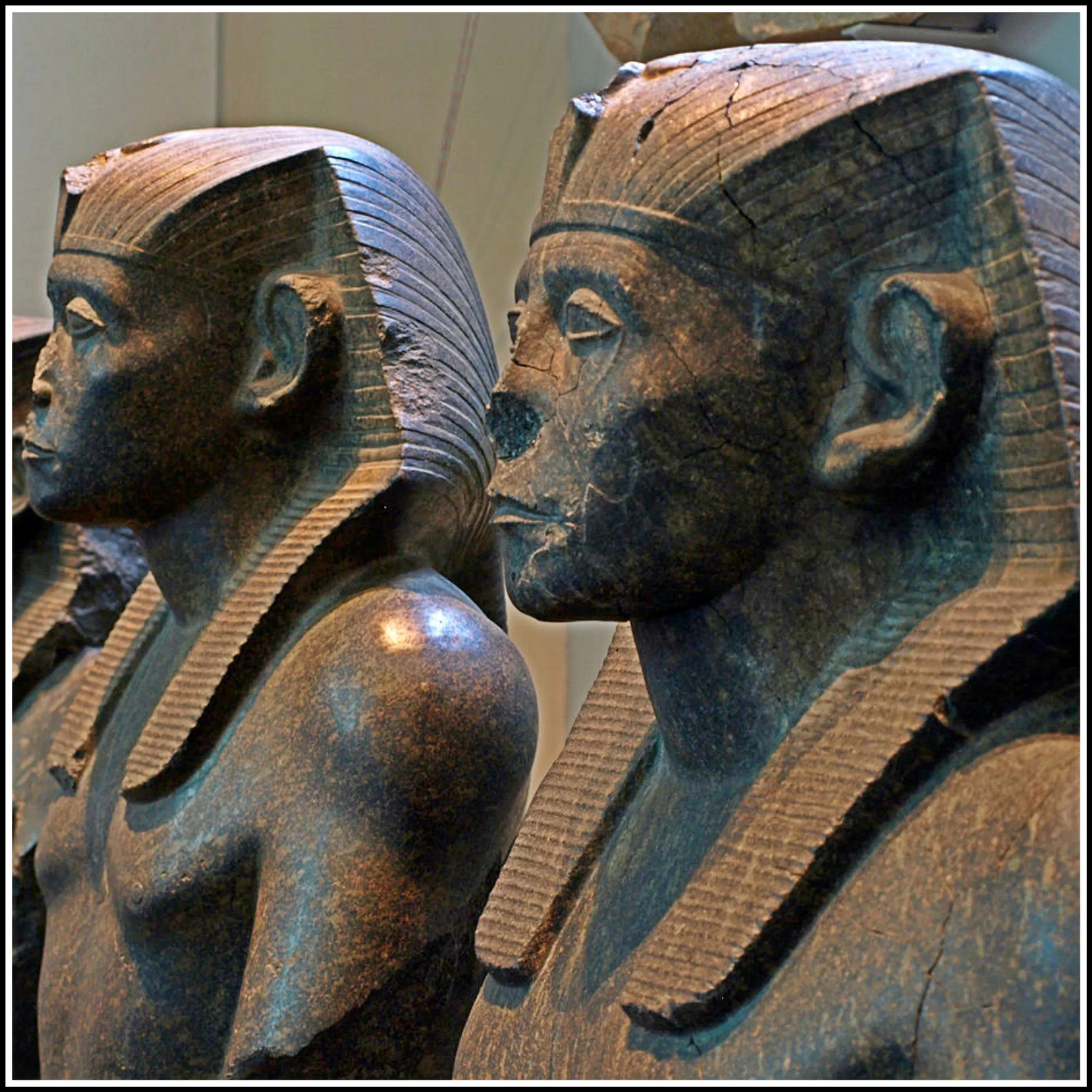
Kha-kau-re Senuseret III (Part 4): Decimations. Around 1864 BCE, King Senuseret III launched a new campaign into Nubia. Along the way, he built new fortresses and took many captives. Meanwhile, Egyptians begin practising a rather novel way of destroying their enemies... Website: www.egyptianhistorypodcast.com. Support the show via Patreon www.patreon.com/egyptpodcast. Make a one-time donation via PayPal payments. Select Bibliography: Lazlo Török, Between Two Worlds: The Frontier Region between Ancient Nubia and Egypt 3700 BC – AD 500, 2009. Lyla Pinch Brock, Zahi Hawass, Egyptology at the Dawn of the Twenty-First Century: Archaeology, 2003 (Google Books). Derek Welsby, “Hidden Treasures of Lake Nubia,” Sudan & Nubia volume 8 (2004). Carola Vogel, The Fortifications of Ancient Egypt 3000-1780 BCE, 2010 (Google Books). Learn more about your ad choices. Visit megaphone.fm/adchoices
45: The Book of Two Ways
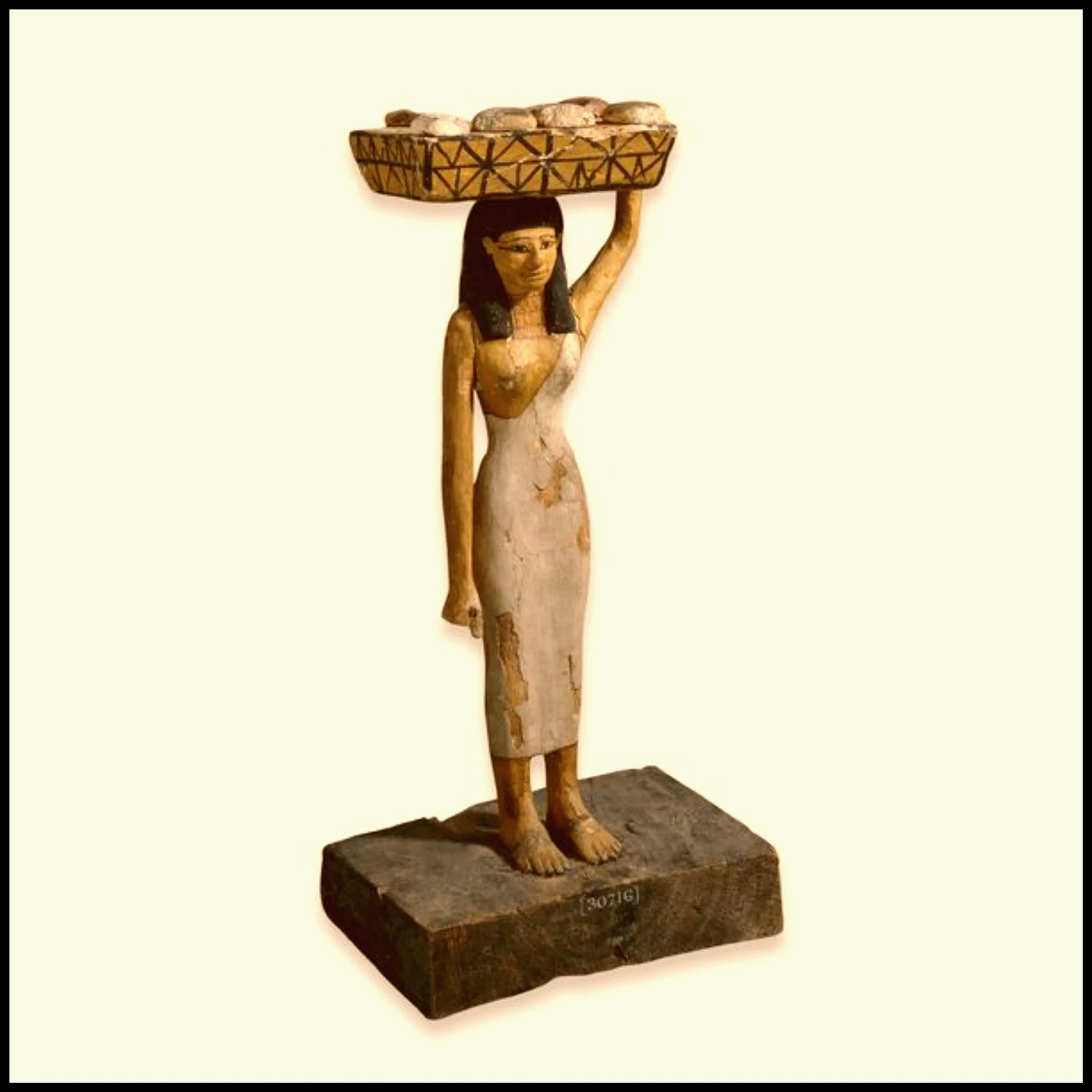
Kha-kau-re Senuseret III (Part 3): The Coffin Texts. Around 1867 BCE, the nobles were taking a greater share in the economy than ever before. This "flowering" of elite culture produced some wonderful works: ornately decorated coffins, painted with spells, hymns, and even stories connected with the underworld of Osiris... Website: www.egyptianhistorypodcast.com. Support the show via Patreon www.patreon.com/egyptpodcast. Make a one-time donation via PayPal payments. Select Bibliography: W.K. Simpson (editor), The Literature of Ancient Egypt, 2006. PDF Copy at Archive.org. Leonard H. Lesko, “Some Observations on the Composition of the Book of Two Ways,” Journal of the American Oriental Society, Vol. 91 (1971). JSTOR link. Harold M. Hays, “The Mutability of Tradition: The Old Kingdom Heritage and Middle Kingdom Significance of Coffin Texts Spell 343,” Jaarbericht van het Vooraziatisch-Egyptisch Genootschap “Ex Oriente Lux” Vol. 40 (2007). Read Online Free at Academia.edu. The Fitzwilliam Museum, Egyptian Funerary Literature, website. Osiris.net, The Tomb of Djehuty-hotep, website. Margaret R. Buson, Encyclopedia of Ancient Egypt – Revised Edition 2001. GoogleBooks Edition. Learn more about your ad choices. Visit megaphone.fm/adchoices
44: The Shipwrecked Sailor
Interlude: A Tale of the Sea. Sometime during the Twelfth Dynasty, a folk-tale was composed (or became popular) that would echo through the ages as one of Egypt’s most enduring tales... Website: www.egyptianhistorypodcast.com. Support the show via Patreon www.patreon.com/egyptpodcast. Make a one-time donation via PayPal payments. Music by Keith Zizza www.keithzizza.com. Select Bibliography: W.K. Simpson (editor), The Literature of Ancient Egypt, 2006 (Archive.org Pdf Copy).Primary translation for this episode. Peter der Manuelian, “Interpreting the Shipwrecked Sailor,” in Festschrift für Emmer Brunner-Traut (1992). Free Online Copy. John Baines, “Interpreting the Story of the Shipwrecked Sailor,” Journal of Egyptian Archaeology76 (1990). Online pdf. Fordham University – The Shipwrecked Sailor, online article. St. Andrews University – Hieroglyphic text, transliteration and translation. Learn more about your ad choices. Visit megaphone.fm/adchoices
Mini Episode: Happy Valentines
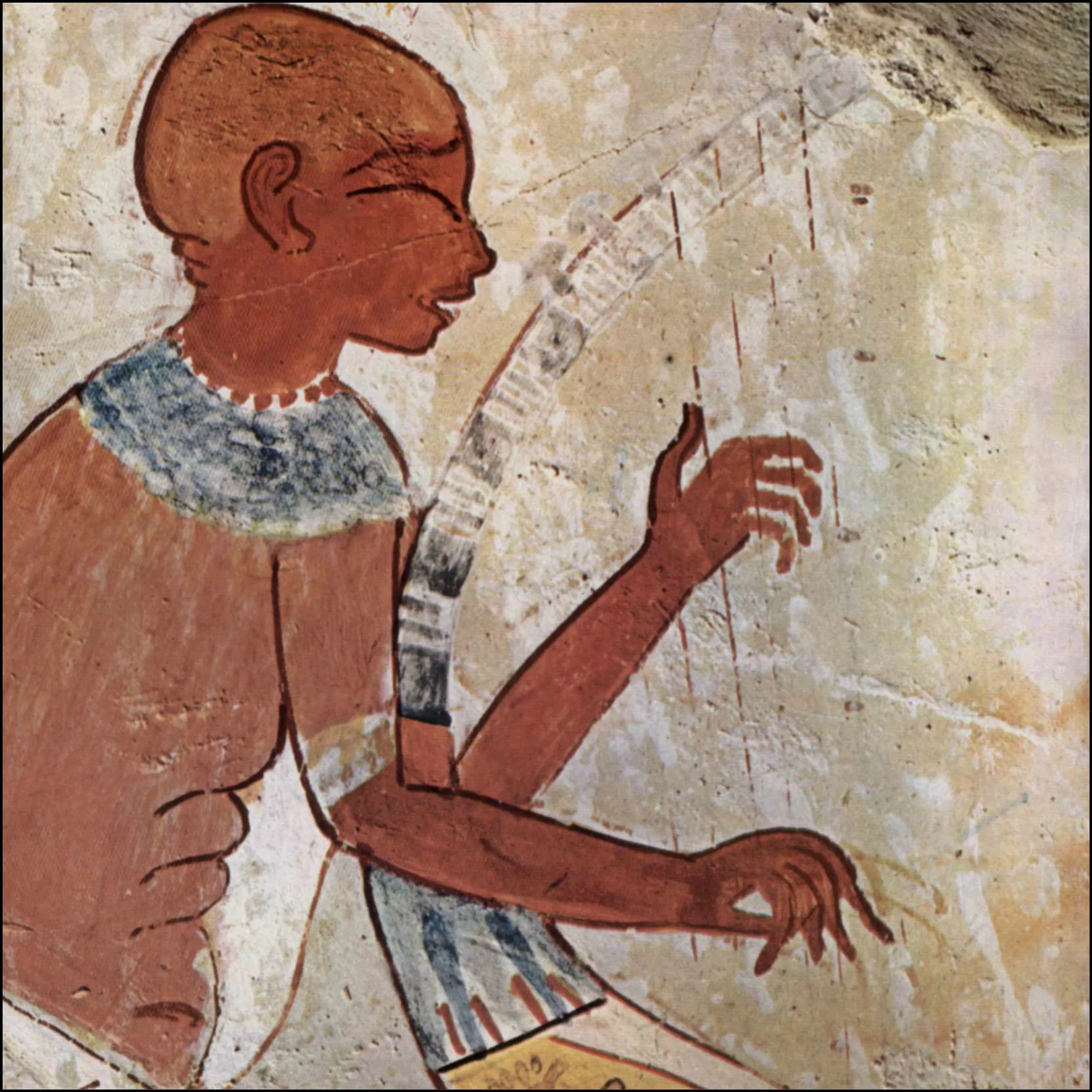
EAncient Egyptian Love Songs. Ancient Egyptian love songs are passionate (even erotic). This episode may not be suitable for children. But these poems are lively, full of excitement, and descriptive indeed... Website: www.egyptianhistorypodcast.com. Support the show via Patreon www.patreon.com/egyptpodcast. Make a one-time donation via PayPal payments. Learn more about your ad choices. Visit megaphone.fm/adchoices
43: Dominion Over All
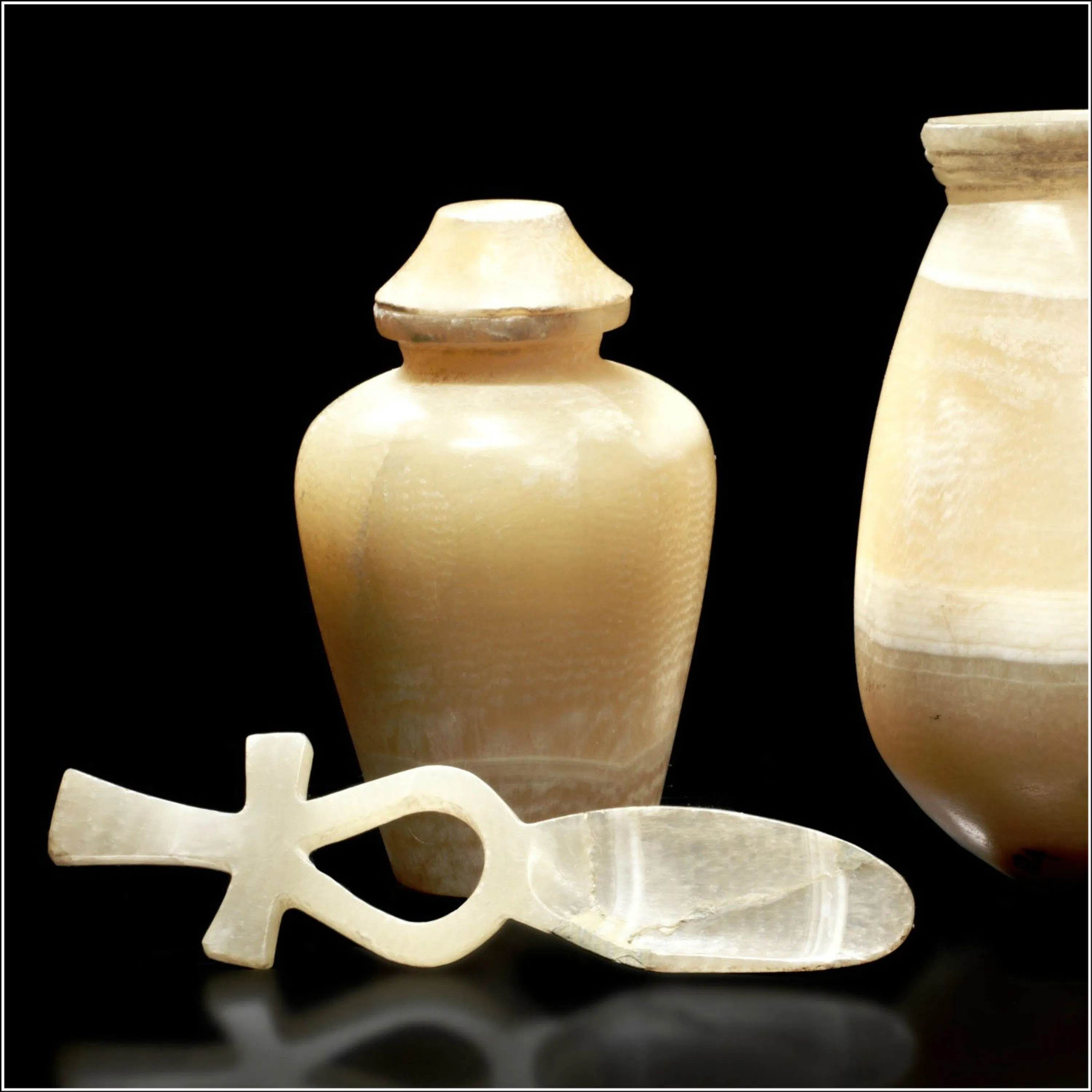
Society and Death. Around 1872 BCE, King Senuseret III (Kha-Kau-Re) was powerful and secure. The wealthy nobles of the kingdom began to respond to this power... Date c. 1880 - 1870 BCE. Website: www.egyptianhistorypodcast.com. Support the show via Patreon www.patreon.com/egyptpodcast. Make a one-time donation via PayPal payments. Music by Keith Zizza www.keithzizza.com. Select Bibliography: Janet Richards, Society and Death in Ancient Egypt: Mortuary Landscapes of the Middle Kingdom, 2005 (Google Books Preview). The History Blog, “Met Saves Treasures of Harageh from Auction Sale,” 2014 (Blog post). Original Auction. A. Illin-Tomich, “A Twelfth Dynasty Stela Workshop Possibly from Saqqara,” Journal of Egyptian Archaeology volume 97, 2011 (Academia.edu). Reshafim.org: “The Ikher-nefret Stela,” and “The Loyalist Instruction of Sehetepibre” and “The Teaching of a Man for his Son.” Wolfram Grajetzki, The Middle Kingdom of Ancient Egypt, 2006. W.K. Simpson (editor), The Literature of Ancient Egypt, 2003. Learn more about your ad choices. Visit megaphone.fm/adchoices
42: Underworld
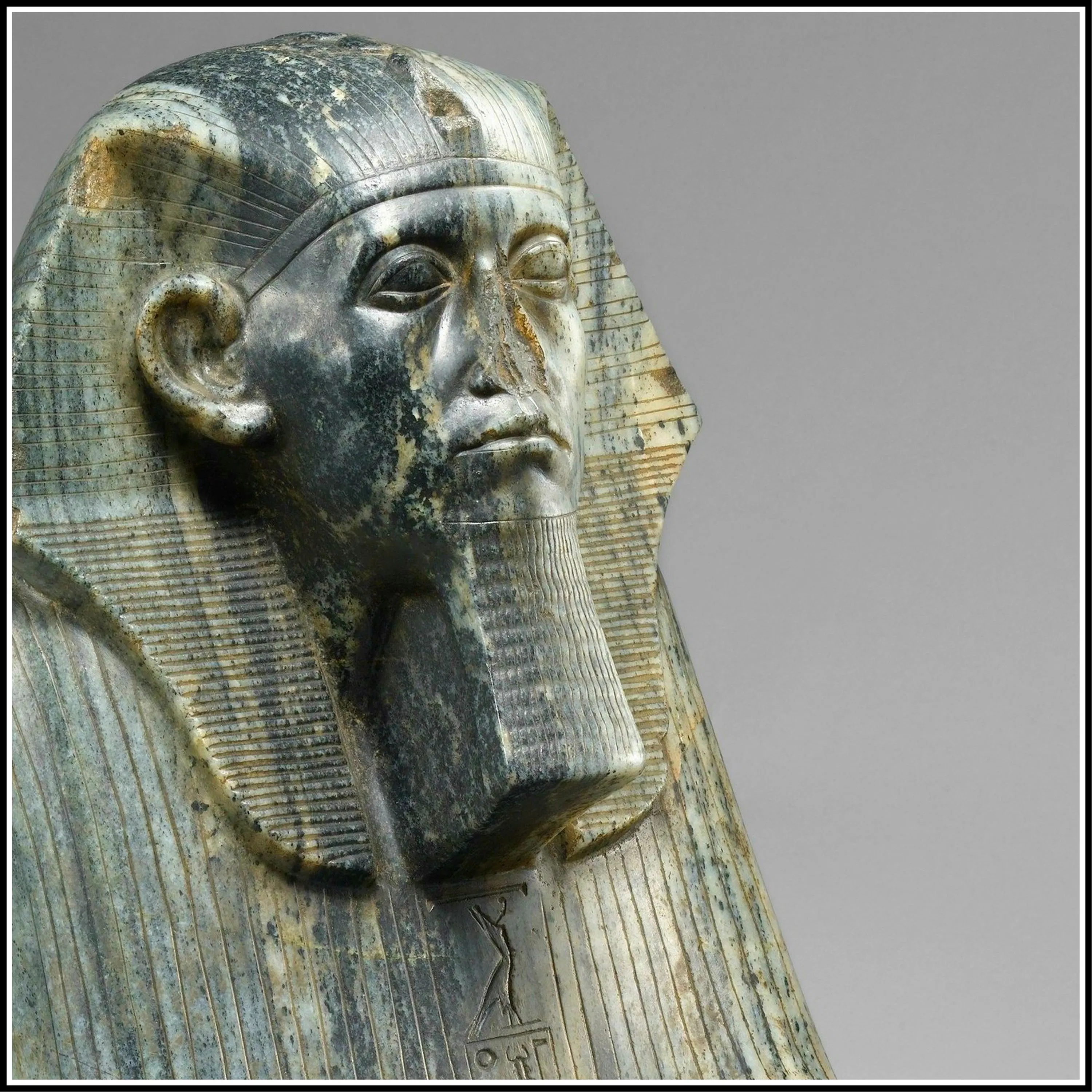
Senuseret III (Part 1): A Secret Tomb. Around 1880 BCE, one of Egypt's most successful rulers took the throne. Sen-Useret III was a mighty and influential King, who would enjoy a lasting legacy of power, justice, and splendour... Date c.1880 - 1860 BCE. Website: www.egyptianhistorypodcast.com. Support the show via Patreon www.patreon.com/egyptpodcast. Make a one-time donation via PayPal payments. Music by Keith Zizza www.keithzizza.com. Select Bibliography: Josef Wegner, “The Tomb of Senwosret III at Abydos: Considerations on the Origin and Development of the Royal Amduat-Tomb,” in Archaism and Innovation, 2009 (Free Download). Josef Wegner and Mary-Ann Pouls Wegner, “Seat of Eternity” in Archaeology Magazine, July/August 2001 (JSTOR). Vanessa E. Smith, “An Investigation of the Shena of Divine Offerings Adjacent to the Mortuary Temple of Senwosret III at Abydos, Egypt,” PhD. Dissertation, University of Pennsylvania, 2010. Wolfram Grajetzki, The Middle Kingdom of Ancient Egypt, 2006. Penn Museum Website – Abydos. Ancient Egypt Online – Senwosret III at Dahshur. Metropolitan Museum of Art Website – Senwosret III’s Pyramid at Dahshur. Learn more about your ad choices. Visit megaphone.fm/adchoices
41: The Oasis
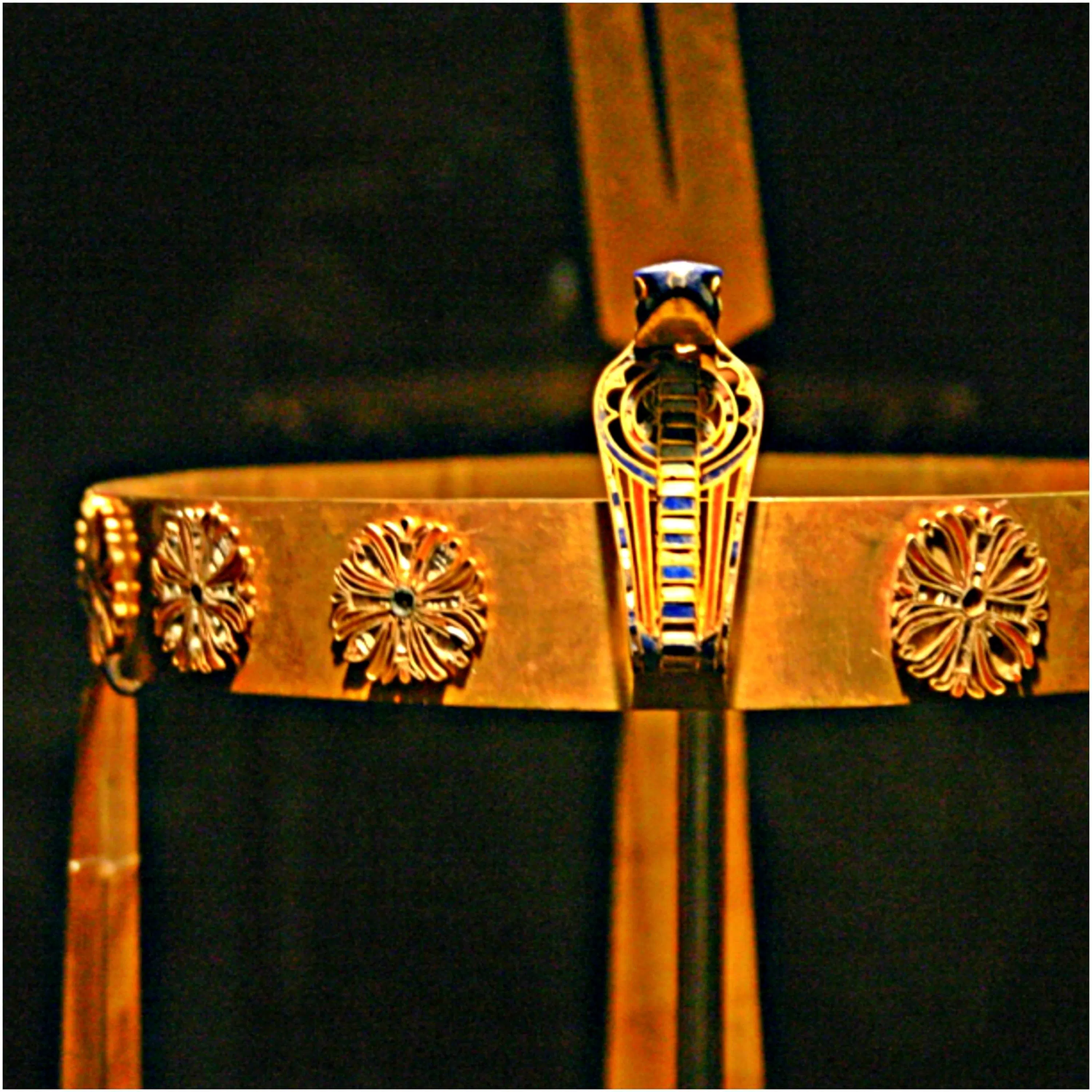
The Lake Pyramid. Around 1892 BCE, a new ruler came to power. His name was Senuseret II, and while he did not rule long, this king had a big impact on his dynasty... Date c. 1890 BCE. Website: www.egyptianhistorypodcast.com. Support the show via Patreon www.patreon.com/egyptpodcast. Make a one-time donation via PayPal payments. Music by Keith Zizza www.keithzizza.com. Select Bibliography: Wolfram Grajetzki – The Middle Kingdom of Ancient Egypt, 2006. Nicolas Grimal – A History of Egypt, 1994. Aidan Dodson and Dyan Hilton – The Complete Royal Families of Ancient Egypt, 2010. Learn more about your ad choices. Visit megaphone.fm/adchoices
40: Feasting, Laughing and Dancing
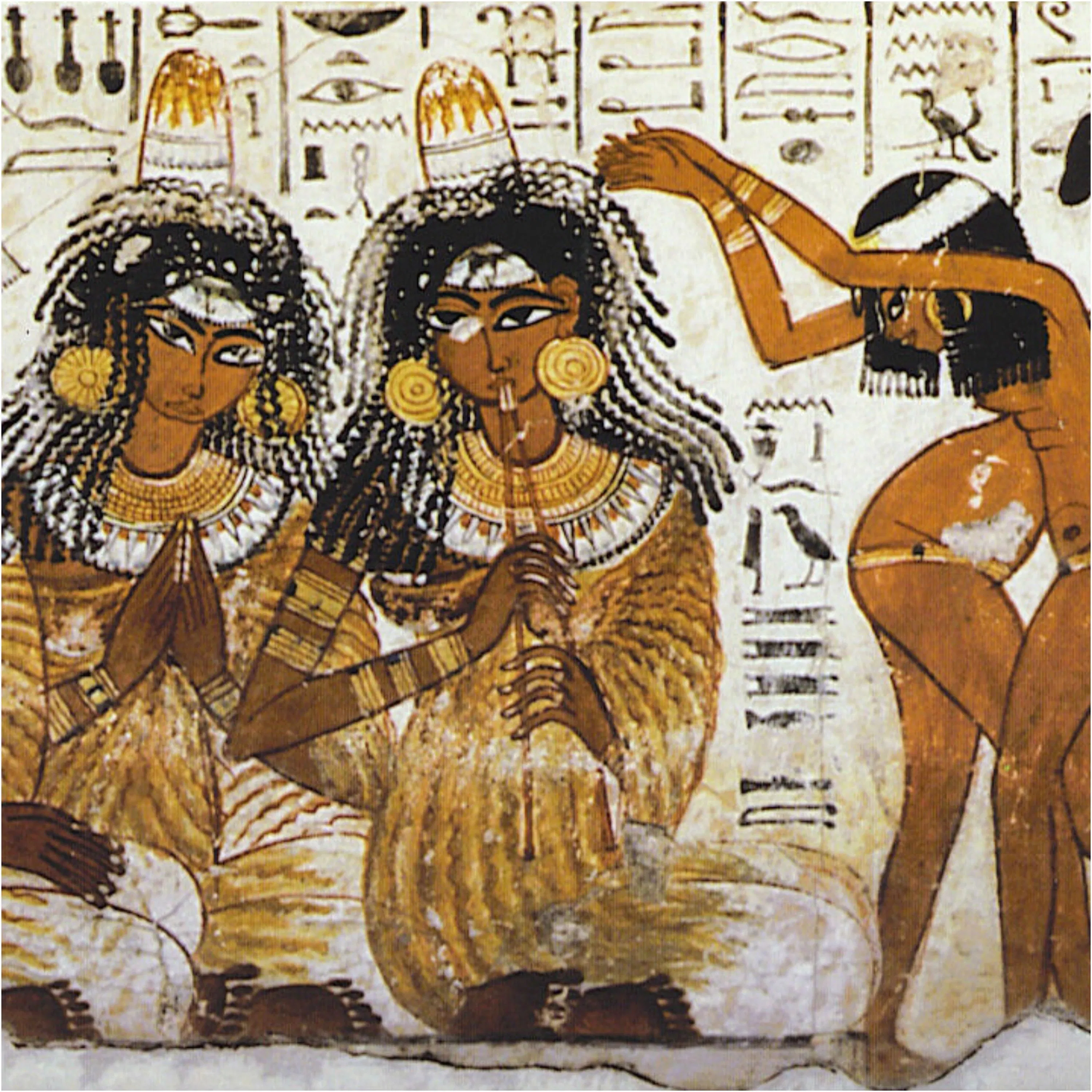
EInterlude: How the Egyptians Celebrated. From beer halls to temples to cemeteries, this episode explores Egyptian revelry. We focus on two major festivals: the raucous celebrations for Hathor, and the sombre re-enactment of the Osiris story... Episode 40: Feasting, Laughing and Dancing – The History of Egypt Podcast (egyptianhistorypodcast.com). Website: www.egyptianhistorypodcast.com. Support the show via Patreon www.patreon.com/egyptpodcast. Make a one-time donation via PayPal payments. Music by Vangelis. Select Bibliography: John C. Darnell, “The Opet Festival.” UCLA Encyclopedia of Egyptology. LA Times interview with Prof. Betsy M. Bryan, Johns Hopkins University. E.F. Morris, “Sacred and Obscene Laughter in the Contendings of Horus and Seth,” in Egyptian Stories, 2007. Plutarch, Isis and Osiris (1st Century CE). The Ikher-nefret Stela (12th Dynasty). Additional Music by Vangelis – Alexander (Original Motion Picture Soundtrack). Learn more about your ad choices. Visit megaphone.fm/adchoices
39: The Wealth of Asia
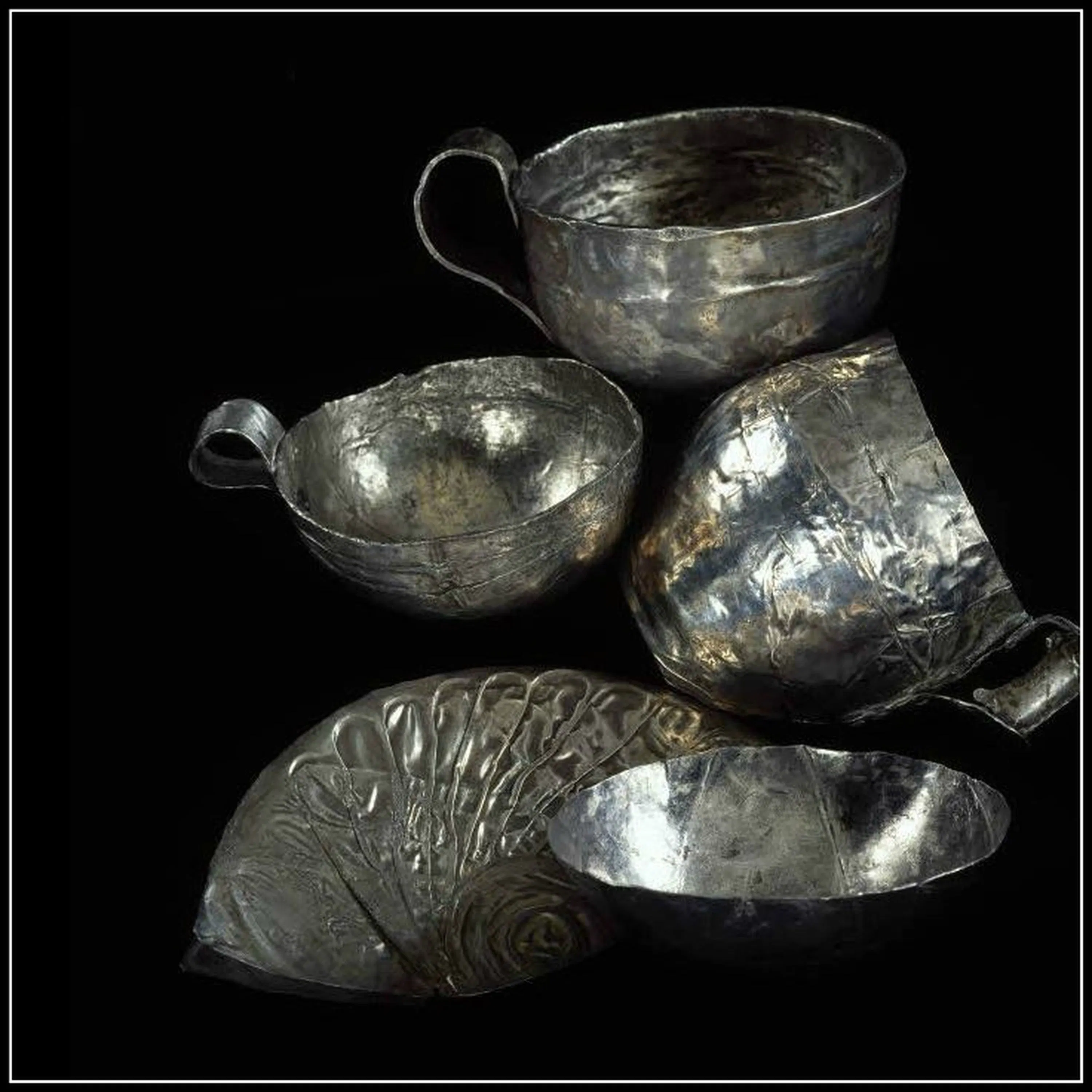
Amenemhat II (Part 2): Fabulous Wealth. From 1927 – 1910 BCE, Nub-Kau-Re Amenemhat II launches expeditions to lands outside Egypt. Trade missions to and from the Levant (Syria, Lebanon, Israel, Palestine) bring wealth and exotic goods into Egypt. Treasures even come from southern Turkey and the Aegean Sea, finding their way into the temples being built or renovated by the king. Nubkaure’s reign is remarkable for the archaeological finds of al–Tod that give testament to the foreign wealth entering the kingdom. This wealth goes to fund a number of building projects… Date c. 1920 BCE. Website: www.egyptianhistorypodcast.com. Support the show via Patreon www.patreon.com/egyptpodcast. Make a one-time donation via PayPal payments. Music by Keith Zizza www.keithzizza.com. Select Bibliography: Wolfram Grajetzki – The Middle Kingdom of Ancient Egypt. 2006. Nicolas Grimal – A History of Egypt. 1994. Ezra S. Marcus – “Amenemhet II and the Sea: Maritime Aspects of the Mit Rahina (Memphis) Expedition.” Egypt and the Levant vol. 17 (2007) . Free Download (Academia.edu) K.R. Maxwell-Hyslop – “A Note on the Anatolian Connections of the Tod Treasure” Anatolian Studies vol. 45 (1995) – Read Free Online (JSTOR) Lawrence E. Stager – “Port Power in the Early and the Middle Bronze Age: The Organization of Maritime Trade and Hinterland Production.” Studies in the Archaeology of Israel and Neighboring Lands in Memory of Douglas L. Esse. 2001. Free Download (Oriental Institute, University of Chicago) Metropolitan Museum News – the Colossal Statue of Amenemhat II. Reshafim.org – the biography of Thoth-Hotep. Learn more about your ad choices. Visit megaphone.fm/adchoices
38: Burial Rites
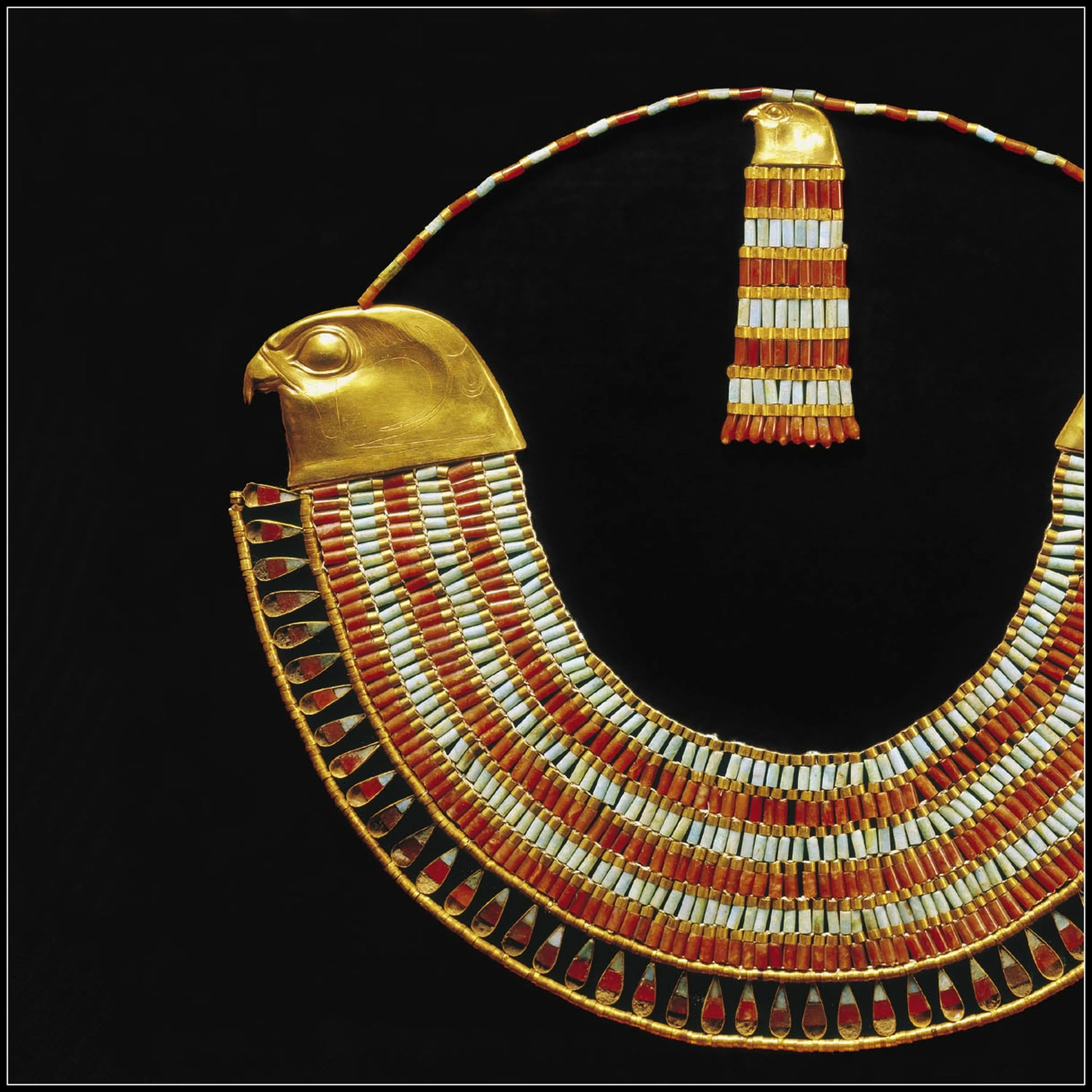
Amenemhat II (Part 1): International Fame. Around 1927 BCE, King Nub-kau-Re Amenemhat II came to power. His reign was peaceful and prosperous, and many treasures emerge from this period... Date c. 1927 BCE. Website: www.egyptianhistorypodcast.com. Support the show via Patreon www.patreon.com/egyptpodcast. Make a one-time donation via PayPal payments. Music by Keith Zizza www.keithzizza.com. Select Bibliography: Jacques de Morgan, Fouilles a Dachour 1894-1895, 1903 (Free Download). The New York Times, 1899 – Jacques de Morgan speaks to the American Archaeological and Numismatic Society on his discovery. Reshafim.org – the Biography of Khnumhotep II, of Beni Hassan (Menat Khufu). Wolfram Grajetzki, The Middle Kingdom of Ancient Egypt, 2006. Learn more about your ad choices. Visit megaphone.fm/adchoices
37: Imperial Projects
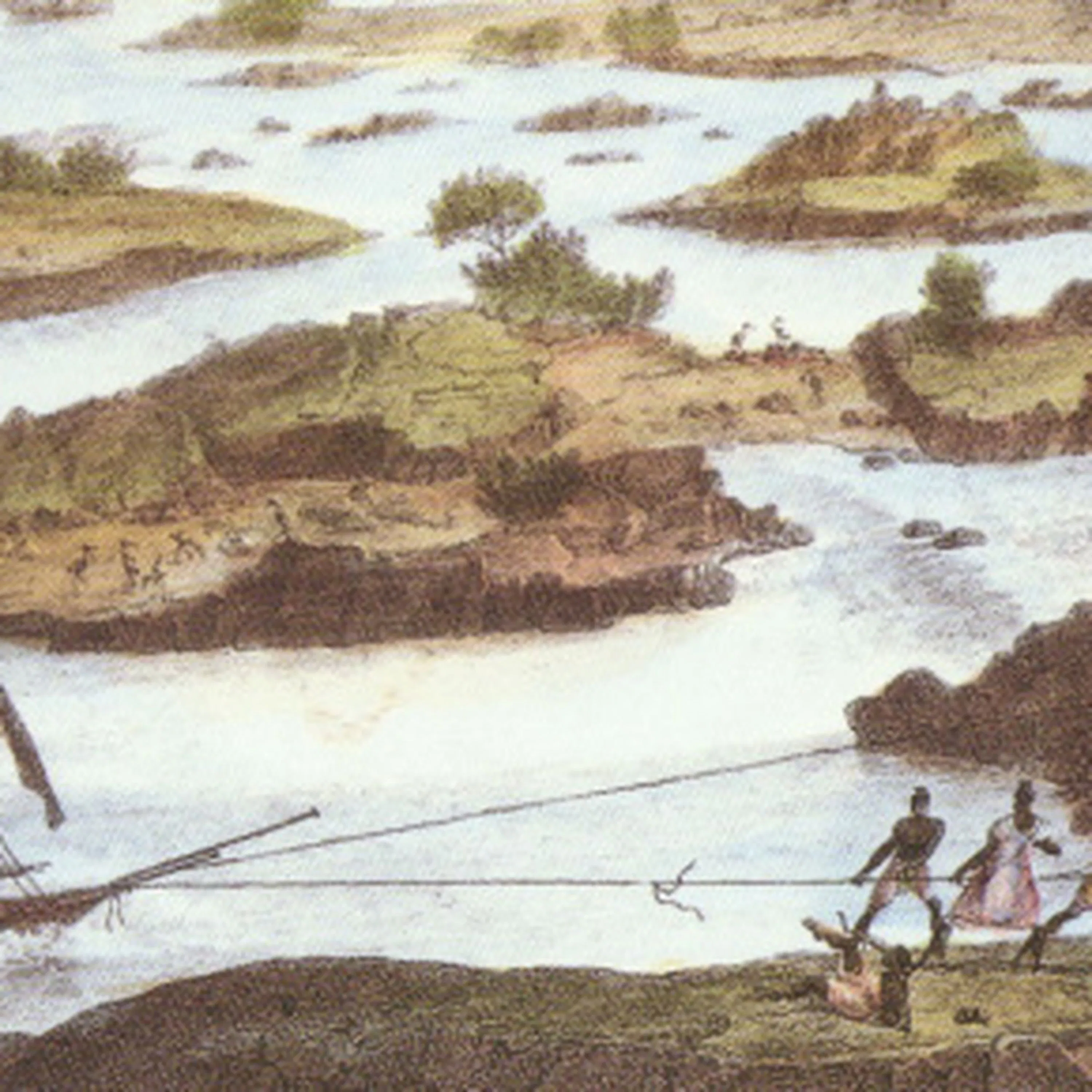
Senuseret I (Part 4): Money Money Honey. Gold drives empires today, and the ancient Egyptians were no different. Senuseret I sends warriors into Nubia, the Sinai Peninsula and the Eastern Desert. They go in search of precious metals, resources needed for the King's monuments... Date c. 1960 BCE. Website: www.egyptianhistorypodcast.com. Support the show via Patreon www.patreon.com/egyptpodcast. Make a one-time donation via PayPal payments. Music by Keith Zizza www.keithzizza.com. Select Bibliography: Wolfram Grajetzki, The Middle Kingdom of Ancient Egypt, 2006. Henriette Hafsas-Talkos, “Between Kush and Egypt: the C-Group People of Lower Nubia,” in Between the Cataracts: Proceedings of the 11th International Conference for Nubian Studies, 2006. Tourist blog in Sudan. Learn more about your ad choices. Visit megaphone.fm/adchoices

36: The White Chapel
Senuseret I (Part 3): Creating Karnak Temple. The temple of Karnak is a wonder of the world; but its origins are mostly lost, beneath generations of re-modelling and re-building. Nevertheless, a few traces survive of the earliest days; among them, a magnificent monument of King Senuseret I... Date c.1950 BCE. Website: www.egyptianhistorypodcast.com. Support the show via Patreon www.patreon.com/egyptpodcast. Make a one-time donation via PayPal payments. Music by Keith Zizza www.keithzizza.com. Select Bibliography: Wolfram Grajetzki, The Middle Kingdom of Ancient Egypt, 2006. James H. Breasted, A History of Egypt, 1905 (1959 Edition). UCLA Digital Karnak Project. Learn more about your ad choices. Visit megaphone.fm/adchoices
35: From Father to Son
Senuseret I (Part 2): Teachings from the Father. Around 1962 BCE, King Sen-Useret I came to power. His father was dead, assassinated by his own royal guards. Now, the new ruler had to figure things out. Fortunately, Senuseret had some "teachings" from his father. What a coincidence, right? Date c.1962 BCE. Website: www.egyptianhistorypodcast.com. Support the show via Patreon www.patreon.com/egyptpodcast. Make a one-time donation via PayPal payments. Music by Keith Zizza www.keithzizza.com. Select Bibliography: Dorothea Arnold, “Amenemhat I and the Early Twelfth Dynasty at Thebes,” Metropolitan Museum of Art Journal 1991 (Free Download from MMA). Wolfram Grajetzki, Court Officials of the Egyptian Middle Kingdom, 2009. Gay Robins, The Art of Ancient Egypt, 2008. William C. Hayes, The Scepter of Egypt, 1976 (Free Download from the MMA). Learn more about your ad choices. Visit megaphone.fm/adchoices
34: Night of the Long Knives (The Tale of Sinuhe)
Senuseret I (Part 1): Sinuhe's Fear and Flight. Around 1962 BCE, conspirators broke into the royal bedchamber and attacked King Amenemhat in his bed. The result was panic. The king's son Senuseret was far from home, and the situation was incredibly perilous. In the midst of this, a minor official named Sinuhe got caught up in the storm, and decided to flee for his life. Thereby hangs a tale... Date c. 1960 BCE. Website: www.egyptianhistorypodcast.com. Support the show via Patreon www.patreon.com/egyptpodcast. Make a one-time donation via PayPal payments. Music by Keith Zizza www.keithzizza.com. Other podcasts: The Tale of Sinuhe, discussed on BBC Radio 4 "In Our Time" with Melvyn Bragg. A nice (and very British) discussion of the tale. Enjoy! A new reading! Barbara Ewing (actress) and Richard M. Parkinson (Professor of Egyptology, Oxford) have produced a new version of Sinuhe’s tale. Select Bibliography: Miriam Lichtheimm Ancient Egyptian Literature, 2006. W.K. Simpson (editor), The Literature of Ancient Egypt, 2003. Reshafim.org – The Tale of Sinuhe. Scott Morschauser, “What made Sinuhe run?” Journal of the American Research Center in Egypt 37 (2000). Hans Goedicke, “Sinuhe’s Duel.” JARCE 21 (1984): 197-201. Anthony Spalinger, “Orientations on Sinuhe,” Studien zur Altägypischen Kultur 25 (1998). Learn more about your ad choices. Visit megaphone.fm/adchoices
33: Revivals and Regencies
Amenemhat I (Part 2): Father and Son. Around 1985 BCE, King Amenemhat I ruled with skill and sense. His reign was a time of new developments, epitomised in the foundation of a new capital city. Strangely, the King decided to name his new capital "Seizing the Two Lands." Date c. 1985 BCE. Website: www.egyptianhistorypodcast.com. Support the show via Patreon www.patreon.com/egyptpodcast. Make a one-time donation via PayPal payments. Music by Keith Zizza www.keithzizza.com. Select Bibliography: Dorothea Arnold, “Amenemhat I and the Early Twelfth Dynasty at Thebes,” Metropolitan Museum of Art Journal, 1991. Wolfram Grajetzki, The Middle Kingdom of Ancient Egypt, 2006. Wolfram Grajetzki. Court Officials of the Egyptian Middle Kingdom. 2009. Gay Robins. The Art of Ancient Egypt. 2008. Learn more about your ad choices. Visit megaphone.fm/adchoices
32: The Repeating of Births
Amenemhat I (Part 1): A Self-Made King. Around 1990 BCE, a new King took power. His name was Amun-em-Hat ("Amun in the Forefront"). First things first, he had to justify his unusual accession... Date c.1990 BCE. Website: www.egyptianhistorypodcast.com. Support the show via Patreon www.patreon.com/egyptpodcast. Make a one-time donation via PayPal payments. Music by Keith Zizza www.keithzizza.com. Select Bibliography: Dorothea Arnold, “Amenemhat I and the Early Twelfth Dynasty at Thebes,” Metropolitan Museum of Art Journal, 1991. Wolfram Grajetzki, The Middle Kingdom of Ancient Egypt, 2006. Wolfram Grajetzki. Court Officials of the Egyptian Middle Kingdom. 2009. Gay Robins. The Art of Ancient Egypt. 2008. Learn more about your ad choices. Visit megaphone.fm/adchoices
31: Seven Empty Years
Montuhotep IV: A Forgotten King. At the end of Dynasty 11, there is a "gap" in the royal king list. The Turin Canon records the seven years of Montuhotep IV as a time when "no king reigned." On top of this, no royal images or records survive from his reign. Who is this man, and why is he lost?... Date c.1995 BCE. Website: www.egyptianhistorypodcast.com. Support the show via Patreon www.patreon.com/egyptpodcast. Make a one-time donation via PayPal payments. Music by Keith Zizza www.keithzizza.com. Select Bibliography: Dorothea Arnold, “Amenemhat I and the Early Twelfth Dynasty at Thebes,” Metropolitan Museum of Art Journal, 1991. Wolfram Grajetzki, The Middle Kingdom of Ancient Egypt, 2006. Nicolas Grimal, A History of Egypt, 1994. Learn more about your ad choices. Visit megaphone.fm/adchoices
30: Smooth Sailing on the Red Sea
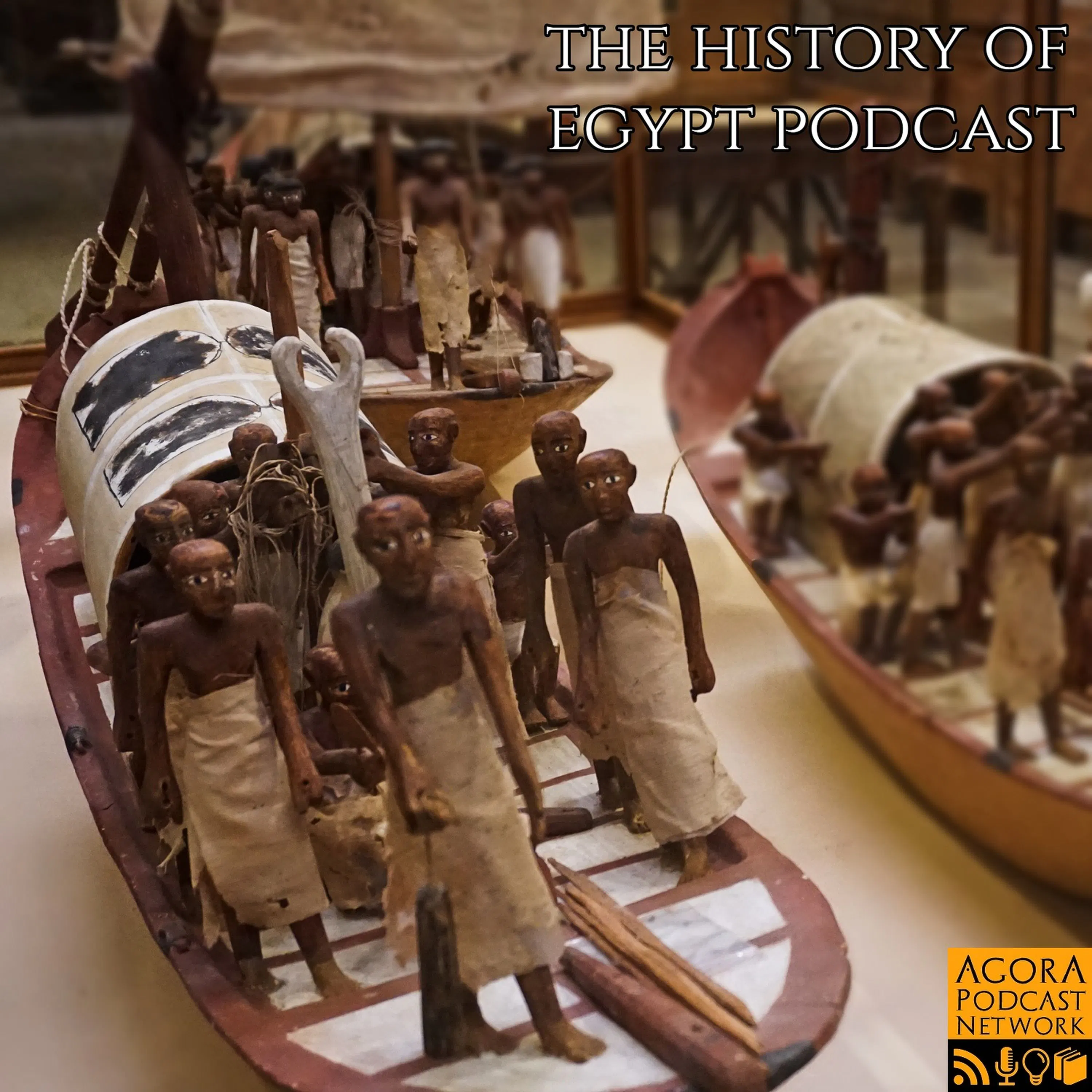
Montuhotep III: A short but successful reign. Around 2010 BCE the great king Montu-Hotep II died. His son and heir, Montuhotep III, now came to power. This new king only ruled a few years but he achieved some noteworthy things, including a return to Punt... Date c. 2010 BCE. Website: www.egyptianhistorypodcast.com. Support the show via Patreon www.patreon.com/egyptpodcast. Make a one-time donation via PayPal payments. Music by Keith Zizza www.keithzizza.com. Select Bibliography: Pierre Tallet, “Ayn Sukhna and Wadi al-Jarf: Two Newly Discovered Pharaonic Harbours on the Suez Gulf,” British Museum Studies in Ancient Egypt and Sudan, 2012. Dorothea Arnold, “Amenemhat I and the Early Twelfth Dynasty at Thebes,” Metropolitan Museum of Art Journal, 1991. Wolfram Grajetzki, The Middle Kingdom of Ancient Egypt, 2006. Nicolas Grimal, A History of Egypt, 1994. Learn more about your ad choices. Visit megaphone.fm/adchoices
29: The War God
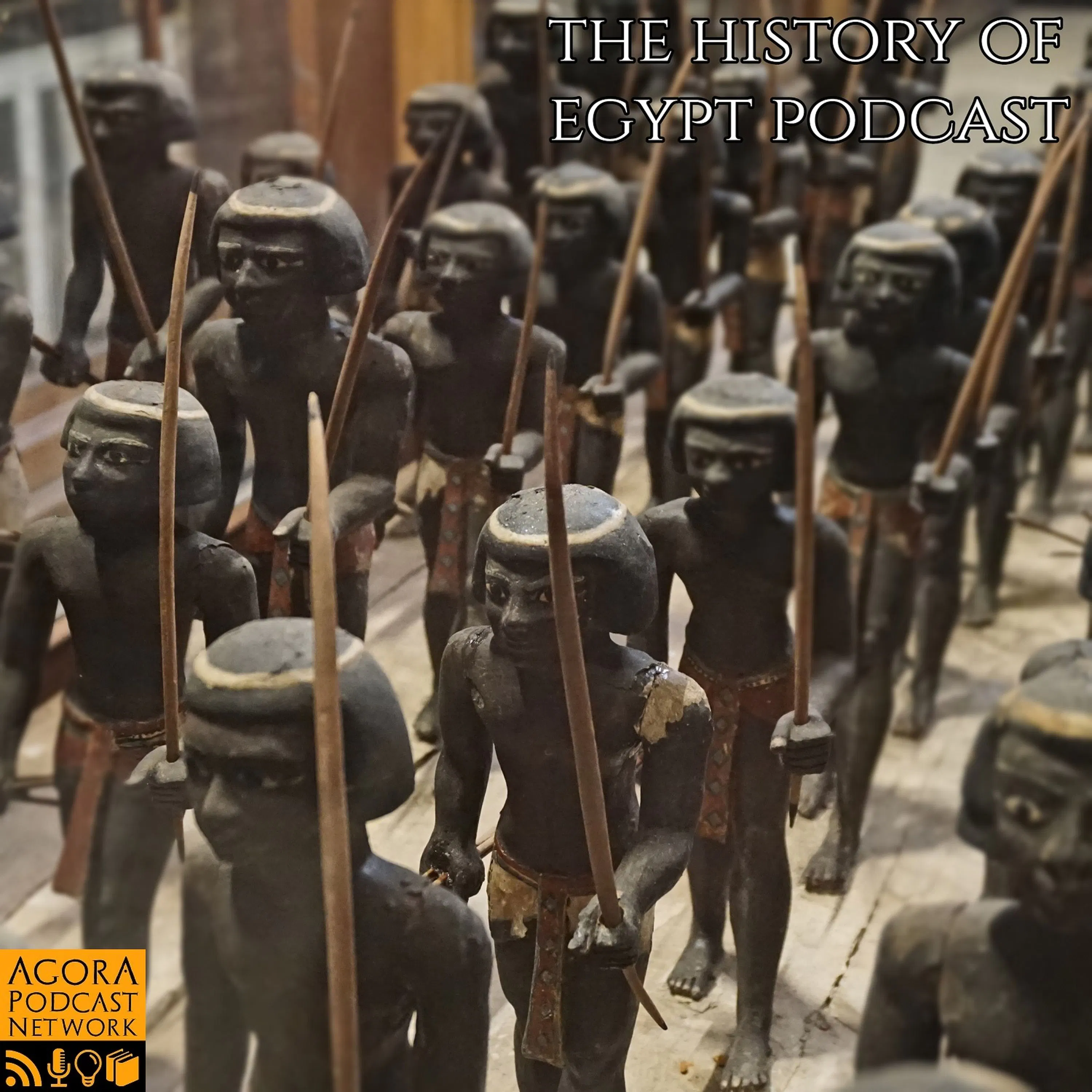
Montuhotep II (Part 3): Victorious Lords. Around 2020 BCE, King Montuhotep II was secure in his power. He could now lead military campaigns in Wawat and Kush, the region historians call Nubia or Sudan. He also went east into the deserts, and north to Canaan, pushing Egyptian authority abroad... Date c. 2020 BCE. Website: www.egyptianhistorypodcast.com. Support the show via Patreon www.patreon.com/egyptpodcast. Make a one-time donation via PayPal payments. Music by Keith Zizza www.keithzizza.com. Select Bibliography: Dorothea Arnold, “Amenemhat I and the Early Twelfth Dynasty at Thebes,” Metropolitan Museum of Art Journal, 1991. Wolfram Grajetzki, The Middle Kingdom of Ancient Egypt, 2006. Edouard Naville, The Eleventh Dynasty Temple at Deir el-Bahari, 1907. Lazlo Török, Between Two Worlds, 2009. Learn more about your ad choices. Visit megaphone.fm/adchoices
28: The King in the North
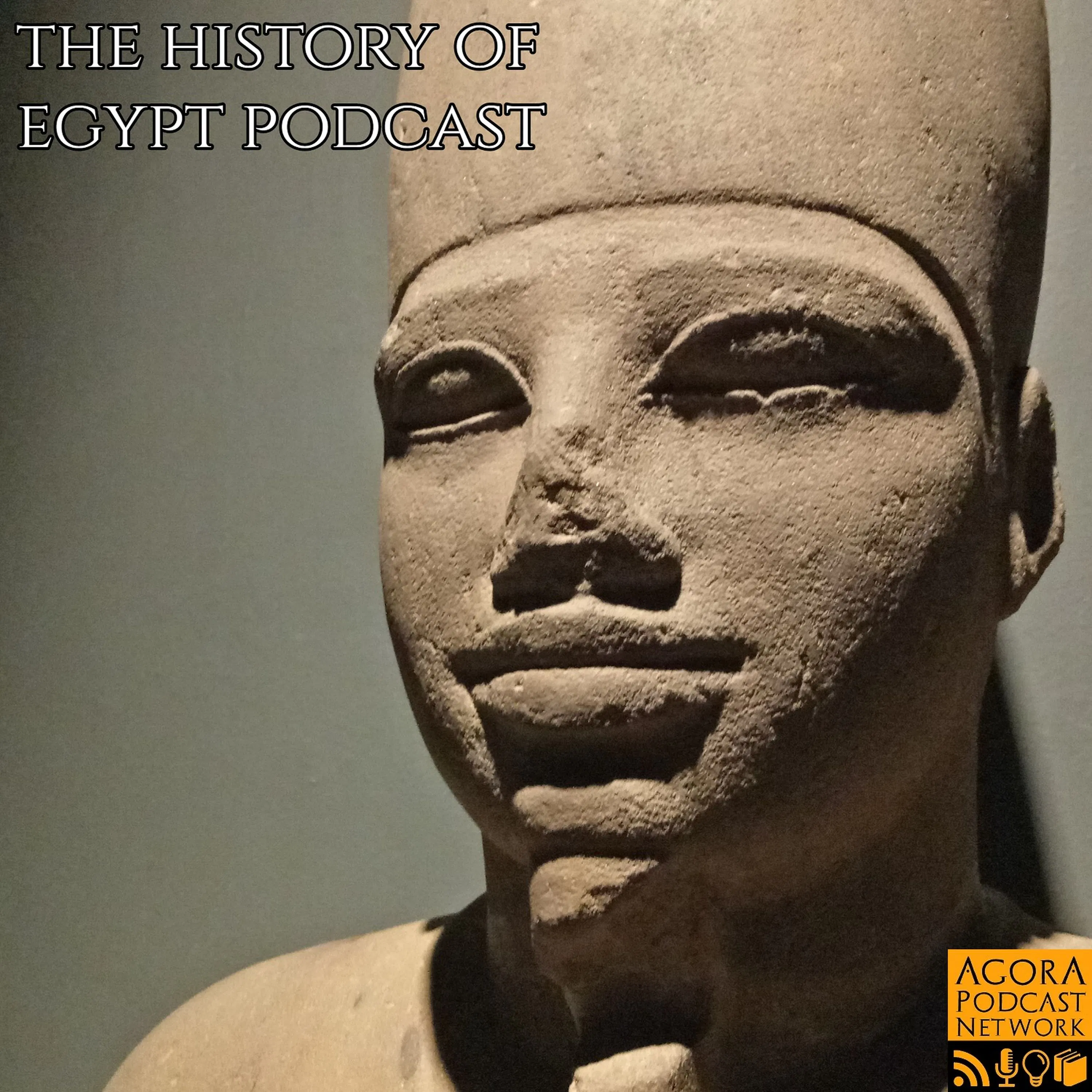
Montuhotep II (Part 2): A King and His Court. By 2020 BCE, Montu-Hotep II had established himself as King of Upper and Lower Egypt. But, would he be able to keep his power, in the wake of challenges? Date c. 2020 BCE. Website: www.egyptianhistorypodcast.com. Support the show via Patreon www.patreon.com/egyptpodcast. Make a one-time donation via PayPal payments. Music by Keith Zizza www.keithzizza.com. Select Bibliography: Herbert Winlock, “The Theban Necropolis in the Middle Kingdom,” American Journal of Semitic Languages and Literatures, 1915 (JSTOR). Dorothea Arnold, “Amenemhat I and the Early Twelfth Dynasty at Thebes,” Metropolitan Museum of Art Journal, 1991. Wolfram Grajetzki, The Middle Kingdom of Ancient Egypt, 2006. Wolfram Grajetzki, Court Officials of the Egyptian Middle Kingdom, 2009. Gay Robins, The Art of Ancient Egypt, 1997/2008. Learn more about your ad choices. Visit megaphone.fm/adchoices
27: A Walk in the Desert
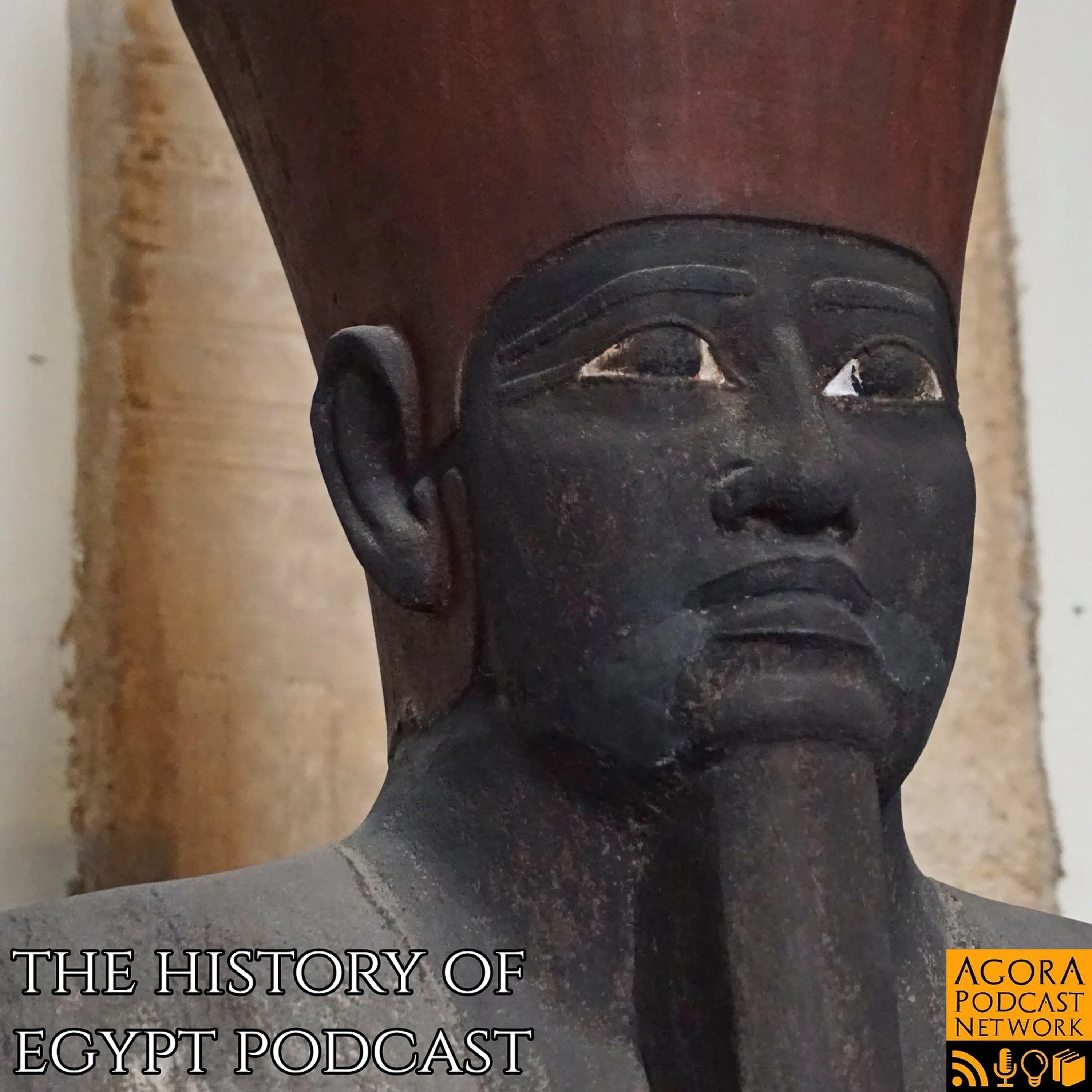
Montuhotep II (Part 1): Mighty in Thebes. Around 2040 BCE, a new King unified Egypt and brought the country some stability. His name was Neb-hepet-Re Montu-Hotep ("Montu is Satisfied"), and he would be a mighty ruler indeed. To celebrate his victory, the new ruler commissioned beautiful monuments, in the city of his ancestors... Date c.2020 BCE. Website: www.egyptianhistorypodcast.com. Support the show via Patreon www.patreon.com/egyptpodcast. Make a one-time donation via PayPal payments. Music by Keith Zizza www.keithzizza.com. Select Bibliography: Dorothea Arnold, “Amenemhat I and the Early Twelfth Dynasty at Thebes,” Metropolitan Museum of Art Journal, 1991. Darrell D. Baker: The Encyclopedia of the Pharaohs: Volume I – Predynastic to the Twentieth Dynasty 3300–1069 BC, 2008. Wolfram Grajetzki, The Middle Kingdom of Ancient Egypt, 2006. Nicolas Grimal, A History of Egypt, 1994. PETER JÁNOSI, “Montuhotep-Nebtawyre and Amenemhat I: Observations on the Early Twelfth Dynasty in Egypt.” Metropolitan Museum Journal 45 (2010): 7–20. http://www.jstor.org/stable/41558050. Edouard Naville, The XIth Dynasty Temple at Deir el-Bahari, 3 vols, via Internet Archive (vol. 1), (vol. 2), (vol. 3). Gay Robins, The Art of Ancient Egypt, 1997/2008. Ian Shaw (editor), The Oxford History of Ancient Egypt, 2004. Learn more about your ad choices. Visit megaphone.fm/adchoices
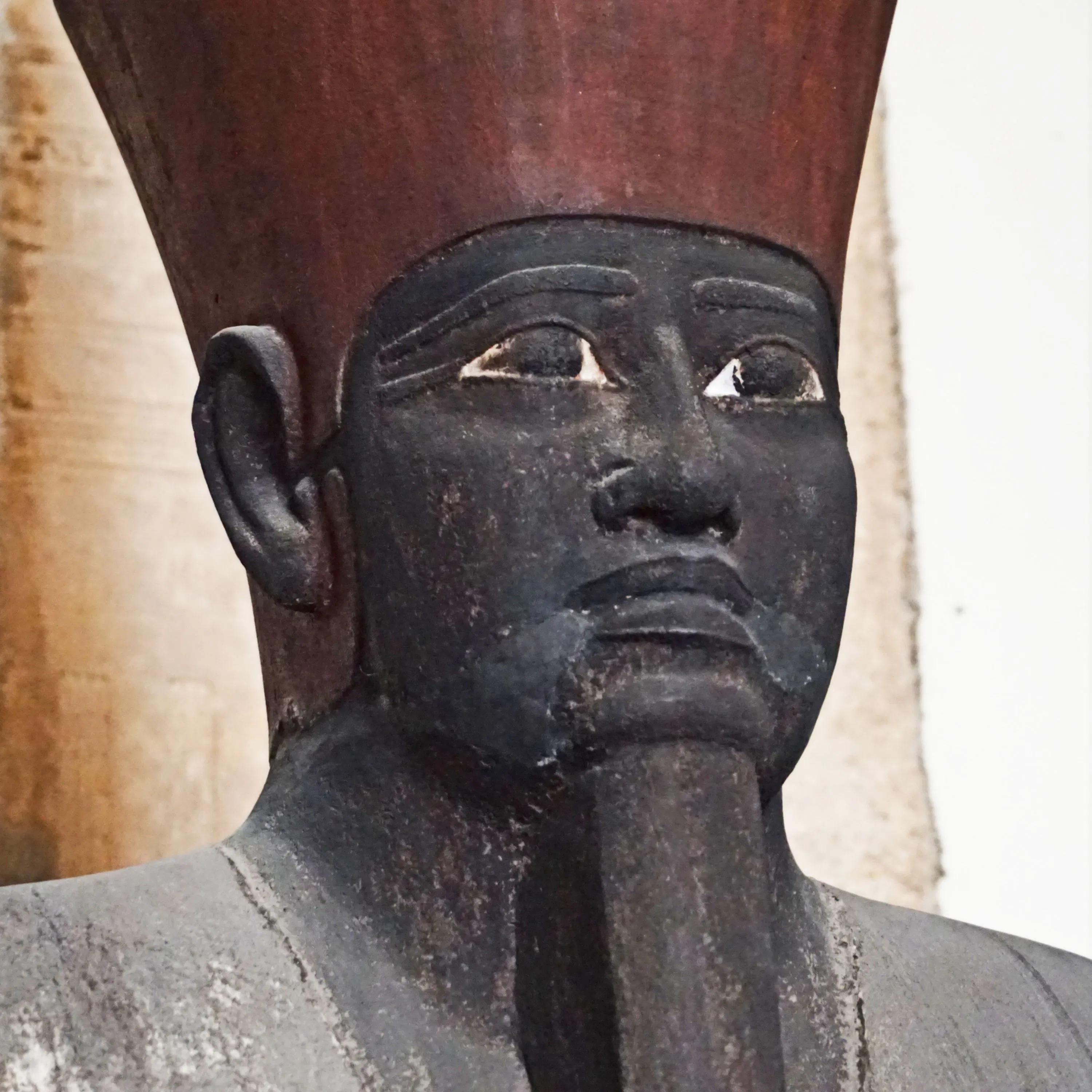
Introducing: The Middle Kingdom
Historical Phase number 2... A quick primer for the Middle Kingdom, the period which saw prosperity return to Egypt and cultural achievements reach some amazing heights. Let me introduce the new phase, and what our story will involve... Website: www.egyptianhistorypodcast.com. Support the show via Patreon www.patreon.com/egyptpodcast. Make a one-time donation via PayPal payments. Follow us on social media www.facebook.com/egyptpodcast and www.twitter.com/egyptianpodcast. Music by Keith Zizza www.keithzizza.com Learn more about your ad choices. Visit megaphone.fm/adchoices
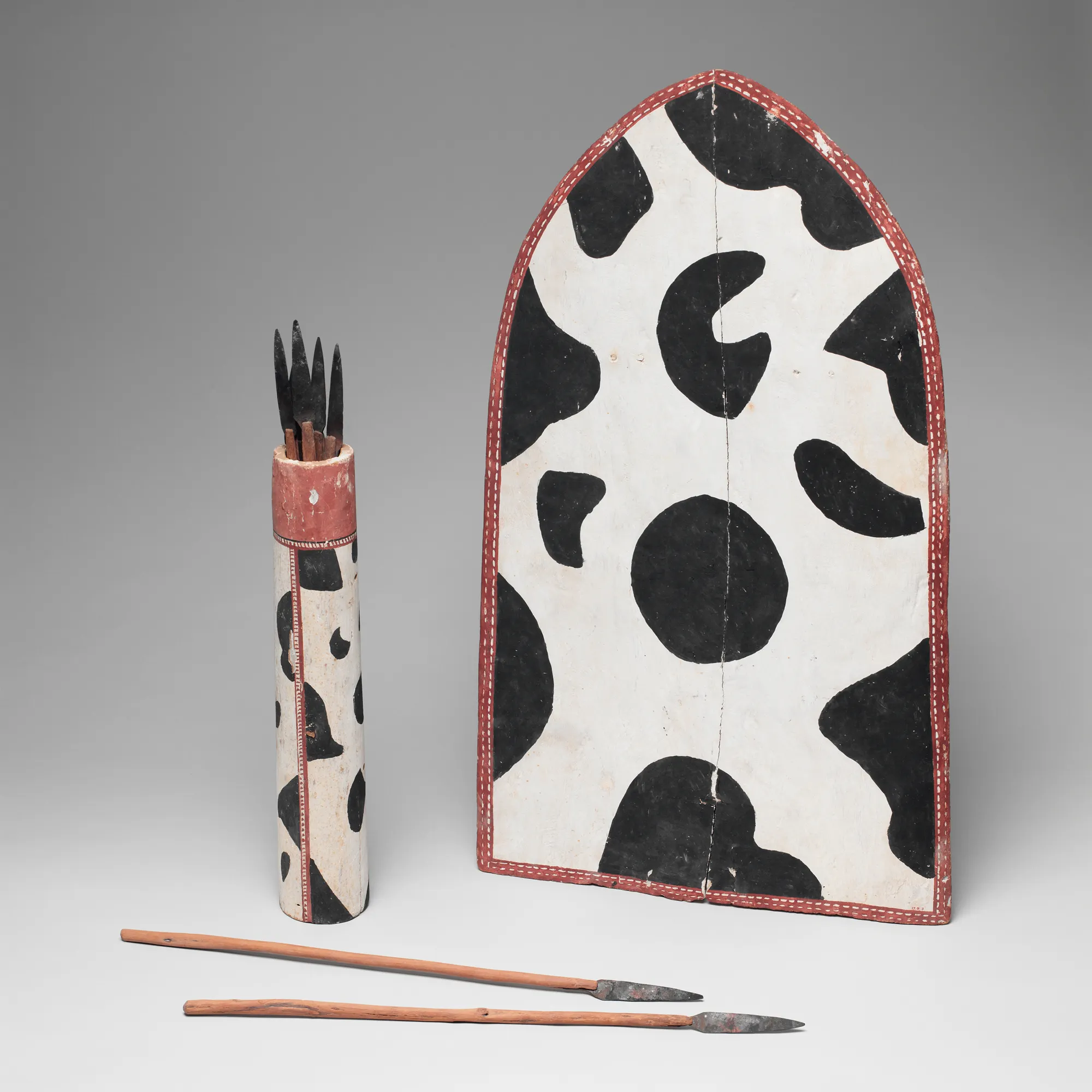
Grave of the Unknown Soldiers: The First Intermediate Period (Epilogue)
A tomb revisited. In 1923 CE, excavations at Luxor revealed the graves of ancient Egyptian soldiers. They bore scars of battle on their bones and flesh; and their story may belong to one of several major conflicts within the Nile Valley, around 2000—1900 BCE. In this episode, we revisit an old topic, and describe the tale anew… Note: This episode has an extended version on Patreon (link below). Dates: 1923—1926 CE (excavation); c. 2000—1900 BCE (ancient burial). Website: www.egyptianhistorypodcast.com. Support the show via Patreon www.patreon.com/egyptpodcast. Make a one-time donation via PayPal payments. Music and interludes by Keith Zizza www.keithzizza.net. Music and interludes by Luke Chaos www.chaosmusick.com. Select Bibliography: H. E. Winlock, The Slain Soldiers of Neb-Hepet-Re Mentu-Hotpe (1945). Available in Open Access via MMA. C. Vogel, ‘Fallen Heroes? Winlock’s “Slain Soldiers” Reconsidered’, The Journal of Egyptian Archaeology 89 (2003), 239—245. Access via Academia.edu and JSTOR.org. P. Chudzik, ‘Middle Kingdom tombs in the North Asasif Necropolis: Field Seasons 2018/2019 and 2020’, Polish Archaeology in the Mediterranean (2020), 177—202. Open Access via Academia.edu. Wikipedia, ‘MMA 507,’ https://en.wikipedia.org/w/index.php?title=MMA_507&oldid=1151562120. J. Heath, ‘The Slain Soldiers of Tomb 507: An Egyptological Mystery’, Ancient Egypt: The History, People and Culture of the Nile Valley 118 (2020), 28-33. Note: I became aware of this article after publication of this episode, but I include it here as the author reaches similar conclusions to mine. Artefacts from the tomb at the Metropolitan Museum of Art: Archers’ wrist guard. Folded linen with hieratic text of Sobekhotep Son-of-Imeny. Additional pieces at MMA Collections (objects dated .1961 – 1917 BC). Skull fragment with arrow in eye (images restricted). Model weapons of the early Middle Kingdom: shield, spear, quiver. The tomb of Queen Neferu at Deir el-Bahari: Wikipedia, photos at Flickr.com. Learn more about your ad choices. Visit megaphone.fm/adchoices
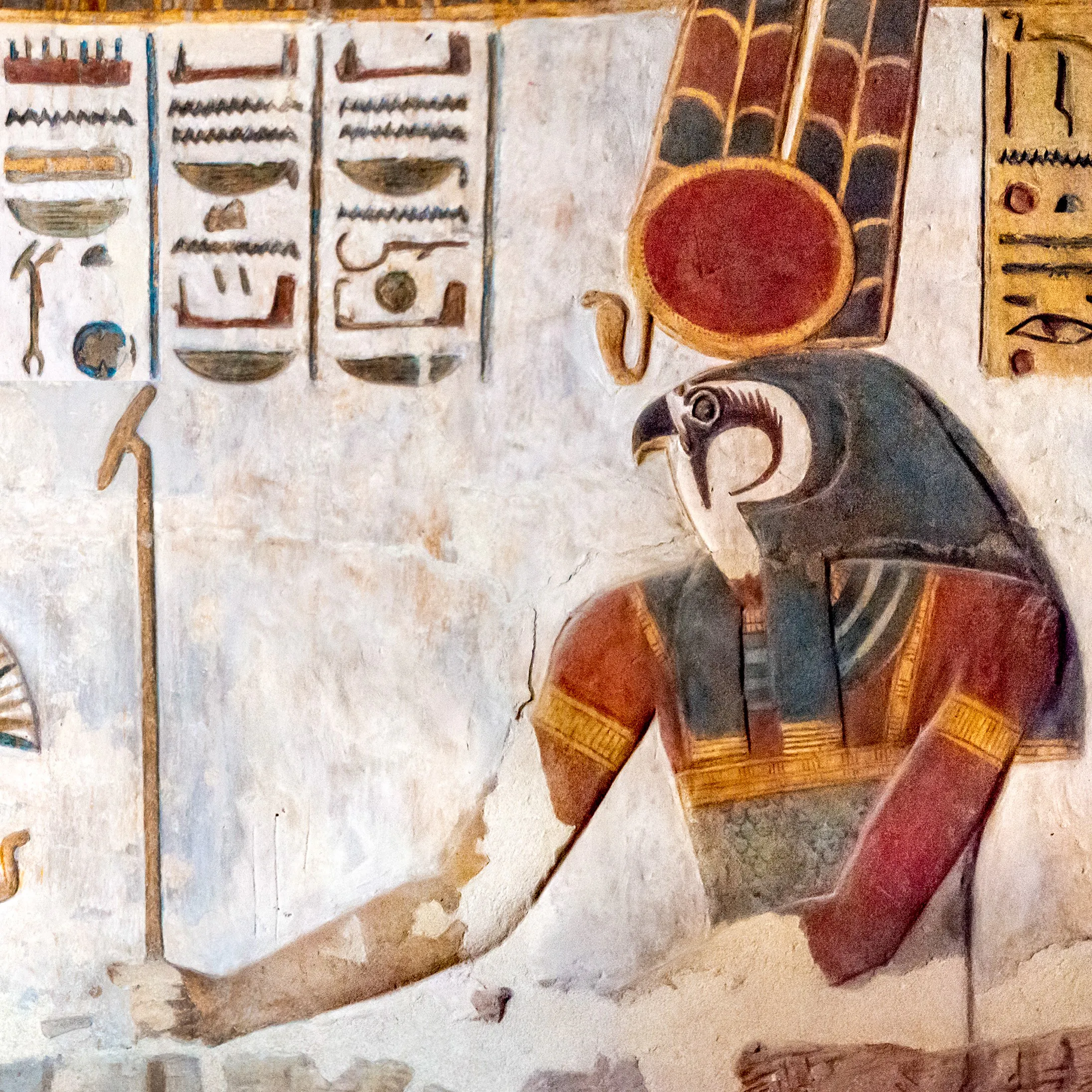
26d: The Age of Montu - The First Intermediate Period (Part 7, Finale)
Newly researched and updated in 2024. These violent delights have violent ends. Between 1992 BCE and 1941 BCE, King Montu-Hotep (“Montu is Content”) ruled the southern kingdom. And he led efforts to expand Theban power, and ultimately reunify the Two Lands… Logo image: Montu, in a chapel of Ramesses III at Karnak (Kairoinfo4u). Website: www.egyptianhistorypodcast.com. Support the show via Patreon www.patreon.com/egyptpodcast. Make a one-time donation via PayPal payments. Music and interludes by Keith Zizza www.keithzizza.net. Music and interludes by Luke Chaos www.chaosmusick.com. Montuhotep’s Expansion into Wawat / Nubia and the records of the wars: Darnell, ‘The Route of the Eleventh Dynasty Expansion into Nubia: An Interpretation Based on the Rock Inscriptions of Tjehemau at Abisko’, Zeitschrift für Ägyptische Sprache und Altertumskunde 131 (2004), 23—37. Available on Academia.edu. Darnell, ‘The Eleventh Dynasty Royal Inscription from Deir el-Ballas’, Revue d’Égyptologie 59 (2008), 81—110. Available on Academia.edu. Montuhotep’s Mahat Chapel at Abydos, discovered in 2014: Josef Wegner at Academia.edu and Damarany in Abydos: The Sacred Land (2019), JSTOR. Scholarly debates on the timeline and events of the Reunification: Brovarski, ‘The Hare and Oryx Nomes in the First Intermediate Period and Early Middle Kingdom’, in Egyptian Culture and Society: Studies in Honour of Naguib Kanawati, 1 (2010), 31—85. Available on Academia.edu. This was the study I followed in my reconstruction. Willems, ‘The Nomarchs of the Hare Nome and Early Middle Kingdom History’, Jaarbericht van het Vooraziatisch-Egyptisch Genootschap Ex Oriente Lux 28 (1985), 80—102. Available at Researchgate. Nubia – The Archaeology of Wawat and Kerma: Kerma – Mission archéologique suisse à Kerma (Soudan) C. Bonnet, ‘The Cities of Kerma and Pnubs-Dokki Gel’, in G. Emberling and B. B. Williams (eds), The Oxford Handbook of Ancient Nubia (Oxford, 2021), 201—212. H. Hafsaas, ‘The C-Group People in Lower Nubia: Cattle Pastoralists on the Frontier Between Egypt and Kush’, in B. B. Williams and G. Emberling (eds), The Oxford Handbook of Ancient Nubia (Oxford, 2020), 157—177. G. K. Meurer, ‘Nubians in Egypt from the Early Dynastic Period to the New Kingdom’, in B. B. Williams and G. Emberling (eds), The Oxford Handbook of Ancient Nubia (Oxford, 2020), 289—308. B. B. Williams, ‘Kush in the Wider World During the Kerma Period’, in G. Emberling and B. B. Williams (eds), The Oxford Handbook of Ancient Nubia (Oxford, 2021), 179--200. The Tomb of General Antef, with images of siege towers and naval forces: B. Jaroš-Deckert, Grabung im Asasif. 1963-1970. Band 5: das Grab des Jnj-jtj.f. Die Wandmalereien der 11. Dynastie, 12 (1984). Learn more about your ad choices. Visit megaphone.fm/adchoices
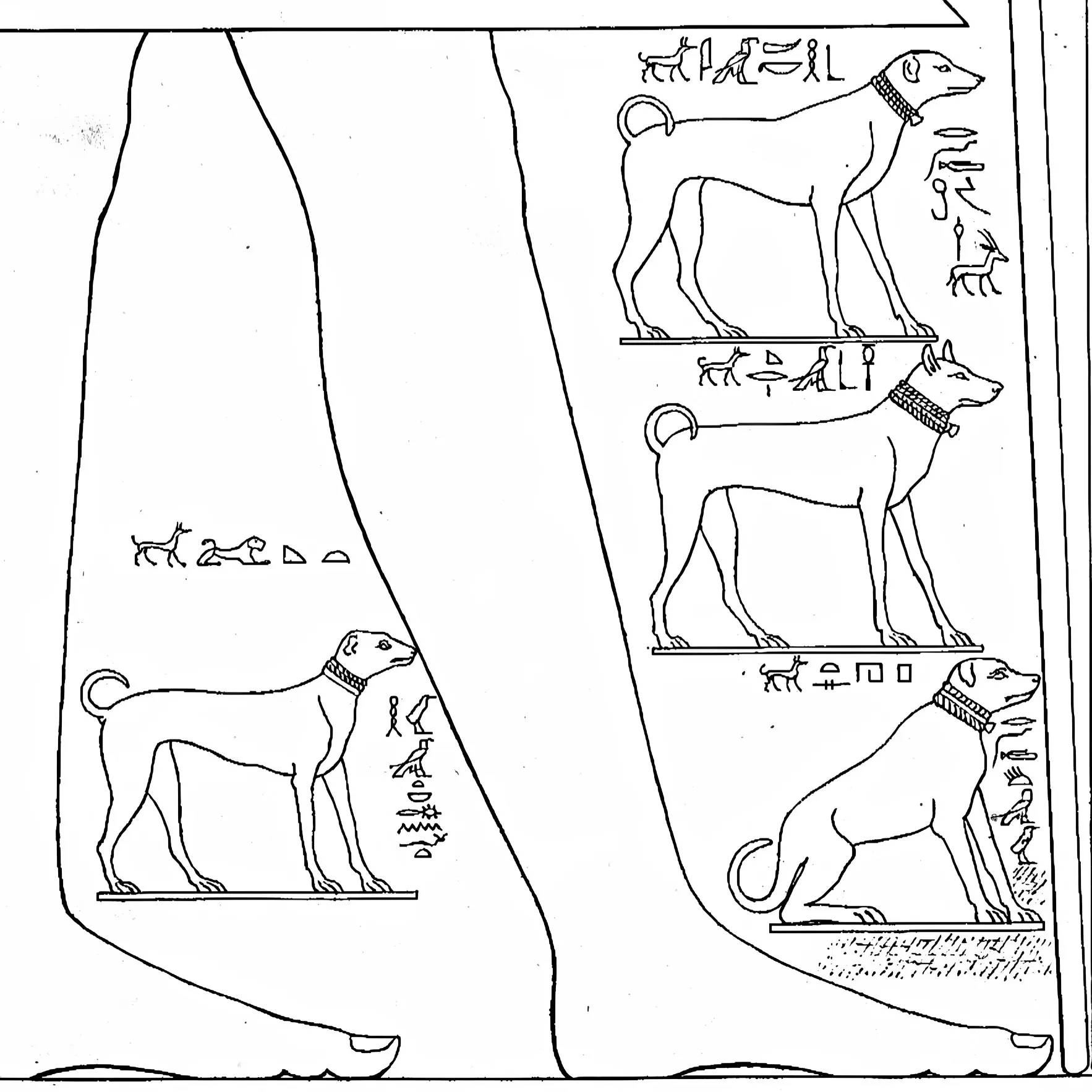
26c: A Legacy in Flames - The First Intermediate Period (Part 6)
Newly researched and updated in 2024. Ta-Wer howled. Around 2000 BCE, the southern kingdom was rising quickly. But the north was not out of the fight. Not by a long shot… Episode chapters Prologue – A Royal Inspection (00:30). The Fall of Tjeni / Thinis (07:25). The Long Reign of Intef II (11:58). Intef’s Dogs (20:58). Khety Merykara (34:03). Making Ta-Wer Howl (47:25). Conclusion (01:06:37). Epilogue – Intef’s Hymns for Ra and Hathor (01:08:30). Dendera excavations: Moeller and Marouard, The Development of Two Early Urban Centres - Edfu and Dendara (2018). The History of Egypt Podcast: Website: www.egyptianhistorypodcast.com. Support the show via Patreon www.patreon.com/egyptpodcast. Make a one-time donation via PayPal payments. Music and interludes by Keith Zizza www.keithzizza.net. Music and interludes by Luke Chaos www.chaosmusick.com. Logo image: The "Dog Stela" of Intef II, from his tomb at El-Tarif (Mariette 1858). Select Bibliography: A. E. Demidchik, ‘The Reign of Merikare Khety’, Göttinger Miszellen 192 (2003), 25--36. A. Dodson and D. Hilton, The Complete Royal Families of Ancient Egypt (London, 2004). C. Langer, ‘The Political Realism of the Egyptian Elite: A Comparison Between The Teaching for Merikare and Niccolò Machiavelli’s Il Principe’, Journal of Egyptian History 8 (2015), 49--79. R. J. Leprohon, The Great Name: Ancient Egyptian Royal Titulary (Wilson, 2013). M. Lichtheim, Ancient Egyptian Literature Volume I: The Old and Middle Kingdoms (Los Angeles, 1973). M. Lichtheim, Ancient Egyptian Autobiographies Chiefly of the Middle Kingdom: A Study and an Anthology (Freiburg, 1988). J. Malek, ‘King Merykare and his Pyramid’, in C. Berger et al. (eds), Hommages à Jean Leclant, 4, 4 vols (Cairo, 1994), 203--214. G. Maspero, ‘On the Name of An Egyptian Dog’, Transactions of the Society of Biblical Archaeology V (1877), 127--128. R. B. Parkinson, The Tale of Sinuhe and Other Ancient Egyptian Poems (1940—1640 BC) (Oxford, 1997). R. B. Parkinson, Poetry and Culture in Middle Kingdom Egypt: A Dark Side to Perfection (London, 2002). D. Polz, Die Sogenannte Hundestele des Königs Wah-Anch Intef aus el-Târif: Eine Forschungsgeschichte (Wiesbaden, 2019). D. Polz, ‘Dra’ Abu el-Naga, Ägypten: ein angeblicher Fund aus Dra’ Abu el-Naga. Die sog. Hundestele des Königs Wah-Anch Intef. Eine Forschungsgeschichte’, e-Forschungsberichte des Deutschen Archäologischen Instituts 2020 (2020), 12--16. S. Quirke, Egyptian Literature 1800 BC: Questions and Readings (London, 2004). D. B. Spanel, ‘The Herakleopolitan Tombs of Kheti I, Jt(.j)jb(.j), and Kheti II at Asyut’, Orientalia 58 (1989), 301--314. Learn more about your ad choices. Visit megaphone.fm/adchoices
26b: Intef the Great, Part 2 - The First Intermediate Period (Part 5b)
Newly researched and updated in 2024. Intef the Great, Part 2. The war for Ta-Wer. The Thebans had seized the sacred city of Abdju (Abydos) in the district of Ta-Wer. The northern rulers, from the House of Khety, contested this violently. Inscriptions and art reveal the movements of armies, the clashes on field and river, and the sieging of major towns. Soon, things going downright apocalyptic. Also… dogs! Music and interludes by Keith Zizza www.keithzizza.net. Music and interludes by Jeffrey Goodman www.jeffreygoodman.com. Interludes by Luke Chaos www.chaosmusick.com. Logo image: Intef II, from a stela in the Metropolitan Museum of Art. Intro: Saruman's Speech from The Two Towers (2002), adapted by Dominic Perry. Fawlty Towers excerpts via Britbox Don't Mention the War | Fawlty Towers (youtube.com). The History of Egypt Podcast: Website: www.egyptianhistorypodcast.com. Support the show via Patreon www.patreon.com/egyptpodcast. Make a one-time donation via PayPal payments. Partial Bibliography: M. D. Adams, ‘Community and Society in Egypt in the First Intermediate Period: An Archaeological Investigation of the Abydos Settlement Site’, Unpublished PhD. Thesis, University of Michigan (2005). D. Arnold, Gräber des Alten und Mittleren Reiches in El-Tarif (Mainz, 1976). D. D. Baker, Encyclopedia of the Pharaohs Volume I: Predynastic to the Twentieth Dynasty 3300 - 1069 BC (Cairo, 2008). H. Brunner, Die Texte aus den Gräbern der Herakleopolitenzeit von Siut mit Übersetzung und Erläuterungen (Glückstadt, 1937). J. J. Clère and J. Vandier, Textes de la Première Période Intermédiare et de la XIeme Dynastie (Brussels, 1948). J. C. Darnell and D. Darnell, ‘New Inscriptions of the Late First Intermediate Period from the Theban Western Desert and the Beginnings of the Northern Expansion of the Eleventh Dynasty’, Journal of Near Eastern Studies 56 (1997), 241--258. W. Ejsmond, ‘The Nubian Mercenaries of Gebelein in Light of Recent Field Research’, Journal of Ancient Egyptian Interconnections 14 (2017), 11--13. N. Fields, Soldier of the Pharaoh: Middle Kingdom Egypt 2055--1650 BC (2007). H. G. Fischer, Inscriptions from the Coptite Nome: Dynasties VI-XI (Analecta orientalia 40; Rome, 1964). H. G. Fischer, ‘Provincial Inscriptions of the Heracleopolitan Period’, Varia Nova, Egyptian Studies 3 (New York, 1996), 79--90. G. P. Gilbert, Weapons, Warriors, and Warfare in Early Egypt (Oxford, 2004). H. Goedicke, ‘The Inscription of Dmi’, Journal of Near Eastern Studies 19 (1960), 288--291. W. Grajetzki, The Middle Kingdom of Ancient Egypt (London, 2006 & 2024). R. Landgráfová, It Is My Good Name That You Should Remember: Egyptian Biographical Texts on Middle Kingdom Stelae (Prague, 2011). M. Lichtheim, Ancient Egyptian Literature Volume I: The Old and Middle Kingdoms (Los Angeles, 1973). M. Lichtheim, Ancient Egyptian Autobiographies Chiefly of the Middle Kingdom: A Study and an Anthology (Freiburg, 1988). D. O’Connor, Abydos: Egypt’s First Pharaohs and the Cult of Osiris (London, 2009). S. Seidlmayer, ‘The First Intermediate Period (c. 2160--2055 BC)’, in I. Shaw (ed.), The Oxford History of Ancient Egypt (Oxford, 2000), 108--136. I. Shaw, Ancient Egyptian Warfare (Oxford, 2019). J. Wegner, ‘The Stela of Idudju-Iker, Foremost-One of the Chiefs of Wawat: New Evidence on the Conquest of Thinis Under Wahankh Antef II’, Revue d’égyptologie 68 (2018), 153--209. T. Wilkinson, The Rise and Fall of Ancient Egypt: The History of a Civilisation from 3000 BC to Cleopatra (London, 2010). Learn more about your ad choices. Visit megaphone.fm/adchoices
26a: Intef the Great, Part 1 - The First Intermediate Period (Part 5a)
Newly researched and updated in 2024. Intef the Great (c.2050—2000 BCE), Part 1. The reign of Intef II, ruler of Waset (Thebes) shows a sudden surge in expansion and conflict. Seeking absolute power over the south, Intef brought major districts like Abu (Elephantine) into his territory. He made alliances with the rulers of Wawat (Nubia). Then, he sent his armies north to seize a sacred city… Episode details: Music and interludes by Keith Zizza www.keithzizza.net. Music and interludes by Jeffrey Goodman www.jeffreygoodman.com. Interludes by Luke Chaos www.chaosmusick.com. Logo image: Intef II, from a stela in the Metropolitan Museum of Art. The History of Egypt Podcast: Website: www.egyptianhistorypodcast.com. Support the show via Patreon www.patreon.com/egyptpodcast. Make a one-time donation via PayPal payments. Select Bibligraphy: M. D. Adams, ‘Community and Society in Egypt in the First Intermediate Period: An Archaeological Investigation of the Abydos Settlement Site’, Unpublished PhD. Thesis, University of Michigan (2005). D. Arnold, Gräber des Alten und Mittleren Reiches in El-Tarif (Mainz, 1976). D. D. Baker, Encyclopedia of the Pharaohs Volume I: Predynastic to the Twentieth Dynasty 3300 - 1069 BC (Cairo, 2008). H. Brunner, Die Texte aus den Gräbern der Herakleopolitenzeit von Siut mit Übersetzung und Erläuterungen (Glückstadt, 1937). J. J. Clère and J. Vandier, Textes de la Première Période Intermédiare et de la XIeme Dynastie (Brussels, 1948). J. C. Darnell and D. Darnell, ‘New Inscriptions of the Late First Intermediate Period from the Theban Western Desert and the Beginnings of the Northern Expansion of the Eleventh Dynasty’, Journal of Near Eastern Studies 56 (1997), 241--258. W. Ejsmond, ‘The Nubian Mercenaries of Gebelein in Light of Recent Field Research’, Journal of Ancient Egyptian Interconnections 14 (2017), 11--13. N. Fields, Soldier of the Pharaoh: Middle Kingdom Egypt 2055--1650 BC (2007). H. G. Fischer, Inscriptions from the Coptite Nome: Dynasties VI-XI (Analecta orientalia 40; Rome, 1964). H. G. Fischer, ‘Provincial Inscriptions of the Heracleopolitan Period’, Varia Nova, Egyptian Studies 3 (New York, 1996), 79--90. G. P. Gilbert, Weapons, Warriors, and Warfare in Early Egypt (Oxford, 2004). H. Goedicke, ‘The Inscription of Dmi’, Journal of Near Eastern Studies 19 (1960), 288--291. W. Grajetzki, The Middle Kingdom of Ancient Egypt (London, 2006 & 2024). R. Landgráfová, It Is My Good Name That You Should Remember: Egyptian Biographical Texts on Middle Kingdom Stelae (Prague, 2011). M. Lichtheim, Ancient Egyptian Literature Volume I: The Old and Middle Kingdoms (Los Angeles, 1973). M. Lichtheim, Ancient Egyptian Autobiographies Chiefly of the Middle Kingdom: A Study and an Anthology (Freiburg, 1988). D. O’Connor, Abydos: Egypt’s First Pharaohs and the Cult of Osiris (London, 2009). S. Seidlmayer, ‘The First Intermediate Period (c. 2160--2055 BC)’, in I. Shaw (ed.), The Oxford History of Ancient Egypt (Oxford, 2000), 108--136. I. Shaw, Ancient Egyptian Warfare (Oxford, 2019). J. Wegner, ‘The Stela of Idudju-Iker, Foremost-One of the Chiefs of Wawat: New Evidence on the Conquest of Thinis Under Wahankh Antef II’, Revue d’égyptologie 68 (2018), 153--209. T. Wilkinson, The Rise and Fall of Ancient Egypt: The History of a Civilisation from 3000 BC to Cleopatra (London, 2010). Learn more about your ad choices. Visit megaphone.fm/adchoices
25d: Self-Made King- The First Intermediate Period (Part 4)
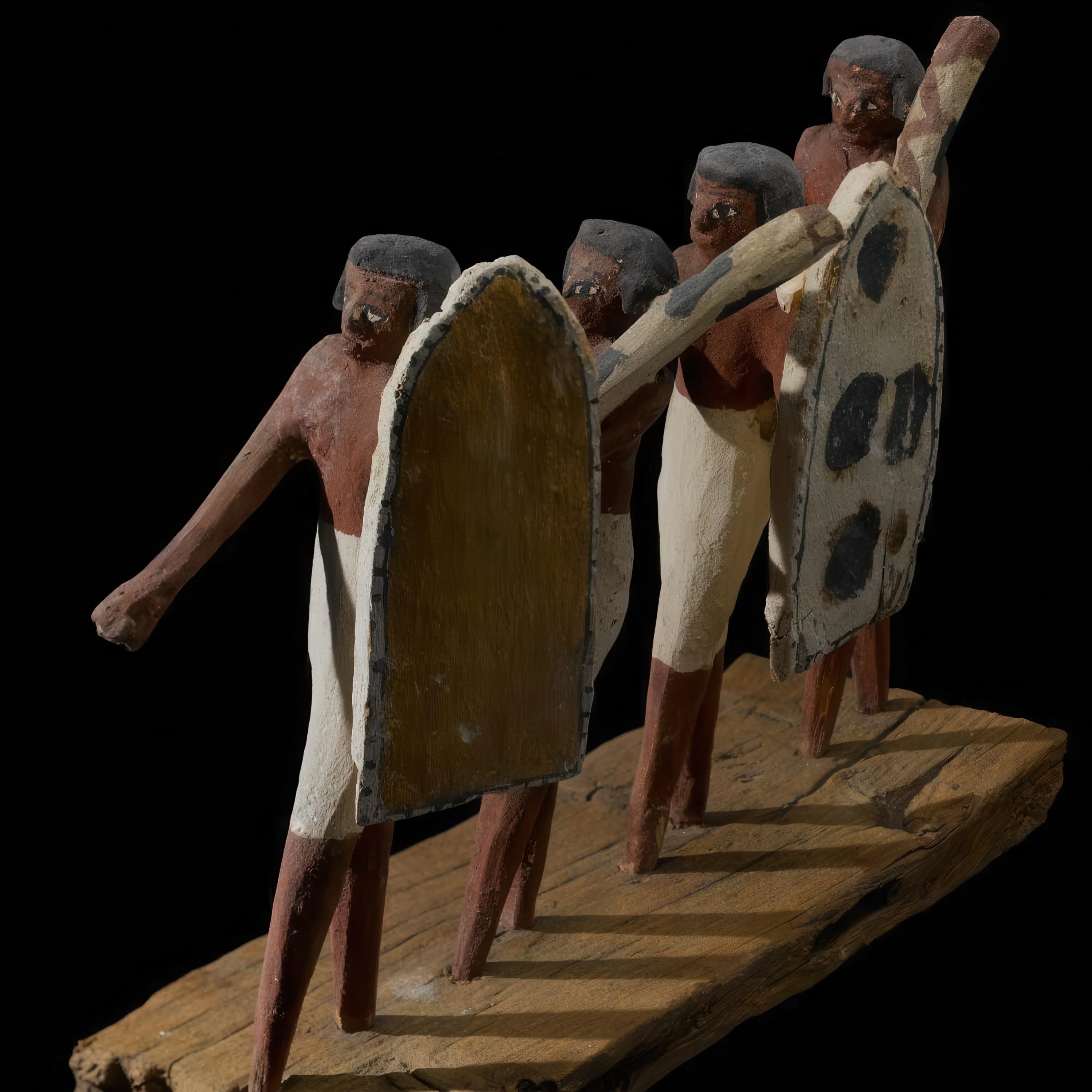
Newly researched and updated in 2024. The first phase is over, and the war is heating up. Around 2055 BCE, a lord of Waset/Thebes/Luxor named Intef I promoted himself far above the established norms. Sending representatives to treat with the other rulers, Intef nonetheless began to push his military power further afield. Soon, he began to isolate and attack the loyalist governors nearby… Episode details: The Qena Bend and locations referenced in this episode. Logo image: Model soldiers from a First Intermediate Period tomb (Brooklyn MFA). “Godfather” Walz theme by Andrea Giuffredi. “Declare Independence” by Björk, instrumental version. Music and interludes by Keith Zizza www.keithzizza.net. Music and interludes by Luke Chaos www.chaosmusick.com. The History of Egypt Podcast: Website: www.egyptianhistorypodcast.com. Support the show via Patreon www.patreon.com/egyptpodcast. Make a one-time donation via PayPal payments. Select Bibliography: D. D. Baker, Encyclopedia of the Pharaohs Volume I: Predynastic to the Twentieth Dynasty 3300 - 1069 BC (2008). E. Brovarski, ‘Overseers of Upper Egypt in the Old to Middle Kingdoms’, Zeitschrift für ägyptische Sprache und Altertumskunde 140 (2013), 91—111. Available online. J. J. Clère and J. Vandier, Textes de la Première Période Intermédiare et de la XIeme Dynastie (1948). J. C. Darnell, Theban Desert Road Survey in the Egyptian Western Desert, I: Gebel Tjauti Rock Inscriptions 1-45 and Wadi el-Hôl Rock Inscriptions 1-45 (2002). J. C. Darnell and D. Darnell, ‘New Inscriptions of the Late First Intermediate Period from the Theban Western Desert and the Beginnings of the Northern Expansion of the Eleventh Dynasty’, Journal of Near Eastern Studies 56 (1997), 241—258. JSTOR. A. E. Demidchik, ‘The History of the Heracleopolitan Kings’ Domain’, in H.-W. Fischer-Elfert and R. B. Parkinson (eds), Studies on the Middle Kingdom in Memory of Detlef Franke (2013), 93—106. Online. H. G. Fischer, Inscriptions from the Coptite Nome: Dynasties VI-XI (1964). H. G. Fischer, Dendera in the Third Millennium BC Down to the Theban Domination of Upper Egypt (1968). W. Grajetzki, The Middle Kingdom of Ancient Egypt (2006 & 2024). R. J. Leprohon, The Great Name: Ancient Egyptian Royal Titulary (2013). M. Lichtheim, Ancient Egyptian Literature Volume I: The Old and Middle Kingdoms (1973). S. Seidlmayer, ‘The First Intermediate Period (c. 2160--2055 BC)’, in I. Shaw (ed.), The Oxford History of Ancient Egypt (2000), 108—136. N. Strudwick, Texts from the Pyramid Age (2005). T. Wilkinson, The Rise and Fall of Ancient Egypt: The History of a Civilisation from 3000 BC to Cleopatra (2010). T. Wilkinson, Lives of the Ancient Egyptians (2019). H. Willems, ‘The First Intermediate Period and the Middle Kingdom’, in A. B. Lloyd (ed.), A Companion to Ancient Egypt, 1 (2010), 81—100. Learn more about your ad choices. Visit megaphone.fm/adchoices
25c: Apophis Strikes - The First Intermediate Period (Part 3)
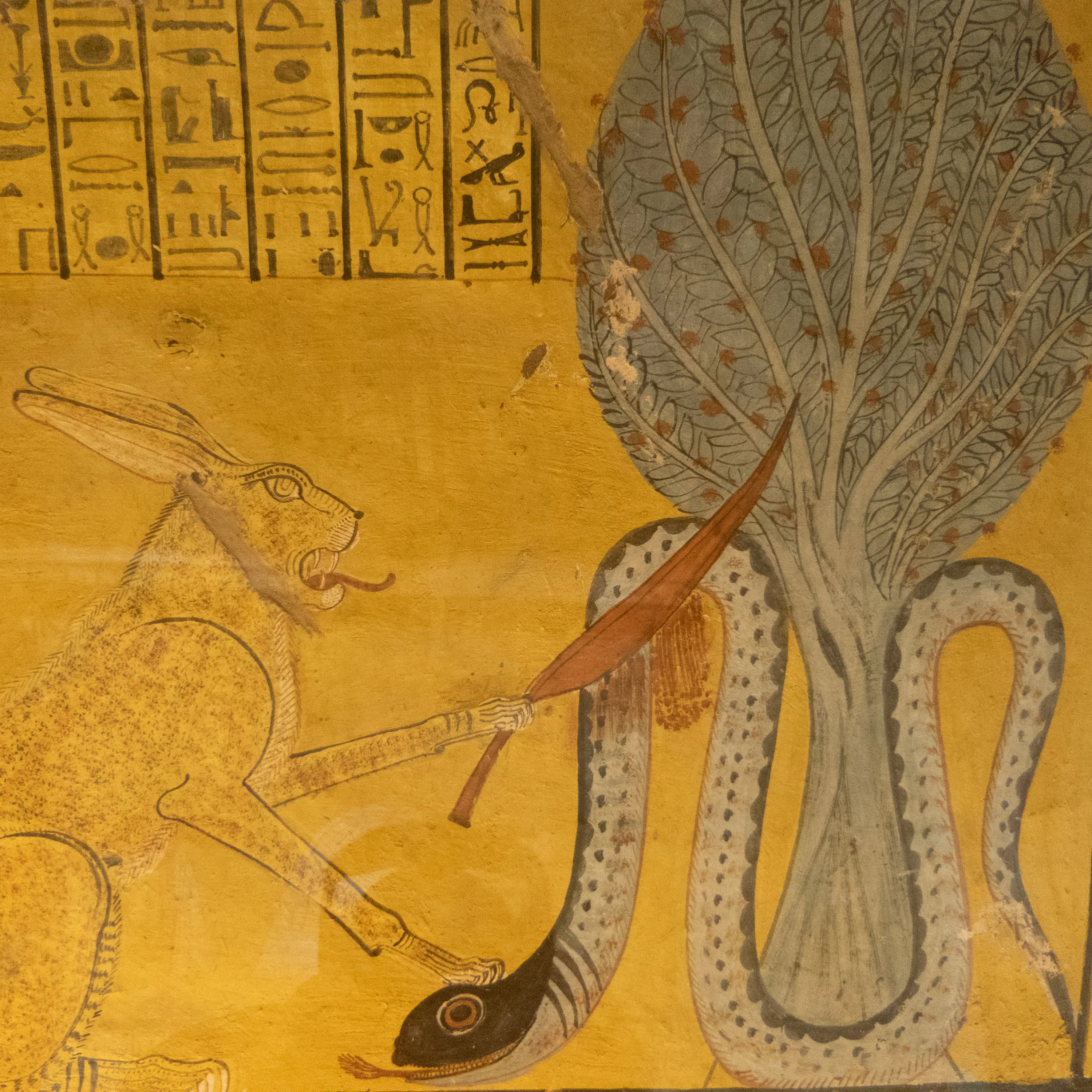
Newly researched and updated in 2024. Famine and resilience. Around 2060 BCE, the Overlord Ankhtyfy was riding high. Then, a crisis hit southern Egypt. Drought, food shortages, and starvation swept through the region. From sites like Elephantine, Edfu, and historical texts, we get a picture of Egypt in difficulty. But also, a sense of communities perservering and rebuilding... Logo image: Apophis from the tomb of Inerkhau at Deir el-Medina (Dynasty 19). Photo by Chris Ward. The tomb of Ankhtyfy at el-Mo’alla by Merja Attia https://flickr.com/photos/130870_040871/albums/72157676972946976/. Excavations at Edfu: Nadine Moeller and Gregory Marouard The Origins of Two Provincial Capitals in Upper Egypt (2017) https://www.youtube.com/watch?v=JPUPQabHL04. Intro music by Ihab. Music and interludes by Keith Zizza www.keithzizza.net. Music and interludes by Luke Chaos www.chaosmusick.com. Website: www.egyptianhistorypodcast.com. Support the show via Patreon www.patreon.com/egyptpodcast. Make a one-time donation via PayPal payments. Learn more about your ad choices. Visit megaphone.fm/adchoices
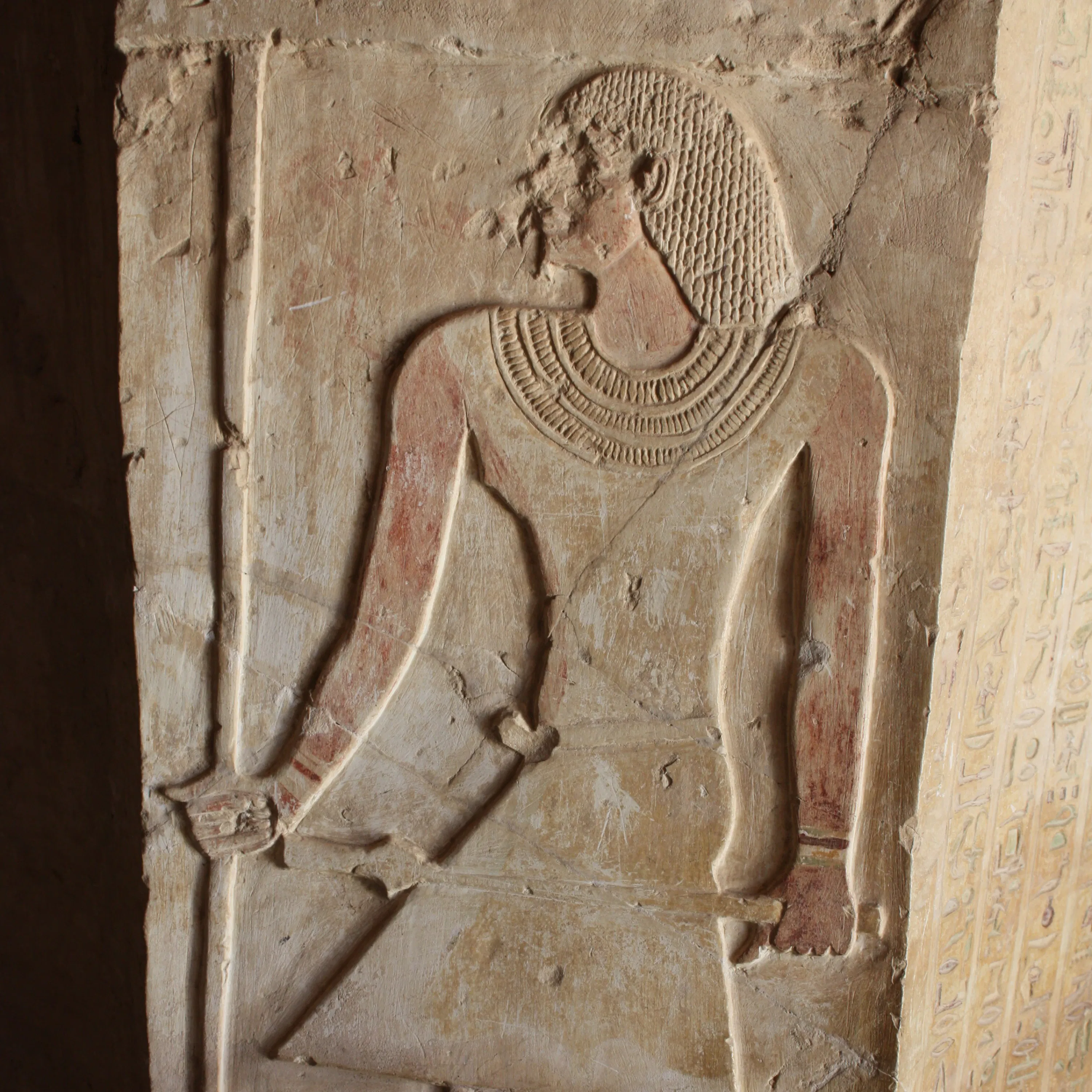
Ankhtyfy's Autobiography (First Intermediate Period, Interlude)
The complete autobiography of Ankhtyfy (Ankhtifi) from his tomb at el-Mo'alla. Sources: J. Vandier, Mo’alla: La Tombe d’Ankhtifi et la tombe de Sébekhotep (1950). French translation of hieroglyphs. Logo image: Ankhtyfy, from his tomb at Mo'alla (Wikimedia Public Domain). The tomb of Ankhtyfy at Osirisnet. English translation of Vandier (1950). Minor re-translations and edits of the text by Dominic Perry (2024). Photos of Ankhtyfy's tomb by M. Attia, ‘Tombs of Ankhtifi and Sobekhotep el-Moalla Egypt’, https://flickr.com/photos/130870_040871/albums/72157676972946976/. Learn more about your ad choices. Visit megaphone.fm/adchoices
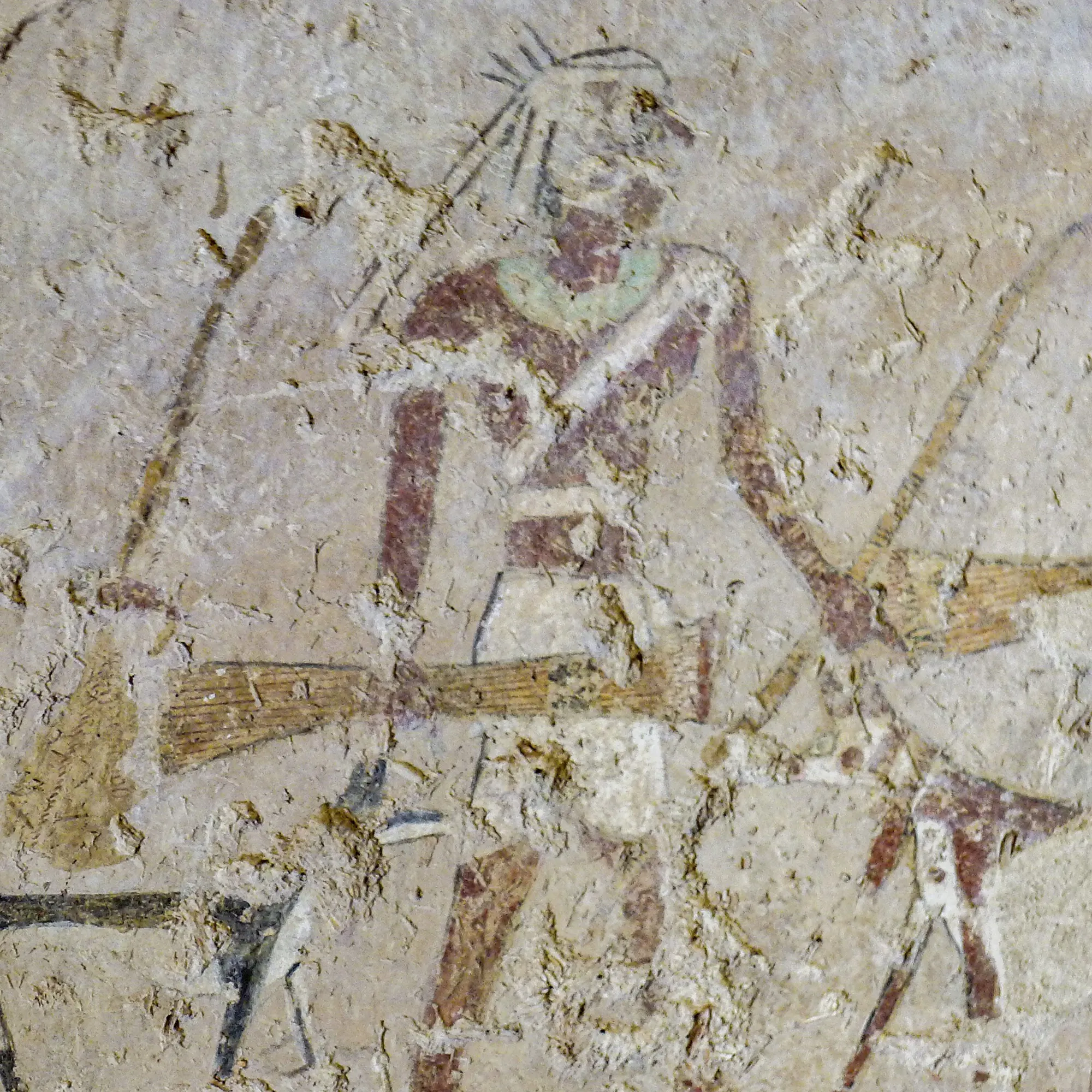
25b: Operations of the Overlord - The First Intermediate Period (Part 2)
Newly researched and updated in 2024. The rise of Ankhtyfy. In southern Egypt, a "Great Overlord" named Ankh-tyfy began to expand his power. From his home base at Nekhen (Hierakonpolis), he annexed neighbouring territories like Edfu. He did this with some elaborate justifications, and perhaps inspired by the example of ancestors. Alas, his rapid rise soon brought him into conflict with other regional lords and their soldiers... Website: www.egyptianhistorypodcast.com. Support the show via Patreon www.patreon.com/egyptpodcast. Make a one-time donation via PayPal payments. Logo image: Ankhtyfy’s archers, photo by Mutnedjmet. Photos of the tomb of Ankhtyfy by Merja Attia. Intro music by Ihab and Ancient Lyric www.bettinajoydeguzman.com. Music and interludes by Keith Zizza www.keithzizza.net. Music and interludes by Luke Chaos www.chaosmusick.com. Select bibliography: M. Attia, ‘Tombs of Ankhtifi and Sobekhotep el-Moalla Egypt’, https://flickr.com/photos/130870_040871/albums/72157676972946976/. H. Goedicke, ‘’Ankhtyfy’s Fights’, Chronique d’Égypte 73 (1998), 29-41. N. Moeller, ‘The Origins of Two Provincial Capitals in Upper Egypt’, The Institute for the Study of Ancient Cultures (2017). L. D. Morenz, ‘Power and Status. Ankhtifi the Hero, Founder of a New Residence?’, CRIPEL 28 (2009), 177-192. J. Vandier, Mo’alla: La Tombe d’Ankhtifi et la tombe de Sébekhotep (1950). Learn more about your ad choices. Visit megaphone.fm/adchoices

25a: Nile Divided - The First Intermediate Period (Part 1)
Newly researched and updated in 2024. By 2100 BCE, Egypt’s royal house was in trouble. A line of kings, known as the pr-Hty (“House of Khety”) claimed authority over the whole Nile Valley. But archaeological and historical data paint a different picture: of a growing division between communities in the north and south of Egypt. The “Two Lands” were separating, and government was too weak to stop it… Logo image: A northern official named Ipi. From his tomb at the cemetery of Ihnaysa el-Medina (Photo Perez Die 2016). The History of Egypt Podcast: Website: www.egyptianhistorypodcast.com. Support the show via Patreon www.patreon.com/egyptpodcast. Make a one-time donation via PayPal payments. Music and interludes by Keith Zizza www.keithzizza.net. Music and interludes by Luke Chaos www.chaosmusick.com. Learn more about your ad choices. Visit megaphone.fm/adchoices
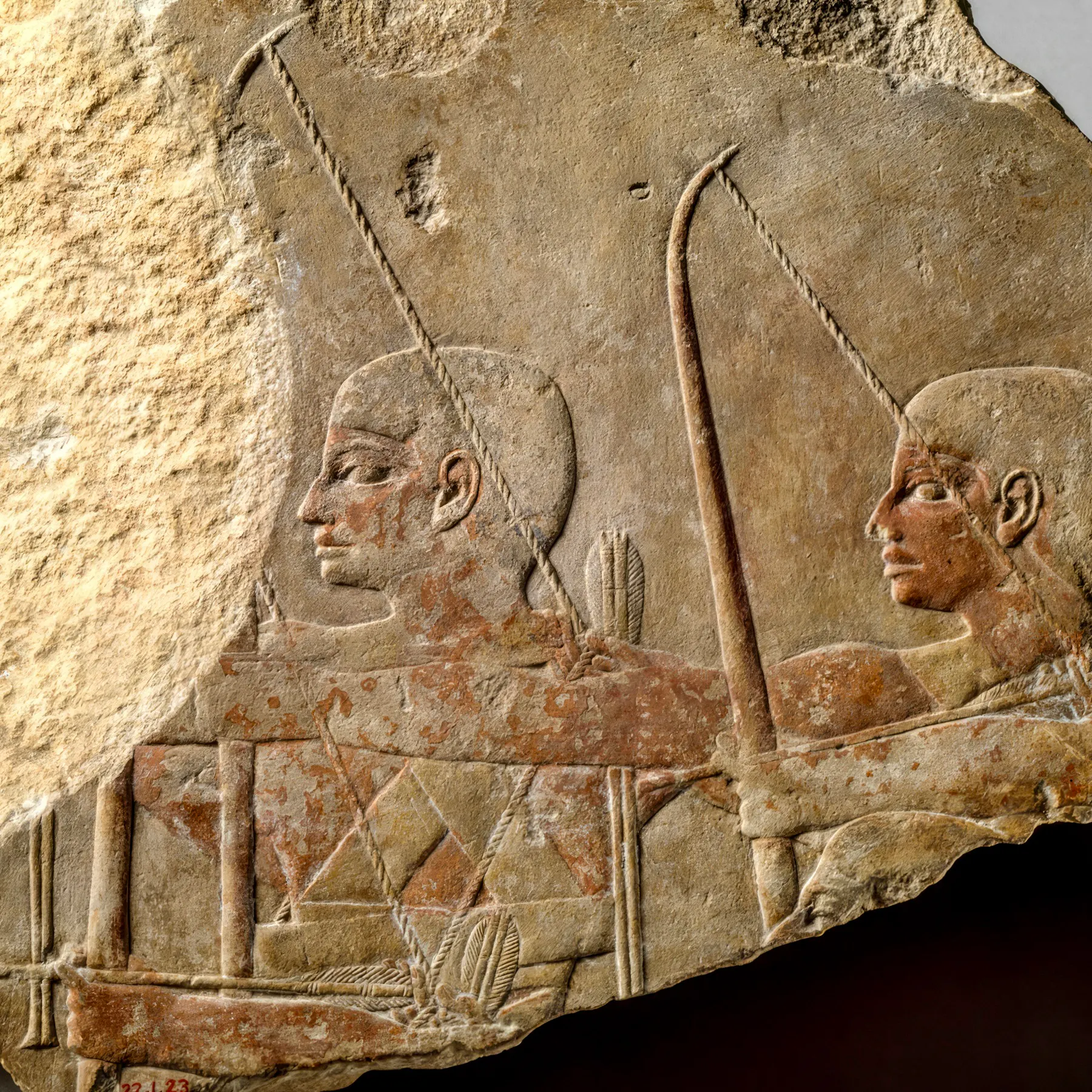
Old Kingdom Warfare (2024 Edition)
Newly researched and updated. Before the fall (c.2600 - 2200 BCE). Early Egyptians were fierce and active warriors. Our evidence for the Old Kingdom “army,” however, is scattered and fragmentary. Sifting through the pieces, we can reconstruct some elements of the early armed forces. In this episode, we explore royal texts that describe campaigns; pyramid art showing battles and soldiers training; and even images of siege warfare… The History of Egypt Podcast: Website: www.egyptianhistorypodcast.com. Support the show via Patreon www.patreon.com/egyptpodcast. Make a one-time donation via PayPal payments. Intro music by Stephen Rippy from Age of Empires (1997). Outro music and interludes by Keith Zizza. Music and interludes by Luke Chaos. Episode Chapters: Introduction 00:00 Dynasty IV Raids and Warriors 02:40 Army Organisation and Weapons 16:07 Battle Scenes of Unas and Ka-em-heset 25:58 Siege Scene of Inti 38:00 Notable artefacts (see Bibliography for full titles): Archers from the reign of Khufu, MMA. See Goedicke 1971, MMA Open Access. Sahura training scenes: Published in El Awady 2009. Unas battle scene: First published by Selim Hassan 1938 (Archive.org). Siege scene of Khaemheset: First published in Quibell and Hayter 1927. Archive.org. Siege scene of Inti: See Shaw, Ancient Egyptian Warfare, 2019 (Pen & Sword). First published Petrie 1894. See also Kanawati and McFarlane 1993. Examples of pre-New Kingdom Egyptian weapons in museum collections: Wooden bows: Louvre, MMA (FIP or early MK). Arrows: MMA (FIP or early MK), Louvre (Pre-Dynastic), MFA (FIP or early MK), ROM (FIP). Maces: ROM (4th Dyn., Khafra), ROM (Pre-Dynastic), MMA (FIP or MK). Spearheads: Louvre (FIP), Louvre (12th Dyn.), MMA (MK). Axes: Louvre, (OK), Louvre (FIP), Louvre (MK). Select Bibliography (see website for full details): L. Bestock, Violence and Power in Ancient Egypt: Image and Ideology Before the New Kingdom (2018). T. El Awady, Sahure: The Pyramid Causeway: History and Decoration Program in the Old Kingdom (2009). H. Goedicke, Re-Used Blocks from the Pyramid of Amenemhat I at Lisht (1971). MMA Open Access. S. Hassan, ‘Excavations at Saqqara 1937--1938’, Annales du Services des Antiquités de l’Egypte 38 (1938), 503—514. Archive.org. N. Kanawati and A. McFarlane, Deshasha: The Tombs of Inti, Shedu and Others (1993). A. Labrousse and A. Moussa, La chaussée du complexe funéraire du roi Ounas, I (2002). F. Monnier, ‘Les techniques de siège décrites dans la documentation pharaonique’, Égypte Nilotique et Méditerranéenne 15 (2022), 51—73. ENIM.fr. A.-L. Mourad, ‘Siege Scenes of the Old Kingdom’, Bulletin of the Australian Centre of Egyptology 22 (2011), 135—158. Academia.edu. J. E. Quibell and A. G. K. Hayter, Excavations at Saqqara: Teti Pyramid, North Side (1927). Archive.org. I. Shaw, Ancient Egyptian Warfare (2019). N. Strudwick, Texts from the Pyramid Age (2005). Learn more about your ad choices. Visit megaphone.fm/adchoices
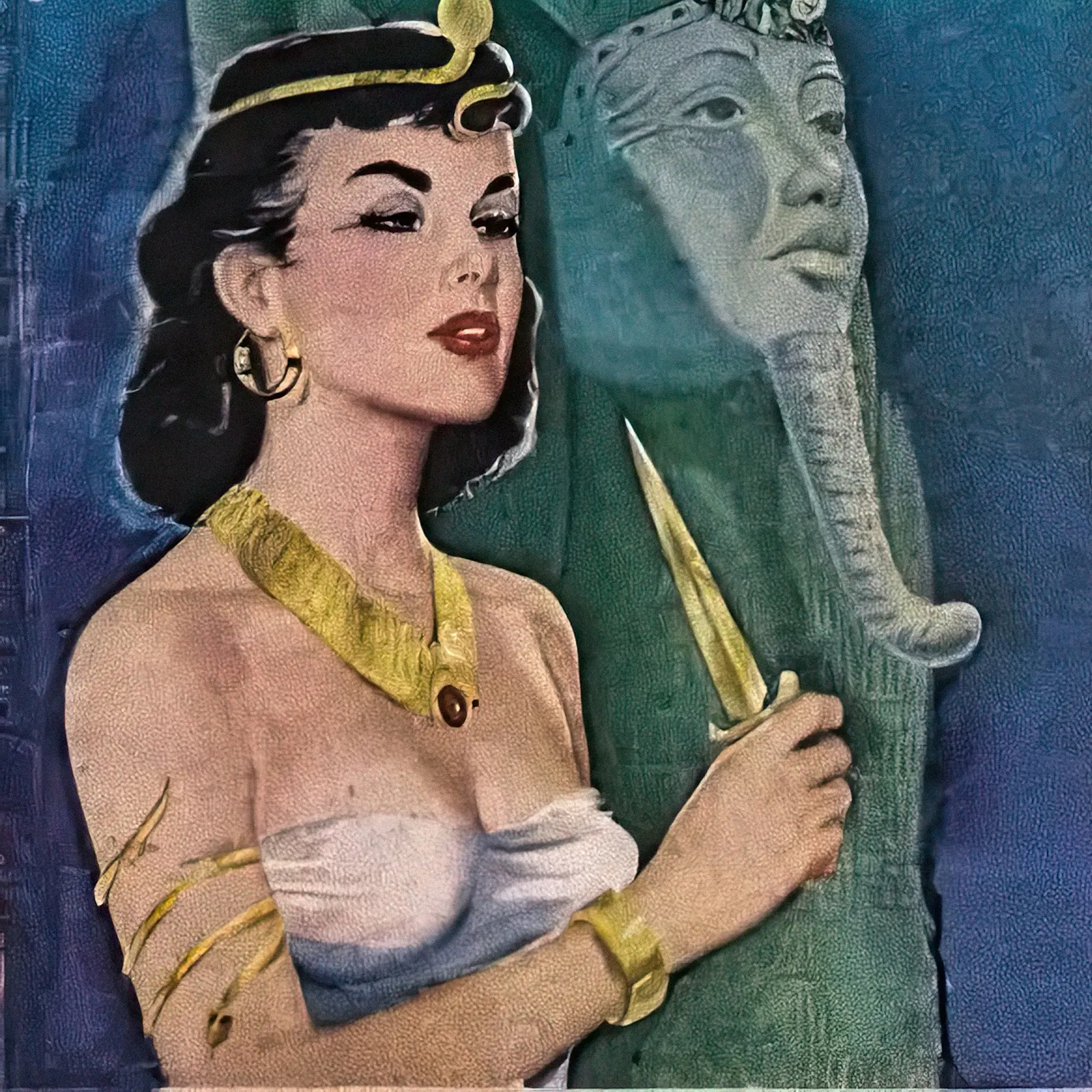
Story: The Vengeance of Nitocris
Don’t swim for at least 30 minutes after a banquet… Around 2150 BCE, so the story goes, the Queen-King Nitocris sought vengeance on those who had wronged her. This tale comes from Herodotos, and in 1928 a young Tennessee Williams published his own version of the gothic stroy. In this bonus episode, I read Williams’ work for a bit of spooky storytelling… Herodotos, Histories, Book II, via Perseus. Tennessee Williams ‘The Vengeance of Nitocris’ at Wikipedia and Wikisource. The Vengeance of Nitocris by Rejected Princesses. Music by Kevin Manthei, from Vampire: The Masquerade: Redemption (2000). I played this a lot as a child, and it seemed to fit the tone. Outro music, “Killer Queen – Medieval Rock Cover” by Medieval Rock. Less tonally consistent, but when the Queen gives an order... Logo image: "The Vengeance of Nitocris," from Weird Tales magazine. The History of Egypt Podcast: Website: www.egyptianhistorypodcast.com. Support the show via Patreon www.patreon.com/egyptpodcast. Make a one-time donation via PayPal payments. Music and interludes by Keith Zizza www.keithzizza.net. Music and interludes by Luke Chaos www.chaosmusick.com. Learn more about your ad choices. Visit megaphone.fm/adchoices
Mini: Rain Over The Pyramids (2024 Edition)
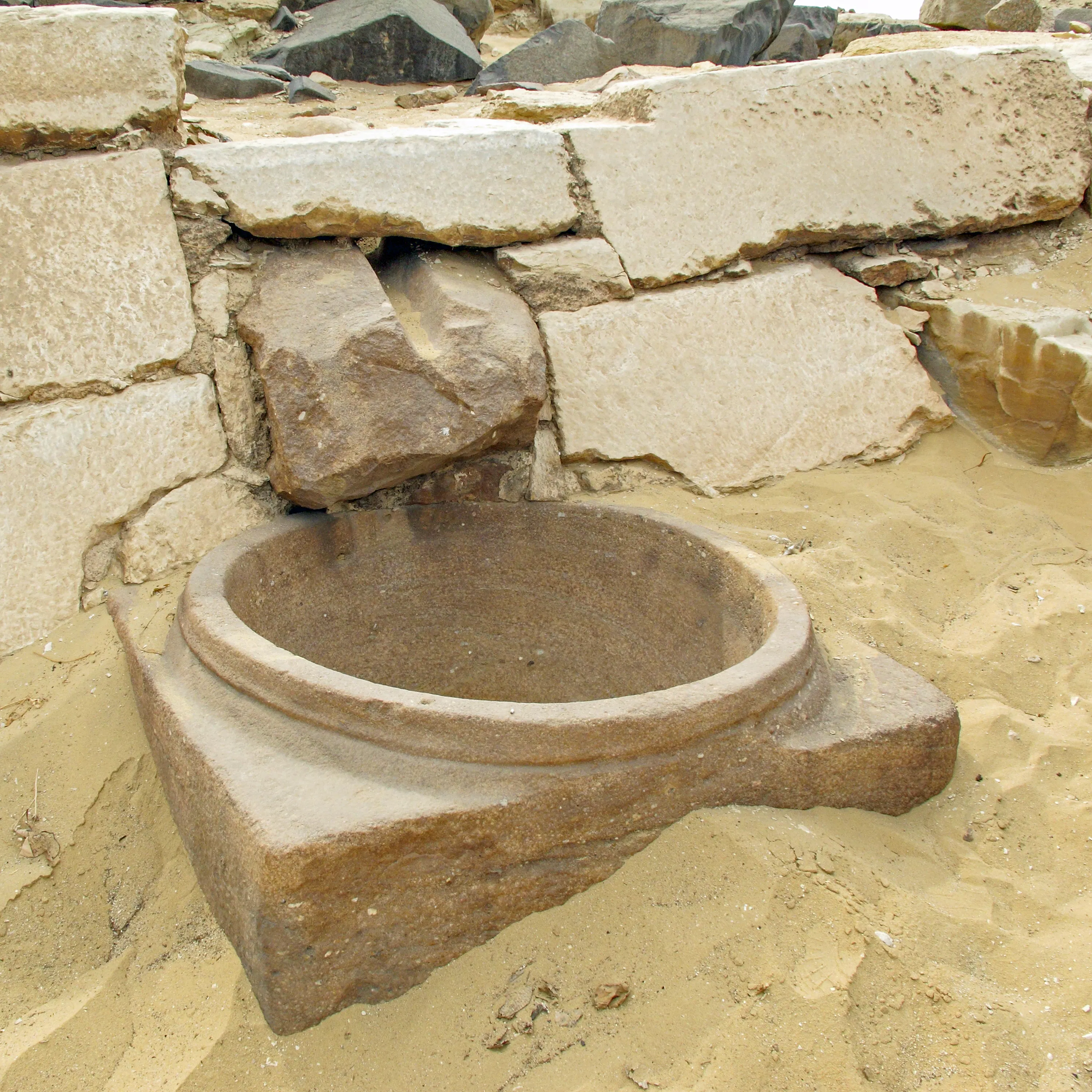
Updated with new research. Between 2500—2200 BCE, Egypt witnessed a period of surprisingly high rainfall. While the Old Kingdom was much wetter than today, archaeologists have found strong evidence for huge downpours, sweeping across northern Egypt and flooding tombs, cities, and forcing the ancients to adapt… This episode is a brief epilogue to the Decline & Fall of the Old Kingdom series. Intro music: Michael Jackson – Stranger in Moscow (Instrumental Version). Outro music: Toto – Africa (Bardcore) by Stravitticus. Logo image: Rain spout/gutter at the pyramid complex of Niuserrra (c.2400 BCE). Photo by Kairoinfo4u. References used in this episode: K. W. Butzer, ‘When the Desert Was in Flood: Environmental History of the Giza Plateau’, AERAgram 5 (2001), 3—5. K. W. Butzer et al., ‘Urban Geoarchaeology and Environmental History at the Lost City of the Pyramids, Giza: Synthesis and Review’, Journal of Archaeological Science 40 (2013), 3340—3366. K. O. Kuraszkiewicz, ‘Architectural Innovations Influenced by Climatic Phenomena (4.2 KA Event) in the Late Old Kingdom (Saqqara, Egypt)’, Studia Quaternaria 33 (2016), 27—34. S. Rzepka et al., ‘Preliminary Report on Engineering Properties and Environmental Resistance of Ancient Mud Bricks from Tell el-Retaba Archaeological Site in the Nile Delta’, Studia Quaternaria 33 (2016), 47—56. Learn more about your ad choices. Visit megaphone.fm/adchoices

24: Decline & Fall of the Old Kingdom (Part 2)
Why did it all go so wrong? We’ve explored the historical overview of Old Kingdom decline; but what was driving it? There are three major factors that caused this fall. Two originate in the climate, the third comes from the political structure of the kingdom and its society. From the deserts of Sahara to the depths of the Nile, we uncover the causes of decline… Note: An extended version of this episode is available at Patreon.com/egyptpodcast. The History of Egypt Podcast: Website: www.egyptianhistorypodcast.com. Support the show via Patreon www.patreon.com/egyptpodcast. Make a one-time donation via PayPal payments. Music and interludes by Keith Zizza www.keithzizza.net. Music and interludes by Luke Chaos www.chaosmusick.com. Logo image: The “Starving Bedouin” from the Pyramid of Unas. Photo by Sarah Murray. Select Bibliography: M. Bárta, Analyzing Collapse: The Rise and Fall of the Old Kingdom (2019). B. Bell, ‘The Oldest Records of the Nile Floods’, The Geographical Journal 136 (1970), 569—573. K. W. Butzer, ‘When the Desert Was in Flood: Environmental History of the Giza Plateau’, AERAgram 5 (2001), 3—5. K. W. Butzer, ‘Landscapes and Environmental History of the Nile Valley: A Critical Review and Prospectus’, in E. Bloxam and I. Shaw (eds), The Oxford Handbook of Egyptology (Oxford, 2020), 99—124. N. Kanawati and J. Swinton, Egypt in the Sixth Dynasty: Challenges and Responses (2018). K. O. Kuraszkiewicz, ‘Architectural Innovations Influenced by Climatic Phenomena (4.2 KA Event) in the Late Old Kingdom (Saqqara, Egypt)’, Studia Quaternaria 33 (2016), 27—34. M. van de Mieroop, A History of Ancient Egypt (2nd edn, 2021). N. Moeller, ‘The First Intermediate Period: A Time of Famine and Climate Change?’, Egypt and the Levant 15 (2005), 153—167. J. C. Moreno García, ‘Climatic Change or Sociopolitical Transformation? Reassessing Late 3rd Millennium BC in Egypt’, in J. C. Moreno García et al. (eds), 2200 BC - A Climatic Breakdown as a Cause for the Collapse of the Old World? 2 vols (2015), 79—94. S. Rzepka et al., ‘Preliminary Report on Engineering Properties and Environmental Resistance of Ancient Mud Bricks from Tell el-Retaba Archaeological Site in the Nile Delta’, Studia Quaternaria 33 (2016), 47—56. J.-D. Stanley et al., ‘Nile Flow Failure at the End of the Old Kingdom, Egypt: Strontium Isotopic and Petrologic Evidence’, Geoarchaeology 18 (2003), 395—402. P. Tallet and M. Lehner, The Red Sea Scrolls: How Ancient Papyri Reveal the Secrets of the Pyramids (2021). Learn more about your ad choices. Visit megaphone.fm/adchoices
24: Decline & Fall of the Old Kingdom (Part 1)
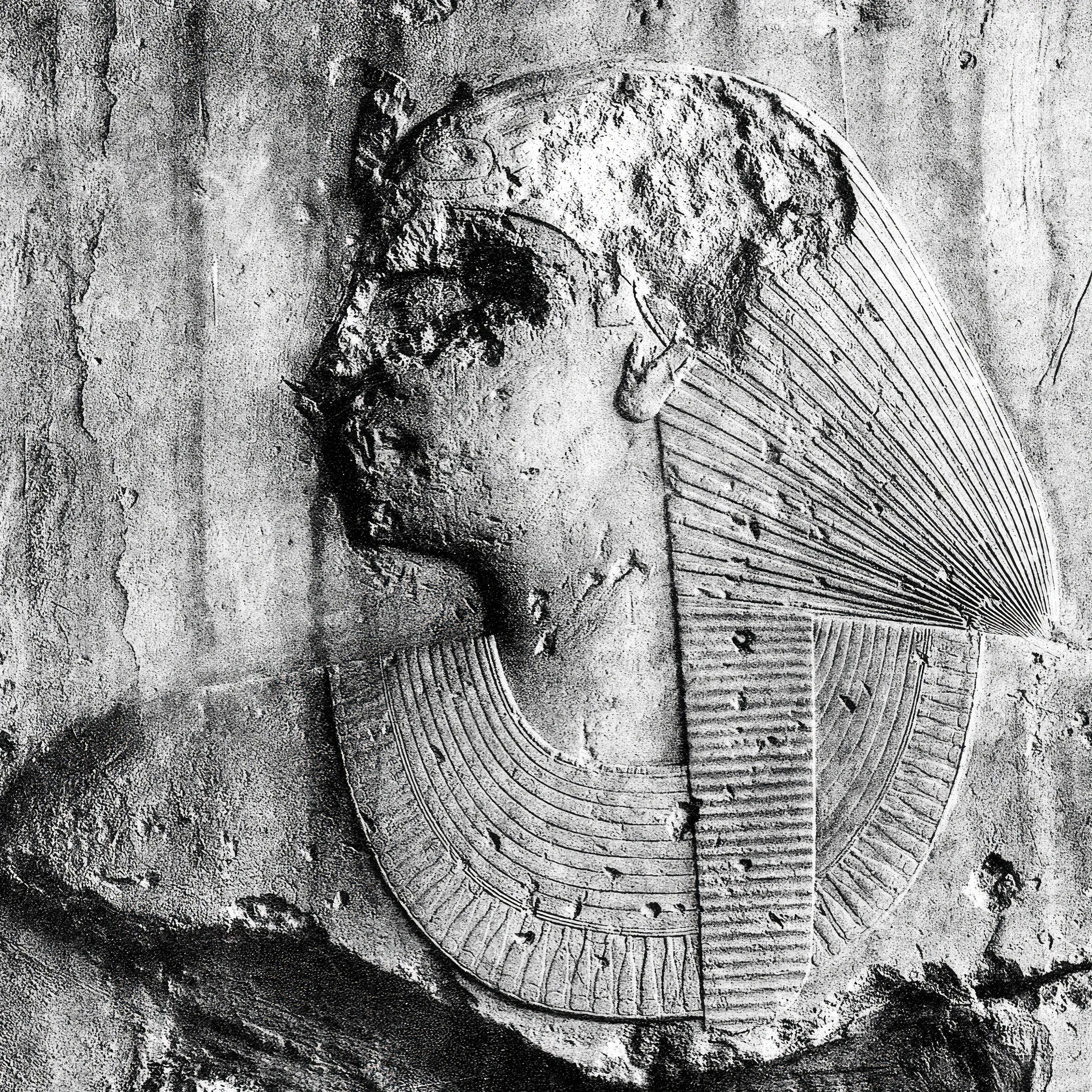
Why did the Old Kingdom disappear? Was it an overnight "collapse," or something more long term? In this episode, and the next, we explore the question in overview. This chapter focusses on the historical sources including King Lists, Classical authors like Herodotos and Manetho, and the fragmentary evidence for some of the "shadow kings" of this period… Chronology and Historical Studies: Overview of all sources and scholarship at Pharaoh.se. M. Baud, ‘The Relative Chronology of Dynasties 6 and 8’, in E. Hornung et al. (eds), Ancient Egyptian Chronology (2006), 144—158. Available in pdf at Digital Giza. J. von Beckerath, Handbuch der ägyptischen Königsnamen (1999). W. Helck, ‘Anmerkungen zum Turiner Königspapyrus’, Studien zur Altägyptischen Kultur 19 (1992), 150–216. English translation available at Pharaoh.se. R. J. Leprohon, The Great Name: Ancient Egyptian Royal Titulary (2013). Available at Internet Archive. K. Ryholt, ‘The Turin King-List’, Ägypten und Levante / Egypt and the Levant 14 (2004), 135—155. The History of Egypt Podcast: Website: www.egyptianhistorypodcast.com. Support the show via Patreon www.patreon.com/egyptpodcast. Make a one-time donation via PayPal payments. Music and interludes by Keith Zizza www.keithzizza.net. Logo image: The damaged visage of Pepy II from his pyramid at South Saqqara (Jéquier 1936). Learn more about your ad choices. Visit megaphone.fm/adchoices

Episode 23: Children of Pepy
A Long, Long Reign. King Pepy ruled more than sixty years, by some estimates. In his later years, this long reign was becoming an issue. The aging monarch was losing influence, and his children were dying before he did... Date c. 2240 - 2220 BCE. Website: www.egyptianhistorypodcast.com. Support the show via Patreon www.patreon.com/egyptpodcast. Make a one-time donation via PayPal payments. Music by Keith Zizza www.keithzizza.com. Select Bibliography: Toby H. Wilkinson, The Egyptian World, 2007. Fekri A. Hassan, “Droughts, Famine and the Collapse of the Old Kingdom: Re-reading Ipuwer,” in The Archaeology of Ancient Egypt – Essays in Honor of David B. O’Connor, 2007. Juan Carlos Moreno García (editor), Ancient Egyptian Administration, 2013 (Sample Article). The University of Chicago – Tell Edfu Project. Saqqara.nl – The Pyramid of Pepy II. Swiss Archaeological Mission, Sudan – Kerma. Learn more about your ad choices. Visit megaphone.fm/adchoices
Episode 22: Pepy Lives
Ruling the World. King Pepy ruled long and his authority reached far and wide. To understand Egyptian society in this period, we must meet the important families (nobility) who served Pepy, and see how their actions shape our understanding of history... Date c.2260 - 2240 BCE. Website: www.egyptianhistorypodcast.com. Support the show via Patreon www.patreon.com/egyptpodcast. Make a one-time donation via PayPal payments. Music by Keith Zizza www.keithzizza.com. Logo image: Miniature Brewing Vat, in the Metropolitan Museum of Art https://www.metmuseum.org/art/collection/search/543893. Select Bibliography: Deborah Vischak, Community and Identity in Ancient Egypt: The Old Kingdom Cemetery at Qubbet el-Hawa, 2014 (Google Books): 225-238. Ancient Egypt Online – Pepy II William Kelly Simpson (editor), The Literature of Ancient Egypt, 2003. Nicolas Grimal, A History of Egypt, 1994. Learn more about your ad choices. Visit megaphone.fm/adchoices
21: The Excited Child
The Child King. Around 2285 BCE, a new ruler came to power. King Pepy II was a little boy, just six years old. His reign would be one of the longest, and most impactful, in the Old Kingdom... Date c.2285 - 2260 BCE. Website: www.egyptianhistorypodcast.com. Support the show via Patreon www.patreon.com/egyptpodcast. Make a one-time donation via PayPal payments. Music by Keith Zizza www.keithzizza.com. Select Bibliography: Ian Shaw (editor), The Oxford History of Ancient Egypt, 2004. William Kelly Simpson (editor), The Literature of Ancient Egypt, 2003. Nicolas Grimal, A History of Egypt, 1994. Ancient Egypt Online – Pepy II. National Geographic – Pyramid of Pepy II. Learn more about your ad choices. Visit megaphone.fm/adchoices
Old Kingdom Technology with Dr. Martin Odler
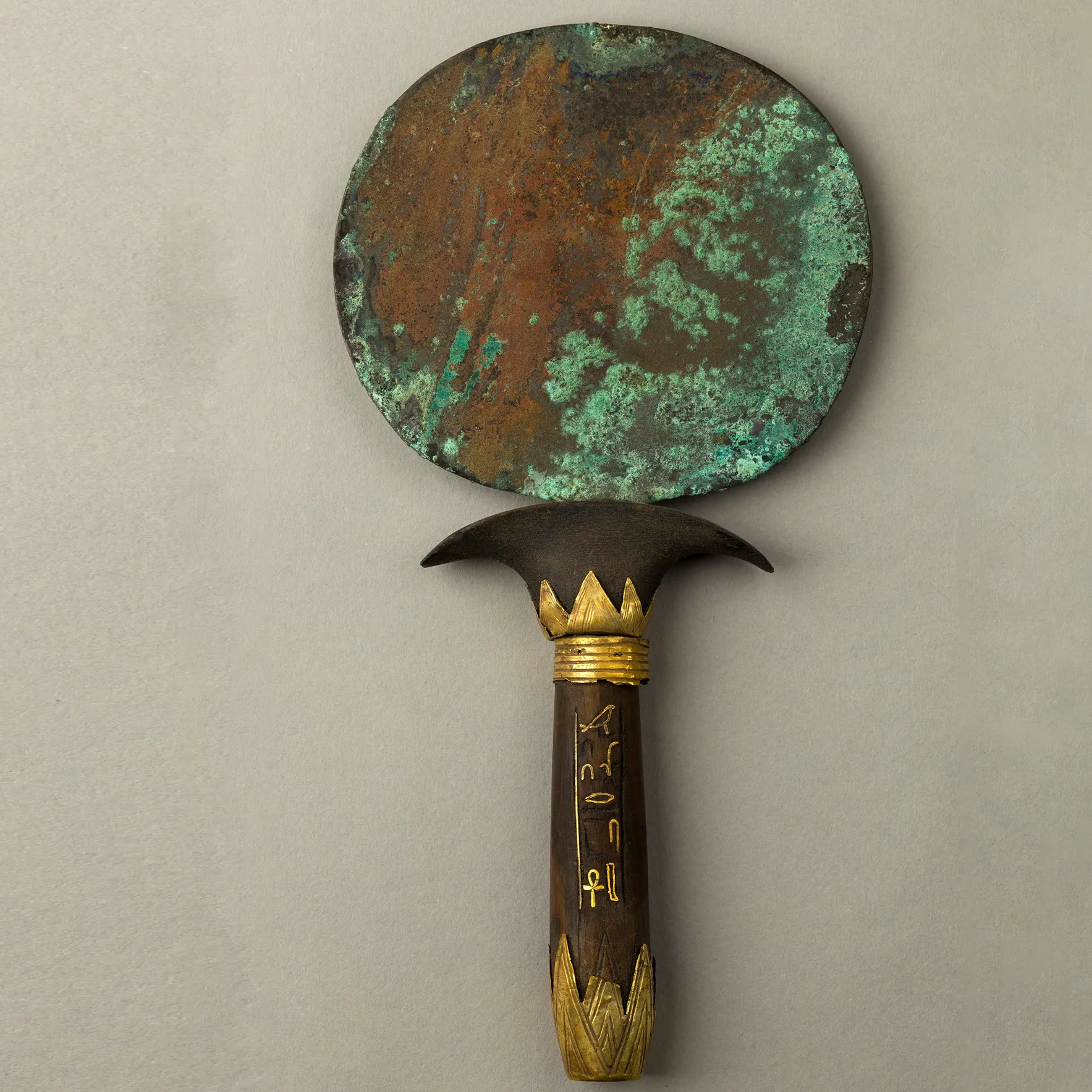
Interview recorded 2024. How does copper cut stone? Martin Odler specialises in ancient Egyptian technology. Specifically, the manufacture and use of metal in tools and industry. In this interview, Dr. Odler shares some of his research insights on the production and use of copper, at sites like the Giza pyramids during the Old Kingdom. We also explore the use of metal in weaponry and daily life, and how scientists can experiment with reconstructed tools to examine their value and effectiveness. Today, Dr. Odler shares his methodical and wide-ranging interests. Personally, I learned a lot from speaking with him. Logo image: A copper mirror of Reni-Seneb (c.1800 BCE), Metropolitan Museum of Art. Martin Odler at Newcastle University. Research papers by Martin Odler at Academia.edu. Book: Copper in Ancient Egypt Before, During, and After the Pyramid Age (c.4000—1600 BC) (2023), published by Brill. Book: Old Kingdom Copper Tools and Model Tools (2016), published by Archaeopress. Learn more about your ad choices. Visit megaphone.fm/adchoices
20: Expeditions and Explorers
The Great Explorer. Around 2300 BCE, King Pepy I died. His successor was a man named Mer-en-Re ("Beloved of Re"). In this period, the explorer Weni the Elder continued his travels, now going far south into Sudan on missions for the King... Date c.2300 BCE. Website: www.egyptianhistorypodcast.com. Support the show via Patreon www.patreon.com/egyptpodcast. Make a one-time donation via PayPal payments. Music by Keith Zizza www.keithzizza.com. Select Bibliography: Kelsey Museum Newsletter – Abydos and the Tomb of Weni the Elder. Renée Friedman, Egypt and Nubia: Gifts of the Desert, 2002. William Kelly Simpson (editor), The Literature of Ancient Egypt, 2003. Learn more about your ad choices. Visit megaphone.fm/adchoices