The Digiday Podcast
513 episodes — Page 9 of 11
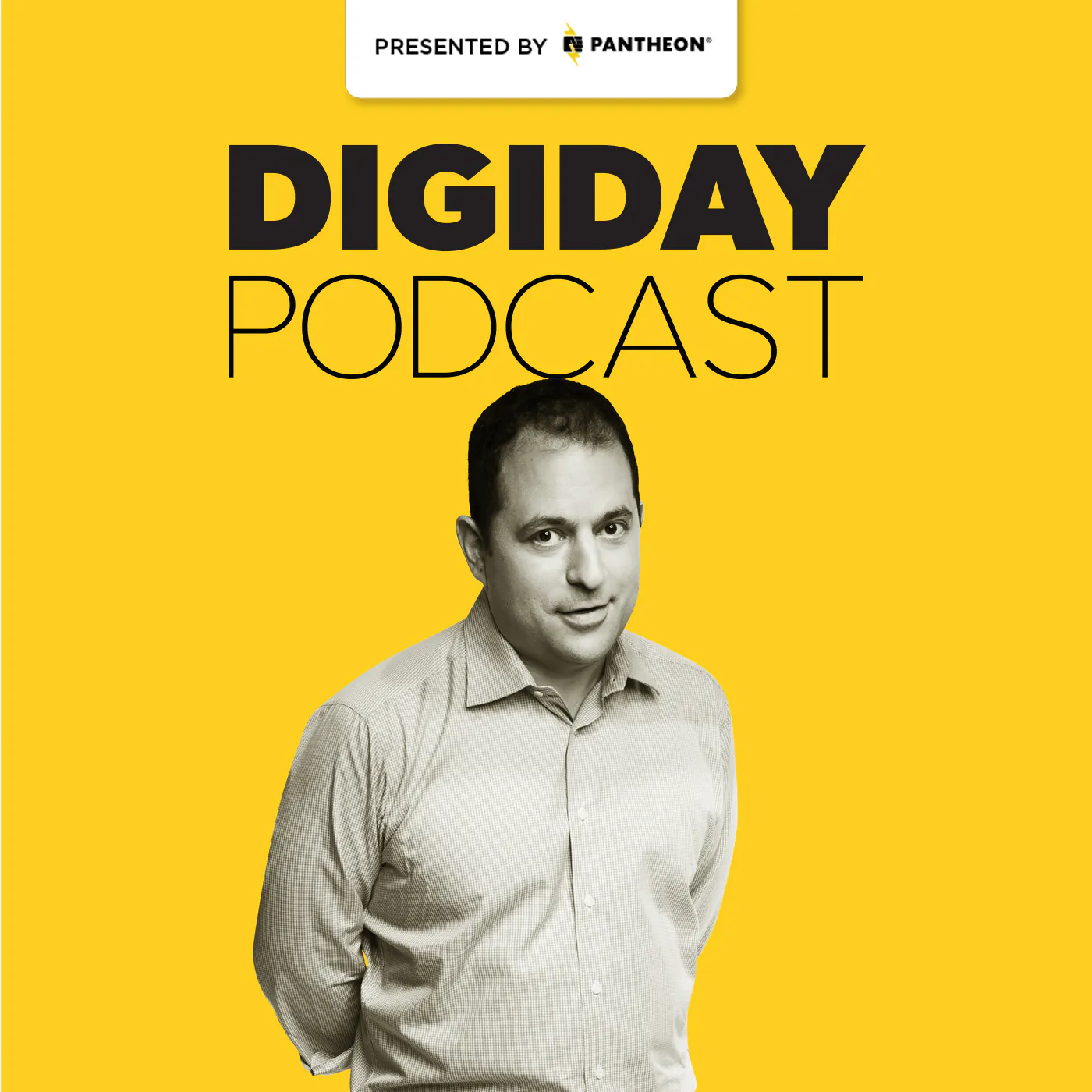
Recode’s Peter Kafka: 'Netflix is winning'
There are many video streaming services hoping to be the next big player in the future of TV. Peter Kafka, a reporter at Recode Media and host of the Recode Media podcast by Vox, thinks Netflix has remained ahead of the curve and will retain the top spot for as long as streaming services keep positioning themselves as the answer to Netflix.
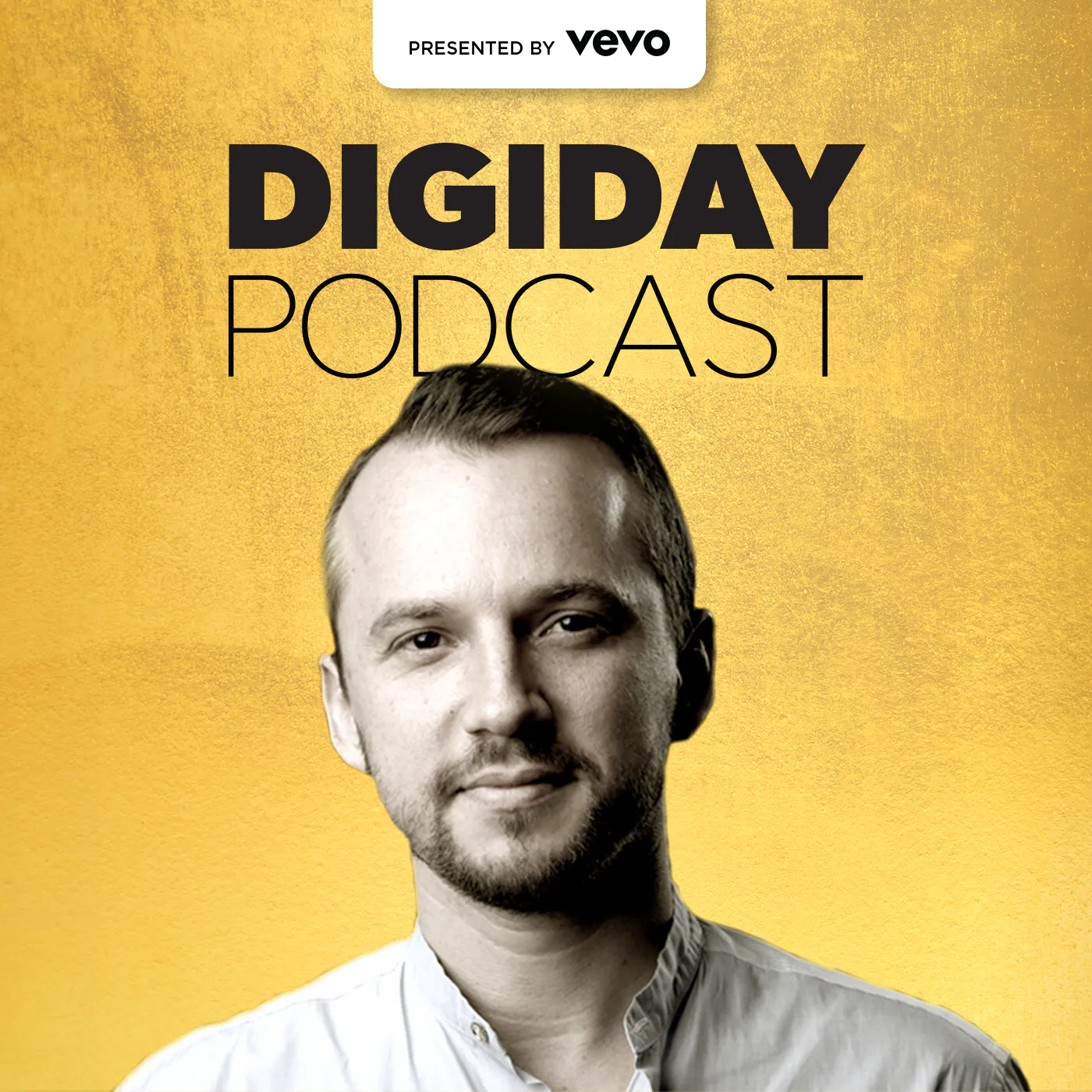
New York Times’ Sebastian Tomich: Subscriptions are becoming like a TV rating model
Subscriptions and advertising businesses may stand in conflict with each other, but The New York Times has been bullish on this strategy. While remaining a shining example of a successful subscription business, last year, it also had its first growth year overall in advertising since 2005. Sebastian Tomich, head of advertising at The Times discusses the advertisers’ aversion to news, how audio has become a meaningful business for the Times and more.
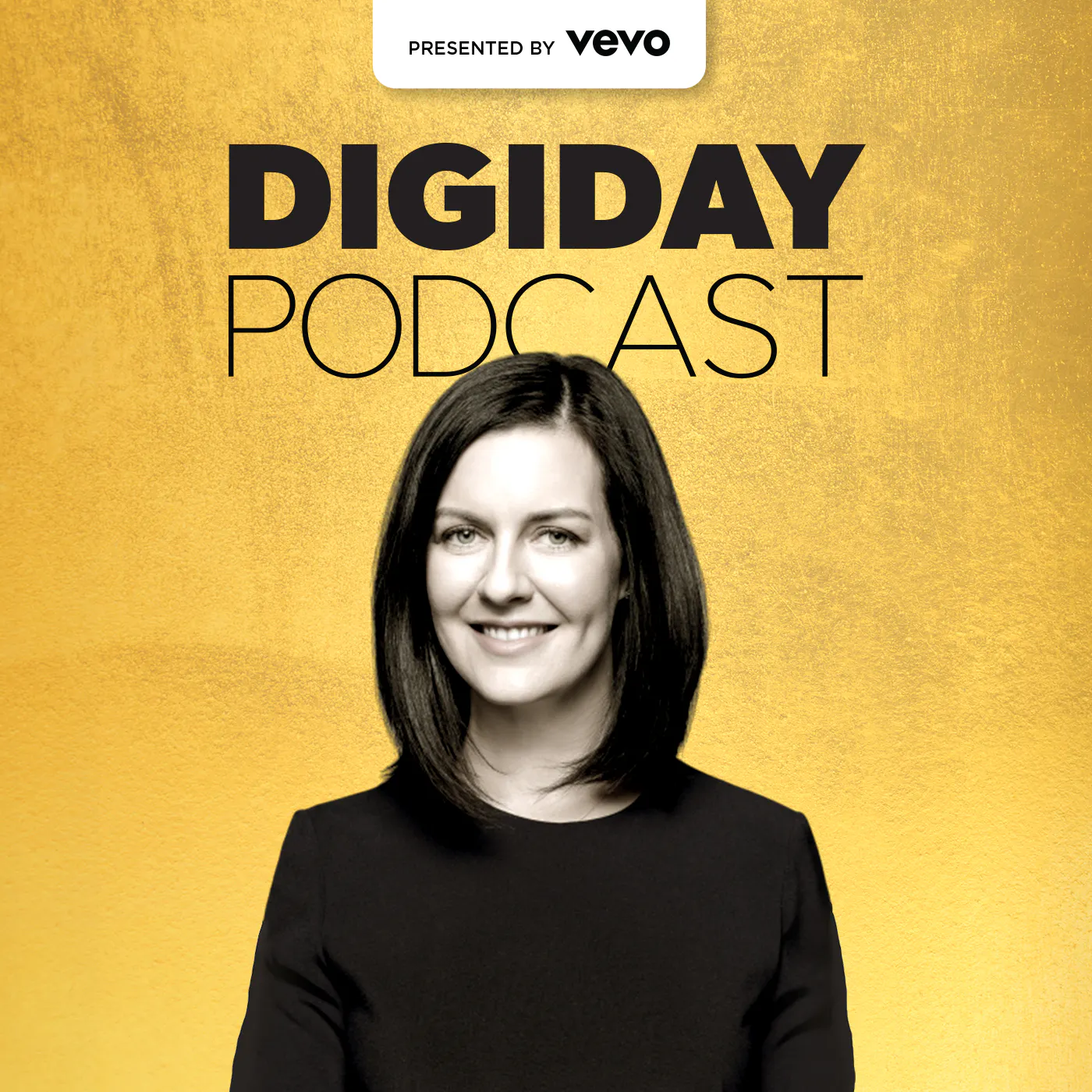
Twitter’s Sarah Parsonette: We want to contribute to publishers' bottom lines
In the last year, Twitter and Facebook have been scrutinized for the lack of brand-safe environments for advertisers. At Cannes this year, Twitter is spending much of its time addressing those issues. Sarah Parsonette, vp of global client solutions at Twitter, discusses how the platform can contribute to brands’ bottom line, why it is open to regulation and more.
Pinterest’s Andréa Mallard: We want credit for the full-funnel experience on Pinterest
On this episode from Cannes, we talk to Andréa Mallard, the newly minted CMO at Pinterest. The platform has about 300 million active monthly users on its platform and Mallard’s pitch to advertisers and publishers includes a brand-safe environment and access to new audiences.

Hearst's Troy Young: Access to data drives organizational change
Despite the ever-changing methods of delivering content, Hearst, first and foremost, remains a magazine company. In the latest episode of the Cannes edition of the Digiday Podcast, Troy Young, president of Hearst Magazines, talks about culture changes at Hearst, his ambition to integrate data in every part of the organization and more.

Vice’s Dominique Delport: The new Vice has gone ‘beyond cultural change to fix what was wrong’
Once known for its brash ways, Vice under new CEO Nancy Dubuc is presenting a different, more streamlined appearance for the market. Part of that is presenting a simplified structure and recent moves to bring in new leadership across the company. CRO Dominique Delport kicked off the week’s episodes of the Digiday Podcast by detailing how the company has gotten its house in order.

New York Times' Millie Tran: Platforms have become more about private sharing
Millie Tran is the deputy off-platform editor at the New York Times, where she manages how The Times handles coverage and distribution of its content on social media channels and everything else that is not their owned and operated platform. In this episode, Tran talks about platform behaviors, how she approaches organizational differences, how women are over-mentored but under-sponsored and more.

Financial Times’ John Ridding: Publishers need to have a reader revenue component for a viable strategy
The Financial Times has long charged readers for access to its content. While other publishers are pivoting to paid today, the FT is much farther along in this journey. It recently reached 1 million subscribers. CEO John Ridding cautions that the road is much tougher in execution than it looks in understanding. In this episode, Ridding talks about the biggest growth areas for the FT going forward, why the publisher's relationship with Facebook has been consistently difficult and more.

Awesomness' Rebecca Glashow: Go90 didn't have as clear an identity as Quibi
Last year, Viacom acquired Awesomeness, a youth-focused media company that is behind the Netflix success To All The Boys I’ve Ever Loved. Rebecca Glashow, co-head at Awesomeness, shares how things have changed internally for the company.

PinkNews’ Benjamin Cohen: We'll never be dependent on one platform
PinkNews is a U.K.-based digital publication that covers news and entertainment for the LGBT community around the world. Founded in 2005, the bootstrapped media company employs 24 people and has established a sizable audience in the U.S., India and other countries. To keep this business alive and growing, founder Benjamin Cohen has tried every trick in the trade -- and every revenue stream. On this episode of the Digiday Podcast, Cohen discussed how he manages to avoid over-reliance on any one platform or revenue stream for growth.

Forbes’ Mark Howard: Advertising is still a double digit growth business
Many publishers are trying to diversify their revenue streams instead of relying solely on advertising for revenue growth. But for Forbes, the digital ad business is still seeing double-digit growth. In the latest episode of the Digiday Podcast, Forbes CRO Mark Howard discusses revenue diversification, why a paywall isn’t right for the publisher and more.

Mobile Nations’ Kevin Michaluk: ‘We didn’t know what to spend VC money on’
Bonus: This March, the bootstrapped media company Mobile Nations, a digital publisher with a focus on consumer electronics, was acquired by Future in a deal worth $120 million. On this episode, Mobile Nations co-founder and COO Kevin Michaluk, discussed why venture capital funding never made sense for the company that last reported $8 million EBITDA over $16 million in revenue.

Barstool Sports’ Erika Nardini: Barstool aims to hit $100m in revenue in 2020
Barstool Sports CEO Erika Nardini believes Barstool can be a $100 million revenue company "within the next year and a half." That will have to come from growing channels of revenue and not depending on any one of them, especially advertising. Nardini discussed how Barstool is building out these revenue streams, why personalities matter, how podcast revenue is lucrative for Barstool and more.
The Daily Beast’s Noah Shachtman: We want to be an 'old school, scrappy and street-smart tabloid'
The Mueller Report confirmed a lot of reporting already done around the Trump administration and Russian meddling in the 2016 election. One of the many newsrooms whose reporting was vindicated in the process is The Daily Beast, a mid-sized publisher that seized the opportunity to compete with big news organizations like The New York Times and The Washington Post. Noah Shachtman, editor-in-chief at The Daily Beast, discussed how the Beast approaches scoops, the progress on its membership model and more.
Courier's Jeff Taylor: Having a lot of VC money can leave you 'punch drunk'
In this special four-episode series of the Digiday Podcast, we invite executives from bootstrapped media companies to talk about how they run a sustainable and profitable media business. Courier, a London-based, bimonthly magazine, is focused on modern business and startup culture around the world. The bootstrapped media company is about six years old and has 12 people on staff with a network of contributors globally. On this episode, Jeff Taylor, the founder of Courier magazine, talks about why he never went down the venture capital route.
Meredith's Jon Werther: Apple News+ is a growth opportunity
Meredith, which acquired Time Inc in 2018, is home to a stable of female-focused media brands like People and Every Day with Rachel Ray. The company's long relied on print revenue, but like everyone else, is now looking to diversify revenue streams, especially in digital. Jon Werther, president of National Media Group at Meredith, discusses their roadmap to revenue diversification, competing with platforms and more.
Hearst’s Mike Smith explains WTF is programmatic advertising
Programmatic advertising is playing a larger role in the future of publishing. Recent Digiday research found that over half of publishers now generate more revenue from programmatic advertising than any other channel. On this episode of the Digiday Podcast, Mike Smith, chief data officer at Hearst, joined Digiday editor-in-chief Brian Morrissey in an attempt to break down the current state of programmatic advertising.
Group Nine’s Christa Carone: Consolidation has helped us be more efficient
The pivot to paid is not on the cards for Group Nine, the holding company founded in 2016 that houses brands including The Dodo, NowThis and Thrillist. The goal for the media company: Use advertising, including branded content and entertainment, to build a sustainable media business. At a live recording event of the Digiday Podcast, Group Nine president Christa Carone said the strategy has paid off. Sign up to subscribe to Digiday Plus for three months for only $49. Use code INTRO at checkout.
IMGN Media’s Barak Shragai: You can build media brands on Instagram
IMGN Media, the digital media company that owns Daquan, the meme account with 12.3 million Instagram followers, is focused on creating content for teens and young adults primarily on Instagram and Snapchat. Barak Shragai, co-founder and CEO of the company says the company isn't just a social media account but also a media brand. On this episode, Shragai makes a case for why Instagram accounts with massive audiences are not just a cultural phenomenon but also sustainable and profitable media brands. He also also talks about creating video for Snapchat and Instagram when most other publishers have cooled off on video for platforms. Get Digiday+ for three months at only $99. Enter code INTRO at checkout.
Conde Nast CRO Pamela Drucker Mann: Not all brands are worth paying for
2018 was a year of organizational restructuring at Condé Nast, followed by a decision to offset the decline in print business by focusing on the growth areas, including on longform video and of course, implementing a paywall at all of the publisher's properties by the end of 2019. Pamela Drucker Mann, Condé Nast CRO, discussed how the subscription plan across all Condé Nast properties in the U.S. will roll out, why Conde is putting its Snapchat efforts on pause and more. Get Digiday+ for three months for only $49. Use code INTRO to subscribe.
Columbia University's Emily Bell: Platforms need to pay for polluting the journalism environment
Local journalism is in crisis. Emily Bell, director of Tow Center at Columbia University, sees hope in policy and regulation to provide a solution. Sign up for the three-month Digiday+ subscription plan. Use code INTRO. Offer available for a limited time only.
Dina Srinivasan: Facebook is a monopoly, but breaking it up isn't the answer
Whether big tech platforms need to be broken up in order to rein them in is now a matter of public debate -- and will be a big topic during the U.S. presidential election next year. Dina Srinivasan is an academic, who went from being an ad tech entrepreneur to writing about the anti-trust case against Facebook, most recently for the Berkeley Business Law Journal. She doesn’t think breaking up big tech is the answer. Instead, she advocates for the anti-trust approach. Srinivasan discussed why antitrust is the way to deal with Facebook, how the dominance of Facebook and Google is different from the fleeting power of Myspace and Yahoo and what a likely federal regulatory remedy would look like. Sign up for the three-month Digiday+ subscription plan. Use code INTRO. Offer available for a limited time only.
NewsGuard’s Steven Brill: A journalistic approach to digital misinformation can work
One-year-old startup NewsGuard is trying to turn the problem of unreliable and fake news into a real business. The company, which raised $6 million in an initial funding round, creates "nutrition labels" for news organizations, rating them red if they are unreliable and green if they are trustworthy. The rating is not based on an algorithm but traditional reporting by a team of 35 journalists. Steven Brill, co-founder and co-CEO at NewsGuard, says the goal is to get a license fee from technology companies to rate all news websites. On this episode, Brill talked about the company's business model, where growth lies and being the alternative to algorithms
USA Today Network’s Michael Kuntz: In this industry, you’re either the consolidator or consolidated
In the era of deep connections with passionate audiences, being in the middle is rough. That's why USA Today is focused on scale. USA Today makes 75% of its revenue from digital advertising and 25% from print advertising. On this episode, COO Michael Kuntz discusses why USA Today won’t pivot to paid in the foreseeable future, the reason for mass layoffs a couple weeks ago, the next step forward and more.

New York Media's Pam Wasserstein: We have to diversify from an ad-driven model
Diversification is on most publishers' minds as they work to build sustainable businesses that can withstand massive shifts. Pam Wasserstein, CEO of New York Media, is intimately familiar with the process of revenue diversification, from paywalls to e-commerce and even technology licensing. Moving forward, Wasserstein is focused on achieving a balance between advertising and these new streams of revenue. On this week's episode of The Digiday Podcast, Digiday editor-in-chief Brian Morrissey, sits down with Wasserstein to discuss how New York Media is approaching revenue diversification, its vertical strategy across multiple brands and how Wasserstein plans to create a sustainable business model out of all of it.

Vox Media's Melissa Bell: The industry has given Facebook too much emphasis in the conversation
Digital media is going through a tumultuous period. Layoffs at publishers such as Buzzfeed, Gannett and Vice in recent weeks have become the latest example in what appears to be a coming reckoning for new media companies. At the same time, successes where publishers have created differentiated brands also proves that it's not all doom and gloom. Melissa Bell, publisher at Vox Media, and the founder of Vox.com, is cheerily optimistic about the industry. For her, Vox has outgrown the label of a digital media company, and is growing into a modern media company -- complete with diverse revenue streams, opportunistic acquisitions and a partnership with Facebook that may actually make it some money.

The Washington Post's Aram Zucker-Scharff: You can't solve transparency by adding more technology
For many, digital media's ills are down to the broken advertising technology that acts as the plumbing for the industry. Adam Zucker-Scharff, director of ad tech at the Washington Post, says it's more complicated than that: Advertisers are going to have to work at making ad tech transparent. “We’ve seen advertisers pulling back from the programmatic space because of these conflicts. We need them to be in this space,” said Zucker-Scharff on the Digiday Podcast. “It’s very easy to see how advertisers can lose trust in the system when there’s no transparency. It can’t be solved by adding another piece of technology. If you’re an advertiser, why do you need 12 viewability verifications? There’s a point at which you have to say you’re ready to give up a level of potential earnings in order to make our systems transparent and clear and to make sure you’re not ending up as vectors for stuff that’s to the detriment of users from a publisher’s level or an advertiser’s level.”

The Atlantic's Taylor Lorenz: Facebook is irrelevant to Gen-Z
Gen-Z is the latest object of marketer fascination. The teenage demographic has its own language and very different traits when it comes to the Internet and social media consumption -- just witness the Instagram egg. Taylor Lorenz, staff writer at The Atlantic, has carved out a niche for herself exploring the nuances of Gen Z internet culture, and the impact it has on media and marketing. Lorenz discusses the power of influencer marketing, why Instagram wins over Facebook, and how YouTube's algorithm still poses a problem. Plus, we get deep into what a finsta is.

Action Network’s Patrick Keane: I want to turn all sports fans into bettors
If you’re in sports media, you’re likely familiar with the world of sports betting. Action Network, a subscription-based media company that covers sports betting and helps bettors make informed bets, is on a mission to turn all sports fans into bettors of some degree. Patrick Keane, CEO at Action Network, discusses whether the category is niche or attracts mass participation, having more than one revenue streams and more.
Inside the Washington Post’s podcast strategy
Publisher interest in podcasts is at an all-time high. But figuring out exactly what kind of storytelling model is ideal for audiences, as well as metrics for success, still remains difficult. On this bonus episode of the Digiday Podcast, we took an in-the-weeds look at what makes a successful podcast strategy. Jessica Stahl, director of audio at Washington Post discusses the evolution of podcasting formats, using the available podcasting metrics and more on this episode. p.s If you want to attend the Digiday live podcast event in NYC at Vox Media headquarters on Feb 7, sign up here.
Conde Nast International’s Wolfgang Blau: 'Paywalls need scale'
This week, it was reported that Conde Nast is going to put all its titles behind a paywall in the U.S. by the end of the year. Internationally, however, the magazine publisher is taking smaller, more cautious steps towards reader revenue. Wolfgang Blau, president of Conde Nast International, discussed paywalls, centralization of Conde Nast International, taking a Vogue-first approach in the international market and more at a Digiday live podcast event held in London.
Bonus: Inside The Wall Street Journal's subscription strategy
For most publishers, the pivot to paid has meant a whole new way of working. But the Wall Street Journal has had a paywall since 1997 and they have developed and refined this muscle over years. Today, the Journal has just under 2.5 million subscribers, out of which 1.5 million are digital subscribers. On this bonus episode of the Digiday Podcast, where we invite guests to dive deep into the mechanics of products that make money, we took an in-the-weeds look at how to build a successful subscriptions business with Karl Wells, the general manager of their core subscription business.

The Hill’s Jimmy Finkelstein: Our priority is high-end video before subscriptions
At a time when subscriptions are the big topic in the media industry, The Hill is going big on video. Jimmy Finkelstein, chairman of The Hill, discusses the publication's non-partisan coverage, its video ambitions and diversifying its traffic sources.

Bonus: How to build great digital products
As publishers focus on digital products -- from their sites to apps to newsletters to podcasts -- it's getting hard to operationalize the process. They face everything from broken workflows, a lack of a seamless functionality and a lack of efficiency. For Paul Ford, CEO of Postlight, publishers need to stop waiting for an innovation that will fix these issues -- and just focus on efficiency instead.
New York Times' David Rubin: Marketing has to win over the newsroom
With The New York Times's shift to focus on audience revenue, it's also put more of an emphasis on brand building. David Rubin, the first-ever chief marketing officer for the Times, is leading that charge. Rubin discusses the role of marketing in a newsroom, how the Times sees its brand around truth and the challenge of not being pigeonholed as an anti-Trump brand.

Bonus: How The Atlantic built its events business
On this episode of the Digiday Podcast, as part of five-episode series where we invite guests to dive deep into the mechanics of making products that make money, we took an in-the-weeds look at what makes a successful events business. We talk to Margaret Low, president of Atlantic Live, the events arm at The Atlantic to see how publisher built its events business, which now stands at 100 events a year.
Bonus episode: Inside Quartz's email newsletter strategy
With publishers refocusing on direct connections with their audience, email newsletters are critical. Quartz has bet on email from its earliest days. On this limited edition episode of the Digiday Podcast, where we invite guests to dive deep into the mechanics of making products that make money, Quartz’s chief product officer and executive editor Zack Seward, gave us an in-the-weeds look at what makes a great email.
Pivoting from platforms to paid: The best of the Digiday Podcast in 2019
On this episode of the Digiday Podcast, we recap the big themes that emerged for publishers this year, from pivoting to a reader revenue strategy to a new approach to relationships with platforms.

Vertical Networks’ Jesus Chavez on Snapchat: ‘It’s a great place for Gen Z’
Most publishers see Snapchat as a nice-to-have but not a must-have platform. But Vertical Networks, a digital content company founded by Elisabeth Murdoch, is betting on Snapchat as showing the way to the future of mobile programming. Jesus Chavez, CEO of Vertical Networks, joins us in this episode.

Quartz's Jay Lauf: Being completely ad-dependent was never good for anybody
Quartz is onto its next big move to diversify reader revenue. The publisher, which originally launched as an ad-supported model, launched a membership program in November. Lauf discusses the subscriptions business, why Quartz remained valuable as a company in the time of fire sales and more.

CNN's Andrew Morse: A paywall isn't the answer for us
The pivot to paid models is on. Next up: CNN, who is focusing its strategy on creating a variety of paid products for specific subsets of the CNN audience. Andrew Morse, evp at CNN U.S. and general manager of CNN Digital Worldwide, also discussed rebranding CNN Money as CNN Business, competing with platforms on technology and tools and working with advertisers who don’t want to be next to news.

BuzzFeed’s Craig Silverman: Digital advertising's infrastructure has been weaponized
Craig Silverman’s stories have it all: lies, fraud and billions of stolen dollars. But they’re far from a true crime podcast. The Toronto-based BuzzFeed media editor writes about fake news, the spread of misinformation on platforms and ad fraud, where every participant in the supply chain is a culprit passing on the blame. Silverman discusses the lack of incentive for marketers to speak up against ad fraud, Facebook’s scale problem and more.

CBS Interactive’s Jim Lanzone: VC-funded digital media companies were sexy because they were new
Digital-only media brands with millions of dollars in venture capital funding have gotten a lot of attention. However, slowly but surely, they’re hitting a wall. And CBS is capitalizing. Jim Lanzone, CEO and President of CBS Interactive, discusses the opportunity in OTT, original programs, reducing reliance on advertising and more on this episode.
Bauer Media Group's Steven Kotok: If we’re gonna make a big bet, it should be in women’s service
As the end of 2018 approaches, we're also coming to the end of an era of VC-funded media companies, perhaps because the industry was not conducive for the growth demanded by venture capitalists. Steven Kotok, CEO and President of Bauer Media Group USA, says that was never the ideal model anyway. Kotok discusses focusing on the reader, the business from the newsstands, big bets in 2019 and more on this episode.

BBC’s Jim Egan: Ad-supported news operation is sustainable but not future-proof
This year the buzz has been around subscriptions. At the most recent live podcast event for Digiday Plus members, BBC Global News CEO Jim Egan said that they're thinking about a reader revenue strategy but for now, bbc.com is an entirely ad-supported property. Egan explores the ins and outs of relying on an ad model, relationships with social media platforms, the advertiser reluctance to appear next to news content and more.
Industry Dive's Sean Griffey on building a $22 million media business with no venture capital
Industry Dive, an online-only B2B company based in Washington D.C., is a good proof point that the sky is not falling for all "ad-dependent" media. Founder & CEO Sean Griffey discussed the reasons why he wants to stick to the ad model for Industry Dive, stretching brands across the several industries they cover and their ability to make measured bets in their business.
PopSugar’s Brian Sugar on getting profitable and focusing on staying profitable
For female media brand PopSugar, the name of the game now is profits. The 12-year-old company has finally gotten into the black, and it intends to stay there, CEO Brian Sugar said on this week's episode of the Digiday Podcast.

Bloomberg’s Justin Smith: We’re projecting 15-20 percent growth
Bloomberg is not immune to the pressures of old business models, but it does have a plan. It launched a subscription offering, struck a partnership with Twitter for TicToc by Bloomberg and created a new event platform to offset the decline in digital advertising. This year, revenue growth is in the double digits. In our latest podcast, Smith discussed how TicToc by Bloomberg achieved profitability in its first year, the misnomer around the industry-wide pivot to subscriptions and why there's still room to grow in events.

Skift’s Rafat Ali: 'B2B has always been about diversifying revenue streams'
Skift CEO Rafat Ali is vocal about his beliefs about building sustainable media businesses -- and the advantages of focusing on more narrow niches than broad, general audiences. Skift is now six years old, with 60 people and revenue that’s set to cross $10 million this year, Ali said. As the company grows, Ali said he focuses more on the long term. He talks about the media trends he loves and especially the ones, he hates, going into the wellness space, why he’s making an acquisition and the recipe for success in media today.
CoinDesk's Kevin Worth: In the GDPR era, crypto may help publishers rethink audience and revenue
CoinDesk CEO Kevin Worth discusses how they approach the coverage of crypto and where the road lies ahead.