
The Biblio File hosted by Nigel Beale
598 episodes — Page 11 of 12

Pittsburgh Post Gazette Books Editor Bob Hoover
Former Pittsburgh Post Gazette Books Editor Bob Hoover wrote about books with the paper for more than 20 years. We talk here, at a noisy diner in the shadow of the Heinz ketchup factory, about the role of a books editor, Pittsburgh's lively literary arts scene, blogs, the 800-900 review copies Bob receives each month, and keeping readers current about everything book related. We also talk about Bob's connection with authors David McCullough and Michael Chabon, and his disconnect with Philip Roth and Paul Theroux; about Ernest Hemingway's Cuban home, and the reviewing genius of John Updike.

John Metcalf on Book Collecting
John Metcalf is best known as a writer/editor who has worked with many of Canada's foremost short story writers including Michael Winter, Terry Griggs, Steven Heighton, and Caroline Adderson. Born in Carlisle, England, and educated at the University of Bristol, he emigrated to Canada in 1962. In addition to writing his own novels, short stories and essays, he for years edited the work of others at the Porcupine's Quill. He is currently Senior Editor with Canadian Notes and Queries magazine. Metcalf is also a serious book collector. Riffing off John Carter's Taste & Technique in Book Collecting, we talk here about, among other things: what defines the book collector, Richard Yates, and Eleven Kinds of Loneliness being one of the most 'stupendous books of short stories ever published in the United States,' dealers stock-piling the first editions of up and coming authors, Alice Munro's Dance of the Happy Shades and how little a signed First of it costs, connoisseurship and Sir Kenneth Clark, collecting what you love, and what the budding Canadian book collector should buy.

Chris Cleave on his novel Little Bee
Chris Cleave was born in London and spent his early years in Cameroon. He studied Experimental Psychology at Balliol College, Oxford, and now writes a column for the Guardian newspaper. His debut novel Incendiary won a 2006 Somerset Maugham Award, was shortlisted for the 2006 Commonwealth Writers Prize, and is now a feature film. Chris lives in London with his wife and two children. We met to talk about his engaging, important new novel Little Bee. Topics discussed include masks, truth-telling, trauma, trust, happiness, the struggle to survive, Maslow's hierarchy of needs and its deficiencies, asylum seekers are true heroes, engaging with the developing world, people in transition, life-changing events, sexual adventurousness, making sense of life retrospectively, inane reality TV shows and the need for refugees to tell their heroic stories convincingly.
Luise von Flotow on Literary Translation
Luise von Flotow is an associate professor in Translation Studies at the University of Ottawa with a special interest in translation and gender. In 1992, her translation of Deathly Delights was shortlisted for the Governor General's Award. Her most recent book is the English translation of Girls Closed In by Quebec author France Theoret. I spoke with Luise in her offices in Ottawa about Canada as a mecca for translation, efforts to convince government of the potential for this industry to expand, and the challenge confronting translatorsto be faithful to original work while at the same time appealing to audiences in the translated language. She is passionate about her work. You can tell by the charming enthusiasm in her voice. Just listen, especially when she tries to evade identifying the best translators.

Jessa Crispin on Bookslut
Jessa Crispin is editor and founder of Bookslut.com "a monthly web magazine and daily blog dedicated to those who love to read. We provide a constant supply of news, reviews, commentary, insight, and more than occasional opinions." Author Jana Martin describes her this way: "Certainly she's a reader, a great reader, and she knows how to make one good party after another, whether in a beer-poster-clad upstairs room at the Hopleaf or Bookslut. She's a hostess for all of us, a sundress'd impressario. In that way she belongs on the same hearty category as Mike McGonigal: self-made, peripatetic, generous but with standards and boundaries. The other thing is that, like McGonigal, she gives off a slightly timeless vibe: a bit San Francisco 1950s, a bit Chianti in Greenwich Village, a bit rockabilly, a bit Christina's World." We met at her home in Chicago, and talked about, among other things, the origins of Bookslut, her under-employment at Planned Parenthood, ex-boyfriends, blog advertising, hiring writers, shrinking book review sections, writing for oneself, inexplicable successes, the name 'Bookslut' and thoughts of changing it, Somerset Maugham, favourite novels, and the future of blogs.

Keith Fiels on the American Library Association
I was in Chicago and met with Keith Michael Fiels, Executive Director of the American Library Association. According to The ALA Constitution the purpose of ALA is "…to promote library service and librarianship." Stated mission is "To provide leadership for the development, promotion and improvement of library and information services and the profession of librarianship in order to enhance learning and ensure access to information for all." In 1998 the ALA Council voted commitment to five Key Action Areas as guiding principles for directing the Association's energies and resources: Diversity, Equity of Access, Education and Continuous Learning, Intellectual Freedom, and 21st Century Literacy. Subsequent strategic plans added to these: Advocacy for Libraries and the Profession, and Organizational Excellence. Keith and I talk here about these principles, about the benefits of belonging to the ALA, simple actions librarians can take to improve their libraries, the future of the book, the future of libraries, video games, copyright, digitization, the recent Google settlement, library fines, libraries as social centers, amalgamation of libraries and archives, access to databases and dead links, the importance of libraries as purchasers of non best-selling books, and the bounce-back of literary reading. Copyright © 2008 by Nigel Beale. www.nigelbeale.com

Levi Stahl on the role of Book Publicist
A lifelong resident of Illinois, Levi Stahl works at the University of Chicago Press. For the past three years he has maintained a literary blog, I've Been Reading Lately. He has written for the Poetry Foundation, the Chicago Reader, the Bloomsbury Review, the New-York Ghost, the Quarterly Conversation, and McSweeney's Internet Tendency. His short fiction has recently been published in the New York Moon. Levi is also an editor with Joyland - Chicago edition (he's currently accepting submissions from current and/or former Chicagoans. For more information, you can e-mail him at levistahlATgmail.com) We met in Chicago to talk about his role as publicity manager for the University of Chicago Press. Early on we talk about copy writing and appealing to as many different audiences as possible, about tours and dealing with the media, about differences between university and mainstream publishers, Modernism, Robert Graves, black and white comedy teams, and finally, about the role Levi played in getting the UCP to re-issue a series of Richard Stark (pen name of Donald Westlake, who, sadly, died the day before we conducted our interview) 'Parker' mystery novels, most notably The Hunter, which, though stained through with violent 'thuggery' is, according to Levi, very well written, and filled with insight into humanity.
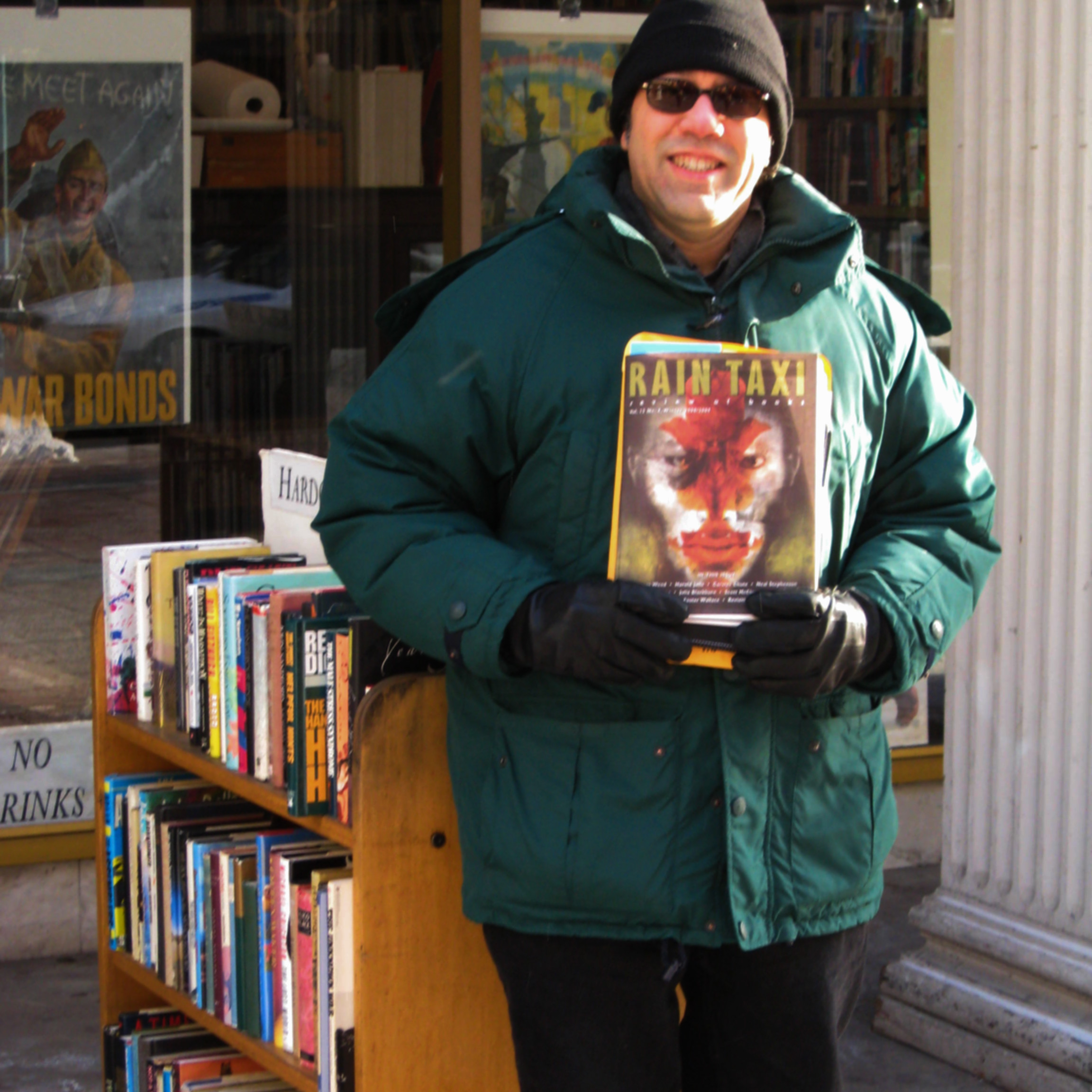
Rain Taxi Editor Eric Lorberer
Mr. Wikipedia tells us: "Rain Taxi is a Minneapolis-based book review and literary organization. In addition to publishing its quarterly print edition, Rain Taxi maintains an online edition with distinct content, sponsors the Twin Cities Book Festival, hosts readings, and publishes chapbooks through its Brainstorm Series. Rain Taxi's mission is "to advance independent literary culture through publications and programs that foster awareness and appreciation of innovative writing." As of 2008, the magazine distributes 18,000 copies through 250 bookstores as well as to subscribers. The magazine is free on the newsstand. It is also available through paid subscription. Structurally, Rain Taxi is a 501(c)(3) non-profit. It sells advertising at below market rates, much of it to literary presses." Rain Taxi's website tells us that the publication is a winner of the Alternative Press Award for Best Arts & Literature Coverage that runs 'reviews of literary fiction, poetry, and nonfiction with an emphasis on works that push the boundaries of language, narrative, and genre. Essays, interviews, and in-depth reviews reflect Rain Taxi's commitment to innovative publishing.' I dined and conversed with RainTaxi editor Eric Lorberer, indoors, recently in Minneapolis. We talk here about the state and nature of today's book reviewing business. Please excuse the abrupt ending.
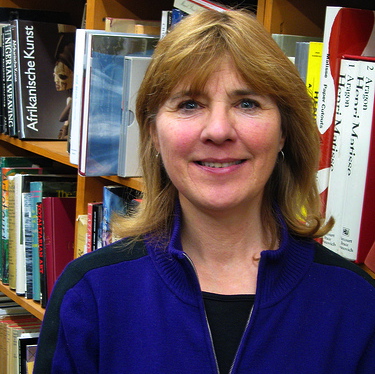
Bookseller Kathy Stransky on the Used Book Trade
Kathy Stransky co-owner, with her husband, of Midway Used and Rare Books on University Avenue in St. Paul Minnesota for the past 35 years, talks about the impact of the Internet, Half Price Books moving in down the street, high tech book scouts, rapid transit, and thieves, on her business. Gloom and doom? Yes, it's been hard, but still, despite diminishing returns, nothing can beat doing what you love for a living. Nothing can beat the complete joy of reading either, says Stransky. Listen too for the two authors who are most in demand among book thieves.

Margaret Eaton on what is being done to help those who live with illiteracy
Today is Family Literacy Day! Literacy is defined as "the ability to understand and employ printed information in daily activities at home, at work and in the community - to achieve one's goals, and to develop one's knowledge and potential." Four out of 10 adult Canadians, age 16 to 65 - representing 9 million Canadians - struggle with low literacy according to Statistics Canada. This means they are denied the pleasures and benefits of, among other things, reading literature. Literature, as John Carey puts it in the final chapter of his book What Good are the Arts?, enlarges your mind, and it gives you thoughts, words and rhthms that will last you for life. With this in mind, I talked to Margaret Eaton, President of the ABC Canada Literacy Foundation about what is being done to help those who live with illiteracy to overcome this obstacle. In so doing we discuss the impact of the Internet on reading habits and the income of freelance writers, the future of the book, blogging, publishers' business models, and bringing the U.K.'s successful Quick Reads program,which commissions authors (including Ruth Rendall, Joanna Trollope and Richard Branson), to write exciting, short, fast-paced books specifically for adult emergent readers, to Canada. Margaret is now looking for well know Canadian authors to write true crime, and how-to titles, both of which were very popular in England. I immediately suggest William Deverell, and a can't miss how-to topic: Seven Steps to Phenomenal Sex.

Robert Rulon-Miller Antiquarian Book Dealer
Robert Rulon-Miller is an antiquarian book dealer who lives, if not in a mansion, then at the very least in a great big house on Summit Avenue, one of the toniest in St. Paul, Minnesota. Not that toiling as a bookseller is anyway to get rich quick. He has worked hard for many years in the business, specializing in 'Rare, Fine & Interesting Books in Many Fields; 1st Editions, Americana; Literature; Fine & Early Printing; Travel; and the History of Language.' His most recent catalogue is titled Language and Learning. Robert is also the Director of the Colorado Antiquarian Book Seminar scheduled for August 2nd-7th, 2009, at Colorado College, Colorado Springs, immediately following the Denver Antiquarian Book Fair. We met at his home to talk books. Topics covered include de-accessioning, railway and mining tycoon James J. Hill, Robert's friendship with Elmer Anderson, book collector and Governor of Minnesota; Robert's interest in words and language, his expertise in dictionaries and grammars, and lack of interest in Dr. Johnson's Dictionary, Better World Books's business model, partnering to buy and sell expensive books, and advice for the novice bookseller.

Librarian Rosemary Furtak: On Artist Books
Rosemary Furtak was the librarian at the Walker Art Center in Minneapolis for more than 25 year. She was co-curator of 'Text Messages', an exhibit on artist's books shown in 2009 at the Center. We talk here about her early championing of the artist book genre - her definition being: "a book that refuses to behave like a book ("like the 35,000 books that sit in the stacks"), the line between books and art, and words and art, and librarians and curators…and how to go about collecting artist books. We talk too about the challenges of cataloguing artist Ed Ruscha's 26 Gasoline Stations, about the prolific and surprising Dieter Roth, inexpensive materials and Richard Tuttle, and Lawrence Weiner's Statements, and his art making process. The works of these four were highlighted in the exhibition.

Victoria Glendinning on Biography
Biographer, critic, broadcaster and novelist Victoria Glendinning was born in Sheffield, and educated at Somerville College, Oxford, where she read Modern Languages. She worked as a teacher and social worker before becoming an editorial assistant for the Times Literary Supplement in 1974. President of English PEN, she was awarded a CBE in 1998. She is a Fellow of the Royal Society of Literature and holds honorary doctorates from the universities of Southampton, Ulster, Dublin and York. Her biographies include Elizabeth Bowen: Portrait of a Writer, 1977; Edith Sitwell: A Unicorn Among Lions (1981), which won both the James Tait Black Memorial Prize (for biography) and the Duff Cooper Prize; and Rebecca West: A Life (1987), and Vita: The Life of V. Sackville-West (1983) and Trollope (1992) both of which won the Whitbread Biography Award. We talk here ostensibly about her latest book, Love's Civil War: Elizabeth Bowen and Charles Ritchie: Letters and Diaries 1941- 1973 but in fact, mostly about the nature of biography, the difference between editing letters and writing lives, fabricating dialogue, compiling data, selecting facts; the importance of place, material and familial limitations, life over art, Virginia Woolf, Vita Sackville-West, Sissinghurst, and text versus context.

Tanja Jacobs on playing Winnie in Samuel Beckett's Happy Days
Tanja Jacobs is a well known actress, director, teacher and coach. She has worked in the professional theatre since 1981, and performed at most major theatres in Canada. She has been nominated for ten Dora Mavor Moore Awards and has won twice. As a director, her credits include 1002 Nights, Johann's Cabinet of Wonders, Goddess, and Mid-Life Crisis. On television, besides her role as federal employee SM3 Sexsmith on Power Play, Jacobs has guest starred on many Canadian shows including Ready or Not and Street Legal. Film credits include Trial by Jury and Loser. She recently finished a run at the National Arts Centre in Ottawa as Winnie in Samuel Beckett's Happy Days directed by Leah Cherniak. Happy Days, written in 1961, observes determined human optimism in the face of a universe without meaning. Winnie, Beckett's "hopeful futilitarian" is buried up to her waist in the earth, woken and summoned to bed each day by the same disembodied bell. "Throughout the days she performs a series of carefully observed rituals all related to the contents of a worn old black purse. She combs her hair, applies lipstick, painstakingly examines a toothbrush, toys with a nail file, a tube of toothpaste and a revolver, all the while chattering at her inattentive companion, Willie. Hopeless yet hopeful, bleak yet funny, Happy Days is Beckett's "testament to the resourcefulness of the human spirit" Tanja and I talk here about playing Winnie, the difficulty of working at cliff's edge without a narrative, talking, doing nothing, and the need for communication and attention, loneliness, mid-life marriages, revolvers, supportive fellow actors, the quality of attachment and mirroring, the imperative to carry on, suffering and the avoidance of and surrendering to pain in front of an audience, revisiting moments of terror and fright and aloneness and the agony of doing this as someone who has been abandoned; the unbearable parts of being human, and how the use of simple descriptives can generate profound distilled moments, poems of events. To start off with I quote V.S. Pritchett on Beckett. Read the quote here.

Christian Mcpherson on his first collection of Poetry
Born, raised and currently resident in Ottawa, Canada, Christian McPherson's poetry has appeared in a variety of print and online journals. He has won the John Spenser Hill Award and the Ottawa Public Library Short story Award. We met recently to discuss his first published collection called Poems that Swim from my Brain like Rats leaving a Sinking Ship. Listen as we talk, among other things, about death, the misery of TV news, and a light hearted approach to life.
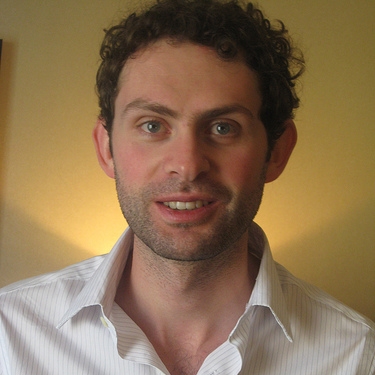
Ross Raisin on his novel Out Backward
Ross Raisin is a young British author born in Keighley, Yorkshire. He studied at the University of London, worked as a trainee wine bar manager and completed a postgraduate degree in creative writing at Goldsmith's College. His debut novel Out Backward (God's Own Country in England) was published in 2008, and shortlisted for the John Llewellyn Rhys Prize. It features Sam Marsdyke, a disturbed adolescent living in a harsh rural environment, and tracks his journey from an oddity to a malevolent, insane, psychopath. We talk about the novel here.

A conversation with Nadeem Aslam about The Wasted Vigil
Nadeem Aslam was born in Pakistan in 1966, moved to the UK as a teenager and now lives in London. He studied Biochemistry at the University of Manchester, but left to become a writer. His first novel, Season of the Rainbirds (1993) won a Betty Trask Award and the Authors' Club First Novel Award, and was shortlisted for the Mail on Sunday/John Llewellyn Rhys Prize and the Whitbread First Novel Award. His second novel, Maps for Lost Lovers (2004), which took 11 years to write, won the 2005 Encore Award and the 2005 Kiriyama Pacific Rim Book Prize. We met in Toronto at the IFOA, to talk about his novel The Wasted Vigil, about technique, self knowledge, writing 100 page biographies of his characters, the universal from the particular, Afghanistan, war, politics, love, the ignorance of history, Flaubert, Proust, isolation, engagement and Yorkshire.

Anne Enright on the Short Story
This is part three of a series of interviews conducted with three acclaimed short storywriters: Rebecca Rosenblum, Nam Le, and Anne Enright. In each case we riff off those qualities which Flannery O'Connor thought best constituted a good short story. I've listed some of them here. Anne Enright was born in Dublin in 1962, studied English and Philosophy at Trinity College, Dublin, and went on to study for an MA in Creative Writing at the University of East Anglia. She is a former RTE television producer. Her short story collection, The Portable Virgin was published in 1991, and won the Rooney Prize for Irish Literature. Two collections of stories, Taking Pictures and Yesterday's Weather were published in 2008. Her novels are The Wig My Father Wore (1995); What Are You Like? winner of the 2001 Encore Award; The Pleasure of Eliza Lynch (2002); and The Gathering (2007) which won the 2007 Man Booker Prize for Fiction. We met at the IFOA in Toronto to talk about the short story, and, in so doing , about Beckett's Happy Days, housewives with problems, ideology, awakenings, characters' voices, self deception, just doing it, James Joyce and women writers. Photo Credit Hpshaefer

Joe Dunthorne on his debut novel Submarine
Joe Dunthorne is a graduate of the Creative Writing Masters program at UEA, where he was awarded the Curtis Brown Prize. His poetry has been published in Reactions 5, Magma, Smiths Knoll, and Tears in the Fence. His work has been featured on Channel 4, BBC Radio 3, 4 and in The Guardian and Vice magazine. We met at the IFOA in Toronto to discuss his debut novel, Submarine, why the behavior of teenage boys is often seen as abominable, the importance of getting laid, ambiguous characters, depression, the brilliance of novelist W.G. Sebald, East Anglia University, how humour works, and dust jackets which both attract attention and complement content.
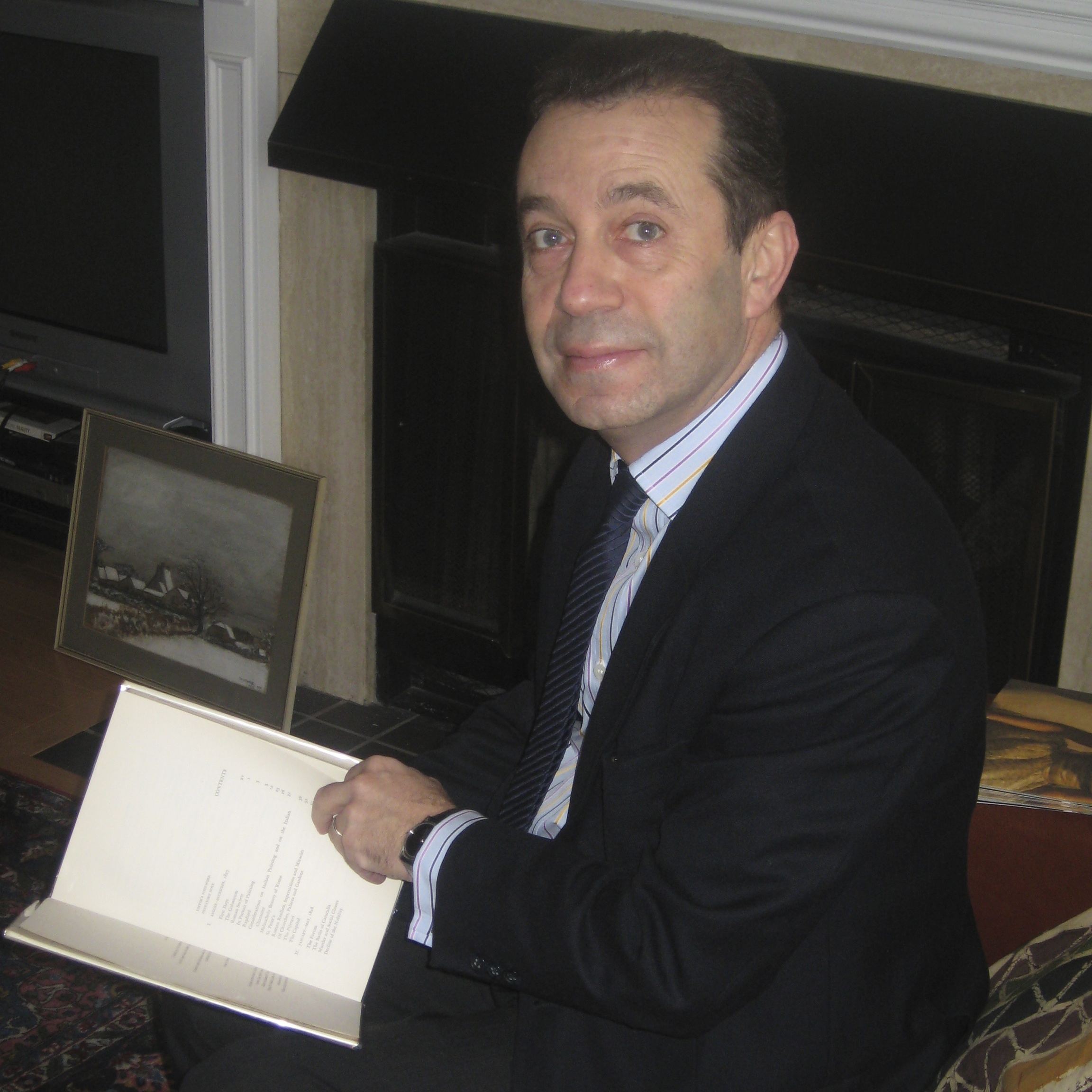
Bruno Racine, former President of the National Library of France, on the Role of National Libraries
Bruno Racine was President of the National Library of France from 2007- 2016. Prior to this he held a variety of senior positions within the French government including: Director General Cultural Affairs for the City of Paris (1988-1993), Director of l'Académie de France à Rome (1997-2002), and Chairman du Centre Pompidou (2002-2007). He is also a writer. Non-fiction titles include his best-selling: Art of living in Rome and Art of living in Tuscany. His novel The Governor of Morée (Grasset) won France's First Novel Prize in 1982. We talk here about the role of a national library, about scanning and digitization, Google, the Lyon library (France's second largest), Europeana, the value-added offered by Librarians, amalgamation of Canada's National Archives and Library and the unlikelihood that France will follow suit, public servant novelists, Stendhal, and failure and success in work and love.
Amitav Ghosh on his novel Sea of Poppies
AMITAV GHOSH is one of India's best-known writers. His books include The Circle of Reason, The Shadow Lines, The Glass Palace, Incendiary Circumstances and The Hungry Tide. Born in Calcutta in 1956 Ghosh studied in Dehra Dun, New Delhi, Alexandria and Oxford. His first job was at the Indian Express newspaper in New Delhi. He earned a doctorate at Oxford before he wrote his first novel, which was published in 1986. He is married to the writer, Deborah Baker, and has two children, Lila and Nayan. He divides his time between Kolkata, Goa and Brooklyn. We met recently at the IFOA in Toronto to talk about his most recent novel, Sea of Poppies, the first volume in a planned trilogy. Among other things we discuss how novels tell the stories of silenced, unheard voices, sailing, Mauritius, multi-racial crews, opium, the Caste system and the pleasures of research. The Biblio File Copyright Nigel Beale http://nigelbeale.com 2008 Please listen here:

Junot Diaz on his novel The Brief Wondrous Life of Oscar Wao
Junot Díaz was born in Santo Domingo, Dominican Republic and is the author of Drown and The Brief Wondrous Life of Oscar Wao which won the John Sargent Sr. First Novel Prize, the National Book Critics Circle Award, the Anisfield-Wolf Book Award, the Dayton Literary Peace Prize and the 2008 Pulitzer Prize. He is the fiction editor at the Boston Review and the Rudge and Nancy Allen professor at the Massachusetts Institute of Technology. We met at the IFOA in Toronto, and talked about, among other things, genocide, storytelling as a way to give voice to lost life, unique characters, 9/11 and America's dual response: Why don't they like us? and We're gonna bomb them into the stone age; gaps, how to inject humour and energy into a text, and the Dominican Republic as the egg from which the U.S. eagle sprang.

Nam Le on the Short Story
Nam Le has won the £60,000 Dylan Thomas Prize. It recognizes the best young writer in the English-speaking world, with the goal of ensuring that the inspirational nature of Dylan's writing lives on. I met with him in Toronto at the IFOA. This is part two of a series of interviews conducted with three acclaimed short storywriters: Rebecca Rosenblum, Nam Le, and Anne Enright. In each case we riff off those qualities which Flannery O'Connor thought best constituted a good short story. Nam is author of The Boat, a collection of 'stories that take us from the slums of Colombia to the streets of Tehran; from New York City to Iowa City; from a fishing village in Australia to a floundering vessel in the South China Sea, in a masterful display of literary virtuosity and feeling.' We talk, among other things, about never condescending to the reader, the prose having to be smarter than its author: tapping into things seen, but a just beyond their ken; gaps and allowing the reader to put their experiences into them; getting into the consciousness of characters; relinquishing ego; the difficulty of writing short stories — and the greatness of those who can do it well; spring-boarding detail and gearing it for expansion; and affecting paradoxical senses of recognition, wonder and redemption.
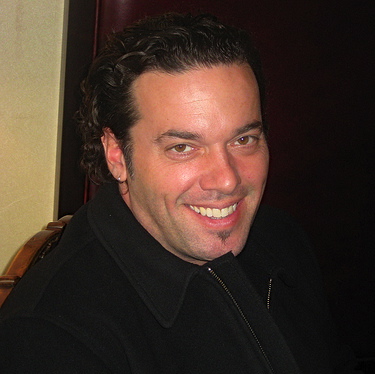
Joseph Boyden on his novel Through Black Spruce
Joseph Boyden won The 2008 Giller Prize for his novel Through Black Spruce. We talk here about the novel, and the psychic distance Joseph requires to write novels about Northern Ontario and the Cree; the similarities between North and South, James Bay and New Orleans; snowmobiling over vast amounts of snow-covered bush, isolation in the wilderness; bridges between communities, oral culture, First Nation humour, respect for myths and legends, and soapboxes. Please excuse the abrupt ending!

How to run a successful used Book Sale, with Beryl Barr
Friends of the Tompkins County Public Library, founded in 1946, is a not-for-profit organization for people interested in books and libraries. Its purpose is to stimulate public interest in the library, purchase library materials, and support other cultural and educational programs in Tompkins County. Each year since inception the Friends have held a book sale in Ithaca New York. It now ranks among the ten largest (250,000 to 300,000 books, CDs, records, etc. per year) in the United States Beryl Barr was in charge of the Book Sale when we met. I asked her to give listeners her top ten tips on how best to run a used book sale.

Aleksandar Hemon on his novel The Lazarus Project
Listen to my interview with Aleksandar Hemon on his National Book Award nominated novel The Lazarus Project here, and at The Quarterly Conversation.

David Carruthers on St. Armand Papers
David Carruthers, owner/proprietor of St. Armand Papers in Montreal takes us through the process of how he produces paper that is used in the letterpress printing of books. We talk about pure fibre rags, old jute coffee bags, cover stock, denim and blue paper, beaters, pulp, and vat-like structures for pulp, and machines that take 95% of the moisture out of the pulp and flatten it so that it can be stored in sheets that look and feel like blotting paper and then treated with substances such as potato starch, clay and/or chalk, depending upon the end use of the paper. We also talk about opacity, smooth laid paper, end leafs, machine grain and bookmarks.

Michael Lista on his first collection of poems, Bloom
I first heard about Michael Lista in a workshop conducted by Meeka Walsh, Editor of Border Crossings magazine. She raved about him: "Michael is a remarkably gifted young poet who lives in Montreal. He has a special interest in the points of intersection between science and poetics." These points live dramatically in the person of Louis Slotin, a scientist from Winnipeg involved in the Manhattan project and development of the atomic bomb, and Lista's desire to capture a day in his life. On May 21, 1946, Slotin conducted a dangerous experiment referred to by his fellow scientists as "tickling the dragon's tail." Using a framework of existing poems, in the way that James Joyce used Homer's Odyssey, Lista has borderline plagiarized them in a collection which documents this May day. The book will be entitled Bloom. Anansi will publish it. "Out of admiration for the virtuosity of Slotin's achievements - with the attendant hubris and arrogance necessary to take risks and make anything new - and taking on those qualities in his own work, Lista's poems do glitter, but more lastingly than that word would suggest. Dazzle too has a showiness I don't mean to imply but the wit is so apparent. At the same time the tone is held and is exactly what the subject requires in this poetic construction." Revisiting my Salon des Refuses experience, I am reminded of how rarely one encounters great literary work, in poetry especially. Pablo Neruda, Ted Hughes, Robin Robertson…I knew immediately upon first reading their poems that something extraordinary was happening. Their words rubbed up against my experience and sensibilities in ways that satisfied like few others. I felt something of this while reading the handful of poems Michael sent me in advance of our conversation. We talk here about the suicidal dangers of emulating Joyce's Ulysses, and the book's un-approachability; punning, the multiple meanings of 'bloom'; epiphanies, coincidences, translation, sex and physics, life and death.

Rebecca Rosenblum on What Constitutes a Good Short Story
This is part one of a series of interviews conducted with three acclaimed short storywriters: Rebecca Rosenblum, Nam Le, and Anne Enright. In each case we riff off those qualities which Flannery O'Connor thought best constituted a good short story. We start with Rebecca Rosenblum, author of Once, " a collection of sixteen stories portraying the constricted and confused lives of the rootless twenty-somethings — students, office techies, waitresses, warehouse labourers, street hustlers — who inhabit them. These are stories grounded in the all-too-real comedy and tragedy of jobs and friendships and romances, books and buses and bodies." This debut collection won The Metcalf Rooke Award.
What Makes Vampires so Appealing? with Patricia McCarthy
Patricia K. Macarthy is author of The Crimson Series, three books, to date, about vampires. We talk here about what makes Vampires so appealing to so many people, about their being symbolic of man's desire for supremacy, women's desire to be consumed, about the fringe elements of society, the attraction of eternal youth and immortality, confidence, the perfect villian whose weapon is seduction, alpha males, power, the lack of conscience, film, Halloween, the draw of fantasy, the defiance of death and the preciousness of time. During our conversation reference is made to poems by Byron and Goethe. Both example early literary treatment of Vampires [see vampires (and vampire fiction)]. The Vampire Female: "The Bride of Corinth" (1797) by: Johann Wolfgang von Goethe (1) Once a stranger youth to Corinth came, Who in Athens lived, but hoped that he From a certain townsman there might claim, As his father's friend, kind courtesy. (2) Son and daughter, they Had been wont to say Should thereafter bride and bridegroom be. But can he that boon so highly prized, Save tis dearly bought, now hope to get? They are Christians and have been baptized, He and all of his are heathens yet. (3) For a newborn creed, Like some loathsome weed, Love and truth to root out oft will threat. Father, daughter, all had gone to rest, And the mother only watches late; She receives with courtesy the guest, And conducts him to the room of state. The Giaour by Lord Byron was first published in 1813 and the first in his Oriental romance series. It proved to be a great success, consolidating Byron's reputation critically and commercially. Here's how it starts: No breath of air to break the wave That rolls below the Athenian's grave, That tomb which, gleaming o'er the cliff, First greets the homeward-veering skiff, High o'er the land he saved in vain; When shall such hero live again? Copyright © 2008 by Nigel Beale. www.nigelbeale.com Please listen here:
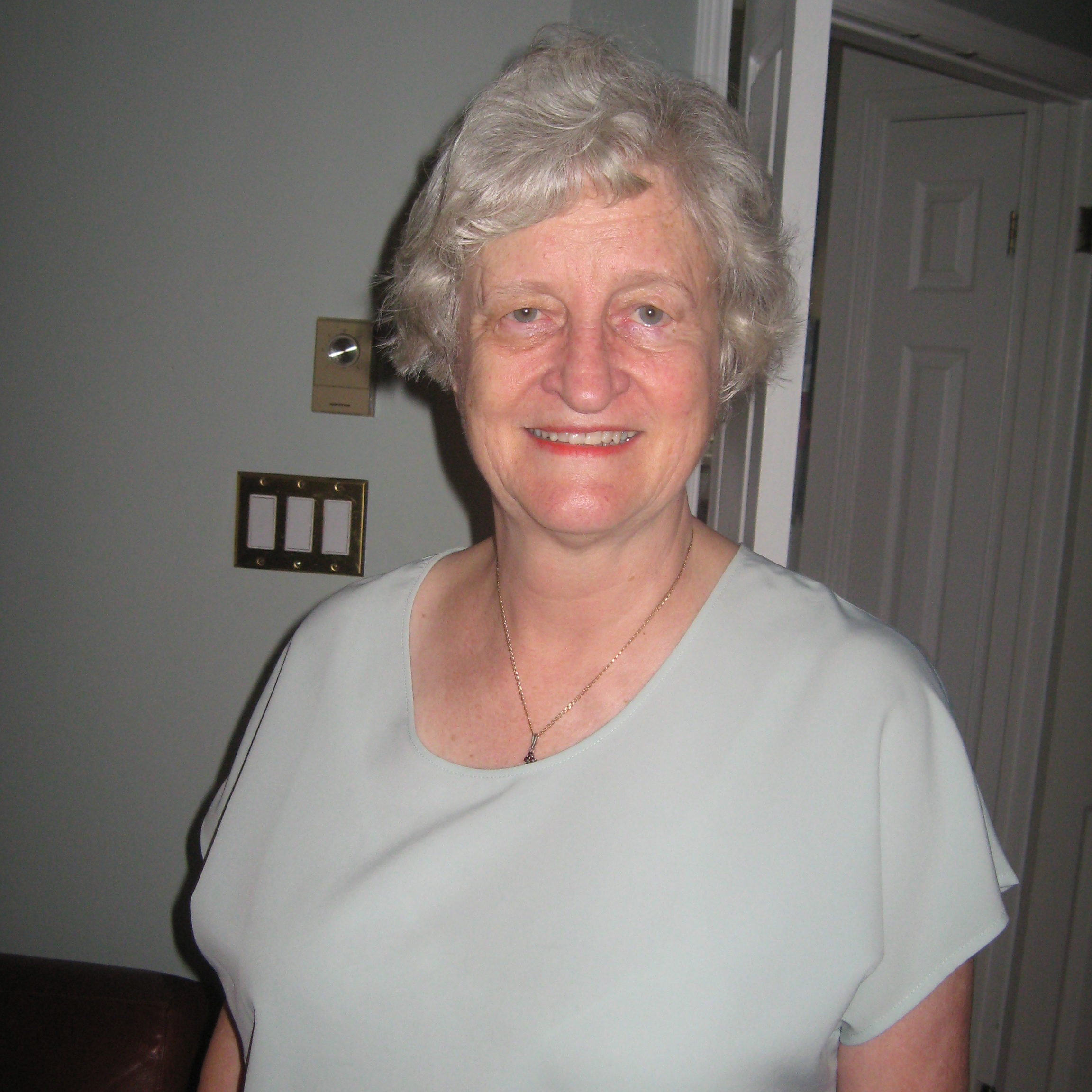
Margaret Visser on her book The Gift of Thanks
Margaret Visser is a writer/broadcaster who lives in Toronto, Barcelona, and France. Her subject matter is the history, anthropology, and mythology of everyday life. Born in South Africa, she attended school in Zambia, Zimbabwe, France (the Sorbonne) and Canada. She taught Greek and Latin at York University for 18 years. Her books include Much Depends on Dinner, The Rituals of Dinner, The Way We Are, and The Geometry of Love; all have been best sellers. Many have won awards. Her most recent work is called The Gift of Thanks, published by HarperCollins. It asks: What do we really mean by Thank you? What are the implications of gratitude, and why are we so enraged when we meet its opposite? In this conversation Visser tells us, among other things, that gratitude involves thinking, that gift giving takes the place of war, that apparently simple actions and behavior are in fact surprisingly complex, and that gratitude and gift giving is natural because humans beings are innate imitators. Oh yes. And we also talk about sexual gratification!

Miriam Toews on The Flying Troutmans
This from Random House: "Miriam Toews…was born in 1964 in the small Mennonite town of Steinbach, Manitoba. She left at eighteen, living in Montreal and London and touring Europe before coming back to Manitoba, where she earned a B.A. in film studies at the University of Manitoba. Later she packed up with her children and partner and moved to Halifax to attend the University of King's College, where she received a bachelor's degree in journalism. Upon returning to Winnipeg with her family in 1991, she freelanced at the CBC, making radio documentaries. When her youngest daughter started nursery school, Toews decided it was time to try writing a novel." She's written four to date, including A Complicated Kindness which won the GG's Award for Best Fiction in 2004. We talk here about her latest The Flying Troutmans, about her father's struggle with depression and the stigma that still surrounds mental illness, about road trips and siblings, the definition of love, the film Little Miss Sunshine, writing novels with movie deals in mind, trust, abandonment and Winnipeg, Manitoba.
Craig Poile co-owner of Collected Works on running an independent bookstore
Listen here to my conversation with Craig Poile, co-owner of Collected Works, an innovative independent bookstore based in Ottawa, Canada (now closed). We talk, among others things, about a rudimentary webcam-teleconferencing system dubbed 'Great Talking Head,' that Craig has set up to get big name authors, such as Julian Barnes and Peter Carey, and their fans, together in his bookstore; about bookseller-publisher relations, in-store writing workshops and print-on-demand.

Les Petriw on what small book publishers and authors should look for in a distribution company
Distribution is a critical spoke in the publishing cycle, and yet it's surprising the scant amount of thought many small publishers give to how their books will eventually be sold, and how much it will cost to get their titles into the stores. Most new titles issued by small/self publishers wont ever be stocked on the shelves of chain superstores, not even for a short tryout period. Only a tiny fraction of these titles are ever selected directly by discount merchandisers or supermarkets, despite these outlets accounting for a big percentage of overall book industry sales. Bookseller don't have time to meet with hundreds of small publishers, hence the importance of the distributor. I talk here with Les Petriw, Managing Director & International Sales Director of National Book Network, 'second or third largest in North America,' about why publishers should consider using distribution firms such as his. In-stock status at a national distributor is essential to selling books in any quantity through retail outlets, but it isn't cheap. From what I've been able to learn, distributors working with small publishers typically require a discount of from 50% to 75% off the cover price. In other words, they pay the publisher between 25% and 50% of the cover price on books they actually sell. So picking the right company is important. Here, according to Les, is what you should look for:

Harlan Coben on the Business of Publishing Books
Harlan Coben's latest novel HOLD TIGHT debuted at #1 on the New York Times bestseller list — and simultaneously debuted at #1 in the London Times. Winner of the Edgar Award, Shamus Award and Anthony Award – the first author to win all three – international bestselling author Harlan Coben's critically-acclaimed novels have been called "ingenious" (New York Times), "poignant and insightful" (Los Angeles Times), "consistently entertaining" (Houston Chronicle), "superb" (Chicago Tribune) and "must reading" (Philadelphia Inquirer). His most recent novels, THE WOODS, PROMISE ME, THE INNOCENT, JUST ONE LOOK, NO SECOND CHANCE, TELL NO ONE and GONE FOR GOOD have appeared on the top of all the major bestseller lists including the New York Times, London Times, Le Monde, Publishers Weekly, Los Angeles Times, Wall Street Journal and USA TODAY — and many others throughout the world. His books are published in thirty-seven languages around the globe and have been number one bestsellers in in nearly a dozen countries. Harlan was born in Newark, New Jersey. After graduating from Amherst College a political science major, Harlan worked in the travel industry. He now lives in New Jersey with his wife, Anne Armstrong-Coben MD, a pediatrician, and their four children. I try to mix it up by warning that popularity should not be confused with greatness. Harlan brushes me off by following the good Dr.'s line of argument: "The purpose of a writer is to be read, and the criticism which would destroy the power of pleasing must be blown aside. [Samuel Johnson: Pope (Lives of the Poets)]. We look at the author as brand, the feigned disinterest many authors hold for the business side of publishing books, Harlan's New York Times Op-Ed pieces, his preference for the missing over the dead, suburban desperation, and 2.5 million books sold worldwide each year.
Japp Blonk on Sound Poetry
Jaap Blonk is a self-taught composer, vocal performer and sound poet. As a vocalist, Blonk has performed around the globe exciting audiences with his powerful stage presence and childlike improvisation. Live electronics have over the years extended the scope and range of his concerts. Besides working as a soloist, he has collaborated with many musicians and ensembles, including Maja Ratkje, Mats Gustafsson, Nicolas Collins, Joan La Barbara, The Ex, the Netherlands Wind Ensemble and the Ebony Band. He was the founder and leader of the long-standing bands Splinks (modern jazz, 1983-1999) and BRAAXTAAL (avant-rock, 1987-2005). We talk here about the noises humans make that aren't words, how important they are in communication, and the way sound poetry utilizes them; about meaning found in intonation and getting booed, the pleasure of inventing structures, Dadaism and the breaking of rules, Johnny Van Doorn and A Bridge too Far, the international phonetic alphabet, pitch, timber and the best English language sound poets. Listen, and brace yourself for the recital of a sonnet Jaap wrote in honour of Van Doorn. Please listen here:

Lindsey Davis on Historical Crime Fiction
Lindsey Davis was born and raised in Birmingham, read English at Oxford, then joined the civil service, which she left in 1985.She started writing about Romans in The Course of Honour, the remarkable true love story of the Emperor Vespasian and his mistress Antonia Caenis. Her research into First Century Rome inspired The Silver Pigs, the first outing for Falco and Helena, which was published in 1989. Starting as a spoof using a Roman 'informer' as a classic, metropolitan private eye, the series has developed into a set of adventures in various styles which take place throughout the Roman world. The Silver Pigs won the Authors' Club Best First Novel award in 1989; she has since won the Crimewriters' Association Dagger in the Library and Ellis Peters Historical Dagger, while Falco has won the Sherlock Award for Best Comic Detective. She has been Chair of the UK Crimewriters' Association and Honorary President of the Classical Association. Her Official Website is www.lindseydavis.co.uk. We met at the Blue Met International Literary Festival in Montreal, and talked, among other things, about the historical mystery genre, Ellis Peters, Wilkie Collins's The Moonstone, foreshadowing, the treatment of women, killing characters off, good men, favourite plots and authors, and lessons that can be learned from the Romans,

Rawi Hage on his novel De Niro's Game
Rawi Hage was born in Beirut, Lebanon, and lived through nine years of that country's civil war. He immigrated to Canada in 1992. He is a writer, a visual artist, and a curator whose debut novel, De Niro's Game (2006), was shortlisted for the 2006 Scotiabank Giller Prize and the 2006 Governor General's Award for English fiction. It won the IMPAC Dublin Literary Award. House of Anansi Press published Rawi's eagerly anticipated second novel, Cockroach, in 2008. He lives in Montreal where I caught up with him at the Blue Met International Literary Festival. We talk about living in war conditions, New York, the movie Deer Hunter and Russian roulette, art as memory, the absurdity of war, the dangers of organized religion, fundamentalism, politics and the writer, canoeing and moose, women's clothing, Arabic poetry and the influence of fathers.

Ed Pettit on Edgar Allan Poe
Edward Pettit is a freelance book reviewer and writes the Bibliothecary blog. He also pursues graduate studies in literature at bucolic Lehigh University in Pennsylvania and teaches writing at La Salle University in Philadelphia. After having spent the first twenty-seven years of his life in the same Philadelphia neighborhood (Olney), he now resides just outside the "Athens of America" in Jenkintown, Pennsylvania with his lovely wife, five daughters and lottsa books. Oh, and one other thing, he's a fanatical fan ...if this isn't redundant...of Edgar Alan Poe...and hosts a blog dedicated to all things Edgar at Ed and Edgar. He is busy writing a book about Poe's years in Philadelphia. We met at the Philadelphia Book Festival. In this interview Ed treats us to a thumbnail biography of Poe, his childhood, where he lived, studied and worked, what he wrote, which relative he married, which street corner he collapsed on, who championed him and who wrote the best books about him.

Derick Dreher on Dr. Rosenbach
Derick Dreher has been the Director of the Rosenbach since 1998. He has an M.A. in the History of Art from Yale University,and is a summa cum laude graduate of Princeton. A Fulbright scholar, he was awarded a Kress International Research Fellowship, for research in Germany. A specialist in graphic arts of the Renaissance, he has published on a variety of subjects, including prints and drawings ranging from Dürer to Daumier, and has spoken internationally on drawings, rare books, libraries and the art of memory. We met at the Museum on a rainy Philadelphia morning to talk about the life, loves and business practices of celebrated bookseller and collector 'Doctor' Abraham Simon Wolf Rosenbach, who got his PhD. in 1901, and subsequently went into business with his older ambitious Anglophilic brother Philip who sold fine and decorative arts. The Doctor was bent on selling books and manuscripts. We examine his ability to turn customers into collectors, to build libraries, to serve as an advisor not a dealer; his first great customer, street car magnate Harry Widener, who went down with the Titanic; what $100,000 bought in 1912, the Doctor's relationship with the Huntingtons and Folgers, his brilliant, ruthless book buying and selling practices, his skill at manipulating prices and the media, the manuscript of Alice in Wonderland, making private collections public, the Museum's 333,000 odd documents, the manuscript of James Joyce's Ulysses, bought at auction for the reserve price, Stoker's notes for Dracula, Conrad's manuscripts, tours as appetizers, the correspondence and physical library of Marianne Moore, and Maurice Sendak as a bridge to the museum's entire collection.

Donald Antrim on his memoir The Afterlife
Donald Antrim is the author of three novels and a memoir entitled, The Afterlife, which is about the strained relationship he had with his mother, Louanne, an artist, teacher and alcoholic. In addition to receiving some of America's most prestigious fellowships, he is a regular contributor to The New Yorker, a magazine that includes him amongst their "twenty writers for the new century." We met at the Blue Met International Literary Festival in Montreal, and talk here about his mother's death, Camus, writing on the edge, suffering and distraction, luxury beds, Donald Barthelme, anger, sarcasm, loss of humour, collecting books, and the appeal of first editions. Donald also treats us to a reading from The Afterlife, and as part of this, the dedication in Sir Philip Sidney's Arcadia.

Frank Wilson on How to Write a Successful Book Blog
Frank Wilson has been reviewing books professionally since October, 1964. For most of the last decade that he was Books Editor at the Philadelphia Inquirer, he was given to retaining committed bloggers (e.g. Mark Sarvas, Scott Esposito, Ed Champion) to review books. About ten years ago he started blogging at Books Inq. It is one of the most successful blogs in the literary blogosphere. I interviewed Frank at his home in Philadelphia. We talk about how he established his blog, about the potential and influence of this medium, about the benefits of interactivity and connection and roundtables; Maxine Clarke's crime fiction reviews; the provision of filtering services, shared links and interests; kindred spirits; embedding poetry and essays, and loneliness; about the strange side effects of reading and how passive entertainment becomes unwatchable, how most traditional media eschew feedback; what he looks for in book reviewers; Tchaikovsky's unknown correspondent; the book's connection to life; the nature of discourse; Instapundit and 'instalanches;' and those blogs he goes to every morning.

Margot Livesey on Shakespeare
"Margot Livesey grew up in a boys' private school in the Scottish Highlands where her father taught, and her mother, Eva, was the school nurse. After taking a B.A. in English and philosophy at the University of York in England she spent most of her twenties [in Toronto] working in shops and restaurants and learning to write. Her first book, a collection of stories called Learning By Heart, was published by Penguin Canada in 1986. Since then Margot has published six novels: Homework, Criminals, The Missing World, Eva Moves the Furniture, Banishing Verona and The House on Fortune Street (May 2008)." Margot has taught at numerous universities, and received many awards and fellowships. She is currently a distinguished writer in residence at Emerson College and the John F. and Dorothy H. Magee writer in residence at Bowdoin College. She lives with her husband, a painter, in Cambridge, MA. We met at the Philadelphia Book Festival, and talk here mostly about Shakespeare, and how themes found in Hamlet wend their way through much of what she has written: trust, betrayal, how much you can push other people around, entering stories from different angles, exits as entrances; the Alexandria Quartet, cranberry sauce, pieces of stories, cubism, faulty fractured vision, authorial versus character-faithful metaphors, Jane Austen, Jane Eyre, Tolstoy's ability to inhabit a wide range of characters, apparitions, the tradition of ghosts being real, our relationship with the dead, stories within stories, the sin of irrelevancy, Keats's wish to be taller, and Margot's ambition to make her sentences ('ethical units') better.

Anke Feuchenberger on German Graphic Art
Anke Feuchtenberger was born in 1963 in East Berlin and is one of Germany's leading comic illustrator/artists. Her award winning work has been published in numerous books, newspapers, magazines and anthologies, and includes paintings, drawings, comics, posters, prints, costumes and puppets. Her illustrations and comics are rendered in highly recognizable style, often featuring naked, childlike creatures with huge heads, wandering through strange, dream-like landscapes. Her haunting stories are a mixture of nightmare and fairytale. She is currently a professor of arts at the Fachhochschule für Gestaltung in Hamburg. We met at the Blue Met International Literary Festival in Montreal to talk about, among other things, babies and politics, how election posters gave her her first big break, utopia, the difference between East and West Germany, loneliness, vertical newspaper columns, her complicated comics, graphic novels, Edward Munch, Kafka, her success outside the borders of Germany, and Super Tear, her babushka superhero.
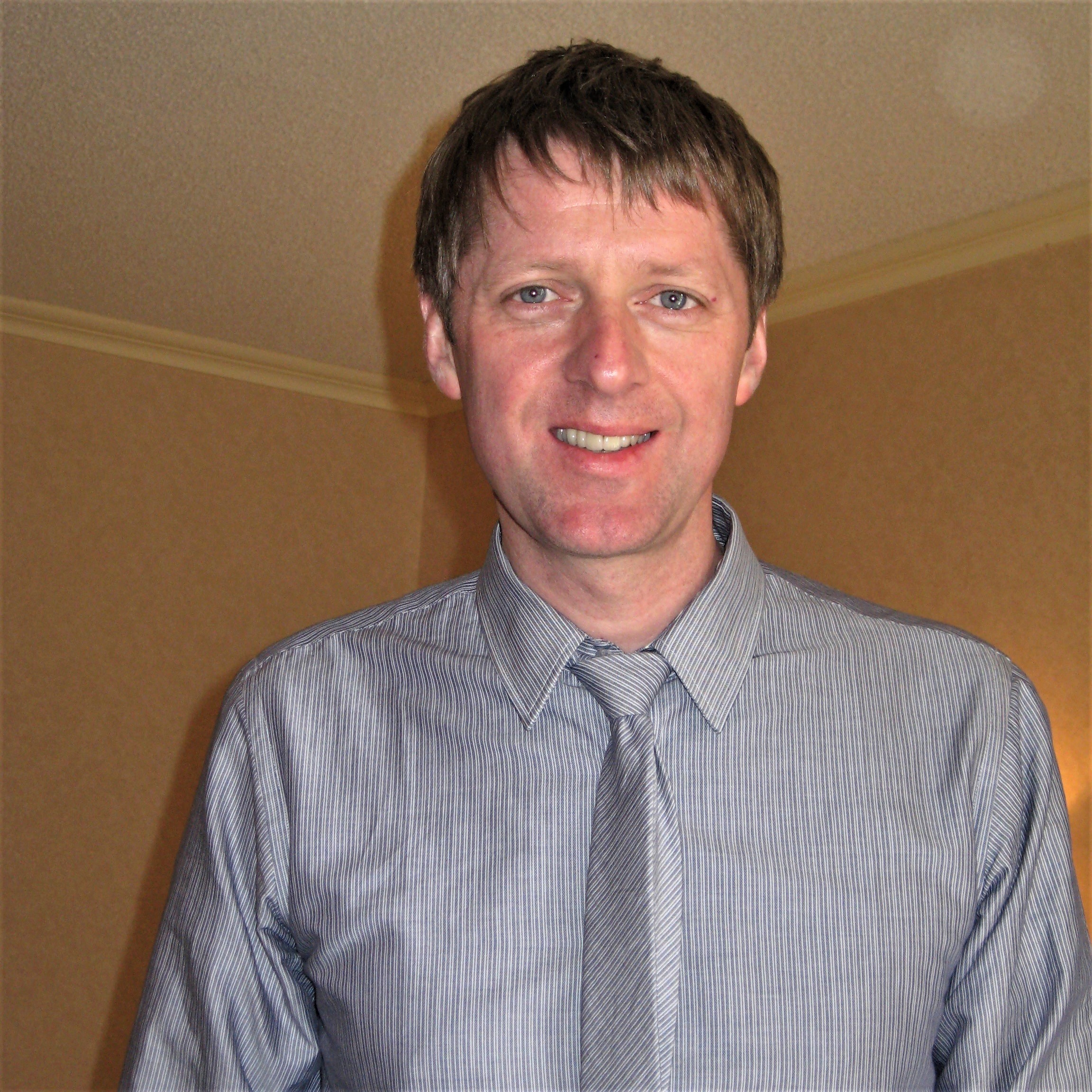
Glenn Patterson on Belfast, Cities, Disney, Tolstoy and Public Houses
Glenn Patterson was born in Belfast in 1961 and studied Creative Writing at the University of East Anglia under Malcolm Bradbury. He is the author of seven novels. The first, Burning Your Own (1988), set in Northern Ireland in 1969, won a Betty Trask Award and the Rooney Prize for Irish Literature. We met at the Blue Met International Literary Festival in Montreal to talk about reassessing the past, the development and urban topography of his home town Belfast, cities versus nations, Disney, Tolstoy's theory of history, human complexity, his latest novel The Third Party, apathy, public houses, the minor impact of books, and how happy he is with his oeuvre.

Alaa Al Aswany on Fiction and Democracy
Egyptian writer Alaa al Aswany was born in 1957 and studied dentistry in Egypt and Chicago. In addition to fiction, he writes on literature, politics, and social issues. His second novel, The Yacoubian Building, an ironic take on modern Egyptian society, was a significant best seller in and outside of the Arabic world. Chicago, a novel set in the city of that name was published in January 2007. The English translation is due out in bookstores this Fall. We met at the Blue Metropolis International Literary Festival in Montreal, and talk here about the contamination of literature by politics, compartmentalizing the two, achieving artistic value, Martin Amis and Islamism, the fallacy of Mark Steyn's fear mongering, the novel as life on paper but more profound, significant, beautiful than the 'real' thing, the writer's need to listen to the sound of the heart, the difference between writing and fabricating, and why his novels have enjoyed such world-wide success.

John Hollander on Good and Bad Poetry
Born in 1929 in New York, educated at Columbia, John Hollander is a poet and literary critic. He has written more than a dozen books of poetry, and seven books of criticism, including Rhyme's Reason of which Harold Bloom said: "[it is] on all questions of schemes, patterns, forms, meters, rhymes of poetry in English, the indispensible authority..." and why I was so keen to interview him. According to New York Times, Hollander stresses the importance of hearing poems out loud: "A good poem satisfies the ear. It creates a story or picture that grabs you, informs you and entertains you." His honors include the Bollingen Prize, the Levinson Prize, and fellowships from the Guggenheim Foundation, the MacArthur Foundation, and the National Endowment for the Arts. A former Chancellor of the Academy of American Poets he is the current poet laureate of Connecticut, and has taught at many different universities, including Yale. We met recently at the Philadelphia Book Festival. I spend most of this interview relentlessly and unsuccessfully trying to badger him into identifying, comparing and describing the differences between great and bad poems. To name names. We do get to some of the great (Rosanna Warren, Shakespeare, Browning, Swinburne, Rossetti, for example) but he will not go anywhere near the bad. Toward the end, clearly tired from the day's activities and my uncalled for bullying, he reads a beautifully funny and thoughtful poem, based on a quote taken from Boswell's Life of Johnson, found in his collection, A draft of Light.

Andre Alexis on the themes in his Novels
André Alexis was born in 1957 in Trinidad and Tobago. His parents left for Canada when he was a baby. The family reunited in Ottawa when Alexis was four years old. He still remembers the trauma of this separation; it has coloured much of his writing since. Themes of absence, displacement, belonging and home animate his work. His debut novel, Childhood (1997), won the Books in Canada First Novel Award, and was a co-winner of the Trillium Award. Photo credit: Sari Ginsberg
Andrew O'Hagan on Be Near Me
Andrew O'Hagan's most recent novel, Be Near Me, has just won the Los Angeles Times Book Prize. It is the story of an English priest who takes over a small Scottish parish in a post-industrial town by the sea; a story of art and politics, love and faith, and the way we live now, which pretty well summarizes the conversation we had this past weekend at The Blue Met International Literary Festival in Montreal. More specifically we talked about tragedy, escape, the determination not to be determined, fathers, the blurred boundaries between fiction, memoir and journalism, the United States, the role of writer in society, Martin Amis and Islamism, parents, writing ones own life, and coloured doors in social housing projects.
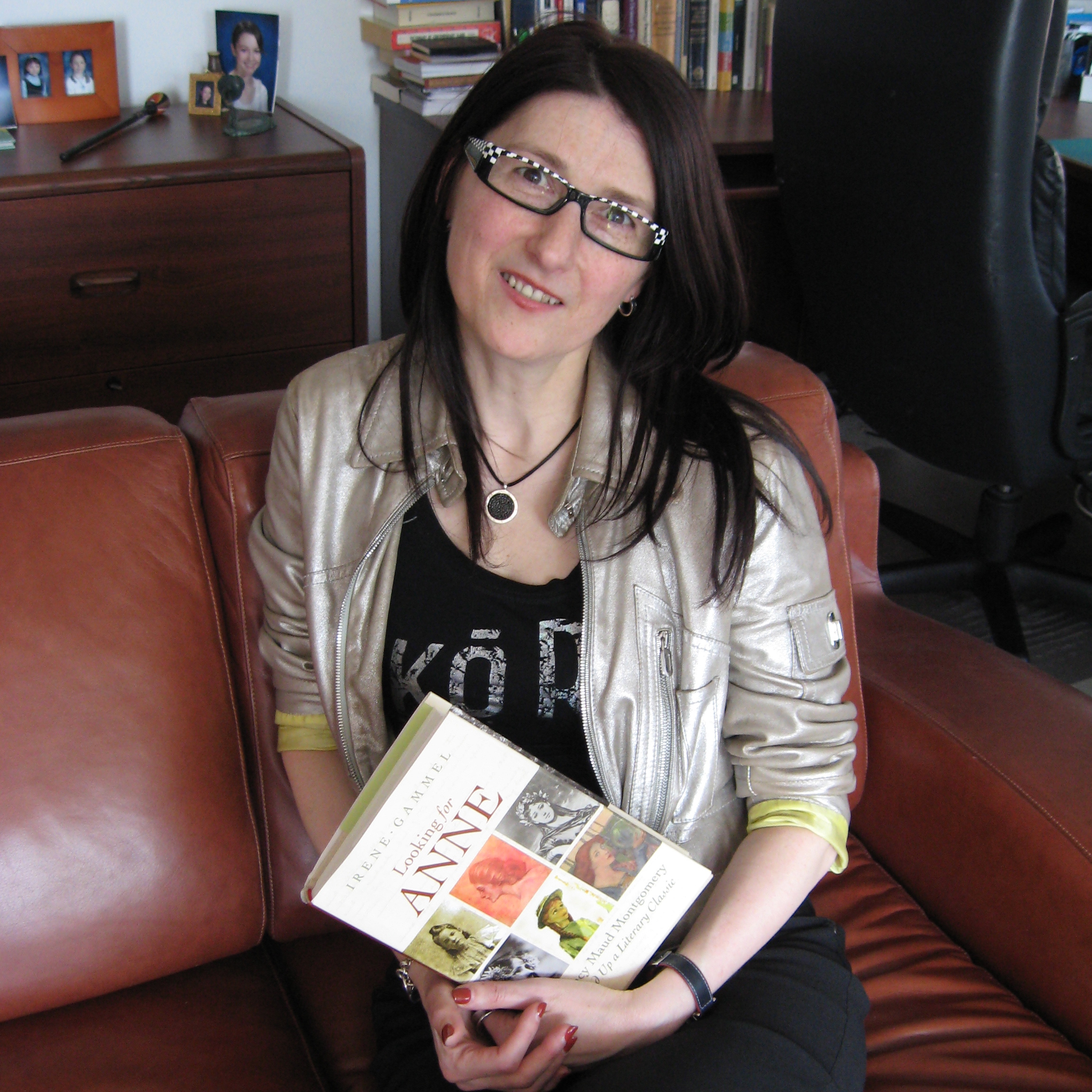
Irene Gammel on Lucy Maud Montgomery & Anne of Green Gables
Find out why L.M. Montgomery was so skeptical about biography despite spending endless hours shaping and re-shaping her journals for public display, using them to incubate ideas for her novels. Find out too how biography can, according to Ms. Gammel, provide valuable cultural and historical context within which to interpret, understand and appreciate works of art. And, if this isn't enough, listen to what makes Anne of Green Gables a classic: how it appeals to young and old; takes Emerson and gives him a heart tempered with satire, how it appeals to universals, answers yearnings with pagan fairy tales, subverts and transcends the formulaic, and traces the lives of characters who evolve from stereotypes to complex, contradictory human beings. If this still doesn't do it, or even if it does, buy the book, Looking for Anne, written by Irene Gammel who, in addition to owning a delightful Montgomeryesque style, shares many of the characteristics of the heroines she so admires.