
Tech, Innovation & Society - The Creative Process: Technology, AI, Software, Future, Economy, Science, Engineering & Robotics Interviews
308 episodes — Page 5 of 7

DITTE LYSGAARD VIND - Circular Economy & Design Expert - Author of Danish Design Heritage & Global Sustainability
Happy World Environment Day! Ditte Lysgaard Vind is a renowned circular economy and design expert and author of Danish Design Heritage & Global Sustainability (Routledge 2023) and A Changemakers Guide to the Future. She is the Chairwoman of the Danish Design Council and founder of The Circular Way. She is known for pioneering new materials as well as business models, while sharing the knowledge gained from practice through teaching and thought leadership, and is a member of the Executive board of The Royal Danish Academy of Fine Arts Schools of Architecture, Design and Conservation as well as the global SDG innovation lab UNLEASH."Putting design first, it really enables us to shape a future that we don't yet know. But we need to be super tactile and practical about it as well. And then seeing that is something that design very much has the ability to do. And at the same time, having this growing frustration that wherever you go, wherever you talk about sustainability, it was a compromise. It was something that meant uglier, less convenient, more expensive, all these different things, but then diving into the Danish Design heritage, seeing that what set them apart was that after the World Wars, they had a social purpose of democratizing and rebuilding the welfare state, and that was not something that lessened the final result. On the contrary, it heightened the ambition, the final design, and the solutions."www.thecircularway.comhttp://danishdesigncouncil.dk/enwww.routledge.com/Danish-Design-Heritage-and-Global-Sustainability/Vind/p/book/9781032198200www.creativeprocess.info www.oneplanetpodcast.orgIG www.instagram.com/creativeprocesspodcast
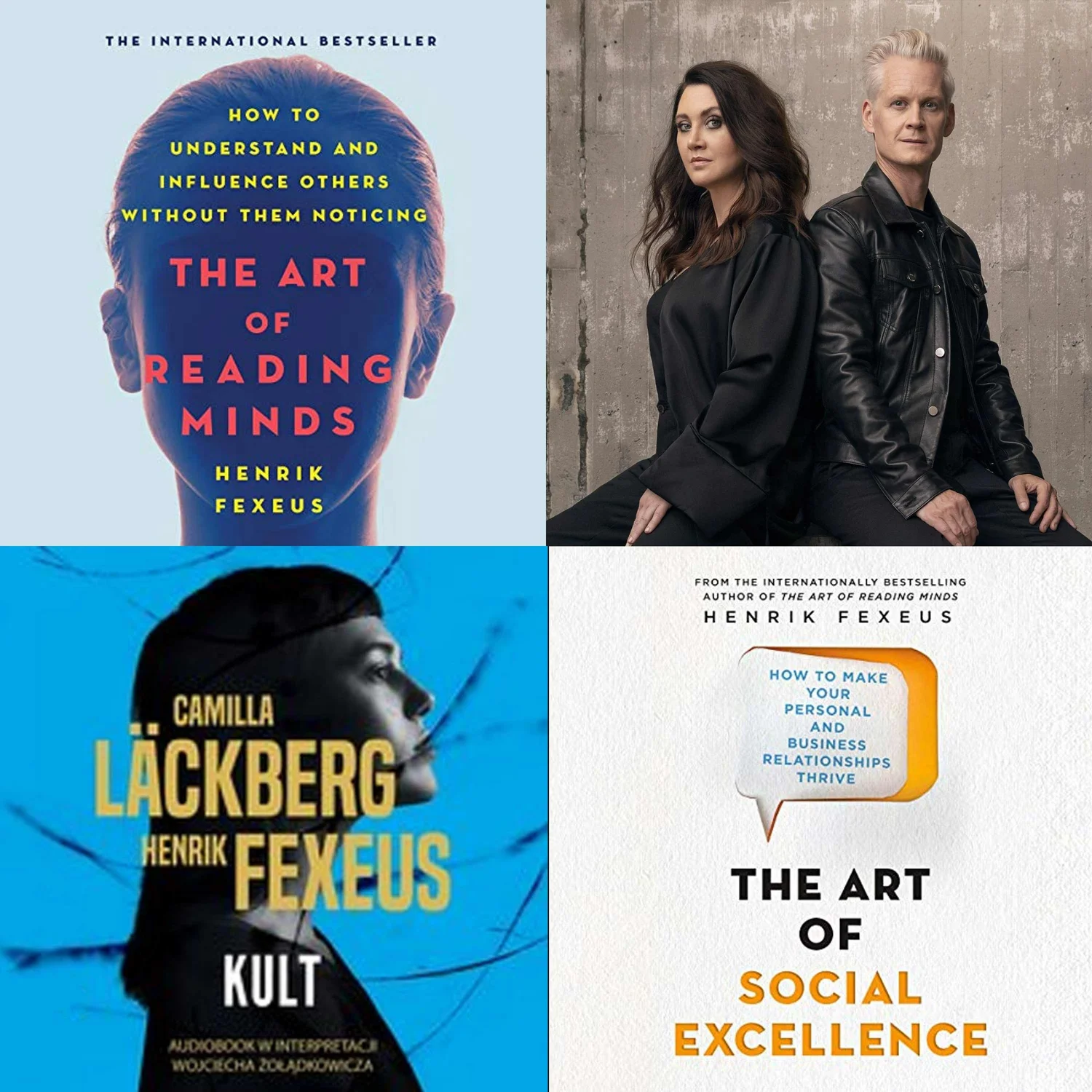
Highlights - HENRIK FEXEUS - Mentalist, Author & TV Host - The Art of Reading Minds, Mind Melt
"Social media is basically built around: Oh, so this is what you think of the world? Well, here are some people who think just the way you do. Listen to them and no one else. So, that is, of course, a great way to manipulate people. Tell them that they're right and have them go off in their own little bubble.If I meet you in the street, I will put on a certain demeanor. I will smile. I say hi. I want to elicit a positive response from you. That also means that I have influenced your emotional state. Basically, you can't communicate anything to anyone without in some way influencing their thoughts or their behavior. Communication, influence, and manipulation, it's all part of the package. Our brains are hardwired to react to this. That's why marketing works so well."Henrik Fexeus is an internationally bestselling author, lecturer, performer, and star of the TV show Mind Melt. An expert in psychology and communications, he travels the world "reading minds" and teaching others how to understand and manipulate human behavior through body language and persuasion. Henrik has studied mental skills like NLP, hypnosis, acting, and magic.https://henrikfexeus.se/en/www.creativeprocess.info www.oneplanetpodcast.orgIG www.instagram.com/creativeprocesspodcast

HENRIK FEXEUS - Mentalist, Author & TV Host “The Art of Reading Minds”,“Mind Melt”,“Cult”
Henrik Fexeus is an internationally bestselling author, lecturer, performer, and star of the TV show Mind Melt. An expert in psychology and communications, he travels the world "reading minds" and teaching others how to understand and manipulate human behavior through body language and persuasion. Henrik has studied mental skills like NLP, hypnosis, acting, and magic."Social media is basically built around: Oh, so this is what you think of the world? Well, here are some people who think just the way you do. Listen to them and no one else. So, that is, of course, a great way to manipulate people. Tell them that they're right and have them go off in their own little bubble.If I meet you in the street, I will put on a certain demeanor. I will smile. I say hi. I want to elicit a positive response from you. That also means that I have influenced your emotional state. Basically, you can't communicate anything to anyone without in some way influencing their thoughts or their behavior. Communication, influence, and manipulation, it's all part of the package. Our brains are hardwired to react to this. That's why marketing works so well."https://henrikfexeus.se/en/www.creativeprocess.info www.oneplanetpodcast.orgIG www.instagram.com/creativeprocesspodcast
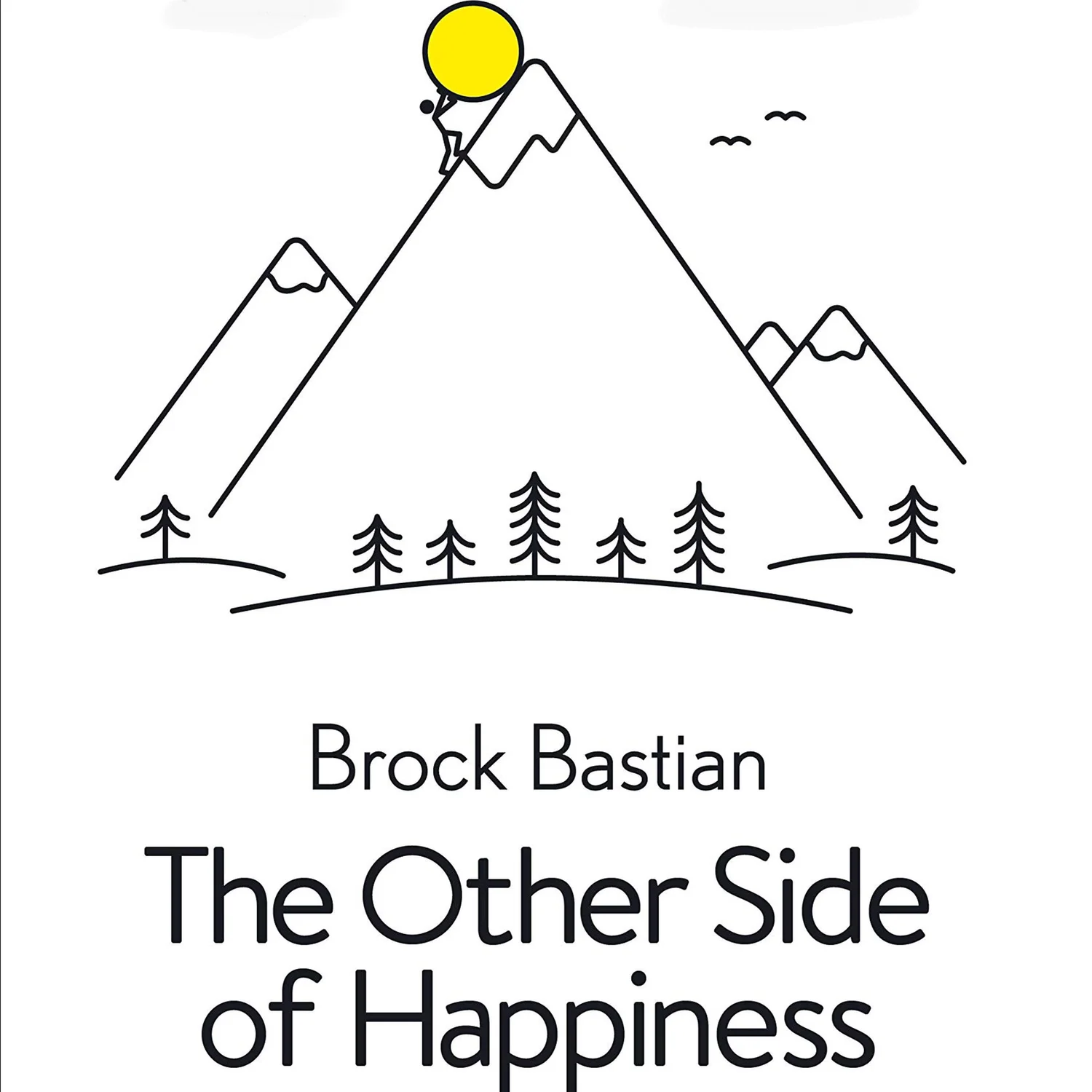
Ep 10Highlights - BROCK BASTIAN - Author of The Other Side of Happiness: Embracing a More Fearless Approach to Living
"I think it's led to a focus on success and standing out, and I do think that the more young people can walk away with an understanding that perhaps the best thing they can do in life is actually contribute to the lives of others, that's probably where they're going to get most of their happiness from and most of their fulfillment from. And the rest is probably a little bit hollow. You know, money doesn't really buy happiness. I mean, it certainly buys comfort, and we do know some money is very important for that. But you do need to feel connected to other people, and you can't whilst consuming and even promoting ourselves on social media. Or playing the popularity game or aiming to be famous. That seems to be a value that a lot of young people have these days, but I don't think that it's going to breed happiness. And so being able to really identify what the values are that are going to make us happy, that are going to connect us to meaning and purpose in other people and that will actually contribute to a better world for all of us, I think would be great. And I think there's competition and space for young people's minds at the moment. So if we can get them on board with some of those values and approaches to life, I think the future generations would probably be better off."Brock Bastian is author of The Other Side of Happiness: Embracing a More Fearless Approach to Living and a professor at University of Melbourne’s School of Psychological Sciences. His research and writing focus on pain, happiness, morality, and wellbeing. In his search for a new perspective on what makes for the good life, Bastian has studied why promoting happiness may have paradoxical effects; why we need negative and painful experiences in life to build meaning, purpose, resilience, and ultimately greater fulfilment in life; and why behavioural ethics is necessary for understanding how we reason about personal and social issues and resolve conflicts of interest.www.brockbastian.comwww.abebooks.com/9780141982106/Side-Happiness-Embracing-Fearless-Approach-0141982101/plpwww.creativeprocess.info www.oneplanetpodcast.orgIG www.instagram.com/creativeprocesspodcast
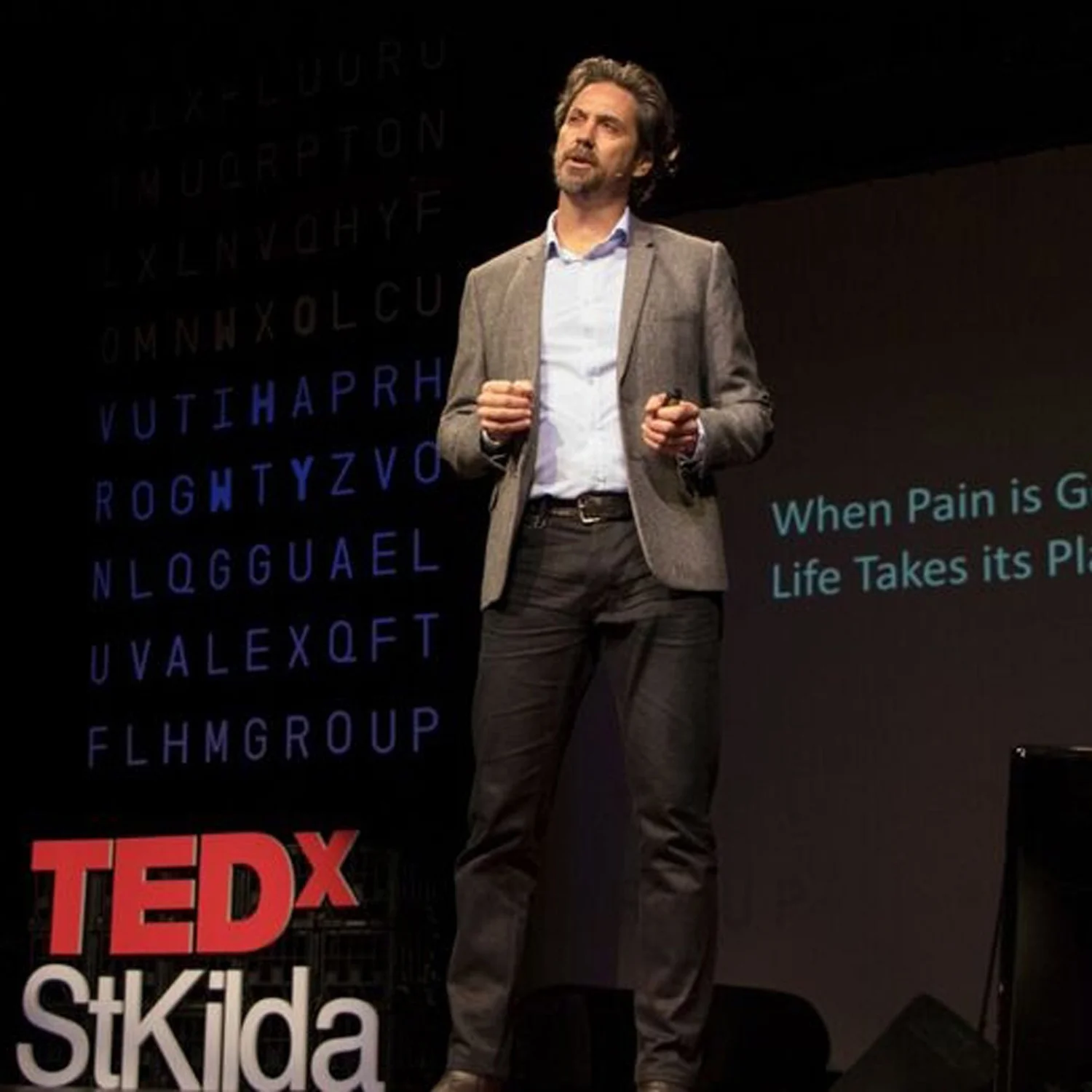
BROCK BASTIAN - Author of The Other Side of Happiness: Embracing a More Fearless Approach to Living
Brock Bastian is author of The Other Side of Happiness: Embracing a More Fearless Approach to Living and a professor at University of Melbourne’s School of Psychological Sciences. His research and writing focus on pain, happiness, morality, and wellbeing. In his search for a new perspective on what makes for the good life, Bastian has studied why promoting happiness may have paradoxical effects; why we need negative and painful experiences in life to build meaning, purpose, resilience, and ultimately greater fulfilment in life; and why behavioural ethics is necessary for understanding how we reason about personal and social issues and resolve conflicts of interest."I think it's led to a focus on success and standing out, and I do think that the more young people can walk away with an understanding that perhaps the best thing they can do in life is actually contribute to the lives of others, that's probably where they're going to get most of their happiness from and most of their fulfillment from. And the rest is probably a little bit hollow. You know, money doesn't really buy happiness. I mean, it certainly buys comfort, and we do know some money is very important for that. But you do need to feel connected to other people, and you can't whilst consuming and even promoting ourselves on social media. Or playing the popularity game or aiming to be famous. That seems to be a value that a lot of young people have these days, but I don't think that it's going to breed happiness. And so being able to really identify what the values are that are going to make us happy, that are going to connect us to meaning and purpose in other people and that will actually contribute to a better world for all of us, I think would be great. And I think there's competition and space for young people's minds at the moment. So if we can get them on board with some of those values and approaches to life, I think the future generations would probably be better off."www.brockbastian.comwww.abebooks.com/9780141982106/Side-Happiness-Embracing-Fearless-Approach-0141982101/plpwww.creativeprocess.info www.oneplanetpodcast.orgIG www.instagram.com/creativeprocesspodcast

Highlights - ANDRI SNÆR MAGNASON - Writer & Documentary Filmmaker - On Time and Water, The Casket of Time, LoveStar, Not Ok
“Those who define the world based on money, industry, and production capacity have seemingly been spared from acquiring an understanding of biology, geology, or ecology. They calculate statistics and feel optimistic. What’s fatal to the Earth and unsustainable for the future is hidden by the words ‘favorable economic outlook’. Increased oil production is positive for the economy; doubling aluminum production is positive. Economic growth doesn’t distinguish sustainability and unsustainability. Imagine making no distinction between strengthening or fattening, or between a child or a tumor growing in the womb. Growth is simply presented as an inherent good; there’s no distinction made between malignant and benign growth.” ― Andri Snær Magnason, On Time and WaterAndri Snær Magnason is an award winning author of On Time and Water, The Casket of Time, LoveStar, Dreamland and The Story of the Blue Planet. His work has been published in more than 35 languages. He has a written in most genres, novels, poetry, plays, short stories, non fiction as well as being a documentary film maker. His novel, LoveStar got a Philip K. Dick Special Citation, and the Grand Prix de l’Imaginaire in France and “Novel of the year” in Iceland. The Story of the Blue Planet, was the first children’s book to receive the Icelandic Literary Award and has been published or performed in 35 countries. The Blue Planet received the Janusz Korczak Honorary Award in Poland 2000, the UKLA Award in the UK and Children's book of the Year in China. His book – Dreamland – a Self Help Manual for a Frightened Nation takes on these issues and has sold more than 20.000 copies in Iceland. He co directed Dreamland - a feature length documentary film based on the book. Footage from Dreamland and an interview with Andri can be seen in the Oscar Award-winning documentary Inside Job by Charles Ferguson. His most recent book, Tímakistan, the Time Casket has now been published in more than 10 languages, was nominated as the best fantasy book in Finland 2016 with authors like Ursula K. le Guin and David Mitchell. In English six books are currently available: Bónus Poetry, The Story of The Blue Planet, LoveStar, Dreamland and The Casket of Time, (Tímakistan) and On Time and Water.www.andrimagnason.comwww.creativeprocess.info www.oneplanetpodcast.orgIG www.instagram.com/creativeprocesspodcast
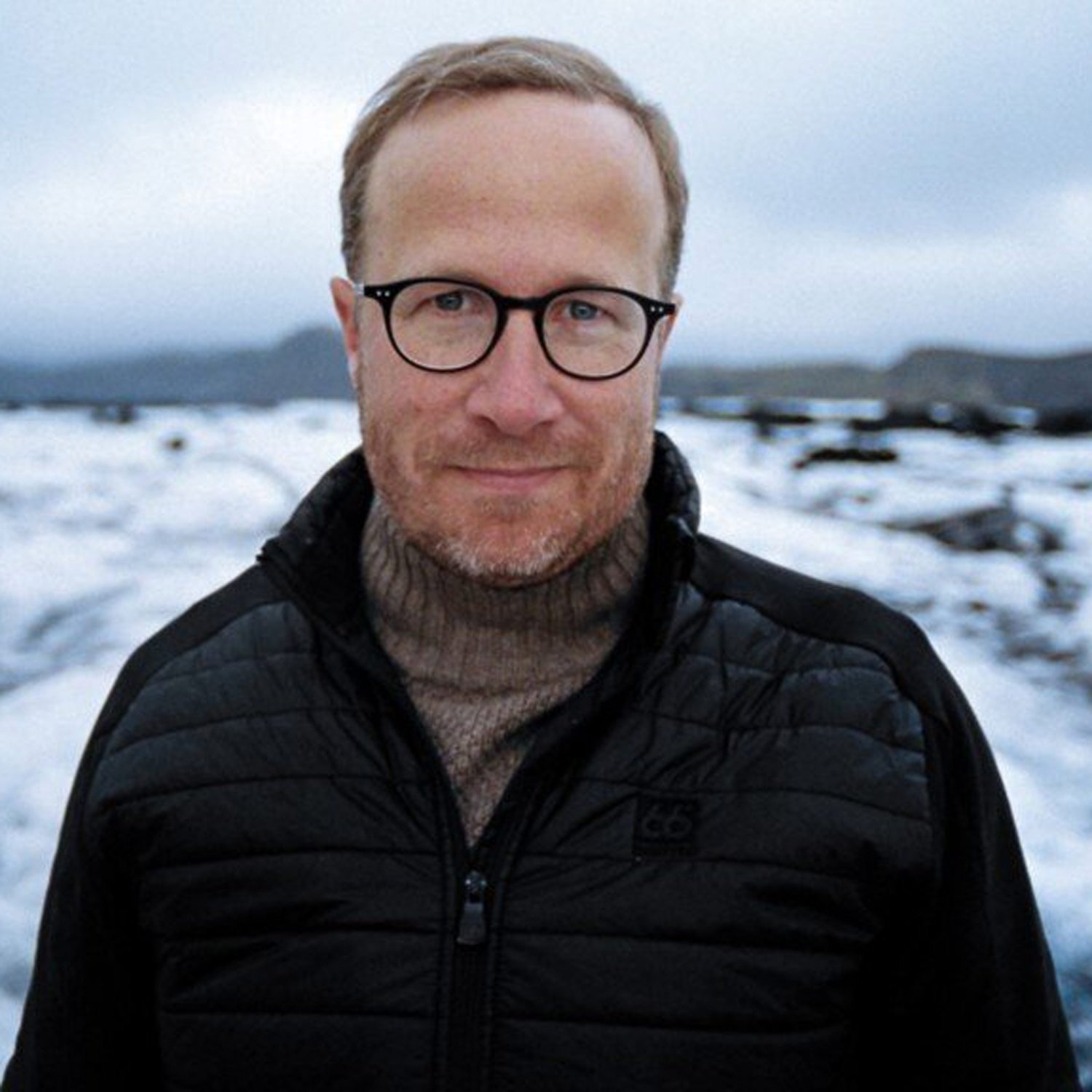
ANDRI SNÆR MAGNASON - Icelandic Writer & Documentary Filmmaker - On Time and Water, The Casket of Time, LoveStar, Not Ok
Andri Snær Magnason is an award winning author of On Time and Water, The Casket of Time, LoveStar, Dreamland and The Story of the Blue Planet. His work has been published in more than 35 languages. He has a written in most genres, novels, poetry, plays, short stories, non fiction as well as being a documentary film maker. His novel, LoveStar got a Philip K. Dick Special Citation, and the Grand Prix de l’Imaginaire in France and “Novel of the year” in Iceland. The Story of the Blue Planet, was the first children’s book to receive the Icelandic Literary Award and has been published or performed in 35 countries. The Blue Planet received the Janusz Korczak Honorary Award in Poland 2000, the UKLA Award in the UK and Children's book of the Year in China. His book – Dreamland – a Self Help Manual for a Frightened Nation takes on these issues and has sold more than 20.000 copies in Iceland. He co directed Dreamland - a feature length documentary film based on the book. Footage from Dreamland and an interview with Andri can be seen in the Oscar Award-winning documentary Inside Job by Charles Ferguson. His most recent book, Tímakistan, the Time Casket has now been published in more than 10 languages, was nominated as the best fantasy book in Finland 2016 with authors like Ursula K. le Guin and David Mitchell. In English six books are currently available: Bónus Poetry, The Story of The Blue Planet, LoveStar, Dreamland and The Casket of Time, (Tímakistan) and On Time and Water.“Those who define the world based on money, industry, and production capacity have seemingly been spared from acquiring an understanding of biology, geology, or ecology. They calculate statistics and feel optimistic. What’s fatal to the Earth and unsustainable for the future is hidden by the words ‘favorable economic outlook’. Increased oil production is positive for the economy; doubling aluminum production is positive. Economic growth doesn’t distinguish sustainability and unsustainability. Imagine making no distinction between strengthening or fattening, or between a child or a tumor growing in the womb. Growth is simply presented as an inherent good; there’s no distinction made between malignant and benign growth.” ― Andri Snær Magnason, On Time and Waterwww.andrimagnason.comwww.creativeprocess.info www.oneplanetpodcast.orgIG www.instagram.com/creativeprocesspodcast
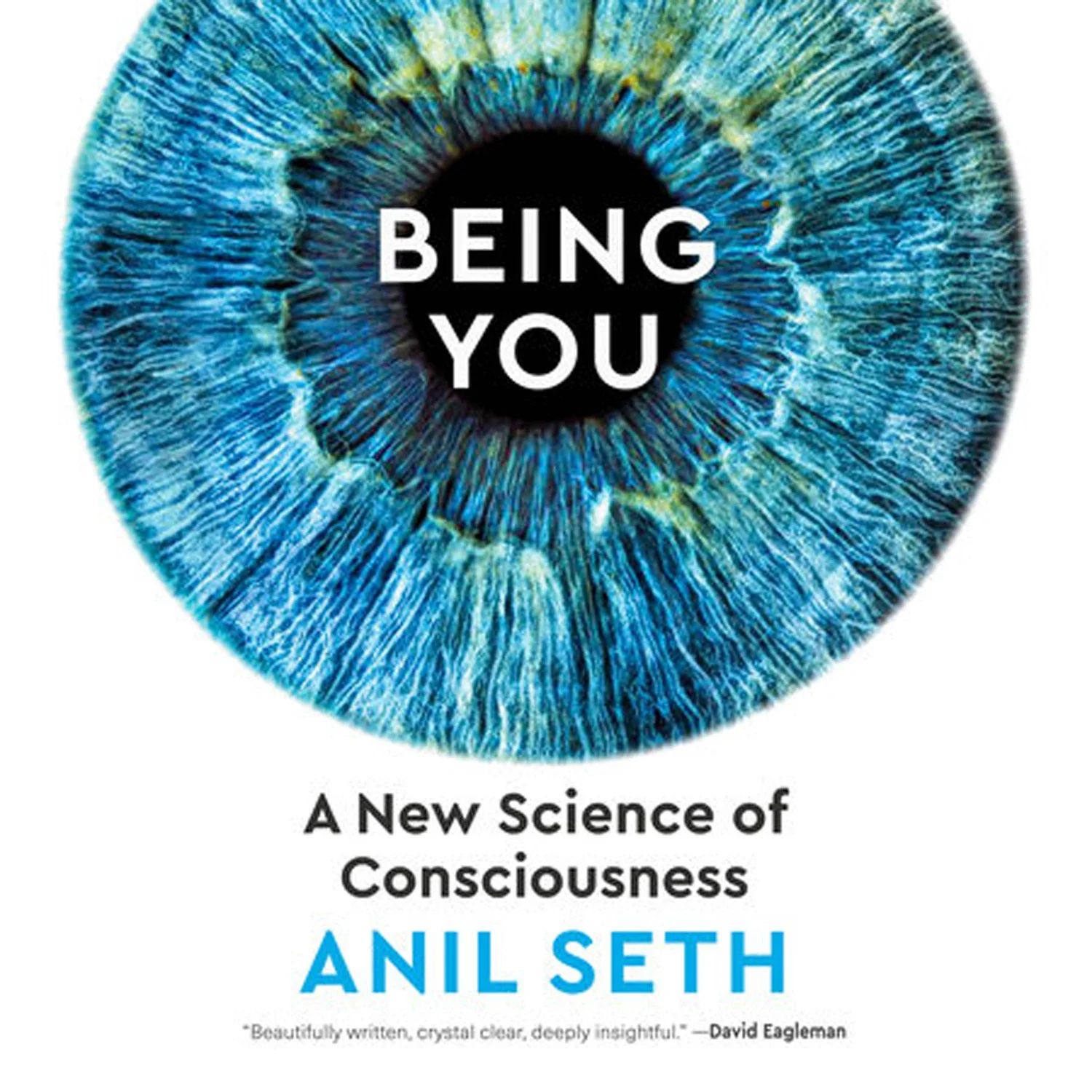
Highlights - ANIL SETH - Co-director of Sussex Centre for Consciousness Science & Canadian Institute for Advanced Research Program on Brain, Mind & Consciousness
"ChatGPT can play on our anthropomorphic tendencies and convince us that there's a mind there, even though what it's going on is just statistics under the hood. And that's dangerous if we live in a world where we feel like we're interacting with other conscious minds, even though we know we are not. And we nonetheless feel it's conscious because of the way our mind works, not because of the way its system works."Anil Seth is a neuroscientist, author, and public speaker who has pioneered research into the brain basis of consciousness for more than twenty years. He is the author of Being You: A New Science of Consciousness, as well as the best-selling 30 Second Brain, and other books. He is a Professor of Cognitive and Computational Neuroscience at the University of Sussex, where he is Co-Director of the Sackler Centre for Consciousness Science, and is Co-Director of the Canadian Institute for Advanced Research (CIFAR) Program on Brain, Mind, and Consciousness, and of the Leverhulme Doctoral Scholarship Programme: From Sensation and Perception to Awareness. He has a TED talk on consciousness and appeared in several films, including The Most Unknown and The Search. He has written for Aeon, The Guardian, Granta, New Scientist, and Scientific American. He was the 2017 President of the British Science Association (Psychology Section) and winner of the 2019 KidSpirit Perspectives award. He has published more than 180 academic papers and is listed in 2019 and 2020 Web of Science ‘highly cited researcher’ index, which recognizes the world’s most influential researchers over the past decade.www.anilseth.com www.penguinrandomhouse.com/books/566315/being-you-by-anil-seth https://perceptioncensus.dreamachine.world/ https://dreamachine.world/ @anilksethwww.creativeprocess.info www.oneplanetpodcast.orgIG www.instagram.com/creativeprocesspodcast

ANIL SETH - Author of Being You: A New Science of Consciousness - Co-director of Sussex Centre for Consciousness Science
Anil Seth is a neuroscientist, author, and public speaker who has pioneered research into the brain basis of consciousness for more than twenty years. He is the author of Being You: A New Science of Consciousness, as well as the best-selling 30 Second Brain, and other books. He is a Professor of Cognitive and Computational Neuroscience at the University of Sussex, where he is Co-Director of the Sussex Centre for Consciousness Science, and is Co-Director of the Canadian Institute for Advanced Research (CIFAR) Program on Brain, Mind, and Consciousness, and of the Leverhulme Doctoral Scholarship Programme: From Sensation and Perception to Awareness. He has a TED talk on consciousness and appeared in several films, including The Most Unknown and The Search. He has written for Aeon, The Guardian, Granta, New Scientist, and Scientific American. He was the 2017 President of the British Science Association (Psychology Section) and winner of the 2019 KidSpirit Perspectives award. He has published more than 180 academic papers and is listed in 2019 and 2020 Web of Science ‘highly cited researcher’ index, which recognizes the world’s most influential researchers over the past decade."ChatGPT can play on our anthropomorphic tendencies and convince us that there's a mind there, even though what it's going on is just statistics under the hood. And that's dangerous if we live in a world where we feel like we're interacting with other conscious minds, even though we know we are not. And we nonetheless feel it's conscious because of the way our mind works, not because of the way its system works."www.anilseth.com www.penguinrandomhouse.com/books/566315/being-you-by-anil-seth https://perceptioncensus.dreamachine.world/ https://dreamachine.world/ @anilksethwww.creativeprocess.info www.oneplanetpodcast.orgIG www.instagram.com/creativeprocesspodcast

We All Live on One Planet We Call Home - Part 4 - Environmentalists, Economists, Policymakers & Architects Share their Stories
Listen to Part 4 of this Special Series with music courtesy of composer Max Richter. All voices on this episode are from our interviews for The Creative Process & One Planet Podcast:INGRID NEWKIRK, Founder & President of PETA - People for the Ethical Treatment of AnimalsJEFFREY D. SACHS, President of the UN Sustainable Development Solutions Network, Director of Center for Sustainable Development, Columbia University, Economist, AuthorJENNIFER MORGAN, Fmr. Executive Director of Greenpeace International, Special Envoy for International Climate Action, German Foreign MinistryMERLIN SHELDRAKE, Biologist & Bestselling Author of “Entangled Life: How Fungi Make Our Worlds, Change Our Minds, and Shape Our Futures”, Winner of the Wainwright Prize 2021WALTER STAHEL, Architect, Economist, Founding Father of Circular Economy, Founder-Director, Product-Life InstituteARMOND COHEN, Executive Director of Clean Air Task ForcePIA MANCINI, Co-founder/CEO of Open Collective - Chair of DemocracyEarth Foundation, YGL World Economic ForumRON GONEN, Founder & CEO of Closed Loop Partners, Former Deputy Commissioner of Sanitation, Recycling & Sustainability, NYCAIMEE NEZHUKUMATATHIL, Poet & Author of “World of Wonders: In Praise of Fireflies, Whale Sharks and Other Astonishments”ANA CASTILLO, Award-Winning Xicana Activist, Editor, Poet, Novelist & Artistwww.creativeprocess.info www.oneplanetpodcast.orgIG www.instagram.com/creativeprocesspodcastwww.maxrichtermusic.comhttps://studiorichtermahr.comMax Richter’s music featured in this episode are “On the Nature of Daylight” from The Blue Notebooks, “Path 19: Yet Frailest” from Sleep.Music is courtesy of Max Richter, Universal Music Enterprises, and Mute Song.Artwork: Saudade, Mia Funk

What Kind of World Are We Leaving for Future Generations? - Part 3 - Activists, Environmentalists & Teachers Share their Stories
Listen to Part 3 of this Special Series with music courtesy of composer Max Richter.All voices on this episode are from our interviews for The Creative Process & One Planet Podcast:PAULA PINHO, Director of Just Transition at the European Commission Directorate-General for EnergyPIA MANCINI, Co-founder/CEO of Open Collective - Chair of DemocracyEarth Foundation, YGL World Economic ForumJENNIFER MORGAN, Fmr. Executive Director of Greenpeace International, Special Envoy for International Climate Action, German Foreign MinistryWALTER STAHEL, Architect, Economist, Founding Father of Circular Economy, Founder-Director, Product-Life InstituteMERLIN SHELDRAKE, Biologist & Bestselling Author of Entangled Life: How Fungi Make Our Worlds, Change Our Minds, and Shape Our Futures, Winner of the Wainwright Prize 2021RON GONEN, Founder & CEO of Closed Loop Partners, Former Deputy Commissioner of Sanitation, Recycling & Sustainability, NYCMANUELA LUCÁ-DAZIO, Executive Director, Pritzker Architecture Prize, Fmr. Exec. Director of Venice Biennale, Visual Arts & Architecture Dept.NICHOLAS ROYLE, Co-author of "An Introduction to Literature, Criticism and Theory”, Author of “Mother: A Memoir”MARK BURGMAN, Director, Centre for Environmental Policy, Imperial College London, Editor-in-Chief, Conservation BiologyMIKE DAVIS, CEO of Global WitnessJAY FAMIGLIETTI, Fmr. Senior Water Scientist at NASA Jet Propulsion Laboratory, Exec. Director, Global Institute for Water Security, Host of "What About Water?" PodcastBRITT WRAY, Author of “Generation Dread: Finding Purpose in an Age of Climate Crisis”, Researcher Working on Climate Change & Mental Health, Stanford UniversityRICHARD VEVERS, Founder & CEO of The Ocean AgencyARMOND COHEN, Executive Director of Clean Air Task ForceBILL HARE, Founder & CEO of Climate Analytics, Physicist, Climate ScientistDAVID PALUMBO-LIU, Activist, Professor & Author of “Speaking Out of Place: Getting Our Political Voices Back”, Host of Speaking out of Place PodcastIBRAHIM ALHUSSEINI, Founder & CEO of FullCycle Fund GAIA VINCE, Science Writer, Broadcaster & Author of “Transcendence” & “Adventures in the Anthropocene”INGRID NEWKIRK, Founder & President of PETA - People for the Ethical Treatment of Animalswww.creativeprocess.info www.oneplanetpodcast.orgIG www.instagram.com/creativeprocesspodcastwww.maxrichtermusic.comhttps://studiorichtermahr.comMax Richter’s music featured in this episode are “On the Nature of Daylight” from The Blue Notebooks, “Path 19: Yet Frailest” from Sleep.Music is courtesy of Max Richter, Universal Music Enterprises, and Mute Song.

Earth Month Stories - Part 2 - Environmentalists, Artists, Students & Teachers Speak Out & Share How We Can Save the Planet
Listen to Part 2 of this Special Series with music courtesy of composer Max Richter.All voices on this episode are from our interviews for The Creative Process & One Planet Podcast:MANUELA LUCÁ-DAZIO - Executive Director, Pritzker Architecture Prize - Fmr. Exec. Director of Venice Biennale, Visual Arts & Architecture Dept.BRITT WRAY - Author of “Generation Dread: Finding Purpose in an Age of Climate Crisis”, Researcher Working on Climate Change & Mental Health, Stanford UniversityWALTER STAHEL - Architect, Economist, Founding Father of Circular Economy - Founder-Director, Product-Life InstituteMATHIS WACKERNAGEL - Founder & President of the Global Footprint Network - World Sustainability Award WinnerJAY FAMIGLIETTI, Fmr. Senior Water Scientist at NASA Jet Propulsion Laboratory, Exec. Director, Global Institute for Water Security, Host of "What About Water?" PodcastRICHARD VEVERS - Founder & CEO of The Ocean AgencyARMOND COHEN - Executive Director of Clean Air Task ForcePAULA PINHO - Director of Just Transition at the European Commission Directorate-General for EnergyMARTIN VON HILDEBRAND - Indigenous Rights Activist - Winner of Right Livelihood & Skoll Awards - Founder of Fundacion Gaia Amazonas, named #40 NGOs of the World by The Global JournalHAROLD P. SJURSEN - Professor of Philosophy - Science, Technology, the Arts - NYU, Beihang University, East China UniversityBILL HARE - Founder & CEO of Climate Analytics, Physicist, Climate ScientistSIR ANDY HAINES - Tyler Prize Award-winner for Environmental Achievement - Professor of Environmental Change & Public HealthLISA JACKSON PULVER - Deputy Vice-Chancellor of University of Sydney's Indigenous Strategy & Services Max Richter’s music featured in this episode:“Spring 1” from The New Four Seasons – Vivaldi RecomposedVladimir’s Blues” from The Blue Notebooks"Lullaby From The Westcoast Sleepers” from 24 Postcards in Full Colour,Music is courtesy of Max Richter, Universal Music Enterprises, and Mute Song.www.maxrichtermusic.comhttps://studiorichtermahr.comwww.creativeprocess.infowww.oneplanetpodcast.orgIG www.instagram.com/creativeprocesspodcast

Special Earth Day Stories - Environmentalists, Artists, Students & Teachers share their Love for the Planet - Part 1
Today we’re streaming voices of environmentalists, artists, students, and teachers. Enjoy Part 1 of this Special Series with music courtesy of composer Max Richter.All voices on this episode are from our interviews for The Creative Process & One Planet Podcast:MAX RICHTERINGRID NEWKIRK, Founder of PETABERTRAND PICCARD, Aviator of 1st Round-the-World Solar-Powered Flight, Explorer, Founder, Solar Impulse FoundationCARL SAFINA, Ecologist, Founding President of Safina CenterCLAIRE POTTER, Designer, Lecturer, Author of “Welcome to the Circular Economy”ADA LIMÓN, U.S. Poet Laureate, Host of The Slowdown podcastCYNTHIA DANIELS, Grammy and Emmy award-winning producer, engineer, composerJOELLE GERGIS, Lead Author of the IPCC Sixth Assessment Report, Author of “Humanity’s Moment”KATHLEEN ROGERS, President of EARTHDAY.ORGODED GALOR, Author of “The Journey of Humanity”, Founder of Unified Growth TheorySIR GEOFF MULGAN, Fmr. Chief Executive of Nesta, Fmr, Prime Minister’s Strategy Unit Director & Downing Street’s Head of Policy, Author of “Another World is Possible”ALAIN ROBERT, Rock & Urban Climber known for Free Solo Climbing 150+ of the World’s Tallest Skyscrapers using no Climbing EquipmentNOAH WILSON-RICH, Co-founder & CEO of The Best Bees CompanyCHRIS FUNK, Director of the Climate Hazards Center at UC Santa Barbara, Author of Drought, Flood, Fire: How Climate Change Contributes to Recent CatastrophesDAVID FARRIER, Author of “Footprints: In Search of Future Fossils”DR. SUZANNE SIMARD, Professor of Forest Ecology, Author of “Finding the Mother Tree”PETER SINGER, “Most Influential Living Philosopher”, Author, Founder of The Life You Can SaveJENNIFER MORGAN, Fmr. Executive Director of Greenpeace International, Special Envoy for International Climate Action, German Foreign Ministrywww.creativeprocess.info www.oneplanetpodcast.orgIG www.instagram.com/creativeprocesspodcastwww.maxrichtermusic.comhttps://studiorichtermahr.comMax Richter’s music featured in this episode are “On the Nature of Daylight” from The Blue Notebooks, “Path 19: Yet Frailest” from Sleep.Music is courtesy of Max Richter, Universal Music Enterprises, and Mute Song.

Highlights - PIA MANCINI - Co-founder/CEO, Open Collective - Chair, DemocracyEarth Foundation - YGL World Economic Forum
“Well, it's difficult. At the height of our activism, like all of the democracy movements in the world that were happening altogether, there was this emerging moment where Tunisia, Egypt, Iran, Spain, and Chile...I think that we were kind of super in love at the time with the technology and the tools. Everything seemed very fresh and groundbreaking, but I think we were kind of naive in saying that a particular set of tools was really going to bring the change that we wanted to see without us really looking at the B side of it. All the tools that we were using are designed for virality. They're not designed for healthy public debate, not even generating consensus because that's not even the problem at this stage. We're so far away from that. They're not designed to bring out the best in us. They're designed to bring out the worst in us, and that's what pays off. So I think we missed that as a generation or as an activist group. We missed that. The tools that we were so smitten by were really producing this almost collateral damage to our civic tissue and our societies. And we are so far down that rabbit hole at the moment that I think there's so much we need to walk back in terms of the power platforms have lack of accountability these algorithms have.So I guess as I grew older, I came to realize that most of the challenges that we face are not necessarily technological. They are in part, but they're also very human, right? They're very much human challenges. And we need to build these digital public spaces in a very different way than we have done.”Pia Mancini is a democracy activist, political scientist, open source sustainer, co-founder & CEO at Open Collective and Chair of DemocracyEarth Foundation. She has worked in politics in Argentina as the Chief of Advisers and Deputy Secretary of Political Affairs, Government of the City of Buenos Aires and CIPPEC think tank. She has developed technology for democracy around the world and is a YC Alum, Young Global Leaders (World Economic Forum). She co-founded DemocracyOS & The Net Party (Partido de la Red).www.piamancini.comhttps://opencollective.comhttps://democracy.earthwww.creativeprocess.info www.oneplanetpodcast.orgIG www.instagram.com/creativeprocesspodcast

PIA MANCINI - Co-founder/CEO of Open Collective - Chair of DemocracyEarth Foundation - YGL World Economic Forum
Pia Mancini is a democracy activist, political scientist, open source sustainer, co-founder & CEO at Open Collective and Chair of DemocracyEarth Foundation. She has worked in politics in Argentina as the Chief of Advisers and Deputy Secretary of Political Affairs, Government of the City of Buenos Aires and CIPPEC think tank. She has developed technology for democracy around the world and is a YC Alum, Young Global Leaders (World Economic Forum). She co-founded DemocracyOS & The Net Party (Partido de la Red).“Well, it's difficult. At the height of our activism, like all of the democracy movements in the world that were happening altogether, there was this emerging moment where Tunisia, Egypt, Iran, Spain, and Chile...I think that we were kind of super in love at the time with the technology and the tools. Everything seemed very fresh and groundbreaking, but I think we were kind of naive in saying that a particular set of tools was really going to bring the change that we wanted to see without us really looking at the B side of it. All the tools that we were using are designed for virality. They're not designed for healthy public debate, not even generating consensus because that's not even the problem at this stage. We're so far away from that. They're not designed to bring out the best in us. They're designed to bring out the worst in us, and that's what pays off. So I think we missed that as a generation or as an activist group. We missed that. The tools that we were so smitten by were really producing this almost collateral damage to our civic tissue and our societies. And we are so far down that rabbit hole at the moment that I think there's so much we need to walk back in terms of the power platforms have lack of accountability these algorithms have.So I guess as I grew older, I came to realize that most of the challenges that we face are not necessarily technological. They are in part, but they're also very human, right? They're very much human challenges. And we need to build these digital public spaces in a very different way than we have done.”www.piamancini.comhttps://opencollective.comhttps://democracy.earthwww.creativeprocess.info www.oneplanetpodcast.orgIG www.instagram.com/creativeprocesspodcast

Highlights - MANUELA LUCÁ-DAZIO - Exec. Director of Pritzker Architecture Prize - Fmr. Exec. Director of Venice Biennale, Visual Arts & Architecture Dept.
“I think the Pritzker Architecture Prize has the power to foster and enhance the discussion on the one end. And on the other end, it has also the power to involve a more global discussion. So it's not just limited to architects because ultimately architecture is what we live in and we use every day of our lives. So all of us should be involved in this discussion. It's really a common responsibility where the architect, who from my point of view is the translator and the interpreter and the catalyst of all this. So we should rethink what sustainability is and combine the art of architecture and the benefits to humanity and the built environment. This, I think, is a lesson for every single architect from all over the world.”Manuela Lucá-Dazio is the newly appointed Executive Director of the Pritzker Architecture Prize. In this capacity, she works closely with the jury, however, she does not vote in the proceedings. She is the former Executive Director, Department of Visual Arts and Architecture of La Biennale di Venezia, where she managed exhibitions with distinguished curators, architects, artists, and critics to realize the International Art Exhibition and the International Architecture Exhibition, each edition since 2009. Preceding that, she was responsible for the technical organization and production of both Exhibitions, beginning in 1999. She holds a PhD in History of Architecture from the University of Roma-Chieti, Italy and lives in Paris, France.www.pritzkerprize.com www.pritzkerprize.com/jury#jury-node-2236 www.labiennale.org/enwww.creativeprocess.info www.oneplanetpodcast.org IG www.instagram.com/creativeprocesspodcast
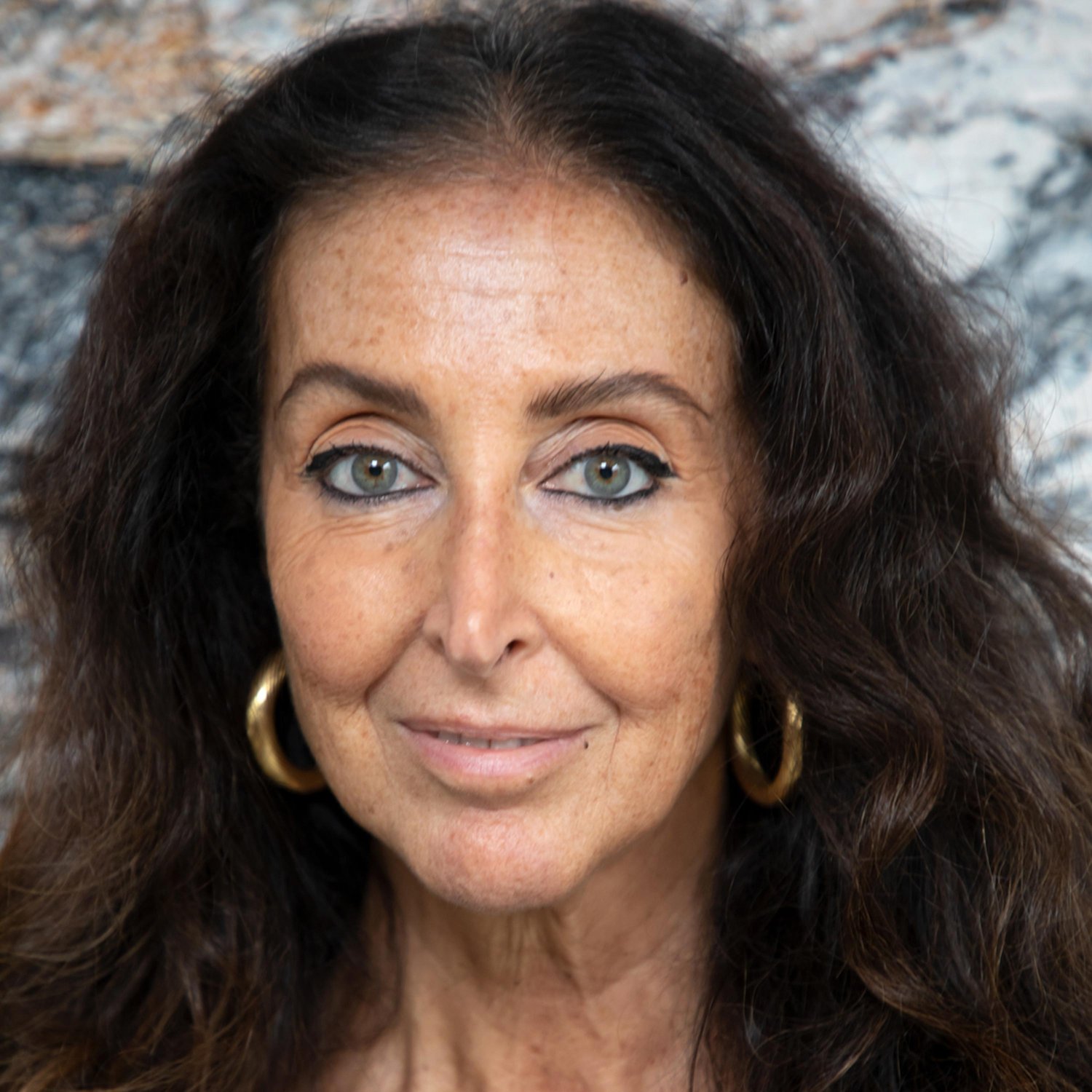
MANUELA LUCÁ-DAZIO - Executive Director, Pritzker Architecture Prize - Fmr. Exec. Director of Venice Biennale, Visual Arts & Architecture Dept.
Manuela Lucá-Dazio is the newly appointed Executive Director of the Pritzker Architecture Prize. In this capacity, she works closely with the jury, however, she does not vote in the proceedings. She is the former Executive Director, Department of Visual Arts and Architecture of La Biennale di Venezia, where she managed exhibitions with distinguished curators, architects, artists, and critics to realize the International Art Exhibition and the International Architecture Exhibition, each edition since 2009. Preceding that, she was responsible for the technical organization and production of both Exhibitions, beginning in 1999. She holds a PhD in History of Architecture from the University of Roma-Chieti, Italy and lives in Paris, France.“I think the Pritzker Architecture Prize has the power to foster and enhance the discussion on the one end. And on the other end, it has also the power to involve a more global discussion. So it's not just limited to architects because ultimately architecture is what we live in and we use every day of our lives. So all of us should be involved in this discussion. It's really a common responsibility where the architect, who from my point of view is the translator and the interpreter and the catalyst of all this. So we should rethink what sustainability is and combine the art of architecture and the benefits to humanity and the built environment. This, I think, is a lesson for every single architect from all over the world.”www.pritzkerprize.com www.pritzkerprize.com/jury#jury-node-2236 www.labiennale.org/enPhoto credit: Anselm Kieferwww.creativeprocess.info www.oneplanetpodcast.org IG www.instagram.com/creativeprocesspodcast
Highlights - ARMOND COHEN - Executive Director of Clean Air Task Force
“There's no such thing as completely clean energy. We use that term a lot, but it's not really true. We have low carbon energy, and lower carbon energy, but any kind of industrial system has requirements for materials and processing, and nothing is completely natural in the industrial world. If we can electrify transportation, I think we can clean up the grid, and then I think we can deal with these life cycle issues in a way that's responsible, but it'll never be zero. That's impossible.Today, there are hundreds of thousands, if not millions, just in the advocacy and policy space now. And then you look at all the people, the scientists and the engineers and the investors and the business people who are trying to create these new machines and bring down the cost. You're talking tens of millions maybe. And the annual spend on clean energy globally is somewhere in the range I believe of about 400 billion a year. We're getting up there in terms of social effort, and it's hard to believe that with all these options coming onto the scene that we won't solve or get very close to solving this problem during this century. And our philosophy, which makes us a little different from other environmental organizations that work on this, is we think you ought to be pursuing all of those options because you don't know which are going to work out.”Armond Cohen is Executive Director of Clean Air Task Force, which he has led since its formation in 1996. In addition to leading CATF, Armond is directly involved in CATF research and advocacy on the topic of requirements to deeply decarbonize global energy systems. Prior to his work with CATF, Armond founded and led the Conservation Law Foundation’s Energy Project starting in 1983, focusing on energy efficiency, utility resource planning, and electric industry structure. Armond has published numerous articles on climate change, energy system transformation, and air pollution; he speaks, writes, and testifies frequently on these topics. He is a board member of the Nuclear Innovation Alliance and an honors graduate of Harvard Law School and Brown University.www.catf.uswww.creativeprocess.info www.oneplanetpodcast.orgIG www.instagram.com/creativeprocesspodcast
ARMOND COHEN - Executive Director of Clean Air Task Force
Armond Cohen is Executive Director of Clean Air Task Force, which he has led since its formation in 1996. In addition to leading CATF, Armond is directly involved in CATF research and advocacy on the topic of requirements to deeply decarbonize global energy systems. Prior to his work with CATF, Armond founded and led the Conservation Law Foundation’s Energy Project starting in 1983, focusing on energy efficiency, utility resource planning, and electric industry structure. Armond has published numerous articles on climate change, energy system transformation, and air pollution; he speaks, writes, and testifies frequently on these topics. He is a board member of the Nuclear Innovation Alliance and an honors graduate of Harvard Law School and Brown University.“There's no such thing as completely clean energy. We use that term a lot, but it's not really true. We have low carbon energy, and lower carbon energy, but any kind of industrial system has requirements for materials and processing, and nothing is completely natural in the industrial world. If we can electrify transportation, I think we can clean up the grid, and then I think we can deal with these life cycle issues in a way that's responsible, but it'll never be zero. That's impossible.Today, there are hundreds of thousands, if not millions, just in the advocacy and policy space now. And then you look at all the people, the scientists and the engineers and the investors and the business people who are trying to create these new machines and bring down the cost. You're talking tens of millions maybe. And the annual spend on clean energy globally is somewhere in the range I believe of about 400 billion a year. We're getting up there in terms of social effort, and it's hard to believe that with all these options coming onto the scene that we won't solve or get very close to solving this problem during this century. And our philosophy, which makes us a little different from other environmental organizations that work on this, is we think you ought to be pursuing all of those options because you don't know which are going to work out.”www.catf.uswww.creativeprocess.info www.oneplanetpodcast.orgIG www.instagram.com/creativeprocesspodcast
Highlights - HAROLD P. SJURSEN - Professor of Philosophy - Science, Technology, the Arts
“ ‘The Question Concerning Technology’, in which Heidegger warned that nature had become just a source of resources for us, commodities, what he called standing reserves. Something that had no value other than for our ability to exploit it and mine it and use it for our use and purposes. Whether it's utilitarianism, which is sort of consequentialist ethics, always act in a way so that the outcome of your action will produce the most benefit. Or duty ethics, which simply says there are certain things which are good and right and necessary from an ethical point of view, and we must do it regardless of the immediate or perceived consequences.”Harold P. Sjursen is an educator and administrator having served on the faculty of both a liberal arts college and school of engineering. His background is in the history of philosophy, but since childhood has sustained an interest in science and technology. His current research interests focus on the philosophy of technology, global philosophy, and technological ethics. His engineering education projects address issues related to the internationalization of higher education, the integration of the liberal arts and engineering and ethics beyond the codes for engineers.http://harold-sjursen.orgwww.creativeprocess.info www.oneplanetpodcast.org IG www.instagram.com/creativeprocesspodcast
HAROLD P. SJURSEN - Professor of Philosophy - Science, Technology, the Arts
Harold P. Sjursen is an educator and administrator having served on the faculty of both a liberal arts college and school of engineering. His background is in the history of philosophy, but since childhood has sustained an interest in science and technology. His current research interests focus on the philosophy of technology, global philosophy, and technological ethics. His engineering education projects address issues related to the internationalization of higher education, the integration of the liberal arts and engineering and ethics beyond the codes for engineers.“ ‘The Question Concerning Technology’, in which Heidegger warned that nature had become just a source of resources for us, commodities, what he called standing reserves. Something that had no value other than for our ability to exploit it and mine it and use it for our use and purposes. Whether it's utilitarianism, which is sort of consequentialist ethics, always act in a way so that the outcome of your action will produce the most benefit. Or duty ethics, which simply says there are certain things which are good and right and necessary from an ethical point of view, and we must do it regardless of the immediate or perceived consequences.”http://harold-sjursen.orgwww.creativeprocess.info www.oneplanetpodcast.org IG www.instagram.com/creativeprocesspodcast
JOSH KAMPEL - CEO of Clarim Media - Fmr. CEO of Techonomy Media
Josh Kampel is the CEO of Clarim Media where he oversees the overall strategic direction of the organization as well as works closely with the management teams of the individual portfolio companies to build scalable products and services. Prior to Clarim, Josh served as CEO of Techonomy Media, which was sold to Clarim Holdings in 2018. At Techonomy, Josh spent 8 years driving sustainable business growth through strategic partnerships and new product development. He built Techonomy to be one of the leading media companies covering technology and it’s impact on business and society. Techonomy Climate 2023 takes place March 28th. The conference surveys the booming climate tech sector and highlight companies making the most significant impact.“Think about how do they deliver value to all of those constituents rather than just their shareholders. So they will create the more successful long-term companies, especially generationally, as Gen X and millennials care more and more about mission and purpose. This idea of greenwashing or now what we can call woke-washing and that ESG goals are typically held within PR groups, within companies. They just talk about what they're doing versus being held accountable. I think we will continue to see that paradigm shift towards accountability, transparency of companies doing the right thing. I'm impressed every day when I see next generation leaders, entrepreneurs, and educational institutions focus more on this idea of social entrepreneurship. That they're really embedding some of these core values into the next generation of leaders.”www.clarim-media.comhttps://techonomy.com/event/techonomy-climate-2023Season 2 of Business & Society focuses on CEOs , Sustainability & Environmental Solutions Business & Society is a limited series co-hosted by Bruce Piasecki & Mia Funk www.oneplanetpodcast.org
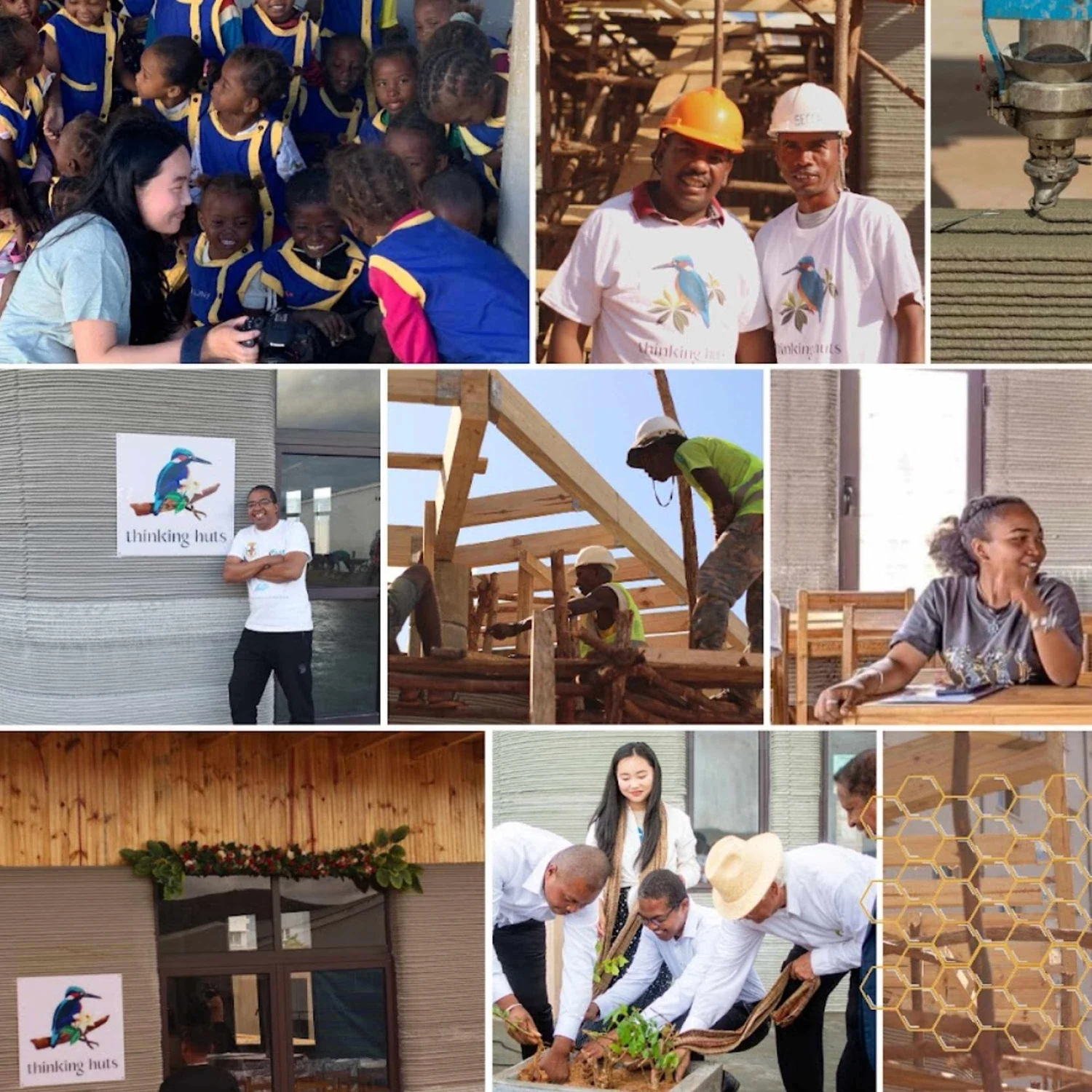
Highlights - MAGGIE GROUT - Founder & CEO of Thinking Huts tackling Global Education Crisis with 3D Printing
“So we use architectural scale 3D printers to construct schools, and it's a hybrid design, so there are 3D printed walls and then locally sourced materials for the rough door windows. And that was an intentional design choice. So we're blending old and new and still being able to train local workers on how they can operate the printer and doing technology transfer that way. In terms of how it works on the ground, we have a combination of teams that come together based around the world, but primarily in Madagascar itself. So we have the local construction workers and engineers, and then the architects, and then of course the technology partner. We're planning and currently in development for the Honeycomb Campus, which will be eight huts on about an acre of land on the west coast of Madagascar. The supply of teachers and the daily operations and management of the school are done by local partners.”Maggie Grout is the founder and CEO of Thinking Huts, an international NGO that increases global access to education with innovative, humanitarian-driven technology solutions. Founded by Maggie 8 years ago, when she was15, Thinking Huts seeks to empower young people, especially girls, to achieve more opportunities by obtaining an education. Grout gave a TEDx talk in 2021 on “how we can tackle the global education crisis with 3D printing.”Grout was born in a rural village in China and adopted at a young age, but where she came from largely shaped her outlook on life and subliminally led her to start Thinking Huts in 2015. Growing up in London and Colorado, Grout was exposed to the melting pot of cultures in British and American society, but she often wondered why so many people were unaware of how others lived an ocean away. She understood what poverty looks like firsthand and how education empowers people to attain greater opportunities.www.thinkinghuts.orgwww.creativeprocess.info www.oneplanetpodcast.org IG www.instagram.com/creativeprocesspodcast
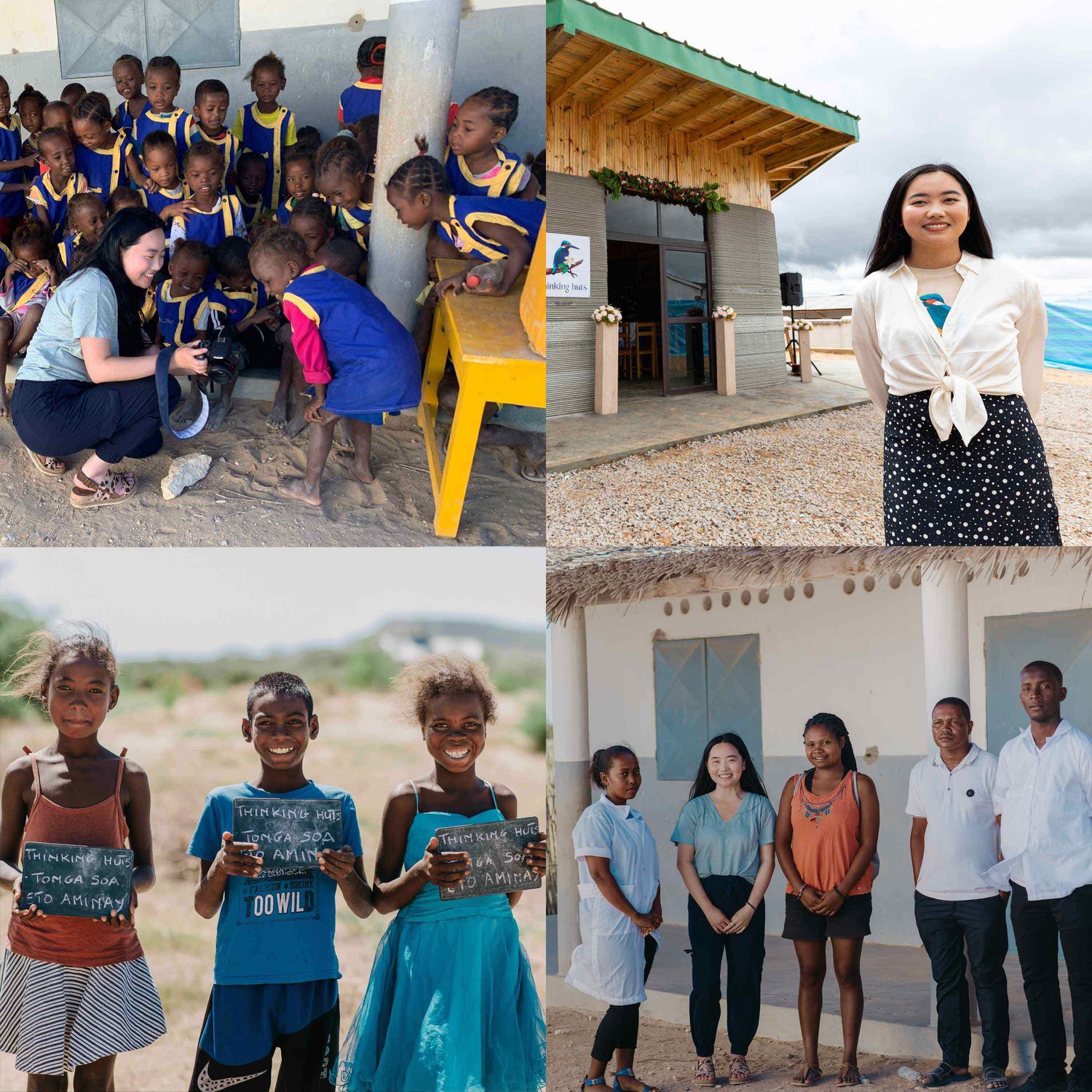
MAGGIE GROUT - Founder & CEO of Thinking Huts tackling Global Education Crisis with 3D Printing
Maggie Grout is the founder and CEO of Thinking Huts, an international NGO that increases global access to education with innovative, humanitarian-driven technology solutions. Founded by Maggie 8 years ago, when she was15, Thinking Huts seeks to empower young people, especially girls, to achieve more opportunities by obtaining an education. Grout gave a TEDx talk in 2021 on “how we can tackle the global education crisis with 3D printing.”Grout was born in a rural village in China and adopted at a young age, but where she came from largely shaped her outlook on life and subliminally led her to start Thinking Huts in 2015. Growing up in London and Colorado, Grout was exposed to the melting pot of cultures in British and American society, but she often wondered why so many people were unaware of how others lived an ocean away. She understood what poverty looks like firsthand and how education empowers people to attain greater opportunities.“So we use architectural scale 3D printers to construct schools, and it's a hybrid design, so there are 3D printed walls and then locally sourced materials for the rough door windows. And that was an intentional design choice. So we're blending old and new and still being able to train local workers on how they can operate the printer and doing technology transfer that way. In terms of how it works on the ground, we have a combination of teams that come together based around the world, but primarily in Madagascar itself. So we have the local construction workers and engineers, and then the architects, and then of course the technology partner. We're planning and currently in development for the Honeycomb Campus, which will be eight huts on about an acre of land on the west coast of Madagascar. The supply of teachers and the daily operations and management of the school are done by local partners.”www.thinkinghuts.orgwww.creativeprocess.info www.oneplanetpodcast.org IG www.instagram.com/creativeprocesspodcast
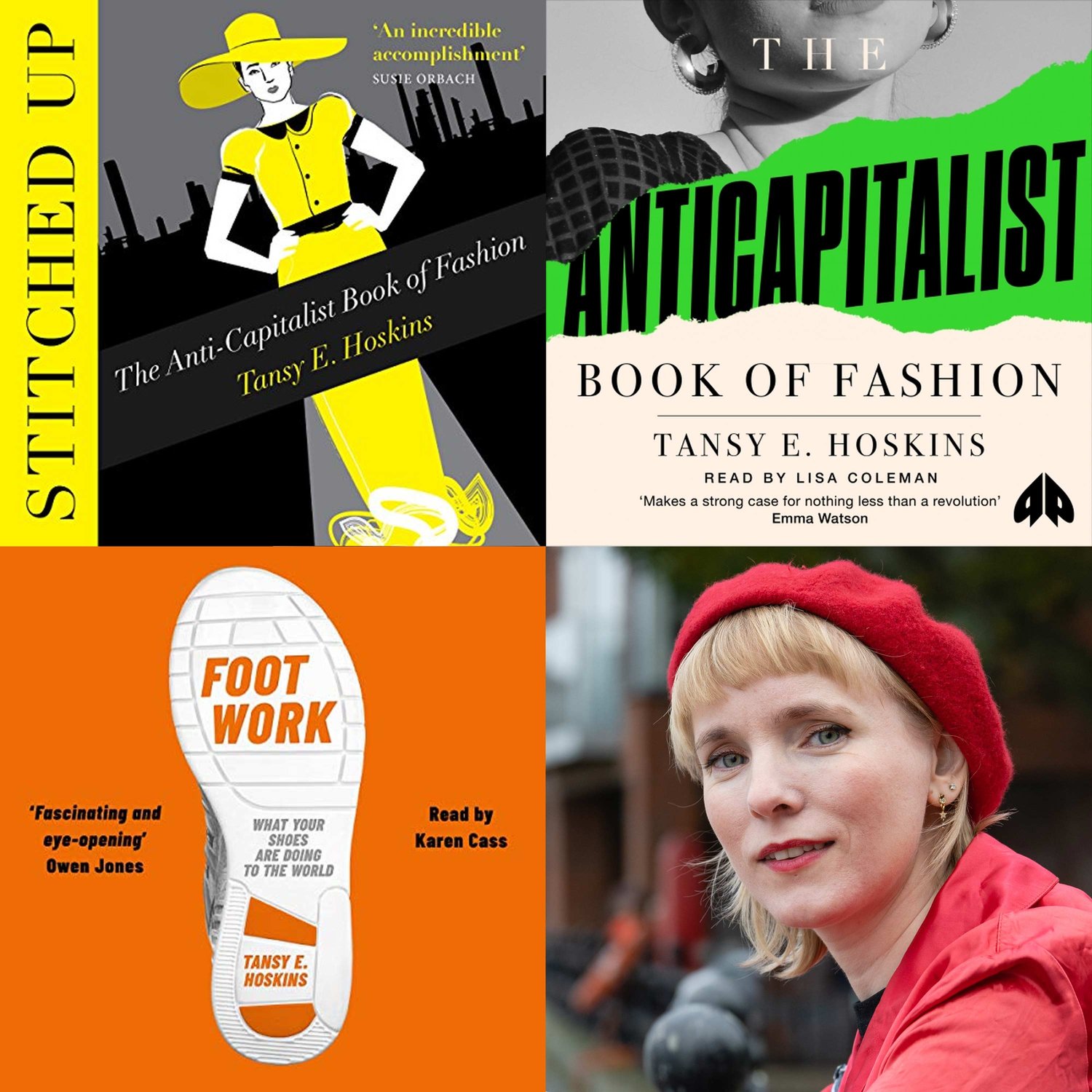
Highlights - TANSY E. HOSKINS - Author of "The Anti-Capitalist Book Of Fashion”, “Foot Work”, “Stitched Up”
“I definitely believe we need a Global Green New Deal which will involve massive structural de-growth of the fashion industry. But as you say, we have to make sure that we don't just repeat the sacrifice zones that we are seeing anyway with climate change, whereby we say to the 4 million garment workers in Bangladesh. ‘Okay. You know, it is been great. You've made several billion bits of clothing, but we are off now and, you know, you have no more jobs and no more no infrastructure.’ So yeah, it has to be a just transition. But I think it's in many ways a bit of an exciting opportunity whereby we could really overturn this global export economy.”Tansy E. Hoskins is an award winning author and journalist who investigates the global fashion industry. She’s the author of The Anti-Capitalist Book Of Fashion, Foot Work, and Stitched Up. This work has taken her to Bangladesh, India, North Macedonia, and to the Topshop warehouses in Solihull.www.plutobooks.com/9780745346618/the-anti-capitalist-book-of-fashion/www.amazon.co.uk/Foot-Work-What-Your-Shoes-Are-Doing-to-the-World-Tansy-Hoskins/dp/1474609856/www.creativeprocess.info www.oneplanetpodcast.org IG www.instagram.com/creativeprocesspodcast

TANSY E. HOSKINS - Author of "The Anti-Capitalist Book Of Fashion” - Freelance Fashion & Beauty Writer Award Winner
Tansy E. Hoskins is an award winning author and journalist who investigates the global fashion industry. She’s the author of The Anti-Capitalist Book Of Fashion, Foot Work, and Stitched Up. This work has taken her to Bangladesh, India, North Macedonia, and to the Topshop warehouses in Solihull.“I definitely believe we need a Global Green New Deal which will involve massive structural de-growth of the fashion industry. But as you say, we have to make sure that we don't just repeat the sacrifice zones that we are seeing anyway with climate change, whereby we say to the 4 million garment workers in Bangladesh. ‘Okay. You know, it is been great. You've made several billion bits of clothing, but we are off now and, you know, you have no more jobs and no more no infrastructure.’ So yeah, it has to be a just transition. But I think it's in many ways a bit of an exciting opportunity whereby we could really overturn this global export economy.”www.plutobooks.com/9780745346618/the-anti-capitalist-book-of-fashion/www.amazon.co.uk/Foot-Work-What-Your-Shoes-Are-Doing-to-the-World-Tansy-Hoskins/dp/1474609856/www.creativeprocess.info www.oneplanetpodcast.org IG www.instagram.com/creativeprocesspodcastPhoto credit: Sarah Van Looy

Highlights - SIR ANDY HAINES - Tyler Prize Award-winner - Fmr. Chair of WHO World Health Report - Chair InterAcademy Partnership
“You know, we have so much knowledge within our grasp. And we have so much technology that we could use. But it isn't just about technology, it's also about values. What kind of values, and what kind of society do we want to live in? What kind of values do we have collectively as a community, and as a society?”Andy Haines was formerly a family doctor and Professor of Primary Health Care at UCL. He developed an interest in climate change and health in the 1990’s and was a member of the Intergovernmental Panel on Climate Change for the 2nd and 3rd assessment exercises and review editor for the health chapter in the 5th assessment. He was Director (formerly Dean) of the London School of Hygiene & Tropical Medicine from 2001- October 2010. He chaired the Scientific Advisory Panel for the 2013 WHO World Health Report, the Rockefeller /Lancet Commission on Planetary Health (2014-15) and the European Academies Science Advisory Council working group on climate change and health (2018-19). He currently co-chairs the InterAcademy Partnership (140 science academies worldwide) working group on climate change and health and is also co-chairing the Lancet Pathfinder Commission on health in the zero-carbon economy. He has published many papers on topics such as the effects of environmental change on health and the health co-benefits of low carbon policies. His current research focuses on climate change mitigation, sustainable healthy food systems and complex urban systems for sustainability. He was awarded the Tyler Prize for Environmental Achievement in 2022.www.lshtm.ac.ukhttps://tylerprize.org www.interacademies.orgwww.creativeprocess.info www.oneplanetpodcast.org IG www.instagram.com/creativeprocesspodcast
SIR ANDY HAINES - Tyler Prize Award-winner for Environmental Achievement - Prof. Env. Change & Public Health
Andy Haines was formerly a family doctor and Professor of Primary Health Care at UCL. He developed an interest in climate change and health in the 1990’s and was a member of the Intergovernmental Panel on Climate Change for the 2nd and 3rd assessment exercises and review editor for the health chapter in the 5th assessment. He was Director (formerly Dean) of the London School of Hygiene & Tropical Medicine from 2001- October 2010. He chaired the Scientific Advisory Panel for the 2013 WHO World Health Report, the Rockefeller /Lancet Commission on Planetary Health (2014-15) and the European Academies Science Advisory Council working group on climate change and health (2018-19). He currently co-chairs the InterAcademy Partnership (140 science academies worldwide) working group on climate change and health and is also co-chairing the Lancet Pathfinder Commission on health in the zero-carbon economy. He has published many papers on topics such as the effects of environmental change on health and the health co-benefits of low carbon policies. His current research focuses on climate change mitigation, sustainable healthy food systems and complex urban systems for sustainability. He was awarded the Tyler Prize for Environmental Achievement in 2022.“You know, we have so much knowledge within our grasp. And we have so much technology that we could use. But it isn't just about technology, it's also about values. What kind of values, and what kind of society do we want to live in? What kind of values do we have collectively as a community, and as a society?”www.lshtm.ac.ukhttps://tylerprize.org www.interacademies.orgwww.creativeprocess.info www.oneplanetpodcast.org IG www.instagram.com/creativeprocesspodcast
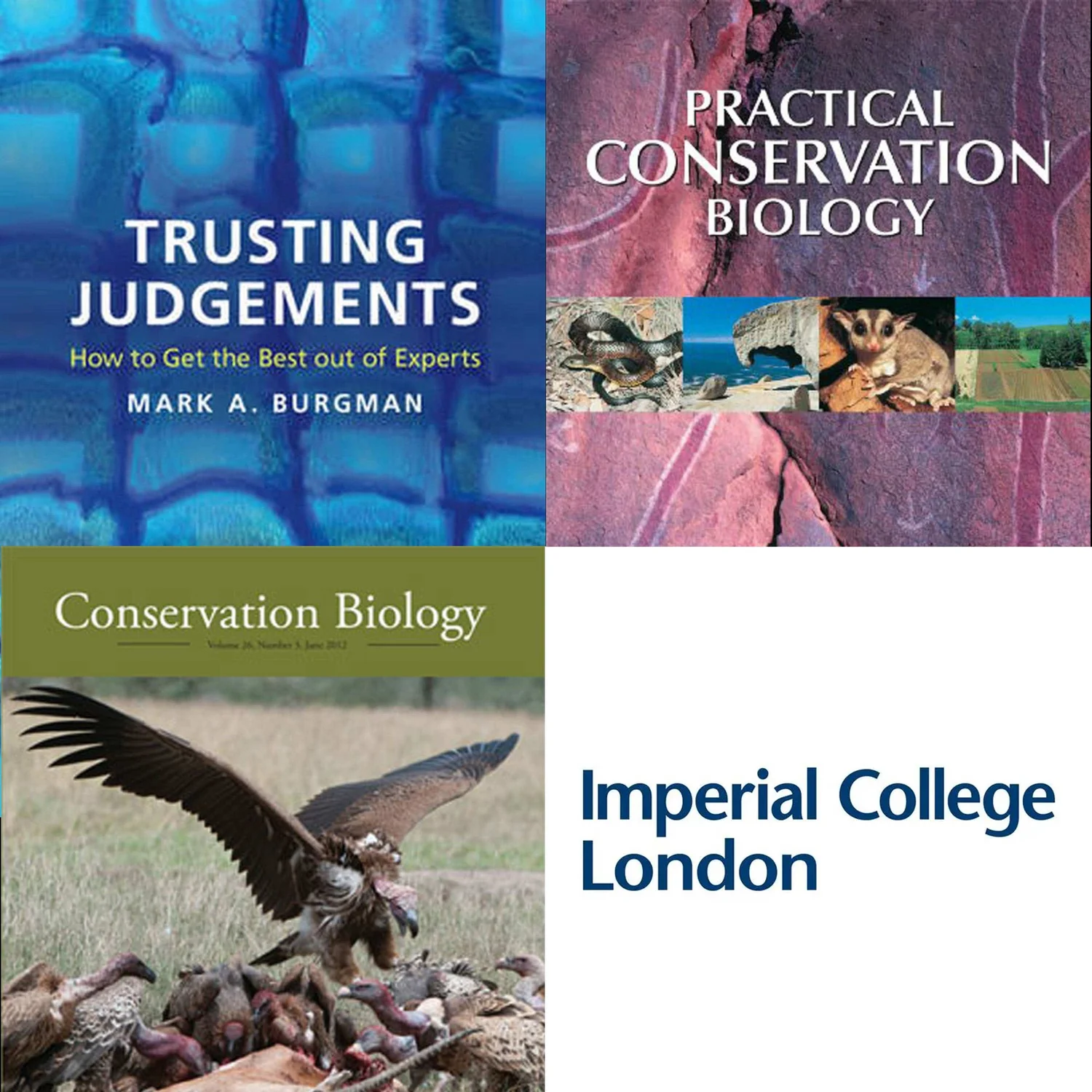
Highlights - MARK BURGMAN - Author of “Trusting Judgments: How to Get the Best Out of Experts”
“I am the editor-in-chief of the Journal of Conservation Biology. It is the original journal for the Society for Conservation Biology, which was established in the United States in the 1980s. And the journal was created to provide a home with substantive scientific advances that form the basis for the underpinnings of action and conservation science. So we try and provide the techniques, the procedures, and the scientific experiments that underpin the actions we take to conserve biodiversity globally. It's been running since June 1985, and I've been the editor for 12 years. We receive between 900 and 1,000 papers a year. We publish about 150 or 200 of those. The topics are tremendously variable. They range from straight ecology through mathematical modeling to the psychology of human behavior and the ethics of trophy hunting, and everything in between. And so, it's a wonderfully diverse and interesting journal to read.”Mark Burgman is Director of the Centre for Environmental Policy at Imperial College London and Editor-in-Chief of the journal Conservation Biology. He is author of Trusting Judgments: How to Get the Best Out of Experts. Previously, he was Adrienne Clarke Chair of Botany at the University of Melbourne, Australia. He works on expert judgement, ecological modelling, conservation biology and risk assessment. He has written models for biosecurity, medicine regulation, marine fisheries, forestry, irrigation, electrical power utilities, mining, and national park planning. He received a BSc from the University of New South Wales, an MSc from Macquarie University, Sydney, and a PhD from the State University of New York at Stony Brook. He worked as a consultant ecologist and research scientist in Australia, the United States and Switzerland during the 1980’s before joining the University of Melbourne in 1990. He joined CEP in February, 2017. He has published over two hundred and fifty refereed papers and book chapters and seven authored books. He was elected to the Australian Academy of Science in 2006.www.imperial.ac.uk/environmental-policy www.conbio.orgwww.creativeprocess.info www.oneplanetpodcast.orgIG www.instagram.com/creativeprocesspodcast
MARK BURGMAN - Director, Centre for Environmental Policy, Imperial College London - Editor-in-Chief, Conservation Biology
Mark Burgman is Director of the Centre for Environmental Policy at Imperial College London and Editor-in-Chief of the journal Conservation Biology. He is author of Trusting Judgments: How to Get the Best Out of Experts. Previously, he was Adrienne Clarke Chair of Botany at the University of Melbourne, Australia. He works on expert judgement, ecological modelling, conservation biology and risk assessment. He has written models for biosecurity, medicine regulation, marine fisheries, forestry, irrigation, electrical power utilities, mining, and national park planning. He received a BSc from the University of New South Wales, an MSc from Macquarie University, Sydney, and a PhD from the State University of New York at Stony Brook. He worked as a consultant ecologist and research scientist in Australia, the United States and Switzerland during the 1980’s before joining the University of Melbourne in 1990. He joined CEP in February, 2017. He has published over two hundred and fifty refereed papers and book chapters and seven authored books. He was elected to the Australian Academy of Science in 2006.“I am the editor-in-chief of the Journal of Conservation Biology. It is the original journal for the Society for Conservation Biology, which was established in the United States in the 1980s. And the journal was created to provide a home with substantive scientific advances that form the basis for the underpinnings of action and conservation science. So we try and provide the techniques, the procedures, and the scientific experiments that underpin the actions we take to conserve biodiversity globally. It's been running since June 1985, and I've been the editor for 12 years. We receive between 900 and 1,000 papers a year. We publish about 150 or 200 of those. The topics are tremendously variable. They range from straight ecology through mathematical modeling to the psychology of human behavior and the ethics of trophy hunting, and everything in between. And so, it's a wonderfully diverse and interesting journal to read.”www.imperial.ac.uk/environmental-policy www.conbio.orgwww.creativeprocess.info www.oneplanetpodcast.orgIG www.instagram.com/creativeprocesspodcast

Highlights - Robert Sternberg - Fmr. President, American Psychological Assoc. - Author of “Adaptive Intelligence”
"Are we looking at intelligence wrong? There are an awful lot of people who have graduated from top schools who become leaders who are worse than incompetent. They make their countries worse rather than better. And the conclusion I came to is that we made a mistake, in that intelligence was originally defined by the founders of the field Alfred Binet, David Wechsler, and others, as the ability to adapt to the environment a requirement. And answering a vocabulary problem for an obscure word is not about adapting to the environment. So I began to wonder where we lost the train of thought. And the conclusion I came to is that colleges just forgot the original message of the founders of the field, and so we got immersed in these numbers that turn out not to mean that much. So I wrote about intelligence as the ability to get along in the world and hopefully make the world a little bit better. And what I argue in the book is that we not only need to develop this kind of intelligence, we need to recognize that it's important, that getting A's in school and top scores on standardized tests, that's not what intelligence is about. So there are people who make serious efforts to make the world better, who fight pollution, who try to be good at what they do, you know, as judges or lawyers or as cleaning people or car mechanics, or doctors, but those aren't the ones you hear about. The ones you hear about are often those who have prestigious degrees and can't seem to do much with them.”Robert J. Sternberg is Professor of Human Development at Cornell University and Honorary Professor of Psychology at the University of Heidelberg, Germany. He is a past winner of the Grawemeyer Award in Psychology, and the William James and James McKeen Cattell Awards of the Association for Psychological Science. Sternberg has served as President of the American Psychological Association, and the Federation of Associations in Behavioral and Brain Sciences. His latest book is Adaptive Intelligence: Surviving and Thriving in Times of Uncertainty.www.robertjsternberg.comwww.cambridge.org/fr/academic/subjects/psychology/cognition/adaptive-intelligence-surviving-and-thriving-times-uncertainty?format=HB&isbn=9781107154384#bookPeoplewww.creativeprocess.info www.oneplanetpodcast.org IG www.instagram.com/creativeprocesspodcast
Robert Sternberg - Award-winning Educator - Author of “Adaptive Intelligence” - Fmr. President, American Psychological Assoc.
Robert J. Sternberg is Professor of Human Development at Cornell University and Honorary Professor of Psychology at the University of Heidelberg, Germany. He is a past winner of the Grawemeyer Award in Psychology, and the William James and James McKeen Cattell Awards of the Association for Psychological Science. Sternberg has served as President of the American Psychological Association, and the Federation of Associations in Behavioral and Brain Sciences. His latest book is Adaptive Intelligence: Surviving and Thriving in Times of Uncertainty."Are we looking at intelligence wrong? There are an awful lot of people who have graduated from top schools who become leaders who are worse than incompetent. They make their countries worse rather than better. And the conclusion I came to is that we made a mistake, in that intelligence was originally defined by the founders of the field Alfred Binet, David Wechsler, and others, as the ability to adapt to the environment a requirement. And answering a vocabulary problem for an obscure word is not about adapting to the environment. So I began to wonder where we lost the train of thought. And the conclusion I came to is that colleges just forgot the original message of the founders of the field, and so we got immersed in these numbers that turn out not to mean that much. So I wrote about intelligence as the ability to get along in the world and hopefully make the world a little bit better. And what I argue in the book is that we not only need to develop this kind of intelligence, we need to recognize that it's important, that getting A's in school and top scores on standardized tests, that's not what intelligence is about. So there are people who make serious efforts to make the world better, who fight pollution, who try to be good at what they do, you know, as judges or lawyers or as cleaning people or car mechanics, or doctors, but those aren't the ones you hear about. The ones you hear about are often those who have prestigious degrees and can't seem to do much with them.”www.robertjsternberg.comwww.cambridge.org/fr/academic/subjects/psychology/cognition/adaptive-intelligence-surviving-and-thriving-times-uncertainty?format=HB&isbn=9781107154384#bookPeoplewww.creativeprocess.info www.oneplanetpodcast.org IG www.instagram.com/creativeprocesspodcast
Highlights - Julio Ottino - Founding Co-Director of Northwestern Institute on Complex Systems
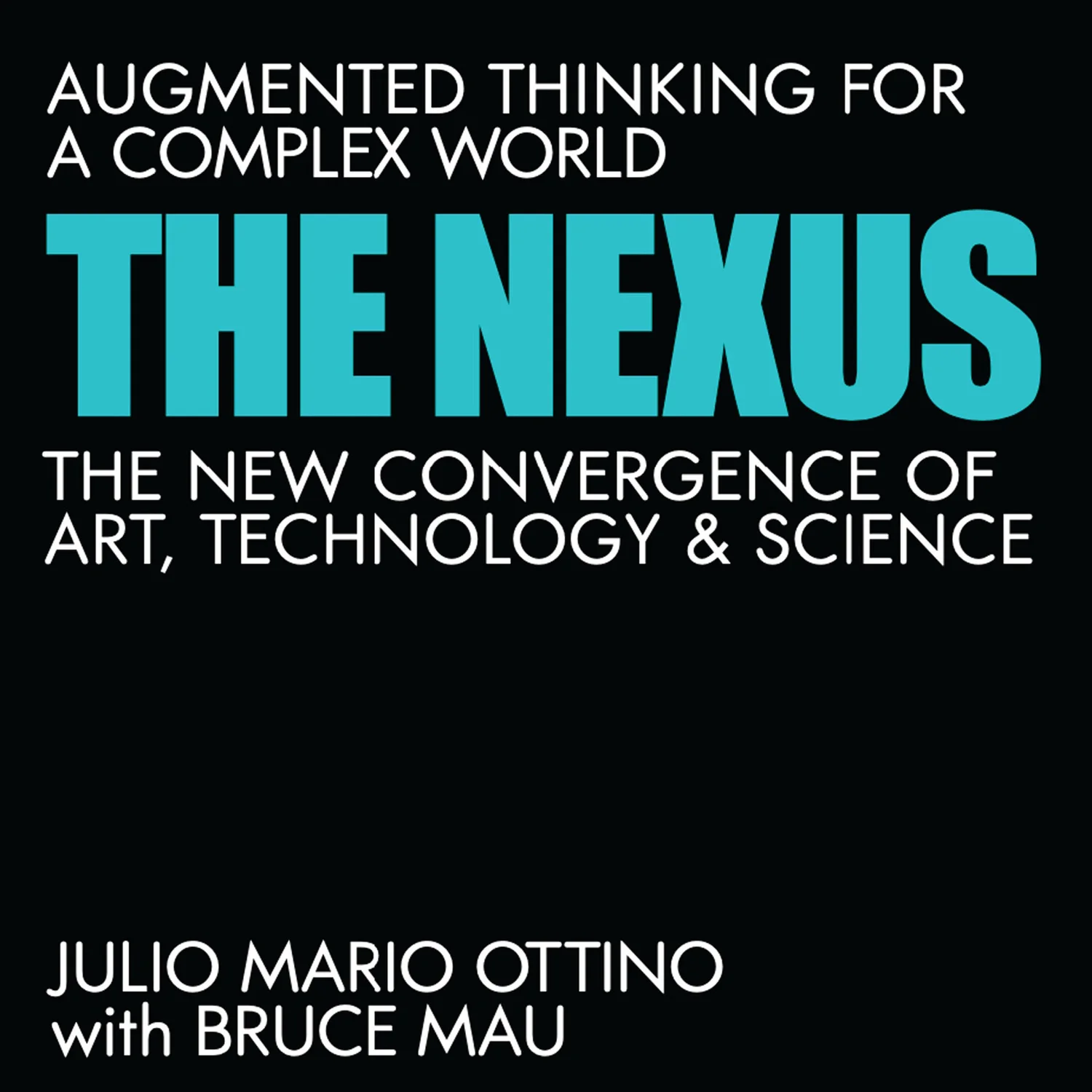
Today's complex problems demand a radically new way of thinking — one in which art, technology, and science converge to expand our creativity and augment our insight. Creativity must be combined with the ability to execute; the leaders and innovators of the future will have to understand this balance and manage such complexities as climate change and pandemics. The place of this convergence is THE NEXUS. In this provocative and visually striking book, Julio Mario Ottino and Bruce Mau offer a guide for navigating the intersections of art, technology, and science.Julio Ottino is an artist, researcher, author, and educator at Northwestern University. He is the author, with Bruce Mau, of The Nexus: Augmented Thinking for a Complex World - The New Convergence of Art, Technology, and Science. He was the founding co-director of the Northwestern Institute on Complex Systems. In 2008, he was listed in the “One Hundred Engineers of the Modern Era”. In 2017, he was awarded the Bernard M. Gordon Prize for Innovation in Engineering and Technology Education from the National Academy of Engineering.www.juliomarioottino.comwww.thenexusbook.comwww.mccormick.northwestern.edu/about/leadership/profiles/ottino-julio.html
Julio Ottino - Author of “The Nexus: Augmented Thinking for a Complex World - The New Convergence of Art, Technology, and Science”
Julio Ottino is an artist, researcher, author, and educator at Northwestern University. He is the author, with Bruce Mau, of The Nexus: Augmented Thinking for a Complex World - The New Convergence of Art, Technology, and Science. He was the founding co-director of the Northwestern Institute on Complex Systems. In 2008, he was listed in the “One Hundred Engineers of the Modern Era”. In 2017, he was awarded the Bernard M. Gordon Prize for Innovation in Engineering and Technology Education from the National Academy of Engineering.Today's complex problems demand a radically new way of thinking — one in which art, technology, and science converge to expand our creativity and augment our insight. Creativity must be combined with the ability to execute; the leaders and innovators of the future will have to understand this balance and manage such complexities as climate change and pandemics. The place of this convergence is THE NEXUS. In this provocative and visually striking book, Julio Mario Ottino and Bruce Mau offer a guide for navigating the intersections of art, technology, and science.www.juliomarioottino.comwww.thenexusbook.comwww.mccormick.northwestern.edu/about/leadership/profiles/ottino-julio.html
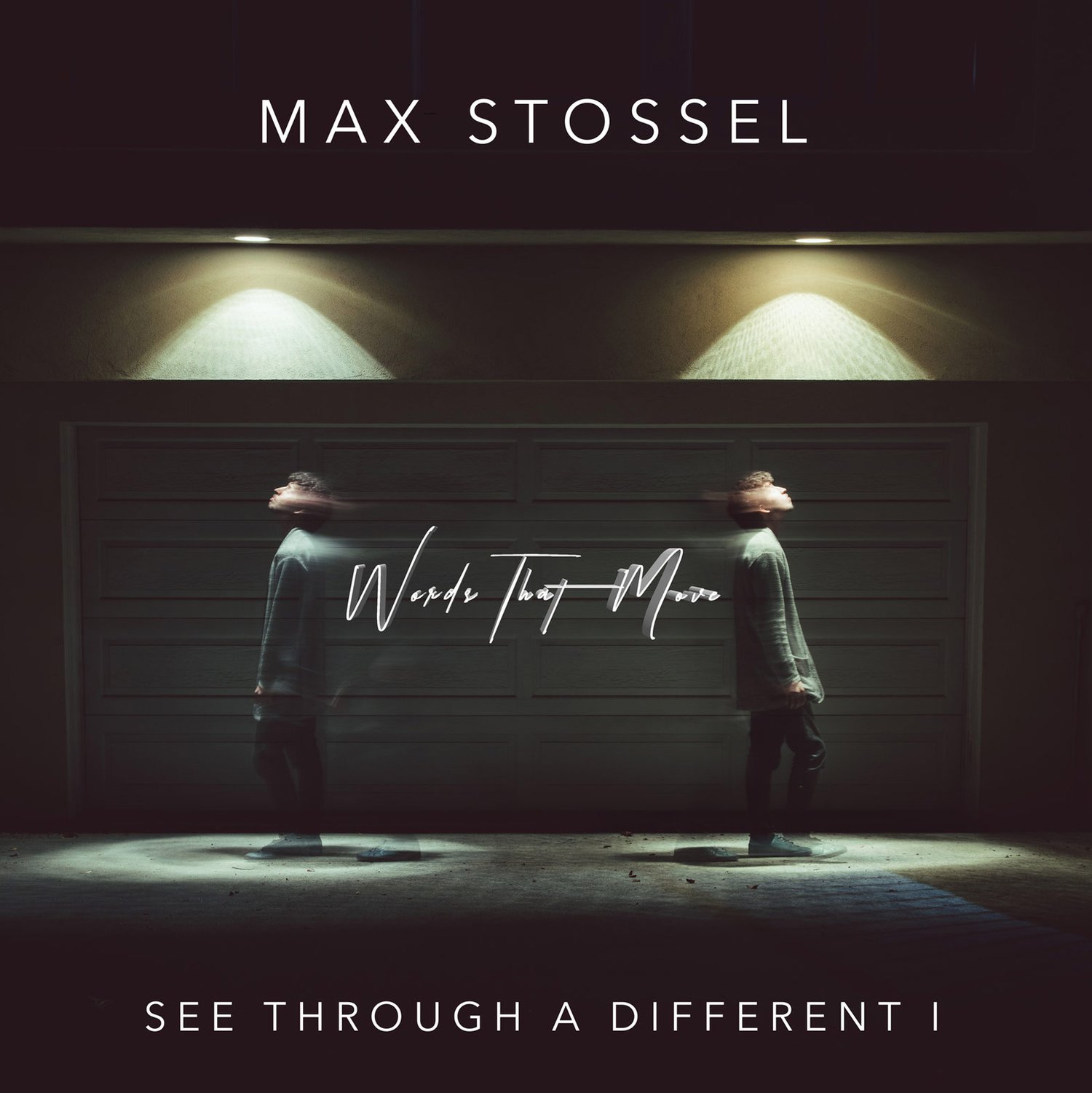
Highlights - Max Stossel - Award-winning Poet, Filmmaker, Creator of "Words That Move"
"Technology has very much changed the way we read and take in information and shortened it into quick bursts and attention spans. We're living in a new world, for sure. And how do we communicate in this new world? Not just in a way that gets the reach, because there are whole industries aimed at what do I do to get the most likes or the most attention, and all of that, which I don't think is very fulfilling as artists.It's sort of a diminishing of our art form to try and play the game because then we're getting the attention and getting the hits, as opposed to what do I really want to create? How do I really want to create it? How do I want to display this? And can I do it in a way that breaks through so that if I do it my way, it's still going to get the attention, great. But if it doesn't, can I be cool with that? And can I be okay creating what I want to create, knowing that that's what it's about. It's about sharing in an honest, authentic way what I want to express without letting the tentacles of social media drip into my brain and take over why I'm literally doing the things that I'm doing."Max Stossel is an Award-winning poet, filmmaker, and speaker, named by Forbes as one of the best storytellers of the year. His Stand-Up Poetry Special Words That Move takes the audience through a variety of different perspectives, inviting us to see the world through different eyes together. Taking on topics like heartbreak, consciousness, social media, politics, the emotional state of our world, and even how dogs probably (most certainly) talk, Max uses rhyme and rhythm to make these topics digestible and playful. Words That Move articulates the deep-seated kernels of truth that we so often struggle to find words for ourselves. Max has performed on five continents, from Lincoln Center in NY to the Hordern Pavilion in Sydney. He is also the Youth & Education Advisor for the Center for Humane Technology, an organization of former tech insiders dedicated to realigning technology with humanity’s best interests.www.wordsthatmove.com/www.instagram.com/maxstossel/www.humanetech.com https://vimeo.com/690354718/54614a2318www.creativeprocess.info www.oneplanetpodcast.org IG www.instagram.com/creativeprocesspodcast

Max Stossel - Award-winning Poet, Filmmaker, Creator of "Words That Move"
Max Stossel is an Award-winning poet, filmmaker, and speaker, named by Forbes as one of the best storytellers of the year. His Stand-Up Poetry Special Words That Move takes the audience through a variety of different perspectives, inviting us to see the world through different eyes together. Taking on topics like heartbreak, consciousness, social media, politics, the emotional state of our world, and even how dogs probably (most certainly) talk, Max uses rhyme and rhythm to make these topics digestible and playful. Words That Move articulates the deep-seated kernels of truth that we so often struggle to find words for ourselves. Max has performed on five continents, from Lincoln Center in NY to the Hordern Pavilion in Sydney. He is also the Youth & Education Advisor for the Center for Humane Technology, an organization of former tech insiders dedicated to realigning technology with humanity’s best interests."Technology has very much changed the way we read and take in information and shortened it into quick bursts and attention spans. We're living in a new world, for sure. And how do we communicate in this new world? Not just in a way that gets the reach, because there are whole industries aimed at what do I do to get the most likes or the most attention, and all of that, which I don't think is very fulfilling as artists.It's sort of a diminishing of our art form to try and play the game because then we're getting the attention and getting the hits, as opposed to what do I really want to create? How do I really want to create it? How do I want to display this? And can I do it in a way that breaks through so that if I do it my way, it's still going to get the attention, great. But if it doesn't, can I be cool with that? And can I be okay creating what I want to create, knowing that that's what it's about. It's about sharing in an honest, authentic way what I want to express without letting the tentacles of social media drip into my brain and take over why I'm literally doing the things that I'm doing."www.wordsthatmove.com/www.instagram.com/maxstossel/www.humanetech.com https://vimeo.com/690354718/54614a2318www.creativeprocess.info www.oneplanetpodcast.org IG www.instagram.com/creativeprocesspodcast
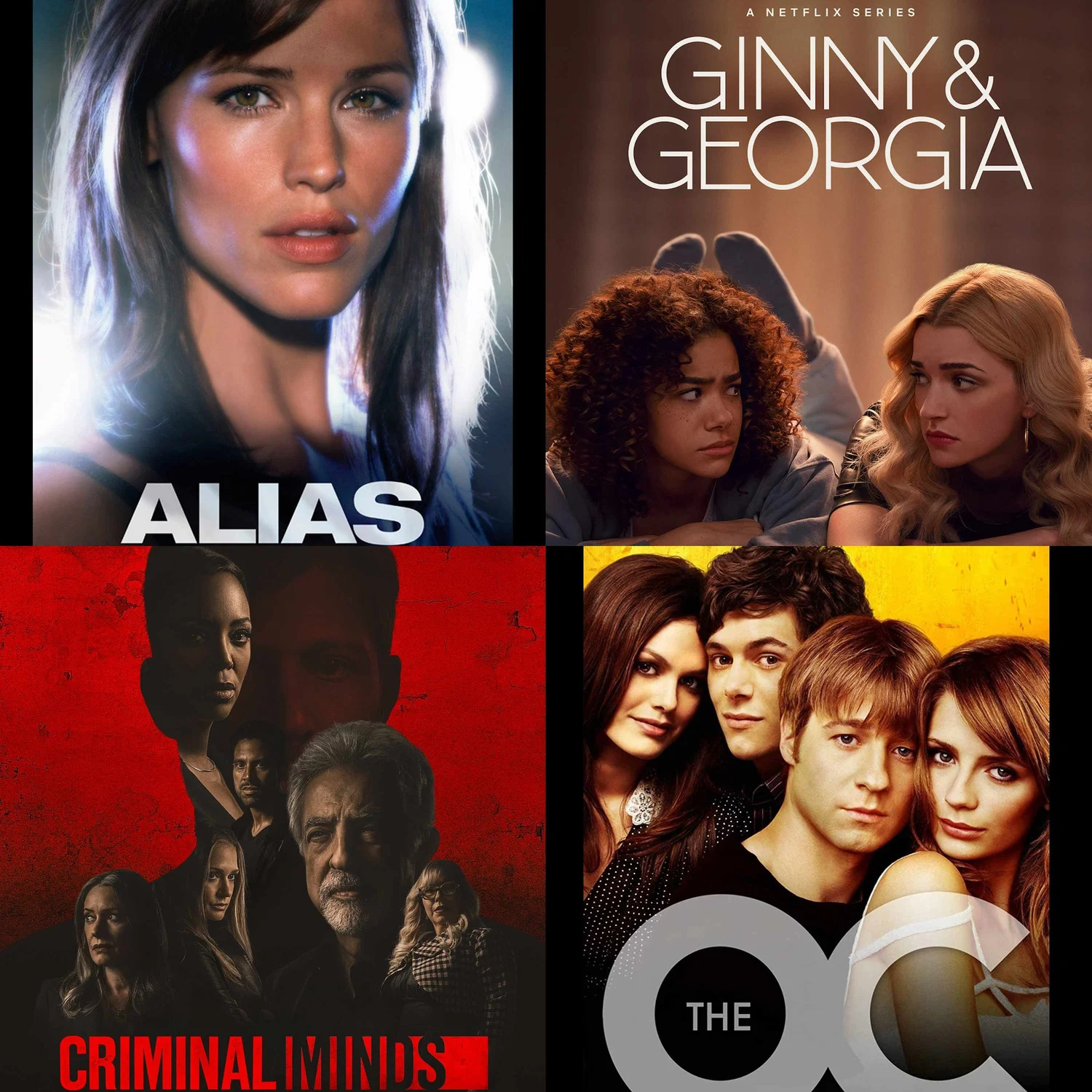
Highlights - Debra Fisher - Showrunner of Netflix’s “Ginny & Georgia” - Writer, Exec. Producer “Criminal Minds” , “Alias”
"I'm so happy that I did not grow up with a phone. I talk about this all the time. I did not have a cellphone growing up. We did not have the internet. I feel for children going through that. I think it's a really challenging time. Technology. I struggle with it now, people having so much access to us. People expecting, because I have a phone right next to me, that I'm going to respond to them.When you're running a TV show, there's a little bit of an unwritten expectation of your availability during off hours and the weekends, and in a workplace, you really need to have your work-life boundaries. We try to be very cognizant of that within the writer's room and not working too late. We worked like 10-to-5 in season two, like maybe 5:30 with an hour-and-a-half lunch break during the Zoom room and COVID because it's just so important to not be staring at these screens all day. And even with the kids, like if someone needed some time off for a doctor's appointment, we try to really honor that and give that to them."Debra J. Fisher is a writer, producer, and director. She currently serves as the showrunner, writer, and executive producer of the Netflix series Ginny & Georgia. Season one of the hit series was watched by over 52 million subscribers in its first month on the platform, gathering a devoted fan base. The highly anticipated second season premiered on January 5th. Ginny & Georgia is Debra’s first time in the showrunner’s seat. Through her long and varied career, she has worked her way up the ladder on numerous beloved TV shows including Alias, The O.C., Charmed, and Criminal Minds, among others. With a wealth of experience from her own professional journey, she works to pay it forward by mentoring the next generation of creatives.www.instagram.com/debrajfisher www.tiktok.com/@debrajfisherwww.netflix.com/tudum/articles/ginny-and-georgia-season-2-release-datewww.creativeprocess.info www.oneplanetpodcast.org IG www.instagram.com/creativeprocesspodcast
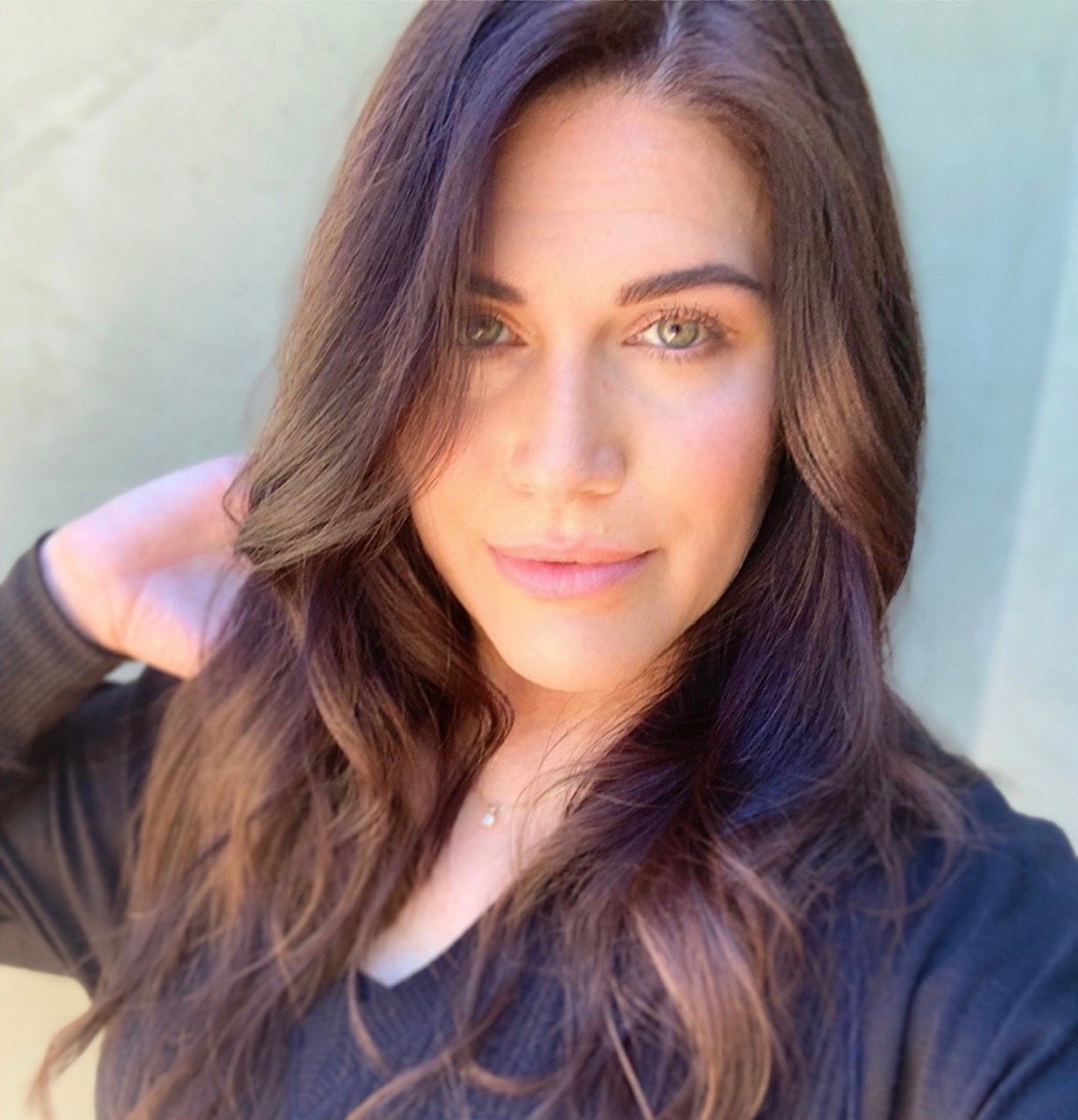
Debra J. Fisher - Showrunner of Netflix’s “Ginny & Georgia” - Writer, Exec. Producer “Criminal Minds” , “Alias”
Debra J. Fisher is a writer, producer, and director. She currently serves as the showrunner, writer, and executive producer of the Netflix series Ginny & Georgia. Season one of the hit series was watched by over 52 million subscribers in its first month on the platform, gathering a devoted fan base. The highly anticipated second season premiered on January 5th. Ginny & Georgia is Debra’s first time in the showrunner’s seat. Through her long and varied career, she has worked her way up the ladder on numerous beloved TV shows including Alias, The O.C., Charmed, and Criminal Minds, among others. With a wealth of experience from her own professional journey, she works to pay it forward by mentoring the next generation of creatives."I'm so happy that I did not grow up with a phone. I talk about this all the time. I did not have a cellphone growing up. We did not have the internet. I feel for children going through that. I think it's a really challenging time. Technology. I struggle with it now, people having so much access to us. People expecting, because I have a phone right next to me, that I'm going to respond to them.When you're running a TV show, there's a little bit of an unwritten expectation of your availability during off hours and the weekends, and in a workplace, you really need to have your work-life boundaries. We try to be very cognizant of that within the writer's room and not working too late. We worked like 10-to-5 in season two, like maybe 5:30 with an hour-and-a-half lunch break during the Zoom room and COVID because it's just so important to not be staring at these screens all day. And even with the kids, like if someone needed some time off for a doctor's appointment, we try to really honor that and give that to them."www.instagram.com/debrajfisher www.tiktok.com/@debrajfisherwww.netflix.com/tudum/articles/ginny-and-georgia-season-2-release-datewww.creativeprocess.info www.oneplanetpodcast.org IG www.instagram.com/creativeprocesspodcast
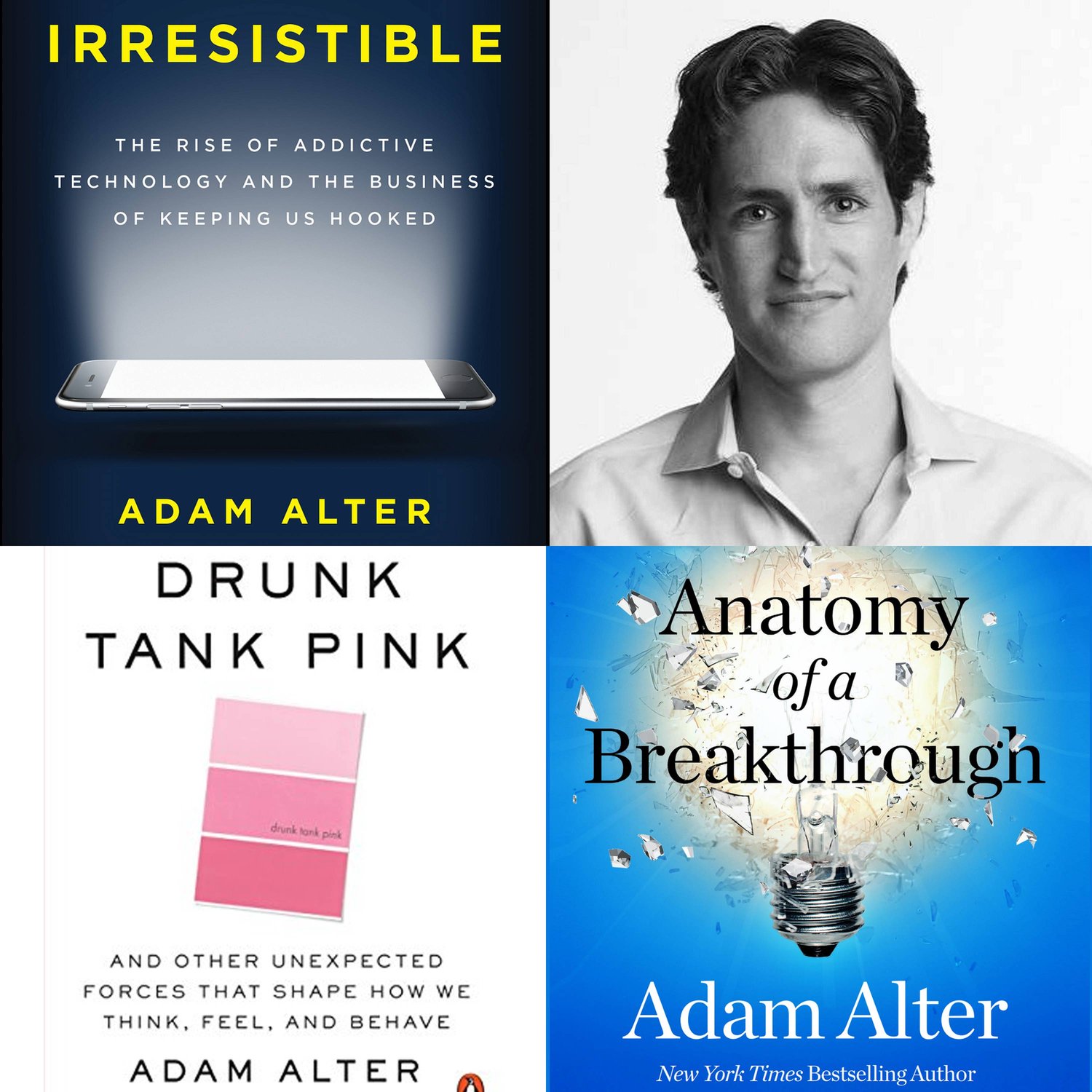
Highlights - Adam Alter - NYTimes Bestselling Author of “Irresistible: The Rise of Addictive Technology”
"So there are different parts of the brain responsible for liking and wanting. So wanting is unbelievably robust in the brain. In other words, the neural connections are very robust, and wanting is what drives most addictive behavior. It's when you really want something, like you want a cigarette, you want alcohol, a drug, whatever it is, that's your poison. And actually, screens for some people as well. The liking part. When you say to people, what does it mean to be addicted to something? A lot of people say it's, 'You really like it so much that you just keep going back to it.'It's actually not about liking. What actually happens is that, in the beginning, liking and wanting go together. So let's pick something like a cigarette. If you start smoking in the beginning, you like the experience of smoking, and you also really want the nicotine. You want the cigarette. They go hand in hand, but eventually what happens is the liking is much more fragile, and it decays. And what's left is the wanting. And often in the absence of liking, it's kind of like a bad relationship. Like if you're in a bad romantic relationship, it starts out being about wanting and liking, but then the liking goes away, and you just kind of want to be with a person, even though you know it's undermining your welfare. That's effectively addiction. The real skill today is figuring out how to create space between you and your tech devices."Adam Alter is a Professor of Marketing at NYU’s Stern School of Business and the Robert Stansky Teaching Excellence Faculty Fellow. Adam is the New York Times bestselling author of Irresistible: The Rise of Addictive Technology and the Business of Keeping Us Hooked, and Drunk Tank Pink, which investigates how hidden forces in the world around us shape our thoughts, feelings, and behaviors. He has written for the New York Times, New Yorker, The Atlantic, Washington Post, and a host of TV, radio, and publications. His next book Anatomy of a Breakthrough will be published in 2023.https://adamalterauthor.com www.penguin.co.uk/books/431386/irresistible-by-adam-alter/9781784701659 www.simonandschuster.com/books/Anatomy-of-a-Breakthrough/Adam-Alter/9781982182960www.stern.nyu.edu/faculty/bio/adam-alterwww.creativeprocess.info www.oneplanetpodcast.org IG www.instagram.com/creativeprocesspodcast

Adam Alter - Author of “Irresistible: The Rise of Addictive Technology”, “Anatomy of a Breakthrough"
Adam Alter is a Professor of Marketing at NYU’s Stern School of Business and the Robert Stansky Teaching Excellence Faculty Fellow. Adam is the New York Times bestselling author of Irresistible: The Rise of Addictive Technology and the Business of Keeping Us Hooked, and Drunk Tank Pink, which investigates how hidden forces in the world around us shape our thoughts, feelings, and behaviors. He has written for the New York Times, New Yorker, The Atlantic, Washington Post, and a host of TV, radio, and publications. His next book Anatomy of a Breakthrough will be published in 2023. "So there are different parts of the brain responsible for liking and wanting. So wanting is unbelievably robust in the brain. In other words, the neural connections are very robust, and wanting is what drives most addictive behavior. It's when you really want something, like you want a cigarette, you want alcohol, a drug, whatever it is, that's your poison. And actually, screens for some people as well. The liking part. When you say to people, what does it mean to be addicted to something? A lot of people say it's, 'You really like it so much that you just keep going back to it.'It's actually not about liking. What actually happens is that, in the beginning, liking and wanting go together. So let's pick something like a cigarette. If you start smoking in the beginning, you like the experience of smoking, and you also really want the nicotine. You want the cigarette. They go hand in hand, but eventually what happens is the liking is much more fragile, and it decays. And what's left is the wanting. And often in the absence of liking, it's kind of like a bad relationship. Like if you're in a bad romantic relationship, it starts out being about wanting and liking, but then the liking goes away, and you just kind of want to be with a person, even though you know it's undermining your welfare. That's effectively addiction. The real skill today is figuring out how to create space between you and your tech devices."https://adamalterauthor.com www.penguin.co.uk/books/431386/irresistible-by-adam-alter/9781784701659 www.simonandschuster.com/books/Anatomy-of-a-Breakthrough/Adam-Alter/9781982182960www.stern.nyu.edu/faculty/bio/adam-alterwww.creativeprocess.info www.oneplanetpodcast.org IG www.instagram.com/creativeprocesspodcast
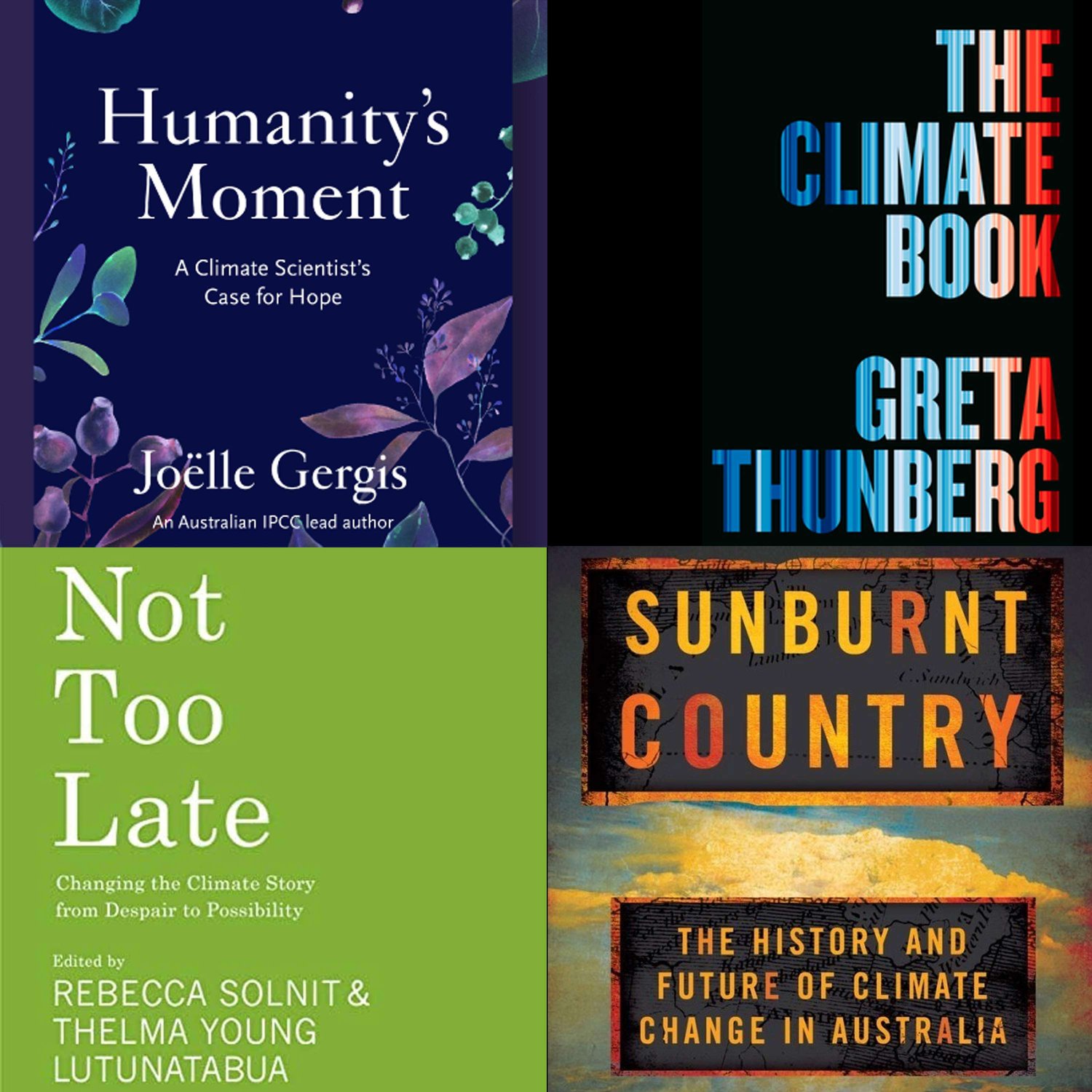
Highlights - Joëlle Gergis - Lead Author - IPCC Sixth Assessment Report - Author of “Humanity’s Moment”
"So right now the world is fueled by the burning of oil, gas, and coal, and a lot of people are making a lot of money out of that. Whereas with things like renewable energy, you can put solar panels on your rooftop, and all of a sudden you're not paying anything in terms of an electricity price. If you happen to live in a sunny country like Australia, you end up getting your electricity for free from the sun, which is extraordinary, but actually renewable energy is the cheapest form of electricity over 60% of the Earth's surface, which again is an amazing thing to think about. And yet we haven't tapped the full potential, less than a third of global energy is generated by things like solar and wind, and other renewable energy sources. So there's a really huge potential, but it is that moment where we can transition into a low-impact, sustainable future.So I see that as a really positive thing, but we're in this moment where we're transitioning from an old technology into a new technology. And if you stop and think about history, where we went from people who used to have a horse and cart, and then they went to automobiles. It's the same sort of thing. We're just advancing our technology. So it's inevitable that it's going to happen. It is happening right now."Dr. Joëlle Gergis is an award-winning climate scientist and writer at the Australian National University. She served as a lead author for the IPCC Sixth Assessment Report and is the author of Humanity’s Moment: A Climate Scientist’s Case for Hope and Sunburnt Country: The History and Future of Climate Change in Australia. Joëlle has also contributed chapters to The Climate Book by Greta Thunberg, and Not Too Late: Changing the Climate Story from Despair to Possibility, edited by Rebecca Solnit and Thelma Young Lutunatabua.http://joellegergis.comhttps://climatehistory.com.auwww.blackincbooks.com.au/authors/jo-lle-gergiswww.creativeprocess.info www.oneplanetpodcast.org IG www.instagram.com/creativeprocesspodcast

Joëlle Gergis - Lead Author - IPCC Sixth Assessment Report - Author of “Humanity’s Moment”
Dr. Joëlle Gergis is an award-winning climate scientist and writer at the Australian National University. She served as a lead author for the IPCC Sixth Assessment Report and is the author of Humanity’s Moment: A Climate Scientist’s Case for Hope and Sunburnt Country: The History and Future of Climate Change in Australia. Joëlle has also contributed chapters to The Climate Book by Greta Thunberg, and Not Too Late: Changing the Climate Story from Despair to Possibility, edited by Rebecca Solnit and Thelma Young Lutunatabua."So right now the world is fueled by the burning of oil, gas, and coal, and a lot of people are making a lot of money out of that. Whereas with things like renewable energy, you can put solar panels on your rooftop, and all of a sudden you're not paying anything in terms of an electricity price. If you happen to live in a sunny country like Australia, you end up getting your electricity for free from the sun, which is extraordinary, but actually renewable energy is the cheapest form of electricity over 60% of the Earth's surface, which again is an amazing thing to think about. And yet we haven't tapped the full potential, less than a third of global energy is generated by things like solar and wind, and other renewable energy sources. So there's a really huge potential, but it is that moment where we can transition into a low-impact, sustainable future.So I see that as a really positive thing, but we're in this moment where we're transitioning from an old technology into a new technology. And if you stop and think about history, where we went from people who used to have a horse and cart, and then they went to automobiles. It's the same sort of thing. We're just advancing our technology. So it's inevitable that it's going to happen. It is happening right now."http://joellegergis.comhttps://climatehistory.com.auwww.blackincbooks.com.au/authors/jo-lle-gergiswww.creativeprocess.info www.oneplanetpodcast.org IG www.instagram.com/creativeprocesspodcast
Highlights - Nina Hall - Author of “Transnational Advocacy in the Digital Era”
“So one of the main arguments in the book is that digital technology is important to how organizations campaign, and it's not a matter of campaigning online or offline, right? Often people hear the title of my book and they go, ‘Oh, it's all just slacktivism.’ You know, whatever you do online is slacktivism. Luckily the academic debates move past that because most advocacy groups operate both online and offline. What I argue instead is that digital technology has enabled groups to be rapid response, like you said, extremely member-driven so they can listen to their members and do something called analytic activism (that's a term coined by David Karpf) and be multi-issue generalists. The ways that works is much more than meets the eye. So when you're rapid response, that means a news story can come on one hour and two hours later a campaign can be started by the organizations. So it could be related to refugee issues. In 2015, when there was increasing concern about what was happening on Europe's borders with refugees and asylum seekers, some of these groups that had no expertise in refugee rights switched very rapidly when they saw public opinion changing."Nina Hall is an Assistant Professor in International Relations at Johns Hopkins School of Advanced International Studies (Europe). She previously worked as a Lecturer at the Hertie School of Governance, where she published her first book Displacement, Development, and Climate Change: International Organizations Moving Beyond their Mandates? Her latest book is Transnational Advocacy in the Digital Era: Think Global, Act Local. She holds a DPhil in International Relations from the University of Oxford and is the co-founder of an independent and progressive think tank, New Zealand Alternative. She has been a Senior Fellow at the Weizenbaum Institute (the German Internet Institute) and a Faculty Affiliate at the SNF Agora Institute, Johns Hopkins University.https://ninahall.net https://global.oup.com/academic/product/transnational-advocacy-in-the-digital-era-9780198858744?cc=fr&lang=en& https://sais.jhu.edu/users/nhall20 www.oneplanetpodcast.org www.creativeprocess.info Instagram @creativeprocesspodcast
Nina Hall - Author of “Transnational Advocacy in the Digital Era: Think Global, Act Local”
Nina Hall is an Assistant Professor in International Relations at Johns Hopkins School of Advanced International Studies (Europe). She previously worked as a Lecturer at the Hertie School of Governance, where she published her first book Displacement, Development, and Climate Change: International Organizations Moving Beyond their Mandates? Her latest book is Transnational Advocacy in the Digital Era: Think Global, Act Local. She holds a DPhil in International Relations from the University of Oxford and is the co-founder of an independent and progressive think tank, New Zealand Alternative. She has been a Senior Fellow at the Weizenbaum Institute (the German Internet Institute) and a Faculty Affiliate at the SNF Agora Institute, Johns Hopkins University.“So one of the main arguments in the book is that digital technology is important to how organizations campaign, and it's not a matter of campaigning online or offline, right? Often people hear the title of my book and they go, ‘Oh, it's all just slacktivism.’ You know, whatever you do online is slacktivism. Luckily the academic debates move past that because most advocacy groups operate both online and offline. What I argue instead is that digital technology has enabled groups to be rapid response, like you said, extremely member-driven so they can listen to their members and do something called analytic activism (that's a term coined by David Karpf) and be multi-issue generalists. The ways that works is much more than meets the eye. So when you're rapid response, that means a news story can come on one hour and two hours later a campaign can be started by the organizations. So it could be related to refugee issues. In 2015, when there was increasing concern about what was happening on Europe's borders with refugees and asylum seekers, some of these groups that had no expertise in refugee rights switched very rapidly when they saw public opinion changing."https://ninahall.net https://global.oup.com/academic/product/transnational-advocacy-in-the-digital-era-9780198858744?cc=fr&lang=en& https://sais.jhu.edu/users/nhall20 www.oneplanetpodcast.org www.creativeprocess.info Instagram @creativeprocesspodcast
Highlights - Alberto Savoia - Google’s 1st Engineering Director - Author of “The Right It”
“So, as much as I would love to take the credit, Google Ads was a big team, and I was fortunate to be brought in as a director that managed the team. And I would also like to say the idea of attaching ads to searches, anybody could have had it. In fact, it was the most obvious thing. Just like on television, if you watch a car race, then it makes sense to have ads about cars. So I think the reason it was so successful is because innovations and new ideas, they compound. They build one upon the other. So the reason why ads was so successful for Google is because search was so successful for Google. So when you have search and you have billions of people coming in every day, maybe every hour, and searching all kinds of things, you have this treasure trove of data. And more importantly, guess what? If you have billion searches per day, you know how many experiments can you run? Countless, right? And so Google is very famous for doing a lot of A/B experiments. That's how we collect the data. You think, if we make the ads, let's say short and long, they will be more effective than if we make them, tall and long.Well, how do we know which one will work better? You can do a lot of experiments. So what actually enabled Google to be so successful and to grow is this mental attitude, which by the way, is the same one that Amazon and some of these really successful technology companies have, of doing a lot of experiments on small samples and continually refining their data based on that.If you're dealing with a lot of people, you can do those experiments and that's why these companies are successful. The sad thing or what happens with companies that do not operate in that way, that do not try to operate on data and do all of those experiments, those are the ones that are left behind. Innovation is experimentation."Alberto Savoia was Google’s first engineering director and is currently Innovation Agitator Emeritus, where, among other things, he led the development and launch of the original Google AdWords. He is the author of The Right It: Why So Many Ideas Fail and How to Make Sure Yours Succeed, a book that provides critical advice for rethinking how we launch a new idea, product, or business, and gives insights to help successfully beat the law of market failure: that most new products will fail, even if competently executed.He is a successful serial entrepreneur, angel-investor and an expert practitioner in pretotyping and lean innovation. He is based in Silicon Valley where he teaches his uniquely effective approach to innovation at Google, Stanford. He has also taught and coached many Fortune 500 companies, including Nike, McDonald’s, and Walmart, as well as the US Army.www.albertosavoia.com https://harperone.com/9780062884671/the-right-itwww.creativeprocess.info www.oneplanetpodcast.orgInstagram @creativeprocesspodcast
Alberto Savoia - Google’s 1st Engineering Director - Author of “The Right It”
Alberto Savoia was Google’s first engineering director and is currently Innovation Agitator Emeritus, where, among other things, he led the development and launch of the original Google AdWords. He is the author of The Right It: Why So Many Ideas Fail and How to Make Sure Yours Succeed, a book that provides critical advice for rethinking how we launch a new idea, product, or business, and gives insights to help successfully beat the law of market failure: that most new products will fail, even if competently executed.He is a successful serial entrepreneur, angel-investor and an expert practitioner in pretotyping and lean innovation. He is based in Silicon Valley where he teaches his uniquely effective approach to innovation at Google, Stanford. He has also taught and coached many Fortune 500 companies, including Nike, McDonald’s, and Walmart, as well as the US Army.“So, as much as I would love to take the credit, Google Ads was a big team, and I was fortunate to be brought in as a director that managed the team. And I would also like to say the idea of attaching ads to searches, anybody could have had it. In fact, it was the most obvious thing. Just like on television, if you watch a car race, then it makes sense to have ads about cars. So I think the reason it was so successful is because innovations and new ideas, they compound. They build one upon the other. So the reason why ads was so successful for Google is because search was so successful for Google. So when you have search and you have billions of people coming in every day, maybe every hour, and searching all kinds of things, you have this treasure trove of data. And more importantly, guess what? If you have billion searches per day, you know how many experiments can you run? Countless, right? And so Google is very famous for doing a lot of A/B experiments. That's how we collect the data. You think, if we make the ads, let's say short and long, they will be more effective than if we make them, tall and long.Well, how do we know which one will work better? You can do a lot of experiments. So what actually enabled Google to be so successful and to grow is this mental attitude, which by the way, is the same one that Amazon and some of these really successful technology companies have, of doing a lot of experiments on small samples and continually refining their data based on that.If you're dealing with a lot of people, you can do those experiments and that's why these companies are successful. The sad thing or what happens with companies that do not operate in that way, that do not try to operate on data and do all of those experiments, those are the ones that are left behind. Innovation is experimentation."www.albertosavoia.com https://harperone.com/9780062884671/the-right-itwww.creativeprocess.info www.oneplanetpodcast.orgInstagram @creativeprocesspodcast
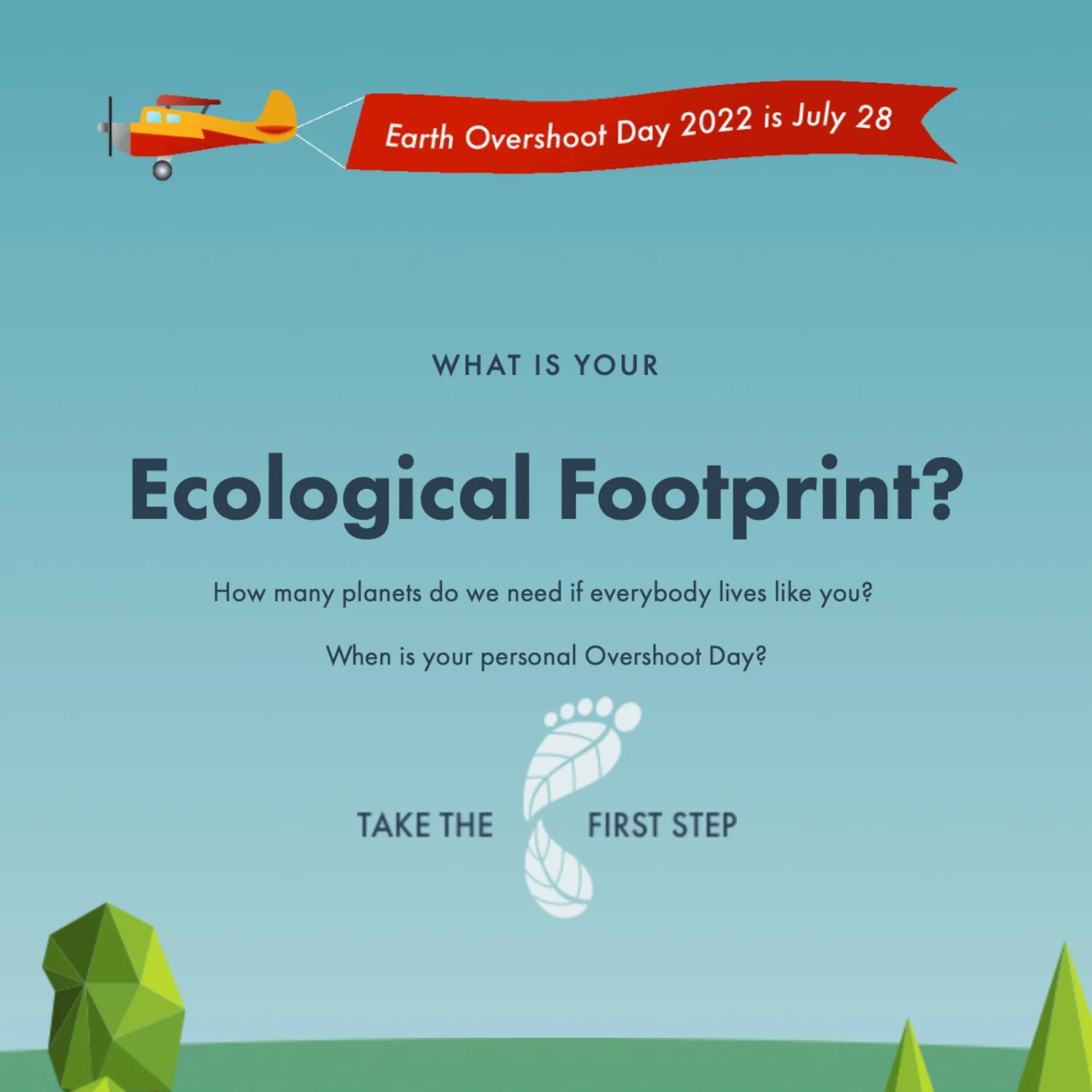
Highlights - Mathis Wackernagel - Founder, Pres., Global Footprint Network - World Sustainability Award Winner
"So shooting for one planet just means you would be totally dominant, and leave no space for other species. Ecologists say to maintain 85% of preindustrial biodiversity, it would take about at least half the planet left on its own. That would mean getting to half-planet. And now we use at least 1.75. I say at least because our assessments with about 15,000 data points per country in a year are based on UN statistics, and their demand side is probably an underestimate because not all demands are included. And also on the supply side or the regeneration side, the UN is very production oriented, so it's the FAO numbers, for example, look at agricultural production, and the depletion side or the destruction side is not factored in adequately.So that's why it's an underestimate. And still, it shows we use about 1.75 Earths, and that's more than three times half an Earth. So that's kind of the difference. But we also know overshoot will end one way or another. The question is do we choose to end it? Do we choose it by design, or do we let nature take the lead and end overshoot by disaster? So it's really ending overshoot by design or disaster. That's the big choice we need to make.”Mathis Wackernagel is Co-founder and President of Global Footprint Network. He created the Ecological Footprint with Professor William Rees at the University of British Columbia as part of his Ph.D. in community and regional planning. Mathis also earned a mechanical engineering degree from the Swiss Federal Institute of Technology. Mathis has worked on sustainability with governments, corporations and international NGOs on six continents and has lectured at more than 100 universities. Mathis has authored and contributed to more than 100 peer-reviewed papers, numerous articles, reports and various books on sustainability that focus on embracing resource limits and developing metrics for sustainability. Mathis’ awards include the 2018 World Sustainability Award, the 2015 IAIA Global Environment Award, being a 2014 ISSP Sustainability Hall of Fame Inductee, the 2013 Prix Nature Swisscanto, 2012 Blue Planet Prize, 2012 Binding Prize for Nature Conservation, the 2012 Kenneth E. Boulding Memorial Award of the International Society for Ecological Economics, the 2011 Zayed International Prize for the Environment (jointly awarded with UNEP). He was also selected as number 19 on the en(rich) list identifying the 100 top inspirational individuals whose contributions enrich paths to sustainable futures.www.footprintnetwork.orgwww.footprintnetwork.org/toolswww.overshootday.org/power-of-possibility/www.creativeprocess.infowww.oneplanetpodcast.orgInstagram @creativeprocesspodcast
Mathis Wackernagel - Founder, President, Global Footprint Network - World Sustainability Award Winner
Mathis Wackernagel is Co-founder and President of Global Footprint Network. He created the Ecological Footprint with Professor William Rees at the University of British Columbia as part of his Ph.D. in community and regional planning. Mathis also earned a mechanical engineering degree from the Swiss Federal Institute of Technology. Mathis has worked on sustainability with governments, corporations and international NGOs on six continents and has lectured at more than 100 universities. Mathis has authored and contributed to more than 100 peer-reviewed papers, numerous articles, reports and various books on sustainability that focus on embracing resource limits and developing metrics for sustainability. Mathis’ awards include the 2018 World Sustainability Award, the 2015 IAIA Global Environment Award, being a 2014 ISSP Sustainability Hall of Fame Inductee, the 2013 Prix Nature Swisscanto, 2012 Blue Planet Prize, 2012 Binding Prize for Nature Conservation, the 2012 Kenneth E. Boulding Memorial Award of the International Society for Ecological Economics, the 2011 Zayed International Prize for the Environment (jointly awarded with UNEP). He was also selected as number 19 on the en(rich) list identifying the 100 top inspirational individuals whose contributions enrich paths to sustainable futures."So shooting for one planet just means you would be totally dominant, and leave no space for other species. Ecologists say to maintain 85% of preindustrial biodiversity, it would take about at least half the planet left on its own. That would mean getting to half-planet. And now we use at least 1.75. I say at least because our assessments with about 15,000 data points per country in a year are based on UN statistics, and their demand side is probably an underestimate because not all demands are included. And also on the supply side or the regeneration side, the UN is very production oriented, so it's the FAO numbers, for example, look at agricultural production, and the depletion side or the destruction side is not factored in adequately.So that's why it's an underestimate. And still, it shows we use about 1.75 Earths, and that's more than three times half an Earth. So that's kind of the difference. But we also know overshoot will end one way or another. The question is do we choose to end it? Do we choose it by design, or do we let nature take the lead and end overshoot by disaster? So it's really ending overshoot by design or disaster. That's the big choice we need to make.”www.footprintnetwork.orgwww.footprintnetwork.org/toolswww.overshootday.org/power-of-possibility/www.creativeprocess.infowww.oneplanetpodcast.orgInstagram @creativeprocesspodcast
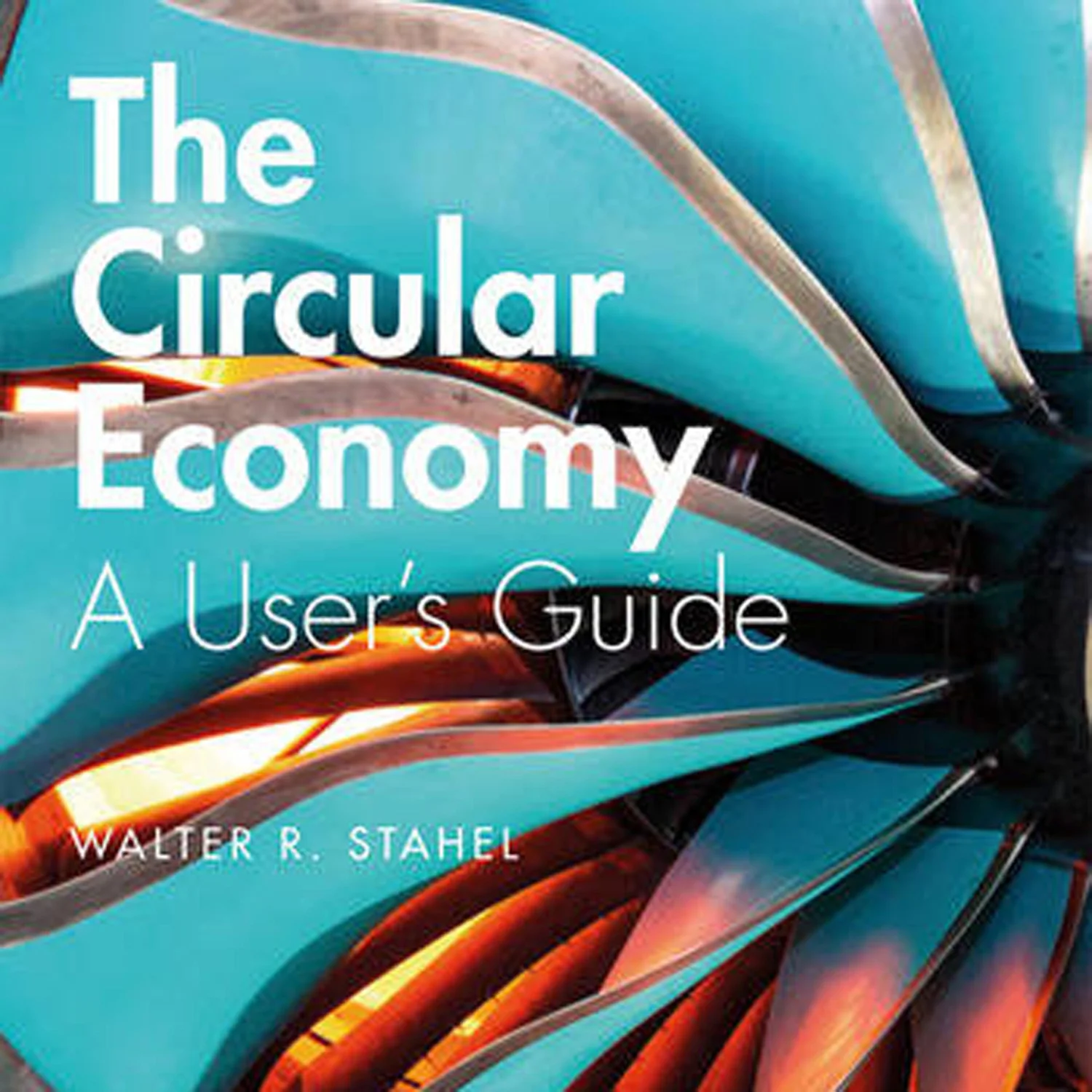
Highlights - Walter Stahel - Architect, Founding Father of Circular Economy - Founder-Director, Product-Life Institute
"We have to solve three problems. We have to create a low-waste society through incentives to change individual behavior from consumer to user through loss and waste prevention, and intelligent resource management. We also have to create a low-carbon society by preserving the water, electricity, and CO2 emissions embodied in physical assets or through innovation in green electricity and circular energy. And the third challenge, which is probably the biggest, we have to create a low anthropogenic mass society by preserving these existing stocks of infrastructure, buildings, equipment, vehicles, and objects. The only strategy I know that can fulfill these three challenges is a circular industrial economy.Now the last point, low anthropogenic mass society is simply because some years ago, the rapidly growing anthropogenic mass has become bigger than the world's biomass. And that of course means we are destroying the biomass because we have a limited planet, and we are destroying biodiversity and replacing it with synthetic manmade materials and objects. And this in the long term means we are killing ourselves, so we have to stop producing anthropogenic mass, except in countries that don't yet have sufficient infrastructures for education, health, living, and sufficient food to feed the population."Walter R. Stahel is the Founder-Director of the Product-Life Institute (Switzerland), the oldest established consultancy in Europe devoted to developing sustainable strategies and policies. He is Senior Research Fellow at the Circular Economy Research Centre, Ecole des Ponts Business School and Visiting Professor in the Department of Engineering and Physical Sciences, University of Surrey. He is also a full member of the Club of Rome. He was awarded degrees of Doctor honoris causa by the University of Surrey, l’Université de Montréal, and the 2020 Thornton Medal of the Institute of Materials, Minerals and Mining. He is the author of The Circular Economy: A User’s Guide.www.product-life.orgwww.routledge.com/The-Circular-Economy-A-Users-Guide/Stahel/p/book/9780367200176www.oneplanetpodcast.orgwww.creativeprocess.info Instagram @creativeprocesspodcast

Walter Stahel - Architect, Economist, Founding Father of Circular Economy - Founder-Director, Product-Life Institute
Walter R. Stahel is the Founder-Director of the Product-Life Institute (Switzerland), the oldest established consultancy in Europe devoted to developing sustainable strategies and policies. He is Senior Research Fellow at the Circular Economy Research Centre, Ecole des Ponts Business School and Visiting Professor in the Department of Engineering and Physical Sciences, University of Surrey. He is also a full member of the Club of Rome. He was awarded degrees of Doctor honoris causa by the University of Surrey, l’Université de Montréal, and the 2020 Thornton Medal of the Institute of Materials, Minerals and Mining. He is the author of The Circular Economy: A User’s Guide."We have to solve three problems. We have to create a low-waste society through incentives to change individual behavior from consumer to user through loss and waste prevention, and intelligent resource management. We also have to create a low-carbon society by preserving the water, electricity, and CO2 emissions embodied in physical assets or through innovation in green electricity and circular energy. And the third challenge, which is probably the biggest, we have to create a low anthropogenic mass society by preserving these existing stocks of infrastructure, buildings, equipment, vehicles, and objects. The only strategy I know that can fulfill these three challenges is a circular industrial economy.Now the last point, low anthropogenic mass society is simply because some years ago, the rapidly growing anthropogenic mass has become bigger than the world's biomass. And that of course means we are destroying the biomass because we have a limited planet, and we are destroying biodiversity and replacing it with synthetic manmade materials and objects. And this in the long term means we are killing ourselves, so we have to stop producing anthropogenic mass, except in countries that don't yet have sufficient infrastructures for education, health, living, and sufficient food to feed the population."www.product-life.orgwww.routledge.com/The-Circular-Economy-A-Users-Guide/Stahel/p/book/9780367200176www.oneplanetpodcast.orgwww.creativeprocess.info Instagram @creativeprocesspodcast