
Tech, Innovation & Society - The Creative Process: Technology, AI, Software, Future, Economy, Science, Engineering & Robotics Interviews
308 episodes — Page 4 of 7

TIOKASIN GHOSTHORSE - Founder/Host of First Voices Radio - Founder of Akantu Intelligence
How can we learn to speak the language of the Earth and cultivate our intuitive intelligence?Tiokasin Ghosthorse is a member of the Cheyenne River Lakota Nation of South Dakota and has a long history with Indigenous activism and advocacy. Tiokasin is the Founder, Host and Executive Producer of “First Voices Radio” (formerly “First Voices Indigenous Radio”) for the last 31 years in New York City and Seattle/Olympia, Washington. In 2016, he received a Nomination for the Nobel Peace Prize from the International Institute of Peace Studies and Global Philosophy. Other recent recognitions include: Native Arts and Cultures Foundation National Fellowship in Music (2016), National Endowment for the Arts National Heritage Fellowship Nominee (2017), Indigenous Music Award Nominee for Best Instrumental Album (2019) and National Native American Hall of Fame Nominee (2018, 2019). He also was recently nominated for “Nominee for the 2020 Americans for the Arts Johnson Fellowship for Artists Transforming Communities”. He is the Founder of Akantu Intelligence."So we get to a certain stage in Western society, I'd never call it a culture, but a society trying to figure out its birth and how to become mature. Whatever it's doing it has slowed down natural relationships. It took us out of the land, put us into factories, put us into institutions where you can learn a trade. It kept giving you jobs that had nothing to do with Earth. And so if you're living, you're working in this box called a factory, and the farmers out there are becoming less and less. Even the farming, the ideas of farming are foreign. And I think that when the technical language came out, we dropped another natural umbilical cord to and with Earth. And so we severed that relationship. So you can see this gradual severing of relationships to Earth with Earth, that now we have to have retreats to learn empathy again. We do all these Westernized versions of piecing ourselves back together and as Indigenous folks where we're getting that way now, but a lot of traditional people don't need that. We don't need environmental movements. You know, Wild Earth is a foreign concept. There are a lot of words that organizations use to rationalize why we need to teach how to be human beings. So you see technology, the Industrial Machine Age taught us this language of disconnection, taught us things like plug-in, get connected. You know, all these words that came along to fill that information that could be controlled by authority now in the Western process. John Gatto, who won the New York State Teacher of the Year award in 2008, upon his retirement, specifically said, 'It takes 12 years to learn how to become reflexive to authority.' And who is the authority? Who is controlling information? Who's controlling education? Who's controlling knowledge? And now they want to control Wisdom, and all wisdom means is common sense.”https://firstvoicesindigenousradio.org/ https://akantuintelligence.orgwww.creativeprocess.info www.oneplanetpodcast.org IG www.instagram.com/creativeprocesspodcastSongs featured on this episode are “Butterfly Against the Wind” And from the album Somewhere In There “Spatial Moon” and “Sunrise Moon” Composed by Tiokasin Ghosthorse and Alex Alexander Music on this episode is courtesy of Tiokasin Ghosthorse.
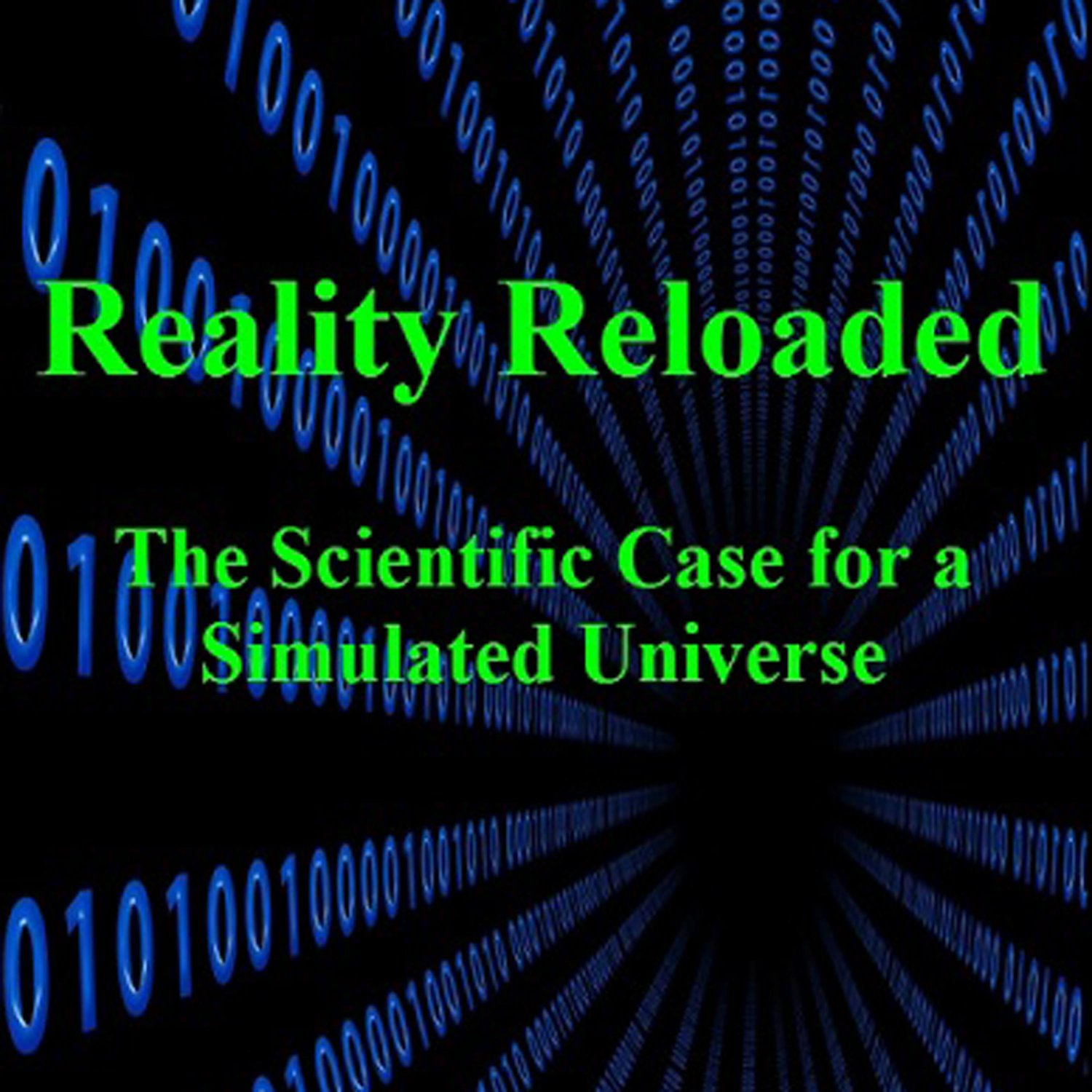
Are we living in a Simulated Universe? - Highlights - MELVIN VOPSON
"With the speed and the precision of the AI, make no mistake, we are becoming creators of something that is far more advanced than humans. Is this a bad thing? I see it as a very bad thing, but I also see it as a natural evolution. We are becoming creators and in our evolution process, we are evolving ourselves to something much more advanced. It's what the world, what the universe, what nature wants us to become: stronger so we reach our limit in terms of biological capacity. So this is the fascinating thing, the creation and evolution go hand in hand. It's a circle that feeds into each other."Dr. Melvin M. Vopson is Associate Professor of Physics at the University of Portsmouth, Fellow of the Higher Education Academy, Chartered Physicist and Fellow of the Institute of Physics. He is the co-founder and CEO of the Information Physics Institute, editor-in-chief of the IPI Letters and Emerging Minds Journal for Student Research. He is the author of Reality Reloaded: The Scientific Case for a Simulated Universe. Dr. Vopson has a wide-ranging scientific expertise in experimental, applied and theoretical physics that is internationally recognized. He has published over 100 research articles, achieving over 2500 citations.https://www.port.ac.uk/about-us/structure-and-governance/our-people/our-staff/melvin-vopsonhttps://ipipublishing.org/index.php/ipil/RRwww.creativeprocess.info www.oneplanetpodcast.orgIG www.instagram.com/creativeprocesspodcast
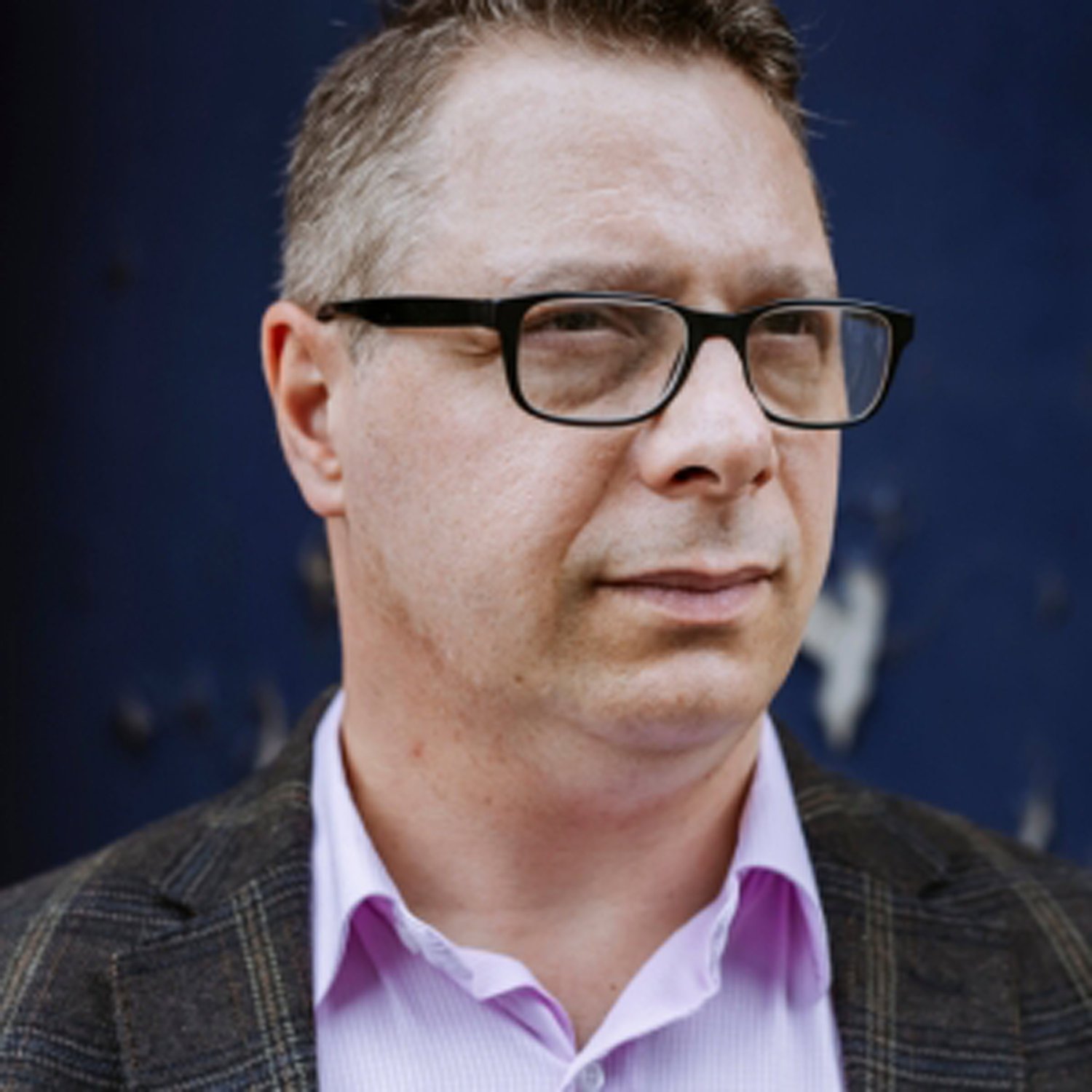
MELVIN VOPSON - Physicist - Author of Reality Reloaded: The Scientific Case for a Simulated Universe
Are we living in a Simulated Universe? How will AI impact the future of work, society & education?Dr. Melvin M. Vopson is Associate Professor of Physics at the University of Portsmouth, Fellow of the Higher Education Academy, Chartered Physicist and Fellow of the Institute of Physics. He is the co-founder and CEO of the Information Physics Institute, editor-in-chief of the IPI Letters and Emerging Minds Journal for Student Research. He is the author of Reality Reloaded: The Scientific Case for a Simulated Universe. Dr. Vopson has a wide-ranging scientific expertise in experimental, applied and theoretical physics that is internationally recognized. He has published over 100 research articles, achieving over 2500 citations."With the speed and the precision of the AI, make no mistake, we are becoming creators of something that is far more advanced than humans. Is this a bad thing? I see it as a very bad thing, but I also see it as a natural evolution. We are becoming creators and in our evolution process, we are evolving ourselves to something much more advanced. It's what the world, what the universe, what nature wants us to become: stronger so we reach our limit in terms of biological capacity. So this is the fascinating thing, the creation and evolution go hand in hand. It's a circle that feeds into each other."https://www.port.ac.uk/about-us/structure-and-governance/our-people/our-staff/melvin-vopsonhttps://ipipublishing.org/index.php/ipil/RRwww.creativeprocess.info www.oneplanetpodcast.orgIG www.instagram.com/creativeprocesspodcast

Does privacy exist anymore? Or are humans just sets of data to be traded and sold? - Highlights - WENDY WONG
"Meta reaches between three and four billion people every day through their platforms, right? That's way more people than any government legitimately can claim to govern. And yet this one company with four major platforms that many of us use is able to reach so many people and make decisions about content and access that have real consequences. It's been shown they fueled genocide in multiple places like in Ethiopia and Myanmar. And I think that's exactly why human rights matter because human rights are obligations that states have signed on for, and they're supposed to protect human values. And I think from a human rights perspective, it's important to argue that we shouldn't be collecting certain types of data because it's excessive. It's violating autonomy. It starts violating dignity. And when you start violating autonomy and dignity through the collection of data, you can't just go back and fix that by making it private.”Does privacy exist anymore? Or are humans just sets of data to be traded and sold?Wendy H. Wong is Professor of Political Science and Principal's Research Chair at the University of British Columbia, Okanagan. She is the author of two award-winning books: Internal Affairs: How the Structure of NGOs Transforms Human Rights and (with Sarah S. Stroup) The Authority Trap: Strategic Choices of International NGOs. Her latest book is We, the Data: Human Rights in the Digital Age.www.wendyhwong.comhttps://mitpress.mit.edu/author/wendy-h-wong-38397www.creativeprocess.info www.oneplanetpodcast.orgIG www.instagram.com/creativeprocesspodcast

WENDY WONG - Author of We, the Data: Human Rights in the Digital Age
Does privacy exist anymore? Or are humans just sets of data to be traded and sold?Wendy H. Wong is Professor of Political Science and Principal's Research Chair at the University of British Columbia, Okanagan. She is the author of two award-winning books: Internal Affairs: How the Structure of NGOs Transforms Human Rights and (with Sarah S. Stroup) The Authority Trap: Strategic Choices of International NGOs. Her latest book is We, the Data: Human Rights in the Digital Age."Meta reaches between three and four billion people every day through their platforms, right? That's way more people than any government legitimately can claim to govern. And yet this one company with four major platforms that many of us use is able to reach so many people and make decisions about content and access that have real consequences. It's been shown they fueled genocide in multiple places like in Ethiopia and Myanmar. And I think that's exactly why human rights matter because human rights are obligations that states have signed on for, and they're supposed to protect human values. And I think from a human rights perspective, it's important to argue that we shouldn't be collecting certain types of data because it's excessive. It's violating autonomy. It starts violating dignity. And when you start violating autonomy and dignity through the collection of data, you can't just go back and fix that by making it private.”www.wendyhwong.comhttps://mitpress.mit.edu/author/wendy-h-wong-38397www.creativeprocess.info www.oneplanetpodcast.org IG www.instagram.com/creativeprocesspodcast
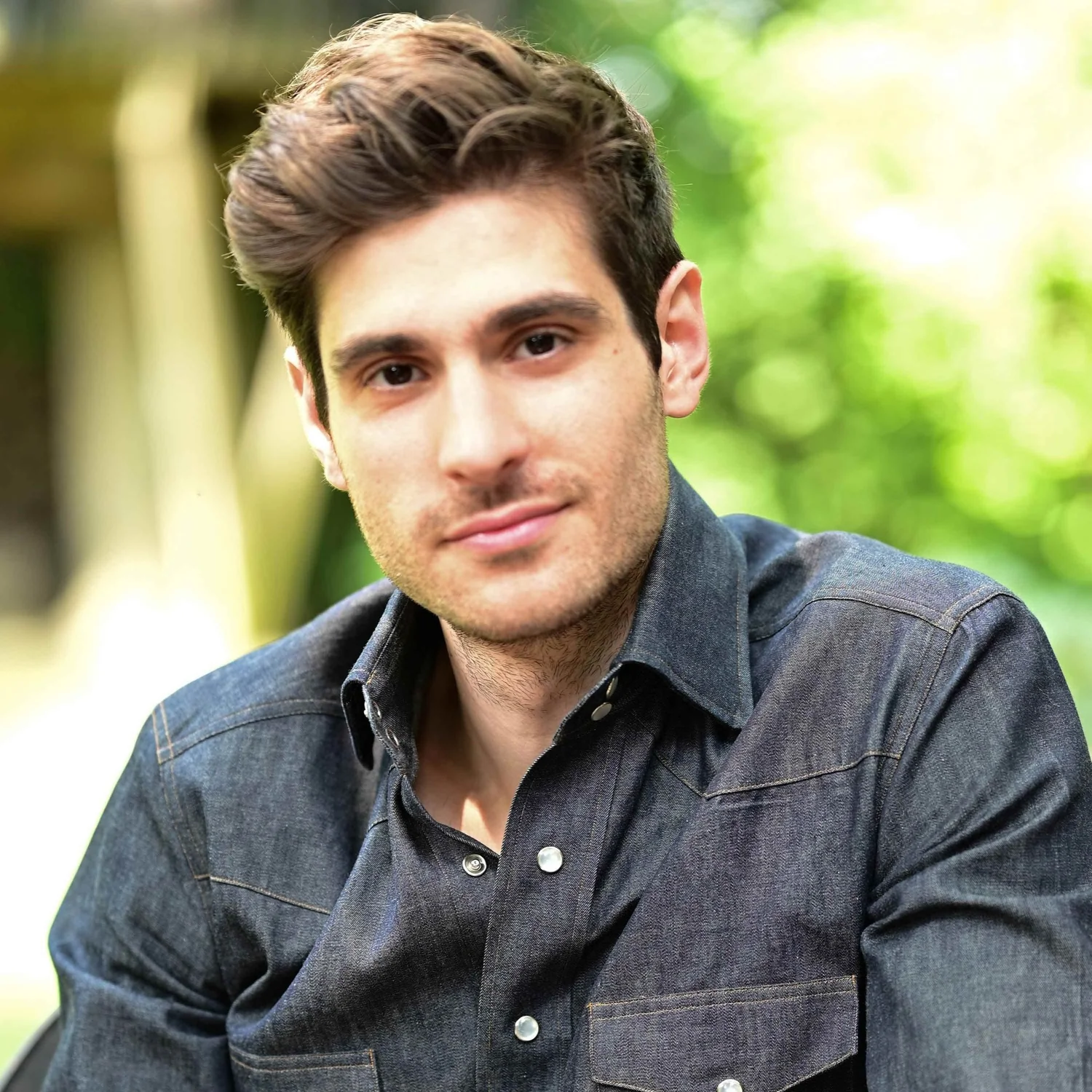
MAX BENNETT - Author of A Brief History of Intelligence: Evolution, AI, and the Five Breakthroughs That Made Our Brains - CEO of Alby
The more the science of intelligence (both human and artificial) advances, the more it holds the potential for great benefits and dangers to society.Max Bennett is the cofounder and CEO of Alby, a start-up that helps companies integrate large language models into their websites to create guided shopping and search experiences. Previously, Bennett was the cofounder and chief product officer of Bluecore, one of the fastest growing companies in the U.S., providing AI technologies to some of the largest companies in the world. Bluecore has been featured in the annual Inc. 500 fastest growing companies, as well as Glassdoor’s 50 best places to work in the U.S. Bluecore was recently valued at over $1 billion. Bennett holds several patents for AI technologies and has published numerous scientific papers in peer-reviewed journals on the topics of evolutionary neuroscience and the neocortex. He has been featured on the Forbes 30 Under 30 list as well as the Built In NYC’s 30 Tech Leaders Under 30. He is the author of A Brief History of Intelligence: Evolution, AI, and the Five Breakthroughs That Made Our Brains."One of the crowning achievements of humanity is self-delusion. We like to convince ourselves that the thing that's best for us is also the best for everyone else. So it doesn't mean that people are inherently being bad, but whenever someone comes and says you should regulate thing ABC, and it just so turns out that if you do ABC, it will enrich that individual and their company.We should just be somewhat skeptical to make sure that is in fact the best way to regulate it. So in terms of the regulations themselves, I think a lot of them are really good ideas. I think Yann LeCun has some of my favorite philosophies on this at Meta. Where I do think we should not be regulating is research. And I think we should absolutely be supporting open source. And I do think it's much more reasonable to regulate products. So this is a very important distinction. Regulating research is effectively telling scientists they're not allowed to look into certain forms of AI. They're not allowed to test certain forms of AI. I think this is. Or at least, if we do regulate research, we should have a higher burden of proof for restraining research."www.abriefhistoryofintelligence.com/ www.alby.com www.bluecore.com www.creativeprocess.info www.oneplanetpodcast.org IG www.instagram.com/creativeprocesspodcast
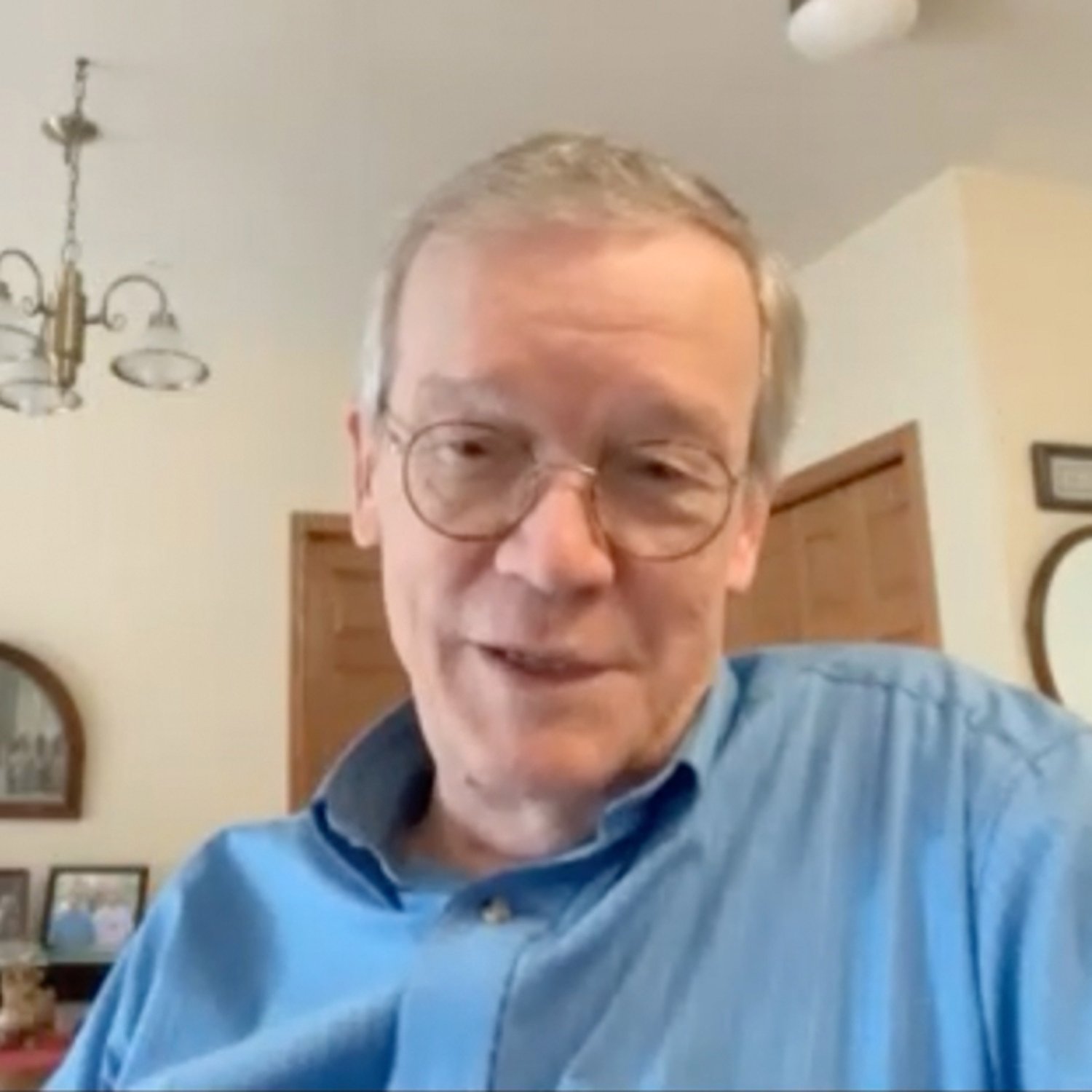
DUANE L. CADY - Philosopher, Author of Moral Vision: How Everyday Life Shapes Ethical Thinking & From Warism to Pacifism
How can we resolve conflicts without compromising our ethics and moral vision? Each year, wars are being fought in our name or with our support that citizens never get an opportunity to vote on. How can we make our voices heard?“Warism, taking war for granted as morally acceptable, even morally required, is the primary obstacle to peace.” Duane L. Cady is a philosopher and Professor Emeritus at Hamline University. He was nominated for the 1991 Grawemeyer World Order Award, was named Outstanding Educator of the Year by the United Methodist Foundation for Higher Education, and a festschiff in his honor was published in 2012. Cady is best known for his works on pacifism, including Moral Vision: How Everyday Life Shapes Ethical Thinking, and From Warism to Pacifism: A Moral Continuum.https://duanelcady.comwww.creativeprocess.infowww.oneplanetpodcast.orgIG www.instagram.com/creativeprocesspodcast

What distinguishes our consciousness from AI & machine learning? Highlights: LIAD MUDRIK - Neuroscientist, Tel Aviv University
"We live on the one hand in very exciting times with technological development, but on the other hand, we should also be careful. And I've seen studies showing the effects of screen time on brain development that are worrisome, in my opinion.So as a mother, I continuously engaged in a battle to minimize screen time for my children. Not always successfully because I also understand that the world that we live in requires a lot of screen time. I think that social media in particular and again, I can't take this interview out of context, I am continuously exposed to hatred in social media from all sides. People are scared. People are afraid. People are angry and that finds its way into social media. And I read things on (now it's called X) Twitter. and I'm horrified and disappointed and saddened. So did I disconnect? No, I'm also a part of the system, but I also want to raise a critical voice concerning that."How we think, feel, and experience the world is a mystery. What distinguishes our consciousness from AI and machine learning?Liad Mudrik studies high level cognition and its neural substrates, focusing on conscious experience. She teaches at the School of Psychological Sciences at Tel Aviv University. At her research lab, her team is currently investigating the functionality of consciousness, trying to unravel the depth and limits of unconscious processing, and also researching the ways semantic relations between concepts and objects are formed and detected.https://people.socsci.tau.ac.il/mu/mudriklabhttps://people.socsci.tau.ac.il/mu/mudriklab/people/#gkit-popupwww.creativeprocess.infowww.oneplanetpodcast.orgIG www.instagram.com/creativeprocesspodcast
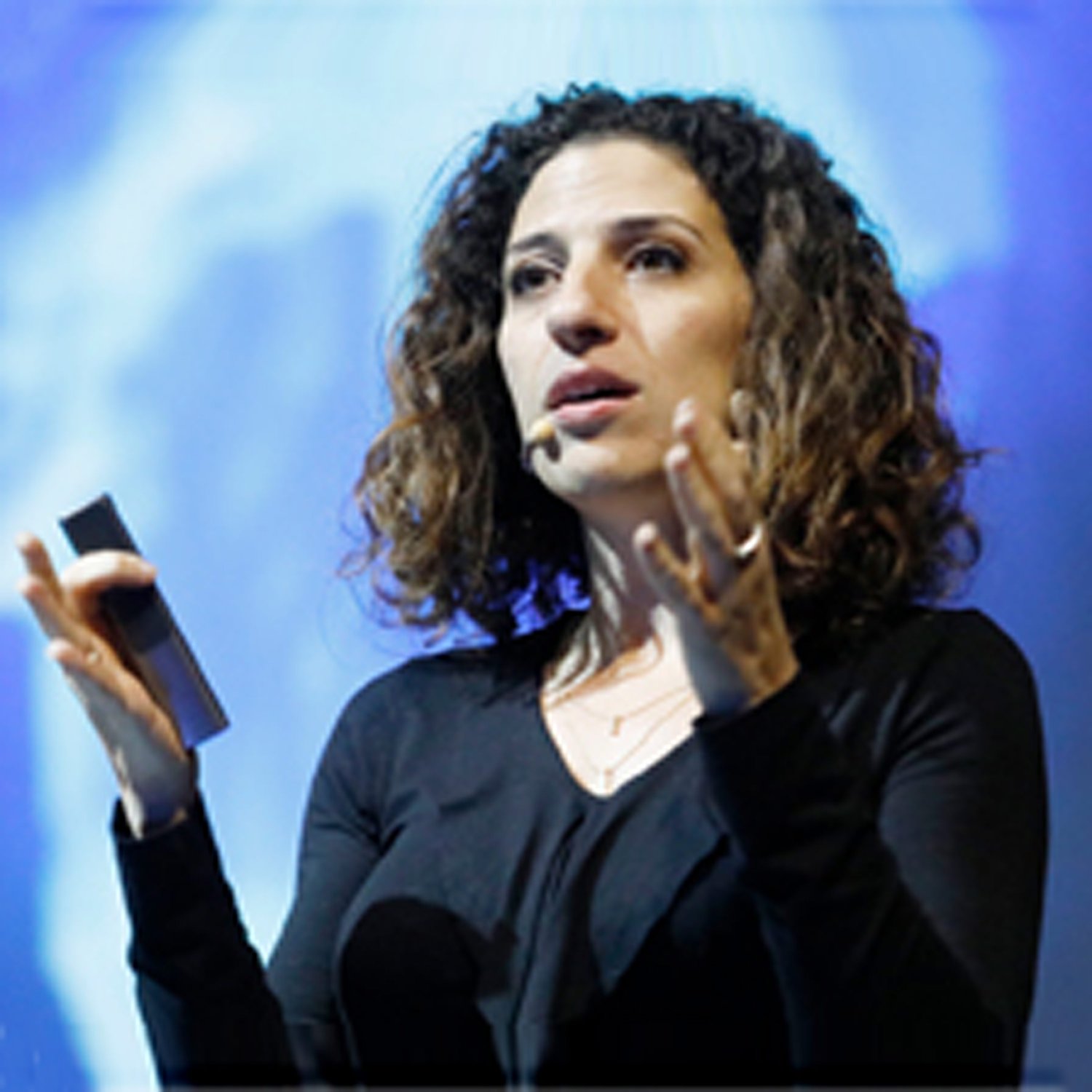
LIAD MUDRIK - Neuroscientist - Principal Investigator Liad Mudrik Lab, Tel Aviv University
How we think, feel, and experience the world is a mystery. What distinguishes our consciousness from AI and machine learning?Liad Mudrik studies high level cognition and its neural substrates, focusing on conscious experience. She teaches at the School of Psychological Sciences at Tel Aviv University. At her research lab, her team is currently investigating the functionality of consciousness, trying to unravel the depth and limits of unconscious processing, and also researching the ways semantic relations between concepts and objects are formed and detected."We live on the one hand in very exciting times with technological development, but on the other hand, we should also be careful. And I've seen studies showing the effects of screen time on brain development that are worrisome, in my opinion.So as a mother, I continuously engaged in a battle to minimize screen time for my children. Not always successfully because I also understand that the world that we live in requires a lot of screen time. I think that social media in particular and again, I can't take this interview out of context, I am continuously exposed to hatred in social media from all sides. People are scared. People are afraid. People are angry and that finds its way into social media. And I read things on (now it's called X) Twitter. and I'm horrified and disappointed and saddened. So did I disconnect? No, I'm also a part of the system, but I also want to raise a critical voice concerning that."https://people.socsci.tau.ac.il/mu/mudriklabhttps://people.socsci.tau.ac.il/mu/mudriklab/people/#gkit-popupwww.creativeprocess.infowww.oneplanetpodcast.orgIG www.instagram.com/creativeprocesspodcast
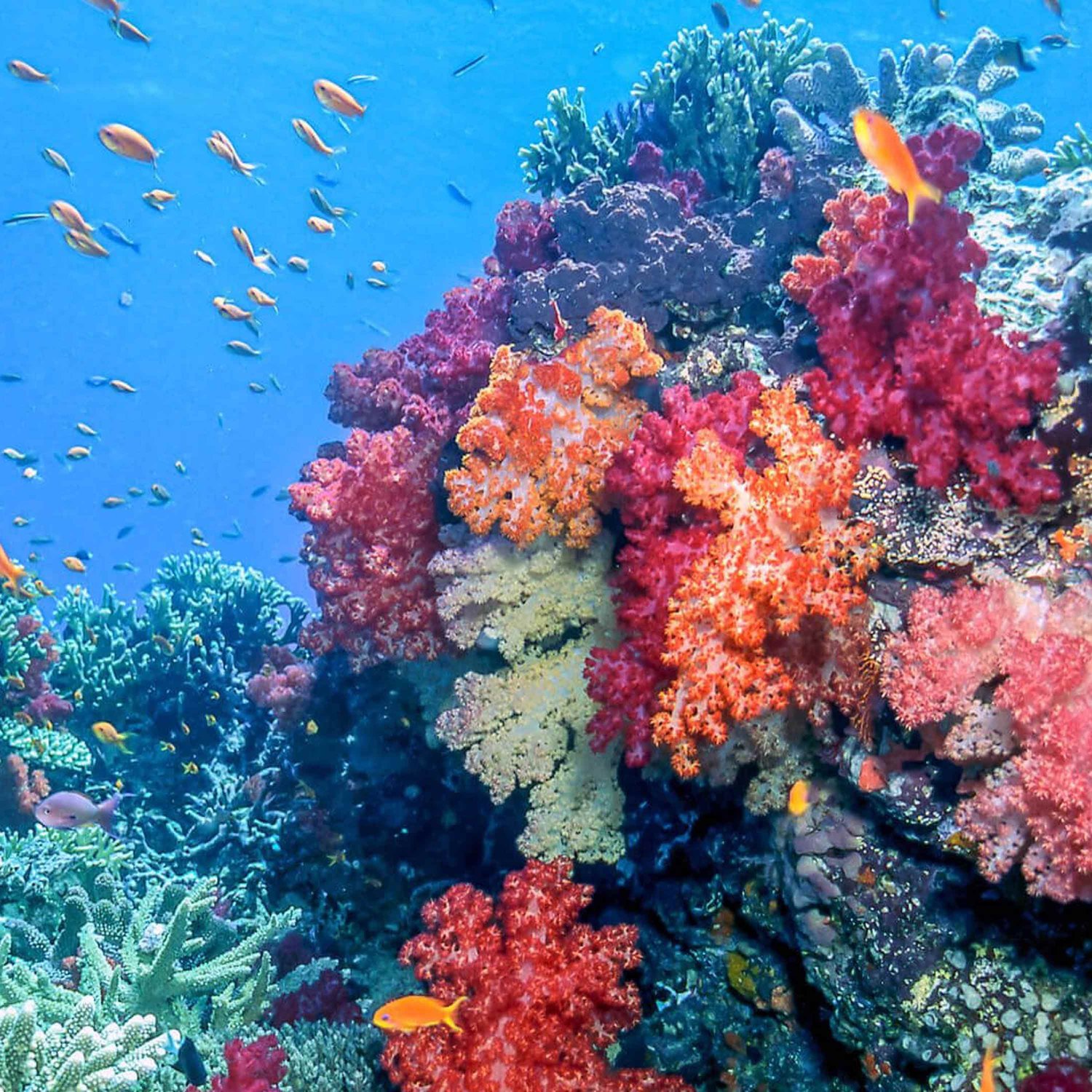
Highlights - UN Young Champion of the Earth GATOR HALPERN - Co-Founder & President of Coral Vita - Forbes 30 Under 30 Social Entrepreneur
“Coral reefs are the most biodiverse habitat on the planet, despite covering less than 1 percent of the ocean area, over a quarter of all marine life exists in these rainforests of the sea. And if you think of a coral reef as a rainforest, the trees are the coral themselves. Which are incredible organisms, so, magic is really the right word to describe them. They're these animals that are one of the original forms of animal life, the second branch of the animal kingdom is actually Cnidaria, which includes coral and jellyfish. So, an ancient animal, but they have a symbiotic relationship with algae, and so inside the animal tissue are these zooxanthellae, these algae that do photosynthesis, like algae do, like plants do. It's able to capture sunlight and convert it into sugars and energy. And so, it's an animal, but it's got plants that live inside it, this algae, and then even more wild - it grows a skeleton that is rock!So coral skeleton is actually calcium carbonate, which is limestone. And most of the limestone that exists on the earth was grown by these organisms. And so they're animals with plants inside of them that grow rock as skeleton. And the rock skeletons form these incredibly intricate structures that are coral reefs that can grow for thousands of miles and the corals can live for thousands of years to be seen from space and to create these essential ecosystems that are really the cornerstone of all of life in the ocean and, and therefore much of life on Earth.”Coral reefs are the most biodiverse habitat on the planet, despite covering less than 1 percent of the ocean. Over a quarter of all marine life exists in these rain forests of the sea. Gator Halpern is the Co-founder and President of Coral Vita, a mission-driven company working to restore our world’s dying coral reefs. He is a lifelong entrepreneur who is passionate about starting projects that can help create a better harmony between society and nature. His work has earned him a number of awards including being named a United Nation’s Young Champion of the Earth, a Forbes 30 Under 30 social entrepreneur, and an Echoing Green fellow. Before founding Coral Vita, he worked on development projects in Brazil, Peru, and South Africa. During his career, he has helped distribute millions of baby fish for aquaculture to remote villages in the Amazon, he’s analyzed the environmental effects of land-use change projects on three different continents, and worked for the World Wildlife Fund Global Marine Program. Gator founded Coral Vita during his graduate studies at the Yale School of Forestry and Environmental Studies, and he lives and works in the Bahamas where Coral Vita operates the world’s first commercial land-based coral farm for reef restoration.https://coralvita.cowww.creativeprocess.infowww.oneplanetpodcast.orgIG www.instagram.com/creativeprocesspodcast
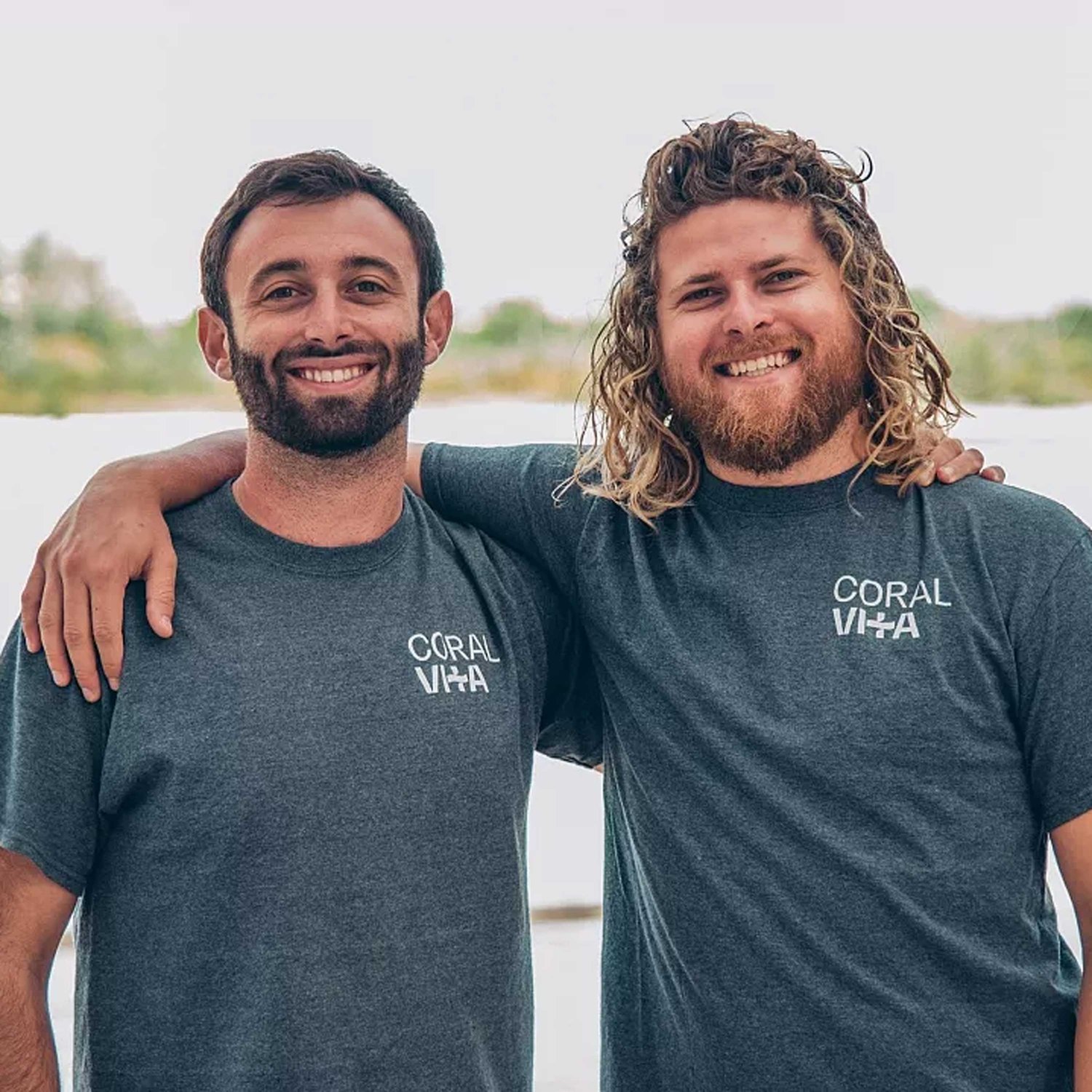
GATOR HALPERN - Co-Founder & President of Coral Vita - UN Young Champion of the Earth - Forbes 30 Under 30 Social Entrepreneur
Coral reefs are the most biodiverse habitat on the planet, despite covering less than 1 percent of the ocean. Over a quarter of all marine life exists in these rain forests of the sea. Gator Halpern is the Co-founder and President of Coral Vita, a mission-driven company working to restore our world’s dying coral reefs. He is a lifelong entrepreneur who is passionate about starting projects that can help create a better harmony between society and nature. His work has earned him a number of awards including being named a United Nation’s Young Champion of the Earth, a Forbes 30 Under 30 social entrepreneur, and an Echoing Green fellow. Before founding Coral Vita, he worked on development projects in Brazil, Peru, and South Africa. During his career, he has helped distribute millions of baby fish for aquaculture to remote villages in the Amazon, he’s analyzed the environmental effects of land-use change projects on three different continents, and worked for the World Wildlife Fund Global Marine Program. Gator founded Coral Vita during his graduate studies at the Yale School of Forestry and Environmental Studies, and he lives and works in the Bahamas where Coral Vita operates the world’s first commercial land-based coral farm for reef restoration.“Coral reefs are the most biodiverse habitat on the planet, despite covering less than 1 percent of the ocean area, over a quarter of all marine life exists in these rainforests of the sea. And if you think of a coral reef as a rainforest, the trees are the coral themselves. Which are incredible organisms, so, magic is really the right word to describe them. They're these animals that are one of the original forms of animal life, the second branch of the animal kingdom is actually Cnidaria, which includes coral and jellyfish. So, an ancient animal, but they have a symbiotic relationship with algae, and so inside the animal tissue are these zooxanthellae, these algae that do photosynthesis, like algae do, like plants do. It's able to capture sunlight and convert it into sugars and energy. And so, it's an animal, but it's got plants that live inside it, this algae, and then even more wild - it grows a skeleton that is rock!So coral skeleton is actually calcium carbonate, which is limestone. And most of the limestone that exists on the earth was grown by these organisms. And so they're animals with plants inside of them that grow rock as skeleton. And the rock skeletons form these incredibly intricate structures that are coral reefs that can grow for thousands of miles and the corals can live for thousands of years to be seen from space and to create these essential ecosystems that are really the cornerstone of all of life in the ocean and, and therefore much of life on Earth.”https://coralvita.cowww.creativeprocess.infowww.oneplanetpodcast.orgIG www.instagram.com/creativeprocesspodcast

Highlights - BRIAN DAVID JOHNSON - Director of the ASU Threatcasting Lab - Author of The Future You
"I think, oftentimes, what'll happen as a trap when we talk about technology. People say, 'Well, what do you think is the future of artificial intelligence? Or what is the future of neural interfaces? Or what is the future of this?' And I always pause them and say, 'Wait a minute. If you're just talking about the technology, you're having the wrong conversation because it's not about the technology.'So when people talk about what's the future of AI? I say, I don't know. What do we want the future of AI to be? And I think that's a shift that sounds quite subtle to some people, but it's really important because if you look at any piece of news or anything like that, they talk about AI as if it was a thing that was fully formed, that sprang out of the Earth and is now walking around doing things. And what will AI do in the future and how will it affect our jobs? It's not AI that's doing it. These are people. These are companies. These are organizations that are doing it. And that's where we need to keep our focus. What are those organizations doing. And also what do we want from it as humans?"Brian David Johnson is Futurist in Residence at Arizona State University’s Center for Science and the Imagination, a professor in the School for the Future of Innovation in Society, and the Director of the ASU Threatcasting Lab. He is Author of The Future You: How to Create the Life You Always Wanted, Science Fiction Prototyping: Designing the Future with Science Fiction, 21st Century Robot: The Dr. Simon Egerton Stories, Humanity in the Machine: What Comes After Greed?, Screen Future: The Future of Entertainment, Computing, and the Devices We Love.https://csi.asu.edu/people/brian-david-johnson/www.creativeprocess.infowww.oneplanetpodcast.orgIG www.instagram.com/creativeprocesspodcast

BRIAN DAVID JOHNSON - Author of The Future You: How to Create the Life You Always Wanted - Futurist in Residence, ASU’s Center for Science & the Imagination
Brian David Johnson is Futurist in Residence at Arizona State University’s Center for Science and the Imagination, a professor in the School for the Future of Innovation in Society, and the Director of the ASU Threatcasting Lab. He is Author of The Future You: How to Create the Life You Always Wanted, Science Fiction Prototyping: Designing the Future with Science Fiction, 21st Century Robot: The Dr. Simon Egerton Stories, Humanity in the Machine: What Comes After Greed?, Screen Future: The Future of Entertainment, Computing, and the Devices We Love."I think, oftentimes, what'll happen as a trap when we talk about technology. People say, 'Well, what do you think is the future of artificial intelligence? Or what is the future of neural interfaces? Or what is the future of this?' And I always pause them and say, 'Wait a minute. If you're just talking about the technology, you're having the wrong conversation because it's not about the technology.'So when people talk about what's the future of AI? I say, I don't know. What do we want the future of AI to be? And I think that's a shift that sounds quite subtle to some people, but it's really important because if you look at any piece of news or anything like that, they talk about AI as if it was a thing that was fully formed, that sprang out of the Earth and is now walking around doing things. And what will AI do in the future and how will it affect our jobs? It's not AI that's doing it. These are people. These are companies. These are organizations that are doing it. And that's where we need to keep our focus. What are those organizations doing. And also what do we want from it as humans?"https://csi.asu.edu/people/brian-david-johnson/www.creativeprocess.infowww.oneplanetpodcast.orgIG www.instagram.com/creativeprocesspodcast
Highlights - SUSAN SCHNEIDER - Author of Artificial You: AI and the Future of Your Mind, Fmr. Distinguished Scholar, US Library of Congress
"I am the type of person who's endlessly interested in different topics, and that can lead to really fun things. I'm also very worried about the future of humanity. Maybe that's an outgrowth of being a parent. I have three teenagers, and I worry about where AI is headed. We are at a really interesting point in technology, and it's sort of an honor to be alive right now to witness all this. But to go back to consciousness, this is a key aspect of my sense of life, and it always bothers me when people haven't thought about it. Like I asked my husband the other day: how can people go through life without really thinking about or appreciating the fact that they are conscious beings?"Will AI become conscious? President Biden has just unveiled a new executive order on AI — the U.S. government’s first action of its kind — requiring new safety assessments, equity and civil rights guidance, and research on AI’s impact on the labor market. With this governance in place, can tech companies be counted on to do the right thing for humanity? Susan Schneider is a philosopher, artificial intelligence expert, and founding director of the Center for the Future Mind at Florida Atlantic University. She is author of Artificial You: AI and the Future of Your Mind, Science Fiction and Philosophy: From Time Travel to Superintelligence, and The Blackwell Companion to Consciousness. She held the NASA Chair with NASA and the Distinguished Scholar Chair at the Library of Congress. She is now working on projects related to advancements in AI policy and technology, drawing from neuroscience research and philosophical developments and writing a new book on the shape of intelligent systems.www.fau.edu/artsandletters/philosophy/susan-schneider/index www.fau.edu/future-mind/www.creativeprocess.infowww.oneplanetpodcast.orgIG www.instagram.com/creativeprocesspodcast

SUSAN SCHNEIDER - Director, Center for the Future Mind, FAU, Fmr. NASA Chair at NASA
Will AI become conscious? President Biden has just unveiled a new executive order on AI — the U.S. government’s first action of its kind — requiring new safety assessments, equity and civil rights guidance, and research on AI’s impact on the labor market. With this governance in place, can tech companies be counted on to do the right thing for humanity? Susan Schneider is a philosopher, artificial intelligence expert, and founding director of the Center for the Future Mind at Florida Atlantic University. She is author of Artificial You: AI and the Future of Your Mind, Science Fiction and Philosophy: From Time Travel to Superintelligence, and The Blackwell Companion to Consciousness. She held the NASA Chair with NASA and the Distinguished Scholar Chair at the Library of Congress. She is now working on projects related to advancements in AI policy and technology, drawing from neuroscience research and philosophical developments and writing a new book on the shape of intelligent systems."I am the type of person who's endlessly interested in different topics, and that can lead to really fun things. I'm also very worried about the future of humanity. Maybe that's an outgrowth of being a parent. I have three teenagers, and I worry about where AI is headed. We are at a really interesting point in technology, and it's sort of an honor to be alive right now to witness all this. But to go back to consciousness, this is a key aspect of my sense of life, and it always bothers me when people haven't thought about it. Like I asked my husband the other day: how can people go through life without really thinking about or appreciating the fact that they are conscious beings?"www.fau.edu/artsandletters/philosophy/susan-schneider/index www.fau.edu/future-mind/www.creativeprocess.infowww.oneplanetpodcast.orgIG www.instagram.com/creativeprocesspodcast
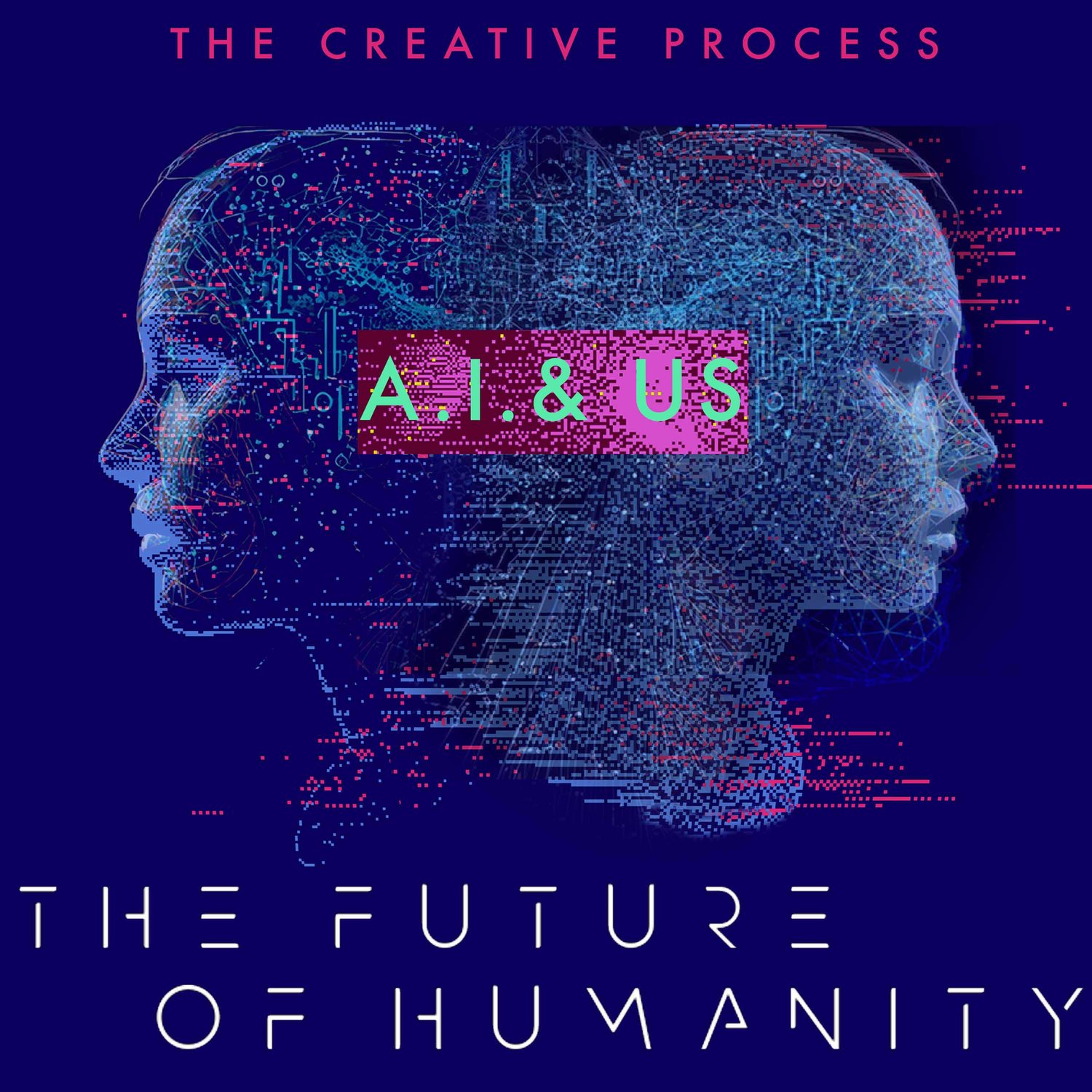
AI & THE FUTURE OF HUMANITY
What will the future look like? What are the risks and opportunities of AI? What role can we play in designing the future we want to live in?Voices of philosophers, futurists, AI experts, science fiction authors, activists, and lawyers reflecting on AI, technology, and the Future of Humanity. All voices in this episode are from our interviews for The Creative Process & One Planet Podcast.Voices on this episode are:DR. SUSAN SCHNEIDER American philosopher and artificial intelligence expert. She is the founding director of the Center for the Future Mind at Florida Atlantic University. Author of Artificial You: AI and the Future of Your Mind, Science Fiction and Philosophy: From Time Travel to Superintelligence, and The Blackwell Companion to Consciousness. www.fau.edu/artsandletters/philosophy/susan-schneider/indexNICK BOSTROM Founder and Director of the Future of Humanity Institute, University of Oxford, Philosopher, Author of NYTimes Bestseller Superintelligence: Paths, Dangers, Strategies. Bostrom’s academic work has been translated into more than 30 languages. He is a repeat main TED speaker and has been on Foreign Policy’s Top 100 Global Thinkers list twice and was included in Prospect’s World Thinkers list, the youngest person in the top 15. https://nickbostrom.com https://www.fhi.ox.ac.ukBRIAN DAVID JOHNSONFuturist in residence at Arizona State University’s Center for Science and the Imagination, a professor in the School for the Future of Innovation in Society and the Director of the ASU Threatcasting Lab. He is Author of The Future You: How to Create the Life You Always Wanted, Science Fiction Prototyping: Designing the Future with Science Fiction, 21st Century Robot: The Dr. Simon Egerton Stories, Humanity in the Machine: What Comes After Greed?, Screen Future: The Future of Entertainment, Computing, and the Devices We Love.https://csi.asu.edu/people/brian-david-johnsonDEAN SPADE Professor at SeattleU’s School of Law, Author of Mutual Aid, Building Solidarity During This Crisis (and the Next), and Normal Life: Administrative Violence, Critical Trans Politics, and the Limits of Law.www.deanspade.netALLEN STEELEScience Fiction Author. He has been awarded a number of Hugos, Asimov's Readers, and Locus Awards. of the Coyote Trilogy, Arkwright, and other books. His books include Coyote Trilogy and Arkwright. He is a former member of the Board of Directors and Board of Advisors for the Science Fiction and Fantasy Writers of America. He has also served as an advisor for the Space Frontier Foundation. In 2001, he testified before the Subcommittee on Space and Aeronautics of the U.S. House of Representatives in hearings regarding space exploration in the 21st century.www.allensteele.comwww.creativeprocess.infowww.oneplanetpodcast.orgIG www.instagram.com/creativeprocesspodcast

Highlights - LINDSEY ANDERSON BEER - Writer, Director - Pet Sematary: Bloodlines - Sleepy Hollow
"It's such a difficult and huge, huge, huge issue. And for me, it's absolutely not one-sided. And it's not a simple answer. Anybody who thinks that AI is going to completely save us is fooling themselves. And anybody who thinks that AI is just evil or harmful is also overlooking the very obvious benefits from drug and cancer research and other illnesses. And there are so many things that AI can help us solve very quickly that we don't yet have solutions to. That said, AI is made by us and it is filled with our own biases. And when you enable an incredibly smart, but biased and flawed thing to rule your life, that's never going to end up with a good outcome.So I think we need a lot of regulations and that we should be very scared of what happens when we allow AI to become too smart because at that point regulations aren't going to help. I honestly don't know if we've crossed that threshold. If we haven't, we're very close to crossing the threshold, in my opinion, of not being able to control what we've created, and that does scare me.For the creative process in particular, beyond the fact that it wouldn't make any sense for people to use AI because you can't copyright it, so studios and networks wouldn't own their own material, I can't even begin to tell you how many problems I see with using AI in the writing or directing process.I think science fiction is its own animal. This is why it has always been my first love. And it really allows you to think about our connection to the universe, to kind of be a futurist and think about what society could look like or has looked like. And I think there's no other genre for me, at least, where I feel like action and consequence and forecasting and imagination, all of those things can kind of come together in one story. Stories are inherently subjective. There's only one way to tell a great story and that is for the subject and the storyteller to have an authentic and strong point of view."Lindsey Anderson Beer wrote and executive produced the hit Netflix original dramedy Sierra Burgess is a Loser before making the jump to direct the horror genre with Pet Sematary: Bloodlines, starring Jackson White and Natalie Alyn Lind. The story is based on an untold chapter of Stephen King's self-proclaimed, scariest property of all time. Up next, she will helm Paramount’s Sleepy Hollow reboot as the writer, director, and producer. She also has several projects in various phases of development and production, including Disney's live action remake of Bambi, New Line's Hello Kitty, and Universal's Fast and Furious spinoff, which she wrote with Geneva Robertson-Dworet. Under her production banner Lab Brew, Lord of the Flies will be directed by Luca Guadagnino and written by Patrick Ness for Warner Bros.www.imdb.com/name/nm5170222/www.creativeprocess.infowww.oneplanetpodcast.orgIG www.instagram.com/creativeprocesspodcast
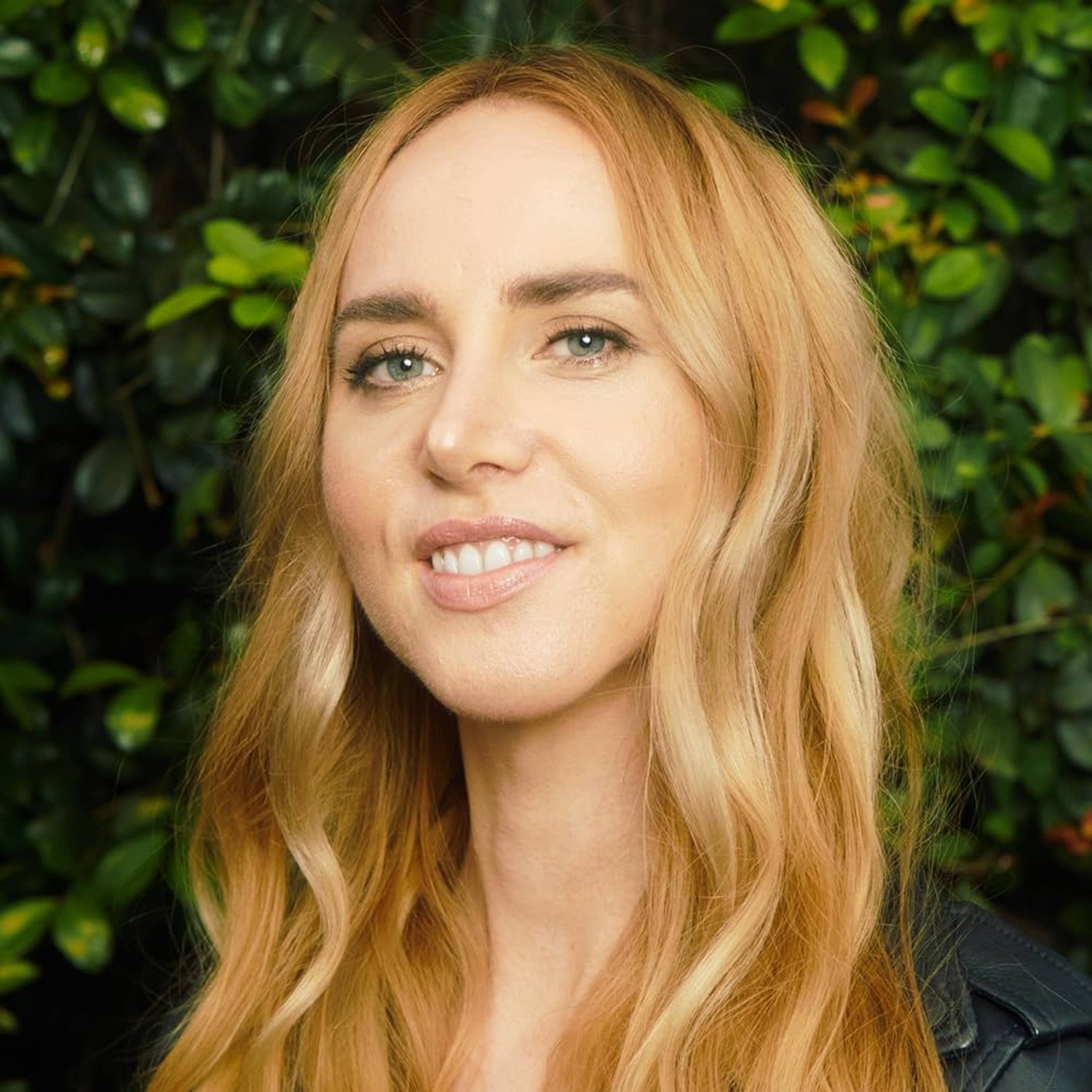
LINDSEY ANDERSON BEER - Writer, Director, Producer - Pet Sematary: Bloodlines - Sleepy Hollow - Bambi
Lindsey Anderson Beer wrote and executive produced the hit Netflix original dramedy Sierra Burgess is a Loser before making the jump to direct the horror genre with Pet Sematary: Bloodlines, starring Jackson White and Natalie Alyn Lind. The story is based on an untold chapter of Stephen King's self-proclaimed, scariest property of all time. Up next, she will helm Paramount’s Sleepy Hollow reboot as the writer, director, and producer. She also has several projects in various phases of development and production, including Disney's live action remake of Bambi, New Line's Hello Kitty, and Universal's Fast and Furious spinoff, which she wrote with Geneva Robertson-Dworet. Under her production banner Lab Brew, Lord of the Flies will be directed by Luca Guadagnino and written by Patrick Ness for Warner Bros."It's such a difficult and huge, huge, huge issue. And for me, it's absolutely not one-sided. And it's not a simple answer. Anybody who thinks that AI is going to completely save us is fooling themselves. And anybody who thinks that AI is just evil or harmful is also overlooking the very obvious benefits from drug and cancer research and other illnesses. And there are so many things that AI can help us solve very quickly that we don't yet have solutions to. That said, AI is made by us and it is filled with our own biases. And when you enable an incredibly smart, but biased and flawed thing to rule your life, that's never going to end up with a good outcome.So I think we need a lot of regulations and that we should be very scared of what happens when we allow AI to become too smart because at that point regulations aren't going to help. I honestly don't know if we've crossed that threshold. If we haven't, we're very close to crossing the threshold, in my opinion, of not being able to control what we've created, and that does scare me.For the creative process in particular, beyond the fact that it wouldn't make any sense for people to use AI because you can't copyright it, so studios and networks wouldn't own their own material, I can't even begin to tell you how many problems I see with using AI in the writing or directing process.I think science fiction is its own animal. This is why it has always been my first love. And it really allows you to think about our connection to the universe, to kind of be a futurist and think about what society could look like or has looked like. And I think there's no other genre for me, at least, where I feel like action and consequence and forecasting and imagination, all of those things can kind of come together in one story. Stories are inherently subjective. There's only one way to tell a great story and that is for the subject and the storyteller to have an authentic and strong point of view."www.imdb.com/name/nm5170222/www.creativeprocess.infowww.oneplanetpodcast.orgIG www.instagram.com/creativeprocesspodcast

Highlights - ANTHONY LEISEROWITZ - Host of Climate Connections - Senior Research Scientist, Yale School of the Environment
But at the same time, the world is building new megacities that are going to house tens of millions of people, and we now have the opportunity to build them for the 21st century. We don't have to follow the same design patterns of the past. So, this now opens up enormous creativity, experimentation, and innovation. One study has found that the single thing that makes people most unhappy in America is commuting time, being stuck in traffic. That makes people more frustrated and depressed than anything.”Anthony Leiserowitz, Ph.D. is the founder and Director of the Yale Program on Climate Change Communication and a Senior Research Scientist at the Yale School of the Environment. He is an internationally recognized expert on public climate change beliefs, attitudes, policy support, and behavior, and the psychological, cultural, and political factors that shape them and conducts research globally, including in the United States, China, India, and Brazil. He has published more than 250 scientific articles, chapters, and reports and has worked with the Intergovernmental Panel on Climate Change, the National Academy of Sciences, the Smithsonian Museum of Natural History, the Harvard Kennedy School, the United Nations Development Program, the Gallup World Poll, and the World Economic Forum, among others. He is a recipient of the Friend of the Planet Award from the National Center for Science Education, the Mitofsky Innovator Award from the American Association of Public Opinion Research, the Stephen H. Schneider Award for Outstanding Climate Science Communication from Climate One, and an Environmental Innovator award from the Environmental Protection Agency. In 2020, he was named the second-most influential climate scientist in the world (of 1,000) by Reuters. He is also the host of Climate Connections, a radio program broadcast each day on more than 700 stations nationwide."Cities are going to be core to solving this problem. However, the whole world is vulnerable to climate change in different ways. So cities are going to be critical. Let's not forget we already have 8 billion people on the planet, and it's growing.And so there is a lot that we need to do to both retrofit our existing cities, which is expensive and hard because they were laid down, sometimes, hundreds of years ago with different assumptions about how one should live. For example, L.A. was built on the highway and based on the automobile, so it's very difficult for L.A. as a city to now go, okay, we want to get back to providing rail transit for everybody. And they're doing it, but it's expensive, and it's hard to retrofit but essential work that has to be done.https://environment.yale.edu/profile/leiserowitzhttps://climatecommunication.yale.eduwww.yaleclimateconnections.orgwww.creativeprocess.infowww.oneplanetpodcast.orgIG www.instagram.com/creativeprocesspodcast
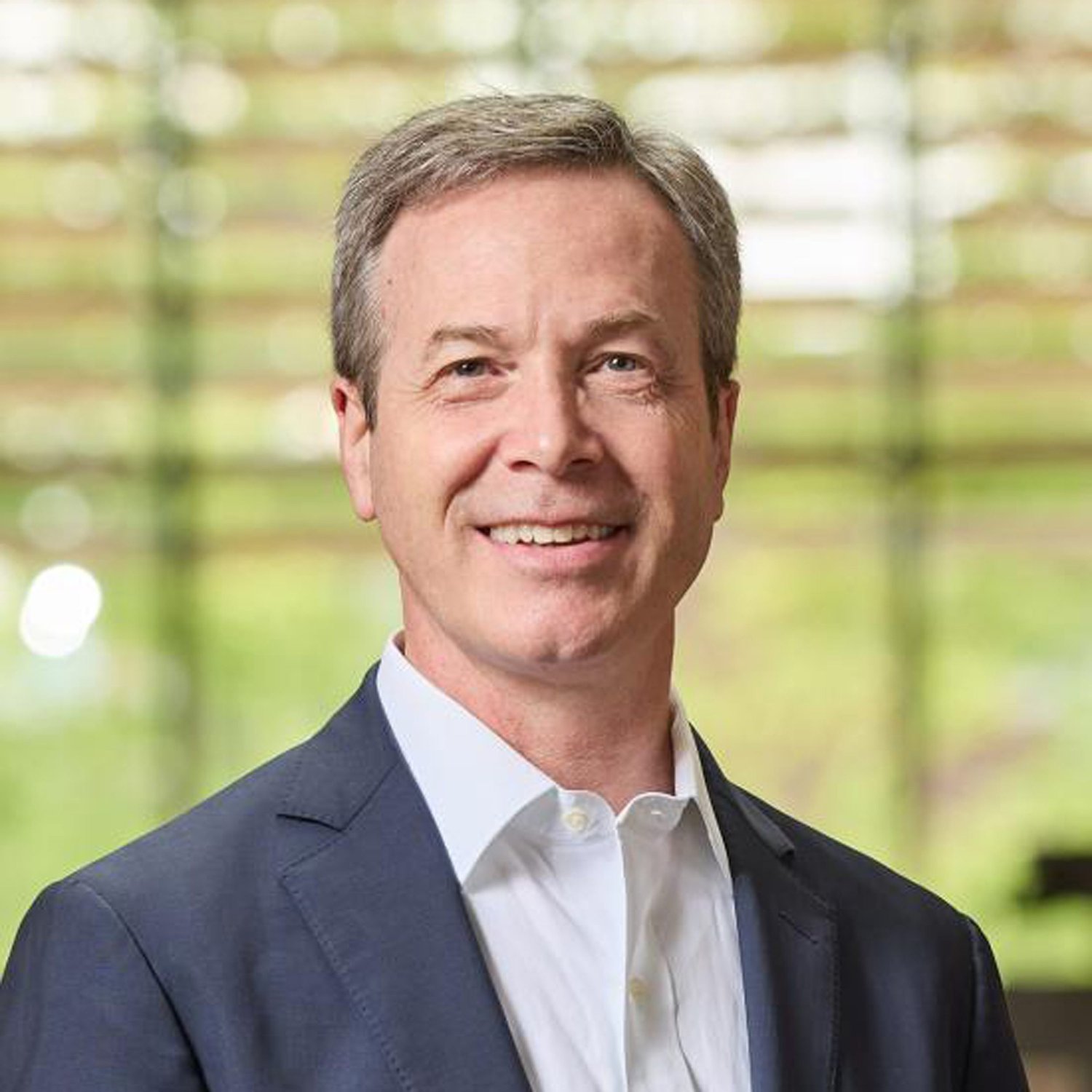
ANTHONY LEISEROWITZ - Founding Director of Yale Program on Climate Change Communication - Host of Climate Connections
Anthony Leiserowitz, Ph.D. is the founder and Director of the Yale Program on Climate Change Communication and a Senior Research Scientist at the Yale School of the Environment. He is an internationally recognized expert on public climate change beliefs, attitudes, policy support, and behavior, and the psychological, cultural, and political factors that shape them and conducts research globally, including in the United States, China, India, and Brazil. He has published more than 250 scientific articles, chapters, and reports and has worked with the Intergovernmental Panel on Climate Change, the National Academy of Sciences, the Smithsonian Museum of Natural History, the Harvard Kennedy School, the United Nations Development Program, the Gallup World Poll, and the World Economic Forum, among others. He is a recipient of the Friend of the Planet Award from the National Center for Science Education, the Mitofsky Innovator Award from the American Association of Public Opinion Research, the Stephen H. Schneider Award for Outstanding Climate Science Communication from Climate One, and an Environmental Innovator award from the Environmental Protection Agency. In 2020, he was named the second-most influential climate scientist in the world (of 1,000) by Reuters. He is also the host of Climate Connections, a radio program broadcast each day on more than 700 stations nationwide."Cities are going to be core to solving this problem. However, the whole world is vulnerable to climate change in different ways. So cities are going to be critical. Let's not forget we already have 8 billion people on the planet, and it's growing.And so there is a lot that we need to do to both retrofit our existing cities, which is expensive and hard because they were laid down, sometimes, hundreds of years ago with different assumptions about how one should live. For example, L.A. was built on the highway and based on the automobile, so it's very difficult for L.A. as a city to now go, okay, we want to get back to providing rail transit for everybody. And they're doing it, but it's expensive, and it's hard to retrofit but essential work that has to be done.But at the same time, the world is building new megacities that are going to house tens of millions of people, and we now have the opportunity to build them for the 21st century. We don't have to follow the same design patterns of the past. So, this now opens up enormous creativity, experimentation, and innovation. One study has found that the single thing that makes people most unhappy in America is commuting time, being stuck in traffic. That makes people more frustrated and depressed than anything.”https://environment.yale.edu/profile/leiserowitzhttps://climatecommunication.yale.eduwww.yaleclimateconnections.orgwww.creativeprocess.infowww.oneplanetpodcast.orgIG www.instagram.com/creativeprocesspodcast
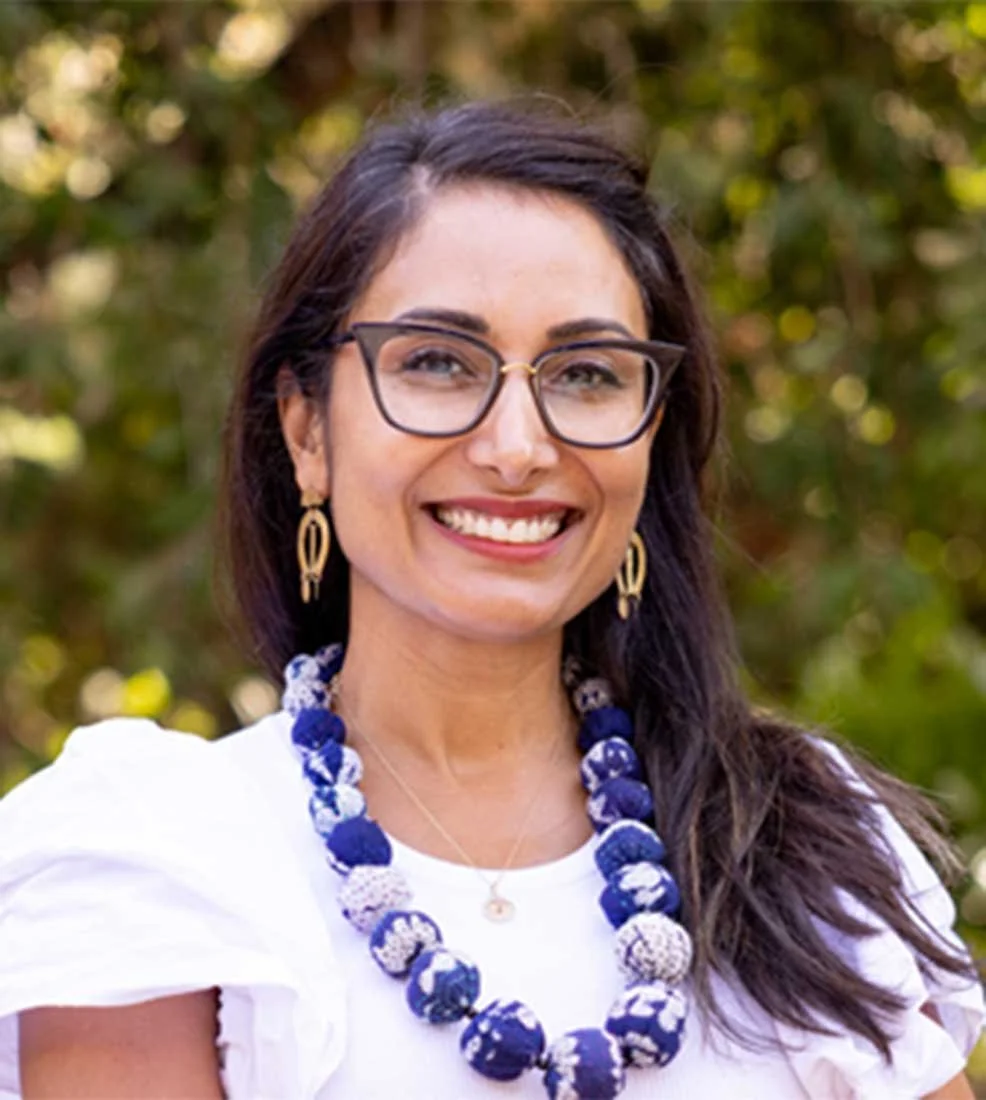
Speaking Out of Place: VEENA DUBAL discusses how Uber, Lyft, Instacart, DoorDash…use algorithmic wage discrimination against their workers
In this episode of the Speaking Out of Place podcast, Professor David Palumbo-Liu speaks with Professor Veena Dubal about how such companies have exported globally a technique of algorithmic wage discrimination that pays workers based on data to which they have no access. Owners dangle bonuses before workers but take away work from them as they draw close to achieving their targets; they use psychological tricks derived from video games to create a casino-like environment where the house always wins. Dubal urges us not to fall into the trap of competing against the house, but back to “good old-fashioned organizing.” This is one of the most powerful and significant episodes of Speaking Out of Place.Professor Veena Dubal’s research focuses broadly on law, technology, and precarious workers, combining legal and empirical analysis to explore issues of labor and inequality. Her work encompasses a range of topics, including the impact of digital technologies and emerging legal frameworks on workers' lives, the interplay between law, work, and identity, and the role of law and lawyers in solidarity movements. Dubal has written numerous articles in top law and social science journals and publishes essays in the popular press. Her research has been cited internationally in legal decisions, including by the California Supreme Court, and her research and commentary are regularly featured in media outlets, including The New York Times, The Washington Post, The Wall Street Journal, The Los Angeles Times, NPR, CNN, etc. TechCrunch has called Prof. Dubal an “unlikely star in the tech world,” and her expertise is frequently sought by regulatory bodies, legislators, judges, workers, and unions in the U.S. and Europe. Professor Dubal is completing a book manuscript that presents a theoretical reappraisal of how low-income immigrant and racial minority workers experience and respond to shifting technologies and regulatory regimes. The manuscript draws upon a decade of interdisciplinary ethnographic research on taxi and ride-hail regulations and worker organizing and advocacy in San Francisco.Prof. Dubal received a B.A. from Stanford University and holds J.D. and Ph.D. degrees from the University of California, Berkeley, where she conducted an ethnography of the San Francisco taxi industry. The subject of her doctoral research arose from her work as a public interest attorney and Berkeley Law Foundation Fellow at the Asian Law Caucus where she founded a taxi worker project and represented Muslim Americans in civil rights cases. Prof. Dubal completed a post-doctoral fellowship at her alma mater, Stanford University. She returned to Stanford again in 2022 as a Residential Fellow at the Center for Advanced Study in the Behavioral Sciences. Prof. Dubal is the recipient of numerous awards and grants, including the Fulbright, for her scholarship and previous work as a public interest lawyer.www.palumbo-liu.com https://speakingoutofplace.comhttps://twitter.com/palumboliu?s=20
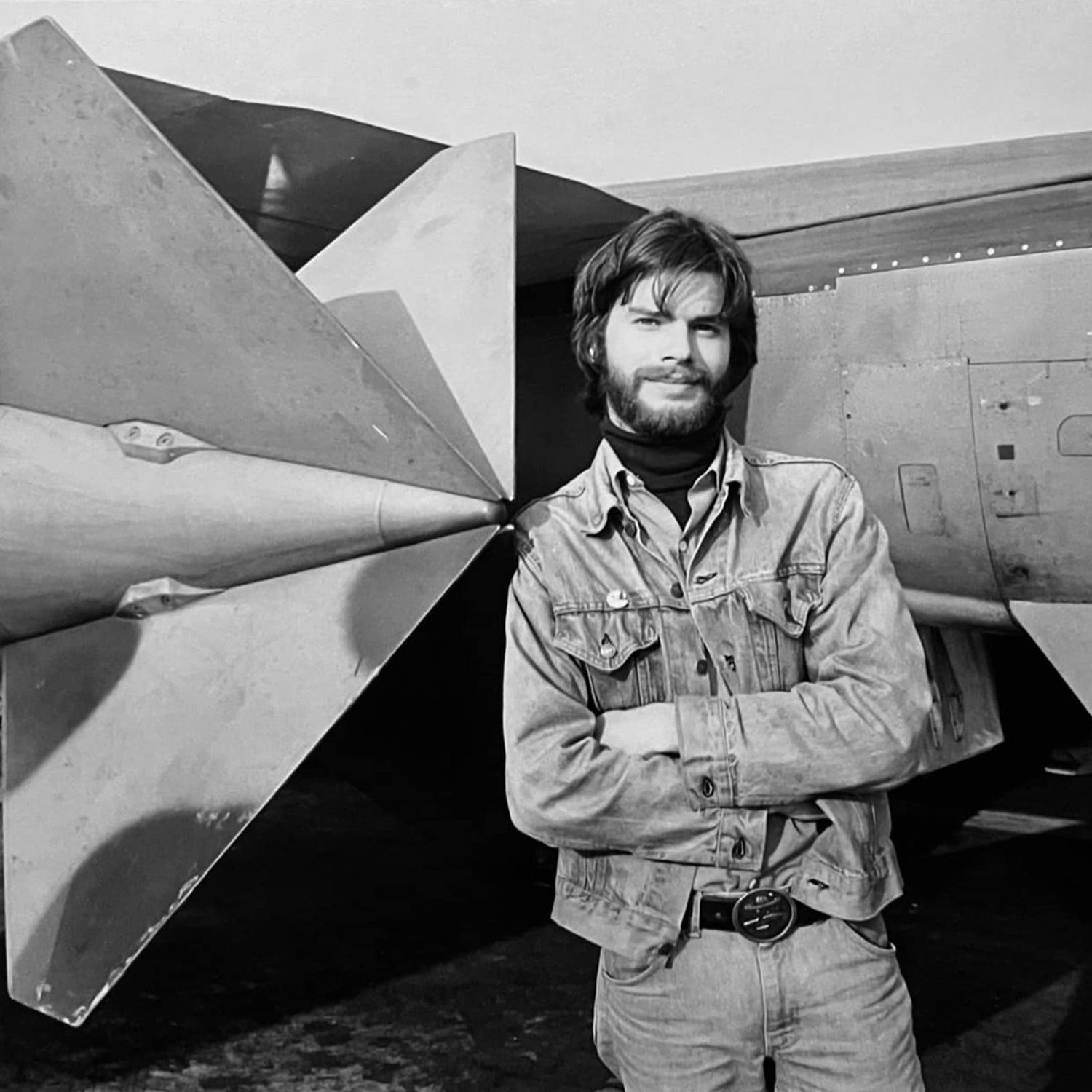
Highlights - ALLEN STEELE - Hugo Award-winning Science Fiction Author of the Coyote Trilogy, Arkwright
"I'm really very glad. I was happy to see that within my lifetime that the prospects of not just Mars, but in fact interstellar space is being taken seriously. I've been at two conferences where we were talking about building the first starship within this century. One of my later books, Arkwright, is about such a project. I saw that Elon Musk is building Starship One, I wish him all the best. And I envy anybody who goes.I wish I were a younger person and in better health. Somebody asked me some time ago, would you go to Mars? And I said, 'I can't do it now. I've got a bum pancreas, and I'm 65 years old, and I'm not exactly the prime prospect for doing this. If you asked me 40 years ago would I go, I would have said: in a heartbeat!' I would gladly leave behind almost everything. I don't think I'd be glad about leaving my wife and family behind, but I'd be glad to go live on another planet, perhaps for the rest of my life, just for the chance to explore a new world, to be one of the settlers in a new world.And I think this is something that's being taken seriously. It is very possible. We've got to be careful about how we do this. And we've got to be careful, particularly about the rationale of the people who are doing this. It bothers me that Elon Musk has lately taken a shift to the Far Right. I don't know why that is. But I'd love to be able to sit down and talk with him about these things and try to understand why he has done such a right thing, but for what seems to be wrong reasons."What does the future of space exploration look like? How can we unlock the opportunities of outer space without repeating the mistakes of colonization and exploitation committed on Earth? How can we ensure AI and new technologies reflect our values and the world we want to live in? Allen Steele is a science fiction author and journalist. He has written novels, short stories, and essays and been awarded a number of Hugos, Asimov's Readers, and Locus Awards. He’s known for his Coyote Trilogy and Arkwright. He is a former member of the Board of Directors and Board of Advisors for the Science Fiction and Fantasy Writers of America. He has also served as an advisor for the Space Frontier Foundation. In 2001, he testified before the Subcommittee on Space and Aeronautics of the U.S. House of Representatives in hearings regarding space exploration in the 21st century.www.allensteele.comwww.creativeprocess.infowww.oneplanetpodcast.orgIG www.instagram.com/creativeprocesspodcastPhoto from a field trip to Pease Air Force Base in Portsmouth NH, now closed. Photo credit: Chuck Peterson

ALLEN STEELE - Hugo Award-winning Science Fiction Author of the Coyote Trilogy, Arkwright
What does the future of space exploration look like? How can we unlock the opportunities of outer space without repeating the mistakes of colonization and exploitation committed on Earth? How can we ensure AI and new technologies reflect our values and the world we want to live in? Allen Steele is a science fiction author and journalist. He has written novels, short stories, and essays and been awarded a number of Hugos, Asimov's Readers, and Locus Awards. He’s known for his Coyote Trilogy and Arkwright. He is a former member of the Board of Directors and Board of Advisors for the Science Fiction and Fantasy Writers of America. He has also served as an advisor for the Space Frontier Foundation. In 2001, he testified before the Subcommittee on Space and Aeronautics of the U.S. House of Representatives in hearings regarding space exploration in the 21st century."I'm really very glad. I was happy to see that within my lifetime that the prospects of not just Mars, but in fact interstellar space is being taken seriously. I've been at two conferences where we were talking about building the first starship within this century. One of my later books, Arkwright, is about such a project. I saw that Elon Musk is building Starship One, I wish him all the best. And I envy anybody who goes.I wish I were a younger person and in better health. Somebody asked me some time ago, would you go to Mars? And I said, 'I can't do it now. I've got a bum pancreas, and I'm 65 years old, and I'm not exactly the prime prospect for doing this. If you asked me 40 years ago would I go, I would have said: in a heartbeat!' I would gladly leave behind almost everything. I don't think I'd be glad about leaving my wife and family behind, but I'd be glad to go live on another planet, perhaps for the rest of my life, just for the chance to explore a new world, to be one of the settlers in a new world.And I think this is something that's being taken seriously. It is very possible. We've got to be careful about how we do this. And we've got to be careful, particularly about the rationale of the people who are doing this. It bothers me that Elon Musk has lately taken a shift to the Far Right. I don't know why that is. But I'd love to be able to sit down and talk with him about these things and try to understand why he has done such a right thing, but for what seems to be wrong reasons."www.allensteele.comwww.creativeprocess.infowww.oneplanetpodcast.orgIG www.instagram.com/creativeprocesspodcast

Highlights - RALPH GIBSON - Award-winning Photographer - Leica Hall of Fame Inductee
"I believe that AI will be an incredibly useful tool. Humanity has endured primarily because of its inherent characteristics. I see things like NFTs and AI and Spotify and file sharing, and there was a time when I moved to New York where I could drift through the empty museum galleries of the moment, and have my epiphanies. Now you go to the same museum, it's like the Tokyo subway. You're, you know, it's a bunch of sardines. That's what's happening because there are too many people in the world for the delivery system to any longer be affected. Museums are delivery systems. We're moving into a world of the private museum now because the great collectors are building their own museums.I am happy to report since I've seen you, I have a museum in South Korea in my name. So, you know, I'm funneling, channeling, putting hundreds and hundreds of prints into this museum in Busan in an attempt to personalize the situation, but by the time you've got eight billion people living on the planet Earth for a hundred years, which I plan to do. There's a lot of people like me. We know that people are living longer now thanks to medicine and nutrition. I do tend to think that with file sharing, more people are listening to more music than ever before. You would have previously had to put a Tower Records on every street corner in order to effectively distribute that much music. Now, with NFTs, obviously, I, as the artist, as the audience spreads for a work of art quite often the content goes down. You could have a photograph and sell the original print and have 100 percent of your attention, or it could be reproduced on the cover of the New York Times at 72 dpi, 3 by 4 inches, and you'd get some of it, but you wouldn't get the whole thing, but a million people would see it. Now with the digital situation, working digitally, if the image stays in that digital space permanently, the only real shortcoming is the excessively bright, heavy saturated screen on your computer that tends to exaggerate things a bit."How does the mind influence the mind? The mind cannot function without memory. And memory is just the mind aware of itself. So how do images tell us how we see and who we are?Ralph Gibson is one of the most interesting American photographers of our time. His international renown is based on his work, which is shown and collected by some of the world’s leading museums, including the Museum of Modern Art in New York, the J.P. Getty Museum in Los Angeles, the John Simon Guggenheim Memorial Foundation, the Creative Center for Photography in Tucson, the Museum of Fine Arts in Houston, the Maison Européenne de la Photographie in Paris, the Bibliothèque Nationale de France in Paris, and the Fotomuseum Winterthur in Switzerland.Gibson’s works reveal a meticulous aesthetic and visual territory edging on the surreal. His recent books include his memoir Self Exposure, Sacred Land: Israel before and after Time, and Secret of Light, which accompanied his exhibition at the Deichtorhallen House of Photography in Hamburg. He is a Leica Hall of Fame Inductee and has been awarded the French Legion of Honor. In 2022, The Gibson | Goeun Museum of Photography devoted to his work opened in Busan, South Korea.www.ralphgibson.comwww.deichtorhallen.de/en/ausstellung/ralph-gibsonwww.gibsongoeunmuseum.comwww.creativeprocess.infowww.oneplanetpodcast.orgIG www.instagram.com/creativeprocesspodcast
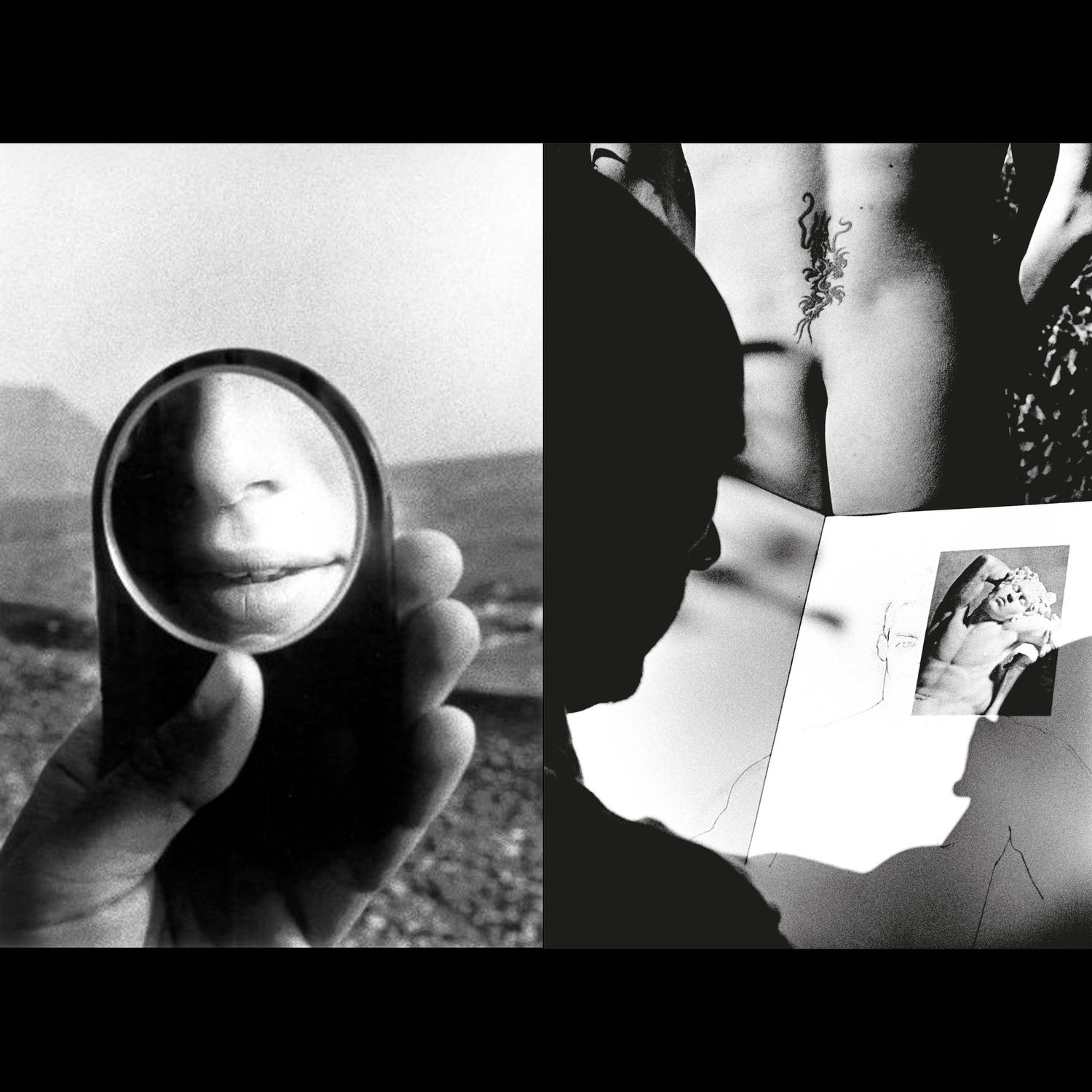
RALPH GIBSON - Award-winning Photographer - Leica Hall of Fame Inductee
How does the mind influence the mind? The mind cannot function without memory. And memory is just the mind aware of itself. So how do images tell us how we see and who we are?Ralph Gibson is one of the most interesting American photographers of our time. His international renown is based on his work, which is shown and collected by some of the world’s leading museums, including the Museum of Modern Art in New York, the J.P. Getty Museum in Los Angeles, the John Simon Guggenheim Memorial Foundation, the Creative Center for Photography in Tucson, the Museum of Fine Arts in Houston, the Maison Européenne de la Photographie in Paris, the Bibliothèque Nationale de France in Paris, and the Fotomuseum Winterthur in Switzerland.Gibson’s works reveal a meticulous aesthetic and visual territory edging on the surreal. His recent books include his memoir Self Exposure, Sacred Land: Israel before and after Time, and Secret of Light, which accompanied his exhibition at the Deichtorhallen House of Photography in Hamburg. He is a Leica Hall of Fame Inductee and has been awarded the French Legion of Honor. In 2022, The Gibson | Goeun Museum of Photography devoted to his work opened in Busan, South Korea."I believe that AI will be an incredibly useful tool. Humanity has endured primarily because of its inherent characteristics. I see things like NFTs and AI and Spotify and file sharing, and there was a time when I moved to New York where I could drift through the empty museum galleries of the moment, and have my epiphanies. Now you go to the same museum, it's like the Tokyo subway. You're, you know, it's a bunch of sardines. That's what's happening because there are too many people in the world for the delivery system to any longer be affected. Museums are delivery systems. We're moving into a world of the private museum now because the great collectors are building their own museums.I am happy to report since I've seen you, I have a museum in South Korea in my name. So, you know, I'm funneling, channeling, putting hundreds and hundreds of prints into this museum in Busan in an attempt to personalize the situation, but by the time you've got eight billion people living on the planet Earth for a hundred years, which I plan to do. There's a lot of people like me. We know that people are living longer now thanks to medicine and nutrition. I do tend to think that with file sharing, more people are listening to more music than ever before. You would have previously had to put a Tower Records on every street corner in order to effectively distribute that much music. Now, with NFTs, obviously, I, as the artist, as the audience spreads for a work of art quite often the content goes down. You could have a photograph and sell the original print and have 100 percent of your attention, or it could be reproduced on the cover of the New York Times at 72 dpi, 3 by 4 inches, and you'd get some of it, but you wouldn't get the whole thing, but a million people would see it. Now with the digital situation, working digitally, if the image stays in that digital space permanently, the only real shortcoming is the excessively bright, heavy saturated screen on your computer that tends to exaggerate things a bit."www.ralphgibson.comwww.deichtorhallen.de/en/ausstellung/ralph-gibsonwww.gibsongoeunmuseum.comwww.creativeprocess.infowww.oneplanetpodcast.orgIG www.instagram.com/creativeprocesspodcast

ROB VERCHICK - Leading Climate Change Scholar - Author of The Octopus in the Parking Garage
Rob Verchick is one of the nation’s leading scholars in disaster and climate change law and a former EPA official in the Obama administration. He holds the Gauthier-St. Martin Eminent Scholar Chair in Environmental Law at Loyola University New Orleans. Professor Verchick is also a Senior Fellow in Disaster Resilience at Tulane University and the President of the Center for Progressive Reform, a research and advocacy organization that advocates for solutions to our most pressing societal challenges. He is the author of numerous articles and books, including The Octopus in the Parking Garage. A Call for Climate Resilience.“Well, there are good stories and bad stories. So the good stories are, Oh my gosh, renewable energy is just a wonderful technology story with solar panels getting as cheap as almost anything. Wind turbine technology. We're working on offshore wind farm planning in the Gulf right now, and we're going to build wind turbines that can survive hurricanes. So there's a lot of technology going on in energy storage that involves batteries. And I'm hoping that at some point we're going to get to batteries that don't use things like lithium so much, so that we don't have to be involved so much in the mining of those kinds of things.There's a lot of really interesting technology going on with using natural landscapes to protect against flooding and storms. So we have a coastal restoration effort in Louisiana, one of the largest in the world. And what we're experimenting with is diverting water from the Mississippi River to replenish sediment and grow new wetlands on our tattered shores. And that's technology, too. I mean, we've got some of the best engineering firms in the world down here, and NASA trying to figure out exactly how to do that. And if we can do it, we'll export that technology all over the place and help rebuild coastlines. So those are some really bright spots in terms of the technology that I see.”https://robverchick.comhttps://works.bepress.com/robert_verchickwww.progressivereform.org/Twitter/X/Instagram/Facebook: @robverchick @robsoctopusbookwww.creativeprocess.infowww.oneplanetpodcast.orgIG www.instagram.com/creativeprocesspodcast

Highlights - LESLEY HUGHES - Lead Author, IPCC 4th, 5th Assessment Reports - Biology Professor, Macquarie University
But I would also like to see the government really start to restrict new fossil fuel developments because it's been made very clear by the IPCC, by the International Energy Agency, by every scientific paper you could read that promoting new developments is completely incompatible with a safe climate."Now in the 21st century, with an abundance of renewable technologies, why is the world still using 18th-century energy technology? How can each of us harness our unique skills to help solve the climate crisis?Lesley Hughes is a Distinguished Professor of Biology and Interim Executive Dean of the Faculty of Science & Engineering at Macquarie University. She is an ecologist whose main research interest has been the impacts of climate change on species and ecosystems, and the implications of climate change for conservation. She was a Lead Author of the IPCC’s 4th and 5th Assessment Report, Director for the WWF Australia and federal Climate Commissioner and is now a Councillor and Director with the Climate Council of Australia. She is also a member of the Wentworth Group of Concerned Scientists."We need a radical transformation of investment in emissions reduction. We need some pretty strong regulatory policies. I think we've been relying on voluntary action for so long, and it's clear that that has not been enough. So I'm an advocate of far more stringent stepping in of governments to regulate. I don't know whether we are going to achieve the 43% emissions reduction target. I hope we meet and beat that. At the moment, things are not looking all that good. But on the other hand, Australia is a country with almost unlimited renewable resources. We're the sunniest country in the world. One of the windiest. We have great engineers and great scientists. We have the means and the public concern and support to move much faster. It's going to be a matter for the government to bring in policies that accelerate the transition from using 18th-century energy technology to 21st-century energy technology.https://researchers.mq.edu.au/en/persons/lesley-hugheswww.climatecouncil.org.auwww.creativeprocess.infowww.oneplanetpodcast.orgIG www.instagram.com/creativeprocesspodcast

LESLEY HUGHES - Lead Author of IPCC 4th & 5th Assessment Reports - Director of Climate Council of Australia
Now in the 21st century, with an abundance of renewable technologies, why is the world still using 18th-century energy technology? How can each of us harness our unique skills to help solve the climate crisis?Lesley Hughes is a Distinguished Professor of Biology and Interim Executive Dean of the Faculty of Science & Engineering at Macquarie University. She is an ecologist whose main research interest has been the impacts of climate change on species and ecosystems, and the implications of climate change for conservation. She was a Lead Author of the IPCC’s 4th and 5th Assessment Report, Director for the WWF Australia and federal Climate Commissioner and is now a Councillor and Director with the Climate Council of Australia. She is also a member of the Wentworth Group of Concerned Scientists."We need a radical transformation of investment in emissions reduction. We need some pretty strong regulatory policies. I think we've been relying on voluntary action for so long, and it's clear that that has not been enough. So I'm an advocate of far more stringent stepping in of governments to regulate. I don't know whether we are going to achieve the 43% emissions reduction target. I hope we meet and beat that. At the moment, things are not looking all that good. But on the other hand, Australia is a country with almost unlimited renewable resources. We're the sunniest country in the world. One of the windiest. We have great engineers and great scientists. We have the means and the public concern and support to move much faster. It's going to be a matter for the government to bring in policies that accelerate the transition from using 18th-century energy technology to 21st-century energy technology.But I would also like to see the government really start to restrict new fossil fuel developments because it's been made very clear by the IPCC, by the International Energy Agency, by every scientific paper you could read that promoting new developments is completely incompatible with a safe climate."https://researchers.mq.edu.au/en/persons/lesley-hugheswww.climatecouncil.org.auwww.creativeprocess.infowww.oneplanetpodcast.orgIG www.instagram.com/creativeprocesspodcast
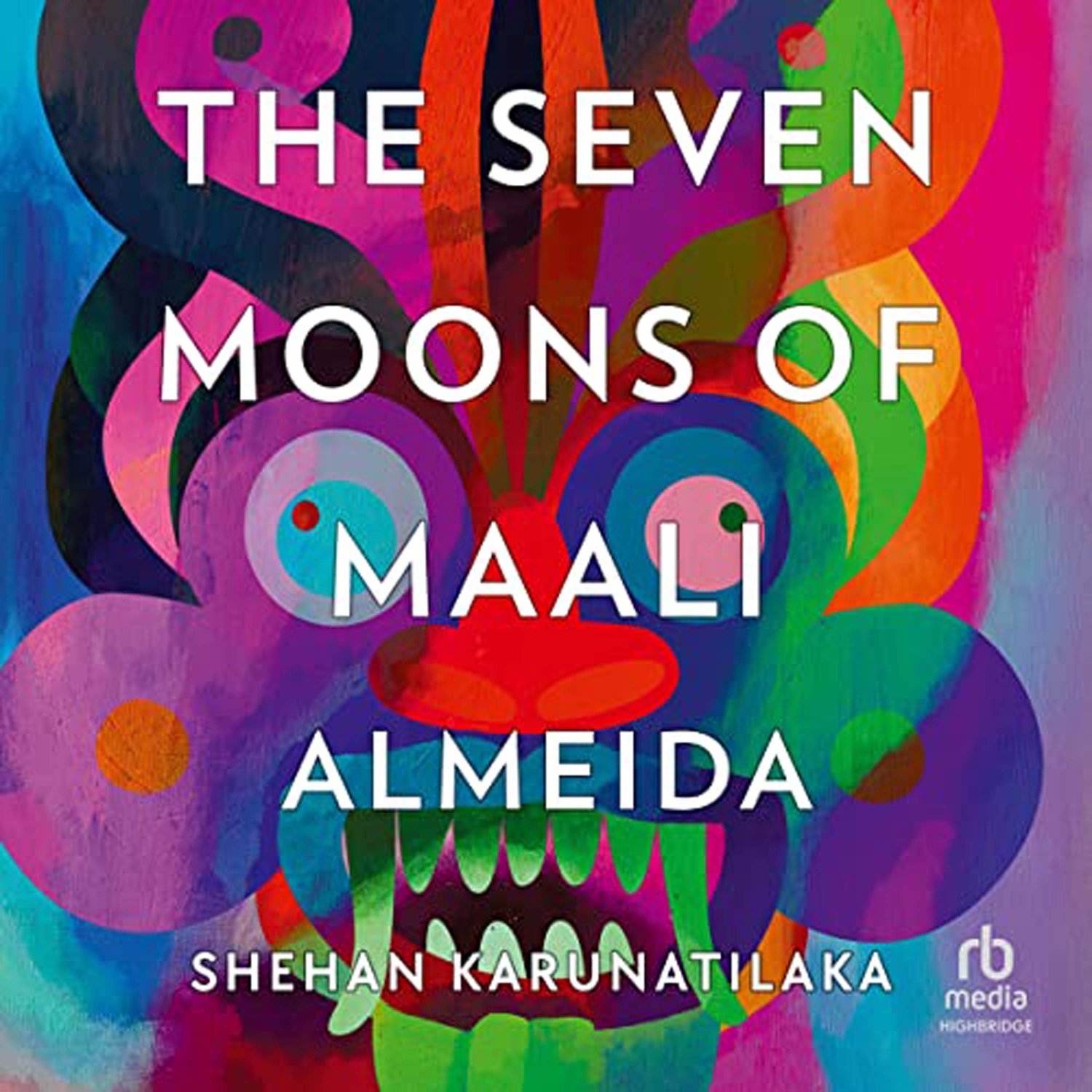
Highlights - SHEHAN KARUNATILAKA - Booker Prize-winning Author of The Seven Moons of Maali Almeida
What happens when we die? What happens to our memories and consciousness when our bodies cease to be? In the end, is it the things we did and the people we loved that give our lives meaning?Shehan Karunatilaka is the multi-award winning author. He is known for his novels dealing with the history, politics, and folklore of his home country of Sri Lanka. He won the Commonwealth Book Prize and the DSC Prize for South Asian Literature for his debut novel, Chinaman: The Legend of Pradeep Mathew, and the Booker Prize 2022 for his second novel, The Seven Moons of Maali Almeida. In addition to novels, he has written rock songs, screenplays and travel stories. Born in Colombo, he studied in New Zealand and has lived and worked in London, Amsterdam, and Singapore.www.shehanwriter.comhttps://wwnorton.com/books/9781324064824www.creativeprocess.info www.oneplanetpodcast.orgIG www.instagram.com/creativeprocesspodcastPhoto credit: David Parry/Booker Prize Foundation
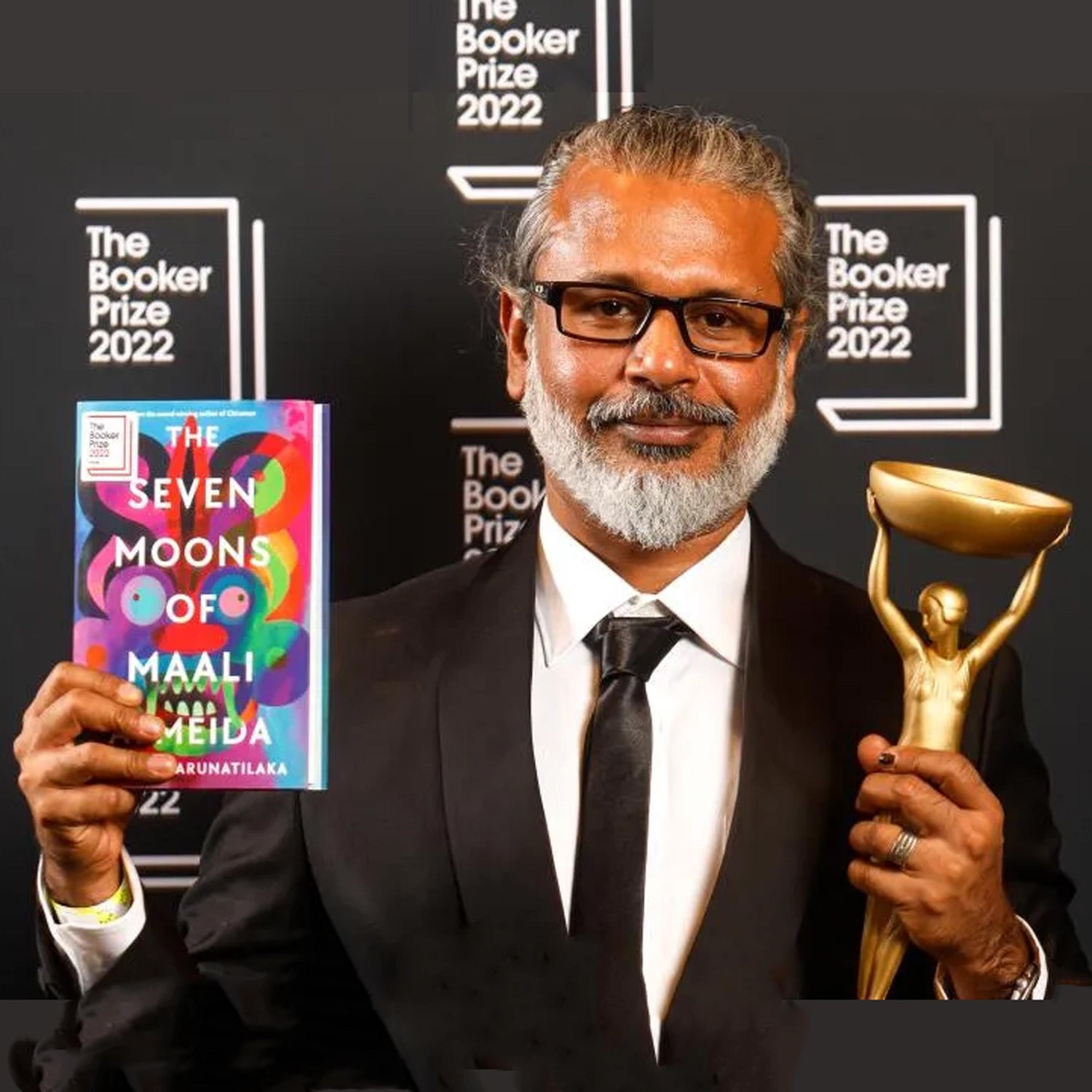
SHEHAN KARUNATILAKA - Booker Prize-winning Author of The Seven Moons of Maali Almeida
What happens when we die? What happens to our memories and consciousness when our bodies cease to be? In the end, is it the things we did and the people we loved that give our lives meaning?Shehan Karunatilaka is the multi-award winning author. He is known for his novels dealing with the history, politics, and folklore of his home country of Sri Lanka. He won the Commonwealth Book Prize and the DSC Prize for South Asian Literature for his debut novel, Chinaman: The Legend of Pradeep Mathew, and the Booker Prize 2022 for his second novel, The Seven Moons of Maali Almeida. In addition to novels, he has written rock songs, screenplays and travel stories. Born in Colombo, he studied in New Zealand and has lived and worked in London, Amsterdam, and Singapore."But I always think new ideas are what have led us forward. And new ideas, they come out of the humanities. They come out of understanding the classics, psychology, philosophy, and sociology, and being able to think.I think I'm okay for a couple more books before the robots start writing Booker Prize-winning novels. At the moment I think we're okay because I've tried this technology, and I think it's at the level of a junior copywriter who works hard. The first draft and all of that. But who knows where it's going to go? And we're all reminded this technology is in its infancy. So it's conceivable that these things are going to be writing novels and writing pretty good novels. Perhaps AI can write a formulaic detective thriller? But I don't think it's going to produce a Margaret Atwood or a Salman Rushdie. I think the real challenge is to write stuff that hasn't been written before. And that's what we are all trying to do. So the technology can replicate what's been done before, but the real novels that are going to move us, the stories that are going to move us, are the stuff that hasn't been done before. And that's where I think writers come in. And that's where an understanding of the humanities and being able to come up with new ideas rather than just replicate or rehash new ideas...I think we're still going to need human brains. And there's still room for originality because we think everything's been done, but I think it's just a fraction. There are lots of ideas out there, so I'm hopeful. I'm not too worried. And if this ChatGPT will help me. Instead of spending seven years on a novel, if I can knock out a novel in seven weeks, I'll be happier. The more writing I can do."www.shehanwriter.comhttps://wwnorton.com/books/9781324064824www.creativeprocess.info www.oneplanetpodcast.orgIG www.instagram.com/creativeprocesspodcastPhoto credit: David Parry/Booker Prize Foundation
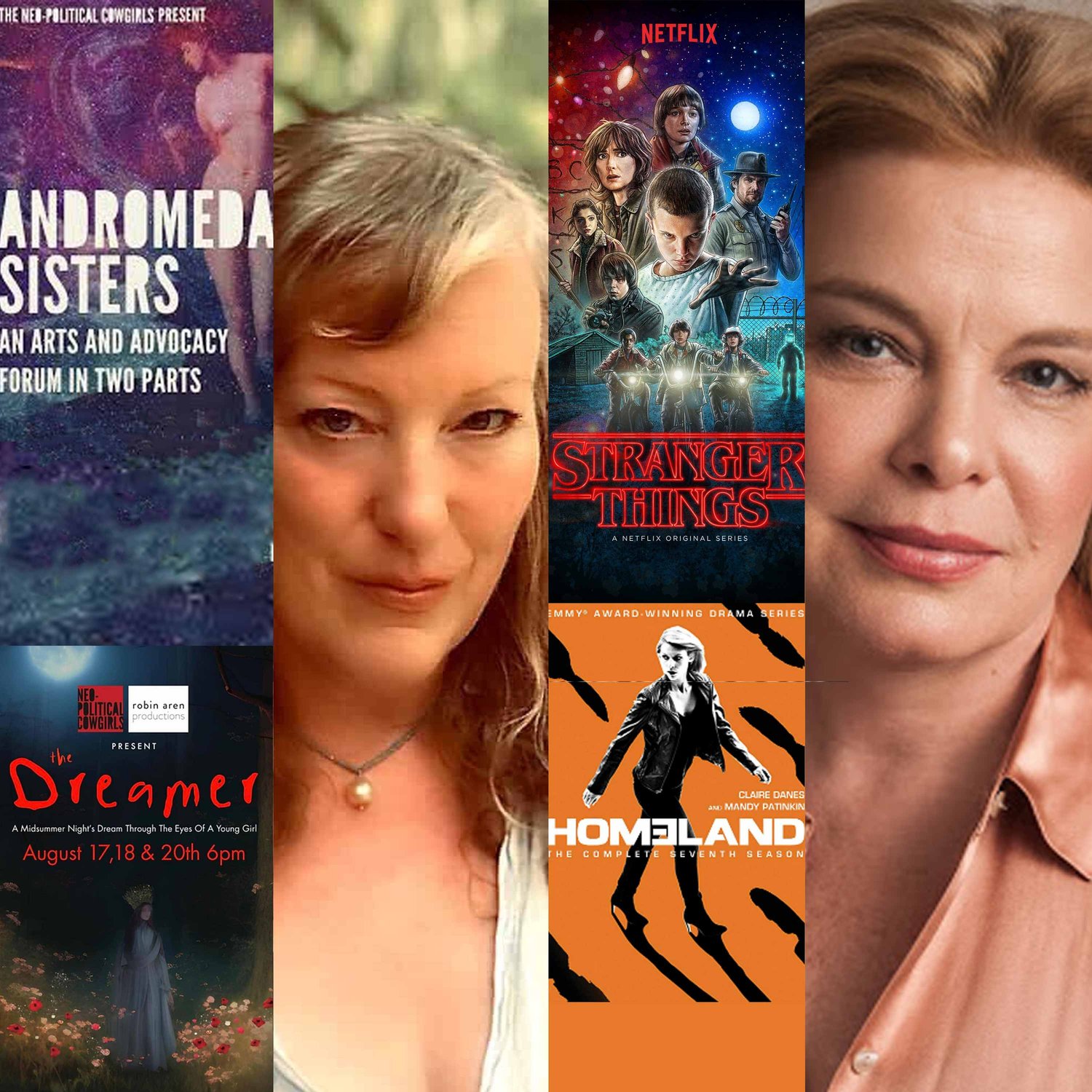
Highlights - Actress CATHERINE CURTIN (Orange is the New Black) & Artistic Director KATE MUETH (Director, Educator, Choreographer)
"Death is the imperfection of life. Because life is just a fleeting thing for everyone, for all of us. And so there's no way that a black box AI can know death. So AI can never, in that sense, know life, because every day you walk, you think. So AI doesn't touch us because we exist on a level of such mortal frailty and mortal cruelty, and mortal love, and hate, and jealousy, and insecurity and freedom and joy and wackiness, and being in the moment.We used to edit film on a flatbed. And every time you would take a scissors and make a cut and if you made the wrong cut you had to put the pieces back together and it wasn't a simple little thing.I believe Angels and Insects was the last film edited on a flatbed. Anybody who looks at that film sees the difference in the edit because when you choose to do something really thoughtfully and carefully as opposed to like, you know, I could put that scene there and I could put that scene here and what we've done today is we've made everything so fast and so easy that I think there's something to the creative process about it being a little bit more of an exploration than it is wham bam, it's done. Let's go have lunch. And I think there is something to the creative process where it's allowed to develop. It's called process because it is a process." -Catherine CurtinWhy do we make art? What can the performing arts teach us about how to engage in dialogues to overcome conflict and division?Our guests today are actress Catherine Curtin and artistic director Kate Mueth. Curtin is known for her roles on Stranger Things, Homeland, and Insecure. She played correctional officer Wanda Bell in Orange Is the New Black, and for this role she was a joint winner of two Screen Actors Guild Awards for Outstanding Performance by an Ensemble in a Comedy Series.Mueth is the Founder and Artistic Director of the award-winning dance theater company The Neo-Political Cowgirls that seeks to deepen and challenge the ways in which audiences experience stories and awaken their human connection. Based in East Hampton, New York they have performed to audiences in America and Europe.www.imdb.com/name/nm0193160/www.npcowgirls.orgwww.creativeprocess.infowww.oneplanetpodcast.orgIG www.instagram.com/creativeprocesspodcast
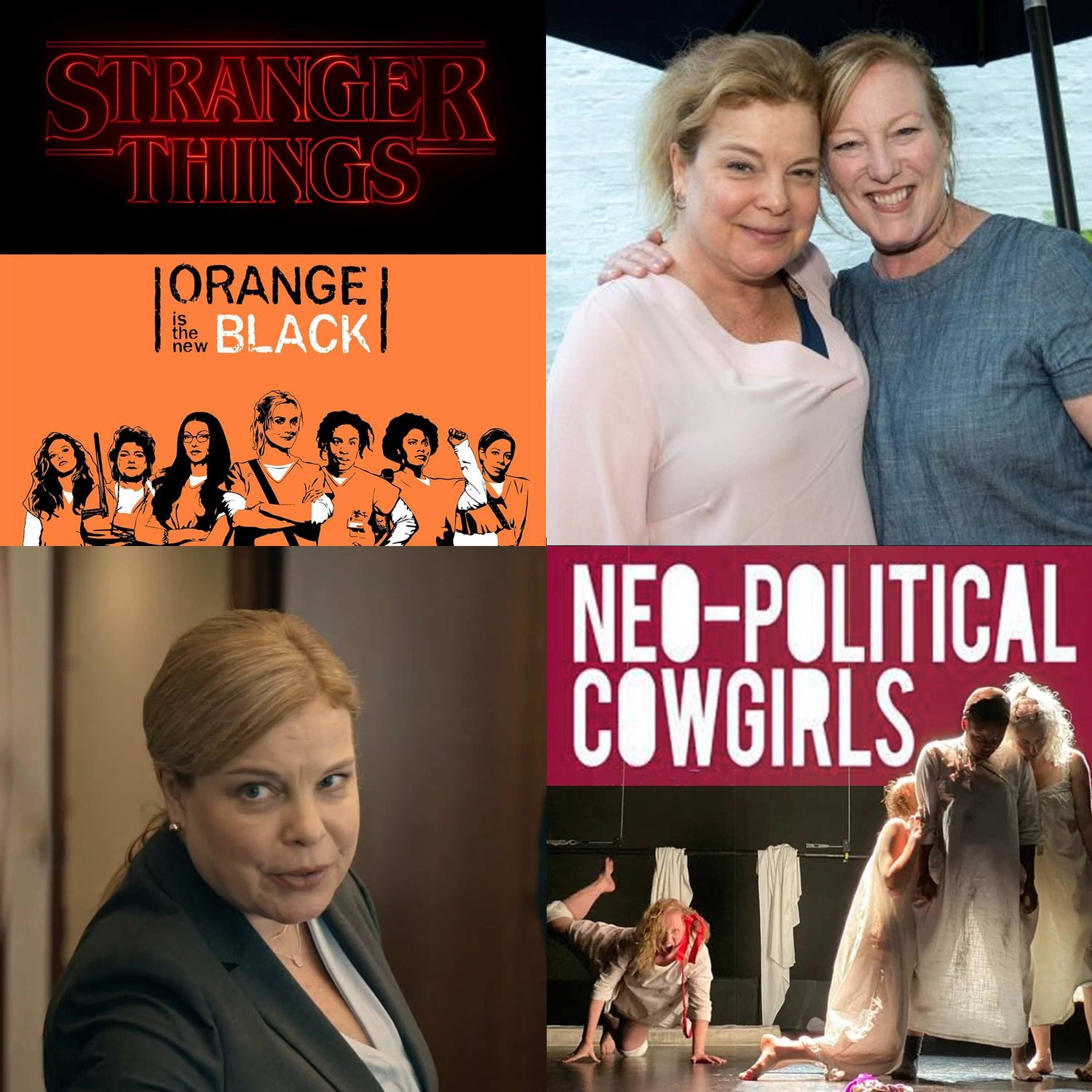
Actress CATHERINE CURTIN (Stranger Things) & Artistic Director KATE MUETH (Neo-Political Cowgirls)
Why do we make art? What can the performing arts teach us about how to engage in dialogues to overcome conflict and division?Our guests today are actress Catherine Curtin and artistic director Kate Mueth. Curtin is known for her roles on Stranger Things, Homeland, and Insecure. She played correctional officer Wanda Bell in Orange Is the New Black, and for this role she was a joint winner of two Screen Actors Guild Awards for Outstanding Performance by an Ensemble in a Comedy Series.Mueth is the Founder and Artistic Director of the award-winning dance theater company The Neo-Political Cowgirls that seeks to deepen and challenge the ways in which audiences experience stories and awaken their human connection. Based in East Hampton, New York they have performed to audiences in America and Europe."Death is the imperfection of life. Because life is just a fleeting thing for everyone, for all of us. And so there's no way that a black box AI can know death. So AI can never, in that sense, know life, because every day you walk, you think. So AI doesn't touch us because we exist on a level of such mortal frailty and mortal cruelty, and mortal love, and hate, and jealousy, and insecurity and freedom and joy and wackiness, and being in the moment.We used to edit film on a flatbed. And every time you would take a scissors and make a cut and if you made the wrong cut you had to put the pieces back together and it wasn't a simple little thing.I believe Angels and Insects was the last film edited on a flatbed. Anybody who looks at that film sees the difference in the edit because when you choose to do something really thoughtfully and carefully as opposed to like, you know, I could put that scene there and I could put that scene here and what we've done today is we've made everything so fast and so easy that I think there's something to the creative process about it being a little bit more of an exploration than it is wham bam, it's done. Let's go have lunch. And I think there is something to the creative process where it's allowed to develop. It's called process because it is a process." -Catherine Curtinwww.imdb.com/name/nm0193160/www.npcowgirls.orgwww.creativeprocess.infowww.oneplanetpodcast.orgIG www.instagram.com/creativeprocesspodcast
Highlights - Nobel Peace Prize-winning Climate Scientist MARK HOWDEN - Director, Climate Change Institute at ANU - Vice Chair of IPCC
"One of the things we have to do is we have to increase the rate of learning. We are entering into increasingly uncharted territory and not just in terms of climate change, but in many other areas of activity, AI being one of those, of course. And I think what we need to do is we need to find ways to learn more quickly, as a society, as communities, as villagers, as professional groups. And there are advantages of using some of those technologies in terms of accelerating that learning.We need to be discerning about the technologies we use, and we need to think about the relationships between those technology and social outcomes, environmental outcomes, how to redesign our systems, and how to redesign our governance. So I think there's going to be a need for a lot more thought and creativity in the future."Our window to adapt to a warming world is narrowing quickly. What it will take to avert the climate crises? Mark Howden is Director of the Climate Change Institute at The Australian National University and a Vice Chair of the Intergovernmental Panel on Climate Change (IPCC) and a member of the Australian National Climate Science Advisory Committee. He has been a major contributor to the IPCC since 1991, with roles in the Second, Third, Fourth, Fifth and now Sixth Assessment Reports, sharing the 2007 Nobel Peace Prize with other IPCC participants and Al Gore. He was on the US Federal Advisory Committee for the 3rd National Climate Assessment and contributes to several major national and international science and policy advisory bodies. Mark has worked on climate variability, climate change, innovation and adoption issues for over 30 years in partnership with many industry, community and policy groups via both research and science-policy roles.https://iceds.anu.edu.au/people/academics/professor-mark-howdenhttps://iceds.anu.edu.au/www.ipcc.chwww.creativeprocess.infowww.oneplanetpodcast.orgIG www.instagram.com/creativeprocesspodcast

MARK HOWDEN - Vice Chair, Intergovernmental Panel on Climate Change - Director, Climate Change Institute at The Australian National University
Our window to adapt to a warming world is narrowing quickly. What it will take to avert the climate crises? Mark Howden is Director of the Climate Change Institute at The Australian National University and a Vice Chair of the Intergovernmental Panel on Climate Change (IPCC) and a member of the Australian National Climate Science Advisory Committee. He has been a major contributor to the IPCC since 1991, with roles in the Second, Third, Fourth, Fifth and now Sixth Assessment Reports, sharing the 2007 Nobel Peace Prize with other IPCC participants and Al Gore. He was on the US Federal Advisory Committee for the 3rd National Climate Assessment and contributes to several major national and international science and policy advisory bodies. Mark has worked on climate variability, climate change, innovation and adoption issues for over 30 years in partnership with many industry, community and policy groups via both research and science-policy roles."One of the things we have to do is we have to increase the rate of learning. We are entering into increasingly uncharted territory and not just in terms of climate change, but in many other areas of activity, AI being one of those, of course. And I think what we need to do is we need to find ways to learn more quickly, as a society, as communities, as villagers, as professional groups. And there are advantages of using some of those technologies in terms of accelerating that learning.We need to be discerning about the technologies we use, and we need to think about the relationships between those technology and social outcomes, environmental outcomes, how to redesign our systems, and how to redesign our governance. So I think there's going to be a need for a lot more thought and creativity in the future."https://iceds.anu.edu.au/people/academics/professor-mark-howdenhttps://iceds.anu.edu.au/www.ipcc.chwww.creativeprocess.infowww.oneplanetpodcast.orgIG www.instagram.com/creativeprocesspodcastPhoto credit: Lannon Harley/ANU

SIMON DALBY - Author of Pyromania: Fire and Geopolitics in a Climate-Disrupted World
Wildfire season is starting earlier and lasting longer due to global warming across the world. What will we do to save the world on fire? How can we cure our addiction to fossil fuels which is verging on pyromania?Simon Dalby is author of Pyromania: Fire and Geopolitics in a Climate-Disrupted World and Professor Emeritus at Wilfrid Laurier University. His other books are Rethinking Environmental Security, Anthropocene Geopolitics: Globalization, Security, Sustainability, and Security and Environmental Change. He’s co-editor of Achieving the Sustainable Development Goals, and Reframing Climate Change: Constructing Ecological Geopolitics."It's crucial because of how we design cities so we can live better together. If we are going to be sustainable: less personal car ownership, a lot more public transport, a lot more bicycles or scooters - they dramatically reduce pollution and they allow everybody to breathe easier because there's much less pollution from internal combustion engines actually in cities. All of this suggests that we need to reimagine cities as public spaces that are not dependent on the individual use of cars."https://experts.wlu.ca/simon-dalby-1www.agendapub.com/page/detail/pyromania/?k=9781788216500www.creativeprocess.infowww.oneplanetpodcast.orgIG www.instagram.com/creativeprocesspodcast
Highlights - MARK MASLIN - Author of How To Save Our Planet: The Facts - Professor, Earth System Science, UCLondon
"And what's very interesting is that at the moment there is this mass movement of people to our cities, making them megacities. And so we are actually depopulating the rural areas. So the very strange thing is that the Earth, it's becoming a wilder place. And therefore there are so many opportunities where people are leaving to go to the big cities where we can rewild, we can reforest, and we can bring back nature to actually keep those services that we absolutely rely on.We are so powerful as a planetary species, not individually, but collectively, that we have had that impact, that we have changed the geological destiny of the planet through changing the environment, changing the climate, and changing the evolutionary destiny - because we're already causing lots of extinctions - but also lots of new organisms to be evolving. And we are creating them in labs as well."Can we imagine a world where we leave half the earth to the natural environment and use the other half for ourselves? Can we change history and protect the Indigenous, the vulnerable, and the very poorest in society?Mark Maslin is a Professor of Earth System Science at University College London. Maslin is a leading expert in understanding the anthropocene and how it relates to the major challenges facing humanity in the 21st century. He has written a number of books on the issue of climate change, his most book is How to Save Our Planet: The Facts.www.geog.ucl.ac.uk/people/academic-staff/mark-maslinwww.penguin.co.uk/books/320155/how-to-save-our-planet-by-maslin-mark/9780241472521www.creativeprocess.info www.oneplanetpodcast.org IG www.instagram.com/creativeprocesspodcastImage courtesy of Mark Maslin
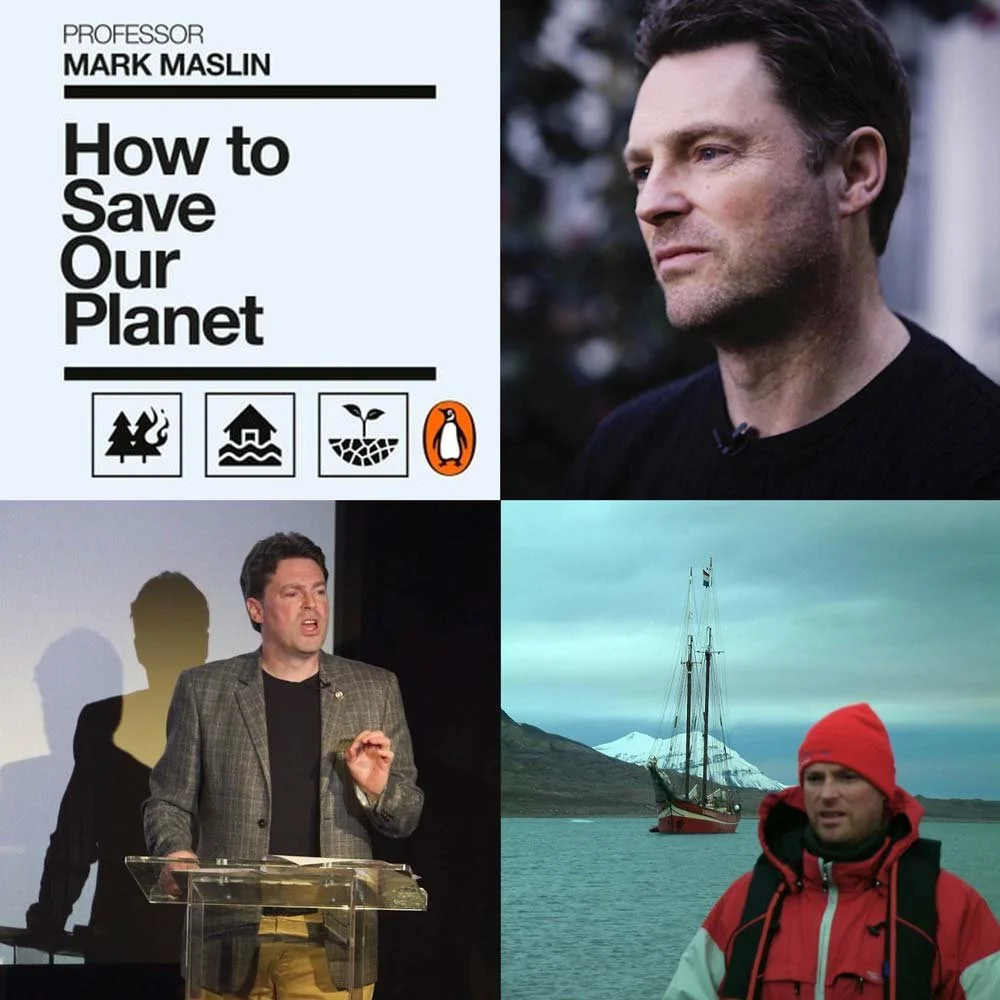
MARK MASLIN - Author of How To Save Our Planet: The Facts - Professor, Earth System Science, University College London
Can we imagine a world where we leave half the earth to the natural environment and use the other half for ourselves? Can we change history and protect the Indigenous, the vulnerable, and the very poorest in society?Mark Maslin is a Professor of Earth System Science at University College London. Maslin is a leading expert in understanding the anthropocene and how it relates to the major challenges facing humanity in the 21st century. He has written a number of books on the issue of climate change, his most book is How to Save Our Planet: The Facts.www.geog.ucl.ac.uk/people/academic-staff/mark-maslinwww.penguin.co.uk/books/320155/how-to-save-our-planet-by-maslin-mark/9780241472521www.creativeprocess.info www.oneplanetpodcast.org IG www.instagram.com/creativeprocesspodcastAll images courtesy of Mark Maslin

Highlights - Erland Cooper - Scottish Composer, Producer, Multi-instrumentalist
“One of our great British artists is Brian Eno, and he spoke a lot about limitations. I had the great joy of having a conversation. We ended up chatting for a couple of hours and he said, 'Oh, I want to show you something. I want to show you my library, and this tool I've created!' His Sonic Library, which is decades of audio material. (I have something similar. I call it an orphanage of sound. These files and folders that will eventually find a home.) But he's created a piece of software using algorithms that will at random pull out sounds and play them. And he can set certain parameters: I want a string sound to be here. And I'd like some bass sounds to come in. And I'd like some drum sounds, but it's just choosing these layers and playing them all at the same time. Again, a bit like the cacophony of birdsong. It's a bit of a mess initially, but then you can edit, and you start to refine. And in those limitations that have come out of this tool - and this is the point I guess I'm trying to make - is that it can be used as a tool to set limits or to burst limits. Or to mix things up. Out of that editing process, you can output something that to your ear sounds good to somebody else's ear."How has music transported you? Where do you find inspiration from the natural world? Where do you find moments of every day magic? Erland Cooper is a Scottish composer, producer, and multi-instrumentalist from Stromness, Orkney. He has released three acclaimed studio albums, four additional companion albums, and multiple EPs, including a trilogy of work inspired by his childhood home. His work combines field recordings with traditional orchestration and contemporary electronic elements. Through music words and cinematography, he explores landscape, memory, and identity. Cooper also works across mixed media projects, including installation, art, theater, and film. He is widely known for burying the only existing copy of the master tape of his first classical album in Scotland, deleting all digital files, and leaving only a treasure hunt of clues for fans and his record label alike to search for it. The tape has recently been found.www.erlandcooper.comwww.creativeprocess.info www.oneplanetpodcast.orgIG www.instagram.com/creativeprocesspodcast

Erland Cooper - Nature’s Songwriter - Composer of “Folded Landscapes”
How has music transported you? Where do you find inspiration from the natural world? Where do you find moments of every day magic? Erland Cooper is a Scottish composer, producer, and multi-instrumentalist from Stromness, Orkney. He has released three acclaimed studio albums, four additional companion albums, and multiple EPs, including a trilogy of work inspired by his childhood home. His work combines field recordings with traditional orchestration and contemporary electronic elements. Through music words and cinematography, he explores landscape, memory, and identity. Cooper also works across mixed media projects, including installation, art, theater, and film. He is widely known for burying the only existing copy of the master tape of his first classical album in Scotland, deleting all digital files, and leaving only a treasure hunt of clues for fans and his record label alike to search for it. The tape has recently been found.“One of our great British artists is Brian Eno, and he spoke a lot about limitations. I had the great joy of having a conversation. We ended up chatting for a couple of hours and he said, 'Oh, I want to show you something. I want to show you my library, and this tool I've created!' His Sonic Library, which is decades of audio material. (I have something similar. I call it an orphanage of sound. These files and folders that will eventually find a home.) But he's created a piece of software using algorithms that will at random pull out sounds and play them. And he can set certain parameters: I want a string sound to be here. And I'd like some bass sounds to come in. And I'd like some drum sounds, but it's just choosing these layers and playing them all at the same time. Again, a bit like the cacophony of birdsong. It's a bit of a mess initially, but then you can edit, and you start to refine. And in those limitations that have come out of this tool - and this is the point I guess I'm trying to make - is that it can be used as a tool to set limits or to burst limits. Or to mix things up. Out of that editing process, you can output something that to your ear sounds good to somebody else's ear."www.erlandcooper.comwww.creativeprocess.info www.oneplanetpodcast.orgIG www.instagram.com/creativeprocesspodcastPhoto by Alex Kozobolis
Highlights - SERGEI GURIEV - Political Economist - Provost of SciencesPo - Co-author of Spin Dictators
"About 15 years ago, we still didn't have 3G, 4G, 5G internet, that only started about 15 years ago. And then only 10 years ago we saw the real rise of social media with Facebook giving you a like button and becoming a dominant means of telecommunications. And we show in our work that the spread of 3g, 4G mobile, broadband internet, and social media have also contributed to the rise of populism. Why? Because a populist message travels faster and more broadly and more convincingly on social media simply because of the model of social media. Where the idea of creating the social media space is to make sure that your retention is kept, and of course, attention is more likely to be attracted by critical, negative, and outrageous messages. These are anti-elite messages. These are actually quite often also false messages, but they travel faster on social media. And so social media has also contributed to the rise of populism."What is a spin dictator? What does tyranny look like in the 21st century? Why is populism on the rise? And how do we reinvent democracy?Sergei Guriev is the co-author of Spin Dictators: The Changing Face of Tyranny in the 21st Century. Guriev is Provost and a professor of economics and at Sciences Po in Paris. He is a former Chief Economist of the European Bank for Reconstruction and Development, London, and a former Rector of the New Economic School in Moscow in 2004-13.https://sites.google.com/site/sguriev/https://spindictators.com/www.sciencespo.fr/department-economics/en/researcher/sergei-guriev.htmlwww.creativeprocess.infowww.oneplanetpodcast.orgIG www.instagram.com/creativeprocesspodcast
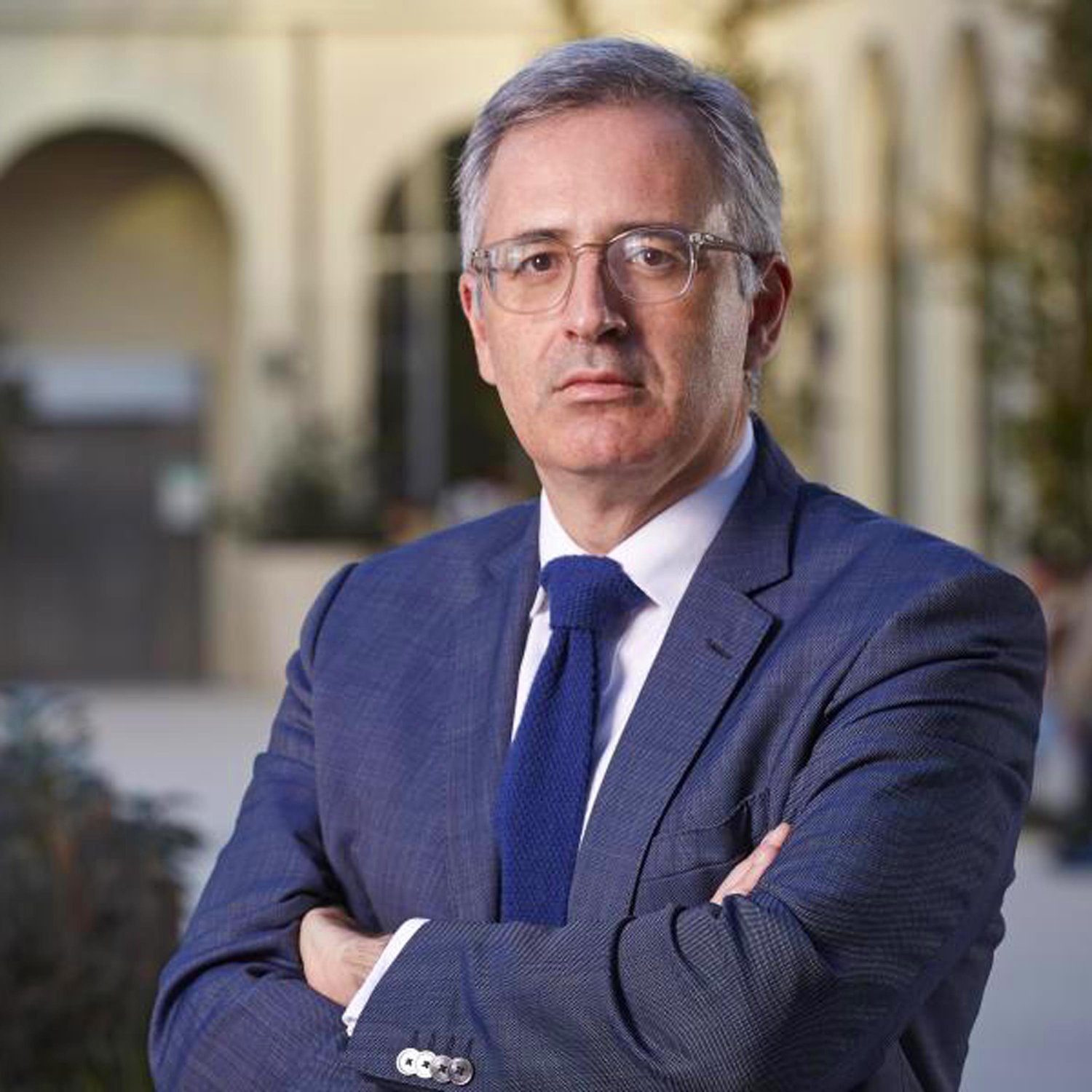
SERGEI GURIEV - Economist - Provost of SciencesPo - Co-author of Spin Dictators: The Changing Face of Tyranny in the 21st Century
What is a spin dictator? What does tyranny look like in the 21st century? Why is populism on the rise? And how do we reinvent democracy?Sergei Guriev is the co-author of Spin Dictators: The Changing Face of Tyranny in the 21st Century. Guriev is Provost and a professor of economics and at Sciences Po in Paris. He is a former Chief Economist of the European Bank for Reconstruction and Development, London, and a former Rector of the New Economic School in Moscow in 2004-13."About 15 years ago, we still didn't have 3G, 4G, 5G internet, that only started about 15 years ago. And then only 10 years ago we saw the real rise of social media with Facebook giving you a like button and becoming a dominant means of telecommunications. And we show in our work that the spread of 3g, 4G mobile, broadband internet, and social media have also contributed to the rise of populism. Why? Because a populist message travels faster and more broadly and more convincingly on social media simply because of the model of social media. Where the idea of creating the social media space is to make sure that your retention is kept, and of course, attention is more likely to be attracted by critical, negative, and outrageous messages. These are anti-elite messages. These are actually quite often also false messages, but they travel faster on social media. And so social media has also contributed to the rise of populism."https://sites.google.com/site/sguriev/https://spindictators.com/www.sciencespo.fr/department-economics/en/researcher/sergei-guriev.htmlwww.creativeprocess.infowww.oneplanetpodcast.orgIG www.instagram.com/creativeprocesspodcast
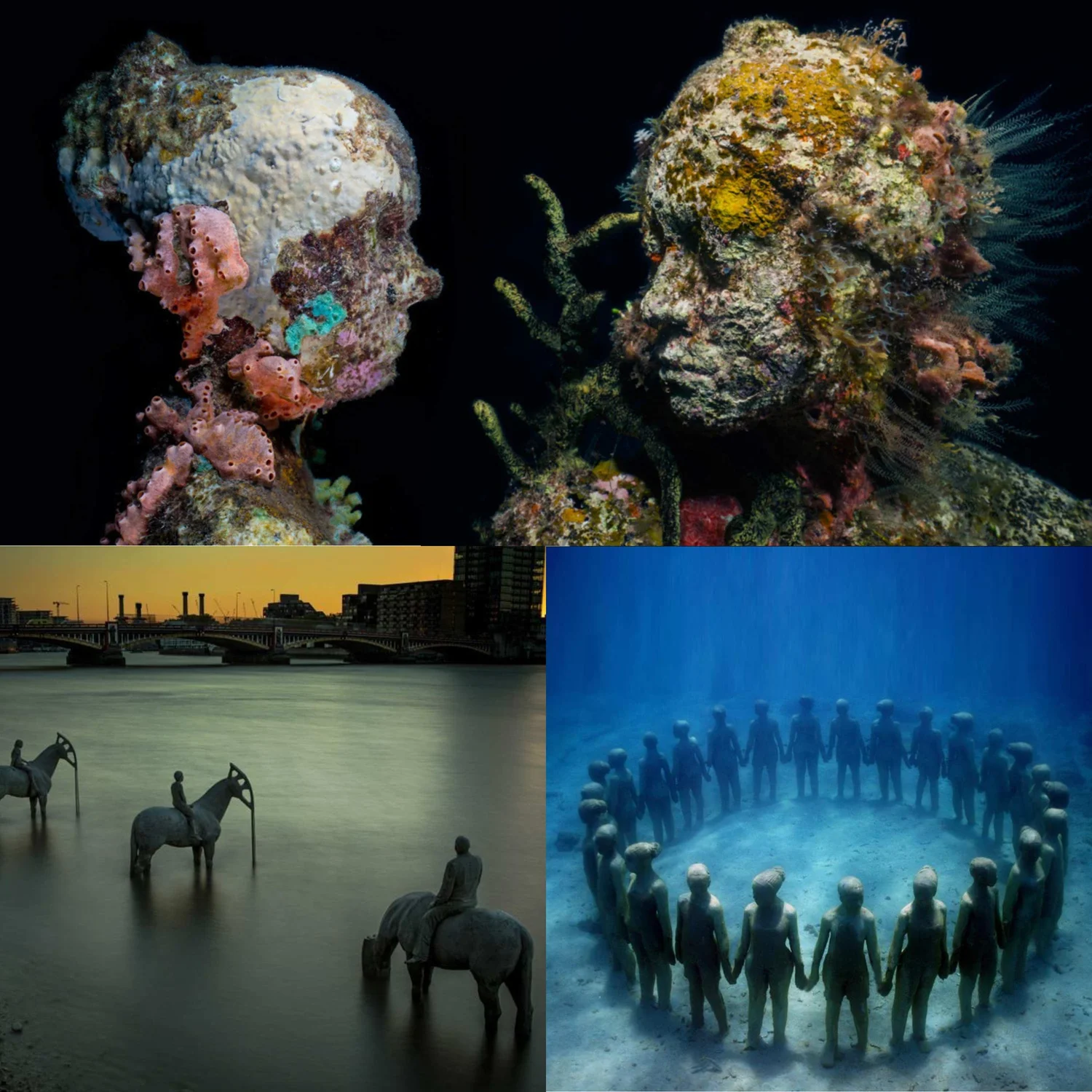
Highlights - JASON deCAIRES TAYLOR - Sculptor, Environmentalist, Creator of Underwater Museums
"We actually have some new works which have scientific monitoring devices in them. They actually have little sensors in them that monitor temperature and salinity and other factors. And one of the main pieces there is this piece called The Ocean Siren. And it is a young indigenous woman who is standing on the coastline, and she's actually attached to a weather station connected via a satellite link to a weather station out on the Great Barrier Reef. And that feeds data back to her. And then there's a solar array that changes a series of LEDs on her skin. So she changes red and orange color when there are prolonged spikes in temperature that could indicate coral bleaching. And then when the water is cooler, she obviously comes back down to a cooler blue or green color.From the beginning, it's always been one of my major concerns that I don't always like human intervention in natural landscapes. And it was something that I was really conscious of when I first started. So, first and foremost, I made attention to the fact that it needed to be made from materials that didn't pollute in any way, that were sustainable, and that would last for a very long time. It takes reefs hundreds of years to fully get established. So the materials had to live up to that. They also had to not be displaced by all the strong forces and energy that are prevalent underwater. And they also had to foster marine life. I also found out that, they were very good at actually controlling how tourists interact with our marine areas. So many of the projects are actually to draw visitors away from natural areas and to bring them to an area where there's a sandy substrate where their impact is lessened."What if museums weren’t confined to buildings but could be part of the natural world? What if sculptures could not only celebrate our oceans, but also provide habitats for marine life?Jason deCaires Taylor is a sculptor, environmentalist, and underwater photographer. His works are constructed using materials to instigate natural growth and the subsequent changes intended to explore the aesthetics of decay, rebirth, and metamorphosis. DeCaires Taylor's pioneering public art projects are not only examples of successful marine conservation but also works of art that seek to encourage environmental awareness and lead us to appreciate the breathtaking natural beauty of the underwater world.www.underwatersculpture.comwww.creativeprocess.infowww.oneplanetpodcast.orgIG www.instagram.com/creativeprocesspodcast

JASON deCAIRES TAYLOR - Sculptor, Environmentalist, Creator of Underwater Museums
What if museums weren’t confined to buildings but could be part of the natural world? What if sculptures could not only celebrate our oceans, but also provide habitats for marine life?Jason deCaires Taylor is a sculptor, environmentalist, and underwater photographer. His works are constructed using materials to instigate natural growth and the subsequent changes intended to explore the aesthetics of decay, rebirth, and metamorphosis. DeCaires Taylor's pioneering public art projects are not only examples of successful marine conservation but also works of art that seek to encourage environmental awareness and lead us to appreciate the breathtaking natural beauty of the underwater world."We actually have some new works which have scientific monitoring devices in them. They actually have little sensors in them that monitor temperature and salinity and other factors. And one of the main pieces there is this piece called The Ocean Siren. And it is a young indigenous woman who is standing on the coastline, and she's actually attached to a weather station connected via a satellite link to a weather station out on the Great Barrier Reef. And that feeds data back to her. And then there's a solar array that changes a series of LEDs on her skin. So she changes red and orange color when there are prolonged spikes in temperature that could indicate coral bleaching. And then when the water is cooler, she obviously comes back down to a cooler blue or green color.From the beginning, it's always been one of my major concerns that I don't always like human intervention in natural landscapes. And it was something that I was really conscious of when I first started. So, first and foremost, I made attention to the fact that it needed to be made from materials that didn't pollute in any way, that were sustainable, and that would last for a very long time. It takes reefs hundreds of years to fully get established. So the materials had to live up to that. They also had to not be displaced by all the strong forces and energy that are prevalent underwater. And they also had to foster marine life. I also found out that, they were very good at actually controlling how tourists interact with our marine areas. So many of the projects are actually to draw visitors away from natural areas and to bring them to an area where there's a sandy substrate where their impact is lessened."www.underwatersculpture.comwww.creativeprocess.infowww.oneplanetpodcast.orgIG www.instagram.com/creativeprocesspodcast
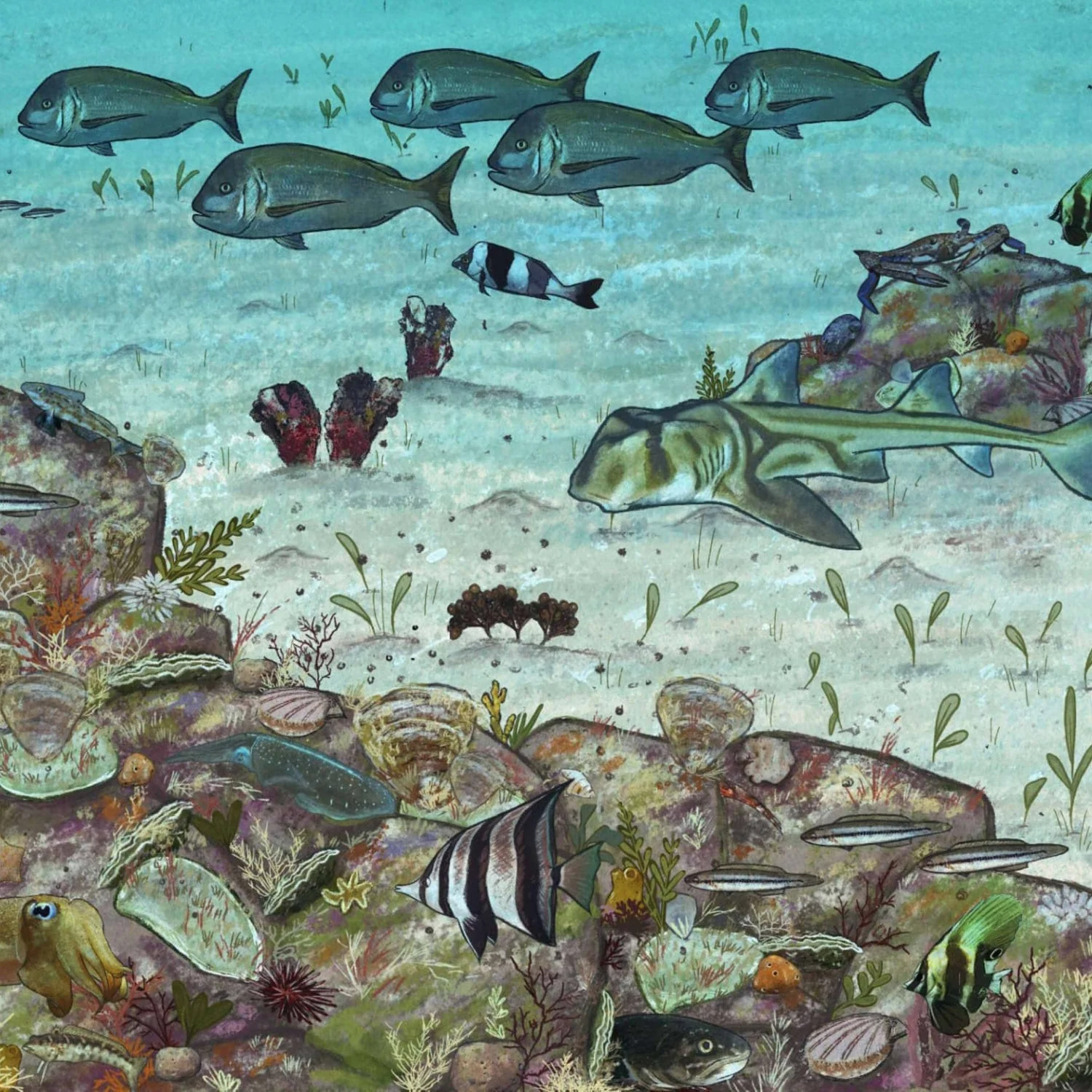
Highlights - DOMINIC McAFEE - Marine Ecologist, University of Adelaide - Restoring Lost Oyster Reefs
"We've lost something like 85% of oyster reefs globally. In Australia it's over 99%. We've smashed this ecosystem to smithereens. It covered something like 7,000 kilometers of coastline and the flat oyster reef, for example, the flat oysters, one type of oyster that we work with were completely removed from the Australian mainland, and about 5,000 kilometers of reef destroyed in a very short period of time. And because of the intensity with which the coastlines were modified following European settlement of Australia, they haven't been able to come back naturally. We've been using healthy marine sounds with underwater speakers to attract oysters to these reefs. So when the historical native habitat was lost, it also lost the sound that was associated with those reefs, that sound created by the millions of animals that live in that complex habitat. Now there's recognition that anthropogenic noise, noise from shipping and motorboats, and other urban noise is masking the natural sounds of the sea and dominating the soundscape as we call it. We're hoping that we can counteract some of those negative impacts of anthropogenic noise by playing healthy marine sounds."We have lost around 85% of oyster reefs. That’s not only the loss of oysters but also the habitat they provide other marine animals and plants. Oysters are amazing, not only do some create pearls but as sequential hermaphrodites, they can switch between male and female almost on a daily basis.Dr. Dominic McAfee is a researcher at the University of Adelaide in Australia. His work centers around restoring lost marine ecosystems, specifically shellfish reefs. Along with employing novel technology and reef restoration projects, he seeks to understand how oysters enhance the resilience and function of coastal ecosystems. He seeks to develop conservation messaging strategies that enhance public engagement via conservation optimism.https://researchers.adelaide.edu.au/profile/dominic.mcafeewww.creativeprocess.info www.oneplanetpodcast.orgIG www.instagram.com/creativeprocesspodcast
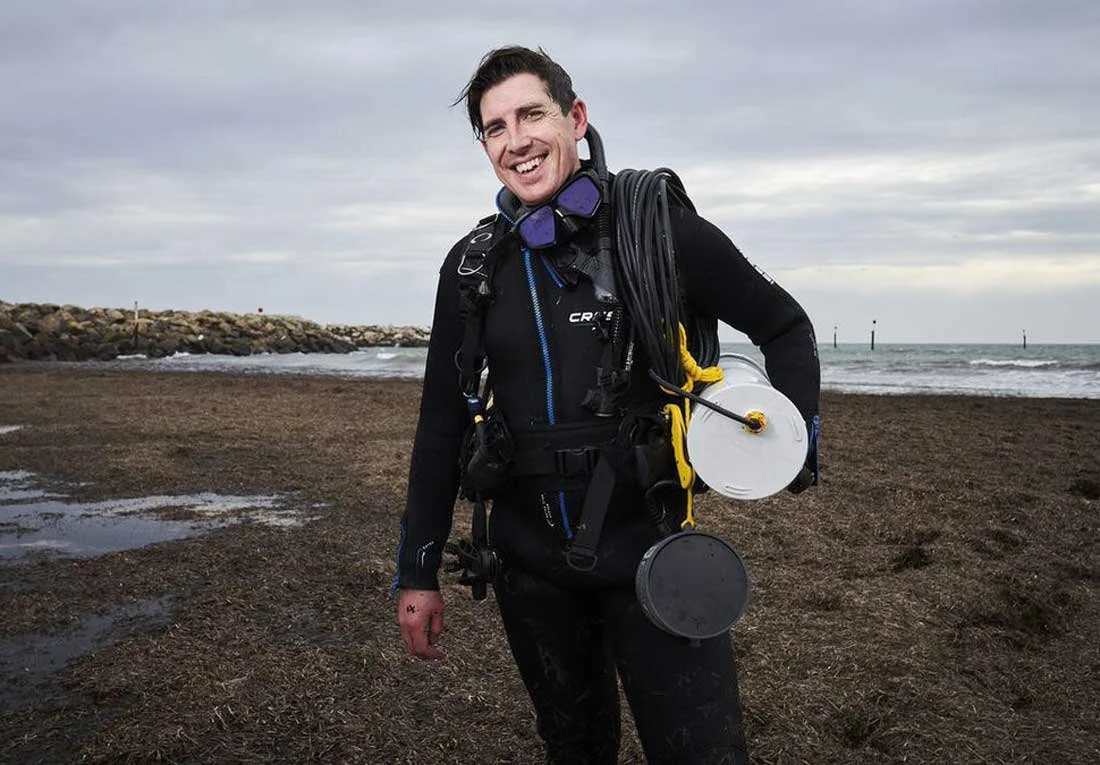
DOMINIC McAFEE - Marine Ecologist, University of Adelaide - Restoring Lost Oyster Reefs
We have lost around 85% of oyster reefs. That’s not only the loss of oysters but also the habitat they provide other marine animals and plants. Oysters are amazing, not only do some create pearls but as sequential hermaphrodites, they can switch between male and female almost on a daily basis.Dr. Dominic McAfee is a researcher at the University of Adelaide in Australia. His work centers around restoring lost marine ecosystems, specifically shellfish reefs. Along with employing novel technology and reef restoration projects, he seeks to understand how oysters enhance the resilience and function of coastal ecosystems. He seeks to develop conservation messaging strategies that enhance public engagement via conservation optimism."We've lost something like 85% of oyster reefs globally. In Australia it's over 99%. We've smashed this ecosystem to smithereens. It covered something like 7,000 kilometers of coastline and the flat oyster reef, for example, the flat oysters, one type of oyster that we work with were completely removed from the Australian mainland, and about 5,000 kilometers of reef destroyed in a very short period of time. And because of the intensity with which the coastlines were modified following European settlement of Australia, they haven't been able to come back naturally. We've been using healthy marine sounds with underwater speakers to attract oysters to these reefs. So when the historical native habitat was lost, it also lost the sound that was associated with those reefs, that sound created by the millions of animals that live in that complex habitat. Now there's recognition that anthropogenic noise, noise from shipping and motorboats, and other urban noise is masking the natural sounds of the sea and dominating the soundscape as we call it. We're hoping that we can counteract some of those negative impacts of anthropogenic noise by playing healthy marine sounds."https://researchers.adelaide.edu.au/profile/dominic.mcafeewww.creativeprocess.info www.oneplanetpodcast.orgIG www.instagram.com/creativeprocesspodcast
Highlights - MARK GOTTLIEB - Vice President & Literary Agent at Trident Media Group
"I was talking about this with someone the other day, about how there could be AI narrating audiobooks. But what I think it really comes down to is someone with a soul. It's not just the meat and potatoes of the plot of the book, but the actual quality of storytelling, the character development, the message behind the story, things like that. You know, some of the subtle nuances that I think machines will never be able to do, because they'll never have a soul. You know, they'll never be able to fully replicate. They can get very, very close.The Writers Strike in Hollywood. The main reason why the writers are striking, of course, is because it comes down to the bottom line, which is, you know, the dollar. The fact that studios don't want to be precluded from being able to use AI in the place of writers is what's really salting the wounds, but I don't see it, at least not in the very, very near future happening. One, because, like we talked about, no soul in the machine, but two, the technology is a predictive technology. So it's sort of like you ask it a question or you begin writing a sentence and it can predict the next five words and then kind of build upon that. And it can only draw upon what's already out there in its existing knowledge base from the internet, from whatever people ask it. It's not going to have lived experiences like you and me. And the technology is not at the point yet where I think it could be writing a novel. There are a lot of text limitations to it, but I think if it ever did come to pass... Let's imagine a world where AI is like there was a ghost in the machine and could convince almost anyone. I think you'd have a lot of pushback from readers. You'd have a lot of pushback from writers and people who work within the publishing industry."Mark Gottlieb is a Vice President and top-selling literary agent at Trident Media Group. He represents a wide range of authors across genres, many of whom have been awarded prestigious prizes and have secured places on the New York Times bestseller list. Among other achievements, Mark has successfully optioned and sold books to film production companies where they were adapted into blockbuster hits, beloved by audiences and critics.In addition to his work as an agent, Mark lectures on his experiences and craft at such noted venues as the Yale Writers’ Workshop, Cambridge University’s MSt in Creative Writing program, Columbia Publishing Course, and Sarah Lawrence College Writing Institute. He founded Emerson College's Wilde Press, and the Stamford Literature, Arts & Culture Salon (SLACS), where he currently serves as president.www.tridentmediagroup.com/agents/mark-gottliebwww.tridentmediagroup.comwww.creativeprocess.info www.oneplanetpodcast.orgIG www.instagram.com/creativeprocesspodcast
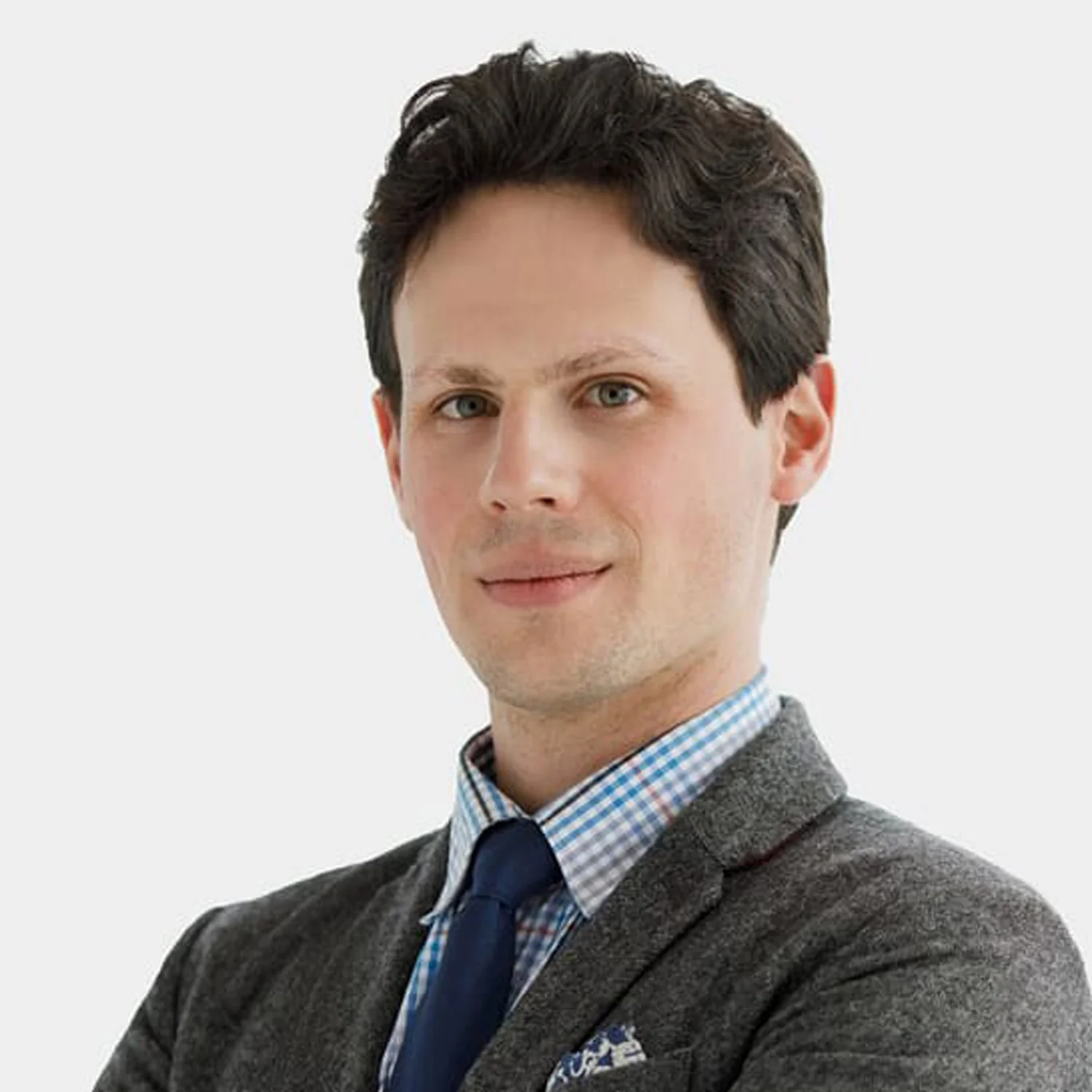
MARK GOTTLIEB - Vice President & Literary Agent at Trident Media Group
As we're entering a world of advanced AI, what is the future of books? What makes stories enduring? And what role do literary agents play in nurturing authors and bringing great stories to the world?Mark Gottlieb is a Vice President and top-selling literary agent at Trident Media Group. He represents a wide range of authors across genres, many of whom have been awarded prestigious prizes and have secured places on the New York Times bestseller list. Among other achievements, Mark has successfully optioned and sold books to film production companies where they were adapted into blockbuster hits, beloved by audiences and critics.In addition to his work as an agent, Mark lectures on his experiences and craft at such noted venues as the Yale Writers’ Workshop, Cambridge University’s MSt in Creative Writing program, Columbia Publishing Course, and Sarah Lawrence College Writing Institute. He founded Emerson College's Wilde Press, and the Stamford Literature, Arts & Culture Salon (SLACS), where he currently serves as president."I was talking about this with someone the other day, about how there could be AI narrating audiobooks. But what I think it really comes down to is someone with a soul. It's not just the meat and potatoes of the plot of the book, but the actual quality of storytelling, the character development, the message behind the story, things like that. You know, some of the subtle nuances that I think machines will never be able to do, because they'll never have a soul. You know, they'll never be able to fully replicate. They can get very, very close.The Writers Strike in Hollywood. The main reason why the writers are striking, of course, is because it comes down to the bottom line, which is, you know, the dollar. The fact that studios don't want to be precluded from being able to use AI in the place of writers is what's really salting the wounds, but I don't see it, at least not in the very, very near future happening. One, because, like we talked about, no soul in the machine, but two, the technology is a predictive technology. So it's sort of like you ask it a question or you begin writing a sentence and it can predict the next five words and then kind of build upon that. And it can only draw upon what's already out there in its existing knowledge base from the internet, from whatever people ask it. It's not going to have lived experiences like you and me. And the technology is not at the point yet where I think it could be writing a novel. There are a lot of text limitations to it, but I think if it ever did come to pass... Let's imagine a world where AI is like there was a ghost in the machine and could convince almost anyone. I think you'd have a lot of pushback from readers. You'd have a lot of pushback from writers and people who work within the publishing industry."www.tridentmediagroup.com/agents/mark-gottliebwww.tridentmediagroup.comwww.creativeprocess.info www.oneplanetpodcast.orgIG www.instagram.com/creativeprocesspodcast
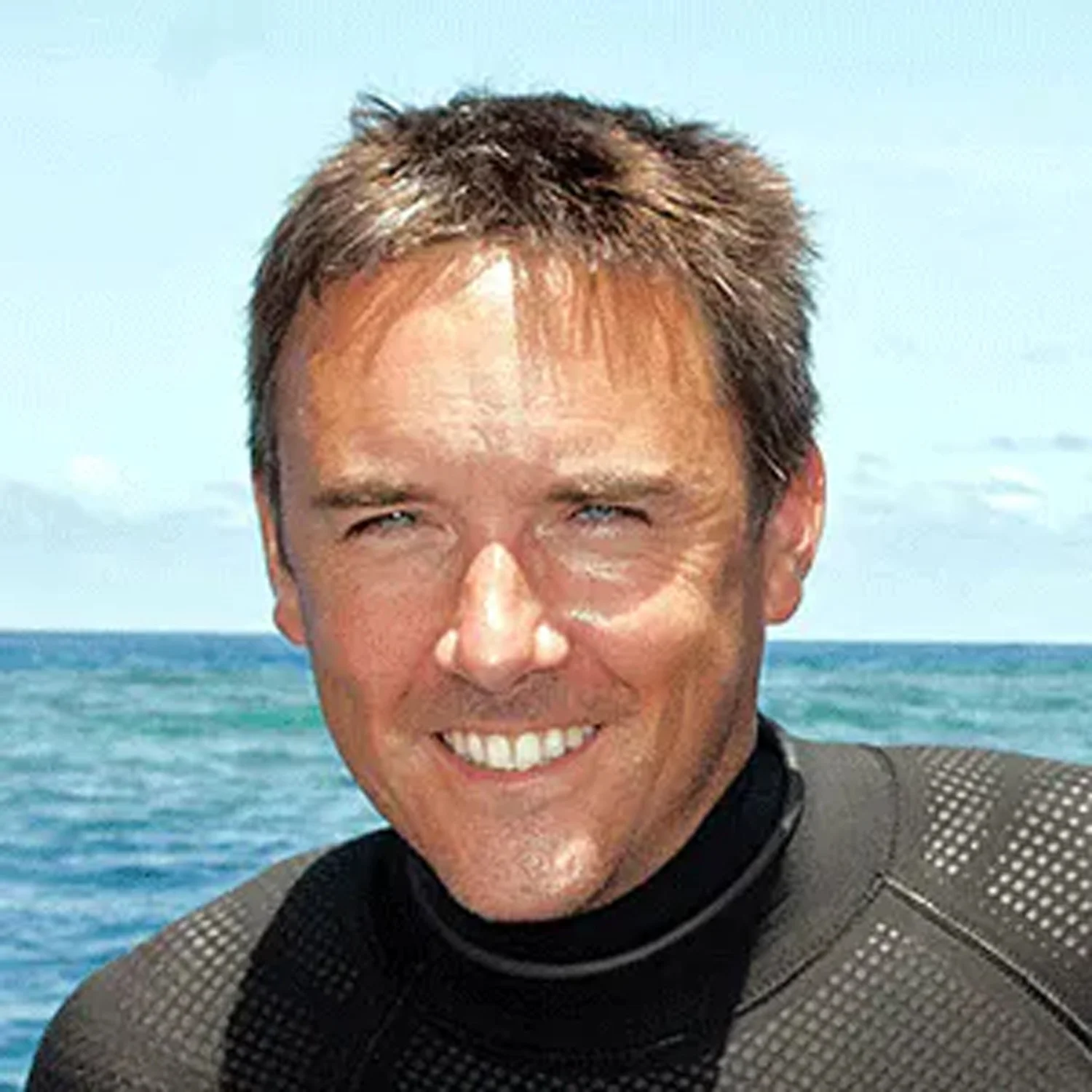
RICHARD VEVERS - Founder & CEO of The Ocean Agency · Featured in Netflix’s Chasing Coral
Richard Vevers is the Founder and CEO of The Ocean Agency. He is a fellow of The Explorers Club and an Adjunct Professor at the University of Rhode Island. He is best known for his leading role in the Emmy Award-winning documentary Chasing Coral on Netflix and his work has been featured in numerous publications and documentaries. Before diving into ocean and coral reef conservation, Vevers worked at some of the top London advertising agencies and then as an artist and underwater photographer. This background guides his unique creative and business-thinking approach to ocean conservation that includes inventing the camera that took Google Street View underwater, pioneering virtual reality ocean education, currently available to over 90 million kids, leading the most comprehensive underwater photographic survey of the world’s coral reefs, and developing a science-based global plan 50 Reefs."So I try to approach things in a different way to be a bit more disruptive. I think individual actions are important, but I think you need to turn it on its head so that it is very scalable, and often we focus on the negative. This is a transformative time, and we need to start thinking smarter about the solutions and how we live our lives. And so what I've tried to do is reframe climate action as something that is exciting and an opportunity. This is a transformative time when we need big ideas and there are opportunities for people doing what people do best - coming up with great ideas."www.theoceanagency.orgwww.50reefs.orgwww.creativeprocess.infowww.oneplanetpodcast.orgIG www.instagram.com/creativeprocesspodcast

WORLD OCEANS DAY
Happy World Oceans Day! Today we’re streaming voices of environmentalists and artists with music courtesy of composer, producer and multi-instrumentalist Erland Cooper.Voices on this episode areGIULIO BOCCALETTIAuthor of Water, A BiographyNatural Resource Security & Environmental Sustainability ExpertChief Strategy Officer 2016–2020, The Nature ConservancyPAULA PINHODirector of Just Transition at the European Commission Directorate-General for EnergyRON GONENFounder & CEO of Closed Loop PartnersFmr. Deputy Commissioner of Sanitation, Recycling & Sustainability, NYCMARCIA DESANCTISJournalist, Essayist, Author of A Hard Place to Leave: Stories from a Restless LifeJEAN WEINERGoldman Environmental Prize WinnerFounder of Fondation pour la Protection de la Biodiversité Marine, HaitiDERRICK EMSLEYCo-founder & CEO of veritree - Data-driven Restorative Platform & tentree Apparel Co.DR. FARHANA SULTANACo-author: Water Politics: Governance, Justice & the Right to WaterFmr. UNDP Programme Officer, United Nations Development ProgrammeNEIL GRIMMERBrand President of SOURCE Global · Innovator of the SOURCE Hydropanel: Drinking Water Made from Sunlight and AirALAN JACOBSENDirector of PhotographyEmmy & Sundance Special Jury Award-Winning & Oscar Nominated DocumentariesRICHARD VEVERSFounder & CEO of The Ocean AgencyBRIAN WILCOXChief Engineer & Co-founder of Marine BioEnergyGrows Kelp in the Ocean to Provide Carbon-neutral FuelsSETH M. SIEGELEntrepreneur, Public Speaker & NYTimes Bestselling AuthorLet There Be Water: Israel’s Solution for a Water-Starved WorldTroubled Water: What's Wrong with What We DrinkJOELLE GERGISLead Author of the IPCC Sixth Assessment Report, Author of Humanity’s MomentJAY FAMIGLIETTI, Fmr. Senior Water Scientist at NASA Jet Propulsion Laboratory, Exec. Director, Global Institute for Water Security, Host of "What About Water?" PodcastROB BILOTTEnvironmental Lawyer, Partner Taft Stettinius & Hollister LLPAuthor of Exposure: Poisoned Water, Corporate Greed, and One Lawyer’s Twenty-Year Battle Against DuPontJILL HEINERTHExplorer, Presenter, Author of Into The Planet: My Life as a Cave DiverOSPREY ORIELLE LAKEFounder & Executive Director of the Women's Earth & Climate Action Network InternationalAuthor of Uprisings for the Earth: Reconnecting Culture with Nature & ArtistJESS WILBERInternational Outreach Citizens’ Climate LobbyCoordinator, Senior Stewards Acting for the EnvironmentBERTRAND PICCARDAviator of 1st Round-the-World Solar-Powered Flight, Explorer, Founder, Solar Impulse FoundationIBRAHIM ALHUSSEINIFounder & CEO of FullCycle Fund GARY GRIGGSGlobal Oceans Hero Award-Winner · Distinguished Professor of Earth SciencesDirector Institute of Marine Sciences at UC Santa Cruz 1991 to 2017Sample Credits:BBC News Excerpt, Public broadcast, 19th July. Fair usage, courtesy Simon Gurney, BBC Studios Limited.BBC News Excerpt, Public broadcast, 19th July. Fair usage, courtesy Simon Gurney, BBC Studios Limited.UN Broadcast Excerpt, Greta Thunberg, Young Climate Activist at the Opening of the Climate Action Summit 2019, United Nations license 24 October 2022.CBS News Excerpt 1970. Fair usage, archive courtesy Leah Hodge, CBSwww.erlandcooper.comwww.creativeprocess.info www.oneplanetpodcast.orgIG www.instagram.com/creativeprocesspodcastArtworks by Mia Funk www.miafunk.comMusic from Folded Landscapes courtesy of Erland Cooper and Universal Music Enterprises.
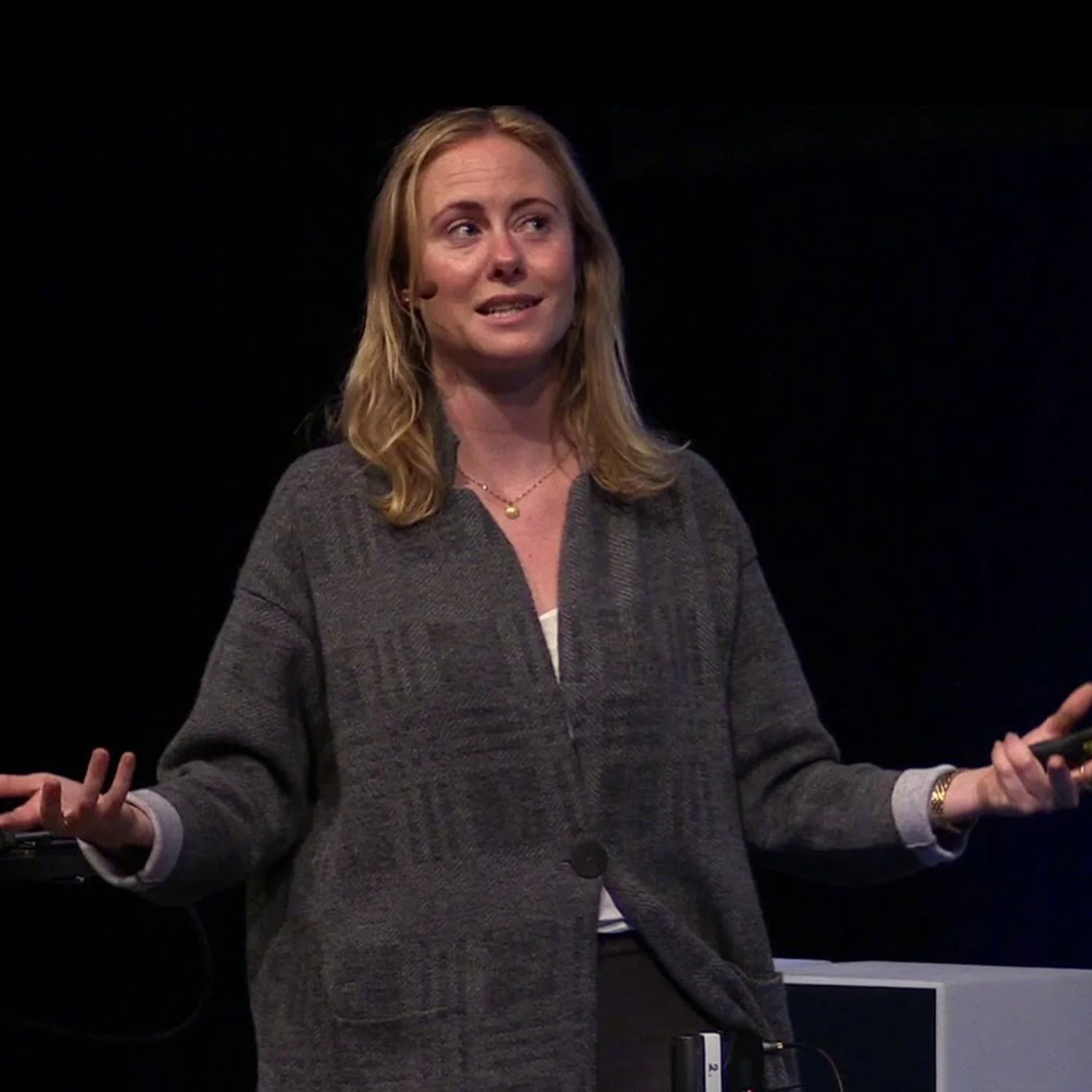
Highlights - DITTE LYSGAARD VIND - Circular Economy & Design Expert - Founder of The Circular Way
"Putting design first, it really enables us to shape a future that we don't yet know. But we need to be super tactile and practical about it as well. And then seeing that is something that design very much has the ability to do. And at the same time, having this growing frustration that wherever you go, wherever you talk about sustainability, it was a compromise. It was something that meant uglier, less convenient, more expensive, all these different things, but then diving into the Danish Design heritage, seeing that what set them apart was that after the World Wars, they had a social purpose of democratizing and rebuilding the welfare state, and that was not something that lessened the final result. On the contrary, it heightened the ambition, the final design, and the solutions."Ditte Lysgaard Vind is a renowned circular economy and design expert and author of Danish Design Heritage & Global Sustainability (Routledge 2023) and A Changemakers Guide to the Future. She is the Chairwoman of the Danish Design Council and founder of The Circular Way. She is known for pioneering new materials as well as business models, while sharing the knowledge gained from practice through teaching and thought leadership, and is a member of the Executive board of The Royal Danish Academy of Fine Arts Schools of Architecture, Design and Conservation as well as the global SDG innovation lab UNLEASH.www.thecircularway.comhttp://danishdesigncouncil.dk/enwww.routledge.com/Danish-Design-Heritage-and-Global-Sustainability/Vind/p/book/9781032198200www.creativeprocess.info www.oneplanetpodcast.orgIG www.instagram.com/creativeprocesspodcast