
Tech, Innovation & Society - The Creative Process: Technology, AI, Software, Future, Economy, Science, Engineering & Robotics Interviews
308 episodes — Page 3 of 7
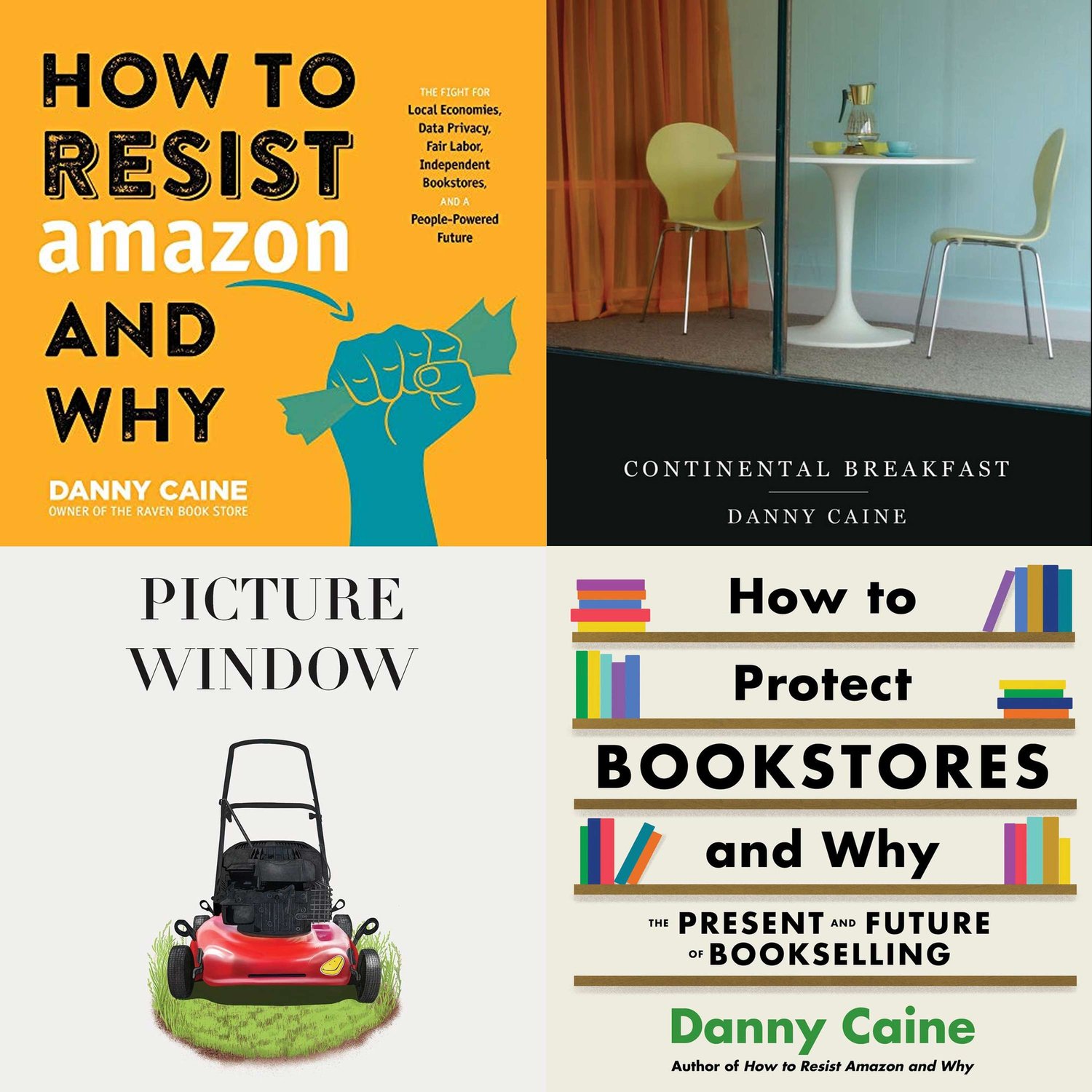
How to Protect Bookstores and Why - Highlights - DANNY CAINE, Bookseller, Poet
“Bookselling captured my imagination and my heart as soon as I started working at the bookstore because I could see the potential for this great, amazing community-oriented work. Of course, it's a thrill to be around books, to meet authors, to read all this stuff, and to spend all day with people who love books, but what I think I really fell in love with was the sense of community, the people behind it, and the way a bookstore can really be an engine for positive social change within its community and in a broader sense as well. My whole nonfiction book project started with a tweet thread. It was about how every bookseller has to be prepared to have this discussion: a customer comes in, and they're like, this book is 50 percent off on Amazon. Why should I buy it here? So, I don't think about it quite as withholding from Amazon as much as contributing to these local community-oriented businesses. The thing that unites my poetry and the nonfiction writing is my main obsession as a writer. It's the question of, how do you live meaningfully in late capitalism? As corporations and global capitalist forces take over the world, what does it mean to try to have a meaningful human life? I think the proliferation of objects might reflect that. A lot of what we do in this world is collect objects, and regardless of whether it's good or bad, you build a nest. I think that in Picture Window in particular, I wanted to write about the domestic in a way that I hadn't written in so far. And then the pandemic happened, so I was forced into this weird, uneasy, claustrophobic domesticity. When your attention is so focused within your own home and within your own family, every object in your house takes on a new resonance. So, when a tennis ball that you've never seen somehow shows up in your house, that's weird. It's poetic. It feels dreamlike.”Danny Caine is the author of the poetry collections Continental Breakfast, El Dorado Freddy's, Flavortown, and Picture Window, as well as the books How to Protect Bookstores and Why and How to Resist Amazon and Why. His poetry has appeared in The Slowdown, Lit Hub, Diagram, HAD, and Barrelhouse. He's a co-owner of The Raven Bookstore, Publisher's Weekly's 2022 Bookstore of the Year. www.dannycaine.com www.ravenbookstore.comwww.creativeprocess.infowww.oneplanetpodcast.orgIG www.instagram.com/creativeprocesspodcast
What Lies Ahead for Bookstores in the Age of Generative AI? - DANNY CAINE, Bookseller, Poet
What is the future of literature in the age of generative AI? How can bookstores build community and be engines for positive social change? What does it mean to try to have a meaningful human life?Danny Caine is the author of the poetry collections Continental Breakfast, El Dorado Freddy's, Flavortown, and Picture Window, as well as the books How to Protect Bookstores and Why and How to Resist Amazon and Why. His poetry has appeared in The Slowdown, Lit Hub, Diagram, HAD, and Barrelhouse. He's a co-owner of The Raven Bookstore, Publisher's Weekly's 2022 Bookstore of the Year. “Bookselling captured my imagination and my heart as soon as I started working at the bookstore because I could see the potential for this great, amazing community-oriented work. Of course, it's a thrill to be around books, to meet authors, to read all this stuff, and to spend all day with people who love books, but what I think I really fell in love with was the sense of community, the people behind it, and the way a bookstore can really be an engine for positive social change within its community and in a broader sense as well. My whole nonfiction book project started with a tweet thread. It was about how every bookseller has to be prepared to have this discussion: a customer comes in, and they're like, this book is 50 percent off on Amazon. Why should I buy it here? So, I don't think about it quite as withholding from Amazon as much as contributing to these local community-oriented businesses. The thing that unites my poetry and the nonfiction writing is my main obsession as a writer. It's the question of, how do you live meaningfully in late capitalism? As corporations and global capitalist forces take over the world, what does it mean to try to have a meaningful human life? I think the proliferation of objects might reflect that. A lot of what we do in this world is collect objects, and regardless of whether it's good or bad, you build a nest. I think that in Picture Window in particular, I wanted to write about the domestic in a way that I hadn't written in so far. And then the pandemic happened, so I was forced into this weird, uneasy, claustrophobic domesticity. When your attention is so focused within your own home and within your own family, every object in your house takes on a new resonance. So, when a tennis ball that you've never seen somehow shows up in your house, that's weird. It's poetic. It feels dreamlike.”www.dannycaine.com www.ravenbookstore.comwww.creativeprocess.info www.oneplanetpodcast.org IG www.instagram.com/creativeprocesspodcast
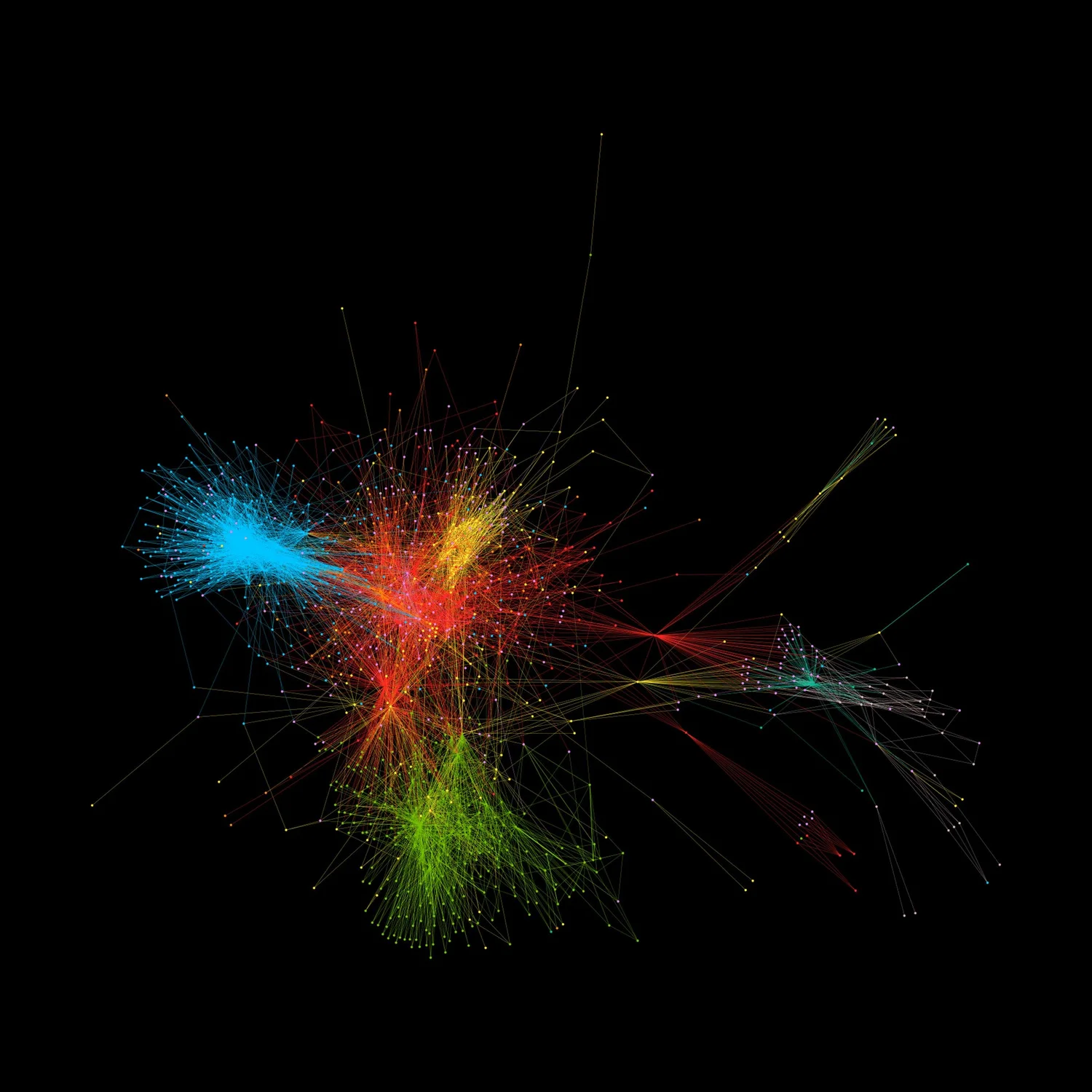
Is understanding AI a bigger question than understanding the origin of the universe? - Highlights, NEIL JOHNSON
“A lot of our work is comparative. We look at background behavior. Is there a burst of new activity? We zoom in on that and ask why that is suddenly appearing and why it didn't appear before. Imagine one day you wake up and you find water in a pot is boiling and you want to understand why water is boiling. If you go at it one molecule at a time, it's not giving you the big picture of what is going on. We've probably all done this: you take milk, stick it in the fridge, too lazy to go to the grocery, so you just leave it there. The 11th day, the milk's gone bad. Why did that happen on the 11th day? What was happening was that all you could see was the kind of macro level, you couldn't see the individual pieces of milk. This is a new area of physics, exactly the same as how shock waves—a wave that builds up so quickly, there's no kind of precursor—appear. Using the data we collect online, we have a tool for making predictions of when we expect shocks to arise and what shape they'll have. So the reason we went for a systems level view is because you can't understand water boiling one molecule at a time.”How can physics help solve messy, real world problems? How can we embrace the possibilities of AI while limiting existential risk and abuse by bad actors?Neil Johnson is a physics professor at George Washington University. His new initiative in Complexity and Data Science at the Dynamic Online Networks Lab combines cross-disciplinary fundamental research with data science to attack complex real-world problems. His research interests lie in the broad area of Complex Systems and ‘many-body’ out-of-equilibrium systems of collections of objects, ranging from crowds of particles to crowds of people and from environments as distinct as quantum information processing in nanostructures to the online world of collective behavior on social media. https://physics.columbian.gwu.edu/neil-johnson https://donlab.columbian.gwu.eduwww.creativeprocess.infowww.oneplanetpodcast.org IG www.instagram.com/creativeprocesspodcast
How can physics help solve real world problems? - NEIL JOHNSON, Head of Dynamic Online Networks Lab
How can physics help solve messy, real world problems? How can we embrace the possibilities of AI while limiting existential risk and abuse by bad actors?Neil Johnson is a physics professor at George Washington University. His new initiative in Complexity and Data Science at the Dynamic Online Networks Lab combines cross-disciplinary fundamental research with data science to attack complex real-world problems. His research interests lie in the broad area of Complex Systems and ‘many-body’ out-of-equilibrium systems of collections of objects, ranging from crowds of particles to crowds of people and from environments as distinct as quantum information processing in nanostructures to the online world of collective behavior on social media.“A lot of our work is comparative. We look at background behavior. Is there a burst of new activity? We zoom in on that and ask why that is suddenly appearing and why it didn't appear before. Imagine one day you wake up and you find water in a pot is boiling and you want to understand why water is boiling. If you go at it one molecule at a time, it's not giving you the big picture of what is going on. We've probably all done this: you take milk, stick it in the fridge, too lazy to go to the grocery, so you just leave it there. The 11th day, the milk's gone bad. Why did that happen on the 11th day? What was happening was that all you could see was the kind of macro level, you couldn't see the individual pieces of milk. This is a new area of physics, exactly the same as how shock waves—a wave that builds up so quickly, there's no kind of precursor—appear. Using the data we collect online, we have a tool for making predictions of when we expect shocks to arise and what shape they'll have. So the reason we went for a systems level view is because you can't understand water boiling one molecule at a time.”https://physics.columbian.gwu.edu/neil-johnsonhttps://donlab.columbian.gwu.eduwww.creativeprocess.infowww.oneplanetpodcast.org IG www.instagram.com/creativeprocesspodcast
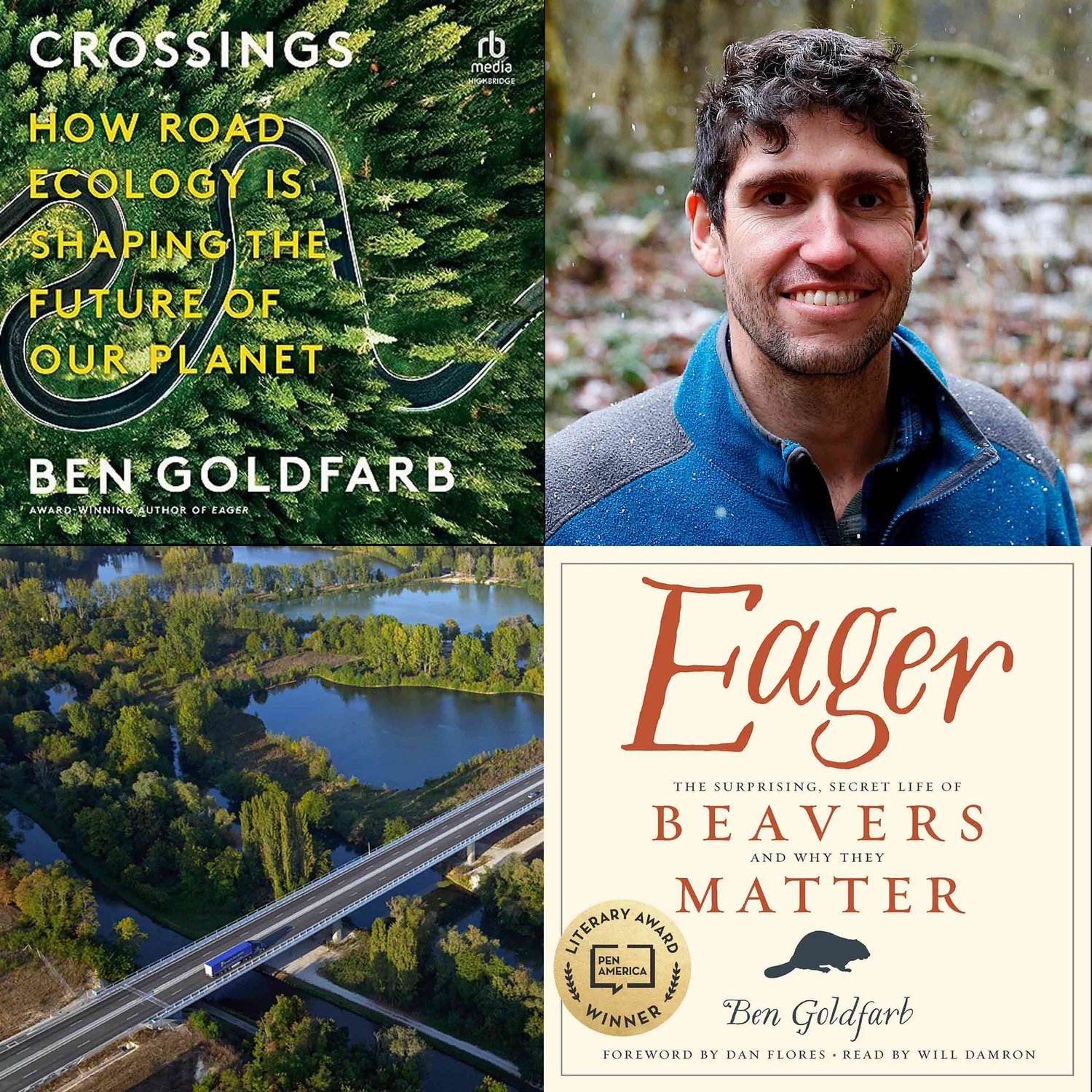
Road Ecology, Urban Planning & Tech Solutions for Ecosystem Regeneration - Highlights - BEN GOLDFARB
“The creation of roads is this process that's sort of innate to all beings. You know, we're all sort of inclined to create and follow trails. We just do it at a much vaster and more permanent and destructive scale. I think we need to reconceive how we think about roads in some ways, right? I mean, we think about roads, certainly here in the U. S., as these symbols of movement and mobility and freedom, right? There's so much about the romance of the open road and so much of our popular culture going back to the mid-20th century when the interstate highway systems were built and writers like Jack Kerouac were singing the praises of the open highway. And certainly, roads play that role. I like driving. The iconic Western American road trip is kind of this wonderful experience, but you know, I think the purpose of this book is to say: Yes, roads are a source of human mobility and freedom, but they're doing precisely the opposite for basically all other forms of life, right? They're curtailing animal movement and mobility and freedom, both by killing them directly in the form of roadkill, but also by creating these kinds of impenetrable walls of traffic that prevent animals from moving around the landscape and accessing big swaths of their habitat. Right? So, that's kind of the mental reconfiguration we have to go through, which is to recognize that, hey, roads aren't just forms of mobility and freedom for us. They're also preventing that mobility in basically all other life forms.”Ben Goldfarb is a conservation journalist. He is the author of Crossings: How Road Ecology Is Shaping The Future of Our Planet, named one of the best books of 2023 by the New York Times, and Eager: The Surprising, Secret Life of Beavers and Why They Matter, winner of the 2019 PEN/E.O. Wilson Literary Science Writing Award.www.bengoldfarb.comhttps://wwnorton.com/books/9781324005896www.chelseagreen.com/product/eager-paperbackwww.creativeprocess.infowww.oneplanetpodcast.orgIG www.instagram.com/creativeprocesspodcast
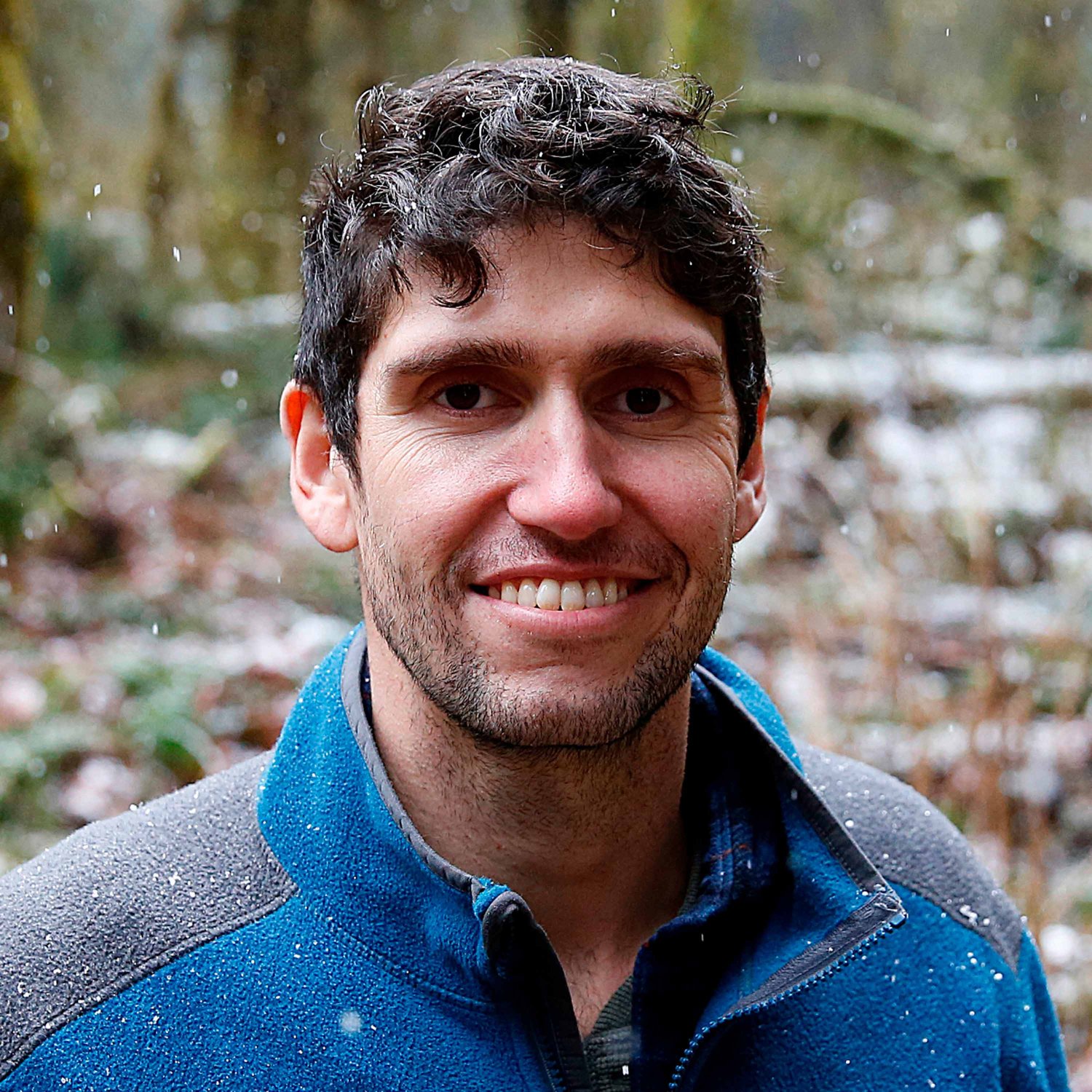
How Road Ecology is Shaping the Future of Our Planet with BEN GOLDFARB
What is road ecology? How are our roads driving certain species towards extinction? And what can we do about it?Ben Goldfarb is a conservation journalist. He is the author of Crossings: How Road Ecology Is Shaping The Future of Our Planet, named one of the best books of 2023 by the New York Times, and Eager: The Surprising, Secret Life of Beavers and Why They Matter, winner of the 2019 PEN/E.O. Wilson Literary Science Writing Award.“The creation of roads is this process that's sort of innate to all beings. You know, we're all sort of inclined to create and follow trails. We just do it at a much vaster and more permanent and destructive scale. I think we need to reconceive how we think about roads in some ways, right? I mean, we think about roads, certainly here in the U. S., as these symbols of movement and mobility and freedom, right? There's so much about the romance of the open road and so much of our popular culture going back to the mid-20th century when the interstate highway systems were built and writers like Jack Kerouac were singing the praises of the open highway. And certainly, roads play that role. I like driving. The iconic Western American road trip is kind of this wonderful experience, but you know, I think the purpose of this book is to say: Yes, roads are a source of human mobility and freedom, but they're doing precisely the opposite for basically all other forms of life, right? They're curtailing animal movement and mobility and freedom, both by killing them directly in the form of roadkill, but also by creating these kinds of impenetrable walls of traffic that prevent animals from moving around the landscape and accessing big swaths of their habitat. Right? So, that's kind of the mental reconfiguration we have to go through, which is to recognize that, hey, roads aren't just forms of mobility and freedom for us. They're also preventing that mobility in basically all other life forms.”www.bengoldfarb.comhttps://wwnorton.com/books/9781324005896www.chelseagreen.com/product/eager-paperbackwww.creativeprocess.infowww.oneplanetpodcast.orgIG www.instagram.com/creativeprocesspodcast
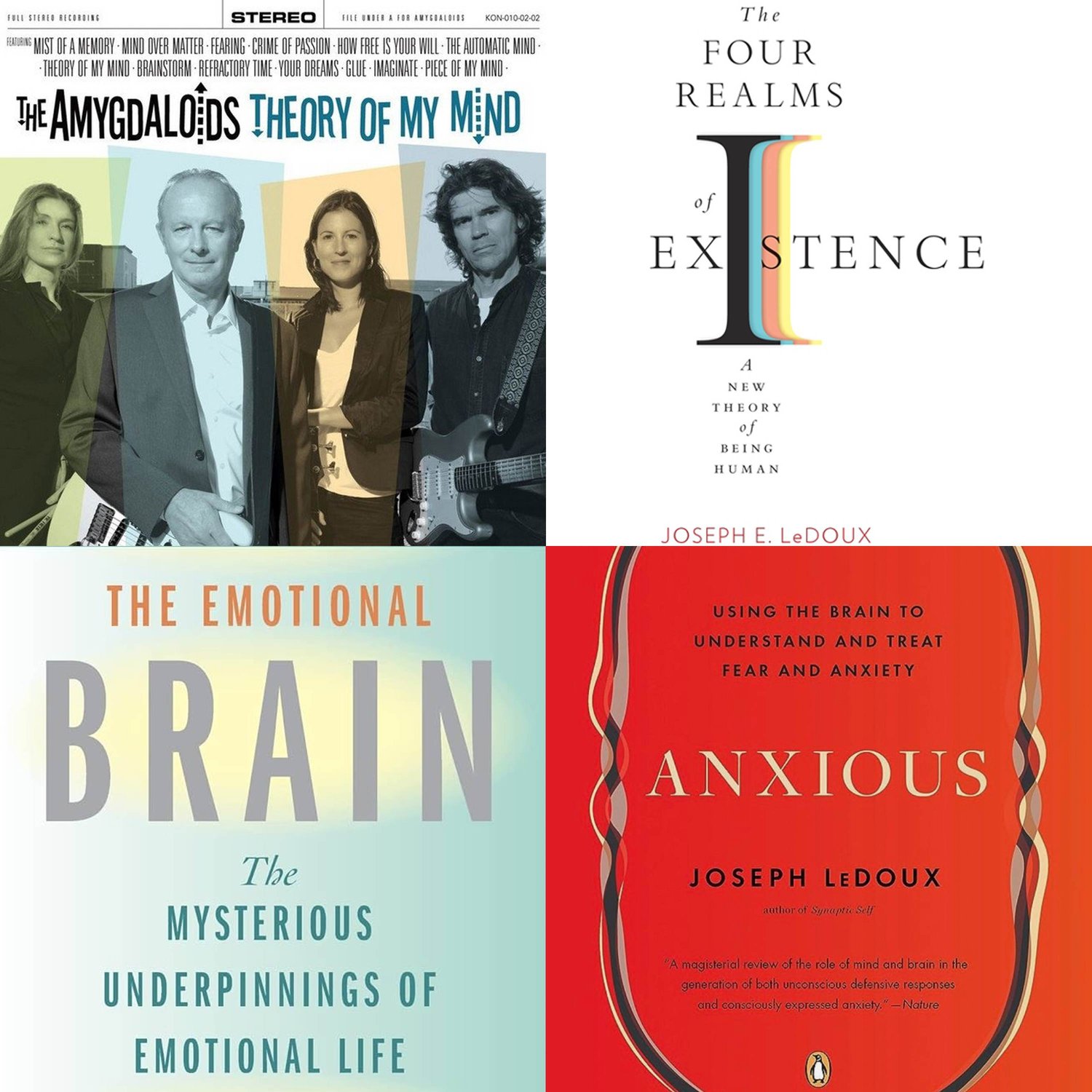
Exploring Consciousness, AI & Creativity with JOSEPH LEDOUX - Highlights
“We've got four billion years of biological accidents that created all of the intricate aspects of everything about life, including consciousness. And it's about what's going on in each of those cells at the time that allows it to be connected to everything else and for the information to be understood as it's being exchanged between those things with their multifaceted, deep, complex processing.”Joseph LeDoux is a Professor of Neural Science at New York University at NYU and was Director of the Emotional Brain Institute. His research primarily focuses on survival circuits, including their impacts on emotions, such as fear and anxiety. He has written a number of books in this field, including The Four Realms of Existence: A New Theory of Being Human, The Emotional Brain, Synaptic Self, Anxious, and The Deep History of Ourselves. LeDoux is also the lead singer and songwriter of the band The Amygdaloids. www.joseph-ledoux.comwww.cns.nyu.edu/ebihttps://amygdaloids.netwww.hup.harvard.edu/books/9780674261259www.creativeprocess.infowww.oneplanetpodcast.orgIG www.instagram.com/creativeprocesspodcast
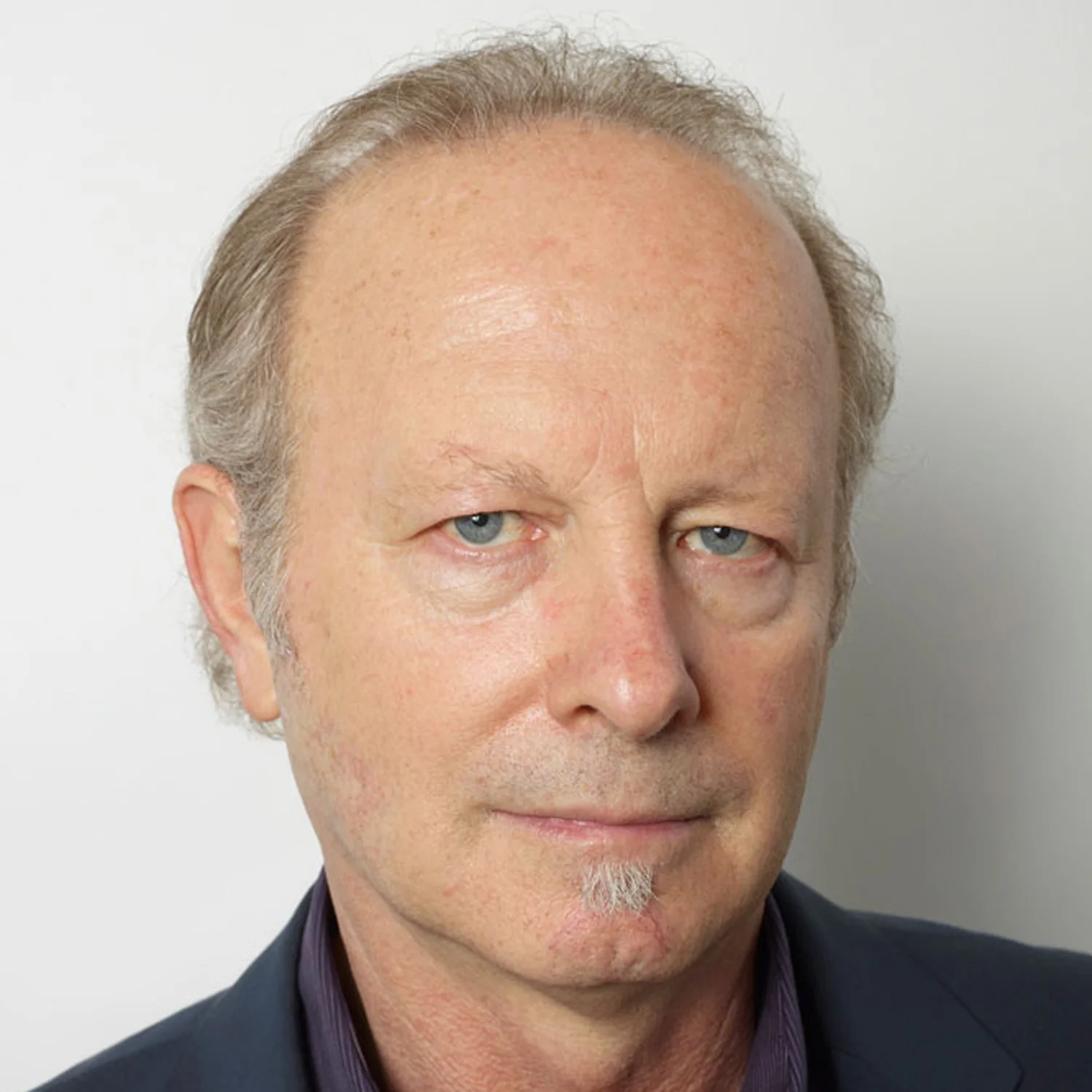
How does the brain process emotions and music? JOSEPH LEDOUX - Neuroscientist, Author, Musician
How does the brain process emotions? How are emotional memories formed and stored in the brain, and how do they influence behavior, perception, and decision-making? How does music help us understand our emotions, memories, and the nature of consciousness?Joseph LeDoux is a Professor of Neural Science at New York University at NYU and was Director of the Emotional Brain Institute. His research primarily focuses on survival circuits, including their impacts on emotions, such as fear and anxiety. He has written a number of books in this field, including The Four Realms of Existence: A New Theory of Being Human, The Emotional Brain, Synaptic Self, Anxious, and The Deep History of Ourselves. LeDoux is also the lead singer and songwriter of the band The Amygdaloids. “We've got four billion years of biological accidents that created all of the intricate aspects of everything about life, including consciousness. And it's about what's going on in each of those cells at the time that allows it to be connected to everything else and for the information to be understood as it's being exchanged between those things with their multifaceted, deep, complex processing.”www.joseph-ledoux.comwww.cns.nyu.edu/ebihttps://amygdaloids.netwww.hup.harvard.edu/books/9780674261259www.creativeprocess.infowww.oneplanetpodcast.orgIG www.instagram.com/creativeprocesspodcastMusic courtesy of Joseph LeDoux
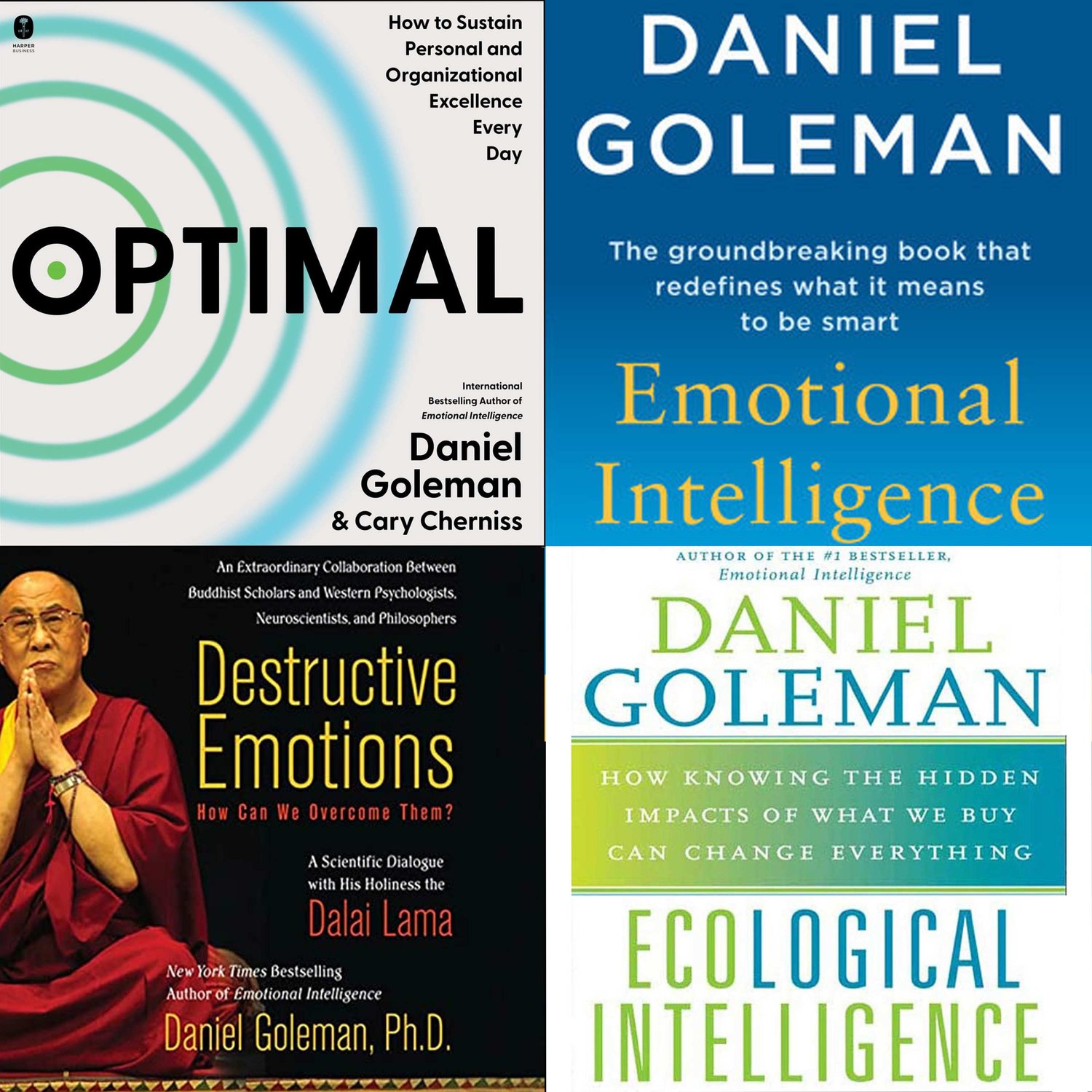
Emotional Intelligence in the Age of AI - Highlights - DANIEL GOLEMAN
“AI is brilliant at cognitive empathy. However, the next kind is emotional empathy. Emotional empathy means: I know what you feel because I'm feeling it too. And this has to do with circuitry in the fore part of the brain, which creates a brain-to-brain circuit that's automatic, unconscious, and instantaneous. And emotions pass very well across that. I think AI might flunk here because it has no emotion. It can mimic empathy, but it doesn't really feel empathy. The third kind is empathic concern. Technically, it means caring. It's the basis of love. It's the same circuitry as a parent's love for a child, actually. But I think that leaders need this very much. AI has no emotion, so it doesn't have emotional self-awareness. It can't tune in. I don't think it can be empathic because AI is a set of codes, basically. It doesn't have the ability to manage emotion because it doesn't have emotion. It's interesting. I was just talking to a group at Microsoft, which is one of the leading developers of AI, and one of the people there was talking about Inculcating love into AI or caring into AI as maybe an antidote to the negative potential of AI for humanity. But I think there will always be room for the human, for a leader. I don't think that people will find that they can trust AI the same way they can trust a leader who cares.”Daniel Goleman is an American psychologist, author, and science journalist. Before becoming an author, Goleman was a science reporter for the New York Times for 12 years, covering psychology and the human brain. In 1995, Goleman published Emotional Intelligence, a New York Times bestseller. In his newly published book Optimal, Daniel Goleman discusses how people can enter an optimal state of high performance without facing symptoms of burnout in the workplace.www.danielgoleman.infowww.harpercollins.com/products/optimal-daniel-golemancary-cherniss?variant=41046795288610www.penguinrandomhouse.com/books/69105/emotional-intelligence-by-daniel-goleman/www.creativeprocess.infowww.oneplanetpodcast.orgIG www.instagram.com/creativeprocesspodcast
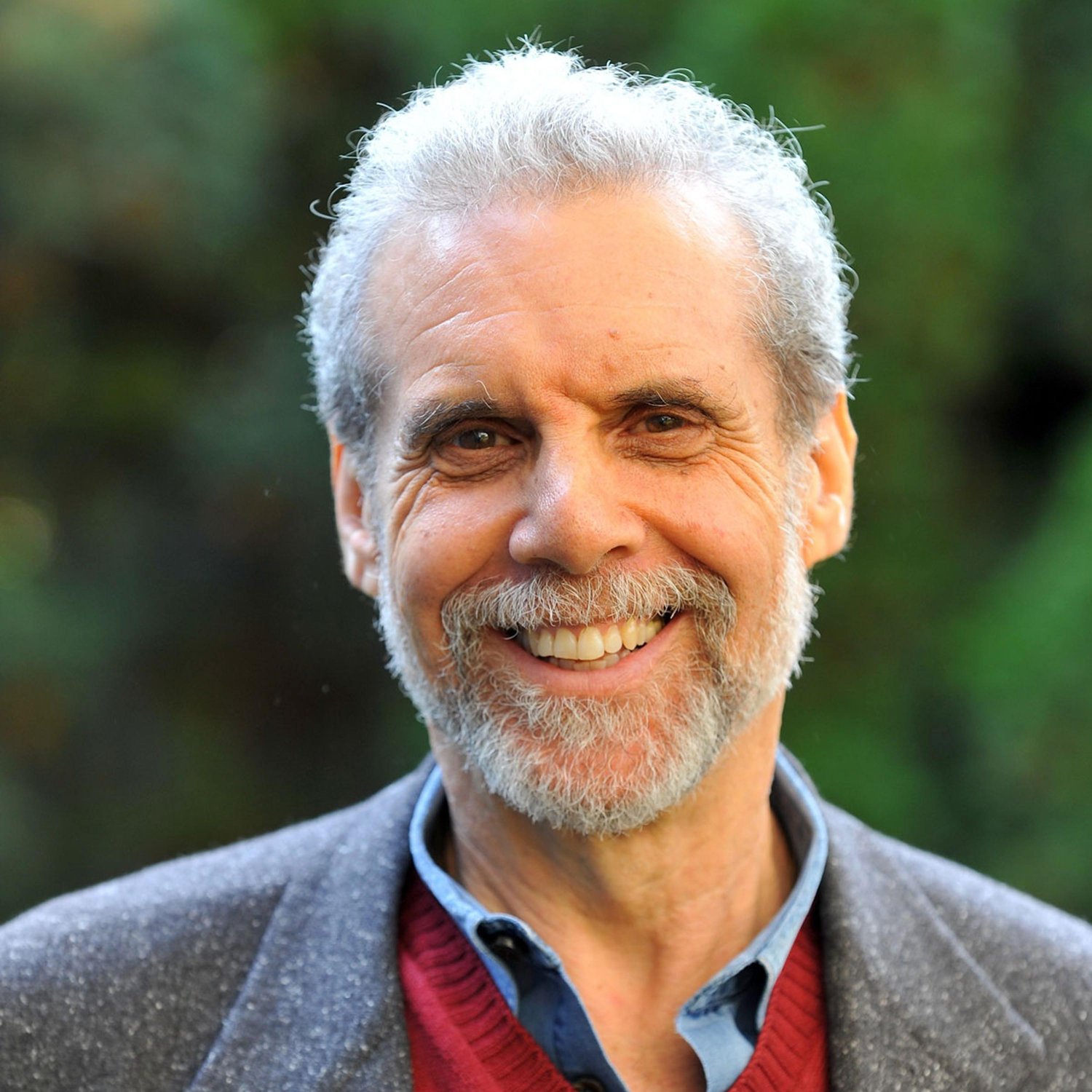
Author of Emotional Intelligence DANIEL GOLEMAN on Focus, Balance & Optimal Living
How can we enhance our emotional intelligence and avoid burnout in a changing world? How can we regain focus and perform in an optimal state? What do we mean by ecological intelligence?Daniel Goleman is an American psychologist, author, and science journalist. Before becoming an author, Goleman was a science reporter for the New York Times for 12 years, covering psychology and the human brain. In 1995, Goleman published Emotional Intelligence, a New York Times bestseller. In his newly published book Optimal, Daniel Goleman discusses how people can enter an optimal state of high performance without facing symptoms of burnout in the workplace.“AI is brilliant at cognitive empathy. However, the next kind is emotional empathy. Emotional empathy means: I know what you feel because I'm feeling it too. And this has to do with circuitry in the fore part of the brain, which creates a brain-to-brain circuit that's automatic, unconscious, and instantaneous. And emotions pass very well across that. I think AI might flunk here because it has no emotion. It can mimic empathy, but it doesn't really feel empathy. The third kind is empathic concern. Technically, it means caring. It's the basis of love. It's the same circuitry as a parent's love for a child, actually. But I think that leaders need this very much. AI has no emotion, so it doesn't have emotional self-awareness. It can't tune in. I don't think it can be empathic because AI is a set of codes, basically. It doesn't have the ability to manage emotion because it doesn't have emotion. It's interesting. I was just talking to a group at Microsoft, which is one of the leading developers of AI, and one of the people there was talking about Inculcating love into AI or caring into AI as maybe an antidote to the negative potential of AI for humanity. But I think there will always be room for the human, for a leader. I don't think that people will find that they can trust AI the same way they can trust a leader who cares.”www.danielgoleman.infowww.harpercollins.com/products/optimal-daniel-golemancary-cherniss?variant=41046795288610www.penguinrandomhouse.com/books/69105/emotional-intelligence-by-daniel-goleman/www.creativeprocess.infowww.oneplanetpodcast.orgIG www.instagram.com/creativeprocesspodcast

Feminism, Resistance & AI in the Global South w/ INTAN PARAMADITHA - Author of The Wandering
“I've been playing with AI just to see what it can do. People who are not privileged with the skills of conceptualizing, the skills of abstract thinking, they will be replaced. And I'm just thinking about people from the Global South at this moment. People from the Global South have been working as supporters. They do a lot of support for creative work of entrepreneurs in the Global North. They do social media. They create content and things like that. The people who would provide the support live in, let's say, the Philippines. So, what I'm worried about is how AI technology could take the jobs of people who are not really trained to sort of do conceptual thinking.”Intan Paramaditha is a writer and an academic. Her novel The Wandering (Harvill Secker/ Penguin Random House UK), translated from the Indonesian language by Stephen J. Epstein, was nominated for the Stella Prize in Australia and awarded the Tempo Best Literary Fiction in Indonesia, English PEN Translates Award, and PEN/ Heim Translation Fund Grant from PEN America. She is the author of the short story collection Apple and Knife, the editor of Deviant Disciples: Indonesian Women Poets, part of the Translating Feminisms series of Tilted Axis Press and the co-editor of The Routledge Companion to Asian Cinemas (forthcoming 2024). Her essay, “On the Complicated Questions Around Writing About Travel,” was selected for The Best American Travel Writing 2021. She holds a Ph.D. from New York University and teaches media and film studies at Macquarie University, Sydney.https://intanparamaditha.com www.penguinrandomhouse.ca/books/626055/the-wandering-by-intan-paramaditha/9781787301184www.creativeprocess.info www.oneplanetpodcast.orgIG www.instagram.com/creativeprocesspodcast
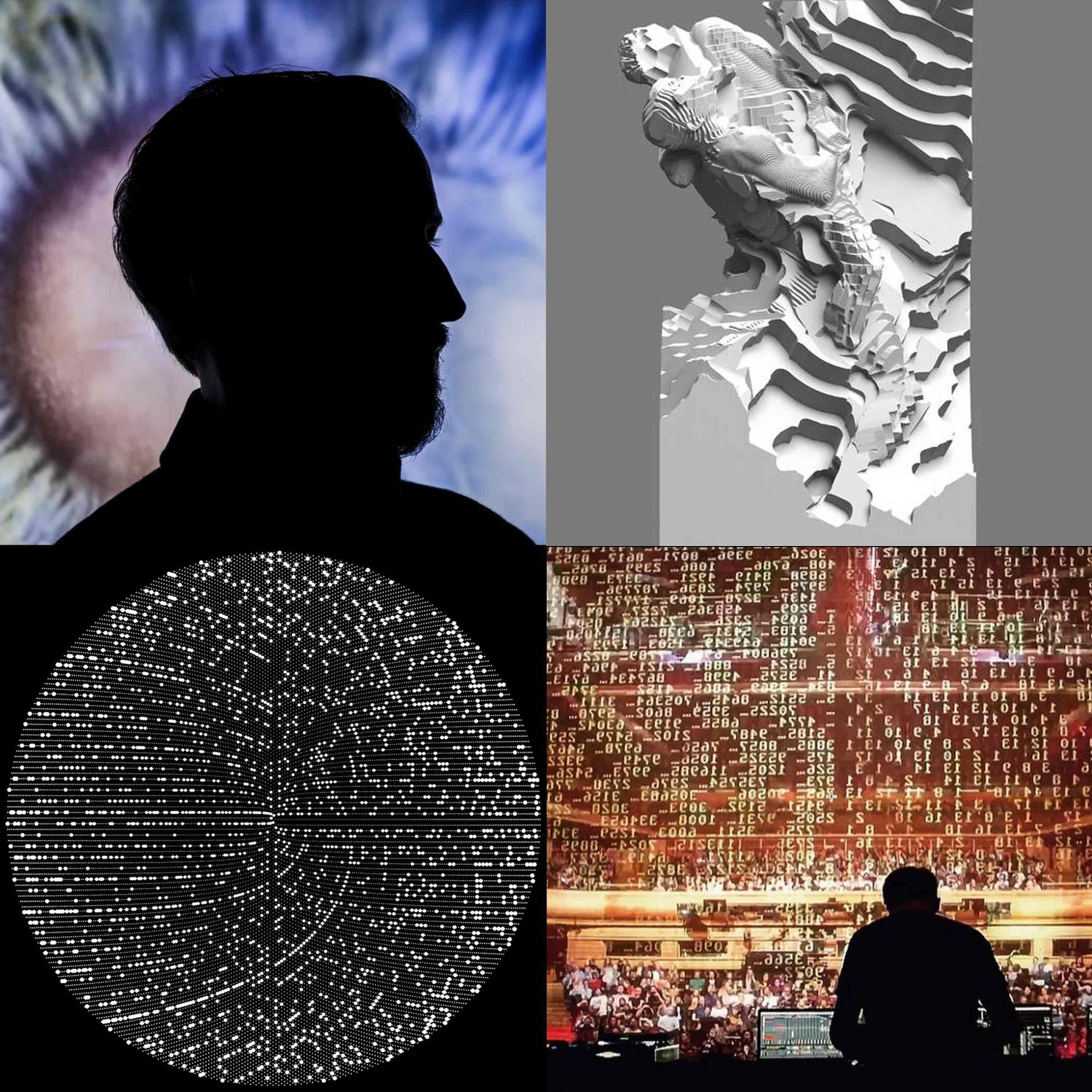
Exploring Science, Music, AI & Consciousness with MAX COOPER - Highlights
“As technology becomes more dominant, the arts become ever more important for us to stay in touch the things that the sciences can't tackle. What it's actually like to be a person? What's actually important? We can have this endless progress inside this capitalist machine for greater wealth and longer life and more happiness, according to some metric. Or we can try and quantify society and push it forward. Ultimately, we all have to decide what's important to us as humans, and we need the arts to help with that. So, I think what's important really is just exposing ourselves to as many different ideas as we can, being open-minded, and trying to learn about all facets of life so that we can understand each other as well. And the arts is an essential part of that.”How is being an artist different than a machine that is programmed to perform a set of actions? How can we stop thinking about artworks as objects, and start thinking about them as triggers for experiences? In this conversation with Max Cooper, we discuss the beauty and chaos of nature and the exploration of technology music and consciousness.Max Cooper is a musician with a PhD in computational biology. He integrates electronic music with immersive video projections inspired by scientific exploration. His latest project, Seme, commissioned by the Salzburg Easter Festival, merges Italian musical heritage with contemporary techniques, was also performed at the Barbican in London. He supplied music for a video narrated by Greta Thunberg and Pope Francis for COP26.In 2016, Cooper founded Mesh, a platform to explore the intersection of music, science and art. His Observatory art-house installation is on display at Kings Cross until May 1st.https://maxcooper.nethttps://osterfestspiele.at/en/programme/2024/electro-2024https://meshmeshmesh.netwww.kingscross.co.uk/event/the-observatoryThe music featured on this episode was Palestrina Sicut, Cardano Circles, Fibonacci Sequence, Scarlatti K141. Music is from Seme and is courtesy of Max Cooper.www.creativeprocess.infowww.oneplanetpodcast.orgIG www.instagram.com/creativeprocesspodcast
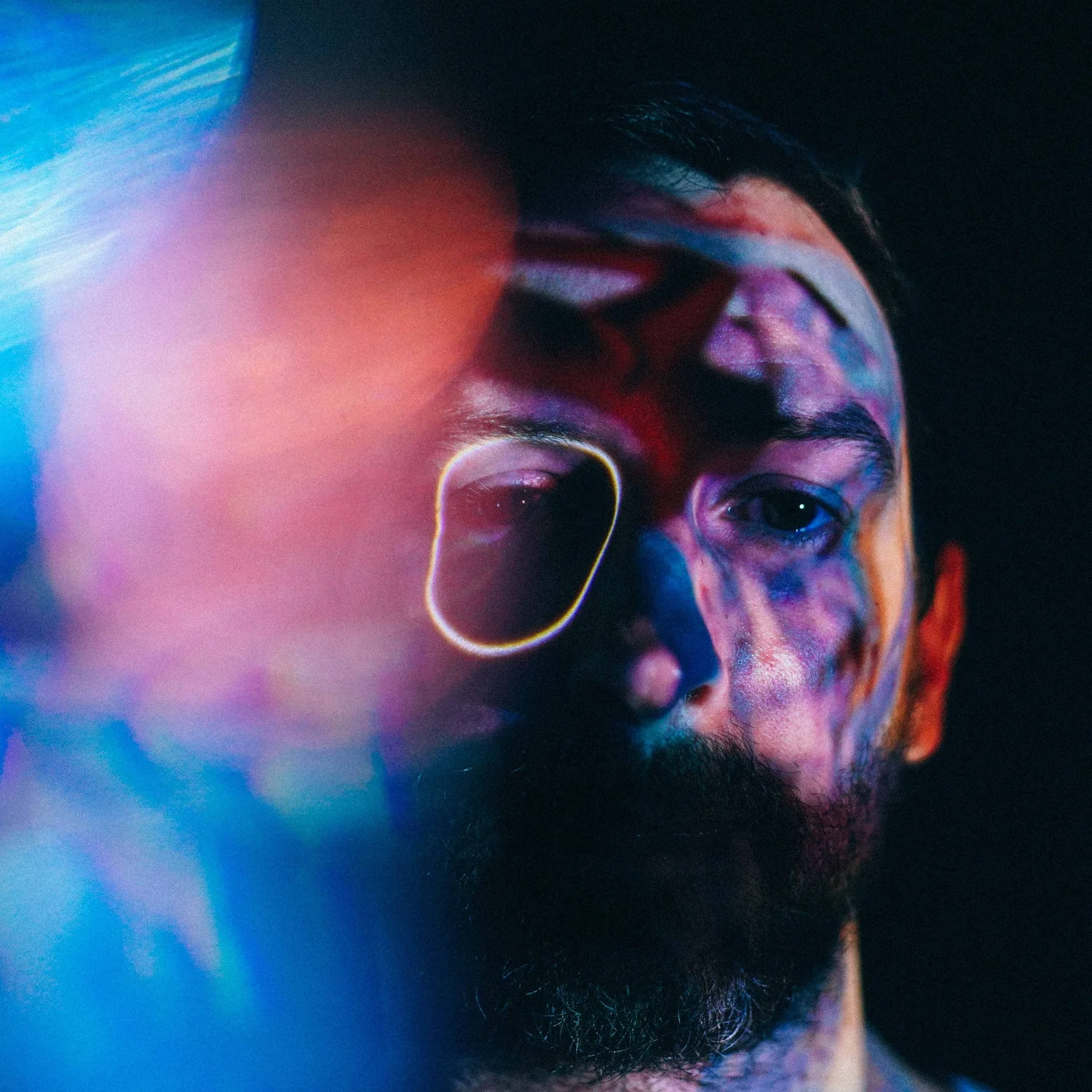
What can music teach us that science can’t? - MAX COOPER - Musician, Fmr. Computational Biologist
How is being an artist different than a machine that is programmed to perform a set of actions? How can we stop thinking about artworks as objects, and start thinking about them as triggers for experiences? In this conversation with Max Cooper, we discuss the beauty and chaos of nature and the exploration of technology music and consciousness.Max Cooper is a musician with a PhD in computational biology. He integrates electronic music with immersive video projections inspired by scientific exploration. His latest project, Seme, commissioned by the Salzburg Easter Festival, merges Italian musical heritage with contemporary techniques, was also performed at the Barbican in London. He supplied music for a video narrated by Greta Thunberg and Pope Francis for COP26.In 2016, Cooper founded Mesh, a platform to explore the intersection of music, science and art. His Observatory art-house installation is on display at Kings Cross until May 1st.“As technology becomes more dominant, the arts become ever more important for us to stay in touch the things that the sciences can't tackle. What it's actually like to be a person? What's actually important? We can have this endless progress inside this capitalist machine for greater wealth and longer life and more happiness, according to some metric. Or we can try and quantify society and push it forward. Ultimately, we all have to decide what's important to us as humans, and we need the arts to help with that. So, I think what's important really is just exposing ourselves to as many different ideas as we can, being open-minded, and trying to learn about all facets of life so that we can understand each other as well. And the arts is an essential part of that.”https://maxcooper.nethttps://osterfestspiele.at/en/programme/2024/electro-2024https://meshmeshmesh.netwww.kingscross.co.uk/event/the-observatoryThe music featured on this episode was Palestrina Sicut, Cardano Circles, Fibonacci Sequence, Scarlatti K141. Music is from Seme and is courtesy of Max Cooper.www.creativeprocess.infowww.oneplanetpodcast.orgIG www.instagram.com/creativeprocesspodcast
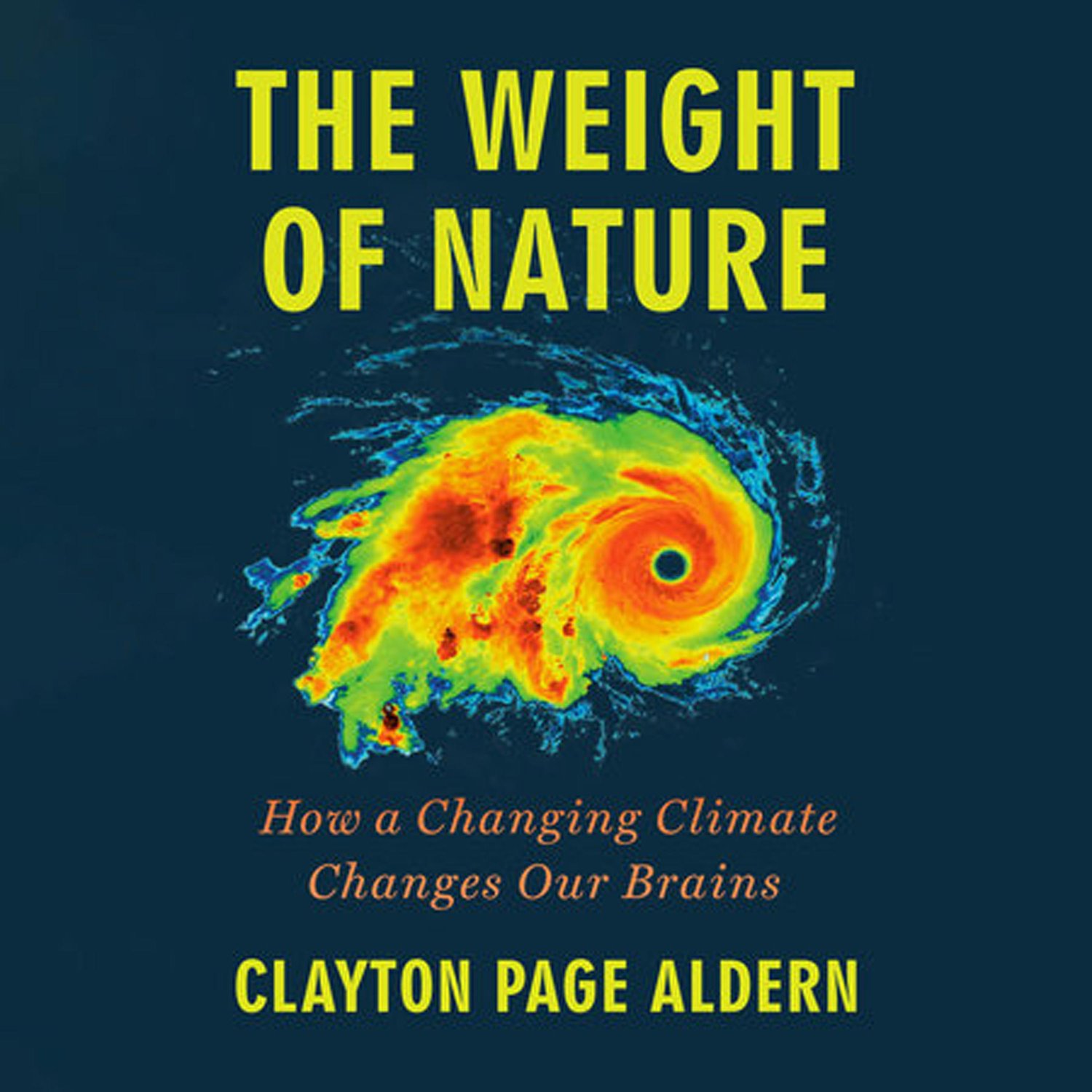
How does a changing climate affect our minds, brains & bodies? - Highlights - CLAYTON ALDERN
"So, I am a data reporter at Grist. And what does that mean? I'm building statistical models of phenomena. I'm writing web scrapers and building data visualizations, right? I have quite a technical job in terms of my relationship with the field of journalism. I just don't think that those tools ought to be put on some kind of pedestal and framed as the be-all end all of the possibility of the field, right? I think that data science, artificial intelligence, and the advent of these new LLMs they're useful tools to add to the journalistic toolkit. We don't know what the ultimate effect of AI is going to be on journalism, but I think journalism is maybe going to look a little bit different in 20 years."Clayton Page Aldern is an award winning neuroscientist turned environmental journalist whose work has appeared in The Atlantic, The Guardian, The Economist, and Grist, where he is a senior data reporter. A Rhodes Scholar, he holds a Master's in Neuroscience and a Master's in Public Policy from the University of Oxford. He is also a research affiliate at the Center for Studies in Demography and Ecology at the University of Washington. He is the author of The Weight of Nature: How a Changing Climate Changes Our Minds, Brains, and Bodies, which explores the neurobiological impacts of rapid environmental change.https://claytonaldern.comwww.penguinrandomhouse.com/books/717097/the-weight-of-nature-by-clayton-page-aldern https://csde.washington.edu www.creativeprocess.infowww.oneplanetpodcast.orgIG www.instagram.com/creativeprocesspodcast
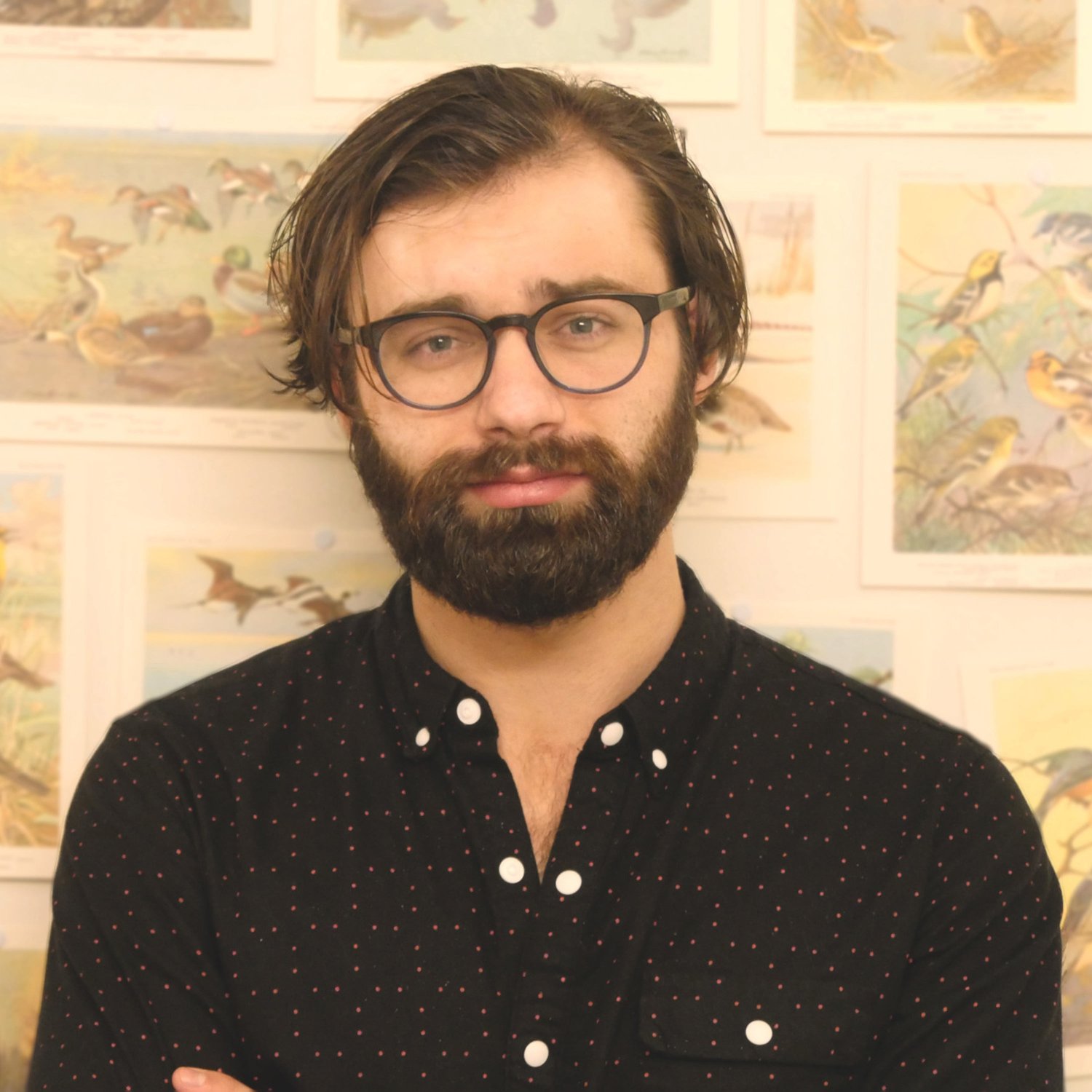
How climate change is making us sick, angry & anxious - CLAYTON ALDERN - Neuroscientist turned Eco-Journalist
How does a changing climate affect our minds, brains and bodies?Clayton Page Aldern is an award winning neuroscientist turned environmental journalist whose work has appeared in The Atlantic, The Guardian, The Economist, and Grist, where he is a senior data reporter. A Rhodes Scholar, he holds a Master's in Neuroscience and a Master's in Public Policy from the University of Oxford. He is also a research affiliate at the Center for Studies in Demography and Ecology at the University of Washington. He is the author of The Weight of Nature: How a Changing Climate Changes Our Minds, Brains, and Bodies, which explores the neurobiological impacts of rapid environmental change."So, I am a data reporter at Grist. And what does that mean? I'm building statistical models of phenomena. I'm writing web scrapers and building data visualizations, right? I have quite a technical job in terms of my relationship with the field of journalism. I just don't think that those tools ought to be put on some kind of pedestal and framed as the be-all end all of the possibility of the field, right? I think that data science, artificial intelligence, and the advent of these new LLMs they're useful tools to add to the journalistic toolkit. We don't know what the ultimate effect of AI is going to be on journalism, but I think journalism is maybe going to look a little bit different in 20 years."https://claytonaldern.comwww.penguinrandomhouse.com/books/717097/the-weight-of-nature-by-clayton-page-aldern https://csde.washington.edu www.creativeprocess.infowww.oneplanetpodcast.orgIG www.instagram.com/creativeprocesspodcast
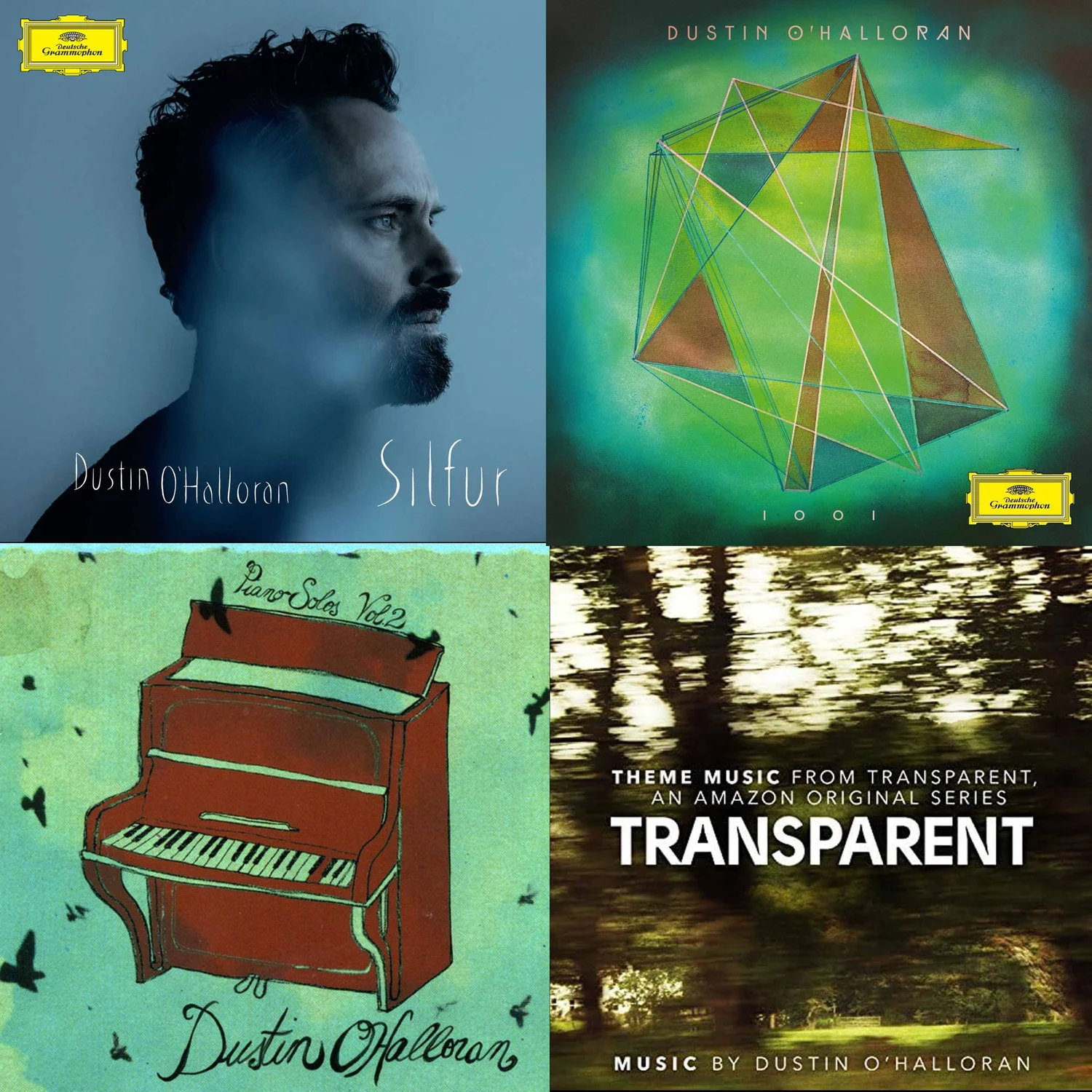
How can music help us expand our understanding of consciousness & AI? - Highlights - DUSTIN O’HALLORAN
“The album 1 0 0 1 is really like a journey from our connection with nature to where we are now, in this moment where we're playing with technology. We're almost in this hybrid space, not fully understanding where it's going. And it's very deep in our subconscious and probably much greater than we realize. And it sort of ends in this space where the consciousness of what we're creating, it's going to be very separate from us. And I believe that's kind of where it's heading – the idea of losing humanity, losing touch with nature and becoming outside of something that we have created."Dustin O’Halloran is a pianist and composer and member of the band A Winged Victory for the Sullen. Winner of a 2015 Emmy Award for his main title theme to Amazon's comedy drama Transparent, he was also nominated for an Oscar, a Golden Globe, and a BAFTA for his score for Lion, written in collaboration with Volker Bertelmann (aka Hauschka). He has composed for Wayne McGregor (The Royal Ballet, London), Sofia Coppola’s Marie Antoinette, Ammonite starring Kate Winslet, and The Essex Serpent starring Claire Danes. He produced Katy Perry’s “Into Me You See” from her album Witness and appears on Leonard Cohen’s 2019 posthumous album Thanks For The Dance. With six solo albums under his name, his latest album 1 0 0 1, which explores ideas of technology, humanity and mind-body dualism, is available on Deutsche Grammophon.https://dustinohalloran.com/www.deutschegrammophon.com/en/artists/dustin-o-halloranwww.imdb.com/name/nm0641169/bio/?ref_=nm_ov_bio_smMusic courtesy of Dustin O’Halloran and Deutsche Grammophonwww.creativeprocess.infowww.oneplanetpodcast.orgIG www.instagram.com/creativeprocesspodcast

Consciousness, AI & Creativity with DUSTIN O’HALLORAN - Emmy Award-winning Composer
What will happen when Artificial General Intelligence arrives? What is the nature of consciousness? How are music and creativity pathways for reconnecting us to our humanity and the natural world?Dustin O’Halloran is a pianist and composer and member of the band A Winged Victory for the Sullen. Winner of a 2015 Emmy Award for his main title theme to Amazon's comedy drama Transparent, he was also nominated for an Oscar, a Golden Globe, and a BAFTA for his score for Lion, written in collaboration with Volker Bertelmann (aka Hauschka). He has composed for Wayne McGregor (The Royal Ballet, London), Sofia Coppola’s Marie Antoinette, Ammonite starring Kate Winslet, and The Essex Serpent starring Claire Danes. He produced Katy Perry’s “Into Me You See” from her album Witness and appears on Leonard Cohen’s 2019 posthumous album Thanks For The Dance. With six solo albums under his name, his latest album 1 0 0 1, which explores ideas of technology, humanity and mind-body dualism, is available on Deutsche Grammophon.“The album 1 0 0 1 is really like a journey from our connection with nature to where we are now, in this moment where we're playing with technology. We're almost in this hybrid space, not fully understanding where it's going. And it's very deep in our subconscious and probably much greater than we realize. And it sort of ends in this space where the consciousness of what we're creating, it's going to be very separate from us. And I believe that's kind of where it's heading – the idea of losing humanity, losing touch with nature and becoming outside of something that we have created."https://dustinohalloran.com/www.deutschegrammophon.com/en/artists/dustin-o-halloranwww.imdb.com/name/nm0641169/bio/?ref_=nm_ov_bio_smMusic courtesy of Dustin O’Halloran and Deutsche Grammophonwww.creativeprocess.infowww.oneplanetpodcast.orgIG www.instagram.com/creativeprocesspodcast
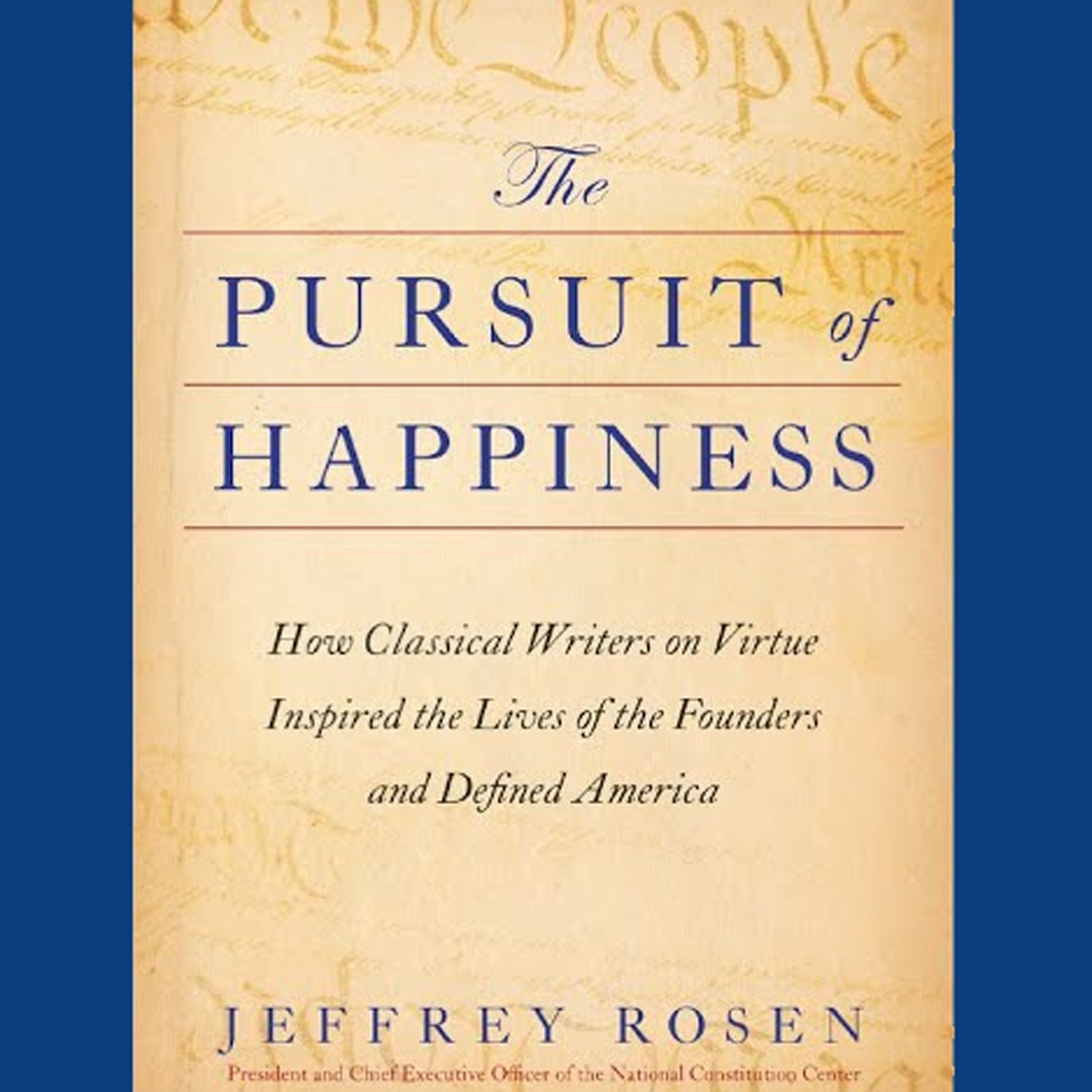
The Pursuit of Happiness - JEFFREY ROSEN - President & CEO of the National Constitution Center
"There's no more empowering act for me than simply turning the devices off. The simple rule that I'm not allowed to browse in the morning until I've done my reading has opened up worlds. So much of tech and the net are designed to capture our attentions, to turn us into consumers rather than citizens, to fan our base passions and emotions, and to send us down rabbit holes. That the best thing we can do is to turn it off.'The pictures in our minds,' I guess that was Walter Lippmann, are confirmed by the enlightenment empiricists like John Locke, who insists that our reality is shaped by our external sensations and what we put into our minds. And then, of course, we are what we think. Life shaped by the mind, as The Dhammapada states. And then, the great injunction that my dad used to quote from Paracelsus, 'As we imagine ourselves to be, so shall we be.' “Jeffrey Rosen is President and CEO of the National Constitution Center, where he hosts We the People, a weekly podcast of constitutional debate. He is also a professor of law at the George Washington University Law School and a contributing editor at The Atlantic. Rosen is a graduate of Harvard College, Oxford University, and Yale Law School. He is the author of seven previous books, including the New York Times bestseller Conversations with RBG: Justice Ruth Bader Ginsburg on Life, Love, Liberty, and Law. His essays and commentaries have appeared in The New York Times Magazine; on NPR; in The New Republic, where he was the legal affairs editor; and in The New Yorker, where he has been a staff writer. His latest book is The Pursuit of Happiness: How Classical Writers on Virtue Inspired the Lives of the Founders and Defined America.https://constitutioncenter.org/about/board-of-trustees/jeffrey-rosenwww.simonandschuster.com/books/The-Pursuit-of-Happiness/Jeffrey-Rosen/9781668002476https://constitutioncenter.org/news-debate/podcastswww.creativeprocess.infowww.oneplanetpodcast.orgIG www.instagram.com/creativeprocesspodcast

The Pursuit of Happiness - JEFFREY ROSEN - President & CEO of the National Constitution Center
What is the true meaning of the pursuit of happiness? What can we learn from the Founding Fathers about achieving harmony, balance, tranquility, self-mastery, and pursuing the public good?Jeffrey Rosen is President and CEO of the National Constitution Center, where he hosts We the People, a weekly podcast of constitutional debate. He is also a professor of law at the George Washington University Law School and a contributing editor at The Atlantic. Rosen is a graduate of Harvard College, Oxford University, and Yale Law School. He is the author of seven previous books, including the New York Times bestseller Conversations with RBG: Justice Ruth Bader Ginsburg on Life, Love, Liberty, and Law. His essays and commentaries have appeared in The New York Times Magazine; on NPR; in The New Republic, where he was the legal affairs editor; and in The New Yorker, where he has been a staff writer. His latest book is The Pursuit of Happiness: How Classical Writers on Virtue Inspired the Lives of the Founders and Defined America."There's no more empowering act for me than simply turning the devices off. The simple rule that I'm not allowed to browse in the morning until I've done my reading has opened up worlds. So much of tech and the net are designed to capture our attentions, to turn us into consumers rather than citizens, to fan our base passions and emotions, and to send us down rabbit holes. That the best thing we can do is to turn it off.'The pictures in our minds,' I guess that was Walter Lippmann, are confirmed by the enlightenment empiricists like John Locke, who insists that our reality is shaped by our external sensations and what we put into our minds. And then, of course, we are what we think. Life shaped by the mind, as The Dhammapada states. And then, the great injunction that my dad used to quote from Paracelsus, 'As we imagine ourselves to be, so shall we be.' “https://constitutioncenter.org/about/board-of-trustees/jeffrey-rosenwww.simonandschuster.com/books/The-Pursuit-of-Happiness/Jeffrey-Rosen/9781668002476https://constitutioncenter.org/news-debate/podcastswww.creativeprocess.info www.oneplanetpodcast.org IG www.instagram.com/creativeprocesspodcast

The Transformative Power of Writing with ANDRE DUBUS III - Highlights
"I am deeply concerned about the digital world. My deep concern about the handheld is it's casting everybody to be in a trance, and it's taking from them the only thing we have, which is the present moment. Everyone's walking around in a state of continuous partial attention."Andre Dubus III’s nine books include the New York Times’ bestsellers House of Sand and Fog, The Garden of Last Days, and his memoir, Townie. His work has been included in The Best American Essays and The Best Spiritual Writing anthologies. His novel, House of Sand and Fog was a finalist for the National Book Award and was made into an Academy Award-nominated film starring Ben Kingsley and Jennifer Connelly. His most recent books are the novel, Such Kindness and a collection of personal essays, Ghost Dogs: On Killers and Kin. Dubus has been a finalist for the National Book Award, and has been awarded a Guggenheim Fellowship, The National Magazine Award for Fiction, two Pushcart Prizes, and is a recipient of an American Academy of Arts and Letters Award in Literature. His books are published in over twenty-five languages, and he teaches at the University of Massachusetts Lowell. www.andredubus.comwww.andredubus.com/ghost-dogswww.andredubus.com/house-of-sand-and-fogwww.andredubus.com/such-kindnesswww.creativeprocess.infowww.oneplanetpodcast.orgIG www.instagram.com/creativeprocesspodcast

Exploring Trauma, Healing & Redemption with ANDRE DUBUS III
What can reading teach us about loss, healing, and survival? How can we transform anger into empathy? What can we learn from the creative act about turning personal setbacks into opportunities for self-discovery and growth?Andre Dubus III’s nine books include the New York Times’ bestsellers House of Sand and Fog, The Garden of Last Days, and his memoir, Townie. His work has been included in The Best American Essays and The Best Spiritual Writing anthologies. His novel, House of Sand and Fog was a finalist for the National Book Award and was made into an Academy Award-nominated film starring Ben Kingsley and Jennifer Connelly. His most recent books are the novel, Such Kindness and a collection of personal essays, Ghost Dogs: On Killers and Kin. Dubus has been a finalist for the National Book Award, and has been awarded a Guggenheim Fellowship, The National Magazine Award for Fiction, two Pushcart Prizes, and is a recipient of an American Academy of Arts and Letters Award in Literature. His books are published in over twenty-five languages, and he teaches at the University of Massachusetts Lowell. "I am deeply concerned about the digital world. My deep concern about the handheld is it's casting everybody to be in a trance, and it's taking from them the only thing we have, which is the present moment. Everyone's walking around in a state of continuous partial attention."www.andredubus.comwww.andredubus.com/ghost-dogswww.andredubus.com/house-of-sand-and-fogwww.andredubus.com/such-kindnesswww.creativeprocess.infowww.oneplanetpodcast.orgIG www.instagram.com/creativeprocesspodcast

Revolutionizing Sustainability: BERTRAND PICCARD's Path to a Cleaner Planet - Highlights
"So it's what you do with the invention that's important. And with AI, it's exactly the same. If you make deep fakes, I think you can just destroy trust and confidence in the world because you will never know what is true and what is false, but if you use AI to balance the grid, to incorporate renewable energies that are intermittent, the storage, the usage by consumers, then you begin to be much more efficient because you use energy at the right moment, in the right way, at the right place, for the right people, you will save a lot of energy. So, in the end, it's always human behavior that decides if an invention is good or not. What I would really like to avoid is AI being used for useless things."Bertrand Piccard is a notable Swiss environmentalist, explorer, author, and psychiatrist. His ventures include being the first to travel around the world in a non-stop balloon flight and years later in a solar-powered airplane. He is regarded as a pioneer in clean technology. Piccard is also the founder of the Solar Impulse Foundation, which has identified over 1500 actionable and profitable climate solutions and connects them with investors. As a UN Ambassador for the Environment, his goal is to convince leaders of the viability of a zero-carbon economy, which he will demonstrate via his next emission-free project Climate Impulse, a green hydrogen-powered airplane that can fly nonstop around the earth.http://www.solarimpulse.comhttps://climateimpulse.org/https://bertrandpiccard.com/Photos:Bertrand Piccard with Ilham Kadri, CEO Syensqo (main technological partner of Climate Impulse)Bertrand Piccard @ Solar Impulse, Jean Revillard

Beyond the Horizon: Pioneering Green Aviation with BERTRAND PICCARD - Aviator, Explorer, Environmentalist
What is the future of green aviation? How do we share environmental solutions to unite people and change the climate narrative from sacrifice and fear to enthusiasm and hope?Bertrand Piccard is a notable Swiss environmentalist, explorer, author, and psychiatrist. His ventures include being the first to travel around the world in a non-stop balloon flight and years later in a solar-powered airplane. He is regarded as a pioneer in clean technology. Piccard is also the founder of the Solar Impulse Foundation, which has identified over 1500 actionable and profitable climate solutions and connects them with investors. As a UN Ambassador for the Environment, his goal is to convince leaders of the viability of a zero-carbon economy, which he will demonstrate via his next emission-free project Climate Impulse, a green hydrogen-powered airplane that can fly nonstop around the earth."So it's what you do with the invention that's important. And with AI, it's exactly the same. If you make deep fakes, I think you can just destroy trust and confidence in the world because you will never know what is true and what is false, but if you use AI to balance the grid, to incorporate renewable energies that are intermittent, the storage, the usage by consumers, then you begin to be much more efficient because you use energy at the right moment, in the right way, at the right place, for the right people, you will save a lot of energy. So, in the end, it's always human behavior that decides if an invention is good or not. What I would really like to avoid is AI being used for useless things."http://www.solarimpulse.comhttps://climateimpulse.org/https://bertrandpiccard.com/Photos:COPSummitBertrand Piccard with Simon Stiell, Executive Secretary of the UNFCCCVille de Demain exhibition, Cité des sciences et de l'industrie, Paris

Who were the Neanderthals? - Highlights - DR. LUDOVIC SLIMAK
"AI is a fascinating question. You know children are sponges. They look and say this is something different. So your values are no longer good enough for the future. And this is what we are confronted with with AI. And that's a fantastic tool, but at a certain moment, this technology will evolve and become super efficient and smarter than we are. And at this moment, our children could simply reject everything that makes us human. And our society at this moment, and maybe that of our humanity, could collapse on itself. I begin the book with a question of intelligence outside of Earth. That could be AI, that could be extraterrestrials. This is fascinating for us because this is another intelligence. Now, we have created AI, and we are fascinated by what we see because we can discuss with an AI and it's very clear that the AI understands our concepts and responds with our own concepts."Ludovic Slimak is a paleoanthropologist at the University of Toulouse in France and Director of the Grotte Mandrin research project. His work focuses on the last Neanderthal societies, and he is the author of several hundred scientific studies on these populations. His research has been featured in Nature, Science, the New York Times, and other publications. He is the author of The Naked Neanderthal: A New Understanding of the Human Creaturehttp://ww5.pegasusbooks.com/books/the-naked-neanderthal-9781639366163-hardcoverhttps://lampea.cnrs.fr/spip.php?article3767www.odilejacob.fr/catalogue/sciences-humaines/archeologie-paleontologie-prehistoire/dernier-neandertalien_9782415004927.phpwww.creativeprocess.infowww.oneplanetpodcast.orgIG www.instagram.com/creativeprocesspodcast

Will human efficiency destroy the planet and us? - DR. LUDOVIC SLIMAK - Author of The Naked Neanderthal
Who were the Neanderthals? And what can our discoveries about them teach us about intelligence, our extractivist relationship to the planet, and what it means to be human?Ludovic Slimak is a paleoanthropologist at the University of Toulouse in France and Director of the Grotte Mandrin research project. His work focuses on the last Neanderthal societies, and he is the author of several hundred scientific studies on these populations. His research has been featured in Nature, Science, the New York Times, and other publications. He is the author of The Naked Neanderthal: A New Understanding of the Human Creature."AI is a fascinating question. You know children are sponges. They look and say this is something different. So your values are no longer good enough for the future. And this is what we are confronted with with AI. And that's a fantastic tool, but at a certain moment, this technology will evolve and become super efficient and smarter than we are. And at this moment, our children could simply reject everything that makes us human. And our society at this moment, and maybe that of our humanity, could collapse on itself. I begin the book with a question of intelligence outside of Earth. That could be AI, that could be extraterrestrials. This is fascinating for us because this is another intelligence. Now, we have created AI, and we are fascinated by what we see because we can discuss with an AI and it's very clear that the AI understands our concepts and responds with our own concepts."http://ww5.pegasusbooks.com/books/the-naked-neanderthal-9781639366163-hardcoverhttps://lampea.cnrs.fr/spip.php?article3767www.odilejacob.fr/catalogue/sciences-humaines/archeologie-paleontologie-prehistoire/dernier-neandertalien_9782415004927.phpwww.creativeprocess.infowww.oneplanetpodcast.orgIG www.instagram.com/creativeprocesspodcast
How can we imagine future societies that are sustainable & enjoyable for all? - Highlights - PAOLA SPINOZZI
“I want to quote a poem because it's not only a poem. It's a poem rethought by and revisited by a conceptual artist. It's called "All Watched Over By Machines Of Loving Grace". So this originally is a 1967 poem by an American author Richard Brautigan, but then in 2021, it became a video by Turkish artist Memo Akten. This video brings together an amazing array of images in which you see different natural environments and artificial intelligence. Gradually, they come to blend, and then they melt, and then they become one.”I like to think(it has to be!)of a cybernetic ecologywhere we are free of our laborsand joined back to nature,returned to our mammalbrothers and sisters,and all watched overby machines of loving grace.–Richard BrautiganPaola Spinozzi is Professor of English Literature at the University of Ferrara and currently serves as Pro-Vice-Chancellor for Internationalisation. She is the coordinator of the PhD Programme in Environmental Sustainability and Wellbeing and the co-coordinator of Routes towards Sustainability. Her research encompasses the ecological humanities and ecocriticism, utopia and sustainability; literature and the visual arts; literature and science; cultural memory. She has co-edited Cultures of Sustainability and Wellbeing: Theories, Histories and Policies and published on post/apocalyptic and climate fiction, nature poetry, eco-theatre; art and aesthetics, imperialism and evolutionism in utopia as a genre; the writing of science; interart creativity.https://docente.unife.it/paola.spinozzi https://www.unife.it/studenti/dottorato/it/corsi/riforma/environmental-sustainability-and-wellbeinghttps://www.routesnetwork.net https://www.routledge.com/Cultures-of-Sustainability-and-Wellbeing-Theories-Histories-and-Policies/Spinozzi-Mazzanti/p/book/9780367271190.www.creativeprocess.infowww.oneplanetpodcast.orgIG www.instagram.com/creativeprocesspodcast
Literature, Humanities & Sustainability: PAOLA SPINOZZI - Coordinator, Phd Programme, Environmental Sustainability & Wellbeing, UNIFE
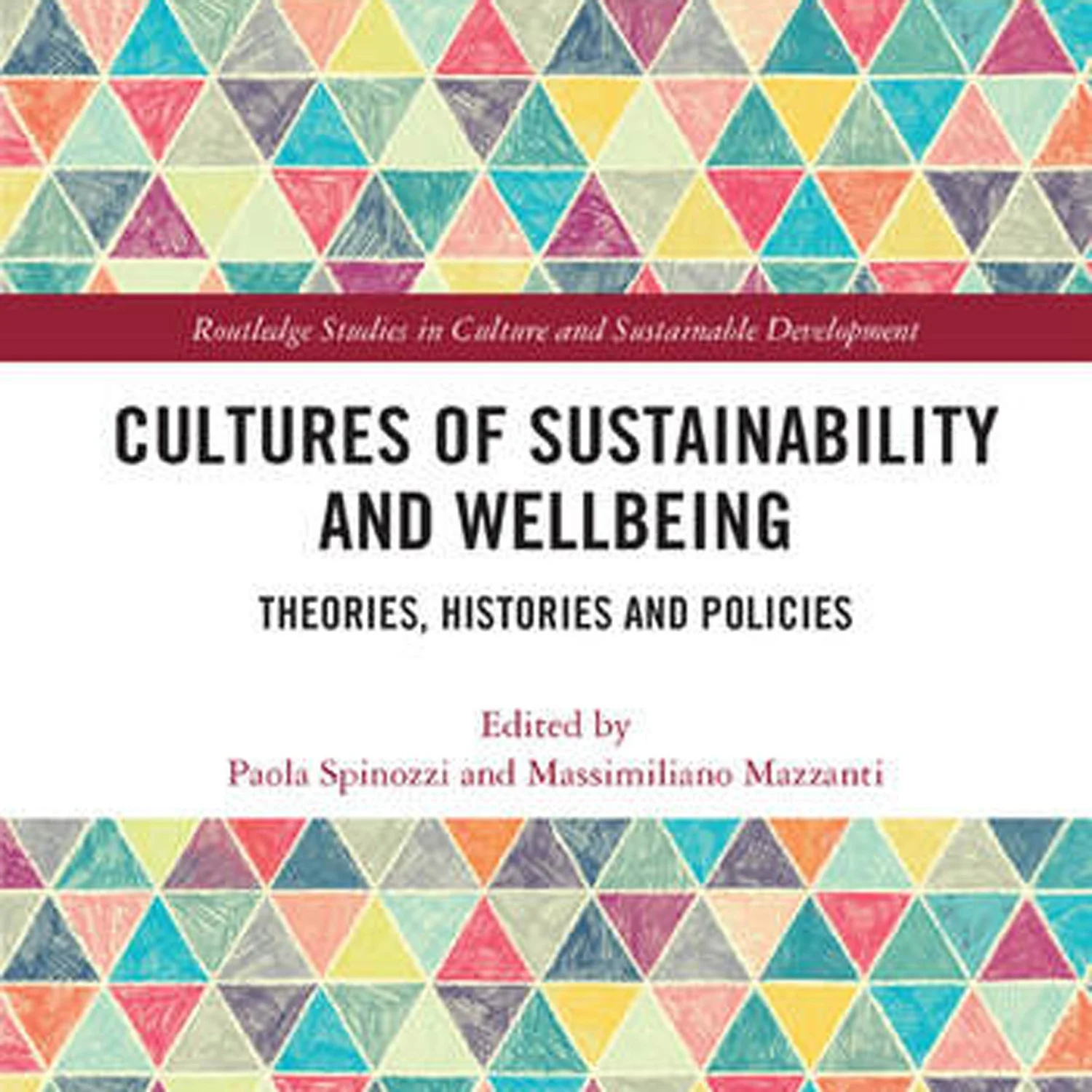
How can we create positive change? What does it mean to have an ecological mind? How can interdisciplinary collaborations help us move beyond educational silos and create sustainable futures?Paola Spinozzi is Professor of English Literature at the University of Ferrara and currently serves as Pro-Vice-Chancellor for Internationalisation. She is the coordinator of the PhD Programme in Environmental Sustainability and Wellbeing and the co-coordinator of Routes towards Sustainability. Her research encompasses the ecological humanities and ecocriticism, utopia and sustainability; literature and the visual arts; literature and science; cultural memory. She has co-edited Cultures of Sustainability and Wellbeing: Theories, Histories and Policies and published on post/apocalyptic and climate fiction, nature poetry, eco-theatre; art and aesthetics, imperialism and evolutionism in utopia as a genre; the writing of science; interart creativity.“I want to quote a poem because it's not only a poem. It's a poem rethought by and revisited by a conceptual artist. It's called "All Watched Over By Machines Of Loving Grace". So this originally is a 1967 poem by an American author Richard Brautigan, but then in 2021, it became a video by Turkish artist Memo Akten. This video brings together an amazing array of images in which you see different natural environments and artificial intelligence. Gradually, they come to blend, and then they melt, and then they become one.”I like to think(it has to be!)of a cybernetic ecologywhere we are free of our laborsand joined back to nature,returned to our mammalbrothers and sisters,and all watched overby machines of loving grace.–Richard Brautiganhttps://docente.unife.it/paola.spinozzi https://www.unife.it/studenti/dottorato/it/corsi/riforma/environmental-sustainability-and-wellbeinghttps://www.routesnetwork.net https://www.routledge.com/Cultures-of-Sustainability-and-Wellbeing-Theories-Histories-and-Policies/Spinozzi-Mazzanti/p/book/9780367271190.www.creativeprocess.infowww.oneplanetpodcast.orgIG www.instagram.com/creativeprocesspodcast

What does the future hold for our late-stage capitalist society with mega-corps controlling everything? - Highlights - KYLE HIGGINS, KARINA MANASHIL & KID CUDI
“I write science fiction, so it's fascinating from a technological standpoint, but we have dozens and dozens of years of science fiction warning us about technology unchecked. The irony is that now so many of those science fiction stories have probably been used to feed the AI training algorithms that they are now repurposing and ripping off. So it's very ironic in that regard to me. I've heard artists refer to AI as a plagiarism machine, and I do think that's a very apt descriptor. I have a lot of friends who are affected by this. And these tech companies think if we can make it easier and cheaper to capture some aspect of the human spirit and then, by God, isn't that best for shareholders?” -Kyle HigginsKyle Higgins is an Eisner award-nominated #1 New York Times best-selling comic book author and award-winning filmmaker known for his work on DC Comics’ Batman titles as well as his critically-acclaimed reinventions of Mighty Morphin Power Rangers for Boom! Studios/Hasbro, Ultraman for Marvel Comics, and his creator-owned series Radiant Black, NO/ONE and Deep Cuts for Image Comics. Kyle is the founder and creative director of Black Market Narrative and The Massive-Verse.Karina Manashil is the President of MAD SOLAR. After graduating from Chapman University with a BFA in Film Production, she began her career in the mailroom at WME where she became a Talent Agent. In 2020, she partnered with Scott Mescudi and Dennis Cummings to found MAD SOLAR. Its first release was the documentary “A Man Named Scott” (Amazon), and she then went on to Executive Produce Ti West trilogy “X,” “Pearl” and “MaXXXine” (A24). Manashil received an Emmy nomination as an Executive Producer on the Netflix animated event “Entergalactic." She also produced the Mescudi/Kyle Higgins comic book “Moon Man” which launched through Image Comics. She is next producing the upcoming Mescudi/Sam Levinson/The Lucas Bros film “HELL NAW” (Sony) and the animated feature “Slime” from auteur animator Jeron Braxton.moonmancomics.com https://imagecomics.comhttps://www.imdb.com/name/nm3556462/?ref_=fn_al_nm_1www.creativeprocess.infowww.oneplanetpodcast.orgIG www.instagram.com/creativeprocesspodcastAudio of Scott Mescudi courtesy of Mad Solar and Moon Man Comic Book Release and Revenge Of (Eagle Rock, CA, Jan 31, 2024)

Comics, Music, Ethics & AI: KYLE HIGGINS, KARINA MANASHIL & KID CUDI on the Making of Moon Man
What does the future hold for our late-stage capitalist society with mega-corporations owning and controlling everything? How can the world-building skills of the makers of films and comics help us imagine a better future?Kyle Higgins is an Eisner award-nominated #1 New York Times best-selling comic book author and award-winning filmmaker known for his work on DC Comics’ Batman titles as well as his critically-acclaimed reinventions of Mighty Morphin Power Rangers for Boom! Studios/Hasbro, Ultraman for Marvel Comics, and his creator-owned series Radiant Black, NO/ONE and Deep Cuts for Image Comics. Kyle is the founder and creative director of Black Market Narrative and The Massive-Verse.Karina Manashil is the President of MAD SOLAR. After graduating from Chapman University with a BFA in Film Production, she began her career in the mailroom at WME where she became a Talent Agent. In 2020, she partnered with Scott Mescudi and Dennis Cummings to found MAD SOLAR. Its first release was the documentary “A Man Named Scott” (Amazon), and she then went on to Executive Produce Ti West trilogy “X,” “Pearl” and “MaXXXine” (A24). Manashil received an Emmy nomination as an Executive Producer on the Netflix animated event “Entergalactic." She also produced the Mescudi/Kyle Higgins comic book “Moon Man” which launched through Image Comics. She is next producing the upcoming Mescudi/Sam Levinson/The Lucas Bros film “HELL NAW” (Sony) and the animated feature “Slime” from auteur animator Jeron Braxton.“I write science fiction, so it's fascinating from a technological standpoint, but we have dozens and dozens of years of science fiction warning us about technology unchecked. The irony is that now so many of those science fiction stories have probably been used to feed the AI training algorithms that they are now repurposing and ripping off. So it's very ironic in that regard to me. I've heard artists refer to AI as a plagiarism machine, and I do think that's a very apt descriptor. I have a lot of friends who are affected by this. And these tech companies think if we can make it easier and cheaper to capture some aspect of the human spirit and then, by God, isn't that best for shareholders?” -Kyle Higginsmoonmancomics.com https://imagecomics.comhttps://www.imdb.com/name/nm3556462/?ref_=fn_al_nm_1www.creativeprocess.infowww.oneplanetpodcast.orgIG www.instagram.com/creativeprocesspodcastAudio of Scott Mescudi courtesy of Mad Solar and Moon Man Comic Book Release and Revenge Of (Eagle Rock, CA, Jan 31, 2024)

Tech, Spirituality & Selfhood: TARA ISABELLA BURTON - Author of Here in Avalon, Social Creature, & Self-Made
"So everyone should probably throw their smartphones in a river, myself included. And I think that it is hard. There's never going to be a version where you get the right answer, and suddenly your life falls into place, and everything's perfect. And that's not what it's supposed to be for anyway. And I think there is a tendency in self-care circles that once we solve our demons and figure out our path in life, we are in touch with the vibes of the universe. Like suddenly, we're going to be wealthy and healthy and happy and have the perfect marriage. And I think the questions of philosophical inquiry are about how to live a good life, but that's not the same thing as assuming, as so much of contemporary wellness culture assumes, that a normatively successful life will come to us by virtue of doing the right things."Tara Isabella Burton is the author of the novels Social Creature, The World Cannot Give, and Here in Avalon, as well as the nonfiction books Strange Rites: New Religions for a Godless World and Self-Made: Curating Our Image from Da Vinci to the Kardashians. She is currently working on a history of magic and modernity, to be published by Convergent in late 2025. Her fiction and nonfiction have appeared in The New York Times, National Geographic, Granta, The Washington Post, The Wall Street Journal, and other publications.www.taraisabellaburton.comwww.simonandschuster.com/books/Here-in-Avalon/Tara-Isabella-Burton/9781982170097?fbclid=IwAR30lnvlXMrDJtCq_568jUM3hvzr6yUz_GUUZSkbR2RarreOF6PMcvhabBgwww.amazon.com/dp/B07W56MQLJ/ref=sr_1_fkmr0_1?keywords=strange+rites+tara+isabella+burton&qid=1565365017&s=gateway&sr=8-1-fkmr0www.creativeprocess.infowww.oneplanetpodcast.orgIG www.instagram.com/creativeprocesspodcast

Climate Education: Does Healing the Planet Begin in the Classroom? - BRYCE COON - Director of Education - EarthDay.ORG
How can we better educate young people about the future & the planet? How can we address eco-anxiety while providing students with climate optimism, hope, and solutions?Bryce Coon is the Director of Education at EarthDay.ORG, a nonprofit that champions climate education for all students and is the global driving force behind Earth Day. Previously, Coon was a high school teacher for 11 years in Montgomery County, teaching economics and leading a variety of projects for students, such as a school-wide tutoring program. Throughout his teaching career, Bryce participated in international fellowships where he studied climate education and policy in Asia, Europe, and Oceania.https://www.earthday.org/campaign/climate-environmental-literacy/Planet vs. Plastics www.earthday.org Sign The Global Plastic Treaty Petition https://action.earthday.org/global-plastics-treaty Toolkits: https://www.earthday.org/our-toolkits NDC Guide for Climate Education https://www.earthday.org/wp-content/uploads/2023/11/NDC-GUIDE-Final.pdfwww.creativeprocess.infowww.oneplanetpodcast.orgIG www.instagram.com/creativeprocesspodcastPhotos courtesy of EARTHDAY.ORG

KATHLEEN ROGERS - President of EarthDay.ORG - Planet vs. Plastics Campaign 2024
How can we reimagine a world without plastic? How can we push governments and companies to admit what they know about the health impacts of plastics and change public policy?Kathleen Rogers is the President of EARTHDAY.ORG. Under her leadership, it has grown into a global year-round policy and activist organization with an international staff. She has been at the vanguard of developing campaigns and programs focused on diversifying the environmental movement, highlighted by Campaign for Communities and Billion Acts of Green. Prior to her work at EARTHDAY.ORG, Kathleen held senior positions with the National Audubon Society, the Environmental Law Institute, and two U.S. Olympic Organizing Committees. She’s a graduate of the University of California at Davis School of Law, where she served as editor-in-chief of the law review and clerked in the United States District Court for the District of Columbia. EARTHDAY.ORG’s 2024 theme, Planet vs. Plastics, calls to advocate for widespread awareness of the health risks of plastics, rapidly phase out all single-use plastics, urgently push for a strong UN Treaty on Plastic Pollution, and demand to end fast fashion. Let's build a plastic-free planet for generations to come."The world recognizes that plastics have imperiled our future. Many environmentalists, myself included, view plastics as on par with, if not worse than, climate change because we do see a little light at the end of the tunnel on climate change. Babies vs. Plastics is a collection of studies, and we particularly focused on children and babies because their bodies and brains are more impacted than adults by the 30, 000 chemicals that assault us every day.We have histories littered with dozens of stories and court cases of malfeasance where companies knew for years before we, the public, did about the impacts. Climate change is a perfect example because we know Exxon scientists knew in 1957 that burning fossil fuels was creating climate change and that eventually, the temperature of the planet would heat up, and they hid it from us for 50-plus years. And more and more reports are coming out every day about what companies and some governments know. Tobacco companies knew tobacco caused cancer for decades before our scientists did. And so we have the same problem with plastics.”Planet vs. Plastics www.earthday.org Sign The Global Plastic Treaty Petition https://action.earthday.org/global-plastics-treaty Toolkits: https://www.earthday.org/our-toolkits NDC Guide for Climate Education https://www.earthday.org/wp-content/uploads/2023/11/NDC-GUIDE-Final.pdfwww.creativeprocess.infowww.oneplanetpodcast.orgIG www.instagram.com/creativeprocesspodcastPhotos courtesy of EARTHDAY.ORG

The Unseen Invasion of Microplastics in Our Lives - KATHLEEN ROGERS - President of EarthDay.ORG
Microplastics and nanoplastic pollution are currently blanketing the planet. They are in the air we breathe, the food we eat, and the water we drink, infiltrating our bodies and even brains and human embryos. Coca-Cola alone sells 100 billion+ single-use plastic bottles each year, ending up in landfills and the ocean. Earth’s population will reach 9.8 billion people by 2050. Two-thirds of humans will become city dwellers. Our waste will drive a mounting worldwide crisis.Highlights from our interview with Kathleen Rogers, the President of EarthDay.org. The full episode will be published next week.Planet vs. Plastics Sign The Global Plastic Treaty Petition www.creativeprocess.infowww.oneplanetpodcast.orgIG www.instagram.com/creativeprocesspodcast

Forty Years in Hollywood - Highlights - ED ZWICK
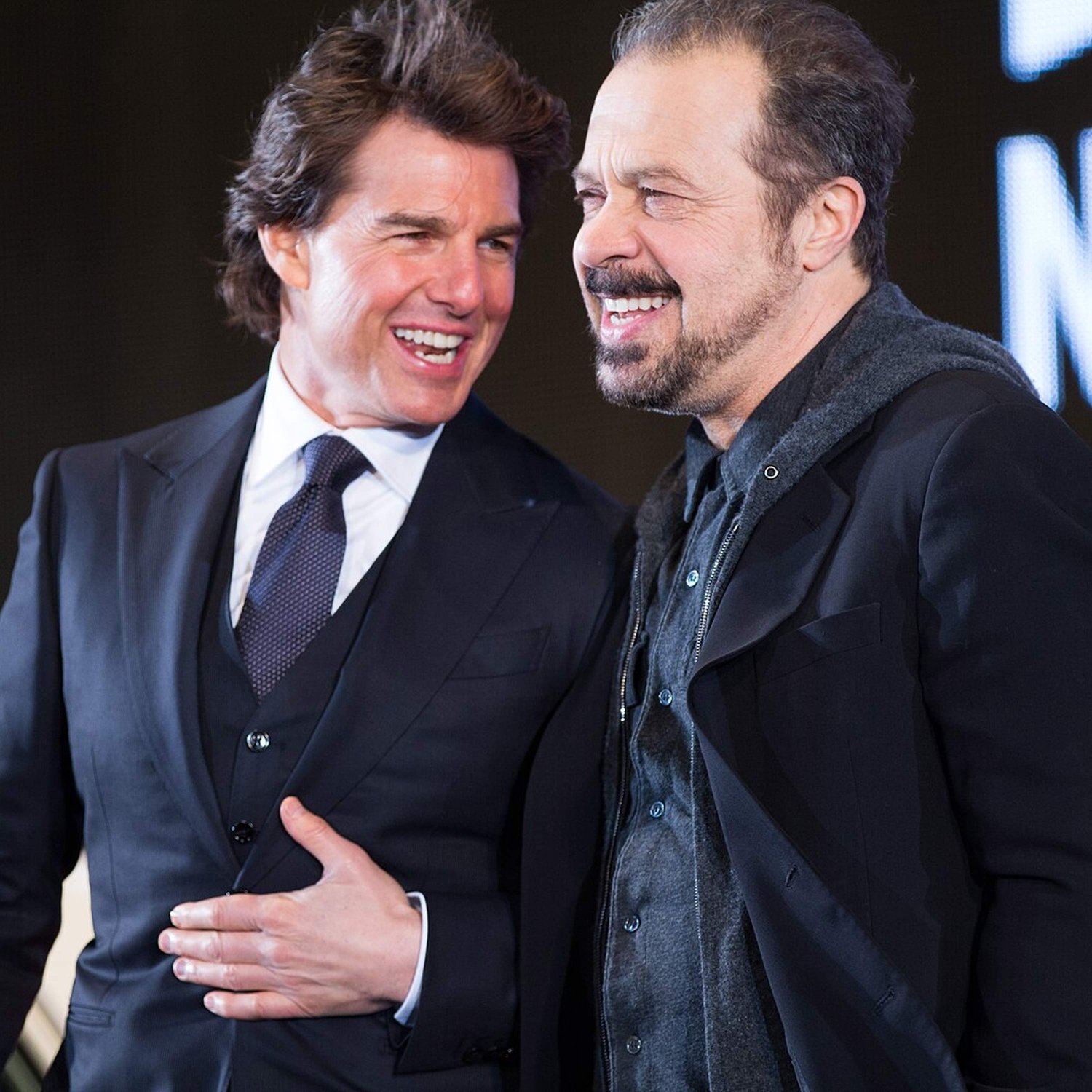
Ed Zwick is a writer, director, and producer who's been active in the film industry for over 40 years. He has been nominated for two Golden Globes for directing the films Glory and Legends of the Fall and received an Academy Award as one of the producers of Shakespeare in Love. Zwick continues to work with his longtime friend and partner, Marshall Herskovitz, at their company Bedford Falls, where they created the widely loved TV show Thirtysomething. His memoir Hits, Flops, and Other Illusions details many of his greatest experiences in the film industry. www.simonandschuster.com/authors/Ed-Zwick/212290077https://www.imdb.com/name/nm0001880/www.creativeprocess.info www.oneplanetpodcast.orgIG www.instagram.com/creativeprocesspodcast
ED ZWICK - Academy Award-winning Writer, Director & Producer - Glory, The Last Samurai, Shakespeare in Love, Thirtysomething
Ed Zwick is a writer, director, and producer who's been active in the film industry for over 40 years. He has been nominated for two Golden Globes for directing the films Glory and Legends of the Fall and received an Academy Award as one of the producers of Shakespeare in Love. Zwick continues to work with his longtime friend and partner, Marshall Herskovitz, at their company Bedford Falls, where they created the widely loved TV show Thirtysomething. His memoir Hits, Flops, and Other Illusions details many of his greatest experiences in the film industry. www.simonandschuster.com/authors/Ed-Zwick/212290077https://www.imdb.com/name/nm0001880/www.creativeprocess.info www.oneplanetpodcast.orgIG www.instagram.com/creativeprocesspodcastImage Courtesy of Dick Thomas JohnsonCreative Commons 2.0
How can the arts help cultivate our intuitive intelligence? - Highlights - JONATHAN YEO
"I'm optimistic about education. There will likely be more traffic between technology and the arts. The tech world needs more creative-minded people and less literal people who have some understanding of how things work.With Jony Ive, you've got someone who designed the iPhone and was very interested in photography himself. We were talking about doing a portrait. He mentioned that he'd been fascinated by self-portraiture as a kid, so much so that when he was doing his industrial design degree, he wrote his thesis on artists' self-portraits. Fast forward a few years, and we are all taking photos every day and learning really fast how to compose images and read images and why they've been cropped in a certain way. All these things, which were probably the preserve of artists and art historians in the past, are suddenly things that kids are thinking about because it's the way they communicate with each other. So I think that that shift is interesting."Jonathan Yeo is one of the world’s leading figurative artists and portrait painters. From celebrated figures such as Sir David Attenborough, peace activist Malala Yousafzai, the Duke of Edinburgh, Nicole Kidman, and Tony Blair, sitting for a portrait with Yeo is a provisional necessity for any 21st century icon. His work, which has been exhibited in museums and galleries around the world, is the subject of several major mid-career retrospectives in the UK and internationally. Yeo’s course on portrait painting is available now on BBC Maestro.www.jonathanyeo.comwww.bbcmaestro.comwww.creativeprocess.infowww.oneplanetpodcast.orgIG www.instagram.com/creativeprocesspodcastImages courtesy of Jonathan Yeo

JONATHAN YEO - Celebrated Portrait Artist on the Importance of Connection & Intuitive Intelligence
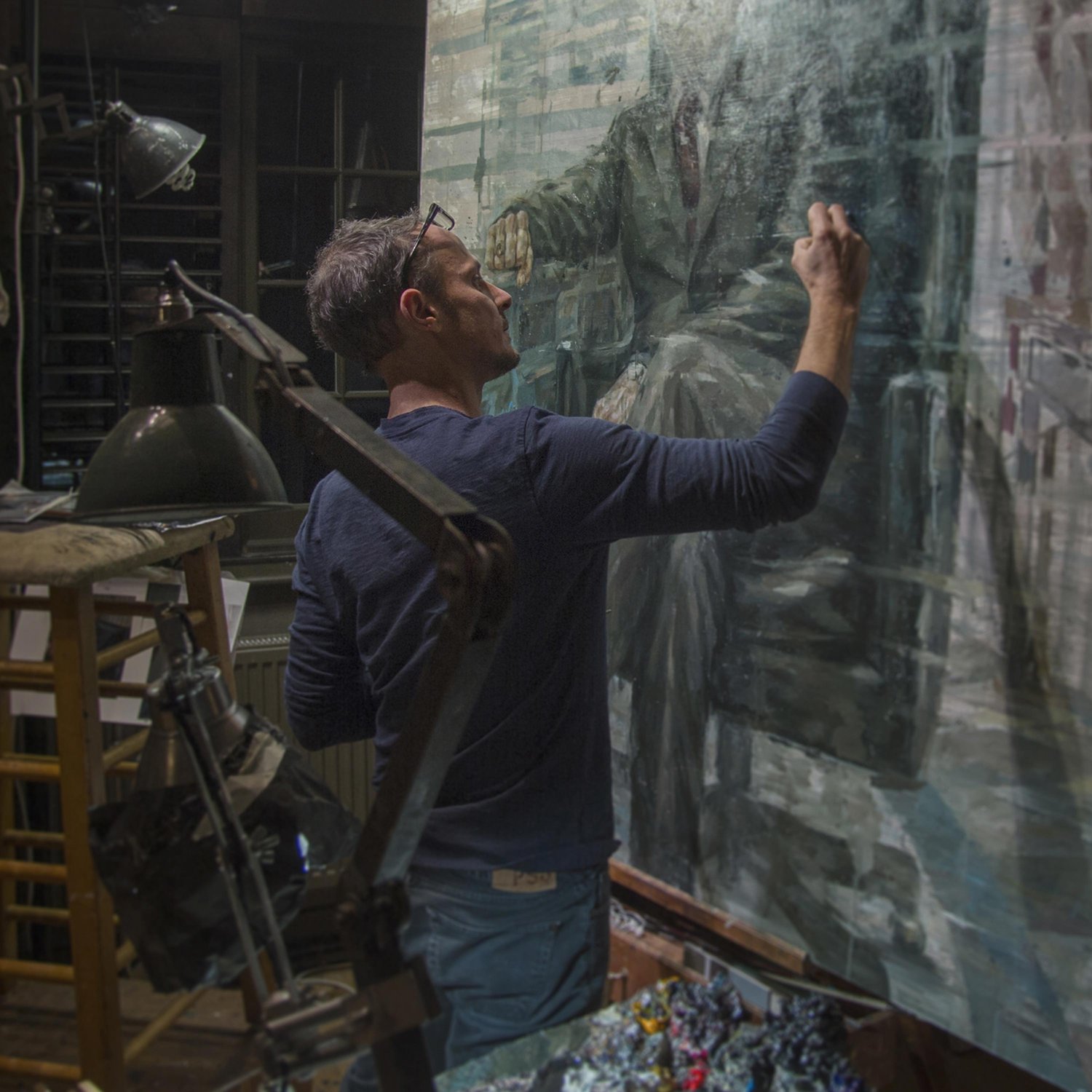
How can the arts help cultivate our intuitive intelligence? What does visual art teach us about consciousness and the human condition? Jonathan Yeo is one of the world’s leading figurative artists and portrait painters. From celebrated figures such as Sir David Attenborough, peace activist Malala Yousafzai, the Duke of Edinburgh, Nicole Kidman, and Tony Blair, sitting for a portrait with Yeo is a provisional necessity for any 21st century icon. His work, which has been exhibited in museums and galleries around the world, is the subject of several major mid-career retrospectives in the UK and internationally. Yeo’s course on portrait painting is available now on BBC Maestro."I'm optimistic about education. There will likely be more traffic between technology and the arts. The tech world needs more creative-minded people and less literal people who have some understanding of how things work.With Jony Ive, you've got someone who designed the iPhone and was very interested in photography himself. We were talking about doing a portrait. He mentioned that he'd been fascinated by self-portraiture as a kid, so much so that when he was doing his industrial design degree, he wrote his thesis on artists' self-portraits. Fast forward a few years, and we are all taking photos every day and learning really fast how to compose images and read images and why they've been cropped in a certain way. All these things, which were probably the preserve of artists and art historians in the past, are suddenly things that kids are thinking about because it's the way they communicate with each other. So I think that that shift is interesting."www.jonathanyeo.comwww.bbcmaestro.comwww.creativeprocess.infowww.oneplanetpodcast.orgIG www.instagram.com/creativeprocesspodcastImages courtesy of Jonathan Yeo

How has our biology shaped world history? - Highlights - LEWIS DARTNELL
"AI is neither inherently good nor inherently bad. It promises both enormous potential and capability from helping with medical diagnosis and catching cancer early or removing a lot of tedium and repetitive nature of many jobs. It can make a lot of great contributions. It's how we control that technology by making active decisions that can be the pathway to the future. There's been a lot of doomsday talk about artificial general intelligence and the Terminator-type outcome, and it's certainly not impossible, but I don't personally believe that is a probable outcome from where we are now.I think one of the things that AI is very good at is churning through and processing vast amounts of data, assuming that you've got your machine learning system set up correctly and trained properly and you're using it in the way that it was intended to be used. Machine learning and AI techniques are incredibly powerful in pulling out the important information in a sea of data, but to convert that information into new understanding, that is the role of humans in that process. And it will remain the role of humans in understanding what is important and how to implement that information once you've fished out this sea of data."How have our psychology and cognitive biases altered the course of human history? What would you do if you had to rebuild our world from scratch?Lewis Dartnell is an author, researcher, and holds the Professorship in Science Communication at the University of Westminster. He researches astrobiology and the search for microbial life on Mars. He also works as a scientific consultant for the media and has appeared in numerous TV documentaries and radio shows. Dr. Dartnell has won several awards for his science writing and outreach work. He has published five books, including The Knowledge: How to Rebuild our World from Scratch; Origins: How the Earth Made Us; and Being Human: How Our Biology Shaped World History. http://www.lewisdartnell.comhttp://lewisdartnell.com/en-gb/2013/11/the-knowledge-how-to-rebuild-our-world-from-scratchwww.penguin.co.uk/books/433955/origins-by-lewis-dartnell/9781784705435www.penguin.co.uk/books/442759/being-human-by-dartnell-lewis/9781847926708www.creativeprocess.info www.oneplanetpodcast.org IG www.instagram.com/creativeprocesspodcastPhoto credit: Shortlist/Paul Stuart
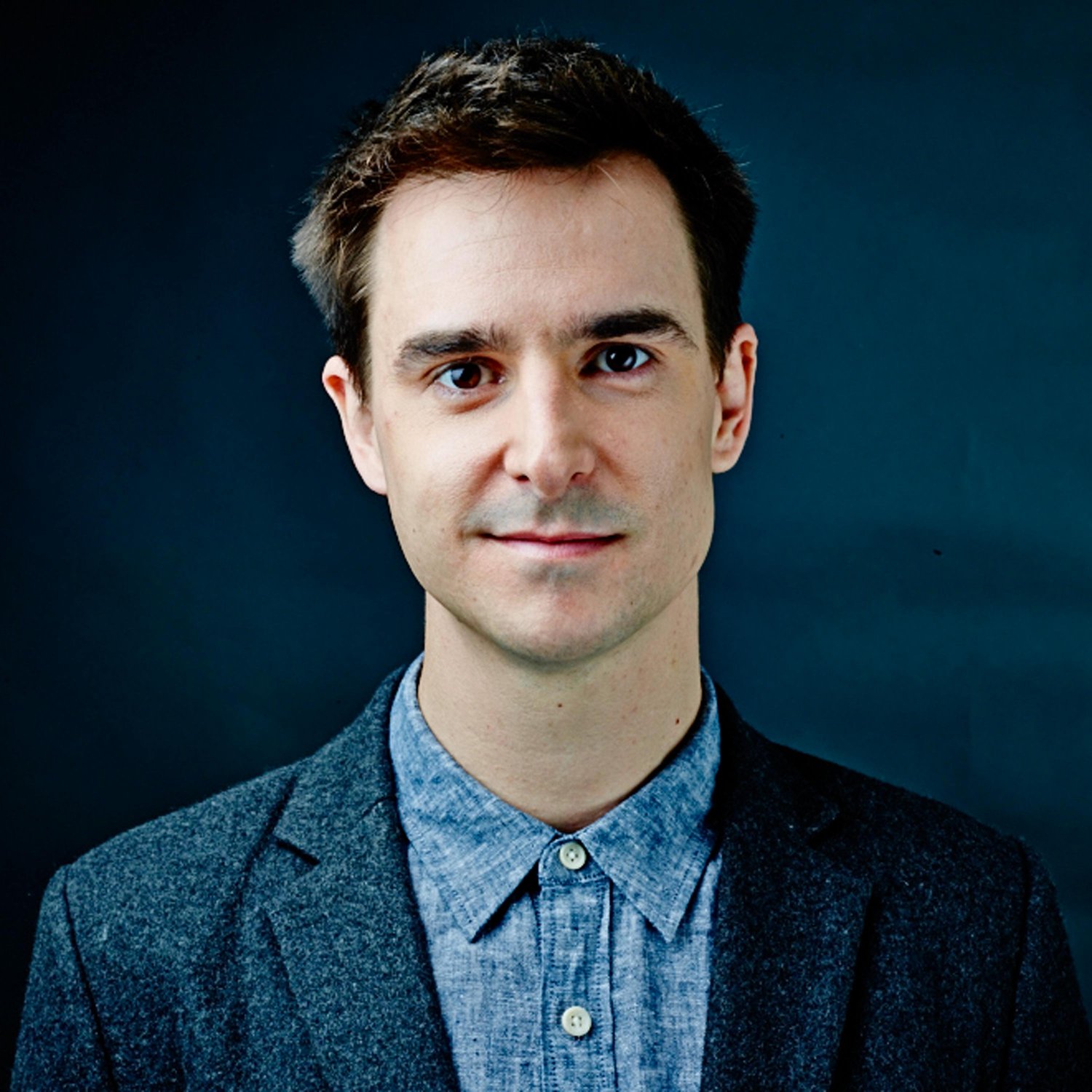
LEWIS DARTNELL - Author of Origins: How the Earth Made Us & Being Human: How Our Biology Shaped World History
How have our psychology and cognitive biases altered the course of human history? What would you do if you had to rebuild our world from scratch?Lewis Dartnell is an author, researcher, and holds the Professorship in Science Communication at the University of Westminster. He researches astrobiology and the search for microbial life on Mars. He also works as a scientific consultant for the media and has appeared in numerous TV documentaries and radio shows. Dr. Dartnell has won several awards for his science writing and outreach work. He has published five books, including The Knowledge: How to Rebuild our World from Scratch; Origins: How the Earth Made Us; and Being Human: How Our Biology Shaped World History. "AI is neither inherently good nor inherently bad. It promises both enormous potential and capability from helping with medical diagnosis and catching cancer early or removing a lot of tedium and repetitive nature of many jobs. It can make a lot of great contributions. It's how we control that technology by making active decisions that can be the pathway to the future. There's been a lot of doomsday talk about artificial general intelligence and the Terminator-type outcome, and it's certainly not impossible, but I don't personally believe that is a probable outcome from where we are now.I think one of the things that AI is very good at is churning through and processing vast amounts of data, assuming that you've got your machine learning system set up correctly and trained properly and you're using it in the way that it was intended to be used. Machine learning and AI techniques are incredibly powerful in pulling out the important information in a sea of data, but to convert that information into new understanding, that is the role of humans in that process. And it will remain the role of humans in understanding what is important and how to implement that information once you've fished out this sea of data."http://www.lewisdartnell.comhttp://lewisdartnell.com/en-gb/2013/11/the-knowledge-how-to-rebuild-our-world-from-scratchwww.penguin.co.uk/books/433955/origins-by-lewis-dartnell/9781784705435www.penguin.co.uk/books/442759/being-human-by-dartnell-lewis/9781847926708www.creativeprocess.info www.oneplanetpodcast.org IG www.instagram.com/creativeprocesspodcastPhoto credit: Shortlist/Paul Stuart

How can we develop AI systems that are more respectful, ethical, and sustainable? - Highlights - DR. SASHA LUCCIONI
"My TED Talk and work are really about figuring out how, right now, AI is using resources like energy and emitting greenhouse gases and how it's using our data without our consent. I feel that if we develop AI systems that are more respectful, ethical, and sustainable, we can help future generations so that AI will be less of a risk to society. And so really, artificial intelligence is not artificial. It's human intelligence that was memorized by the model that was kind of hoovered up, absorbed by these AI models. And now it's getting regurgitated back at us. And we're like, wow, ChatGPT is so smart! But how many thousands of human hours were needed in order to make ChatGPT so smart?The US Executive Order on AI still does need a lot of operationalization by different parts of the government. Especially, with the EU and their AI Act, we have this signal that's top down, but now people have to figure out how we legislate, enforce, measure, and evaluate? So, there are a lot of problems that haven't been solved because we don't have standards or legal precedent for AI. So I think that we're really in this kind of intermediate phase and scrambling to try to figure out how to put this into action.”What are the pros and cons of AI’s integration into our institutions, political systems, culture, and society? How can we develop AI systems that are more respectful, ethical, and sustainable?Dr. Sasha Luccioni is a leading scientist at the nexus of artificial intelligence, ethics, and sustainability, with a Ph.D. in AI and a decade of research and industry expertise. She spearheads research, consults, and utilizes capacity-building to elevate the sustainability of AI systems. As a founding member of Climate Change AI (CCAI) and a board member of Women in Machine Learning (WiML), Sasha is passionate about catalyzing impactful change, organizing events, and serving as a mentor to under-represented minorities within the AI community. She is an AI Researcher & Climate Lead at Hugging Face, an open-source hub for machine learning and natural language processing.https://www.sashaluccioni.comhttps://huggingface.co/http://www.climatechange.aihttps://wimlworkshop.org

DR. SASHA LUCCIONI - Founding Member Climate Change AI - Climate Lead & AI Researcher - Hugging Face
What are the pros and cons of AI’s integration into our institutions, political systems, culture, and society? How can we develop AI systems that are more respectful, ethical, and sustainable?Dr. Sasha Luccioni is a leading scientist at the nexus of artificial intelligence, ethics, and sustainability, with a Ph.D. in AI and a decade of research and industry expertise. She spearheads research, consults, and utilizes capacity-building to elevate the sustainability of AI systems. As a founding member of Climate Change AI (CCAI) and a board member of Women in Machine Learning (WiML), Sasha is passionate about catalyzing impactful change, organizing events, and serving as a mentor to under-represented minorities within the AI community. She is an AI Researcher & Climate Lead at Hugging Face, an open-source hub for machine learning and natural language processing."My TED Talk and work are really about figuring out how, right now, AI is using resources like energy and emitting greenhouse gases and how it's using our data without our consent. I feel that if we develop AI systems that are more respectful, ethical, and sustainable, we can help future generations so that AI will be less of a risk to society. And so really, artificial intelligence is not artificial. It's human intelligence that was memorized by the model that was kind of hoovered up, absorbed by these AI models. And now it's getting regurgitated back at us. And we're like, wow, ChatGPT is so smart! But how many thousands of human hours were needed in order to make ChatGPT so smart?The US Executive Order on AI still does need a lot of operationalization by different parts of the government. Especially, with the EU and their AI Act, we have this signal that's top down, but now people have to figure out how we legislate, enforce, measure, and evaluate? So, there are a lot of problems that haven't been solved because we don't have standards or legal precedent for AI. So I think that we're really in this kind of intermediate phase and scrambling to try to figure out how to put this into action.”https://www.sashaluccioni.comhttps://huggingface.co/http://www.climatechange.aihttps://wimlworkshop.org

How can enlightened self-interest advance social equity & climate action? - Highlights - DR. SHIV SOMESHWAR
"So, geoengineering has its champions, and there are people who say we shouldn't be doing anything, but I think we cannot foreclose any options because, as you said a few minutes ago, how far are we from 1.5 or even 2 degrees of change? I think we really need to have work done on all of these things, but when it comes to applying them, we need to be far more prudent and be far more effective with our institutions. It can't just be that we use the same existing institutions because they may not be fit for purpose when it comes to these kinds of institutions. Just on that note, many people fault the United Nations. They say, oh, it's a useless kind of organization. They can't really take action. But actually, that's by design. The UN was never meant to take some of these actions because they are at the behest of member states. And if a single member state says, 'No, we can't. We don't want you to do this.' They're stuck, right? And so, in some sense, it's unfair to blame a system that's not been designed to advance the public good other than through means of communicating the right things and exhorting the policymakers to do the right thing."How do urbanization and rural development impact communities differently? How can we make public policy and enlightened self-interest advance climate action?Dr. Shiv Someshwar is a Development Clinician, diagnosing development of cities and nation states. A Visiting Professor at Columbia University, New York and at Sciences Po, Paris, he was the founder chair-holder of the European Chair for Sustainable Development and Climate Transition at Sciences Po. He helped set up the initial national and regional networks of the global Sustainable Development Solutions Network.His publications cover a range of issues: planning, institutions and governance of sustainable development; climate change mitigation, adaptation, risks and offsets; and ecosystem management. He edited Re-living the Memories of an Indian Forester: Memoirs of S. Shyam Sunder and is presently writing The Fallacy of Evidence-Based Policy Making.He convened and chaired the Independent Task Force on Creative Climate Action. Dr. Someshwar received a Ph.D. in urban planning from the University of California, Los Angeles, and he was a Bell-MacArthur fellow at Harvard University. He has two masters’ degrees, on housing and on environmental planning, and is also trained as a professional architect. He has previously worked at the Earth Institute, Columbia University, the Rockefeller Foundation in New York, and the World Bank in Washington D.C.https://www.sciencespo.fr/psia/sites/sciencespo.fr.psia/files/ITFClimateReport_Web.pdf www.amazon.com/Reliving-Memories-Indian-Forester-Memoir/dp/9388337131www.creativeprocess.infowww.oneplanetpodcast.orgIG www.instagram.com/creativeprocesspodcast

DR. SHIV SOMESHWAR - Fmr. European Chair for Sustainable Development & Climate Transition - Sciences Po
How do urbanization and rural development impact communities differently? How can we make public policy and enlightened self-interest advance climate action?Dr. Shiv Someshwar is a Development Clinician, diagnosing development of cities and nation states. A Visiting Professor at Columbia University, New York and at Sciences Po, Paris, he was the founder chair-holder of the European Chair for Sustainable Development and Climate Transition at Sciences Po. He helped set up the initial national and regional networks of the global Sustainable Development Solutions Network.His publications cover a range of issues: planning, institutions and governance of sustainable development; climate change mitigation, adaptation, risks and offsets; and ecosystem management. He edited Re-living the Memories of an Indian Forester: Memoirs of S. Shyam Sunder and is presently writing The Fallacy of Evidence-Based Policy Making.He convened and chaired the Independent Task Force on Creative Climate Action. Dr. Someshwar received a Ph.D. in urban planning from the University of California, Los Angeles, and he was a Bell-MacArthur fellow at Harvard University. He has two masters’ degrees, on housing and on environmental planning, and is also trained as a professional architect. He has previously worked at the Earth Institute, Columbia University, the Rockefeller Foundation in New York, and the World Bank in Washington D.C."So, geoengineering has its champions, and there are people who say we shouldn't be doing anything, but I think we cannot foreclose any options because, as you said a few minutes ago, how far are we from 1.5 or even 2 degrees of change? I think we really need to have work done on all of these things, but when it comes to applying them, we need to be far more prudent and be far more effective with our institutions. It can't just be that we use the same existing institutions because they may not be fit for purpose when it comes to these kinds of institutions. Just on that note, many people fault the United Nations. They say, oh, it's a useless kind of organization. They can't really take action. But actually, that's by design. The UN was never meant to take some of these actions because they are at the behest of member states. And if a single member state says, 'No, we can't. We don't want you to do this.' They're stuck, right? And so, in some sense, it's unfair to blame a system that's not been designed to advance the public good other than through means of communicating the right things and exhorting the policymakers to do the right thing."https://www.sciencespo.fr/psia/sites/sciencespo.fr.psia/files/ITFClimateReport_Web.pdf www.amazon.com/Reliving-Memories-Indian-Forester-Memoir/dp/9388337131www.creativeprocess.infowww.oneplanetpodcast.orgIG www.instagram.com/creativeprocesspodcast

How can we reverse biodiversity loss and restore our ecosystems? - Highlights - THOMAS CROWTHER
“The wealth of learning that can come from our collective awareness that essentially AI is a fancy-sounding way of saying computers can learn from the collective wisdom that exists throughout the Internet. And if we can empower the local stewards of biodiversity, local landowners, farmers indigenous populations with all of that wealth of information in a smart way, it can be incredibly empowering to many rural communities. AI might also open up an opportunity for us to rethink what life is about.”Although they comprise less than 5% of the world population, Indigenous peoples protect 80% of the Earth’s biodiversity. How can we support farmers, reverse biodiversity loss, and restore our ecosystems?Thomas Crowther is an ecologist studying the connections between biodiversity and climate change. He is a professor in the Department of Environmental Systems Science at ETH Zurich, chair of the advisory council for the United Nations Decade on Ecosystem Restoration, and founder of Restor, an online platform for the global restoration movement, which was a finalist for the Royal Foundation’s Earthshot Prize. In 2021, the World Economic Forum named him a Young Global Leader for his work on the protection and restoration of biodiversity. Crowther’s post-doctoral research transformed the understanding of the world’s tree cover, and the study also inspired the World Economic Forum to announce its Trillion Trees initiative, which aims to conserve and restore one trillion trees globally within the decade.https://crowtherlab.com/about-tom-crowther https://restor.eco/?lat=26&lng=14.23&zoom=3www.creativeprocess.info www.oneplanetpodcast.orgIG www.instagram.com/creativeprocesspodcast

THOMAS CROWTHER - Ecologist - Co-chair of the Board for UN Decade on Ecosystem Restoration - Founder of Restor
Although they comprise less than 5% of the world population, Indigenous peoples protect 80% of the Earth’s biodiversity. How can we support farmers, reverse biodiversity loss, and restore our ecosystems?Thomas Crowther is an ecologist studying the connections between biodiversity and climate change. He is a professor in the Department of Environmental Systems Science at ETH Zurich, chair of the advisory council for the United Nations Decade on Ecosystem Restoration, and founder of Restor, an online platform for the global restoration movement, which was a finalist for the Royal Foundation’s Earthshot Prize. In 2021, the World Economic Forum named him a Young Global Leader for his work on the protection and restoration of biodiversity. Crowther’s post-doctoral research transformed the understanding of the world’s tree cover, and the study also inspired the World Economic Forum to announce its Trillion Trees initiative, which aims to conserve and restore one trillion trees globally within the decade.“The wealth of learning that can come from our collective awareness that essentially AI is a fancy-sounding way of saying computers can learn from the collective wisdom that exists throughout the Internet. And if we can empower the local stewards of biodiversity, local landowners, farmers indigenous populations with all of that wealth of information in a smart way, it can be incredibly empowering to many rural communities. AI might also open up an opportunity for us to rethink what life is about.”https://crowtherlab.com/about-tom-crowther https://restor.eco/?lat=26&lng=14.23&zoom=3www.creativeprocess.info www.oneplanetpodcast.orgIG www.instagram.com/creativeprocesspodcast

Does having too many choices make us unhappy? - Highlights - DR. BARRY SCHWARTZ
"I have very mixed feelings about AI, and I think its future and our future with it is very much up for grabs. And here's the reason why. At the moment, these extraordinary achievements like ChatGPT, I mean literally mind-boggling achievements, are completely indifferent to truth. They crawl around in the web and learn how words go together, and so they produce coherent meaningful strings of words, sentences, and paragraphs that you're astonished could have been produced by a machine. However, there are no filters that weed out the false concatenations of words from the true ones. And so you get something that's totally believable, and totally plausible, and totally grammatical. But is it true? And if AI continues to move in this direction, getting more and more sophisticated as a mock human, and continuing to be indifferent to truth, the problems that we started our conversation with are only going to get worse."Does having too many choices make us unhappy? How can we learn practical wisdom?Dr. Barry Schwartz is the Dorwin P. Cartwright Professor Emeritus of Social Theory and Social Action in the psychology department at Swarthmore College. He is the author of many books, including Why We Work, The Paradox of Choice: Why More Is Less, and co-author of Practical Wisdom: The Right Way to Do the Right Thing.www.swarthmore.edu/profile/barry-schwartzwww.simonandschuster.com/books/Why-We-Work/Barry-Schwartz/TED-Books/9781476784861 https://www.harpercollins.com/products/the-paradox-of-choice-barry-schwartz?variant=32207920234530https://www.penguinrandomhouse.com/books/307231/practical-wisdom-by-barry-schwartz-and-kenneth-sharpewww.creativeprocess.infowww.oneplanetpodcast.org IG www.instagram.com/creativeprocesspodcastPhoto credit: Bill Holsinger-Robinson - CC BY 2.0

DR. BARRY SCHWARTZ - Author of The Paradox of Choice & Why We Work
Does having too many choices make us unhappy? How can we learn practical wisdom?Dr. Barry Schwartz is the Dorwin P. Cartwright Professor Emeritus of Social Theory and Social Action in the psychology department at Swarthmore College. He is the author of many books, including Why We Work, The Paradox of Choice: Why More Is Less, and co-author of Practical Wisdom: The Right Way to Do the Right Thing."I have very mixed feelings about AI, and I think its future and our future with it is very much up for grabs. And here's the reason why. At the moment, these extraordinary achievements like ChatGPT, I mean literally mind-boggling achievements, are completely indifferent to truth. They crawl around in the web and learn how words go together, and so they produce coherent meaningful strings of words, sentences, and paragraphs that you're astonished could have been produced by a machine. However, there are no filters that weed out the false concatenations of words from the true ones. And so you get something that's totally believable, and totally plausible, and totally grammatical. But is it true? And if AI continues to move in this direction, getting more and more sophisticated as a mock human, and continuing to be indifferent to truth, the problems that we started our conversation with are only going to get worse."www.swarthmore.edu/profile/barry-schwartzwww.simonandschuster.com/books/Why-We-Work/Barry-Schwartz/TED-Books/9781476784861 https://www.harpercollins.com/products/the-paradox-of-choice-barry-schwartz?variant=32207920234530https://www.penguinrandomhouse.com/books/307231/practical-wisdom-by-barry-schwartz-and-kenneth-sharpewww.creativeprocess.infowww.oneplanetpodcast.org IG www.instagram.com/creativeprocesspodcastPhoto credit: Bill Holsinger-Robinson - CC BY 2.0

Highlights - How do we navigate ambiguity, uncertainty & move beyond linear thinking? - RUPERT SHELDRAKE
"The idea that the laws of nature are fixed is taken for granted by almost all scientists and within physics, within cosmology, it leads to an enormous realm of speculation, which I think is totally unnecessary. We're assuming the laws of nature are fixed. Most of science assumes this, but is it really so in an evolving universe? Why shouldn't the laws evolve? And if we think about that, then we realize that actually, the whole idea of a law of nature is a metaphor. It's based on human laws. I mean, after all, dogs and cats don't obey laws. And in tribes, they don't even have laws. They have customs. So it's only in civilized societies that you have laws. And then if we think through that metaphor, then actually the laws do change.All artists are influenced by other artists and by things in the collective culture, and I think that morphic resonance as collective memory would say that all of us draw unconsciously as well as consciously on a collective memory and all animals draw on a collective memory of their kind as well. We don't know where it comes from, but there's true creativity involved in evolution, both human and natural."How do we navigate ambiguity and uncertainty? Moving beyond linear thinking into instinct and intuition, we might discover other sources within ourselves that lie beyond the boundaries of science and reason.Rupert Sheldrake is a biologist and author best known for his hypothesis of morphic resonance. His many books include The Science Delusion, The Presence of the Past, and Ways to Go Beyond and Why They Work. At Cambridge University, Dr. Sheldrake worked in developmental biology as a fellow of Clare College. From 2005 to 2010, he was director of the Perrott Warrick Project for research on unexplained human and animal abilities, funded by Trinity College Cambridge. He was among the top 100 global thought leaders for 2013, as ranked by the Duttweiler Institute.www.sheldrake.orgwww.amazon.com/Science-Delusion/dp/1529393221/?tag=sheldrake-20www.amazon.com/Science-Set-Free-Paths-Discovery/dp/0770436722/?tag=sheldrake-20

RUPERT SHELDRAKE - Biologist & Author of The Science Delusion, The Presence of the Past
How do we navigate ambiguity and uncertainty? Moving beyond linear thinking into instinct and intuition, we might discover other sources within ourselves that lie beyond the boundaries of science and reason.Rupert Sheldrake is a biologist and author best known for his hypothesis of morphic resonance. His many books include The Science Delusion, The Presence of the Past, and Ways to Go Beyond and Why They Work. At Cambridge University, Dr. Sheldrake worked in developmental biology as a fellow of Clare College. From 2005 to 2010, he was director of the Perrott Warrick Project for research on unexplained human and animal abilities, funded by Trinity College Cambridge. He was among the top 100 global thought leaders for 2013, as ranked by the Duttweiler Institute."The idea that the laws of nature are fixed is taken for granted by almost all scientists and within physics, within cosmology, it leads to an enormous realm of speculation, which I think is totally unnecessary. We're assuming the laws of nature are fixed. Most of science assumes this, but is it really so in an evolving universe? Why shouldn't the laws evolve? And if we think about that, then we realize that actually, the whole idea of a law of nature is a metaphor. It's based on human laws. I mean, after all, dogs and cats don't obey laws. And in tribes, they don't even have laws. They have customs. So it's only in civilized societies that you have laws. And then if we think through that metaphor, then actually the laws do change.All artists are influenced by other artists and by things in the collective culture, and I think that morphic resonance as collective memory would say that all of us draw unconsciously as well as consciously on a collective memory and all animals draw on a collective memory of their kind as well. We don't know where it comes from, but there's true creativity involved in evolution, both human and natural."www.sheldrake.orgwww.amazon.com/Science-Delusion/dp/1529393221/?tag=sheldrake-20www.amazon.com/Science-Set-Free-Paths-Discovery/dp/0770436722/?tag=sheldrake-20

How can we learn to speak the language of the Earth? - Highlights - TIOKASIN GHOSTHORSE
"So we get to a certain stage in Western society, I'd never call it a culture, but a society trying to figure out its birth and how to become mature. Whatever it's doing it has slowed down natural relationships. It took us out of the land, put us into factories, put us into institutions where you can learn a trade. It kept giving you jobs that had nothing to do with Earth. And so if you're living, you're working in this box called a factory, and the farmers out there are becoming less and less. Even the farming, the ideas of farming are foreign. And I think that when the technical language came out, we dropped another natural umbilical cord to and with Earth. And so we severed that relationship. So you can see this gradual severing of relationships to Earth with Earth, that now we have to have retreats to learn empathy again. We do all these Westernized versions of piecing ourselves back together and as Indigenous folks where we're getting that way now, but a lot of traditional people don't need that. We don't need environmental movements. You know, Wild Earth is a foreign concept. There are a lot of words that organizations use to rationalize why we need to teach how to be human beings. So you see technology, the Industrial Machine Age taught us this language of disconnection, taught us things like plug-in, get connected. You know, all these words that came along to fill that information that could be controlled by authority now in the Western process. John Gatto, who won the New York State Teacher of the Year award in 2008, upon his retirement, specifically said, 'It takes 12 years to learn how to become reflexive to authority.' And who is the authority? Who is controlling information? Who's controlling education? Who's controlling knowledge? And now they want to control Wisdom, and all wisdom means is common sense.”Tiokasin Ghosthorse is a member of the Cheyenne River Lakota Nation of South Dakota and has a long history with Indigenous activism and advocacy. Tiokasin is the Founder, Host and Executive Producer of “First Voices Radio” (formerly “First Voices Indigenous Radio”) for the last 31 years in New York City and Seattle/Olympia, Washington. In 2016, he received a Nomination for the Nobel Peace Prize from the International Institute of Peace Studies and Global Philosophy. Other recent recognitions include: Native Arts and Cultures Foundation National Fellowship in Music (2016), National Endowment for the Arts National Heritage Fellowship Nominee (2017), Indigenous Music Award Nominee for Best Instrumental Album (2019) and National Native American Hall of Fame Nominee (2018, 2019). He also was recently nominated for “Nominee for the 2020 Americans for the Arts Johnson Fellowship for Artists Transforming Communities”. He is the Founder of Akantu Intelligence.https://firstvoicesindigenousradio.org/ https://akantuintelligence.orgwww.creativeprocess.info www.oneplanetpodcast.org IG www.instagram.com/creativeprocesspodcastSongs featured on this episode are “Butterfly Against the Wind” And from the album Somewhere In There “Spatial Moon” and “Sunrise Moon” Composed by Tiokasin Ghosthorse and Alex Alexander Music on this episode is courtesy of Tiokasin Ghosthorse.