Talking Indonesia
297 episodes — Page 5 of 6
Professor Michele Ford: Election 2019 - Labour and Politics
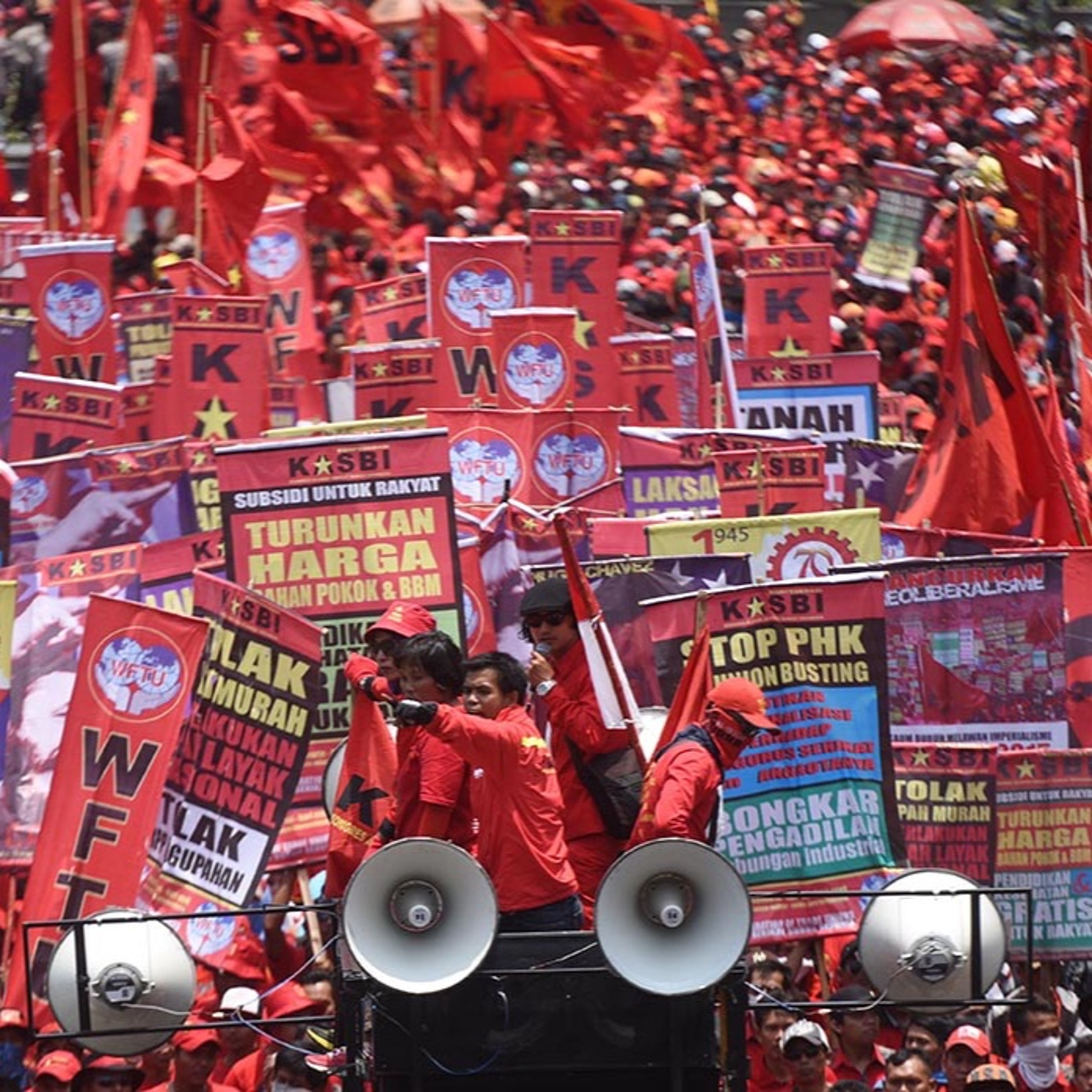
Indonesia’s five-yearly elections are now just over a month away, and Talking Indonesia is switching to a weekly format until after polling day on April 17, to cover the key themes, important groups and pivotal developments that will shape the outcome. The first of our pre-election episodes focuses on labour and politics in Indonesia. Unlike many other countries, no labour party or party of the left represents Indonesia’s working class in parliament, increasing the challenge for Indonesia’s labour movement to secure favourable outcomes for workers. How will the result of the 2019 elections matter to labour unions, and how can they influence the result? In this week's Talking Indonesia podcast, Dr Dave McRae discusses these issues with Professor Michele Ford, director of the Sydney Southeast Asia Centre at the University of Sydney and a leading expert on the labour movement in Asia. Professor Ford’s new book, From Migrant to Worker: The Global Unions and Labor Migration in Asia, has just been published by Cornell University Press. Her study of labour and politics in Indonesia has been jointly conducted with Professor Teri L. Caraway and will be published next year by Cambridge University Press. The Talking Indonesia podcast is co-hosted by Dr Dave McRae from the University of Melbourne’s Asia Institute, Dr Jemma Purdey from Monash University, Dr Charlotte Setijadi from the Singapore Management University and Dr Dirk Tomsa from La Trobe University. Photo credit: Akbar Nugroho Gumay for Antara Foto
Dr Jafar Suryomenggolo - Foreign Domestic Workers and Creative Pursuits
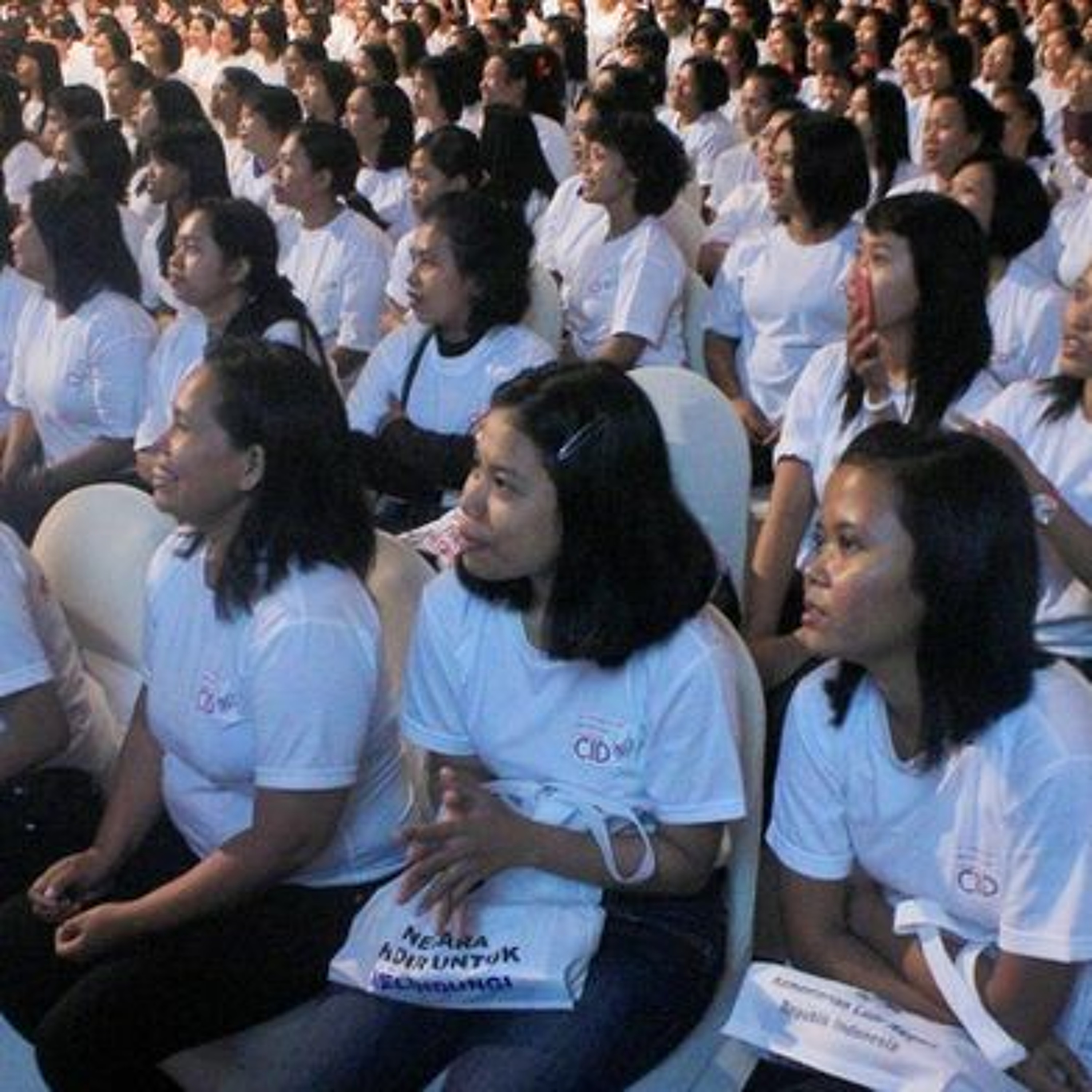
While it is true that Indonesian maids abroad often face terrible conditions, they have more agency than the public often give them credit for, and many also have creative pursuits like fiction writing. Recently, a new genre of literature has developed, one in which – often in short stories – these women reimagine their experiences as domestic workers in foreign lands. What do these literary works reveal about their lives abroad and the challenges they face? To discuss the agency and creativity of Indonesian foreign domestic workers, Dr Charlotte Setijadi chats with Dr Jafar Suryomenggolo who is an Assistant Professor at the National Graduate Institute for Policy Studies (GRIPS) in Tokyo, Japan. He is also the editor of an upcoming collection of 23 short stories written by Indonesian female foreign domestic workers titled ‘At a Moment’s Notice: Indonesian Maids Write on Their Lives Abroad’ published by NIAS Press.
Wahyudi Djafar - Policy in Focus: Big Data, Privacy and Elections
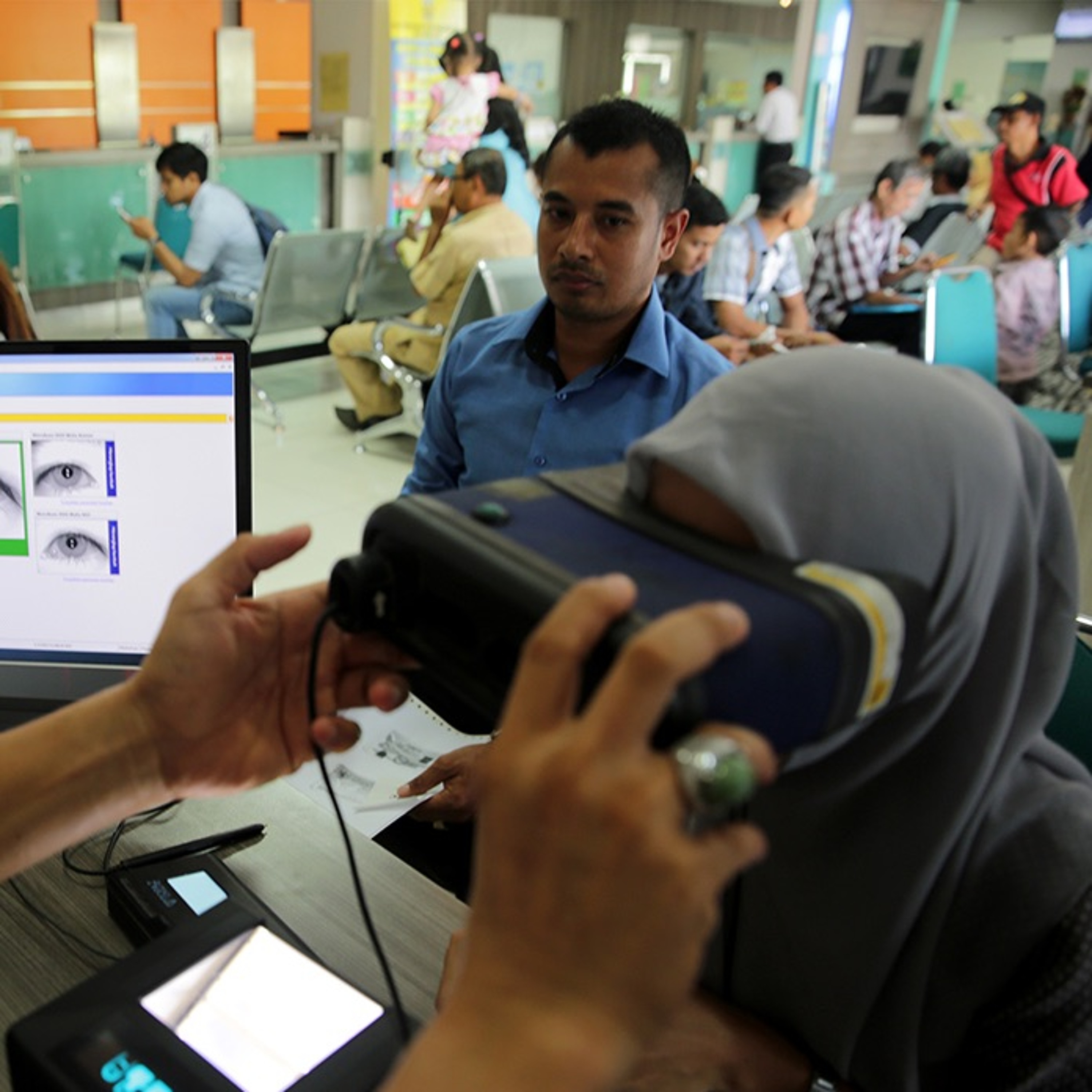
In contrast to various neighbouring countries and various Western democracies, the collection and use of citizen’s data remains largely unregulated in Indonesia. Civil society groups are pushing for a Private Data Protection Law to be passed, but this will not be in place prior to April’s legislative and presidential elections, in which political candidates and parties are expected to use big data to more effectively target their campaigns. In this week's Talking Indonesia podcast, Dr Dave McRae discusses these issues with Wahyudi Djafar, Deputy Director for Research at The Institute for Policy Research and Advocacy, ELSAM . Freedom of expression and privacy is one of ELSAM’s focus areas. Today’s episode is the second in the “Policy in Focus” series of Talking Indonesia episodes, supported by the Knowledge Sector Initiative (KSI), a partnership between the Australian and Indonesian governments that aims to improve the use of evidence in development policymaking. This series will appear periodically in alternate weeks to the regular Talking Indonesia episodes. The views expressed in this podcast episode do not represent the views of the Australian or Indonesian governments. Photo credit: Irwansyah Putra for AntaraFoto The Talking Indonesia podcast is co-hosted by Dr Dave McRae from the University of Melbourne’s Asia Institute, Dr Jemma Purdey from Monash University, Dr Charlotte Setijadi from the Singapore Management University and Dr Dirk Tomsa from La Trobe University.
Dr Edwin Jurriens - Environmental activism and art
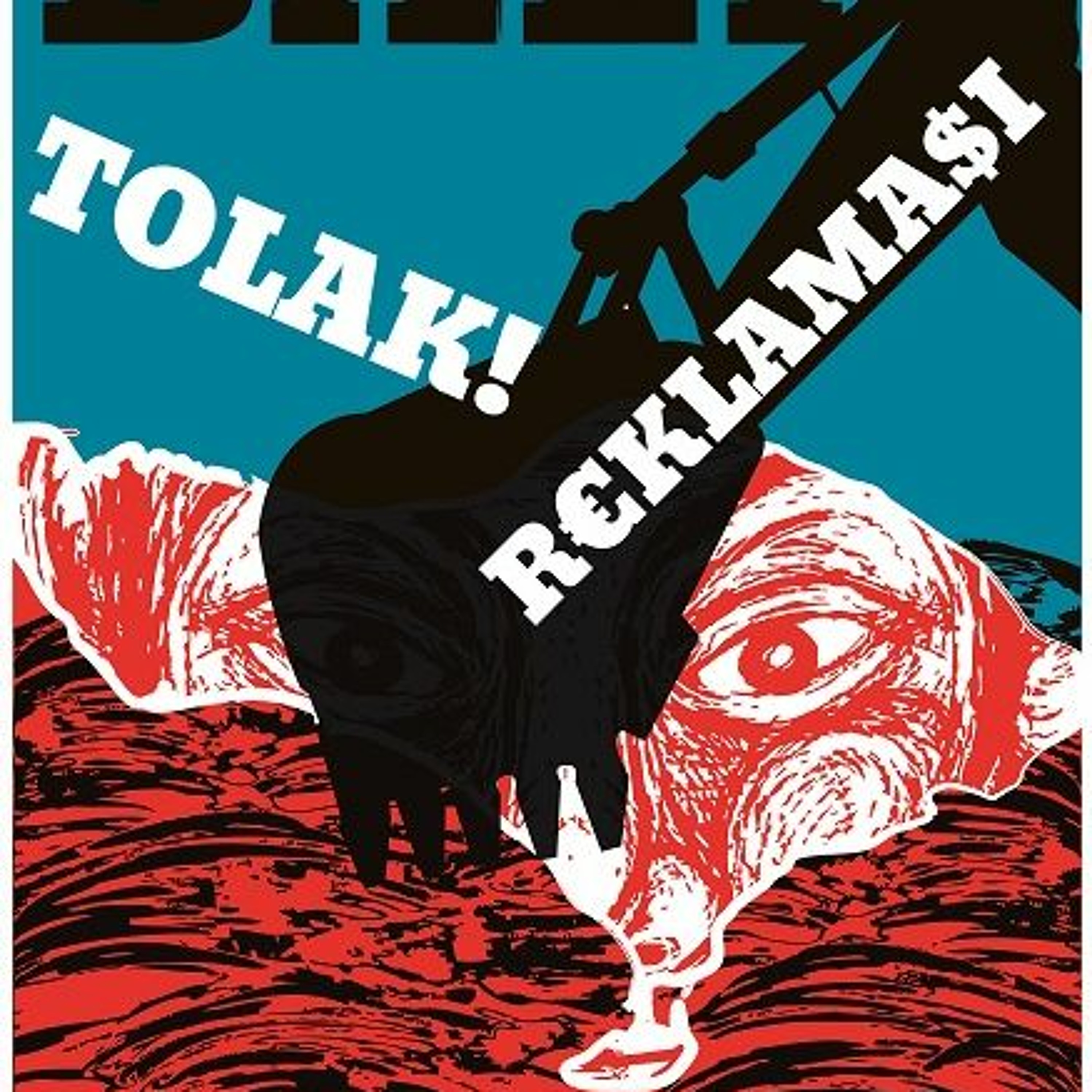
Some of the most pressing environmental problems in Indonesia today are plastic pollution and the consequences of large-scale land reclamation projects. In recent years, protests against these problems have increased in size and impact, especially on Bali, where the ubiquity of plastic garbage and a controversial reclamation project in Benoa Bay have galvanised a large and diverse protest movement. What are the strategies and goals of the movement? Who is involved? And what role do music and visual art play in the movement’s engagement with residents and other activists beyond Bali? In this week’s Talking Indonesia podcast, Dr Dirk Tomsa discusses these and other questions with Dr Edwin Jurriens, Senior Lecturer and Convenor of the Indonesian Studies program at the University of Melbourne’s Asia Institute. In 2019, the Talking Indonesia podcast is co-hosted by Dr Dave McRae from the University of Melbourne’s Asia Institute, Dr Jemma Purdey from Monash University, Dr Charlotte Setijadi from Singapore Management University and Dr Dirk Tomsa from La Trobe University. Photo credit: Edwin Jurriens
Dr Ward Berenschot - Democracy For Sale
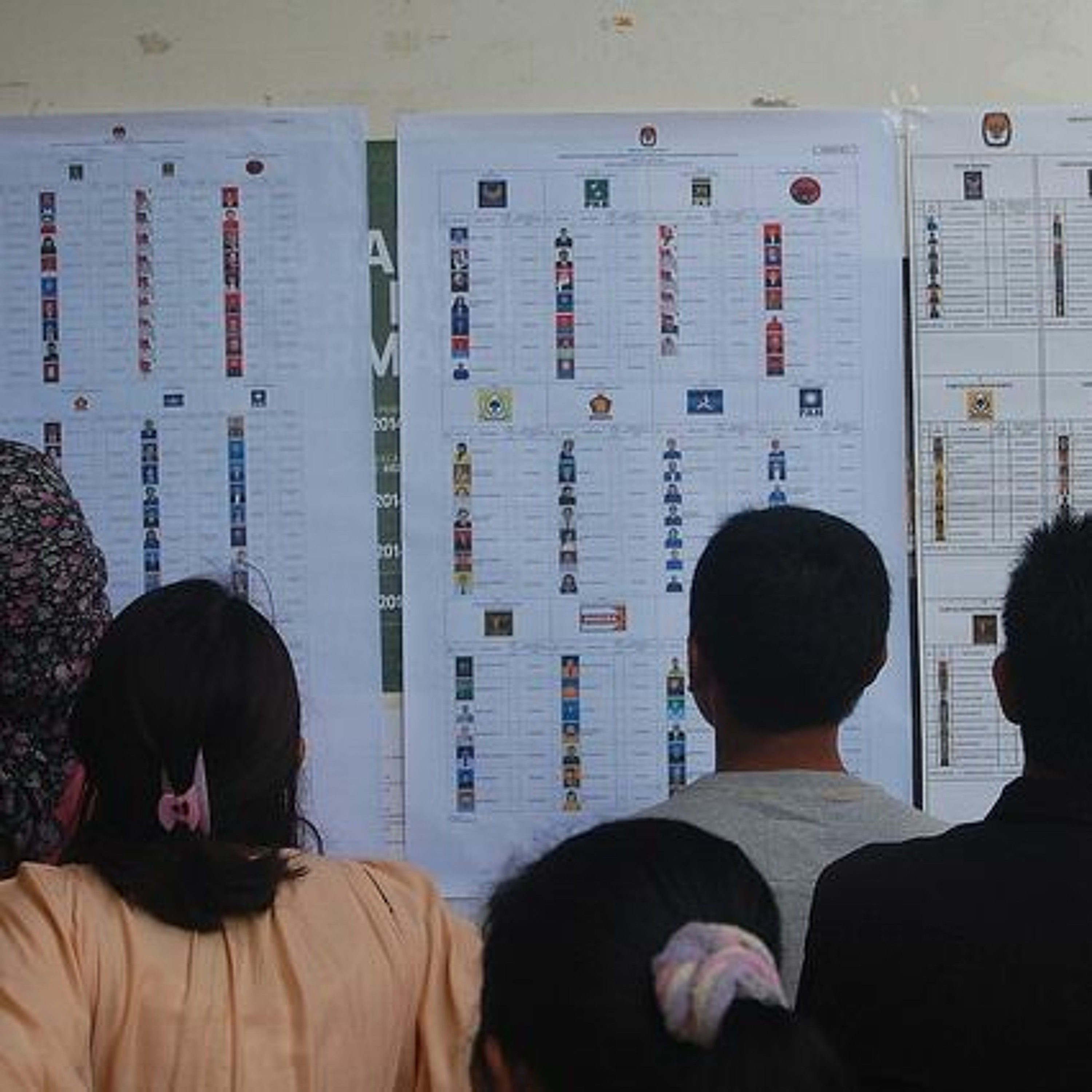
With Indonesia's general elections less than three months away political campaigning and the push to win over voters is reaching high gear. Our guest this week is Ward Berenschot, co-author with Edward Aspinall, of a timely new book that takes a close look at the informal politics of elections and patronage democracy. Democracy for sale: Elections, Clientelism, and the State in Indonesia (Cornell University Press) delves behind the scenes of local election campaigns, their ubiquitous success teams, systemic vote buying and exchange of favours, to reveal a complex social network based on reciprocity and identity politics. What are some of the key elements of informal politics? What role do the political parties play? How does Indonesia compare to other similar democracies? Is Indonesia's democracy really for sale? Ward Berenschot is a postdoctoral fellow at KITLV, Leiden University researching local democracy, clientelism and identity politics in India and Indonesia. In 2019, the Talking Indonesia podcast is co-hosted by Dr Jemma Purdey from the Australia-Indonesia Centre, Dr Dave McRae from the University of Melbourne’s Asia Institute, Dr Charlotte Setijadi from the ISEAS-Yusof Ishak Institute in Singapore and Dr Dirk Tomsa from La Trobe University. Look out for a new Talking Indonesia podcast every fortnight. Catch up on previous episodes here, subscribe via iTunes or listen via your favourite podcasting app. Image: Ikhlasul Amal/Flickr/Creative Commons.
A/Prof Jamie Davidson - Rice Politics
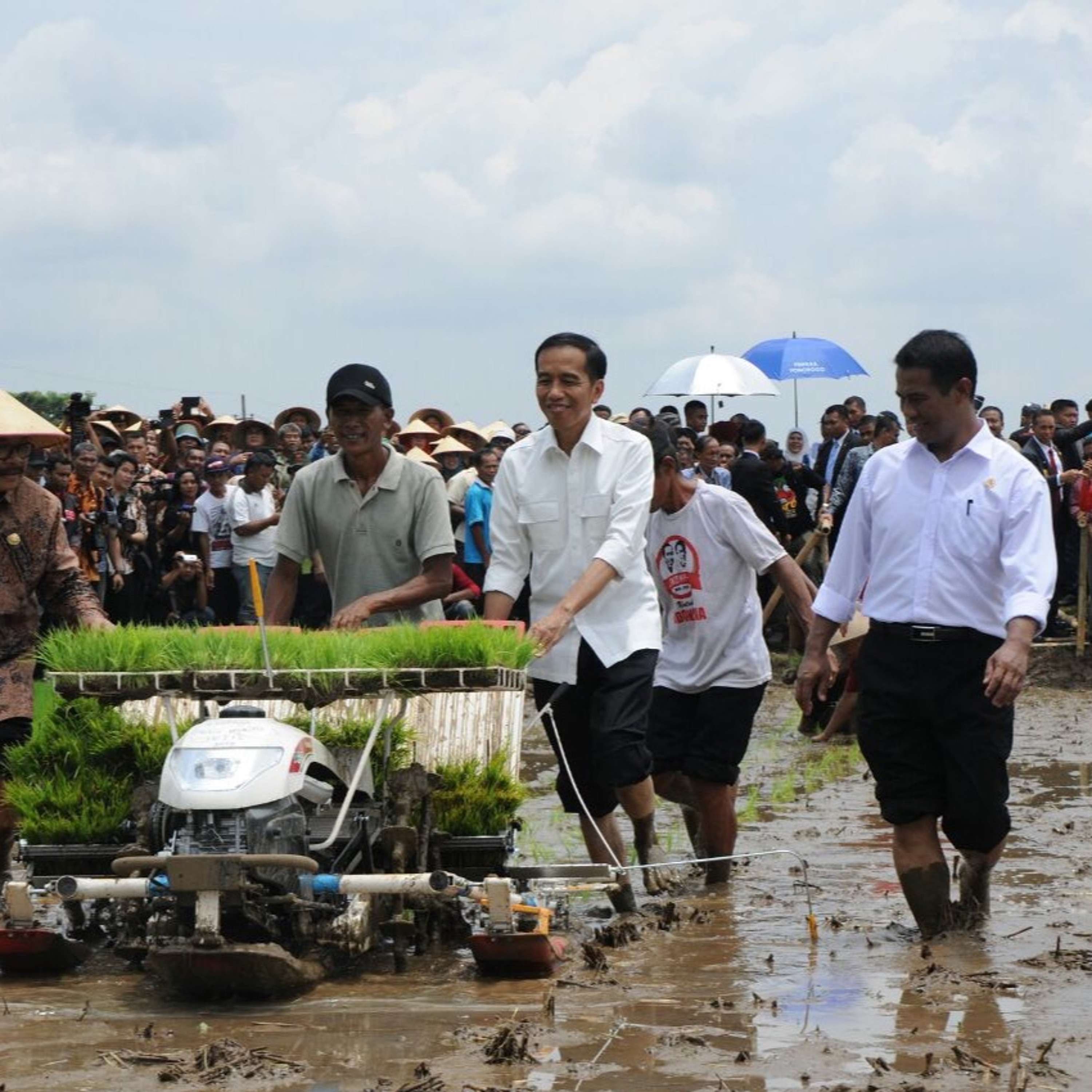
Rice is Indonesia’s most important staple food, with consumption estimated at more than 100 kilograms per person per year, in a country of 270 million people. Although rice consumption is in long term decline, a common saying in Indonesia nevertheless holds, “if you haven’t eaten rice, you haven’t eaten”. How to provide such an immense quantity of rice to the population – whether through imports or domestic production – is a perennially thorny question in Indonesia, and one tightly bound with the country’s domestic politics. For decades, successive Indonesian governments have set rice self-sufficiency as their goal, albeit a goal that has been devilishly difficult to achieve. In this week's Talking Indonesia podcast, the first for 2019, Dr Dave McRae discusses these issues with Associate Professor Jamie Davidson from the Department of Political Science at the National University of Singapore, whose current research compares the politics of rice policy in Indonesia, the Philippines, and Malaysia. The Talking Indonesia podcast is co-hosted by Dr Dave McRae from the University of Melbourne’s Asia Institute, Dr Jemma Purdey from Monash University, Dr Charlotte Setijadi from the Singapore Management University and Dr Dirk Tomsa from La Trobe University. Look out for a new Talking Indonesia podcast every fortnight. Photo Credit: Setkab
Dr Jenny Munro - Roads, Development and Violence in Papua
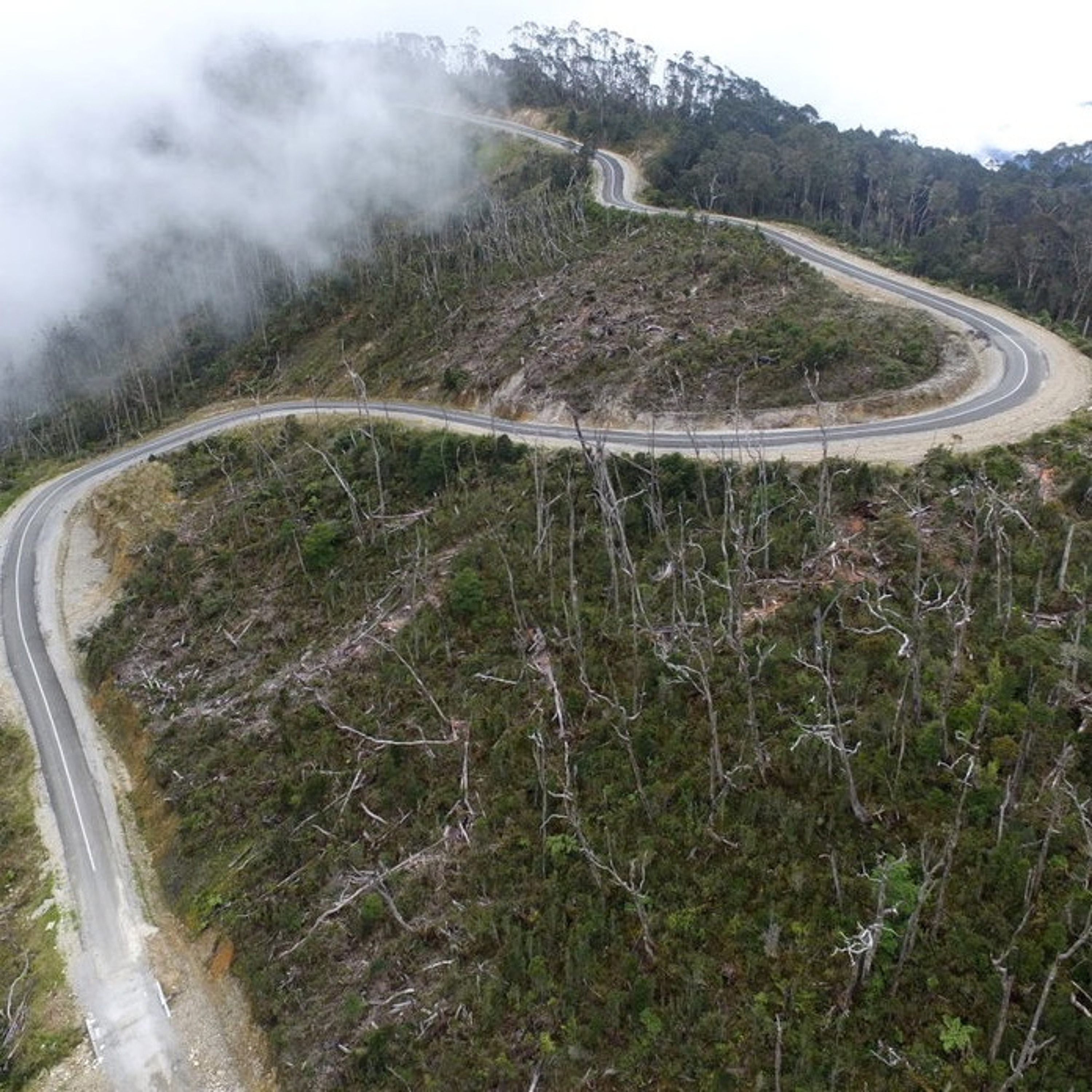
In early December, at least 16 civilians and 1 soldier were killed, with 5 others missing, in attacks on workers constructing the Trans-Papua Highway in Nduga district in the Papuan highlands. The armed wing of the pro-independence Free Papua Movement has claimed responsibility, as part of the protracted conflict between the Indonesian government and sections of Papuan society. Indonesian police and military have launched joint operations in response, reportedly also causing several fatalities. The two Papuan provinces - Papua and West Papua - have the lowest human development index scores in Indonesia, and the Jokowi government has placed infrastructure projects like the Trans-Papua Highway at the centre of its approach to the area. In the wake of this attack, questions inevitably arise however regarding Papuan attitudes to such development projects, their likely impacts, and regarding Papuan's perception more generally of the Indonesian nation and their place within it. In this week's Talking Indonesia podcast, Dr Dave McRae discusses these issues with Dr Jenny Munro , an anthropologist from the University of Queensland's School of Science, and author of the book Dreams Made Small: the Education of Papuan Highlanders in Indonesia . Today's episode is the final instalment of Talking Indonesia for 2018. The podcast will return on Thursday 17 January. The Talking Indonesia podcast is co-hosted by Dr Dave McRae from the University of Melbourne's Asia Institute, Dr Jemma Purdey from Monash University, Dr Charlotte Setijadi from the Singapore Management University and Dr Dirk Tomsa from La Trobe University. Photo credit: Indrianto Eko Suwarso for AntaraFoto
Ella Prihatini - Women Legislators
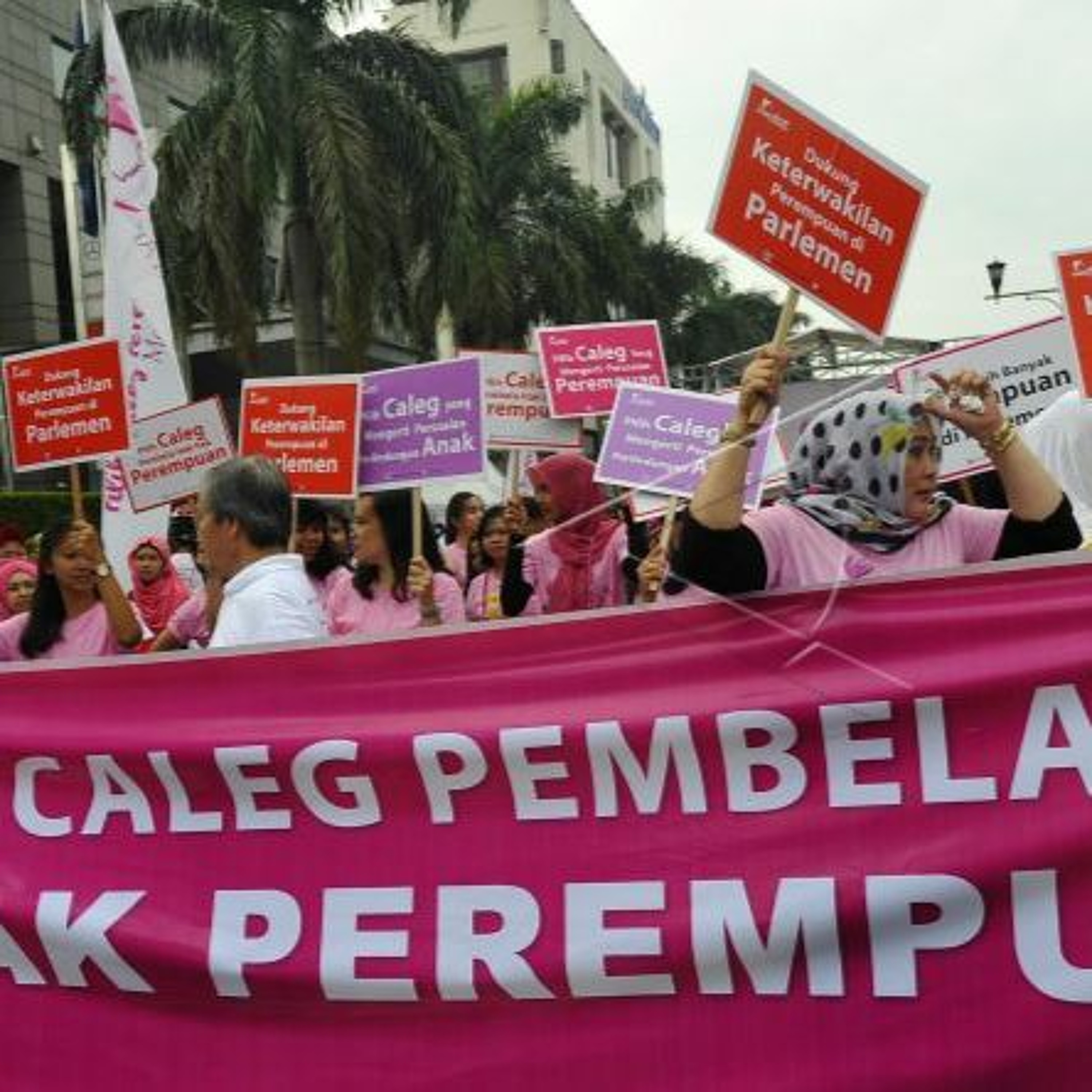
When Indonesians go to the polls in April 2019, they will see an unprecedented number of female candidates competing for seats in the House of Representatives. Around 40 percent of candidates will be women, but if results from previous elections are anything to go by, the chances for many of these women to actually win a seat are rather slim. While female representation in political institutions has gradually improved over the years, Indonesian women still face a range of socio-economic, socio-cultural and political challenges in their struggle to achieve gender parity. In this week’s Talking Indonesia podcast, Dr Dirk Tomsa discusses these challenges and the prospects of overcoming them with Ella Prihatini, a journalist and PhD candidate at the University of Western Australia in Perth and the author of the recently published article ‘Women’s Representation in Asian Parliaments: a QCA Approach’. In 2018, the Talking Indonesia podcast is co-hosted by Dr Dave McRae from the University of Melbourne’s Asia Institute, Dr Jemma Purdey from Monash University, Dr Charlotte Setijadi from Singapore Management University and Dr Dirk Tomsa from La Trobe University. Look out for a new Talking Indonesia podcast every fortnight. Catch up on previous episodes here, subscribe via iTunes or listen via your favourite podcasting app. Photo credit: Wahyu Putro for Antara
Prof Bambang Brodjonegoro - Policy in Focus: Disparities Between Regions
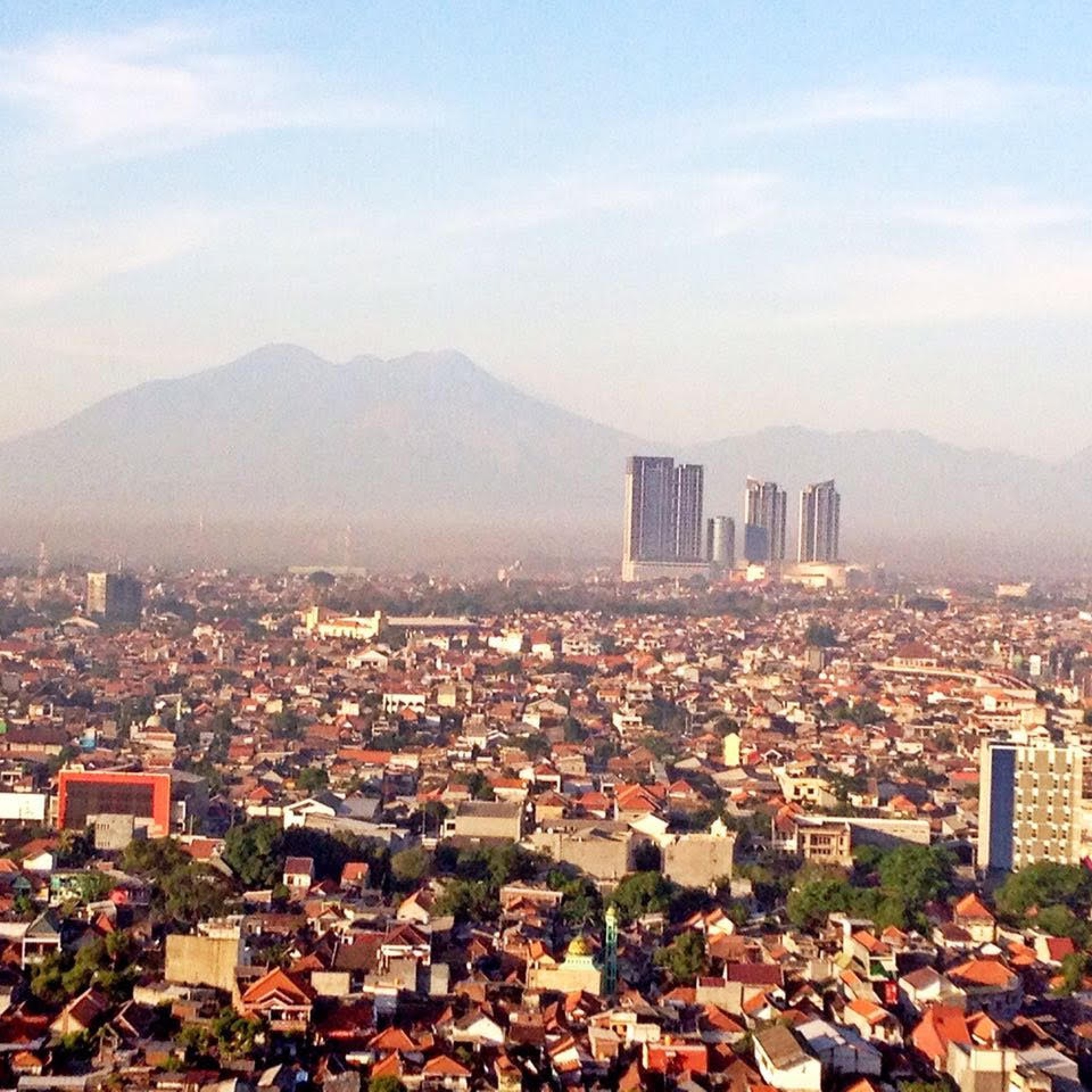
Disparities in development between different regions in Indonesia can be stark. Urban centres on Java like Jakarta and Yogyakarta have human development index scores in the high 70s and low 80s, whereas eastern Indonesian provinces like Papua, West Papua and East Nusa Tenggara score in the high 50s to low 60s. President Jokowi has repeatedly touched upon such disparities in his political rhetoric, pledging to move away from a Java-focussed development model to a so-called Indonesia-centric approach. But what are the drivers of regional disparity, what are its broader impacts, and what policy levers are available to the government to lessen differences between regions. In this week's Talking Indonesia podcast, Dr Dave McRae discusses these issues with Professor Bambang Brodjonegoro, Indonesia's Minister for National Development Planning and Head of Indonesia's National Development Planning Agency, Bappenas. You can read Professor Brodjonegoro’s presentation on regional disparities at the 2018 Indonesia Development Forum here: https://goo.gl/jbK83d (Bahasa Indonesia). Today's episode is the first of a "Policy in Focus" series of Talking Indonesia episodes, supported by the Knowledge Sector Initiative (KSI), a partnership between the Australian and Indonesian governments that aims to improve the use of evidence in development policymaking. This series will appear periodically in alternate weeks to the regular Talking Indonesia episodes. In 2018, the Talking Indonesia podcast is co-hosted by Dr Dave McRae from the University of Melbourne's Asia Institute, Dr Jemma Purdey from Monash University, Dr Charlotte Setijadi from the Singapore Management University and Dr Dirk Tomsa from La Trobe University. Look out for a new Talking Indonesia podcast every fortnight. Catch up on previous episodes here, subscribe via iTunes or listen via your favourite podcasting app. Photo credit: Flickr user Australian Embassy Jakarta under CC BY 2.0 license
Dr Quinton Temby - Islamic Youth Movements
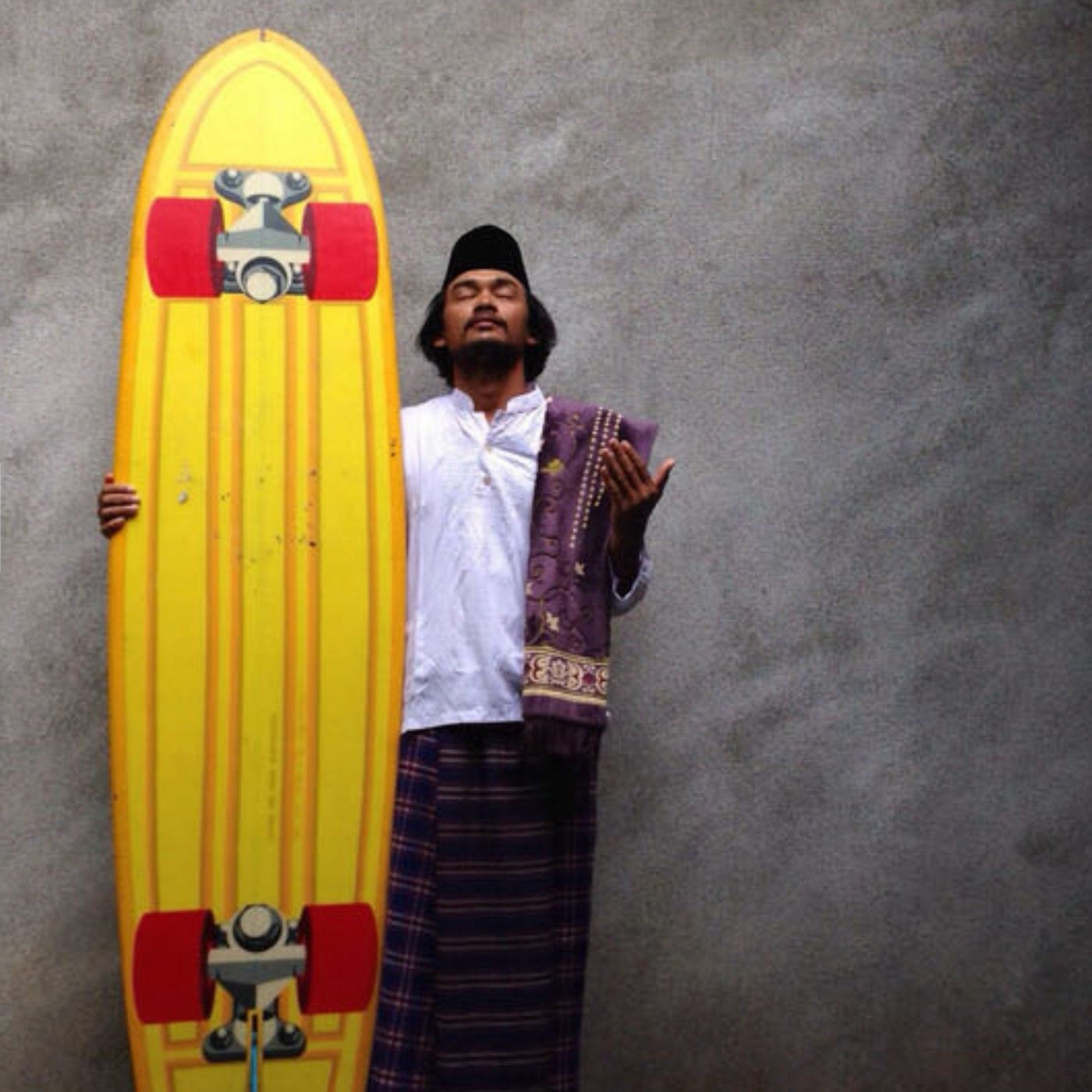
Bandung-based Pemuda Hijrah has amassed a huge following among young Muslims but has largely escaped the attention of the mainstream media. Led by charismatic young preachers such as Hanan Attaki, Pemuda Hijrah is followed by millions of young Muslims on social media. It presents a cool, hip image that combines youthful energy with revivalist Islamic teachings. What does Pemuda Hijrah and other groups like it tell us about the type of Islam that appeals to young Indonesian Muslims? To find out more about Pemuda Hijrah, Dr Charlotte Setijadi chats to Dr Quinton Temby from ISEAS-Yusof Ishak Institute who has spent most of the last year living in Bandung researching the group.
Rian Ernest - Young Politicians
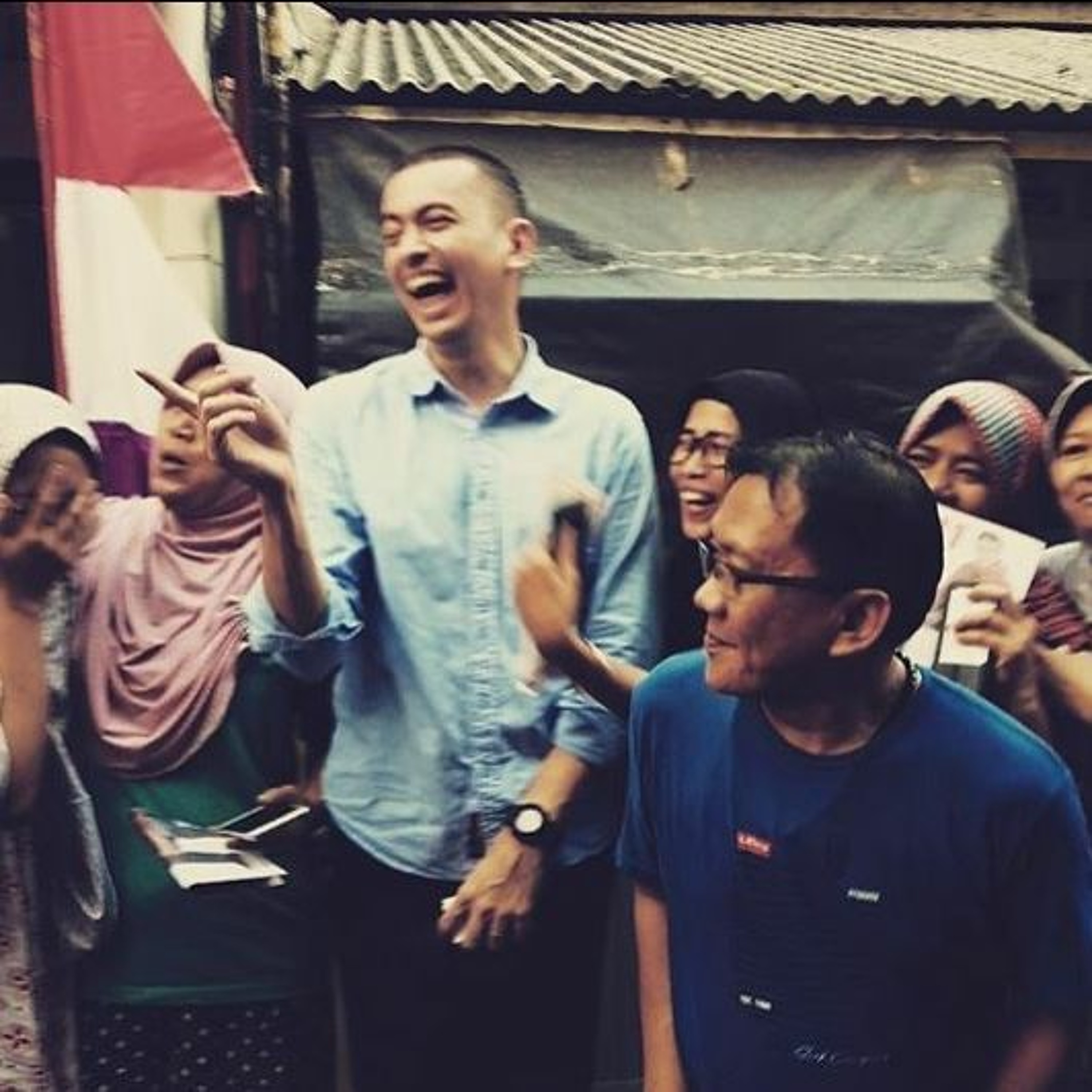
Young politicians Indonesia is undoubtedly a young nation. The median age of the population is just 28 years. In the 2019 elections, 45% of eligible voters will be between 17 and 36 years of age. More than ever, Indonesia’s youth play a key role in the country’s politics. In Talking Indonesia this week, Dr Jemma Purdey talks to Rian Ernest, a senior member of the Indonesia's new 'youth' party, Indonesia Solidarity Party (Partai Solidaritas Indonesia, PSI). Ernest (31 years) is a first time candidate for the party in the 2019 legislative elections. He is a lawyer and former adviser to then Governor of Jakarta, Basuki Tjahaja Purnama. What motivated Rian to join to enter a career in politics at this moment in Indonesian history? As a young Indonesian, what are the most pressing issues for the future? What role will Indonesia's youth play in that future? Will it be a politically active one
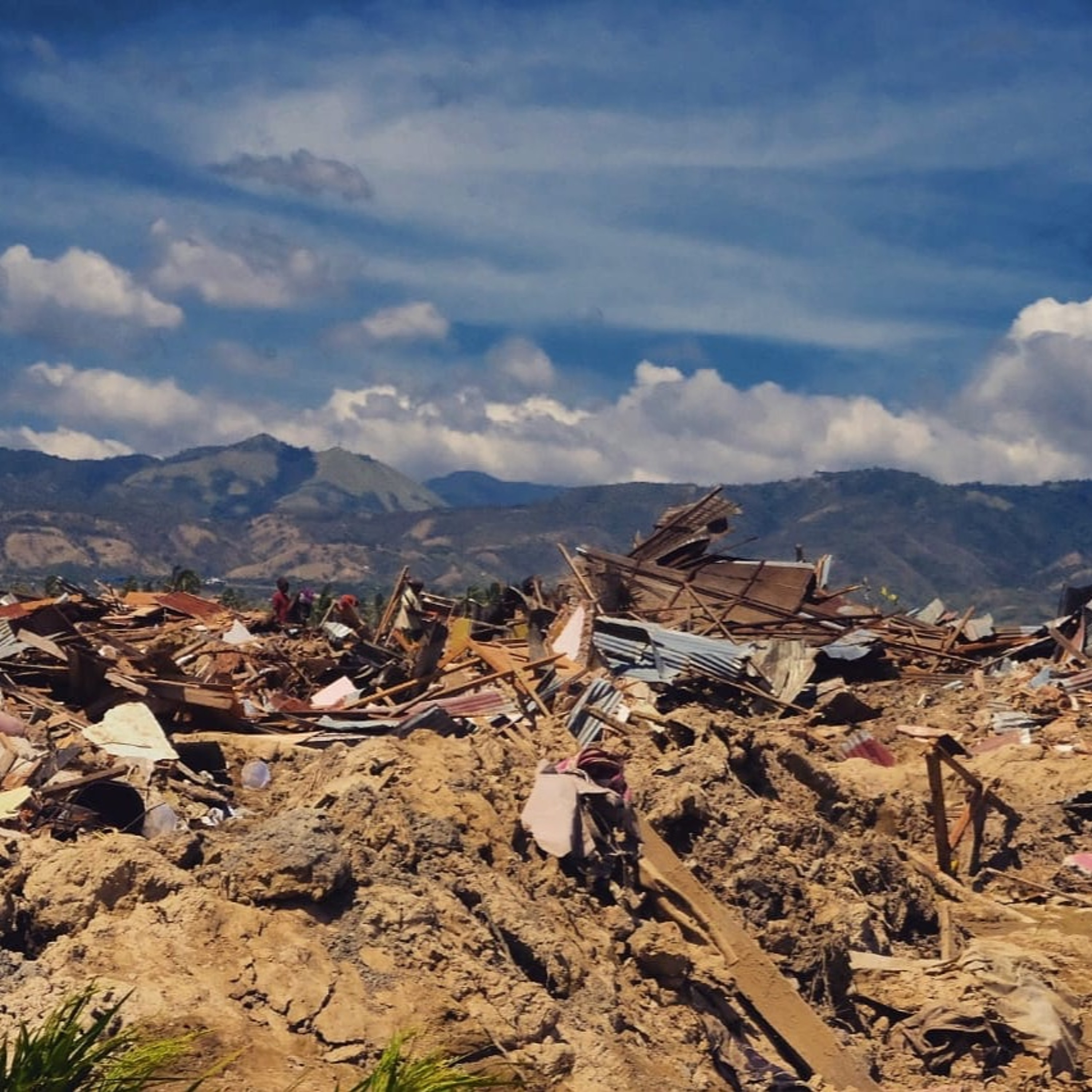
Managing Natural Disasters - Prof Kuntoro Mangkusubroto & Dr Rahmawati Husein
2018 has been a year marked by large-scale natural disasters in Indonesia. A series of earthquakes from July-August in Lombok lefts hundreds dead, and displaced hundreds of thousands more. Another massive earthquake on 28 September then devastated Central Sulawesi's capital city - Palu - and nearby Donggala district. The quake triggered both a tsunami and destructive soil liquefaction, killing thousands of people. These events are consistent with a broader pattern of disaster vulnerability in Indonesia - one recent study ranked the country as suffering the fourth highest frequency of natural disasters in the world, and the eighth most deaths. In this week's Talking Indonesia podcast, Dr Dave McRae speaks with two of Indonesia's leading experts on disaster management to ask how Indonesia anticipates and responds to disasters on this scale, and whether more could be done to mitigate the risk and impact of such disasters ahead of time. The first guest is Professor Kuntoro Mangkusubroto , who from 2005-2009 headed the national government's Aceh-Nias Reconstruction and Rehabilitation Agency, or BRR, formed in the wake of the 2004 Indian Ocean tsunami. Professor Kuntoro was also head of the Yudhoyono government's Presidential Delivery Unit for Development Monitoring and Oversight, and is currently chairperson of the board of the School of Business and Management at the Bandung Institute of Technology (ITB). The second guest in this week's episode is Dr Rahmawati Husein , deputy chair of the Muhammadiyah Disaster Management Centre, and a member of the advisory board of Indonesia's National Disaster Management Agency (BNPB). She has also been elected to the advisory board of the United Nations Central Emergency Response Fund. In 2018, the Talking Indonesia podcast is co-hosted by Dr Dave McRae from the University of Melbourne's Asia Institute, Dr Jemma Purdey from Monash University, Dr Charlotte Setijadi from the Singapore Management University and Dr Dirk Tomsa from La Trobe University. Look out for a new Talking Indonesia podcast every fortnight. Catch up on previous episodes here, subscribe via iTunes or listen via your favourite podcasting app. Photo credit: Imang Jasmine(Imam Syafrudien As)
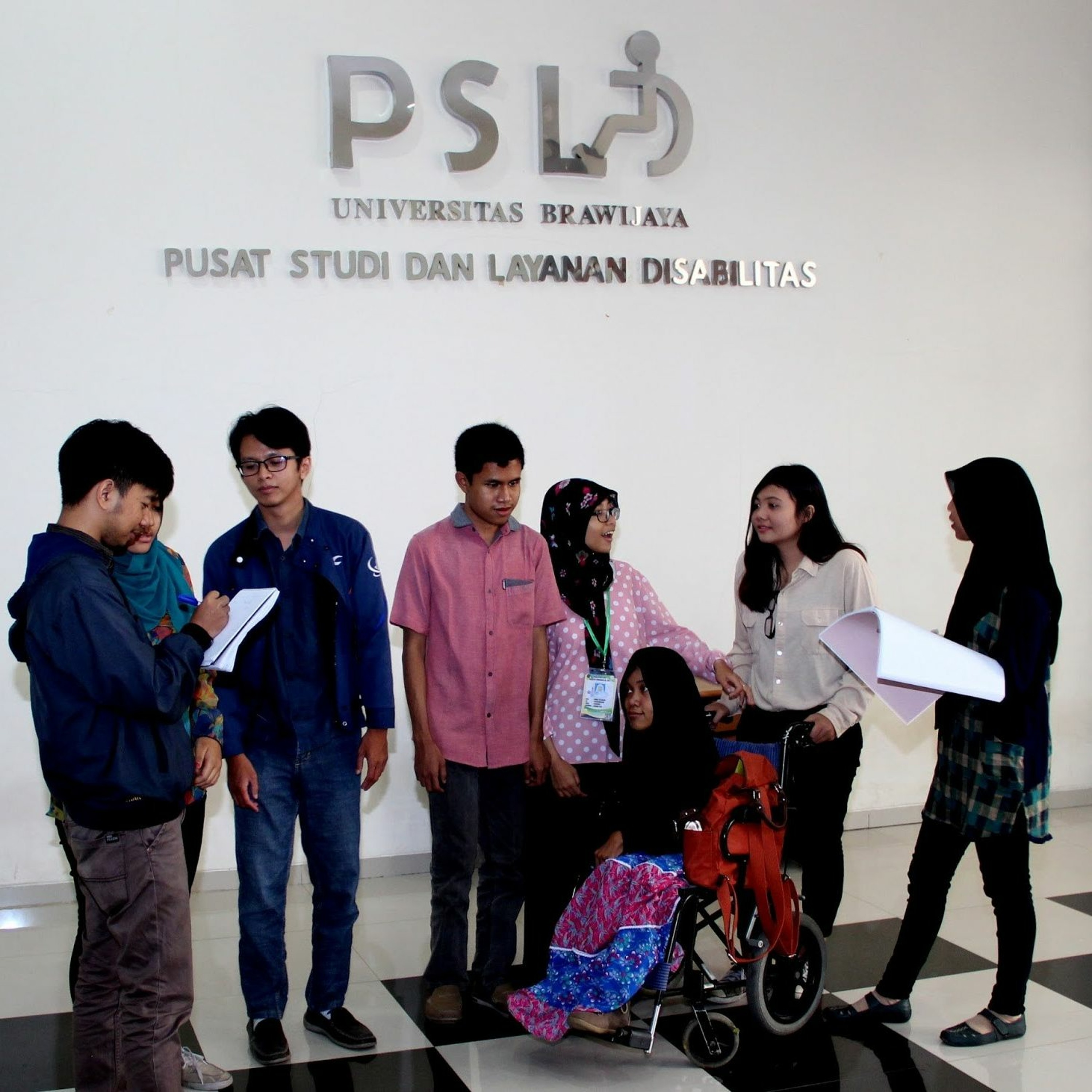
Dr Dina Afrianty - Disability and Education
It is more than two years since Indonesia passed the landmark Law 8 of 2016 of People with Disability, but implementation has been slow and prejudices and discrimination against people with disability remain widespread. In the education sector, for example, access and opportunities for learning are still limited. Some Islamic universities, however, have taken important steps toward improving accessibility for students with disability and enhancing awareness among staff. What prompted these universities to act? What is the likelihood that others will follow? And what kind of obstacles stand in the way of more far-reaching reforms? In Talking Indonesia this week, Dr Dirk Tomsa discusses these and other questions with Dr Dina Afrianty, Research Fellow at the La Trobe Law School, and a founder of the Australia-Indonesia Disability Research and Advocacy Network (AIDRAN). In 2018, the Talking Indonesia podcast is co-hosted by Dr Dave McRae from the University of Melbourne’s Asia Institute, Dr Jemma Purdey from Monash University, Dr Charlotte Setijadi from Singapore Management University and Dr Dirk Tomsa from La Trobe University. Look out for a new Talking Indonesia podcast every fortnight. Catch up on previous episodes here, subscribe via iTunes or listen via your favorite podcasting app. Image credit: Center for Disability Studies and Services (CDSS) Universitas Brawijaya.
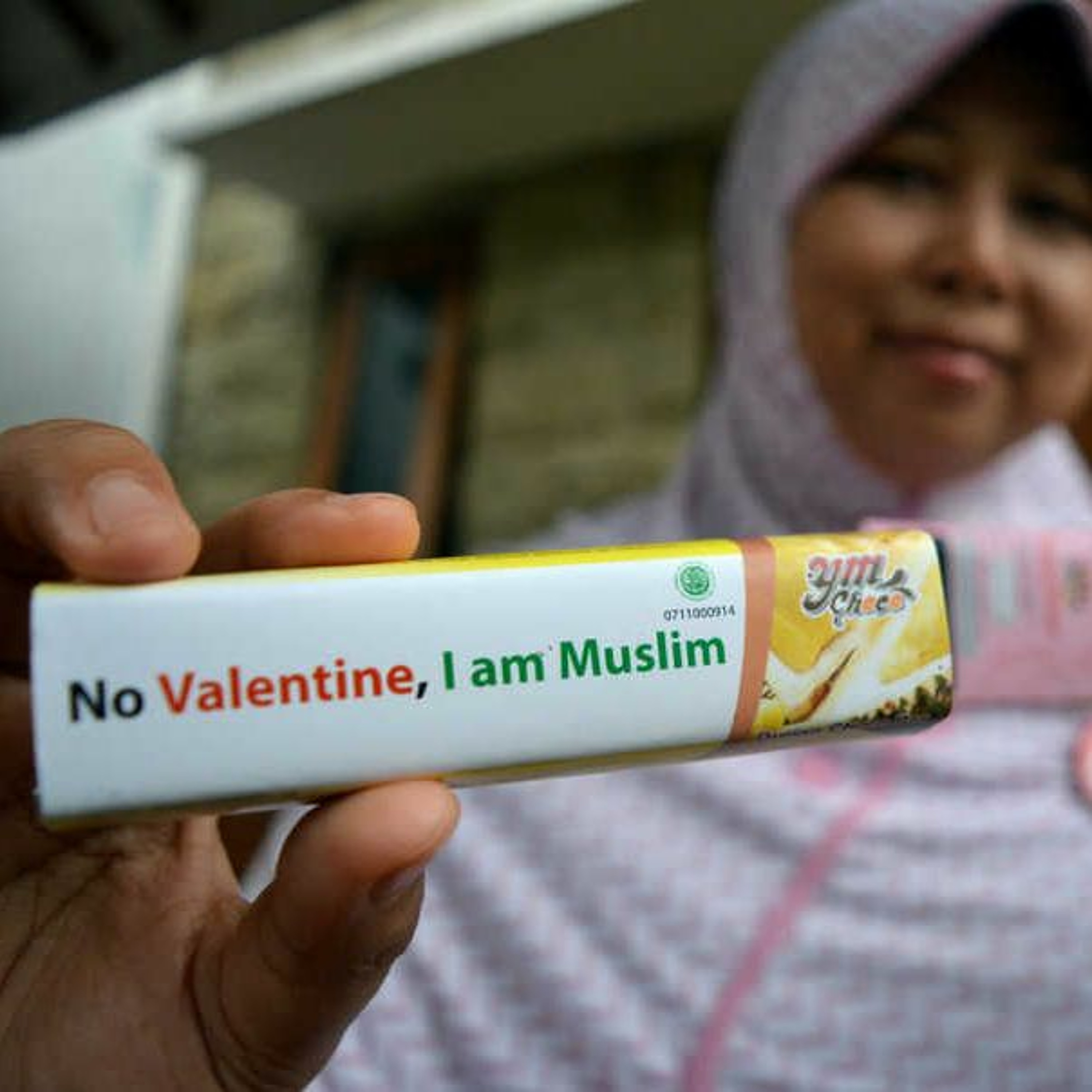
Dr Sandra Hamid - Confronting Religious Intolerance
Religious intolerance is on the rise in Indonesia, and the state has reacted strongly from a security point of view, with initiatives such as a law passed last year that allows the government to disband any civil society group deemed to disrupt national unity. Many civil society groups support the law, declaring it as necessary to combat radicalism, terrorism, and intolerance. However, is this hard-line stance really the best approach to tackle the issue of rising religious intolerance in Indonesia? Is there a more nuanced way to confront rising religious intolerance?

Dr Sharyn Graham Davies - Sex and Sexuality
In January 2016 the Minister for Technology, Research and Higher Education Minister Muhammad Nasir stated that universities must uphold standards of ‘values and morals’ and should not support organisations that promote LGBT activities. What followed was a social and political furore that has since seen a surge of intolerance and attacks on LGBT. While persecution of sexual minorities is not new, homosexuality is not illegal and in large part within Indonesian society have been accorded tolerance, and at times acceptance. What does the strengthening of conservative voices in Indonesia mean for sexual expression more generally and the rights of minority groups in particular? Why do morality issues and debates have such social currency? What part is this debate likely to have in the forthcoming election campaigns? What does the future look like for the rights of sexual and gender minorities in Indonesia?
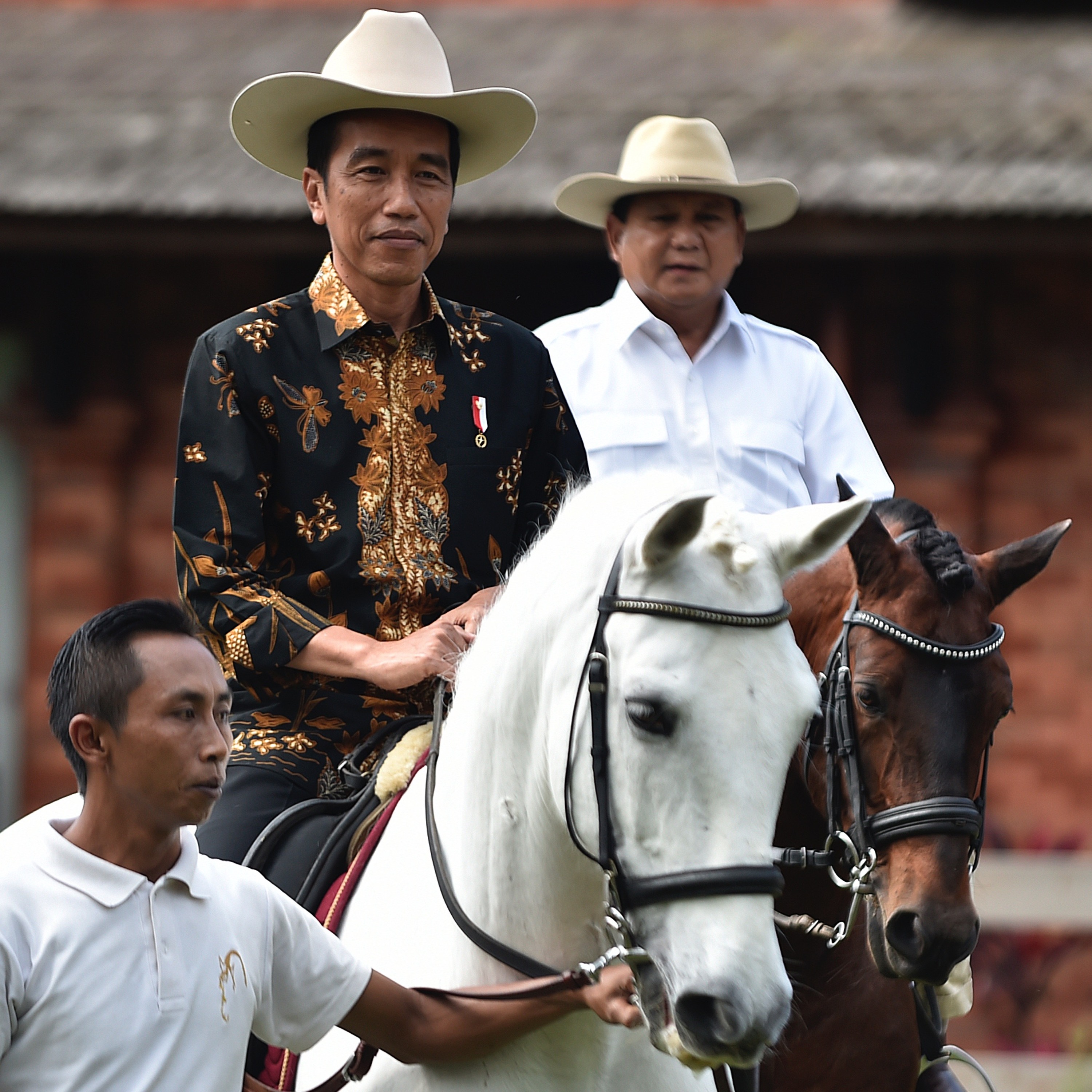
A/Prof Marcus Mietzner - The Road To 2019
In early August, Joko Widodo and Prabowo Subianto registered as the only candidates for Indonesia's April 2019 presidential election, repeating their head-to-head showdown from 2014. Much though, has changed in Indonesia's political landscape over the past five years. Both men have new running mates for one thing. Nor is Jokowi an unknown new entrant to national politics any longer - he will enter 2019 with a five year track record to defend focused on infrastructure and social spending. The massive Islamist mobilisation in 2016 against then Jakarta governor Ahok also continues to reverberate through the political system. Moreover, 2019 will be the first time that the legislative and presidential elections will be held on the same day - 17 April - owing to a Constitutional Court decision ordering that these elections no longer be held several months apart. In this week's Talking Indonesia podcast, Dr Dave McRae discusses the electoral landscape nine months out from next year's polls with leading political observer Associate Professor Marcus Mietzner from the Australian National University's Coral Bell School of Asia Pacific Affairs. Marcus is currently a visiting fellow at Kyoto University. In 2018, the Talking Indonesia podcast is co-hosted by Dr Dave McRae from the University of Melbourne's Asia Institute, Dr Jemma Purdey from Monash University, Dr Charlotte Setijadi from the Singapore Management University and Dr Dirk Tomsa from La Trobe University. Look out for a new Talking Indonesia podcast every fortnight. Photo Credit: Puspa Perwitasari for AntaraFoto
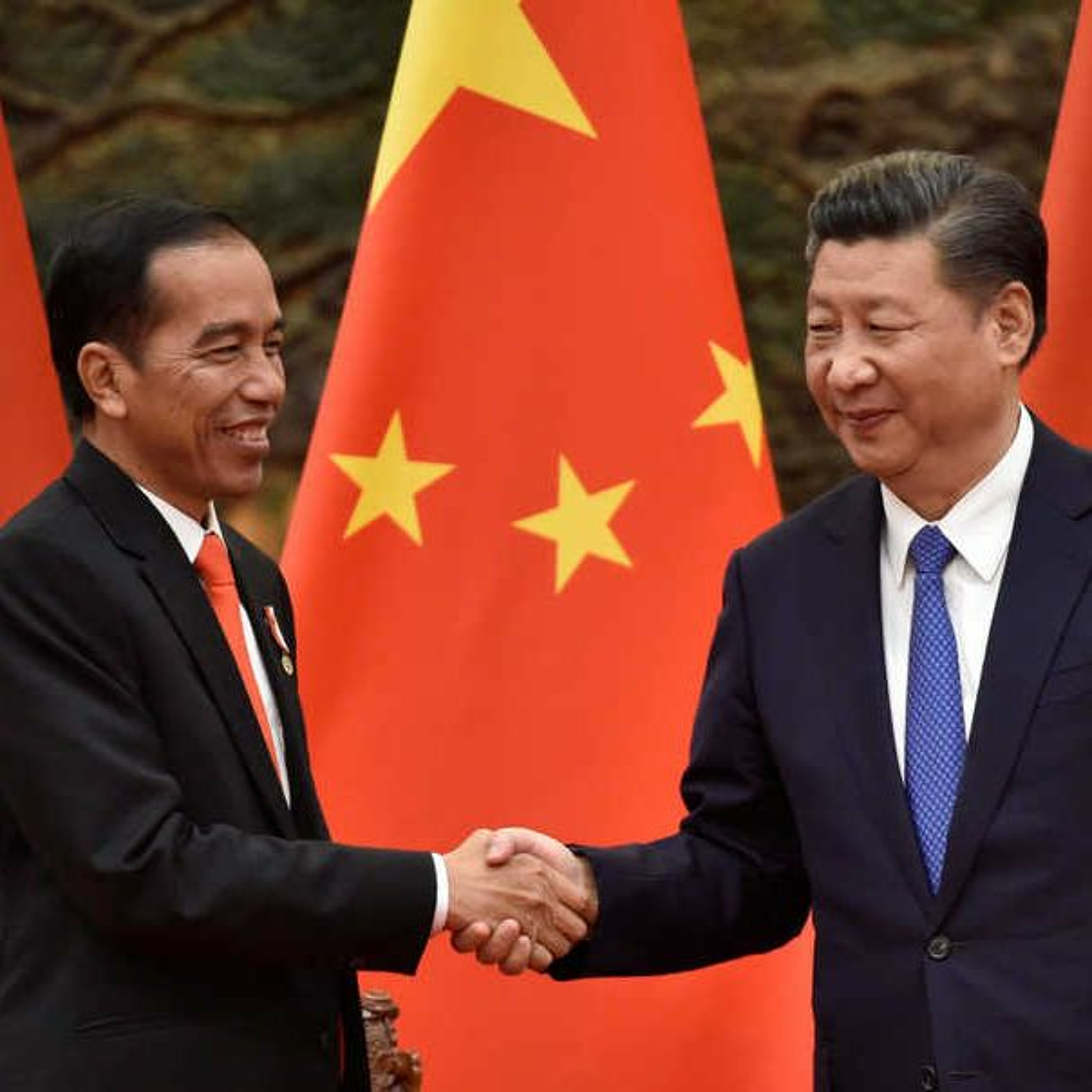
Dr Siwage Dharma Negara - Chinese Investments in Indonesia
The issue of Chinese investment is a controversial topic in Indonesia. Viewed with suspicion and even animosity, Chinese investments are often associated with the ideological threat of communism, as well as a reminder of negative stereotypes of the ethnic Chinese business elites in the country. As such, Chinese investments are considered to be a political liability, especially during and around election times. Yet Chinese investments in Indonesia is on an upward trend. China became Indonesia's second-biggest source of foreign direct investment in 2017, and it seems only a matter of time before China becomes the biggest foreign investor in Indonesia. In Talking Indonesia this week, Dr Charlotte Setijadi chats to Dr Siwage Dharma Negara from ISEAS-Yusof Ishak Institute in Singapore about trade and investment relations between Indonesia and China, and how Jokowi's political opponents may use the issue of Chinese investments against him in the 2019 presidential election.
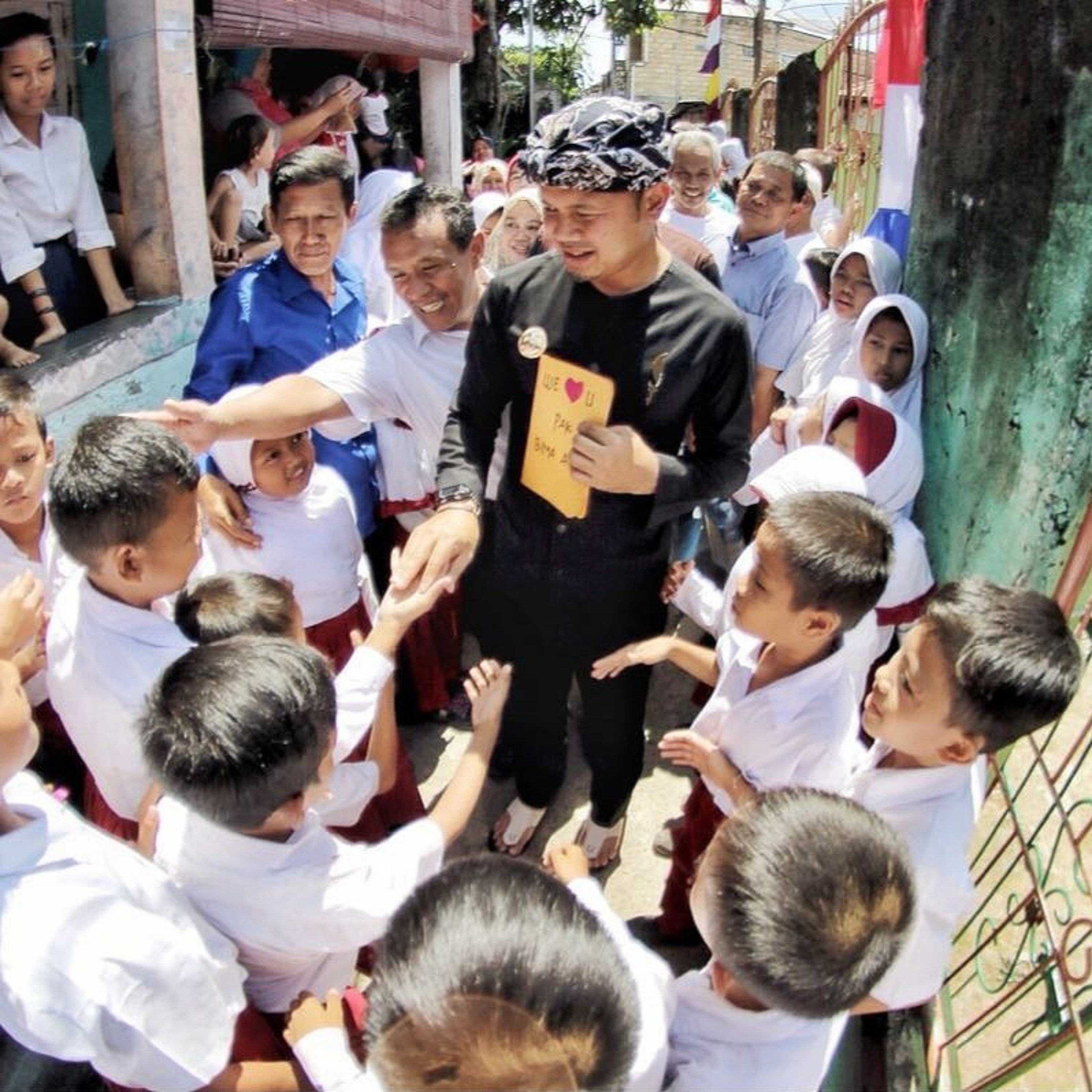
Dr Bima Arya - Local Leadership
Local elections held in June 2018 brought victories for a number of candidates who in the last few years have made a name for themselves as innovative and reform-oriented. But can this new breed of local executive leaders really change entrenched patterns of doing politics in Indonesia? How do they navigate established patronage channels? And how do they see their place within the broader political environment in Indonesia today? In this week’s Talking Indonesia podcast, Dr Dirk Tomsa discusses these and other questions with one of these young politicians, Dr Bima Arya, the recently re-elected Mayor of Bogor. In 2018, the Talking Indonesia podcast is co-hosted by Dr Dave McRae from the University of Melbourne’s Asia Institute, Dr Jemma Purdey from Monash University, Dr Charlotte Setijadi from Singapore Management University and Dr Dirk Tomsa from La Trobe University. Photo courtesy of Bima Arya.
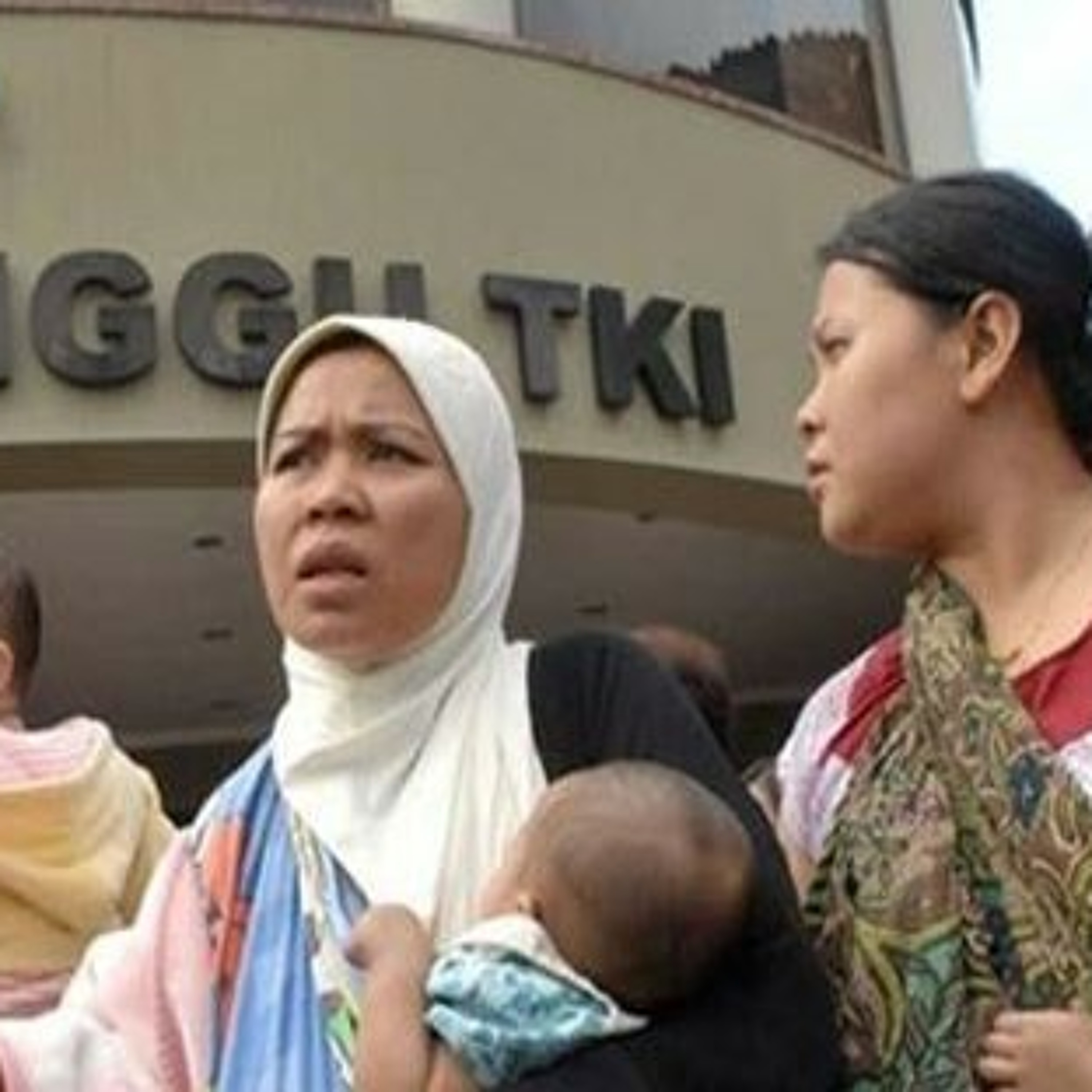
Anis Hidayah - Protecting Migrant Workers
In October 2017, the Indonesian legislature passed a new law strengthening protection for the millions of Indonesians working overseas - more than half of whom are women and many in vulnerable sectors. According to the World Bank, migrant workers comprise 7 per cent of Indonesia's work force (only China and the Philippines have larger proportions of migrant workers) and, in 2016, remittances from these workers accounted for 1 percent of Indonesia's gross domestic product. The sector is controlled by a few powerful groups in business and politics and the rights of workers have often been neglected. In Talking Indonesia this week, Dr Jemma Purdey talks to Anis Hidayah, co-founder of the nongovernmental organisation Migrant CARE, about the lengthy process leading up to the adoption of Law 18 of 2017 on the Protection of Indonesian Migrant Workers, the changes it will bring for migrant workers, and what still needs to be done to ensure they get full protection. (Photo: Antara)
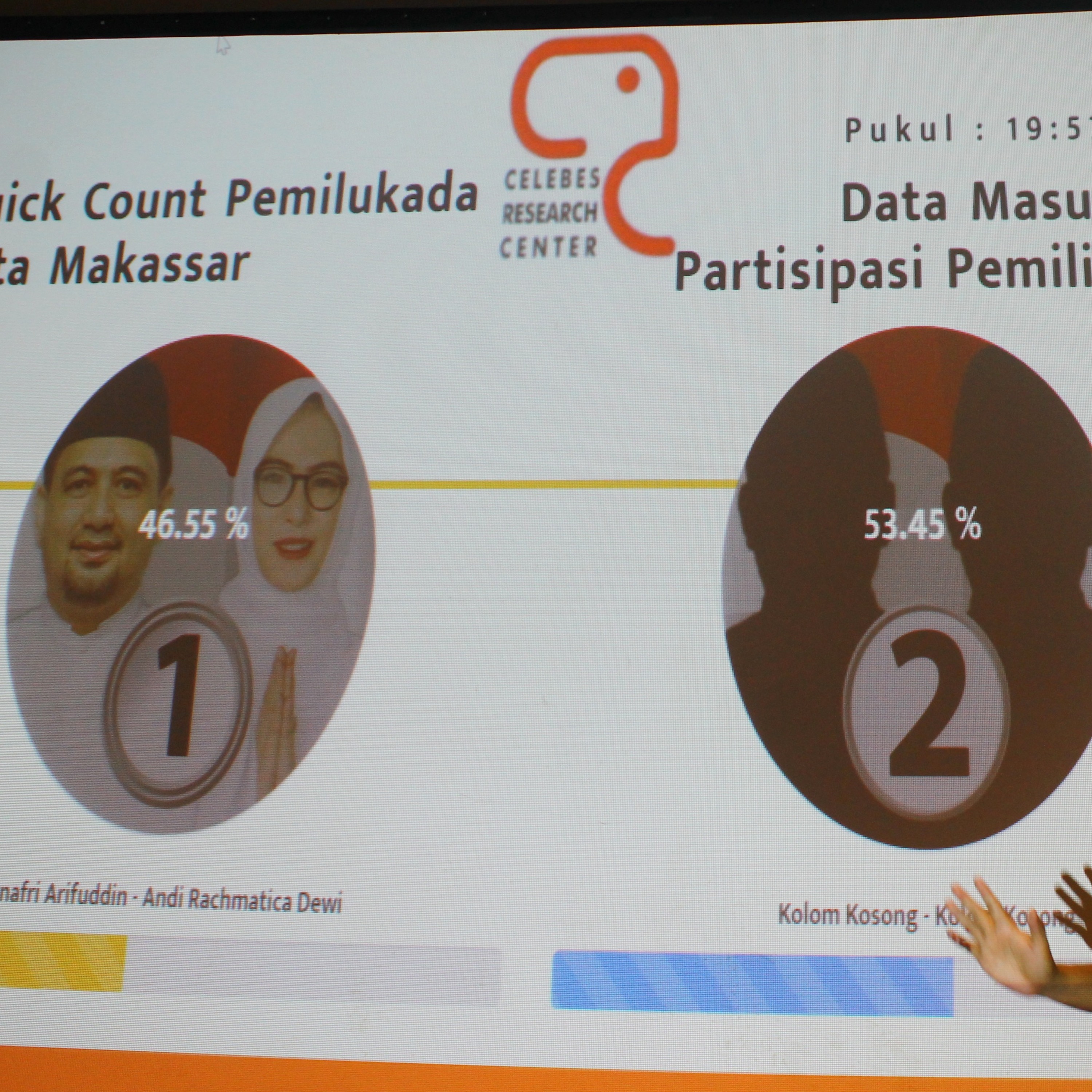
Indonesia's 2018 Regional Elections
On 27 June 2018, Indonesia held elections for mayors and governors in 154 districts and 17 provinces - referred to as pilkada - the third and final such round of regional elections in this five year electoral cycle. This year's round of elections was particularly significant, though, for several reasons. It included gubernatorial elections in five big provinces that between them account for more than half of Indonesia's population: West Java, Central Java, East Java, North Sumatra and South Sulawesi. It was our first chance to observe how the divisive dynamics of the 2017 Jakarta gubernatorial elections might affect other future elections. And with the national legislative and presidential elections now less than a year away in April 2019, these local elections have been closely watched for any clues as to how next year's political contests might play out. In this week's Talking Indonesia podcast, Dr Dave McRae discusses this round of local elections, their results and their broader implications with a panel of leading political observers: Dr Charlotte Setijadi (ISEAS-Yusof Ishak Institute), Dr Philips Vermonte (Executive Director of the Centre for Strategic and International Studies) and Dr Eve Warburton (ISEAS-Yusof Ishak Institute). Photo credit: Darwin Fatir for Antara Foto In 2018, the Talking Indonesia podcast is co-hosted by Dr Dave McRae from the University of Melbourne's Asia Institute, Dr Jemma Purdey from Monash University, Dr Charlotte Setijadi from the ISEAS-Yusof Ishak Institute in Singapore and Dr Dirk Tomsa from La Trobe University.
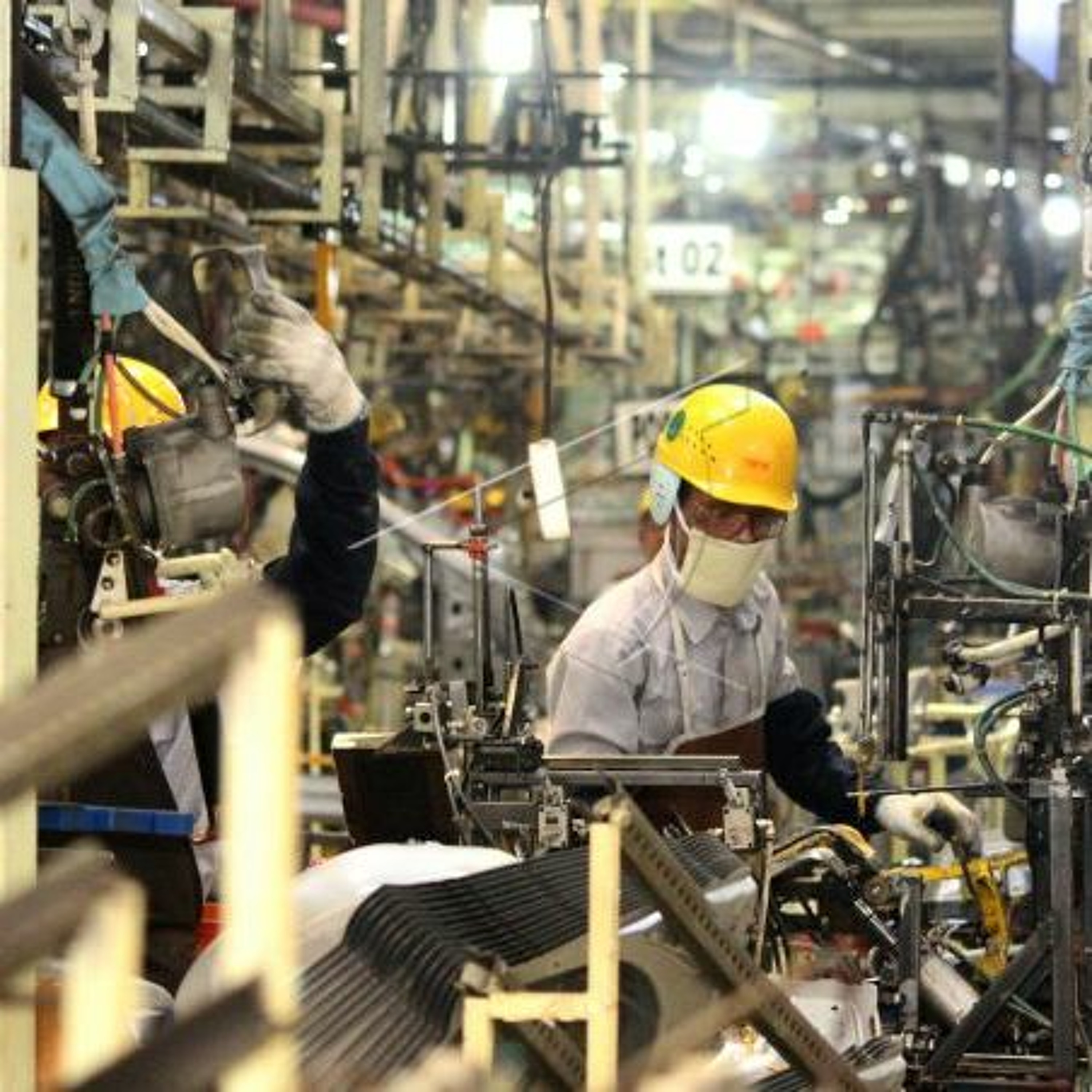
Dr Zulfan Tadjoeddin - Employment and Manufacturing
Indonesia has seen steady economic growth over the last two decades, but the manufacturing sector has continuously underperformed. The decline of the sector is particularly evident in low employment figures and a lack of productivity. Regionally, most industries remain concentrated in just a few provinces, despite efforts by the Jokowi administration to address this disparity through improvements in infrastructure. What explains the decline in manufacturing in Indonesia? Is the country in the midst of a process of premature deindustrialization, as some observers have claimed? And what can be done to strengthen the manufacturing sector in the future and transform Indonesia into an industrialized economy? In this week’s Talking Indonesia podcast, Dr Dirk Tomsa discusses these and other questions with Dr Mohammad Zulfan Tadjoeddin, a Senior Lecturer in Development Studies at the University of Western Sydney. In 2018, the Talking Indonesia podcast is co-hosted by Dr Dave McRae from the University of Melbourne’s Asia Institute, Dr Jemma Purdey from Monash University, Dr Charlotte Setijadi from the ISEAS-Yusof Ishak Institute in Singapore and Dr Dirk Tomsa from La Trobe University. Look out for a new Talking Indonesia podcast every fortnight. Catch up on previous episodes here, subscribe via iTunes or listen via your favourite podcasting app. Image Credit: ANTARA FOTO/Risky Andrianto/aww/18.
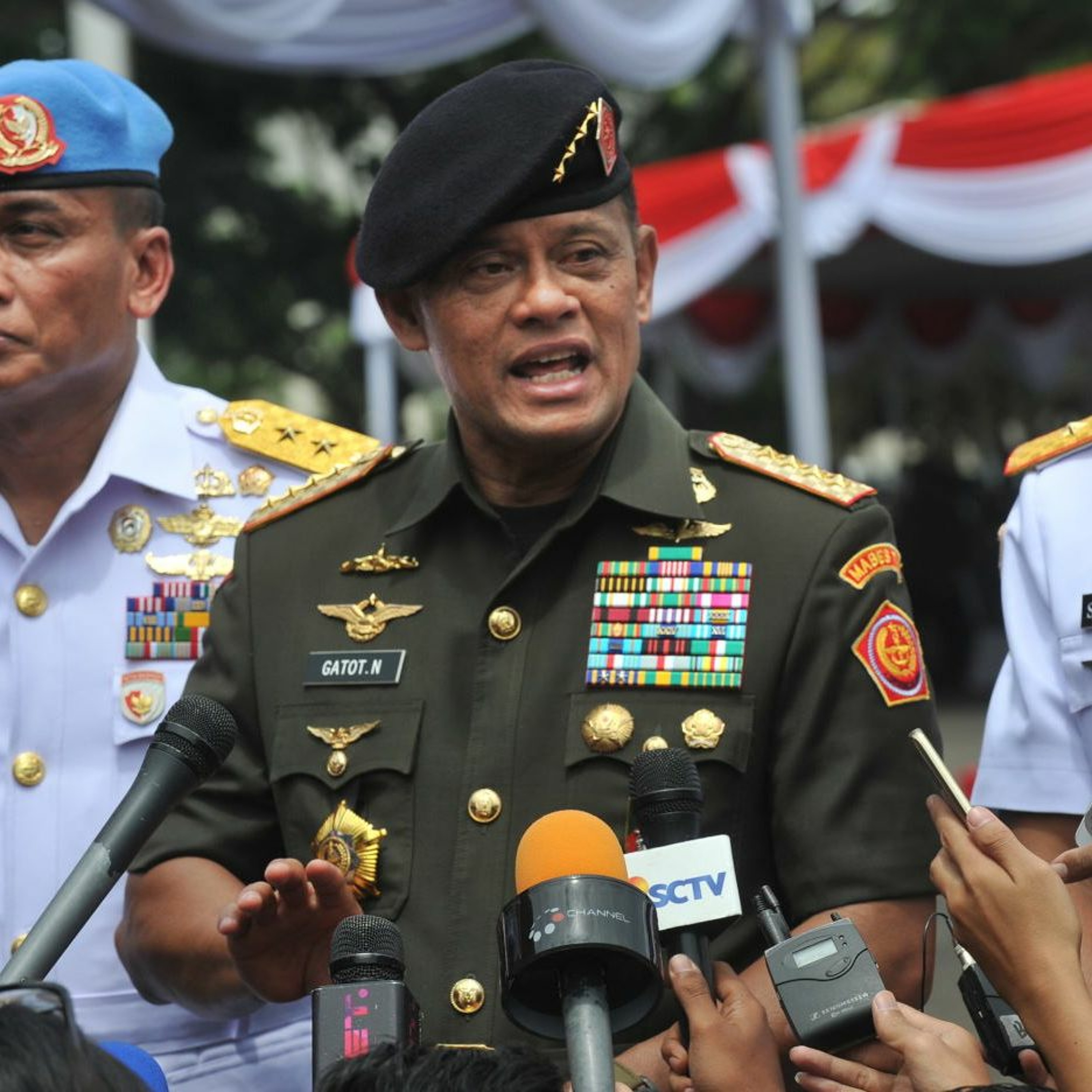
Dr Jess Melvin - 20 Years of Military Reform
Twenty years after the beginning of military reforms, Talking Indonesia speaks to Dr Jess Melvin about the state and position of the military in contemporary Indonesian society. Has the military come terms with some of the darkest chapters in its past? Looking at current trends, are we seeing a progressive 'return' of the military in the political sphere?
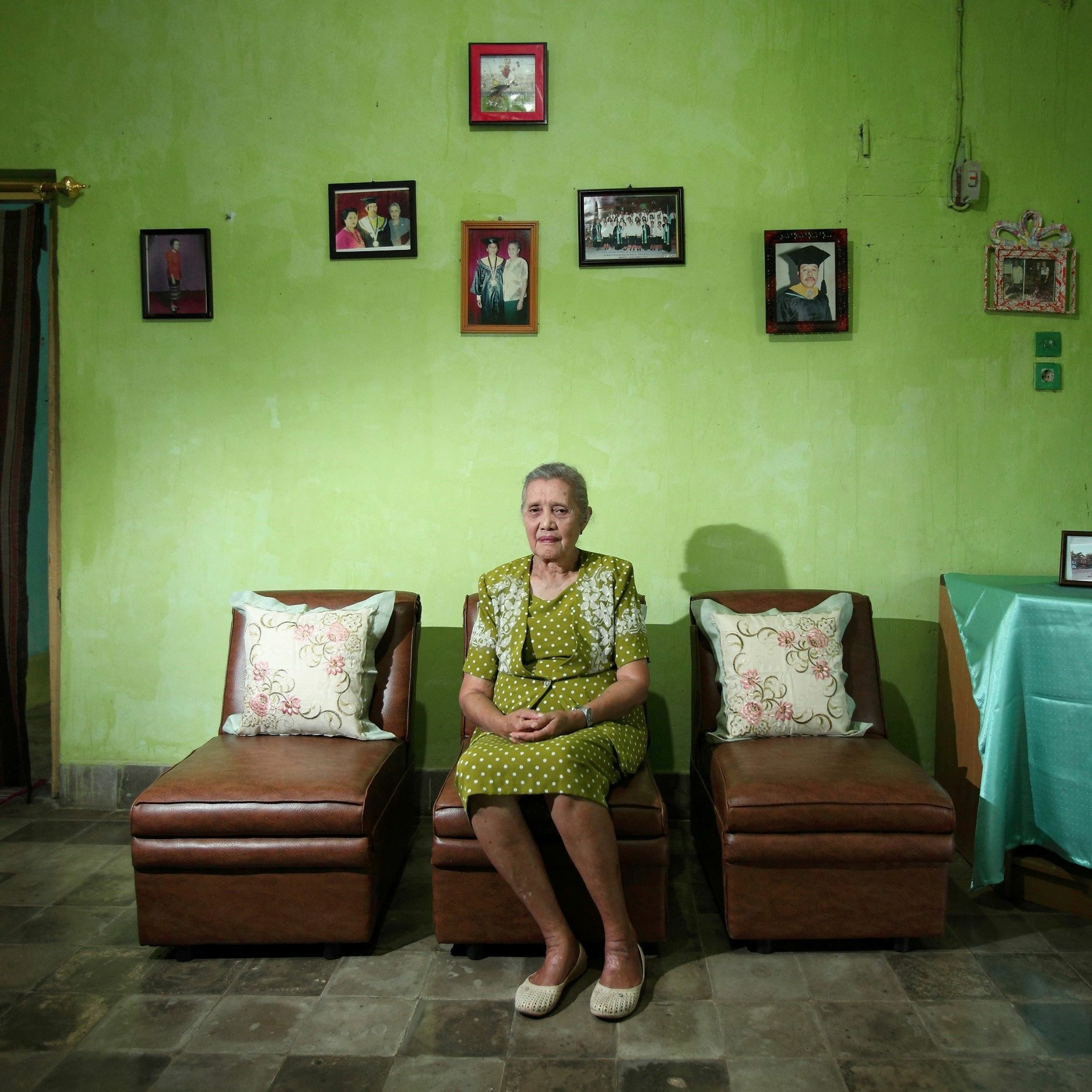
Galuh Wandita - Resisting Impunity
More than 50 years on from the 1965-66 mass killings and 20 years after the fall of the New Order authoritarian government, how is Indonesia facing up to this violent past? How does this past impact on the present? What is being done to resist enduring impunity in democratic Indonesia? Jemma Purdey explores these issues with Galuh Wandita, Director and co-founder of non-government organisation, Asia Justice and Rights (AJAR), a Jakarta-based NGO working on human rights and accountability in the Asia-Pacific region. Galuh previously worked with the International Center for Transitional Justice, an international NGO based in New York, and was Deputy Director of Timor-Leste’s Truth Commission (CAVR). In 2018, the Talking Indonesia podcast is co-hosted by Dr Dave McRae from the University of Melbourne's Asia Institute, Dr Jemma Purdey from Monash University, Dr Charlotte Setijadi from the ISEAS-Yusof Ishak Institute in Singapore and Dr Dirk Tomsa from La Trobe University. Image: Anne-Cécile Esteve courtesy AJAR.
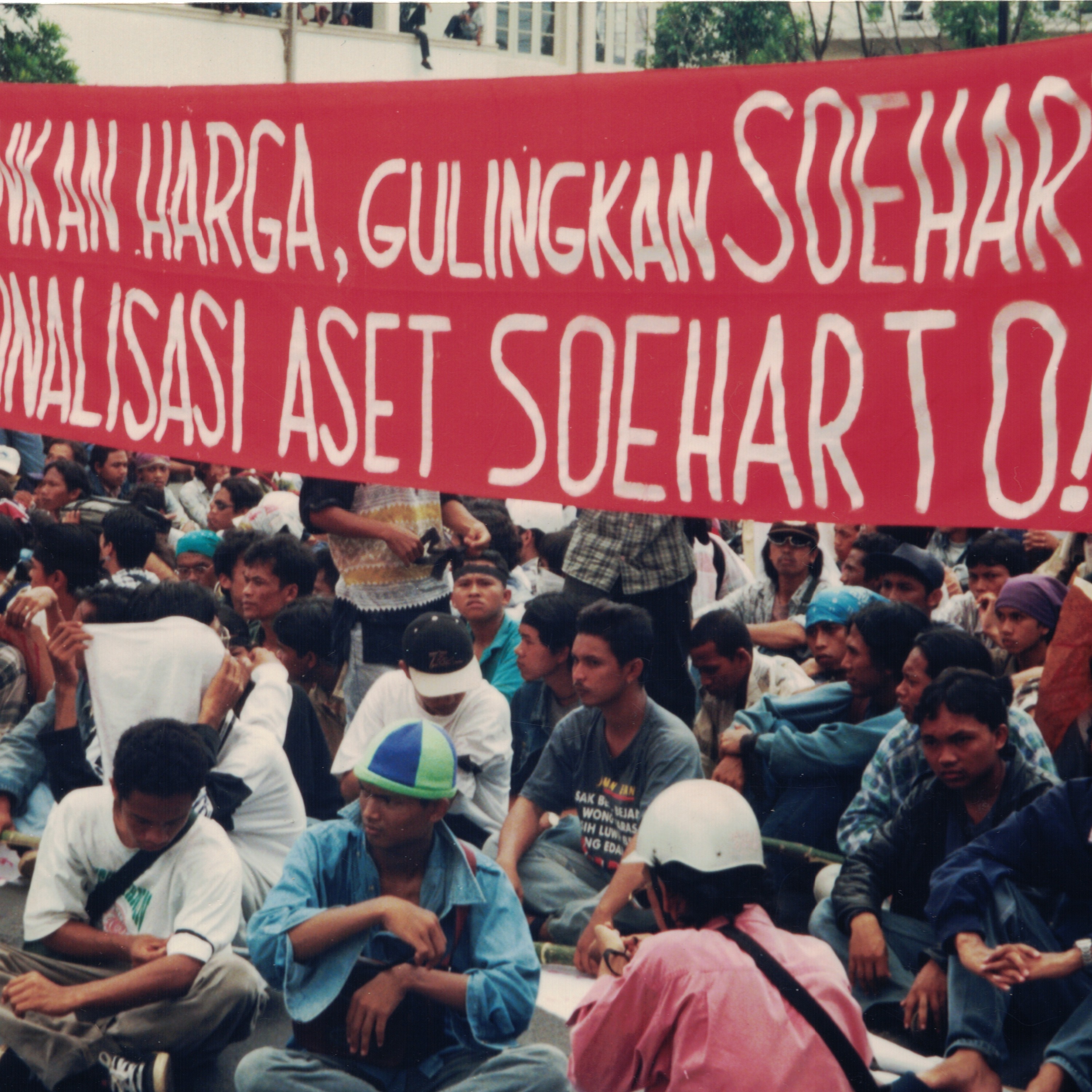
Usman Hamid - 20 Years After Soeharto
Two decades after the fall of Suharto, the nature of Indonesian democracy and the trajectory of political reform remain a matter of animated debate in Indonesia and abroad. Undeniably, fundamental change has taken place since the end of Soeharto's authoritarian New Order regime. By the same token, the continued prominence of political and business figures who rose to the prominence during the New Order is just one reminder that the long shadow of the Suharto era has never entirely lifted. What have been the key achievements of the reform movement that toppled Suharto, what are the key obstacles to further reform, and what lies ahead for Indonesia over the next ten years? Dr Dave McRae explores these issues with Usman Hamid, Director of Amnesty International Indonesia and one of Indonesia's most senior human rights activists. Among his many previous roles, Usman has previously also served as coordinator of Kontras, the Commission for Missing Persons and Victims of Violence, and in 2012 co-founded the Indonesian branch of online petition platform change.org In 2018, the Talking Indonesia podcast is co-hosted by Dr Dave McRae from the University of Melbourne's Asia Institute, Dr Jemma Purdey from Monash University, Dr Charlotte Setijadi from the ISEAS-Yusof Ishak Institute in Singapore and Dr Dirk Tomsa from La Trobe University.
Dr Melissa Crouch - Blasphemy
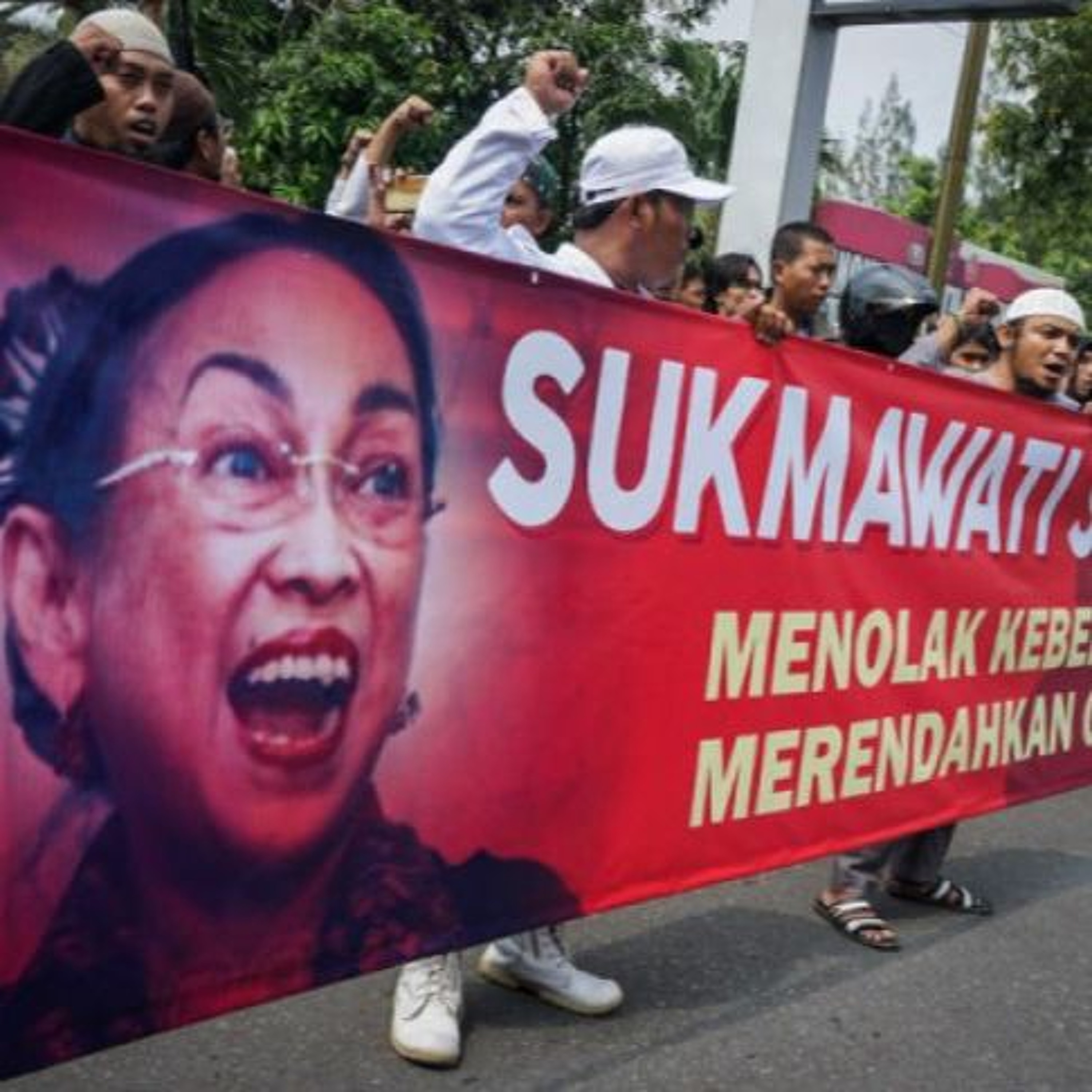
Indonesia’s blasphemy legislation gained global attention during the trial of former Jakarta governor Basuki Tjahaja Purnama (Ahok) in 2017. But apart from Ahok, many other Indonesians have also faced blasphemy charges in recent years, even though the constitutionality of the law has been challenged repeatedly. Why is blasphemy such a serious offence in Indonesia? What do recent blasphemy cases have in common and where do they differ? And how do they fit into broader legal developments and political trends in Indonesia? In this week’s Talking Indonesia podcast, Dr Dirk Tomsa discusses these issues with Dr Melissa Crouch, currently a Kathleen Fitzpatrick Visiting Fellow at the Melbourne Law School, and a Senior Lecturer from the Law Faculty of the University of New South Wales in Sydney. Photo credit: ANTARA FOTO/Mohammad Ayudha/nz/18
Dr Ahmad Najib Burhani - Religious Authority in Contemporary Islam
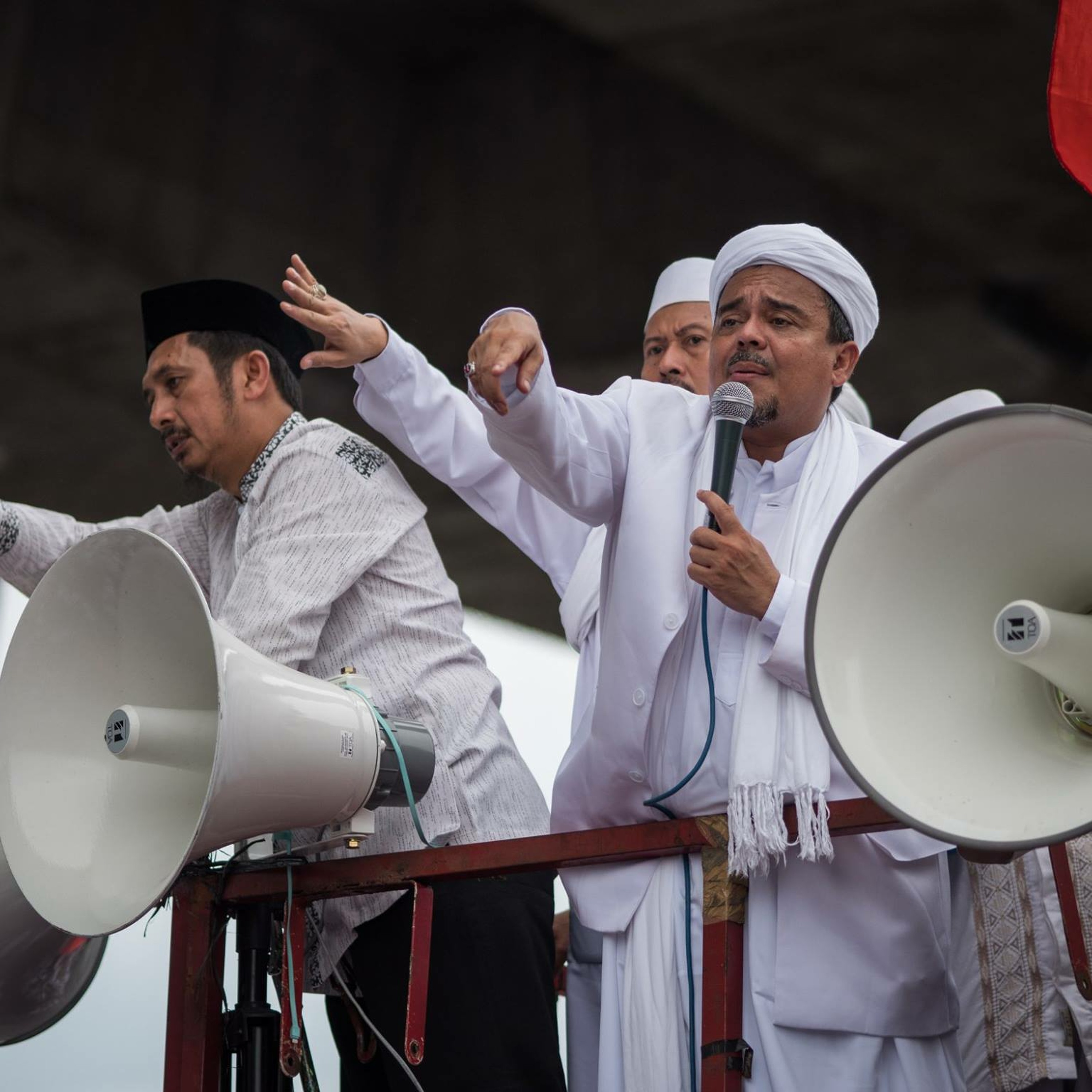
The mass demonstrations against former Jakarta Governor Basuki "Ahok" Tjahaja Purnama in 2016 and 2017, and rising intolerance against religious and sexual minorities have raised concerns about the growing influence of more conservative forms of Islam in Indonesia. The popularity of radical and conservative clerics such as Islamic Defenders Front (FPI) leader Rizieq Shihab and celebrity preacher Felix Siauw have also led to questions about new forms of religious authority in contemporary Indonesian Islam. Amid these trends, mainstream Islamic organisations such as Nadhlatul Ulama (NU) and Muhammadiyah have been criticised for not speaking out enough against rising conservatism and radicalism. Are we seeing a conservative turn in Indonesian Islam? What are some examples of new Islamic organisations, and what challenges do they pose to well established Islamic organisations such as NU and Muhammadiyah? What is the role of television and social media in this new contestation for religious authority? Dr Charlotte Setijadi discusses these questions with Dr Ahmad Najib Burhani, a senior researcher at the Indonesian Institute of Sciences (LIPI) and visiting fellow at ISEAS-Yusof Ishak Institute in Singapore.
Suraya Affif - Environmental Politics
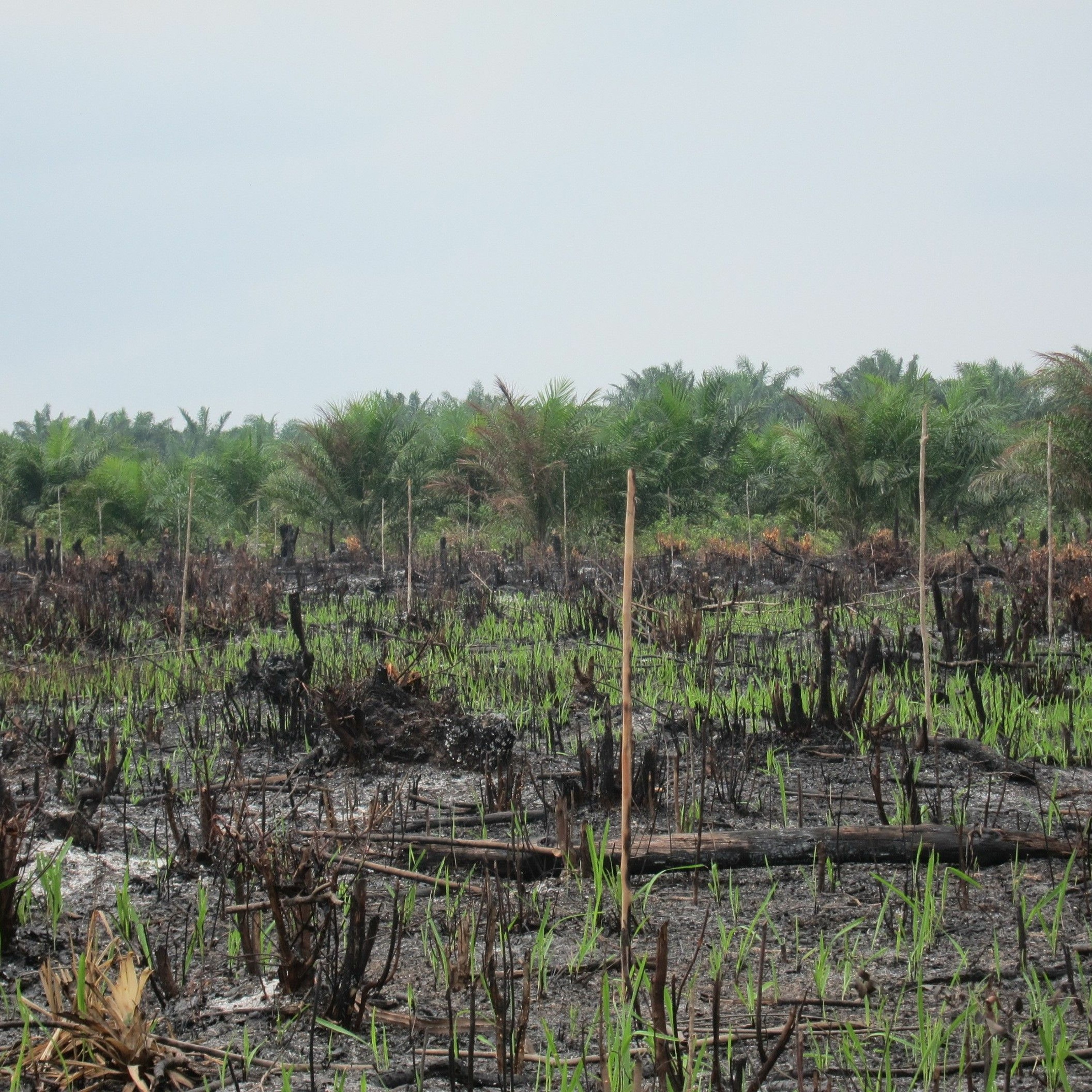
Indonesia's environmental challenges are vast and the impacts of forest degradation, in particular, have implications globally as well as locally. For many years within civil society environmental groups and academics have worked at all levels - international, national and local - to raise awareness, enable local communities and lobby government. The search for solutions involves negotiating a complex web of cultural, geographic, economic and structural political forces. How is Indonesia balancing its environmental challenges with its economic interests? What are the roles of government, business and civil society? How has the Joko Widodo government responded? Jemma Purdey explores these issues with Professor Suraya Affif, from the Department of Anthropology at the University of Indonesia. Photo by Suraya Affif.
Anugerah Rizki Akbari - A New Criminal Code
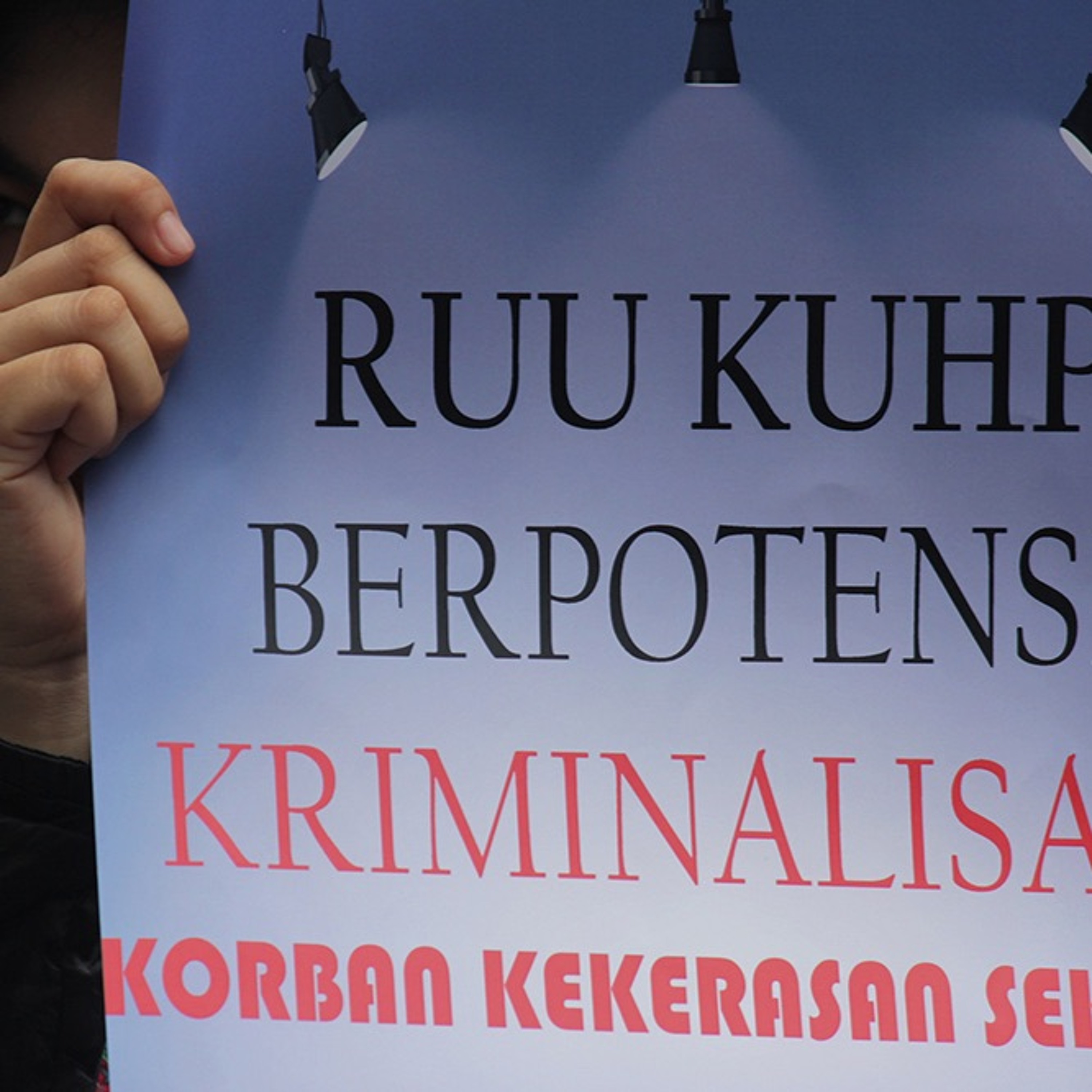
Indonesia's current criminal code dates to colonial rule, with efforts to complete and enact a new draft of the code consistently foundering. Under the administration of President Jokowi, the drafting process has gained new impetus, however, and a sense is growing that a new criminal code will be enacted this year. At the same time, civil society activists and legal experts have lined up to criticise regressive aspects of the present draft, including a proposed criminalisation of all extramarital sex and new restrictions on freedom of expression. Why have revisions to the criminal code been stalled for so long, and what are the deficits in Indonesia's criminal law that the new draft seeks to address? Who are the main actors in the revision process, and how have the controversial regressive articles emerged? Will a new criminal code finally be enacted, and what will the implications be for Indonesian democracy if the current draft passes into law unamended. Dr Dave McRae explores these issues with Anugerah Rizki Akbari, a criminal law expert and lecturer at the Indonesia Jentera School of Law in Jakarta . Mr Akbari wrote his Masters thesis at Leiden University on the control of Indonesian society through criminalisation, and has extensively researched the promulgation of new criminal offences in Indonesia throughout the democratic era. **Correction: Anugerah Rizki Akbari has confirmed that the new proposed maximum penalty for defamation will be one year, not five years, as stated during minute 22:00 of the conversation In 2018, the Talking Indonesia podcast is co-hosted by Dr Dave McRae from the University of Melbourne's Asia Institute, Dr Jemma Purdey from Monash University, Dr Charlotte Setijadi from the ISEAS-Yusof Ishak Institute in Singapore and Dr Dirk Tomsa from La Trobe University. Image by Moch Asim for Antara
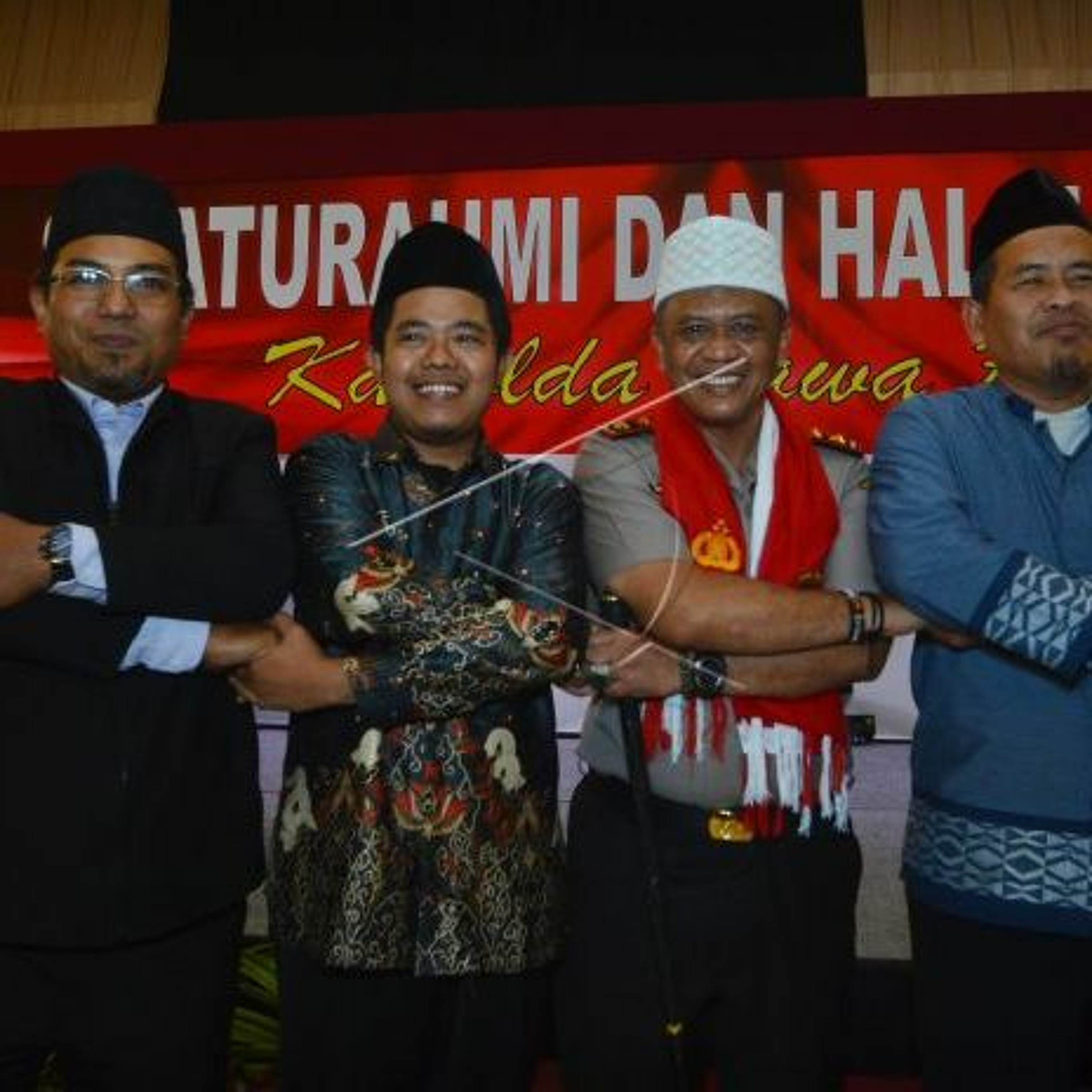
Assoc Prof Julie Chernov Hwang - Disengagement from Terrorism
Violent Islamist extremism has been a serious security threat in Indonesia for nearly two decades now. But while terrorist networks continue to recruit new members, there are also former militants who have turned their back on violence and terror. What prompts such acts of disengagement? Why do some terrorists quit, while others don’t? And what can governments and peace activists learn from previous patterns of disengagement? In this week’s Talking Indonesia podcast, Dr Dirk Tomsa discusses these issues with Associate Professor Julie Chernov Hwang, a specialist in terrorism studies and Islamist politics from Goucher College in Baltimore, and the author of ‘Why Terrorists Quit’. In 2018, the Talking Indonesia podcast is co-hosted by Dr Dave McRae from the University of Melbourne’s Asia Institute, Dr Jemma Purdey from Monash University, Dr Charlotte Setijadi from the ISEAS-Yusof Ishak Institute in Singapore and Dr Dirk Tomsa from La Trobe University. Image by Adeng Bustomi for Antara.
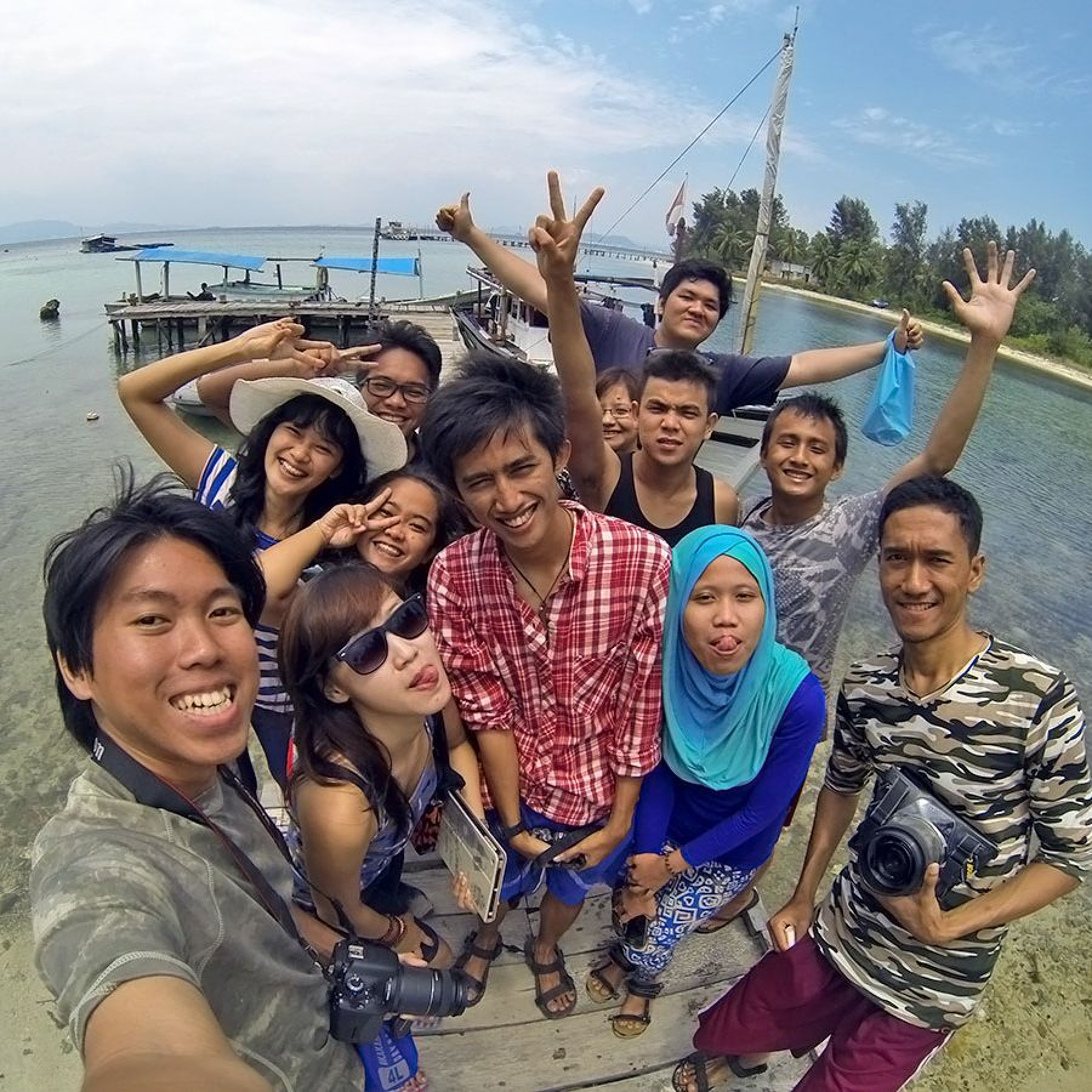
Dr Meghan Downes - Urban Youth
Young Indonesians are often misunderstood. The older generations perceive them as entitled, unmotivated, apathetic, and narcissistic, a far cry from the image of the pemuda, or the revolutionary youth who fought for the country’s independence. But what do Indonesian young people actually think about the social, political and economic issues around them? Do they care about social inequality and environmental degradation? How do their consumption patterns reflect their values and aspirations? Dr Charlotte Setijadi discusses these issues with Dr Meghan Downes, a Melbourne-based cultural studies scholar with a special focus on the everyday politics of consumption in contemporary Indonesia. Image: Johanes Randy Prakoso on Flickr.
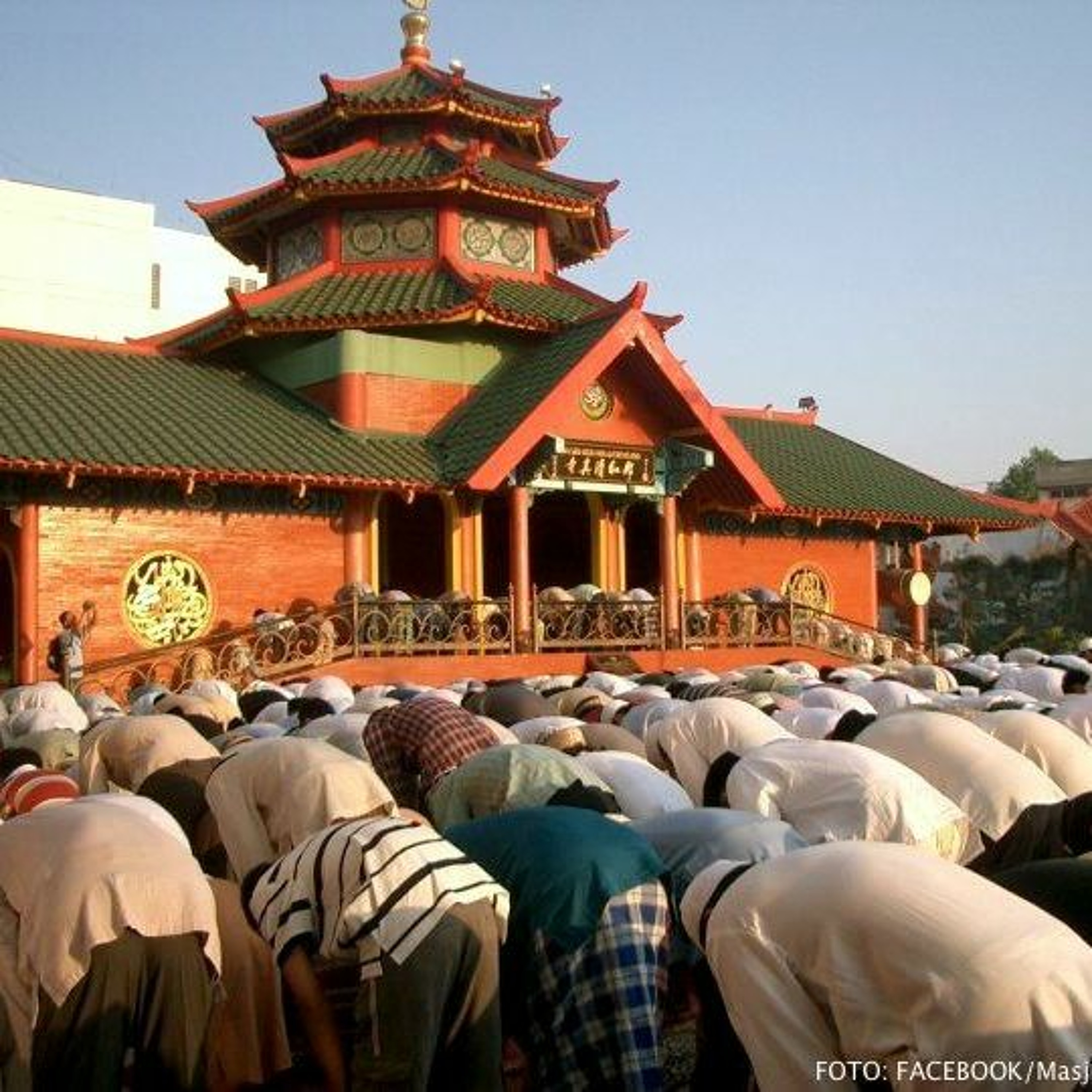
Dr Hew Wai Weng - Being Chinese and Muslim
Ethnic Chinese make up an estimated 1-2 percent of Indonesia's population. Of this group, a tiny minority are Muslim. As such, ethnic Chinese Muslims occupy a unique and significant position where the religious majority intersects with this ethnic minority, which has long assumed a role of economic middleman and been used as political scapegoat. In many ways Chinese Muslims in Indonesia disturb both their religious and ethnic identity groups. At its best, their position in society serves to highlight the inclusivity and diversity possible within Indonesian nationalism, and at its worst, to expose the undeniable limitations therein. Who are Indonesia's ethnic Chinese Muslims? What is their history and situation in contemporary Indonesia? Is there a Chinese way of being Muslim? What can their story tell us about religious tolerance and cultural diversity in Indonesia today? Jemma Purdey explores these issues with Dr Hew Wai Weng, a fellow in the Institute of Malaysian and International Studies, National University of Malaysia (UKM). Photo by Masjid Cheng Ho.
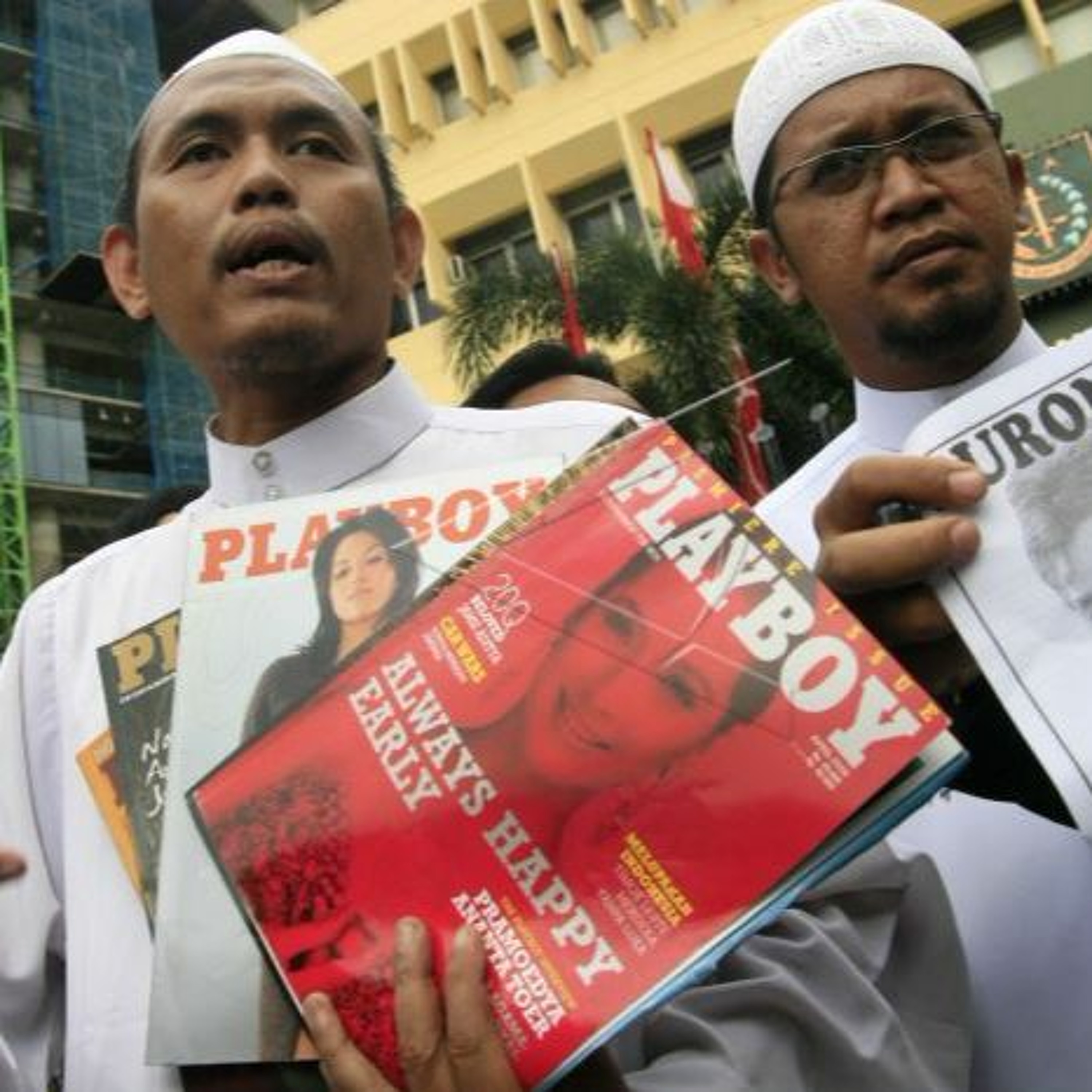
Dr Helen Pausacker - Pornography
The prohibition of pornography has been a hotly debated and controversial area of law in Indonesia, attracting the attention both of Islamic conservatives and activists promoting freedom of expression. Several public figures have been investigated and prosecuted under questionable circumstances, raising concerns that the law is being applied arbitrarily. Most recently, The police investigation of Islamic Defenders Front (FPI) leader Rizieq Shihab and his female follower Firza Hussein has put prohibitions of pornography back in the headlines, after police sought to question them over leaked screenshots purporting to show salacious Whatsapp chats between the two. The case has gained attention both because FPI have typically been one of the main groups pushing for pornography prosecutions, and because the investigation has been widely perceived as politically-motivated following Rizieq's role in the anti-Ahok protest movement. How does Indonesia in fact regulate pornography, in what manner and how often have its anti-pornography laws been applied, and what determines who gets charged and convicted? How do debates over pornography reflect broader questions of morality and Islam in Indonesian society? In the first Talking Indonesia podcast episode for 2018, Dr Dave McRae explores these issues with Dr Helen Pausacker , Deputy Director of the Centre for Indonesian Law, Islam and Society (CILIS). In 2018, the Talking Indonesia podcast is co-hosted by Dr Dave McRae from the University of Melbourne’s Asia Institute, Dr Jemma Purdey from Monash University, Dr Charlotte Setijadi from the ISEAS-Yusof Ishak Institute in Singapore and Dr Dirk Tomsa from La Trobe University. Image by Herka Yanis Pangaribowo for Antara.
Sana Jaffrey - Vigilantism
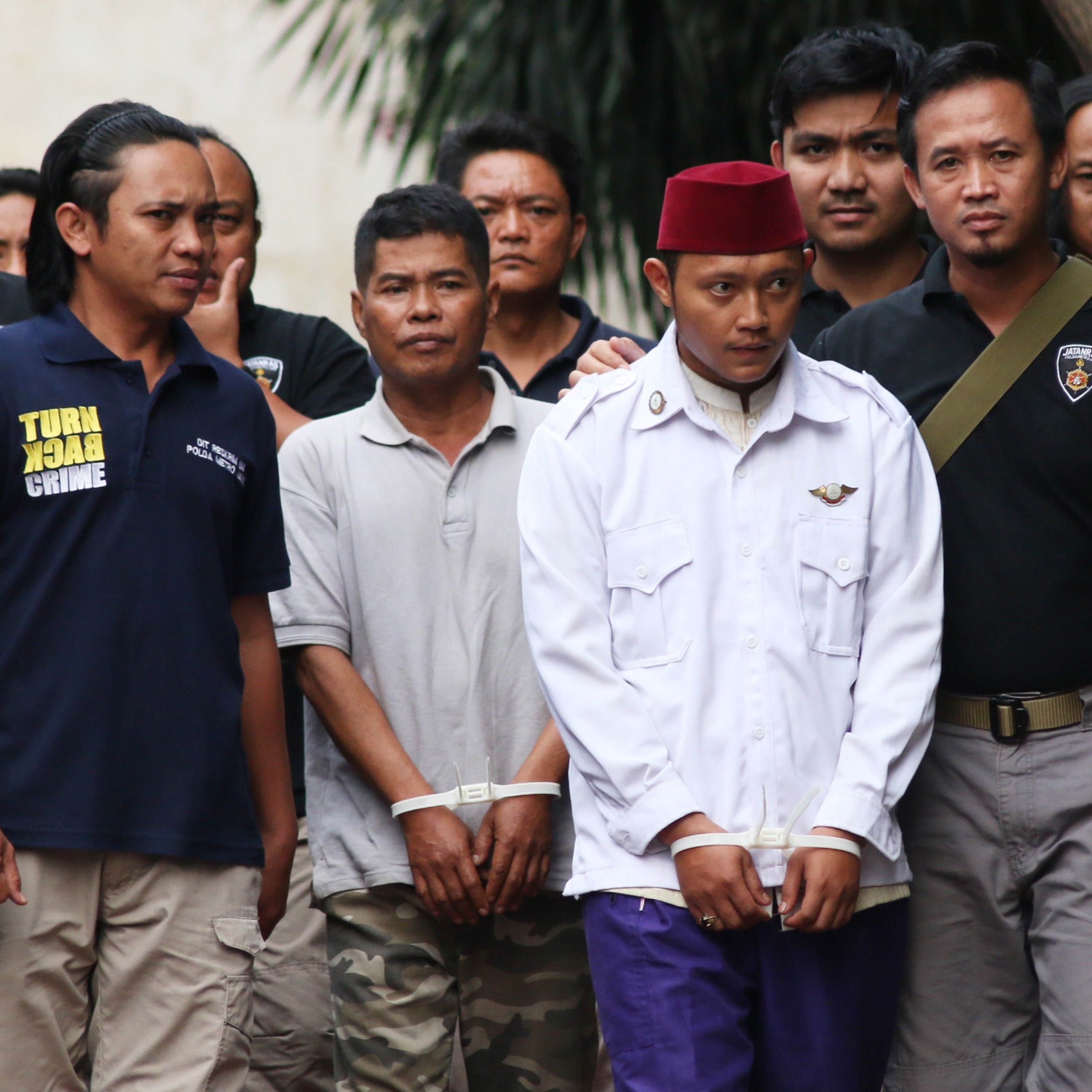
Vigilantism made headlines in Indonesia in 2017 owing to a spate of so-called "persecution" incidents, entailing physical intimidation or violence against online critics of prominent religious figures. But these incidents are just one manifestation of the broader phenomenon of vigilantism, which remains widespread in democratic Indonesia. How pervasive is vigilante violence, and what patterns do we see in its distribution, its perpetrators and its targets? What drives this phenomenon, and how does the state respond when citizens turn to vigilantism? In the final Talking Indonesia episode for 2017, Dr Dave McRae explores these issues with Sana Jaffrey , PhD candidate at the University of Chicago’s Department of Political Science and a visiting fellow at the Center for Study of Religion and Democracy (PUSAD Paramadina). Sana previously led the design and implementation of the National Violence Monitoring System (NVMS) database at the World Bank during 2008-2013. In 2017, the Talking Indonesia podcast is co-hosted by Dr Dave McRae from the University of Melbourne’s Asia Institute, Dr Jemma Purdey from Monash University, Dr Charlotte Setijadi from the ISEAS-Yusof Ishak Institute in Singapore and Dr Dirk Tomsa from La Trobe University. Look out for a new Talking Indonesia podcast every fortnight - the podcast returns in 2018 on Thursday 18 January. Photo credit: Rivan Awal Lingga for Antara Foto
Ricky Gunawan - War on drugs
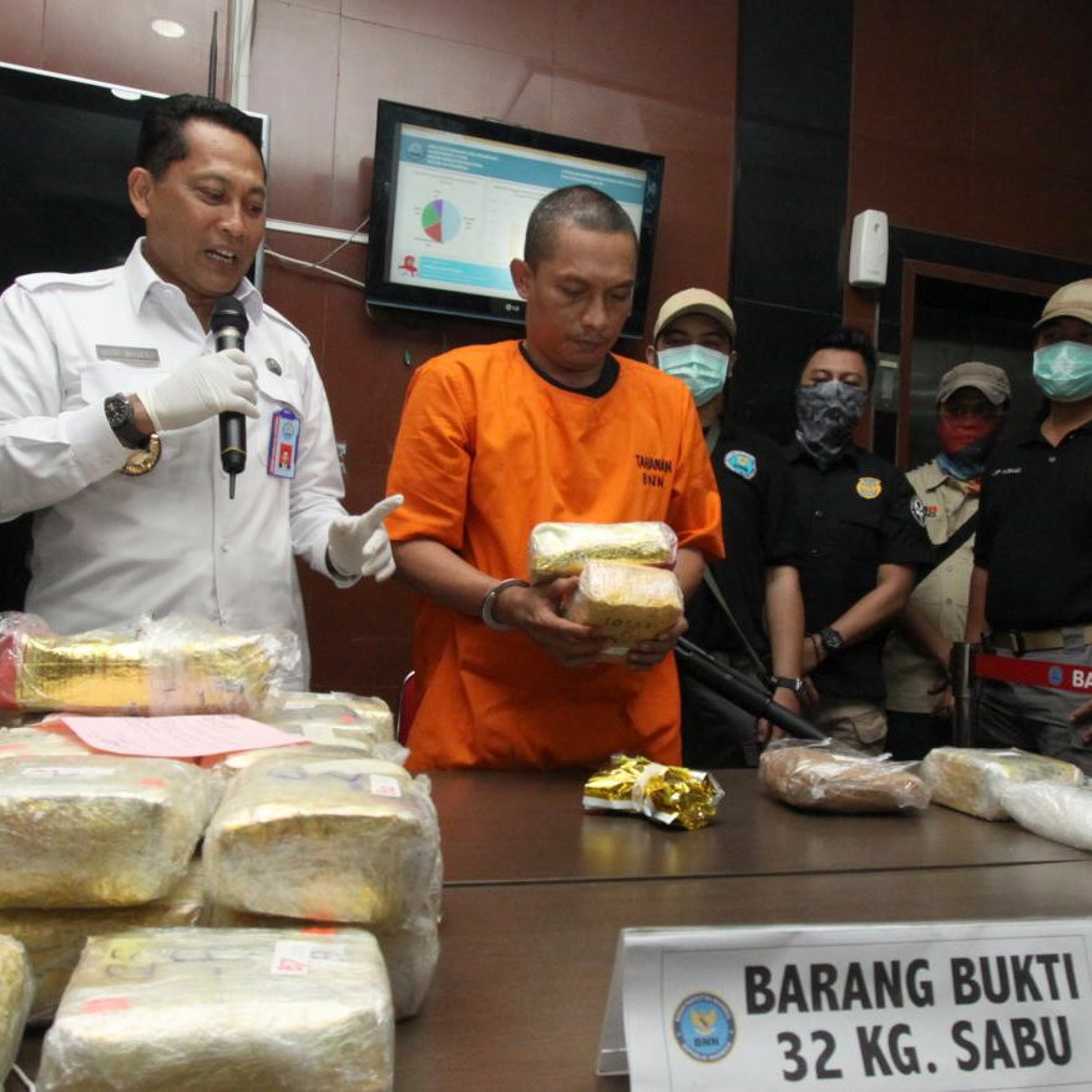
In the shadow of Rodrigo Duterte’s bloody crackdown on drugs, Indonesia has been fighting its own war on drugs. Under President Joko Widodo, executions for drug traffickers were resumed and, more recently, researchers have recorded a growing number of fatal police shootings of drug suspects. As in the Philippines, the government’s hard-line stance toward drugs has broad public support, which makes it difficult for proponents of a more humane drug policy to provide effective counter-narratives. So what prompted Jokowi to declare a drug emergency in Indonesia? Have his hard-line policies achieved their intended results? And what is the future for drug policy in Indonesia? In this week’s Talking Indonesia podcast, Dr Dirk Tomsa discusses these issues with Ricky Gunawan, a human rights lawyer and director of LBH Masyarakat, the Community Legal Aid Institute in Jakarta. Photo: Reno Esnir for Antara Foto
Dr Djayadi Hanan - Jokowi at Three Years
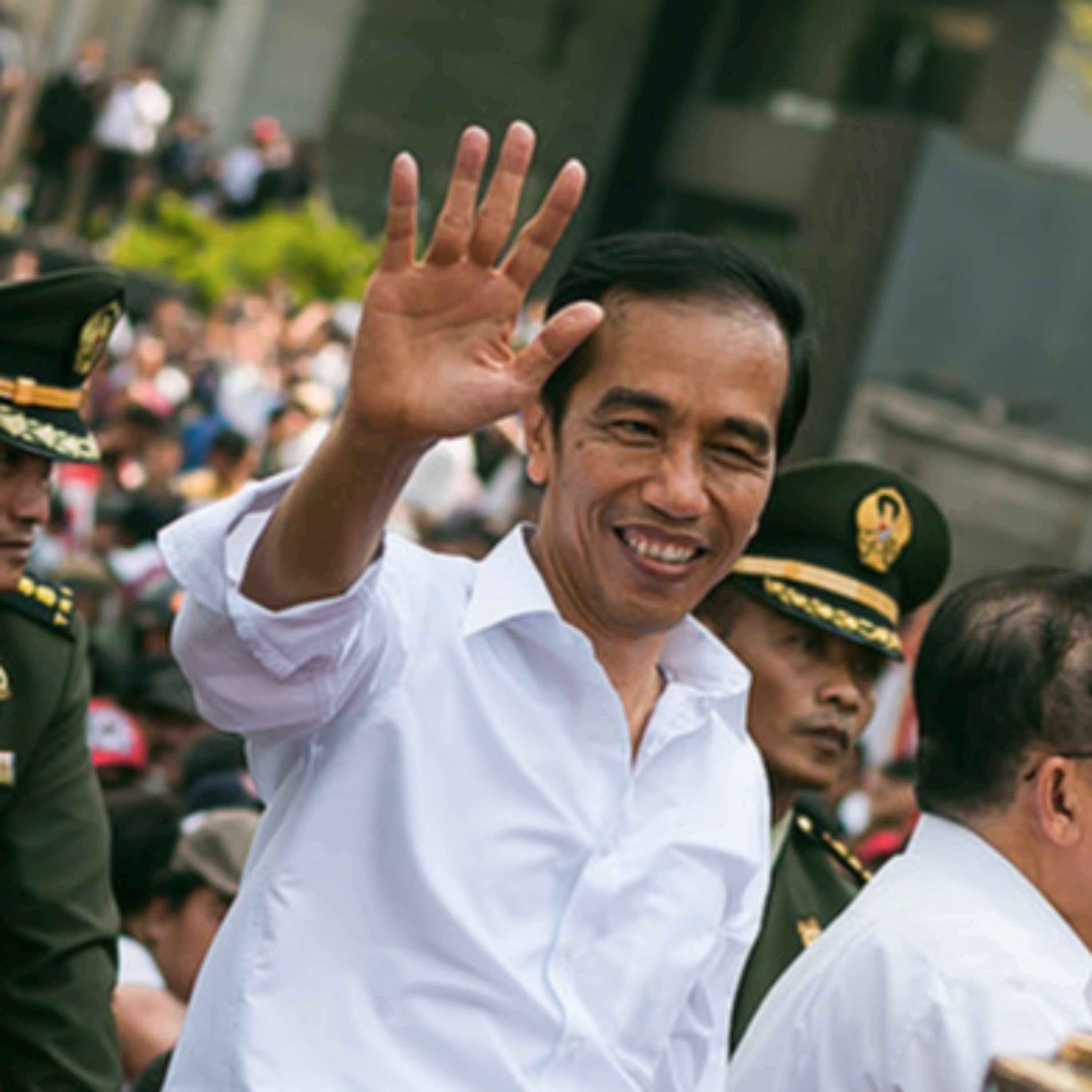
October 2017 marked three years since President Joko ‘Jokowi’ Widodo came to power. Elected in 2014 as a symbol of hope for Indonesia’s progressives, Jokowi won support with lofty promises of infrastructure building, better governance, improved welfare, and economic growth, among others. As Indonesia gears up for another round of important elections, the time is right to assess Jokowi’s leadership. Has he lived up to expectations and campaign promises? How does the Indonesian public view his presidency so far? What issues matter to them when determining who to vote for in the next presidential election? Dr Charlotte Setijadi discusses these questions with Dr Djayadi Hanan, lecturer in political science at Paramadina University in Jakarta and executive director of Saiful Mujani Research and Consulting (SMRC), a leading political research and polling institute.
Dr Diego Fossati - Political Islam and Political Attitudes
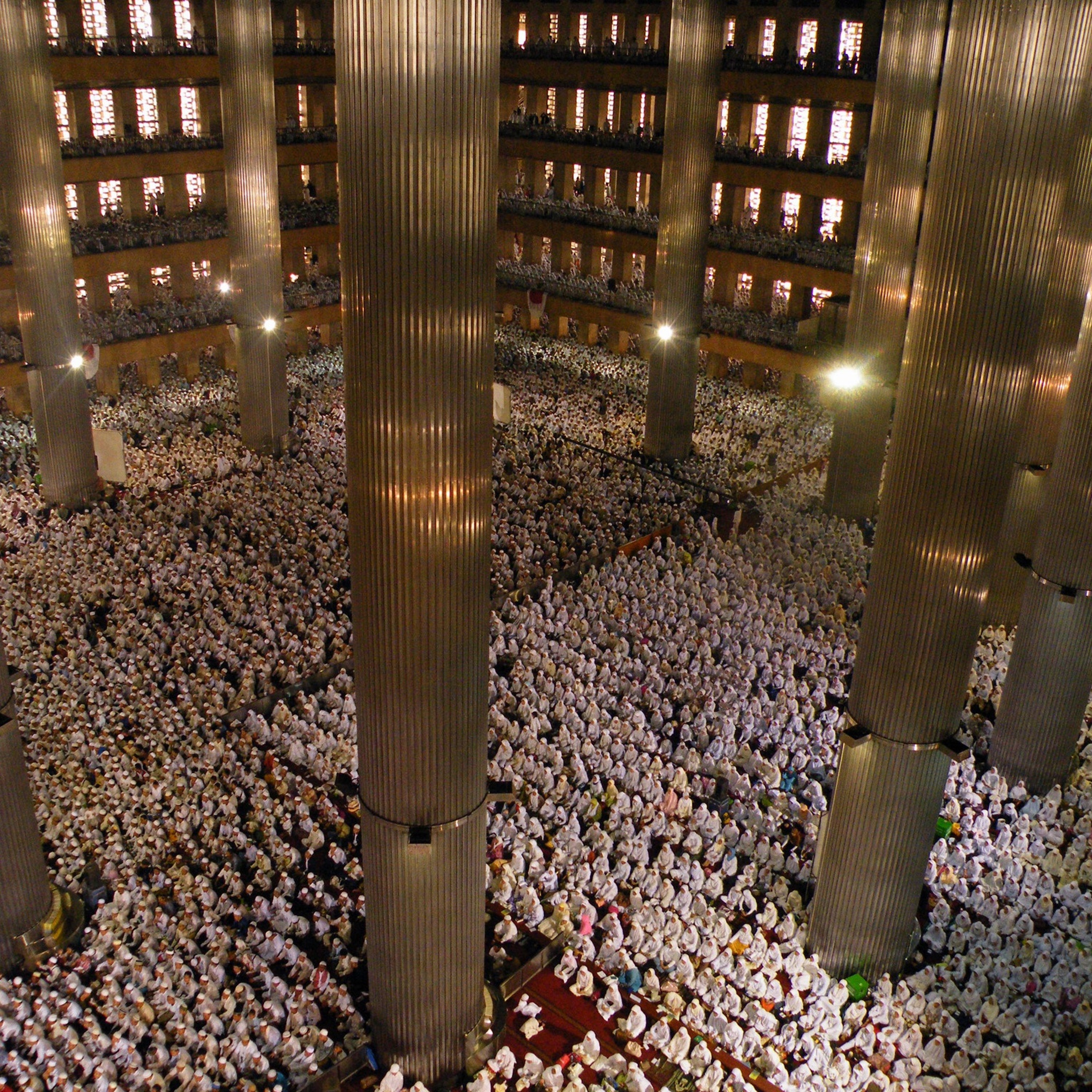
How does support for political Islam correlate with other political attitudes in Indonesia, such as support for decentralisation, choice of a political party, anti-Chinese sentiment, and so forth? How have the correlations between support for political Islam and other political attitudes manifested in the actual political behaviour of Indonesians, and what implications might they bear for forthcoming elections in Indonesia over the next two years? Dr Dave McRae explores these issues with Dr Diego Fossati, research fellow at the Griffith Asia Institute, author of the recent paper, Support for Decentralization and Political Islam Go Together in Indonesia. The paper is based on the Indonesian National Survey Project fielded in May 2017 by the ISEAS - Yusof Ishak Institute, where Diego is also an associate fellow. In 2017, the Talking Indonesia podcast is co-hosted by Dr Dave McRae from the University of Melbourne’s Asia Institute, Dr Jemma Purdey from Monash University, Dr Charlotte Setijadi from the ISEAS-Yusof Ishak Institute in Singapore and Dr Dirk Tomsa from La Trobe University. Photo Credit: Flickr user fra_avo under CC BY-NC-ND 2.0 license
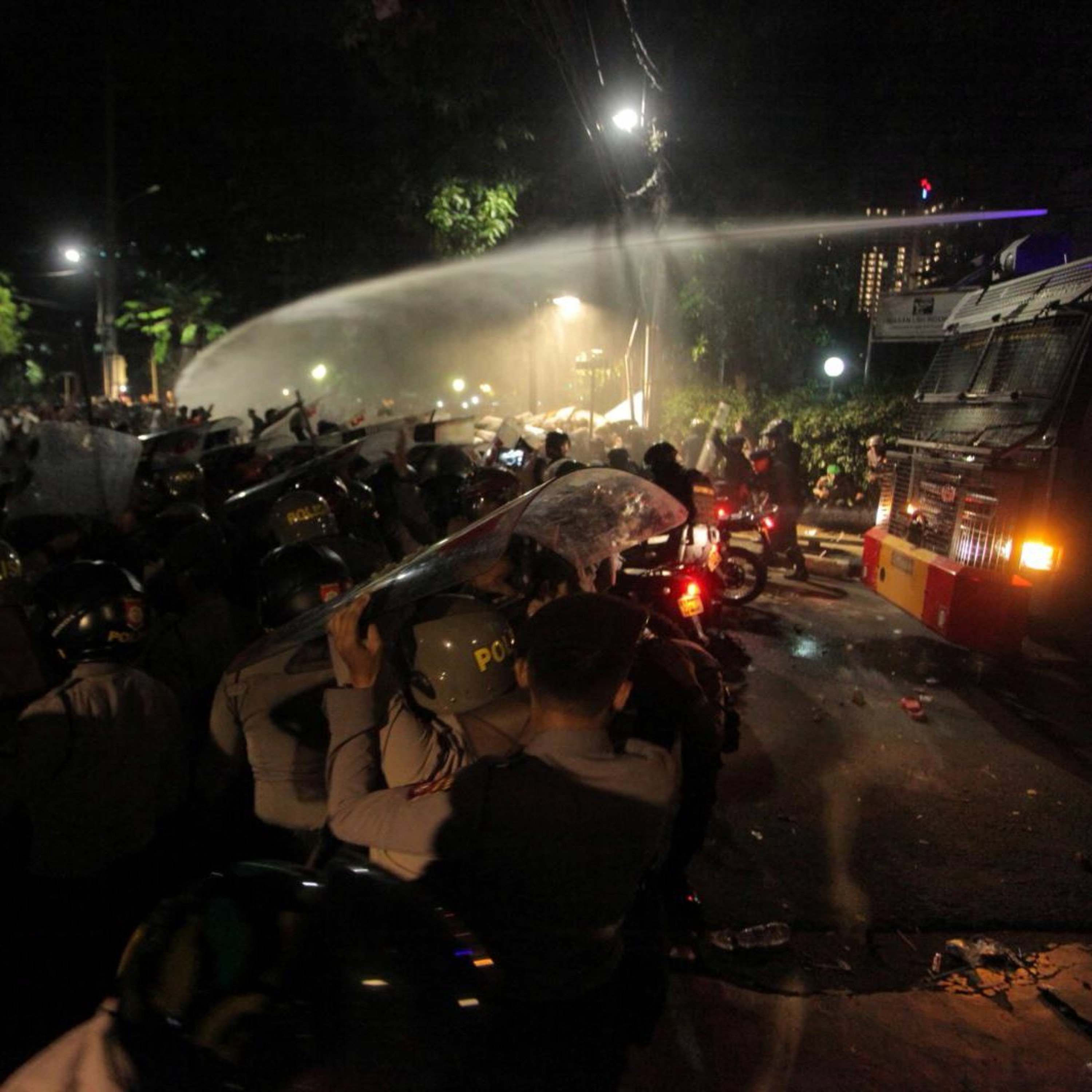
Prof Todung Mulya Lubis - Democracy In Peril?
Last month protesters disrupted a meeting at the offices of the Jakarta Legal Aid Foundation (LBH Jakarta)and its national umbrella body, the Indonesian Legal Aid Foundation (YLBHI). In what was a first for the NGO, police did not initially prevent the protesters from blocking meeting, an academic discussion on 1965-66. What does this attack signal for human rights and civil society in Indonesia? Is democracy in peril? In this week's podcast, host Dr Jemma Purdey explores these questions with leading human rights lawyer Todung Mulya Lubis. Photo: Muhammad Adimaja for Antara

Yosep Anggi Noen - Human Rights On Film
In 2016, Tempo magazine named Istirahatlah Kata-Kata (Solo, Solitude) its film of the year. The arthouse film attracted acclaim at festivals around the world, and played to packed houses in cinemas across Indonesia. Since its release, it has sparked discussion, especially among younger audiences, about its subject, poet and activist Widji Thukul, and the mystery still surrounding his disappearance in the last weeks of the New Order. The film raises more questions that it answers about Widji’s disappearance and about the unresolved cases of human rights violations from this period in Indonesia. What has been the response to this film in Indonesia? How can storytelling about the past through film provide new opportunities for dealing with histories that remain obscured? In this week's podcast, host Dr Jemma Purdey explores these questions with the film's director, Yosep Angi Noen.
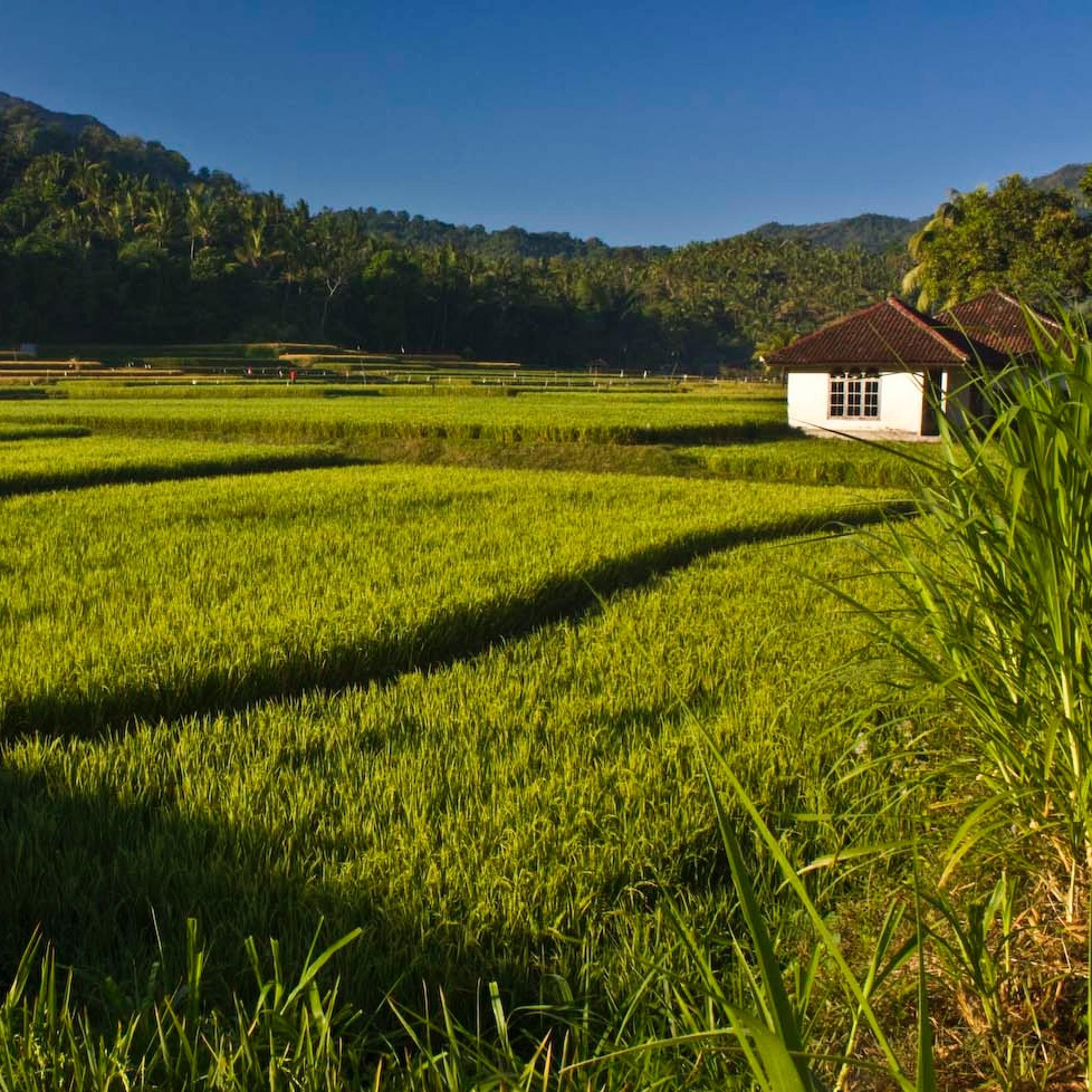
Dr Jeff Neilson - Food Sovereignty
In the midst of growing nationalism, the notion of 'food sovereignty' has come to occupy an increasingly prominent place in food policy within Indonesia. But what does food sovereignty mean, and is it being used within Indonesia in similar ways to which it is understood globally? How effective are food sovereignty policies in enabling Indonesia to tackle the considerable challenge of ensuring all of its citizens have access to sufficient food, and is it possible the government might adopt an alternative approach? Dr Dave McRae explores these issues with Dr Jeff Neilson is a senior lecturer in Geography at the University of Sydney and Indonesian coordinator of the Sydney Southeast Asia Centre. With Josephine Wright, Jeff co-authored a recent paper on food sovereignty, 'The state and food security discourses of Indonesia: feeding the bangsa' - he will have a chapter on the same topic in the forthcoming proceedings from this year's ANU Indonesia Update conference. In 2017, the Talking Indonesia podcast is co-hosted by Dr Dave McRae from the University of Melbourne’s Asia Institute, Dr Jemma Purdey from Monash University, Dr Charlotte Setijadi from the ISEAS-Yusof Ishak Institute in Singapore and Dr Dirk Tomsa from La Trobe University. Photo Credit: Flickr user wahyu widhi w under CC BY-NC 2.0 license
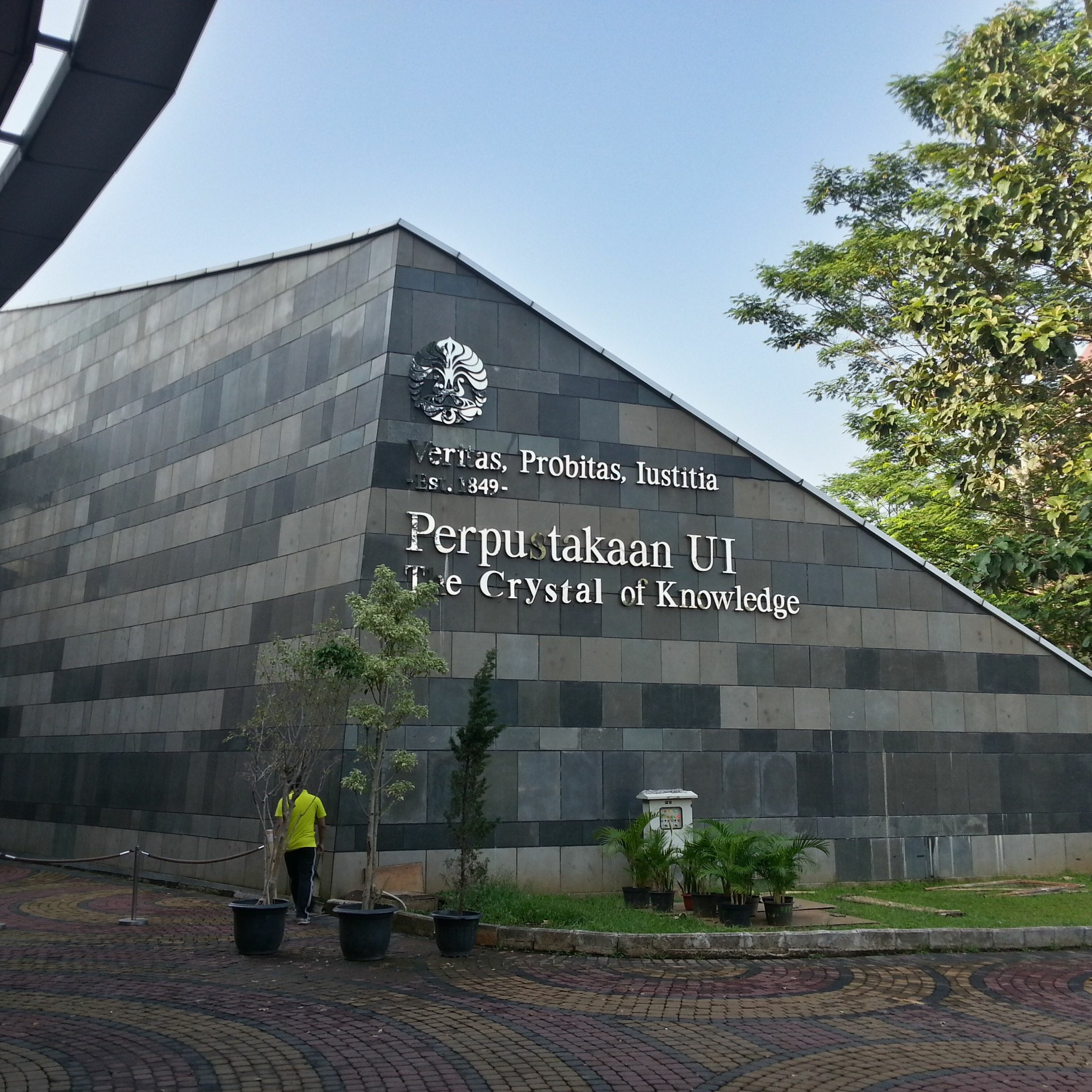
Prof Andrew Rosser: Higher Education
Indonesia’s tertiary education institutions have long performed poorly in global university rankings. Among the various deficits that are routinely recorded for Indonesian universities are low teaching and research quality, inadequate levels of knowledge transfer and a lacking international outlook. The Indonesian government has repeatedly expressed its concern about the dismal results in the rankings, but despite a number of initiatives to transform the country’s leading universities into world class institutions, the higher education sector remains riddled with problems. Why do Indonesian universities struggle to deliver better academic programs? What reforms have been attempted and why have they failed? Who are the actors and organizations involved in the politics of higher education in Indonesia? In this week’s Talking Indonesia podcast, Dr Dirk Tomsa discusses these issues with Professor Andrew Rosser, Professor of Southeast Asian Studies at the University of Melbourne’s Asia Institute. In 2017, the Talking Indonesia podcast is co-hosted by Dr Dave McRae from the University of Melbourne’s Asia Institute, Dr Jemma Purdey from Monash University, Dr Charlotte Setijadi from the ISEAS-Yusof Ishak Institute in Singapore and Dr Dirk Tomsa from La Trobe University. Photo by Mohamad Sani on flickr
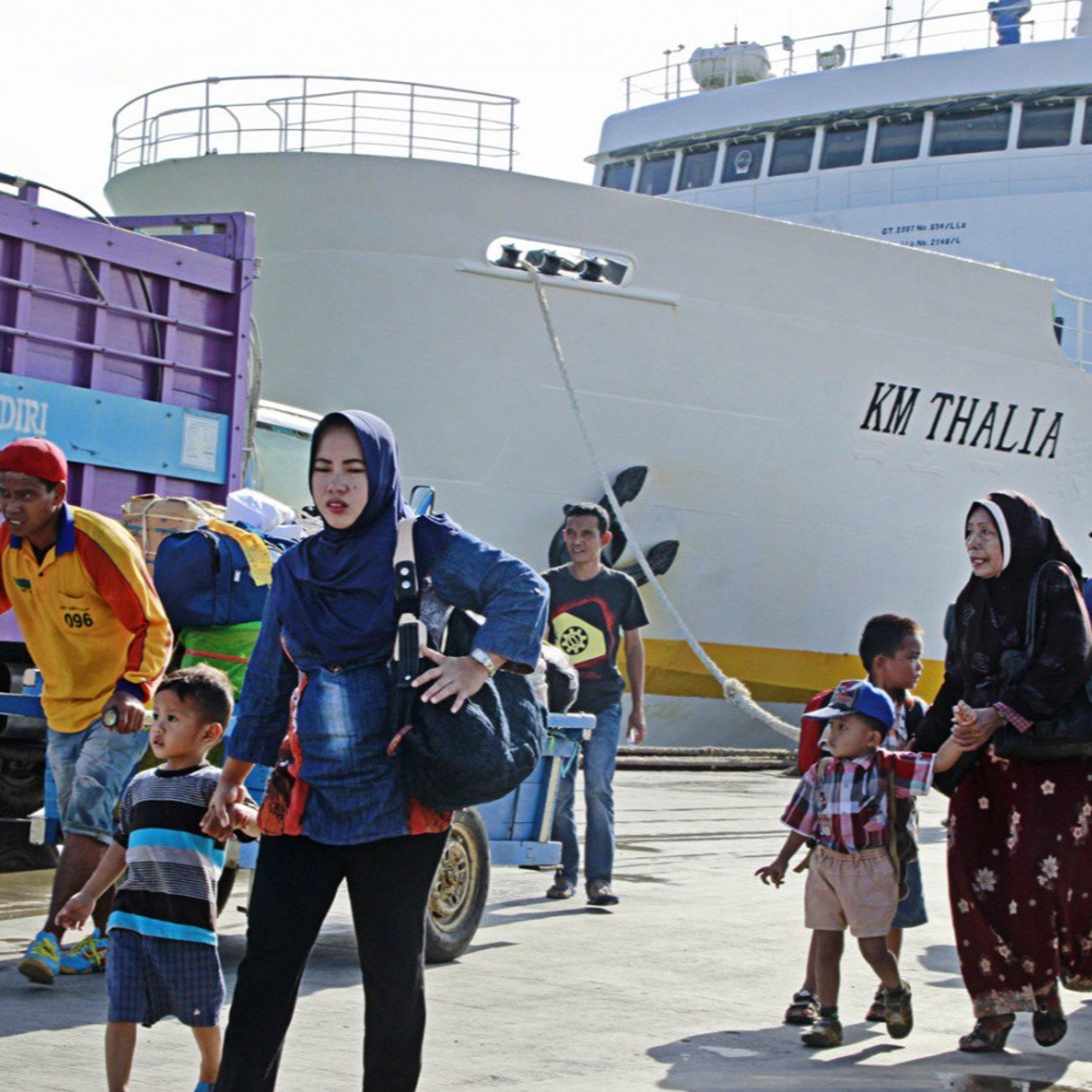
Dr Wayne Palmer - Migrant Workers
The vast number of Indonesian migrant workers working abroad have long been a prominent feature of Indonesia's labour market. Indonesian government policy on migrant workers tends to come into the public spotlight primarily when cases of maltreatment and abuse towards these workers emerge, not infrequently spurring the government to impose moratoriums on departures to particular countries and regions. For its part, the Jokowi government has voiced an aspiration to halt the departure of domestic workers abroad altogether. But what have been the Indonesian government's longer term policy objectives surrounding migrant workers? How has the government sought to manage the flow of its citizens seeking employment overseas? What effect do these various bans and moratoriums have on the flow of migrant workers? In this week’s Talking Indonesia podcast, Dr Dave McRae explores these issues with Dr Wayne Palmer, lecturer in the Department of International Relations at Bina Nusantara University, and author of Indonesia's Overseas Labour Migration Programme, 1969-2010. In 2017, the Talking Indonesia podcast is co-hosted by Dr Dave McRae from the University of Melbourne’s Asia Institute, Dr Jemma Purdey from Monash University, Dr Charlotte Setijadi from the ISEAS-Yusof Ishak Institute in Singapore and Dr Dirk Tomsa from La Trobe University. Photo Credit: M Rusman for Antara Foto
Merlyna Lim - Social Media, Politics and the ‘Freedom to Hate’
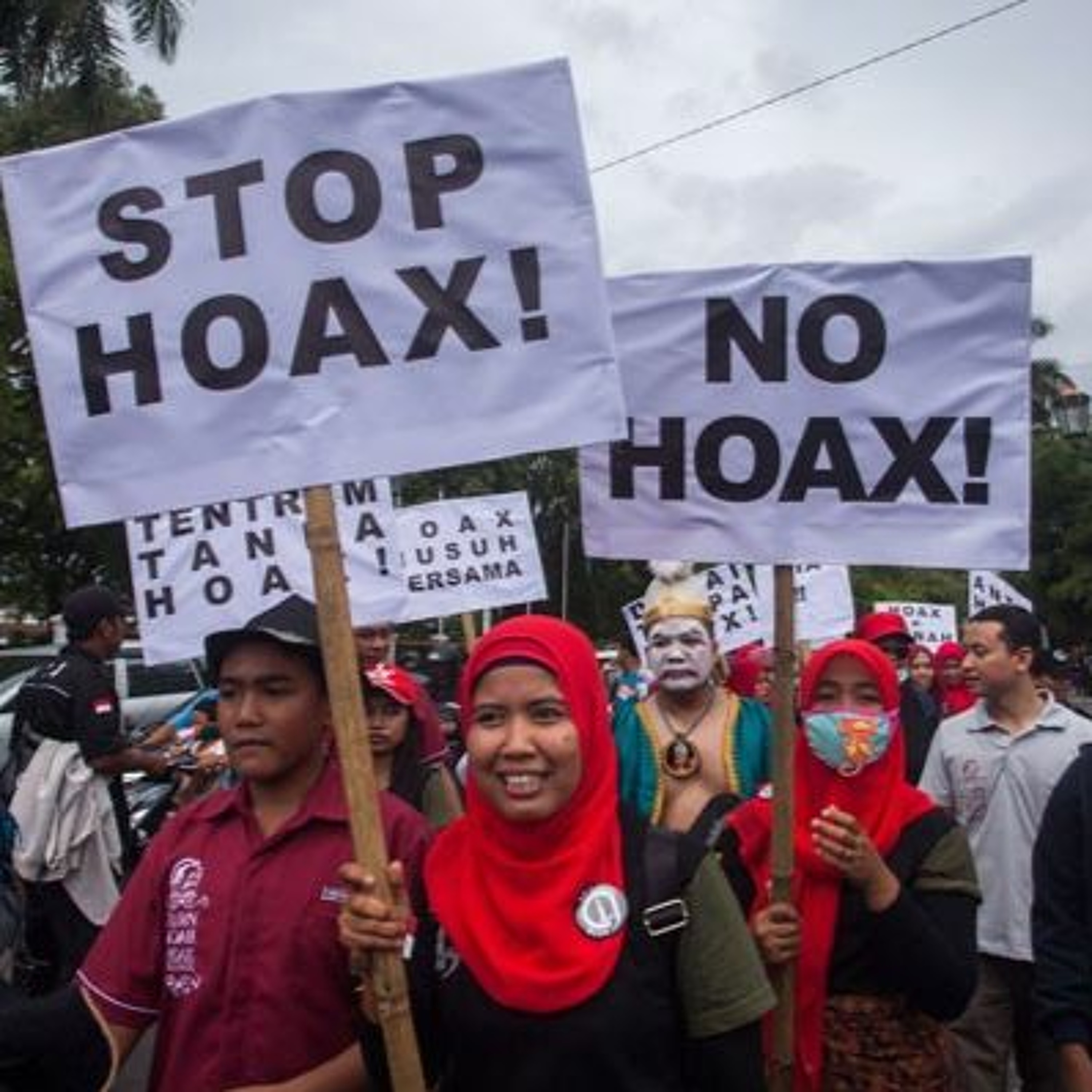
The Jakarta gubernatorial election, held earlier this year, was perhaps the most divisive and bitterly fought campaign seen in modern Indonesian politics. Social media and the internet played a large role in the campaign, which was characterised by racism and sectarianism. But how much can we blame the internet for the bitterness of the campaign and how much is it explained by Indonesia’s conservative turn more generally? How did technology impact on this election? Are we seeing a new platform for organisation and political activism in Indonesia, based on a freedom to hate? In this week's podcast, Dr Jemma Purdey explores these questions with Associate Professor Merlyna Lim from Carleton University, Ottawa, Canada. Image: Andreas Atmoko for Antara.
Dr Arif Havas Oegroseno - Indonesia as a Maritime Power
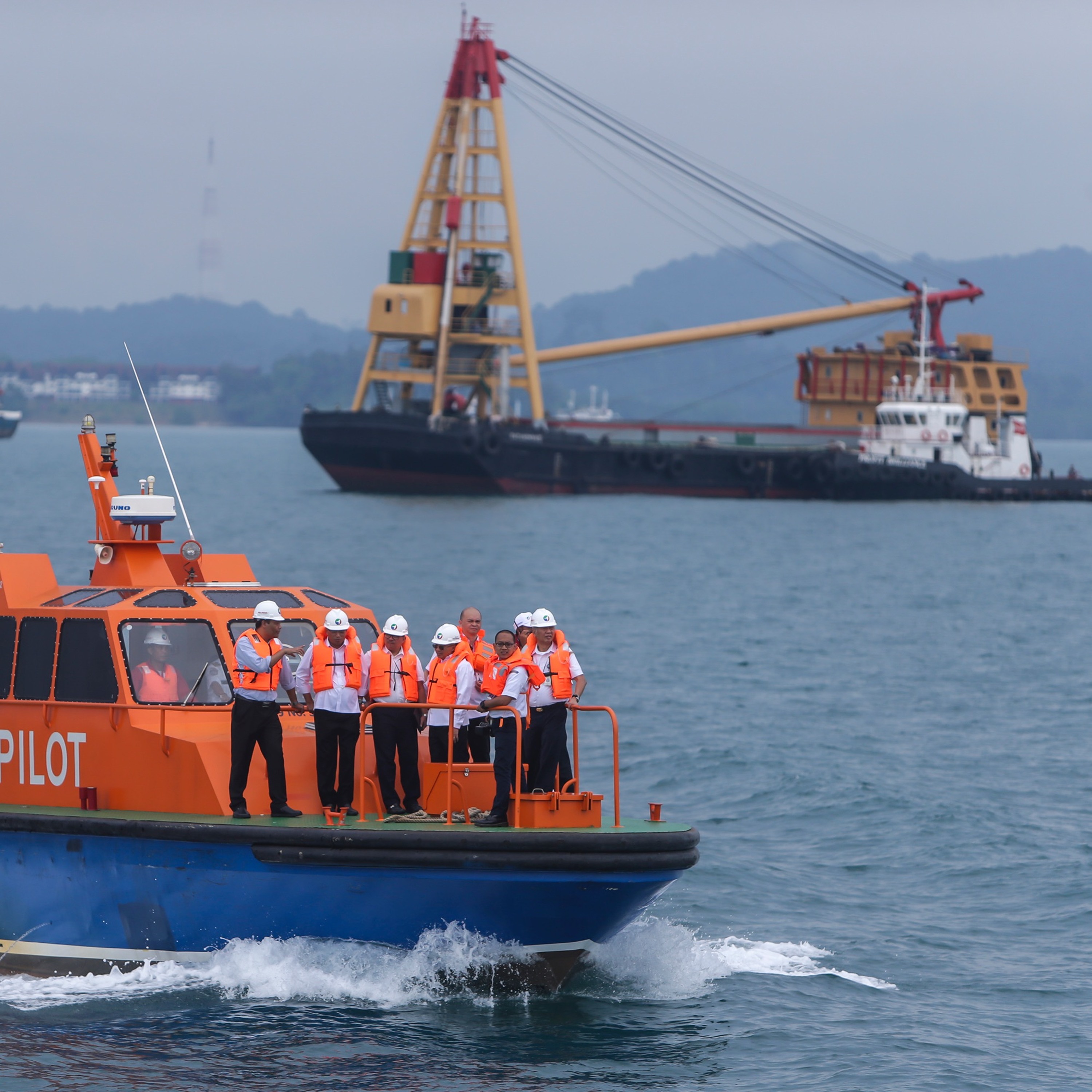
In line with Indonesian President Joko Widodo's vision to establish Indonesia as a global maritime fulcrum, Indonesia in February this year issued its first National Ocean Policy. Drafting of the policy was overseen by the Coordinating Ministry for Maritime Affairs, newly formed as part of the Jokowi administration, which in July also launched a new map of Indonesia that alters some of Indonesia's maritime boundaries, and renames part of the area of the South China Sea that Indonesia claims as its exclusive economic zone as the North Natuna Sea. What is the significance of this map and the renaming of this sea area? What are the elements of Indonesia's maritime vision, and how is it attempting to realise this vision? In this week’s Talking Indonesia podcast, Dr Dave McRae explores these issues with Dr Arif Havas Oegroseno, Deputy Coordinating Minister for Maritime Sovereignty in Indonesia's Coordinating Ministry for Maritime Affairs. In 2017, the Talking Indonesia podcast is co-hosted by Dr Dave McRae from the University of Melbourne’s Asia Institute, Dr Jemma Purdey from Monash University, Dr Charlotte Setijadi from the ISEAS-Yusof Ishak Institute in Singapore and Dr Dirk Tomsa from La Trobe University. Photo credit: M N Kanwa for Antara
Deasy Simandjuntak - Attacks on the Corruption Eradication Commission (KPK)
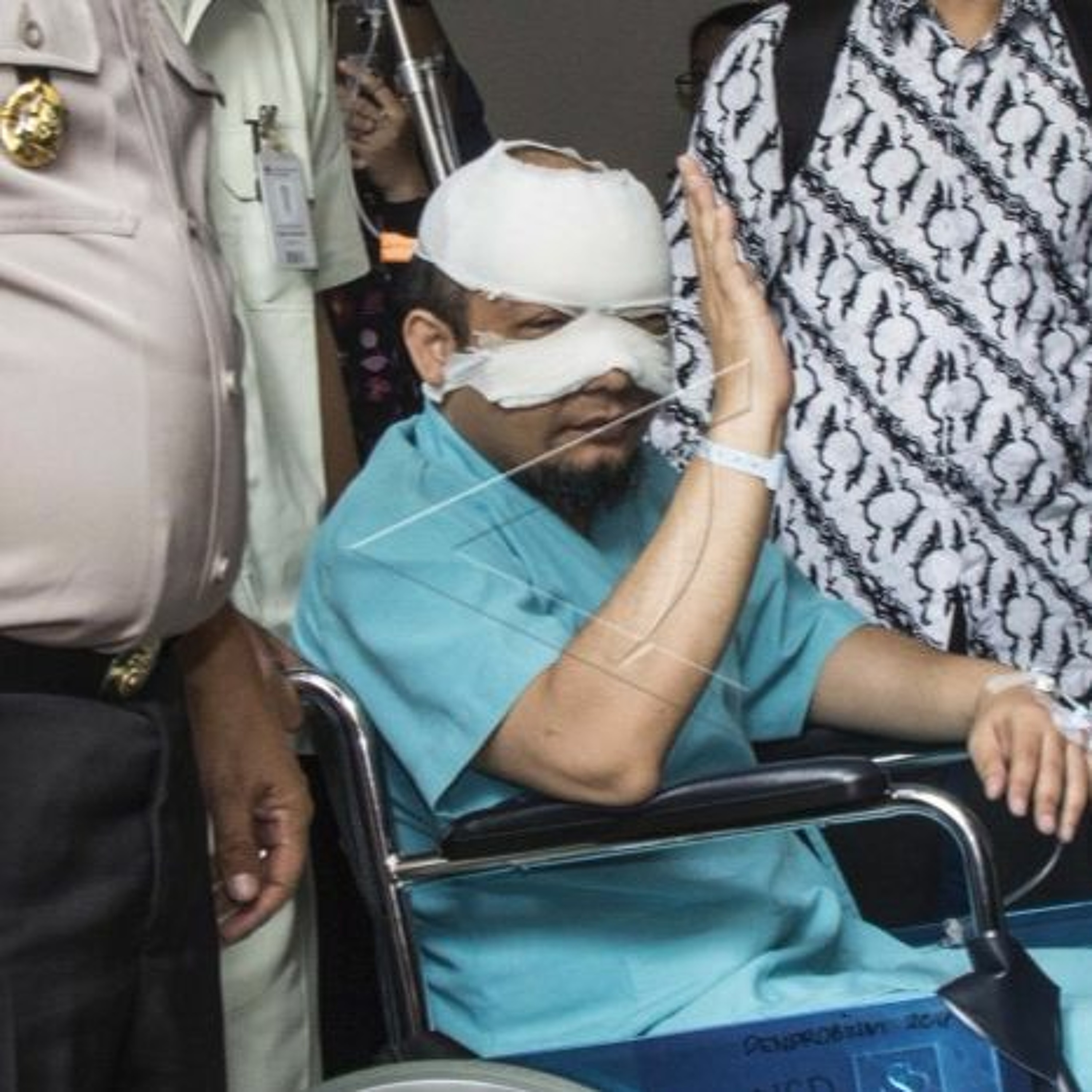
Jemma Purdey talks with Deasy Simandjuntak about the latest challenge to the independence and authority of Indonesia's Corruption Eradication Commission (KPK), this time from the House of Representatives (DPR),which has initiated an inquiry into the institution. What triggered the inquiry? What are the implications for the KPK? Talking Indonesia, co-hosted in 2017 by Dr Dave McRae, Dr Jemma Purdey, Dr Charlotte Setijadi and Dr Dirk Tomsa, presents extended interviews each fortnight with experts on Indonesian politics, foreign policy, culture, language and more. Find all the Talking Indonesia episodes and more at the Indonesia At Melbourne blog. Photo by Aprillio Akbar for Antara.
Dr Rita Padawangi - Urban Villages and Activism
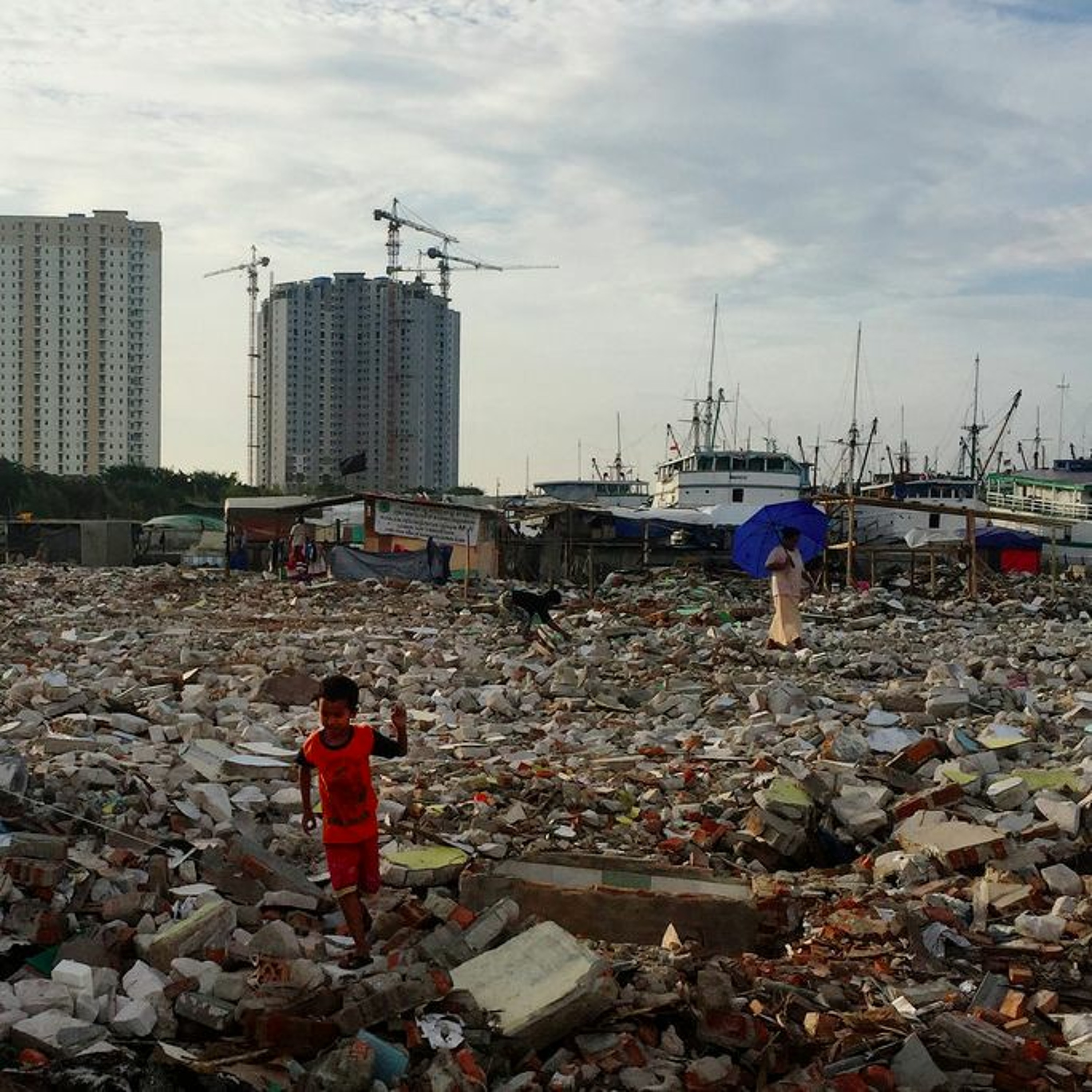
Jakarta’s urban village (kampung) communities have received considerable attention in the last few months amid the hotly contested Jakarta gubernatorial election. While most of the election coverage focused on race and religious issues, former Governor Basuki 'Ahok' Tjahaja Purnama’s track record of forced evictions of kampungs along Jakarta’s riverbanks also stirred much controversy. Kampung residents and activist groups condemn these evictions as unlawful and undemocratic. Yet many Jakartans argue that evictions are necessary measures to fix the city’s notorious traffic gridlocks and seasonal flooding. Is there a middle ground? Can Jakarta’s kampungs co-exist with residential, infrastructure, and commercial projects planned for the city? Dr Charlotte Setijadi discusses these issues with Dr Rita Padawangi, Senior Lecturer at Singapore University of Social Sciences. Rita is a passionate researcher and proponent of participatory urban development, and has worked with kampung communities in Jakarta to get the government to engage in more dialogue with kampung residents in urban planning. Image by Chris Bentley on Flickr.
Dirk Tomsa - Wildlife Trafficking and Conservation
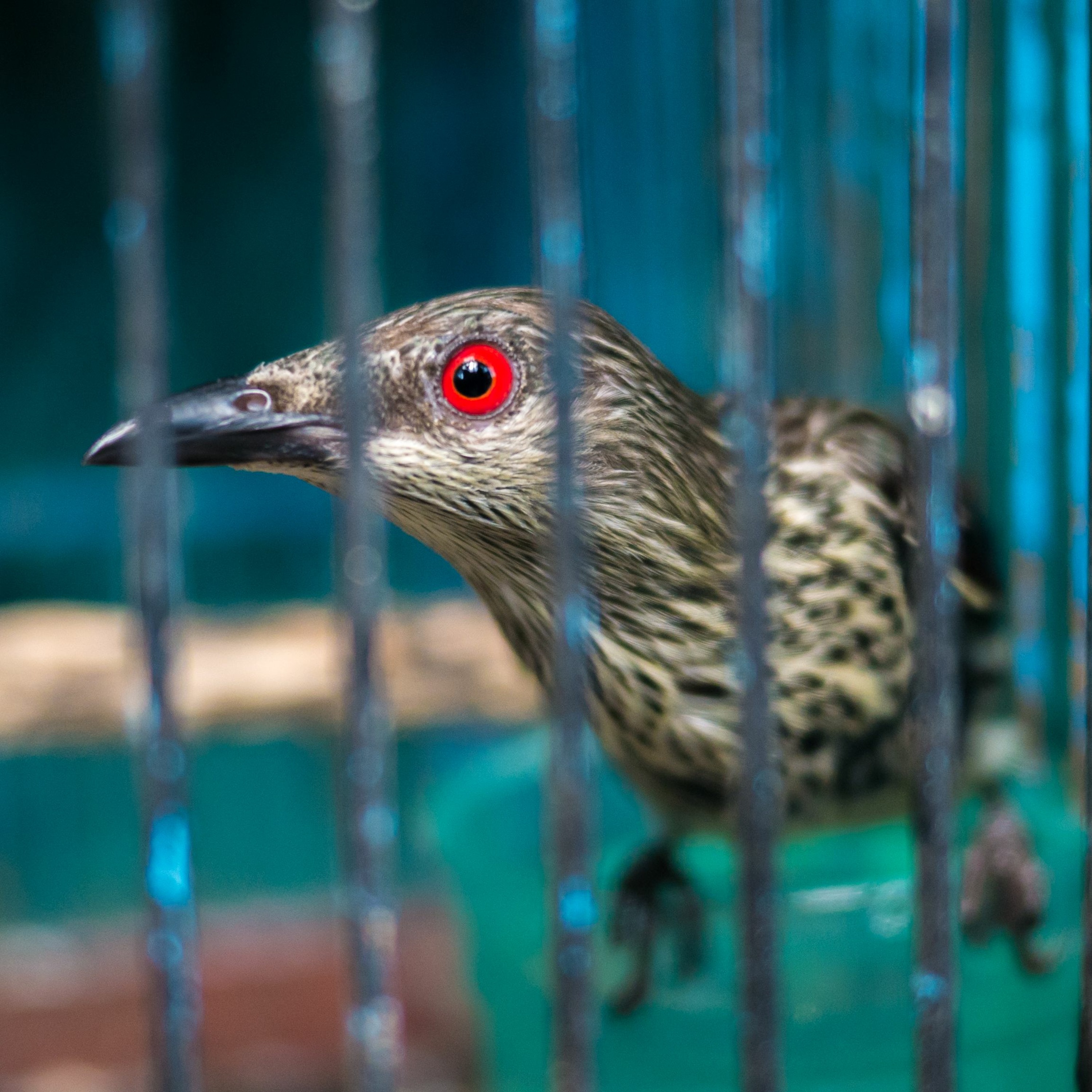
Wildlife trafficking is thought to be the third largest illegal trade after drugs and weapons. As a global hot spot for this illicit trade, Indonesia is not only a source country for the rapidly growing international market, but it is also home to a huge domestic market, especially for songbirds. In recent years, the volume in trafficking has risen dramatically and for many of the archipelago’s endangered species, poaching is now as big a threat as habitat loss. Why has wildlife trafficking reached such enormous proportions in Indonesia? Who and what are the main drivers of the trade? And what initiatives exist to combat wildlife trafficking and enhance conservation efforts? In this week’s Talking Indonesia podcast, Dr Dirk Tomsa discusses these issues with Eleanor Paish, a zoologist and filmmaker from the University of West England, and Adam Miller, executive director and founder of Planet Indonesia, an NGO working on conservation issues in Indonesia. Talking Indonesia, co-hosted in 2017 by Dr Dave McRae, Dr Jemma Purdey, Dr Charlotte Setijadi and Dr Dirk Tomsa, presents extended interviews each fortnight with experts on Indonesian politics, foreign policy, culture, language and more. Find all the Talking Indonesia episodes and more at the Indonesia at Melbourne blog. Photo credit: Eleanor Paish

Devi Asmarani - Feminism Online
We continue our conversation about the state of women’s activism in Indonesia in the midst of a conservative turn that has seen a particular focus on women’s bodies and non-traditional sexualities. In this podcast we explore the ways in which issues important to women, including sexuality and religion, are being shared and communicated beyond the conventional media. How has digital media created spaces for a diversity of views written by and for Indonesians? What does an Indonesian ‘feminist’ publication look like? How many 'hits' can an article on 'to wear or not to wear' the hijab possibly get? In this week’s podcast, Dr Jemma Purdey explores these questions with Devi Asmarani, chief editor of the online magazine Magdalene, which publishes under the tagline "a slanted guide to women’s issues" and calls itself a feminist publication. Magdalene publishes in both English and Indonesian and has a growing readership inside and outside Indonesia. Image by Adhitya Pattisahusiwa courtesy of Magdalene.
Sidney Jones - Banning Extremist Groups
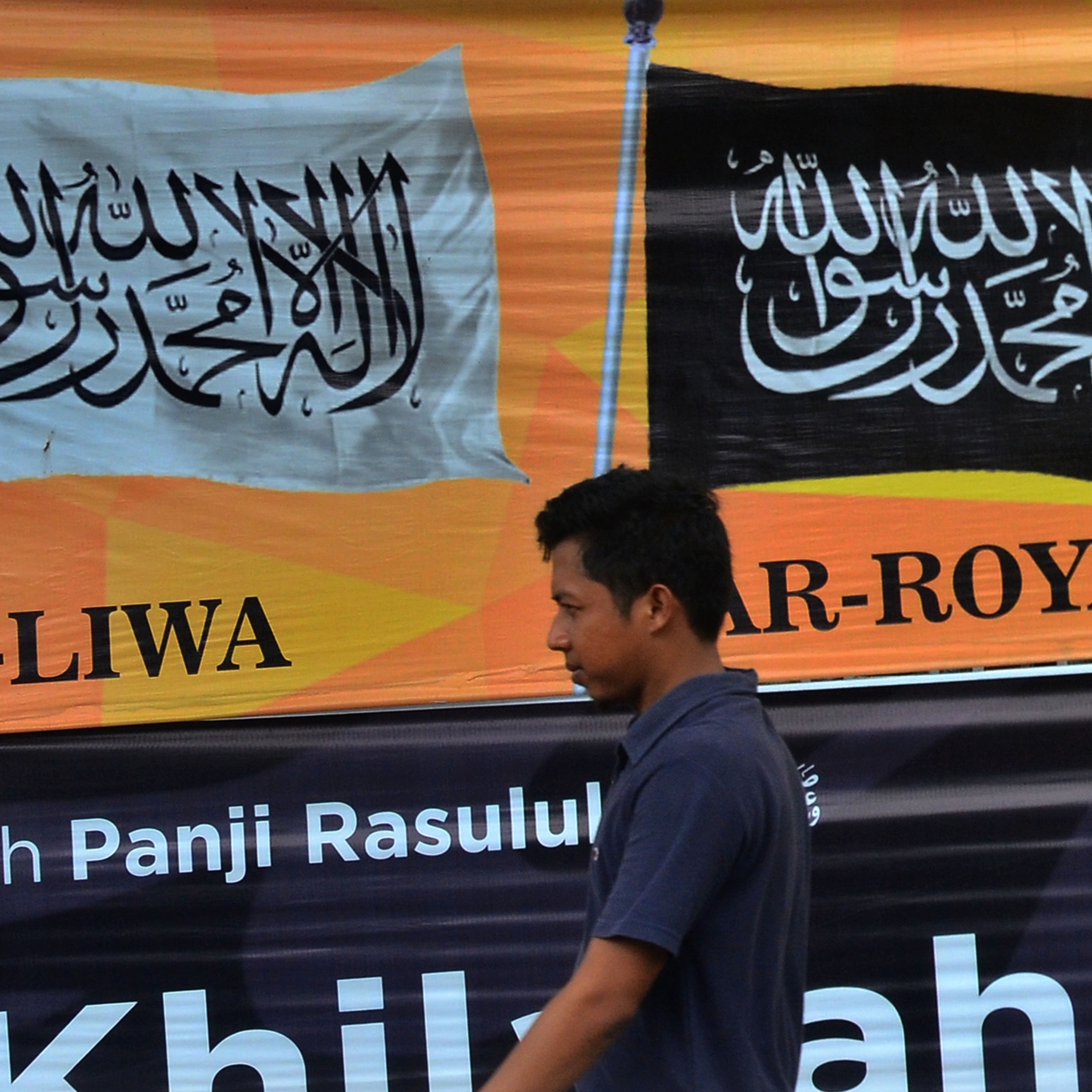
In May, the Indonesian government announced it would ban the Indonesian branch of Hizbut Tahrir, an Islamist organisation which seeks to replace democratic governments with an Islamic caliphate through non-violent means. Indonesia is not the first democracy to consider a ban of Hizbut Tahrir - the organisation has been banned from public activities in Germany, and Great Britain and Australia, amongst others, have considered proscribing the organisation without ultimately doing so. Banning an extremist organisation is a rare step for the Indonesian government, however, which has generally resisted such calls even for violent groups. What has spurred the government to attempt to ban Hizbut Tahrir, what would be the likely impact of such a ban, and what are the challenges for the Indonesian government in regulating extremist speech and ideology? In this week’s Talking Indonesia podcast, Dr Dave McRae explores these issues with Sidney Jones, director of the Institute for the Policy Analysis of Conflict (IPAC), a world-leading expert on extremism in Indonesia. Talking Indonesia, co-hosted in 2017 by Dr Dave McRae, Dr Jemma Purdey, Dr Charlotte Setijadi and Dr Dirk Tomsa, presents extended interviews each fortnight with experts on Indonesian politics, foreign policy, culture, language and more. Find all the Talking Indonesia episodes and more at the Indonesia At Melbourne blog. Photo Credit: Adeng Bustomi for Antara Foto
Farah Wardani - Archiving Indonesian Art
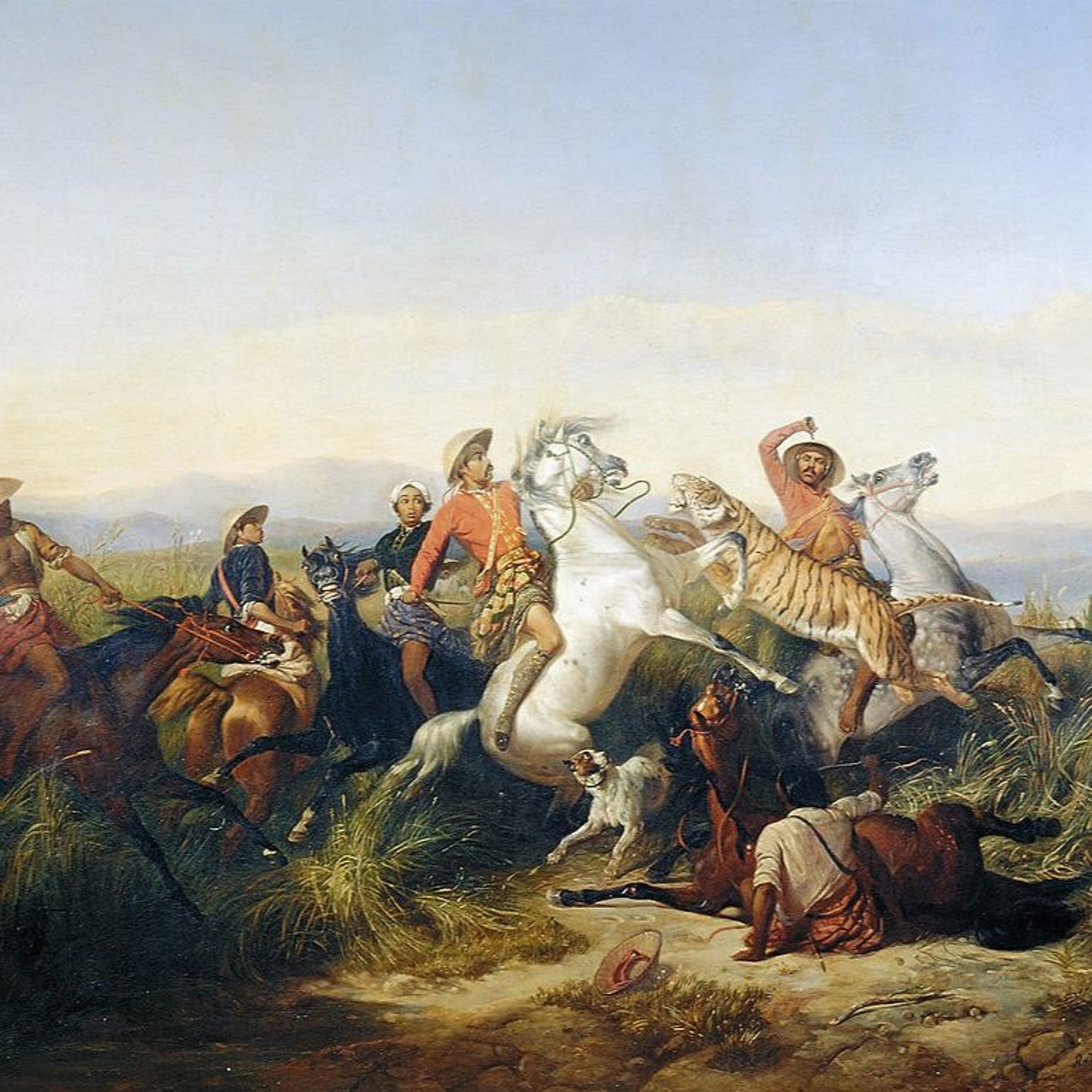
The past decade has seen increased global interest in Indonesian art and along with it, interest in the long-neglected field of Indonesian art history. Until quite recently, art history resources were limited, particularly relating to lesser known artists and works produced during tumultuous periods. Today, institutions like the Indonesian Visual Arts Archive (IVAA) in Yogyakarta are doing their best to fill these gaps by building art archives and making them accessible to the public. But much work still needs to be done in cataloguing Indonesia’s extensive collection of old and new art. What are the main challenges faced by those who are trying to build Indonesia’s art archives? What is the relevance of art history to contemporary Indonesian society? Dr Charlotte Setijadi discusses these issues with Farah Wardani, art historian, curator, author, and assistant director in charge of archives at the National Gallery of Singapore (NGS). Before joining NGS in 2015, Farah was the executive director of IVAA, the first institution dedicated to archiving contemporary Indonesian art.
Dr Intan Paramaditha - Women, Gender and Activism
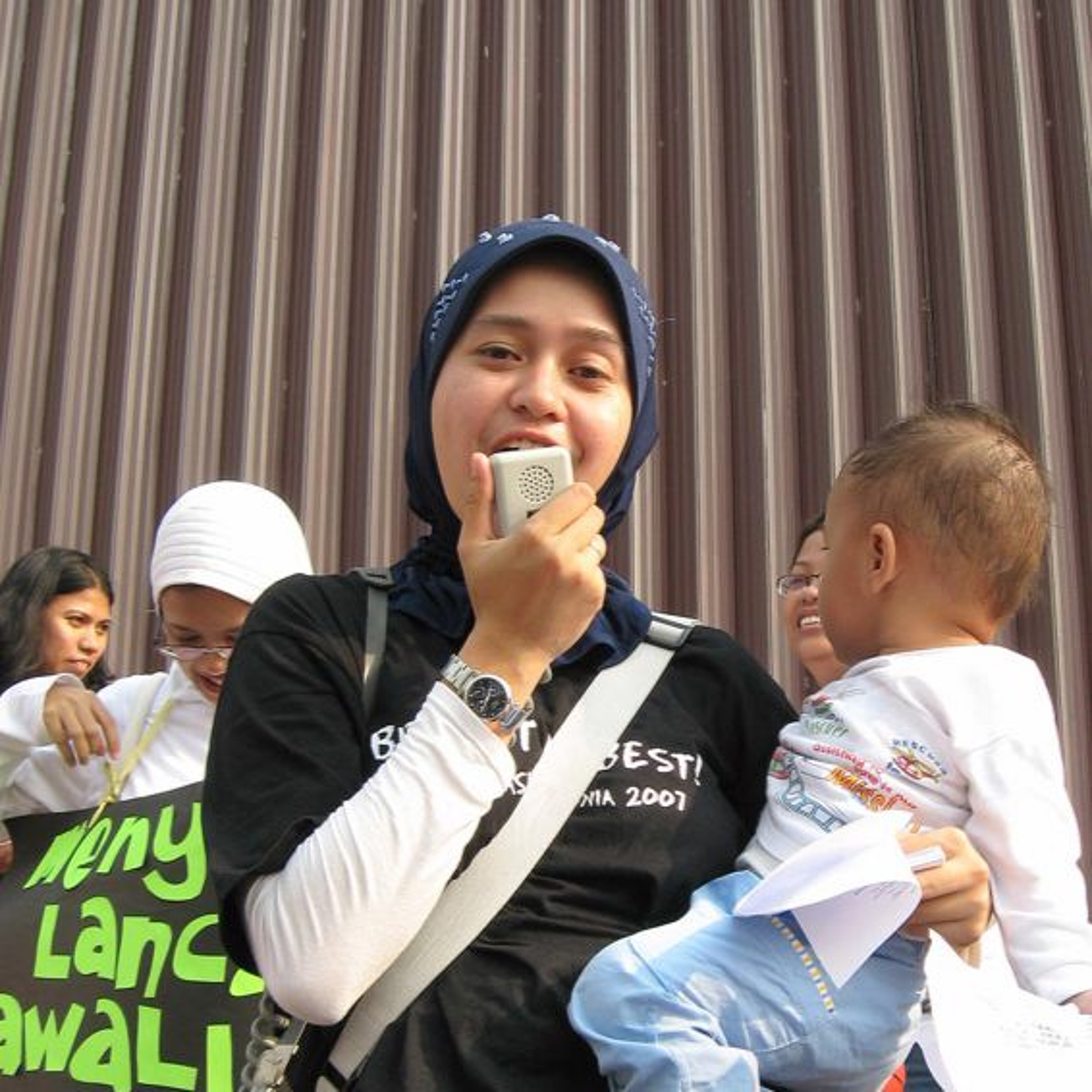
On 21 April, Indonesia celebrated Kartini Day, commemorating Raden Ageng Kartini, a national hero and pioneer of the emancipation of women. More than a century since her death, gender, sexuality and morality are highly contested issues in politics and society. In recent times, a conservative turn in Indonesia has seen extreme voices come to the fore in mainstream Islam, leading to attacks on non-traditional sexualities and women’s bodies. What is the present state of the women’s movement in Indonesia? Why have sexuality and the female body continued to be sites for contestation and national anxiety? How have women and other marginalised groups like the LGBT community responded to the conservative turn? In this week’s podcast I explore these issues with Dr Intan Paramaditha, a lecturer at Macquarie University. Image: Indi and Rani Soemardjan (Flickr)