Talking Indonesia
297 episodes — Page 4 of 6
Nurul Widyaningrum: Covid-19 and Small Business - Policy in Focus
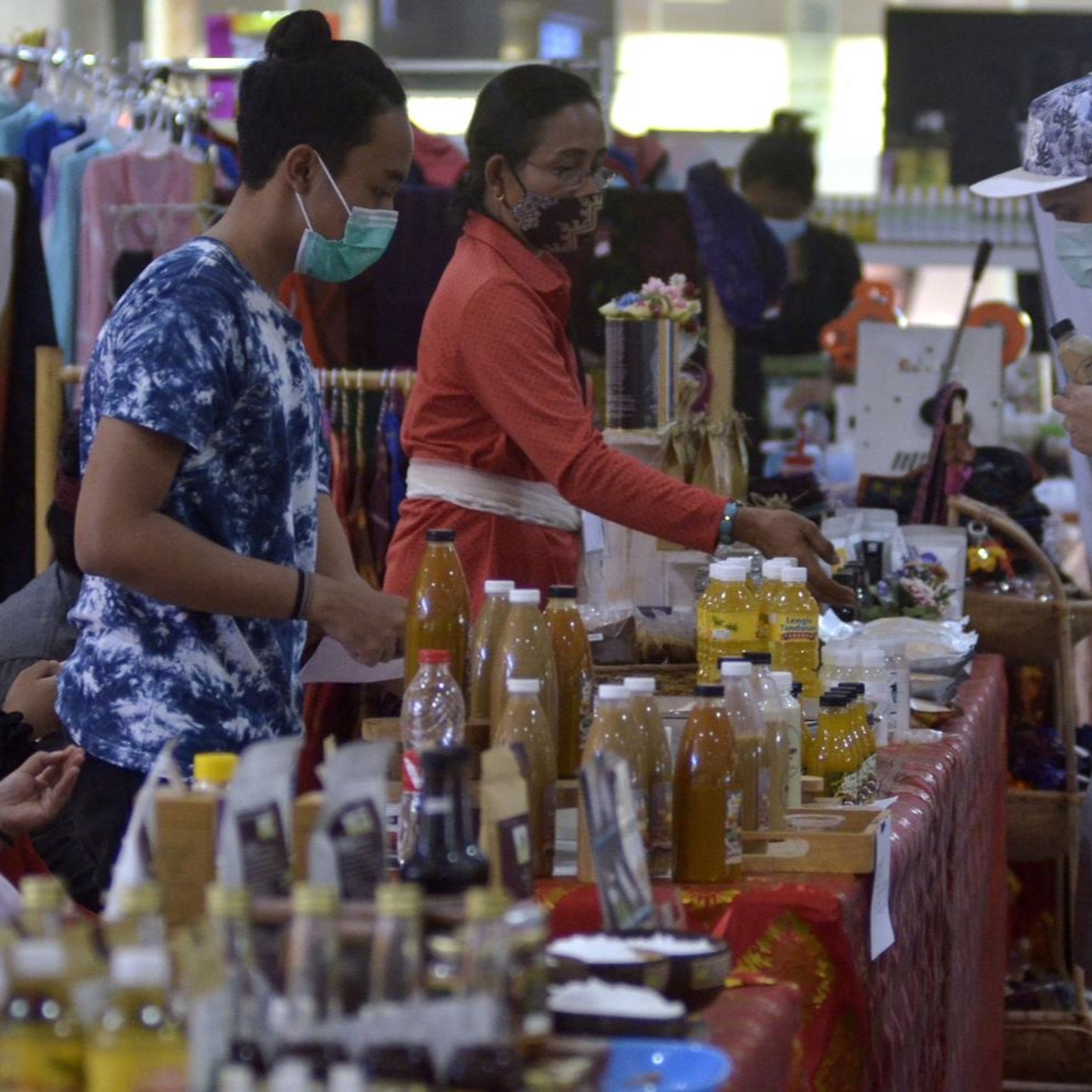
Indonesia’s micro, small and medium enterprises sector – in which most Indonesians work - has been hard hit by public health measures in response to the pandemic and by the broader economic downturn. How have these impacts varied for different micro, small and medium enterprises? How has the sector adapted to the pandemic? And has government assistance addressed the sctor’s needs? In this week’s Talking Indonesia podcast, Dr Dave McRae discusses these issues with by Nurul Widyaningrum, Executive Director of Akatiga, the Centre for Social Analysis, who has written widely about MSMEs in Indonesia. Today’s episode is the latest in the “Policy in Focus” series of Talking Indonesia episodes, supported by the Knowledge Sector Initiative (KSI), a partnership between the Australian and Indonesian governments that aims to improve the use of evidence in development policymaking. This series will appear periodically in alternate weeks to the regular Talking Indonesia episodes. The views expressed in this podcast episode do not represent the views of the Australian or Indonesian governments. The Talking Indonesia podcast is co-hosted by Dr Dave McRae from the University of Melbourne’s Asia Institute, Dr Jemma Purdey from Monash University, Associate Professor Dirk Tomsa from La Trobe University and Dr Charlotte Setijadi from the Singapore Management University. Photo credit: Fikri Yusuf for Antara Foto
Dr Fabio Scarpello - Illegal Fishing
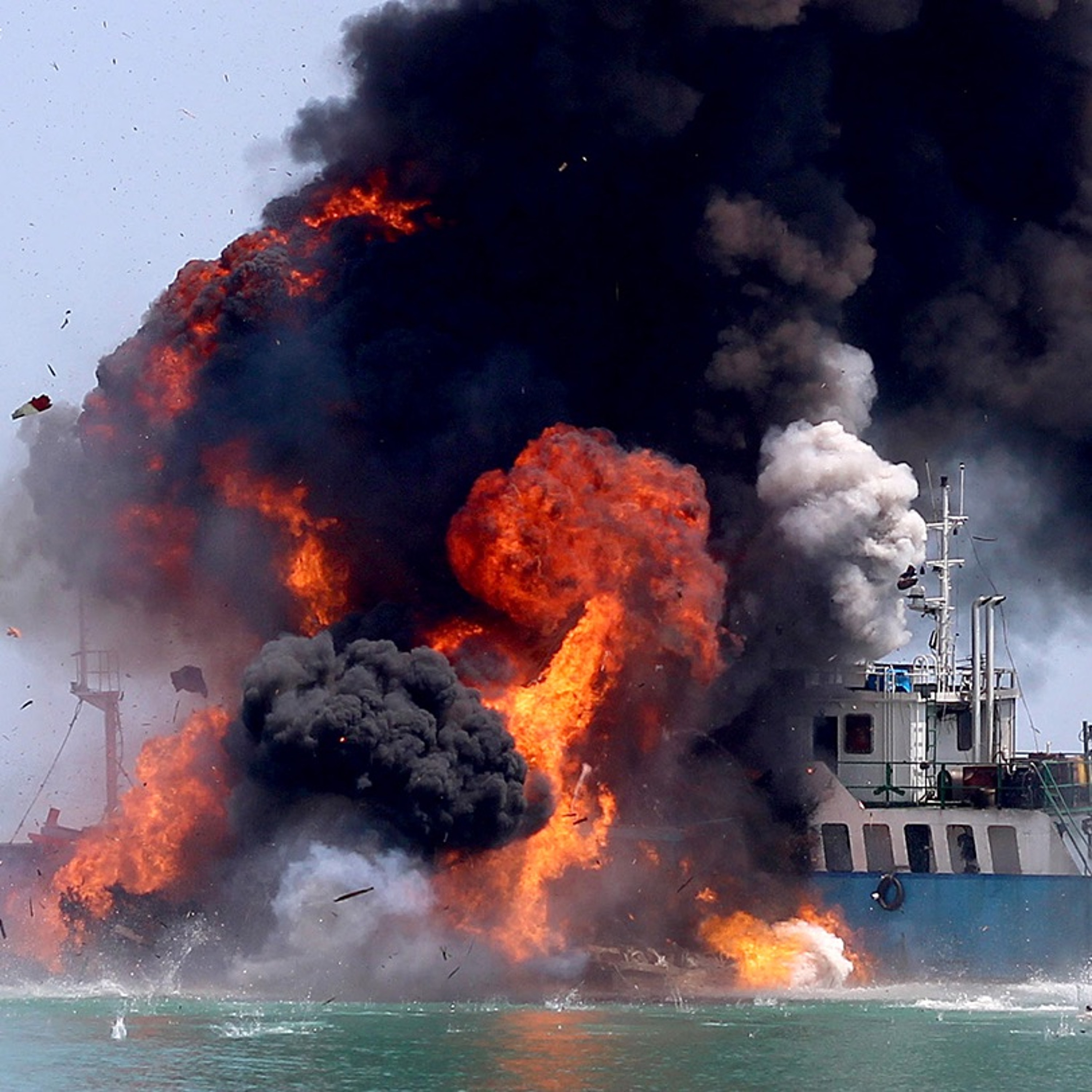
Illegal, undocumented and unregulated fishing became one of the most prominent issues of the first term Jokowi government. Its prominence arose in part because of repeated confrontations at sea with the fishing fleets and coastguard of China and Vietnam, but more notably owing to the hardline enforcement approach of Jokowi’s first term fisheries minister, Susi Pudjiastuti. Susi’s use of explosives to sink siezed foreign vessels and her high media profile made her one of President Jokowi’s most popular ministers, but she was not re-appointed in Jokowi’s second term cabinet. But how did Susi transform Indonesia’s fisheries industry during her tenure? And what does her her replacement tell us about the sustainability of her approach to combating illegal fishing? In this week's Talking Indonesia podcast, Dr Dave McRae discusses these issues with Dr Fabio Scarpello, lecturer in politics and international relations in the Faculty of Arts at the University of Auckland. Dr Scarpello is the author of ‘Susi Versus the rest: the political economy of the fisheries industry in Indonesia during Jokowi’s first term’, recently published in the Asian Journal of Political Science. The Talking Indonesia podcast is co-hosted by Dr Dave McRae from the University of Melbourne’s Asia Institute, Dr Jemma Purdey from Monash University, Dr Dirk Tomsa from La Trobe University, and Dr Charlotte Setijadi from the Singapore Management University. Look out for a new Talking Indonesia podcast every fortnight. Photo credit: Septianda Perdana for Antara Foto
Dr Vina Adriany - Covid-19 and Early Childhood Education
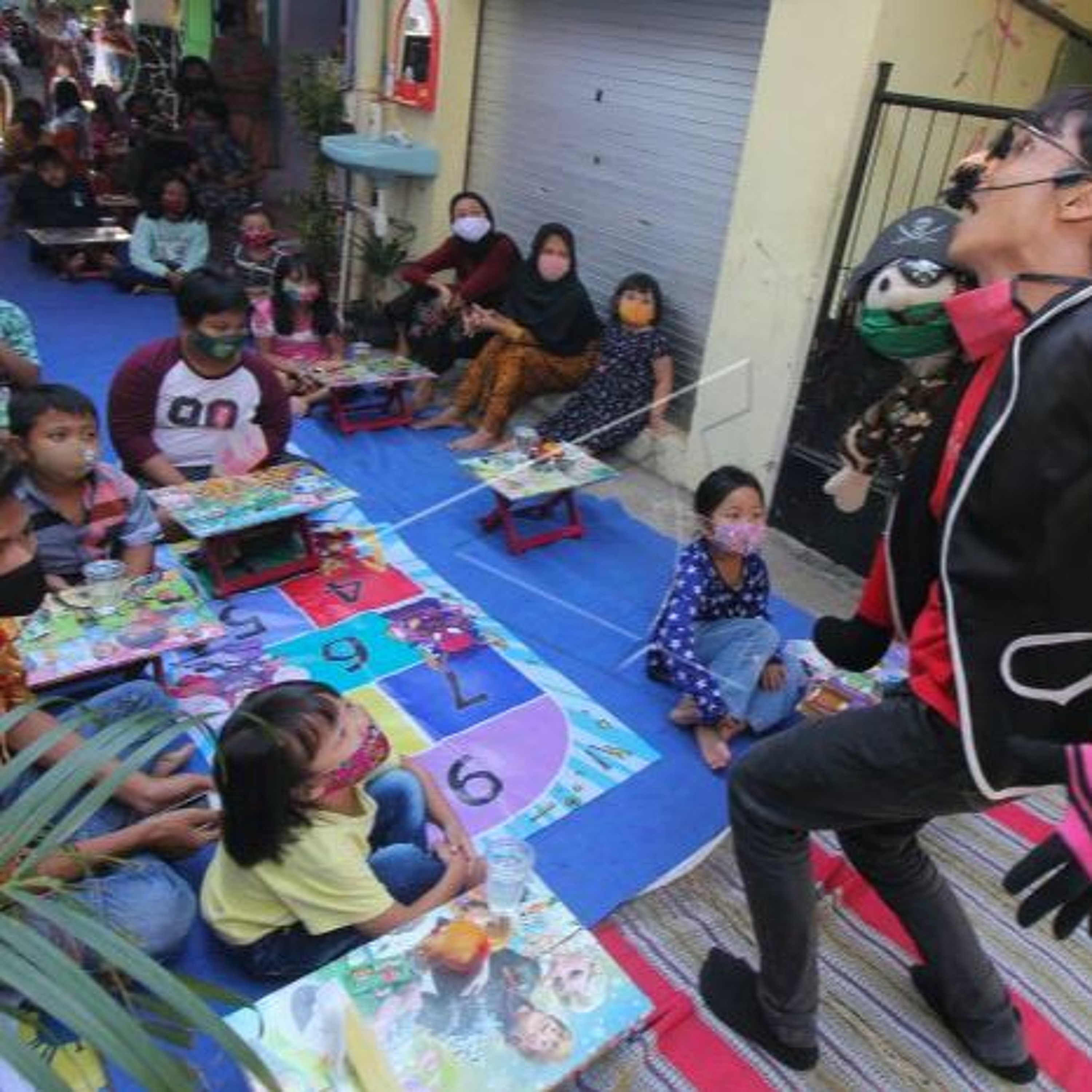
According to Unicef, more than 60 million students in Indonesia have been temporarily out of school due to COVID-19, presenting the country’s education sector with unprecedented challenges. How have schools responded to these challenges? How have children and parents reacted? And what are the likely long-term implications of prolonged home schooling for Indonesian children? In this week’s Talking Indonesia podcast, we chat about the impact of Covid-19 on early childhood education in Indonesia. Joining host Dirk Tomsa is Dr Vina Adriany, the Head of the Department of Early Childhood Education at the School of Graduate Studies at Universitas Pendidikan Indonesia in Bandung. In 2020, the Talking Indonesia podcast is co-hosted by Dr Dave McRae from the University of Melbourne’s Asia Institute, Dr Jemma Purdey from Monash University, Dr Dirk Tomsa from La Trobe University, and Dr Charlotte Setijadi from the Singapore Management University. Look out for a new Talking Indonesia podcast every fortnight. Catch up on previous episodes here, subscribe via iTunes or listen via your favourite podcasting app. Photo credit: ANTARA FOTO/Didik Suhartono/hp.
A/Prof. Marcus Mietzner - The Soekarno Dynasty
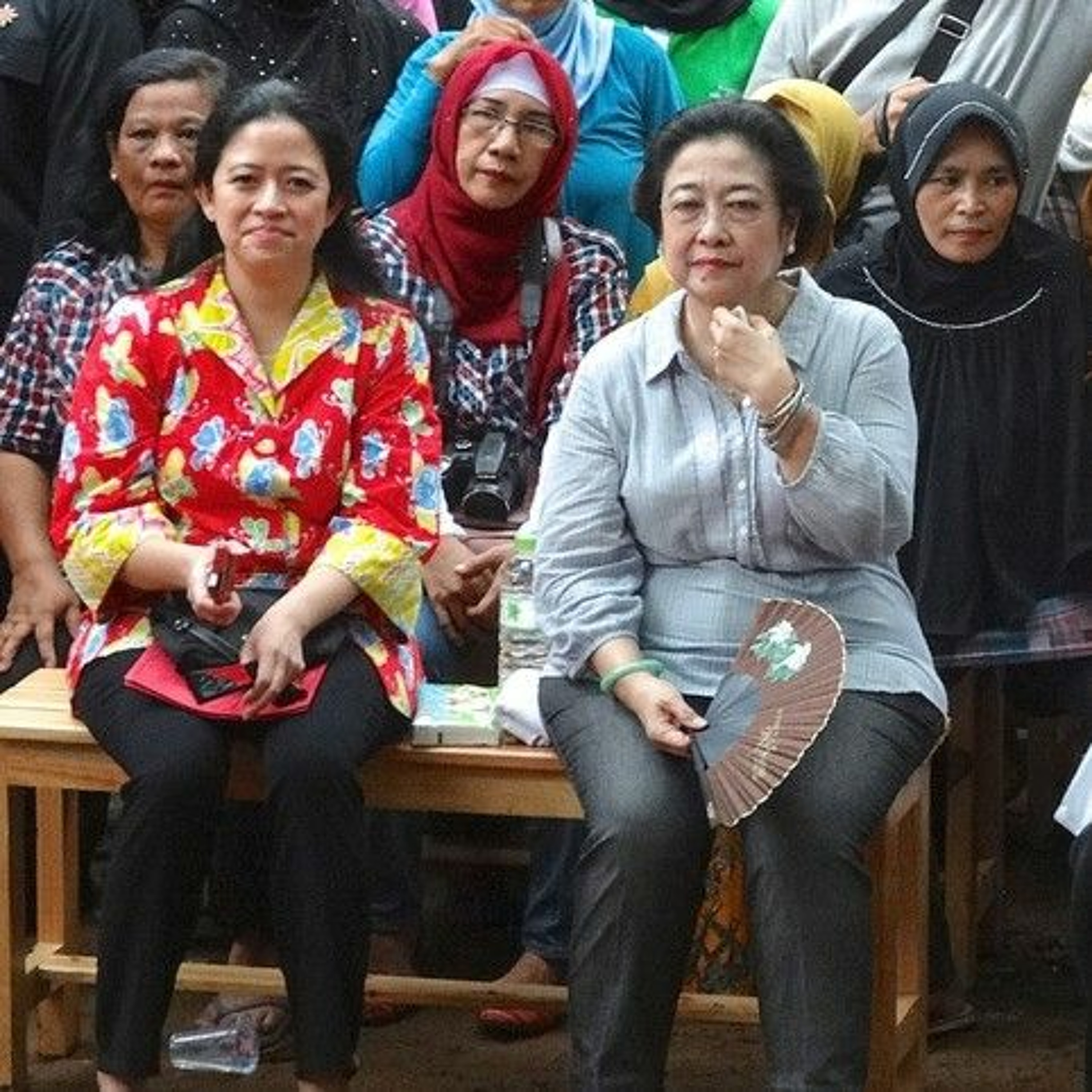
A/Prof Marcus Mietzner - the Soekarno dynasty The Soekarno dynasty is arguably Indonesia’s first and certainly most successful political family – able to count two presidents and the country’s largest political party, PDI-P - as its legacy, so far. Soekarno himself, was the nation’s founding father and first president and his daughter, Megawati, its fifth and to date, only female president from 2001-2004. Today Megawati continues to lead the family party, which has played a significant role in Indonesia’s democratic consolidation. However, with the matriarch, Megawati, failing twice in her attempts to re-capture the presidency, in 2014 the decision was made to put forward a ‘proxy’ nominee for the party’s presidential bid. As history tell us, their choice, Joko Widodo, proved a very good one. Now, six years later, with Jokowi in his second and final term, the issue of a successor is once more on the table, and with it questions about the ability of the Soekarno dynasty to regenerate and hold on to its power. What are the characteristics that have seen the Soekarno dynasty survive and thrive for three generations? What are the challenges of regeneration facing the Soekarno family? Has the dynasty weakened its own position by its decision to elevate Joko Widodo to the presidency? And as members of the president’s own family seek to enter politics via the upcoming regional elections (Pilkada), is Jokowi looking to create a political dynasty of his own to rival that of the Soekarnos? To talk about these questions and more, our guest this week is A/Prof Marcus Mietzner, College of Asia and the Pacific, ANU. He has written extensively on the Sukarno dynasty and the PDI-P, including, ‘The Sukarno dynasty in Indonesia: Between institutionalisation, ideological continuity and crises of succession’ SEAR, Volume: 24 issue: 3, page(s): 355-368. In 2020, the Talking Indonesia podcast is co-hosted by Dr Jemma Purdey from the Australia-Indonesia Centre, Dr Dave McRae from the University of Melbourne’s Asia Institute, Dr Charlotte Setijadi from the ISEAS-Yusof Ishak Institute in Singapore and Dr Dirk Tomsa from La Trobe University. Look out for a new Talking Indonesia podcast every fortnight. Catch up on previous episodes here, subscribe via iTunes or listen via your favourite podcasting app. Image: Marcus Mietzner, November 2013
Damar Juniarto - Digital Attacks on Activists and the Media
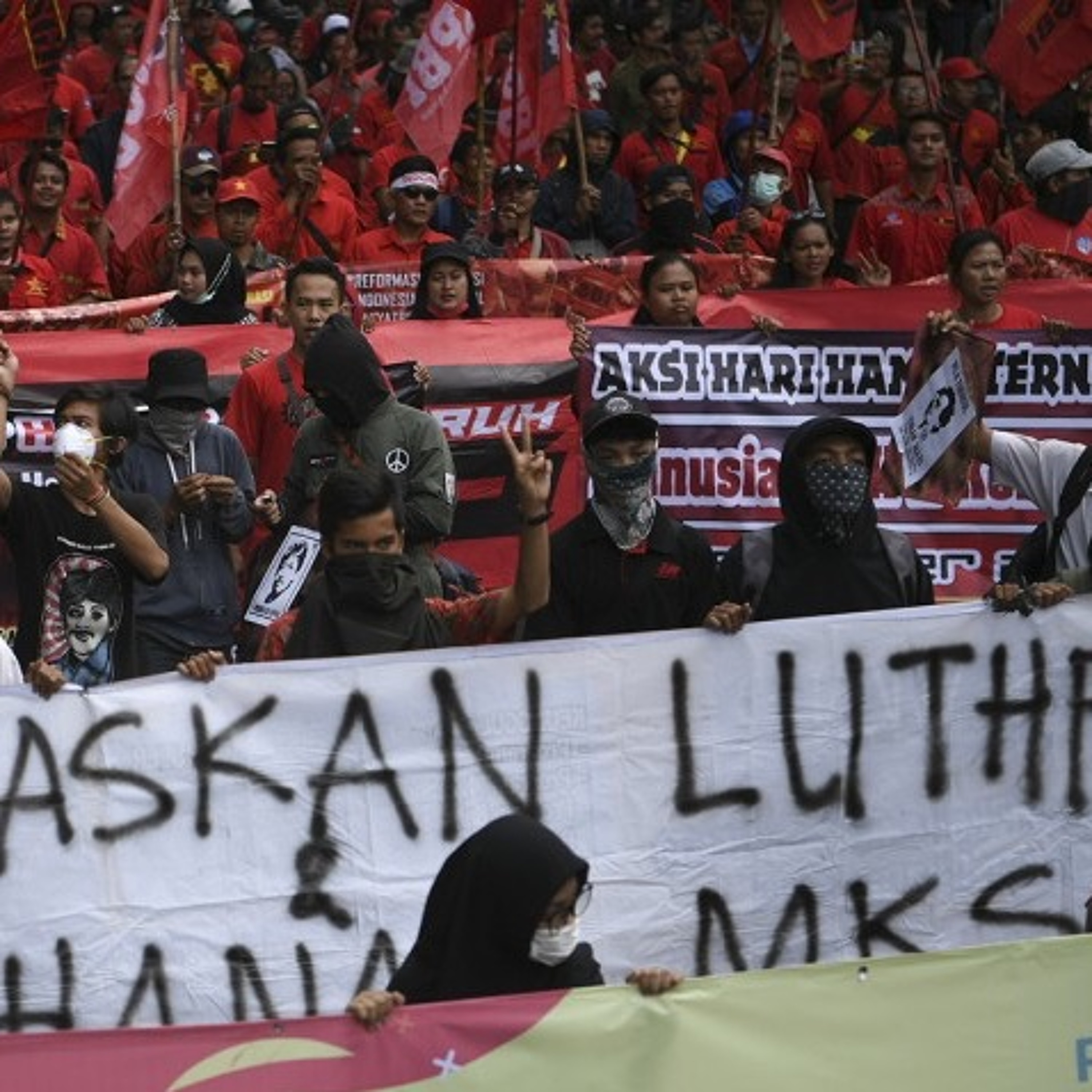
Recent years in Indonesia have seen repeated instances of the hacking of activists’ social media accounts, the defacing of media websites, as well as the activities of political influencers and automated bots attacking critics and promoting a pro-government line. On top of these digital attacks, the Indonesian government also twice throttled or shutdown the internet in 2019, first in Jakarta and subsequently in Papua. Digital attacks on activists and the media raise a host of questions: who is responsible for these attacks, what effect do they have on Indonesian democracy, and what reforms are needed to better protect Indonesian internet users? In this week’s Talking Indonesia podcast, Dr Dave McRae discusses these issues with Damar Juniarto, Executive Director of the Southeast Asia Freedom of Expression Network (SAFEnet) The Talking Indonesia podcast is co-hosted by Dr Dave McRae from the University of Melbourne’s Asia Institute, Dr Jemma Purdey from Monash University, Dr Dirk Tomsa from La Trobe University, and Dr Charlotte Setijadi from the Singapore Management University. Look out for a new Talking Indonesia podcast every fortnight. Photo credit: Wahyu Putro A for Antara Foto
Dr Lis Kramer & Ele Williams - Indonesia Australia Public Diplomacy
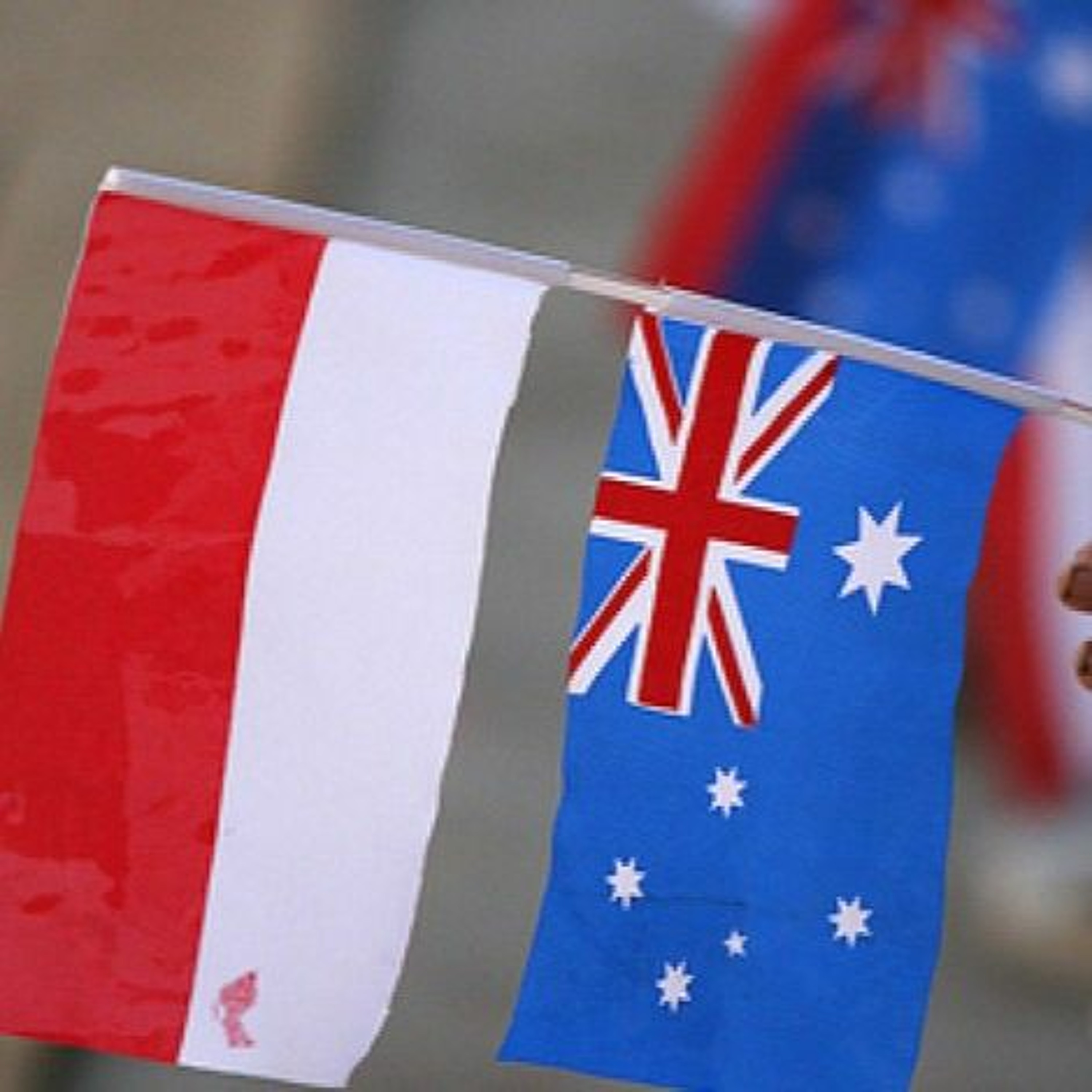
The relationship between Indonesia and Australia has not always been smooth, but the people of the two countries have mostly supported each other during times of crises. What is the state of Indonesia-Australia relations during these times of increasing international detachment and the defunding of public diplomacy programs? What are some of the contemporary challenges faced by those trying to foster public diplomacy programs between the two countries? Charlotte Setijadi spoke about the history and current state of Indonesia-Australia people-to-people relations with Dr Lis Kramer and Ms Ele Williams.
Professor Laksono Trisnantoro - Indonesia's National Health Insurance Scheme - Policy in Focus
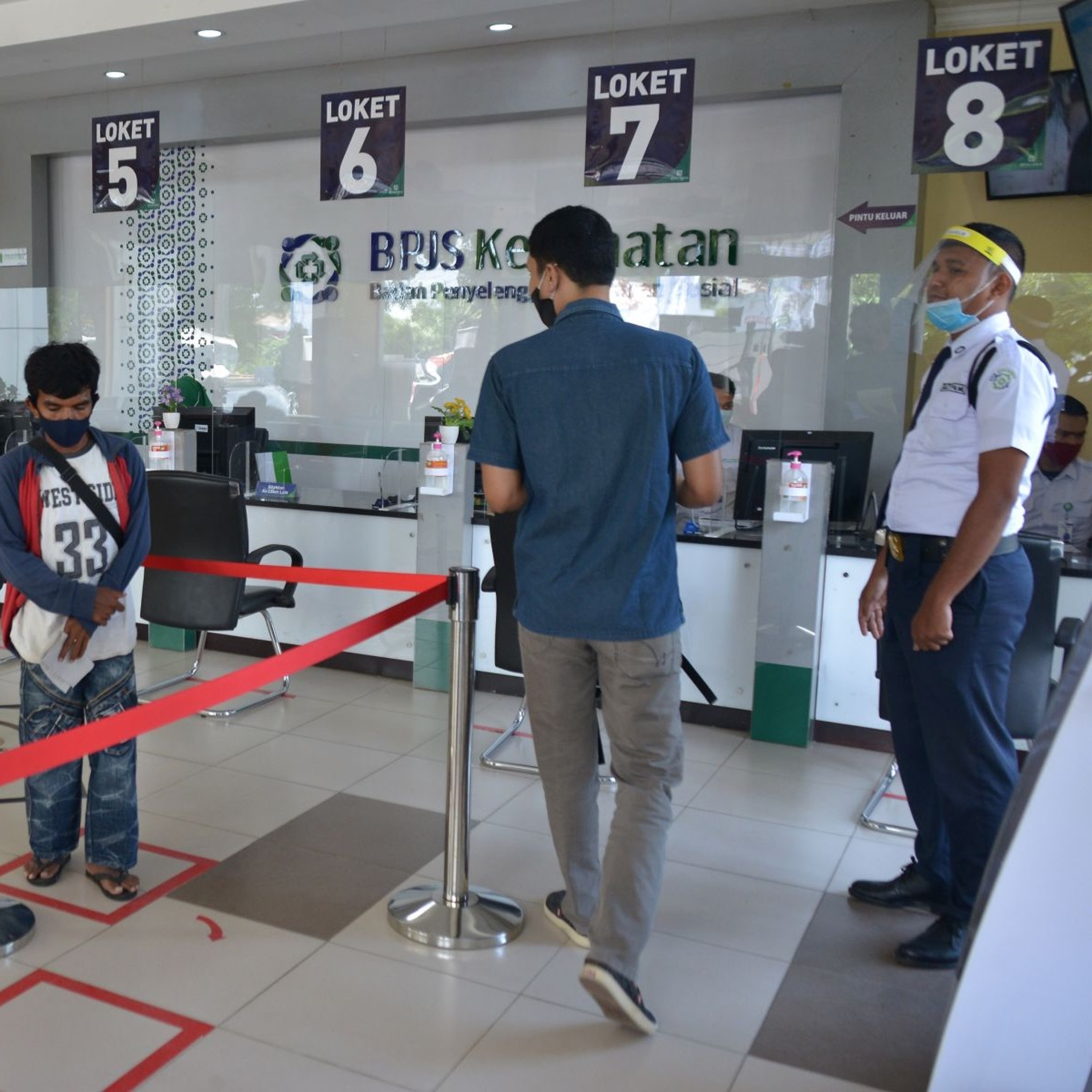
Launched in 2014 and aiming to provide universal healthcare coverage, Indonesia’s national health insurance scheme, JKN, has gradually increased its membership to 220 million people, or 84 per cent of the Indonesian population. Nevertheless, questions remain about the equality of access to healthcare and quality of treatment that JKN members receive in different parts of the country. The financial sustainability of the scheme also remains an ongoing issue, with the healthcare fund’s deficit reaching Rp 28 trillion rupiah (approximately A$2.5 billion ) in 2019, a significant burden for the government even prior to the severe economin downturn caused by Covid-19. In this week’s Talking Indonesia podcast, Dr Dave McRae discusses these issues, as well as the impact of Covid-19 on Indonesia’s national health insurance scheme, with Professor Laksono Trisnantoro, Head of the Department of Health Policy and Management in the Faculty of Medicine, Public Health and Nursing at Universitas Gadjah Mada . Professor Laksono headed a team from the Centre of Health Policy and Management that produced a recently published evaluation of the national health insurance scheme in 13 of Indonesia’s 34 provinces . Professor Laksono is a second time guest on Talking Indonesia, having appeared in 2016 to discuss the earlier development of JKN. Today’s episode is the latest in the “Policy in Focus” series of Talking Indonesia episodes, supported by the Knowledge Sector Initiative (KSI), a partnership between the Australian and Indonesian governments that aims to improve the use of evidence in development policymaking. This series will appear periodically in alternate weeks to the regular Talking Indonesia episodes. The views expressed in this podcast episode do not represent the views of the Australian or Indonesian governments. The Talking Indonesia podcast is co-hosted by Dr Dave McRae from the University of Melbourne’s Asia Institute, Dr Jemma Purdey from Monash University, Associate Professor Dirk Tomsa from La Trobe University and Dr Charlotte Setijadi from the Singapore Management University. Look out for a new Talking Indonesia podcast every fortnight. Photo credit: Ampelsa for Antara Foto
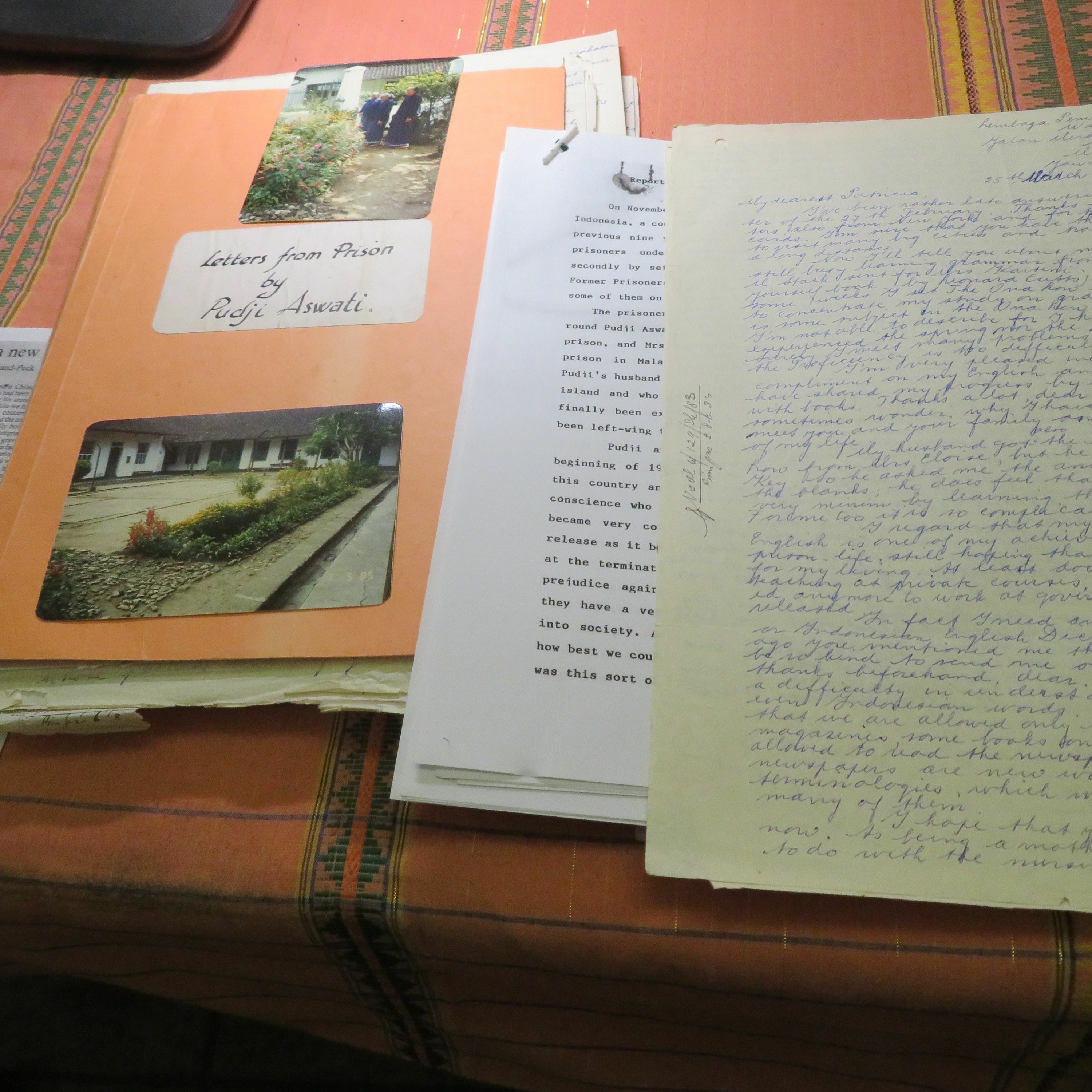
Dr Vannessa Hearman - Transnational Human Rights Activism
In the late 1970s and early 1980s, Indonesia was estimated to have between 55,000 and 100,000 political prisoners as a result of the Army-led anti-communist violence of the mid-1960s. Some of these prisoners maintained long-lasting epistolary friendships with supporters and human rights activists overseas. Who initiated these friendships and how did they evolve over time? What kind of broader support networks for political prisoners emerged out of this letter writing? And what legacy did this activism leave for contemporary human rights campaigners? In this week’s Talking Indonesia podcast, we take a closer look at one of these epistolary friendships. Joining host Dirk Tomsa is historian Dr Vannessa Hearman, a Senior Lecturer in Indonesian Studies at Charles Darwin University in Darwin, and the author of 'Unmarked Graves: Death and Survival in the Anti-Communist Violence in East Java, Indonesia', which was recently awarded the 2020 Early Career Book Prize by the Asian Studies Association of Australia. In 2020, the Talking Indonesia podcast is co-hosted by Dr Dave McRae from the University of Melbourne’s Asia Institute, Dr Jemma Purdey from Monash University, Dr Dirk Tomsa from La Trobe University, and Dr Charlotte Setijadi from the Singapore Management University. Look out for a new Talking Indonesia podcast every fortnight. Catch up on previous episodes here, subscribe via iTunes or listen via your favourite podcasting app. Photo courtesy of Vannessa Hearman
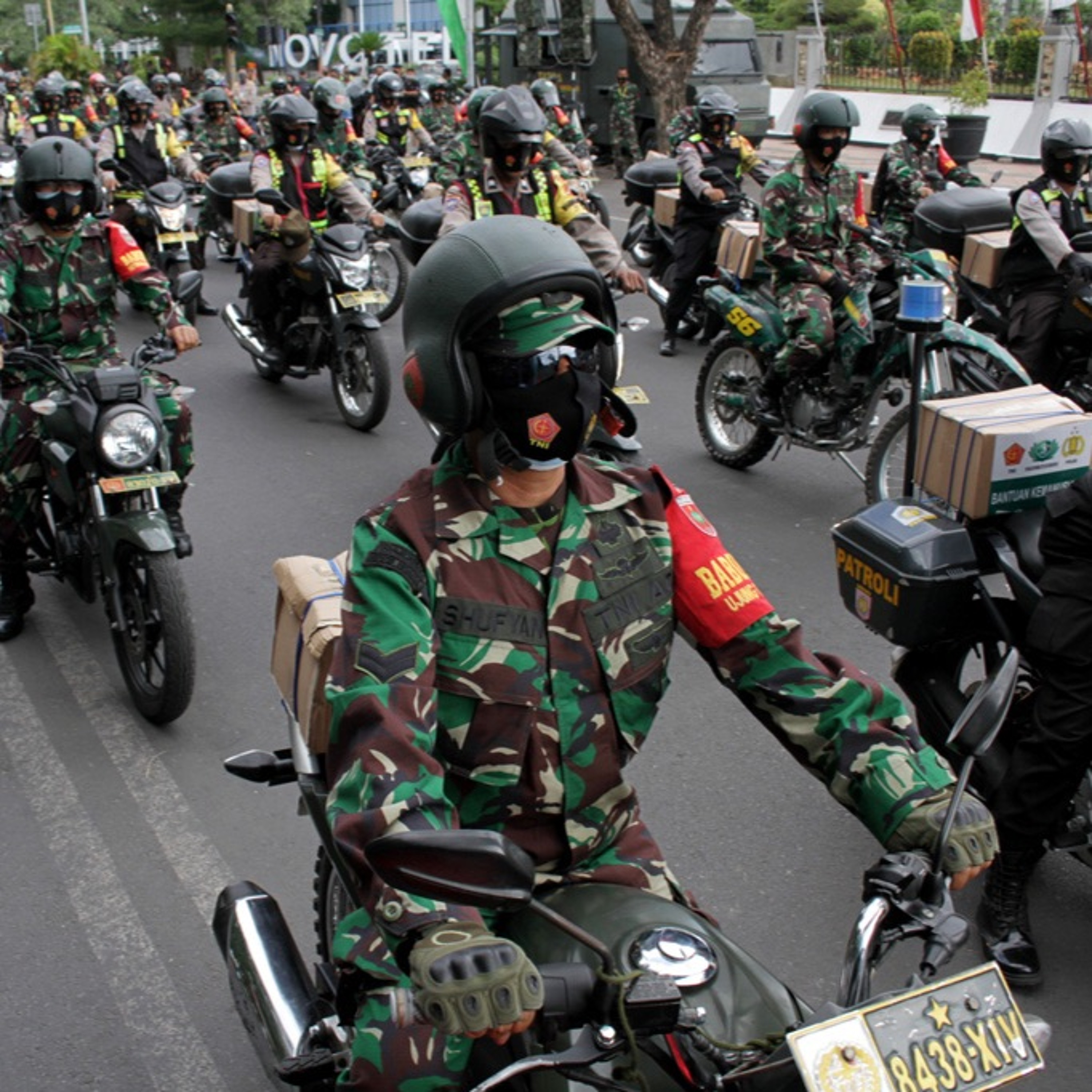
Dr Evan Laksmana - The Military and Covid-19
The prominent role of active and retired officers of the Indonesian military, or TNI, has been widely noted, with Lieutenant General Doni Monardo serving as the head of Indonesia’s Covid-19 taskforce, the chief of staff of the army, General Andika Perkasa, serving as deputy head of a new COVID-19 handling and national economic recovery committee; in addition to the various retired officers occupying positions within the palace and the cabinet. How has the involvement of the military shaped Indonesia’s Covid response, and has TNI’s role in countering the pandemic altered the balance of civil-military relations? How also is President Jokowi likely to manage relations with the military for the remainder of his term, as the retirement of current TNI commander Air Chief Marshal Hadi Tjahjanto looms in 2021? In this week’s Talking Indonesia podcast, Dr Dave McRae discusses these issues with Dr Evan Laksmana, Senior Researcher in the Department of International Relations at CSIS Indonesia. Dr Laksmana is co-author with Rage Taufika of a recent CSIS Indonesia commentary on the militarization of Indonesia’s Covid-19 response. The Talking Indonesia podcast is co-hosted by Dr Dave McRae from the University of Melbourne’s Asia Institute, Dr Jemma Purdey from Monash University, Dr Dirk Tomsa from La Trobe University, and Dr Charlotte Setijadi from the Singapore Management University. Photo credit: Arnas Padda for Antara Foto
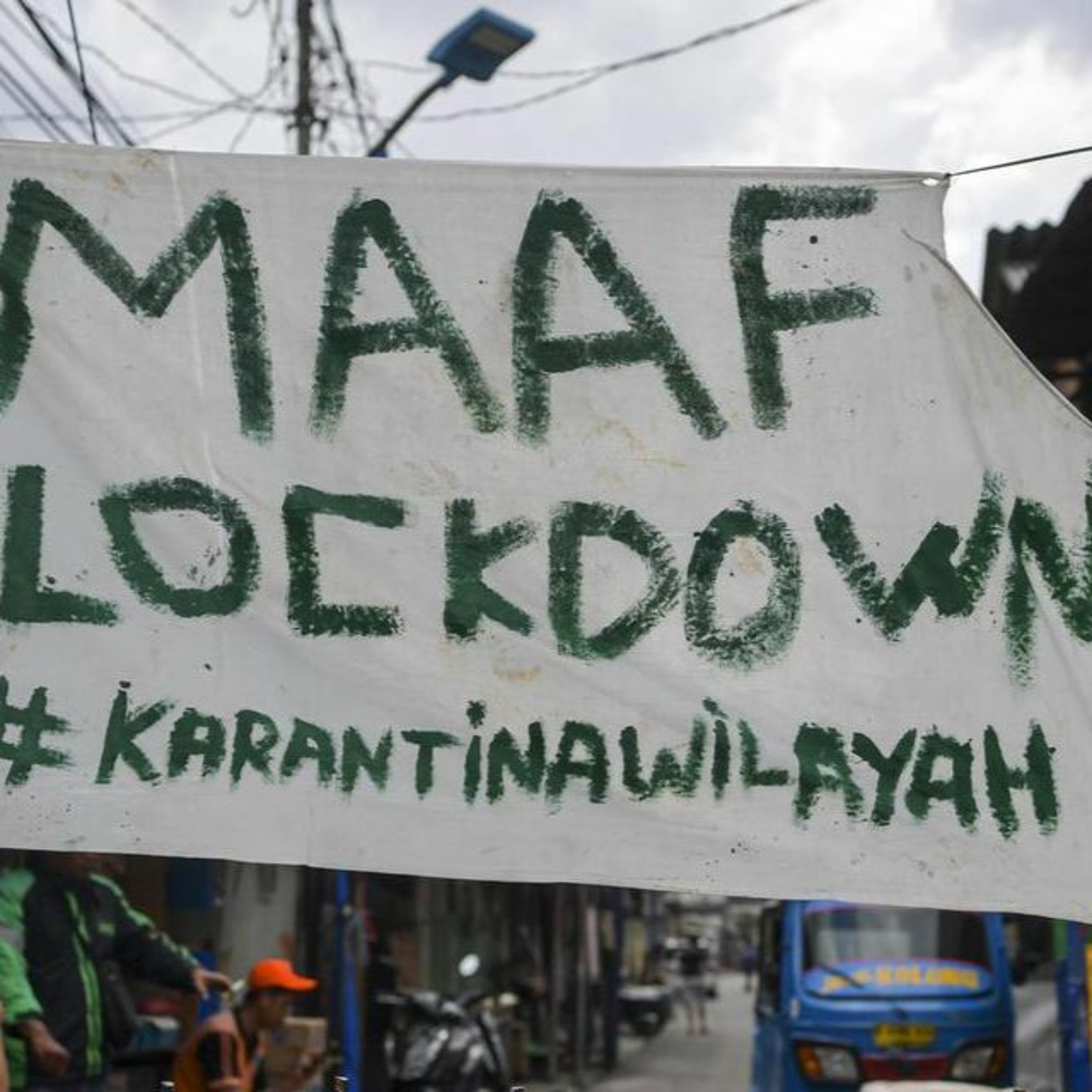
Dr Amanda Achmadi - COVID-19 and the City
Dr Amanda Achmadi: Covid-19 and the city As the pandemic enters its sixth month and Indonesia’s daily case numbers continue to rise, in order to avoid further deterioration of the economy the central and local governments have begun to loosen restrictions. For the tens of millions of Indonesians living in its densely populated cities this will prove to be a particularly difficult test. The pandemic has highlighted tensions between the informality that characterises these large cities, and the bureaucracies struggling to deal with this major public health crisis. What did the ‘lockdown’ in Indonesia’s cities look like? What were the restrictions on public gatherings and use of public spaces? How is public space being organised under PSBB to accommodate the large informal sector? And as markets, malls, mosques and cinemas open up again how will Indonesia’s urbanites respond? To answer these questions and more is Dr Amanda Achmadi a senior lecturer in Architectural Design, Asian Architecture and Urbanism at the Melbourne School of Design, The University of Melbourne. In 2020, the Talking Indonesia podcast is co-hosted by Dr Jemma Purdey from the Australia-Indonesia Centre, Dr Dave McRae from the University of Melbourne’s Asia Institute, Dr Charlotte Setijadi from the ISEAS-Yusof Ishak Institute in Singapore and Dr Dirk Tomsa from La Trobe University. Look out for a new Talking Indonesia podcast every fortnight. Catch up on previous episodes here, subscribe via iTunes or listen via your favourite podcasting app. Photo: Nova Wahyudi for Antara
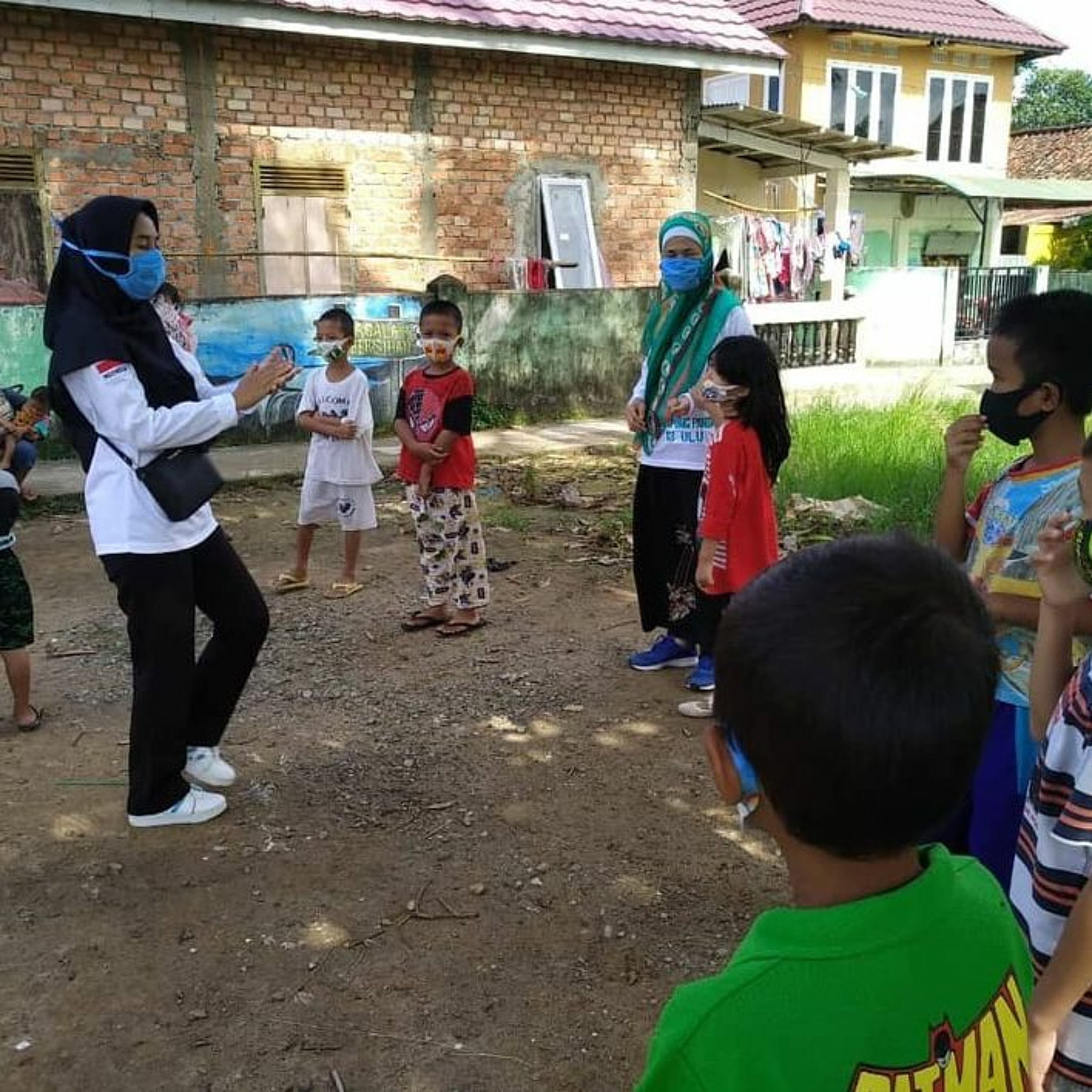
Sharyn Davies, Najmah and Yeni - Covid-19 and Community Engagement
The Covid-19 crisis in Indonesia shows no signs of abating as the government continues to struggle to find adequate responses to the crisis. In the absence of decisive government action, many grassroots communities are stepping up by starting their own initiatives to contain the spread of the virus. Who is driving this community engagement? What can be achieved at this level? And why do women play a particularly important role in such initiatives? In this week’s Talking Indonesia podcast, we chat about Covid-19 and community engagement in South Sumatra. Joining host Dirk Tomsa are the incoming Director of the Monash Herb Feith Indonesian Engagement Centre, Associate Professor Sharyn Graham Davies, as well as Najmah and Yeni, two members of the Department of Biostatistics & Epidemiology at the Public Health Faculty, Universitas Sriwijaya in Palembang. In 2020, the Talking Indonesia podcast is co-hosted by Dr Dave McRae from the University of Melbourne’s Asia Institute, Dr Jemma Purdey from Monash University, Dr Dirk Tomsa from La Trobe University, and Dr Charlotte Setijadi from the Singapore Management University. Look out for a new Talking Indonesia podcast every fortnight. Catch up on previous episodes here, subscribe via iTunes or listen via your favourite podcasting app. Photo credit: Najmah
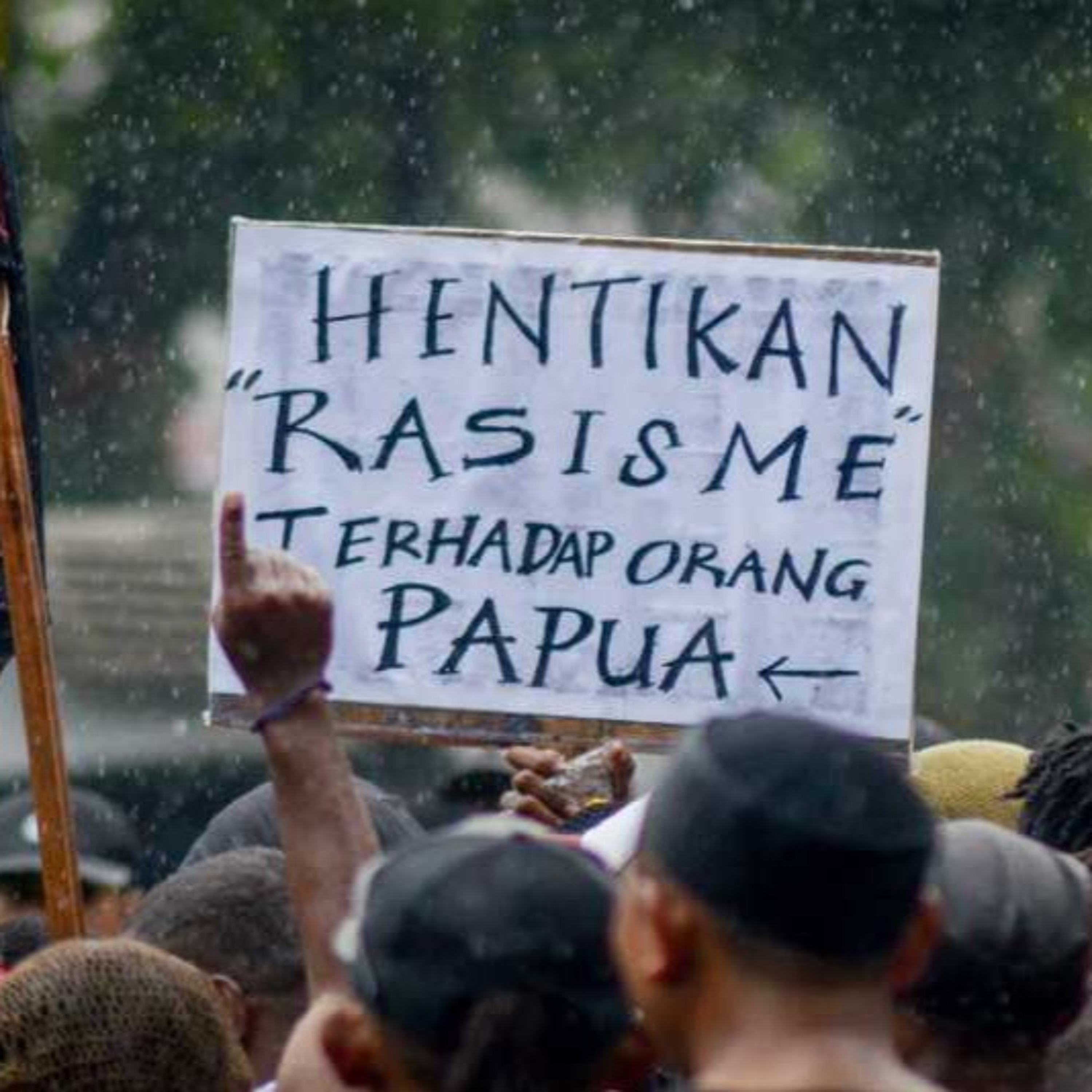
Ligia Giay - Racism
In the wake of these US protests triggered by the murder of George Floyd in May in Minneapolis, a #PapuanLivesMatter discourse has emerged in Indonesia, scrutinising racism against the indigenous populations of Indonesia’s two easternmost provinces, Papua and West Papua, site of a protracted conflict for independence between the Indonesian government and sections of Papuan society. #PapuanLivesMatter itself follows on from the massive, sustained anti-racism protests in Papua in August and September 2019, after Papuan students studying in Surabaya and Malang in East Java found themselves the target of racial abuse in the days leading up to Indonesia’s independence day. To discuss racism towards Papuans, its impacts and drivers, I’m joined today by Ligia Giay, a PhD candidate at the Asia Research Centre at Murdoch University in Perth, and a frequent author on racism against Papuans. She is also part of the team that runs the Voice of Papua newsletter: https://voiceofpapua.substack.com/. The Talking Indonesia podcast is co-hosted by Dr Dave McRae from the University of Melbourne’s Asia Institute, Dr Jemma Purdey from Monash University, Dr Dirk Tomsa from La Trobe University, and Dr Charlotte Setijadi from the Singapore Management University. Look out for a new Talking Indonesia podcast every fortnight. Catch up on previous episodes here, subscribe via iTunes or listen via your favourite podcasting app. Photo credit: Raisan Al Farisi for Antara Foto
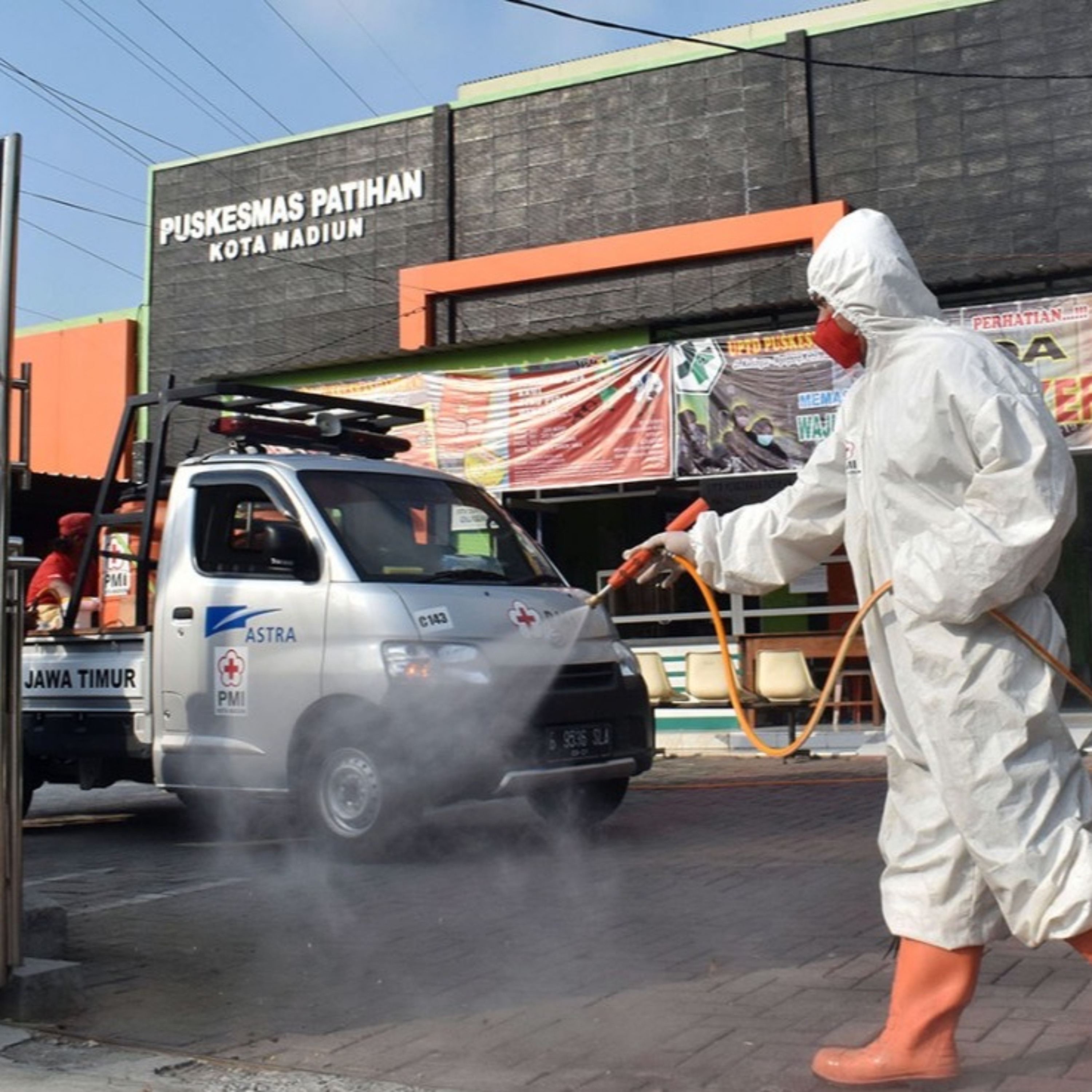
Dr Wayan Suriastini - Covid-19 and Mental Health - Policy in Focus
The mental health impacts of the Covid-19 pandemic are generally assumed to be severe, but little data has been available to assess the situation in Indonesia. Indonesian survey firm SurveyMETER has conducted an online survey to measure the incidence of anxiety and depression during the Covid-19 crisis. In this week’s Talking Indonesia podcast, Dr Dave McRae discusses the survey with Dr Wayan Suriastini, Executive Director of SurveyMETER. Keep an eye on the SurveyMETER website for the results of the survey discussed in today’s episode, as well as future polls. Today’s episode is the latest in the “Policy in Focus” series of Talking Indonesia episodes, supported by the Knowledge Sector Initiative (KSI), a partnership between the Australian and Indonesian governments that aims to improve the use of evidence in development policymaking. This series will appear periodically in alternate weeks to the regular Talking Indonesia episodes. The views expressed in this podcast episode do not represent the views of the Australian or Indonesian governments. The Talking Indonesia podcast is co-hosted by Dr Dave McRae from the University of Melbourne’s Asia Institute, Dr Jemma Purdey from Monash University, Associate Professor Dirk Tomsa from La Trobe University and Dr Charlotte Setijadi from the Singapore Management University. Photo credit: Siswowidodo for Antarafoto
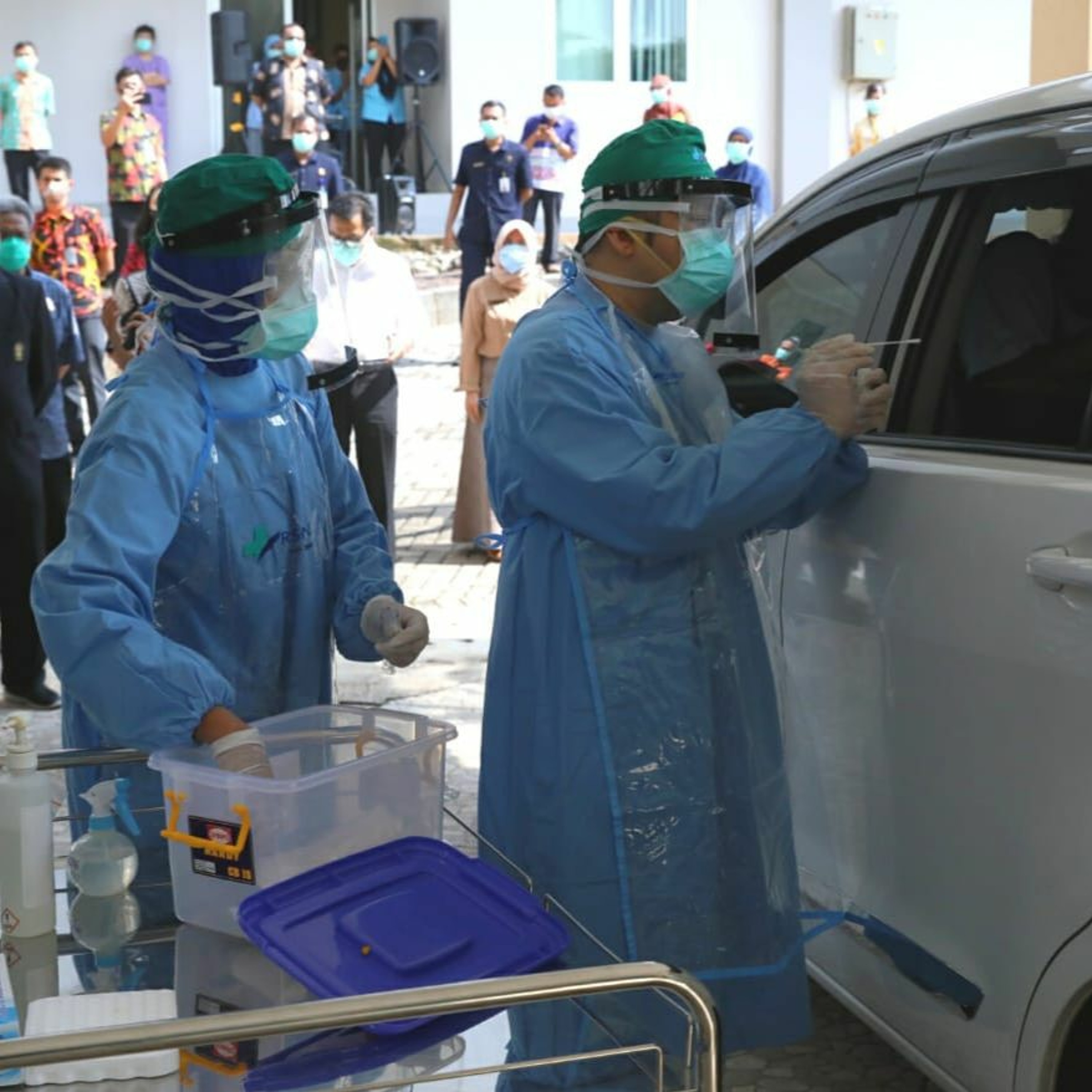
Dr Pandu Riono - COVID-19 and Public Health Responses
Dr Pandu Riono - Indonesia's pandemic In early March as the pandemic quickly spread across the world and its neighbours rushed to close their borders and economies, Indonesia’s Minister for Health Terawan Agus Putranto told local media he couldn’t understand what all the fuss was about, describing the coronavirus as less dangerous than the flu. Indonesia did not record its first official case of COVID-19 until 2 March and would not issue its PSBB or lockdown orders until the end of the month and in some provinces even later. Meanwhile, since January epidemiologists at the University of Indonesia and from other institutions across the country were working behind the scenes to convince the government that the pandemic posed a major threat to the country’s inadequate and fragile heath services and infrastructure. Fast forward to June 2020 as lockdown restrictions are being eased and official numbers of cases and deaths ascribed to COVID-19 remain well below those earlier predictions and estimates but continue to trend upward, with some of the biggest daily totals of new cases recorded in the past week. Why are Indonesia’s case numbers relatively low? Is the testing regime and data analysis adequate? Have the government’s PSBB or social distancing regulations been successful? And how that restrictions are being lifted, what does the future hold? My guest today is Dr Pandu Riono an epidemiologist from the Faculty of Public Health at the University Indonesia and a member of a team of researchers who carried out some of the earliest modelling of the pandemic in Indonesia. http://staff.ui.ac.id/priono @drpriono Twitter Photo: Courtesy Central Java Provincial Public Relations
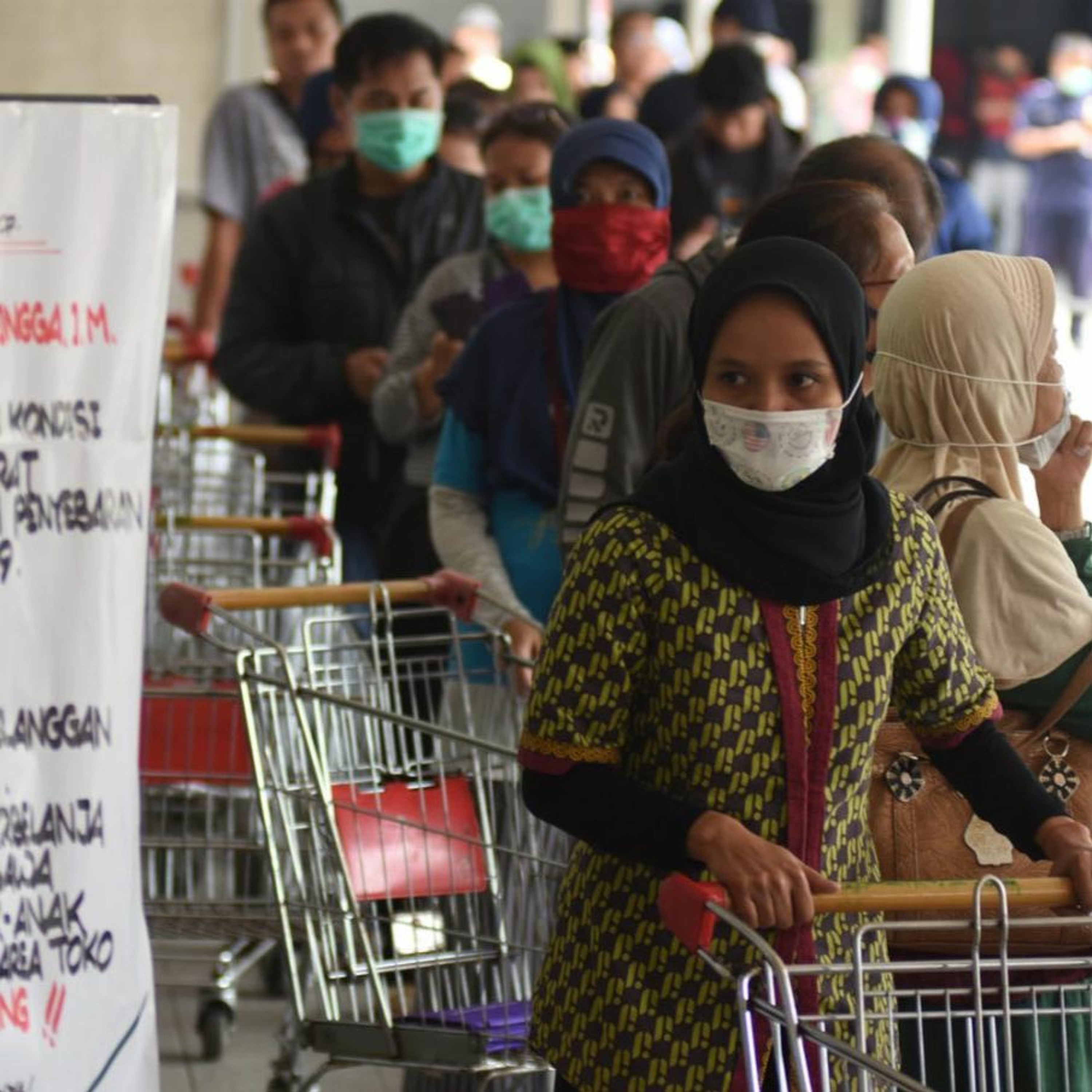
Dr Puspa Delima Amri - COVID-19 and the Indonesian Economy
As the Covid-19 virus wreaks havoc across Indonesia, the World Bank predicts that Indonesia’s economy may shrink by as much 3.5 percent this year. The government is now pushing ahead to reopen the economy to prevent further weakening by easing restrictions in areas where infection rates are under control. How badly has the Covid-19 pandemic affected Indonesia’s economy so far, and which sectors and sections of society have been impacted the most? Is the government’s push to reopen the economy premature? What can the government do to mitigate the spread of Covid-19 while also minimizing the damage to the economy? To analyse the situation, Dr Charlotte Setijadi spoke to Dr Puspa Delima Amri, an Assistant Professor of Economics at Sonoma State University.
Joanna Octavia: Covid 19 & Informal Sector Workers - Policy In Focus
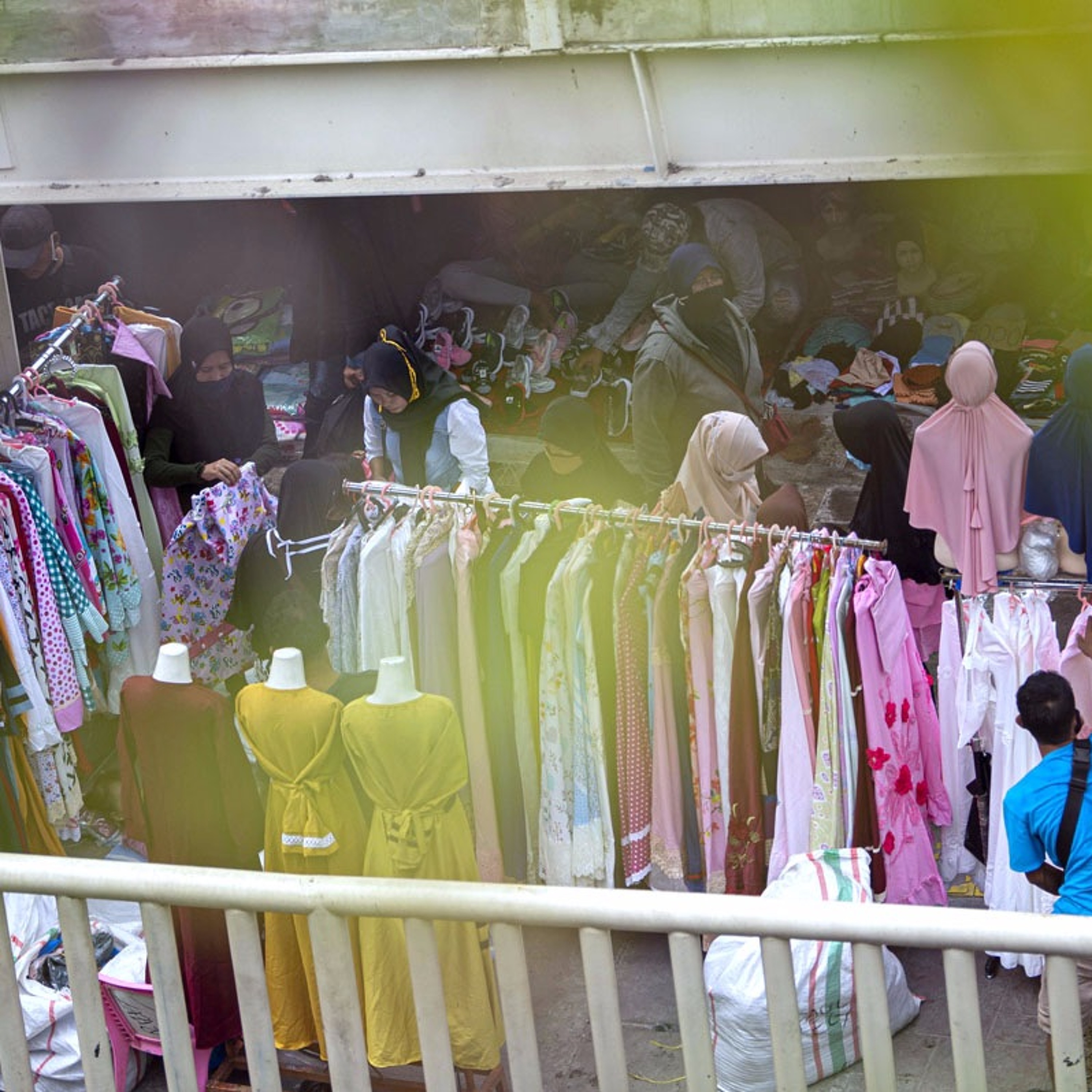
Across the world, the International Labour Organisation has highlighted the significant impacts lockdown policies have had on 1.6 billion informal workers, concentrated in low and middle income countries like Indonesia. The differing effects of Covid-19 responses on informal sector workers and those in formal employment is a massive issue for Indonesia, where more than half of the workforce works in the informal sector. How have informal sector workers coped during the Covid-19 crisis in Indonesia, and what is the Indonesian government doing to assist them? In this week’s Talking Indonesia podcast, Dr Dave McRae discusses these issues with Joanna Octavia, Visiting Fellow at Centre for Strategic and International Studies Indonesia, and a PhD Candidate at the Warwick Institute for Employment Research. She is the author of the recent CSIS Commentary, Towards a national database of workers in the informal sector: COVID-19 pandemic response and future recommendations. Today’s episode is the latest in the “Policy in Focus” series of Talking Indonesia episodes, supported by the Knowledge Sector Initiative (KSI), a partnership between the Australian and Indonesian governments that aims to improve the use of evidence in development policymaking. This series will appear periodically in alternate weeks to the regular Talking Indonesia episodes. The views expressed in this podcast episode do not represent the views of the Australian or Indonesian governments. The Talking Indonesia podcast is co-hosted by Dr Dave McRae from the University of Melbourne’s Asia Institute, Dr Jemma Purdey from Monash University, Associate Professor Dirk Tomsa from La Trobe University and Dr Charlotte Setijadi from the Singapore Management University. Look out for a new Talking Indonesia podcast every fortnight. Photo credit: Aditya Pradana Putra for Antara Foto
Febriana Firdaus and Max Walden - Reporting Covid-19
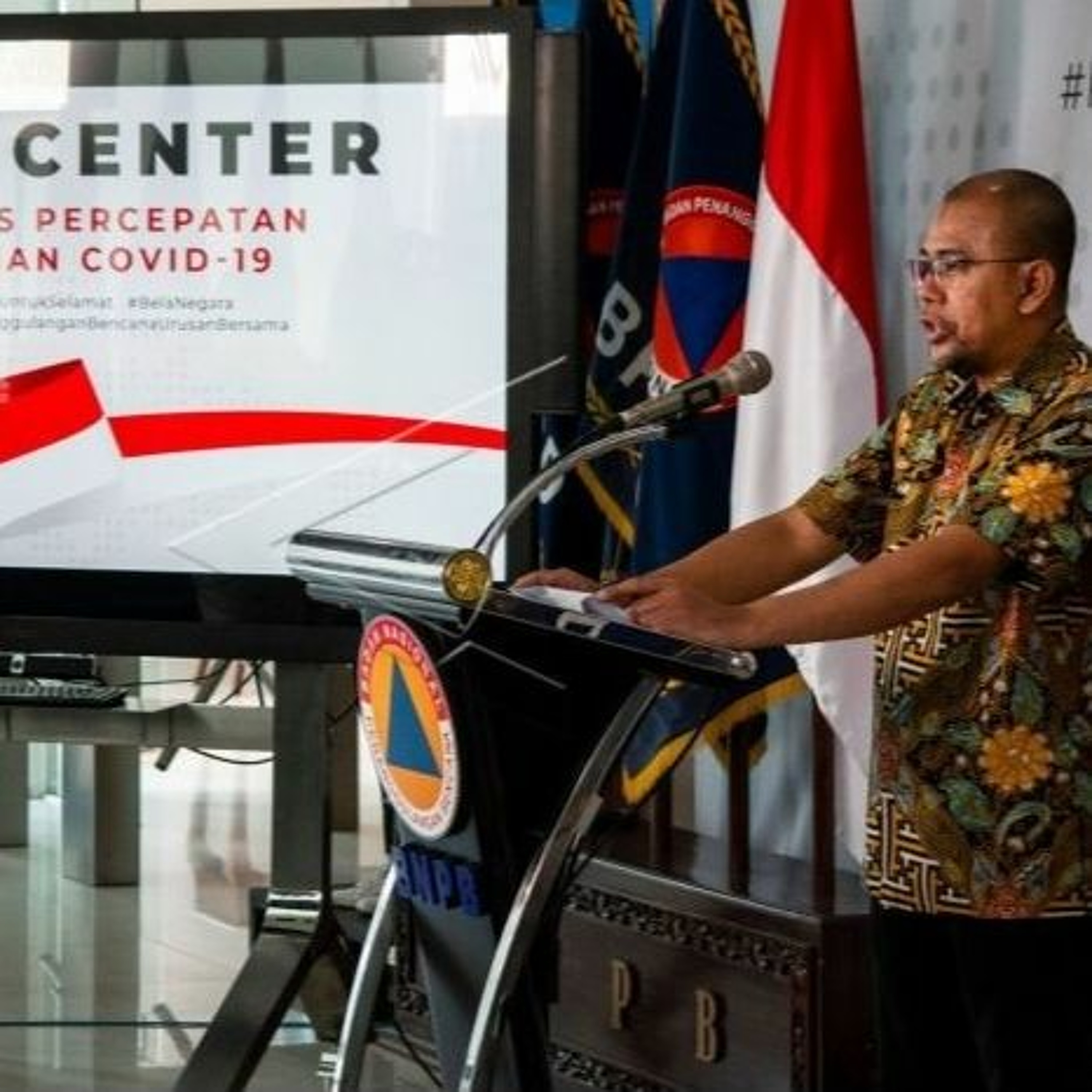
Many foreign media outlets have been highly critical of the Indonesian government’s response to the Covid-19 pandemic. Most of the Indonesian media, by contrast, seems far less inclined to question the government’s statistics and policy announcements. What explains this discrepancy in reporting standards? Are Indonesian journalists self-censoring because the space for dissent is shrinking in Indonesia? Are foreign journalists exaggerating the extent of the crisis? In today’s podcast, Dr Dirk Tomsa discusses these and other questions with Febriana Firdaus, an Indonesian freelance journalist currently based in Bali, and Max Walden, a reporter and producer with the ABC Asia Pacific Newsroom in Melbourne and a PhD candidate at the University of Melbourne’s Asian Law Centre. In 2020, the Talking Indonesia podcast is co-hosted by Dr Dave McRae from the University of Melbourne’s Asia Institute, Dr Jemma Purdey from Deakin University, Dr Charlotte Setijadi from Singapore Management University and Dr Dirk Tomsa from La Trobe University. Look out for a new Talking Indonesia podcast every fortnight. Catch up on previous episodes here, subscribe via iTunes or listen via your favourite podcasting app. Photo credit: ANTARA FOTO/Dhemas Reviyanto/foc.
Athia Yumna - COVID-19, the Poor and Vulnerable
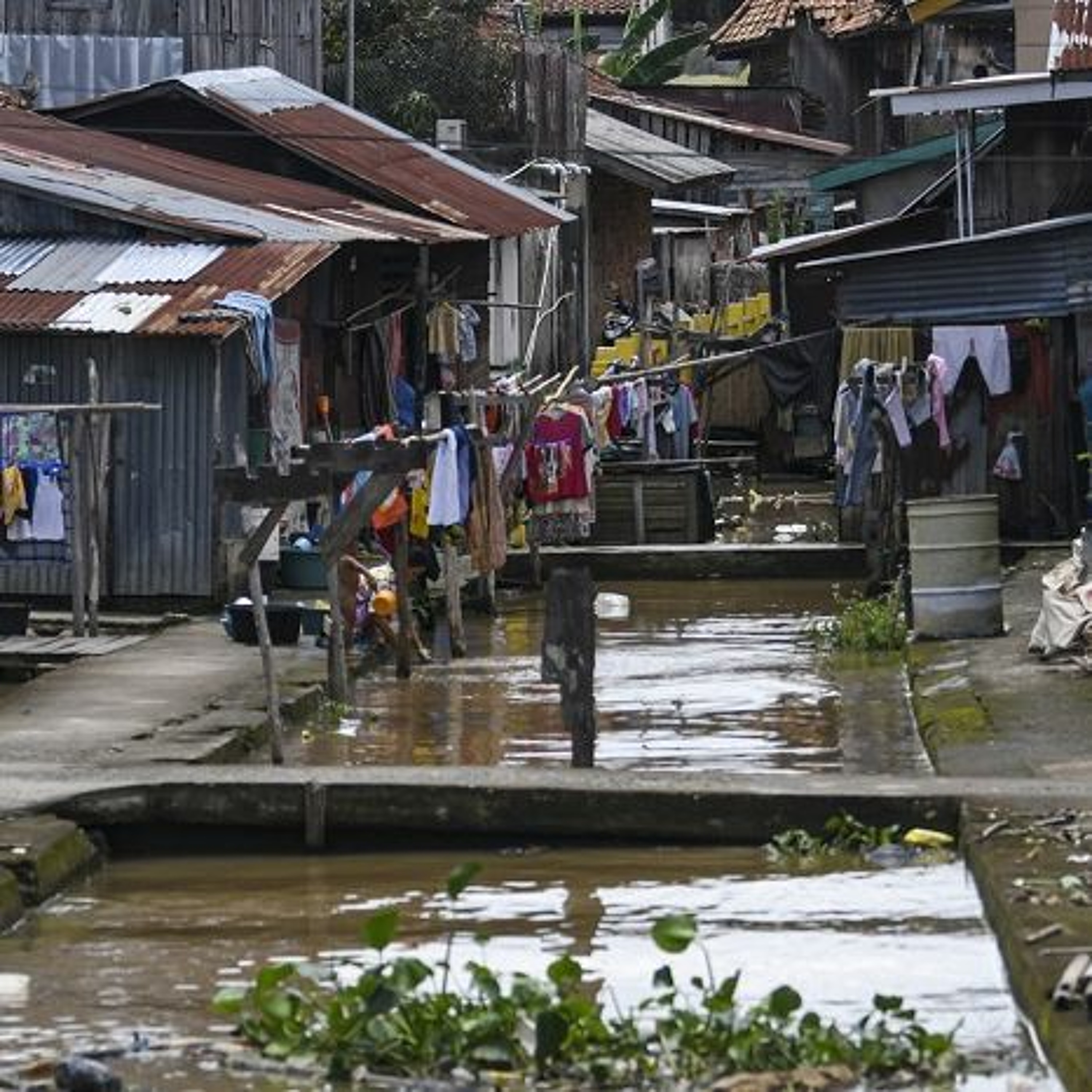
Athia Yumna – COVID-19, the poor and vulnerable Globally, the economic impact of the COVID-19 pandemic is having a devastating effect on the poorest and most vulnerable members of society. Prior to the virus emergency, Indonesia’s economy was the envy of many others around the world. Its steady GDP growth had led to a gradual decline in the number of Indonesians living below the poverty line to below 10 percent in late 2019. The economic shutdown and social distancing measures put in place to stop the virus have dramatically impacted the household incomes of these groups, many of whom work in Indonesia’s large informal sector. How will the economic contraction impact on Indonesia’s overall poverty levels? What is being done by government to provide assistance to the poor and vulnerable, including those who are in danger of falling into poverty? Will this be enough? What more can the government do? To talk about recent research related to the impacts of COVD-19 on Indonesia’s poor and vulnerable and the government’s response, our guest this week is Athia Yumna is Deputy Director of Research and Outreach of the SMERU Research Institute. Athia has more than eleven years of experience working in the development sector and conducting applied economic research in the areas of poverty, inequality, social protection, health economics, and development economics. She is the lead author of the recently published Briefing Paper, 'Social Safety Nets amid the COVID-19 Crisis: What Should the Government Do Now?'. In 2020, the Talking Indonesia podcast is co-hosted by Dr Jemma Purdey from the Australia-Indonesia Centre, Dr Dave McRae from the University of Melbourne’s Asia Institute, Dr Charlotte Setijadi from the ISEAS-Yusof Ishak Institute in Singapore and Dr Dirk Tomsa from La Trobe University. Look out for a new Talking Indonesia podcast every fortnight. Catch up on previous episodes here, subscribe via iTunes or listen via your favourite podcasting app. Photo: Antara / Nova Wahyudi
Dr Yanuar Nugroho - Indonesia's Covid-19 Response
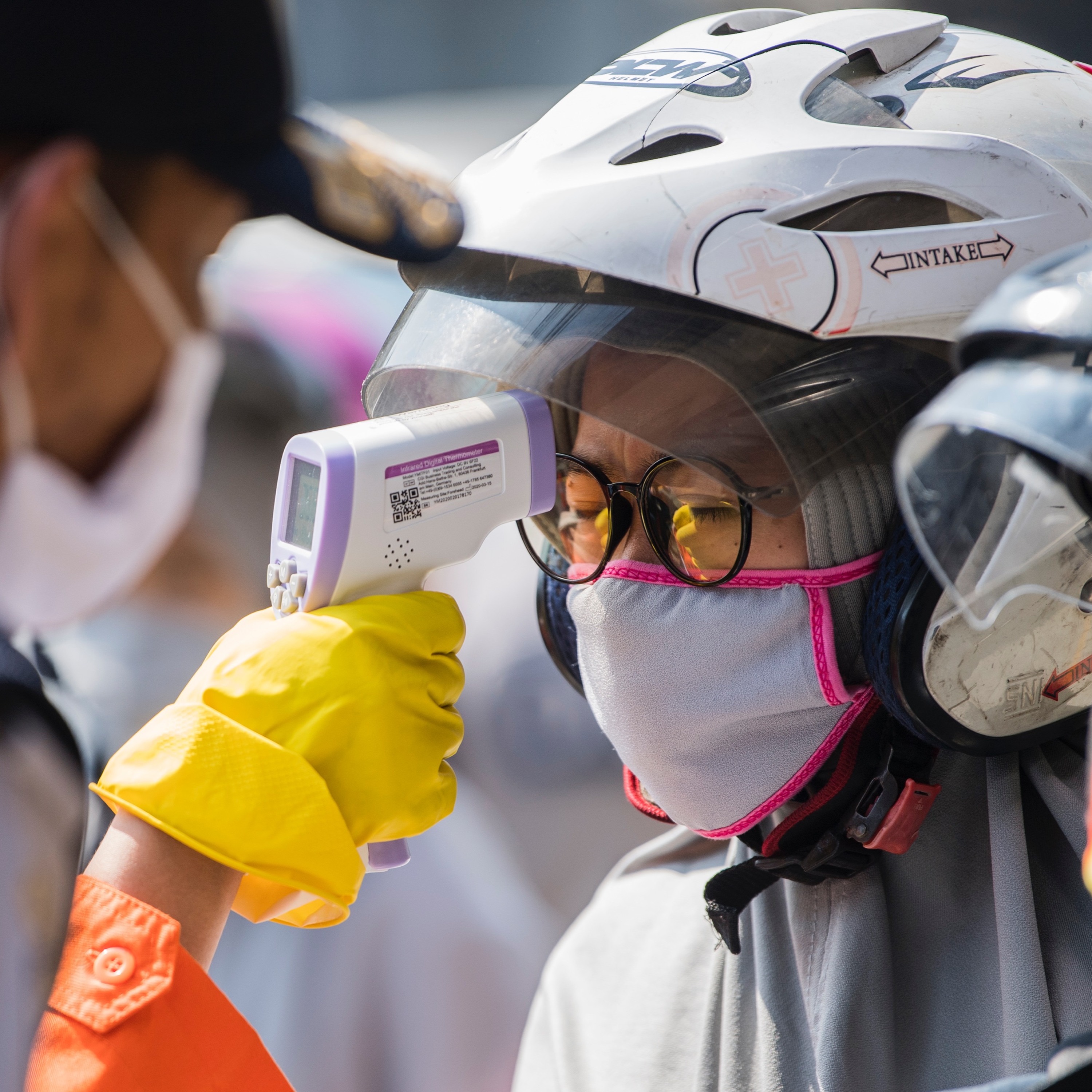
The Indonesian government’s response to Covid-19 has been widely perceived as inadequate. Indonesia’s testing rate has been very low, sparking concerns that many Covid fatalities have gone undetected, but even so its current official death toll of 635 is the highest in Asia outside of China. It took almost a month after acknowledging its first case to declare a health emergency, enabling regions with high numbers of cases to institute social distancing. It was only on Tuesday this week that the government issued a ban on the annual mudik - where tens of millions of Indonesians living in major cities go home to rural areas at the end of Islamic fasting month, potentially taking Covid-19 with them. But with the fasting month starting at the end of this week, many Indonesians have already gone home. What accounts for the Indonesian government response to Covid-19? What considerations have informed the government’s response, what challenges does it face, and does the crisis threaten the government’s legitimacy? In this week’s Talking Indonesia podcast, Dr Dave McRae discusses these issues with Dr Yanuar Nugroho, former deputy chief of staff to President Jokowi during the president’s first term, and a member of the Indonesian Young Academy of Sciences, ALMI. Dr Nugroho is also currently a Visiting Senior Fellow at the ISEAS-Yusof Ishak Institute, an Honorary Research Fellow at the University of Manchester, and a senior advisor to the Centre for Innovation Policy and Governance in Jakarta. The Talking Indonesia podcast is co-hosted by Dr Dave McRae from the University of Melbourne’s Asia Institute, Dr Jemma Purdey from Monash University, Dr Dirk Tomsa from La Trobe University, and Dr Charlotte Setijadi from the Singapore Management University. Photo credit: Agung Rajasa for Antara Foto
Dr Riris Andono Ahmad - The Covid-19 Emergency
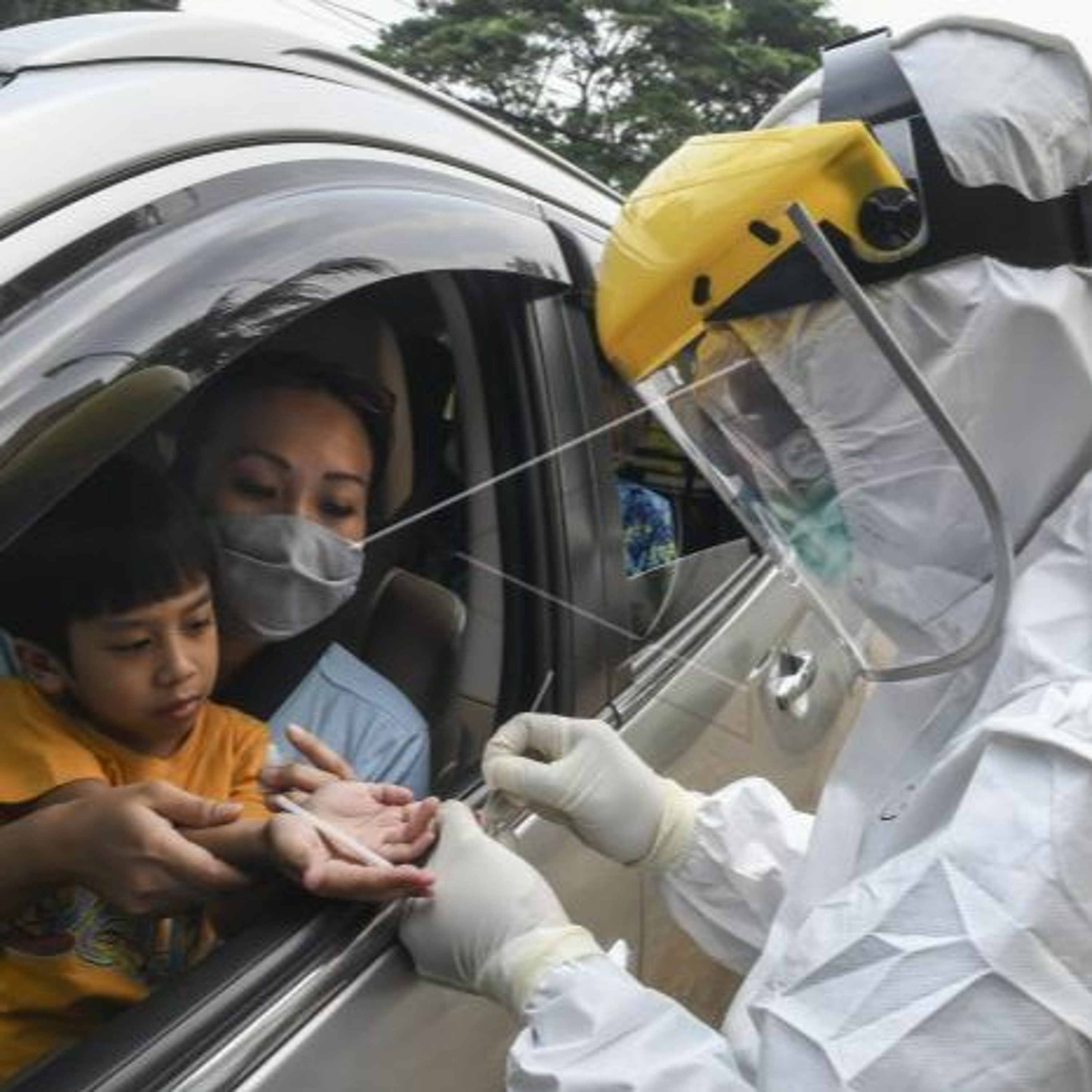
Covid-19 is spreading fast in Indonesia and the government seems overwhelmed by the monumental task of combating the virus. President Jokowi has ordered social distancing measures, but there’s been much confusion about what exactly that means. The situation is further complicated by disagreements and a lack of coordination between the central government and local administrations, many of whom are pushing for stricter measures. Why has the Indonesian response been so ineffective? How can the disagreements between the national and local governments be resolved? And what is the likely trajectory of the virus in view of the upcoming Islamic fasting month of Ramadhan, when many Indonesians normally travel to their home villages? In today’s podcast, I will discuss these and other questions with Dr Riris Andono Ahmad from the Department of Biostatistics, Epidemiology and Population Health at Gadjah Mada University in Yogyakarta. In 2020, the Talking Indonesia podcast is co-hosted by Dr Dave McRae from the University of Melbourne’s Asia Institute, Dr Jemma Purdey, Dr Charlotte Setijadi from Singapore Management University and Dr Dirk Tomsa from La Trobe University. Look out for a new Talking Indonesia podcast every fortnight. Catch up on previous episodes here, subscribe via iTunes or listen via your favourite podcasting app. Image credit: ANTARA FOTO/Muhammad Adimaja/pras
Ignatius Praptoraharjo - LGBT Inclusion and Access
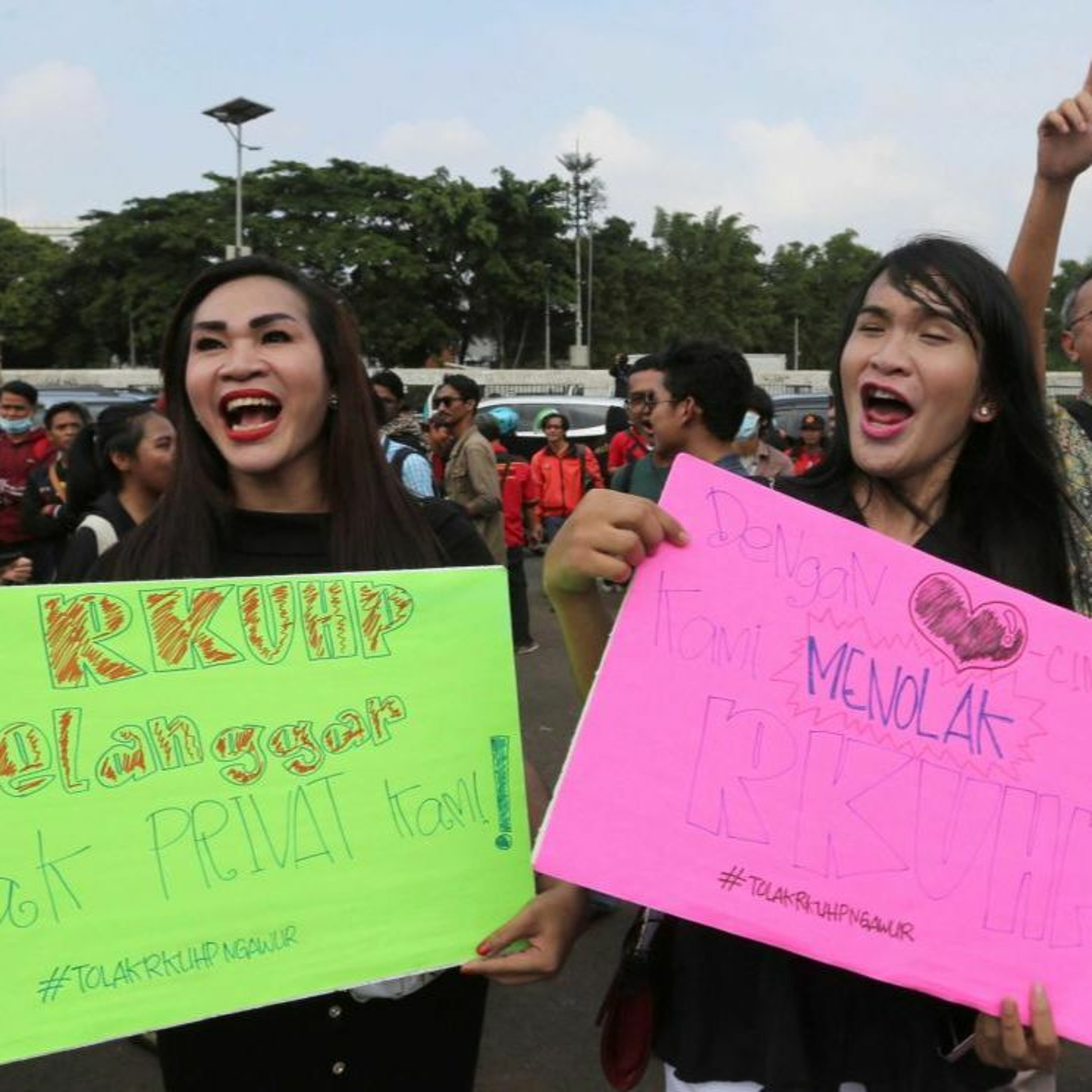
Even without controversial changes to the Criminal Code that would criminalise same sex relations, many local level bylaws already persecute sexual and gender minorities in the name of public order and decency. What are the difficulties faced by LGBT Indonesians? How do they see their place in society? What are the barriers to basic services, including health care and what are the implications for this community and Indonesian society as a whole if they are left behind? In Talking Indonesia this week, Dr Jemma Purdey discusses inclusion, access and empowerment for LGBT Indonesians with Ignatius Praptoraharjo (Gambit) a research consultant at the Centre for Health Policy and Management at Gadjah Mada University and the HIV AIDS Research Centre, Atma Jaya Catholic University. Gambit completed his doctorate 2010 at the University of Illinois at Chicago, and has been a recipient of the UIC-AIDS International Training and Research Program Scholarship from the US National Institute of Health. Gambit was recently in Melbourne for a series of talks. He sat down with Talking Indonesia as the Covid-19 outbreak was gathering momentum. In 2020, the Talking Indonesia podcast is co-hosted by Dr Jemma Purdey from the Australia-Indonesia Centre, Dr Dave McRae from the University of Melbourne’s Asia Institute, Dr Charlotte Setijadi from the ISEAS-Yusof Ishak Institute in Singapore and Dr Dirk Tomsa from La Trobe University. Look out for a new Talking Indonesia podcast every fortnight. Catch up on previous episodes here, subscribe via iTunes or listen via your favourite podcasting app. Photo: @AP 2018
Diatyka Widya Permata Yasih - The Gig Economy
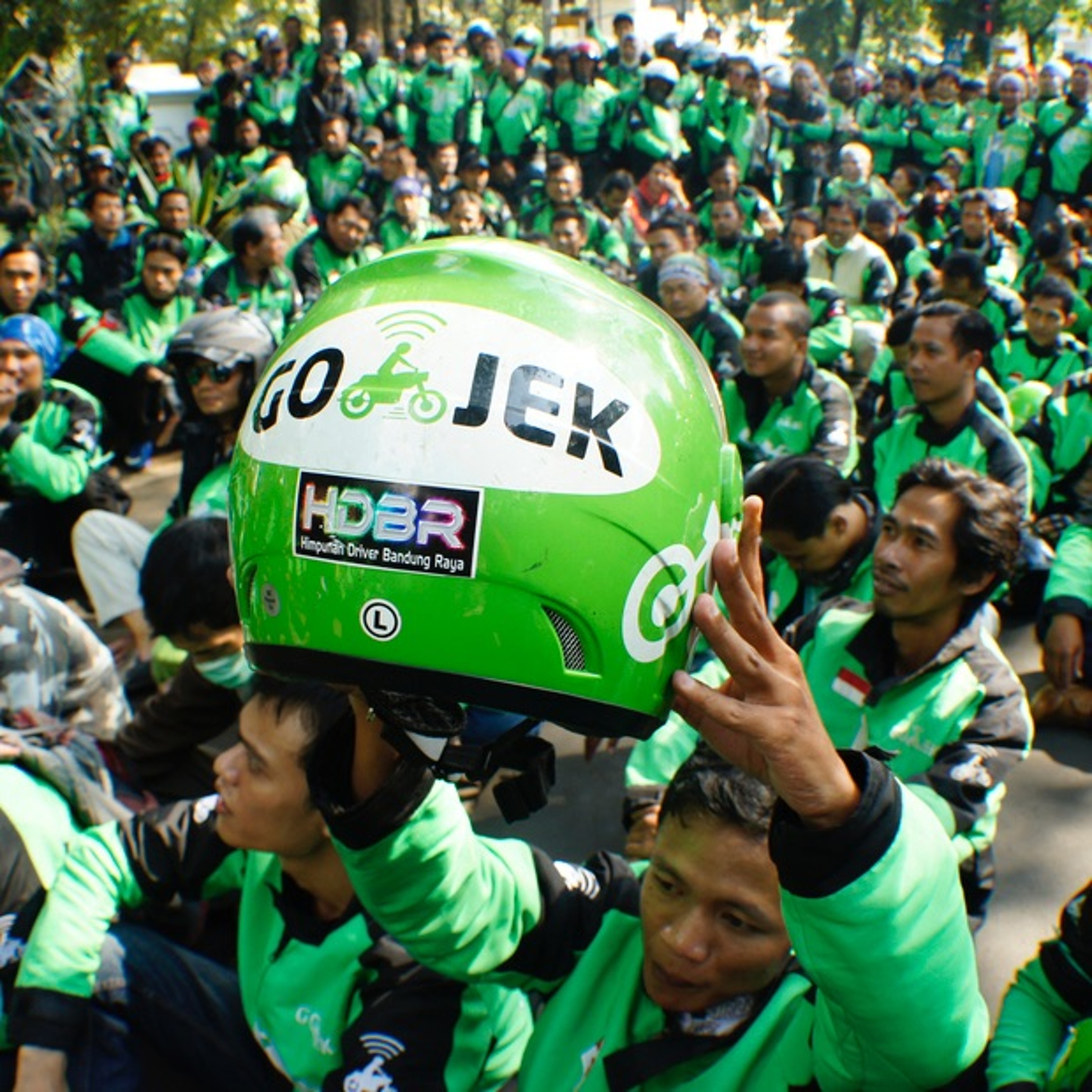
Indonesian officials routinely highlight the success of the Indonesian ride-hailing unicorn company GoJek, whose founder Nadiem Makarim became Education Minister in President Jokowi’s latest cabinet. The green jackets of GoJek’s motorcycle taxi drivers and its regional competitor Grab have become ubiquitous in Indonesia’s cities - both companies also offer online taxis, food delivery, and a range of other services through their apps. Companies like GoJek and Grab claim to provide a platform to more efficiently bring service providers and customers together, but across the world their critics claim such companies have eroded worker rights and made the nature of work more precarious. But how do these dynamics play out in Indonesia, a country where tens of millions of people have always worked in the informal sector under very adverse conditions? In this week’s Talking Indonesia podcast, Dr Dave McRae discusses these issues with Diatyka Widya Permata Yasih, a PhD candidate at the University of Melbourne’s Asia Institute, who has interviewed dozens of GoJek and Grab drivers for her research on the gig economy. Her research on the gig. Economy is also featured in. the inaugural edition of Melbourne Asia Review, a new online publication being launched by the Asia Institute next week. The Talking Indonesia podcast is co-hosted by Dr Dave McRae from the University of Melbourne’s Asia Institute, Dr Jemma Purdey from Monash University, Dr Dirk Tomsa from La Trobe University, and Dr Charlotte Setijadi from the Singapore Management University. Look out for a new Talking Indonesia podcast every fortnight. Photo credit: Agus Bebeng for Antara Foto
Dr Josh Stenberg - Chinese Indonesian Performing Arts
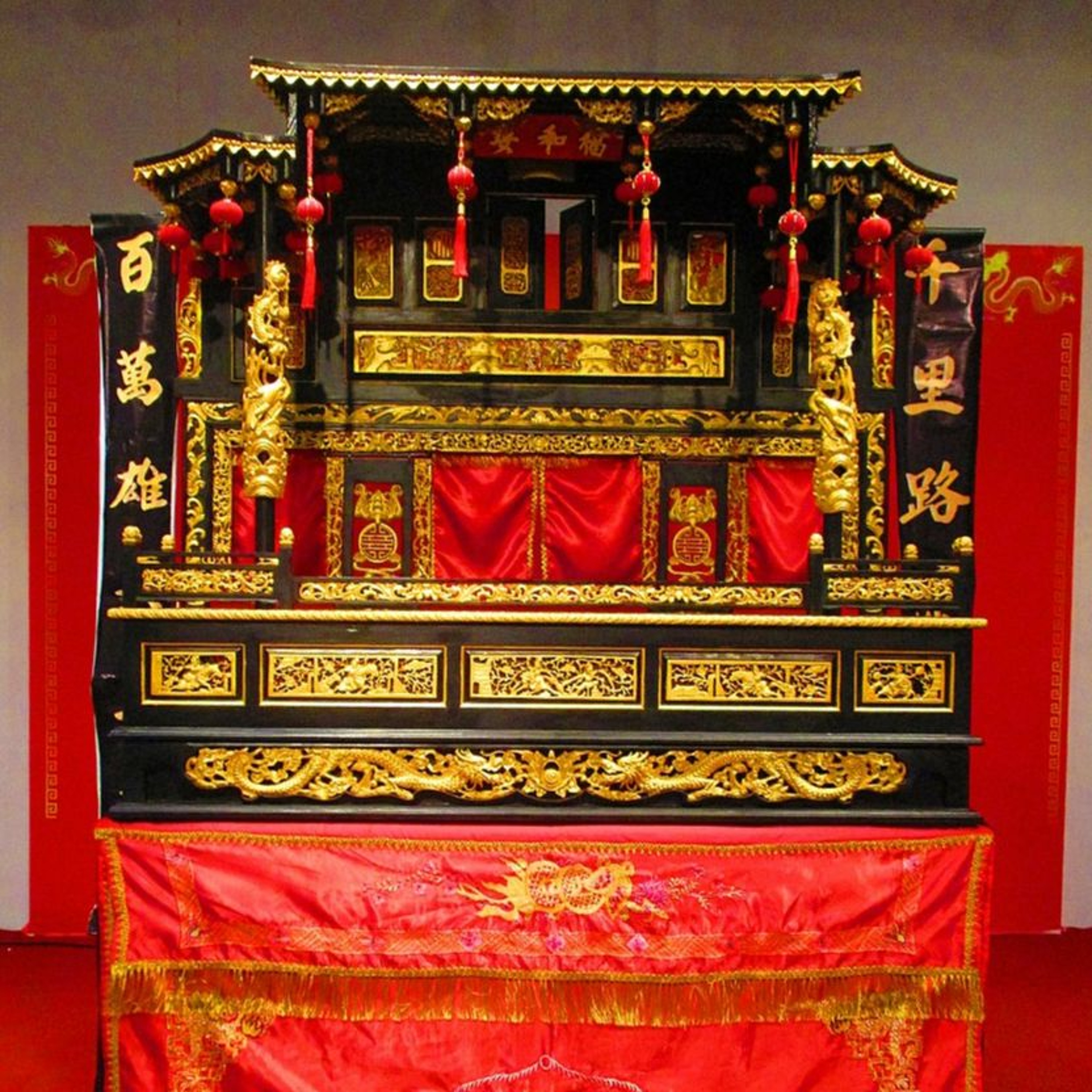
In this belated Chinese New Year special, Charlotte Setijadi chats with Dr Josh Stenberg about the little known topic of Chinese Indonesian performance arts, and how their histories represent the strategies of Chinese minority self-representation over time.
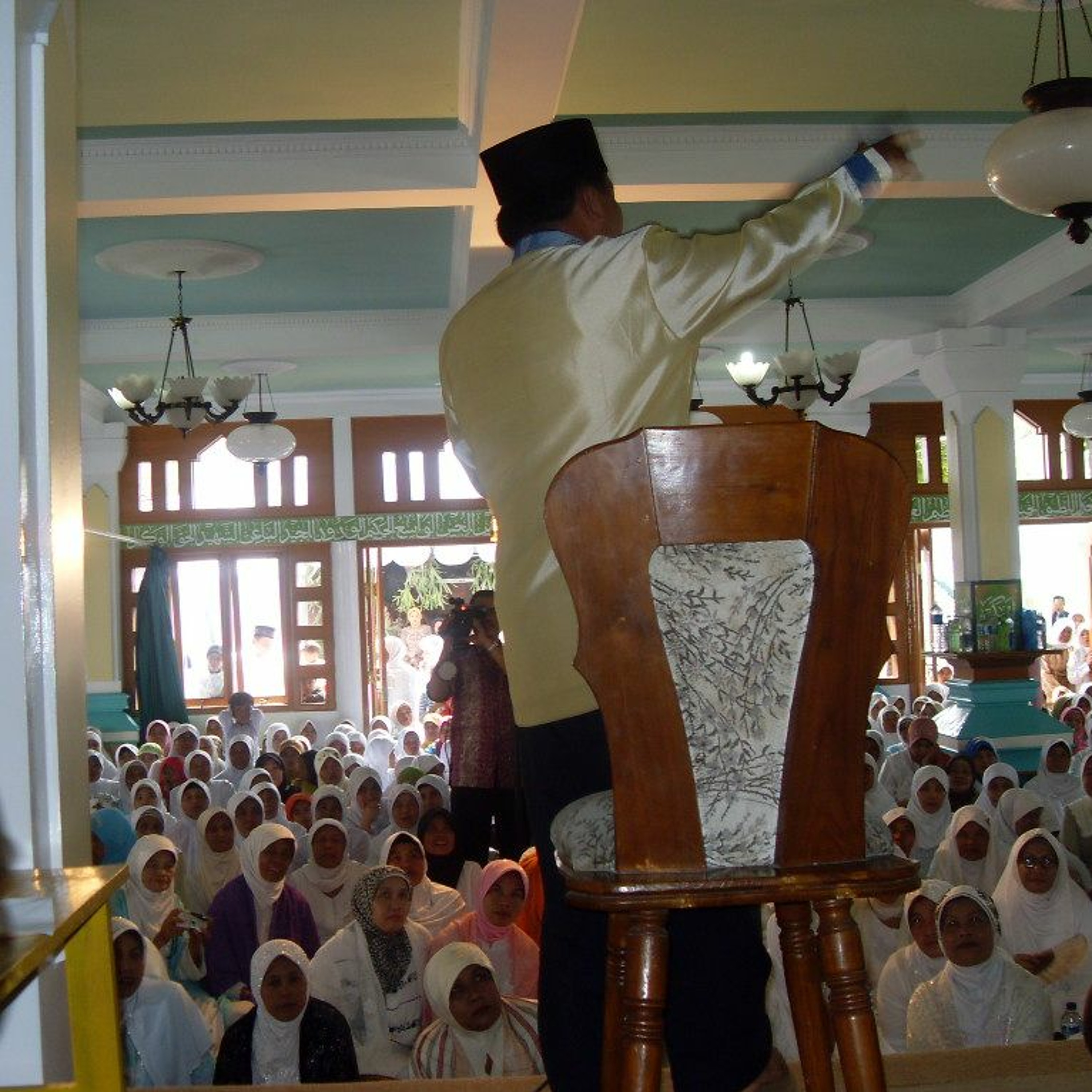
Prof Julian Millie - Regulating Islamic Preachers?
Talking Indonesia: Regulating Islamic Preachers? Growing religious conservatism in Indonesia has turned some Islamic preachers into minor celebrities and influential political powerbrokers in recent years. The government has expressed concern about these developments, especially after some radical preachers took leading roles in the 2016 protests against former Jakarta governor Ahok. Are these concerns warranted? What role do preachers actually play in local communities? And how realistic are proposals to regulate preaching in Indonesia? In today’s podcast, Dr Dirk Tomsa discusses these and other questions with Professor Julian Millie, an anthropologist and Professor of Indonesian Studies at Monash University in Melbourne. Photo credit: Julian Millie
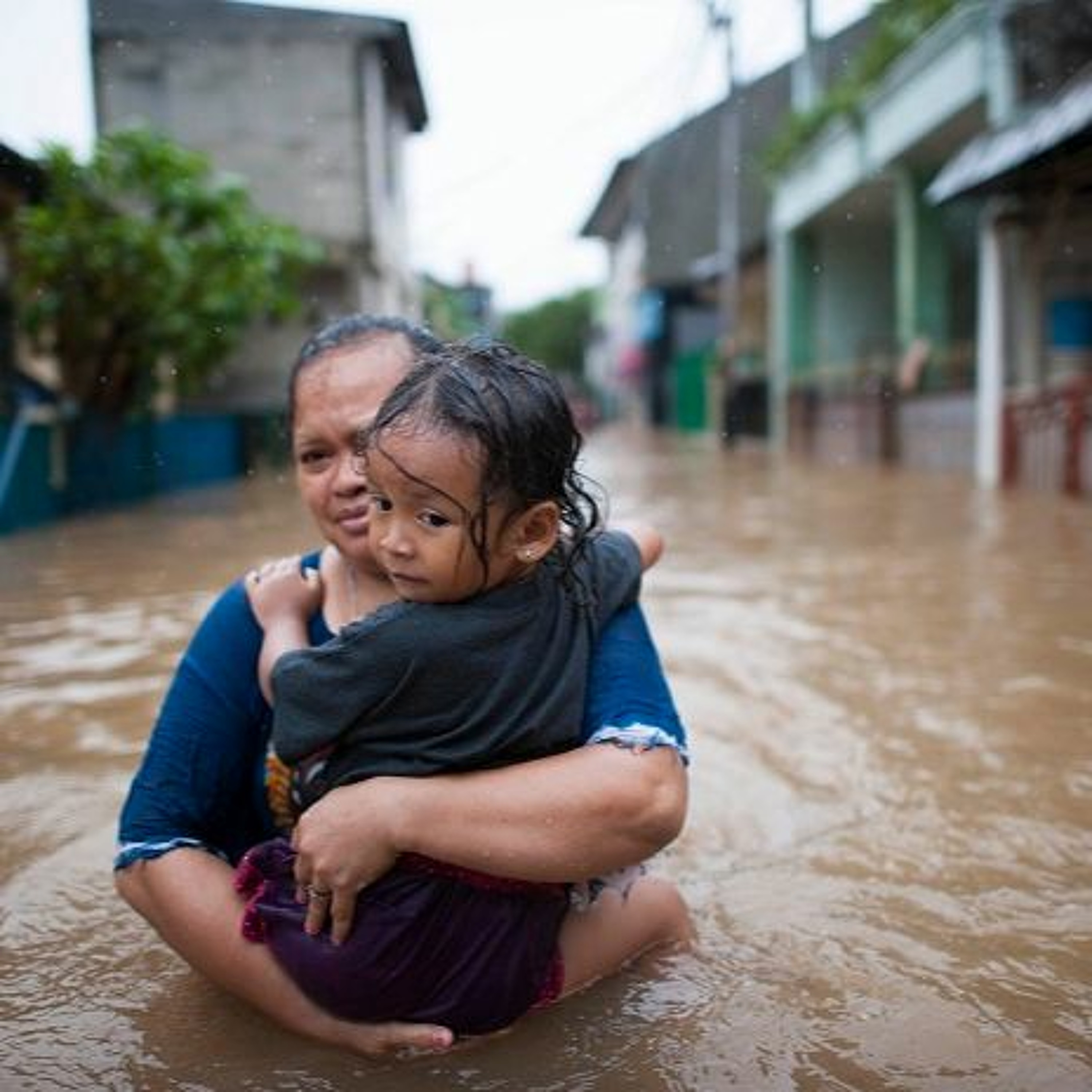
Dr Roanne van Voorst - Jakarta's Floods
Beginning on New Year's Eve, torrential rain caused some of the worst flooding in and around Jakarta for more than a decade. Residents of this low-lying city are used to heavy rain and flooding at this time of year, but as a spokesperson for the Meteorology, Climatology and Geophysics Agency (BMKG) said, this was "not ordinary rain". More than 300mm fell in a single day – the most since 1996, when records began. Up to 100,000 people were reportedly forced to flee their homes and more than 60 people died. Fixing Jakarta's problems with flooding has been a fraught political issue for decades. In the wake of these floods, and with so many Jakartans from all walks of life affected, people were again looking for a target for their frustrations. Informal settlements along the Ciliwung River have long been a focus for politicians and policymakers, with their removal a key policy of both former governor Basuki "Ahok" Tjahaja Purnama and current governor Anies Baswedan. But what do we know about the people who live in these settlements, sometimes for decades, risking constant threats of floods and eviction? Who are they? What has brought them to live in such precarious conditions? What is their everyday experience of living with regular flooding? Can they be part of the solution to better tackle this problem? In Talking Indonesia this week, Dr Jemma Purdey chats to anthropologist Roanne van Voorst, who lived for more than a year in a settlement on the banks of the Ciliwung River. They discuss the histories of these settlements and the complex social structures within these communities, their warning and recovery systems after flooding, and how residents negotiate their vulnerabilities everyday. In 2019, the Talking Indonesia podcast is co-hosted by Dr Jemma Purdey(link is external) from Deakin University and the Australia-Indonesia Centre, Dr Dave McRae from the University of Melbourne’s Asia Institute, Dr Charlotte Setijadi (link is external)from Singapore Management University and Dr Dirk Tomsa(link is external) from La Trobe University. Look out for a new Talking Indonesia podcast every fortnight. Catch up on previous episodes here, subscribe via iTunes(link is external) or listen via your favourite podcasting app.
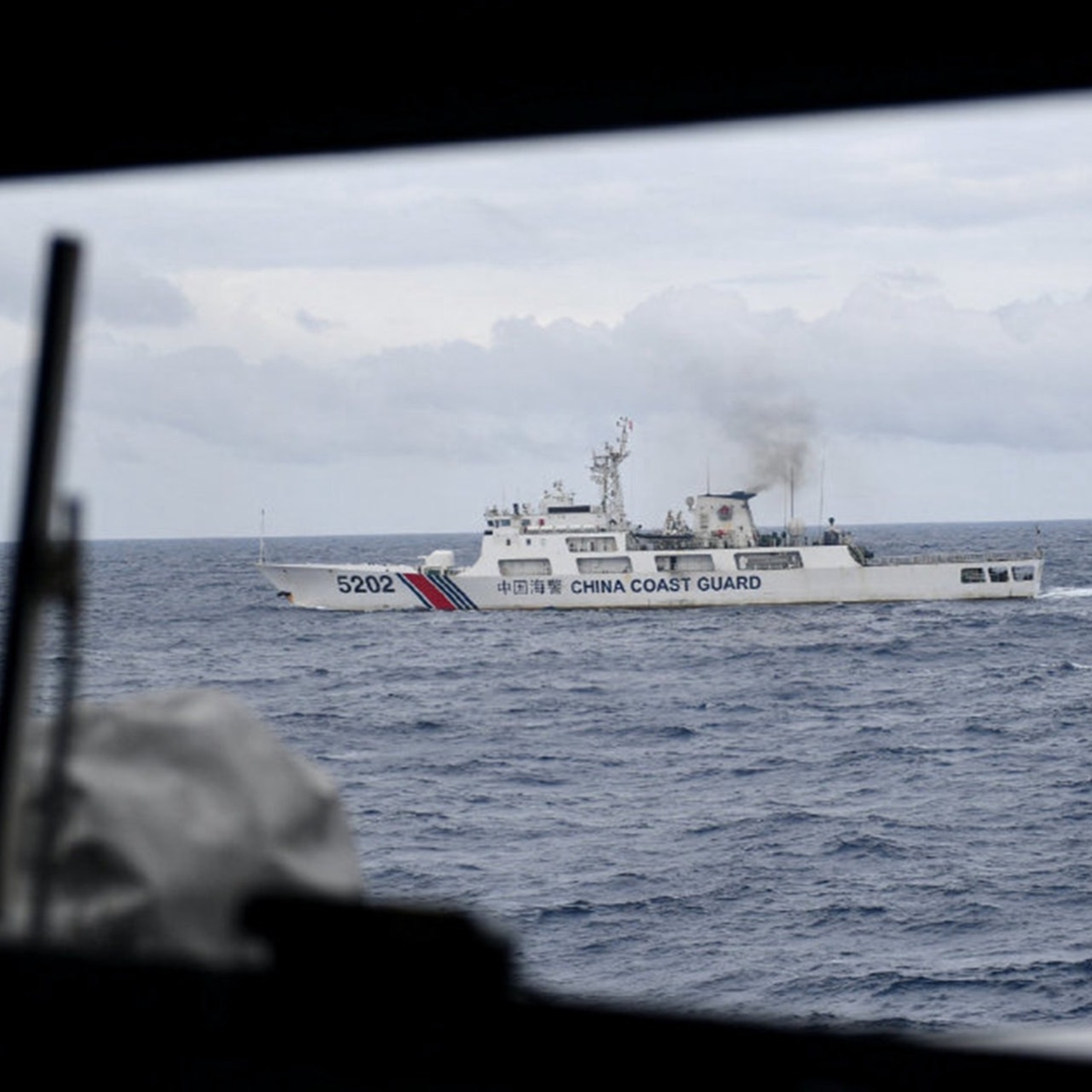
Emirza Adi Syailendra - China's Rise
During December 2019 and January 2020, Indonesia and China have again become involved in a series of periodic confrontations over fisheries to the north of Indonesia’s Natuna Islands. Chinese Coast Guard vessels have accompanied a fleet of fishing boats in an area China says is part of its traditional fishing grounds, but which Indonesia claims as its exclusive economic zone under the United Nations Convention on the Law of the Sea (UNCLOS). Indonesia has sent naval and civilian patrol vessels in an effort to force the Chinese craft to leave, and Indonesian president Joko Widodo has personally visited the Natunas to underline the importance of the dispute to Indonesia, as he did in the aftermath of a previous confrontation with China in 2016. What do such incidents tell us about the implications of China’s rise for Indonesia, and how is the Indonesian government tackling the challenge of China as an ever larger strategic and economic power on its doorstep? In this week’s Talking Indonesia podcast, the first episode for 2020, Dr Dave McRae discusses these issues with Emirza Adi Syailendra, Associate Research Fellow in the Indonesia Programme of the S. Rajaratnam School of International Studies at Nanyang Technological University in Singapore, who has written extensively on Indonesia and its foreign policy approach to China. The Talking Indonesia podcast is co-hosted by Dr Dave McRae from the University of Melbourne’s Asia Institute, Dr Jemma Purdey from Monash University, Dr Dirk Tomsa from La Trobe University, and Dr Charlotte Setijadi from the Singapore Management University. Look out for a new Talking Indonesia podcast every fortnight. Photo credit: M Risyal Hidayat for Atara Foto
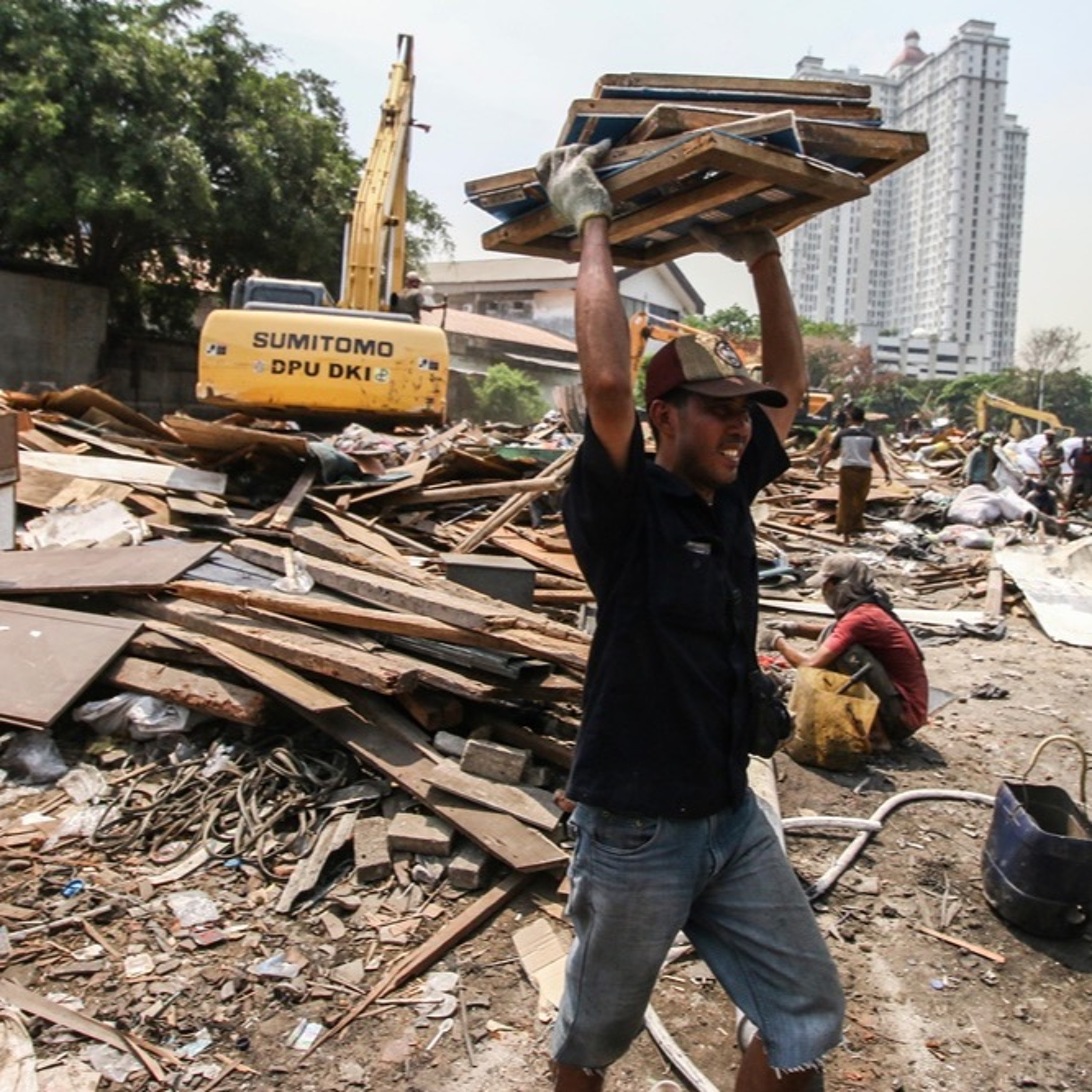
Dr Ian Wilson - The Urban Poor
With rapid urbanisation and rising inequality in Indonesia, levels of urban poverty have also increased, and people living and working in informal circumstances face ongoing threats of eviction. Periodically, the urban poor’s activism to defend and advance their interests has taken centre stage in Indonesian politics, never more so than in the 2017 Jakarta gubernatorial elections, when the issue of evictions became entwined with Islamist opposition to the incumbent governor Basuki Tjahaja Purnama or Ahok, in the massive mobilisation against him. What is the lived experience of urban poverty in Indonesia, and what forms of activism do the urban poor engage in? How have various Indonesian governments responded, and what prospects do the urban poor have to carve out a place for themselves in Indonesia’s cities? In this week’s Talking Indonesia podcast, Dr Dave McRae discusses these issues with Dr Ian Wilson, Senior Lecturer in Politics and Terrorism and Count-terrorism Studies at Murdoch University and the author of The Politics of Protection Rackets in Post-New Order Indonesia: Coercive Capital, Authority and Street Politics. The Talking Indonesia podcast is co-hosted by Dr Dave McRae from the University of Melbourne’s Asia Institute, Dr Jemma Purdey from Monash University, Dr Charlotte Setijadi from the Singapore Management University and Dr Dirk Tomsa from La Trobe University. Look out for a new Talking Indonesia podcast every fortnight. Photo credit: Rivan Awal Lingga for Antara Foto
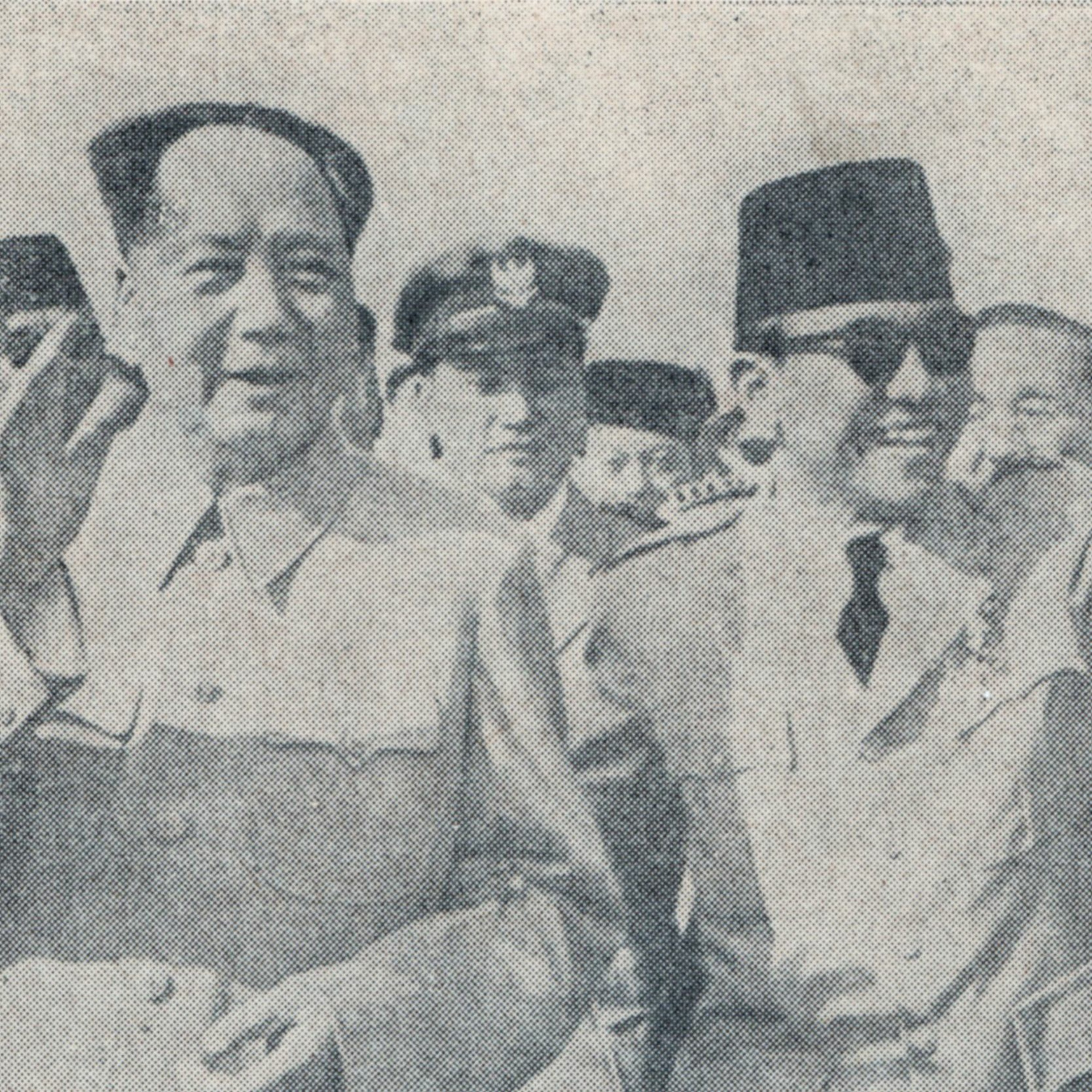
Dr Taomo Zhou - China, Indonesia and the Cold War
So much is still unknown about China-Indonesia relations during the Cold War, and in particular China’s role in the pivotal events of 30 September 1965. In a new book “Migration in the Time of Revolution: China, Indonesia and the Cold War” (Cornell University Press), Dr Taomo Zhou analyses the nature of China’s involvements in the immediate periods leading up to 30 September. Using materials such as then-declassified archives of the Chinese Ministry of Foreign Affairs, Taomo pieces together the movements of various Chinese and Indonesian actors that contributed to the diplomatic and political dynamics at the time. She also shows how state-to-state diplomacy was influenced by transnational ethnic ties and the political practices of the ethnic Chinese.
Hellena Souisa - The Media and Elections
The Indonesian media is heavily politicised. Many TV stations are owned by political power brokers or party leaders. During elections, these ownership structures place significant restrictions on the independence of journalists and media freedom more broadly. But how exactly do media bosses interfere in the daily lives of Indonesian journalists? What forms of intimidation do journalists face? And what are the implications of Jokowi’s victory for the Indonesian media? In today’s podcast, Dr Dirk Tomsa discusses these and other questions with Hellena Souisa, a former journalist and PhD candidate at the University of Melbourne’s Asia Institute. In 2019, the Talking Indonesia podcast is co-hosted by Dr Dave McRae from the University of Melbourne’s Asia Institute, Dr Jemma Purdey from Monash University, Dr Charlotte Setijadi from Singapore Management University and Dr Dirk Tomsa from La Trobe University. Look out for a new Talking Indonesia podcast every fortnight. Catch up on previous episodes here, subscribe via iTunes or listen via your favourite podcasting app. Photo credit: ANTARA FOTO/Indrianto Eko Suwarso
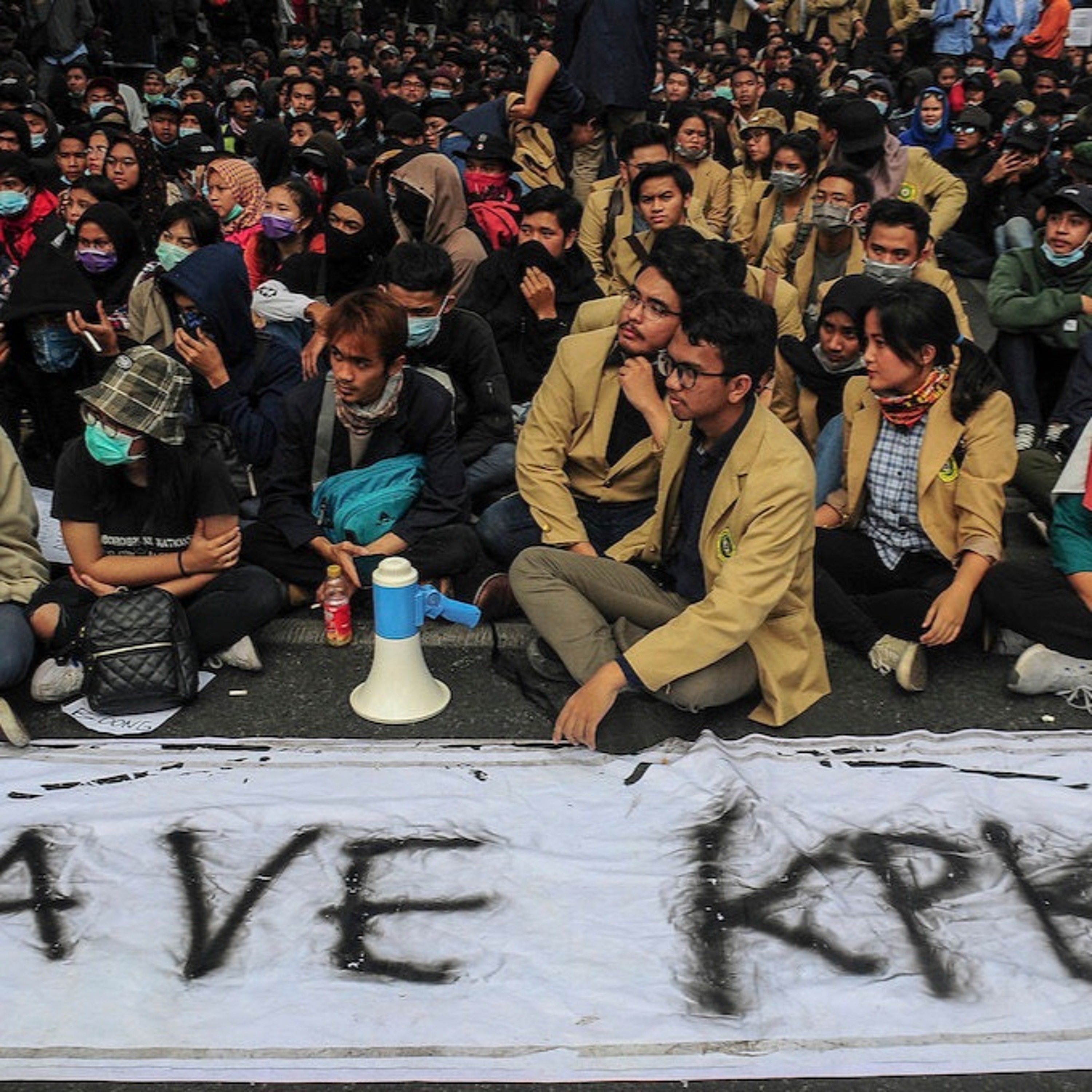
Dr Laode Muhammad Syarif - Indonesia's Fight Against Corruption
Since its formation in 2003, Indonesia’s Corruption Eradication Commission (KPK) has established itself as one of Indonesia’s most trusted and popular institutions, owing to its prosecution of a string of powerful figures for graft. Indicative of the Commission’s strong public support, in 2014 Joko Widodo initially courted then KPK chairperson Abraham Samad as his vice-presidential running mate, although ultimately the pairing did not proceed. Once Jokowi was elected, he also asked the KPK to vet potential members of his cabinet, resulting in the exclusion of several potential ministers. But much has changed over the course of President Jokowi’s five years in office. No invitation was extended to the KPK in 2019 to vet Jokowi’s second term cabinet. The president also agreed in September to amend the KPK’s founding statute, significantly curtailing the KPK’s distinctiveness and independence. What accounts for this shift? And what are the prospects for the KPK and Indonesia’s fight against corruption more broadly? In this week’s Talking Indonesia podcast, Dr Dave McRae discusses these issues with Dr Laode Muhammad Syarif, one of five commissioners of Indonesia’s Corruption Eradication Commission (KPK). Appointed in 2015, Dr Syarif will complete his term in December 2019. The Talking Indonesia podcast is co-hosted by Dr Dave McRae from the University of Melbourne’s Asia Institute, Dr Jemma Purdey from Monash University, Dr Charlotte Setijadi from the Singapore Management University and Dr Dirk Tomsa from La Trobe University. Photo credit: Novrian Arbi for Antara Foto
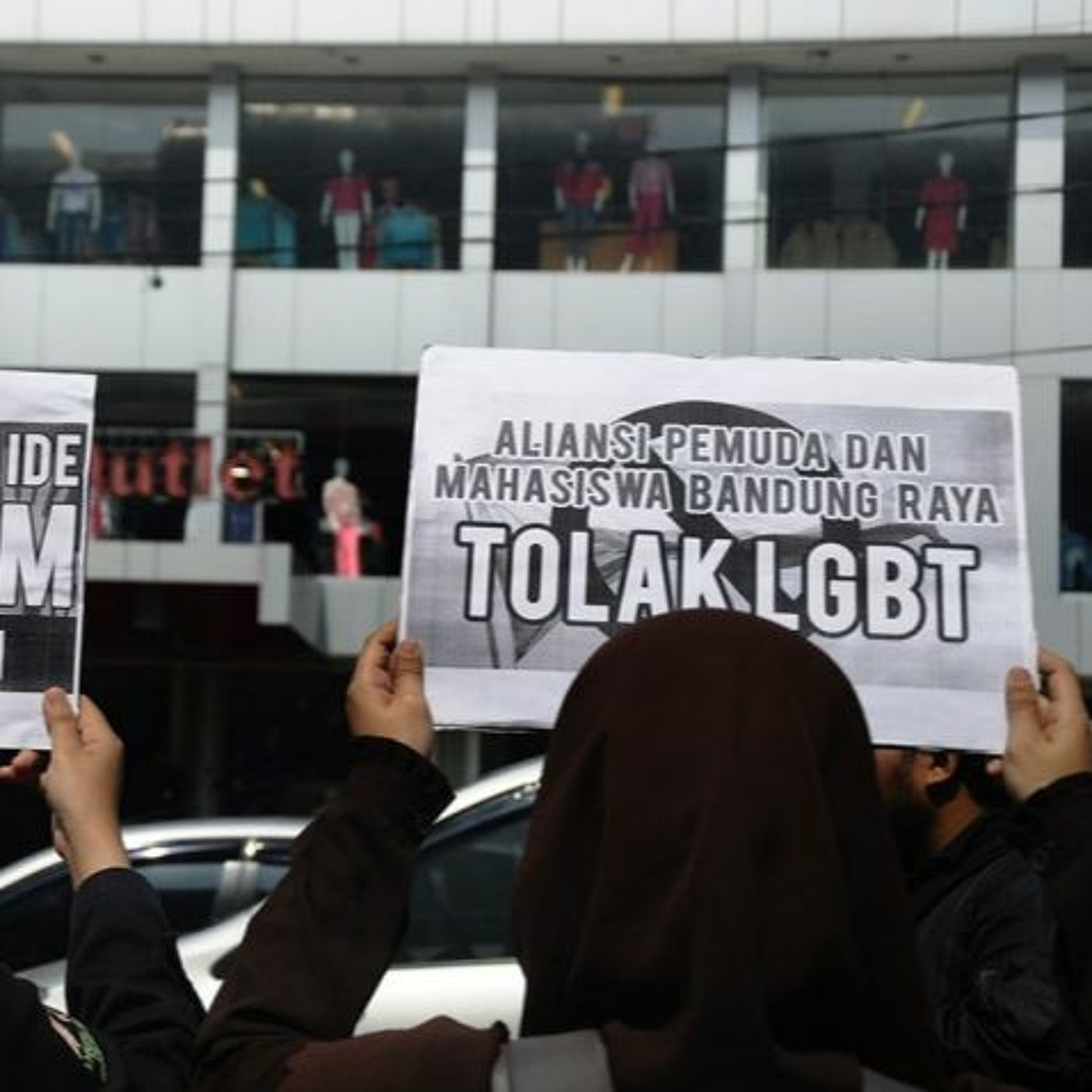
Dr Dede Oetomo - Persecuted Minorities
Indonesia has recently seen widespread protests against proposed changes to the Criminal Code (KUHP), which threatened to tighten restrictions on human rights and freedoms, particularly those of religious and sexual minorities. In the latest episode of the Talking Indonesia podcast, we reflect on the progress made by persecuted and vulnerable minorities since the fall of the New Order more than 20 years ago. For the LGBTIQ community in particular, what gains have been made since 1998 and where are the threats to these gains coming from? How do we explain increasing intolerance for the rights of minorities and what do the recent protests across the country tell us about Indonesian democracy and the protection of vulnerable groups within it? To talk about these issues and more Dr Jemma Purdey chats to Dede Oetomo, renowned scholar, activist and founder of the Gaya Nusantara Foundation. Dede was recently in Melbourne and sat down with Talking Indonesia as the protests against the Criminal Code and other controversial bills were gaining momentum. In 2019, the Talking Indonesia podcast is co-hosted by Dr Jemma Purdey from the Australia-Indonesia Centre, Dr Dave McRae from the University of Melbourne’s Asia Institute, Dr Charlotte Setijadi from the ISEAS-Yusof Ishak Institute in Singapore and Dr Dirk Tomsa from La Trobe University. Look out for a new Talking Indonesia podcast every fortnight. Catch up on previous episodes here, subscribe via iTunes or listen via your favourite podcasting app. Photo: ANTARA FOTO/Akbar Nugroho Gumay/ama
Dr Ken Setiawan - Freedom of Expression
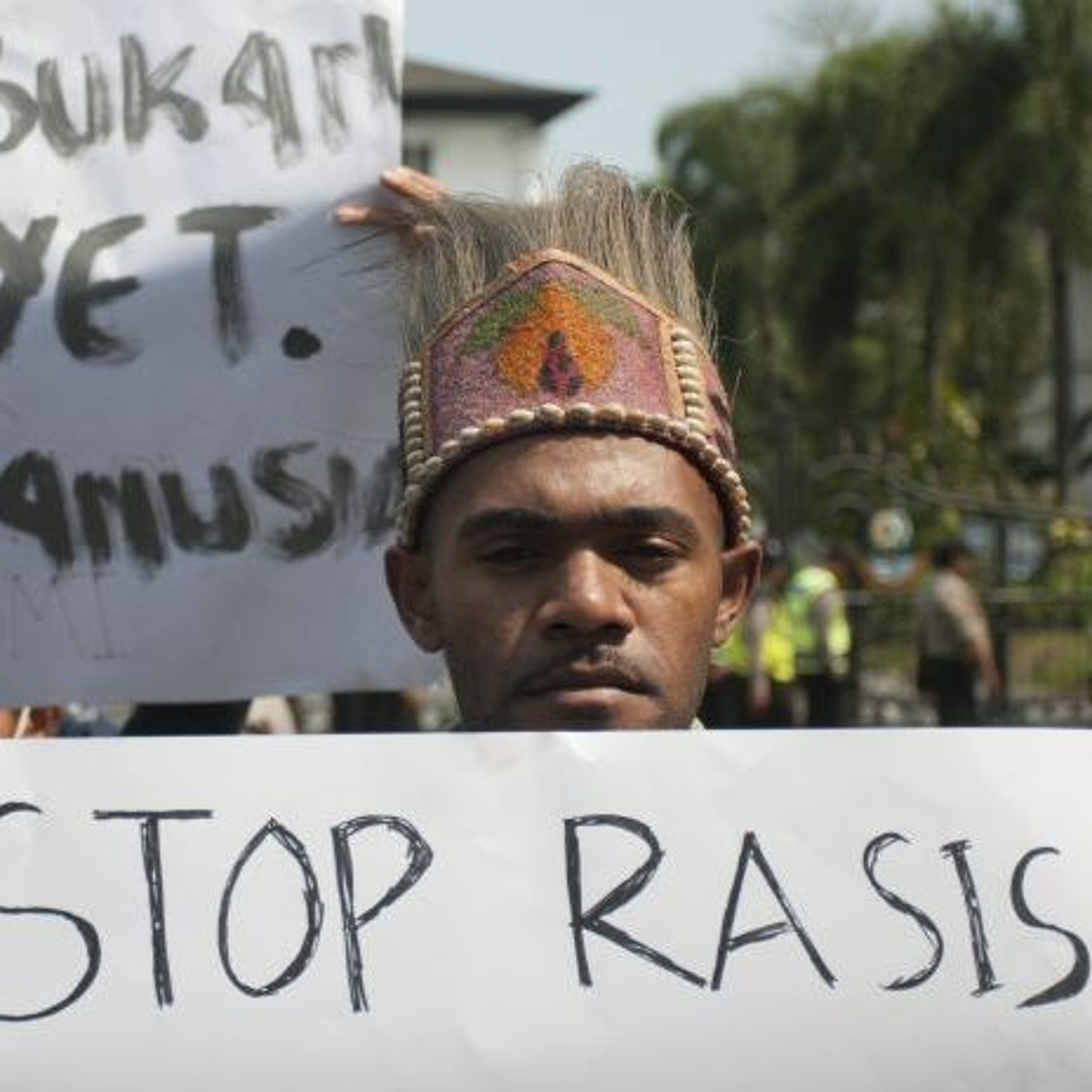
Freedom of expression is under attack in Indonesia. Under President Jokowi, protests against the government have been routinely met with repression and intimidation. In 2019 alone, the space for public dissent has shrunk dramatically, as was evident during the presidential election campaign, during demonstrations in Papua and, most recently, during widespread student protests that occurred shortly after this podcast was recorded. What explains these increasing restrictions on freedom of expression? How does the government justify them? And how do Indonesian human rights activists respond? In today’s podcast, Dr Dirk Tomsa discusses these and other questions with Dr Ken Setiawan, a lecturer in Asian and Indonesian Studies at the University of Melbourne’s Asia Institute. In 2019, the Talking Indonesia podcast is co-hosted by Dr Dave McRae from the University of Melbourne’s Asia Institute, Dr Jemma Purdey from Monash University, Dr Charlotte Setijadi from Singapore Management University and Dr Dirk Tomsa from La Trobe University. Photo credit: ANTARA FOTO/Novrian Arbi/foc
Putri Alam - Digital Economy - Policy in Focus
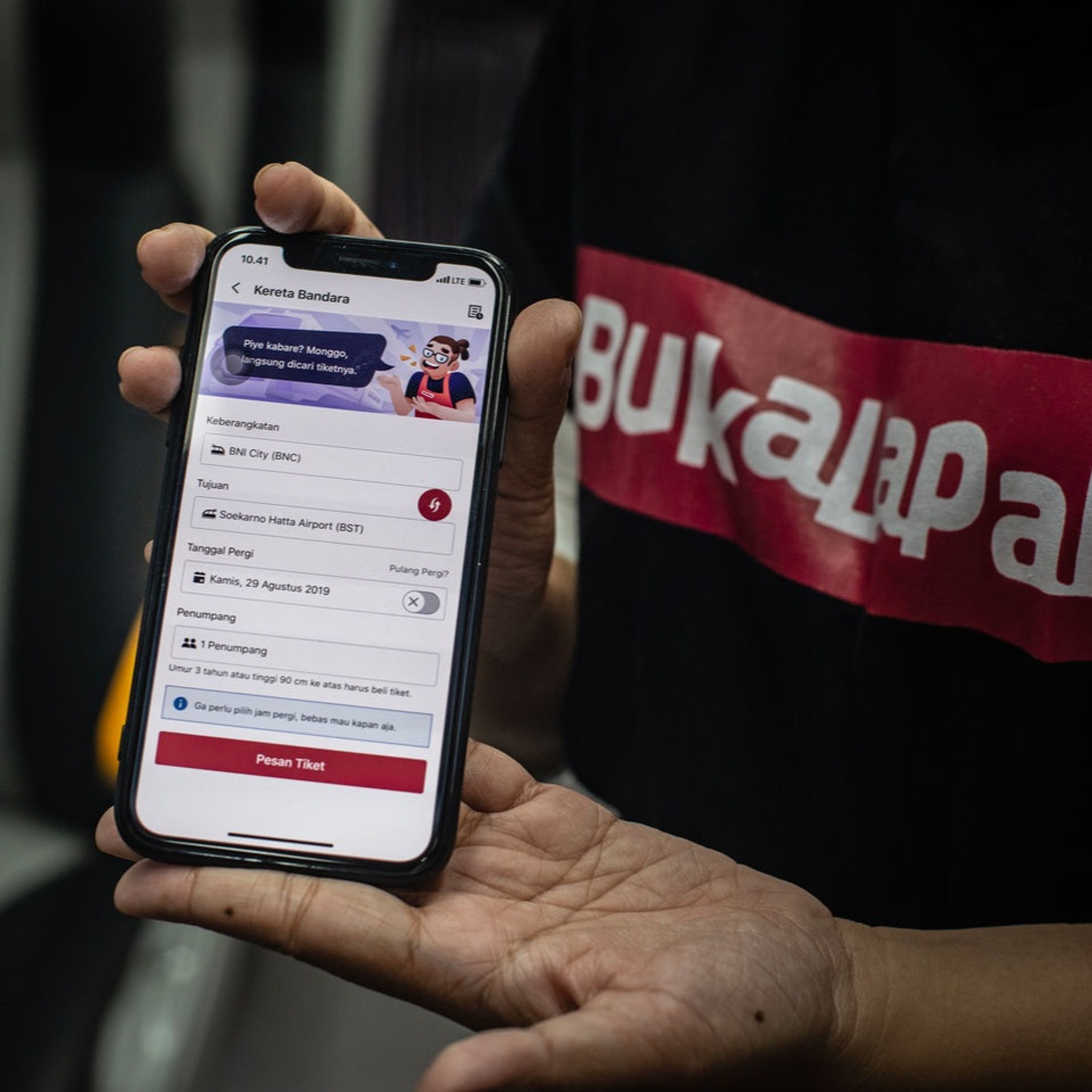
President Jokowi increasing highlights the digital economy and technology as central to Indonesia’s future, quipping during one of the presidential election debates in 2019, ‘In the future, strong countries won’t control weak countries. Fast countries will control slow countries.’ In line with this focus, digital start-ups such as ride-hailing company Go-Jek and e-commerce company Bukalapak have become some of Indonesia’s best known companies. At the same time, there are concerns about potential disruptive and divisive effects as the digital sphere becomes ever more pervasive. How will Indonesia change as the digital economy expands? And what role will government and the private sector play in this transformation? In this week’s Talking Indonesia podcast, Dr Dave McRae discusses these issues with Putri Alam, head of Government Relations and Public Policy at Google Indonesia. She spoke at the Indonesia Development Forum in July 2019 on the digital economy and the changing nature of work. Today’s episode is the third in the “Policy in Focus” series of Talking Indonesia episodes, supported by the Knowledge Sector Initiative (KSI), a partnership between the Australian and Indonesian governments that aims to improve the use of evidence in development policymaking. This series will appear periodically in alternate weeks to the regular Talking Indonesia episodes. The views expressed in this podcast episode do not represent the views of the Australian or Indonesian governments. The Talking Indonesia podcast is co-hosted by Dr Dave McRae from the University of Melbourne’s Asia Institute, Dr Jemma Purdey from Monash University, Dr Charlotte Setijadi from the Singapore Management University and Dr Dirk Tomsa from La Trobe University. Look out for a new Talking Indonesia podcast every fortnight. Photo credit: Aprillio Akbar for Antara Foto

Dr Martin Siyaranamual & Dr Rita Padawangi - Moving the Capital
Not long after winning a second term, President Joko “Jokowi” Widodo announced that the nation’s capital will be moved from Jakarta to a new site in East Kalimantan. Jokowi said that the decision was mainly motivated by the fact that Jakarta is literally sinking from over-development and it can no longer handle the burden of being Indonesia’s centre of commerce and government. The government has argued that moving the capital to East Kalimantan will also help to redistribute economic development to regions outside of Java, particularly in eastern Indonesia. The news was received with both excitement and caution. A move of this scale will take many years to complete, and the costs will be astronomical. There are also questions about the environmental and social impacts of building a new city from scratch in an area that was formerly a tropical forest with rich biodiversity. To discuss the planned capital city move, I speak with Dr Martin Siyaranamual, a microeconomist and lecturer in the Department of Economics at Padjadjaran University in Bandung, and Dr Rita Padawangi, a Senior Lecturer at Singapore University of Social Sciences.
Emanuel Bria - Energy
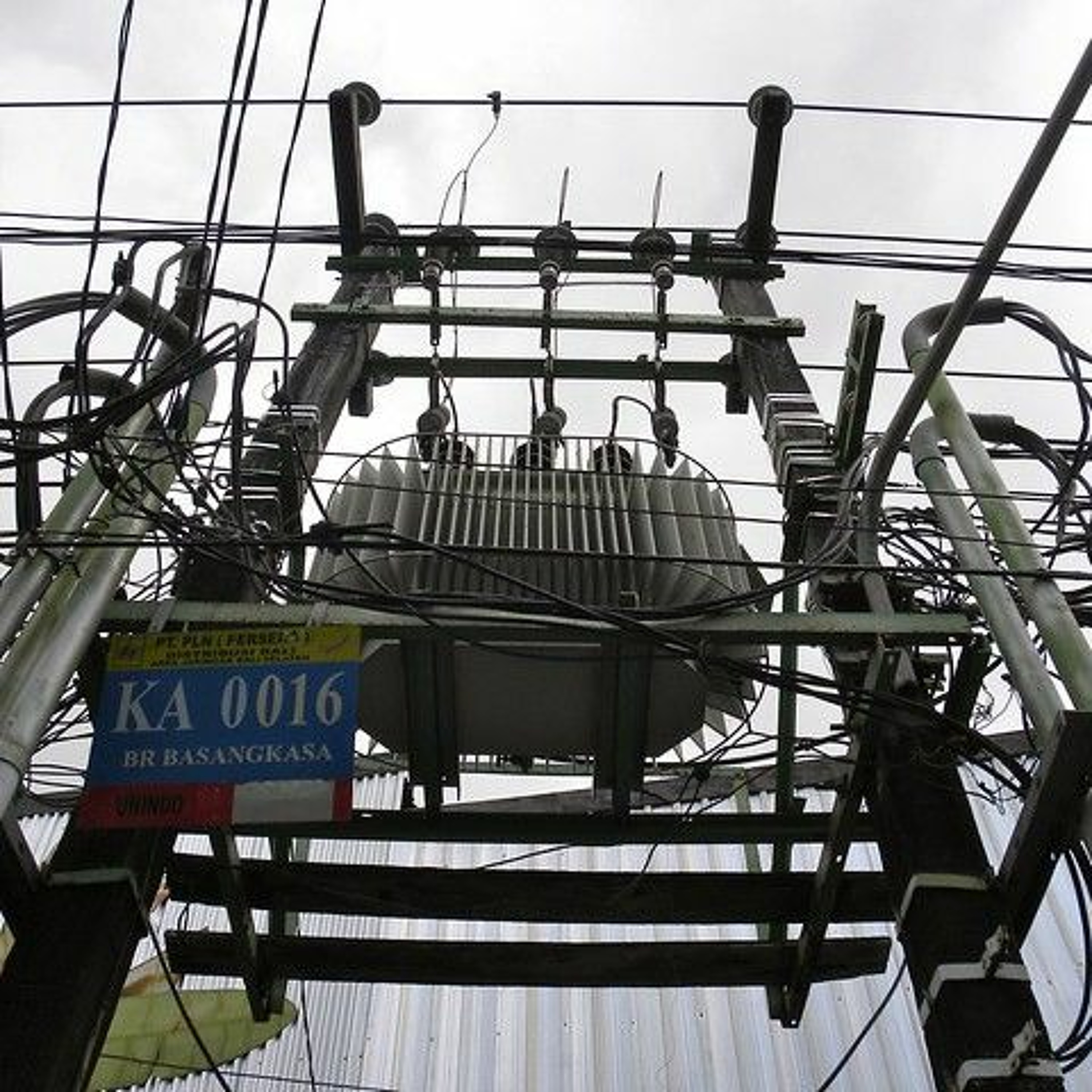
Indonesia is one of the world’s leading emitters of carbon dioxide and the fifth largest producer of coal, both for export and its own domestic use. Recently, President Joko "Jokowi" Widodo reiterated his commitment to reducing Indonesia’s dependence on fossil fuels and has set ambitious renewable energy targets. Indonesia is a signatory to the Paris Accord for climate change. But with Indonesia’s economy growing at a rapid pace and its energy needs increasing at around 5 per cent annually, are these goals realistic? How can Indonesia wean itself off coal and protect its electricity supply at the same time? With renewables currently making up only 7 per cent of its energy output, what is the future of this sector? In Talking Indonesia this week, Dr Jemma Purdey discusses these issues and more with Emanuel Bria, the Indonesia Country Manager at the Natural Resource Governance Institute (NRGI). Emanuel is a fellow at he Friedrich Ebert Stiftung (FES), in Bonn, Germany, and teaches energy policy at the Paramadina Graduate School of Diplomacy. In 2019, the Talking Indonesia podcast is co-hosted by Dr Jemma Purdey from the Australia-Indonesia Centre, Dr Dave McRae from the University of Melbourne’s Asia Institute, Dr Charlotte Setijadi from the ISEAS-Yusof Ishak Institute in Singapore and Dr Dirk Tomsa from La Trobe University. Look out for a new Talking Indonesia podcast every fortnight. Catch up on previous episodes here, subscribe via iTunes or listen via your favourite podcasting app. Photo: JasonParis @Flickr Creative Commons
Dr Ariane Utomo - Social Mobility
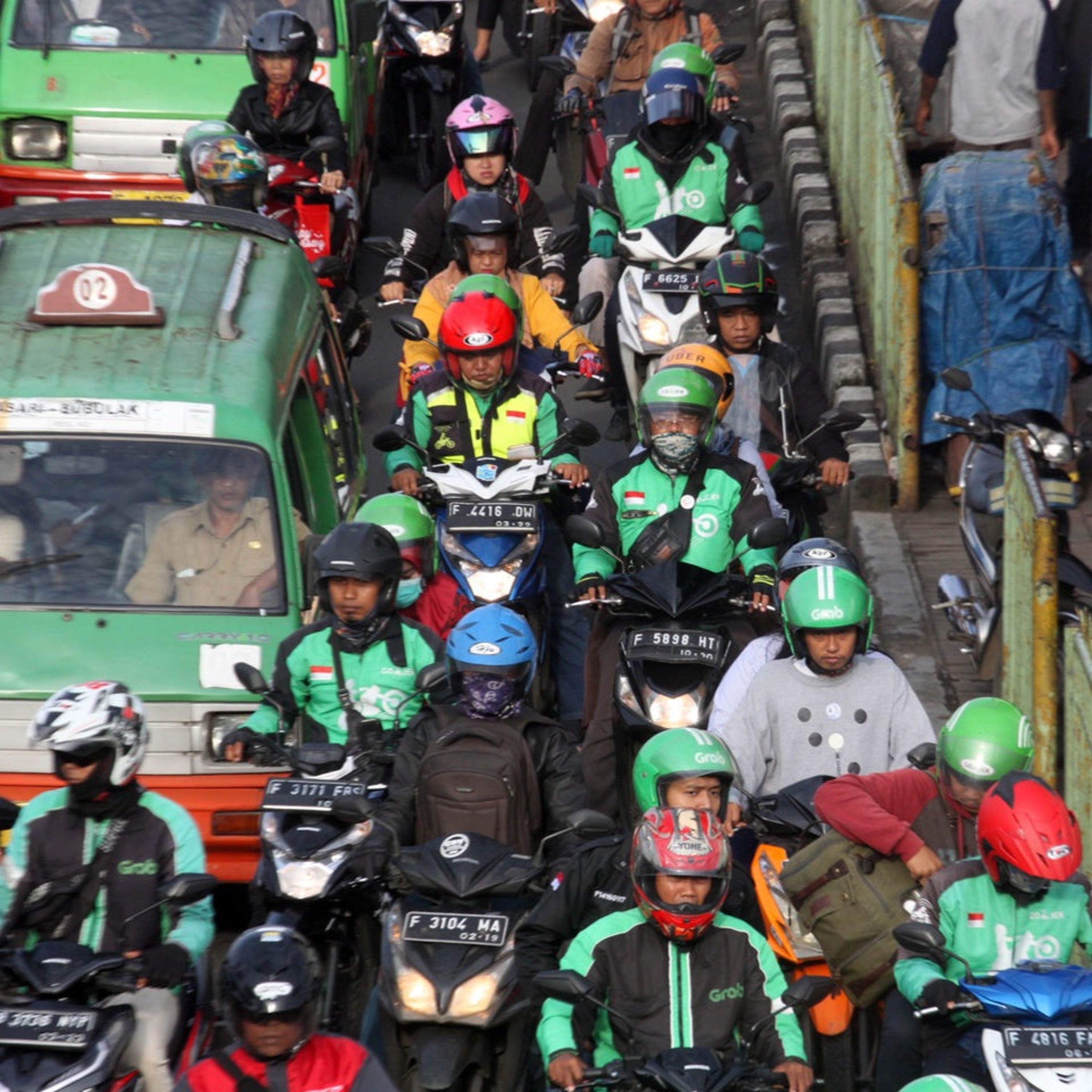
Talking Indonesia: Social Mobility Moving up the social ladder is a clear aspiration for many Indonesians – public opinion surveys show a large proportion of those who self-identify as being in the bottom two income quintiles predict they will have moved on within five years. But what are the prospects for young Indonesians today, as they and their peers become better educated and stand to live longer? And what social change are we seeing as important demographic characteristics of Indonesia’s population shift. In this week’s Talking Indonesia podcast, Dr Dave McRae discusses these issues with Dr Ariane Utomo, a social demographer from the School of Geography in the Faculty of Science at the University of Melbourne. The Talking Indonesia podcast is co-hosted by Dr Dave McRae from the University of Melbourne’s Asia Institute, Dr Jemma Purdey from Monash University, Dr Charlotte Setijadi from the Singapore Management University and Dr Dirk Tomsa from La Trobe University. Photo credit: Yulius Satria Wijaya for Antara Foto
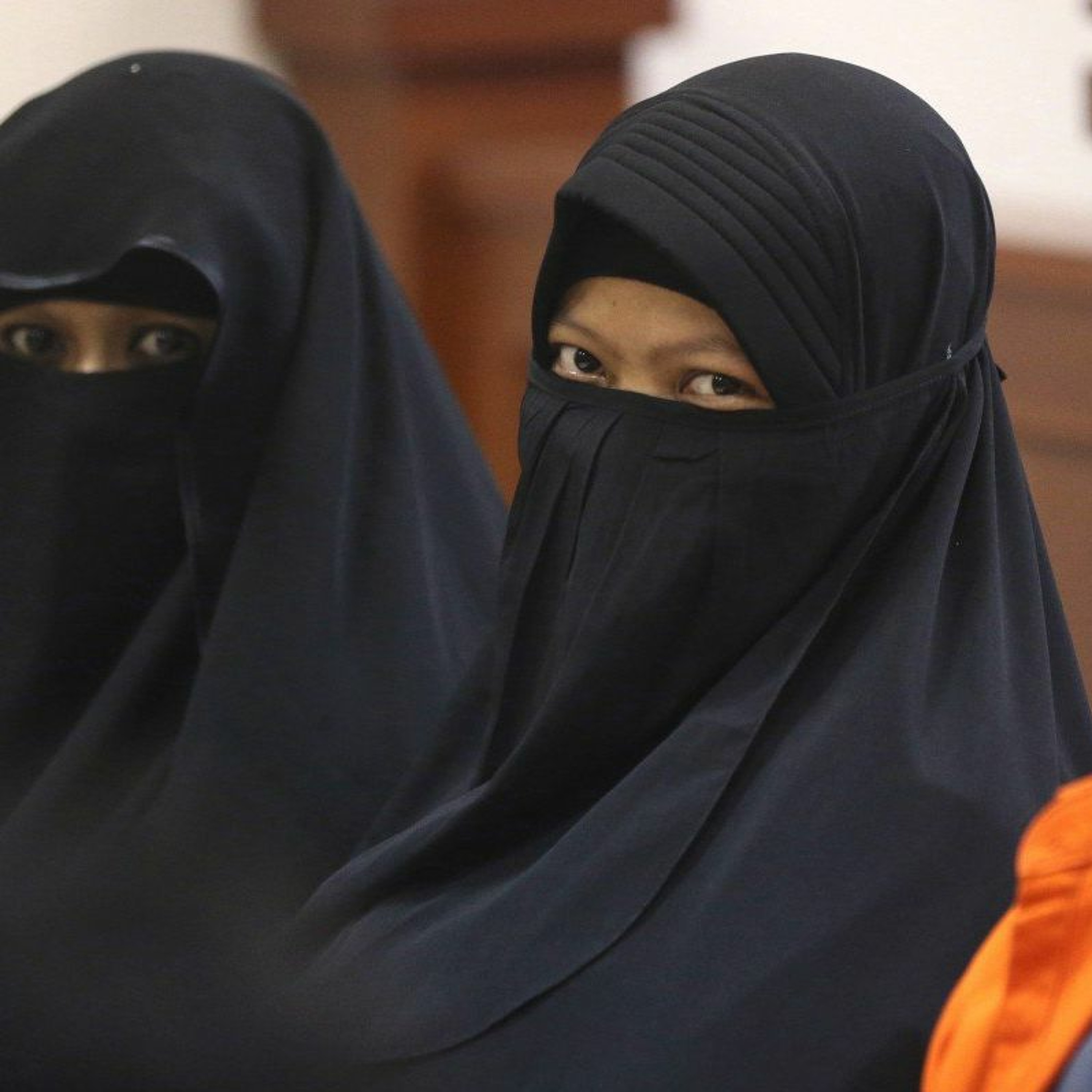
Nava Nuraniyah - Women and Islamist Extremism
Like elsewhere in the world, violent religious extremists in Indonesia are mostly male, but in recent years more and more female extremists have made headlines as they traveled to Syria to join the Islamic State and planned or perpetrated bomb attacks. What drives women to join extremist religious networks? What roles do they play in these networks once they are fully immersed in them? And what can we learn from existing patterns of radicalization to formulate more effective policy responses to the spread of violent extremism? In today’s podcast, Dr Dirk Tomsa discusses these and other questions with Nava Nuraniyah, a terrorism expert from the Institute for Policy Analysis of Conflict (IPAC) in Jakarta. In 2019, the Talking Indonesia podcast is co-hosted by Dr Dave McRae from the University of Melbourne’s Asia Institute, Dr Jemma Purdey from Monash University, Dr Charlotte Setijadi from Singapore Management University and Dr Dirk Tomsa from La Trobe University. Look out for a new Talking Indonesia podcast every fortnight. Catch up on previous episodes here, subscribe via iTunes or listen via your favourite podcasting app. Photo by AP.
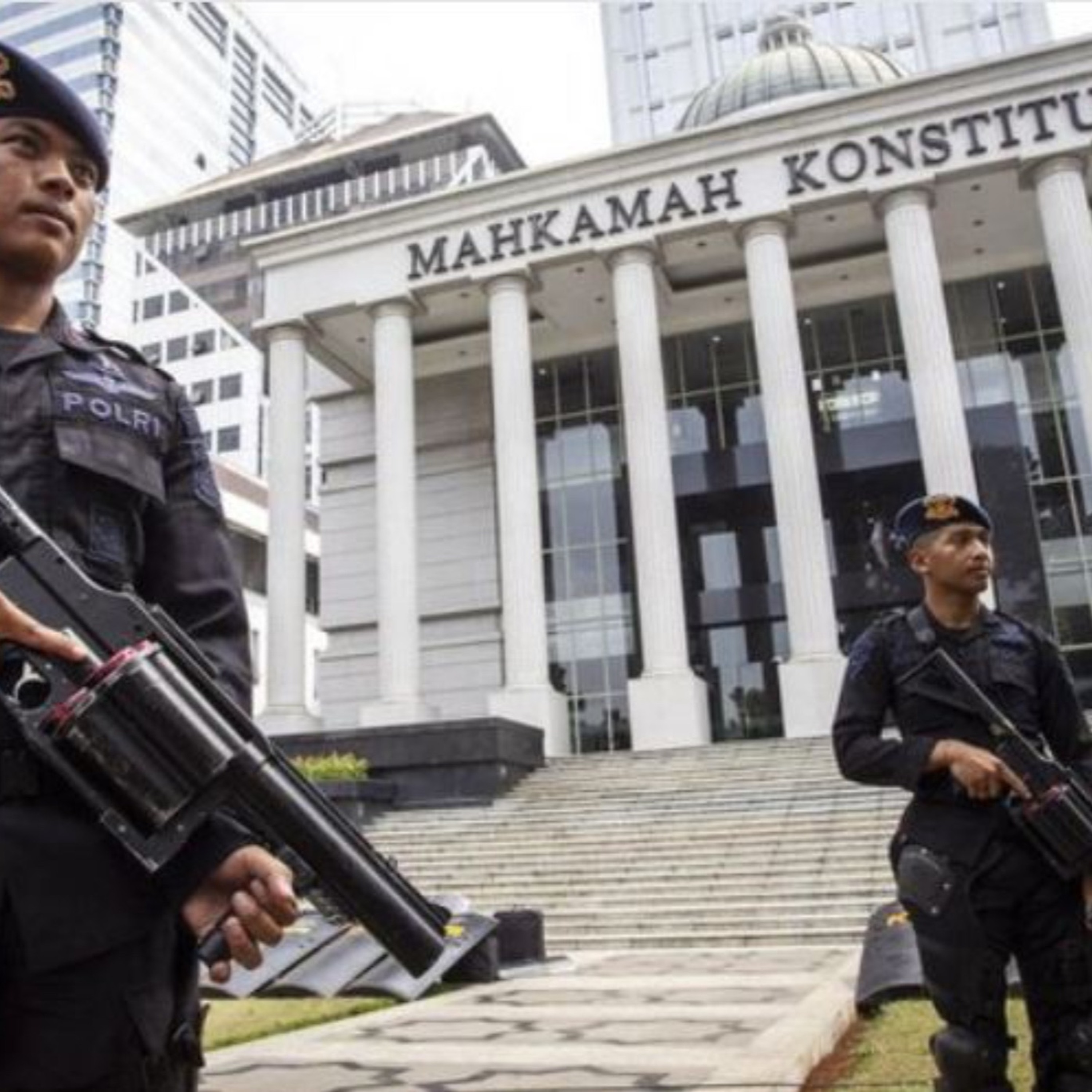
Professor Simon Butt: The Constitutional Court and Elections
The Constitutional Court has been firmly in the headlines in Indonesia over the past month, because of its role in adjudicating – and dismissing – Prabowo Subianto’s challenge to President Joko Widodo’s victory in the 2019 presidential election. But the influence of the Constitutional Court in shaping the outcome of Indonesian elections is much broader – through various of its decisions, it has reshaped various important aspects of Indonesia’s electoral systems. Indeed, it was a decision of the Constitutional Court that required the presidential and legislative elections to be held on the same day for the first time in 2019. What rights and requirements does the Indonesian Constitution set down for elections, and how has the Constitutional Court interpreted these? Should we be surprised at the degree of change the Court has required to Indonesia’s electoral system? What grounds also did the Prabowo camp advance to challenge Jokowi’s victory, and how did the Court consider them? Are changes required to the process for the Court to hear electoral disputes ahead of the next round of elections in 2019. In this week’s Talking Indonesia podcast, Dr Dave McRae discusses these issues with Professor Simon Butt, Director of the Centre for Asian and Pacific Law at the University of Sydney Law School and author of The Constitutional Court and Democracy in Indonesia. The Talking Indonesia podcast is co-hosted by Dr Dave McRae from the University of Melbourne’s Asia Institute, Dr Jemma Purdey from Monash University, Dr Charlotte Setijadi from the Singapore Management University and Dr Dirk Tomsa from La Trobe University. Photo Credit: Dhemas Reviyanto for Antarafoto
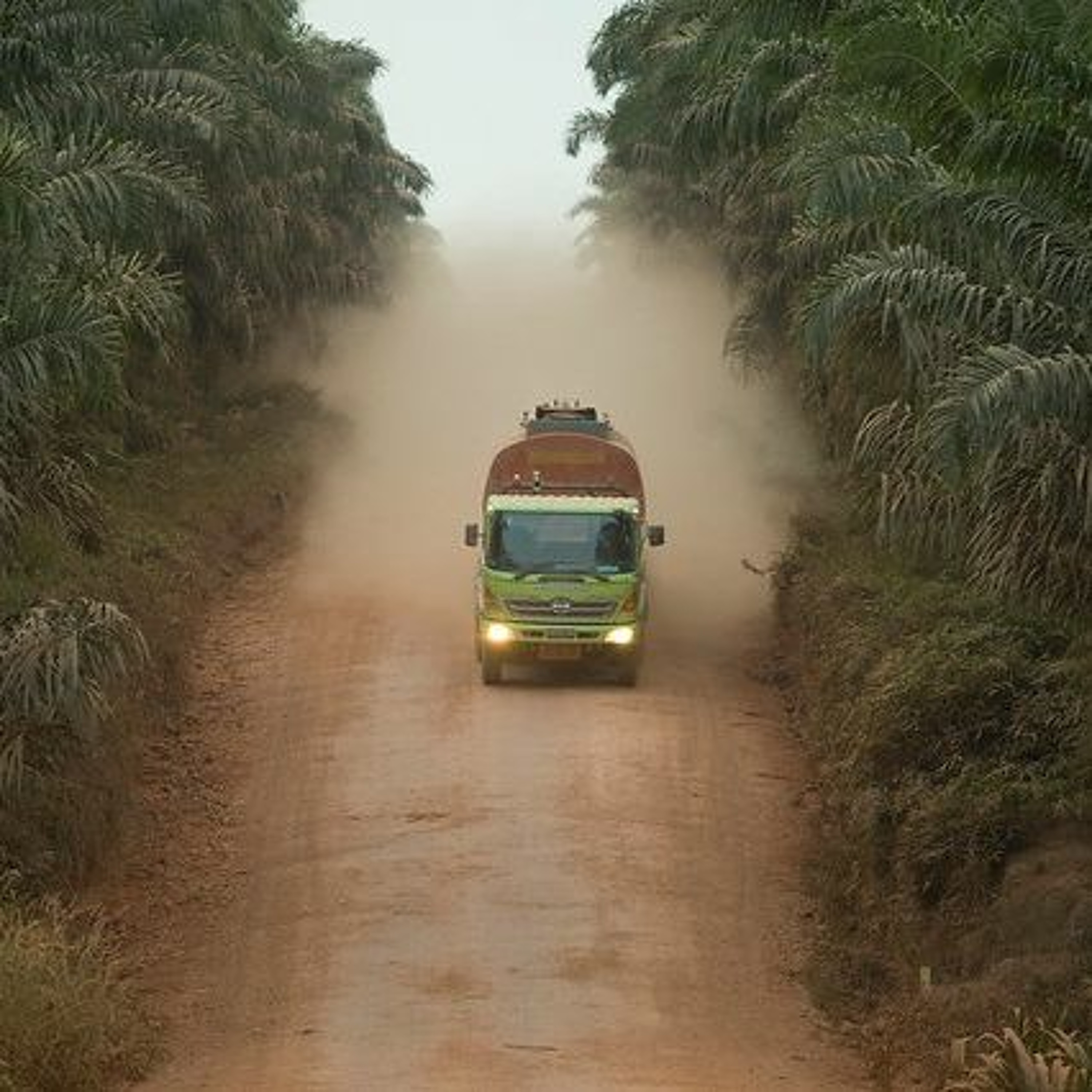
Dr Sophie Chao - Palm Oil and Indigenous Peoples
Over recent years, concerns about Indonesia's food security have seen a sharp increase in industrial-scale agriculture across the country, including into the forests of West Papua. At the same time, the environmental and social ramifications of monocropping, particularly palm oil, are becoming well-known. Are the customary rights of indigenous peoples being respected in negotiations over land for agribusiness? What exactly is "sustainable palm oil"? And what are the impacts of palm oil plantation expansion on the forests and peoples whose culture and livelihoods are inextricably linked to the forests? In Talking Indonesia this week, Dr Jemma Purdey speaks to anthropologist Dr Sophie Chao, a postdoctoral research associate at the University of Sydney’s School of Philosophical and Historical Inquiry and an honorary postdoctoral fellow at Macquarie University, about her research with the indigenous Marind peoples of Merauke district in West Papua. Dr Chao previously worked for indigenous peoples rights organisation Forest Peoples' Programme and has undertaken consultancies for the United Nations Food and Agriculture Organisation and the United Nations Working Group on the issue of human rights and transnational corporations. In 2019, the Talking Indonesia podcast is co-hosted by Dr Jemma Purdey from the Australia-Indonesia Centre, Dr Dave McRae from the University of Melbourne’s Asia Institute, Dr Charlotte Setijadi from the ISEAS-Yusof Ishak Institute in Singapore and Dr Dirk Tomsa from La Trobe University. Look out for a new Talking Indonesia podcast every fortnight. Catch up on previous episodes here, subscribe via iTunes or listen via your favourite podcasting app. Photo: David Gilbert/RAN
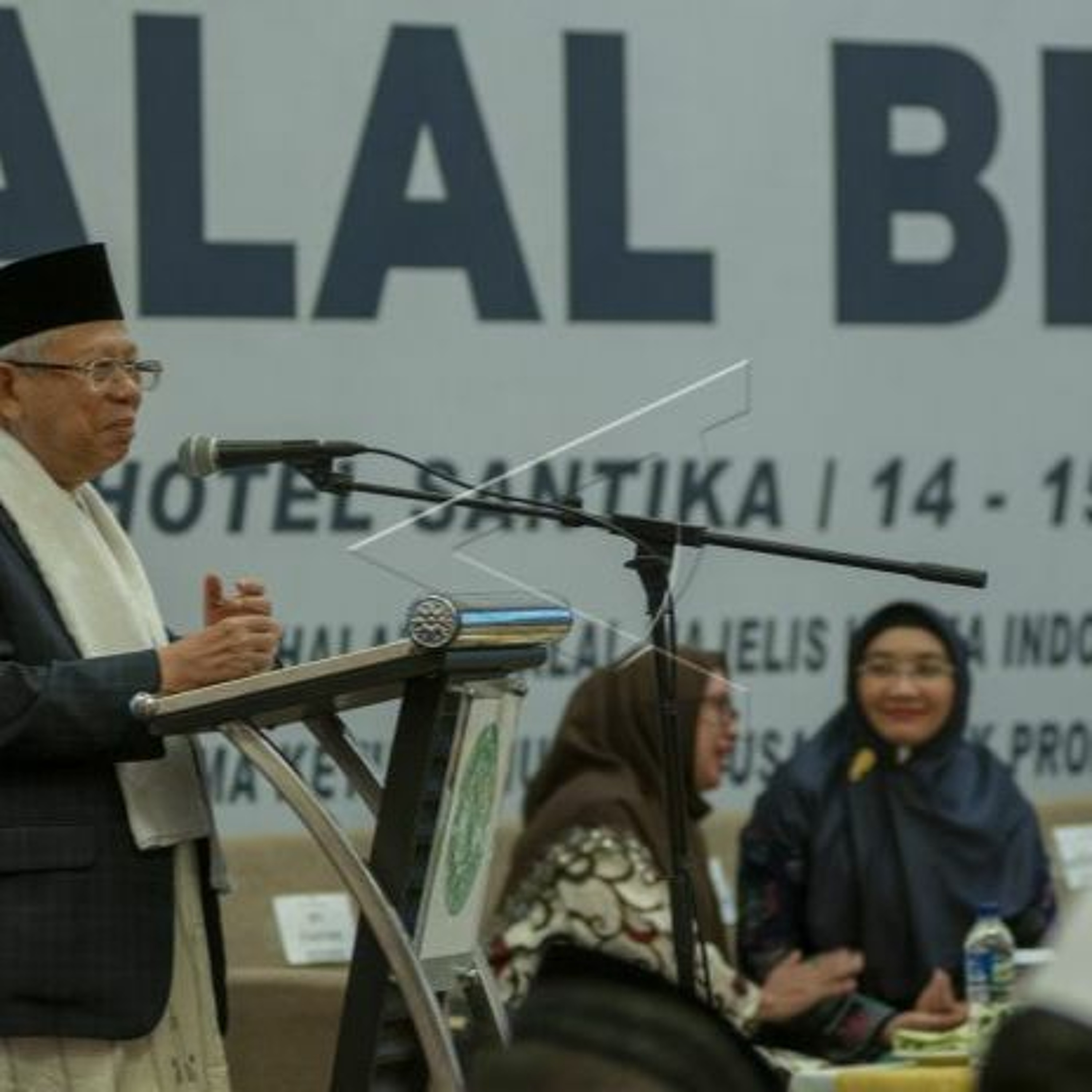
Dr Saskia Schäfer – The Indonesian Council of Ulama (MUI)
The Indonesian Council of Ulama(MUI) is one of the most influential religious actors in Indonesia. In 2016 and 2017, for example, the organisation was instrumental in orchestrating the protests that led to the downfall of former Jakarta Governor Basuki Tjahaja Purnama. The appointment of MUI head Ma’ruf Amin as President Jokowi's running mate in the 2019 presidential election indicated unprecedented access to formal power for the MUI. How did this organisation, which has neither a mass basis nor a charismatic leader, establish itself so close to the centre of power in Indonesian politics? How does it interact with other prominent Islamic organisations such as Nahdlatul Ulama and Muhammadiyah? And what does its growing influence mean for the future of Indonesia’s increasingly fragile democracy? In Talking Indonesia this week, Dr Dirk Tomsa discusses these and other issues with Dr Saskia Schäfer, a Senior Research Fellow at Humboldt University of Berlin. In 2019, the Talking Indonesia podcast is co-hosted by Dr Dirk Tomsa from La Trobe University, Dr Dave McRae from the University of Melbourne’s Asia Institute, Dr Jemma Purdey from Deakin University and the Australia-Indonesia Centre, and Dr Charlotte Setijadi from Singapore Management University. Look out for a new Talking Indonesia podcast every fortnight. Catch up on previous episodes here, subscribe via iTunes or listen via your favourite podcasting app. Image credit: ANTARA FOTO/Basri Marzuki/nz

Norman Erikson Pasaribu - On Literature and Diversity
This year Indonesia was a featured country at the London Book Fair, which followed a similar showcasing of its literature at the Frankfurt Book Fair in 2015. Is this a reflection of an expanding and globalising literary scene in Indonesia? Are more diverse voices being heard inside and outside the country, and what are the challenges for making sure that the stories are not lost in translation? To talk about these topics and more our guest this week is the young writer and poet Norman Erikson Pasaribu. Norman won the 2015 Jakarta Arts Council Poetry Competition and was a finalist in the 2017 Khatulistiwa Literary Award for Poetry. In 2017, he received the Young Author Award from the Southeast Asia Literary Council. His book of poetry 'Sergius Seeks Bacchus' translated by the award-winning translator, Tiffany Tsao, is published by Giramondo Publishing (2019). In 2019, the Talking Indonesia podcast is co-hosted by Dr Jemma Purdey from the Australia-Indonesia Centre, Dr Dave McRae from the University of Melbourne’s Asia Institute, Dr Charlotte Setijadi from the ISEAS-Yusof Ishak Institute in Singapore and Dr Dirk Tomsa from La Trobe University. Look out for a new Talking Indonesia podcast every fortnight. Catch up on previous episodes here, subscribe via iTunes or listen via your favourite podcasting app. PIC: 'Sergius Seeks Bacchus' cover / Leopold Adi Surya
Dian Rositawati - Politicised Law Enforcement
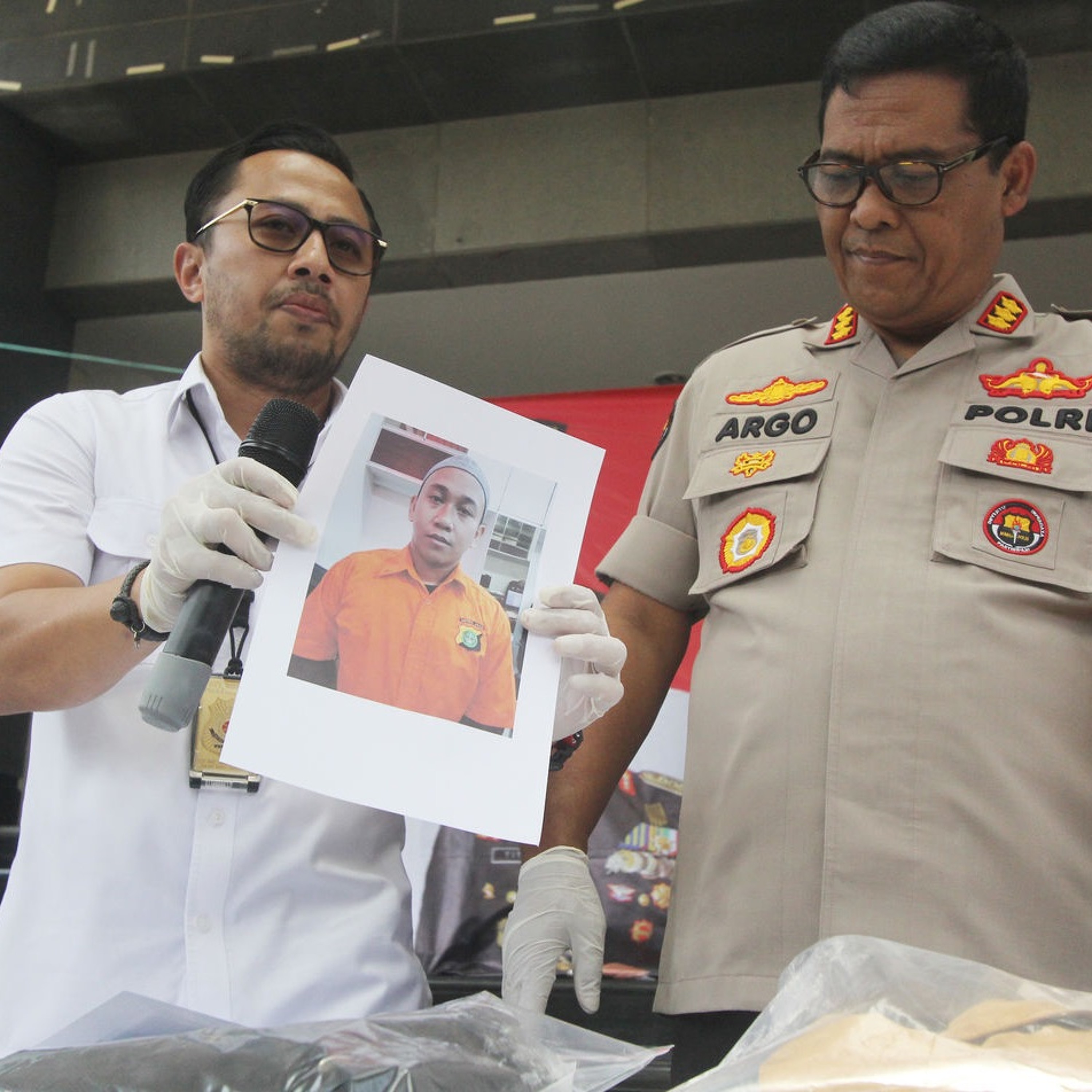
The past few years have seen repeated questioning of the independent workings of police, the prosecutors and the courts in Indonesia, ranging from accusations that prosecutions have been used to limit opposition or coerce support for the government, to suspicions that the outcome of high profile cases such as the blasphemy prosecution against then Jakarta governor Basuki Tjahaja Purnama had as much to do with societal pressure and political considerations, as it did with the letter of the law. Are such perceptions justified regarding the politicisation of law enforcement, and how do the government and other external parties intervene in legal cases? What are the implications for the rule of law in Indonesia? In this week's Talking Indonesia podcast, ] Dr Dave McRae discusses these issues with Dian Rositawati, Chair of the Board of the Indonesian Institute for an Independent Judiciary (LeIP). Dian has been closely involved in judicial reform in Indonesia for two decades, and is currently also undertaking a PhD at Tilburg University. The Talking Indonesia podcast is co-hosted by Dr Dave McRae from the University of Melbourne’s Asia Institute, Dr Jemma Purdey from Monash University, Dr Charlotte Setijadi from the Singapore Management University and Dr Dirk Tomsa from La Trobe University. Look out for a new Talking Indonesia podcast every fortnight. Catch up on previous episodes at the Indonesia At Melbourne blog, or listen via your favourite podcasting app. Photo credit: Reno Esnir for ANTARA FOTO

Dr Thomas Barker - Transnational Indonesian Cinema
With a huge local market and growing production power, the Indonesian film industry has enormous potential. In recent times, Indonesian films, directors, actors, and other industry professionals are becoming more well-known around the world, not in small part due to a more integrated regional and global distribution network and web-based streaming services such as Netflix. Could films be utilised as a soft-power tool to increase Indonesia’s influence in regional and global cultural scenes? Furthermore, what are some of the market trends that may define the growth of the industry in the coming years? To discuss recent trends in the Indonesian film industry, I speak with Associate Professor Thomas Barker from University of Nottingham Malaysia Campus.
Dyah Ayu Kartika - Anti-feminism
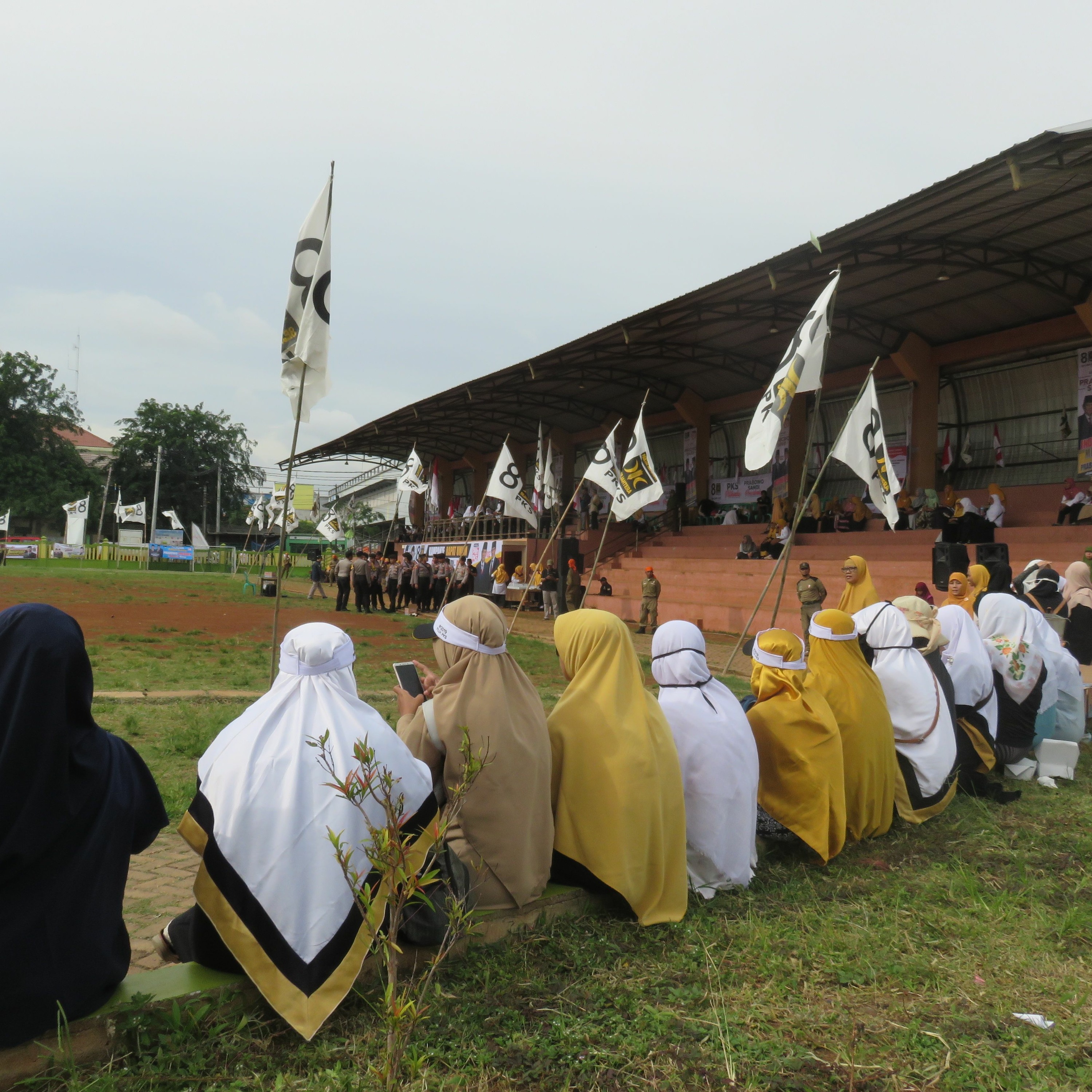
An important part of recent Islamic activism in Indonesia has been the rise of conservative women’s groups such as the Family Love Alliance (Aliansi Cinta Keluarga Indonesia, AILA). Moreover, several conservative female activists joined the 2019 legislative elections as candidates. Campaigning against what they perceive as threats against traditional morality and religious values, these women position themselves as anti-feminists, thereby challenging conventional notions of women’s political activism. Who are the women at the forefront of this new wave of conservative female activism? What motivates them and what are their main aims and strategies? How does their increased sense of agency relate to broader trends of growing religious conservatism in Indonesia? In this week’s Talking Indonesia podcast, Dr Dirk Tomsa discusses these and other questions with Dyah Ayu Kartika, a researcher at the Center for the Study of Religion and Democracy (Pusat Paramadina) in Jakarta and currently a Correspondent Fellow for New Mandala. In 2019, the Talking Indonesia podcast is co-hosted by Dr Dave McRae from the University of Melbourne’s Asia Institute, Dr Jemma Purdey from Monash University, Dr Charlotte Setijadi from Singapore Management University and Dr Dirk Tomsa from La Trobe University. Look out for a new Talking Indonesia podcast every fortnight. Catch up on previous episodes here, subscribe via iTunes or listen via your favourite podcasting app. Image credit: Dyah Ayu Kartika
Election 2019 Review
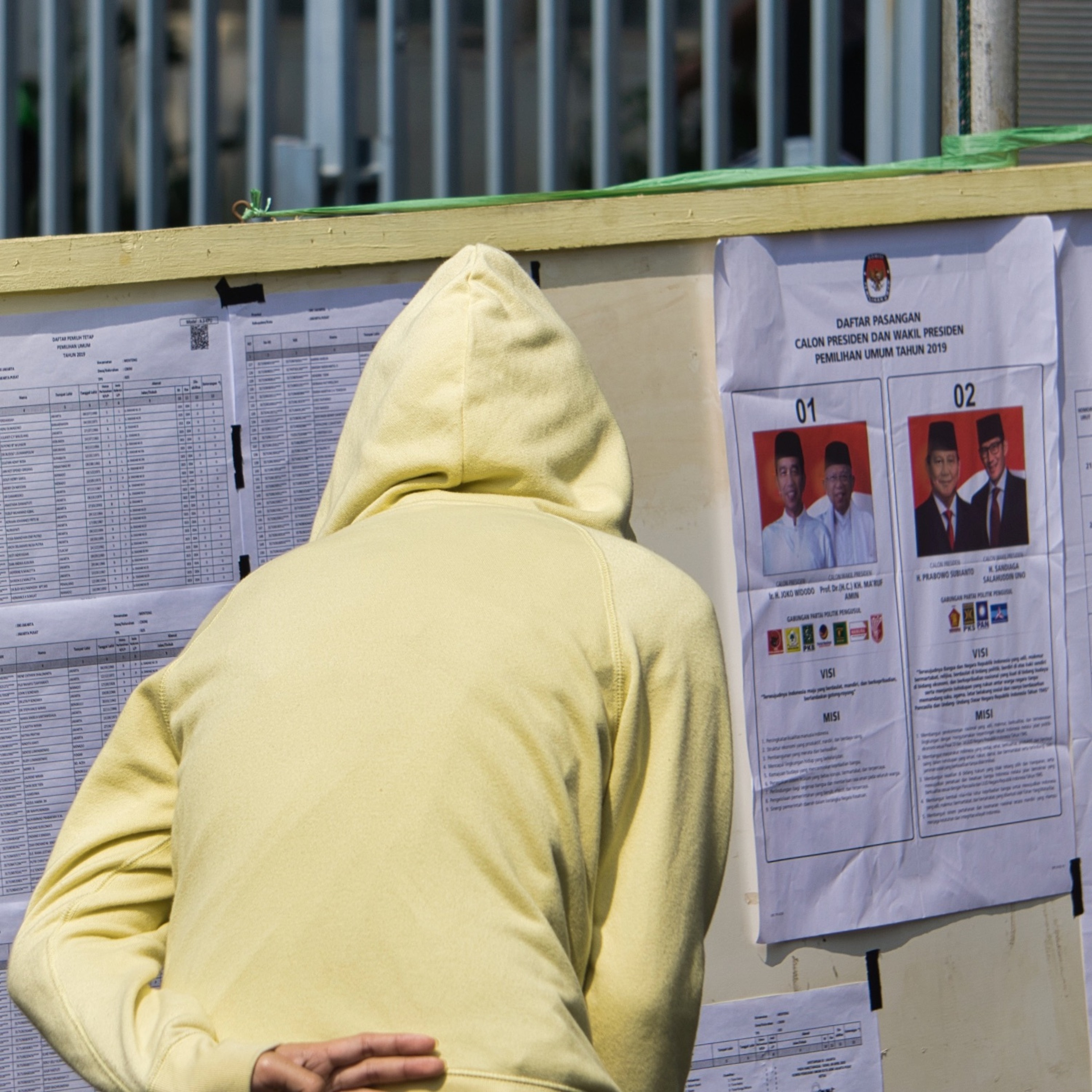
In today's episode, the final in the Election 2019 series, we gather the Talking Indonesia team to look back over the presidential and legislative polls and the key developments. What were the key factors in Jokowi's apparent victory? What can we anticipate after Prabowo's claims of victory, despite all reputable quick counts showing him to have lost the election by a clear margin? What were the legislative outcomes? Were there irregularities? Would we expect Indonesia to continue to hold the presidential and legislative elections on the same day in the future. Dr Jemma Purdey, Dr Dirk Tomsa and Dr Dave McRae discusses these issues and more. The Talking Indonesia podcast is co-hosted by Dr Dave McRae from the University of Melbourne’s Asia Institute, Dr Jemma Purdey from Monash University, Dr Charlotte Setijadi from the Singapore Management University and Dr Dirk Tomsa from La Trobe University. Look out for a new Talking Indonesia podcast fortnightly. Catch up on previous episodes the Indonesia at Melbourne blog, subscribe via iTunes or listen via your favourite podcasting app. Photo credit: Dave McRae
Legislative Elections - Ben Bland, Liam Gammon, Rian Ernest & Faldo Maldini
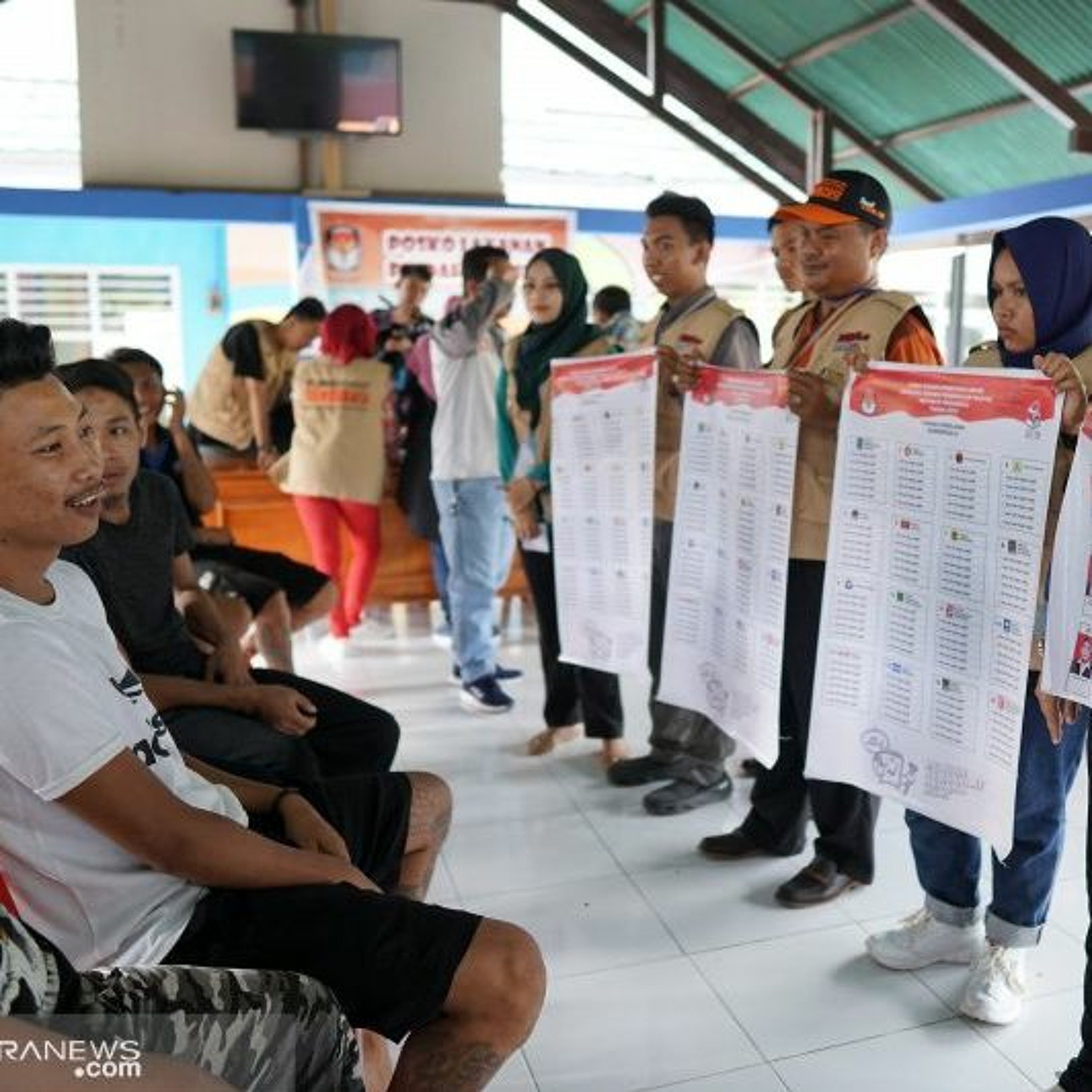
With less than one week until Indonesia’s simultaneous presidential and legislative elections on the 17th of April, candidates are going all out in a final push to get votes. Running concurrently with the arguably more exciting presidential election, the legislative elections have largely faded into the background and under-analysed. However, there are many important questions about this round of legislative elections that need to be addressed. For one, what does the socio-political landscape look like this time around? What issues matter to voters at the local level? Also, what can we expect this time around in terms of youth participation and the voting behaviour of the so-called ‘millennial voters’? To discuss about what is at stake in this round of legislative elections, Charlotte Setijadi speaks to scholars Ben Bland and Liam Gammon, and young politicians Rian Ernest and Faldo Maldini.
Titi Anggraini & Dr Fritz Edward Siregar - Will Election 2019 Be Fair?
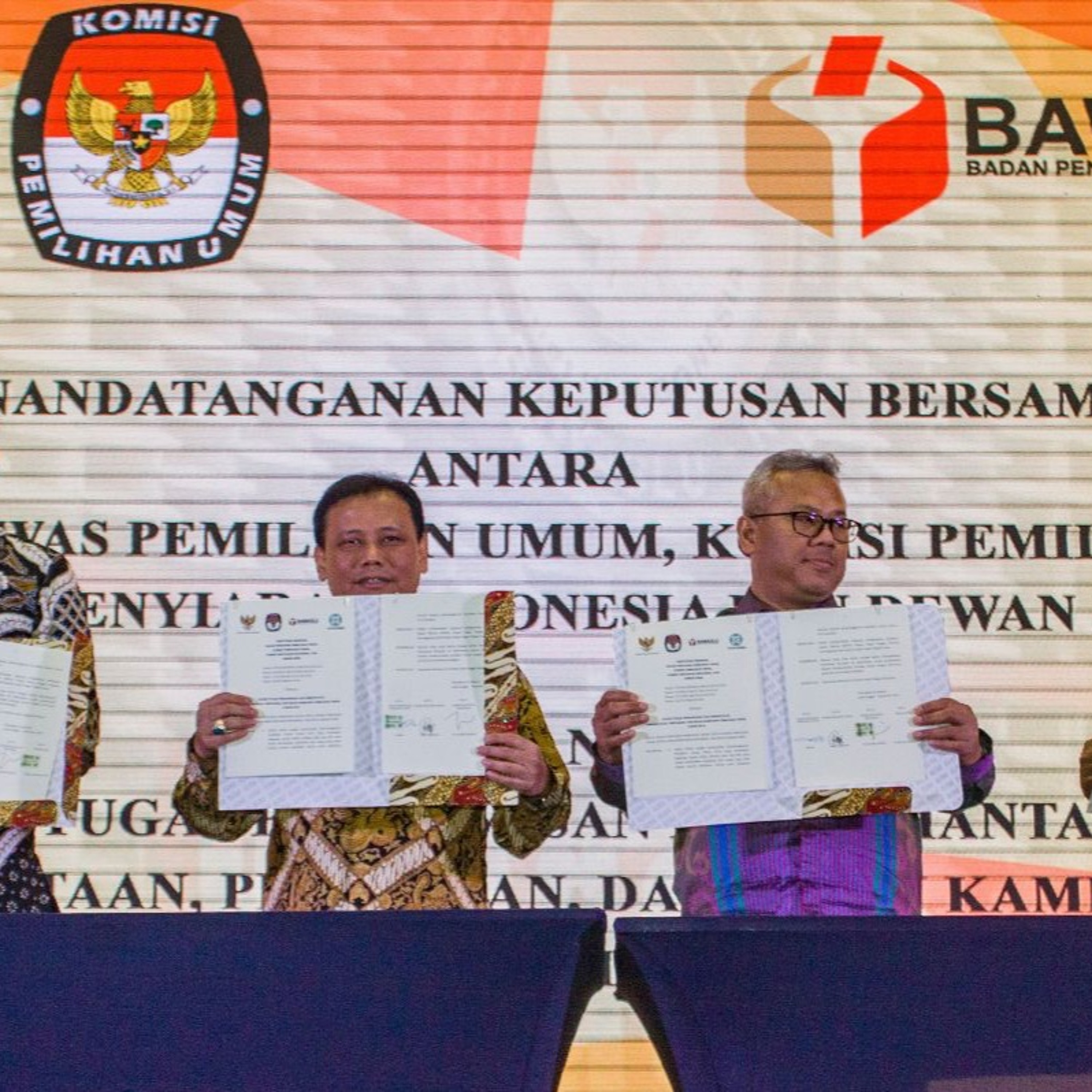
Recent months have seen a series of claims by political figures in Indonesia that the 2019 polls may be marked by significant irregularities. Senior political party figures and social media influencers have claimed that the electoral roll has been manipulated or could be hacked, cast doubt over the likely reliability of the vote count, and claimed that the civil service and security forces are being mobilised in support of particular candidates. These claims have come in particular from figures within the coalition supporting Prabowo Subianto, the challenger to President Joko Widodo. Is there evidence to support these claims? What safeguards are in place for the Indonesian polls? What role will civil society, electoral bodies and the government play in ensuring a fair election? In this week's Talking Indonesia podcast, the latest in the weekly Elections 2019 series that will continue until after polling day on 17 April, Dr Dave McRae discusses these issues with Titi Anggraini, executive director of the Association for Elections and Democracy, Perludem, and Dr Fritz Edward Siregar, a commissioner from Indonesia’s Elections Supervisory Board, Bawaslu. The Talking Indonesia podcast is co-hosted by Dr Dave McRae from the University of Melbourne’s Asia Institute, Dr Jemma Purdey from Monash University, Dr Charlotte Setijadi from the Singapore Management University and Dr Dirk Tomsa from La Trobe University. Look out for a new Talking Indonesia podcast weekly until after the elections, an every fortnight thereafter. Photo credit: Galih Pradipta for Antara Foto
100th Episode Special: Election Preview
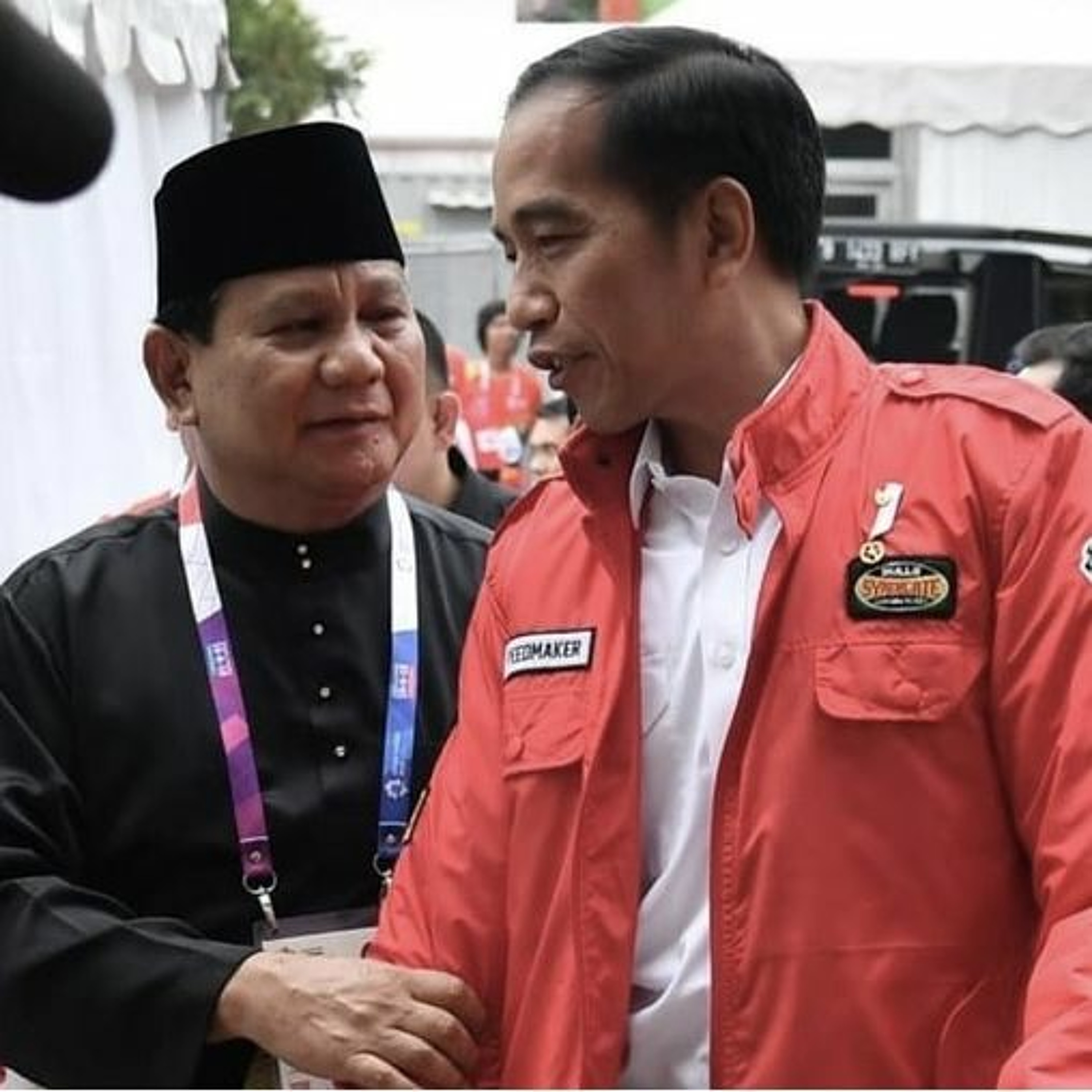
To celebrate the 100th episode of Talking Indonesia, co-hosts Dave McRae, Jemma Purdey, Charlotte Setijadi and Dirk Tomsa come together to revisit some of the major themes of the first 99 episodes. As Indonesia is deep in election mode, they discuss what impact these themes – Islamism, corruption, fake news, economic development, foreign policy, gender – are likely to have on the 17 April elections. Image: Joko Widodo @Instagram
Dr Djayadi Hanan: Election 2019 - Opinion Polling
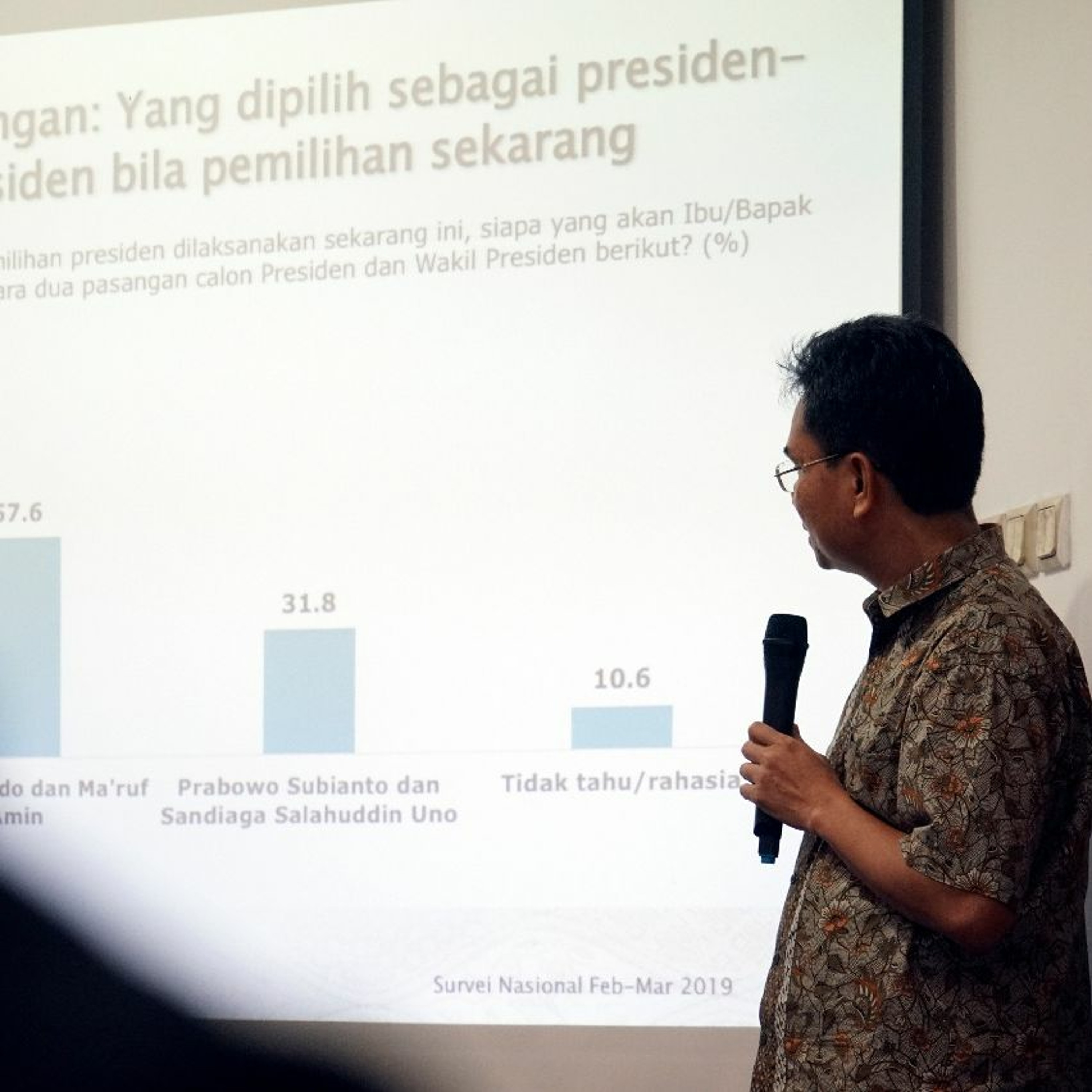
As Indonesia’s 2019 elections are drawing closer, public opinion surveys about the electability of Jokowi and his challenger Prabowo Subianto are released with increasing frequency. Though there are some differences between the results, virtually all pollsters agree that Jokowi is currently on track to win a second term. Why has Jokowi been able to maintain his lead in the polls so easily? What obstacles has the Prabowo campaign faced so far? And why are there no renegade pollsters who are trying to contravene the consensus for political purposes? In this week’s Talking Indonesia podcast, Dr Dirk Tomsa discusses these and other questions with Dr Djayadi Hanan, a lecturer in political science at Paramadina University in Jakarta and executive director of Saiful Mujani Research and Consulting (SMRC), one of Indonesia’s leading political research and polling institutes. In 2019, the Talking Indonesia podcast is co-hosted by Dr Dave McRae from the University of Melbourne’s Asia Institute, Dr Jemma Purdey from Monash University, Dr Charlotte Setijadi from Singapore Management University and Dr Dirk Tomsa from La Trobe University. Photo credit: Djayadi Hanan/SMRC.
Dr Lana Soelistianingsih: Election 2019 - The Economy
With the 2019 elections now just weeks away, the economy has become a key issue in the campaign. In comparative terms, Indonesia's current GDP growth of over 5 per cent is healthy. However, this is below the 7 per cent President Joko Widodo pledged to deliver during the 2014 campaign. The president's opponents also claim that the government's huge expenditure on major infrastructure projects and social welfare programs has failed to deliver benefits for all Indonesians. What is the current state of Indonesia's economy and what are the key economic issues for voters? Has Jokowi's Indonesia Maju (Indonesia Progress) program paid off? Our guest this week is economist Lana Soelistianingsih. Lana is a senior lecturer in the Faculty of Business and Economics at Universitas Indonesia and Head of Research at Samuel Asset Management. In 2019, the Talking Indonesia podcast is co-hosted by Dr Jemma Purdey from the Australia-Indonesia Centre, Dr Dave McRae from the University of Melbourne’s Asia Institute, Dr Charlotte Setijadi from the ISEAS-Yusof Ishak Institute in Singapore and Dr Dirk Tomsa from La Trobe University. Look out for a new Talking Indonesia podcast every fortnight. Catch up on previous episodes here, subscribe via iTunes or listen via your favourite podcasting app. Image: Flickr/Creative Commons.