Talking Indonesia
297 episodes — Page 2 of 6
Remco Vermeulen - Revitalisation of Dutch Colonial Urban Spaces
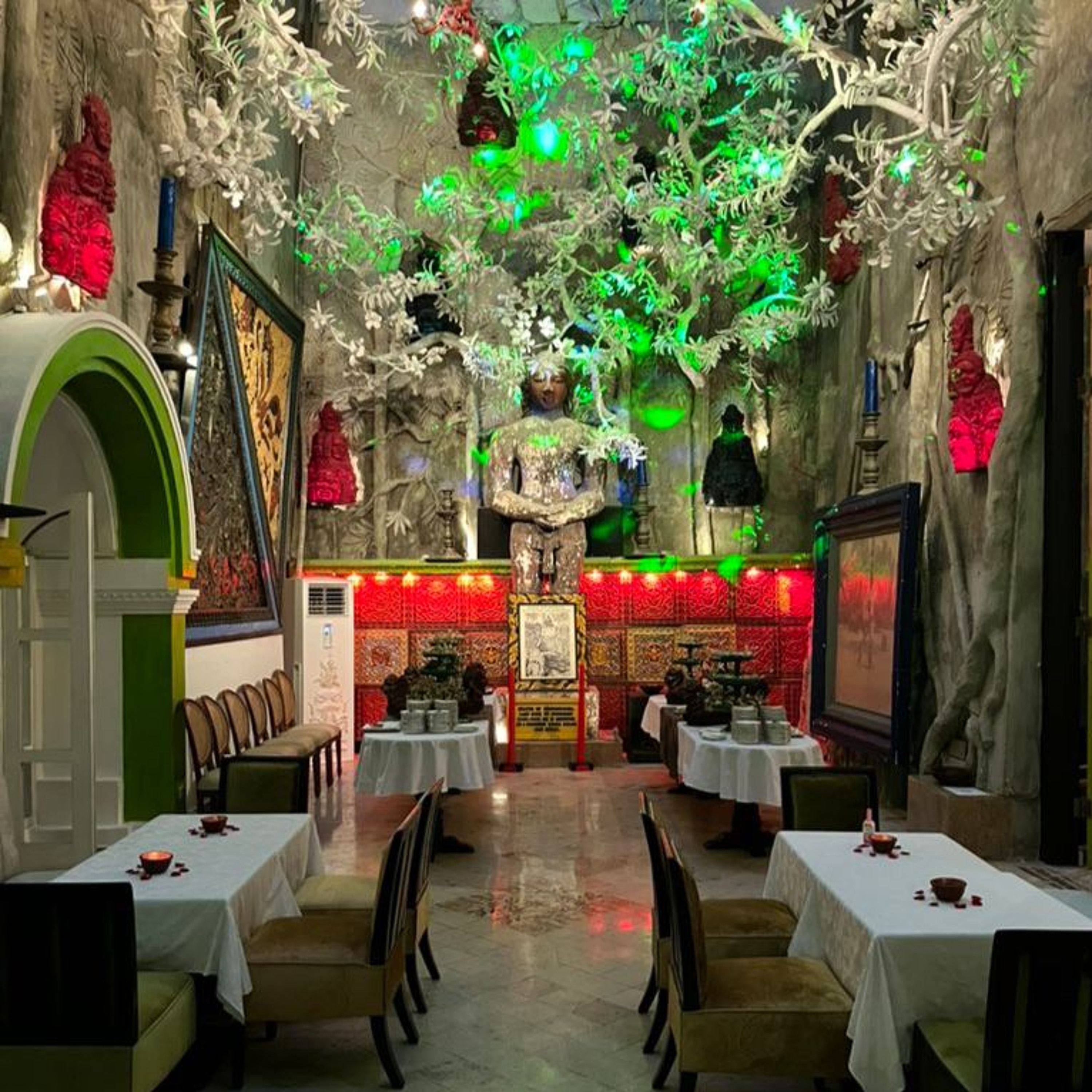
Some of the most challenging issues post-colonial societies face involve managing the physical remnants of their colonial histories. In Indonesia, centuries of colonialism left many buildings and spaces with strong colonial identities. While some of these spaces are now abandoned and forgotten, others are being remembered and revitalised. In this episode, Tito Ambyo speaks with Remco Vermeulen, a PhD candidate at Erasmus University Rotterdam and coordinator of international cooperation in collection management at the Cultural Heritage Agency of the Netherlands. Remco's professional experience informed his presentation at the EuroSEAS conference in Amsterdam this year on the revitalisation of Dutch colonial urban spaces in Indonesia. His ongoing PhD research examines how young Indonesians interact with and perceive these revitalised spaces. Remco shares fascinating insights from his research survey and visits to Dutch colonial buildings in various Indonesian cities. His findings reveal an intriguing disconnect: while many young Indonesians view Dutch colonialism negatively, they often appreciate the aesthetic and functional aspects of colonial architecture. In 2024, the Talking Indonesia podcast is co-hosted by Dr Elisabeth Kramer from the University of New South Wales, Dr Jemma Purdey from the Australia-Indonesia Centre, Dr Jacqui Baker from Murdoch University, and Tito Ambyo from RMIT.

Sujeet Ramgir - Starting A Start Up
Starting a Start Up Starting a small business is a challenge in any context, but what about if you're a foreigner looking to establish a restaurant in Indonesia? What's it like to move to Indonesia, knowing little to nothing about the country, and then go on to start a successful online food business? What is it about the business context in Indonesia that facilitates or blocks small businesses, especially those wishing to leverage Jakartans' large-scale online connectivity? In this podcast, Elisabeth Kramer talks to entrepreneur Sujeet Ramgir, who came to Indonesia from India and went on to start a highly successful Indian food 'cloud kitchen' catering to the Jakarta market. At the end of 2019, just months before the COVID-19 pandemic entered the chat, Sujeet launched his co-owned business, Accha. Little did he know how the pandemic and the mushrooming of online food apps would shape the trajectory of the business. In this podcast, Sujeet shares his motivations for starting the business, his experiences, and his reflections on what it's like to do business in Indonesia through his role as co-founder of a food and beverage business. We also talk about how online apps have taken off in Indonesia and what this might mean for business owners, sharing the positives and the challenges of starting a start up.

Ary Hermawan - Digital Populism
Digital Populism Just as we were recording this podcast, the hashtag #daruratdemokrasi (democratic emergency) went viral across Indonesian social media. The alert was prompted by the latest example of Indonesia’s parliament (DPR) attempting to override or block a ruling by the Constitutional Court related to the eligibility of candidates to run in regional elections. The online campaign quickly turned into calls for real action to take place on Thursday 22 August, in the form of protests at the national parliament in Jakarta and other cities across the country. This would be parliament’s final sitting day before it headed into recess ahead of the November elections, and therefore the last chance for any amendments to be passed. The response on the streets by some thousands of protesters, including celebrities, filmmakers, actors and academics, was significant enough to force the DPR to pause its intervention. This effectively put an end to what was seen by the protesters as an attempt to both prevent a key rival of the Jokowi-Prabowo coalition, Anies Baswedan, from contesting the Jakarta gubernatorial election, and allow Jokowi’s second son, Kaesang, to stand as a candidate. This will be seen as a victory for a grassroots movement that began with digital activism and spilled out on to the street. The question now is, will this movement be sustained, or was it just a one-off? Over the past decade, digital activism has become deeply embedded and highly professionalised within Indonesia’s political and social ecosystem. In the recent presidential election, the size of a candidate’s team of ‘buzzers’ and their stable of social media influencers was a decisive factor in delivering voters for the major parties, especially from the increasingly important Gen Z demographic. Prabowo’s landslide win was made possible, in large part, due to a re-branding of his image and targeted use of TikTok throughout his campaign. Who and what is behind these campaigns driving what is known as digital populism in Indonesian politics? In a time when Indonesian democracy is under threat and protestors against the government are become more and more frustrated, does the internet in Indonesia still have the potential to be a force for good? In this week's episode Jemma chats with Ary Hermawan. Ary is the current editor of Indonesia at Melbourne and a PhD candidate at the University of Melbourne's Asia Institute. He earned his bachelor degree in Islamic history from the Syarif Hidayatullah State Islamic University and his master’s degree in international journalism from the University of Arizona's School of Journalism. He previously worked as a managing editor and editor at large of Indonesia’s leading English daily, The Jakarta Post. He also briefly served as deputy director of Amnesty International Indonesia. In 2024, the Talking Indonesia podcast is co-hosted by Dr Jemma Purdey from the Australia-Indonesia Centre, Dr Jacqui Baker from Murdoch University, Dr Elisabeth Kramer from the University of New South Wales and Tito Ambyo from RMIT. Image: Prabowo-Gibran Campaign 2024
Rebecca Meckelburg - Farming Indonesia
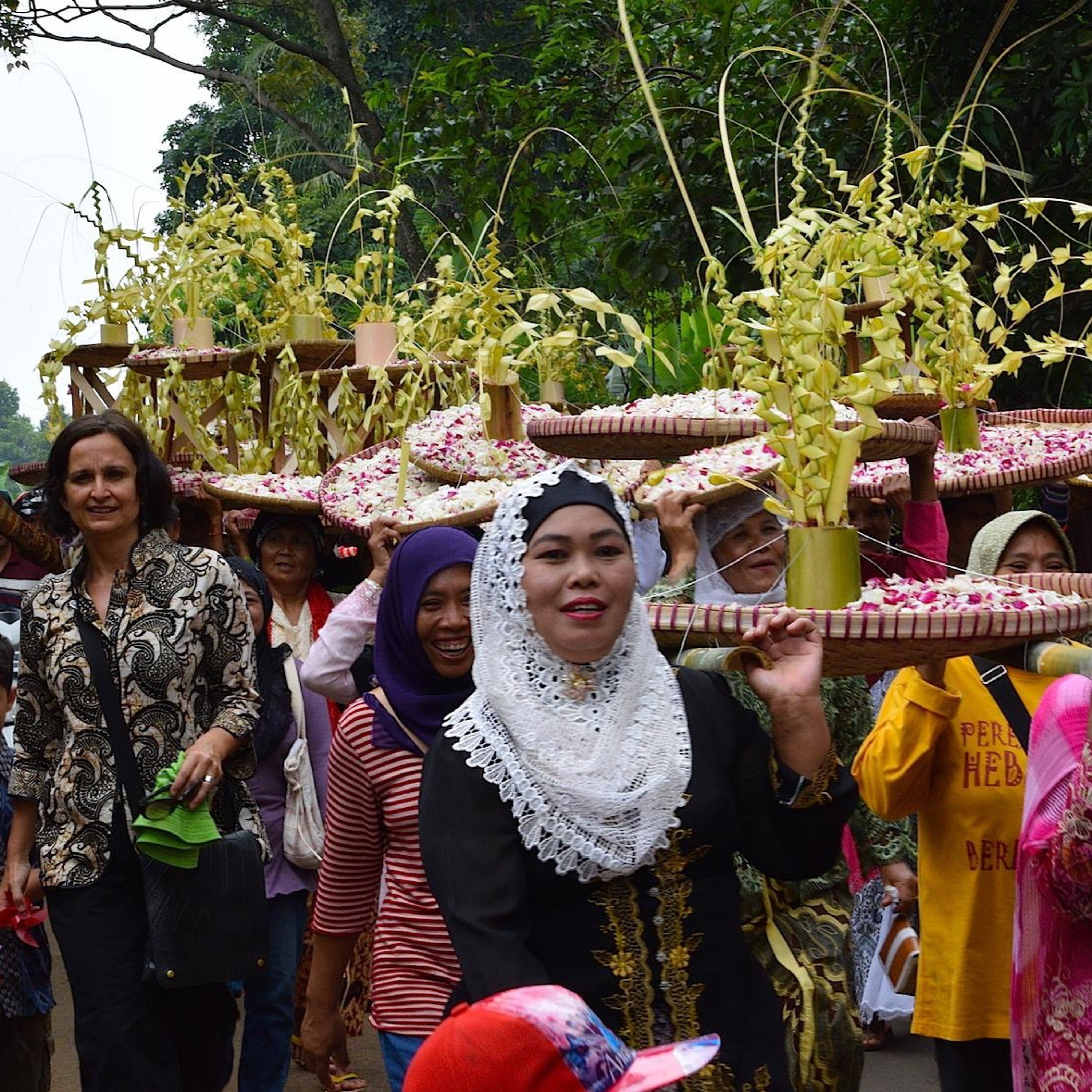
One of the signature campaign promises of the Prabowo Subianto presidency is free lunches and milk for Indonesian school kids. This plan is linked to a much wider set of reforms to the way Indonesia’s produces and organises its agriculture sector, including the modernization of agriculture and converting land to plantations. The details are still pretty scant but this is not a thought bubble, food sovereignty is an issue that Prabowo has spent much of his political career touting. Prabowo served as head of the Indonesian Farmers Association and chairs the advisory board for the Primary Rural Cooperative or (Inkud). As Minister of Defence, Prabowo also led Jokowi’s food estate program, using private sector and military resources to open up massive new cassava plantations in Kalimantan. Those plantations failed. But nonetheless the incoming president is undeterred. Prabowo has called Indonesian farmers true patriots who will lead the country to food sovereignty. Food security is going to be the signature policy of the Prabowo administration so I figured we all need a primer not just on agriculture, but a sense of how small holder farming has been organised politically, socially and historically to better understand how grant state projects for agricultural transformation impact the lives of ordinary rural communities.
Taufiq Rahman - Vinyl Revival In Indonesia
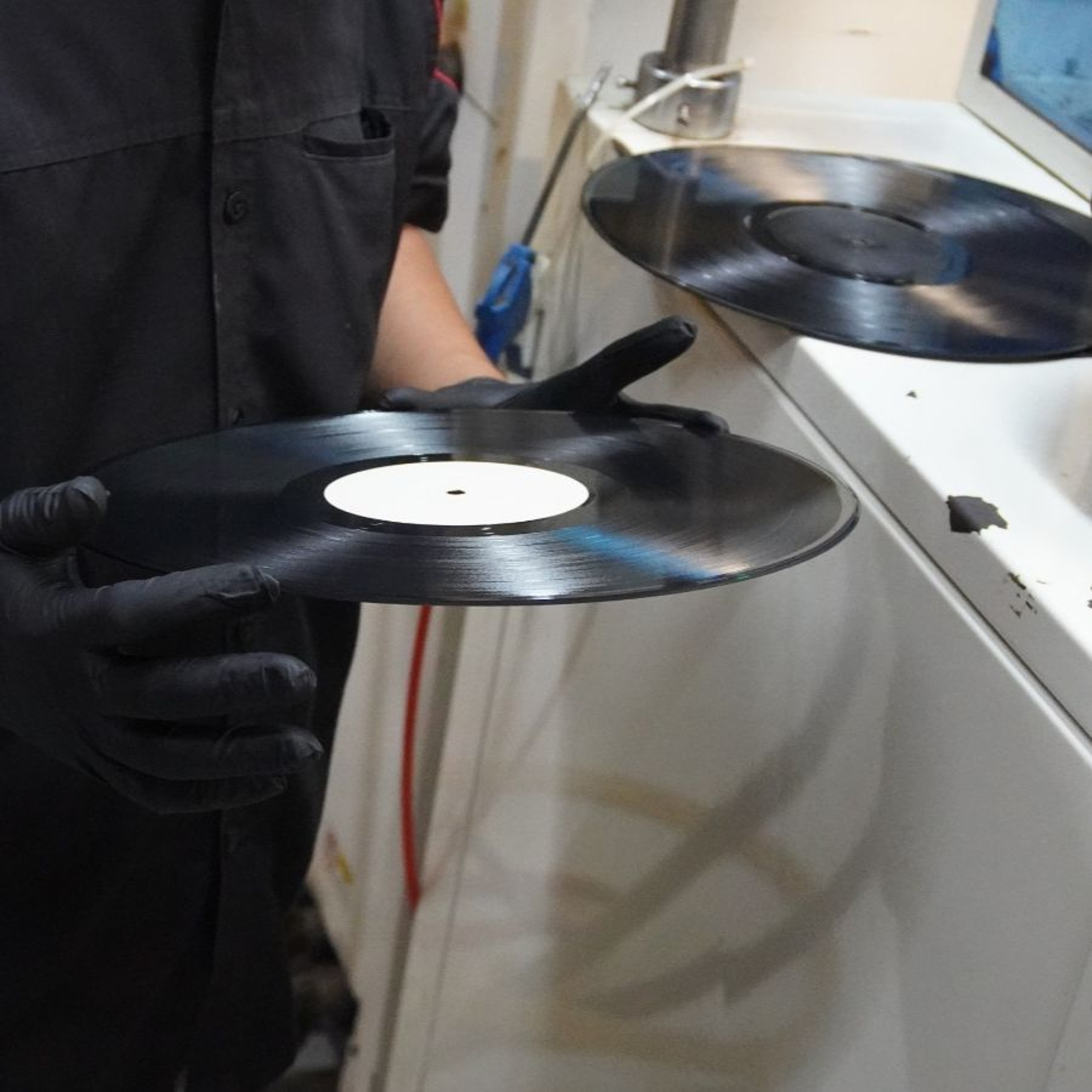
The Indonesian music scene is currently experiencing a vibrant period of experimentation, where musicians are blending vernacular Indonesian music traditions with elements from diverse global influences and historical periods. This fusion has led to the emergence of groundbreaking acts like Senyawa, who have successfully captured international attention. While the creative landscape pushes forward, however, there's a simultaneous return to older technology in music distribution, particularly the resurgence of vinyl recording. This vinyl revival, mirroring a global trend, has taken root in Indonesia. Taufiq Rahman, editor-in-chief of Jakarta Post as well as the founder of Elevation Records, is at the forefront of this. He and his business partners have now established the country's sole vinyl pressing factory, marking a significant milestone in Indonesia's contemporary music industry. What is the role of vinyl recordings in Indonesian music history? And what are the factors driving its current renaissance? For those interested in exploring Indonesian music through vinyl, Taufiq Rahman will also offer his valuable insights, including why "Badai Pasti Berlalu" is one of Indonesia's finest pop productions and how the artistry of Rhoma Irama extends beyond dangdut music. In 2024, the Talking Indonesia podcast is co-hosted by Dr Elisabeth Kramer from the University of New South Wales, Dr Jemma Purdey from Monash University, Tito Ambyo from RMIT and Dr Jacqui Baker from Murdoch University. Look out for a new Talking Indonesia podcast every fortnight. Catch up on previous episodes here, subscribe via Apple Podcasts or listen via your favourite podcasting app.
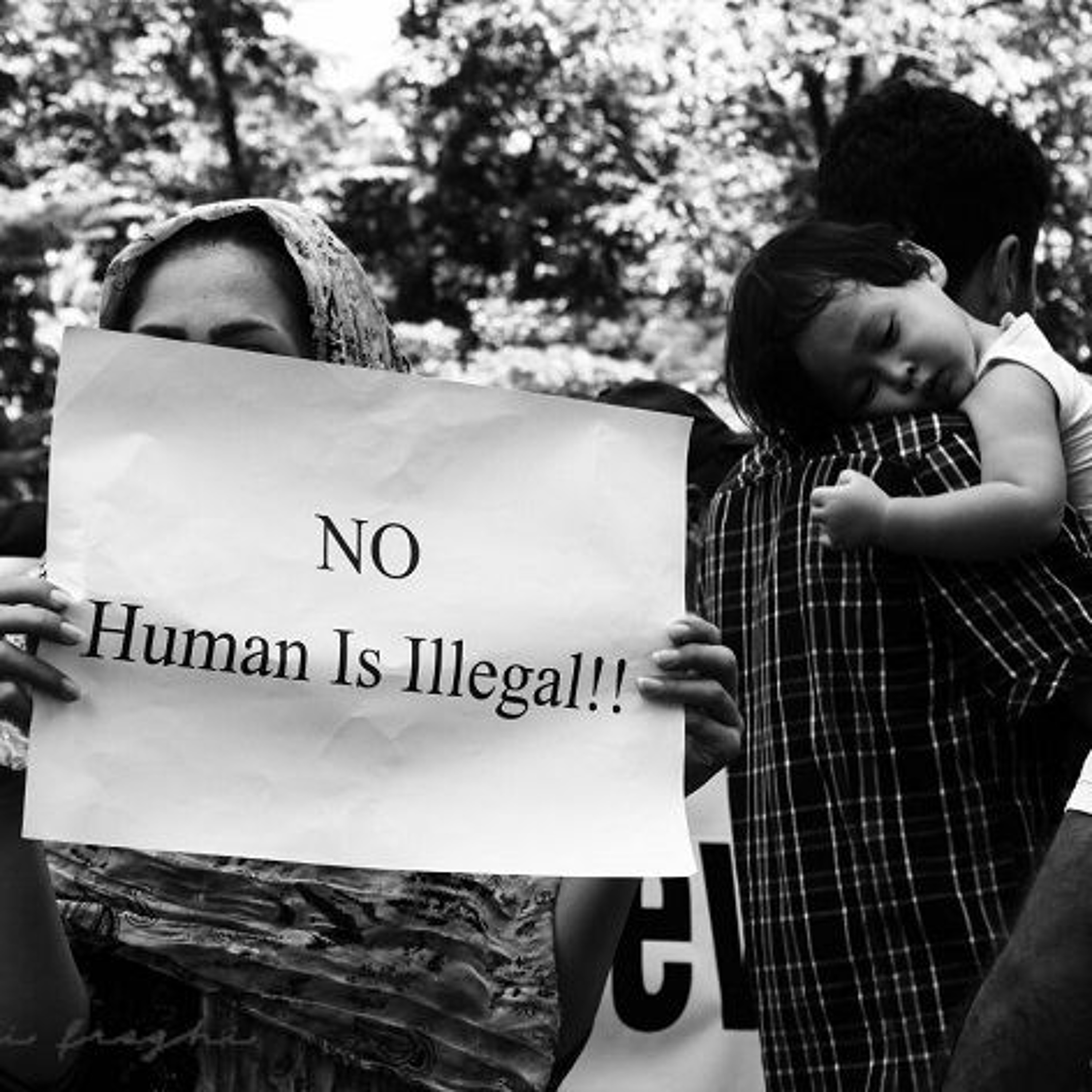
Antje Missbach - Refugees Growing Up in Limbo
Antje Missbach - Refugees growing up in limbo Indonesia is currently home to over 13,000 refugees and asylum seekers, a majority of them young people who are stuck in limbo waiting for their futures to be determined. For most, it takes years, sometimes more than a decade, for resettlement to become an option. In the meantime, for those who arrive in Indonesia as children and teenagers this means that much of their youth and formative years - when they look to form relationships, explore their sexuality and establish their identities - are also ones in which they have very limited opportunities for education, work and recreation. This means growing up amid endless boredom and with few pathways into society. The recent arrivals of boatloads of Rohingya refugees on Aceh’s shores is a stark reminder that the asylum seeker issue is not going away. New solutions are needed to enable the thousands currently in Indonesia, to establish a somewhat normal life. With onward pathways to Australia and beyond cut off and resettlement extremely slow, will Indonesia shift its rhetoric and recognise its status as a destination, rather than transit, country for refugees? What will this mean for those stranded in Indonesia? Will they finally be permitted to integrate and make a place in society? In this week's episode Jemma chats with Antje Missbach, Professor of Sociology at Bielefeld University, Germany. Antje is an expert on asylum seekers in Indonesia and specialises in global and transnational migration and mobility. In 2024, the Talking Indonesia podcast is co-hosted by Dr Jemma Purdey from the Australia-Indonesia Centre, Dr Jacqui Baker from Murdoch University, Dr Elisabeth Kramer from the University of New South Wales and Tito Ambyo from RMIT. Image: /Ali Froghi

Howie Manns and Jessica Kruk - Indonesian language instruction
Teaching Indonesian as a second language comes with challenges. In Australia, there is a wide gulf between the government's rhetoric about the importance of learning Indonesian and the realities faced by teachers on the ground. In the absence of centralised resources, Indonesian teachers often have to work creatively to devise their own materials and deliver quality instruction. Today's guests on Talking Indonesia, Dr Howie Manns and Dr Jessica Kruk, both discovered Indonesian at a young age and have gone on to research and teach the language. In this episode, they chat about teaching colloquial and formal Indonesian and other challenges faced by Indonesian teachers in Australia. Howie and Jess believe in the power of open educational practices and collaboration among educators. To help out their fellow teachers, they are developing a new podcast called "Bloody Bagus” that will provide materials for standard and informal Indonesian, connect students with contemporary Indonesian culture and enrich their learning experience. In 2024, the Talking Indonesia podcast is co-hosted by Tito Ambyo from RMIT, Dr Jemma Purdey from the Australia-Indonesia Centre, Dr Elisabeth Kramer from the University of New South Wales and Dr Jacqui Baker from Murdoch University.

Bivitri Susanti - Dirty Vote
Bivitri Susanti - Dirty Vote The frenzied final weeks of campaigning leading up to the presidential election on 14 February 2024 were packed with promises, symbols, celebrity and cash. When the dance literally stopped a few days before the polls opened, in the traditional cooling off period, a documentary film, Dirty Vote, dropped on YouTube. The work of activist filmmaker, Dandhy Laksono, the film has a lecture-style format featuring three constitutional law experts as its cast. At just under 2 hours long, the film draws on extensive research conducted by the experts and their colleagues, to shed light on the depth of election fraud, money politics and the systemic deterioration and abuse of Indonesia’s democratic institutions, including the electoral system, anti-corruption agency and the judiciary. Dirty Vote attracted over 6 million views in the first day of release and has since amassed around 30 million views. What were the filmmaker’s aims for this film and what kind of impact were they hoping it to have? What were its key messages and what is the path for Indonesia’s democratic project moving forward? In this week's episode Jemma chats with Bivitri Susanti, Deputy Director of the Indonesia Jentera School of Law and co-founder of the Indonesian Center for Law and Policy Studies (PSHK). In 2024, the Talking Indonesia podcast is co-hosted by Dr Jemma Purdey from the Australia-Indonesia Centre, Dr Jacqui Baker from Murdoch University, Dr Elisabeth Kramer from the University of New South Wales and Tito Ambyo from RMIT. Image: IMDb/Dirty Vote

John Cheong-Holdaway, Eka Poedijono and Jocelyn Tribe - Gamelan Music
In November 2023, a unique event occured. Eight gamelan groups - Gamelan DanAnda, Kacapi Suling Melbourne, Mahindra Bali Gamelan, Melbourne Community Gamelan, Mugi Rahayu, Putra Panji Asmara, Talo Balak, Selonding Sapta Nugraha - came together to perform at a small church in Northcote, a suburb in North Melbourne. The gathering was dedicated to the memory of Pak Poedijono, a master Javanese dhalang (puppeteer), musician, dancer and gamelan teacher. He taught in Australia for over 45 years and sadly passed away on the 30th of January 2021. In this episode of Talking Indonesia, Tito Ambyo chats with the people who organised this gathering: John Cheong-Holdaway, an Australian gamelan musician; Eka Poedijono, daughter of the late Pak Poedijono; and Jocelyn Tribe, a biracial artist who connected with her Indonesian ancestry later in life. We spoke about many things, including the difference between gamelan and other types of music, the role of gamelan beyond musical performance, and what it's like to be a part of the gamelan music scene in a city like Melbourne. We also touched on a range of artists and gamelan groups, like Ria Soemardjo, Peni Candra Rini, Gamelan DanAnda, Bli Putu Septa, Desak Putu Warti and Sanggar Lestari. In 2024, the Talking Indonesia podcast is co-hosted by Tito Ambyo from RMIT, Dr Elisabeth Kramer from the University of New South Wales, Dr Jemma Purdey from Monash University and Dr Jacqui Baker from Murdoch University. Photo: supplied.
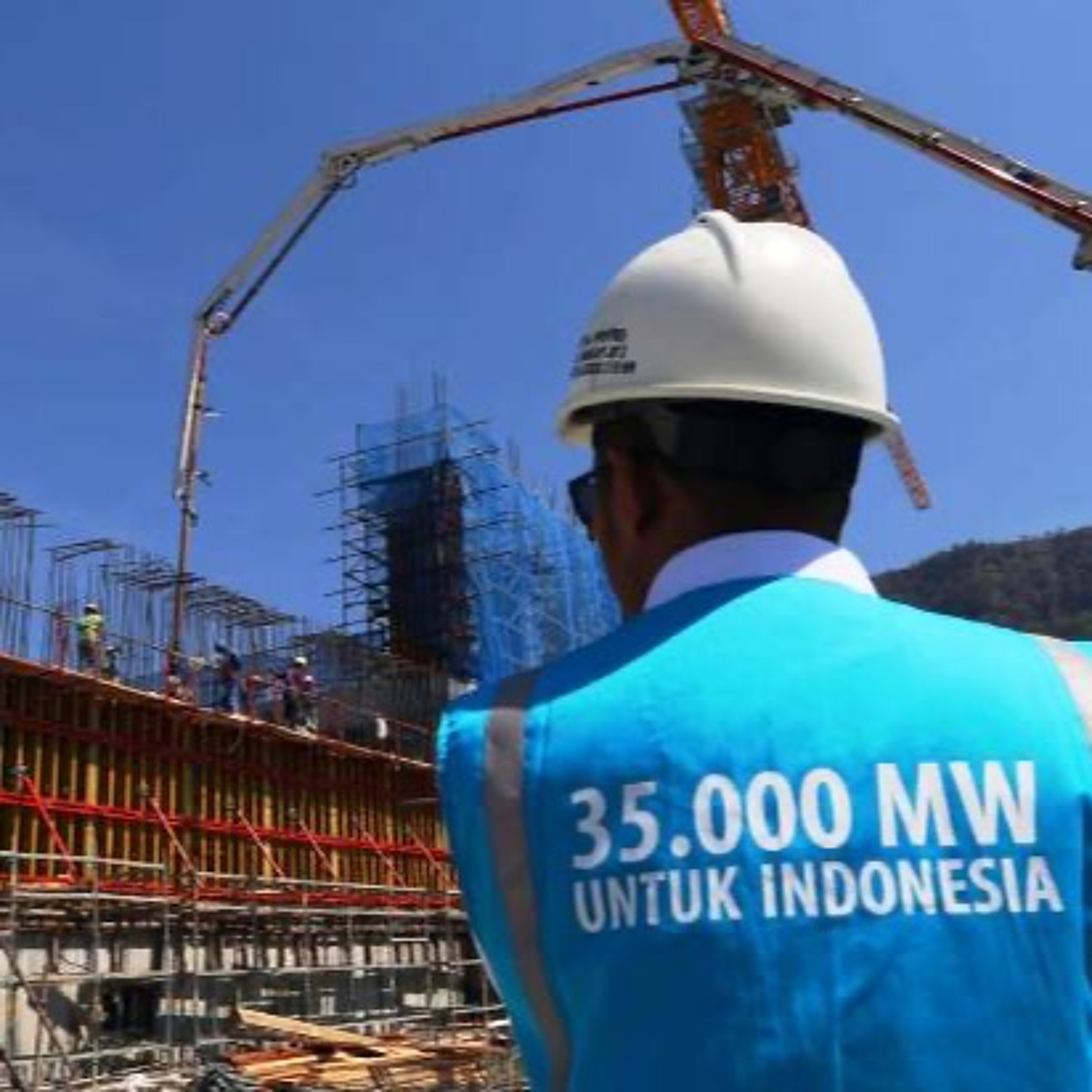
Anto Mohsin - Electrifying Indonesia
The talk on the street is all about electric cars and scooters as Indonesia strives to become a regional centre for manufacturing electric vehicles. At the heart of that goal is constructing a national supply chain of locally built battery hubs to drive the transition to electric. But as my current guest reminds us, harnessing electricity has always been at the centre of Indonesia’s dreams of development. Indeed, the very establishment of PLN, Indonesia’s ubiquitous state electricity company, was part of a wider nation building project to create a prosperous and socially just Indonesia. To talk about the role of electricity in the forging of Indonesia, Dr Anto Mohsin chats with Jacqui Baker. Anto is an assistant professor in the Liberal Arts at North-Western University in Qatar. In 2024, the Talking Indonesia podcast is co-hosted by Dr Jacqui Baker from Murdoch University, Dr Elisabeth Kramer from the University of New South Wales, Dr Jemma Purdey from Monash University and Tito Ambyo from RMIT.
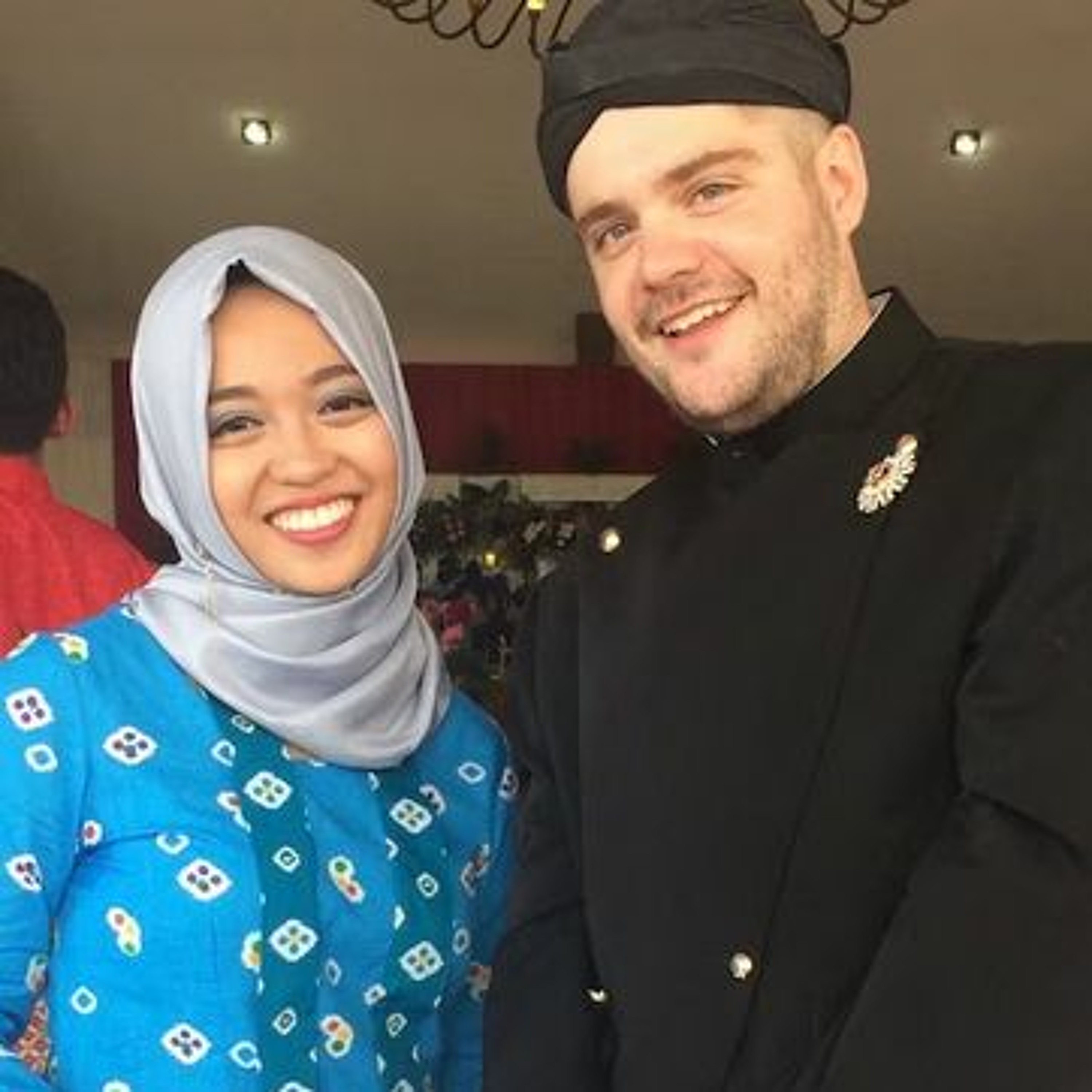
Kathryn Robinson - Marriage Migration and Intercultural Families
There are many things that drive migration to other countries, and one of them is romantic relationships and marriages. But Asian women who are developing relationships with men from Western countries, like Australia, be it through snail mails, online sites or other means, often have to face the stereotype of the ‘subservient woman’. This stereotype has a history that still haunts us. In the case of Australia, the history goes way back to the First Fleet, but it also has a lot to do with the way multiculturalism is framed in this country. In a new book, the anthropologist Emeritus Professor Kathryn Robinson looks at intercultural marriages between Asian women and Australian men. The book, titled ‘Marriage Migration, Intercultural Families and Global Intimacies’, mostly looks at the lives of Filipina women who married Australian men, but the book is also about multiculturalism in Australia and the history of the damaging stereotype of the ‘subservient oriental women’ that many Indonesian women, in Australia, Indonesia and around the world, still have to face. In this episode, Tito Ambyo also chats with Kathryn about the importance of food and dancing for Filipina and Indonesian women who have migrated to Australia, digital ethnography best practices and some tips on how to do good research on Indonesia today. In 2023, the Talking Indonesia podcast is co-hosted by Tito Ambyo from RMIT, Dr Jemma Purdey from Monash University, Dr Elisabeth Kramer from the University of New South Wales, Tito Ambyo from RMIT and Dr Jacqui Baker from Murdoch University.
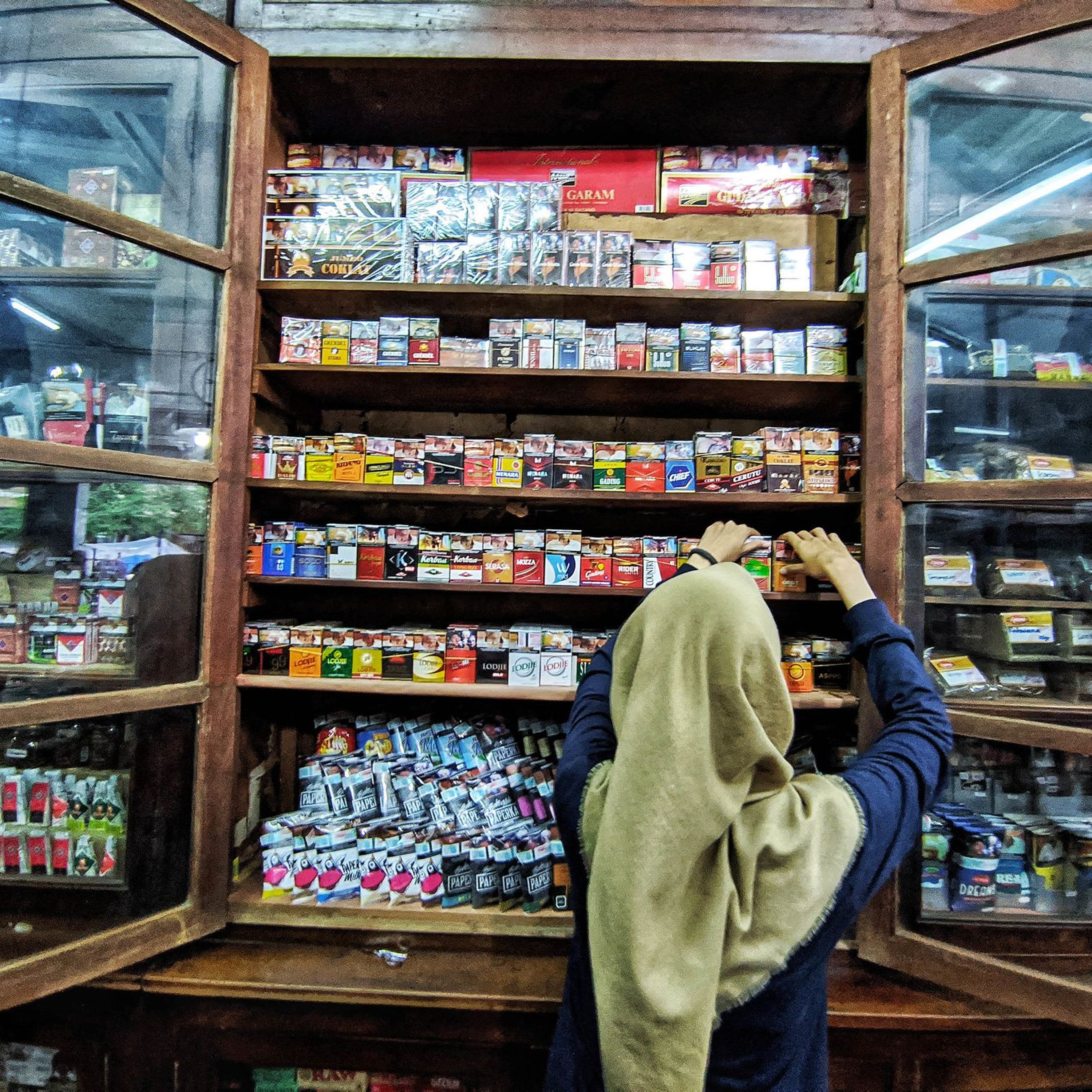
Marina Welker - Kretek Capitalism
Indonesia has one of the highest smoking rates in the world - approximately two thirds of Indonesian men are classified as smokers. This is in spite of anti-smoking discourses and tobacco control policies becoming more and more prominent across the globe, at least in many middle and high-income countries. In this episode of Talking Indonesia Elisabeth Kramer chats with Dr Marina Welker about her new book and deep dive on how multinational tobacco corporations impact the lives of ordinary Indonesians. What kinds of labour - paid, under-paid and unpaid - keep the the kretek industry fabulously profitable in Indonesia? Marina Welker is an Associate Professor of Anthropology at Cornell University whose research examines capitalism in Indonesia through the lens of multinational corporations involved in mining and tobacco. Her second book, “Kretek Capitalism: Making, Marketing, and Consuming Clove Cigarettes in Indonesia,” was recently published by the University of California Press and is available for free download as part of its Luminos open access series. In 2024, the Talking Indonesia podcast is co-hosted by Dr Elisabeth Kramer from the University of New South Wales, Dr Jemma Purdey from Monash University, Tito Ambyo from RMIT and Dr Jacqui Baker from Murdoch University. Image: Rokok Indonesia from Flickr.
Jamie Davidson - Food Security
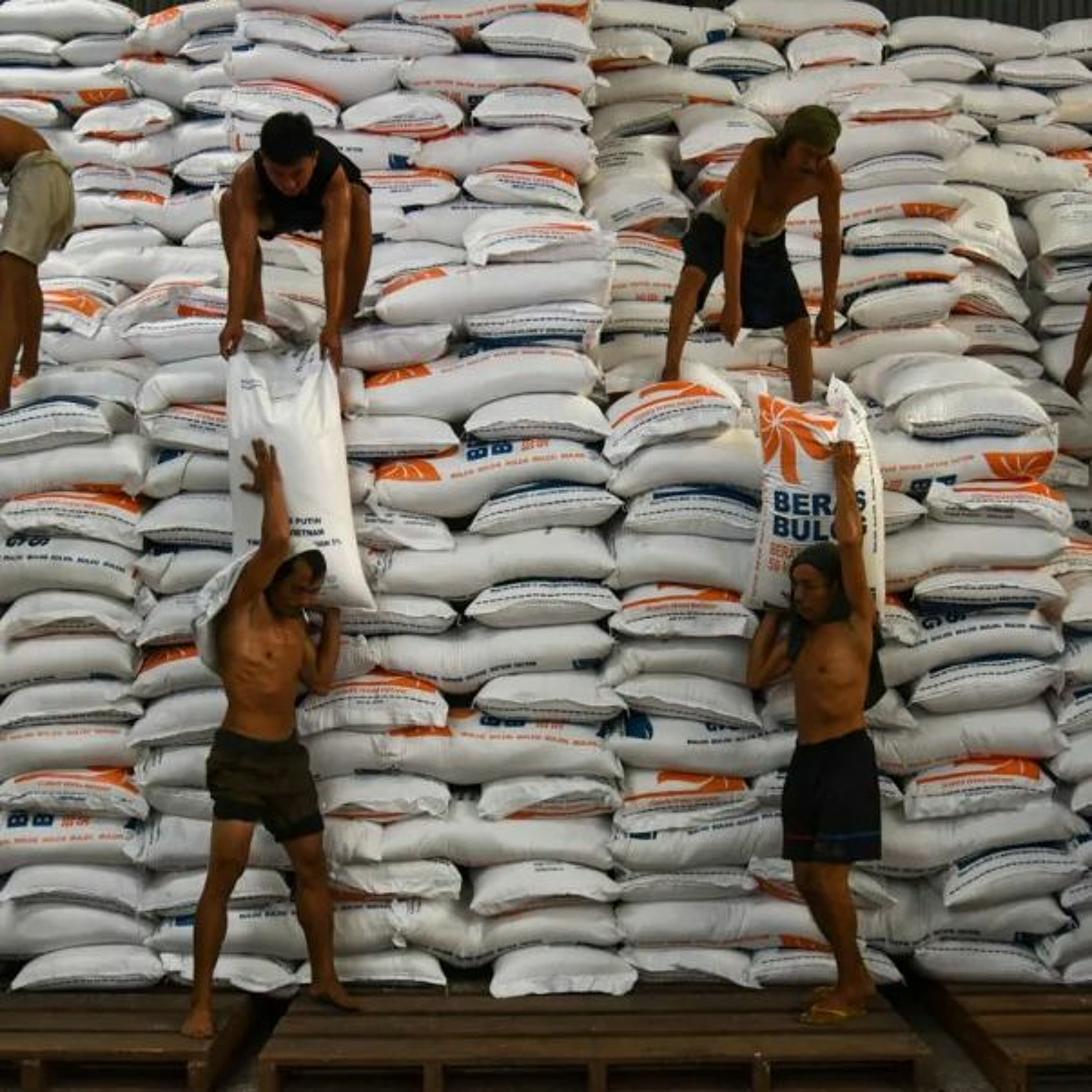
Indonesians have a saying that you’re not properly satisfied until you’ve eaten rice (belum kenyang kalau belum makan nasi). But in recent weeks the price of rice has hit record highs, meaning that this daily serving of rice is becoming out of reach for some. In 2023 an EL Niño weather pattern across Indonesia made it the hottest year on record, leading to drought conditions and impacting rice production, with delayed harvests and low yields. Since late last year rice prices have continued to climb and with Idul Fitri approaching, prices for basic foods - including rice - are spiking to historic levels. Media reports show people queuing for hours at markets and President Joko Widodo has committed to providing 10 kilograms of rice a month to low-to-middle income households. The government claims that national rice stores are sufficient, but close observers note that cartels and collusion within the industry are also playing a part. At the same time - and an issue highlighted in the recent election campaign - over one in five Indonesian children under the age of five are affected by stunting due to poor nutrition. What is the current state of food production and food security in Indonesia, especially when it comes to rice, and what part does the past play in policymaking about the present? Why is the rate of stunting in children and poor nutrition still at such high levels? How can Indonesia’s food policy respond? In this week's episode Jemma chats with Associate Professor Jamie Davidson from the Department of Political Science and the Asia Research Institute at the National University of Singapore, where he is leader of the Cluster ‘Food Politics and Society’. Jamie’s research compares the politics of rice policy in Indonesia, the Philippines, and Malaysia. In 2024, the Talking Indonesia podcast is co-hosted by Dr Jemma Purdey from the Australia-Indonesia Centre, Dr Jacqui Baker from Murdoch University, Dr Elisabeth Kramer from the University of New South Wales and Tito Ambyo from RMIT. Image: Workers are seen at a Bulog rice warehouse in Medan, North Sumatra, on 28 February 2024. (ANTARA FOTO/Fransisco Carolio/foc)
Al Khanif - Jural Traditions and Minority Rights
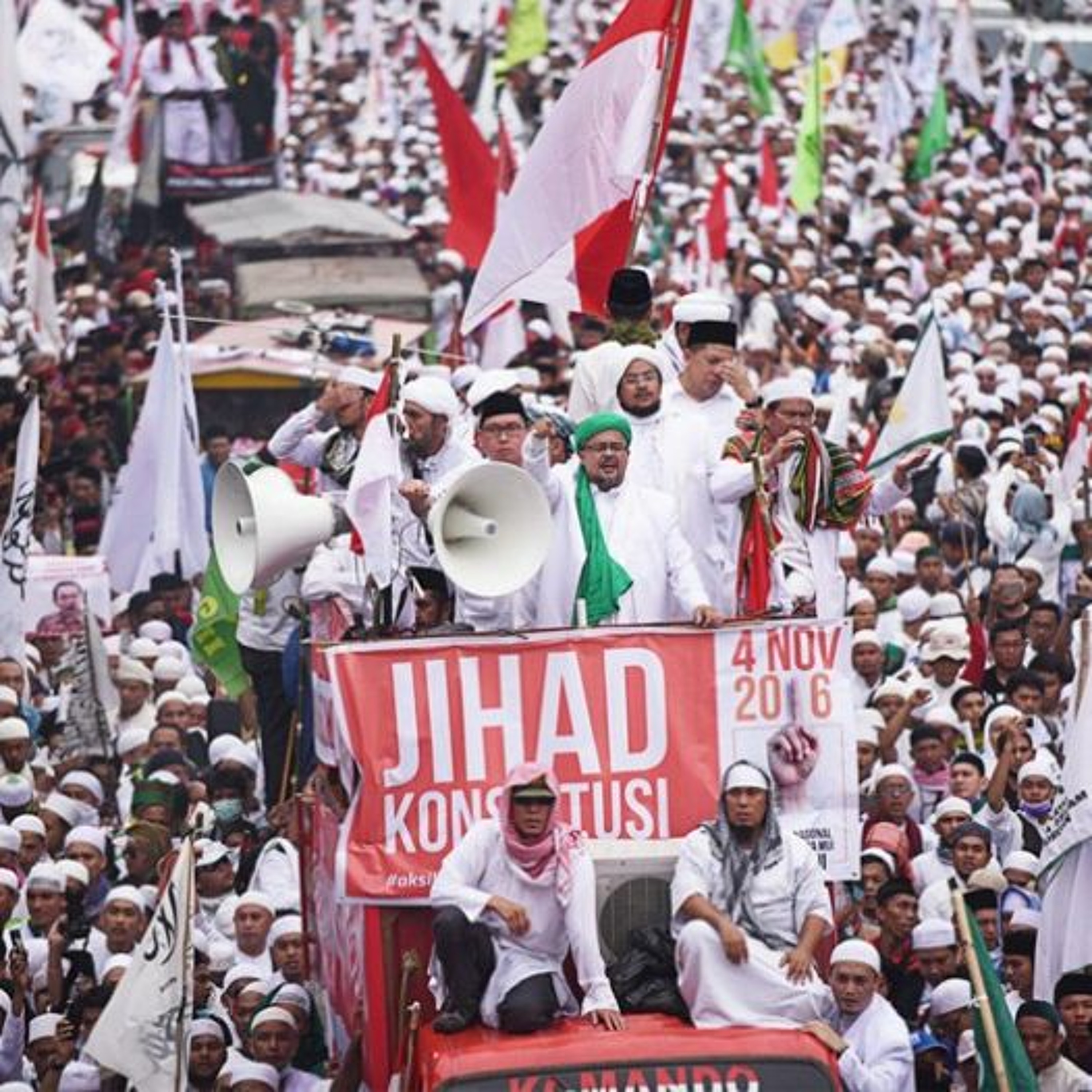
How do religious minorities fare under the constitution and blasphemy laws in Indonesia? The Indonesia Constitution seems to guarantee religious freedom so long as you believe in an almighty god. However, there are many real-life cases where it seems this is not enough. Add to this blasphemy laws, which have existed since the 1960s, and we can see that Indonesia has legal tools that can be easily weaponsised against individuals who express views that fall foul of the religious majority around them. In this podcast, Elisabeth Kramer talks to Dr Al Khanif about the state of religious rights and freedom of expression, and how jural traditions, the interpretations of laws based on historical and social norms, have made it even more difficult to assert these rights. Dr Khanif is the head of the Center for Human Rights, Multiculturalism and Migration at the University of Jember. In 2024, the Talking Indonesia podcast is co-hosted by Dr Elisabeth Kramer from the University of New South Wales, Dr Jemma Purdey from the Australia-Indonesia Centre, Dr Jacqui Baker from Murdoch University and Tito Ambyo from RMIT. Caption: Thousands of people protest remarks made by Jakarta Governor Basuki “Ahok” Tjahaja Purnama on 4 November 2016. Photo by Akbar Nugroho Gumay for Antara.
Bronwyn Beech Jones - Women Writers in the Colonial Era
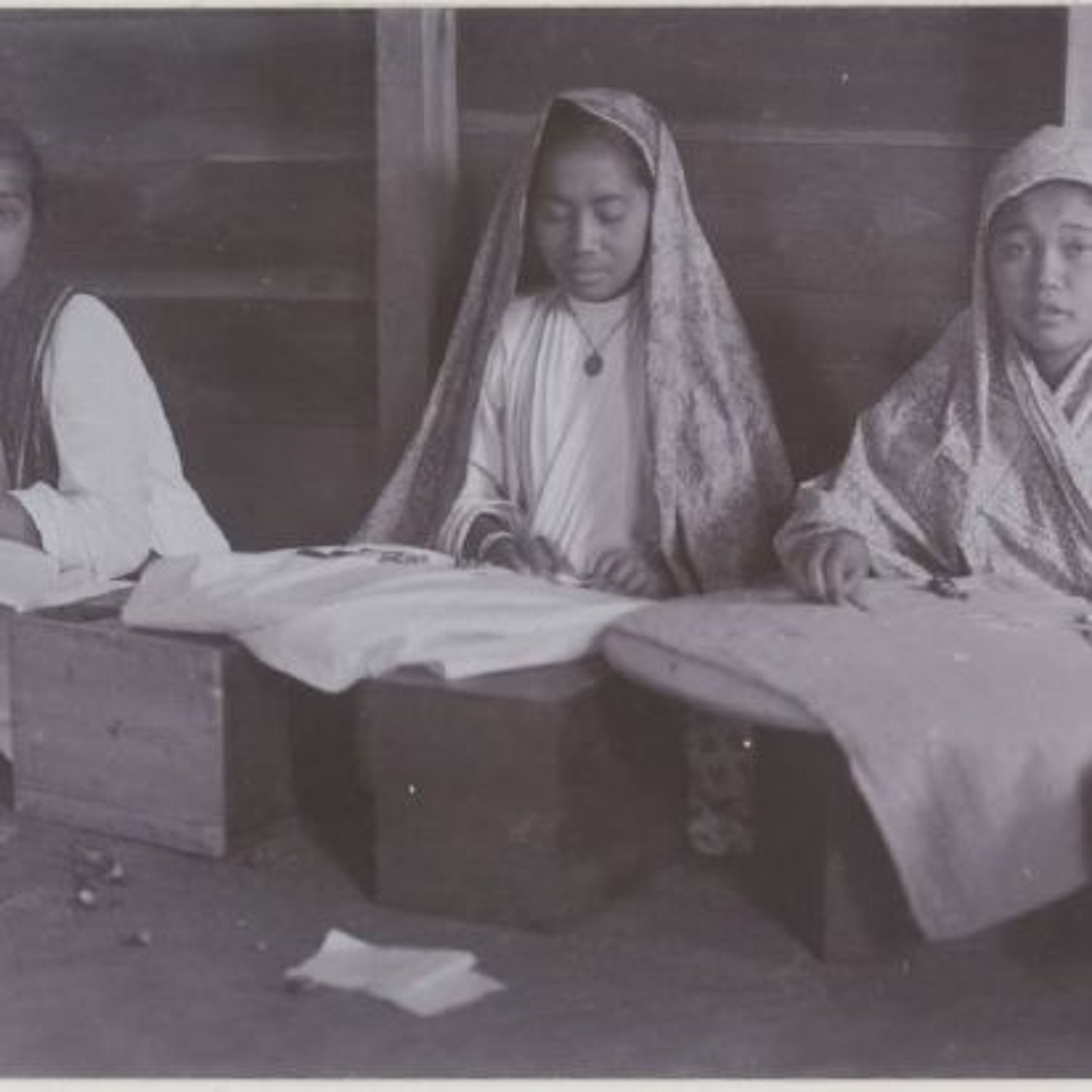
In the early 20th century in Sumatra, a movement of young women writers were finding new ways to express their identities, build communities and achieve their dreams. Soenting Melajoe was the first newspaper for women published in West Sumatra during the colonial era in the Dutch East Indies. The newspaper was a part of a larger constellation of people working together to help women find education and employment through writing and crafts like weaving. Tito Ambyo’s guest is Bronwyn Beech Jones, a PhD candidate at the University of Melbourne, and a recipient of the Hansen Scholarship in History. Her completed PhD, called Textual Worlds: Rethinking self, community, and activism in colonial-era Sumatran women’s newspaper archives, looks at how women and girls from Sumatra articulated their experiences and conceived of themselves, their communities and aspirations in Malay language periodicals published between 1912 and 1929. In 2023, the Talking Indonesia podcast is co-hosted by Tito Ambyo from RMIT, Dr Elisabeth Kramer from the University of New South Wales, Dr Jemma Purdey from Monash University and Dr Jacqui Baker from Murdoch University.

Wicaksono Gitawan - Energy Transition
Energy transition In the recent national elections, the candidates paid surprisingly little attention to one of the greatest challenges Indonesia and the world at large is currently facing – that of climate change. At the same time, for more and more Indonesians, climate change induced natural disasters like droughts, storms and floods are increasingly impacting their lives. Indonesia has committed to the Paris Agreement to limit global warning to 1.5 degrees Celsius and signed up to achieve zero carbon emissions by 2060, including peaking emissions from the energy sector by 2030. Reaching these targets will have a lot to do with how it transitions from a reliance on fossil fuels to renewable energy sources. For a nation on a steep growth trajectory that includes downstreaming and elevated productivity, and with large coal reserves at its disposal, this is a massive challenge. What are Indonesia’s stated commitments and ambitions towards an energy transition away from fossil fuels? Does it have a plan to get there? What will it take? In this week’s episode Jemma Purdey chats with Wicaksono Gitawan, Just Energy Transition Associate at Yayasan Indonesia CERAH, an Indonesian non-profit organization working to advance the energy transition policy agenda in Indonesia. In 2024, the Talking Indonesia podcast is co-hosted by Dr Jemma Purdey from the Australia-Indonesia Centre, Dr Jacqui Baker from Murdoch University, Dr Elisabeth Kramer from the University of New South Wales and Tito Ambyo from RMIT. Image: Suralaya coal-fired power plant in Cilegon, Banten Province, ANTARA/HO-PLN
Talking Indonesia Election Special
Prabowo has exceeded expectations to claim victory in 2024 Indonesian presidential election. What do our Talking Indonesia's co-hosts think about the result? Who are the winners and losers? What were the most interesting aspects of the campaign behind Prabowo’s success? And how did a pack of cigarettes save our co-host, Tito Ambyo, from possible jail time in the Suharto era? In this episode of Talking Indonesia, the co-hosts Jemma Purdey, Lis Kramer, Jacqui Baker and Tito Ambyo get together to chat about the election result, their analysis plus their hopes and fears for the future of Indonesian democracy. In 2023, the Talking Indonesia podcast is co-hosted by Dr Elisabeth Kramer from the University of New South Wales, Dr Jemma Purdey from Monash University, Tito Ambyo from RMIT and Dr Jacqui Baker from Murdoch University. Photo by Adi Wibowo/Antara.

Faris Al Fadhat - Big Business
Faris Al Fadhat - Big Business Conglomerates are the main players in the Indonesian economy, controlling core industries like agribusiness, banking and property and telecommunications. They are often built over multiple generations of a single, often ethnic Chinese, family. Indonesia’s biggest conglomerates - Sinar Mas Group, Royal Golden Eagle, Lippo group and Salim group - and their their owners are household names. Their businesses have an immeasurable impact on the daily lives of Indonesians: from the soap they use to wash the dishes, to the phone credit they use, and even to the hospitals they attend. Over the past two decades, Indonesia’s biggest conglomerates have emerged not just as domestic oligarchs but increasingly as regional players. This has come about through a series of acquisitions and joint ventures, but also through expansion enabled by the ASEAN regional economic architecture. To help us understand how Indonesian big business has transformed Indonesia and is now reshaping our region, Jacqui Baker chats with Faris Al Fadhat, Senior Lecturer in the Department of International Relations at the Muhammadiyah University Yogyakarta. Faris is the author of the 'Rise of International Capital: Indonesian Conglomerates in ASEAN' and his new book 'Expansi Kapital', which was published by Kompas Publishing (2023). In 2024, the Talking Indonesia podcast is co-hosted by Dr Jacqui Baker from Murdoch University, Dr Jemma Purdey from Monash University, Tito Ambyo from RMIT and Dr Elisabeth Kramer from the University of New South Wales. Photo by Julien from Flickr.
Marcus Mietzner - The Presidential Election
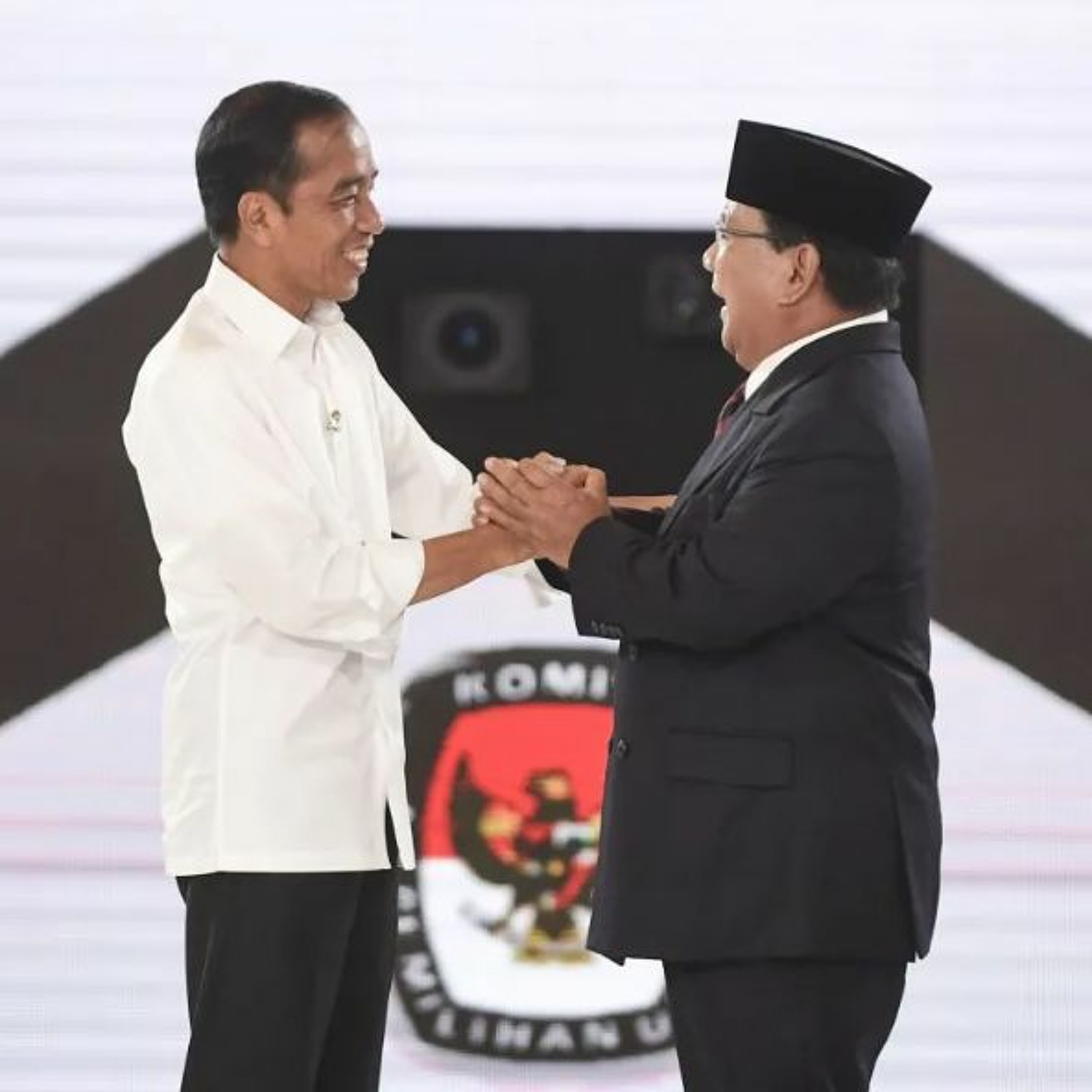
With the election just weeks away the campaign for the presidency is in full flight. The three candidates – Prabowo Subianto, Ganjar Pranowo and Anies Baswedan – are proven campaigners and already familiar faces, but as has been the case in Indonesian politics for a while now, it is the coalitions they form around their tickets that will prove decisive on election day and in the government they ultimately lead. Indeed, Prabowo’s choice of Joko Widodo’s son and current mayor of Solo, Gibran Rakabuming Raka as his running mate is shaping up to be a strategic victory for both the Prabowo and Jokowi camps. So, what is the state of the current campaign? What is likely to happen on and after 14 February? In the end, does it matter who wins if a coalition of opponents and other parties and interest groups will govern together anyway? What does such a state of coalitional presidentialism mean for the future of democracy in Indonesia? In this week’s episode Jemma Purdey chats with Marcus Mietzner, Associate Professor at the Department of Political and Social Change, Coral Bell School of Asia-Pacific Affairs, Australian National University. He is author of the recently published 'The Coalitions Presidents Make: Presidential Power and Its Limits in Democratic Indonesia', Cornell University Press, Ithaca, N.Y., 2023. In 2024, the Talking Indonesia podcast is co-hosted by Dr Jemma Purdey from Monash University, Dr Jacqui Baker from Murdoch University, Dr Elisabeth Kramer from the University of New South Wales and Tito Ambyo from RMIT. Look out for a new Talking Indonesia podcast every fortnight. Catch up on previous episode here, subscribe via Apple Podcasts or listen via your favourite podcasting app. Image: @prabowo Instagram, 7 January 2024
Mirjam Lücking - Indonesian Encounters in Israel and Palestine
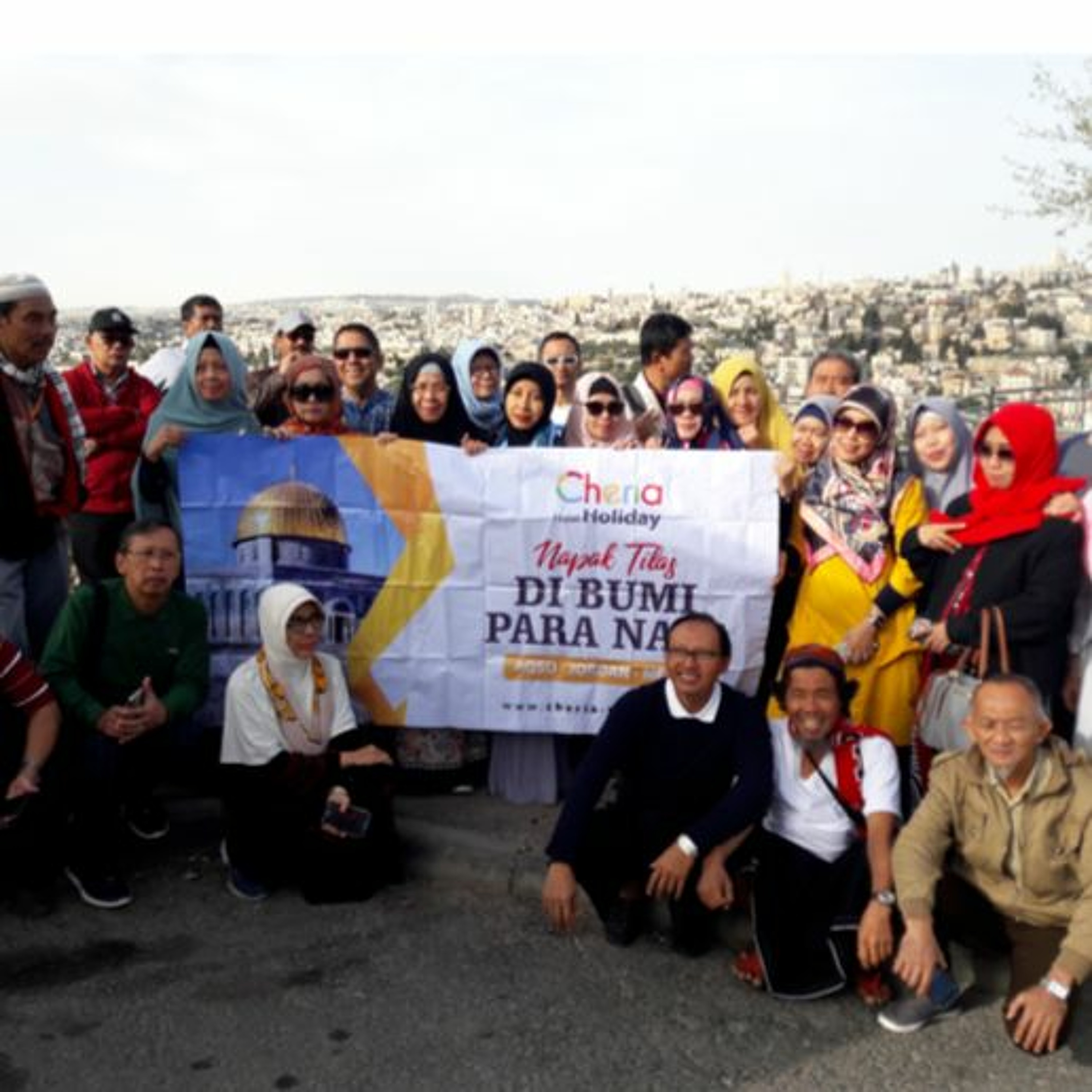
Since the most recent conflict erupted between Israel and Gaza following the October 7 Hamas’ attacks and Israel’s subsequent mass bombings of the Gaza strip, the Indonesian public and government have overwhelmingly condemned Israel's actions. Like most Muslim nations around the world, Indonesia’s solidarity with Palestine is long-standing and deeply felt. Large solidarity gatherings held over the past few months and Indonesia’s diplomatic efforts on the world stage, demonstrate the importance of Palestine for how Indonesia sees its role internationally, but also in relation to politics, security and social harmony at home. With no formal diplomatic recognition, relations between Israel and Indonesia are facilitated between third parties, and therefore direct interactions between the two peoples is rare. Yet, for Indonesians, be they Muslim or Christian, this part of the world and the idea of ‘Arabness’ holds special and sacred meaning and has a strong pull. As Indonesia’s expanding middle classes enjoy greater access to international travel, religious tourism has enabled both Muslim and Christian Indonesians to encounter Israel and Palestine firsthand. How are movements between the two countries without official relations negotiated? What are its impacts on those who participate – the tourists, the agents and the local businesses? For those Indonesians who visit, have in-country encounters shifted perceptions and pushed back against a binary view of the Israel-Palestine conflict? What effect might the current war have on long held hopes that Indonesia can play a role as a bridge between the two sides in this intractable conflict? Jemma Purdey explores these questions with Mirjam Lücking, who is an anthropologist working on various forms of globalized mobility, such as migration and tourism, intercultural encounters, modern religious lifestyles (in particular, Muslim and Christian), and social media in the context of transregional connections between Indonesia and the Middle East. She is the author of Indonesians and Their Arab World: Guided Mobility among Labor Migrants and Mecca Pilgrims (Southeast Asia Program Publications by Cornell University Press, 2020) and has published several articles on Muslim and Christian pilgrimage-tourism from Indonesia to Jerusalem. Her insights stem from ethnographic research in various places in Indonesia and in Israel and Palestine. Mirjam is assistant professor at the Department of Social and Cultural Anthropology at the University of Munich. In 2023, the Talking Indonesia podcast is co-hosted by Dr Jemma Purdey from Monash University, Tito Ambyo from RMIT, Dr Elisabeth Kramer from the University of New South Wales and Dr Jacqui Baker from Murdoch University. Image: Indonesian pilgrims in Jerusalem / Mirjam Lücking
Jonathan Tehusijarana - Indonesian Student Armies
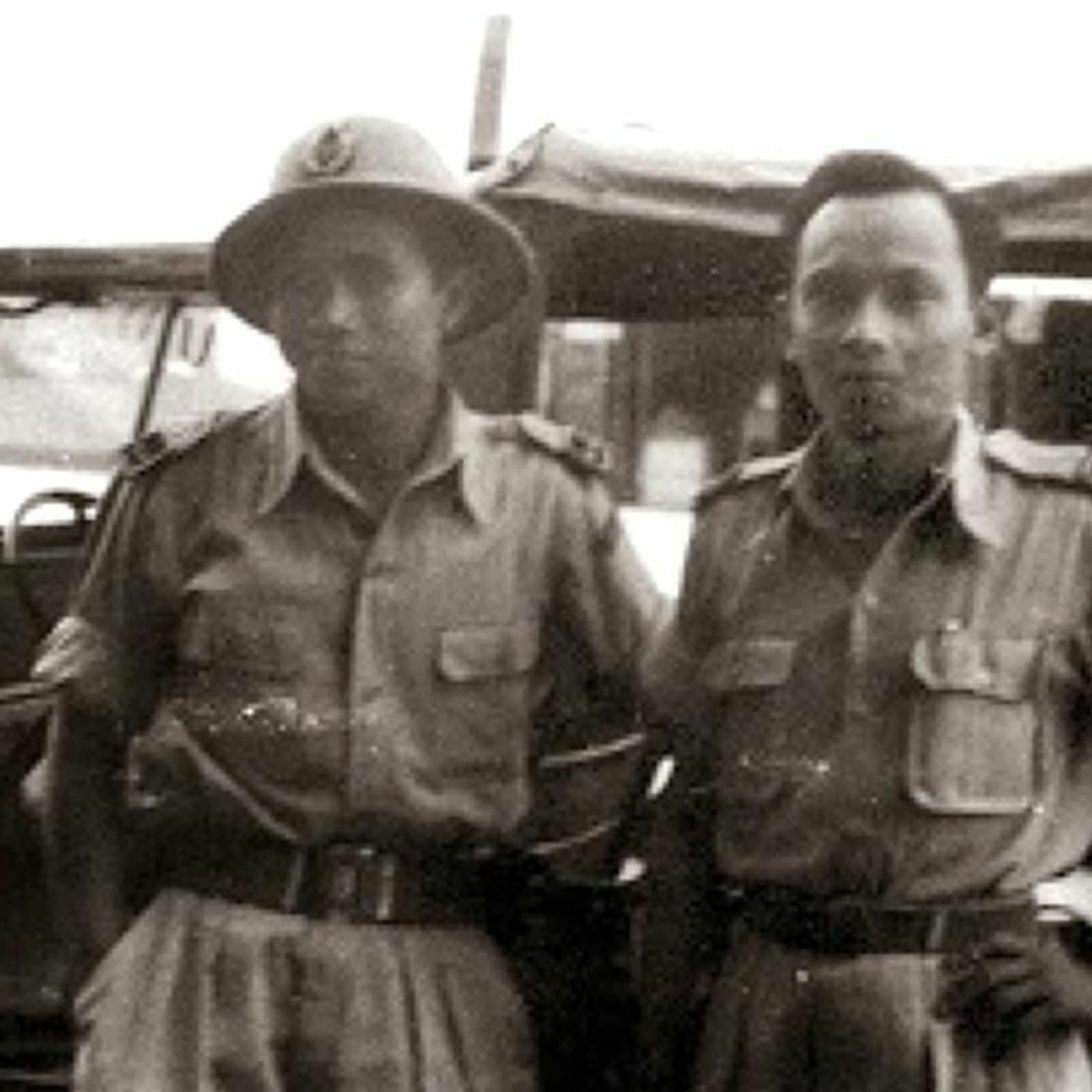
The Indonesian word ‘pemuda’, or young person, has a complex meaning and history. Like in other languages and cultures, the term conjures up images of change and vitality. But in Indonesia, it also carries militaristic and masculine connotations which are coloured by the way it was used during the New Order era. In his PhD thesis at the University of Melbourne, Jonathan Tehusijarana traces the term back to the history of Tentara Pelajar, student militia units, that were active during the Indonesian War of Independence. He chats with Tito Ambyo about the fate of these Tentara Pelajar veterans, which was often determined by the needs of the political elites – some found political, intellectual and cultural success in post-war Indonesia, while others were not so fortunate. In 2023, the Talking Indonesia podcast is co-hosted by Tito Ambyo from RMIT, Dr Elisabeth Kramer from the University of New South Wales, Dr Jemma Purdey from Monash University and Dr Jacqui Baker from Murdoch University.
Lailatul Fitriyah - Religion, Gender and Migrant Worker Identity
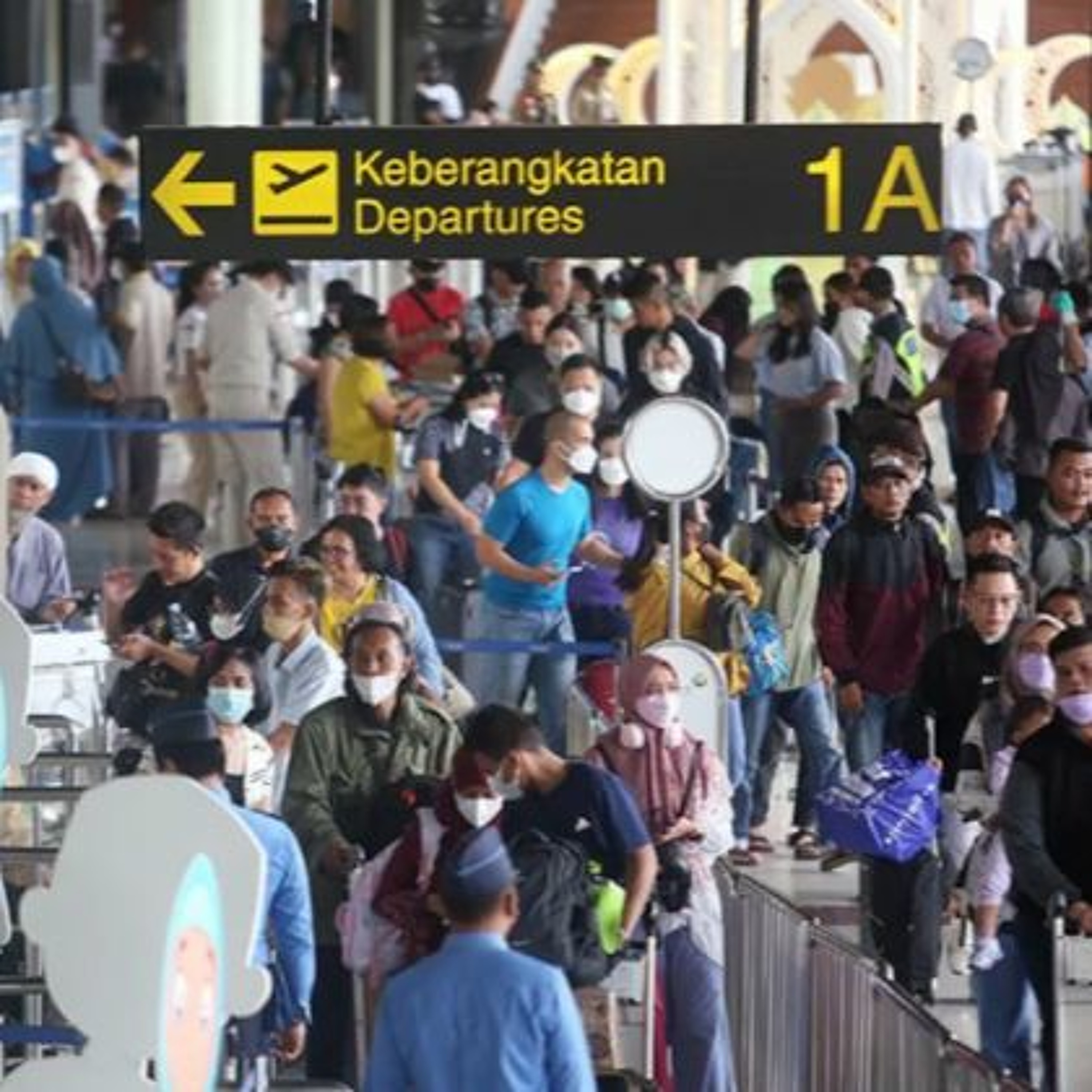
The choice by Indonesians to become a foreign overseas worker, known as Tenaga Kerja Indonesia (TKI), is viewed primarily as an economic one. Working in countries such as Malaysia, Singapore, Taiwan, Hong Kong or further afield in the Middle East, is perceived to offer possibilities beyond what they might hope for back home. The Indonesian government itself recognises the crucial role played by overseas migrant workers, with the World Bank estimating in 2016 that over US $8.9 billion flowed back to Indonesia via remittances. However, it is limiting to view overseas workers' experiences purely in terms of economics. There are, of course, ongoing identity negotiations that mirror the complexities of being in a new and different land, particularly when it comes to religion and gendered expectations. Lis Kramer's guest today, Dr Lailatul Fitriyah, has researched and published on the migrant worker experience through an intersectional lens, focusing particularly on how gender and religion shape the lived experiences of women working overseas. She gained her PhD thesis from the University of Notre Dame’ Department of Theology and she is an Assistant Professor of Interreligious Education at the Claremont School of Theology in California. In 2023, the Talking Indonesia podcast is co-hosted by Dr Elisabeth Kramer from the University of New South Wales, Dr Jemma Purdey from Monash University, Tito Ambyo from RMIT and Dr Jacqui Baker from Murdoch University.
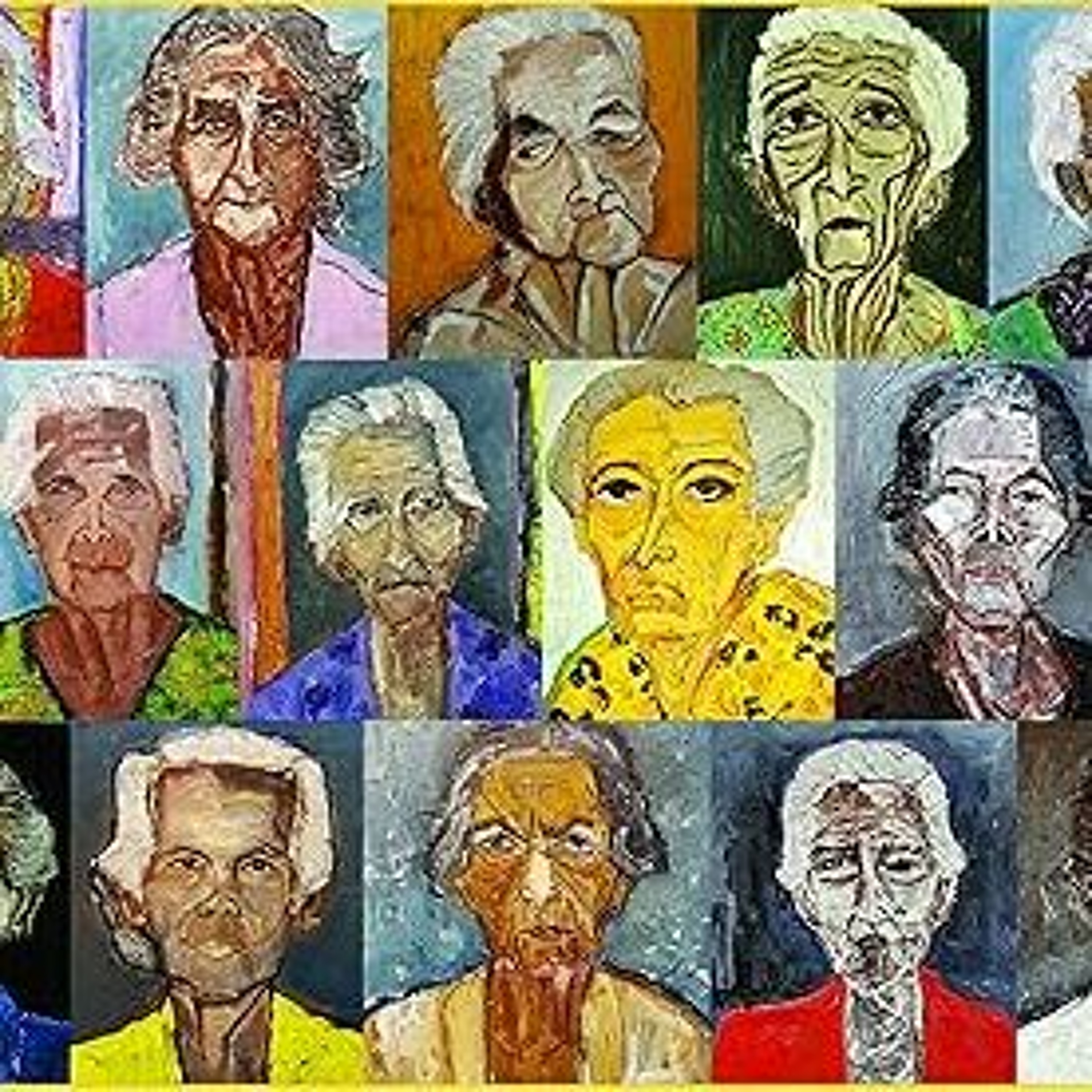
Kate McGregor - Activism, Memory and Sexual Violence
Kate McGregor - Activism, Memory and Sexual Violence During its Occupation of East Asian and Southeast Asian countries in World War II, including the Netherlands Indies, the Japanese military installed a system of enforced prostitution, known euphemistically as the ‘comfort women’ system. Today these crimes are relatively well-known and condemned. In 1993 the Japanese state issued an apology known as the Kōno statement. In the 1980s and 1990s, a transnational activist movement which included women from Korea, Japan, the Philippines and elsewhere, began to speak out and make demands for redress. In Indonesia, however, activism on the so-called ‘comfort women’ issue was slower to emerge, faced with challenges from both inside and outside the country. In her new book 'Systemic Silencing: Activism, Memory and Sexual Violence in Indonesia', Kate McGregor takes a close look at the system itself and seeks to understand it in the context of Indonesia’s own colonial and post-colonial history. What were the social contexts in Indonesia prior to and following the Japanese Occupation in relation to women, sexual exploitation and prostitution? What did it take for the voices of these survivors to be heard? How is this period in Indonesia’s history remembered today? And what are its legacies for activism on sexual violence? In this week's episode Jemma Purdey chats with Kate McGregor, professor of Southeast Asian history in the School of Historical and Philosophical Studies at the University of Melbourne. In 2023, the Talking Indonesia podcast is co-hosted by Dr Jemma Purdey from Monash University, Lis Kramer from UNSW, Tito Ambyo from RMIT and Dr Jacqui Baker from Murdoch University. Image: Book cover illustration of Indonesian 'comfort women' by feminist scholar and artist Dewi Candraningrum / 'Systemic Silencing: Activism, Memory and Sexual Violence in Indonesia', University of Wisconsin Press, Madison, 2023.

YouTube In Indonesia - Indonesia Council Open Conference Presentation
As of July 2023, Indonesia had 139 million YouTube viewers giving it one of the biggest YouTube audiences in the world. But beyond the numbers, YouTube has also become an influential cultural force in Indonesia. YouTubers are shaping what we listen to and watch. YouTube food vloggers are changing the food we eat and the way we eat it. YouTube has even created a burgeoning career path for people who are finding new ways to produce and share their ideas - whether that be religious teachings, horror stories or new genres of music. And yet, the world of YouTube in Indonesia still remains under-researched on the international stage. In this podcast, Tito Ambyo chats with panelists at the Indonesia Council Open Conference at the University of Sydney in September 2023. Andina Dwifatma is a PhD candidate at Monash University who is researching Islamic web series in Indonesia. Erika Suwarno is a PhD candidate at the University of Melbourne who is looking at the early history of YouTube in Indonesia. Dr William Yanko is a researcher best known for his research on Indonesian Hip-Hop. Together, they explore questions about YouTube in Indonesia: what is it, what does it look like, and what does it mean to be a YouTube researcher. In 2023, the Talking Indonesia podcast is co-hosted by Tito Ambyo from RMIT, Dr Jacqui Baker from Murdoch University, Dr Elisabeth Kramer from the University of New South Wales and Dr Jemma Purdey from Monash University.
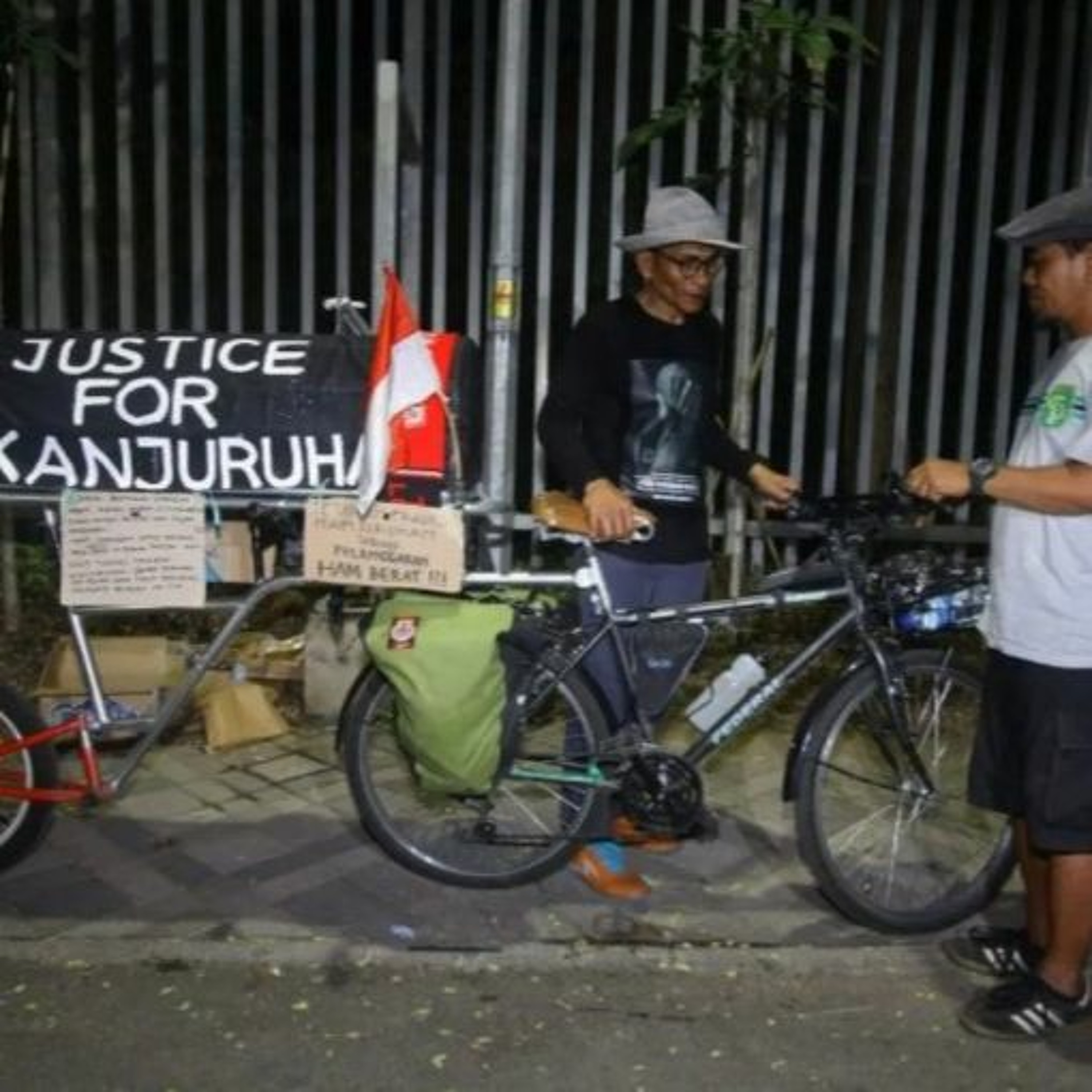
Aisyah Llewellyn -Justice for Mass Atrocities
Indonesia has sadly been the site of many crimes and mass atrocities, but uncovering all the details is fraught with challenges. How many people were killed or injured? Who was at fault? Who was in charge? And yet, as long as these events are shrouded in mystery, wrongdoing can go unpunished, victims stay unheard and we are unable to learn from our collective mistakes. In this podcast, Jacqui Baker chats with writer and law student Aisyah Llewellyn. Aisyah is a former diplomat who started her own true crime newsletter and podcast called Hukum. She is currently completing her second bachelor's degree in Indonesian law in North Sumatra. In her career, Aisyah has closely reported on many crimes and two mass violations of human rights. Most recently, in Kanjuruhan, where 135 people were killed last October when police fired tear gas into an overcrowded football stadium. But her most detailed long term investigation has focused on the mass atrocities committed in Aceh. These crimes were carried out by the Indonesian military, but aided and abetted by Exxon Mobil, who were operating the lucrative Arun gas field in Aceh. These events would trigger Aceh’s 30 year long secessionist movement. In this podcast we talk about what justice looks like after the mass atrocities, like in Aceh and Malang. We also segway into Aisyah's other fascination - Indonesian shamanic serial killers. In 2023, the Talking Indonesia podcast is co-hosted by Dr Jacqui Baker from Murdoch University, Dr Elisabeth Kramer from the University of New South Wales, Dr Jemma Purdey from Monash University and Tito Ambyo from RMIT. Photo by Moch Asim for Antara.

Dr Julie Chernov-Hwang - Pathways To Extremism
Indonesia is the largest Muslim majority country in the world, but it is not an Islamic state. The place of Islam within the state has been contested over the years, with proponents for and against a larger role for Islam in government and in the lives of citizens. The groups who advocate for a more prominent role for Islam occupy a wide spectrum of ideologies, approaches, and tactics. In the post-Soeharto era, terrorist acts have drawn attention through a handful of small, but committed, jihadist organisations mounting bombings at a variety of sites including churches, hotels, and, perhaps most famously, Balinese bars. In this episode we talk about pathways to extremism. Why do some people gravitate towards, and join, religious extremist organisations? How can we understand the difference between extremist and terrorist groups? And what important role do social relationships play in facilitating memberships and networks in this context? In this week's episode, Elisabeth Kramer chats with guest Dr Julie Chernov Hwang, who is an Associate Professor in the Department of Political Science and International Relations at Goucher College in Maryland. She’s especially interested in how social networks facilitate entry into and exit from jihadist groups in Southeast Asia. She’s the author of a number of books including Why Terrorists Quit, published by Cornell University Press in 2018 and her most recent book is Becoming Jihadis: Radicalization and Commitment in Southeast Asia, published this year by Oxford University Press. In 2023, the Talking Indonesia podcast is co-hosted by Dr Jemma Purdey from Monash University, Tito Ambyo from RMIT, Dr Jacqui Baker from Murdoch University and Dr Elisabeth Kramer from UNSW. Image by Masjid Pogung Dalangan from Unsplash. Caption: Close-up of hands held up in Islamic prayer.
Christophe Dorigné-Thomson - Jokowi Goes to Africa
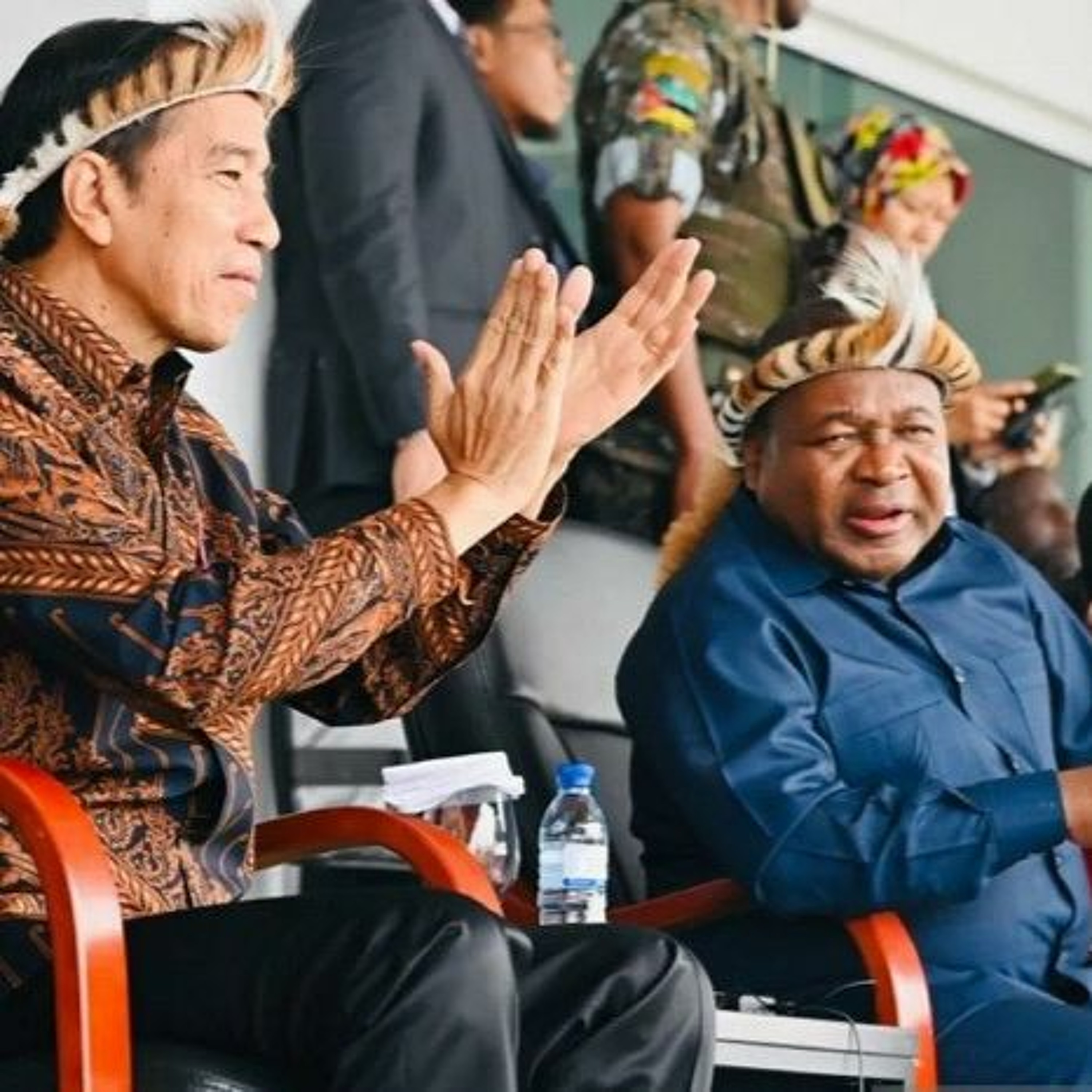
Joko Widodo’s recent trip to four African countries marked the first ever by an Indonesian head of state. The President’s five-day visit took him to Kenya, Tanzania and Mozambique, before finishing in South Africa where he attended the meeting of the BRICS (Brazil, Russia, India, China, South Africa) group of nations in Johannesburg. In his address to the BRICS conference Jokowi evoked the ‘spirit of Bandung’ in reference to the Asia-Africa conference held in the West Java capital in 1955 and called for solidarity and cooperation between the nations of the Global South. But Indonesia stopped short of accepting an invitation to join the expanding group, which is seen as a potential challenge or alternative to Western hegemony in a changing new world order. So, what motivated such a high-level trip to Africa? Why did Jokowi choose to make such an historic visit at this stage in his presidency? What is the current state of Indonesia-Africa relations and what might Indonesia’s ambitions be for its future in the continent? In this week's episode Jemma Purdey chats with Dr Christophe Dorigné-Thomson who holds a PhD in Politics from the Faculty of Social and Political Sciences at Universitas Indonesia, and a Master in Business/Management (Grande Ecole Programme) with a major in Finance from ESSEC Business School. His research focuses on foreign policy (Indonesia, Asia-Africa, and European nations notably); political economy; external powers’ engagement with Africa, Asia, and Europe, including political, economic, and defense and security approaches; and Indonesian, Asia-Africa, and Western politics. His forthcoming book, Indonesia's Engagement with Africa, will be published in 2023 by Palgrave Macmillan. In 2023, the Talking Indonesia podcast is co-hosted by Dr Jemma Purdey from Monash University, Tito Ambyo from RMIT and Dr Jacqui Baker from Murdoch University. Image: Antara/Press Bureau of Presidential Secretariat Caption: President Joko “Jokowi” Widodo (left) and his host Mozambique President Filipus Nyusi wear traditional headbands as they attend the opening of the National Festival of Culture at Red Bulls Association Field in Maputo on Aug. 23, 2023.
Tamara Soukotta - Decoloniality and Independence
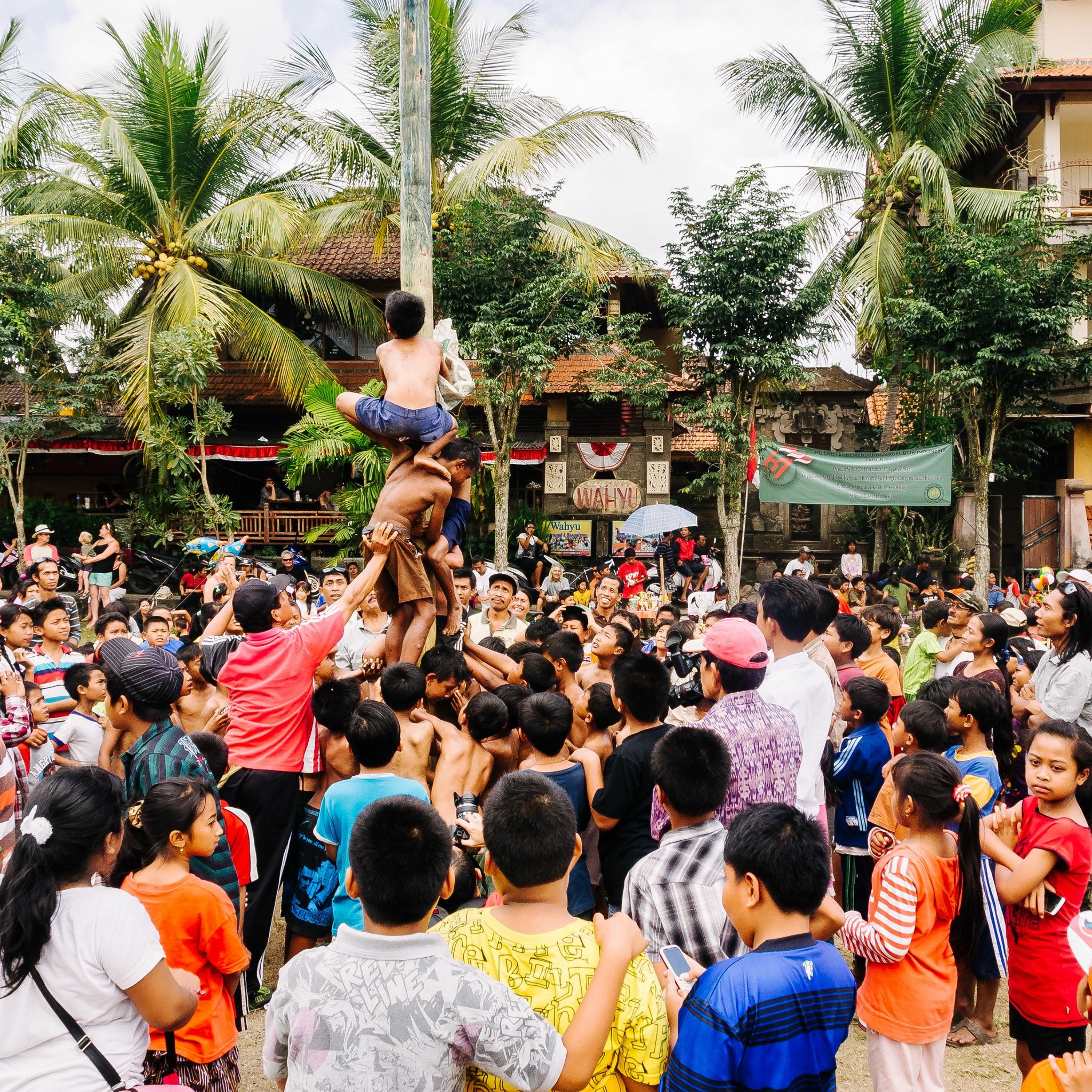
Indonesians around the world will celebrate Independence Day in a range of ways on 17 August. Some will hold festivals in big cosmopolitan cities, serving Indonesian food to hungry diasporas, while Indonesian villagers will hold traditional celebrations with simple games and competitions, like tug of war and kerupuk eating. Many of these traditions have changed little since the New Order era. This leads us to ask, what should we think about independence in the context of Indonesia today? We see that 78 years after Soekarno proclaimed independence in 1945 – Indonesians are still asking the question “sudahkah kita merdeka?” – are we truly independent yet? The question is asked so often it has become a cliché, but now many academics and activists are engaging with the question more seriously through frameworks and theories of decoloniality. In this week’s episode of Talking Indonesia, Tito Ambyo chats with Tamara Soukotta, who recently defended her PhD thesis at the International Institute of Social Studies at Erasmus University in Rotterdam. In her thesis, she argues that to understand the Ambon conflicts that started in 1999, we need to view the conflict through a lens of decoloniality. Moreover, to be able to understand the processes of peacebuilding after the war, we also need to look at these events as decoloniality in praxis. In this episode, Tamara tells us about her research and shares her thoughts on celebrating Independence Day critically and decolonially - which is harder than it sounds. In 2023, the Talking Indonesia podcast is co-hosted by Tito Ambyo from RMIT, Dr Jemma Purdey from Monash University, Dr Elisabeth Kramer from the University of New South Wales and Dr Jacqui Baker from Murdoch University. Photo by Mo from Flickr.
Prof. Jimly Asshiddiqie - Democracy Under Threat
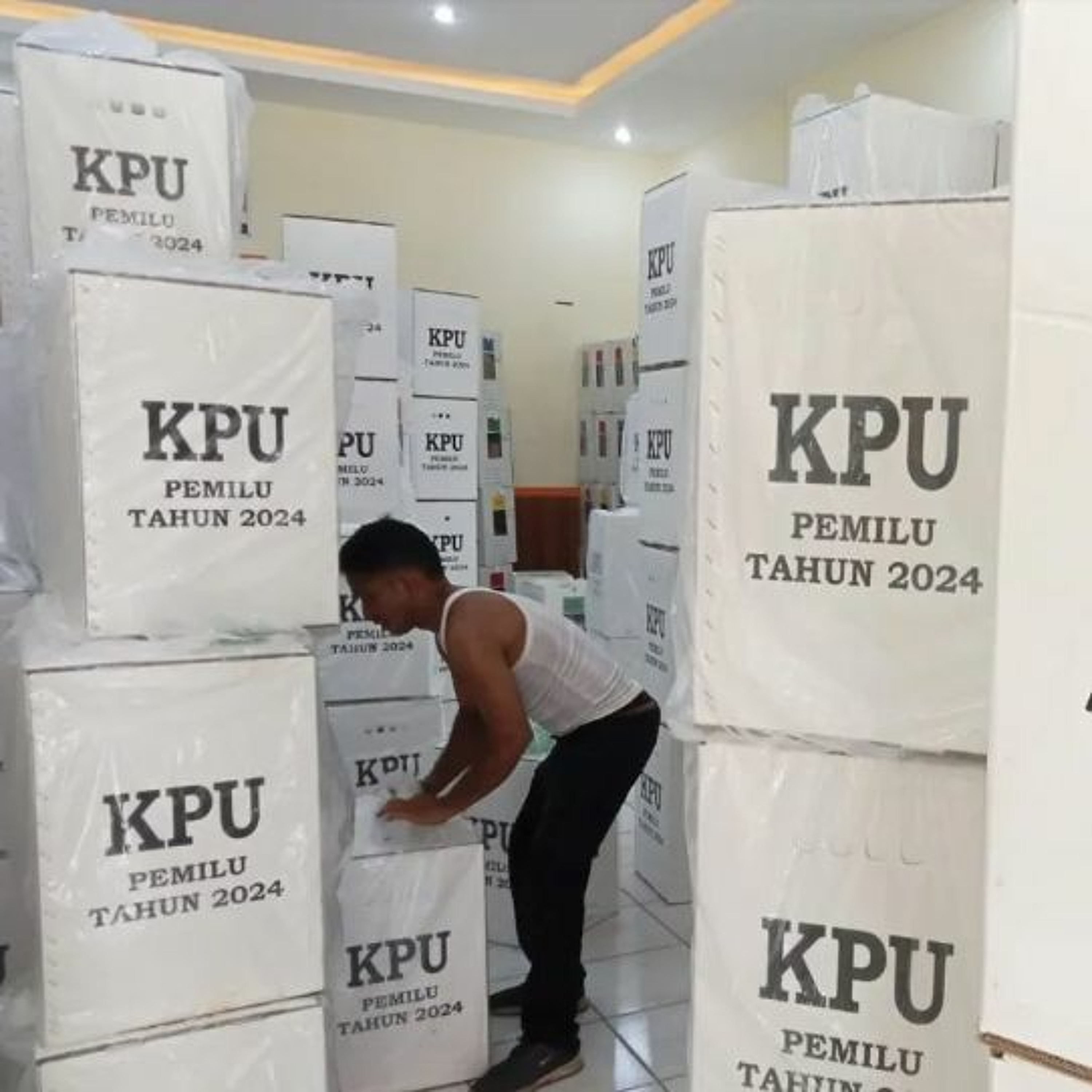
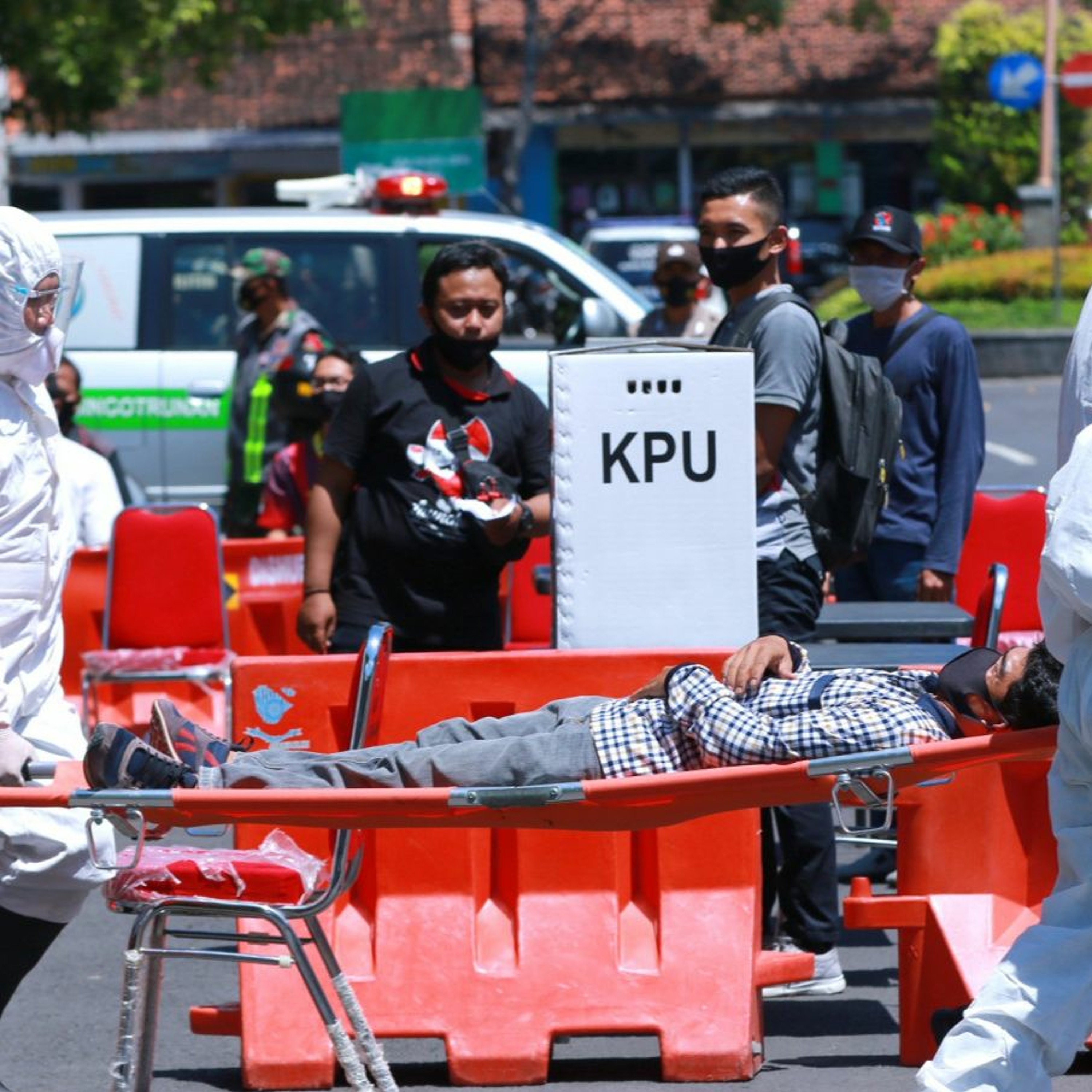
Twenty-five years since embarking on its reform era following the fall of the New Order, observers, scholars and global democracy indexes agree that Indonesian democracy is in a state of regression. Recent challenges levelled at key institutions including the Constitutional Court, the Corruption Eradication Commission, and threats to freedom of speech brought by the Information and Electronics Law (ITE Law) are evidence of significant degradation of the quality and integrity of democracy. Further, over the past two decades influence and control across the four branches of power – politics, media, civil society and business – is increasingly centred in the hands of just a few. With the elections next year set to deliver a new government and new president, what must be done to halt further damage to Indonesia’s democracy and rule of law? What are the risks if it fails to do so? In this week's episode Jemma Purdey chats with Professor Jimly Asshiddiqie, Professor of Constitutional Law at the University of Indonesia and a member of Indonesia’s senate, the Regional Representatives Assembly. Professor Jimly was founding Chief Justice of Indonesia’s first Constitutional Court, an adviser to presidents and ministers, was head of the Presidential Advisory Council, and former head of the Advisory Council of Indonesia’s National Commission of Human Rights. He is one of Indonesia’s leading jurists and distinguished legal thinkers, with more than 70 books to his name. In 2023, the Talking Indonesia podcast is co-hosted by Dr Jemma Purdey from Monash University, Tito Ambyo from RMIT and Dr Jacqui Baker from Murdoch University. Photo: KPU staff carry out drills in Banyuwangi in preparation for the general elections. Antara Foto/Budi Candra Setya.
Dr Kanti Pertiwi - Bureaucratic Reform
The project of bureaucratic reform has now been ongoing for over 20 years. But what issues remain and what is the government doing to try and curb corruption and boost efficiency? In this episode, Dr Elisabeth Kramer speaks to Dr Kanti Pertiwi about how effective efforts to improve the bureaucracy have been. They discuss the design and implementation of incentives to reform the civil service and how disparities between different ministries can impact the psyche of civil servants. In 2023, the Talking Indonesia podcast is co-hosted by Dr Elisabeth Kramer from the University of New South Wales, Dr Jemma Purdey from Monash University, Tito Ambyo from RMIT, and Dr Jacqui Baker from Murdoch University. Photo by Rendra Oxtora for Antara.
Dr Anne Meike Fechter - Expatriates
In January 2021, a case that became known as ‘digital-nomad-gate’ gripped both Indonesia’s social and conventional media channels and was also reported around the world. An American woman living in Bali was deported following a series of tweets in which she described her enviable and ‘elevated’ lifestyle there, encouraging others to follow. Amid a pandemic that had hit Bali’s economy particularly hard, her tweets went viral and led to a public backlash condemning her for a lack of cultural sensitivity and awareness of her own privilege. The woman was eventually deported for flouting immigration rules, although she claimed the true reasons were related to her sexuality and race. This is just one of many cases in recent years which, due in great part to the prevalence of social media, have caught out foreigners in Indonesia for breaking laws and flouting or ignoring social and cultural norms and sensitivities. These range from taking inappropriate photos at sacred sights to ignoring pandemic protocols and refusing to abide by laws and acknowledge the right of local authorities to enforce them. At the same time, in order to boost economies ravaged by the pandemic, government authorities have sought to attract more foreigners as so-called ‘digital nomads’ or ‘mobile professionals’ to live and work in Bali and elsewhere in the country. So, who are these new expatriates and what is their motivation for coming to Indonesia? What can the history of expatriates in Indonesia tell us about these more recent conflicts related to cultural awareness and privilege? And do the recent tensions reflect the stresses brought by the pandemic, or are we witnessing a real shift in how Indonesians perceive foreigners living and working in their country? In this week’s episode of Talking Indonesia, Dr Jemma Purdey chats to Anne-Meike Fechter, Reader in Social Anthropology at the University of Sussex, and author of 'Transnational Lives: Expatriates in Indonesia', Ashgate Aldershot, 2007. Her article 'Expatriates, privilege and racism', is published in Inside Indonesia, Apr-June 2021. In 2023, the Talking Indonesia podcast is co-hosted by Dr Jemma Purdey from Monash University, Tito Ambyo from RMIT and Dr Jacqui Baker from Murdoch University. Photo by Matt Oldfield from Flickr.

Febriana Firdaus and Krisna Pradipta - Sand Mining
Many of the big challenges humanity faces today – especially when we talk about environmental problems – can only be understood from a global perspective. This is definitely the case with sand. According to a report from the UN, sand is the second most exploited natural resource in the world after water. About 40-50 billion metric tons of it are used every year. Indonesia, as an archipelago, has an abundance of sand. These sand deposits vary in quality and are used to create industrial products like concrete, asphalt or glass. It is also used in construction and reclamation projects, such as the controversial Jakarta Bay project, where sand is laid as a foundation for further development. Indonesia’s sand is even being exported to places like Singapore. But sand mining operations can also wreak havoc. Done without care, sand mining can cause coastal areas or even whole islands to disappear. Some fishing communities in Indonesia, for example, are at risk of losing their livelihoods as well as their cultures when sand mining operations are literally erasing their lands. In this episode of Talking Indonesia, Tito Ambyo from RMIT University talks to Febriana Firdaus, who is the managing editor of a global journalism organisation Environmental Reporting Collective and Krisna Pradipta, Digital Content Producer from Tempo Magazine. Febriana and Krisna have been a part of a global collaborative journalism project that looks at sand mining around the world called Beneath The Sands which uses a range of journalistic storytelling formats to convey the impacts of sand mining. In 2023, the Talking Indonesia podcast is co-hosted by Tito Ambyo from RMIT, Dr Jemma Purdey from Deakin University, Dr Elisabeth Kramer from UNSW and Dr Jacqui Baker from Murdoch University. Photo by Anggri Pernanda from Flickr.
Dr Jarrah Sastrawan - Natural Disasters and Ancient Beliefs
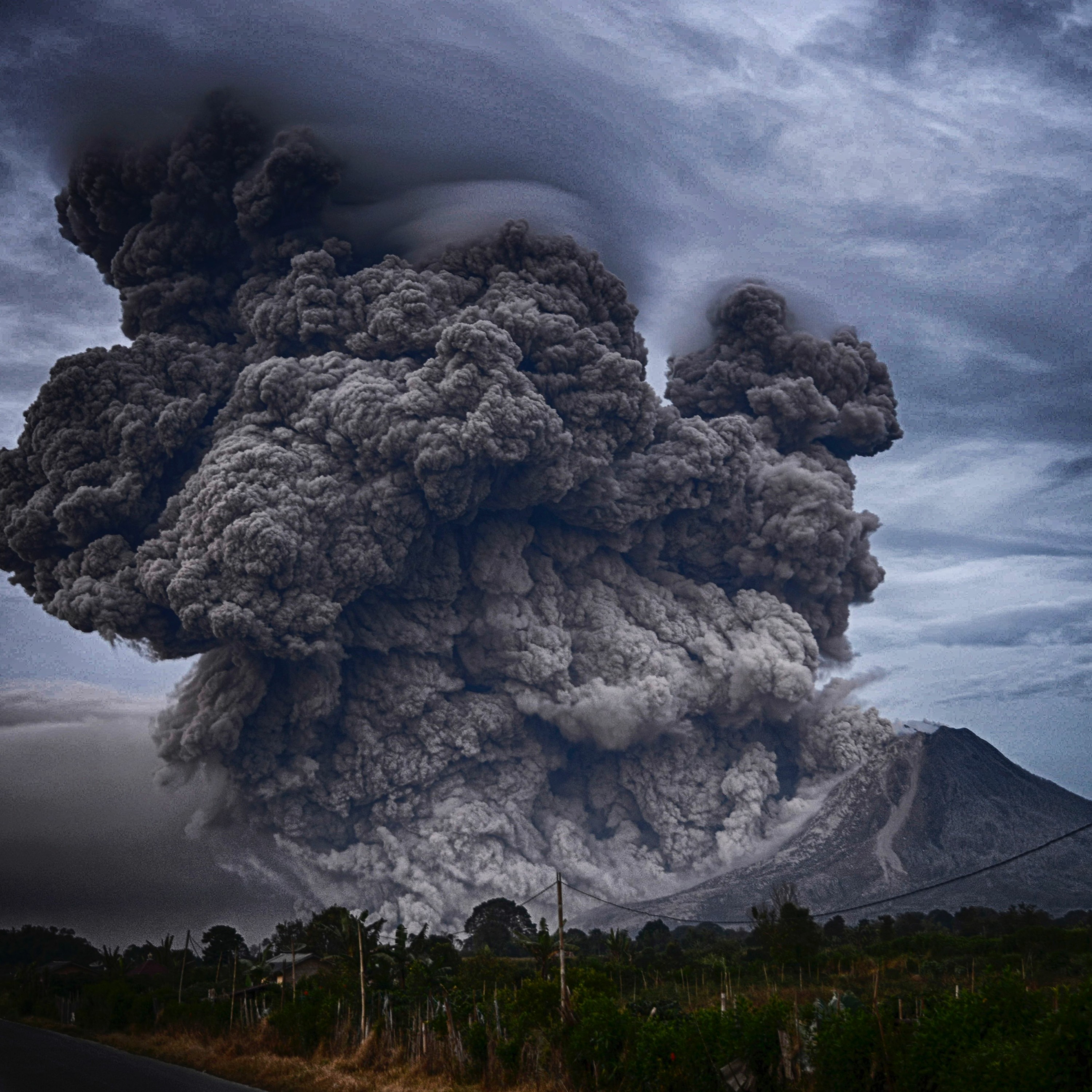
Jarrah Sastrawan - Natural Disasters and Ancient Beliefs Indonesia is no stranger to natural disasters and it is not surprising that societies throughout the ages have attached political and social significance to these displays of natural power. In this episode, Dr Elisabeth Kramer speaks with Dr Wayan Jarrah Sastrawan to understand how societies in Java and Bali have understood the significance of natural disasters throughout time. Natural disasters are seen as markers of shifting political power. But whether they celebrate the emergence of new rulers or old dynasties losing divine favour is a matter of interpretation. Jarrah discusses this and contemporary interpretations of natural disasters in this episode. You can learn more about Jarrah's work at his website, www.wayanjarrah.com. In 2023, the Talking Indonesia podcast is co-hosted by Dr Jacqui Baker from Murdoch University, Tito Ambyo from RMIT, Dr Jemma Purdey from Deakin University and Dr Elisabeth Kramer from the University of NSW. Photo by Yosh Ginsu on Unsplash
Sofyan Ansori - Forest Fires
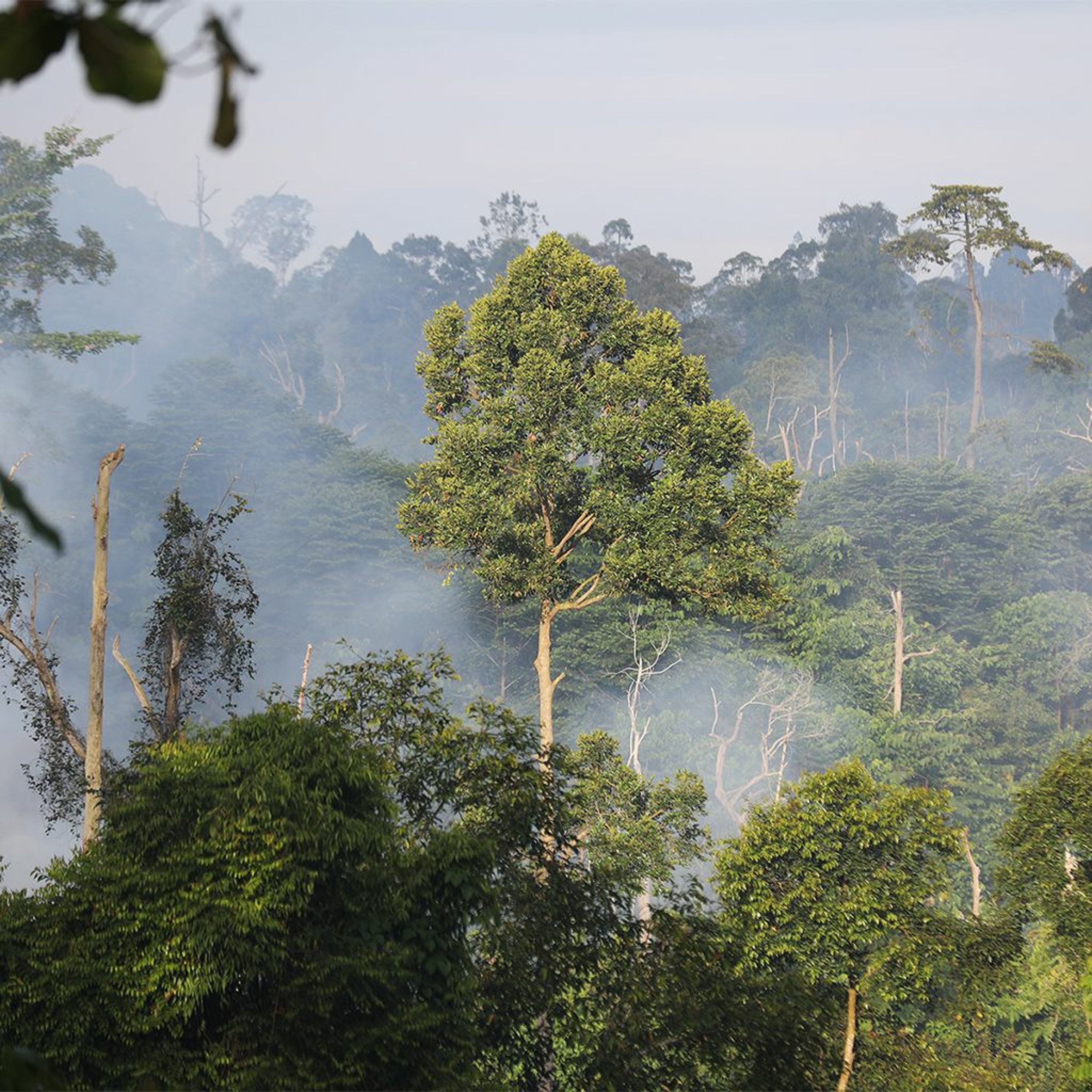
In 2015 and 2019 massive forest fires in Indonesia shrouded its neighbours in smoke. The haze caused respiratory and other heath problems for residents of Singapore and Malaysia, and the carbon and heat emitted from these fires pushed the achievement of Indonesia’s international greenhouse gas emissions targets further out of reach. 80% of Indonesia’s total emissions come from forest degradation and misuse. The fires and the haze they caused are the consequence of decades long industrial-scale destruction of the forests and carbon-rich peatlands of the world’s third largest tropical forests, which constitute a vital carbon sink in the race to reduce global emissions. In September last year Indonesia signed a new deal with Norway committing it to a significant reduction in emissions from forest degradation by 2030. This will be no easy task, because while a moratorium on deforestation covers most of the 90 million hectares of natural forest, millions of hectares remain under threat due to plantation expansion and new developments, including the national Food Estate Project and the new Capital City. With these competing interests at play, reducing the threat of fires and their high carbon emissions, has become more critical than ever. So, as we look towards an El Niño and a very dry season ahead, what is being done to reduce the risk of fires? Why do they happen in the first place? Why have they become so large in recent times? And what needs to be done to protect not only the forests, but the lives and livelihoods of the indigenous people who live in them? In this week’s episode of Talking Indonesia, Dr Jemma Purdey chats to Sofyan Ansori, a PhD candidate at Northwestern University in the US whose ethnographic research is focused on the Indigenous Dayak in Central Kalimantan and their relationships with fire in a changing environment. He has written for The Conversation Indonesia and Indonesia. In 2023, the Talking Indonesia podcast is co-hosted by Dr Jemma Purdey from Monash University, Tito Ambyo from RMIT and Dr Jacqui Baker from Murdoch University. Photo by Rhett A. Butler from Mongabay
Abigail Limuria and Dharmadji Suradika - Gen Z Voters
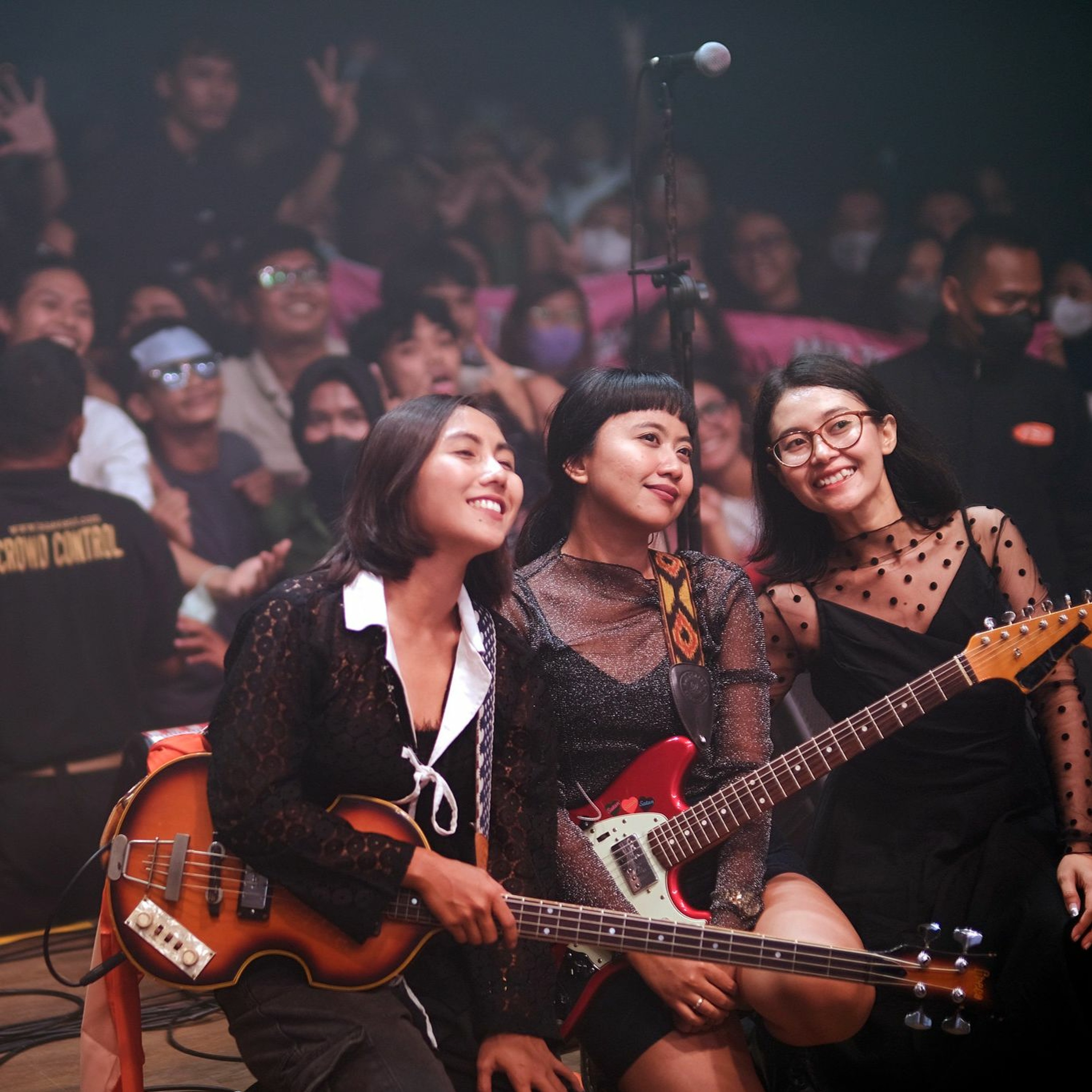
Indonesia's general election in 2024 will be a big one. Young voters have helped decide the last two general elections. It was millennials behind online movements, like Kawal Pemilu, which helped young Indonesians closely monitor the election results in 2014 and 2019. However, this time, a new generation comes of age: Generation Z. And with them, a new online movement has emerged in the form of Bijak Memilih, a website helping young Indonesian's better understand the political landscape - its parties, its candidates, and their track records and policies - before they vote. It began as a partnership between the public policy advocacy platform Think Policy and the youth media outlet What Is Up Indonesia. They are also building communities around Indonesia, through online and offline events, to help young Indonesians find their voices and vote based on objective facts. Abigail Limuria, co–founder of What Is Up Indonesia, and Dharmadji Suradika, founder of Pemimpin.Id, are both core members of the Bijak Memilih team, which just launched the first phase of its website. They chat with Tito Ambyo about their motivations for building the website, the problems they are trying to solve and their plans for the future. In 2023, the Talking Indonesia podcast is co-hosted by Tito Ambyo from RMIT, Dr Jacqui Baker from Murdoch University and Dr Jemma Purdey from Deakin University. Photo by UN Women from Flickr.
Dr Lian Sinclair - Undermining Resistance
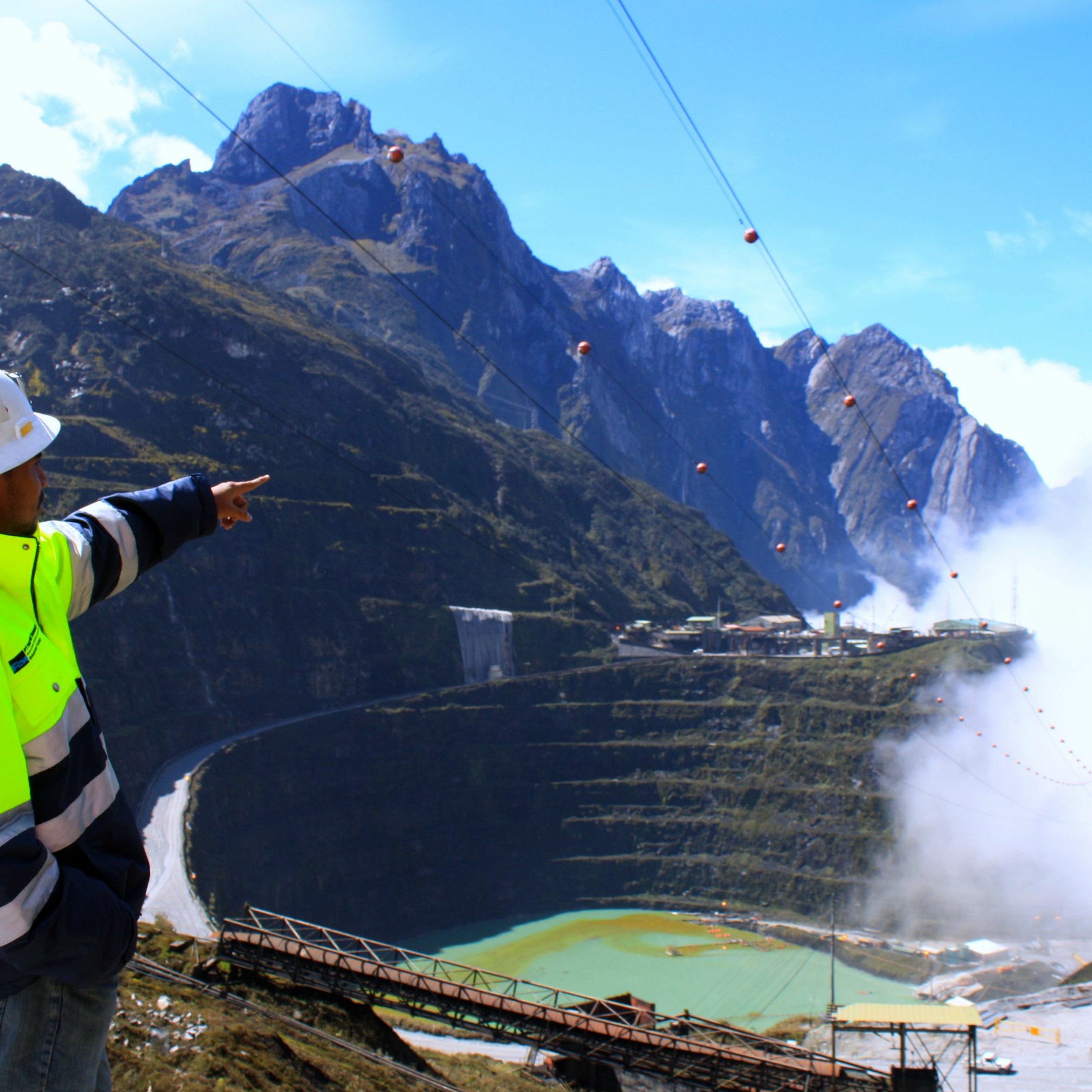
Indonesia is an important global hub for minerals and resource extraction. The value of its metallic minerals and coal industry in 2020 was the ninth-largest in the world. Indonesia’s extractive sector accounts for 25 percent of exports and it is also an important source of economic growth, government revenue, employment and technology transfer. But, at the same time, scholarship has documented how extractive industries have generated social conflict, from armed separatism to political protest and high-profile legal disputes. From Aceh to West Papua’s notorious Grasberg mine, extractive industries have been called out for environmental destruction, land dispossession and human rights abuses. Much has been written about the extractive industries, but today'sguest, Dr Lian Sinclair from the School of Geosciences at the University Sydney, takes a unique angle. Lian focuses on how corporations, governments, community groups and non-governmental organisations contest the uneven costs and benefits of extractive industries. Today she chats with Dr Jacqui Baker about how groups embrace, adapt to or resist mining projects. Her book, Undermining Resistance: Extractive Accumulation, Participation and Governance in Global Capitalism is contracted with Manchester University Press and an Indonesian version will be released simultaneously by Insist Press. Her latest research project examines the political economy of the new critical minerals required for the global transition away from carbon. You can find more of Lian’s work on her profile or on Twitter. Also keep an eye out for announcements about the publication of her book later this year. In 2023, the Talking Indonesia podcast is co-hosted by Dr Jacqui Baker from Murdoch University, Tito Ambyo from RMIT, and Dr Jemma Purdey from Deakin University. Photo by Richard Erari.
Kevin O'Rourke - Reformasi Ongoing?
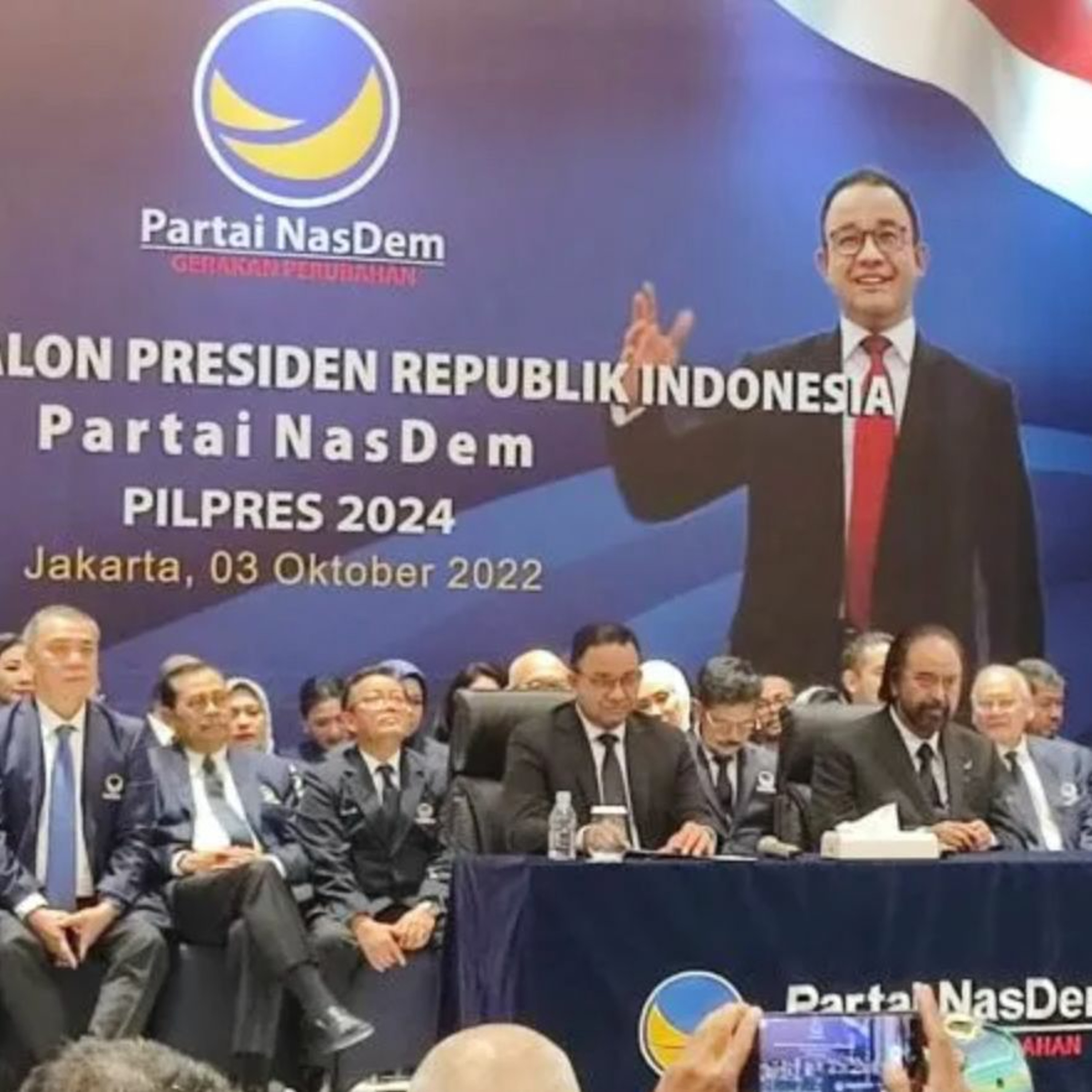
Talking Indonesia’s guest this week, Kevin O’Rourke, has been watching Indonesia closely for many years. He dodged tanks in his Toyota Kijang during the May 1998 riots, started the Reformasi Weekly newsletter in 2003, and launched the podcast Reformasi Dispatch with journalist Jeff Hutton in 2021. Podcasting is becoming an important medium in Indonesia, and we like to think Talking Indonesia and Reformasi Dispatch are both pioneering podcasts about Indonesia. In February this year, Jeff and Kevin kindly invited Talking Indonesia co-host Tito Ambyo to join Reformasi Dispatch. In this episode Tito introduces Kevin to our Talking Indonesia listeners. In this chat, we speak about many issues: the fragility of Indonesian democracy, Indonesia as a country of two systems, politics and football, Anies Baswedan’s presidential electability and the super coalitions that Indonesian political parties are currently forming. In 2023, the Talking Indonesia podcast is co-hosted by Tito Ambyo from RMIT, Dr Dave McRae from the Centre for Indonesian Law, Islam and Society at the University of Melbourne, Dr Jemma Purdey from Monash University, and Dr Jacqui Baker from Murdoch University. Photo by Ananto Pradana for Antara.
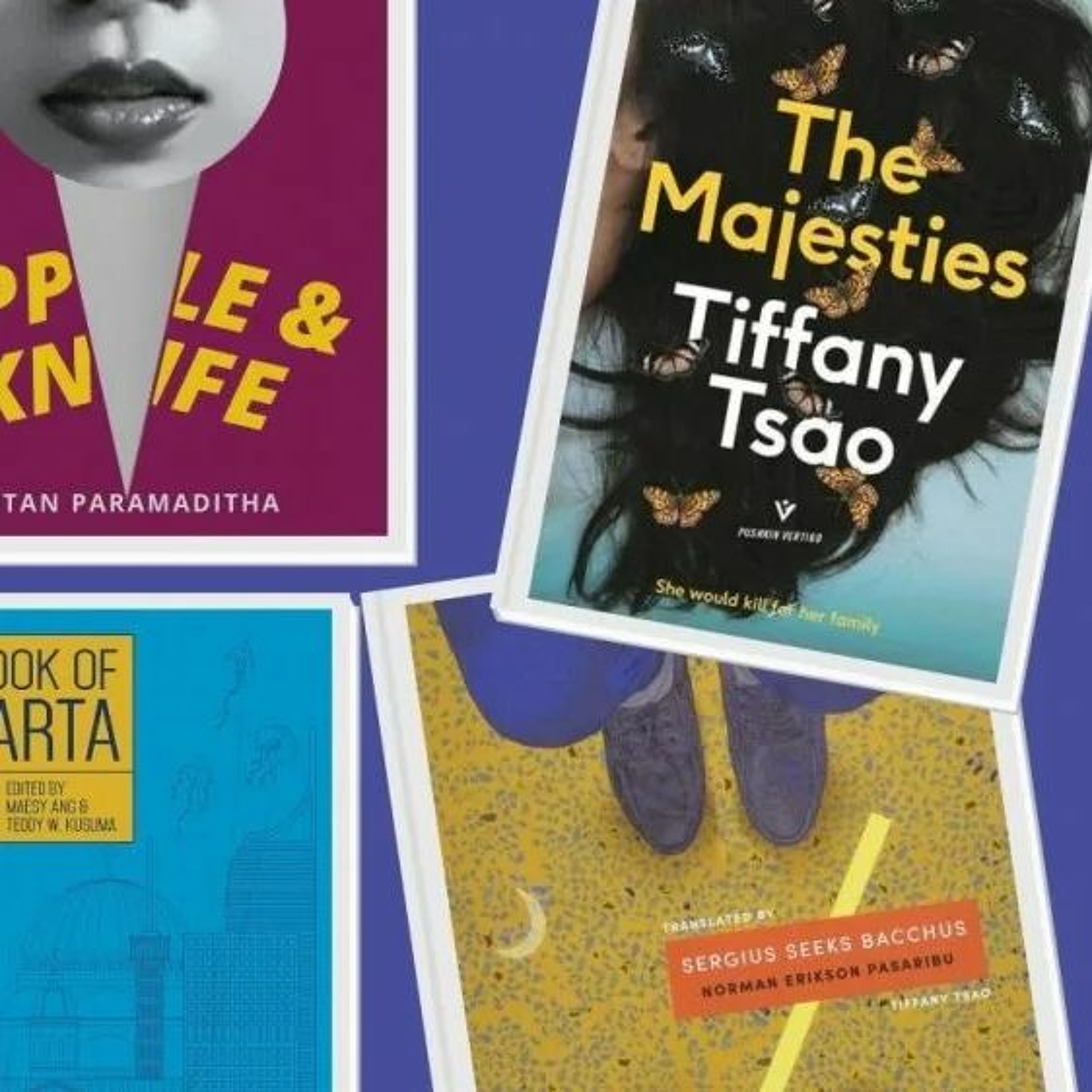
Tiffany Tsao - Literature in Translation
Indonesian literature in translation In recent years the international profile of Indonesian literature has been given a substantial boost. Indonesian authors and their work was highlighted at major book fairs in Europe and given a special place within the cultural and commercial programs at these events, and also backed by funding from the Ministry for Education and Culture and the Agency for Creative Economy (Bekraf). It was hoped that an international boon for Indonesian literature would follow. Indeed, in the past decade the names of Indonesian writers such as Ayu Utami and Eka Kurniawan have joined those of Pramoedya Ananta Toer and Rendra as being recognised and read by readers all over the world. Undeniably, the publication of work in English translation is imperative in order to achieve such a global readership. In early March, Tiffany Tsao’s translation of Budi Darma’s 'People from Bloomington' (Orang-Orang Bloomington) won the prestigious PEN Translation Prize, potentially marking another significant moment for Indonesian literature internationally. What does the future look like for Indonesian literature in translation? Who and what is being translated and published? And what expectations do publishers and readers have about the stories they will encounter? In this week’s episode of Talking Indonesia, Dr Jemma Purdey chats to Tiffany Tsao, author and translator of fiction and poetry, including the winner of the 2023 PEN Translation Prize, 'People from Bloomington'. In 2023, the Talking Indonesia podcast is co-hosted by Dr Jemma Purdey from the Australia-Indonesia Centre, Dr Jacqui Baker from Murdoch University, and Tito Ambyo from RMIT. Photo: cover image, 'People from Bloomington', Penguin Classics, 2022

Associate Professor Eka Permanasari - Building the New Capital
Associate Professor Eka Permanasari - Building the New Capital In late February, Joko Widodo’s official social media feed showed him conducting the affairs of state from a small hut set amongst a forest of trees. This was his second overnight stay on the site of the future Presidential Palace in the yet to be built new capital city (Ibu Kota Negara, IKN). Since announcing the move from Jakarta to East Kalimantan in 2019, this has become a pet project for the second term president, which many interpret to be his final legacy before he steps away from the top job in 2024. The idea to move the capital away from Jakarta is almost as old as the nation itself. The megacity of over 30 million is over-crowded, choked by traffic and famously, sinking. However, with the project's first milestone to deliver accommodation and services in the forest capital just over a year away, many questions remain. These include outstanding concerns about the highly ambitious design itself and the viability of its implementation. But also, who will pay for the projected cost of more than US$35 billion? With Indonesians already looking towards the 2024 presidential election, many speculate that project may not survive past Jokowi’s leadership. If it is successful the new capital stands to be a showcase of sustainable design and Indonesian progress. The question is, can these high design standards and ambitions be reached? And what are the risks if it fails? In this week’s episode of Talking Indonesia, Dr Jemma Purdey chats to Associate Professor Eka Permanasari, Associate Professor in the field of urban design, architecture and Southeast Asian Studies at Monash Indonesia. In 2023, the Talking Indonesia podcast is co-hosted by Dr Jemma Purdey from the Australia-Indonesia Centre, Dr Jacqui Baker from Murdoch University, and Tito Ambyo from RMIT. Photo by IG/@jokowi
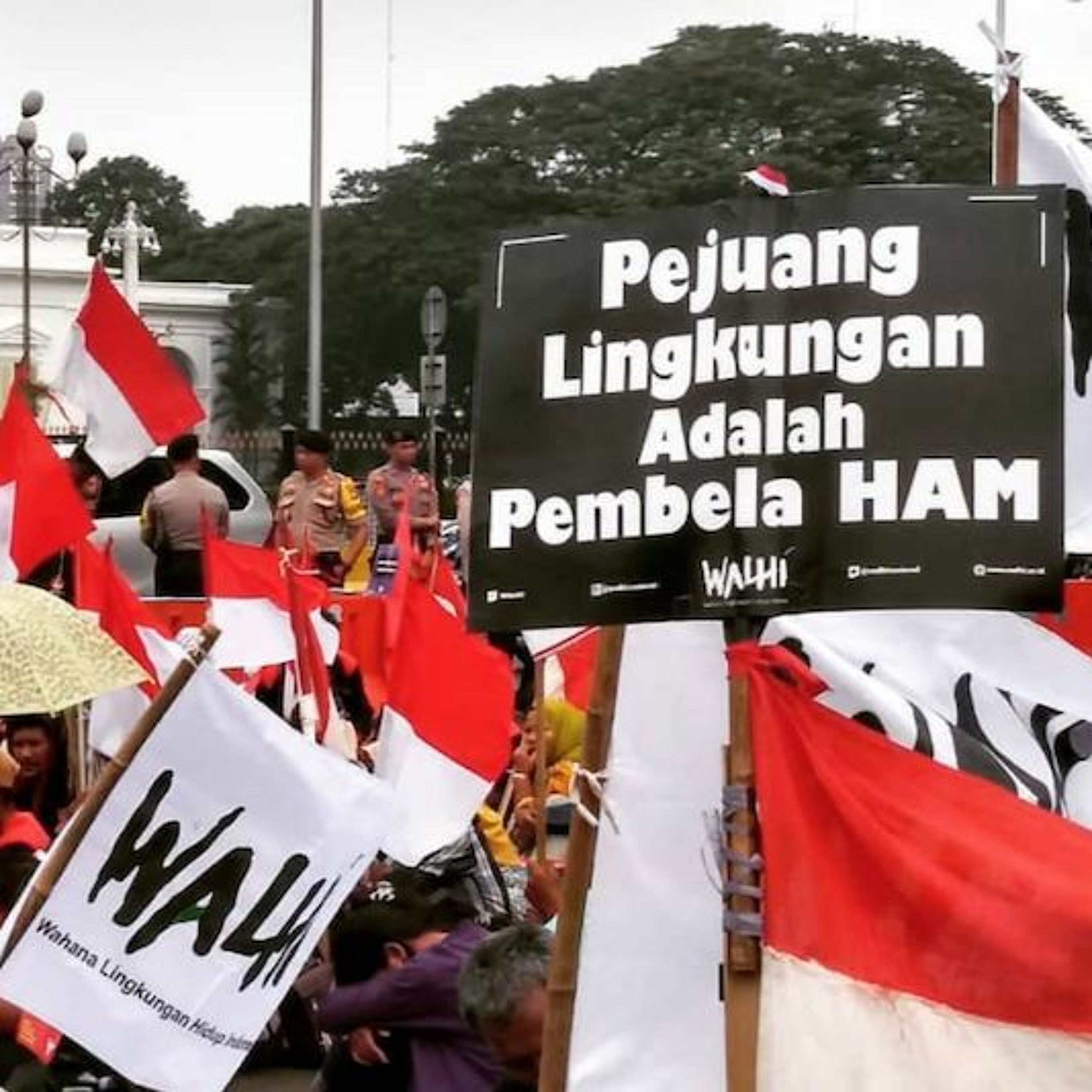
Associate Professor Agung Wardana - Environmental Defenders
ronmental Program has identified Indonesia as one of 17 "megadiverse" countries, making it highly vulnerable to the impacts of climate change. Yet the country also ranks among the top-10 emitters of greenhouse gases in the world, largely because of its forestry, land use and energy sectors. The Indonesian Constitution provides for environmental protection, and sustainability is critical to its National Development Plan. But Indonesia has no specific law to deal with its National Action Plan on Climate Change or its international commitments to reduce carbon emissions. Its pledge to reduce emissions by 29% by 2030 is regarded as insufficient, yet it has announced plans to increase its dependence on coal by 2030. How can the legal framework promote defence of the environment in Indonesia? How are environmental activists strategically using the law to promote environmental protection? And, more chillingly, how is the law being used to criminalise their activism? Dr Jacqui Baker chats to Associate Professor Agung Wardana, from the Department of Environmental Law, Universitas Gadjah Mada, about these issues and more, in the latest episode of Talking Indonesia. In 2023, the Talking Indonesia podcast is co-hosted by Dr Jacqui Baker from Murdoch University, Dr Jemma Purdey from Monash University, Tito Ambyo from RMIT, and Dr Dave McRae from the Centre for Indonesian Law, Islam and Society at the University of Melbourne. Photo by Walhi (Instagram).

Rob Raffael Kardinal - Cryptocurrency
The cryptocurrency market in Indonesia is booming. In 2022, the country recorded 14 million cryptocurrency investors, much higher than the number of Indonesians who invest in the stock market. Last month, President Joko Widodo signed off on a new law that aims to provide greater clarity on how cryptocurrency is regulated. The new law transfers cryptocurrency regulatory powers from the commodities watchdog Bappebti (Badan Pengawas Perdagangan Berjangka Komoditi) to the Financial Services Authority (Otoritas Jasa Keuangan, OJK), effectively switching the classification of cryptocurrency from commodities (like gold or coal) to securities. This is part of a larger plan in which Indonesia hopes to set up a national cryptocurrency exchange. The exchange will cover existing exchanges and function as a national custodian and clearing house for cryptocurrency in Indonesia, adding another layer of protection for cryptocurrency users in Indonesia. But the exchange has been delayed by various obstacles. Will this new law create more clarity for cryptocurrency users in Indonesia? How has it been received and what are some of the concerns users have about regulation of the industry in Indonesia? In this week’s episode of Talking Indonesia, Tito Ambyo speaks to Rob Raffael Kardinal, the chair of the Indonesian Crypto Consumers Association. In 2023, the Talking Indonesia podcast is co-hosted by Tito Ambyo from RMIT, Dr Jemma Purdey from Monash University, Dr Jacqui Baker from Murdoch University, and Dr Dave McRae from the Centre for Indonesian Law, Islam and Society at the University of Melbourne.
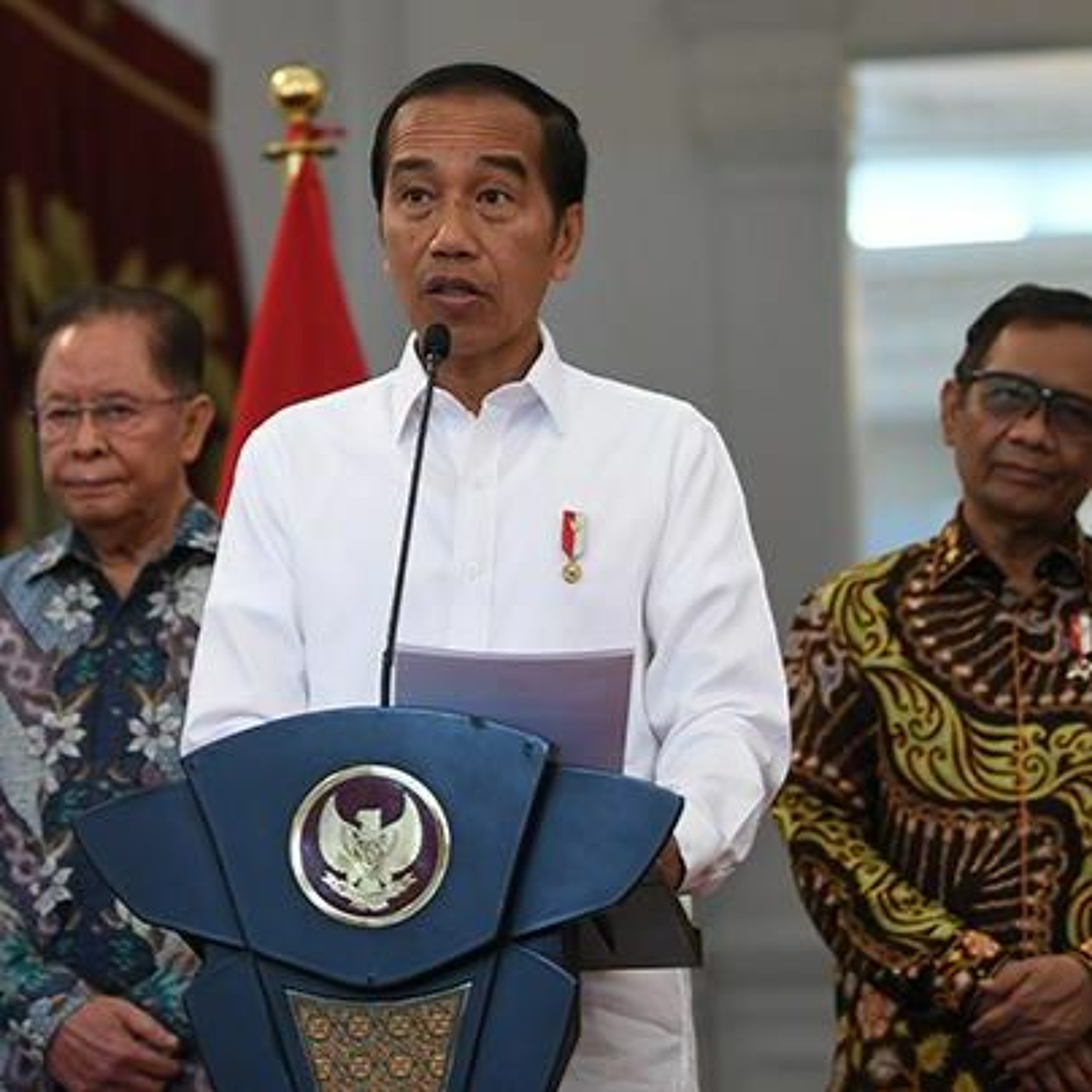
Dr Sri Lestari Wahyuningroem - Acknowledging Past Rights Violations
On 11 January, President Joko Widodo gave a national address in which he acknowledged gross violations of human rights had occurred in Indonesia and expressed his regret and sympathy for the victims. He referred to 12 incidents involving historical rights violations, including the 1965-66 killings, the extrajudicial killings of criminals in the 1980s (known as Petrus), kidnappings and disappearances of students and activists in the late 1990s, the Talangsari incident in Lampung in 1989, and a number of events in Aceh and Papua. Jokowi made the statement at an event where he accepted the recommendations of a team he had assembled in 2022 to consider non-judicial resolution of past violations of human rights. The presidential statement included a commitment to recovery and restoration of the rights of victims, and to ensuring that such events do not happen again. What is the significance of Jokowi’s acknowledgement and why did he choose to make it now? How has it been received by victims, their relatives and the human rights community in Indonesia? And does it signal a step towards further processes of truth seeking and accountability for past human rights violations? In this week’s episode of Talking Indonesia, Dr Jemma Purdey speaks to Dr Sri Lestari Wahyuningroem, author of Transitional Justice from State to Civil Society Democratization in Indonesia. She is Fulbright Fellow at the Carr Center for Human Rights Policy, Harvard Kennedy School, and director of the Center for Citizenship and Human Rights Studies, Universitas Pembangunan Nasional. In 2023, the Talking Indonesia podcast is co-hosted by Dr Jemma Purdey from Monash University, Dr Dave McRae from the Centre for Indonesian Law, Islam and Society at the University of Melbourne, Dr Jacqui Baker from Murdoch University, and Tito Ambyo from RMIT. Photo by Akbar Nugroho Gumay/Antara.

Dr Ahmad Rizky M Umar - Indonesia & AUKUS
Indonesia has expressed persistent reservations about AUKUS, the security pact reached in secret between Australia, the US and the UK and announced in September 2021. Under the pact, the three allies will share defence capabilities, with the initial headline item being Australia’s acquisition of a fleet of nuclear-powered but conventionally-armed submarines. When AUKUS was announced, Indonesia's Foreign Ministry issued a statement expressing caution. In 2022, Indonesia also submitted a working paper to a UN review of the nuclear non-proliferation treaty critical of the transfer of submarine nuclear propulsion to non-nuclear weapons states. What underpins Indonesia’s negative response to AUKUS, and how widely are Indonesia’s views shared in Southeast Asia? What can Indonesia’s response to AUKUS tell us about how Indonesia will seek to manage great power competition between the US and China? Might AUKUS spur Indonesia to alter its own defence acquisition plans? In this week’s Talking Indonesia podcast, Dr Dave McRae chats with Dr Ahmad Rizky M. Umar from the School of Political Science and International Studies at the University of Queensland. Dr Umar is the author of a forthcoming paper on Southeast Asian responses to AUKUS with Yulida Santoso from Universitas Gadjah Mada. In 2023, the Talking Indonesia podcast is co-hosted by Dr Dave McRae from the Centre for Indonesian Law, Islam and Society at the University of Melbourne, Dr Jemma Purdey from Monash University, Dr Jacqui Baker from Murdoch University, and Tito Ambyo from RMIT. Photo credit: US Navy
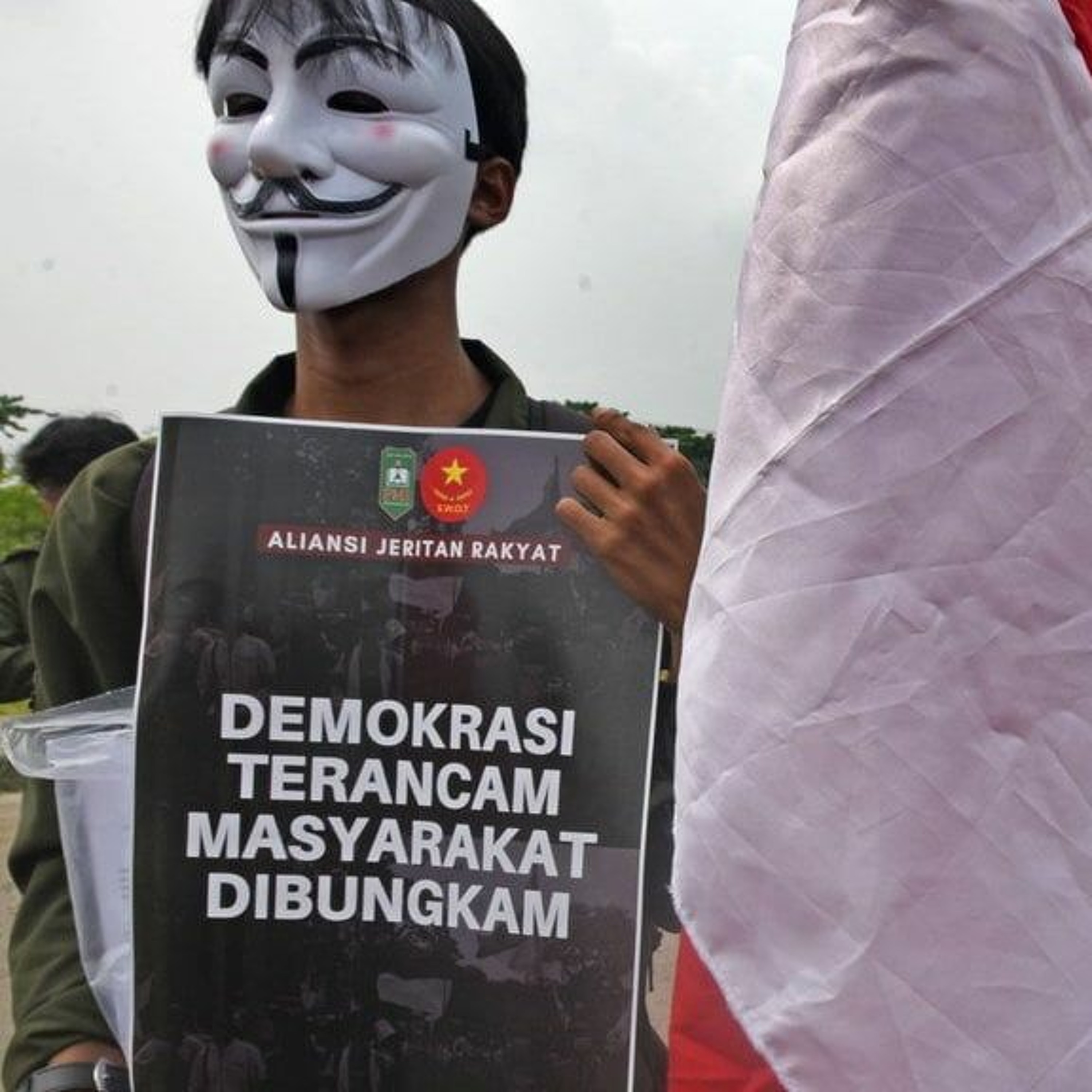
Bivitri Susanti - The New Criminal Code
On 6 December, Indonesia’s House of Representatives (DPR) passed a long-awaited new Criminal Code (KUHP), in an act the government described as one of decolonisation and modernisation of the Indonesian nation-state. Revised and re-drafted over several years, the new code replaces the 1918 version inherited from the Dutch and incorporated into the law of a newly independent Indonesia in 1946. Civil society organisations, journalists and human rights activists immediately condemned many of the articles in the new code, particularly those that restrict freedom of speech, the right to protest and express views deemed counter to the national ideology, Pancasila. Women and other minorities are seen to be particularly vulnerable, with new laws criminalising access to abortion, sexual relations and cohabitation outside marriage. Senior researcher at Human Rights Watch Andreas Harsono expressed the disappointment and concern of many Indonesians when he said: “In one fell swoop, Indonesia’s human rights situation has taken a drastic turn for the worse, with potentially millions of people in Indonesia subject to criminal prosecution under this deeply flawed law.” How did it come to this? Why did Indonesia need a new Criminal Code? Who were the key stakeholders responsible for writing it? What was the process and the impetus behind the creation of new laws (and a return to some old ones), which now curb Indonesians’ hard-won freedoms? Is there still time to change the code, or is there no turning back? In this week's episode of Talking Indonesia, the final episode for 2022, Dr Jemma Purdey chats to Bivitri Susanti, deputy chair and lecturer at Indonesia Jentera School of Law. In 2022, the Talking Indonesia podcast is co-hosted by Dr Jemma Purdey from Monash University, Dr Dave McRae from Centre for Indonesian Law, Islam and Society (CILIS), Dr Jacqui Baker from Murdoch University, and Tito Ambyo from RMIT. Look out for a new Talking Indonesia podcast every fortnight when Talking Indonesia returns in 2023. Image by Asep Fathulrahman for Antara Foto.
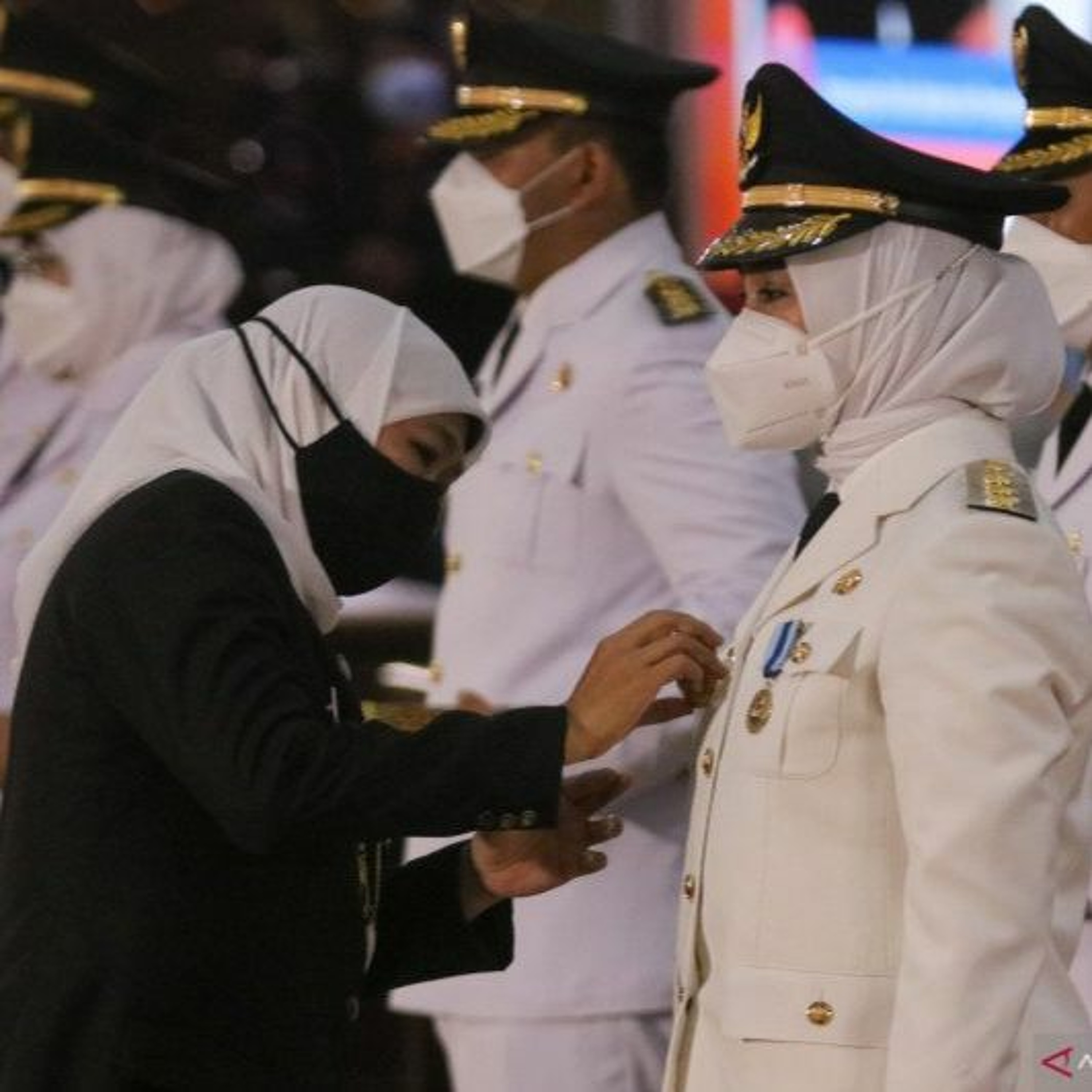
Dr Ian Wilson - Acting Regional Heads
This year, the Indonesian government has replaced more than 110 local elected leaders for appointed caretaker leaders. By 2024, almost all district and provincial leaders will be appointments from Jakarta. The government says that this is a technocratic fix. The plan is to hold all district, provincial and national elections on the same day, and to fill the gap between the electoral terms of these local leaders running out and the elections planned for 2024, the government has decided to appoint caretaker administrations. These appointments occupy a strange political space. Most Indonesians don’t know anything about them. And that’s because on one side, they seem highly technocratic. But as these appointments have been made, questions are being asked. Who are these interim regional leaders? Who decided on their rule? How will they rule? If the caretaker administrations are just a technocratic stop gap why do they feel like Jakarta overreach? In this week’s Talking Indonesia podcast, Dr Jacqui Baker explores these questions and more with Dr Ian Wilson, Senior Lecturer in International Politics and Security Studies, Academic Chair of the Global Security Program and Co-Director of the Indo-Pacific Research Centre at Murdoch University, Western Australia. In 2022, the Talking Indonesia podcast is co-hosted by Dr Jacqui Baker from Murdoch University, Dr Dave McRae from the Centre for Indonesian Law, Islam and Society at the University of Melbourne, Dr Jemma Purdey from Monash University, and Tito Ambyo from RMIT. Photo by Didik Suhartono/Antara.
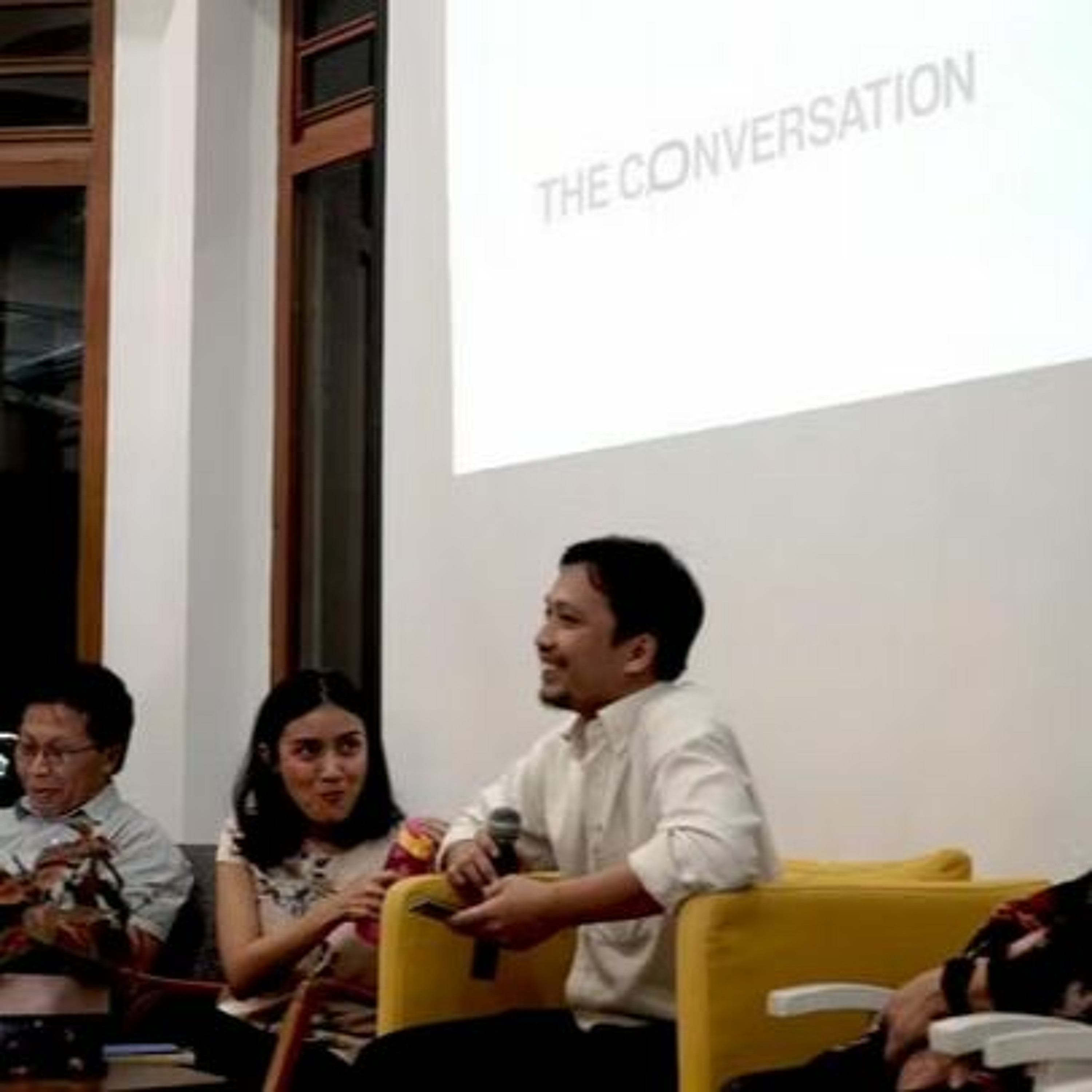
Prodita Sabarini - Communicating Research
There are many Indonesian researchers conducting important and path-breaking research, both within Indonesia and around the world. But many of these Indonesian scholars often find it difficult to distribute and share the results of their research projects with the global public. The reasons for Indonesian researchers' underrepresentation on the global stage are varied, and include lack of access to global media organisations, language barriers, and limited infrastructure and support. One platform that has helped Indonesian researchers to share their knowledge and expertise with the world is The Conversation Indonesia, which launched in 2017. In the latest episode of Talking Indonesia, Tito Ambyo speaks to CEO and Publisher of The Conversation Indonesia Prodita Kusuma Sabarini about the challenges Indonesian researchers face in distributing their research, and what Indonesian academics need to do to communicate more widely with the world. Prodita is also one of the founders of "Ingat 65" ("Remember '65"), an online forum for young Indonesians to share their reflections on the 1965 tragedy. In 2022, the Talking Indonesia podcast is co-hosted by Dr Jacqui Baker from Murdoch University, Dr Dave McRae from the Centre for Indonesian Law, Islam and Society at the University of Melbourne, Dr Jemma Purdey from Monash University, and Tito Ambyo from RMIT. Photo: The Conversation Indonesia hosts a panel discussion series titled “Hear The Experts” in September 2018. Photo by Gracesillya Febriani.
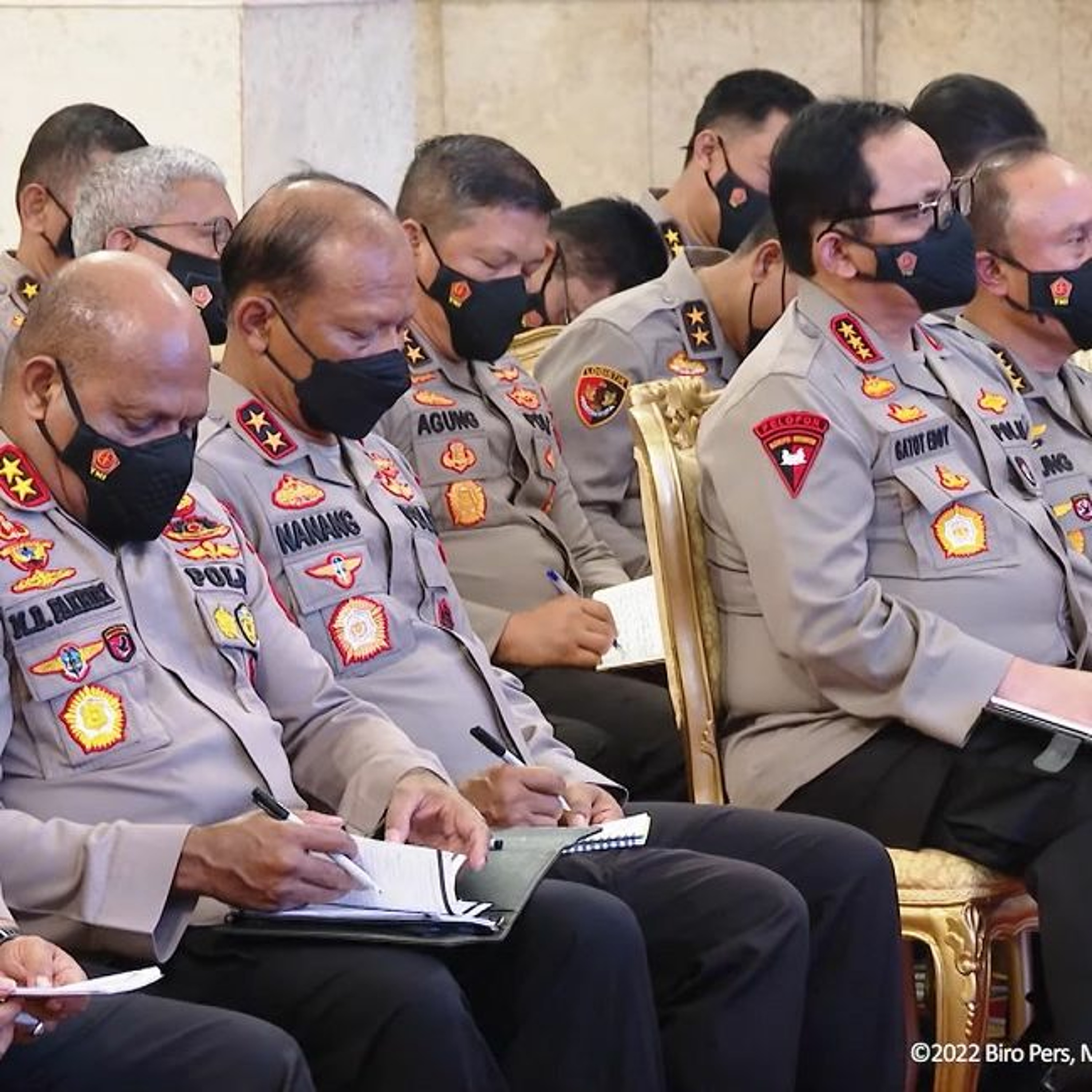
Dr Jacqui Baker - Police Reform
Preliminary investigations into the events at Kanjuruhan Stadium on 1 October, which claimed the lives of 135 people, have found that the use of tear gas by police was the primary cause of the tragedy. This and other recent high-profile scandals involving the Indonesian National Police (Polri) have led to a renewed focus on the failures of police reform. It is two decades since the police separated from the Indonesian armed forces, following the fall of the New Order. How have the Indonesian police now become synonymous with scandal, violence and corruption? How have police responded to the Kanjuruhan tragedy and could this present a tipping point for lasting structural change? Or is it too late and instead the answer lies in more radical reform of the criminal justice system as a whole? What does a failing police force mean for democratic process and political competition as Indonesia heads towards national legislative and presidential elections in 2024? In the latest episode of Talking Indonesia, Dr Jemma Purdey chats to Dr Jacqui Baker, lecturer in Southeast Asian politics at Murdoch University and a co-host of Talking Indonesia. In 2022, the Talking Indonesia podcast is co-hosted by Dr Jemma Purdey from the Australia-Indonesia Centre, Dr Dave McRae from the Centre for Indonesian Law, Islam and Society (CILIS), Dr Jacqui Baker from Murdoch University, and Tito Ambyo from RMIT. Look out for a new Talking Indonesia podcast every fortnight. Image/ Biro Pers, Media, dan Informasi Sekretariat Presiden 2022
Talking Indonesia 200th Episode
It is often said that it is easy to start a podcast. But not many make it to 200 episodes. Many factors have played a part in making Talking Indonesia special and helping us reach this important milestone, from the podcast's various co-hosts, its listeners (thank you!), its many supporters, and, most of all, its amazing guests, who have shared their fascinating insights into the latest research and happenings in Indonesia. To celebrate Talking Indonesia's 200th episode, we are doing something a bit different. Three of the co-hosts will share some of their favourite grabs from past interviews. It wasn’t easy to choose, but we thought this would be a great opportunity for new and old listeners to discover, or re-discover, the depth of Talking Indonesia's archive. We have selected four grabs from these interviews that we thought could provide interesting insights into the challenges that Indonesia faces today and discuss these grabs. Of course, you can get the fuller picture by listening to the episodes - linked below. We hope you enjoy the discussion as much as we did, and here’s hoping we will be here for another 200 episodes at least! Associate Professor Merlyna Lim - Freedom to hate: https://indonesiaatmelbourne.unimelb.edu.au/social-media-and-the-freedom-to-hate/ Dr Fabio Scarpello - Illegal fishing: https://indonesiaatmelbourne.unimelb.edu.au/talking-indonesia-illegal-fishing/ Dr Ligia Giay - Racism: https://indonesiaatmelbourne.unimelb.edu.au/talking-indonesia-racism/ Andy Yentriyani - The Sexual Violence Law: https://indonesiaatmelbourne.unimelb.edu.au/talking-indonesia-the-sexual-violence-law/ In 2022, the Talking Indonesia podcast is co-hosted by Dr Jacqui Baker from Murdoch University, Dr Dave McRae from the Centre for Indonesian Law, Islam and Society at the University of Melbourne, Dr Jemma Purdey from Monash University, and Tito Ambyo from RMIT.
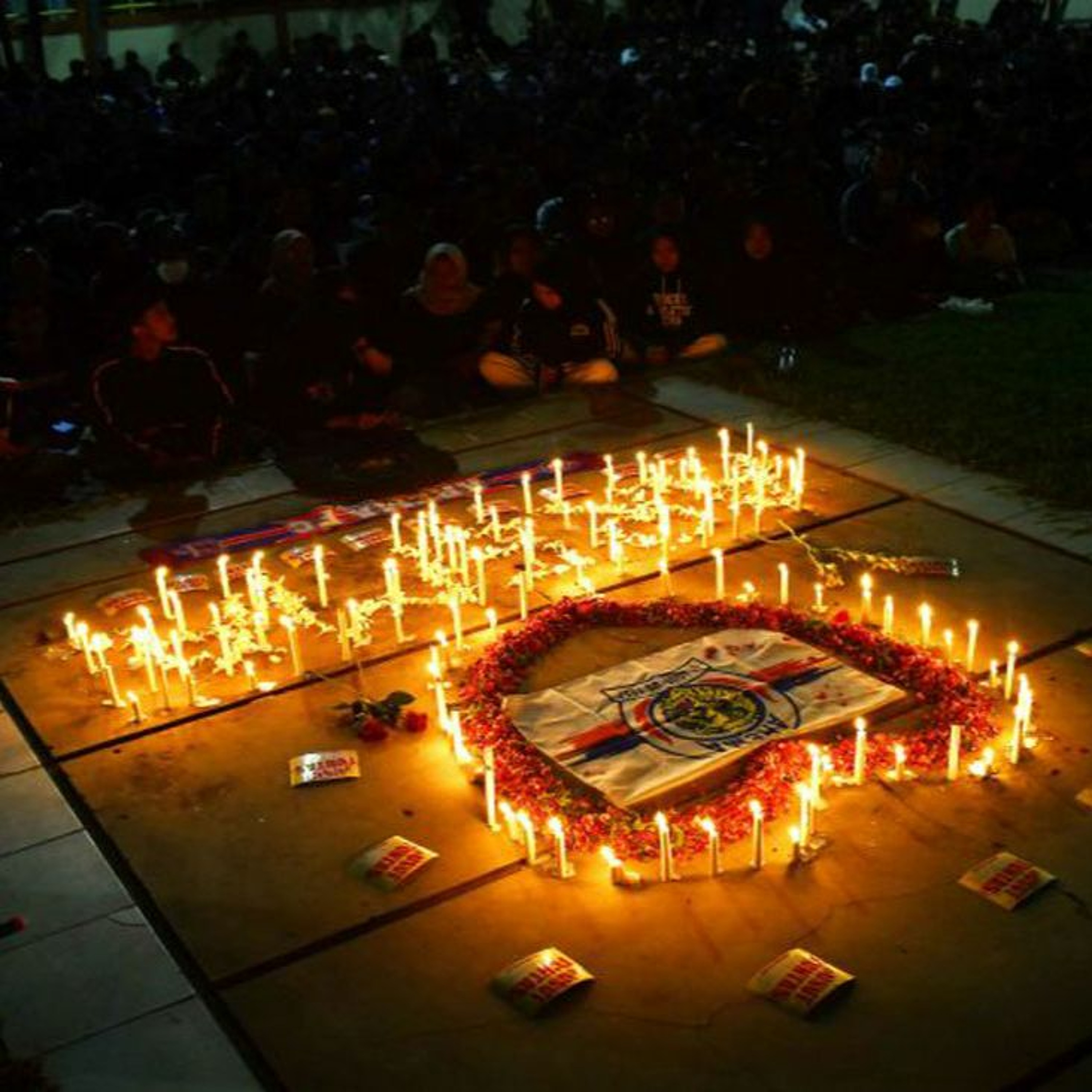
Usman Hamid & Yogi Setya Permana: The Kanjuruhan Football Disaster
Indonesian football experienced its darkest day on 1 October, when more than 130 spectators were killed – including 35 children – after police fired tear gas into the crowd at the conclusion of a match between local rivals Arema Malang and Persebaya Surabaya at Kanjuruhan Stadium in Malang. Fans fleeing the tear gas, which police fired after some fans entered the playing field, were killed in the crush in stairwells and at exits that in some cases were locked or partially closed. Other football leagues around the world held a moment’s silence in the wake of the tragedy as a mark of respect to the victims, in what was one of the worst football disasters globally in the history of the game. Within Indonesia, vigils have been held around the country for the fans who died at Kanjuruhan. President Joko “Jokowi” Widodo has asked a fact-finding team to deliver a report into the disaster within a month, and the country’s professional leagues have been suspended. The police’s decision to use tear gas has been almost universally criticised. How we can account for the police decision to use tear gas in a sold-out Kanjuruhan Stadium, and what investigations and accountability are likely after the death of so many fans? What has the game-day experience been like for football fans in Indonesia, and what will be required to ensure that the events of Kanjuruhan are never repeated? In the wake of this national tragedy, in this week’s Talking Indonesia podcast, Dr Dave McRae discusses these issues with Usman Hamid , executive director of Amnesty International Indonesia, and Yogi Setya Permana , a PhD candidate at KITLV in the Netherlands and the author of a 2017 study into football fan groups and local politics in Malang . In 2022, the Talking Indonesia podcast is co-hosted by Dr Jemma Purdey from Monash University, Dr Dave McRae from the Centre for Indonesian Law, Islam and Society at the University of Melbourne, Dr Jacqui Baker from Murdoch University, and Tito Ambyo. Look out for a new Talking Indonesia podcast every fortnight. Photo credit: Siswowidodo for Antara Foto
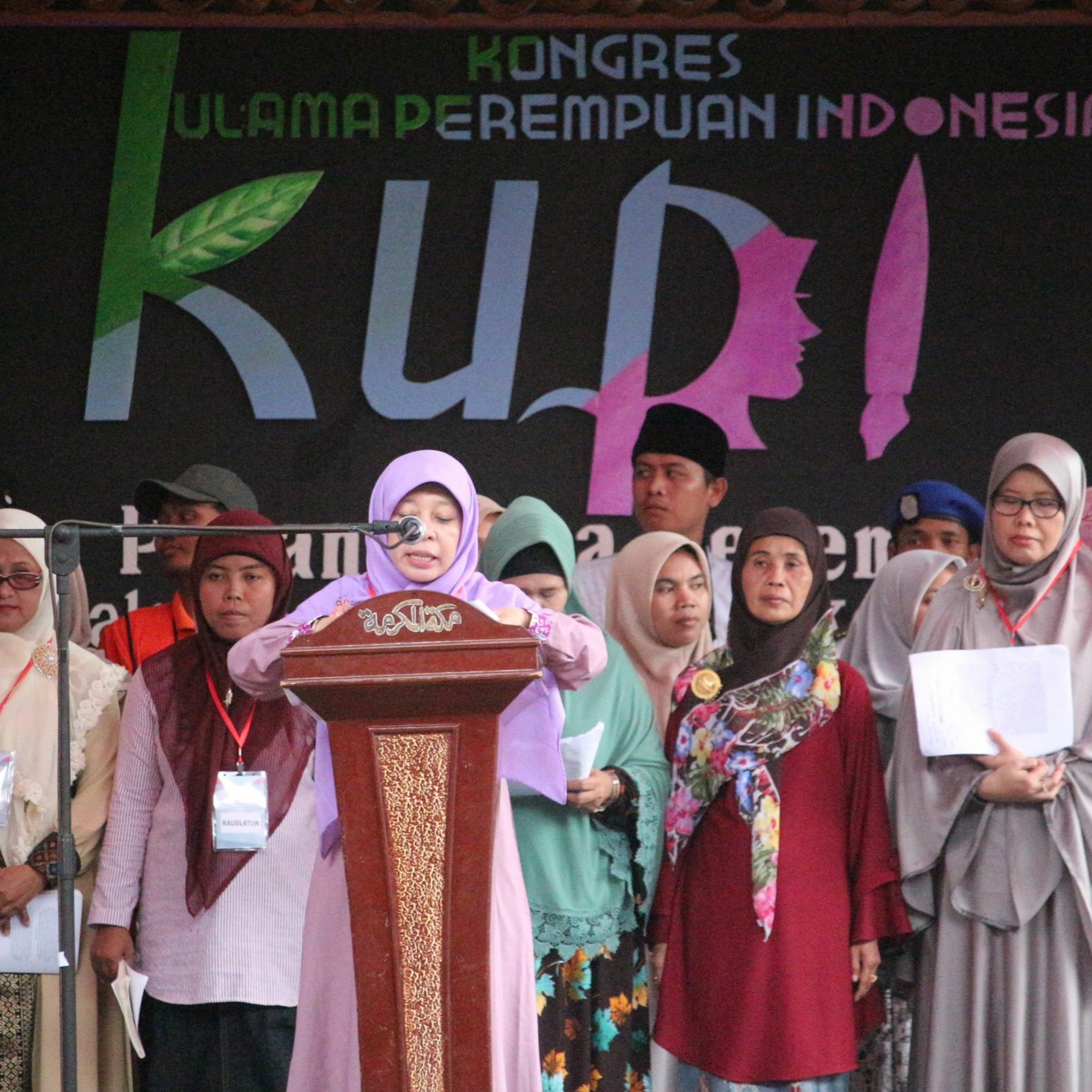
Dwi Rubiyanti Kholifah - Muslim Women Scholars
In April 2017, Indonesian Muslim women did something quite revolutionary: they successfully held the first Congress of Indonesian Women Muslim Scholars (Kongres Ulama Perempuan Indonesia, KUPI). The inaugural congress of Muslim women scholars (or ulama), held in Cirebon, West Java, resulted in three fatwas on what attendees considered the biggest challenges faced by Muslim women: sexual violence, underage marriage and environmental destruction. The congress was the result of collaboration among various women-led progressive Islamic organisations in Indonesia. They were united by the common goal of strengthening agency and taking charge over challenges faced by women at a time of cultural and political fragmentation in the country. Five years later, the second congress will take place in November, in Semarang and Jepara, Central Java, with the theme of “Affirming the Roles of Women Ulama in Creating a Just Islamic Civilisation”. One of the organisations involved is the Asian Muslim Action Network (AMAN) Indonesia. What does the second congress aim to achieve? What are some of the biggest challenges faced by Muslim women leaders in Indonesia? In this episode of Talking Indonesia, Tito Ambyo speaks with the director of AMAN, Dwi Rubiyanti Kholifah (Ruby), about these issues and more. In 2022, the Talking Indonesia podcast is co-hosted by Tito Ambyo, Dr Dave McRae from the Centre for Indonesian Law, Islam and Society at the University of Melbourne, Dr Jemma Purdey from Monash University, and Dr Jacqui Baker from Murdoch University. Photo by KUPI.