Talking Indonesia
297 episodes — Page 3 of 6
Andy Yentriyani - The Law on Sexual Violence
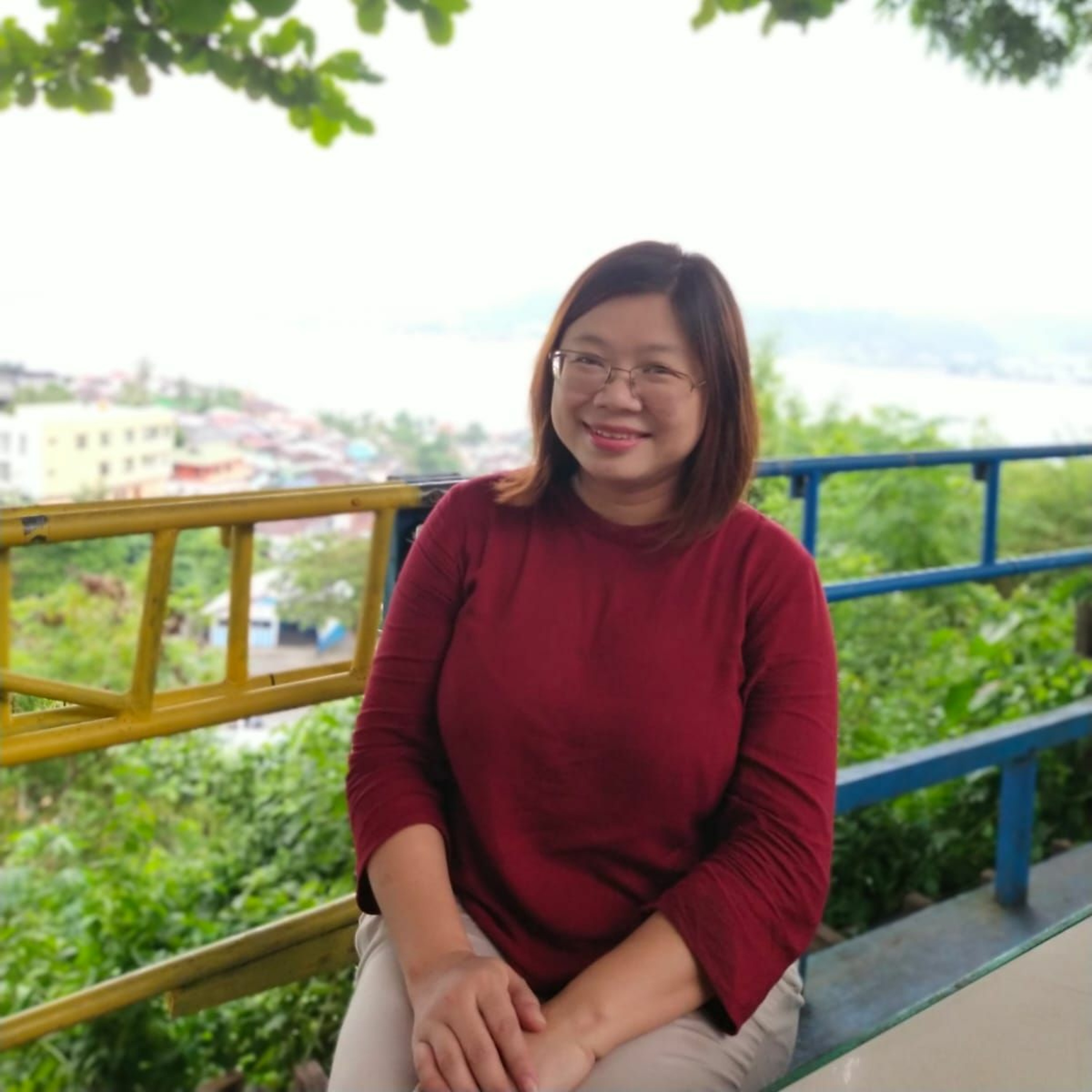
The #MeToo movement has led to a global reckoning on sexual violence, including in Indonesia. After a series of high profile sexual assault scandals, activists won a landmark legal battle against sexual violence earlier this year, with the passage of Law No. 12 of 2022 on the Crime of Sexual Violence, or UU TPKS. But milestones aren’t achieved overnight. In this episode of Talking Indonesia, Dr Jacqui Baker talks to Andy Yentriyani, the head of the National Commission on Violence Against Women (Komnas Perempuan), who takes us behind the scenes of the 12-year battle to get the law passed. What does this law achieve for victims of sexual violence? How does an independent state organisation like Komnas Perempuan build alliances for change? How does it wrestle with the perennial problem of law enforcement? This week's podcast is a collaboration with the Indonesia Update, hosted by the Indonesia Project at the Australian National University, where Andy spoke last week. In 2022, the Talking Indonesia podcast is co-hosted by Dr Jacqui Baker from Murdoch University, Dr Dave McRae from the Centre for Indonesian Law, Islam and Society at the University of Melbourne, Dr Jemma Purdey from Monash University, and Tito Ambyo from RMIT. Photo by Andy Yentriyani.
Ewa Wojkowska and Gede Robi - Plastics Pollution
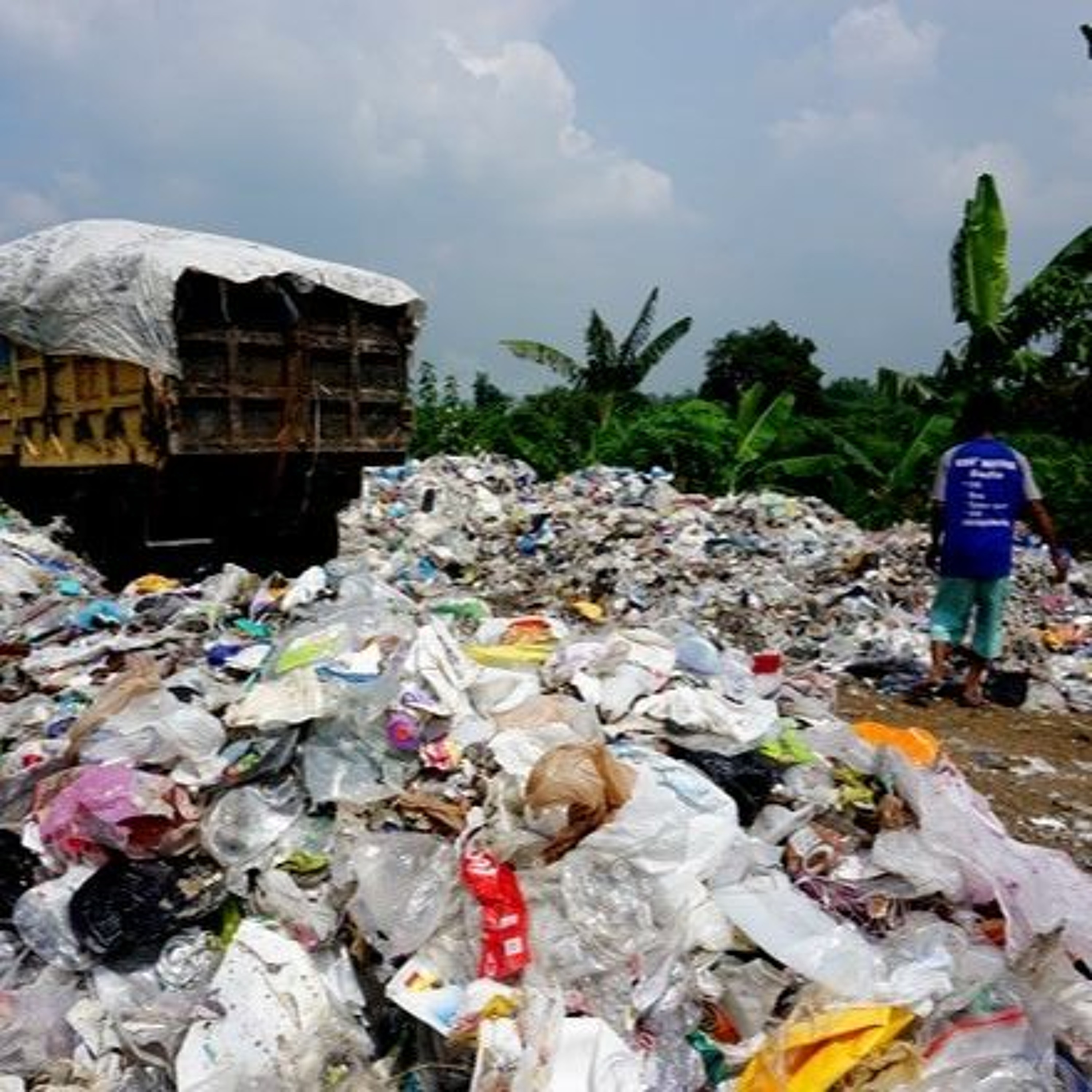
Environment and climate ministers from G20 nations gathered in Bali last week. Indonesian Minister for Forestry and the Environment Siti Nurbaya Bakar told the gathering the world was already in the midst of a climate crisis and called on G20 members to work together to bring down global temperatures. Despite these strong statements, Indonesian environmental groups have been highly critical of the government's ongoing support for fossil fuel extraction and high rates of deforestation. Beyond these high-level meetings, what is happening at the grassroots in Indonesia in response to the climate crisis and the environmental emergencies that communities face every day? Will "green" issues feature in the 2024 elections? What, or who, has the power to drive real change on the environment in Indonesia? In the latest episode of Talking Indonesia, Dr Jemma Purdey chats to Ewa Wojkowska, co-founder and chief operating officer of Bali-based NGO Kopernik, and Gede Robi, social activist, research consultant and member of rock band Navicula. Together they are the producers of the documentary film Pulau Plastik, now screening on Netflix, and a podcast about Navicula’s activism and music, A Soundtrack of Resistance. In 2022, the Talking Indonesia podcast is co-hosted by Dr Jemma Purdey from Monash University, Dr Dave McRae from Centre for Indonesian Law, Islam and Society (CILIS), Dr Jacqui Baker from Murdoch University, and Tito Ambyo from RMIT. Look out for a new Talking Indonesia podcast every fortnight. Image source/ Aliansi Zero Waste Indonesia
Ratih Kabinawa - The Taiwan Crisis
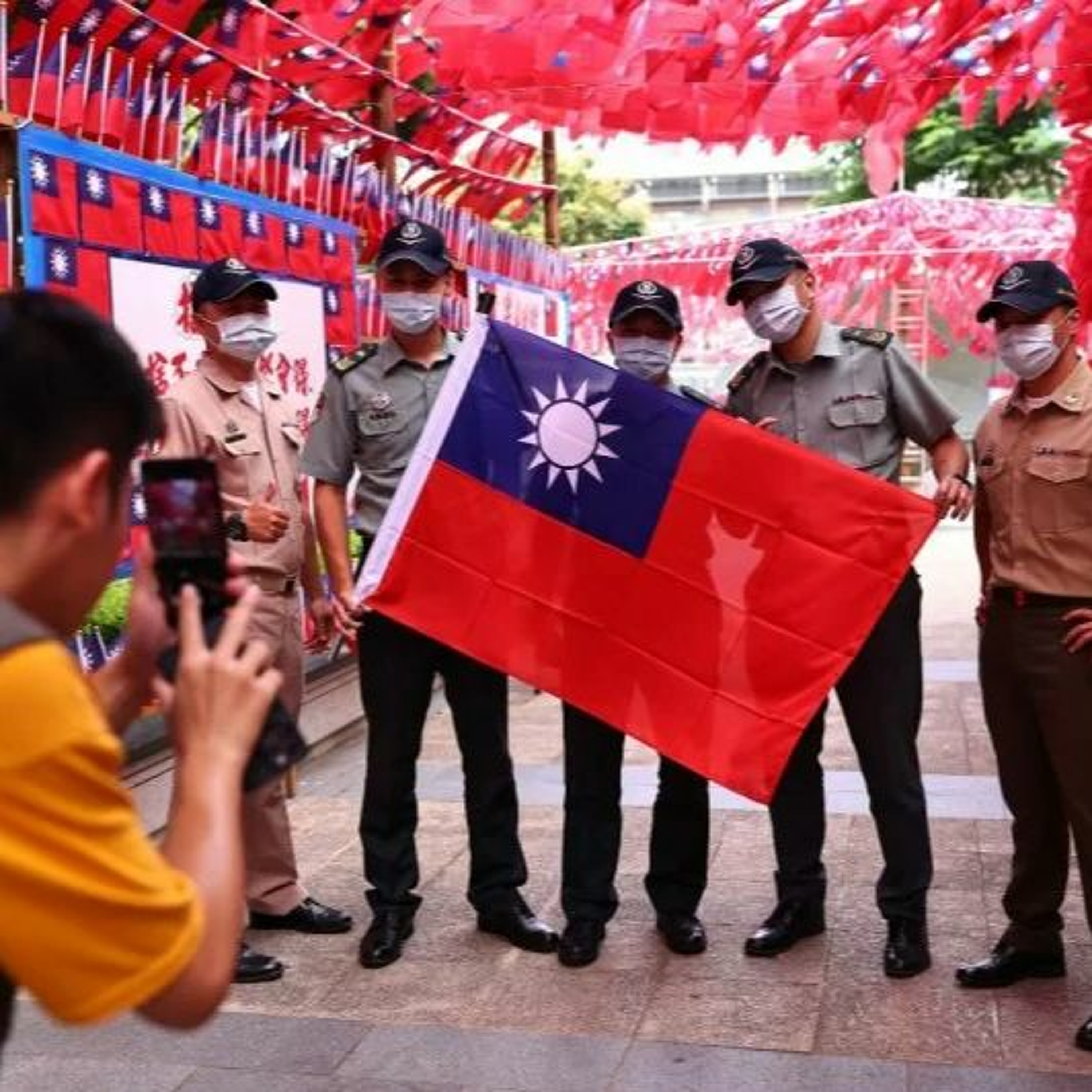
US House of Representatives Speaker Nancy Pelosi's visit to Taiwan in early August inflamed tensions with China and put Taiwan, and its implications for regional stability, in the spotlight. In response to Pelosi's visit, China conducted extensive military drills around Taiwan, which included firing ballistic missiles over the country. A potential invasion of Taiwan by China would have broad international security ramifications, as the United States and its allies could be drawn into conflict. Any conflict would also cause major disruptions to trade and transportation throughout the region. On the day of Pelosi's meeting with Taiwan president Tsai Ing-wen, Indonesia's Ministry of Foreign Affairs released a statement expressing concern at increasing great power rivalry, calling for the maintenance of peace and stability. The statement also noted Indonesia's continuing respect of the "One China Policy", whereby foreign countries acknowledge but do not recognise that China considers Taiwan to be a part of China. What interests does Indonesia have with Taiwan and China? How would Indonesia respond in the event of armed conflict between the two? In this week’s Talking Indonesia podcast, Dr Dave McRae chats with Ratih Kabinawa, a PhD Candidate in International Relations and Asian Studies at the University of Western Australia, who is writing her thesis on Taiwan's Southeast Asia foreign policy. In 2022, the Talking Indonesia podcast is co-hosted by Dr Jemma Purdey from Monash University, Dr Dave McRae from the Centre for Indonesian Law, Islam and Society at the University of Melbourne, Dr Jacqui Baker from Murdoch University, and Tito Ambyo. Look out for a new Talking Indonesia podcast every fortnight. Photo credit: ANTARA FOTO/REUTERS/Ann Wang
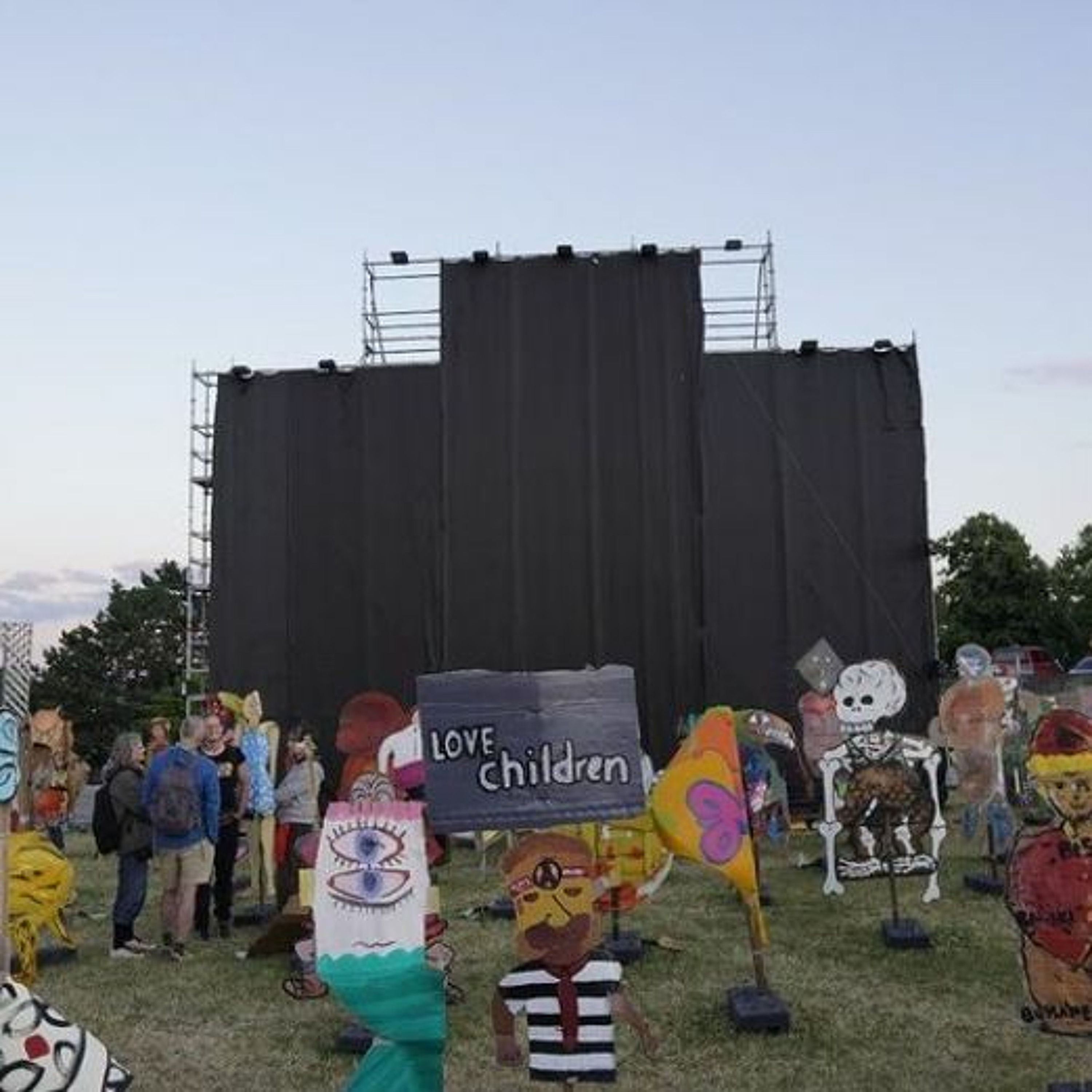
Dr Wulan Dirgantoro and Dr Elly Kent - Art and Offence
Dr Wulan Dirgantoro and Dr Elly Kent - art and offence Indonesian art collective Taring Padi made headlines around the world last month. The collective's 8x10 metre banner, "People's Justice" (2002), on display as part of the prestigious art exhibition documenta 15 in Kassel, Germany, was dramatically covered and subsequently taken down. The decision to remove the banner from its prominent position in the city's town square came after German and Israeli commentators labelled it antisemitic. How did this work come to be on such prominent display? Who were the curators of documenta 15 and what part did they play in the decision to display this and other similarly controversial artworks in the three-month long exhibition? What has been the fallout for the Indonesian artists, and for the international art community at large? In Talking Indonesia this week, Dr Jemma Purdey explores these questions and more with Dr Wulan Dirgantoro, lecturer in Art History and Curatorship in the School of Culture and Communication at the University of Melbourne, and Dr Elly Kent, deputy director of the ANU Indonesia Institute. They recently wrote on the controversy for New Mandala. In 2022, the Talking Indonesia podcast is co-hosted by Dr Jemma Purdey from Monash University, Dr Dave McRae from Centre for Indonesian Law, Islam and Society (CILIS), Dr Jacqui Baker from Murdoch University, and Tito Ambyo from RMIT. Image: by taring_padi on Instagram, 20 June 2022.
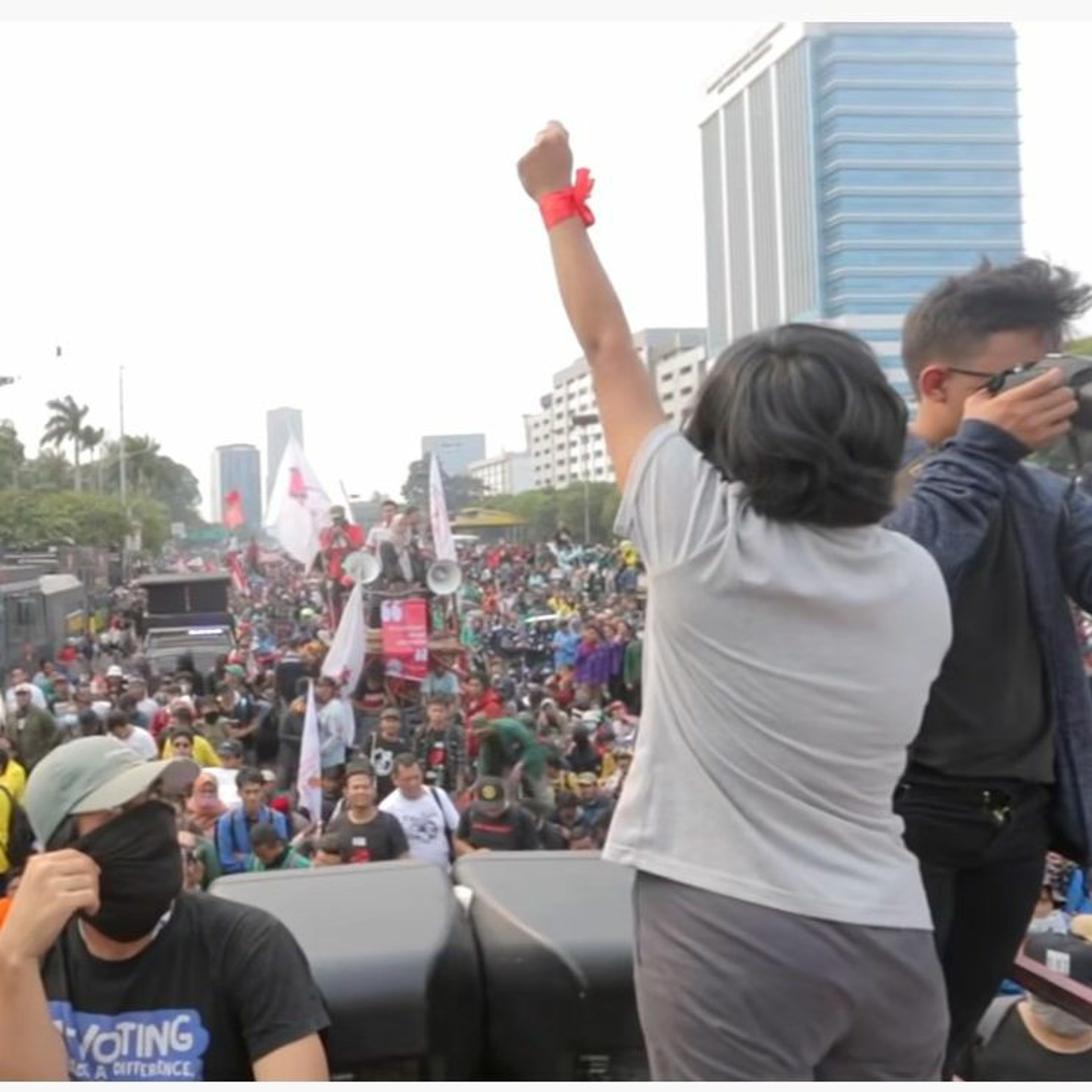
Dr Tim Mann - Activist Lawyers
Indonesia's longest-standing and most prominent "cause lawyering" organisation, the Legal Aid Institute or LBH, was founded in the early days of Soeharto's authoritarian regime in 1970. Cause lawyering broadly refers to using the law to achieve social change. Throughout much of its history, LBH has faced the challenge of pursuing this mission in a context in which victory in the courtroom has been highly unlikely. How have LBH's lawyers pursued social change in circumstances where victory in the courtroom has often been highly unlikely? Did democratisation open new opportunities for cause lawyering? How has LBH responded as the quality of democracy has declined? What does the future hold for LBH and cause lawyering in Indonesia? In this week’s Talking Indonesia podcast, Dr Dave McRae chats with Dr Tim Mann, editor of the Indonesia at Melbourne blog and associate director of the Centre for Indonesian Law, Islam and Society (CILIS). Dr Mann wrote his PhD thesis on LBH and cause lawyering in a fragile democracy. In 2022, the Talking Indonesia podcast is co-hosted by Dr Jemma Purdey from Monash University, Dr Dave McRae from the Centre for Indonesian Law, Islam and Society at the University of Melbourne, Dr Jacqui Baker from Murdoch University, and Tito Ambyo. Look out for a new Talking Indonesia podcast every fortnight. Photo credit: Screenshot from Watchdoc Documentary/Trismana.
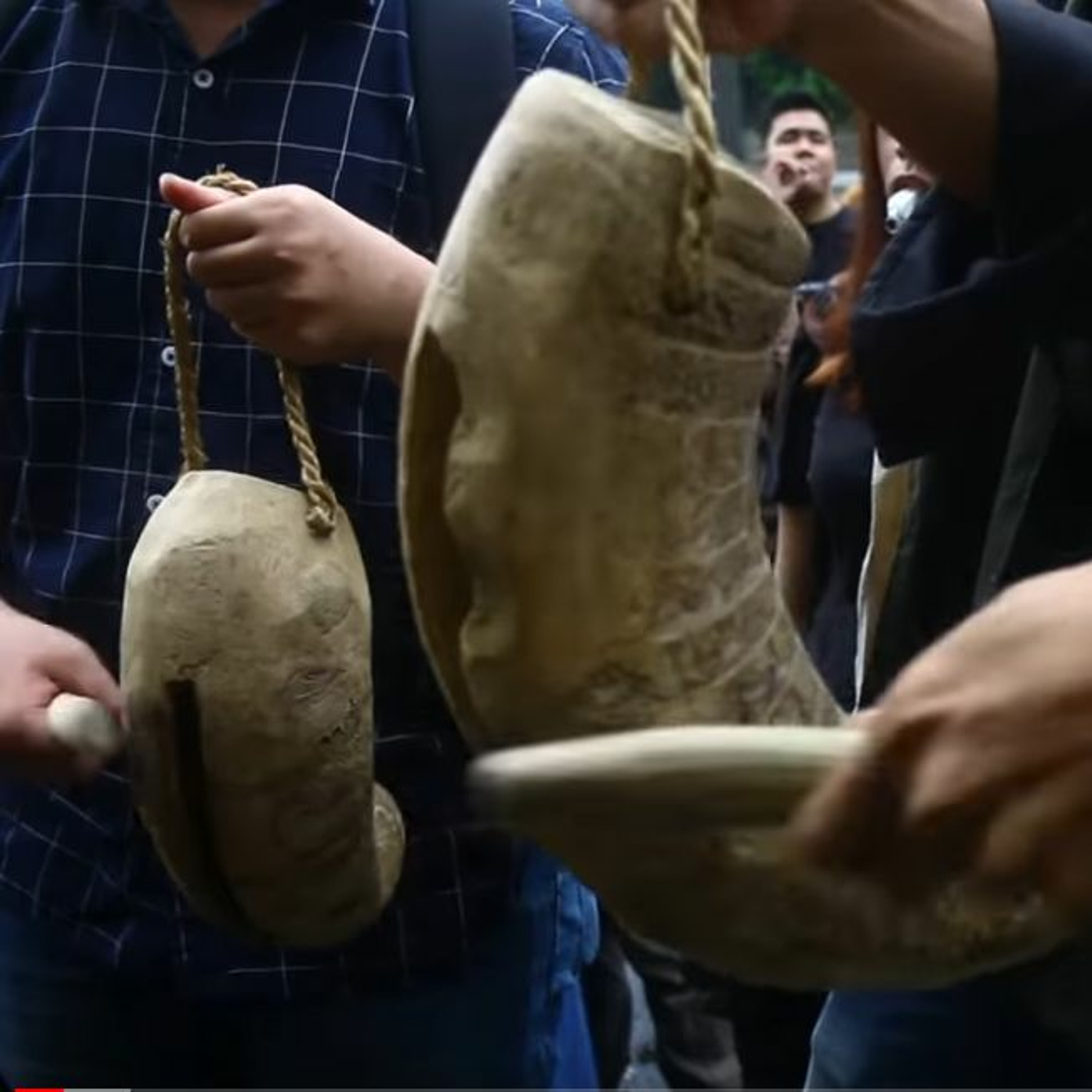
Ardyan M Erlangga - Digital Journalism
Rapid growth in internet penetration in Indonesia over the past decade has altered the local media landscape and the ways in which news is produced and consumed. Over the past few years, several new broadcasting and digital media outlets have emerged, such as Tirto.id, Asumsi, Narasi TV, and Kumparan. One of these new digital players is the American-Canadian company VICE, which opened a Jakarta bureau in 2016. Instead of “importing” the VICE brand to Indonesia, the Jakarta-based team was given free editorial rein. As a result, it has created its own style of journalism that mixes “serious” journalism with popular culture reporting on memes or investigations into supernatural stories. This approach has garnered national and international awards as well as public attention. For example, VICE Indonesia’s collaboration with Tirto.Id and the Jakarta Post to investigate cases of allegations of sexual abuse in Indonesian universities, won the 2020 Public Service Journalism Award from the Society of Publishers in Asia (SOPA). Meanwhile, its investigations into debts and debt collection have attracted more than 10 million views on YouTube. Like many digital media companies, however, VICE Indonesia also faces tough challenges. How is VICE Indonesia tackling these challenges? What does it contribute to the VICE global brand as well as to journalism in Indonesia? Why is VICE Indonesia interested in supernatural stories? And what’s the story with the Khong Guan biscuit tin? In Talking Indonesia this week, Tito Ambyo explores these questions and more with the managing editor of VICE Indonesia, Ardyan M. Erlangga. Image by VICE Indonesia.
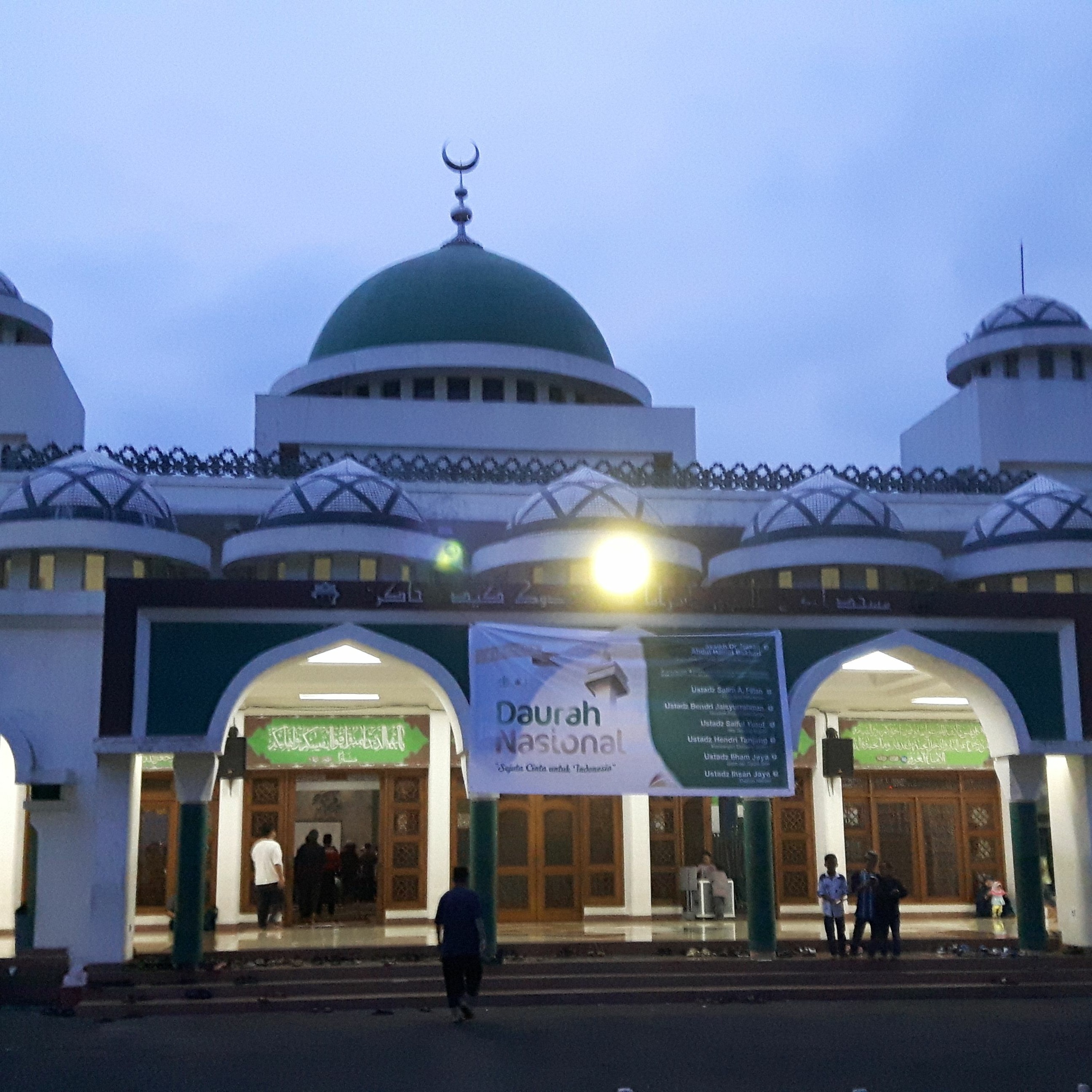
Dr Chris Chaplin - The Salafi Movement
Indonesian Islam has long been lauded as tolerant and "moderate". It is this moderate character that has enabled Indonesia – the world's largest Muslim-majority country – to become a flourishing democracy, unlike many Muslim-majority countries in the Persian Gulf region. But recent years have seen rising Islamic conservatism in Indonesia, a trend that some scholars have called the "Arabisation" of Indonesian Islam. Conservative Islamic social movements have long had a foothold in Indonesia, but they have surged in the more open political environment of the post-authoritarian era. Salafism is one such movement, a puritanical school of Islamic thought connected to Saudi Arabia. Why has Salafism grown in popularity, especially among young Indonesians? How have Salafis promoted their teachings? What do they want, politically and economically? How is Salafism changing the face of Islam in Indonesia and, potentially, being changed in turn? In Talking Indonesia this week, Dr Jacqui Baker explores these questions and more with Dr Chris Chaplin from the London School of Economics and Political Science. Dr Chaplin recently published a book on the Salafi Islamic movement in Indonesia: Salafism and the State: Islamic Activism and National Identity in Indonesia. Photo by Chris Chaplin.
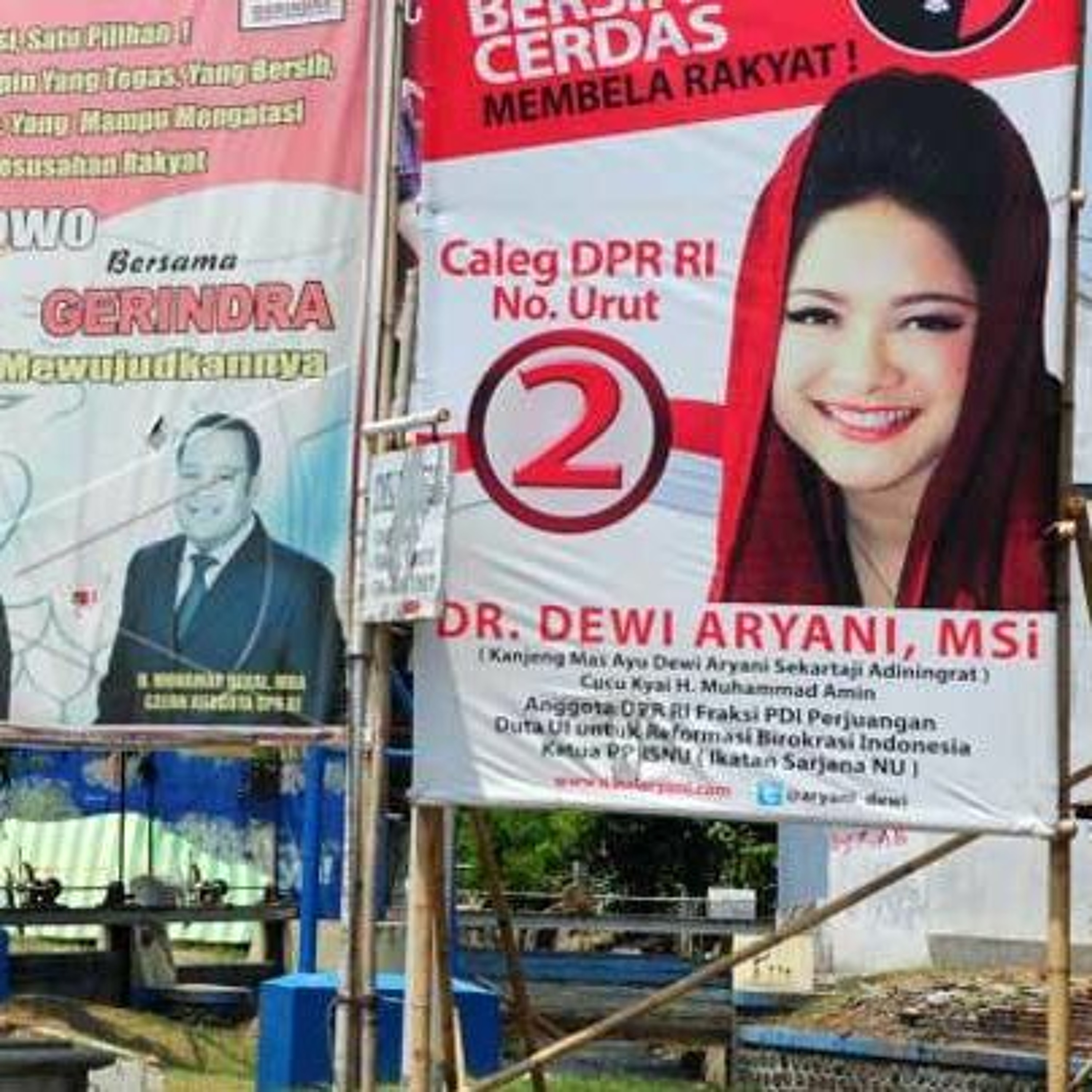
Dr Elisabeth Kramer - Political Candidates and 'Anti-Corruptionism'
Dr Elisabeth Kramer - Political candidates and anti-corruptionism Indonesia has announced it will conduct its next general elections on 14 February 2024, to select a new president and vice president, and members of the national, provincial and district legislatures. This will be the largest electoral event in Indonesia’s history, with more candidates campaigning at the same time than ever before. In past elections, fierce electoral competition has seen many candidates resort to vote buying (or "money-politics") to give them an edge in their campaigns. But a small number of candidates make the choice to take a risk and run against the status quo on a platform of "anticorruptionism". Why is money politics so prevalent in Indonesian election campaigns? Why would a candidate choose to run on an anti-corruption platform, and do they have a chance of winning if they do? What does it all mean for the future of Indonesia’s democracy? In Talking Indonesia this week, Dr Jemma Purdey explores these questions and more with Dr Elisabeth Kramer, deputy director of the Sydney Southeast Asia Centre (SSEAC), Sydney University and author of The Candidates Dilemma: AntiCorruptionism and Money Politics in Indonesian Electoral Campaigns. In 2022, the Talking Indonesia podcast is co-hosted by Dr Jemma Purdey from Monash University, Dr Dave McRae from the University of Melbourne, Dr Jacqui Baker from Murdoch University, and Tito Ambyo from RMIT. Image: Antara Foto
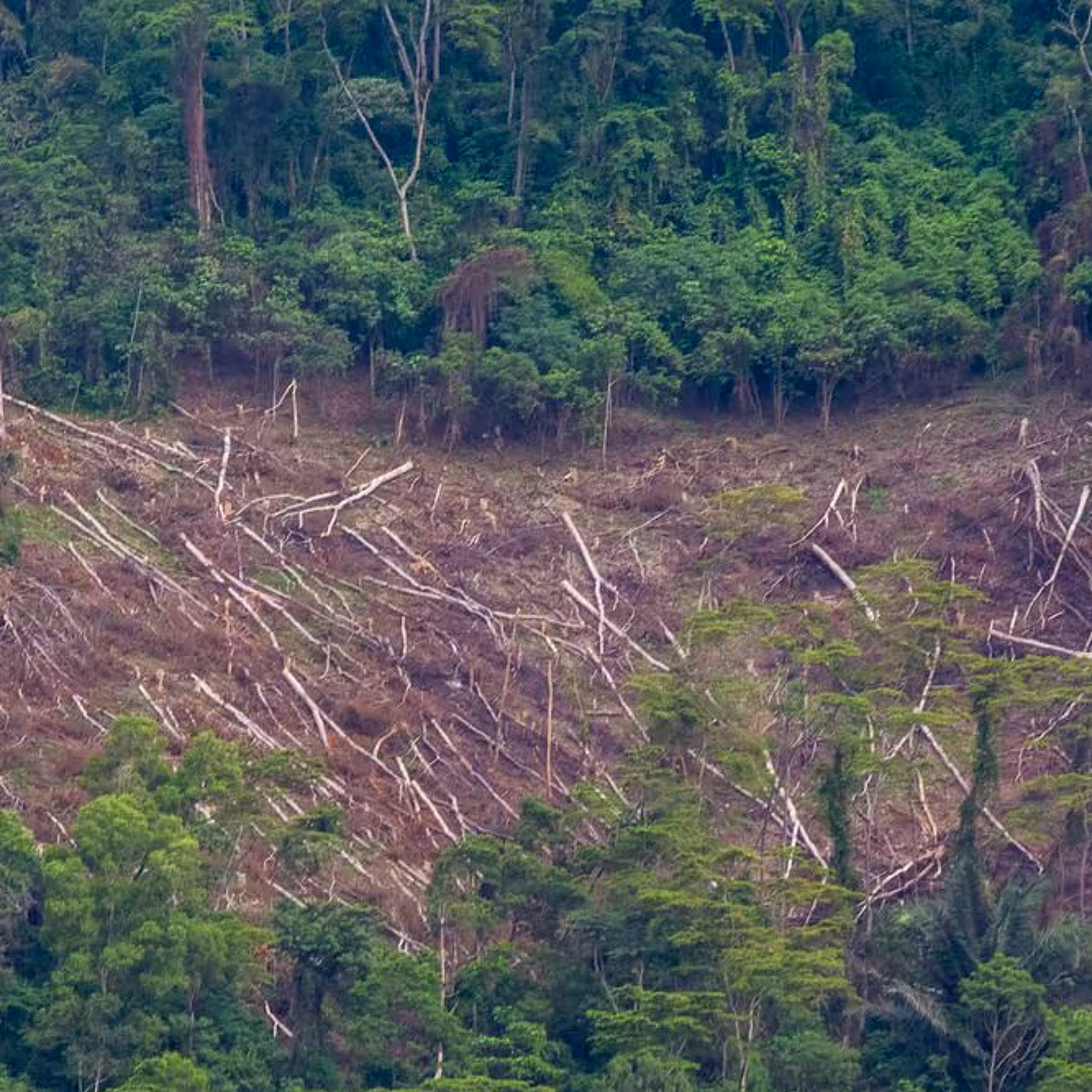
Associate Professor Dirk Tomsa - Democratic Regression and the Environment
Taking care of the environment in Indonesia, which has one of the highest levels of biodiversity in the world, is a massive challenge. Covid-19 has intensified this challenge, presenting new threats and accentuating old ones. The democratic regression and post-truth politics that have become a feature of Indonesia over recent years are also directly and indirectly resulting in more damage to the environment. How, exactly, are post-truth politics and democratic regression affecting environmental protection in Indonesia? How has the Indonesian government acted to address environmental problems, and has its efforts been successful? Is democracy the best political system for the environment? In Talking Indonesia this week, Tito Ambyo talks with Dr Dirk Tomsa, former Talking Indonesia host and Associate Professor of Politics at La Trobe University. Dr Tomsa has recently commissioned a survey on Indonesians’ attitudes on the environment and has found some surprising results.
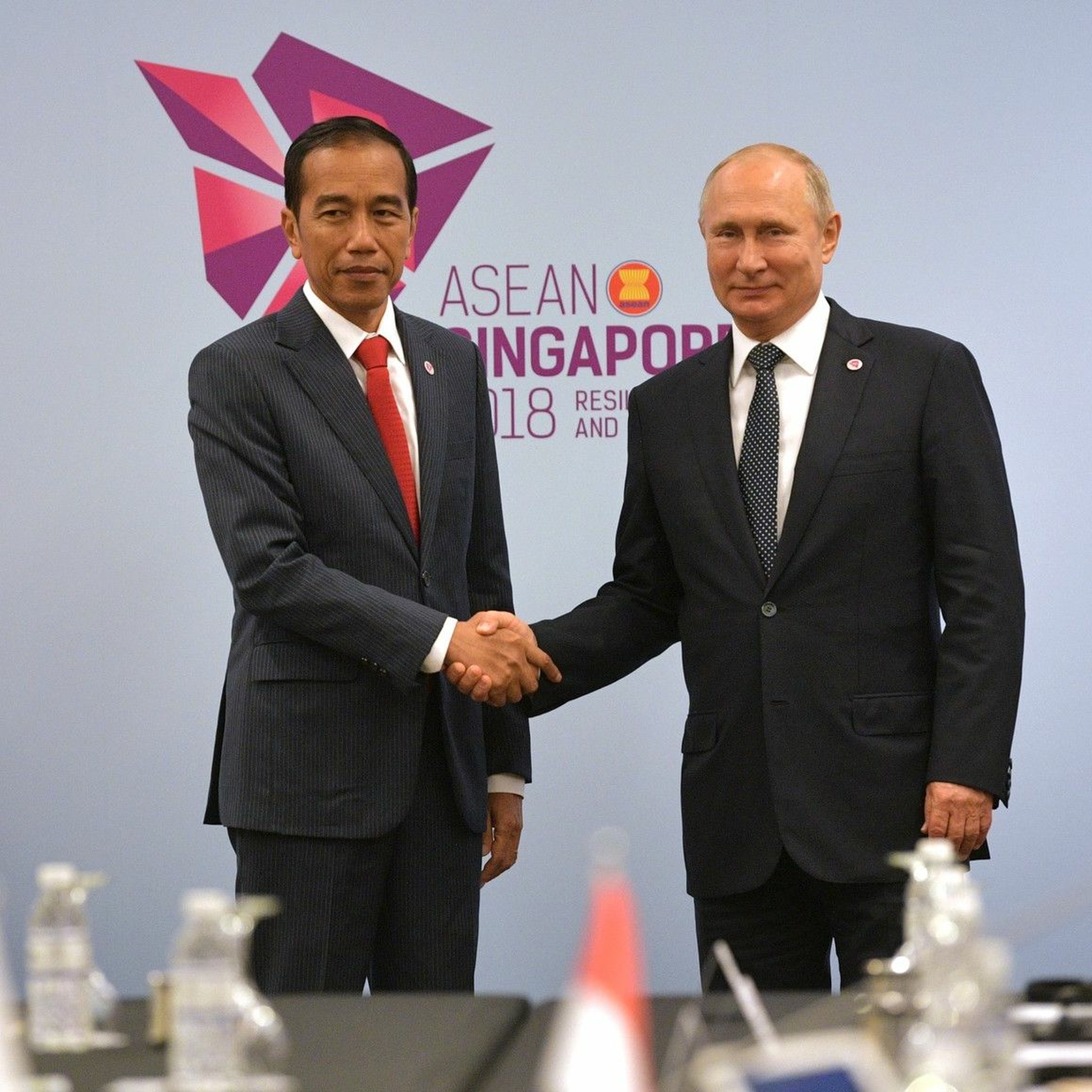
Dr I Gede Wahyu Wicaksana: Indonesia's G20 Presidency
In 2022, Indonesia holds the rotating presidency of the Group of 20 (G20) a forum of 19 of the world’s major economies along with the EU. Indonesia has assumed the presidency at a time when the forum is bitterly divided over Russia’s invasion of Ukraine – in April, western finance officials walked out of a G20 meeting when Russian delegates were speaking. Facing calls to exclude Russia from the G20 leaders’ summit in Bali in November, Indonesia instead opted to extend an invitation to Ukrainian President Volodymyr Zelensky, despite Ukraine not being a member of the group. Indonesia's priority issues for its G20 presidency are global health architecture, sustainable energy transition, and digital transformation, under the overall rubric of “Recover Together, Recover Stronger”. But what effect will the war in Ukraine have on Indonesia's ability to pursue this agenda? How might the presence in Bali of Russian President Vladimir Putin and Ukraine President Zelensky – if both men attend – shape the leaders’ summit? How important, in any case, is the G20 to the Indonesian government, and to powerful political and business interests in the country? In this week’s Talking Indonesia podcast, Dr Dave McRae chats with Dr I Gede Wahyu Wicaksana, senior lecturer in the Department of International Relations at Universitas Airlangga in Surabaya. In 2022, the Talking Indonesia podcast is co-hosted by Dr Jemma Purdey from Monash University, Dr Dave McRae from the Centre for Indonesian Law, Islam and Society at the University of Melbourne, Dr Jacqui Baker from Murdoch University, and Tito Ambyo. Photo credit: www.kremlin.ru
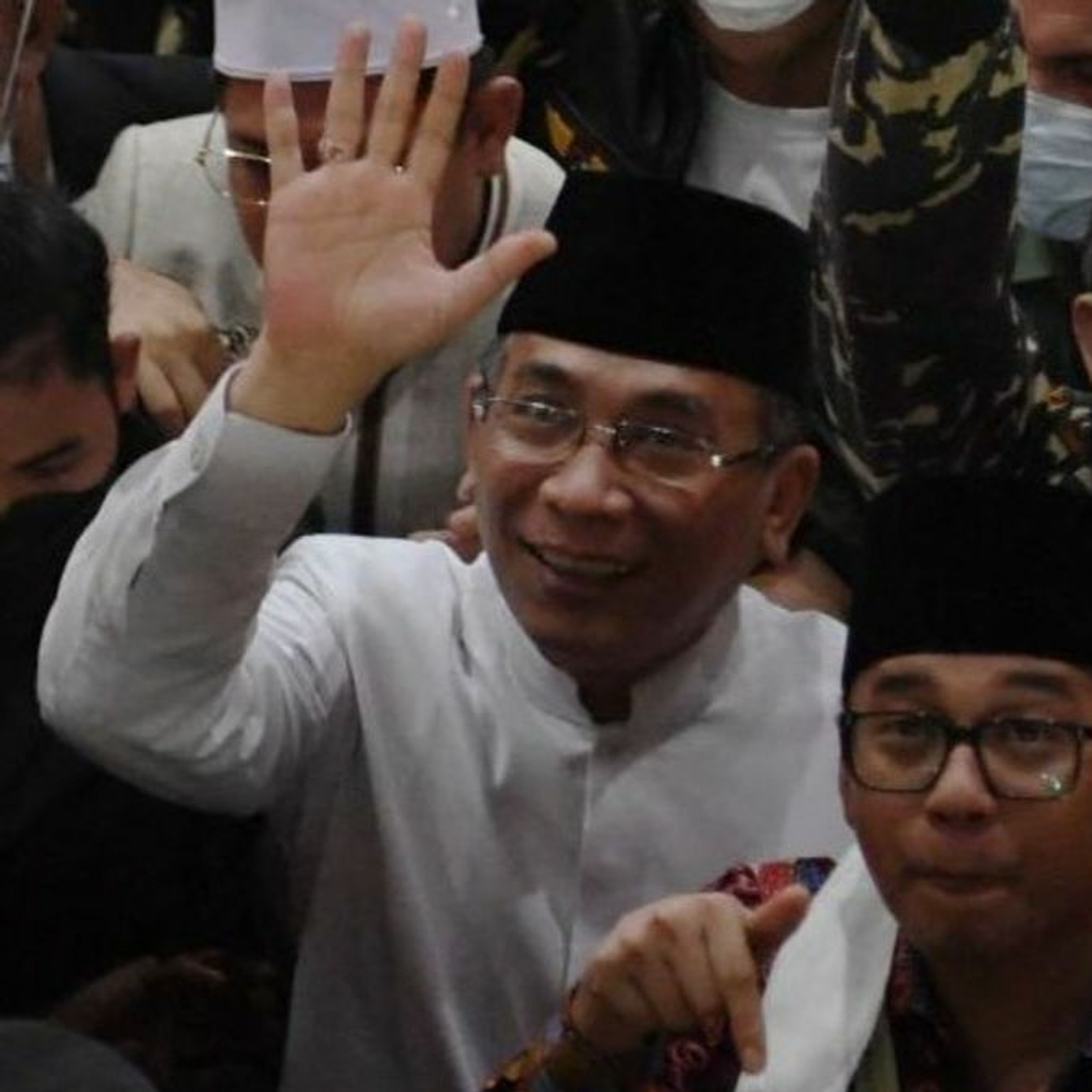
Dr Alexander Arifianto - Nahdlatul Ulama's leadership
Indonesia’s largest Muslim organisation, Nahdlatul Ulama (NU), claims membership of 40 to 45 million people, and has long occupied a highly significant position in Indonesian society and politics. One of its most high-profile leaders (and Indonesia’s fourth president), Abdurrahman Wahid, remains a symbol for pluralism, remembered for his role in the struggle for democratic reform under the New Order. Today, NU members hold key ministerial and administrative positions in the government of President Joko "Jokowi" Widodo. As Indonesian democracy shows signs of decline, what is NU’s role? How does it continue to defend its position as a ‘moderate’ Muslim organisation and advocate for pluralism? How will its new leader, Yahya Cholil Staquf, direct the organisation’s focus ahead of the 2024 elections? In Talking Indonesia this week Dr Jemma Purdey discusses these questions and more with Dr Alexander R. Arifianto, a Research Fellow with the Indonesia Program at the S. Rajaratnam School of International Studies (RSIS), Nanyang Technological University. In 2022, the Talking Indonesia podcast is co-hosted by Dr Jemma Purdey from Monash University, Dr Dave McRae from the University of Melbourne, Dr Jacqui Baker from Murdoch University, and Tito Ambyo from RMIT. Image: Hafidz Mubarak A/Antara
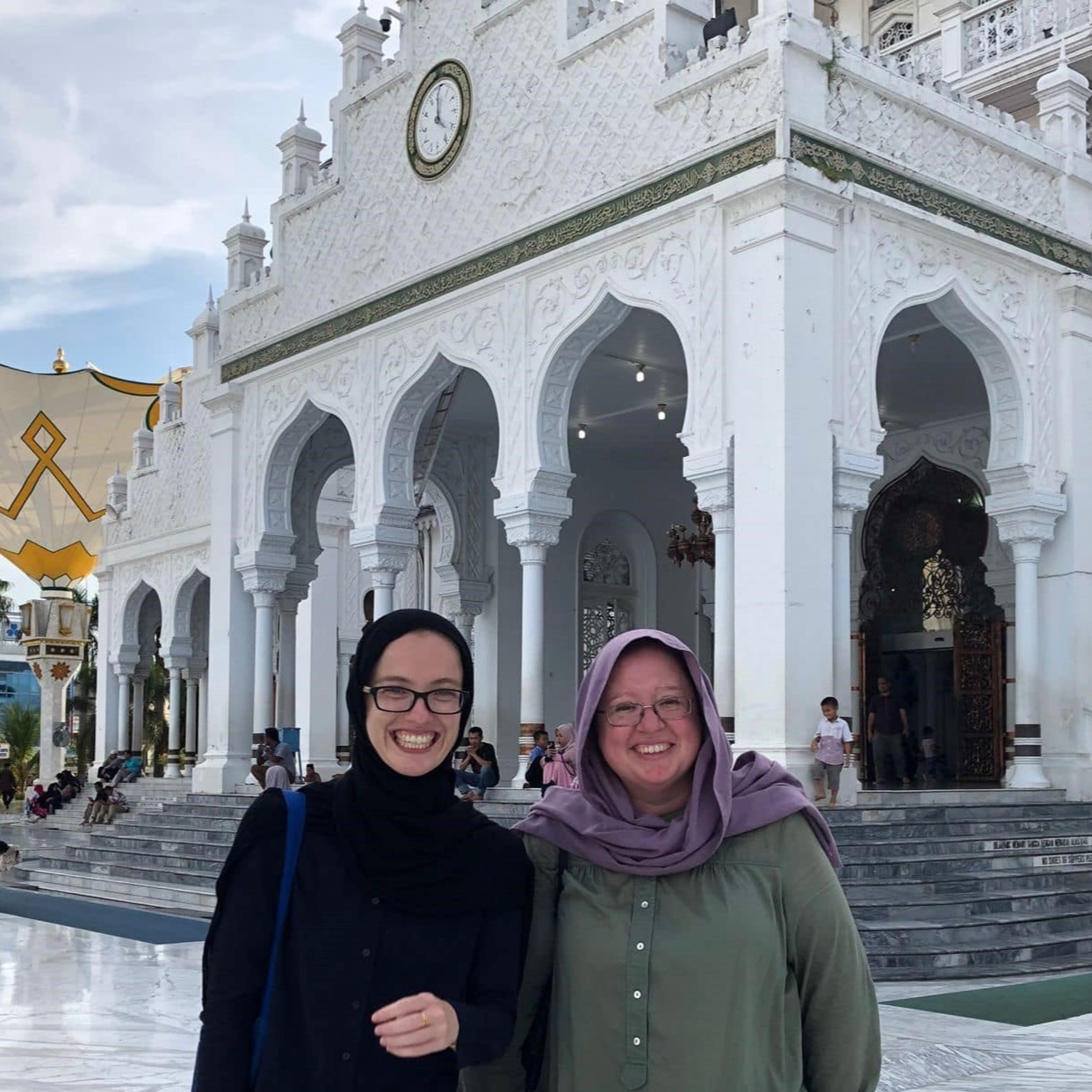
Dr Jess Melvin & Dr Annie Pohlman - Aceh's Truth and Reconciliation Commission
In 2005, in the wake of Aceh’s devastating tsunami, the Indonesian government signed the Helsinki Peace Agreement, drawing to a close a thirty-year conflict with the Free Aceh Movement (GAM), which sought independence for the province. That agreement committed the parties to establishing a truth and reconciliation commission, designed to examine the abuses that occurred during the conflict and offer restitution to its victims. But it was not until 2016 that the Aceh Truth and Reconciliation Commission (KKR) was finally established, and this only occurred after constant agitation by activists and victims. Over the past five years, the commission has travelled the province, taking testimonies from some 5,000 victims of human rights abuses, leading toward a final report that is set to be released this year. What will the report reveal about the patterns and experiences of violence during the conflict? Who perpetrated the violence and who were the main victims? How will the report affect Acehnese politics and society, and more broadly, Indonesia? In Talking Indonesia this week, new host Dr Jacqui Baker talks with historians Dr Jess Melvin from the University of Sydney and Dr Annie Pohlman at the University of Queensland. Dr Melvin and Dr Pohlman are among a group of activists and academics collaborating with the commission to produce the final report. In 2022, the Talking Indonesia podcast is co-hosted by Dr Jacqui Baker from Murdoch University, Dr Dave McRae from the Centre for Indonesian Law, Islam and Society at the University of Melbourne, Dr Jemma Purdey from Monash University, and Tito Ambyo from RMIT.
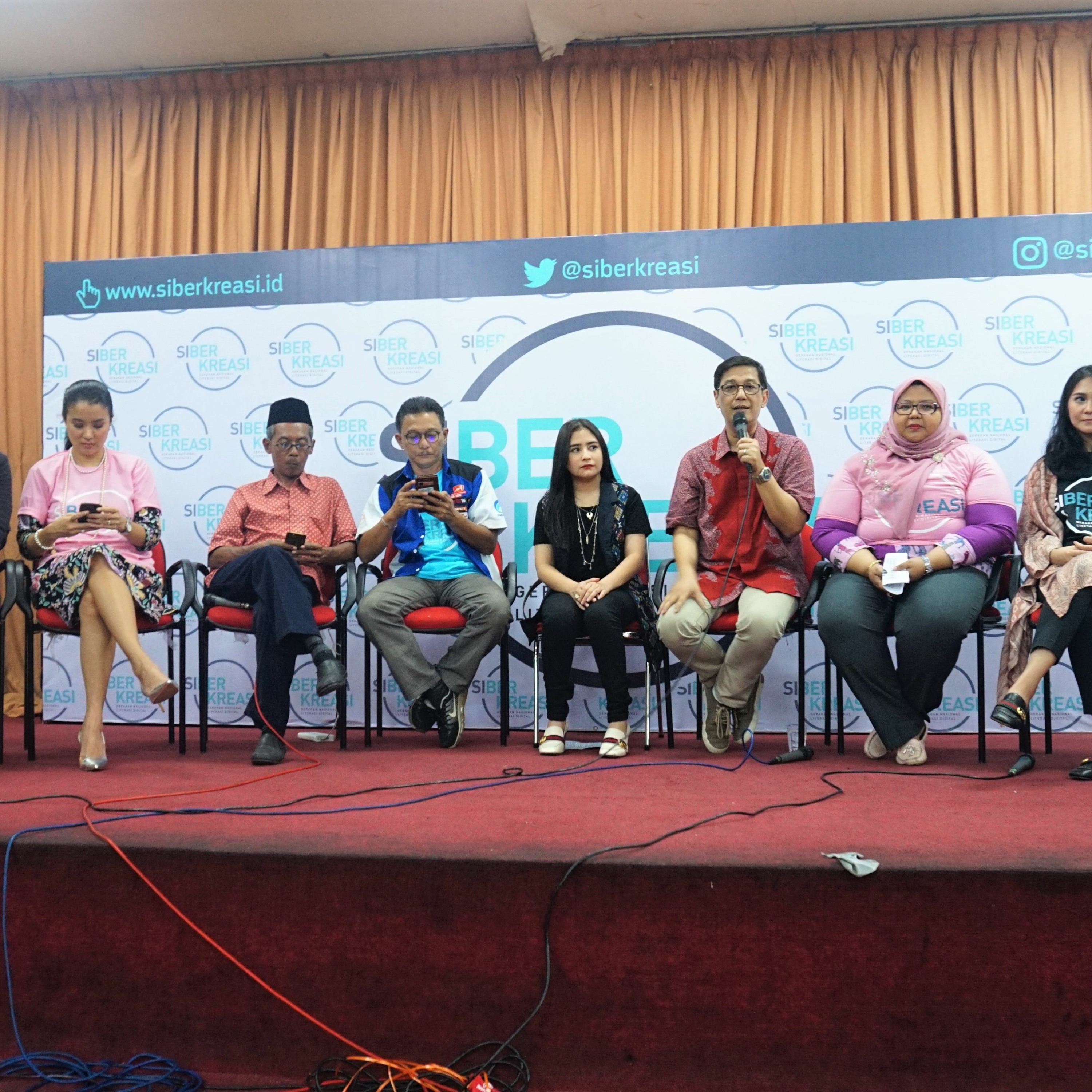
Ika Idris - Digital Literacy And Misinformation
One of the challenges that many countries around the world face when tackling the Covid-19 pandemic is widespread misinformation and disinformation polluting public discourse on health. In Indonesia, misinformation and disinformation often influence the way political, health, environmental and religious issues are talked about publicly. But the way the government often insists on creating a 'single narrative' (narasi tunggal) has added another layer to the problem, where misinformation is created not only by nongovernmental agents, but also by members of government who are more concerned with controlling the narrative of an issue than creating real conversations with Indonesian citizens. The Indonesian digital information Siberkreasi program, for example, was greeted with optimism by experts when it was first introduced in 2017 in an attempt to fight hoaxes. Five years later, however, some have criticised the program's changing strategies and focus. In this week's Talking Indonesia, host Tito Ambyo, from RMIT's School of Media and Communication, chats to Associate Professor Ika Idris, whose work focuses on government communication, misinformation, and the internet’s impacts on society. In 2022, the Talking Indonesia podcast is co-hosted by Tito Ambyo, Dr Dave McRae from the Centre for Indonesian Law, Islam and Society at the University of Melbourne, Dr Jemma Purdey from Monash University, and Dr Jacqui Baker from Murdoch University. Look out for a new Talking Indonesia podcast every fortnight. Photo credit: Kominfo
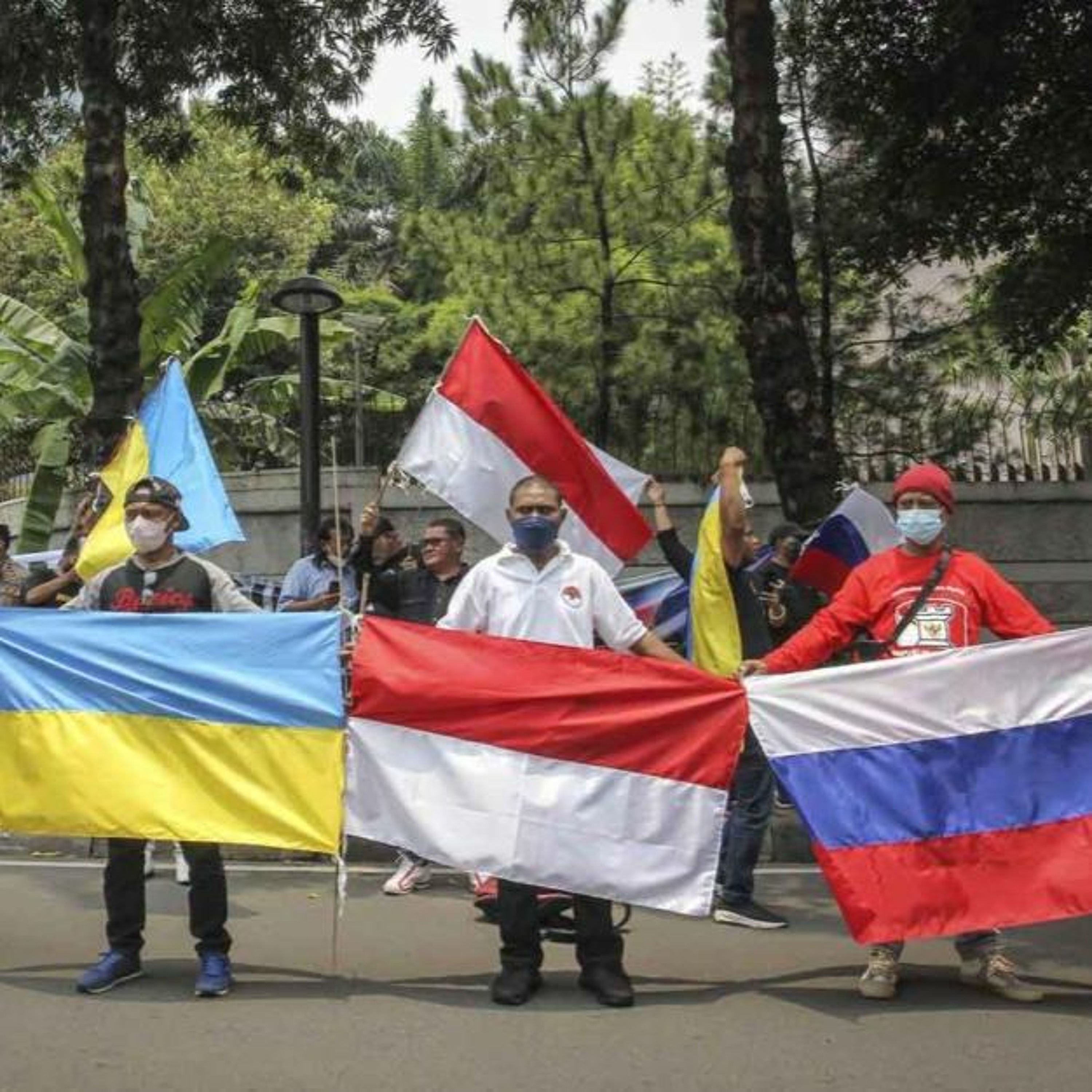
Radityo Dharmaputra - Russia's Invasion of Ukraine
Russia's invasion of Ukraine has been front of mind across much of the world for the past month – with Indonesia no exception. The Indonesian government has not joined the western sanctions regime nor criticised Russia by name in its statements, but it did support a UN resolution condemning Russian aggression. Most striking in Indonesian responses to the conflict, however, has been the sympathy and even support for the Russian invasion that has come from many Indonesians online. What factors underpin the Indonesian response to the Russian invasion of Ukraine, how are Indonesians obtaining information about the war, and what interests does Indonesia have at stake? What are the implications for Indonesia-Russia relations? And can we discern anything from Indonesian reactions to the current war as to how Indonesia might react if China were to one day seek to occupy Taiwan? In this week’s Talking Indonesia podcast, Dr Dave McRae chats with Radityo Dharmaputra, PhD candidate and junior research fellow in Political Science at the Johan Skytte Institute of Political Studies, University of Tartu, Estonia, and a lecturer at the Department of International Relations, Universitas Airlangga. Radityo recently wrote an article for Indonesia at Melbourne examining some of the reasons behind Indonesian support for the Russian invasion. In 2022, the Talking Indonesia podcast is co-hosted by Dr Dave McRae from the Centre for Indonesian Law, Islam and Society at the University of Melbourne, Dr Jemma Purdey from Monash University, Dr Jacqui Baker from Murdoch University, and Tito Ambyo from RMIT. Look out for a new Talking Indonesia podcast every fortnight. Photo credit: Dhemas Reviyanto for Antara Foto
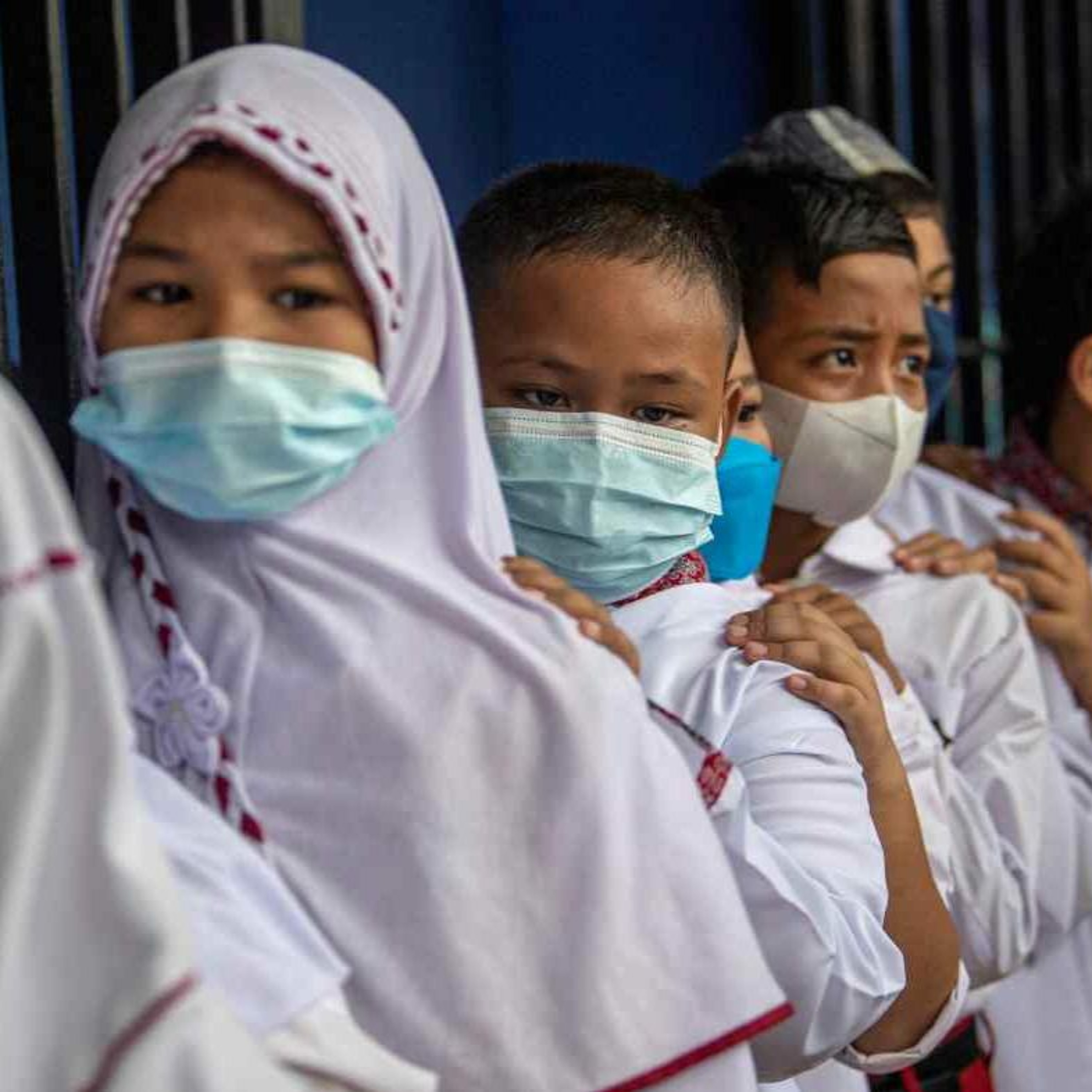
Dr Dicky Budiman - Managing the Omicron Wave
Dr Dicky Budiman - Omicron wave Indonesia has recorded more than 5.5 million cases of Covid-19 and more than 148,000 deaths since the beginning of the pandemic. These are official figures, assumed by epidemiologists to be far lower than the actual impact of the disease on the population. In July and August 2021, as the deadly Delta wave swept across the country, hospitals were overwhelmed and graveyards struggled to cope with a massive increase in demand for burials. Since then, Indonesia’s vaccination program has accelerated. More than 50% of the total population (an incredible 144 million people) have now had two doses of the vaccine, with almost 70% receiving at least one dose. Over the past few weeks, the arrival of the Omicron variant of Covid-19 in Indonesia has seen case numbers climb again – reaching daily numbers even higher than those recorded during the Delta peak. But what is happening in Indonesia’s hospitals this time around? Are vaccinations doing what they should? What are the legacies of the Delta wave on the health system and the people of Indonesia? In Talking Indonesia this week, Jemma Purdey talks to Dr Dicky Budiman, a medical doctor, epidemiologist and advisor to governments and international organisations for more than 20 years. Dicky is currently completing his PhD at Griffith University on global health security, risk communication and the COVID-19 pandemic. The Talking Indonesia podcast is co-hosted by Dr Dave McRae from the University of Melbourne’s Asia Institute, Dr Jemma Purdey from Monash University, Tito Ambyo from RMIT, and Dr Jacqui Baker from Murdoch University. Look out for a new Talking Indonesia podcast every fortnight. Catch up on previous episodes here, subscribe via iTunes or listen via your favourite podcasting app. Image: Antara Foto/Reuters
Professor Michiko Iizuka - Private Sector Innovation - Policy in Focus
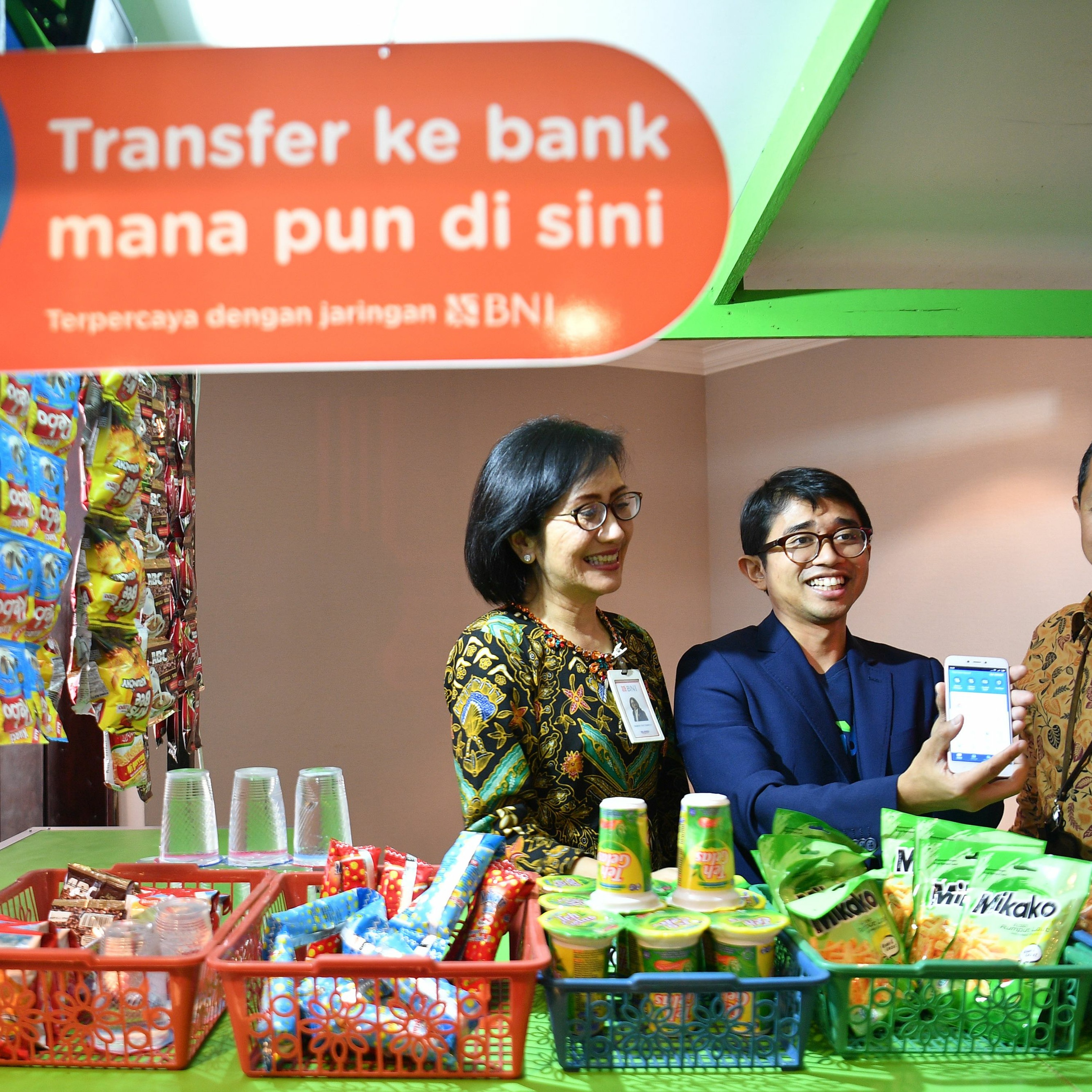
Major social and technological innovation is expected to be required if countries are to meet development challenges into the future. But government initiatives have typically had limited success in driving the transformative change required. Recent years have seen increasing instances of the private sector financing startups to meet societal challenges, while also generating business profits. What spurs private sector companies to innovate in ways that cater to lower-income customers, what forms do these innovations take, and how have governments responded to such innovation? In this week’s Talking Indonesia podcast, Dr Dave McRae chats with Professor Michiko Iizuka from the National Graduate Research Institute for Policy Studies (GRIPS). Professor Iizuka recently co-authored a three-country study (with Gerald Hane) on disruptive and inclusive innovation, which included Indonesia as one of its case studies. Today’s episode is the latest in the “Policy in Focus” series of Talking Indonesia episodes, supported by the Knowledge Sector Initiative (KSI), a partnership between the Australian and Indonesian governments that aims to improve the use of evidence in development policymaking. This series will appear periodically in alternate weeks to the regular Talking Indonesia episodes. The views expressed in this podcast episode do not represent the views of the Australian or Indonesian governments. In 2022, the Talking Indonesia podcast is co-hosted by Dr Jemma Purdey from Monash University, Dr Dave McRae from the University of Melbourne’s Asia Institute, Dr Jacqui Baker from Murdoch University, and Tito Ambyo from RMIT. Look out for a new Talking Indonesia podcast every fortnight. Photo credit: Sigid Kurniawan for Antara Foto
Willliam Yanko - Hip-Hop
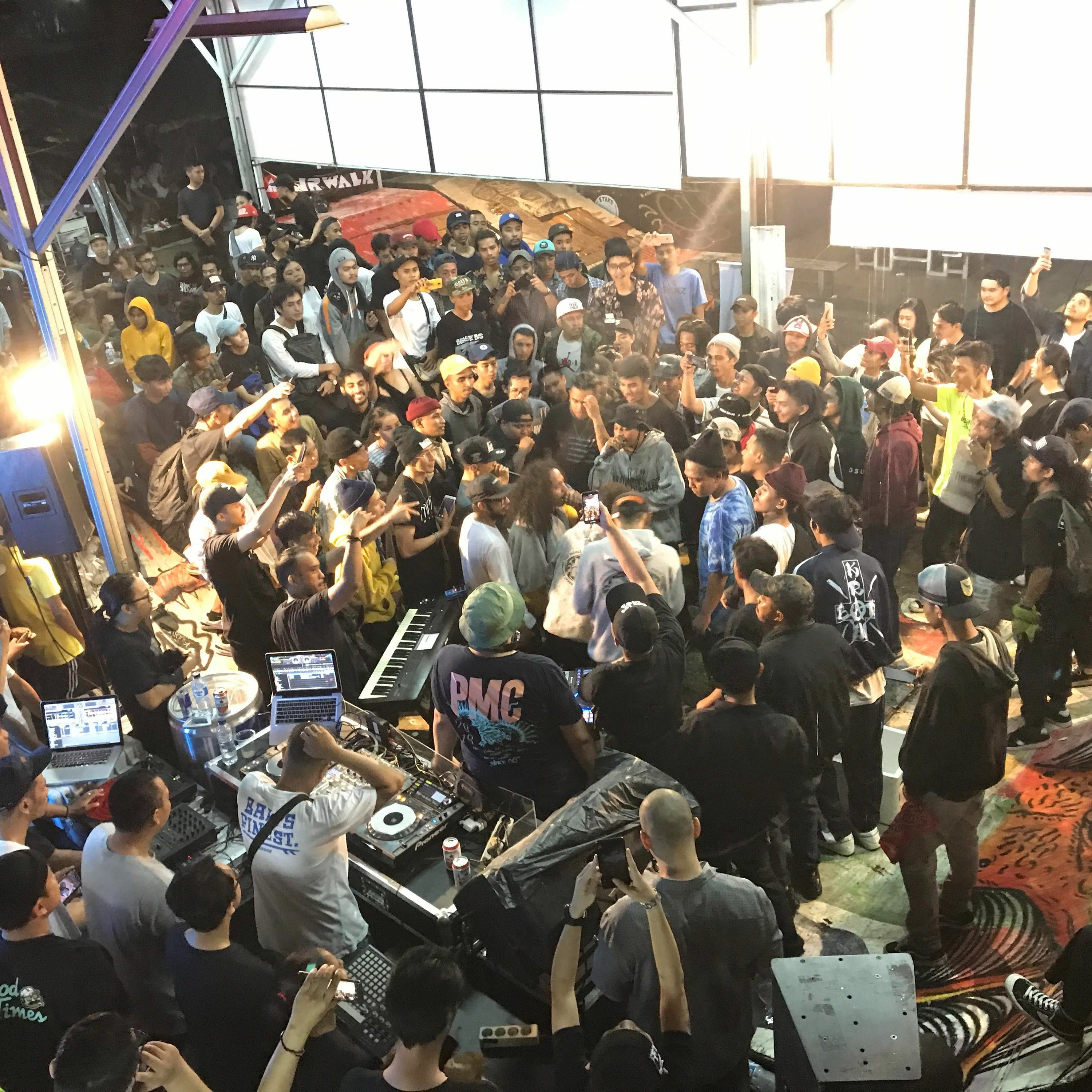
In the 80s and 90s, the influence of hip-hop in the music industry and urban cultures of Indonesia was unmistakable. One of the first nationally successful rappers in Indonesia was Iwa K, with his hit Bebas. Legendary hip-hop band Homicide, led by Heri "Ucok" Sutresna (aka Morgue Vanguard), gained a devoted following for its socially conscious, political songs. Recently, artists like Young Lex and Rich Brian have attracted massive audiences. How do Indonesian hip-hop artists tackle social and political issues in their music? How do the different hip-hop scenes, in Bandung and Yogyakarta, for example, differ in their approach to social and political themes? How do issues of ethnicity, sexism and masculinity influence hip-hop lyrics in Indonesia? In this week’s Talking Indonesia podcast, Tito Ambyo explores these issues and more with William Yanko, PhD candidate with the Digital Ethnographic Research Centre at RMIT University. William is writing up his thesis based on fieldwork with hip-hop artists from across Indonesia. His research criticises the often one-dimensional view of Indonesian hip-hop by other scholars, arguing that the hip-hop world in Indonesia is very diverse and encompasses multiple agendas and styles. In 2022, the Talking Indonesia podcast is co-hosted by Tito Ambyo from RMIT, Dr Dave McRae from the University of Melbourne’s Asia Institute, Dr Jemma Purdey from Monash University, and Dr Jacqui Baker from Murdoch University. Photo Credit: William Yanko
Dr Amalinda Savirani - Progressive Politics
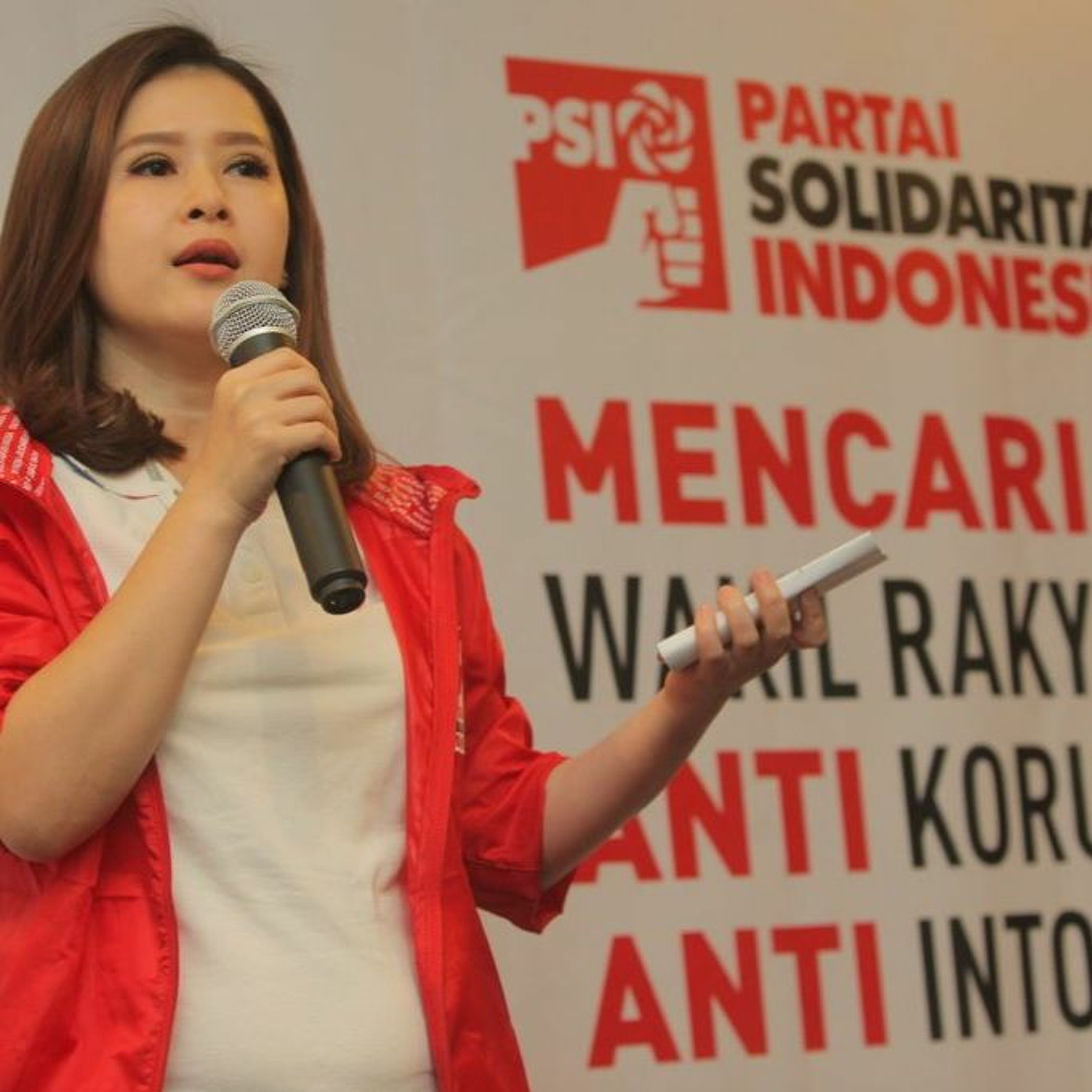
Progressive politics in Indonesia has historically enjoyed only a narrow support base. Nevertheless, there have been several attempts to mobilise the support of progressives for political purposes. In this week’s Talking Indonesia podcast, Dr Dave McRae chats with Dr Amalinda Savirani about one such example, the emergence of the Indonesian Solidarity Party (PSI) to contest the 2019 elections. As Dr Savirani and her co-authors highlight in their article, “Floating Liberals: Female Politicians, Progressive Politics, and PSI in the 2019 Indonesian Elections”, PSI stood out as having a female face. This was seen in the prominence of women among party leaders, having women as almost half of its candidates, and in tackling controversial issues relating to gender equality in Indonesia. The party secured a number of seats in regional legislatures (DPRD). At the national level, however, where parties must obtain 4% of the vote to occupy any seats in the House of Representatives (DPR), PSI fell well short, with only 1.89% of the vote. What does the experience of PSI in 2019 reveal about the support base for progressive politics in Indonesia, and prospects for advancing progressive causes in Indonesia via elections? At a more basic level, what does it mean to be "progressive" in an Indonesian context? Dr Amalinda Savirani is the coordinator of the PhD program in the Faculty of Political and Social Sciences at Universitas Gadjah Mada. In 2022, the Talking Indonesia podcast is co-hosted by Dr Jemma Purdey from Monash University, Dr Dave McRae from the University of Melbourne’s Asia Institute, Dr Jacqui Baker from Murdoch University, and Tito Ambyo. Look out for a new Talking Indonesia podcast every fortnight. Catch up on previous episodes here, subscribe via Apple Podcasts or listen via your favourite podcasting app. Photo credit: Muhammad Adimaja for Antara
Dr Inaya Rakhmani - Social Science - Policy in Focus
Researchers in Indonesia studying human society and its workings no longer operate under the strictures of the authoritarian era, when those working in the field of social science were expected to support the regime's policies. But do contemporary Indonesian social scientists enjoy the freedom to conduct socially relevant research on any topic of their choosing? How is their research funded, and how does the government view their work? More broadly, how does the entanglement of universities with the Indonesian state shape the work of social science researchers? In this week’s Talking Indonesia podcast, Dr Dave McRae chats with Dr Inaya Rakhmani , the founding director of Universitas Indonesia's Asia Research Centre , and the lead researcher of an 11-country study on mobilising social sciences in Southeast Asia and Bangladesh supported by the Global Development Network . Today’s episode is the latest in the “Policy in Focus” series of Talking Indonesia episodes, supported by the Knowledge Sector Initiative (KSI), a partnership between the Australian and Indonesian governments that aims to improve the use of evidence in development policymaking. This series will appear periodically in alternate weeks to the regular Talking Indonesia episodes. The views expressed in this podcast episode do not represent the views of the Australian or Indonesian governments. In 2022, the Talking Indonesia podcast is co-hosted by Dr Jemma Purdey from Monash University, Dr Dave McRae from the University of Melbourne’s Asia Institute, Dr Jacqui Baker from Murdoch University, and Tito Ambyo. Look out for a new episode every fortnight. Photo credit: Aditya Pradana Putra for Antara Foto

Tito Ambyo - Supernaturalism Online
Tito Ambyo - Supernaturalism online Ghosts, spirits, kuntilanak, tuyul, and pocong. For most Indonesians these are familiar and, in some ways, even comforting companions from the supernatural realm. Ghost stories are passed down through generations, regardless of class, religion or belief system, and horror has long been a staple of Indonesian literature, art, film and television cultures. Across history, Indonesian leaders have claimed a mystic mandate, alongside political power, to rule. Supernaturalism or "horror stuff" is something of a national trait. In recent years, young urban Indonesian YouTubers have engaged an eager and growing audience, telling old stories in new, innovative and fascinating ways online. The continuing popularity of horror stories and their reimagining through the use of digital technologies highlights some of the ambiguities in Indonesia’s progressive and increasingly cosmopolitan nationalism. What is it about the supernatural that so captivates Indonesians? Why is YouTube a fertile platform for this thriving genre of entertainment? What can these videos and their creators tell us about how Indonesians see themselves, their society and the world at large? In the first episode of Talking Indonesia for 2022, Jemma Purdey talks to Tito Ambyo, a journalist and lecturer in journalism at RMIT in Melbourne, and a new host of Talking Indonesia this year. Tito is currently completing his PhD at RMIT’s Digital Ethnographic Research Centre on digital horror and storytelling in Indonesia. In 2022, the Talking Indonesia podcast is co-hosted by Dr Jemma Purdey from Monash University, Dr Dave McRae from the University of Melbourne’s Asia Institute, Dr Jacqui Baker from Murdoch University, and Tito Ambyo. Look out for a new Talking Indonesia podcast every fortnight. Catch up on previous episodes here, subscribe via Apple Podcasts or listen via your favourite podcasting app. Image: Son of Dad/YouTube.
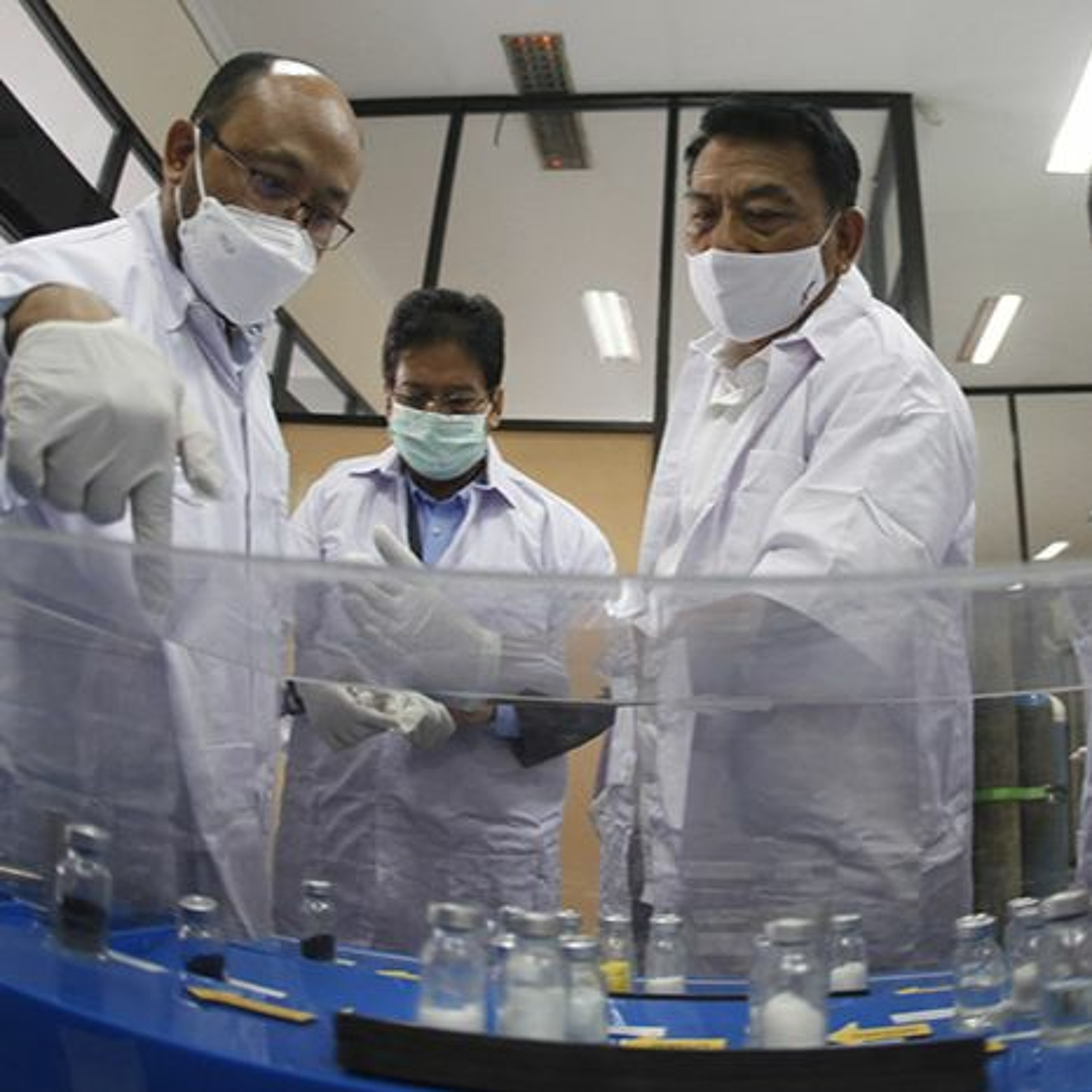
Professor Panut Mulyono - Universities and International Research Collaboration - Policy in Focus
Both the Indonesian government and universities have sought to increase the international outlook of the sector in recent years, for example, through proposals to increase the number of foreign staff working in Indonesian universities, and by tying pay and promotion to international publications. But there has also been disquiet about the restrictions and penalties imposed by Indonesia’s National System of Science and Technology Law (Law No. 11 of 2019). How are Indonesian universities navigating this environment? What are they seeking from international collaboration? Do Indonesian universities face the sort of scrutiny and debate currently playing out in Australia over perceived foreign interference via research collaborations, especially with Chinese institutions? In this week’s Talking Indonesia podcast, the final episode for 2022, Dr Dave McRae chats with Professor Panut Mulyono, Rector of Universitas Gadjah Mada (UGM) about Indonesian universities and international research collaboration . Today’s episode is the latest in the “Policy in Focus” series of Talking Indonesia episodes, supported by the Knowledge Sector Initiative (KSI), a partnership between the Australian and Indonesian governments that aims to improve the use of evidence in development policymaking. This series will appear periodically in alternate weeks to the regular Talking Indonesia episodes. The views expressed in this podcast episode do not represent the views of the Australian or Indonesian governments. The Talking Indonesia podcast is co-hosted by Dr Annisa Beta from the University of Melbourne’s School of Culture and Communication, Dr Dave McRae from the University of Melbourne’s Asia Institute, Dr Jemma Purdey from Monash University, and Dr Charlotte Setijadi from the Singapore Management University. Look out for a new Talking Indonesia podcast every fortnight once Talking Indonesia returns in January 2022. Catch up on previous episodes here, subscribe via Apple Podcasts or listen via your favourite podcasting app. Photo credit: Maulana Surya for Antara Foto
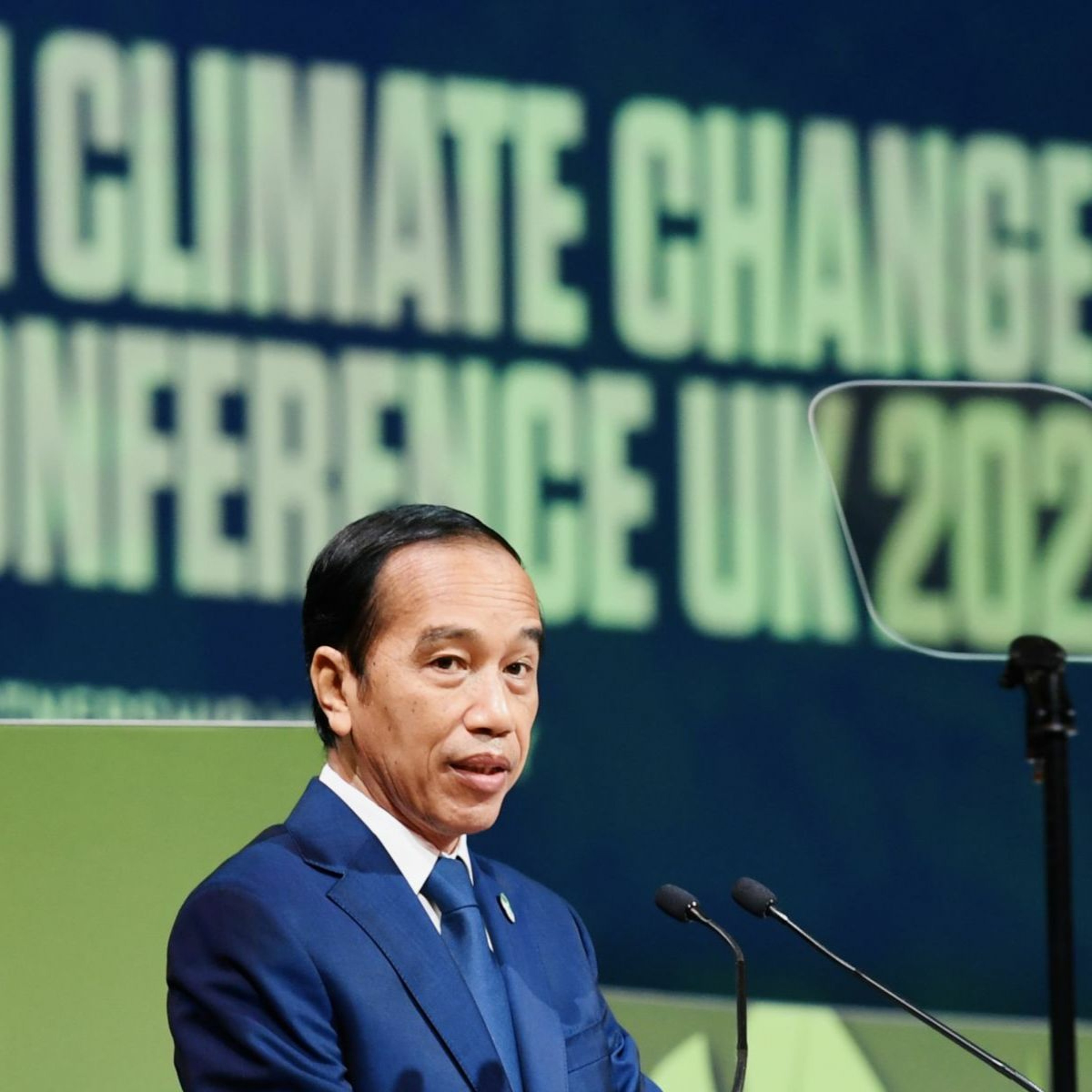
Dr Josi Khatarina - Climate Change
The COP-26 climate summit in November – the 26th Conference of the Parties (COP) to the United Nations Framework Convention on Climate Change (UNFCCC) – focused the world’s attention on the challenges of global warming and government responses to it. But what targets has the Indonesian government set for itself, how were these targets formulated, and did they change as a result of COP-26? Is the government united in its response to climate change? And does Indonesia have the capacity to implement its climate change response framework? In this week's Talking Indonesia podcast, Dr Dave McRae discusses these issues with Dr Josi Khatarina, Senior Researcher at the Indonesian Centre for Environmental Law. From 2010 to 2014 Dr Khatarina was also a senior legal specialist at the Indonesian REDD+ Taskforce and Agency. The Talking Indonesia podcast is co-hosted by Dr Annisa Beta from the University of Melbourne’s School of Culture and Communication, Dr Dave McRae from the University of Melbourne’s Asia Institute, Dr Jemma Purdey from Monash University, and Dr Charlotte Setijadi from the Singapore Management University. Look out for a new Talking Indonesia podcast every fortnight. Catch up on previous episodes here, subscribe via Apple Podcasts or listen via your favourite podcasting app. Photo credit: Lukas for Biro Pers dan Media Kepresidenan
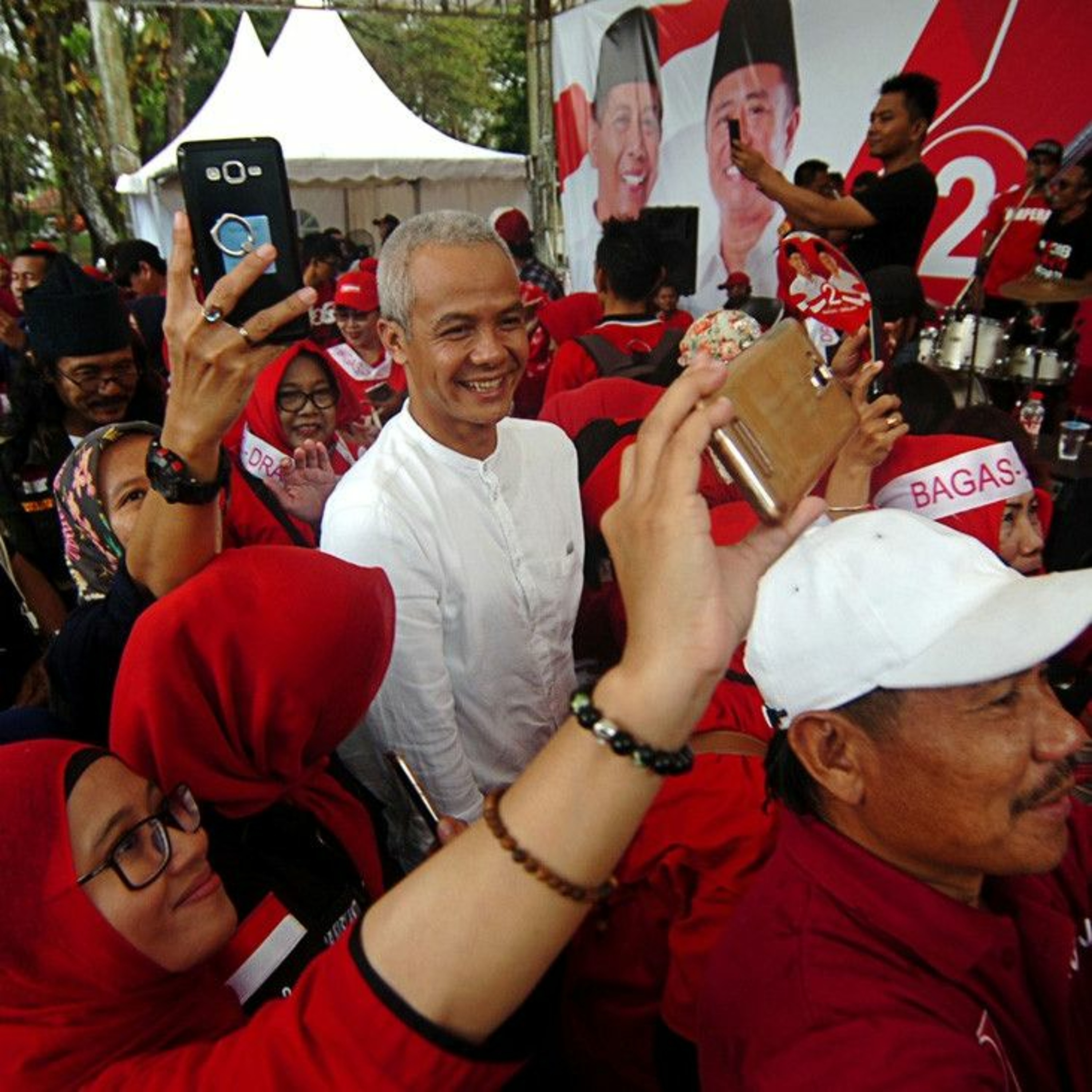
Dr Philips Vermonte - The Road to 2024
Road to 2024 - Philips Vermonte The Indonesian government and General Elections Commission (KPU) have yet to agree on a date for the next legislative and presidential elections, which must be held by May 2024. Even though the concurrent elections are still more than two years away, with no incumbent candidate on the 2024 presidential ticket, gossip and speculation about potential contenders, coalitions and pairings is already well underway. As Indonesia looks toward 2024, what issues are expected to dominate campaigning? Who are some of the likely candidates to emerge in the battle for president, and what sort legacy is President Joko "Jokowi" Widodo hoping to leave behind? In this week’s Talking Indonesia podcast, Dr Jemma Purdey discusses these issues and more with Dr Philips Vermonte from the Centre for Strategic and International Studies (CSIS) and International Islamic University of Indonesia (UIII). The Talking Indonesia podcast is co-hosted by Dr Dave McRae from the University of Melbourne’s Asia Institute, Dr Jemma Purdey from Monash University, Dr Annisa Beta from the University of Melbourne, and Dr Charlotte Setijadi from the Singapore Management University. Look out for a new Talking Indonesia podcast every fortnight. Catch up on previous episodes here, subscribe via iTunes or listen via your favourite podcasting app. Image: ANTARA FOTO/OKY LUKAMSYAH
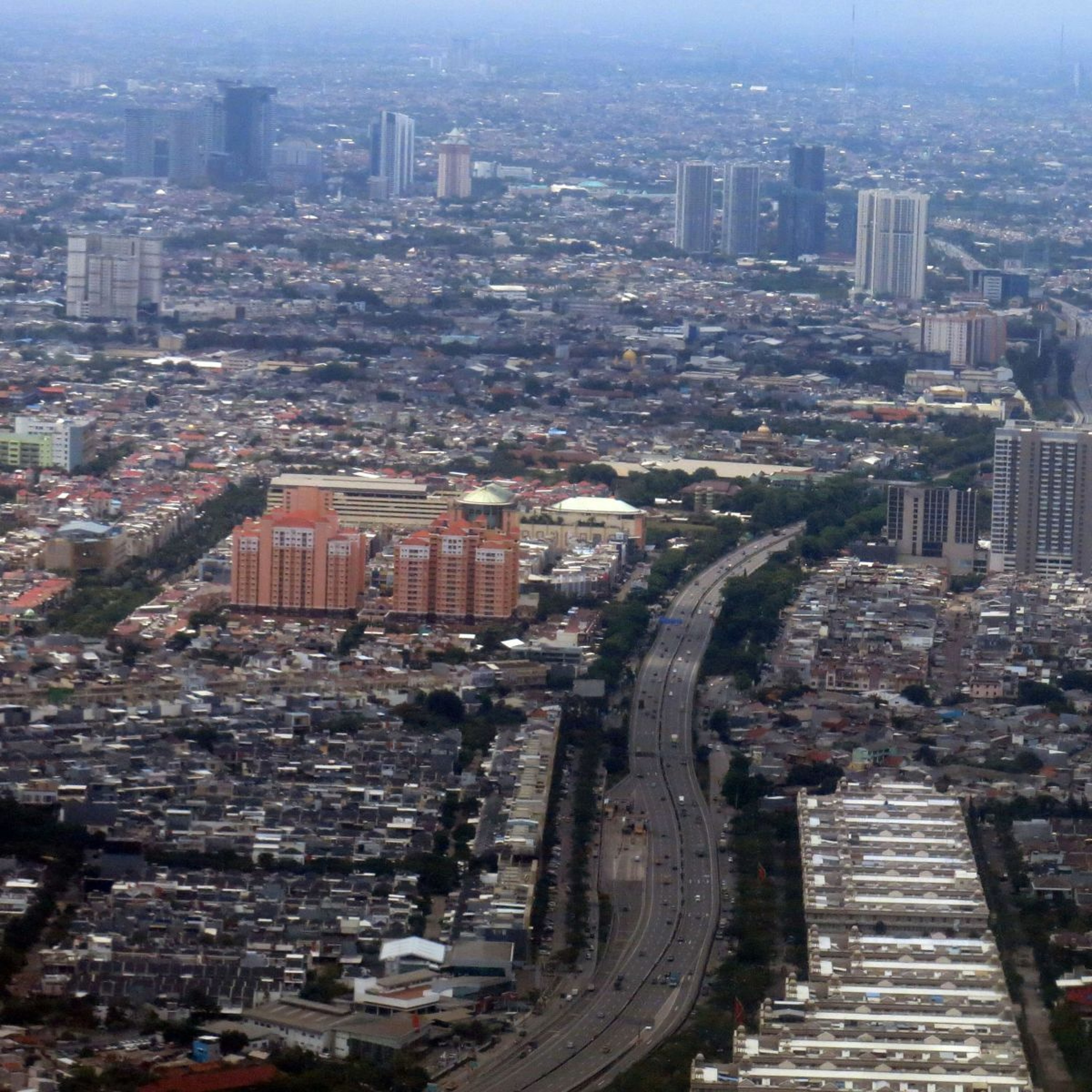
Prof Arief Anshory Yusuf: Covid-19, Economic Recovery and the Knowledge Economy - Policy in Focus
The Covid-19 pandemic has caused the most severe economic contraction since Indonesia's 1997-98 financial crisis, posing a stern challenge for recovery. Covid-19 struck amid a push by the Indonesian government to increase the role of science and technology in driving economic development. The government enacted a new Science and Technology Law in 2019, and has also formed a new National Research and Innovation Agency, known as BRIN. In this week’s Talking Indonesia podcast, Dr Dave McRae chats with Professor Arief Anshory Yusuf, founding director of the SDGs Centre at Padjajaran University, about the economic impacts of Covid-19, Indonesia's likely trajectory for recovery, and the prospects for a transition as part of this recovery to a so-called knowledge economy - an economy based on the ability to produce and make use of knowledge. Today’s episode is the latest in the “Policy in Focus” series of Talking Indonesia episodes, supported by the Knowledge Sector Initiative (KSI), a partnership between the Australian and Indonesian governments that aims to improve the use of evidence in development policymaking. This series will appear periodically in alternate weeks to the regular Talking Indonesia episodes. The views expressed in this podcast episode do not represent the views of the Australian or Indonesian governments. The Talking Indonesia podcast is co-hosted by Dr Dave McRae from the University of Melbourne’s Asia Institute, Dr Annisa Beta from the University of Melbourne’s School of Culture and Communication, Dr Jemma Purdey from Monash University, and Dr Charlotte Setijadi from the Singapore Management University. Photo credit: Yulius Satria Wijaya for Antara Foto
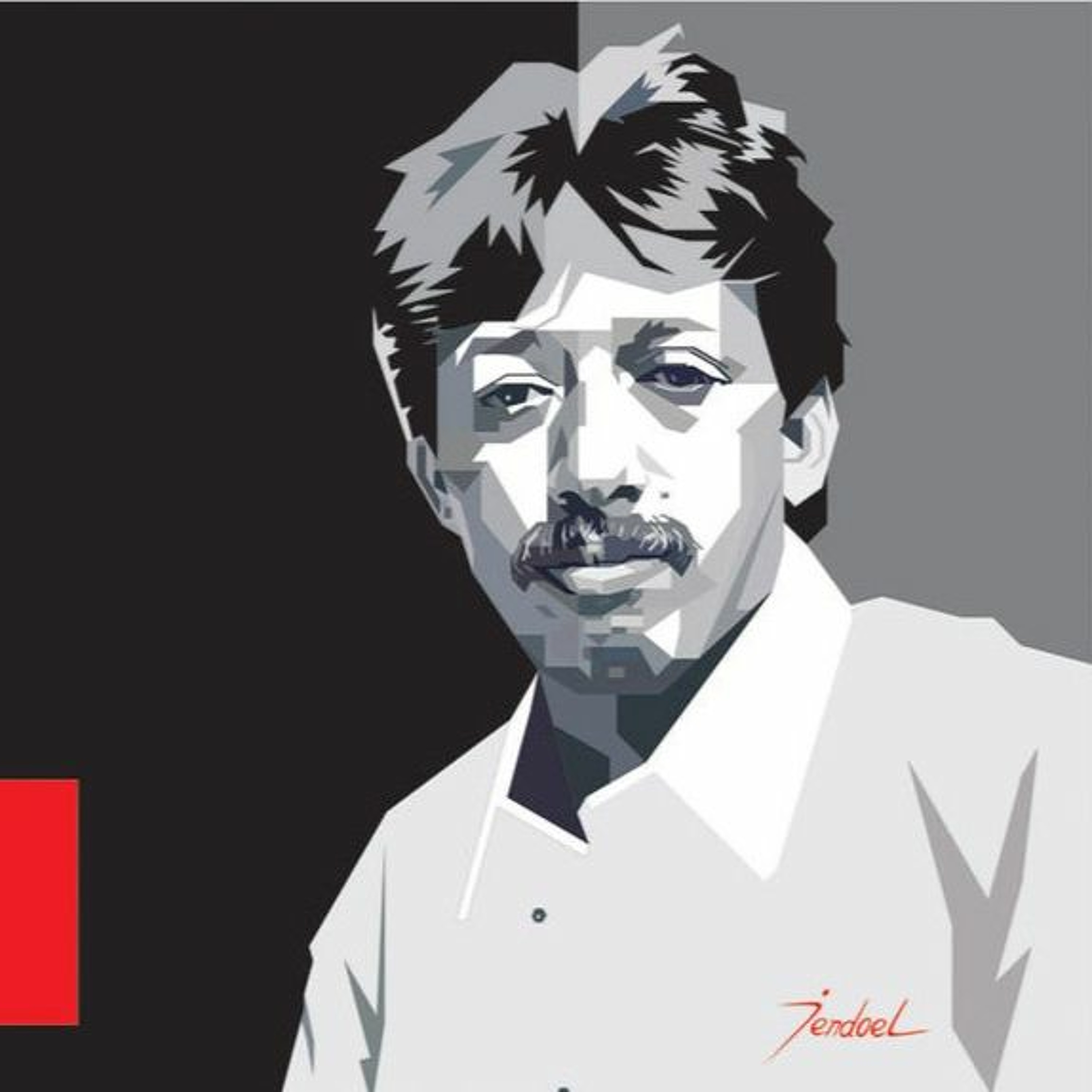
Prof. Karen Strassler - Images and Politics
Please note that this episode discusses gender violence that some people may find disturbing or triggering. Listener discretion is advised. Images have always played an important role in Indonesia, not just in everyday life, but also in its ever-changing political landscape. Terms like pencitraan (political image building) are commonly heard during election season. On social media, buzzers actively attempt to shape the public image of various social and political issues. Meanwhile, posters of murdered human rights activist Munir Said Thalib have become almost as iconic as the man himself. What role do images play in political life in Indonesia? How do the public consume political imagery? Why do certain images gain political significance? In Talking Indonesia this week, Dr Annisa Beta discusses these questions and more with Karen Strassler, Professor of Anthropology at the City University of New York. Professor Strassler's work focuses on the social lives and political work of images, looking into the relationship between visuality and political imaginaries. Her recently published second book, "Demanding Images: Democracy, Mediation, and the Image-Event in Indonesia", investigates how public images affected the political arena during the turbulent period of political upheaval and technological transformation following the fall of Soeharto. Image source: jendoelhadisantosa https://www.deviantart.com/jendoelhadisantosa/art/MUNIR-in-WPAP-308894220
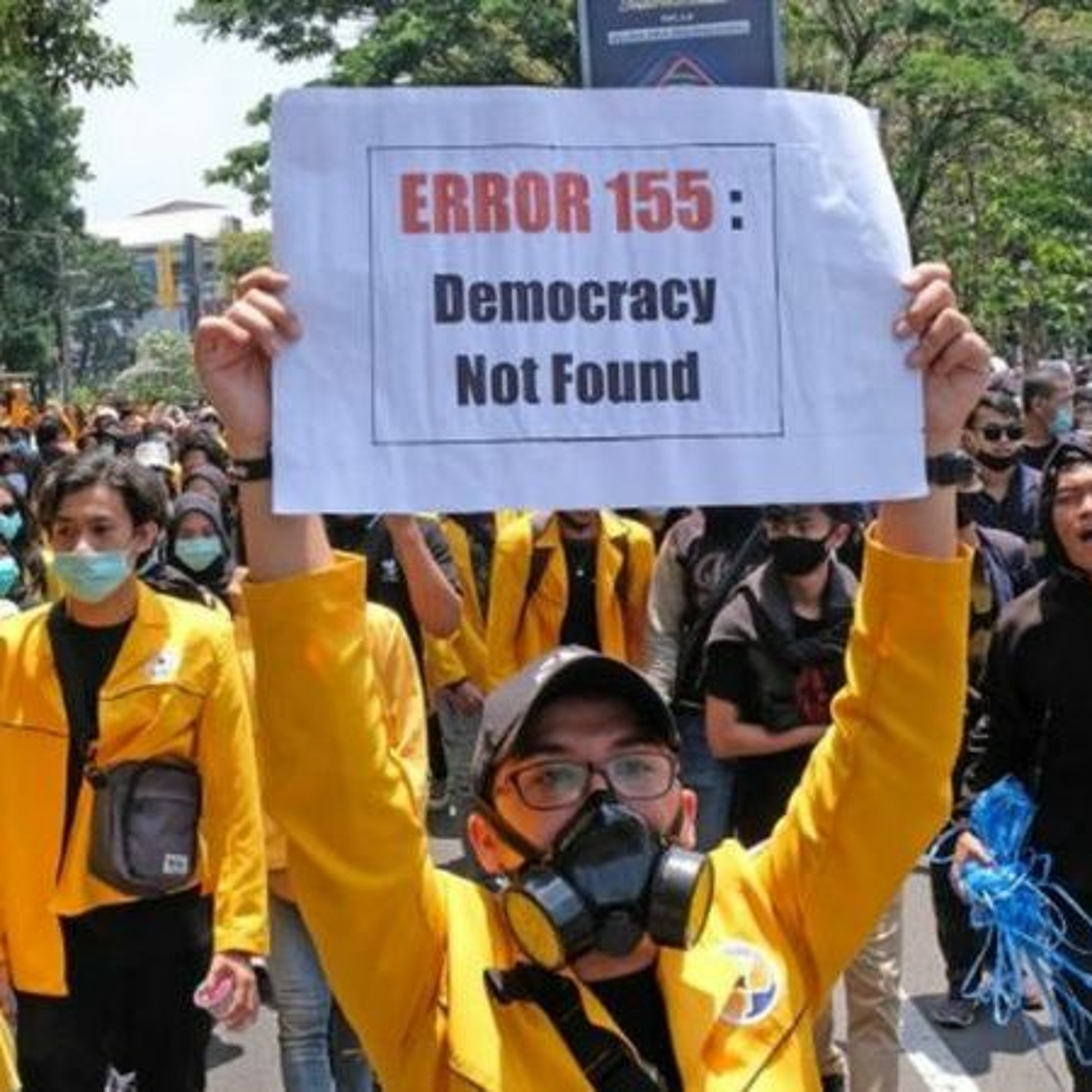
Dr Robertus Robet - Academic Freedom
Dr Robertus Robet – Academic Freedom Recently, a number of high-profile cases have highlighted growing threats to academic freedom in Indonesia, amid a broader environment of shrinking civic space. Last month, the imprisonment of Dr Saiful Mahdi from Syaih Kuala University in Aceh, under the draconian Law on Information and Electronic Transactions (known as ITE Law), brought condemnation from academics and civil rights groups across Indonesia and abroad. In the face of widespread agreement that authorities had overreached, President Joko "Jokowi" Widodo eventually granted Saiful amnesty. But this was just one example of the pressure academics and students have faced under the Jokowi administration. And while the government has acknowledged the need for reform of the ITE Law, serious structural, legal and cultural restrictions remain in the higher education sector, and beyond. What is driving these limits on academic freedom? What has been the impact of the ITE Law on academic freedom? What topics are off limits, and are curbs on academic freedom part of Indonesia’s broader democratic decline? In this week’s Talking Indonesia podcast, Dr Jemma Purdey discusses these issues and more with Dr Robertus Robet, head of sociology at the State University of Jakarta (UNJ), and a frequent contributor to Indonesia at Melbourne. The Talking Indonesia podcast is co-hosted by Dr Dave McRae from the University of Melbourne’s Asia Institute, Dr Jemma Purdey from Monash University, Dr Annisa Beta from the University of Melbourne, and Dr Charlotte Setijadi from the Singapore Management University. Look out for a new Talking Indonesia podcast every fortnight. Catch up on previous episodes here, subscribe via iTunes or listen via your favourite podcasting app. Relevant links: https://indonesiaatmelbourne.unimelb.edu.au/attempts-to-revise-draconian-ite-law-stumble/ https://indonesiaatmelbourne.unimelb.edu.au/luhut-reporting-activists-for-defamation-is-another-blow-to-freedom-of-expression/ https://indonesiaatmelbourne.unimelb.edu.au/academic-freedom-another-victim-of-the-ite-law/ Image: ANTARA FOTO/ANIS EFIZUDIN
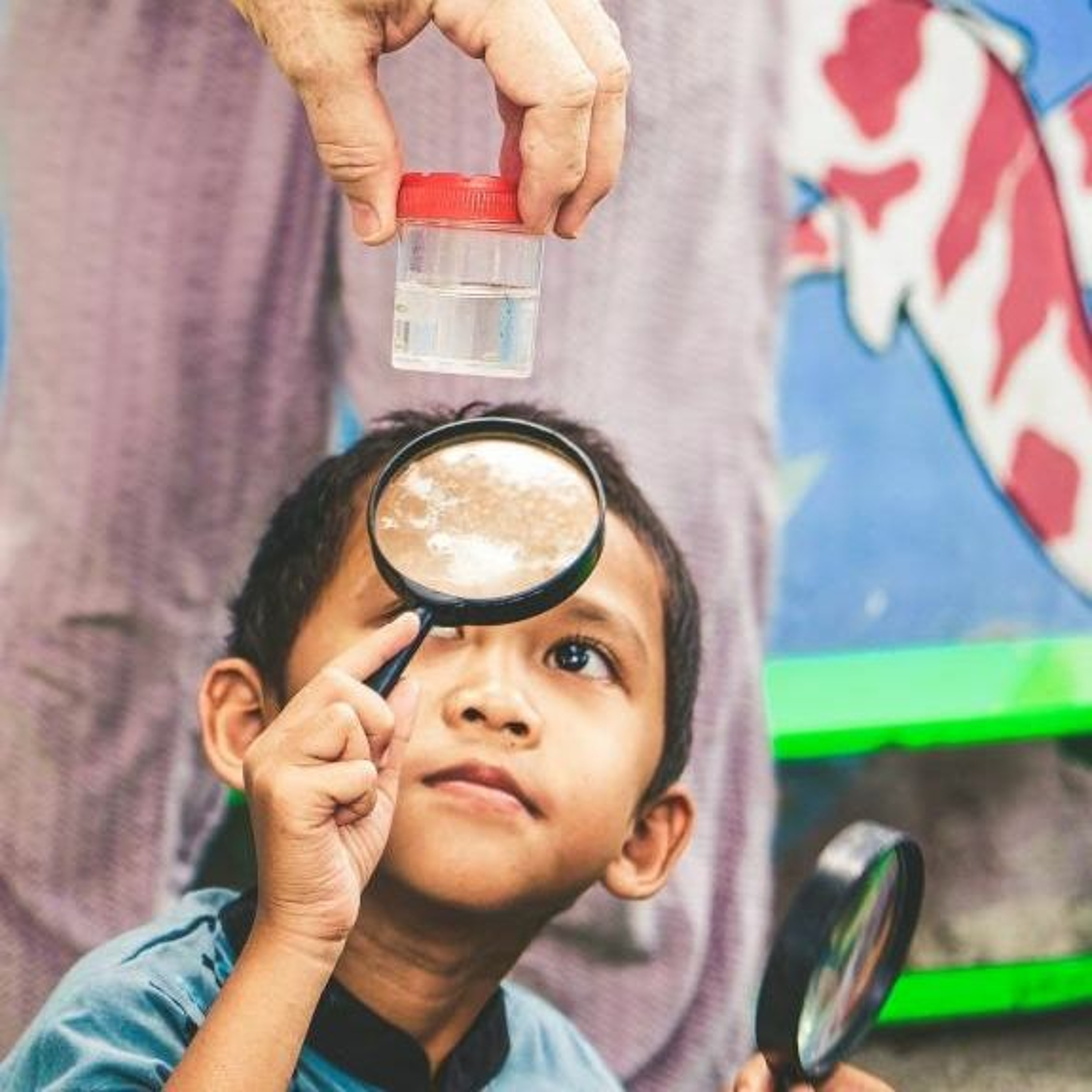
Prof. Adi Utarini - Eliminating Dengue
Last month, Time published its annual list of the 100 Most Influential People. Under the category of ‘Pioneers’, alongside pop star Billie Eilish, was an Indonesian scientist from the University of Gadjah Mada (UGM), Professor Adi Utarini. Professor Utarini is head of the Eliminate Dengue Project at the UGM Faculty of Medicine, funded by the Tahija Foundation and run in collaboration with the World Mosquito Program at Monash University. In 2020, the team published the results of 10-year study, including a 3-year randomised controlled trial, examining the effectiveness of introducing Wolbachia bacteria into Aedes aegypti mosquitoes to reduce their capacity to transmit dengue. The findings of the research were described by the World Health Organisation as epochal and a breakthrough in the fight to eliminate dengue and potentially other mosquito-borne viruses. This is particularly significant given that dengue affects almost 400 million people around the world annually and is described by WHO as one of the 10 greatest threats to world health. In Indonesia each year, an estimated 7 million people are infected. In Talking Indonesia this week, Dr Jemma Purdey talks to Professor Utarini about how she and her team in Yogyakarta conducted their study and what they discovered. Does this bring us a step closer to eliminating dengue? In Talking Indonesia this week, Dr Jemma Purdey talks to Professor Adi Utarini, Professor in Public Health and Project Leader of Eliminate Dengue Project Yogyakarta, Faculty of Medicine, Universitas Gadjah Mada. The Talking Indonesia podcast is co-hosted by Dr Dave McRae from the University of Melbourne’s Asia Institute, Dr Jemma Purdey from Monash University, Dr Annisa Beta from the University of Melbourne, and Dr Charlotte Setijadi from the Singapore Management University. Look out for a new Talking Indonesia podcast every fortnight. Catch up on previous episodes here, subscribe via iTunes or listen via your favourite podcasting app. Image: World Mosquito Program
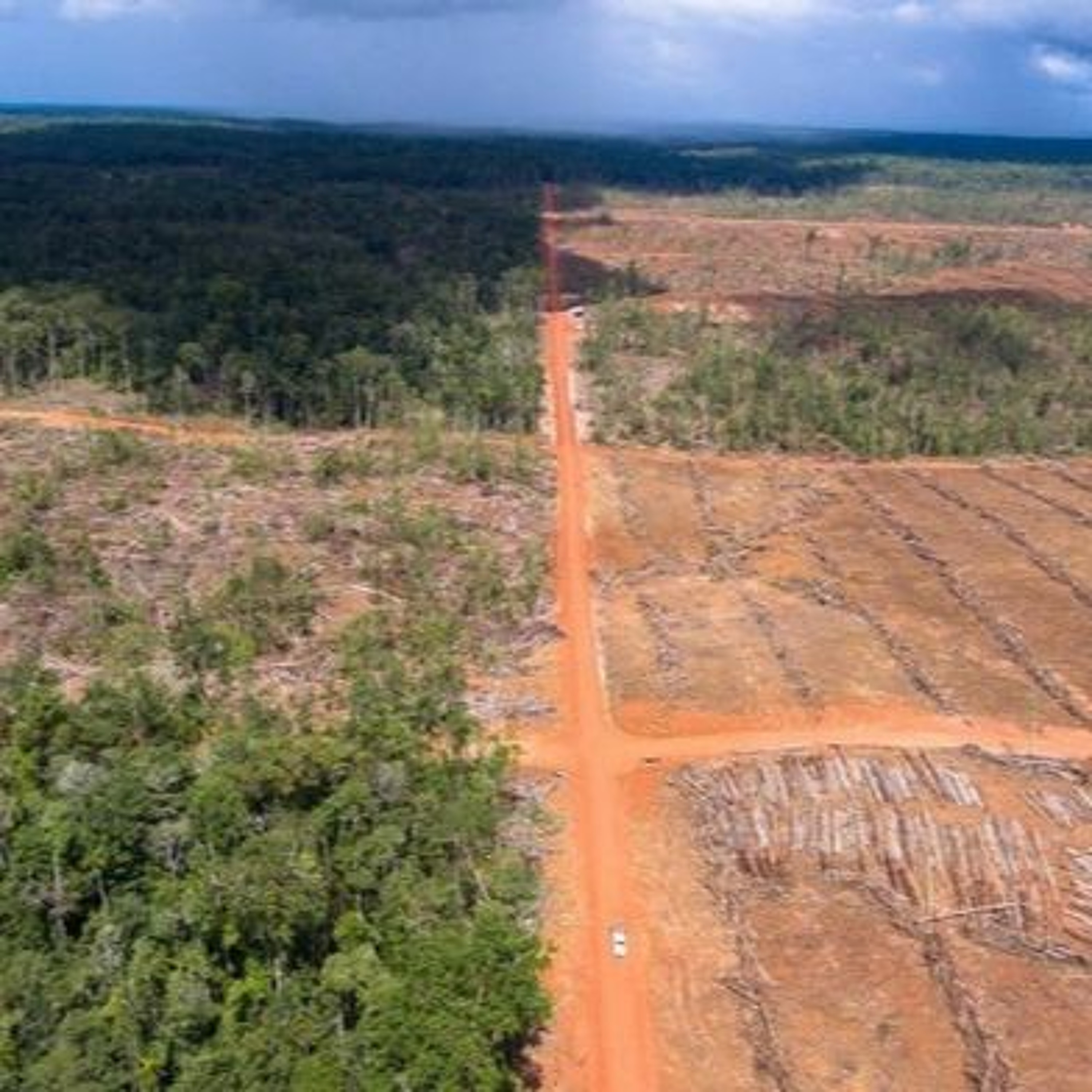
Dr Sophie Chao - Papua, Food and Racism
Despite the fact that Indonesia’s deforestation rate reached a historic low in 2020, the social, cultural, and ecological wellbeing of people whose livelihoods depend on forests has continued to suffer greatly. The indigenous Marind people in Papua, for example, have seen 1.2 million hectares of their lands and forests targeted for oil palm and timber plantations as part of the Merauke Integrated Food and Energy Estate. This has led not only to food and water insecurity but also fundamental shifts in the food and eating habits of the Marind people. Why is this happening? Joining Talking Indonesia for a second time is Dr Sophie Chao, postdoctoral research associate in the Department of History, University of Sydney. Dr Annisa Beta chats to Chao about her extensive work with the Marind people and the intersections of race, food, and development in Papua. Chao has recently published articles on gastrocolonialism and on the political symbolism of the monkey from the perspective of West Papuan indigenous communities. Chao's first book, In the Shadow of the Palms: More-Than-Human Becomings in West Papua, was awarded the inaugural Duke University Press Scholars of Color First Book Award in June 2021 and is forthcoming with Duke University Press in June 2022. In her first appearance on the podcast in 2019, Chao spoke with Talking Indonesia co-host Dr Jemma Purdey about the violence, displacement, and dispossession experienced by the Marind people. Chao previously worked for the international human rights organisation Forest Peoples Programme in the United Kingdom and Indonesia and has undertaken consultancies for the UN Food and Agriculture Organization, UN Office of the High Commissioner for Human Rights, and the Roundtable on Sustainable Palm Oil. For more information about Sophie, please visit morethanhumanworlds.com.
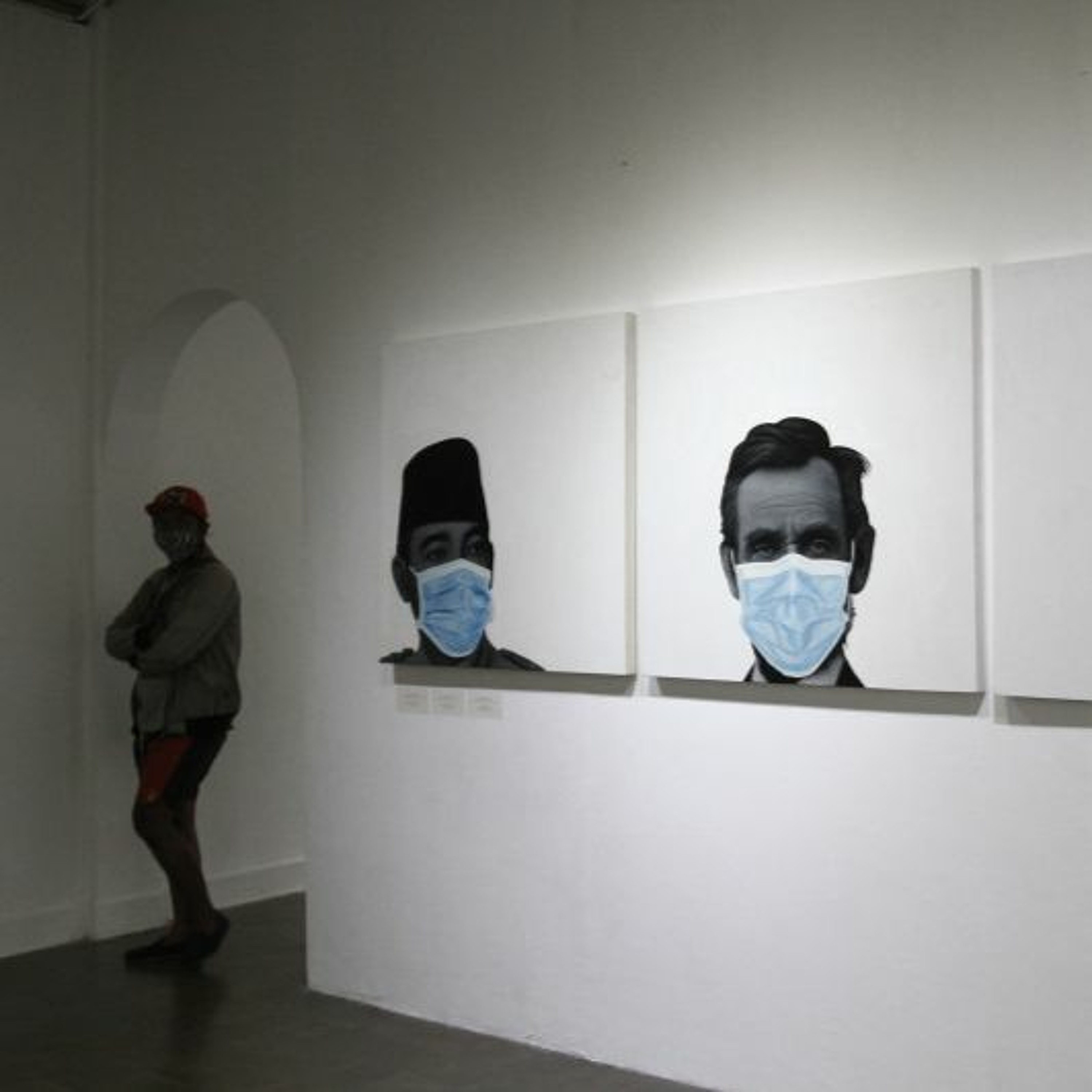
Dr Oki Rahadianto Sutopo - Covid-19 and Creative Workers
Yogyakarta is famous for its bustling cultural scene and its cosmopolitan, artistic atmosphere. But the Covid-19 pandemic has seen Yogyakarta’s arts scene grind to a halt. With health restrictions and regulations against public gatherings, it has been almost impossible for artists to continue performing, and this situation has severely affected their livelihoods. In Yogyakarta alone, an estimated 172,000 creative workers have had to seek alternative sources of income to make ends meet and continue their artistic endeavours. Many of these creative workers are young artists who have now been left wondering what the future holds for them as the pandemic continues, without an end in sight. How have Yogyakarta’s young artists managed during the pandemic? What strategies have they implemented to try to make ends meet while still channelling their creative passions? What can the government, civil society, and the public do to support young creative workers during these troubled times? To explore these questions further, Dr Charlotte Setijadi speaks to Dr Oki Radianto Sutopo about a research project on young creative workers in Yogyakarta that he recently conducted with a team of researchers that included one of our Talking Indonesia co-hosts, Dr Annisa Beta from the University of Melbourne.
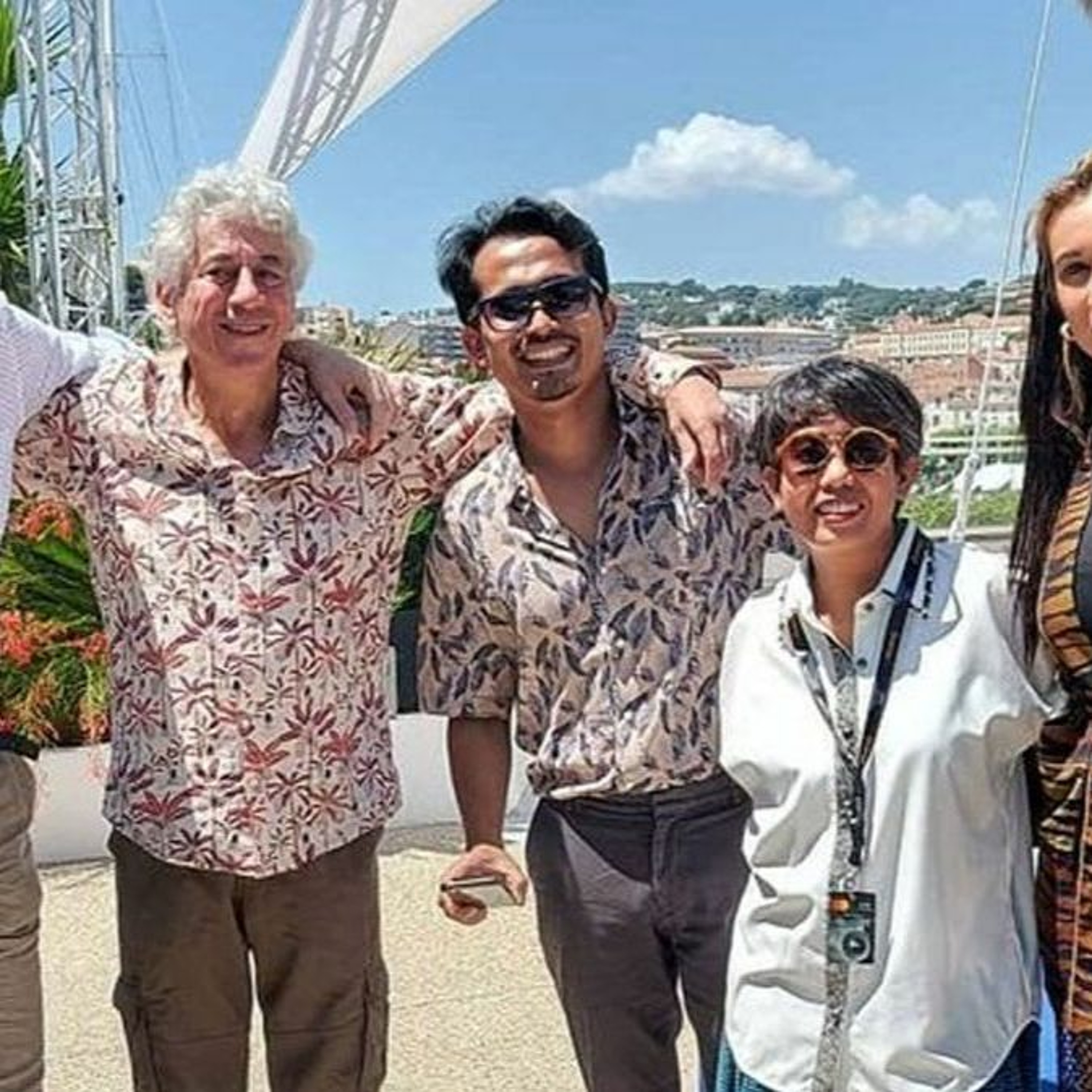
Yulia Evina Bhara - Indonesian Cinema's New Wave
In recent years Indonesian cinema has enjoyed great success and acclaim at international film festivals around the world. In 2017 Mouly Surya’s film 'Marlina the Murderer in Four Acts' was met with rave reviews when it premiered at Cannes Film Festival and last month Edwin’s 'Vengeance Is Mine, All Other’s Pay Cash', based on the novel of the same name by Eka Kurniawan, took out the top award at the Locarno Festival in Switzerland. This so-called Indonesian New Wave is made up of a generation of filmmakers in their 30s and 40s who have come of age in post-New Order Indonesia. Their films tackle weighty themes like gender identity and inequality, historical injustice, sexual violence, family tragedy and the tensions between youth culture and tradition. Themes that transcend and translate for audiences around the world. Meanwhile, films including Joko Anwar’s suite of commercially successful and acclaimed horror and action flicks are also finding international audiences on streaming platforms around the world. What is behind this new wave of cinema in Indonesia? What is behind this international success? Is that being translated into audiences for these films at home and what are the challenges facing this industry in a pandemic? My guest today is Yulia Evina Bhara a film producer and founder of KawanKawan Media, a Jakarta-based film production house that focuses on international co-production. Yulia is also a member of the Jury for the ReelOzInd! Australia Indonesia Short Film Festival. Jemma Purdey is director of ReelOzInd! Image: @yuliaevinabhara | Instagram
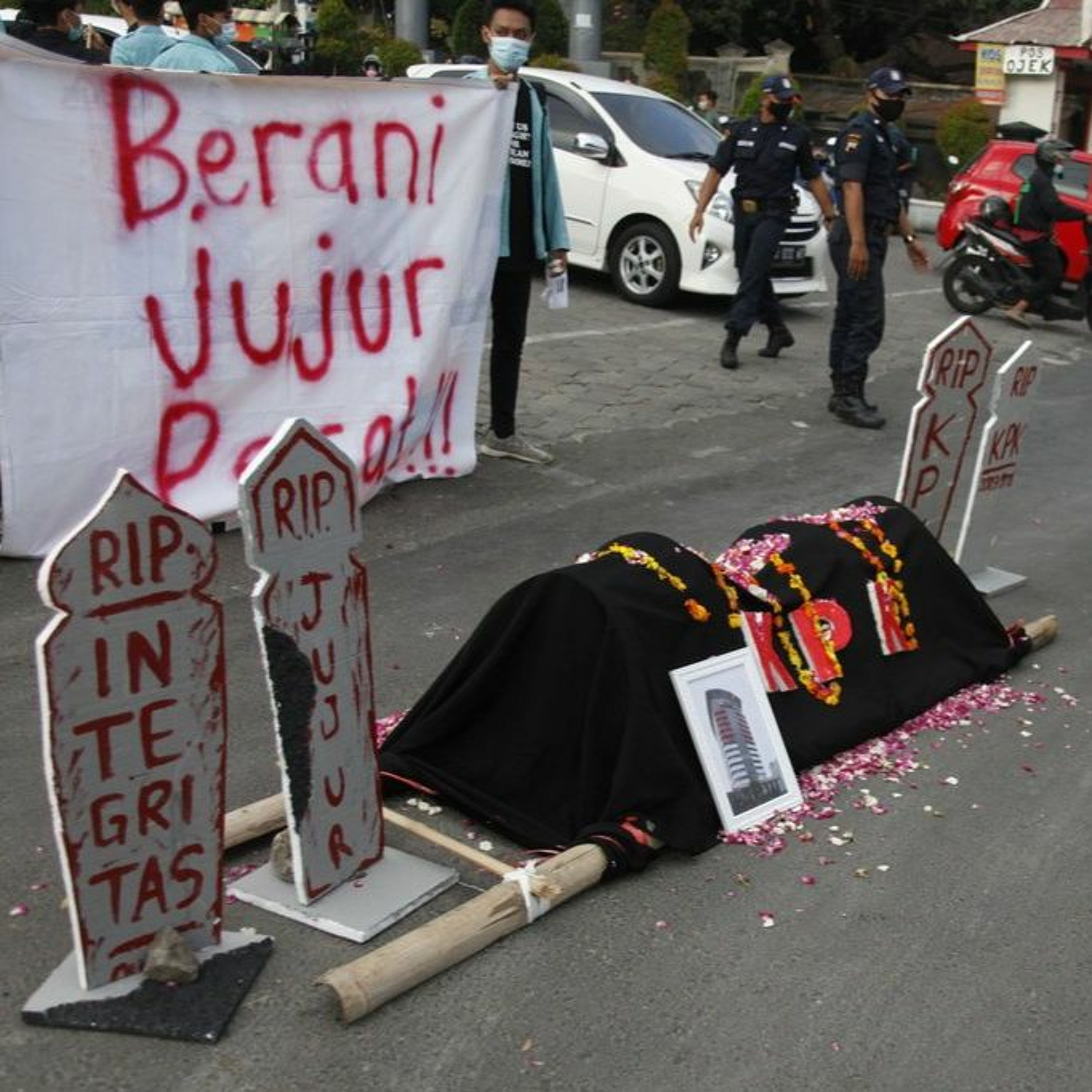
Dr Ahmad Khoirul Umam - The Corruption Eradication Commission (KPK)
Indonesia’s once-feted Corruption Eradication Commission (KPK) established itself as one of the most trusted institutions in Indonesia, through its prosecutions of ministers, heads of state agencies, political party figures and legislators from across the political spectrum, as well as judicial and law enforcement officers. But the KPK’s many opponents appeared to strike a decisive blow in 2019, as a newly re-elected President Joko "Jokowi" Widodo lent his support to amendments to the KPK’s founding statute. The revision of the KPK Law severely undercut the Commission’s autonomy, and was one of the triggers of the #ReformasiDikorupsi protests, the largest wave of student protests in Indonesia since Suharto’s fall in 1998. Two years on, how have the new amendments affected the KPK’s ability to investigate corruption cases? How has the new set of commissioners performed, having been appointed soon after these amendments were passed? What lies ahead for anti-corruption efforts in Indonesia? In this week’s Talking Indonesia podcast, Dr Dave McRae discusses these issues with anti-corruption expert Dr Ahmad Khoirul Umam. Dr Umam is Managing Director of the Paramadina Public Policy Institute in Jakarta; he also wrote his PhD at the University of Queensland on the politics of anti-corruption in Indonesia. The Talking Indonesia podcast is co-hosted by Dr Annisa Beta from the University of Melbourne’s School of Culture and Communication, Dr Dave McRae from the University of Melbourne’s Asia Institute, Dr Jemma Purdey from Monash University, and Dr Charlotte Setijadi from the Singapore Management University. Look out for a new Talking Indonesia podcast every fortnight. Photo credit: Maulana Surya for Antarafoto
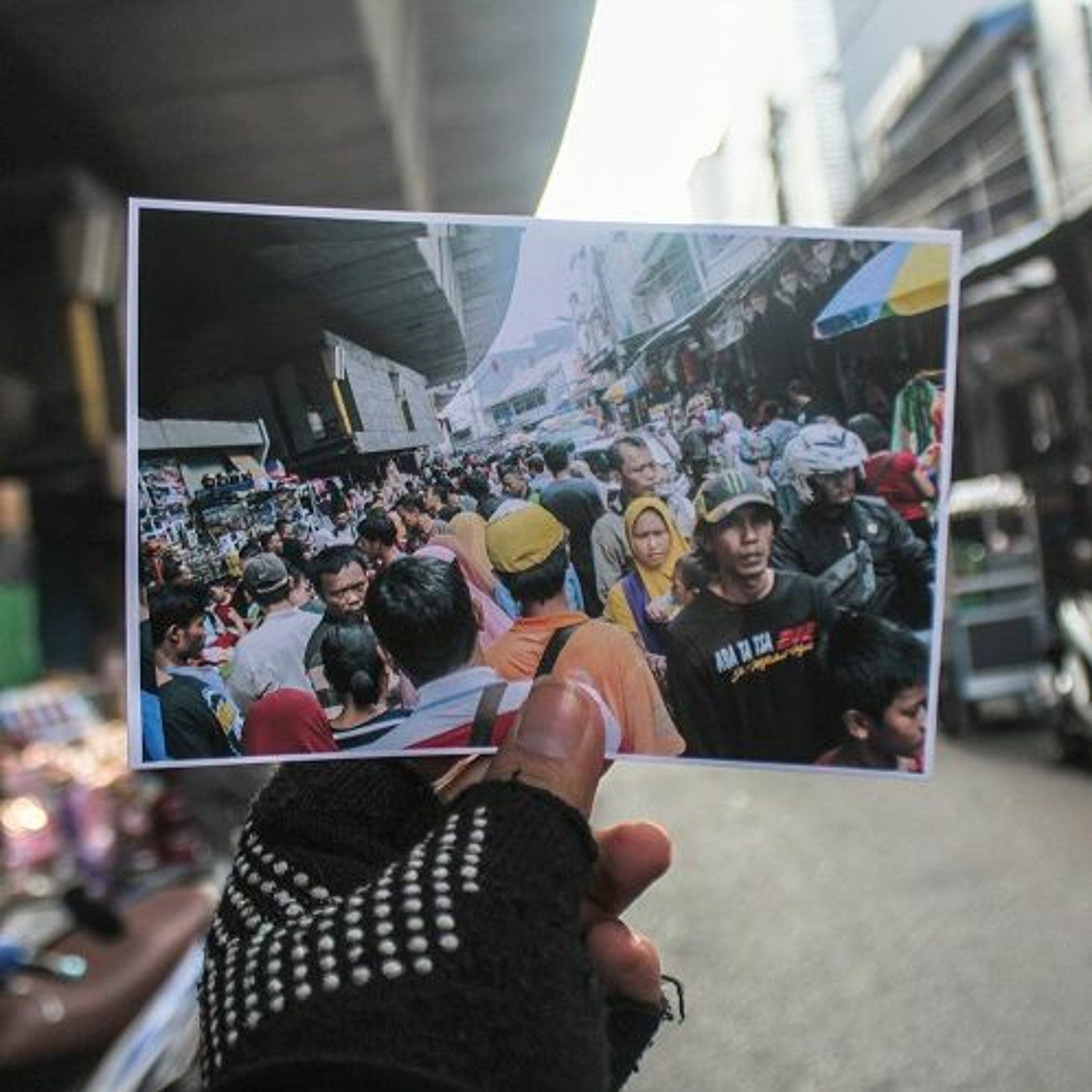
Irma Hidayana - Covid-19 and Data Transparency
In July, Indonesia recorded its highest daily numbers of new coronavirus cases, making it the epicentre of the global pandemic, ahead of India and Brazil. The daily peak of 55,000 cases in mid-July, though shocking, only represented cases confirmed by PCR testing and reported by the government in its national tally. For many epidemiologists and other observers of Indonesia’s pandemic over the past one and half years, this surge was no surprise. Experts have long warned that Covid-19 cases and deaths in Indonesia are vastly undercounted and underreported and have expressed concerns about data transparency. Volunteer organisations are among those seeking to provide a more complete picture of the state of the escalating health crisis in Indonesia. One of the most prominent is LaporCovid-19, comprised of scientists, public health experts and journalists. Established in early 2020, with a particular focus on the collection of data through an innovative crowdsourcing platform, the organisation regularly lobbies government for greater transparency in its pandemic response, and for equity in the vaccination program. Last weekend, LaporCovid-19 were joint recipients of the Tasrif Award from the Indonesian Journalists Alliance (AJI), for their brave coverage of the pandemic in the face of opposition. What motivates this group of experts and volunteers to challenge the government? What are the implications for Indonesia if it continues to get the numbers wrong? In Talking Indonesia this week, Jemma Purdey talks to Dr Irma Hidayana, a public health expert and co-founder of LaporCovid-19. The Talking Indonesia podcast is co-hosted by Dr Dave McRae from the University of Melbourne’s Asia Institute, Dr Jemma Purdey from Monash University, Dr Annisa Beta from the University of Melbourne, and Dr Charlotte Setijadi from the Singapore Management University. Look out for a new Talking Indonesia podcast every fortnight. Catch up on previous episodes here, subscribe via iTunes or listen via your favourite podcasting app. LaporCovid-19 link: https://laporcovid19.org/ Fundraising campaigns to support of Indonesia's pandemic crisis: https://australiaindonesia.com/coronavirus/fundraisers/ Image: Ahmad Tri Hawaari
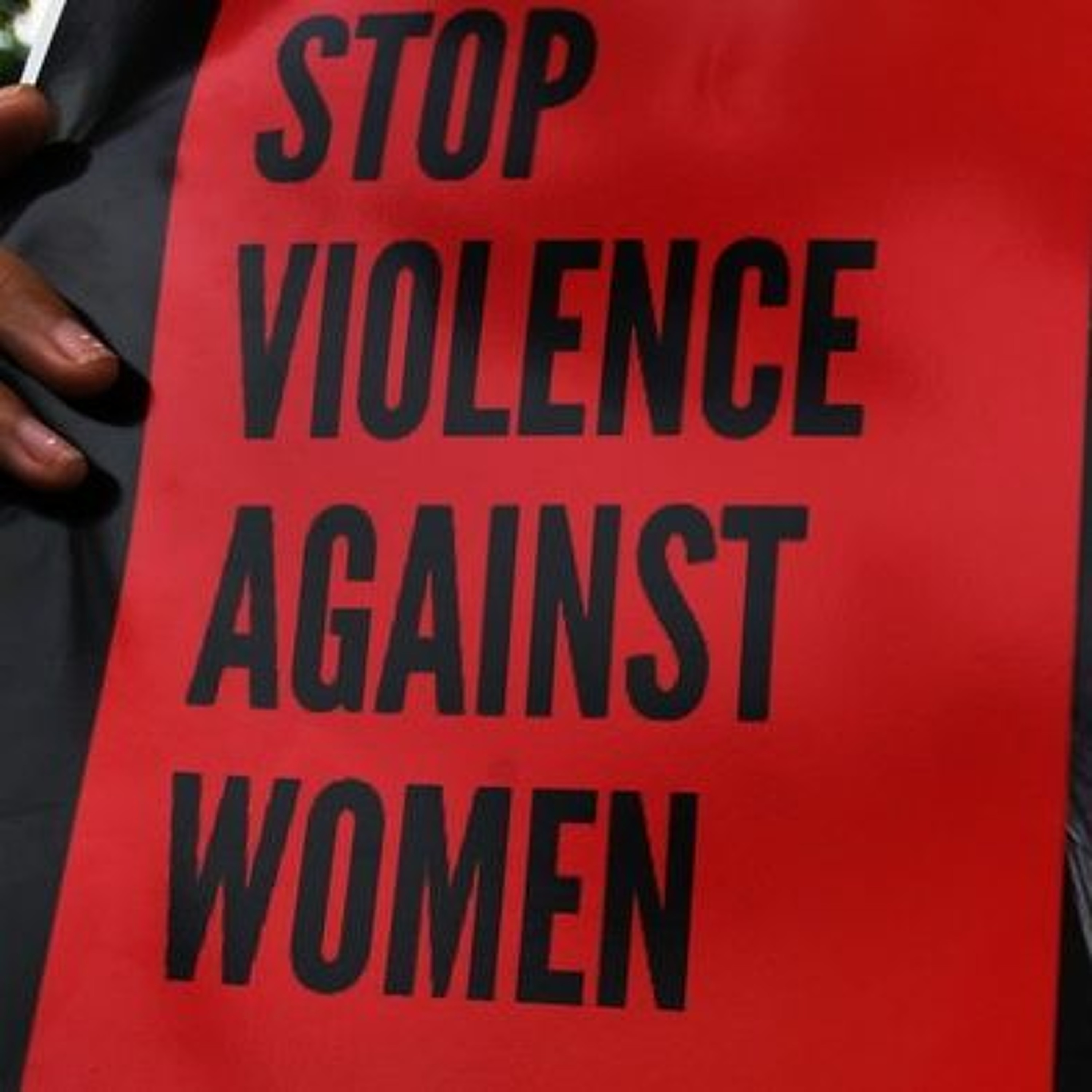
Balawyn Jones - Domestic Violence
Please note that this episode discusses gender violence that some people may find disturbing or triggering. Listener discretion is advised. UN Women recently described violence against women during Covid-19 as "the shadow pandemic". As Covid-19 has gotten worse, so has women’s experiences of domestic violence. Indonesia’s National Commission on Violence Against Women (Komnas Perempuan) reported that the pandemic has reduced victims’ ability to report incidents of violence safely, aggravating the already elevated risks of domestic violence during the outbreak. Indonesia passed the Anti-Domestic Violence Law in 2004, but the law’s efficacy is disputable. In this week’s Talking Indonesia, Dr Annisa Beta discusses domestic violence in Indonesia with Balawyn Jones. Balawyn Jones is a PhD Candidate at the Centre for Indonesian Law, Islam and Society at Melbourne Law School. Her doctoral thesis examines the implementation of the Anti-Domestic Violence Law in Indonesia, with a focus on the intersection between gender, religion and law. She also currently holds the positions of Honourary Fellow at Melbourne Law School, teaching Criminal Law. Balawyn has written extensively on domestic violence in Indonesia. In 2020, she published a book chapter ‘The Politics of care: A case study of domestic violence in Aceh’ in ‘Gender, Violence and Power in Indonesia: Across Time and Space’ edited by Katharine McGregor, Ana Dragojlovic and Hannah Loney. Balawyn also wrote about the increase of domestic violence cases during the pandemic for Indonesia at Melbourne. If you are experiencing domestic violence and require support in Indonesia contact LBH Apik, Pusat Pelayanan Terpadu Pemberdayaan Perempuan Dan Anak (P2TP2A) or Unit Pelayanan Perempuan dan Anak (PPA) Polda, or local services in Australia. Image: ANTARA FOTO/Asep Fathulrahman
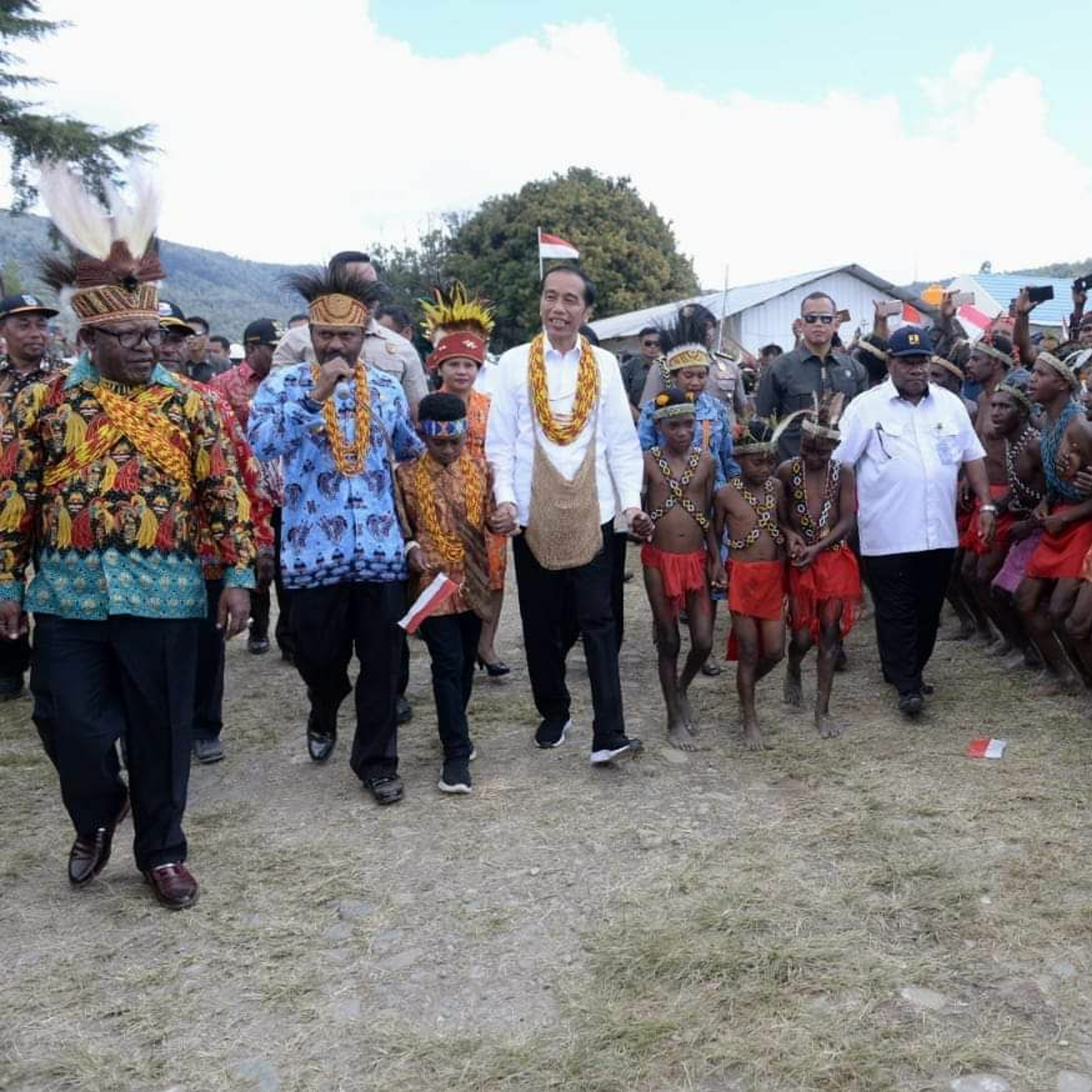
Hipolitus Wangge - Papua and Special Autonomy
On 15 July, the Indonesian legislature (DPR) revised special autonomy legislation for Papua and West Papua provinces, extending the provision of additional funds to the two provinces. The extension of special autonomy – or otsus – has been hotly debated for 18 months, with many civil society groups and independence supporters rejecting special autonomy altogether. Special autonomy is one strand of the Indonesian government’s attempts to address protracted conflict with segments of Papuan society, including armed independence groups such as the TPNPB, the armed wing of the Free Papua Movement. Another strand has been a security approach, including counter-insurgency operations, internet shutdowns and the sometimes fatal repression of dissent and protests. In this week’s Talking Indonesia podcast, Dr Dave McRae discusses special autonomy and the overall Indonesian government approach to the Papua conflict with Hipolitus Wangge, a researcher at the Australian National University who was also a humanitarian volunteer in Papua in 2019 assisting displaced persons from Nduga in the Papuan highlands. He has published extensively on various dimensions of the Papua conflict, including a co-authored article with Shane Joshua Barter comparing special autonomy in Aceh and Papua, and a co-authored article with Camellia Web-Gannon on Indonesia’s counter-insurgency campaign in Nduga. The Talking Indonesia podcast is co-hosted by Dr Annisa Beta from the University of Melbourne’s School of Culture and Communication, Dr Dave McRae from the University of Melbourne’s Asia Institute, Dr Jemma Purdey from Monash University, and Dr Charlotte Setijadi from the Singapore Management University. Photo credit: Setpres-Kris for Antara Foto

Dicky Budiman - The Worsening Covid-19 Crisis
Dicky Budiman: the worsening pandemic crisis We are bringing you this episode early this week in response to the current escalation in the pandemic crisis in Indonesia, especially in Java. Last week, 16 months after announcing its first case of COVID-19, Indonesia passed the ominous milestone of 2 million officially recorded cases, and daily case numbers are surging. Local government officials in parts of Java are moving to declare ‘red zones’ and limit movement in their regions, and hospitals are reaching if not already exceeding capacity. What are the causes of this recent spike in Covid numbers? What does it tell us about the way the government has handled the crisis over the past 16 months? How dire will the situation become and can the vaccination roll out help to mitigate its impacts? In Talking Indonesia this week, Jemma Purdey talks to Dr Dicky Budiman, a medical doctor, epidemiologist and advisor to governments and international organisations for over 20 years. Dicky is currently completing his PhD at Griffith University on global health security, risk communication and the COVID-19 pandemic. The Talking Indonesia podcast is co-hosted by Dr Dave McRae from the University of Melbourne’s Asia Institute, Dr Jemma Purdey from Monash University, Dr Annisa Beta from the University of Melbourne, and Dr Charlotte Setijadi from the Singapore Management University. Look out for a new Talking Indonesia podcast every fortnight. Catch up on previous episodes here, subscribe via iTunes or listen via your favourite podcasting app. Image: Ahmad Tri Hawaari
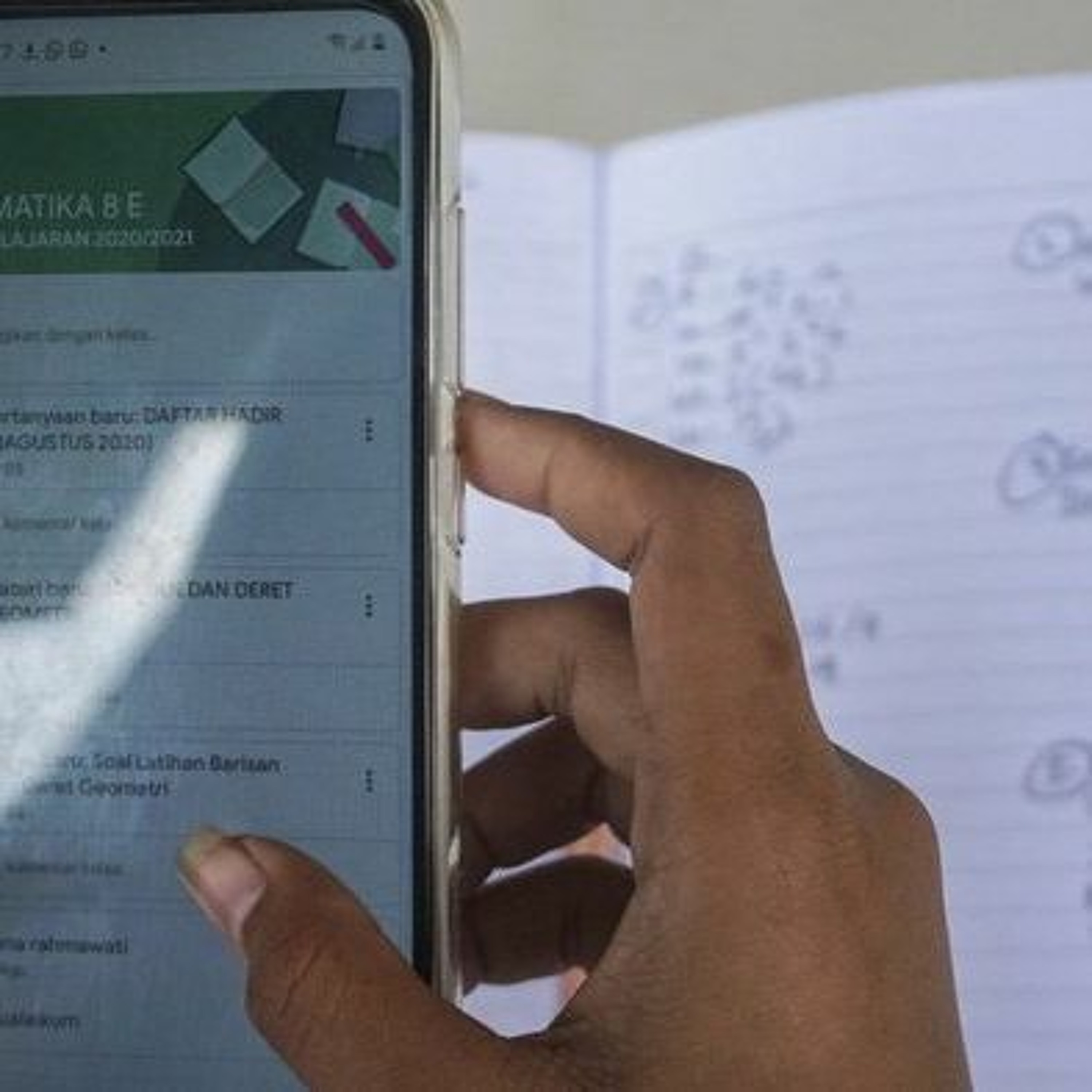
Dr Novi Kurnia - Digital Literacy
As the coronavirus pandemic extends into its second year, digital literacy is more important now than ever. Misinformation and hoaxes are everywhere. Cultural and political contests on social media have also become more intense, and politicians are already beginning to position themselves ahead of the 2024 elections. Being digitally literate entails not only the ability to use digital devices and platforms but also the capacity to ethically engage with other online users. Digital safety and privacy are also important. As is, of course, the capacity to understand whether information is true and reliable. But just how digitally literate are Indonesians? In this episode, Dr Annisa Beta talks to Dr Novi Kurnia, a lecturer at the Department of Communication Science at Faculty of Social and Political Sciences, Gadjah Mada University, and the founder and coordinator of the Indonesia Digital Literacy Network or Japelidi. Japelidi, along with the Ministry of Communication and Informatics and Siberkreasi, published four important modules on digital literacy in April 2021. The modules can be accessed on literasidigital.id The Talking Indonesia podcast is co-hosted by Dr Annisa Beta from the University of Melbourne’s School of Culture and Communication, Dr Dave McRae from the University of Melbourne’s Asia Institute, Dr Jemma Purdey from Monash University, and Dr Charlotte Setijadi from the Singapore Management University. Photo credit: Harviyan Perdana Putra for Antara Foto
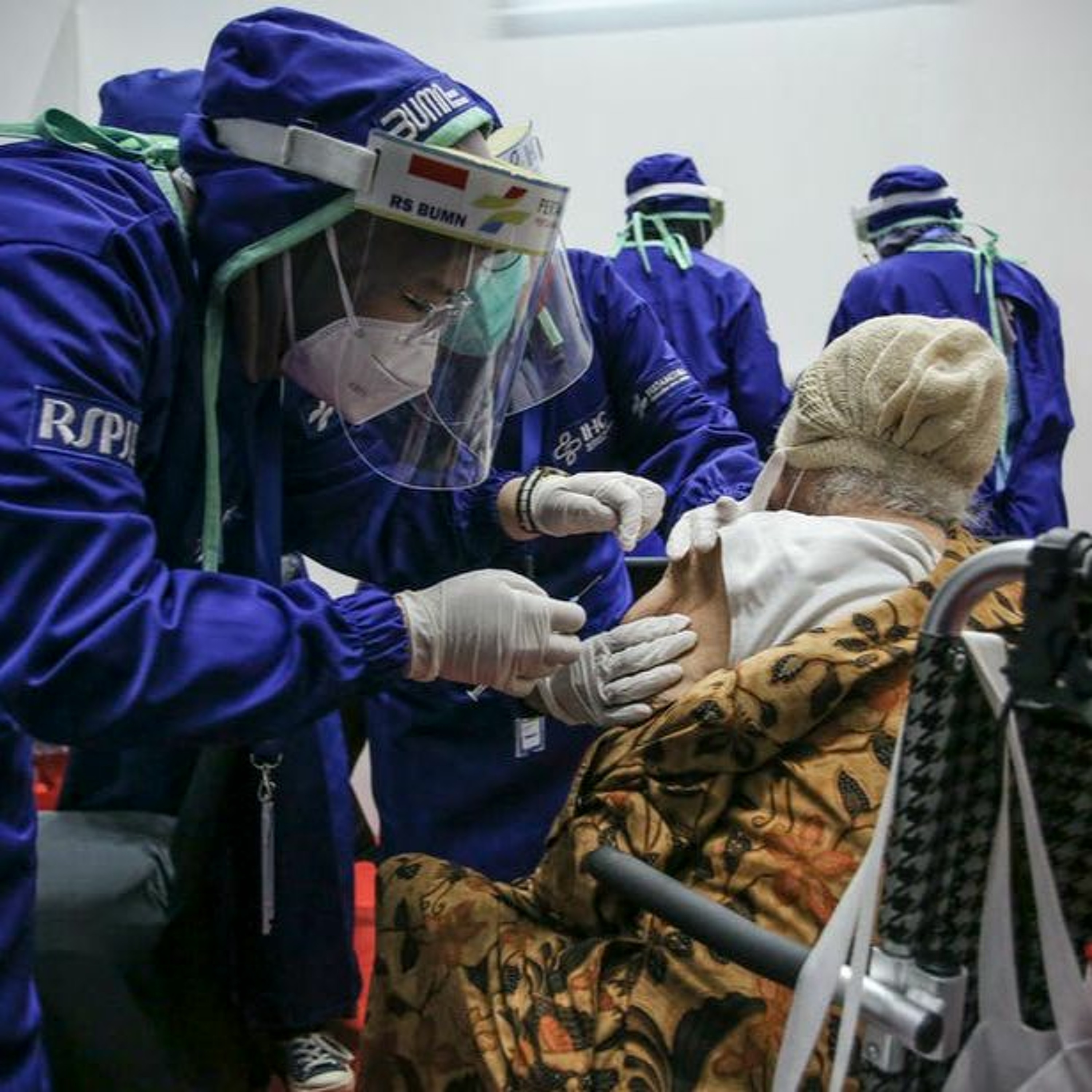
Dr Andreasta Meliala - Covid-19 and the Private Sector
The Indonesian government is aiming to vaccinate two-thirds of the population in order to reach herd immunity against the Covid-19 virus, but the sheer size of the population and its geographical extent make the vaccination task a very challenging one. In order to balance the vaccination drive with on-going productivity, they have enlisted the help of private corporations to launch and pay for inoculation drives. In March, state-owned pharmaceutical company Bio Farma and the Indonesian Chamber of Commerce and Industry (KADIN) signed a cooperation agreement on the implementation of the self-funded vaccination program ('vaksin gotong-royong')that targets employees of private companies and their families. While this public-private cooperation may sound like a good way to hasten the roll-out of the Covid-19 vaccine, some observers are worried about problems to do with vaccine supply, potential for corruption, and low health standards in the implementation. To talk about the role of the private sector in Indonesia's fight against Covid-19, Dr Charlotte Setijadi chats with Dr Andreasta Meliala, a public health expert from the Faculty of Medicine at Gadjah Mada University in Yogyakarta. Photo by Dhemas Reviyanto for Antara.
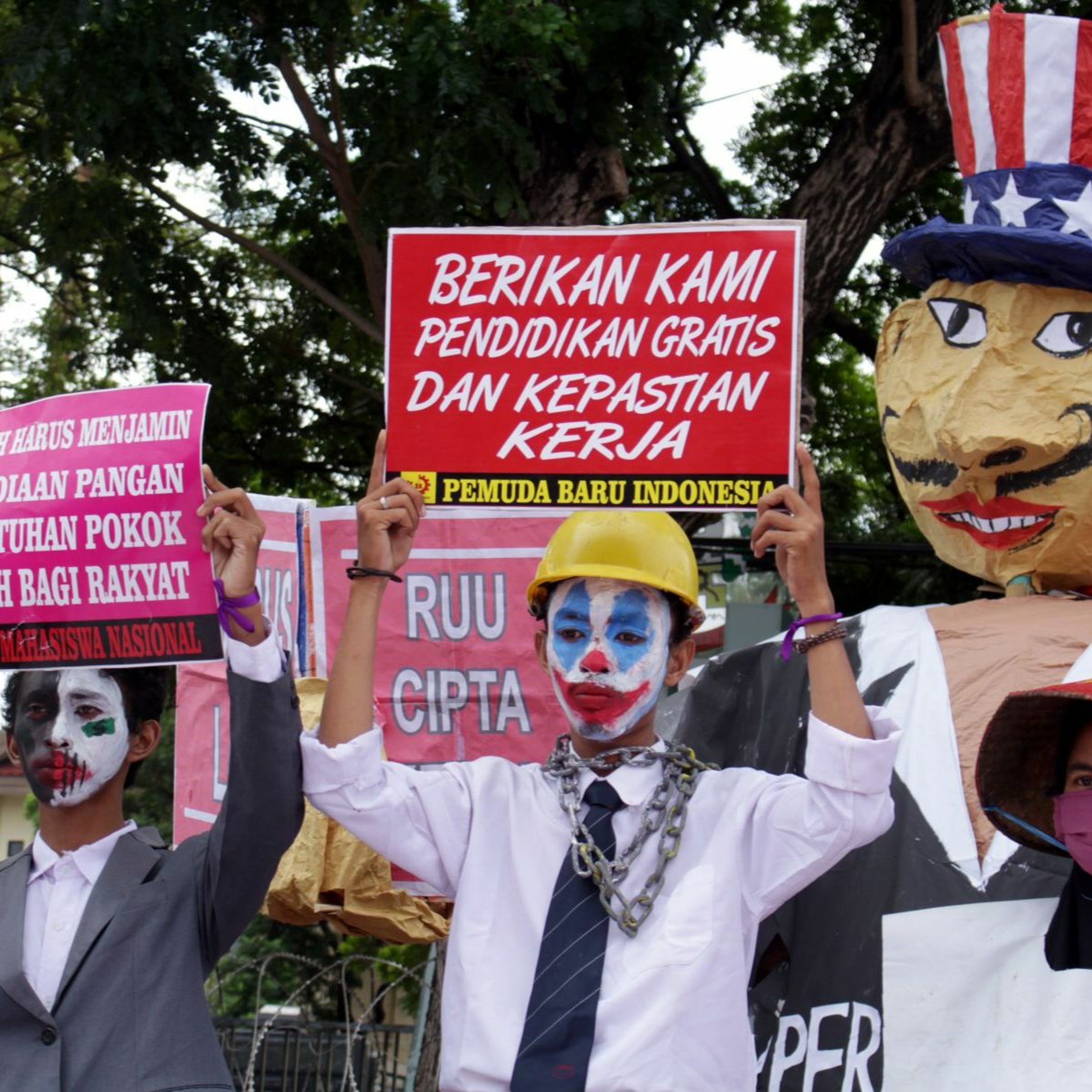
Dr Yatun Sastramidjaja - Protest
Mass protest movements have increasingly become a feature of Indonesian democracy. The massive #ReformasiDikorupsi (“Reform Corrupted”) protests in 2019 were hailed as the largest democratic reform protests in the country in two decades. Nearly three years earlier, Islamist groups also showed their ability to mobilise through their “Defence of Islam” protests, which called for the prosecution of Basuki “Ahok” Tjahaja Purnama, the Christian Chinese-Indonesian governor of Jakarta, on blasphemy charges. Meanwhile, mass protest movements have emerged to oppose authoritarian regimes in Indonesia’s neighbouring countries of Myanmar and Thailand. How do these movements mobilise and how effective are they at bringing about change? How has protest changed in the age of social media, and how has the state responded to mass protest? Are there parallels also that we can draw between protest movements in Indonesia and its regional neighbours? In this week’s Talking Indonesia podcast, Dr Dave McRae discusses these issues with Dr Yatun Sastramidjaja, assistant professor in anthropology at the University of Amsterdam and an associate fellow with the ISEAS Yusof-Ishak Institute in Singapore with the media, technology and society program. The Talking Indonesia podcast is co-hosted by Dr Annisa Beta from the University of Melbourne’s School of Culture and Communication, Dr Dave McRae from the University of Melbourne’s Asia Institute, Dr Jemma Purdey from Monash University, and Dr Charlotte Setijadi from the Singapore Management University. Photo credit: Arnas Padda for Antara Foto

Aida Greenbury- Deforestation and Climate Change
President Joko "Jokowi" Widodo disappointed environmentalists at home and internationally last month, when he failed to set a date for Indonesia to reach net-zero emissions at US President Joe Biden's recent virtual climate summit. Leading up to the event, officials suggested Indonesia was considering setting a target of reaching net-zero by 2070. Jokowi did, however, note that in 2020, Indonesia’s rates of deforestation had reached record lows, with a reduction in conversion of its natural forests and peatlands and fewer forest fires. Indonesia is home to 10% of the world’s tropical rainforests. It is also the 5th largest emitter of carbon, largely caused by the continued destruction of forests and peatlands. Does this recent data reveal a sustainable trend for the reduction of deforestation in Indonesia? What challenges remain to significantly reduce or even end deforestation? How important are Indonesia’s forests for the world’s climate future? In Talking Indonesia this week, Jemma Purdey talks to Aida Greenbury, a sustainability and climate change expert and advisor to governments, industry and nongovernmental organisations (NGOs). She was the managing director of sustainability at Asia Pulp and Paper Group for 13 years, and sits on advisory boards for a range of organisations, including Mongabay and Indonesia’s Palm Oil Smallholder Unions. The Talking Indonesia podcast is co-hosted by Dr Dave McRae from the University of Melbourne’s Asia Institute, Dr Jemma Purdey from Monash University, Dr Annisa Beta from the University of Melbourne, and Dr Charlotte Setijadi from the Singapore Management University. Look out for a new Talking Indonesia podcast every fortnight. Catch up on previous episodes here, subscribe via iTunes or listen via your favourite podcasting app. Image: Cyathea Papua Rainforest/Widodo Margotomo/Wikipedia Commons
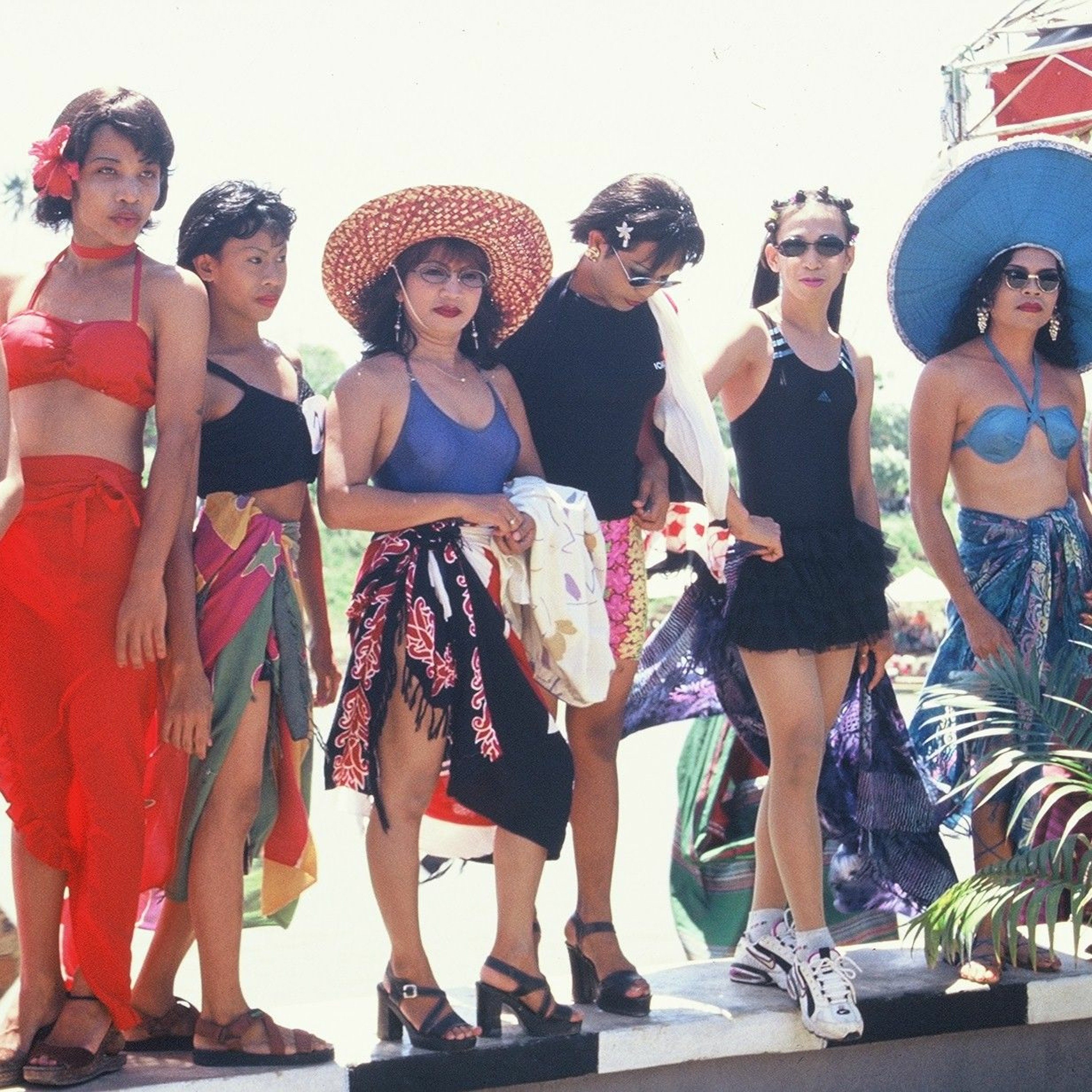
Dr. Benjamin Hegarty - Transgender Women and Public Space
Transgender women, commonly called waria, are an important part of contemporary Indonesian society. Growing discussion of LGBTQIA+ issues have seen gender and sexual minorities become increasingly visible in Indonesian public life, especially among younger and urban Indonesian populations. But what about the important role long played by waria in Indonesia's cultural-political landscape? How have waria navigated public life in the world’s largest Muslim society? In this episode, Dr Annisa Beta discusses these issues with Dr Benjamin Hegarty, a Mckenzie Postdoctoral Fellow at the University of Melbourne. His book, tentatively titled "The Made-Up State", will be published soon. In 2021, the Talking Indonesia podcast is co-hosted by Dr Annisa Beta, Dr Dave McRae from the University of Melbourne’s Asia Institute, Dr Jemma Purdey from Monash University, and Dr Charlotte Setijadi from the Singapore Management University.
Sidney Jones - Terror and Extremism
In late March, Indonesia faced two terror attacks in the space of a week, with a husband and wife conducting a suicide bombing against a cathedral in Makassar, and a woman attacking Indonesian police headquarters carrying an Airsoft gun. Indonesian police described the perpetrators of both attacks as supporters of the Islamic State or ISIS – the group’s supporters have been responsible for a string of attacks in Indonesia over the past five years, albeit mostly causing few fatalities, including attacks in Indonesia’s two main cities Jakarta and Surabaya in 2016 and 2018. What do these recent attacks tell us about the nature of the terrorist threat in Indonesia, and how is this threat changing? Are ISIS supporters the main threat to Indonesian security or are longer-established organisations such as Jemaah Islamiyah emerging anew? Why have terrorist attacks in Indonesia persisted despite the imprisonment of hundreds of terrorist perpetrators? And how well have Indonesian authorities responded to the threat of terrorism and extremism. In this week’s Talking Indonesia podcast, Dr Dave McRae discusses these issues with Sidney Jones , director of the Jakarta-based Institute for the Policy Analysis of Conflict or IPAC, a world leading expert on jihadi terrorism in Southeast Asia. The Talking Indonesia podcast is co-hosted by Dr Annisa Beta from the University of Melbourne’s School of Culture and Communication, Dr Dave McRae from the University of Melbourne’s Asia Institute, Dr Jemma Purdey from Monash University, and Dr Charlotte Setijadi from the Singapore Management University. Photo credit: Didik Suhartono for Antara Foto
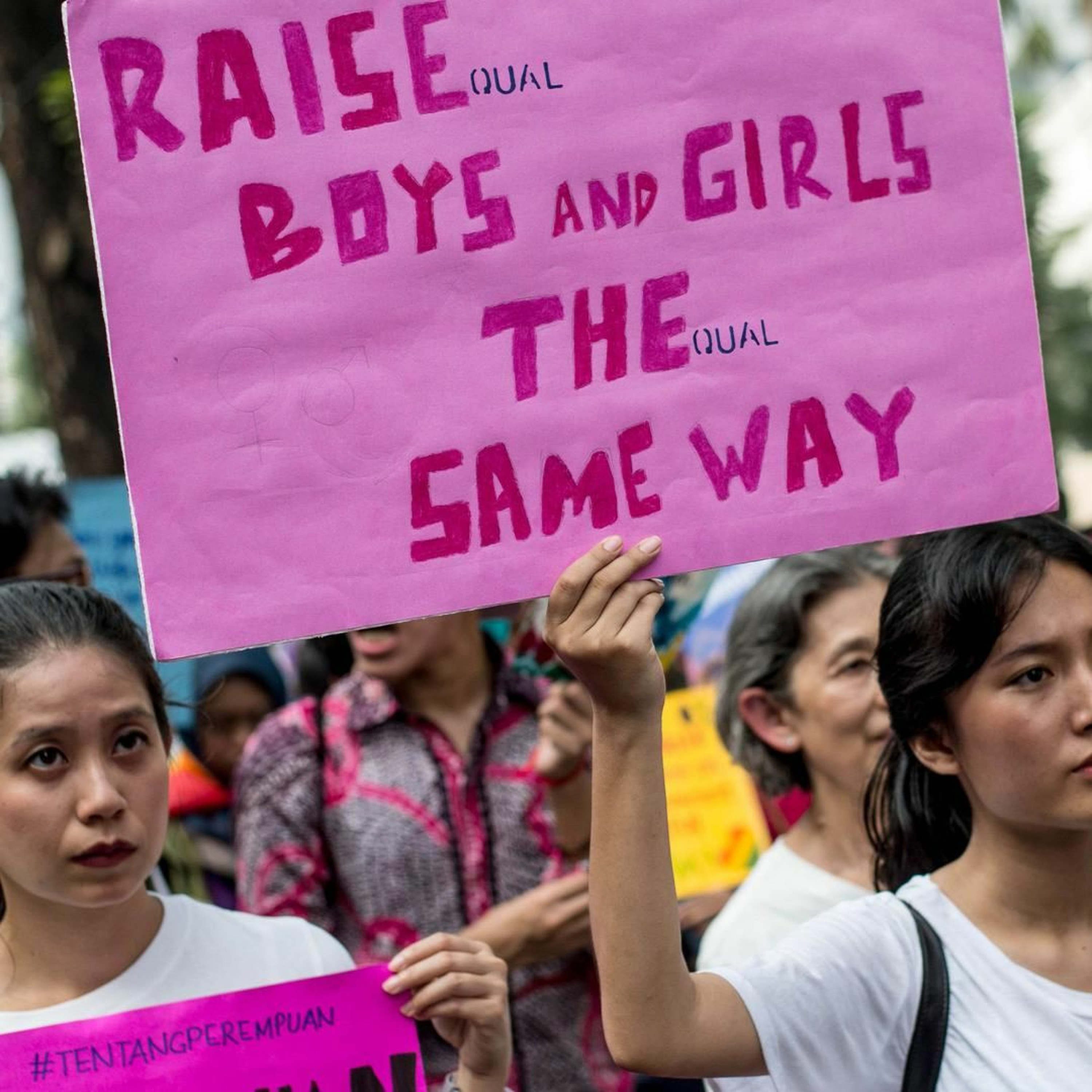
Kurniawati Hastuti Dewi - The Women's Movement After 1998
International Women’s Day was celebrated on 8 March. It aims to commemorate the cultural, political, and socioeconomic achievements of women and bring attention to issues such as gender equality, reproductive rights, and violence against women. Since the fall of Soeharto, the Indonesian women's movement has been instrumental in pushing for affirmative action policies that have promoted women's participation in politics, and have successfully advocated for policies to protect the rights of women, such as the 2004 Law on Domestic Violence. At the same time, however, major challenges remain, particularly in maternal health, violence against women and discrimination. In Indonesia, as elsewhere, women are raising their voices and calling for improvements to women’s safety and equality. What has been achieved in terms of women’s rights and equality in the post-authoritarian era in Indonesia? Are more women entering politics and what impact are they having? What are the issues driving the women’s movement today? In Talking Indonesia this week, Dr Jemma Purdey speaks to Dr Kurniawati Hastuti Dewi a senior researcher at the Indonesian Institute of Sciences (LIPI), about Indonesia’s women’s movement and its role in bringing about social and political change. Kurniawati Hastuti Dewi is a senior researcher at Center for Political Studies, Indonesian Institute of Sciences (LIPI). Her research interests are in the areas of gender and politics, women and politics, gender and decentralization. She received her MA in Asian Studies from the Australian National University (2007) and PhD from the Graduate School of Asian and African Area Studies (ASAFAS) Kyoto University Japan (2012). Her doctoral dissertation was published as a book, Indonesian Women and Local Politics: Islam, Gender and Networks in Post-Suharto Indonesia (Singapore: National University of Singapore Press & Kyoto University Press, 2015). Her latest research explores the usage of motherhood identity in the 2019 Indonesian presidential election was published as ‘Motherhood Identity in the 2019 Indonesian Presidential Elections: Populism and Political Division in the National Women’s Movement’, Contemporary Southeast Asia vol. 42, no. 2 (2020): 224-250. She is Secretary General of Asian Association of Women's Studies (AAWS, 2020-2022). © 2018 BAY ISMOYO/AFP/Getty Images
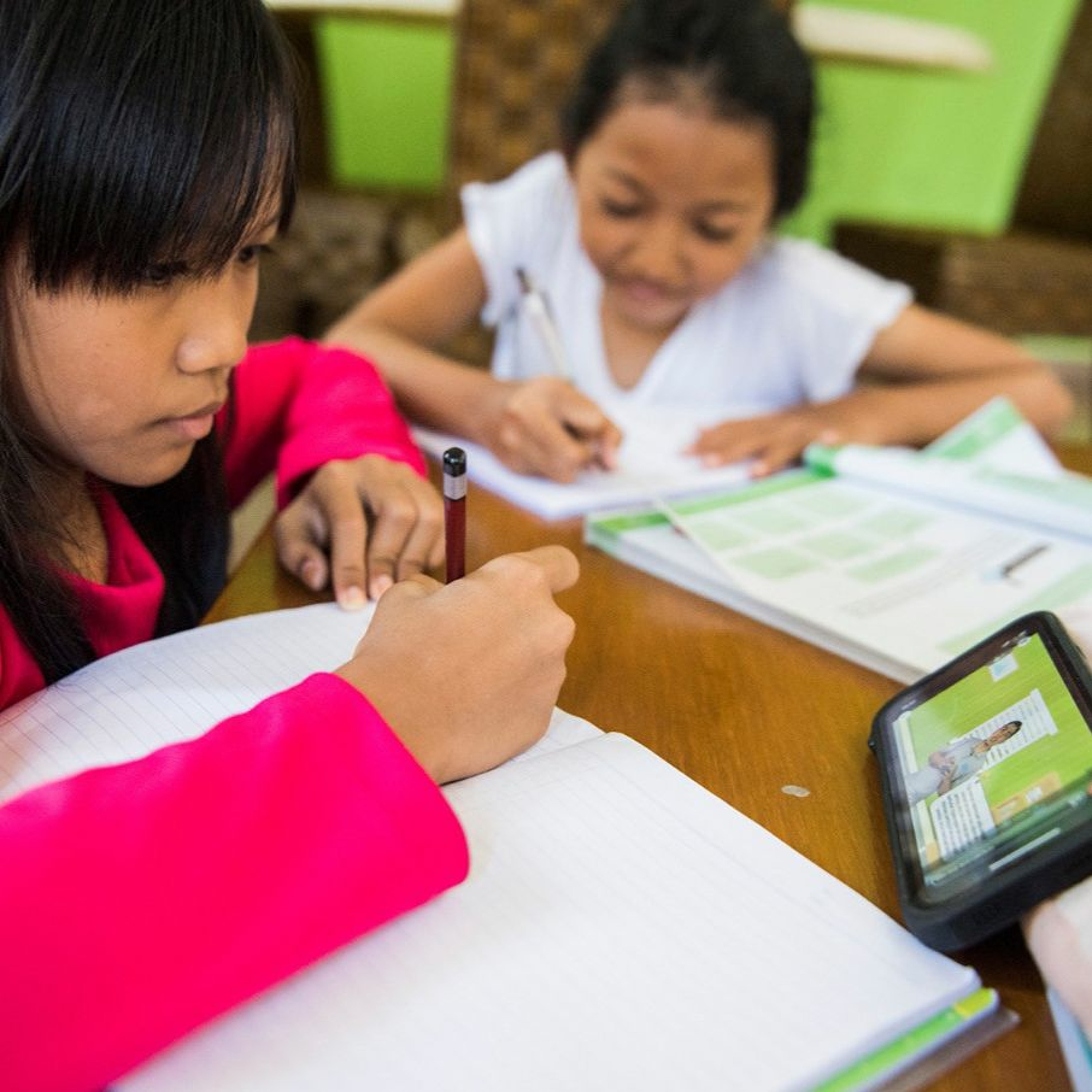
Dr. Santi Kusumaningrum - COVID-19 and Children and Vulnerable Populations
What are effects of the Covid-19 pandemic on children and vulnerable populations in Indonesia? As most schools and educational institutions have been closed for more than a year, many children have to shelter in places that may not always be ideal. The pandemic has also restricted opportunities for children and vulnerable populations to express their concerns and participate in public. Who has been affected the most? What can we do about the issues children and vulnerable individuals face? To shed light on these issues, in this episode, we are joined by Dr. Santi Kusumaningrum, the Director of Puskapa (Centre for Child Protection and Wellbeing at University of Indonesia). Photo by M Agung Rajasa for Antara.
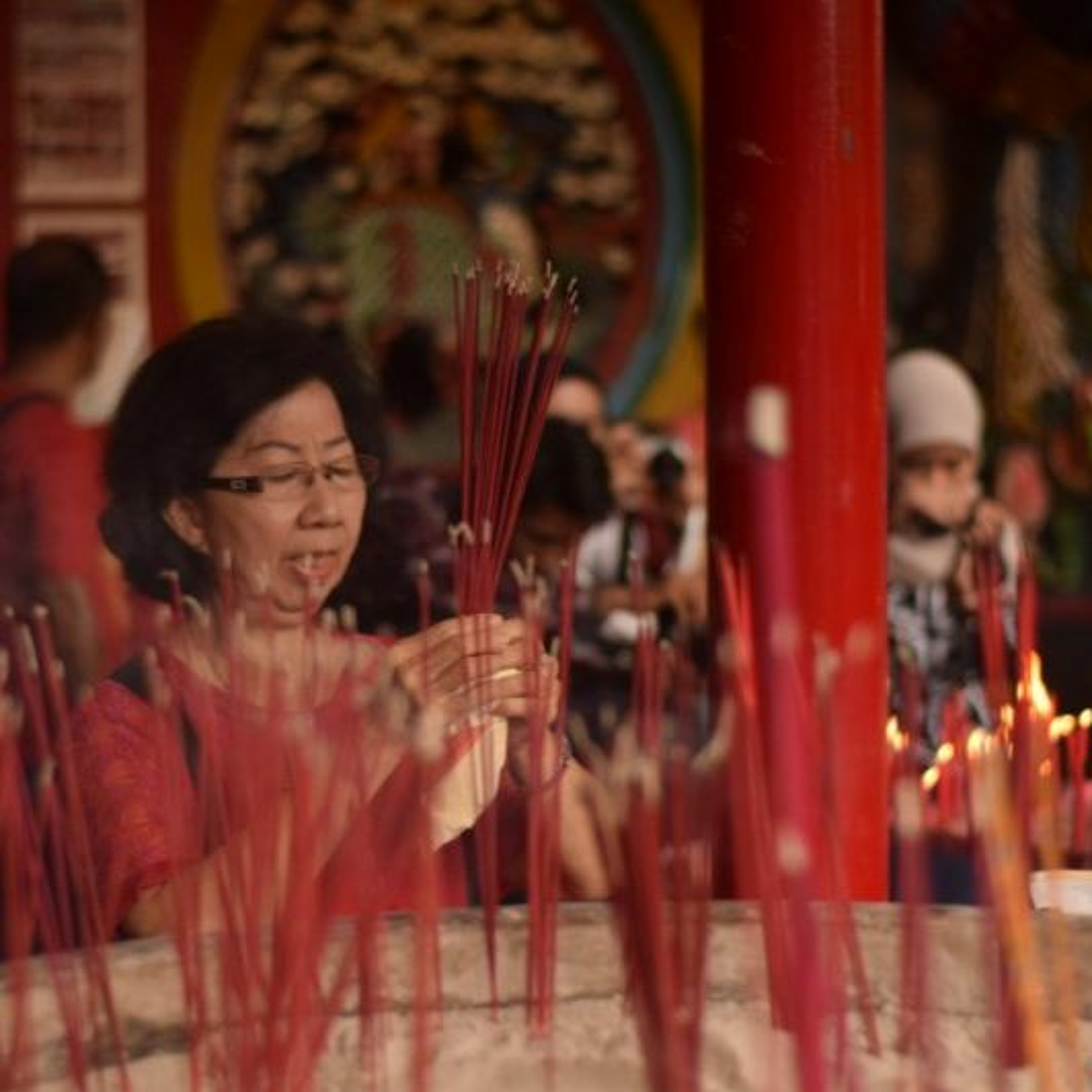
Dr Evi Sutrisno - Confucianism
In this Lunar New Year special episode, Dr Charlotte Setijadi chats with Dr Evi Sutrisno about the history and evolution of Confucianism in Indonesia, from its beginnings as a belief system for ethnic Chinese migrants to its recognition as one of the country's six official religions.
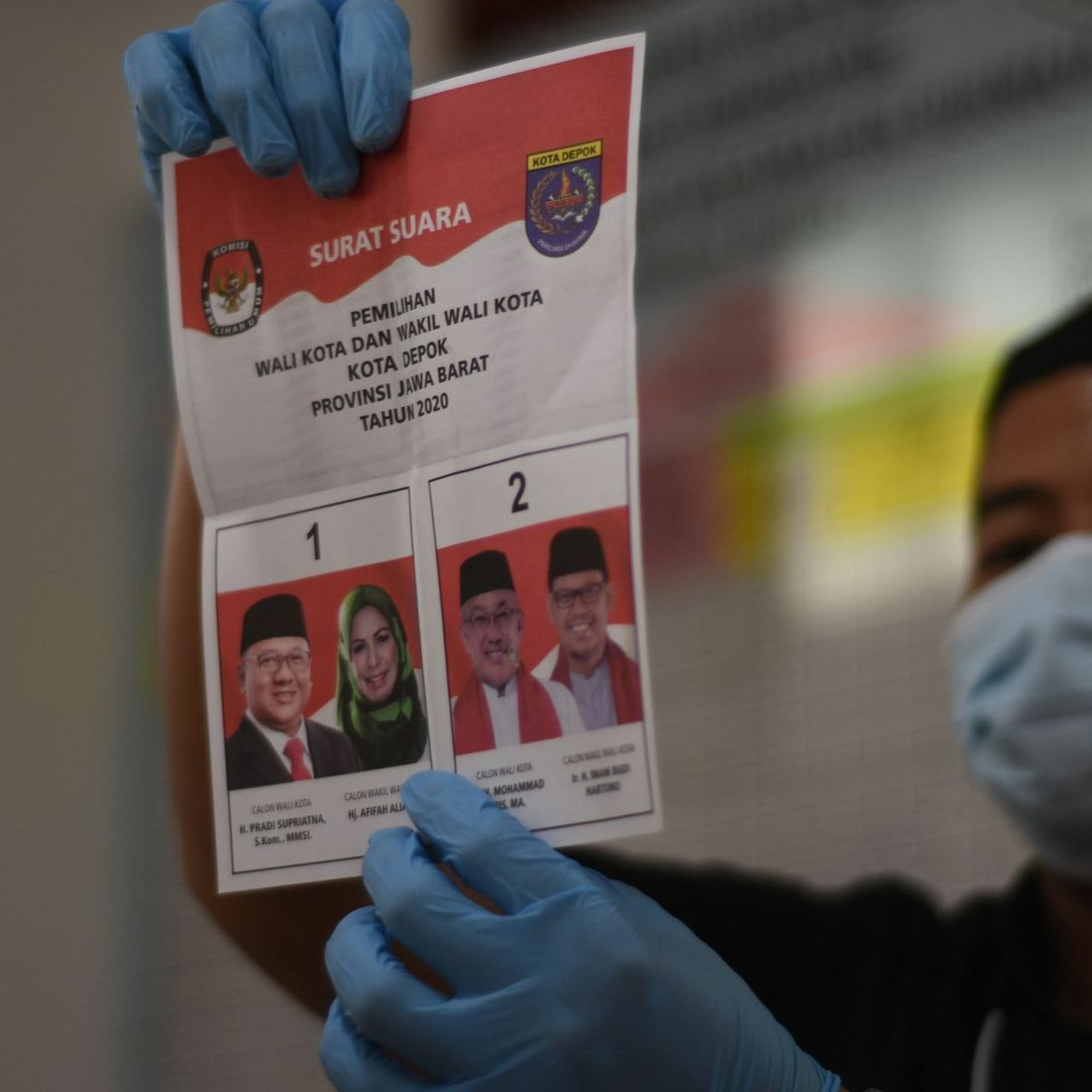
Dr Adrianus Hendrawan - Getting Elected
The December 2020 elections for mayors and governors marked the beginning of Indonesia’s fourth wave of direct local elections. Mayors and governors have been directly elected by popular vote since 2005, replacing a previous system of indirect election by local legislatures that was widely perceived as corrupt. Most candidates though are still nominated by coalitions of political parties, as provisions for independent candidates in place since 2008 are very difficult to navigate. What are the keys to winning these local elections? Do the party coalitions that candidates form shape their chances of winning, or the way that they govern afterwards? Have the ways in which local leaders won office shaped their response to the Covid-19 pandemic? And are changes now needed to the electoral system to improve the functioning of these elections and local governance? In this week’s Talking Indonesia podcast, Dr Dave McRae discusses these issues with Dr Adrianus Hendrawan , a recent PhD graduate from the Australian National University who is currently engaged in research with ANU on women’s representation in local legislatures. In addition to his PhD research , Adrianus has co-authored a range of articles on local elections and local governance with several other colleagues: on ‘Parties as pay-off seekers’ ; on ‘Incumbency advantage and the performance of second term mayors’ ; and on ‘The impact of majority coalitions’ . The Talking Indonesia podcast is co-hosted by Dr Annisa Beta from the University of Melbourne’s School of Culture and Communication, Dr Dave McRae from the University of Melbourne’s Asia Institute, Dr Jemma Purdey from Monash University, and Dr Charlotte Setijadi from the Singapore Management University. Photo credit: Indrianto Eko Suwarso for Antara Foto
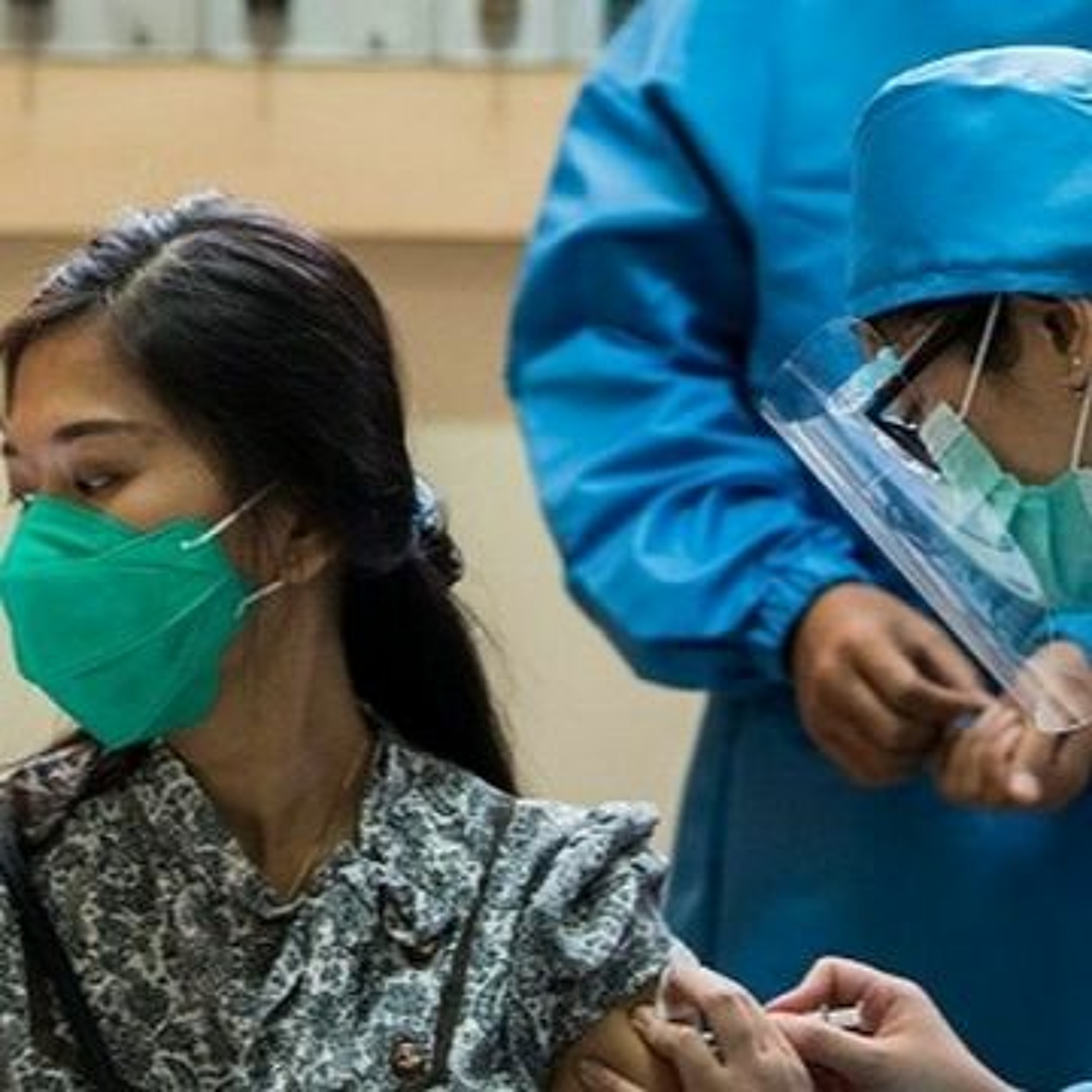
Dr Ines Atmosukarto - COVID-19 and the Vaccine
Dr Ines Atmosukarto - COVID-19 and the vaccine Over the past few months, the Covid-19 crisis in Indonesia has escalated, with daily case numbers and deaths from the virus hitting record levels week after week. Without strict lockdowns, government efforts to encourage the public to comply with social distancing and masking advice has not been effective in controlling the spread of the disease. On 13 January, President Joko "Jokowi" Widodo received the first dose of the CoronaVac vaccine, manufactured by Chinese firm Sinovac, after interim data from phase III trials in late 2020 found that the vaccine is 65.3% effective. The vaccine trials and rollout across the world has been shrouded in some controversy, and the vaccine's reception in Indonesia has been mixed. As the government embarks on one of the largest vaccination programs in its history, what are the challenges? Is it taking the right approach, and will the vaccine do its job and arrest the pandemic in Indonesia? To explore these questions and more, Dr Jemma Purdey chats to Dr Ines Atmosukarto, a molecular biologist from the John Curtin School of Media Research at the ANU’s College of Health and Medicine. Ines is CEO of Lipotek Pty Ltd which develops vaccines and cancer treatments, and was previously project leader at the Research Centre for Biotechnology at the Indonesian Institute of Science (LIPI). To shed light on these questions and more I am joined by Dr Ines Atmosukarto a molecular biologist from the John Curtin School of Media Research at the ANU’s College of Health and Medicine. Ines is CEO of Lipotek Pty Ltd which develops vaccines and cancer treatments and she was previously Project Leader at the Research Centre for Biotechnology at the Indonesian Institute of Science (LIPI). PHOTO: ANTARA FOTO
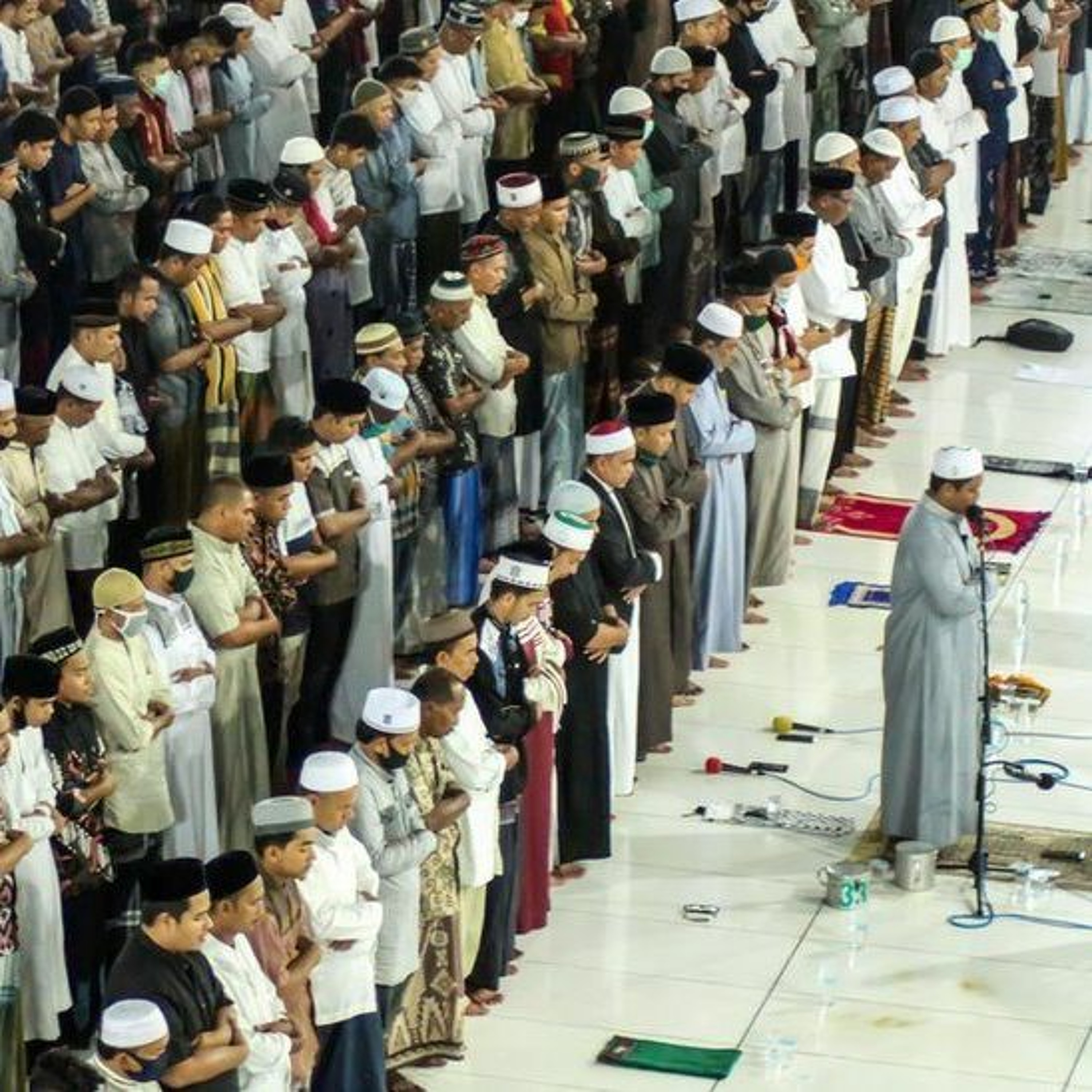
Dr Syafiq Hasyim - Covid-19 and Religious Leaders
At the end of what has been a challenging year, governments around the world are imposing movement restriction orders to prevent Christians from traveling home and congregating at churches. The issue of restricting people’s rights to practice their religious rituals due to Covid-19 is a challenging and controversial one. However, in a country such as Indonesia where religion plays a huge part in the everyday life and identity politics of people, it is difficult to separate religion from politics, and the question then becomes how the government may better work together with religious leaders and institutions in the fight to curb the spread of Covid-19. To talk about the role of Indonesian religious leaders and institutions in the Covid-19 pandemic, I speak with Dr Syafiq Hasyim.
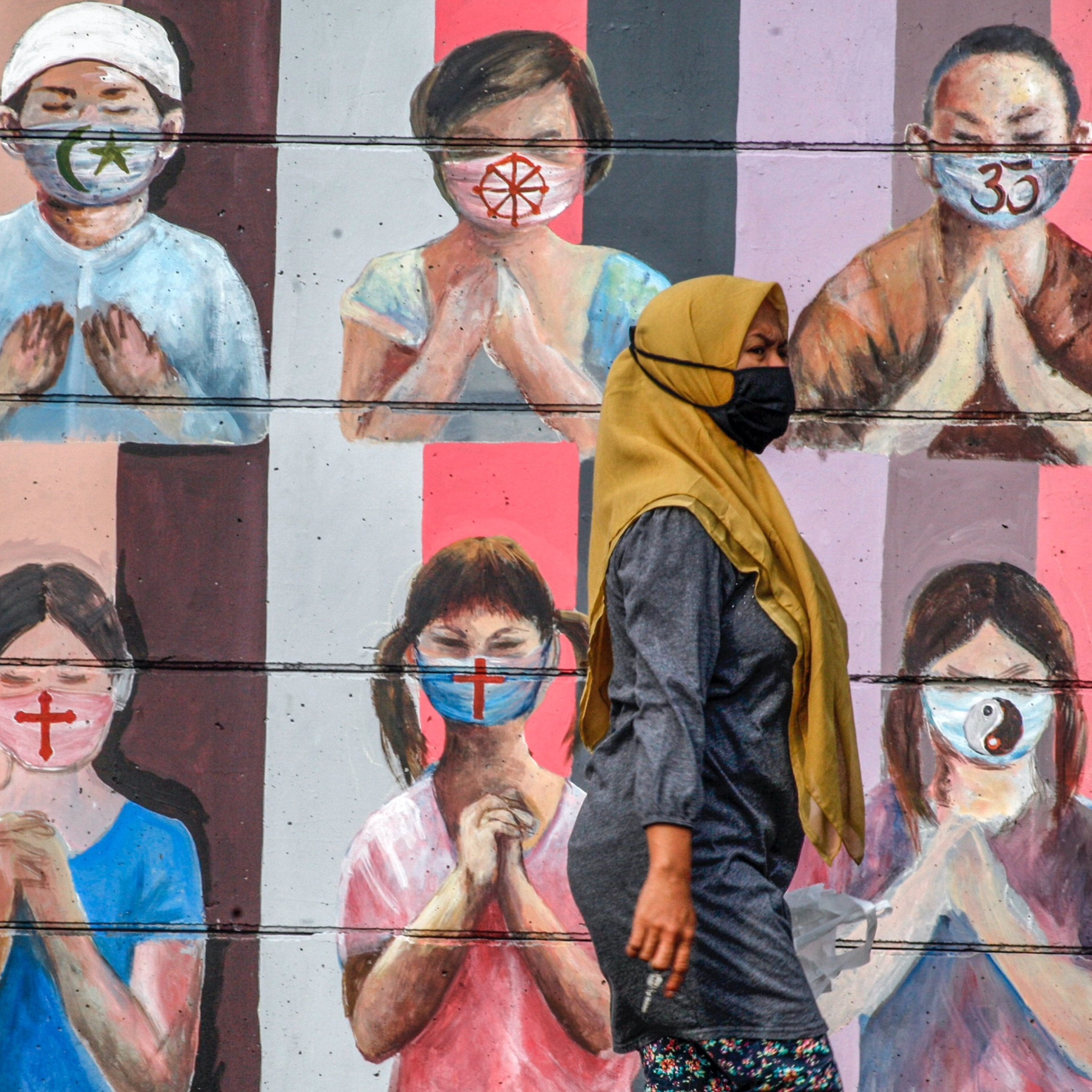
Ihsan Ali-Fauzi: Religious Harmony - Policy in Focus
Religious harmony is a persistent challenge in Indonesia, whether between adherent to different religions or within each religious community. During the early years of the democratic transition, thousands of Indonesians were killed in large-scale inter-religious conflicts in several provinces in the east of the country; long after these conflicts have ended, the construction of new places of worship remains an ongoing source of tension thorughout the archipelago. One response of the Indonesian government has been to establish Inter-religious Harmony Forums (FKUB) in all districts and provinces. To discuss the issue of religious harmony, and how such Inter-religious Harmony Forums have performed in tackling religious disputes and promoting tolerance, I’m joined today by Ihsan Ali-Fauzi, director of PUSAD Paramadina, the Centre for the Study of Religion and Democracy . Ihsan has written extensively on these FKUB, and his organisation PUSAD Paramadina has established a national database to provide an evidence base for policy decisions about these forums. In this week’s Talking Indonesia podcast, Dr Dave McRae discusses the issue of religious harmony, and how such Inter-religious Harmony Forums have performed in tackling religious disputes and promoting tolerance with Ihsan Ali-Fauzi, director of PUSAD Paramadina, the Centre for the Study of Religion and Democracy. Ihsan has written extensively on FKUB, and his organisation PUSAD Paramadina has established a national database to provide an evidence base for policy decisions about these forums. Today’s episode is the latest in the “Policy in Focus” series of Talking Indonesia episodes, supported by the Knowledge Sector Initiative (KSI), a partnership between the Australian and Indonesian governments that aims to improve the use of evidence in development policymaking. This series will appear periodically in alternate weeks to the regular Talking Indonesia episodes. The views expressed in this podcast episode do not represent the views of the Australian or Indonesian governments. The Talking Indonesia podcast is co-hosted by Dr Dave McRae from the University of Melbourne’s Asia Institute, Dr Jemma Purdey from Monash University, Associate Professor Dirk Tomsa from La Trobe University and Dr Charlotte Setijadi from the Singapore Management University. Photo: Yulius Satria Wijaya for Antara Foto

Dr Annisa Beta - Women and Digital Da'wa
Indonesia has long been known as one of the most active Facebook and Twitter nations, but more recently Instagram has become the social media platform of choice for many young Indonesians. Some of the platform’s most prolific users are female Islamic activists who are keen to utilize social media as novel tools for proselytisation (or da’wa). Why do female activists choose social media such as Instagram for their activism? How they utilise the visual tools available to them? And how does their activism differ from conventional da’wa? In this Talking Indonesia episode, Dirk Tomsa discusses these and other questions with Dr Annisa Beta, a Lecturer in Cultural Studies at the University of Melbourne’s School of Culture and Communication. In 2020, the Talking Indonesia podcast is co-hosted by Dr Jemma Purdey from the Australia-Indonesia Centre, Dr Dave McRae from the University of Melbourne’s Asia Institute, Dr Charlotte Setijadi from the ISEAS-Yusof Ishak Institute in Singapore and Dr Dirk Tomsa from La Trobe University. Look out for a new Talking Indonesia podcast every fortnight. Catch up on previous episodes here, subscribe via iTunes or listen via your favourite podcasting app. Image: Annisa Beta
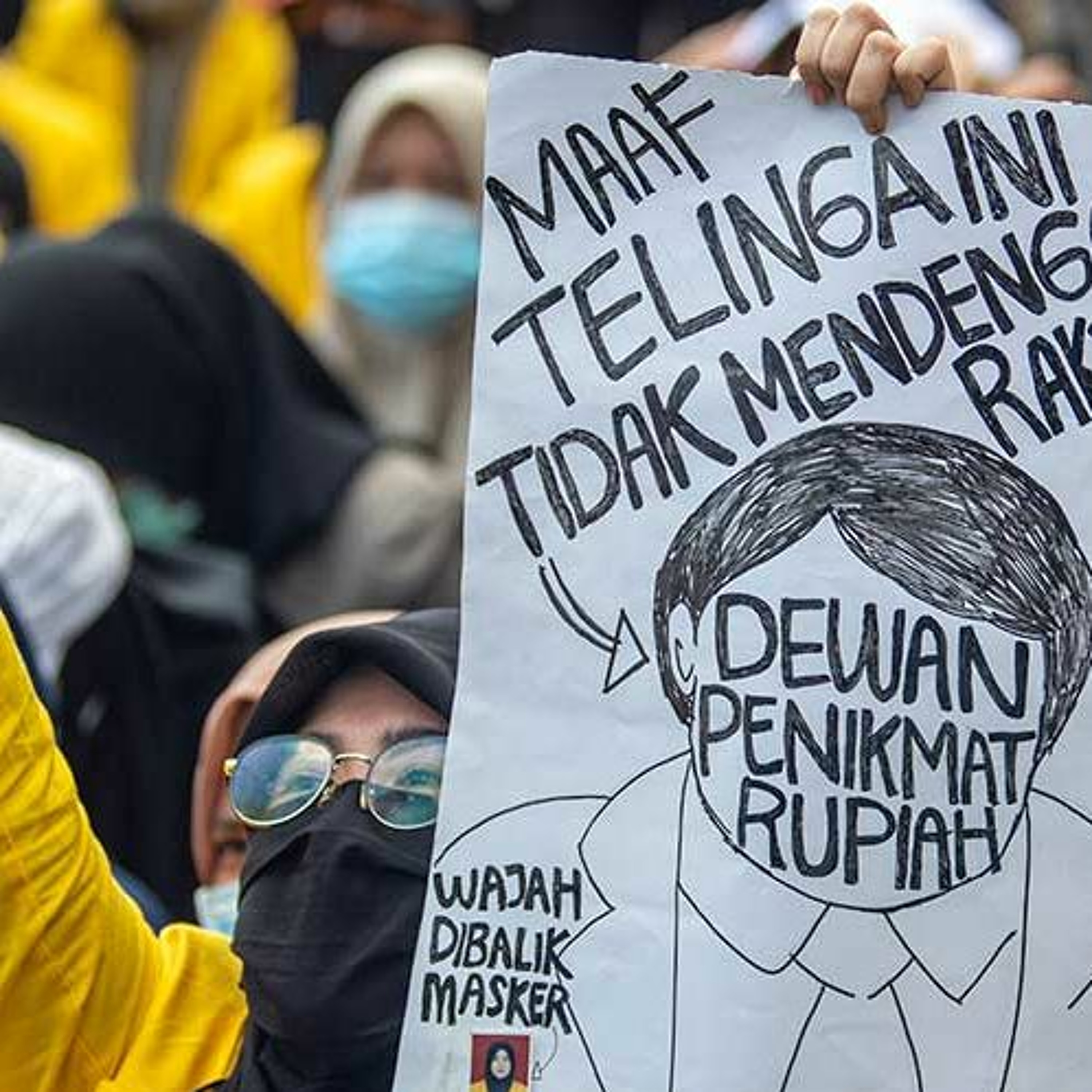
Rafiqa Quratta A'yun - The Omnibus Law on Job Creation
Rafiqa Quaratta A'yun - the omnibus Law on Job Creation Since early October, large-scale protests have taken place on the streets of Jakarta and other cities around Indonesia in opposition to the new omnibus Law on Job Creation (UU Cipta Kerja). The 1000+ page law includes 186 articles and revises 77 existing laws, yet it took a relatively short time to be drafted and reviewed before being passed into law. For months, legal scholars and academics warned about the lack of transparency around the drafting of the law and the haste with which it was completed, arguing it was unlawful. Meanwhile, workers, students and environmentalists have demonstrated over the law's weakening of workers' conditions and environmental protections. What is in the omnibus law and why has President Joko "Jokowi" Widodo's government made it a priority? Who are the winners and losers of the law? What does the process of its enactment tell us about the government, its priorities and values? In Talking Indonesia this week, Dr Jemma Purdey discusses these questions and more with Rafiqa Quratta A'yun, PhD candidate at the Centre for Indonesian Law, Islam and Society (CILIS), Melbourne Law School. In 2020, the Talking Indonesia podcast is co-hosted by Dr Jemma Purdey from the Australia-Indonesia Centre, Dr Dave McRae from the University of Melbourne’s Asia Institute, Dr Charlotte Setijadi from the ISEAS-Yusof Ishak Institute in Singapore and Dr Dirk Tomsa from La Trobe University. Look out for a new Talking Indonesia podcast every fortnight. Catch up on previous episodes here, subscribe via iTunes or listen via your favourite podcasting app. Image: ANTARA FOTO - Nova Wahyudi