
Sidedoor
258 episodes — Page 1 of 6
The Baby Elephant and The Elixir of Poo
It's Season 13!
The Accidental Rise of Botox
The Art of Slowing Down
A Nature Lover Confronts Her Fear of Spiders
America, Meet America
The Gunboat Philadelphia
The Missing Bison
American Aspirations: A Nation in Pursuit
U.S. History in 100 Objects (with Roman Mars)
How Can You Forget Me
High Art, Low Ride
The People in the Pictures
May the 4th Be With You
Broad Stripes, Bright Stars, and White Lies
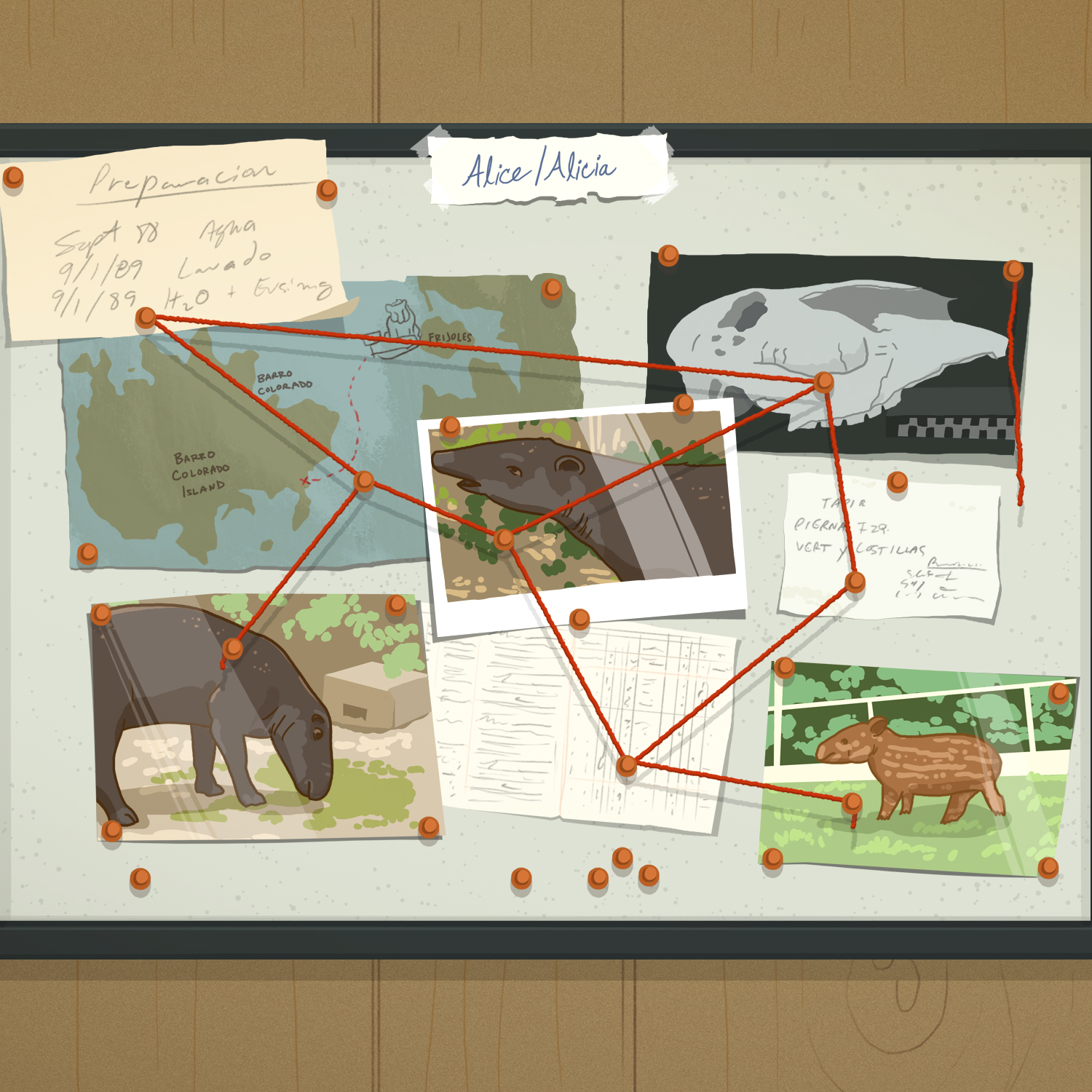
S12 Ep 10Tapir Caper
When a Smithsonian archaeology intern opened a dusty box of bones in a Panamanian warehouse, she didn't expect to find a mystery, let alone a potential crime scene. But Nina Hirai’s discovery of a tapir skull riddled with what appeared to be bullet holes sparked an investigation that would lead her several miles up the Panama Canal and nearly forty years into the past. Join us as we unspool the strange, unresolved story of a tapir named Alice, and ask what it means to live with uncertainty when the past refuses to explain itself.Guests:Nina Hirai, former archeology intern at the Smithsonian Tropical Research Institute Nicole Smith-Guzmán, archeology curator at the Smithsonian Tropical Research Institute Ashley Sharpe, research archeologist at the Smithsonian Tropical Research Institute Aureliano Valencia (“Yeyo”), archeological research technician at the Smithsonian Tropical Research Institute Phyllis (Lissy) Coley, professor emerita in the School of Biological Sciences at the University of Utah and research associate at the Smithsonian Tropical Research Institute Monica Brenes Lynan, former veterinarian at Parque Municipal Summit in Panama Andres Ramos, lider de guardabosques del Monumento Natural Barro Colorado / head park ranger at Barro Colorado Island
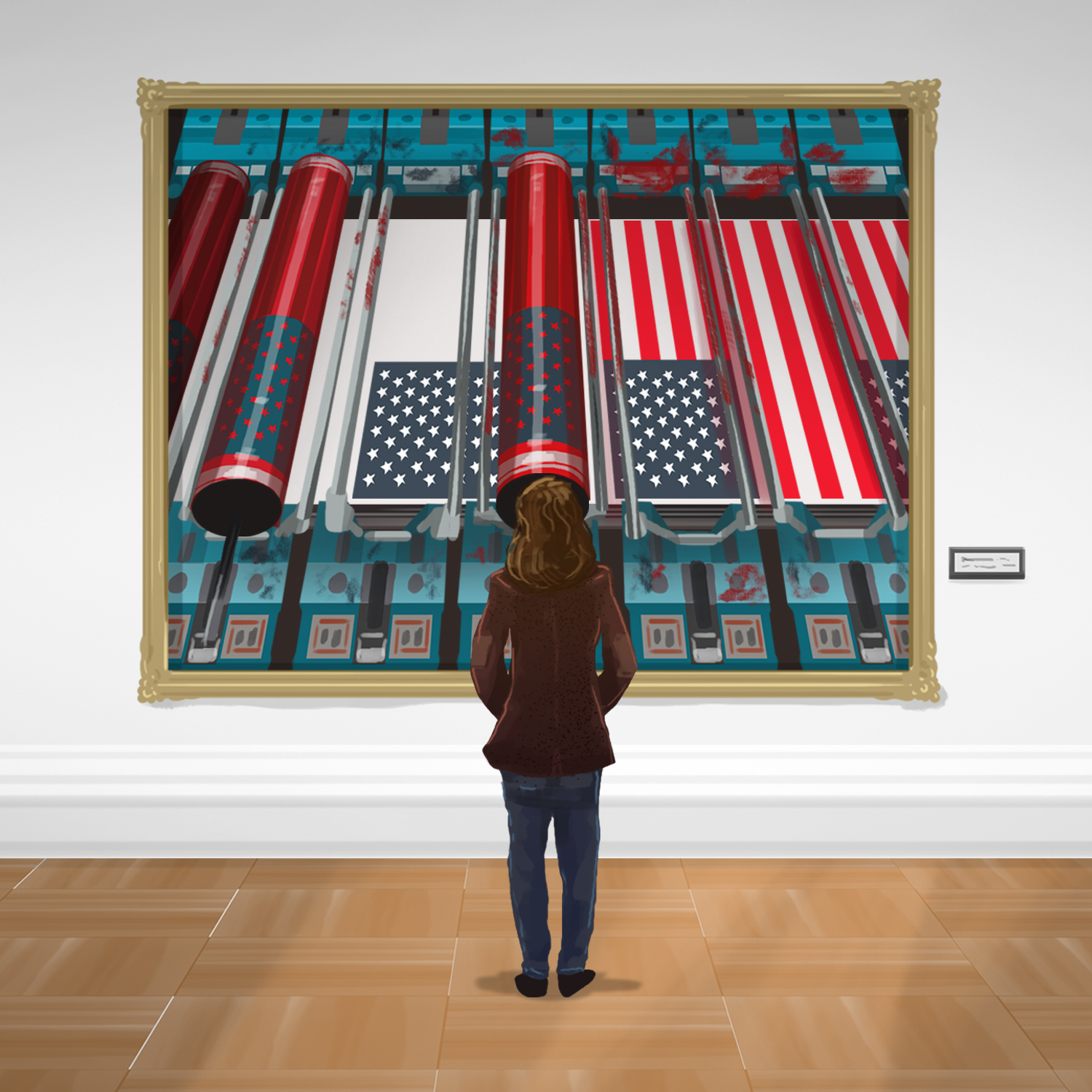
S12 Ep 9Made in America
What does it look like for something to be made in America? Through the photography of Christopher Payne, we journey across the past, present and future of American manufacturing to answer this question. From centuries-old textile mills to modern assembly lines, Payne’s photographs offer a rare, behind-the-scenes view of how everyday objects—from pencils to airplanes to marshmallow Peeps—are made. With the help of Smithsonian curator, Susan Brown, and author, Rachel Slade, we also explore the history behind these factories, and how the story of American manufacturing is the story of our nation itself. Guests: Christopher Payne, Industrial photographerSusan Brown, associate curator, and acting head of textiles at Cooper Hewitt Smithsonian Design Museum; curator of the exhibition Made in AmericaRachel Slade, author of the book Making it in America: The Almost Impossible Quest to Manufacture in the U.S.A. (and How it Got That Way)

S12 Ep 8Dark Matter, Bright Mind: How Vera Rubin Saw the Unseen
Something dark and invisible makes up as much as 90 to 95 percent of the universe—and it took a little girl staring out a bedroom window at the night sky to bring it to light. As a child, Vera Rubin built her own telescope. As an adult, she uncovered a problem no telescope could solve: stars at the edges of galaxies were moving just as fast as those near the center. The math contradicted everything astronomers expected to see...unless the universe was filled with unseen matter.This is the story of how Vera Rubin pushed through the gender barriers of the 1950s and turned a fringe idea into one of astronomy’s biggest open questions. What is dark matter? How did Rubin help prove it was real? And what does it mean that most of the universe is made of something we can’t see?Guests: Ashley Yeager, Associate News Editor at Science News and Author of Bright Galaxies Dark Matter and Beyond: The Life of Astronomer Vera RubinRamona Rubin, Granddaughter of Vera Rubin Deidre Hunter, Astronomer at the Lowell Observatory in Flagstaff, Arizona Amruta Jaodand, Astrophysicist at the Chandra X-Ray Center in the Smithsonian Astrophysical Observatory

S12 Ep 7Chinatown Murder Case
A string of unsolved murders in San Francisco's Chinatown in the 1970s led police to the door of a young Korean immigrant named Chol Soo Lee — who was quickly arrested and sentenced to life in prison. But when investigative journalist K.W. Lee started digging into the case, he discovered a world of twisted law and order that went far deeper than one man. The articles K.W. wrote about what he uncovered in Chinatown shocked Asian Americans across Northern California to stand up and demand justice for Chol Soo Lee — and themselves. Corrections:In this episode we state that Chol Soo Lee had a mustache in the photo that appeared in the mug book. Correction: He did have a mustache at the time of the killing, but he did not have a mustache in that photo.We state that K.W. Lee learned of Chol Soo Lee stabbing a fellow inmate from a TV news segment. Correction: He learned about it in a news briefing. We state that K.W. Lee was at the premiere of the documentary “Free Chol Soo Lee.” Correction: He attended the premiere virtually in January of 2022. He physically attended a screening in August of 2022 when the film was released in theaters.Guests: Sojin Kim, curator at the Smithsonian Center for Folklife and Cultural HeritageRanko Yamada, friend of K.W. Lee and Chol Soo Lee Julie Ha, journalist, writer and co-director of the documentary film "Free Chol Soo Lee"
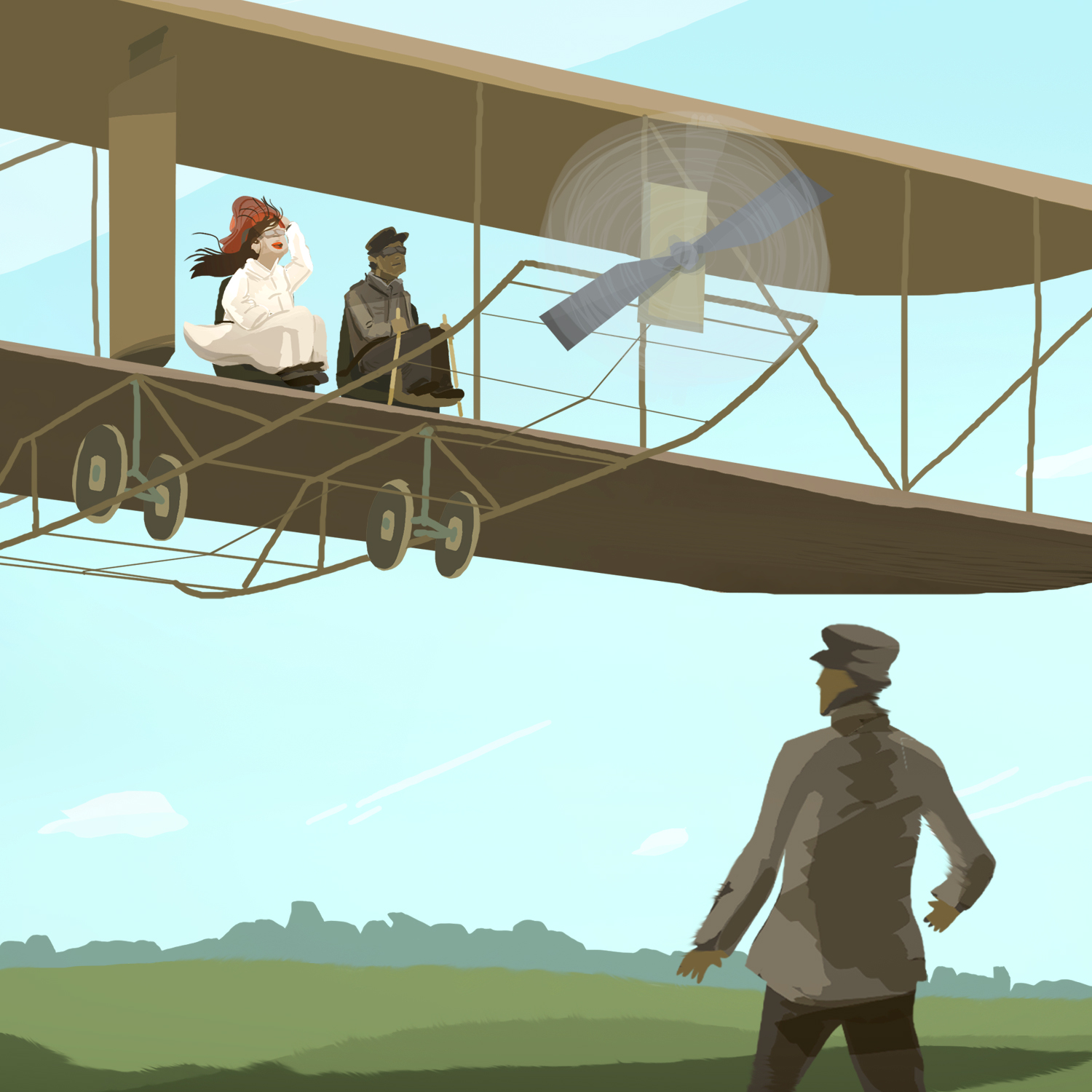
S12 Ep 5The Wright Sister
Orville and Wilbur Wright have been immortalized as the men opened the skies to human flight. But could they have achieved such great heights without the wind beneath their wings — their sister? Katharine Wright was her brothers' biggest champion, official spokesperson, closest confidante and the only one of the Wright siblings with a college degree. For years, Katharine, Wilbur and Orville were inseparable — until tragedy and a love affair upended everything. This is the story of the Wright sibling that history almost left out.Guests:Thomas Paone, museum specialist at the Smithsonian's National Air and Space MuseumTom Crouch, curator emeritus of the aeronautics division at the Smithsonian's National Air and Space Museum and author of The Bishop’s Boys: A Life of Wilbur and Orville Wright

S12 Ep 5The King of Zydeco
Clifton Chenier grew up in rural Louisiana, watching how his father’s accordion could magically turn front porches into dance parties. When he was old enough to play himself, Chenier began blending the Creole zydeco of his childhood with R&B and blues sounds of the 1940s and ’50s. His style packed dance halls across Louisiana and eventually carried zydeco to stages around the world. Through rare archival recordings and firsthand stories, we trace Chenier’s journey from a sharecropper’s son to the undisputed King of Zydeco.Guests: Adam Machado, director of the Arhoolie Foundation and producer of the retrospective box set, King of Louisiana Blues and ZydecoCJ Chenier, son of Clifton Chenier and lead singer and saxophonist for CJ Chenier and the Red Hot Louisiana BandDickie Landry, saxophonist, composer, and photographerMaureen Loughran, director and curator of Smithsonian Folkways Recordings This episode features archival interview recordings of Clifton Chenier courtesy of the Arhoolie Foundation. You can find the full interviews and archival photographs here.
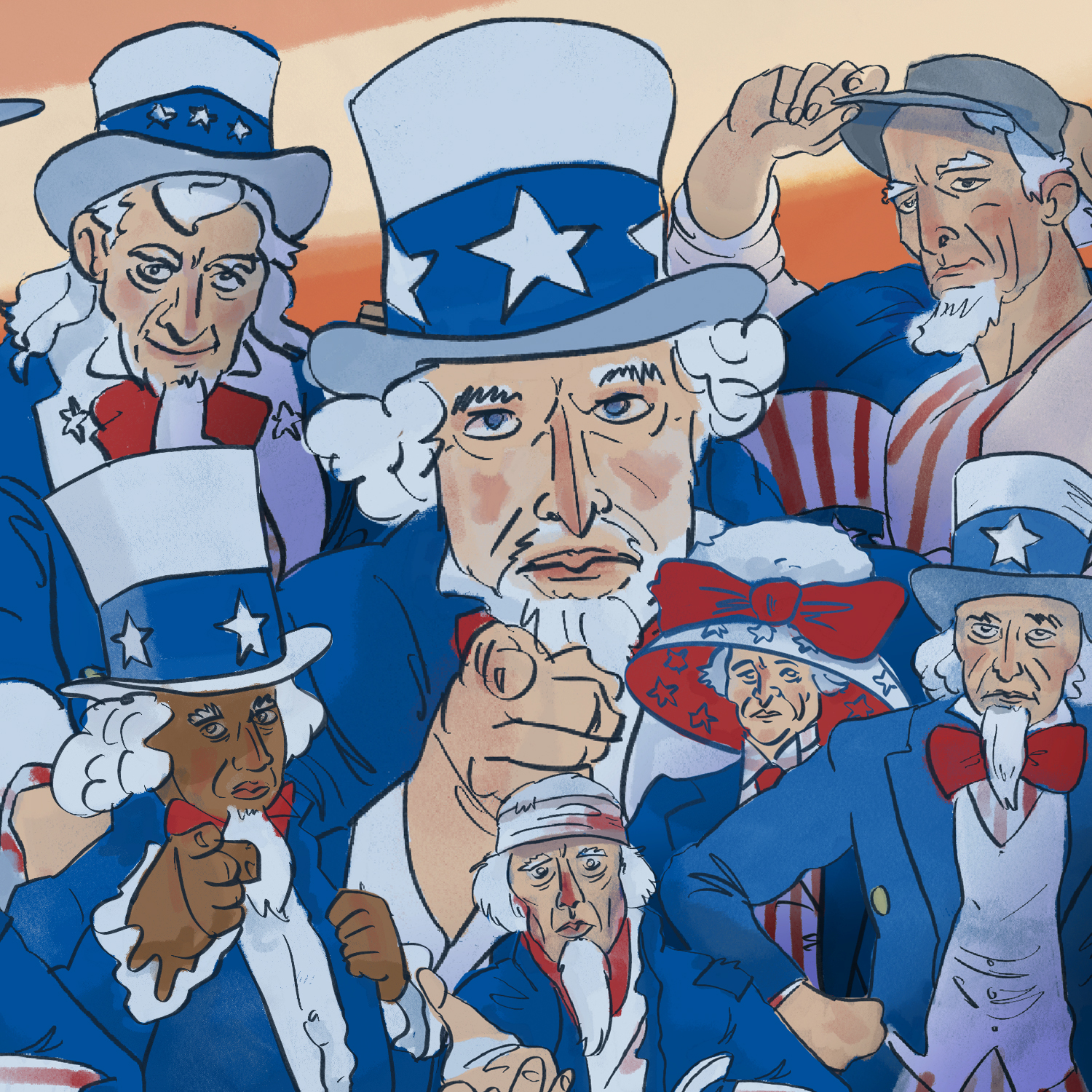
S12 Ep 4Will the Real Uncle Sam Please Stand Up?
He’s a symbol of patriotism, protest, and power. But behind the red, white, and blue is a real man—and a disputed American origin story. How did a real guy go from meatpacker to meme, to personification of a nation and, eventually, the most famous Army recruiter in history?I WANT YOU… to listen and find out.Guests: Frank Blazich, curator of modern military history at the Smithsonian's National Musuem of American HistoryKathy Sheehan, executive director of the Hart Cluett Museum in Troy, New York; The Redela County and Troy City historian
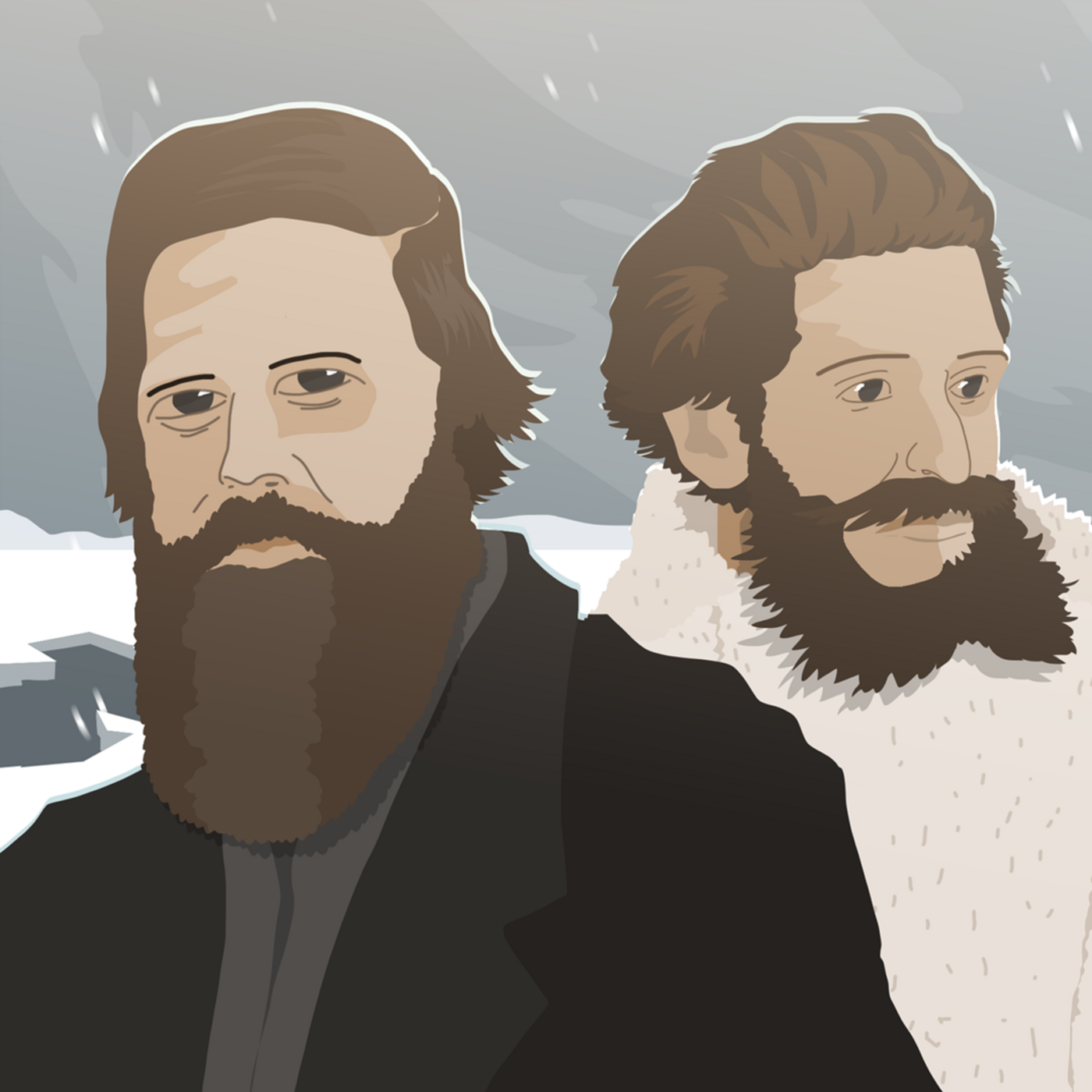
S12 Ep 3A Very Cold Case
American newspaper publisher and all-around eccentric, Charles Francis Hall, was an unlikely candidate to become an Arctic explorer. Nevertheless, he made three trips to the frozen north, until he died there under suspicious circumstances. Sharpen your powers of deduction and join us on Sidedoor for an epic frozen whodunit, featuring shipwreck, romance, and a social media darling with a dark secret. We’re resharing this longtime favorite from 2021 to bring you some wintry vibes. Guests:Stephen Loring, anthropologist and archeologist at the Arctic Studies Center of the Smithsonian’s National Museum of Natural History Heidi Moses, volunteer with the Smithsonian Transcription CenterEmily Niekrasz, social media manager, Smithsonian Institution
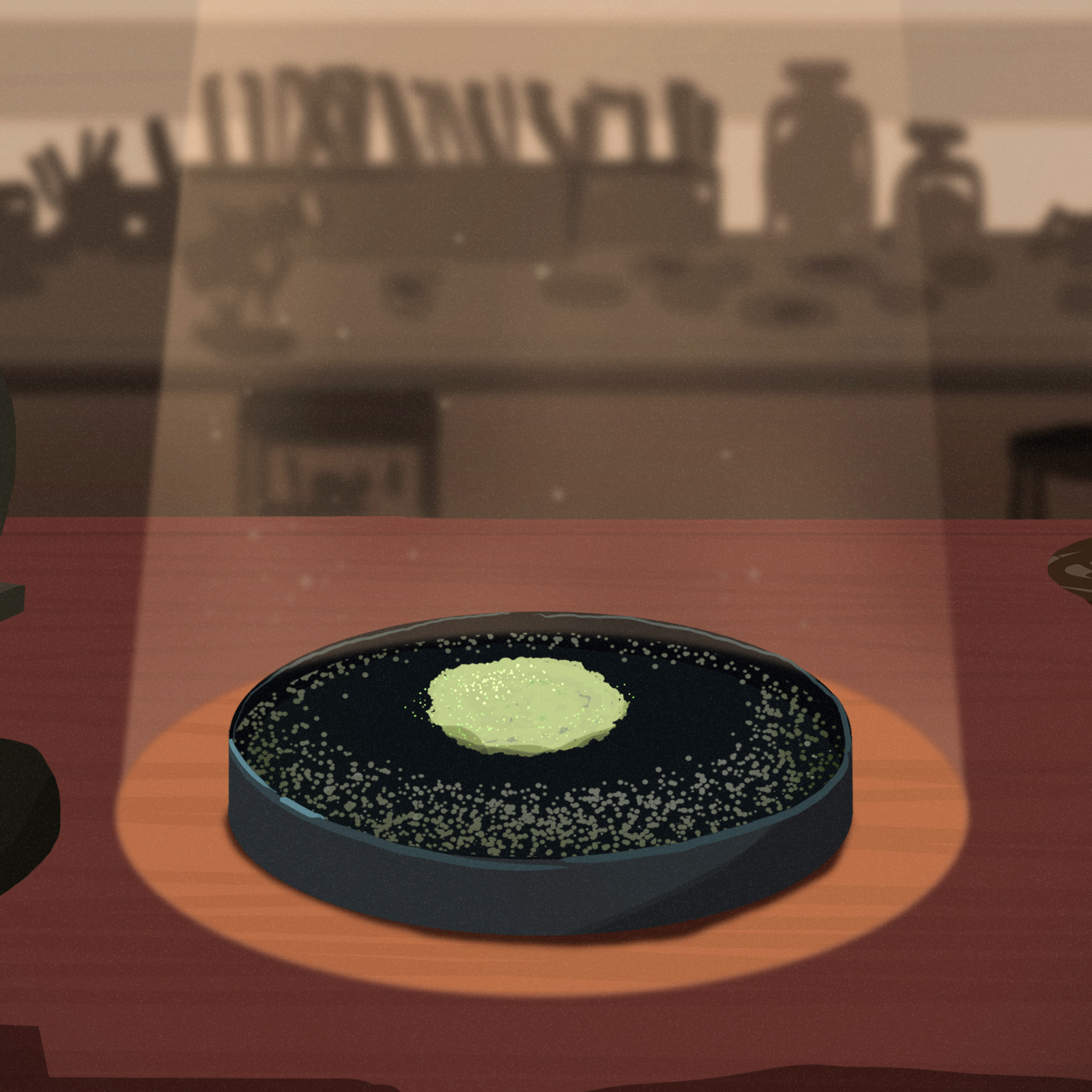
S12 Ep 2A Mold with a Grudge
It started with a messy lab and a mysterious mold. But turning “mold juice” into the world’s first antibiotic would take a sick policeman, a market cantaloupe, and an extraordinary wartime collaboration between scientists, governments, and industry. This is the story of how penicillin changed the world.Guests:Kevin Brown, Trust Archivist to Imperial College Healthcare NHS Trust and curator of the Alexander Fleming Laboratory Museum at St. Mary’s Hospital; author of Penicillin Man: Alexander Fleming and the Antibiotic RevolutionDiane Wendt, curator in the Division of Medicine and Science at the Smithsonian's National Museum of American History
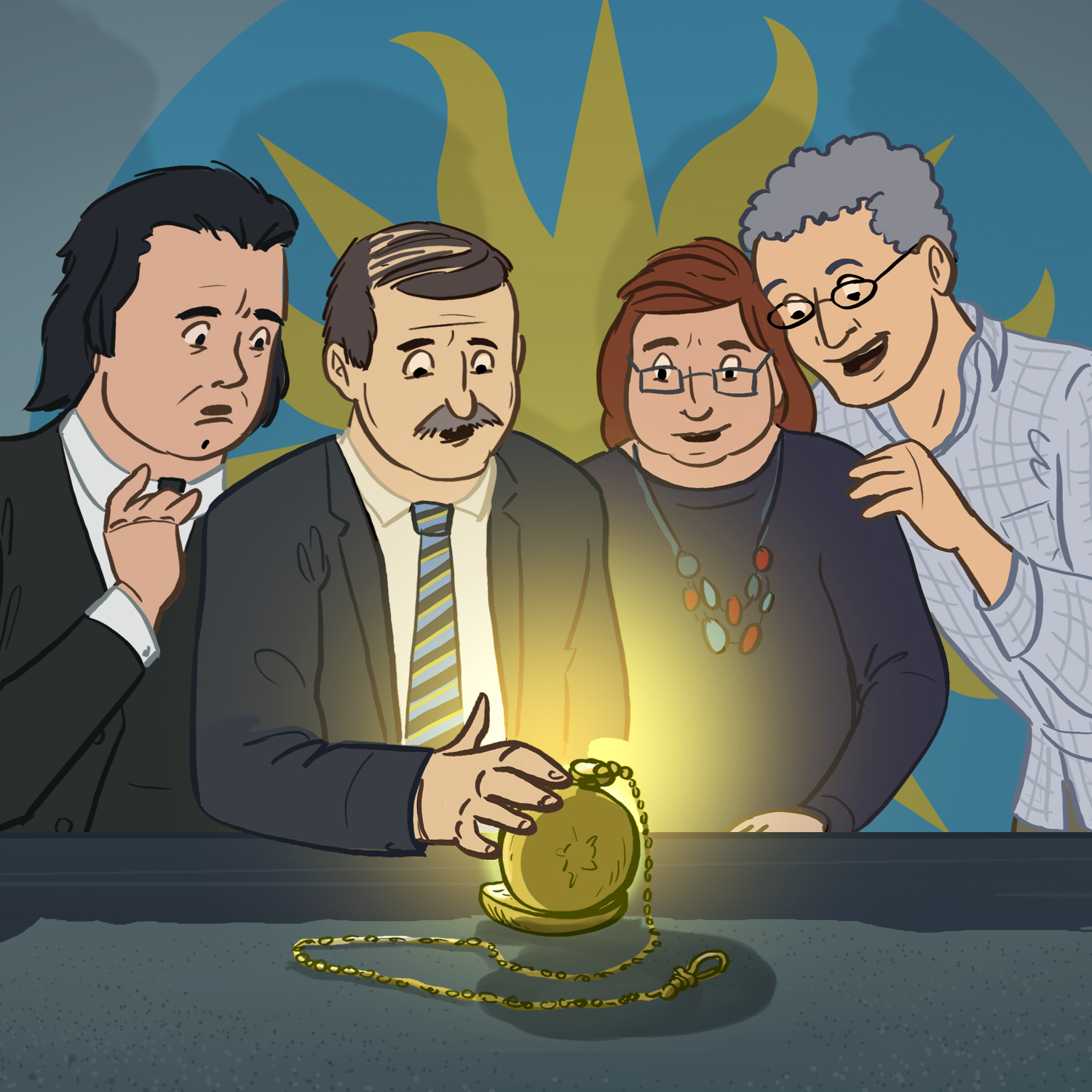
S12 Ep 1The Secret of Lincoln's Watch
A mystery hidden in time. Wrapped in gold. Stowed secretly in Lincoln's pocket. We dig into the family story of a secret message etched inside Abraham Lincoln's pocket watch. Is this a tall tale or a hidden piece of history waiting to be discovered? Join us as we dive into this incredible tale of family lore, historical detective work, and the Smithsonian's decision to open a priceless artifact. Guests: Lisa Kathleen Graddy, curator of American political history at the Smithsonian's National Museum of American HistoryHarry Rubenstein, curator emeritus in the Division of Political History at the Smithsonian's National Museum of American HistoryDoug Stiles, great-great-grandson of watchmaker Jonathan Dillon
It's Season 12!
trailerSidedoor returns for its twelfth season on Wednesday, November 26th!
A Message Regarding the Shutdown
Please be advised that new episodes will not be released during the government shutdown. For up-to-date information on the status of the Smithsonian, please visit our website at si.edu.
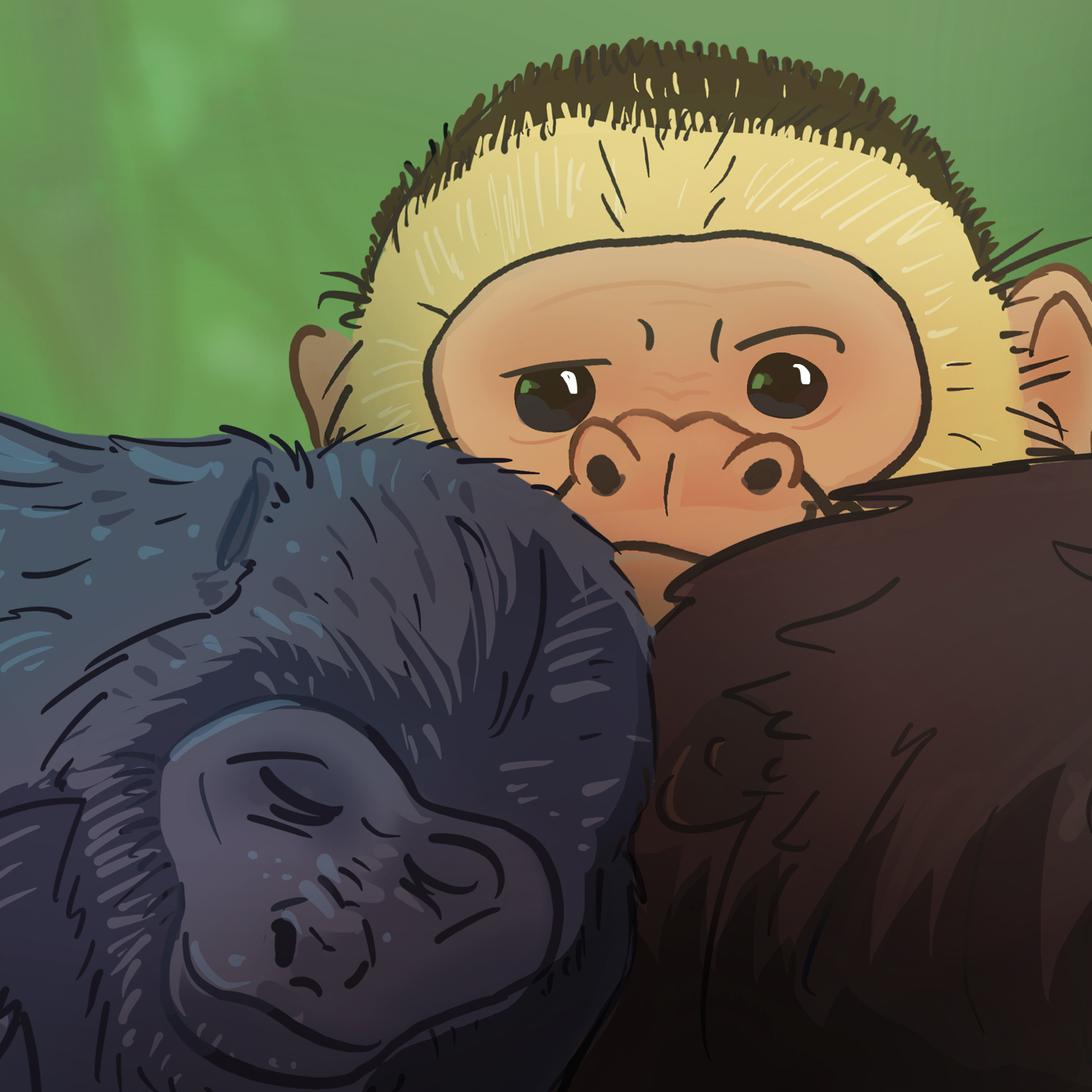
S11 Ep 28Monkey Mystery: The Case of the Capuchin Kidnappers
Why are capuchin monkeys kidnapping howler monkey babies in Panama? We investigate this bizarre case of primate abduction with researchers working with the Smithsonian to get to the bottom of this bizarre behavior. We'll talk about their discoveries, the social dynamics between capuchins and howler monkeys, and the bizarre island conditions that might be driving this behavior. Is it boredom? Is it social learning? Or is something else entirely at play? Travel with us to the Smithsonian Tropical Research Institute (STRI) in Panama to uncover this monkey mystery!Guests: Zoë Goldsborough, visiting researcher at the Smithsonian Tropical Research Institute in Panama and a behavioral ecologist at the Max Planck Institute of Animal Behavior Brendan Barrett, visiting researcher at the Smithsonian Tropical Research Institute in Panama and an evolutionary behavioral ecologist and evolutionary anthropologist at the Max Planck Institute of Animal Behavior
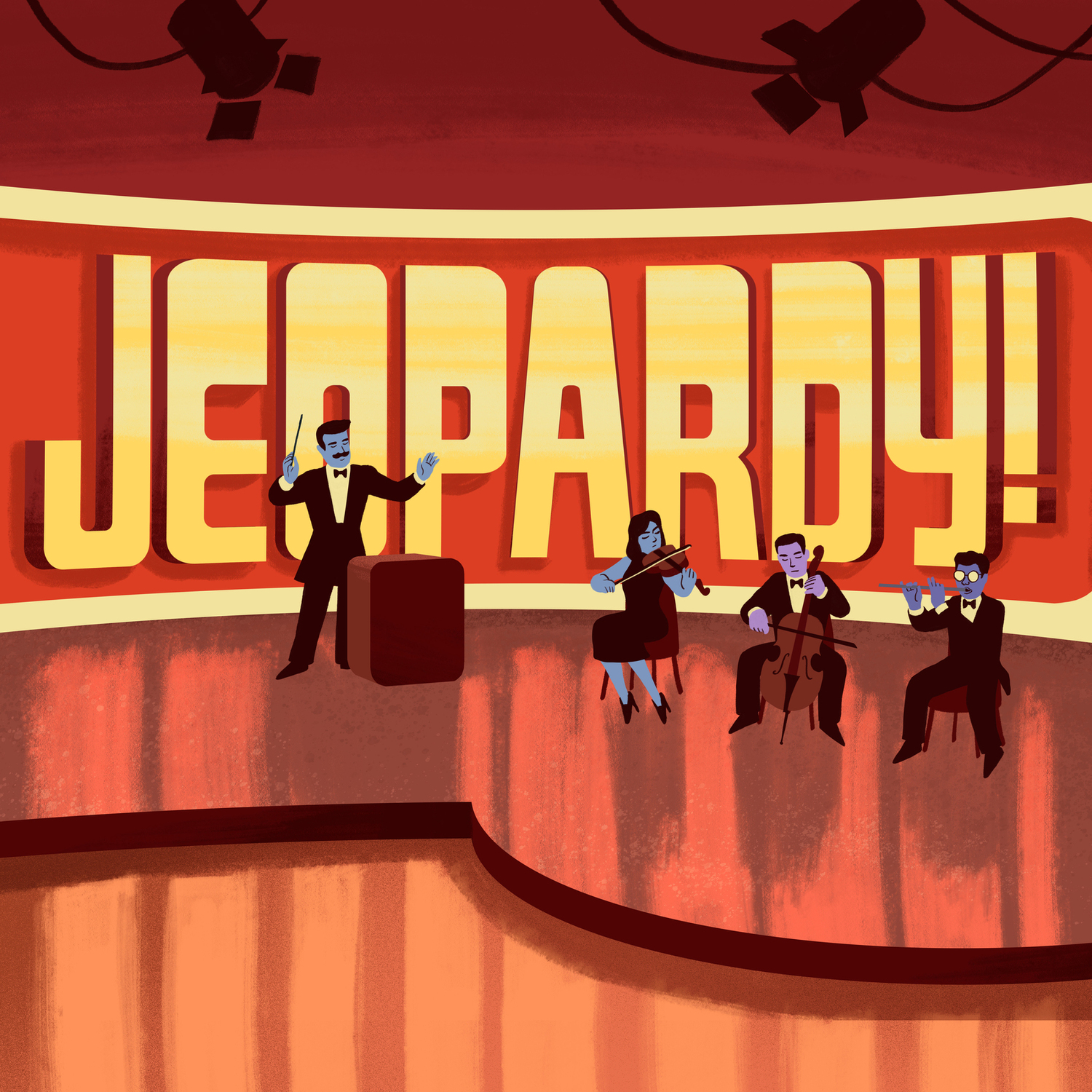
S11 Ep 27The Music of Jeopardy! From a Lullaby to $100,000,000
It’s the most recognizable TV theme in America. But Jeopardy’s “Think Music” wasn’t originally written for a game show… It was written for a toddler. In this episode, we trace the unlikely journey of the Jeopardy theme, from Merv Griffin’s living room to over 10,000 episodes across six decades. Along the way, we explore the show’s sonic evolution, including honking buzzers, 80s synths, and orchestral remixes. Featuring Lisa Broffman, Jeopardy’s Consulting Co-Executive Producer.This episode was written & produced by Casey Emmerling.Visit the Smithsonian's National Museum of American History to see some of the Jeopardy objects we have in the collection. MUSIC FEATURED IN THIS EPISODEHarry Endivo - Don’t Bore Me Alberto!Medité - This Round's On MeFlickering - The SquadAndreas Dahlbäck - 808 or 909Trevor Kowalski - Watercolor Motion IGavin Luke - The Power of One Art by Michael Zhang.This episode of Twenty Thousand Hertz is part of our summer playlist to keep you entertained while Sidedoor is on summer break. We’ll be back in the fall with brand new episodes of Sidedoor.

S11 Ep 26Extreme Botany
Ana María Bedoya's work takes her to some unlikely places: steep cliffs, river rapids, and tumbling waterfalls— all in search of vulnerable aquatic plants. Through lively stories and conversations with scientists, gardeners, artists, and experts, join the New York Botanical Garden (NYBG) for deep dives into everything from food systems and horticulture to botanical breakthroughs in the lab and the field, and the many ways our daily lives are sustained by plants.This episode of Plant People is part of our summer playlist to keep you entertained while Sidedoor is on summer break. We’ll be back in the fall with brand new episodes of Sidedoor.
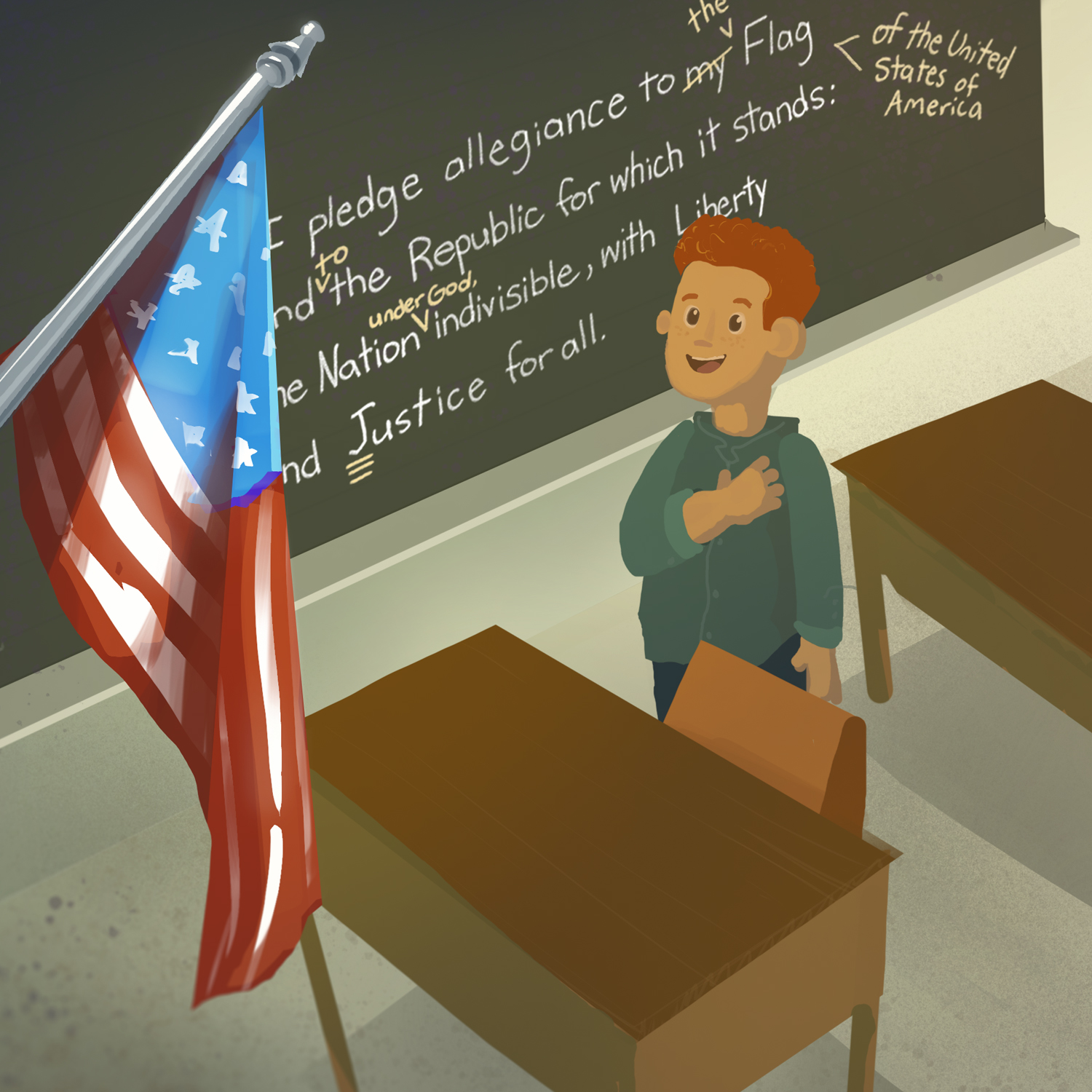
S11 Ep 25Back to School: Origins of the Pledge
Children say it every day in school, but have you ever wondered why we recite the pledge of allegiance? We journey back to the late 1800s to understand how a massive wave of immigration and sagging magazine subscriptions gave rise to this vow of patriotism. From the Civil War to anti-immigrant nativism and Cold War politics, this one pledge tells many stories. Guests: Debbie Schaefer-Jacobs, curator for the history of education collection at the Smithsonian’s National Museum of American HistoryMarc Leepson, author of Flag: An American Biography

S11 Ep 24Bear Trouble
When a black bear in Minnesota woke up from hibernation in the middle of winter and attacked three people and a dog, researchers were left with one question: Why?***This episode of the Points North podcast is part of our summer playlist to keep you entertained while Sidedoor is on summer break. We’ll be back in the fall with brand new episodes of Sidedoor. Credits: Producer: Ellie Katz Editor: Morgan Springer Additional Editing: Michael Livingston, Dan Wanschura Additional Production: Matthew Mikkelsen of Hayloft Audio Music: Blue Dot Sessions
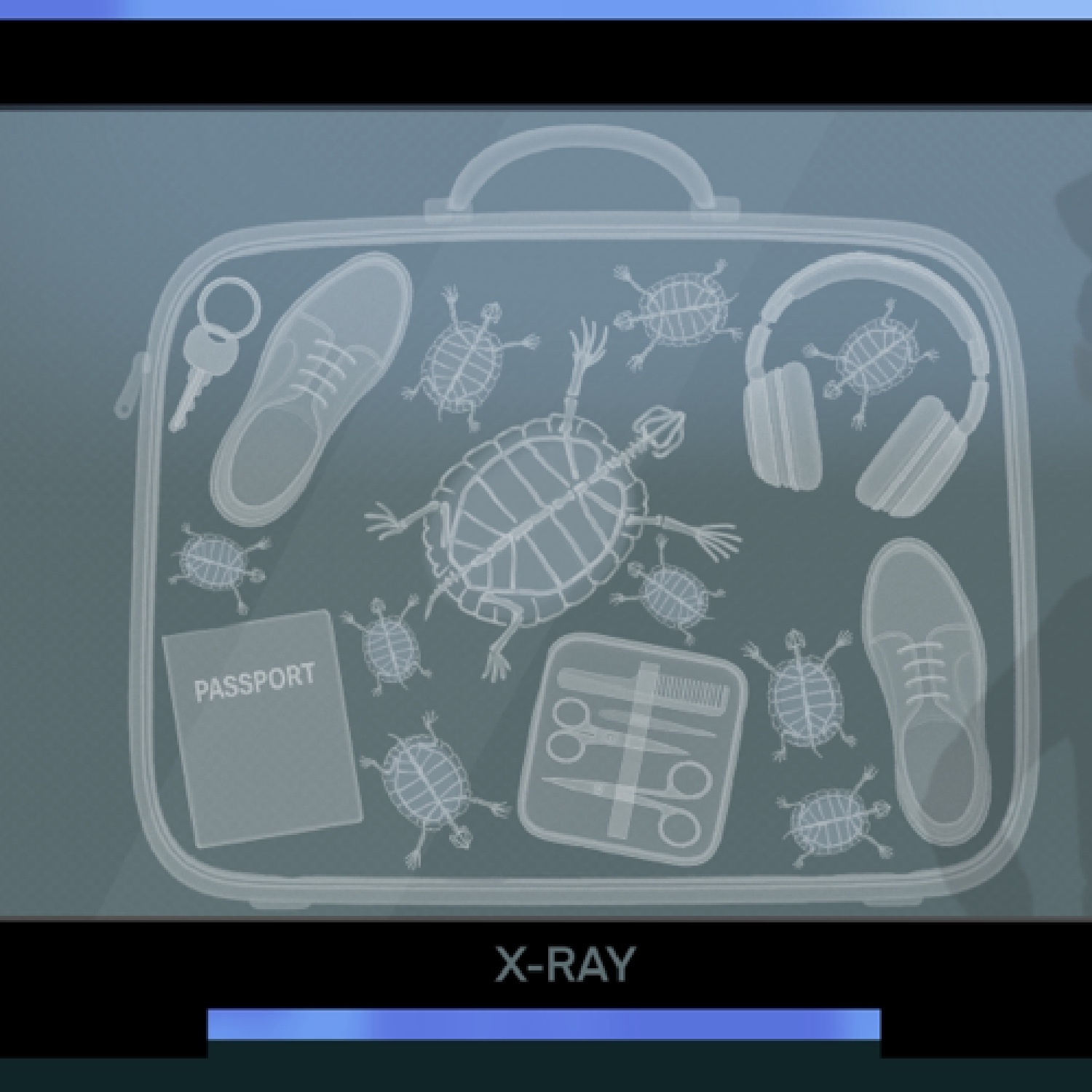
S11 Ep 23Shellshocked II: Turtle Thieves
Turtles are built like tiny tanks—ancient, armored, and famously tough. But in the modern world, that toughness may be their greatest vulnerability. In part two of our turtle two-parter, we dive into the shadowy world of turtle trafficking, where backyard collectors, international smugglers, and unsuspecting pet owners all play a role. From sting operations to turtle triage, we meet the unlikely defenders working to stop the trade—and care for the reptiles caught in the middle. Because once a turtle is taken from the wild, getting it home again is a lot harder than you’d think.GuestsThomas Akre, head of the Turtle Conservation Ecology Lab at the Smithsonian’s National Zoo and Conservation Biology Institute John (JD) Kleopfer, State Herpetologist for the Virginia Department of Wildlife ResourcesFirst Sergeant Tim Dooley, Assistant Special Agent in Charge of Special Operations for the Virginia Conservation Police, Department of Wildlife Resources Connor Gillespie, Director of Outreach at the Wildlife Center of Virginia Dr. Karra Pierce, Director of Veterinary Services at the Wildlife Center of Virginia
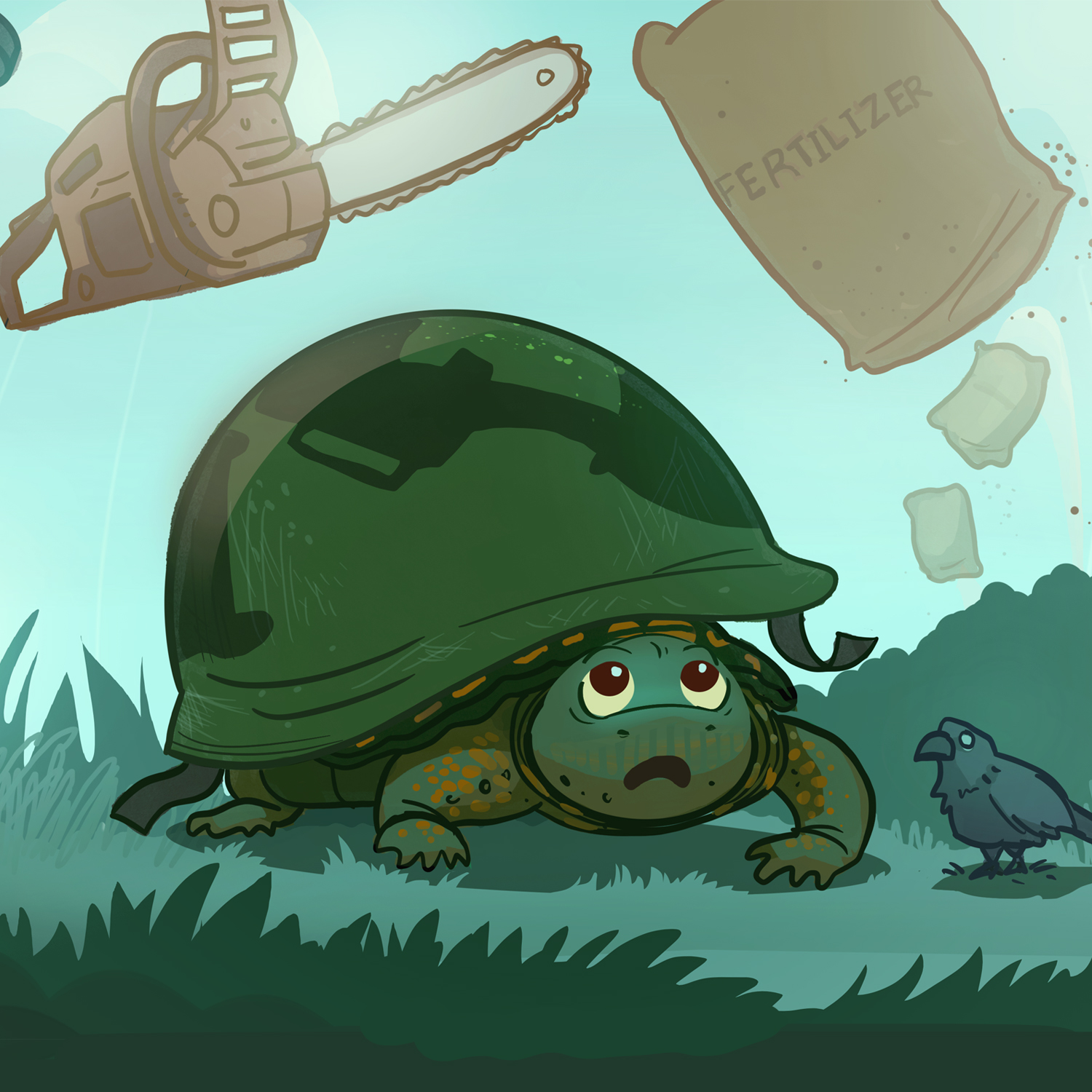
S11 Ep 22Shellshocked I: Turtles vs. The World
Turtles have been around for 200 million years—outliving dinosaurs, surviving ice ages, and basically minding their own business the whole time. Tough on the outside, chill on the inside, they seem built to last. So why are they suddenly disappearing? In part one of this two-part series, we hit the trail in search of one surprisingly elusive reptile: the eastern box turtle. These ancient creatures may seem slow, but their decline is happening fast. And the scariest part? We barely understand what it could mean.Guests:Thomas Akre, head of the Turtle Conservation Ecology Lab at the Smithsonian’s National Zoo and Conservation Biology Institute Maxwell Earle, outreach and engagement coordinator for the Turtle Conservation Ecology Lab at the Smithsonian's National Zoo and Conservation Biology Institute Chris Polinski, lab manager for the Turtle Conservation Ecology Lab at the Smithsonian's National Zoo and Conservation Biology Institute
S11 Ep 21Bloodsuckers!
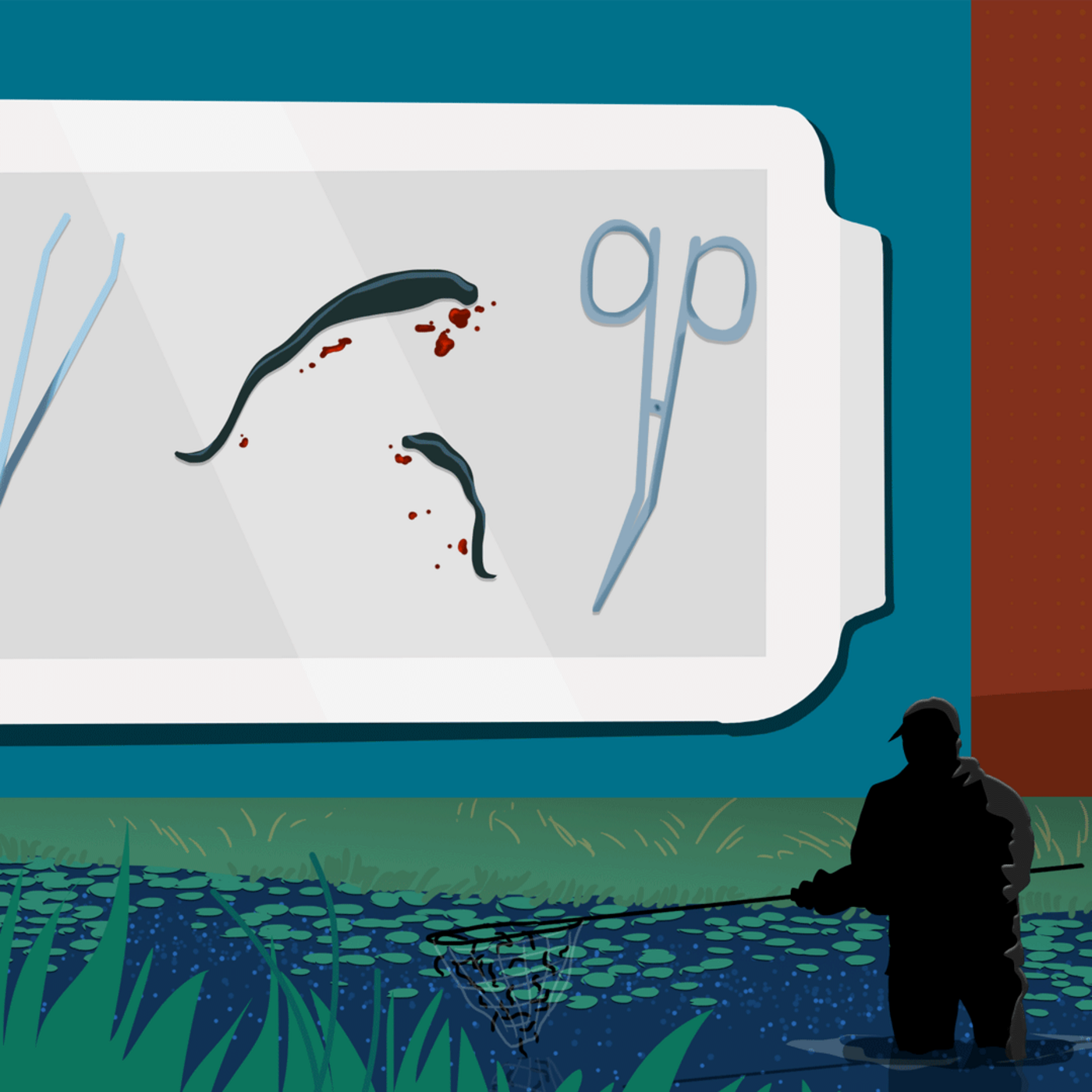
Leeches don’t get a lot of love. They’re slimy, wriggly, and, well, they suck—blood that is. But there’s a lot to learn about the lowly leech. Led by a troupe of Smithsonian experts, we’ll discover how these toothy hangers-on wormed their way into medical practices, performance art, and EVERY human cavity. Yes, even that one. It's a journey of discovery from the swamp to the stage and deep into the vaults of the Smithsonian. And it just may leave you with a little more appreciation (dare we say, love?) for the bloodsuckers.Guests: Anna J. Phillips, research zoologist and curator of Clitellata and parasitic worms at the Smithsonian’s National Museum of Natural HistoryRachel Anderson, project specialist at the Smithsonian’s National Museum of American HistoryJosh T. Franco, national collector at the Smithsonian Archives of American Art, former Smithsonian Artist Research Fellowship selection committee memberRoberto Sifuentes, performance artist and arts instructor at the School of the Art Institute of Chicago, former fellow with the Smithsonian Artist Research FellowshipAram Han Sifuentes, leech wrangler, social practice fiber artist, writer, curator, and adjunct professor at the School of the Art Institute of Chicago
S11 Ep 20The Giving Game
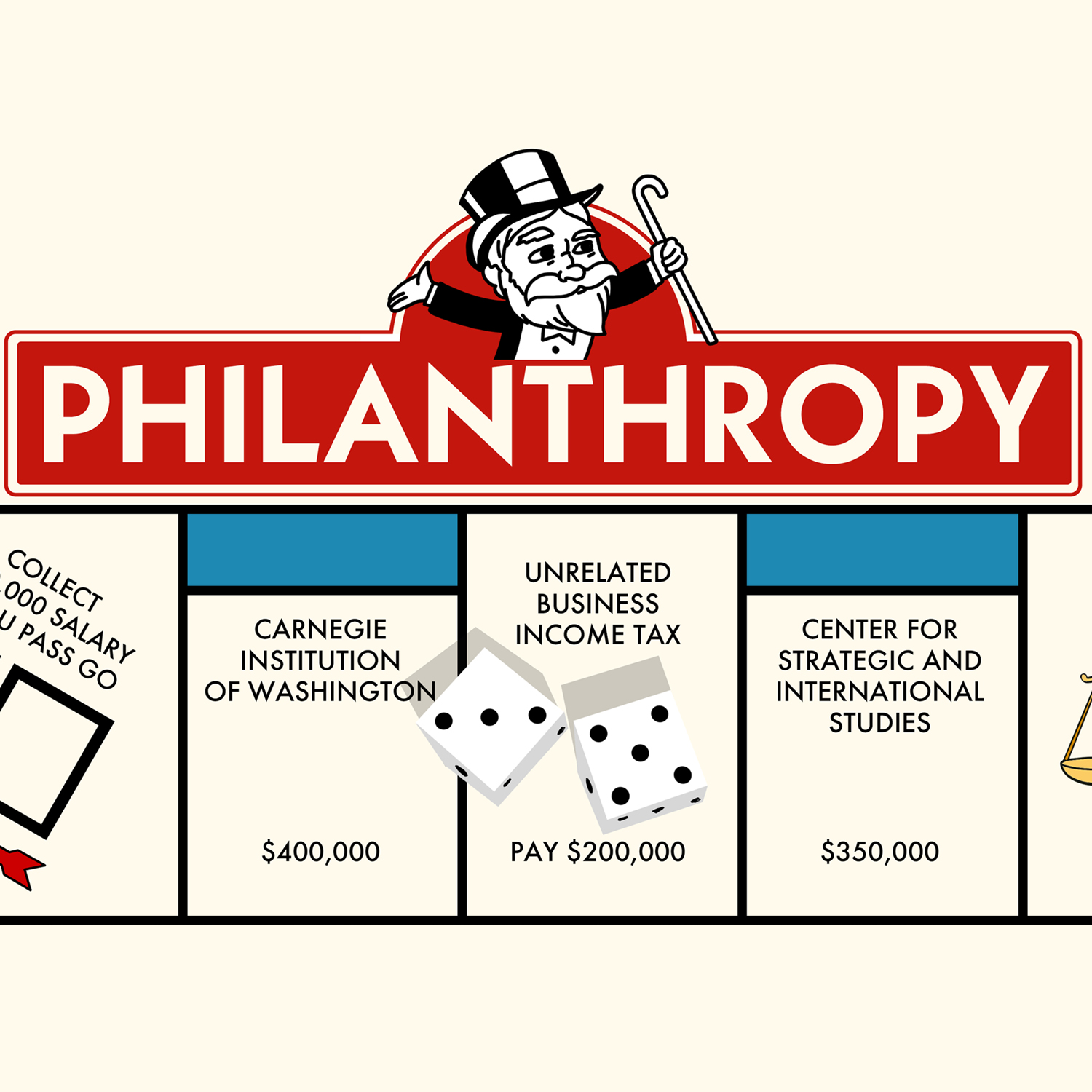
The Gilded Age was a time of unparalleled wealth and prosperity in America — but it was also a time of staggering inequality, corruption, and unchecked power. Among its richest figures was Andrew Carnegie, the steel magnate who built his fortune on the backs of low-paid workers, only to give it away — earning him the nickname the Godfather of American Philanthropy. He didn’t just fund libraries and universities — he championed a philosophy: that it was the duty of the ultra-wealthy to serve the public good.But, as it turns out, even philanthropy is a form of power. So, what exactly have wealthy philanthropists done with their power? We explore that question at the Cooper Hewitt, Smithsonian Design Museum, inside Carnegie’s former mansion. There, a board game called Philanthropy invites players to reimagine the connection between money and power — not by amassing wealth, but by giving it away.Guests: Christina de León, Associate Curator of Latino Design at the Cooper Hewitt, Smithsonian Design Museum Tommy Mishima, artist and co-creator (with Liam Lee) of the installation “Game Room” in Cooper Hewitt's triennial Making Home David Nasaw, author of the biography Andrew Carnegie
S11 Ep 19Space Jams
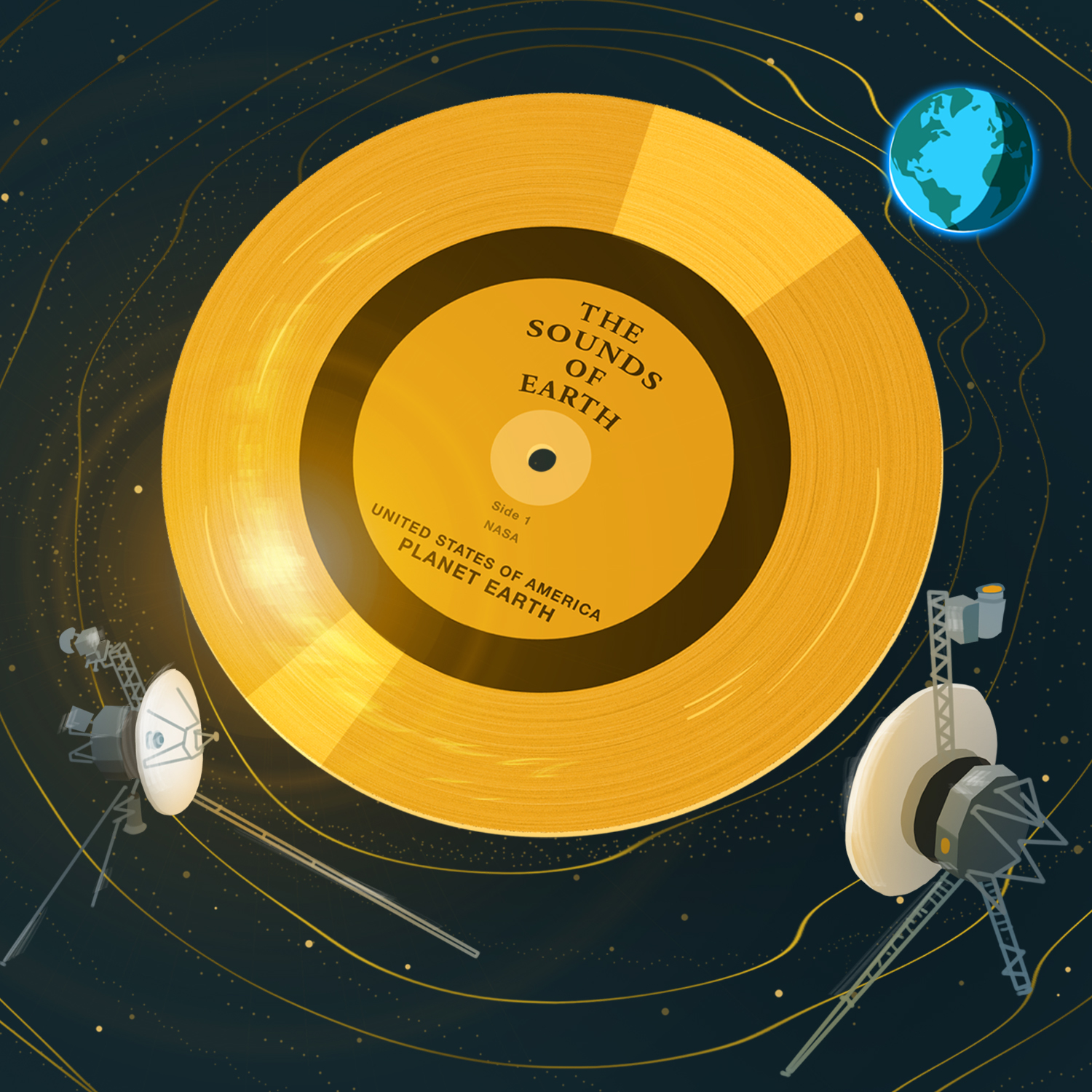
If you were curating a mixtape that might be heard by aliens billions of years from now - but definitely would be seen by your fellow Earthlings - what would you put on it? In 1977, two Voyager spacecraft launched from Cape Canaveral on a journey that would take them beyond our solar system. Affixed to the side of these two planetary explorers was the Voyager Golden Record — the ultimate mixtape of humanity — containing 27 pieces of music as well as pictures and sounds of Earth. But how did these selections get made? Nearly 50 years later, we're teaming up with our friends at the Smithsonian National Air and Space Museum’s podcast, AirSpace, to explore what's on the record, how it got made, and its legacy.Learn more about AirSpace! Airspace Hosts: Matthew Shindell, curator of space history at the Smithsonian’s National Air and Space MuseumEmily Martin, planetary geologist at the Smithsonian’s National Air and Space MuseumGuests:Ann Druyan, Voyager Golden Record Creative DirectorLawrence Azerrad, Co-founder of Macroscopic
S11 Ep 18Zoo's Clues
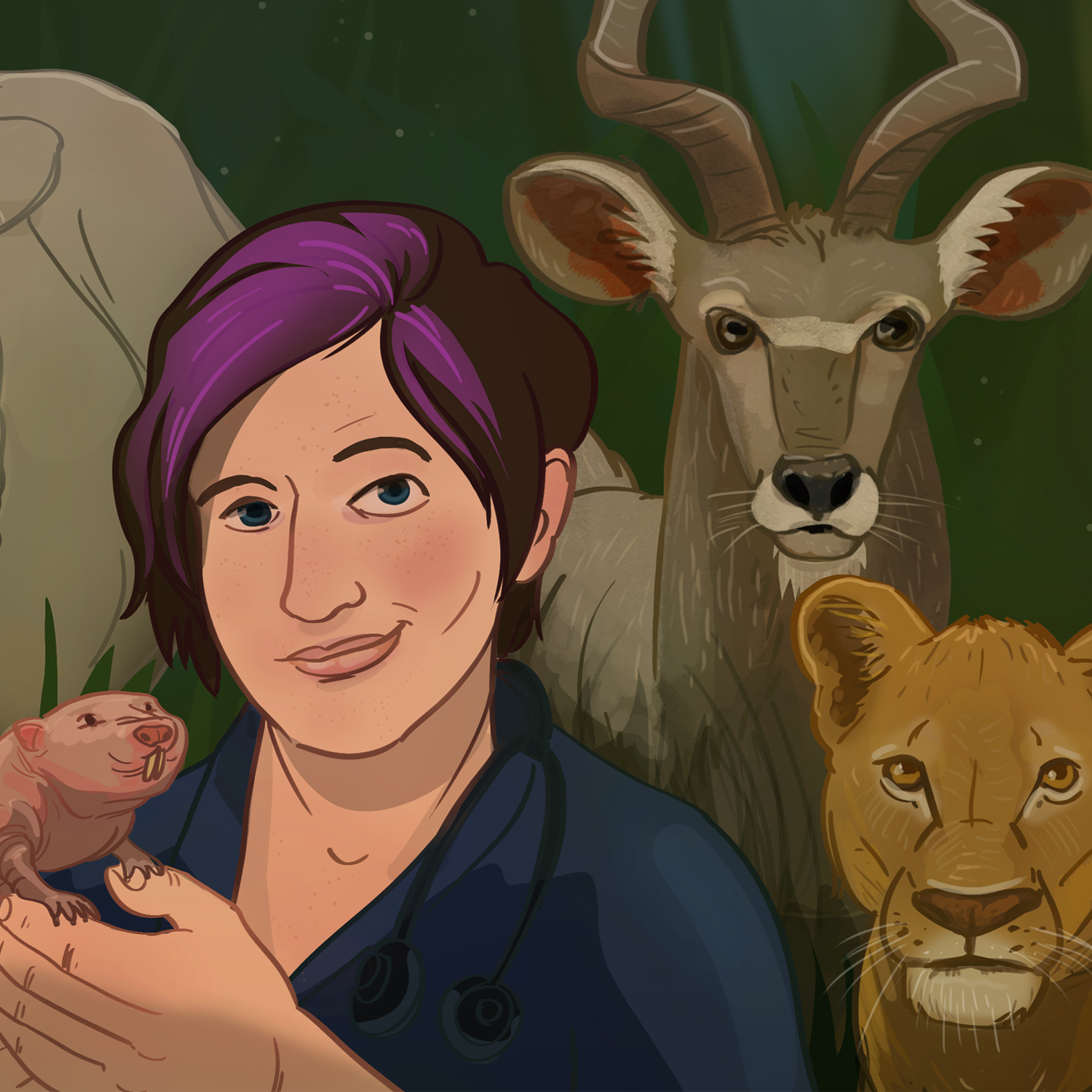
The Curious Case of the Dizzy Kudu. Rhinos with an unexplained skin disease. A lion that could barely chew. Who do you call when there's a mystery at the zoo? The Smithsonian National Zoo and Conservation Biology Institute's anatomical pathologists. These highly-skilled vets search for clues to investigate animal disease and death — sometimes encountering bizarre phenomena. So, grab your microscope and get ready to head through a very special side door of the National Zoo — the necropsy lab. And you're in luck, because pathologist Kali Holder is our guide! Guests:Kali Holder, anatomic pathologist at the Smithsonian's National Zoo and Conservation Biology Institute
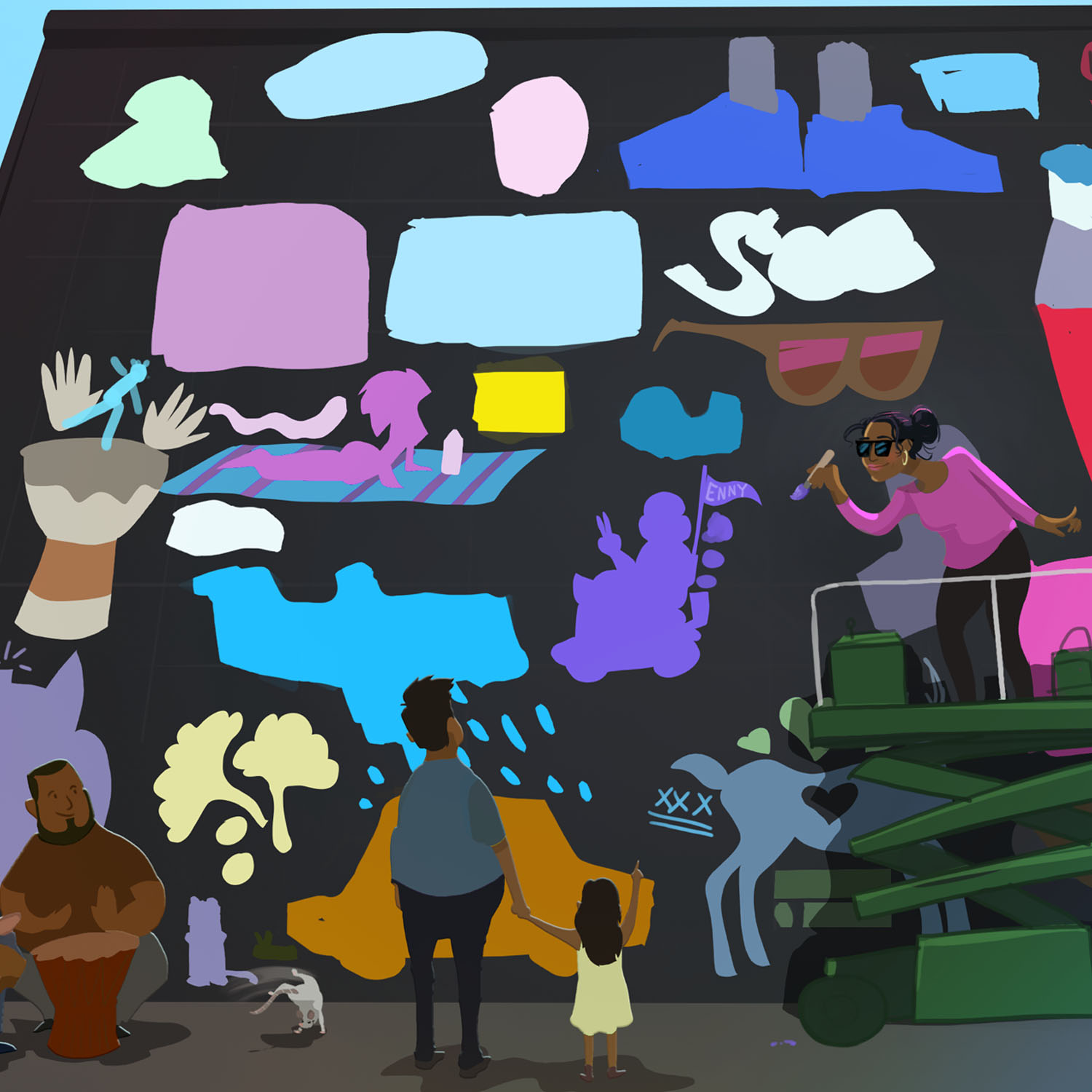
S11 Ep 17Writing on the Wall
From the time we’re old enough to hold a crayon, it feels instinctive to draw on the wall. But for MISS CHELOVE – also known as Cita Sadeli – this instinct became a calling. Through bold color and layered symbolism, she transforms everyday public spaces into deeply personal statements, inspiring some passers-by to wonder: what is the role of the public artist? And how can public art both reflect and shape a community's identity?Guests:MISS CHELOVE (also known as Cita Sadeli), independent Washington D.C. - based art director, muralist, designer, and illustrator Sojin Kim, curator for the Smithsonian Asian Pacific American Center’s exhibition: Sightlines, Chinatown and Beyond
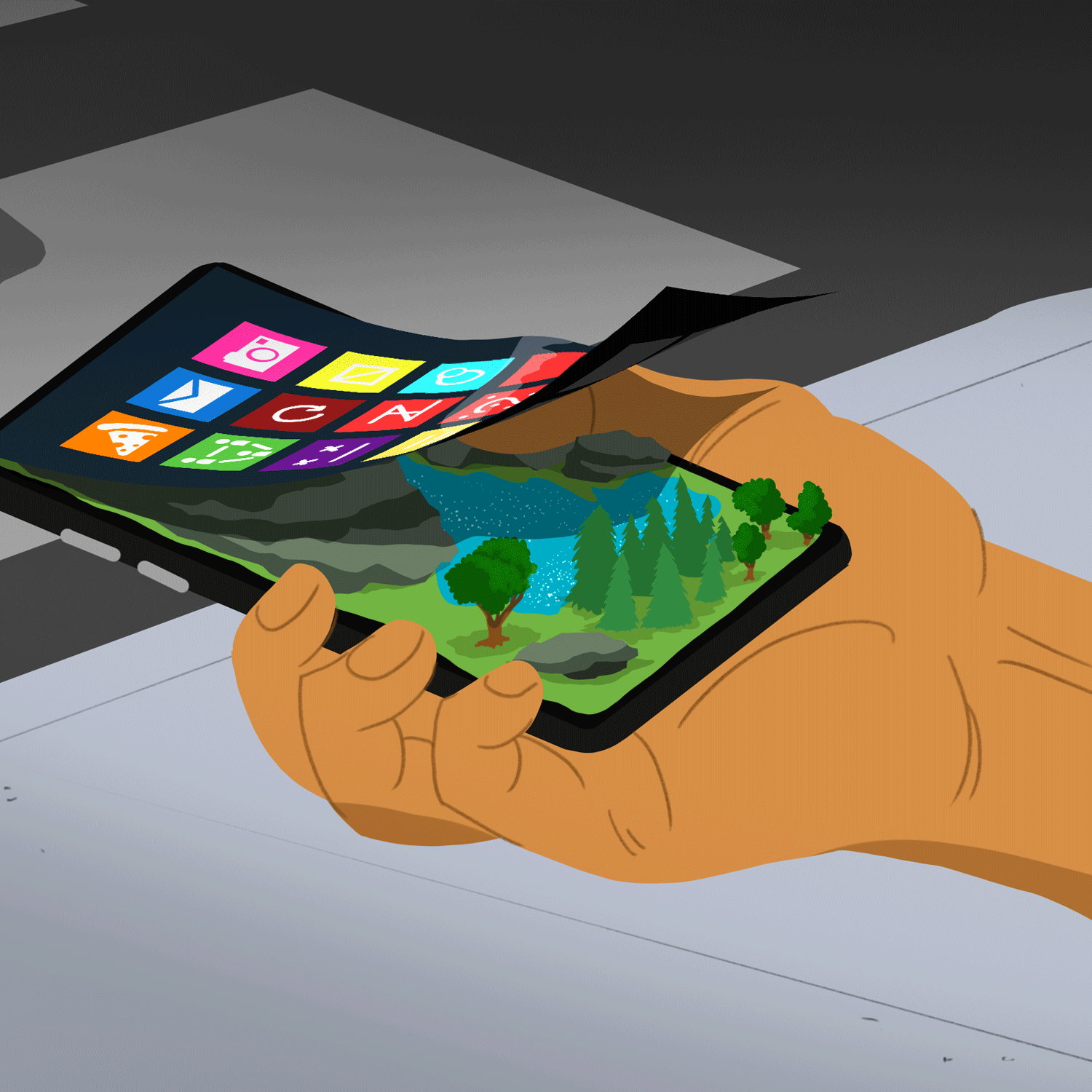
S11 Ep 16Cellphones Rock
Cellphones put the power of the world at our fingertips. With the touch of a finger, you can instantly connect with your doctor, have food delivered to your office or simply obliterate your niece at Words with Friends. And it's all made possible by rocks formed millions of years ago, deep underground. Join us as we bust open our devices to figure out how these stones power our phones.Guests:Joshua A. Bell, curator of globalization at the Smithsonian’s National Museum of Natural HistoryMichael Wise, geologist in the department of mineral sciences at the Smithsonian's National Museum of Natural HistoryJosh Lepawsky, professor of geography at Memorial University of Newfoundland
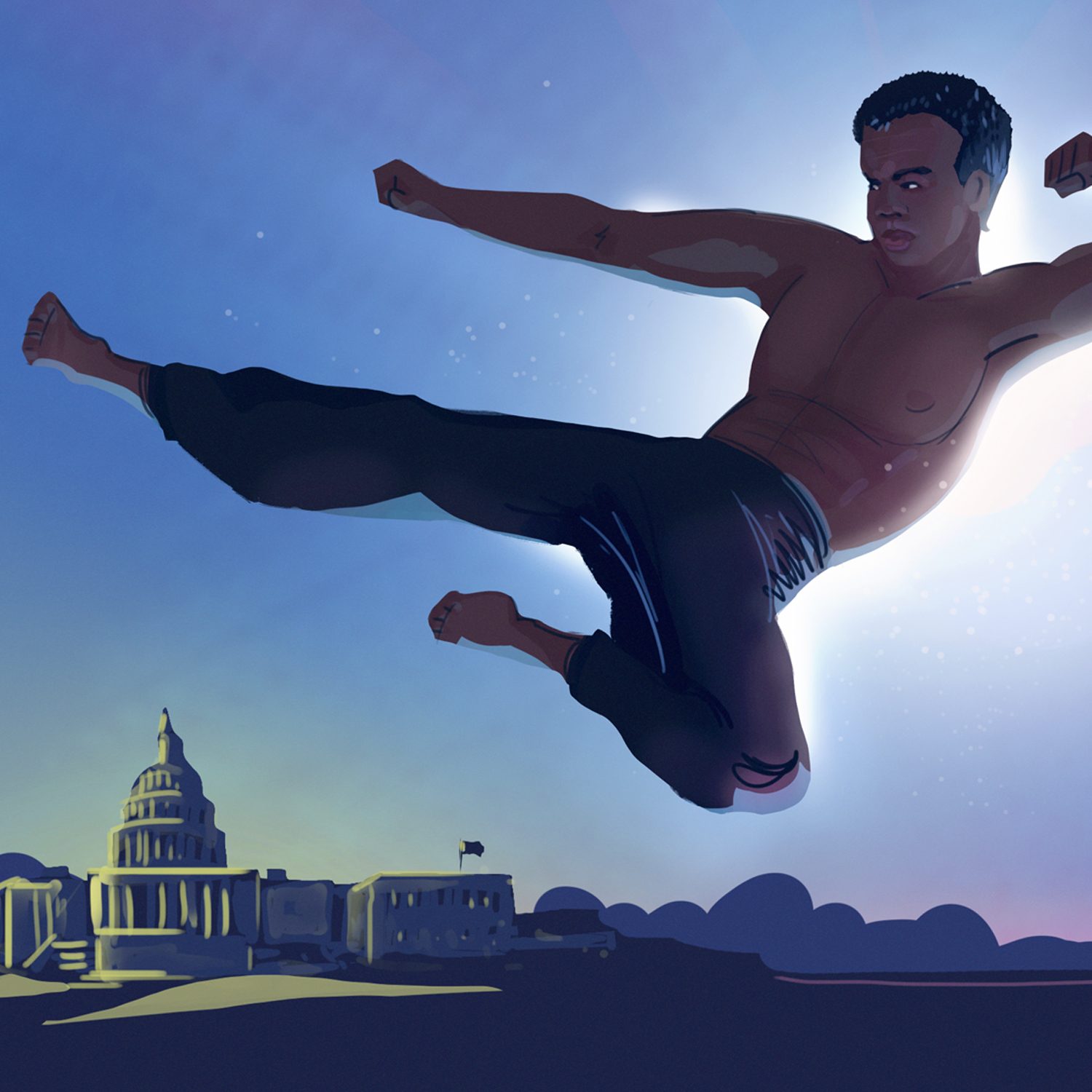
S11 Ep 15The Art of the Fist
The United States has more martial arts schools than any other country – by far. Chances are you or someone you know practiced karate or another martial art growing up. While martial arts gained popularity in the U.S. for many reasons, one name stands out: Jhoon Rhee. Known as the Father of American Taekwondo, Rhee famously taught Bruce Lee how to kick and Muhammed Ali how to punch. His bare-knuckled American dream made an impact on generations of Americans.Guests: Terence Nicholson, a D.C.-based artist. Creator of Safety Jacket: A Mourning in ChinatownSojin Kim, curator for the Smithsonian Asian Pacific American Center’s exhibition: Sightlines, Chinatown and BeyondM. Aziz, an Assistant Professor of African American Studies in the Department of American Ethnic Studies at the University of WashingtonChun Rhee, son of Jhoon RheeJimmy Rhee, son of Jhoon Rhee

S11 Ep 14Asteroid Tag
A billion-dollar spacecraft, a daring deep-space mission, and one of humanity’s biggest questions: Where did we come from? NASA’s OSIRIS-REx set out to collect a pristine sample from asteroid Bennu, a cosmic time capsule that may hold clues to the origins of life in our solar system. But the journey was anything but easy.Guests:Erica Jawin, postdoctoral research geologist in the Center for Earth and Planetary Studies at the Smithsonian’s National Air and Space Museum and member of the OSIRIS-REx missionTim McCoy, curator of meteorites at the Smithsonian's National Museum of Natural History and deputy mission sample scientist for the OSIRIS-REx missionMike Moreau, deputy project manager in the Space Science Mission Operations Project at NASA’s Goddard Space Flight Center
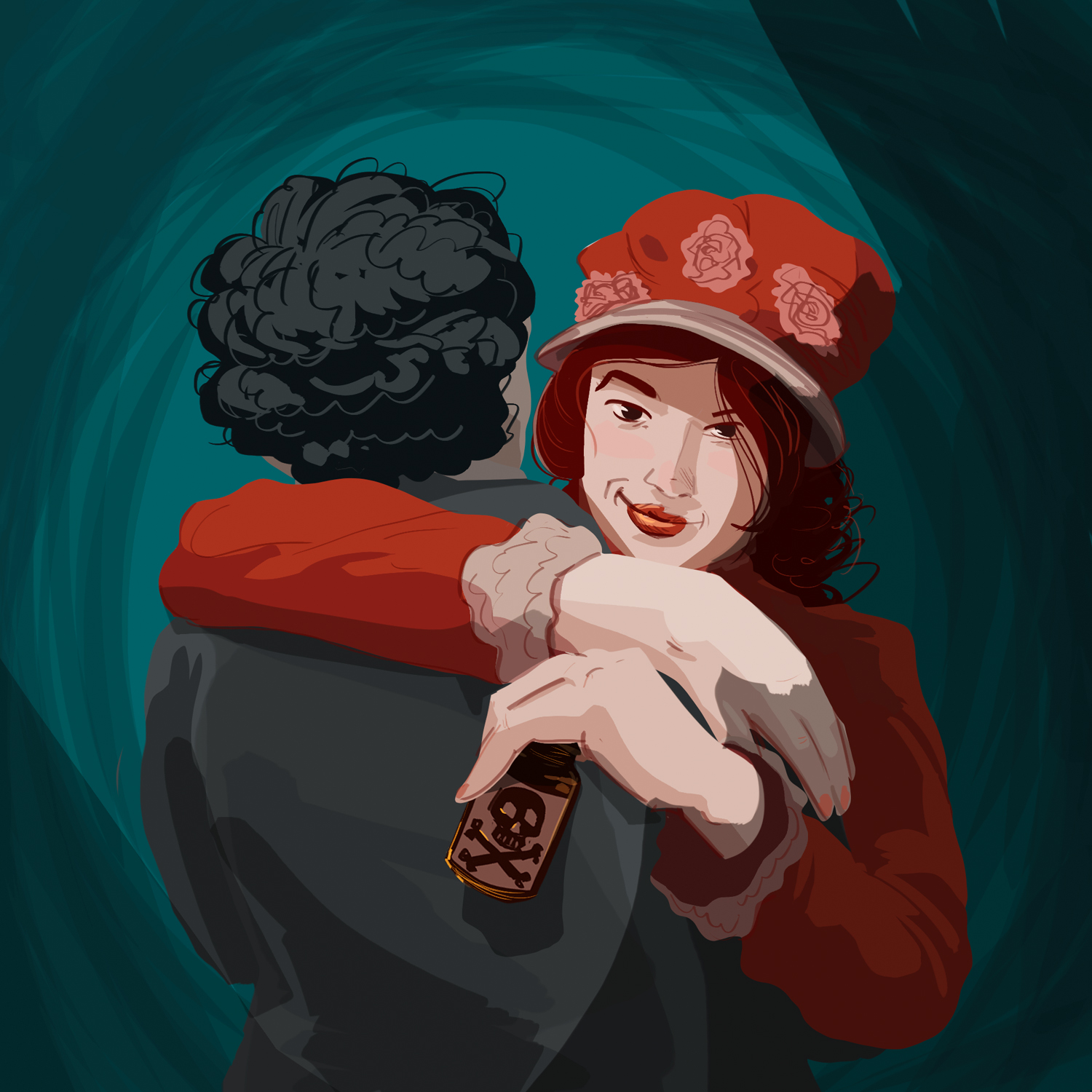
S11 Ep 13Poison and Poisonability
When we think of serial killers, we tend to think of men—Ted Bundy, Jeffrey Dahmer, Jack the Ripper. But in the 1800s, the deadliest killers often wore corsets. In fact, so many women were arrested for serial poisoning that the era became known as the “Golden Age of Arsenic.” Journey back in time to trace the crimes of Lydia Sherman, a Victorian Era femme fatale who left a trail of bodies in her wake. How did she — and women like her — evade capture for so long? And how did their murders help give rise to modern criminal forensics?Guests: Kristen Frederick-Frost, curator of science at the Smithsonian's National Museum of American History Lisa Perrin, author and illustrator of The League of Lady Poisoners Deborah Blum, author of The Poisoner's Handbook. Director of the Knight Science Journalism Program at MIT.
S11 Ep 12Right Stuff, Wrong Sex
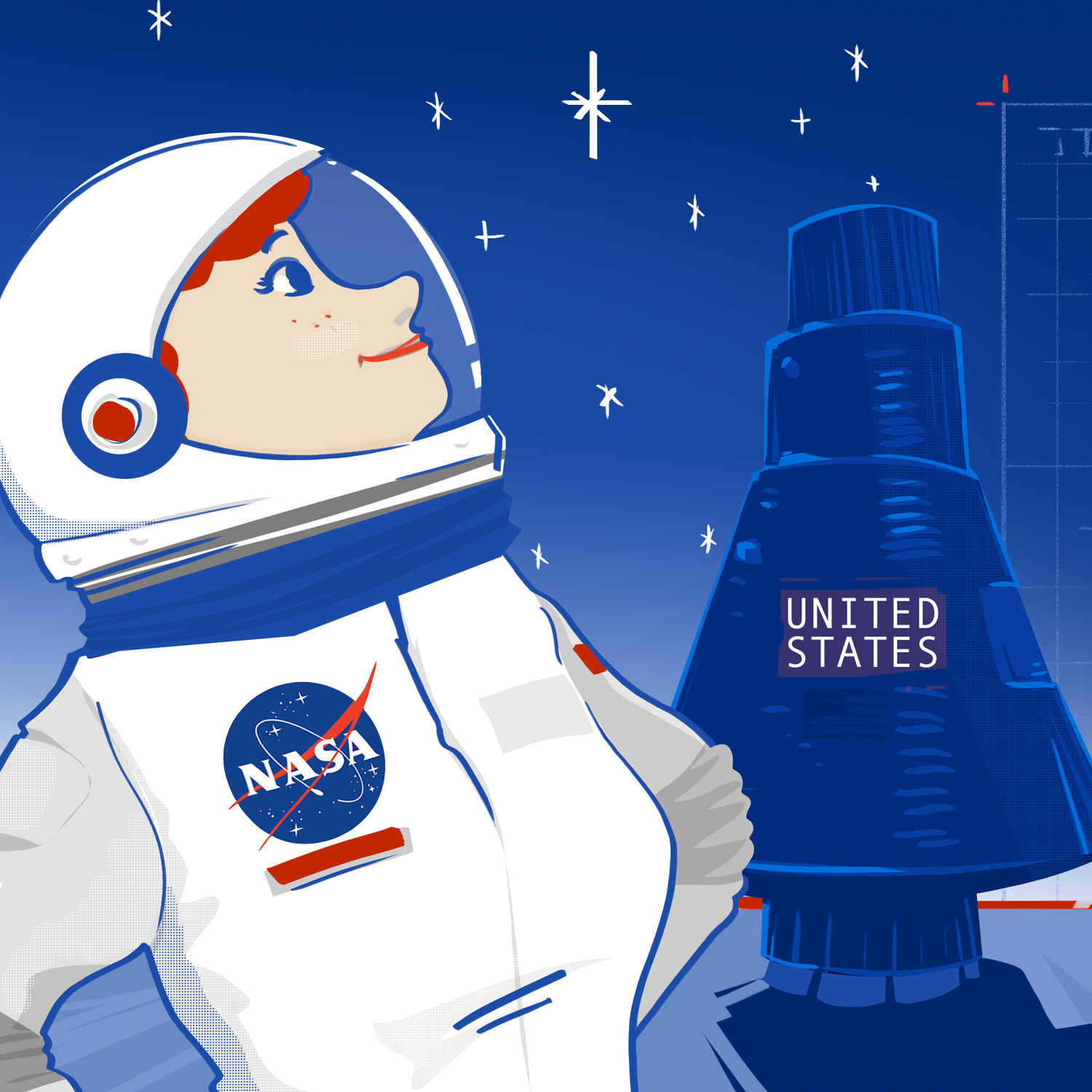
There was a time, before Neil Armstrong set foot on the moon, when some researchers believed women were better suited for space than men. In 1961, a group of female pilots—today known as the Mercury 13—quietly aced NASA’s toughest astronaut tests, even outperforming the Mercury men in some areas. But with the space race heating up, their mission was grounded— but not by science. But what became of America’s first female astronaut candidates?Guests: Margaret Weitekamp, chair of the space history department at the Smithsonian’s National Air and Space Museum, and author of Right Stuff, Wrong Sex: America’s First Women in Space Program andSpace Craze: America’s Enduring Fascination with Real and Imagined Spaceflight Emily Calandrelli, engineer, author, and TV show host of Emily’s Wonderlab and Xploration Outer Space
S11 Ep 11To Sweat Like Beyoncé
Beyoncé is one of the most well-known and appreciated Black women in music today, but to understand her work, we need to look at who came before her and what those women contributed to the story of Black women on stage. In this special guest episode, curator Krystal Klingenberg introduces a new season of Collected, a podcast from the Smithsonian’s National Museum of American History, all about Black women in music. Guests:Daphne A. Brooks, PhD., is professor of African American Studies and Music at Yale University. Dr. Brooks most recent books is Liner Notes for the Revolution: The Intellectual Life of Black Feminist Sound (Harvard University, February 2021). https://afamstudies.yale.edu/people/daphne-brooks Margo Jefferson is a Pulitzer Prize-winning critic, and a 2022 recipient of the Windham-Campbell Prize for Nonfiction. Her most recent book is Constructing a Nervous System: a memoir (2022). She is a professor of Professor of Professional Practice at Columbia University. https://arts.columbia.edu/profiles/margo-jefferson Crystal M. Moten, Ph.D., is a historian who specializes in twentieth century African American Women’s History. In 2023 she published Continually Working: Black Women, Community Intellectualism, and Economic Justice in Postwar Milwaukee. Dr. Moten is the Curator of Collections and Exhibitions at the Obama Presidential Center Museum in Chicago, Illinois and was previously curator at Smithsonian’s National Museum of American History https://www.crystalmoten.comDwandalyn R. Reece, Ph.D. is curator of Music and Performing Arts at the Smithsonian Institution’s National Museum of African American History and Culture. Dr. Reece curated the museum’s permanent exhibition, Musical Crossroads, for which she received the Secretary’s Research Prize in 2017. https://music.si.edu/dr-dwandalyn-reeceFath Davis Ruffins was a Curator of African American History at the Smithsonian’s National Museum of American History (NMAH). She began working at the museum in 1981, and between 1988 and 2005, she was the head of the Collection of Advertising History at the NMAH Archives Center. Ruffins was the original project director of Many Voices, One Nation, an exhibition that opened at NMAH in June 2017. She was leading a museum project on the history and culture of the Low Country region of the Carolinas, Georgia, and Florida. https://profiles.si.edu/display/nruffinsf1102006 Craig Seymour is a writer, photographer, and critic who has written about music, particularly Black music for over two decades. His most recent book is Luther: The Life and Longing of Luther Vandross (HarperCollins, 2004). https://randbeing.com/

S11 Ep 10The Sex Lives of Giant Pandas
Whether it's live on the Smithsonian National Zoo's panda cam or in front of a crowd, possibly no other animal's sex life is as closely watched as the giant pandas' is. And there's a reason. These cuddly-looking black and white bears just can't figure out how to mate. But, with a little help from science, the once-endangered giant panda is making a comeback. To honor the arrival of the National Zoo's newest giant pandas, we peep into the (not so secret) sex lives of pandas. Guests: Pierre Comizzoli, panda sex expert and staff scientist at the Smithsonian Conservation Biology InstituteLisa Stevens, AKA “Panda Lady”; former senior curator of mammals at the Smithsonian’s National ZooStephen Powers, panda fan
S11 Ep 7Everybody Pledge Now
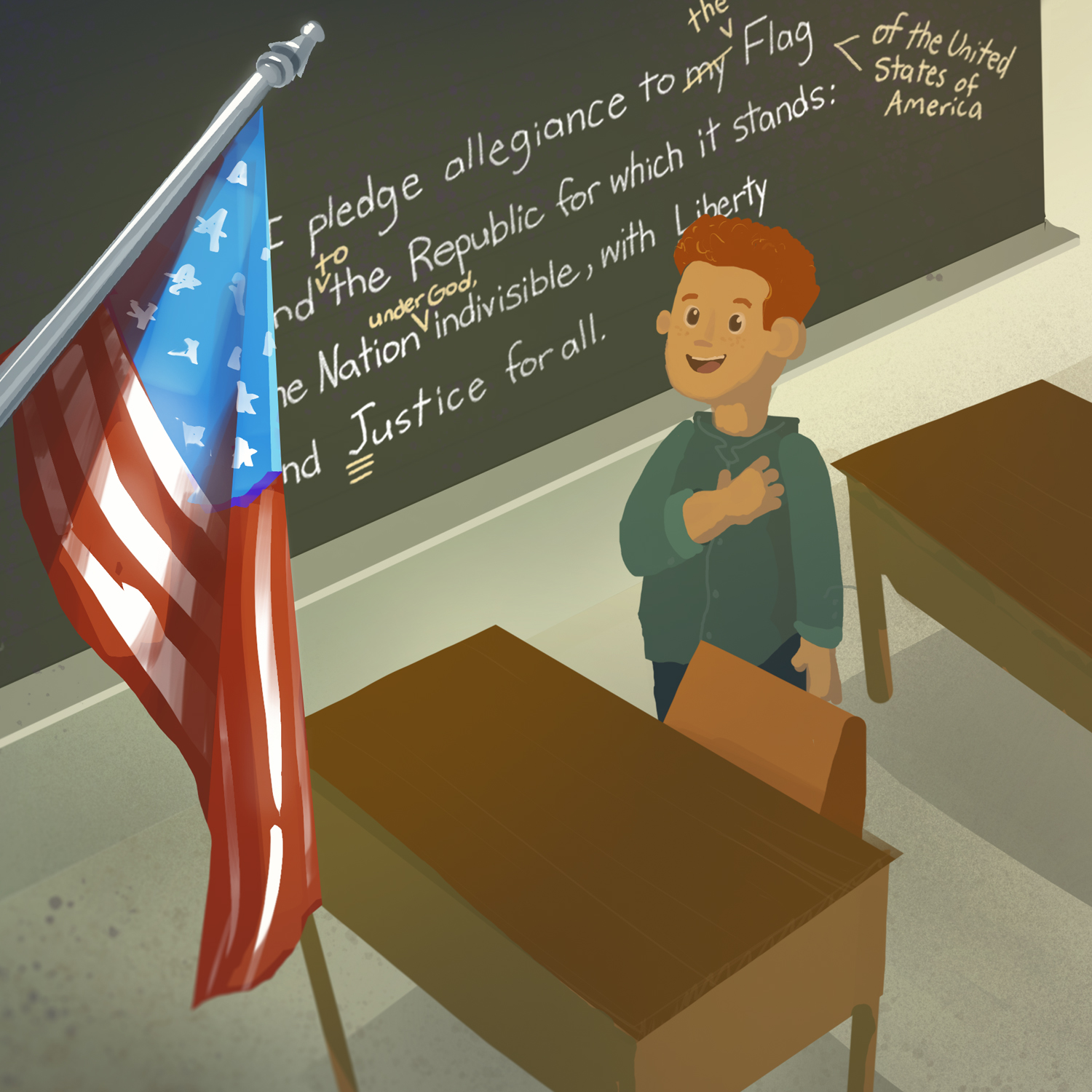
Children say it every day in school, but have you ever wondered why we recite the pledge of allegiance? We journey back to the late 1800s to understand how a massive wave of immigration and sagging magazine subscriptions gave rise to this vow of patriotism. From the Civil War to anti-immigrant nativism and Cold War politics, this one pledge tells many stories. Guests: Debbie Schaefer-Jacobs, curator for the history of education collection at the Smithsonian’s National Museum of American HistoryMarc Leepson, author of Flag: An American Biography
S11 Ep 8Midnight Magic
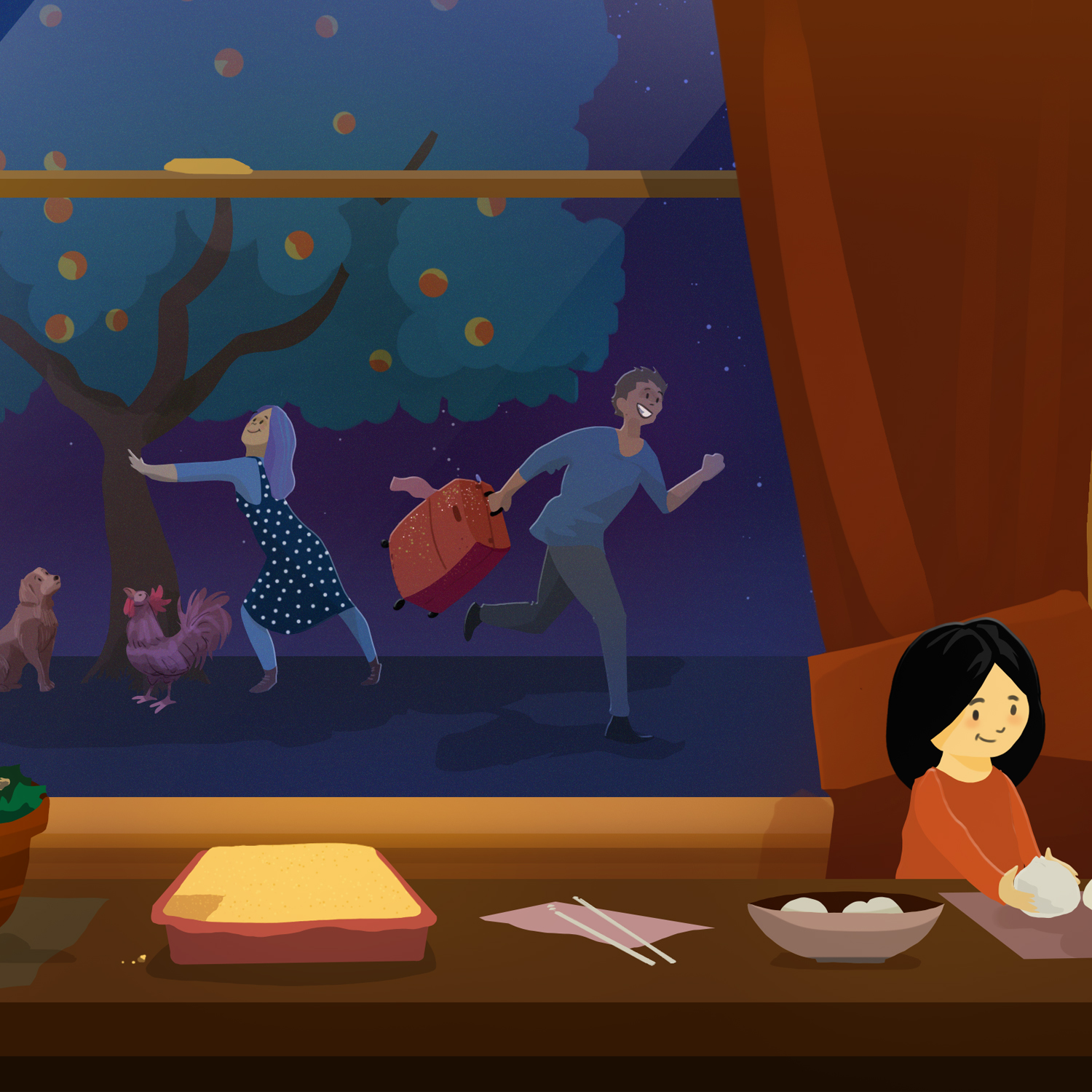
"I’m not superstitious, but I’m a little stitious.” As the New Year approaches, this iconic line from The Office feels more relatable than ever. From gulping grapes in Spain to donning yellow underwear in South America and practicing Scotland’s ancient “first-footing” tradition, people around the world embrace odd – and oddly meaningful - rituals to ensure good luck in the year ahead. Join us as we travel around the Smithsonian to explore how facing the unknown brings us together at New Year’s… in the most unusual ways.Guests:Jim Deutsch, senior content coordinator for America at 250 book project with the Smithsonian Institution, formerly a curator at the Smithsonian Center for Folklife and Cultural HeritageTey Marianna Nunn, associate director of content and interpretation for the Smithsonian’s National Museum of the American LatinoTheo Gonzalvez, curator at the National Museum of American HistoryGrace Jan, Yao Wenqing Chinese Painting Conservator at the Smithsonian’s National Museum of Asian Art
S11 Ep 7The Whole Truth
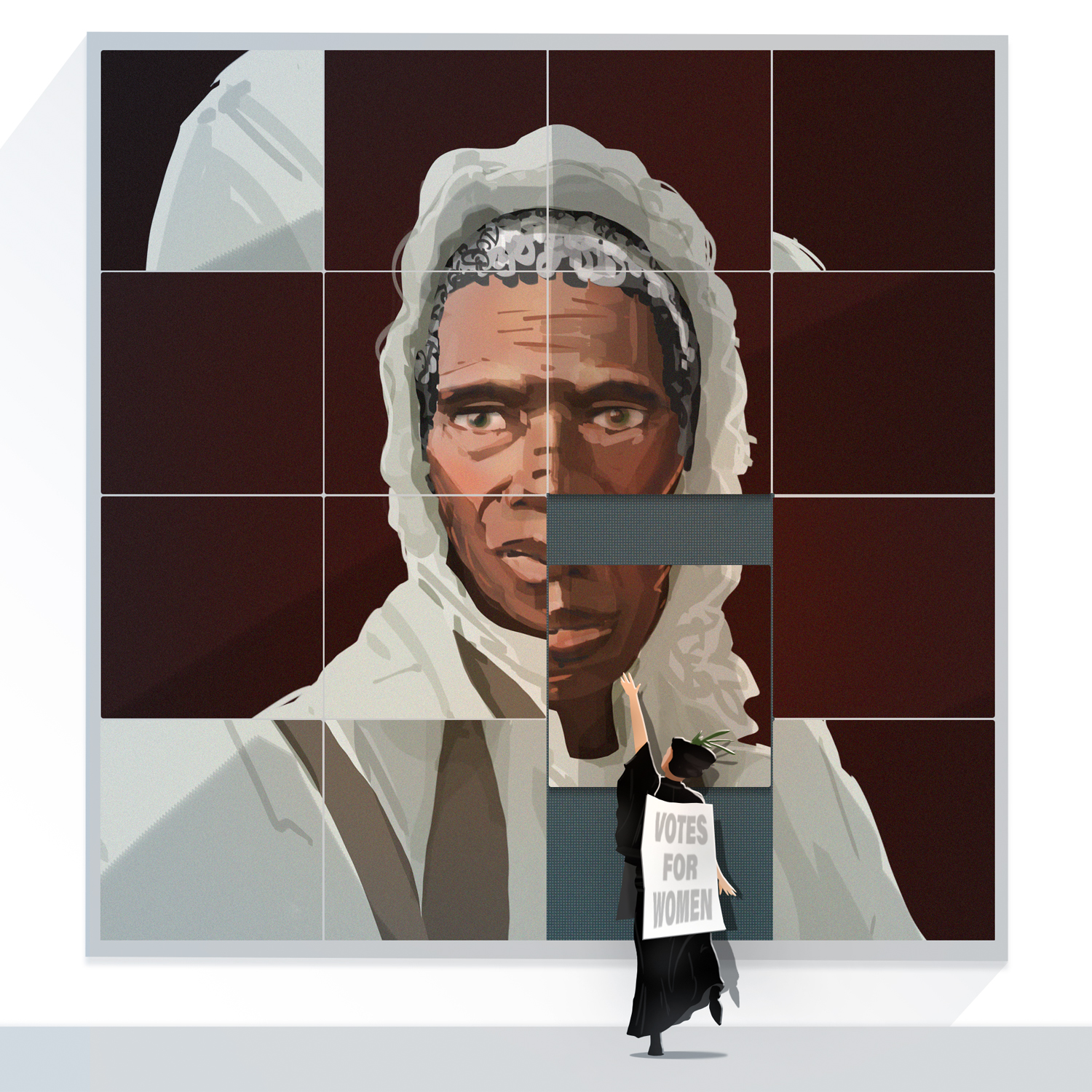
Sojourner Truth was a women's rights advocate known best for her famous speech "Ain't I a Woman." But Truth never actually said these words. In fact, much of the Truth we know… is fiction. Depictions from different artists and journalists have tweaked Truth's legacy to fit their messages, giving her a “kaleidoscopic reputation,” according to Nell Irvin Painter, author of Sojourner Truth: A Life, A Symbol. So how did a speech she never gave make Sojourner Truth one of the most famous women’s suffragists of the 19th century? And what did Truth actually say? Turns out, the whole Truth is even better than fiction. Guests: Nell Irvin Painter, author of Sojourner Truth: a Life, a Symbol; Edwards Professor of American History Emerita at Princeton University Ashleigh Coren, former content strategist for the Smithsonian's Our Shared Future: Reckoning with Our Racial Past initiative Kim Sajet, director of the Smithsonian’s National Portrait Gallery and host of the Smithsonian's Portraits podcast
S11 Ep 6Finding Cleopatra
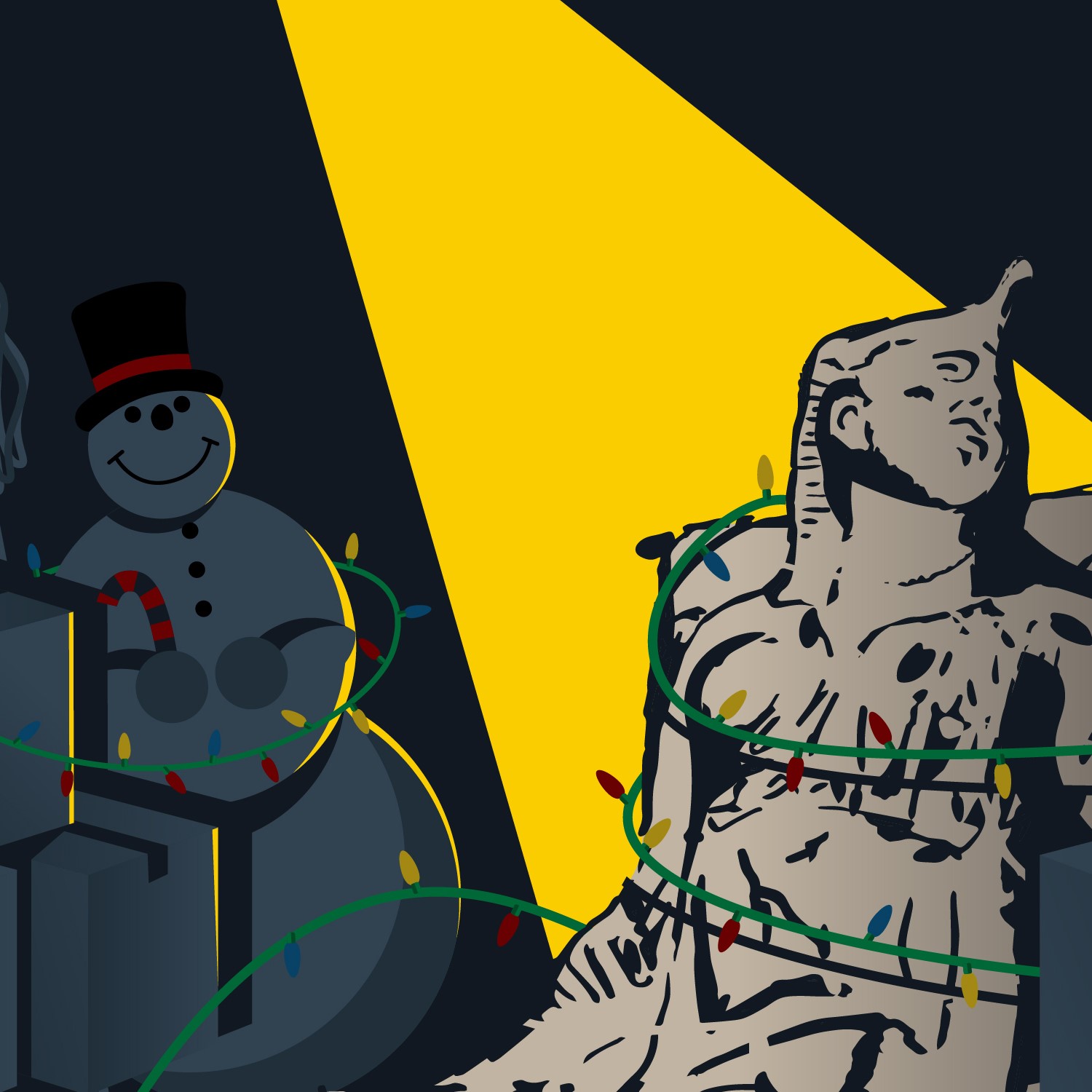
Edmonia Lewis was the first sculptor of African American and Native American (Mississauga) descent to achieve international fame. Her 3,000-pound masterwork, “The Death of Cleopatra,” commemorated another powerful woman who broke with convention… and then the sculpture disappeared. On this return episode of Sidedoor, we find them both. You can see "The Death of Cleopatra" at the Smithsonian American Art Museum. The new exhibition, The Shape of Power: Stories of Race and American Sculpture features 82 artworks created between 1792 and 2023, including two by Edmonia Lewis. Guests:Marilyn Richardson, art historian and independent curator Kirsten Pai Buick, professor of art historian at the University of New Mexico and author of Child of the Fire: Mary Edmonia Lewis and the Problem of Art History's Black and Indian SubjectKaren Lemmey, the Lucy S. Reign Curator of Sculpture at the Smithsonian American Art Museum