
Sidedoor
258 episodes — Page 3 of 6
King's Speech
This MLK Day we're digging into the story behind Dr. King's famous "I Have a Dream" speech —from its first draft to a rhyming poem and, finally, to the speech we all know today. This episode was previously released in February of 2022.
The Monumental Imagination of Augusta Savage
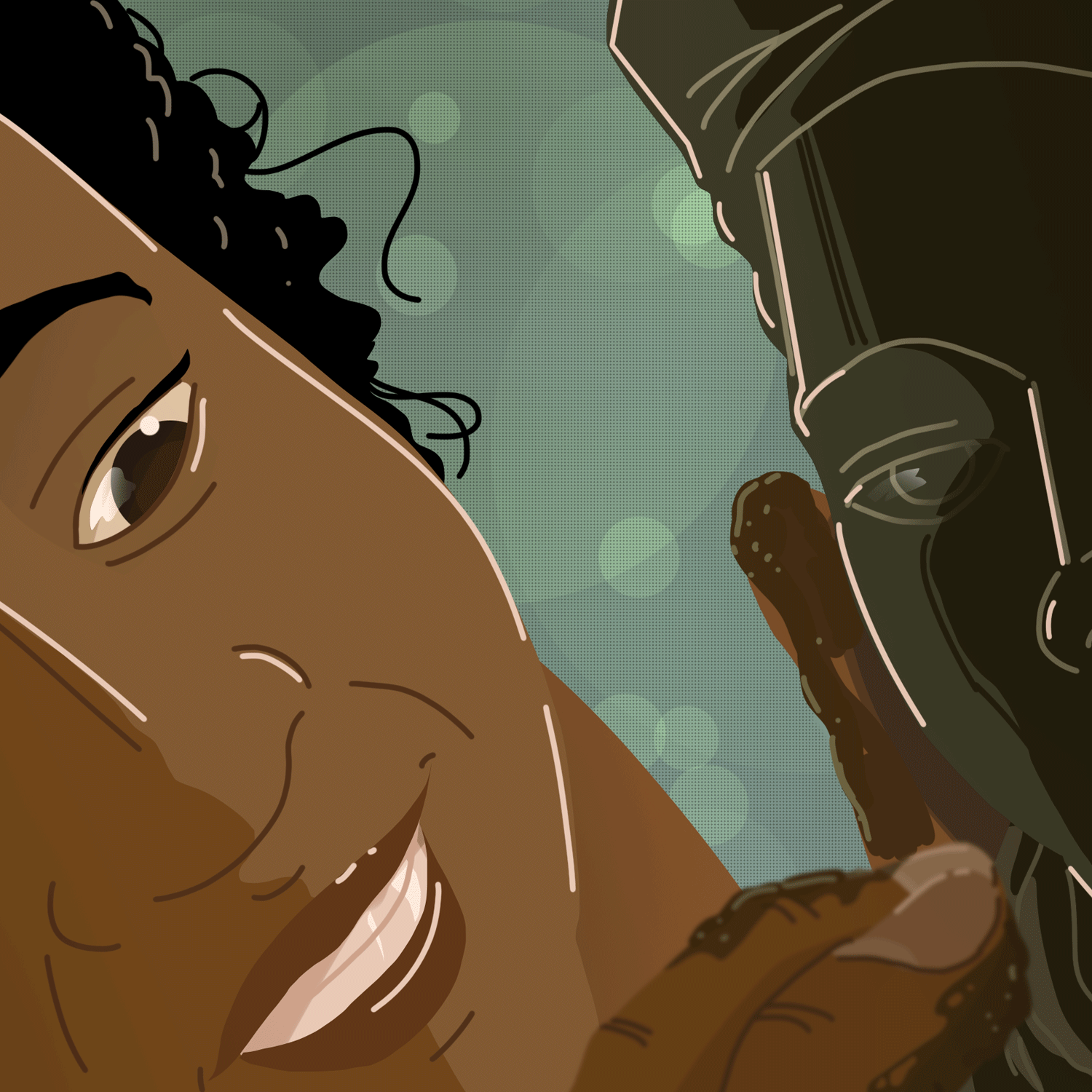
Public monuments to honor Black Americans in the 1930s: that was the vision of Augusta Savage, a Harlem Renaissance sculptor who has been called one of the most influential artists of the 21st century. But the monuments she left behind might not be what you'd expect. Guests: Karen Lemmey, Lucy S. Rhame Curator of Sculpture at the Smithsonian American Art Museum Grace Yasumura, assistant curator at the Smithsonian American Art Museum Tess Korobkin, Professor of American Art at University of Maryland, College Park

A Very Merry Sidedoor
What is it about a mistletoe that says “smooch?” And what the heck is figgy pudding anyway? The holidays are here again, and with them come songs, foods, and rituals so familiar we may not think to ask where they come from...until now! In this holiday special, we track down the origins of some puzzling Christmastime traditions, jingling all the way from Norse mythology to Victorian home cooking, the Emancipation Proclamation, and even out of this world. Guests: Margaret Weitekamp, chair of the Space History Department of the Smithsonian’s National Air and Space Museum; curator of cultural and social history of spaceflight Ashley Rose Young, food historian at the Smithsonian’s National Museum of American History Teddy Reeves, curator of religion at the Smithsonian’s National Museum of African American History and Culture Jim Deutsch, curator at the Smithsonian Center for Folklife and Cultural Heritage
Lucy Hicks Anderson
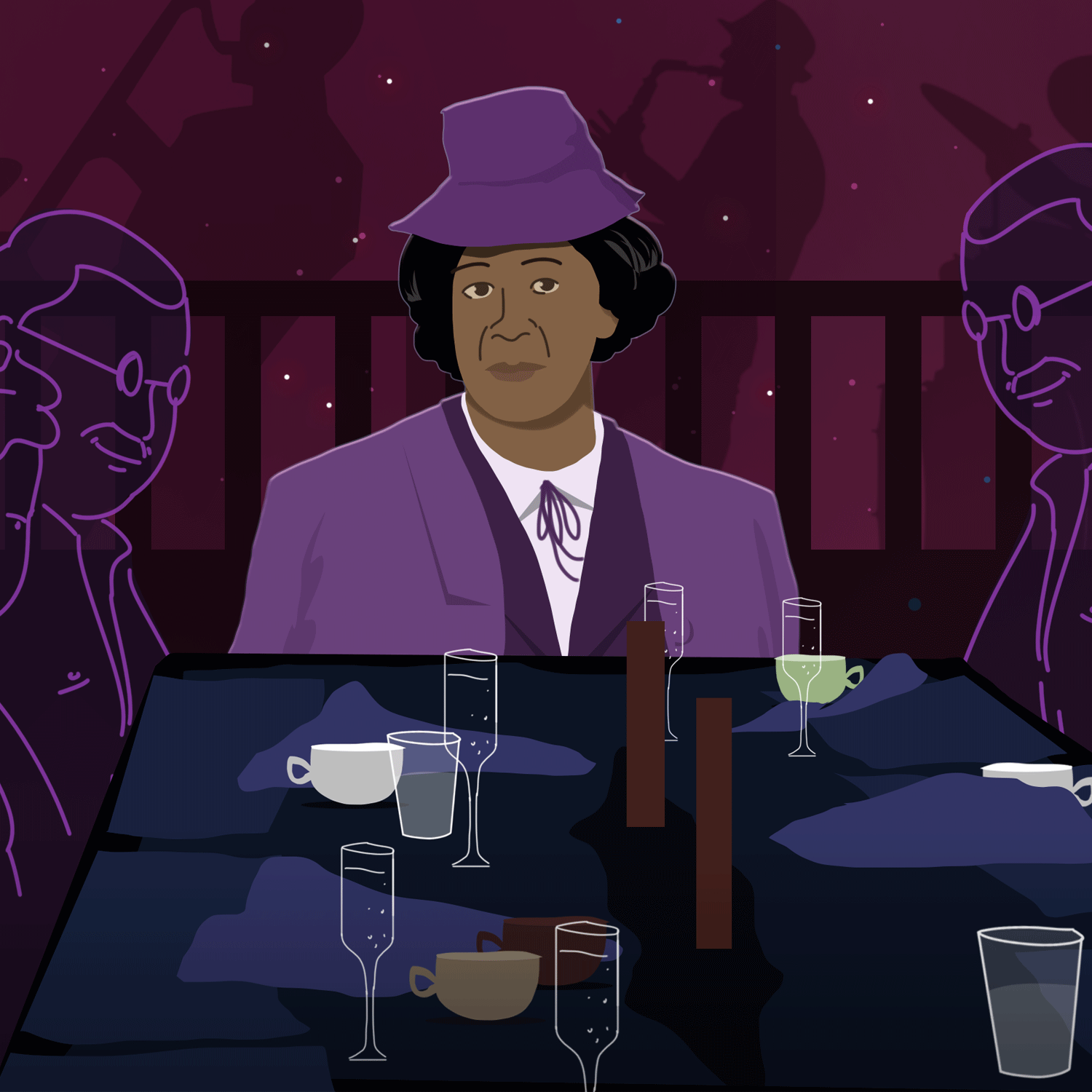
Known for her smashing parties, lighter-than-air souffles and comedic wit, Lucy Hicks Anderson never let anyone tell her how to live her life – not even the courts. When her gender was put on trial in the 1940s, the publicity around her case made her one the first documented Black transgender figures in American history. Guests: Ashleigh Coren, Acting Head of Education for the Smithsonian American Women's History Initiative C. Riley Snorton, author of Black on Both Sides: A Racial History of Trans Identity
Reservation Math: Navigating Love in Native America
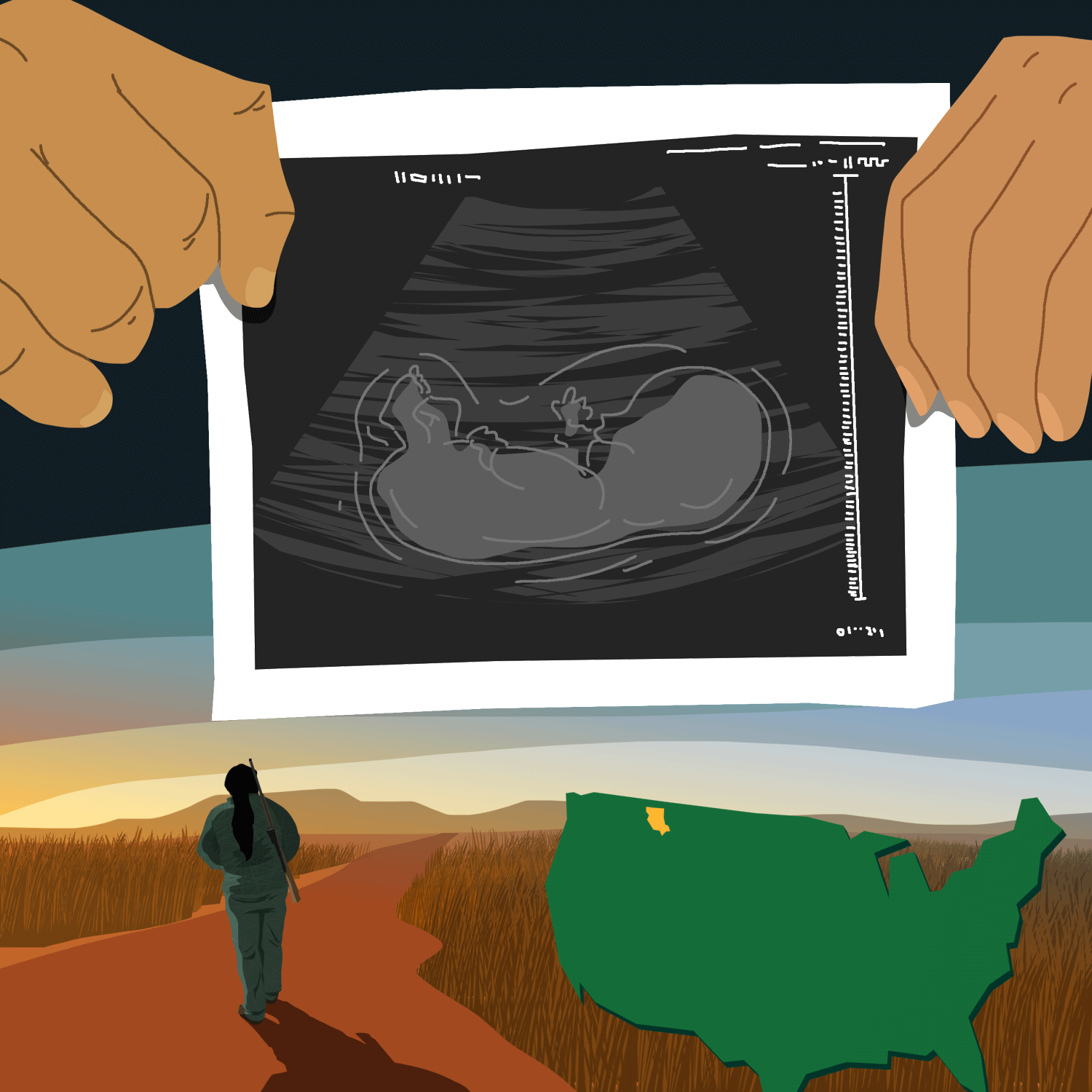
If you’ve heard the phrase, “full blooded,” you’re already familiar with the concept of blood quantum. But Native Americans are the only peoples in the United States whose identity is defined by it. Through the photography of Tailyr Irvine, displayed at the National Museum of the American Indian, we take a look at the colonial origin story of blood quantum: where it came from, why it endures, and how it continues to impact the most personal decisions many Native Americans make about love and family today. Guests: Tailyr Irvine, photojournalist; member of the Confederated Salish and Kootenai Tribes; additional interviewer for this episode Michael Irvine, member of the Confederated Salish and Kootenai Tribes and Nizhóní Ajéí's father Cecile Ganteaume, curator at the National Museum of the American Indian and author of Officially Indian: Symbols That Define the United States Ruth Swaney, Tribal Budget Director for and member of the Confederated Salish and Kootenai Tribes Leah Nelson, member of the Navajo Nation and Nizhóní Ajéí's mother Desi Rodriguez-Lonebear, social demographer and assistant professor of Sociology and American Indian Studies at the University of California, Los Angeles; citizen of the Northern Cheyenne Nation and Chicana David Wilkins, political scientist and professor of Leadership Studies at the University of Richmond; member of the Lumbee Nation
Wronging the Wrights
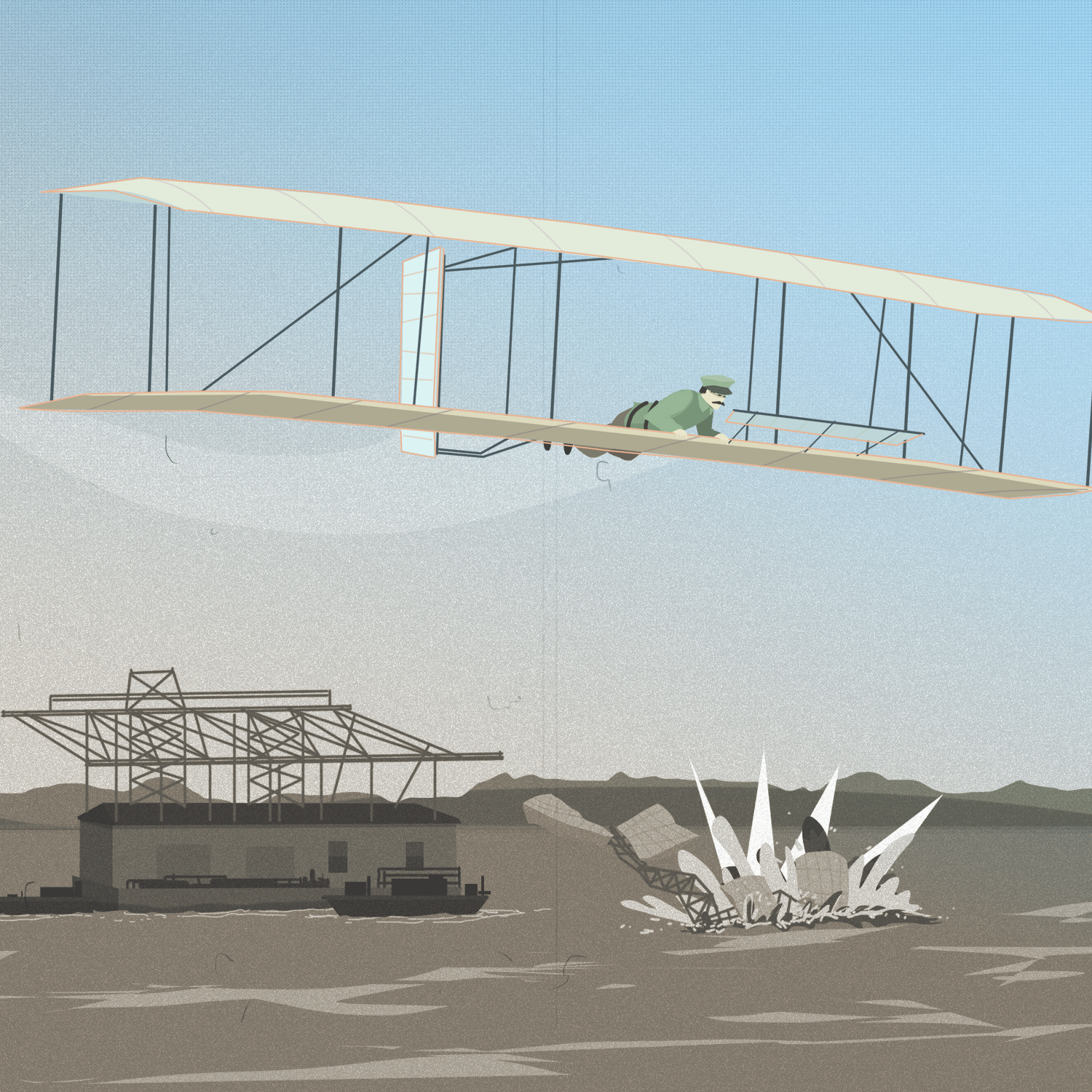
It took pride, deceit, and a giant catapult to set off the feud between the Wright brothers and the Smithsonian. On December 17, 1903, the Wrights made history when they flew across a blustery beach in Kitty Hawk, North Carolina. The airplane they flew that day is now a centerpiece of the National Air and Space Museum’s collection. This is the story of how it nearly wasn’t. Guests: Peter Jakab, senior curator at the Smithsonian's National Air and Space Museum Tom Crouch, senior curator emeritus at the Smithsonian's National Air and Space Museum
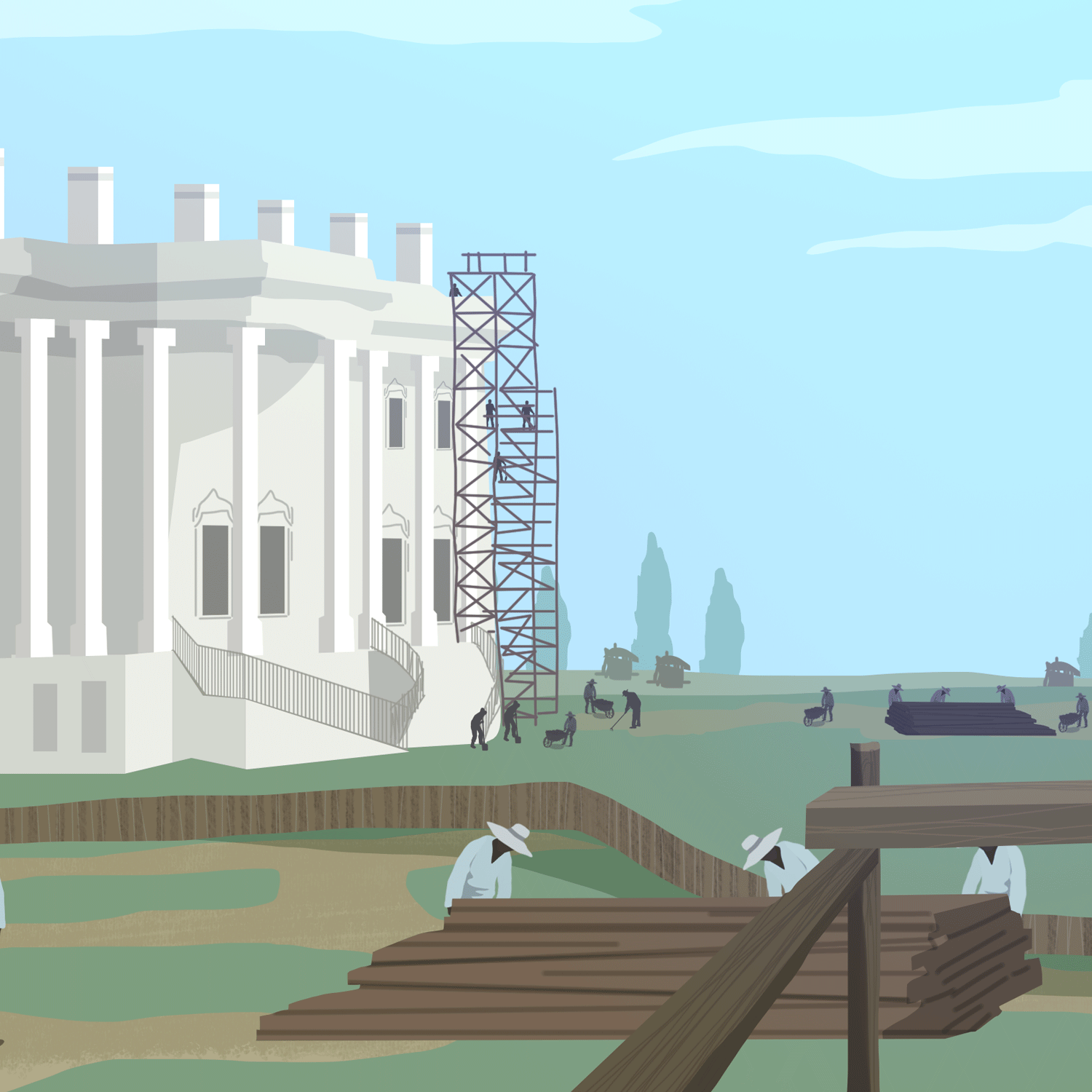
Who Built the White House?
"I wake up every morning in a house built by slaves." After Michelle Obama said those words at the 2016 Democratic National Convention, thousands of Americans flooded the White House Historical Association with calls. Who were the enslaved African Americans who built the White House? This led historians from the Smithsonian's National Museum of African American History and Culture and the White House Historical Association on a years-long journey that turned up some interesting answers and even bigger questions. Guests: Lina Mann, historian, the White House Historical Association Mary Elliott, curator of American slavery, Smithsonian's National Museum of African American History and Culture
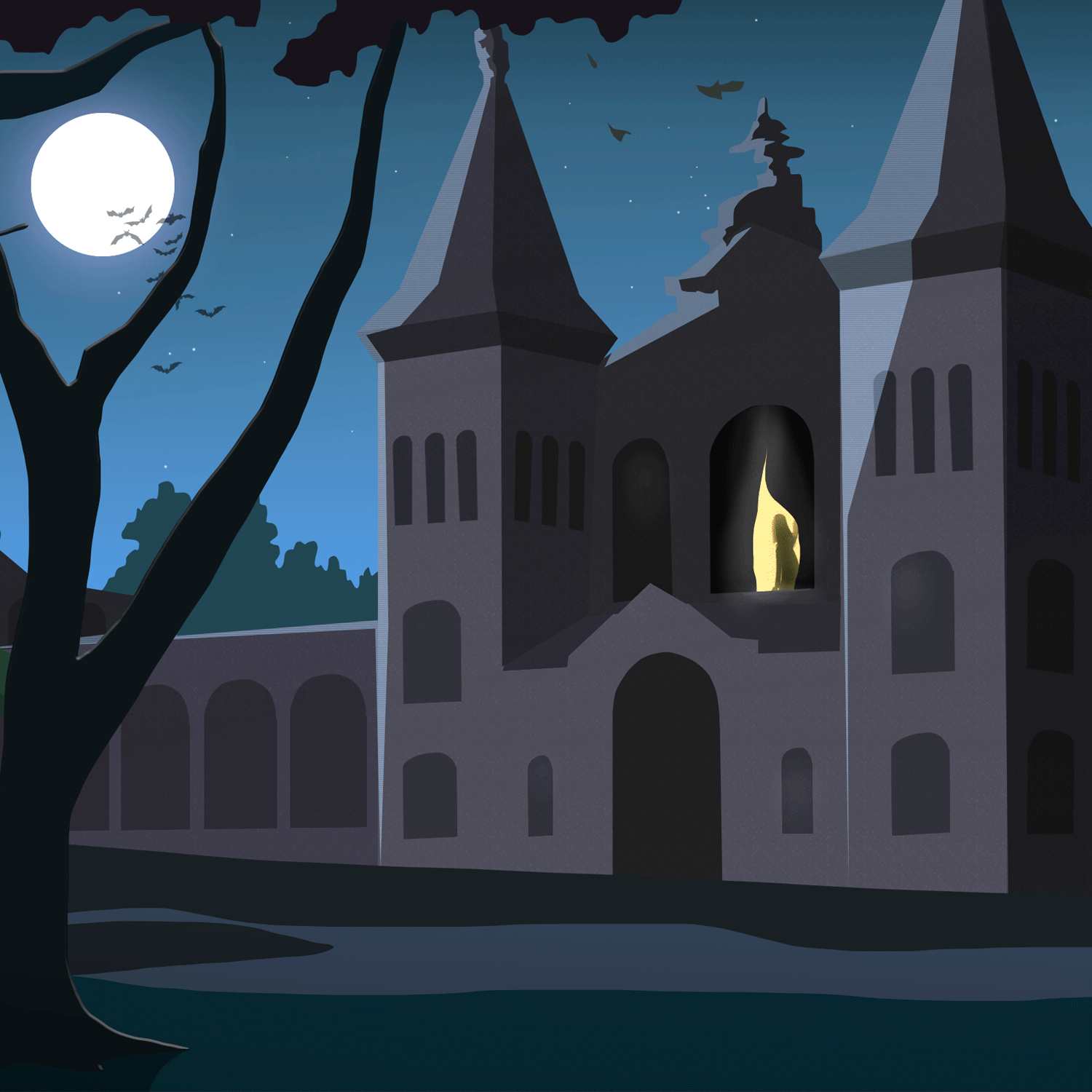
Spooked at the Smithsonian
The Smithsonian Institution was founded on principles of reason and scientific inquiry. So why is the museum home to countless tales of unexplained phenomena and —dare we say — ghost sightings? Inspired by an apparition at the National Museum of American History, we creak across the floorboards of the museum's attics, sneak into an old house in the woods, and even travel back in time to bring you a collection of spooky stories that can only be found at the Smithsonian. Guests: Molly Horrocks, Collections Manager, Division of Political and Military History at the Smithsonian’s National Museum of American History Pamela Henson, Institutional Historian at the Smithsonian Libraries and Archives Cpl. Ronald Howlin, Security Officer at the Smithsonian Environmental Research Center Deborah Hull-Walski, Collections Manager, Education Collections at the Smithsonian’s National Museum of Natural History Melissa Johnson, daughter of Deb Hull-Walski and former skeptical teenager Kim Dixon, former volunteer at the Smithsonian’s National Zoo
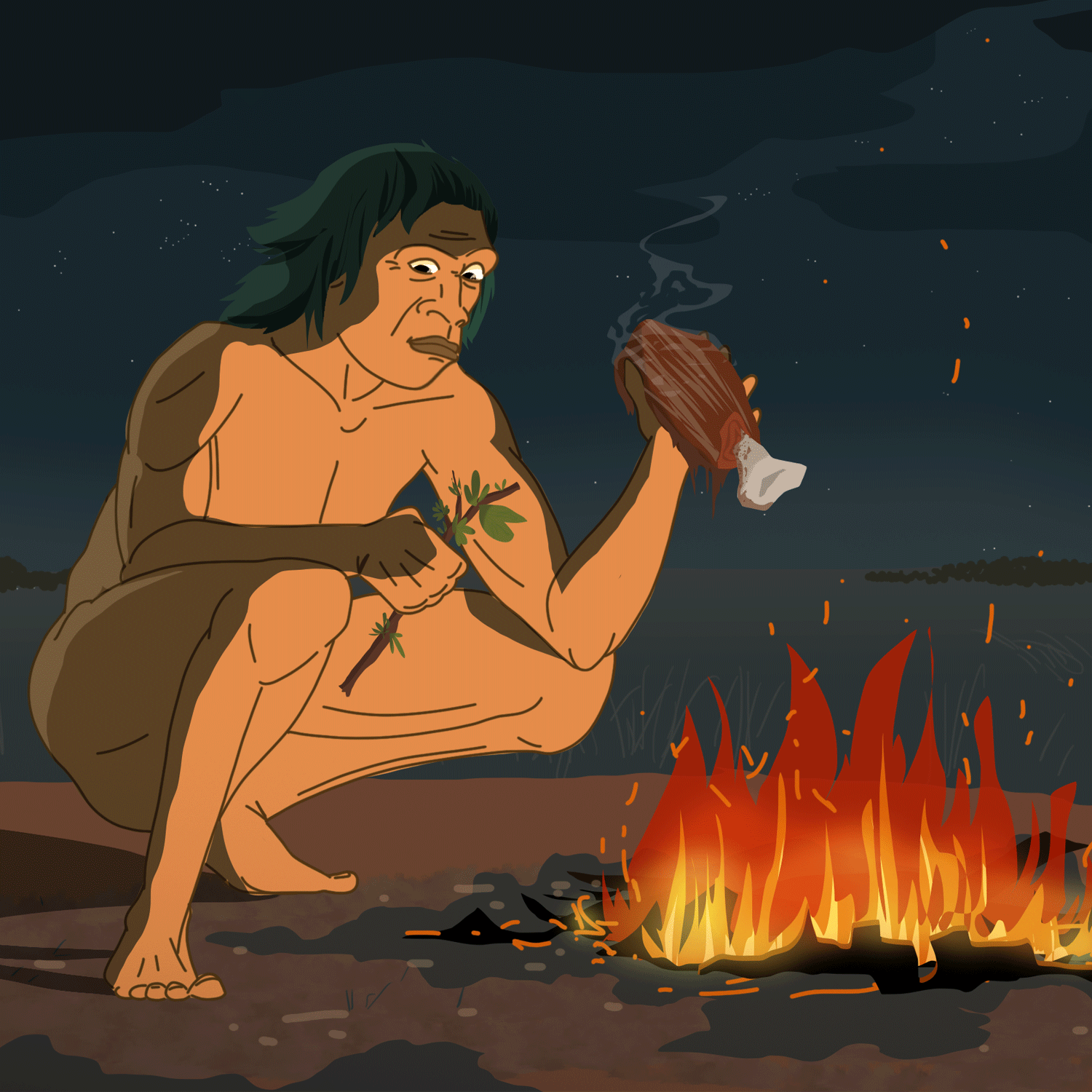
Did Meat Make Us Human?
Eating meat is what made us human. At least, that's one of the leading theories to explain how our brains got so big. The theory says that our human ancestors evolved bigger brains as a result of switching from a plant-based to a nutrient-rich meat diet. But earlier this year a Smithsonian researcher discovered that this theory may not have as much meat on its bones as previously believed. Guests: Briana Pobiner, paleoanthropologist; research scientist and museum educator with the Human Origins Program at the Smithsonian's National Museum of Natural History Becky Malinsky, curator of primates, Smithsonian's National Zoo and Conservation Biology Institute Andrew Barr, paleoanthropologist; assistant professor of anthropology, The George Washington University

Love in the Time of Emoji
When LOL just isn't enough to respond to a friend's killer joke, emoji are there for you. But for many people, there isn't an emoji to represent them or the things they want to say. This has pushed activists, designers, and straight up regular folks to create their own emoji. It's not as easy an undertaking as you might think, but every now and then one of these new emoji is so innovative it breaks the digital mold and finds itself in the Cooper Hewitt, Smithsonian Design Museum. In this episode of Sidedoor, we explore how one groundbreaking emoji is changing digital representation and the future of museum collections. Guests: Jennifer 8 Lee, Founder of EmojiNation Andrea Lipps, Contemporary Design Curator at Cooper Hewitt Smithsonian Design Museum Evan Bonnstetter, Director of Product Policy for Tinder Keith Broni, Deputy Emoji Officer for Emojipedia
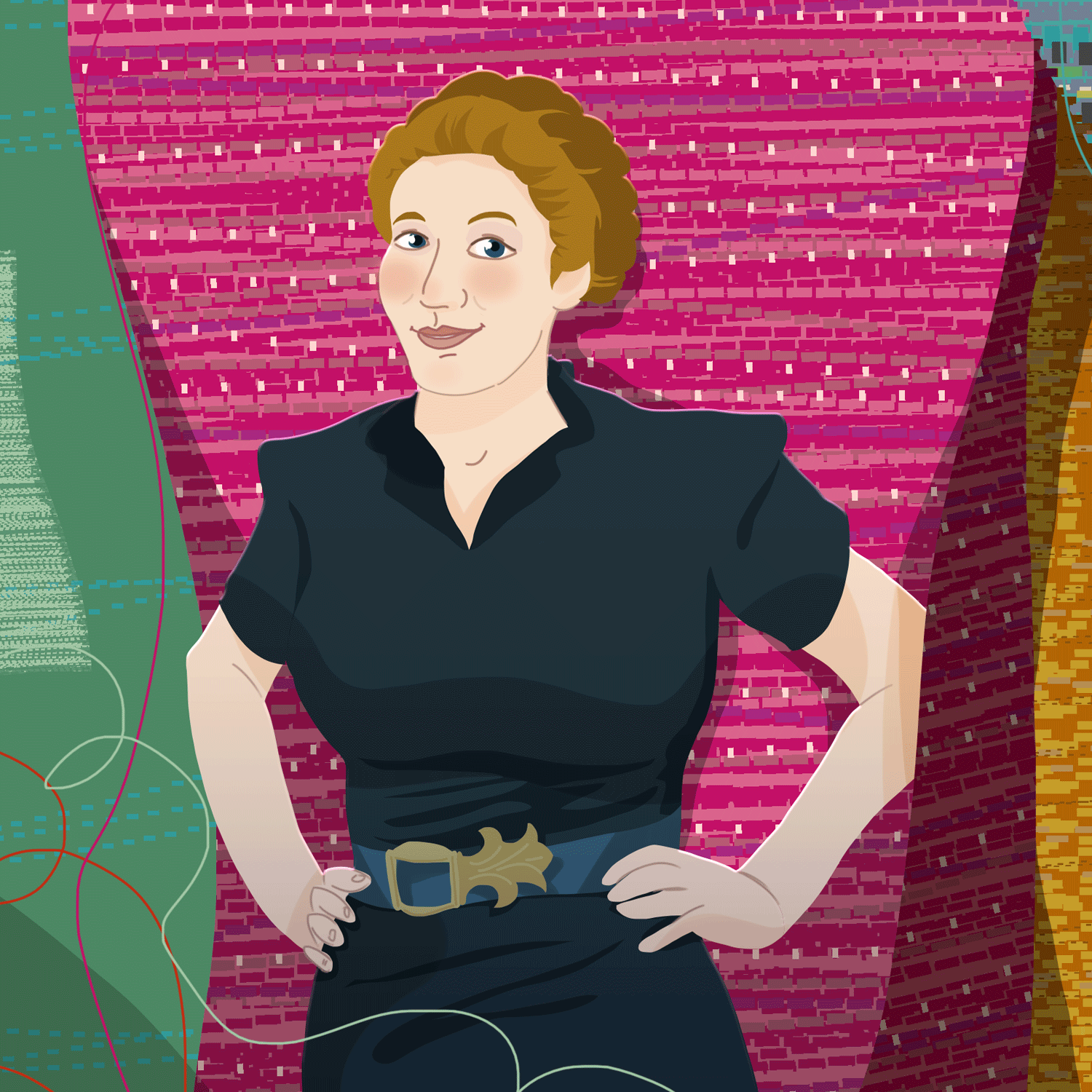
Dynamo Dot
Dorothy Liebes was a whirlwind in the weaving world. Throughout the 1930s, she spun luxury fabrics so bold and colorful that their style could only be described as the "Liebes Look." But when the United States entered World War II, she wondered how an artist like herself could be helpful at a time when “there would be no need for luxuries.” What she didn’t know was that wartime would bring an opportunity to put her weaving skills to work in an entirely new way. Joining forces with the American Red Cross, she brought professional artists to the bedsides of wounded soldiers - with results that surpassed Dynamo Dot's wildest expectations. Guests: Alexa Griffith, manager of content and curriculum at the Cooper Hewitt Smithsonian Design Museum Susan Brown, acting head of textiles at the Cooper Hewitt Smithsonian Design Museum
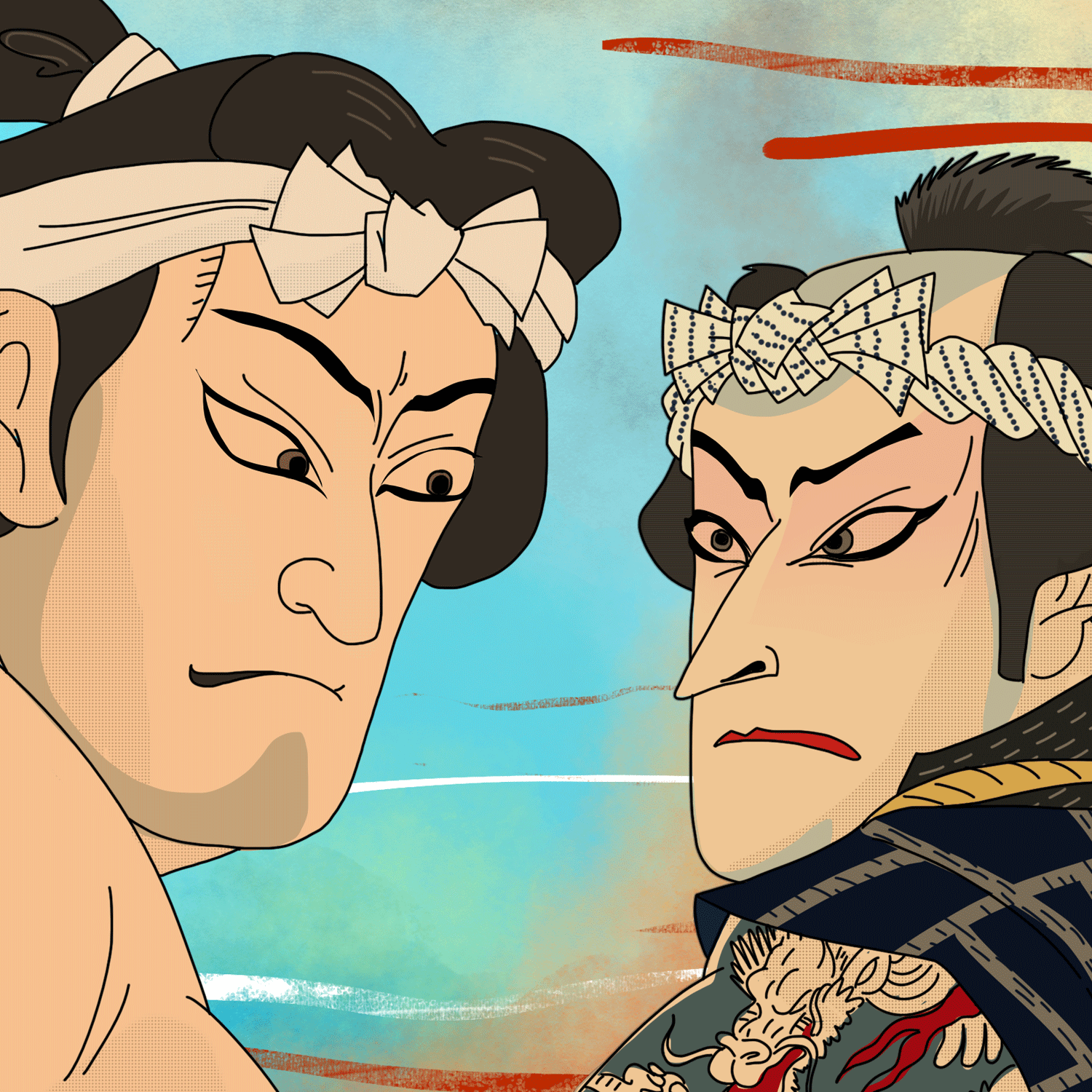
Sumo Wrestlers vs. Firefighters
In 19th century Japan, two sumo wrestlers faced down dozens of firefighters in a brawl so epic it inspired a Kabuki play. But the story of what really happened —and who the heroes are— is all a matter of perspective. Underdogs, antiheroes and villains. How do we decide who plays what role? Guests: Kit Brooks, Japan Foundation Assistant Curator of Japanese Art at the Smithsonian's National Museum of Asian Art Frank Feltens, Japan Foundation Associate Curator of Japanese Art at the Smithsonian's National Museum of Asian Art
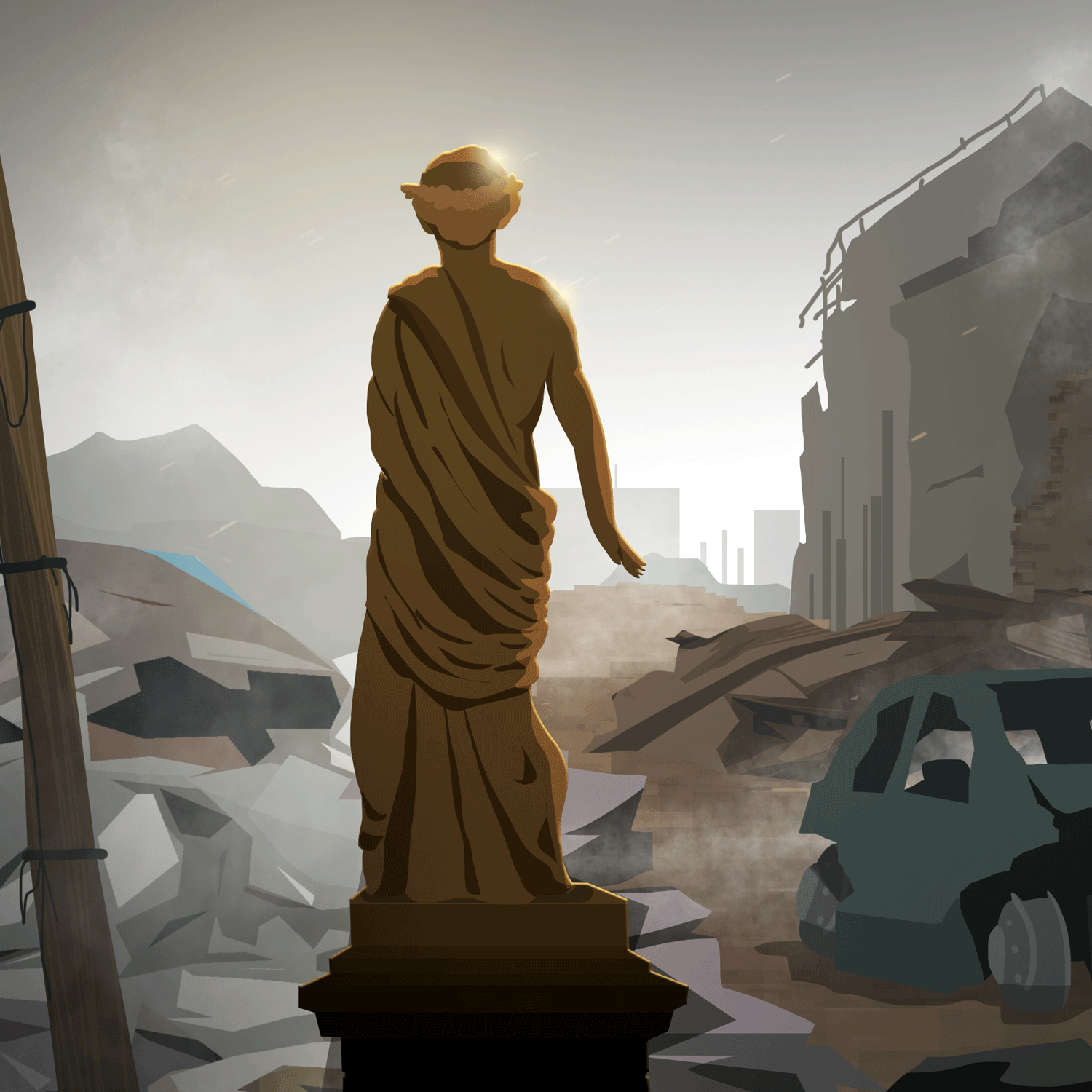
Culture in Crisis
"This is a war not only for the territory. This is war against our culture," says Ihor Poshyvailo, director of the Maidan Museum in Kiev, Ukraine. Ukraine has scores of museums, cemeteries, archeological sites, and places of worship where Ukrainian history and national identity are memorialized. But when bombs are exploding, who’s pulling a sculpture from the rubble? Enter the Smithsonian Cultural Rescue Initiative: a team flung together by a deadly earthquake in Haiti that grew through trial and discovery into an international network of professionals devoted to protecting the world’s treasures from threats by humankind and mother nature alike. Guests: Hayden Bassett, director of the Cultural Heritage Monitoring Lab at Smithsonian affiliate Virginia Museum of Natural History Olsen Jean Julien, project director of the Cultural Conservation Center at Quisqueya University in Haiti Cori Wegener, director of the Smithsonian Cultural Rescue Initiative Richard Kurin, Smithsonian Distinguished Scholar and Ambassador-at-Large, co-founder of the Smithsonian Cultural Rescue Initiative Ihor Poshyvailo, director of the National Museum of the Revolution of Dignity (Maidan Museum) in Kyiv, Ukraine Acknowledgments: The work of the Smithsonian Cultural Rescue Initiative would not be possible without the collaboration of countless partner organizations and collaborators, among them: the US government, including the Cultural Heritage Coordinating Committee, the Departments of State, Defense, Homeland Security and Justice, the FBI, Institute of Peace, FEMA, and the Heritage Emergency National Task Force; agencies of other governments like the Ministry of Culture in Haiti, the State Board of Antiquities and Heritage in Iraq, and the Ministry of Culture in Ukraine; other organizations like UNESCO, the International Centre for the Study of the Preservation and Restoration of Cultural Property, International Council of Museums, the American Association for the Advancement of Science, American Institute of Conservation, the US Committee of the Blue Shield, the Penn Cultural Heritage Center and the University of Pennsylvania Museum, the Virginia Museum of Natural History, the University of Maryland, Prince Claus Fund for Cultural Emergency Response, FOKAL in Haiti, the Mosul Museum, the Heritage Emergency Rescue Initiative, the National Center for Research Restoration, and the Kosciuszko Foundation for Ukraine. SCRI’s work is made possible with the support of funders like the United State Congress, Department of State, Bank of America, Mellon Foundation, ALIPH Foundation, Rockefeller Foundation, Brad Freeman, the Broadway League, the Stiller Foundation, and the Roberts family.

Hubble Trouble
As NASA releases the James Webb Space Telescope's first images, we focus our lens on its predecessor: the Hubble Space Telescope. Prepare for liftoff, as we explore how America's first large space telescope went from a "billion-dollar blunder" to one of history's most important scientific instruments. Guests: Samantha Thompson, curator of science and technology at the Smithsonian's National Air and Space Museum Robert Smith, former space historian at the Smithsonian's National Air and Space Museum; author, Hubble: Imaging Space and Time Jeffrey Hoffman, NASA astronaut who repaired Hubble in 1993 Sandra Faber, professor of astronomy & astrophysics at University of California Observatories/Lick Observatory
A Star-Spangled Bonus Episode
Which came first, the flag or the song? Sidedoor is celebrating this Independence Day with a special bonus episode: the story behind our Star-Spangled Banner. Smithsonian’s National Museum of American History military curator Jennifer Jones explains the origin and meaning behind the national anthem through the tattered piece of wool that lies at the heart of the museum. What are ramparts anyways? You'll find out! Guest: Jennifer Jones, military curator at National Museum of American History
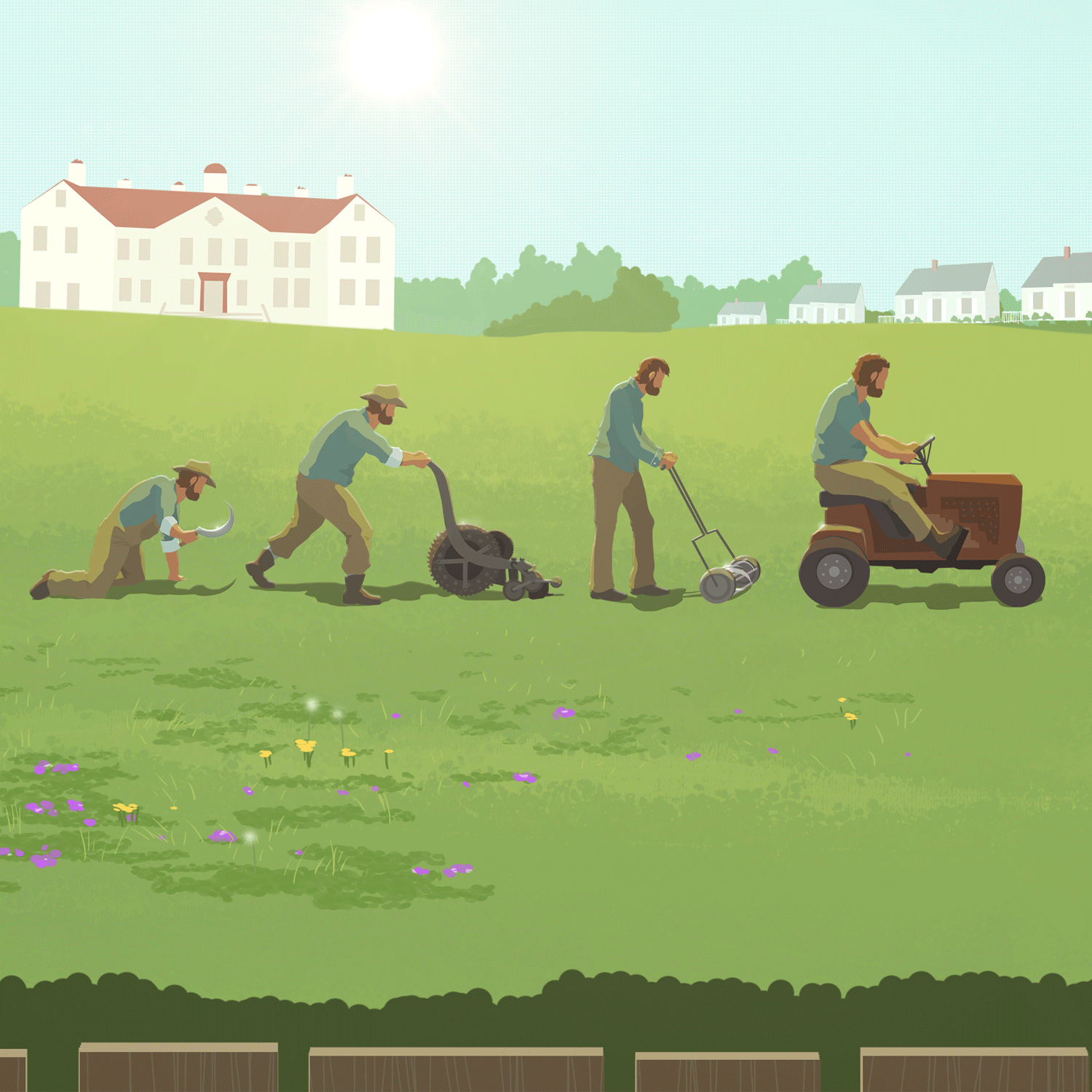
Get Off My Lawn
Nowhere in the world are lawns as revered as they are in the United States. The picture-perfect patch of grass is so deeply rooted in the American psyche it feels more like a default setting than a choice. Americans spend countless hours every year seeding, watering, mowing, and fertilizing patches of grass that don't make much sense, economically or ecologically. But why? In this episode, we dig into the history of our lawnly love to learn where the concept came from...and how we grew so obsessed. Guests: Cindy Brown, manager of collections, education, and access at Smithsonian Gardens Joyce Connolly, museum specialist at the Smithsonian’s Archives of American Gardens Abeer Saha, curator of agriculture and engineering at the Smithsonian’s National Museum of American History Sylvia Schmeichel, lead horticulturist at the Smithsonian’s National Museum of Natural History Jeff Schneider, deputy director of Smithsonian Gardens
The Sex Lives of Giant Pandas
Whether it's live on the Smithsonian’s National Zoo's panda cam or in front of a crowd, possibly no other animal's sex life is as closely watched as the giant pandas' is. And there's a reason. These cuddly-looking black and white bears just can't figure out how to mate. But, with a little help from science, the once-endangered giant panda is making a comeback. In honor of the 50th anniversary of giant pandas at Smithsonian's National Zoo, we peep into the (not so secret) sex lives of pandas. Guests: Pierre Comizzoli, panda sex expert and staff scientist at the Smithsonian Conservation Biology Institute Lisa Stevens, AKA “Panda Lady”; former senior curator of mammals at the Smithsonian’s National Zoo Stephen Powers, panda fan
It’s Season Eight!
trailerSidedoor returns for its eighth season on Wednesday, June 15th!
Bonus: Yes She Did!
We’re hard at work producing the next season of Sidedoor, but just in case you can’t get enough Smithsonian podcasts we’re sharing a special guest episode of Portraits, from the Smithsonian’s National Portrait Gallery. In this episode, grassroots organizer Dolores Huerta talks about how she took on the status quo (in a wrinkled sweater) during the landmark Delano Grape Strike. All the time, she fought on two fronts: resisting exploitation and also resisting sexism, sometimes from within the very labor movement she helped to launch. You can subscribe to Portraits wherever you get your podcasts.
Bonus: Black Feminism Re-rooted
We’re hard at work producing the next season of Sidedoor, but just in case you can’t get enough Smithsonian podcasts, we’re sharing a special guest episode of Collected, from the Smithsonian’s National Museum of American History. In this first episode of the series, co-hosts Dr. Crystal Moten and Dr. Krystal Klingenberg discuss the multiple definitions of Black Feminism, joined by guests Dr. Brittney Cooper, Paris Hatcher, Dr. Alexis Pauline Gumbs, and Feminista Jones. You can subscribe to Collected wherever you get your podcasts.
Bonus: Moonshine
We’re hard at work producing the next season of Sidedoor, but just in case you can’t get enough Smithsonian podcasts, we’re sharing a special guest episode of AirSpace, from the Smithsonian’s National Air and Space Museum. This story is about a truly intoxicating period of American history – Prohibition! In this episode of AirSpace, you’ll learn how banning alcohol in the U.S. gave the fledgling air travel industry the shot it needed to get off the ground. You can subscribe to AirSpace wherever you get your podcasts.
The Hungerford Deed
When a 200-year-old legal document anonymously arrived at his office, Smithsonian Libraries and Archives conservator William Bennett assumed it would be full of boring legal jargon. Instead, he found a juicy tale of family betrayal that would forever change what we thought we knew about the founding of the Smithsonian. Speakers: William Bennett, conservator at the Smithsonian Institution Libraries and Archives Social: @rwilliab (Instagram), @SirWilliamB (Twitter) Heather Ewing, author of The Lost World of James Smithson, and Associate Dean at New York Studio School Social: @HPealeEwing Richard Kurin, Smithsonian Distinguished Scholar and Ambassador-at-Large
The Many Inventions of Beatrice Kenner
An accident that nearly killed Beatrice Kenner when she was five years old scarred her face for life, but it also gave her a determination to create solutions wherever she saw obstacles. This drive and ingenuity made her one of the most prolific African American inventors of the mid 20th century. This time on Sidedoor, we explore what might be Beatrice Kenner's greatest invention of all: an innovation for periods in a period of innovation.
Broad Stripes, Bright Stars and White Lies
Betsy Ross sewed the first American flag. At least, that's what we were taught in school. But when historians go searching… there’s no proof to be found. In this episode of Sidedoor, we unravel this vexillological tale tall to find out how this myth got started, and who Betsy Ross really was. Guests: Jennifer Locke Jones, political and military history curator at the Smithsonian's National Museum of American History Twitter: @jonesjl_si Marc Leepson, journalist, historian and author of the book Flag: An American Biography @MarcLeepson https://www.marcleepson.com/ Book link: https://www.amazon.com/Flag-American-Biography-Marc-Leepson/dp/0312323093 Marla R. Miller, historian and author of Betsy Ross and the Making of America Twitter: @MarlaAtLarge Book link: https://www.amazon.com/Betsy-Making-America-Marla-Miller/dp/0805082972
Take Who Out to the Ball Game?
Baseball fan or not, you know this song…or at least, you think you do. “Take Me Out to the Ball Game” is one of the top three most recognizable songs in the country, next to “The Star Spangled Banner” and “Happy Birthday.” But long-forgotten lyrics reveal a feminist message buried amid the peanuts and cracker jack. Speakers: Dan Piazza, curator at the Smithsonian’s National Postal Museum Andy Strasberg, co-author of “Take Me Out to the Ball Game: Baseball’s Greatest Hit” George Boziwick, retired Chief of the Music Division of The New York Public Library for the Performing Arts, and co-founder of the Red Skies Music Ensemble Nancy Faust, retired organist for the Chicago White Sox
Raven and the Box of Daylight
Before here was here Raven was a white bird, and the world was in darkness. So begins the story passed down among the Tlingit people of the Pacific Northwest since time immemorial. This origin story has survived by passing from the lips of one person to the ear of another – from generation to generation. In this episode of Sidedoor, Tlingit glass artist Preston Singletary shares it in a new way: leading us on a journey from darkness to light through dozens of luminous glass sculptures. Speakers Miranda Belarde-Lewis, independent curator and assistant professor of Information Science at the University of Washington IG: miranda505 Preston Singletary, internationally acclaimed Tlingit glass artist IG: @prestonsingletaryglass YouTube Channel: https://www.youtube.com/c/PrestonSingletaryGlass Emil Her Many Horses, curator at the Smithsonian’s National Museum of the American Indian IG: @SmithsonianNMAI | Twitter: @SmithsonianNMAI
King's Speech
Dr. Martin Luther King Jr.'s I Have a Dream Speech is one of the most famous speeches in the world. But it almost didn’t happen. If you look at King's typed manuscript of his speech —which is currently on display at the Smithsonian National Museum of African American History and Culture— you won't find the phrase "I Have a Dream." But even though Dr. King's speech was improvised, that doesn't mean it wasn't years in the making. In this episode of Sidedoor, we trace the evolution of King's dream, from a secret friendship, to an experimental poem, to the speech we all know today. Guests: Kevin Young, Director of Smithsonian's National Museum of African American History and Culture W. Jason Miller, Author of Origins of the Dream: Hughes's Poetry and King's Rhetoric
The Robot in the Mirror
It’s easy to think artificial intelligence is objective. It doesn’t have emotions. It operates based on cold hard calculations. But artificial intelligence is built on human intelligence, and it may be carrying our old prejudices into the future with us. In this episode of Sidedoor, we step into the Smithsonian’s FUTURES exhibition to meet a very special robot who asks us to consider: whose image will be reflected in our AI future? Speakers: Stephanie Dinkins, transdisciplinary artist and professor at Stony Brook University Twitter: @dinkinsstudio @stephdink Instagram: Dinkins.studio, stephanie.dinkins Email: [email protected] Website: www.stephaniedinkins.com Ashley Molese, a curator of the Smithsonian’s FUTURES exhibition Social media: @smithsonianAIB, #TheFUTURES
The Fugitive Brewer
A skill for brewing beer and $100 reward for her capture. Those were the clues in an old newspaper ad that got Smithsonian brewing historian Theresa McCulla hooked on the story of Patsy Young, an enslaved African American woman who fled to freedom in 1808 and made a life for herself brewing beer. In this episode of Sidedoor, we follow McCulla as she scours historical documents to retrace Young's life and find out who she was...and what happened after her escape. Guests: Theresa McCulla, Curator with the Smithsonian’s American Brewing History Initiative at the National Museum of American History Mary Elliott, Curator of American Slavery at the Smithsonian National Museum of African American History and Culture Frank Clark, Master of Historic Foodways at Colonial Williamsburg
Edison’s Demon Dolls
In 1890, Americans were delighted when they heard the news that Thomas Edison was using his phonograph technology to give voice to porcelain dolls. But their delight soon turned to horror. In this episode of Sidedoor, we’ll hear a short story that imagines what happens when two little girls receive one of Edison’s talking dolls as a holiday gift. And we’ll speak with an expert from the National Museum of American history to learn what went wrong with Edison’s invention.
Chiura Obata’s Glorious Struggle
When Chiura Obata painted “Moonlight Over Topaz, Utah,” he was a prisoner at the camp: one of 120,000 Japanese Americans to be incarcerated during World War II. The painting shows a dreamy moonlit desert, with just a few dark lines to hint at the barbed wire fences and guard towers that held him and his family captive. As a painter, Obata turned again and again to nature as his greatest teacher, and his greatest subject. Today, his work can be found in art collections and museums around the world, including the Smithsonian's American Art Museum. This time on Sidedoor, we learn from Chiura Obata about the power of art in tumultuous times. Speakers: Rihoko Ueno: Processing archivist at the Smithsonian’s Archives of American Art Noriko Sanefuji: Museum specialist in the Division of Cultural and Community Life at the Smithsonian’s National Museum of American History @apacurator @amhistorymuseum ShiPu Wang: Coats Endowed Chair in the Arts and Professor of Art History at The University of California Merced. Curator of the traveling exhibition, “Chiura Obata: An American Modern.” @curatingobata Kimi Hill: Chiura Obata’s granddaughter and author of the book, “Topaz Moon.”
Love in the Time of Emoji
When LOL just isn't enough to respond to a friend's killer joke, emoji are there for you. But for many people, there isn't an emoji to represent them or the things they want to say. This has pushed activists, designers, and straight up regular folks to create their own emoji. It's not as easy an undertaking as you might think, but every now and then one of these new emoji is so innovative it breaks the digital mold and finds itself in the Cooper Hewitt, Smithsonian Design Museum. In this episode of Sidedoor, we explore how one groundbreaking emoji is changing digital representation and the future of museum collections.
Light of Freedom
There’s a new sculpture at the Smithsonian’s Hirshhorn Museum and Sculpture Garden: a giant torch that’s strikingly familiar – and entirely unique. Artist Abigail DeVille has reimagined the Statue of Liberty’s torch to shine a light on historical contradictions of American freedom. Through her work, DeVille asks us to re-examine the stories we’ve inherited as a nation, including the story of Lady Liberty herself. As it turns out, the statue holding her torch alight in New York Harbor today has come to stand for something very different from its original intention. Born out of the Black Lives Matter protests of 2020, Light of Freedom reflects the historical origins of the Statue of Liberty and challenges us to confront the idea that liberty itself is a work in progress.
King of the Herbs
It’s a wild herb that countless cultures have used for centuries as a wonder drug to cure any ailment. It's so rare and valuable that it’s been dug to extinction nearly everywhere, except a small area of the United States. This time on Sidedoor, we go searching for the elusive wild American ginseng — and find that scientists, conservationists, and criminals are also on the hunt.
Bloodsuckers!
Leeches don’t get a lot of love. They’re slimy, wriggly, and, well, they suck — blood that is. But there’s a lot to learn about the lowly leech. Led by a troupe of Smithsonian experts, we’ll discover how these toothy hangers-on wormed their way into medical practices, performance art, and EVERY human cavity. Yes, even that one. It's a journey of discovery from the swamp to the stage and deep into the vaults of the Smithsonian. And it just may leave you with a little more appreciation (dare we say, love?) for the bloodsuckers.
Make Way for Elephants
The endangered Asian Elephant may be a conservation success story as its rapid decline appears to be stabilizing. But this has created a new set of problems. With little remaining habitat, these elephants have nowhere left to go but into roads, farms, and cities. This time on Sidedoor, we look at what happens when wild elephants go urban.
It’s Season Seven!
trailerSidedoor returns for its seventh season on Wednesday, October 6th!
Bonus: Patsy Mink
bonusA new season of Sidedoor is just two weeks away! In the meantime, we’re sharing a special guest episode from Wonder Media Network’s podcast, “Encyclopedia Womannica.” In this episode, you’ll hear about the life of Patsy Mink, the first Asian-American woman to serve in Congress and run for U.S. President. She was also the first woman of color elected to the U.S. House of Representatives. She made a brief appearance in the Sidedoor episode, “Votes for Hawaiians,” and here you’ll hear more about how she paved the way for Asian-Americans across the nation. Encyclopedia Womannica is a daily podcast that explores the trials, tragedies and triumphs of groundbreaking women from antiquity through modernity, in just five minutes a day. You can find more episodes HERE. (https://wondermedianetwork.com/encyclopedia-womannica)
S6 Ep 19Bonus: Happy Birthday to Us
The “Men of Progress” painting, from 1862, shows the first Secretary of the Smithsonian surrounded by a group of scientists and inventors credited with “altering the course of contemporary civilization.” But what may be most remarkable about this tableau is who’s not there. To mark the 175th anniversary of the Smithsonian’s founding, the National Portrait Gallery’s Portraits podcast takes us back in time – to trace how the concept of progress has evolved, and who current Smithsonian Secretary Lonnie G. Bunch III would put in his “portrait of progress.”
S6 Ep 18Olympic Bonus: Shredding Skateboarding’s Glass Ceiling
This summer – for the first time ever - skateboarding will be an Olympic sport. In honor of its Olympic debut, we’re revisiting one of our favorite episodes: the story of how the best women skateboarders stood toe-to-toe with the most powerful people in the industry to demand equal pay. One of those women is none other than Mimi Knoop, who is coaching the USA women’s skateboarding team. In this bonus episode, we also talk about how skateboarding's entry onto the Olympic stage is a major achievement for the sport, but one not everybody is happy about.
S6 Ep 17The Battle of Blair Mountain
100 years ago, in the hills of West Virginia, Black, white and European immigrant coal miners banded together to demand better pay and safer working conditions and were met with machine guns. While the story made headlines in 1921, it didn't make it into the history books. In our final episode of the season, we unearth this buried history to help mark the centennial of the largest labor uprising in American history.
S6 Ep 16Ode to Cicadas
Every 17 years, the notorious Brood X cicadas crawl out of the earth by the billions to deafen Washington D.C. After nearly two decades underground, they spend their few short weeks in the sun singing, mating, and dying so the next generation can start anew. The cicadas' distinctive sound and strange life cycle have captivated our human ancestors for millennia, inspiring songs, art, royal attire and even some unique burial rituals.
S6 Ep 15The Goddess of Broadway
When Diosa Costello took the stage in the 1939 production of “Too Many Girls,” she became the first Puerto Rican performer to tread the boards on Broadway. She was fearless, funny, and brimming with talent. She never considered herself a trailblazer, but her legacy – and the gowns she left at the Smithsonian – tell a different story
S6 Ep 14The Artist Critics Love to Hate
LeRoy Neiman was a colorful man, both figuratively and literally. His handlebar mustache, long cigar, and sketchpad were fixtures at the sidelines of American pop culture: from boxing matches to jazz clubs and political conventions. His paintings, sketches, and prints papered the second half of the 20th century, highlighting American icons in his colorful expressionist style. He was rich, famous, and adored by many Americans… but not the art critics.
S6 Ep 13BONUS: Confronting the Past
One hundred years ago this week, from May 31 and June 1, 1921, a mob targeted and destroyed nearly 40 blocks of a wealthy black neighborhood in North Tulsa, Oklahoma. No one knows how many people died, no one was ever convicted, and no one really talked about it nearly a century later. This is the story of the Tulsa Race Massacre and why it's important that you know it.At least 1,256 homes, along with churches, schools, businesses and even a hospital were deliberately burned or destroyed. Recently found documents are helping historians and researchers better understand the events that took place. And lots of this work is happening by staff at the National Museum of African American History and Culture. In fact, part of the Power of Place exhibition at the museum is dedicated to the events of the massacre.
Best of the Rest III
Groucho and Freddy. Oryx and ostriches. Cats and dinosaurs. These things go together like… well, they really don’t go together at all. These are fun-sized stories in one goodie bag of an episode. It’s Sidedoor’s third “Best of the Rest!”
S6 Ep 11On The Money
We carry portraits around all the time: pocket-sized history lessons in the form of dollars and cents. The recent decision to put Harriet Tubman on the $20 bill has us thinking about who’s on our money, and how they got there. This episode of the “Portraits” podcast, from the Smithsonian’s National Portrait Gallery, takes a whirlwind tour of money of yore, featuring everything from piles of bunnies to George Washington’s nipples. This episode will have you taking a closer look at the portraits you might be sitting on right now.
S6 Ep 10BONUS: The 1957 Pandemic That Wasn’t
In 1918, a flu pandemic killed more than 50 million people worldwide. Forty years later, it nearly happened again. This week on Sidedoor we go back to a time when the viruses were winning, and we remember one man, Dr. Maurice Hilleman, whose vaccine virtuosity helped turn the tide in the war against infectious diseases.We’ve updated this episode with a bonus interview to reflect on what we’ve learned from our current pandemic. If you want to learn more, please see vaccinesandus.org.
S6 Ep 9Holding out for a Herring
Henrietta the river herring is not a particularly glamorous fish. But she’s got grit. Every summer, she swims out to the Atlantic ocean, and every spring, she makes the 500 mile journey back to Maryland’s Patapsco River, where she was born—a habitat that’s been only partially accessible to herring like her for more than a century. But this year will be different. Join the Smithsonian Environmental Research Center’s herring tagging team as they study what happens to herring like Henrietta when someone gives a dam.
S6 Ep 8Hot Bird Summer
Every spring, for as long as records have been kept, a crowd of hundreds of black crowned night herons descend on the Smithsonian’s National Zoo, mating, eating and generally causing a ruckus. Many of the keepers at the zoo enjoy them, but they can be a tough bird to love.Every fall, peace is restored when the herons decamp and fly off to… where? For more than a century, nobody knew. Until now.