
Sidedoor
258 episodes — Page 2 of 6

S11 Ep 5Bitcoin Bank Heist
Imagine this: invisible robbers break into a bank and steal massive sacks of cash, but instead of running away with it they set their haul on the front stoop of the bank in a glass case. Everyone can see the money, but only the robbers can get to it. That’s how IRS Special Agent Chris Janczewski describes the 2016 Bitfinex heist – when mystery hackers made out with over $70 million in Bitcoin. By 2020, their loot had ballooned to over $4 billion. With only digital footprints to follow, federal agents tracked the criminals through the blockchain, across the dark web, and up the service elevator of a posh Manhattan apartment building in a sleuthing story that ends at the Smithsonian. The renovated The Value of Money exhibition will be opening at the National Museum of American History in November 2024. Check it out in person or online!Guests:Ellen Feingold, curator of the National Numismatic Collection at the Smithsonian’s National Museum of American HistoryZia Faruqui, United States Magistrate Judge at the District Court for the District of Columbia Ari Redbord, Ari Redbord is the Global Head of Policy at TRM LabsChris Janczewski, Head of Global Investigations at TRM Labs, previously a special agent with IRS-CI Cyber Crimes Unit
S11 Ep 4The Wide Awakes
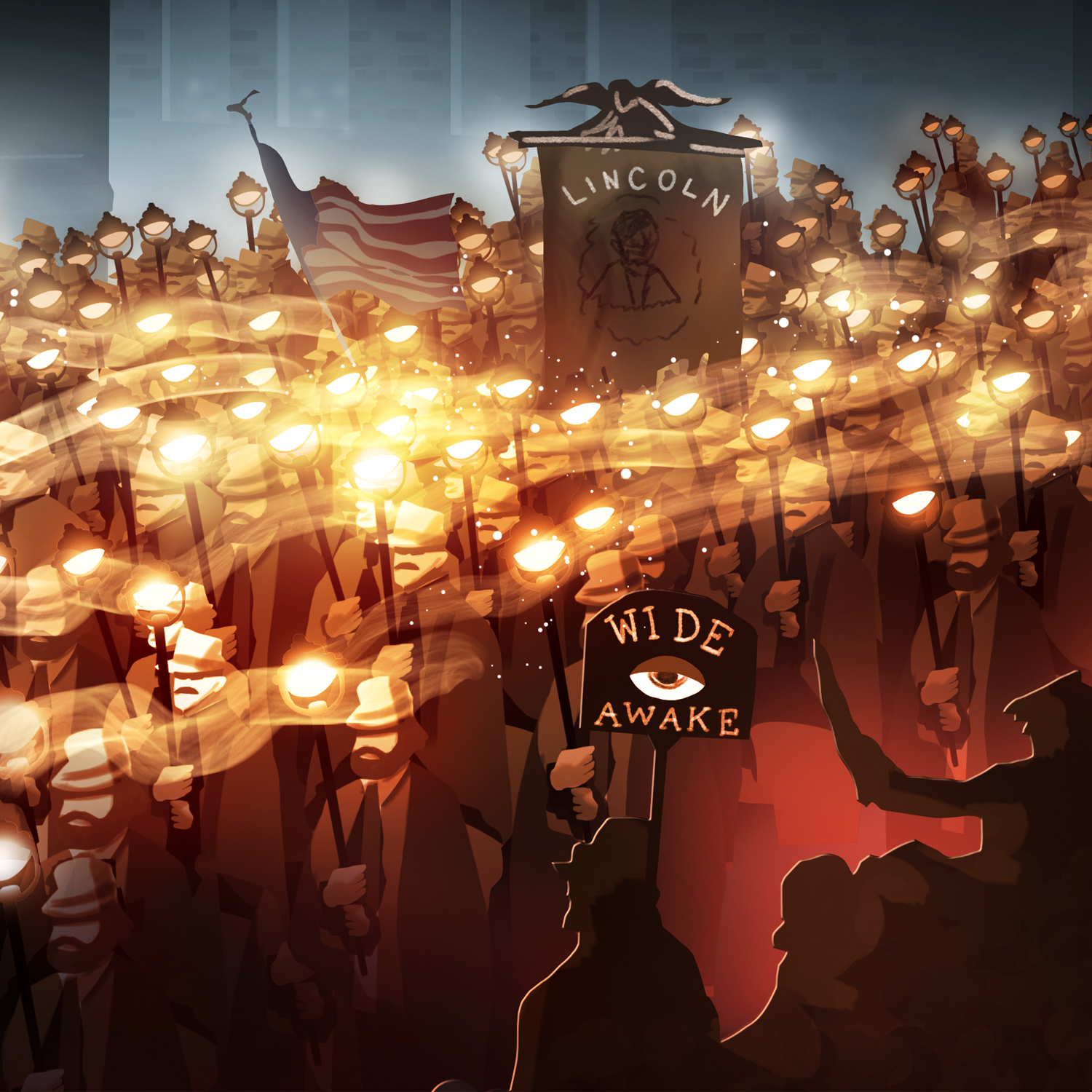
They carried torches and marched at night. Their goal: defend free speech in America. What started as a small group of young men demonstrating during the 1860 election, snowballed into a mass movement of working-class Americans marching to end slavery. They called themselves the Wide Awakes. And they’re widely seen as the political force that helped elect Abraham Lincoln and spur the Civil War. So why has their story gone untold? And why is now the time to tell it? Guests: Jon Grinspan, Curator of Political History at the Smithsonian's National Museum of American History. Author of Wide Awake: The Forgotten Force that Elected Lincoln and Spurred the Civil WarKevin Waite, Associate Professor of History at Durham University. Author of West of Slavery: The Southern Dream of a Transcontinental Empire
S11 Ep 3The Devil’s Composer
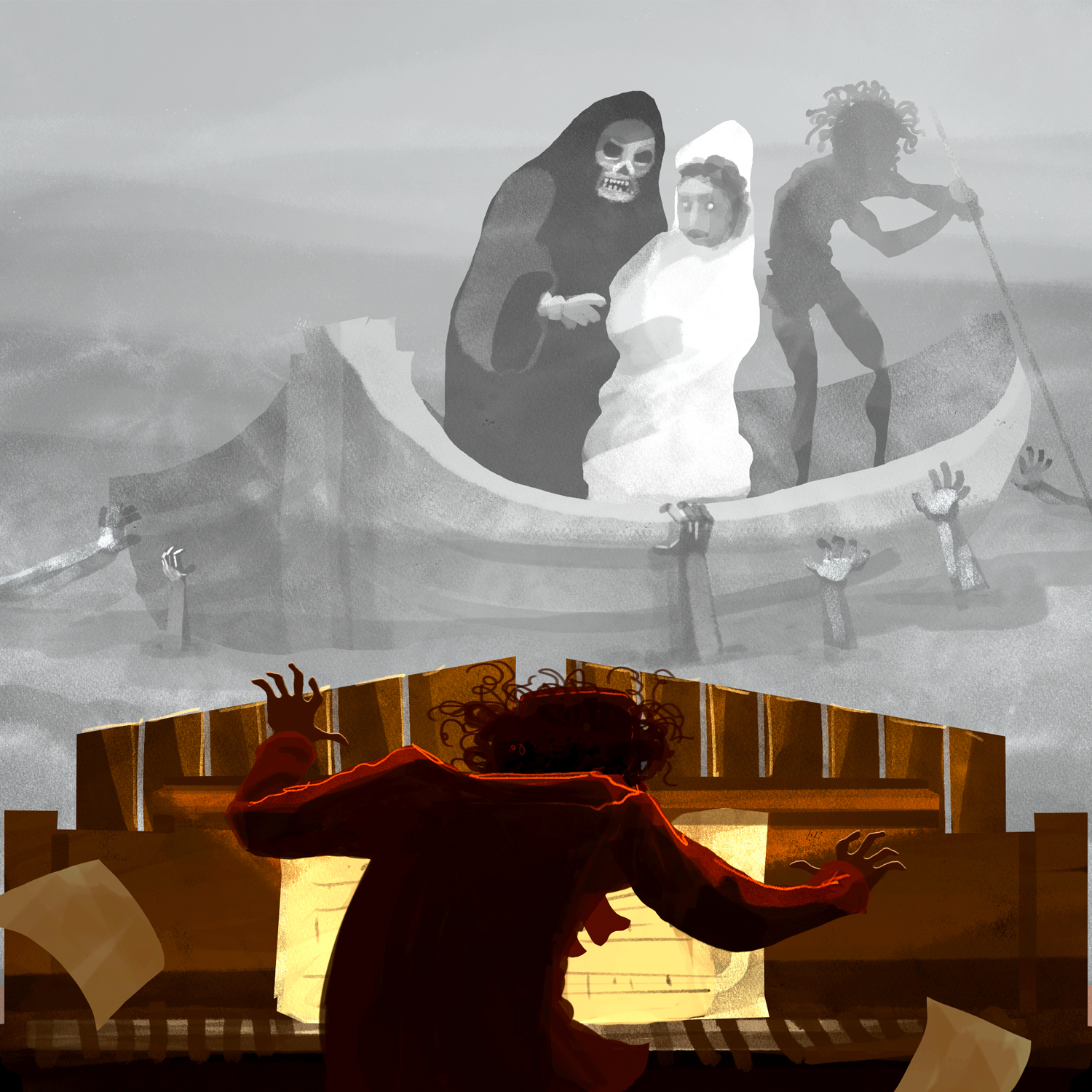
Imagine Jaws without the sneaking tuba. Or Psycho without the shrieking violins. Music can help a horror film strike fear in the heart of theatergoers. And you can trace some of these musical scare tactics back to the era of SILENT films — when organists made up film scores on-the-spot. To celebrate the spooky season this year, we're slashing apart a 1917 silent horror film with composer Andrew Earle Simpson to find out how music can be the beating heart of suspense. Grab your popcorn and get snuggly under the blanket. But be sure to check the closet for a pianist before turning out the lights. Want to see this movie for yourself? Don’t miss our live screening of The Devil’s Assistant at the National Museum of American History! Join Lizzie, Andrew, and Ryan on Wednesday, October 30th at 7:30pm to see this movie the way it was made to be watched – with live musical accompaniment. We’ll have objects from the Smithsonian collections and audience Q&A. Reserve your FREE tickets here.Guests:Andrew Earle Simpson, composer and professor of music at the Benjamin T. Rome School of Music, Drama, and Art at The Catholic University of America in Washington, DC. Ryan Lintelman, curator of entertainment at the Smithsonian's National Museum of American History
Bankers in the Boudoir
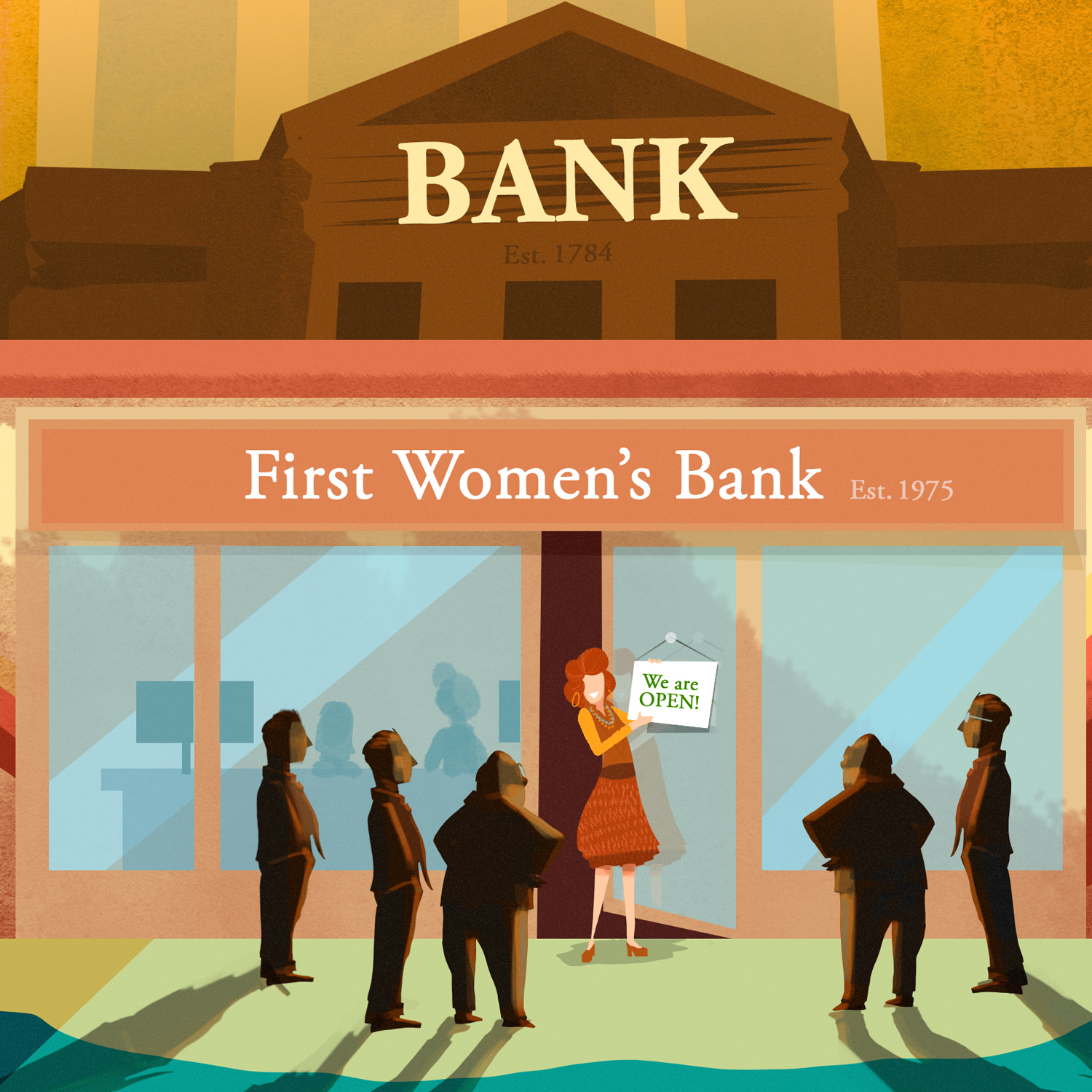
In the Lord of the Rings trilogy, Frodo becomes invisible when he puts the Ring on his finger. Well, at banks in the 1970s, this is basically what happened when a woman put a wedding ring on her finger. Her credit cards would no longer work, and the banks wouldn't count her income as part of the household income. This led to a fight for women's financial independence that gave rise to the landmark Equal Credit Opportunity Act (or ECOA) and the creation of the first women's banks. In honor of the 50th anniversary of ECOA becoming law, we’re looking back at a time when women had to have their husband or father cosign on a credit application. What did it take to pass this landmark legislation? And how did it improve women's lives in America? Guests: Rachel Seidman, curator at the Smithsonian Anacostia Community Museum; curatorial consultant to the Smithsonian American Women's History Museum Emily Card, PhD, author of Staying Solvent: A Comprehensive Guide to Equal Credit for WomenElizabeth Babcock, director of the Smithsonian American Women's History MuseumJeanne Hubbard, former CEO of The Adams National Bank
S11 Ep 1Jim the Penman
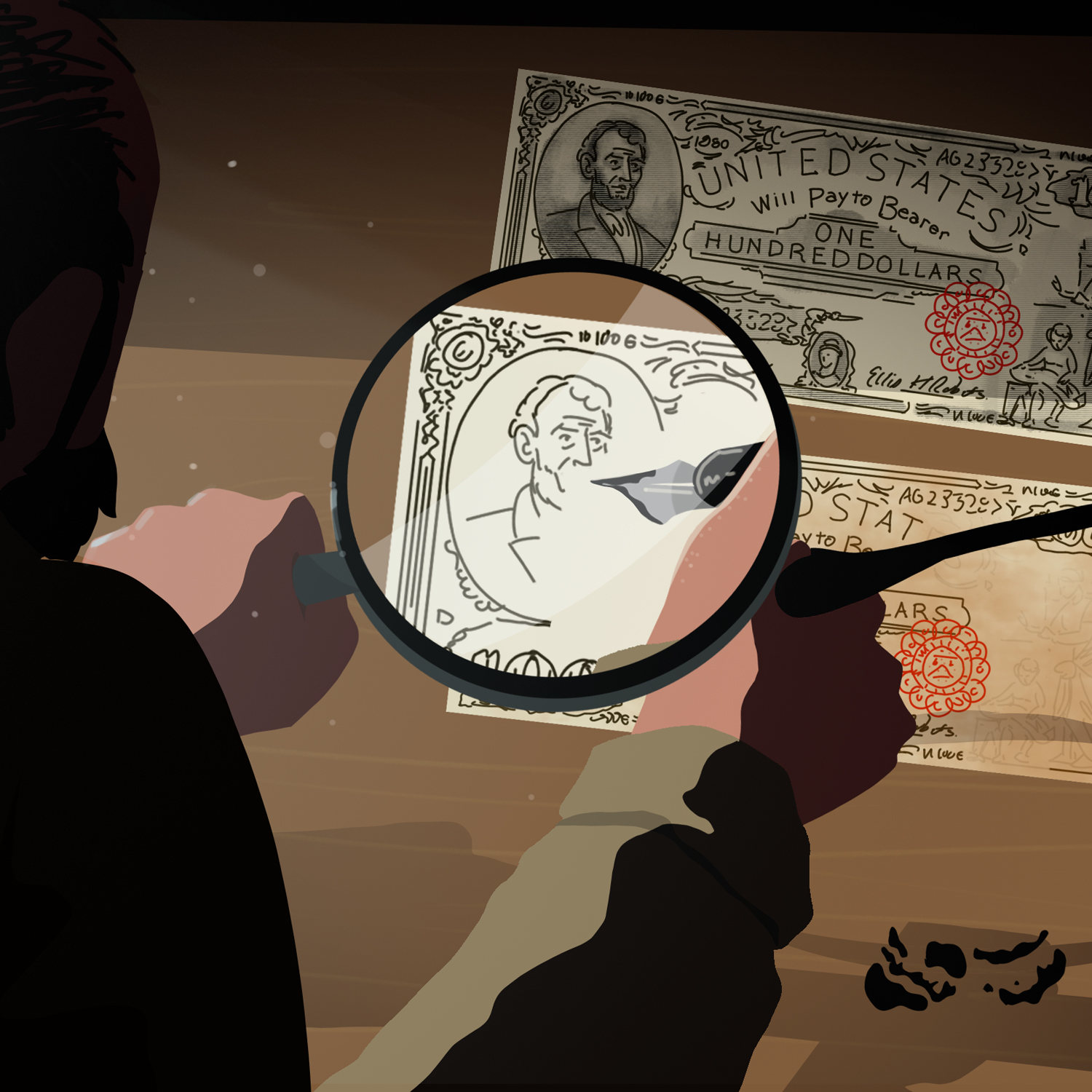
During the mid-1800s, one third of all paper money in America was thought to be fake. It was the golden age of counterfeiting, and one exceptionally talented con artist stood out from all the rest. His fakes were nearly perfect…but for a trademark tell. Known to law enforcement only as “Jim the Penman,” this celebrity criminal led many Americans to wonder: can great art truly be criminal? GuestsEllen Feingold, curator of the National Numismatic Collection at the Smithsonian’s National Museum of American History
It's Season 11
trailerSidedoor returns for its eleventh season on Wednesday, September 18th!
Are Robots About to Level Up?
Within just a few years, artificial intelligence systems that sometimes seem to display almost human characteristics have gone from science fiction to apps on your phone. But there’s another AI-influenced frontier that is developing rapidly and remains untamed: robotics. Can the technologies that have helped computers get smarter now bring similar improvements to the robots that will work alongside us? In this episode of The Joy of Why podcast, Daniela Rus, a pioneering roboticist at the Massachusetts Institute of Technology, talks to host Steven Strogatz about the surprising inspirations from biology that may help robots rise to new levels. Subscribe to The Joy of Why from Quanta Magazine wherever you listen to podcasts!
Social Media and the Subway
There aren’t many portrait artists who get recognized on the street, but it happens to Devon Rodriguez all the time. After quietly honing his skill for a decade, Devon started posting videos of his live drawings of New York City subway commuters to social media. The videos took off, earning him some 50 million followers and placing portraiture in front of a huge new audience.In this episode of the Smithsonian's National Portrait Gallery’s podcast, Portraits, Director Kim Sajet speaks with Devon about the mentors who had his back, and this new model for showing art— not in museums, but on screens.See the portraits we discussed:Kim Sajet, by Devon RodriguezJohn Ahearn, by Devon Rodriguez“The Rodriguez Twins,” by John AhearnMaría Elena Estrada, by Devon RodriguezDevon Rodriguez draws Kim Sajet, Instagram
Archiving the Underground
Next up in our summer playlist, we bring you an episode of The Kitchen Sisters Present, a podcast featuring sound-rich stories ‘from the b-side of history.’ This one is a musical treat! The Kitchen Sisters delve into the story of the founding of the Hiphop Archive and Research Institute at Harvard by Dr. Marcyliena Morgan, Professor of African and African American Studies and Professor Henry Louis Gates to “facilitate and encourage the pursuit of knowledge, art, culture, scholarship and responsible leadership through Hiphop.” You’ll hear from Professor Morgan, Professor Gates, Nas, Nas Fellow Patrick Douthit aka 9th Wonder, The Hiphop Fellows working at the Archive, an array of Harvard archivists, and students studying at the Archive as well as the records, music and voices being preserved there.Then they take a look at the Cornell University Hip Hop Collection, founded in 2007, through a sampling of stories from Assistant Curator Jeff Ortiz, Johan Kugelberg author of “Born in the Bronx,” and hip hop pioneers Grandmaster Caz, Pebblee Poo, Roxanne Shante and more.This episode is part of The Kitchen Sisters’ series THE KEEPERS—stories of activist archivists, rogue librarians, curators, collectors and historians—keepers of the culture and the cultures and collections they keep.We end this guest-feature with a short interview with the Smithsonian’s Dwandalyn R. Reece, Curator of Music and Performing Arts at the Smithsonian’s National Museum of African American History and Culture. She and Lizzie talk about the process behind the creation of The Smithsonian Anthology of Hip-Hop and Rap. Special Thanks: At The Hiphop Archive at Harvard: Dr. Marcyliena Morgan, Executive Director and Professor of African and African American Studies + Dr. Henry Louis Gates, Jr., Alphonse Fletcher University Professor and Director of the Hutchins Center for African and African American Research + 9th Wonder (Patrick Douthit) + Harold Shawn + Harry Allen + Professor Tommie Shelby + Michael Davis + Brionna Atkins + Justin Porter + Robert Rush. At the Loeb Music Library: Josh Cantor + Sarah Adams. At the Hip Hop Collection, Cornell University Library: Ben Ortiz. At NPR: Rodney Carmichael. At large: Jeff Chang + Pedro Coen + NasThe Keepers is produced by The Kitchen Sisters, Davia Nelson & Nikki Silva, with Nathan Dalton and Brandi Howell.The Keepers Sonic Signature music is by Moondog.For more of The Kitchen Sisters Present, visit kitchensisters.org.
Rocket Man
In the twentieth century, the jetpack became synonymous with the idea of a ‘futuristic society.’ Appearing in cartoons and magazines, it felt like a matter of time before people could ride a jetpack to work. But jetpacks never became a mainstream technology, leaving many to wonder…why? In this episode of 99 Percent Invisible, producer Chris Berube travels to the Udvar-Hazy Center of the Smithsonian’s National Air and Space Museum to find out for himself.This episode was produced by Chris Berube. He spoke with Bill Suitor, Don Erwin, and the Smithsonian’s Colleen Anderson. David Taylor reported on the rocket belt for The Washington Post in 2022, and Steve Lehto wrote about the belt, and other jetpack technology, in his book The Great American Jetpack.Transcript available here: https://99percentinvisible.org/episode/rocket-man/transcript/
A Giant Listening Project
It’s been called ‘the most noble and absurd undertaking ever attempted by any state.’ During the height of the Great Depression, the U.S government hired out-of-work writers and laid-off reporters and sent them out to record the stories of all kinds of Americans. Called the Federal Writers’ Project, historians have called the program a giant “listening project.”While on our summer break, we’re sharing the first episode of a new podcast series called The People’s Recorder. Host Chris Haley sets the stage, laying out 1930s America, the New Deal, and the cultural forces that both supported and opposed the Writers’ Project. The project of holding up to America raises questions: What history gets told? And who gets to tell it? You can listen to rest of the series by searching for The People’s Recorder wherever you get your podcasts. Find out more at peoplesrecorder.info Guests:Scott Borchert, authorDavid Bradley, novelistDr. Douglas Brinkley, historianDr. Tameka Hobbs, historianDavid Kipen, authorDena Epstein, daughter of Hilda PolacheckStuds Terkel, oral historianLinks and Resources:American Life Histories: Manuscripts from the Federal Writers' ProjectBorn to Slavery: Slave Narratives from the Federal Writers' ProjectAuthor Scott Borchert on the Federal Writers' Project and the WPA guidebooksArticle on Library on Congress symposium on The Millions Further ReadingSoul of a People by David A. TaylorRepublic of Detours by Scott BorchertCalifornia in the 1930s by David KipenFirst Person America by Ann BanksHenry Alsberg by Susan DeMasiLong Past Slavery by Catherine A. StewartBarracoon by Zora Neale HurstonHard Times by Studs Terkel

The Lost Woolly Dog
For thousands of years, fluffy white dogs could be found across the Pacific Northwest. Their exceptionally soft, crimpy hair was shorn like sheep’s wool, spun into yarn, and woven into blankets and robes by indigenous women who carefully tended them in communities across Coast Salish territory. But a hundred years ago, the woolly dog quietly vanished. Why? Today, the only known pelt of this extinct breed is in the collections of the Smithsonian’s National Museum of Natural History, and it might hold some answers. Through collaborate research combining Western science with Indigenous knowledge, we delve into this animal’s genome to learn the real story of the woolly dog’s disappearance. Guests:Audrey Lin, evolutionary molecular biologist, research associate at the Smithsonian’s National Museum of Natural History and postdoctoral scholar at the American Museum of Natural HistoryLogan Kistler, curator of archaeobotany and archaeogenomics in the anthropology department of the Smithsonian’s National Museum of Natural History Liz Hammond-Kaarremaa, master spinner who studies traditional Salish textiles as a research associate at Vancouver Island University and the Smithsonian’s National Museum of Natural HistorySteven Point / Xwĕ lī qwĕl tĕl, grand chief of the Stó:lō Tribal Council, chancellor of the University of British Columbia, former lieutenant-governor of British Columbia, retired judge, and member of the Skowkale First NationDebra Sparrow / θəliχʷəlʷət, weaver, artist and knowledge-keeper from Musqueam. Foundational Salish weaving revivalist who, with her sisters, she has worked for decades to rejuvenate and teach traditional Salish weaving. Violet Elliot / Snu’Meethia, weaver and teacher from Snuneymuxw First Nations living in Cowichan First Nations. She has been weaving for over 28 years.Melissa (Missy) Hawkins, curator of mammals at the Smithsonian’s National Museum of Natural History
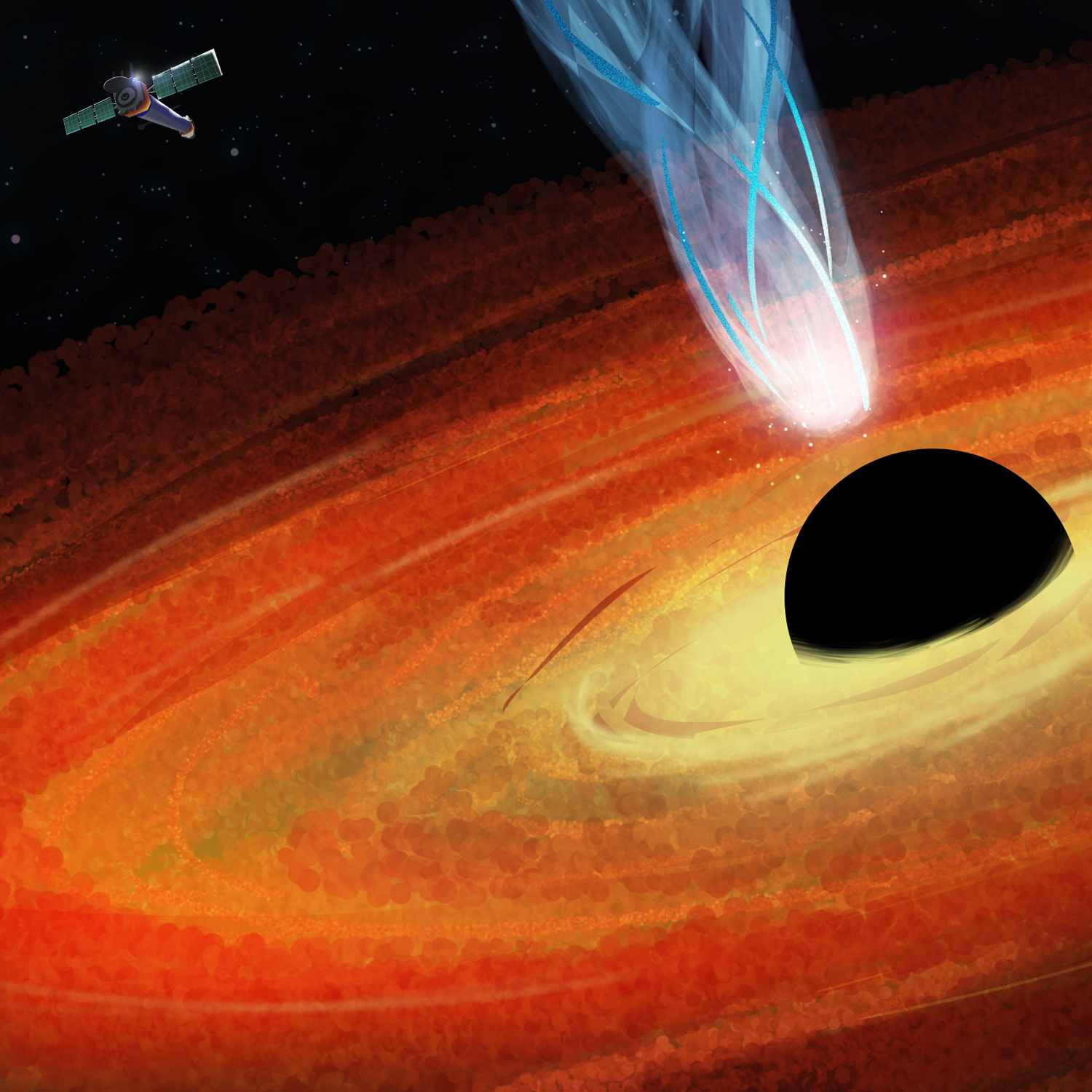
Cosmic Journey II: Voyage into the Abyss
Hitch a ride on the Chandra X-ray Observatory as it scours deep space for some of the most enigmatic and misunderstood objects in the universe: black holes. What are they good for? Absolutely something.This is the second episode of a two-part journey celebrating the 25th anniversary of the Chandra X-ray Observatory and the Smithsonian Astrophysical Observatory's operation of the space telescope. Join us this summer for a cosmic journey full of events and virtual resources from around the Smithsonian that will transport you from our closest star, the sun, to the far reaches of the universe.Find the full schedule on our website or follow along on social media @Smithsonian.Guests: Kim Arcand, Visualization Scientist and Emerging Tech Lead for NASA's Chandra X-ray Observatory at the Smithsonian Astrophysical Observatory Daryl Haggard, professor of physics at McGill University in the Trottier Space InstitutePriyamvada Natarajan, astrophysicist and professor at Yale University
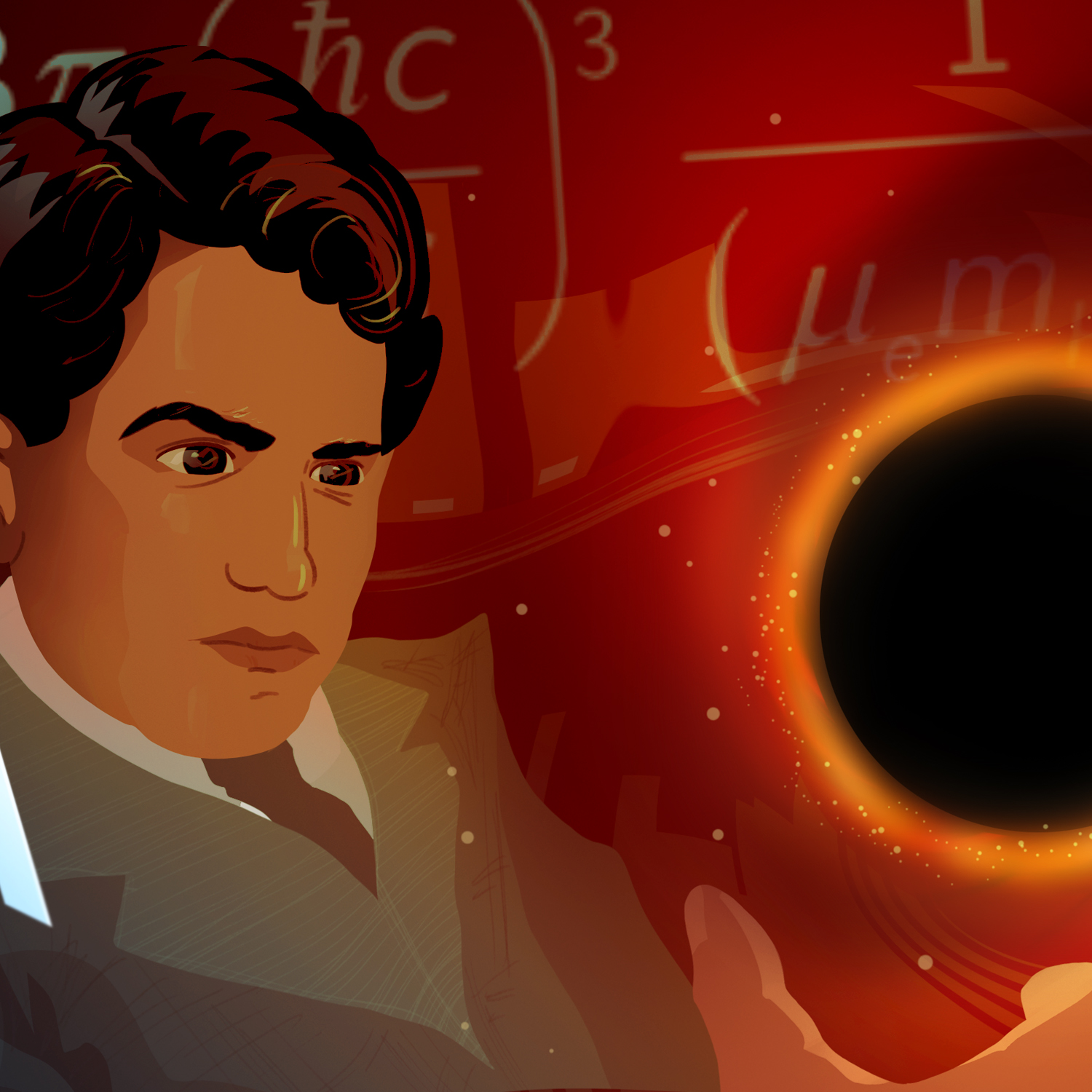
Cosmic Journey I: "Stellar Buffoonery"
Black holes could unlock the mysteries of creation and live at the heart of nearly every galaxy. But these invisible balls of extremely dense matter have never been fully understood, especially when they were only a theory. We travel through a cosmic wormhole back to the 1930s to learn how the first astrophysicist to successfully theorize a black hole, Subrahmanyan Chandrasekhar, was ridiculed and rejected by his scientific community.This is the first episode of a two-part journey celebrating the 25th anniversary of the Chandra X-ray Observatory and the Smithsonian Astrophysical Observatory's operation of the space telescope. Join us this summer for a cosmic journey full of events and virtual resources from around the Smithsonian that will transport you from our closest star, the sun, to the far reaches of the universe. Find the full schedule on our website, si.edu/cosmicjourney. Or follow along on social media @Smithsonian.Guests: Kim Arcand, Visualization Scientist and Emerging Tech Lead for NASA's Chandra X-ray Observatory at the Smithsonian Astrophysical Observatory Priyamvada Natarajan, astrophysicist and professor at Yale University Arthur I. Miller, author of "Empire Of The Stars: Obsession, Friendship, and Betrayal in the Quest for Black Holes"
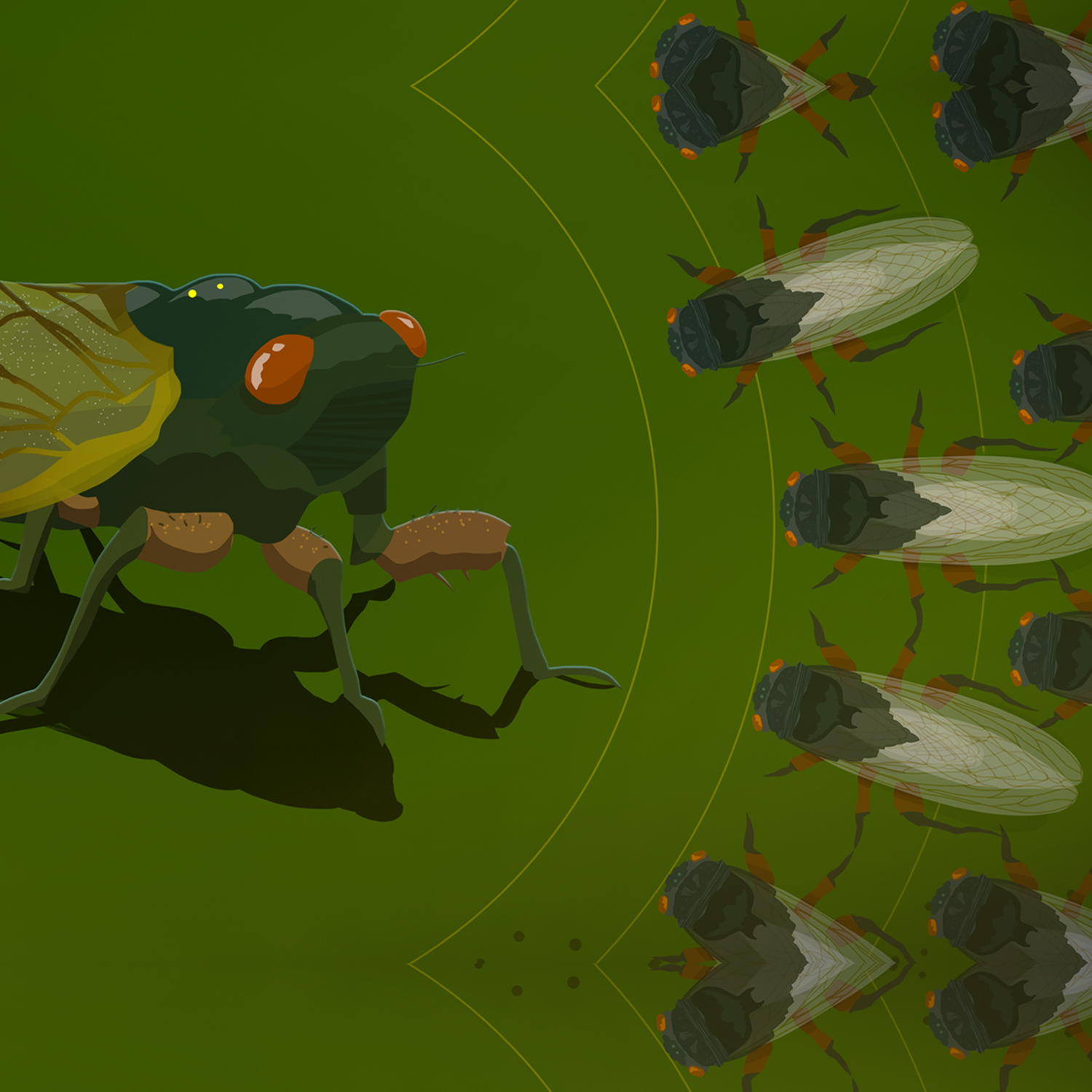
Cicadapalooza
The cicadas are back for some fun in the sun, and this time, they’re louder than ever! For the first time since 1803, Broods XIII and XIX will be emerging at the same time, covering the American South and Midwest with trillions of cicadas. As Smithsonian entomologist Floyd Shockley readies his nets for the biggest bug invasion in centuries, we look back at the emergence of Brood X in 2021, and explore how cicadas have captivated our human ancestors for millennia. Guests: Floyd Shockley, entomologist at the Smithsonian’s National Museum of Natural History Gao Hong, professional pipa player, composer, and educator Jim Deutsch, curator at the Smithsonian Center for Folklife and Cultural Heritage Jan Stuart, Melvin R. Seiden Curator of Chinese Art at the Smithsonian’s National Museum of Asian Art
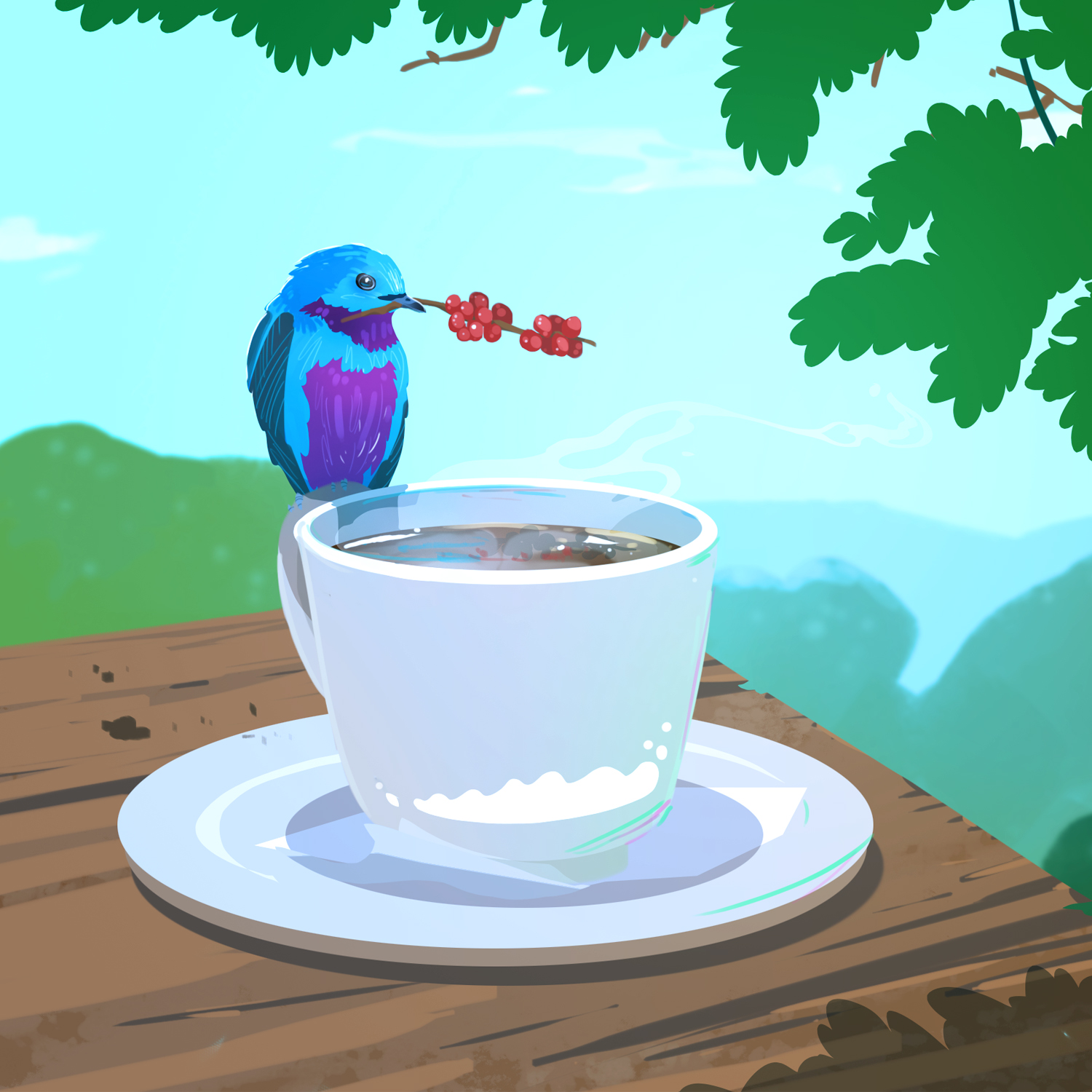
The Birds and the Beans
"God in a cup." "Perfection." "The world's best coffee." Panamanian geisha coffee has been called many things, but never Smithsonian Bird Friendly certified. That might soon change, however, as researchers from Smithsonian National Zoo and Conservation Biology Institute’s Migratory Bird Center find new ways to grow coffee in harmony with migratory songbirds. Join us for this fully caffeinated romp through Panama’s coffee farms as we learn all about the birds and the beans. Guests: Ruth Bennett, research ecologist at the Smithsonian National Zoo and Conservation Biology Institute’s Migratory Bird Center Katherine Araúz Ponce, fellow at the Smithsonian Tropical Research Institute and PhD student at The University of Georgia Maria Ruiz, owner of Ruiz Coffee Distributors Ratibor & Aliss Hartmann, owners of Finca Hartmann, specialty coffee and ecotourism Price Peterson, owner of Hacienda La Esmeralda
Dude, Where’s my Carbon?
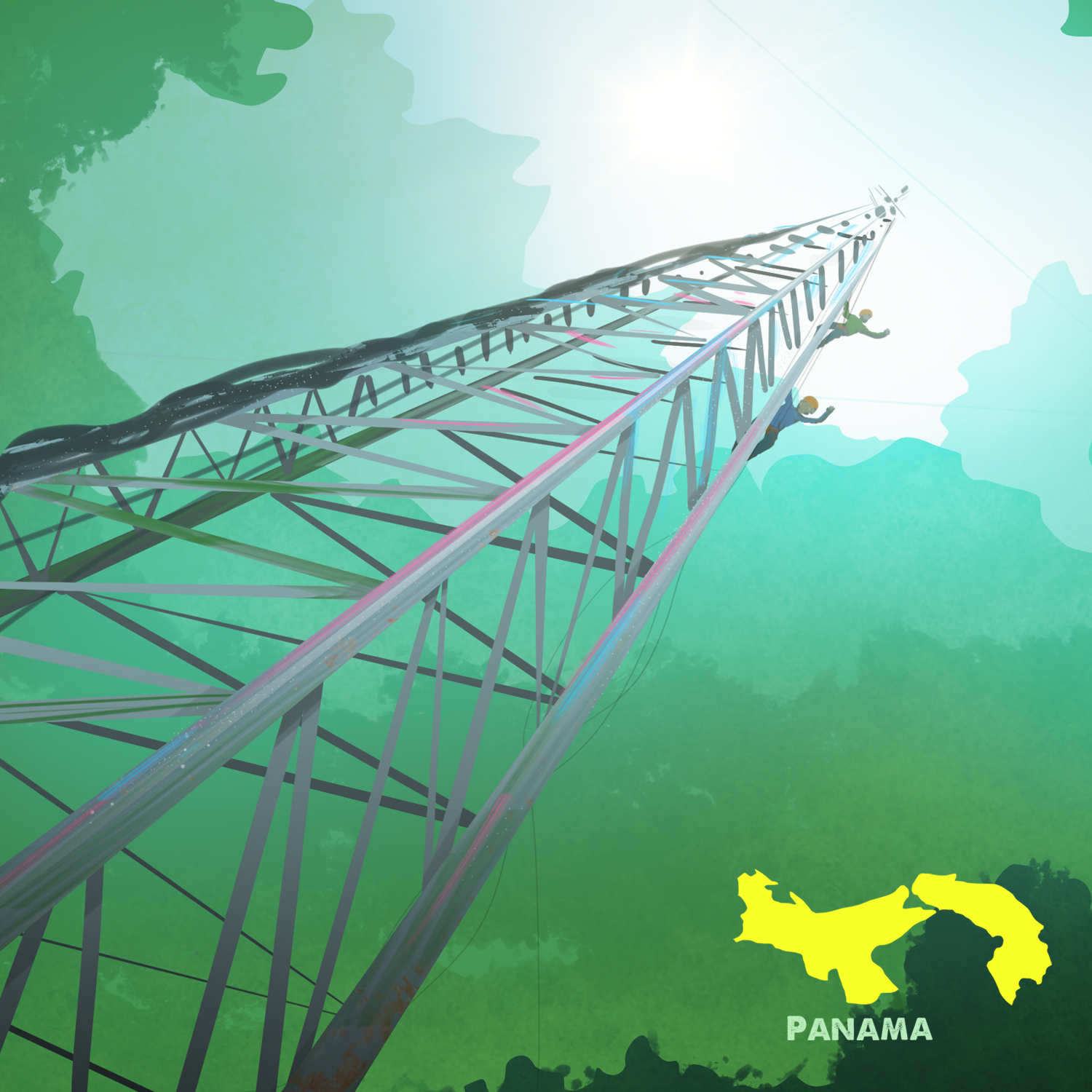
If you’ve bought a plane ticket recently, you’ve probably had the option to pay a few extra dollars to offset your carbon emissions. That money might go toward planting some trees… but how many trees? Researchers at the Smithsonian Tropical Research Institute are trying to answer this very question by hand-measuring trees, weighing wood, and climbing to the top of the canopy. We tag along to see how carbon is measured, and why so much ends up in tropical forests. Guests: Joshua Tewksbury, director of the Smithsonian Tropical Research Institute in Panama Helene Muller-Landau, senior scientist at the Smithsonian Tropical Research Institute researching tropical forests and ecosystems, leader of ForestGEO Global Carbon Program David Mitre, research manager for ForestGEO at the Smithsonian Tropical Research Institute Sergio dos Santos, project manager for the Smithsonian Tropical Research Institute’s Hydro-Meteorological and Oceanographic Monitoring Program in Panama Luisa Fernanda Gómez Correa, intern at the Forest Carbon Lab at the Smithsonian Tropical Research Institute Eline De Loore, graduate student at Ghent University conducting research at the Smithsonian Tropical Research Institute
Monkeyin' Around on the Devil's Island
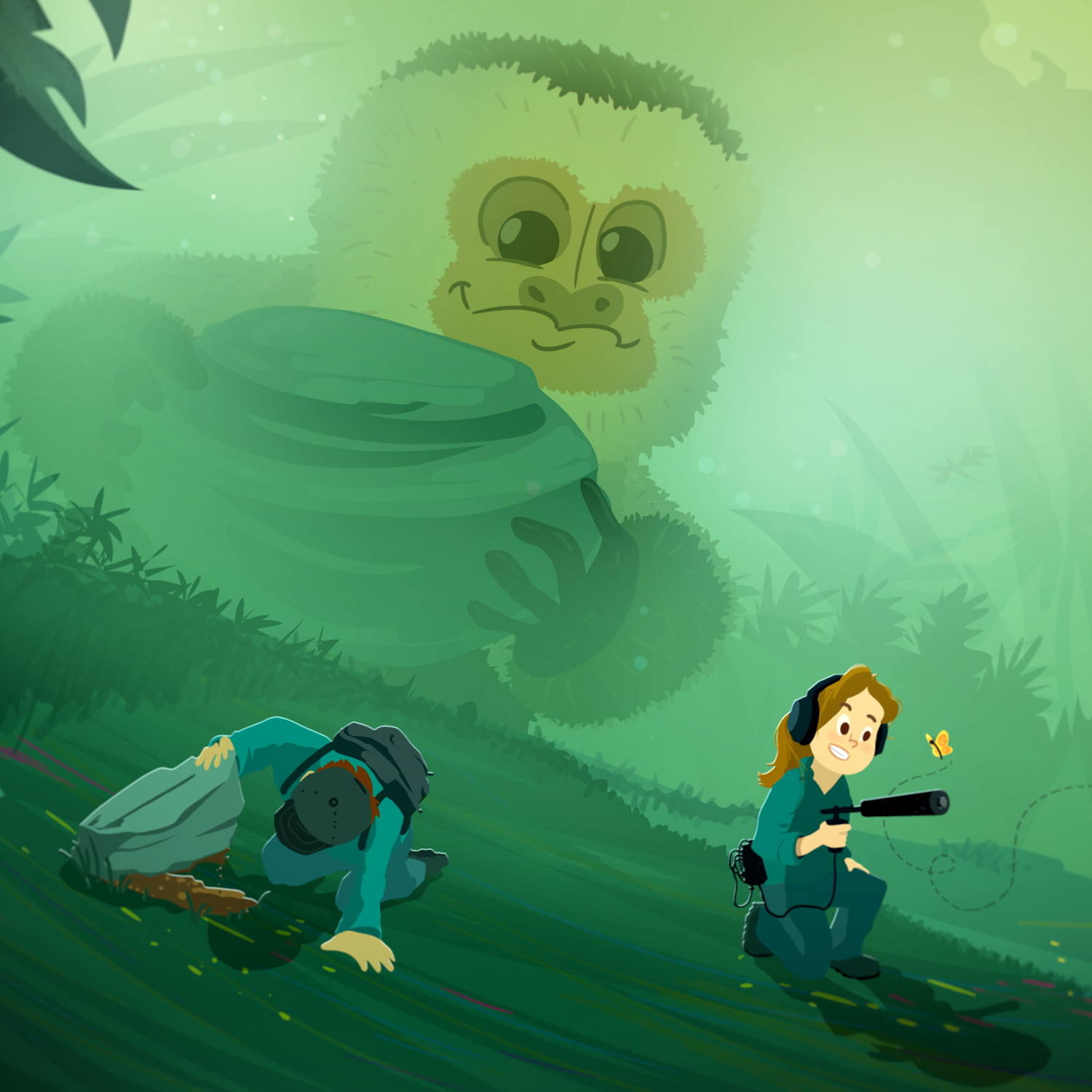
It started as a rumor in the cafeteria of the Smithsonian Tropical Research Institute in Panama: monkeys on an island in the Pacific were doing something no one had ever seen them do before. But when researchers went searching for these elusive capuchin monkeys, they discovered more questions than answers. Guests: Claudio Monteza, Smithsonian Tropical Research Institute fellow and researcher at the Max Planck Institute of Animal Behavior Brendan Barrett, researcher at the University of Konstanz and the Max Planck Institute of Animal Behavior Meg Crofoot, director of the Department for the Ecology of Animal Societies at the Max Planck Institute of Animal Behavior. Former Smithsonian Tropical Research Institute fellow
Face Value
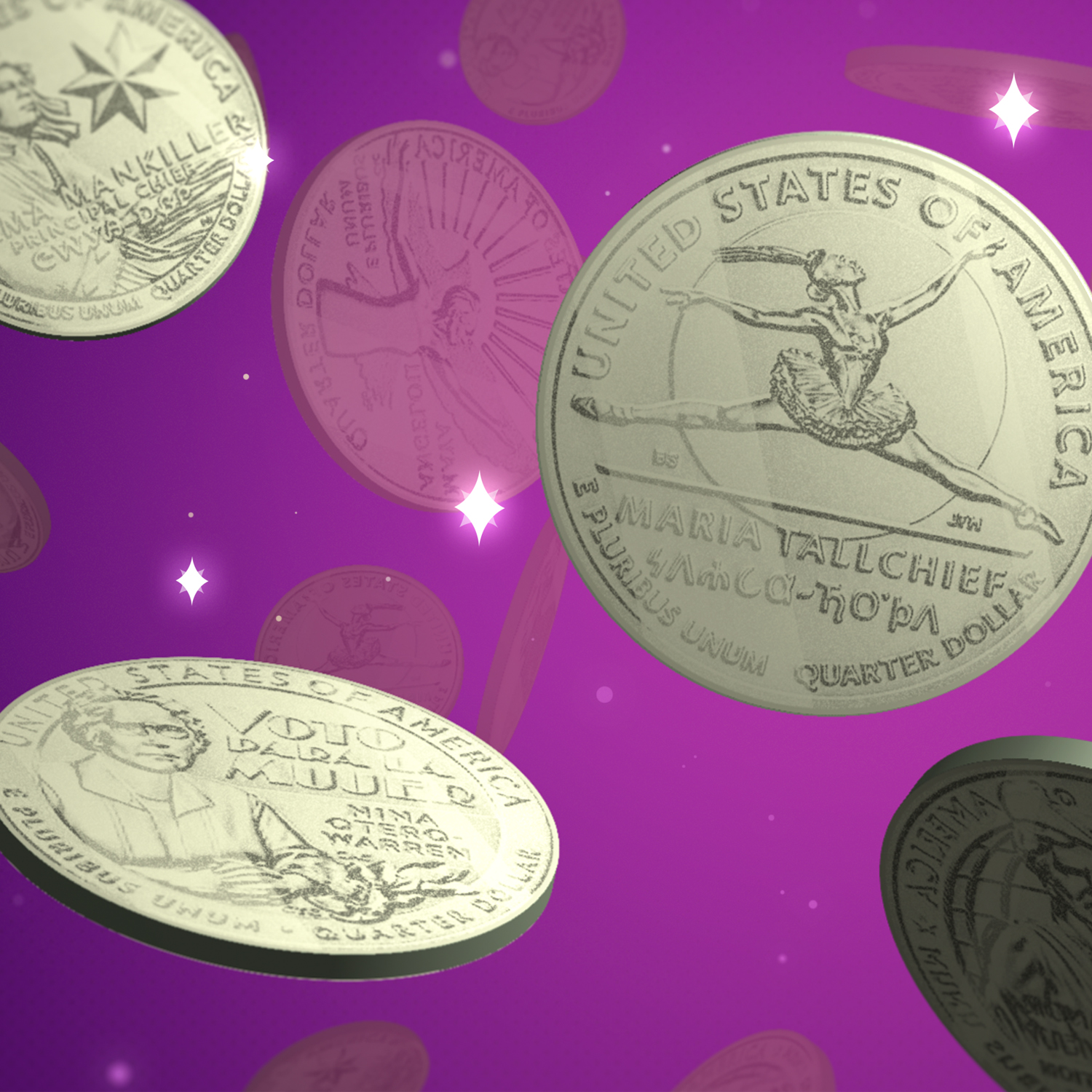
Money is power. But who's on our money - or isn’t - can be just as powerful. While Lady Liberty has graced American coins and dollars for most of our history, it wasn’t until the 1970s that a real woman appeared on a circulating American coin. But that's about to change. Congress recently authorized the creation of twenty new quarters featuring American women from history. But how do we decide whose likeness gets engraved in our national story? And who makes these decisions? We’ll follow the money to find out. Guests: Jennifer Schneider, former program manager at Smithsonian American Women’s History Museum, current assistant registrar of outgoing and government loans at the Smithsonian American Art Museum Tey Marianna Nunn, former director of the American Women’s History Initiative at the Smithsonian American Women’s History Museum, current associate director for content and interpretation at the Smithsonian’s National Museum of the American Latino Ellen Feingold, curator of the National Numismatic Collection at the Smithsonian’s National Museum of American History Joseph Menna, chief engraver at the United States Mint Tim Grant, public affairs manager at the United States Mint Dave Clark, supervisor of blanking annealing and upsetting at the United States Mint
Jeepers Leapers!
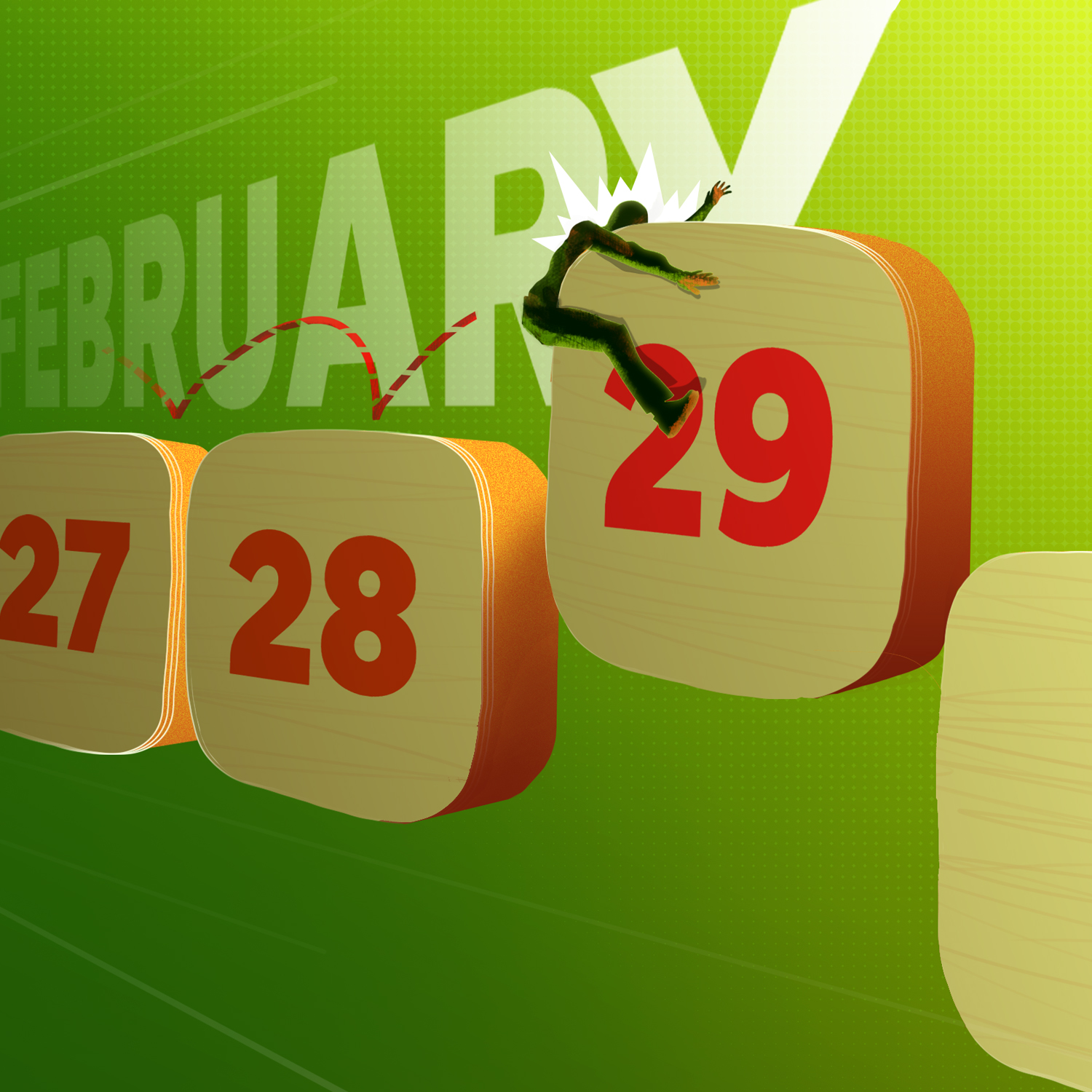
Did you know a person born on February 29 is called a "leapling"? This special episode is hopping with Leap Day trivia! Like, why do we need an extra day every four years anyway? And will I get paid for working an extra day in February? It's the lowdown on Leap Day in an episode that's as off-kilter as the earth's axis. Guest: Bob Craddock, Geologist at the Smithsonian's National Air and Space Museum's Center for Earth and Planetary Studies
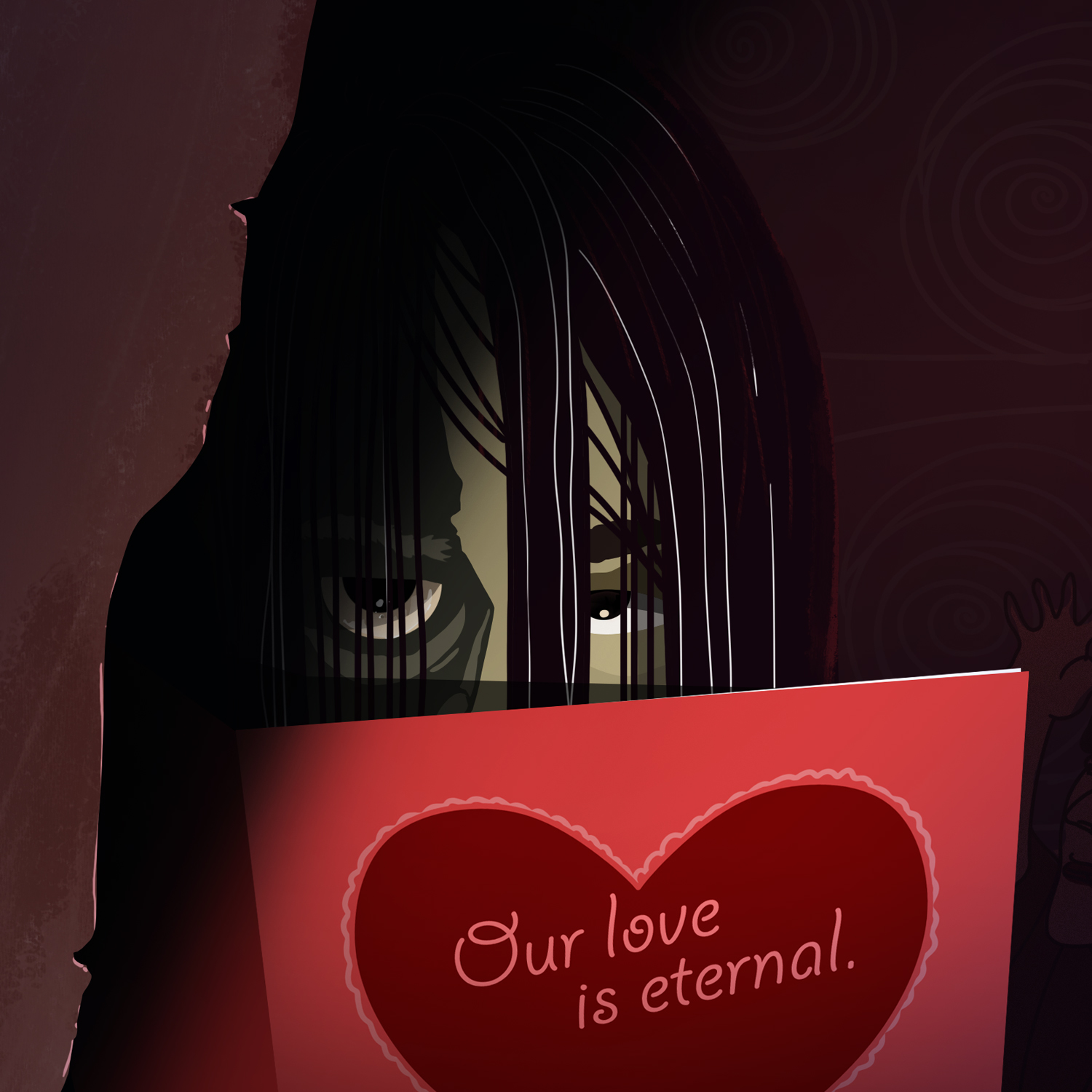
Til Death Do Us Part?
They say love is eternal. What about heartbreak? This Valentine’s Day, we bring you some of Japanese theater’s most popular tales of scorned lovers seeking vengeance from beyond the grave — with a burning passion. Guests: Frank Feltens, Curator of Japanese Art at the Smithsonian’s National Museum of Asian Art Kit Brooks, Japan Foundation Assistant Curator of Japanese Art at the Smithsonian’s National Museum of Asian Art
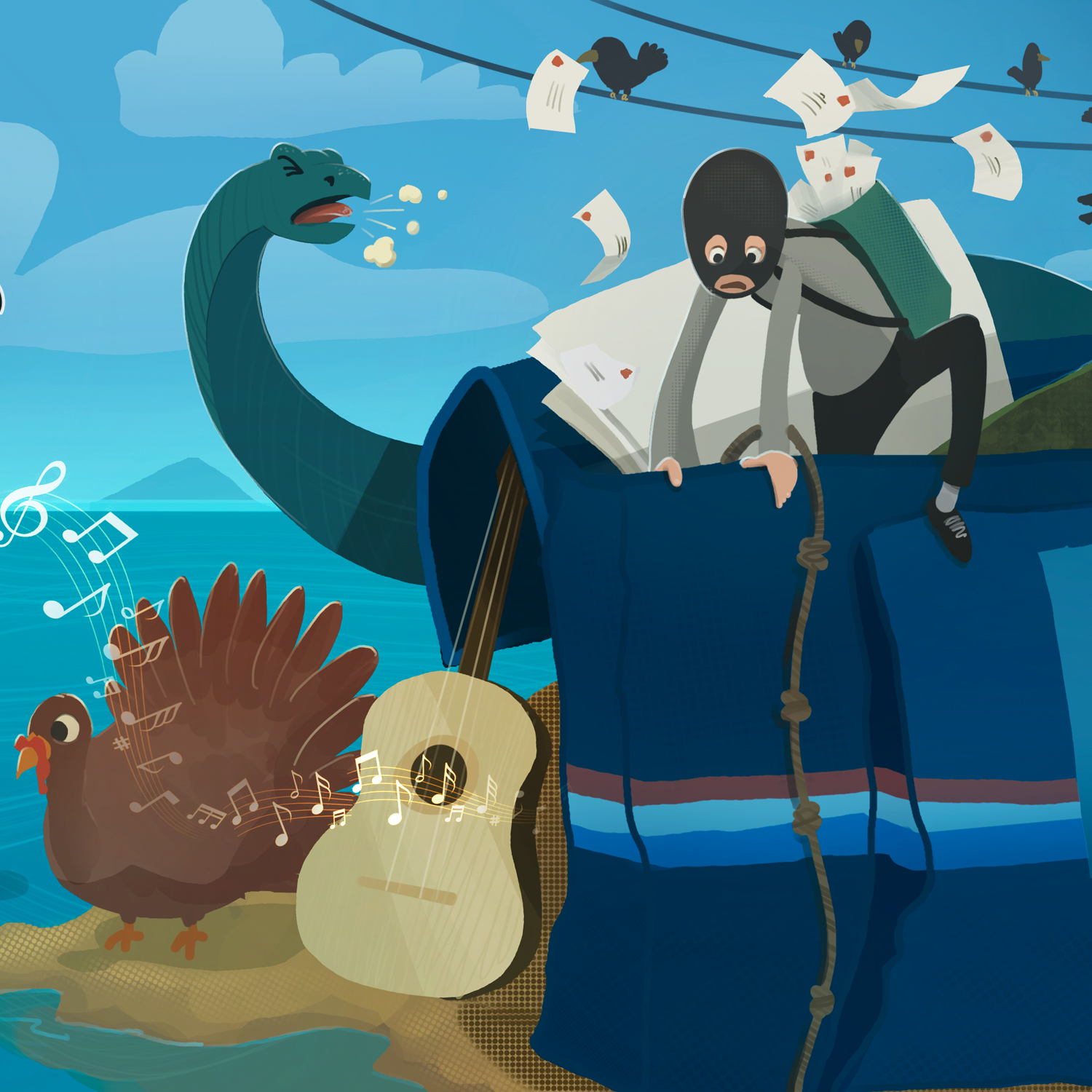
To Sidedoor, With Love
From brontosauruses with bronchitis to birds on a wire to flying space rocks and a botched heist at 20 thousand feet. In this episode, Lizzie and Sidedoor producer James run all around the Smithsonian to answer listeners' questions from the Sidedoor mailbag. Guests: Lynn Heidelbaugh, curator at the Smithsonian’s National Postal Museum Sara Hallager, curator of birds at the Smithsonian’s National Zoo and Conservation Biology Institute Jim Nollman, composer and pioneer of the “interspecies music” genre, conceptual artist, and environmental activist Cari Corrigan, research geologist at the Smithsonian’s National Museum of Natural History and curator of the Antarctic Meteorite Collection Sharon Bryant, marketing specialist at the Smithsonian’s Office of Communications and External Affairs Matthew Carrano, research geologist and curator of Dinosauria at the Smithsonian’s National Museum of Natural History

Tails of Bravery
As long as there have been wars, animals have joined their human companions on the battlefield. But a few have served so bravely they’ve been memorialized at the Smithsonian. In honor of these furry and feathered war heroes, we bring you the tales of dogs, cats and birds who went above and beyond the call of duty. Guests: Jennifer Jones, curator of military history at the Smithsonian's National Museum of American History Frank Blazich, curator of military history at the Smithsonian's National Museum of American History Ann Bausum, author of Stubby the War Dog and Sergeant Stubby: How a Stray Dog and His Best Friend Helped Win WWI and Stole the Heart of a Nation Scot Christenson, author of Cats in the Navy Chris Willingham, president of the United States War Dogs Association
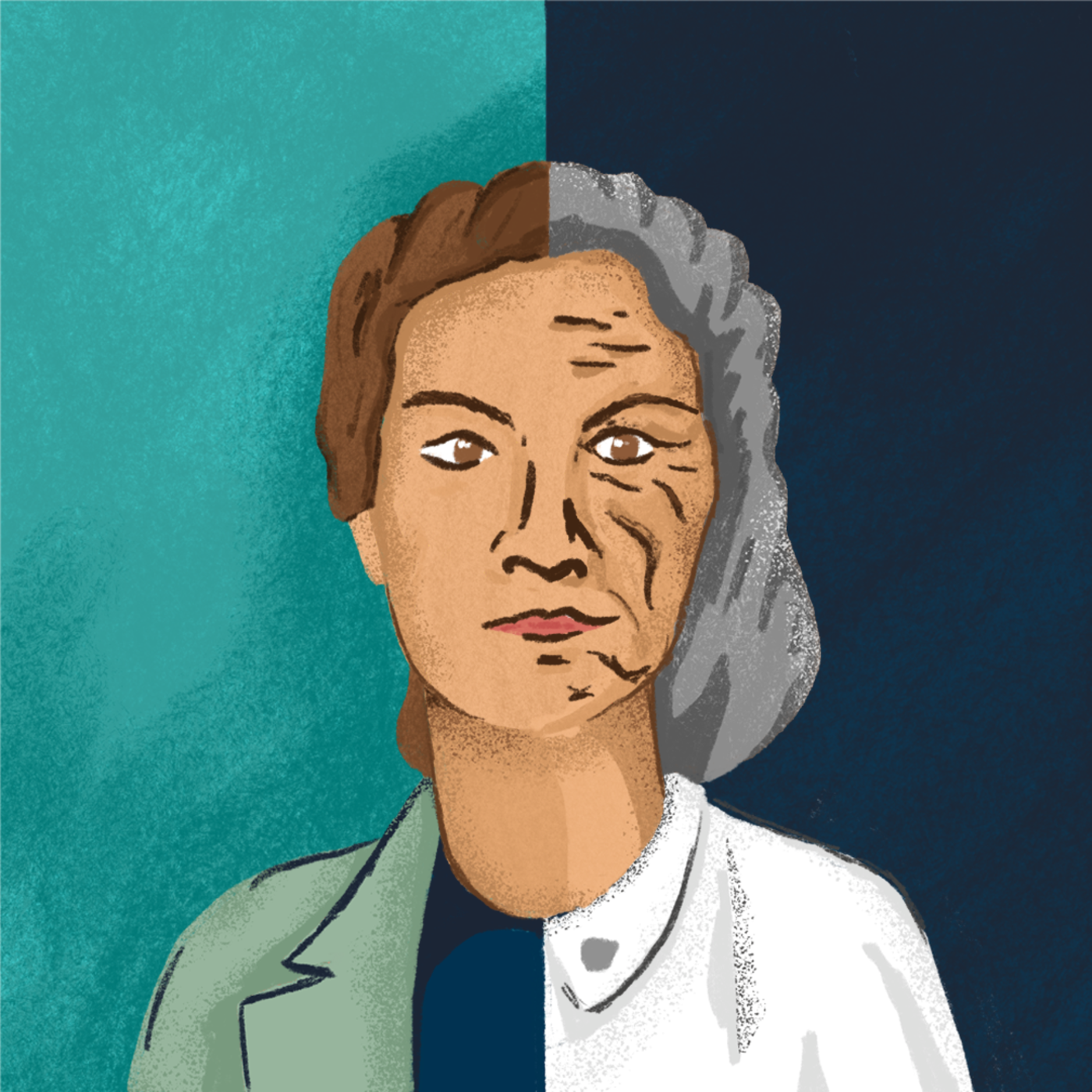
The Milkmaid Spy
Virginia Hall dreamed of being America’s first female ambassador. Instead, she became a spy. Joining the ranks of the U.S.’s first civilian spy network, she operated alone in occupied France, where she built French Resistance networks, delivered critical intelligence, and sold cheese to the enemy. All on one leg. Guests: Sonia Purnell, author of “A Woman of No Importance: the Untold Story of the American Spy who Helped Win World War II.” Randy Burkett, CIA Staff Historian Christina Gebhard, museum specialist at the Smithsonian’s National Museum of Natural History
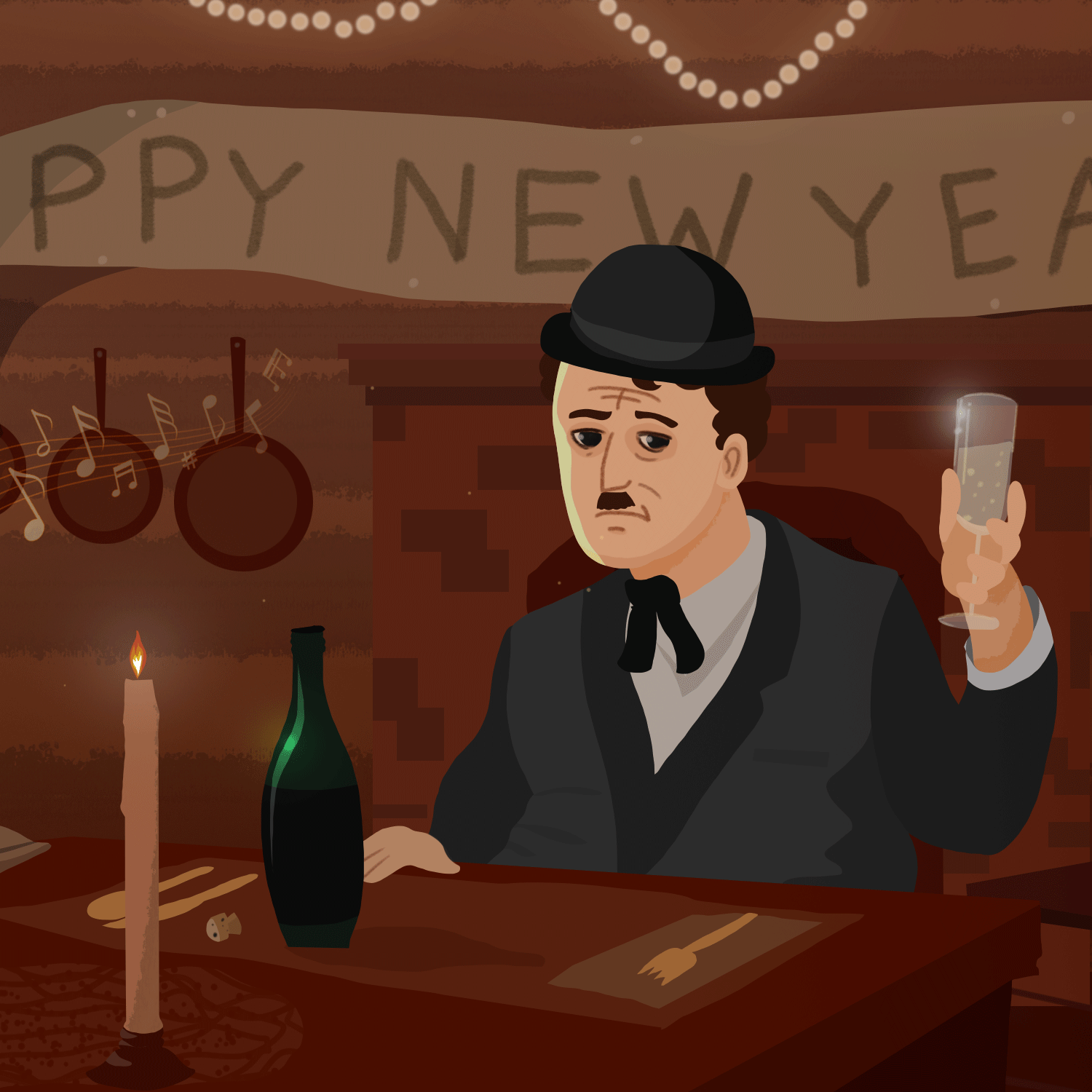
Auld Lang What?
It’s a song we often hear at the start of the new year. But what does “auld lang syne” even mean? And how did it come to be associated with New Year's Eve? With a little musical sleuthing, we find Charlie Chaplin might have something to do with it… Guests: James Deutsch, curator of folklife and popular culture at the Smithsonian Center for Folklife and Cultural Heritage
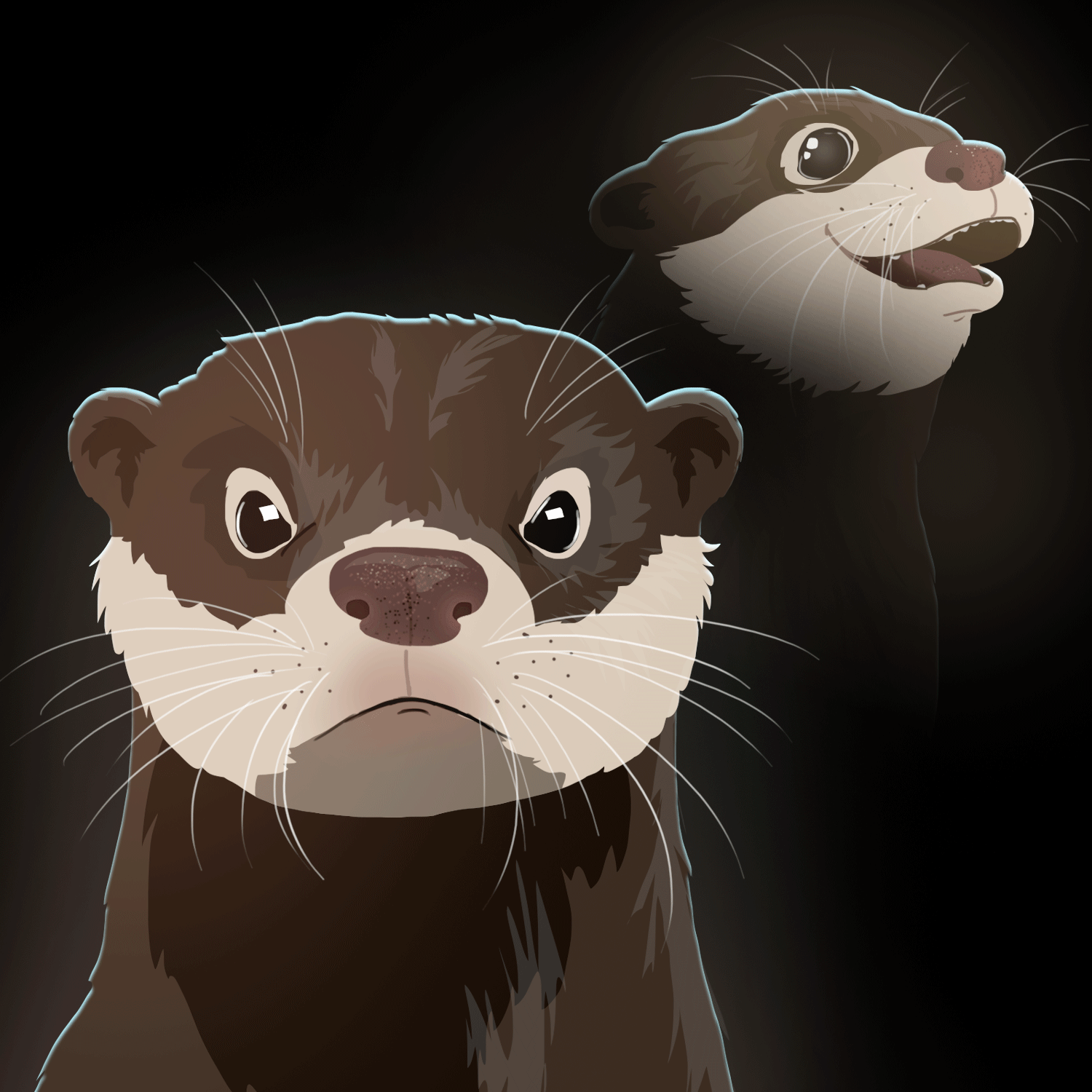
Welcome Back, Otter
North American River Otters are popping up in places they haven't been seen in decades and nobody really knows why. As we search for answers we discover a trail of fish heads, poop splats and cuddle parties. Guests: Katrina Lohan, head of the Coastal Disease Ecology Laboratory at the Smithsonian Environmental Research Center Alejandra Morales Picard, psychologist at Montgomery College Rebecca Sturniolo, assistant curator of the America Trail at the Smithsonian National Zoo Patty Storms & Morty Bachar, otter neighbors
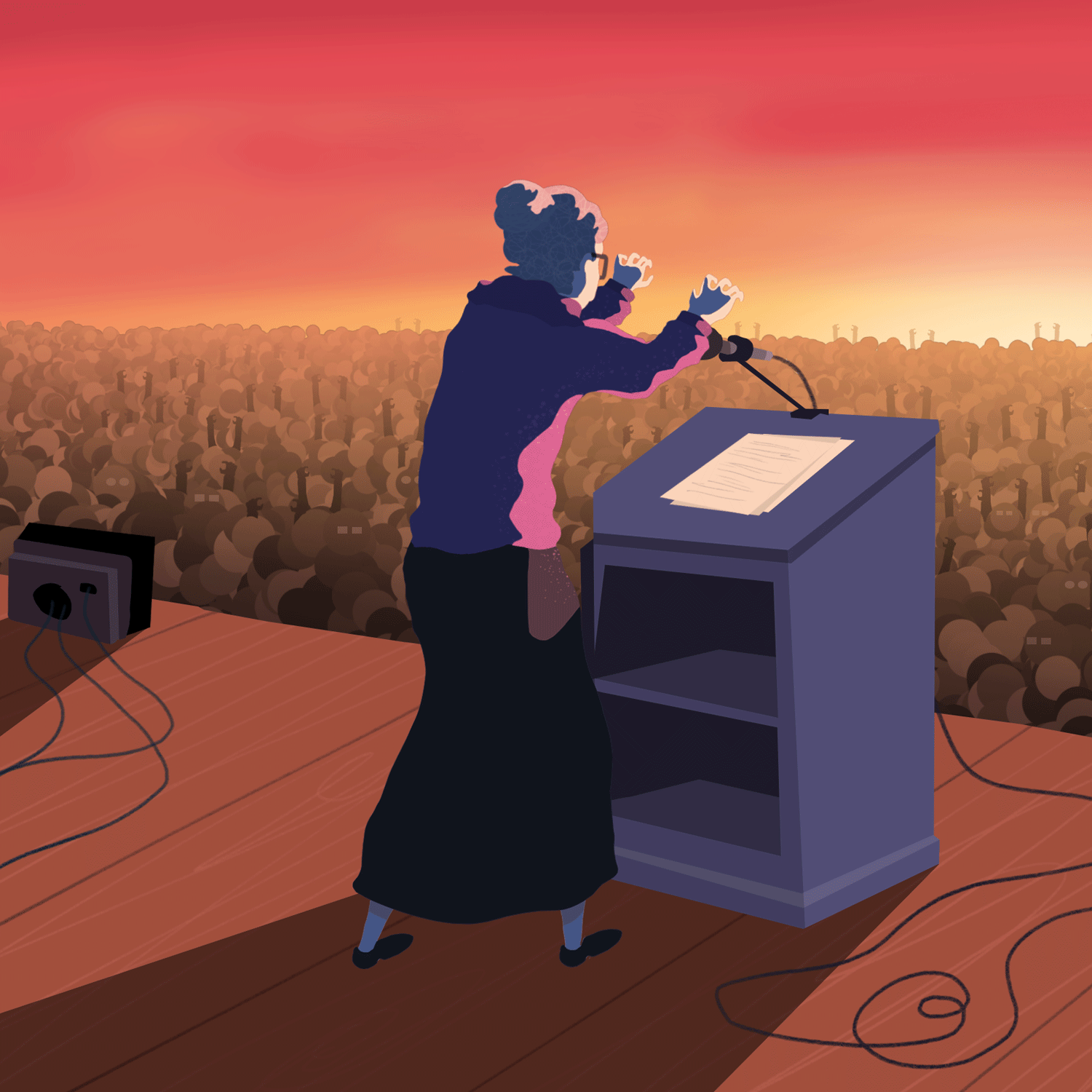
Wrinkled Radicals
When Maggie Kuhn was forced to retire from the job she loved at age 65, her colleagues gave her a sewing machine as a parting gift. Outraged, she shut the sewing machine in a closet and, instead, stitched together the first-ever movement against ageism in the U.S. The Gray Panthers would galvanize gray haired citizenry and youth alike to challenge the way Americans think about aging. Guests: Katherine Ott, curator and historian in the Division of Medicine and Science at the Smithsonian's National Museum of American History Emily Krichbaum, founding director for the Center for Girls' and Young Women's Leadership at Columbus School for Girls and scholar of women’s history Paul Nathanson, founder and former executive director of Justice in Aging (formerly the National Senior Citizens Law Center), a national advocacy group for the elderly poor Jack Kupferman, president of Gray Panthers NYC

Farewell Giant Pandas
All three Giant Pandas are leaving the Smithsonian's National Zoo for China by the end of the year. What's up with that?! We sat down with the director of the Zoo, Brandie Smith, to find out why the pandas are leaving, and whether China plans to send more. This might truly be the end of a beara ... we mean era! Guests: Brandie Smith, John and Adrienne Mars Director of the Smithsonian’s National Zoo and Conservation Biology Institute Stephen Powers, panda fan
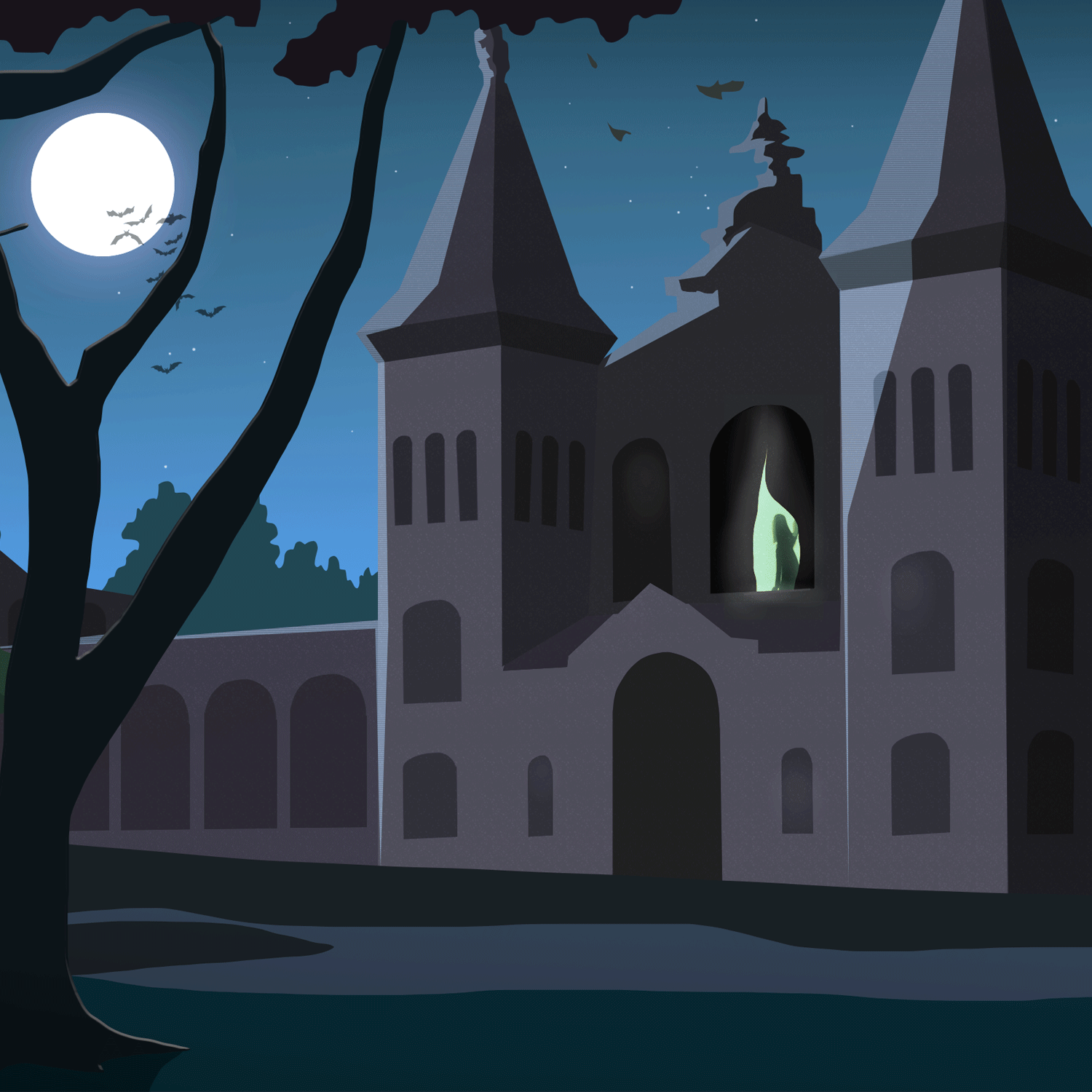
Resurrected: Spooked at the Smithsonian
The Smithsonian Institution was founded on principles of reason and scientific inquiry. So why is the Smithsonian home to countless tales of unexplained phenomena and—dare we say—ghost sightings? Inspired by an apparition at the National Museum of American History, we creak across museum attic floorboards, sneak into an old house in the woods, and even travel back in time to bring you a collection of spooky stories that can only be found at the Smithsonian. Guests: Molly Horrocks, Collections Manager, Division of Political and Military History at the Smithsonian’s National Museum of American History Pamela Henson, Institutional Historian at the Smithsonian Libraries and Archives Cpl. Ronald Howlin, Security Officer at the Smithsonian Environmental Research Center Deborah Hull-Walski, Collections Manager, Education Collections at the Smithsonian’s National Museum of Natural History Melissa Johnson, daughter of Deb Hull-Walski and former skeptical teenager Kim Dixon, former volunteer at the Smithsonian’s National Zoo
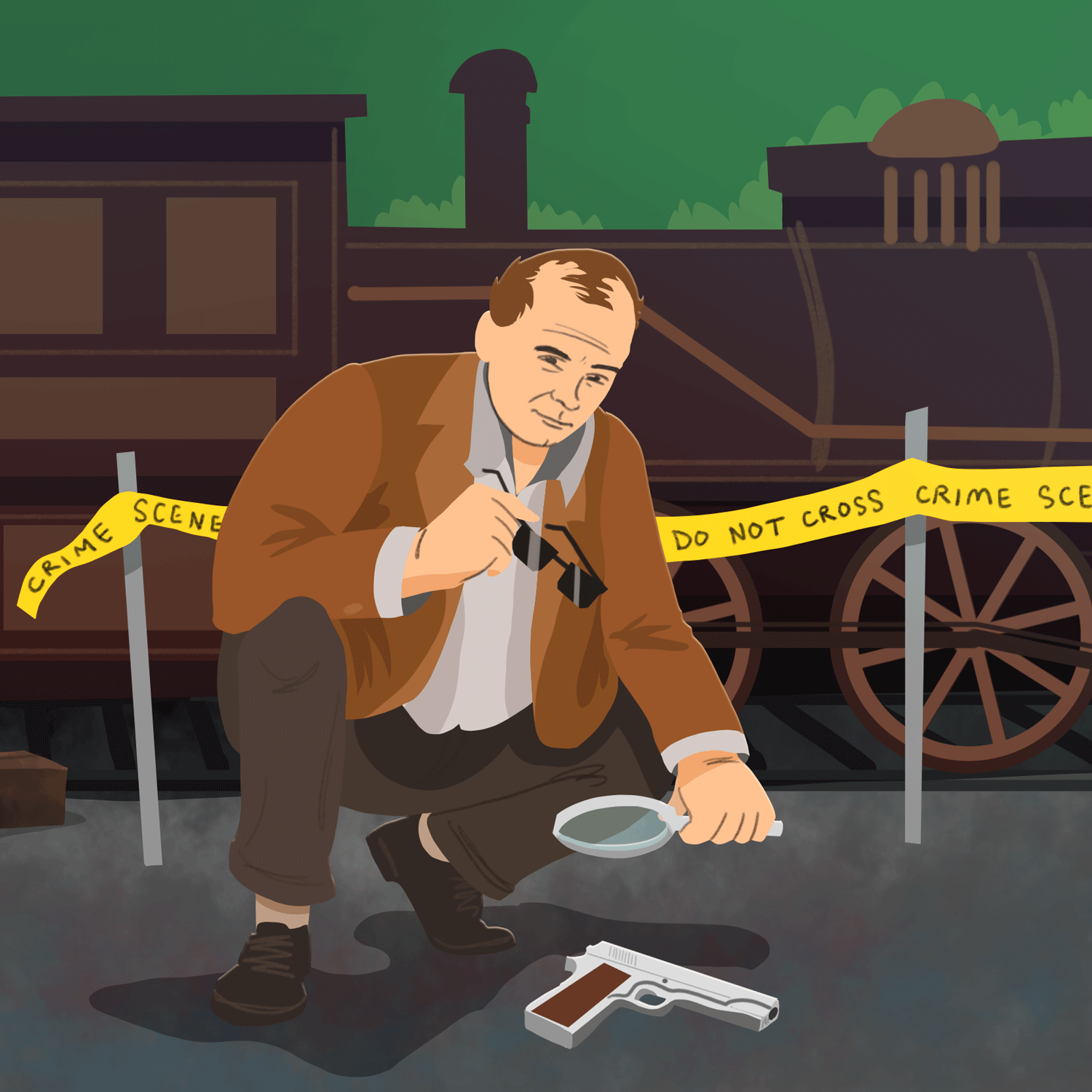
CSI: Southern Pacific
Looks like these criminals used correct postage, 'cause justice is about to be delivered. Okay, there are no snappy one-liners in this crime scene investigation, but there are explosions, collisions, manhunts and even a cow who was in the wrong place at the wrong time. On the centennial of "The Last Great Train Robbery," we re-examine the evidence to find out how U.S. Postal Inspectors tracked down a band of old school outlaws using cutting edge criminal forensics...and postmarked them for prison. Guests: Lynn Heidelbaugh, curator at the Smithsonian National Postal Museum Chelsea Rose, Director of the Southern Oregon University Laboratory of Anthropology Kate Winkler Dawson, author of American Sherlock: Murder, Forensics and the Birth of American CSI
Cellphones Rock
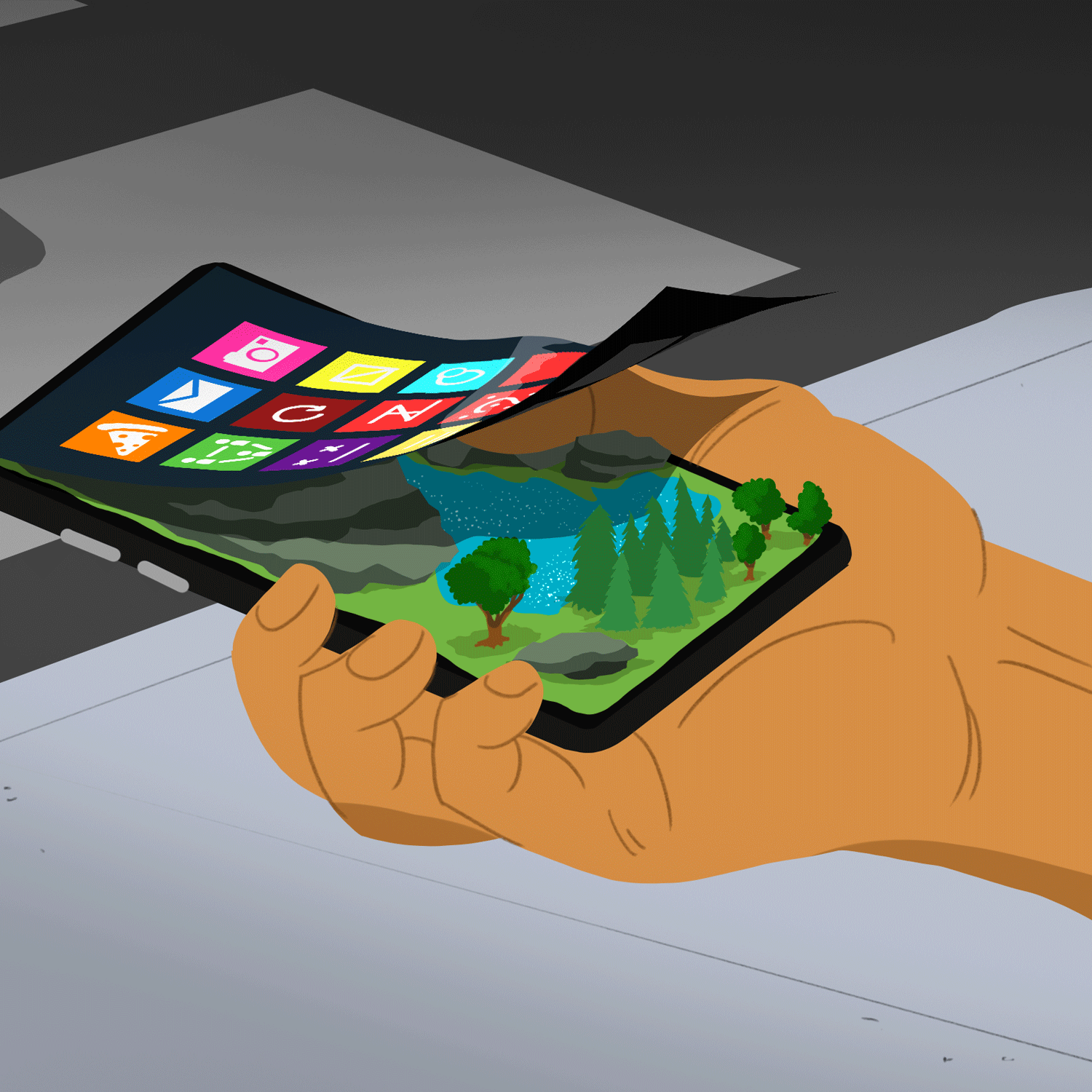
Cellphones put the power of the world at our fingertips. With the touch of a finger, you can instantly connect with your doctor, have food delivered to your office or simply obliterate your niece at Words with Friends. And it's all made possible by rocks formed millions of years ago, deep underground. Join us as we bust open our devices to figure out how these stones power our phones. Guests: Joshua A. Bell, curator of globalization at the Smithsonian’s National Museum of Natural History Michael Wise, geologist in the department of mineral sciences at the Smithsonian's National Museum of Natural History Josh Lepawsky, professor of geography at Memorial University of Newfoundland
The 'Gentle Anarchy' of the Muppets
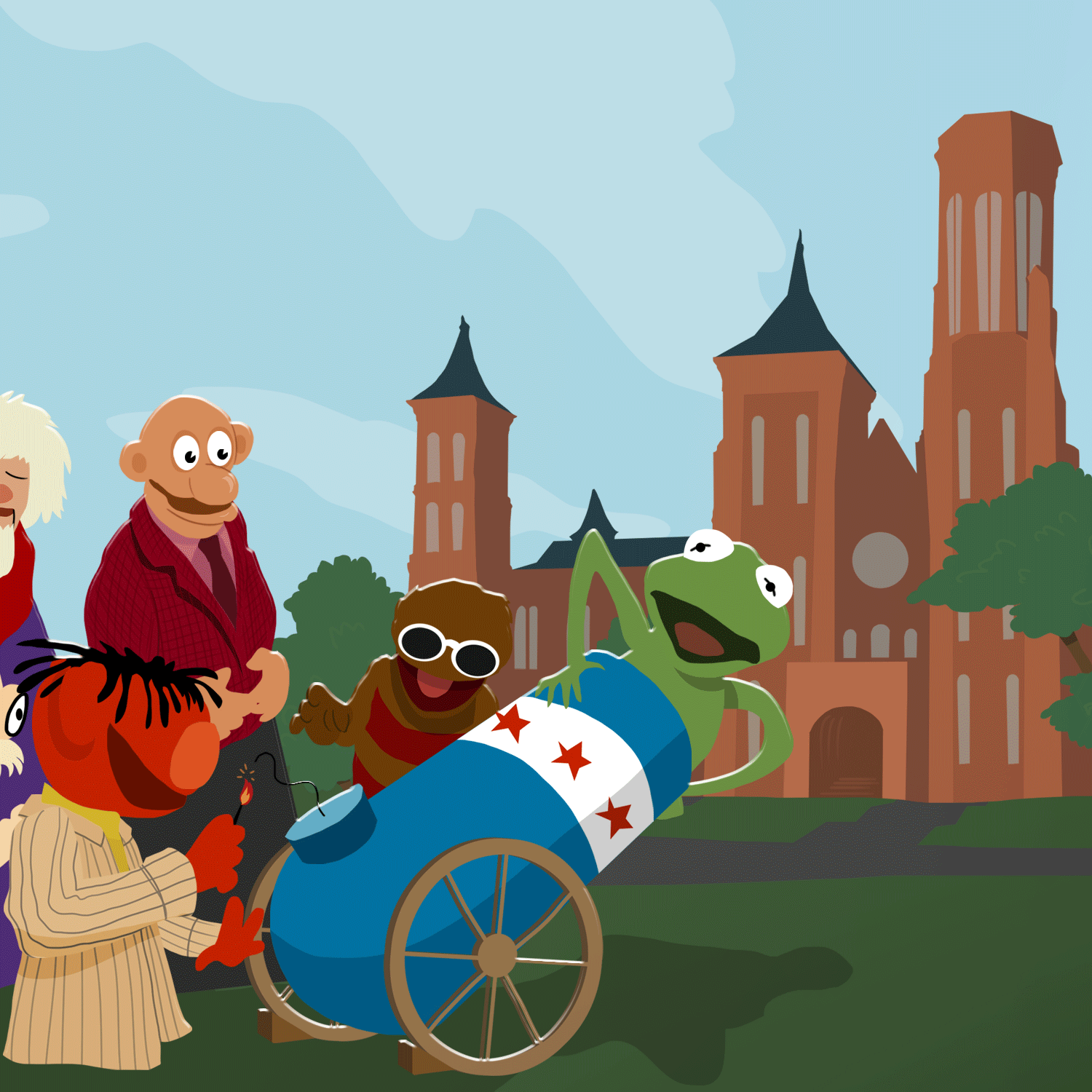
Icky Gunk. Moldy Hay. Kermit. You might recognize one of these names. Before Kermit joined Miss Piggy and Big Bird, he was kicking it with Sam and Friends — a local tv show in Washington, D.C. that launched Jim Henson's career. We journey back to 1955 to figure out how this eccentric cast of puppets built the foundation for everything Jim Henson would do afterwards, from Sesame Street, to The Muppet Show and even Labyrinth (we see you, David Bowie fans). And we venture into the conservation labs to learn what it took to revive these crumbling hunks of foam and fabric when they landed at the Smithsonian. Guests: Ryan Lintelman, curator at the Smithsonian National Museum of American History Sunae Park Evans, senior costume conservator at the Smithsonian National Museum of American History Bonnie Erickson, a director of The Jim Henson Legacy; creator of Miss Piggy Craig Shemin, author of Sam and Friends: The Story of Jim Henson's First Television Show
It's Season 10!
trailerSidedoor returns for its tenth season on Wednesday, September 13th!
A Wild Ride on the Pony Express
In 1860 the fastest way to get a message to a family member, partner, or colleague wasn’t by text but by hoof…specifically, a pony’s. In just ten short days the Pony Express delivered mail between St. Louis and Sacramento. To find out what it was like to travel this legendary trail, there’s only one way: get on a horse and follow all 2,000 miles of it. That’s what writer Will Grant did, retracing the route from Missouri to California over four and half months. This guest episode of the Outside podcast brings you an epic camping tale in the name of history. We’ll be back with new episodes of Sidedoor in September! If you enjoyed this episode, find more stories from Outside at https://www.outsideonline.com/podcast
The Hungerford Deed
When a 200-year-old legal document anonymously arrived at his office, Smithsonian Libraries and Archives conservator William Bennett assumed it would be full of boring legal jargon. Instead, he found a juicy tale of family betrayal that would forever change what we thought we knew about the founding of the Smithsonian. In honor of the Smithsonian’s 177th birthday, we’re sharing one of our favorite stories from the Sidedoor collection. Guests: William Bennett, conservator at the Smithsonian Institution Libraries and Archives Social: @rwilliab (Instagram), @SirWilliamB (Twitter) Heather Ewing, author of The Lost World of James Smithson, and Associate Dean at New York Studio School Social: @HPealeEwing Richard Kurin, Smithsonian Distinguished Scholar and Ambassador-at-Large
Tyrannosaurus FX
When you imagine the sound of a dinosaur, you probably think of a scene from the Jurassic Park movies. How do sound designers make these extinct creatures sound so believably alive? And what does modern paleontology tell us about what dinosaurs REALLY sounded like? This guest episode of Twenty Thousand Hertz features Jurassic World sound designer Al Nelson and paleontologist Julia Clarke. We’ll be back with new episodes of Sidedoor soon! If you enjoyed this episode, you can find more episodes of Twenty Thousand Hertz at 20k.org.
Special: People Eating People
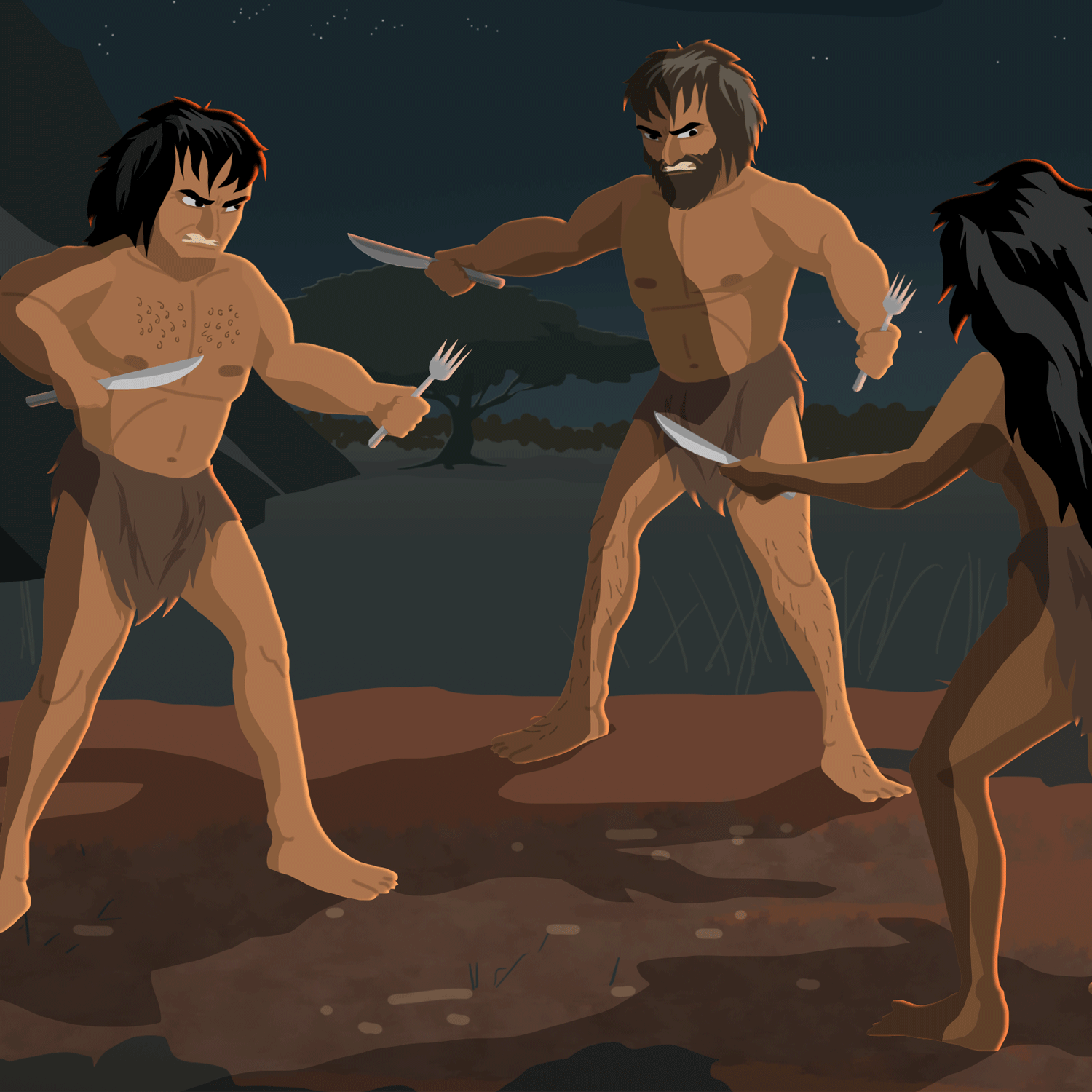
A Smithsonian researcher has made a discovery we couldn't wait to sink our teeth into — what might be the earliest evidence of our human ancestors eating each other. This conversation is a special update from our past episode 'Did Meat Make Us Human?' Bon appétit!
The Toxic Book of Faces
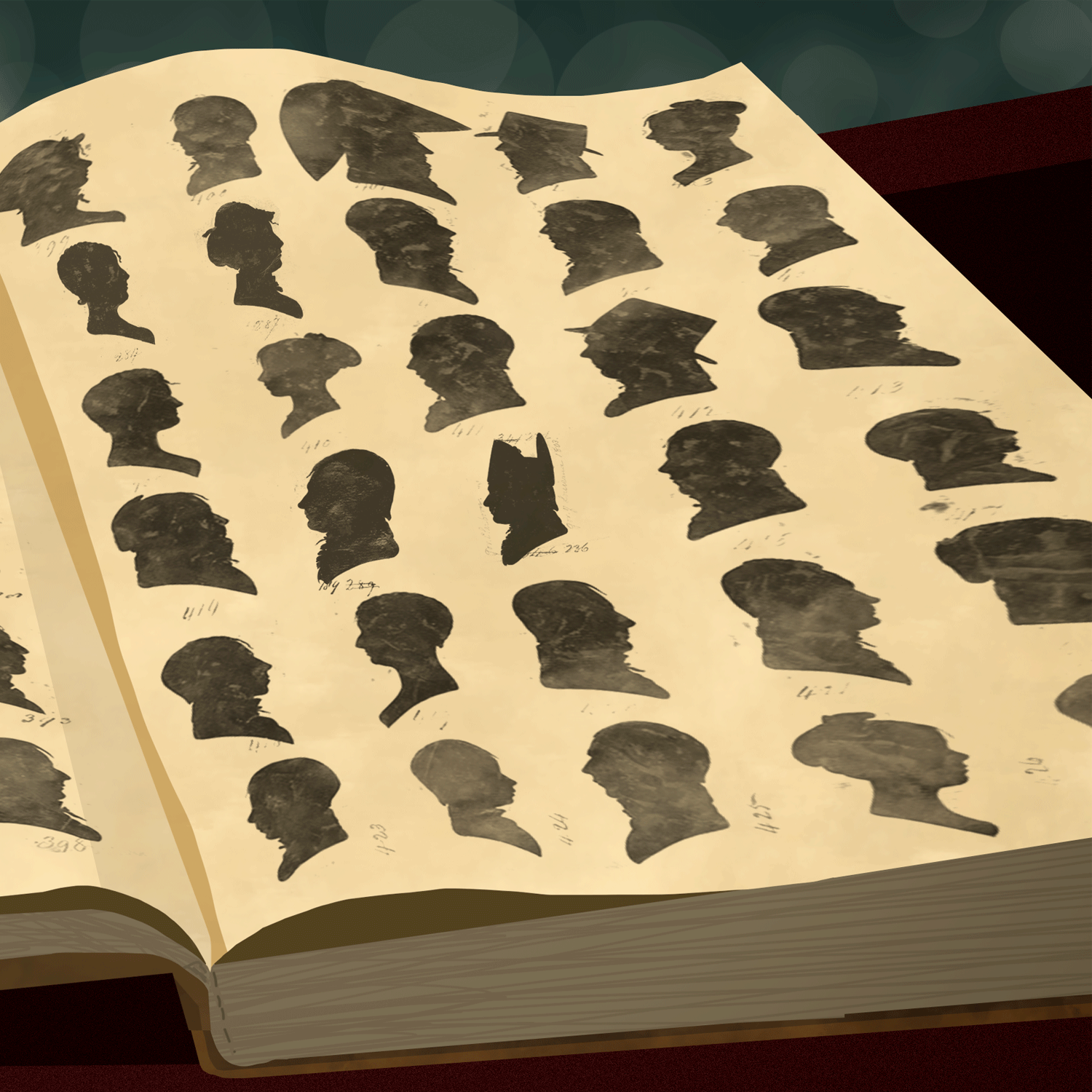
Before the invention of photography, only the rich could afford to have portraits of themselves. But in the early 1800s, a device called the physiognotrace democratized portraiture, making it possible or everyday people to have their images captured in silhouettes. A man named William Bache traveled the United States creating hundreds of silhouette portraits with the aid of the physiognotrace, leaving behind a ledger book that gives us a rare glimpse of early America. A ledger book…laced with poison. Guests Robyn Asleson, curator of prints and drawings at the Smithsonian’s National Portrait Gallery Nora Lockshin, senior conservator for archives at the Smithsonian Libraries and Archives Wendy Bellion, Sewell C. Biggs Chair in American Art History, and associate dean for the humanities at the University of Delaware Carolyn Hauk, doctoral student in the art history department of the University of Delaware, former intern at the Smithsonian’s National Portrait Gallery

Building a Movement
America has a long history of clustering heavy industry and toxic facilities in communities where people of color live. But in the 1980s, a series of events sparked a movement to fight back against these environmental injustices. We trace the history of the environmental justice movement from the farmlands of North Carolina to a watershed moment in the nation's capital. Guests: Vernice Miller Travis, environmental justice pioneer; Executive Vice President, Metro Group Rachel Seidman, curator at the Smithsonian's Anacostia Community Museum Charles Lee, a founder of the environmental justice movement; senior policy advisor, U.S. Environmental Protection Agency Office of Environmental Justice and External Civil Rights
Recording the World
In 1948, Moses Asch set out with an ambitious project: to document the world’s sounds! 75 years later, that project has grown into one of the world’s most eclectic, iconic and LARGEST repositories of recorded sound… from American folk music, to sounds of everyday life, and even a serenade for turkeys. Folkways Recordings —as it's now known— lives on within the Smithsonian, connecting the past, present and future… through sounds. Guests: Michael Asch, anthropologist and son of Moses Asch Jake Blount, musician and scholar of Black American music Maureen Loughran, director and curator of Smithsonian Folkways Recordings Jeff Place, curator and senior archivist at Smithsonian Folkways Recordings Anthony Seeger, curator and director emeritus of Smithsonian Folkways Recordings
The Funk List
Women have long fueled America's greatest scientific achievements. But when you go searching for information about these women scientists, you'll likely come up short. Only 19% of articles on Wikipedia are about women. In the field of science, this difference is even more pronounced. But now, a team at the Smithsonian is using artificial intelligence and good old fashioned research skills to scour the archives for lost women of science and publish their stories … before it’s too late. Guests: Liz Harmon, digital curator, Smithsonian Libraries and Archives Kelly Doyle, open knowledge coordinator, Smithsonian American Women's History Museum Rebecca Dikow, research data scientist, Smithsonian Data Science Lab Tiana Curry, former intern, Smithsonian Data Science Lab

Get Off My Lawn
Nowhere in the world are lawns as revered as they are in the United States. The picture-perfect patch of grass is so deeply rooted in the American psyche it feels more like a default setting than a choice. Americans spend countless hours every year seeding, watering, mowing, and fertilizing patches of grass that don't make much sense, economically or ecologically. But why? In this episode, we dig into the history of our lawnly love to learn where the concept came from...and how we grew so obsessed. Guests: Cindy Brown, manager of collections, education, and access at Smithsonian Gardens Joyce Connolly, museum specialist at the Smithsonian’s Archives of American Gardens Abeer Saha, curator of agriculture and engineering at the Smithsonian’s National Museum of American History Sylvia Schmeichel, lead horticulturist at the Smithsonian’s National Museum of Natural History Jeff Schneider, deputy director of Smithsonian Gardens
Bill Nye the Sidedoor Guy
As a kid, Bill Nye spent whole days wandering the halls of Smithsonian museums. Now the Science Guy is back… to find his own blue lab coat and periodic table bowtie on display at the National Museum of American History. We sit down with Bill Nye to get schooled on science education, comedy, and the 1990s hit TV show that turned him into an entire generation’s favorite science teacher. Guests: Bill Nye, Science Guy This episode was produced in collaboration with the Smithsonian’s National Museum of American History. Their exhibition, Entertainment Nation, shows the power of American entertainment to captivate, inspire, and transform. Through the objects and their stories, the ongoing exhibition will explore how, for over 150 years, entertainment has provided a forum for important national conversations about who we are, and who we want to be.
Space Marathon
Until the 1970s, women were barred from competing in U.S. marathons because of the belief that the "violent movements" would wreak havoc on their reproductive system, "thus defeating a woman’s true purpose in life, i.e., the bringing forth of strong children." Through a series of steps, stumbles —and one epic tackle— running pioneers like Roberta "Bobbi" Gibb and Kathrine Switzer blazed the trail for women marathoners who followed, including Sunita Williams — the first person to run the Boston Marathon IN SPACE! Guests: Sunita Williams, astronaut Jennifer Levasseur, curator, Smithsonian's National Air and Space Museum Peter Sagal, marathoner; host of NPR's Wait Wait ... Don't Tell Me! Bobbi Gibb, first woman to run the Boston Marathon Kathrine Switzer, first women to officially run the Boston Marathon
Monsoon Mood
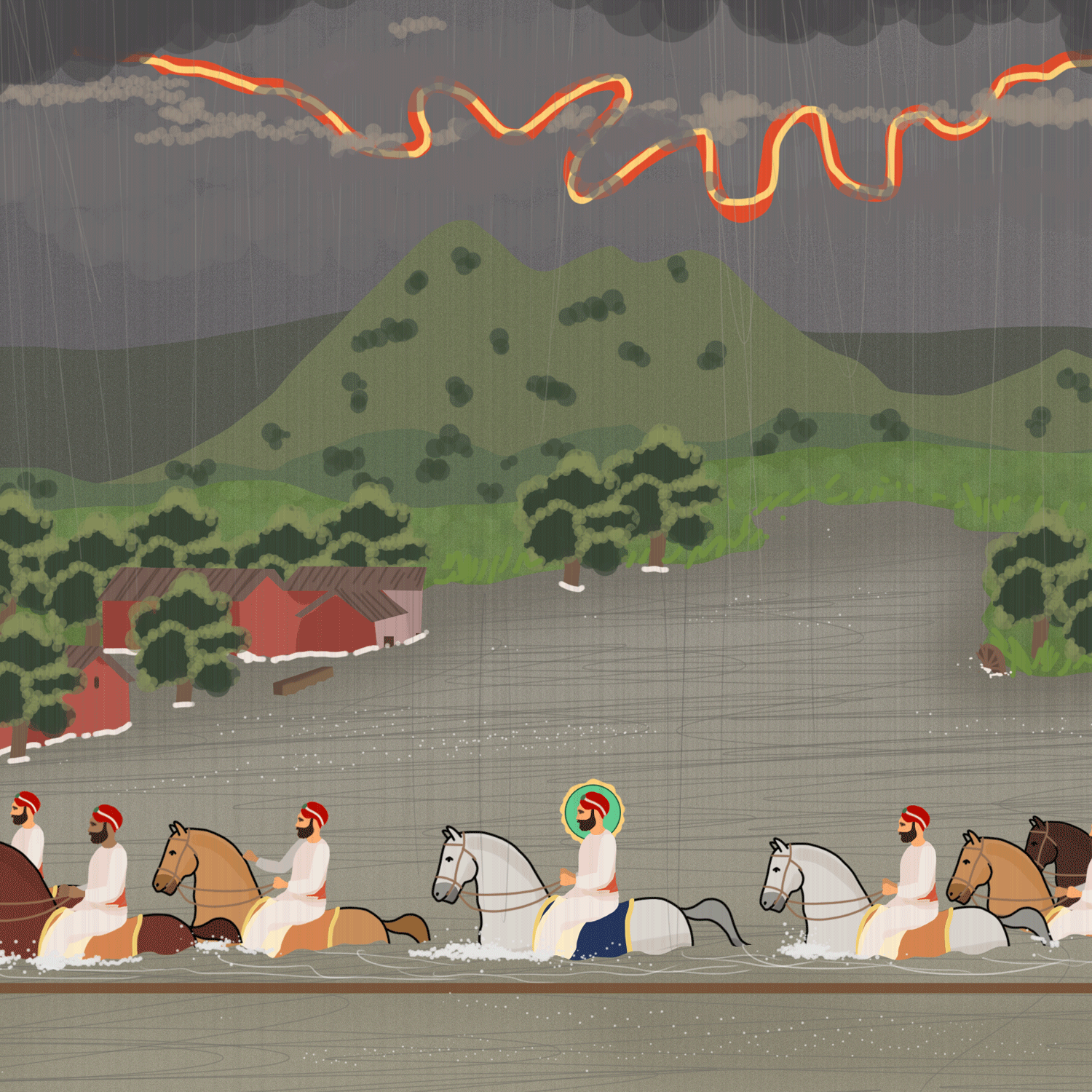
We think of paintings as art, but can they also be a source of data? 300 years ago, a young prince inherited the throne in Udaipur, India, and brought with him some newfangled ideas about art. His court artists created massive paintings that flew in the face of convention, documenting real life events, times, places and even emotions —especially during the annual monsoon season. These paintings are so detailed that - centuries later - they can serve as archival records to help understand our own changing climate. Guests: Debra Diamond, Elizabeth Moynihan Curator for South Asian and Southeast Asian Art at the Smithsonian’s National Museum of Asian Art Dipti Khera, associate professor, Department of Art History and Institute of Fine Arts, New York University Mark Giordano, professor of geography and vice dean for undergraduate affairs at Georgetown University’s Walsh School of Foreign Service This episode was produced in collaboration with the Smithsonian’s National Museum of Asian Art’s exhibition: A Splendid Land: Paintings from Royal Udaipur, in celebration of the 100th anniversary of the museum’s founding and the 75th anniversary of Indian independence. The exhibition is on view through May 14, 2023.

Lights Out
Most people in North America can't see the Milky Way. The reason? We're ensconced in a luminous fog of artificial lighting 24/7. The evolution of lighting technology over the last century has made it possible to live, work, and play at any hour - day or night. But light pollution affects all life on earth, from humans to plants and insects. So, how did we find ourselves surrounded by a glowing shroud of electricity... and can we have the dark, without giving up the light? Guests: Hal Wallace, curator of electricity collections at the Smithsonian’s National Museum of American History Lisbeth Fuisz, coordinating director, Lights Out D.C. Brian Schmidt, museum specialist, Smithsonian National Museum of Natural History Diane Turnshek, Astronomer; Dark Skies Advocate This episode was produced in collaboration with the Smithsonian National Museum of Natural History's exhibition: Lights Out: Recovering Our Night Sky. Through over 100 photographs, nearly 250 objects, interactive experiences, tactile models, and a theater program, discover why dark nights matter, rekindle your connection with the night sky, and consider how much light at night is enough—for whom, for what purpose, and who gets to decide? Lights Out: Recovering Our Night Sky is open March 23, 2023 - TBA.
The Phantom Violins
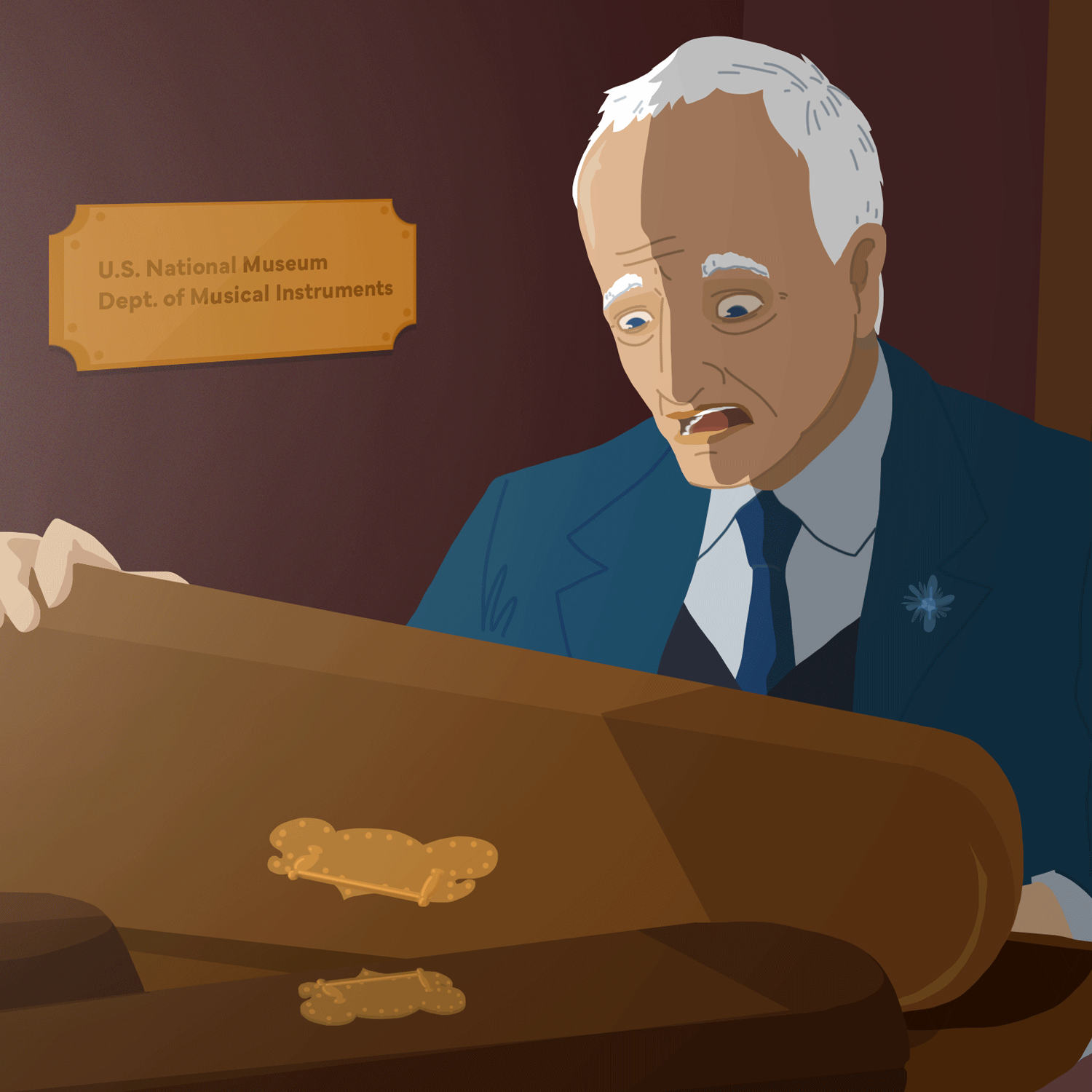
When Sidedoor listener Cliff Hall bought a used violin, he found a tattered note tucked alongside the century-old instrument. Obsessed with this cryptic piece of paper, Cliff’s quest to find the owner of the violin unlocked a tale of subterfuge, scandal, and the Smithsonian’s first donation of rare instruments. Guests: Deborah Shapiro, reference archivist at the Smithsonian Institution Archives, Smithsonian Libraries and Archives Cliff Hall, violin teacher and freelance journalist Kenneth Slowik, curator of the musical instrument collection at the Smithsonian’s National Museum of American History; artistic director of the Smithsonian Chamber Music Society
It’s Season Nine!
trailerSidedoor returns for its ninth season on Wednesday, March 1st!
Love Letters
They bring out the voyeur in us. And the Smithsonian’s Archives of American Art is full of them. In three short letters, we offer a glimpse of tender moments in the complex lives of others. Guests: Josh T. Franco, Head of Collecting at the Archives of American Art. Liza Kirwin, Interim Director of the Archives of American Art. Jenny Williams, Associate Director for Advancement at the Archives of American Art.
The Cabbage Patch Kids Riots
In 1983, the Cabbage Patch Kids were released, causing widespread pandemonium in toy stores and in the media. How did a children's toy inspire such bad adult behavior? Slate’s Decoder Ring podcast explores the strange world of the Cabbage Patch Kids to figure out why they hit it so big. The answer involves butt tattoos, slightly grotesque faces, industrial innovations, an origin story in a cabbage patch, and serious accusations of copyright theft. We’ll be back with new episodes of Sidedoor soon! If you enjoyed this episode, you can find more episodes of Decoder Ring at Slate.com