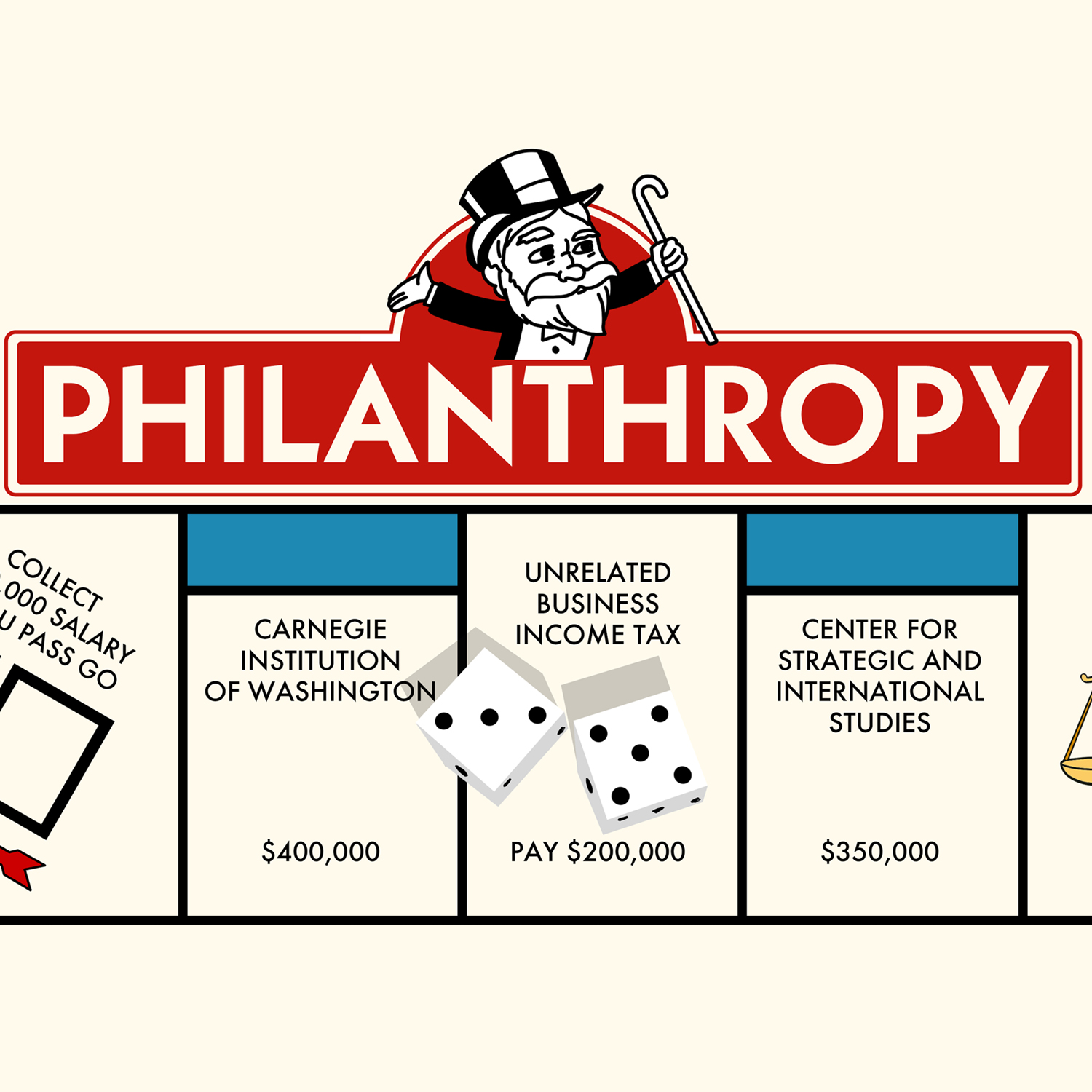
The Giving Game
Andrew Carnegie, nicknamed the Godfather of American Philanthropy, was a steel magnate who built his fortune on the backs of low-paid workers, only to give it away.
Audio is streamed directly from the publisher (dts.podtrac.com) as published in their RSS feed. Play Podcasts does not host this file. Rights-holders can request removal through the copyright & takedown page.
Show Notes
The Gilded Age was a time of unparalleled wealth and prosperity in America — but it was also a time of staggering inequality, corruption, and unchecked power. Among its richest figures was Andrew Carnegie, the steel magnate who built his fortune on the backs of low-paid workers, only to give it away — earning him the nickname the Godfather of American Philanthropy. He didn’t just fund libraries and universities — he championed a philosophy: that it was the duty of the ultra-wealthy to serve the public good.
But, as it turns out, even philanthropy is a form of power. So, what exactly have wealthy philanthropists done with their power? We explore that question at the Cooper Hewitt, Smithsonian Design Museum, inside Carnegie’s former mansion. There, a board game called Philanthropy invites players to reimagine the connection between money and power — not by amassing wealth, but by giving it away.
Guests:
Christina de León, Associate Curator of Latino Design at the Cooper Hewitt, Smithsonian Design Museum
Tommy Mishima, artist and co-creator (with Liam Lee) of the installation “Game Room” in Cooper Hewitt's triennial Making Home
David Nasaw, author of the biography Andrew Carnegie