Raise the Line
600 episodes — Page 1 of 12
Chase Social Connection and Meaning, Not Longevity: Dr. Zeke Emanuel, Vice Provost for Global Initiatives at the University of Pennsylvania and Author of Eat Your Ice Cream
“We Have To Keep Politics Out Of Healthcare”: Dr. Jason Goldman, MD, MACP, Immediate Past President of the American College of Physicians
The Biggest Challenge Facing Emergency Medicine Might Surprise You: Dr. Ryan Stanton, President-elect of the American College of Emergency Physicians and Medical Director for the AMR/NASCAR Safety Team
Pioneering A More Humane Cancer Treatment: Dr. Hadiyah-Nicole Green, Founder & President, Ora Lee Smith Cancer Research Foundation
What’s the Actual Value of Common Tests and Procedures?: Dr. Rita Redberg, Cardiologist and Professor of Medicine at UCSF
Closing the Information and Generation Gaps in Reproductive Health: Dr. Charis Chambers, Chief Medical Officer at Clue and Founder of The Period Doctor
Who Was Medicine Designed For?: Dr. Joel Bervell, Internal Medicine Resident and “The Medical Mythbuster”
Building A Nursing Workforce That Reflects The Patients It Serves: Dr. Ernest Grant, Vice Dean for Diversity, Equity, Inclusion, and Belonging at Duke University School of Nursing
The Unexpected Similarities of Elite Sports and Medicine: Samantha “Sammy” Kolowrat, Olympic Athlete and Anesthesiology Resident at Vanderbilt University
Education As A Beacon Of Hope: Dr. Genesis Mwamba, Founder & Executive Director, Lead Me Back Foundation
Modernizing PA Practice Laws to Match the Realities and Needs Of Healthcare Delivery: Dr. Jennifer Kolb, Chief Medical Officer of the American Academy of Physician Associates
The Interplay of Behavioral Science and Communications Technology in Tobacco Cessation: Dr. Amanda Graham, Chief Health Officer at Truth Initiative
A Physician's Personal Reckoning with GLP-1s and the Future of Weight Management: Dr. Christle Guevarra, DO, Family and Sports Medicine Physician
From Building A National Movement to Building Up Women in Midlife: Shannon Watts, Founder of Moms Demand Action and Author of Fired Up
Creating Alignment On Improving End Of Life Care: Dr. Shoshana Ungerleider, Founder & President of End Well
Traceability Is Key To Building Trust in AI Tools: Rhett Alden, PhD, Chief Technical Officer, Health Markets and Raman Kaur, APN-c, BSN-RN, VP of Elsevier Health Education
Assessing A Turbulent Year in Infectious Disease: Dr. William Schaffner, Professor of Preventive Medicine at Vanderbilt University School of Medicine
Dismantling Structural Barriers to Healthcare: Robyn Bussey, “Just Health” Director at the Partnership for Southern Equity
Marshalling Effective Response to Health Crises: Sir Peter Piot, Professor of Global Health, London School of Hygiene & Tropical Medicine
A Global Expert Helps Us Understand the Hantavirus Outbreak: Dr. Jamie Childs, Senior Research Scientist in Epidemiology of Microbial Diseases at Yale School of Public Health
The Biggest Obstacles to Improving Mental Health: Dr. Steve Strakowski, Professor and Vice Chair for Research in Psychiatry at Indiana University School of Medicine
A Diverse Workforce Is Essential to Quality of Care: Dr. Tina Loarte-Rodriguez, CEO of Latinas in Nursing
Bringing Holographic Technology Into Healthcare: David Nussbaum, Founder and Chairman of Proto Hologram
Elevating True Expertise In a Time Of Self-Proclaimed Knowledge: Dr. Mel Herbert, Writer and Consultant on HBO Max’s The Pitt
Understanding Migraine Syndrome And Its Impact on Women: Dr. Regina Krel, Director of Headache Medicine at Hackensack University Medical Center
Saving Lives Using Repurposed Medications: Dr. David Fajgenbaum, Co-Founder of Every Cure
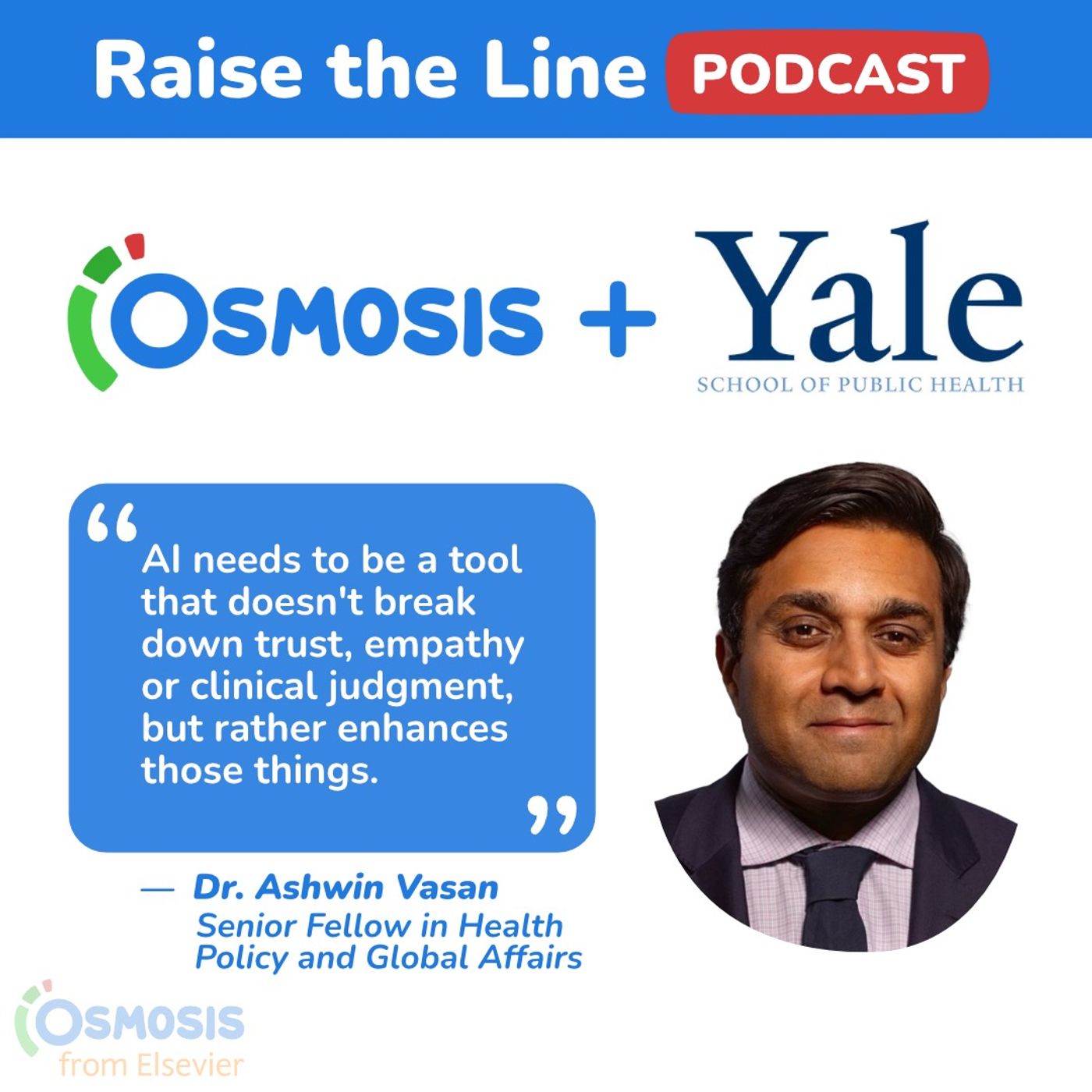
Ep 574How AI Could Strengthen the Doctor-Patient Relationship: Dr. Ashwin Vasan, Senior Fellow in Health Policy and Global Affairs at Yale School of Public Health
How AI Could Strengthen the Doctor-Patient Relationship: Dr. Ashwin Vasan, Senior Fellow in Health Policy and Global Affairs at Yale School of Public Health and Affiliate Faculty at Yale Jackson School of Global Affairs “Ultimately, AI needs to be a tool that doesn't break down trust or empathy or clinical judgment, but rather helps enhance those things.” That aspirational perspective from Dr. Ashwin Vasan, Senior Fellow in Health Policy and Global Affairs at the Yale School of Public Health and Affiliate Faculty at the Yale Jackson School of Global Affairs, frames a nuanced conversation about one of healthcare’s most consequential changes. Drawing on his experience as New York City Health Commissioner during the COVID-19 crisis and decades in global and public health, Dr. Vasan argues that the future of AI in medicine should be shaped less by the technology itself than by the values guiding its implementation, and that physicians need to play an active role in this process. “I think it behooves us to engage with this technology and steer it in the directions that we want as a society.” This timely discussion also offers Dr. Vasan’s thoughtful perspectives on: How AI could allow physicians to focus on the human side of care; The risks of AI reinforcing inequities and driving costs higher; Public health as the marriage of science, society and trust. Join host Lindsey Smith for a valuable Raise the Line episode on how AI can be harnessed to benefit patients and provides alike. Mentioned in this episode: Yale School of Public Health Yale Jackson School of Public Affairs If you like this podcast, please share it on your social channels. You can also subscribe to the series and check out all of our episodes at www.osmosis.org/podcast
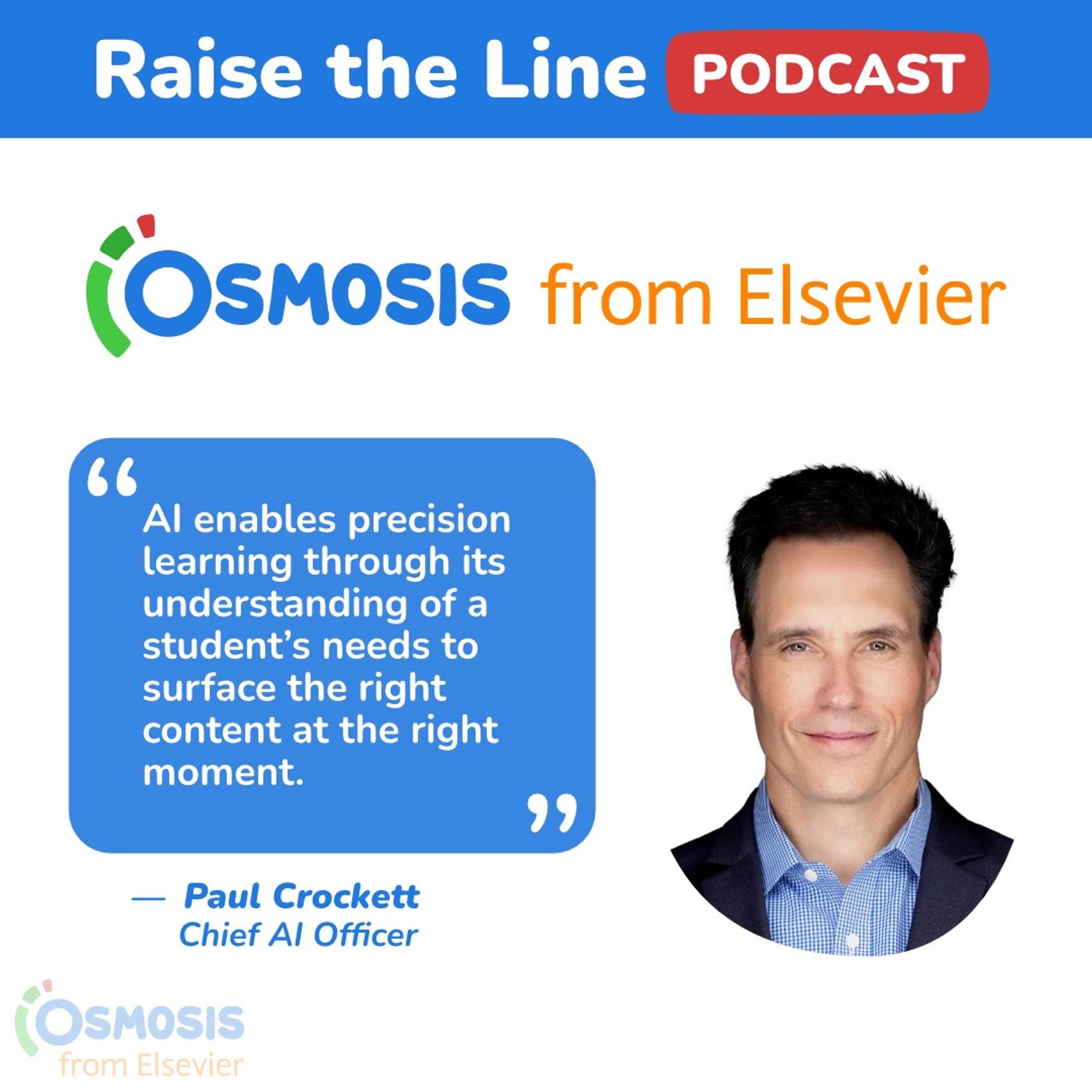
Ep 573How AI Is Transforming Education By Making “Precision Learning” Possible: Paul Crockett, Chief AI Officer at Elsevier
Imagine you had a tutor who was with you every time you were studying and, because they knew your learning style, strengths and weaknesses, could hand you the right content at the moment you needed it to deepen your understanding of a topic. That’s the pedagogically powerful experience students are having with AI-enhanced learning systems such as Osmosis AI, making possible what our guest, Elsevier’s Chief AI Officer Paul Crockett, describes as a new era of precision learning. “We now have signal from how students actually engage with content – such as where they get stuck and how they learn – and that behavioral data can tell you more about what a learner needs than any sort of static assessment. That's a profound transformation,” he says. In this fascinating conversation with Raise the Line host Lindsey Smith, Crockett also highlights how AI enables tutoring-like interactions with students which supports deeper reasoning rather than rote memorization. That in turn, helps Elsevier achieve the goal of getting students ready to practice medicine, not just ready to take tests. In addition, limiting the AI’s sources to the evidence-based material in the Osmosis and Elsevier content libraries provides both students and faculty with the level of trust and verifiability they desire. Tune in to learn how this meaningful shift from static content delivery to dynamic, data-informed learning experiences is changing healthcare education. Mentioned in this episode: Osmosis AI If you like this podcast, please share it on your social channels. You can also subscribe to the series and check out all of our episodes at www.osmosis.org/podcast
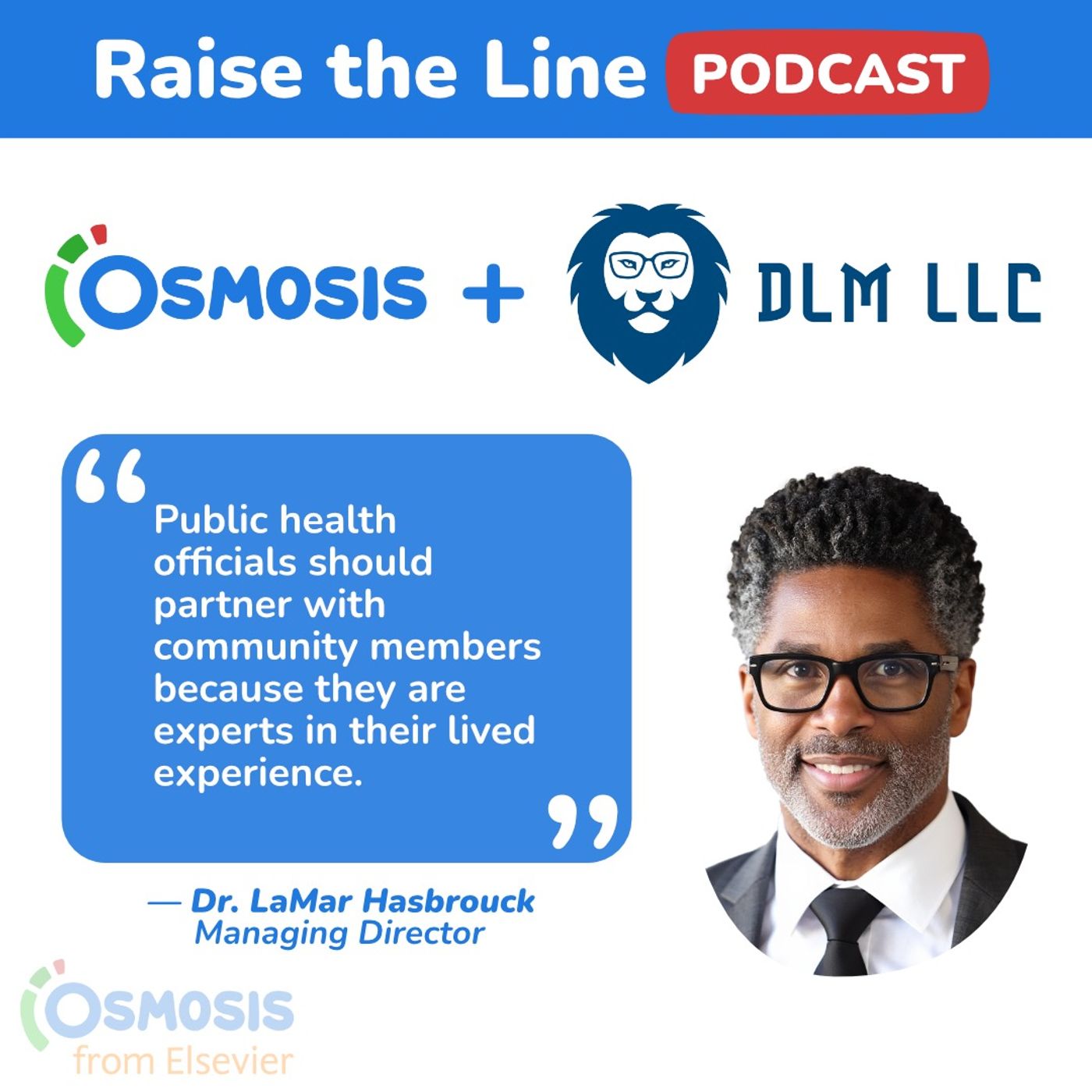
Ep 572Advancing Public Health Through Community Partnerships: Dr. LaMar Hasbrouck, Managing Director of DLM LLC
“Everything I’m not, made me everything I am.” For Dr. LaMar Hasbrouck, that song lyric captures how growing up in a community marked by food insecurity and limited access to healthcare shaped a lifelong mission to improve health on a broad scale. Dr. LaMar, as he’s known, has pursued that mission in a variety of impactful roles, including CDC disease detective, director of the Illinois Department of Public Health, and executive director of the National Association of County and City Health Officials. Reflecting on today’s public health challenges, Dr. LaMar sees the biggest problem not as a specific disease, but rather the constant “noise” of modern life and the social isolation that fuels sedentary lifestyles and chronic disease. This thoughtful and wide-ranging conversation with host Lindsey Smith also explores: The rise of the “know-it-all-ogist” and the dangers of misinformation; The importance of transparent communication and humility when navigating public health crises; Going beyond community engagement to being a true community partner. This is a great opportunity to hear from a seasoned and encouraging voice at a time of unprecedented challenges for public health professionals and programs. Mentioned in this episode: DLM LLC If you like this podcast, please share it on your social channels. You can also subscribe to the series and check out all of our episodes at www.osmosis.org/podcast
Ep 571Offering Kindness and Respect to Every Patient: Madison Donnelly, PA-C, Community Care Physicians
“Every person deserves kindness, dignity, and respect, regardless of what their medical situation is,” says Madison Donnelly, PA-C, who joins host Dr. Parsa Mohri on the latest installment of our NextGen Journeys series. As you’ll hear in this thoughtful conversation, Madison is bringing that commitment to patient advocacy and equitable care to her patients at Community Care Physicians in Albany, New York. A graduate of Hofstra University’s PA program, Madison describes how the profession’s flexibility and team-based approach enables clinicians to expand access to care, particularly in high-demand specialties like women’s health and primary care. Drawing on her work in obstetrics and gynecology, she highlights persistent gaps in women’s health, including America’s troubling maternal mortality rates and the long delays many patients face in receiving diagnoses for endometriosis and other conditions. “There’s a difference between telling someone something and being heard,” she notes, emphasizing that women’s symptoms are still too often dismissed in clinical settings. The episode also explores overlooked populations -- including NICU families and patients with eating disorders -- where stigma, mental health challenges, and fragmented follow-up care can leave people vulnerable long after the initial medical crisis. Don’t miss this Raise the Line dialogue about the evolving role of physician associates and how early-career clinicians can help build a more humane and responsive system. Mentioned in this episode: Community Care Physicians Hofstra University Physician Assistant Program If you like this podcast, please share it on your social channels. You can also subscribe to the series and check out all of our episodes at www.osmosis.org/podcast
Ep 570Why We Need the Independent Practice Model in Medicine: Dr. Alexander Vaccaro, President of Rothman Orthopaedic Institute
We’ve spoken with many guests about clinical and technological trends impacting healthcare providers, but less so about the trends on the business side of practicing medicine. So on this episode, we’re going to make up for that by spending our time with Dr. Alexander Vaccaro, an influential spine surgeon and president of one of the largest musculoskeletal practices in the U.S. -- Rothman Orthopaedic Institute -- which treats patients at over 40 locations in Pennsylvania, New Jersey, New York and Florida. While Dr. Vaccaro understands the desire for financial stability that’s increasingly driving young physicians into the arms of hospital systems, he worries about what’s being lost with the resulting decline in the number of independent practices. “If you didn't have private practice advocating for the doctor, the insurance companies would bully the healthcare profession.” Join Raise the Line host Michael Carrese for a candid and lively conversation that also covers: How physician autonomy and entrepreneurship can drive innovation; The economic and policy forces reshaping private practice medicine; The role of research partnerships between private practices and universities. Mentioned in this episode:Rothman Orthopaedics If you like this podcast, please share it on your social channels. You can also subscribe to the series and check out all of our episodes at www.osmosis.org/podcast
Ep 569The Science Behind Effective Health Communication: Dr. Tesfa Alexander, Lerner Center for Public Health Advocacy at the Johns Hopkins Bloomberg School of Public Health
We've had many conversations on Raise the Line about the challenges of health communication in today's world of information overload, but none of our guests have the kind of expertise Dr. Tesfa Alexander has acquired in a career that has taken him from Madison Avenue to the halls of government and academia. From guiding tobacco education research at the FDA to leading public health initiatives at MITRE, Dr. Alexander has developed a deep understanding of the science and strategy behind effective health communication. “Successful campaigns keep the long game in mind where you want to develop a lasting relationship with your target audience,” he tells host Lindsey Smith. That relationship needs to be built on understanding culture, beliefs, priorities and daily realities, and only then can you develop messaging that will resonate, he explains. Dr. Alexander also believes these relationships can be leveraged to help people sort out facts from misleading or inaccurate claims. “I strongly recommend shifting our focus from combating misinformation head on, and instead working with the communities who we are seeking to serve.” This fascinating look at communication science also covers: How stories drive belief; The importance of working with community partners who are trusted messengers; The power of audience segmentation. Tune in as Dr. Alexander unpacks what it takes to influence beliefs, and ultimately behaviors, in an era defined by misinformation and institutional mistrust. Mentioned in this episode:Lerner Center for Public Health Advocacy If you like this podcast, please share it on your social channels. You can also subscribe to the series and check out all of our episodes at www.osmosis.org/podcast
Ep 568A Personal Struggle Fuels National Advocacy for Rare Disease Patients: Shanti Hegde, Board Member of Hemophilia Federation of America
We’re marking Rare Disease Month 2026 by highlighting the powerful story of Shanthi Hegde, a young patient advocate working to transform how bleeding disorders are understood, treated, and supported. This work is fueled by her own arduous journey with two rare bleeding disorders and immune dysregulatory syndrome, and an extended diagnostic odyssey marked by dismissal, underdiagnosis, and structural bias. “I was told many times by many providers that these disorders are not common in Indians and that my bruises were there just because I'm brown.” Admirably, Shanthi pushed past this mistreatment, advocated for her medical needs, and devoted herself to tackling a range of issues confronting rare disease patients from mental health access to affordable drug pricing to research equity. In this remarkable Year of the Zebra conversation with host Lindsey Smith, you’ll also learn about: Shanti’s work with the Hemophilia Federation of America; How gaps extend beyond treatment to include insurance coverage, provider training, and substance use care; What clinicians can do to improve the work they do with rare disease patients. Join us for a conversation that connects patient voice to system change, and explores what real equity for rare disease communities will require. Mentioned in this episode:Hemophilia Federation of AmericaShanthi's LinkedIn Profile If you like this podcast, please share it on your social channels. You can also subscribe to the series and check out all of our episodes at www.osmosis.org/podcast
Ep 567A Moment of Change in Public Health Policy: Dr. Paul Offit, Director of the Vaccine Education Center at Children’s Hospital of Philadelphia
Few issues have tested public trust in medicine as deeply as vaccines, and few individuals have influenced that dialogue more than Dr. Paul Offit, director of the Vaccine Education Center at the Children’s Hospital of Philadelphia and a longtime member of the FDA’s Vaccine Advisory Committee. In this timely and candid interview with Raise the Line host Lindsey Smith, Dr. Offit points to this year’s severe flu season and a resurgence of measles as alarming proof points of how a changing federal perspective on vaccine policy is having a real impact on public health. “You’d like to think you can educate about the importance of vaccines, but I fear at this point the viruses themselves are doing the educating.” In this wide ranging discussion, Dr. Offit also addresses: The rigorous and painstaking process of developing vaccines, based on his experience co-inventing the rotavirus vaccine. Shifting levels of public trust in scientific organizations. Promising innovations in vaccine development. Don’t miss this deeply-informed perspective on the interplay of science, policy, and public education, and his encouraging message to young clinicians about managing the current challenges in public health. Mentioned in this episode: Vaccine Education Center at Children's Hospital of PhiladelphiaPerelman School of Medicine If you like this podcast, please share it on your social channels. You can also subscribe to the series and check out all of our episodes at www.osmosis.org/podcast
Ep 566A Trusted Voice on Allergies and Asthma: Dr. Zachary Rubin, Pediatric Allergist-Immunologist at Oak Brook Allergies
“I do not believe we should be testing to test. We have to know, is this test going to change management and is it going to make a difference,” says pediatric allergist-immunologist Dr. Zachary Rubin. His knack for providing that sort of straightforward guidance explains why Dr. Rubin has become a trusted voice on allergies, asthma, and vaccines for his millions of followers on social media platforms. It’s also why we couldn’t ask for a better guide for our discussion on the rise in allergies, asthma, and immune-related conditions in children, and how families can navigate the quickly evolving science and rampant misinformation in the space. On this episode of Raise the Line, we also preview Dr. Rubin’s new book, All About Allergies, in which he breaks down dozens of conditions and diseases, offering clear explanations and practical treatment options for families. Join host Lindsey Smith for this super informative conversation in which Dr. Rubin shares his thoughts on a wide range of topics including: What’s behind the rise in allergic and immune-related conditions.Tips for managing misinformation, myths and misunderstandings. How digital platforms can be leveraged to strengthen public health.How to build back public trust in medicine.Mentioned in this episode:All About Allergies bookBench to Bedside PodcastInstagramTikTokYouTube Channel If you like this podcast, please share it on your social channels. You can also subscribe to the series and check out all of our episodes at www.osmosis.org/podcast
Ep 565Leading a Global Effort to Empower Nurses: Dr. José Luis Cobos Serrano, President of International Council of Nurses
If you like this podcast, please share it on your social channels. You can also subscribe to the series and check out all of our episodes at www.osmosis.org/podcast
Ep 564Building Climate-Ready Health Systems for a Massive Region: Dr. Sandro Demaio, Director of the WHO Asia-Pacific Centre for Environment and Health
“Climate change is the biggest health threat of our century, so we need to train clinicians for a future where it will alter disease patterns, the demand on health systems, and how care is delivered,” says Dr. Sandro Demaio, director of the WHO Asia-Pacific Centre for Environment and Health, underscoring the stakes behind the organization’s first regionally-focused climate and health strategy. The five-year plan Dr. Demaio is leading aims to help governments in 38 countries with 2.2 billion people manage rising heat, extreme weather, sea-level change, air pollution and food insecurity by adapting health systems, protecting vulnerable populations, and reducing emissions from the healthcare sector itself. In this timely interview with Raise the Line host Michael Carrese, Dr. Demaio draws on his experiences in emergency medicine, global public health, pandemic response and climate policy to argue for an interconnected approach to strengthening systems and preparing a healthcare workforce to meet the heath impacts of growing environmental challenges. This is a great opportunity to learn how climate change is reshaping medicine, public health and the future of care delivery. Mentioned in this episode: WHO Asia-Pacific Centre for Environment and Health If you like this podcast, please share it on your social channels. You can also subscribe to the series and check out all of our episodes at www.osmosis.org/podcast
Ep 563A Passion for Human-Centered Care: Negeen Farsio, Graduate Student at Brunel University of London
We have a special episode of Raise the Line on tap today featuring the debut of host Dr. Parsa Mohri, who will now be leading our NextGen Journeys series that highlights the fresh perspectives of learners and early career healthcare professionals around the world on education, medicine, and the future of care. Parsa was himself a NextGen guest in 2024 as a medical student at Acibadem University in Turkey. He’s now a general physician working in the Adult Palliative Care Department at Şişli Etfal Research and Training Hospital in Istanbul. Luckily for us, he’s also continuing in his role as a Regional Lead for the Osmosis Health Leadership Initiative (OHLI). For his first guest, Parsa reached out to a former colleague in the Osmosis family, Negeen Farsio, who worked with him as a member of OHLI’s predecessor organization, the Osmosis Medical Education Fellowship. Negeen is now a graduate student in medical anthropology at Brunel University of London, a degree which she hopes will inform her future work as a clinician. “Medical anthropology is a field that looks at healthcare systems and how human culture shapes the way we view different illnesses, diseases, and treatments and helps you to see the full picture of each patient.” You are sure to enjoy this heartfelt conversation on how Negeen’s lived experience as a patient and caregiver have shaped her commitment to mental health and patient advocacy, and how she hopes to marry humanity with medicine in a world that yearns to heal. If you like this podcast, please share it on your social channels. You can also subscribe to the series and check out all of our episodes at www.osmosis.org/podcast
Ep 562Advancing Global Treatment of Cervical Cancer: Dr. Mary McCormack, University College London Hospitals
New research is transforming the outlook for cervical and uterine cancers -- two of the most serious gynecologic malignancies worldwide – and we’ll be hearing from one of the people shaping that progress, Dr. Mary McCormack, on this episode of Raise the Line. From her perch as the senior clinical oncologist for gynecological cancer at University College London Hospitals, Dr. McCormack has been a driving force in clinical research in the field, most notably as leader of the influential INTERLACE study, which changed global practice in the treatment of locally advanced cervical cancer, a key reason she was named to Time Magazine’s 2025 list of the 100 most influential people in health. “In general, the protocol has been well received and it was adopted into the National Comprehensive Cancer Network guidelines which is a really big deal because lots of centers, particularly in South and Central America and Southeast Asia, follow the NCCN’s lead.”In this conversation with host Michael Carrese, you’ll learn about how Dr. McCormack overcame recruitment and funding challenges, the need for greater access to and affordability of treatments, and what lies ahead for women’s cancer treatment worldwide. Mentioned in this episode:INTERLACE Cervical Cancer Trial If you like this podcast, please share it on your social channels. You can also subscribe to the series and check out all of our episodes at www.osmosis.org/podcast
Ep 561Training Healthcare Workers to Be “The Only One” In Crisis Settings: Dr. James Gough, CEO of The David Nott Foundation
“The world is a very volatile place, with currently 110 conflicts globally, and yet healthcare staff in the hospitals, even here in London, are not prepared to be the only clinician who can help in a crisis or hostile setting,” says Dr. James Gough, CEO of the David Nott Foundation, which equips providers with the skills and confidence needed to function in war and other extraordinary situations. A former British Army doctor injured in Afghanistan, Gough brings lived experience as well as a background in tech to his current role at the Foundation, which itself is anchored in decades of field work amassed by its namesake, a renowned war surgeon. As Dr. Gough points out to host Lindsey Smith, the cause could be helped by augmenting medical school curricula, but in the meantime, the Foundation is filling the knowledge gap by using prosthetics, virtual reality simulations and cadavers to train a broad swath of health workers including surgeons, anesthetists, and obstetricians. Tune in to this important Raise the Line conversation as Dr. Gough reflects on the strengths and weaknesses of NGOs in doing this work, his plans to expand the Foundation’s footprint in the US, and the gratifying feedback he’s received from trainees now operating on the frontlines in Ukraine and elsewhere. Mentioned in this episode:David Nott Foundation If you like this podcast, please share it on your social channels. You can also subscribe to the series and check out all of our episodes at www.osmosis.org/podcast

Ep 560Helping People Understand Science Using the Science of Information: Jessica Malaty Rivera, Senior Science Communication Adviser at de Beaumont Foundation
“People are not looking for a perfect, polished answer. They're looking for a human to speak to them like a human,” says Jessica Malaty Rivera, an infectious disease epidemiologist and one of the most trusted science communicators in the U.S. to emerge from the COVID-19 pandemic. That philosophy explains her relatable, judgement-free approach to communications which aims to make science more human, more accessible and less institutional. In this wide-ranging Raise the Line discussion, host Lindsey Smith taps Rivera’s expertise on how to elevate science understanding, build public trust, and equip people to recognize disinformation. She is also keen to help people understand the nuances of misinformation -- which she is careful to define – and the emotional drivers behind it in order to contain the “infodemics” that complicate battling epidemics and other public health threats. It’s a thoughtful call to educate the general public about the science of information as well as the science behind medicine. Tune in for Rivera’s take on the promise and peril of AI-generated content, why clinicians should see communication as part of their professional responsibility, and how to prepare children to navigate an increasingly complex information ecosystem.Mentioned in this episode:de Beaumont Foundation If you like this podcast, please share it on your social channels. You can also subscribe to the series and check out all of our episodes at www.osmosis.org/podcast
Ep 559Aligning Investment in Family Medicine With Its Impact: Dr. Jen Brull, Board Chair of the American Academy of Family Physicians
“Delivering a baby one day and holding a patient’s hand at the end of life literally the next day...that continuity is very powerful,” says Dr. Jen Brull, board chair of the American Academy of Family Physicians (AAFP). And as she points out, that continuity also builds trust with patients, an increasingly valuable commodity when faith in medicine and science is declining. As you might expect given her role, Dr. Brull believes strengthening family medicine is the key to improving health and healthcare. Exactly how to do that is at the heart of her conversation with host Lindsey Smith on this episode of Raise the Line, which covers ideas for payment reform, reducing administrative burdens, and stronger support for physician well-being. And with a projected shortage of nearly forty thousand primary care physicians, Dr. Brull also shares details on AAFP’s “Be There First” initiative which is designed to attract service-minded medical students – whom she describes as family physicians at heart -- early in their educational journey. “I have great hope that increasing the number of these service-first medical students will fill part of this gap.”Tune-in for an informative look at a cornerstone of the healthcare system and what it means to communities of all sizes throughout the nation. Mentioned in this episode:AAFP If you like this podcast, please share it on your social channels. You can also subscribe to the series and check out all of our episodes at www.osmosis.org/podcast
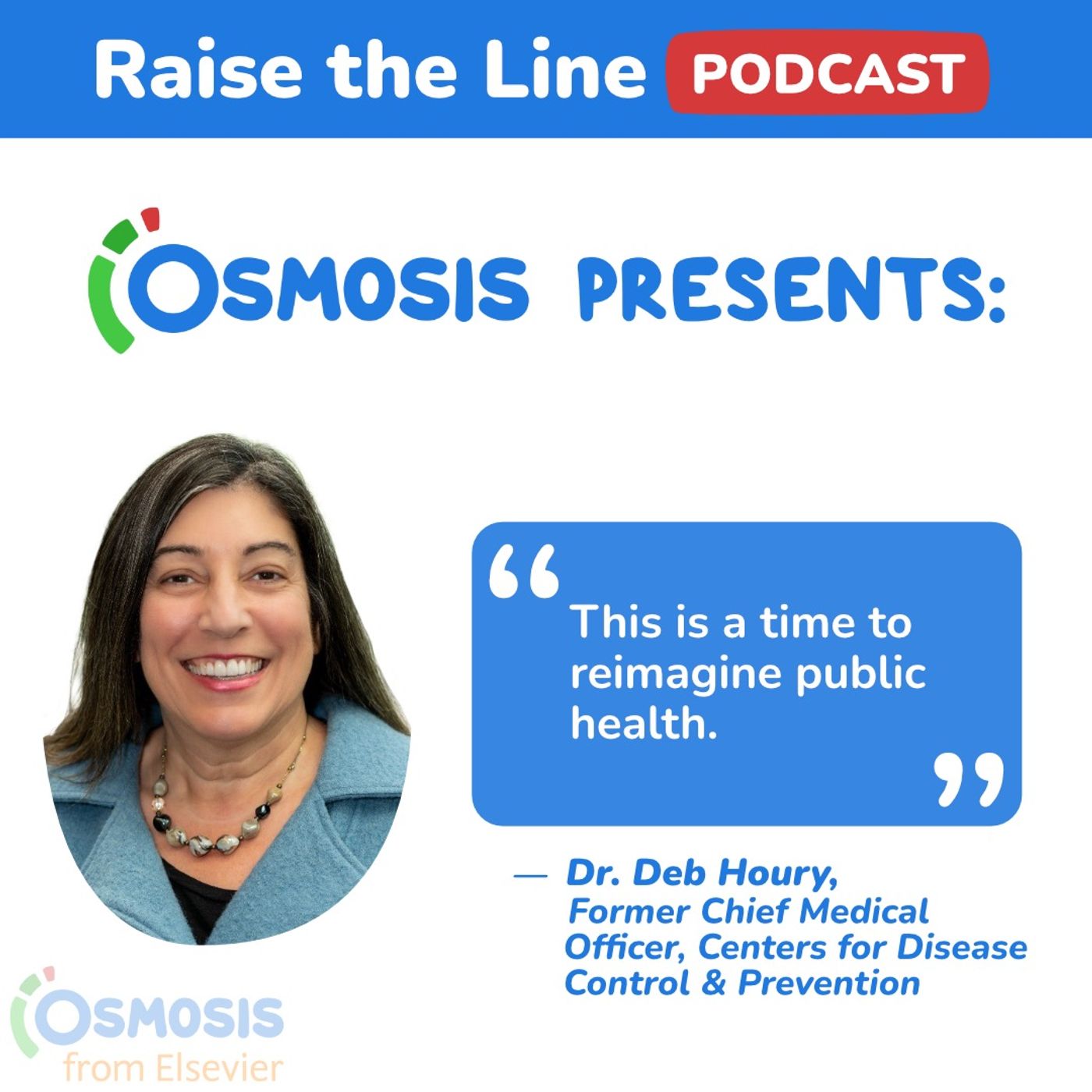
Ep 558Reimagining Public Health: Dr. Deb Houry, Former Chief Medical Officer at Centers for Disease Control and Prevention
“This is a time to reimagine public health and public health/healthcare system integration,” says Dr. Deb Houry, the former chief medical officer for the US Centers for Disease Control and Prevention. In this thoughtful Raise the Line conversation, Dr. Houry reflects on unprecedented federal action in vaccine guidance and other issues since her noteworthy resignation from the CDC in August, and sees a more decentralized landscape emerging where states and localities play a larger role in providing public health recommendations. And while she acknowledges upsides to this shift, she’s also concerned what the absence of a national consensus on health standards could mean. “Diseases don't recognize borders, and it’s also important that people have equitable access to preventative services, vaccines, and other things,” she tells host Lindsey Smith. Tune in for Dr. Houry’s seasoned perspective on this consequential moment in public health, and her encouraging message for learners and early career providers considering a career in the sector.Mentioned in this episode:DH Leadership & Strategy Solutions If you like this podcast, please share it on your social channels. You can also subscribe to the series and check out all of our episodes at www.osmosis.org/podcast
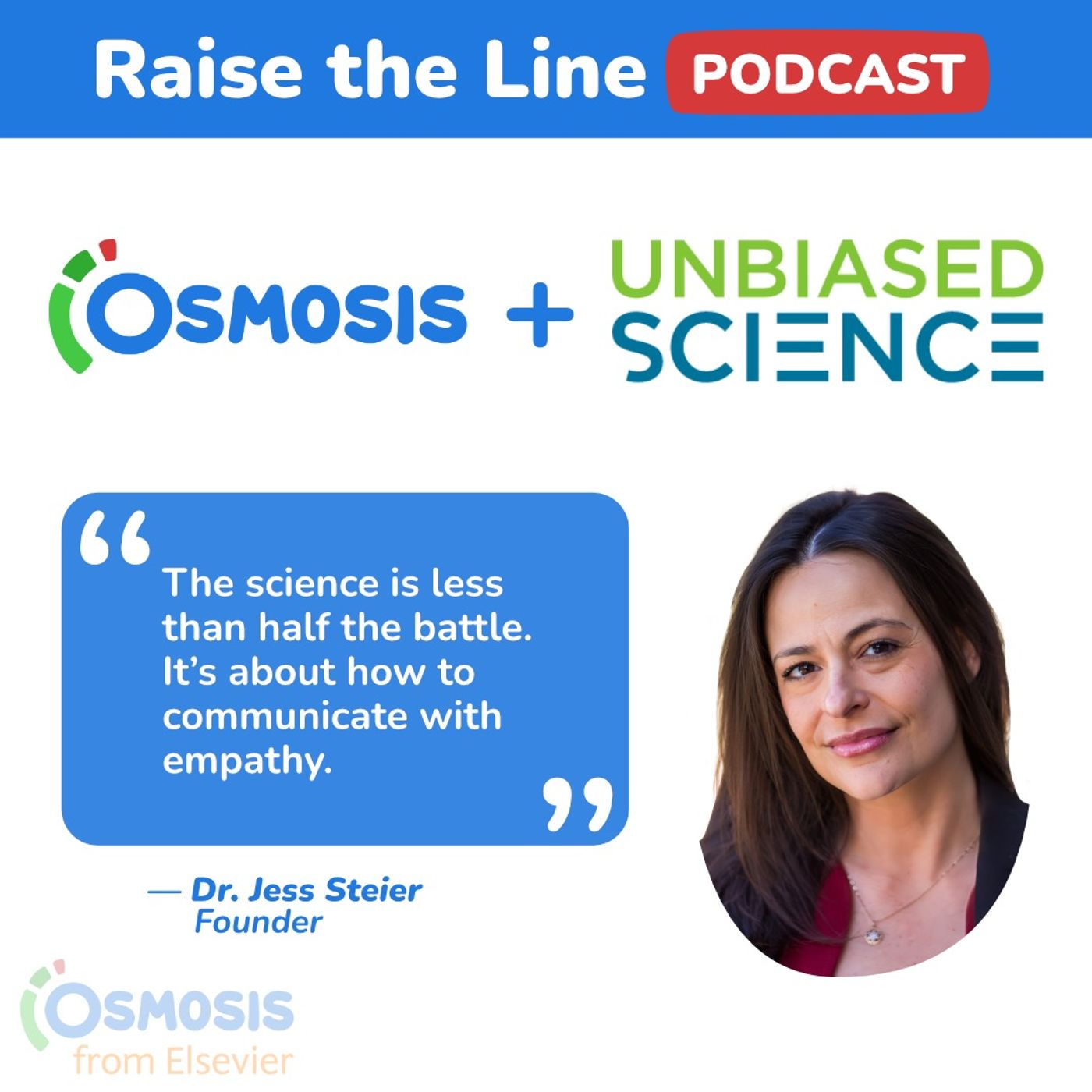
Ep 557The Power of Empathy in Science Communication: Dr. Jess Steier, Founder of Unbiased Science
“My most powerful content is when I lead with my voice as a mom because I have the same concerns about keeping my kids safe as my audience does. It’s a powerful and effective way to find common ground with people,” says Dr. Jess Steier, a popular public health scientist and science communicator seeking to bridge divides and foster trust through empathetic, evidence-based communication. Dr. Steier has several platforms from which to do this work, including Unbiased Science -- a communication hub that uses multiple social media platforms and other communications channels to share validated health and science information -- and as executive director of the Science Literacy Lab, a nonprofit organization dedicated to reaching a diverse audience seeking clarity and reliable information on scientific topics. “The science is less than half the battle,” she explains. “It’s about how to communicate with empathy.”Join Raise the Line host Lindsey Smith for a valuable conversation that explores:What sources Dr. Steier relies on to validate informationHow she uses “escape room” exercises to train clinicians on empathetic communicationWhy tailored, story-driven messages reach audiences more effectively than facts.Mentioned in this episode:Unbiased Science If you like this podcast, please share it on your social channels. You can also subscribe to the series and check out all of our episodes at www.osmosis.org/podcast
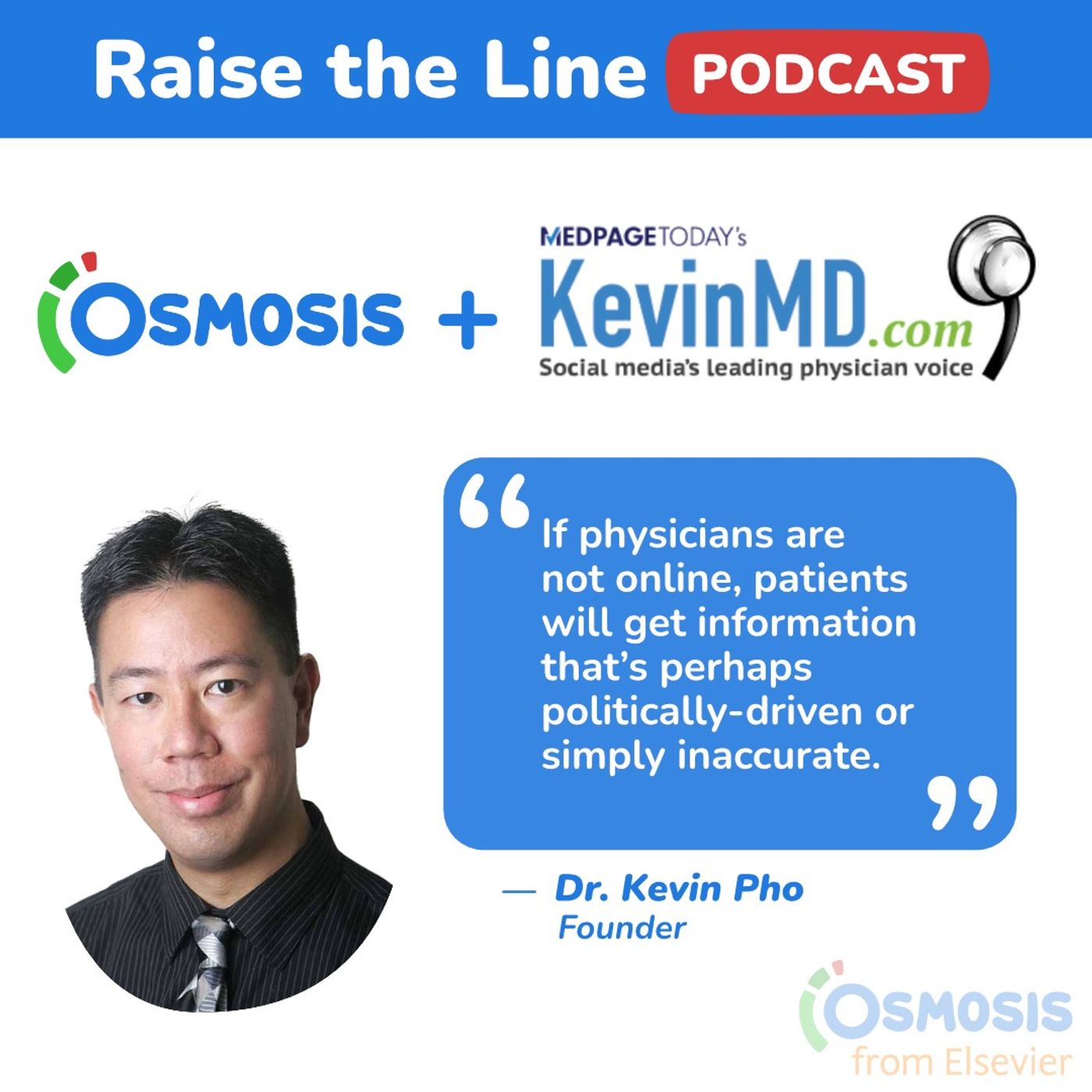
Ep 556Amplifying Physician Voices Online: Dr. Kevin Pho, Founder of KevinMD
“I realized that rather than talking one-to-one with patients in the exam room, you could talk one-to-many on social media,” says Dr. Kevin Pho, explaining the origins of KevinMD, the highly influential information sharing site he created for physicians, medical students and patients twenty years ago. Since then, KevinMD has become a valuable space for clinicians and patients to share stories and perspectives on topics from burnout and moral injury to technology and trust. In this conversation with Raise the Line host Michael Carrese, Dr. Pho reflects on the dual paths that have defined his career: as a practicing internal medicine physician and as one of healthcare’s most trusted online voices. And despite the challenges of doing so, Dr. Pho encourages other medical providers to follow his lead. “Patients are going online, and if physicians are not there, they’re going to get information that’s perhaps politically-driven or simply inaccurate.”This thoughtful conversation also explores: How social media has reshaped health communicationThe risks and rewards for clinicians of having an online presence Why medical schools should teach negotiating skillsMentioned in this episode:KevinMDEstablishing, Managing and Protecting Your Online Reputation If you like this podcast, please share it on your social channels. You can also subscribe to the series and check out all of our episodes at www.osmosis.org/podcast
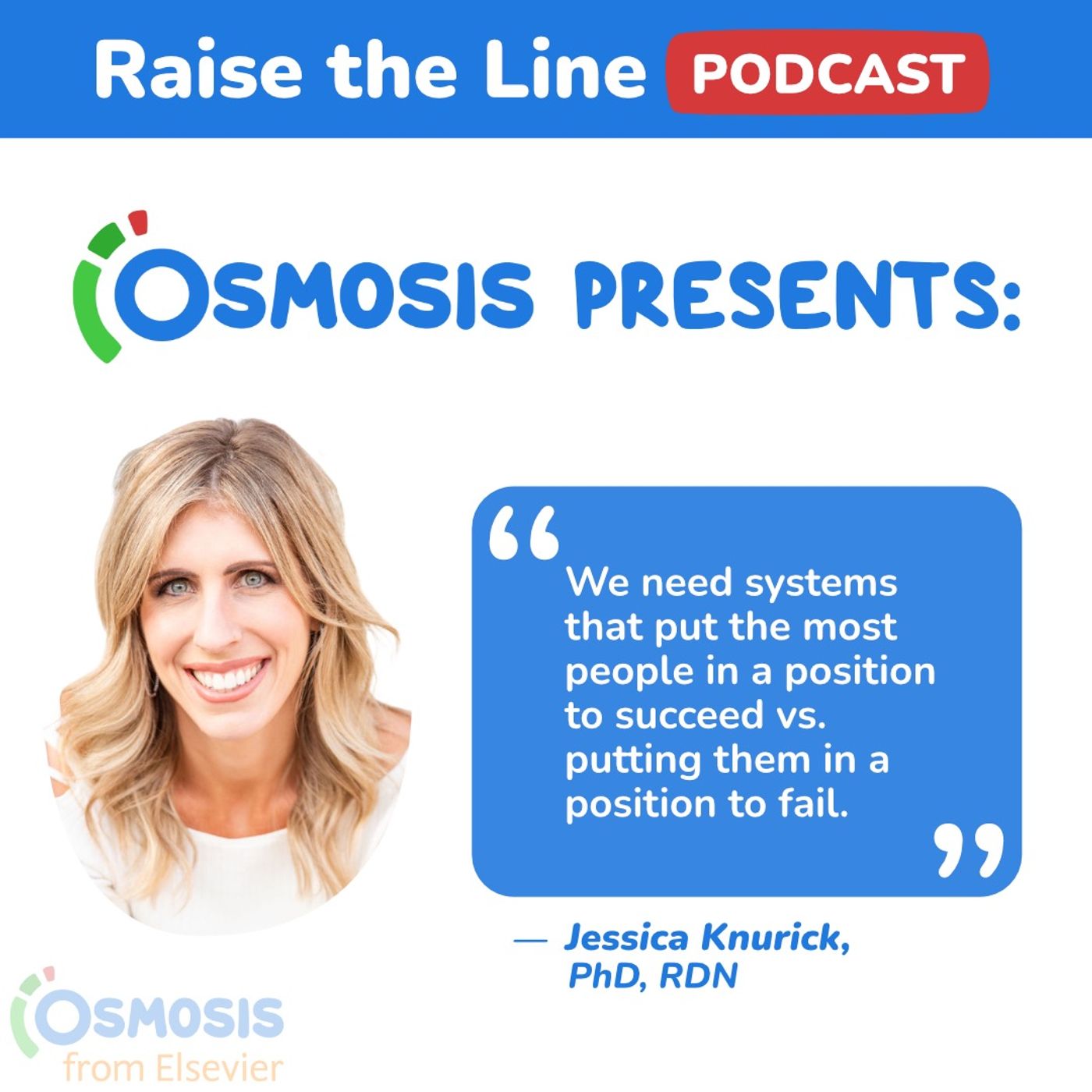
Ep 555Using Social Media to Rebuild Trust in Nutrition Science: Jessica Knurick, PhD, RDN
“We’ve created this ecosystem where the vast majority of information on social media, particularly in nutrition science, is inaccurate or misleading,” says Dr. Jessica Knurick, a registered dietitian and Ph.D. in nutrition science specializing in chronic disease prevention. As you’ll learn on this episode of Raise the Line with host Lindsey Smith, countering that trend has become Dr. Knurick’s focus in the past several years, and her talent for translating complex scientific information into practical guidance has attracted a large following on social media. Beyond equipping her audience with the tools to think critically and make informed choices for themselves, she also wants them to make the connection between the generally poor health status of most Americans with public policies on food and health and advocate for more beneficial approaches. “We can create systems that put the most people in the position to succeed versus putting the most people in the position to fail.” Tune in to learn from this trusted voice on nutrition, food policy, and public health as she shares her perspectives on: Strategies for risk reduction and behavior changeWhat can rebuild trust in medical information How you can cut through the noise and spot misinformation onlineMentioned in this episode:Dr. Knurick’s WebsiteTikTok ChannelInstagram FeedFacebook Page If you like this podcast, please share it on your social channels. You can also subscribe to the series and check out all of our episodes at www.osmosis.org/podcast
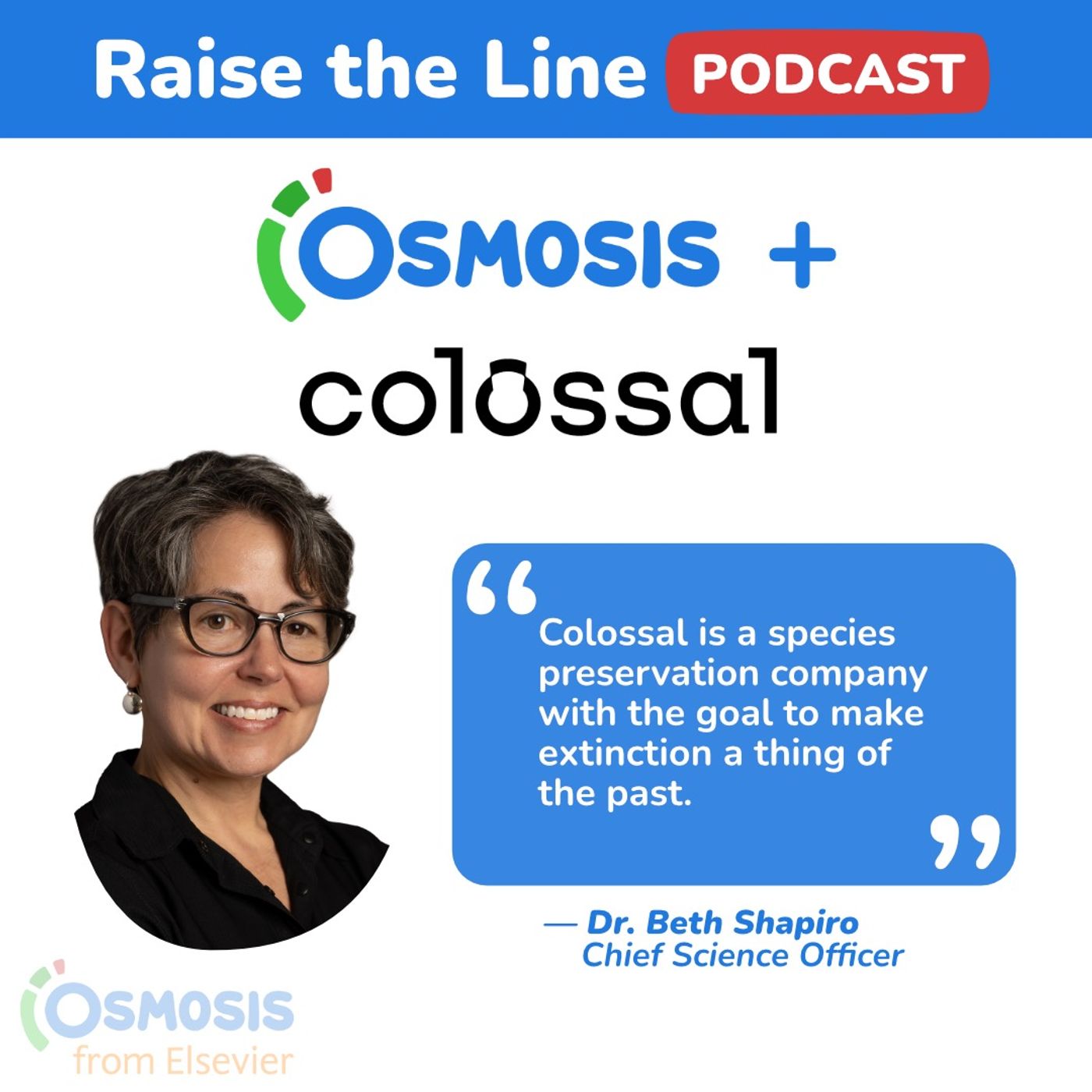
Ep 554What Restoring Extinct Species Means for Modern Medicine: Dr. Beth Shapiro, Chief Science Officer at Colossal Biosciences
Could studying the DNA of extinct animals – or even bringing them back to life – help us save today’s endangered species and inform modern medicine? That may sound like the premise for a Hollywood movie, but it’s work that our Raise the Line guest, Dr. Beth Shapiro, is actually engaged in as Chief Science Officer at Colossal Biosciences, which describes itself as the world’s first and only de-extinction company. “It's not just about learning about the past. It's learning about the past so we have more validated scientific information that we can use to predict what we can do to better influence the future,” she tells host Michael Carrese. An internationally-renowned evolutionary molecular biologist and paleogeneticist, Dr. Shapiro is a pioneer in ancient DNA research and has successfully sequenced genomes, like that of the dodo, to study evolution and the impact on humans. At Colossal Biosciences, she leads teams working to bring back traits of extinct species such as the mammoth, not for spectacle, but to restore ecological balance. “When species become extinct, you lose really fundamental interactions between species that existed in that ecosystem. By taking a species that's alive today and editing its DNA so that it resembles those extinct species, we can functionally replace those missing ecological interactions.” Tune into this utterly fascinating conversation to hear about what Jurassic Park got wrong, the positive ecological impact of reintroducing giant tortoises to Mauritius, and the ethics of using gene editing and other biotechnologies. Mentioned in this episode:Colossal Biosciences If you like this podcast, please share it on your social channels. You can also subscribe to the series and check out all of our episodes at www.osmosis.org/podcast
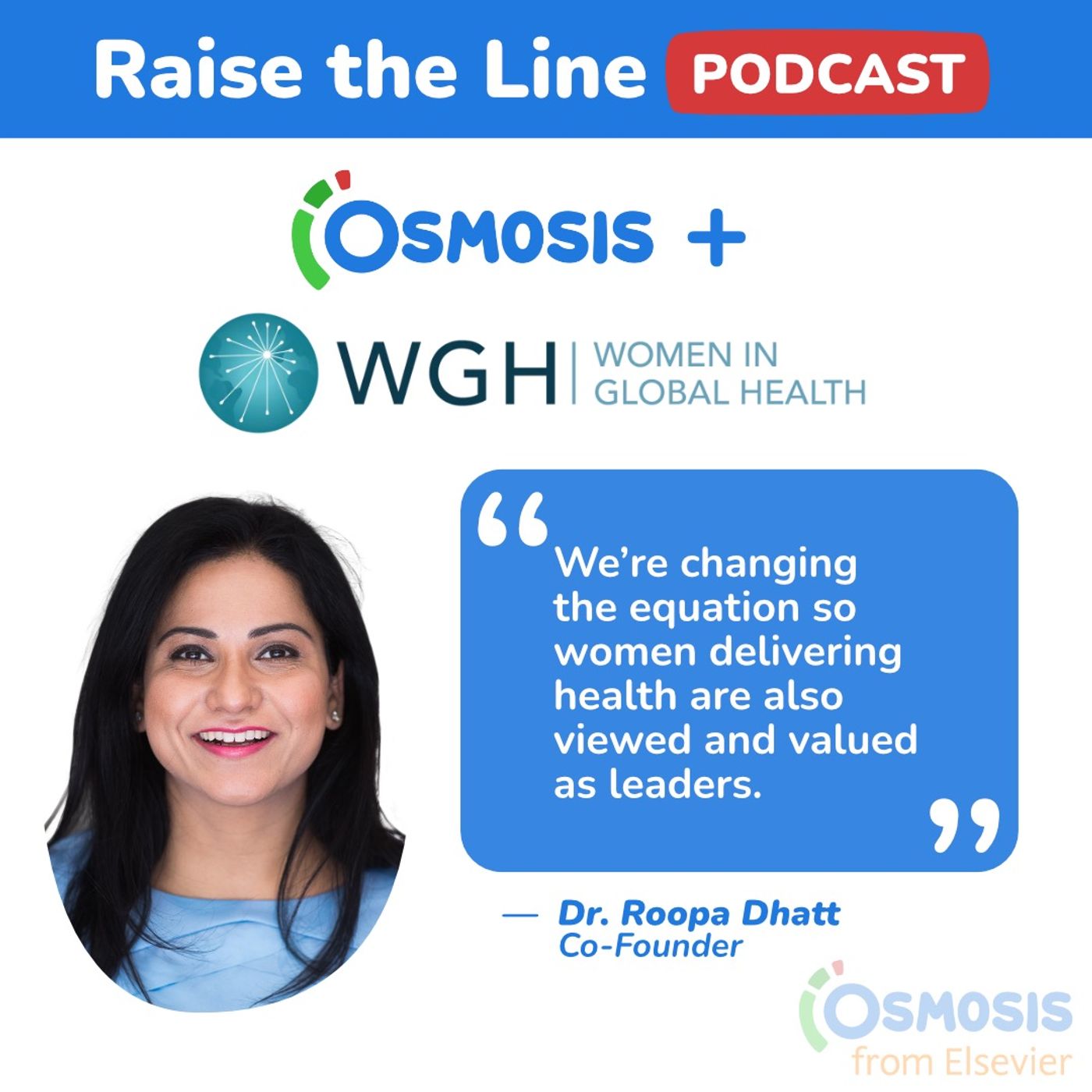
Ep 553Breaking Barriers to Leadership for Women in Medicine: Dr. Roopa Dhatt, Co-Founder of Women in Global Health
According to the Bloomberg School of Public Health at Johns Hopkins University, women make up 70% of the global healthcare workforce but hold only about 25% of leadership positions. Our guest today on Raise the Line, Dr. Roopa Dhatt, has been a leading voice in the movement to correct that imbalance through co-founding an organization called Women in Global Health (WGH), which has established chapters in over 60 countries since it started a decade ago. Dr. Dhatt is also pursuing that agenda and addressing other pressing issues in healthcare as a Young Global Leader at the World Economic Forum. “We’re changing the equation so women delivering health are also viewed and valued as leaders,” says the internal medicine physician and assistant professor at Georgetown University School of Medicine. Beyond leadership equity, Dr. Dhatt is also seeking to address systemic pay inequities and high levels of violence and harassment experienced by women in the health sector, issues that were highlighted in research conducted by WGH. Although WGH has seen high-level success influencing policy at the World Health Organization and United Nations, Dr. Dhatt says the heart of its success is local. “Women community health workers have begun to see themselves as leaders and the heroines of health in their communities. That’s profound change.” Join host Michael Carrese for a probing conversation that identifies the structural barriers blocking advancement for women and that explains why the health of communities and the planet depend on inclusive leadership.Mentioned in this episode:Women in Global HealthWHO Report: Delivered By Women, Led By MenDr. Roopa Dhatt on LinkedIn If you like this podcast, please share it on your social channels. You can also subscribe to the series and check out all of our episodes at www.osmosis.org/podcast
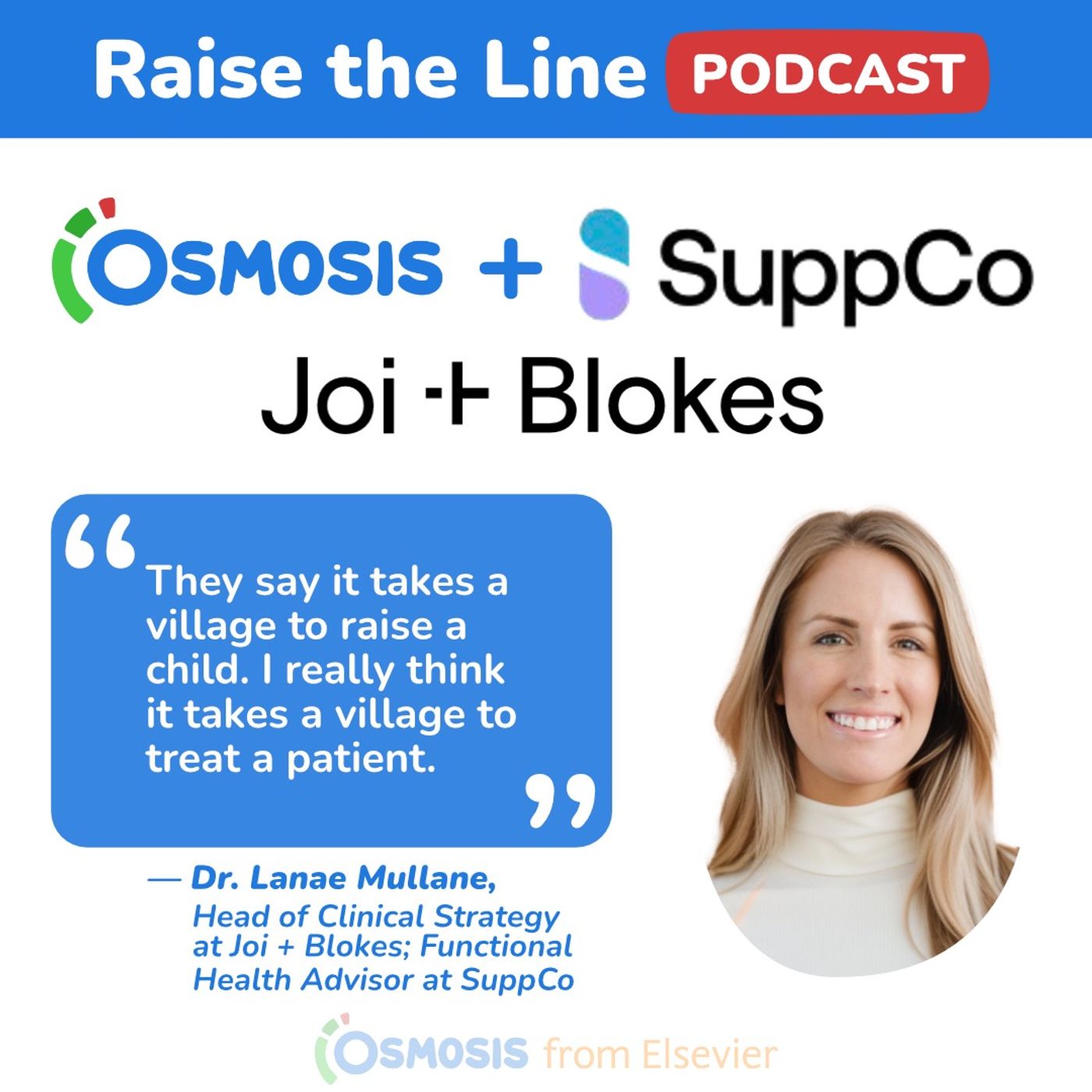
Ep 552Expanding the Clinical Toolkit for Better Patient Care: Dr. Lanae Mullane, Head of Clinical Strategy at Joi + Blokes
“They say it takes a village to raise a child. I really think it takes a village to treat a patient,” says Dr. Lanae Mullane, a naturopathic doctor and clinical strategist who has spent years at the forefront of bridging functional medicine, nutraceutical development, and digital health. In this episode of Raise the Line, host Lindsey Smith explores Dr. Mullane’s view that naturopathic medicine complements conventional care by expanding -- not replacing -- the clinical toolkit, and that collaboration should be the future of medicine. “At the end of the day, collaboration and connection create the best outcomes for the people we serve,” she says. Their in-depth conversation also spans the shifting landscape of women’s hormone health, including the perimenopausal transition and long-overdue calls for research equity. “We're not just smaller versions of men. We need to have dedicated research for us.” Tune in to learn about the importance of grounding health in sustainable habits, rethinking midlife care for women, and how to help patients take ownership of their health.Mentioned in this episode:Joi + BlokesSuppCoDr. Mullane's Clinical Website If you like this podcast, please share it on your social channels. You can also subscribe to the series and check out all of our episodes at www.osmosis.org/podcast
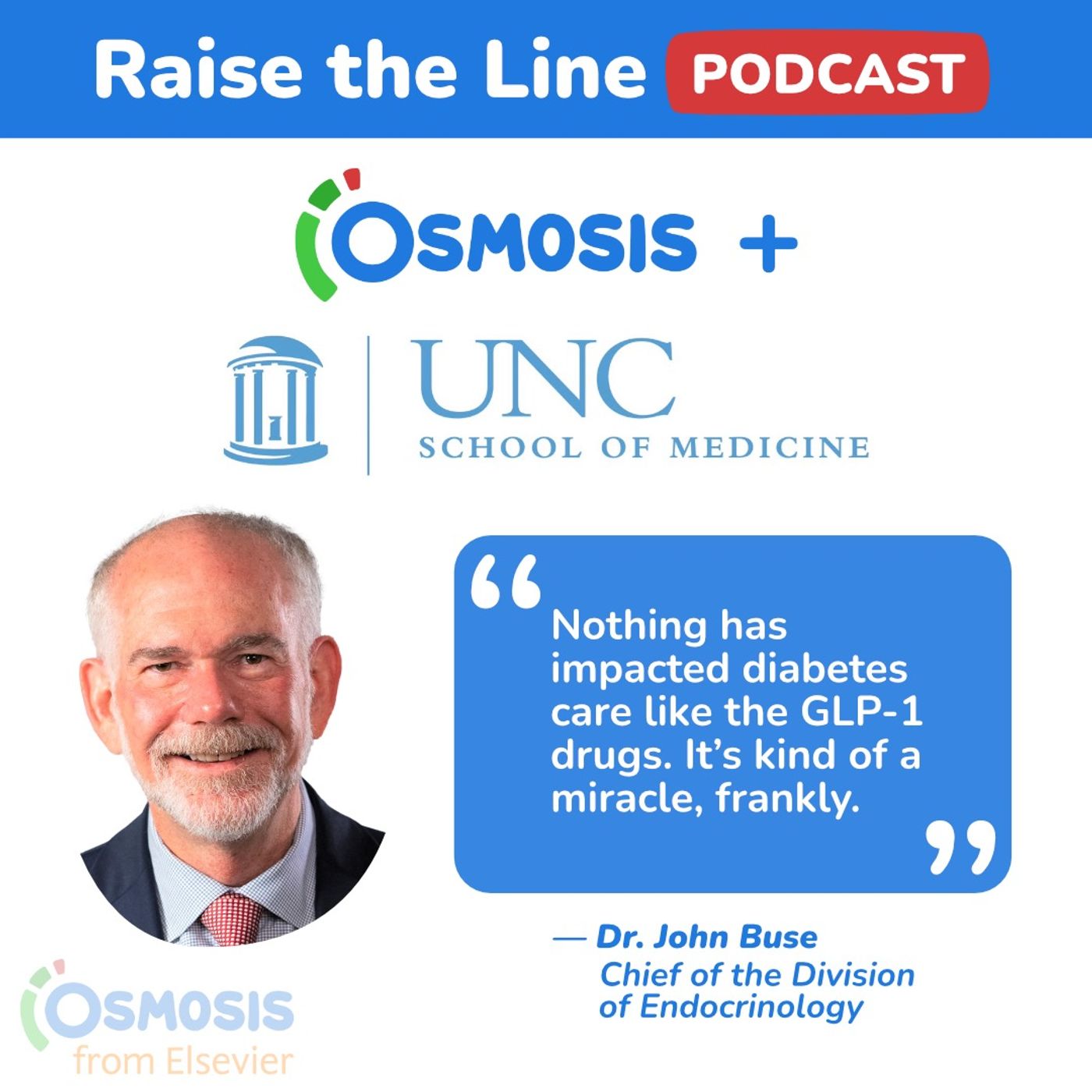
Ep 551The Story Behind the ‘Miracle’ of GLP-1 Medications: Dr. John Buse, Chief of Endocrinology at University of North Carolina School of Medicine
“It’s kind of a miracle, frankly,” says Dr. John Buse, a distinguished professor at the University of North Carolina School of Medicine, referring to the effectiveness of GLP-1 receptor agonist medications such as Ozempic in treating type 2 diabetes, promoting significant weight loss, and reducing cardiovascular risk. As a physician scientist for the last three decades at UNC, Dr. Buse has played a key role in ushering in this new era of diabetes care, leading or participating in over 200 clinical studies on this class of drugs and others. “Nothing has impacted diabetes care like the GLP-1 receptor agonists. I have lots of patients whose diabetes was never well controlled who have seen all their metabolic problems essentially resolved.” In this fascinating conversation with Raise the Line host Lindsey Smith, Dr. Buse not only explains how these drugs work, but also provides a clear-eyed look at side effects, and addresses issues of cost and access. Join us for the remarkable story – including the role played by Gila monsters -- behind one of the biggest developments in medicine over the past several years from a world renowned diabetes researcher and clinician. Mentioned in this episode:UNC School of Medicine If you like this podcast, please share it on your social channels. You can also subscribe to the series and check out all of our episodes at www.osmosis.org/podcast