Parallax Views w/ J.G. Michael
1,045 episodes — Page 14 of 21

Ep 498America's Foreign Policy Elite and the Decline of U.S. Primacy w/ Prof. Stephen Walt
On this edition of Parallax Views, are we witnessing the decline of U.S. primacy geopolitically? Our guest on this edition of the program, Harvard University's Dr. Stephen Walt, author of The Hell of Good Intetions: America's Foreign Policy Elite and the Decline of U.S. Primacy, says that that's the case. He joins us to unravel what's been called the D.C. foreign policy blob, give an assessment of the Trump administration and its aftermath, and discuss his latest op-ed in Foreign Policy magazine entitled "Could the United States Still Lead the World If It Wanted To?". Additionally, Dr. Walt will explain for us what the Realist School of Foreign Policy is, his opinion of why Henry Kissinger doesn't fit that well into the Realist school of thought, reasons why other countries may not seek to emulate the U.S. today (QAnon, voter suppression, etc.), the international rules-based order and exceptions made within that order for allies, U.S. foreign policy blunders from the Vietnam War to the War on Terror, atrophied institutions, hawkish foreign policy figures like John Bolton, accountability in the foreign policy establishment, defining the foreign policy establishment/elite, and much, much more!
Ep 496The Untold History of the Atomic Bomb w/ Prof. Peter Kuznick
On this edition of Parallax Views, Friday, August 6th and 9th, 2021 will mark the 76th anniversary of the atomic bomb being dropped on the Japanese cities of Hiroshima and Nagasaki. Joining us to discuss the bombing from a critical perspective is Prof. Peter Kuznick, co-author with Oliver Stone of the hit documentary series (and its companion book) The Untold History of the United States. Kuznick, Professor of History and Director of the Nuclear Studies Institute at American University, makes the case that, contrary to popular belief, the dropping of the atomic bomb on Hiroshima and Nagasaki was unnecessary to ending WWII. Japan, he argues, would've surrendered. He provides evidence from intelligence reports to the comments of generals to make this case. Furthermore, he argues that the decision to drop the bombs as directed by FDR's successor President Harry Truman was actually about "sending a message" to the Soviet Union. From this perspective, Hiroshima and Nagasaki were collateral damage in service of a geopolitical agenda. Prof. Kuznick lay out the case in detail for why the bombings were both militarily unnecessary and moral unjustifiable in this fascinating and provocative conversation. But moreover, he notes how the unleashing of the atomic bomb all those decades ago led to a dangerous nuclear arms race that has extended beyond the Cold War. In light of the Bulletin of Atomic Scientists moving its Doomsday Clock to "100 seconds to midnight" this conversation is hopefully very relevant. Prof. Kuznick says that we must recognize the the mistakes of the past if we are to survive the 21st century without facing the existential risk of nuclear winter or species extinction. He also addresses common objection to these concerns, including deterrence theory and mutually-assured destruction We discuss a number of different subjects and figures as they relate to the story of the atomic bomb including Albert Einstein, Gen. Curtis LeMay, General Douglas MacArthur, Dwight Eisenhower, Robert Oppenheimer, the Frank Committee, taking his students to the bomb sites and meeting survivors, the pivotal role of the Soviet Union in victory over the Axis Powers in WWII, the 7 generals and admirable who objected to the use of the atomic bomb, and much, much more.

Ep 495UAE Influence Peddling Scandal & the Empire of Oil w/ JP Sottile
On this edition of Parallax Views, Trump loyalist Tom Barrack was recently arrested on explosive charges of acting as a foreign agent for the United Arab Emirates (UAE). Whether you're still Trump-obsessed or flat-pout Trump fatigued, or you (in many ways rightfully) think we should move on with Biden, this story may prove more important than anyone realizes. And it may cast a different light on Russiagate and the Mueller investigation that puts the mainlight spotlight on Trump the UAE. But, as this scandal unfolds, it may prove to teach us about something much bigger than Trump. Our guest on this edition of the program, the crackerjack journalist JP Sottile aka "The Newsvandal", calls it the "Empire of Oil" that may well explain our current geopolitics. As Joe Pesci's David Ferrie opines in Oliver Stone's JFK, “Oh, what a deadly web we weave, When first we practice to deceive!" JP and I dig deep getting into the UAE scandal as well as how all of it may connect to a bigger geopolitical picture over the past few years and decades. We talk the sabotaging of the Iran deal, Israel-based private intel firm Psy-Group (covered in the Muller report, but underdiscussed), the NSO and Pegasus spyware scandal, the role of oil in geopolitics, fracking, OPEC and OPEC+, the 9/11 families lawsuit against Saudi Arabia, and much, much more! We had some light-hearted talk about classic Bond Girl Caroline Munro and even Eric Clapton (P.S. - minor mistake in saying he made a "River of Blood" speech meant to say he more or less endorsed Enoch Powell and the sentiment of Powell's "River of Blood" speech).
Ep 494Scandalous D.C. Grifting from Roger Stone to Michael Avenatti w/ Ken Silverstein
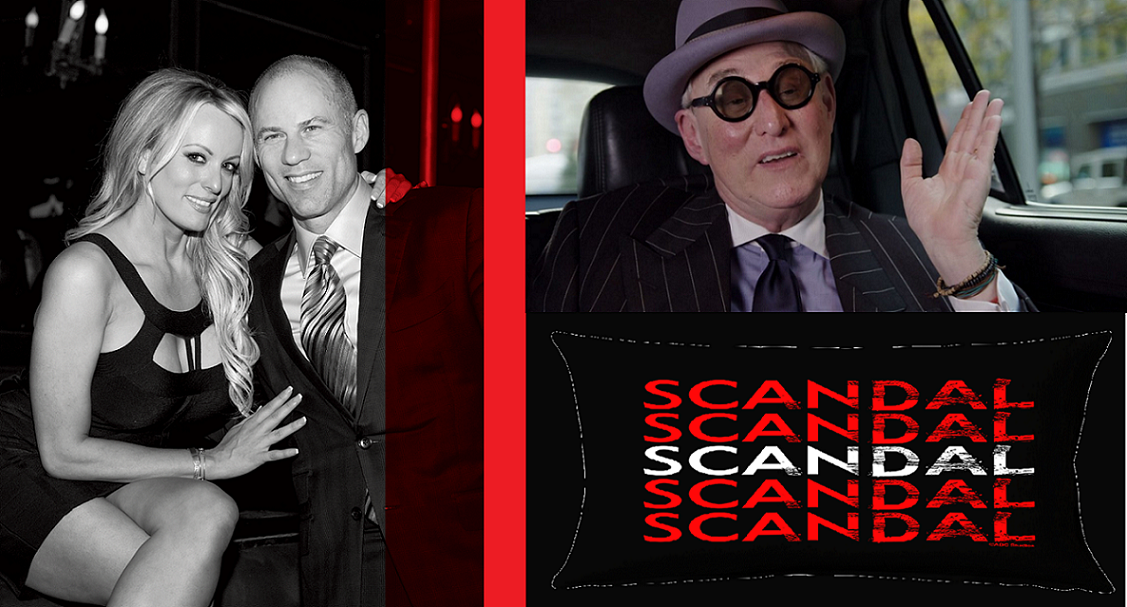
On this edition of Parallax Views, the mighty Ken Silverstein, chief journalist and editor at Washington Babylon, the website devoted to "Shocking True Stories and Political Sleaze" in stately Capitol Hill, returns to expose a gaggle of grifters in the political arena. We begin by discussing the perennial GOP dirty trickster himself Roger Stone, the man with a tacky Richard Nixon tattoo on his back, and how Trump loyalists like him manipulated the rabble when it came to the events ion January 6th now known as the Capitol breach. But don't worry, we're not all about Trump on this show. We're equal opportunity! Which means we'll also be taking aim at former Stormy Daniels lawyer turned #Resistance grifter bilking money out of liberal Democrats Michael Avenatti, who, by the way, is now facing two years in prison with additional charges pending. That's not all though! J.G. finally goes on a rant against the wacky Louise Mensch, who threatened to sick the feds and the LAPD on Barrett Brown and yours truly for reasons that make about as much sense as your average Mensch tweet. And I take no pleasure in reporting that. And, near the end of the show we have a little chat about the passing of Donald Rumsfeld. All that and more on this SCANDALOUS edition of Parallax Views! Beware the grifters, kiddies!
Ep 493A Journalist Vs. the CIA in Federal Court w/ Jefferson Morley
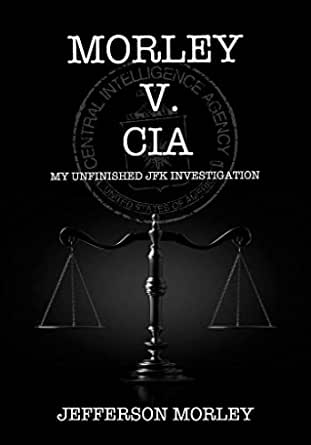
On this edition of Parallax Views, former Washington Post journalist Jefferson Morley took on the Central Intelligence Agency in federal court for a daunting 16 years. Morley struggles related to the release of files around the JFK assassination, Lee Harvey Oswald, an enigmatic figure known as George Joannides, and the Fair Play for Cuba Committee. He details all this in his new book Morley V CIA: My Unfinished JFK Investigation. But this isn't simply a book about the JFK assassination. It's not about who pulled the trigger. It's not claiming LBJ was the culprit, rhat the CIA set up the whole thing, or anything like that. Instead, it's really a book about state secrecy vs. state transparency. You may have no interest in the Kennedy assassination, BUT it has become the symbol of the public's ever-escalating distrust in various institutions. As such, figures who were firmly in the "Lee Harvey Oswald was the Lone Nut Assassin of JFK" offered their support to Morley's lawsuit. Among them are Gerald Posner and, perhaps most famously, Vincent Bugliosi. JFK researchers like David Talbot and Anthony Summers also lent their support. Why? Well, the argument goes that the national security state making these decades old documents public would restore trust in their institutions. For years, Jefferson Morley, with the help of his lawyer Jim Lesar, fought against the CIA for the declassification. They won many cases. But eventually a figure came into the picture that would change all of that. He was initially supportive, but open being on the cusp of a Supreme Court nomination changed his tune. That figure was Brett Kavanaugh. Yes, folks, this episode is going to be a rather interesting foray into issues related to FOIA (Freedom of Information Act) documents, state secrecy, and the tax-paying public's right to transparency from their government. Even if you're not at all interested in the JFK assassination, this Kafka-esque story should hold your attention. And it turns out the documents Morley turned up may impart lessons about U.S. foreign policy towards Cuba that would go unheeded as we headed into the Iraq War under President George W. Bush. Also what can Morley's case tell us about how th federal courts potentially block democracy. All that and more on this edition of Parallax Views!
Ep 492Drone Whistleblower Daniel Hale Vs. the State w/ Kevin Gosztola
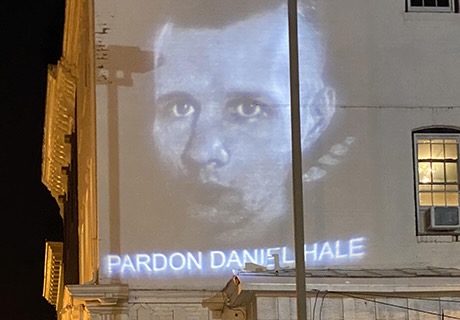
On this edition of Parallax Views, drone whistleblower Daniel Hale is about to face sentencing under the Espionage Act. Since the recording of this episode Daniel has been sentenced to 45 months in prison. Hale blew the whistle on U.S. drone program under conscientious grounds. Now he faces 9 years or more imprison for his leaks. Joining us to tell the story of Daniel Hale and the United States federal Government's actions against him is journliast Kevin Gosztola, who previously joined the program to discuss the whistleblower cases of Reality Winner and Julian Assange. What exactly led to Hale getting caught? What are the similarities between his case and the case of Chelsea Manning? How does this story fit into the broader story of the War on Whistleblowers? How do The Intercept and Jeremy Scahill figure into the story? And what did Hale reveal about U.S. drone programs? What do these revelations have to do with national security state watch lists and no fly lists? All that and more on this edition of Parallax Views.

Ep 491Pegasus Spyware and NSO Group Scandal w/ Ali Winston
On this edition of Parallax Views, the private Israeli firm NSO Group has been making headlines over the past week due it its sale of a surveillance technology known as Pegasus. A form of spyware, Pegasus has made its ways into the hands of elements in Morocco, Saudi Arabia, and Mexico. It appears to have been used to target not only the fiancé of the assassinated Jamal Kashoggi, but also dissident journalists in Mexico who ran afoul of corrupt official and drug cartels. What to make sense of this real-life scandal that reads like something out of a cyberpunk dystopian tale? Inbestigative journalist Ali Winston, who helped break the story of the NYPD's Ring of Steel surveillance network, joins us on this edition of the program that involves both the private and public sectors and, in his words, reveal the issues of money and power at the heart of global geopolitics. All that and more on this edition of Parallax Views.
Ep 490Peter Thiel's Military-Industrial Senate Candidate w/ Eli Clifton
On this edition of Parallax Views, tech billionaire Peter Thiel, known for his libertarian and conservative political leanings, infamously backed Donald Trump's successful 2016 Presidential bid. Although Trump may be out of office, Thiel hasn't given up on using his immense wealth to back political candidates presenting themselves as "populists" in the Trumpian mold. For example, he has contributed to the Senate campaign of Hillbilly Elegy author J.D. Vance in Ohio. He's also contributed $10 million dollars to the Arizona Senate candidate Blake Masters. Masters, who co-wrote the best-seller Zero to One with Thiel, serves as the President of the Thiel Foundation and the chief operating officer of Thiel Capital. Although Masters is running as a "populist" candidate, some of the issues Masters if focusing on in his campaign could serve to benefit Thiel's investments. Specifically, the issues of border-security and China, which are key issues in Masters' purview, could stand to benefit Peter Thiel's in surveillance technologies vis-à-vis Palantir (the company, it should be noted, that was providing technology to ICE under Trump). In other words, Masters successfully taking a seat in the Senate could be good for Thiel's border security and weapons investments. Joining us to discuss all of this is Senior Advisor at the Quincy Institute and investigative journalist at Responsible Statecraft magazine Eli Clifton, Clifton recently penned a piece entitled "Meet Peter Thiel’s military industrial candidate" for the aforementioned magazine. We also discuss, briefly, at the beginning of our conversation the controversies around the recently arrested Tom Barrack as it relates to the UAE and foreign influence operations on U.S. foreign policy.

Ep 489Ben & Jerry's, Israel/Palestine, and Free Speech w/ Ret. Maj. Danny Sjursen
On this edition of Parallax Views, the Vermont-based ice cream company Ben and Jerry's has recently caused a bit of an uproar over its decision to stop selling its product in the Occupied Palestinian Territories. This has cause current Israeli Prime Minister Naftali Bennet and former Israeli Prime Minister Benjamin "Bibi" Netanyahu to speak out. Additionally politicians in the U.S., from Oklahoma to Texas, are calling for the banning of Ben and Jerry's. It may seem like a frivolous issue, but returning Parallax Views guest Ret. Maj. Danny Sjursen argues there's serious issues underneath the Ben and Jerry's row over issues related to human rights and Israel/Palestine. At the forefront of this is BDS (Boycot, Divestment, and Sanctions) and the free speech issues arising from anti-BDS laws in over 30 states in the U.S. Danny and I discuss the Ben & Jerry's fiasco, the BDS movement and anti-BDS laws, and the continued debates about Israel/Palestine, the question of apartheid, and human rights abuses in the Occupied territories. Danny also argues that the current relationship between the U.S. and Israel has become toxic and is not beneficial to either country. Read more about Danny's thoughts on the Ben & Jerry's/Israel fiasco in his article "Israel Screams for Ice Cream: The Minutiae and Madness of a Toxic Relationship".
Ep 488The NSA, Surveillance Programs, & Domestic Extremism w/ Jim Bovard
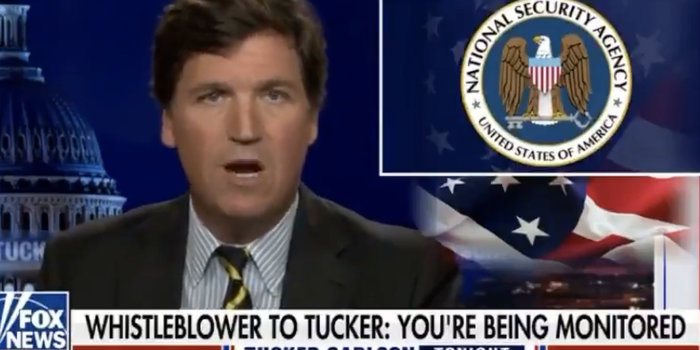
On this edition of Parallax Views, controversial Fox News personality Tucker Carlson caused an uproar recently when he alleged that he has been spied on by the NSA (National Security Agency). Pointing aside one's opinions of either Carlson or his allegations, Parallax Views wanted to delve into the issue of domestic surveillance program and how the could potentially be abused in way that could target activists of the left and right. Are there ways in which the real issue of domestic extremism can be exploited to unsavory ends? In our highly politicized world it is easy to see how such abuse can occur. How a BLM activist could be labeled a "Black Identity Extremist", for example. Or how someone holding socialist views could be labeled domestic extremists. Although the issue of domestic extremism has gained renewed attention since the Janury 6th "Capitol Breach". But what of the potential for the misuse of this important issue? And what of the potential abuses of domestic surveillance programs? Joining us to unpack all those issues is libertarian gadfly James Bovard, author of such books as Attention Deficit Democracy, Public Policy Hooligan, and The Bush Betrayal. We talk about all the aforementioned issues as well as the dual problem of the Imperial Presidency and secretive entrenched bureacracies often referred to, for good or ill, as the "deep state". All that and more on this edition of Parallax Views. This conversation was inspired by Jim's latest article in The Daily Caller, "Why NSA Vs Tucker Carlson Is An Alarm Bell For All Americans".
Ep 487U.S. Funded Hip Hop Artists to Stoke Unrest in Cuba!? w/ Alan MacLeod
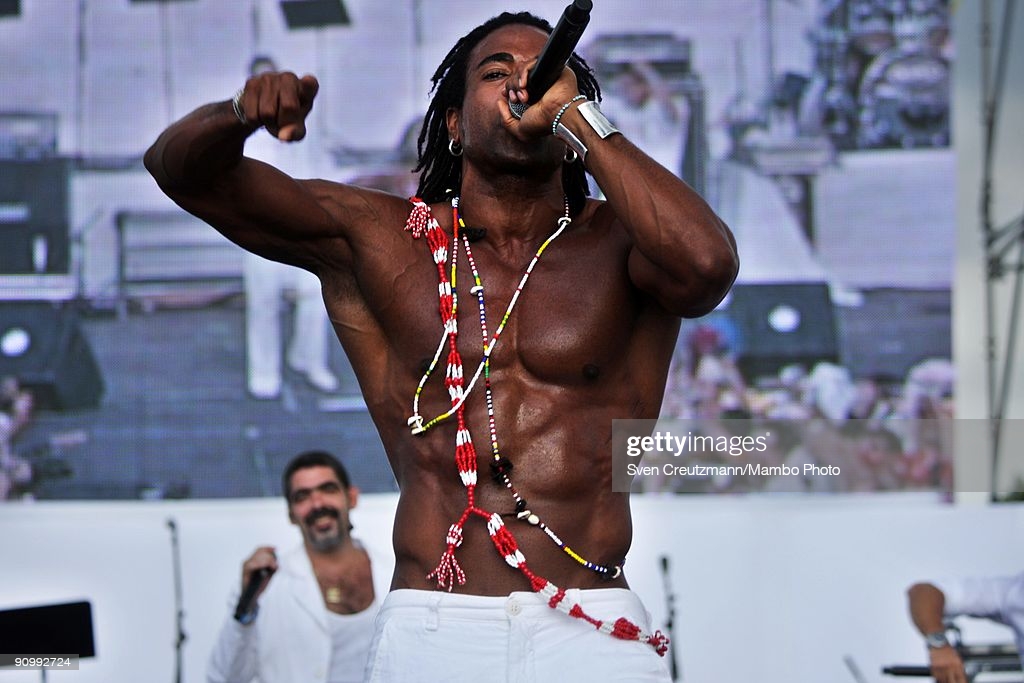
On this edition of Parallax Views, the recent protests in Cuba were, in some regards, boosted by hip hop artists like rapper Yotuel Romero of the Cuban hip hop group Orishnas. Journalist Alan MacLeod, in a recent article for Mint Press News entitled "The Bay of Tweets: Documents Point to US Hand in Cuba Protests", details how taxpayer dollars have been allocated to musicians, specifically hip hop artists, that are seen as potentially useful in stoking unrest and protest against the Cuban government. He joins us on this edition of the program to discuss this strange story and how it involves organizations like USAID and the National Endowment for Democracy (NED; which has its origins in the CIA and the Reagan Presidency). We also discuss the impact of the embargo and sanctions on the Cuban economy along with a host of other issues related to Cuba and the protests including U.S. responses to it from political figures like Marco Rubio.

Ep 486Cuba, the U.S., and Regime Changes w/ Adrian Delgado
On this edition of Parallax Views, yes, that's right it's the Cuba episode. Protests in Cuba have been taking the news media by the storm the past week. Some are arguing that U.S. foreign policy, particularly the embargo on Cuba, led to material conditions (ie: medical shortages) which, they say, played a role in sparking the unrest. Others, such as the Mayor of Miami, Florida, Francis X. Suarez, are calling for critical support of the protesters in Cuba. The aforementioned Mayor Suarez even went as far as to say the U.S. should consider airstrikes against Cuba. Meanwhile the Mayor of North Lauderdale, Florida, Ana M. Ziade, urged President Joe Biden to authorize U.S. armed forces to "physically enter" both Cuba and Haiti. Joining us to give a few from Miami on the subject of Cuba, the U.S., and all this talk of regime change is the President of the Miami-Dade Young Democrats Adrian Delgado. We discuss all the issue related to the latest protests in Cuba, the U.S. reaction, the Florida GOP's monopolization of the narrative on Cuba in the Sunshine State, why a foreign intervention or regime change operation in Cuba would potentially have catastrophic consequences, and much, much more.
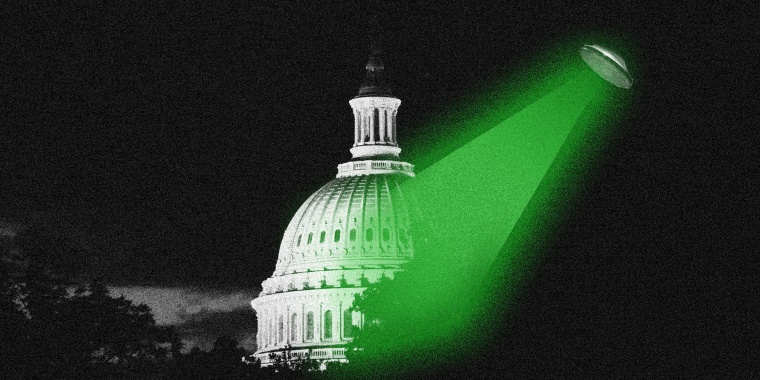
Ep 4842021 UFO Report and Exploitation in UFO Subculture w/ Jack Brewer
On this edition of Parallax Views, last month the Director of National Intelligence dropped a highly-anticipated and much covered in the media report on Unidentified Aerial Phenomena (UAP) or, as it's more commonly known, the phenomena of UFO sightings. The report didn't, it turns out, offer any revelations about little green men. Or maybe that's part of the cover-up? Joining us to unpack the report, as well as to examine some of the troubling aspects of the UFO subculture, is Jack Brewer, the man behind the blog The UFO Trail. Jack offers a very different take on the UFO subculture as evidenced in his book The Greys Have Been Framed: Exploitation in the UFO Community. We go in-depth on some of the rather seedy elements of the UFO subculture including sexually abusive hypnotherapists specializing in "alien abudction" cases, intelligence agency connected figures, and just plain hucksters. This leads us down a wild path of discussion that includes discussion of such players in the scene as former high-ranking DoD official turned UFO lobbyist Christopher Mellon, the To the Stars Academy, aerospace technology tycoon Robert Bigelow, and the much publicized Pentagon "UFO whistleblower" Luiz Elizondo among others. Jack takes aim at critiquing the "UFO Disclosure" movement and its approach to activism in this conversation and even discusses the long history of this kind of movement going back to the 1950s with Donald Keyhoe and NICAP.
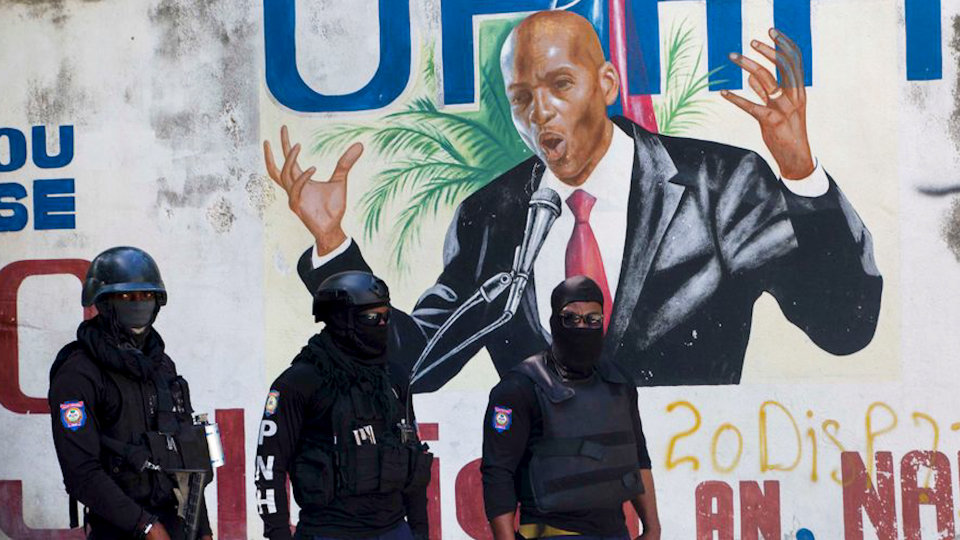
Ep 485The Haiti Assassination & Private Mercenary Armies w/ Kelley Vlahos
On this edition of Parallax Views, the President of Haiti, Jovenel Moïse, was assassinated on July 7th. Details are still emerging, but it appears that the culprits were Colombian. The plot thickens as it also appears these Colombians were the hired guns of a private security firm based in Miami, Florida. Said firm is apparently connected to Venezuela and a Venezuelan expat. The Colombians seem to be implying that they were patsies. These details raise the specter of a phenomena that has become prevalent in the years following 9/11 and the launching of the War on Terror by President George W. Bush. Namely, the issue of private mercenary armies. The most infamous case of this phenomena in the post-9/11 years was, of course, Erik Prince's Blackwater. Although the outsourcing of security to private firms is not new, it is now at a whole different level and on a global scale in the 21st century. Joining us to discuss all of this is returning guest Kelley Vlahos of The Quincy Institute's Responsible Statecraft publication. In her latest piece, "The Miami-Haiti Connection: Another mercenary, another day", dives into the case of the Haitian assassination as well as dealing with last year's "Bay of Piglets" case and the potentials issues arising from the privatization of security at home and abroad. This, she argues, is an issue that should concern both the right and left of the political spectrum and an example of dangerous crony capitalism.
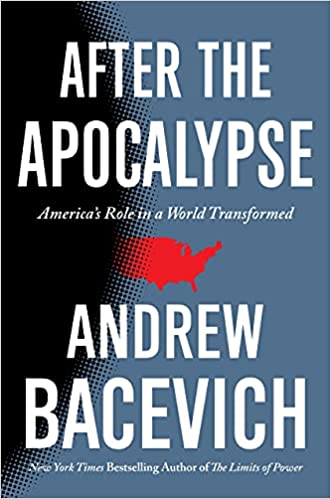
Ep 480After the Apocalypse: America's Role in a World Transformed w/ Andrew Bacevich
On this edition of Parallax Views, the President of the Quincy Institute for Responsible Statecraft Andrew Bacevich joins Parallax Views for an in-depth discussion on the history of the D.C. "Blob", U.S. foreign policy, and his thoughtful new book After the Apocalypse: America's Role in a World Transformed. 2020 was a year full of tumult from the COVID-19 pandemic to the protests against racial injustice in the aftermath of George Flloyd's death. And then, there is the increasingly concerning issue of climate change and the crises it could create. This is the "Apocalypse" that Andrew Bacevich's new book addresses. And he argues that in order to address the domestic challenges we face as a country, from pandemics to racism to increasing economic inequity to potential climate catastrophe, we must reassess U.S. foreign policy in post-pandemic world. Bacevich questions the U.S. "forever wars", the role of NATO in the 21st century and the American relationship to it, and much more. In putting all our efforts into interventions abroad are we missing national security threats at home like climate change or, in the aftermath of the Jan 6th uprisings, domestic terrorism? Are the uprisings, left and right, in part a result of atrophied institutions in the beltway devoted to outmoded Cold War modes-of-thinking that have created a foreign policy with domestic consequences? And what of the often underdiscussed issue of nuclear proliferation? Andrew Bacevich and I, hopefully, tackle these and other issues with eloquence in this fascinating hour long conversation.
Ep 483The Ferguson Uprisings and the Death of Danye Jones w/ Ray Nowosielski & John Duffy
On this edition of Parallax Views, a new podcast on iHeart Radio is making waves by revisiting, in light of last summer's Black Lives Matter protests in response to the death of George Floyd, the Ferguson uprisings of 2014 and the strange death of a young man in their series After the Uprising. Those uprisings came about after the death of Michael Brown and caused renewed discussion about policy brutality and racism. They were also followed by a series of strange deaths, most notably that of 24-year old Danye Dion Jones. Danye's mother Melissa McKinnies, a prominent activist in the days of the Ferguson unrest, found her son hanged in her backyard. Although ruled a suicide, Danye's family did not accept that conclusion and gave reasons for their belief that Danye was murdered. This is the case that Ray Nowosielski and John Duffy explore in their new podcast series After the Uprising. It's a true crime case that bears social relevance in the age of BLM and questions about police misconduct. And the series, which only recently began airing, promises explosive and shocking revelations. Ray Nowosielski and John Duffy previously joined Parallax Views to discuss their excellent 9/11 book The Watchdogs Didn't Bark: The CIA, NSA, and the Crimes of the War on Terror, which detailed curious intelligence agency failures related to the September 11th, 2001 attacks. Like The Watchdogs Didn't Bark, After the Uprising is not a conspiracy series or a so-called "Truther" investigation. In this episode we discuss that as well as how John and Ray were able to tackle their subject in a non-exploitative way, the key elements of the case covered on the series so far, whether issues like police brutality should be treated as purely partisan political issues by society (Answer: A resounding no), and much, much more!

Ep 482Peter Thiel and the Roth Retirement Accounts Scandal w/ Justin Elliott
On this edition of Parallax Views, most American citizens imagine tax havens as all being located in the U.S. But what if some of America's most wealthy, the ultrarich, had what amounted to a tax haven right here in the U.S. of A? ProPublica and its crack team of reporters may have just blown the lid off that very possibility in their explosive investigation "Lord of the Roths: How Tech Mogul Peter Thiel Turned a Retirement Account for the Middle Class Into a $5 Billion Tax-Free Piggy Bank". One of the investigations co-authors, Justin Elliott, joins us for a brief but informtive discussion about how ultrarich billionaires like Peter Thiel, Robert Mercer, and Warren Buffet have been able to use Roth IRAs (Individual Retirement Accounts), originally intended for middle class Americans to build nest eggs for their golden years, to amass large amounts of wealth without having to worry about taxes or an increasingly stymied and underfunded IRS. All that and more on this edition of Parallax Views.

Ep 481A Meta-Discussion About American History w/ William Hogeland
On this edition of Parallax Views, we celebrate the 4th of July by having critical meta-discussion about American history and how it is constructed with the one and only William Hogeland, popular historian and author of such books as Autumn of the Black Snake, Declaration, Founding Finance, and The Whiskey Rebellion. In the course of our conversation we discuss his new blog Hogeland's Bad History on Substack and take a deep dive into problems related to how everyday American citizens and serious historians alike look at U.S. history. In particular we talk about the wave of calls for historians to play a more vital role in political discourse in light of the rise of Trumpism, the problems with the sentiments of "Ask a Historian", the debate over how history should be taught in school now summed up in the conversation over CRT or Critical Race Theory (although the use of CRT may be a misnomer), Lin Manuel Miranda's Hamilton and the case of Hamiltonmania that has been sweeping the nation, the age old Republic Vs. Democracy debate about the nature of U.S. government, whether or not it may be more useful to look at what the U.S. Founding Father did rather than what they wrote or said, Constitutional originalism in both its right-wing and liberal forms, and much, much more!

Ep 479The Biden-Putin Summit and U.S.-Russia Relations w/ Anatol Lieven
On this edition of Parallax Views, Anatol Lieven, the Quincy Institute for Responsible Statecraft's new senior research fellow on Russia and Europe as well as an Orwell-prize winning journalist and professor at Georgetown University in Qatar, joins me to discuss U.S.-Russia relations and the recent Biden-Putin summit. We also get Prof. Lieven's thoughts on the state of U.S. foreign policy discussion, discourse around Putin and human rights, the Ukraine issue, national security and the international-rules-based order, the Cold War, Russia's perspective on foreign policy, diplomacy vs. conflict, and much, much more.
Ep 478Foreign Policy, the Border, & Diplomacy w/ Crashing the War Party's Barbara Boland
On this edition of Parallax Views, Barbara Boland of the Crashing the War Party podcast (which she co-hosts with the great Kelley Vlahos and Daniel Larison) joins me for a discussion about the need to reassess U.S. foreign policy, re-opening the diplomatic toolbox and remembering the value of diplomacy, and the ever contentious issues around the border and border security. Barbara formerly wrote for The American Conservative and is now writing for the Quincy Institute's Responsible Statecraft publication. This is a bit of a cross-partisan conversation w/ Barbara coming from a more conservative background and your host coming from a more progressive background. It's not a debate, even on the contentious issue of the border, but an attempt to find areas of commonality (in relation to the border that comes about in recognizing the U.S.'s complicity in the problems faced by countries like Guatemala and Mexico vis-a-vis our foreign policy and the War on Drugs as well as criticism of Trump's policies on the border, horror at the kids in cages stories that have surfaced, etc.). You may be surprised by some of Barbara's views depending on what your conception of a conservative is. We delve into issues like racism, U.S. policy towards Cuba, memes about Venezuela and socialism, Iran, sanctions, the Cold War posturing over China and Russia, the "international rules based order", entangling alliances, the military industrial complex,
Ep 477Dark Quadrant, Or the Intersection of Politics and Organized Crime w/ Jonathan Marshall
EOn this edition of Parallax Views, what and where is the intersection where organized crime and political corruption meet each other? And is it a threat to our Democracy? Author Jonathan Marshall attempts to answer those questions in his fascinating new book Dark Quadrant: Organized Crime, Big Business, and the Corruption of Democracy. In this stunning new book, Marshall details the shocking and sordid history of where and when organized crime have met in American politics from the Presidencies of Harry Truman to Donald Trump. Among the topics covered in this in-depth conversation: - How Marshall became interested in the subject of politics and organized crime; collaborating with Peter Dale Scott; the concept of deep politics; drug trafficking and Iran/Contra - Thomas Pendegrast and the Pendergrast Machine - The China Lobby (Taiwan) and foreign lobbies - President Richard Niion and the mob - High-powered, mob-conencted lawyers and "fixers" like Sidney Korshak - The Hollywood connection to political corruption - Reformist efforts to stop organized crime's role in political corruption in the 20th century; Robert F. Kennedy - J. Edgard Hoover, the FBI, and the mob - Donald Trump and the mob; a different take on Russiagate - Donald Trump as a transition point in the history of the "Dark Quadrant"; transnational organized crime - The connections between organized crime, the FBI, and anti-communism during the Cold War - And much, much more!
Ep 476REPLAY: Mike Gravel on His Life, the Pentagon Papers, & Direct Democracy
EMike Gravel passed away on June 26th, 2021. This epiode is offered as a replay to listeners in order to celebrate his memory. On this edition of Parallax Views, former Senator Mike Gravel made some waves earlier this year when a group of teens meme'd him into a Presidential campaign seeking the Democratic nomination. Although that campaign has since ended, Gravel is hard at work promoting one of his greatest passions: direct democracy. During his Senatorial career Gravel forcefully opposed the Vietnam War draft and, famously, read the Pentagon Papers, a top-secret Department of Defense study courageously leaked to the public by whistleblower Daniel Ellsberg, on the floor of Congress. He is, in another words, a man that has not only bore witness to history, but participated in it. And at 89 years old he's a passionate and committed as ever. Not only that, but he has a great deal of hope. As a proponent of direct democracy he believes strongly in the will of "We the People" and has faith in the masses. Moreover, he argues that a more direct democracy, which would include the citizens in our lawmaking processes, is eminently possible. In this conversation we discuss all of these matters and subjects as well as Mike's working-class background, the influence figures like Bertrand Russell and IF Stone had on him, and more.
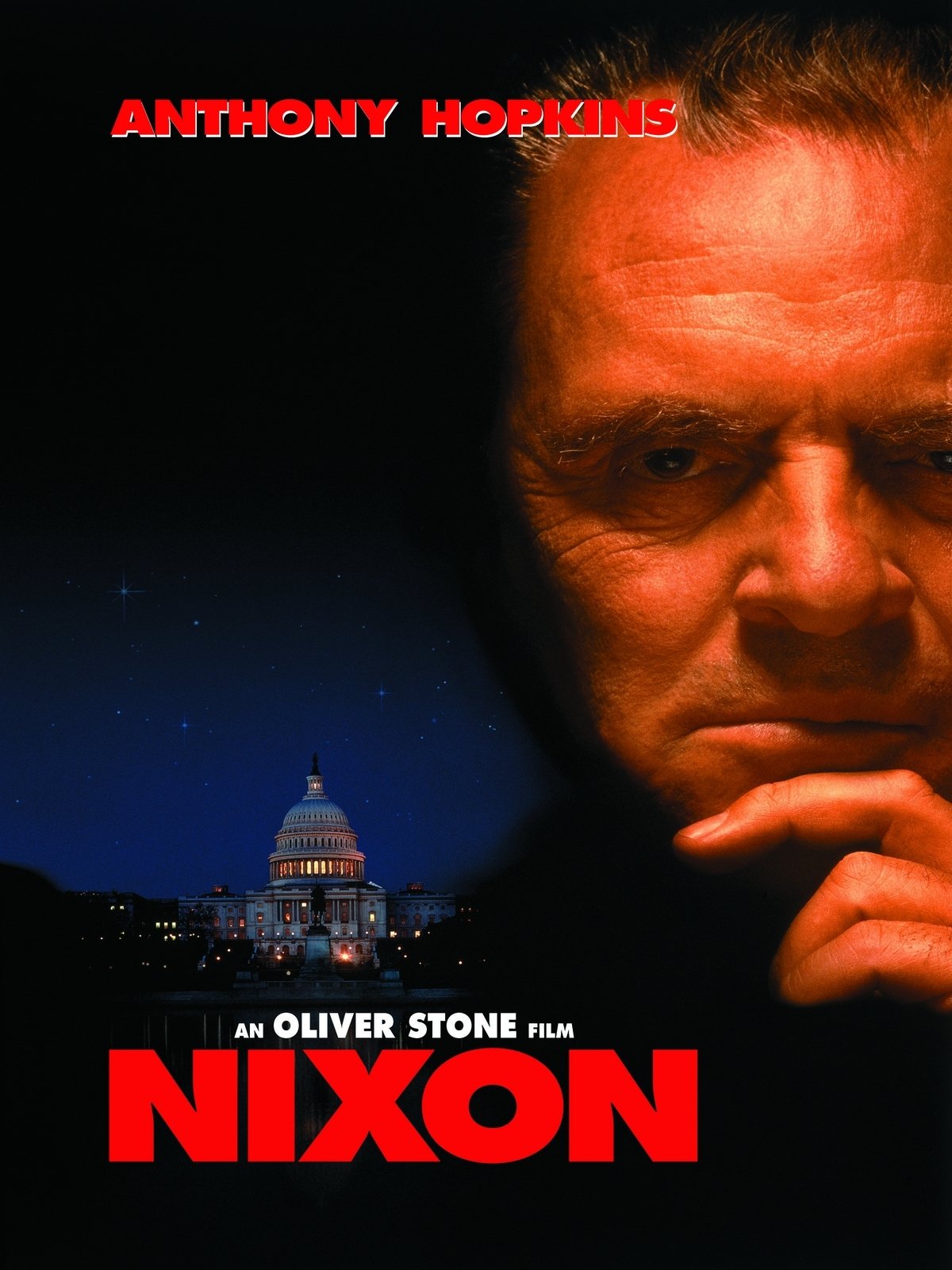
Ep 442Revisiting Oliver Stone’s NIXON (And More!) w/ Film Producer Eric Hamburg
On this edition of Parallax Views, Oliver Stone has proven to be one of Hollywood's most controversial and political filmmakers for many decades now. After the release of his 1991 epic JFK he received a great deal of criticisms from elements of the press for undermining the official narrative of the JFK assassination. Put simply, Stone was, despite previous highly-regarded films as Wall Street, Platoon, and Salvador, branded a "conspiracy theorist". Nonetheless, Stone kept making films and followed JFK up with another subject of historical interest to the Vietnam era: Richard Nixon. Starring the acclaimed Anthony Hopkins as Tricky Dick (a role that garnered him an Academy Award nomination), Nixon proved to largely be a hit with critics but underperformed at the box office. Although many had expected that Nixon would be "conspiracy" film or a mere attack on the former Republican President, Stone's feature offered a complex portrait of the man that received flak from both Nixon's critics and supporters. Eric Hamburg, author of JFK, Nixon, Oliver Stone, and Me: An Idealist's Journey from Capitol Hill to Hollywood Hell, acted as a producer on Nixon. He enjoys me to revisit that film as well as to discuss his time on Capitol Hill with John Kerry and Lee Hamilton, how he met Oliver Stone through JFK, his work on Oliver Stone's football film Any Given Sunday, the potential effect that Vietnam had on Stone, Stone on dirty money and Hollywood, the attention to historical details in Nixon, the concept of "The Beast" described in Nixon, how Nixon came together, interviewing the Pentagon's Robert McNamara and Watergate testifier John Dean as research for the film, and much, much more!
Ep 475Foreign Lobbies, Influence Peddling, and Think Tanks w/ Ben Freeman
On this edition of Parallax Views, the issue of how politics on Capitol Hill is effected by foreign lobbies, influence peddling, and think tanks with connections to the defense industry are important but oft underdiscussed topics. Joining us to unravel these matters is Ben Freeman, Director of the Foreign Influence Transparency Initiative at the Center for International Policy. We discuss the Foreign Agents Registration Act and its history as well as the role of Saudi lobbying on the Republican Party and Qatari lobbying on the Democratic Party. Additionally, we discuss the need for transparency when it comes to foreign lobbies and Ben explains why these issues should matter to average American citizens and voters. The American-Israel Public Affairs Committee is also discussed. But we do not stop at the issue of foreign lobbies. We also discuss the topic of the military industrial complex and Ben's updating of that term to the military industrial congressional think tank complex. What is the role of the defense industry and weapons manufacturing in influencing U.S. policy? In discussing think tanks we are able to tie foreign lobbies back into the conversation because both foreign lobbies and defense contractors play a huge role in the funding of political think tanks in America. Given that experts at many think tanks are featured on various media outlets it is important to be transparent about who is funding these think tanks and how it may influence the agenda of those think tanks. In regards to think tanks we tackle the question of how trust can be restored in think tanks and, moreover, why it is important for that trust to be restored.

Ep 473The Iranian Election, Sanctions, & the JCPOA w/ Dr. Assal Rad
EOn this edition of Parallax Views, Dr. Assal Rad comes back to show to discuss the recent results of the Iranian elections, Iran's new President Ebrahim Raisi, the effect of sanctions on Iran, and the fate of the Iran nuclear deal aka the Joint Comprehensive Plan of Action. We discuss how Raisi's win came about, Iranian people, anti-Iran deal John Bolton's cheering on the victory of Raisi and hardliners, the U.S. federal government's seizure of Iranian state-sanctioned media outlet PressTV's website, who Raisi is and what it means for the Iranian people, the role of U.S. foreign policy in emboldening hardliners and Raisi, and much, much more.
Ep 474REPLAY: The John McAfee Interview
EThis episode is being replayed in light of news of John McAfee's death. It was... a rather strange interview and I may go over my thoughts about it and McAfee on a future Patreon edition of the show. On this edition of Parallax Views, an equal parts wild and tense conversation with the founder of McAfee associates (the creators of McAfee Antivirus), bitcoin bull, Presidential candidate, international fugitive, and person of interest in the Belize murder of Gregory Faull, John McAfee. Joining me to help ask some of the more probing questions in this interview is the inimitable freelance journalist Marlon Ettinger, who previously joined us to discuss his experiences at the NY trial of the now deceased Jeffrey Epstein. Marlon was helpful in trying to ask questions that dug a little deeper during the course of the conversation. I trust that, unlike some podcasts dealing with the controversial figure of McAfee, this is not an exploitative or "comedic" conversation and gives some insights into both the notorious John McAfee and some of the infamies associated with him. In any case Marlon and I tried to do something different with this interview and we hope that you, the listener, get something out of it.
Ep 472Dennis Kucinich's Crusade Against Corruption w/ Dennis Kucinich
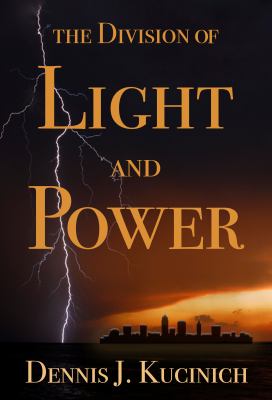
On this edition of Parallax Views, former Congressman Dennis J. Kucinich has often been called a man ahead of his time. A member of the U.S. House of Representatives from Ohio's 10th district from 1997 to 2013, has been both known and often ridiculed for his unwavering progressive politics. He voiced support for issues like marijuana legalization, trans individuals holding important political positions, opposing the Iraq War, making universal single-payer healthcare a reality, and more before such positions were popular. Many of those positions were formerly seen as too radical or lofty, especially at the times Kucinich ran for President 2004 and 2008. But, as The Washington Post has noted, the former Congressman has since been vindicated. Which is to say that many of his positions have now become part and parcel of the mainstream discourse. "When he ran for president, he was ridiculed and dismissed," wrote David Montgomery in The Washington Post, "t turns out he was the future of American politics." But the former Congressman and man ahead of his time isn't done yet. He's running for Mayor in Cleveland. Which is fitting seeing as he first came to prominence as Cleveland's Mayor in 1977. And now he's telling the full story of his first go as Mayor in his fascinating new book The Division of Light and Power. Described as a cross between The Godfather and Mr. Smith Goes to Washington, The Division of Light and Power details how Mayor Kucinich fought corporate interests to save Muny Light, Cleveland's publicly owned utility company. This led to a conflict with CEI (Cleveland Electrical Illuminating Company) that makes for a riveting tale of one man's fight against political corruption. It's a story that involves organized crime, hitmen, and even attempted assassination. And now, for the first time, Dennis Kucinich is telling the full story in the form of a memoir. He joins us on this edition of the program to discuss The Division of Light and Power as well as how Catholic social teachings and growing up in relative poverty have influenced his political and social worldviews. All that and more on this edition of Parallax Views.

Ep 471Taking a Human Rights-Centric Approach to Israel/Palestine w/ Zaha Hassan
On this edition of Parallax Views, should the U.S. consider taking a different approach to the Israel/Palestine conflict? A new paper from the Carnegie Endowment for International Peace argues it should and says that a more human rights-centric approach is necessary not only on moral grounds but also for national security reasons, civil liberties in the U.S., and the sake of U.S. foreign policy objectives trumpeted by the Biden administration concerning the re-establishment of America's leadership in a rules-based international order. Joining us to discuss the paper is one of its co-authors, Palestinian human rights lawyer Zaha Hassan. Please be sure to read the Carnegie Endowment for International Peace paper "Breaking the Israel-Palestine Status Quo" if you are interested in this conversation. We discussed a number of issues including the Occupied Territories, Gaza, the West Bank, changing attitudes about Israel/Palestine, settlements, and much, much more.

Ep 470International Law and Israel/Palestine w/ UN Special Rapporteur Michael Lynk
NOTE: In the intro I repeatedly say "Palestinian Occupied Territories" when, to avoid confusion, I should have said "Occupied Palestinian Territories" to make clear that those territories are occupied by Israel. On this edition of Parallax Views, we continue our exploration of the Israel/Palestine conflict. This time Canadian legal scholar and current United Nations Special Rapporteur on the Issue of Human Rights in the Occupied Palestinian Territories Since 1967 Michael Lynk joins us to discuss Israel/Palestine from the perspective of international law. We discuss issues like annexation, human rights abuses, the siege on Gaza, the West Bank, the work of previous UN Special Rapporteurs Richard Falk and John Dugard, the issue of permanent occupation. and taking a rights-based approach to Israel/Palestine. Also, in the intro find out why there was a lack of new shows last week. All that and more on this edition of Parallax Views.
Ep 469The Iranian Elections, Gen. Soleimani, and Geopolitics w/ Arash Azizi
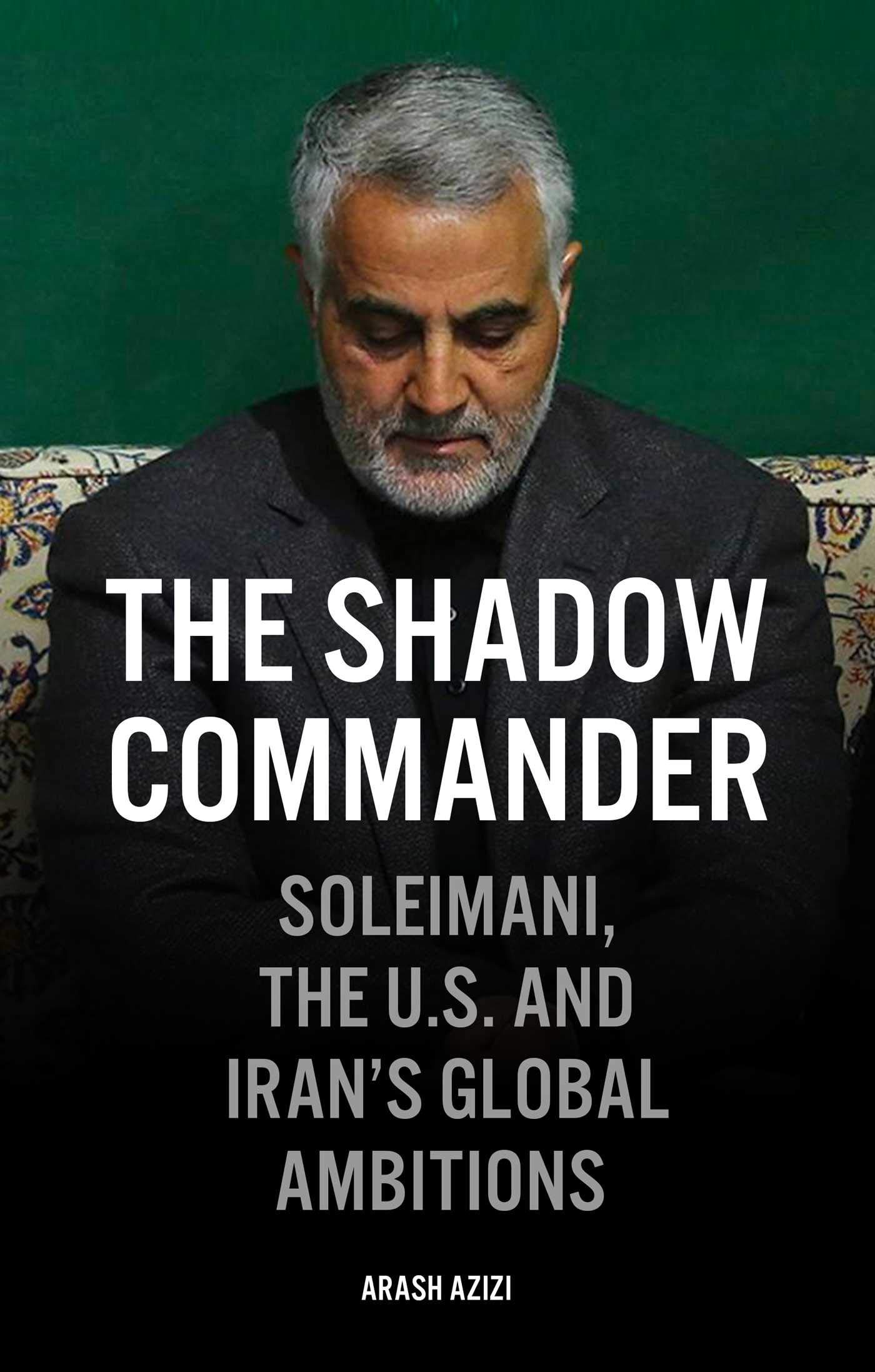
On this edition of Parallax Views, the Iranian Presidential elections are coming up on June 18th, 2021. What to make of the election and the most likely successor to President Hassan Rhouhani, Ebrahim Raisi? Joining us to answer these questions as well as to delve into the life and assassination of General Qassam Soleimani is historian Arash Azizi, author of The Shadow Commander: Soleimani , the U.S. and Iran's Global Ambitions. Arash and I discuss discuss the Islamic Revolutionary Guard Corps., the IRGC's foreign policy goals, assessing the U.S. foreign policy towards Iran so far under the Biden administration, Arash's opinions about U.S. interventionism and his critique of U.S. progressives/the left on American foreign policy, and much, much more.
Ep 468Israel/Palestine & the One Democratic State Campaign w/ Jeff Halper
On this edition of Parallax Views, anthropologist Jeff Halper of the Israeli Committee Against House Demolitions and the One Democratic State Campaign joins us to give a history lesson on Israel/Palestine as well as to discuss political Zionism vs. cultural Zionism, the issue of antisemitism, and his support of the the one-state solution calling for equal citizenship and rights. During the course of our conversation Jeff helps us understand some of the key points of his new book Decolonizing Israel, Liberating Palestine: Zionism, Settler Colonialism, and the Case for One Democratic State as well as put to rest myths about Palestine peddled in books like Joan Peters' From Time Immemorial. All that and much more on this edition of Parallax Views.
Ep 467Emily Wilder's Firing by the Associated Press w/ Ari Paul
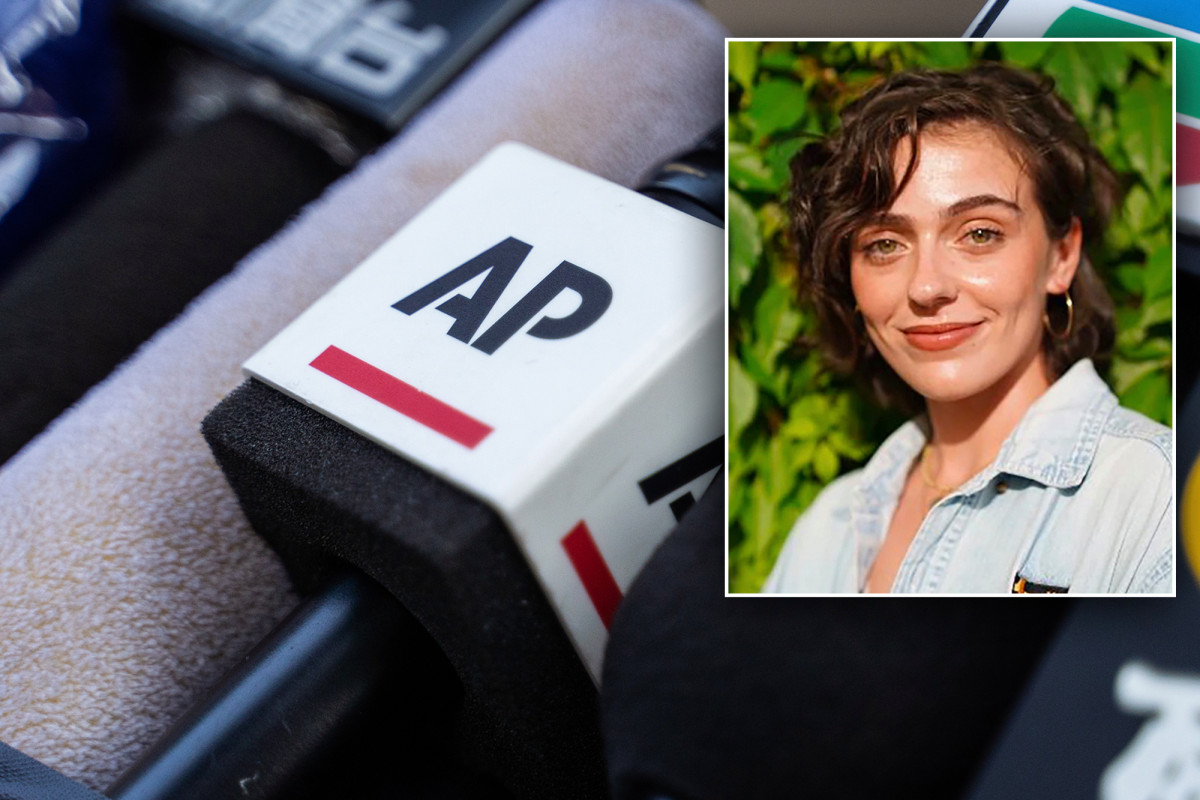
On this edition of Parallax Views, Ari Paul of Fairness and Accuracy in Reporting (FAIR) joins me to discuss the recent case of journalist Emily Wilder. Wilder had just graduated Stanford University and went to work for the Associated Press. Her tenure at AP would prove short-lived, however, after a campaign from Stanford Young Republicans and publications like The Federalist began attacking Wilder's integrity and objectivity as a journalist because of her activist activities as a university student in groups like Jewish Voice for Peace and pro-Palestinian groups. Wilder was fired by the AP shortly after the latest flare-up in Israel/Palestine. Was Wilder cancelled and what does her case mean for journalism?
Ep 464Afghanistan, the U.S. Withdrawal, and the War on Drugs w/ Inge Fyklund
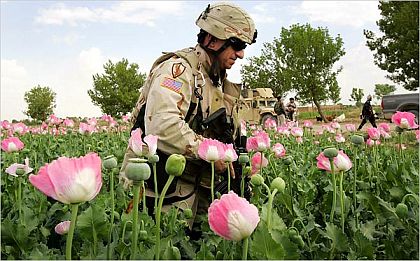
On this edition of Parallax Views, former Chicago prosecutor and current Law Enforcement Action Partnership (LEAP; formerly Law Enforcement Against Prohibition) Dr. Inge Fryklund has extensive experience in Afghanistan having spent years in the country while working for USAID and the Marine Corps. Dr. Fyklund recently penned an op-ed for the Institute for Policy Studies' Foreign Policy in Focus project entitled "Decentralization Could Reduce Conflict in Postwar Afghanistan". In said op-ed she argues that the kind of local control permitted by Afghanistan's 2004 constitution, if put into practice, could protect women and minorities in Afghanistan if the scenario of a Taliban takeover of Kabul occurs in the aftermath of U.S. withdrawal in September 2021. I initially reached out to Dr. Fyklund to discuss this op-ed, however the focus of our conversation took a much broader tone as we delve into her work on Afghanistan as it relates to the U.S.'s longstanding "War on Drugs" since the Nixon Presidency and its effect on U.S. foreign policy. As those even slightly familiar with the country likely know, Afghanistan is known for it's involvement in poppy production and opium trade. Dr. Fyklund argues that U.S. domestic policy's hardline stance on drug trade has spilled over into U.S. foreign policy as it relates to Afghanistan. This, Dr. Fyklund believes, has been unnecessary and unbeneficial in the long-run. In the course of this conversation Dr. Fyklund and I discuss her thoughts on Biden's planned withdrawal from Afghanistan and why decentralization could prevent the Taliban from taking full control of the country. Moreover, Dr. Fyklund and I take a deep dive into the issue of the War on Drugs and it's relationship to not just foreign policy in Afghanistan but also the problems it has caused domestically and for countries like Mexico, Honduras, Guatemala, and El Salvador since its inception. In Dr. Fyklund's view the War on Drugs has done more harm than good and has even contributed to a driving a displacement crisis that has led to desperate immigrant refugees arriving at the U.S. border. In addition to these issues Dr. Fyklund and I discuss alternatives to the longstanding War on Drugs and why the War on Drugs could potentially be brought end in the future.

Ep 466The Pro-Trump, 'Anti-Deep State' Deep State Plot Against Gen. McMaster? w/ Russ Baker
On this edition of Parallax Views, on May 13th, 2021 the New York Times published a tantalizing report by journalists Adam Goldman and Mark Mazzetti. "Activists and Ex-Spy Said to Have Plotted to Discredit Trump ‘Enemies’ in Government", read the eye-catching headline that promised to add yet another scandalous chapter to the already scandal-ridden story of the Trump Presidency. Following the attention-grabbing headline, Goldman & Mazzetti, through documents and interviews, details a "campaign" by pro-Trump elements to discredit government officials perceived as potentially disloyal to the modus operandi of President Trump in the early years of his Presidency. Brining to mind Richard Nixon's "dirty tricks" and the tradition of what in D.C. slang has come to be known as political "ratf*cking, said campaign included a "planned sting operation against Mr. Trump’s national security adviser at the time, H.R. McMaster" and "secret surveillance operations against F.B.I. employees, aimed at exposing anti-Trump sentiment in the bureau’s ranks". According to Goldman & Mazzetti's reporting the plot involved former British spy Richard Seddon, controversial private security contractor Erik Prince of Blackwater infamy (and, for what it's worth, the younger brother of Trump's Secretary of Education Betsy DeVos), and operatives of Project Veritas, a right-wing conservative activist group founded by James O'Keefe and previously known for its operations against Planned Parenthood, ACORN, and others. In regards specifically to the sting operation against Gen. McMaster, which involved what in intelligence circles is known as a "honey trap", the NYT story mentioned another player in this cast of character: Barbara Ledeen. A former GOP Senate Judiciary Committee staffer, Ledeen admits to at least a minor role in the plot against McMaster in the NYT report. However, she is only mentioned rather briefly in the article itself. Investigative journalist Russ Baker, author of Family of Secrets: The Bush Dynasty, America's Invisible Government, and the Hidden History of the Last Fifty Years and CEO/Editor-in-Chief of the news outlet WhoWhatWhy, joined me to discuss his recent article, co-authored with Matt Harvey, detailing how there may be another angle to explore in this story after taking a closer look at who Barbara Ledeen is and the circles she travels in. As Baker explains, Ledeen is the wife of one Michael Ledeen. Michael Ledeen, for the uninitiated is "a historian, campaign adviser, and freelance intelligence operative, who served as a consultant to the National Security Council and departments of State and Defense under Republican administrations" who figures into such political intrigues as the Iran/Contra affair and the Niger yellowcake forgeries that played a role in launching the Bush administration war on Iraq on the basis of that Saddam Hussein possessed Weapons of Mass Destruction (WMDs). Michael Ledeen is part of a milieu that has come to be known as the Neoconservatives. The neocons reached the apex of their political influence during the Presidency of George W. Bush and took hawkish positions on Iraq, Iran, and other countries in the Middle East even prior to 9/11. Prominent elements of the movement included the Project for a New American Century think tank and long-time D.C. mainstays like Richard Perle, Paul Wolfowitz, and Elliot Abrams among others. In our conversation, Baker notes the complexity of this story and why the Ledeen connection matters. Chiefly, Baker points out the the Ledeens are heavily associated collaborators of Gen. Mike Flynn, who was fired from a prominent position under President Obama only to return to prominence under President Donald Trump. However, Flynn's return proved short-lived and he was ultimately replaced by Gen. H.R. McMaster. Additionally, Baker discusses the issue of neoconservatism and its relation to Israel and Netanyahu's Likud Party. Specifically, neoconservatives take an approach of strong, hardline support to Israel. In fact, for some neocons, this support is so hardline that it has led to right-wing admonishments of generally Israel-friendly Presidents like Bill Clinton and Barack Obama for being perceived as not sufficiently supportive of Israel. McMaster, Baker, argues may, despite not having a particularly radical stance on Israel, be seen in this regard by some neocons. Baker is quick to point out in our conversation that this discussion of neoconservatism and pro-Likud politics should not be used to support anti-Semitic conspiracy theories. Instead he believes we should examined how the foreign policy ideas of neocons like the Ledeen and their relationship to Flynn may figure into the contour of a broader story about why politically right-wing elements in Washington, D.C. would seek to craft a sting operation against Gen. H.R. McMaster. And moreover how this plot against McMaster by alleged 'Anti-Deep State' elements may instead actually represent feuding factions of

Ep 465Leak Reveals Power Shift to Hardliners Ahead of Iranian Election w/ Gareth Porter
On this edition of Parallax Views, leaked material reveals a shift to hardliners ahead of the June 18th elections in Iran. Journalist Gareth Porter joins me to discuss this development as well as to cover the rocky history of U.S.-Iranian relations. During the course of our conversation Gareth and I delve into Iranian Foreign MinisterJavad Zarif conflicts with the late General Soleimani of the Islamic Revolutionary Guard Corps (IRGC) and how Soleimani's death at the hands of a drone strike during Trump Presidency has effectively pushed many in Iran towards potentially voting for candidates that are opposed to negotiating a new deal with the U.S. In addition to this Gareth and I also delve into the history of the Iran nuclear program, Reagan vs. Iran, Soleimani vs. ISIS, Soleimani in Syria and Iraq, the tension between Shia principles and the IRGC, the JCPOA and Obama, and much, much more.
Ep 458An Inside View of the UN and Sanctions w/ Hans-Christof Von Sponeck
On this edition of Parallax Views, former UN Assistant Secretary General and UN Humanitarian Coordinator for Iraq Hans Von Sponeck joins us to discuss the nature of the United Nations as well as to provide his thoughts on the negative impacts of sanctions. Hans begins by explaining how he became involved in the United Nations as a German in 1968. From there we delve into his insider's perspective of the United Nations and the difference between what he calls the "two UNs": the political UN (represented by the UN Security Council, General Assembly, and International Court of Justice) and the operational UN which is development-oriented and humanitarian. We then delve into the issues of and between developing nations and Western nations like the United States. In this regard we talk about the UN as a multinational body or "People's Organization" dealing with international law and its potentialities for global cooperation in a world facing global crises like climate change. In this regard Hans argues that an international body for the benefit of civil society, whether the UN or another organization, is necessary for our collective survival. In addition to all of this we delve into the issue of disinformation about the UN, the budget of the UN and lack of resources allocated to the organization, and related matters. Late in the program we delve into Hans work in the UN as it related to Iraq and sanctions. Like Dennis Halliday, Von Sponeck would leave an important post at the UN in relation to Iraq in protest of the sanctions against Iraq. Hans respond to a study by the London School of Economics claiming that the UN, specifically UNICEF, was fooled by the Saddam Hussein regime on the issue of the sanctions (the claim being Hussein's regime "cooked the books" to make the impacts of sanctions look worse than they were). Hans also goes into details about the negative impacts of sanctions on Iraq that he bore witness to while in the UN. During the course of our conversation Kofi Annan, John Bolton, and other figures makes appearances and Hans offers insider details about how the UN works and how it can be more effective as an institution in the future. The subject of sanctions seem particularly relevant given debates about the negative impacts of sanctions on countries like Iran, Syria, and Venezuela today as discussed by previous Parallax Views guests like UN Special Rapporteur on Sanction Prof. Alena Douhan and Brian McGlinchey of the The Stark Realities newsletter. We also discuss war and sanctions, foreign policy, political forces inside the UN, clashes on the 38th floor of the UN, the resignation of Dennis Halliday and himself from their positions, securing a better future for our children and grandchildren in our increasingly complex world, the shifting view of sanctions as an instrument, the importance of communication and dialogue, civil society and global policy issues, zero sums games vs. creating win-win situations, the integrated world we live in, and much, much more.
Ep 461The Israel/Palestine Conflict, International Law, and Human Rights w/ John Dugard
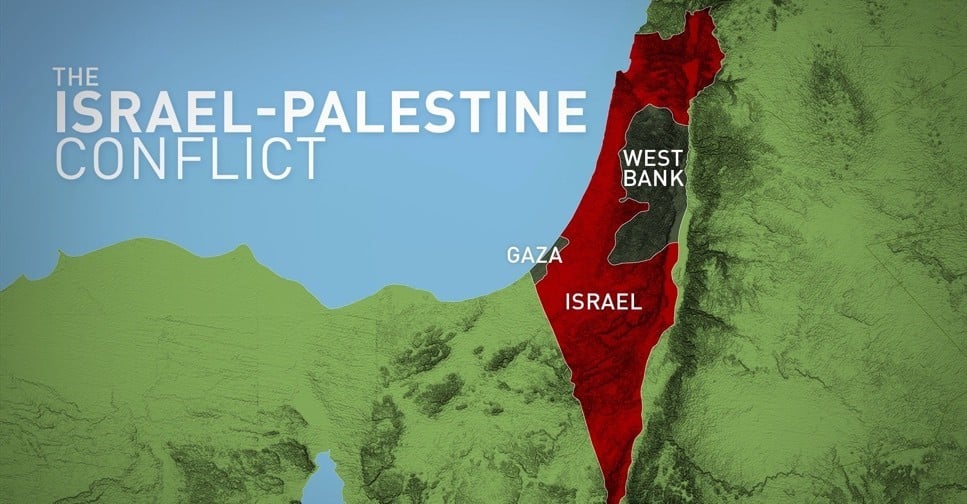
On this edition of Parallax Views, we wrap up our series on the Israel/Palestine conflict with John Dugard, international law scholar and former UN Special Rapporteur on the Situation of International Human Rights and Humanitarian Law in the Palestinian Territories. Born in South Africa, Prof. Dugard was a prominent critic of his home country's apartheid regime. His work on Israel/Palestine is particular of interest in light of the recent reports by Human Rights Watch and Israeli human rights organization B'tselem invoking apartheid in relation to Israel. Prof. Dugard invoked the question of apartheid years prior to the publication of either aforementioned report this year. Dugard and I will be discussing a number of issues including the question of apartheid, the role of the international community in resolving this conflict long-term, why he believes the U.S. has disqualified itself as a broker of peace, the U.S. blocking of UN statements concerning the latest developments in the conflict, the International Criminal Court, right-wing demagoguery in Israeli politics, and much, much more. * Please note that this episode was recorded just hours before the announcement of the latest ceasefire between Hamas and Israel.

Ep 463The Israel/Palestine Conflict, U.S. Public Opinion, and Gaza w/ Phyllis Bennis
On this edition of Parallax, although a ceasefire appears to be on the horizon between Israel and Hamas, it still worth discussing the latest developments in the Israel/Palestine for those concerned about international relations, peace, and justice. Phyllis Bennis of the Institute for Policy Studies is the author of the recent book Understanding the Palestinian-Israeli Conflict: A Primer. She joins us on this edition of the show to discuss the latest chapter in the Israel-Palestine conflict, changing U.S. public opinion on the conflict, human rights violations of the Israeli occupation of Gaza, the history of the U.S.-Israel special-relationship, and much, much more.
Ep 462The Israel/Palestine Conflict and Wither AIPAC? w/ Atty. Scott Horton
On this edition of Parallax Views, human rights attorney and international law expert Scott Horton joined Parallax Views to discuss the Israel/Palestine conflict in light of recent events and flare-ups in the conflict including Israeli airstrikes on Gaza and news of a potential ceasefire. In addition, Scott and I discuss the issue of the America-Israel Public Affairs Committee (AIPAC), or the Israel lobby, and its waning influence on Capitol Hill due to the rise of direct competition in the form of J Street and AIPAC's gamble to ally itself more fully with the Republican Party.

Ep 460The Israel/Palestine Conflict and U.S. Foreign Policy w/ Prof. Stephen Zunes
On this edition of Parallax Views, University of San Francisco-based international relations scholar Stephen Zunes joins us to continue our exploration of recent events involving Israeli airstrikes, the Sheikh Jarrah district of East Jerusalem, Hamas, Gaza, and U.S. foreign policy. In this conversation we discuss a number of issues with a special focus on U.S. support of Israel on Capitol Hill. Additionally, we dive into the Israeli airstrike that took down an Associated Press building, the Last Week Tonight with John Oliver segment that was extremely critical of Israel, the potential misuses criticizing AIPAC, antisemitism, claims that the recent violence was the result of a plot by either Iran or Benjamin "Bibi" Netanyahu, the misuse of antisemitism to stifle criticism of action taken by Israel as a state, U.S. foreign policy's long history of supporting oppressive regimes, the generational gap about views on Israel/Palestine in the U.S. states, the issue of racism and settler-colonialism, and much, much more.

Ep 459The Israel/Palestine Conflict and The Specter of Meir Kahane w/ Yossi Gurvitz
EOn this edition of Parallax Views, the first in what will be a series of programs on the Israel/Palestine conflict in light of recent events. Israeli journalist/blogger Yossi Gurvitz of Mondoweiss joins us on this addition of the program to discuss what has been happening with the conflict since the tensions heated up over the Sheikh Jarrah district of East Jerusalem, the burning of the al Aqsa Mosque, Hamas firing rockets into Israel, and Israel's launching of airstrikes on Gaza in response. Additionally, Yossi and I discuss the legacy of the radical Orthodox Jewish ultranationalist Rabbi Meier Kahane. Kahane formed the Kach Party in Israel and advocated for expulsing Palestinians from Israel as evidenced by one of his catchphrases "Arabs Get Out!". Although Kahane was assassinated in New York City in 1990 and the Kach Party was banned in Israel in 1994, followers of Kahane and Kahanism live on. Specifically Otzma Yehudit (Jewish Power Party) leader Itamar Ben-Gvir, a follower of Kahane, won a seat in the Knesset this past March and was involved in the recent tensions related to the Sheikh Jarrah district of East Jerusalem. Yossi argues that the right-wing ultranationalism of Kahanism has gone mainstream in Israel. Also discussed: the recent Human Rights Watch and B'Selem report, the experience of sheltering in a bunker during this latest round of violent conflict, and much, much more.

Ep 453The Impact of Sanctions on Human Rights w/ UN Special Rapporteur Dr. Alena Douhan
On this edition of Parallax Views, what are the impacts of unilateral coercive measures like sanctions on countries like Iran, Syria, and Venezuela? Although sanctions have been justified as a way to punish nations for alleged human rights violations, do unilateral sanctions themselves potentially violate human rights? Should sanctions be lifted during a crisis like the one caused by COVID-19? Questions like these have arisen especially in light of the coronavirus pandemic. Joining us to unpack the issue of unilateral coercive measures, the negative impacts of sanctions, and human rights is UN Special Rapporteur on Negative Impact of Unilateral Coercive Measures on Human Rights and Professor of International Law Dr. Alena Douhan joins us to unpack the issues around sanctions. In her role as a UN Special Rapporteur Dr. Douhan has visited Qatar and Venezuela and provides her thoughts on the negative impacts of sanctions on the civilian populations of Iran, Syria, and other countries. In this conversation we cover these matters as well as the concept of the right to development, the problem of U.S. emergency declarations as they relate to unilateral coercive measures, overcompliance with sanctions and what it causes for sanctioned nations, and the human rights issues related to the U.S.'s "Rewards for Justice" program.
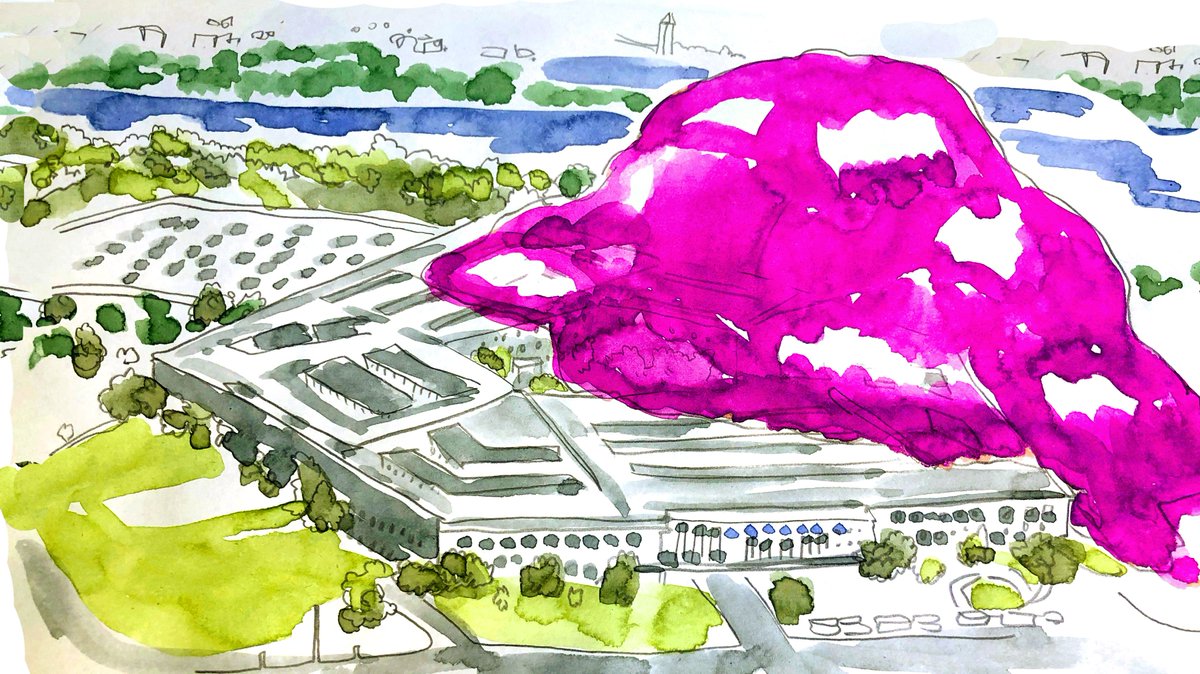
Ep 457The D.C. Foreign Policy "Blob" and Its Discontents w/ Doug Bandow
On this edition of Parallax Views, President Barack Obama's Deputy National Security Advisor famously to Washington D.C.'s bipartisan foreign policy consensus as the "the Blob". For critics and skeptics of the dominant beltway views of U.S. foreign polciy today, this description has proven apt. The D.C. foreign policy "Blob", critics argue, has entangled the U.S. in a quagmire of "Forever Wars" in countries like Iraq and Afghanistan that have been a net negative for the U.S. and the world. Joining us to unpack the concept of the D.C. Blob, or Capitol Hill's bipartisan foreign policy consensus, is Doug Bandow, a former Special Assistant to President Ronald Reagan, Senior Fellow at the libertarian CATO Institute, regular contributor at Antiwar.Com, and staunch U.S. foreign policy critc. Initially this conversation was sparked by Doug's op-ed on infamous Iran/Contra participant and longtime beltway mainstay Elliot Abram's announcement of a new neoconservative, pro-interventionist/pro-war think tank called the Vandenberg Coalition. However, the conversation proves much broader in tone as we delve into issues related to foreign policy ideology in D.C., the announced U.S. withdrawal from Afghanistan after 20 years, American Exceptionalism, Robert Kagan's recent op-ed in Foreign Affairs chastising the American people for their lack of commitment to U.S. military adventurism, the problem of sanctions, elite attitudes in D.C. and the its disconnection from the broader population, Doug's view as a libertarian on U.S. foreign policy toward Venezuela, Charles Koch and the Quincy Institute, and much, much more.
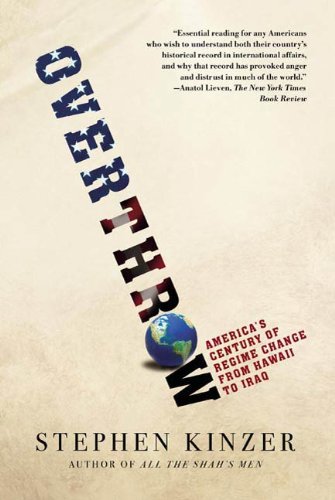
Ep 456U.S. Foreign Policy, Regime Change, and Afghanistan w/ Stephen Kinzer
On this edition of Parallax Views, what does President Joe Biden's decision to withdrawal troops from Afghanistan mean in the context of America's history with war and foreign intervention? Joining us to discuss this and the history of U.S. foreign policy in Afghanistan is the Watson Institute's Stephen Kinzer, author of Overthrow: America's Century of Regime Change from Hawaii to Iraq. This conversation was spurred on by Kinzer's April op-ed in the Boston Globe entitled "In Biden’s pledge to withdraw from Afghanistan, the prospect of turning an imperial tide". We begin by delving into the origins of how Stephen Kinzer developed his thinking on foreign policy, which in contrast to the D.C. consensus, emphasize restraint and skepticism towards the supposed effectiveness and benefits of imperial adventurism and foreign interventions. From there we delve into the origins of U.S. imperial ambitions and the American Exceptionalism that fuel those ambitions. In this regard Kinzer discusses an early intervention into the Philippines as well as detailing how the ethos of America's right to rule informs an understanding of historical that is to the detriment of learning history's lesson. From there we dive into the deep history of America's foreign intervention into Afghanistan following the events of September 11th, 2001. Kinzer notes how Afghanistan has fought foreign invaders many times over the course of centuries, and then takes us back to the overthrow of the Shah of Iran in 1979 and the Soviet-Afghan conflict of the Cold War. We go on to discuss the role of the CIA in the Soviet-Afghan conflict by way of its support of the mujahedeen and how this relates to the genesis of the Taliban. In this regard Kinzer responds to criticism that critics of U.S. foreign policy are "conspiracy theorists" who believe that the U.S. created jihadist militant organizations like al Qaeda. We also take some time to discuss how Operation Ajax, the covert operation that overthrew the democratically elected Prime Minister of Iran Mohammad Mossadegh in 1953, may also arguably create a domino effect of decades-spanning, far-reaching consequences that would eventually. Moreover, Kinzer discusses pushback against criticisms of the U.S. role in the growth of jihadist terrorism vis-à-vis accusations that such criticisms are based on conspiracy theories claiming that the United States directly created al Qaeda. In addition, Stephen Kinzer discusses the role of Saudi Arabia and Pakistan's ISI (intelligence services) in this area as well. We conclude the conversation by delving into the importance of Biden's statements concerning withdrawal and that Afghans must decide their future rather than Americans. Additionally, Kinzer discusses how we are moving towards a multipolar world and how a combination of foreign policy restraint and better domestic policies at home will actually benefit not only our national security but the well-being of ourselves and other countries more than continued foreign interventions. Moreover, Kinzer makes notes of how the American people, if not the beltway itself, are now embracing a more restrained vision of America's role in the world that stands in contrasts to D.C. stalwarts like Robert Kagan and Samantha Power

Ep 451Bill Gates, Intellectual Property, and the COVID Vaccine Supply Crisis w/ Alexander Zaitchik
EOn this edition of Parallax Views, Bill Gates has been the target of many a conspiracy theory in lieu of the COVID-19 pandemic and the COVID vaccine. But does this obscure other criticisms of Bill Gates in regards to the vaccine roll-out during the pandemic? Particularly, has Gates' adherence to intellectual property (IP) had negative impacts on the global vaccine roll-out, specifically in the global south? Journalist Alexander Zaitchik has written an extensive piece on this matter for The New Republic entitled "How Bill Gates Impeded Global Access to Covid Vaccines". Zaitchik joins us to discuss some of the main points of this important piece as well as discussing the broader history of intellectual property, problems with intellectual property, how Bill Gates' thinking on IP and vaccines is a symptom of a problem rather than the problem itself, the Gates Foundation, the World Health Organization (WHO), the vaccine supply crisis globally, the role James Love of Knowledge Ecology International played in Zaitchik's piece, failures of the COVID ACT accelerator, early plans, ideas, and strategies for dealing with COVID-19 vs. how it has been handled since, pharmaceutical companies, public health vs. intellectual property, the libertarian/free trade critique of intellectual property-based patent systems, and much, much more. In reading Zaitchik's reporting one gets the impression that the poorest countries have suffered the most during the roll-out as compared to the richest countries. Is another way possible? Hopefully this conversation can give listeners a few ideas on that and related issues.
Ep 455The Havana Syndrome Controversy w/ Dr. Robert Bartholomew
On this edition of Parallax Views, the "Havana Syndrome" has been in the news since U.S. diplomats in Cuba described experiencing a strange sickness involving ringing inside the ear among other symptoms. Since the initial reports of the "Havana Syndrome" were reported the idea that it is the result of exotic weaponry, either a sonic weapon or microve-based directed energy weapon, being used by Cuba (potentially with the help of Russia or China, some believe) against U.S. officials. Now reports of the so-called "Havana Syndrome" have spread to the United States, including D.C. Mainstream U.S. news media has picked up on the story and now the United States government is conducting an investigation into these alleged attacks. Medical sociologist Dr. Robert Bartholomew, however, believes that this is all a mistake and that the alleged "Havana Syndrome" can better be explained by a stress-induced psychological illness rather than sonic weapons or microwave weapons. In his book Havana Syndrome: Mass Psychogenic Illness and the Real Story Behind the Embassy Mysery and Hysteria, co-authored with neurologist Dr. Robert Baloh, Dr. Batholomew makes the case that the "Havana Syndrome" is actually a case of mass psychogenic illness that has spread via rumor and innuedo. While the victims may experience very real symptoms, he says, the actual syndrome is unlikely to have been caused by sonic or directed energy weapons. Dr. Bartholomew joins us on this edition of the program to discuss his research into mass psychogenic illness, why he beleives the Havana syndrome is better explained by this phenomena, similar cases such as the Mad Gasser of Mattoon, blunders made by jounralists and the media as well as the government in dealing with the "Havana Syndrome" story, conspiracy theories, how the "Havana Syndrome" is taking valuable resources and time away from combating problems like global warming, why he believes Cuba would not attack U.S. diplomats with exotic weaponry, and much, much more.

Ep 454A Post-Derek Chauvin Verdict Conversation w/ Irami Osei-Frimpong
On this edition of Parallax Views, Officer Derek Chauvin has been found guilty in the murder of George Floyd. The death of Floyd led to a wave of protests and renewed interest in Black Lives Matter. Many are the verdict, but will it lead to deep, systemic, structural changes in American policing? Irami Osei-Frimpong aka the Funk Academic makes his third appearance on Parallax Views to discuss why he is skeptical that Chauvin's fate is a signal of deeper changes in American policing. Additionally, Irami and also discuss the issue of diversification of America's police force and why diversification alone may not be sufficient in truly changing the worst aspects of American policing. Moreover, Irami and I take some time to delve deeply into his criticisms of white feminism and why he believes it butts heads with the struggle for black self-determination. And finally, Irami and I chat about why "being basic" won't lead to a happy and meaningful life. And, with regards to meaning, Irami offers some advice that may prove more interesting to listeners than that of self-help gurus like Dr. Jordan Peterson.
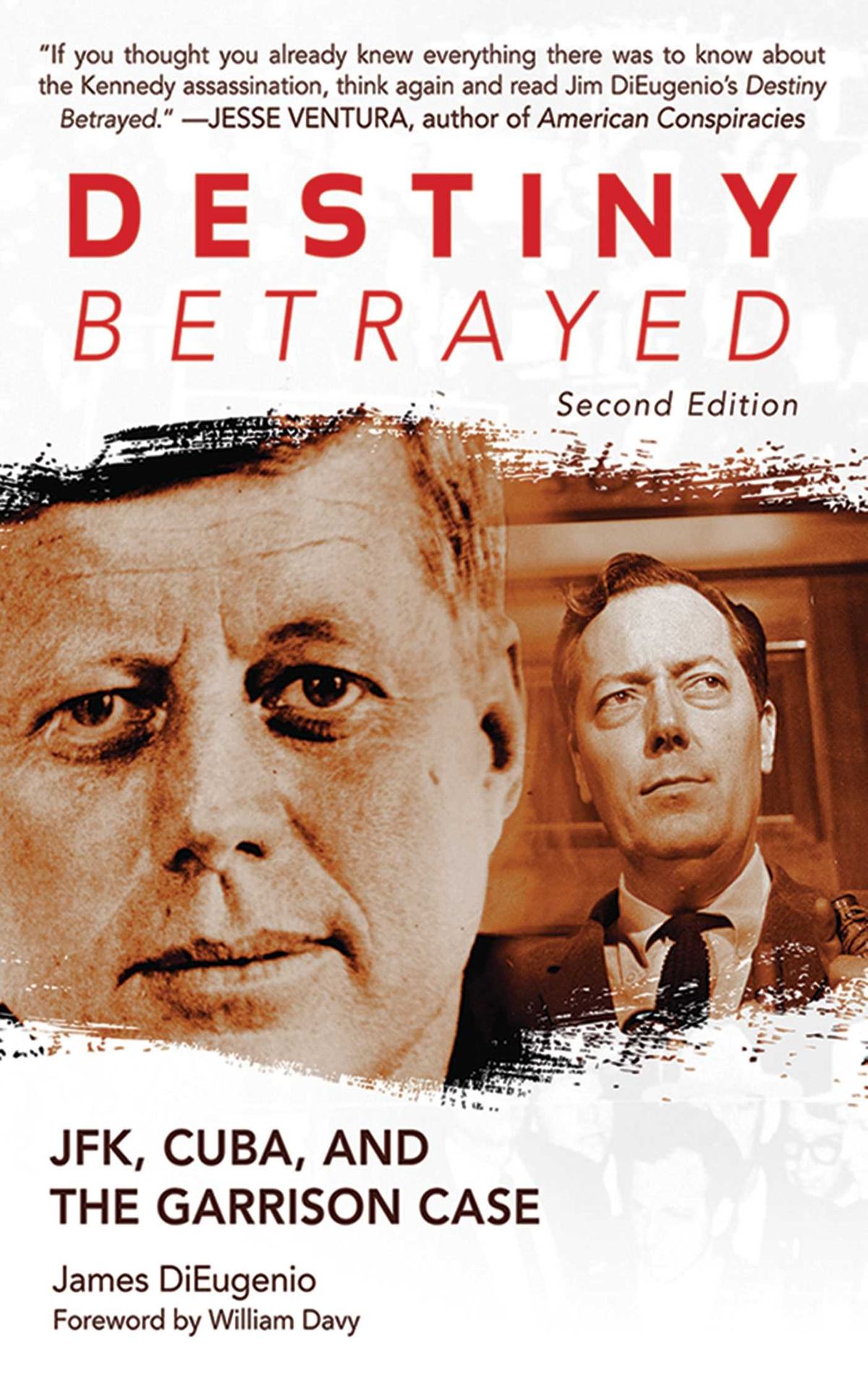
Ep 450The JFK Assassionation: On the Trail of Delusion?... Counterpoint w/ James DiEugenio
On this edition of Parallax Views, when I started this program I never considered doing an episode on the JFK assassination. That's because it's just a too much of a quagmire for me. I don't know enough about the assassination to really get into all the debates about Lee Harvey Oswald, Jim Garrison, whether there was a conspiracy or not, etc. But, I recently had Fred Litwin, a critic of those whom believe the assassination was the result of a conspiracy, contact me in the hopes of appearing on my program to discuss his book On the Trail of Delusion: Jim Garrison: The Great Accuser. I decided to oblige. I originally had wanted to do a debate, but that fell through. So instead I offer two interviews with very different perspectives on the assassination. James DiEugenio, author of Destiny Betrayed: JFK, CUBA, and the Garrison Case, offers the view that the assassination was the result of a broader plot and that the Warren Commision Report wasn't the final say on the case. Additionally, Jim makes the case for Jim Garrison and JFK's foreign policy with regards to Vietnam moving in a direction that was towards withdrawal.
Ep 449The JFK Assassination: On the Trail of Delusion? w/ Fred Litwin
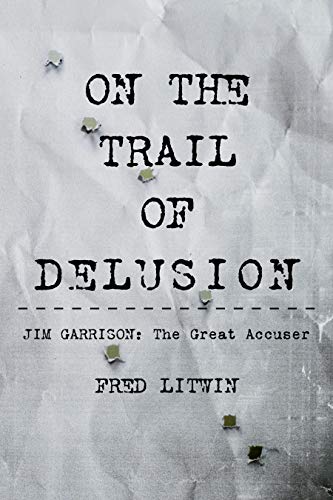
On this edition of Parallax Views, when I started this program I never considered doing an episode on the JFK assassination. That's because it's just a too much of a quagmire for me. I don't know enough about the assassination to really get into all the debates about Lee Harvey Oswald, Jim Garrison, whether there was a conspiracy or not, etc. But, I recently had Fred Litwin, a critic of those whom believe the assassination was the result of a conspiracy, contact me in the hopes of appearing on my program to discuss his book On the Trail of Delusion: Jim Garrison: The Great Accuser. I decided to oblige. I originally had wanted to do a debate, but that fell through. So instead I offer two interviews with very different perspective on the assassination. Fred Litwin offers the views that the assassination was not a conspiracy theory and specifically that New Orleans District Attorney Jim Garrison was a paranoid populist who targeted an innocent man in his pursuit of Clay Shaw.
Ep 448SDNY Court Cases: Guo Wengwui, Ghislaine Maxwell, & Michael Avenatti w/ Matthew Russell Lee
On this edition of Parallax Views, there's always a number of interesting cases happening at the United States District Court for the Southern District of New York. For example, right now cases involving billionaire Chinese exile and Steve Bannon associate Guo Wengui, attorney Michael Avenatti (who represented adult film star Stormy Daniels against President Donald Trump), and, of course, Jeffrey Epstein associate Ghislaine Maxwell. Joining us for what was a rather impromptu conversation is Matthew Russell Lee of Inner City Press. Matthew has covered the United Nations (UN), the International Monetary Fund (IMF), Wall Street, and the Federal Reserve, but has recently been focusing his attention on SDNY court cases. In this brief but informative interview Matthew gives us details on the SDNY cases pertaining to Guo Wengui, Michael Avenatti, and Ghislaine Maxwell.