Parallax Views w/ J.G. Michael
1,045 episodes — Page 13 of 21

Ep 549Revisiting the Siege at Ruby Ridge w/ Freddie DeBoer & C. Derick Varn
EOn this edition of Parallax Views, long-time friend of the show C. Derick Varn and gadfly Freddie DeBoer join us to revisit the siege of Ruby Ridge. In 1992 federal agents had a stand-off with a radical, right-wing, Christian anti-government Weaver family. The patriarch from the family was charged with illegally modifying a firearm. Arguably, however, this would not have happened without federal official urging him to do so in what many would say was a case of entrapment. The 11 day stand off ended in the death of Randy Weaver's wife Vicki Weaver, 14-year old son Sammy Weaver, and the Weaver family's dog Striker as well as a U.S. Marshall. The story involved agencies like the FBI, ATF, and others and would serve to further radicalize the along with the Waco incident involving the death of the Branch Davidians led by David Koresh. What followed in the events of the incident was a trial. Additionally, Waco and Ruby Ridge likely were the "powder keg" so to speak that would inspire Timothy McVeigh and the Oklahoma City Bombing. Should federal agencies be held to any account for the events of the siege? What to make of the admittedly extremist nature of the Weaver clan? Freddie and Derick discuss all of this with me and attempt to unpack the case while also commenting on issues like blowback, the relevance of the Weaver case today, civil liberties, the apocalyptic mindset of the Weaver family at the time and their religious motivations, escalation vs. de-escalation, the role of "macho" interpersonal relations and state sanctioned violence in these incidents, the Waco mini-series starring Michael Shannon, whether Randy Weaver a white supremacist, whether highlighting Ruby Ridge is an example of privilege white privilege, not glamorizing the Weavers while discussing this case, the Jan. 6. riots, the personality type attracted to policing, COINTEPRO operations, Col. Bo Gritz role in the Ruby Ridge stand-off and its de-escalation, the figure of Kevin Harris and his role in Ruby Ridge, Freddie's criticisms of the Ruby Ridge sniper and the orders he was given, the question of unconstitutional "Rules of Engagement", the use of lethal force by police and its expansion in the 1990s, domestic terrorism, the killing of George Floyd, the potential to accelerate a problem where trying to fight, the creation of right wing martyrs, the militia movement, the radicalization of the right and QAnon as a quasi-religious movement, moral simplicity in American political discourse, the Central Park birdwatching incident involving Amy Cooper and Christian Cooper (no relation), the militarization of police, consumption as a bad substitute for political identity and the feeling of political powerlessness in America today, the cancel culture debate and boycotts, structural problems vs. individual problems, the effects of capitalist atomization, intense tribalism, feeding one's political enemies to the National Security State, entrapment cases, the Michigan militia case and the kidnapping of Gov. Gretchen Whitmer, the Pennsylvania Dutch and Rod Dreher's The Benedict Option, and much, much more!

Ep 548Climate Change, Nation-States, and The Greatest National Security Threat w/ Anatol Lieven
On this edition of Parallax Views, we are hot off the 2021 United Nations Climate Change Conference aka COP26. Joining us in light of this is Prof. Anatol Lieven, a Senior Fellow at the Quincy Institute and a former academic at King's College in London. According to Lieven, in a new report he authored, climate change is our greatest national security threat. We discuss this and his book Climate Change and the Nation State: The Case for Nationalism (which, as you'll hear in the conversation in this episode I prefer the alternative British title of Climate Change and the Nation State: The Realist Case). In this conversation we discuss how Lieven became interested in climate change as someone who came out of security studies; civic nationalism and/or patriotism vs. ethno-nationalism, legitimate concerns over the concept and idea of nationalism, the need to reject ethno-nationalism, Lieven's critique of cultural individualism and Reagan/Thatcher-style politics, Lieven's criticism of power elites and especially Pentagon/military elites, Lieven's criticisms of how the Left approaches climate change and politics, unifying people in the fight against climate change, misconceptions about the Realist School of Foreign Policy in relation to issues like human rights and ethics, the potential of climate chaos to cause a refugee crisis, the need for international cooperation, the anarchic world system, migration and climate change, migration and radicalization of the right, the need to make individual sacrifices to combat climate crisis, why climate change is a bigger national security threat to the U.S. (and the world) than China, Teddy Roosevelt, the fossilization and atrophying of thought within the U.S. foreign policy "Blob" due to generational strangleholds, Lieven's support for the Green New Deal, mentioning the failings of the previous New Deal of FDR in terms of how it didn't necessarily help marginalized people in society enough, conservatism and environmentalism, why conservatives should be concerned about climate change and why it would fit within a broad definition of conservative thought and its intellectual tradition (also how supporting reform could fit into that tradition), the effect of climate change on the U.S. and Western nations already, how technological fixes are not enough in the near-term future, climate change as a threat multiplier, fights over water in places like Darfur, the capacity of climate change to cause food shortages (which in turn have historically caused revolutions, public unrest, and civil war), the need for a "new dispensation" as we saw under FDR, the need for social solidarity, the strains of American nationalism, at this current point only states can be pushed to introduce policies that will address climate change, the United Nations as a body of states, John Mearsheimer's The Great Tragedy of Power Politics, climate change may bring about the collapse of the nation state system, Lieven's belief that we cannot wait till the end of capitalism to deal with climate change, the need to reform capitalism at the very least, heatwaves and forest fires in the U.S., sea level rise and intensified storm and storm surged having the potential to causing damaging floods, comparing the U.S. national security elites of today to those of the Confucian elites in imperial China, the need to assess new threats rather than being unadopted to and blindsided by them, the problem of "residual elites" and their concern with "Great Power" threats, the worst offender in the world of climate change other than the Gulf states, the Glasgow summit and what it demonstrates, currently existing technological fixes for climate change aren't radical enough, the lessons of COP26 and the need for investments into new technologies, the need to invest in storage in relation to alternative energy, the need to research nuclear and fusion energy, carbon capture, tech is not a miracle cure, Biden's military spending and why Lieven views it as grotesque, America's radical individualism and the need for a renewal of civic duty, embittered cultural divisions and polarization being whipped up across the political spectrum, the U.S. neglect of Central America, Trump's hollowing out of the EPA and the threat of Trumpism to the American struggle against climate change, and much, much more. "Climate Change: The Greatest National Security Threat to the United States" by Anatol Lieven - Quincy Brief No. 18 10/25/21 "THE CLIMATE CRISIS IS OUR REAL CHALLENGE, NOT CHINA" by Anatol Lieven - InkStick 11/04/21 "Climate chaos: the global threat multiplier of our time" by Anatol Lieven - Responsible Statecraft 10/26/21 "Here's what world leaders agreed to — and what they didn't — at the U.N. climate summit" by Lauren Sommer - NPR 11/13/21 "Interview: Lawrence Wilkerson - A discussion of tensions in East Asia, and some possible solutions" by Emanuel Pastreich - The Diplomat 12/03/21 Anatol Lieven Discusses America Right or Wrong: An Anat

Ep 547U.S. MidEast Policy Was Never About Democracy w/ Juan Cole/A ‘Play‘ Cold War? w/ Mike Swanson
On this edition of Parallax Views, we have another double feature. First up, a 45 minute conversation with Juan Cole, proprietor of the Informed Comment blog and a noted commentator and scholar on the modern Middle East, unpacking a recent New York Times article by Max Fischer about a study indicating that U.S. allies are driving much of the world's democratic decline. In a recent piece for the Informed Comment blog, Prof. Cole argues that U.S. foreign policy, particularly in the Middle East, has never, in reality, about Democracy promotion and that the rise of authoritarian regimes allied to the U.S. like Saudi Arabia are the fruits born from a grand strategy that prioritized "oil, absolutism, and anti-communism" during the Cold War. In this regard we discuss the Iran coup of 1953 as well as the U.S.'s seeking to obtain cheap petroleum for European allies during the Cold War and how this relates to the relationship between countries like the U.S., Saudi Arabia, and Syria. We also delve rather deeply into other issues that informed this period in the history of U.S. foreign policy like distrust of Arab nations and specifically Arab Nationalism, President Dwight Eisenhower's "two-pronged approach" to dealing with anti-colonial movements, U.S. foreign policy and Egypt's Gamal Abdel Nasser, post-Cold War U.S. foreign policy and the recession of anti-communist concerns in that policy after the fall of the Soviet Union, the "War on Terror" and Islamic fundamentalism as the new enemy, Islamophobia and U.S. ally France's illiberal after the 2015 ISIL attacks in Paris, U.S. foreign policy depends on who the enemy is, examples of U.S. not supporting Democracy during the War on Terror, Egypt's Hosni Mubarak and the Arab Spring revolts in the Obama era, the military coup d'état in Egypt in the Obama years and U.S. aid, the Bush administration and the Iraq War, Saudi Arabia and oil, OPEC, the United Arab Emirates (UAE), gulf monarchies and the coup in Tunisia, gas prices, Saudi Arabia and 9/11 (Juan has a different take than previous guests of the program), the death of Jamal Khashoggi and how it embarrasses the U.S., Biden as harder on Saudi Arabia in rhetoric but not in action, the Asia Pivot and the relationship between the U.S. and Saudi Arabia, thinking in Washington that the Middle East isn't a fruitful place to put much foreign policy focus on, electric cars as a death knell for the Saudi economy, U.S. and Saudi Arabia's relationship with Iran, and more! Then, Mike Swanson of Wall Street Window, and author of the book The War State and Why the Vietnam War (also, as a full disclosure, a sponsor of Parallax Views), to discuss a fascinating New York Times article on the Biden administration's posture towards China and Washington's concerns over hearing "echoes of the '50" when it comes to the question of a New Cold War. We also discuss National Security Advisor's emphatic comments about how we are in competition with China rather than a "New Cold War". Mike believes that Washington may be hoping for a "play" Cold War with China rather than a full-on Cold War. This would benefit certain political actors, due to China being an issue of bipartisan interest to many voters, and the military-industrial complex. Due to the nature of the global economy and the reliance the U.S. has on China and vice-versa, Mike believes a full-on New Cold War is unlikely. We also discuss the recent nuclear submarine deal involving the U.S., Australia, and England as well as the breakdown between communications between the U.S. and China during the Trump Presidency, Trump's trade war with China and China's confusion over it, the blockades against that the U.S. and U.S.S.R. launched against each other and why that is unlikely to happen between the U.S. and China, Philip Zelikow's CFR report seeking to foment a strategy to avoid a hot war with China, Col. Lawrence Wilkerson's comments about a Pentagon war game simulation involving Taiwan and China, Biden walking back comments about being willing to commit troops to support Taiwan if necessary, the use of the term "industrial policy" in the NYT article, keeping tensions afloat while avoiding a full-on Cold War and how that would benefit the military-industrial complex, the War on Terror and the Asia Pivot, the risks of escalation and tension with China, the arms race, concern over a future nuclear arms race, and more in this brisk 25-minute conversation with Mike Swanson. "Biden Administration Has Told China It Needs A Play Cold War, But Doesn’t Want A Real One" by Michael Swanson - Wall Street Window 11/19/21
Ep 546The History of U.S. Resistance to War Profiteering w/ Hunter DeRensis
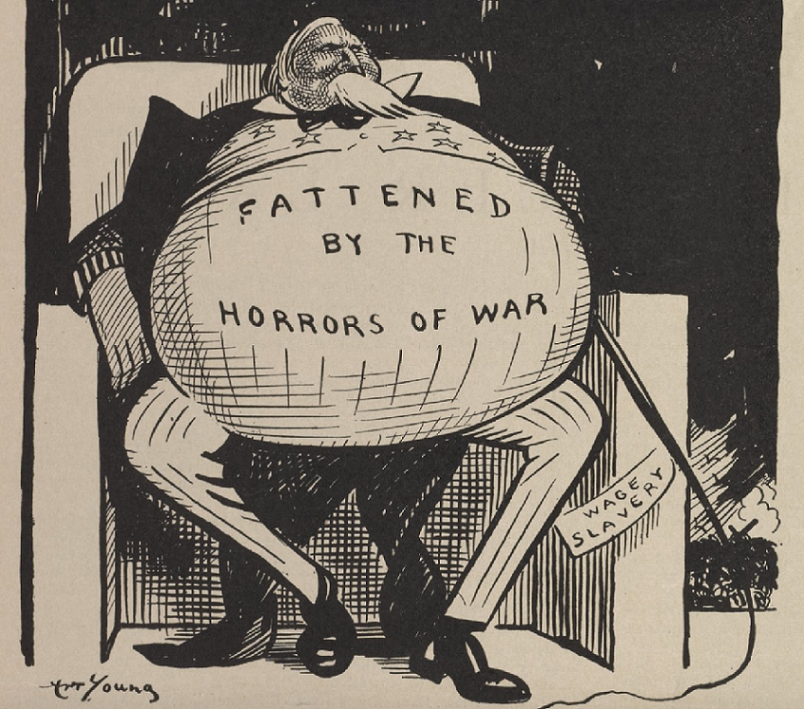
On this edition of Parallax Views, there's a rich and storied history of resistance to war profiteering in the United States of America. Joining us to unpack this overlooked history is Hunter DeRensis, communications director for BringOurTroopsHome.US and author of the recent article "Merchants Of Death: From the Nye Committee to Joe Kent, the fight against war profiteering is a constant struggle". in The American Conservative. We begin by discussing the impetus behind writing the article, namely Hunter's interest in public perception of the military-industrial complex. In contrast to today, where military-industrial complex is used as a non-loaded off-hand to refer to companies like Lockheed Martin and Raytheon, Hunter says that a century ago there was a broad public resistance to and skepticism of the military-industrial complex and, more specifically, war profiteering. We then delve into the history of this public resistance going back to the Progressive Era and WWI. In this regard we discuss JP Morgan, then the largest investment bank in the world and often referred to in those days as "The House of Morgan", and DuPont in relation to war profiteering in the WWI era. Additionally we discuss the use of taxation against war profiteers and figures who led the charge against war profiteering like the politicians William Jennings Bryan, George Norris, Robert LaFollette, Gerald Nye, and Hiram Johnson. Later on in the conversation we discuss the bestselling 1930s book Merchants of War that sought to expose war profiteering, left and right opposition to war profiteering, the Nye Commitee investigation into war profiteering, Theodore Roosevelt and war hawks, Smedley Butler and War is a Rocket, historian Charles Austin Beard, the costs of WWI, the near universality of sentiment against war profiteering in the interwar period, the early feminist and suffragist movements connection to the pacifist and antiwar movements in the early 20th century, Hunter's involvement with BringOurTroopsHome.US and the fact that many veterans oppose U.S. nation-building war today, the profits made by Eugene G. Grace of the Bethlehem Steel Corporation off war, the extent and scope of the Nye Committee, American nationalism, the attacks on Gerald Nye by figures like Sen. Tom Connally and Sen. Carter Glass, war profiteers funding both sides of conflicts, secret treaties involving Woodrow Wilson and WWI, the Appropriations Commitee and the shutdown of the Nye Commitee, why the Nye Committee fell short of its ultimate goals, arms manufactures post-WWI and the rise of the military-industrial complex, the post-WWII permanent war economy, why libertarians should oppose the military-industrial complex, the impact and legacy of the Nye Commitee, Dan Crenshaw and Tom Cotton not being representative of the supermajority of veterans' views on U.S. wars and foreign policy, and more!
Ep 545Vulture Capitalism & The Hijacking of America‘s Pandemic Response w/ Nina Burleigh
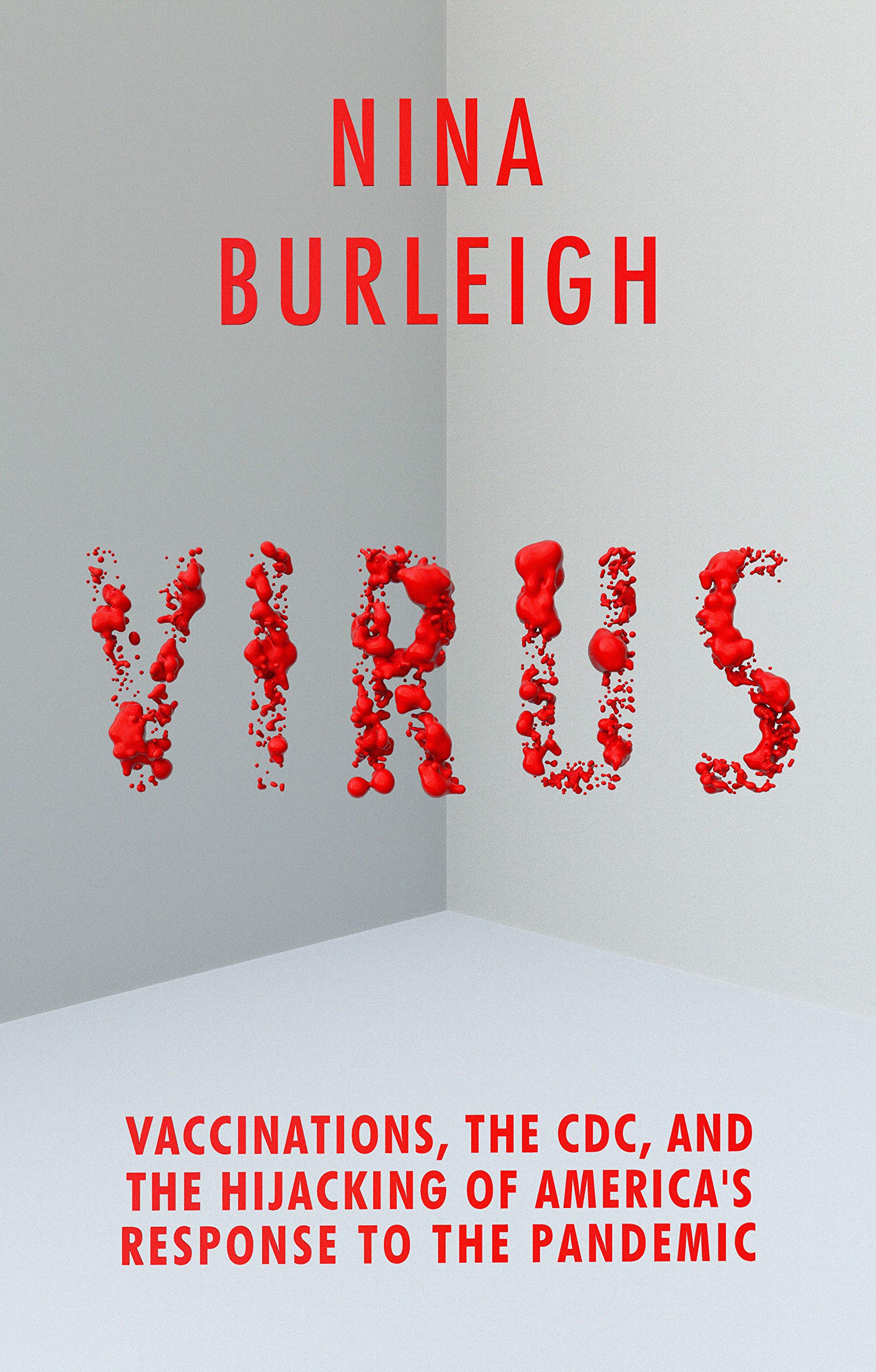
On this edition of Parallax Views, long-time journalist Nina Burleigh joins Parallax Views to discuss her latest book Virus: Vaccinations, the CDC, and the Hijacking of America's Response to the Pandemic. We begin by discussing Nina's previous work on such stories as the Mary Meyers case (which some connect to JFK conspiracies) and biblical archaeology in Israel. Nina explains the connective tissue behind her various writings and how it relates to issues like fake news. Then we delve into the pandemic and how the story of it has parallels to the fiasco of the Iraq War and the 2008 financial crisis. Nina then lays out the achievement of the mRNA vaccine used to treat COVID before we delve more deeply into the issue of pandemic profiteering and the Trump administration's handling of the pandemic. We talk Jared Kushner, Steve Bannon, scam artists, Jerome Corsi, right-wing disinformation, vulture capitalism and how the Trump era was what Nina calls the "MBA Ideology" on steroids, the Council for National Policy and its relationship to the astro-turfed America's Frontline Doctors and Dr. Simone Gold, anti-vaccination sentiment amongst non-right wing elements of society, the definition of freedom in American culture, the Michigan militia case, surveillance capitalism, whether Trump's base is actually working class, inquiries into pandemic profiteering, the dark science of the Cold War, the spread of conspiracy theories in a digital age, and much, much more!

Ep 542Supply Chain Crisis & Global Capitalism w/ William I. Robinson/Pegasus Spyware Used to Target Palestinian Activists w/ Kevin Gosztola
On this edition of Parallax Views, we have a double feature. First up, returning guest William I. Robinson, a noted sociologist and author of such books as The Global Police State and the upcoming Global Civil War: Capitalism Post-Pandemic, joins us to discuss his Truthout article "The COVID Supply Chain Breakdown Can Be Traced to Capitalist Globalization". We also discuss "The Fourth Industrial Revolution", the transnational capitalist class, crisis as endemic to capitalism, the origins of global capitalism, skyrocketing rates of inequality globally, surveillance technology and the transnational capitalist class, and more in this short-but-informative conversation with a leading theorist of global capitalism and its crises. "Post-COVID Economy May Have More Robots, Fewer Jobs and Intensified Surveillance" by William I. Robinson - Truthout 06/17/20 Then... the private Israeli firm NSO Group became the subject of much public scrutiny in the past year after 17 media outlets came together to expose how its spyware, Pegasus, was being used around the world by the highest bidders to target activists, journalists, and dissidents. Now, it appears that the software has been used to target Palestinian human rights organizers. Additionally, it seems that these human rights defenders were declared "terrorists" after the discovery of their being targeted with the Pegasus spyware in what appears to be an "attempt at preemptively withholding evidence of surveillance and covering up surreptitious spyware actions." Kevin Gosztola of Shadowproof and The Dissenter joined Parallax Views to unpack this chilling story of surveillance capitalism and a "hacker-for-hire" company that's straight out of a cyberpunk dystopian nightmare wherein privacy rights are threatened in a massive way. Kevin also gives us an update on the case of Julian Assange and Wikileaks at the top of the conversation. Also discussed: - The chilling potential of Pegasus spyware to hack a phone's emails, microphone, camera, passwords, contacts, location data, and more - An Obama administration official's connection to the NSO Group/Pegasus spyware story - The BlueWolf app, facial recognition tech, and the targeting of Palestinians - Front Line Defenders, Amnesty International's Security Lab, Citizen Lab, and the use of Pegasus against Palestinian human rights activists - The Israeli government and NSO Group - Facebook/Meta's lawsuit against NSO Group; NSO Group and WhatsApp - Benny Gantz and the labelling of the Pegasus-targeted Palestinian human rights organizations as "terrorists" "Israel Slapped 'Terrorist' Label On Palestinian Human Rights Groups After They Uncovered Pegasus Spyware" by Kevin Gosztola - The Dissenter 11/08/21 "US 'Power Brokers' Benefited From Defending Israeli Spyware Maker" by Kevin Gosztola - The Dissenter 07/19/21 "Meet Blue Wolf, the app Israel uses to spy on Palestinians in the occupied West Bank" by Mustafa Abu Sneineh - Middle East Eye 11/09/21
Ep 544The War in Afghanistan is Not Over w/ Kyle Anzalone
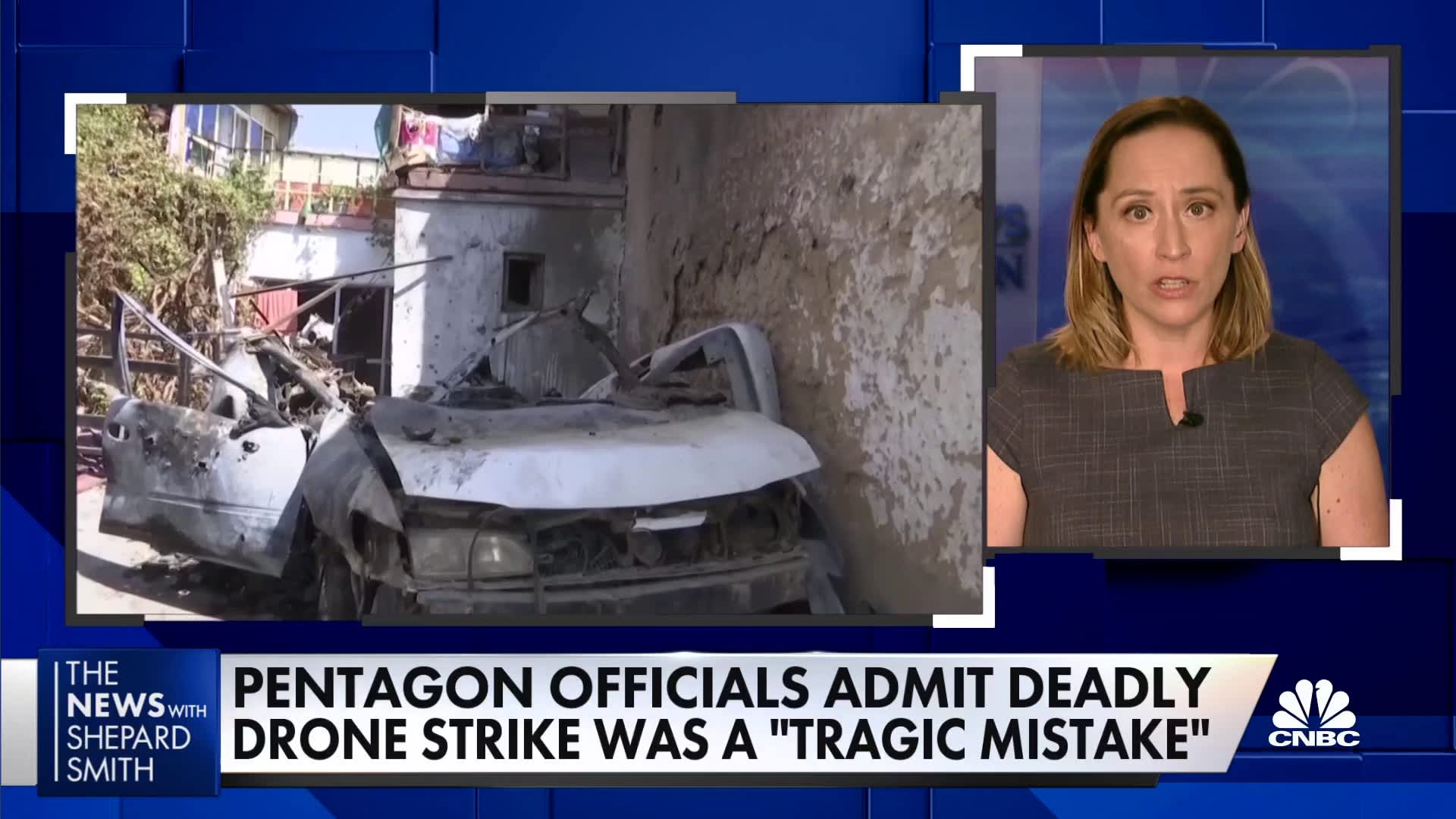
On this edition of Parallax Views, Kyle Anzalone, host of Conflicts of Interest at The Libertarian Institute, joins us to discuss Afghanistan and the problems it is facing from U.S. freezes on assets and sanctions as well as ISIS-K. We also discuss the Pentagon's investigation in a deadly drone strike that killed civilians in Afghanistan. No one, as of the current moment, is being held accountable and the incident has been described as a "tragic mistake". However, as it turns out, this is not the only time such self-investigations have led to little systemic change in regards to drone strikes and airstrike that have harmed civilians. In this regard, we discuss the story of a 2019 airstrike on Syria that led to civilian casualties that has received renewed attention and criticism as of late. Kyle and I also talk about the issues with asset freezes on and sanctions against Afghanistan that are arguably a form of economic warfare and hurting Afghan civilians in a time of food insecurity and a broken infrastructure in Afghanistan. Other issues discussed include: - Family separation of Afghan refugees; the U.S. military losing an Afghan baby during the evacuation - Afghanistan's long winter; the U.S. withholding $9 billion dollars in assets from Afghanistan - Journalist Anne Applebaum's recent defense of U.S. foreign policy Blob talking points in The Atlantic - The New York Times seems to think that the wars are over - Data shows U.S. allies contributing to decline of democracy worldwide, says New York Times; Pakistan funding of the Taliban; Saudi Arabia as a destabilizing force in the Middle East - Attempts to isolate countries like Afghanistan and Iran through sanctions; Russia and China - And more!
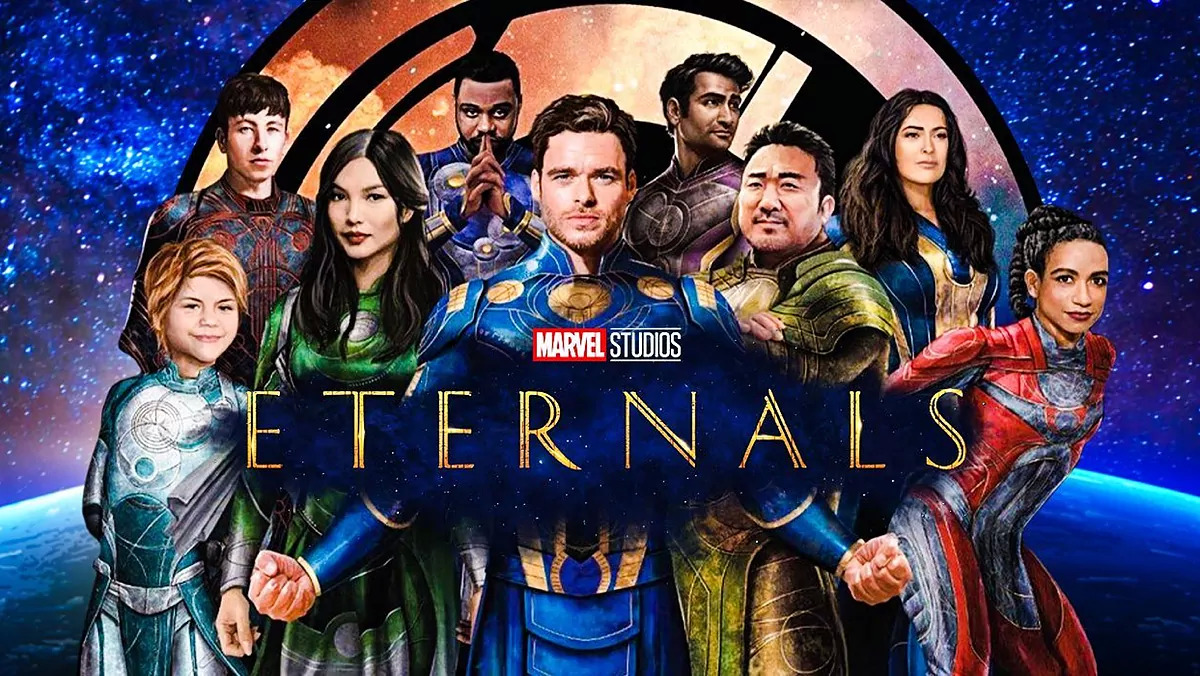
Ep 543Marvel‘s The Eternals & the History of Hollywood‘s Pentagon Ties w/ David Saveliev
EOn this edition of Parallax Views, the new hit Marvel Studios movie The Eternals has garnered criticism for its treatment of the atomic bombing of Hiroshima/Nagasaki during WWII. Additionally, it has raised the specter of the relationship Marvel Studios with the Pentagon and whether said relationship is ethical or unethical. In truth, its not just Marvel Studios though. Hollywood has a long relationship with the Pentagon dating back to the WWII era. David Saviliev, a contributor to Responsible State, the official publication of the Quincy Institute, joins me on this edition of the program to discuss the often underreported relationship between Hollywood and the military. We also manage to discuss the story of Marvel comics attempting to team up with the arms manufacture Northrupp Grumman and the relationship between Hollywood and the CIA when it came to the (arguably pro-torture) Katheryn Bigelow movie Zero Dark Thirty. Movies mentioned in this episode that were either supported or rejected by the Pentagon include Iron Man, Ridley Scott's Black Hawk Down, Captain Marvel, Independence Day: Resurgence, Michael Bay's Transformers movies, The Avengers, Clint Eastwood's Heartbreak Ridge, and Top Gun. We also discuss the China/Hollywood relationship, military involvement in Hollywood and recruitment agendas, the Pentagon's apparent dislike for movies where Will Smith dates a stripper, the Pentagon's definition of "accurate portrayals" of itself in films including anything that is critical or negative being "inaccurate", Captain Marvel and the Air Force's recruitment campaign, taxpayer dollars and the Hollywood/Pentagon relationship, how Pentagon involvement with Hollywood cuts down on movie production costs, Pentagon approval of screenplays, David Robb's Operation Hollywood (a notable book spotlighting Hollywood's military ties), and more! "New Marvel film puts spotlight on Hollywood’s military ties" by David Saviliev - Responsible Statecraft 11/05/21 Check out our sponsor Christopher Bell's new short film Trammell at https://slamdance.com/watch/trammel/ or https://www.youtube.com/user/slamd
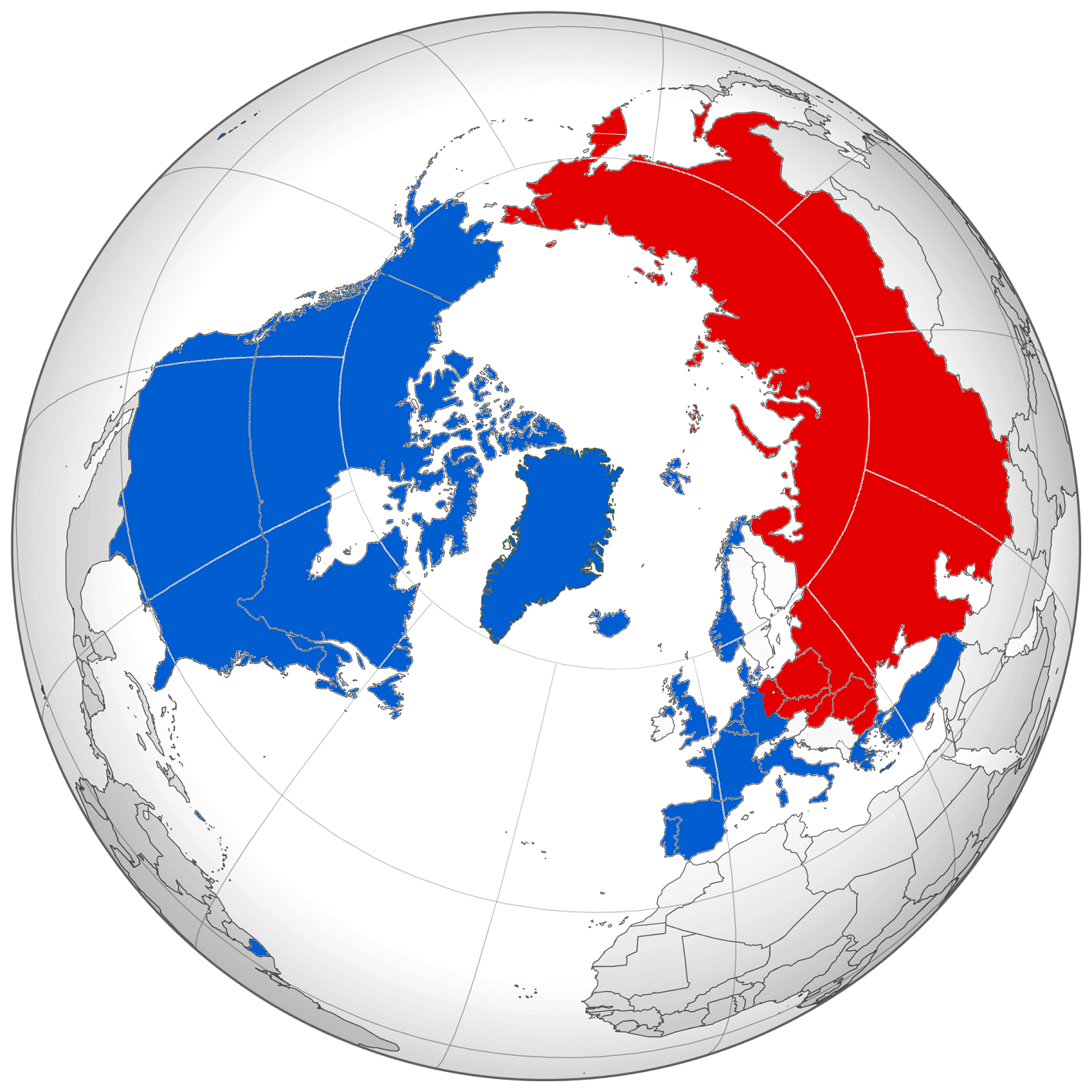
Ep 541The 2nd Cold War and Shifting Alliances in the Emerging Multipolar World w/ Ted Snider
On this edition of Parallax Views, we're delving into the shifting political alliances that seem to be emerging as we enter what may be a Second Cold War and an emerging multipolar world. To do this we're joined by Ted Snider, a fascinating geopolitical analyst and regular contributor to Antiwar.Com. We begin the conversation by parsing out the debate over the terms "New Cold War" and "Second Cold War" in the 21st century. The idea of the Second Cold War refers to rising tensions between the U.S. and its allies against Russia and China. In large part it deals with the possibility of a Russia-China partnership that would change the American-led unipolar order. We discuss some of the history between the U.S. and China and the U.S. and Putin's Russia in the aftermath of the 20th century Cold War. In this regard, we delve into the issues of NATO and NATO expansion in relation to growing rifts between the U.S. and Russia after the collapse of the Soviet Union. From there we then turn our attention to Ted's recent analysis of subtle moves made by Saudi Arabia that may signal Saudi's rulers planning for major geopolitical shifts in the future. Specifically, we delve into what may be significant changes in the relationship between Iran and Saudi Arabia and what it may mean in regards to the Kingdom's relationship with the U.S. and Israel. Additionally, Ted and I also dig into China's Shanghai Cooperative Organization and Saudi Arabia's involvement with it. Ted and I delineate between regional and global geopolitical moves being made by Saudi Arabia at the moment. After that we discuss Joe Biden's foreign policy one year into his Presidency and the failure of the U.S. to renegotiate the JCPOA deal with Iran. In this regard, Ted comments on Ebrahim Raisi, hardliners, neocon Elliot Abrams cheering on Raisi's victory, viewing the Iran deal through the eyes of an Iranian leadership that was betrayed by Donald Trump after the initial deal was made with Barack Obama, the potential for Iran to find an escape from the "squeeze" of the U.S. by sidling up to China and Russia, the problems with sanctions against Iran, and how U.S. policy towards Iran may be accelerating the emergence of a multipolar world in which a Russia-China partnership challenges the U.S.-led unipolar world order. Before wrapping up we delve into the Russia-China partnership and whether a military partnership is emerging out of it, why it may be a partnership rather than an alliance. Also, we briefly touch upon Biden's foreign policy as it relates to Latin America and Israel/Palestine, the lack of diplomacy and using the diplomatic toolbox in U.S. foreign policy, how short-sightedness endangers national security and world security, the foreign policy "Blob", the Afghanistan withdrawal, and more! "Electing Biden: One Year Later" by Ted Snider - November 11, 2021 (Antiwar.Com) "Saudi Arabia: Shifting Alliances?" by Ted Snider - November 05, 2021 (Antiwar.Com) "The Iran Nuclear Deal: The US Is Losing Patience; Iran Is Not" by Ted Snider - October 29, 2021 (Antiwar.Com) "Sanctioning Yourself in the Foot" by Ted Snider - October 24, 2021 (Antiwar.Com) "If It’s Not a Cold War, Why Does It Look So Much Like a Cold War?" by Ted Snider - October 14, 2021 (Antiwar.Com) "Is the Russia-China strategic partnership turning into a military one?" by Ted Snider - November 4, 2021 (Responsible Statecraft) Check out our sponsor Christopher Bell's new short film Trammell at https://slamdance.com/watch/trammel/ or https://www.youtube.com/user/slamdance

Ep 540Denying to the Grave: Why We Ignore the Science That Will Save Us w/ Sara and Jack Gorman
On this edition of Parallax Views, with anti-vaccination sentiments and climate change denial being phenomena in society the issue of what's been dubbed science denial has become a hot, relevant topic. Joining us to discuss this issue in ways that are empathetic, thoughtful, and nuanced are Jack M. Gorman and Sara E. Gorman, authors of Denying to the Grave: Why We Ignore the Science That Will Save Us (formerly Denying to the Grave: Why We Ignore the Facts That Will Save Us; this is a 2nd edition that's revised and updated). It's a fascinating conversation that takes us in many different directions including: - A discussion of conspiracy theories and sorting out real conspiracies from fake ones - The role of charismatic leaders in science denial and the problem of cult-like thinking - What science is and isn't; science as a methodology - Separating scientific data from political debates and Jack's experiences with data around gun safety - How we're all prone to science denial whether we're right, left, conservative, liberal, socialist, Christian, or atheist - The cases of anti-vaccination physician Andrew Wakefield and Peter Duesberg, the molecular biologist who put forth the claim that HIV does not cause AIDs - Psychology and science denial - How to talk about science and the need for better science journalism - How trust in scientists is actually higher than we'd expect based on media reports about climate change denial and anti-vaxxers; public trust in science - Assault on scientific institutions - Healthy skepticism vs. denial - And much, much more Check out our sponsor Christopher Bell's new short film Trammell at https://slamdance.com/watch/trammel/ or https://www.youtube.com/user/slamdance

Ep 539Nixon, Watergate, and... The Texas Chainsaw Massacre? w/ Martin Harris
On this edition of Parallax Views, it's a Halloween hangover episode where politics and horror movies collide! Martin Harris, author of Leatherface vs. Tricky Dick: The Texas Chain Saw Massacre as Political Satire, joins me to examine filmmaker Tobe Hooper's 1974 cult classic The Texas Chain Saw Massacre in the context of the turbulent political scandal it was made in the midst of: Watergate and the fall of President Richard Milhouse Nixon. Believe it or not, Hooper himself made references to how his infamous film was influenced by the political climate of the 1970s. Much was going on when the film was being made. U.S. economic woes were increasing while gas shortages impacted the nation. The leftovers of the psychedelic 60s counterculture were wondering about in the aftermath of the Manson Family killings and Altamont. The Vietnam War was winding down but its effect on the American psyche was looming large. The rural/urban divide was growing. And Richard Nixon, with the help of his cronies like G. Gordon Liddy, plotted to break-in to the Democratic National Convention in what would become of the biggest scandal in American political history. Harris and I discuss all this and much more in this fascinating conversation that also delves into the parallels between Leatherface and Richard Nixon, the character of "The Old Man" (played by Jim Siedow) in The Texas Chain Saw Massacre, and Richard Nixon, Irving Kristol's "The Nightmare of Watergate" and the irrationality of Watergate, the dark comedy of The Texas Chain Saw Massacre, a historical overview of the Watergate scandal and the way it was experienced by Americans at the time, Gerald Ford's comments about Watergate as "our long national nightmare", Hunter S. Thompson's commentaries on Watergate and his invocation of the horrific and grotesque when writing about it, "Saturn in Retrograde" and the implications of the cosmic in The Texas Chain Saw Massacre, satires of the Nixon era as it was happening, the infamous White House "Saturday Night Massacre" under Nixon, the valence of Tobe Hooper and Kim Henkel's production company being called Vortex Inc., the circularity of both The Texas Chain Saw Massacre and Watergate wherein the "horror folds in on itself", the chilling opening of The Texas Chain Saw Massacre and the narration by John Larroquette, criminal discovery in Watergate and The Texas Chain Saw Massacre, the villains of The Texas Chain Saw Massacre as conspirators engaged in cover-ups of crimes, the character of "The Hitchhiker" (played by Edwin Neal), the Leatherface mask and the Nixon mask, Leatherface's formality of dress (ie: tie and suit), tensions between "old ways" and "new ways" and tradition vs. youth in The Texas Chain Saw Massacre, Nixon and the Southern Strategy, Tobe Hooper's experimental film Eggshells and its relationship to the 1960s counterculture, the power of the Presidency and draconian measures in the Nixon era, the rise of astrology and The Texas Chain Saw Massacre, political lies and the lie that The Texas Chain Saw Massacre was "based on a true story", the popularity of astrology in times of uncertainty and Nixon's relationship with astrologer Jeane Dixon, political allegory vs. political satire, satire as a means to comment on real life matters in indirect ways, and much, more! Check out our sponsor Christopher Bell's new short film Trammell at https://slamdance.com/watch/trammel/ or https://www.youtube.com/user/slamdance

Ep 538When We Are Human: Notes from the Age of Pandemics w/ John Zerzan
On this edition of Parallax Views, a previously unpublished with the controversial anarcho-primitivist philosopher John Zerzan from August 2020 about his new book When We Are Human: Notes from the Age of Pandemics (Feral House 2021). Zerzan argues that the root cause of social woes like alienation and neuroses, as well as domination and hierarchies, are the cause of agricultural and industrial civilizations. Moreover, he believes we are in the grips of a techno-madness that is spiritually anathema to being human. A critic of transhumanism, Zerzan believes in the extremely radical idea of anarcho-primitivism which posits a return to a hunter-gatherer lifestyle that he believes could in some ways be achieved through rewilding. In this conversation we discuss a number of his ideas, Noam Chomsky's criticism of anarcho-primitivism, transgender rights, Michel Houellebecq's Soubmission, Freud's Civilization and Its Discontents, the origins of John's activism in the days of the Vietnam War, John's critique of the Left, and much, much more.

Ep 537Science Denial: Why It Happens and What to Do About It w/ Gale Sinatra and Barbara Hofer
On this edition of Parallax Views, in the age of issues likes pandemics and climate change the subject of science has increasingly become divided along partisan political lines. We live in a moment where portions of the population are anti-vaccination or believe that climate change is a hoax. Science, it appears, has become a topic to avoid as taboo, much like politics and religion, in social interactions. And that has major implications for society. How did this all happen? And, perhaps more importantly, what can be done about it? Joining us to tackle those questions are psychologists Gale Sinatra and Barbara Hofer, authors of Science Denial: Why It Happens and What to Do About It. Among the topics broached during this conversation are: the importance of science communicators like Stephen Jay Gould, Gould's idea of the non-overlapping magisteria, the relationship between big tech algorithms and science denial, storytelling and finding ways to communicate with people who engage in science denial, skepticism vs. denial, the replication crisis, science as a social enterprise, cognitive psychology and science denial, and much, much more.

Ep 536Hollywood Special Make-Up Effects Magic & Mayhem! w/ Gary J. Tunnicliffe
On this edition of Parallax Views, we've got a monster-sized treat of an episode to help you get in the spirit of the spooky season as Halloween approaches. Have you ever wondered about the movie magic that's employed to make some of your favorite horror movies? What are the behind-the-scenes secrets of special effects (SFX) and make-up effects (MUFX) in such frightful franchises as HELLRAISER, HALLOWEEN, CANDYMAN, BLADE, MY BLOODY VALENTINE, FEAST, THE EXORCIST, PUMKPKINHEAD, and PIRANHA? Joining us to shed light on that is a legend of the special make-up effects world and a true maestro of the macabre: Gary J. Tunnicliffe. He's worked on all the above-named properties and much more designing iconic kills and monsters in a massive slew of cinematic scarefests over the years and has many stories to tell in this previously unpublished conversation that run over 2+ hours and, hopefully, is a fascinating, rollicking ride throughout. Gary and I discuss how he got into make-up effects, applying make-up effects on Doug Bradley to bring to life the character of Pinhead in the Hellraiser movies, the trials and tribulations of applying make-up to actors for hours at a time, creating the climatic effects for Stephen Dorff's demise in BLADE, a gross-out story from Gary's puppeteering work on PIRANHA 3DD, designing kills in movies like HALLOWEEN: THE CURSE OF MICHAEL MYERS (and being brought in for reshoots on already complete movies like the aforementioned film), CGI and deep fakes, designing creatures like PUMPKINHEAD and the cenobite Angelique in HELLRAISER: BLOODLINE, working for colorful producer Bob Weinstein at Dimension Films, the making of a grisly, gory kill in Patrick Lussier's MY BLOODY VALENTINE 3D, Gary's work on Renny Harlin's EXORCIST: THE BEGINNING, Gary's interpretation of Clive Barker's HELLRAISER, working with David Fincher on GONE GIRL, putting bees on actor Tony Todd in one of the CANDYMAN movies, and much, much more!
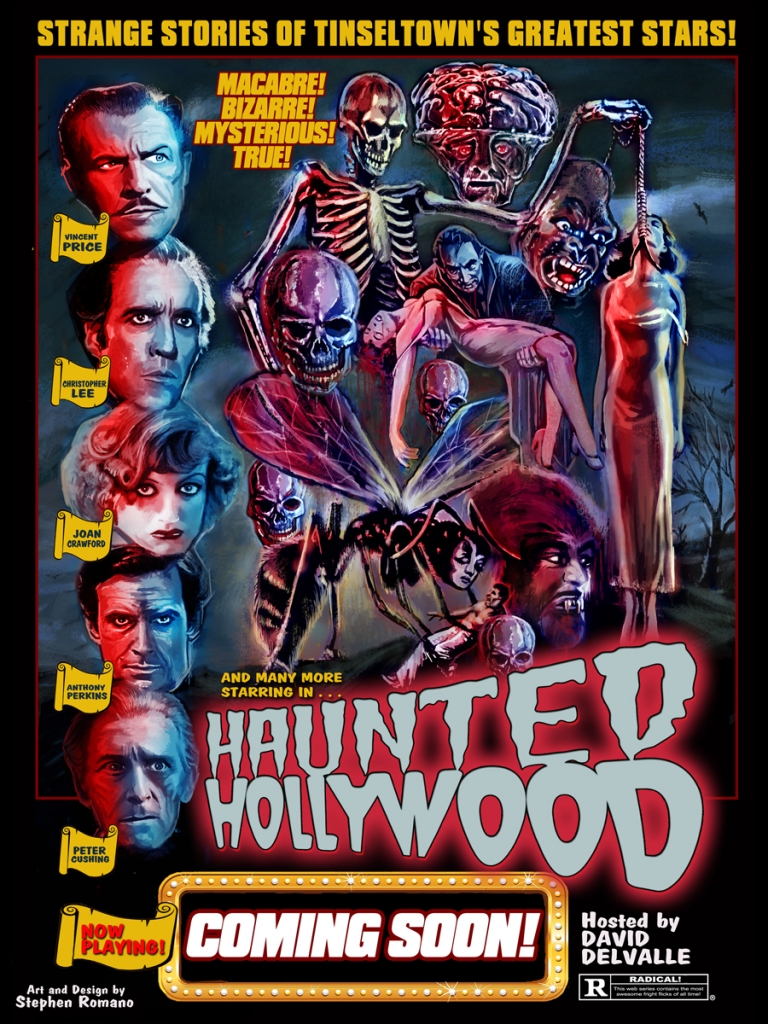
Ep 535Hollywood, Horror, and Movie Stars w/ Film Historian David Del Valle
On this edition of Parallax Views, we're preparing for Halloween w/ a number of episodes celebrating the spooky season! First up, the great film historian David Del Valle joins Parallax Views to discuss monsters, character actor, and the horror movies of Hollywood. We talk Orson Welles, Dracula actor Christopher Lee (and taking him to a gay disco), LGBTQ+ horror and vampires, the adolescent love of horror movies, the classic Universal Monster movies and the British Hammer Studio horrors of the 60s and 70s, the Dracula Society and the strange character of Donald A. Reed, TV horror hosts like Bob Wilkins of Creature Features, meeting Bud Abbot of the Abbot and Costello fame, becoming an agent to Hollywood stars, the Howling Vs. An American Werewolf in London, Lifetime movies, a story about Zelda Rubinstein (known for her role in POLTERGEIST), stories about Hervé Villechaize and Angelo Rossitto, working on the great 80s horror anthology FROM A WHISPER TO SCREAM starring Vincent Price, interviewing Vincent Price for THE SINISTER IMAGE, Donald Pleasance aka Dr. Loomis of the HALLOWEEN franchise, the late John Carradine (patriarch of the Carradine family), recording audio commentaries (and in particular his audio commentary with horror starlet Barbara Steele for SILENT SCREAM), how Hollywood actors get into debt, the classic Hollywood actor Cameron Mitchell a story about film noir actor Lawrence Tierney who gained late-in-life fame for RESERVOIR DOGS and his appearance SEINFELD, the gay horror/arthouse filmmaker Curtis Harrington and his love of outlaw female characters and Kenneth Anger of HOLLYWOOD BABYLON fame, the breast-loving independent filmmaker Russ Meyers (FASTER PUSSCAT KILL KILL!, BEYOND THE VALLEY OF THE DOLLS), the Ken Russell adage "Every Day is Halloween" in Hollywood,
Ep 534REPLAY: Undead Uprising: Haiti, Horror, and the Zombie Complex w/ John Cussans
EFor the penultimate episode of our Parallax Views Halloween series, John Cussans joins us to discuss his book Undead Uprising: Haiti, Horror, and the Zombie Complex. Believe it or not, the zombie wasn't always simply a figure of flesh-ripping, brain eating apocalyptical disease and undead horror. The zombie begins as a figure within Haitian folklore and Voodoo (Voudon) before eventually coming to Western pop culture. John argues that the zombie's migration to the West was underpinned by white Western fears of voodoo-fueled black slave uprisings in Haiti and has evolved from there. In addition, he makes the case that the myths of Haitian voodoo has been used, at least in terms of its imagery and cultural power, as a weapon of control by Western elements such as intelligence agencies (WWII black ops; see: Ian Fleming's Live and Let Die), journalists, white liberals who seek to "carebearize" the religion, and transgressive revolutionaries like George Bataille, etc. We delve into all these topics as well as the connection between mesmerism and the early zombie in pop culture, Wade Davis' The Serpent and the Rainbow and John's critique of it, thoughts on Frank Wilderson III and Afropessimism, conspiracy theories and Videodrome, the dictatorship of Papa Doc Duvalier, Western "ju ju journalism", Baron Samedi, the Bizango secret society, and much, much more.

Ep 533The Rise of Right-Wing Comedy w/ Nick Marx
On this edition of Parallax Views, the late night Fox News talk show Gutfeld! w/ right-wing comedian Greg Gutfeld recently managed to beat out its liberal competitor The Late Show w/ Stephen Colbert in ratings. For liberals and leftists, Gutfeld's "Owning the Libs" brand of humor may not be funny. But it has found an audience. He's not alone either, as similarly-styled comics like Steven Crowder have likewise gained an audience through offending liberal sensibilities. And then there's big name comedians like Dave Chappelle and Joe Rogan, who, although not necessarily explicitly right wing, have in recent years garnered by fierce critics and devoted fans by offending those aforementioned sensibilities. Such developments are a far-cry from a decade or so ago when many were touting psychological studies indicating that liberals liked to laugh whereas conservatives preferred to be outraged as a reason for why the political right hadn't produced its own version of The Daily Show's Jon Stewart, Samantha Bee, or John Oliver. As the growing popularity of Gutfeld! shows, however, that seems to have changed. Joining us to discuss the rise of right-wing comedy is Nick Marx, Associate Professor of Film and Media Studies at Colorado State University, and co-author (w/ Matt Sienkiewicz) of the upcoming book That's Not Funny: How the Right Makes Comedy Work for Them and the recent article "How conservative comic Greg Gutfeld overtook Stephen Colbert in ratings to become the most popular late-night TV host". In this conversation we delve into what Nick calls the right-wing comedy complex, how comedians like Tim Allen and Dennis Miller fit into it, the role audience fragmentation has played in the rise of explicitly right-wing comedy in the 21st century, why trying to argue that what comics like Greg Gutfeld are doing is "not comedy" does not stop the right-wing comedy complex, how the right-wing comedy complex papers over over factional divisions within the American conservative movement and unifies unifies them, right-wing comedy as a recruitment tool, troll and trolling culture, addressing psychological studies about liberalism and laughter, the changing nature of the media landscape and triumph of specialized niche entertainment, what has changed about the political comedy format in the past 20 years and the size of the audiences shows within that format could capture?, demographics (age, race, income levels, etc.) and the audience of right-wing comedy, "paleo-comedy", the figures within deeper recesses of the right-wing comedy complex like Gavin McInnes and Michael Malice, and more.
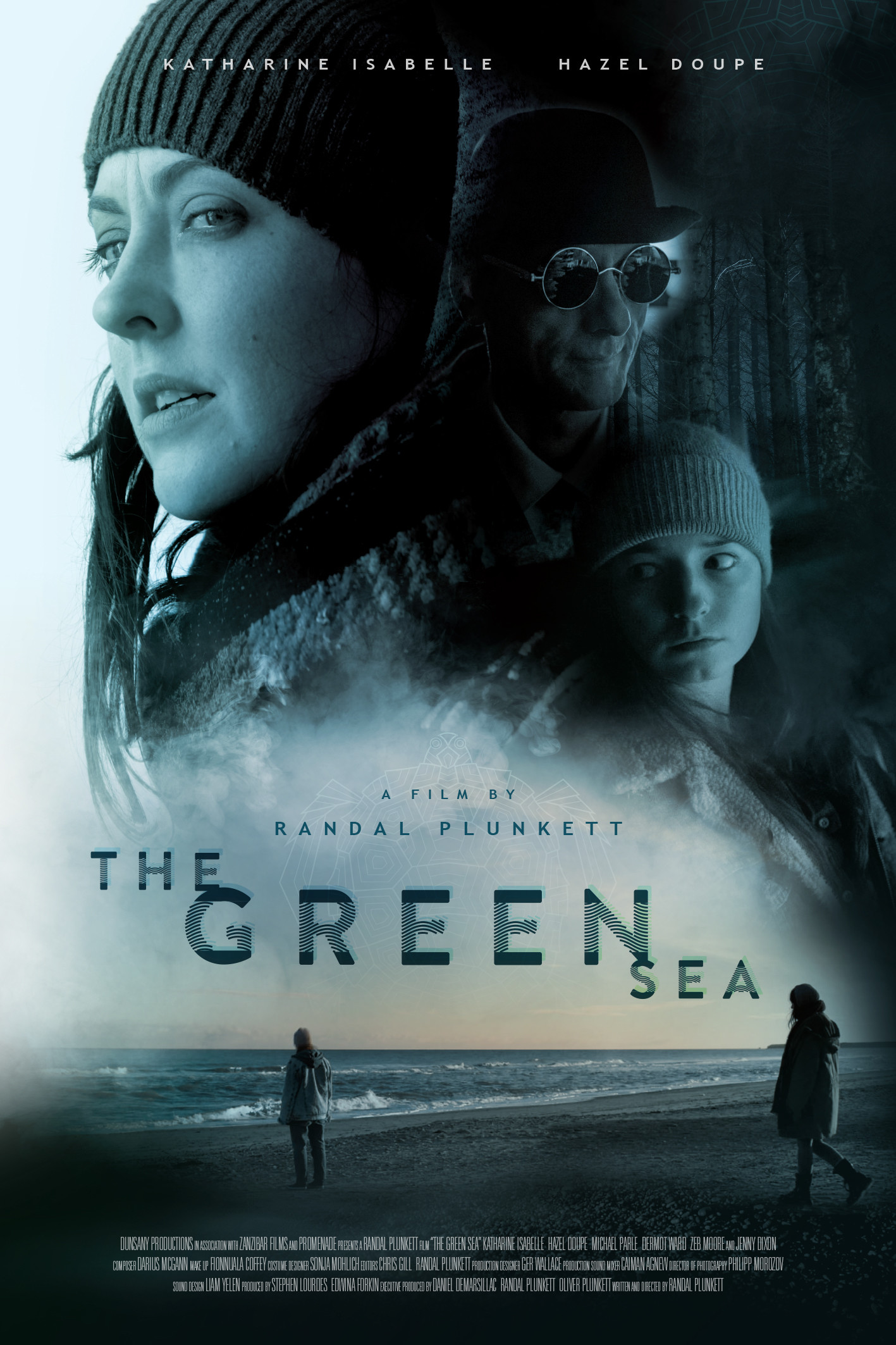
Ep 531Alienation, Mysteries, Imagination, and the Green Sea w/ Randal Plunkett, 21st Baron of Dunsany
On this edition of Parallax Views, a new movie called The Green Sea tells a story that combines straightforward drama with the magical realism reminiscent of authors like Haruki Murakami (Kafka on the Shore, Norwegian Wood) and elements of the kind of ghost stories bringing to mind M.R. James. Its writer and director has an interesting lineage, to say the least. Oliver Plunkett is the 21st Baron of Dunsany, one of the oldest continuously lived in estates in all of Ireland. He's the ancestor of the fantasy writer Lord Dunsany (aka Edward Plunkett, the 18th Baron of Dunsany), who influenced such authors as Cthulhu mythos creator H.P. Lovecraft and The Lord of the Rings author J.R.R. Tolkien. He's a noted fan of black metal and death metal, has directed numerous zombie and horror films, and environmentalist. In terms of the latter he has gained both praise and scorn for his notorious decision to rewild the Dunsany estate, turning it into the Dunsany Nature Preserve. With the recently released The Green Sea, Plunkett made his feature film debut as a director. And, as it turns out, the film has many deeply personal and even autobiographic elements in it that shed light on Plunkett's views on creativity, isolation, alienation, the mysteries of life, the importance of social relationships, finding solace in nature, regret and redemption, self-expression, and the power of the imagination. From the IMDB Plot summary for The Green Sea: Simone (Katharine Isabelle), an American writer living a solitary life in Irish countryside, is haunted by visions of her past which begin to intertwine with the fantasy world of the novel she is writing, blurring the lines between reality and the fantasy. Her life changes, when the protagonist of her book, known only as "Kid", played by up and coming Irish actress Hazel Doupe (Float Like A Butterfly), appears to her as a victim of a drunk driving incident that forces the pair together. This sets up the beginning of an unlikely relationship, ultimately setting off a chain of events that will force Simone to face her sinister past. Randal Plunkett joins us on this edition of Parallax Views to discuss this exciting new film that can only be described as a mysterious hybrid of genres. In addition, our conversation allows us to delve into the history of the Dunsany family estate, the musical genius of musicians Scott Conner of the infamous black metal and "doomgrass" one-man-bands Xasthur and Nocturnal Poisoning as well as Justin K. Broadrick of the industrial metal act Godflesh and the post-metal pioneers Jesu, the brilliance of The Green Sea's lead actress Katharine Isabelle (know for her title role in the innovative werewolf movie franchise Ginger Snaps as well as appearances in Freddy vs. Jason, American Mary, and hit TV shows like Hannibal and The Order among others), the rewilding of the Dunsany estate and the backlash it has caused against Randal, the difficulties of making an independent film that blends different genres, and The Green Sea's themes of alienation, the powers of the imagination, alienation, the mysteries inherent to life and consciousness, and how it all relates to Randal's own philosophy and experiences. All that and much more on this jam-packed nearly two hour long edition of Parallax Views.
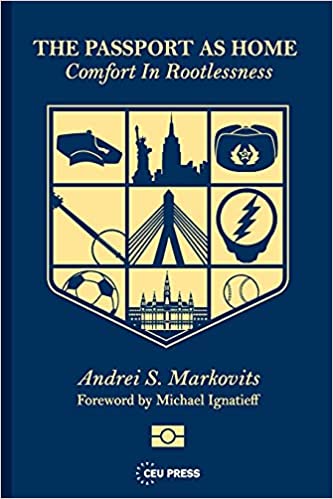
Ep 532The Passport as Home: Comfort in Rootlessness w/ Andrei Markovits
On this edition of Parallax Views, Andrei S. Markovits is an Arthur F. Thurnau Professor and the Karl W. Deutsch Collegiate Professor of Comparative Politics and German Studies at the University of Michigan. For some decades now he has written, with a scholarly verve, about issues such as globalization, antisemitism, soccer and politics, anti-Americanism in European culture, Left politics, and more. Now he's written a memoir entitled The Passport as Home: Comfort in Rootlessness. In said memoir, Andy Merkovits reflects on how being a marginal figure without a sense of rootedness to one culture has a freedom for him personally rather than a tragedy. The term "rootless cosmopolitan" has been used as an anti-semitic dogwhistle. But in The Passport as Home, Merkovits finds a positive value, at least for himself, in rootlessness and cosmopolitanism. This serves as the launching off point for our conversation as we delve into Andy's sense of rootlessness, his cosmopolitanism, his love for the abstract idea of America, and his complicated relationship with the Left. We also discuss Andy's love of the Rolling Stones and the Grateful Dead, his experience as a young Jewsih man seeing the Rolling Stones in Vienna (and his father's less-than-enthusiastic reaction to it), the generational divide between his generation and that of his father, the politics of 1968, the struggle against imperialism, Andy's first experience in America, his experiences in academia and specifically at Columbia University, an interesting experience Andy had with a member of the Students for a Democratic Society (SDS), the Club of Rome and its 1972 Limits of Growth Report (pivotal to questions related to climate change, global development, and environmentalism), the Green Left vs. Social Democrats and Communists in the 1970s, computational models and the debates within the global modeling world in the 1970s, remembering his colleague the political scientist Karl Deutsch, and an even an anecdote about Zbigniew Brzezinski!
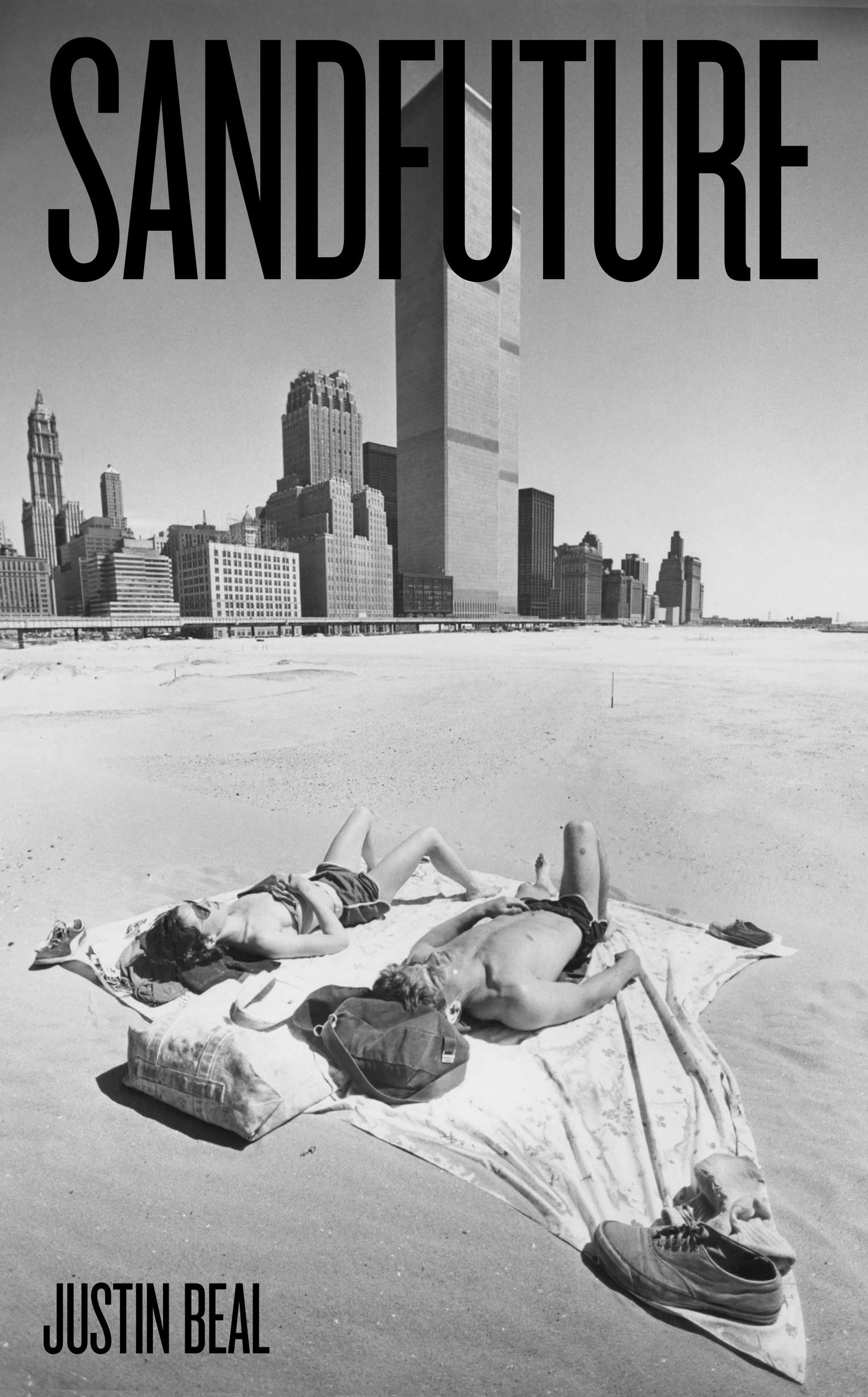
Ep 530Architecture, Illness, Inequity, & World Trade Center Designer Minoru Yamasaki w/ Justin Beal
On this edition of Parallax Views, in his new Sandfuture artist Justin Beal looks at the relationship between architecture, its history (and who it is written for), illness (both as actual malady and as metaphor), and inequity through an exploration of the life and times of World Trade Center designer Minoru Yamasaki. Yamasaki made many important contributions to architecture in the 20th century, and yet, according to Beal, remains somewhat obscure in architectural history. Finding this curious, Beal began delving more into the life and work of Yamasaki while also exploring his own relationship to art and architecture in the aftermath of Hurrican Sandy (an event which found Beal saving sculptures from ruin). In exploring the story of Minoru Yamasaki we also delve into issues such as how architecture contributes to the ways we think about matters like inequity and illness socially. Additionally, Beal and I discuss Yamasaki's humanist inclinations and how those inclinations played a role in his art work. Although popular with the public, many of Yamasaki's works were not necessarily in line with academic thinking on architecture. Particularly, Yamasaki's focus on the decorative, or what he called "visual delight", went against modernist dogmas within architecture. This opens us up for a discussion of Yamasaki, who considered himself modernist, and his relationship to the modernist movement. We also discuss the ways in which Yamasaki, like other artists, was interested in communicating something with all his work and the ways in which communicating through architecture is a particular challenge. Moreover, this allows us to discuss the issues of elitism in art and architecture. Among the other topics we discuss are sick building syndrome, formalism and its discontents, Yamasaki and the idea of architecture for the occupant, the role of migraines and stomach ulcers in Sandfuture, the book's ambiguous title of Sandfuture, thinking of the phenomena of the migraine as a spatial condition, Yamasaki's fear of heights and how it informs his relationship to the buildings he designed, architectural designs that create a sense of comfort, metaphors in architecture, the strangeness of architecture as a medium, architecture as a symbol (specifically in the case of the World Trade Center), Yamasaki's struggles against racism and xenophobia, changing one's perception of what the World Trade Center symbolizes when viewed through the lens of its designer, public health and architecture in light of COVID, permanence vs. the shifting sands of time, and much, much more!
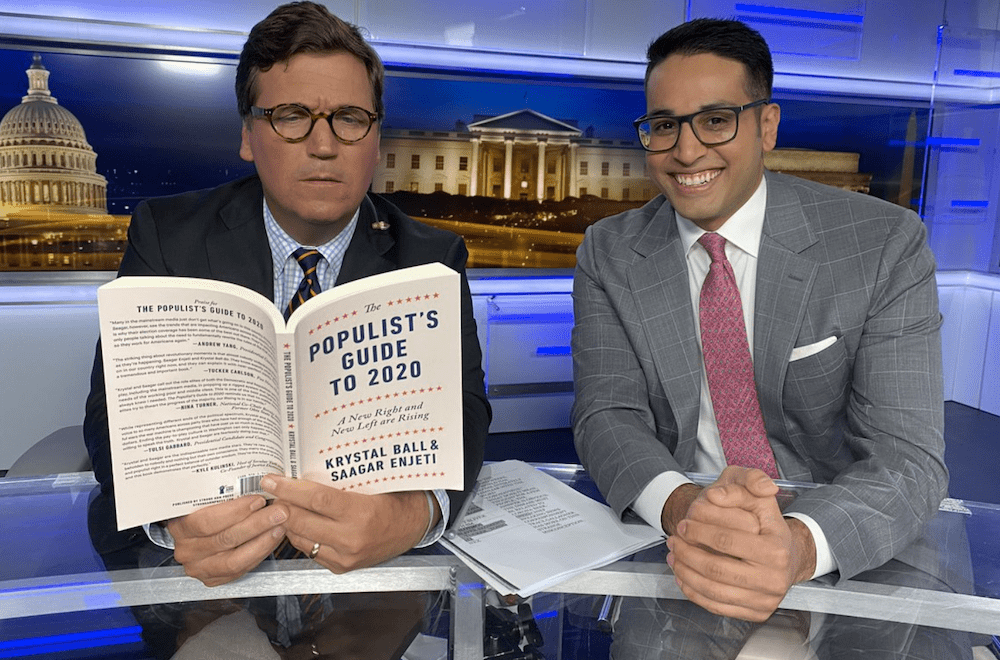
Ep 529Alt Media Hawks and Neocons in Populist Clothing? w/ Robbie Martin and Connor Freeman
On this edition of Parallax Views, are certain segments of alt media becoming hawkish geopolitically beyond the faltering "Forever Wars"? In other words, is there criticisms to be lobbed at alt media figures who may be becoming more hawkish geopolitically as we enter what appears to be a New Cold War on China? Robbie Martin of Media Roots Radio and Connor Freeman of The Libertarian Institute join me to chat about Saagar Enjeti (formerly of Rising on The Hill and now Breaking Point w/ his former Rising co-host Krystal Ball), Cold War 2.0 with China, and alt media hawks. We discuss the Asia Pivot, The Project for a New American Century's (PNAC) long shadow, "The Realignment", neocons in populist clothing, the New "Manufacturing Consent" for a War on China, has the comedy scene got the psyop treatment?, the Hudson Institute funded by military-industrial complex heavyweights like Northrop Grumman and Raytheon, the Institute for the Study of War, Robbie's belief that neocons have infiltrated the alt media left, the Committee on the Present Danger China, propaganda adapting to the new era of great power competition, Bari Weiss and the "Intellectual Dark Web", Tucker Carlson, Julian Assange, and much, much more.
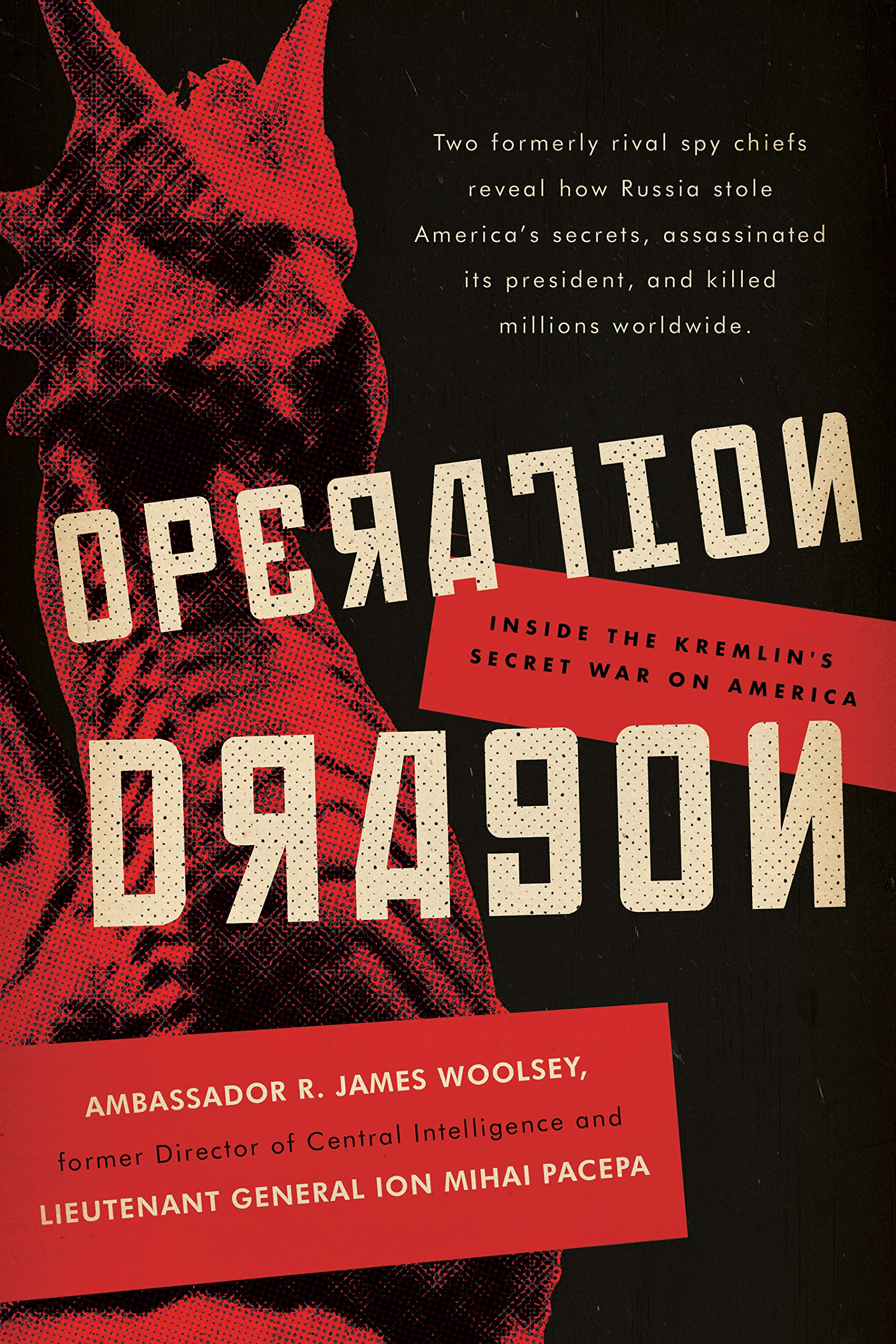
Ep 528James Woolsey‘s Operation Dragon & the Triumph of ”Crackpot Realism” in U.S. Foreign Policy w/ Jim DiEugenio
On this edition of Parallax Views, earlier this year a curious new book was published dealing with the assassination of John F. Kennedy. Co-written by R. James Woolsey, former Director of the CIA under President Bill Clinton from 1993 to 1995, and Ion Mihai Pacepa, a former Romanian spy and a noted, high-ranking Eastern Bloc defect during the Cold War, Operation Dragon: Inside the Kremlin's Secret War Against America argues that the JFK assassination was the result of a plot involving the Soviet Union's Nikita Khrushchev and Cuba's Fidel Castro. Lee Harvey Oswald, the book claims, was instructed by Khrushchev to kill President Kennedy. According to Woolsey and Pacepa, Khrushchev actually called off the plot for fear that it might be discovered and lead right back to him as one of the perpetrators. What Khrushchev did not count on, say Woolsey and Pacepa, is that Oswald would go rogue and carry out the assassination plot in spite of orders to the contrary. In other words, Operation Dragon alleges that President Kennedy's assassination was the result of nefarious Soviet treachery. Is Operation Dragon just another entry in dizzying array of theories positing an alternative to the Warren Commission Report's oft-contested findings concerning the fatal shooting of a sitting President of the United States in Dallas, TX on November 22nd, 1963? Perhaps. Then again, most books that challenge, in varying degrees, the official line on the Kennedy assassination aren't written by ex-CIA Directors. But the curiosity of the book's co-author, the aforementioned James Woolsey, penning a book dealing with the Kennedy assassination doesn't end with his status as the former highest-ranking official in the CIA. In addition to his tenure as DCIA, Woolsey served as U.S. Under Secretary of the Navy in the late 1970s and was involved in negotiations with the Soviet Union in the 1980s. In other words, he was in the thick of it, so to speak, during the Cold War. Most curiously of all, however, when it comes to Woolsey is his connections to the neoconservative foreign policy movement and his penchant for promoting various conspiratorial fears about foreign countries even prior to the publication of Operation Dragon. A member of the notoriously hawkish neocon think tank The Project for a New American Century (PNAC) before its dissolution in 2006, Woolsey has stoked fears that North Korea could use electromagnetic pulse (EMP) weapons against the United States and was also a notable proponent of the theory that al Qaeda and Saddam Hussein's Iraq were involved in the Oklahoma City Bombing. Since the publication of Operation Dragon, Woolsey has appeared on the right-wing outlet Newsmax to promote his theory about the Kennedy assassination. This, combined with his neoconservative inclinations and conspiratorial musings that align quite well with the bolstering of a hawkish, pro-war agenda, raises the question of Woolsey's political motivations in promoting what The Daily Beast has referred to as a "QAnon-style spin" on the Kennedy assassination. Joining us to pushback against Woolsey's JFK assassination theory and place it within the context of his hawkish neocon history is returning guest James DiEugenio, the leading figure behind the website Kennedys and King, writer for the upcoming Oliver Stone documentary JFK Revisited: Through the Looking Glass, and author of such books as Destiny Betrayed: JFK, Cuba, and the Garrison Case, Reclaiming Parkland: Tom Hanks, Vincent Bugliosi, and the JFK Assassination in the New Hollywood, and The JFK Assassination. DiEugenio argues that not only is Woolsey's Kennedy assassination theory wrong, but that it is representative of a certain brand of foreign policy thinking in Washington, D.C. that sociologist C. Wright Mills would refer to as "crackpot realism". Before delving into Operation Dragon, however, Jim fills us in on the latest news concerning the fight to declassify and release the last of the JFK records. We discuss how President Trump, despite at times signaling to the contrary, helped keep the records declassified during his Presidency. Now said records and their review for declassification lay in the hands of President Joe Biden. Then we shift our attention to Operation Dragon and discuss the problems with the book's claims that theoretical physicist and "Father of the Atomic Bomb" J. Robert Oppenheimer and British Prime Minister Clement Attlee were secretly Soviet spies, the relationship between Woolsey's theories on the Kremlin and the paranoid "Monster Plot" of the CIA's James Jesus Angleton, a brief history of neoconservatism, Woolsey's neocon credentials, the relationship between the narrative of the Cold War promoted by Woolsey and the ideas of the far right-wing John Birch Society, James Angleton and the origins of the idea that Lee Harvey Oswald was a KGB agent or asset,, Operation Dragon as a retread of the narrative put forth in Edward Jay Epstein's 1992 book Legend: The Secret World
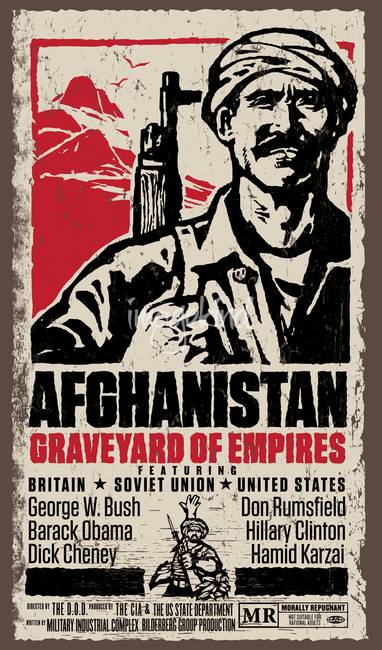
Ep 527Is Afghanistan Really Just the ”Graveyard of Empire”? w/ Alexander Hainy-Khaleeli
On this edition of Parallax Views, it's become a truism that Afghanistan is the "Graveyard of Empire" over the past few decades. It's an idea that's entered the common parlance and the foreign policy lexicon. Even President Joe Biden has mentioned the "Graveyard of Empires" tropes in light of the U.S. military withdrawal from Afghanistan this year. The British Empire and the Soviet Unions failed interventions in Afghanistan are used as examples to support the trope and now the U.S.'s 20 year war ending in withdrawal is being used to further the "Graveyard of Empires" narrative. However, Alexander Hainy-Khaleeli of the Institute of Arab and Islamic Studies at University of Exeter recently pushed back on this trope in his Ajam Media Collective article "Why we need to stop calling Afghanistan 'The Graveyard of Empires'". This was recorded 9/2/21. There are some audio drop-outs but they do not disrupt the ability to understand the conversation. We also discuss the leadership of the Taliban vs. its rank and file, the Calpihate vs. the Emirate, the potential theological differences between Islamic State and the Taliban, Deobandi Islam vs. Salafi Islam, Biden's comments about the Taliban facing an "existential crisis", Afghanistan's history before the 20th century and its importance to Empires, racism and the "Graveyard of Empires" narrative, does the "Graveyard of Empires" narrative allow for foreign policy interventionists and the U.S. a get out of jail free card for the occupation of Afghanistan?, oversimplifications of history like "ancient hatred" keeping us from asking real questions about sectarian conflicts and geopolitical issues, the Western bubble, Thomas Friedman's "The Lexus and the Oliver Tree" and the Golden Arches Theory of Conflict/War, bad Middle East takes, the Soviet Union in Afghanistan and the role of Cold War machinations by the West in that history, the way the Afghanistan war has been explained and interpreted in the West, the deaths of Afghan civilians and the bombing of Afghanistan, why the Taliban has gained some popular support, the Pashtuns, globalization, the homogenization of Central Asia in the Western mind, the "good guys" vs. "bad guys" narrative of geopolitics, has Afghanistan never been conquered in history?, is Afghanistan ungovernable?, the history of the "Graveyard of Empires" trope, the significance of the year 2010 in the mainstreaming of the "Graveyard of Empires" trope, cartoons referencing the "Graveyard of Empires" trope, Alexander the Great and Afghanistan, the Empire of the Mongols, Greeks, and the Arabs and Afghanistan, the rich culture of Afghanistan in ancient times vs. the image of Afghanistan as backwards throughout history, the strategic importance of Afghanistan historically, Afghanistan as the "cradle of empire" in ancient times, the province of Balkh, Rambo III and Afghanistan, the "stinger effect" in the Afghan/Soviet conflict,
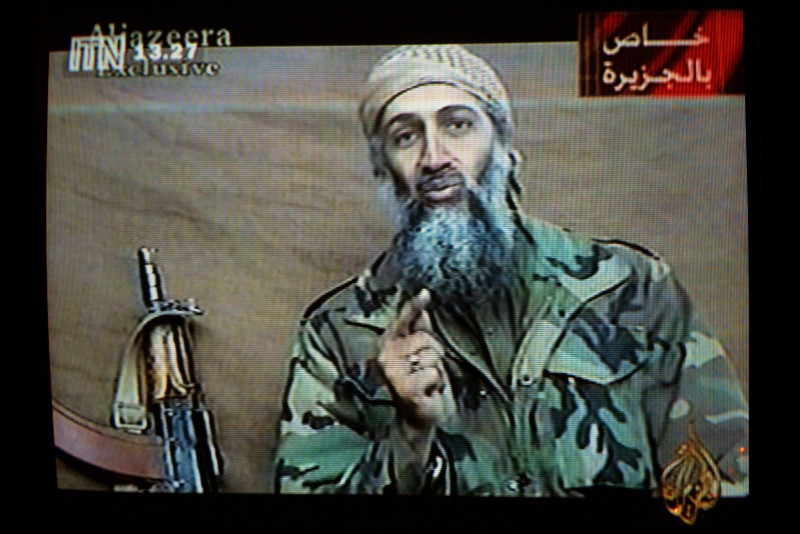
Ep 526The Legacy of Osama bin Laden and the Forever Wars w/ James M. Dorsey
On this edition of Parallax Views, what is the legacy of Osama bin Laden and the "Forever Wars" that came after the 9/11 terrorist attack in 2001? The Middle East Institute's James Dorsey, award-winning journalist and a senior fellow at the S. Rajaratnam School of International Studies at Singapore's Nanyang Technological University, joins us to tackle that question as related in his article "Bin Laden’s legacy probably surpasses his wildest dreams". James Dorsey is the the man behind the book, blog, and podcast The Turbulent World of Middle East Soccer. We also discuss Afghanistan and what the future may hold for Afghanistan. We also discuss the Taliban, IS-K (Islamic State of Khorasan), al Qaeda, Iran, the possibility of Civil War and ethnic conflict in Afghanistan now that the U.S. withdrawal has been completed, changing perceptions about U.S. foreign policy, the Kabul airport attack, potential naivete of the Taliban, Caliphates vs. Afghan nationalism, the Pashtuns, Pakistan, the Afghans have had 40 years of war not 20, the lessons of Afghanistan, the loyalties of the Taliban, the shifting goals of the U.S. in Afghanistan during its military engagement there after 9/11, the question of the root causes of terrorism, the rise of the Quincy Institute and the push for the demilitarization of U.S. foreign policy, U.S. foreign policy as "in flux", where should U.S. foreign policy go from here, the cost of stability vs. the risk of change, human rights rhetoric vs. reality, bin Laden and the undermining of U.S. cohesion, identity politics, and much, much more. A note that this episode was recorded on 09/10/21.
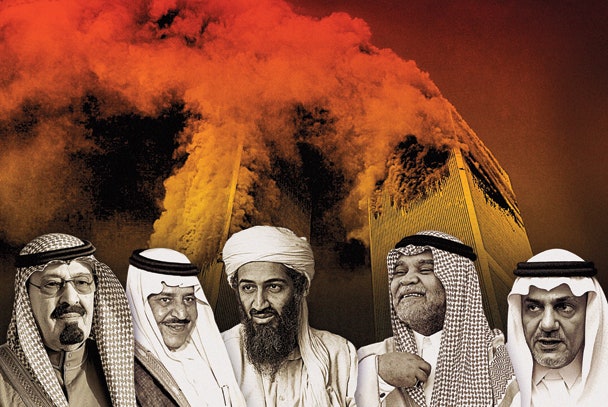
Ep 5259/11 & Saudi Arabia Plot Thickens as Documents Declassified w/ Russ Baker
On this edition of Parallax Views, Russ Bake, Editor-in-Chief and founder of the non-profit news organization WhoWhatWhy and author of Family of Secrets: The Bush Dynasty, America's Invisible Government, and the Hidden History of the Last Fifty Years, returned to Parallax Views to discuss his latest article "FBI Makes Midnight Release of Shocking New Information on Saudi-9/11 Complicity". We discuss the lingering questions about the Kingdom of Saudi Arabia and its potential connection to the terrorist attacks of September 11th, 2001. The issue has received renewed attention thanks to the 9/11 victims' families lawsuit and President Joe Biden's Executive Order calling for the declassification review of 9/11 records. Thanks to that E.O., documents pertaining to the FBI's Operation Encore, a probe into the potential Saudi connection to 9/11, were quietly released late on the night of September 12th, 2021. Russ and I delve into the figure of Prince Bandar bin Sultan and other figures as well as discussing the seeming cover-up of this element of the 9/11 story for so many years. We also chat briefly about the concept of the deep state, the controversy around Spike Lee's 9/11 documentary series on HBO featuring voices from the "9/11 Truth" movement, and much, much more.
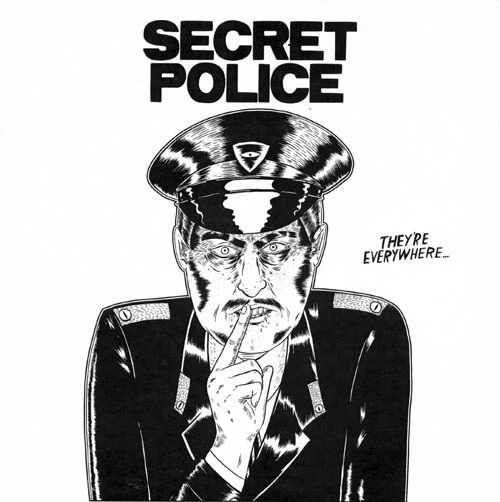
Ep 524Texas Abortion Law Creates Secret Police, Weaponizes Snitch Culture w/ Spike Cohen
On this edition of Parallax Views, 2020 Libertarian Party Vice Presidential Candidate Spike Cohen joins us to discuss why he, as a libertarian, opposes a government "War on Abortion" and views the Texas Heartbeat Act (Texas SB8) is a pandora's box EVEN IF YOU'RE AGAINST ABORTION that creates a secret police nightmare through a government incentive system. In other words, the Texas Abortion Law brings to the fore the issue of snitch culture and its weaponization. Spike and I discuss the views of libertarians on this matter before delving into why EVERYONE, again even those who are on the "pro-life" side of the debate, should oppose this this bill. We also discuss the states rights debates amongst libertarians, how it factors into libertarian support or silence on the bill, and why Spike thinks we should be skeptical of state power even when it isn't federal. It's not entirely devoted to libertarianism though. We discuss the ways in which this bill can be used against citizens, how deputizing private citizens creates a secret police, and much more. The big issue is weaponized snitching and the endlessly horrific scenarios that can come out of its popularization. All that and more on this edition of Parallax Views.
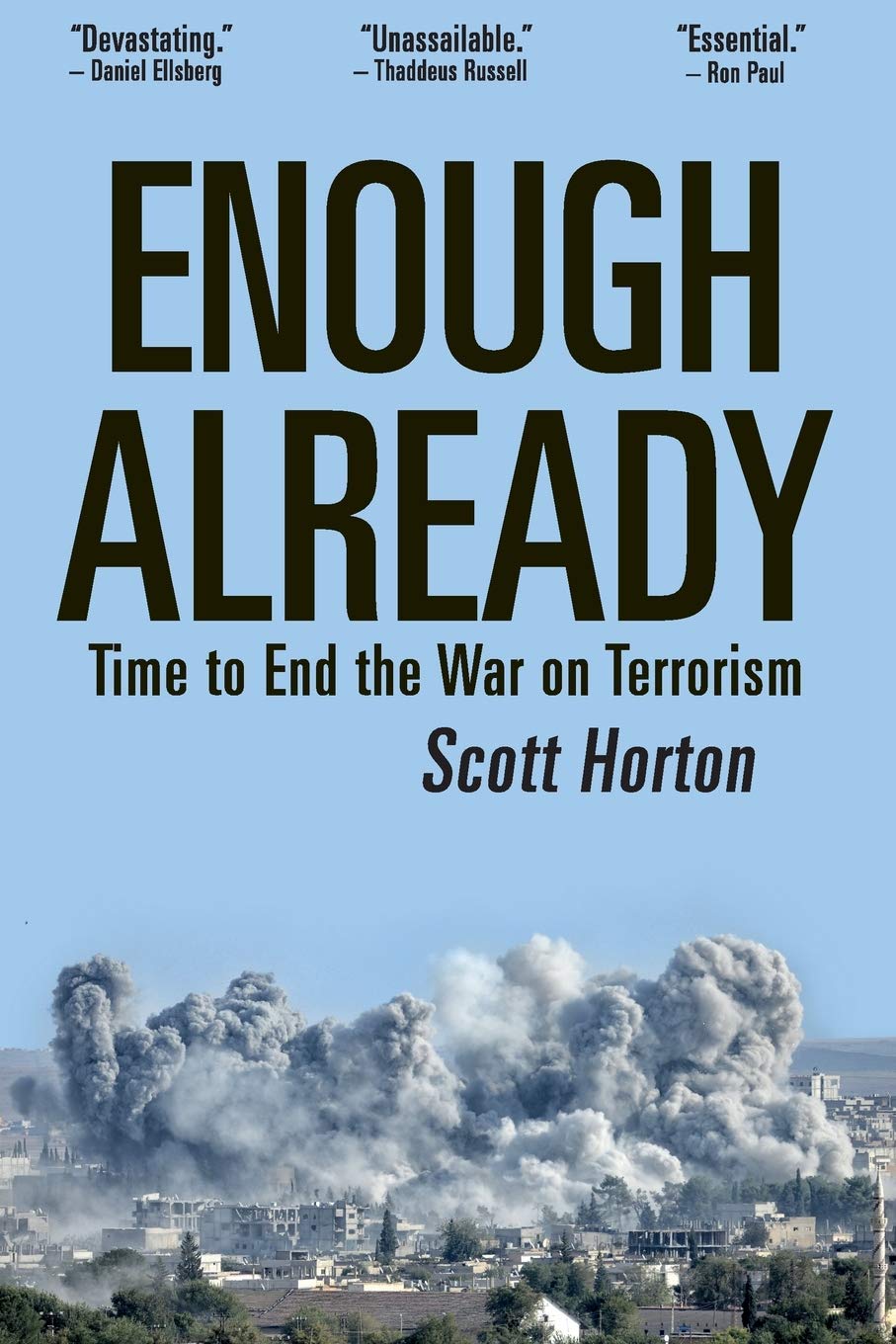
Ep 52320 Years of the War on Terror w/ Scott Horton
On this edition of Parallax Views, the great Scott Horton, an inspiration for Parallax Views, the host of The Scott Horton Show, and the author of both Fool's Errand: Time to End the War in Afghanistan and Enough Already: Time to End the War on Terror, joins us to provide a down-and-dirty history lesson on the War on Terror and how neoconservative war hawks played right into bin Laden's hands in the aftermath of 9/11. Bin Laden, Scott argues, wanted the U.S. to react to 9/11 by getting involved in an unwinnable war in Afghanistan. Afghanistan, Scott says, was a "Vietnam 2.0" that would inevitably end the same way the Soviet incursion into Afghanistan ended. Who were the architects of these wars? We delve into the neocons like Paul Wolfowitz, Richard Perle, and Michael Ledeen and their enablers like Donald Rumsfeld and Dick Cheney who gave us the decades long nightmare of the War on Terror in the aftermath of the September 11th terrorist attacks. We talk George W. Bush, the waste of the War on Terror, why conservative, libertarians, and progressives should oppose wars and imperial hubris, the history of the neocons and their ex-Trotyskite roots, John Podhoretz, radical Islamists, Colin Powell, and much, much more!

Ep 5229/11 and Saudi Arabia w/ Journalist Dan Christensen
On this edition of Parallax Views, it's the 20th anniversary of the September 11th, 2001 terrorist attacks that took down the World Trade Center buildings and damaged the Pentagon (another plane was headed for the White House but ended up crashing in Shanksville, PA). Questions remain, even after the 9/11 Joint Inquiry and the 9/11 Commission, about the role of the Kingdom of Saudi Arabia in the events of that fateful day. A lawsuit by the 9/11 victims' families is underway. Joining us to untangle the question of the Saudi connection to 9/11 is Dan Christensen of the Florida Bulldog (formerly the Broward Bulldog). Dan Christensen is an journalist who has been covering the story of 9/11 for some years now alongside Anthony Summers and Robbyn Swan, authors of The Eleventh Day: The Full Story of 9/11. As a Florida resident Dan covered the Sarasota, Florida connection to the 9/11 story. Specifically, he detailed the figure of Abdulaziz al-Hijji and his reported relationship to 911 hijackers Mohammad Atta and Marwan al-Sheh. Additionally, Dan has also covered the renegade FBI investigation known as Operation Encore. He has received redacted documents related to Operation Encore that relate to 9/11 and Saudi Arabia. In this conversation we cover all of that as well as the ways in which the FBI has seemingly stonewalled investigations into the Saudi connection to 9/11, the Southern California connection to 9/11 vis-a-vis the suspected Saudi agents Omar al-Baymoui, Musaed al-Jarrah, and Fahad al-Thumairy, Saudi Arabian diplomat Prince Bandar bin Sultan (nicknamed "Bandar Bush") and his subpoena by the 9/11 victims' families, Osama bin Laden, Biden's Executive Order calling for the review of 9/11 records to be declassified, the FBI, Sen. Bob Graham, the infamous "28 pages", Guantanamo Bay detainee Abu Zubaydah and Prince Bandar, the role of Congress in pushing the issues related to Saudi Arabia and 9/11, why the 9/11 victims' family lawsuit matters for society at large, state secrets, the secret pre-9/11 report on al Qaeda sleeper cells in America, the ongoing efforts to unveil the seeming connection between Saudi Arabia and the 9/11 terrorist attacks, and much, much more.
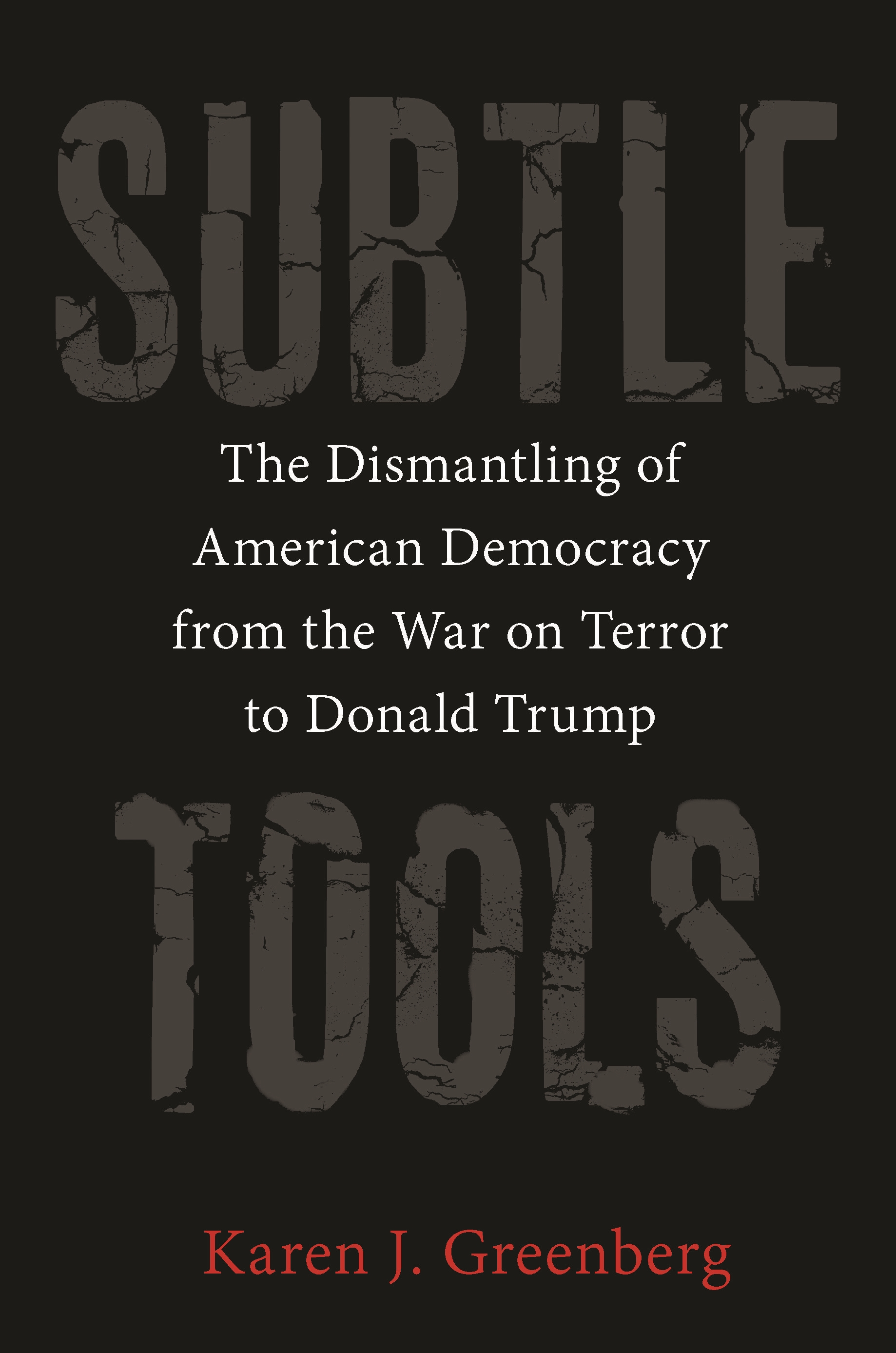
Ep 520Have Forever Wars Become Forever Policy? w/ Karen J. Greenberg
On this edition of Parallax Views, has the post-911 Forever Wars created a slew of forever policies that'll live with us long after American military incursions in Afghanistan and Iraq are decades behind us? That's the case Karen J. Greenberg, of the Center on National Security at Fordham Law, joins us on this edition of Parallax Views to discuss that subject as outline in her recent TomDispatch piece "Will the Forever Wars Become Forever Policy?" and her new book Subtle Tools: The Dismantling of American Democracy from the War on Terror to Donald Trump. Karen argues that although we may be seeing some pivots in terms of policies put in place during the War on Terror, many of the policies of the Forever War years remain "on the table". In this conversation we discuss the Department of Homeland Security, managed counter-terrorism handled multilaterally, the War on Terror and the U.S. as "police men of the world", the Authorization for the Use of Military Force and the problem of its broadness, the opening of a Pandora's Box through AUMFs, the Presidency of George W. Bush and overreach of power, the college generation's relationship to the War on Terror and 9/11, U.S. torture programs and the unprecedented use of police powers in the post-9/11 world, domestic terror threats, whether or not the War on Terror has made us more safe and granted us a sense of security, the Guantanamo Bay pictures and their publication by the Pentagon, violations of norms and Constitutional principles during the War on Terror, militarization at home as well as abroad, climate change and globalization, and much, much more.
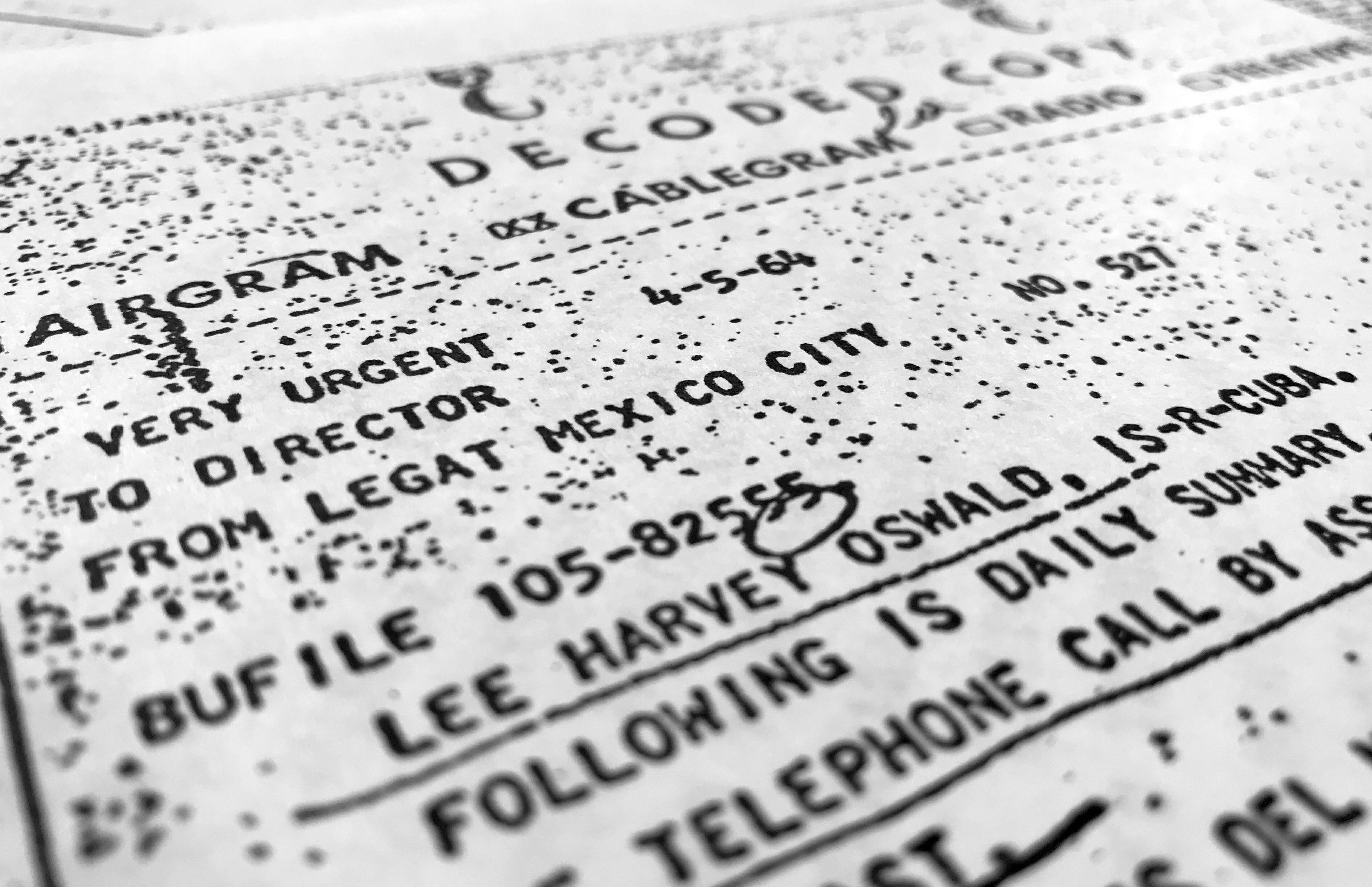
Ep 519Release the Last of the JFK Records w/ Larry Schnapf and Jacob Hornberger
On this edition of Parallax Views, environmental lawyer Larry Schnapf and Jacob Hornberger of the Future of Freedom Foundation join me to discuss the efforts of Larry and others to get the last of the documents promised by the JFK Records Act released to the public. Efforts appear to have been made to keep the last of the records from being released vis-vis a memo that in the estimation of activists like Larry Schnapf and Mark Adamcyzk wouldn't hold up in court as a reason for further release delays. What does this mean for government transparency? Will President Biden's Executive Order related to the review for the declassification of 9/11 documents (which could shed the Kingdom of Saudi Arabia's to the event) be a model for getting the release of the JFK documents? And Jacob Hornberger makes the case for why he believes JFK was assassinated by what amounts to a larger conspiracy than just the lone gunmen figure of Lee Harvey Oswald. We also very off into the issues of vaccine mandates without getting into an argument. Other key topics covered: Kennedy Vs. the National Security State, the JFK assassination and the CIA, John Newman's JFK and Vietnam, Nixon's "Bay of Pigs" comment, and much, much more, All that and much more on this edition of Parallax Views.
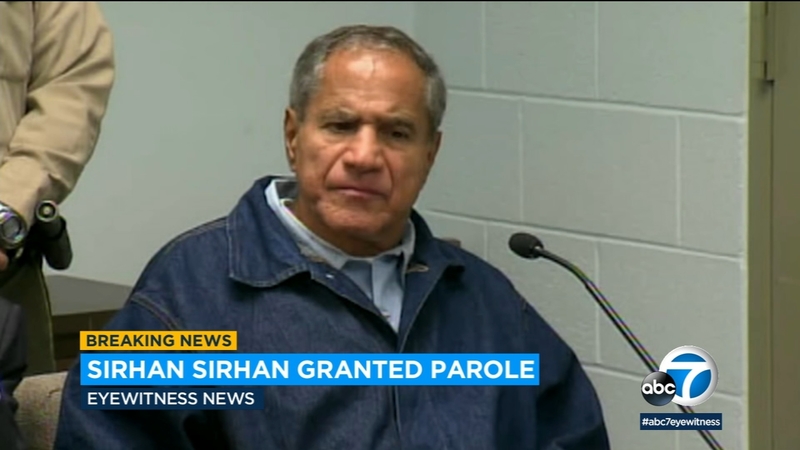
Ep 518EXCLUSIVE: Sirhan Sirhan‘s Attorney Speaks w/ Angela Berry
On this edition of Parallax Views, on June 6th, 1968 Robert F. Kennedy was fatally wounded by gun shots at the Ambassador Hotel in Los Angeles, California. After the assassination, a Palestinian man, Sirhan Sirhan, was convicted for his death. Over 50 years later, in 2021, Sirhan Sirhan has been recommended for parole. Joining us to discuss why Sirhan Sirhan is up for parole and why he should be released is his defense attorney Angela Berry. Berry argues that Sirhan Sirhan is no longer a threat to the public, and as such should be considered rehabilitated. Berry offers neuroscientific evidence to supoort this case and also discusses the members of the Kennedy family, specifically Douglas Kennedy and Robert F. Kennedy, Jr., that have come out in support of Sirhan Sirhan's parole. Although some members of the Kennedy family and the public at large are outraged by his potential release, Berry argues that under California laws about Corrections and Rehabilitation that her client should be given parole to live out the last of his days (he is now 77 years old) with his brother. Angela also discusses youthful offenses, the role of Sirhan's elderly age in his defense, the question of risk in terms of repeating violent offenses, the psychological tests Sirhan Sirhan has gone through since the 1980s, the emotional backlash against his parole, Sirhan Sirhan's memory loss and the question of complex PTSD, the question of whether Sirhan Sirhan is repentant and remorseful for the events of June 6th, 1968, what the media and the public are missing in regards to this case, the new L.A. District Attorney (D.A.) George Gascón and why the board's decision was not effected by the D.A., and how Sirhan Sirhan's release could be rejected,
Ep 517The Afghanistan Blunder Boogie and D.C. Arrogance w/ Jim Bovard
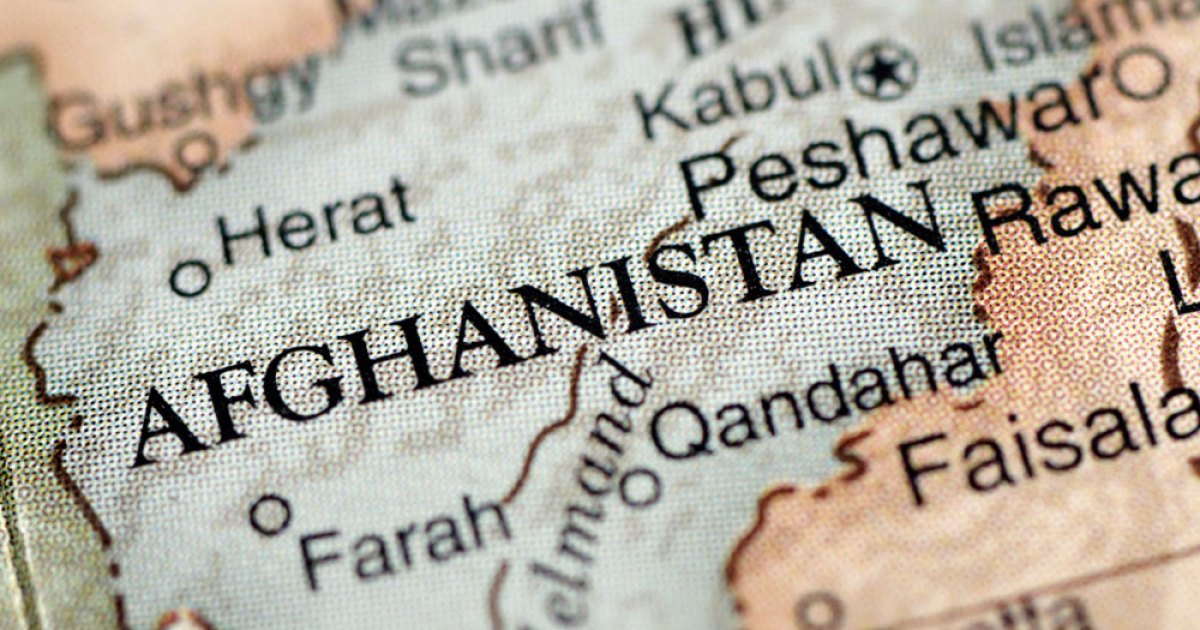
On this edition of Parallax Views, U.S. military forces have left Afghanistan after 20 years. But the D.C. foreign policy Blob's arrogance is still going strong, as figures like Max Boot, Leon Panetta, and H.R. McMaster. Our guest on this edition, libertarian gadfly James Bovaird, has a personal experience he's decided to share with us about this kind of hubris that he details in his article "Washington Arrogance is Incurable". Jim recounts a telling conversation he had with a "good Washingtonian" that took issue with Jim's questioning of U.S. foreign policy. Meanwhile, Jim recounts seeing wounded soldiers returning from the Forever Wars that very same day. From there we delve into a number of different topics related to the foreign policy establishment and the Forever Wars like those waged in Afghanistan and Iraq as part of the War on Terror. We discuss the responsibility and complicity of President George W. Bush, Barack Obama, Donald Trump, and, yes, even Joe Biden in regards to these conflicts. Additionally, Jim gives his opinion on the U.S. exit from Afghanistan and how it was handled poorly in his mind. Nonetheless, Jim also expresses that he believes the withdrawal needed to happen. We also delve into the issue of women's and girl's rights in Afghanistan and Jim relates a telling fact about Karzai, who was in power after the U.S. beat back the Taliban in Afghanistan, and how a certain law he signed was anything but a promotion of women's rights. Also, we talk a little bit about perpetual hawkish commentator Max Boot, gun rights, what Jim refers to as the "Sham of Democracy Promotion" in Afghanistan, the winners and losers of the Afghanistan War (hint: Virginia's weapons contractors did quite well for themselves), the relationship between the War on Terror and the loss of civil liberties, the "Bitter Belated Afghan Vindication", 9/11 and the "28 pages" of the post-9/11 Senate Select Committee, Iran and the long push for war with Iran, the rehabilitation of George W. Bush, Jim's book The Bush Betrayal, the worldwide torture regime, the question of U.S. credibility, sanctions, the economic strangulation of Syria, understanding the fact on the ground on these wars, the smugness of our foreign policy elites, the massive amounts of money that go into D.C. think tanks, and more!

Ep 516Afghanistan, Hubris, and U.S. Foreign Policy w/ Ret. Lt. Col. Daniel Davis + Ted Galen Carpenter
On this edition of Parallax Views, there's been a political blame game at play since President Joe Biden announced the U.S. withdrawal of its military forces from Afghanistan. The last of the U.S. forces officially left on August 30th, 2021. What now? What does this mean for U.S. foreign policy going forward? Will it open up a debate about U.S. foreign policy since 9/11? And what are the lessons that need to be learned from the U.S. military adventure in Afghanistan? We have two interviews delving into those questions on this edition of the program. First up, Ret. Lt. Col. Daniel L. Davis of Defense Priorities joins us to discuss his whistleblowing on the Afghanistan War and the surge that took place on President Obama's watch. We talk about the Afghanistan Papers and how the public was systemically misled (or lied to) about the on-the-ground reality in Afghanistan. Also, we find out Lt. Col. Davis' response to criticisms that the withdrawal will hurt Afghans, that this opens us up to new terrorist threats, and calls to end the Forever Wars are the province of dangerous "isolationists". Also, we discuss how figures like Leon Panetta and H.R. McMaster are "addicted to war" as outlined in Lt. Col Davis' commentary at The Guardian. Lt. Col. Davis argues that we need to reintroduce the diplomatic toolkit and reorient U.S. foreign policy. We also manage to delve into the the Kabul airport attack and the U.S. cooperation with the Taliban against the threat of ISIS-K during the evacuation process. Then, Ted Galen Carpenter of the CATO Institute, who regularly writes for Antiwar.Com and the National Interest, joins us for further discussion about Afghanistan and, more broadly, the need for a revamp of U.S. foreign policy. As supplements to this conversation you may want to read Carpenter's latest Antiwar.Com piece "Blame-Shifting: The Political Elites Response to the Messy Afghan Withdrawal" and "The Cynical Campaign To Scapegoat Joe Biden for the Afghanistan Debacle" as well as his article at the National Interest entitled "U.S. Credibility Not Seriously Damaged by Afghanistan Failure".
Ep 515U.S. Foreign Policy Needs to Change w/ Trita Parsi + The U.S.'s Afghanistan Endgame w/ Nadia Ahmad
Interview Start Times: Trita Parsi - 02:22 Nadia Ahmad - 27:14 On this edition of Parallax Views, we have two interviews relating to U.S. foreign policy. First, up Quincy Institute for Responsible Statecraft co-founder and executive vice president Trita Parsi joins us to discuss how U.S. foreign policy needs a change. For Parsi, that means a shift towards a foreign policy of restraint that rejects militarism and economic warfare like sanctions. He argues that U.S. Grand Strategy is not worked out well for the U.S. as D.C.'s "Blob" adherents of the "Forever Wars" in the Middle East have claimed they would. The disaster of Afghanistan, he argues, is not a repudiation of restraint, but an argument for it. Additionally, Parsi also addresses claims that the Quincy Institute is "isolationist" and takes issue with the U.S. foreign policy Establishment's lack of referring to diplomacy before forms of warfare. Then, Nadia Ahmad, a law professor at the Barry University School of Law, joins us to discuss her Common Dreams op-ed "The US Endgame in Afghanistan Was Mineral Extraction, Not Democracy". Also, Nadia chimes in on what can be done to help the Afghan people now and launches a criticism of those who ignore the question, "Should we have occupied Afghanistan in the first place?". We discuss the mining companies that Nadia argues the U.S. acted as security guards for in Afghanistan and the threat of sanctions against Afghanistan. All that and more on this edition of Parallax Views!
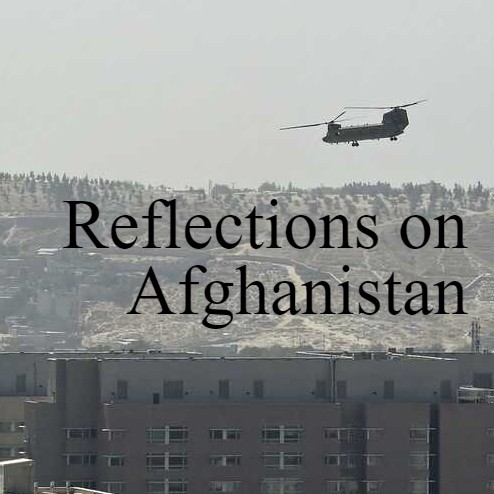
Ep 513Reflections on Afghanistan w/ Karen Kwiatkowski PLUS Ron Paul
Ret. Air Force Lt. Col Karen Kwiatkowski begins at 04:00 Ron Paul begins at 1:04:00 On this edition of Parallax Views, we continue our "Reflections on Afghanistan" series with a double feature episode. First up, Ret. Air Force Lt. Col. Karen Kwiatkowski joins us to offer an insider's perspective the Pentagon during the Bush years and to offer insights about the neoconservatives that got us into the wars in Afghanistan and Iraq. We'll also delve into the latest developments in Afghanistan with Karen and why the occupation ended the way it did. Then, former Congressman Ron Paul, noted libertarian and host of The Ron Paul Liberty Report, joins us to talk about his conflicted feelings with regards to signing the 2001 AUMF (Authorization for the Use of Military Force) in the aftermath of the September 11th terrorist attacks, his argument at the 2008 Republican Presidential debates with Rudy Giuliani over blowback's role in creating terrorism, his correct prediction in 2011 that if we did not leave at that time we'd be stuck in Afghanistan for another 10 years, the connection between the War on Terror and the assault on civil liberties, and much, much more!
Ep 514Reflections on Afghanistan w/ Eric Margolis
EOn this edition of Parallax Views, journalist Eric S. Margolis joins us for the latest in our "Reflections on Afghanistan" series. Margolis, the author of American Raj Liberation Or Domination?: Resolving the Conflict Between the West and the Muslim World and War at the Top of the World: The Struggle for Afghanistan, Kashmir and Tibet, has years of experience covering Afghanistan with his reporting their going back to the 1980s. He discusses a number of issues including the corruption of the Ghani government and the opium drug trade in Afghanistan, the situation with "ISIS-K" or the Khorasan group and the Taliban, the complex multi-ethnic nature of Afghanistan (the Tajiks, Pashtuns, and Hazaras), why the U.S. lost Afghanistan, the "malefactors everywhere" in Afghanistan, the history of U.S. involvement in Afghanistan, the mujahedeen, the Soviet Union and Afghanistan, Eric's criticism of media coverage of Afghanistan, and much, much more.

Ep 497Iran, Islam, and the Green Uprisings w/ Dr. Pouya Alimagham
EOn this edition of Parallax Views, we take a break from our "Reflections on Afghanistan" series and turn our attention to Iran. Dr. Pouya Alimagham, author of Contesting the Iranian Revolution: The Green Uprisings, joins us to discuss the 2009 Green Uprisings, Islam, and Iran and its history more generally. At the beginning of our conversation deals alot with Dr. Pouya's own journey as an Iranian-American, the problem, of Islamophobia in the United States (we debunk fears of Sharia Law coming to the U.S.A., for example), and American misunderstandings and misperceptions about Islamic people and Iran. Later in the conversation we shift to the topic of the 2009 Green Uprisings against then President Mahmoud Ahmadinejad and understanding Iran politically. We discuss how the Green Uprisings went well beyond the political figure of Mir Hossein Mousavi. We also discuss the issue of the JCPOA (Joint Comprehensive Plan of Action) aka the Iran nuclear deal, the continuity of foreign policy between Presidencies (ie: from Trump to Biden). protests within Iran, elections in Iran, and the issue of sanctions against Iran and how they impact the Iranian people. All that and more on this fascinating edition of Parallax Views.
Ep 512Reflections on Afghanistan w/ Matthew Hoh and JP Sottile
On this edition of Parallax Views, it's a monster-sized edition of our "Reflections of Afghanistan" series with not one but two guests join us for a nearly two hour roundtable conversation asking about how we got to this moment, what the past 20 years of U.S. involvement in Afghanistan says about our society, and what our withdrawal portends for a future in which China's rise looms and climate change seems ready to change the world. Joining us is long-time friend of the show JP Sottile aka "The Newsvandal" and former marine and State Deparment official Matthew Hoh, who famously blew the whistle on the 2009 surge in Afghanistan. The conversation begins with Matthew describing his background in both the Iraq War and Afghanistan War and his opposition to the 2009 surge. From there we delve into a number of issues with JP commenting on the media coverage of Afghanistan and the complicity we may all share in what he calls "The Empire of Oil". The conversation branches out from there as we discuss everything from the late Michael Hastings (a friend of Matthew Hoh) to the defense contractors that benefitted from the war and the F-35 boondoggle on this mammoth edition of the program. NOTE: HAD TO USE A DIFFERENT MIC FOR THIS EPISODE. I DON'T THINK THE AUDIO QUALITY IS EFFECTED THAT MUCH ON MY END. AND IT'S LARGELY JUST ME MODERATING JP AND MATTHEW.
Ep 511Reflections on Afghanistan (+ Iran) w/ Prof. Muhammad Sahimi
On this edition of Parallax Views, we continue our deep dive into Afghanistan and the war waged by U.S. forces in Afghanistan over the past 20+ years. This time Prof. Muhammad Sahimi, an astute commentator on Iran, joins me to discuss his latest Antiwar.Com article "The Fake Image of ‘Democratic’ Afghanistan Made by the US Collapses With the Taliban Victory". Why did the U.S. military adventure in Afghanistan fail and does the involvement of the U.S. involvement in the country actually stretch back much farther in history than the immediate aftermath of 9/11? Prof. Sahimi discusses the birth of the Mujahadeen and the Taliban, the religious and diverse tribal nature of Afghanistan, what the withdrawal entails for Iran and the possibility that the withdrawal is part of a move against Iran by the U.S. and Saudi Arabia, the long history of issues between Iran and Afghanistan (including dispute over water distribution), the Persian-speaking populations in Afghanistan, Massoud and the Northern Alliance, the role of ultraconservative Sunni Hanafi Islam in Afghanistan, and much, much more.
Ep 510Reflections on Afghanistan w/ Richard A. Falk
On this edition of Parallax Views, we continue our "Reflections on Afghanistan" series. This time we speak with Princeton University international law scholar Richard A. Falk about the parallels between Vietnam and Afghanistan and what it says about the nature of post-colonial wars. Specifically, Falk notes how even a superior military force seems primed to lose in an occupation against a "weaker" nation. We discuss this issue more in-depth as well as dealing with a number of other issues. Among these are the criticisms of President Biden's exit strategy, the withdrawal itself, why Falk supports the withdrawal, the Pentagon Papers and intelligence agency lies, and much, much more.
Ep 509Reflections on Afghanistan w/ Ray McGovern
On this edition of Parallax Views, we continue are reflection on the U.S. war in Afghanistan and its closure. This time we're joined with retired CIA analyst and co-founder of Veteran Intelligence Professional for Sanity Ray McGovern joins us to discuss his articles "Hold the Generals Accountable This Time" (Antiwar.Com; 2021) and "Welcome to Vietnam, Mr. President" (Common Dreams; 2009). Ray McGovern relate some stories that draw parallels between the Vietnam War and the Afghanistan War and also explain the concept of the MICIMATT, or the Military Industrial Congressional Intelligence Media Academic Think Tank complex. He also offers thoughts on General Kenneth McKenzie, General Mark Milley,, General David Petraeus, General Stanley McChrystal, and what generals need to be held to account for what the U.S. military intervention into Afghanistan has wrought. We also discuss Ray's concept of the Noah Principle, intelligence agencies and wars, and much, much more.
Ep 507Reflections on Afghanistan w/ Dr. Stephen Zunes
On this edition of Parallax Views, we continue our series exploring the past 20 years of U.S. military intervention in Afghanistan. Dr. Stephen Zunes, founder of the Middle East Studies Program at USF, joins us to discuss his thoughts on the latest developments as well as to pushback on attacks on Biden's decision to withdrawal, especially from the right-wing. Additionally, Dr. Zunes and I spend a great deal of time discussing why he was against the invasion and bombing of Afghanistan by U.S. forces even in the immediate aftermath of 9/11. Zunes argued at the early onset of the plans for intervention that the actions taken by the Bush administration and later continued by Obama and the administrations that followed him were playing right into the hands of Osama Bin Laden. We also discuss the issue of women's rights, where Afghanistan will go from here under Taliban rule, why Zunes believes Biden took a brave stand in going forward with the withdrawal, the need for an investigation into the botching of the exit strategy, the problem of military vs. economic/infrastructure development in the Afghan mission, and much, much more.
Ep 508Reflections on Afghanistan w/ Patrick Cockburn
On this edition of Parallax Views, protests against the Taliban in Jalalabad have been met with violent crackdowns. Hours before this development J.G. spoke with Patrick Cockburn, a long-time journalist at The Independent specializing in Middle East wars, about the future of Afghanistan under the Taliban. Given recent developments Patrick's thoughts, particularly his belief that the Taliban would engage in more violent crackdowns and had not moderated, seems pertinent and perhaps even ominous. In this conversation we discuss Patrick's experiences in Afghanistan, what intelligence agencies knew about concerning the state of Afghanistan and what it would look like after the U.S. withdrawal, the ethnic and community diversity within Afghanistan, what the U.S. withdrawal executed by President Biden means for America, what the withdrawal means for Russia, China, Iran, and other nations, what the U.S. got wrong about Afghanistan, how the Taliban managed to take power in the North, and much, much more.
Ep 506Reflections on Afghanistan w/ Doug Bandow
On this edition of Parallax Views, we begin a series of conversations with different guests about the past 20 years of U.S. military adventurism and what comes next for both the U.S. and Afghanistan in the coming years now that the Taliban has retaken the country. First in our series is Doug Bandow, former special assistant to President Ronald Reagan and a regular writer at Antiwar.Com, the Cato Institute, and The American Conservative. We discuss the lessons that could be learned from the U.S. military adventure in Afghanistan as well as whether the withdrawal represents a "Saigon Moment" for the Biden administration. Additionally, we discuss where the D.C. foreign policy Blob may go from here, why Doug supports the withdrawal, and much, much more.
Ep 505FIXED AUDIO: Afghanistan, the Taliban, and the U.S. Withdrawal w/ Antiwar.Com’s Jason Ditz
On this edition of Parallax Views, the Ghani-led government in Afghanistan has collapsed and the Taliban has retaken the nation in light of the U.S. withdrawal. Joining us to unravel the latest developments in this monumental story that is at the very epicenter of foreign policy discussion today is Jason Ditz, news editor at Antiwar.Com. We'll discuss a number of issues including how seemingly everyone was blindsided by how fast the Ghani government collapsed and how quickly the Taliban completely reasserted itself. Is it all doom from here on out? Jason Ditz believes we have to wait and see and also discusses what this all mean for the pro-restraint movement in foreign policy circles. Also is what's occuring right now a Saigon moment? Why are the voices of restraint not taking the headlines but rather the architects and supporters of the Afghanistan military adventure? All that and much more on this edition of Parallax Views.

Ep 504Afghanistan, the Taliban, and the U.S. Withdrawal w/ Antiwar.Com's Jason Ditz
On this edition of Parallax Views, the Ghani-led government in Afghanistan has collapsed and the Taliban has retaken the nation in light of the U.S. withdrawal. Joining us to unravel the latest developments in this monumental story that is at the very epicenter of foreign policy discussion today is Jason Ditz, news editor at Antiwar.Com. We'll discuss a number of issues including how seemingly everyone was blindsided by how fast the Ghani government collapsed and how quickly the Taliban completely reasserted itself. Is it all doom from here on out? Jason Ditz believes we have to wait and see and also discusses what this all mean for the pro-restraint movement in foreign policy circles. Also is what's occuring right now a Saigon moment? Why are the voices of restraint not taking the headlines but rather the architects and supporters of the Afghanistan military adventure? All that and much more on this edition of Parallax Views.
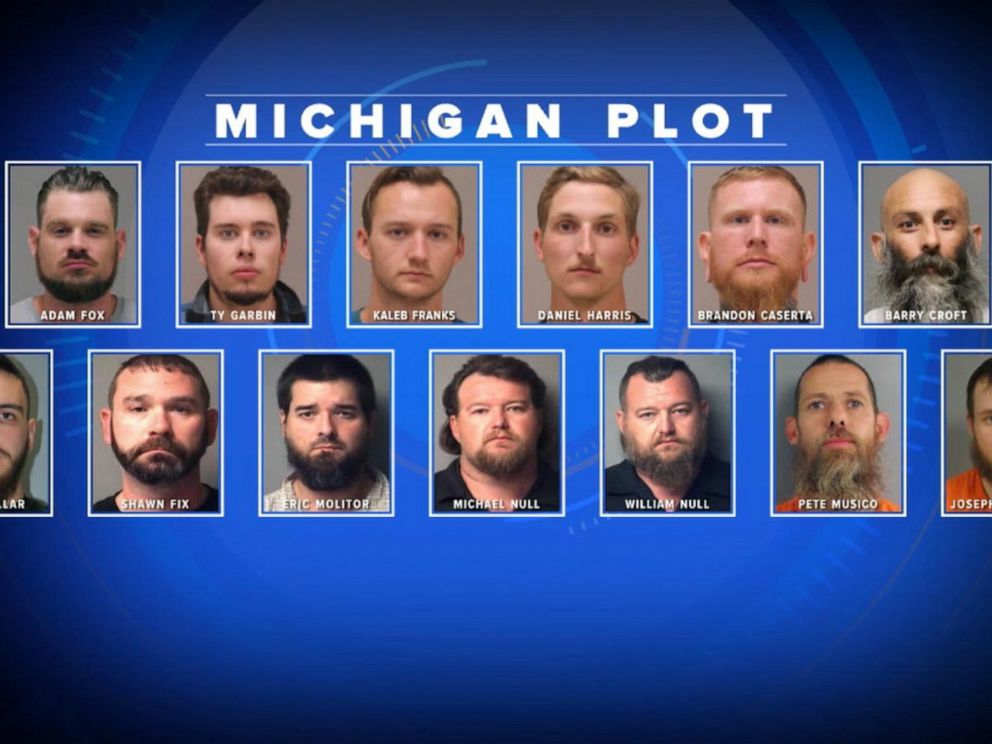
Ep 503The FBI and the Gov. Gretchen Whitmer Kidnapping Plot w/ Branko Marcetic
On this edition of Parallax Views, a plot by a Michigan militia to kidnap Gov. Gretchen Whitmer has gained much media attention in light of renewed concerns over domestic extremism, especially in light of the Jan 6th Capitol breach. The story of the kidnapping plot, however, has a thickening plot now as Buzzfeed reported in July 2021 of the FBI's involvement in this story vis-à-vis its informants. Branko Marcetic of Jacobin joins us on this edition of the show to discuss his article on the subject entitled, "The FBI’s Domestic 'War on Terror' Is an Authoritarian Power Grab". What can be said of this incident and what concerns should it raise about the National Security State apparatus? We'll unravel all that and much more on this fascinating edition of Parallax Views.
Ep 502The Foreign Policy Blob Smears the Quincy Institute w/ Nicholas Cleveland-Stout
On this edition of Parallax Views, it's another episode of the program about the Washington, D.C. foreign policy "Blob" and its discontents. Recently, the Quincy Institute, a trans-partisan coalition of conservatives, progressives, and libertarians calling for a more restraint-based foreign policy, has increasingly come under fire for its attempt to shake-up U.S. foreign policy discourse. Specifically, a new essay by political scientists John Ikenberry and Daniel Deudney has sought to critique what it refers to as the "Quincy Coalition". Nicholas Cleveland Stout recently penned a piece at the Quincy Institute's Responsible Statecraft publication that responds to Ikenberry and Deudney's piece. Stout joins us on this edition of the show to discuss that piece, entitled "Smearing restrainers won’t hide the woeful failures of US foreign policy", and the possibilities for a new internationalism that acts as a middle road between isolationism and the post-WWII and post-9/11 foreign policy consensus. Also: Is the Blob sweating over the growth of growing coalitions like the Quincy Institute that challenge the foreign policy consensus?

Ep 500The Triumphs and Tragedies of the Sixties w/ David Talbot
EOn this edition of Parallax Views, can any valuable lessons be gleaned from examining both the accomplishments and failings of radical activist leaders fighting for Civil Rights, an end to the Vietnam War, and economic justice in the 1960s? In their new book By the Light of Burning Dreams: The Triumphs and Tragedies of the Second American Revolution the brother and sister duo of David and Margaret Talbot make the case, through the profiling of a number of radical political activists in the 60s, that there is. Some of the figures and topics covered in the book include the antiwar activism of Tom Hayden and Jane Fonda, the Students for a Democratic Society (SDS), the Black Panthers, Huey Newton, Bobby Seale, the feminist health collective Jain Collective and pro-choice rights, the LGBTQ+ and the Stonewall Uprisings, the United Farm Workers and Cesar Chavez, and more. We begin this conversation by discussing David's relationship to the 60s and his issues with Harvard Boys School as a student who opposed the draft and Vietnam War. We then move onto a number of topics related to By the Light of Burning Dreams including the life and activism of Tom Hayden, Jane Fond, and the Red Family; the radicalism of Martin Luther King, Jr.; the question of drugs being introduced into the counterculture to hinder activism; leadership vs. leaderless resistance; J. Edgar Hoover's COINTELPRO and the dangers faced by radical activists of the era; the mistakes made by activist leaders in the 60s and the lessons we can learn from those mistakes; the Native American Movement and Russell Means; and more. Also stick around for till the end of the show to hear David give a good story about notorious B-movie filmmaker Ed Wood, who cast David's Hollywood actor father in GLEND OR GLENDA and PLAN 9 FROM OUTER SPACE.!
Ep 499Insights from The Empire Files w/ Abby Martin
ENOTE: PODBEAN WAS ORIGINALLY ONLY PLAYING THE 1ST 20 MINUTES OF THIS INTERVIEW. THIS WAS FIXED APPROXIMATELY 1 HOUR AND 42 MINUTES AFTER PUBLICATION. THE GLITCH HAS BEEN FIXED AND THE FULL INTERVIEW IS AVAILABLE. THE FULL EPISODE WITH INTRO AND OUTRO GOES ABOUT 68 MINUTES. On this edition of Parallax Views, journalist and documentarian Abby Martin joins us to discuss her work exposing the Empire, from her hit shows like the Empire Files and Breaking the Set to her recent appearance on the Joe Rogan Experience and her eye-opening documentary Gaza Fights for Freedom. Abby and I also manage to discuss her big victory in court related to the BDS (Boycott, Divestment, and Sanctions) Movement as well as her artistic/creative endeavors outside of her work on projects like The Empire Files, her upcoming documentary Earth's Greatest Enemy on military pollution, and the Media Roots Radio podcast she co-hosts with long-time Parallax Views friend Robbie Martin. At the end of the conversation we manage to tribute the late, great Michael Brooks and in-between we talk about everything from the infamous "Woke CIA" recruitment video to the plight of Palestinians in Sheikh Jarrah and the seeming public opinion sea-change occurring on matters related to Israel/Palestine. This is a free-wheeling conversation that you won't want to miss!