Parallax Views w/ J.G. Michael
1,045 episodes — Page 12 of 21
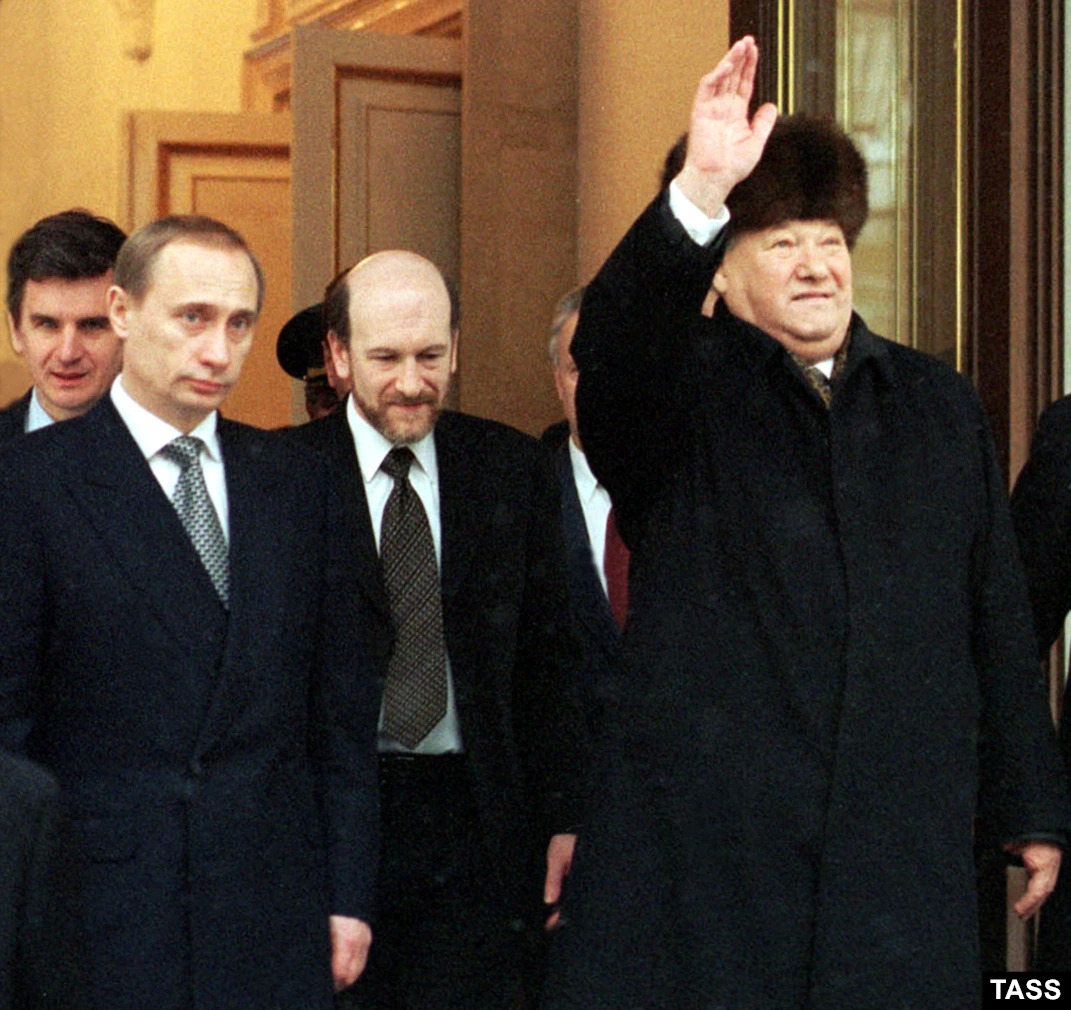
Ep 609The U.S. Role in the Rise of Vladimir Putin w/ Greg Palast/The Hidden History of Big Brother w/ Thom Hartmann/Orthodox Christianity, Russkiy Mir, & the Ukraine Crisis w/ George Demacopoulos
On this edition of Parallax Views, investigative journalist Greg Palast returns to the program to detail the deep history of Vladimir Putin's rise to power involving Russian oligarchs, Boris Yeltsin, Bill Clinton, and former United States Secretary of Treasure Larry Summers among others. We also discuss how oil figures into the equation, how the U.S. cutting a deal with Venezuela could help deal a blow to Putin, Putin as the "Russian Pinochet", and U.S. "shock therapy" on Russia after the Cold War. In the second segment of the show, progressive radio host and New York Times bestselling author Thom Hartmann returns to the program to discuss his latest book The Hidden History of Big Brother. We begin by delving into the "pre-history" of Orwellian surveillance and police state-style tactics used by the powerful in America from the days of slavery in the agrarian South to the reign of J. Edgar Hoover's FBI in the 20th century. From there we pivot to the question of Big Tech in relation to the modern surveillance and also discuss the Patriot Act, Josh Hawley's The Tyranny of Big Tech, Cambridge Analytica, and much, much more! In the third segment of the show we welcome George Demacopoulos, a Professor of Theology/Fr. John Meyendorff & Patterson Family Chair of Orthodox Christian Studies at Fordham University and the co-director of the Orthodox Christian Studies Center, to tell us about how the Russki Mir (Russian World) teaching that is some powerful members of the Russian Orthodox Church are using to justify Putin's war in Ukraine. Patriarch Kirill of Moscow in particular has been a major embracer of the Russian World teaching. Others, however, including Prof. Demacopoulos, argue this teaching is heretical and have made their feelings on the matter known by signing "A DECLARATION ON THE “RUSSIAN WORLD” (RUSSKII MIR) TEACHING".
Ep 607Cuba & Ukraine Crisis w/ William LeoGrande/Gulf States & Ukraine Crisis w/ Kristian Ulrichsen/U.S. Foreign Policy & Ukraine w/ Daniel Bessner
On this edition of Parallax Views, we continue our examination of the crisis in Ukraine after the country's invasion by Vladimir Putin's Russia. On this time we take a look at Cuba's reaction to these recent events with Dr. William LeoGrande of American Universty in Washington, D.C. LeoGrande recently penned a piece for the Quincy Institute's Responsible Statecraft publication entitled "Why Cuba has threaded the Russia needle for 60 years" that delves into the history of Cuba-Russia relation going back to the days of the Soviet Union, Cold War, and U.S. hostilities towards Fidel Castro. Dr. LeoGrande discusses Cuba's reactions to Russian interventions in Czechoslovakia in 1969 and Afghanistan in 1979 in addition to talking about Cuba's response to the invasion of Ukraine. Dr. LeoGrande and I also delve into such issues as Cuba's foreign policy, Fidel Castro's comments on the Soviet Union throughout the years, Barack Obama's attepts to normalize relations with Cuba, how Donald Trump and conservative Florida-based Cubans thwarted normalization of Cuba-U.S. relations, Boris Yeltsin and Cuba, the plight of smaller countries and especially those with a hostile relationship to the U.S., sanctions, Havana Syndrome, and more. In the second segment of the show, Dr. Kristian Coates Ulrichsen, author of Qatar and the Gulf Crisis and Fellow for the Middle East at Rice University’s Baker Institute for Public Policy, joins me to discuss his Doha News article "What the Russian invasion of Ukraine means for small states". Dr. Ulrichsen discusses how states in the Persian Gulf have reacted to the Russian invasion of Ukraine and what it means for Saudi Arabia, the United Arab Emirates (UAE), Qatar, Kuwait, and Bahrain among others. He also explains how smaller gulf states may be paying careful attention to the conflict due to a.) memories of Saddam Hussein and Iraq's invasion of Kuwait, and b.) Putin's invocation of "ancient lands" and how it could be used in a new era of great power competition. In the third and final segment of the show, Daniel Bessner of the American Prestige podcast joins to offer his take on the situation in Ukraine, U.S. foreign policy, NATO, the controversy over John Mearsheimer and the Realist School of International Relations theory, "the Left", and much, much more.

Ep 604Hitler’s Cosmopolitan Bastard: Count Richard Coudenhove-Kalergi, the Founding Father of Europe w/ Martyn Bond/Russia and Sanctions w/ Brian Grodsky
On this edition of Parallax Views, author and former Berlin correspondent for the BBC Martyn Bond joined me to discuss his fascinating and relevant biography of a the little known Austrian/Japanese aristocratic who may envisioned a unified Europe years before the formation of the EU. Hitler's Cosmopolitan Bastard: Count Richard Coudenhove-Kalergi and His Vision for Europe, tells the story of Count Kalergi, the man who founded the Pan-Europa movement, served as a large part of the inspiration for the anti-fascist leader Victor Laszlo in Casablanca, and was despised so much by his fellow Austrian Adolph Hitler that he was referred to as the "cosmopolitan bastard" in Mein Kampf. In this conversation we cover a number of aspects of Count Kalergi and his life and legacy including the lead-up to WWII, his personality fault, his views of Russia and the Soviet Union, his sometimes xenophobic Western-bias, his push for European parliament, his attraction to strong personalities like his wife the Jewish actress Ida Roland, his association with Freemasonry and pacifism, his belief that one could have a nationality identity and a European identity, the idea of "thinking in continents, not countries", the relevance of Kalergi today in light of the Ukraine War and Brexit, and much, much more! Then, inn the second segment of the show, Briand Grodsky joins us to discuss his article for The Conversation entitled "Economic sanctions may deal fatal blow to Russia’s already-weak domestic opposition". Brian explains how economic sanctions against Russia could possibly strengthen Putin and irrevocably damage, or destroy, the opposition to him in Russia.

Ep 606Soaring Gas Prices & the Economy w/ Mike Swanson/Putin’s Game in Ukraine w/ Larry Hancock
On this edition of Parallax Views, Mike Swanson of Wall Street Window and author of such books as The War State and Why the Vietnam War? joins Parallax Views to discuss skyrocketing gas prices, the economy, and inflation in lieu of the Ukraine-Russia War. We also discuss Empire, the Robinhood app, Bitcoin and crypto-currencies, 9/11, the pandemic, and much, much more. In our second segment, Larry Hancock, most known for his work on the assassinations of the 1960s and writings on the Cold War, joins us to discuss the Ukraine crisis and his book Creating Chaos: Covert Political Warfare from Truman to Putin. Hancock gives his perspective on the situation unfolding in Ukraine, Vladimir Putin's game, whether Putin has lost his sense of chess-playing when it comes to geopolitics, and much, much more.

Ep 605The Cloak-and-Dagger, Hall of Mirrors World of the Donbass w/ Aaron Lake Smith/Project Censored’s State of the Free Press 2022 w/ Mickey Huff
EOn this edition of Parallax Views, journalist Aaron Lake Smith joins Parallax Views to discuss his 2018 Harper's Magazine article detailing his trip to the Russian separatist breakaway republics in the Donbass entitled "Light in the Donbass Window". We discuss the pro-Russian Luhansk People's Republic and Donetsk People's Republic seeking to break away from Ukraine and the strange mix of supporters and foreign volunteers this has brought to Donbass including tankies (hard leftists who oppose American imperialism and NATO; this came up because the article was originally titled "Tankieland"), Nazbols (National Bolsheviks, a performance art prank created by Eduard Liminov that has since turned into an ideology/movement), Duginists (adherents to the Eurasianist philosophy of Aleksander Dugin), and others. Reporting on the "International Fascist Conference" in the Donbass, Aaron met a wide variety of individuals who supported the People's Republics of Donetsk and Luhansk. But he quickly began to consider that these various individuals were caught in the cross-hairs of a spy-vs-spy style hall-of-mirrors world. In other words, a seeming proxy war between Russian and NATO. Aaron also details the rotating cast of characters in the two People's Republics' leadership positions as well as the deaths and mysterious disappearances of many in the middle of this strange saga. It's a story of information warfare, cloak-and-dagger intrigues, and tankies. In the second segment of the show, Mickey Huff of the long-running media watchdog non-profit Project Censored joined me to discuss Project Censored's State of the Free Press 2022 (edited by Mickey Huff and Andy Lee Roth). We discuss the problems facing news media today including junk food news, "humilitainment", the problems of corporate media, state-run media, censorship, how the stories for State of the Free Press are collated each year, Palestinian activists and the Canary Mission, free speech, and much, much more!
Ep 603Ukraine Crisis w/ John Feffer
On this edition of Parallax Views, we continue our examination of the war in Ukraine and the crisis as it unfolds. Recorded on Monday the 7th, 2022, the episode features a conversation with John Feffer of Foreign Policy in Focus at the Institute for Policy Studies. We discuss the move Putin has made invading Ukraine, Putin's claims of genocide in the Donbass, the NATO expansion question, and much, much more in this wide-ranging conversation.

Ep 602Putin’s Ukraine Gamble, War, and Hubris w/ Patrick Cockburn
On this edition of Parallax Views, long-time war reporter Patrick Cockburn returns to the show to discuss the gamble Putin has made in Ukraine and how it could endanger his political survival in Russia. Additionally, Patrick will talk about the way hubris afflicts political leaders leading to disastrous military interventions, comparing Putin's invasion of Ukraine to the Western interventions in Iraq and Libya, the Russian political elite, sanctions, the calls for NATO to institute no-fly zones, Putin's claims about genocide and what they may indicate about his endgame, and more! NOTE: Had a massive flub that may have been due to noise reduction process during editing of the intro. Appears to have said "military inventions" rather than "military interventions"
Ep 601Ukraine Crisis w/ Zachary Paikin/World Beyond War w/ David Swanson
We continue our Ukraine coverage, this time with Zachary Paikin, a non-resident fellow for the Institute for Peace and Diplomacy and a research for the EU affairs-focused think tanks CEPS. We'll discuss the invasion, thoughts on Putin and his decision to invade, the psychoanalysis of Putin and the ideas (prior to the invasion) that he was a master of the Grand Chessboard vs. the idea that he's gone mad with the invasion, the EU, NATO, No-Fly Zone debate, sanctions, the potential political aftermath on a global scale after this is all said and done, diplomacy, and much, much more. In the second half of the program, David Swanson of the global antiwar movement World Beyond War joins us to discuss the situation further as well as to express the concern over this conflict becoming a nuclear war.
Ep 600Ukraine Crisis w/ Kuba Wrzesniewski
On this edition of Parallax Views, we continue our examination of the Ukraine crisis, Putin's invasion of Ukraine. Kuba Wreszniewski, a National Security commentator associated with This is Revolution, joins us to discuss a number of matters. This conversation was recorded on 2/28/22 7:00 pm EST. Further notes forthcoming.
Ep 599Ukraine Crisis w/ James W. Carden
On this edition of Parallax Views, a former advisor to the State Department, James W. Carden, joins us to discuss Putin's invasion of Ukraine and the crisis around it as well as the questions around NATO, Putin's motivations for this war, the American Commitee for U.S.-Russia Accord's condemnation of the invasion, and much, much more. (Further Show Notes Forthcoming) From ACURA (American Commitee for U.S.-Russia Accord): On Thursday March 3 at NOON EST, please join former Governor of California Jerry Brown; Professor David Hendrickson, author of Republic in Peril: American Empire and the Liberal Tradition; and the American Committee for US-Russia Accord’s Katrina vanden Heuvel and James W. Carden for an in-depth discussion on the current state of the war in Ukraine and the approach outlined by President Biden in Tuesday’s State of the Union address. ZOOM LINK HERE: https://us02web.zoom.us/j/89427125478

Ep 59870s Blaxploitation Cinema and Its Pop Culture Legacy w/ Thaddeus Russell & Kamasi Hill
EOn this edition of Parallax Views, Thaddeuss Russell and Kamasi Hill of Renegade University join Parallax Views to discuss the course their teaching for RU on 1970s Blaxploitation cinema from Superfly and Shaft to Sweet Sweetback's Badass Song, Cleopatra Jones, and Foxy Brown starring the Queen of Blaxploitation herself Pam Grier. We discuss the significance of this kind of cinema, how Thad and Kamasi became interested in the genre; the idea of black working class culture vs. black middle class culture; sexuality in black cinema; masculinity in blaxploitation; drugs dealing, and crime in blaxploitation, blaxploitation's influence on pop culture and hip hop culture; the music of blaxploitation cinema and its influence on sampling in hip hop; the problem of stereotypes and blaxploitation cinema; Civil Rights leadership and the NAACP's deriding of blaxploitation film; Rudy Ray Moore and Dolemite; the history of hip hop, the projects, and the way blaxploitation can change our perspective on cinema; blaxploitation and the meaning of freedom; Sidney Poitier and the portrayal of African Americans in cinema before the 70s; Bill Cosby; Melvin van Peebles; and much more! You can sign up for the Renegade University course on Blaxploitation here!
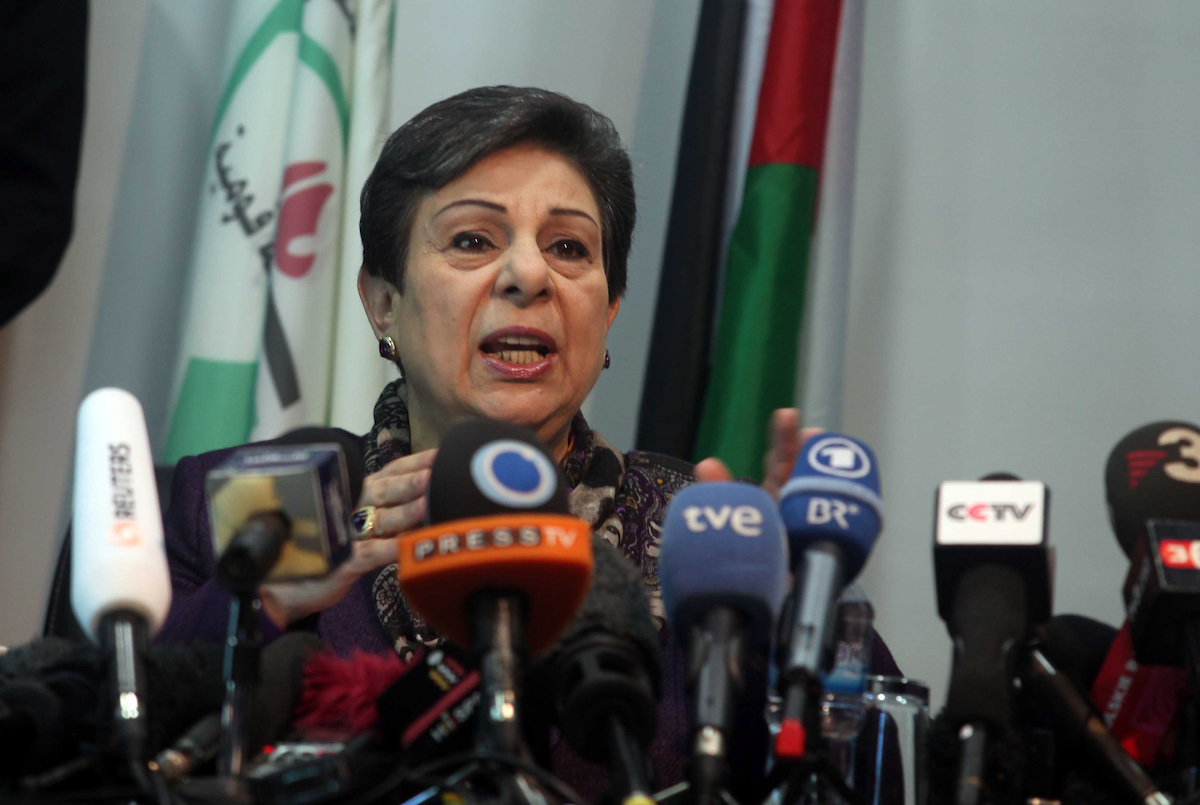
Ep 597The Palestinian Struggle and Human Rights w/ Dr. Hanan Ashrawi/The 2022 Israel Lobby Con w/ Grant F. Smith
On this edition of Parallax Views, later on in the program we'll be talking to one of the most prominent leaders in the Palestinian liberation movement, Dr. Hanan Ashrawi. Dr. Ashrawi was the first woman to be elected a member of the Executive Committee of the Palestine Liberation Organization (PLO) in 2009, served as the official spokesperson of the Palestinian delegation to the Middle East peace process from 1991-1993, and participated in the 1991-1992 Madrid peace conference as a member of the Palestinian Leadership Committee delegation. Hanan will join me to discuss the Palestinian struggle, human rights, and U.S. policy on Palestine with a focus on said policy during the Presidencies of Donald J. Trump and now Joe Biden. We'll also discuss Dr. Ashrawi's encounter with the South African anti-apartheid revolutionary Nelson Mandela, the expulsions of Palestinians from their homes in the Sheikh Jarrah district of East Jerusalem, the human rights and international law approach to Israel/Palestine, the propaganda matrix around Israel/Palestine, hope for the future of the Palestinian cause, and much, much more! That, however, will be in the second segment of today's show. First, Grant F. Smith of IRmep (Institute for Research: Middle East Policy) returns to the show to discuss the upcoming Israel Lobby Con (Transcending the Israel Lobby at Home and Abroad) on March 3rd. Speakers include the aforementioned Dr. Ashrawi, Israeli journalist Gideon Levy, CIA whistleblower John Kiriakou, Paul Noursi of the Virginia Human Rights Coalition, Pink Floyd's Roger Waters, Rev. Don Wagner, academic Sut Jhally, the Council on American-Islamic Relations' (CAIR) Edward Ahmed Mitchell, and Palestine Legal's Radihka Sanith. The conference will cover a number of topics such as Christian Zionism, the Boycott, Divestment, and Sanctions (BDS) movement), human rights and Democracy in Israel, Israel and the U.S. national security state, free speech for Palestinian activists, and much, much more. You can attend the conference by visiting the Israel Lobby Con website and purchasing a ticket. The Annual Israel Lobby Con at the National Press Club in Washington, D.C. on March 3rd (IRL and Zoom tickets available)
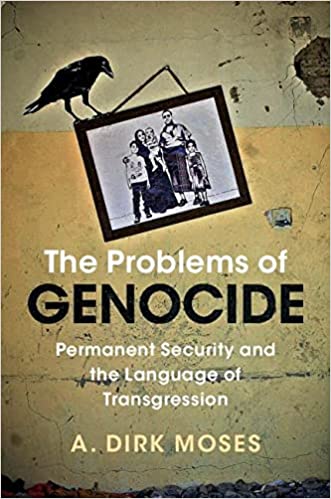
Ep 593The Problems of Genocide: Permanent Security and the Language of Transgression w/ A. Dirk Moses
On this edition of Parallax Views, the noted genocide studies scholar A. Dirk Moses joins us to discuss his provocative book The Problems of Genocide: Permanent Security and the Language of Transgression. In said book, Moses argues that the way in which we conceptualize the legal concept of genocide structures the way we think about "acts that shock the conscience of mankind" and how this in turn may lead us to have blind spots in considering how other heinous acts and crimes against humanity also should shock our conscience. We begin by discussing how Moses became involved in genocide studies and the treatment of indigenous Australians under colonialism. Additionally, Moses gives a history of the term genocide from WWII and the Holocaust on through to the Cold War and the War on Terror. In this regard, we discuss genocide and the ways in which it has been utilized as a concept to political, and especially foreign policy ends. During this portion of the conversation Moses and I talk a little bit about U.S. foreign policy heavyweight Samantha Power and her influential book The Problem from Hell. Additionally, Moses and J.G. talk about: - The concept of permanent security, its liberal and illiberal variants, the utopian nature of pursuing it, and the problems that arise from it - Drone warfare and the humanitarian crisis in Yemen - The Holocaust, the debate over Germany and Holocaust Memory and what Moses calls the "German Catechism" as well as the response famed philosopher/sociologist Jurgen Habermas made to Moses's writing on the subject - The Nigerian Civil War and the Republic of Biafra - And much, much more!
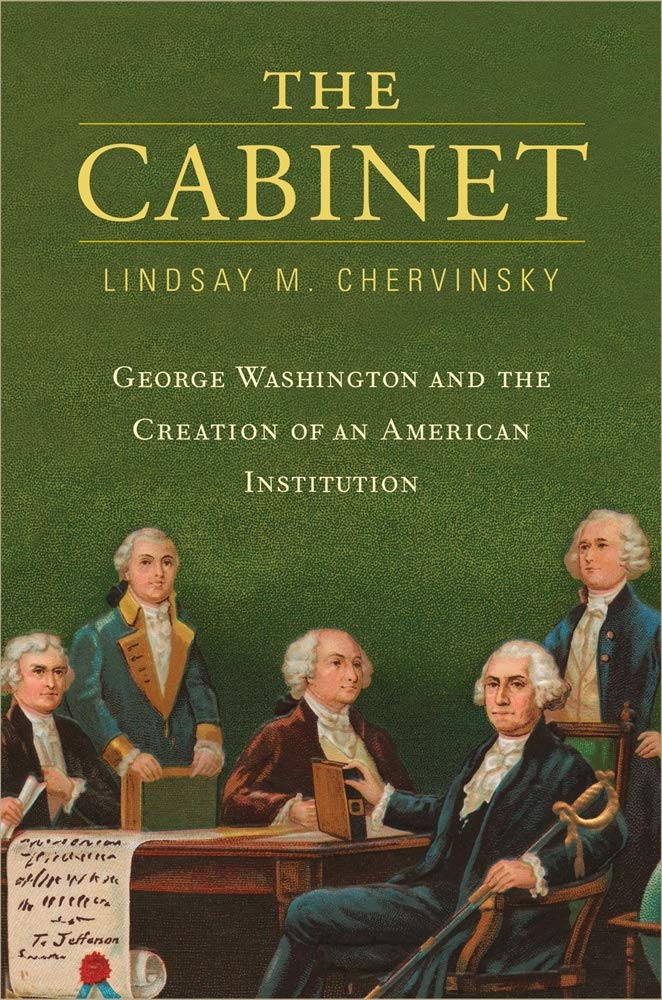
Ep 592The Cabinet: George Washington and the Creation of an American Institution w/ Lindsay M. Chervinsky
On this edition of Parallax Views, Presidential historian Dr. Lindsay M. Chervinsky joins us to discuss her book The Cabinet: George Washington and the Creation of an American Institution. If you ever found history unexciting Dr. Chervinsky will have you reconsidering that as she takes you through the turbulent days of the early American Republic from the inauguration of George Washington to the 1791-1794 violent tax protest known as the Whiskey Rebellion. Lindsay and I discuss the formation of Washington's Cabinet which was Secretary of State Thomas Jefferson, Secretary of Treasury Alexander Hamilton, Secretary of War Henry Knox, and Attorney General Edmund Randolph. Lindsay explains how the institution of the Cabinet came to be and how the vision of it changed over the years. Additionally, Lindsay and I discuss the recent news that Donald Trump was shredding Presidential documents in the dwindling days of his Presidency. Moreover, Lindsay and I discuss other Presidential cabinets such as that of President John F. Kennedy, the problem of nepotism in the Cabinet historically, and much, much more!

Ep 590The Golden Age of Islamic Philosophy + Muhammad Ali Jinnah w/ Amb. Akbar Ahmed/Global Wealth Inequality w/ Chuck Collins
On this edition of Parallax Views, Ambassador Akbar S. Ahmed, the Ibn Khaldun Chair of Islamic Studies at American University in Washington, D.C., joined Parallax Views for an enlightening and uplifting conversation about how the golden age of Islamic philosophy can show us a bridge that exists between East and West, Muslim and non-Muslim. Amb. Ahmed's latest book deal with this specific subject and is entitled The Flying Man, Aristotle, and the Philosophies of the Golden Age of Islam: Their Relevance Today. Amb. Ahmed has written a number of books, including The Thistle and the Drone: How America's War on Terror Became a Global War on Tribal Islam and Journey into Islam: The Crisis of Globalization among others, have attempted to deal with questions related to Islamic in modernity, relations between the Western and Islamic worlds, and attempting to foster understand between cultures and interfaith dialogues. His latest book is no exception and discusses a number of philosophers, poets, and intellectuals including the physician Avicenna and his "Flying Man" thought experiment among others. Amb. explains how these figures from Islamic culture cross-pollinated with Western thought and how their ideas were often in line with those of the Enlightenment and the humanist tradition. He also notes how "New Atheists" like Christopher Hitchens and Stephen Fry have a blind-spot in regards to their dismissal of the Islamic world's contributions to culture, from philosophy to art. In addition to disccussing all of this, Amb. Ahmed and I also discuss his attempt to chronicle the life and significance of the Pakistani statesman Muhammad Ali Jinnah, who could be considered the George Washington of modern Pakistan. In this regard, Amb. Ahmed tells us a little about the origins and troubles with the cinematic biopic of the statesmen, simply known as Jinnah, which starred the late world-renowned British actor Christopher Lee (Sarumon the White in the Lords of the Rings and Hobbit trilogies; Count Dooku in Star Wars: Episode II – Attack of the Clones; the title character in a number of the Hammer Studios Dracula films) in the lead role. Amb. Akbar talks about the negative portrayal of Jinnah in the Ben Kingsley-starring Gandhi, misconceptions he sees many as having about Jinnah, and his thoughts about Pakistan, India, and Muslim-Hindu unity. Along with all of this, Amb. Ahmed briefly comments on the situation of Afghanistan as someone who extensively studies the Pashtun people there. *CORRECTION: In this episode I neglected to mention that Ambassador Ahmed was co-scriptwriter with Jamil Dehlavi for Jinnah rather than the sole writer. Then in the second segment of our show, Chuck Collins of the Institute for Policy Studies in Washington, D.C. and its Inequality.Org joins us to discuss his decades-spanning work investigating the problem of global wealth inequality and how that inequality has skyrocketed during the pandemic. Chuck describes how he was "born on third base" to a wealthy family (the Oscar-Mayer meatpacking family to be exact) and how it gave him a "front row seat" to the problem of wealth inequality. We discuss what the ultra-wealthy are and aren't, wealth taxes, common arguments against taxing the ultra-wealthy, the World Economic Forum and Davos, wealth inequality as a cause of political polarization and social destabilization, the problem with charity as a fix for global wealth inequality, and much, much more! "‘This gift list is completely disconnected from the reality of our society’: Here are the most charitable billionaires in America" by Leslie Albrecht - MarketWatch -2/8/22 "REPORT: Gilded Giving 2020: How Wealth Inequality Distorts Philanthropy and Imperils Democracy" by Chuck Collins and Helen Flannery - 7/28/20 "Updates: Billionaire Wealth, U.S. Job Losses and Pandemic Profiteers" by Chuck Collins - 10/18/21 "Taxing extreme wealth could lift 2.3 billion people out of poverty" by Chuck Collins - CNN - 1/19/22
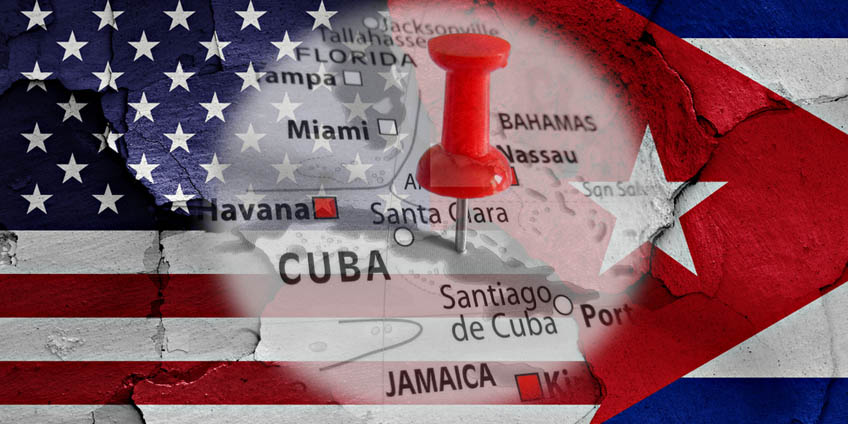
Ep 589Cuba: The 60 Year Embargo, the Pandemic Response, & Havana Syndrome w/ Dr. Mitchell Valdés Sosa/Foreign Interventions & Turmoil in Libya (+ Gulf Politics & Yemen) w/ Giorgio Cafiero
On this edition of Parallax Views, Dr. Mitchell Joseph Valdés-Sosa, the director of the Cuban Neuroscience Center, joins Parallax Views to discuss the 60-year embargo by the U.S. against Cuba, the story of Cuba's response to the pandemic and development of the Cuban Abdala and Soberana 02, and pushing back against conspiracy theories about the "Havana Syndrome". Dr. Valdés-Sosa begins by explaining the origins of the Cuban Neuroscience Center and the late Fidel Castro's hopes and vision for public health and scientific research in Cuba. In this regard we also address the differences between the health systems of Cuba and the United States. From ther Dr. Valdés-Sosa discusses the effects of the U.S. embargo against Cuba and how it has affected the Cuban response to the pandemic. February marks the 60th anniversary of the embargo. We then discuss the story of vaccine development in Cuba during the pandemic and the efforts of Cuba to share their vaccine with the Global South. And finally, Dr. Valdés-Sosa addresses the question of "Havana Syndrome" both scientifically and politically. He explains why the claims that "Havana Syndrome" is caused by exotic weapons, particularly microwave or sonic weapons, should be ruled out. In this part of our conversation, we discuss the Fray effect as well as the ways in which Cuba is misunderstood by the U.S. at numerous different levels. Dr. Valdés-Sosa expresses the belief that U.S.-Cuba relations has been hijacked by reactionary factions but expresses hope in light of the solidarity ordinary people and organizations have had with Cuba during the pandemic. In the second segment of our program, Giorgio Cafiero, founder and CEO of Gulf State Analytics, joins Parallax Views to discuss his Al Jazeera article "What next for world powers in war-torn Libya?". Giorgio details the recent history of turmoil in Libya dating back to NATO interventions and the overthrow of Muammar Gaddafi. Foreign interventions, Giorgio says, have not ended in Libya. They are not, however, of the U.S. variety right now. Instead, there is both a Turkish and Russian presence in Libya. In relation to the Russian presence, Giorgio specifically talks about the private organization known as the Wagner Group and its relationship to Russia. During the course of our conversation Giorgio also discusses the recent postponement of the Libya elections, the candidates (with special focus on Gaddafi's son Saif al-Islam Gaddafi and military official Khalifa Haftar), the possibility of partition, the Civil War in Libya and the possibility it could happen again, and much, much more. Additionally, Giorgio gives an update on the humanitarian crisis in Yemen, the Houthis, the geopolitics around it involving the UAE and Saudi Arabia, and the potential changing nature of Gulf politics in light of cooperation between the UAE and Israel. "Does Israel-UAE cooperation show what a post-US Gulf will look like?" by Giorgio Cafiero - TRT World - 2/3/2022 "Yemen: Intensifying war worsens world’s worst civilian crisis" by Giorgio Cafiero - Al Jazeera -2/7/22

Ep 587The Azov Battalion and U.S. Support of the Ukrainian Far-Right w/ Lev Golinkin
On this edition of Parallax Views, journalist Lev Golinkin joins me to discuss the U.S. arming of the Azov Battalion and Ukranian far-right neo-Nazi elements. Lev is the author of A Backpack, a Bear, and Eight Crates of Vodka and arrived in the U.S. as a child refugee Kharkov, a city in eastern Ukraine. His writings on Ukraine have been featured in The New York Times, The Los Angeles Times, The Boston Globe, The Forward, The Nation, and Time.Com. For some time now Lev has been raising the alarm bells about the U.S. arming of the Azov Battalion and far-right elements in Ukraine. He is quick to point out that, of course, not all Ukrainians are of this fascist ultranationalist contingent, but that concerns about the Azov Battalion and other Ukranian ultranationalist organizations are not merely Russian/Kremlin propaganda. The U.S. support for elements like the Azov Battalion could, Lev believes, lead to forms of blowback especially as news surfaces that U.S. neo-nazis heading over to Ukraine to network with and receive paramilitary training from the. Lev and I delve into the history of the Azov Battalion and the history of Ukranian ultranationalism more broadly going back to the figure of Stepan Bandera in WWII, the Organization of Ukrainian Nationalists, and the Ukrainian Insurgent Army, and the origins of Ukranian ultranationalism in Galicia. Lev explains the sordid history of Ukranian ultranationalists and their violence against Poles, Jews, and even fellow Ukranians. Additionally, Lev and I talk about the Maidan uprising, the targeting of Ukranian Jewish activist Eduard Dolinsky by neo-nazi elements, Obama-era foreign policy official Evelyn Farkas and her comments on the U.S. support of Ukranian ultranationalists, the horrific pogroms against the Roma by Ukranian ultranationalists today, the Atlantic Council's defense of the Azov Battalion, Andriy Yevhenovych Biletsky of the far-right Ukranian political party National Corps and its connection to the Azov Battalion, countering claims that discussion of the Azov Battalion is just Russian propaganda, the "freedom fighters" vs. "neo-nazis" distinction, Nazi monuments around the world, Werner Von Braun and Operation Paper Clip, the foreign policy establishment and the military-industrial complex, and much, much more! "Neo-Nazis and the Far Right Are On the March in Ukraine" by Lev Golinkin - 2/22/19 "A Year After 1/6, Ukraine's War Draws U.S. Far-Right to Fight Russia, Train for Violence at Home" by Tom O'Connor and Naveed Jamali - 1/05/22 "Why Azov should not be designated a foreign terrorist organization" by Anton Shekhovtsov - 2/24/20 Eduard Dolinsky's Twitter Status Documenting Threats Made Against Him by the Ukranian Neo-Nazis "Meet the Lonely Ukrainian Jew Fighting His Country’s New Fondness for Nazis" by The Forward and Sam Sokol - Haaretz - 12/6/18 "Investigation: Some 1,500 statues and streets honor Nazis around the world — including in Germany and the U.S." by Lev Golinkin - The Forward - 1/27/22 "It's time to confront the dark postscript to America's role in defeating the Nazis" by Lev Golinkin - CNN - 2/24/21
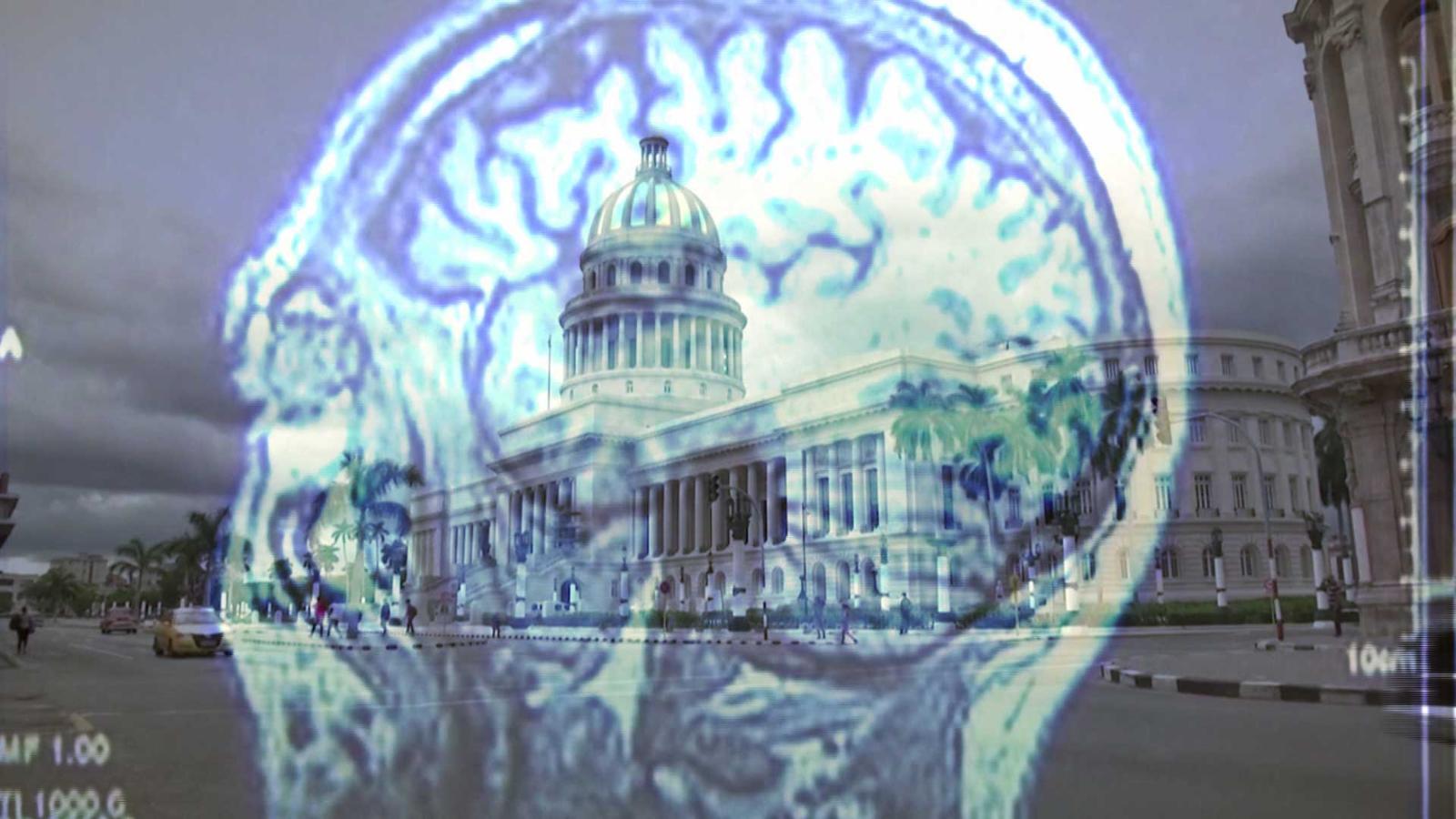
Ep 586FIXED: Havana Syndrome, TikTok Tics, & Mass Psychogenic Saber-Rattling/The Lucrative Business of Anti-Vaxx? w/ Mia Jankowicz/Amensty International Israel/Palestine Report w/ Stephen Zunes
THIS EPISODE WAS ORIGINALLY PUBLISHED WITH A MAJOR ERROR, NAMELY DR. ZUNES SEGMENT BEING MISSING. THIS HAS BEEN RECTIFIED AND REPUBLISHED. On this edition of Parallax Views, award-winning journalist Brandon R. Reynolds joins us to discuss his recent WhoWhatWhy piece "Havana Syndrome and TikTok Tics: Many Forms of Mass Hysteria" and the potential geopolitical implications of mass psychogenic illnesses in the age of social media and renewed tensions between the U.S. and countries like China, Russia, and Cuba. In our second segment Insider (formerly known as Business Insider) journalist Mia Jankowicz joins us to discuss her coverage of prominent anti-vaxxers, chief among them Dr. Sherri Tenpenny, and how their enterprise may be proving quite lucrative for them. Among other things Dr. Tenpenny is connected to MyPillow's Mike Lindell (who has been pushing conspiracy theories about the 2020 election) and has promoted sensational claims such as the belief that vaccines turn people magnetic. And finally, Dr. Stephen Zunes returns to the program to discuss the recent Amnesty International report arguing Israel is in engaging in the practice of apartheid against Palestinians, especially in the Occupied Territories. Dr. Zunes will also give his thoughts on the reaction of the U.S. media and Congressmen to the report.
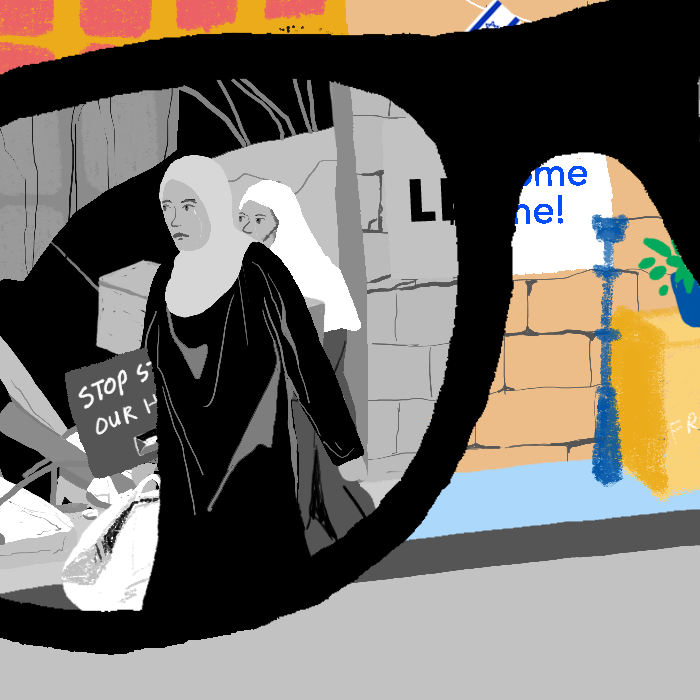
Ep 585Breaking Through the Propaganda on Israel/Palestine w/ Sut Jhally & Roger Waters/NSO Group Spyware Scandal Deepens w/ Nick Cleveland-Stout & Taylor Giorno
EOn this edition of Parallax Views, University of Massachusetts Amherst professor of communications Sut Jhally and acclaimed musician Roger Waters, the front man of Pink Floyd, joins Parallax Views to discuss the propaganda matrix around the Israel/Palestine conflict and breaking through it. In 2016 Sut made the documentary The Occupation of the American Mind: Israel's Public Relations War in the United States, which was narrated by Roger Waters and detailed the information war over the plight of Palestinians. Sut, Roger, and I discuss the recent Amnesty International report arguing that Israeli is practicing a form of apartheid against Palestinians, their article "The Smearing of Emma Watson" on the Harry Potter star being branded an antisemite for posting a picture on Instagram featuring the Palestinian flag and the words "Solidarity is a Verb", the very real issue of antisemitism today and its misuses and abuses in the discussion around Israel/Palestine, the changing of public perception (especially among millennials and Generation Z) in relation to Israel and Palestine), the issues Roger has faced with his concert touring due to his activism on behalf of Palestinians, the hasbara public relations campaign and its effect on news coverage of Israel/Palestine, Roger's thoughts on the 1% ruling class and how they're the "Emperor With No Clothes", the lack of education in the United States and the lack of support for teachers, the debate in the Democratic Party that has emerged over Israel/Palestine and Sut's thoughts on Bernie Sanders use of the term Palestinian on the campaign trail, the connection between the Black Lives Matter and Palestinian Solidarity movements, how Roger first became aware of the Palestinian plight, the B in the BDS (Boycott, Divestment, Sanctions) movement, evangelical support for Israel and the Biblical apocalypse, the Asia Pivot and the potential decline in Israel's geostrategic significance, and much, much more! Catch Sut Jhally and Roger Waters next month at the annual Israel Lobby Con at the National Press Club in Washington, D.C. on March 3rd (IRL and Zoom tickets available) ,Then, in our second segment, Nick Cleveland-Stout and Taylor Giorno of the Quincy Institute for Responsible Statecraft joins Parallax Views to discuss the latest developments in the scandals of Israeli spyware firm NSO Group. NSO Group's Pegasus spyware has been used by unseemly forces around the world, including authoritarian regimes, to target activists, journalists, diplomats, and others. In their article for Responsible Statecraft entitled "Israeli spyware firm in hot water over alleged interest in US data, CIA/FBI links", Nick and Taylor delve into the most recent revelations about NSO Group including attempts to use the Global Magnistky Act to impose sanctions on the firm, NSO Chairman Asher Levi's resignation, NSO Group's dealings with the U.S. government vis-a-vis its Phantom spyware, and the bombshell reports on the firm by The Washington Post and the New York Times in the past week. We discuss all of this as well as the history of the NSO Group/Pegasus spyware scandal, the targeting of U.S. diplomats in Uganda using Pegasus, the cyberweapons arm race, the Oregon connection to the story, and much, much more!

Ep 584Super Imperialism: The Economic Strategy of American Empire w/ Michael Hudson/The Failure of the British Left w/ James A. Smith
On this edition of Parallax Views, economist Michael Hudson joins the show to discuss his seminal 1972 book Super Imperialism: The Economic Strategy of American Empire, now available in an updated and expanded third edition. We begin the conversation by discussing how the futurist Herman Khan of the hawkish, conservative Hudson Institute surprisingly showed an interest in the book (which Hudson thought would be more well-received by the political Left). Khan commented on the book by saying: You’ve shown how the United States has run rings around Britain and every other empire-building nation in history. We’ve pulled off the greatest rip-off ever achieved. Michael goes on to explain how the book was of interest not only to Khan, but also people within the CIA and State Department. He then explains the thesis of the book which deals with the major shift in how the international economic system worked after the U.S. got off the gold standard. Hudson speaks to U.S. military spending and investment in foreign countries vis-a-vis organizations like the International Monetary Fund (IMF) and World Bank became a strategy for American hegemonic dominance through the dollar. In the course of our conversation, we also discuss such issues as immigration, the World Economic Forum and Davos, an alternative system arising with China and Russia that could challenge the U.S. hegemon, the multipolar world, sanctions, Germany, and much, much more. Then, in our second segment, James A. Smith joins us to discuss the article he co-wrote with David Slavick for the left-wing magazine Jacobin entitled "The Labour Left’s Fatal Contradictions Are Still Unresolved". James offers a critique of the Left's relationship with populism wherein populism is alternately cheered on and reviled. More controversy, James takes issue with the Left's embrace of lockdown measures during the pandemic. We discuss this as well as issues like de-platforming, big tech, the fall of Jeremy Corbyn and Corbynism, Left vs. Right Populism, and much, much more.

Ep 58120 Years of Guantanamo Bay (+ Exclusive Syria News) w/ Letta Tayler/Countering Drug Policy and Addiction Misinformation w/ Maia Szavalitz
On this edition of Parallax Views, a new joint report by Human Rights Watch and the Costs of War Project at Brown University's Watson Institute for International and Public Affairs delves into the 20 years of unlawful detentions and interrogations that have been pursued by the U.S. in the "War On Terror" since the Presidency of George W. Bush. Co-authored by Letta Taylor and Elisa Epstein, the "Legacy of the 'Dark Side': The Costs of Unlawful U.S. Detentions and Interrogations Post-9/11" report hones in on the activities that have occurred at the detention center at the Guantanamo Bay Naval Base and its costs. Shortly after the 9/11 terrorist attacks, Bush's Vice President Dick Cheney famously said that the U.S. would have to engage its "dark side" to fight a terrifying new enemy. After 20 years, however, have the policies of unlawful detention, interrogation, and torture in fighting the "War in Terror" actually damaged the U.S.'s moral authority, created terrorist martyrs, empowered jihadist factions like the Islamic State, and led to other extremely negative impacts? Tayler and Epstein argue it has. In this segment of the show Letta Tayler joins us to discuss the report. Additionally, Letta provides us with exclusive news about a prison in Syria that she says is "Guantanamo Bay on steroids" and provides chilling audio she obtained last month from inside the prison. Then, in the second segment of our show, reporter Maia Szalavitz joins us to discuss her book Undoing Drugs: The Untold Story of Harm Reduction and the Future of Addiction, a major drug policy story from Oregon, and countering misinformation about drug policy, addiction, and the issue of criminalization vs. decriminalization being peddled by figures like Michael Shellenberger (author of San Fransicko: Why Progressive Ruin Cities). Maia Szlavitz takes us through the problems with the U.S.'s decades-spanning War on Drugs and how it has harmed rather than led to the recovery of those suffering from drug addiction issues. We discuss all of this as well as key misrepresentations being made about drug policy in Portugal by those who call for continuing a more-or-less law-and-order approach to the problem of addiction in society.
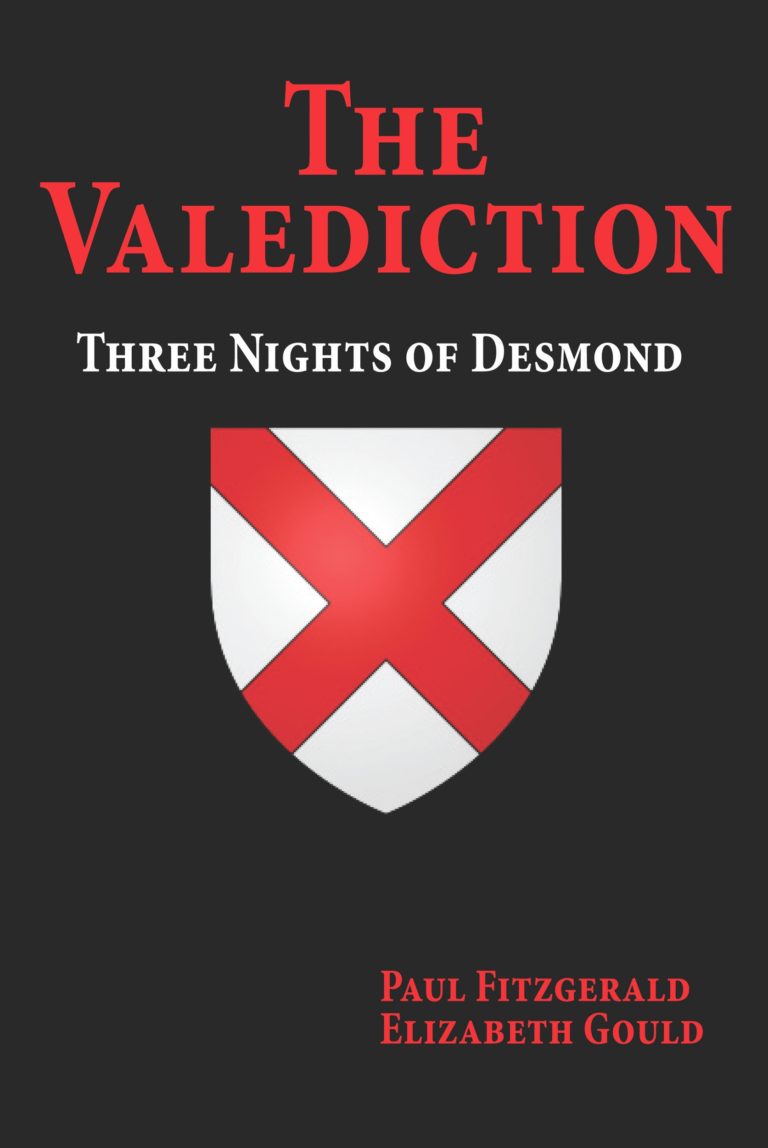
Ep 576Afghanistan, Zbigniew Brzezinski, and Cold War Subterfuge w/ Paul Fitzgerald & Elizabeth Gould
On this edition of Parallax Views, Paul Fitzgerald and Elizabeth Gould, authors of Invisible History: Afghanistan's Untold Story, Crossing Zero: The AfPak War at the Turning Point of American Empire, and now the novelized memoir The Valediction, join me to discuss their forty year journey investigating American Empire, the Cold War arms race, military Keynesianism and destruction of the civilian economy, covert operations, the rise of the peculiar ex-Trotskyites that came to be known as neocons, the politicization of intelligence vis-a-vis "Team B", the death of the SALT treaty, and the political maneuverings of the foreign policy heavyweight Zbigniew Brzezinski in the Jimmy Carter White House all through their attempts to understand the Soviet invasion of Afghanistan. We begin the conversation by delving into Paul's work in the talk show business. Paul discusses how an anti-SALT (Strategic Arms Limitation Talks) treay documentary led him to make a documentary that was pro-SALT. This led him to speak with the well-known economist John Kenneth Galbraith, who told him about some key Cold War hawk figures like Paul Nitsze. Liz explains how many thought the end of the Vietnam War and later the Carter Presidency would lead to a new era that would lead to a reinvestment in the American civilian economy rather than the Wall Street and military economy. The SALT treaties were part of this hope as were talks of peace and détente. Paul then goes on to explain what Paul Warnke told him about peace talks going back to Lyndon Johnson's Presidency. From there we jump into the topic of the neoconservatives and the Soviet invasion of Afghanistan. Paul and Liz discuss the involvement of the virulently anti-Soviet Zbigniew Brzezinski in the Carter administration as National Security advisor. In this regard we talk about Paul and Liz's interview with Dr. Charles Cogan, chief of the Near East and South Asia Division in the CIA's Directorate of Operations (1979–1984), in which Cogan talked about asking Zbigniew Brzezinski about the "Afghan Trap", the idea that Brzezinski intentionally lured the Soviets into Afghanistan via covert operations, and Brzezinski's surprising response. This leads us to talk about Brzezinski's infamous interview with Le Nouvel Observateur in 1998 and the controversy surrounding it. From there we delve into a number of different odds and ends including the death of Adolph "Spike" Dubs; explaining what the Afghan Trap was; the relationship between Trotskyism, game theory, and neocons; Team B and the politicization of intelligence, the mujahadeen, the neoconservative casus belli, Cold War political theater, Zbigniew Brzezinski ad a Dr. Faustus character, late-stage imperial dementia, and much, much more. The Brzezinski "Afghan Trap Thesis" is authentic: Interview with Dr. Charles Cogan 2 8 2015 (Youtube) The Brzezinski Interview with Le Nouvel Observateur (1998) The Deep Research Behind the Valediction (Article "President Carter, Do You Swear to Tell the Truth, the Whole Truth, and Nothing But the Truth?" Discussed In This Episode) Afghanistan Between Three Worlds (Documentary)

Ep 580U.S. Democracy Deficits, the Military-Industrial-Media Complex, and World Order w/ Alfred de Zayas
On this edition of Parallax Views, Alfred de Zayas, the first United Nations Independent Expert on the Promotion of a Democratic and Equitable International Order, joins me from his home in Geneva, Switzerland to discuss a number of themes in his book Building a Just World Order and its upcoming follow-up The Human Rights Industry. An expert in international law and human rights, Alfred de Zayas offers a scorching criticism of the United States military-industrial complex and those he argues enables it in many successful media outlets today. Alfred and I also discuss corporate media, Alfred's views that we are in an Orwellian 1984-esque moment, NATO expansion and its discontents, the late diplomat George F. Kennan, the Russia-Ukraine situation, the conflict between Serbia and Kosovo in the 1990s, referendums and direct democracy, the principles of international order, the weaponization of human rights rhetoric, the lack of visibility for dissident voices in media today, the crimes of Iraq and Afghanistan, the Global War on Terror and the Project for a New American Century, Biden's Democracy Summit, lobbying efforts vs. the will of the people, idealogues vs. adherents of realpolitik, cheating international law and its consequences, and much, much more!

Ep 579The Spoils of War: Power, Profit, & the American War Machine w/ Andrew Cockburn/U.S.-Russia Tensions, Ukraine, & Strategic Empathy w/ Nicolai Petro
On this edition of Parallax Views, Andrew Cockburn, Washington, D.C., editor of Harper's Magazine, joins us to discuss his book The Spoils of War: Power, Profit, and the American War Machine. Cockburn argues that talk of "foreign policy", "defense", and even Left criticisms concerning imperialism and Empire camouflage the true nature of the military-industrial complex: keeping the money flow going. In other word, making profits. Andrew and I discuss a number of issues including the military-industrial complex as something akin to a "living, insatiable, creature" or amoeba "dedicated only to its own defense and power", the question of ideology and idealogues as it relates to the American war machine, Bill Clinton and NATO expansion after the Cold War, threat inflation, the absence of long-term peace dividends when wars end, the rise of the neoconservatives, Russiagate, profits of war outside of U.S. actors (military-industrial complexes in other countries), the so-called missile gap of the Cold War era, hypersonic weapons, the human cost of the war machine (Cockburn discusses the Korean War in this regard), and much, much more! Then, in the second half of the program Nicolai Petro, Silvia-Chandley Professor of Peace Studies and Nonviolence and Professor of Political Science at the University of Rhode Island and the US State Department's special assistant for policy on the Soviet Union under President George HW Bush, stops by for a discussion about U.S.-Russia tensions, Ukranian nationalism, and the need for strategic empathy in foreign policy. Nicolai explains the roots of the Russia/Ukraine crisis going back to 2013 as well as telling us a little bit about the history of Ukranian nationalism, his thoughts on the Azov Battalion, and related matters. We then shift focus slightly to discuss the value of the 20th century diplomat Hans Morgenthau in these times of tension. In this regard we talk about the problem of strategic narcissism and the need for strategic empathy. Are we reading Russia right? How can we read Russia and Putin better? What are the primary problems with the discourse around Russia/Ukraine tensions, NATO, and the U.S. today? Hopefully this conversation will shed light on the answers to some of those questions.

Ep 578The Steele Dossier & Private Spies w/ Barry Meier/The 1930s Coup Attempt Against FDR w/ Sally Denton/Russia and NATO w/ Paul Robinson
On this edition of Parallax Views, we have another "Triple Feature" for listeners. First up, former New York Times journalist Barry Meier joins us to discuss the saga of the private intelligence firm Fusion GPS, former MI-6 agent Christopher Steele of Orbis Business Intelligence, and the media coverage of the infamous Steele Dossier (which purported, among other things, that Vladimir Putin and Russia had "kompromat" on President Donald J. Trump vis-a-vis an alleged "pee tape" with prostitutes that was then used to blackmail Trump) as outlined in his book Spooked: The Trump Dossier, Black Cube, and the Rise of Private Spies. We delve into the hidden billion-dollar industry of corporate investigative firms, Jules Kroll, the mercenary nature of these firms, the connection between "vulture capitalist" Paul Singer and the saga that would come to be known as the Steele Dossier, oppo research in the world of politics, Fusion GPS's connection to a Russian oligarch, and much, much more. "Ping!! How Those Trump/Russia Stories Got Shopped to the Media" by Barry Meier - The Nation -11/2/21 Then in our second segment, prolific author Sally Denton joins us for a short conversation about her 2008 book The Plots Against the President: FDR, A Nation in Crisis, and the Rise of the American Right in light of the Janury 6th Capitol breach anniversary. Denton explains how powerful Wall Street forces, allied with various right-wing elements including Christian evangelicals, Nazi sympathizers, and militias, plotted a coup against President Franklin Delano Roosevelt due to the path he wanted to take the United States on vis-a-vis the New Deal. The plotters approached the "Maverick Marine" Gen. Smedley Butler, known for his seminal antiwar book War is a Racket, in the hopes that he would assist them. Instead of taking up their offer, Butler notified J. Edgar Hoover at the FBI. The plot was then eventually investigated by Congress. Know alternately as the Business Plot or Wall Street Putsch, this extent of the plans and how close they were to being executed have been a matter of heated historical debate over the decades. Media at the time denounced it as a hoax, but since then the question, again, has become how close the plot was to being carried out. Denton and I talk about all of this as well as the relevance of this story to our current times. "Why is so little known about the 1930s coup attempt against FDR?" by Sally Denton - The Guardian - 1/11/22 And finally in our third segment, Paul Robinson, professor in the Graduate School of Public and International Affairs at the University of Ottawa and a scholar on issues related to Russia and its history, joins us to discuss Russia, Ukraine, and NATO. In particular we discuss his Irrussianality blog post "Why Russia Fears NATO".

Ep 572Samantha Power and the Cosmopolitan Crusaders w/ Christopher Mott
On this edition of Parallax Views, Christopher Mott, a Research Fellow at the Institute for Peace & Diplomacy and author The Formless Empire: A Short History of Diplomacy and Warfare in Central Asia, joins Parallax Views to discuss his recent CovertAction Magazine piece "Samantha Power and the Cosmopolitan Crusaders". Applying his knowledge as someone who has worked inside the U.S. State Department, Chris explains the foreign policy thought of the diplomat and government official Samantha Power, whose influential book A Problem from Hell: America and the Age of Genocide was foundational to R2P (Responsible to Protect) doctrine. R2P, Mott explains, holds that powerful nations (ie: the U.S. and NATO-aligned states) have a duty to stop human rights abuses around the world. Although a noble cause in theory, Mott argues that R2P in practice has not always worked perfectly in practice. In this regard Mott examines the Obama-era intervention into Libya on humanitarian grounds and how Libya has turned into a chaotic failed state that's led to the return of the slave trade to North Africa. In addition to all of this Mott and I also discuss: - Fear of another Weimar moment haunting beltway foreign policy circles and the role that plays in driving interventionist policymaking - The question of isolationism, the specter of WWII, and Stephen Wertheim's Tomorrow, the World: The Birth of U.S. Global Supremacy - Foreign policy realism and its variations including offensive realism and defensive realism - Sun Tzu, the risks of war, diplomacy vs. military force, and the question of grand strategy - The role of ideological, systemic, and economic factors in U.S. foreign policy - Democratic Peace Theory, American exceptionalism, and Kantian liberal cosmopolitanism - Sanctions, the potential critique of their effectiveness in achieving state policy goals, and the Iran deal/JCPOA; sanctions as a form of economic warfare - Jihadism, cosmopolitanism, and state collapse - U.S.-China relations, human rights rhetoric, and whataboutisms - American exceptionalism as having a right, left, and center form - U.S. foreign policy, puritanical morality plays, and protagonist syndrome - Tyler Cowen's Bloomberg op-ed arguing for using "Wokeism" (a very vague term removed from its original context on Black Twitter) to rebrand American exceptionalism - And much, much more!

Ep 577The Ukraine-Russia Crisis and NATO w/ Katrina vanden Heuvel/Vaccine Insubordination in the Military w/ Maj. Gen. Dennis Laich/Wars for Oil? w/ David R. Henderson
On this edition of Parallax Views, Katrina vanden Heuvel, Editorial Director and Publisher of The Nation, joins Parallax Views in the first half of the show to discuss the Ukraine-Russia crisis, the U.S., and NATO. Then, in the second half of the show Ret. Maj. Gen. Dennis Laich, author of Skin in the Game: Poor Kids and Patriots, joins the show to discuss the Military Times op-ed he co-wrote with Ret. Col. Lawrence Wilkerson on vaccination insubordination in the all-voluntary military force and its implications. And finally, libertarian economist David R. Henderson offers an argument for why the U.S. doesn't need to fight wars for oil and gives his perspective on the cause of high gas prices. Opinion: What a sensible Ukraine policy would look like - Katrina vanden Heuvel - The Washington Post - Jan 4, 2022 Opinion: Stop the stumble toward war with Russia - Katrina vanden Heuvel - The Washington Post - Jan 18, 2022 Toward a Global Realignment - Zbigniew Brzezinski - The National Interest - April 17, 2016 The Broken Chessboard: Brzezinski Gives Up on Empire - Mike Whitney - Counterpunch - Aug, 25, 2016 A Year After 1/6, Ukraine's War Draws U.S. Far-Right to Fight Russia, Train for Violence at Home - Tom O'Connor and Naveed Jamali - Newsweek - Jan 5, 2022 CIA-trained Ukrainian paramilitaries may take central role if Russia invades - Zach Dorfman - Yahoo! News - Jan 13, 2022 American Commitee for U.S.-Russia Accord U.S.-Russia Relations: Can ‘Strategic Empathy’ Be A Way Forward? - Quincy Institute for Responsible Statecraft Panel Discussion Insurrection has led to dereliction of duty - Ret. Gen Maj. Dennis Laich and Ret. Col. Lawrence Wilkerson - Military Times - Jan 7, 2022 Do We Need to Go to War for Oil? - David R. Henderson - Independent Institute Policy Paper

Ep 575Free the Press: The Death of American Journalism and How to Revive It w/ Brian Karem
EOn this edition of Parallax Views, Brian Karem, renowned journalist. National Press Club Freedom of the Press Award recipient, host of the "Just Ask the Question" podcast, and White House correspondent for Playboy (who made waves for questioning the Trump administration quite pointedly at White House pressers), joins Parallax Views to discuss his new book Free the Press: The Death of American Journalism and How to Revive It and his career as a journalist from questioning George H.W. Bush about the failure of the War on Drugs to working on America's Most Wanted. We begin the conversation with Brian explaining how he got into reporting and being mentored legendary White House Correspondents as Sam Donaldson of ABC News and Helen Thomas (whose advice to Brian to "Just Ask the Question" has stuck with Brian over the years. From there we delve into the problems facing journalism today and its decline. Part of this decline, Brian argues is a lack of "diversity of ownership" in media. In other words, the corporate monopoly on news media today. Brian explains how government, especially since the Presidency of Ronald Reagan, has contributed to the decline of the press in the United States. This leads us to exploring a number of different issues related to the problems of the press today and their historical origins including the demise of the Fairness Doctrine, the impact of Fox News and its late Chairman and CEO Roger Ailes, lack of experience amongst many young journalists just out of university, the tethering of news media outlets to capitalism and profit demands, "Combat TV" and infotainment, Ronald Reagan and his allies' planting of fake journalists in the press in the 1980s, the fall of community news outlets with a local focus, access journalism, the early 20th century journalistic gadfly H.L. Mencken's adage about how members of the press are easy to fool and the reason why journalists get dupped at times, and more. Additionally, Brian and I talk about some of his experiences as a journalist such as his infamous confrontations with the Trump administration (ie: being called "that Playboy reporter" by Kayla McEnany; Brian's infamous run-in with Sebastian Gorka in which Gorka refered to Brian as a "punk" and "not a journalist), grilling George H.W. Bush over the failure of the War on Drugs (and a primer on the ways in which the Drug War has contributed to many social problems today, especially south of the U.S. border), his personal memories of Watergate burglar G. Gordon Liddy, working with grieving families and taking an ethical approach to speaking with them during his time with America's Most Wanted, and various other recollections form his storied career. The conversation even manages to get in some reference and/or remember such figures and events of years past to the noted antiwar "Maverick Marine" Gen. Smedley Butler and his seminal short book War is a Racket, the Iraq War and Judith Miller, the problems with the way some elements of the press covered the Steele Dossier (aka the "Trump pee-tape" story), the Capitol breach of January 6th, 2021 (Brian was in Washington, D.C. as it happened), covering an Federal Aviation Agency (FAA) scandal, the concept of the "Fourth Estate" and the need for it, and much, much more!

Ep 574Meir Kahane: The Public Life and Political Thought of an American Jewish Radical w/ Shaul Magid
On this edition of Parallax Views, Shaul Magid, Distinguished Fellow in Jewish Studies at Dartmouth College, joins Parallax Views to discuss his book Meir Kahane: The Public Life and Political Thought of an American Jewish Radical. Kahane was one of the most divisive figures in Jewish American political/cultural life. The founder of the Jewish Defense League (JDL), Kahane was a man of the Right who sought to utilize the tactics of militancy often associated with the countercultural New Left of the 60s and 70s to achieve his aims. Kahane was a fierce proponent of Jewish pride and anti-antisemitism as well as a reactionary critic of the American Jewish liberal establishment in the 20th century. Today, Kahane name has returned in discussions of his followers in Israel (referred to by Magid Shaul as neo-Kahanists). Magid, in contrast to this trend, attempts to understand Kahane within the context of his impact on Jewish American life and argues that it has been overlooked in ways that actually strengthen rather than dampen Kahane's influence. In this conversation Magid Shaul and I discuss a number of topics including: - Kahane as both Zionist and counter-Zionist; the subtle differences between the neo-Kahanists in Israel today and Kahane; the relationship of Rabbi Abraham Isaac Kook to those aforementioned differences; Kahane as a profoundly American figure and a "fish out of water" character in Israel - Kahane and black nationalism including a discussion of figures like Malcolm X and the Nation of Islam's Louis Farrakhan as well as Magid's thoughts on the nature of radicalism and revolutionary politics from both the right and left; Yippie leader Abbie Hoffman's comments about Rabbi Kahane; Kahane and black antisemitism - Neoconservatism, Bari Weiss, Ben Shapiro, Dennis Praeger and other thinkers/movements and whether aspects of Kahane can be seen in them - The founding of the Jewish Defense League and Kahane's eventual break from the JDL - The role of violence in Kahane's thought and why he could not leave violence behind in his thought - Kahane as a critic of hypocrisy while being a profoundly hypocritical man himself - Kahane's distrust and criticism of American liberalism; fear of assimilation and erasure of Jewish identity And much, much more!
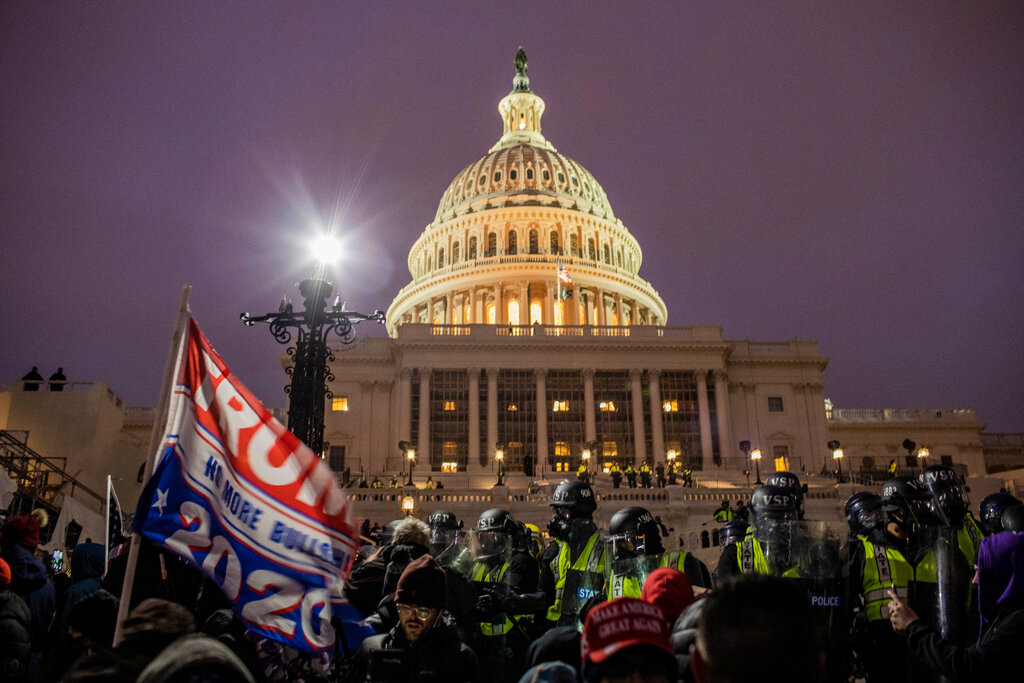
Ep 573America’s Covert Empire and January 6th w/ Dan Feidt
On this edition of Parallax Views, Dan Feidt of the media collective Unicorn Riot joined Parallax Views to discuss his lengthy, complex investigative piece "January 6 Documents Reveal Plans to Overturn 2020 Election as Military Questions Deepen: Congress investigates military role in Jan. 6; Generals warn of rogue military personnel in future coup attempts". The question at the core of Dan's article is the military and National Guard response to the Capitol breach (which has also been referred to as an insurrection). In particular, Dan hones in on the whistleblower testimony of Col. Earl Matthews, a former D.C. National Guard official, who has accused Gen. Charles Flynn (brother of the infamous Michael Flynn) and Walter Piatt of deceiving Congress. In a memo, Col. Matthews has gone so far as to call Piatt and Flynn "absolute and unmitigated liars". key issue is that the National Guard's timeline of events in relation to January 6th conflicts with the Pentagon's timeline of the same events. This takes us on a journey into a number of issues including: White House Chief of Staff Mark Meadows powerpoint to Trump about declaring the elections illegitimate and his invocation of national emergency measures; the history of national emergency measures, COG (Continuity of Government); Operation Garden Plot and Rex 84; fears expressed by retired military brass that a military breakdown and Civil War could occur if another incident like the Capitol breach happens; the history of coup d'états and how they happen; the 2016 coup attempt in Turkey; Michael Flynn and his calls for creating an army of "digital soldiers"; Iran-Contra figure, hardline Cold Warrior, and longtime friend of the Flynn family Maj. Gen. John Singlaub and "America's Covert Empire"; Jimmy Carter's firing of Singlaub and the alleged "October Surprise" plot; journalist Matt Farwell's reporting on Ret. Lt. Gen Michael Flynn and Flynn's "Long Game"; police militarization and population control in the era of Ronald Reagan's Presidency; the Council for National Policy, the World Anti-Communist League, the John Birch Society, arch-conservative Phyllis Schlafly, and the Eagles Forum (as well as the successor organization Phyllis Schlafly Eagles); US Northern Command (USNORTHCOM) Civil Disturbance Operations Plan CONPLAN 3502; federalized troops; the George Floyd uprising and National Guard mobilization; the slowness of the response on January 6th; Michael Flynn's attorney Sidney Powell; Roger Stone, the Brooks Bros. riot in Florida, and the 2000 election; election integrity and Ohio in relation to the 2004 election; Christian Nationalism, Michael Flynn, and the "Jericho March"; Cold War networks; "low intensity operations"; and much, much more!

Ep 571Iran and Foreign Policy Realism w/ Shireen Hunter
On this edition of Parallax Views, Shireen Tahmaaseb Hunter, an Honorary Fellow at Prince Alwaleed Bin Talal Center for Muslim-Christian Understanding (ACMCU) at the Georgetown University School of Foreign Service and author of Iran Divided: Historic Roots of Iranian Debates in Identity, Culture and Governance in the 21st Century, joins Parallax Views to discuss her Responsible Statecraft article "Time to look inward: Not all of Iran’s problems are caused by the West". This differs from previous interviews about Iran in that the focus is not on the U.S. role in the problems of getting back into the JCPOA, but the problems Hunter sees with Iran's hardline elements from a realist foreign policy perspective. Hunter argues that Iran should be taking a realist approach to its foreign policy that puts the Iranian people before its relationships with other countries. Additionally, we have a discussion about what realism is and the misunderstandings about it. In this conversation we discuss Iran and the anti-imperialist struggle, Iran and Assad's Syria, Henry Kissinger and his association with realism (and why Hunter questions the categorization of Kissinger as a realist), the "Axis of Resistance" (also: the "Axis of Rejection"), Iran and Israel/Palestine, power relationships as shaping international relationships whether we like it or not, lack of education and understanding about international affairs, Iran and Saudi Arabia, the unresolved question of Palestine and its use by various political forces, hardliners vs. moderates in Iran, hardliners in the U.S. like Mike Pompeo and John Bolton (and the almost symbiotic relationship between U.S. hardliners and Iran hardliners), the devastating impacts of sanctions on Iran, Clinton and Iran, similarities between what we are seeing now with the tensions between the U.S. and Iran and the tensions of the Cold War, the American tendency to ignore history, the weight of history and the implausibility of totally clean "restarts", the accomplishment of the Iran Deal under Obama, negotiations between the U.S. and Iran going forward, structural impediments to Iran negotiations from the U.S. end of things (including lobbying efforts against U.S.-Iran reconciliation), Russia and U.S.-Iran reconciliation, reconciliation will be based on compromise, the principles of international relations, Teddy Roosevelt's maxim "speak softly and carry a big steak", Iran and its proxies, the Yemen issue in regard to talks between Saudi Arabia and Iran, why Obama was able to get the Iran deal through and his understanding of the dynamics of the third world, the need to rescue the realist school, the damage caused by extreme idealists, military intervention and the way it can impeded democracy, the greatest security theats today are climate change and pandemics, and much, much more!

Ep 5702020’s ”Knife Edge” Election: An Analysis (And What It May Mean for 2022 & 2024) w/ Thomas Ferguson
On this edition of Parallax Views, Thomas Ferguson, Emeritus Professor of Political Science at University of Massachusetts Boston and author of The Golden Rule: The Investment Theory of Party Competition, returns to Parallax Views to discuss the latest working paper he's co-authored (with Paul Jorgensen and Jie Chen) for the Institute for New Economic Thinking entitled "The Knife Edge Election of 2020: American Politics Between Washington, Kabul, and Weimar". Using statistical methodology, Ferguson and his co-authors delve into the potential reasons for Biden's win, Trump's loss, and the reason the race was so tight. Ferugson discusses how this analysis is important in lieu of the coming midterms and the 2024 election, which could prove perilous for the Democratic Party. In this conversation we delve into the role of pandemic, Black Lives Matter, the Wildcat Strikes, Big Agriculture/Big Farming, and more as these matters related to the election. We also discuss the Virginia governor election that saw the victory of Republican candidate Glenn Youngkin, elites leaving Trump but not the GOP (and banking on "Trump-lite candidates), the Biden administration's handling of the pandemic, Biden and OSHA, the role of money and sectoral factors (different industries and their interests) in elections, the economy and education as a factor in the Virginia governor race, crises facing schools during the pandemics, agriculture as Trump's "ace in the hole" (and an "ace in the hole" for Republicans in previous elections), COVID testing crisis, the lack of unions in farming, Black Lives Matter as working as a slight plus for Democrats in the 2020 Election, addressing the question of whether or not the pandemic hurt Trump and helped Biden, Trump's trade wars with Europe and China, farm politics and the lack of political science examination of it, Trump's 74 million votes and the pouring of money into rural areas, the shadow of economic globalization, 2024 as a potential Biden moment for Biden, corporate Democrats, the Republican sweep of Congress in the 1994 mid-term elections, Nancy Pelosi vs. Alexandria Ocasio Cortez on Congressional stock trading, predictive models, the Dodd-Frank reforms and the INET study on that, the AFL-CIO and FDR's New Deal, and more! "The Knife Edge Election of 2020: American Politics Between Washington, Kabul, and Weimar" by Thomas Ferguson, Paul Jorgensen, and Jie Chen - Institute for New Economic Thinking - November 2021 "How Much Can the U.S. Congress Resist Political Money? A Quantitative Assessment" by Thomas Ferguson, Paul Jorgensen, and Jie Chen - Institute for New Economic Thinking - April 2020 "AOC pushed back on Nancy Pelosi's stance against banning congressional stock-trading: 'We write major policy and have access to sensitive information'" by Bryan Metzger - Business Insider - December 18, 2021 "The Secret History of the Shadow Campaign That Saved the 2020 Election" by by Molly Ball - TIME - February 4th, 2021 "How Big Business Got Woke and Dumped Trump" by Molly Ball - TIME - November 1, 2021 "Top Trump Fundraiser Boasted of Raising $3 Million to Support Jan. 6 “Save America” Rally" by Joaquin Sapien and Joshua Kaplan - October 18, 2021 Mike Elk's Payday Report - Covering Labor in News Deserts Golden Rule: The Investment Theory of Politics (Full Documentary)
Ep 569U.S. Foreign Policy and the Military-Industrial Complex w/ Ret. Col. Lawrence Wilkerson
On this edition of Parallax Views, Ret. Col. Lawrence Wilkerson, former Chief of Staff to Colin Powell, returns to Parallax Views to discuss the state of U.S. foreign policy, international relations, and the military-industrial congressional complex. The conversation begins with a discussion of AIPAC's recently announced foray into direct spending on U.S. election, the U.S.-Israel relationship, and the potential of a cataclysm in the relationship. We also discuss the far-right, Trumpism, and antisemitism in regard to all of this the changing nature of the U.S.-Israel relationship going forward into the next few decades. Col. Wilkerson expresses his belief that the relationship between U.S. and Israel will not atrophy over time, but rather come to a juncture that will lead to a catastrophic rupture. From there we pivot to discussing the newly passed Pentagon/defense budget that over $770 billion dollars in total. In this regard we talk about the deepening chasm between the public's increasingly weary feelings towards war and military adventurism and Congress' support of thing like the recent $650 million arms deal to Saudi Arabia. Col. Lawrence Wilkerson also elaborates on his belief that the National Security State is "eating up" American Democracy. We go through some history from the Cold War to post-9/11 War on Terror. The National Security State, Wilkerson says, is always seeking to find a new threat to justify its continued existence and growth. Ret. Col. Wilkerson and I also get into the current Ukraine crisis, U.S.-Russia relations, the situation with Taiwan, U.S.-China relations, the war games simulations over Taiwan and their significance (Wilkerson has been involved in some of these simulations), China's Belt and Road Initiative, Vladimir Putin, intelligence agencies and the problems CIA vs. NKVD/GRU intelligence, the threat of nuclear weapons being used if a war is started conventionally, the New Cold War, the threat of climate change and the environmental impacts of the Department of Defense, hubris within elements of the foreign policy establishment, and finally Wilkerson's thoughts on the recently passed Colin Powell and the conflcits between figures like Powell and Dick Cheney in the years of the Bush administration's stay in the White House. "From unknown successes to personal disillusionment: What the public doesn’t know about Colin Powell" by Hilary McQuilkin and Meghna Chakrabarti - On Point Radio on WBUR - October 22, 2021 "Full-length version: What the public doesn’t know about Colin Powell" - On Point Radio on WBUR - October 22, 2021 NOTE: This conversation was recorded October 7th, 2021

Ep 568Roger Stone, Taylor Budowich, and Jan 6th w/ Russ Baker
On this edition of Parallax Views, Russ Baker of WhoWhatWhy (and author of the cult classic book Family of Secrets: The Bush Dynasty, America's Invisible Government, and the Hidden History of the Last Fifty Years) joined me to discuss a fascinating story he got from the late Len Colodny (co-author, with Robert Gettlin, of the controversial Watergate book Silent Coup: The Removal of a President) about a conversation Colodny had with Roger Stone in which the long-time Republican "dirty trickster" claimed back in 2016 of plans for a disruption that could remind one of what happened a year ago with the Capitol breach on January 6th. Additionally, Russ and I also discuss the figure of Taylor Budowich, a Trum spokesman, and a for-profit California entity he just so happened to create on January 6th, 2021. Turns out Budowich has filed a suit to block the Jan 6th getting more testimony and financial documents from him. Budowich has also gone to court the banking giant JP Morgan Chase over his records. All that and more on this edition of Parallax Views! "Roger Stone: Widespread Disorder Was Planned for 2016, Had Trump Lost" by Russ Baker - WhoWhatWhy - January 5, 2021 "Exclusive: Trump’s Election Chaos First Hatched in 2016, Says Roger Stone" by Russ Baker - WhoWhatWhy - November 3, 2020 "Did Trump Spokesman Hide Assets on January 6?" by Russ Baker - WhoWhatWhy - January 6, 2021

Ep 567THE PIZZAGATE MASSACRE Serves Up Dark Satire of American Paranoia & Fake News w/ Filmmaker John M. Valley
On this edition of Parallax Views, during the 2016 Presidential election a conspiracy theory known as Pizzagate went viral online. Said theory alleged that influential members of the Democratic Party were involved in child sex rings that engaged in human trafficking of minors through a Washington D.C. pizzeria known as Comet Ping Pong. Believer in the theory grew in numbers as discussion of Pizzagate proliferated through 4chan, websites like Infowars and Your News Wire, r/DonaldTrump Reddit and its subreddit r/Pizzagate, as well as other digital spaces. Comet Ping Pong owner reported harassment of himself and his employees at the hands of the theory's believers. Then, on December 4th, 2016, Edgar Madison Welch, armed with an AR-15 style rife and spurred to action after reading about Pizzagate, opened fire on Comet Ping Pong. Welch was subsequently apprehended and arrested before anyone could be injured. Rather than blowing the lid off an alleged shadowy cabal's nefarious activities at a D.C. pizza shop, Welch instead found himself serving a 4-year prison sentence. That, however, was not the end of the Pizzagate saga. Despite a lack of evidence for its central claims, belief in Pizzagate persisted and mutated into new forms. In 2020, for example, Pizzagate was reborn in a new iteration on the social media website TikTok. Additionally, phenomena like QAnon or the "Stop the Steal" movement, both of which figured into the now infamous January, 6th, 2021 breach of the Capitol, very arguably evolved from or at least are adjacent to the Pizzagate theory's proponents. Texas-based filmmaker John M. Valley recently took the phenomena of this particular conspiracy theory and its far-reaching social ramifications as a springboard for darkly satirizing fake news and right-wing political paranoia in the independent film The Pizzagate Massacre. A road movie with elements of horror and western within its trappings, The Pizzagate Massacre follows recently fired rookie journalist Karen (Alexandria Payne) and militia man Duncan (Tinus Sinoux) as they travel to a Texas-based pizzeria that sensationalistic local media personality Terri Lee (Austin-based comedian Lee Eddy) claims is the site of a sinister child trafficking conspiracy run by an shadowy elite cabal that includes shapeshifting reptilians (a la David Icke conspiracy theories) in its ranks. Meanwhile, Duncan's rival within the local militia, Philip (John M. Valley), spurred on by Lee's Pizzagate theories, has plans of his own that could have violent consequences. John M. Valley joins me on this edition of Parallax Views to discuss the movie, its themes, the process of making it, and the threats he received from Pizzagate believers before the film was even released. Among the topics discussed: - Capitalism, media, Alex Jones, and the supercharging of tribalism in the service of monetization - The specters of Waco, Ruby Ridge, David Koresh, and the Branch Davidians in the movie - John Carpenter, Sam Peckinpah, and The Pizzagate Massacre as a neo-western - Roger Corman and the potential of genre and exploitation movies to allow independent filmmakers a way of exploring important social, cultural, and political issues - Film as a collaborative effort; how a cast and crew can bring their own vision to a movie alongside the director's vision - Making a film that feels high budget on less than a million dollars ("micro-budget") - The "lizard people" trope and conspiracy theories as metaphor; discernment and the weaponization of conspiracy theories today and in the past; conspiracy theories as potentially conspiracies in and of themselves sometimes - Attempting to empathize with people who fall down rabbit holes like QAnon and Pizzagate while also critiquing right-wing conspiracy culture - How the narrative of The Pizzagate Massacre unfolds from the perspective of multiple characters with their own biases and its purpose within the film's thematic tableau - The 2020 horror/thriller The Hunt, which was cancelled by Trump supporters for its storyline involving liberal elites hunting "deplorables" - Belief, empathy, and uncertainty - The death threats John received over the movie before it was even released - The portrayal of militias and their culture within the movie - How cinema can offer a different perspective than news media on issues related to politics, culture, and society - And much, much more
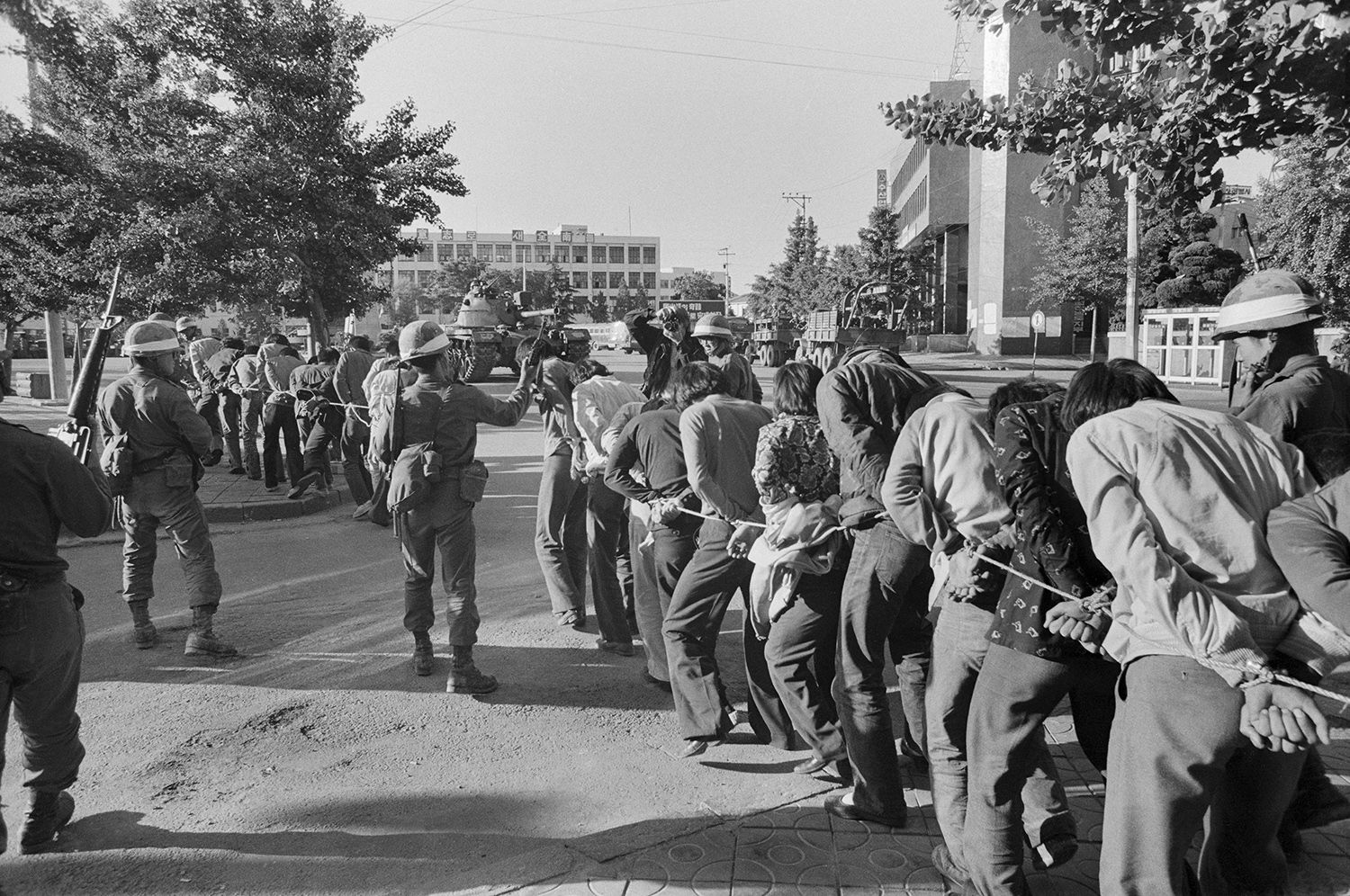
Ep 564The Gwangju Massacre and U.S. Complicity in the Tragedy w/ Tim Shorrock and In Jeong Kim
On this edition of Parallax Views, we discuss the little-known-to-U.S.-audiences history of South Korean dictator Chun Doo-Hwan, the Gwangju uprising and massacre, and the U.S. complicity in this history. Joining us to unpack it all are returning guest and long-time journalist Tim Shorrock as well as first time guest In Jeong Kim, who has worked as an investigative journalist for the South Korean public broadcasting station Munhwa Broadcasting Corporation (MBC). In Jeong Kim is also the co-director and co-producer and two documentaries, 2017's His Name Is... and 2017's Candle Light Movement. His Name Is... dealt with the Gwangju massacre directly and Kim's work has led to the discovery of documents about U.S. complicity in Chun Doo-Hwan's bloody legacy. In this conversation we discuss who Chun Doo-Hwan was and how both Tim Shorrock and In Jeong Kim became interested in the subjects of Doo-Hwan and the Gwangju massacre. We discuss how Chun Doo-Hwan came to power as well as the story of the Gwangju uprising that pitted armed citizens against state officials like the police and soldiers. Kim discusses the memos she has uncovered documenting U.S. complicity in all of this during the Presidency of Jimmy Carter and his campaign for re-election. Additionally, Kim fills us in on the horrors faced by survivors of the massacre, in particular highlighting the story of Lee Gwang-yeong, A Buddhist monk and survivor of the Gwangju massacre who took his own life at the age of 68. We also discuss the key issues surrounding South Korea and the Gwangju uprising and the massacre that people in the U.S. may miss and how all of this relates to the 20th century Cold War. There's also some discussion of how we talk about North Korea and Kim Jong-Un in America and Tim particularly takes aim at a recent report in the New York Times alleging the murder of k-pop music listeners in North Korea that seemingly relied solely on claims made by the U.S. government-funded National Endowment for Democracy. While both Kim and Shorrock believe there is a humanitarian crisis in regard to North Korea, they both feel that some of the discourse around North Korea and South Korea in America is problematic. In particular, Tim points towards the racism and colonialism when South Korea and North Korea are discussed in media. Tim points towards a rather racist piece by P.J. Rourke and J.G. mentions comments made by Zbigniew Brzezinski concerning U.S. foreign policy in Korea. We also cover the conspiracy theories and the right-wing in South Korea attempting to whitewash the massacre, Chun Doo-Hwan's death and the fact he never made an apology for his actions, Chun Doo-Hwan's memoir and fake news, Chun Doo-Hwan's arrest and the lack of accountability for the Gwangju Massacre, destruction of Gwangju uprising documents under Doo-Hwan's reign, the U.S. and the mentality of Empire, the need for the U.S. to declassify documents about Doo-Hwan and the Gwangju uprising, the CIA claiming documents referenced by U.S. General John A. Wickham do not exist, the Iran hostage crisis, and much, much more! "Chun Doo-hwan’s bloody Gwangju legacy is America’s problem too" by Tim Shorrock and In Jeong Kim - Responsible Statecraft - 12/14/21

Ep 557Climate Crisis Solutions, Greenwashing, and a Post-Capitalist Future w/ Dr. Ye Tao
On this edition of Parallax Views, we are joined, courtesy of a very helpful listener's suggestion, by Dr. Ye Tao of The Rowland Institute at Harvard to discuss possible solutions to the biggest immediate threats posed by climate change and to unpack the problems of corporate greenwashing and the infinite growth model of capitalism. The nature of this conversation also leads to a discussion of the possibility, or perhaps necessity, of a post-capitalist paradigm in the future. The main focus of this conversation is a very interesting project Dr. Tao is involved in known as MEER Framework or the Mirrors for Earth's Energy Rebalancing Framework project. Said project involves the use of mirrors as a cooling mechanism to counteract the warming effects of climate change. From the MEER website: We envision a new role for Homo sapiens: stabilizer of the natural world and replenisher of Earth's ecosystems. This new role will require: - acknowledgement that we have transgressed the thresholds of Earth's carrying capacity; - acceptance of Earth’s delicate and finely balanced climate system; - deep-rooted respect for the finiteness of Earth's abiotic physical resources; - full appreciation of our interconnectedness with other species; - and the simultaneous emergence of efficient fabrication technologies and universal social values that are transformative. Embracing this new role can place us on the only available path that leads to a future of hope and plenty, on this radiant blue, swirling white, planet of life. In the course of our conversation we will discuss a number of topics including an explanation of the science behind MEER, climate justice and the Global South, the problems of "infinite growth" on a finite planet, and much, much more!
Ep 563Mysteries Remain Around Ghislaine Maxwell w/ Gabriella Lombardo
On this edition of Parallax Views, a previously unpublished conversation between J.G. Michael and journalist Gabriella Lombardo of WhoWhatWhy about the mysteries that remain around Ghislaine Maxwell, notorious Jeffrey Epstein associate and the daughter of the controversial & enigmatic media mogul Robert Maxwell. This was recorded on 12/06/21. Since then the verdict has come in on the case of Ghislaine Maxwell vis-a-vis a guilty verdict. The conversation deals more withthe strange stories of Epstein, Robert Maxwell, and Ghislaine more so than the trial itself and the implications of the remaining mysteries. We discuss a number of issues including alleged intelligence connections the Epstein/Maxwell saga, the parallels between Robert Maxwell and Jeffrey Epstein, the mysterious death of Robert Maxwell, Ghislaine Maxwell's whereabouts in between Jeffrey Epstein's death and her trial, Maxwell's ocean non-profit TerraMar Project, Ghislaine Maxwell and the United Nations, Ghislaine Maxwell and the Clintons, an underage girl who appeared in the Epstein flight logs eventually became part of the TerraMar Project, Virginia Giuffre's defamation suit against Ghislaine Maxwell, the unsealing of records immediately prior to Epstein's death, Ghislaine Maxwell in New Hampshire, false memory syndrome and Elizabeth Loftus, Epstein's hold over Les Wexner, Epstein and Maxwell allegedly threatening victims and journalists like Vicky Ward, mysteries that still swirl around Epstein himself, international modeling and Jean Luc-Brunel, MC2 Modeling, powerful men and abuse, the cultural reading of the Epstein/Maxwell saga, Ghislaine Maxwell as akin Madame de Tourvel in Dangerous Liaisons, the Epstein/Maxwell saga as a blow to American exceptionalism, a feminist angle/reading of the Epstein/Maxwell saga, the social reproduction of abusers like Epstein, aristocratic wealth and social stratification (what are the implications for how someone with that wealth effects one's psychology and how the relate to the world socially?), and much, much more! Will Ghislaine Maxwell Trial Reveal Jeffrey Epstein Secrets? by Gabriella Lombardo -11/29/21 - WhoWhatWhy.Org
Ep 562REPLAY: Anti-Boycott Laws Threaten Free Speech + U.S. Arms Enable Saudi Assault on Yemen (w/ Alan Leveritt; William Hartung)
EOn this edition of Parallax Views, we have a double-header episode. First, free speech is an issue often discussed in American politics. One aspect of that discussion involves a movement called BDS, or Boycott, Divestment, and Sanctions. The BDS movement seeks to pressure Israel on issues related to Palestinian human rights vis-a-vis the three measures of its initials. This has caused backlash from Israel and its supporters, including many evangelicals Christians in the United States. In an attempt to quash the BDS movement, the conservative organization ALEC (American Legislative Exchange Council) and certain states within the U.S. are seeking to put anti-BDS laws on the books. This led to Arkansas Times publisher Alan Leverett being asked to sign a pledge that his publication would make a pledge to Israel against BDS. Leverett refused on the grounds that the publication is neither for or against Israel, is focused on local issues of significance to Arkansas rather than the Middle East, and that said the state forcing such a pledge from the Arkansas Times violates both the 1st and 14th amendments. This has not only cost the publication in advertising revenue, but has also led to a court case in which the Arkansas Times is being supported by the ACLU (American Civil Liberties Union). The case, Leverett says, is not so much about Israel/Palestine (Leverett's publication has no stance on this issue) but rather free speech. The case will likely go to the Supreme Court and has ramification for freedom of speech across America. Alan Leverett joins us to discuss this case and its implications, which has gained more attention thanks to his November op-ed in the New York Times entitled "We're a Small Arkansas Newspaper. Why is the State Making Us Sign a Pledge About Israel?" Then, the Center for International Policy's William Hartung joined me to discuss the war in Yemen and how U.S. arms sales from the Obama, Trump, and Biden Presidencies have enabled the Kingdom of Saudi Arabia to carry out deadly blockades and bombings on the Yemeni people. President Biden had promised to end the U.S. support for the war in Yemen. However, he is now signing off on an arms sale worth $650 million. Congress, both Senate and the House, are seeking way to block the sales from happening. Said attempt to block the sale has received bipartisan support with its proponents including Bernie Sanders, Rand Paul, Ilhan Omar, and Ro Khanna. William and I discuss all of this as well as the problem with Washington's foreign policy establishment aka the D.C. "Blob", the changing consensus around U.S. involvement in the Middle East, the arms race with China, progressives and conservatives working together on issues pertaining to war and peace, countering the slur of "isolationism" when criticizing U.S. foreign policy, and more. Arming Repression: U.S. Military Support for Saudi Arabia, from Trump to Biden by William D. Hartung - Center for International Policy, Arms and Security Program - December 2021 "The Biden Administration’s Missile Sale to Saudi Arabia Is Offensive, and Must Be Stopped" by William Hartung - Forbes 11/28/21 "Congress Should Cut Off U.S. Military Support for Saudi Arabia" by William Hartung - Forbes 11/8/21
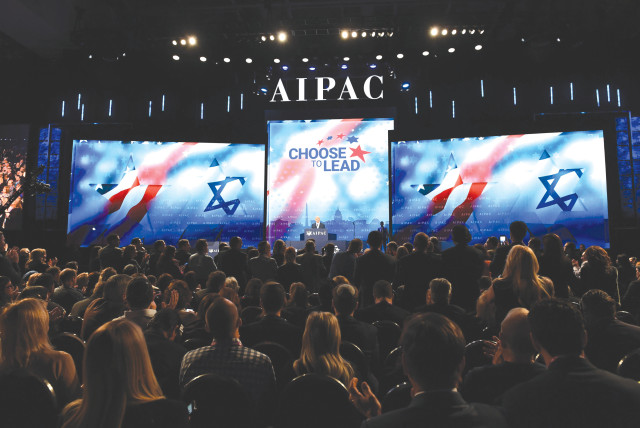
Ep 561A Critical Look at AIPAC and Its Recent Strategic Pivot w/ Grant F. Smith
EOn this edition of Parallax Views, the American Israel Public Affairs Commitee (AIPAC) recently announced the launch of a Super PAC which signals its official entry into direct spending on U.S. elections. Joining us to explain the reasons AIPAC may be doing this as well as to give a critical overall perspective on the lobby is Grant F. Smith of the Institute for Research: Middle East Policy. Joining me to co-host this conversation is "Free Palestine", host of the West Bank Robbery podcast. We discuss a number of issues including the Virginia Israel Advisory Board and Project Jonah, the Steve Rosen/Keith Weissman/Larry Franklin scandal, the need to avoid antisemitism in talking about both AIPAC and Israel/Palestine, Zaha Hassan and the human rights-centric approach to Israel/Palestine, Stealth PACs, Jamal Bowman, the Abraham Accords, the UAE, and much, much more!
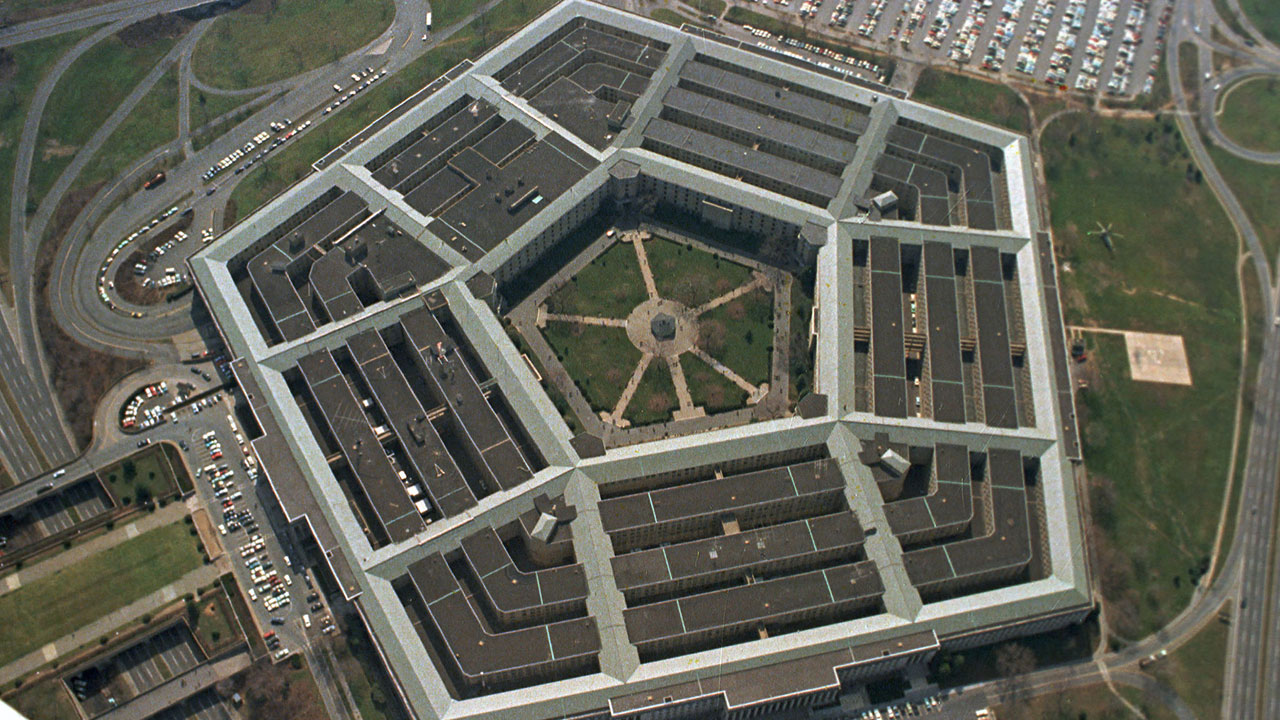
Ep 560Wall Street Journal‘s Saudi Shilling + Foreign Policy Chat w/ Jim Lobe/The $778 Billion Pentagon Budget w/ Stephen Semler
On this edition of Parallax Views, it's a double feature! First up, the legendary Jim Lobe, formerly of LobeLog and IPS (Inter Press Service), joins us to discuss his Responsible Statecraft piece "Houthi hysteria breaks out at the Wall Street Journal". For the uninitiated, Lobe is known for his reporting on the neoconservative movement and the Project for a New American Century think tank in the lead up to the Iraq War initiated under George W. Bush. In this conversation we discuss the Wall Street Journal seemingly shilling for the Kingdom of Saudi Arabia in two recent op-eds, one by journalist Karen Elliot House and another by the Wall Street Journal's Editorial Board. Saudi Arabia has been pleading for more Patriot missles from the U.S. to support its bombing and blockade efforts against the Houthis in Yemen. According to estimates the death toll inflicted upon Yemen now exceeds 350,000 with many of the victims being children. Recently, Saudi Arabia appears to have attempted to shut down a United Nation Human Rights Council investigation into what is happening in Yemen through actions that would serve to intimidate Muslims members of the council. Despite all of this, the Wall Street Journal frames the Kingdom as facing an existential threat by what it refers to as the "Iranian-backed Houthis. Jim and I discuss all of this including the exaggeration of the relationship between Iran and the Houthis, the sham of the "existential threat" framing, and more. Additionally, Jim and I also delve into issues related to the foreign policy establishment including talk of neoconservatism, Likudism, liberal interventionism, the long shadow of 1930s Munich, the Pentagon budget, Thomas Pickering, Robert Kagan as the renegade neocon, the subtle ideological differences between various factions of the foreign policy establishment and how they come together at certain times, and much, much more! On the second half of the program we're joined by Stephen Semler of the Security Policy Reform Institute (SPRI) to discuss the whopping $778 billion Pentagon budget passed by Congress last week. Said budget ended up being longer than the one proposed by President Biden. We discuss this as well as the death of Build Back Better, Joe Manchin and Kyrsten Sinema's support for the Pentagon budget despite their supposed aversion to runaway spending, how defense spending cuts into dealing with issues like climate change and healthcare, responding to critics who believe that defense budget spending shouldn't be debated because of the need to combat America's foreign adversary, answering the age old line about how defense spending as it stands now is good because it creates jobs, and much, much more!

Ep 559To Govern the Globe: World Orders and Catastrophic Change w/ Alfred W. McCoy
On this edition of Parallax Views, the distinguished historian Prof. Alfred W. McCoy of the University of Wisconsin-Madison joins us to discuss his latest book To Govern the Globe: World Orders and Catastrophic Change. McCoy's previous works include the classic The Politics of Heroin: CIA Complicity in the Global Drug Trade as well as A Question of Torture: CIA Interrogation, from the Cold War to the War on Terror, Policing America’s Empire: The United States, the Philippines, and the Rise of the Surveillance State, Colonial Crucible: Empire in the Making of the Modern American State, Endless Empire: Spain’s Retreat, Europe’s Eclipse, America’s Decline, and In the Shadows of the American Century: The Rise and Decline of US Global Power. In To Govern the Globe, delves into the history of empires and world orders from the Iberian Age to now as well as tackling the seeming decline of U.S. hegemonic power, the rise of China, and what climate change means for world order going forward. In this conversation Alfred and I begin by discussing the meaning of empire and world order and what those terms mean. We then delve into the issue of what Alfred calls the "delicate duality" in which Empires express ideals on one hand but seeks maintenance of power, often through breaking from those ideals, on the other. From there we dive into a number of other topics including the United Nations and the Universal Declaration of Human Rights, how the contradictions of the "delicate duality" can eventually undermine and subvert an empire, the degradation of U.S. moral authority vis-a-vis the torture at Abu Gharib and Guantanamo Bay, China and an alternative international order, climate change and its projected impact on Shanghai by 1950, the late geopolitical chess player Zbigniew Brzezinski, principle vs. power in China and the U.S., what the decline of U.S. power means for the American public, projecting 2030 as the year of America's loss of hegemonic power globally, Chinese military power and technology in the near future, the Pentagon war games in which the U.S. end up in a conflict with China over Taiwan, the succession of hegemonic powers historically and their struggles to dominate the Eurasian land mass, how the U.S. dominated the Eurasian landmass through the North Atlantic Treaty Organization (NATO), China and the Shanghai Cooperative Organization, China and the tri-continental world island, potential waning of relations between U.S. with countries like Japan and the Philippines, the advantage that the U.S. has had as the global hegemon, the establishment of the U.S. dollar as the global reserve currency and the construction of a "Grand Imperial Bargain", the weak social safety net and low wages in the U.S. and workers relying on cheap good that could become expensive in the future (causing social tensions to arise and exacerbate), not wanting to make policy recommendation in To Govern the Globe as it could degrade an objective analysis of the historical trajectory, Barack Obama's strategy for containing China and the Asia Pivot, the Trans-Pacific Partnership (TPP) and the Transatlantic Trade and Investment Partnership (TTIP), Sir Halford McKinder and the World Island, Zbigniew Brzezinski's conditions for the perpetuation of U.S. hegemonic power and how all those conditions have been violated), climate change as the next catastrophe for world order and the choice between world order and barbarism that may face us as climate change worsen, climate change and the potential refugee crisis it could cause, the emergence of the First World Order through the Black Death and the destruction of the Mongolian Empire, the death of one world order and the emergence of another throughout history, China and coal power, projections indicating China will be hit by extreme heatwaves in the coming decades, international cooperation without the total loss of national sovereignty, the potential for a new kind of empowered world order to face climate change, climate change and the potential for brutal conflict over resources like water, the prosperous Global North vs. the impoverished Global South, John Mearsheimer and looking past the anarchic world system, the European Union, ceding limited and narrow areas of sovereignty as a small reform that could combat climate change, and more!
Ep 558The Big Cheat: How Donald Trump Fleeced America and Enriched Himself and His Family w/ David Cay Johnston
On this edition of Parallax Views, Pulitzer Prize-winning investigative reporter David Cay Johnston returns to the program to discuss his new book The Big Cheat: How Donald Trump Fleeced America and Enriched Himself and His Family. According to David's reporting the Trump Organization made a between a whopping 1.6 to 1.7 billion dollars during the Trump Presidency. Although Trump ledged to receive only a salary of $1 for his time as President (and, in fact, did donate his salary to charity), it appears Trump himself along with his daughter Ivanka Trump, Ivanka's husband Jared Kushner, and other associates of the 45th President of the United States of America profited greatly from the Trump Presidency. In this way Trump is arguably the embodiment of a form of gangster capitalism. And "gangster" may well be apropos as David argues that the Trump family is actually a generational crime family. Despite all this, figures like Trump and Steve Bannon have promoted themselves as heroically trying to remember the "forgotten man" of the working class. Nothing could be further from the truth according to David Cay Johnston, who, it should be added, reports on the ways in which Trump bilked supporters in hospice and retirement out of their money in a very devious manner. In this conversation we cover all that as well as the story of Brian Kolfage and the "We Build the Wall" charity, how corruption under Trump differs from corruption of yesteryear like that associated with the Pendergast Machine and Tammany Hall, Donald Trump's effect on foreign policy, the story of the curious Trump associate Tom Barrack, why David refers to Trump as a carny huckster like P.T. Barnum (with one major difference) and his supporters as marks, Super PACs and the need for reforms, white collar crime, the Trump family history, Trump and Christianity, the death of conservatism in the United States, Trump and the Atlantic City casino business, Trump stealing from a dog charity, and much, much more!
Ep 556FDR, Pearl Harbor, the McCollum Memo, and the Road to WWII Pt. 2 w/ Douglas P. Horne
Listen to Pt. 1 here: https://parallaxviews.podbean.com/e/dhorne1/ On this edition of Parallax Views, December 7th, 2021 marked the 80th anniversary of the attack on Pearl Harbor the led to the U.S. entry into World War II. Douglas P. Horne, author of The McCollum Memorandum: A Story of Washington D.C. in 1940-41: Franklin D. Roosevelt's Journey from Deterrence to Provocation on the Road to Pearl Harbor, joined me to give a provocative presentation on the long-standing debate around FDR, the McCollum Memo, and the question of advanced foreknowledge of the attacks that was popularized in large part by Robert Stinnett, the late author of Day of Deceit: The Truth About FDR and Pearl Habor. Although Stinnett's book received a fairly even-handed review from the New York Times when it was published, most mainstream historians have since discarded notions of advanced foreknowledge of the attack on Pearl Harbor as a fringe conspiracy theory. Douglas P. Horne, however, thinks this is mistaken, although, unlike many who believe in the advanced foreknowledge hypothesis, remains a great admirer of President Roosevelt. For the uninitiated, Horne served on the Assassination Records Review Board and is in large part the reason that the now infamous "Operation Northwoods" documents came to light. He also was in the Navy and spent time at Pearl Harbor in addition to working at the Holocaust Museum in D.C. and the State Department. He is also the author of a previous two-volume work on Pearl Harbor entitled Deception, Intrigue, and the Road to War. In the second part of this long conversation, we delve into some of the other "Rosetta Stones" of Horne's book beginning with the at-the-time secretive Argentia conference and, perhaps even more crucially, the MAGIC decrypts. This will take us into the world of American codebreaking as well as that of the British codebreakers at Bletchley Park. We will talk about a conversation had between Winston Churchill and FDR in which the late Roosevelt said he could not "declare war" but that he could "wage war". We will delve into three particular provocations between the Germany Navy and the U.S. before U.S. entry into WWII, FDR forcing the British to sign off on the Atlantic Charter, an important 15 August 1941 telegram to the Japanese foreign minister, the figure of Hitler's confidant Sepp Dietrich and how it figures into the story, British decoding/decryption efforts being far ahead of U.S. decoding/decryption efforts and why it matters in the lead up to Pearl Harbor, Horne's book as arguably being about how the "sausage of" foreign policy is made and produced, Roosevelt "the chess player" wanting to get into the war through the "front door" but (from Horne's purview and examination of the evidence) going through the backdoor, the shift from deterrence to provocation, making clear the fact the Horne is not making the argument that Pearl Harbor was an "inside job", U.S. Secretary of State Cordell Hull and the Hull Note, contemporary accommodation talks between the U.S. and Japan that FDR reversed position on overnight, the question of why FDR flipped U.S. foreign policy on its head with regards to the issue of accommodation vs. giving the Japanese an ultimatum, Hull's anger over the ultimatum and his emphatic response to it, the JN-25 code (the Japanese Navy's fleet operating code), Admiral Yamamoto's strategy against the U.S. and his miscalculations, what no one knew about the Pearl Harbor attack and how devastating it would be and why, the Pearl Harbor attack order, the 188 codes that if all decrypted would've made the Pearl Harbor attack known, the go code "Climb Mt. Niitaka", the investigations into the Pearl Harbor attacks in the 1940s, Admiral Husband E. Kimmel as the fall guy for the Pearl Harbor attacks, the 1946 Congressional report on Pearl Harbor and an important detail about dates included in the report, British Supply Coordination (the MI-6 spy office in America) in Rockefeller Plaza and the visit of FDR's son to it, Admiral Stark's interrogation at the hands of Admiral Kimmel and Stark's claiming of "executive privilege", the date of November 26th 1941 and its significance, FDR's overriding foreign policy goal was to fight Nazi Germany, why couldn't the attack be intercepted if it was known and why would you not want to (after all, would the attack itself, even if intercepted, not be enough to get the U.S. into the war)?, and much, much more! A linchpin communication reproduced at the end of the book related to U.S.-Japan relations leading up to Pearl Harbor referencing Hitler's confidant Sepp Deitrich; reproduced at the end of Horne's book FDR and Churchill pictured together at the Atlantic Conference in Argentia, Newfoundland; 1941 A photography of FDR in 1942 Picture from Douglas P. Horne's collection of photos of decryption machines taken at the Cryptologic Museum "These are images of the Purple decoding machine that produced all of the MAGIC message traffic of decoded
Ep 555FDR, Pearl Harbor, the McCollum Memo, and the Road to WWII Pt. 1 w/ Douglas P. Horne
On this edition of Parallax Views, December 7th, 2021 marked the 80th anniversary of the attack on Pearl Harbor the led to the U.S. entry into World War II. Douglas P. Horne, author of The McCollum Memorandum: A Story of Washington D.C. in 1940-41: Franklin D. Roosevelt's Journey from Deterrence to Provocation on the Road to Pearl Harbor, joined me to give a provocative presentation on the long-standing debate around FDR, the McCollum Memo, and the question of advanced foreknowledge of the attacks that was popularized in large part by Robert Stinnett, the late author of Day of Deceit: The Truth About FDR and Pearl Habor. Although Stinnett's book received a fairly even-handed review from the New York Times when it was published, most mainstream historians have since discarded notions of advanced foreknowledge of the attack on Pearl Harbor as a fringe conspiracy theory. Douglas P. Horne, however, thinks this is mistaken, although, unlike many who believe in the advanced foreknowledge hypothesis, remains a great admirer of President Roosevelt. For the uninitiated, Horne served on the Assassination Records Review Board and is in large part the reason that the now infamous "Operation Northwoods" documents came to light. He also was in the Navy and spent time at Pearl Harbor in addition to working at the Holocaust Museum in D.C. and the State Department. He is also the author of a previous two-volume work on Pearl Harbor entitled Deception, Intrigue, and the Road to War. In the first part of this long conversation Douglas will lay out much of the history surrounding the prelude to U.S. entry into WWII; FDR's showdown with J.O. Richardson; the pacifist or isolationist sentiments held by a large portion of the U.S. population after WWI that prevented a swift U.S. entry into WWII, a history of the McCollum Memorandum; the moves being made by Great Britain, the Soviet Union Germany, and Japan during the war before U.S. involvement; and much, much more! You can purchase The McCollum Memorandum: A Story of Washington D.C. in 1940-41 by Douglas P. Horne here! If you'd like to purchase Horne's previous two-volume work on Pearl Harbor, Deception, Intrigued, and the Road to War, please visit his Amazon author's page here! WARNING: This episode contains direct, historical quotes from FDR about the Japanese that are no longer in use and considered offensive by today's standards.

Ep 554U.S.-Iran Nuclear Deal Negotiations in Vienna w/ Ryan Costello
On this edition of Parallax Views, the National Iranian American Council's Policy Director Ryan Costello joins me to discuss the latest talks between the U.S. and Iran in Vienna to get a new nuclear deal together. This was recorded on December 6th. The talks in Vienna were paused last Friday. As of this episode's publication, December 9th, talks in Vienna are resuming. In this conversation we discuss the issue of sanctions, Secretary of State Biden's blaming Iran for talk not getting off to the best start by claiming Iran is not taking said talks "seriously", why the alternative to a new deal is horrible, the possibility of war with Iran, Israel and the Iran talks, Saudi Arabia and the Iran talks, the effect of U.S. sanctions on Iran, Trita Parsi's analysis of the new Iran deal talks and the "Coma Option", Iran and nuclear proliferation, Iran and the prospect of Iran obtaining a nuclear weapon, the weight of history on these talks and why they make diplomacy between both parties difficult, NIAC's statement on the Vienna talks so far (which are now in their 7th round, why should Iran trust the U.S. with this deal if another Republican President in 4-8 years could renege on it?, Iran's tough opening bid, Ebrahim Raisi's administration and his predecessor Hassan Rouhani, the Iran hostage crisis and its effect on diplomacy, the 1953 coup's effect on diplomacy, the effect of the Gen. Soleimani assassination on these talks, narrowing window of opportunity for the deal to be renewed, how you incentivize Iran to get back in the deal?, the challenges going into the continued talks today, the need for both Washington and Tehran to show greater flexibility in these talks, the U.S. rejoining the Paris Climate agreement vs. the attempt to revive the Iran deal, subterfuge the assassination of Iranian nuclear scientist Mohsen Fakhrizadeh, Netanyahu's pushing Trump to exit the deal, former Israeli officials and officials from the Gulf States saying a return to the deal would be a positive, Israel trying to apply pressure on the Biden administration, sanctions lifting/relief is key to the talks, U.S. lack of leverage in talks, and much more!
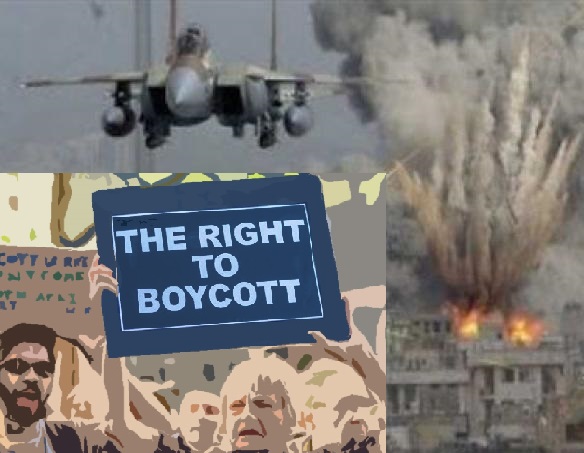
Ep 553Anti-Boycott Laws Threaten Free Speech + U.S. Arms Enable Saudi Assault on Yemen (w/ Alan Leveritt; William Hartung)
On this edition of Parallax Views, we have a double-header episode. First, free speech is an issue often discussed in American politics. One aspect of that discussion involves a movement called BDS, or Boycott, Divestment, and Sanctions. The BDS movement seeks to pressure Israel on issues related to Palestinian human rights vis-a-vis the three measures of its initials. This has caused backlash from Israel and its supporters, including many evangelicals Christians in the United States. In an attempt to quash the BDS movement, the conservative organization ALEC (American Legislative Exchange Council) and certain states within the U.S. are seeking to put anti-BDS laws on the books. This led to Arkansas Times publisher Alan Leverett being asked to sign a pledge that his publication would make a pledge to Israel against BDS. Leverett refused on the grounds that the publication is neither for or against Israel, is focused on local issues of significance to Arkansas rather than the Middle East, and that said the state forcing such a pledge from the Arkansas Times violates both the 1st and 14th amendments. This has not only cost the publication in advertising revenue, but has also led to a court case in which the Arkansas Times is being supported by the ACLU (American Civil Liberties Union). The case, Leverett says, is not so much about Israel/Palestine (Leverett's publication has no stance on this issue) but rather free speech. The case will likely go to the Supreme Court and has ramification for freedom of speech across America. Alan Leverett joins us to discuss this case and its implications, which has gained more attention thanks to his November op-ed in the New York Times entitled "We're a Small Arkansas Newspaper. Why is the State Making Us Sign a Pledge About Israel?" Then, the Center for International Policy's William Hartung joined me to discuss the war in Yemen and how U.S. arms sales from the Obama, Trump, and Biden Presidencies have enabled the Kingdom of Saudi Arabia to carry out deadly blockades and bombings on the Yemeni people. President Biden had promised to end the U.S. support for the war in Yemen. However, he is now signing off on an arms sale worth $650 million. Congress, both Senate and the House, are seeking way to block the sales from happening. Said attempt to block the sale has received bipartisan support with its proponents including Bernie Sanders, Rand Paul, Ilhan Omar, and Ro Khanna. William and I discuss all of this as well as the problem with Washington's foreign policy establishment aka the D.C. "Blob", the changing consensus around U.S. involvement in the Middle East, the arms race with China, progressives and conservatives working together on issues pertaining to war and peace, countering the slur of "isolationism" when criticizing U.S. foreign policy, and more. Arming Repression: U.S. Military Support for Saudi Arabia, from Trump to Biden by William D. Hartung - Center for International Policy, Arms and Security Program - December 2021 "The Biden Administration’s Missile Sale to Saudi Arabia Is Offensive, and Must Be Stopped" by William Hartung - Forbes 11/28/21 "Congress Should Cut Off U.S. Military Support for Saudi Arabia" by William Hartung - Forbes 11/8/21
Ep 552Vigilantism, Big Pharma, & the Opioid Epidemic Collide in PAINKILLER w/ Mark Savage and Bill Oberst, Jr.
On this edition of Parallax Views, in cult filmmaker Mark Savage's latest film Painkiller the trappings of vigilante thrillers like the Death Wish and Punisher franchises collide with the role of big pharma in America's opioid epidemic. Inspired in part by Mark's co-writer Tom Parnell's grief over the loss of a loved one to opioid addiction, the movie tells the story of Bill Johnson (character actor Bill Oberst, Jr.; Jason Zada's Take This Lollipop; Rob Zombie's 3 from Hell; and TV's Criminal Minds and Scream Queens) and his violent, one-man crusade against big pharma and "legalized pushers" leading him to the corrupt Dr. Alan Rhodes (Michael Paré; Eddie and the Cruisers; Streets of Fire; The Philadelphia Experiment). Turns out Rhodes is out to obtain the patent for a valuable drug that could be used to revolutionize heart treatments into another painkiller that he hopes will make him massive profits, but when Bill catches wind of his plot the two are brought into a final showdown. Director Mark Savage and star Bill Oberst, Jr. join us to discuss Painkiller in-depth including the director-actor relationship and how Bill approached the role of a father grieving the loss of his daughter's death at the hands of opioid addiction; class privilege, money, influence, and corruption; the Sackler family; the shocking facts Mark uncovered about the opioid epidemic; Bill's radio monologues in the film and keeping them from going into Rush Limbaugh or Alex Jones-style theatrics; Oliver Stone's Talk Radio; drug companies and power; the War on Drugs and the scapegoating of addicts; society and how morality is applied differently to the poor than the rich (including those who go to jail and those who don't); dealing with a serious topic like opioid addiction within the frame of a melodramatic genre move or exploitation film; Roger Corman's comments on exploitation films and how all films are exploitative; the vigilante film as a genre; the creation of characters in films; Mark and Bill's previous collaboration Stressed to Kill and how it differs from Painkiller (also addressing criticisms that Stressed to Kill had Trump/MAGA overtones); putting messages into films while making films that are entertaining and not heavy-handed; the potential classism and elitism of the "exploitation film" as classification; Titantic as an exploitation film; the Charles Bronson vehicle 10 to Midnight and having a bleeding-heart politics but find catharsis in the vigilante film as fantasy; comparing and contrasting Bill's portrayal of the lead in Painkiller to playing legendary sci-fi author Ray Bradbury on stage; Bill's thoughts on being human and the "monsters" within us all; the research Mark did into skullduggery and corruption around patent laws and the use of it as a plot device in the film; trying to present all the points-of-view on the opioid epidemic within the story and dialogue of Painkiller; Bill's hope the film will unsettle the certainty of viewer's own convictions; Bill's latest project The Spiritual Value of Horror documentary; the exercise of corrupt power and the need to counteract it with citizen power, communicating grey areas and unresolved issues in Painkiller; Mark's upcoming films Pond Scum, Bring Him Back Dead, and Hell's Coming for You, and more! You can watch Painkiller through a Screambox subscription or via Screambox on Amazon Check out our sponsor Christopher Bell's new short film Trammell at https://slamdance.com/watch/trammel/ or https://www.youtube.com/user/slamdance

Ep 551Dark Money Network Pushing Pro-Saudi/UAE Policies w/ Eli Clifton
On this edition of Parallax Views, a group launched over the summer called the Turkish Democracy Project appears to be pushing pro-Saudi/UAE policies with the potential backing of a dark money netowork say Eli Clifton and Murtaza Hussain in Responsible Statecraft and The Intercept. Interestingly, the Turkish Democracy Project has no Turkish people sans two figures who were removed from the site's advisory board membership shortly after launch. A number of notoriously hawkish foreign policy figure including Sen. Joe Lieberman, Frances Townsend, and John Bolton are involved with the project. But the figures of interest of most interest to Clifton and Hussain are Mark Wallace, a former George W. Bush administration ambassador to the United Nations, and Wallace's close associate the billionaire investor Thomas Kaplan, the latter of whom has boasted of his business ties to the United Arab Emirates. In this conversation, Eli and I discuss the connections between Kaplan, Wallace, Electrum Group, United Against a Nuclear Iran, and the Counter Extremism Project. The story doesn't end their though as a lawsuit was launched attempting to ascertain whether CEP was obtaining foreign funding. Then the government "an unusual invocation of state secrets as a third-party intervenor in a civil suit" claiming "that permitting the case to move forward would jeopardize U.S. national security". Clifton lays all this out as well as discussing Kaplan's over $800,000 to the UANI, a "treasure trove" of fascinating leaked emails including figures like the aforementioned Frances Townsend and UAE Ambassador to the U.S. Yousef al Otaiba, whether the Foreign Agent Registration Act (FARA) pertains to this case, the relationship between Iran and Saudi Arabia, the relationship between Saudi Arabia and Israel, Sen. Norm Coleman (now a Saudi lobbyist), foreign lobbying and influence efforts, lack of transparency around funding rather the lobbying itself being the biggest concern for many, Qatar, the relationship between Turkey and the Gulf States, Turkish anger over the Turkish Democracy Project's launch, geopolitics, the "Blob" and the foreign policy establishment, The Arab Lobby, AIPAC, the foreign policy establishment's protesting that its critics are just populist Know-Nothings, and much, much more!

Ep 550IMPROMPTU GHISLAINE MAXWELL TRIAL BRIEF w/ Marlon Ettinger
Hey there Parallax Views listeners, this was an impromptu conversation between our correspondent on all things Jeffrey Epstein and Ghislaine Maxwel, Marlon Ettinger. No intro. Completely bare bones episode that I had to get out as soon as possible to keep you listeners. Usually I'd include an intro and outro as well as other bells and whistles but due to to brief nature of this episode the brief, 7 minute conversation between Marlon and I is all that made the final cut in the interest of getting this out as soon as possible. Please support our sponsors: - The great book by Wall Street Window's Mike Swason Why The Vietnam War? - Holistic therapy with Alexander Yoo All-embracing and welcoming Specializing in PTSD, trauma, grief LGBTIQ and Gender Relationships All forms of spiritual expression Call or text 323-834-9828 [email protected] www.alexanderyoo.com Marriage and Family Therapist (California License Number 102886) - Check out our sponsor Christopher Bell's new short film Trammell at https://slamdance.com/watch/trammel/ or https://www.youtube.com/user/slamd