OviCast
331 episodes — Page 6 of 7
Ep 81Don’t dose and move –short term gain vs long term
Traditionally in mid-summer the idea of dosing and moving to clean or cleaner pasture in the form of reseeds or after grass was common practice, but with the increasing development of anthelminthic resistance, that practice has become problematic. To explain why, on this week’s episode of OviCast, Ciarán Lynch is joined by Dr. Orla Keane. Orla sets out what the key issue is with dosing and moving to clean pasture and in doing so she also explains what is considered to be clean and cleaner pasture on sheep farms. She discusses managing refugia and maintaining a susceptible worm population and how dosing and moving to clean ground gives resistant worms a competitive advantage and can speed up the development of resistance. Orla and Ciarán also discuss seeding pasture with susceptible worms by grazing with un-dosed lambs or following with ewes can provide a source of refugia for this cleaner or clean ground, and Orla explains why this is not as important a factor on ground frequently grazed by sheep. Finally, Orla highlights why producers should consider using faecal sampling as a basis for decisions on worm dosing as the season progresses. Find out more about anthelminthic resistance: https://www.teagasc.ie/animals/sheep/flock-health/anthelmintic-resistance/ For more episodes from the OviCast podcast, visit the show page at: https://www.teagasc.ie/animals/sheep/ovicast-sheep-podcast
Ep 80Replacing silage offtakes and maintaining soil fertility
Mark Plunkett, soil and plant nutrition specialist with Teagasc, joins Ciarán Lynch on the latest OviCast podcast to discuss some key areas to maintain soil fertility. Mark discusses the importance of replacing p & K offtakes from surplus silage and discusses the fertiliser requirements for those considering a second cut of silage with Mark outlining a number of options. He also explains why sulphur inclusion is an important consideration highlighting the responses achieved on a range of soils there is a discussion on the benefits of low emissions slurry spreading at this stage of the season. Lime usage nationally is highlighted as well as explaining why current ground conditions provide an ideal opportunity to consider applying some to correct soil pH issues. Finally, there is a discussion on the use of Protected urea as a choice of N fertiliser during this stage of the season. For more episodes from the OviCast podcast, visit the show page at: https://www.teagasc.ie/animals/sheep/ovicast-sheep-podcast
Ep 79Market update - what’s influencing trends this year to date
Seamus McMenamin, sheep meat sector manager with Bord Bia, joins Ciarán Lynch on this week’s OviCast to discuss the market situation so far this year. Seamus starts by discussing the trade in the year to date and the impact of tighter lamb supply on price. They discuss how that has impacted the export market – and despite lower volumes the value of exports has gone up this year reflective of a higher global demand for sheep meat. Seamus explains how the trend in lamb supply week on week is lower than last year to date relative to previous years before discussing the increased demand from EU markets and how the UK sectors supply into the EU has influenced this and the potential for Irish lamb to increase its market share. Seamus then highlights how the opening up of food service may impact demand in the market and what to expect for the summer period with the upcoming EID festival in July. Finally, he discusses the live export trade this year to date. For more episodes from the OviCast podcast, visit the show page at: https://www.teagasc.ie/animals/sheep/ovicast-sheep-podcast
Ep 78Sm@RT – precision livestock farming for sheep
Dr Tim Keady from Teagasc who is the lead researcher in Ireland for a new EU-funded project called Sm@RT joins Ciarán Lynch on this week’s OviCast to explain the project. Sm@RT brings together a network of researchers from eight countries: Ireland, Estonia, France, Hungary, Italy, Norway, UK and Israel. Tim explains how the aim of Sm@rt is to increase the awareness of those working in the sheep and goat sectors of newly available precision livestock farming (PLF) tools. He also explains what PLF tools are and how they can potentially improve productivity and labour efficiency. Tim then discusses how improving efficiency and reducing labour input is a challenge for the sector right across Europe. He outlines how the network of researchers involved will pool resources to identify solutions for the respective countries involved. As the project is in its early stages those involved in the project are seeking farmers and stakeholders opinions on PLF tools via a survey. The survey is available at the following link: https://bit.ly/3sI0Eni Tim encourages stakeholders in the sheep supply chain (farmer to processor) to have their voices heard by identifying their needs and areas of interest. For more episodes from the OviCast podcast, visit the show page at: https://www.teagasc.ie/animals/sheep/ovicast-sheep-podcast
Ep 77Weighing up the companion forages
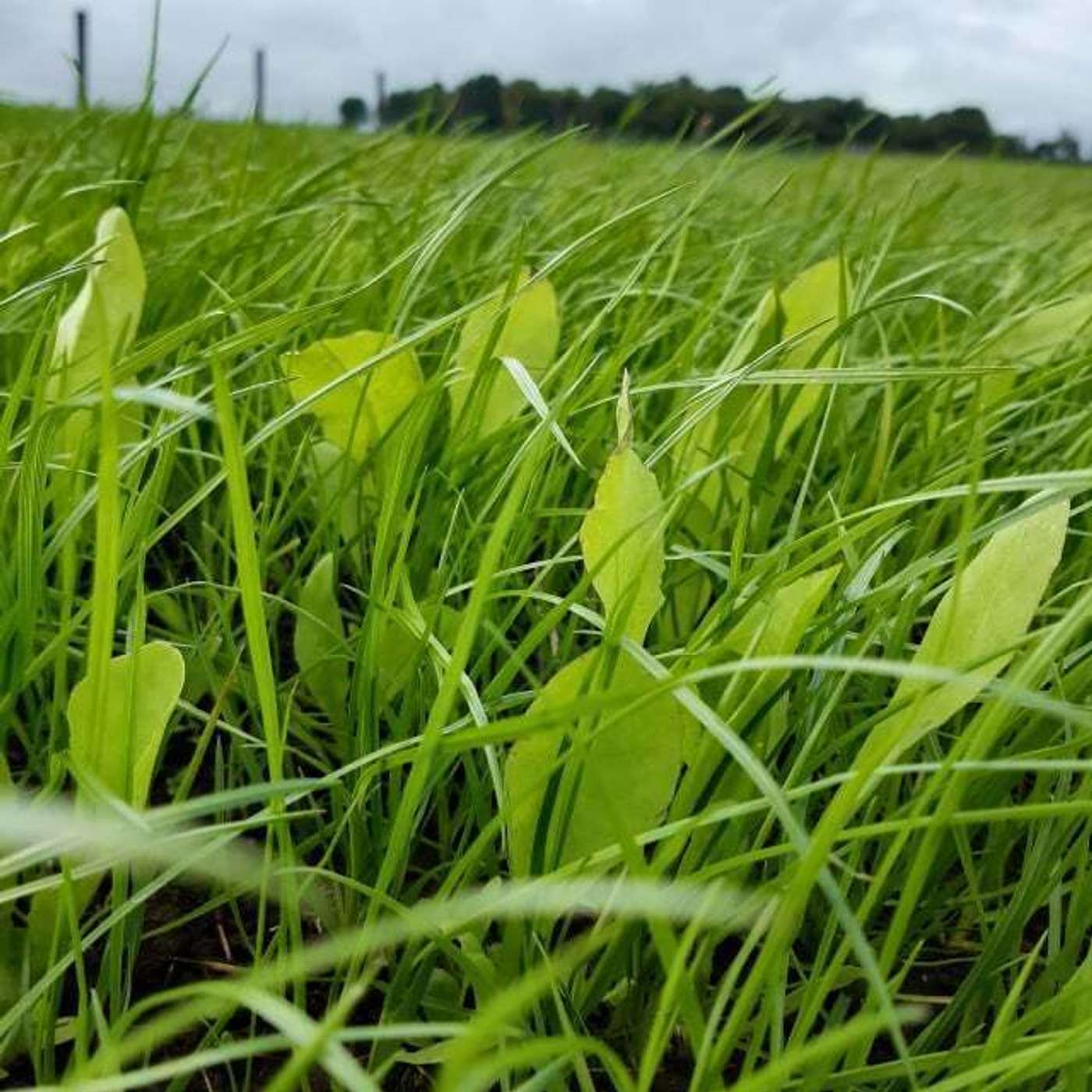
This week’s episode of OviCast finds out about an ongoing study between Teagasc and UCD examining how companion forages – chicory, plantain, red and white clover - perform alongside a perennial ryegrass sward in sheep systems. Lisa McGrane a postgraduate student who is working on the project joined Ciarán Lynch on the podcast to explain more and began by discussing the crops and how they are being managed as separate farm lets in a system. She then discussed how they are examining the effects on animal performance. They are also investigating how the sward performs under grazing conditions and the changes seen in sward composition during the year. In addition to the animal component of the study Lisa discussed another aspect of it that is looking at various establishment methods and seeding rates to see how these influence the sward composition and performance. Part of this is also examining the effect of different post grazing sward heights on how these companion forages perform. For more episodes from the OviCast podcast, visit the show page at: https://www.teagasc.ie/animals/sheep/ovicast-sheep-podcast
Ep 76Getting clover into the system – consider over-sowing?
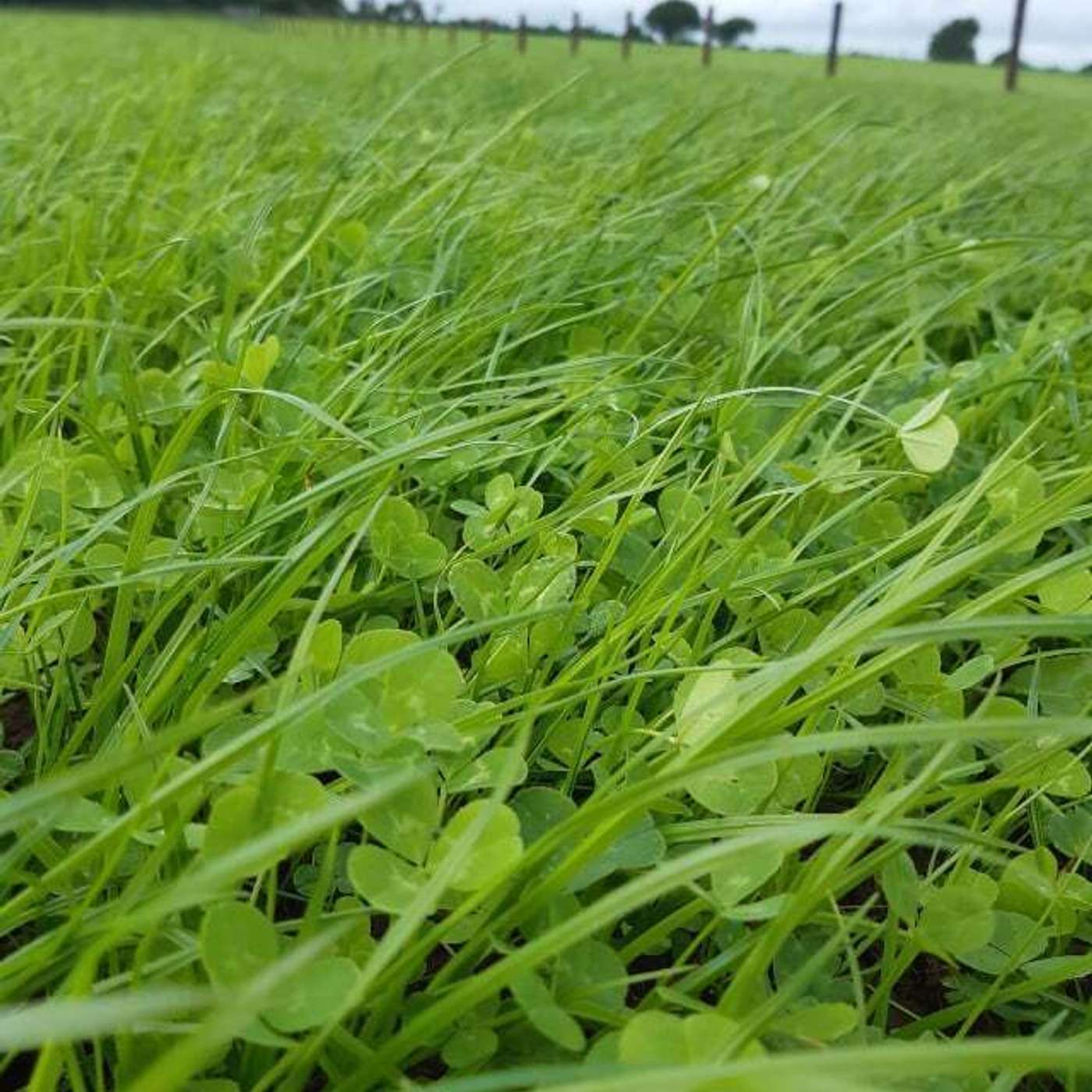
Incorporating clover into a sward has multiple benefits in livestock systems and to discuss this in more detail on this week’s OviCast, Ciarán Lynch is joined by Dr Philip Creighton. From recent work being conducted in Teagasc Athenry, Philip starts by explaining the impact that increasing the clover content in swards has on animal performance. He goes on to explain how this can reduce the requirement for chemical nitrogen during the mid-season period. Philip and Ciarán then discuss inclusion levels in a reseed mix and Philip highlights the clover varieties that should be considered for sheep swards before moving on to focus on over-sowing clover into existing swards with Philip outlining why the coming weeks are an ideal time to consider this. They discuss the various methods available to accomplish this and what impact pre-sowing sward management and site selection have on the successful establishment of a clover in the sward. Finally, Philip discusses grazing management post-sowing and why frequent grazing of lighter covers is of benefit to clover establishment. For more on the grass and white clover recommended list varieties for Ireland 2021 go to: https://www.gov.ie/en/publication/8dbf3-grass-and-white-clover-recommended-list-varieties-for-ireland-2021/ For more episodes from the OviCast podcast, visit the show page at: https://www.teagasc.ie/animals/sheep/ovicast-sheep-podcast
Ep 75Blowfly: risk factors, control options and application procedure
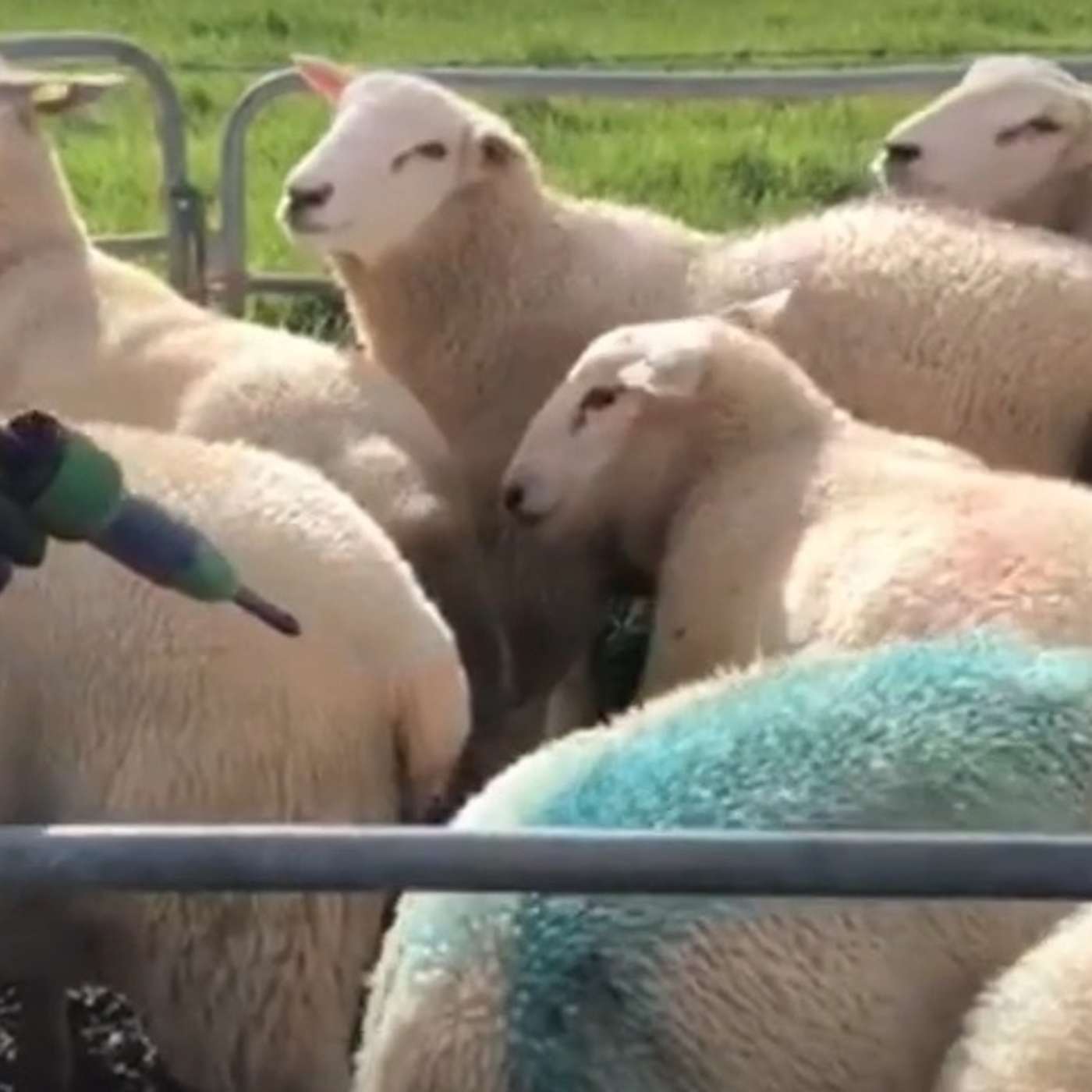
As we enter the risk period for blowfly on farms, Wesley Power, Veterinary Technical Consultant with Elanco Animal Health, joins Ciarán Lynch on this week’s OviCast. Wesley starts with the risk that blowfly poses on sheep farms as well as the predisposing factors before he moves on to explaining the life cycle of the blowfly and how that affects control options. He then discusses what control options are available and Wesley explains how they work. With many producers relying on topical applications as a control method they discuss the importance of correct application and how it impacts on product efficacy. As the risk seasonal period for blowfly is quite long Wesley explains the need for repeat applications in certain systems before finishing up by encouraging farmers to consider treatment to prevent the blowfly on farms before strike occurs. Watch the correct application method clip here: https://www.youtube.com/watch?v=O7iFeI1eLok For more episodes from OviCast, visit the show page at: https://www.teagasc.ie/animals/sheep/ovicast-sheep-podcast
Ep 74Checking the finances
Farmers should consider examining the financial performance of their farm in more detail by completing a profit monitor and on this week’s OviCast podcast, Michael Gottstein Head of Sheep in Teagasc tells Ciarán Lynch why it’s important. Firstly, Michael outlines how to complete a profit monitor and what information is required. He explains how the income and costs are classified and the difference in variable and fixed costs. He then discusses how to use this information as an opportunity to examine and improve the business and it also allows a farmer to benchmark farm performance against others and set targets for the business. Finally, Michael discusses possible investments that could be made to improve the business. For more episodes from OviCast, visit the show page at: https://www.teagasc.ie/animals/sheep/ovicast-sheep-podcast
Ep 73Farmer Focus: Paddocks, residuals, regrowth and measuring performance in Co Louth
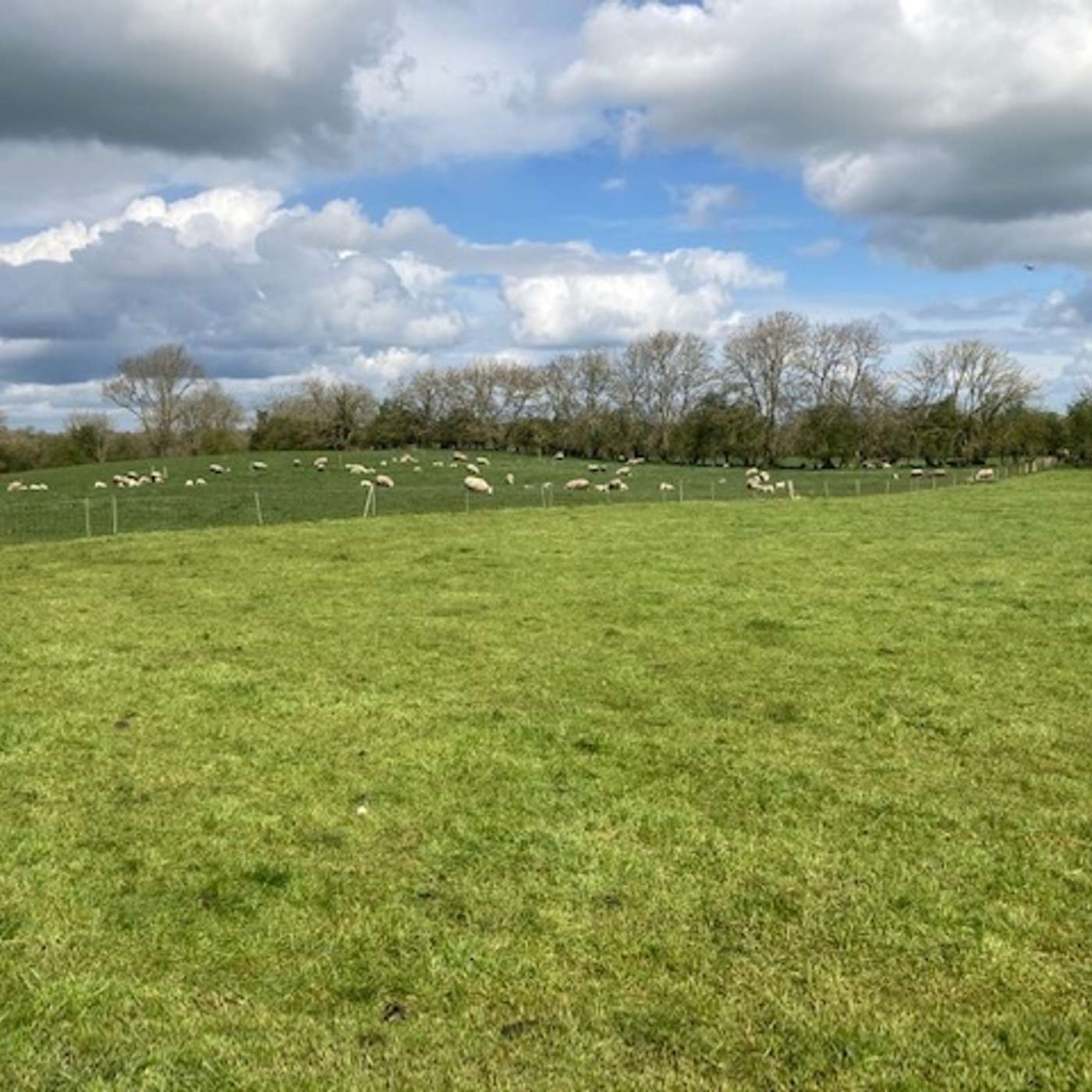
Peadar Kearney from Co Louth who is running a high output sheep only system where measuring and managing play a key role, joins Ciarán Lynch on this week’s OviCast. Peadar is also a participant on the Teagasc BETTER farm sheep programme and gives a quick recap on how lambing went this year, what has happened with the lambs in the interim and how he monitors lamb performance. He moves on to discuss the grass situation on the farm and the growth rates in recent weeks. Peadar describes the grazing groups on the farm, his pre and post grazing management and the importance of achieving residuals and managing re-growths. He then explains the grazing infrastructure, his paddock system and the use of temporary fencing and the role that has had in maintaining grass supply for his flock. Peadar also discusses the importance of grass measuring and using PastureBase in his system to give him the information to manage grass supply. As Peadar is one of the participating flocks in the OviData programme working with Sheep Ireland, he finishes up discussing the kind of information they are recording on ewes for the upcoming 7 week weight. For more episodes from OviCast, visit the show page at: https://www.teagasc.ie/animals/sheep/ovicast-sheep-podcast
Ep 72Lambing review – where can we improve
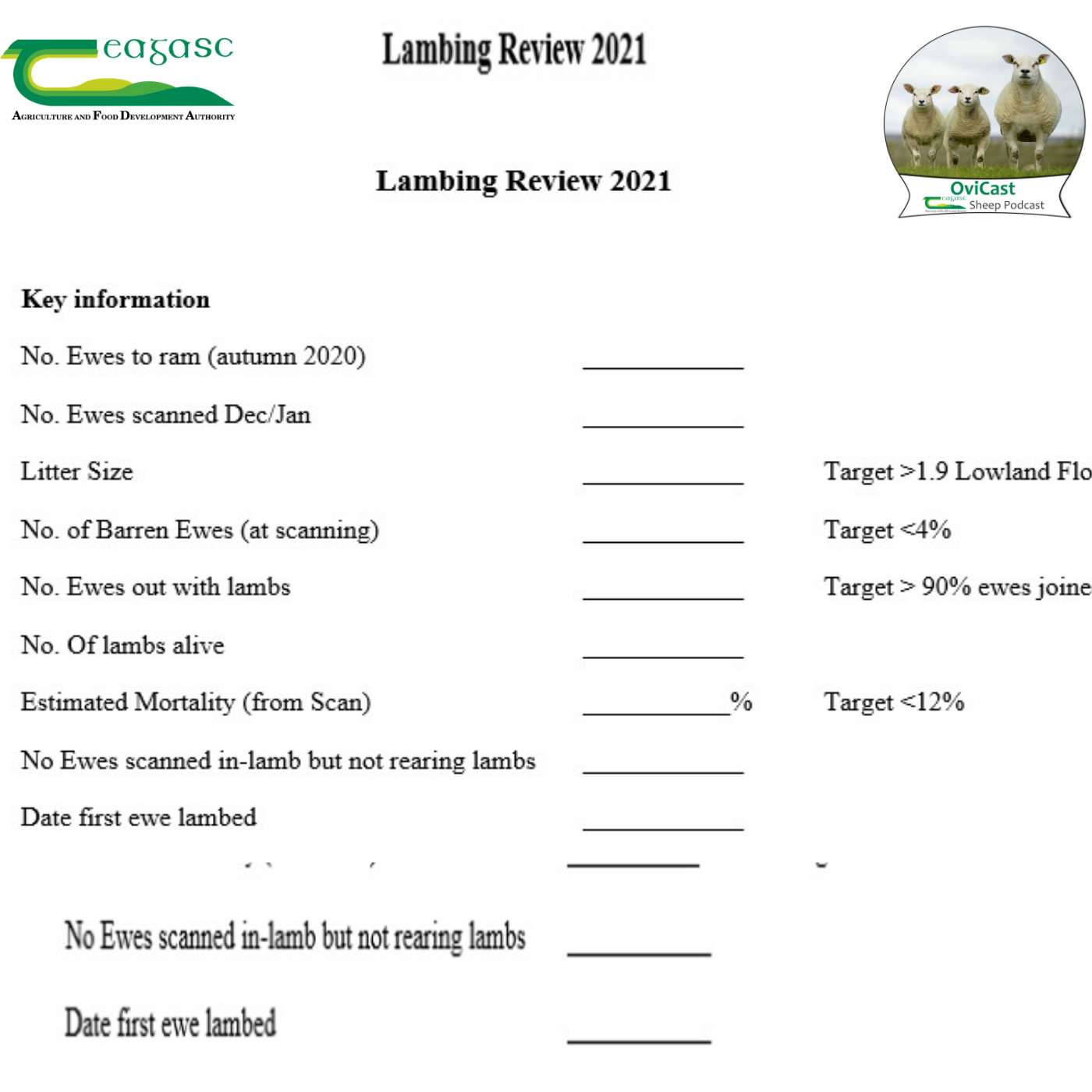
With lambing finishing up, this week’s OviCast podcast recaps on how well flocks have performed and where improvements can be made and to discuss this in more detail Ciarán Lynch is joined by Michael Gottstein Head of Sheep in Teagasc. Michael starts by outlining why it’s important to take stock of how flock has performed during lambing when it’s fresh in our minds and complete a simple lambing review. He discusses some of the key performance targets including issues around barrenness and ewes not rearing lambs and what follow up actions farmers can take before moving on to discuss issues around prolapse and the short and longer term actions that need to be addressed. Michael also discusses flock health in particular antibiotic use in lambs and ways in which this can be drastically reduced. Sticking with the lambing theme Michael talks about the impact of nutritional and other contributing factors on lambing difficulty, the level of assistance during lambing and what strategies can be implemented to improve this situation. The interview finishes up with Michael highlighting how addressing some of the simple management changes from now on can improve the outcome of next year’s lambing. For more episodes from OviCast, visit the show page at: https://www.teagasc.ie/animals/sheep/ovicast-sheep-podcast
Ep 71Dealing with scald in lambs and lameness issues early in the grazing season
Teagasc's B&T advisor Tom Coll joins Ciarán Lynch on this week’s OviCast to discuss some issues with lameness appearing in flocks at present. Tom discusses how scald is the main problem in young lambs at the moment and what some of the predisposing factors are. He highlights the need for early intervention and discusses treatment options. Tom puts particular emphasis on the importance of good handling facilities in tackling some of these issues on farms. With many of his clients having invested in batch footbath facilities in recent years he finishes up discussing how this has helped reduce incidence of lameness in their flocks and some of the other benefits to this change. For more episodes from OviCast, visit the show page at: https://www.teagasc.ie/animals/sheep/ovicast-sheep-podcast
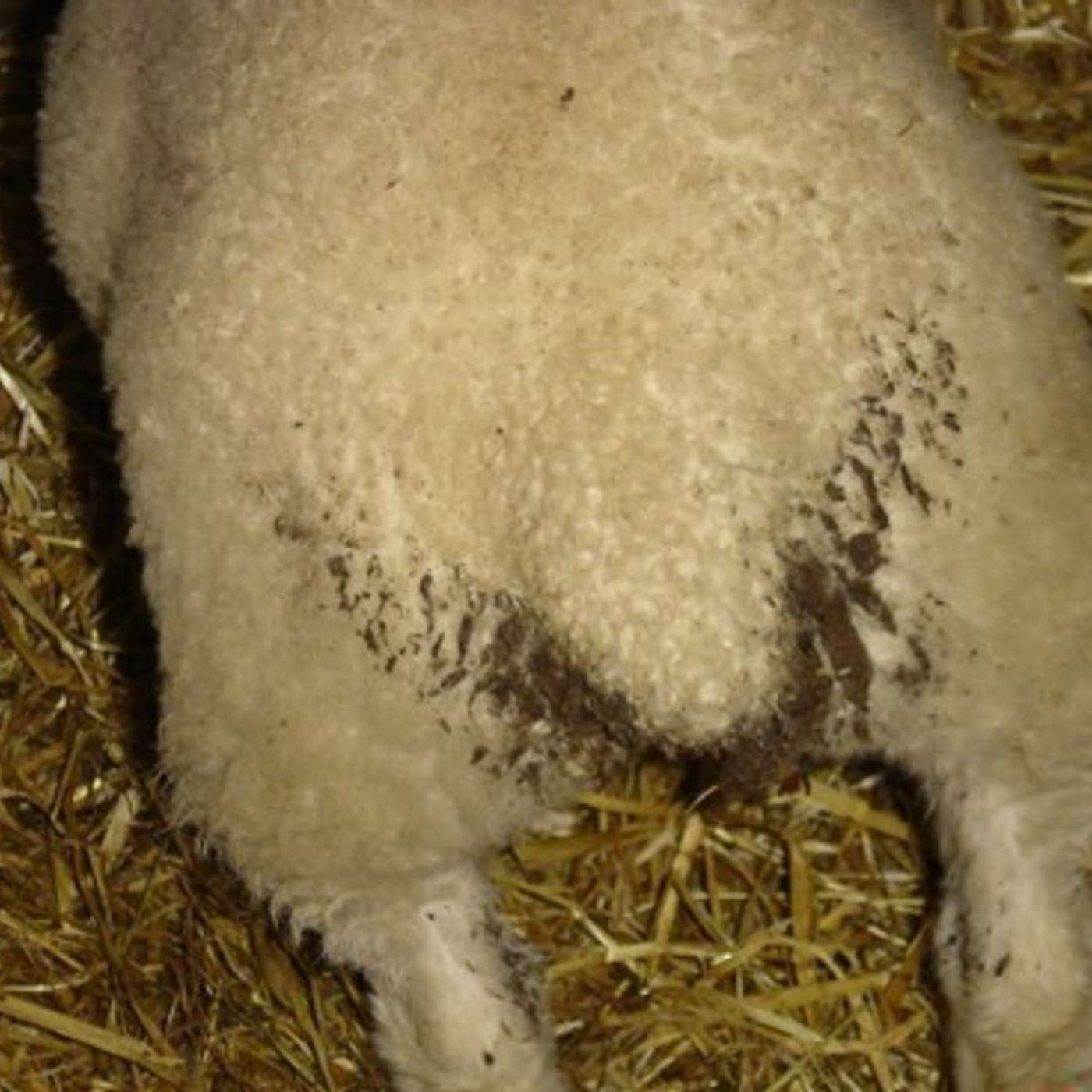
Ep 70Nematodirus – signs, treatment & differential diagnosis
Dr Orla Keane joins Ciarán Lynch on this week’s episode of OviCast to discuss Nematodirus in lambs. Orla starts by explaining why it poses a risk for lambs in early spring, she explains the DAFM Nematodirus forecast and the implications that has for lambs this spring. She discusses the signs of infection in young lambs and the treatment options for this condition as well as discussing how the choice of treatment can impact the sustainable parasite control. As this occurs at a similar time to possible Coccidia infection, Orla explains how this can also impact lambs, the clinical presentation of the condition and treatment options. Orla finishes up by highlighting the need to use correct procedure when administering anthelminthic and highlighting the resources available on the Teagasc Website. Find out more about anthelminthic resistance at: https://www.teagasc.ie/animals/sheep/flock-health/anthelmintic-resistance/ For more episodes from OviCast, visit the show page at: https://www.teagasc.ie/animals/sheep/ovicast-sheep-podcast
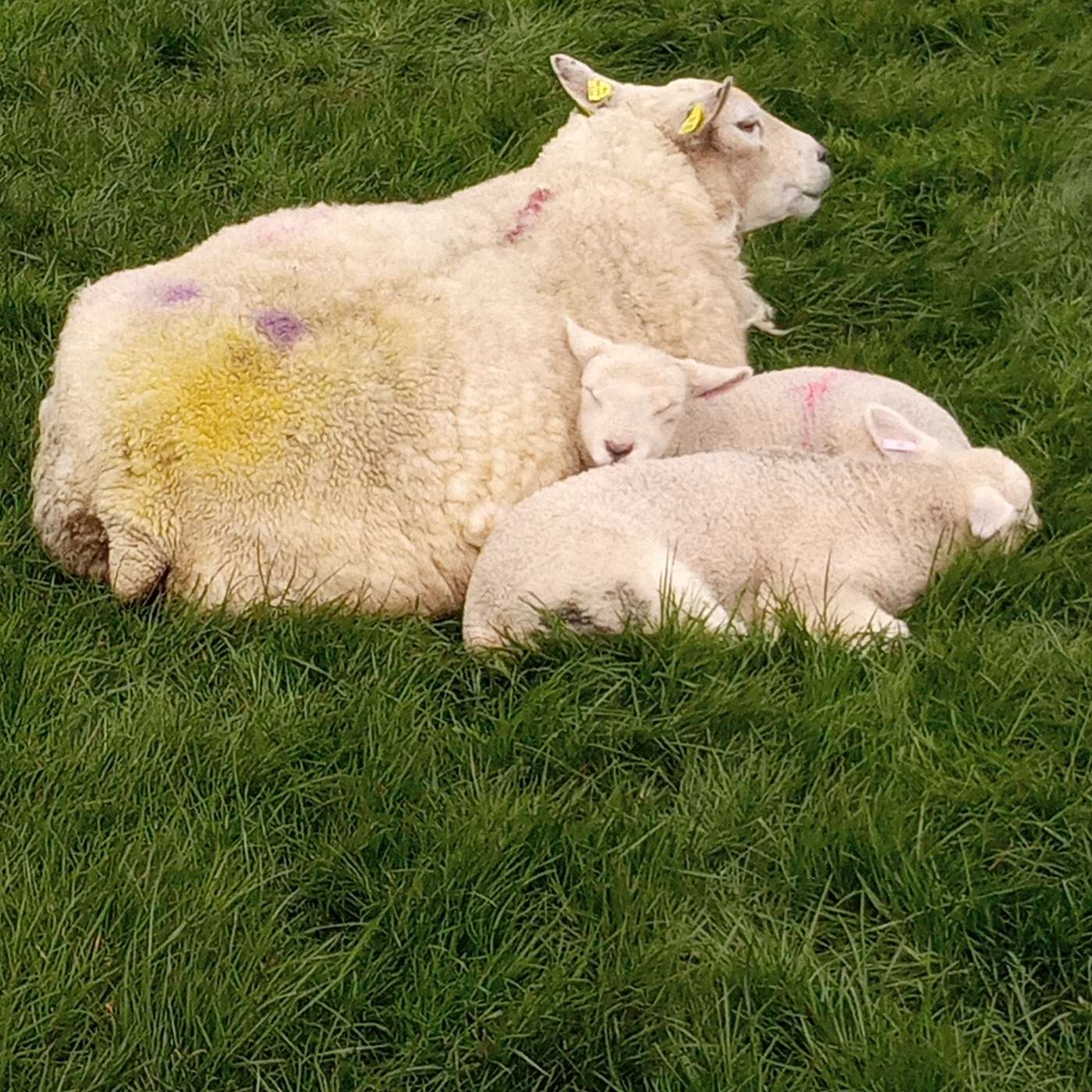
Ep 69Grazing focus - early season management
With the grazing season well underway, on the latest OviCast episode Ciarán Lynch catches up with Dr Philip Creighton who highlights the need to focus on grassland management for the coming weeks to maximise lamb performance. They discuss the current grazing conditions on farms around the country and the impact opening covers has had on grass growth during March. Philip moves on to discuss forming grazing groups and what impact that has on grass and animal performance. He then outlines the current grazing targets and the importance of achieving residuals to setup the sward for subsequent grazing rotations. They move on to discuss fertiliser application for the second round to meet rising demand and finish up discussing target farm covers for the coming weeks. For more episodes from OviCast, visit the show page at: https://www.teagasc.ie/animals/sheep/ovicast-sheep-podcast
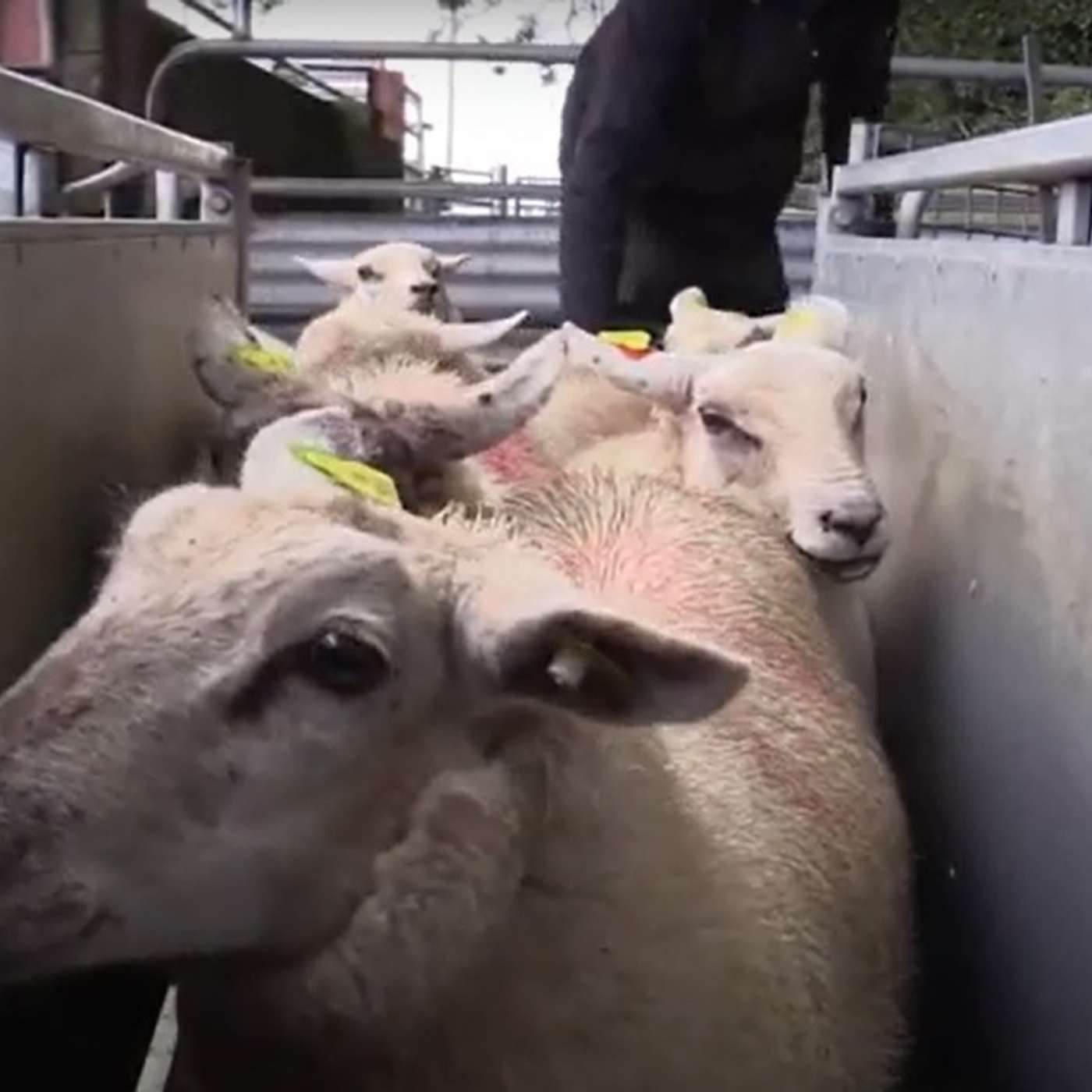
Ep 68Lambing one year old ewes – the farmer experience
Tomás O’Leary who is farming outside Killarney in Co. Kerry joins Ciarán Lynch on this week’s OviCast. Tomás who is a participant on the BETTER Farm Sheep Programme has always joined his ewe lambs and managed them alongside his mature ewes. He shares his experience on how to manage these ewes to achieve a high output. He also discusses his selection criteria to ensure his replacement ewe lambs are suitable to join, ram choice and joining period length. Tomás then detailed his scan result this year and feeding regime from housing right through to late pregnancy. He discussed management around lambing time and plans for turnout and highlights why he supplements this group post lambing and how he manages them from turnout to weaning, highlighting the importance of monitoring their condition. See more about his breeding policy here: https://www.youtube.com/watch?v=DcuvJqj3FeM For more episodes from OviCast, visit the show page at: https://www.teagasc.ie/animals/sheep/ovicast-sheep-podcast
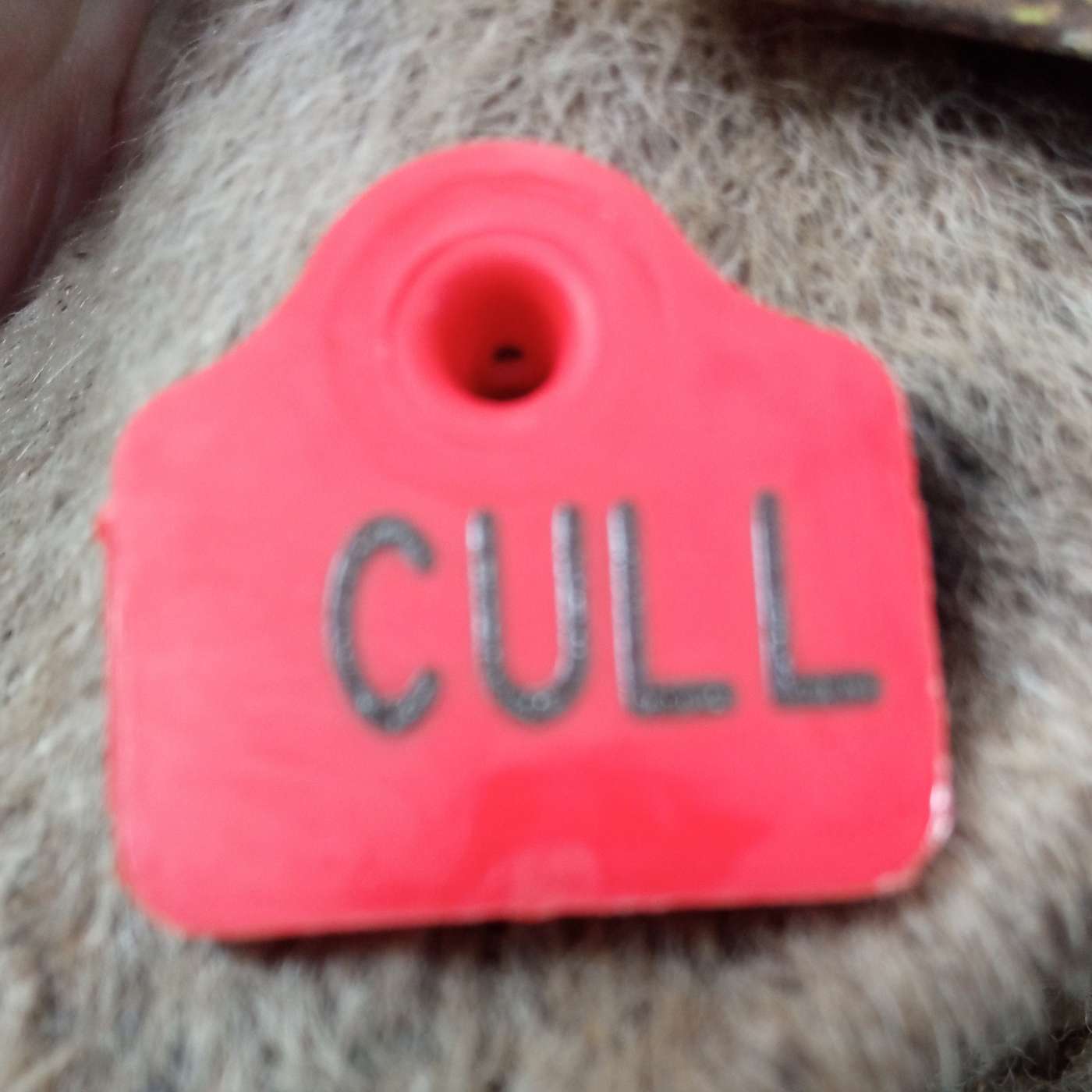
Ep 67Identifying the problem ewes during lambing
Dr Frank Campion joins Ciarán Lynch on this week’s OviCast podcast to talk about reducing the number of problem ewes. As many of the problems seen in a flock occur during lambing, Frank highlights the importance of identifying these sheep for culling with a permanent means so that they don’t re-appear in the flocks for the coming year. Frank discusses the reasons for culling in flocks but also the importance of recording the reasons why these ewes were culled. He outlines why it’s important to review these reasons to identify potential issues within the flocks and expands on this point with examples of the culling levels and variation seen in the flocks in the Sheep BETTER farms. As culling is an ongoing process they finish up discussing other issues to target as the season progresses. For more episodes from OviCast, visit the show page at: https://www.teagasc.ie/animals/sheep/ovicast-sheep-podcast
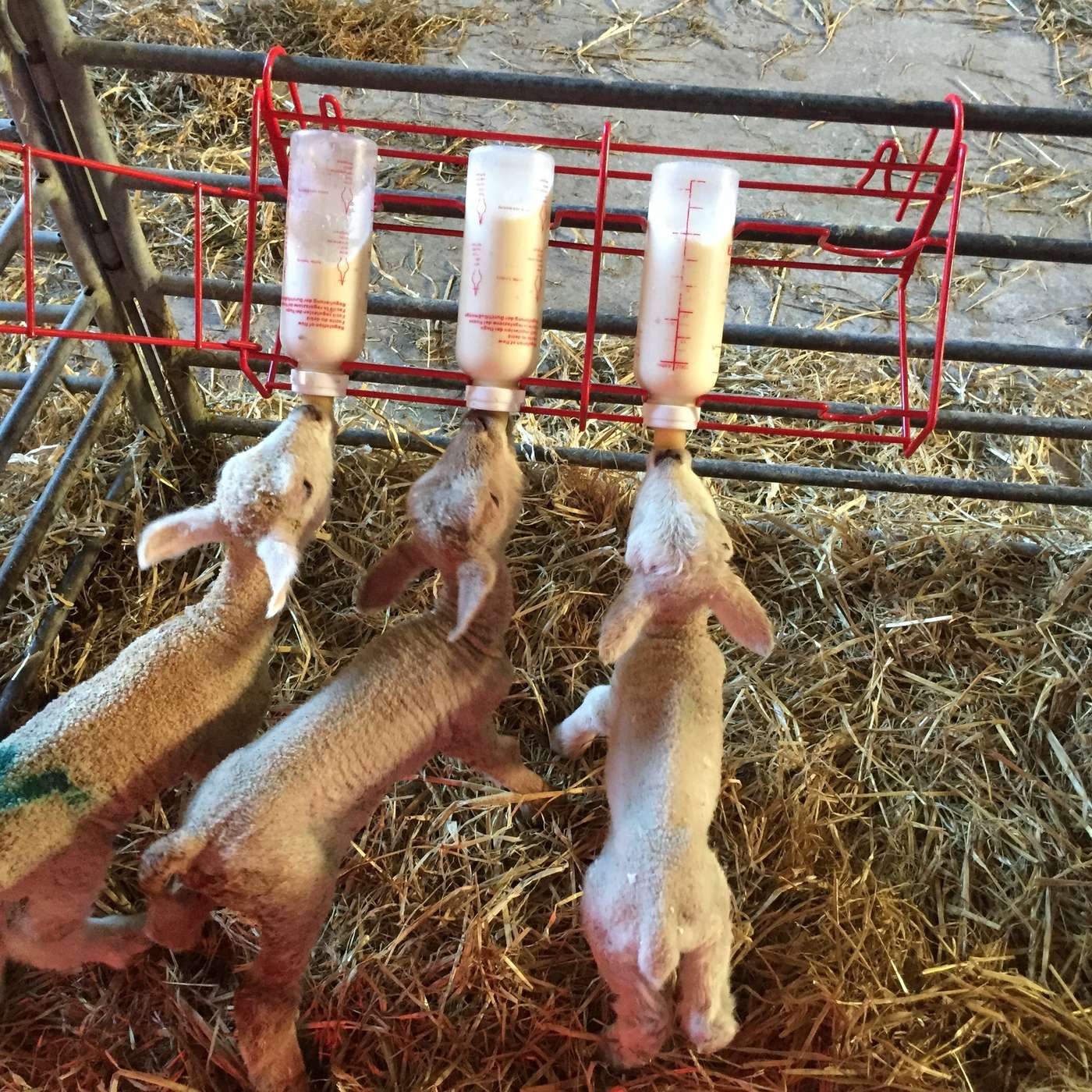
Ep 66Artificially rearing lambs – the key points
Having a system in place to deal with surplus or orphan lambs is a must on many farms at this time of the year. On this episode of OviCast, Ciarán Lynch discusses this in more detail with Michael Gottstein Head of Sheep in Teagasc. Michael outlines the various options for artificially rearing lambs indicating the pros and cons of each. They discuss training lambs onto feeders, batching according to age and group size. As these are high cost systems, Michael outlines the weaning process, emphasising its importance in keeping the cost of the system down. He also discusses the introduction of concentrate and provision of a fibre source and fresh water and finishes up highlighting the importance of hygiene and identifying poor performers and managing them separately. For more episodes from OviCast, visit the show page at: https://www.teagasc.ie/animals/sheep/ovicast-sheep-podcast
Ep 65Farmer focus: Des Powell - Flock Expansion in Co. Tipperary
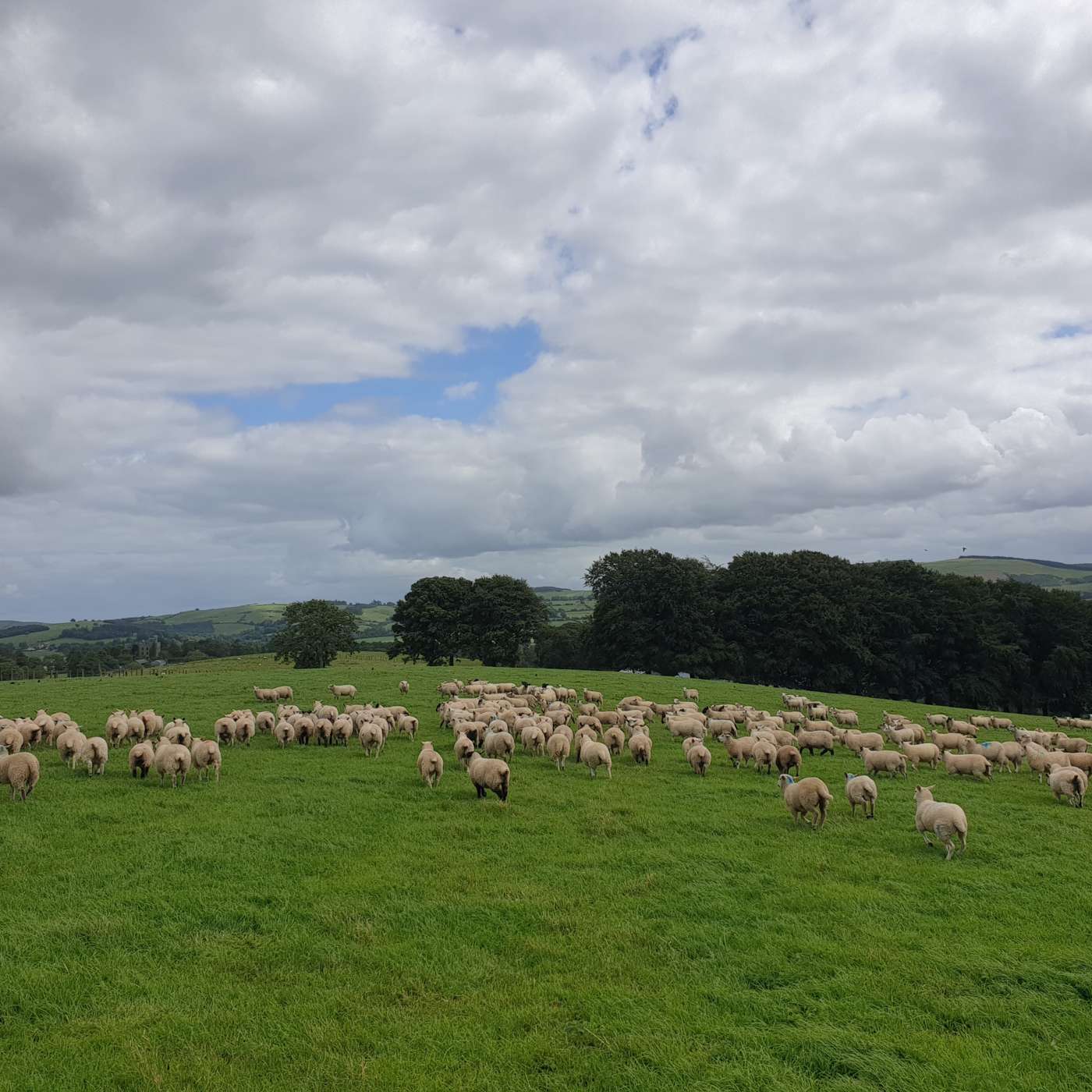
Teagasc BETTER Farm Sheep Programme participant Des Powell who is running a mixed sheep and beef system in Co. Tipperary features on this week’s episode of OviCast. Des is also joined by Teagasc’s Dr. Frank Campion as they discuss plans for increasing flock size and implementing a breeding policy on the farm. With lambing already underway, Des discusses how he is selecting and identifying his replacements, while Frank highlights the challenge of expanding from within the flock and how it limits the selection process initially. They also highlight some of the infrastructure changes on the farm finishing up with a discussion on the current grass situation this spring and what changes Des has implemented to bring this about. For more episodes from OviCast, visit the show page at: https://www.teagasc.ie/animals/sheep/ovicast-sheep-podcast
Ep 64The causes, timing and on-farm practices associated with lamb mortality and the steps to reduce the incidence this Spring
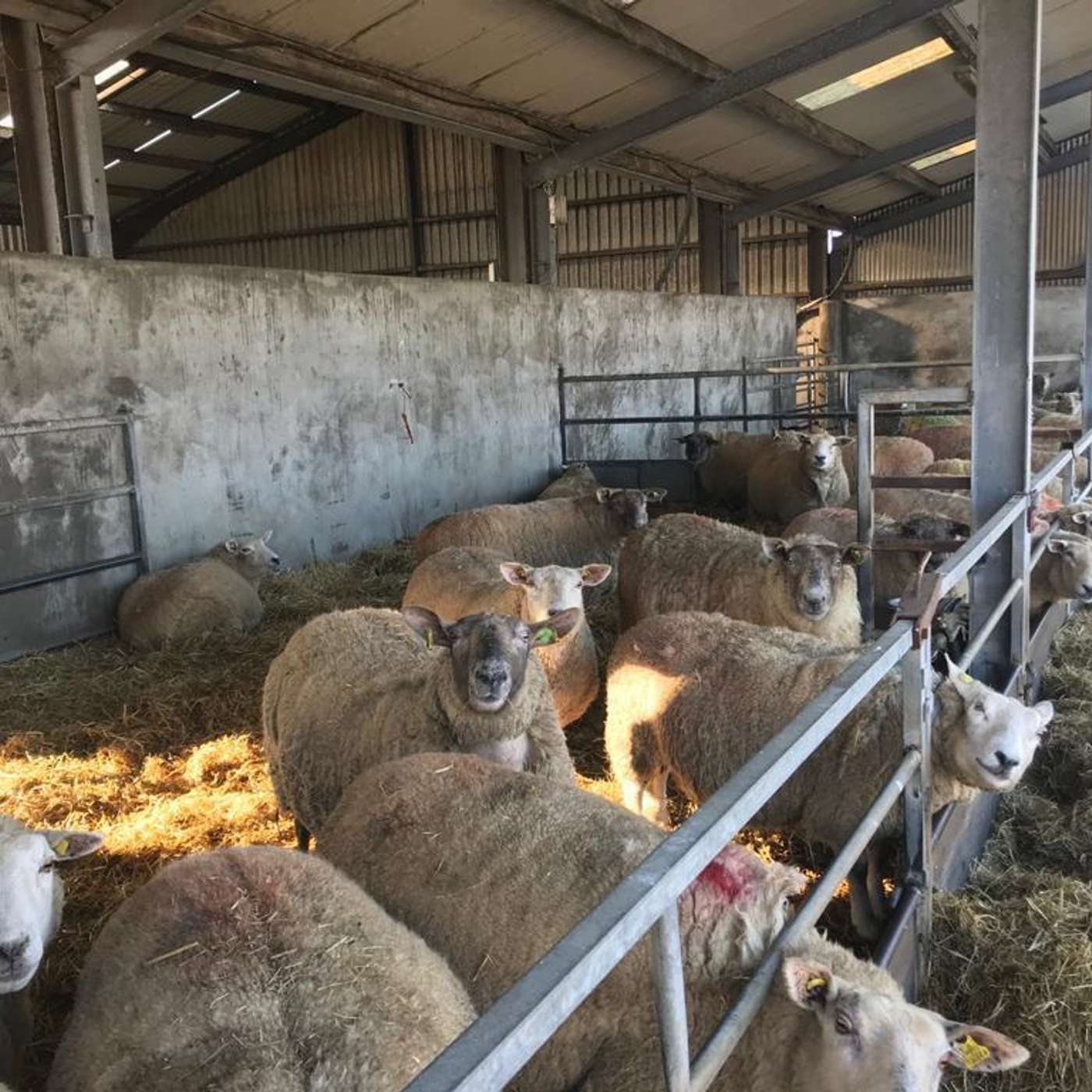
With lambing season well underway, the focus on this week’s OviCast episode turns to the subject of lamb mortality and ways to reduce it. Joining Ciarán Lynch is Dwayne Shields from Teagasc Sligo-Leitrim-Donegal who, during the course of his PhD studies, has examined the timing and causes of perinatal lamb mortality as well as farm surveys on common practices that can improve lamb survival. Dwayne begins by discussing the timing and main causes of lamb mortality. He delves into how some of these are preventable and which ones aren’t, highlighting the importance of correct diagnosis where problems occur. He moves on to discuss the importance of good hygiene in the lambing shed as well as treating lambs’ navels soon after birth, with Dwayne outlining the on-farm practices highlighted in his study and how they could be improved. Clostrum management and the use of alternatives and the role of nutrition has on lamb mortality is also highlighted. Finally, Dwayne encourages farmers to take an accurate assessment of lamb mortality on their own farms and use the information as an opportunity to address some potential causes. For more episodes from OviCast, visit the show page at: https://www.teagasc.ie/animals/sheep/ovicast-sheep-podcast/
Ep 63Spring fertiliser – the key considerations
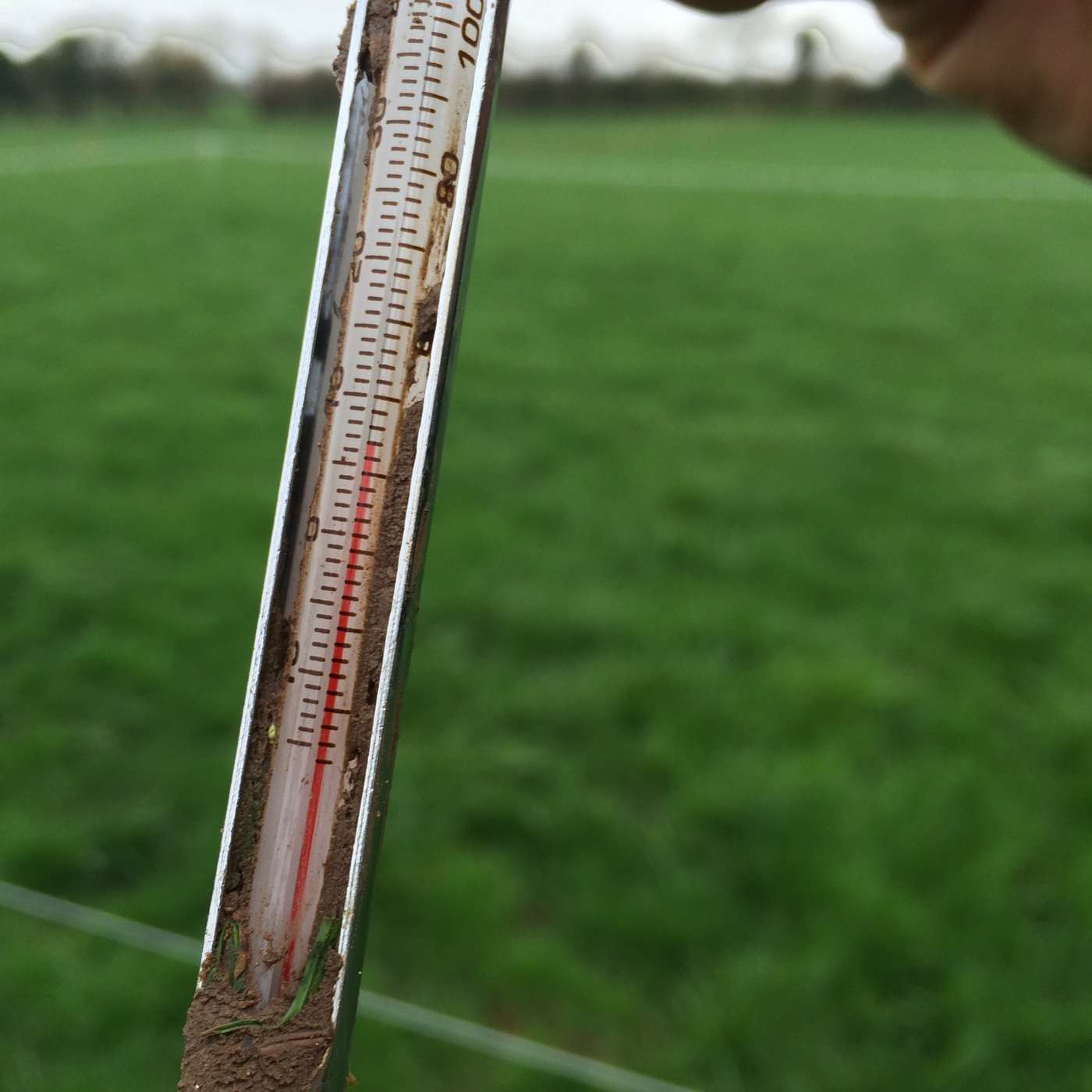
Dr Philip Creighton joins Ciaran Lynch on this week’s OviCast to discuss some of the key factors to consider for fertiliser application this spring. Philip discusses some of the challenges this spring and the delay in fertiliser application. With both environmental and economic considerations, he outlines the importance of waiting until soil temperatures and ground conditions are suitable before applying fertiliser at the moment. He then discusses the options for farmers looking at split applications, how much to spread, where to target and why lower covers may be better suited to FYM or slurry applications. He also highlights the importance of soil fertility in terms of responsiveness of swards to spring nitrogen. Finally, Philip talks about fertiliser choice for the first round and subsequent applications and the need to match grass demand. For more episodes from OviCast, visit the show page at: https://www.teagasc.ie/animals/sheep/ovicast-sheep-podcast/
Ep 62BETTER Farm Hill flock update
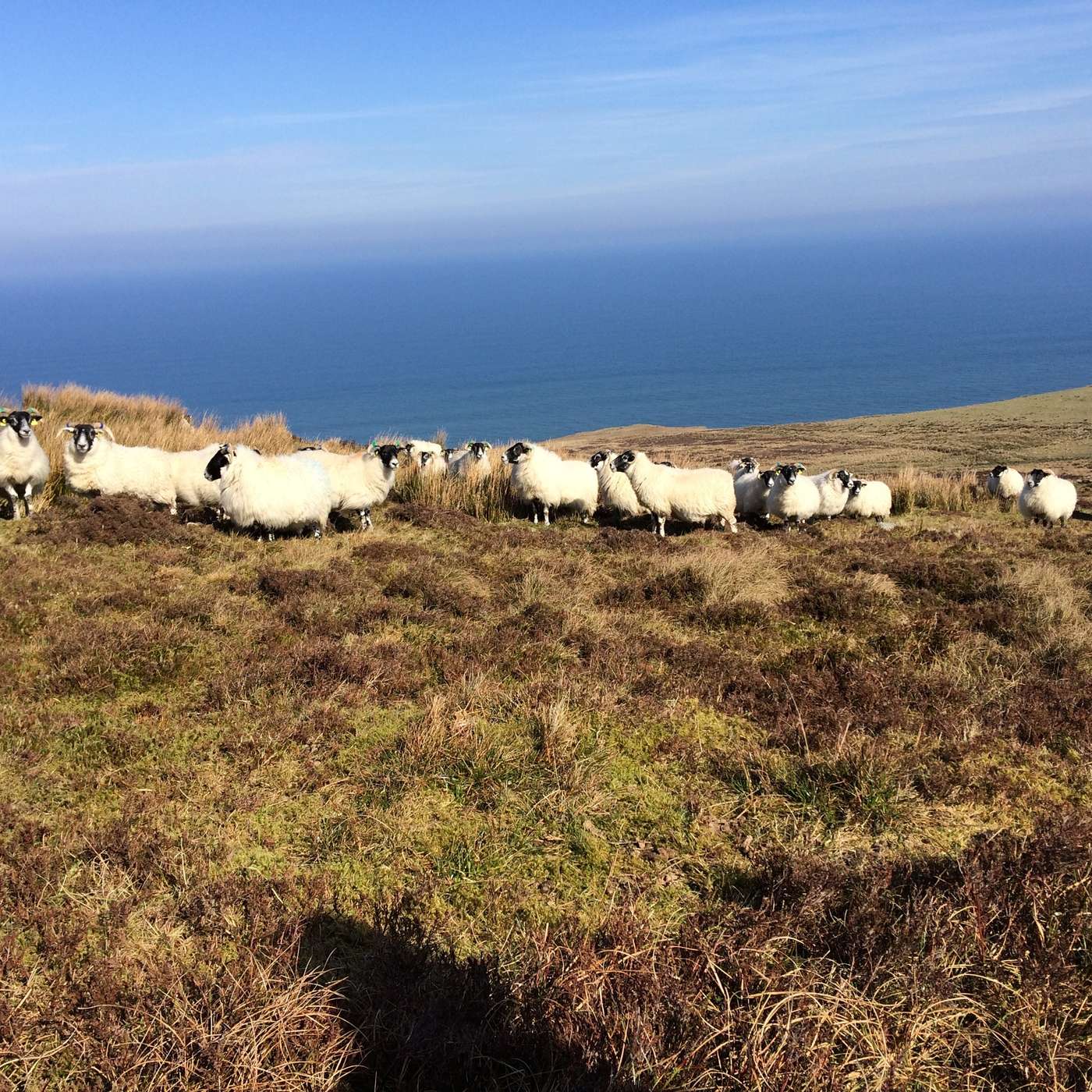
Dr Frank Campion joins Ciaran Lynch on the latest episode of OviCast with an update on the hill sheep flocks in the Teagasc BETTER farm sheep programme. Frank discusses the farms involved and those that have recently finished up in the programme and with many of the flocks just finished pregnancy scanning, he discusses the results they achieved this year including fertility issues encountered in one of the flock along with the possible causes and follow up actions. He moves on to litter size, management of twins and the possibility that some flocks may be pushing litter size too high to suit the system. They also discuss the need to look at the overall system and targeting the levels of output to best suit the farm. Finally, Frank highlights how the farmers are managing ewe body condition at this point of the year. For more episodes from OviCast, visit the show page at: https://www.teagasc.ie/animals/sheep/ovicast-sheep-podcast/
Ep 61Sheep market focus and outlook for 2021
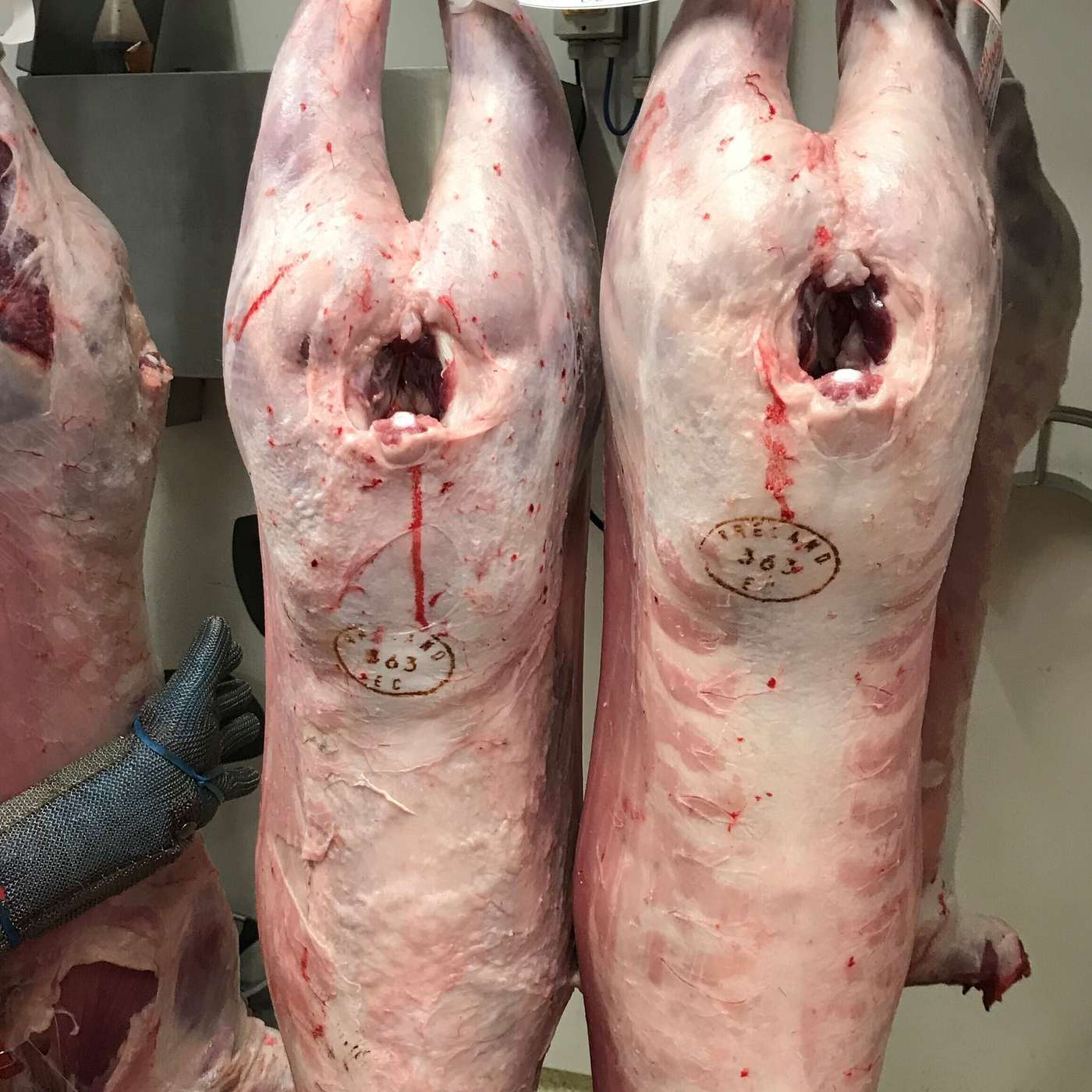
Seamus McMenamin, sheep meat sector manager with Bord Bia joins Ciaran Lynch on this week’s episode of OviCast with a focus on the sheep market and an outlook for 2021. Seamus reviews some of the key highlights from the sheep meat trade during 2020 as well as overall throughput and imports from Northern Ireland. He discusses the growth seen in key markets and moves on to discuss the impact of global trade patterns on the competitiveness of Irish lamb. Seamus then outlines the influence of China on the world stage particularly in relation to New Zealand lamb exports before discussing the effects of Brexit on UK supply into the EU market and their production levels as well as the impact it has on trade and transport and their outlook for the UK production. Seamus also highlights the potential for growth in the Middle East, Asian and US markets as well as the welcome increase in domestic retail and he outlines the importance customers place on Quality Assurance certification delivering to market specification before finishing up discussing the outlook for the sheep meat trade in 2021. For more episodes from OviCast, visit the show page at: https://www.teagasc.ie/animals/sheep/ovicast-sheep-podcast/
Ep 60Farmer Focus: John O’Connell – Scanning, feeding and managing ewes in Co. Leitrim
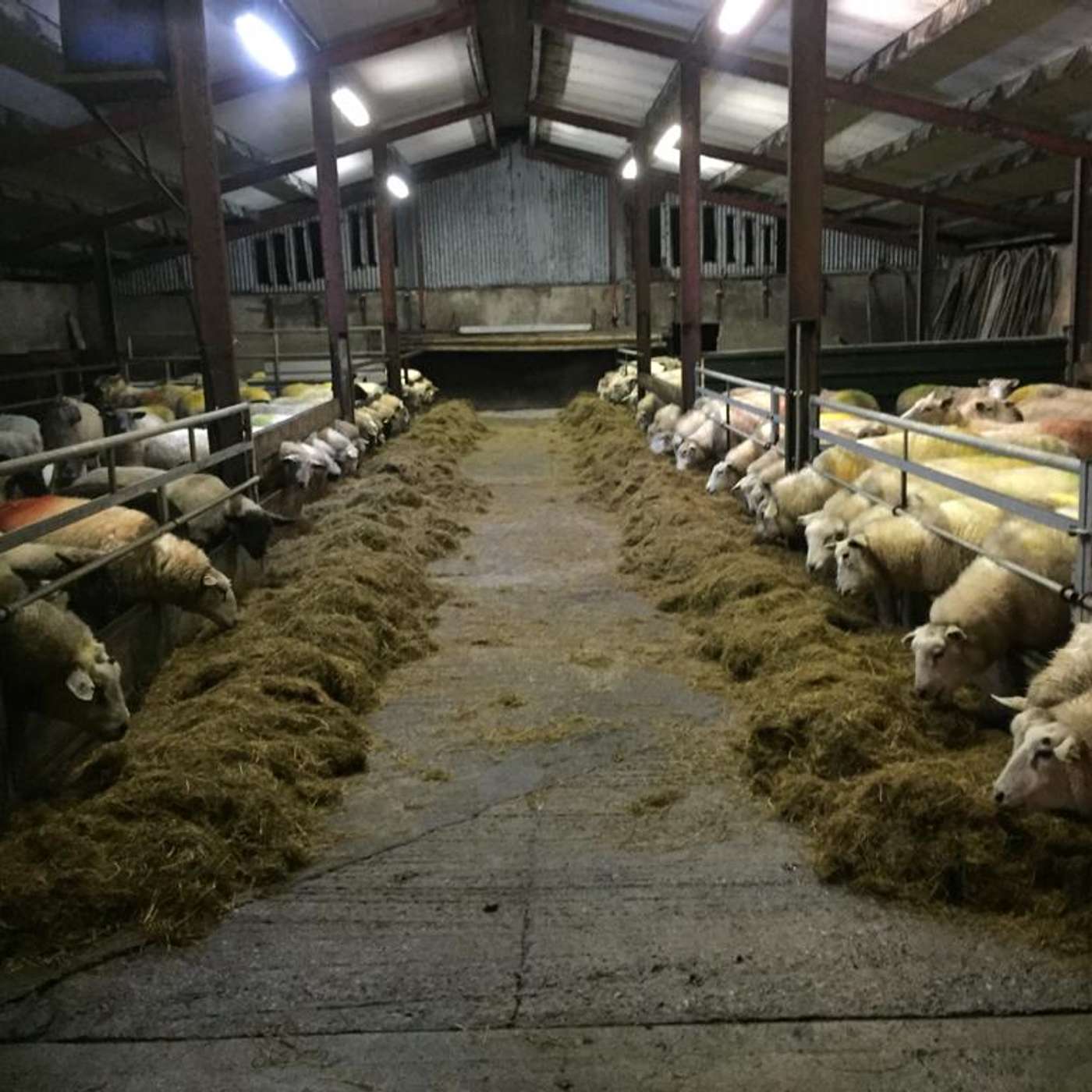
Co. Leitrim native John O’Connell who runs a mixed sheep and dairy contract rearing system in Ballinamore joins Ciarán Lynch on this week’s episode of OviCast. John who is also a participant in the BETTER farm Sheep Programme starts by discussing the importance of having ewes in the right body condition and maintaining this during mid-pregnancy. John discusses his scanning results and subsequent management. He also explains the role of high-quality silage in his system and the ration specification he is using this year. John puts great emphasis on ensuring ewes have sufficient quantities of high-quality colostrum and takes us through his feeding regime, in particular how he manages singles to facilitate cross fostering. He moves on to discuss managing pregnant ewe lambs in his flock before finishing up explaining how these and triplet rearing ewes are managed post-lambing. For more episodes from OviCast, visit the show page at: https://www.teagasc.ie/animals/sheep/ovicast-sheep-podcast/
Ep 59Focus on Vaccination
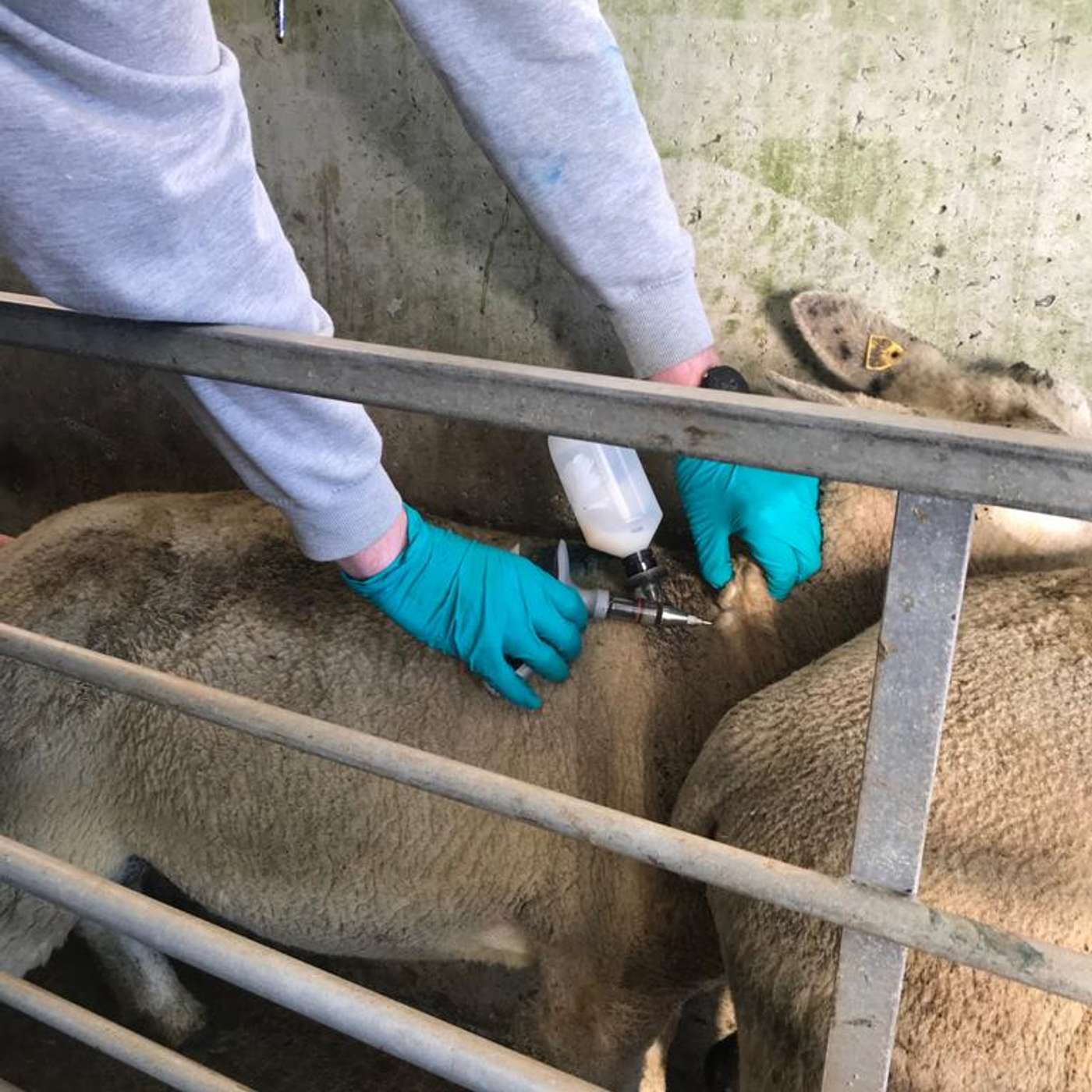
Vet Charles Chavasse from Zoetis Ireland joins Ciarán Lynch on this week’s OviCast to discuss the various aspects of vaccination. Charles starts by explaining how the vaccination process works and some of the differences between those commonly used vaccines at farm level. He highlights the role of safe handling and administration of vaccines and how that impacts their efficacy. Charles then discusses the process of passive immunity from the ewe to their progeny and the duration of cover of clostridial vaccines before finishing up on how to identify issues on farm this spring and how a vaccination programme may reduce some of these issues. For more episodes from OviCast, visit the show page at: https://www.teagasc.ie/animals/sheep/ovicast-sheep-podcast/
Ep 58Feeding for late pregnancy
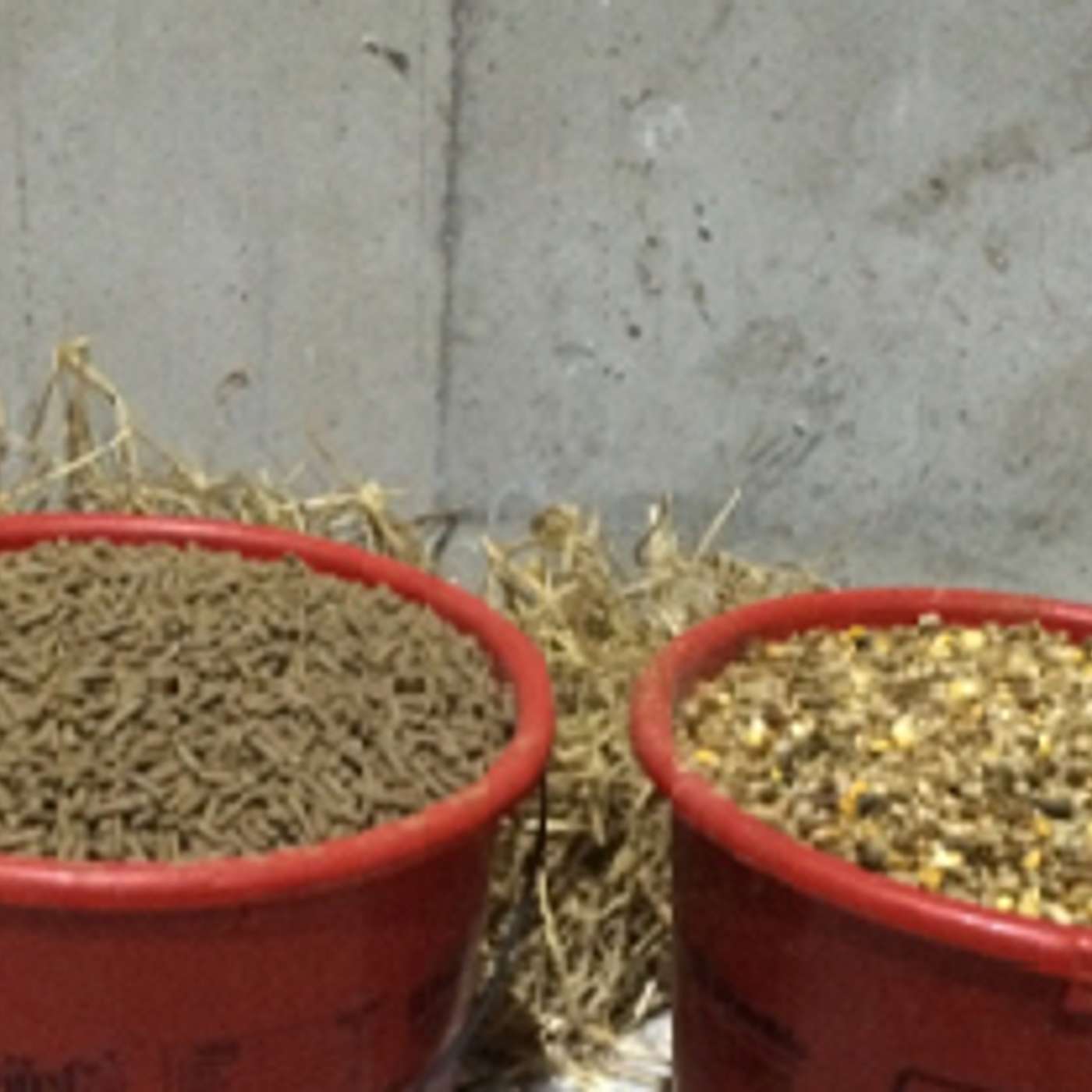
Getting the feeding regime right in late pregnancy has a big impact on a successful lambing and flock performance and on this week’s OviCast episode, Ciarán Lynch discusses the various aspects of this with Michael Gottstein Head of Sheep in Teagasc. They discuss using forage analyses, scan results and expected lambing date to determine the amount of supplementation required as well as how to manage thin ewes in late pregnancy. Michael offers advice for farms with low feed value silages. He discusses the pros and cons of pelleted versus coarse rations, how to introduce supplementation and minimise the risks of acidosis. He also explains the type of ingredients he would like to see in a ration for late pregnancy feeding. Delving into this a bit more he outlines the key energy requirements, protein source and mineral requirements. For more episodes from OviCast, visit the show page at: https://www.teagasc.ie/animals/sheep/ovicast-sheep-podcast/
Ep 57Fluke control at this stage of the season
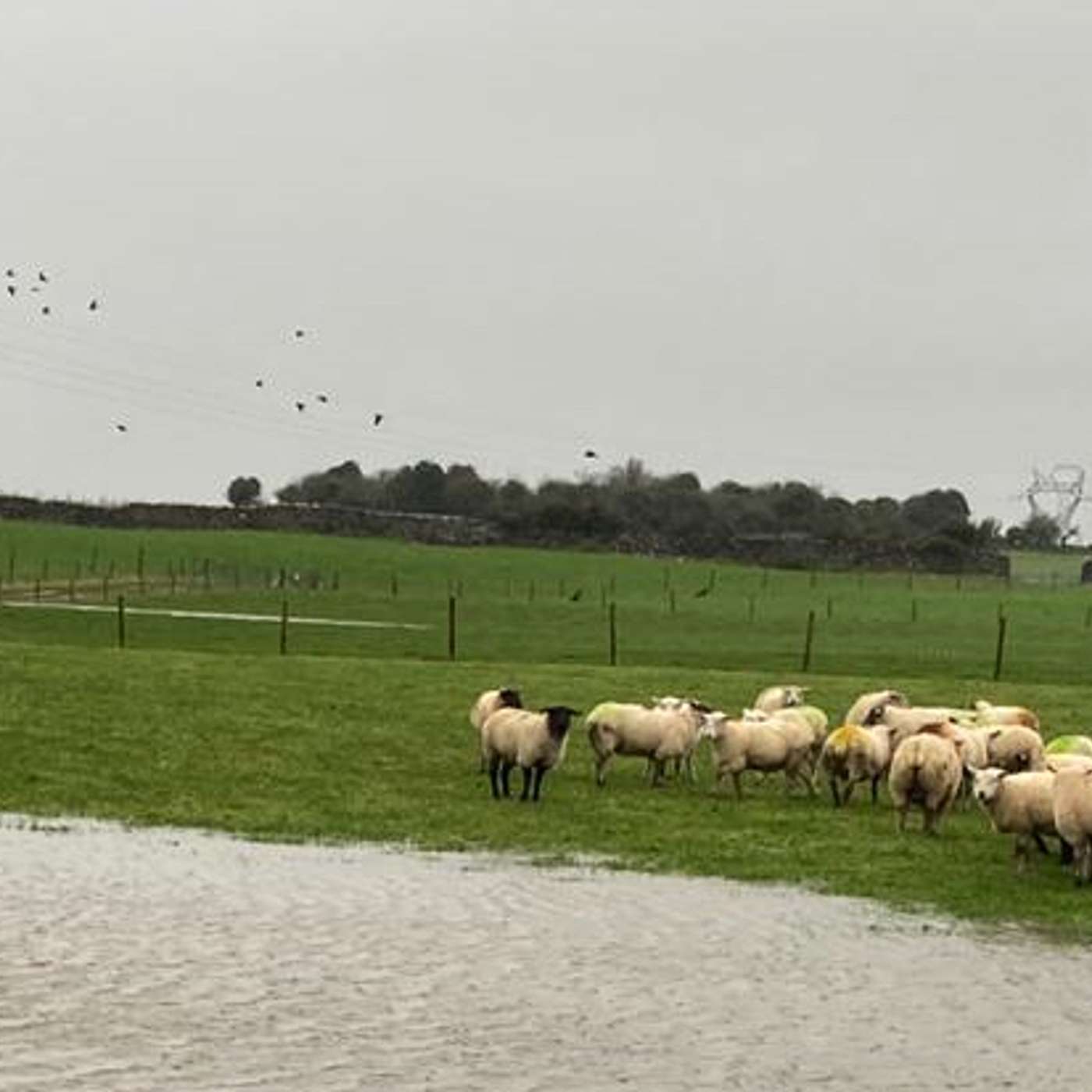
Given the wet conditions this autumn and winter the level of fluke challenge on farms is high at the moment and on this week’s OviCast, Ciarán Lynch catches up with Dr. Orla Keane to discuss this in more detail. Orla explains the best means of diagnosis and highlights the importance of previous farm history when considering treatment. She also discusses treatment of replacement and remaining lambs on the farm. Orla then examines the treatment options and their suitability for a number of different circumstances highlighting the risk of continual use of products from an individual active ingredient from a resistance perspective and goes on to highlight best practice when dosing. A guide to the various products licenced for internal and external parasites is here: https://www.teagasc.ie/media/website/publications/2018/Products-licensed-for-control-of-parasites-in-sheep.pdf For more episodes from OviCast, visit the show page at: https://www.teagasc.ie/animals/sheep/ovicast-sheep-podcast/
Ep 56Housing and feed management
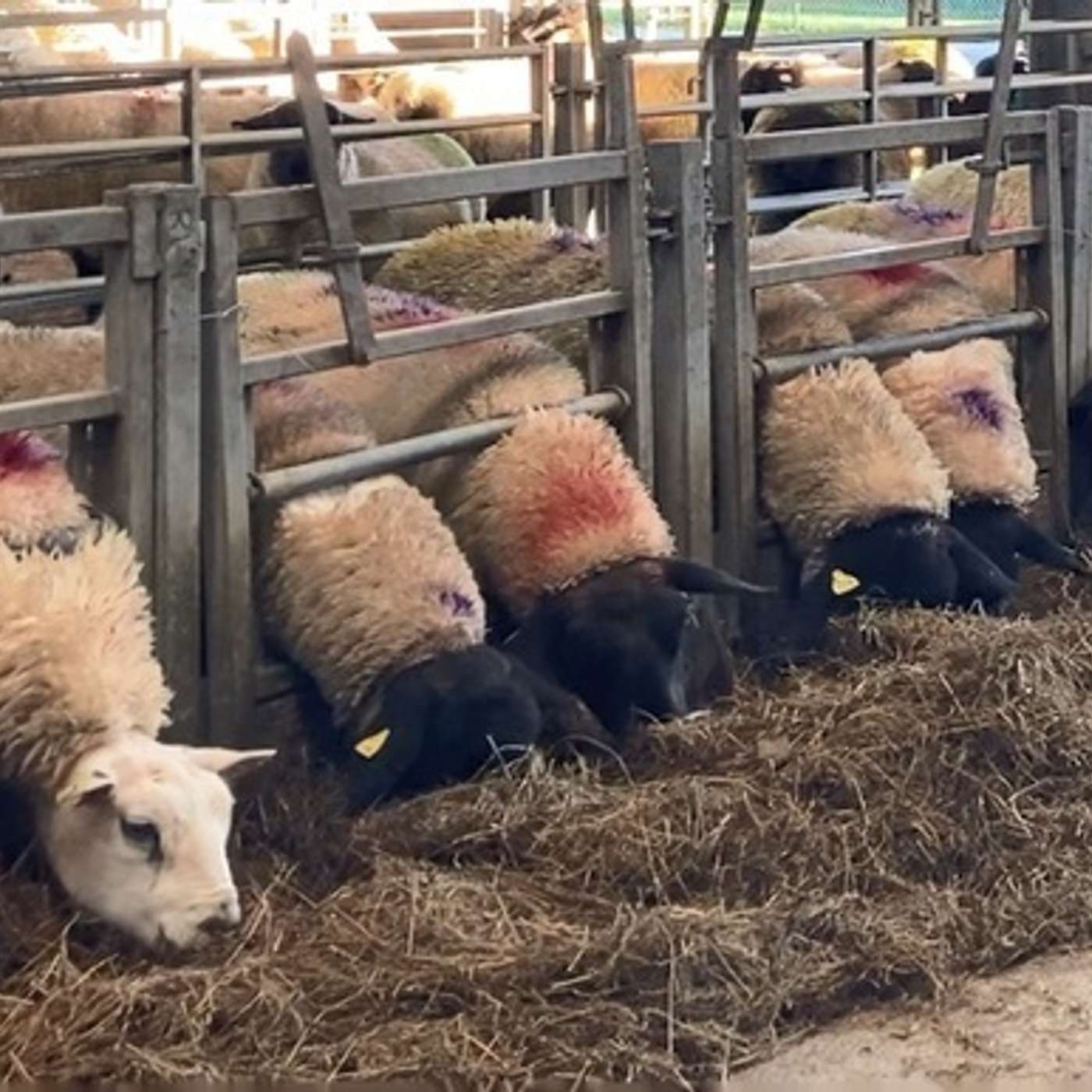
The practical aspects of housing and feed management are discussed on the latest episode of Ovicast with sheep specialist Damian Costello joining Ciarán Lynch. Damian begins by explaining why its important to match the number of ewes to pen capacity and he outlines the recommended feed and lying space guidelines. He then discusses feed management, access to roughage and introducing concentrates to the diet. With the cold snap in weather Damian highlights the importance of checking drinkers and ensuring there is a constant fresh water supply. He also talks about management of shy feeders and the need to manage these separately. Finally, Damian discusses tips for flocks housing close to lambing to facilitate the smooth transition of ewes on to late pregnancy diets. For more episodes from OviCast, visit the show page at: https://www.teagasc.ie/animals/sheep/ovicast-sheep-podcast/
Ep 55Out wintering on forage crops
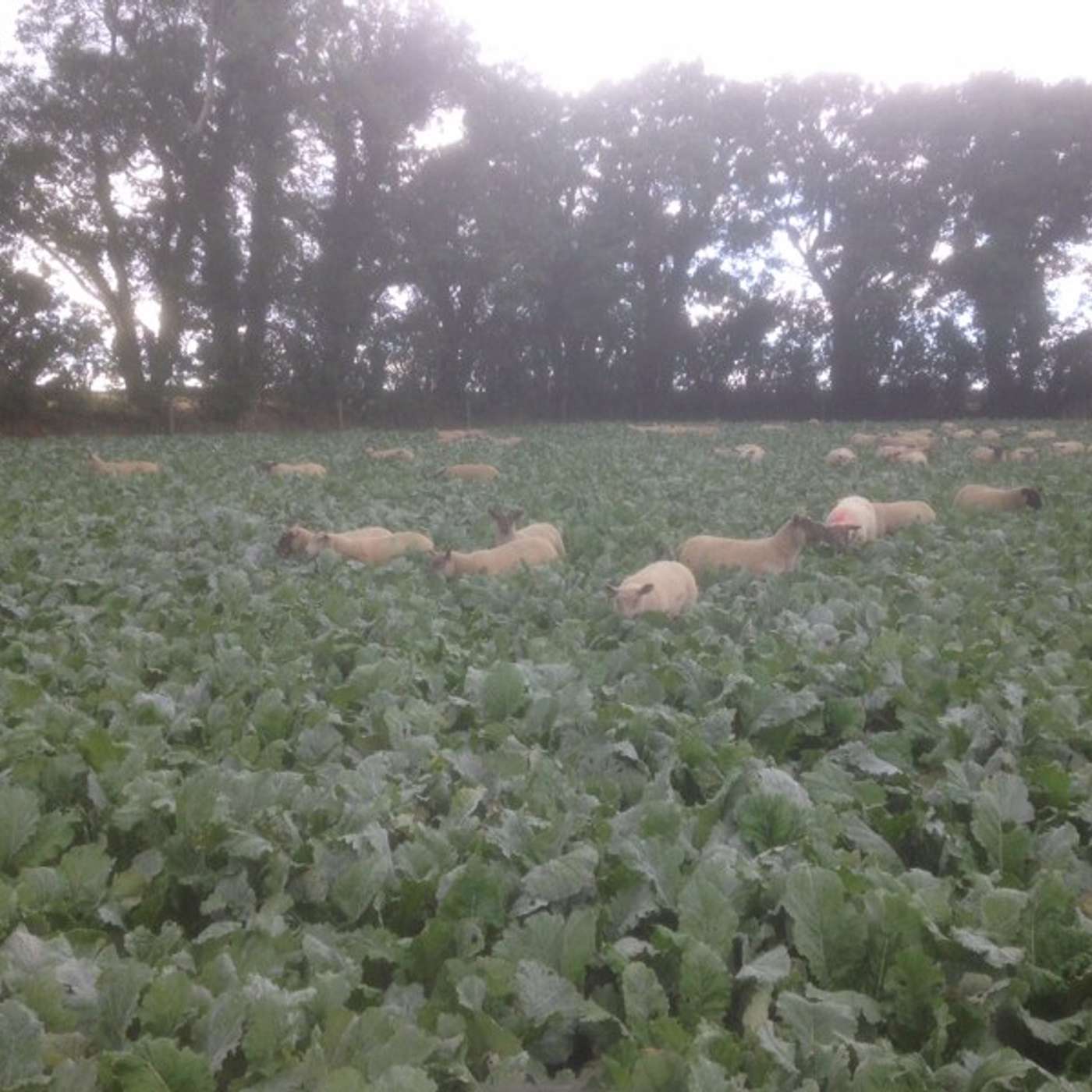
On the final OviCast of 2020, Ciarán Lynch covers out wintering on forage crops with Teagasc advisor James Doran and BETTER Farm participant John Doyle. James begins by explaining the potential yield of the different crops and how they fit into the system. He outlines key management tips when grazing these crops to avoid digestive upsets and other health concerns. He also highlights potential issues around clean livestock policy and what actions can be taken. In the second half of the podcast, presenter Ciarán catches up with John Doyle who is farming in Ballindaggan in Co. Wexford. John has been out wintering on forage crops on an annual basis for a long number of years and he outlines the changes that have occurred in the type of crops he has sown during that period. He discusses the crops he has in this year, how he manages ewes and lambs on them, in particular the transition of ewes indoors before lambing. He also discusses the impact of sowing date and prevailing weather on the potential crop yield. For more episodes from OviCast, visit the show page at: https://www.teagasc.ie/animals/sheep/ovicast-sheep-podcast/
Ep 54Using scanning results
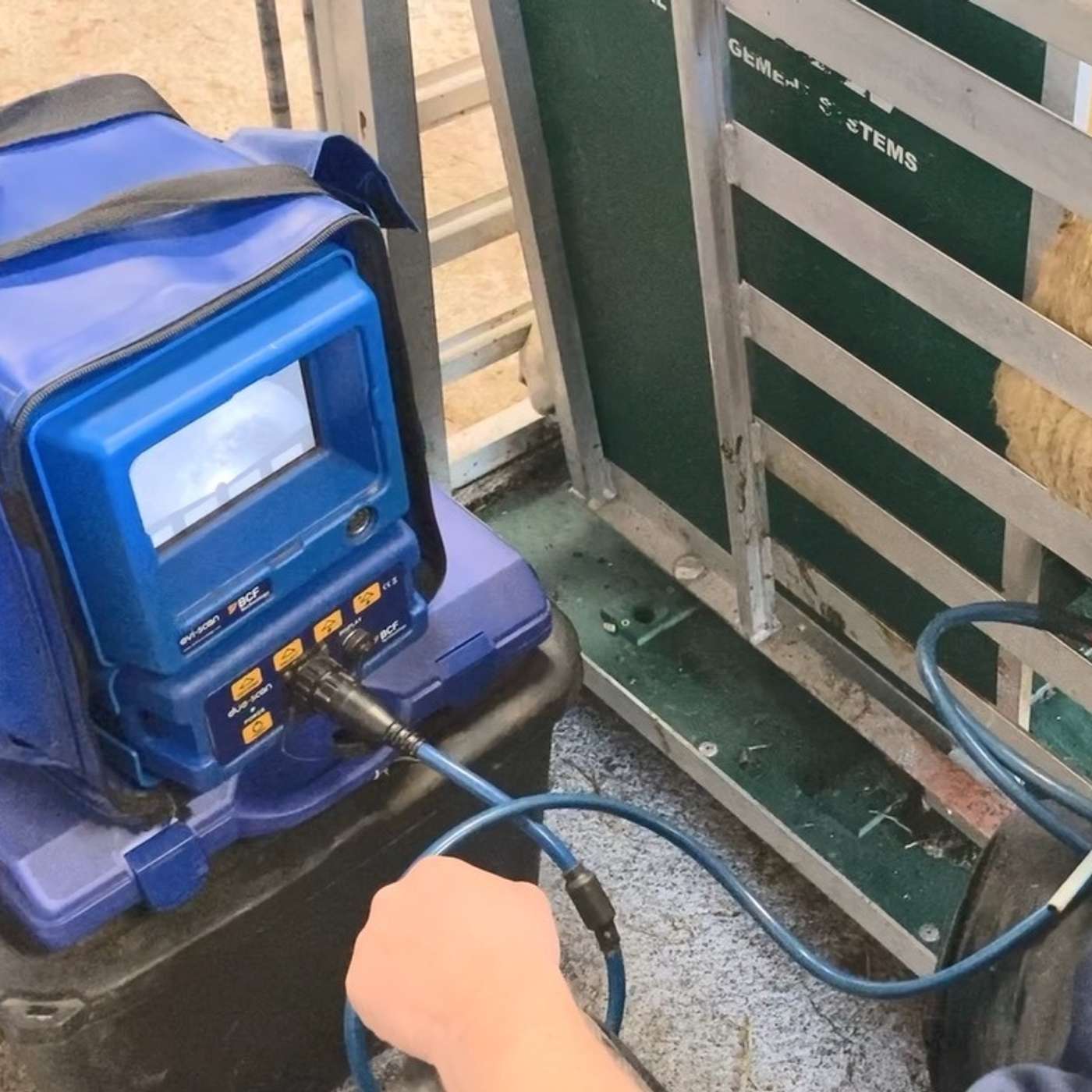
With many farmers pregnancy scanning their flocks during the coming weeks we discuss how to best make use of this information with sheep specialist Damian Costello. Damian starts by discussing the flock performance at scanning, some factors that influence it and benchmarking against targets. He then discusses the options for empty eyes and follow-up actions where issues occur before moving on to talk in more detail about using the results as part of a feeding plan for late pregnancy and how to put a practical plan in place for a flock. For more episodes from OviCast, visit the show page at: https://www.teagasc.ie/animals/sheep/ovicast-sheep-podcast/
Ep 53Silage sampling
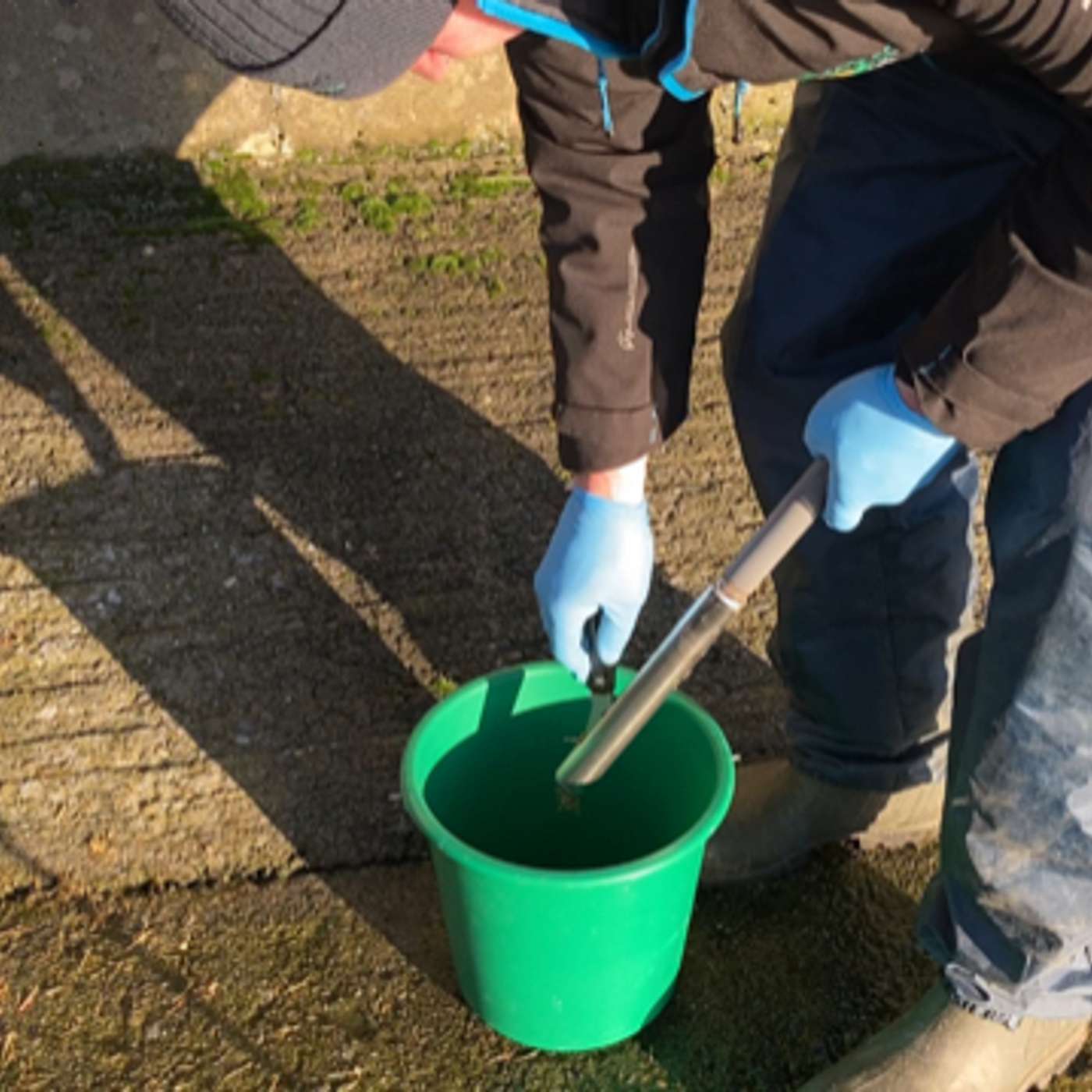
A key step in late pregnancy nutrition for ewes is knowing the feed value of silage being used. In this episode of the OviCast podcast, sheep specialist Damian Costello joins Ciarán Carroll to explain the process of silage sampling in more detail, from the equipment needed to the process of taking the sample itself. Damian then highlights the importance of getting a representative sample and why it’s necessary to take a number of samples where silages from different harvest dates are being used. He moves on to discuss the preparation of that sample for sending and how to make use the results once you receive them. Finally, Damian encourages anyone who hasn’t taken a sample to do so to know the feed value of the silage their using. For more episodes from OviCast, visit the show page at: https://www.teagasc.ie/animals/sheep/ovicast-sheep-podcast/
Ep 52Health and Safety focus
Health and Safety Specialist Francis Bligh joins Ciarán Lynch on the latest episode of OviCast with advice on safety around machinery and on farm. Firstly, Francis discusses the HSA figures for accidents that have occurred in agriculture and the particular trends in the sheep sector during the previous 12 months - a stark reminder of the dangers encountered in the industry. Francis highlights some of the steps that can be taken to improve personal safety and how to reduce the risk of zoonotic infection from livestock. He then discusses safety around machinery and safe transport on roads, with Francis highlighting some of the risks associated with ATVs in particular. Francis then moves on to farmyard safety offering his advice on some areas to focus on during the winter months and he also outlines the TAMS grants and capital allowances available for investments in farm safety equipment. Finally, he finishes up by discussing farmers’ own health and mental wellbeing with Francis offering some sound advice in this area. For more episodes from OviCast, visit the show page at: https://www.teagasc.ie/animals/sheep/ovicast-sheep-podcast/
Ep 51Managing condition in ewes during mid-pregnancy
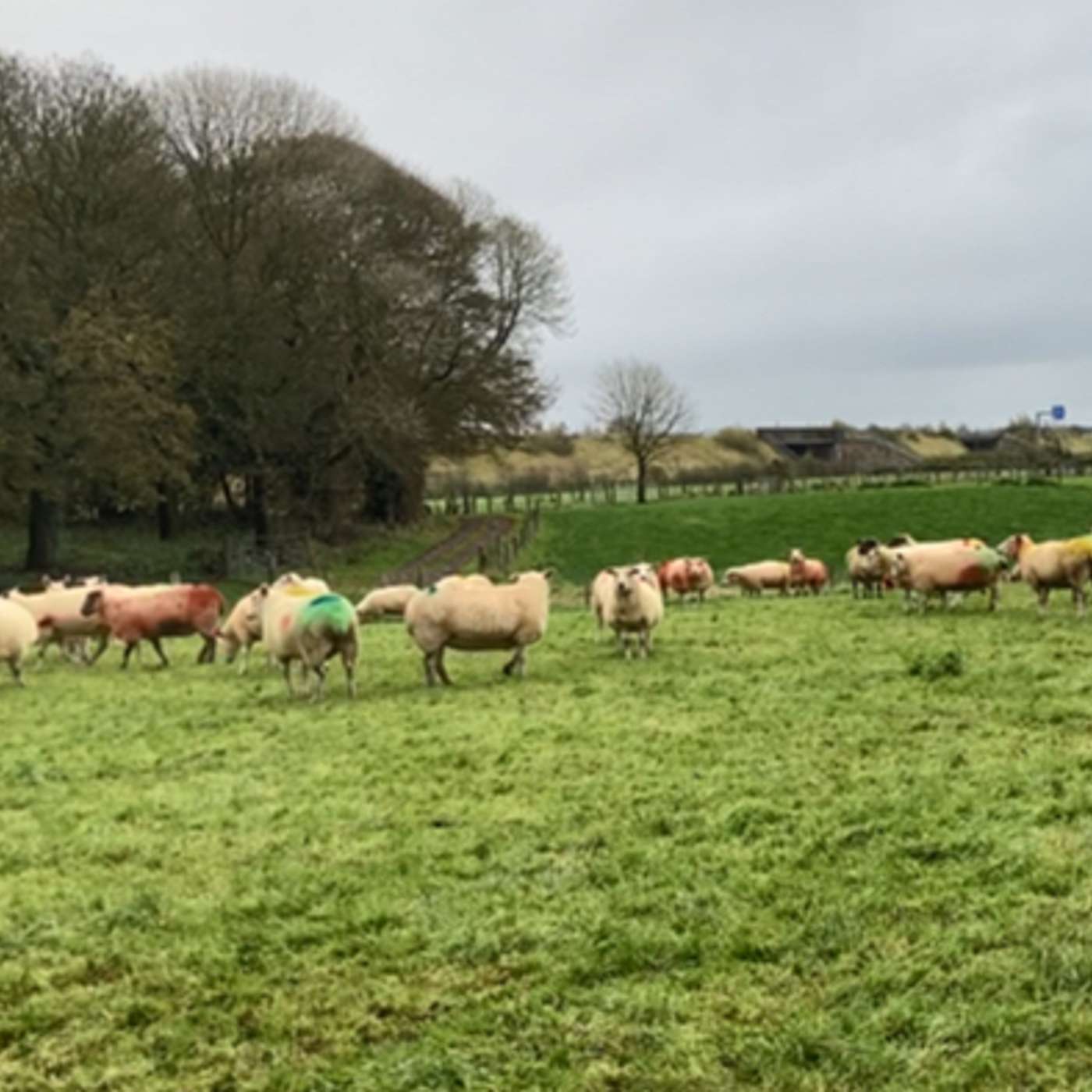
With mating finished up on the majority of lowland farms our attention turns to an often overlooked area of ewe management during mid pregnancy and to discuss its importance, Professor Tommy Boland from UCD joins Ciarán Lynch on this week’s episode of OviCast. Tommy starts by discussing the importance of assessing ewe condition and why assessing ewe condition is a key management tool but one that’s not used frequently enough at farm level. He discusses the variation in ewe condition that we see within flocks and the importance of monitoring and managing the ewe’s body reserves during their period. He also discusses the effects of ewe condition on performance particularly during early lactation and the carryover effects for the rest of the season. He then finishes up discussing flock management during the coming weeks with Tommy offerings his views on the need to address any deficit in ewe condition before ewes enter late pregnancy. For more episodes from OviCast, visit the show page at: https://www.teagasc.ie/animals/sheep/ovicast-sheep-podcast/
Ep 50Sheep health- views from a Regional Vet Lab post-mortem room
As part of the Department of Agriculture, Food and the Marine Animal Health Awareness Week, Ciarán Lynch is joined on this week’s OviCast by Maresa Sheehan, Senior Research Officer in DAFM Regional Veterinary Laboratories. Maresa starts by explaining what animal health awareness week is and why it’s important. She discusses some of the current health issues that they are finding in the lab as well as some of the more seasonal conditions and they discuss how they might be prevented. Maresa explains how the post-mortem process works and the timelines involved in the various aspects of testing as well as their limitations. She also discusses the importance of early intervention when the first signs of sudden death or abortions occur and what steps can be taken. Many of the conditions affecting livestock are zoonotic and the impact on human health cannot be underestimated, Maresa puts this in context in a farming situation highlighting the importance of good hygienic practice. High burdens of stomach worms and the health concerns that occur as a result are an issue. She highlights the increasing issue with anthelminthic resistance and the need to identify what products are working effectively on individual farms. Finally, Maresa highlights the benefits of a high health status in our flocks and its role in safeguarding our industry. For more episodes from OviCast, visit the show page at: https://www.teagasc.ie/animals/sheep/ovicast-sheep-podcast/
Ep 49Ram management post-mating
With the mating season finishing up on many farms, Ciarán Lynch catches up with Michael Gottstein Head of Sheep in Teagasc to discuss ram management post mating. Rams are a significant investment for any flock and Michael puts this into perspective on a cost per lamb basis. He goes on to outline the issues with ram longevity and the high turnover rate seen in flocks. He discusses how management practices during the post-mating period can influence this. Michael outlines the problems encountered with rams fighting and offers his tips on how to reduce this risk; he then talks about the importance of addressing ram health issues and culling at this stage of the season. Finally, he discusses the importance of putting condition back on rams post-mating, particularly ram lambs, and what supplementation may be required to achieve this. For more episodes from OviCast, visit the show page at: https://www.teagasc.ie/animals/sheep/ovicast-sheep-podcast/
Ep 48External parasites control options
To discuss the whole area of external parasite control at this stage of the season, Ciarán Lynch is joined on this week’s OviCast by Morgan Lane from Bimeda. Morgan describes the main external parasites that can be an issue in flocks at this stage of the season such as lice and sheep scab. He explains the various control measures that are available from topical applications, injectable treatments and plunge dipping. Morgan explains what each of these treatment options are suitable for, their correct use and their limitations. As plunge dipping provides the most comprehensive treatment option, he discusses best practice when it comes to dipping, safe use of the chosen product and disposal afterwards. Morgan finishes up by discussing the availability of mobile plunge dip operators who are currently providing a service nationally. List of Mobile plunge dip operators: http://www.sheepdippers.ie/ For more episodes from OviCast, visit the show page at: https://www.teagasc.ie/animals/sheep/ovicast-sheep-podcast/
Ep 47Grazing management – graze outs in difficult conditions and staying on track for closing
With the wet weather in recent weeks, Ciarán Lynch catches up with Dr. Philip Creighton to discuss current grazing management on the latest episode of OviCast. Philip discusses how to make the most of the remaining grass on the farm given the poor utilisation at present. He also discusses grouping up ewes to reduce residency period and managing graze outs. Philip explains the importance of closing out paddocks, in particular the first 40% to ensure grass supply next spring and what impact it has on management. He highlights the need to reassess current supply and take steps where necessary to reduce demand with Philip discussing the current options being implemented in Athenry. Finally, he details the pitfalls of letting ewes lose condition by delaying housing or supplementation this winter. Details of the autumn closing planner can be found here: https://www.teagasc.ie/media/website/animals/sheep/Sheep-Autumn-Closing-Planner.pdf For more episodes from OviCast, visit the show page at: https://www.teagasc.ie/animals/sheep/ovicast-sheep-podcast/
Ep 46Store lamb finishing
This week’s OviCast focuses on a number of aspects of store lambs finishing with Prof. Michael Diskin sheep enterprise leader in Teagasc and Michael discusses the store lamb market this year and the renewed interest in this area. With the change in weather in recent weeks we discuss some of the key considerations for housing, ration composition and building up of feeding levels and general advice for housed lambs. There have been a number of large-scale finishing studies and Michael outlines the level of feed intake and performance to expect from various types of lambs on an intensive feeding system as well as target carcass ranges and expected kill-outs. He then discusses the management of long keep lambs on farms and the level of supplement needed to maintain performance. Michael also discusses the impact of shearing on performance and importance of CLP and highlights some of the work conducted on the light lamb carcass and how that market has developed during the past few years. For more episodes from OviCast, visit the show page at: https://www.teagasc.ie/animals/sheep/ovicast-sheep-podcast/
Ep 45Farmer focus: Francis Gonely, breeding, grass and finishing lambs
Francis Gonely who is running a hill and lowland system in Co Sligo joins Ciarán Lynch for the latest Farmer Focus episode of OviCast. Francis is a participant in the BETTER Farm Sheep Programme and talks through the system he is running and the changes he has made over the past number of years. The hill flocks have seen numbers increase and a change in breeding policy that saw replacement blackface ewe lambs purchased. Francis discusses the changes, settling in the new stock and the plans for the flock going forward. During the same period he has increased his lowland flock and implemented a paddock grazing system and he discusses the initial challenges faced in managing grass supplies whilst still lowly stocked and how he has improved management and output with increased ewe numbers. Finally, there’s a discussion on lambs’ finishing, the store lamb trade this autumn and the option of carrying over lambs to finish in the New Year. For more episodes from OviCast, visit the show page at: https://www.teagasc.ie/animals/sheep/ovicast-sheep-podcast/
Ep 44Mating Management
With the breeding season underway for many flocks, on this week’s OviCast, Ciarán Lynch catches up with sheep specialist Damian Costello to discuss mating management. Damian starts by outlining the final checks that should be conducted on the breeding flock of ewes and rams. He then delves into ram management in a bit more detail emphasising the importance of addressing any issues that may cause infertility. Following on from that, Damian explains the benefits of raddling, the options available and correct application procedure before discussing single sire mating vs. group mating, rotating rams between groups, ewe:ram ratio and a number of practical steps to guard against the risk of using an infertile ram. Damian also offers his tips on joining ewe lambs and ram choice for the task before he finished with a summary of his key tips for management during the mating period. For more episodes from OviCast, visit the show page at: https://www.teagasc.ie/animals/sheep/ovicast-sheep-podcast/
Ep 43Quad bike maintenance
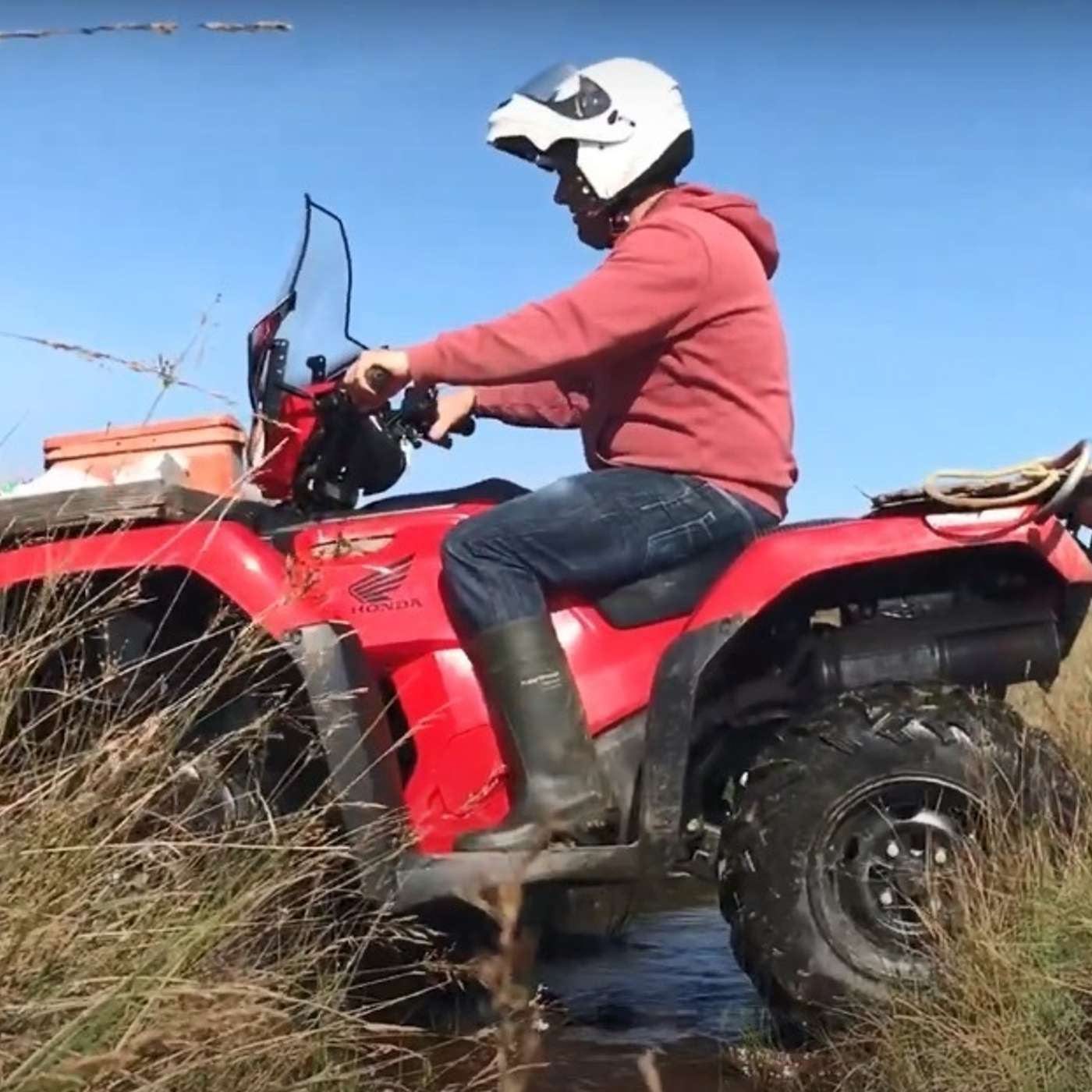
Quad bikes are an extremely useful machine on many farms and on this episode of OviCast, Ciaran Lynch is joined by Francis Quigley machinery specialist, who chats about basic maintenance and some general advice on safe use and how to keep quads in good working order. Francis starts by discussing the importance of correct tyre pressure and why it should be monitored and adjusted to suit the needs of the specific task the quad is being used for, he also highlights the need to periodically assess tyre wear. Francis then discusses oil and filter servicing, checking brakes and general mechanical maintenance as well as matching up quad bikes to suitable towing equipment and highlights some important considerations in this regard. Finally, he explains the importance of checking the controls regularly and addressing any issues. To add some context to the messages Francis highlighted, particularly around safety, have a look at the following recently produced clip: http://bit.ly/QuadSafetyVid For more episodes from OviCast, visit the show page at: https://www.teagasc.ie/animals/sheep/ovicast-sheep-podcast/
Ep 42Fluke control this autumn
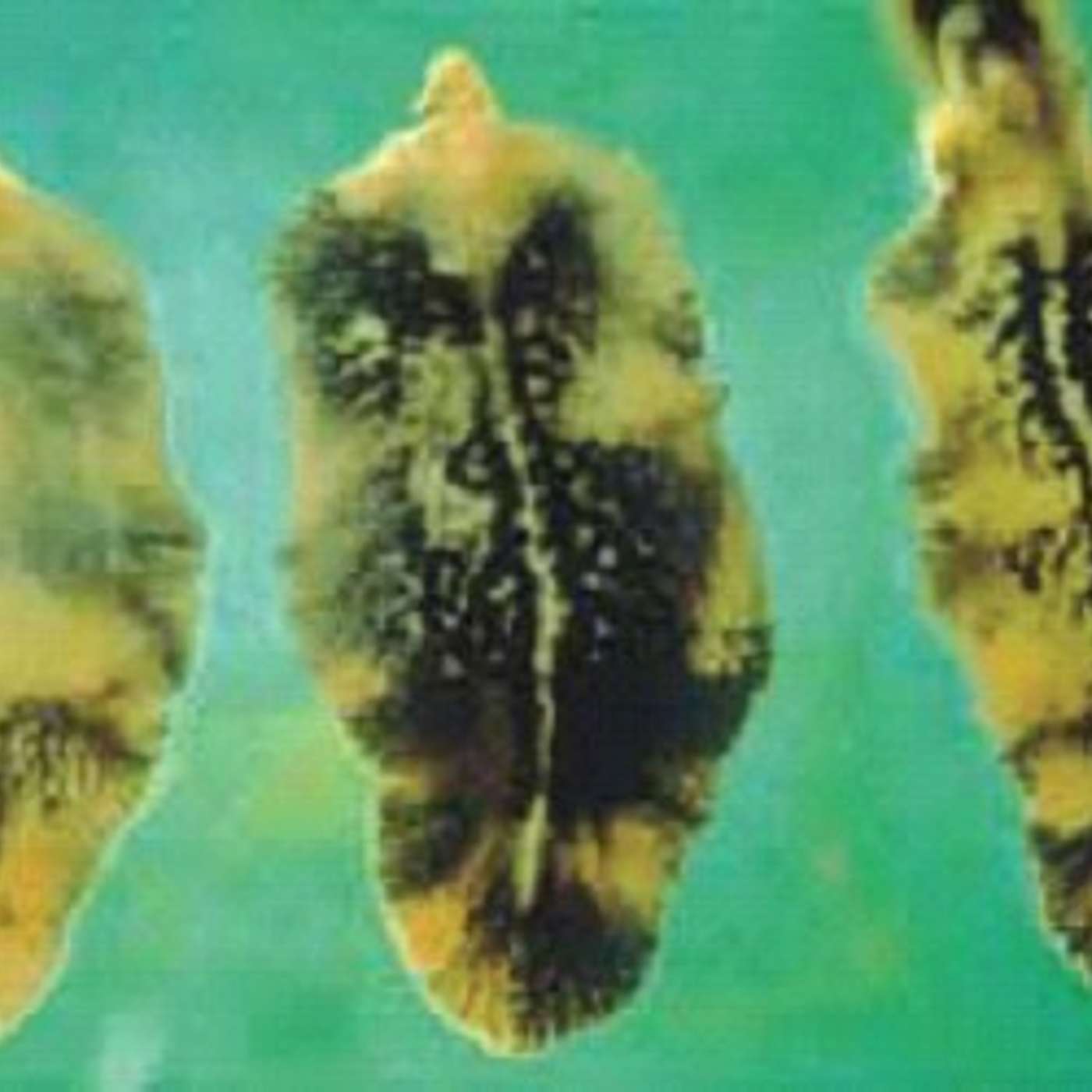
Michael Gottstein, Teagasc’s Head of Sheep joins Ciarán Lynch on this week’s OviCast to discuss fluke control this autumn. Michael begins by describing how liver fluke affects the sheep and what the high-risk periods for fluke infection are. He then moves on to discuss control options with Michael explaining the difference between the various categories of flukicide that are available and why not all are suitable at particular stages of the year. As with other anthelmintics, resistance is an issue, which is discussed in a bit more detail with Michael offering his views on how this could be delayed on farms. There is a discussion then on rumen fluke and what risk it poses on sheep farms before finishing up with Michael summarising the key points to consider in relation to fluke on farms for the coming weeks. For more episodes from OviCast, visit the show page at: https://www.teagasc.ie/animals/sheep/ovicast-sheep-podcast/
Ep 41Joining ewe lambs – the key criteria that influence performance
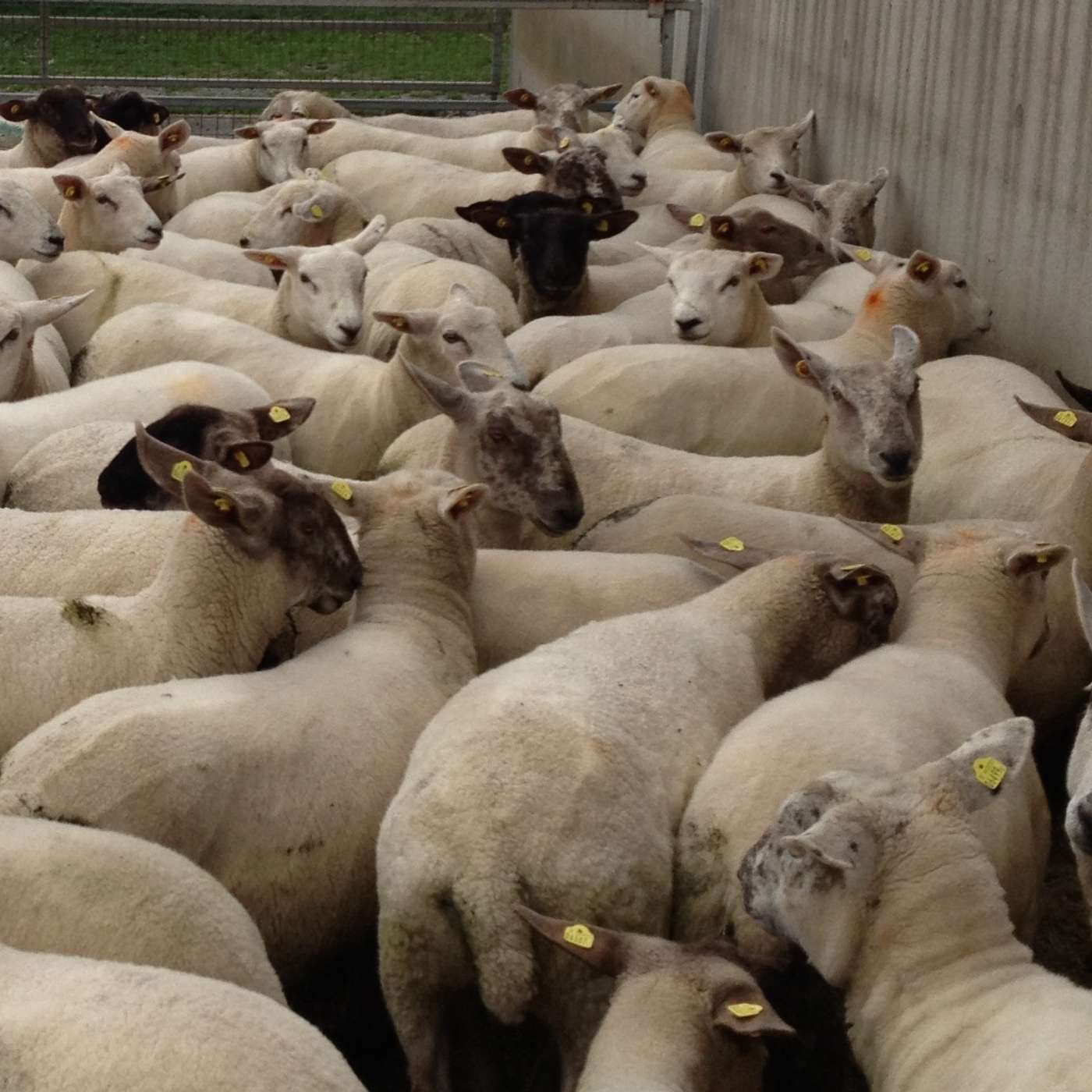
Dr Tim Keady joins Ciaran Lynch on this episode of OviCast to discuss in detail the subject of joining ewe lambs - a topic of relevance to many sheep producers this year. Tim starts by discussing the increased interest in joining ewe lambs this season as well as some of the common practices observed on farms. Tim presents results from his studies at Athenry on joining ewe lambs. We discuss the influence of ewe genotype and the effect of weight at joining on productivity. Tim outlines key aspects of mating management including, time of joining, duration of the joining period and use of the ram effect. He then discusses the impact of lambing ewe lambs at 1 year old on their performance when lambing at 2 years of age. Finishing up Tim highlights the need to managed ewe lambs correctly to maintain performance. For more episodes from OviCast, visit the show page at: https://www.teagasc.ie/animals/sheep/ovicast-sheep-podcast/
Ep 40Farmer focus: Denis O’Riordan on hill farming, selling lambs and managing ewes in West Cork
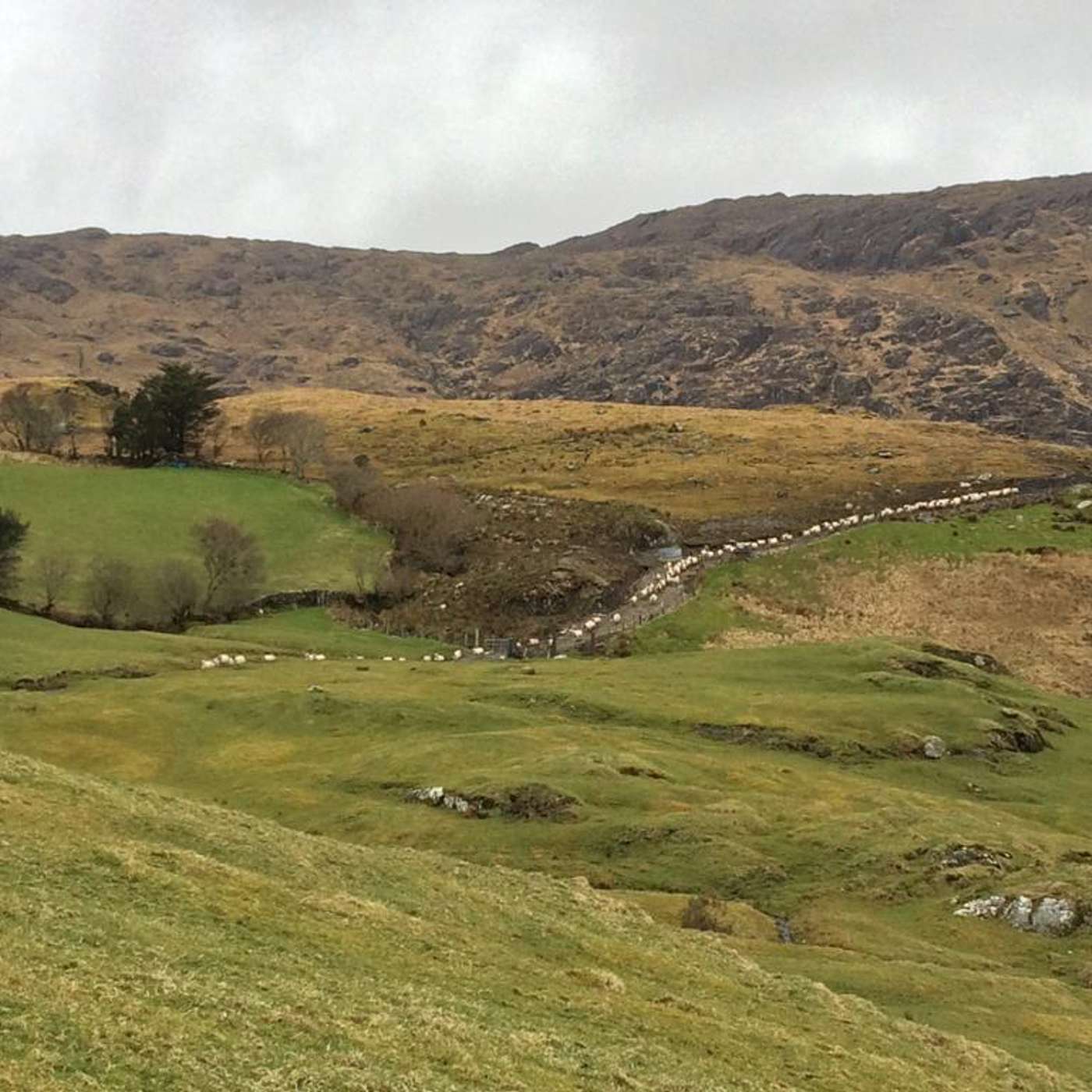
Denis O’Riordan, one of the BETTER farm programme participants in Co. Cork, joins Ciaran Lynch on the latest episode of OviCast giving an insight into his farm and the system he is managing. Running a 350 Blackface ewe hill flock, we discuss current management on the farm, his plans for selling lambs, selecting and managing replacements as well as breeding decisions for the flock. Finally, he also discusses some of the changes he has made since joining the programme. For more episodes from OviCast, visit the show page at: https://www.teagasc.ie/animals/sheep/ovicast-sheep-podcast/
Ep 39Forage crops – carrying capacity & grazing setup
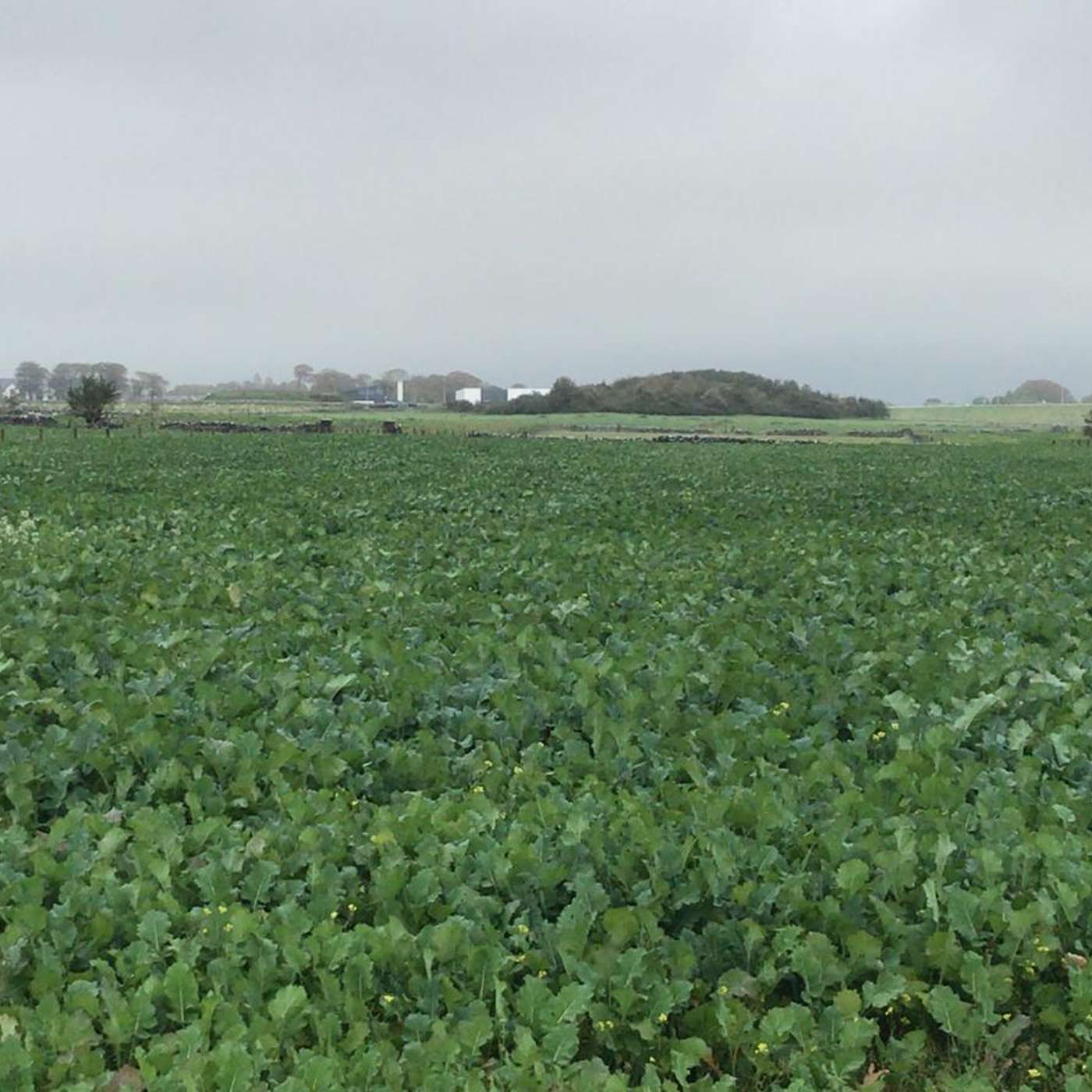
Drs Philip Creighton & Frank Campion join Ciarán Lynch on this week’s OviCast to discuss some key aspects of forage crop management. Philip begins by discussing the importance of assessing the yield of the crop and he also outlines how to work out the expected carrying capacity. As good utilisation is vital, Philip outlines how to approach setting up grazing divisions and manage these in difficult conditions. On the subject of divisions Frank highlights the importance of fencer setup and takes us through how they are transitioning lambs on to the various crops in Athenry. He also highlights the importance of shearing lambs prior to grazing forage crops. Finally, Frank outlines the on-going trial assessing the performance of hill bred store lambs when grazed on forage crops. For more episodes from OviCast, visit the show page at: https://www.teagasc.ie/animals/sheep/ovicast-sheep-podcast/
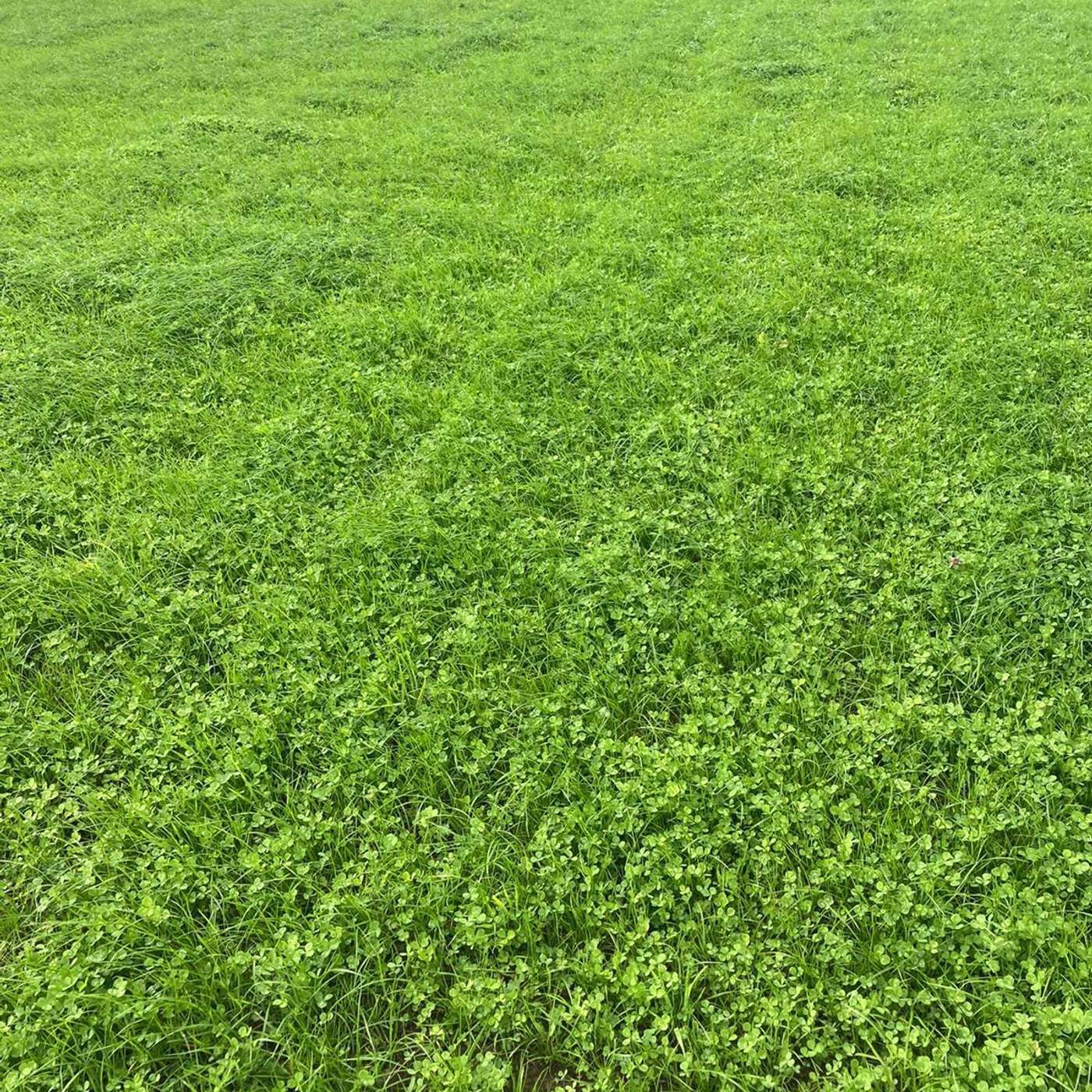
Ep 38Managing autumn reseeds
Dr Philip Creighton joins Ciarán Lynch on the latest episode of OviCast to discuss management of autumn reseeds. Philip starts by discussing current conditions and the limitations of late reseed being established in September. He then moves on to discuss grazing management, opening covers and residuals as well as management during the current difficult grazing conditions. Philip emphasises the importance of having a clean reseed and shares his insights on post emergence spray as well as fertiliser application. Finally, Philip explains when a reseed should receive its final grazing and why it’s important to consider how it fits into the closing plan for the farm. For more information go to: https://www.teagasc.ie/media/website/publications/2017/Reseeding-booklet.pdf For more episodes from OviCast, visit the show page at: https://www.teagasc.ie/animals/sheep/ovicast-sheep-podcast/
Ep 37Autumn shearing – performance benefit?
Dr Tim Keady joins Ciarán Lynch on the latest episode of OviCast to discuss the effects of autumn shearing on the performance of ewes, ewe lambs and store/finishing lambs. With the cost of shearing versus return from wool at a low point, Tim starts off by emphasising why it’s important for producers to get a performance benefit from it where possible. Tim takes us through the results of many studies conducted in the area, examining fertility traits, subsequent progeny performance, growth rate and carcass gain. He then outlines where the measurable gains are and dispels some of the perceived performance benefits. Aside from the performance differences they also discuss management benefits to shearing at this stage of the season finishing up with Tim’s views on how late in the season he would consider shearing. For more episodes from OviCast, visit the show page at: https://www.teagasc.ie/animals/sheep/ovicast-sheep-podcast/
Ep 36Getting ewe condition right
Dr Frank Campion joins Ciaran Lynch on this week’s OviCast to discuss the importance of getting ewes in the right condition at joining. Frank outlines how to assess condition, what it equates to in terms of live weight and the time needed to increase ewe condition. There is also a discussion on the factors influencing condition managing thin ewes separately and culling ewes that fail to improve in ewe condition. Finally, Dr. Campion explains the carryover effects of condition at joining on the productivity of the ewe the following year. For more episodes from OviCast, visit the show page at: https://www.teagasc.ie/animals/sheep/ovicast-sheep-podcast/
Ep 35August grassland management focus
Dr Philip Creighton joins Ciaran Lynch on this week’s episode of OviCast to discuss grassland management for the coming weeks. Philip discusses the current situation around the country, growth rates, grass dry matter and grazing management. He offers his tips on dealing with heavy covers and discusses why it’s important not to delay removing surplus from the rotation and taking stock of grass demand on the farm for the coming weeks. Finally, there’s a discussion on the importance of building autumn covers, planning the final round of fertilizer and setting up the rotation for the coming weeks. For more episodes from OviCast, visit the show page at: https://www.teagasc.ie/animals/sheep/ovicast-sheep-podcast/
Ep 34Farmer focus: John Bell – paddock system & finishing groups
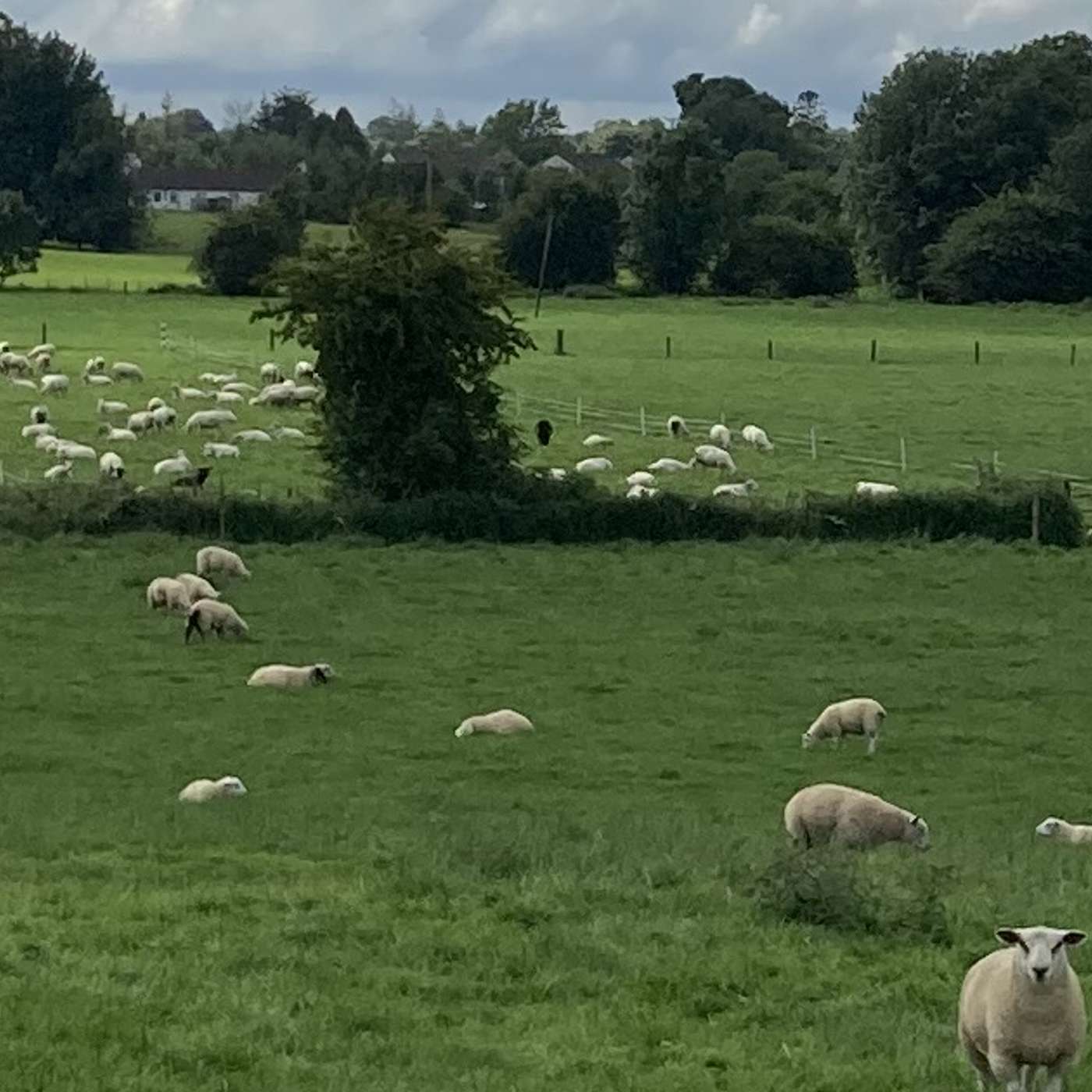
On a blustery evening in the end of July, for this episode of Ovicast, Ciaran Lynch caught up with Co. Westmeath Farmer John Bell, a former winner of the Sheep Farmer of the Year completion and a previous host of the Irish Grassland Association Sheep event. John runs a high output sheep system from a 46 ha grass based farm he manages a 500 ewe flock with an additional 130+ ewe lambs rearing lambs each year. John started by giving a background to the flock, the system and the farm, he discusses some of the changes in the system over the past number of years and how he implemented a paddock grazing system on the farm including his use of temporary fencing. Finally, he discusses lamb finishing on the farm and how he targets supplementation at finishing groups opposed to blanket feeding. For more episodes from OviCast, visit the show page at: https://www.teagasc.ie/animals/sheep/ovicast-sheep-podcast/
Ep 33Ram selection – making use of indices
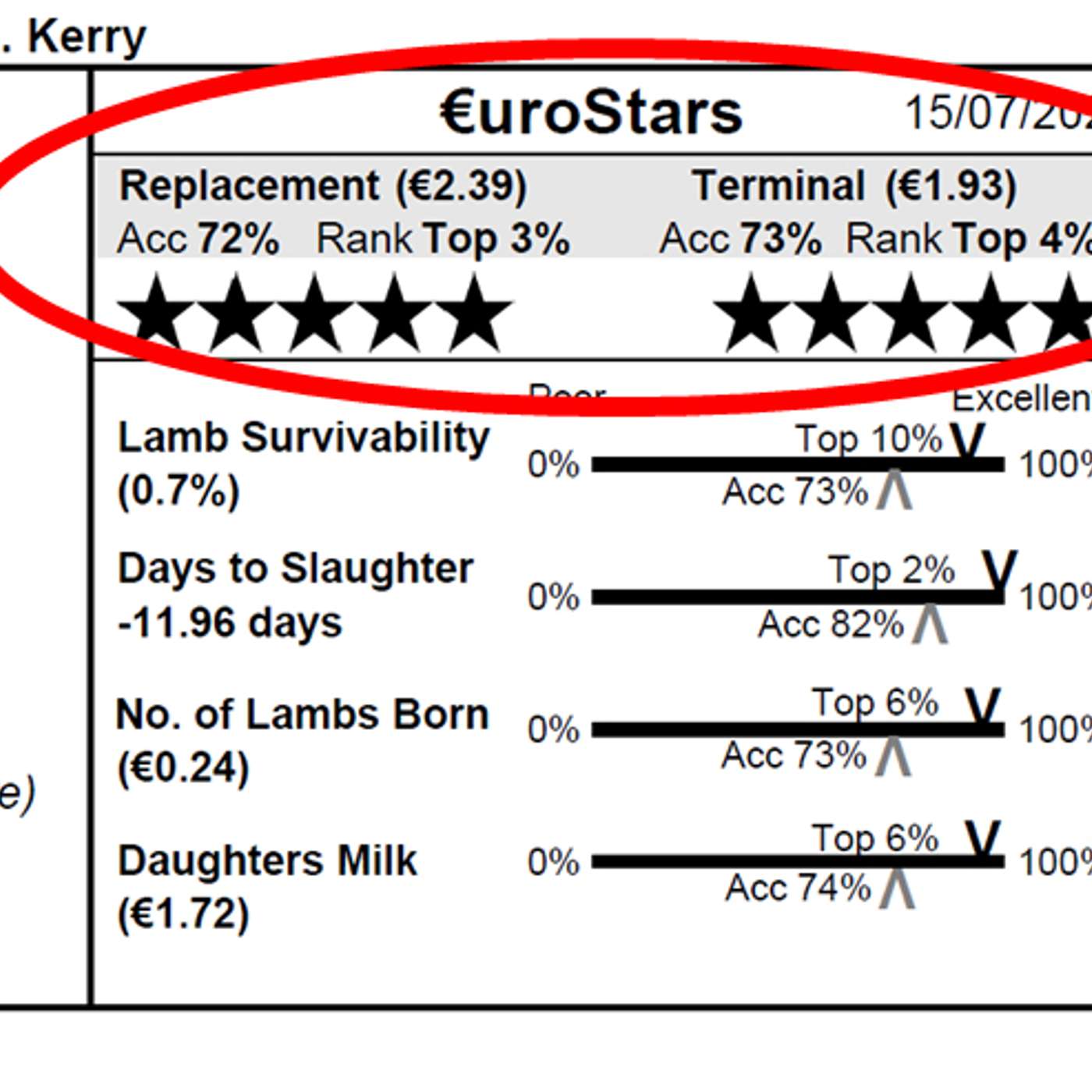
With the ram sales underway, Ciaran Lynch is joined on this week’s OviCast by Eamon Wall from Sheep Ireland who discusses ram selection. Eamon begins by emphasising the importance of paying attention to ram functionality at the time of purchase. He then takes us through the basic of the Sheep Ireland genetic index explaining the Terminal and Maternal traits and the various individual sub-indexes. Ciaran and Eamon then discuss the across breed evaluation as well as the overall Euro value. Eamon highlights the importance of the DQI and accuracy figures. There is also a discussion on the move to genotyping and parentage verification and how this improves the accuracy of the evaluations. With the majority of the information included in the index coming from commercial flocks, Eamon emphasises the relevance of this in the evaluations for commercial producers. Finally, Eamon discusses this year’s multi-breed ram sale. For more episodes from OviCast, visit the show page at: https://www.teagasc.ie/animals/sheep/ovicast-sheep-podcast/
Ep 32Early Lamb Systems?
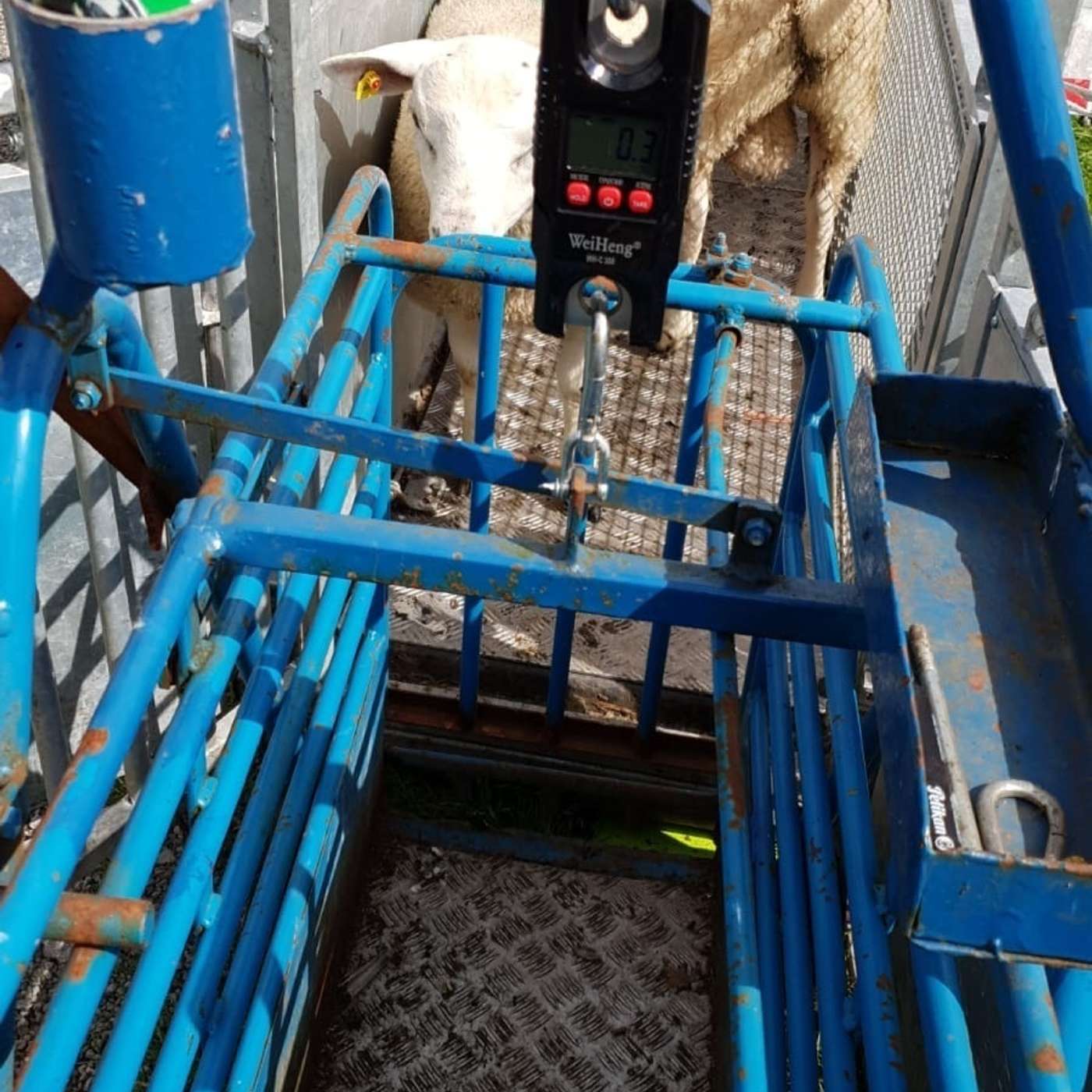
With the breeding season kicking off, this week’s OviCast discusses the pros, cons and alternatives to early lambing systems. In this episode, Ciaran Lynch is joined by Shane Moore, who is farming just outside Athleague in Co. Roscommon and Michael Gottstein, Head of Sheep in Teagasc. Michael starts by outlining the key dates and requirements for early lambing systems for 2021 while Shane explains he has run an early lamb system for many years. He discusses why it initially suited his system and why he has moved away from it in recent years as sheep numbers increased on his farm. One of the challenges that Shane’s early lamb system presented was the increasing cost and conversely the declining returns. Early lamb is characterised by a high sale price but Michael takes us through the economics of this system and some of the hidden costs involved. As early sales provide a valuable source of cash flow on many dry stock farms, Shane discusses how he will offset this with a switch to carrying over light lambs for the hogget trade next spring. Meeting a continual supply is an important issue for the industry and Michael discusses the role of store lambs carried over as a way to meet this demand and how this practice is gaining popularity on many farms. For more episodes from OviCast, visit the show page at: https://www.teagasc.ie/animals/sheep/ovicast-sheep-podcast/