OviCast
331 episodes — Page 7 of 7
Ep 31Checking for resistance – the Drench test
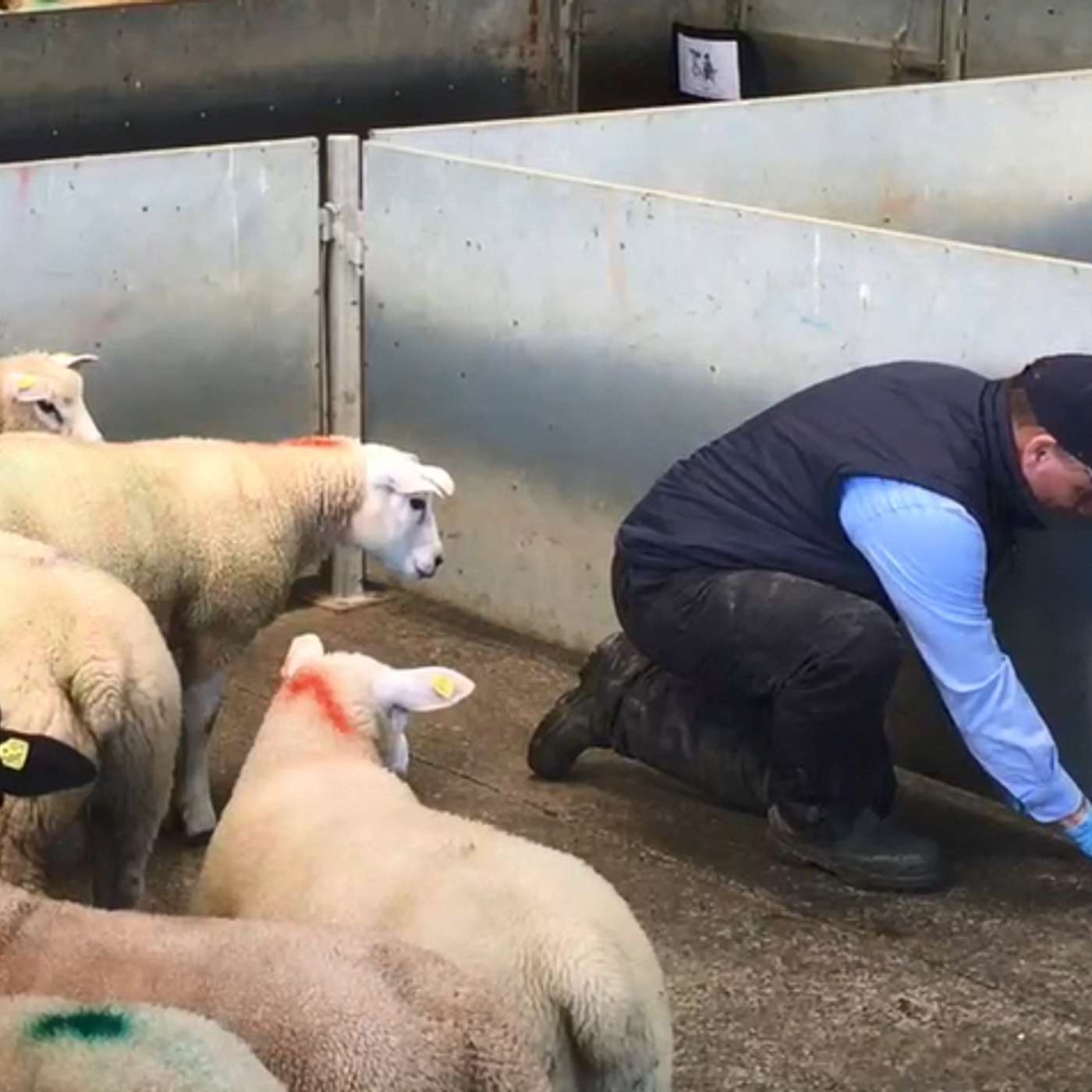
Dealing with anthelminthic resistance is an issue on Irish sheep farms. Determining the efficacy of the products used is a necessary first step in adapting to this challenge and on this episode of OviCast, Ciaran Lynch is joined by Damian Costello, Sheep Specialist, to discuss why it’s so important to check products on farm. The use of a drench test is one means to check how an anthelminthic product is working on a farm and Damian takes us through the various steps involved in conducting a drench test. Finally, Damian explains how to interpret the result and determine the level of resistance to the chosen product. For more information go to: https://www.teagasc.ie/publications/2020/control-of-stomach-worms--improving-sustainability.php For more episodes from OviCast, visit the show page at: https://www.teagasc.ie/animals/sheep/ovicast-sheep-podcast/
Ep 30Mineral supplementation in sheep flocks
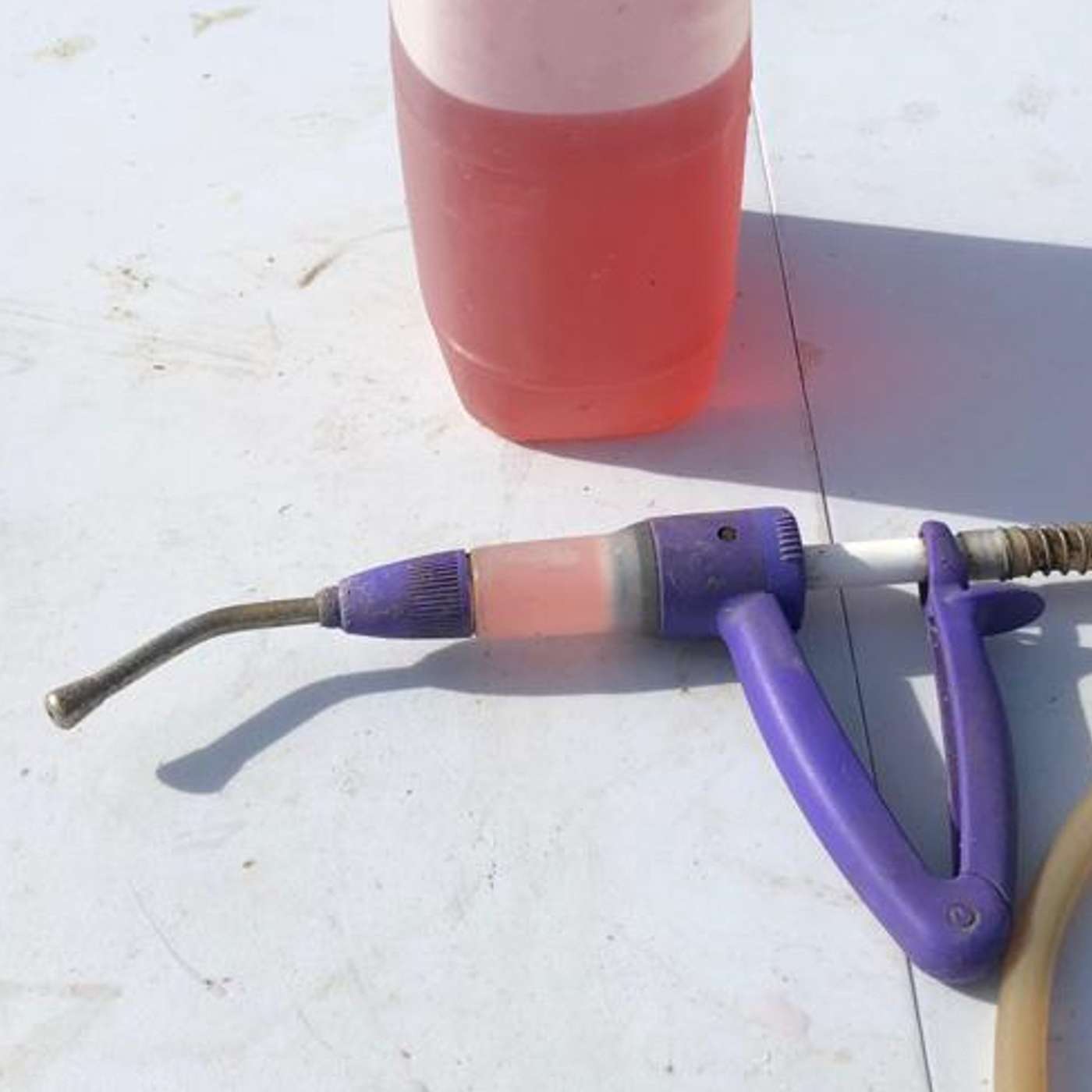
Michael Gottstein, Head of Sheep in Teagasc joins Ciaran Lynch on this episode of OviCast to discuss mineral supplementation in sheep flocks. A common practice on many farms during the season, Michael starts by discussing some of the findings of a recent study that has looked at this in more detail. He discusses the extent of mineral usage in Irish flocks and some of the drivers behind the decision process of why farmers are using mineral supplementation. He also discusses some of the key minerals that influence production and clinical signs of mineral deficiencies. Focusing in particular on cobalt, Michael describes how it influences lamb performance. Finally, he explains why it is important to see a performance benefit from the investment in supplementation to offset the cost and effort involved and how you might go about doing this. For more episodes and information visit the OviCast show page: https://www.teagasc.ie/animals/sheep/ovicast-sheep-podcast/
Ep 29Farmer Focus, Patrick Dunne: Changing systems and dealing with this year’s drought
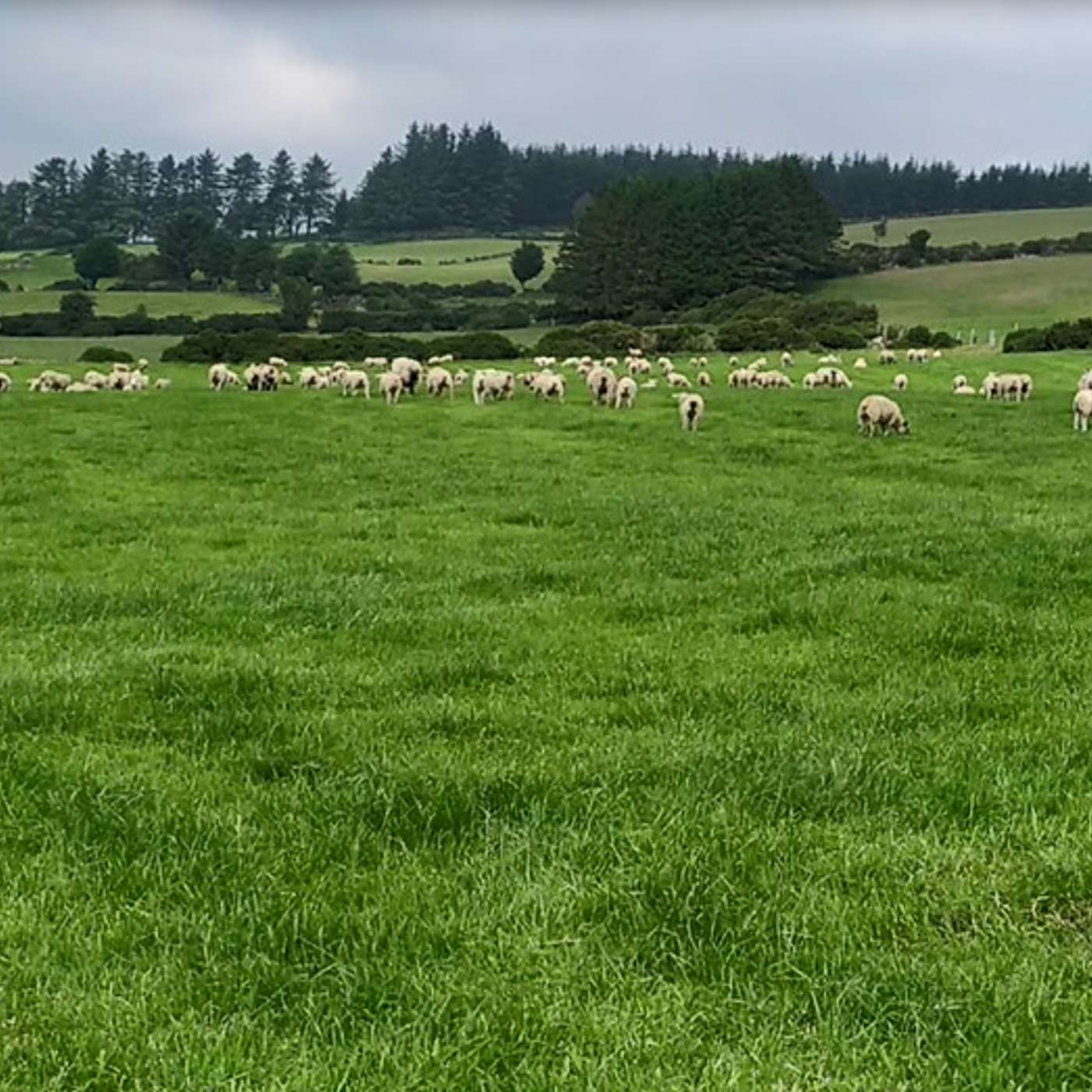
Sheep BETTER farm participant Patrick Dunne who farms in the Wicklow Mountains joins Ciaran Lynch on this week’s OviCast. Patrick describes his farming system and how it has changed over the past number of years from the original 300 ewe Cheviot hill flock that were run essentially as a lowland system to his current 500 ewe flock split between a lowland and hill system. One of the drivers behind this change was to reduce costs in hill system by increasing the time these ewes spend on the hill. Patrick discusses a strict culling and selection procedure to select a more suitable ewe for the flock. The change in system has also allowed him to increase overall numbers and operate a higher output lowland flock which he discusses in more detail. Patrick talks us through how he managed the flock during the prolonged dry spell which caused grass growth rates to drop significantly on the farm and the planned management strategy for the coming weeks for both systems. For more episodes and information visit the OviCast show page: https://www.teagasc.ie/animals/sheep/ovicast-sheep-podcast/
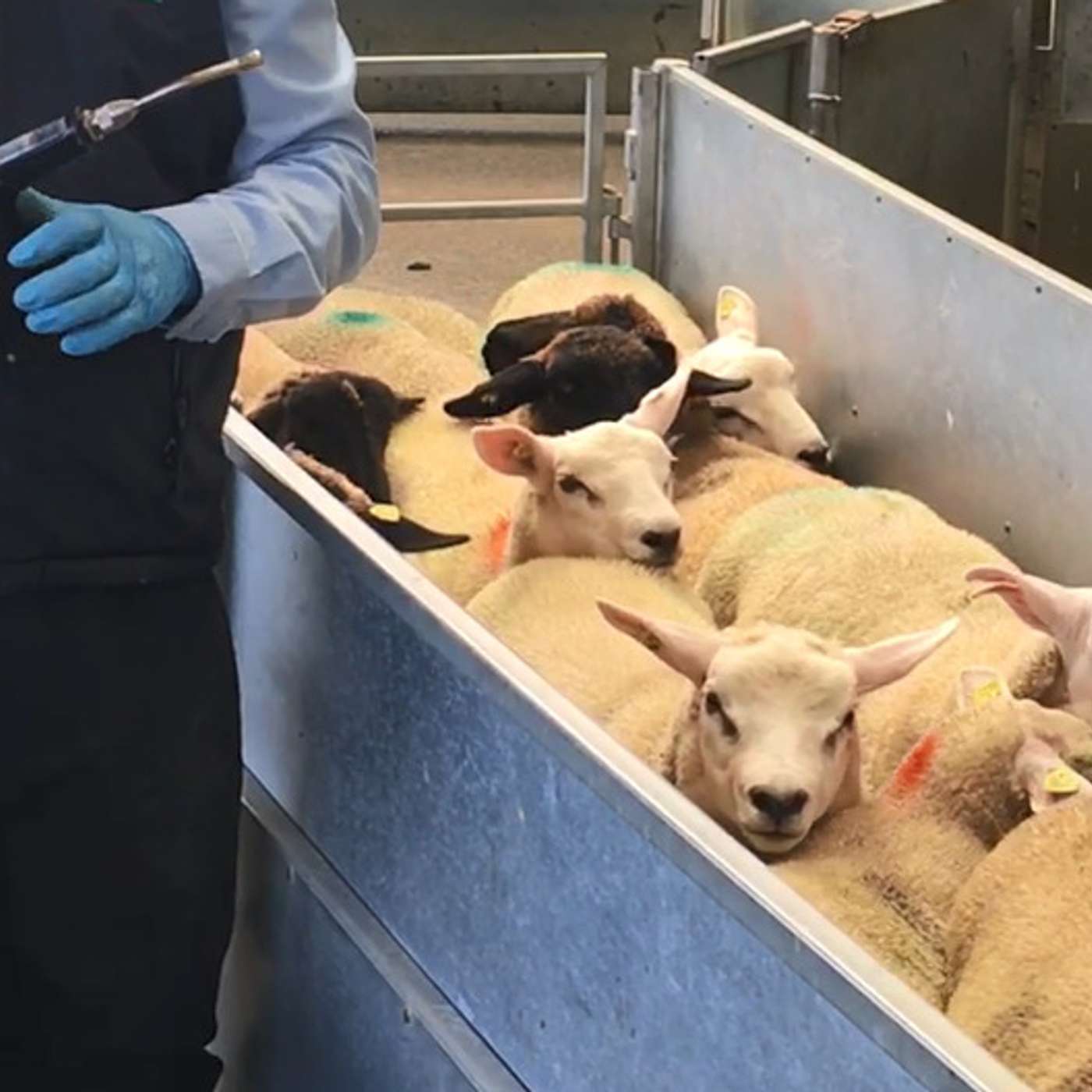
Ep 28Control of stomach worms – improving sustainability
Anthelminthic resistance is one of the key challenges for the sheep industry and will require a change in some of the routine control practices for the coming seasons. To expand further on this subject, Ciaran was joined by Teagasc Researcher Dr Orla Keane who discusses four key areas that will help to maintain a susceptible worm population and prolong the efficacy of commonly used anthelminthic products. These are: 1. Don’t dose adult ewes unless there is a demonstrated need 2. Use only products from group 1-BZ (white drenches) to treat Nematodirus in lambs 3. Quarantine drench - prevent ‘buying in’ resistance on arrival to the farm 4. Drench test/Faecal egg count Orla shares her insights on why each of these steps will have a beneficial impact on the rate of development of anthelminthic resistance. For more episodes and information visit the OviCast show page: https://www.teagasc.ie/animals/sheep/ovicast-sheep-podcast/
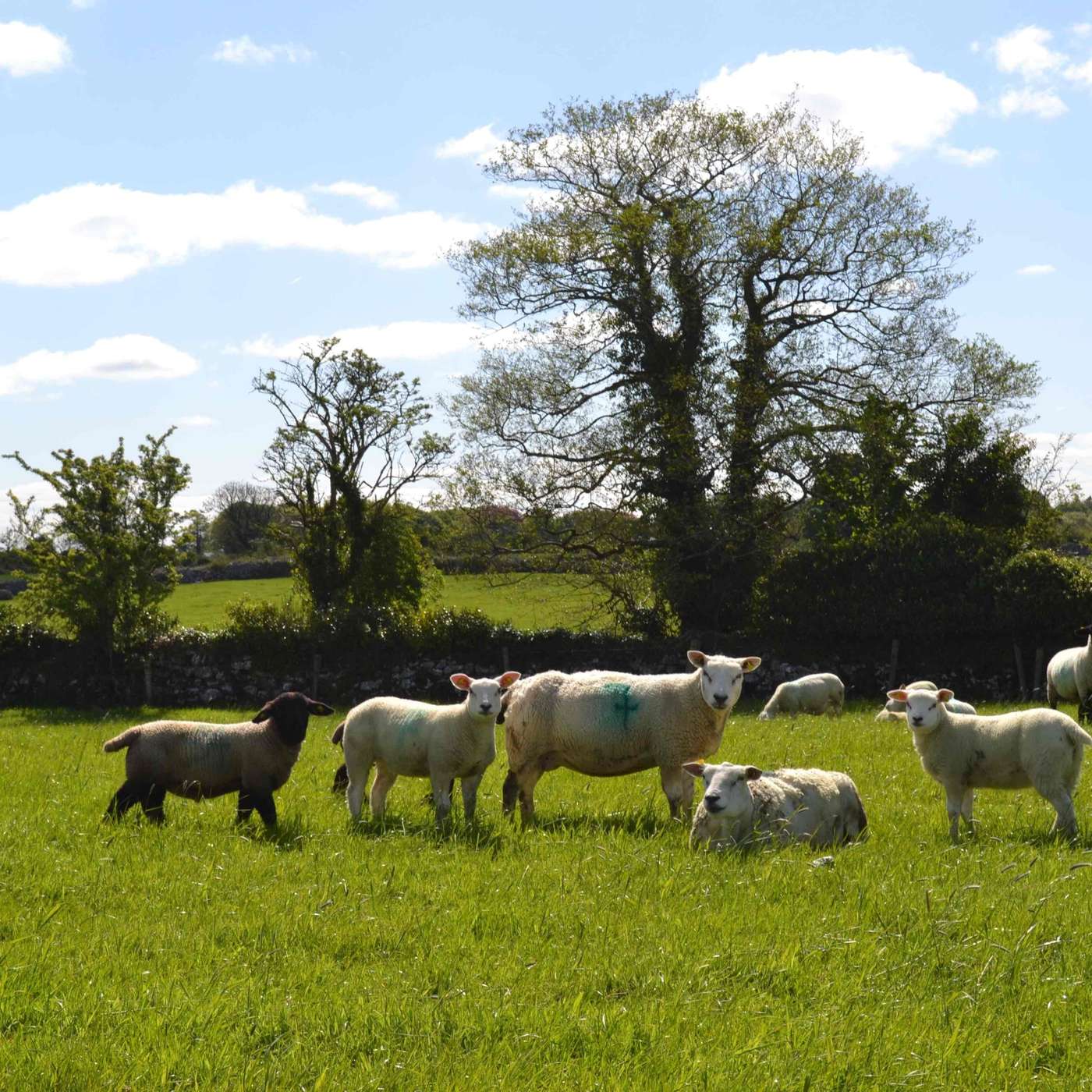
Ep 27Considering the hard-to-see traits when selecting replacements
A lot of flocks have started the process of selecting their replacement ewe lambs for this season and with this in mind we’re joined by Dr Fiona McGovern who shares some of her insights in the area. We start off by discussing some recent findings on the factors influencing ewe longevity and then move on to discuss the genetic component of a number of the key traits that influence production such as: lambing and mothering ability, lameness, mastitis and others. Fiona discusses why a replacement policy should have scope for continual selection and culling during the year and how to use records and simple identifiers to target underperformer or problem sheep in the flock. Fiona also describes the variations she has seen from the detailed recording on maternal traits in the INZAC flock over the past number of years. Finally, Fiona highlights the need to make use of genetic indices when selecting sires for future replacements, particularly when trying to improve flock performance for those hard-to-see traits. For more episodes and information visit the OviCast show page: https://www.teagasc.ie/animals/sheep/ovicast-sheep-podcast/
Ep 26The Data Quality Index and commercial performance recording
Alan explains what the DQI is and why it is an important measure for pedigree breeders and potential customers alike. He also discusses what steps pedigree breeders can take to improve their DQI score and some of the key changes to the system this season. Ciaran then moves on to the topic of performance recording in commercial flocks which is an important element of the Sheep Ireland evaluation. Alan shares some of his findings on the cost/benefit performance recoding has on commercial sheep farms. For more episodes and information visit the OviCast show page:https://www.teagasc.ie/animals/sheep/ovicast-sheep-podcast/
Ep 25Focus on weaning
Michael discusses the weaning process and what he considers best practice in terms of ewe and lamb management at weaning time. We finish up discussing the impact weaning ewes can have on reducing grass demand and how it allow prioritisation of grazing for lambs. Michael emphasises why this is a key action to take at the moment on farms experiencing grass shortage. Here is a short video clip discussing the effect of weaning has on reducing grass demand: https://www.youtube.com/watch?v=t-Ym_gkAtNk&t=1s
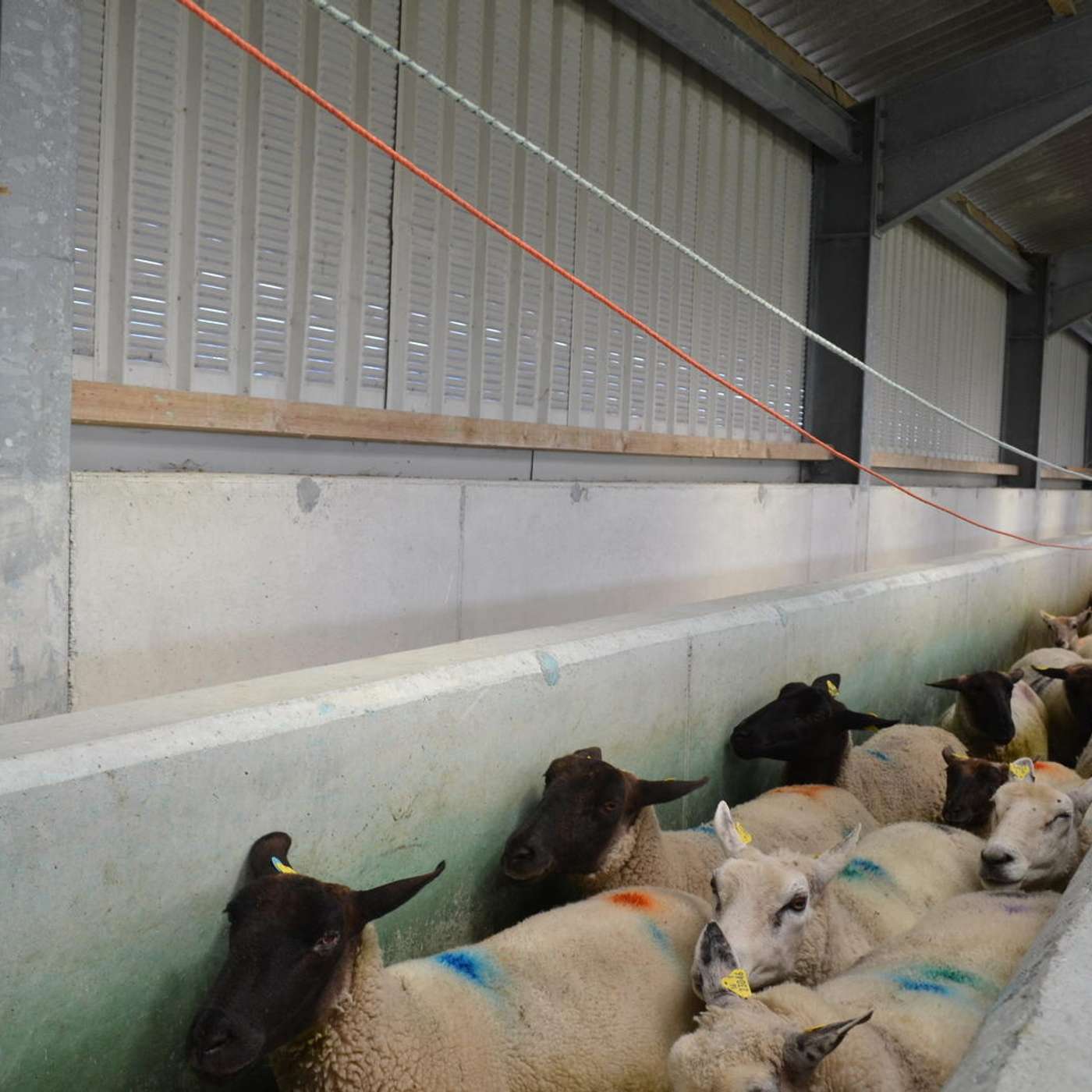
Ep 24Effective sheep footbath facilities
Damian describes how to work out the appropriate size required for a flock and highlights key features of its design. He also offers his views on where it should be located in relation to the handling race and the importance of having a standoff area. We finish up with Damian summing up why it’s a worthwhile investment on sheep farms.Here’s a short clip on how to correctly make up a footbath solution: https://youtu.be/VklHIlJ81-A
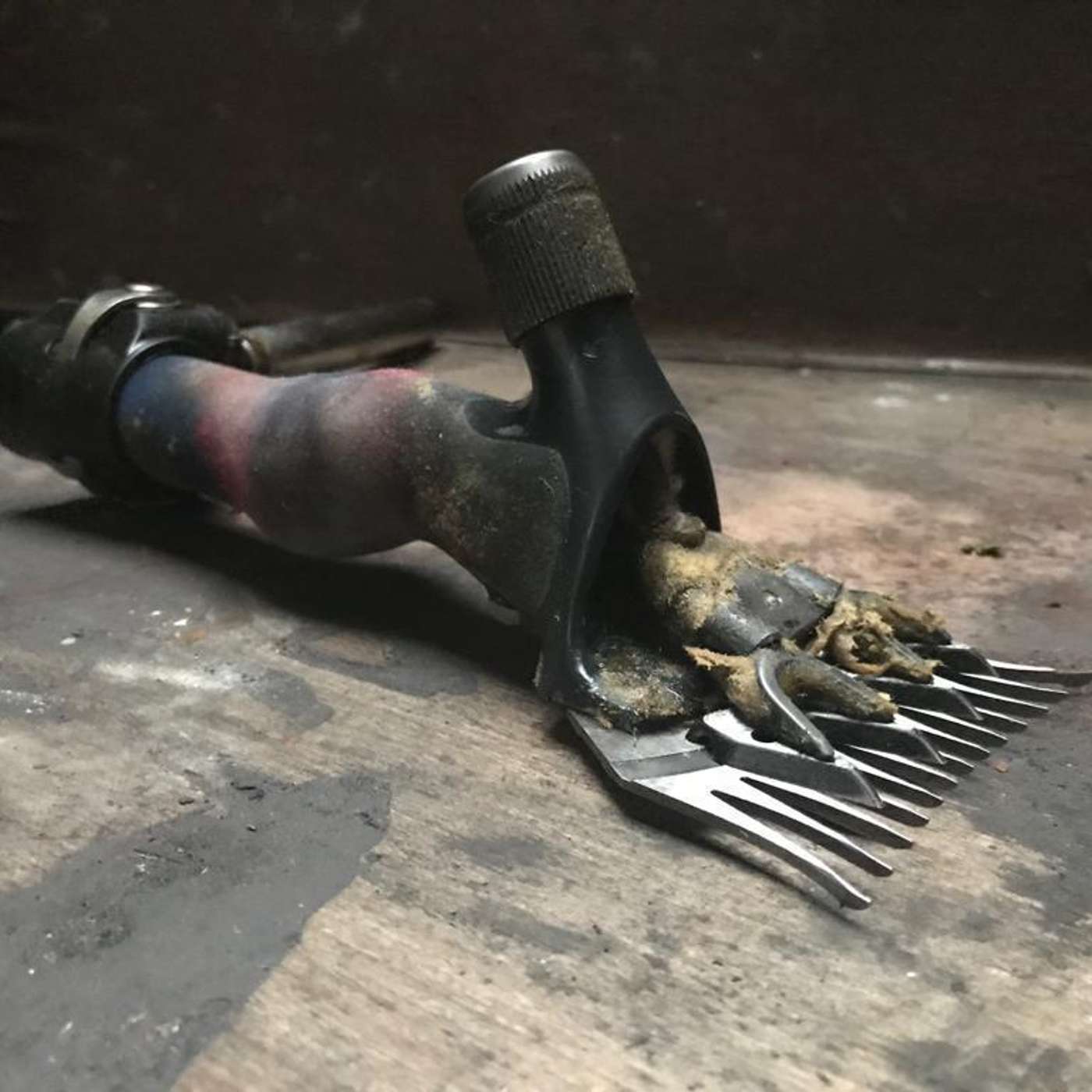
Ep 23Shearing season underway
George starts by outlining how the current restrictions are changing the way shearers are operating this season. We discuss the importance of preparation prior to shearing to leave the process easier for both the shearer and farmer alike. George highlights the importance of safety at shearing time and the need to keep shearing equipment well maintained. We finish up the podcast with George outlining the opportunities for young shearers to get into the industry and why it’s an important skill that farmers should consider learning.
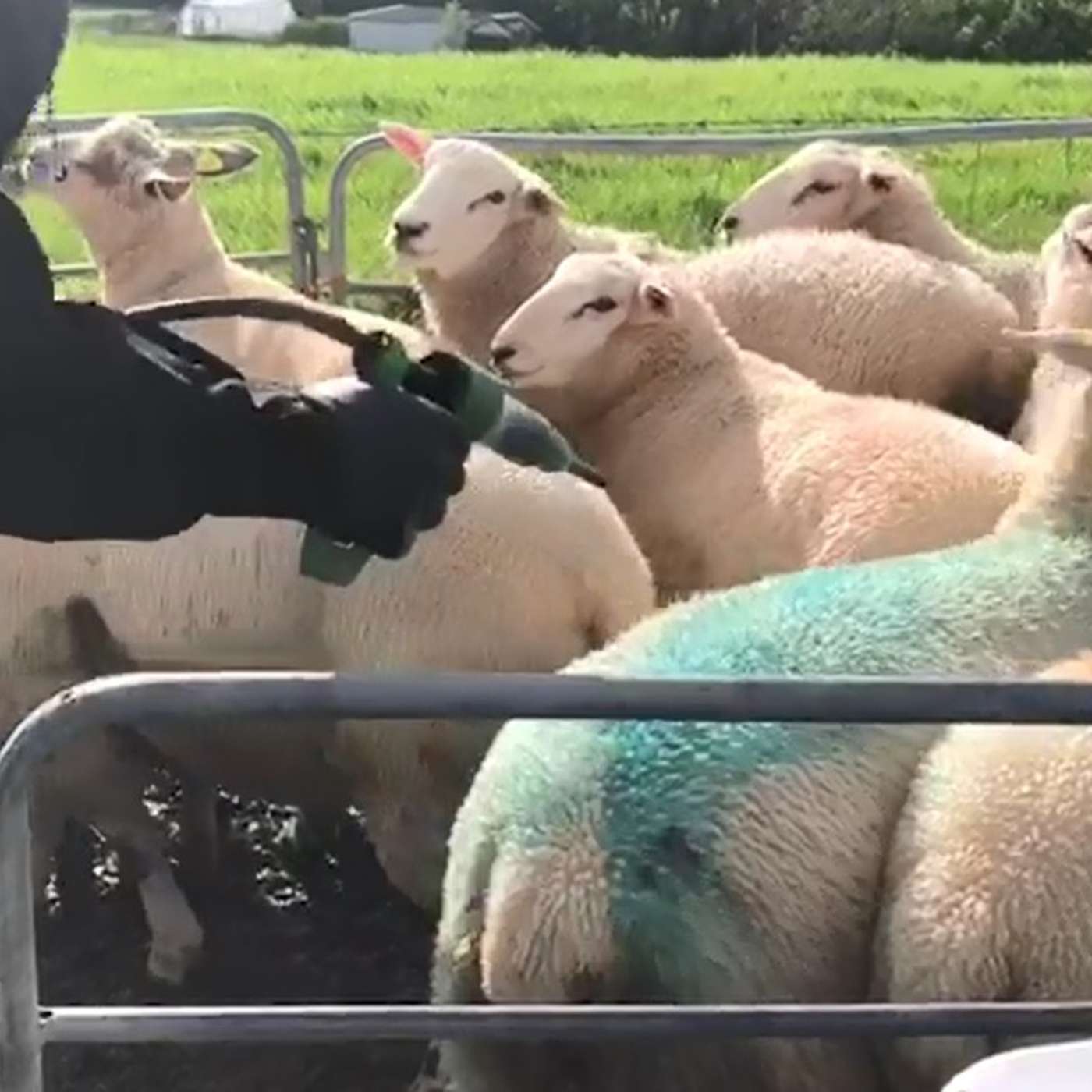
Ep 22Blowfly control
We start by discussing some of the pre-disposing factors and ways to reduce the risk of strike. Tom outlines the various control measures that are available, how they vary in the mode of action and the period of cover they provide. We finish up with Tom discussing how ensure product efficacy thorough correct application methods.
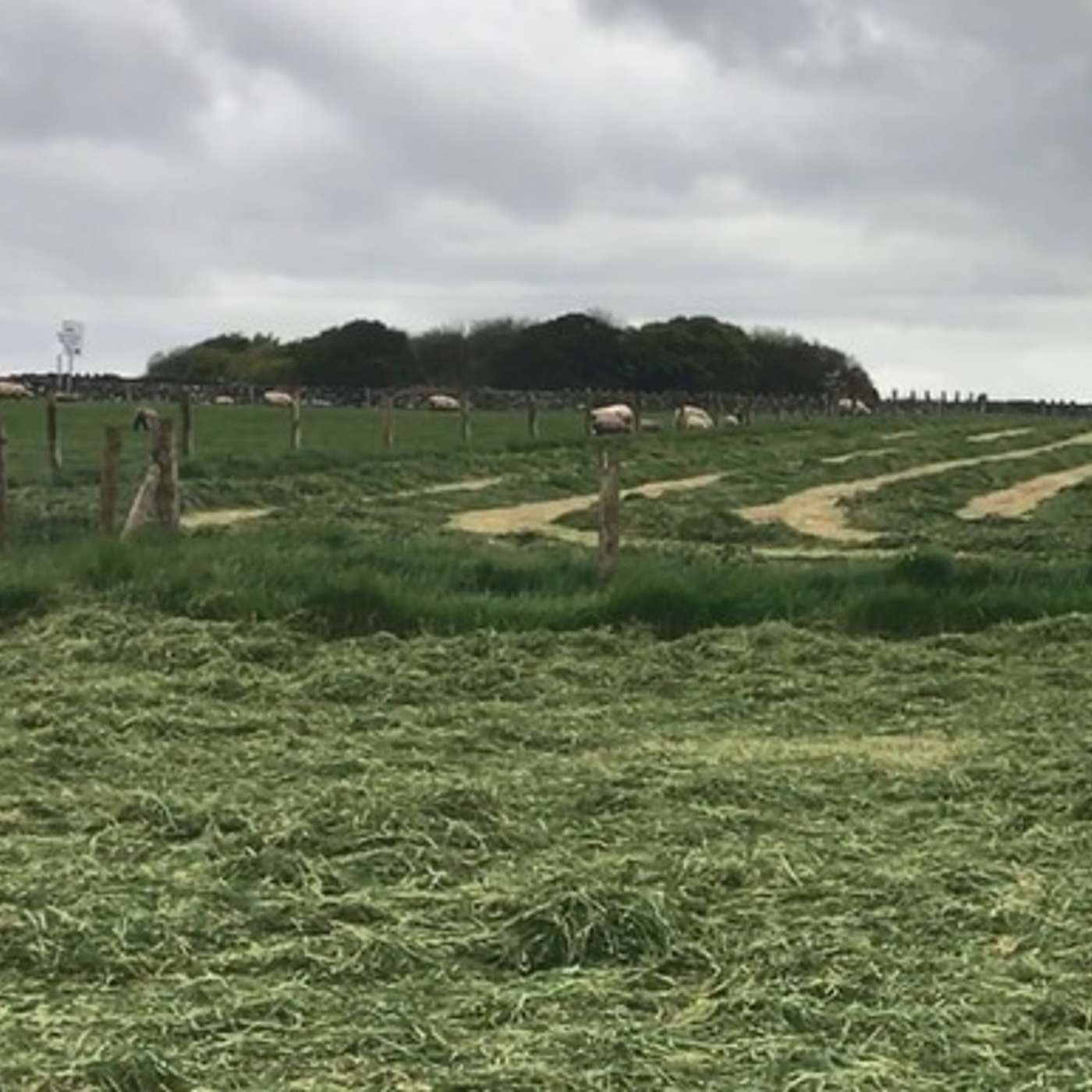
Ep 21Making high DMD silage
e also describes ways to reduce the risk of soil contamination, improve preservation and the importance of correct storage. The overall silage requirement for use in late pregnancy is relatively low Damian discusses how removing surpluses from the grazing rotation could help meet his demand. Here is a link to a short technical article discussing this in more detail: https://www.teagasc.ie/publications/2020/importance-of-quality-silage-for-sheep.phpAnd heres a short video clip on removing surplus grass as baled silage: https://youtu.be/RW8D4bk4RwsFor more information:https://www.teagasc.ie/publications/2020/importance-of-quality-silage-for-sheep.php
Ep 20Impact of Covid-19 pandemic on the sheep sector
With additional pressure on family farm incomes this year Kevin urges a cautious approach, paying particular attention to expenditure in the farm business for the coming year. Keeping with that theme in the latter half of the podcast we are joined by Michael Gottstein Head of Sheep in Teagasc who highlights key areas where costs can be reduced and where the easy gains can be made. With uncertainty in the economy Michael also discusses on farm investment for the coming season.
Ep 1919: Episode 19: Nematodirus infection in young lambs
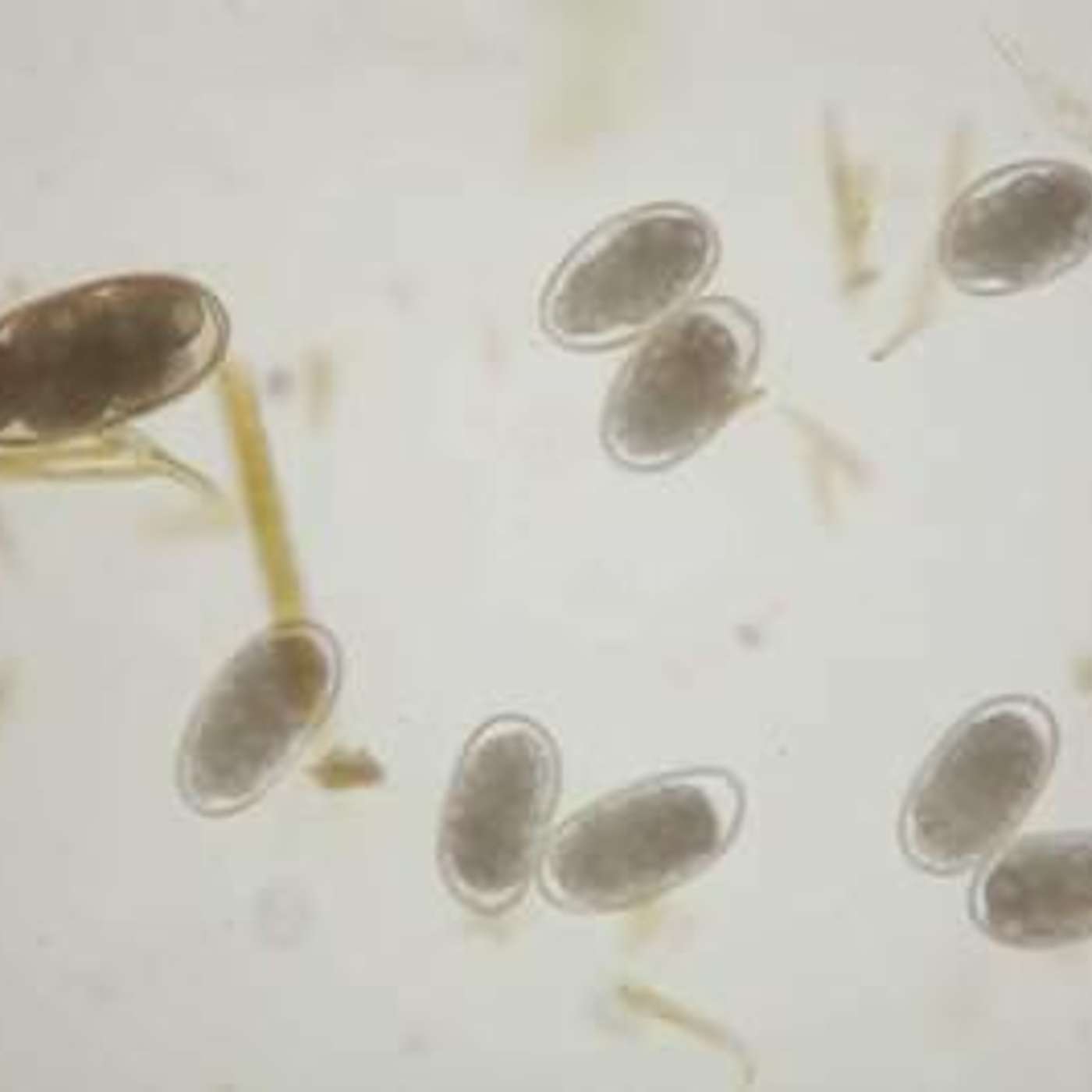
Nematodirus is one of the first parasite challenges young lambs will face during the grazing season. In this episode of OviCast we are joined by Dr. Orla Keane who explains the life cycle of Nematodirus and how it differs from other stomach worms. We also discuss how the parasite affects young lambs. Orla describes how to recognise the condition and the role the DAFM Nematodirus forecast plays in determining when to treat lambs in different regions throughout the country. In the final section we discuss timing of treatment and choice of anthelminthic product for this particular condition. DAFM 2020 Nematodirus forecast: https://www.agriculture.gov.ie/press/pressreleases/2020/april/title,141793,en.html
Ep 1818: Episode 18: Sheep sector market update
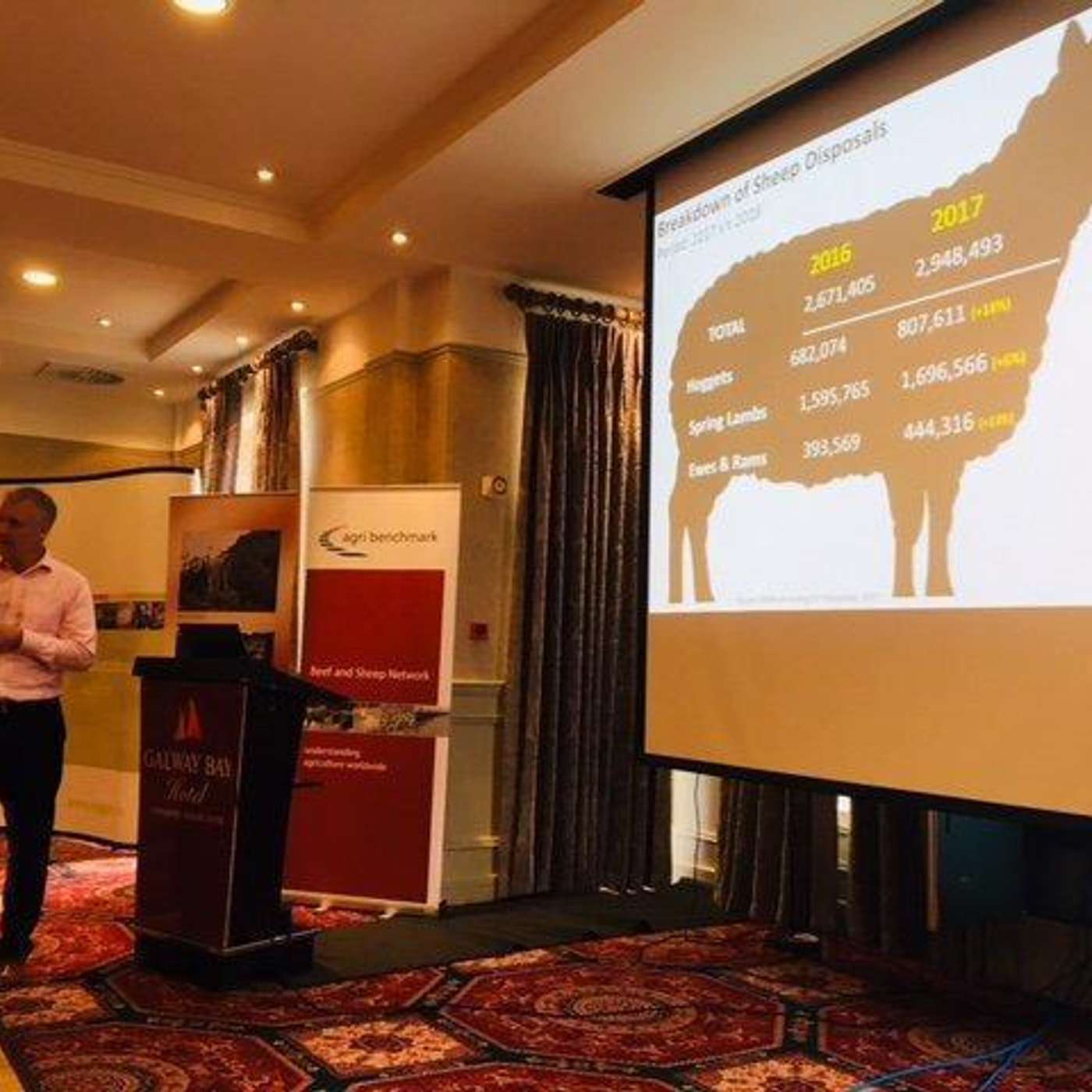
For this episode we are Joined by Declan Fennell, sheep Sector Manager with Bord Bia. Declan starts by discussing what has been happening in the market in the past 12 months , some of the challenges faced and the new opportunities that have arisen. With the current Covid-19 crisis Declan describes is happening on the markets over the last month or so , how its influencing demand for lamb domestically and in other countries and how restrictions in other countries affecting the movement of meat. We also discuss what the potential outlook is shaping up like for the rest of the year when markets reset and how global trade of sheep meat has changed. Declan finished up by highlighting on going promotional activity from Bord Bia at present. For more information check out their website www.bordbia.ie or follow them @Bordbia
Ep 1717: Episode 17: Grazing management: Keeping on track in April
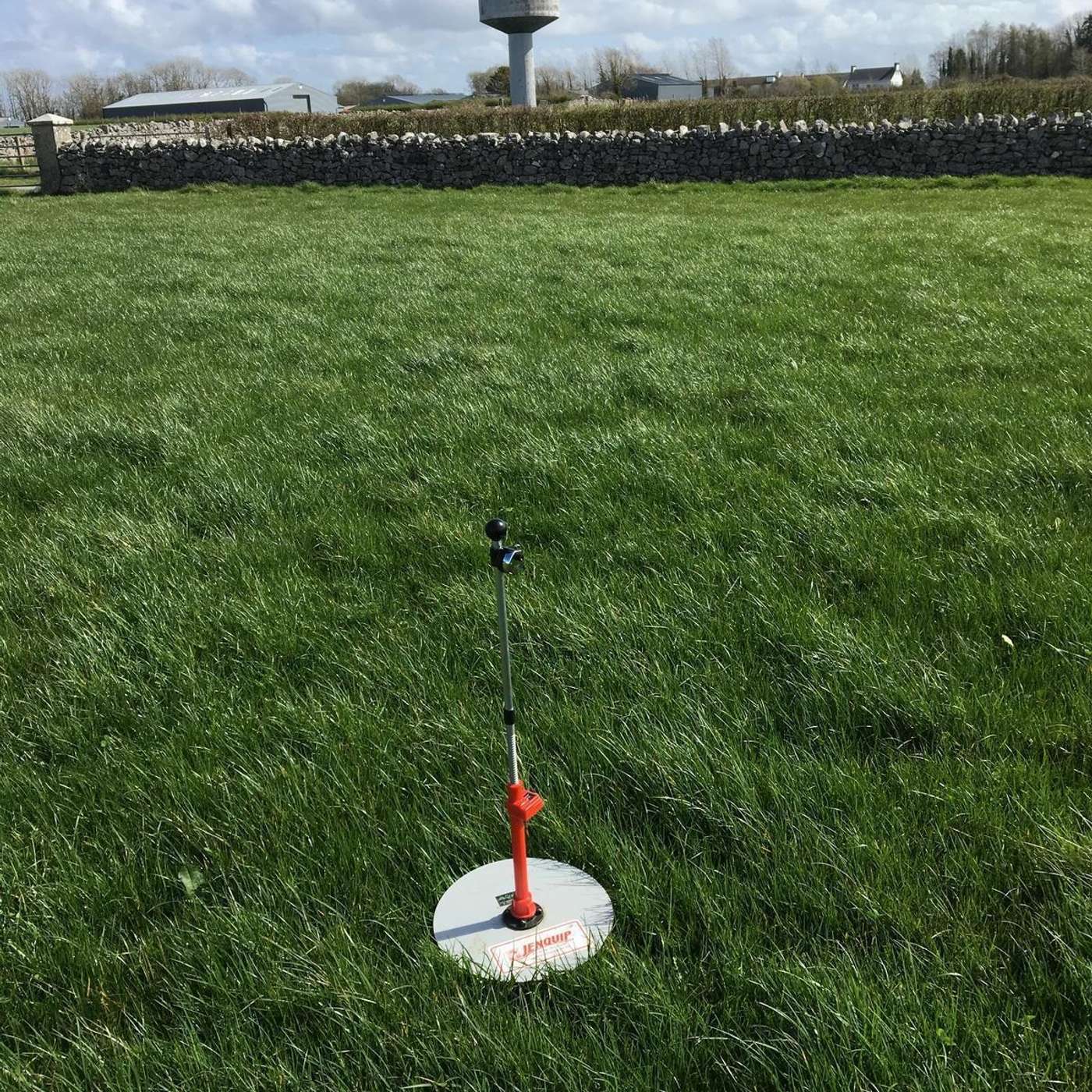
Dr Philip Creighton re-joins us in this episode to discuss grazing management and key targets during April. He starts by giving us a quick update on progress on the farm in Athenry. With grass growth rates increasing in favour of supply over demand Philip outline’s the key targets for the coming month – opening covers, residuals and farm covers/days grazing ahead. Philip emphasises the importance of assessing farm covers and the percentage of the farm grazed at this stage of the year and what the short and long term actions farmers need to stay on track for the coming weeks. Further updates available on grass growth and advice available from @PastureBase and @TeagascSheep over the coming weeks
Ep 1616: Episode 16: Artificially rearing lambs
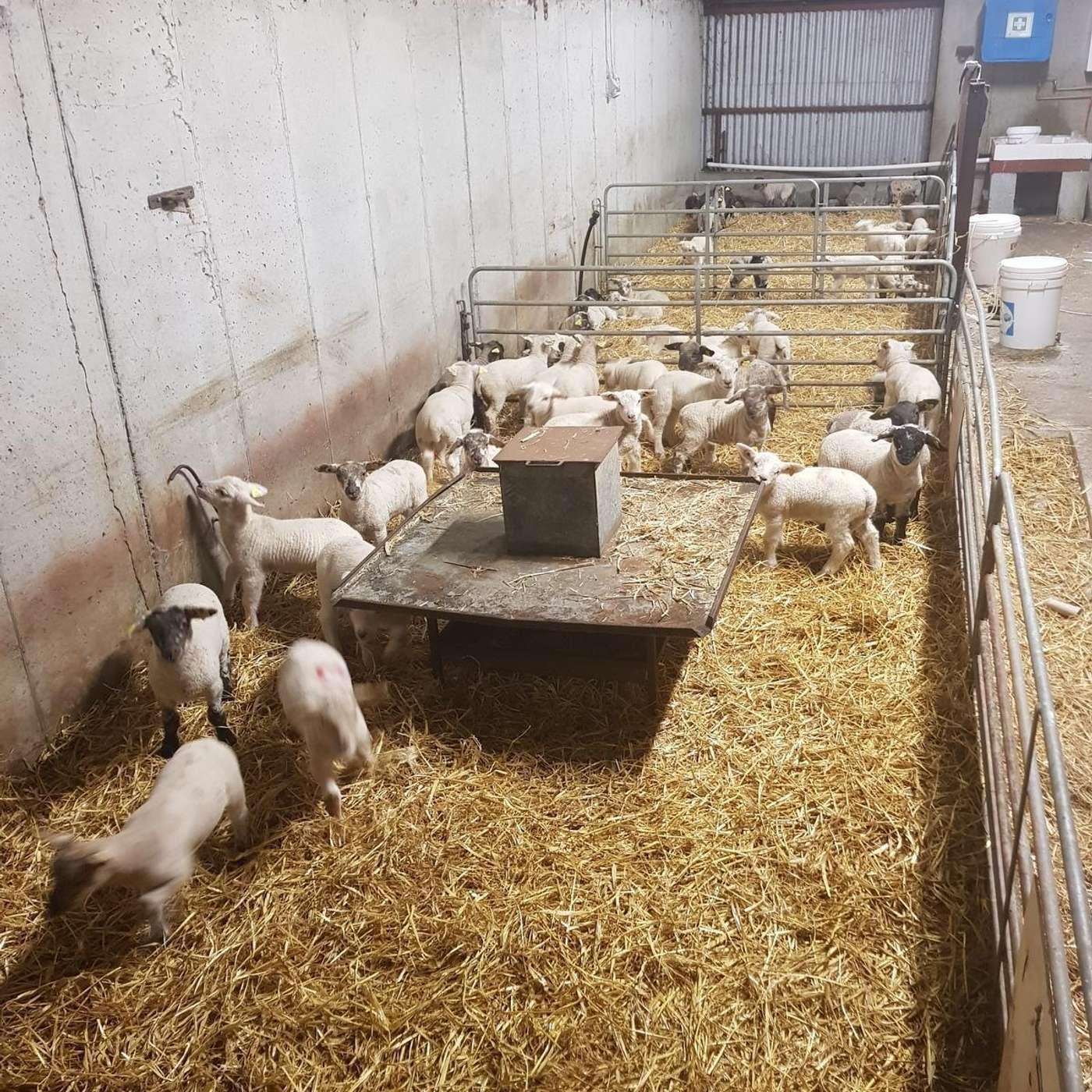
In this episode we are joined by Tomas O'Leary who is farming outside Killarney Co. Kerry. Tomas runs a 300 ewe sheep flock along side a contract heifer rearing system. Running a prolific flock of ewes with an annual scanned litter size of 2.2 Tomas has a lot of multipiles on the farm. In order to effectively manage the additional lambs, he choses to artifically rear the third lamb along with any other orphan lambs that arise. We catch up with Tomas towards the end of lambing to discuss how he manages his artifically rearing system. He also shares some of his top tips on how to make it more efficent. Heres a link to a short video clip of his setup: https://youtu.be/AJ91aIXJRwo
Ep 1515: Episode 15: Coccidiosis in lambs
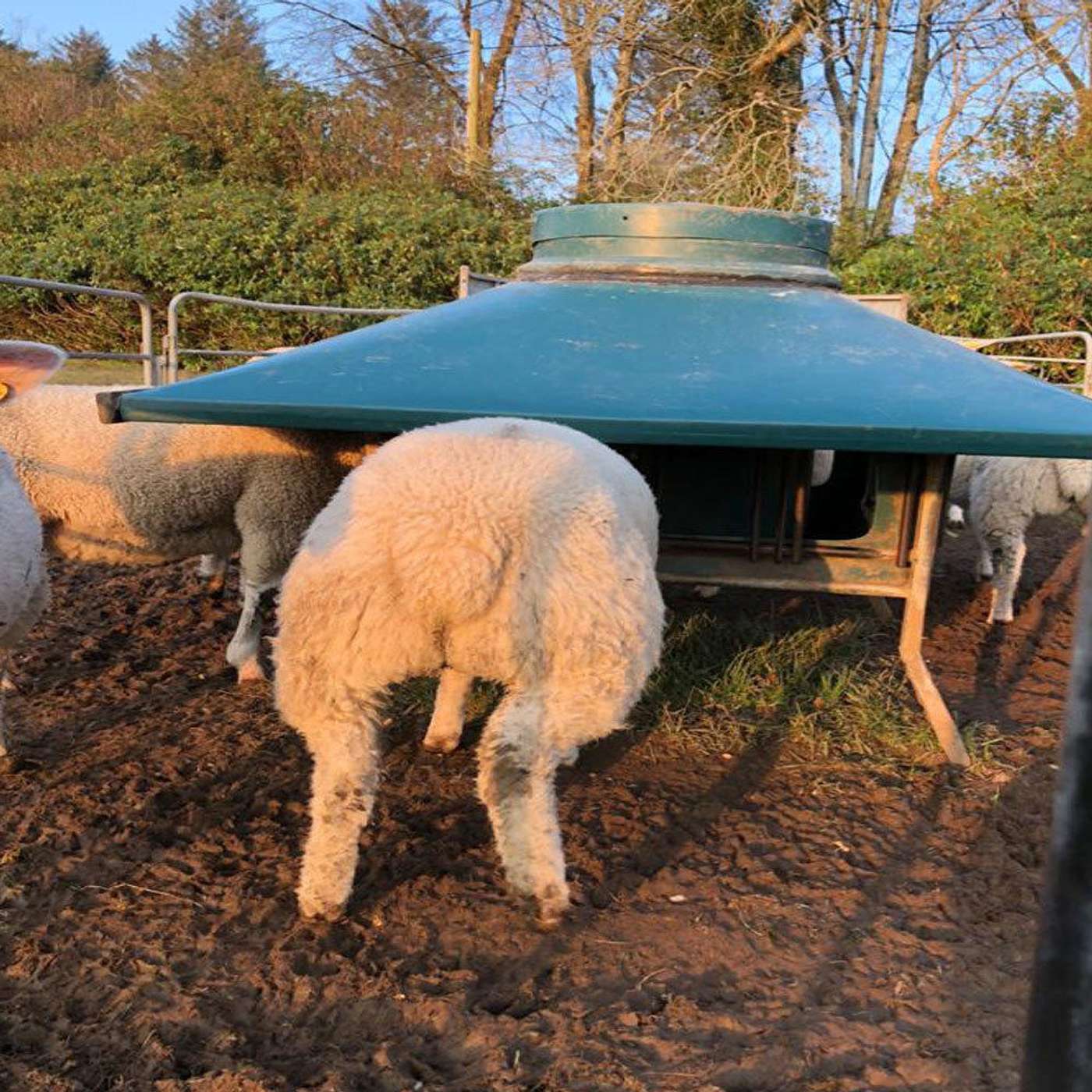
In this episode Michael Gottstein Head of Sheep in Teagasc joins us to discusss coccidiosis in lambs. Michael starts by discribing the condition itself and the clinical symptoms infected lambs will display. He moves on to describe the impact it has on lamb health, subsequent performance and ways by which farmers can reduce the enviromental challenge . In the final segment Michael outlines the various treament options available.
Ep 1414: Episode 14: Grass Tetany in ewes – predisposing factors and prevention measures
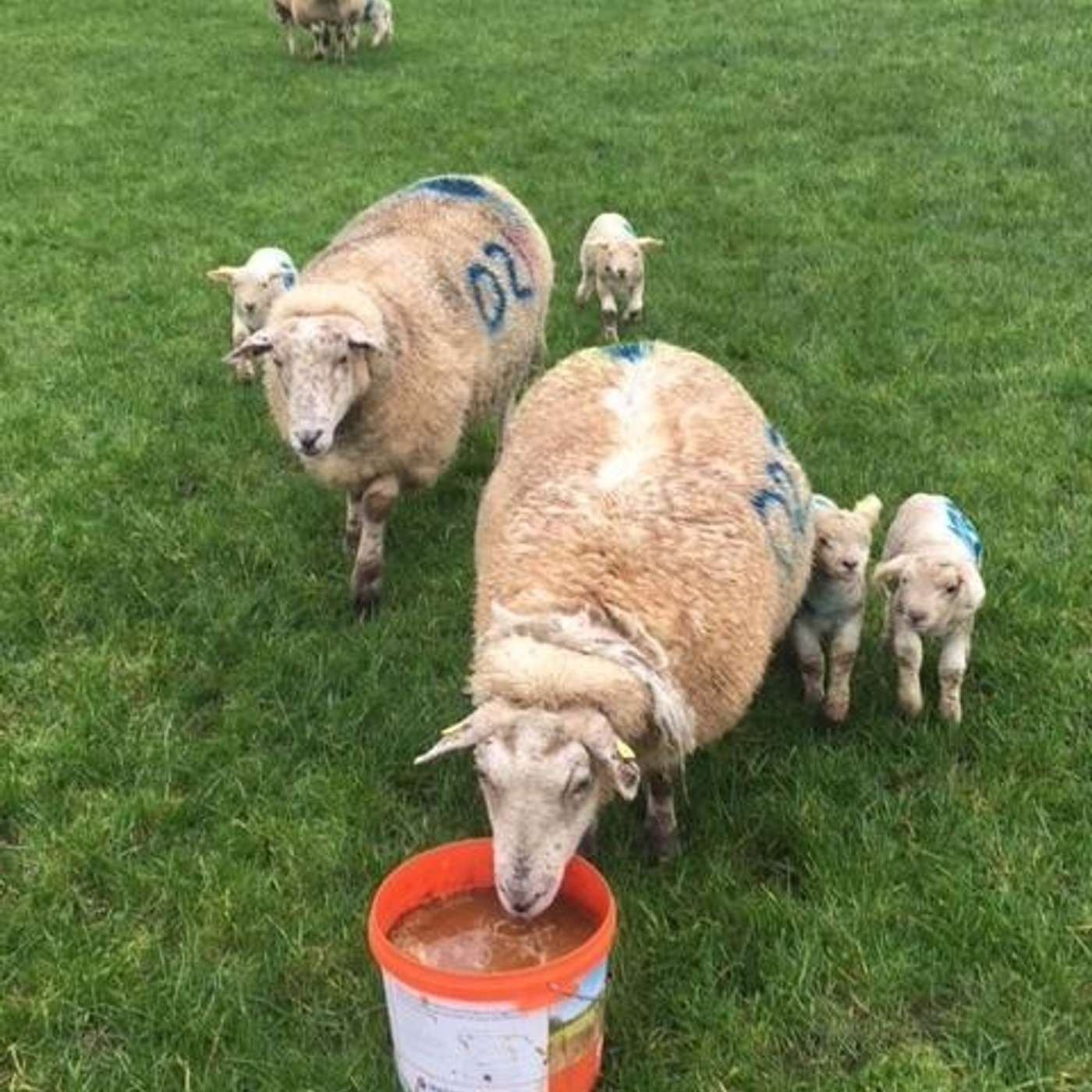
In this episode we are joined By Michael Gottstein Head of Sheep in Teagasc who discusses the Grass Tetany in ewes. With many ewes in the early stages of lactation the difficult grazing conditions and adverse weather this spring presents a high risk period for Grass Tetany. Michael discusses the predisposing factors encountered on farms that increase the risk and some of the preventive measures that can be employed at this stage of the season. Michael finishes up discussing how clinical cases need to be treated.
Ep 1313: Episode 13: Managing Ewe lambs
In this episode we focus on the management of ewe lambs during the growing phase from the first winter to Joining as 18 month old Hogget’s. We are joined by Dr. Tim Keady who has conducted a number of research studies in this area. Tim outlines how management during the growing phase can influence subsequent performance as mature ewes. We discuss the key performance targets, nutrient requirements and what interventions can be made to keep performance on track.
Ep 1212: Episode 12: Nitrogen use efficiency
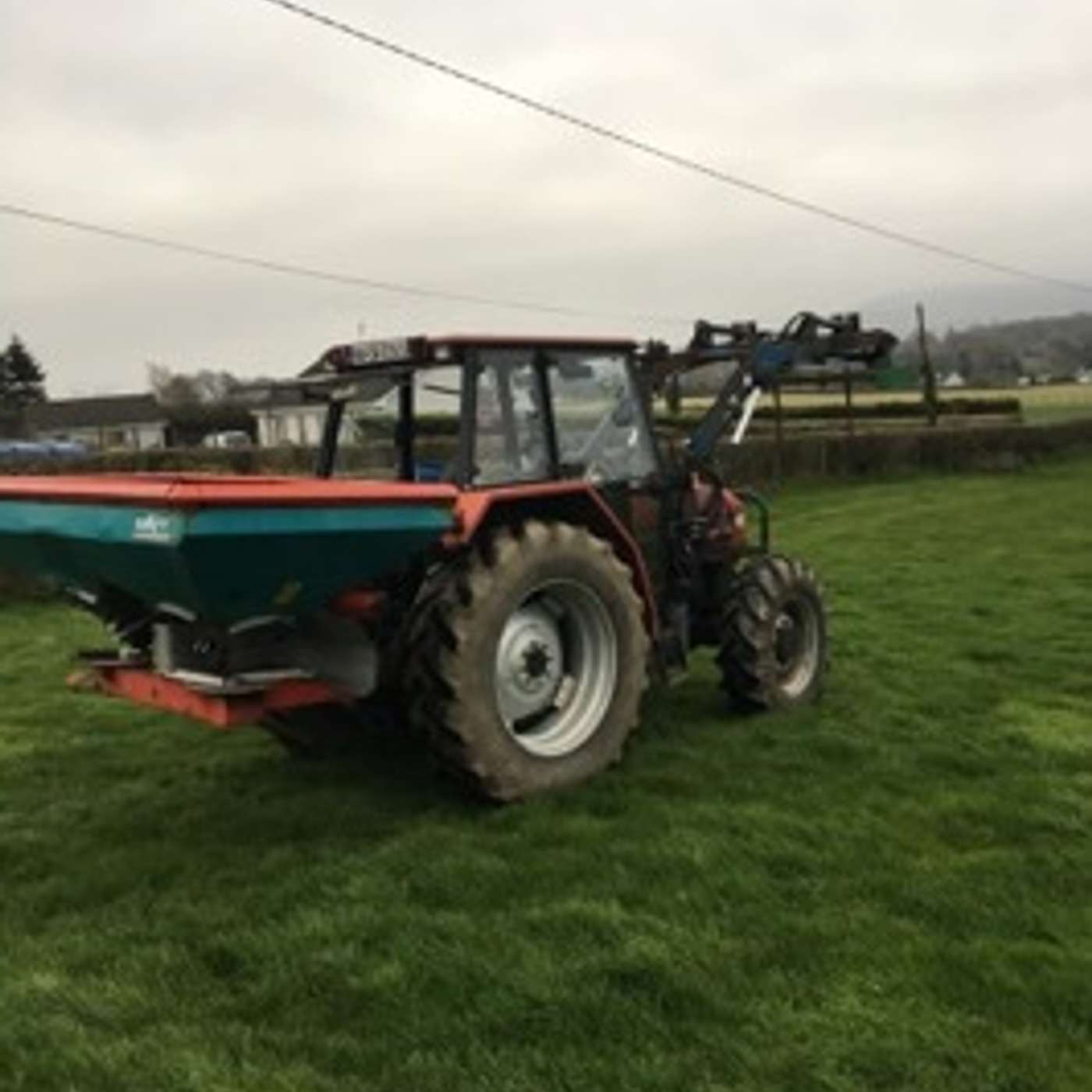
Episode 12: Nitrogen use efficiency In this episode we a focus on nitrogen use on farms. We are joined by Dr. David Wall Teagasc Johnstown Castle who starts by discussing the various factors affecting the efficiency of Nitrogen use. David offers his tips on how to get the best return on early spring applications. With an increased emphasis on the inclusion of protected urea in fertilizer programmes, David explains the difference between protected and standard urea and how it has benefits both economically and environmentally for farmers. List of Protected-urea Fertilisers: https://www.teagasc.ie/media/website/environment/soil/Protected-Urea-List--December,--2019.pdf Technical information on protected urea: https://www.teagasc.ie/crops/soil--soil-fertility/protected-urea/ Spring Fertilizer advice: https://www.teagasc.ie/media/website/environment/soil/Early-Nitrogen-Advice---Grassland.pdf
Ep 1111: Episode 11: Late pregnancy nutrition effect of concentrate quality and source of protein
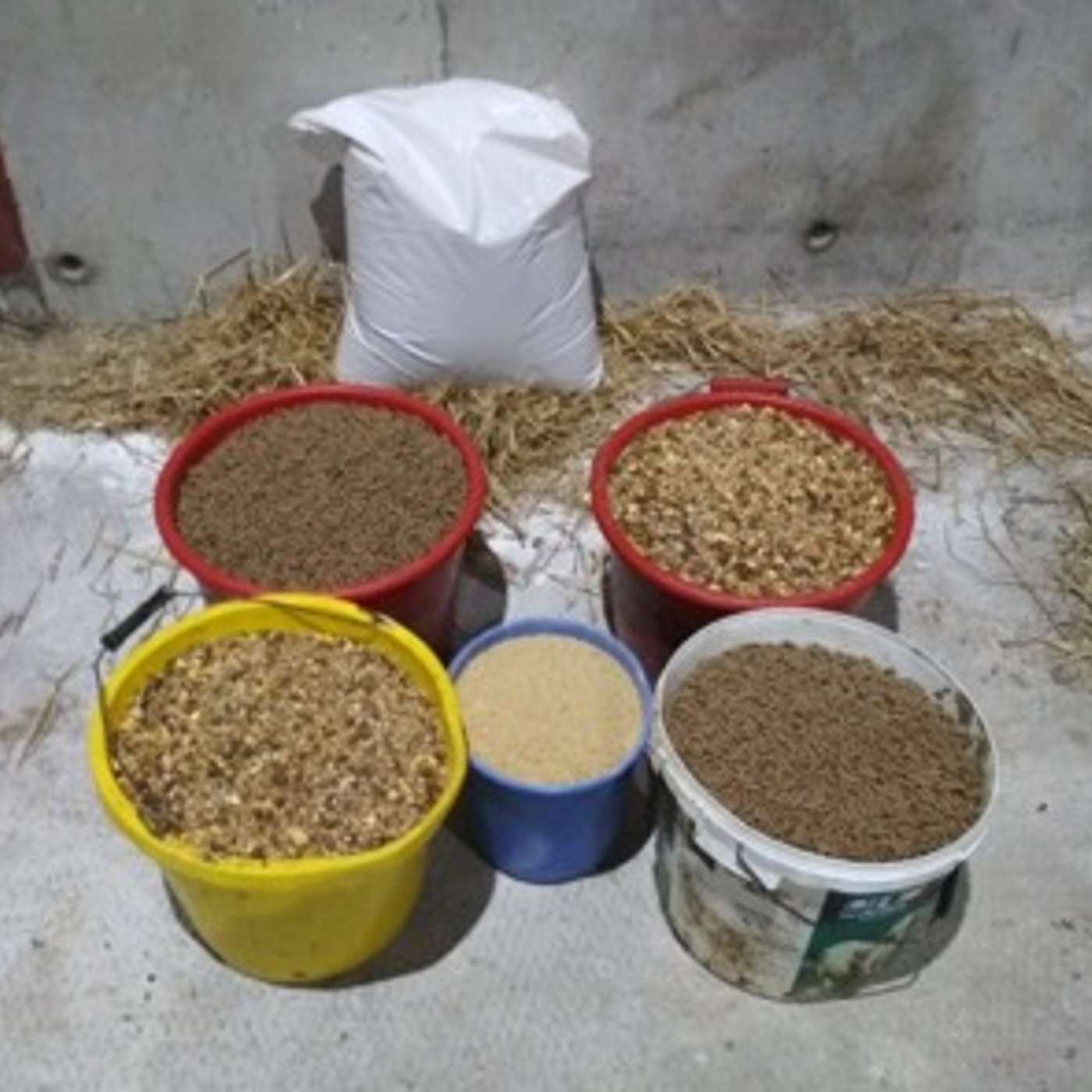
Episode 11: Late pregnancy nutrition effect of concentrate quality and source of protein In this episode we focus on late pregnancy nutrition, we are joined by Dr. Tim Keady who shares some of his insights in the area. Tim starts by discussing the impact late pregnancy nutrition has on flock performance. We move on to discuss concentrate formulation, ingredient inclusion and how the ewe’s nutrient requirements change during this period. Tim discusses some of the key findings of research studies that he has undertaking in Teagasc that evaluated the effect of source of protein in the diet during late pregnancy has on ewe and lamb performance. We finish up with Tim offering his tips on what he looks for in a concentrate and the pelleted concentrate he has formulated for use this year in Teagasc Athenry.
Ep 1010: Episode 10: Winter housing management
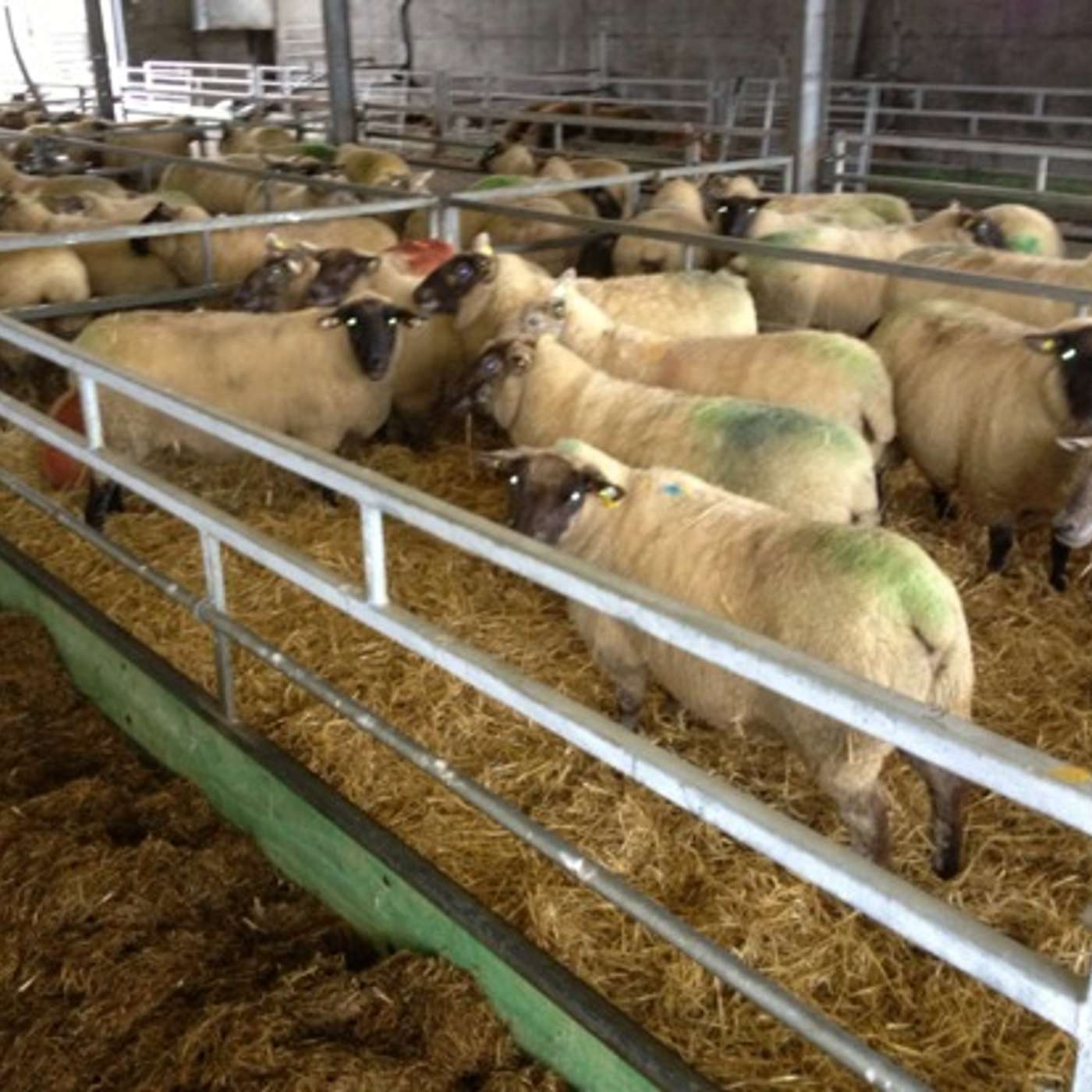
In this episode we are joined with Damien Costello Sheep Specialist who discussed some of the key management issues to consider during the housing period. Damian outlines why correct space allowance is a key consideration during the housing period. Damian also covers the importance of good ventilation, feed management and hygiene practices. We finish up discussing ways to improve the efficiency of the housing setup and ways in which it can be modified to improve efficiency and productivity of the system.
Ep 99: Episode 9: Managing condition score
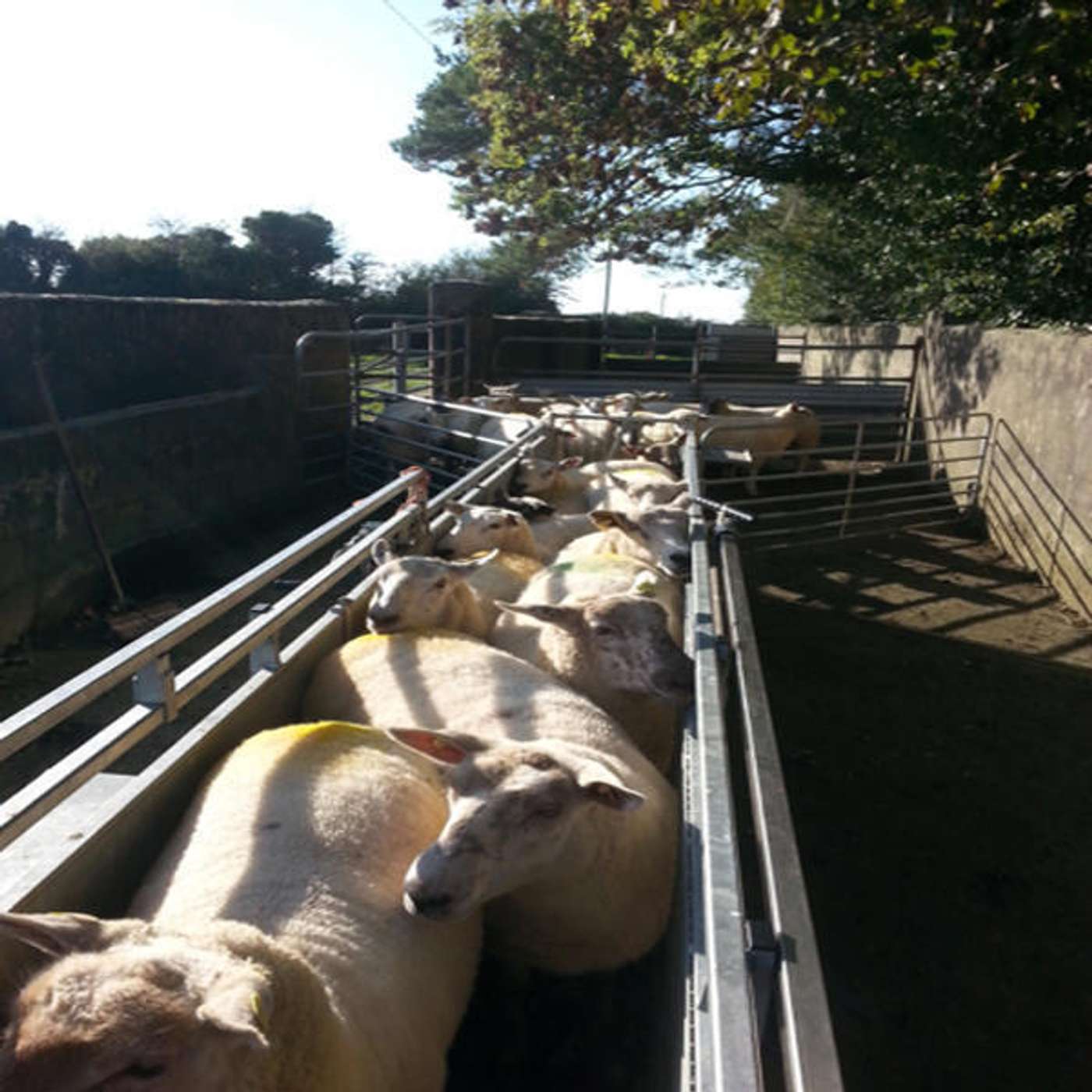
In this episode, we are joined by Liz Genever, an independent sheep consultant from the UK (Twitter - @LizGenever) to discuss the importance of managing condition score in flocks. We start by discussing the practice of condition scoring and the key time points during the year when it is important to assess it. Liz discusses some of the key findings of the AHDB’s funded key performance indicators project and the on-going Challenge Sheep project on the impact of condition on flock productivity. Following on from this Liz shares her insights and on why it’s important to actively manage condition during the year and why it’s necessary to manage thin and young sheep ewes separately from the main flock.
Ep 88: Episode 8: Controlling external parasites: Sheep dipping
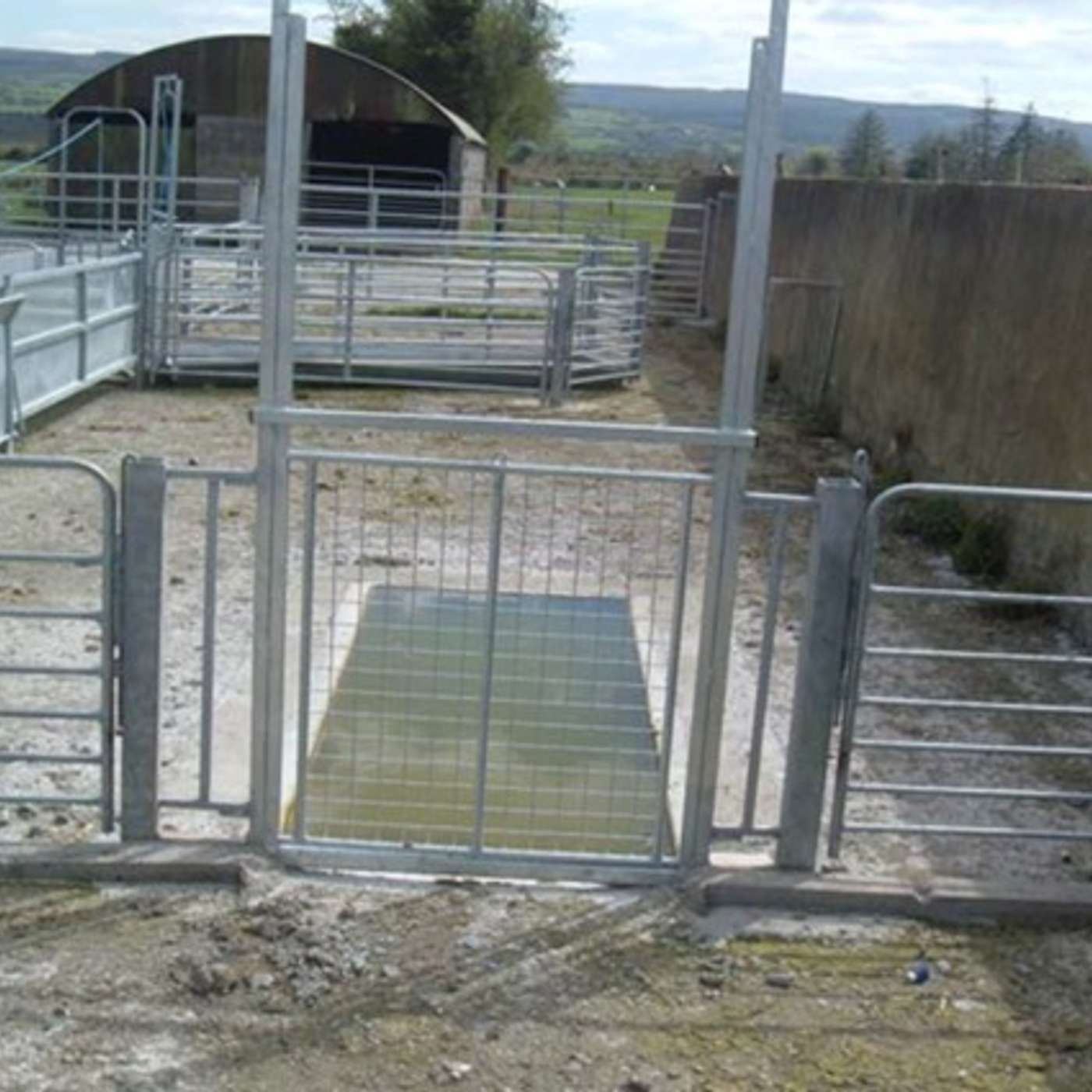
Within the industry there is a renewed interest in sheep dips as a means of external parasite control. Firstly we are joined by Michael Gottstein Head of Sheep in Teagasc who discusses the role sheep dips both fixed and mobile units can play in external parasite control. He also offers his views on why they may be the better option in the coming years particularly for sheep scab control. Michael also takes us through the vital steps necessary when preparing to dip sheep from animal preparation and the use of personal protective equipment. In the second half of the podcast we are joined by Kevin O’Sullivan ASSAP programme Advisor in Co Kerry. Kevin discusses best practice for dip procedure to minimise the risk of any environmental impact offering key advice on dipping procedure and dip disposal.
Ep 77: Episode 7: Role of alternative forages in store lambs systems
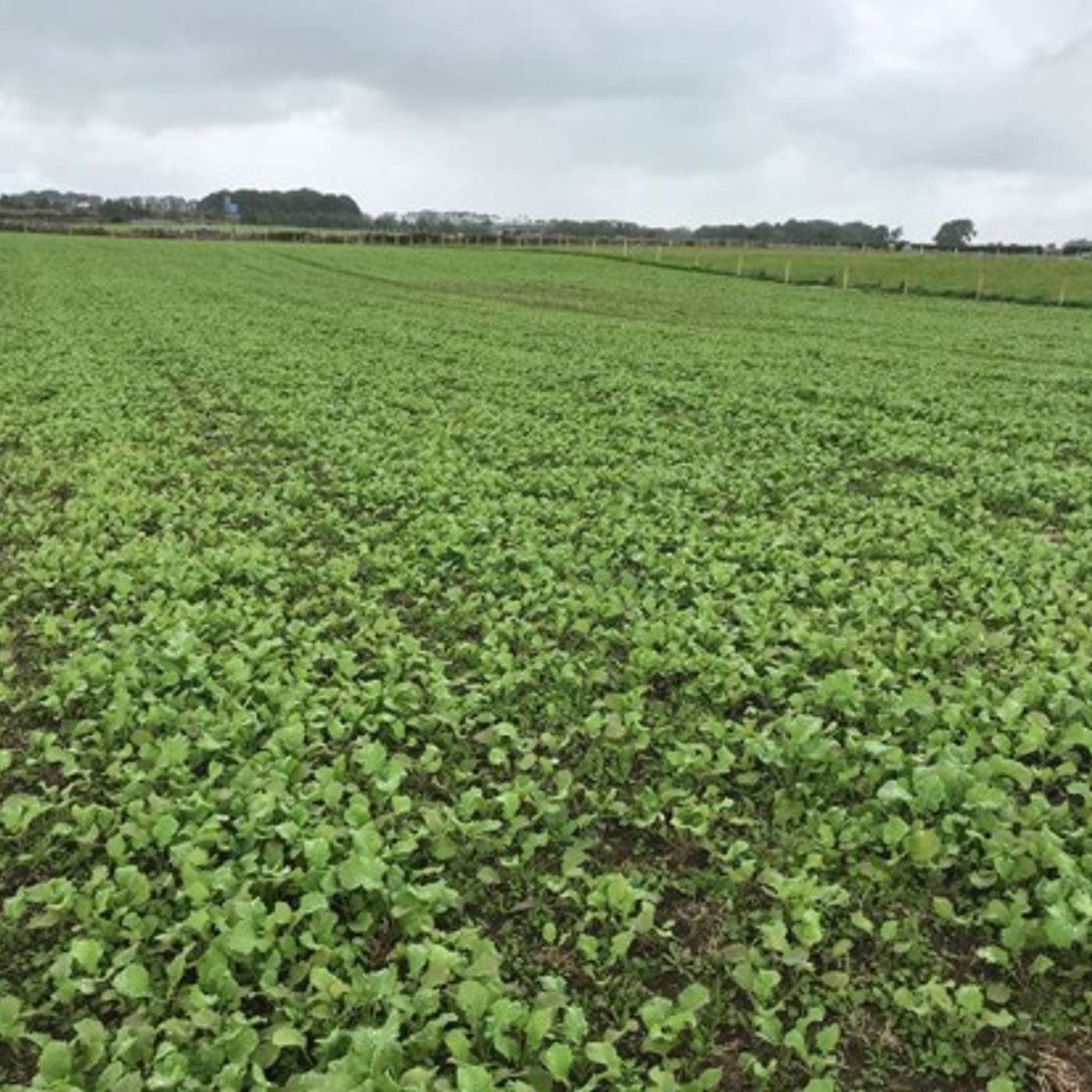
In this episode we are joined by Dr Frank Campion who discusses a new research trial that has started in Teagasc Athenry. The project aims to examine the role of alternative forages in store lambs finishing systems. Frank starts by giving us some background to the project and previous work on store lambs in Teagasc Athenry. We discuss crop selection and establishment and some of the targets he hopes to achieve with lambs grazing on these various crops. A cohort of lambs will also be finished indoors and on grass based diets to provide some comparative performance. With the project only in its infancy its certainly one we will be revisiting in the coming months.
Ep 66: Episode 6: Grazing focus – Gearing up for the autumn
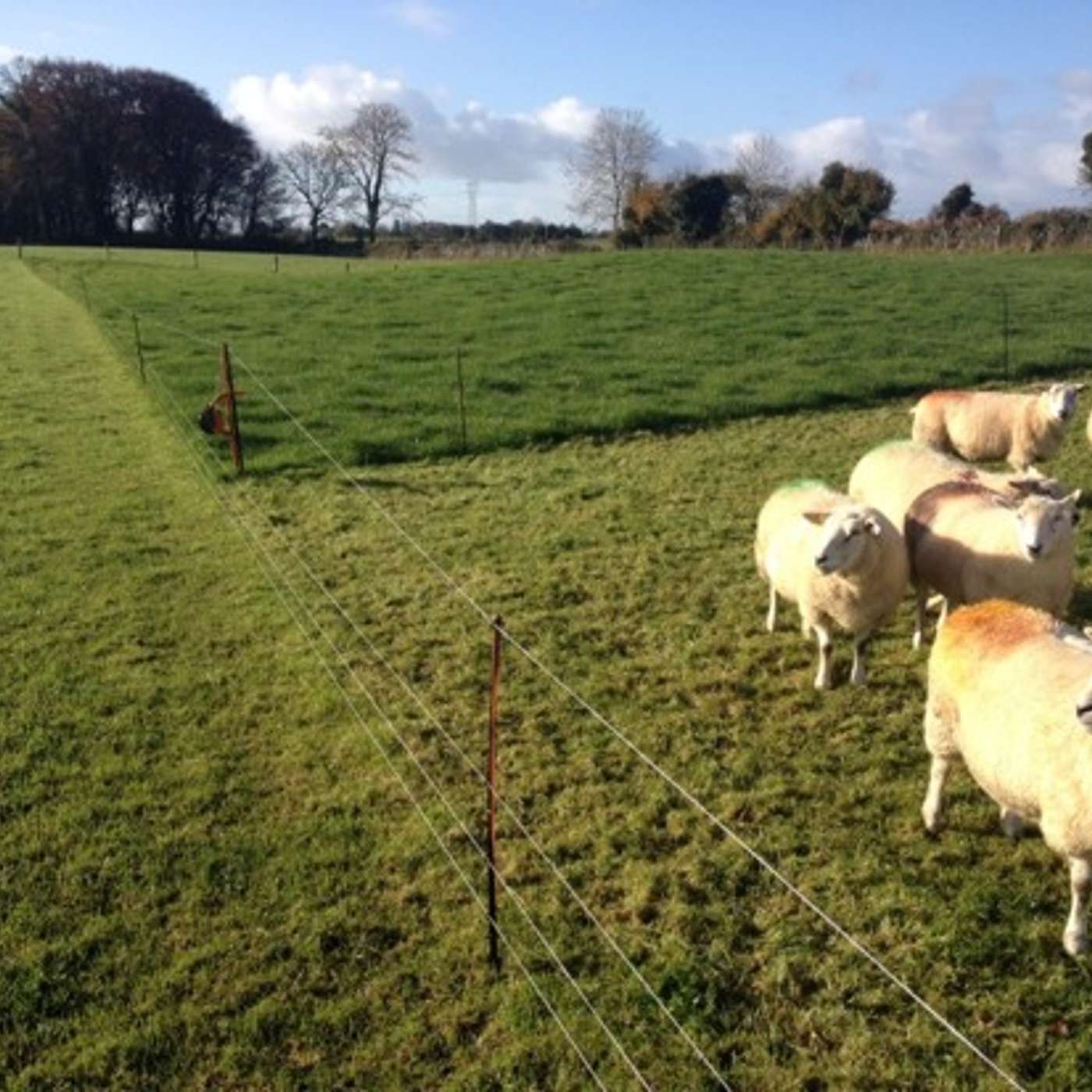
Grazing focus – Gearing up for the autumn In this episode we are joined by Dr Philip Creighton to discuss setting up the grazing rotation for the autumn. We start by discuss current grass supply and demand targets for September and October. Phil discusses the importance that autumn closing has on spring grass availability and why it is necessary to set up for the final grazing rotation now. He also highlights the key targets for the sheep autumn closing plan. A copy of the Teagasc Autumn closing planner for sheep can be found at the following link: https://www.teagasc.ie/media/website/animals/sheep/Sheep-Autumn-Closing-Planner.pdf . We finish up by discussing what aspects of soil fertility we can still address at this stage of the season.
Ep 55: Episode 5: Flock health status- biosecurity and quarantine
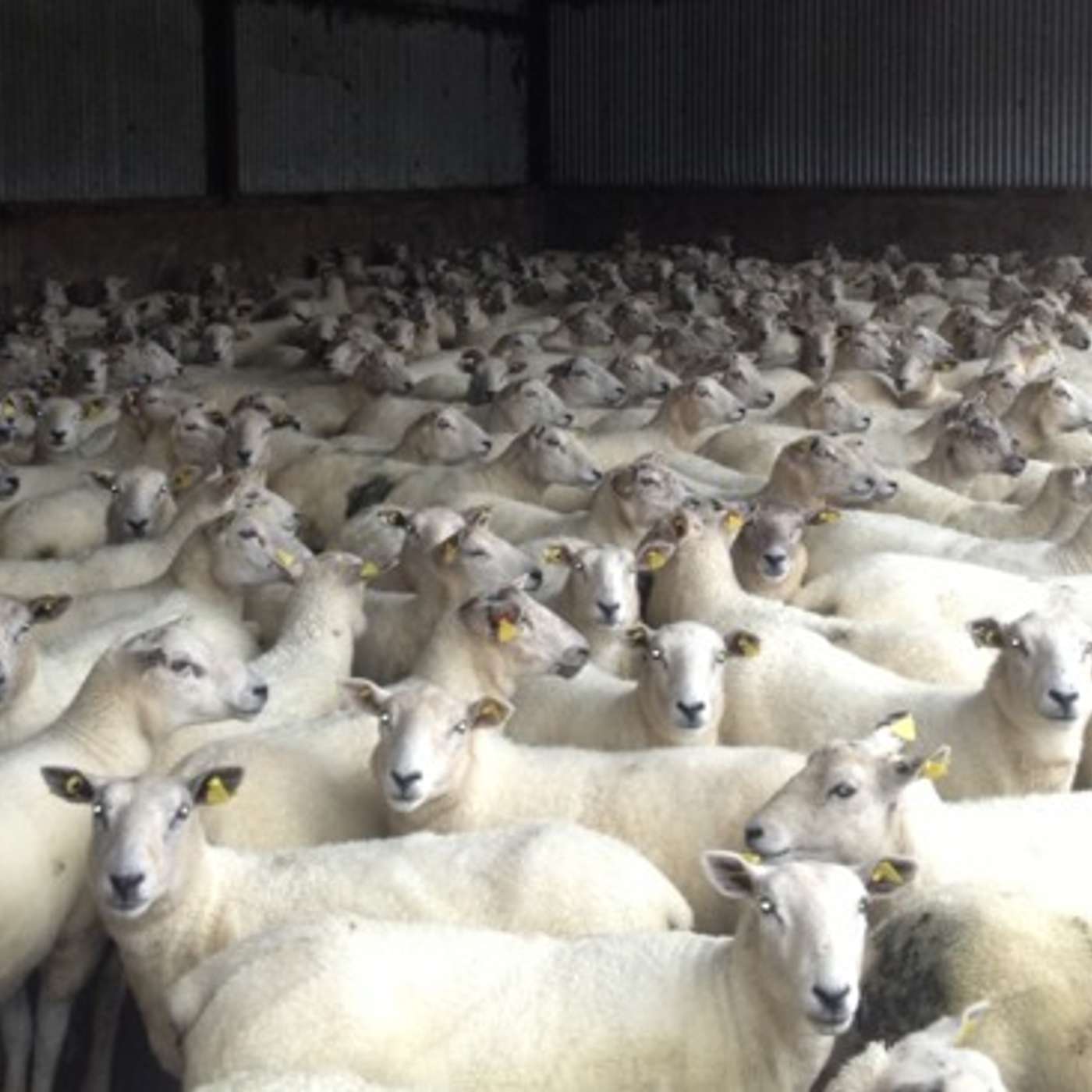
In this episode we are joined by Michael Gottstein Head of Sheep in Teagasc to discuss biosecurity risks posed when introducing new sheep to the flock. Michael outlines the potential risks that can be introduced to a flock from purchased animals, from resistant parasite and lameness to abortive agents and iceberg diseases. Having a quarantine procedure in place to deal with stock entering the farm is a vital step, Michael takes us through the mitigating strategies that can be employed to reduce the risks. We also discuss some of the potential vaccination programmes that can be implemented on farm to reduce the effects of abortive agents. Some of these unwanted conditions have a long incubation period before physical signs are evident. We discuss the benefits of examining stock on farm and purchasing stock from a limited number of known sources.
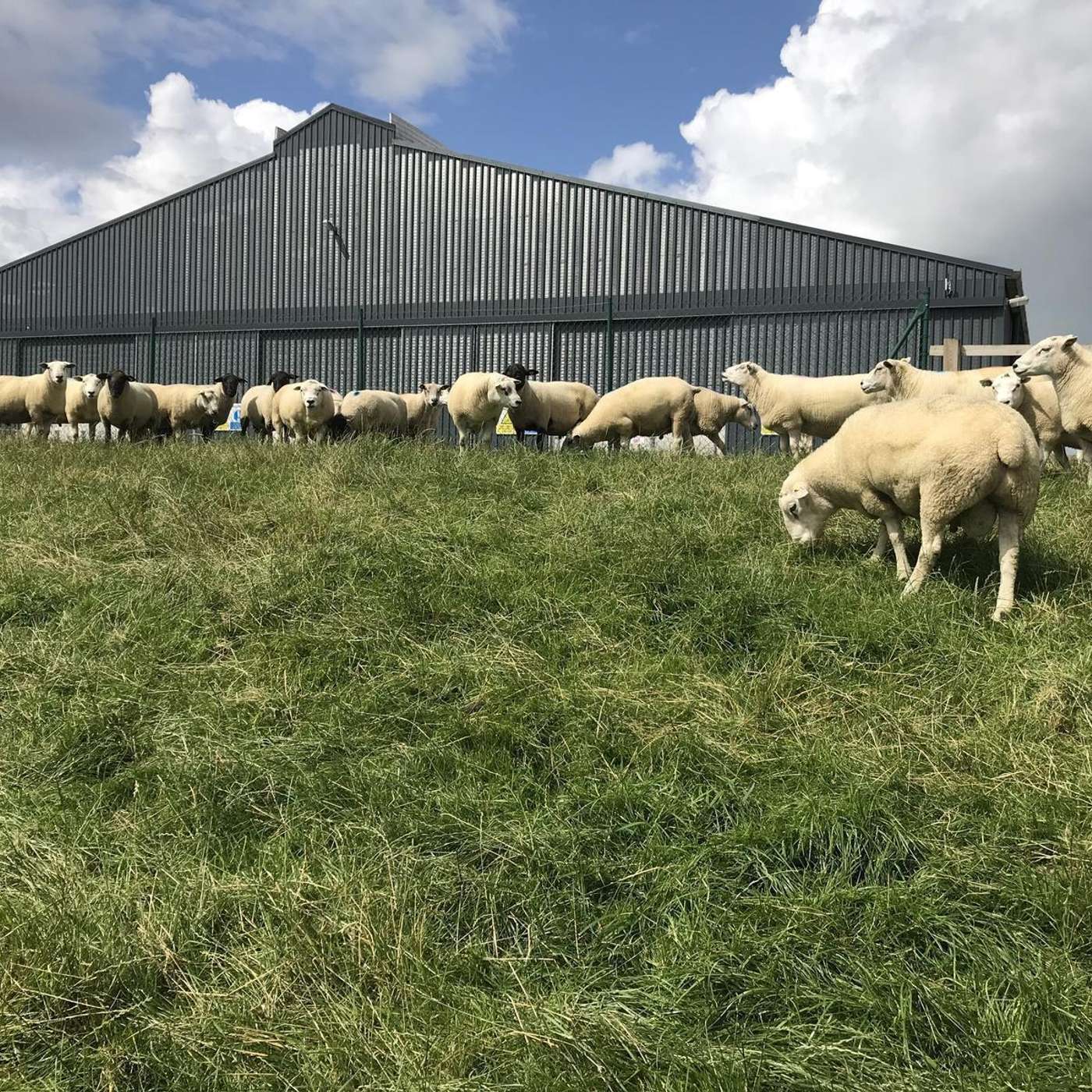
Ep 44: Episode 4: Ram Focus - using genetic information
Ram Focus - using genetic information. In this episode we are joined by Dr Noirin McHugh from Teagasc and Kevin McDermott programme manager with Sheep Ireland. Since the introduction of the Eurostar index in sheep we now have an additional tool to use when selecting rams. Noirin talks us through the terminal and replacement index and the key criteria to pay attention. We also get the opportunity to discuss the results on the on farm validation of the Eurostar index which examined the differences observed in progeny from high and low genetic merit rams on commercial farms. In the second half of the podcast we catch up with Kevin McDermott. We start the conversation discusses the level of breeder involvement and information being recorded with Sheep Ireland. We also discuss the online ram search tool that’s available on their website (www.sheep.ie). Kevin also describes the across breed evaluation a new initiative launched in 2019 and how this can be used by commercial farmers.
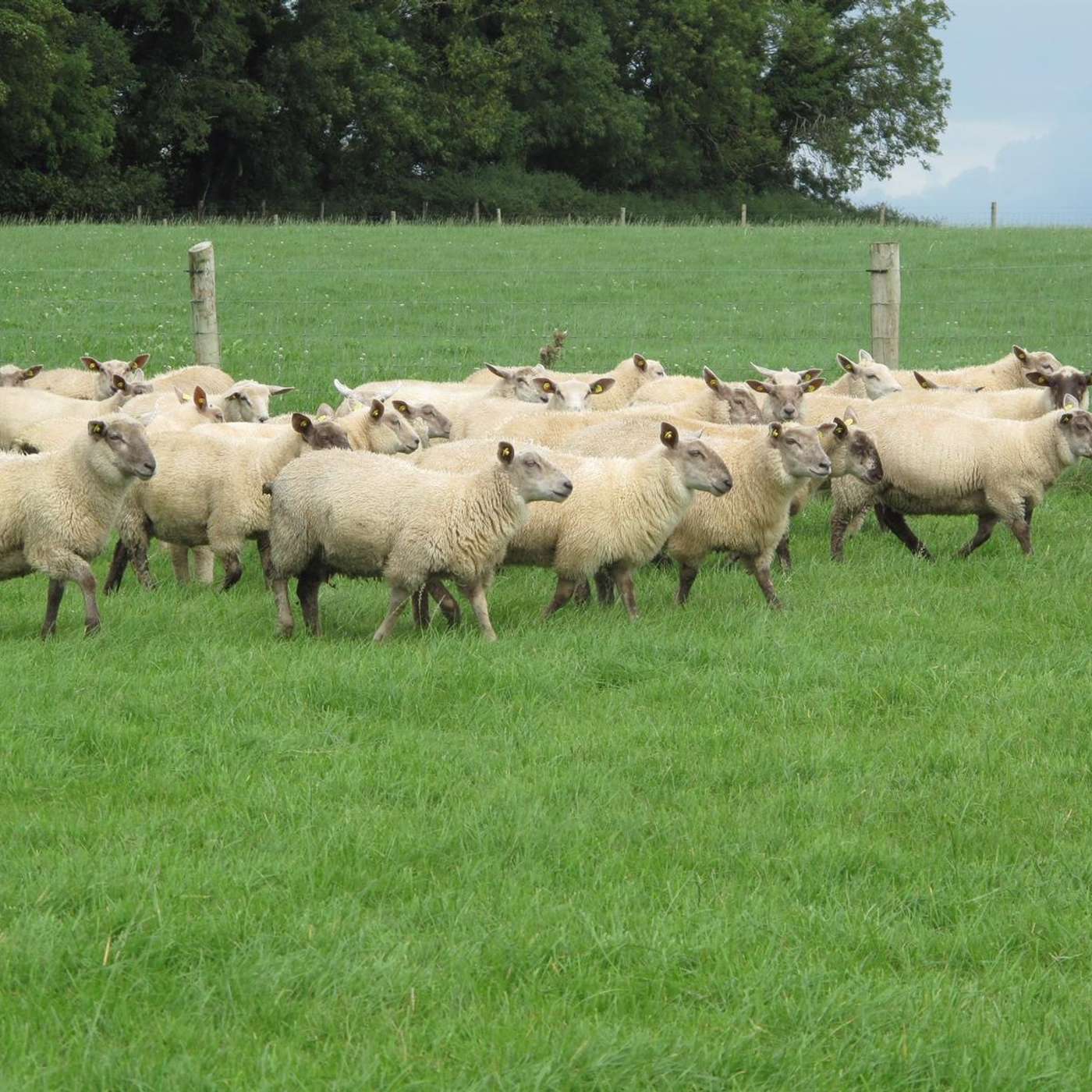
Ep 33: Episode 3: Internal Parasite Control
Internal parasite control – In this episode we catch up with Dr Orla Keane to discuss the topic of worm control during the mid-season period. We start by identifying the parasites that are encountered during the summer and autumn months and how parasite burden effects lamb performance. Controlling parasite burden has been predominantly reliant on anthelminthic treatment. However as an industry domestically and internationally we face the challenge of anthelminthic resistance where the available products that we depend on have reduced efficacy. During the session Orla describes what resistance is and how it can occur on farm. With a number of studies conducted on this area in recent years Orla discusses the anthelmintic resistance status of the national flock and how it has changed in recent years. She also outlines the potential strategies that could be implemented on farm to prolong the efficacy of the available products such as faecal egg testing and using correct dosing
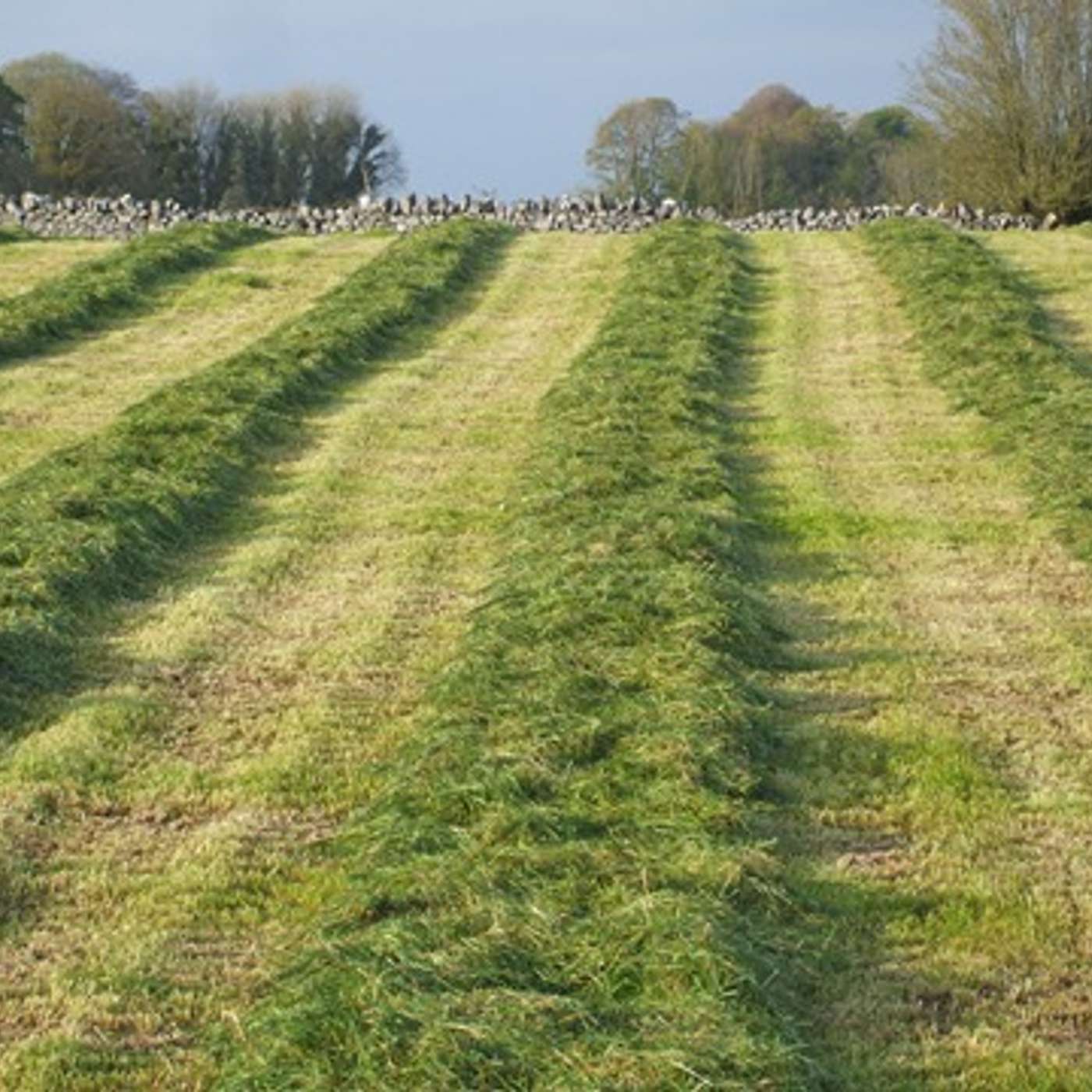
Ep 22: Episode 2 - Silage feed value
In this episode we catch up with Dr Tim Keady to discuss the production of high feed value grass silage. We start by discussing silage feed value and its impact on animal performance and the benefits that can be gained from improving silage digestibility. We discuss many of the factors that can influence digestibility – including sward heading date, grazing management prior to closing, the negative impact lodging has etc. Tim discusses his views on the pros and cons of wilting and why a rapid wilt is preferable. Tim also comments on the effect of silage chop length for sheep systems. With an increasing quantity of silage being baled from paddocks with heavy covers from the grazing area Tim discusses key management issues. Lastly, Tim offers his views on how to approach silage harvesting in during periods of inclement weather.
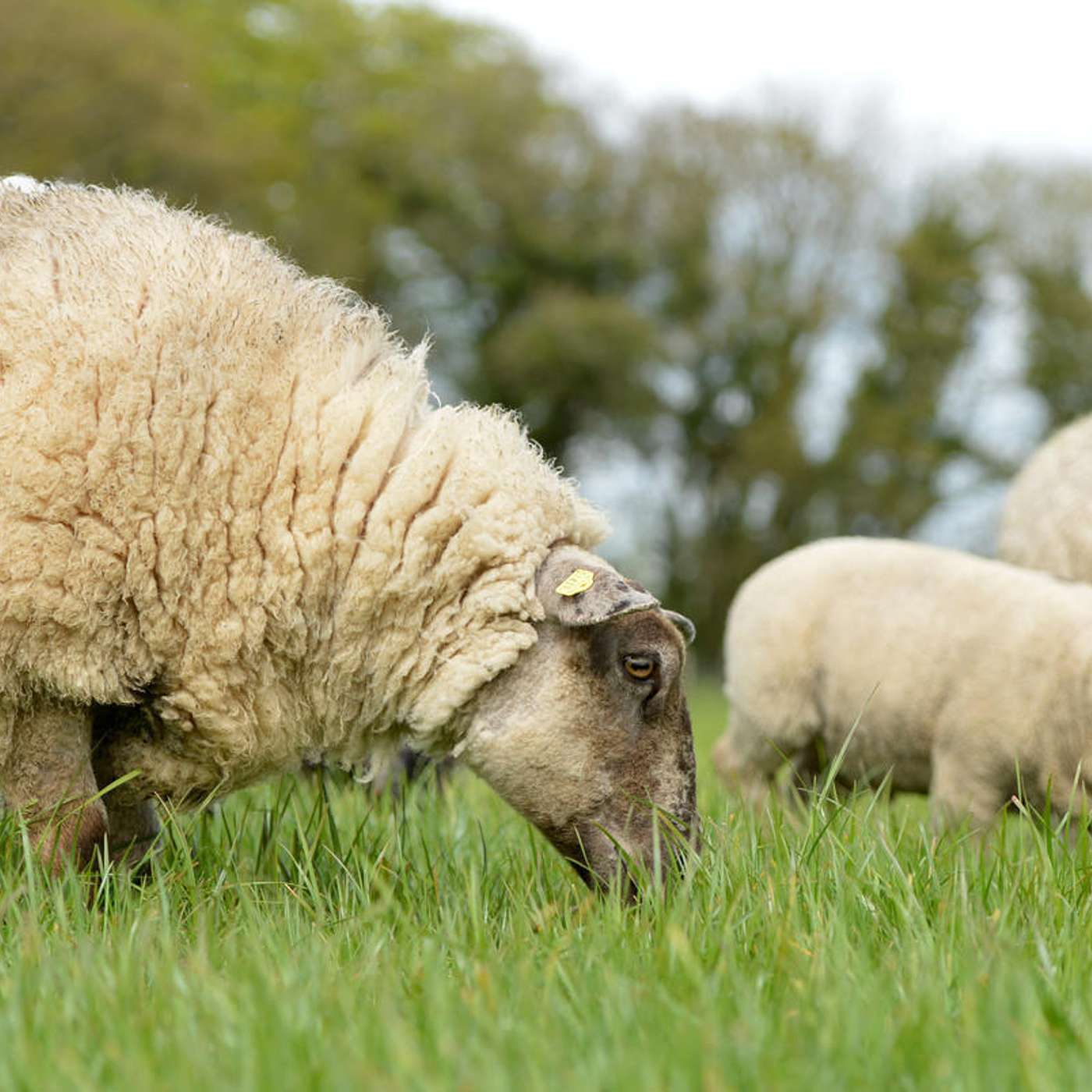
Ep 11: Episode 1 - INZAC Flock Performance & Grassland management
For the first episode we are in Teagasc Sheep Research Centre in Athenry Co. Galway where we focus on flock performance and grassland management. We catch up with Dr Fiona McGovern who provides us with some background to the INZAC project currently running in Athenry as well as an update on how the flock has performed this spring. With he challenges of grassland management during May we get the opportunity to discuss grazing management with Dr Philip Creighton. With increased growth rates and a surplus on many farms Philip outlines his tips on how to maintain lamb performance, keeping grass covers on target and fertilizer recommendations for the coming weeks.