OviCast
331 episodes — Page 5 of 7
Ep 131The latest on the finishing systems for hill bred lambs post weaning study
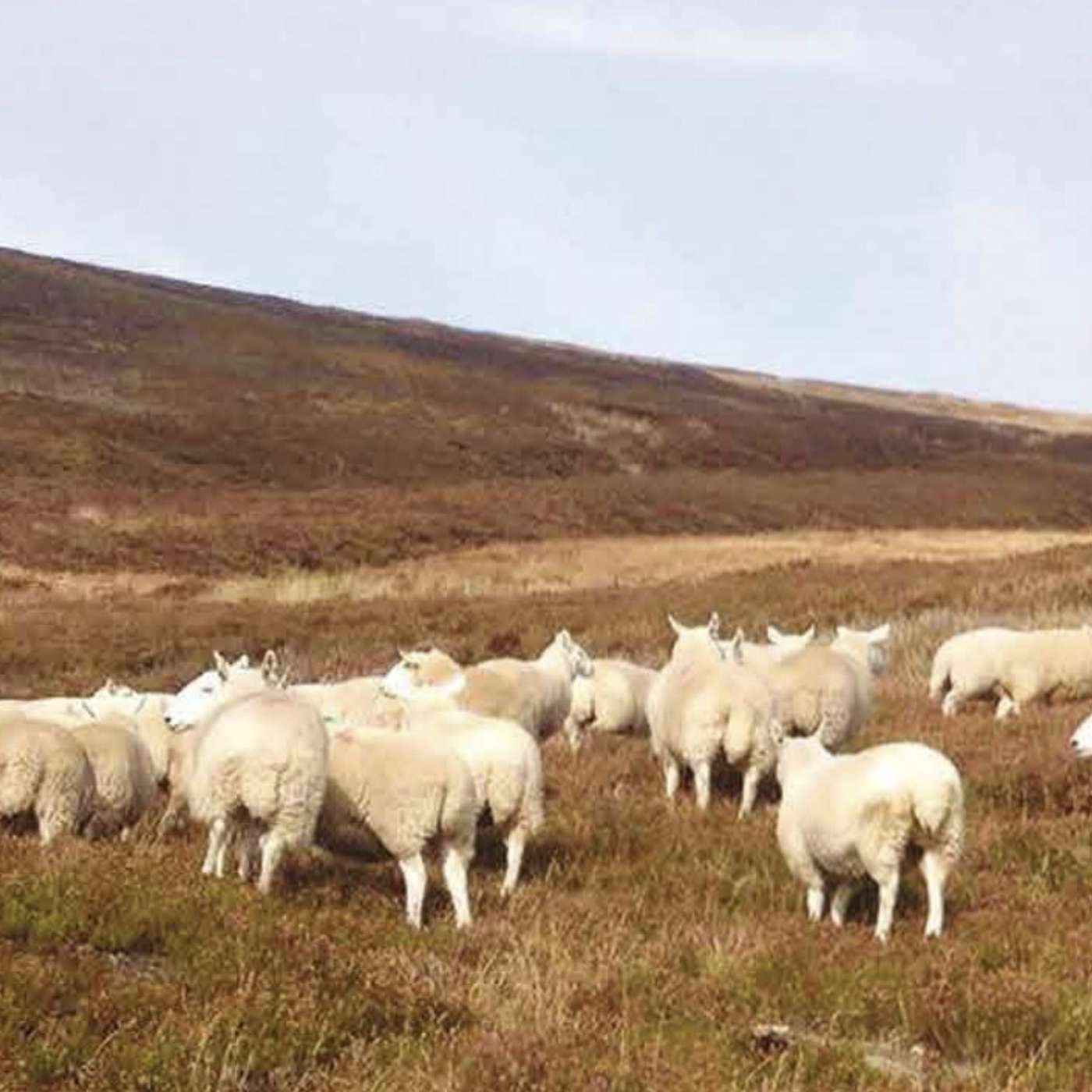
Postgraduate student, Mark Dolan, and Dr Frank Campion join Ciarán Lynch on this week’s OviCast to discuss some of the results of an ongoing study between Teagasc and UCD examining the potential of using forage diets alongside conventional systems to finish hill bred lambs post-weaning. Mark outlines the project now entering its third year and discusses the different forages grown, carrying capacities and lamb performance on the crops. Frank outlines where these crops have a role as well as some of their limitations in conventional systems. With increasing costs in lamb finishing predicted for the coming winter, Frank encourages those with an interest in the area to visit the open day in Teagasc Athenry on June 18th to find out more about the trial and the various options for lamb finishing. For more episodes from the OviCast podcast, visit the show page at: https://www.teagasc.ie/animals/sheep/ovicast-sheep-podcast
Ep 130Update on the companion forage study
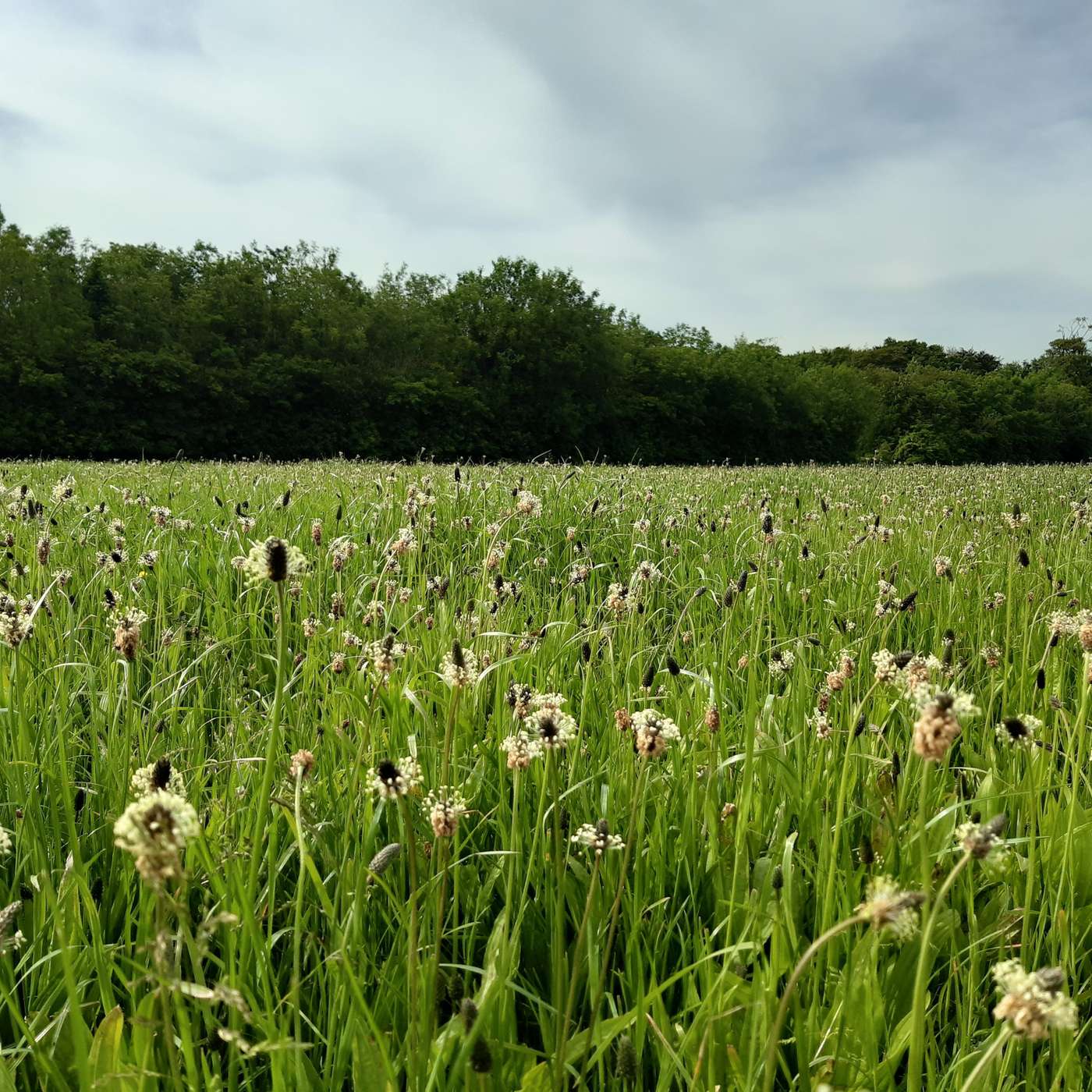
This week’s OviCast is joined by post-graduate student Lisa McGrane and Dr Philip Creighton to discuss some of the results of an ongoing study between Teagasc and UCD examining how companion forages – chicory, plantain, red and white clover - perform alongside a perennial ryegrass sward in sheep systems. With four years data collected, Lisa discusses what impact these forages have had on ewe and lamb performance before moving on to discuss the impact of this on drafting, concentrate supplementation and carcass spec. Keeping some of these forages in the sward can prove challenging, and Philip explains this in more detail as well as some of the aspects they are examining that may help improve persistency. Finally with the upcoming technical open day in the Athenry Research Centre looming Philip highlights how this is an ideal opportunity to hear more about Lisa’s work and the other ongoing studies in Teagasc. To find out more about the upcoming sheep open day why not watch the following short clip: https://youtu.be/2mL4AqygOso For more episodes from the OviCast podcast, visit the show page at: https://www.teagasc.ie/animals/sheep/ovicast-sheep-podcast
Ep 129Update from the BETTER farms
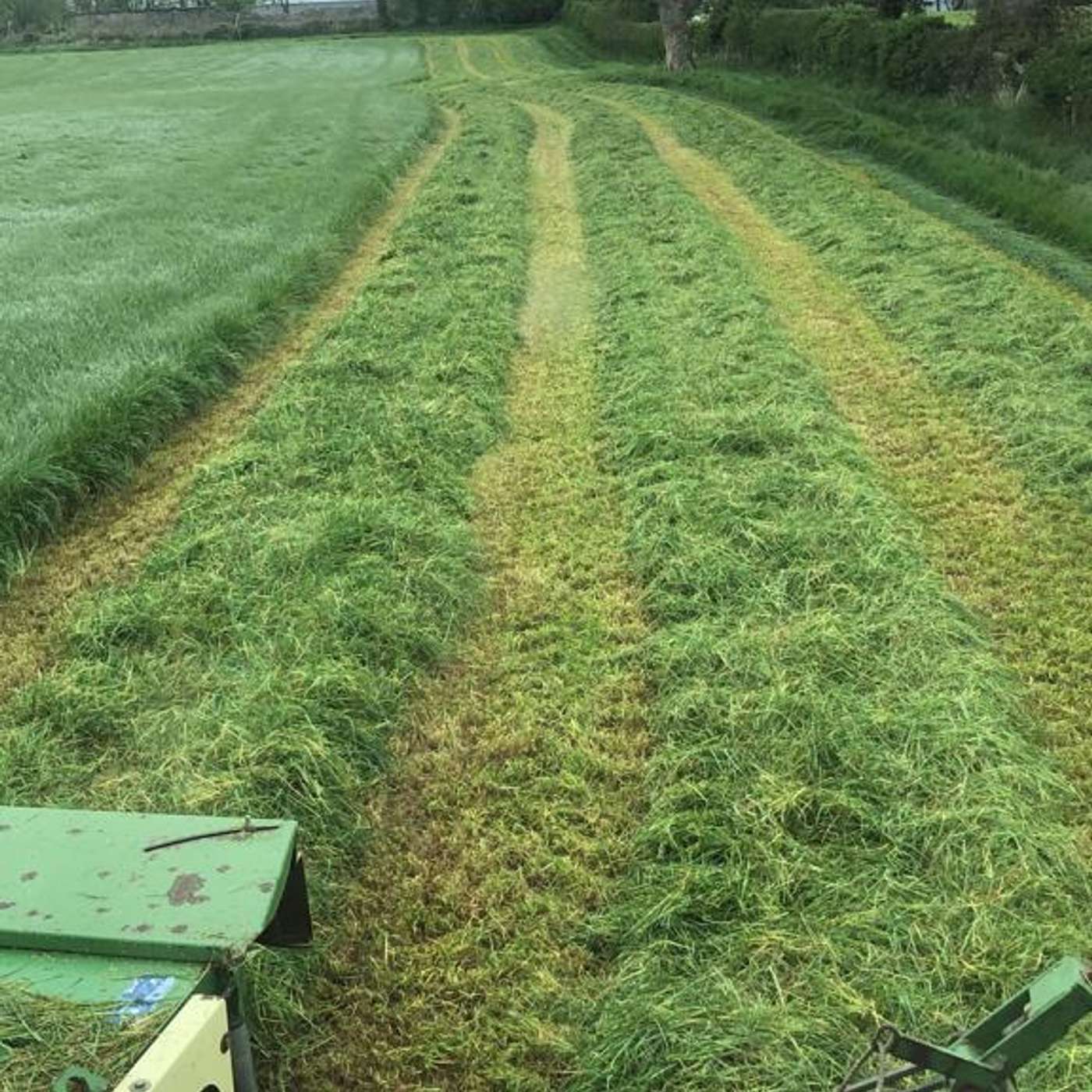
Dr Frank Campion joins Ciarán Lynch on this week’s OviCast with an update on what’s been happening in the BETTER farm flocks. They discuss grass growth, surpluses and silage and some of the management challenges during the past few weeks. With the first round of weighing complete for the lowland flocks, Frank outlines how lambs are performing this spring. They discuss the variation among flocks and across years and discuss how early lamb performance can actually impact management for the rest of the season and examine the options to reduce poor performers. Finally, Frank offers his advice on keeping lambs on track for the coming weeks. For more episodes from the OviCast podcast, visit the show page at: https://www.teagasc.ie/animals/sheep/ovicast-sheep-podcast
Ep 128Parasite Control TASAH Consult
Dr Natascha Meunier from Animal Health Ireland is on this week’s OviCast podcast to tell us more about the Targeted Advisory Service on Animal Health (TASAH) parasite control consult which is a new fully funded programme from Animal Health Ireland. Natascha starts by putting the challenge of resistance in context and why we need to proactively address it. The parasite control consult is available to cattle and sheep farmers and Natascha explains the aim of the programme and what it offers farmers who wish to participate. The TASAH programme will fund a veterinary farm visit from trained practitioners and two faecal egg counts, we discuss how this provides an ideal opportunity to start looking at the resistance status on farms. We finish up with Natascha explaining how to register for this programme and avail of this initiative this season. To find out more about the TASAH parasite consult please visit the dedicated page on the Animal Health Ireland Website: https://bit.ly/TASAH_Parasite_Control For more episodes from the OviCast podcast, visit the show page at: https://www.teagasc.ie/animals/sheep/ovicast-sheep-podcast
Ep 127The key factors in producing high quality silage
Following on from the previous episode, Ciarán Lynch is re-joined by Dr. Tim Keady to discuss some of the various factors that influence silage digestibility. Tim covers a wide range of factors from harvest date and pre-closing management to heading date and sward type and he also discusses the pros and some cons to wilting. Tim explains the potential to make high quality later in the season and offers some tips to achieve this. He discusses the impact of poor preservation and the role of additives with Tim explaining how these work. He also highlights the impact of chop length on stock performance. Finally, Tim summarises the key points to consider to produce high feed value silage. For more episodes from the OviCast podcast, visit the show page at: https://www.teagasc.ie/animals/sheep/ovicast-sheep-podcast
Ep 126Silage – why quality matters
As silage season is kicking off, this week’s OviCast is joined by Dr. Tim Keady to discuss the importance of focusing on quality. Tim highlights why high feed value silage is essential for the coming year and the opportunities it presents. Tim sets the target of producing 75+ DMD silage to sustain high levels of performance and allow for concentrate saving in the coming winter. He discusses the impact of silage quality on the performance pregnant ewes and beef systems before then discussing the concentrate sparing effect of high quality silage - something that will certainly come into focus in the coming winter. Finally, Tim discuss how much high quality silage is required in the system. For more episodes from the OviCast podcast, visit the show page at: https://www.teagasc.ie/animals/sheep/ovicast-sheep-podcast
Ep 125Getting clover into the system
With clover more in focus than ever, this week’s episode of OviCast is joined by Germinal’s Dr Mary McEvoy to discuss in more detail. Mary outlines the role of clover in swards and its potential benefits and talks about the different establishment methods from a full reseed to over-sowing. She discusses field selection, sowing rate and a number of other key factors that will influence its success. Mary then takes us through pre and post-sowing management to ensure good establishment while in the latter half of the podcast she discusses the potential of red clover in sheep systems with Mary outlining the advances that have been made in breeding to improve the varieties available. Download the Teagasc Clover booklet here: https://www.teagasc.ie/media/website/publications/2021/Management-and-establishment-of-grass-white-clover-swards.pdf For more episodes from the OviCast podcast, visit the show page at: https://www.teagasc.ie/animals/sheep/ovicast-sheep-podcast
Ep 124Update from the Regional Veterinary Lab
Maresa Sheehan from the Dept. of Agriculture’s Regional Veterinary Laboratory in Kilkenny joins Ciarán Lynch on this week’s OviCast with an update on some of the issues she and her colleagues are encountering at the moment. The relatively mild winter and spring has helped many farms but it has also posed a risk for various parasite challenges from fluke to Nematodirus and Coccidia which are discussed in more detail. Maresa highlights how April tends to be a high risk period for clostridia issues as the maternally derived immunity in lambs wanes leading to sudden deaths in lambs arriving in the lab. She then discusses some of the chronic diseases affecting ewes and on this theme, Maresa discuss a new project that will get underway this year which will hopefully shed some light on those thin, pining ewes in flocks. Finally, Maresa encourages farmers to investigate health issues in their flock as it is the first step to addressing the issue. For more episodes from the OviCast podcast, visit the show page at: https://www.teagasc.ie/animals/sheep/ovicast-sheep-podcast
Ep 123Nematodirus in lambs
Dr James O’Shaughnessy from the Dept. of Agriculture Central Veterinary Research Laboratory in Backweston joins Ciarán Lynch on this week’s OviCast podcast to discuss Nematodirus disease in lambs. James starts by describing the life cycle of Nematodirus and how it differs from other stomach worms. He discusses how it affects lambs and the symptoms to watch out for and he also discusses the limitations of faecal egg counts for this condition. With the recent release of this year’s Nematodirus forecast, James explains how to use this information and how prevailing weather conditions can affect this from year to year. James moves on to discuss treatment options, offering some insight on the choice and timing of treatment before then discussing the risk of concurrent infection with coccidiosis and how to approach this. Nematodirus can cause severe damage to young lambs and James advocates making use of the regional veterinary labs where sudden losses occur to confirm the cause. Finally, James highlights the importance of correct dosing technique when treating for Nematodirus. The 2022 Nematodirus forecast can be found here: https://www.gov.ie/en/press-release/da3e5-department-of-agriculture-food-and-the-marines-2022-nematodirus-forecast/#:~:text=The%20maximum%20Nematodirus%20egg%20hatching,term%20average%20of%20soil%20temperatures For more episodes from the OviCast podcast, visit the show page at: https://www.teagasc.ie/animals/sheep/ovicast-sheep-podcast
Ep 122Farmer focus: James Johnston - Grass, silage and clover in Co. Kildare
Co. Kildare sheep and beef farmer, James Johnston, and his Teagasc advisor Dr Rachel Taylor join Ciarán Lynch on this week’s OviCast to give an insight into his system, grassland management and how he is addressing some of the challenges going forwards. James first outlines his farming system before discuss grazing groups and the use of temporary fencing, fertiliser and soil fertility. Rachel and James outline the plans for this year’s silage crop, the importance of completing a fodder budget and the role high quality silage has for the winter ahead. Finally, James outlines how he is incorporating red clover into his system in a new reseed and his plans for over sowing white clover into targeted areas each year going forwards. For those interested in completing a fodder budget that Rachel outlined can do so here: http://interactive.teagasc.ie/Open/FeedChecker For more episodes from the OviCast podcast, visit the show page at: https://www.teagasc.ie/animals/sheep/ovicast-sheep-podcast
Ep 121Grassland Focus: Priorities for April
The focus for this week’s episode of the OviCast podcast switches to grassland with Ciarán Lynch joined by Dr Philip Creighton to discuss the key priorities for April. Philip starts by discussing the current grazing situation before then moving on to discuss the key management tasks from grouping up to temporary fencing with Philip explaining the impact this has on grass growth and animal performance. He offers some advice on fertiliser application during April and the impact that this has on the system. He then discusses planning next year’s winter fodder on farms emphasising the need to focus not only on quantity but quality silage. Finally, Philip highlights the upcoming round of spring grass walks that will be held nationwide. For more on food and fodder security go to: https://www.teagasc.ie/animals/beef/food-and-fodder-security/ For more episodes from the OviCast podcast, visit the show page at: https://www.teagasc.ie/animals/sheep/ovicast-sheep-podcast
Ep 120Supplementing triplet rearing and yearling ewes post-lambing
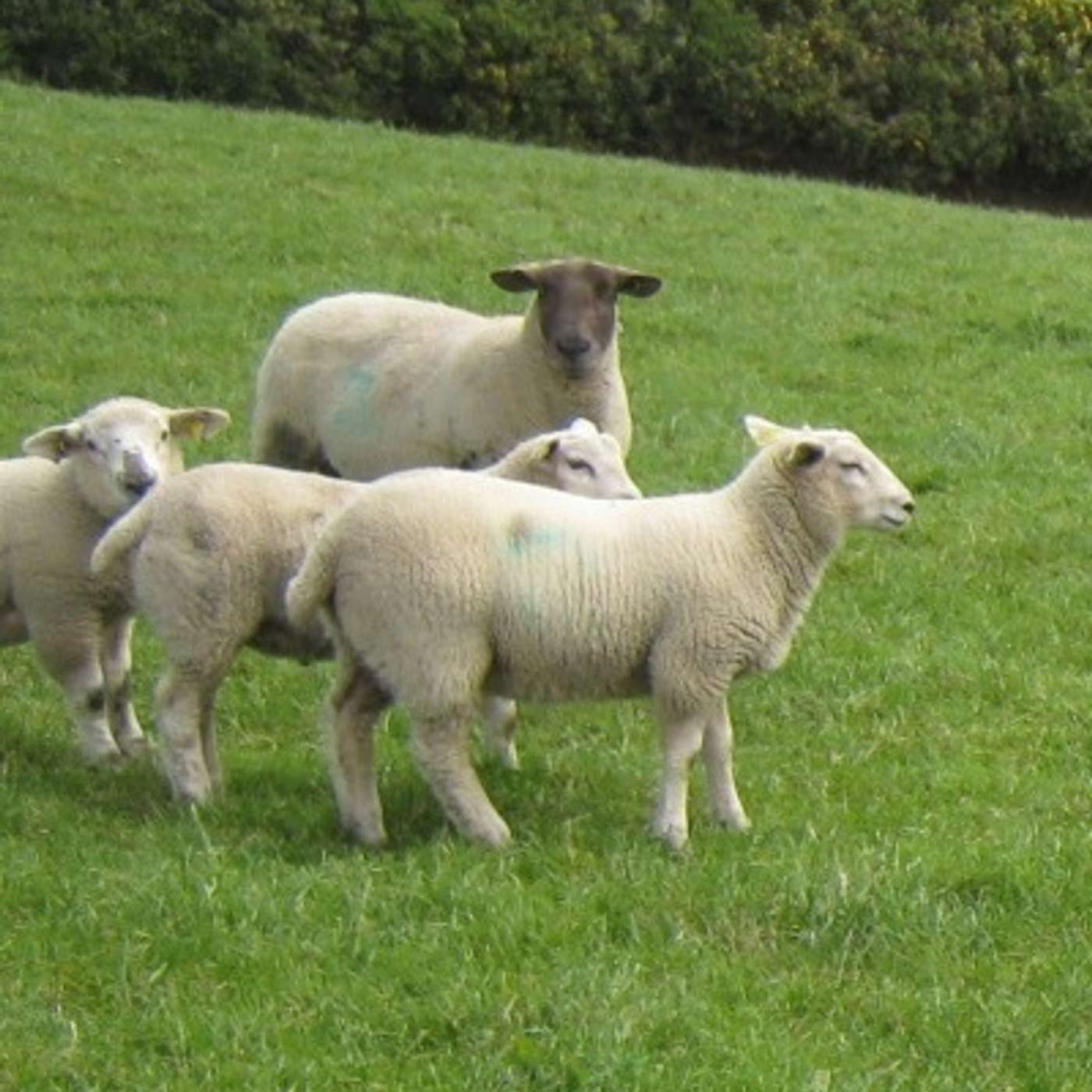
Dr Tim Keady joins Ciarán Lynch on this week’s OviCast to discuss the management of triplet rearing and yearling ewes post-lambing. Tim starts by highlighting the need to have a system to deal with multiples in prolific flock outlining the various options that are available. He takes us thorough the economics of rearing the third lamb on a ewe and discusses the energy requirements post-lambing with Tim outlining the supplementation strategy to make up the shortfall. Plus he outlines the role of condition score and suitability of ewes to manage in this system. Similarly Tim talks about his work with yearling or one year old ewes and how they need separate management, highlighting their nutritional requirements and the potential supplementation strategies to ensure they stay on track. For more episodes from the OviCast podcast, visit the show page at: https://www.teagasc.ie/animals/sheep/ovicast-sheep-podcast
Ep 119Managing artificial reared lambs – transitioning off milk
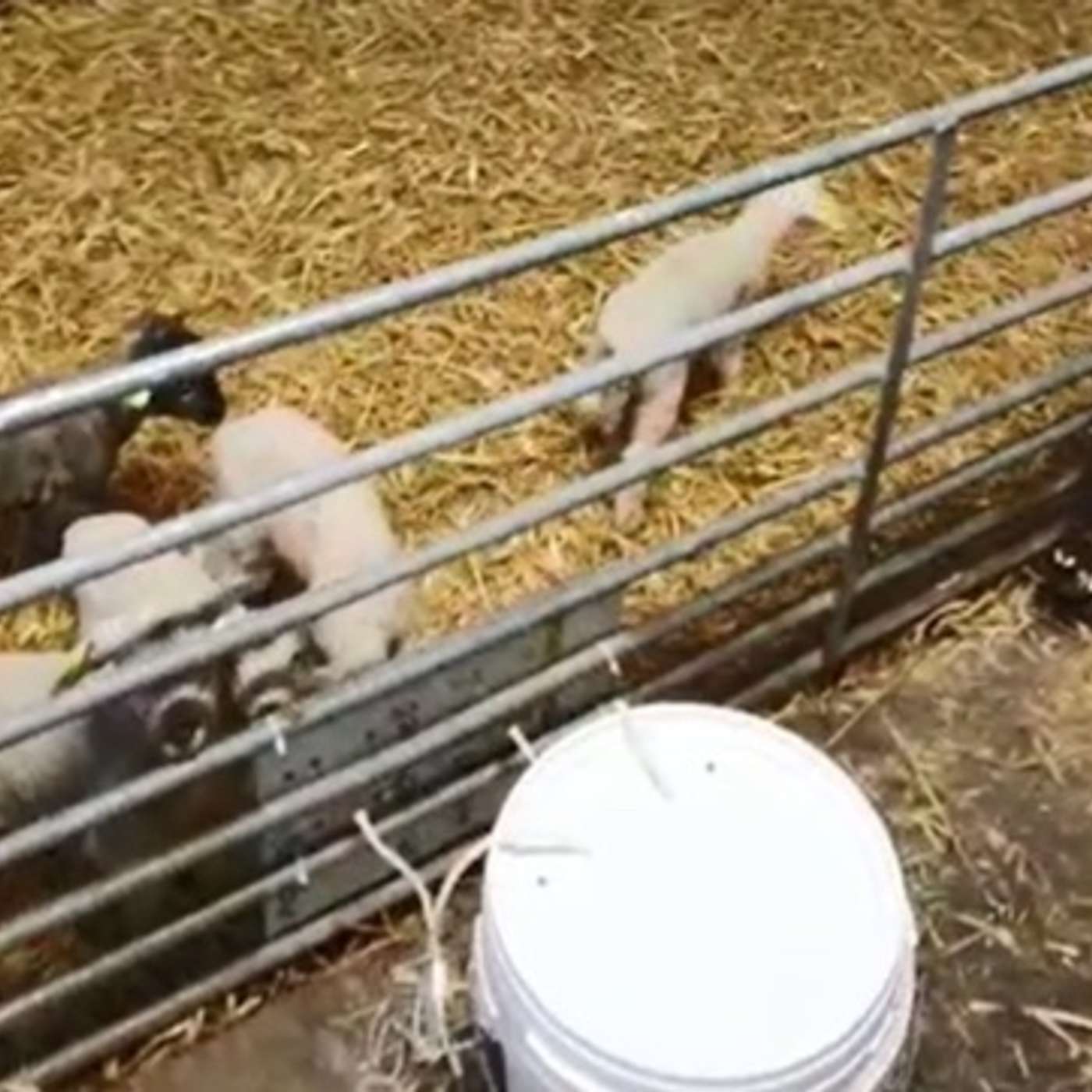
With many farms in the middle of lambing, this week’s OviCast focuses on artificial reared lambs with Michael Gottstein Head of Sheep in Teagasc. Michael starts off by highlighting the need to have a system in place to deal with orphan or pet lambs on farms. He outlines the various systems available and the importance of getting them set up on the feeder system early. As this can be a costly system mainly due to the milk replacer input, we discuss the importance of grouping up lambs in weekly batch sizes to facilitate their transition to cold milk and introduction of concentrate and roughage, with Michael outlining a number of practical tips to help prepare them for weaning. Finally, Michael outlines the target inputs for the system and the costs involved. For more episodes from the OviCast podcast, visit the show page at: https://www.teagasc.ie/animals/sheep/ovicast-sheep-podcast
Ep 118Tackling Joint Ill
Vet Tommy Heffernan, aka Tommy the Vet, joins Ciarán Lynch on this week’s OviCast to discuss joint ill infection in lambs. Tommy starts by explaining the condition in a bit more detail and then discusses the bacteria that can cause the condition and their potential sources. Tommy describes the presentation of the condition, routes of transfer and how that infection affects the joint. He also highlights how doubling down on the basics of hygiene and colostrum management have a big impact on reducing risk of the condition. For treatment, Tommy offers his insights on effective treatment methods before finishing up with him urging farmers to revisit the basics and look at making the overall system easier to operate during lambing. For more episodes from the OviCast podcast, visit the show page at: https://www.teagasc.ie/animals/sheep/ovicast-sheep-podcast
Ep 117Dealing with Orf
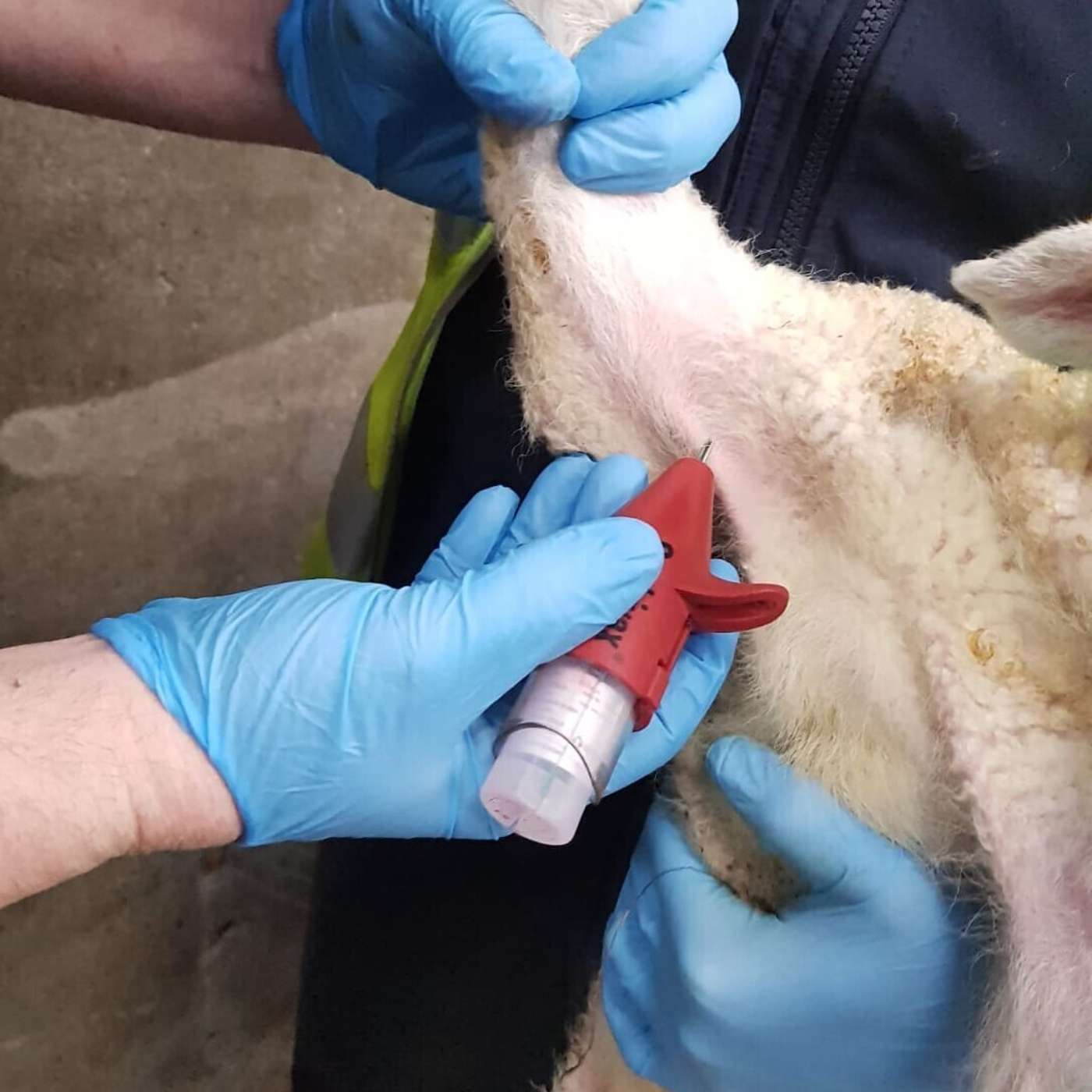
Vet Cara Sheridan, ruminant technical advisor with MSD Animal Health, joins Ciarán Lynch on this week’s OviCast to discuss various aspects of dealing with orf on farms. Cara starts by explaining a bit more about the condition, where it typically occurs and some of the predisposing factors. She discusses the vaccination process detailing the timing of administration and interval until immunity is reached. Cara then takes us through the actual vaccination procedure highlighting some practical tips and pitfalls before finally, discussing treatment options in the face of an outbreak. For more episodes from the OviCast podcast, visit the show page at: https://www.teagasc.ie/animals/sheep/ovicast-sheep-podcast
Ep 116Investigating flock health problems
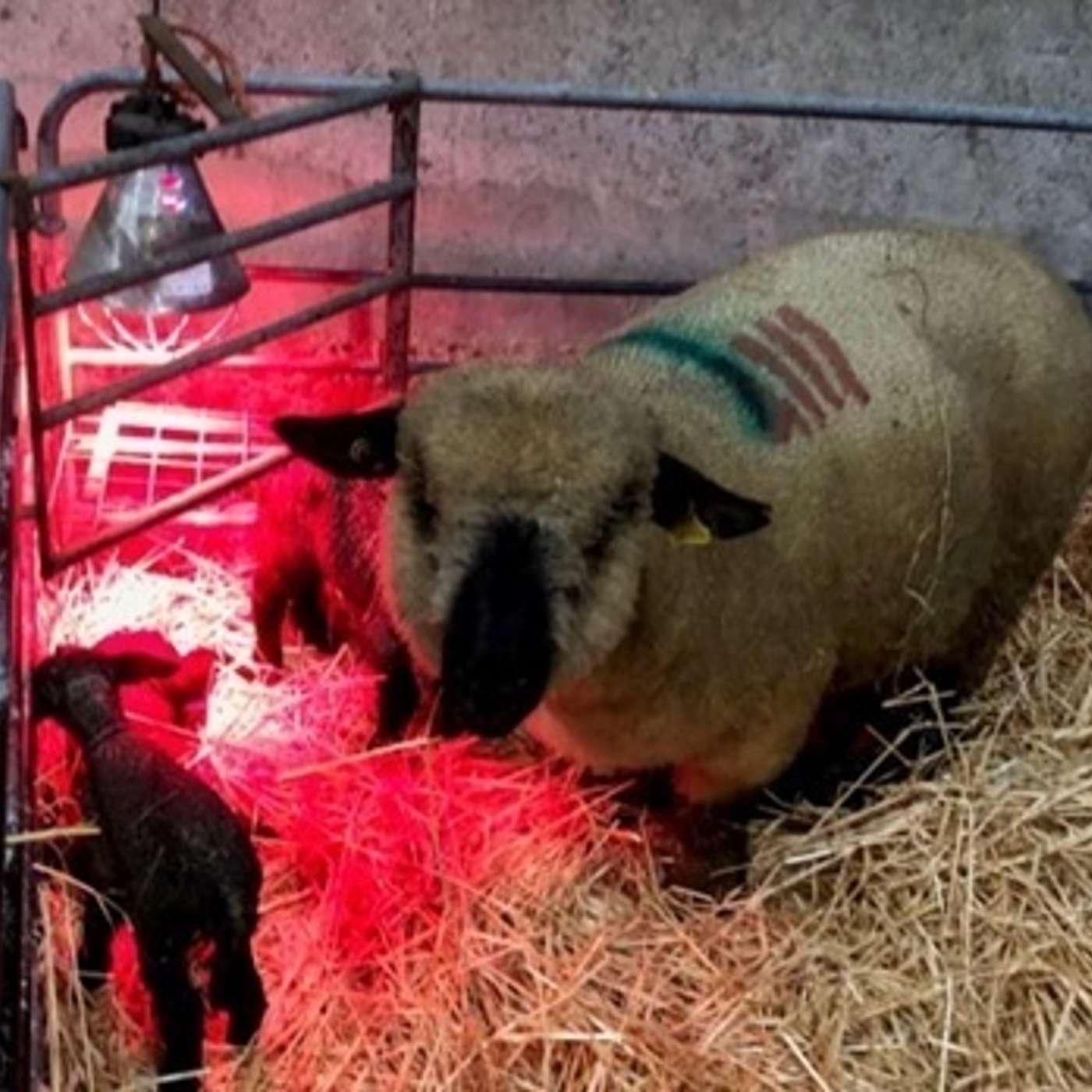
As we head into peak lambing season we also start to encounter flock health issues on farms and on this week’s OviCast is Dr Shane Mc McGettrick of the Department of Agriculture Regional Veterinary Lab (RVL) in Sligo to discuss this issue in more detail. Shane starts by encouraging farmers to submit samples where they encounter problems with abortions or increased mortality this spring and to identify the cause and start to address the issue. Shane describes the common issues they see in the lab at this stage of the season and takes us through the submission procedure for samples and what is required as well as discussing the timeline from submission of samples until results are available. As some of the conditions that cause issues on farms are zoonotic, particularly in the case of a number of the abortive agents, Shane highlights why we need to take extra care to protect human health. He also discusses why aborted ewes should be isolated form the main flocks early to minimise spread and finally, he urges caution when considering purchasing foster ewes and introducing them to the flock during this busy period. For more episodes from the OviCast podcast, visit the show page at: https://www.teagasc.ie/animals/sheep/ovicast-sheep-podcast
Ep 115Hill sheep conference preview
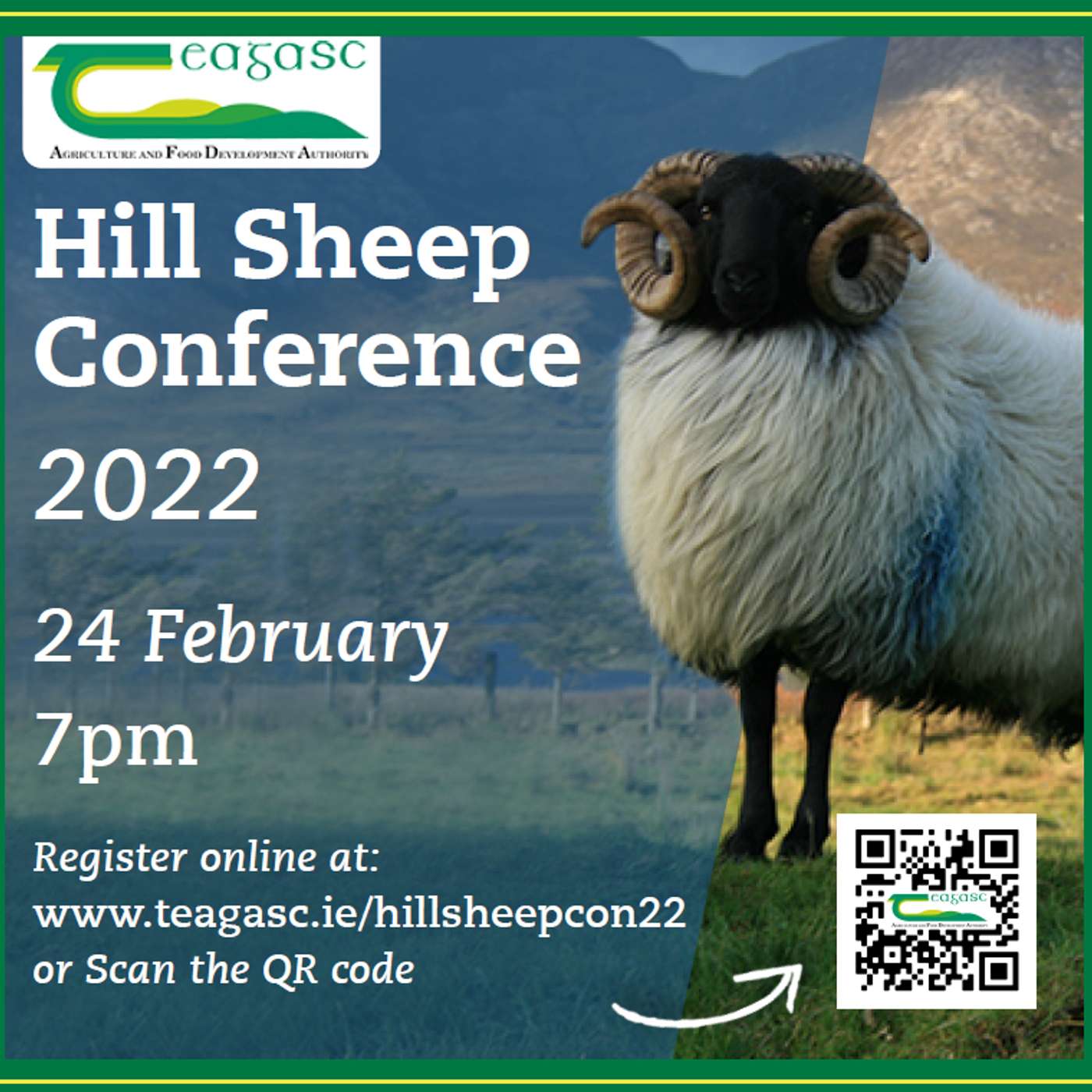
Sheep Specialist, Damian Costello, joins Ciarán Lynch on this week’s OviCast with a preview of the Teagasc Hill Sheep Conference that is taking place on Thursday, 24th February in the Clayton hotel in Sligo at 7pm. This marks the return of the conference to an in-person event but as Damian explains, there is also an option to join online via Zoom with registration - details are on the Teagasc webpage. Damian profiles the speakers and the topics that will be covered on the night and how they have a broad appeal to many in the industry, and not only those directly involved in the hill sector. Finally, Damian explains how attendees, both in-person and online. will have the option to ask questions of the speakers on the night. For more details please visit: https://www.teagasc.ie/news--events/national-events/events/hillsheepcon22.php For more episodes from the OviCast podcast, visit the show page at: https://www.teagasc.ie/animals/sheep/ovicast-sheep-podcast
Ep 114Colostrum Part 2: Impact on the lamb
This week’s OviCast is the second part of the discussion on colostrum with Professor Tommy Boland and he discusses how colostrum impacts the lamb. Tommy starts by explaining the various roles colostrum has once it is consumed by the newborn lamb and how each of these affects lamb survival and performance. He highlights the importance of ensuring the lamb consumes sufficient quantities of colostrum quickly after birth and how this affects the transfer of immunity from the ewe to the lamb. Tommy discusses the colostrum alternatives that are available and what role they play, and why caution is needed when using them. Finally, Tommy offers his insights on how colostrum intake not only influences lamb survival and passive immunity,, but also plays a role in the early development of the rumen and impacts on subsequent lamb performance. For more episodes from the OviCast podcast, visit the show page at: https://www.teagasc.ie/animals/sheep/ovicast-sheep-podcast
Ep 113Colostrum Part 1: what influences ewe production
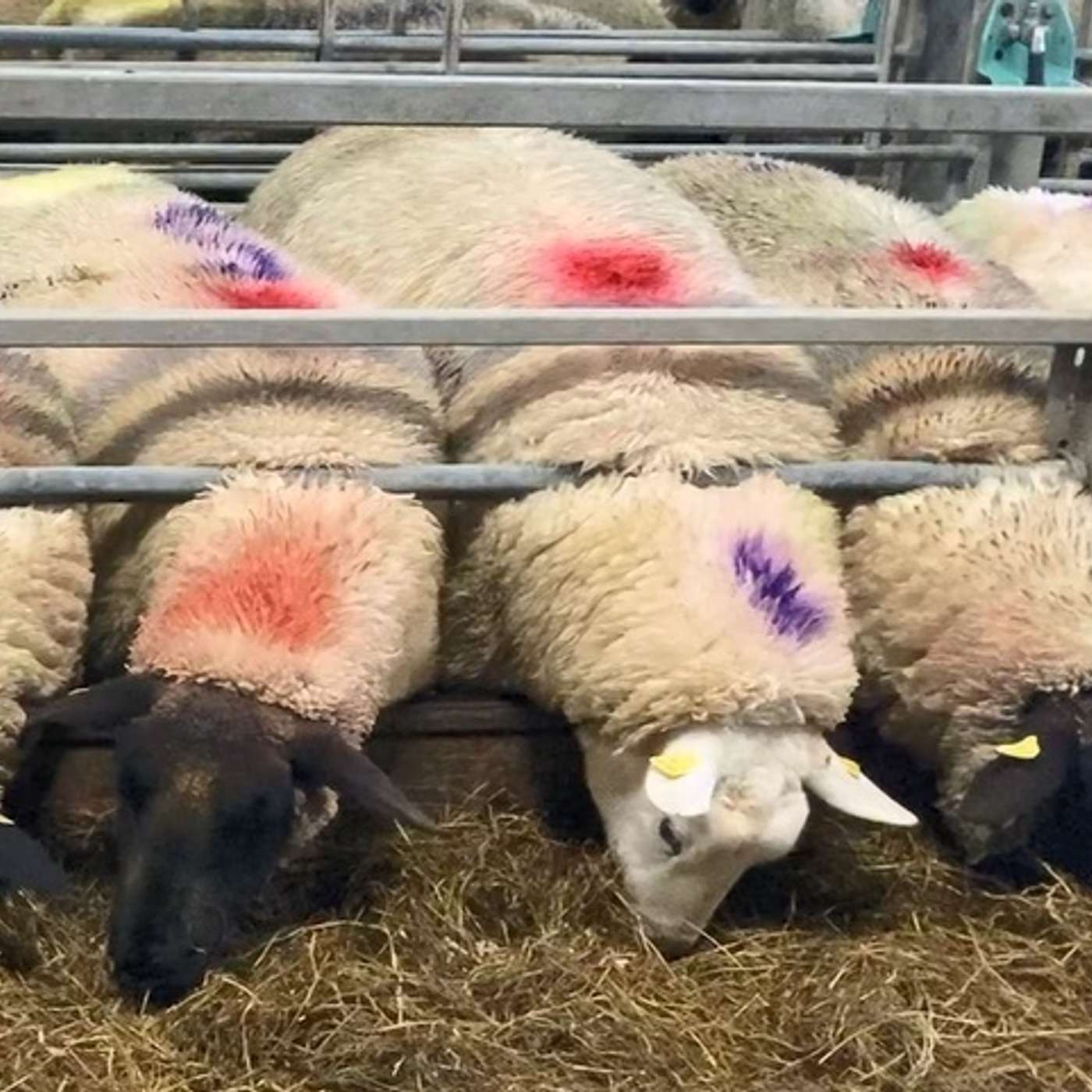
Ensuring lambs receive adequate colostrum is vital to get them off to the best possible start and making sure ewes have adequate supplies is the starting point for this. In a 2-part special, Professor Tommy Boland joins Ciarán Lynch on this week’s OviCast to discuss this important topic in more detail. Firstly, Tommy focuses on the factors that influence colostrum production in the ewe and he explains the various functions of colostrum. Tommy discusses how production starts and the quantity a ewe needs to produce with Tommy explaining the various nutritional factors that have an impact on the quantity and quality of colostrum a ewe produces. He also explains the effects that ewe body condition, age and breed have on colostrum production and details some of reasons for poor milk let down in ewes post-lambing. Finally, Tommy discusses why the importance of getting management right not only ensures adequate colostrum production, but also sets the ewe up for early lactation. For more episodes from the OviCast podcast, visit the show page at: https://www.teagasc.ie/animals/sheep/ovicast-sheep-podcast
Ep 112Planning ahead with a fertiliser budget
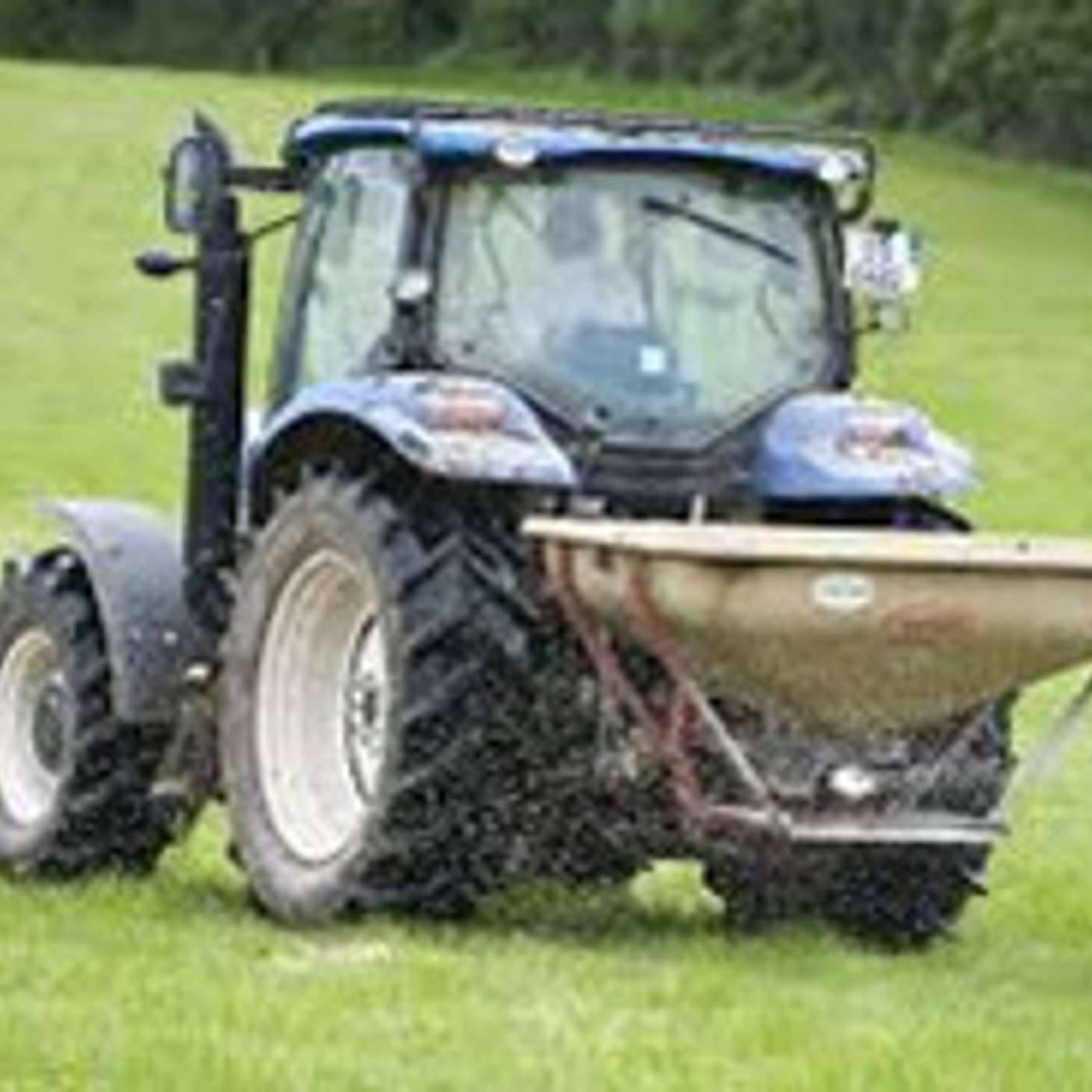
Following on from last week’s OviCast, Michael Gottstein joins Ciarán Lynch on the latest episode to discuss planning a fertiliser budget for your farm this year. Michael starts by discussing the challenge that increased fertiliser prices pose on farms and why it’s important to take action now. He explains why it’s important to look at your overall fertiliser spend on farm now and take into account what merchant credit and alternative credit is available to avoid the situation of unforeseen debt later in the year. Michael outlines a practical example of a fertiliser budget that he completed for a farmer this spring. He details how the farmer will incur an increase in spend but, through product substitution and a slight reduction in application rate, it will still allow the farmer to spread 80% of the nitrogen he used last year with the budget available. Michael discusses the option for some farms to reduce stocking rate by selling unproductive stock and why it’s a year to focus on the basics of grassland management and correcting soil pH. Finally, Michael encourages farmers to complete a fertiliser budget and seek assistance from advisors in completing this task where necessary. For more information: https://www.teagasc.ie/publications/2022/virtual-sheep-conference-2022.php For more episodes from the OviCast podcast, visit the show page at: https://www.teagasc.ie/animals/sheep/ovicast-sheep-podcast
Ep 111Opening covers, fertiliser and planning ahead
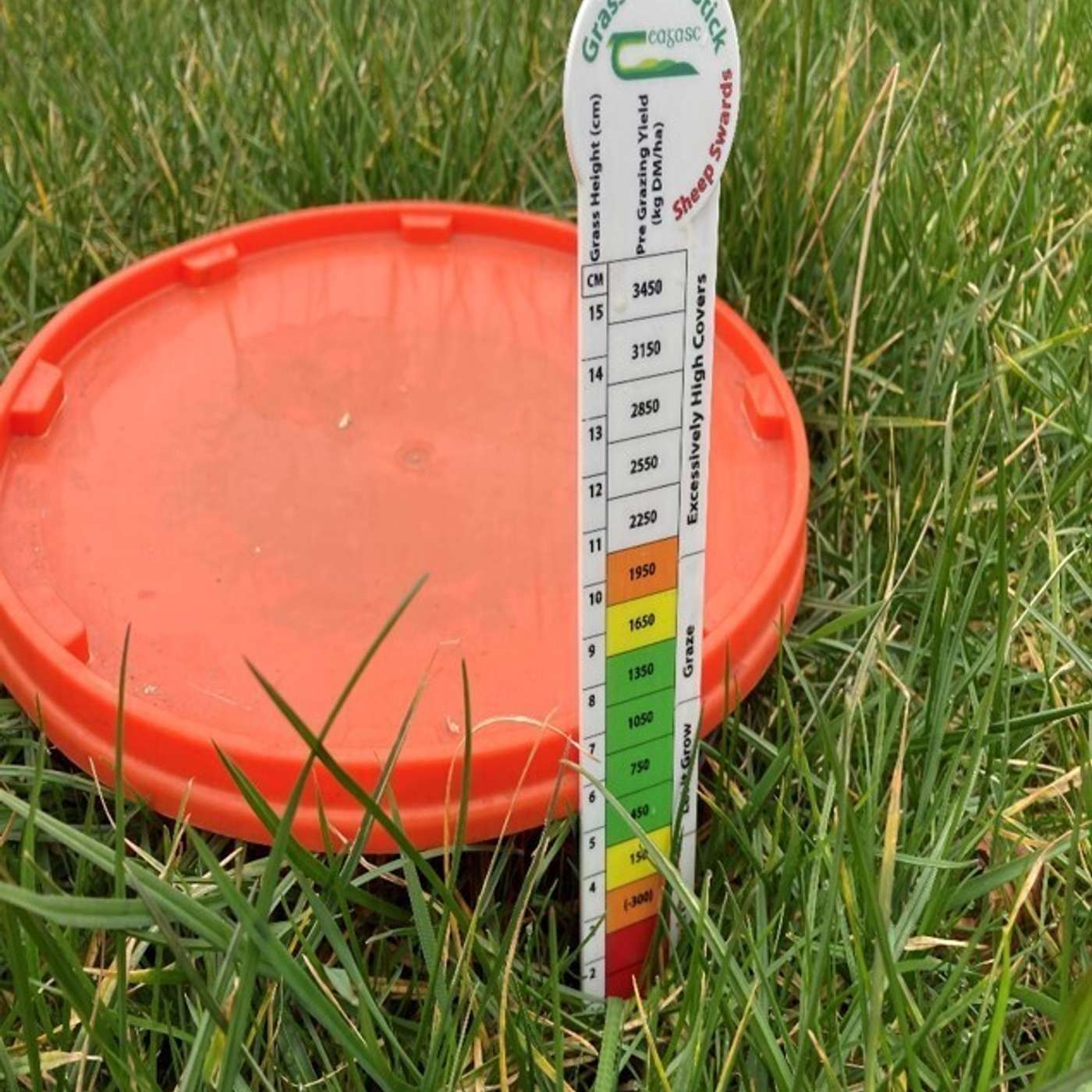
Grassland researcher, Dr Philip Creighton, joins Ciarán Lynch on this week’s OviCast podcast to discuss various aspects of grassland management this spring. Philip starts by discussing current grass availability on farm with the higher than average winter growth. He moves on to the topic of fertiliser purchases this spring and Philip emphasises the need to complete a budget for the fertiliser spend on the farm this year. Philip explains the impact that timing, conditions and grass covers have on response rates for fertiliser this spring and he also discusses tailoring fertiliser application rates depending on stocking rate and demand on farm. With producers considering alternative feed supplies, Philip highlights the pitfalls of relying on purchased concentrate to make up the shortfall in feed supply where fertiliser isn’t applied. Philip also discusses using available slurry and FYM and why compound P & K will need to be applied on recent reseeds, where clover has been established, and low indexed silage ground where needed. He encourages farmers to consider conducting a soil test this year and to apply lime where needed. Finally, Philip highlights how getting grazing groups established early will be key to managing supply this spring with reduced fertiliser input – a topic OviCast will revisit as spring progresses. For more episodes from the OviCast podcast, visit the show page at: https://www.teagasc.ie/animals/sheep/ovicast-sheep-podcast

Ep 110National Sheep Conference preview
With the Teagasc National Sheep Conference just around the corner, this week’s OviCast was joined by Dr. Fiona McGovern to give us a preview of what’s in store this year. Fiona starts by discussing the format and topics covered in this year’s conference which takes place online over two nights on Tuesday and Thursday the 25th and 27th of January at 8pm. Fiona and Ciarán discuss the line-up of speakers with Fiona giving the highlights of the papers on both nights. Finally, they finish up with Fiona explaining how you can register for this year’s conference. To find out more and register please visit: www.teagasc.ie/sheepcon22 For more episodes from the OviCast podcast, visit the show page at: https://www.teagasc.ie/animals/sheep/ovicast-sheep-podcast
Ep 109Why it’s time to soil sample
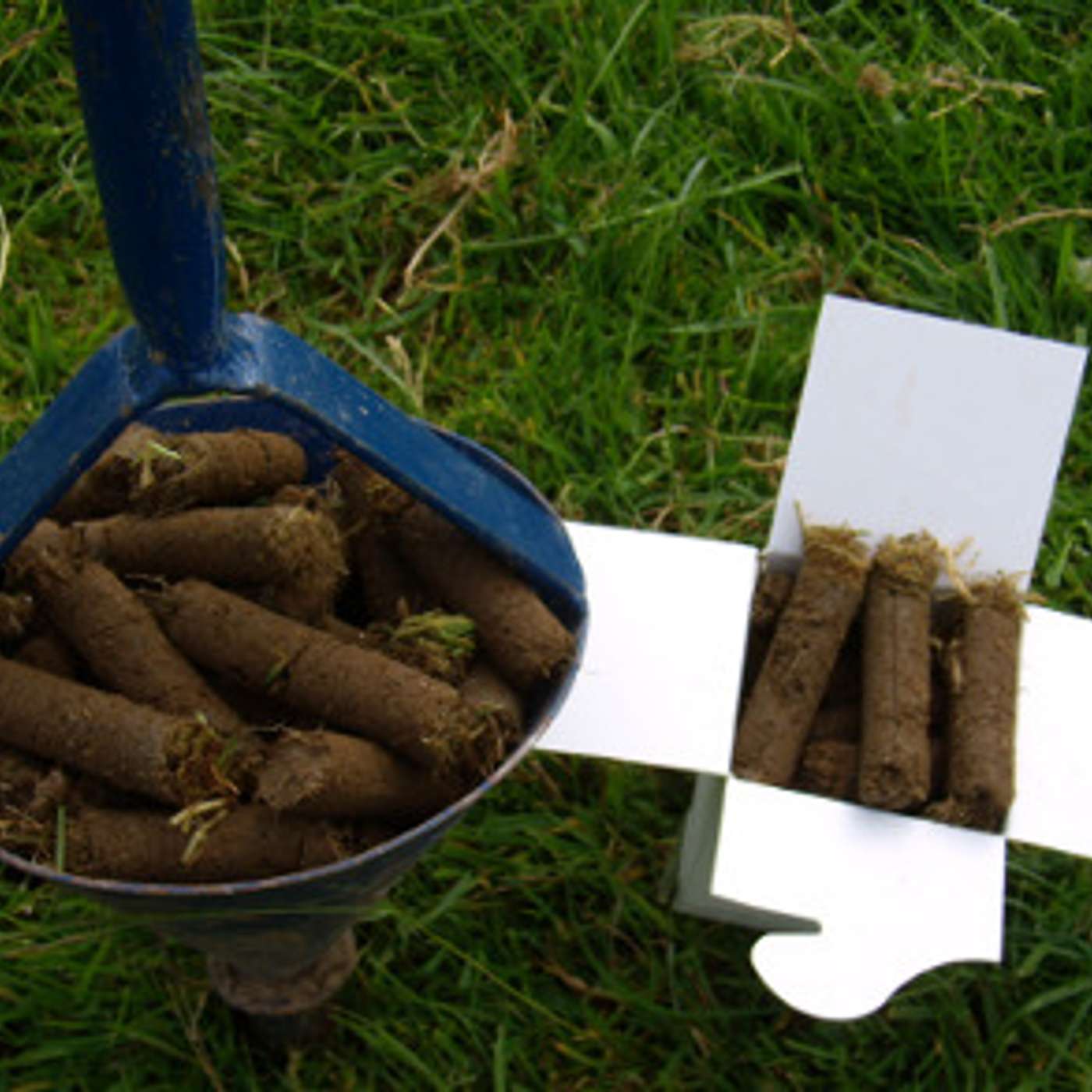
Teagasc Advisor, Christy Watson, joins Ciarán Lynch on this week’s OviCast to discuss the importance of tacking soil fertility. Christy starts by explaining why now is the ideal time to take soil samples on farms to determine the fertility status and identify areas that need attention. Christy takes us through the soil sampling process from how many samples per hectare to the correct collection method and he discusses the importance of acting on the result with Christy highlighting potential savings that can be made by reducing compound usage on high indexed grazing ground this year. However, Christy also highlights the need to make best use of slurry and farmyard manure on silage ground, highlighting the P and K offtake that occurs on an annual basis and the impact this has on yields. Finally, he explains the importance of liming and why this is the first port of call when addressing soil fertility issues. For more episodes from the OviCast podcast, visit the show page at: https://www.teagasc.ie/animals/sheep/ovicast-sheep-podcast
Ep 108Farmer focus: Shane Moore, housing scanning and feeding plans
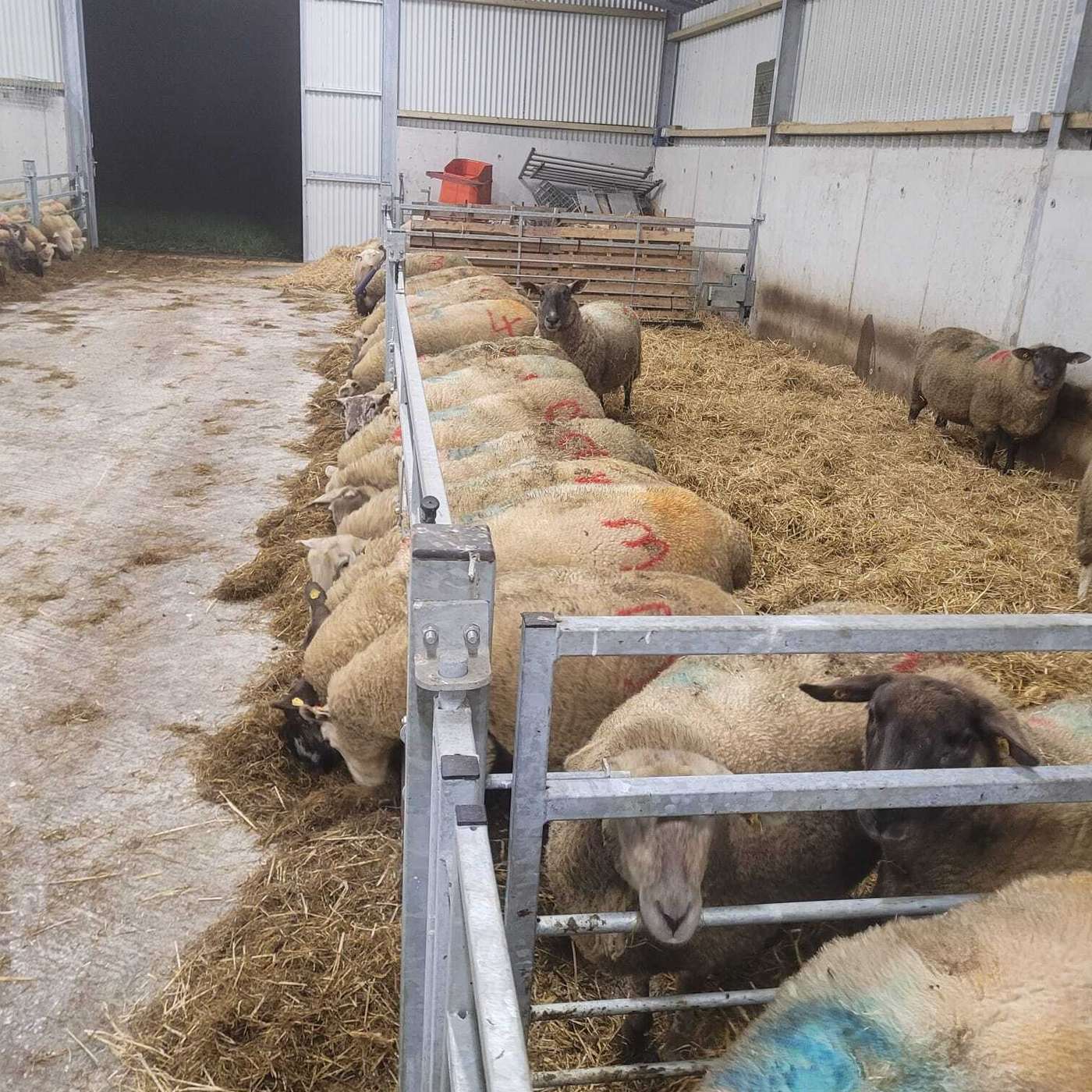
Shane Moore, a Teagasc BETTER Farm Sheep Programme participant who is farming outside Athleague in Co Roscommon, joins Ciarán Lynch on this week’s OviCast. Shane starts by giving a quick re-cap on how mating went this year before discussing closing up his grazing ground this winter and housing the flock earlier than expected in December. Shane describes the new sheep house that he put up last year and how it left management of his flock a lot easier. He explains this year’s scan results and how he plans to split the flock up for penning on the basis of litter size and expected lambing date. Finally, he discusses silage results, his feeding plans and why he feels it’s important to start supplementing his pregnant ewe lambs early. For more on the Teagasc BETTER Farm Sheep Programme visit: https://www.teagasc.ie/animals/sheep/better-farm-sheep/ For more episodes from the OviCast podcast, visit the show page at: https://www.teagasc.ie/animals/sheep/ovicast-sheep-podcast
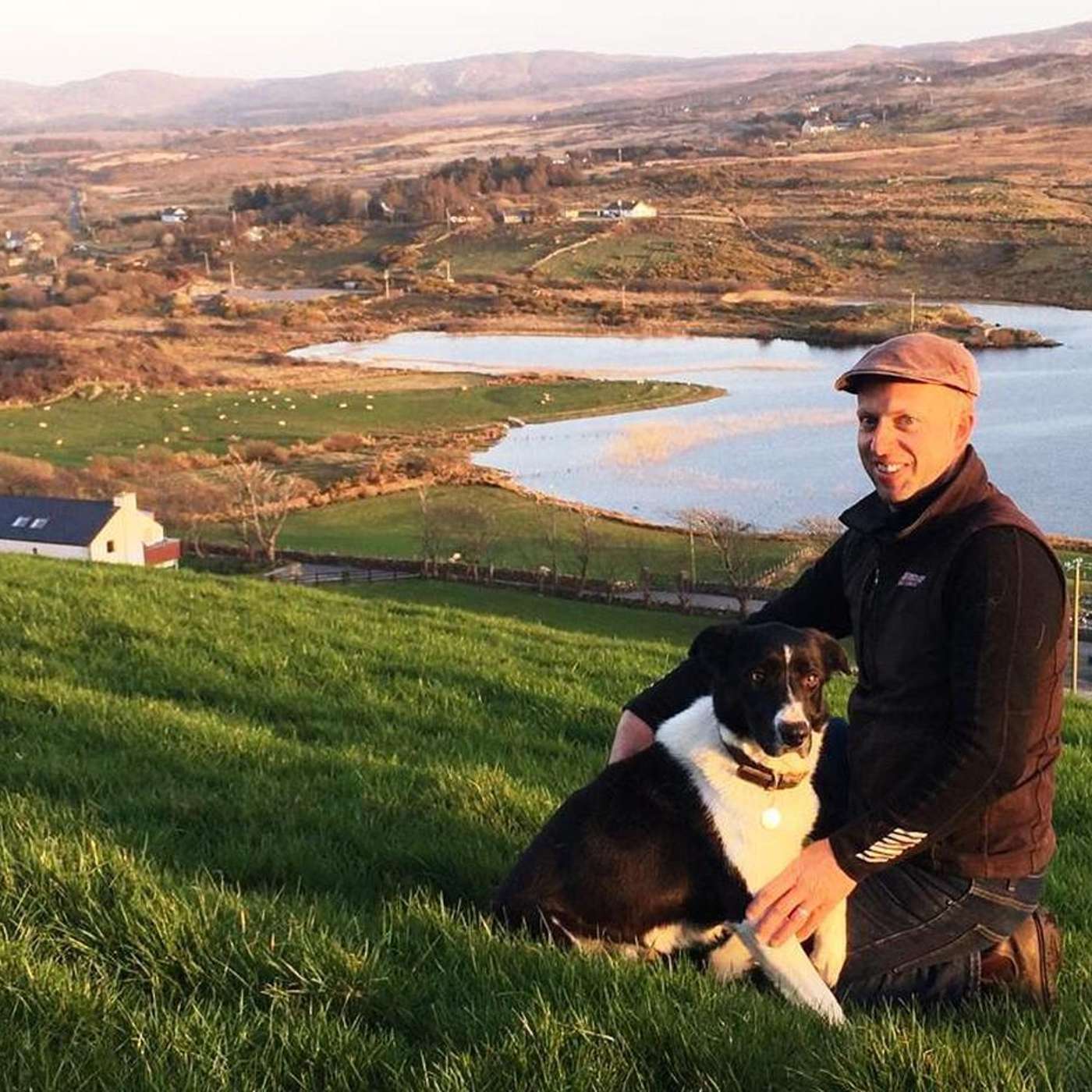
Ep 107Farmer Focus: Tomás O’Toole and his lamb finishing in the west
Tomás O’Toole, a Teagasc BETTER Farm Sheep Programme participant, who is farming in Moyard outside of Clifden Co Galway, and sheep specialist Damian Costello, join Ciarán Lynch on this week’s OviCast podcast. Tomás runs a split hill and lowland flock and a suckler to weaning system which he explains in more detail. He discusses the changes in his flock over the past number of years and his decision to run two separate sheep enterprises, his breeding decisions and the progress and challenges he has encountered on the way. Tomás explains the move away from selling store lambs to finishing all lambs on the farm and his reasons for doing so, while Damian highlights how this suits Tomás’ system but that it may have limitations for others. With the lighter hill lambs housed in October, they discuss the indoor finishing of these and how Tomás feels it’s delivering a greater margin for his system. Finally, Damian highlights the need for regular drafting and assessing fat cover on these type of lambs during intensive finishing period. For more from the Teagasc BETTER Sheep farm programme: https://www.teagasc.ie/animals/sheep/better-farm-sheep/ For more episodes from the OviCast podcast, visit the show page at: https://www.teagasc.ie/animals/sheep/ovicast-sheep-podcast
Ep 106The EuroSheep project
Drs. Tim Keady and Bríd McClearn join Ciarán Lynch on this week’s OviCast to explain the EuroSheep project which is a thematic network involving eight partner countries. Tim gives some background to the project and its aims while Bríd explains how the project is being implemented, firstly by identifying the needs from each of the countries. Bríd also explains how they drew on the resources within each country to come up with solutions to these needs. Tim discusses how practical ‘tips and tricks’ are being collated to facilitate the implementation of the solutions at farm level and Bríd explains how the distinct messages from the project are being disseminated to the wider industry through social media and the EuroSheep website as well as the upcoming national workshop which will be held next May. To find out more about the project visit their website at: https://eurosheep.network/ or the Facebook page at: https://www.facebook.com/EuroSheep/ For more episodes from the OviCast podcast, visit the show page at: https://www.teagasc.ie/animals/sheep/ovicast-sheep-podcast
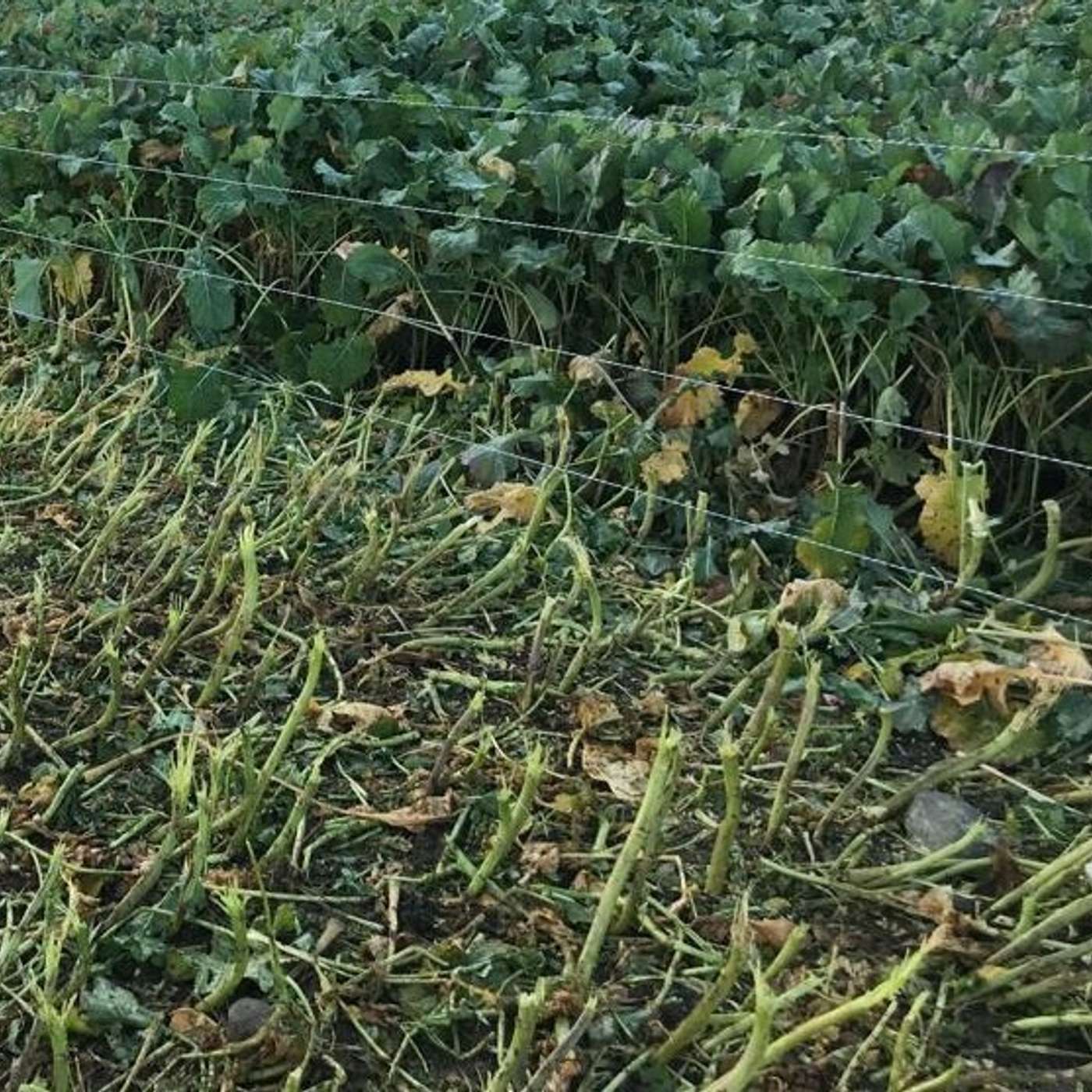
Ep 105Farmer focus: Eddie Gavin wintering on forage crops
Teagasc BETTER Farm Sheep Programme participant, Eddie Gavin, his Teagasc advisor Eoin Wolfe and Programme manager Dr Frank Campion join Ciarán Lynch on this week’s OviCast to discuss wintering on forage crops. Eddie, who is farming near Bagenalstown in Co Carlow, gives a bit of background to his farming system and flock. Managing a split flock, Eddie discusses the performance of the early lambing ewes and how mating has gone for the mid-season ewes. He moves on to discuss his use of forage crops to carry the ewe flocks during the winter months, describes what was sown and how he is managing grazing the crop. With a good autumn Eoin chats about how crops have yielded locally this year and the high levels of utilisation that was achieved during the early stages of grazing. Eddie explains how he plans to graze the crops post-lambing with the early lambing ewes and how the multiples in the mid-season flock will be housed after scanning with only the singles and replacements remaining on the crop during February. Transition of these crops with ewes in late pregnancy can be tricky and Frank explains the potential risks and offers advice on how best to manage the nutritional change during this period. Finally, Eoin tackles the question of possibly using these crops to finish store lambs as opposed to wintering ewes. For more episodes from the OviCast podcast, visit the show page at: https://www.teagasc.ie/animals/sheep/ovicast-sheep-podcast
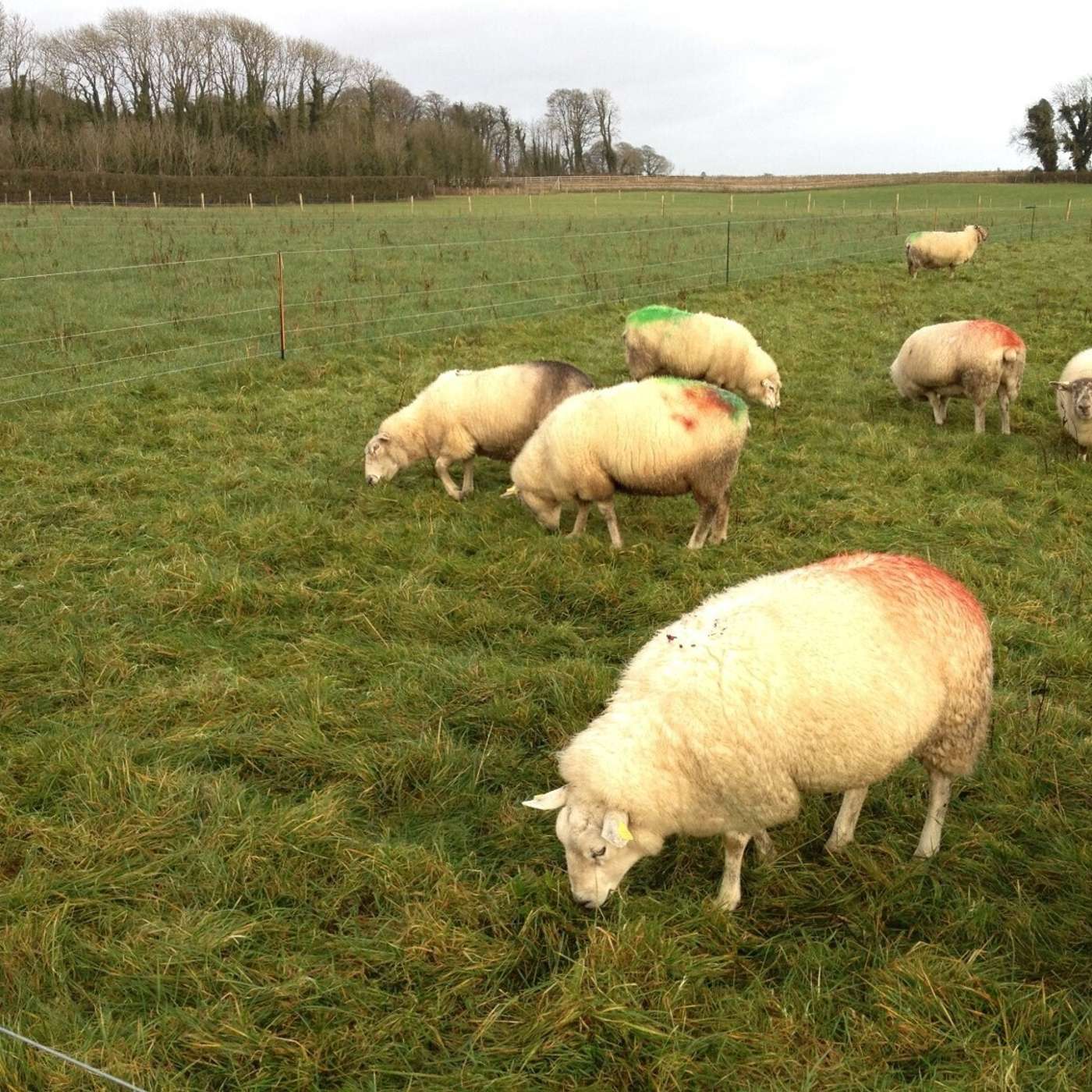
Ep 104The feed value of winter grazing
Dr Tim Keady joins Ciarán Lynch on this week’s OviCast to discuss various aspects of winter grazing and how it impacts ewe performance. Tim starts by discussing the potential mutual benefits of moving sheep to winter grazing both for the flock owner and host farmer and he also discusses the role of extended grazing before moving on to discuss the frequency of grass allocation with Tim offering his tips on managing grazing at this stage of the year. Tim explains the feed values of grass during the winter, the factors that influence it and how it affects ewe performance by comparison to ewes being feed on a grass silage indoor system. Tim also offers his advice on managing ewes in outdoor wintering systems and some of the pitfalls to avoid. Finally he finishes up discussing winter grazing dry ewe lambs with Tim highlighting some weight gain targets, advice on how to achieve them and why it’s important to avoid setbacks during this phase of production. For more episodes from the OviCast podcast, visit the show page at: https://www.teagasc.ie/animals/sheep/ovicast-sheep-podcast
Ep 103Update on the Sheep Welfare Scheme
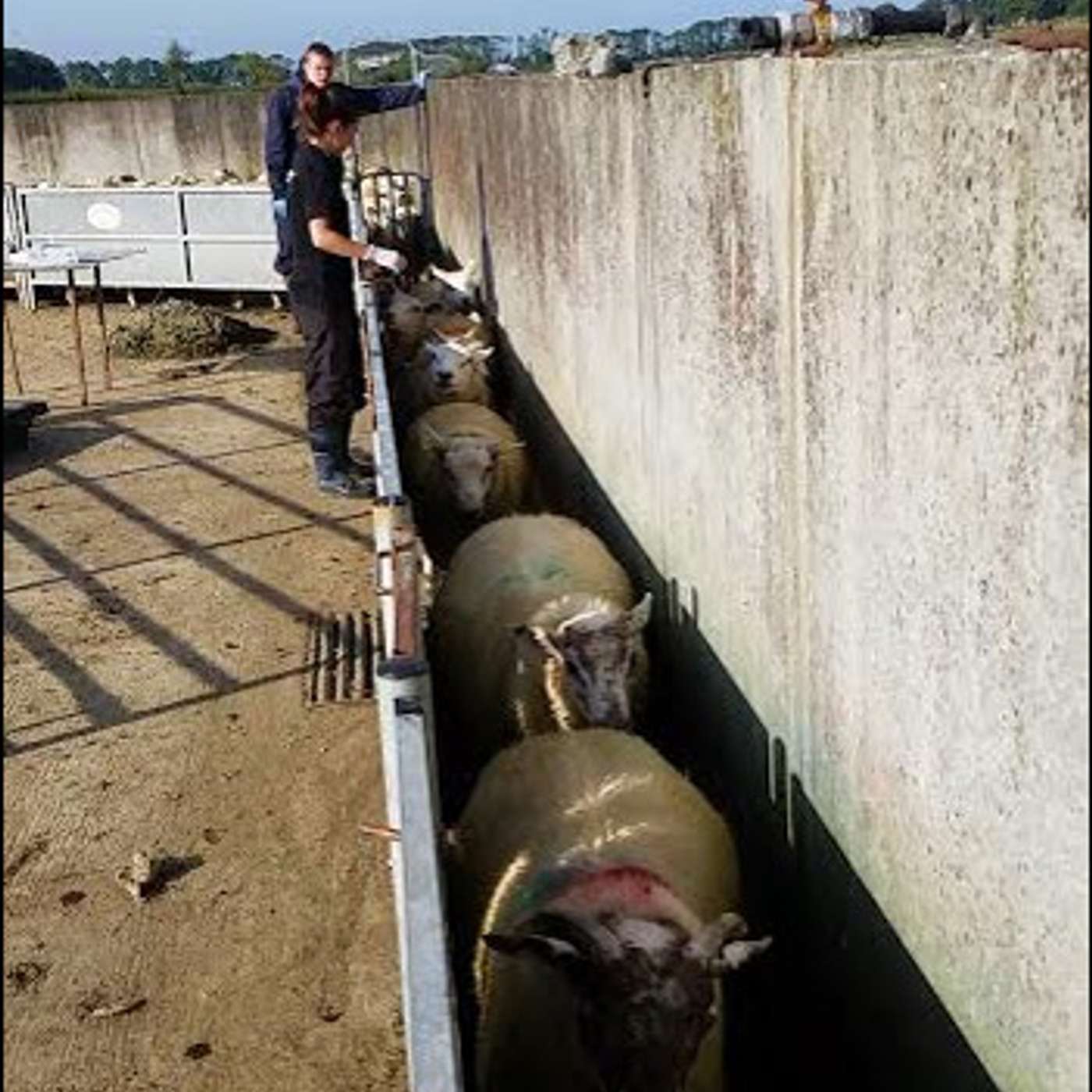
Sheep Specialist, Damian Costello, is on this week’s OviCast to discuss the Sheep Welfare scheme. Damian starts by giving some background to the scheme before discussing the changes to the reference number for the coming year and what this well mean for participants. He also reminds us of the various tasks in the current scheme and the proposed changes for the planned next phase as well as the suggested payment rate. Damian reminds participants of the importance of maintaining records and necessary receipts before he then discusses the options for new entrants to the scheme. For more episodes from the OviCast podcast, visit the show page at: https://www.teagasc.ie/animals/sheep/ovicast-sheep-podcast
Ep 102Measuring methane in sheep – breeding for lower emissions
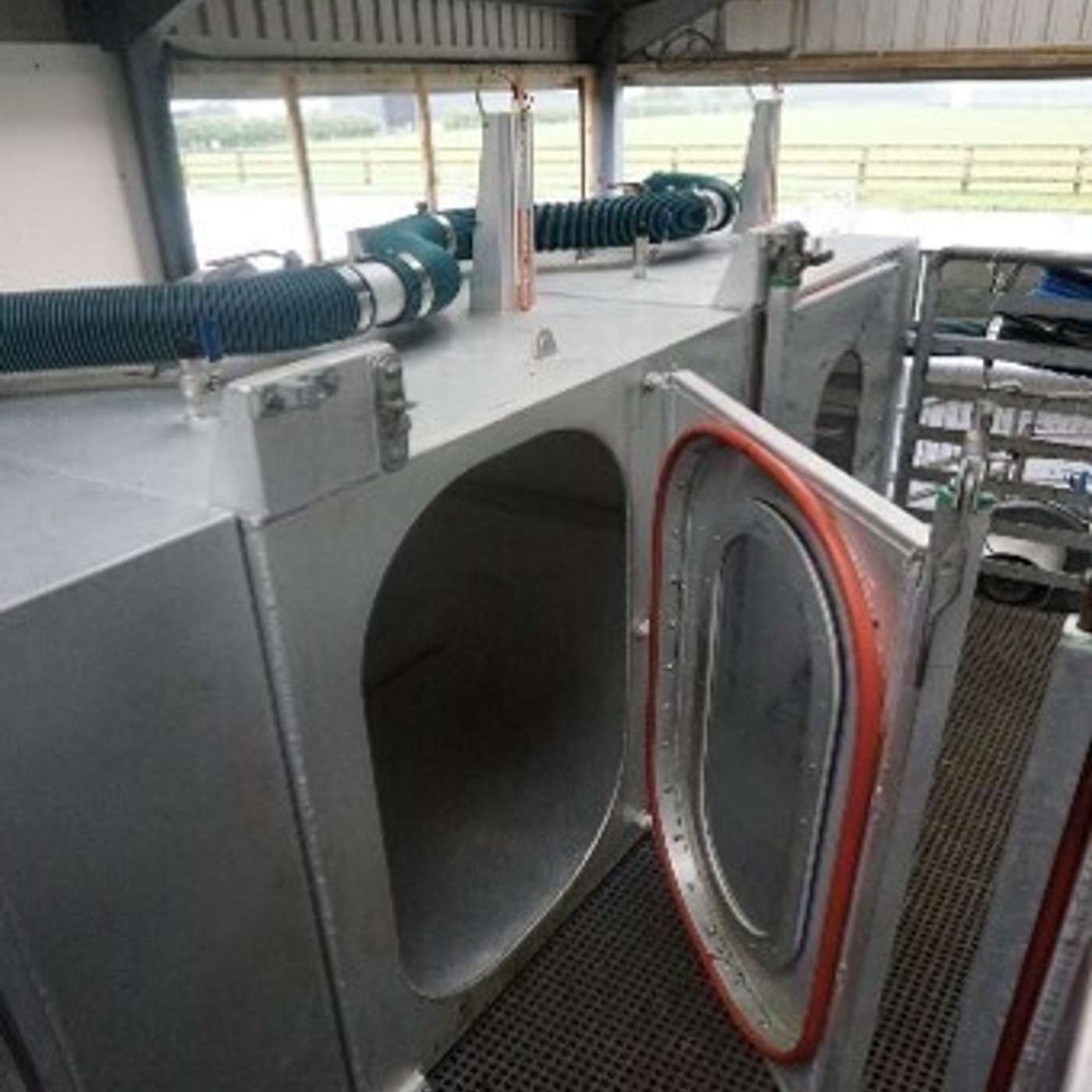
Dr Noirín McHugh and postgraduate student Edel O’Connor join Ciarán Lynch on this week’s OviCast to discuss the ongoing project examining methane emissions in sheep. Noirín first highlights the importance of this work in the current climate, while Edel explains how they are using portable accumulation chambers to measure emissions from up to 72 sheep per day in Teagasc Athenry and on commercial farms. Edel explains how much methane different ages of sheep emit and how this compares to other livestock while they discuss the variation observed in the level of emissions from sheep and Noirín explains how they have collected records on over 7000 sheep and examined the underlying genetic component. She describes how this will be incorporated into the Sheep Ireland Index in the future to breed lower emitting sheep similar to what has happening in New Zealand. Finally Noirín acknowledges the support to get this project off the ground which is one of the first of its kind in the northern hemisphere. Find out more about the project: https://www.youtube.com/watch?v=zgdlLaDjiPU For more episodes from the OviCast podcast, visit the show page at: https://www.teagasc.ie/animals/sheep/ovicast-sheep-podcast
Ep 101Animal Health Awareness week – focus on AMR
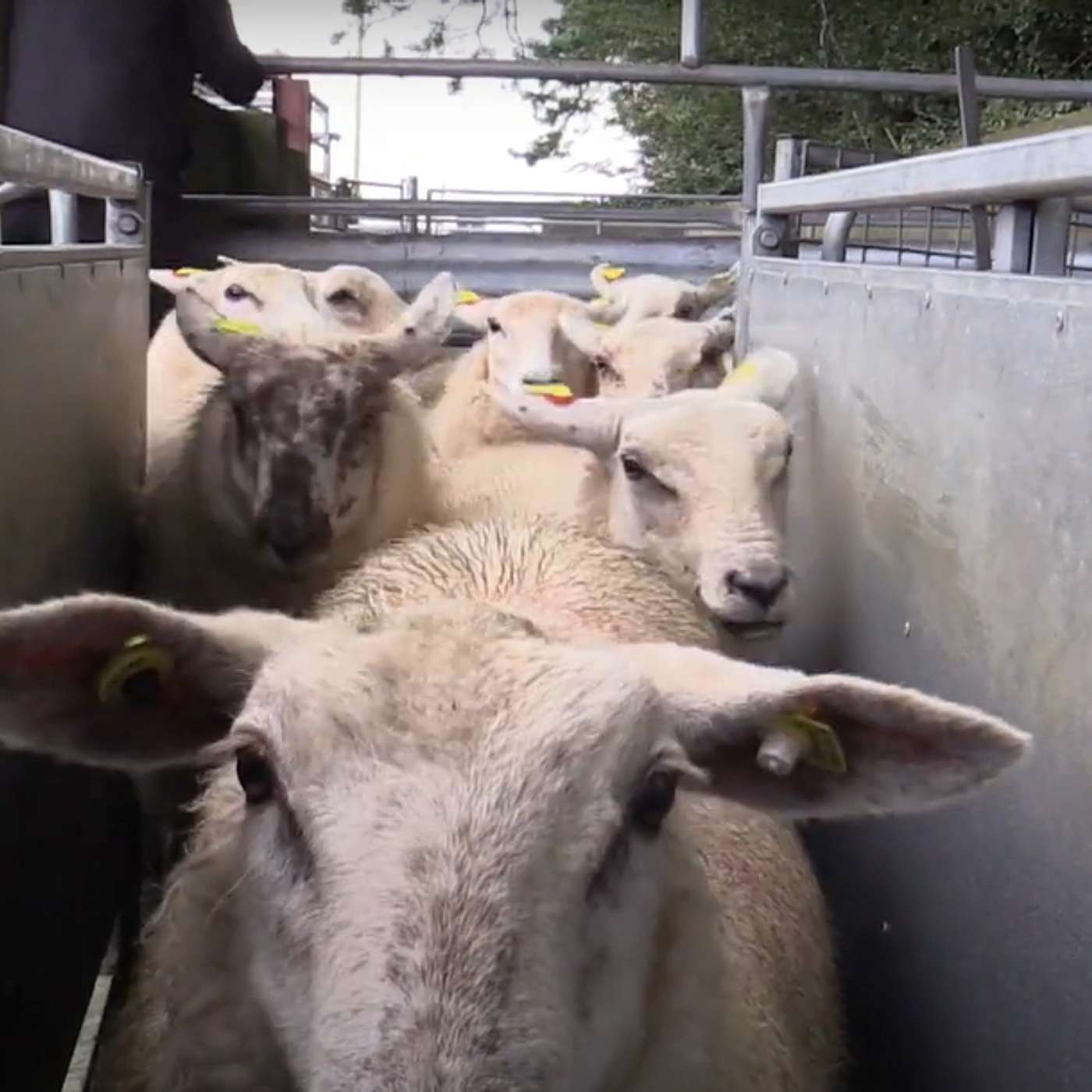
As part of Animal Health Awareness week, on this week’s OviCast are Department of Agriculture Vets Caroline Garvan and Damian Barrett. Damian begins by explaining the objective of Animal Health Awareness week and its importance in the current climate while Caroline explains why Antimicrobial resistance (AMR) is a major concern and the concept of the one health approach. They discuss the usage within the sheep sector and how the overall industry figure is calculated and Caroline explains why some types of antibiotics are deemed critically important due to their use in human medicine and how the route of administration can impact the development of AMR. Both Damian and Caroline discuss how good animal health can impact productivity, how we should approach health issues on farms and ways sheep farmers can reduce their antibiotic use. They move on to discuss some of the health challenges facing the sector at present and discuss the programme of informative webinars that will take place as part of this year’s Animal Health Awareness week that runs from 18th-24th November. For more information: https://www.gov.ie/en/collection/45f45-antimicrobial-resistance-amr/ http://www.animalhealthsurveillance.agriculture.gov.ie/currentnews/lambliverflukeantibodytestresults-september2021.html For more episodes from the OviCast podcast, visit the show page at: https://www.teagasc.ie/animals/sheep/ovicast-sheep-podcast
Ep 100The importance of the Clean Livestock Policy
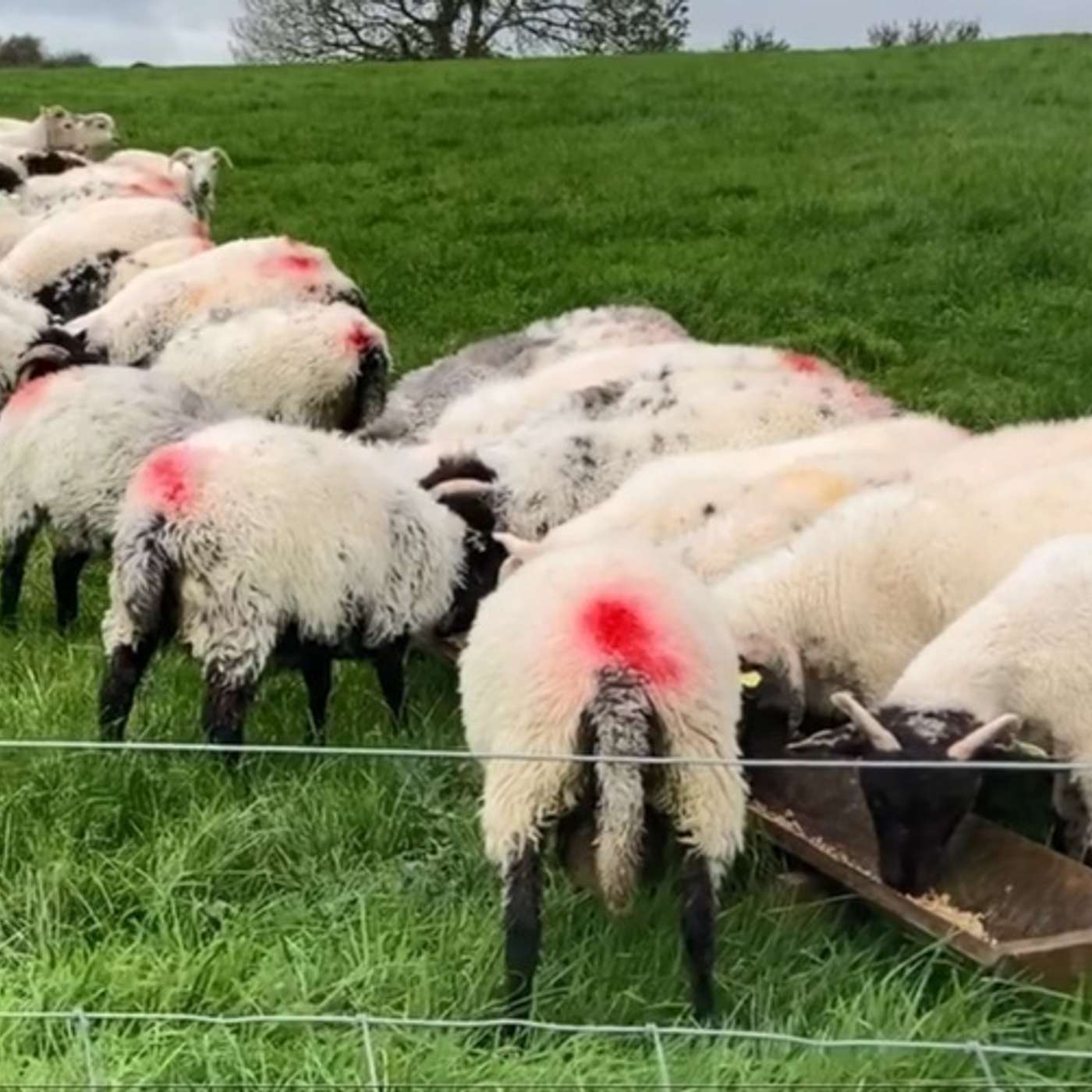
Presenting lambs clean at the abattoir becomes more challenging as the year progresses and on this week’s OviCast, Ciarán Lynch is joined by Michael Gottstein, Head of Sheep in Teagasc to discuss this topic further. Michael starts by explaining the Clean Livestock Policy (CLP) and its importance, highlighting the key areas on the lamb that cause issues and how the industry has implemented changes to address this. He discusses the predisposing factors that will lead to lambs becoming dirtier and what practical steps can be taken at this time of the year to reduce this. He also discusses remedial clipping and its role, with Michael highlighting the need to ensure that transport vehicles are clean and suitable for the task. Finally, Michael summarises the key areas for producers that are finishing lambs in the coming weeks and months can focus on to help keep lambs clean. Find out more: https://www.teagasc.ie/publications/2017/clean-livestock-policy-for-sheep-a-guide-for-sheep-producers.php https://www.teagasc.ie/publications/2017/clean-livestock-policy-for-sheep-a-guide-for-sheep-transport.php For more episodes from the OviCast podcast, visit the show page at: https://www.teagasc.ie/animals/sheep/ovicast-sheep-podcast
Ep 99Choosing the appropriate liver fluke dose
As liver fluke is a large risk at the moment, Teagasc’s Dr Orla Keane joins Ciarán Lynch on this week’s OviCast to discuss selecting the appropriate treatment for this stage of the season. Firstly Orla gives a quick recap on the risk that fluke poses and the stages of its development. She discusses the various classes of flukicide available with Orla explaining what stage of fluke they are suitable to treat and the role others could play later in the season. Orla highlights the challenge of using combination fluke and wormers as part of routine fluke treatment in adult sheep and why it’s better to use a targeted flukicide; she also discusses the situations where these combinations could be put to better use. Finally, Orla highlights the need to use a flukicide that targets the immature stage of liver fluke at this point in the season. A summary of flukicides licensed for sheep in Republic of Ireland can be found here: https://www.teagasc.ie/media/website/publications/2018/Products-licensed-for-control-of-parasites-in-sheep.pdf For more episodes from the OviCast podcast, visit the show page at: https://www.teagasc.ie/animals/sheep/ovicast-sheep-podcast
Ep 98Why you should consider temporary grazing
Damian Costello, sheep specialist with Teagasc, joins Ciarán Lynch on this week’s OviCast to discuss temporary grazing this back end. Damian highlights some considerations when taking on temporary grazing and how it can benefit both parties involved. He emphasises the need to ensure all animals are tagged before leaving farm and he discusses at length the various movement notification considerations for a variety of scenarios. Damian also takes us through the need to retain movement records afterwards and how to apply for credit under the nitrates regulations. For more detail, here is the link to the NSIS guide: https://www.gov.ie/pdf/?file=https://assets.gov.ie/93969/c539786b-96ba-4500-89ec-a9f020779cea.pdf#page=1 For more episodes from the OviCast podcast, visit the show page at: https://www.teagasc.ie/animals/sheep/ovicast-sheep-podcast
Ep 97Cleaning out swards and closing up on time
As we enter the final grazing rotation of the season, Ciarán Lynch is joined on this week’s OviCast by Dr. Philip Creighton who offers some grazing advice to keep us on track from now to set up our spring grazing. Philip starts by discussing the importance of achieving good graze outs and how that influences sward production next spring. Philip also offers tips on dealing with heavy covers that are on many farms this October and he discusses the closing targets and why they are important. Finally, Philip highlights why it’s important to avoid the temptation of re-grazing closed paddocks and why we need to prioritise these for spring grazing. Teagasc sheep autumn closing planner: https://www.teagasc.ie/news--events/daily/sheep/teagasc-sheep-autumn-closing-planner.php For more episodes from the OviCast podcast, visit the show page at: https://www.teagasc.ie/animals/sheep/ovicast-sheep-podcast
Ep 96The benefits of raddling rams
Sheep specialist, Damian Costello, joins Ciarán Lynch on this week’s OviCast to discuss why farmers should consider raddling rams this breeding season. Damian discusses the two types used - either raddle paste or ram harnesses - and offers tips on their use and ways to leave it easier to catch rams to top these up. He explains which order different raddle colours should be and discusses how to make use of changing raddle colour to better predict lambing date and plan feeding programmes in late pregnancy. Damian and Ciarán discuss how raddling can be used to monitor ram fertility and the level of repeats and finally Damian offers some practical tips to safeguard against this in flocks. For more episodes from the OviCast podcast, visit the show page at: https://www.teagasc.ie/animals/sheep/ovicast-sheep-podcast
Ep 95Farmer focus: Brian Nicholson - breeding season kicking off in Kilkenny
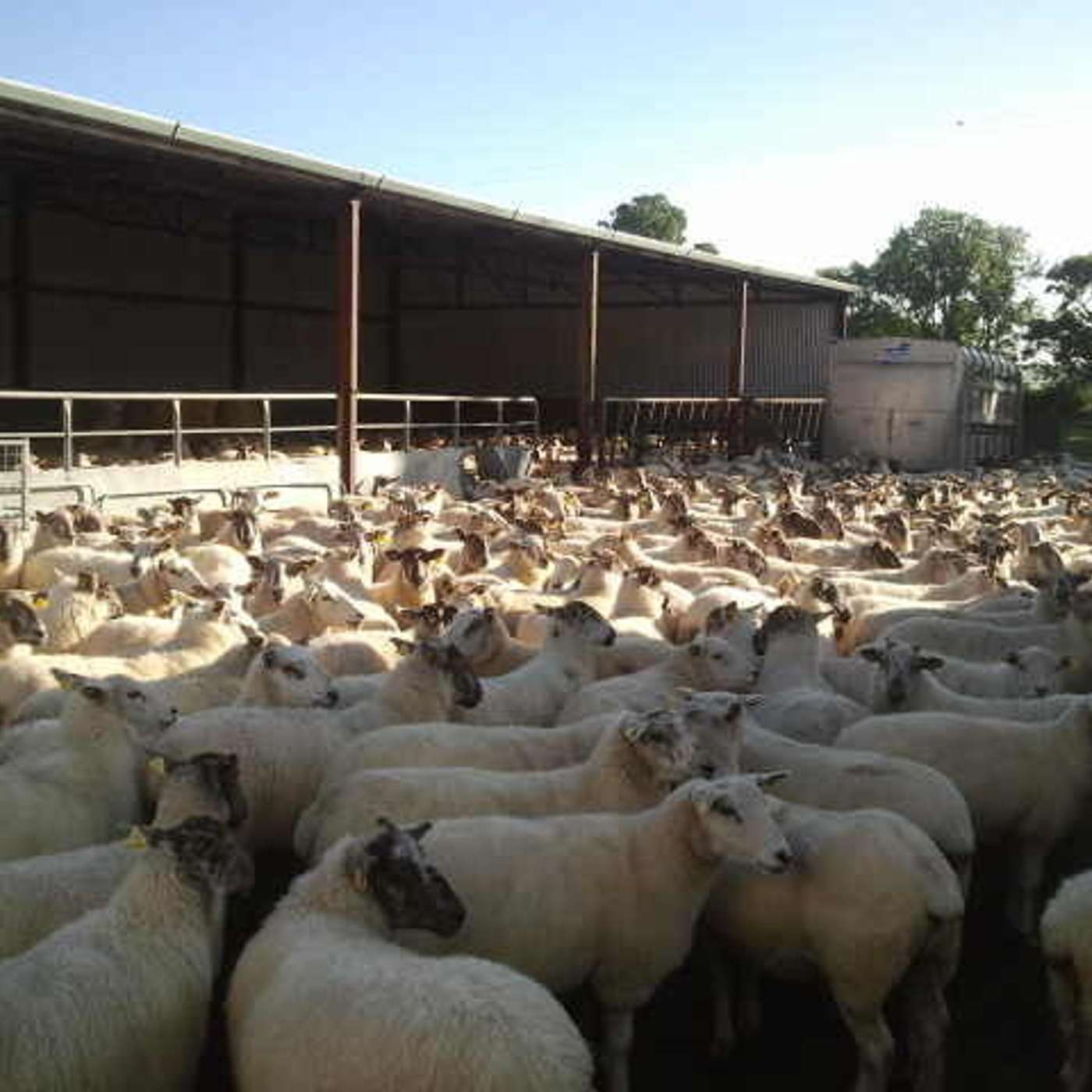
This week’s OviCast is a farmer focus interview with Brian Nicholson who farms just outside of Johnstown in Co Kilkenny. Brian runs a large-scale sheep flock and is a participant CPT flock with Sheep Ireland. Brian discusses sales in this year’s lamb crop and his plans for finishing the remaining lambs this autumn before moving on to discuss the breeding plan for the farm and he takes us through the various breeding groups from the commercial flock of 290ewes to the ewes that will be AI’D and natural mated as part of the central progeny test programme with Sheep Ireland. Brian discusses the various breeds used and how he manages this aspect of his flock. He moves on to talk about his grazing management for the autumn and how he used forage rape to winter part of his flock and how it fits into his overall system. Finally, Brian discusses why he has moved away from joining ewe lambs to lamb at 1 year old opting to run them dry and how they are used as a grazing management group the following year. For more episodes from the OviCast podcast, visit the show page at: https://www.teagasc.ie/animals/sheep/ovicast-sheep-podcast
Ep 94A group with a difference: Ólas Hill Farms
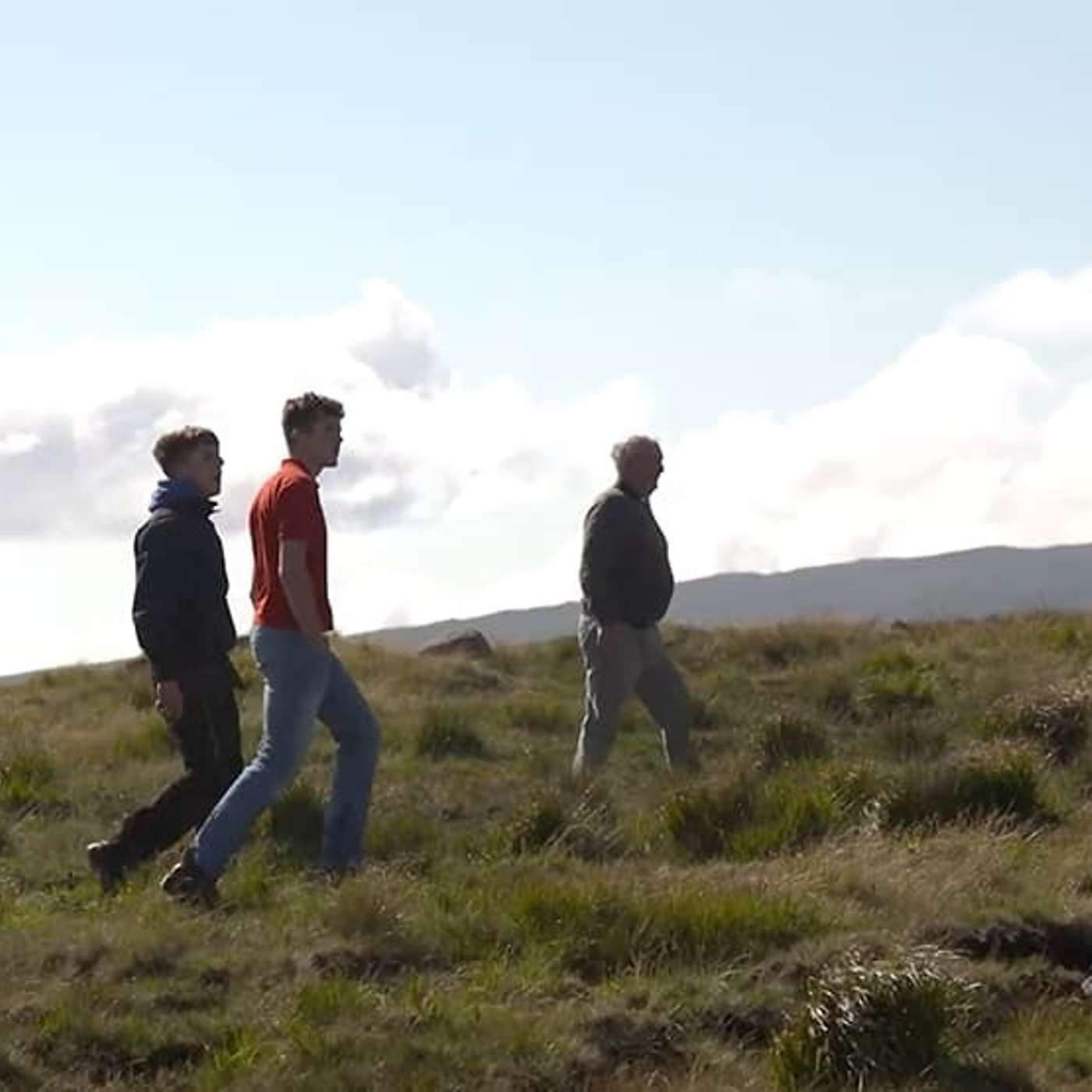
On this week’s OviCast, Ciarán Lynch heads to Westport in Co. Mayo where he was joined by Tom Gill and Teagasc Advisor John Noonan to find out more about Ólas Hill Farms. Centred around Westport, Ólas Hill Farms was initially set up with a focus on breeding sales which then expanded to encompass a producer group that now has more than 400 members. Tom is a member and one of the co-ordinators of the group and he explains how it has delivered for his own system and that of the other members. The group works closely with Kildare Chilling where they send more than 30,000 lambs annually. With stock all produced locally and with transport leaving Westport three times a week, they discuss the type of lamb being sent, with Tom explaining how the group co-ordinates this, acknowledging the efforts of the committee and staff within the group. The breeding sales are still very much a part of Ólas Hill Farms and John and Tom explain more about this. John also discusses how the group has worked with the various stakeholders to develop a dedicated website where customers can find out more about their story and how the lamb was produced and the Ólas Hill Farms brand that they hope will be on the shelves in European markets. For more information visit: https://olashillfarms.ie/ For more episodes from the OviCast podcast, visit the show page at: https://www.teagasc.ie/animals/sheep/ovicast-sheep-podcast
Ep 93Time to consider plunge dipping
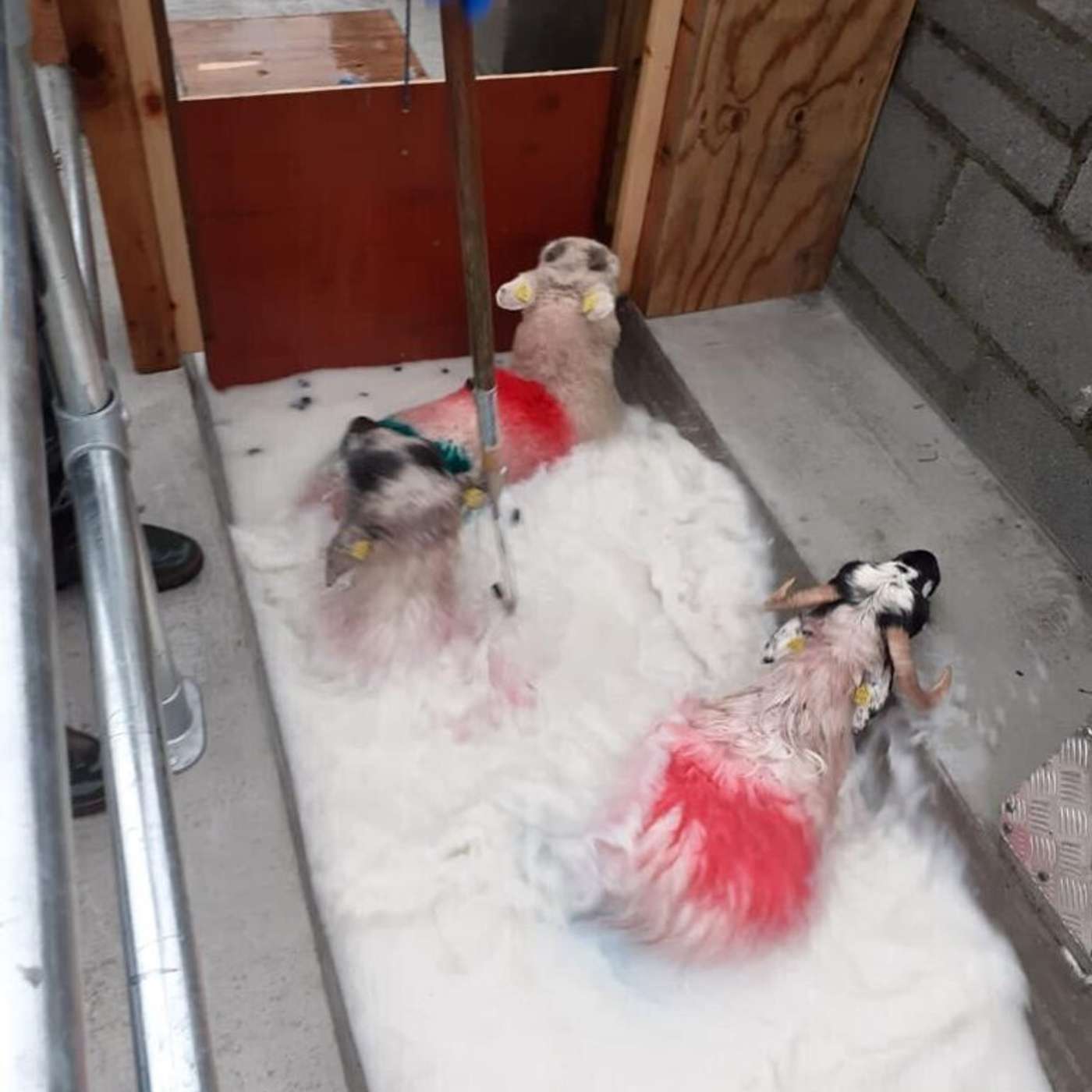
Head of sheep in Teagasc Michael Gottstein joins Ciarán Lynch on this week’s OviCast podcast to discuss the control of external parasites in sheep. Michael starts by describing how plunge dipping was common practice on many farms and now needs to be considered once again for external parasite control particularly to replace the use of injectable macrocyclic lactones (Group 3-ML) products for whole flock treatment. They discuss best practice when it comes to dipping with Michael emphasising how the duration the sheep are dipped for has a big impact on its efficacy. He highlights the need to replenish the dip concentration as the active is removed during the dipping process and explains the option of using mobile plunge dipping providers or considering incorporating it into a handling unit. He also discusses dip disposal and why it’s vital this is done in a safe manner before finishing up encouraging farmers to consider dipping as a control option for external parasites. For more episodes from the OviCast podcast, visit the show page at: https://www.teagasc.ie/animals/sheep/ovicast-sheep-podcast
Ep 92Farmer focus: John Joe Fitzgerald – a hill farm in transition
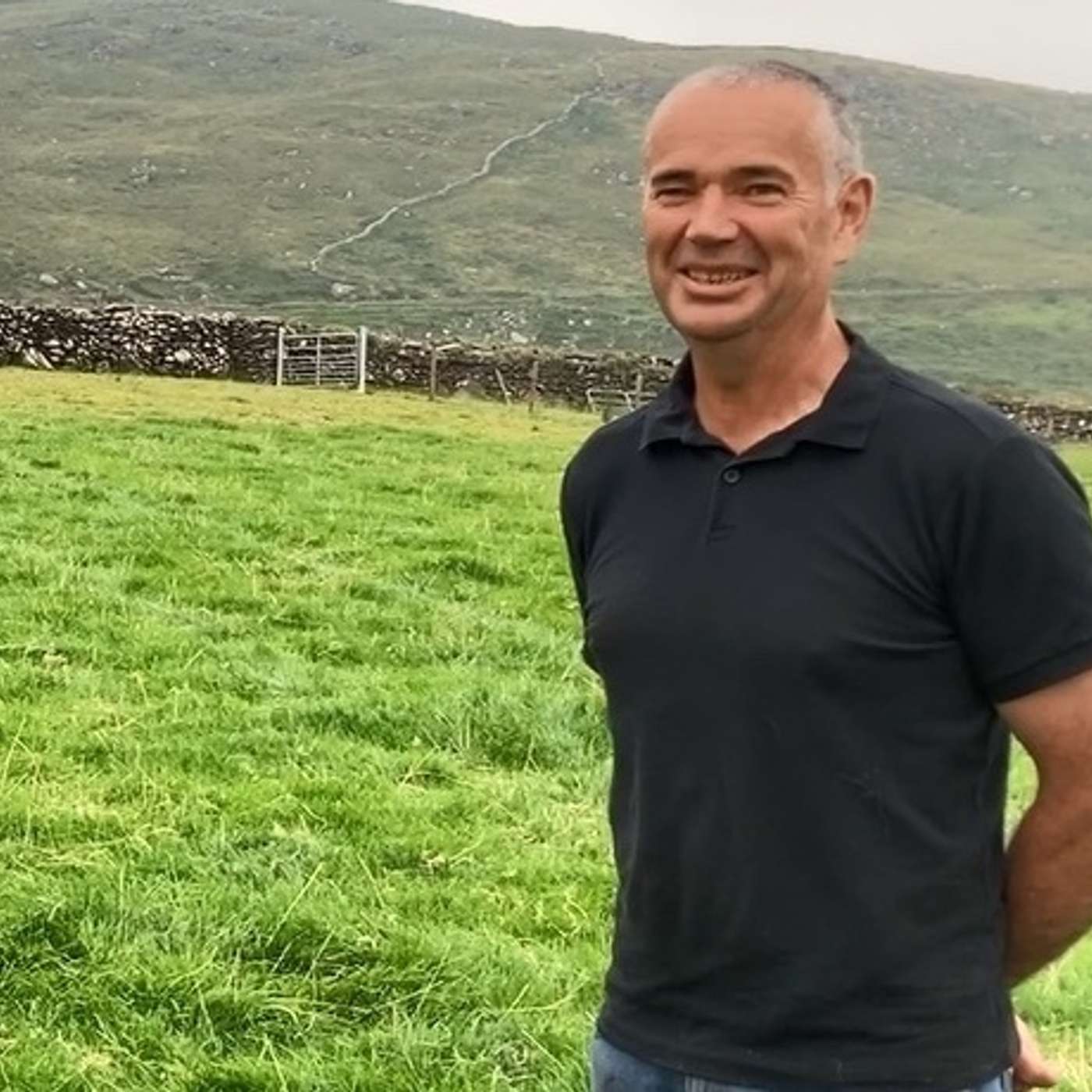
John Joe Fitzgerald, a participant in the Teagasc BETTER farm sheep programme and the new Teagasc Signpost Programme joins Ciarán Lynch on the latest farmer focus on OviCast. John Joe first describes his farming system with some insights into the type of hill he is working on five miles west of Dingle in county Kerry. He then discusses his ewe flock, the breeds used and how it has transitioned during the past few years as he pushed the flock back onto the hill more. John Joe explains the new handling facility he built which includes a dipping tank and batch footbath and how this has improved flock health, performance and the efficiency of carrying out basic tasks with the flock. Finally he discusses selling this year’s lamb crop in the store lamb market. For more episodes from the OviCast podcast, visit the show page at: https://www.teagasc.ie/animals/sheep/ovicast-sheep-podcast
Ep 91Joining ewe lambs – what to consider
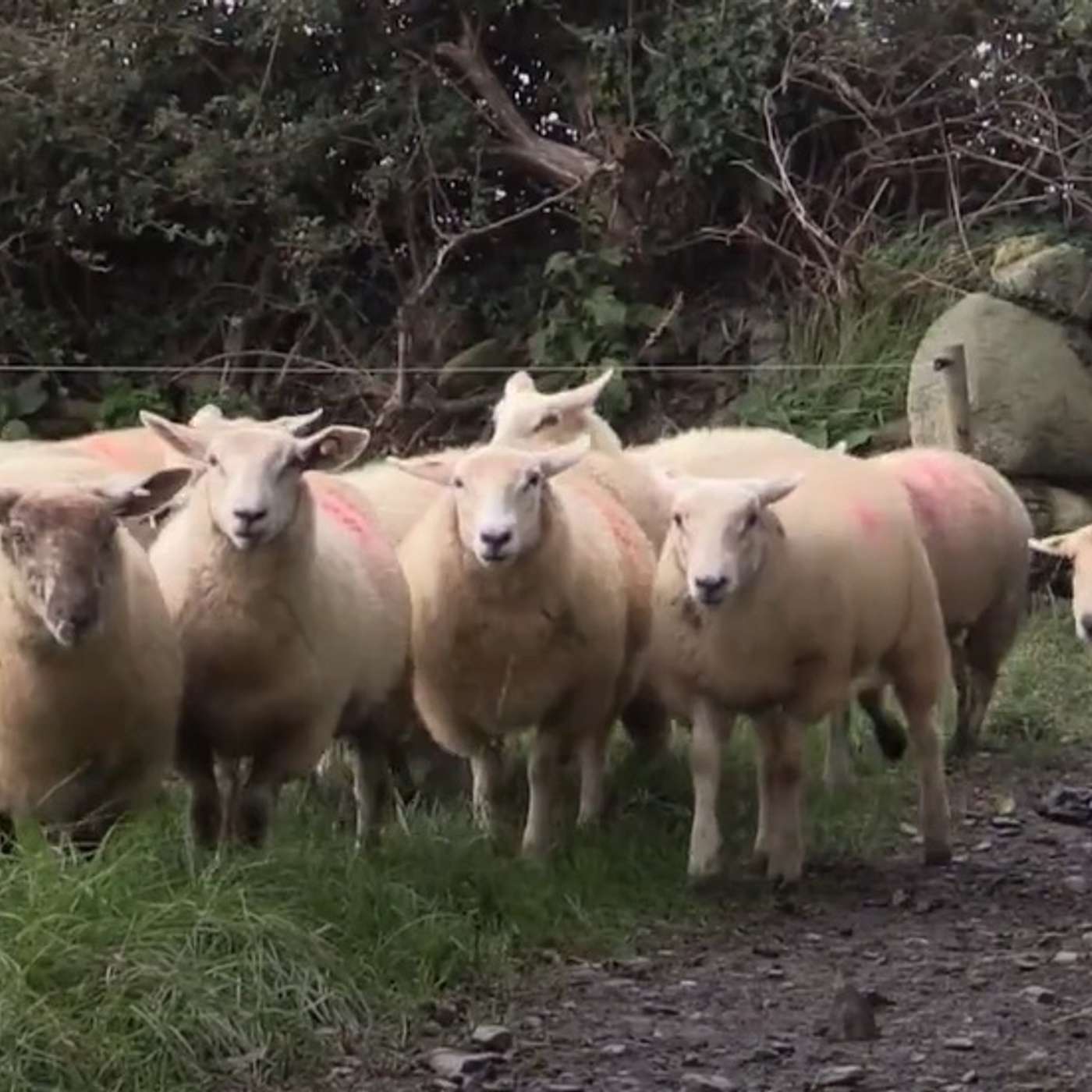
Dr. Tim Keady joins Ciarán Lynch on this week’s OviCast to discuss the subject of joining ewe lambs to lambs at 1 year old. Tim starts by outlining the potential to improve productivity by lambing ewe lambs at 1 year old, but he also highlights some of the challenges it can place on the system. He discusses the various effects of joining weight on productivity, the use of the ram effect and management of ewe lambs throughout the joining period. Finally, Tim discusses the knock on effect lambing yearling ewes has on their subsequent performance particularly the following season as 18 month olds. For more episodes from the OviCast podcast, visit the show page at: https://www.teagasc.ie/animals/sheep/ovicast-sheep-podcast
Ep 90Forage crops: can they carry store lambs to finish?
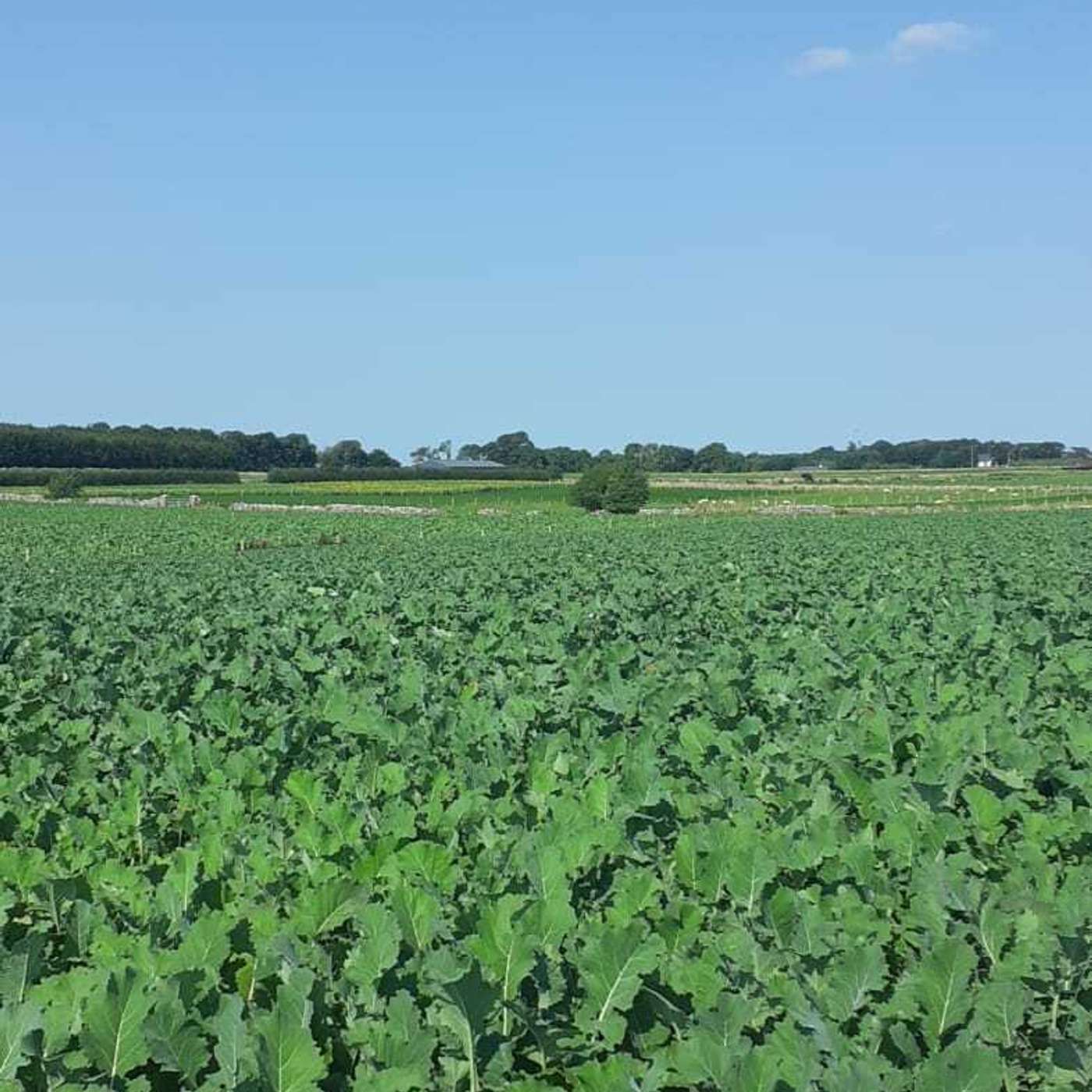
Dr Frank Campion and Mark Dolan join Ciarán Lynch on this week’s OviCast to discuss some of the ongoing work examining the role of forage crops in store lamb finishing systems. Mark starts by giving some back ground to his project, discussing the crops sown, when they went in and the type of lambs he is finishing while Frank highlights the role these crops have in store lambs finishing systems. As carrying and finishing capacity of these crops is highly important, Mark and Frank describe the crop yield they achieved last year, their carrying capacity and how many lambs they finish off each crop. They then discuss the grazing management, use of temporary fences and the effect the difficult weather last year had on crop utilisation. Back to current events, with store lambs being purchased at the moment, Mark discusses the management of the lambs on arrival including the reasons they opted to fully shear them while Frank also offers some advice on getting these lambs acclimatised to the crops and the need to provide a forage source. Finally, Frank highlights the need for those using this system to assess the potential of the crops sown on their farms this year. For more episodes from the OviCast podcast, visit the show page at: https://www.teagasc.ie/animals/sheep/ovicast-sheep-podcast
Ep 89A field, a marquee, an auctioneer and 4000 sheep: the Cooley Sheep Breeders Association sale
If someone was travelling along the Greenore Road in Carlingford on the first Saturday in September they would be forgiven for stopping to take in the spectacle of the Cooley Sheep Breeders Association annual sale. On a greenfield site the sale has become a focal point for local breeders to sell breeding ewe lambs and hoggets and on this week’s OviCast, Ciarán Lynch is joined by Conor McCann, the current chairman of the association, and local Teagasc advisor, Hugh Rooney, to explain more about the sale and how it came about. Hugh and Conor give the background to how the sale was set up and how it has developed over the years. Conor explains how the exhibitors are all local to the area and what kind of stock is on offer in this multibreed sale. They discuss the unique setting and the effort that goes into setting it up to accommodate the sale. There’s strong community spirit behind the event and Hugh explains how it provides a means of adding value to the product they are producing. Conor discusses how the move online last year influenced the sale and how as an association they are continually trying to improve the service for potential purchasers such as providing free transport which was an initiative started last year. The sale has grown significantly over the years from just over 1000 breeding females on offer the first year to over 4000 in this current sale and Conor acknowledges all those who have helped along the way to help make this a successful addition to the area. For more episodes from the OviCast podcast, visit the show page at: https://www.teagasc.ie/animals/sheep/ovicast-sheep-podcast
Ep 88Pre-breeding vaccination: toxoplasmosis and enzootic abortion
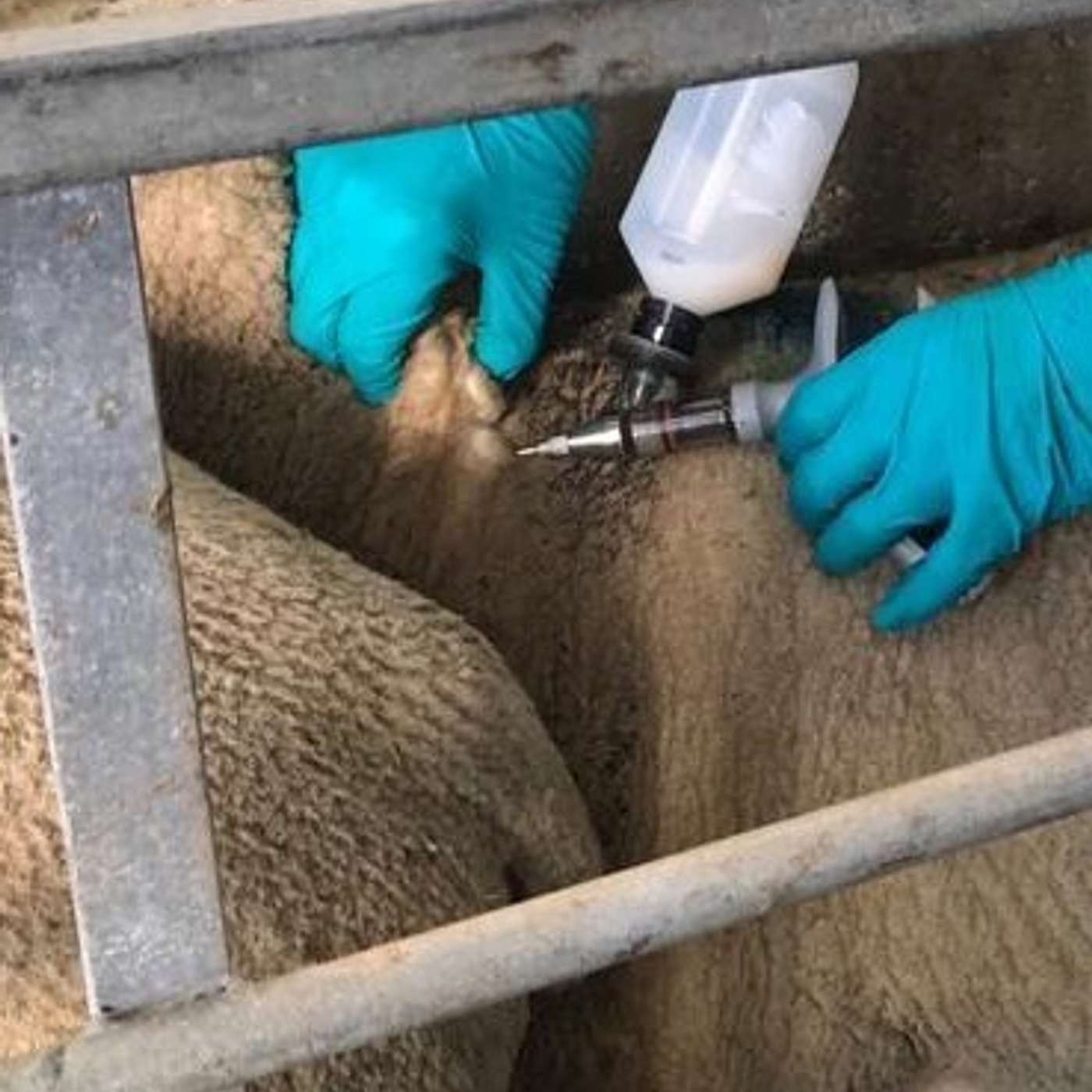
Pre-breeding vaccination is one way to reduce lambs losses and barren rates next spring and is a key point highlighted by Sarah Campbell veterinary advisor with MSD Animal Health who joins Ciarán Lynch on this week’s OviCast to explain in more detail. Sarah starts by highlighting the need to identify the cause of abortion through the veterinary laboratory’s and highlights the common causes reported on farm. She discusses the two most common causes of abortion namely Enzootic abortion and Toxoplasmosis in more detail explaining how these are spread and how the timing of infection effects the ewe. In both cases there is a vaccine available and the vaccination programme that can be implemented this autumn is discussed. As with any vaccine correct storage, handling and administration is an important consideration and Sarah highlights how this can affect vaccine efficacy and the key areas to focus on. Finally as these vaccines have to be given a number of weeks in advance of the breeding season Sarah encourages farmers to order their vaccines in time and plan their vaccination programme prior to breeding. For more episodes from the OviCast podcast, visit the show page at: https://www.teagasc.ie/animals/sheep/ovicast-sheep-podcast
Ep 87Quarantine treating bought in stock
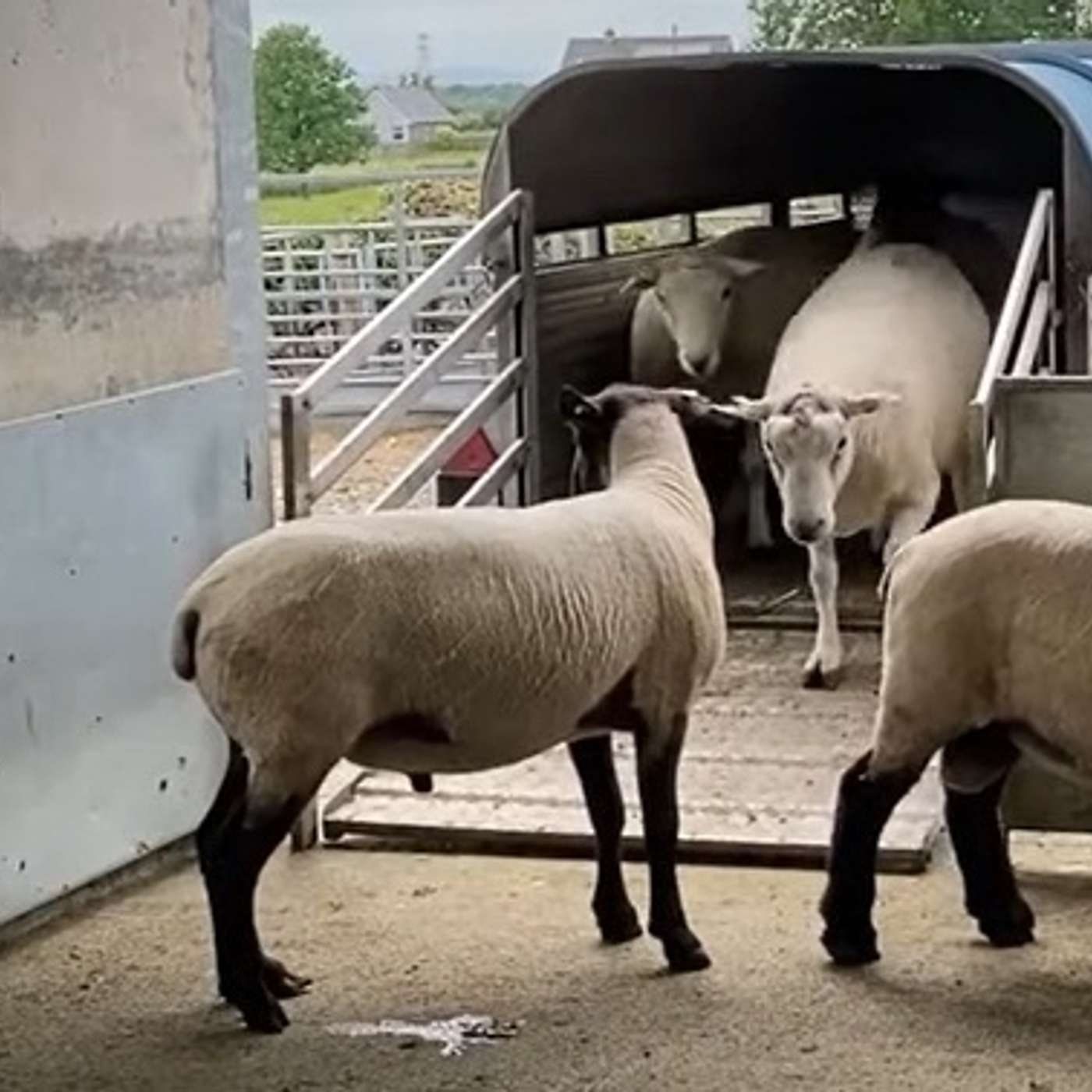
When new animals arrive on farm they can potentially bring some unwanted health issues with them. To minimise the risk, it’s important there is a quarantine procedure in place and on this week’s OviCast, Michael Gottstein, Head of Sheep in Teagasc joins Ciarán Lynch to discuss this issue in more detail. Michael starts by emphasising why this is an important consideration for any flock owner. He discusses the importance of inspecting the sheep at purchase and asking some basic questions of the seller about the health status of their flock. Some preparation is needed to correctly quarantine animals on arrival and Michael highlights the need to house these animals for 48 hours and correctly treat them for foot issues, internal and external parasites and Michael and Ciarán discuss the treatment options that are currently available. They move on to discuss turnout post treatment and why it’s a good idea to keep these animals separate from the main flocks for a number of weeks after purchase. Finally, Michael highlights the need to enrol these sheep in the flock’s health plan for the farm ensuring they receive the appropriate vaccinations. For more episodes from the OviCast podcast, visit the show page at: https://www.teagasc.ie/animals/sheep/ovicast-sheep-podcast
Ep 86Time to check the ram team and settle new rams in
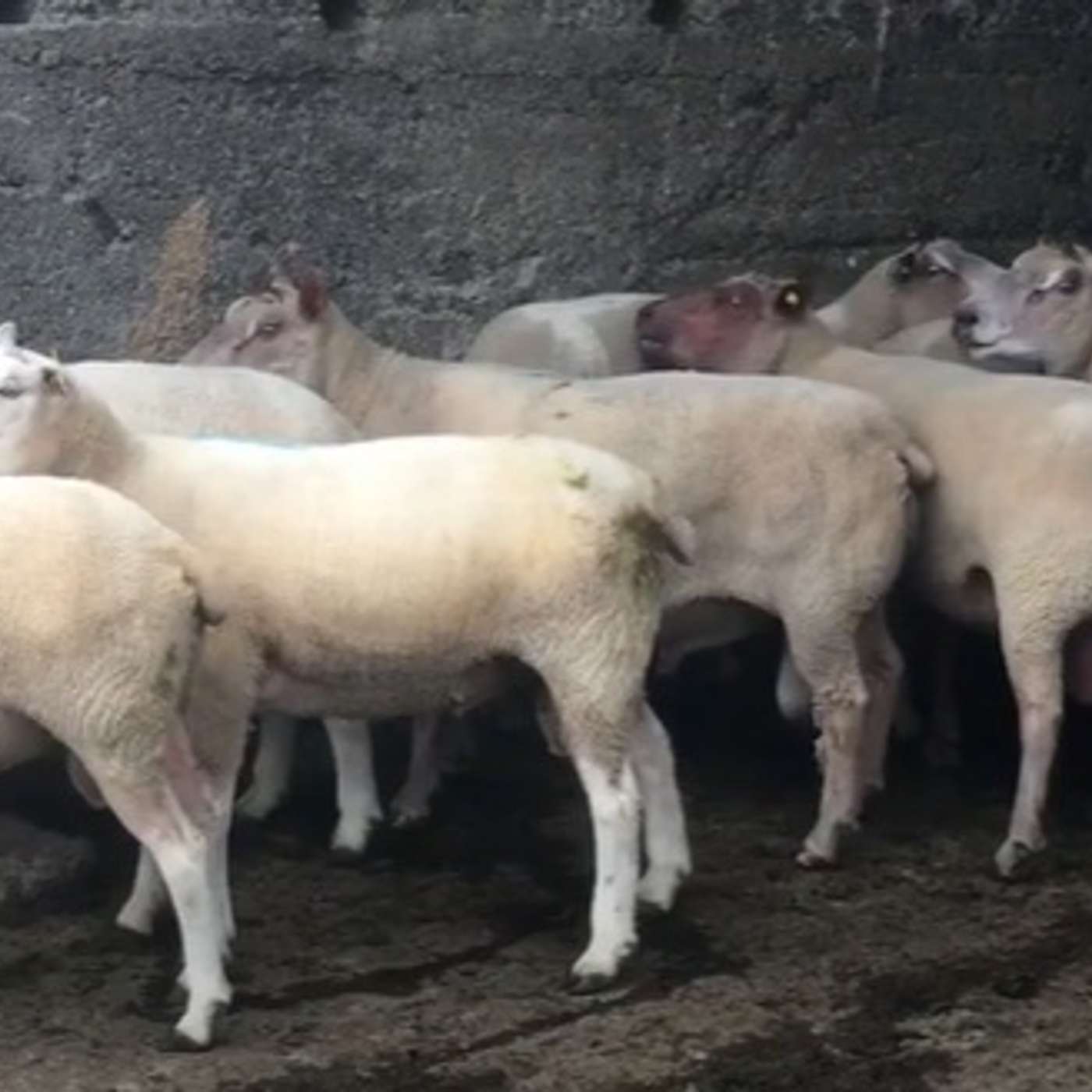
Assessing if the ram team is fit for purpose is an essential task at this point of the season and on this week’s OviCast, Ciarán Lynch is joined by drystock advisor Edward Egan to discuss this in more detail. Edward starts by explaining why this needs to be conducted now to allow for corrective action to be taken or a replacement ram purchased well in advance of the breeding season. Edward takes us through some of the basic checks that should be conducted, checking ram soundness and the absence of injuries, infections or other impairments. They discuss the implications of each of these on the ram’s ability to function correctly and why that assessment needs to be made now. Edward finishes up explaining how to introduce new rams to the farm highlighting the need to deal with biosecurity issues and how to best acclimatise them to their new surroundings and the rest of the ram team. The process of the ram health can be viewed here: https://youtu.be/Pd8uSqTMERg For more episodes from the OviCast podcast, visit the show page at: https://www.teagasc.ie/animals/sheep/ovicast-sheep-podcast
Ep 85Genotyping – a step forward this season
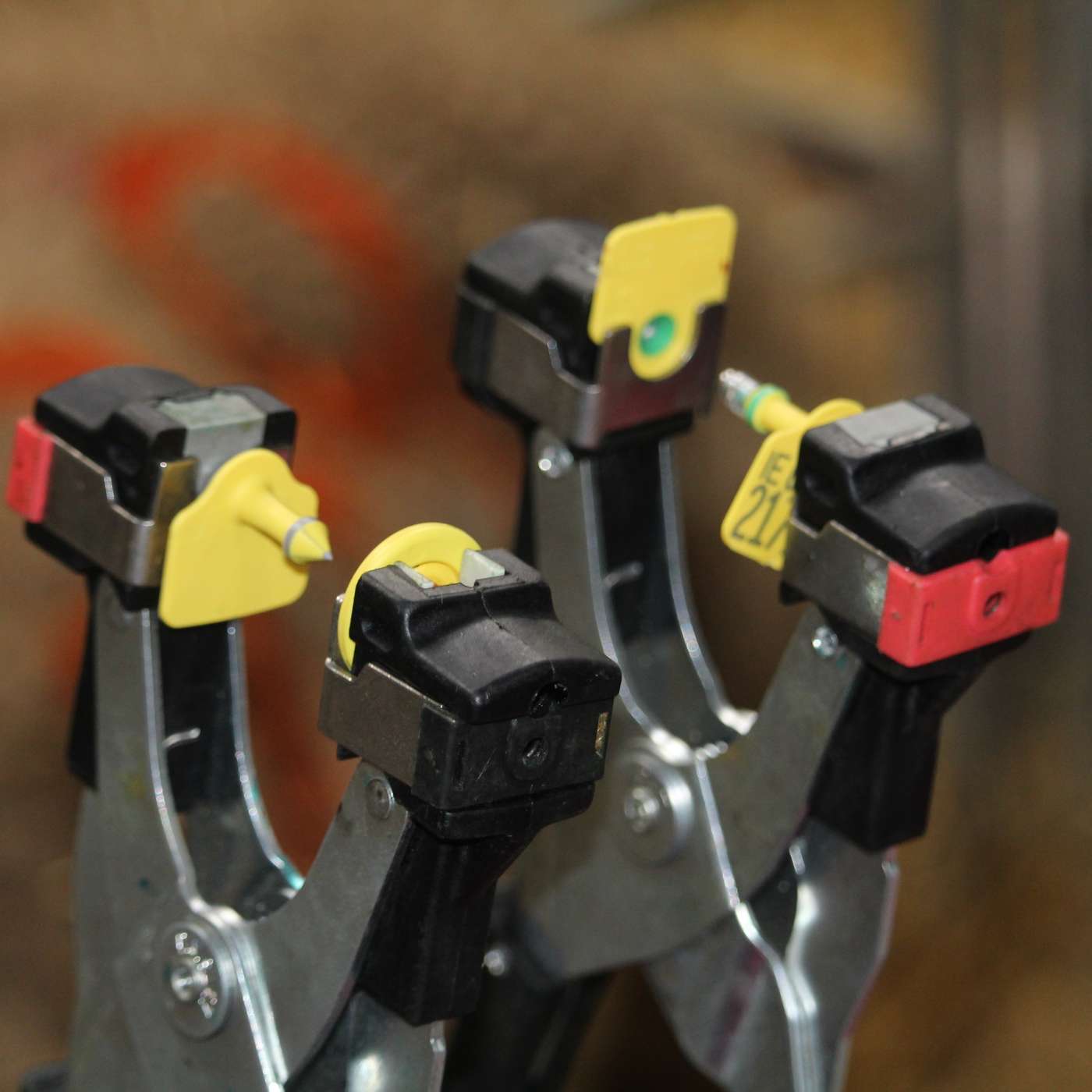
With the rams sales season kicking into high gear, Dr Alan Bohan from Sheep Ireland joins Ciarán Lynch on this week’s OviCast to discuss how genotyping has improved the genetic information available to breeders and farmers alike. Alan discusses the increase in the number of animals genotyped this year and explains the process and costs involved in genotyping. He then discusses the benefits of genotyping animals from parentage verification to scrapie genotyping. Genotyping also provides a genomic evaluation which improves the accuracy of the index and Alan explains why this is a major benefit to farmers. Finally, he discusses this year’s Sheep Ireland multi-breed sale and the use of the ram search tool to find rams and pedigree breeders in your own locality. For more episodes from the OviCast podcast, visit the show page at: https://www.teagasc.ie/animals/sheep/ovicast-sheep-podcast
Ep 84Synchronising ewes
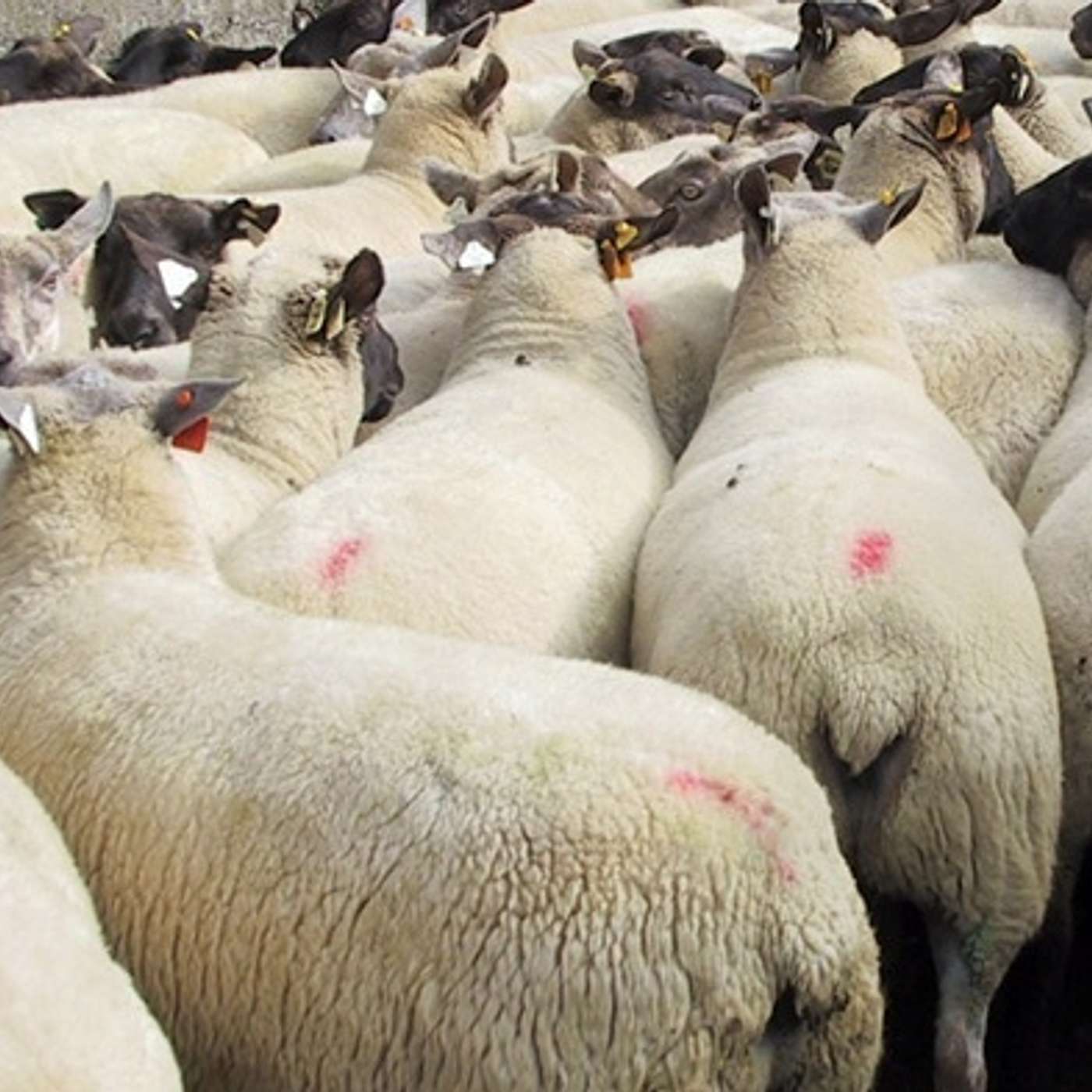
As the breeding season for early lambing and pedigree flocks is starting, Prof. David Kenny Head of the Animal Biosciences Dept in Teagasc, joins Ciarán Lynch on this week’s OviCast to discuss various aspects of synchronisation in ewes. David starts by explaining the pros and cons of synchronisation in sheep and he discusses the role of sponging and PMSG in the synchronising process as well as the protocol used, including the timing of ram introduction. David then highlights the importance of the correct ewe to ram ratio and discusses some strategies to deal this. He finishes up discussing the rate of PMSG used and how ewe prolificacy and time of season affect the level of response. For more episodes from the OviCast podcast, visit the show page at: https://www.teagasc.ie/animals/sheep/ovicast-sheep-podcast
Ep 83The role of cobalt supplementation
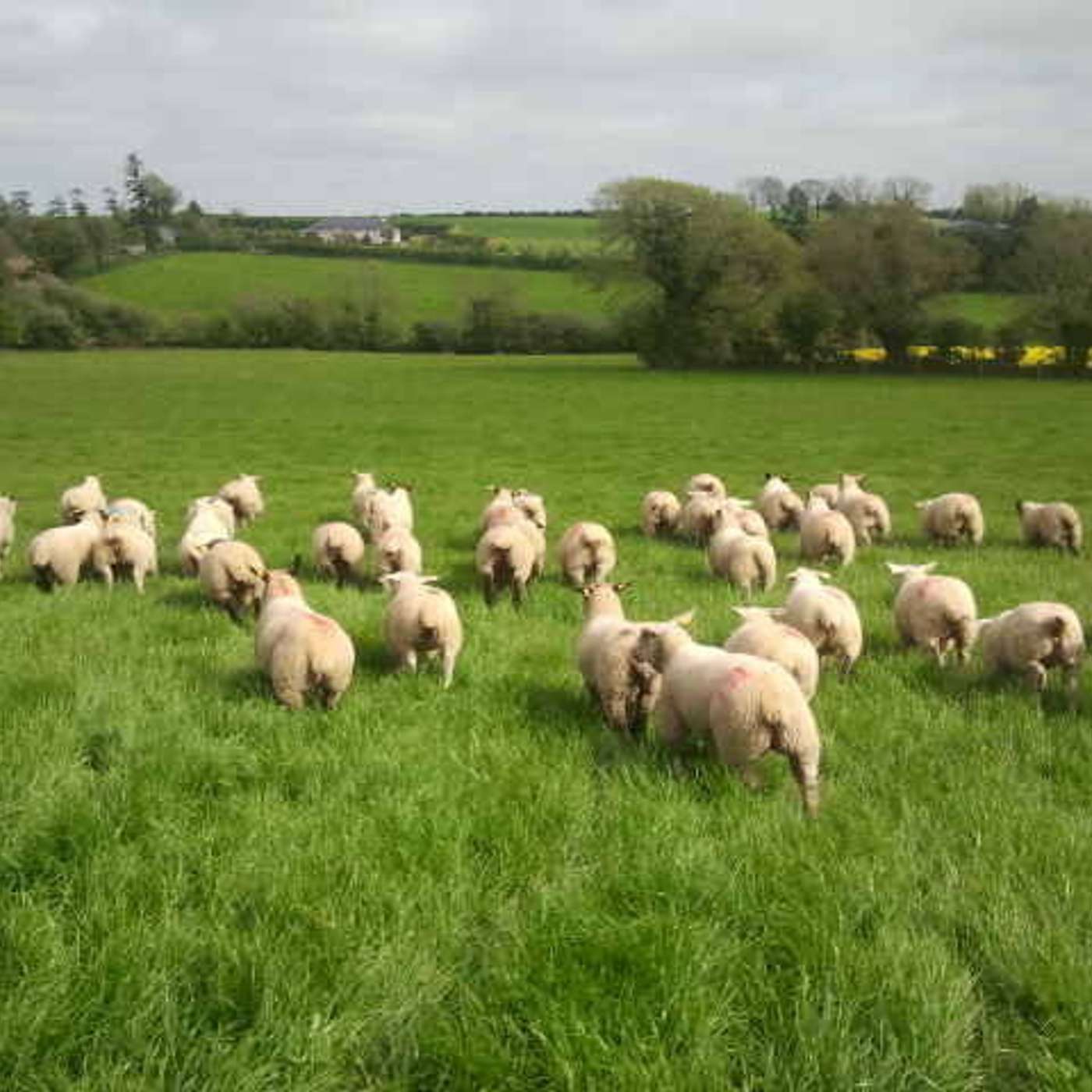
Michael Gottstein Head of Sheep in Teagasc joins Ciarán Lynch on this week’s OviCast to discuss the role of cobalt supplementation in lambs. Michael starts by describing how cobalt supplementation helps lamb performance and he moves on to discuss some of the typical signs of cobalt deficiency in lambs. They discuss supplementation strategies and the pros and cons of each and how the type of cobalt contained in the supplement may affect the lamb’s ability to absorb it. Finally, Michael encourages producers to check whether they are getting a performance benefit from supplementation with minerals. For more episodes from the OviCast podcast, visit the show page at: https://www.teagasc.ie/animals/sheep/ovicast-sheep-podcast
Ep 82Teagasc BETTER farm flocks – lamb growth & weaning
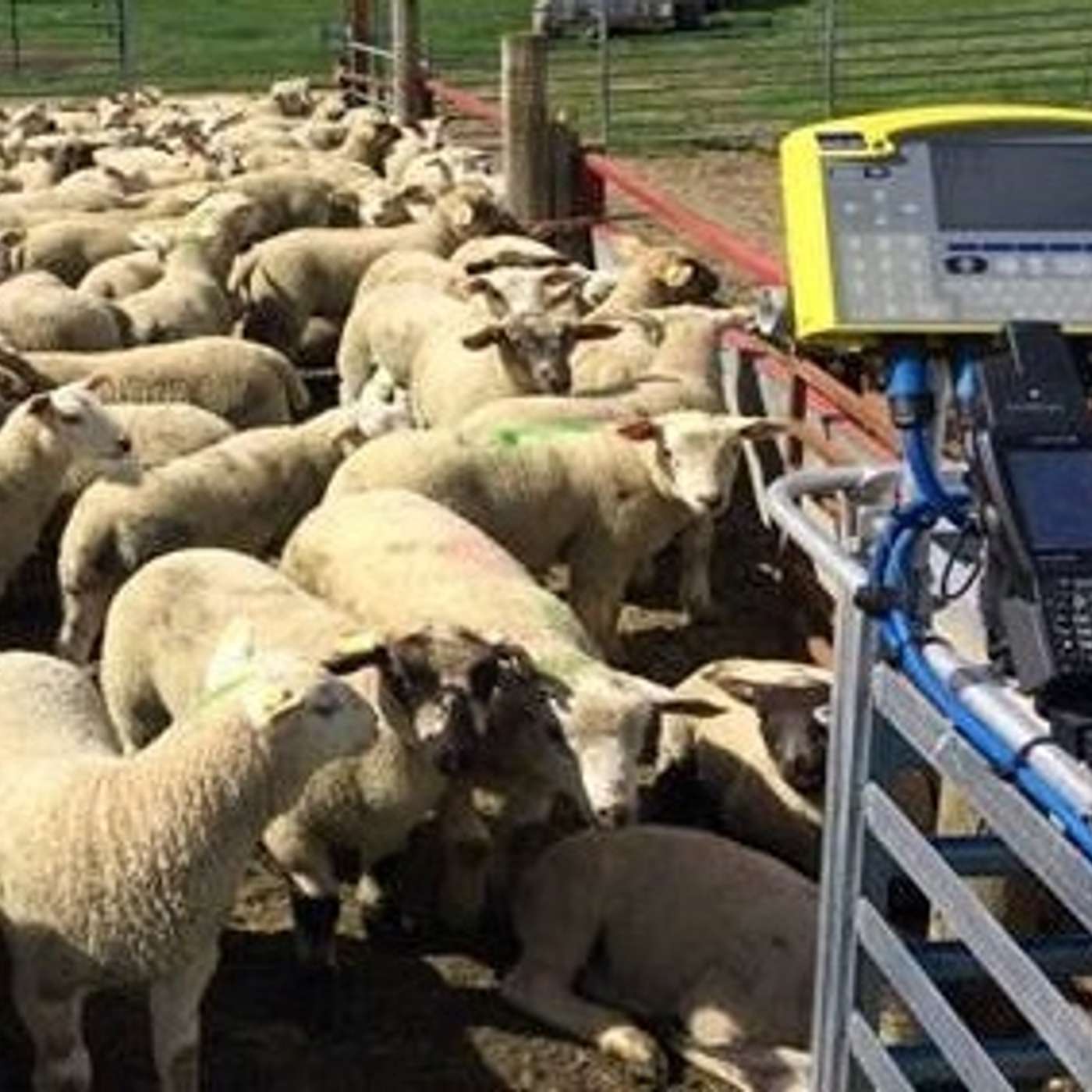
Dr. Frank Campion joins Ciarán Lynch on this week’s episode of OviCast with an update on some of the performance and management decisions on the Teagasc BETTER sheep farms as we head into the mid-summer period. Frank starts by discussing current activities on the farms and discusses lamb performance on the lowland flocks to date as well as some of the challenges they faced so far this year and how it influenced performance. Frank highlights how lamb weaning weights can effect management for the season and how checking the proportion of lambs that fall into different weight categories is a useful check for farms at the moment. He moves on to discuss the flocks on the hill side of the programme and how they have performed to date before finishing up discussing their options for selling or finishing lambs later in the season. For more episodes from the OviCast podcast, visit the show page at: https://www.teagasc.ie/animals/sheep/ovicast-sheep-podcast