OviCast
331 episodes — Page 3 of 7
Ep 231Recap - SIS Genotyped Ram Task
We’re joined on this week’s episode of OviCast by Jaynell Anderson, Programme Manager with Sheep Ireland, to discuss the SIS Genotype ram task. With ram sales underway, Jaynell gives us a recap on what the requirements of the SIS ram task are for hill and lowland flocks and how to identify eligible SIS approved rams in sales catalogues and using the ram search tool. We also discuss some of the frequently asked questions about the task and we finish up discussing ram supply and the upcoming multibreed sale in August and the new hill ram sale later this Autumn. For the ram search go to: https://appsh.sheep.ie/ram-search For more episodes from the OviCast podcast, visit the show page at:https://www.teagasc.ie/animals/sheep/ovicast-sheep-podcast
Ep 230Grass update & management tips for the coming weeks
Catherine Egan, host of the Beef Edge podcast, joins us on this week’s OviCast as we catch up with Grass10 advisor, Niamh Doyle, to get an update on the current situation and discuss management tips in the coming weeks. Niamh first highlights the factors that have limited grass growth over the last number of months. She also comments on the long term Nitrogen fertiliser type trial at Teagasc, Johnstown Castle, which provides an insight as to how different fertiliser types/formulations have performed under the same conditions and with N applied at the same time and at the same rate. Niamh discusses ways to reduce demand by scanning early to remove empty cows and cull ewes and the introducing of creep to lambs and weanlings. Coming into August, it is important to focus on building grass covers and Niamh explains the ways farmers can achieve this, as well as discussing fertiliser plans and the need to target slurry to replenish offtakes and completing fodder budget. Niamh then finishes up discussing her key tips for management in the coming weeks. Further information is available at:https://www.teagasc.ie/crops/grassland/grass10/ Subscribe to the Grass10 newsletter here: https://www.teagasc.ie/crops/grassland/grass10/grass10-enewsletter/ For more episodes from the OviCast podcast, visit the show page at:https://www.teagasc.ie/animals/sheep/ovicast-sheep-podcast
Ep 229Monitoring parasite burden and interpreting the results
This week we talk to Dr Orla Keane about monitoring the parasite challenge in lambs. We discuss the challenge stomach worms poses from this point of the season onward with Orla talking about using faecal sampling to monitor worm burden, explaining the process, what’s being tested and what the results mean. Orla also discusses the thresholds for dosing and the factors that influence the rise in worm counts. We move on to discuss drench testing to determine dose efficacy and we finish up highlighting best practice around faecal sampling and why it should be used on farms. For more information go to: https://www.teagasc.ie/animals/sheep/flock-health/anthelmintic-resistance/ For more episodes from the OviCast podcast, visit the show page at:https://www.teagasc.ie/animals/sheep/ovicast-sheep-podcast
Ep 228Grazing Focus: Grass supply, sward quality and fertiliser
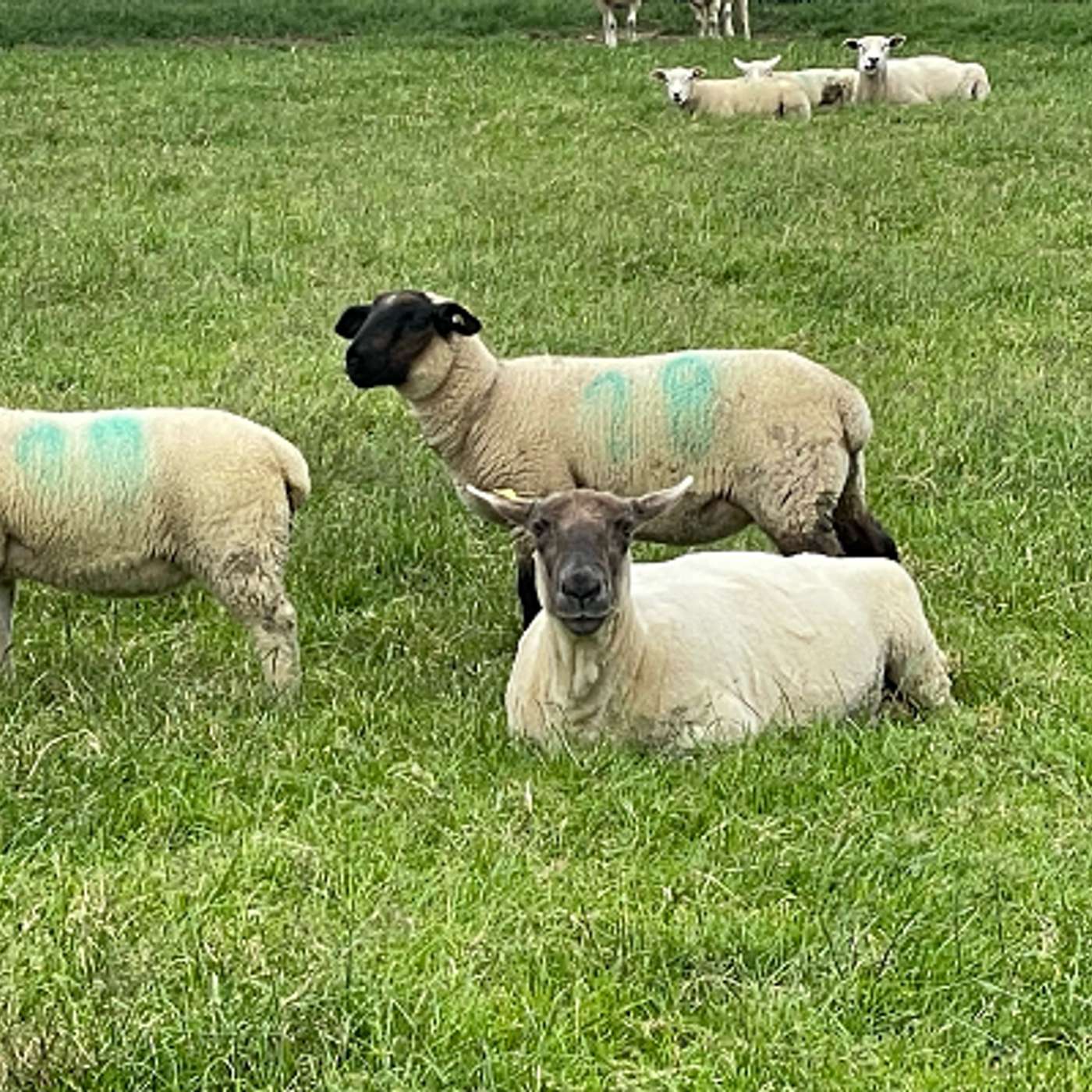
On this week’s OviCast we’re taking a grazing focus and are joined by Philip Creighton. We discuss grass supply and sward quality and some of the factors that are influencing it at the moment. We move on to discuss management options for the coming weeks and finish up the episode discussing fertiliser applications. For more episodes from the OviCast podcast, visit the show page at:https://www.teagasc.ie/animals/sheep/ovicast-sheep-podcast
Ep 227Time to wean?
Sheep Specialist, Michael Gottstein, joins us on this week’s OviCast to discuss weaning options on farms. We discuss the current situation on farms, challenges with grass quality and why weaning now is beneficial. Michael explains the weaning process with some useful tips and management of the ewes and lambs post-weaning. We finish up discussing some of the areas we need to address at the moment from parasite burden to mineral supplementation to tackling lameness. For more episodes from the OviCast podcast, visit the show page at:https://www.teagasc.ie/animals/sheep/ovicast-sheep-podcast
Ep 226Focus on wool quality and shearing
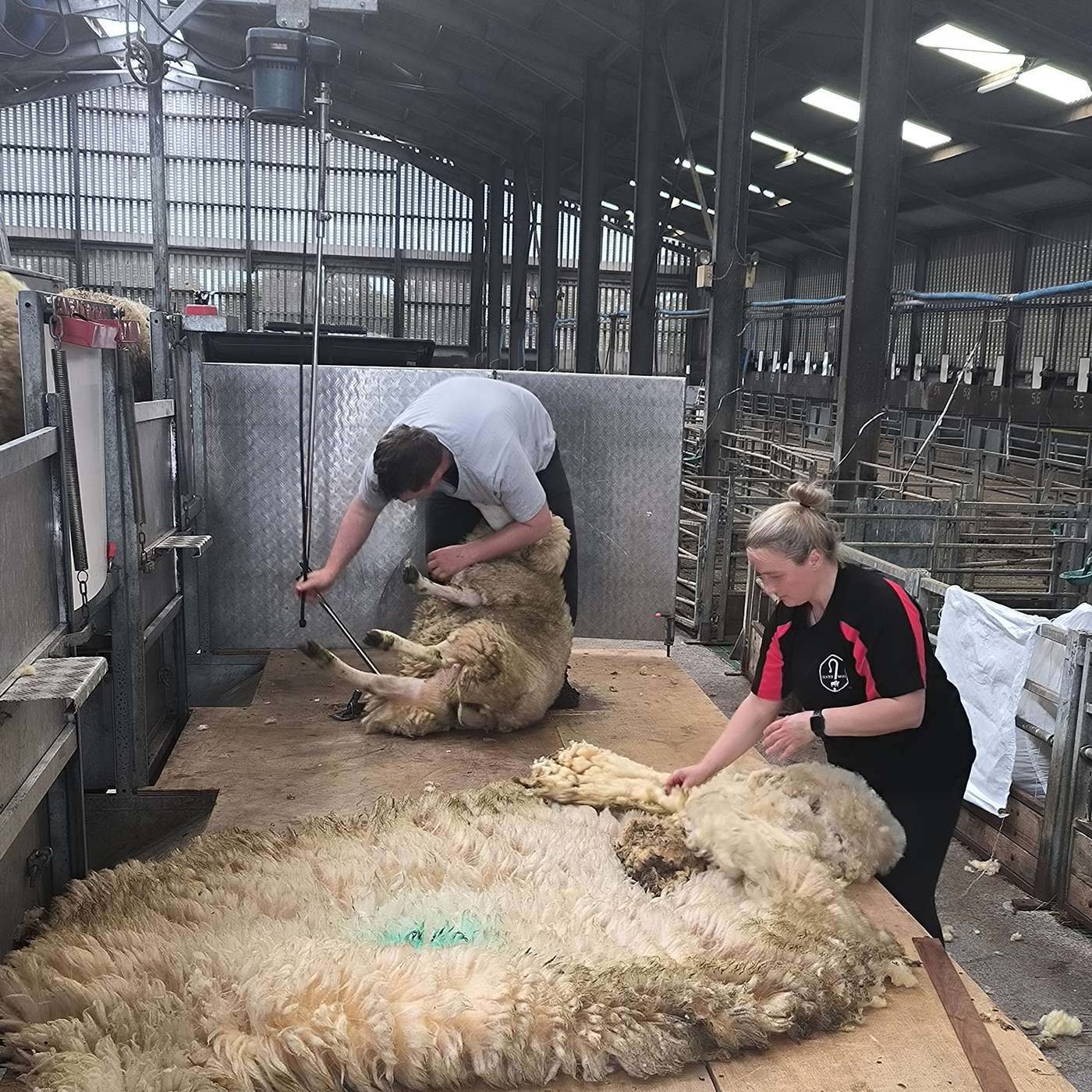
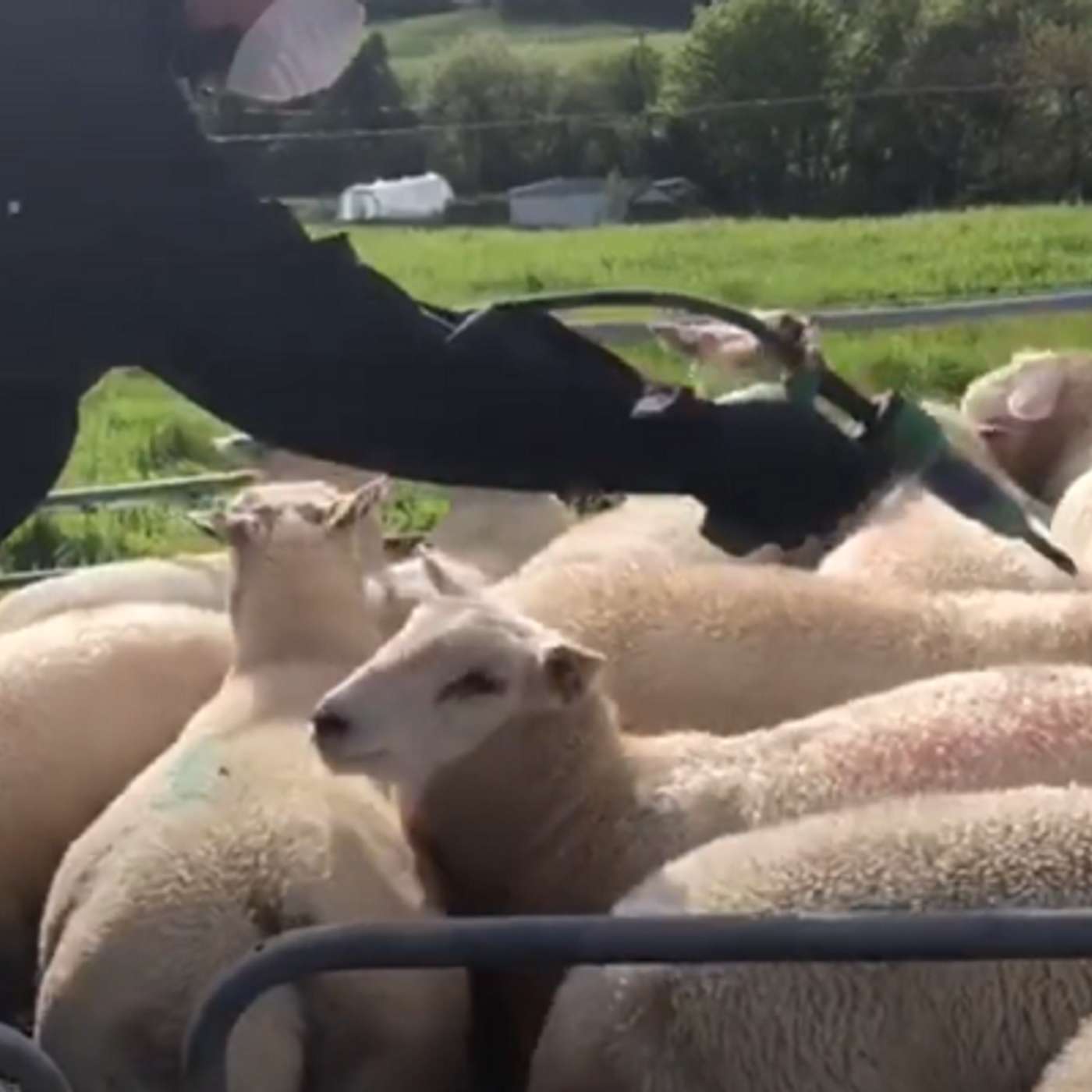
Jayne Harkness-Bones, Depot Manager with Ulster Wool, joins us for this week’s OviCast to discuss the factors that influence the quality of wool, the challenges in the marketplace in recent years and what happens to the wool from purchase until it reaches market. We talk about shearing, wool handling and storage, with Jayne highlighting some simple practices to make the process easier and improve the quality of the wool harvested. In the latter half of the podcast, Jayne who is also a council member of the Irish Grown Wool Council, discusses some of the work they have been involved in to realise the potential of wool, develop further opportunities and provide support to the industry. For more information on some of the items discussed see the following links:https://irishgrownwoolcouncil.com/Preparing for Shearing: https://youtu.be/QiyvrF9g-dc Top tips on how to harvest wool at shearing time: https://youtu.be/qO8HJdMsmME For more episodes from the OviCast podcast, visit the show page at:https://www.teagasc.ie/animals/sheep/ovicast-sheep-podcast
Ep 225How the lamb trade is shaping up for the summer
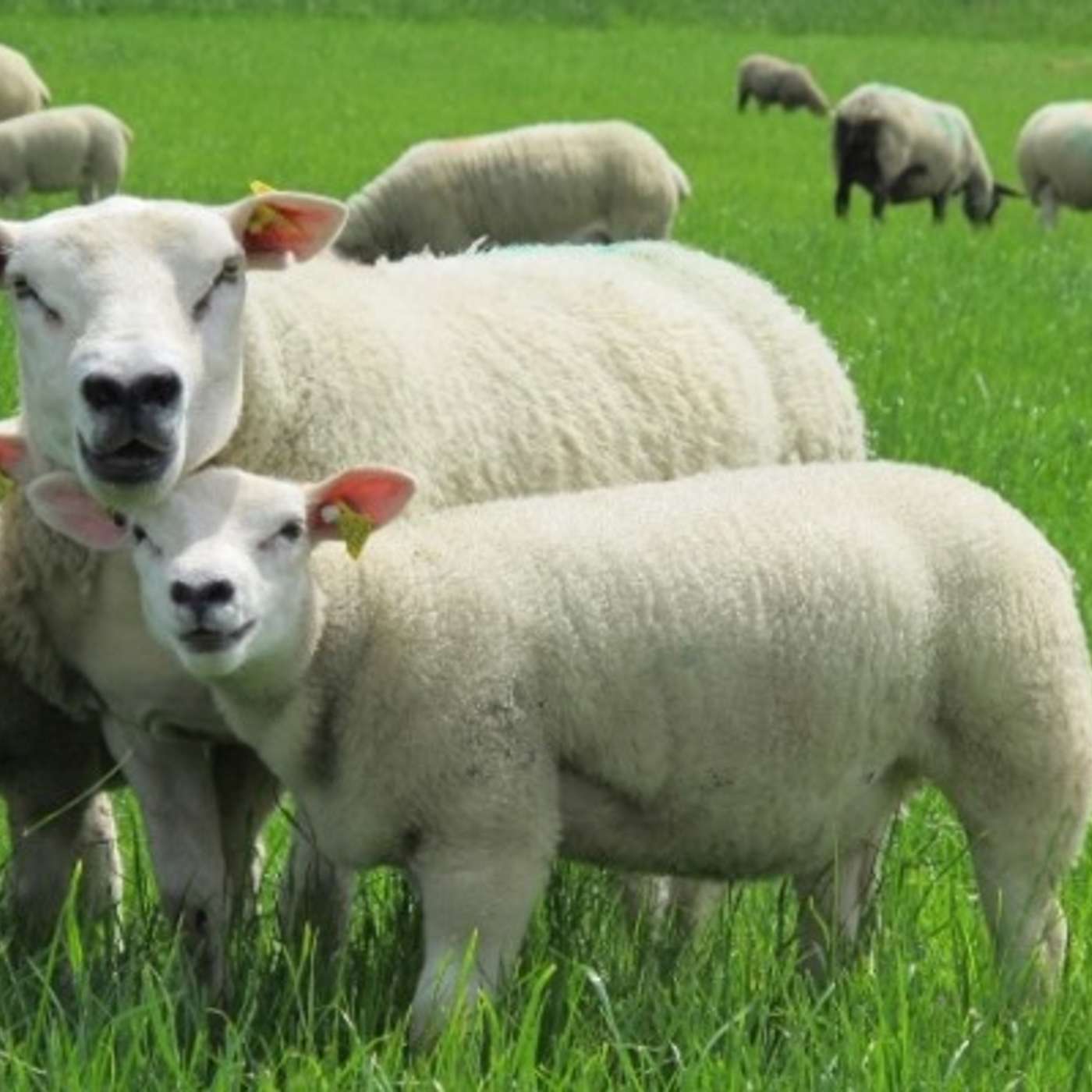
Seamus McMenamin, sheep sector manager with Bord Bia, joins us on this week’s OviCast as we look at the lamb trade. Seamus discusses factory throughput this year to date; we discuss what’s been happening with international trade; falling ewe numbers in the UK and Europe and the impact that this could have on lamb trade this summer. We finish up discussing trends in demand and attracting younger consumers. For more episodes from the OviCast podcast, visit the show page at:https://www.teagasc.ie/animals/sheep/ovicast-sheep-podcast
Ep 224Time to think about blowfly control
With blowfly strike a risk on farms, for this week’s OviCast we’re joined by sheep specialist Damian Costello to discuss the risk factors, how it occurs and treatment options available to farmers. For more information: https://www.teagasc.ie/news--events/daily/sheep/put-a-plan-in-place-to-deal-with-blowfly-strike.php For more episodes from the OviCast podcast, visit the show page at:https://www.teagasc.ie/animals/sheep/ovicast-sheep-podcast
Ep 223Farmer Focus: Olivia Hynes’ mixed grazing system in Roscommon
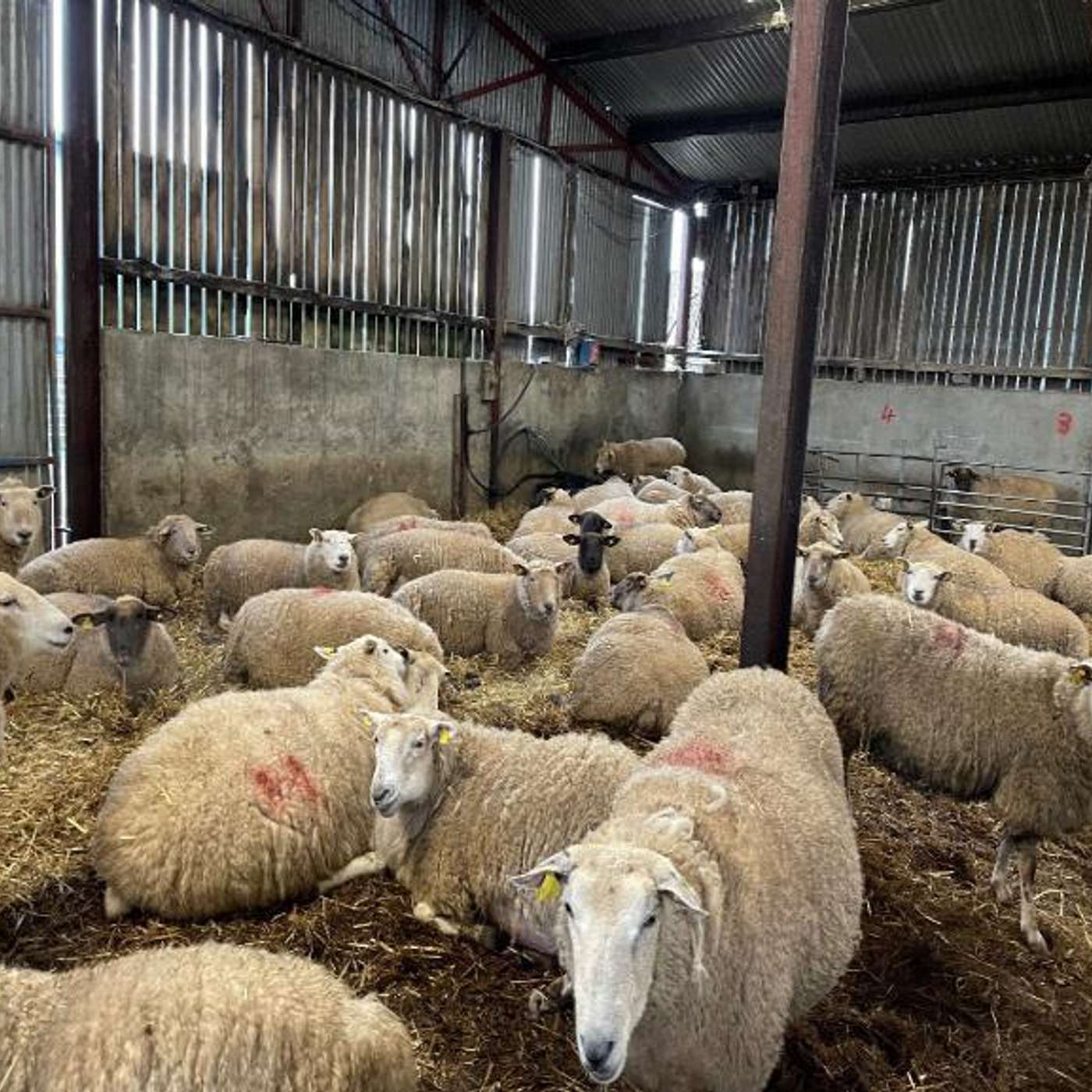
For this week’s OviCast, we’re also joined by Catherine Egan, host of the Beef Edge podcast, as we catch up with Co. Roscommon beef and sheep farmer, Olivia Hynes. Oliva starts by giving us an overview of her system, we discuss breeding and the use of AI in her suckler herd, lamb performance this spring and some of the challenges it has posed. We discuss mixed grazing, grassland management and investing in grazing infrastructure, before finishing up with Olivia highlighting the three things she has focused on that have had an impact in her farming system. For more episodes from the OviCast podcast, visit the show page at:https://www.teagasc.ie/animals/sheep/ovicast-sheep-podcast
Ep 222Flukicide residues – observing withdrawal dates and correct usage
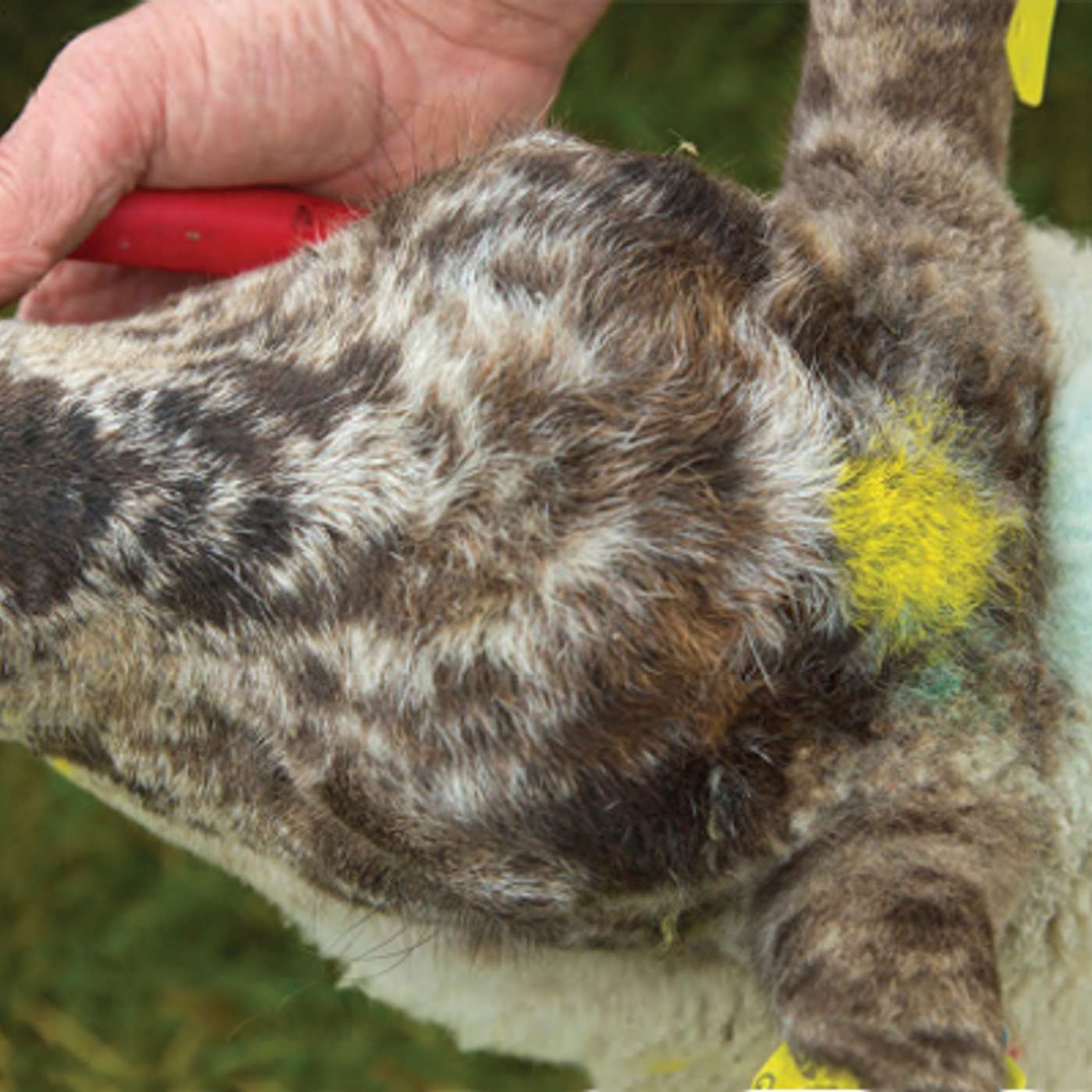
For this week’s OviCast, we’re joined by Terry McElvaney, Veterinary Inspector with Department of Agriculture, Food and the Marine, to discuss some issues that have occurred with flukicide residues in lamb carcasses. We discuss the problems encountered and the follow up investigations with Terry explaining some of the issues caused and issues they have encountered. We also discuss the key areas to focus on when using anthelminthic and antibiotics to avoid these type of issues occurring. Details of licensed veterinary products can be found on the HPRA veterinary medicines webpage: https://www.hpra.ie/homepage/veterinary/veterinary-medicines-information For more episodes from the OviCast podcast, visit the show page at:https://www.teagasc.ie/animals/sheep/ovicast-sheep-podcast

Ep 221Knowing the chemical fertiliser limit for your farm
Environmental specialist, Tim Hyde, is on this week’s OviCast to discuss fertiliser limits on farms. We discuss how the introduction of the fertiliser register has put purchased fertiliser more in the spotlight on farms. Tim explains the implications of this, how farmers can work out their stocking rate and what the limits are on farm. We discuss the importance of soil sampling, how this impacts your fertiliser limit and the importance of a fertiliser plan. We finish up discussing some changes to slurry spreading and the use of LESS technology on farms that are in place this season and coming down the tracks. For more episodes from the OviCast podcast, visit the show page at:https://www.teagasc.ie/animals/sheep/ovicast-sheep-podcast
Ep 220The National Sheep Welfare Scheme
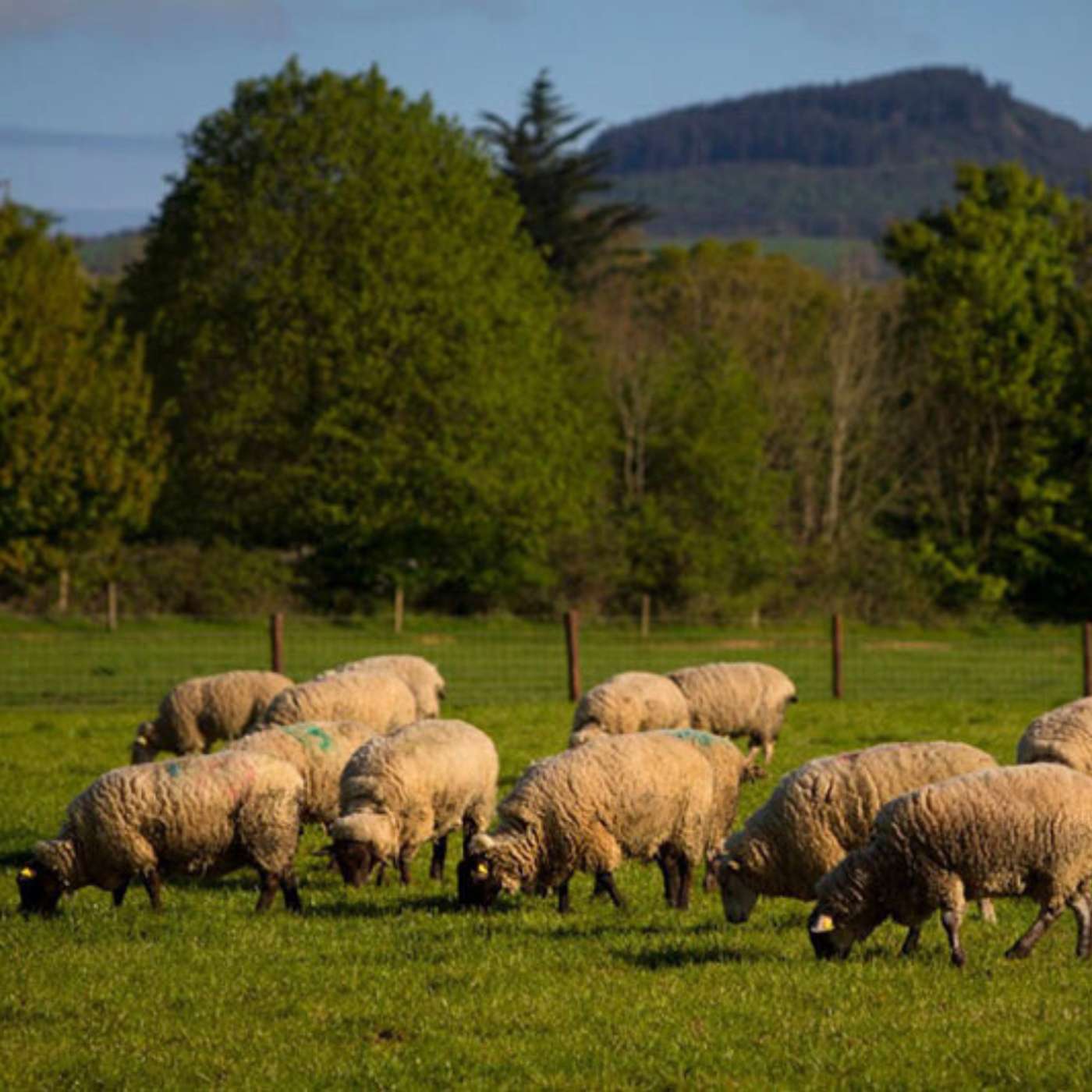
David Buckley from the Department of Agriculture is on this week’s OviCast to discuss key aspects of the new National Sheep Welfare Scheme. David first gives an overview of the scheme, we discuss eligibility, reference numbers and the application procedure. David then takes us through the various tasks explaining how they would work and what documentation is required for each. We finish up discussing the payment dates, administrative checks and the help desk contact details. For more information: https://www.gov.ie/en/service/b253f-national-sheep-welfare-scheme/ For more episodes from the OviCast podcast, visit the show page at:https://www.teagasc.ie/animals/sheep/ovicast-sheep-podcast
Ep 219The key management tasks to do at present
Sheep Specialists, Michael Gottstein and Damian Costello, are on this week’s OviCast to discuss some of the key management tasks to do on farms at present. We discuss fertiliser application, planning for silage and grazing management and we look at the scenarios where supplementation is needed. In the second half we switch to dealing with the various health challenges highlighting the continued risk of grass tetany, treating for Nematodirus and Coccidia. We also discuss the challenge mastitis poses in ewes at the moment and the need to treat early where scald appears in lambs. More information about what was discussed can be found here:https://www.teagasc.ie/news--events/daily/sheep/fertiliser-grassland-and-supplementation-advice-for-sheep-farmers.php For more episodes from the OviCast podcast, visit the show page at:https://www.teagasc.ie/animals/sheep/ovicast-sheep-podcast
Ep 218Nematodirus forecast 2024
Dr. James O’Shaughnessy from the Department of Agriculture’s Central Veterinary Research Laboratory in Backweston joins us on the latest OviCast to discuss this year’s Nematodirus forecast. James first explains the condition, symptoms and we discuss the high risk periods around the country. We discuss treatment, some of the factors that may lead to a higher challenge on farms this spring, and we also discuss the potential risk of concurrent infection with coccidia. For more information on the forecast can be found here: https://bit.ly/Nematodirus_Forecast_2024 For more episodes from the OviCast podcast, visit the show page at:https://www.teagasc.ie/animals/sheep/ovicast-sheep-podcast
Ep 217Managing the challenging grazing conditions
For this week’s OviCast, we discuss grazing management with Dr Philip Creighton. With the challenging conditions we discuss the grazing situation around the country, opening covers and the impact of delayed fertiliser application on grass growth. Philip discusses managing supplies, targeted supplementation where supplies are tight and grazing strategies that can be implemented in the coming weeks. We also discuss fertiliser application rates when conditions allow for grazing and silage. We finish up with Philip discussing having preventative measures in place for grass tetany due to the current grazing conditions. For more episodes from the OviCast podcast, visit the show page at:https://www.teagasc.ie/animals/sheep/ovicast-sheep-podcast
Ep 216Sheep trade update
Sheep and Schemes editor from the Irish Farmers Journal, Darren Carty, is on this week’s OviCast to talk about the current sheep trade. With prices hitting new highs we chat about the trade at the moment. Darren talks to us about the hogget trade this spring, the start of the early lamb hitting the market and niche markets for milk lamb. We discuss what’s driving trade, what’s happening on international markets and speculate for what may be in store in the coming months. We finish up discussing the cull ewe trade and weighing up the option of selling in marts versus direct to abattoirs. For more episodes from the OviCast podcast, visit the show page at:https://www.teagasc.ie/animals/sheep/ovicast-sheep-podcast
Ep 215Preventing grass tetany post turnout
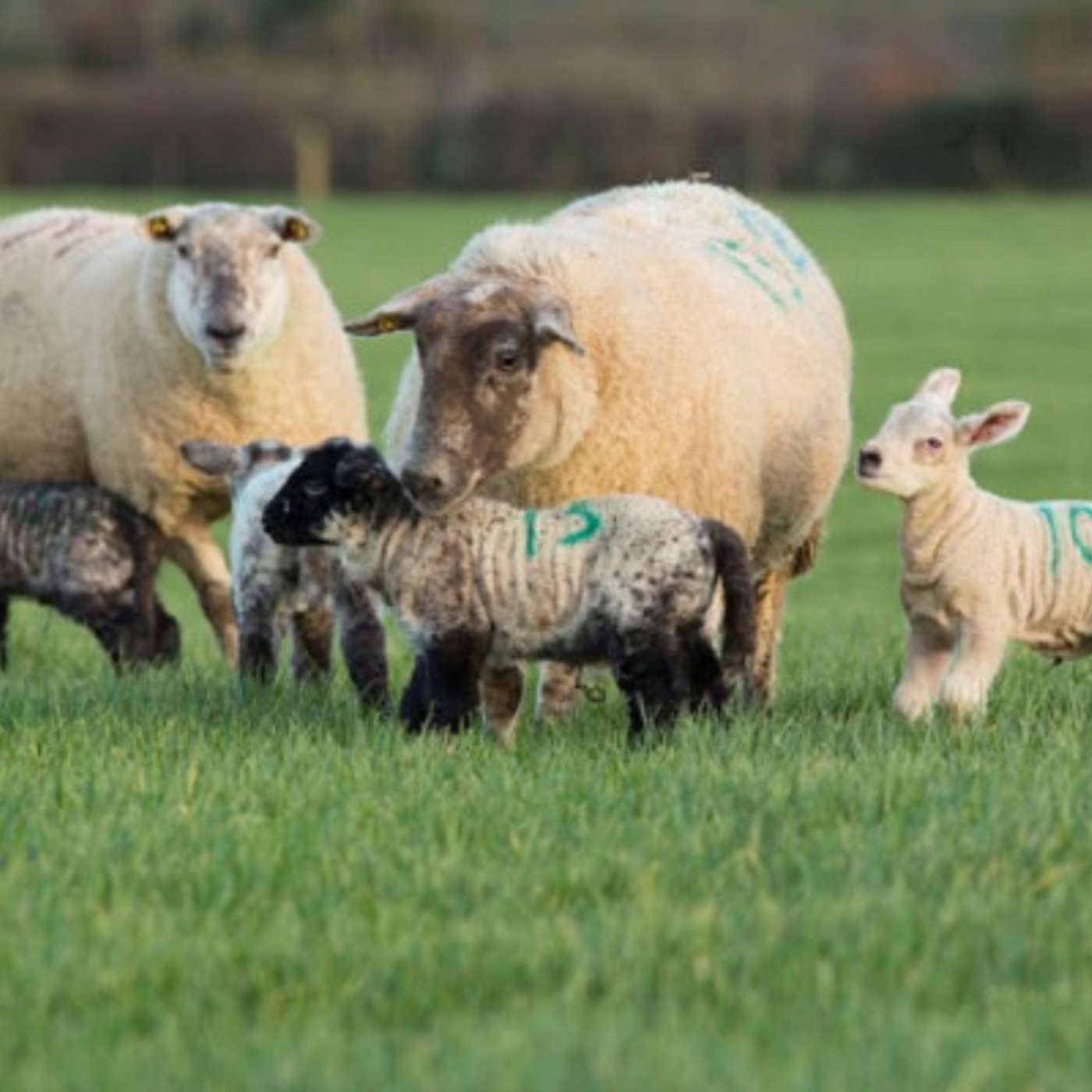
Grass tetany is one of the challenges in early spring and on this week’s OviCast, Teagasc Sheep Specialist, Damian Costello, talks to us about this in more detail. Damian explains how it occurs, the pre-disposing factors and high risk periods. We discuss the symptoms and treatment in acute cases and Damian describes the various preventative measures and how these can be implemented on farms. Read more about it here:https://bit.ly/Grass_Tetany_24 For more episodes from the OviCast podcast, visit the show page at:https://www.teagasc.ie/animals/sheep/ovicast-sheep-podcast
Ep 214Hill Flocks: feeding & health advice in the run up to lambing
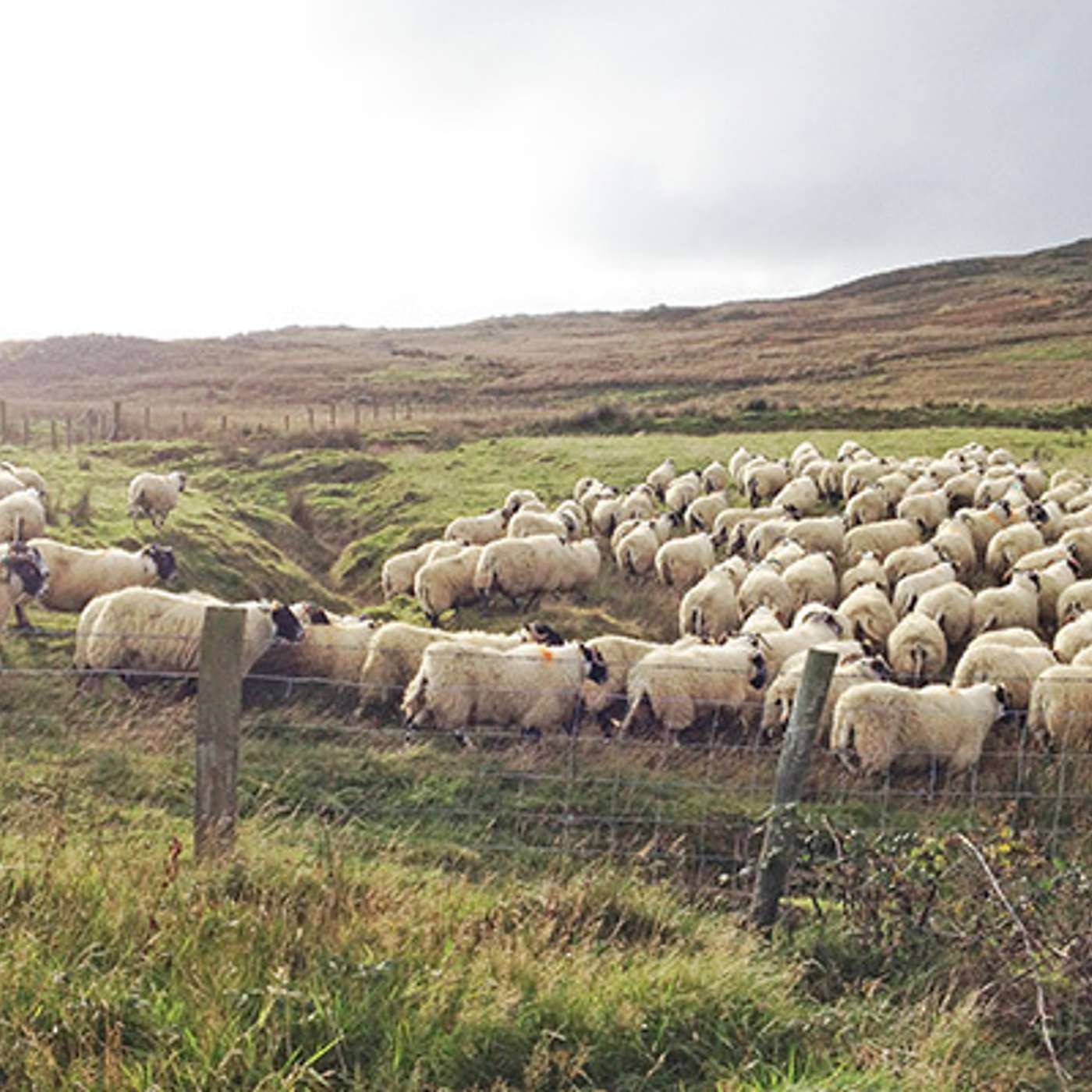
Sheep specialist, Michael Gottstein, is on this week’s OviCast to discuss some timely advice for hill flocks in the run up to lambing. Michael discusses some of the key areas to focus on this spring highlighting how ewe condition is a challenge. We discuss the basics of nutrition and some of the feeding strategies that might be employed. We finish up on to discuss some health areas that require attention in the lead into lambing. For more episodes from the OviCast podcast, visit the show page at:https://www.teagasc.ie/animals/sheep/ovicast-sheep-podcast
Ep 213How to correctly set up a fertiliser spreader
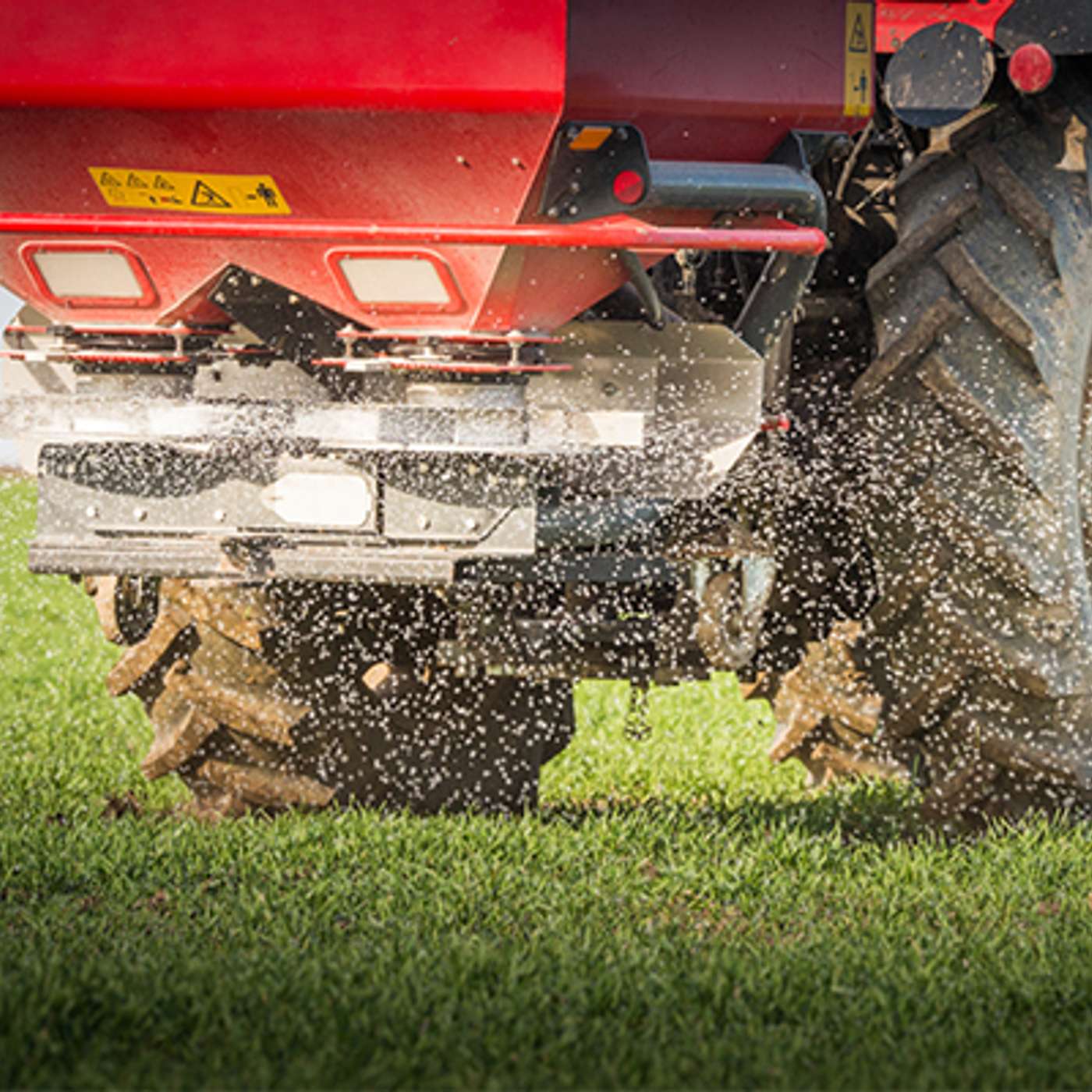
When focusing on improving fertiliser use efficiently, one often overlooked aspect for the return on investment is the fertiliser spreader itself. For this episode of OviCast I’m joined by Teagasc machinery specialist, Francis Quigley, to take us through some of the practical considerations around this piece of equipment. Francis explains many aspects from basic maintenance checks before the season commences, to correct set-up on the tractor and its impact that can have on the spread pattern. We also discuss calibration, use of technology and the impact of the operator. For more information: https://www.teagasc.ie/crops/soil--soil-fertility/fertiliser-spreaders/ For more episodes from the OviCast podcast, visit the show page at:https://www.teagasc.ie/animals/sheep/ovicast-sheep-podcast
Ep 212Scanning, condition score and preparing for lambing on the BETTER farms
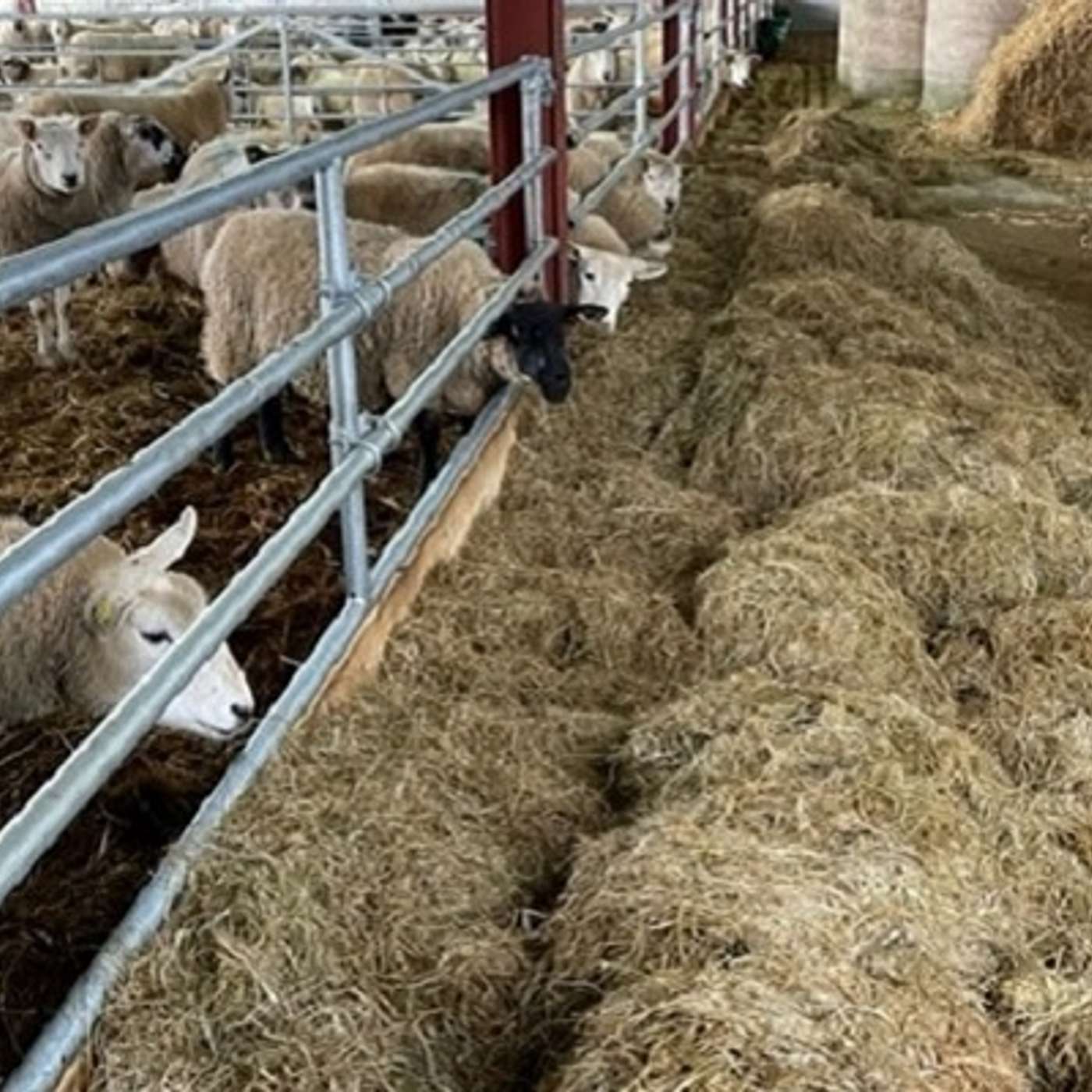
For this week’s OviCast, we catch up with Dr Frank Campion to get an update on the BETTER farm sheep flocks. We discuss this year’s scanning results, dealing with issues and benchmarking performance. We move on to ewe condition score on the farms at scanning and since tupping and discuss the practical steps farmers can take to manage this. We finish up discussing grass supplies, preparing for lambing and culling problem ewes. For more episodes from the OviCast podcast, visit the show page at:https://www.teagasc.ie/animals/sheep/ovicast-sheep-podcast
Ep 211Vet lab submissions
For this week’s OviCast, we’re joined by Seamus Fagan from the Department of Agriculture’s regional veterinary lab in Athlone. As a follow-on from his talk at the recent Sheep Conference, we discuss the importance of records to highlight flock health issues on farm and to help provide a better flock history, particularly in the case of abortion. We discuss the submission process and the timeline for results. We also discuss some of the challenges seen in the lab this spring with a notable fluke challenge present on farms. Finally we finish up discussing some of the findings from the ongoing thin ewe survey. For more episodes from the OviCast podcast, visit the show page at:https://www.teagasc.ie/animals/sheep/ovicast-sheep-podcast
Ep 210Completing a profit monitor
For this week’s OviCast, I’m joined by my Teagasc colleague, Catherine Egan, host of the Beef Edge podcast, as we discuss financial management tips on drystock farms with Teagasc Financial Specialist, Kevin Connolly.Kevin first explains the benefits of completing a profit monitor and we discuss what data is required and the ways to simplify this process. Kevin takes us through the information the profit monitor can generate and how it can be used to highlight key areas to focus on, allowing farmers to benchmark their own farm performance. We finish up with Kevin offering his three key pieces of advice for listeners to undertake in 2024.For those interested in completing a profit monitor you can find out more at:https://www.teagasc.ie/rural-economy/farm-management/financial-analysis/farm-profit-analysis/For more episodes from the OviCast podcast, visit the show page at:https://www.teagasc.ie/animals/sheep/ovicast-sheep-podcast
Ep 209Farmer Focus: Michael Forde on managing a sheep & beef system on a fragmented farm
For this week’s OviCast we head west to Corrandulla, Co. Galway to hear from sheep and beef farmer Michael Forde who is a participant on the BETTER farm programme. Michael first discusses his farming system and some of the challenges of a managing a fragmented farm. We chat about the impact of a difficult 2023 on lamb performance, sales and ewe condition and how he managed the flock this winter. Plus we discuss the steps he has taken to address ewe condition since housing, this year’s scanning results and his feeding plans for ewes in late pregnancy. For more episodes from the OviCast podcast, visit the show page at:https://www.teagasc.ie/animals/sheep/ovicast-sheep-podcast
Ep 208National Sheep Conference Preview
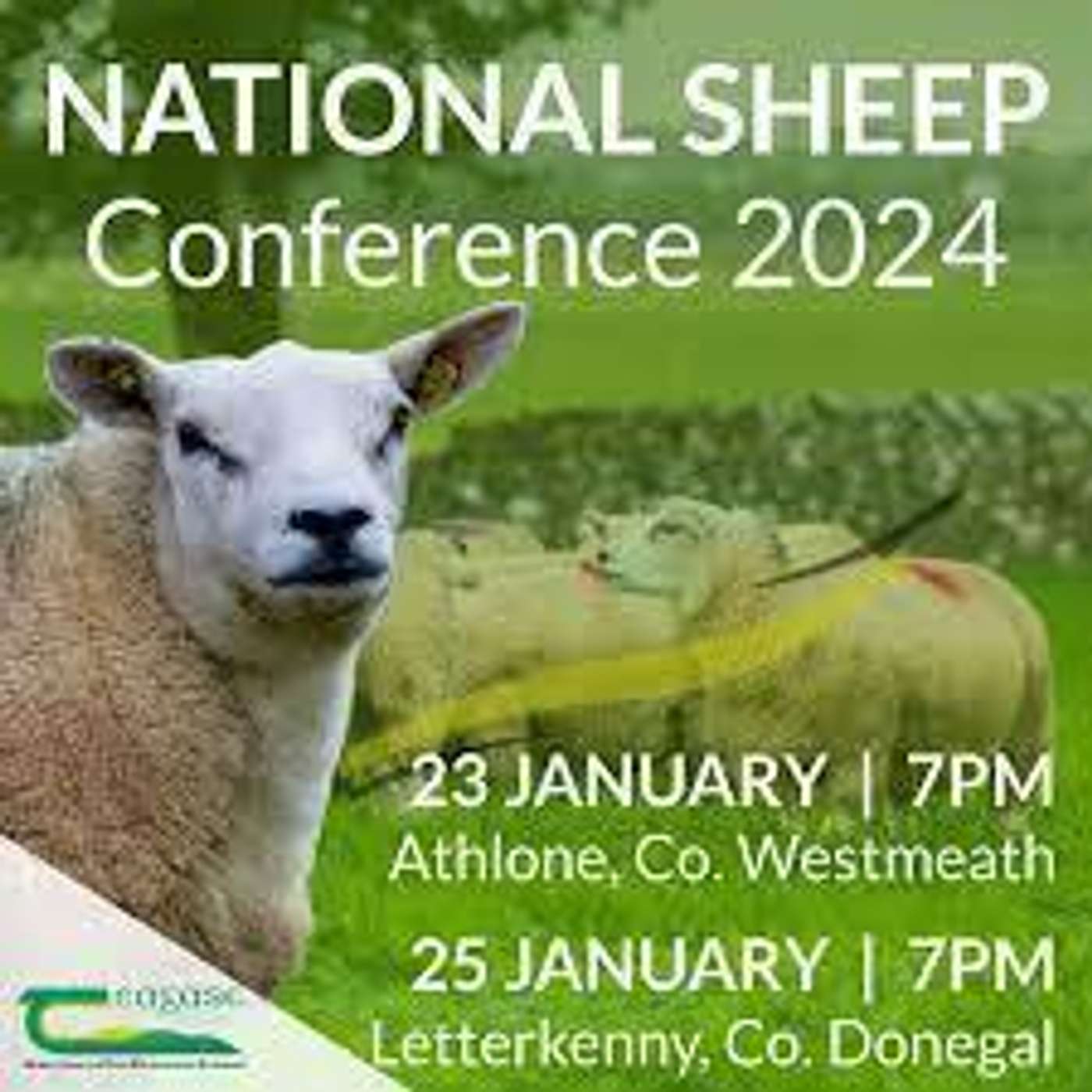
On this week’s OviCast we look forward to the Teagasc National Sheep Conference with Dr Philip Creighton previewing the topics being covered. Philip discusses the times and locations of this year’s conferences and highlights the speakers and the topics they are covering. These include ‘Nutrition during pregnancy: management and the consequences’, to ‘Simplifying farm transfers: key considerations and strategies’ and ‘Diagnosing and managing flock health issues - on farm experiences’. For more details visit: www.teagasc.ie/sheepcon24 For more episodes from the OviCast podcast, visit the show page at:https://www.teagasc.ie/animals/sheep/ovicast-sheep-podcast
Ep 207Scanning - making use of the information
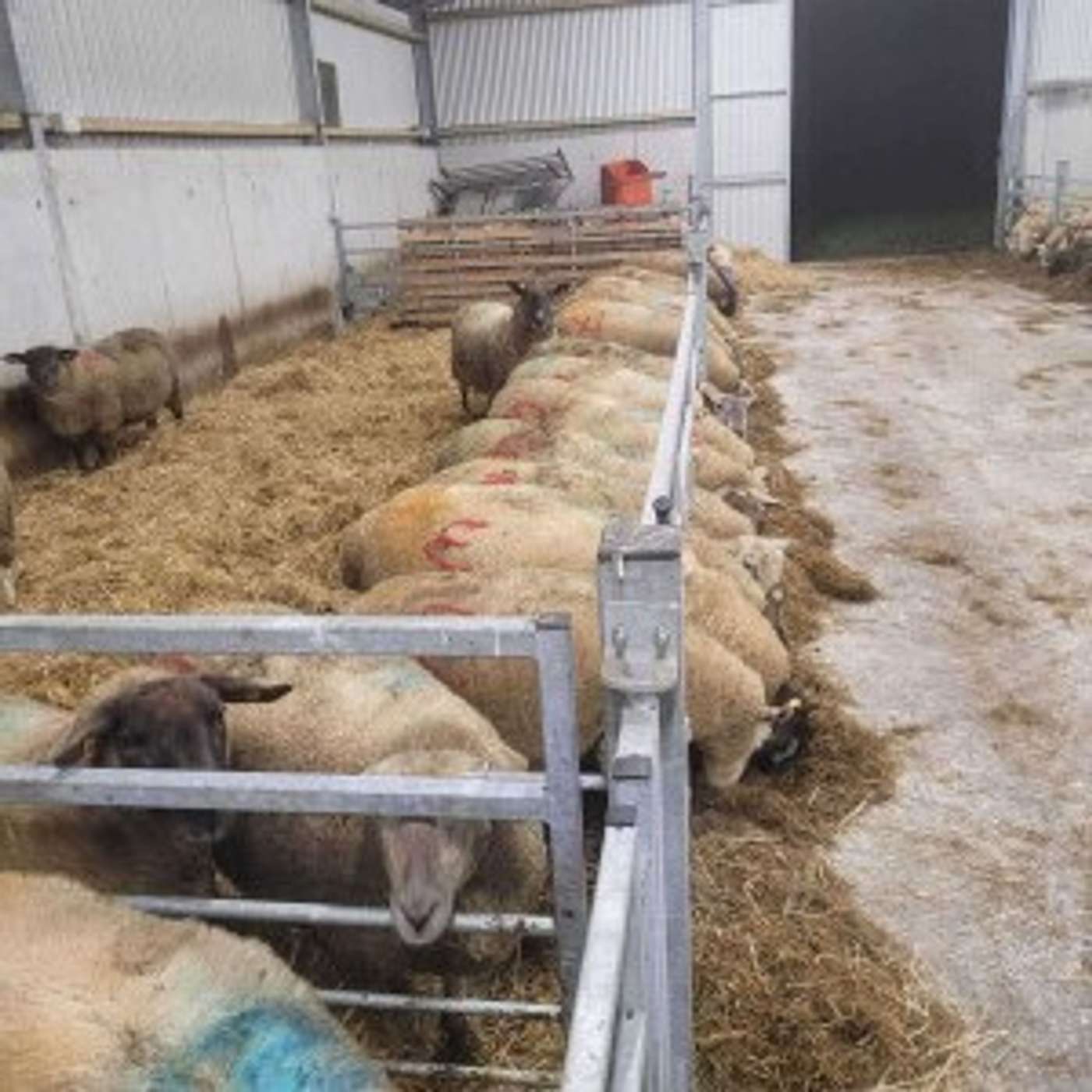
With scanning complete on many flocks, on this week’s OviCast we chat to Sheep Specialist Michael Gottstein about making use of this information. We start off talking about this year’s scanning results and move on to discuss the immediate management changes that can be made by setting up feeding groups. Michael discusses why we need to divide them on the basis of scanned litter size and lambing date but also highlights the importance of assessing and managing ewe condition score this season. We also discuss pregnancy rate and the causes of higher empty rates. Scan results are also a useful benchmark and we finish up the episode chatting about using this information to highlight key areas to focus on in the short and longer term. For more episodes from the OviCast podcast, visit the show page at:https://www.teagasc.ie/animals/sheep/ovicast-sheep-podcast
Ep 206Management at housing this winter
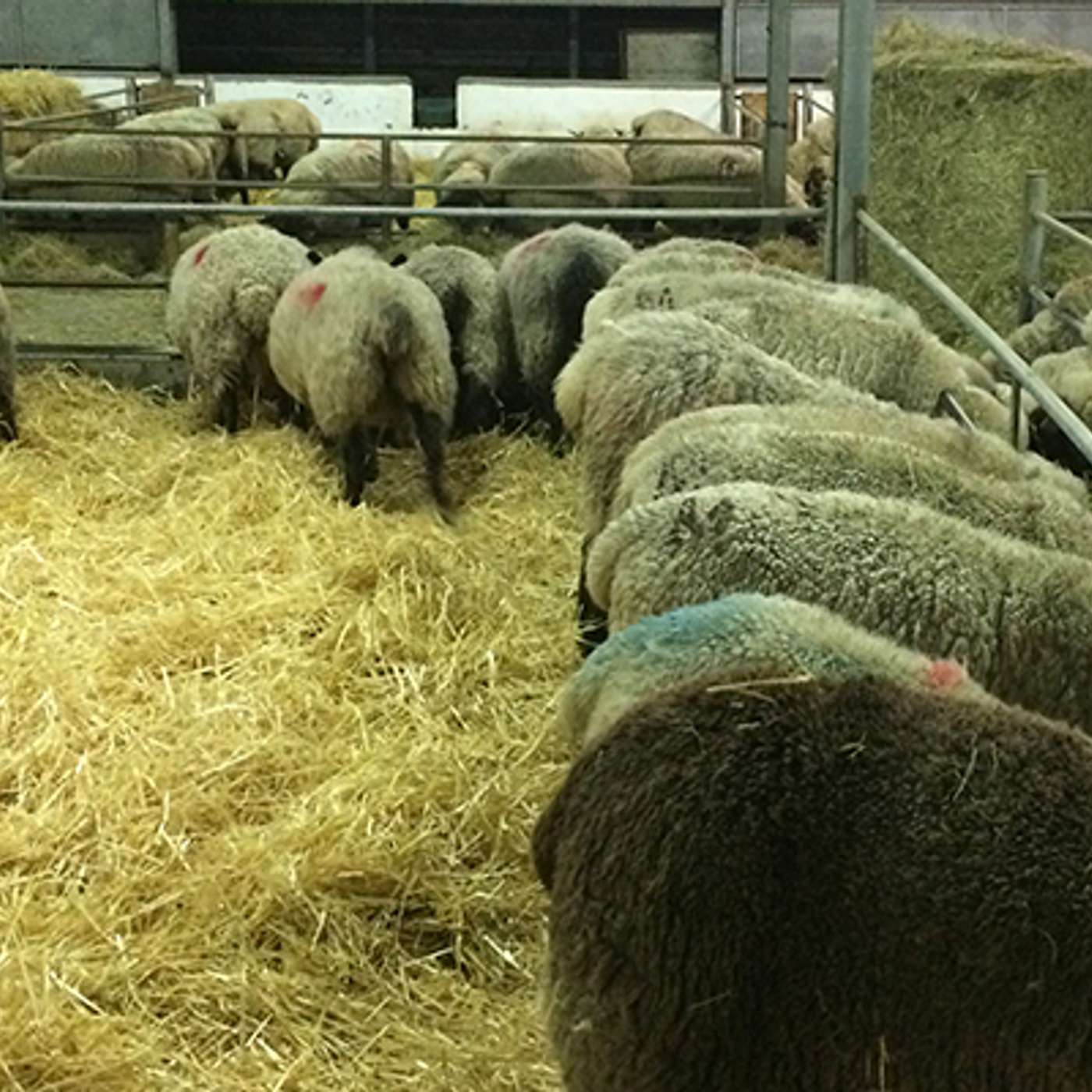
For this week’s OviCast, we hear from a recent Let’s Talk Sheep webinar with Sheep Specialist Damian Costello speaking about key management advice at housing this winter. Damian covered various aspects from some of the challenges faced this year to managing ewe condition to practical advice at housing. Damian also answers some audience questions on the topic. For more episodes from the OviCast podcast, visit the show page at:https://www.teagasc.ie/animals/sheep/ovicast-sheep-podcast
Ep 205Alternative bedding options
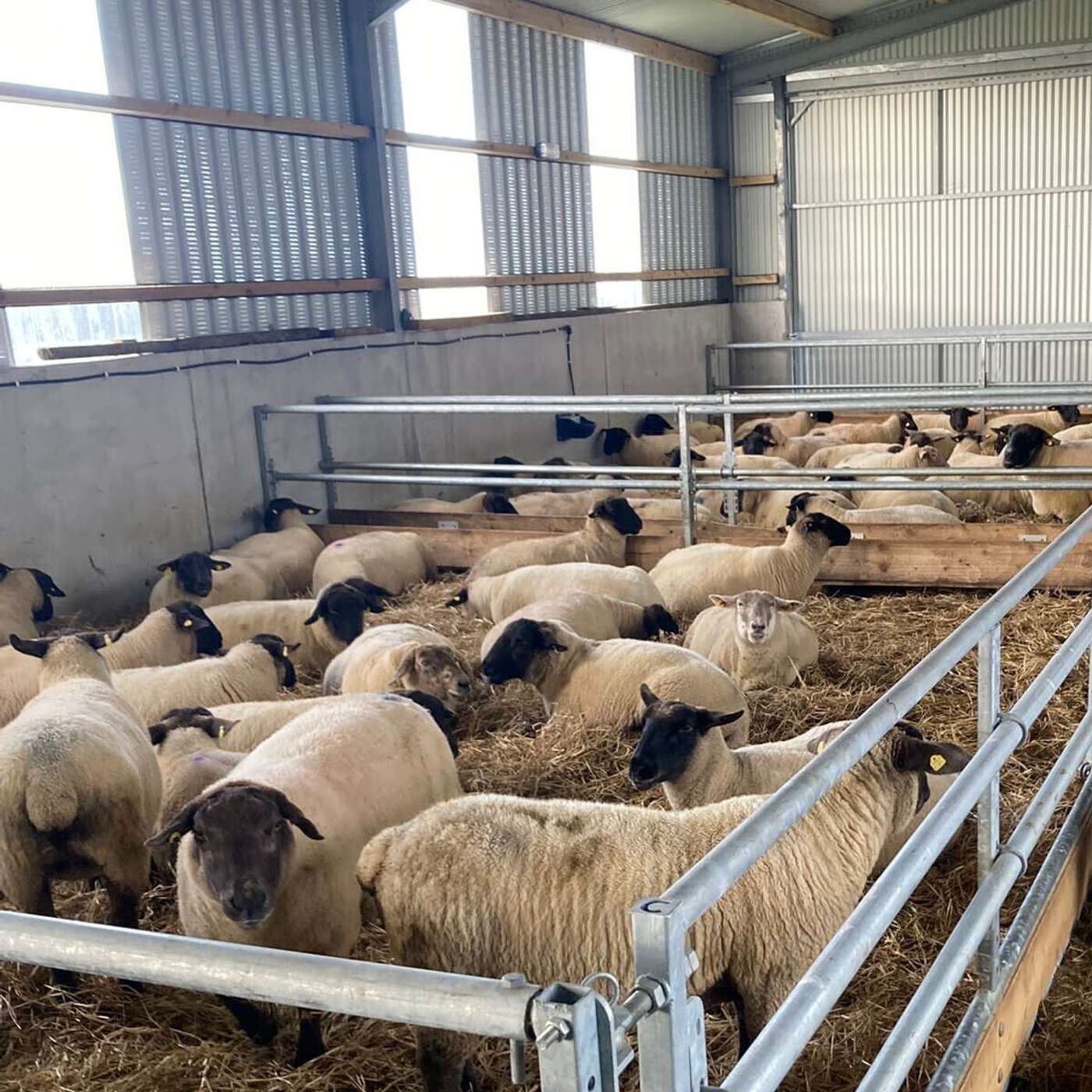
For this week’s OviCast we talk to independent sheep and beef consultant, Dr Liz Genever, about an on-farm project she was involved in examining various bedding options. Liz gives us a background to the project, what bedding options they compared, how they set it up and what they examined. We discuss the levels of usage of the various bedding sources, labour input, ewe cleanliness and ultimately costs involved. We move on to discuss the suitability of each, a hybrid bedding model incorporating different bedding options and how the farm where the project was conducted changed practices. Finally, Liz highlights the ways to stretch supplies with key areas to focus on. For more episodes from the OviCast podcast, visit the show page at:https://www.teagasc.ie/animals/sheep/ovicast-sheep-podcast
Ep 204Silage testing - what the results mean
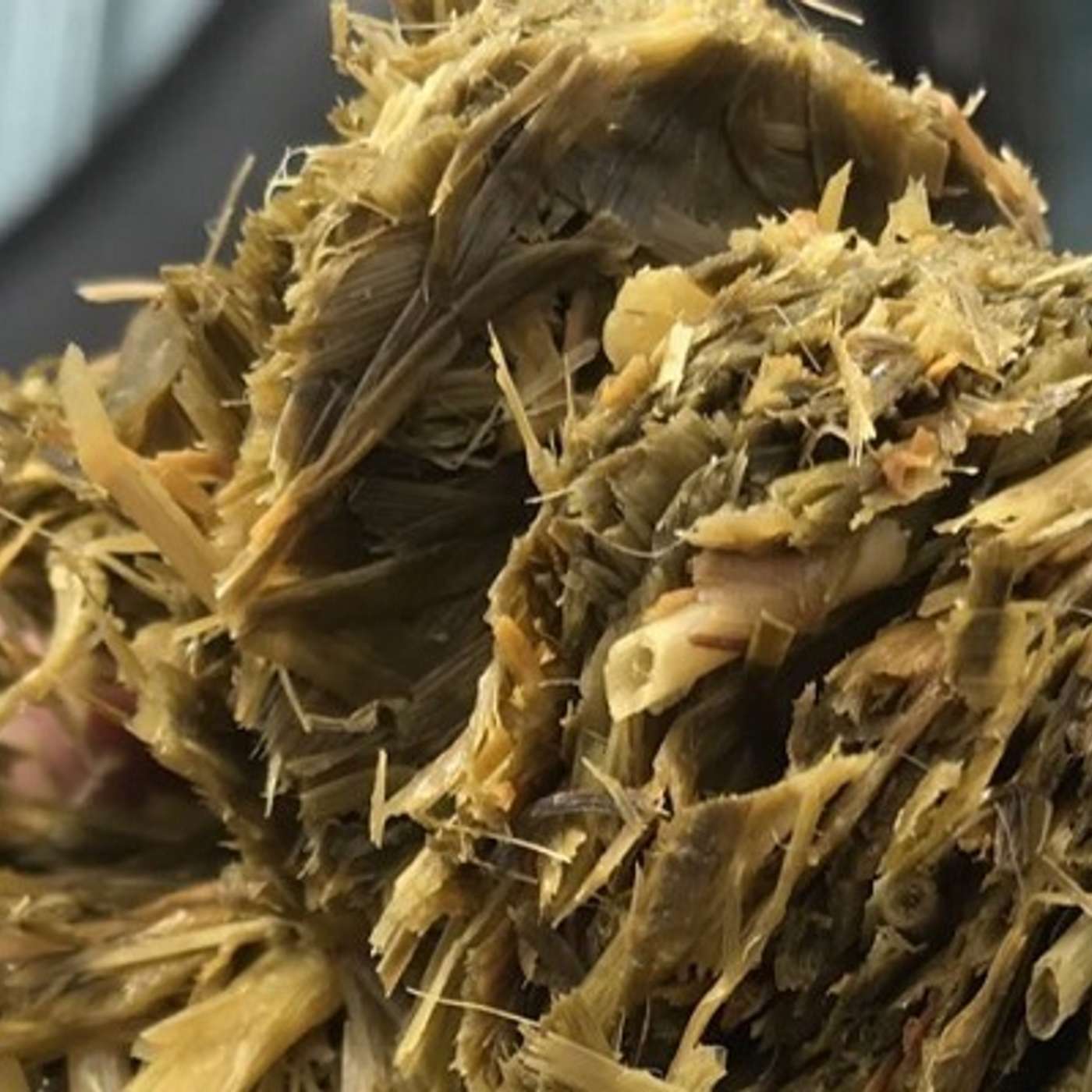
On this week’s OviCast we talk to Dr Tim Keady about the importance of silage testing and what the results mean. Tim emphasises the importance of getting a silage test conducted correctly early to know the feed value of your winter forage. He explains the variation in results nationally, what each of the measures mean and most importantly, the implications for feeding. We discuss how the results could highlight areas to focus on for next year’s silage harvest. We finish up with Tim discussing the implications of feeding different feed value silages has on animal performance and the amount of supplementation required. For more episodes from the OviCast podcast, visit the show page at:https://www.teagasc.ie/animals/sheep/ovicast-sheep-podcast
Ep 203Tackling the fluke challenge this winter
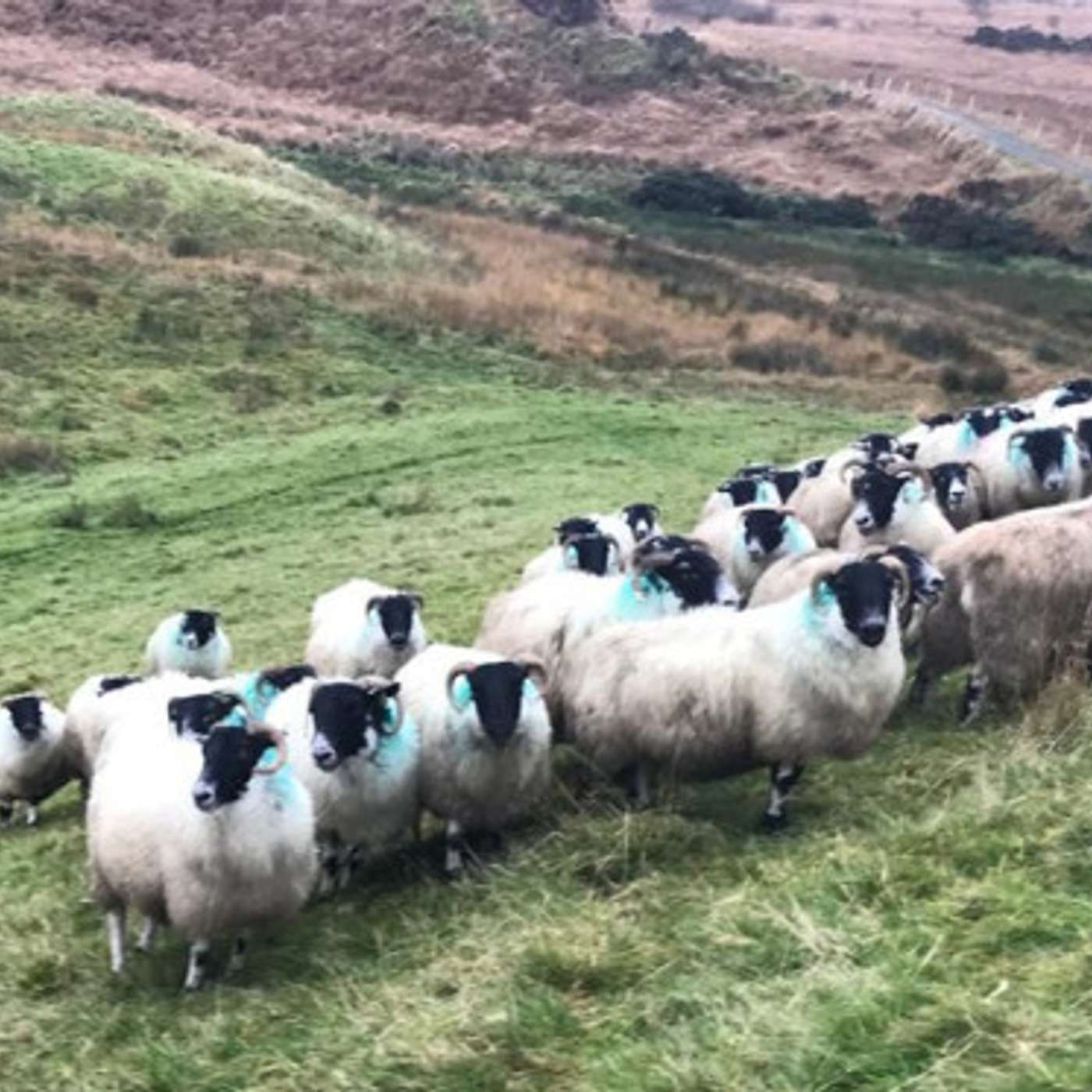
Veterinarian, Shane McGettrick, who is Laboratory Manager at the Department of Agriculture Regional Veterinary Laboratory in county Sligo is on this week’s OviCast to talk about the fluke challenge this winter. We start with Shane discussing what fluke-related issues they are seeing in the lab at this point in the season. We discuss the Department’s fluke forecast and how this may be a more challenging season for fluke. We move on to discuss treatment with Shane highlighting the importance of choosing the correct active ingredient, potential flukicide resistance, and why it’s important to work with your vet to put a control programme in place on farm. We finish up discussing rumen fluke and the risk it may poses on certain farms. Read the 2023 DAFM fluke forecast at: https://www.gov.ie/en/press-release/ec21e-liver-fluke-forecast-november-2023/ For more episodes from the OviCast podcast, visit the show page at:https://www.teagasc.ie/animals/sheep/ovicast-sheep-podcast
Ep 202Managing forage brassicas
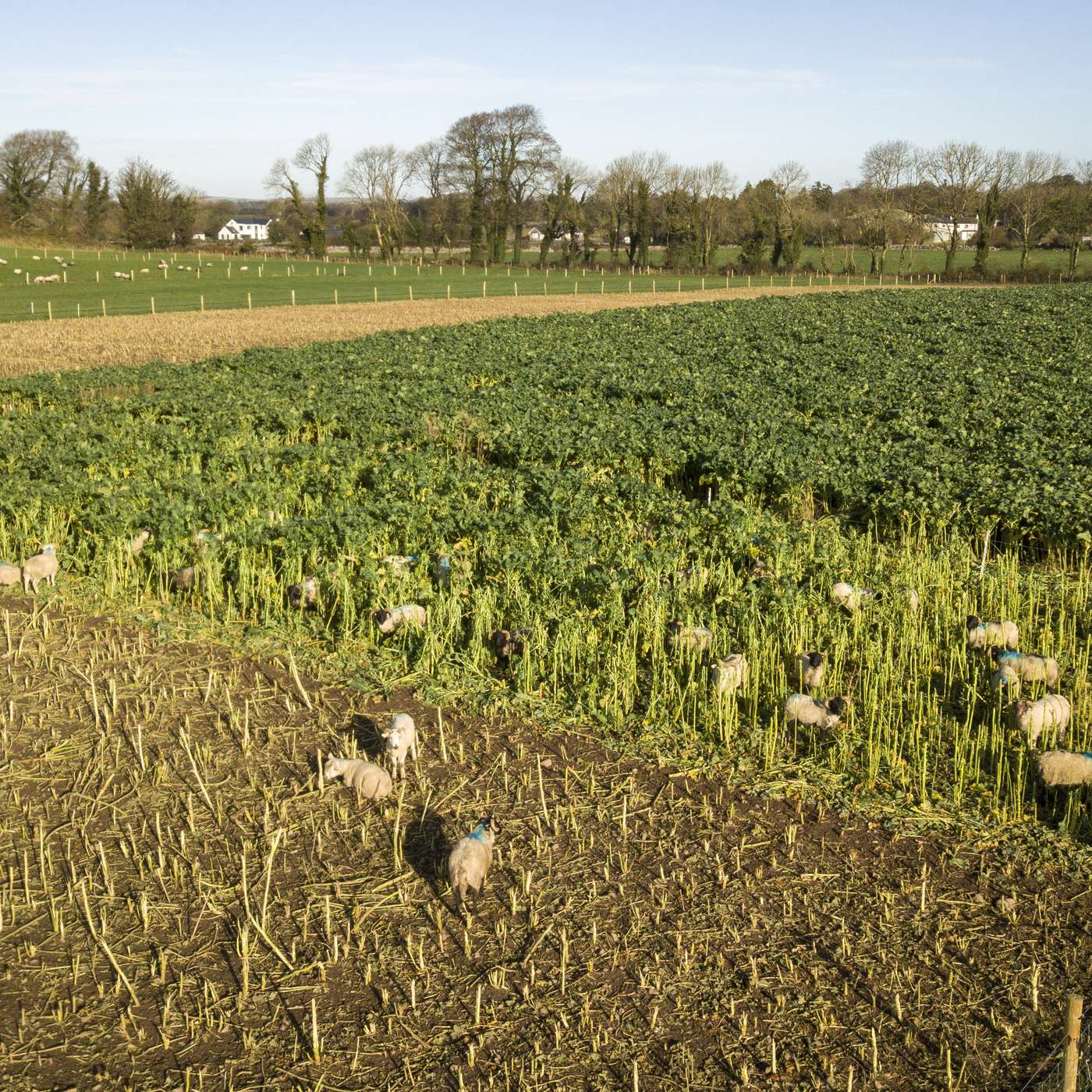
On this week’s OviCast we’re joined by post-graduate student, Mark Dolan, to discuss different aspects of management of forage brassicas. Mark gives us some background to some of the work he has been involved in using forage brassicas to finish store lambs. We discuss yields of the different crops, utilisation rates and the factors that influence them and how they have adapted management during periods of poor weather conditions. We finish up discussing lamb kill out on the crops and the impact of regular drafting on grazing days. For more episodes from the OviCast podcast, visit the show page at:https://www.teagasc.ie/animals/sheep/ovicast-sheep-podcast
Ep 201Is it time to house finishing lambs?
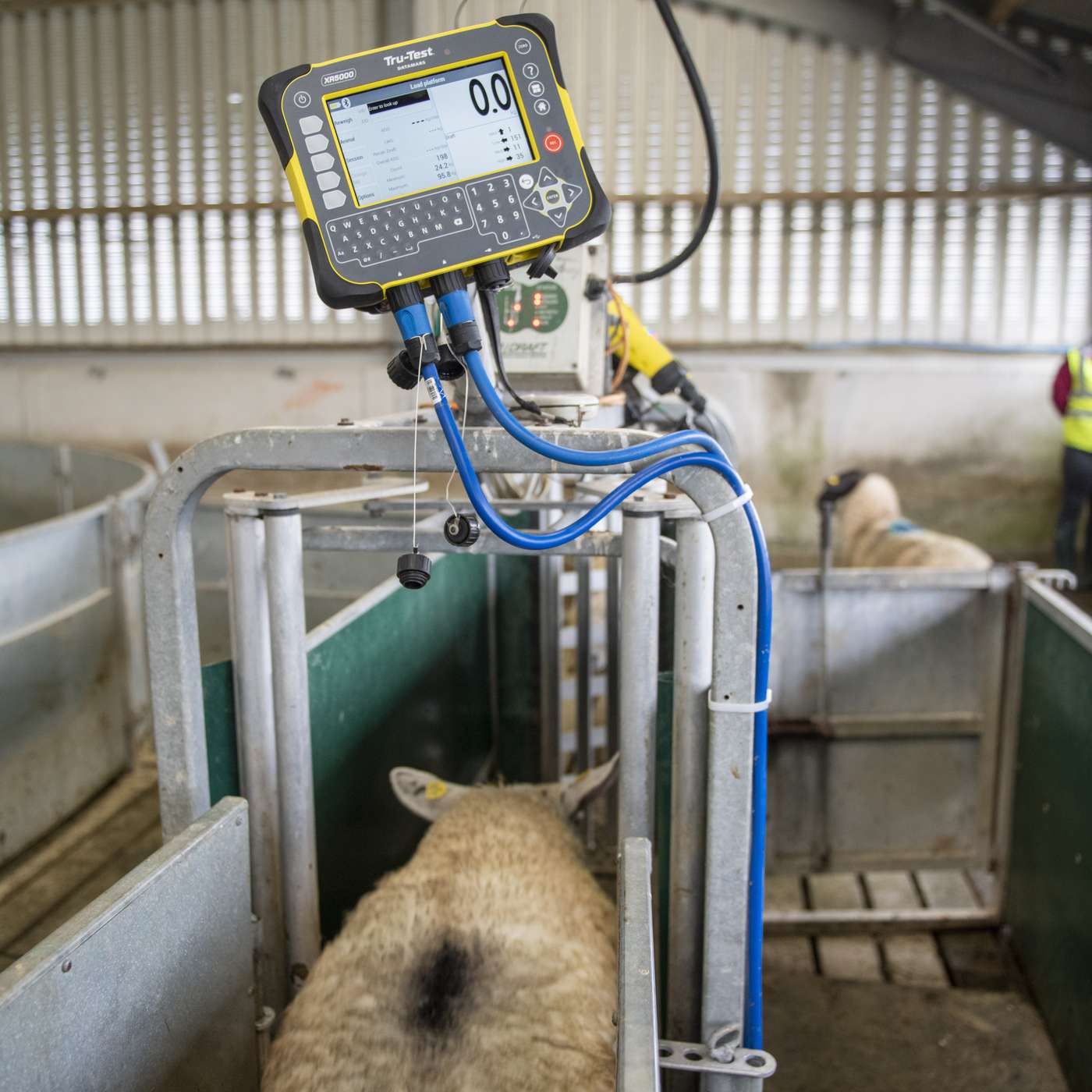
Teagasc sheep specialists, Damian Costello and Frank Campion, are on this week’s OviCast to discuss the challenging grazing conditions in recent weeks that has put pressure on farms both in terms of lamb performance and grass utilisation and supply. We discuss the option of housing remaining lambs for finishing indoors and also discuss some of the key factors to consider at housing, levels of performance, kill out percentages, nutritional requirements and feed management. For more episodes from the OviCast podcast, visit the show page at:https://www.teagasc.ie/animals/sheep/ovicast-sheep-podcast
Ep 200Examining the trends in the national ewe flock
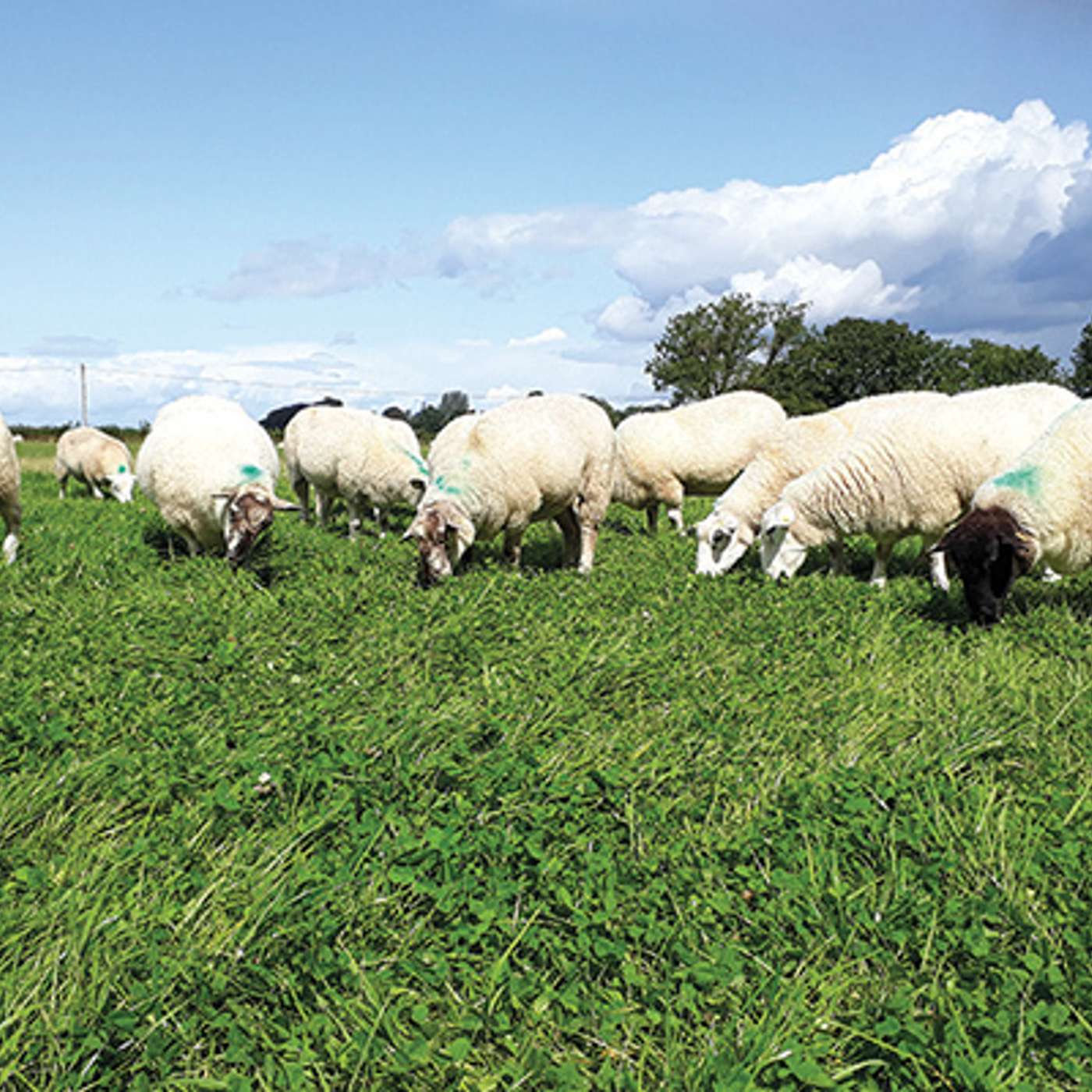
Darren Carty, Sheep and Schemes Editor with the Farmers Journal is on this week’s OviCast episode to look back on the trends in the national ewe flocks over the past decade and the implications of this for the sheep industry. Darren discusses the change in ewe numbers, the regional shift and the impact this has had on the sector. We discuss breeding sales this year, opportunities and resilience in the sector and finish the conversation with Darren highlighting some of the technical areas that will come more into focus in the coming seasons. For more episodes from the OviCast podcast, visit the show page at:https://www.teagasc.ie/animals/sheep/ovicast-sheep-podcast
Ep 199Breeding, grassland and finishing lambs in Ballyhaise college
Fergus O’Rourke and Niall Conaty from Teagasc Ballyhaise Agricultural College in Co. Cavan join us on the latest OviCast podcast for an update on the flock. We start with Fergus giving us a bit of background to the farm and flock. Niall discusses the breeding plan, keeping an eye on ewe condition mating management. With the difficult grazing conditions Niall discusses how they have adapted management to graze out heavier covers while we also discuss the closing plan for the farm and current targets. Fergus discusses lamb performance as some of the challenges this season with finishing remaining ram lambs indoors. To find out more about Ballyhaise Agricultural college visit: https://www.teagasc.ie/education/teagasc-colleges/ballyhaise/ For more episodes from the OviCast podcast, visit the show page at:https://www.teagasc.ie/animals/sheep/ovicast-sheep-podcast
Ep 198Joining ewe lambs & some of the factors that influence its success
Dr Tim Keady joins us on the latest OviCast podcast to discuss joining ewe lambs and some of the factors that influence its success. Tim discusses what the key drivers of the system are, we discuss the impact of joining weight and the influence that the ram effect can have. Tim offers his insights on the duration of the breeding season and ram management during the mating period. We discuss post mating management with Tim emphasising the importance of nutrition and the need to manage ewe lambs separately during the production cycle. We finish up discussing the potential knock-on effect of joining ewe lamb on subsequent performance. For more episodes from the OviCast podcast, visit the show page at:https://www.teagasc.ie/animals/sheep/ovicast-sheep-podcast
Ep 197The steps to reducing gaseous emissions on sheep farms
As part of Sustainability Week, on this week’s episode of OviCast we chat to signpost programme participant, John O’Connell, to discuss how he has implemented the 12 steps to reduce gaseous emissions from his farming system. We chat about the various measures he has implemented from addressing soil fertility to better grassland management. John explains the importance of animal health planning for his breeding programme and we finish up discussing his experience of over-sowing clover and the role he sees for it on his farm. For more information on the 12 Steps:https://www.teagasc.ie/media/website/environment/climate-change/signpost-programme/12-Steps-to-Reduce-Gaseous-Emissions-on-Sheep-Farms.pdf And to find out more about the Signpost programme go to:https://www.teagasc.ie/environment/climate-change--air-quality/signpost-programme/For more episodes from the OviCast podcast, visit the show page at:https://www.teagasc.ie/animals/sheep/ovicast-sheep-podcast
Ep 196Store Lambs Part 2
Michael Gottstein re-joins us for the second part of the episode on store lambs, with a focus on those purchasing lambs. He highlights the importance of getting health treatments in place on arrival and what impact this has. We discuss expected performance, diets and mineral nutrition particularly for those lambs that will be intensively finished on farms, and explain the importance of feed and financial budgets and what hill flocks can do to improve saleability. You can find the store lamb calculator at: https://www.teagasc.ie/animals/sheep/financial-management/ For more episodes from the OviCast podcast, visit the show page at:https://www.teagasc.ie/animals/sheep/ovicast-sheep-podcast
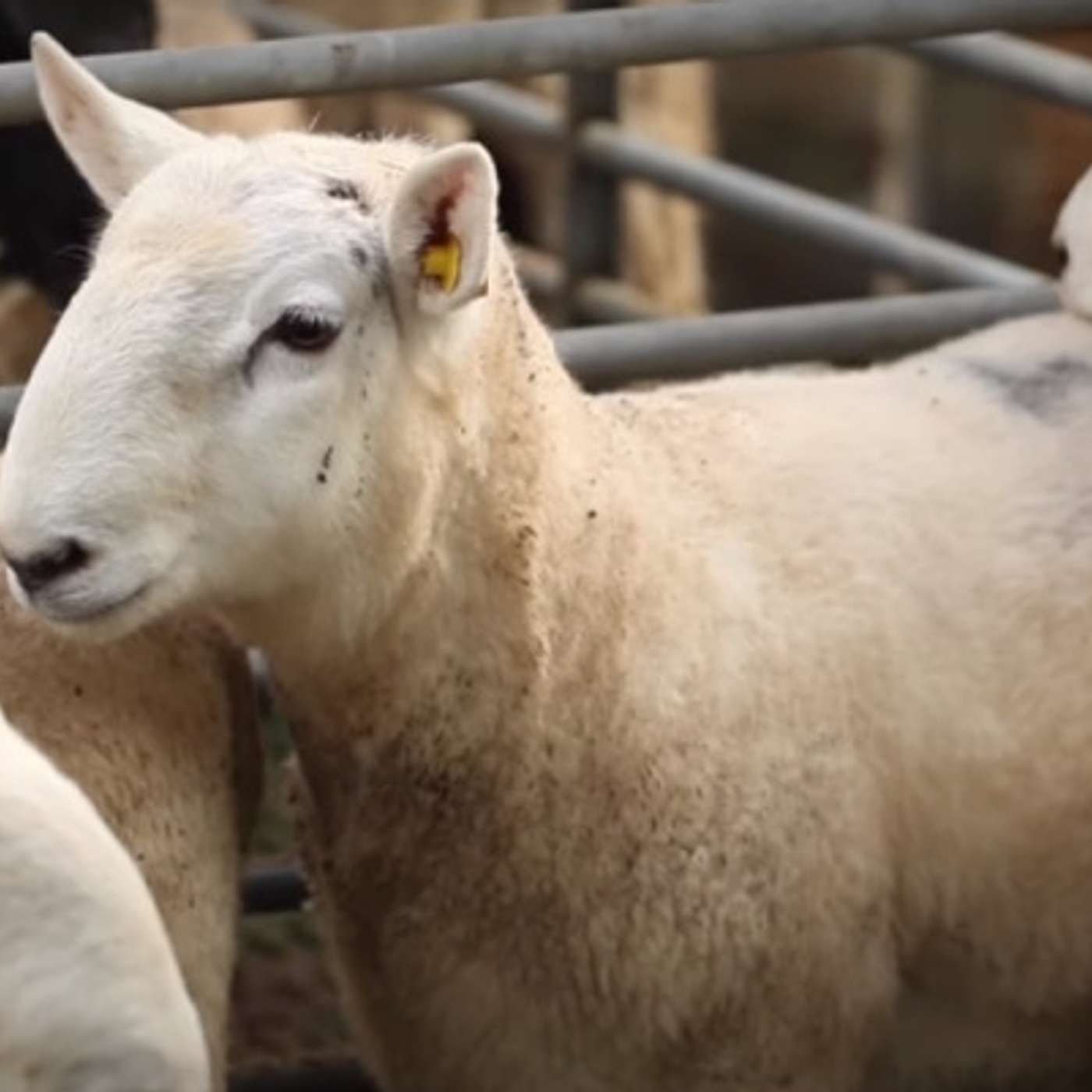
Ep 195Store Lambs Part 1
We’re joined over the next two episodes by Michael Gottstein, Head of Sheep knowledge Transfer in Teagasc, to discuss store lambs. In this first part, Michael discusses the current market condition for stores, some of the challenges and the potential of store lamb finishing. We discuss the options for lowland and hill farmers with remaining lambs on farms, the importance of feed and financial budgets and what hill flocks can do to improve saleability. For more episodes from the OviCast podcast, visit the show page at:https://www.teagasc.ie/animals/sheep/ovicast-sheep-podcast
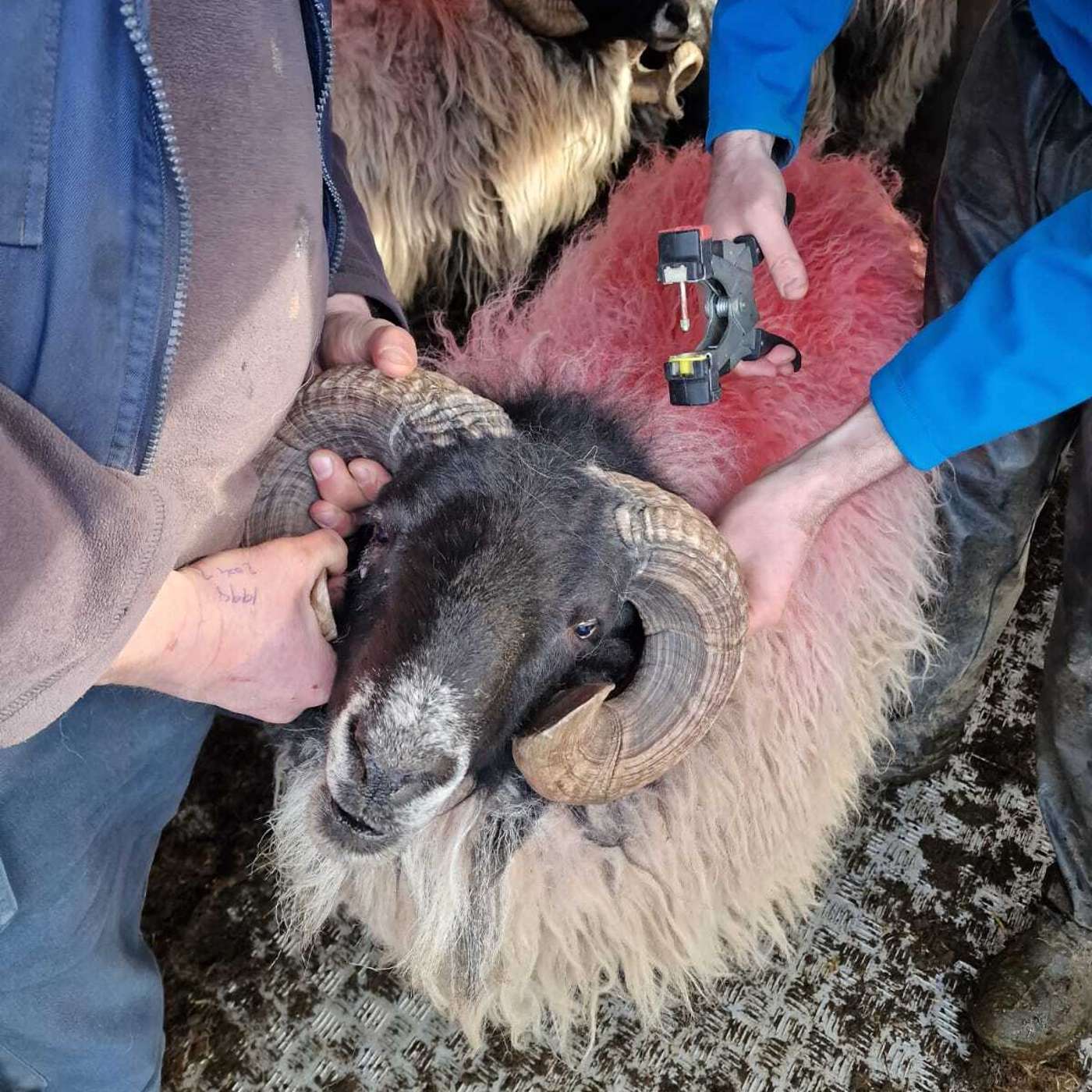
Ep 194Hill ram genotyping and sales
David Coen from Sheep Ireland is on this week’s OviCast to talk about progress in breeding in the hill sector. David discusses the impact hill genetics has on the national flock, SIS scheme and ram eligibility. We discuss the work by the 17 breeding groups over the past year to get rams genotyped and the impact this has had on developing flock books. Finally we finish up with David discussing how breeders can build on this going forwards to improve genetic improvement in hill flocks. Some links discussed in this week’s episode to search for potential rams or to sign up to Sheep Ireland are:Ram Search:https://appsh.sheep.ie/ram-searchRam sales/catalogues:https://www.sheep.ie/?page_id=29Sign up online form:https://forms.office.com/pages/responsepage.aspx?id=AH5m37xZikKh2Tgra-Oid02OFzIK2SJKuUbHvUCuGqJURVpMT1ZLRU02RkxPTDdGTkhFRFNKNFpLTS4uFor more episodes from the OviCast podcast, visit the show page at:https://www.teagasc.ie/animals/sheep/ovicast-sheep-podcast
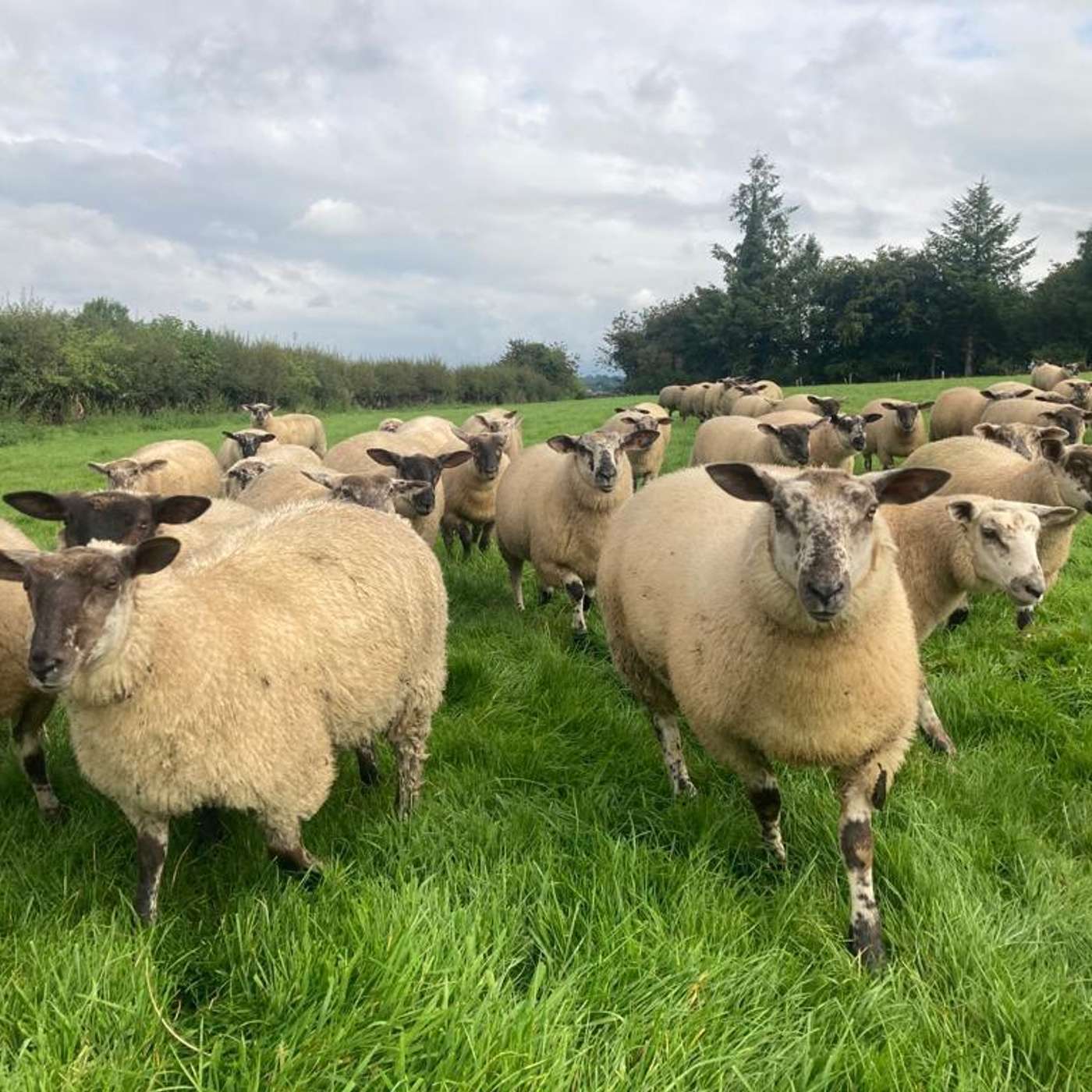
Ep 193Will ewe condition at mating effect performance next spring?
Dr. Fiona Mc Govern is on this week’s OviCast to discuss the impact of ewe condition at mating on ewe productivity. Fiona discusses the usefulness of body condition scoring as a management tool. She also explains the impact of condition on litter size and its carry over effects on lambing assistance, lamb birth weight and productivity next spring. We finish up with Fiona discussing the importance of getting condition right this autumn to build ewe body reserves. For more episodes from the OviCast podcast, visit the show page at:https://www.teagasc.ie/animals/sheep/ovicast-sheep-podcast
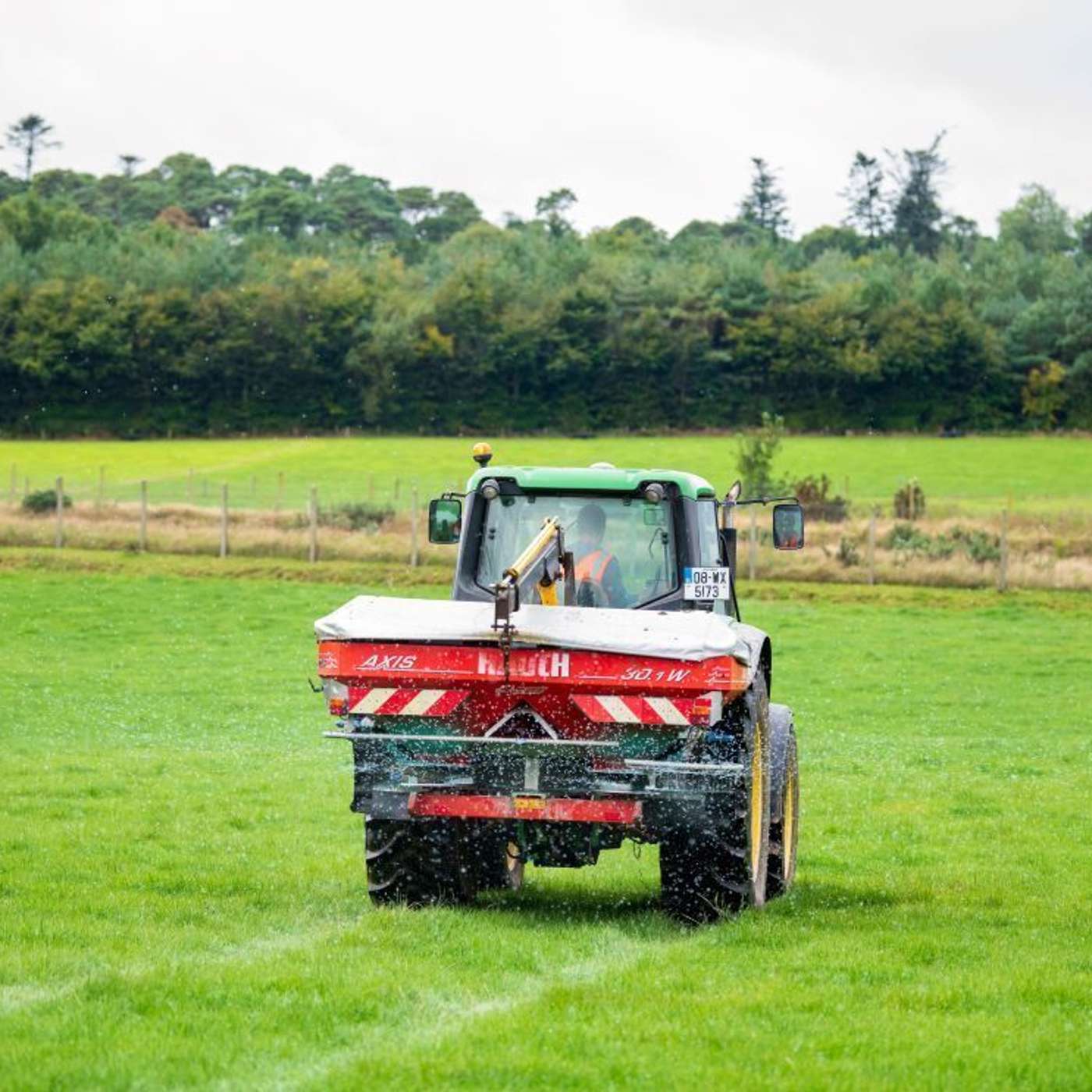
Ep 192The Fertiliser Register – what you need to know
Dr. Finbarr O’Regan from the Department of Agriculture, Food & the Marine (DAFM) Inspectors joins us on this week’s OviCast. Finbarr discusses the introduction of the National Fertiliser Database and the fertiliser register taking us through the key dates, registration process and how it will work for the coming season including some of the implications for both merchants and farmers. We finish up discussing the importance of entering the closing stocks this autumn. For more information visit the DAFM National Fertiliser Database page at:https://www.gov.ie/en/collection/98355-national-fertiliser-database/ For more episodes from the OviCast podcast, visit the show page at:https://www.teagasc.ie/animals/sheep/ovicast-sheep-podcast
Ep 191How do foster lambs perform relative to their counterparts?
At a point in the season where we’re looking at how lambs perform and where the tail end lambs come from, on this week’s OviCast podcast, we chat to Dr Frank Campion about how foster lambs perform in commercial flocks. Frank discusses some work he has recently presented on the topic, we discuss how these lambs grow in early and late lactation, the variation among them and their counterparts and some of the reasons why some lag behind and others aren’t successfully reared drop off. We finish up discussing how ewe management this autumn can impact this next spring. For more episodes from the OviCast podcast, visit the show page at:https://www.teagasc.ie/animals/sheep/ovicast-sheep-podcast
Ep 190Planning ahead for the autumn
Sheep enterprise leader, Dr Philip Creighton, is on this week’s OviCast to discuss planning ahead for this autumn. We discuss the impact poor grazing conditions has had on lamb performance this year and the knock-on effect this has on management for the autumn. Philip emphasises the importance of accessing grass supply and increased demand on farms. We discuss grass growth rates, fertiliser applications and building covers as we move into the autumn. We finish up with Philip discussing the need to put plans in place for finishing lambs and ensuring there is sufficient grass covers heading into September. For more episodes from the OviCast podcast, visit the show page at:https://www.teagasc.ie/animals/sheep/ovicast-sheep-podcast
Ep 189Market challenges
Bord Bia Sheep Sector manager, Seamus McMenamin, joins us on the latest OviCast podcast to give a market update. Seamus discusses current throughput and some of the challenges with light carcass at present. He also discusses the international trade, in particular the increased volumes of Australian lambs and what impact that has had on our export market. Seamus has an update on plant approval to get lamb exported onto the US market, and with store lamb sales ramping up, we move on to discuss the potential impact of an earlier Easter and Ramadan on the hogget trade next spring. Finally, we discuss domestic promotional activity to target a younger audience to improve domestic consumption. For more episodes from the OviCast podcast, visit the show page at:https://www.teagasc.ie/animals/sheep/ovicast-sheep-podcast
Ep 188Designing a sheep handling unit
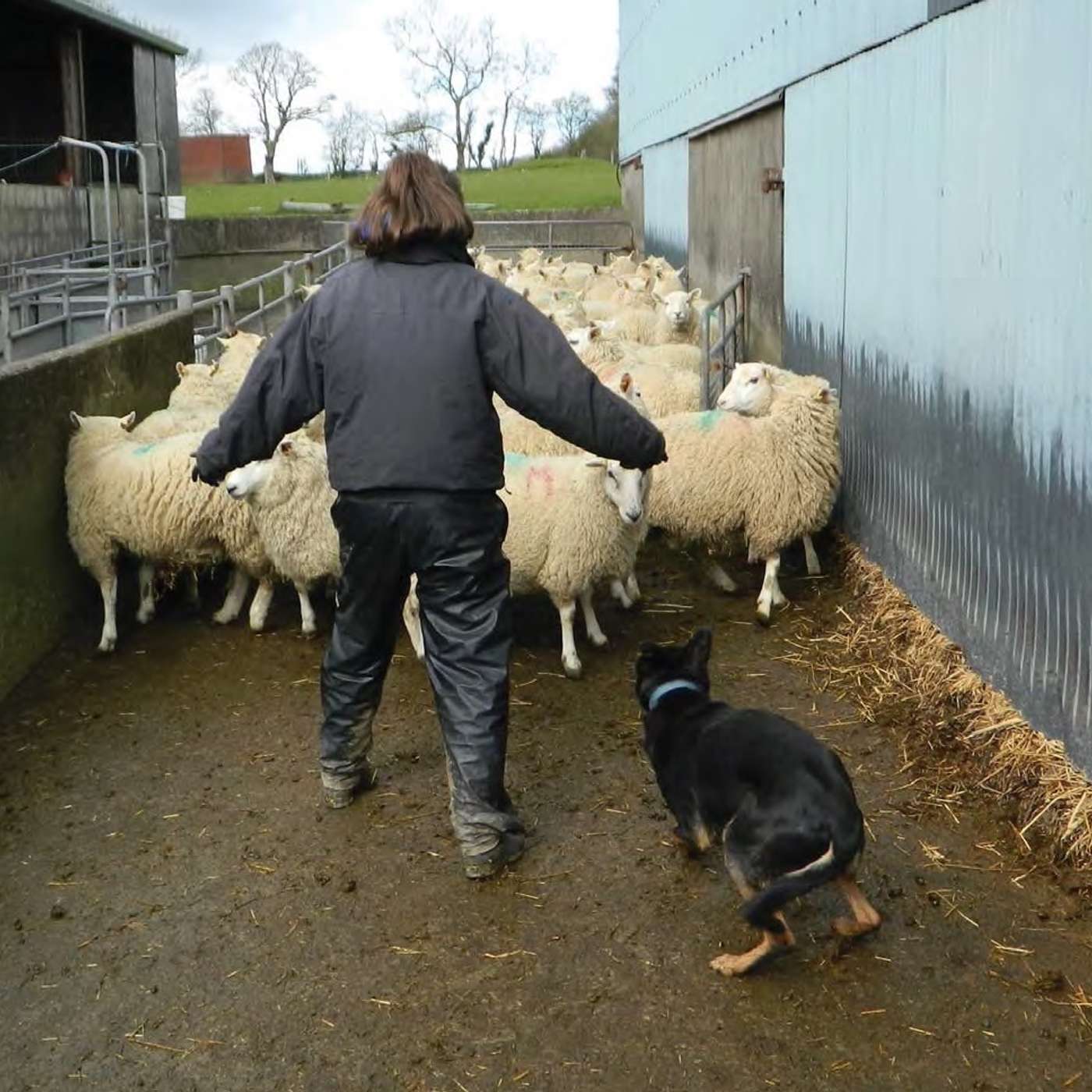
Teagasc Advisor, Edward Egan, joins us on the latest OviCast episode to discuss designing a sheep handling unit. Having good handling facilities can reduce labour, improves both safety and welfare for handler and sheep alike and also encourages timely preventative actions. Edward talks about the booklet he produced, ‘A Guide to Designing a Sheep Handling Unit’ and he discusses the key aspects of design from considering the sheep’s behaviour, location and size, to some of the key features that can be incorporated into a handling unit. You can read the booklet here: https://www.teagasc.ie/media/website/publications/2020/A-Guide-to-Designing-a-Sheep-Handling-Unit.pdf For more episodes from the OviCast podcast, visit the show page at:https://www.teagasc.ie/animals/sheep/ovicast-sheep-podcast
Ep 187TAMS III Farm Safety Capital Investment Scheme: Sheep Handling Equipment
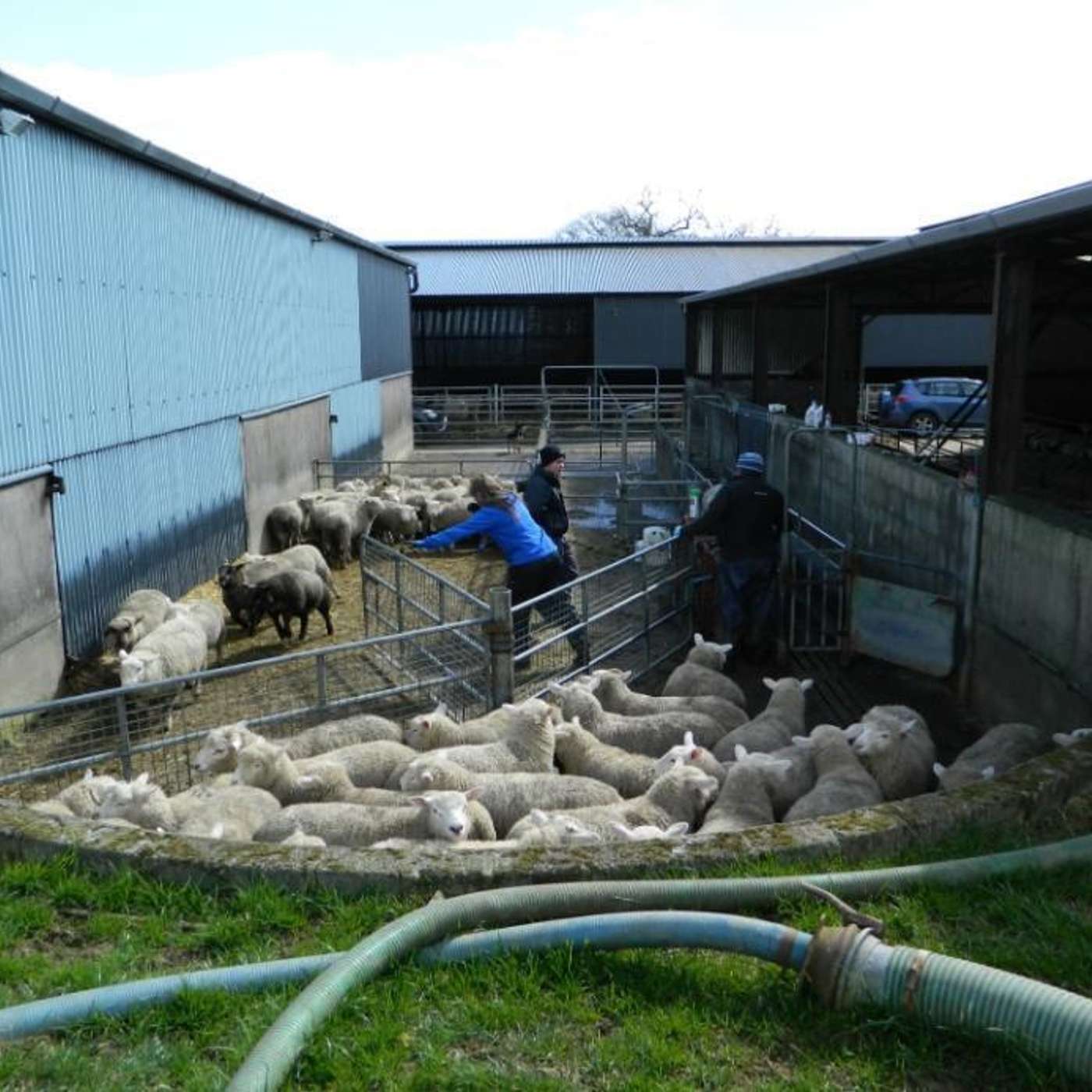
We’re joined on the latest OviCast episode by Teagasc Advisor, Edward Egan, to talk to us about the sheep handling equipment available under the TAMS III Farm Safety Capital Investment Scheme. We discuss what the grant aid rates are and how these are calculated; Edward outlines what fixed and mobile equipment covered under the scheme; and he takes us through the application process highlighting some of the key dates and information required at submission and explains how to check if the application has been approved. Finally we finish up discussing how applicants make their claim for payment and what information is required to complete the process. To find out more: https://www.gov.ie/en/service/4f3ae-farm-safety-capital-investment-scheme/ For more episodes from the OviCast podcast, visit the show page at:https://www.teagasc.ie/animals/sheep/ovicast-sheep-podcast
Ep 186Lamb performance – playing catch up in the second half of the season
Dr Frank Campion joins us on this episode of OviCast with an update on lamb performance and management on the BETTER farms. Frank starts off describing the bounce back in lamb growth rate on the farms in May and June. We tease this out discussing grassland management, parasite challenge and the impact of early weaning. We move on to discuss the current state of play on the farms with regards to weaning weight, drafting the implications of carrying increased numbers for some into the second half of the season. In the latter part of this episode we talk about some management aspects over the coming weeks, finishing groups, grassland, fertiliser, forage crops and parasite control. For more episodes from the OviCast podcast, visit the show page at:https://www.teagasc.ie/animals/sheep/ovicast-sheep-podcast
Ep 185Sheep Improvement Scheme Genotyped Ram Task
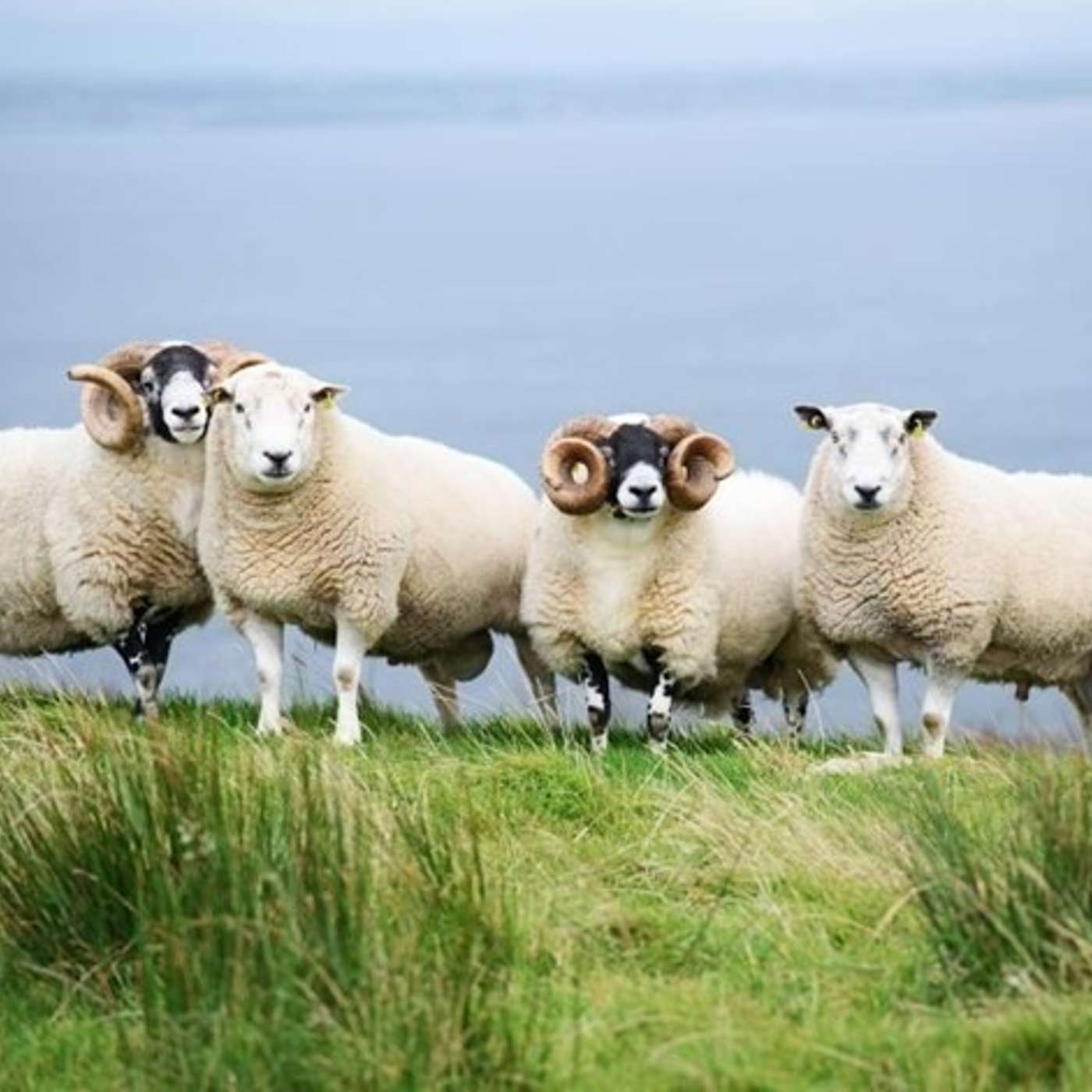
Kevin Mc Dermott, Sheep Ireland manager, joins us on this week’s OviCast to talk about the genotyped ram task that forms part of the Sheep Improvement Scheme. Kevin first explains what’s involved in the task for lowland and hill producers. He talks about ram eligibility and how to identify these rams using the Sheep Ireland ram search tool or the sales catalogues. Finally, he discusses the numbers of eligible rams that are available via the Sheep Ireland ram search at: ramsearch.ie For more episodes from the OviCast podcast, visit the show page at:https://www.teagasc.ie/animals/sheep/ovicast-sheep-podcast
Ep 184Keeping a check on the worm burden
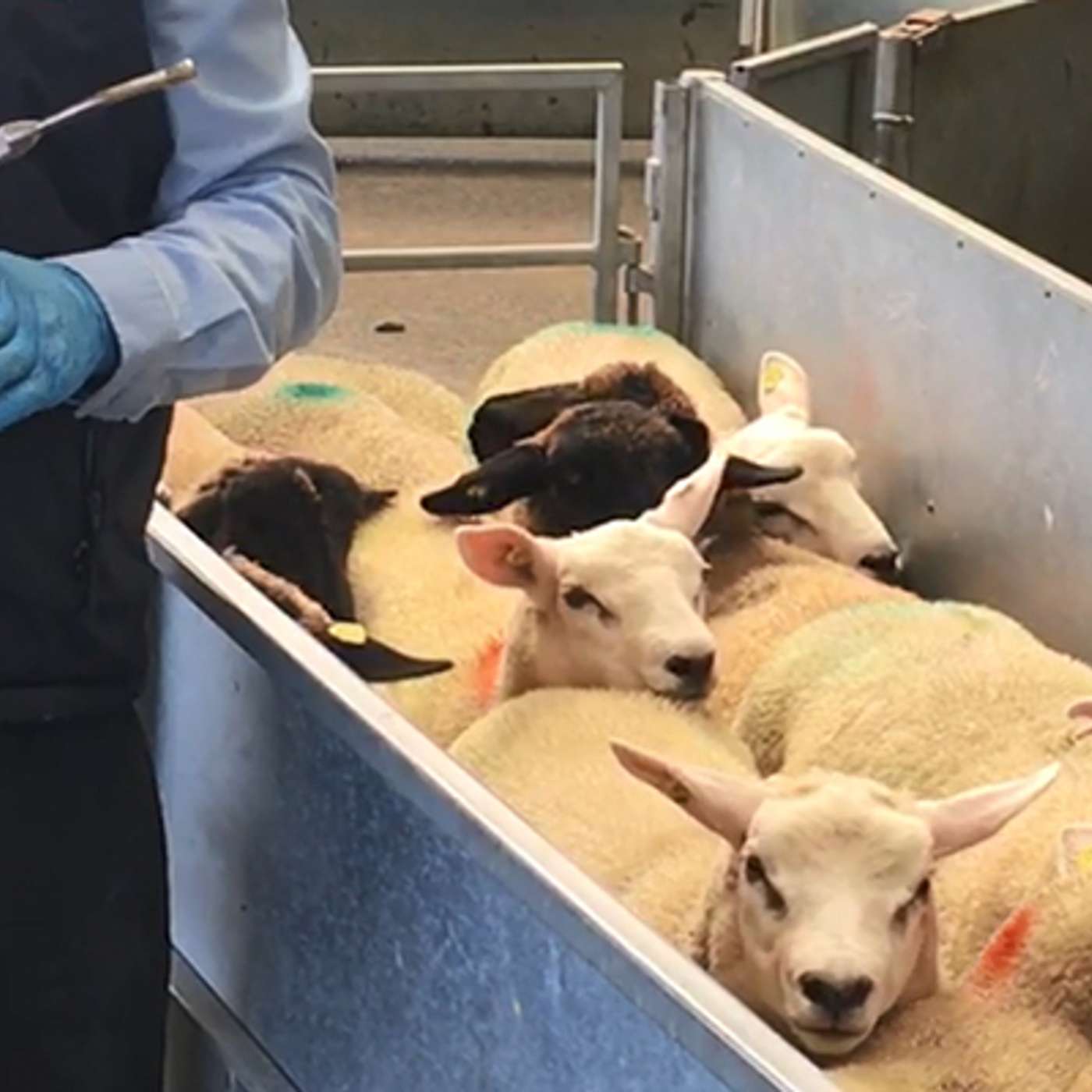
Sheep specialist, Damian Costello, is on this week’s OviCast to talk about managing the parasite challenge over the coming weeks. Damian explains what the burden is and he and Ciarán discuss the current challenge, monitoring worm burden and deciding when to dose. Damian explains the importance of knowing how effective your wormer is, how to conduct a drench test and interpret the results. Finally, he highlights some of the resource material available to help explain some of the issues raised in more detail. For more info: https://www.teagasc.ie/animals/sheep/flock-health/anthelmintic-resistance/ For more episodes from the OviCast podcast, visit the show page at:https://www.teagasc.ie/animals/sheep/ovicast-sheep-podcast
Ep 183The Sheep System in Gurteen Agricultural College
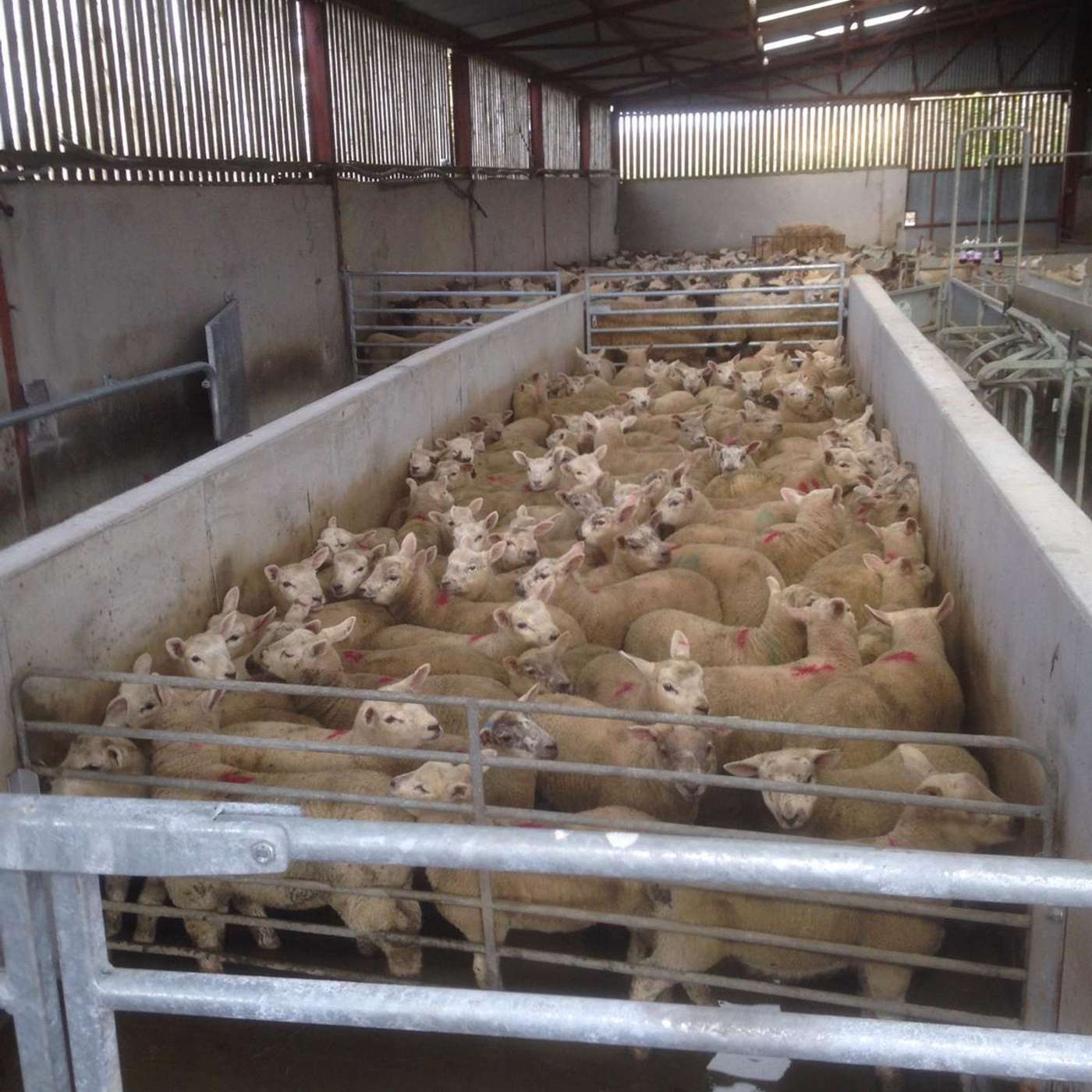
This week’s OviCast catches up with Ger Carey from Gurteen College in this week’s episode to give us a run down on the 450 strong sheep system they operate in Gurteen. Ger brings us through the early and mid-season production systems, how this has changed to accommodate students and future plans on the flocks. We discuss breeding, wintering on forage crops and managing ewe condition. We talk about lamb performance this year, drafting and the importance of hitting carcass spec for their system. The college has made some significant investments in housing and handling facilities on the farm over the past number of years, we discuss how this has improved management and productivity in the flock. Finally, Ger discusses the skills that students acquire during their time at the college, including the shearing course they run annually. For more episodes from the OviCast podcast, visit the show page at:https://www.teagasc.ie/animals/sheep/ovicast-sheep-podcast
Ep 182Can we reduce ewe wastage and improve their longevity in a flock?
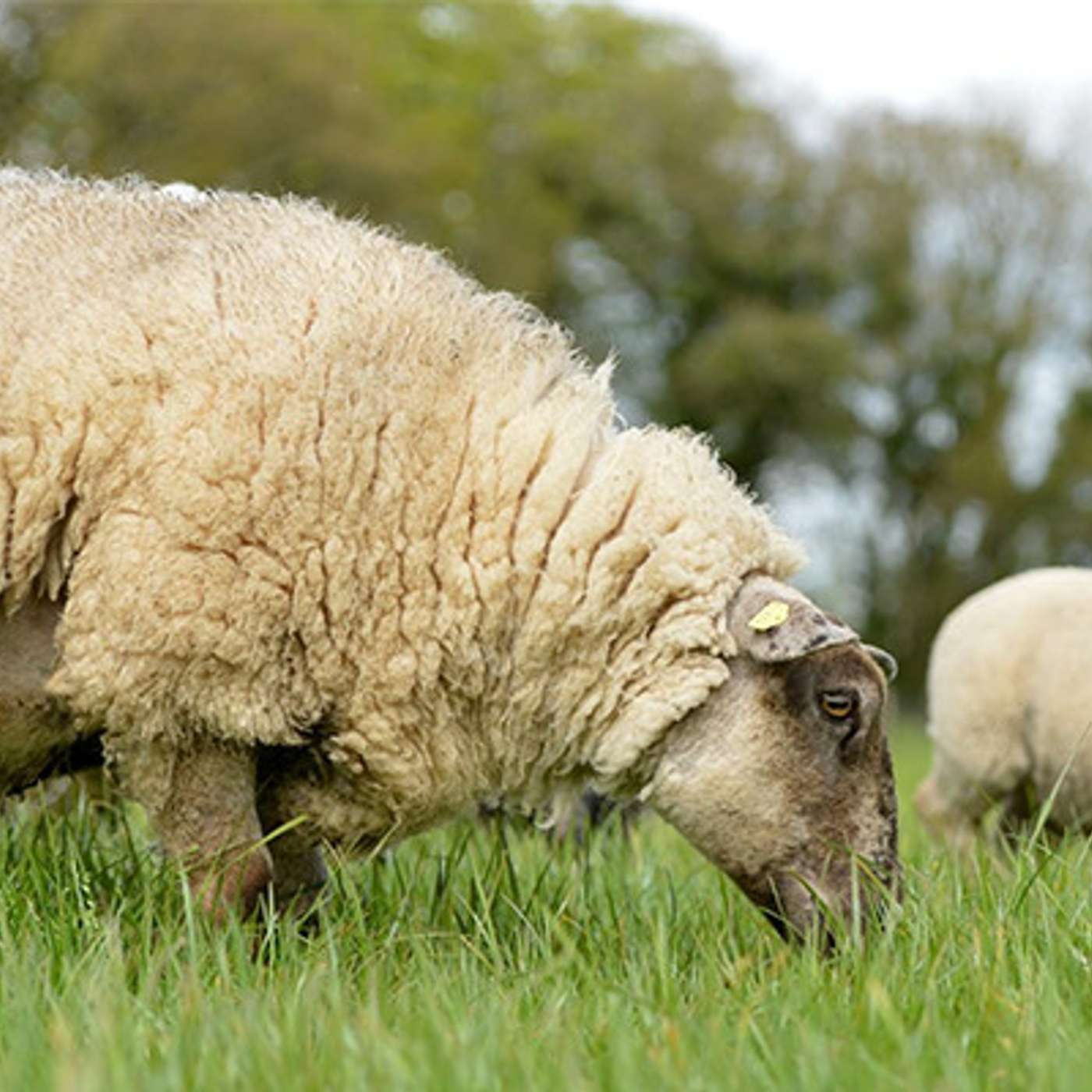
Why are ewes leaving the flock and can we reduce the level of ewe wastage? On this week’s OviCast podcast, we discuss this topic in more detail with Prof. Paul Keynon from New Zealand’s Massey University. Paul discusses the reasons ewes are culled and lost out of the system and explains the impact this can have on flock output, lamb performance and costs in the system. Paul also talks to us about variation in ewe replacement rates in flocks in New Zealand and some of the reasons for these differences among farms. Finally, he discusses how we can alter management on farms to improve ewe longevity in a flock and improve overall productivity. For more episodes from the OviCast podcast, visit the show page at:https://www.teagasc.ie/animals/sheep/ovicast-sheep-podcast