
Open to Debate
483 episodes — Page 6 of 10
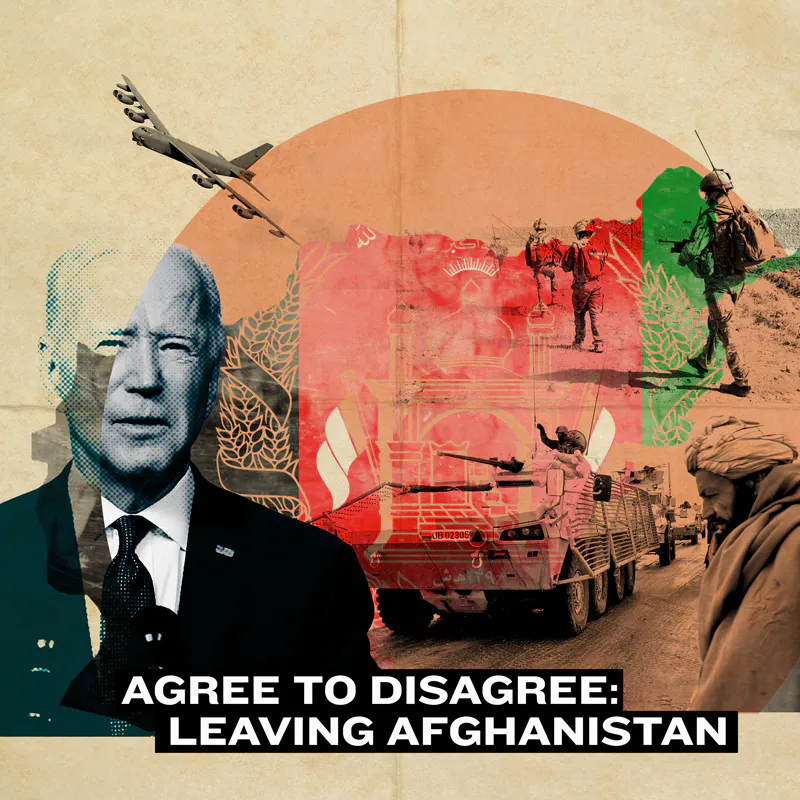
Agree to Disagree: Leaving Afghanistan
The Taliban have won. Twenty years after the 2001 invasion, the U.S.-backed government in Kabul has fallen. The Afghan president has fled. Taliban leadership, which ran the country in the late 1990s, is now firmly in place within the presidential palace. But after two decades of war, tens of billions spent, hundreds of thousands of lives lost – including more than 2,300 U.S. military personnel – bigger questions have emerged: Is the cost of leaving greater than the cost of staying? And was pulling out the right decision? Intelligence Squared and its host John Donvan examine these competing perspectives in this special timely edition of Agree-to-Disagree: Leaving Afghanistan. First, a conversation with Ahmed Rashid, a Pakistani journalist and best-selling author, who is one of the world’s leading experts on the social and political situations in Pakistan and Afghanistan. His first book, Taliban: Militant Islam, Oil and Fundamentalism in Central Asia, explores the shadowy world of the Taliban and quickly became a #1 New York Times bestseller. Rashid has been called “Pakistan’s best and bravest reporter” (Christopher Hitchens). Then, a competition of ideas: Arguing in favor of leaving is Daniel Markey, Senior Research Professor at Johns Hopkins University School of Advanced International Studies. Arguing against leaving is Kori Schake is a senior fellow and the director of foreign and defense policy studies at the American Enterprise Institute (AEI). Emmy award-winning journalist John Donvan is the moderator. Learn more about your ad choices. Visit podcastchoices.com/adchoices

Debate Roundup: America's Guns
Gun violence is surging. Despite lockdowns and social distancing, 2020 ended up as one of America’s most violent years in decades. 2021 is following a similar path. Meanwhile, President Joe Biden has laid out his strategy. In this special debate, we review three gun debates that still have relevance today. 1.) The Constitutional Right To Bear Arms Has Outlived Its Usefulness (Sanford Levinson of University of Texas Law School and David Kopel of Cato Institute) 2. Guns Reduce Crime (John Lott, economist, and former Seattle Police Chief Gil Kerlikowske) 3. Unresolved American Policing (Paul Butler, Jason Johnson, Rafael Mangual, Sue Rahr, Vikrant Reddy) Learn more about your ad choices. Visit podcastchoices.com/adchoices
#193 - Has the New York Times Lost Its Way?
What's happening at The New York Times? The paper of record is under fire. Critics argue it has sacrificed journalistic and intellectual balance in favor of correcting historic inequalities. In the process, they say, that effort has stifled dissent and promoted social justice above all else. Not so, say its defenders. The paper has indeed evolved, they argue. Yet that evolution has been proven a particular strength in such tumultuous times. Subscriptions are up, while both casting a critically important lens on historically disenfranchised groups and maintaining its core commitment to high editorial standards and a wide breadth of reporting. So here's the debate: "Has the New York Times Lost Its Way?" Learn more about your ad choices. Visit podcastchoices.com/adchoices

Is It Time to Redistribute the Wealth?
Economic inequality has become a linchpin of modern politics. As nations around the world face a reckoning on racial and social justice and work to combat the economic impacts of the pandemic, we ask: Is it time to redistribute the wealth? Should we address growing inequality by overhauling our tax system, expanding our social safety nets, and investing more in public initiatives like universal health care, education, and infrastructure? Or would a wealth transfer unduly punish the economic elite, destroy the promise of a meritocracy, and inevitably lead to excessive government intervention in our social and economic lives? Learn more about your ad choices. Visit podcastchoices.com/adchoices
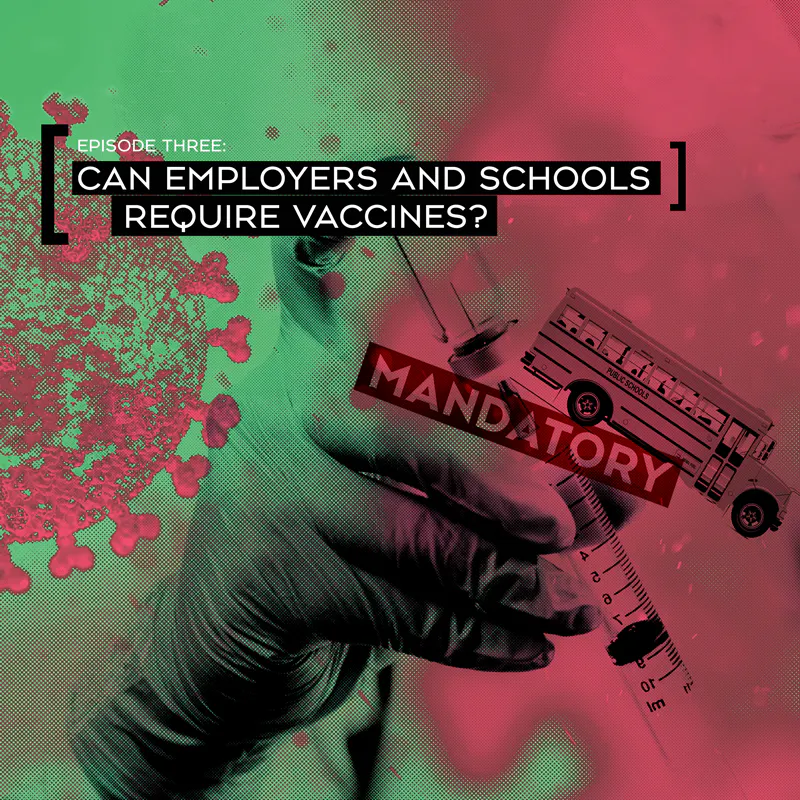
Agree to Disagree COVID Series: Vaccine Mandates
As more and more Americans become vaccinated, schools, employers, and health care facilities are facing a tough decision: Will they require students, employees, and care givers to get the jab? Those who say “yes” cite safety concerns – particularly when dealing with vulnerable populations – and call it a necessary step to return to normal. Those who say “no” argue these sorts of mandates violate individual rights, could expose recipients to potential dangers from the vaccines themselves, and set dangerous broader precedents when it comes to government overreach in public health. It is an especially timely question that pits health concerns up against ideals of personal liberty. And it has practical implications as societies emerge from lockdown. Having it out in the public square, Intelligence Squared host John Donvan presides over a spirited debate between Michael J. Anderson, a Wisconsin attorney who has represented employees resisting vaccine mandates, and Lawrence Gostin, a professor of law at Georgetown University, which is enforcing a vaccine mandate. Learn more about your ad choices. Visit podcastchoices.com/adchoices
The State of Debate: An Intelligence Squared Roundtable
Generally, it is good practice for any individual or organization to occasionally step back and evaluate a few big picture items. But when that review is sparked by a pandemic and real uncertainties about the state of western democracy, that little exercise often becomes existential. In that spirit, and in this special season review, Intelligence Squared casts a critical lens on itself; its mission to serve as a beacon for civil discourse, its examination of opposing perspectives; and the transformation the organization itself has experienced in light of such seismic events. In this especially candid discussion, John Donvan sits down with Intelligence Squared CEO Clea Conner, editor-at-large of Reason magazine, Nick Gillespie, and Robert Litan, an economist and attorney, whose recent book “Resolved: Debate Can Revolutionize Education and Help Save Our Democracy” bears particular relevance to this conversation. Collectively, this group asks the hard questions about the role of debate in society, but also of how IQ2 pivoted as the virtual world opened up. Finally, it is a look at the precious few places left for genuine discussion, and why, perhaps, it is needed now more than ever. Learn more about your ad choices. Visit podcastchoices.com/adchoices

Ray Dalio on How To Change Your Mind
How do you know that you’re right? Modern business, politics, and even culture, tend to favor strident opinions and decisive action. To “flip flop” may then be construed as ineptitude, or even weakness. So it behooves us to “stick to our guns, “stay the course,” and adhere to other well-trodden idioms of the English language. Of course that approach may be limiting. And what if you are actually wrong? How will you know? What means testing can be involved in your thinking when to waver or even change your mind might undermine what you are ultimately trying to accomplish? Ray Dalio, an American investor, billionaire and the founder of the hedge fund Bridgewater Associates, has spent a lot of time thinking about this quandary. Countering its pitfalls is something he actively encourages, not only in business, but also in his personal life. In this wide ranging interview, Dalio sat down for a conversation with Intelligence Squared host John Donvan to examine what it means to being open to changing your mind, precisely how to do it, and what’s at stake if you don’t. Learn more about your ad choices. Visit podcastchoices.com/adchoices

Is Bitcoin More Than a Bubble and Here to Stay?
Is Bitcoin here to stay? Cryptocurrencies hold the promise of revolutionizing global finance by placing control in the hands of users, not nations, and making financial exchanges more transparent, efficient, and democratic. But given the yet-another-round of boom and bust cycles seen recently, questions remain: Could cypto ever be considered a safe bet? Proponents say the hype is warranted, with naysayers increasingly jumping on the Bitcoin (block) train. Yet skeptics and critics – like Elon Musk – suggest this highly volatile digital currency offers a platform for illicit activity, including money laundering and trafficking of humans and drugs, free from government oversight and regulation. They argue Bitcoin has no intrinsic value – the price is based on market enthusiasm rather than actual utility. So… in light of renewed attention, Intelligence Squared U.S. sought to resurrect this highly relevant debate: Is Bitcoin More Than a Bubble and Here to Stay? Learn more about your ad choices. Visit podcastchoices.com/adchoices

Is Anti-Zionism the New Anti-Semitism?
In light of the recent Israel-Hamas war, an old debate is gaining new relevance. The nature of the current conflict has again unleashed a wave of antisemitic threats and violence in the U.S., with synagogues and Jewish-owned business having been vandalized and attacked. But as society surveys the damage, it also asks whether the condemnation of Israeli actions can truly be divorced from antisemitic hostilities? In other words, is being an anti-zionist tantamount to being antisemitic? Or is arguing against a state of-and-for the Jewish people just a thinly veiled way of harboring prejudice? In this debate, which first aired in February 2020, and accordingly has a few dated references which we felt were necessary to keep, Intelligence Squared looks to four expert panelists to debate this question: Is Anti-Zionism the New Anti-Semitism? For the Motion: Bret Stephens - Op-Ed Columnist, New York Times Einat Wilf - Former Member, Israeli Parliament Against the Motion: Peter Beinart - Journalist & Author, "The Crisis of Zionism" Yousef Munayyer - Executive Director, US Campaign for Palestinian Rights Learn more about your ad choices. Visit podcastchoices.com/adchoices
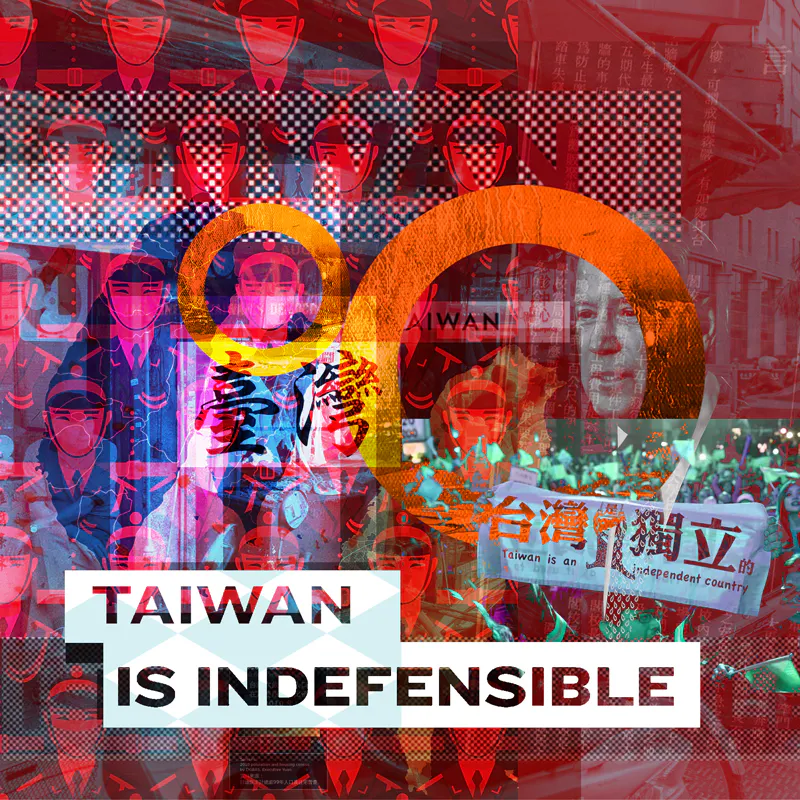
#192 - Is Taiwan Indefensible?
The fate of Taiwan is uncertain. As a revanchist China builds up forces near the island, the Biden administration is warning Beijing against an invasion, bolstering its defense with the sale of military hardware. Beijing sees Taiwan as lost territory, which needs to be “reunified” with the mainland. The United States is now faced with a geopolitical quandary: Can the U.S. military defend Taiwan from Beijing, and should it? Or, is Taiwan indefensible? Arguing in favor of the motion is Lyle J. Goldstein of the Naval War College, with Charlie Glaser of George Washington University. Arguing against the motion is former deputy assistant secretary of defense Elbridge Colby, with Elizabeth Larus of the University of Mary Washington. Emmy award-winning journalist John Donvan moderates. Learn more about your ad choices. Visit podcastchoices.com/adchoices

Agree to Disagree COVID Series: Vaccine Passports
Will you need a digital passport to prove you’ve been vaccinated the next time you try to board a flight or get into a concert? The idea is already being tested in Israel and governments around the world – including the Biden administration – are exploring what vaccine credentials might look like. For some, these digital tools are a golden ticket back to “normal” life. But for others, these tools raise dire concerns about privacy, civil rights, and equitable access. In this episode of Agree to Disagree, John Donvan sits with Peter Baldwin, history professor from UCLA, and Jay Stanley, senior policy analyst at ACLU, to debate the future of vaccine passports. Learn more about your ad choices. Visit podcastchoices.com/adchoices

#191 - Should We Legalize Psychedelics?
Psychedelics, in medical terms, is an inexact category of drugs that affect perceptions and cognition. Their proponents say 1960s-era associations have undermined exciting research in the field of neuroscience. Psychedelics should be made much more widely available, they contend, to treat a range of mental and emotional issues, as well as to ascertain a more profound sense of ourselves. People should also be empowered to make their own decisions in its use. Not so fast, say opponents. These are powerful substances. And society does not know enough about the broader consequences of greatly increasing access. Cautionary tales should be heeded. Either way, like cannabis, the movement for wider use is growing. So... here’s our debate: Should society legalize psychedelics? Learn more about your ad choices. Visit podcastchoices.com/adchoices

Agree to Disagree COVID Series: Vaccine Patents
India and South Africa have petitioned the World Trade Organization to suspend intellectual property protections for Covid-19 vaccines. These nations – along with a coalition of scholars, activists, and nonprofit organizations – argue that developing nations are at risk of waiting years to get full access to the vaccines unless these protections are lifted. But their opponents say suspending patent protections will do little to speed up the manufacturing process. Instead, undermining these protections will ensure that the next time the world needs an emergency vaccine, governments and pharmaceuticals will be unable to act as swiftly. It’s a debate emblematic of the uneven vaccine rollout, and strikes at the core of society’s ability to act quickly. In this episode of Agree to Disagree, John Donvan sits with Thomas Cueni, director-general of the International Federation of Pharmaceutical Manufacturers and Associations and Brook Baker, law professor at Northeastern University and senior policy analyst at Health GAP, to debate the future of vaccine patents. Learn more about your ad choices. Visit podcastchoices.com/adchoices
#190 - Should We Forgive Student Debt?
In the year since the pandemic forced us to cancel, the federal student loan debt has grown $100 billion. The stakes have risen for student borrowers, making it high time we rescheduled our debate on the motion: Forgive Student Loans. Facing growing discontent over the rising cost of higher education, many prominent Democrats – and some Republicans – are calling on Washington to cancel the approximately $1.7 trillion Americans currently owe in student loan debt. Supporters see debt forgiveness as a necessary step to safeguarding the nation’s financial future and combating inequality in the education system. But others argue that this blanket policy would balloon the federal deficit, reward irresponsible borrowers, and waste taxpayer money on those who are not actually in need. Is it time for a student loan bailout? Learn more about your ad choices. Visit podcastchoices.com/adchoices
Agree to Disagree: The Filibuster
Learn more about your ad choices. Visit podcastchoices.com/adchoices
Agree to Disagree: Slavery Reparations
Between 1525 and 1866, more than 12 million Africans were shipped to the New World as slaves. After some 200 years, slavery was abolished, and yet another century of Jim Crow, coupled with discriminatory housing and lending policies, contributed to its legacy. Dealing with the relics of that stain on American history is part of the national dilemma. But exactly how to do it is our question; something lawmakers in Washington are also now debating. A top aide to President Joe Biden recently said that the White House will ‘start acting now’ on reparations for African Americans. Some say it’s long over-due. Reparations, they say, are important to start to address the moral injury slavery inflicted. Others say direct payments to African Americans will divide the black community, exaggerate racial tensions and prove impossible to administer. Arguing that reparations are the way to go is Cornell William Brooks, former president and CEO of the NAACP. Arguing that direct payments to African Americans are not the most effective means of addressing the legacy of slavery, and that they could have unintended consequences is Randall LeRoy Kennedy is an American law professor and author at Harvard University. Learn more about your ad choices. Visit podcastchoices.com/adchoices
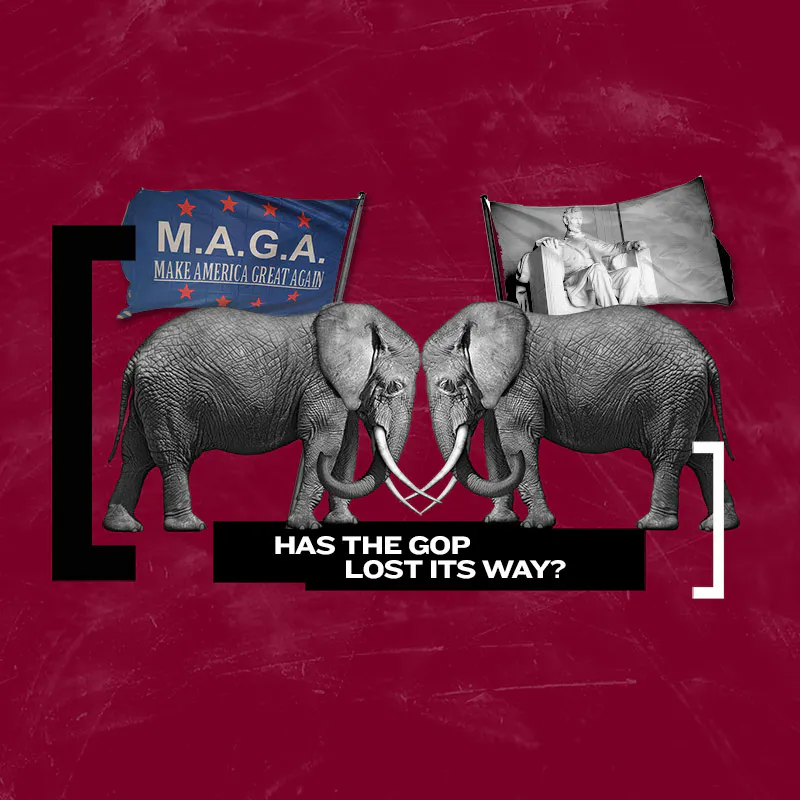
#189 - Has the GOP Lost Its Way?
What should the Republican party look like after Donald Trump? For many prominent establishment figures, including those behind The Lincoln Project, the GOP has lost its way. The only way back, they say, is to purge the forces that brought Trump to power. But others warn that rejecting the millions of voters who supported the former president is the wrong call for the American right. Rather, the GOP should instead double down, focus on bridging the establishment and grassroots factions of their party, and find a way to move forward together. In light of shifting political sands, we ask: Has the GOP lost its way? Learn more about your ad choices. Visit podcastchoices.com/adchoices

Agree to Disagree: Sex with Robots (Valentine's Day Special)
As robots and artificial intelligence reached new heights, the relationship between humans and machines is getting closer. The sex tech industry is worth $30 billion annually and growing, as sex with synthetic companions is becoming far more widespread. But should it be? What are the social consequences? Some argue that sex robots will encourage bad behavior, perpetuate misogyny, and reinforce pornographic depictions of the opposite sex. Others say it can serve as a societal good for those who struggle with traditional relationships, and be employed as a safe outlet for otherwise toxic behavior. So in this episode of Agree to Disagree, we debate sex robots and their place in society. Arguing “YES” is Kate Devlin, computer scientist specializing in AI and human-computer interaction, author of "Turned On: Science, Sex, and Robots." Arguing "NO" is Joanna Bryson, PhD, professor at the Hertie School in Berlin, scholar of AI and ethics. Learn more about your ad choices. Visit podcastchoices.com/adchoices
Agree to Disagree: Identity Politics
The public and pundits alike are still processing the recent election, but this much we know: 2020 marks the most diverse Congress in American history, and President Trump garnered record numbers of minority voters. The takeaway is split. Were identity politics a way to prevail? Two experts on race and identity in America sit with Intelligence Squared host and moderator John Donvan to debate. Arguing “YES” is Michael Eric Dyson, an author, New York Times contributing opinion writer, contributing editor of The New Republic, and professor of Sociology at Vanderbilt University. Arguing "NO" is John McWhorter, an author, host of Lexicon Valley, contributing writer at The Atlantic, and professor of Linguistics at Columbia University. Taped on November 23, 2020, originally released on December 11, 2020. Learn more about your ad choices. Visit podcastchoices.com/adchoices

#188 - For the Last Four Years, America Got the Middle East Right
Joe Biden’s approach to the Middle East will likely be very different than Donald Trump’s. But should it be? For some, the Trump legacy was the right approach: A transactional style that resulted in a host of political and diplomatic victories, including normalizing relations between Israel and several Arab states. But others, including many prominent members of Biden's transition team, see the last four years as a failure of strategy and leadership. So, as the Biden team gets going, we debate whether Trump got the Middle East right. Learn more about your ad choices. Visit podcastchoices.com/adchoices

Is America Still A Model for the World?
When Trump supporters stormed the U.S. Capitol and halted the Electoral College certification, European leaders decried the violence and called on the president to allow the peaceful transfer of power. Meanwhile, China, Russia, Venezuela, and Iran issued swift condemnations with not-so-subtle jabs at the legitimacy of Western democratic values. In the wake of this, can America remain the world's model for democracy? Learn more about your ad choices. Visit podcastchoices.com/adchoices
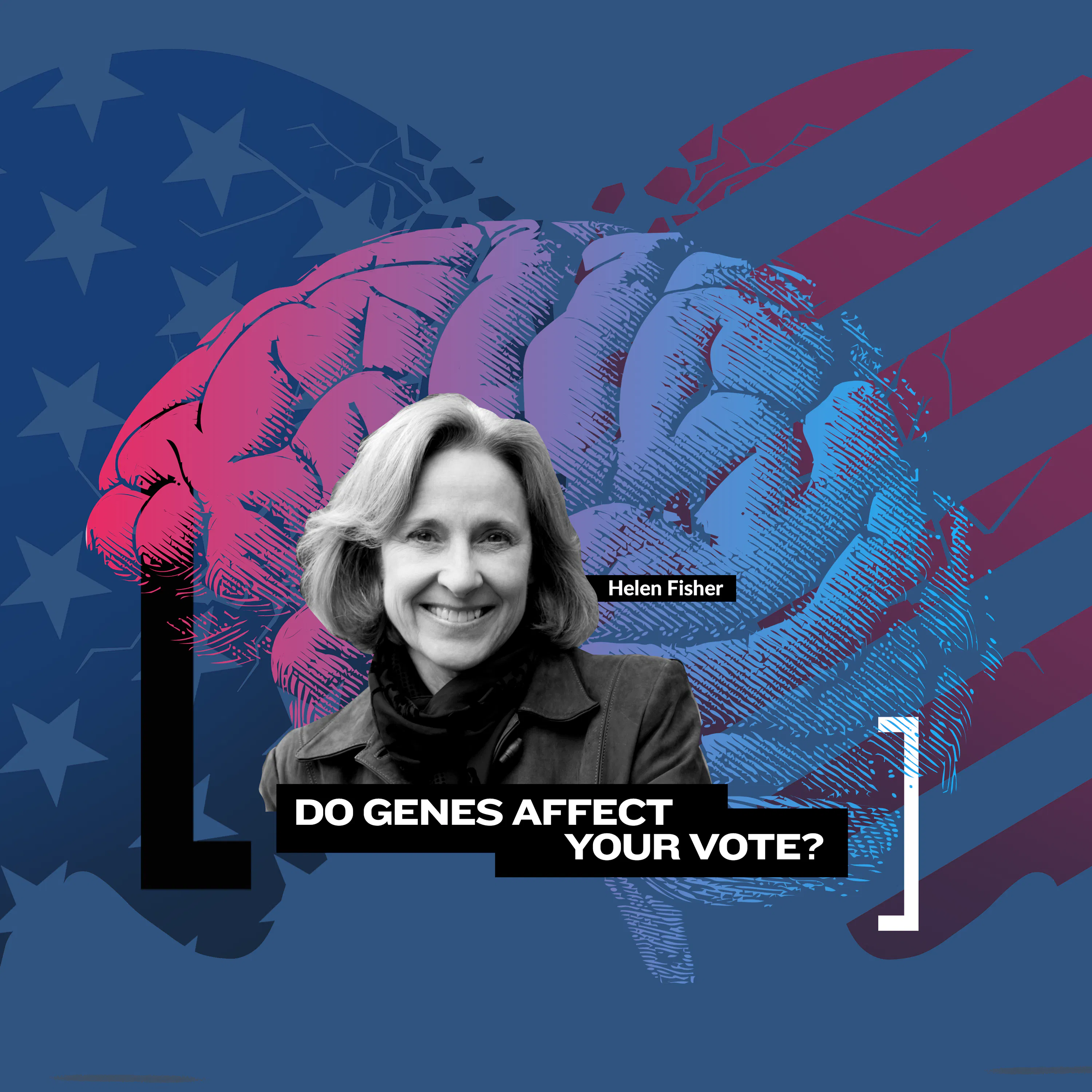
Helen Fisher on How Genes Affect Your Politics
Were you an adventurous baby? Or were you risk averse? According to Dr. Helen Fisher, a biological anthropologist who studies genopolitics, your answers to those questions might also inform your politics. Host, John Donvan digs into the debate surrounding genes and early nurturing, and examines how they both might inspire a natural predilection to skew left or right. Learn more about your ad choices. Visit podcastchoices.com/adchoices
Intelligence Squared Year-Ender
Looking back at 2020, it’s been interesting. Intelligence Squared, like the rest of the world, went virtual as a result of the Covid-19 pandemic that upended business models and accelerated trends far beyond what most experts could envision. (“To zoom” no longer just means “to move quickly.”) And so, as the world waits this thing out, we decided an appropriate holiday gift would be a compilation of our favorite debates of 2020. From Iran, China and the Electoral College, to policing and whether society should redistribute the wealth, we hope you enjoy this special year-ender from Intelligence Squared. Learn more about your ad choices. Visit podcastchoices.com/adchoices
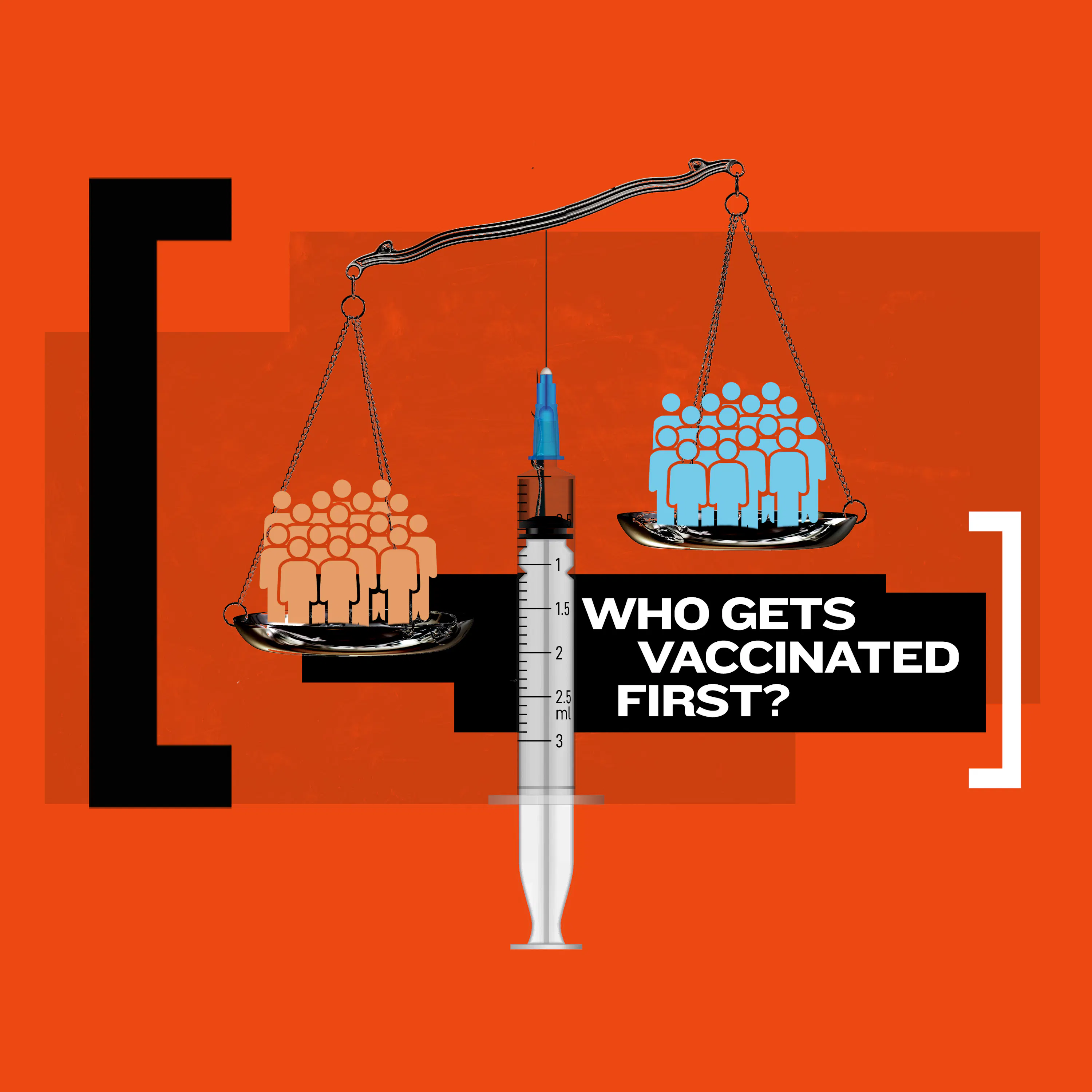
Essential Workers or Elderly? Larry Brilliant on the Vaccine Debate
As the first rounds of the Covid-19 vaccines become available, a growing debate has emerged as to who should get it first. CDC guidance prioritizes essential workers and those in long-term care, but a growing chorus of voices say authorities should instead focus on the elderly. It’s a profound debate with broad ethical implications that dig into the question of preserving first-responders and society’s first line of defense versus rising morbidity and mortality rates among at-risk populations. Host and moderator John Donvan examines it all in a wide ranging interview with Dr. Larry Brilliant, physician, epidemiologist, and CEO of the Pandefense Advisory, who was also a part of the World Health Organization team that eradicated smallpox. Learn more about your ad choices. Visit podcastchoices.com/adchoices
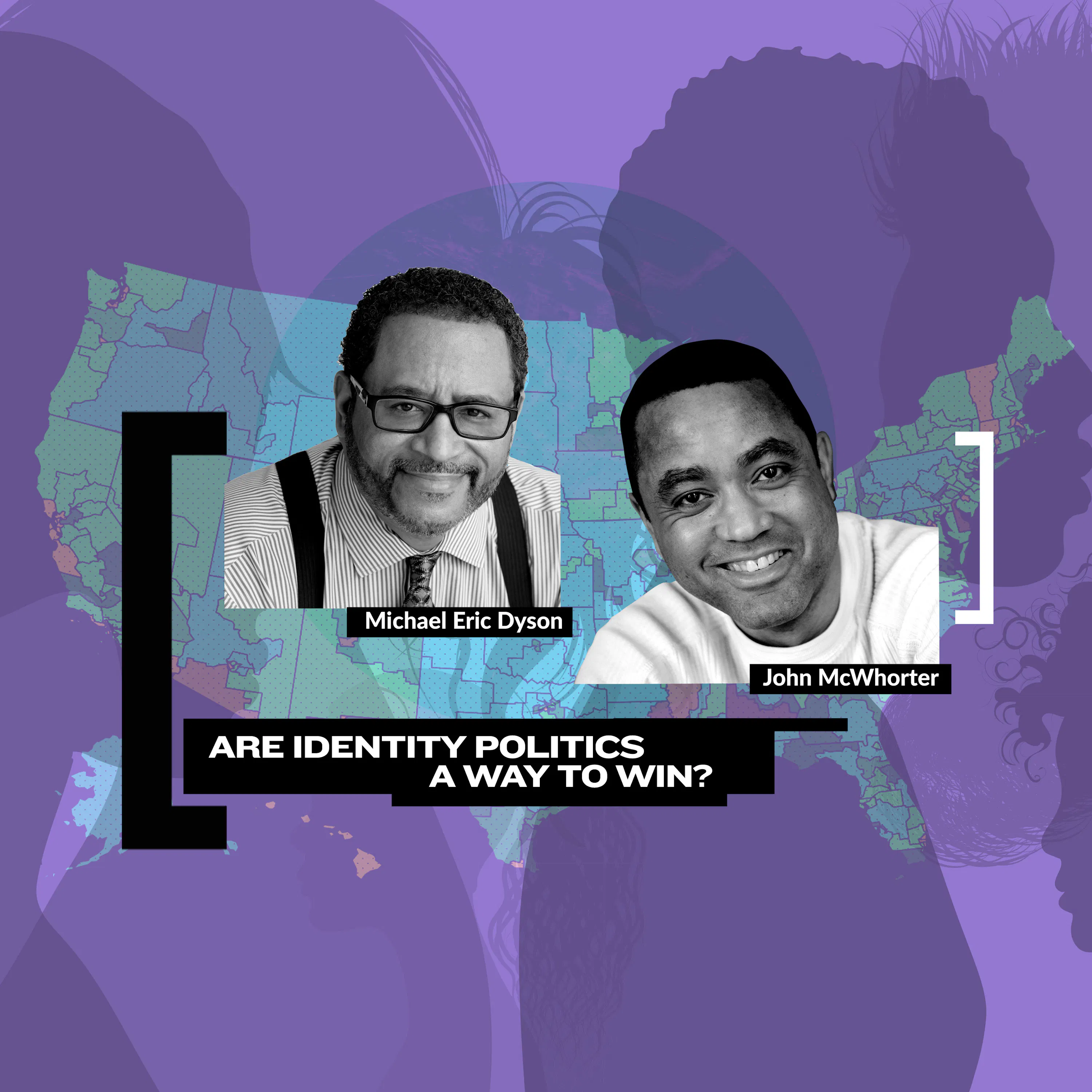
Agree to Disagree: Are Identity Politics a Way to Win?
The public and pundits alike are still processing the most recent election, but this much we know: 2020 marks the most diverse Congress in American history, and President Trump garnered more minority voters in 2020 than in 2016. As Georgia faces two runoff elections, which will determine which party controls the Senate, gubernatorial nominee Stacey Abrams and other voting-rights advocates have focused on identity politics as a way to prevail in the electoral process. Is it a winning strategy? Two experts on race and identity in America sit with Intelligence Squared host and moderator John Donvan to debate. Arguing “YES” is Michael Eric Dyson, an author, New York Times contributing opinion writer, contributing editor of The New Republic, and professor of Sociology at Vanderbilt University. Arguing "NO" is John McWhorter, an author, host of Lexicon Valley, contributing writer at The Atlantic, and professor of Linguistics at Columbia University Learn more about your ad choices. Visit podcastchoices.com/adchoices
Ep 187#187 - Should We Stop Worrying About National Deficits?
Governments around the world have spent unprecedented sums — trillions of dollars — to combat the economic impacts of coronavirus. But just what does rising government debt mean for our future? A new crop of economists – adherents to Modern Monetary Theory – have a bold proposition: Don't worry about it. Stephanie Kelton, James Galbraith, Todd Buchholz, and Otmar Issing join us for a debate on national debt in our third episode of "That's Debatable," our new series presented in partnership with Bloomberg Media and sponsored by IBM. A note from our sponsor: There’s nothing to lose from gaining a fresh perspective. IBM Watson® was built to help us look at an issue from all sides—from cultural debates to customer reviews. Using advanced natural language processing, Watson is making sense of data from a range of topics to help give us more informed perspectives, so we can make more informed decisions. See how Watson informs a human debate at ibm.com/debatable Learn more about your ad choices. Visit podcastchoices.com/adchoices
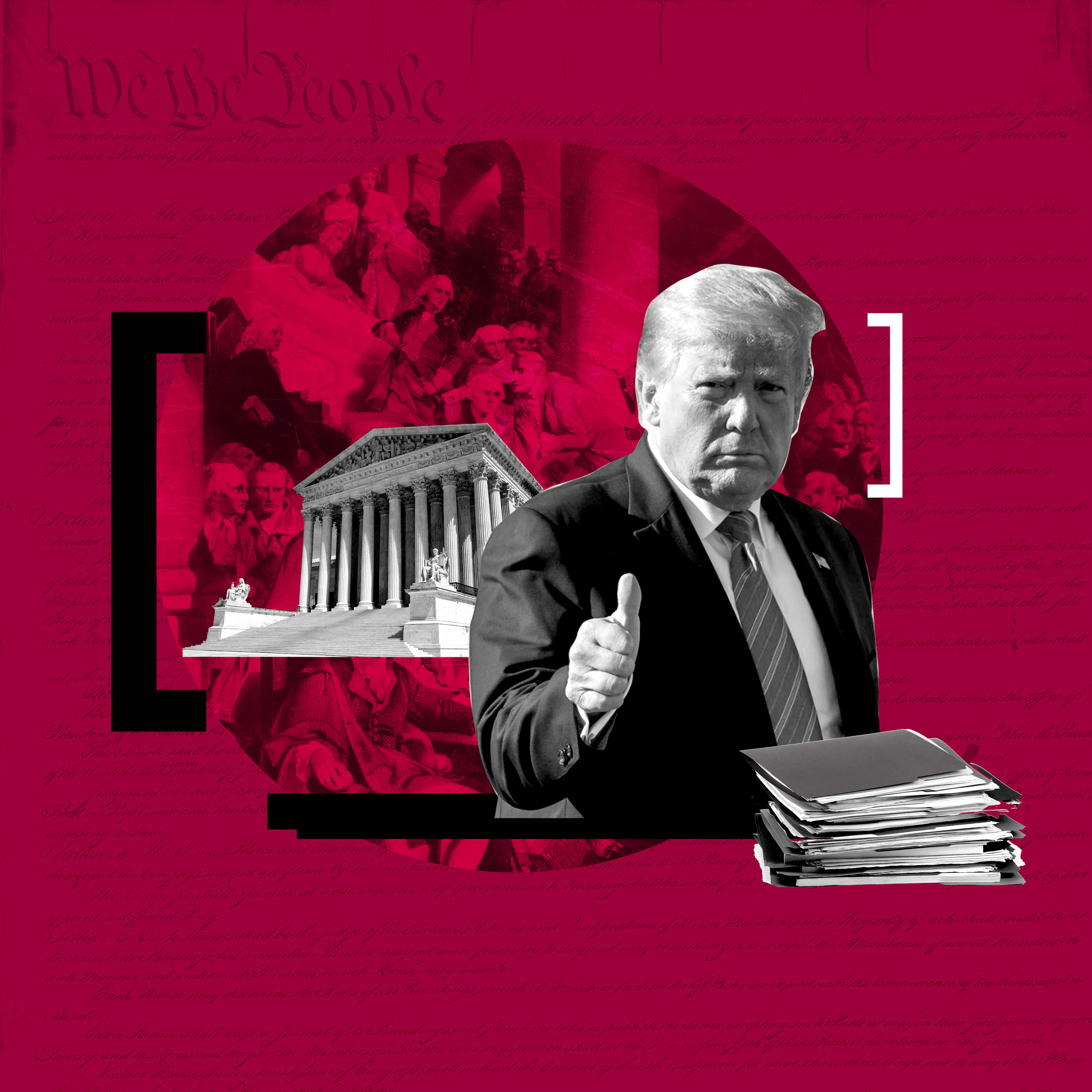
Agree to Disagree: Are Election Lawsuits Good For Democracy?
Joe Biden delivered a victory speech. His team is planning to take power. But rather than concede, President Trump has instead turned to the courts, with election lawsuits in states like Pennsylvania, Georgia, and Arizona. It's a historic moment, and for many an unsettling one. But could these lawsuits actually be good for democracy? Two competing legal minds weigh in, with Intelligence Squared host and moderator John Donvan at the helm. Arguing "YES," is Rebecca Roiphe, a Manhattan prosecutor and law professor who focuses on ethics and the history of the legal profession. Arguing “NO” is Ian Bassin, a former attorney in the Obama White House and the co-founder of Protect Democracy. Learn more about your ad choices. Visit podcastchoices.com/adchoices

#186 - Is a U.S.-China Space Race Good for Humanity?
China is ramping up its national space industry with huge investments in next-generation technologies that promise to transform military, economic, and political realities. Against this backdrop, we ask: Would a new U.S.-China space race be good for humanity? Michio Kaku, Avi, Loeb, Raji Pillai, and Bidushi Bhattacharya join us for a debate on the potential U.S.-China space race in our second episode of “That’s Debatable," our new series presented in partnership with Bloomberg Media and sponsored by IBM. A note from our sponsor: There’s nothing to lose from gaining a fresh perspective. IBM Watson® was built to help us look at an issue from all sides—from cultural debates to customer reviews. Using advanced natural language processing, Watson is making sense of data from a range of topics to help give us more informed perspectives, so we can make more informed decisions. See how Watson informs a human debate at ibm.com/debatable Learn more about your ad choices. Visit podcastchoices.com/adchoices
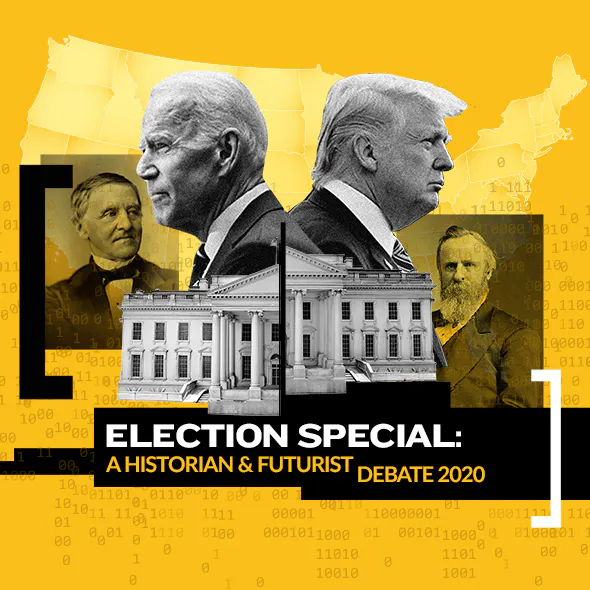
Election Special: A Historian and Futurist Debate 2020
In this special post-election podcast – amidst record mail-in voting, lawsuits, social unrest, and partisan polarization – we’re asking a simple question: Was the 2020 run for the White House as unprecedented as we might think? Those in favor of the motion often point to the tech influence, and Silicon Valley’s hand in everything from echo chambers to political advertising to conspiracy theories. Those against often nod to America’s track record of polarization. In 1860, after Abraham Lincoln’s electoral win, for instance, seven states decided to secede. It would be hard, some say, for even 2020 to compete with that. And so in this podcast, Intelligence Squared U.S. brings you those two perspectives: One focused on the past, and one focused on today’s tech, and its future. Amy Webb, CEO, Future Today Institute Amy Webb is among the nation’s leading futurists and founder and CEO of the Future Today Institute. She is an adjunct assistant professor at New York University's Stern School of Business, a nonresident senior fellow at Atlantic Council, and author of “The Big Nine: How the Tech Titans and Their Thinking Machines Could Warp Humanity.” Michael F. Holt, History Professor, University of Virginia Michael F. Holt is a professor of American History at the University of Virginia. He is the author of six books, including the award-winning “The Rise and Fall of the American Whig Party and By One Vote: The Disputed Presidential Election of 1876.” Learn more about your ad choices. Visit podcastchoices.com/adchoices

Discourse Disruptors: A Divided Nation – One Perspective
In these final days of the race for the White House, some nations are paying especially close attention. Two men with competing visions of America’s place in the world are vying for the nation’s top job, and the balance of global power is in play. In this episode of Discourse Disrupters, John Donvan sits down with Ian Bremmer, president and founder of Eurasia Group, to examine the U.S. elections from a foreign policy perspective, the politics of the process itself, and what it all means for a global audience. Learn more about your ad choices. Visit podcastchoices.com/adchoices

A Supreme Special Episode: Amy Coney Barrett & The State of SCOTUS
What would a Justice Amy Coney Barrett mean for American law and politics? Should Democrats try to reform the Court? Two of the nation's top constitutional minds weigh-in, with John Donvan as your intellectual referee in this special episode of Intelligence Squared. Erwin Chemerinsky - Dean, University of California Berkeley School of Law Saikrishna Prakash - Distinguished Professor of Law, University of Virginia Love to argue? We want to hear from you. Submit your opinion on national deficits to IBM Watson now, and you may be featured in our next Bloomberg television show. More here: ibm.com/debatable Consider making a donation: iq2us.org/support Learn more about your ad choices. Visit podcastchoices.com/adchoices

#185 - Is It Time to Redistribute the Wealth?
Robert Reich, Yanis Varoufakis, Lawrence Summers and Allison Schrager join us for a debate on economic inequality in the premiere episode of “That’s Debatable," our new series presented in partnership with Bloomberg Media and sponsored by IBM. As nations around the world grapple with the financial impacts of the pandemic, we ask: Is it time to redistribute the wealth? A note from our sponsor: There’s nothing to lose from gaining a fresh perspective. IBM Watson® was built to help us look at an issue from all sides—from cultural debates to customer reviews. Using advanced natural language processing, Watson is making sense of data from a range of topics to help give us more informed perspectives, so we can make more informed decisions. See how Watson informs a human debate at ibm.com/debatable Learn more about your ad choices. Visit podcastchoices.com/adchoices

Ep 184#184 - Unresolved: American Policing
Historic protests calling for police reform have erupted across the nation. But just what could these reforms mean? And how should we see the criminal justice system today? Staged in our “Unresolved” format, this debate brings together five experts to tackle pressing questions on the history and future of policing in the U.S. including: Should we defund the police? Do police unions do more harm than good? And has policing become too militarized? Cast your vote: https://smarturl.it/AmericanPolicing A Message from Our Sponsor Subscribe to The Jordan Harbinger Show on Apple Podcasts, Spotify, wherever you listen or at jordanharbinger.com/subscribe Learn more about your ad choices. Visit podcastchoices.com/adchoices

#154 - Has Globalization Undermined the American Working Class?
This Episode Originally Aired on August 3rd, 2018 MOTION: Globalization Has Undermined America's Working Class Globalization ushered in an era of free trade, fluid borders, and unparalleled corporate profits. For its proponents, the global integration of states and their economies was a political and economic win that created a wealth of opportunities for workers and consumers around the world. But in the United States, jobs are disappearing. From construction zones to clerical offices to coal mines, the American working class is losing ground. Is globalization to blame? Did the push toward global integration leave our most vulnerable populations behind, making them the losers of this grand experiment? Or is globalization being used as a scapegoat for a wider range of failed public policies and unprecedented advances in technology? Learn more about your ad choices. Visit podcastchoices.com/adchoices

Newt Minow on the Presidential Debates
What does the father of American presidential debate think about modern electoral politics? In this episode, Newt Minow offers a first-hand account of some of the nation’s biggest political moments and just what role debate should play in our future. Learn more about your ad choices. Visit podcastchoices.com/adchoices
Agree to Disagree: Should Washington Break Up Big Tech?
Is Big Tech having its own "big tobacco moment"? As Apple, Facebook, Google, and Amazon face antitrust probes from state and federal investigators alike, we dive into the debate that will shape the tech industry for generations. Join John Donvan and two esteemed debaters for this special episode of our new series, "Agree to Disagree." Learn more about your ad choices. Visit podcastchoices.com/adchoices

Agree to Disagree: Broadband for All?
Introducing "Agree to Disagree," a new series from Intelligence Squared U.S. In this episode, two guests join John Donvan to debate Broadband for All, the internet as a public utility, and just who should make sure you have the connection you need. A message from our sponsor: Get an extra 3 months Free on a one year package. Expressvpn.com/debate Learn more about your ad choices. Visit podcastchoices.com/adchoices

Ep 183#183 - Is Nationalism a Force for Good?
From Brexit to “America First,” Modi in India, Erdoğan in Turkey, and Bolsonaro in Brazil, nationalism – or allegiance to a nation-state over other group affiliations – has been on the rise. Now, borders around the world are closed and the coronavirus pandemic is sparking staunch debate about the future of global governance and political identity. The nation-state has been praised for securing the needs of its citizens and serving as the most efficient form of political organization, while also criticized for being insular and inciting anti-immigration policies. Nationalism has been credited for both uniting disparate communities under a common culture and identity, as well as promoting violence based on race and ethnicity. As global problems continue to mount, does the 21st century require international leadership, or is nationalism a force for good? A message from our sponsor: Get an extra 3 months Free on a one year package. Expressvpn.com/debate Learn more about your ad choices. Visit podcastchoices.com/adchoices

#164 - Should Social Media Companies Honor the First Amendment?
MOTION: Constitutional Free Speech Principles Can Save Social Media Companies from Themselves President Trump posted similar content on Facebook and Twitter. Twitter flagged it. Facebook did not. Both have come under fire for those decisions. Just how should social media companies police user content? Revisit our debate on social media content moderation policies and whether the U.S. Constitution should be the guiding light in a new era of political speech. FOR THE MOTION: David French - Senior Writer, National Review Corynne McSherry - Legal Director, Electronic Frontier Foundation AGAINST THE MOTION: Nathaniel Persily - Professor, Stanford Law Marietje Schaake - International Policy Director, Stanford's Cyber Policy Center & Fmr. Member, European Parliament We're funded by our listeners. To support our debates, donate online at iq2us.org/support A message from our sponsor: Get an extra 3 months Free on a one year package. Expressvpn.com/debate Learn more about your ad choices. Visit podcastchoices.com/adchoices
Ep 182#182 - Will Coronavirus Reshape the World Order in China's Favor?
How might coronavirus reshape geopolitics? For some, the answer is clear: China is on the rise. While Washington embraces “America First” and abdicates its global leadership role, they argue, Beijing is stepping up to fill the void. But others see a global future where Beijing’s standing is diminished, not bolstered. Panelists Kurt M. Campbell, Kishore Mahbubani, Minxin Pei, and Susan Thornton. Learn more about your ad choices. Visit podcastchoices.com/adchoices

Ep 181#181 - Has The Electoral College Outlived Its Usefulness?
DEBATE: Has The Electoral College Outlived Its Usefulness? Five American presidents — two in the last 20 years — have assumed office without winning the popular vote. As the nation gears up for another contentious presidential election, some are calling for an end to the Electoral College. They argue that the college subverts the will of the American people by unfairly prioritizing rural and swing states over the nation’s majority. But others say the Electoral College, which the Founders established in the Constitution, is necessary to ensure voters in less populous states have a voice in picking our president. Has the Electoral College outlived its usefulness? This debate is presented in partnership with the Northwestern Pritzker School of Law as part of the Newt and Jo Minow Debate Series. Motion: The Electoral College Has Outlived Its Usefulness For the Motion: Jamelle Bouie - Columnist, New York Times Kate Shaw - Law Professor & Supreme Court Contributor, ABC News Against the Motion: Tara Ross - Author, "Why We Need the Electoral College" Bradley A. Smith - Law Professor & Former Chairman, Federal Election Commission A note from our sponsor: Get an extra 3 months Free on a one year package. Expressvpn.com/debate Learn more about your ad choices. Visit podcastchoices.com/adchoices

Ep 180#180 - Was the Global Financial System Better Prepared for the Pandemic Than 2008?
More than a decade ago, Lehman Brothers collapsed, and the world witnessed one of the worst financial crises in global history. In January 2019, Intelligence Squared U.S. hosted a debate on the motion “Ten Years After the Global Financial Crisis, the System Is Safer,” to assess how resilient markets would be in the future. With the emergence of a global pandemic, this has put the debater’s arguments to the ultimate test – whose claims have been vindicated by this unprecedented event? Cast Your Vote: www.iq2us.org/vote Learn more about your ad choices. Visit podcastchoices.com/adchoices

#179 - Is the Defense Production Act Being Underutilized?
As health professionals and leaders around the nation rush to procure the supplies Americans need to combat coronavirus, we ask: Is the Defense Production Act being underutilized? This little-known law, which dates back to the Korean War, gives the president vast authority to compel private companies to act in the interest of national defense. While President Trump has invoked the act in recent weeks, many across the nation are calling on his administration to use its powers much more broadly. Cast Your Vote: https://smarturl.it/DefenseProdAct Learn more about your ad choices. Visit podcastchoices.com/adchoices

How to Fight an Infodemic
As the coronavirus pandemic sweeps the globe, the World Health Organization is warning of the spread of something else – an information epidemic or “infodemic.” And while diligent consumers of the news are inundated with stats, graphs, press conferences, and think-pieces, so too are they exposed to dubious data, miscredited quotations, and outright harmful claims. In this episode, John Donvan sits down with two leading experts in the spread of information, journalist and editor-in-chief of PolitiFact Angie Drobnic Holan and computer scientist and associate professor of Human Centered Design and Engineering at the University of Washington Kate Starbird, for a discussion on how to be discerning communicators during a time of crisis. Learn more about your ad choices. Visit podcastchoices.com/adchoices

Ep 178#178 - Does Maximum Pressure Against Iran Work?
The targeted killing of General Qassim Suleimani sent shockwaves around the world and sparked staunch debate about the Trump administration's "maximum pressure" campaign. Supporters argue that this strategy, which includes leaving the JCPOA and imposing harsh economic sanctions, will safeguard American interests, quell Tehran's human rights abuses, and halt the state's support of terrorist networks. But opponents see "maximum pressure" as dangerously misguided. They argue that abandoning the hard-fought JCPOA and undermining the Iranian economy has promoted violence, isolated allies, and fueled anti-American sentiment. Is the maximum pressure campaign against Iran working? Presented in partnership with the Hoover Institution at Stanford University Motion: The Maximum Pressure Campaign Against Iran Is Working For the Motion: Victor Davis Hanson - Military Historian & Author, “The Case for Trump” H. R. McMaster - Retired Lieutenant General, U.S. Army & Former National Security Advisor Against the Motion: Martha Crenshaw - Terrorism Studies Expert & Author, “Explaining Terrorism” Abbas Milani - Iranian Studies Program Director, Stanford University Learn more about your ad choices. Visit podcastchoices.com/adchoices

Ep 177#177 - Is Anti-Zionism the New Anti-Semitism?
Zionism, or the belief in the Jewish right to self-determination in the land of Israel, has been the topic of contentious global debate for decades. And while the United States government is making moves to strengthen its special relationship with Israel, such as relocating the U.S. embassy from Tel Aviv to Jerusalem, scrutiny of Israel and its government looms large in American politics. Is it possible to distinguish anti-Zionism from anti-Semitism? For the Motion: Bret Stephens - Op-Ed Columnist, New York Times Einat Wilf - Former Member, Israeli Parliament Against the Motion: Peter Beinart - Journalist & Author, “The Crisis of Zionism” Yousef Munayyer - Executive Director, US Campaign for Palestinian Rights Learn more about your ad choices. Visit podcastchoices.com/adchoices
Ep 176#176 - Is the Two-Party System Good for Democracy?
As the nation gears up for the 2020 presidential election, we ask: Is the two-party system good for democracy? Does relying on two hugely powerful political bodies drive division and push voters to the extremes? Or does the two-party system moderate the electorate and make the nation governable? Keynote Conversation: Joanne Freeman - Professor of History and American Studies, Yale University For the Motion: Yascha Mounk - Author, "The People vs. Democracy" Norman Ornstein - Resident Scholar, American Enterprise Institute Against the Motion: Lee Drutman - Author, "Breaking the Two-Party Doom Loop" Katherine Gehl - Entrepreneur & Political Reformer Learn more about your ad choices. Visit podcastchoices.com/adchoices

Ep 175#175 - Is it Time to Expand Nuclear Power?
For decades, the development of nuclear power has sparked staunch debate among scientists, politicians, and activists alike. Proponents claim that nuclear energy is the most effective way to combat climate change while still meeting the world's growing demand for energy. But its critics argue that expanding nuclear energy is dangerous, costly, and ill-advised. Should nuclear energy fuel our future? Keynote Conversation: Bill Nye - Scientist and CEO of the Planetary Society For the Motion: Kirsty Gogan - Co-founder and Executive Director of Energy for Humanity Daniel Poneman - Former Deputy Secretary of Energy Against the Motion: Gregory B. Jaczko - Former Chairman of the U.S. Nuclear Regulatory Commission Arjun Makhijani - President of the Institute for Energy and Environmental Research A message from our sponsor: Get started and master topics with thegreatcoursesplus.com/DEBATE Learn more about your ad choices. Visit podcastchoices.com/adchoices

Ezra Klein on Why We're Polarized
Is the American political system broken? In his new book, Ezra Klein argues that the system isn't malfunctioning, it's doing exactly what it was designed to accomplish. In this special episode of Discourse Disrupters, John Donvan sits down with one of the nation's most prominent political journalists to ask one critical question: Why are we polarized? A message from our sponsors: Watch or listen to Argumentation – and any of The Great Courses Plus’ thousands of lectures - Free for an Entire Month! Get started now thegreatcoursesplus.com/DEBATE Learn more about your ad choices. Visit podcastchoices.com/adchoices
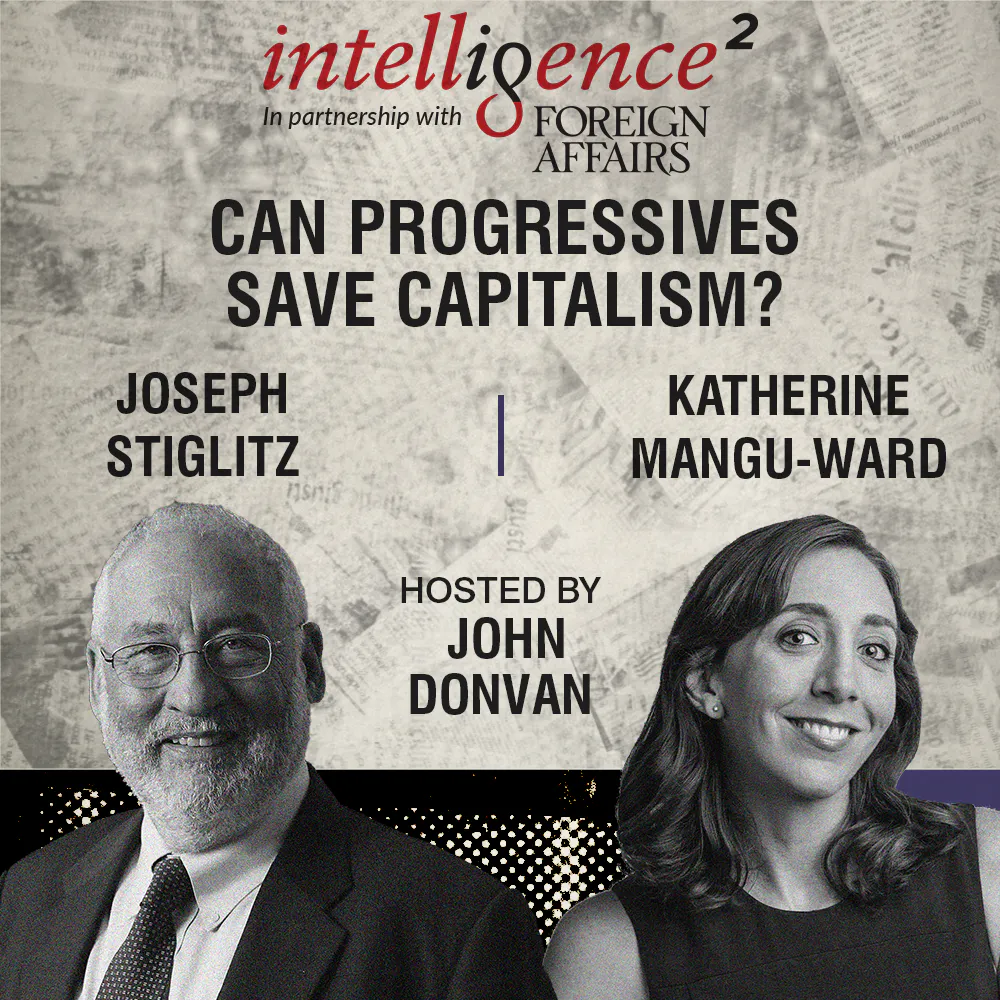
Bonus Episode: Can Progressives Save Capitalism?
Does capitalism need saving? In this special episode, Intelligence Squared partners with Foreign Affairs to take a nuanced look at the state of the capitalism debate in America, and the potential problems facing our economic system. Joining host John Donvan is Nobel Prize-winning economist Joseph Stiglitz with recent Intelligence Squared alum and Reason editor-in-chief Katherine Mangu-Ward. A message from our sponsors: Watch or listen to Argumentation – and any of The Great Courses Plus’ thousands of lectures - Free for an Entire Month! Get started now thegreatcoursesplus.com/DEBATE A message from our partner: Go to www.ForeignAffairs.com/faiq2 and enter the promo code faiq2 for a discounted issue. Learn more about your ad choices. Visit podcastchoices.com/adchoices