
Open to Debate
483 episodes — Page 4 of 10
David Petraeus and Andrew Roberts on Conflict, War, and Debate
Debate is a form of conflict that is played out through civility, and the capability to exchange ideas with people we disagree with. But what leads leaders and countries to fall into conflict? In this conversation with Retired U.S. Army General David H. Petraeus and historian Lord Andrew Roberts, guest moderator Xenia Wickett speaks with them about their new book, the nature of military conflict, and how civil debate and conflict are intertwined. Our Guests: General David H. Petraeus, U.S. Army Retired General; Chairman of the KKR Global Institute; Former CIA Director Andrew Roberts, Biographer, Historian, and Member of the U.K. Parliament Xenia Wickett, Geopolitical strategist and moderator at Wickett Advisory and Trustee of Transparency International UK, is the guest moderator. Learn more about your ad choices. Visit podcastchoices.com/adchoices
Mock Trial: Is Trump Guilty in the January 6th Case?
After the 2020 election, former President Trump discredited the election results. The January 6 attack on the U.S. Capitol and Trump’s federal indictment on four charges are tied to his claims. The defense claims proof is needed he had planned to commit a crime and he conducted himself under legal advice. The prosecution argues his actions showed criminal intent to defraud the U.S. and was done knowingly. Now we debate: Is Trump Guilty in the January 6th Case? Prosecutor: Lanny Davis, Attorney and Former Presidential Advisor Defense Attorney: Sara Azari, Criminal Defense Lawyer; Legal Analyst for NewsNation Judge's Chair: John Donvan, Moderator-In-Chief and Emmy award-winning journalist Learn more about your ad choices. Visit podcastchoices.com/adchoices
David Brooks on the Art of Seeing and Hearing Others
With polarization rising within our society and two wars encouraging division, people are feeling more afraid to engage with people who have differing perspectives. How can we solve that issue, build deeper connections, and get to know someone? New York Times columnist David Brooks says you help them feel seen and understood. John Donvan sits down with Brooks to discuss his book “How to Know a Person: The Art of Seeing Others Deeply and Being Deeply Seen”, how to foster connections in daily life, and offers a solution to a society in need of appreciating each other’s differences. Learn more about your ad choices. Visit podcastchoices.com/adchoices

Will the Future Be Abundant?
Today, humanity is thriving, but there are fears the good times will not last. Will tomorrow be better than today? Those arguing “yes” say people have better access to resources and technological advances are making us more prosperous. Those arguing “no” say there are widening socio-economic disparities, our globalized world is bound to collapse, and we’re not doing enough to fight climate change. Now we debate: Will the Future Be Abundant? Arguing Yes: Peter Diamandis, Founder and Executive Chairman of the XPRIZE Foundation Arguing No: Peter Zeihan, Geopolitical Strategist Xenia Wickett, Geopolitical strategist and moderator at Wickett Advisory and Trustee of Transparency International UK, is the guest moderator. Learn more about your ad choices. Visit podcastchoices.com/adchoices

Should Congress Pass the Secure the Border Act?
In response to a surge in migrants and asylum seekers at America’s borders, the Secure the Border Act of 2023 aims to enforce stricter limitations on immigration, migrants, and more. Those arguing for passage say it is a necessary response to improve national security and modernize border security infrastructure. Those against it are concerned about the humanitarian impact and question its effectiveness. Now we debate: Should Congress Pass the Secure the Border Act? Arguing Yes: Jessica Vaughan, Director of Policy Studies at the Center for Immigration Studies Arguing No: Kristie De Peña, Senior Vice President for Policy and Director of Immigration Policy at Niskanen Center Emmy award-winning journalist John Donvan moderates. Learn more about your ad choices. Visit podcastchoices.com/adchoices

Will AI Kill the Future of the Creative Arts?
From AI-generated paintings to writing scripts and novels, AI is challenging our endeavor to create, innovate, and connect. Will the human touch be obsolete? Those arguing yes say since AI-created art can’t experience human emotions, it will lack depth, and it will come at an economic cost for human artists. Those arguing no say it’s another tool in a toolkit and will help express talent like never before. Now we debate: Will AI Kill the Future of the Creative Arts? Arguing Yes: Jonathan Taplin, Author; Director Emeritus of the Annenberg Innovation Lab at the University of Southern California Arguing No: Rebecca Fiebrink, Professor at the University of the Arts, London's Creative Computing Institute Emmy award-winning journalist John Donvan moderates Learn more about your ad choices. Visit podcastchoices.com/adchoices
How Would A No Labels Presidential Candidate Change the Outcome in 2024?
The centrist group No Labels is planning a bipartisan nominating convention, leading to speculation that they may promote a third-party candidate for voters who don’t support Donald Trump or Joe Biden. Those who agree say a third-party ticket will affect the election by helping Trump get more votes and diluting opposition. Those who disagree say voters may like the third-party candidate better, reducing Trump’s chances. Now we debate: “How Would A No Labels Presidential Candidate Change the Outcome in 2024?” Arguing Yes: Rahna Epting, Executive Director of MoveOn Arguing No: Ryan Clancy, Chief Strategist of No Labels Emmy award-winning journalist John Donvan moderates Learn more about your ad choices. Visit podcastchoices.com/adchoices
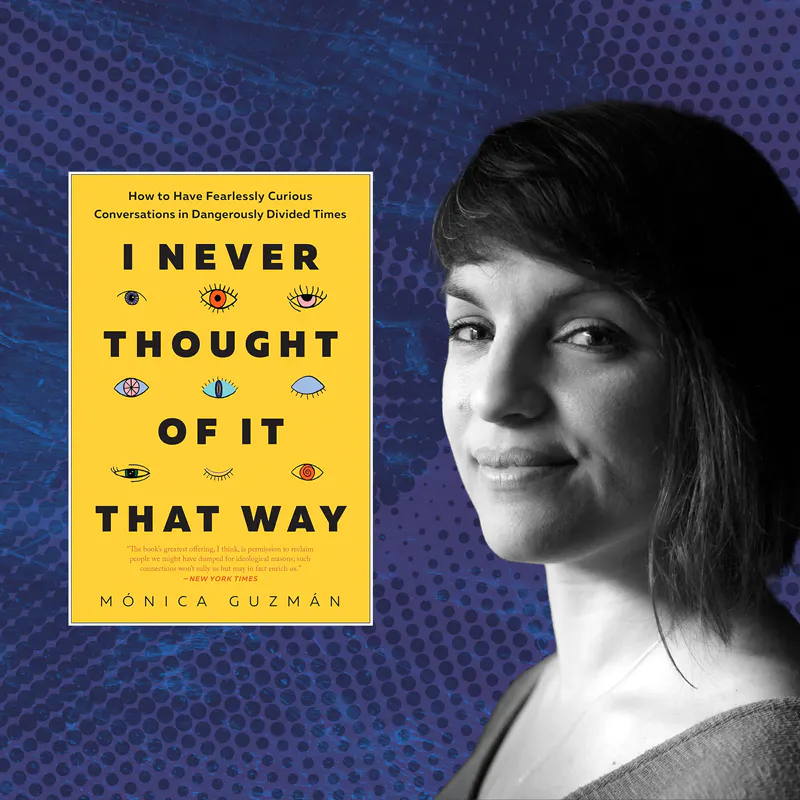
A primer for discussing Israel and Gaza and our divided American political landscape: John Donvan in discussion with author Mónica Guzmán
How can you have meaningful conversations in increasingly divided times, whether it’s against the backdrop of American politics or the Israel-Gaza war? To author Mónica Guzmán, it’s by asking yourself, “What am I missing?” John Donvan sits down with Guzmán to talk about her work at Braver Angels, staying hopeful in times of conflict or during world events, and why using curiosity to navigate today’s polarized landscape is easier than you think. Mónica Guzmán is the author of "How to Have Fearlessly Curious Conversations in Dangerously Divided Times" and Senior Fellow for Public Practice at Braver Angels. Learn more about your ad choices. Visit podcastchoices.com/adchoices

Do We Have Free Will?
Are we the true authors of our actions – or are we guided by a preordained fate? From the days of Greek philosophers to the present, the notion of free will and the question of whether humans can make their own choices is as captivating as ever. Those who think that free will exists consider it foundational to a rules-based society since it holds individuals accountable for their actions. Those who don’t believe in it argue everything that happens to us, and our actions and choices, is determined by prior existing conditions. Though we may feel in control of our actions, they are influenced by factors outside of our control, like upbringing, societal pressures, and biological predispositions. With this background, we now debate the question: Do We Have Free Will? Arguing Yes: Roy Baumeister, Social Psychologist, Author of “Free Will and Consciousness: How Might They Work” Arguing No: Robert Sapolsky, Neuroscientist; Professor at Stanford University Nayeema Raza, Journalist at New York Magazine and Vox, is the guest moderator. Learn more about your ad choices. Visit podcastchoices.com/adchoices

Is Wokeness Killing Comedy?
What Lenny Bruce, George Carlin, or Eddie Murphy jokes would be deemed offensive by today’s standards? From comedy specials to TV shows and movies, what makes us laugh has come under scrutiny. Some old jokes and racy skits are considered off-limits in today's context, leading to public apologies, cancellations, and backlash. While society wants more inclusivity and awareness, comedy has now become a cultural battleground. Some argue that political correctness will stifle comedic creativity and worry it will affect comedy’s ability to tackle tough subjects, leading to self-censorship and lack of depth or free speech. Those who disagree say comedy, like all art forms, has always evolved with changing societal norms and it can still flourish without relying on harmful stereotypes or tropes. Instead, acting more sensitive or woke will refine and elevate comedy. Against this background, we debate the question: Is Wokeness Killing Comedy? This debate will take place in front of a live audience, on Wednesday, September 20, 2023 at The Comedy Cellar’s Village Underground in New York City. Arguing Yes: Lou Perez, Comedian, Producer, Author of "That Joke Isn't Funny Anymore" Arguing No: Michael Ian Black, Actor and Comedian Nick Gillespie, Editor-at-Large of Reason, guest moderates Learn more about your ad choices. Visit podcastchoices.com/adchoices

Are DEI Mandates for University Faculties a Bad Idea?
More American colleges are adopting DEI as a core value, affecting professors' tenure, hiring, and promotion. Has what was intended as solidarity turned into a “loyalty oath”? Those who agree say evaluations based on DEI statements harm professors who may not embrace an agenda, affecting academic freedom. Those disagreeing say the statements aren’t intended to push a viewpoint but to reward a professor’s actions. Now we debate: “Are DEI Mandates for University Faculties a Bad Idea? Arguing Yes: Randall L. Kennedy, Professor at Harvard Law School Arguing No: Brian Soucek, Law Professor and Chancellor's Fellow at University of California, Davis Emmy award-winning journalist John Donvan moderates Learn more about your ad choices. Visit podcastchoices.com/adchoices

Is Anti-Zionism the New Anti-Semitism?
Zionism — the belief that the Jewish people have a right to statehood in Israel — has been debated for decades. But facing increased anti-Semitic violence around the world, some argue that criticizing it is anti-Semitic and Israel has a historical and political right to self-determination. Others say their concerns about Israel’s actions— particularly regarding Palestinian rights and sovereignty — are legitimate. Now we debate: Is Anti-Zionism the New Anti-Semitism? (Note: This debate was originally released in 2020 and does not reflect current events.) Learn more about your ad choices. Visit podcastchoices.com/adchoices

Does Economic Growth Cost Too Much?
Economic growth is a central goal of many economies, but there are questions about how sustainable relentless growth is. Those arguing “yes” say the right measurements aren’t being used for societal well-being and how much it costs the environment, and call for a new economic model for more equitable and sustainable futures. Those arguing “no” say growth drives today’s prosperity, brings public good, and fuels advancements. Now we debate: Does Economic Growth Cost Too Much? Arguing Yes: Peter Victor, Environmental Studies Professor Emeritus and Senior Scholar at York University Arguing No: Katherine Mangu-Ward, Editor-in-Chief at Reason Emmy award-winning journalist John Donvan moderates Learn more about your ad choices. Visit podcastchoices.com/adchoices

Should Artists Be Allowed to Borrow From Cultures Besides Their Own?
Modern art, runway fashion, and music today are in the middle of a cultural reckoning, where artists must find a balance between cultural appropriation and cultural appreciation. Those in support of borrowing say placing restrictions on what artists can be inspired by may stifle artistic expression. Those against it say doing so erases a tradition’s context while echoing past mistreatment. Now we debate: Should Artists Be Allowed to Borrow From Cultures Besides Their Own? Arguing Yes: Yascha Mounk, political scientist, author, and associate professor at Johns Hopkins University's School of Advanced International Studies Arguing No: C. Thi Nguyen, Associate Professor of Philosophy at the University of Utah; Author of "Games: Agency as Art" Emmy award-winning journalist John Donvan moderates Learn more about your ad choices. Visit podcastchoices.com/adchoices

Should Ukraine Get Russia's Frozen Assets?
After the Russian invasion of Ukraine in February 2022, economic sanctions led to frozen Russian assets abroad inaccessible and could be relocated to Ukraine. Those arguing yes say it would serve as restitution for Russia’s aggression and compensate for damages and economic disruptions. Those arguing no say relocating the frozen assets could set a concerning precedent, leading to escalated tensions and retaliatory actions. Now we debate: Should Ukraine Get Russia’s Frozen Assets? Arguing Yes: Lawrence H. Summers, Former Secretary of the Treasury Arguing No: Benn Steil, Senior Fellow and Director of International Economics at the Council on Foreign Relations Gillian Tett, Editorial Board Chair and Editor-at-Large US of the Financial Times and Incoming Provost at King’s College Cambridge, guest moderates. Learn more about your ad choices. Visit podcastchoices.com/adchoices
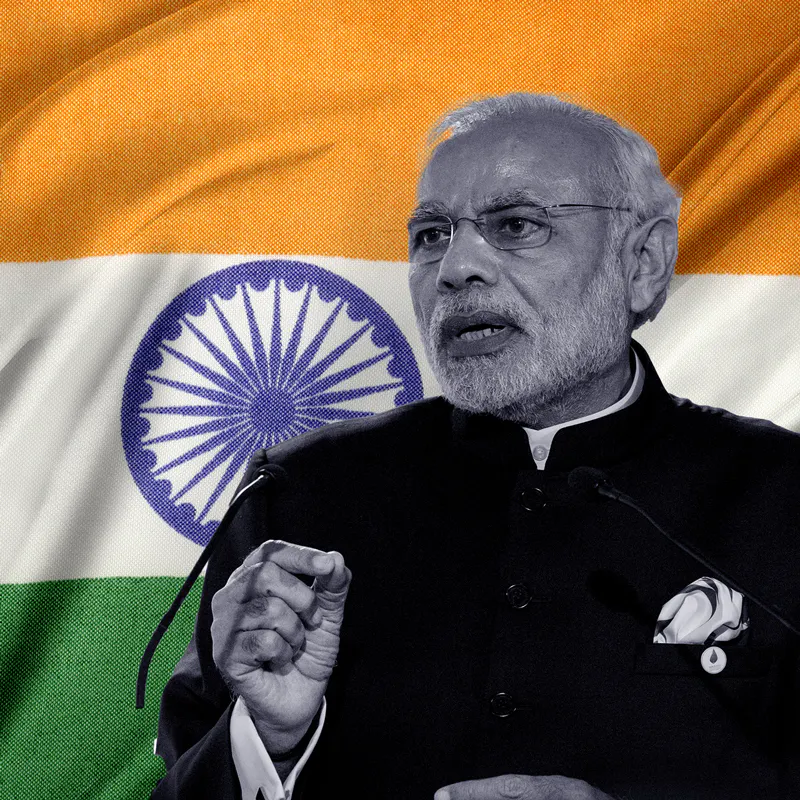
Is Modi's India Heading in the Right Direction?
Under prime minister Narendra Modi, pro-Hindu nationalism and civil rights issues have led to India’s downgrade to an electoral autocracy (according to V-Dem Institute), and many question whether better times are ahead. Those who agree with Modi’s leadership highlight the new strong economic growth as well as his efforts to improve India’s global influence. Those who disagree point to increasingly divisive policies and their effects on the non-Hindu population. Now we debate: Is Modi’s India Heading in the Right Direction? Arguing Yes: Sameer Lalwani, Senior Expert in South Asia Programs at the United States Institute of Peace Arguing No: Prerna Singh, Associate Professor of Political Science and International Studies at Brown University Emmy award-winning journalist John Donvan moderates Learn more about your ad choices. Visit podcastchoices.com/adchoices
Does America Need A Third Party?
While the two-party system has been the standard in the US government, third parties have often challenged this status quo and now advocates to be added to election ballots permanently. Those who agree say third parties offer non-partisan solutions and are more representative of ideologies, unlike the polarized partisanship present now. Those who disagree say the two-party system fosters stability and simplifies voting decisions. Now we debate: Does America Need A Third Party? Arguing Yes: Andrew Yang, Founder of the Forward Party, Former Presidential Candidate Arguing No: Daniel DiSalvo, Senior Fellow at Manhattan Institute; Political Science Professor at City College of New York–CUNY Emmy award-winning journalist John Donvan moderates Learn more about your ad choices. Visit podcastchoices.com/adchoices
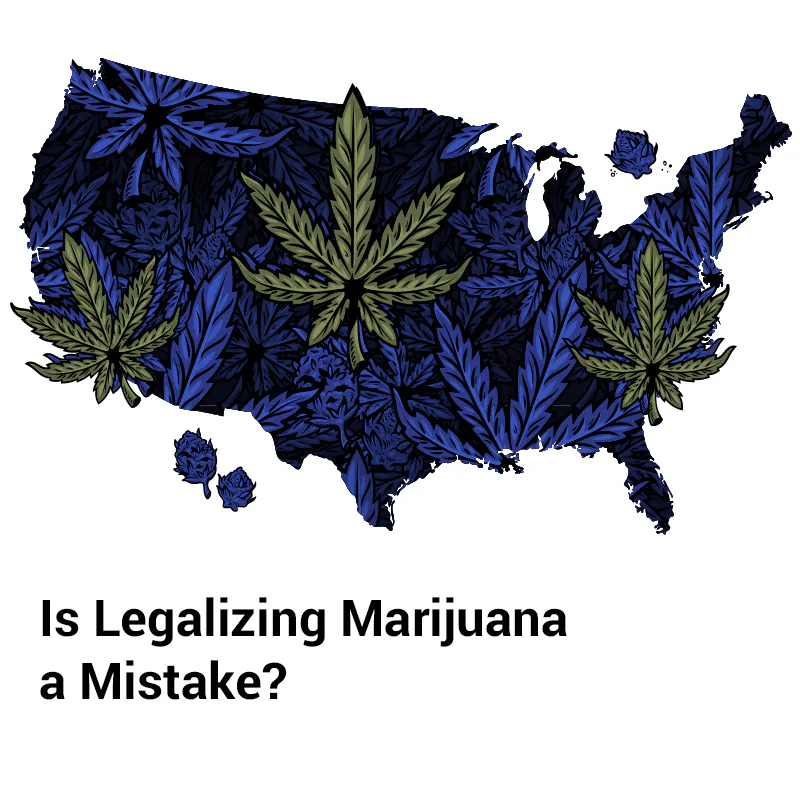
Is Legalizing Marijuana a Mistake?
According to an October 2022 Pew survey, “88% of US adults say that marijuana should be legal for medical and recreational use.” While marijuana legalization is gaining more and more cultural acceptance, effectively regulating drugs has long flummoxed policy and lawmakers. Some are even starting to have second thoughts, especially when it comes to how to practically enforce legal sales. In fact, voters in Oklahoma – one of the nation’s leading weed markets –overwhelmingly rejected recreational legalization earlier this year, even though voters backed medical marijuana legalization by a double-digit margin in 2018. Those who argue “Yes” for marijuana legalization say legalization creates more problems for our legal system because it requires extra enforcement to crack down on already robust illegal markets to make way for new, regulated, and legal markets. Additionally, competition from illegal weed markets is undercutting legal sales, which means the expected revenue stream from a legalized industry is far lower than expected. Those who argue “No” say legalization can reduce the burden on law enforcement and criminal justice systems, allowing resources to be redirected to more pressing issues. They also highlight marijuana’s medical benefits, such as for pain management and treatment of certain health conditions, which have made a difference in people’s lives. With this context, it’s time to debate — and reconsider — “Is Legalizing Marijuana A Mistake?” Arguing Yes: Paul J. Larkin, Jr, Senior Legal Research Fellow in the Meese Center for Legal and Judicial Studies at the Heritage Foundation and Teresa Haley, senior policy advisor at the Foundation for Drug Policy Solution Arguing No: Toi Hutchinson, CEO of the Marijuana Policy Project; former member of the Illinois Senate, and Cat Packer, Director of Drug Markets and Legal Regulation at Drug Policy Alliance Emmy award-winning journalist John Donvan moderates Learn more about your ad choices. Visit podcastchoices.com/adchoices
Is Objectivity Essential to Journalism?
For decades, objectivity has been cited as journalism's gold standard, promising that journalists would stick “to the facts" and deliver both sides of the story, excluding their personal views. Those in support say it builds trust and gives newsreaders the information they need to form their own opinions. Those against say it suppresses certain valuable viewpoints and that some issues don’t merit the "both sides" treatment. Now, we debate: "Is Objectivity Essential in Journalism?” Arguing Yes: Bret Stephens, Opinion Columnist at The New York Times Arguing No: Leonard Downie, Jr, Former Executive Editor of The Washington Post Nayeema Raza, Journalist and executive producer and co-host of Vox Media’s "On with Kara Swisher" podcast, is the guest moderator. Learn more about your ad choices. Visit podcastchoices.com/adchoices

Should we Erase Bad Memories?
Similar to Eternal Sunshine of the Spotless Mind, neurotechnology techniques like decoded neurofeedback open the possibility of modifying or erasing memories that aren’t pleasant or beneficial to our well-being. Those in favor argue it could help offer a path to a mentally healthier and happier life. Those against it say that tampering with memories could be dangerous to our sense of self and undermine our experiences. Now we debate: Should We Erase Bad Memories? Arguing Yes: Nita Farahany, Author of "The Battle for Your Brain: Defending the Right to Think Freely in the Age of Neurotechnology", Professor at Duke University, and the Founding Director of the Duke Initiative for Science & Society Arguing No: Sigal Samuel, Senior Reporter for Vox Future Perfect and co-host of the Future Perfect podcast Emmy award-winning journalist John Donvan moderates Learn more about your ad choices. Visit podcastchoices.com/adchoices
Does Color Blindness Perpetuate Racism?
When you think about the world’s most intractable problems, racial inequality is among the most challenging. Societies have grappled not just with how to treat community members equitably in public spaces, but how to judge individuals based on qualities that extend beyond race in personal interactions. For many decades, some have pointed to “color blindness,” or treating people without regard to race or ethnicity, as the best way to promote equal opportunity. But, there are many who believe the approach downplays racial bias and silently maintains discrimination. Arguing YES is Jamelle Bouie, Columnist for the New York Times Arguing NO is Coleman Hughes, Host of the “Conversations with Coleman” podcast and Contributing Writer at The Free Press Emmy Award-winning journalist John Donvan moderates. Learn more about your ad choices. Visit podcastchoices.com/adchoices
Should NATO Admit Ukraine?
In the wake of the Russian invasion, Ukraine has applied on a fast-track membership bid to join NATO. Those who argue “yes” say admitting Ukraine would keep the country protected, affirm its sovereignty, and solidify alignment with the West. Those who argue “no” say it will provoke Putin, escalate the conflict, and that it doesn’t yet meet NATO’s standards. Now we debate: Should NATO Admit Ukraine? Arguing Yes: Garry Kasparov, Founder of the Renew Democracy Initiative and former World Chess Champion Arguing No: Charles Kupchan, Senior Fellow at the Council of Foreign Relations and Professor of International Affairs at Georgetown University Gillian Tett, Editorial Board Chair and Editor-at-Large US of the Financial Times and Incoming Provost at King’s College Cambridge, moderates. Learn more about your ad choices. Visit podcastchoices.com/adchoices
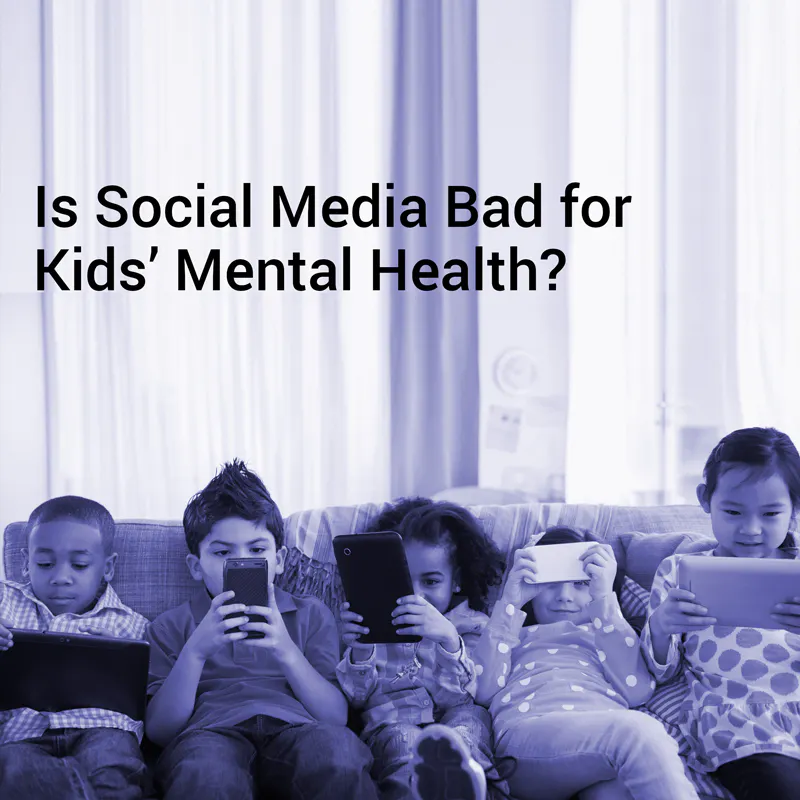
Is Social Media Bad For Kids' Mental Health?
Social media platforms have become an integral part of the modern digital landscape, shaping how young individuals connect, communicate, and perceive the world around them. However, concerns have been raised regarding the potential negative consequences on children's mental well-being. Even recently, the US Surgeon General Dr. Vivek Murthy released an advisory stating there’s a risk of profound harm to children and adolescents' mental health and well-being. Those who agree claim that excessive social media usage can make children experience low self-esteem and negative body image. They also highlight cyberbullying and online harassment, which can contribute to increased stress, anxiety, and depression. Those who disagree say that when used responsibly and with proper guidance, social media can enhance social and creative skills, foster a sense of belonging, provide access to valuable educational resources, and help support communities. They also note that studies measuring social media’s impact on kids’ mental health don’t always take into account other prominent factors. With this context, we debate the question: Is Social Media Bad for Kids’ Mental Health? Arguing “YES” is Jim Steyer, founder and CEO of Common Sense Media. Arguing “NO” is Candice Odgers, Professor of Psychological Science and Informatics at University of California, Irvine, and Director of Research and Faculty Development at University of California, Irvine’s School of Social Ecology Emmy Award-winning journalist John Donvan moderates. Learn more about your ad choices. Visit podcastchoices.com/adchoices

Is the FDA Too Cautious?
While the Food and Drug Administration (FDA) needs to approve safe and effective drugs as quickly as possible to patients who need them, it must also maintain the diligence and rigor necessary to prevent harm. Two health experts look at the pace of FDA approvals and argue about whether the agency is getting it right on keeping the public safe or stifling health innovations. Now we debate: Is the FDA Too Cautious? Arguing Yes: Colin Hill, CEO & Co-Founder, Aitia Arguing No: Peter Lurie, President and Executive Director of Center for Science in the Public Interest Emmy award-winning journalist John Donvan moderates Learn more about your ad choices. Visit podcastchoices.com/adchoices

Should Prosecutors Pursue Minor Crimes?
In the US, misdemeanors count for 80% of cases filed annually, but district attorneys around the country are implementing policies stating they’ll no longer prosecute certain low-level, nonviolent crimes. Those who argue “yes” say it keeps communities safe and not strengthening sentencing will let violent criminals back in public and increase crime. Those who argue “no” say it doesn’t deter criminals and distracts from better solutions. Now, we debate: “Should Prosecutors Pursue Minor Crimes?” Arguing Yes: John Milhiser, former US attorney for the Central District of Illinois Arguing No: Paul Butler, former federal prosecutor at the U.S. Department of Justice Emmy award-winning journalist John Donvan moderates Learn more about your ad choices. Visit podcastchoices.com/adchoices

Will Millennials Be Left Behind?
The oldest members of the Millennial generation are reaching their forties and feel they’ve been left behind emotionally and financially. Those who agree say Millennials pay more for basic items, leading them unable to afford to buy a home or have children. Those who disagree say that not buying a house or having kids are their choices and they will soon be doing well financially. With this context, we debate: Will Millennials Be Left Behind? Arguing Yes: Jill Filipovic, Journalist, lawyer, and author Arguing No: Scott Winship, Senior Fellow and Director of the Center of Opportunity and Social Mobility at the American Enterprise Institute Nick Gillespie, Editor-at-Large of Reason, is the guest moderator. Learn more about your ad choices. Visit podcastchoices.com/adchoices
Should the Government Raise the Retirement Age?
The age of eligibility for full Social Security benefits is currently 67, but the cash reserves behind it are expected to run out by 2034. Those arguing “yes” to raising the retirement age say people these days are living longer, and it will lead to more economic growth. Those arguing “no” say not everyone is able to work longer and it’ll make large benefit cuts. Now we debate: Should the Government Raise the Retirement Age? Arguing Yes: Marc Goldwein, Senior Vice President and Senior Policy Director for the Committee for a Responsible Federal Budget Arguing No: Teresa Ghilarducci, Irene and Bernard L Schwartz Professor of Economics and Policy Analysis at The New School Emmy award-winning journalist John Donvan moderates Learn more about your ad choices. Visit podcastchoices.com/adchoices

Should SCOTUS Focus on the Original Meaning of the Constitution?
Originalism is a way of interpreting the Constitution that could help it be understood through either framer’s intent or what the public would’ve intended at the Constitution’s ratification. Supporters say the Constitution needs modern interpretation, even if some pre-existing circumstances are nonexistent. Others argue it doesn’t make sense to keep our laws limited to what society back then would’ve valued. In this context, we debate: Should the Supreme Court Focus on the Original Meaning of the Constitution? Arguing Yes: Randy Barnett Arguing No: Prof. Thomas Colby Emmy award-winning journalist John Donvan moderates Learn more about your ad choices. Visit podcastchoices.com/adchoices

Should Congress Abolish the Debt Ceiling?
The US has more than $31 trillion in national debt. If it is breached, the government may go into default, leading to national and global consequences. Supporters in favor of abolishing the debt ceiling say it is counterproductive, leads to political drama, and an economic threat. Those arguing “no” say it’s an effective tool of governance that allows discussion about national spending and keeps lawmakers accountable. Now we debate: Should Congress Abolish the Debt Ceiling? Arguing Yes: Mark Zandi, chief economist at Moody's Analytics Arguing No: Parker Sheppard, director for Center of Data Analysis at the Heritage Foundation Emmy award-winning journalist John Donvan moderates Learn more about your ad choices. Visit podcastchoices.com/adchoices

Is Netanyahu's Government Heading in the Wrong Direction?
Since his 2022 re-election, Israeli Prime Minister Benjamin Netanyahu has introduced plans for a new judiciary reform, leading to large-scale public protests. Supporters say these changes will better balance the power between lawmakers and judges and bring Israel’s judiciary system closer to other countries. Others argue these reforms will undermine the judiciary branch’s independence and affect the country’s relationship with the U.S. and Palestinians. So we debate: Is Netanyahu’s Government Heading in the Wrong Direction? Arguing Yes: Jeremy Ben-Ami, President of J Street and Executive Director of JStreetPac Arguing No: Caroline Glick, Former Senior Contributing and Chief Columnist for the Jerusalem Post and Senior Columnist for Maariv Emmy award-winning journalist John Donvan moderates Learn more about your ad choices. Visit podcastchoices.com/adchoices
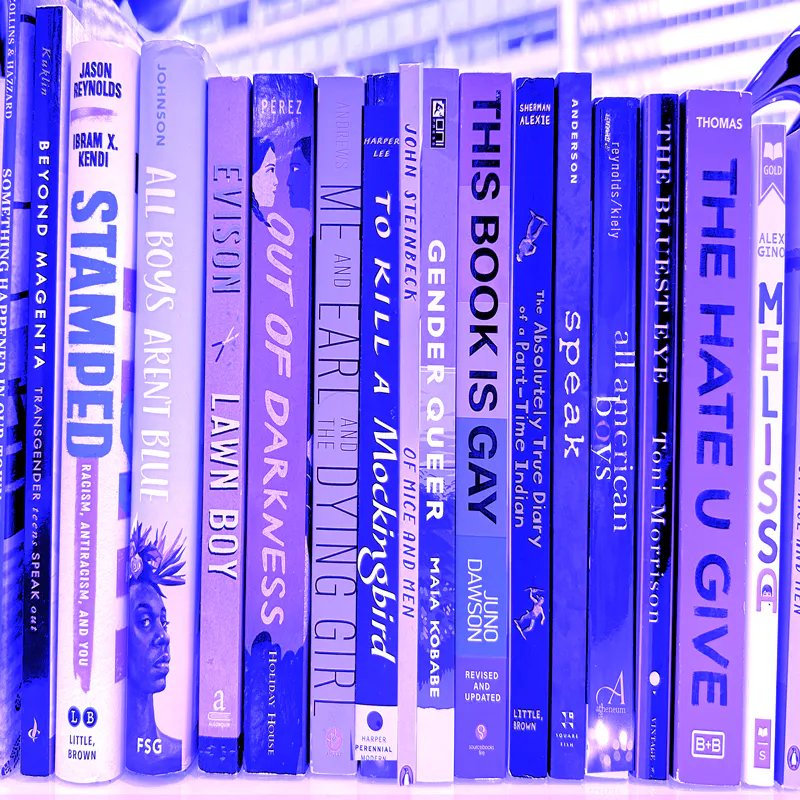
Should Certain Books Be Banned in School?
EAre certain books beyond reproach? It’s a fundamental question making its way across America’s school boards. Those who argue “yes” say schools should not expose children to topics they deem inappropriate like gender, sexuality, and race. Others say that reading controversial books fosters critical thinking, encourages empathy, and that professional educators should be involved in guiding students through such literature. In this context, we debate: Should Certain Books Be Banned in School? Learn more about your ad choices. Visit podcastchoices.com/adchoices
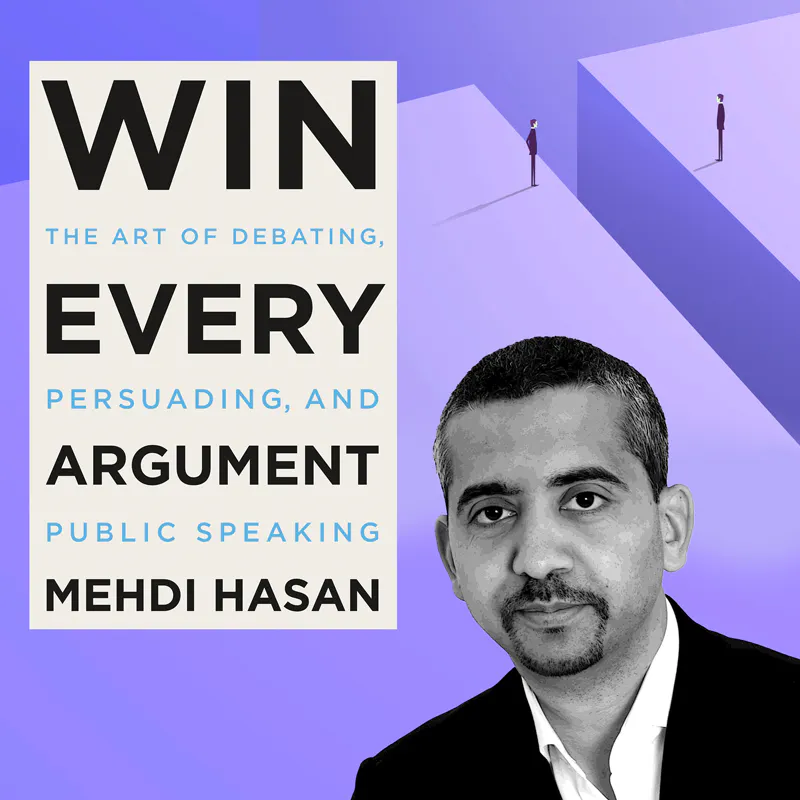
What Does It Mean to "Win" An Argument? Mehdi Hasan in Conversation with John Donvan
How can we argue in good faith? How can we communicate with confidence? How can we uncover new ideas through the art of debate? Journalist, broadcaster, and best-selling author Mehdi Hasan has made a career out of doing just that. Named one of the 100 'most influential' Britons on Twitter, and included in the annual global list of 'The 500 Most Influential Muslims' in the world, Hasan has become a bit an expert on deconstructing arguments and nudged disagreements toward mutual understanding. His book, "Win Every Argument," seeks to sharpen those skills among its readers, and relay the intrinsic value—and pleasure–of debate. John Donvan sits down with Hasan to go over the tricks of the trade, and examining methods of rooting out truths through argument. Learn more about your ad choices. Visit podcastchoices.com/adchoices

Is Carbon Capture Essential to Fighting Climate Change?
When it comes to carbon dioxide, last year was a record year. The world emitted more of the climate-warming gas in 2022 than in any year since scientists began recording levels in 1900. The culprit, says the International Energy Agency, is society’s voracious appetite for fossil fuels, and the need to burn them. So … what can be done to prevent dangerous levels of warming? One potential method is called carbon capture and storage, a technology in which CO2 is extracted and stored in underground facilities. In fact, as recently as February, Exxon Mobil announced that it will use Honeywell technology in Texas to capture some seven million tons of carbon dioxide per year. Other companies, meanwhile, have followed suit. But it is not without controversy. Critics say the technology is not cost effective, is unreliable in large scales, and that the level of carbon removal needed to help the planet is well beyond current capacity. As such, they say, it is a dangerous distraction in the broader fight against climate change, potentially diluting the urgency in reducing emissions. Others say these systems are ever more adept at capturing gases from the air, and that they have the potential to become a critical tool in the battle against rising emissions. It is in this context that we debate the following question: Is Carbon Capture Essential to Fighting Climate Change? Arguing “YES” is Katherine Romanak, Research Scientist, Bureau of Economic Geology Arguing is “NO”: Mark Zachary Jacobson, Professor of Civil and Environmental Engineering at Stanford University, Director of its Atmosphere/Energy Program & Co-founder of The Solutions Project Learn more about your ad choices. Visit podcastchoices.com/adchoices

Is Florida Eating New York's Lunch?
Last year was a banner year for those trading the New York chill for the Florida sun. Thirty-nine percent of Empire Staters packed up and moved to the Sunshine State, more than any year in history. In fact, recent census data revealed 1.6 million former New Yorkers (or 8% of Florida’s total population) now call Florida home — and it’s not just retirees. Favorable tax policies are fueling Florida’s popularity, attracting top businesses, budding entrepreneurs, and so-called one-percenters, such as Donald Trump and Carl Icahn. Does that mean Florida is a better bet? Those who argue “yes” say New Yorkers are heading south where their money can last longer, their health can benefit from warmer climates, and their sense of safety can markedly improve. Others say that ‘blue state’ policies are a better choice in the long run and that as the effects of the pandemic recede, New York will once again rise in popularity. They also say the state’s inclusive practices and cultural diversity will pull people back to New York. It is in this context that we debate this question: Is Florida Eating New York’s Lunch? Arguing Yes: Reihan Salam -- Conservative Political Commentator, Columnist and Author, president of the Manhattan Institute Arguing No: Bill de Blasio – Mayor of New York City from 2014 to 2021 Emmy award-winning journalist John Donvan moderates Learn more about your ad choices. Visit podcastchoices.com/adchoices
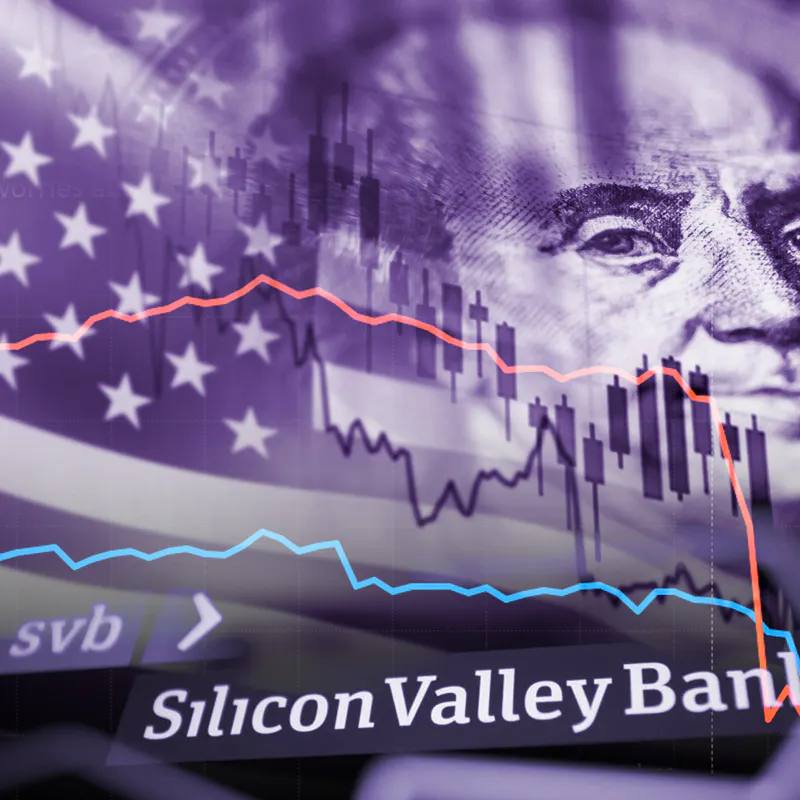
Is the Banking System Safer Than It Was in 2008?
When the Great Recession struck, it was the start of the most significant economic downturn since the Great Depression of the 1930s. A slumping housing market revealed vulnerabilities of huge numbers of mortgage-backed securities and derivatives. In the aftermath, unemployment soared to 10%. GDP dropped by more than 4%, and federal authorities unleashed a series of unprecedented fiscal and monetary policies aimed at stemming the bleeding. When the dust finally settled, legislators and regulators pushed through a series of reforms meant to prevent the repeat of such a calamity. Fast forward to 2023 and the global banking system may be facing its most significant crisis since 2008. Within a short span, a run on deposits at Silicon Valley Bank quickly led to the third-largest bank failure in U.S. history, with Switzerland's Credit Suisse later seeking government lifelines. A second US regional bank — Signature Bank — failed, and a third — First Republic Bank — was propped up. To some, these are signs of the kinds of broader risks the global economy stared down in 2008. A combination of factors, including an eroding of regulations, sharp interest rate rises, mismanagement at banks, coupled with the overarching uncertainty of volatile crypto landscape, have raised new questions about the scale of turmoil that could confront markets. This cocktail of risks, some argue, has added such dangers to banking systems that it is no longer safer than it was in 2008. Others disagree. As bad this recent crisis appears to be, they say, regulatory reforms and liquidity requirements have made significant strides since the days of 2008. The system also effectively contained the contagion, something that required far greater government intervention in 2008. In that context, we debate the following question: Is the Banking System Safer Than It Was in 2008? Arguing YES: Jason Furman, Former Chairman, Council of Economic Advisers Arguing NO: Gillian Tett , Editor-at-Large, Financial Times (U.S.) Emmy award-winning journalist John Donvan moderates Learn more about your ad choices. Visit podcastchoices.com/adchoices

Are Men Finished and Should We Help Them?
By several measures, men are in trouble. Women outnumber them in college enrollment. And even once there, men are not as likely to graduate. Men also face higher levels of substance abuse, higher numbers of overdoses, higher incarceration rates, lower life expectancies, and suicide levels that are nearly four times more likely than women. In this context we debate the question: Are Men Finished and Should We Help Them? Arguing Yes: Richard Reeves, Brookings Institution Senior Fellow Arguing No: Hanna Rosin, Award-Winning Journalist and Podcast host Emmy award-winning journalist John Donvan moderates Learn more about your ad choices. Visit podcastchoices.com/adchoices
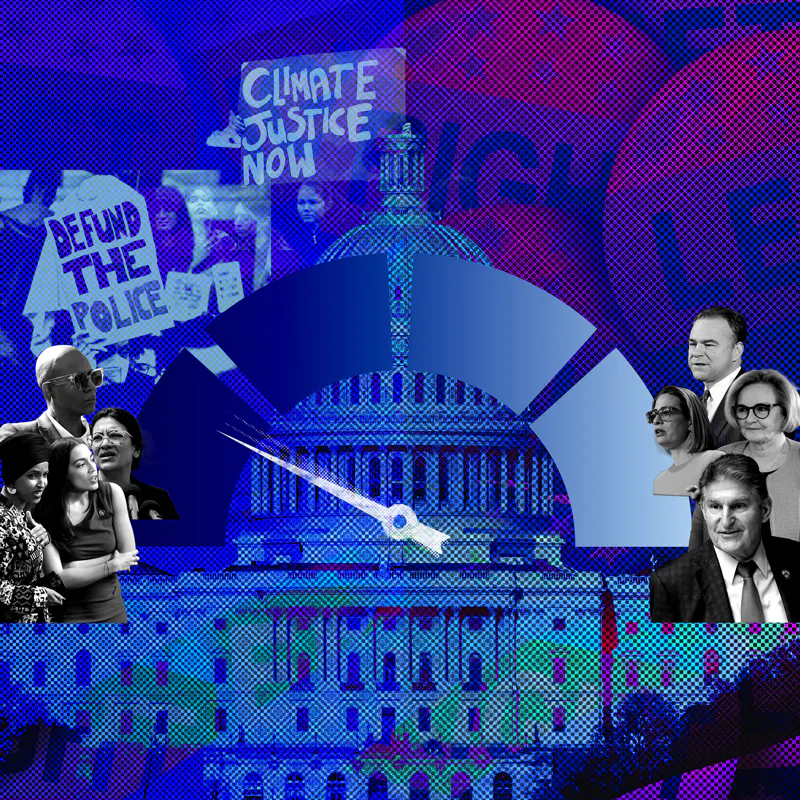
Is The Democratic Party Too Far Left?
Defund the police. Abolish ICE. Redistribute the wealth. These are but a few of the one-liners that have emanated from the liberal wing of the Democratic party in recent years. With the emergence of “The Squad” in 2018 – or what began as four Democratic congresswomen who sought to push their party further left – liberal lawmakers have grown more prevalent in recent election cycles. And with just a slim 51-49 Democrat majority in the Senate, progressives are now eyeing 2024 as a way to strengthen their broader influence. By doing so, some say, the party risks aligning itself with ever more extreme politics, alienating moderate voices, and straying from what made it successful in the past. When President Bill Clinton was in office, they note, only 25 percent of Democrats described themselves as liberal; another 25 percent called themselves conservative, while an overwhelming 48 percent were self-described moderates. The equating of liberalism with Democratic policies, they argue, is a recent and dangerous trend, which makes governing more difficult. Others argue that the party is finally poised to make good what constitutes the reemergence of the political left, long stymied by the compromising influence of Washington and beltway politics. What’s more, they argue, this renewed focus on issues such as race, climate, income inequality has not only begun to address in earnest issues once paid only superficial notice, but is also electrifying the nation's progressive base in ways that can win elections. It is in this context that we debate the following question: Is The Democratic Party Too Far Left? Arguing Yes: Coleman Huges (Conversations with Coleman), Ruy Teixeira (American Enterprise Institute) Arguing No: Congressman Jamaal Bowman (NY-16), Alicia Garza (Co-founder of Black Lives Matter) Emmy award-winning journalist John Donvan moderates Learn more about your ad choices. Visit podcastchoices.com/adchoices
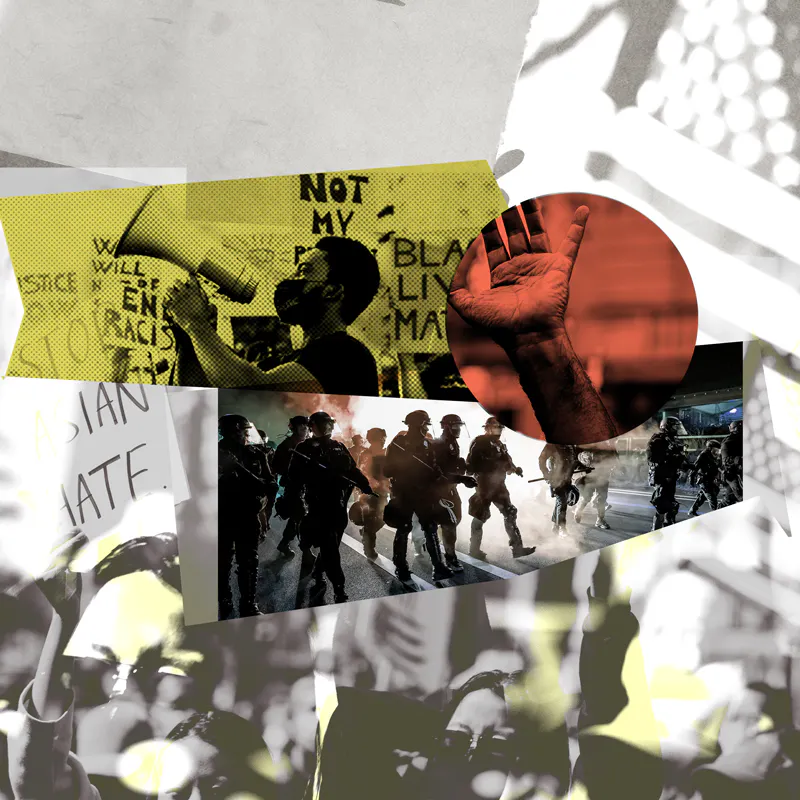
Is America Too Obsessed With Race?
Sixty years ago, in the sweltering August heat of Washington D.C., the Reverend Martin Luther King Jr. delivered his most iconic speech, and a defining moment of the civil rights movement. "I have a dream,” he said before a crowd of some 250,000 people, pressed up to the steps of the Lincoln Memorial, “that my four little children will one day live in a nation where they will not be judged by the color of their skin but by the content of their character." It is a sentence that has been repeated countless times in classrooms and lecture halls. And yet recently, King's words are more actively being parsed and debated about the appropriate place of race in America. With disparities in wealth, education, employment, housing, mobility, health, and rates of incarceration, some argue that King – who spoke during a period of more open bigotry – would not have wanted a “color-blind” society within these lingering racial inequalities. A raised consciousness plays an important role, they say, in recognizing and correcting such imbalances. Others argue that America has become overly concerned with race, to a level of obsession, pointing to things like critical race theory and diversity, equity, inclusion programs, which they fear could ultimately prove detrimental to the nation’s more egalitarian aspirations. Further, they argue, notions of race are often too broad to be useful, while the fixation on it divides those who might otherwise find common ground. In this context, we debate the following question: Is America Too Obsessed With Race? Arguing “YES” is Kmele Foster, co-host of The Fifth Column podcast and the co-founder and executive producer of the media company Freethink. Foster was one of the signatories of the Harper's Letter on justice and open debate, alongside more than 150 people, including Salman Rushdie, J.K. Rowling, and Noam Chomsky. He is an outspoken libertarian critic of cancel culture, the Black Lives Matter movement, and political orthodoxy. Arguing “NO” is Nsé Ufot, activist, community organizer, and former chief executive officer of the New Georgia Project, a voter support and legal action nonprofit organization founded by Stacey Abrams in 2013. In 2021, Ufot was named one of Time's 100 Next, a ranking of emerging leaders thought to define the next generation of leadership. Learn more about your ad choices. Visit podcastchoices.com/adchoices
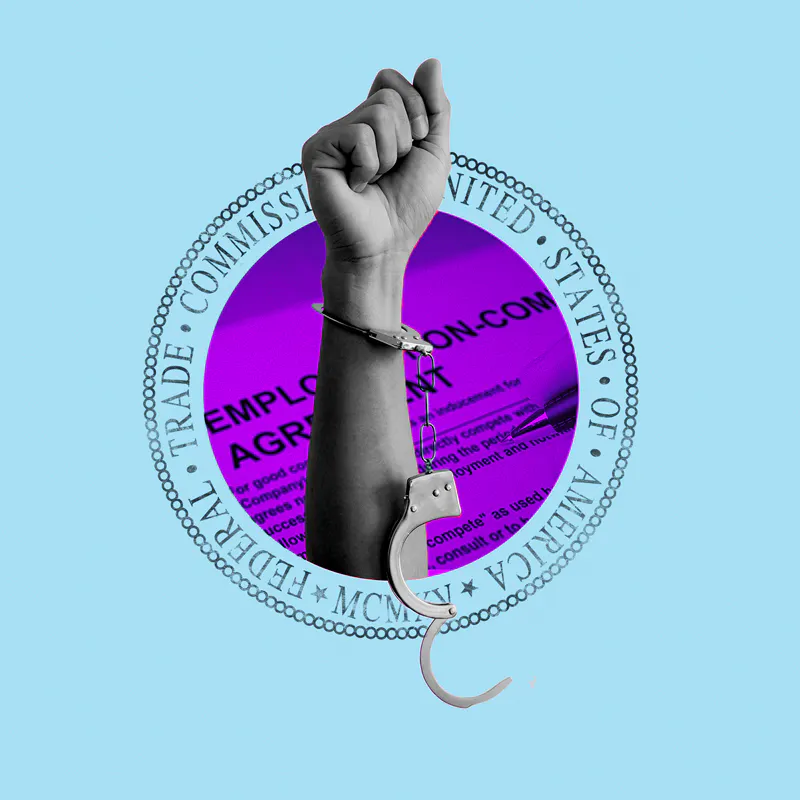
Should the FTC Ban Non-compete Clauses?
This year, the Federal Trade Commission decided shake up the labor market, proposing to ban non-compete clauses for the tens of millions of workers they affect. The clauses are essentially contracts between employers and employees that prohibit the former from competing with the business after the employment has ended. As many as 30% of all U.S. private sector workers have signed such agreements, which actually find their roots all the way back in 15th century England. Those who defend such clauses say employers need these contracts to protect their investments in training workers, not to mention safeguarding their trade secrets. The contracts, they say, represent not only a fair exchange, but also serve as an important fortification for businesses within the broader economy. The FTC, they say, is overextending. But opponents argue that such contracts prevent workers from starting their own businesses, locking them into undercompensated positions, and depress labor mobility and wage growth, while contributing to race and gender gaps. It is in this context that we debate the following question: Should the FTC Ban Non-compete Clauses? Arguing Yes: Arguing “YES”: Heidi Shierholz, Economic Policy Institute President and former Chief Economist to the U.S. Secretary of Labor. Arguing No: Neil Bradley, Executive Vice President, Chief Policy Officer, and Head of Strategic Advocacy, U.S. Chamber of Commerce Emmy award-winning journalist John Donvan moderates Learn more about your ad choices. Visit podcastchoices.com/adchoices
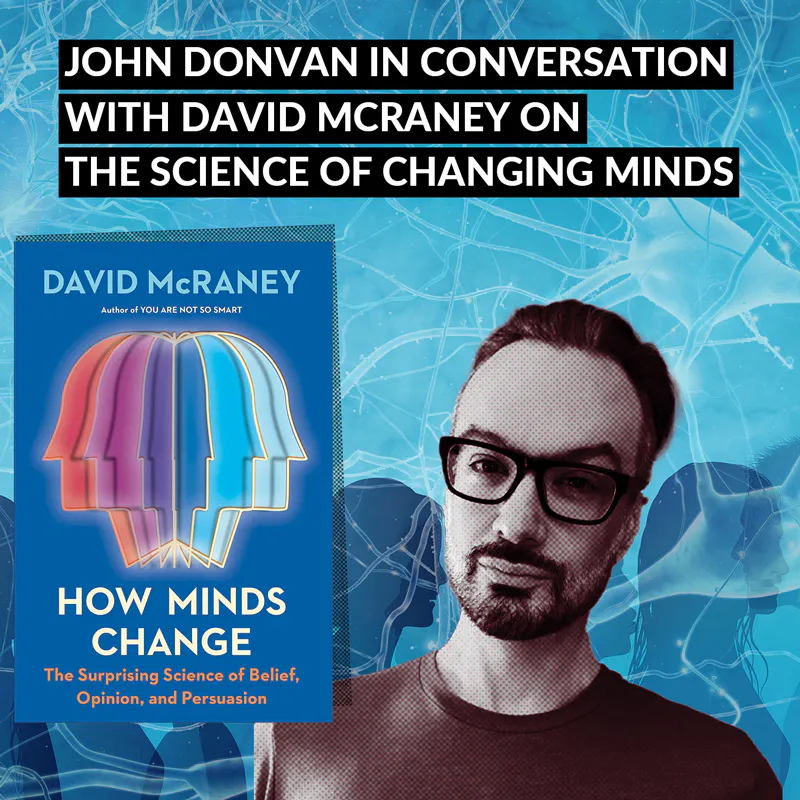
John Donvan In Conversation with David McRaney on the Science of Changing Minds
What’s it take to change a mind? It turns out there is a science to it. That’s at least according to David McRaney, a journalist, author, and host of the You Are Not So Smart podcast. The first step, he says, is don’t overtly try to win. In any argument, an attempt to defeat the opposing party is not nearly as effective as leading the person along in stages, which eventually align with your own thinking. In fact, mere exposure to different ideas, according a recent Pew study, does not generally change most Americans’ perspectives on a given issue. Understanding techniques to communicate successfully and proactively active listen, is ultimately thought to be a more effective approach. Intelligence Squared US, since 2026, has made fostering intellectual openness in dialogue a core part of its mission. In that context, and to get a sense of what other methods are out there, John Donvan sat down with David McRaney on the science of changing minds. Learn more about your ad choices. Visit podcastchoices.com/adchoices

Should the U.S. Ban TikTok?
With one billion active users across more than 150 countries, TikTok is by many measures the world’s most successful video app. Nearly one in three Americans have an account. It is the most downloaded app since 2021. And like virtually all of social media, user privacy concerns abound. But TikTok adds an extra layer. Owned by Chinese company ByteDance, there are worries that U.S. data could be transmitted to China’s government, despite assurances from the company that it is not. Those concerns prompted President Joe Biden to ban Tiktok from government phones. More than half of U.S. states have similar controls in place. But with increased tensions between Beijing and Washington, and mounting questions of Chinese surveillance, some are calling for the U.S. to go further and ban the technology outright. Those supporting such a move often to point to a ban on another Chinese tech giant, Huawei, as an effective means of limiting China’s influence and potentially extractive technological efforts. Those who argue against it say a ban would essentially undermine what has become an important tool in the video marketplace, and that such efforts are not only political motivated, but are also easily bypassed. In that context, we debate the following: Should the U.S. Ban TikTok? Learn more about your ad choices. Visit podcastchoices.com/adchoices

Will ChatGPT Do More Harm Than Good?
It’s poised to “change our world.” That’s according to Bill Gates, referencing an advanced AI chatbot called ChatGPT, which seems to be all the rage. The tool, which was developed by OpenAI and backed by a company Gates founded, Microsoft, effectively takes questions from users and produces human-like responses. The "GPT" stands "Generative Pre-trained Transformer," which denotes the design and nature of the artificial intelligence training. And yet despite the chatbot’s swelling popularity, it’s also not without controversy. Everything from privacy and ethical questions to growing concerns about the data it utilizes, has some concerned about the effects it will ultimately have on society. Its detractors fear job loss, a rise in disinformation, and even the compromising long-term effects it could have on humans’ capacity for reason and writing. Its advocates tout the advantages ChatGPT will inevitably lend organizations, its versatility and iterative ability, and the depth and diversity of the data from which it pulls. Against this backdrop, we debate the following question: Will ChatGPT do more harm than good? Arguing "Yes" is Gary Marcus (Author of "Rebooting AI: Building Artificial Intelligence We Can Trust" and Professor Emeritus of Psychology and Neural Science at New York University) Arguing "No" is Keith Teare (Entrepreneur, Author, and CEO & Founder at SignalRank Corporation) Emmy award-winning journalist John Donvan moderates. Take our podcast listener survey here: tinyurl.com/IQ2podcastsurvey Learn more about your ad choices. Visit podcastchoices.com/adchoices
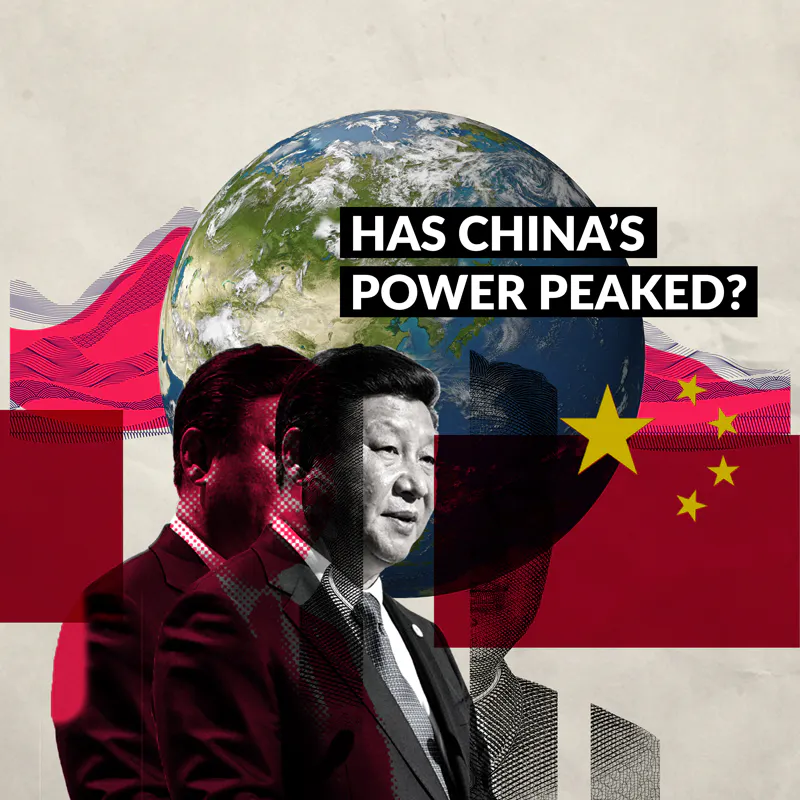
Has China's Power Peaked?
This was supposed to be the “Chinese century.” In just a few decades, China transitioned from a developing economy to the world’s second largest. Measured in purchasing power parity, it actually surpassed the U.S. economy in 2014, and has since expanded its military, monetary, infrastructure, and soft power capacities in ways that all seemed to point to long-term advantages as a rising power. At the Communist Party’s five-yearly congress in October 2022, Xi Jinping cemented his place as the country’s “helmsman” and its most powerful person since Mao Zedong, with an unprecedented third term as party chief. And yet the failure of China’s zero-COVID policy, a slumping economy, apparent supply chain vulnerabilities within its technology sector, and a problematic demographic profile have all raised questions about the scope of China’s future power. Those who say it has peaked say the Chinese system is facing significant economic headwinds, uneven innovation, a heavy debt burden, as well as mounting frustrations among its younger populations with regard to upward mobility and censorship. Those who say it hasn’t peaked argue that while the nation’s economic growth has indeed slowed, massive Chinese spending in infrastructure, defense, and technology will nonetheless allow it to enlarge its global power projections well into the future. Against this backdrop, we debate this question: Has China’s Power Peaked? Arguing “Yes” is Michael Beckley, formerly of the Harvard Kennedy School, the US Department of Defense, the RAND Corporation, and the Carnegie Endowment for International Peace. He is the author of “Unrivaled: Why America Will Remain the World’s Sole Superpower,” has a PhD in political science from Columbia University, and is currently associate professor of political science at Tufts University. Arguing “No” is Ian Bremmer, president and founder of Eurasia Group, a leading global political risk research and consulting firm. He is also a founder of the digital media firm GZERO Media. Bremmer is the foreign affairs columnist and editor-at-large at Time magazine, where he writes about China, U.S. foreign policy, and geopolitics. He has published ten books, including “Superpower,” “The Power of Crisis,” and the national bestsellers “The End of the Free Market” and “Every Nation for Itself.” Learn more about your ad choices. Visit podcastchoices.com/adchoices
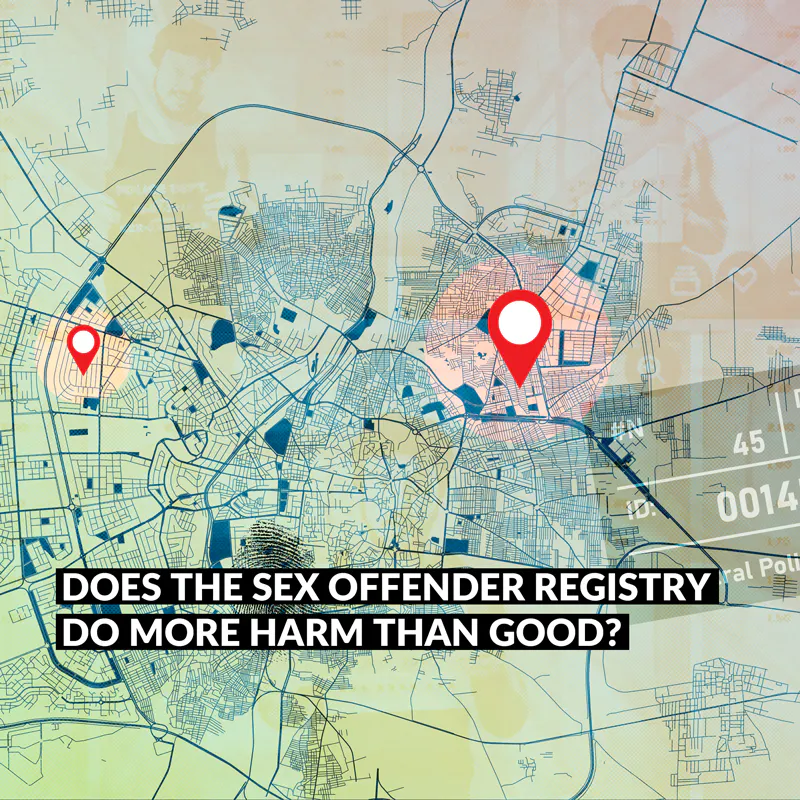
Does the Sex Offender Registry Do More Harm Than Good?
Sexual violence is arguably the most devastating kind. But the sex offender registry has come under increasing scrutiny. Some suggest that it actually encourages further criminal offenses by making it virtually impossible for offenders to reintegrate into society. Others say that reducing such a proactive approach and tool will endanger communities. In this context, we debate the following question: Does the Sex Offender Registry Do More Harm Than Good? Arguing "YES" is Emily Horowitz, a sociologist who researches sex offense law and policy, and the author of "Protecting Our Kids? How Sex Offender Laws Are Failing Us" and "From Rage to Reason: Why We Need Sex Crime Laws Based on Facts, Not Fear." Arguing "No" is Cary Federman, author of "Democracy and Deliberation: The Law and Politics of Sex Offender Legislation" and associate professor at Montclair State University who focuses law and jurisprudence, free speech, democratic theory, prisons and prisoners’ rights. Emmy award-winning journalist John Donvan moderates. Learn more about your ad choices. Visit podcastchoices.com/adchoices

Is Parenting Overrated?
What shapes us more: our DNA, or the way we’re raised? This debate, commonly recognized as “nature versus nurture,” has drawn disagreement for thousands of years. So which one matters more? Emerging genetic research indicates that the scale may be tipping toward biology – but not all trust the research. Proponents of the “nature” camp argue it is DNA that determines who we are, as evidenced by identical twins and triplets who are separated at birth and, once reunited, show remarkable similarities despite different upbringings. Rather than trying to identify the perfect parenting style, they argue, caregivers should look to their children’s DNA to identify natural strengths and challenges to promote overall health and well-being. But others strongly disagree, saying that parenting is very important, and the individuals who rear us influence our development, growth, and, ultimately, our lives. The “nurture” camp also points to studies that show how beliefs and behaviors are not innate, as evidenced by stark differences in the expression of adolescence and other life stages across different cultures. Are they right? Or is parenting overrated? Learn more about your ad choices. Visit podcastchoices.com/adchoices
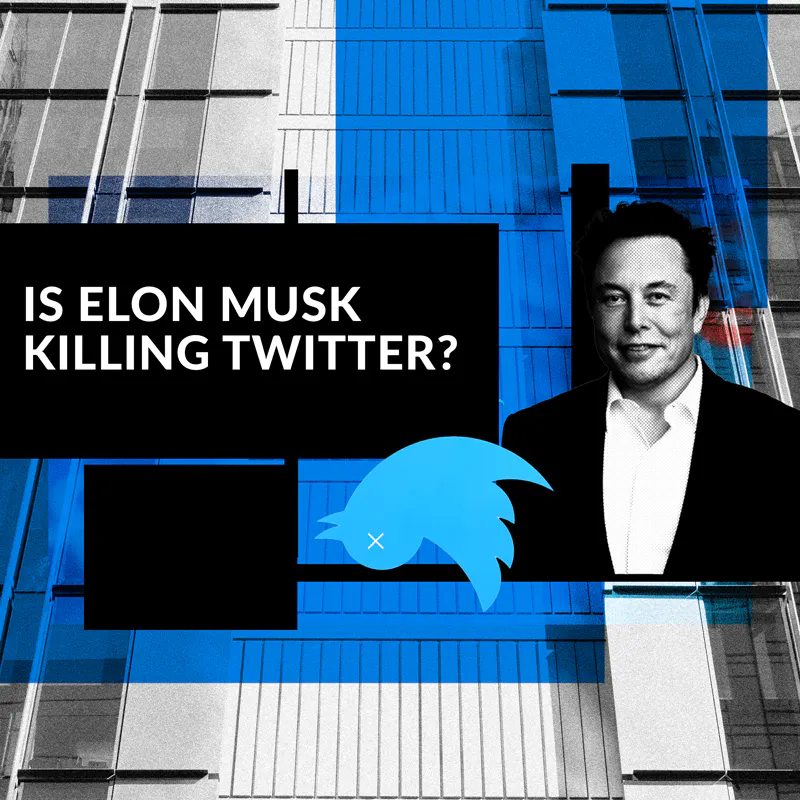
Is Elon Musk Killing Twitter?
These days, the bird’s the word. Since shelling out $44 billion for Twitter, critics say Elon Musk is knocking the social media giant off its perch. Under his guidance, a slew of firings, a resurgence of unsavory Tweeters, and a bevy of on-again, off-again bans, have all raised questions about the platform’s long-term viability. Some investors have labeled Musk an albatross around Twitter’s neck, calling for him to stay focused on Tesla and SpaceX. Others say Musk is actually freeing the bird from anti-conservative censorship, which will engender more open discourse. His moves, they say, are all a part of a broader business acumen that has proven successful in the past. In that context, we ask the timely question of whether Elon Musk is killing Twitter. Kara Swisher, Host of “On with Kara Swisher,” Co-host of “Pivot” Podcast, and Editor-at-large of New York Magazine Anthony Scaramucci, Founder and Managing Partner of SkyBridge, Former White House Communications Director, Host of the new podcast "Open Book" Learn more about your ad choices. Visit podcastchoices.com/adchoices
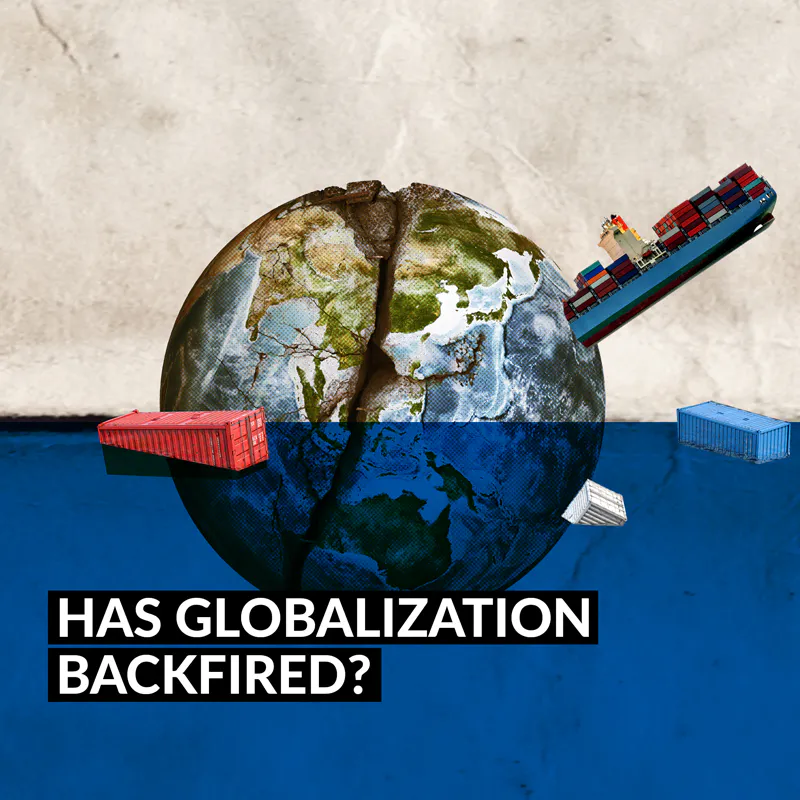
Has Globalization Backfired?
For a period of time, going global just seemed to make sense. But with China’s rise, Covid-19, and the war in Ukraine, words like “localnomics,” “friends-shoring,” and “decoupling” have helped codify a growing movement that calls for less interdependence between economies. Those in favor of a more “deglobalized” system of trade argue that it is not only more environmentally friendly and responsive to regional needs, but also less of a driver of income inequality. Indeed, globalization’s three-decade trend of trade growing at twice the speed of the world economy has not lifted all boats, they argue. For many, including middle income populations in the industrialized west, it has backfired. Deglobalization is a welcome a shift. Others disagree. Globalization’s virtues are unmistakable, they say, resulting in less poverty and higher incomes across the world. People once cut off from markets benefit from new connections in commerce, culture, and communications. For them, it has not backfired. In fact, in the face of political challenges and volatile markets, more regionally-focused trade constitutes a dangerous circling of the wagons. In this context, we ask the question: Has Globalization Backfired? John Donvan, Host and Moderator, Intelligence Squared U.S. Arguing “YES” – Rana Foroohar, Global Business Columnist, Financial Times; Author, “Homecoming: The Path To Prosperity In A Post-Global World” Arguing “NO” – Parag Khanna, Founder & CEO of Climate Alpha and Founder & Managing Partner of FutureMap Learn more about your ad choices. Visit podcastchoices.com/adchoices
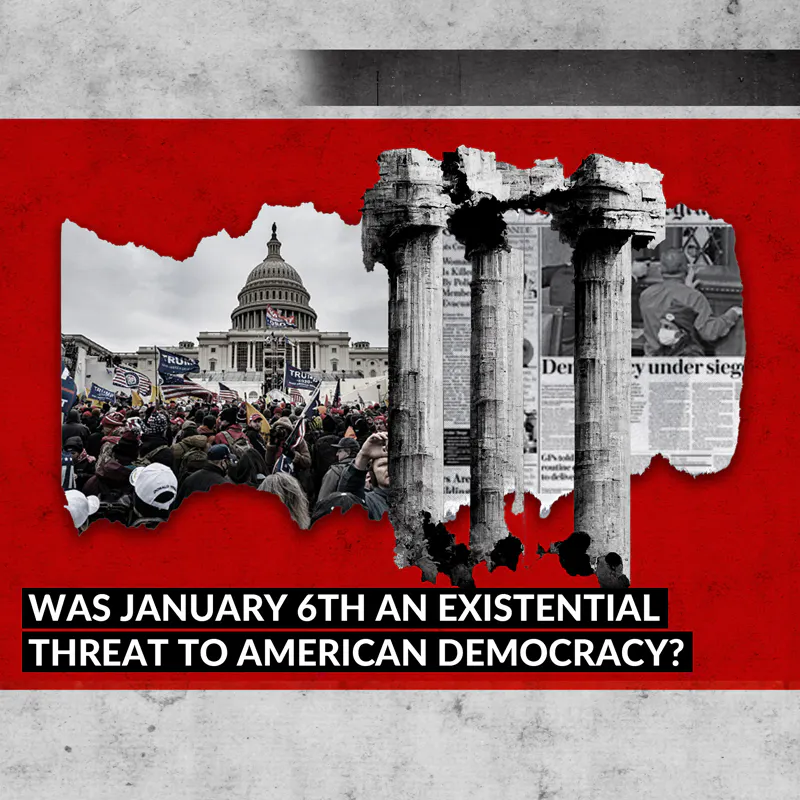
Was January 6th an Existential Threat to American Democracy?
By now it is clear, the Red Wave election-denying candidates had hoped to ride left most still waiting on the beach. Those who questioned the outcome of the 2020 election lost key midterm races, which seemed to calm the nerves of many of those fearful as to where the Republic itself was headed. But as the parties begin to prepare for their respective presidential runs, a bigger question looms; one that has taken its cues from President Biden himself. Shortly after the January 6th attacks on the capitol — which were prompted by unfounded messaging about the election’s illegitimacy — Biden sought to convey the severity of what had just happened. “The insurrection was an existential crisis — a test of whether our democracy could survive,” he said. Now, on the heels of the midterms, many not only openly wonder whether that democracy crisis is over, but also question if the words Biden chose were overblown in the first place. It is in that context, and as the 2024 elections come into focus, that we debate this question: Was January 6 an existential threat to American democracy? On December 15th, Andrew Keen, Internet Entrepreneur, Author, and Host of the “How to Fix Democracy” podcast, squares off against Election Strategist, Managing Partner at CAE Strategies, and Vice President of the Fair Elections Center, Rebekah Caruthers, as part of the “No Laughing Matter” series at the Comedy Cellar at the Village Underground in New York. Learn more about your ad choices. Visit podcastchoices.com/adchoices
Changing Your Mind, with Adam Grant, Ray Dalio, and Bo Seo
What does it take to admit you’re wrong? And why is it so difficult? Cognitive psychology and neuroscience studies reveal that human decision-making relies on a host of factors that don’t always lead to objective evaluations. Opinions can form as a result of fear, anger, pleasure, and other emotions that not only contribute to bias, but can also harden over time. The resulting misconception often then rattles through every aspect of our lives, from our work to our politics to the very relationships we hold dear. But what if there were a way to break out of that process? Three luminaries in the field of business, psychology, and debate sit down for a fascinating discussion on how to argue well, and how to be open to changing your mind. Learn more about your ad choices. Visit podcastchoices.com/adchoices
Bonus: Year in Review
2022 has finally ended. Some of it bad, some of it splendid. There was Russia’s invasion. And Ukraine’s self-defense. The west lobbed isolation against Moscow’s offense. This was also the year America closed the door despite a generation of fighting its 20-year-war We saw economic turmoil And those who could not tweet We debated inflation And whether small investors could beat the street We debated food, SATs, and if the Classics were overrated Aliens, and whether Britain’s Monarchy should be abated Affirmative action, cancel culture, and if Trump should be indicted, Unions, public radio, and what information disorder has ignited. Gene editing and digital dollars were fresh to the palette. We debated adaptation, and whether your Tesla helps the planet, And of course there was Roe, and if AI does more harm than good, Kissinger, Covid, and just how we all withstood midterms elections and if globalization backfired soft landings, and cities, and if democracy is mired in existential threat. OK...hold on, that’s not cheery. We can’t end this year leaving you tired and weary. So here’s to you listeners and watchers of debate Who at times may have wondered what is the fate Of a discourse that is broken Or at least a bit hobbled. When listening to a nation that yells and a people who squabble. Fear not, dear listeners, we say with some hope. We do in fact have a way you can cope. Real debate and discussion offers intellectual cheer. And so with that we wish you safe holidays…. … and a happy new year. Learn more about your ad choices. Visit podcastchoices.com/adchoices