
Open to Debate
483 episodes — Page 3 of 10

Could Longevity Science Extend Your Health Span By Decades? Should the Government Fund It?
How long would you like to live, and could science and technology make it possible? Longevity science aims to extend our healthy years through advancements in CRISPR, cellular reprogramming, and drug development. While private companies and philanthropists invest heavily in these innovations, should the government be responsible for funding these efforts? Those who say yes to government funding say that longevity research could revolutionize public health, keep aging populations productive in the workforce, and reduce the economic burden of age-related illnesses. Those opposed to public funding of longevity science say that true life extension beyond a decade might be unachievable, and it will take years before results are measurable. They argue that when and if these advances become available, they may only be for a smaller, affluent population. They also argue that long-known behavior choices like good nutrition and sleep should be adopted by all now, instead of chasing uncertain longevity advancements. With this context, we debate the question: Could Longevity Science Extend Your Health Span By Decades? Should the Government Fund It? Arguing Yes: Peter Diamandis, Founder and Chairman of the XPRIZE Foundation; Announced the XPRIZE Healthspan Competiton; Author of "Longevity Guidebook" Arguing No: Ezekiel J. Emanuel, Bioethicist; Vice Provost for Global Initiatives at the University of Pennsylvania Emmy award-winning journalist John Donvan moderates Learn more about your ad choices. Visit podcastchoices.com/adchoices

The Pursuit of Happiness: Virtue or Pleasure?
Happiness is a complex emotion and mental state that can be achieved through virtue or pleasure. But should it be for the good of the individual or society? Those in favor of virtue point to the Stoics and the Founding Fathers, saying you should strive for a life of moral virtue and rationality. Those in favor of pleasure say everyone should be able to experience it and define their sources of happiness. Now we debate: The Pursuit of Happiness: Virtue or Pleasure? Arguing Virtue: Jeffrey Rosen, CEO & President of the National Constitution Center; Author of “The Pursuit of Happiness: How Classical Writers on Virtue Inspired the Lives of the Founders and Defined America” Arguing Pleasure: Roger Crisp, Professor of Moral Philosophy at the University of Oxford; Uehiro Fellow and Tutor in Philosophy at St. Anne's College, Oxford Nayeema Raza, Journalist at New York Magazine and Vox, is the guest moderator. Learn more about your ad choices. Visit podcastchoices.com/adchoices

Psychedelics for Mental Health: Help or Hype?
Some scientific studies have shown evidence that psychedelic drugs, when used in controlled therapeutic settings, may help patients with their mental health — but should they be recommended by your doctor? Those advocating for psychedelic use argue that it could be a welcome relief for patients who don’t respond to traditional medicine. Those against its use argue we don’t yet understand their long-term effects. Now we debate: Psychedelics for Mental Health: Help or Hype? Arguing Help: Ismail Ali, Director of Policy and Advocacy at MAPS Arguing Hype: Kevin Sabet, President and CEO at the Foundation for Drug Policy Solutions Emmy award-winning journalist John Donvan moderates Learn more about your ad choices. Visit podcastchoices.com/adchoices

Global Leaders Debate Money, Truth, and Power
From economic turbulence and the dilemmas posed by artificial intelligence to the big-picture challenges of our time, the pillars of money, truth, and power shape the complex global landscape. In partnership with the Future Investment Initiative (FII), join us as twelve of the world’s greatest thinkers debate: “Clash of the Titans: Three Grand Challenges Facing Humanity,” “What is Europe’s Economic Outlook?”, and “Will AI-Generated Entertainment Replace Human Creativity?” Emmy award-winning journalist John Donvan, Open to Debate CEO Clea Conner, and moderator and journalist Edie Lush moderate. Learn more about your ad choices. Visit podcastchoices.com/adchoices

Fast Fashion: Shop or Stop?
Fast fashion has taken over the fashion industry, but is less expensive, trendy clothing really worth the purchase? Those who say to “stop” argue fast fashion harms the environment in many ways and exploits workers in countries with lax regulations. Those who say “keep shopping” argue it’s up to shoppers to choose, as fast fashion offers affordable options, supports jobs, and boosts local economies. Now we debate: Fast Fashion: Shop or Stop? Arguing Stop: Kenneth Pucker, Former COO of Timberland; Professor at The Fletcher School at Tufts University Arguing Shop: Katherine Mangu-Ward, Editor-in-Chief at Reason Emmy award-winning journalist John Donvan moderates Learn more about your ad choices. Visit podcastchoices.com/adchoices

Thinking Twice: Revenge of the Tipping Point with Malcolm Gladwell
In 2000, New York Times bestselling author Malcolm Gladwell released the groundbreaking book “The Tipping Point: How Little Things Can Make a Big Difference”, which explored how small ideas can create lasting changes in everyday life through social engineering and the “tipping points” phenomenon. Two decades after the book’s original publication and in the spirit of an organizational mission that values a second look at seminal ideas, we speak with Gladwell about what he has learned and, in some cases, reconsidered. In this conversation with Open to Debate guest moderator Nayeema Raza, Gladwell discusses his sequel “Revenge of the Tipping Point: Overstories, Superspreaders, and the Rise of Social Engineering”, which looks at the darker side of social epidemics, what he thinks might have been wrong with some of his original theories, and how such thought evolution is a sign of growth. Our Guest: Malcolm Gladwell, Bestselling Author; Co-Founder of Pushkin Industries Nayeema Raza, Journalist and Co-Host of the Semafor Podcast “Mixed Signals”, is the guest moderator. Learn more about your ad choices. Visit podcastchoices.com/adchoices

Is the Republican Party’s Refusal to Raise Taxes Fiscally Irresponsible?
Whether to extend four trillion dollars in tax cuts or raise them next year is in question, with 34.1 trillion dollars in federal debt hanging in the balance. Some argue that tax cuts don’t do enough to pay off the debt and not raising taxes imbalances the federal budget. Others argue our debt is caused by government overspending and will be helped by tax cuts that help promote a flourishing economy. Now we debate: Is the Republican Party’s Refusal to Raise Taxes Fiscally Irresponsible? Arguing Yes: Oren Cass, Executive Director of American Compass Arguing No: David McIntosh, President of the Club for Growth Nayeema Raza, Journalist at New York Magazine and Vox, is the guest moderator. Learn more about your ad choices. Visit podcastchoices.com/adchoices

Is the American Dream in Decline?
The American Dream – the idea that anyone can achieve success in the U.S. through hard work and determination – is under scrutiny, and some worry it’s no longer achievable for the broader population. Those who agree say increasing healthcare, education, and housing costs create difficulty in having financial stability. Those who disagree argue that the U.S. still offers more opportunities for personal and financial growth than elsewhere. Now we debate: Is the American Dream in Decline? Arguing Yes: David Leonhardt, Pulitzer Prize-winning Senior Writer for The New York Times and The Morning; Author of “Ours Was the Shining Future: The Story of the American Dream” Arguing No: Michael Strain, Political Economy Scholar and Director of Economic Policy Studies at American Enterprise Institute; Author of “The American Dream Is Not Dead: (But Populism Could Kill It)” Nayeema Raza, Journalist at New York Magazine and Vox, is the guest moderator. Learn more about your ad choices. Visit podcastchoices.com/adchoices

Nate Silver on The Art of Risking Everything: Politics, Money, Power
At the moment of this episode’s release, Kamala Harris and Donald Trump are neck-and-neck in election polls. How do you embrace risk, make informed decisions, and be prepared for any possible changes? In this episode, FiveThirtyEight founder and author of “On the Edge” Nate Silver discusses with Reason magazine’s Editor-at-Large Nick Gillespie his thoughts on which direction the 2024 election may go and the ways risk-takers cultivate power and drive change. Our Guest: Nate Silver, Leading Political Forecaster; Best-Selling Author; Founder and Former Editor-in-Chief of FiveThirtyEight Nick Gillespie, Editor-at-Large of Reason, is the guest moderator. Learn more about your ad choices. Visit podcastchoices.com/adchoices

Has The Electoral College Outlived Its Usefulness?
Five American presidents — two in the last 20 years — have assumed office without winning the popular vote. As the nation gears up for another contentious presidential election, some are calling for an end to the Electoral College. They argue that the college subverts the will of the American people by unfairly prioritizing rural and swing states over the nation’s majority. But others say the Electoral College, which the Founders established in the Constitution, is necessary to ensure voters in less populous states have a voice in picking our president. Has the Electoral College outlived its usefulness? This debate is presented in partnership with the Northwestern Pritzker School of Law as part of the Newt and Jo Minow Debate Series. Motion: The Electoral College Has Outlived Its Usefulness For the Motion: Jamelle Bouie - Columnist, New York Times Kate Shaw - Law Professor & Supreme Court Contributor, ABC News Against the Motion: Tara Ross - Author, "Why We Need the Electoral College" Bradley A. Smith - Law Professor & Former Chairman, Federal Election Commission Learn more about your ad choices. Visit podcastchoices.com/adchoices

Will Kamala Harris or Donald Trump Be Better For America?
Would Vice President Kamala Harris or Donald Trump be better for America? In a unique twist on political debate, two comedians, Pete Dominick, host of the “Stand Up! With Pete Dominick” podcast, and Fox News host Jimmy Failla, step into each candidate’s shoes where they will debate hot-button issues like the economy, immigration, and foreign policy that have defined the 2024 election. Arguing for the Left: Pete Dominick, Stand-Up Comic; Activist and Advocate; Host of "Stand Up! With Pete Dominick" Podcast; Warm-Up Comedian for “Last Week Tonight with John Oliver” Arguing for the Right: Jimmy Failla, Host of FOX News Saturday Night (Saturday, 10 PM/ET on FOX News Channel) and FOX News Radio’s FOX Across America (weekdays, 12-3 PM/ET) Nayeema Raza, Journalist and Co-Host of the Semafor Podcast “Mixed Signals”, is the guest moderator. Learn more about your ad choices. Visit podcastchoices.com/adchoices

Should Israel Strike Iran?
Tensions between Iran and Israel have escalated in recent months and are at a low point after a series of assassinations and rocket strikes. Is it time for a larger military response? Those who urge Israel to strike argue Iran is an existential threat to their survival. Those who are against striking Iran in an unprecedented way say that there are high risks and better options. Now we debate: Should Israel Strike Iran? Arguing Yes: Michael Doran, Senior Fellow and Director of the Center for Peace and Security in the Middle East at the Hudson Institute Arguing No: Shira Efron, Senior Director of Policy Research at the Israel Policy Forum Emmy award-winning journalist John Donvan moderates Learn more about your ad choices. Visit podcastchoices.com/adchoices

Were Israel's Actions in the Gaza War Justified?
The Israel-Hamas War has led to increasing death tolls and instability in the Middle East. Was Israel’s response to October 7th justified? Those who believe Israel’s actions have been disproportionate point to the humanitarian crisis in Gaza, including a rising civilian death toll. Those who argue in support of Israel's response argue Israel had the right to defend itself when under attack, secure the safety of the hostages taken, and must do all it can to defeat Hamas. Now we debate: Were Israel’s Actions in the Gaza War Justified? Arguing Yes: Eylon Levy, Former Spokesperson for Israel in the October 7th War; Co-Founder of the Israeli Citizen Spokespersons' Office; Host of the “State of a Nation” Podcast Arguing No: Mehdi Hasan, Founder, Editor-in-Chief, and CEO of Zeteo; Host of Al Jazeera’s “Head to Head”; Award-Winning Journalist Emmy award-winning journalist John Donvan moderates Learn more about your ad choices. Visit podcastchoices.com/adchoices

Election 2024: Are Identity Politics Holding Us Back?
During election seasons, Democrats and Republicans leverage identity-based platforms to engage voters. Those who think identity politics isn’t holding us back argue identity politics offers a pathway for inclusion and empowerment for historically-sidelined groups. Those who believe it does hold us back argue it prevents constructive dialogue on solutions that benefit everyone, and risks alienating large segments of the population. Now we debate: In the 2024 Presidential Election, Are Identity Politics Holding Us Back? Arguing Yes: Coleman Hughes, Host of the “Conversations with Coleman” podcast and Contributing Writer at The Free Press Arguing No: Alicia Garza, Founder of Black Lives Matter and Black Futures Lab Emmy award-winning journalist John Donvan moderates Learn more about your ad choices. Visit podcastchoices.com/adchoices

Should We Legalize the Market for Human Organs?
Over 103,000 people need organ donations in the U.S. Some economists and health experts wonder whether creating a free or regulated market would resolve this. Those in support argue that with proper regulations, it can be safe, ethical, and financially beneficial for both sellers and buyers. Those against this have ethical concerns and point out the risk of abuse and undermining of the medical system. Now we debate: Should We Legalize the Market for Human Organs? Arguing Yes: Sally Satel, Psychiatrist, Senior Fellow at the American Enterprise Institute, and Lecturer at the Yale University School of Medicine Arguing No: Jeremy Chapman, Editor-in-Chief of The Transplantation Journal and Past President of the International Transplantation Society Emmy award-winning journalist John Donvan moderates Learn more about your ad choices. Visit podcastchoices.com/adchoices

Is the ICC’s Arrest Warrant for Netanyahu Justified?
The ICC has requested an arrest warrant for Israeli Prime Minister Benjamin Netanyahu concerning possible war crimes and crimes against humanity in the Israel-Hamas War. Is it fair to put his actions on the same level as Hamas? Those who disagree argue that the ICC doesn’t have legal jurisdiction in this case and it’s politically motivated. Those who agree argue it’s a necessary step in enforcing international law and holding accountability. Now we debate: Is the ICC’s Warrant Against Netanyahu Justified? Arguing Yes: Kenneth Roth, Former Executive Director of Human Rights Watch; Professor at the Princeton School of International Affairs Arguing No: Eugene Kontorovich, Law Professor at George Mason University; Executive Director of Scalia Law School’s Center for the Middle East and International Law Xenia Wickett, Geopolitical strategist, moderator at Wickett Advisory, and Trustee of Transparency International UK, is the guest moderator. Learn more about your ad choices. Visit podcastchoices.com/adchoices

Wokeness in Public Schools: Helping or Hurting Students?
Public schools have in recent years begun incorporating topics around race, sex, and gender into K-12 classrooms. Are public schools moving in the right direction to address students’ needs? Those who say students benefit argue that learning them helps create socially aware, empathetic, and responsible citizens. Those who argue they harm students say children may be learning what should be left to parents to discuss. Now we debate: Wokeness in Public Schools: Helping or Hurting Students? Arguing Hurting: Ian Rowe, Senior Fellow at the American Enterprise Institute; Founder of Vertex Partnership Academies Arguing Helping: Altheria Caldera, Senior Professorial Lecturer in the School of Education at American University Learn more about your ad choices. Visit podcastchoices.com/adchoices

Does America Need a Third Party?
While the two-party system has been the standard in the US government, third parties have often challenged this status quo and now advocates to be added to election ballots permanently. Those who agree say third parties offer non-partisan solutions and are more representative of ideologies, unlike the polarized partisanship present now. Those who disagree say the two-party system fosters stability and simplifies voting decisions. Now we debate: Does America Need A Third Party? Arguing Yes: Andrew Yang, Founder of the Forward Party, Former Presidential Candidate Arguing No: Daniel DiSalvo, Senior Fellow at Manhattan Institute; Political Science Professor at City College of New York–CUNY Emmy award-winning journalist John Donvan moderates Learn more about your ad choices. Visit podcastchoices.com/adchoices

Does the Effective Altruism Movement Get Giving Right?
Effective altruism is a philosophical and social movement that uses empirical data to maximize the impact of charitable efforts. Those who champion EA praise its methodological framework for maximizing the effectiveness of donations, thus ensuring equal consideration for all individuals. Those who challenge EA argue that its emphasis on measurable outcomes may overlook important yet hard-to-quantify causes, potentially restricting the scope of what's considered beneficial. Now we debate: Does the Effective Altruism Movement Get Giving Right? Arguing Yes: Peter Singer, Author of “The Most Good You Can Do”; Philosopher and Professor Emeritus of Bioethics at the University Center for Human Values at Princeton University Arguing No: Alice Crary, Co-Editor of “The Good it Promises, The Harm it Does: Critical Essays on Effective Altruism”; University Distinguished Professor of Philosophy at The New School for Social Research Emmy award-winning journalist John Donvan moderates Learn more about your ad choices. Visit podcastchoices.com/adchoices
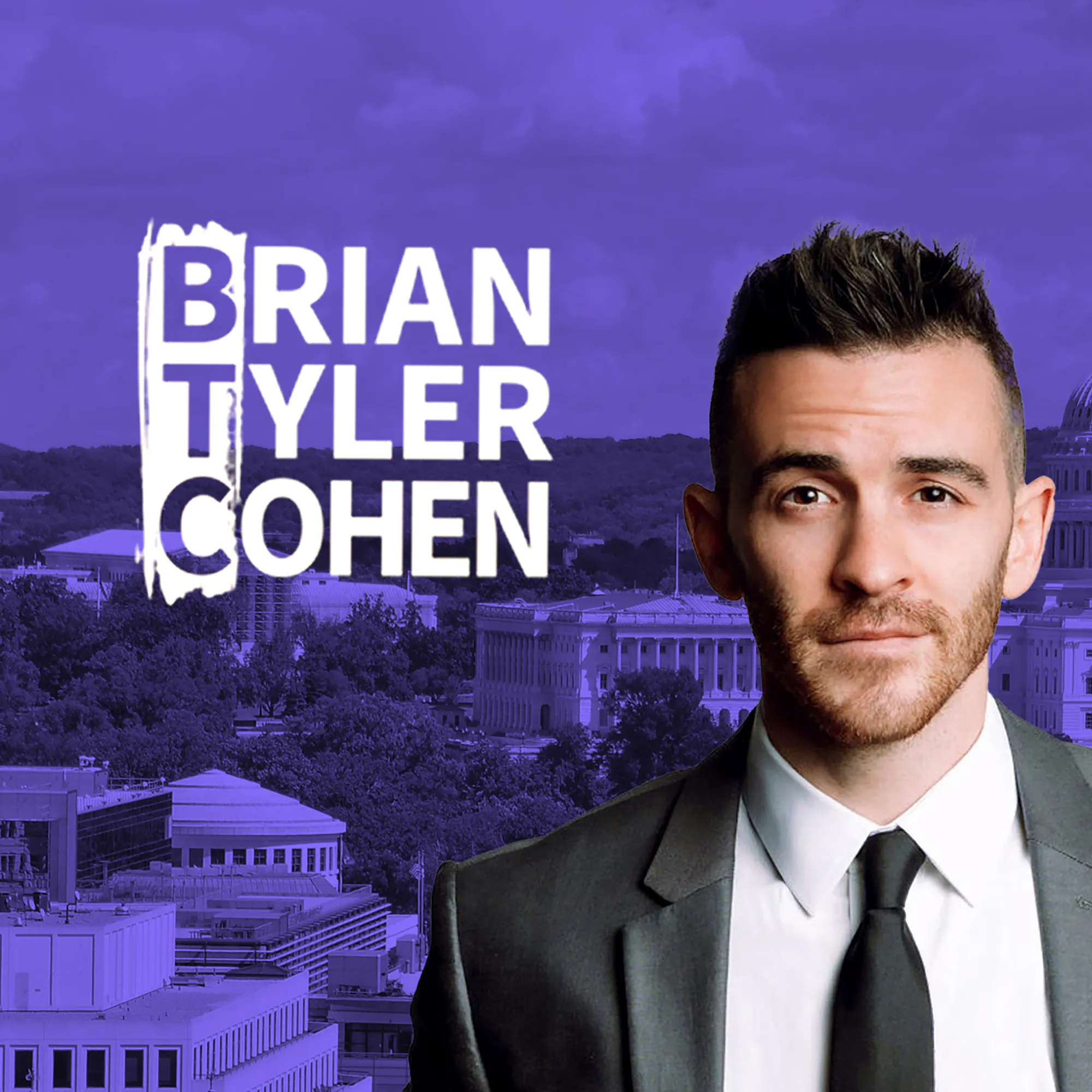
America the Dysfunctional with Brian Tyler Cohen
American politics today has been marred by increasing levels of “us vs. them” thinking, leading to the destruction of our social fabric and democracy. But critical thinking, facts, and reason can lead us out of that path. In this episode, YouTube sensation, podcaster, and MSNBC contributor Brian Tyler Cohen joins guest moderator and Reason magazine’s Editor-at-Large Nick Gillespie to discuss his book “Shameless”, the future of democracy in America, and advises how to engage young voters. Our Guest: Brian Tyler Cohen, YouTuber and Content Creator; Author of “Shameless” Nick Gillespie, Editor-at-Large of Reason, is the guest moderator. Learn more about your ad choices. Visit podcastchoices.com/adchoices

Can Israel Make Peace with Hamas?
After the October 7th attack, Israel vowed to eradicate Hamas and began its counteroperation in Gaza. Now, after ten months of war, a hostage crisis, and an increasing death toll, Israel and Hamas have been in negotiation talks, which could be complicated by the death of Hamas’s political leader Ismail Haniyeh. Should Israel agree to a permanent ceasefire? Those who think Israel should make peace with Hamas argue that while Hamas’s actions are indefensible, a de-escalation of violence is necessary, and conditions in Gaza need to be improved to prevent starvation and further loss of life. Those who believe Israel should not back down say that Hamas’s desire to kill Israelis will never change regardless of any deal created. They also point out that past ceasefires have been used by Hamas to rearm and regroup, which could happen again and lead to more conflicts. As the war goes on, we debate the question: Can Israel Make Peace with Hamas? Arguing Yes: Cenk Uygur, Founder and Host of The Young Turks Network Arguing No: Mosab Hassan Yousef, Ex-Palestinian Militant, Former Israeli Spy, Son of Hamas Co-Founder, and Author, “From Hamas to America.” Emmy award-winning journalist John Donvan moderates Learn more about your ad choices. Visit podcastchoices.com/adchoices

Is the Two-State Solution Still Viable?
The two-state solution proposes establishing a separate Palestinian state alongside Israel as one way to end the Israeli-Palestinian conflict. But post-October 7th and the ongoing war, is it still a possible outcome? Those who say “yes” argue it’s the most logical path toward achieving regional peace. Those who disagree say that the current circumstances and previous failed attempts makes the solution unlikely. Now we debate, in partnership with the Council on Foreign Relations: Is the Two-State Solution Still Viable? Arguing Yes: Ambassador Dennis Ross, Counselor and Distinguished Fellow at the Washington Institute for Near East Policy; Mohammed Dajani Daoudi, Palestinian Peace Activist and Scholar; Founding Director of the Wasatia Academic Institute Arguing No: Elliott Abrams, Senior Fellow for Middle Eastern Studies at the Council on Foreign Relations; Fleur Hassan-Nahoum, Former Deputy Mayor of Jerusalem, Israel’s Special Envoy for Trade & Innovation Emmy award-winning journalist John Donvan moderates Learn more about your ad choices. Visit podcastchoices.com/adchoices
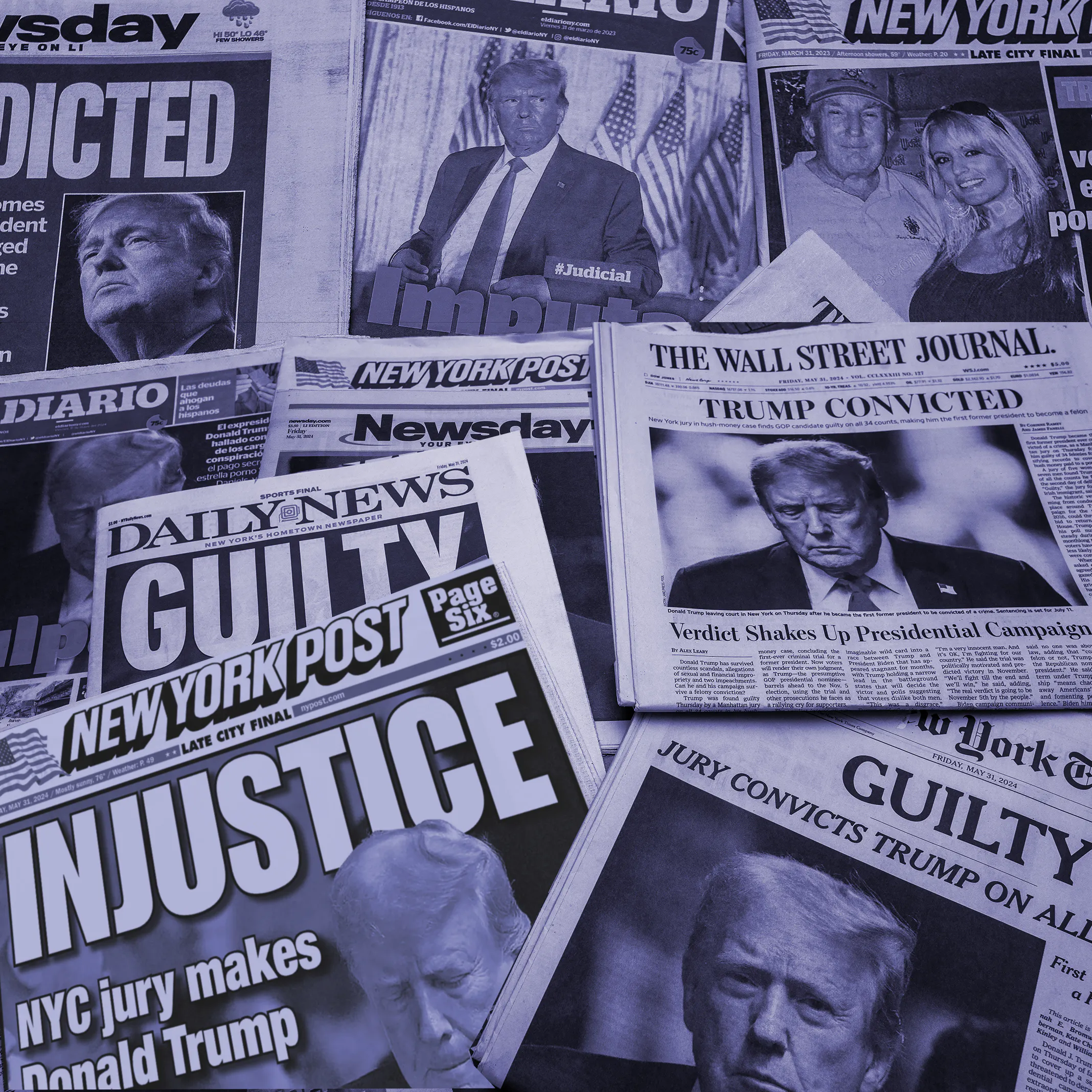
Mock Trial: Should Trump’s Conviction Stand?
Donald Trump was found guilty of 34 felony counts of falsifying business records, but legal scholars question whether it could be overturned in an appeal or due to a new Supreme Court ruling. Those arguing for New York say no individual, even a president, is above the law. Those arguing for the defendant say his actions were within the scope of his official duties. Now we debate: Mock Trial: Should Trump’s Conviction Stand? For the Appellee: Erwin Chemerinsky, Dean of the UC Berkeley School of Law For the Appellant: Randy Zelin, Trial Attorney; Adjunct Law Professor at Cornell Law School Emmy award-winning journalist John Donvan moderates Learn more about your ad choices. Visit podcastchoices.com/adchoices

Should Biden Step Aside?
President Biden continues to dismiss concerns about seeking re-election. But after a disappointing debate performance, some Democratic leaders are increasingly concerned about whether he’s still fit to lead. Those in support of Biden argue his withdrawal would fragment Democrats and they don’t want to risk losing undecided voters to Trump. Those calling for him to step aside argue that a new candidate could re-energize the Democratic base and improve election chances. Now, we debate: Should Biden Step Aside? Arguing Yes: Michelle Goldberg, Opinion Columnist at The New York Times Arguing No: Dmitri Mehlhorn, Co-Founder of Investing In US Emmy award-winning journalist John Donvan moderates Please note: This discussion was recorded on July 11th before the assassination attempt on former President Trump. Learn more about your ad choices. Visit podcastchoices.com/adchoices
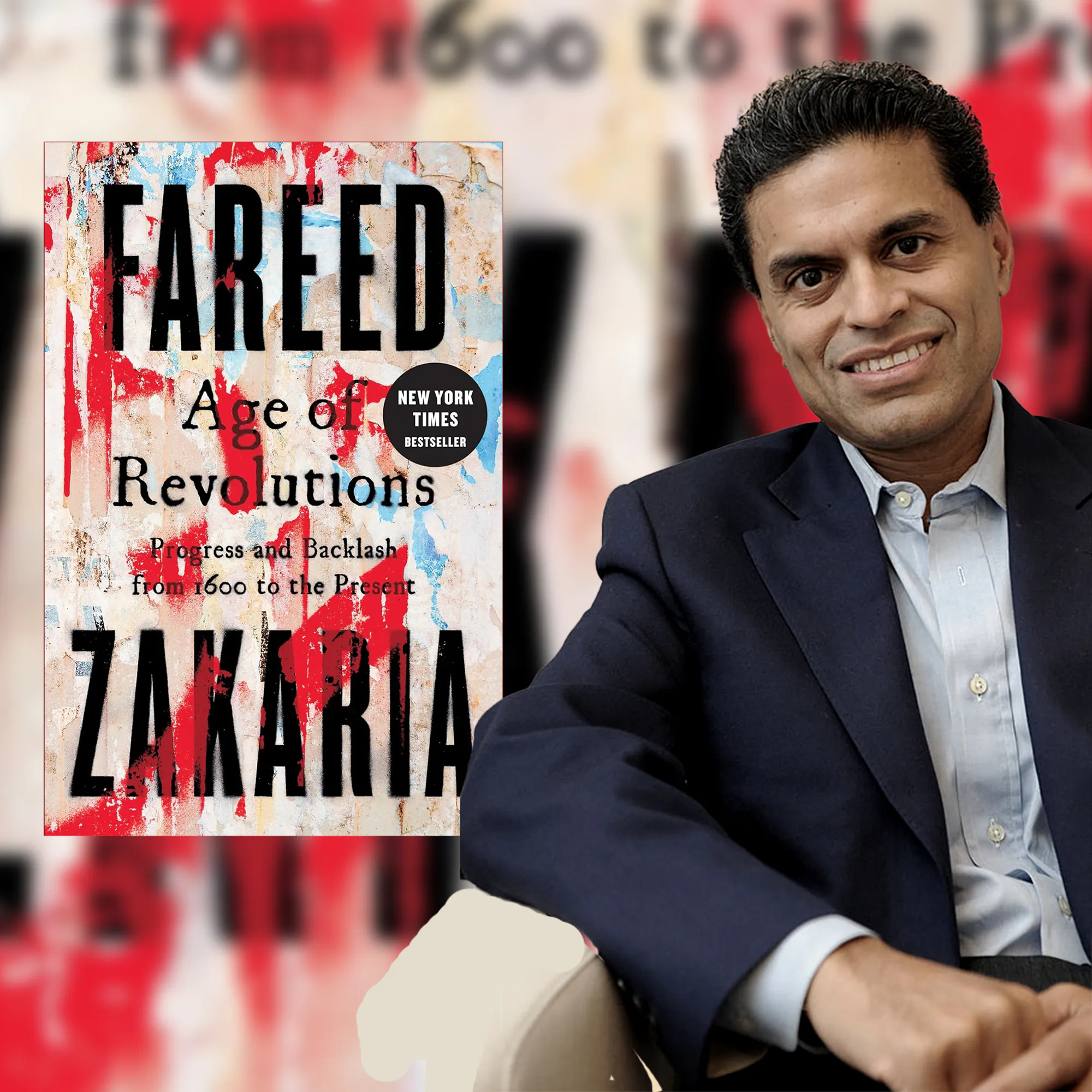
History Lessons About Combatting Polarization in 2024 with Fareed Zakaria
From AI to the political climate during an election year, our modern world is constantly changing and facing more polarization than before. How can we combat it and adapt to a changing America? CNN host and bestselling author Fareed Zakaria says you have to be open-minded and embrace compromise. In this conversation with John Donvan, Zakaria discusses our current revolutionary times, how past revolutions can help us understand our present, and why despite everything, he’s still hopeful. Our Guest: Fareed Zakaria, Host of CNN's Fareed Zakaria GPS; Author of "Age of Revolutions: Progress and Backlash from 1600 to the Present" Emmy award-winning journalist John Donvan moderates Learn more about your ad choices. Visit podcastchoices.com/adchoices

Is Wokeness Killing Comedy?
What George Carlin jokes would be deemed offensive today? What makes us laugh has come under scrutiny. Old jokes or skits are often off-limits in today's context, leading to public apologies and cancellations. Some argue political correctness stifles comedic creativity, thus affecting their ability to tackle tough subjects. Those who disagree say comedy has always evolved with changing norms and it can still flourish within wokeness. This week we revisit one of our favorite debates from the past year: is Wokeness Killing Comedy? Against this background, we debate the question: Is Wokeness Killing Comedy? This debate will take place in front of a live audience, on Wednesday, September 20, 2023 at The Comedy Cellar’s Village Underground in New York City. Warning that this content is not made for kids. Arguing Yes: Lou Perez, Comedian, Producer, Author of "That Joke Isn't Funny Anymore" Arguing No: Michael Ian Black, Actor and Comedian Nick Gillespie, Editor-at-Large of Reason, guest moderates Learn more about your ad choices. Visit podcastchoices.com/adchoices

Married or Single?
Marriage has long been considered a goal to aspire to and a conventional path to happiness. But over the last few decades, the traditional view of marriage as the cornerstone of adult life has been questioned. Changes in economic conditions, gender roles, and cultural values have fueled a reevaluation of whether marriage is still desirable or necessary for personal fulfillment and social stability. Those who believe it’s better to get married argue that married individuals report better physical and mental well-being, compared to single adults. They also experience economic and social benefits. Those who believe it’s better to be single say singledom helps promote independence, allows individuals to make decisions freely, makes it likely to create broader social networks and communities, and feel more fulfilled than they would if they felt pressured to be partnered. Whether you are in a relationship or not, we debate the following prompt: Married or Single? Arguing Married: Jonathan Rothwell, Principal Economist at Gallup Arguing Single: Bella DePaulo, Social Scientist and Author of "Singled Out" and "Single at Heart" Emmy award-winning journalist John Donvan moderates Learn more about your ad choices. Visit podcastchoices.com/adchoices

Is Islam Antisemitic?
Though they share similar values, guidelines, and principles, Islam and Judaism have a long, complicated relationship that has led to tension recorded within the Quran that might engender antisemitism. Those who agree argue that certain Quranic verses could be used to justify some people’s hostility towards Jews. Those who disagree say that references to Jews must be understood in their historical and textual contexts and there have been multiple periods of Muslim-Jewish tolerance. Now we debate: Is Islam Antisemitic? Arguing Yes: Tim Dieppe, Head of Policy at Christian Concern Arguing No: Reza Aslan, Iranian-American Religion Scholar; Bestselling Author of "Zealot" Emmy award-winning journalist John Donvan moderates Learn more about your ad choices. Visit podcastchoices.com/adchoices

MOCK TRIAL: Murthy v. Missouri - Free speech, Government and Misinformation on Social Media Platforms
The Supreme Court will soon decide on a case whether government interference on social media is coercive and suppresses free speech. Those who argue legitimate cooperation say that where misinformation threatens public health or safety, they are justified to protect the public. Those argue coercion believe that increased content moderation could lead to authoritarian control over public discourse online. Now we debate: Mock Trial: Free Speech, Government, and Misinformation on Social Media Platforms. Plaintiff: Charles "Chip" Miller, Senior Attorney at the Institute for Free Speech Defendant: Rylee Sommers-Flanagan, Founder and Executive Director of Upper Seven Law Cross examiners: Nina Jankowicz, CEO of The American Sunlight Project; Former Executive Director of the Department of Homeland Security's Disinformation Governance Board Matt Taibbi, Best-selling Author and Journalist; Writer and Publisher of Racket News Eric Schurenberg, Business Journalist and Media Executive; Founder of the Alliance for Trust in Media Emmy award-winning journalist John Donvan moderates Learn more about your ad choices. Visit podcastchoices.com/adchoices

Is It OK to Pay for Sex?
Prostitution remains heavily stigmatized and legally complex globally, ranging from full decriminalization to controlled regulation like the Nordic Model, where only purchasers of sex, not sellers of sex are penalized. This model has been implemented in eight countries, including Sweden, Iceland, Canada, and France, as well as in the U.S. state of Maine. Those who argue that it is ok to pay for sex say that it’s a profession that deserves as much respect as any other and that those who do it for a living have a right to do with their bodies as they please. They also argue that decriminalizing the profession is the only method to reduce violence against sex workers. Those who say that it is not ok to pay for sex and support the Nordic model are concerned about inequities present between sex buyers and sex workers that are rooted in oppression and power imbalances, as some sex workers choose the profession under economic or social duress. They are also concerned about exploitation and coercion, which can sometimes open the door to human trafficking. With this background, we debate the following question: Is It OK to Pay for Sex? Arguing Yes: Kaytlin Bailey, Sex Workers Rights Advocate; Founder & Executive Director of Old Pros and Host of “The Oldest Profession Podcast” Arguing No: Yasmin Vafa, Human Rights Attorney; Co-Founder and Executive Director at Rights4Girls Emmy award-winning journalist John Donvan moderates Learn more about your ad choices. Visit podcastchoices.com/adchoices
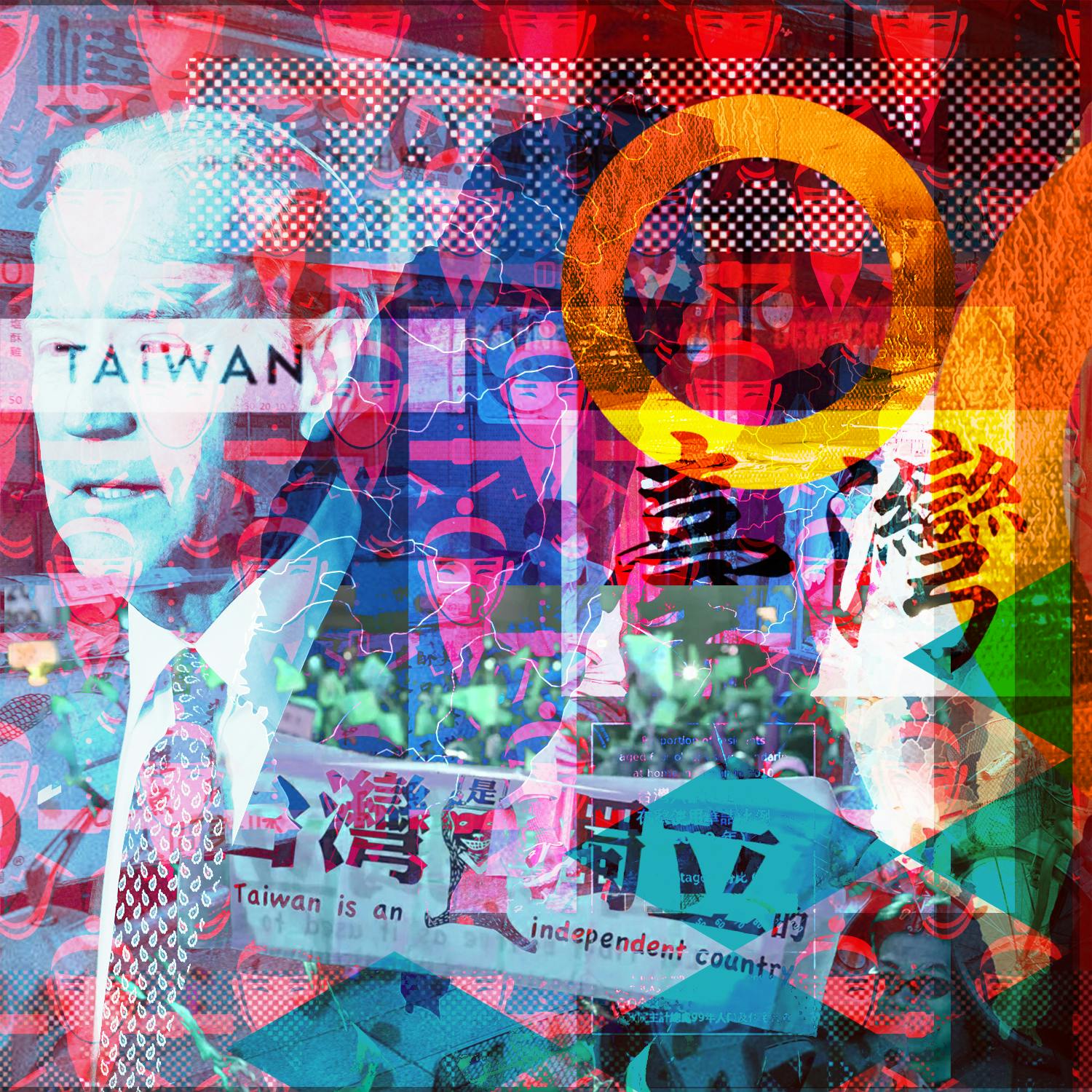
Is Taiwan Indefensible?
China recently conducted two days of military exercises around Taiwan as a “punishment” for “separatist acts” by Taiwan’s new president. Beijing sees Taiwan as territory that needs to be “reunified” with the mainland, while the U.S. is Taiwan’s strongest backer. Some argue that China’s military presence is too large to stop and the island nation is indefensible. Those who disagree argue that American credibility is on the line and they should stand by their political posturing. Now we debate: Is Taiwan Indefensible? With this background, we debate the question: Is Taiwan Indefensible? Arguing Yes: Lyle L. Goldstein, Research Professor in the China Maritime Studies Institute at the U.S. Naval War College; Charlie Glaser, Professor of Political Science and International Affairs at George Washington University Arguing No: Elbridge Colby, Former Deputy Assistant Secretary of Defense; Elizabeth Larus, Professor of Political Science and International Affairs at University of Mary Washington Emmy award-winning journalist John Donvan moderates Learn more about your ad choices. Visit podcastchoices.com/adchoices
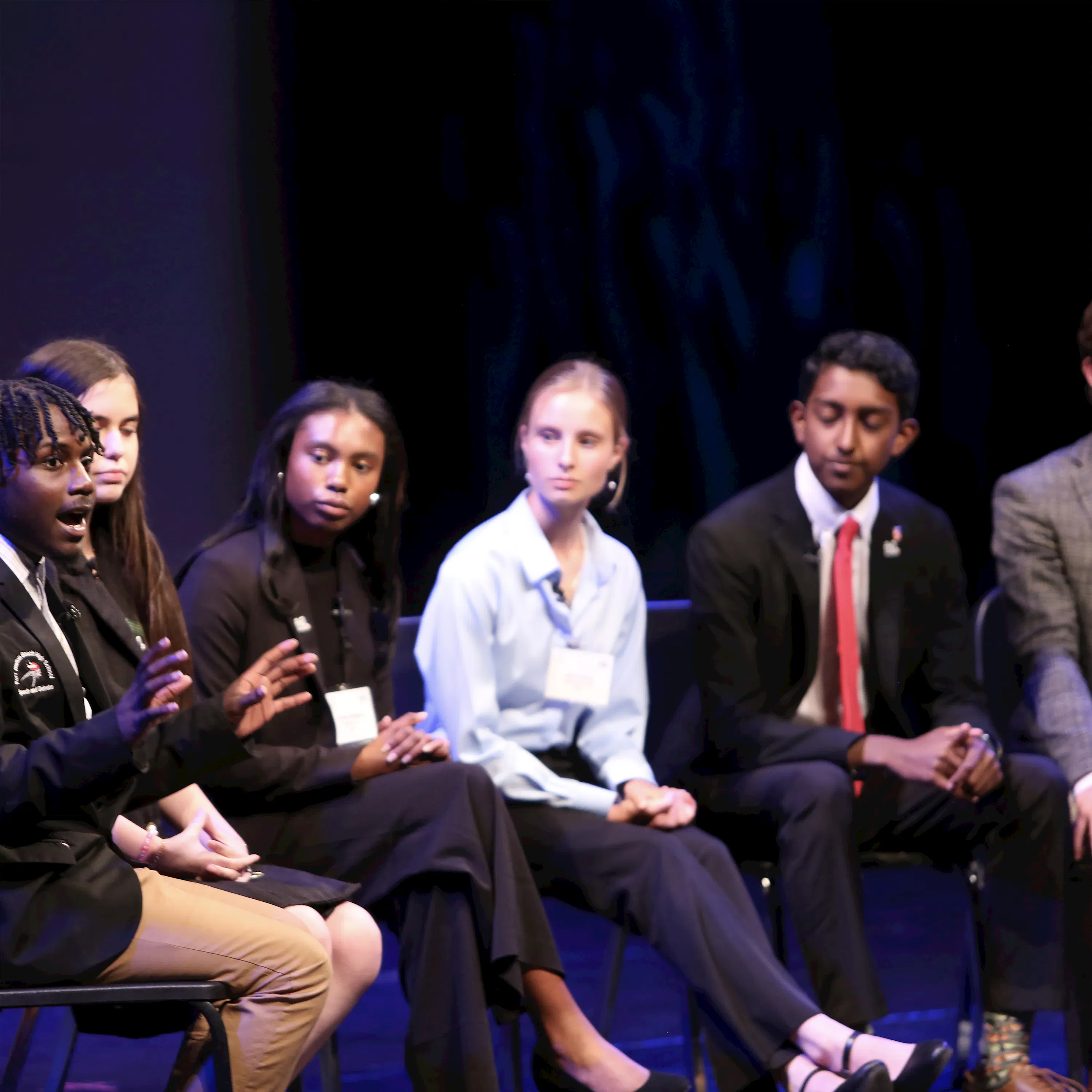
Young Voices Debate Tough Topics: DEI and Climate Change
Two days. Four questions. Ten judges and high school students participating in the national championship run by Incubate Debate, the U.S.’s fastest-growing high school debate league. This is what civil debate in the public square looks like — and what it can be across the country. Join us as we follow eight students who debate the following questions: “Should College DEI Programs Be Abolished?” and “Is Climate Change An Emergency?” Learn more about your ad choices. Visit podcastchoices.com/adchoices

The Pursuit of Happiness: Virtue or Pleasure?
Happiness is a complex emotion and mental state that can be achieved through virtue or pleasure. But should it be for the good of the individual or society? Those in favor of virtue point to the Stoics and the Founding Fathers, saying you should strive for a life of moral virtue and rationality. Those in favor of pleasure say everyone should be able to experience it and define their sources of happiness. Now we debate: The Pursuit of Happiness: Virtue or Pleasure? Arguing Virtue: Jeffrey Rosen, CEO & President of the National Constitution Center; Author of “The Pursuit of Happiness: How Classical Writers on Virtue Inspired the Lives of the Founders and Defined America” Arguing Pleasure: Roger Crisp, Professor of Moral Philosophy at the University of Oxford; Uehiro Fellow and Tutor in Philosophy at St. Anne's College, Oxford Nayeema Raza, Journalist at New York Magazine and Vox, is the guest moderator. Learn more about your ad choices. Visit podcastchoices.com/adchoices

MOCK TRIAL: Should the Courts Restrict Access to the Abortion Pill?
The Supreme Court will soon decide on a case surrounding a medication used for abortion, mifepristone, and whether the drug should continue to be available based on claims of safety and ethical considerations. Those in favor of restrictions argue that the FDA fast-tracked its approval without considering health impacts. Those against restriction argue the FDA made its decisions based on safety and efficiency, and it’s being targeted to further infringe on women’s rights. Now we debate: Should the Courts Restrict Access to the Abortion Pill? Petitioner: Julia Kaye, Senior Staff Attorney at the ACLU Reproductive Freedom Project Respondent: Catherine Glenn Foster, Senior Fellow in Legal Policy at the Charlotte Lozier Institute Judge's Chair: John Donvan, Moderator-in-Chief and Emmy award-winning journalist Learn more about your ad choices. Visit podcastchoices.com/adchoices

Should Elite Universities Reinstate the SAT?
Many colleges during the pandemic decided to make their applications test-optional, but new research has elite colleges rethinking that policy. Those in favor of reinstating say the SAT is the best way to bring talented students from all socioeconomic levels into the fold. Those against it say it favors the affluent and argue that admissions decisions should be based on a holistic, more inclusive review that considers a wide range of factors Now we debate: Should Elite Universities Reinstate the SAT? Arguing Yes: John Friedman, Professor and Chair of the Economics Department at Brown University Arguing No: Ben Nelson, Founder of Minerva University Emmy award-winning journalist John Donvan moderates Learn more about your ad choices. Visit podcastchoices.com/adchoices

Is Free Speech Threatened on Campus?
Tensions have been ramping up at universities across the country as students continue to protest the war in Gaza. Reports of antisemitism, islamophobia, and harassment have led to concerns that some students have crossed a line into hateful and threatening speech that requires intervention. Others contend that efforts to clamp down on protests in the name of campus safety suppresses free speech. Within that context, we revisit this debate on adjacent issues from a few years back to see what lessons that can be applied to the current situation: Is Free Speech Threatened on Campus? Arguing Yes: John McWhorter, Linguist and Professor of English and Comparative Literature at Columbia University; Wendy Kaminer, Writer and Lawyer Arguing No: Shaun Harper, Founder and Executive Director of the USC Race and Equity Center; Jason Stanley, Professor of Philosophy at Yale University Emmy award-winning journalist John Donvan moderates Learn more about your ad choices. Visit podcastchoices.com/adchoices
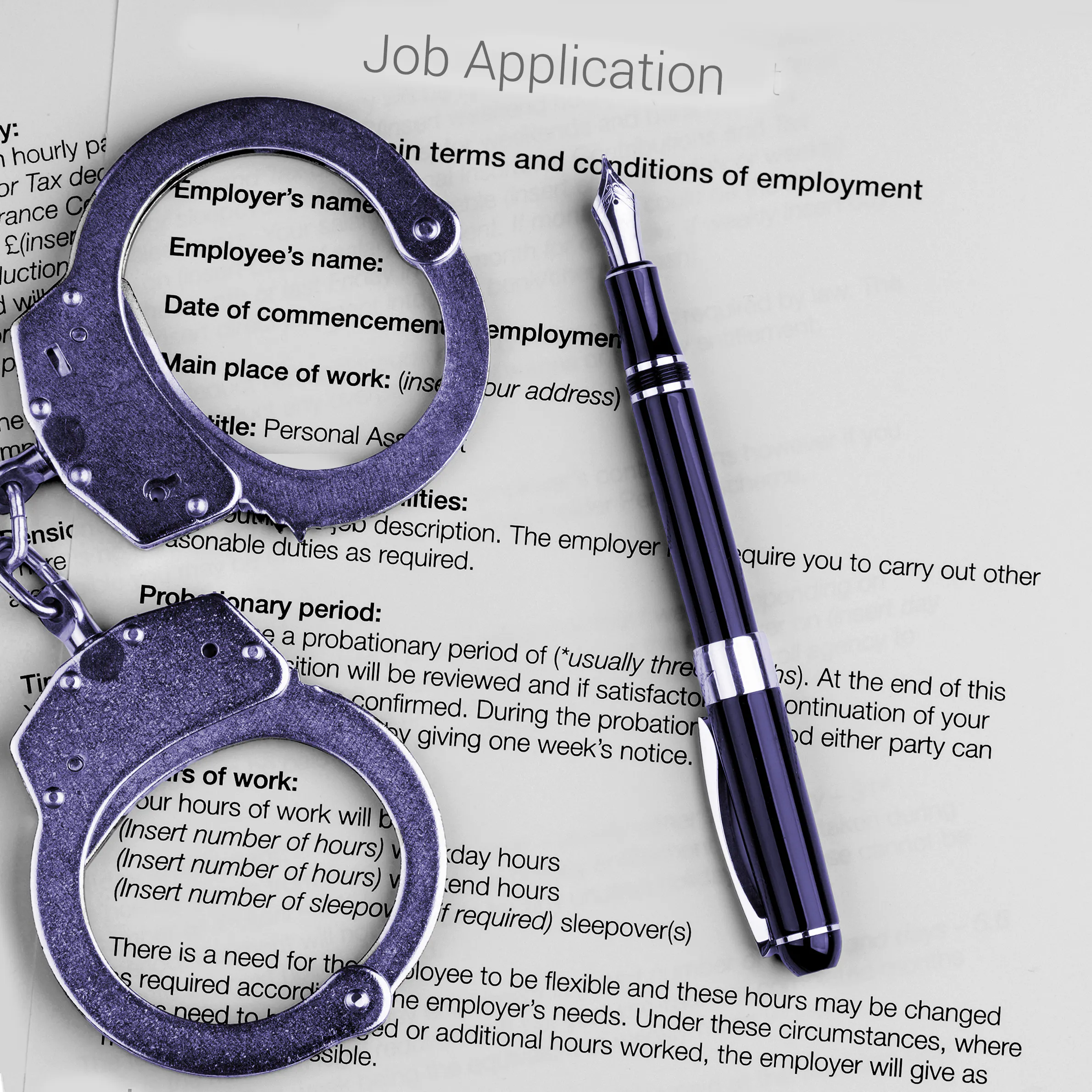
Ban the Box: Should We Banish the Criminal History Check Box from Job Applications?
Former criminal offenders in the United States face challenges reentering the job market after incarceration and so-called “Ban the Box” policies aim to fix this. This criminal justice initiative calls for removing questions about criminal history from job applications and delaying background checks. Those against "the box" argue former offenders shouldn’t continue to be punished and it prevents societal reintegration. Those in favor of early screening argue employers have a responsibility to ensure their business’s safety and make informed hiring decisions. Those who are against it argue former offenders shouldn’t continue to be punished and it prevents societal reintegration. Now we debate: Ban the Box: Should We Banish the Criminal History Check Box from Job Applications? Arguing Yes: Beth Avery, Senior Staff Attorney at the National Employment Law Project Arguing No: Jennifer Doleac, Executive Vice President of Criminal Justice at Arnold Ventures Emmy award-winning journalist John Donvan moderates Learn more about your ad choices. Visit podcastchoices.com/adchoices

Should Congress Stop Funding the War in Ukraine?
The U.S. has provided more than $75 billion in aid to Ukraine in its war against Russia. Some Congress members question whether we have done enough to help, and they say increased funding sustains strategic interests and demonstrates support of democratic values. Those who say we should stop funding the war, argue that Ukraine can’t win and additional U.S. dollars will prolong the loss of human lives and territory. Now we debate, in partnership with the Council on Foreign Relations: Should Congress Stop Funding the War in Ukraine? Arguing Yes: John Mearsheimer, Political Science Professor at the University of Chicago; Daniel L. Davis, Retired Lieutenant Colonel, Senior Fellow and Military Expert at Defense Priorities Arguing No: Heather Conley, President of German Marshall Fund of the United States; Paula Dobriansky, Former Under Secretary of State for Global Affairs; Senior Fellow at Harvard Kennedy School’s Belfer Center for Science and International Affairs; Vice Chair, Atlantic Council Scowcroft Center for Strategy & Security Emmy award-winning journalist John Donvan moderates Learn more about your ad choices. Visit podcastchoices.com/adchoices

Is Religion a Force for Good?
Religion has long shaped human civilization, and many have wondered whether it’s good for society. Those who argue “yes” say it offers a sense of identity and belonging and provides a moral compass to do good acts. Those who argue “no” say that religious beliefs are a source of historical and conflict and discrimination and can hinder social progress that clash with modern values. Now we debate: Is Religion a Force for Good? Arguing Yes: Shadi Hamid, Columnist and Editorial Board Member of The Washington Post; Assistant Research Professor of Islamic Studies at Fuller Seminary Arguing No: Annie Laurie Gaylor, Co-Founder and Co-President of the Freedom from Religion Foundation Emmy award-winning journalist John Donvan moderates Learn more about your ad choices. Visit podcastchoices.com/adchoices

Childhood Obesity Guidelines: Good Medicine or Too Extreme?
The American Academy of Pediatrics recently released new guidelines to address childhood obesity, affecting over 14 million children, including recommendations for weight loss medications and surgery. Those who consider the guidelines good medicine say that it is a step forward in recognizing obesity as a condition requiring a range of medical interventions. Those who think the guidelines are too extreme worry these approaches could impact mental health and body image, contributing to weight stigma and shame. Now we debate: Childhood Obesity Guidelines: Good Medicine or Too Extreme? Arguing "Good Medicine: Dr. Julia Nordgren, Pediatric Lipid Specialist at Palo Alto Medical Foundation; Attending Physician at the Stanford Weight Clinic Arguing "Too Extreme": Dr. Janna Gewirtz O'Brien, Pediatrician and Assistant Professor at University of Minnesota Medical School Emmy award-winning journalist John Donvan moderates Learn more about your ad choices. Visit podcastchoices.com/adchoices

Should the US Ban Tik Tok?
With one billion active users across more than 150 countries, TikTok is by many measures one of the world’s most successful video apps — and half of Americans use it. The House of Representatives has passed a bill that could ban the social media company in the U.S. if its parent company, Bytedance, does not divest from it and requires TikTok to be bought by a country that is not a U.S. adversary. Those supporting such a move often point to a ban on another Chinese tech giant, Huawei, as an effective means of limiting China’s influence and bring up concerns the app could be used to leak Americans’ data to China for surveillance, making it a security risk. Those who argue against it say a ban would undermine what has become an important tool in the video marketplace, and that such efforts are not only politically motivated but are also easily bypassed. In that context, we debate the question: Should the U.S. Ban TikTok? Arguing Yes: Kori Schake, Senior Fellow and Director of Foreign and Defense Policy Studies at the American Enterprise Institute Arguing No: Milton Mueller, Professor at the Georgia Institute of Technology School of Public Policy; Founder and Director of the Internet Governance Project Emmy award-winning journalist John Donvan moderates Learn more about your ad choices. Visit podcastchoices.com/adchoices
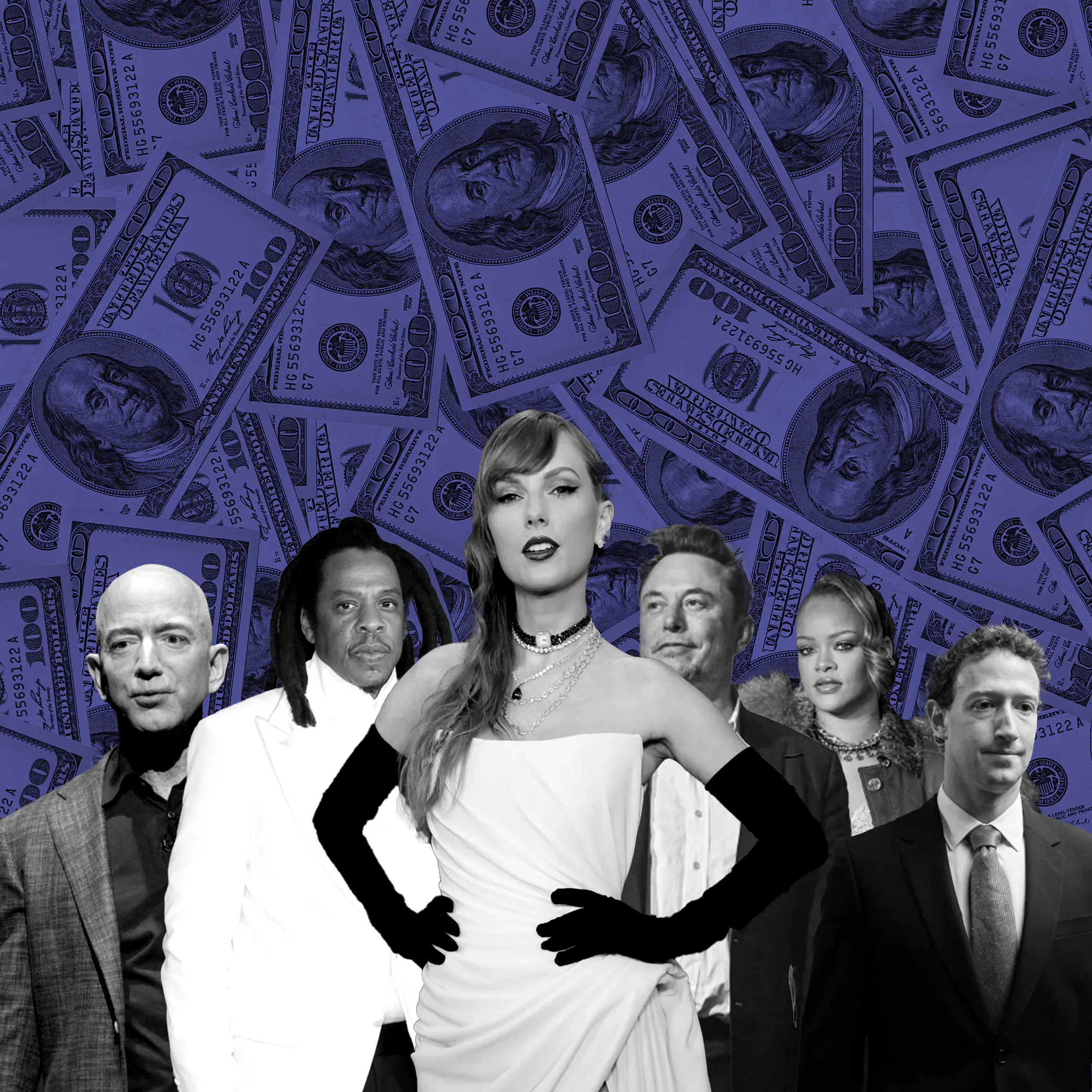
Does Taylor Swift Deserve Her Billion Dollar Fortune?
Taylor Swift achieved her billionaire status because of her talent, work ethic, and support from her fans. But some question whether any individual should be able to accumulate so much wealth. Those arguing they should point to philosopher Robert Nozick, who says if someone acquires wealth through just means, they are entitled to it. Those arguing “no” say that luck and systemic advantages often play a role, sometimes involving exploitation, and that billionaires have an outsized influence on policy. Now we debate: Does Taylor Swift Deserve Her Billion Dollar Fortune? Arguing Yes: Jessica Flanigan, Political Philosopher and Chair in Ethics and Democratic Values at the University of Richmond Arguing No: Ingrid Robeyns, Chair in Ethics of Institutions at Utrecht University's Ethics Institute; Author of "Limitarianism: The Case Against Extreme Wealth" Emmy award-winning journalist John Donvan moderates Learn more about your ad choices. Visit podcastchoices.com/adchoices

Should We Address the Gender Wage Gap?
American women are, on average, paid 84 cents for every dollar men make, according to the Department of Labor. This wage gap has persisted despite near-record rates of women’s participation in the labor market, with wage gaps even larger for women in minority populations, and it’s estimated that pay parity will not be achieved until 2052. Should policy interventions address these disparities, or is it more important to recognize and honor women's personal decisions and find another way to look at the gap Those in favor of fixing the gap see it as a point of fairness and equity that would bring economic benefits, such as enhanced family incomes and increased productivity, and say that new policies are needed urgently to dismantle systemic barriers stopping women from earning more. Those who aren’t in favor argue wage disparities reflect individual choices regarding career paths, work-life balance, and tenure, rather than systemic discrimination. They also point out that when adjusted for factors like job type, hours worked, and career breaks, the gap significantly narrows. Against this backdrop, we debate the question: Should We Address the Gender Wage Gap? Arguing Yes: Kadie Ward, Commissioner and Chief Administrative Officer of the Pay Equity Commission of Ontario Arguing No: Allison Schrager, Pension Economist, Bloomberg Opinion Contributor & Senior Fellow at the Manhattan Institute Nayeema Raza, Journalist at New York Magazine and Vox, is the guest moderator. Learn more about your ad choices. Visit podcastchoices.com/adchoices

Has Citizens United Undermined Democracy?
In a high-stakes presidential election year, in partnership with the Newt and Jo Minow Debate Series at the Northwestern Pritzker School of Law, Open to Debate is taking a look at more than a decade of the Citizens United Supreme Court case. The 2010 landmark decision that ruled the free speech clause of the First Amendment prohibits the government from restricting independent expenditures for political communications by corporations, including nonprofits, labor unions, and other associations, changed the landscape of political spending in the U.S. This gave rise to Super PACS and an increase in election campaign spending. Since then, there have been questions about whether the decision has harmed our democratic process. Those who support the decision argue it upholds free speech, allowing diverse voices in the political arena, and broadens the range of discourse by enabling groups to freely express their views and support candidates or policies. Those against it argue that it allows a disproportionate influence from corporations and special interest groups, and leaves the voices of ordinary citizens overshadowed by the financial resources of a few, eroding the principles of equality and fair representation. With this context, we debate the question: Has Citizens United Undermined Democracy? This debate is presented in partnership with the Northwestern Pritzker School of Law as part of the Newt and Jo Minow Debate Series. It will be recorded live in person on Wednesday, February 21, 2024, at the Thorne Auditorium at Northwestern University Pritzker School of Law in Chicago, Illinois. Arguing Yes: Francesca Procaccini, Assistant Professor of Law at Vanderbilt University Law School; Ciara Torres-Spelliscy, Professor of Law at Stetson University Arguing No: Floyd Abrams, Senior Counsel at Cahill Gordon & Reindel; Eric Wang, Partner at The Gober Group, pro bono Senior Fellow at the Institute for Free Speech Learn more about your ad choices. Visit podcastchoices.com/adchoices
Debate: Coleman Hughes and Jamelle Bouie on Color Blindness for Black History Month
During Black History Month, we reflect on a debate that confronts America’s complex history with racial and social inequality. How can we ensure fair treatment for all in the workplace, on campuses, and in our personal interactions? Is it possible to imagine a future beyond race? As we honor this month of remembrance and celebration, we revisit a conversation that confronts the challenges of our past and the promise of a future that aspires to secure equitable opportunities for all. Arguing Yes: Jamelle Bouie, Columnist for the New York Times Arguing No: Coleman Hughes, Host of the “Conversations with Coleman” podcast and Contributing Writer at The Free Press Emmy award-winning journalist John Donvan moderates Learn more about your ad choices. Visit podcastchoices.com/adchoices
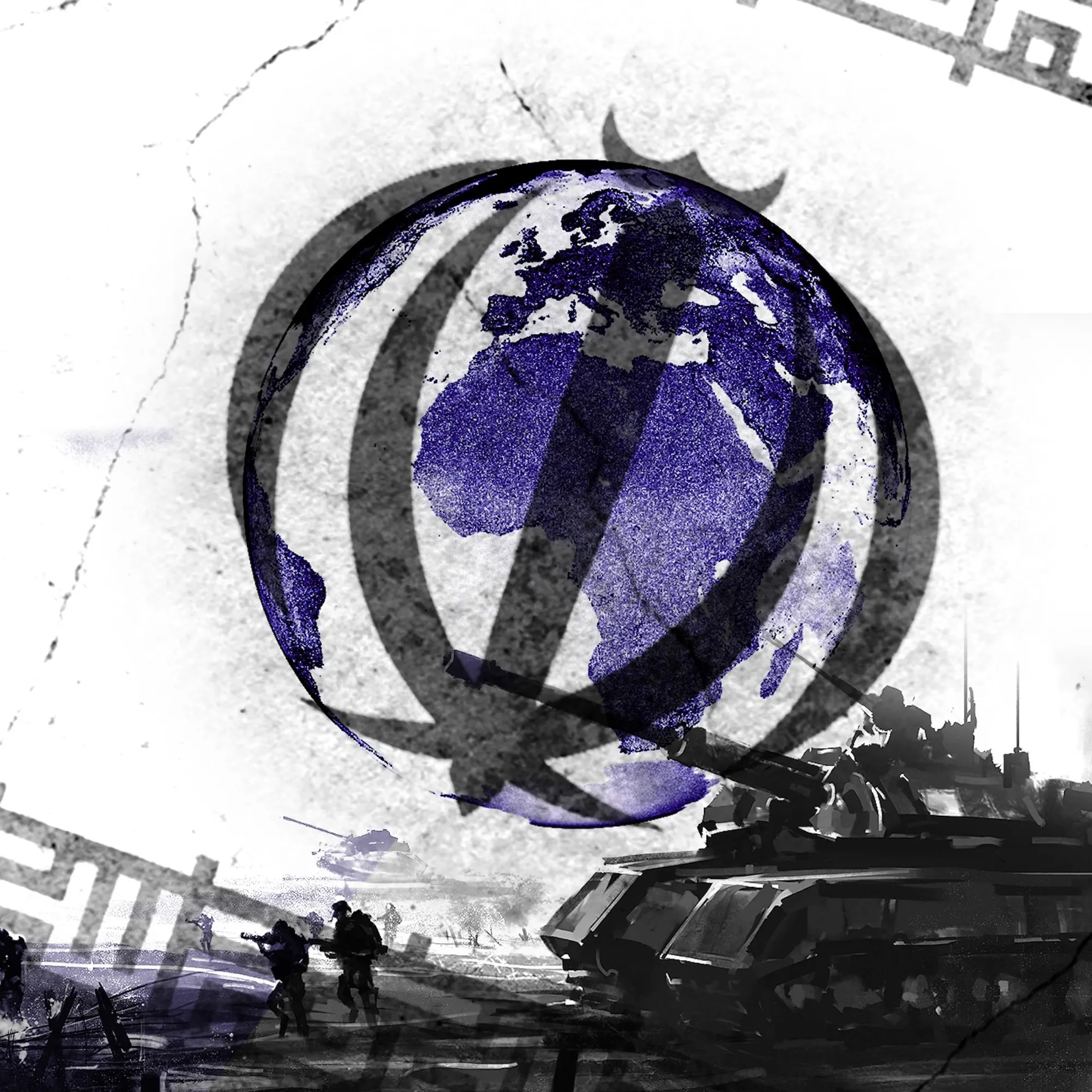
Unresolved: The Iran Threat
Iran’s regional role has changed post-October 7, but is Iran a bigger global threat than we think? In partnership with the Council on Foreign Relations, National Security Council and State Department veterans will debate in our Unresolved format Biden’s Iran diplomacy, Iran's use of proxies in the Middle East, its nuclear ambitions, and whether Iran now poses a threat to the global order. Michael Doran, Senior Fellow and Director of the Center for Peace and Security in the Middle East at the Hudson Institute Barbara Slavin, Distinguished Fellow at the Stimson Center Ray Takeyh, Senior Fellow for Middle East Studies at the Council on Foreign Relations Emmy award-winning journalist John Donvan moderates Learn more about your ad choices. Visit podcastchoices.com/adchoices

How to Resolve Conflict in Relationships: A Conversation with Esther Perel
Couples have arguments over many topics. However, it’s through resolving conflict that both people in the relationship feel heard and seen. Psychotherapist, relationship expert, and New York Times-bestselling author Esther Perel says conflict when navigated skillfully can lead to growth, resilience, and a stronger bond. In this conversation with John Donvan, Perel discusses her new online course, shares her experience working with different relationship types, strategies for transforming conflict into a constructive dialogue, and the importance of validating both sides’ perspectives. Our guest: Esther Perel, Psychotherapist and New York Times bestselling author Emmy award-winning journalist John Donvan moderates Learn more about your ad choices. Visit podcastchoices.com/adchoices

Is the Republican Party’s Refusal to Raise Taxes Fiscally Irresponsible?
Whoever wins the 2024 election will soon face a critical decision about extending four trillion dollars in tax cuts expiring next year. Whether taxes will be raised, or cut is in question, against the backdrop of 34.1 trillion dollars in federal debt. For the past few decades, the Republican Party has embraced the belief that lower tax rates and less government spending boost the U.S. economy. However, there is disagreement among conservative thought leaders about the way forward on taxes for the Republican Party. Specifically, some argue that preferences for tax cuts ignore the looming deficit and that refusing to raise taxes further imbalances the federal budget. However, others continue to argue that our debt is caused by government overspending and will actually be helped by tax cuts and that these same cuts also help promote a flourishing economy. With this background, we debate the question: Is the Republican Party’s Refusal to Raise Taxes Fiscally Irresponsible? Arguing Yes: Oren Cass, Executive Director of American Compass Arguing No: David McIntosh, President of the Club for Growth Learn more about your ad choices. Visit podcastchoices.com/adchoices

Is Engineering Solar Radiation A Crazy Idea?
Right now, climate engineers are working on new technologies, called solar geoengineering, that would reflect the sun’s rays away from Earth as a way to cool the planet. Those in favor argue it would be inexpensive and effective, and could buy us time to get carbon emissions down before the worst impacts of climate change. But others argue it would distract from the underlying issues of climate change and express concern about who would control such a powerful technology. So we debate: Is Engineering Solar Radiation A Crazy Idea? Learn more about your ad choices. Visit podcastchoices.com/adchoices

Is the American Dream in Decline?
The American Dream – the idea that anyone can achieve success in the U.S. through hard work and determination – is under scrutiny, and some worry it’s no longer achievable for the broader population. Those who agree say increasing healthcare, education, and housing costs create difficulty in having financial stability. Those who disagree argue that the U.S. still offers more opportunities for personal and financial growth than elsewhere. Now we debate: Is the American Dream in Decline? Arguing Yes: David Leonhardt, Pulitzer Prize-winning Senior Writer for The New York Times and The Morning; Author of “Ours Was the Shining Future: The Story of the American Dream” Arguing No: Michael Strain, Political Economy Scholar and Director of Economic Policy Studies at American Enterprise Institute; Author of “The American Dream Is Not Dead: (But Populism Could Kill It)” Nayeema Raza, Journalist at New York Magazine and Vox, is the guest moderator. Learn more about your ad choices. Visit podcastchoices.com/adchoices