
Open to Debate
483 episodes — Page 7 of 10

#97 - Should We Legalize Assisted Suicide?
Now legal in nine U.S. states and the District of Columbia, physician-assisted suicide has a growing contingency that want to legalize the practice. Will these laws lead to a slippery slope, where the vulnerable are pressured to choose death and human life is devalued? Or do we need to recognize everyone’s basic right to autonomy, the right to end pain and suffering, and the right to choose to die with dignity? FOR THE MOTION: Peter Singer - Philosopher & Professor of Bioethics, Princeton University Andrew Solomon - Author, "Far From the Tree" & Prof. of Clinical Psychology, Columbia University AGAINST THE MOTION: Baroness Ilora Finlay - President, British Medical Association & Member, House of Lords Dr. Daniel Sulmasy - Prof. of Medicine and Ethics, University of Chicago & Member, Presidential Bioethics Commission Learn more about your ad choices. Visit podcastchoices.com/adchoices
Bonus Episode: How Do We Make Our Debates Happen?
In this special episode of Intelligence Squared U.S., host and moderator John Donvan sits down with our newly appointed CEO Clea Conner to pull back the curtain on how we make our debates, choose debaters, and talk about what happens off the stage. A message from our sponsor: Get 20% off your first purchase by going to nativedeodorant.com and entering promo code DEBATE. Learn more about your ad choices. Visit podcastchoices.com/adchoices
Ep 174#174 - Is Capitalism a Blessing?
Capitalism has always had its critics. But now, a new generation of political leaders, scholars, and activists are calling the free-market system into question. Has capitalism been a force for good? And should it be the economic model of the future? FOR THE MOTION: John Mackey - Co-Founder & CEO, Whole Foods Market Katherine Mangu-Ward - Editor-in-Chief, Reason AGAINST THE MOTION: Bhaskar Sunkara - Founding Editor, Jacobin Richard D. Wolff - Professor Emeritus of Economics, University of Massachusetts Amherst GETQUIP.COM/debate for your first refill free! Learn more about your ad choices. Visit podcastchoices.com/adchoices

#173 - Is Parenting Overrated?
How much does our DNA shape who we become? Four experts in science and psychology debate the classic "nature versus nurture" question with a eye toward recent breakthroughs in genetic science and DNA testing. FOR THE MOTION: Robert Plomin - Professor of Behavioral Genetics, King’s College London Nancy Segal - Professor of Psychology, California State University, Fullerton & Director, Twin Studies Center AGAINST THE MOTION: Paige Harden - Psychology Professor, University of Texas Ann Pleshette Murphy - Author & Parenting Expert Cast your vote at www.iq2us.org Learn more about your ad choices. Visit podcastchoices.com/adchoices

Ep 172#172 - Has Europe Declared War on American Tech Companies?
Should we look to Europe for the future of big tech regulations? Four leading thinkers in tech, governance, and law debate the state and future of big tech, and whether it's time to impose greater regulations on companies like Amazon, Facebook, Google, and Twitter. FOR THE MOTION: Roslyn Layton - Visiting Scholar, American Enterprise Institute Berin Szóka - Founder and President, TechFreedom AGAINST THE MOTION: Marietje Schaake - International Policy Director, Stanford's Cyber Policy Center & Fmr. Member, European Parliament Ramesh Srinivasan - Director, UC Digital Cultures Lab & Professor, UCLA Cast your vote at www.iq2us.org Get 20% off your first order at nativedeodorant.com and entering promo code DEBATE during checkout. Learn more about your ad choices. Visit podcastchoices.com/adchoices

Ep 115#115 - Is Affirmative Action in College Admissions Constitutional?
Students for Fair Admissions just challenged Harvard's affirmative action guidelines in federal court, and lost. But the advocacy group is gearing up to make their case again – this time, in the Supreme Court. In this episode, we revisit this timely and contentious debate: Does the Constitution allow racial preferences in university admissions? Use code Friends30 for 30% off tickets to upcoming live debates: https://www.intelligencesquaredus.org/buy-tickets Learn more about your ad choices. Visit podcastchoices.com/adchoices

#171 - Should We Replace Private Insurance With Medicare For All?
As the nation gears up for the 2020 election, Democrats are promising bold new changes to the American health care system, including scrapping private health insurance and adopting “Medicare for All.” Is this a bold and effective way to repair health care in America? Or will it inflate the already swelled federal deficit? Learn more about upcoming debates at www.iq2us.org/buy-tickets Learn more about your ad choices. Visit podcastchoices.com/adchoices

Ep 170#170 - Unresolved: Shifting Power in the Middle East
Saudi Arabia and Iran are vying for regional dominance. Turkey is cozying up to Russia and China. And instability, conflict, and proxy wars have engulfed Syria, Yemen, and beyond. How should the United States respond to shifting power in the Middle East? Five leading national security experts debate. Learn more about the upcoming season and buy tickets to a live debate at www.iq2us.org/buy-tickets Learn more about your ad choices. Visit podcastchoices.com/adchoices

Bonus Episode: Are We In a New Authoritarian Era?
In this special episode, host John Donvan sits down with two of America's leading thinkers on politics and foreign policy: Susan Glasser and Yascha Mounk. They discuss the rise of authoritarian leaders around the world and their featured articles in the September/October issue of Foreign Affairs magazine. Go to www.ForeignAffairs.com/faiq2 and enter the promo code faiq2 for a discounted issue. Learn more about your ad choices. Visit podcastchoices.com/adchoices

Chris Anderson on Ideas & Inspiration
How do good ideas and persuasive arguments change the world? In this episode, host John Donvan speaks with TED curator Chris Anderson about how bringing people together to share new and innovative ideas will shape our collective future. Learn more about your ad choices. Visit podcastchoices.com/adchoices

#169 - Is U.S. Policy Toward China Productive?
Are recent U.S. policies toward China tough and focused enough to achieve key economic and strategic objectives? Or will U.S. policy escalate tensions too much, ultimately reducing the chances that the world’s two major powers can achieve a sensible accommodation? Join four leading experts for a debate on the motion, “The Recent U.S. Policy Toward China Is Productive.” Learn more about Intelligence Squared U.S. and cast your vote to decide the winner at IQ2US.org. Charles Duhigg's "How To" podcast Learn more about your ad choices. Visit podcastchoices.com/adchoices
Simon Johnson on Science & the Economy
Can focusing on science and technology transform how Americans think about the economy and the future of the nation's working class? In this episode of Discourse Disrupters, former IMF chief economist Simon Johnson joins host John Donvan for a conversation about his new book, "Jump-Starting America: How Breakthrough Science Can Revive Economic Growth and the American Dream." Learn more about your ad choices. Visit podcastchoices.com/adchoices

Allison Schrager on Risk and Reason In Everyday Life
What happens when an economist walks into a brothel? In this episode, economist and author Allison Schrager talks with host John Donvan about her new book, “An Economist Walks Into a Brothel,” and how you can use reason to assess risk in your everyday life. Learn more about your ad choices. Visit podcastchoices.com/adchoices

Nadine Strossen & Thane Rosenbaum on Hate Speech in America
In this episode of Discourse Disrupters, two of America’s top legal minds tackles one of the most pressing questions of the day: what should we do about "hate speech." Learn more about your ad choices. Visit podcastchoices.com/adchoices

Ep 168#168 - Has the Transatlantic Relationship Been Irreparably Damaged?
Populism is on the rise. Relations between American and European leaders are often tense. Is the transatlantic relationship beyond repair? Four of the brightest foreign policy minds gather in Brussels for this timely and thoughtful debate. This debate is presented in partnership with the German Marshall Fund of the United States. Learn more about your ad choices. Visit podcastchoices.com/adchoices
Bonus Episode: How Europe Is Answering to "America First"
Team IQ2US is busy in Brussels, getting ready to bring you our next debate, “The Transatlantic Relationship Has Been Irreparably Damaged.” This one will be presented in partnership with the German Marshall Fund. In this episode, get ready for the debate with a special episode of “Out of Order,” created by our partners. In this podcast, the German Marshall Fund's president Karen Donfried sits down with senior fellow Peter Sparding to discuss the future of the transatlantic relationship. Learn more about your ad choices. Visit podcastchoices.com/adchoices
#153 - Is Social Media Good for Democracy?
A decade ago, Facebook and Twitter promised a digital revolution that would bolster democratic values and empower users around the world. Did that work out? In this episode, we take a look back at one of our most important debates to date. Join four leading thinkers in tech, policy, and media for spirited and timely debate on the motion, "Social Media Is Good For Democracy." Cast your vote on the motion at iq2us.org Learn more about your ad choices. Visit podcastchoices.com/adchoices

Ep 126#126 - Should the U.S. Give Undocumented Immigrants a Path to Citizenship?
There are an estimated 11 million undocumented immigrants living in the United States today. In a divided and contentious political climate where immigration is a key issue for voters across the ideological spectrum, what should happen to these individuals? This episode, we take a look back at our debate on the motion, "Give Undocumented Immigrants a Path to Citizenship." Learn more about your ad choices. Visit podcastchoices.com/adchoices
Ep 134#134 - Is Universal Basic Income the Safety Net of the Future?
Presidential contender Andrew Yang wants to give every American a monthly check from the government, just to cover the basics. And he's not alone. Business leaders, particularly those in Silicon Valley, and some Democratic politicians are warming up to the idea of a universal basic income as a means to offset the impacts of automation in the workforce. In this episode, we take a look back at our debate on the motion, "The Universal Basic Income Is the Safety Net of the Future." Receive your free 7-day trial at blinkist.com/debate Learn more about your ad choices. Visit podcastchoices.com/adchoices

Ep 167#167 - Should Scientists Dim the Sun?
Right now, climate engineers are working on new technologies that would reflect the sun’s rays away from earth. For some, it’s a bold new plan to combat climate change. For others, it's a dangerous attempt to meddle with Mother Nature. Join four leading climate scientists for a debate on the motion, “Engineering Solar Radiation Is a Crazy Idea.” Learn more about Intelligence Squared U.S. and cast your vote to decide the winner at IQ2US.org. Learn more about your ad choices. Visit podcastchoices.com/adchoices

Ep 166#166 - All Hail the Driverless Car?
What if the next car you buy or taxi you hail drives itself? Join four leaders in autonomous vehicles for a timely debate on whether society should embrace driverless cars or approach these new, controversial vehicles with caution. Learn more about Intelligence Squared U.S. and cast your vote to decide the winner at IQ2US.org. Learn more about your ad choices. Visit podcastchoices.com/adchoices
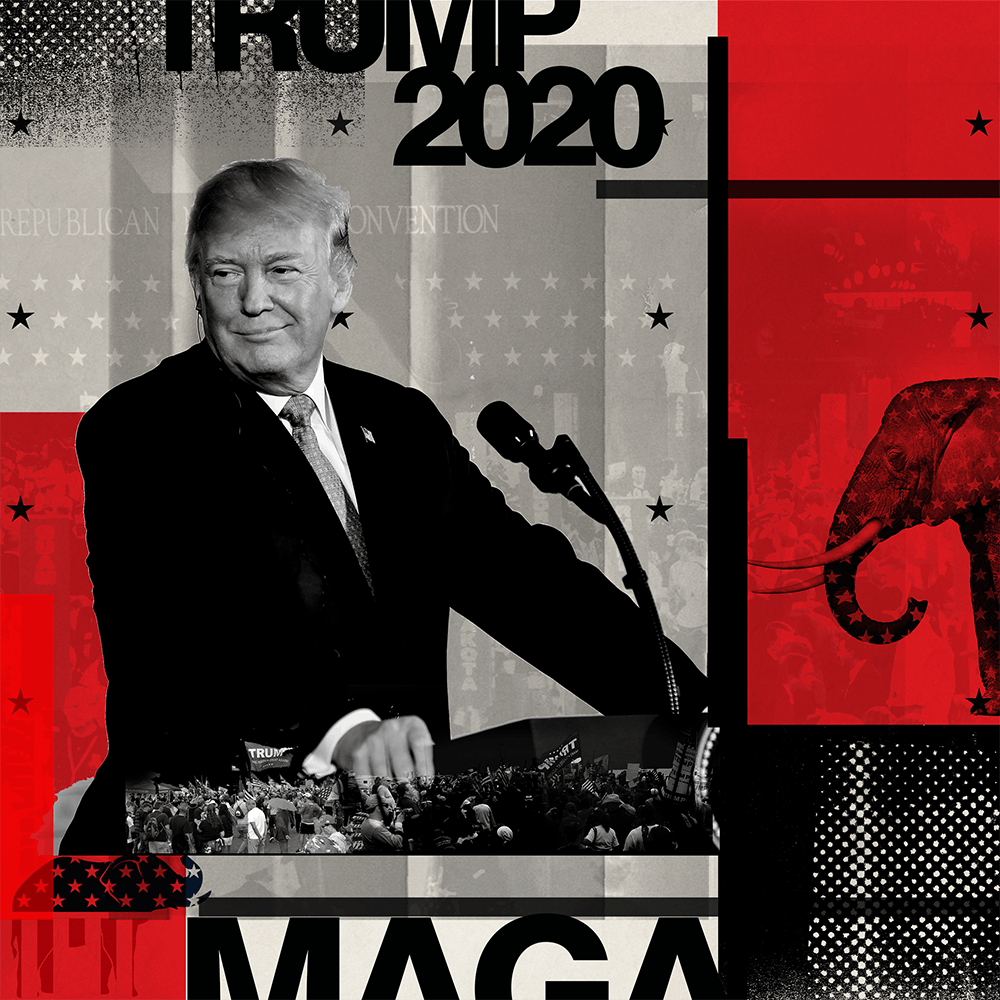
Ep 165#165 - Should the Republican Party Re-Nominate Trump?
Former Senator Jeff Flake and the New York Times’ Bret Stephens team up to argue the motion, “The Republican Party Should Not Re-Nominate Trump.” They face Kris Kobach, a former Trump advisor and former Kansas Secretary of State, and Fox New’s Liz Peek, who are rooting for Trump 2020. Learn more about Intelligence Squared U.S. and cast your vote to decide the winner at IQ2US.org. Learn more about your ad choices. Visit podcastchoices.com/adchoices

IQ2 Interview: Should You Love Your Enemies?
In this special episode of Intelligence Squared U.S., John Donvan sits down with one of America's leading political thinkers to discuss a bold premise: loving your enemies. Arthur Brooks is a best-selling author and the outgoing president of the American Enterprise Institute. His new book, "Love Your Enemies: How Decent People Can Save America from the Culture of Contempt", builds on his decades in politics and challenges Americans to love each other despite partisan differences. Learn more about membership and our upcoming debates at iq2us.org. Learn more about your ad choices. Visit podcastchoices.com/adchoices
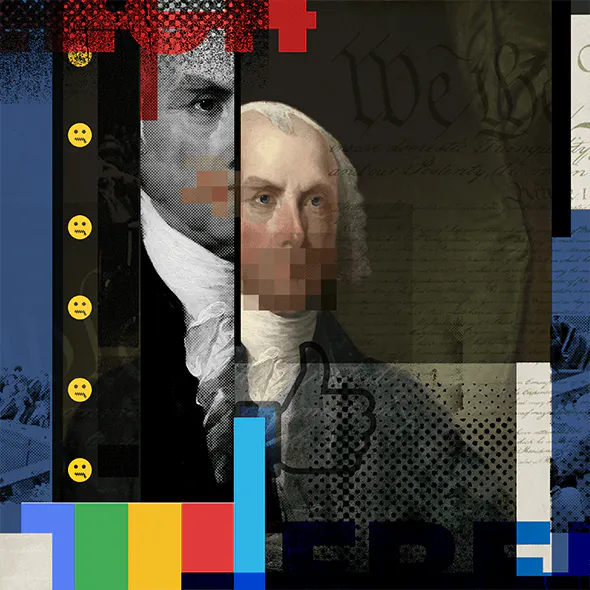
Ep 164#164 - Can Constitutional Free Speech Principles Save Social Media Companies From Themselves?
With David French, Corynne McSherry, Nathaniel Persily, and Marietje Schaake How should the world's largest social media companies respond to a pernicious online climate, including hate speech and false content posted by users? For some, the answer is clear: Take the fake and offensive content down. But for others, censorship - even by a private company - is dangerous in a time when digital platforms have become the new public square and many Americans cite Facebook and Twitter as their primary news sources. Rather than embracing European hate speech laws or developing platform-specific community standards that are sometimes seen as partisan, they argue, social media companies should voluntarily adopt the First Amendment and block content only if it violates American law. Should First Amendment doctrine govern free speech online? Or are new, more internationally focused speech policies better equipped to handle the modern challenges of regulating content and speech in the digital era? Learn more about your ad choices. Visit podcastchoices.com/adchoices
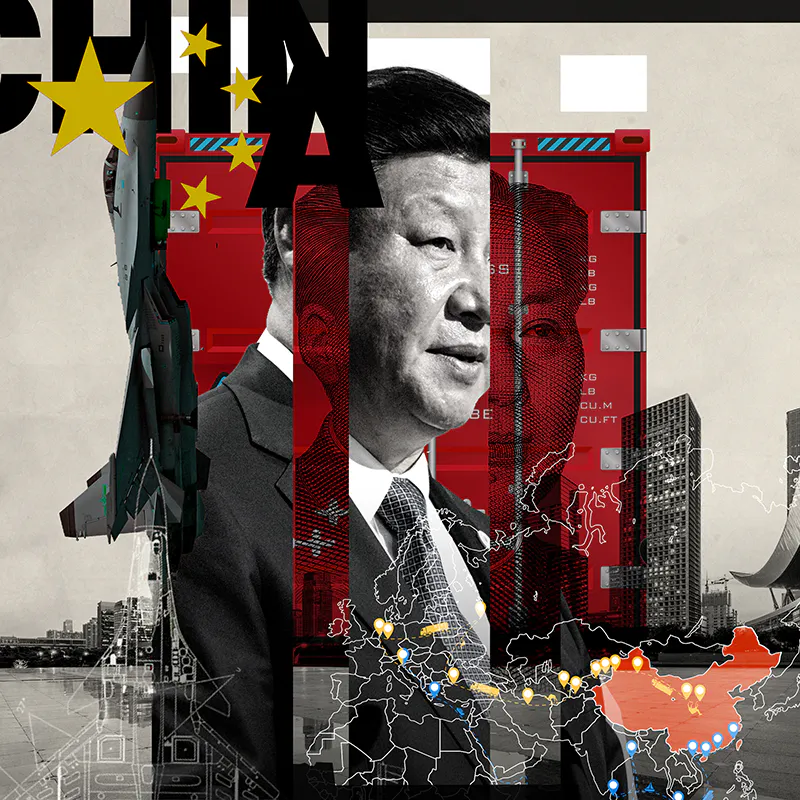
Ep 163#163 - Unresolved: The Techonomic Cold War With China
With Ian Bremmer, Michèle Flournoy, Yasheng Huang, Parag Khanna, and Susan Thornton President Xi Jinping has made it clear: When it comes to big data, advanced weaponry, and other innovations in tech and AI, China has plans to surpass the United States as the world’s next techonomic superpower. But between the trade war with the U.S., the ambitious Belt and Road Initiative, and an array of domestic challenges, are China’s goals outpacing its capacity? Or is China building and investing in strategic partnerships that will push the country toward global dominance? Learn more about your ad choices. Visit podcastchoices.com/adchoices
Ep 162Special Release: Can AI Change Your Mind?
In this special episode of Intelligence Squared U.S., we partner with IBM for a historic debate that brings AI to the stage. IBM Project Debater is the first AI system designed to debate humans on complex topics using a combination of pioneering research developed by IBM researchers. In this debate, Project Debater faces world-class debater Harish Natarajan on the motion, "We Should Subsidize Preschool". Still curious about AI? Dive into more debates: Past Debate - Don’t Trust the Promise of AI: http://smarturl.it/ArtificialIntellMain Upcoming Debate - All Hail Driverless Cars: http://smarturl.it/DriverlessCar Learn more about your ad choices. Visit podcastchoices.com/adchoices

Ep 161#161 - Should We Bring Extinct Creatures Back To Life?
Motion: Don't Bring Extinct Creatures back to Life Once a sci-fi fantasy explored in films like “Jurassic Park,” recent biological and technological breakthroughs indicate that reviving extinct creatures could become a reality. Proponents argue that the benefits include correcting mistakes of the past by bringing back extinct ecosystems and organisms. Others argue it's not ethical, or even feasible. Should humans bring extinct creatures back to life? Learn more about your ad choices. Visit podcastchoices.com/adchoices

Ep 160#160 - Ten Years After the Global Financial Crisis, Is the System Safer?
Motion: Ten Years After the Global Financial Crisis, the System Is Safer More than 10 years ago, Lehman Brothers collapsed, and the world witnessed one of the worst financial crises in global history. Has the world learned its lesson and created a more resilient global financial system? Or are we ill-prepared for next time? Join Us Live In New York on January 31st for "Don't Bring Extinct Creatures Back to Life" - http://smarturl.it/De-ExtinctionTix Foreign Affairs Exclusive Discount - www.ForeignAffairs.com/faiq2 Enter the promo code faiq2 at checkout Learn more about your ad choices. Visit podcastchoices.com/adchoices
Season Preview: New Year, New Debates
trailerAnnouncing our new season! This winter, we’re taking on new issues, including the state of the global financial system, whether we should try to bring extinct creatures back to life, and whether we’re in a techonomic cold war with China. Our debates will feature leading thinkers like Michele Flournoy, Neel Kashkari, Parag Khanna, Stewart Brand, George Church, Jason Furman, Gillian Tett, Ian Bremmer, and more. To get your tickets, visit IQ2US.org/buy-tickets or text “IQ2” to 79-79-79. To join our Friends Program, visit IQ2US.org/support-us. Learn more about your ad choices. Visit podcastchoices.com/adchoices

Ep 83#83 - Should We Avoid Eating Anything With A Face?
MOTION: Don't Eat Anything with a Face From the Archive: Are humans meant to be carnivores? Revisit our debate featuring “21-Day Weight Loss Kickstart” author Neal Barnard, Farm Sanctuary co-founder Gene Baur, nutritional scientist Chris Masterjohn, and farmer and author Joel Salatin. Learn more about your ad choices. Visit podcastchoices.com/adchoices

Ep 105#105 - Is Smart Technology Making Us Dumb?
MOTION: Smart Technology is Making us Dumb. Smart technology grants us unprecedented, immediate access to knowledge and to each other -- a ubiquitous and seamless presence in everyday life. But is there a downside to all of this connectivity? It’s been said that smart technology creates dependency on devices, narrows our world to echo chambers, and impairs cognitive skills through shortcuts and distraction. Are these concerns an overstatement of the negative effects of high-tech consumption? Learn more about your ad choices. Visit podcastchoices.com/adchoices

Ep 159#159 - Has Silicon Valley Lost Its Soul?
Motion: Silicon Valley Has Lost Its Soul. Silicon Valley once promised to solve many of the world's problems with a technological revolution. But now, the tech hub is the center of much scrutiny, and for many, that scrutiny is warranted. From privacy violations to flawed business models to a lack of diversity and representation, Silicon Valley has seemingly betrayed its idealism. And though technological progress has notably enriched a few, Silicon Valley has failed to deliver its promise to all. Has the prioritization of profits and conformity of thought corrupted its original "do good" agenda? Proponents argue no: Silicon Valley's critics are simply overreacting. After all, it is still the center of innovation, and the tech giants have revolutionized the way we think, shop, communicate, and experience our lives for the better. Do big tech's detractors simply expect too much from lucrative corporations? Or has Silicon Valley lost its soul? Learn more about your ad choices. Visit podcastchoices.com/adchoices

An IQ2US Thanksgiving Tradition
Last year, our host John Donvan sat down with Ken Stern, the former National Public Radio CEO, to discuss his book "Republican Like Me: How I Left the Liberal Bubble and Learned to Love the Right, " which chronicles this lifelong liberal's journey through conservative communities and ideas. Ken sat in on Steve Bannon’s radio show, rallied with the Tea Party, spent Sundays in evangelical churches, and went boar hunting in Texas. The result? A new respect for the conservatives he once demonized and optimism for the state of American partisan politics. Join our host and moderator in revisiting this conversation a year later. Learn more about your ad choices. Visit podcastchoices.com/adchoices

Ep 158#158 - Is Trump Bad for Comedy?
Motion: Trump is Bad for Comedy From the opening skit on “Saturday Night Live” to “The Late Show with Stephen Colbert” to the pages of The Onion, President Trump has become the face of comedy. Some comedians and writers argue that in the Trump era, satire has become more challenging and jokes have become cheap. Trump, according to his critics, has normalized the absurd and the nature of political satire in a post-truth world. But others disagree; they argue that the president serves up comedy-gold every day, making their jobs – and the laughs they seek to elicit – easier than ever before. And, they argue, comedy is much more “woke” than it used to be, with late-night hosts and comedians playing a pivotal role in the fight for social justice. Is the president killing comedy? Or is he making the funny business ever more relevant? Learn more about your ad choices. Visit podcastchoices.com/adchoices

Ep 157#157 - Will Progressive Populism Save The Democratic Party?
Motion: Progressive Populism Will Save The Democratic Party As Democratic leaders and strategists gear up for the 2018 and 2020 elections, the party stands at a crossroads. For progressive populists, the path forward is clear: Democrats must get back in touch with the party’s working-class roots by championing a specific set of policies, including Medicare for all, free public college tuition, a guaranteed federal jobs program, and housing as a human right. They say this strategy is key to winning back disillusioned working-class voters and to regaining power in Washington and beyond. But others view this as a dangerous path. They argue that a handful of high-profile progressive wins have been overhyped by the media and, rather than make promises that may be impossible to execute in this political climate, Democrats should champion centrist, economically viable policies that will win elections and solidify the base. How can the Democratic Party, out of power and outnumbered in Washington D.C. and state capitals across the nation, bring itself out of the political wilderness? Cast your vote on the motion: http://smarturl.it/DemDebateVote Learn more about your ad choices. Visit podcastchoices.com/adchoices

Ep 156#156 - Will Retail Alliances Fix the U.S. Health Care System?
Motion: Retail Alliances – Not Washington – Will Save the U.S. Health Care System Last year, Intelligence Squared U.S. and the Mayo Clinic brought to the stage a bold inquiry about whether health care in the United States is terminally broken. And this year, we’re picking up where that discussion left off, against the backdrop of corporate behemoths announcing mergers that, they say, are sure to shake up health care – from the Amazon, Berkshire Hathaway, and JPMorgan Chase venture, to the CVS-Aetna deal, to the Humana-Walgreens partnership, and more. But while these superpower alliances are making a splash in the headlines, will they actually be able to disrupt, and save, U.S. health care? Proponents argue that the bargaining power and data competencies of these retailers will squeeze middlemen out of an inefficient supply chain and bring more transparency to health care pricing. But others argue that the promise of these novel efforts is overstated or misguided, particularly because U.S. health care is so complex and deeply rooted. Will consumer-focused models and employer-led initiatives lead to better and less expensive outcomes? Learn more about your ad choices. Visit podcastchoices.com/adchoices

Ep 155#155 - Unresolved: U.S. National Security
The Three Motions: Is NATO No Longer Fit for Purpose? Is the Russia Threat Overblown? Is It Time to Take a Hard Line on Iran? For the United States, tensions are rising with both allies and adversaries. Rogue states are racing to master new technologies and create weapons of mass destruction. And faith in international institutions is seemingly deteriorating. What does this all mean for U.S. national security? Staged in our "unresolved" format, five esteemed foreign policy thought leaders will argue for or against a number of motions revolving around some of America’s most pressing national security issues, including: Is NATO no longer fit for purpose? Is the Russia threat overblown? And is it time to take a hard line on Iran? Learn more about your ad choices. Visit podcastchoices.com/adchoices
Join IQ2US Live in New York
trailerThis Thursday, September 20th, we’re launching our fall series with an evening of debate on the state and future of American national security. Set in our “unresolved” format, five debaters will fly solo on the following resolutions: It’s Time to Take a Hard Line on Iran. NATO Is No Longer Fit for Purpose. The Russia Threat Is Overblown. _____ Tickets available here: http://smarturl.it/NationalSecurityTix Use code FRIENDS30 for 30% off Learn more about your ad choices. Visit podcastchoices.com/adchoices

Ep 154#154 - Has Globalization Undermined the American Working Class?
MOTION: Globalization Has Undermined America's Working Class Globalization ushered in an era of free trade, fluid borders, and unparalleled corporate profits. For its proponents, the global integration of states and their economies was a political and economic win that created a wealth of opportunities for workers and consumers around the world. But in the United States, jobs are disappearing. From construction zones to clerical offices to coal mines, the American working class is losing ground. Is globalization to blame? Did the push toward global integration leave our most vulnerable populations behind, making them the losers of this grand experiment? Or is globalization being used as a scapegoat for a wider range of failed public policies and unprecedented advances in technology? Learn more about your ad choices. Visit podcastchoices.com/adchoices

Ep 153#153 - Is Social Media Good For Democracy?
MOTION: Social Media Is Good for Democracy By connecting people across the world for free, platforms like Twitter and Facebook set the stage for a promising digital revolution, providing tools that helped foster global friendships, break down long-standing barriers that kept people and ideas from being heard, and served as the ultimate democratizing force for information. Now, lawmakers in the U.S. and beyond are reeling with questions of how to prevent the spread of digital political propaganda and protect citizens' personal privacy online. Critics argue that rather than uniting and informing, social media deepens social and political divisions and erodes trust in the democratic process. Will the power of social media yet be harnessed and used as an unprecedented force for good in the world? Or do systemic platform flaws pose an irreversible threat to the world's democratic institutions? Learn more about your ad choices. Visit podcastchoices.com/adchoices

Ep 152#152 - Trigger Warning: Are Safe Spaces Dangerous?
Debate: Trigger Warning: Safe Spaces are Dangerous Long hailed as bastions of intellectual development and ground zero for the free and spirited exchange of ideas, today's universities have come under attack by those who argue that a new generation of students and administrators are trading in academia's most cherished values for political correctness and inclusion. At the heart of this debate is the question of safe spaces, how we define them, and whether they aid or hinder intellectual inquiry. Deeply rooted in social justice movements of the past, these spaces promise a reprieve from bigotry and oppression by allowing today's students - the most culturally and racially diverse in history - the opportunity to express themselves in an empathetic environment. But to their critics, safe spaces pose a dire threat to free speech and undermine the resilience of a generation. Are safe spaces dangerously coddling young minds? Or are they a legitimate and necessary component of modern education? Learn more about your ad choices. Visit podcastchoices.com/adchoices

Ep 151#151 - Will Automation Crash Democracy?
MOTION: Automation Will Crash Democracy Around the world, technology is disrupting the workforce, with automation poised to displace humans in the fields of medicine, agriculture, and beyond. Will the rise of robots fuel a new wave of “us versus them” populism capable of undermining democracy? For some, the answer is yes. They argue that as people lose jobs to robots, the gap between the rich and poor widens, distrust in government and democratic institutions grows, and populist ideas become more attractive to those who feel left behind. The importance of work trumps the importance of democracy, leaving a clear path for authoritarians to rise under nationalist messages that pit groups of people against one another. But others paint a different picture: They argue that humans have adapted to – and benefited from – new innovations for centuries. From the advent of water and steam power to computers, work has changed, but never disappeared. And as automation drives higher productivity growth, humans can reach their full potential and pursue societal innovation, allowing more citizens to feel fulfilled and strengthening democracy on the whole. Learn more about your ad choices. Visit podcastchoices.com/adchoices
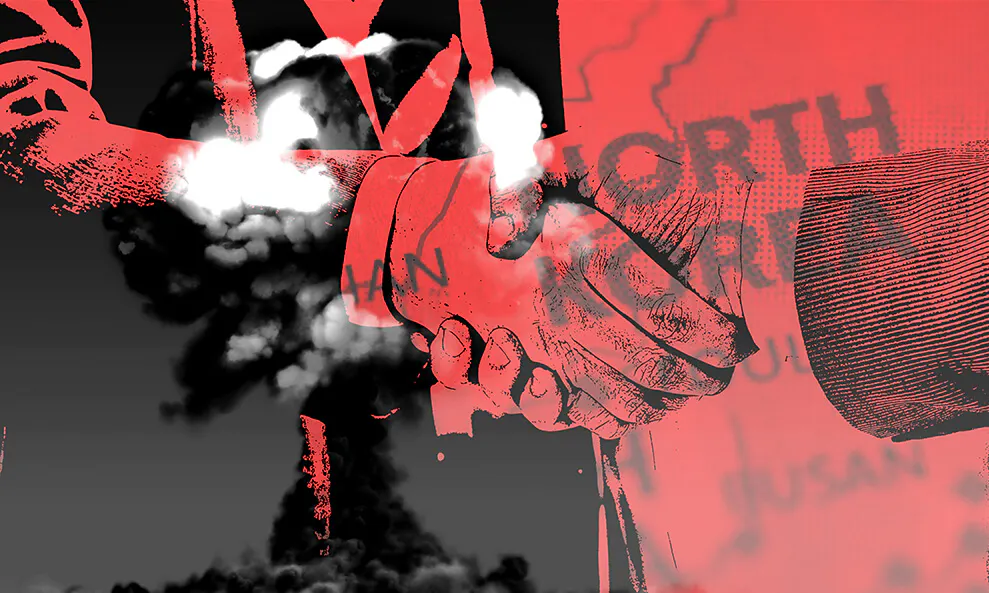
Ep 150#150 - Can Negotiations Denuclearize North Korea?
Motion: Negotiations Can Denuclearize North Korea Will all of the recent goodwill gestures between North and South Korea lead to the one thing Washington wants most? Can a deal be struck that denuclearizes North Korea? And what will they want in exchange for giving up that leverage? Presented in partnership with Georgetown University, LIVE at the first Georgetown University Women’s Forum. Learn more about your ad choices. Visit podcastchoices.com/adchoices

Ep 149#149 - Is Bitcoin More Than A Bubble?
Motion: Bitcoin is More Than a Bubble and Here to Stay. Is Bitcoin here to stay, or is it a bubble waiting to pop? Less than a decade old, Bitcoin is worth billions. The cryptocurrency promises to revolutionize global finance by placing control of currency in the hands of users, not nations, and make financial exchanges more transparent, efficient, and democratic. And it seems to be taking hold: Earlier this year both the Cboe and CME debuted Bitcoin futures. But is Bitcoin really a safe bet? Proponents say the hype around the cryptocurrency is warranted, and previous critics – including executives at JPMorgan and Goldman Sachs – are increasingly jumping on the Bitcoin (block)train. On the other hand, skeptics suggest this highly volatile digital currency offers a platform for illicit activity, including money laundering and trafficking of humans and drugs, free from government oversight and regulation. And, they argue, Bitcoin has no intrinsic value – the price is based on market enthusiasm rather than actual utility. This debate is presented in partnership with the Adam Smith Society. The Adam Smith Society — a project of the Manhattan Institute — is an expansive, chapter-based network of MBA students, professionals, and business leaders who work to foster debate about the moral, social, and economic benefits of capitalism. Learn more about your ad choices. Visit podcastchoices.com/adchoices

Ep 148#148 - Should Net Neutrality Be Saved?
Motion: Preserve Net Neutrality: All Data is Created Equal. What if a single policy could impact American democracy, culture, and competitiveness? What if that policy might either empower citizens and consumers, or burden them? And what if the decision on that policy sparked a frenzy of legislative proposals, judicial challenges, and citizen outrage, all across the country? The Federal Communications Commission’s decision to end net neutrality regulations has fueled a national debate about the future of the internet. Adopted in 2015, net neutrality promised to preserve the democratic spirit of the web by ensuring that all data would be treated equally, regardless of where it originated. Under these regulations, internet service providers (ISPs) such as Verizon, Comcast and AT&T, the corporate giants who deliver the internet into our homes, could supply web infrastructure, but could not preference how data passed through it. Denying them that power, supporters argue, remains critical to ensuring that users and content-creators can discover ideas and information without censorship, or charges, from these prospective gatekeepers. After all, no person should have to pay for every video streamed on YouTube; no startup should be hobbled against established companies who buy faster access to consumers; and no minority voice should have its ideas throttled by wealthier interests. On the other hand, net neutrality opponents argue that the genius of the Internet has been its individually driven, organic development, free from the heavy hand of so-called net neutrality. These burdensome regulations constitute dangerous governmental overreach, stifle innovation, and spike costs for both consumers and providers. The result, they maintain, will be a less interesting, less democratic, less innovative web. Moreover, Americans will enjoy uninterrupted access to their favorite sites – without net neutrality – because ISPs make more money from an open, rather than closed, internet. Consequently, the backlash against the FCC’s decision is overblown, and ending net neutrality is the right policy for the future of America’s internet. Learn more about your ad choices. Visit podcastchoices.com/adchoices

Ep 147#147 - As We Evolve, Do We Need God Less?
Motion: The More We Evolve The Less We Need God. Does God have a place in 21st century human affairs? Michael Shermer, publisher of Skeptic magazine, and cognitive neuroscientist Heather Berlin team up to argue for the motion, "The More We Evolve, The Less We Need God." On the other side is integrative medicine advocate Dr. Deepak Chopra and ER physician Dr. Anoop Kumar. To buy tickets to our live show in Chicago on April 17th, visit IQ2US.org. Learn more about your ad choices. Visit podcastchoices.com/adchoices

Ep 146#146 - Does Humanitarian Intervention Do More Harm Than Good?
Motion: Humanitarian Intervention Does More Harm than Good. The international community currently faces a global refugee crisis and mass atrocities in Iraq, Myanmar, Syria, Yemen, and beyond. How should the West respond? Proponents of humanitarian intervention – the use of force to halt human rights abuses – argue that the world’s most powerful militaries have a responsibility to protect innocent civilians around the world. Beyond saving lives, they argue, intervention deters would-be abusers and ensures global stability, thereby strengthening the liberal world order. But opponents argue that military intervention is thinly veiled Western imperialism, and subsequently, an assault on state sovereignty. And, it’s ineffective: the West, with its military might, increases the death toll and worsens the conflicts it sets out to solve. Further, given recent waves of populism in the U.S., France, and U.K., they suggest that Western nations should spend their time looking inward rather than policing activity around the world. This debate is presented in partnership with The German Marshall Fund's Brussels Forum, broadcast live from Brussels, Belgium. The More We Evolve, The Less We Need God: http://smarturl.it/ReligionDebateTix Learn more about your ad choices. Visit podcastchoices.com/adchoices

Ep 145#145 - Have Dating Apps Killed Romance?
Motion: Swipe Left: Dating Apps Have Killed Romance Every day millions of people turn to dating apps to find love. To date, more than 49 million Americans have given digital dating a try and the companies facilitating these matches are raking in billions. But are dating apps really designed to promote long-lasting romance? Apps like Tinder and Bumble make finding a date as easy as swiping right, while digital platforms like Match.com and OkCupid use specialized algorithms to help users find the perfect partner, regardless of age or personal preferences. Further, a range of niche sites connect people with highly specific interests, whether it’s single parenthood, a gluten-free lifestyle, or a devotion to Ayn Rand. But some argue that online dating is rife with sexism, racism, and misogyny, and that dating apps ultimately create a culture that prioritizes sex over committed and lasting love. After all, why settle on one match when there may be someone better just a swipe away? Learn more about your ad choices. Visit podcastchoices.com/adchoices

Ep 144#144 - Unresolved: America's Economic Outlook
The Three Motions: Is deregulation driving the booming economy? Can the Republican tax bill spur economic growth? And is the stock market too high? By most accounts, the American economy is booming — manufacturing is at a 13-year high, unemployment is at a 16-year low, and both the stock market and consumer confidence are soaring. But just what is driving this upturn? And can Americans trust that current economic conditions will hold up in the months ahead? In our season premiere, five esteemed economic thinkers debate the state of the American economy, from tax cuts to trade policy Learn more about your ad choices. Visit podcastchoices.com/adchoices

Ep 143#143 - Do Liberals Hold the Moral High Ground?
Motion: Liberals hold the moral high ground. Do conservative or liberal philosophies lead to more just outcomes? Opposing moral philosophies have long fueled debate about America’s policy goals and national identity. For conservatives, morality is grounded in ideals such as patriotism, including a respect for order and authority; fairness and liberty in the sense that an individual’s actions yield just rewards, or consequences; and reverence for the sanctity of religious and moral tradition. Liberals place moral emphasis on caring: for the poor, the disadvantaged, and the marginalized; on fairness in the sense of redressing both historic wrongs and current inequalities of outcome; and on generosity extending beyond the bounds of nations or cultures. In today’s divisive political arena, which side best embodies the nation’s most cherished virtues? Morally speaking, is the left right? Learn more about your ad choices. Visit podcastchoices.com/adchoices